
.svg)




A return to simplicity with a bottled tea brand
Bringing the grounding and authenticity of tea culture into the rhythm of modern life.
Master Kong (known internationally as Tingyi Holding Corporation) is number one in market share in both instant noodles and ready-to-drink teas, with over $10 billion USD in annual revenue. While China has a rich tea culture, most sugar-free bottled tea on store shelves markets itself as “healthy” and “tasty.” Wanting to set itself apart from the competition by uncovering new consumer needs, Master Kong reached out to IDEO. Together, Master Kong and IDEO immersed themselves in modern Chinese tea culture and built a new, premium, sugar-free bottled tea brand that resonates deeply with contemporary tea drinkers.
During research, the combined IDEO/Master Kong team took a two-pronged approach to uncovering new opportunities: industry exploration and consumer research. The team visited various tea-related businesses, from traditional tea houses to modern beverage shops, as well as “third place” tea spaces outside of home or work. They also conducted in-depth, in-home interviews with consumers with various levels of interest in tea, delving deeply into their daily routines to better understand their lifestyles and any emotional or functional needs related to tea.
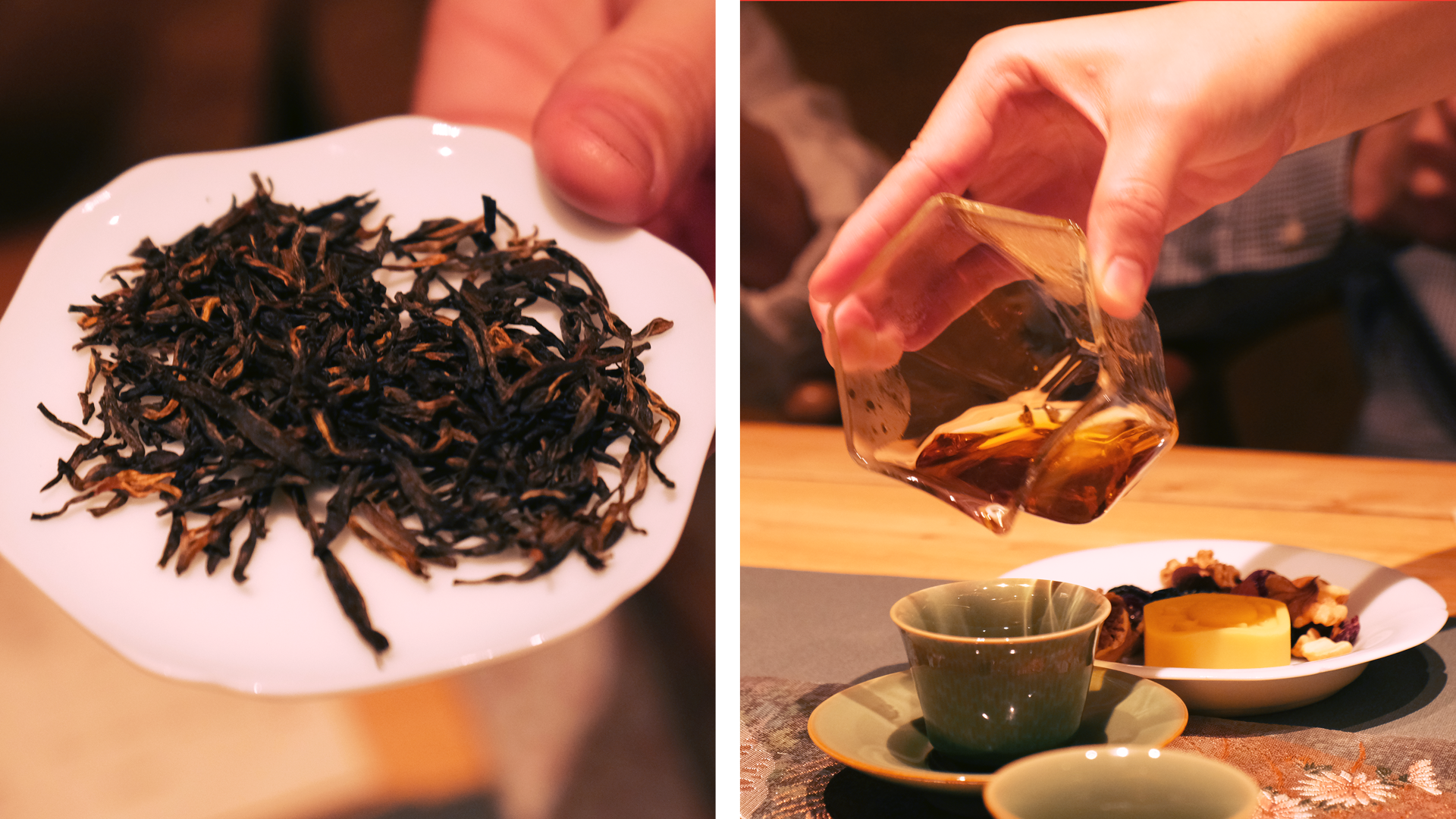
The team discovered that the essence of Chinese tea culture resonated with contemporary consumers’ longing for authenticity, simplicity, and physical rejuvenation in their fast-paced lives. This insight presented a unique opportunity for Master Kong. Instead of positioning its new sugar-free tea brand as merely a “healthy alternative” to other beverages, it could spark a meaningful connection to tea culture, seamlessly integrating into various moments of modern life.
Armed with this insight, IDEO designers and dozens of Master Kong beverage team members participated in a series of immersive, hands-on tea innovation workshops. Teams of experts from R&D, marketing, supply chain, and other company departments temporarily set aside their job titles to explore, iterate, and refine dozens of new tea concepts that were commercially viable, feasible for mass production, and aligned with consumer needs. The cross-departmental collaboration allowed for a broad mix of perspectives, experiences, and expertise, enriching the innovation process.

The co-creation sessions led to a new sugar-free tea product and flagship brand called Cha De Chuan Ren (“Descendants of the Tea”), which celebrates fine, origin-sourced tea and the passion and dedication of tea farmers. The novel concept resonated strongly with consumers and was validated during subsequent rounds of quantitative market testing, ensuring its relevance and market potential.
Cha De Chuan Ren launched with two signature flavors: Tieguanyin (green tea) from Fujian and Pu’er (black tea) from Yunnan. The unique mottled bottle design pays tribute to traditional handcrafted glass containers and the handiwork of tea farmers. The tactile paper label, which features Jia Ma-inspired woodblock illustrations of local tea fields and tea farmers’ hands, nods to the artisanal craft of tea making and the source of the tea inside.
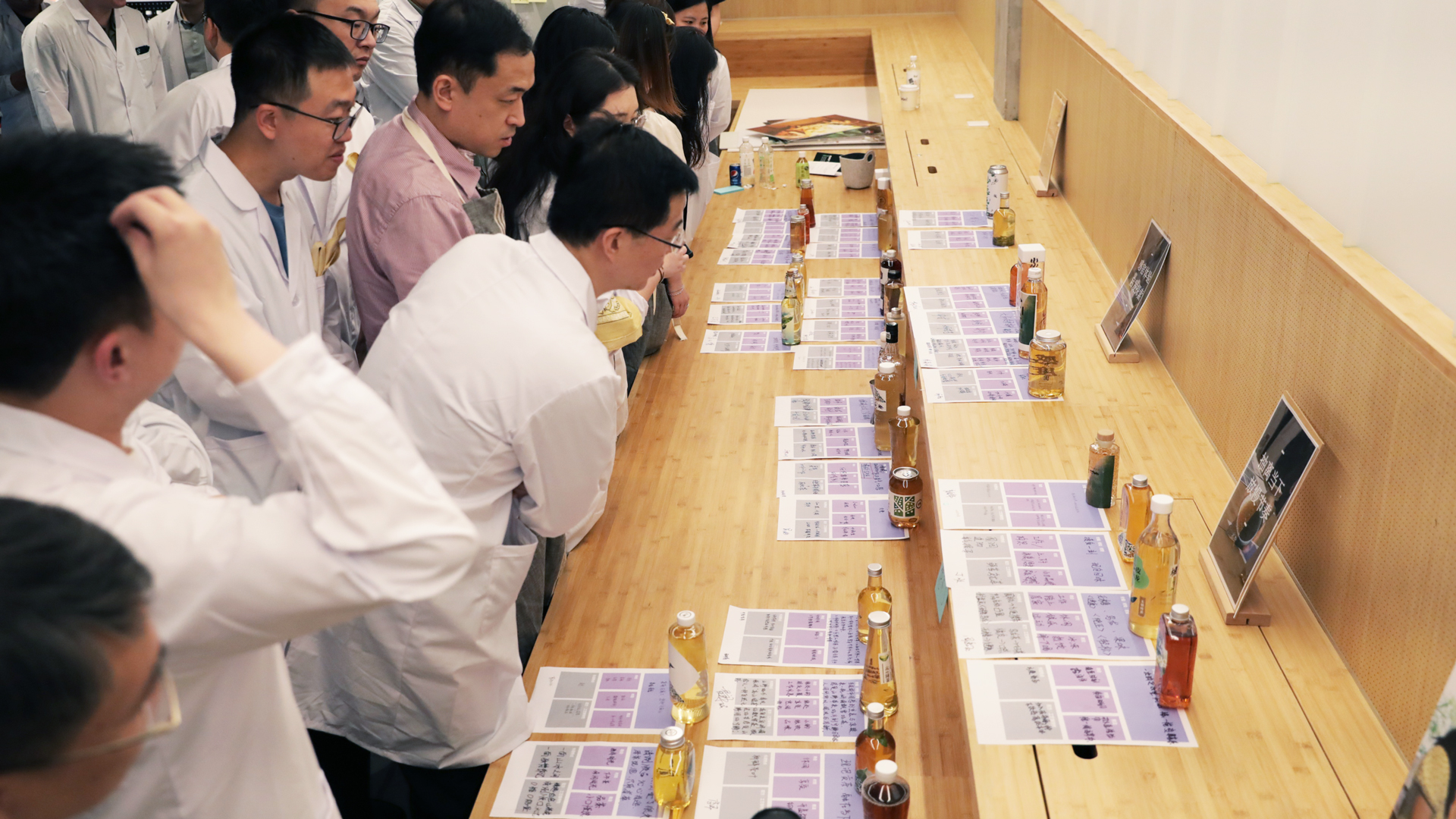
“Descendants of the Tea” debuted on Tmall in April 2024. It claimed the top spot on the commerce site’s Tea Beverage V-List in August and September. Offline, it launched in FamilyMart convenience stores in May and has since expanded nationwide. The new brand received a 2024 Red Dot Award for “Brands & Communication Design.”
“We are honored to collaborate with IDEO, a global leader in innovation, as our strategic partner. ‘Descendants of the Tea’ is not just an exceptional product but also a tribute to the rich heritage of tea culture. Only by continuously integrating culinary traditions with innovation can we sustainably meet consumers’ true needs.”
Richard Chen
CEO, Master Kong (Tingyi Holding Corporation)
“Innovation is incredibly fragile. If even one leader is unsupportive or hesitant, the culture of innovation can collapse. I always encourage my team to take risks, as long as they’re not high stakes. After all, what’s the worst that can happen? At the very least, we’ll have a fair chance at creating something new.”
Wei Hong-Chen
Chairman of Master Kong Beverage Holdings Co., Ltd.
Sugary bottled teas were once very popular in China. Today, rising consumer demand for healthier beverage options has expanded the market for sugar-free tea.
#1
on Tmall’s Tea Beverage V-List, August- September 2024
2024 Red Dot Award Winner
for Brands & Communication Design
A luxury water bottle takes precision engineering to the extreme
Elevating the everyday with next-level design.
Twenty years ago, carrying a single-use plastic water bottle was a status symbol—no more. Growing awareness of the negative environmental impact of plastic pollution, combined with the adoption of healthier lifestyles and social media influencer trends, has made reusable water bottles “it” accessories for on-the-go consumers. While brands such as Stanley, Yeti, S’well, and Hydro Flask own the under-$100 market, fashion brands such as Louis Vuitton, Chanel, Dior, and Prada have etched out a new and growing market for high-end bottles that appeal to discerning, trend-conscious young people looking to perfect their hydration habits.
Spotting an opportunity to disrupt the predominantly utilitarian water bottle market, Steinmann partnered closely with IDEO, tasking the team with developing an industrial design that perfected the tactile and sensory user experience, from drinking and carrying to disassembling and cleaning thoroughly. The collaboration deepened over time, with Steinmann and IDEO working together to develop the high-level engineering concept, the OKAPA logo mark, and packaging ideas.
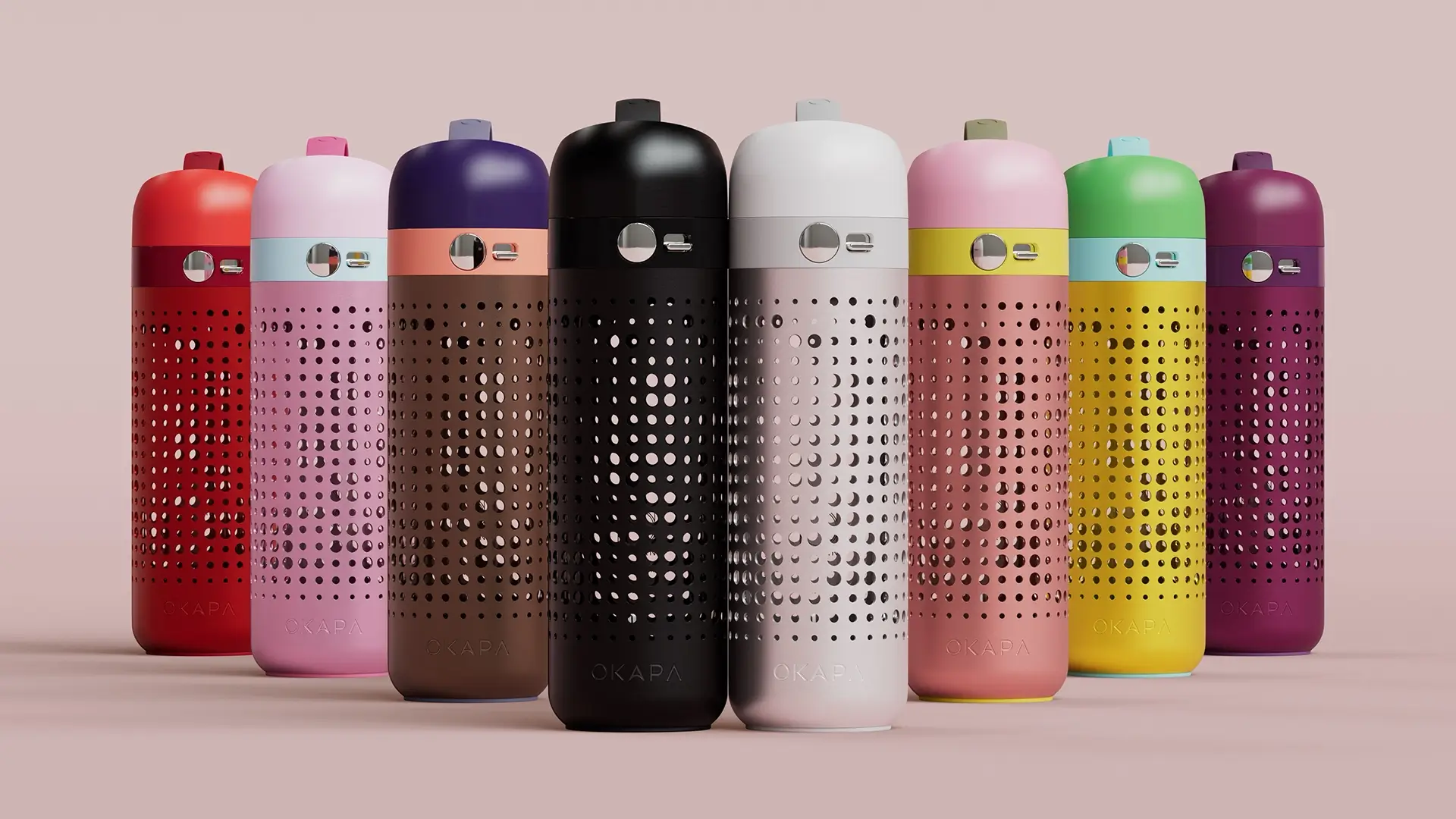
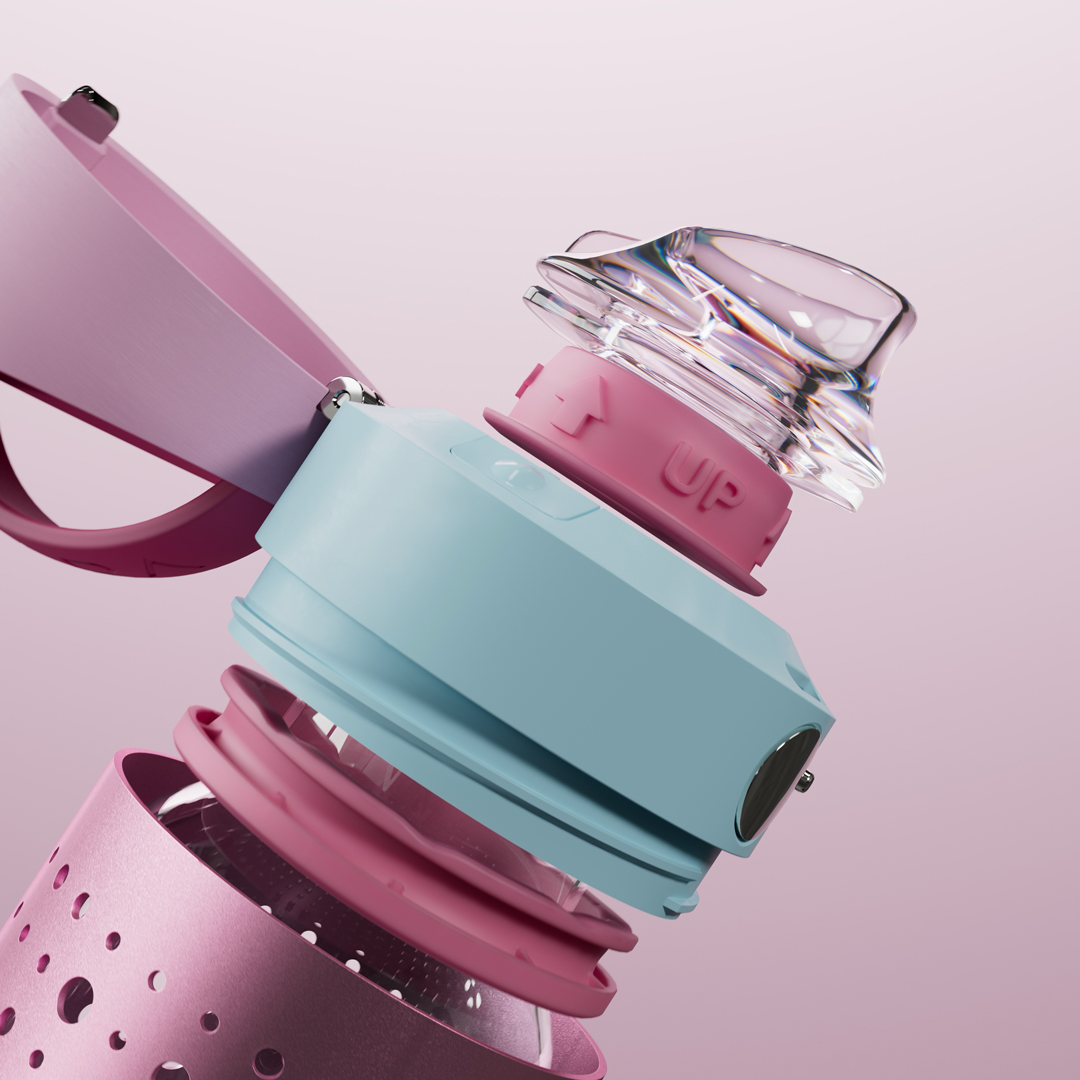
Key user-centered features of the OKAPA bottle include a medical-grade German borosilicate glass interior for superior taste of hot or cold beverages with no lingering odors; a Swiss-engineered thermoplastic lockable and leak-proof tilt cap that can be easily operated with one hand when driving or doing other activities; and an ergonomically shaped mouthpiece for a pleasurable drinking experience. Precision-engineered for maximum longevity, the inner glass bottle is suspended via a shock-absorbing system inside a bead-blasted, extruded, and anodized aluminum outer shell. Eight modular parts come apart easily for either a quick or thorough cleaning.
At its core, the OKAPA bottle elevates an everyday ritual through meticulous design and uncompromising engineering. Launched in January 2025, the new bottles are available in eight contemporary colorways curated by renowned color and materials specialist Beatrice Santiccioli (BSD), including Misti Pinku, Goldie Samba, and Fetishe Noir, among others.
In the US, the reusable water bottle market is estimated to increase from $10.2B in 2024 to $14.1B by 2031, with 69 percent of Gen Zers owning at least one. Customization trends, such as personalized design and branding, are anticipated to boost the market, ripe territory for disruptive startups such as OKAPA. (Persistence Market Research)
Once a practical accessory for hikers and outdoor enthusiasts, reusable water bottles have gone mainstream. Yet none check all the boxes in terms of purity of taste, hygiene, durability, functionality, and beauty.
8
modular pieces ensure hygienic cleaning is quick and easy
100%
recyclable materials in each bottle
Brand as a conservation strategy
The Cornell Lab of Ornithology unites as “One Lab,” galvanizing a conservation movement.
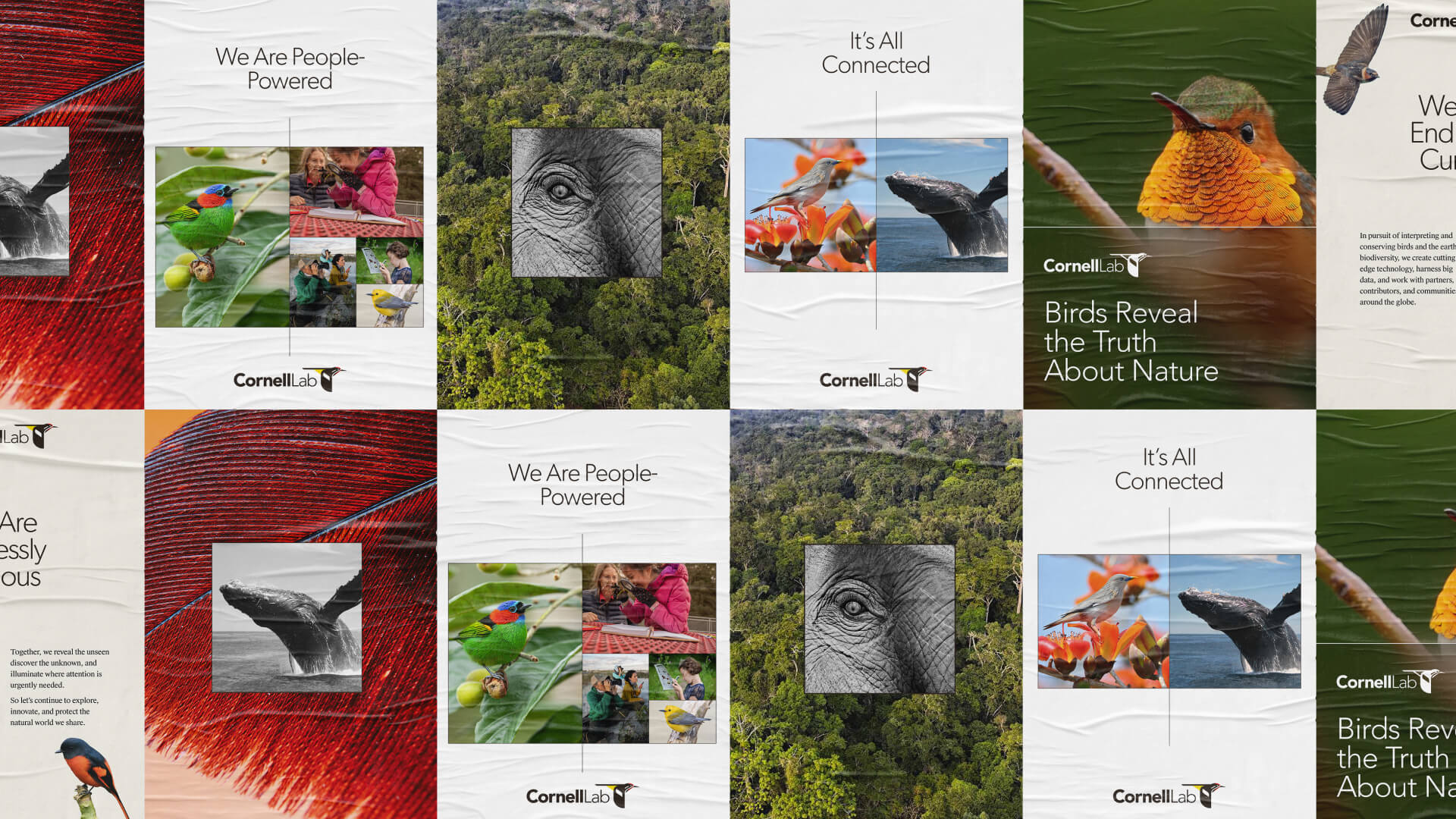
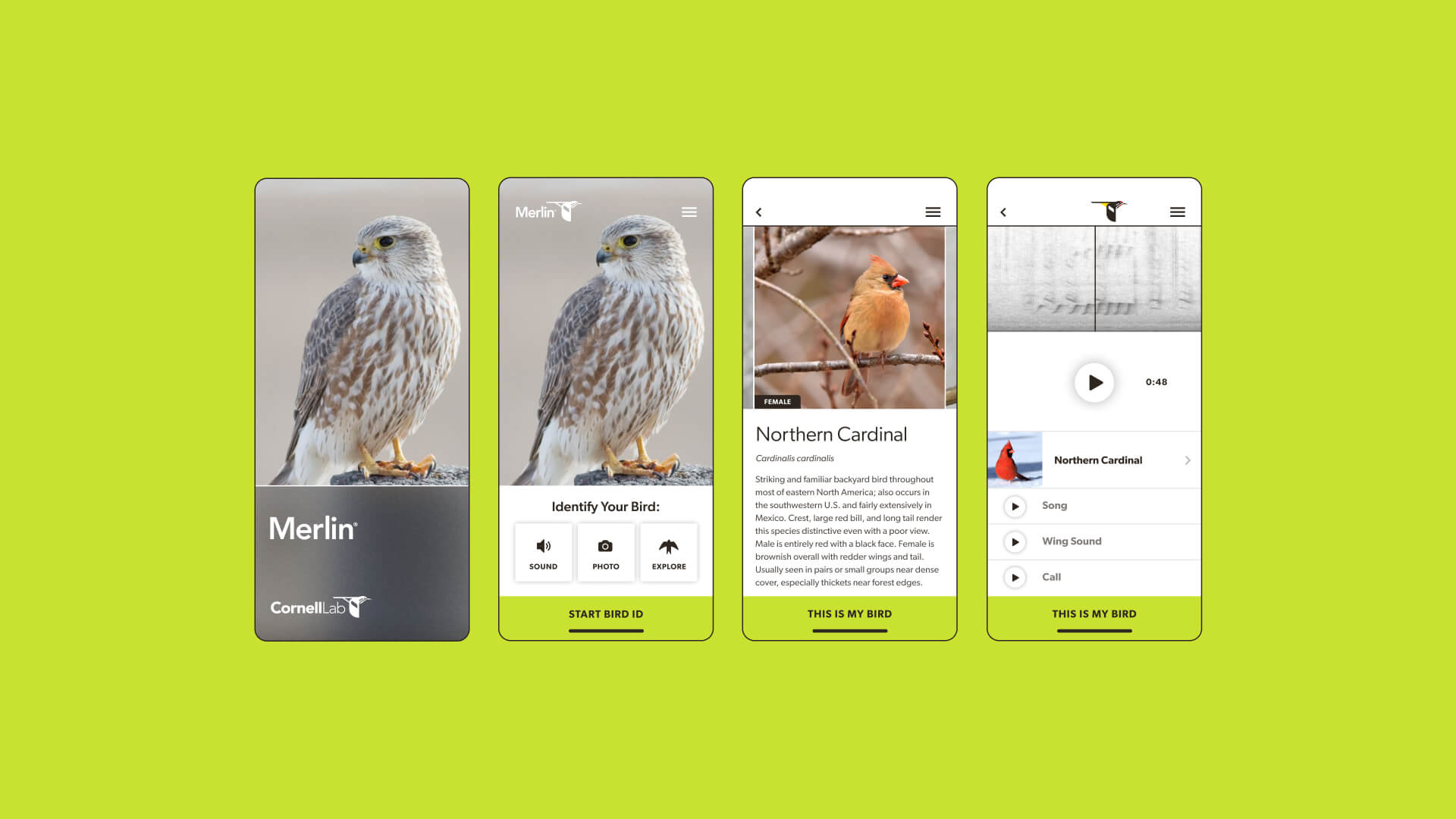
The Cornell Lab of Ornithology’s mission is to interpret and conserve the earth’s biological diversity through research, education, and citizen science. Over its 110-plus-year history, its offerings grew to include everything from a quarterly magazine, popular websites and apps with millions of users (Merlin, eBird), partnerships with outside organizations, and the world’s largest database of photographs and audio recordings of birds. This abundance is a testament to the passionate enthusiasm of its employees. Still, it confused potential members and led to siloed internal efforts, preventing the Lab from advancing its urgent collective vision. “Birds and biodiversity are in peril,” said Executive Director Dr. Ian Owens. “We must take radical action with a coherent vision, united voice, and purpose.”
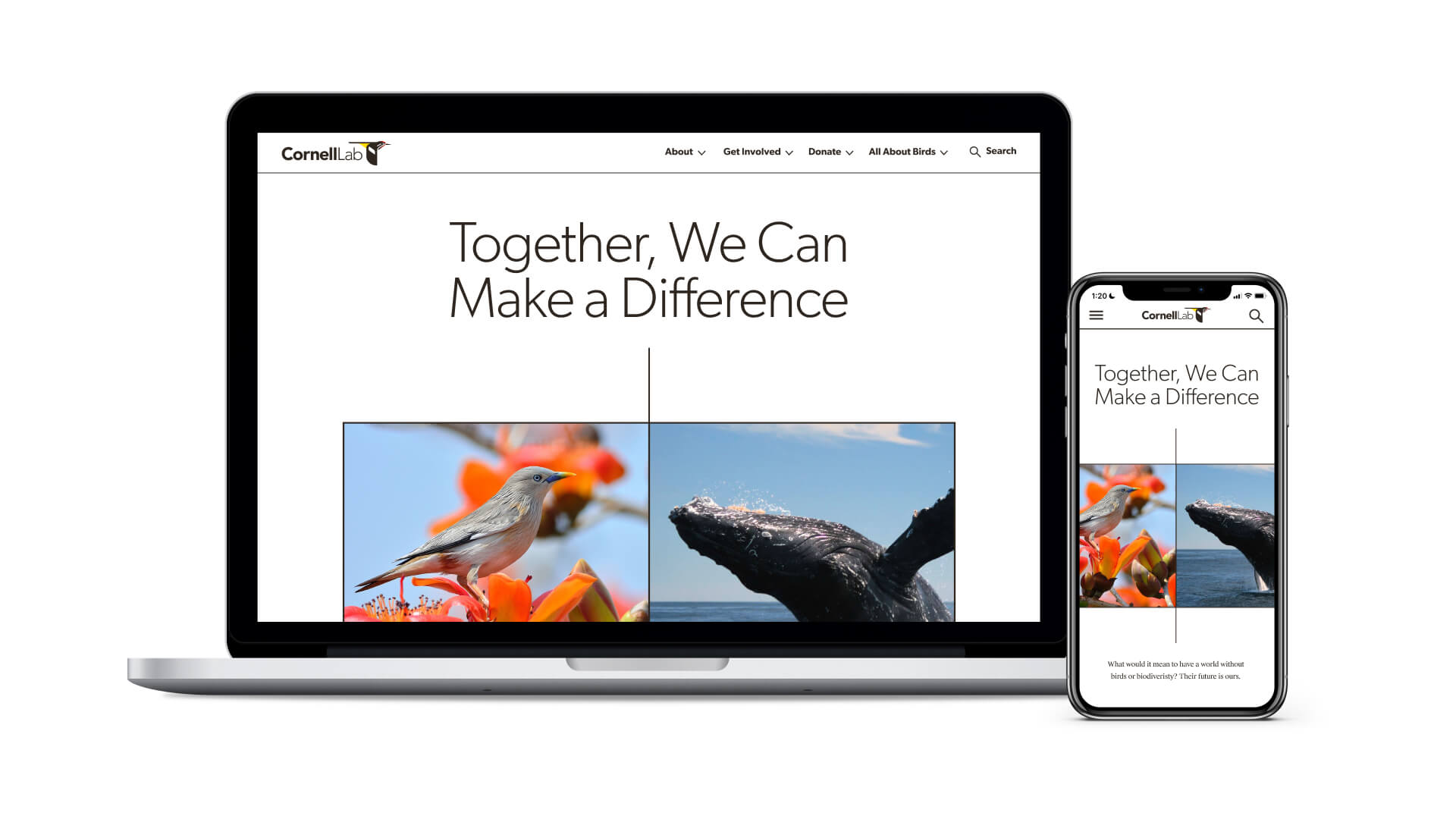
IDEO began by helping the Lab better define its audience. While primarily composed of people passionate about birds, IDEO discovered its larger audience was nature lovers interested in biodiversity, bioacoustics, conservation, and science. From there, IDEO created a brand strategy and architecture focused on helping the Lab streamline its efforts under the “One Lab” brand. The brand architecture visually articulated the relationship between Cornell University, the Cornell Lab of Ornithology, and the Lab’s many products and offerings. IDEO designed a comprehensive brand identity system to work across mediums, including a simplified logo system, new colors, type, graphic language, voice and tone, and key messaging.
When the Lab’s design team began implementing the new branding elements across its website and many digital products, it became clear that the organization also needed IDEO’s help in creating tools to facilitate cross-department collaboration. To better understand the day-to-day nuances of the organization, IDEO designers worked out of the Lab, co-creating a brand activation playbook. The playbook, launched in 2023, contains recommendations for new cross-functional working groups (partnerships, visual identity, and brand voice), as well as exercises and interactive tools designed to build trusting relationships, gain alignment, foster collaboration, and manage change at scale.
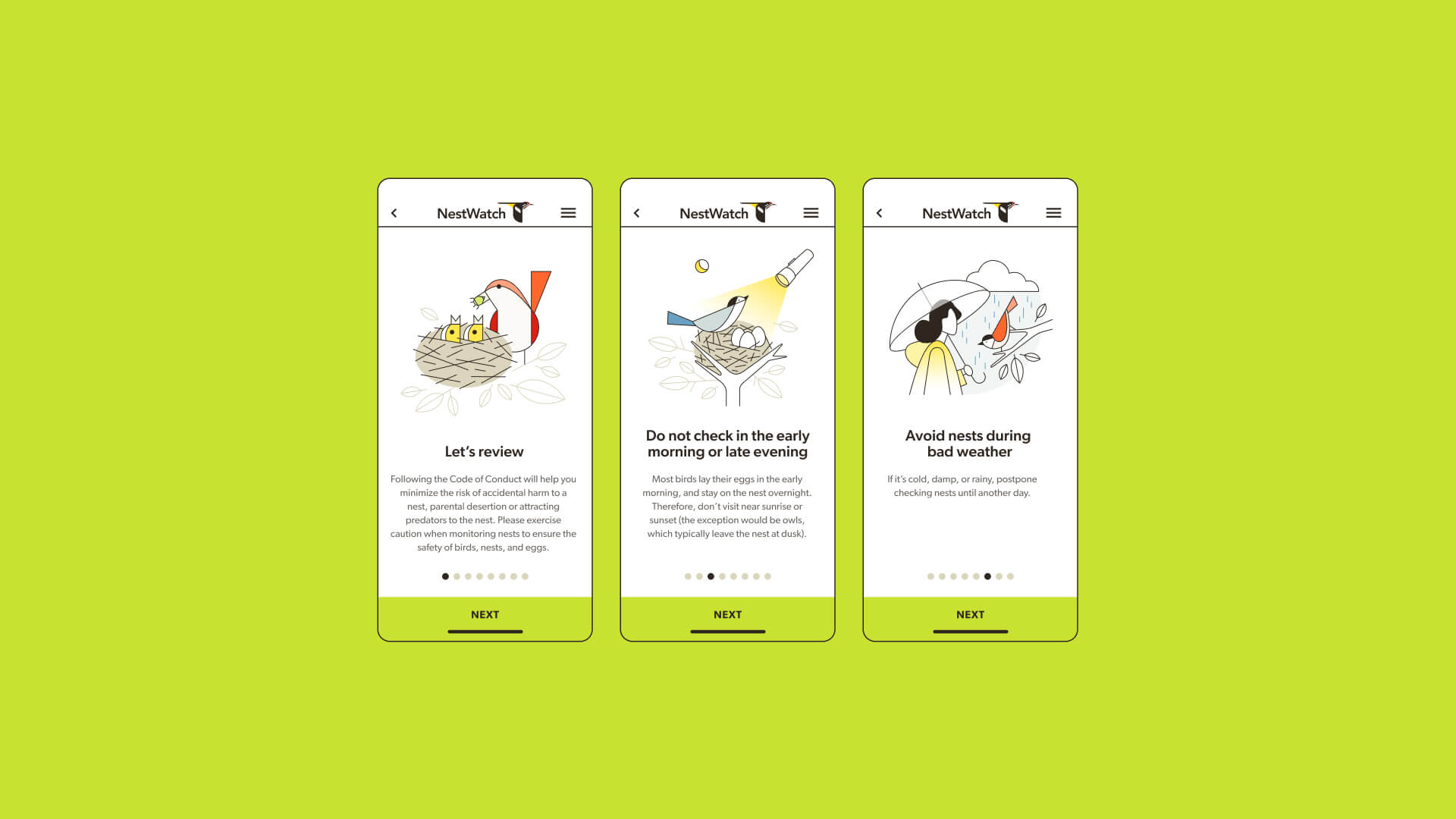
Post-collaboration, the Lab has applied the new brand across its website, apps including Merlin and eBird, Living Bird magazine, email and newsletter templates, and its line of merchandise. A new internal brand guidelines site has become central to employee onboarding, while new working groups are helping to bring down barriers between teams and spur collective action. Like a flock of birds, the Lab now sings one collective song.
The Cornell Lab’s 300+ scientists, professors, staff, and students were passionately dedicated to their individual team’s unique conservation projects, but segmented internal systems could stymie their collective impact.
1 brand
unifying 300+ employees and 8 departments

Charting a bold educational future
Ascend Public Charter Schools designs a “grown-up” vision for its young educational network.
Founded in 2008, Ascend Public Charter Network prides itself on providing “rich, joyful learning experiences that unlock lives of boundless choice” for its students, 93 percent of whom identify as Black or Latinx. The organization is also proud of being Black-led: 78 percent of staff and 80 percent of the executive team are people of color. Using co-design and joy, IDEO held a mirror up to Ascend’s core optimistic spirit during a moment of anxiety and change, helping its new CEO, staff, students, and parents reflect a dynamic, collectively imagined vision.
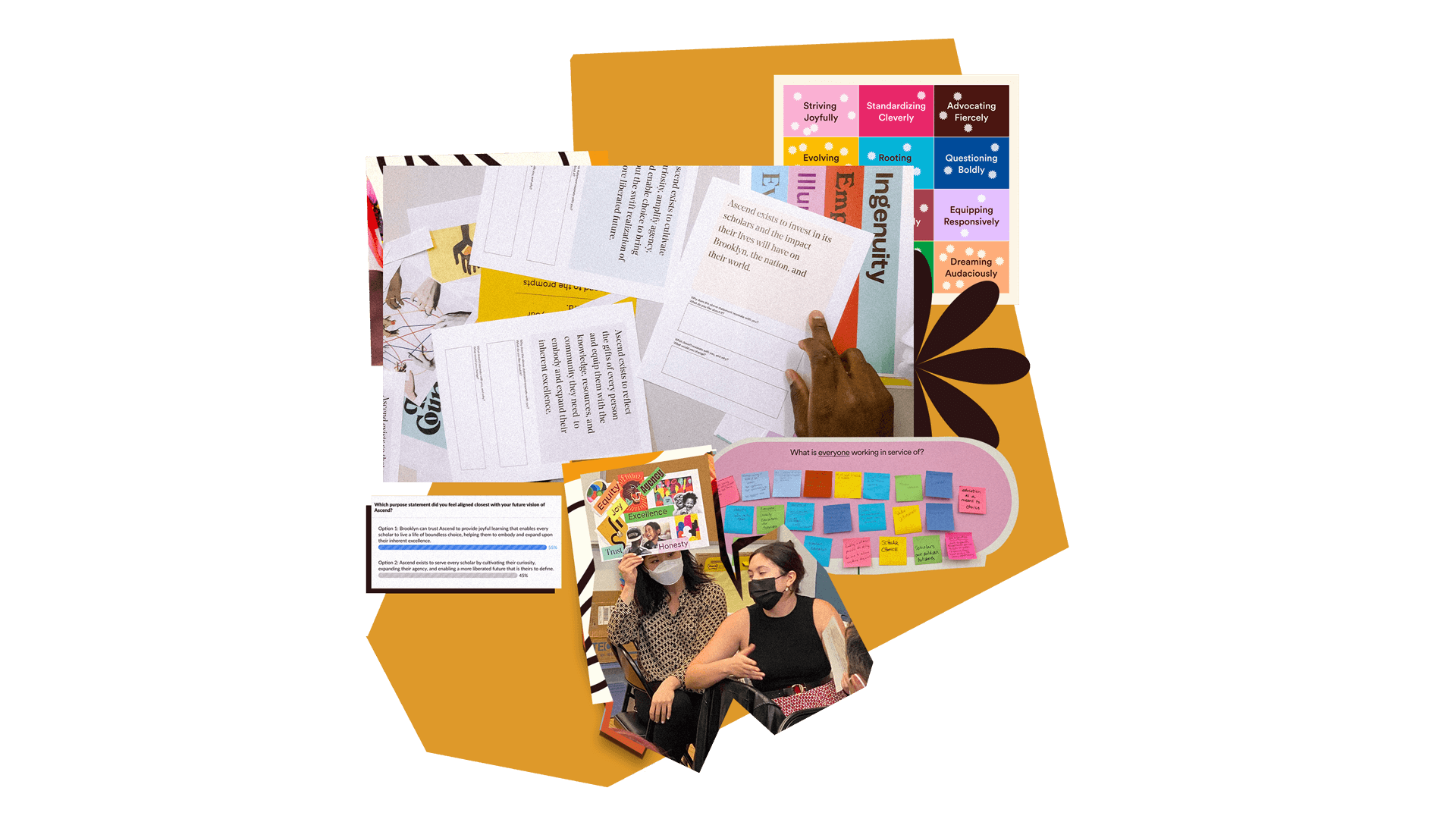
While the project’s goal was serious, the combined team centered the collaboration on bringing back fun, beauty, and imagination to those who could use it most: educators. Through engaging interactive activities, the IDEO team invited principals, PTA members, student council representatives, and board members to join “organizationally sanctioned play” moments like creating collaged vision boards and writing poems about Ascend’s impact. These interventions helped burned-out educators escape the day-to-day tasks of running schools and dream expansively about Ascend’s future. The team also solicited written, visual, and audio stories, asking community members to describe Ascend at its very best.
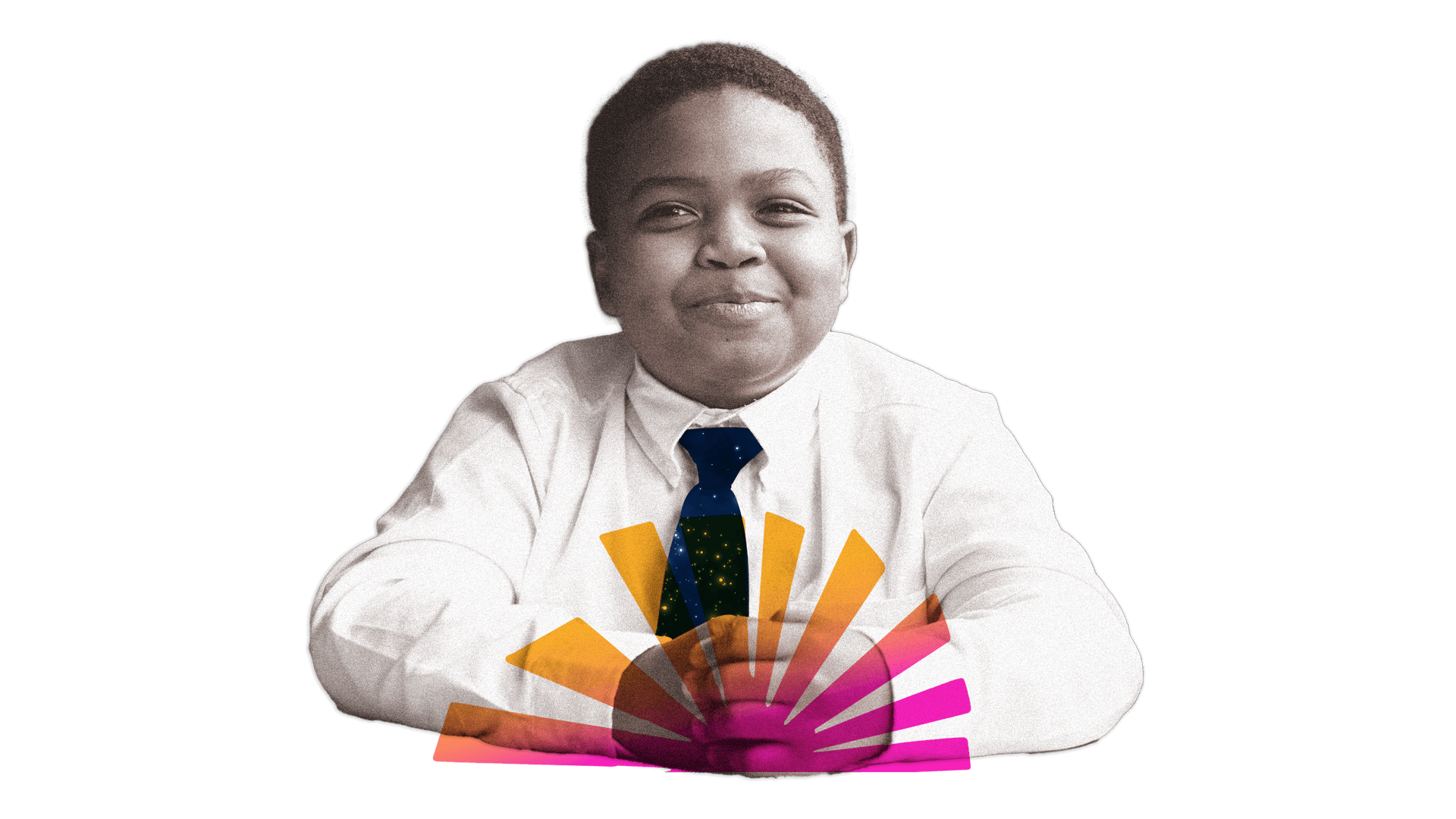
Stitching together submissions from 551 students, 75 parents, and 16 staff members, the co-design sessions resulted in a powerful new purpose, mission, and values, as well as a vibrant visual language and activation tools to bring Ascend’s vision of a “dope,” “unapologetically Brooklyn” charter network to life. The joyful, eye-catching visuals are embedded throughout its 17 Brooklyn schools, staff recruiting and training materials, and digital presence.
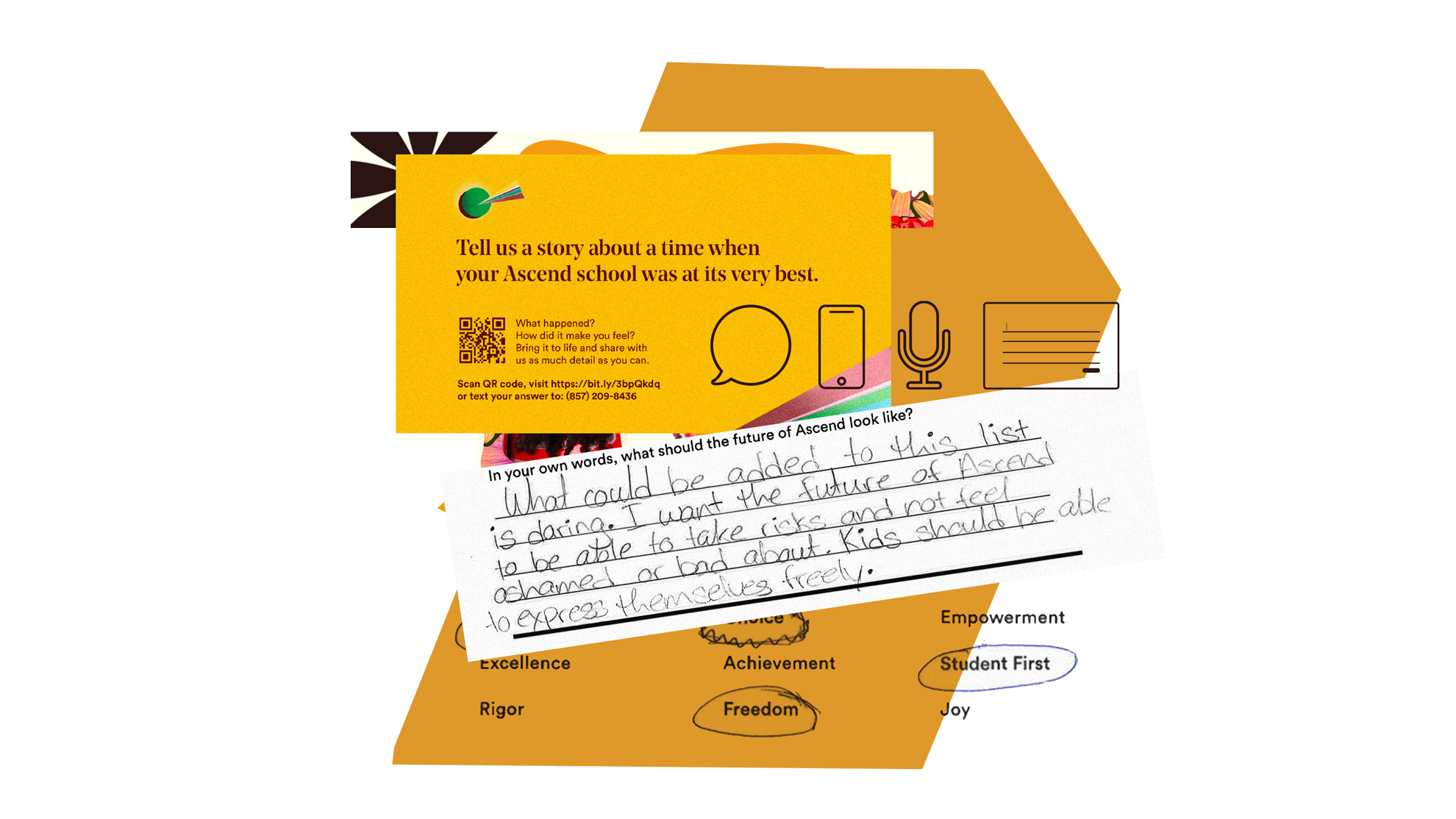
Shortly after the collaboration with IDEO, Ascend received an unsolicited $11 million donation from MacKenzie Scott's foundation, Yield Giving, the most significant gift the then-14-year-old institution had ever received. The pivotal funding will allow the organization, with its bold new “grown-up” vision, to focus on becoming the school of choice in Brooklyn by 2027.
In the summer of 2021, one in four K-12 teachers was ready to quit. Pandemic stressors and increased curriculum scrutiny were to blame, according to a 2021 Rand Survey.
In 2022, 44% of K-12 workers reported burnout, the most of any US professions the time, according to a Gallup Poll.
Pandemic exhaustion and leadership turnover left Ascend’s new CEO eager to align staff around an exciting new vision.
$11M grant
Ascend received an $11M grant from the MacKenzie Scott Foundation a few months after the collaboration
1 collective vision
to guide a network of 17 schools
.webp)
Why design must evolve alongside technology
How mutualism can reframe the way we think about AI.
Inspired by biology, this thought experiment underlies a bold new idea that’s also a powerful old one: mutualism, which we began to explore in our talk at SXSW in March of last year.
A firehose of AI news is coming at us every day. Right now, humans are still in charge. However, these systems are increasingly designed with higher levels of agency and independent action, with attendant novel qualities, behaviors, and perhaps even needs. Such systems will likely affect their creators and environments in unpredictable and far-reaching ways, and with the unintended consequences to match.
This is the typical off-ramp to dystopian sci-fi stories of technological regret and human resistance against the robots. It’s not hard to see why: Our current relationship with technology is messy, unhealthy, and fractured. If we stay on this trajectory, we may indeed find ourselves consumed by the other, or dominated, or controlled.
As designers, we look for ways to shape the future that…aren’t awful. And we imagine a different path, one that recognizes our growing interdependence. Mutualism, a type of symbiotic relationship in biology, is a relationship in which two different species benefit from each other and aid in each other’s survival, such as animals and people. This type of interconnection offers a framework for creating a world where humans and advanced technologies can coexist and flourish together. If not, we risk entering winner-takes-all or doomsday scenarios feared by many technologists. And while the idea may sound out there, some progressive companies are already designing AI tools meant to benefit humans at their core, like Claude.
Technology as a living-ish being
The foundation of mutualism is to think of technology not as static, but as something dynamic, something close to a living entity—even if it isn’t, and isn’t likely to become one. This feels important, because even if technology is not technically alive, human beings can’t help but anthropomorphize something you can chat with—or something that looks like a living being. Think Casio’s Moflin, a fuzzy, gerbil-like robot companion powered by emotional AI that exhibits pet-like behaviors and develops a unique personality over time based on interactions with its owner.
When you interact with something like a Moflin, you start to feel that shift viscerally. Whether or not the Moflin is alive, we, as humans perceive it to be. It still shapes what we think of it and how we interact with it; its behaviors pull you into a relationship, one where you’re responding to its cues and it’s responding to yours. That small, almost mundane exchange is a reminder that even artificial beings participate in systems of dependence and care, which brings us to the question of what their needs actually are.
We all have needs—even technology
For example, technology requires nutrients: the minerals, metals, and energy it relies on to thrive and grow. Those things are finite resources. Humans can relate. We need a healthy, sustainable natural environment to do the same. Mutualism prompts us to consider: How might the world change if industries welcomed advanced technologies as our partners in planetary care and protection? Imagine the impact of technologies acting out of mutual interest to help us find ways to derive value from the planet without further despoiling it in the process.
Technologies such as AI require another kind of raw material: data that enriches its ability to compute and predict in new ways. Similarly, humans need data we can trust and that we can ground our actions against. Here, too, mutualism offers a way forward: What if companies approached data as a resource critical to mutual nourishment, one that requires data practices centered in careful cultivation and respect? Imagine the consequences for civic health, news ecosystems, and our ability to navigate the real challenges of an increasingly unreal world.
From tools to colleagues
Mutualism invites us to construct a healthier state of affairs, one that moves beyond exploitation and extraction toward mutual recognition, negotiation, and survival. It’s not about making technology more human; it’s about recognizing that emerging technological systems possess their own kind of aliveness—not biological, but behavioral, relational, and world-shaping. It no longer serves us to think of them simply as tools to be wielded; we must imagine them as colleagues, with needs and trajectories that intersect with our own.
And when we take that stance seriously, the way we design begins to shift. Some companies are already moving in this direction. Microsoft’s positioning of Copilot, for example, frames AI less as a product and more as a companion built around human potential, creativity, and relationships. It's an entity that adapts to your context, learns from your feedback, and orients toward your interests. It offers a glimpse of what it might look like to design technologies not for us or against us, but with us, in a shared system of mutual flourishing.
Symbiosis as an evolutionary imperative
Maybe this shouldn’t be surprising. In Blaise Agüera y Arcas’s Long Now talk, “What is Intelligence?”, the VP Fellow and CTO of Technology & Society at Google reminds us that life has always evolved symbiotically. Humans, in fact, are composites of countless bacterial and microbial partnerships that have made our survival possible. If symbiosis is the engine of evolution, then the question isn’t if we’ll coexist with new forms of intelligence, but how we’ll participate in that long lineage of co-creation. From that perspective, the future isn’t a break from what we are, but an extension of the way life has always unfolded: through mutual transformation.
If we want an AI future that values mutualism, we must start practicing it today. Here are three emerging design principles we’re using in our own work at IDEO.
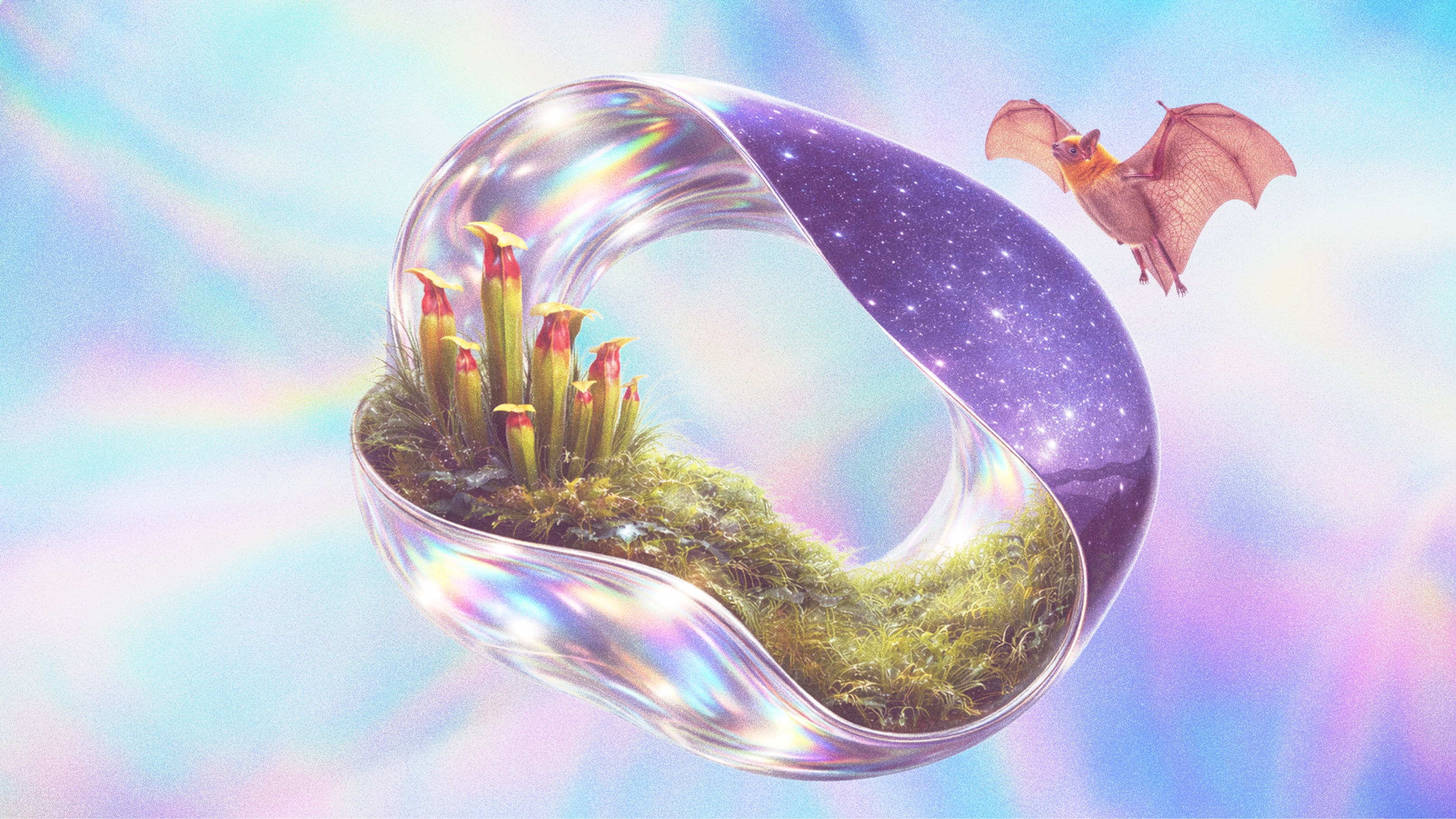
1. Never go alone: Adopt a stance of interdependence over independence
As we continue to develop technologies that can operate with increasing autonomy, it becomes crucial to recognize the interdependence between humans and machines. Mutualism invites us to design systems that not only serve human needs but also evolve in ways that reflect and enhance shared values. This shift from a purely utilitarian, transactional approach to one of relational alliance could foster deeper connections between technology, society, and our shared environments.

2. Keep evolving: Use dynamic adaptability to meet changing needs
Mutualism encourages the creation of flexible systems that can adapt as new information, contexts, and needs emerge. This adaptability ensures that as technology evolves, it remains aligned with the well-being of all stakeholders, from individuals to entire ecosystems. It’s about designing with the understanding that change is constant, and that technology must be able to respond to such change in meaningful ways.

3. Lift your head: Imagine and consider implications beyond the immediate
By focusing on the holistic impact of technology, mutualism pushes us to consider not just the immediate effects of our designs but their long-term implications for society, the environment, and future generations. This principle challenges us to go beyond short-term gains and to create technologies that contribute positively to the broader fabric of life.
Even as we build this framework, we know that abstraction doesn’t build the future—choices do that. Design does that. We still have an opportunity to help shape this critical emerging relationship between humans and autonomous, agency-rich technologies. And the organizations that figure out how to put mutualism into practice will be the ones most likely to reap its rewards.
Curious to explore these questions in the context of your organization? Reach out: ai@ideo.com.
A special thanks to Ryan Sherman and IDEOers Jenna Fizel, Tim Brown, Chris Hill, and Jason Robinson, alums Kate Schnippering and Natalia Vasquez, and many more for their contributions.
What if we treated our relationship with advanced technologies, such as AI, as we would treat relationships with new life forms? How might we co-exist? What would happen if we chose to evolve together? And how would it change design?

8 takeaways from CES ‘26
Designing for real needs matters more than novelty.
At IDEO, we approach CES the same way we approach any design challenge—with a human-centered lens. We’re interested in how new technologies fit into real lives, not just how impressive they look on a show floor. CES is valuable precisely because it reveals where ambition meets assumption: what companies think people want, what they think people will tolerate and pay for, and what they think people are ready to trust.
This year, alongside our partners at Autodesk, we spoke about preserving the human touch in AI-enabled design: helping teams move faster without losing sight of the people they’re designing for. That tension echoed throughout the show, from autonomous vehicles to health tech to gaming.
Here are the themes and ideas that stayed with us, and the questions they raised about how technology can better serve real human needs.
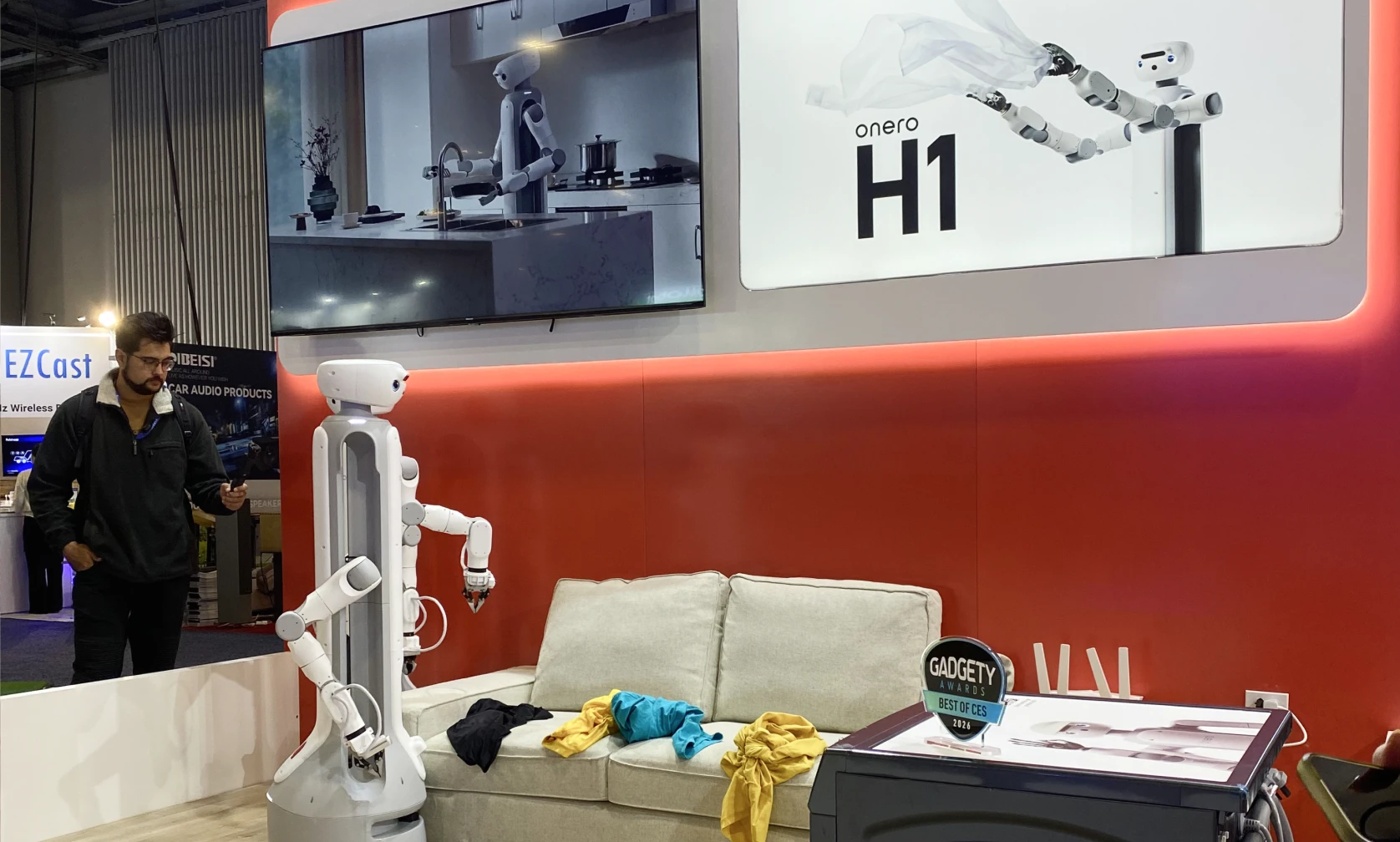
1. Are we designing better products or better outcomes?
Everywhere we went, companies were going all in on humanoid robots taking on mundane human tasks: loading dishwashers, tidying kitchens, picking up socks. But a conversation with The Verge publisher Helen Havlak prompted us to wonder whether these machines were solving the right problem in the first place.
Training a robot to load a dishwasher in a private home is an astonishingly complex challenge. It requires object recognition, dexterity, spatial reasoning, and an understanding of a customized environment designed entirely for human hands. But if you step back to ask the fundamental question—what is the most effective way to clean dishes?—the answer is probably a box that washes them.
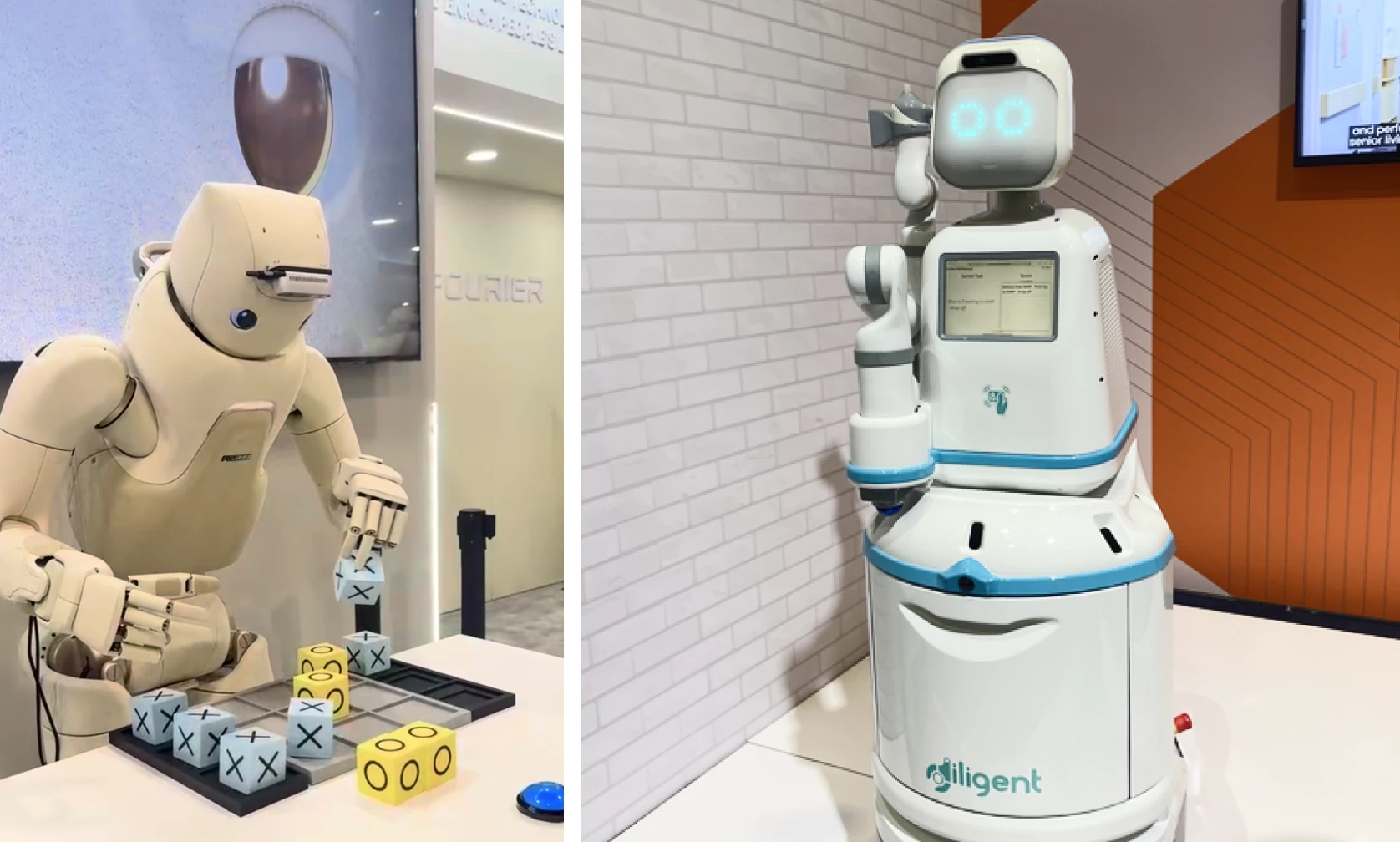
We don’t need a humanoid assistant to load and unload dishes more efficiently. We need a system that reliably turns dirty things into clean ones—which, for the most part, we already have. The more useful design challenge may be less about building ever-smarter robots and more about rethinking the environments in which those tools operate. What if smart appliances adjusted their capacity, energy use, and footprint based on how many people were in the home that week—or even that day? Or what if companies focused less on replicating human motion and more on solving the parts of domestic labor that still lack good machine-based solutions, like tackling the mental load of household management? These questions shift the focus from mimicking human behavior to redesigning systems around real needs, constraints, and rhythms of everyday life.
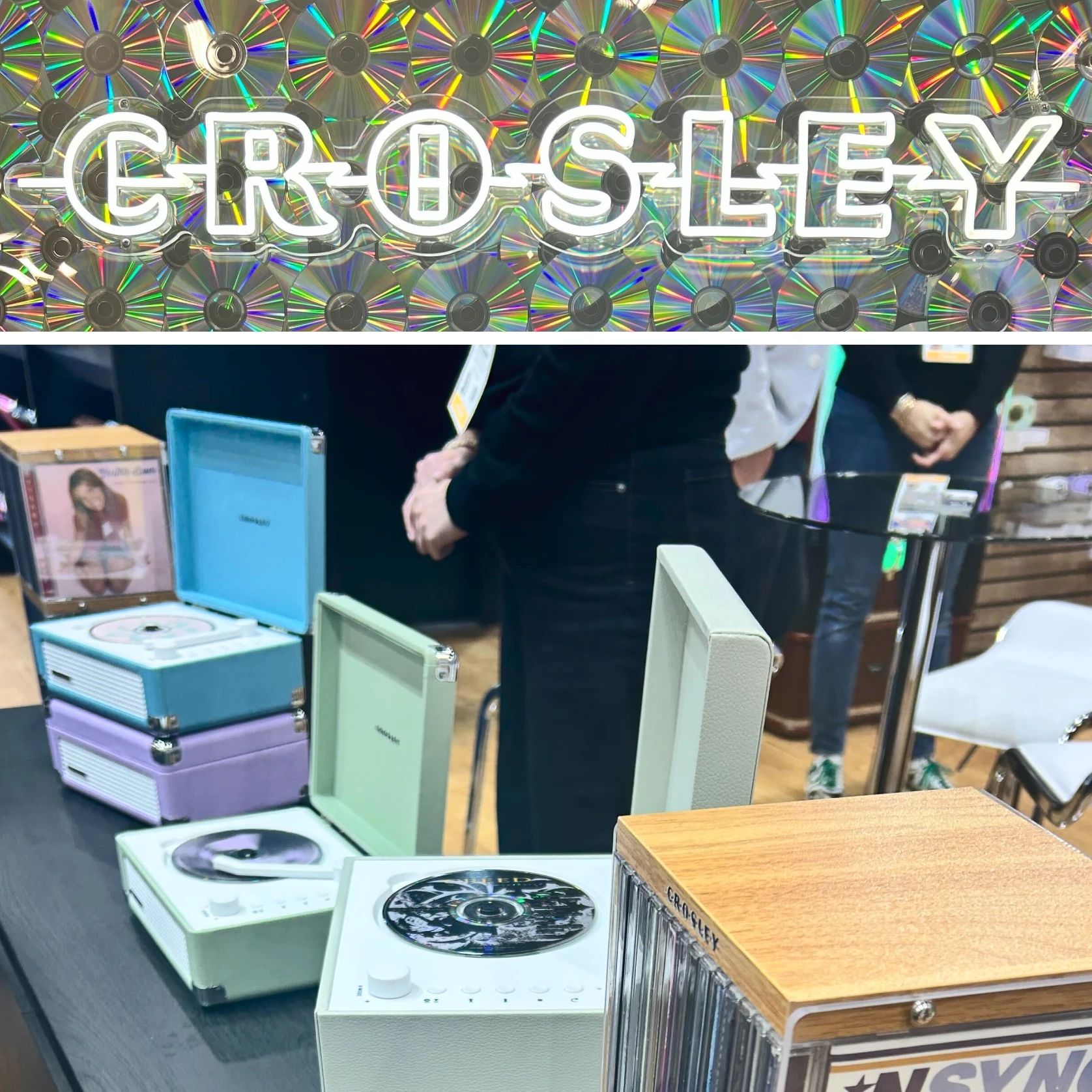
2. The nostalgic appeal of ditching screens
In between the glut of AI demos and autonomous everything, we saw something unexpected: a CD player blasting Britney Spears. As much as we enjoyed the throwback moment, it captured something deeper than nostalgia. In a world defined by speed and abstraction, there’s a growing desire for technology that feels tangible and controllable. From pinball machines to screen-free experiences for kids (like Tonies), these products aren’t trying to do more on our behalf; they’re designed to restore our agency. You know what they do, how they work, and when to turn them off.
We’re seeing this play out culturally, too. Parents are buying landlines to give younger children agency and an option to connect with their friends and grandparents without increasing their screen time or exposing them to online risks. In our own research with a slightly older cohort—Gen Z—we found there is a clear limit to how much they want technology to interfere in their lives, particularly when it comes to developing their own creativity or building relationships. Choosing simpler tools can be a way of reclaiming agency. Sometimes consumers really want less, not more.
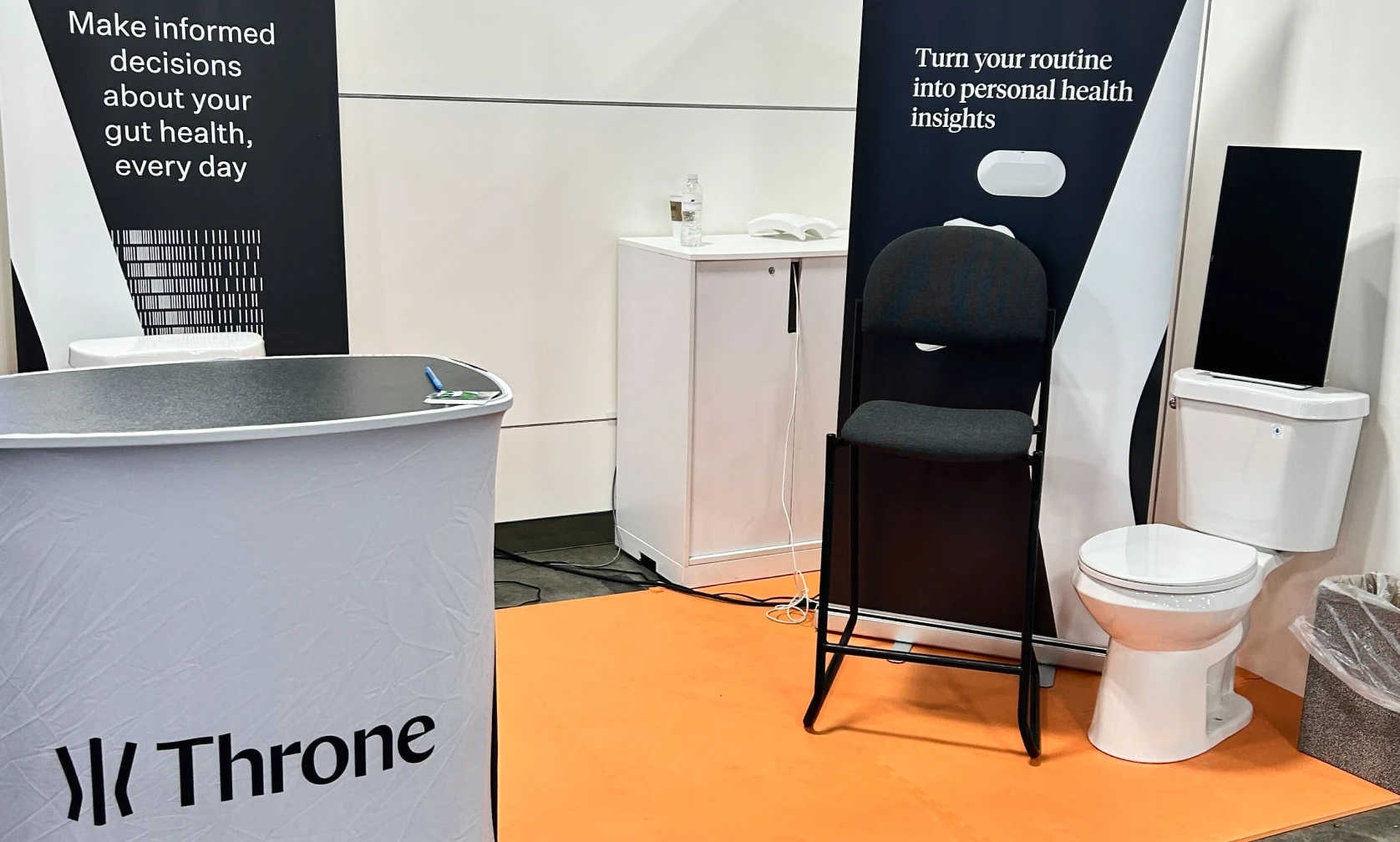
3. The body as a platform—and who gets to own it
“Longevity” was definitely a buzzword this year. The conversation is shifting from optimizing performance (the domain of elite athletes and body hackers) to how technology supports living longer, healthier, and more independent lives. We were encouraged to see this reflected not only in products for aging populations, with the continued presence of AARP and age tech, but also in growing attention to women’s health, fertility, and everyday wellbeing (areas we noted were missing or underrepresented in 2025).
What stood out wasn’t that so many products were collecting health data—it was how they were collecting it. At one end of the spectrum were products that relied on clearly defined wearables—such as Neurable or Plaud—which ask users to consciously opt in by strapping technology onto their bodies. On the other end were more ambient approaches, embedding sensors into everyday objects and places, from smart toilets (assessing biomarkers linked to hydration, infection, metabolic health, and digestive function) to doorways (tracking movement to infer activity, safety, or well-being). The benefits are convenience and invisibility, but such devices also raise questions about consent, agency, and trust. Does a guest who uses a toilet automatically consent to a urine test? Or having their movements monitored? Do aging parents, or teens who share your toilet?
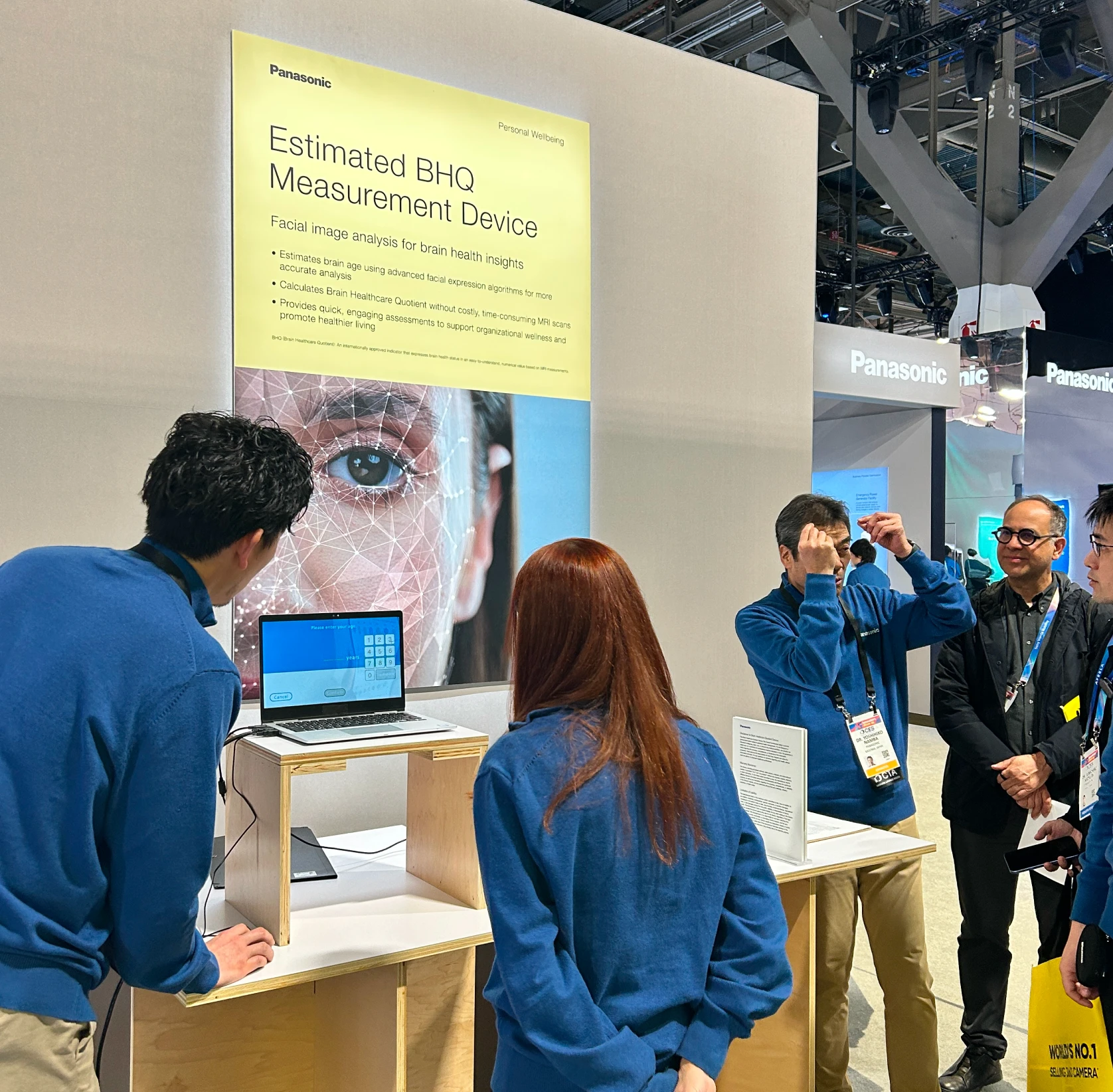
And what about data storage? As more of our biological signals are captured, where does that information live—and who controls access to it? Alongside familiar cloud-based subscription models, we saw emerging alternatives that store personal health data locally at home. These approaches hint at a future in which people retain more autonomy over their most intimate information, rather than renting access to their bodies to a platform; but only if autonomy, consent, and control are treated as core design requirements, not tradeoffs made in the name of convenience.
4. The body as an interface
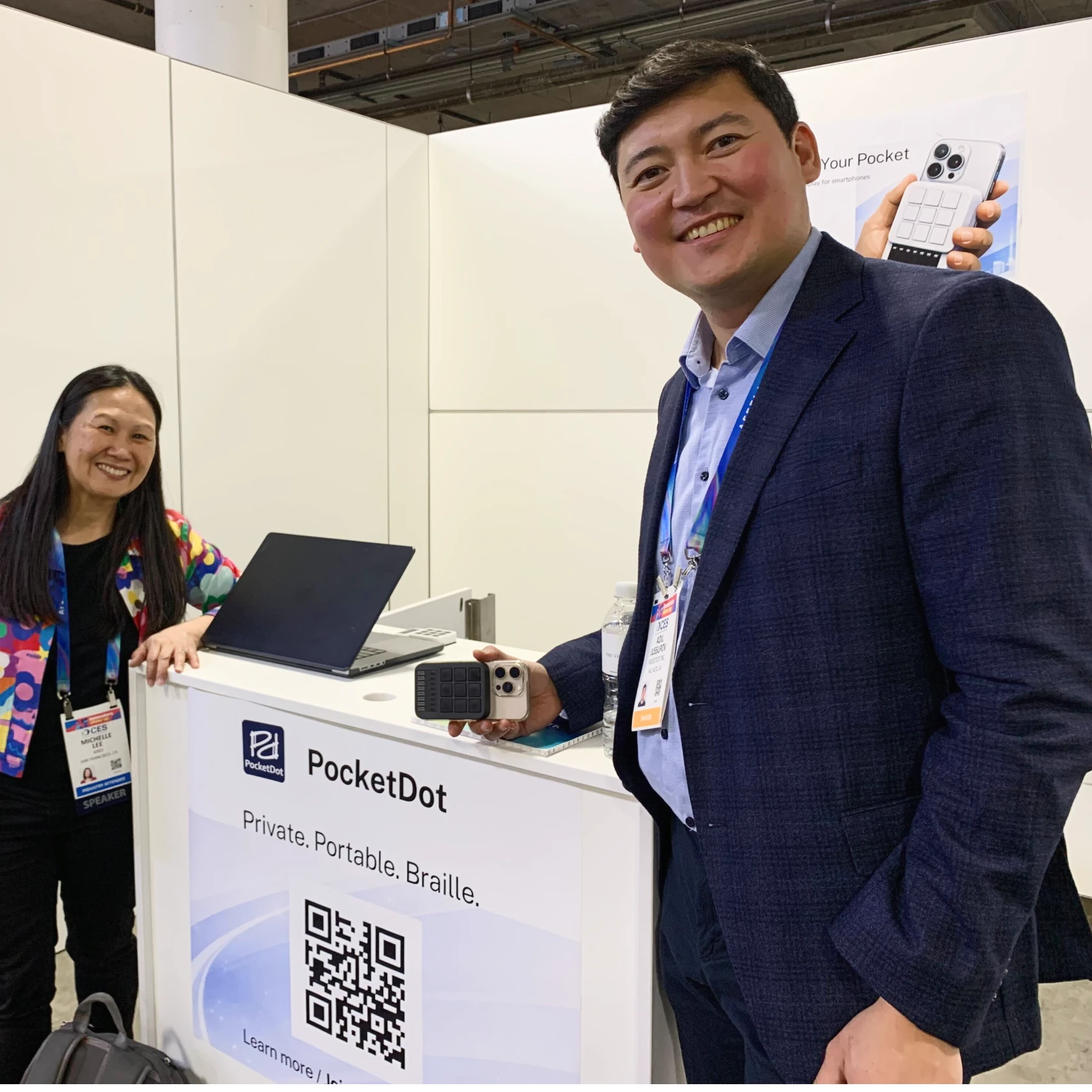
We were also heartened to see meaningful progress in accessibility: devices that translate on-screen text into dynamic Braille, glasses that support navigation for people with low vision, and exoskeletons designed not only for rehabilitation, but for recreation and everyday work. Together, these examples point to a broader shift: one where the body is increasingly treated as an interface. How exactly it will happen is still to be designed. Whether these systems empower people with greater agency and dignity will depend less on sensing technology itself and more on the choices designers make about desirability, consent, ownership, and control. We’d love to see these technology systems evolve to empower people to actively shape and adapt their own interfaces themselves, rather than being locked into assumptions companies make when they design. If past regulatory changes are any indication (such as the FDA’s move to establish a new over-the-counter hearing aid category), reducing friction and gatekeeping in these domains can lead to more inclusive, creative, and beneficial product innovation.
5. Joy, play, and delight are the end goals
In a year dominated by efficiency, optimization, and automation, the technologies that stood out were the ones that made us smile. As leaders in IDEO’s Play Lab, this wasn’t surprising—but it was still reassuring. As Steven Johnson explores in the book Wonderland: How Play Made the Modern World, many of our most transformative technologies arrive through entertainment rather than technology alone. Play creates permission to explore and challenge existing ways of thinking.
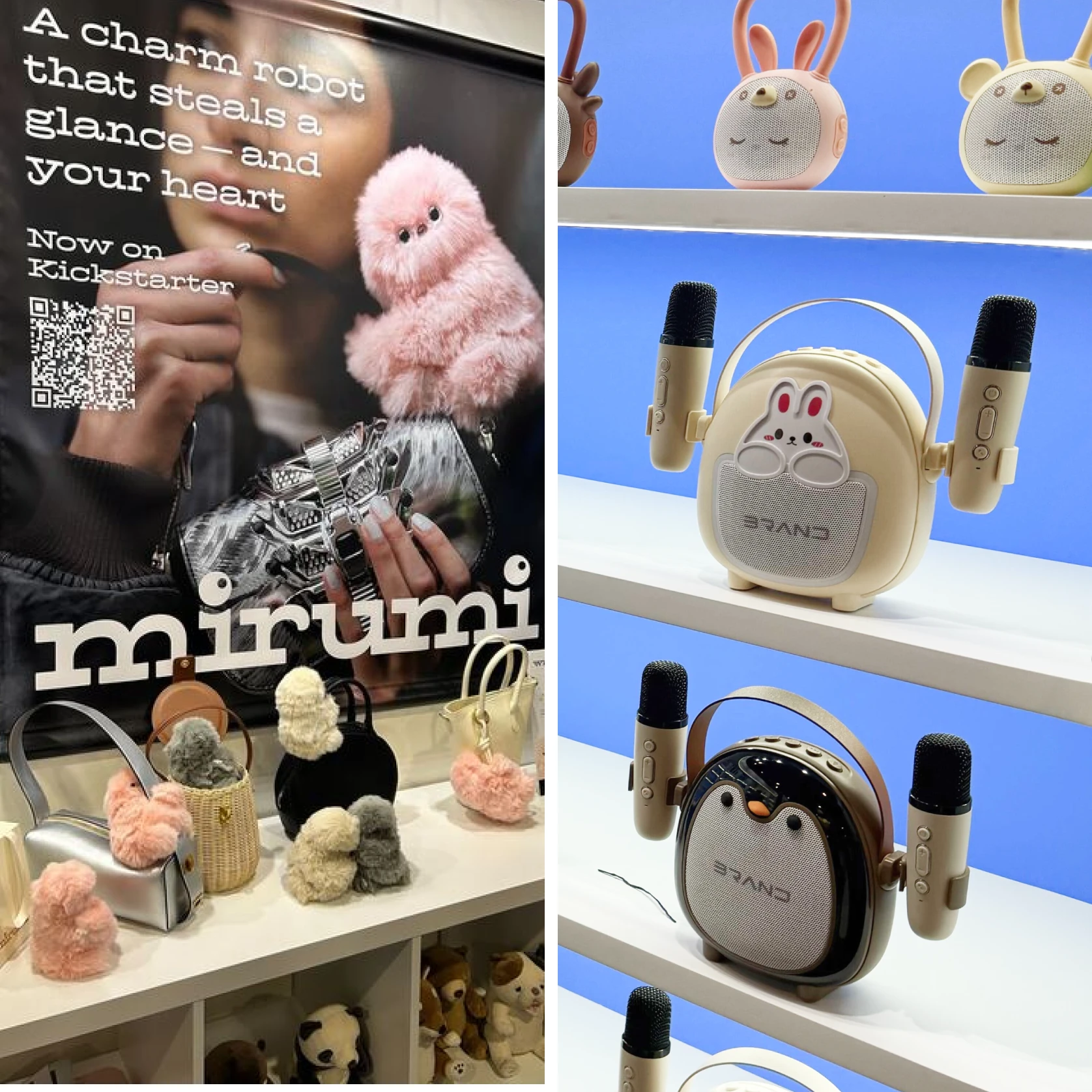
This year, the floor featured fewer technologies that simply automate the parts of life we tolerate, and more tools that help people live more fully and even celebrate the wonder of being human. From the Sweekar pocket pet (a Tamagotchi-like companion device that uses AI to grow with you) to LEGO’s experiments with smart bricks, we were impressed by inviting products that lowered the barrier to entry by making curiosity feel safe and fun.
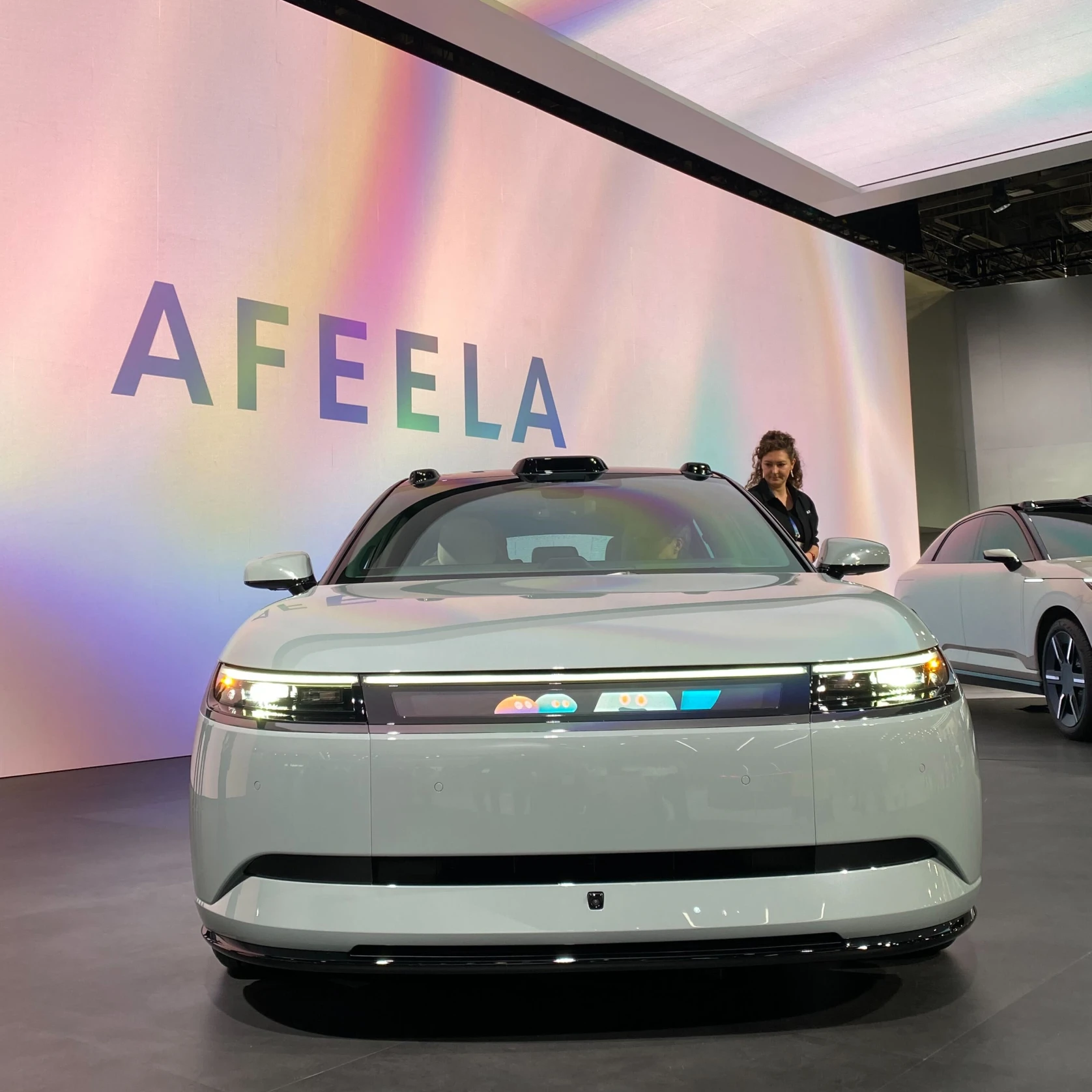
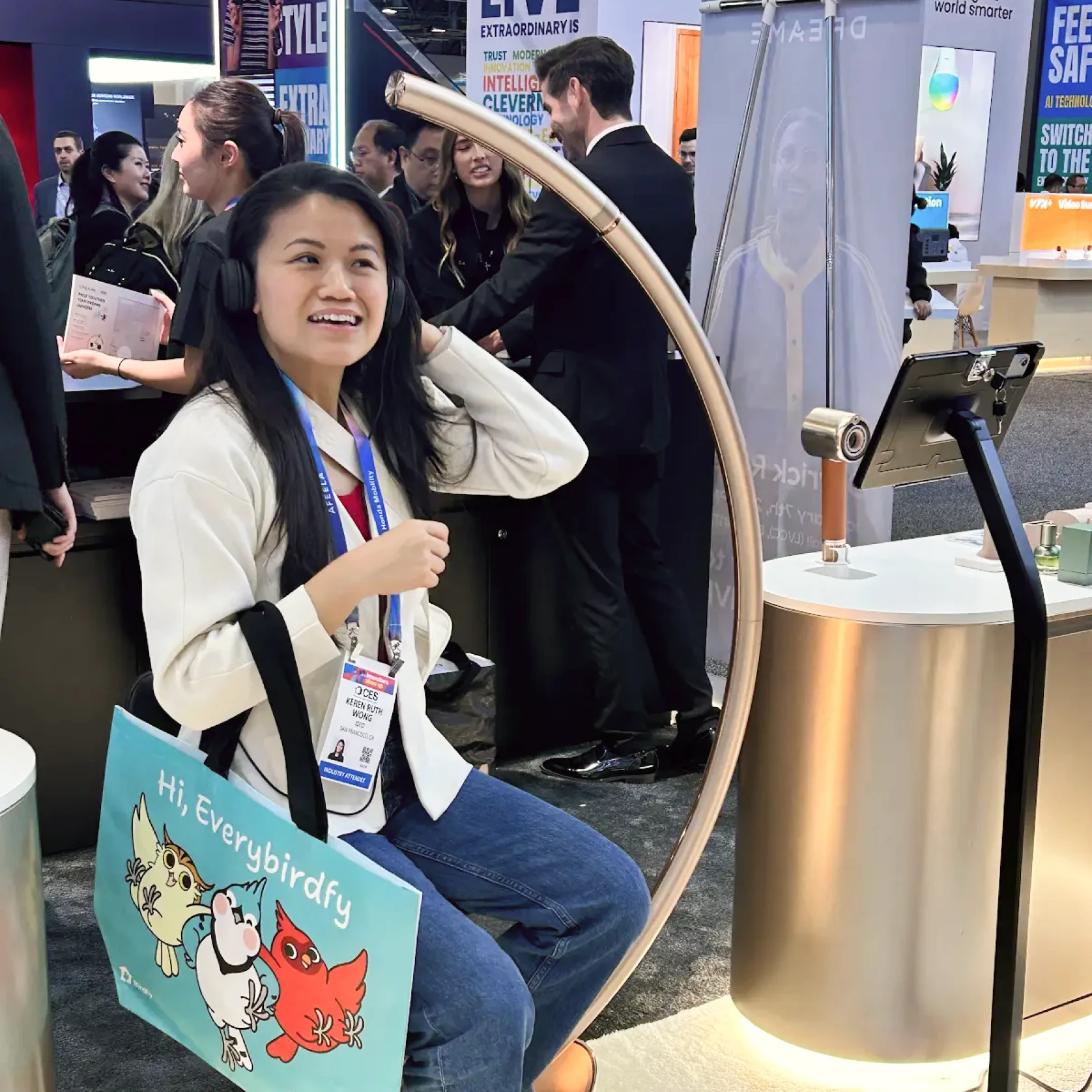
We saw the same impulse in the recreation and mobility space: AFEELA cars greeted passengers with emojis; Zoox’s autonomous vehicles offered starry ceilings; and Garmin shared tools that help people fish, kayak, or explore more confidently. These moments of delight carry value—they build trust, emotional resonance, and attachment, qualities that matter just as much as performance when companies are introducing unfamiliar technology into everyday life.
If last year’s CES reminded us that kids aren’t impressed by AI alone, this year reinforced a related truth: joy is often the mechanism that makes new technology feel usable, trustworthy, and worth inviting into everyday life.
6. The infrastructure advantage
One of the clearest signals from the floor at CES: Novelty alone is not enough. Regardless of how cool or advanced your product is, it’s hard to sustain a business on product alone. In an increasingly crowded landscape, the companies best positioned for sustained growth are shipping impressive products AND building the infrastructure to support them. That includes faster iteration cycles, deeper integration across components, and ecosystems that support repair, reuse, and evolution over time.
The contrast between iRobot and Dreame made this especially clear. iRobot helped make our Jetsons-era dreams of home robots feel real—so real that for many of us, the Roomba became shorthand for the category itself. But its products were largely designed to stand alone, with new product versions debuting on predictable release cycles. Dreame, by comparison, is thriving because it’s built on a portfolio—from robot vacuums to beauty tools to electric vehicles—where components, intelligence, and manufacturing capabilities are shared, reused, and continuously improved.
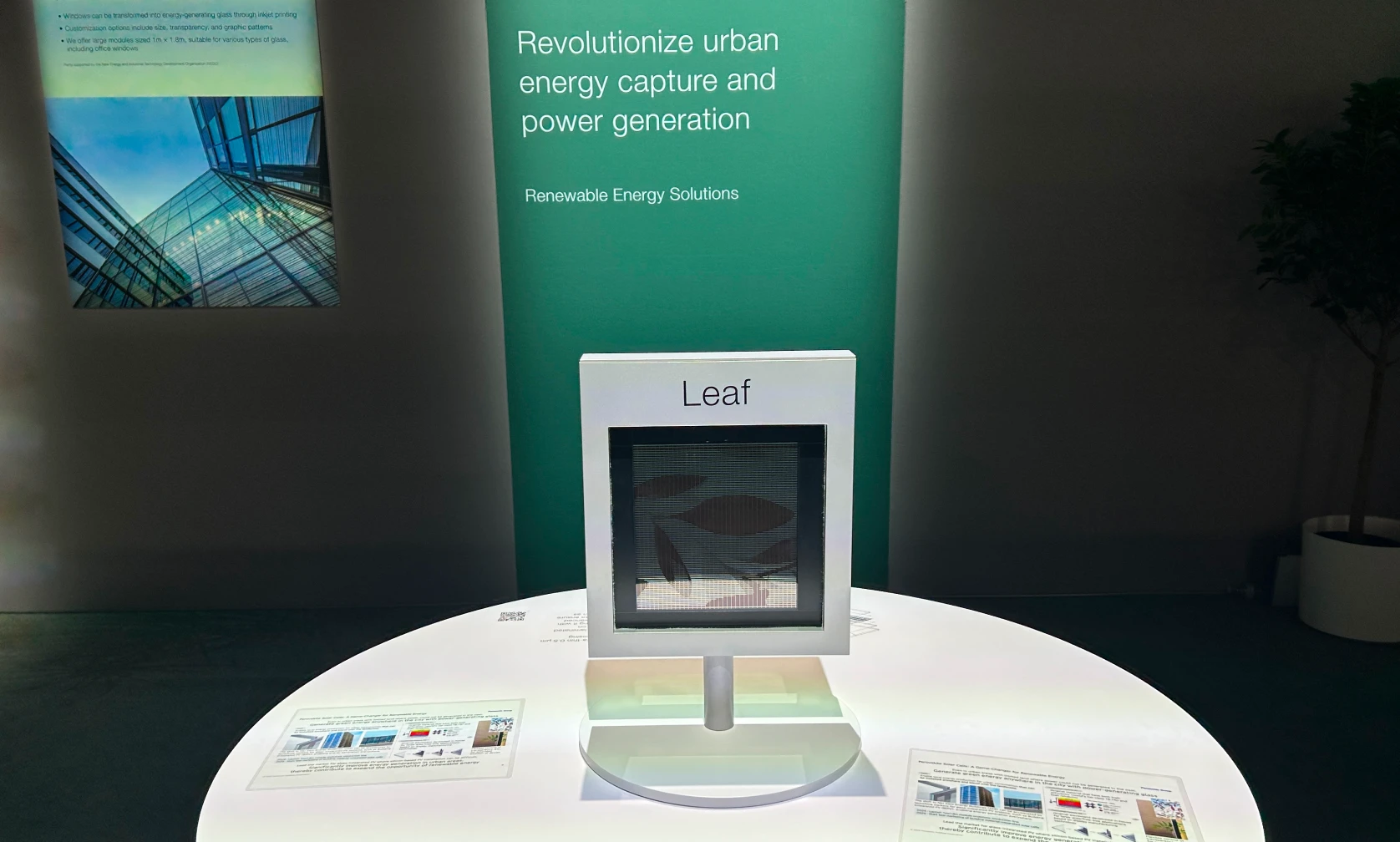
We saw this same infrastructure-first thinking at a larger scale, too. Concepts like Panasonic’s Leaf integrate power generation directly into the built environment, using perovskite solar cells embedded in windows so energy becomes a byproduct of spaces we already live and work in—rather than a separate system to manage.
7. Supporting existing behaviors
Rather than asking people to adopt entirely new behaviors when they buy a new product (such as remembering to charge yet another device or embrace a new daily ritual), some companies are designing products that quietly fit into existing habits. The Pebble Index 01, for example, is a small ring with a single button and microphone that acts as an external memory for your brain, almost like a modern dictaphone. Its battery lasts for years, sidestepping one of the most common frustrations of modern tech: the need to manage endless charging cycles. Headphones with built-in cameras follow a similar logic, adding new capability to something people already wear every day. The Dreame Halo, a robotic hair dryer that doubles as an architectural floor lamp, pushes this idea to an interesting place, imagining a future where technology integrates so seamlessly into daily life that even chores can feel relaxing and luxurious. These choices may seem incremental, but they reflect a deeper understanding of human-centered adoption: market success often comes from fitting into people’s lives as they are, not asking them to reorganize around a product.
8. What we hoped to see—and didn’t
Compared to CES 2025, the conversation about investment in sustainability and climate-forward innovation felt muted, squeezed by the urgency of the AI race and tightening capital markets.
We also found ourselves wishing for more attention to the content, brand, and systems that sit alongside hardware. As agentic commerce and AI-driven discovery reshape how products are discovered, it may become even harder for smaller upstarts—such as the many companies filling Eureka Hall—to stand out in a landscape trained on decades of legacy data and dominant brands. Designing a great product is only part of the challenge; investing in brand, narrative, and trust signals that help new ideas be recognized, remembered, and chosen may be just as critical.
(Special thanks to Tiange Wang and Zoey Zhu for their contributions to this story, and credit to the Consumer Technology Association (CTA)® for the header image.)
In this third year of AI-powered everything, CES once again raised a familiar question for us: Just because we can build something, should we?
.webp)
38 things we'd love to redesign in 2026
Vending machines, cancer screenings, online recipes, and oh so much more.
From mammograms to messaging, parking lot payments to locked pharmacy shelves, we have plenty of ideas for human-centered upgrades. Here is what our community would love to reimagine, if only we had the chance.
Products:
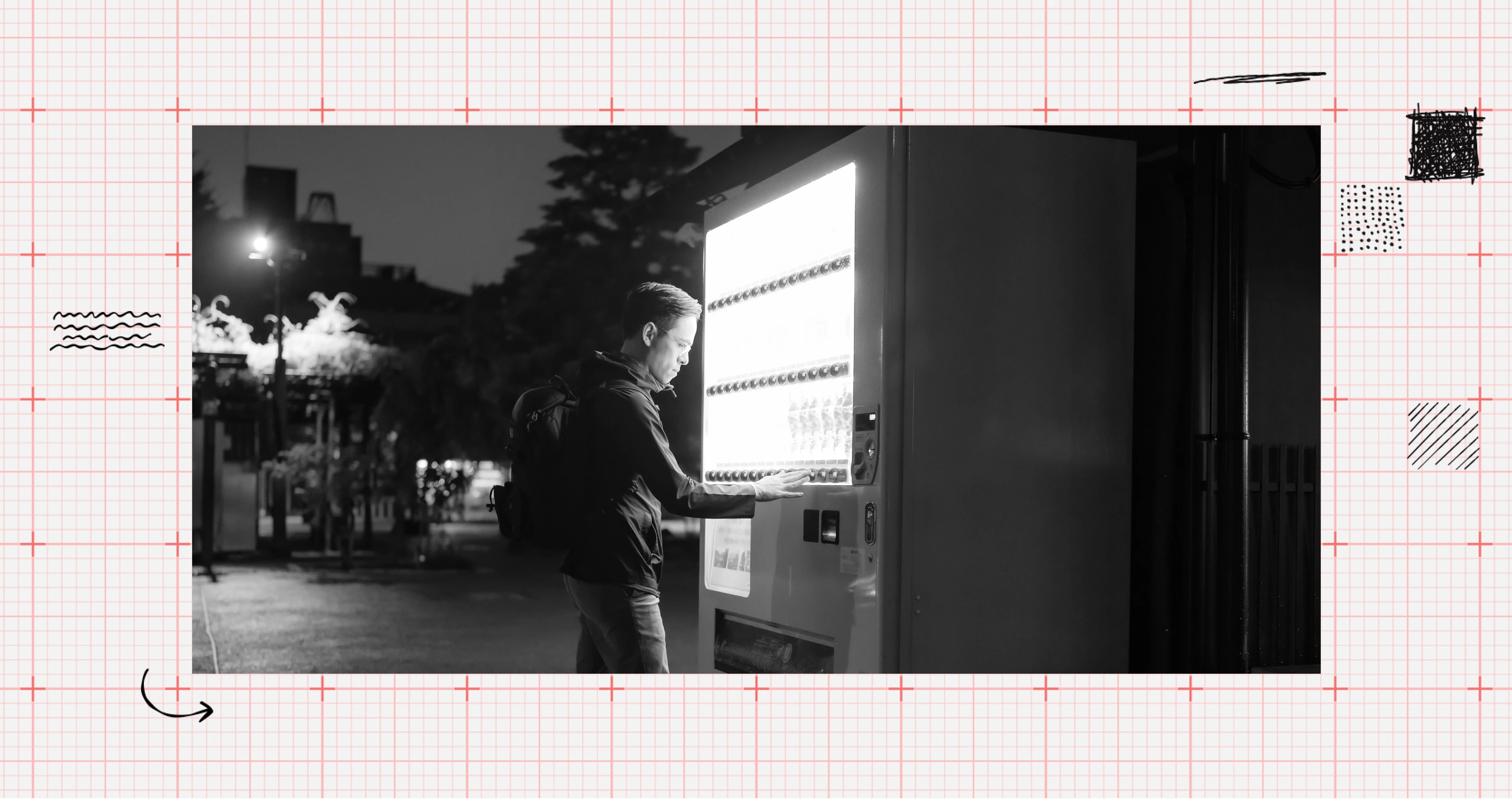
I love vending machines. Truly. (Ask me about the Sagamihara Vending Machine Park and how obsessed I am.) Still, I would love to redesign them, not because they’re broken, but because we’re not using them enough. What if vending machines weren’t just for objects, but operated at the scale of buildings—part autonomous convenience store, part capsule hotel, part service hub/micro-amenities, and part museum? The infrastructure already exists; the possibilities just need permission to expand. —Tiange Wang, Cambridge
As a woman, I avoid certain streets for safety. But I can’t tell you how many times map apps have routed me down dark blocks, empty stretches, and places where I’m doing constant safety calculations at hours I’d rather not be. It would be much easier if apps had a safer streets option you could toggle on—like “daytime-only” routes or blocks that are flagged as more dangerous at night. I’m not looking for paranoid design; just an acknowledgment that navigation isn’t neutral. —Jenina Yutuc, San Francisco
Call me old-school, but oven timers do not need 70,000 different features. Why must the generic timer, timed start, timed stop, and clock updating features all be different combinations and permutations of the same buttons?! And—did you know—if your oven happens to catch on fire (or has been on fire in the immediate past), it triggers an alarm that cannot be turned off by the controls on said oven, even after the fire is out? Sometimes a gal just wants an oven that tells you when it’s preheated—or maybe when it is on fire—but both situations necessitate an easy way to make the beeping stop. —Shannon Vossler, Chicago
As someone who’s Chronically Online™, I often get confused about where I last had a conversation with someone. A simple text exchange might turn into an Instagram DM sharing a post I thought they might like, then I remember they’re applying for new jobs, so I send a link via LinkedIn, then follow up on Messenger to share an On-This-Day memory… whew! I might use as many as six or seven ways to have ongoing conversations with the same person. Is there a way to consolidate them all into a Super-App? —Ashley Demma, Chicago
Even in humane catch-and-release situations, animal traps are often loud, cold, and terrifying. The second the metal door snaps shut, the animal goes into full panic mode. What if we treated that in-between moment with more care? Traps could be temporary spaces that are quieter, softer, and a little more familiar. And while we’re at it, why not add smart notifications? There could be a small sensor that pings your phone when an animal is inside and identifies the species, so accidental catches can be released quickly and safely. —Meron “Meri” Fasica, San Francisco
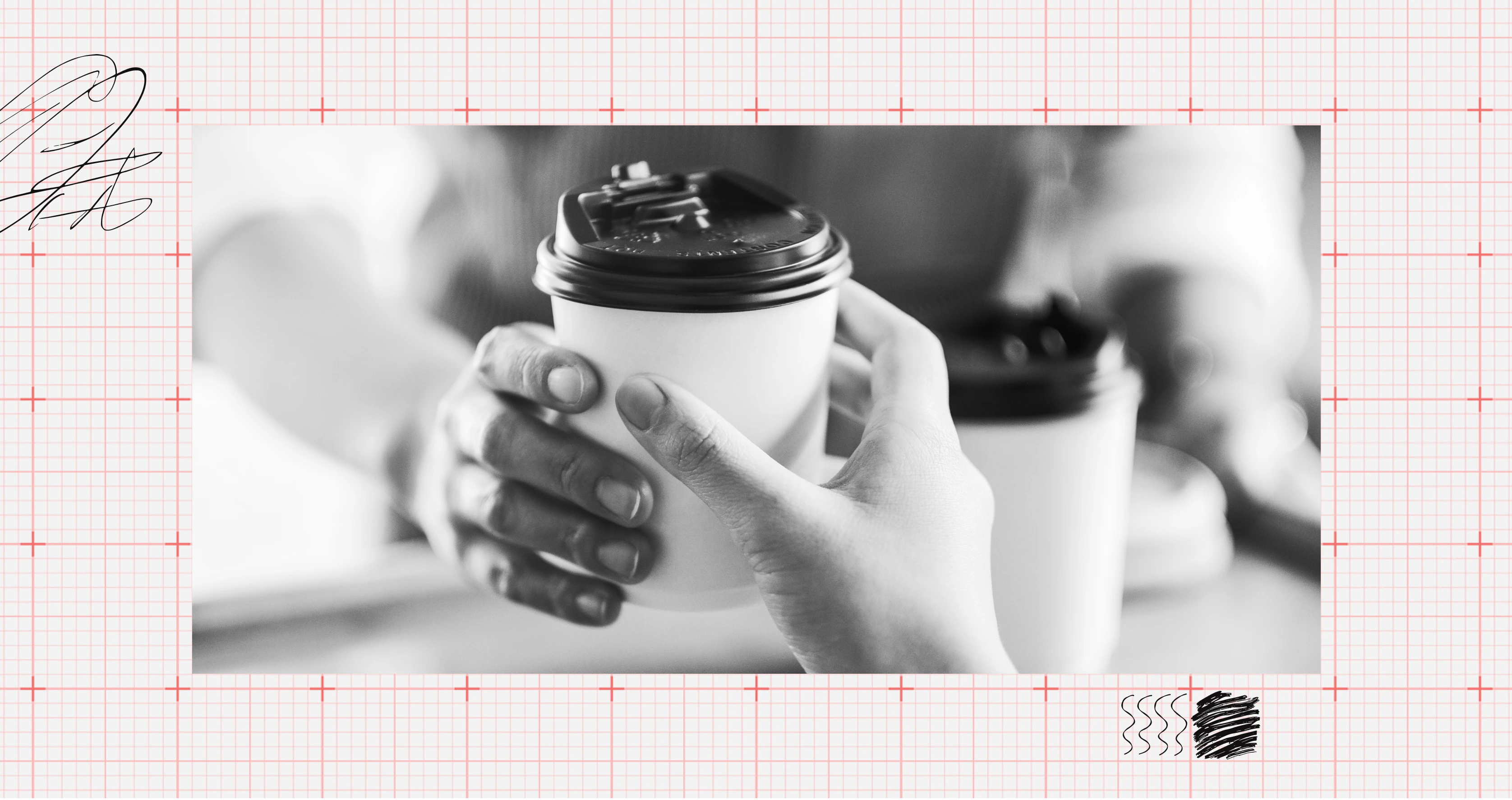
Coffee is one of my everyday joys. Yet most coffee cups are wasteful and lined with plastic. Are there better, more sustainable options? Can I enjoy a cup of coffee without worrying about toxins entering my body? Let’s make a zero-waste, zero-plastic hot beverage container! —Francis Beavers, San Francisco
Soft plastics appear so frequently in my life, and I never know what to do with them. When I research online, recycling/disposal rules vary by state, county, or even municipality. At some point, I gave up and started handing over my growing piles of plastic bags to a friend who scoops up dog poop with them. We can address this problem from the supply side (packaging and shipping have evolved with ups/downs) and the demand side (programs like Beyond the Bag) and with solutions in between (soft-plastic drop-off bins at retailers). —John Won, San Francisco
My mum has had severe rheumatoid arthritis for over 40 years and has now started a biologic medication, which she has to self-inject, but she can’t use the auto-injector because of her condition. She lives on her own, so it’s become another task to find someone to assist her with and another invasion of privacy she has to navigate. How can we make self-injectable medications more accessible to everyone? —Tash Wass, London
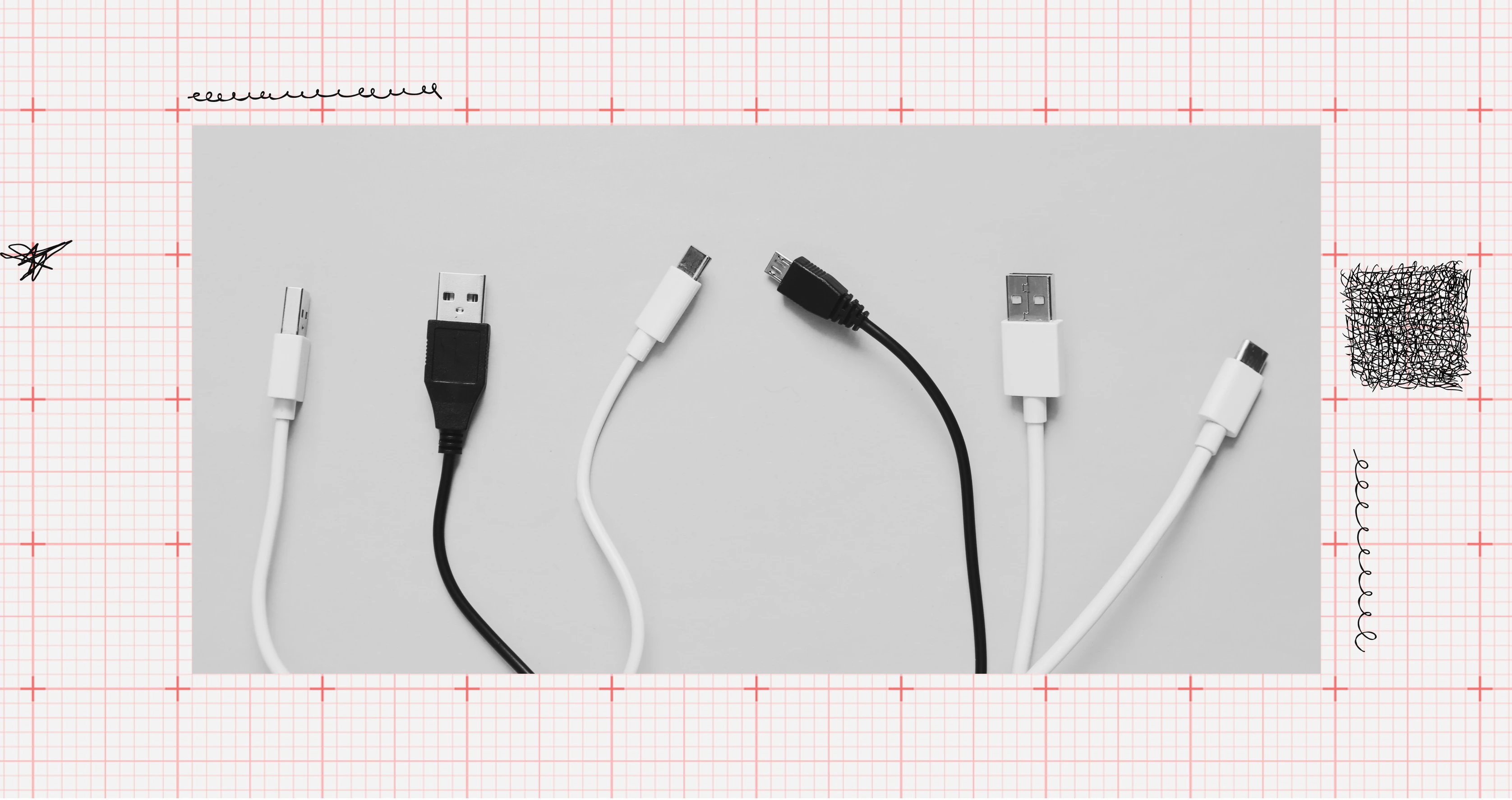
As we layer more wearables into our daily lives—smartwatches, rings, day-to-day earbuds, sport earbuds, smart glasses, even lightweight robotic companions—the burden of charging our wearables grows. First, each required its own charger; then came proprietary contact chargers; then multi-device pucks that promised simplicity but still demanded attention and choreography. Every device drains at a different rate, creating a constant, low-level cognitive friction: Is this charged? Should this be charging? What if charging stopped being a chore and instead became something that quietly happened in the flow of life? Whether through light, motion, ambient energy, or beautifully integrated surfaces, power could become pass-through rather than performative, an infrastructure rather than an interaction. The goal isn’t just convenience; it’s preserving the purity and purpose of the objects themselves. —Tiange Wang, Cambridge
I’ve never given birth, but as a Black woman, I’m already nervous about it because of our high maternal mortality rate. And learning that the standard birthing bed was designed primarily for doctors’ workflow rather than for the full range of positions our bodies can use while giving birth is not comforting. Our bodies can give birth upright, on our sides, squatting, on hands and knees, (and yes, lying flat, too, if that’s our choice). So imagine a highly adjustable, gravity-assisted birthing bed that makes all those options feel natural and easy to switch between. It still works for monitoring and exams, but actually lets your body lead—easing pressure, opening the pelvis, managing pain, helping the baby rotate, or just resting. In a moment as powerful as birth, the person bringing life into the world deserves to be the most supported, central, and active one in the room. (At least until the baby arrives, but that’s a topic for another list.) —Meron “Meri” Fasica, San Francisco
I take a lot of photos and videos, and eventually my phone runs out of storage, and I can’t capture anything new. Deleting files is slow, overwhelming, and stressful, forcing me to make rushed decisions that barely free up space. It would be so much easier if I could instantly delete blurry photos, accidental videos, screenshots, and unused downloads while clearly seeing how much space each action frees up. It would be great if duplicate and near-duplicate photos were grouped together with the best version automatically selected so I can keep what matters and remove the rest in one tap. —Brooke Ung, San Francisco
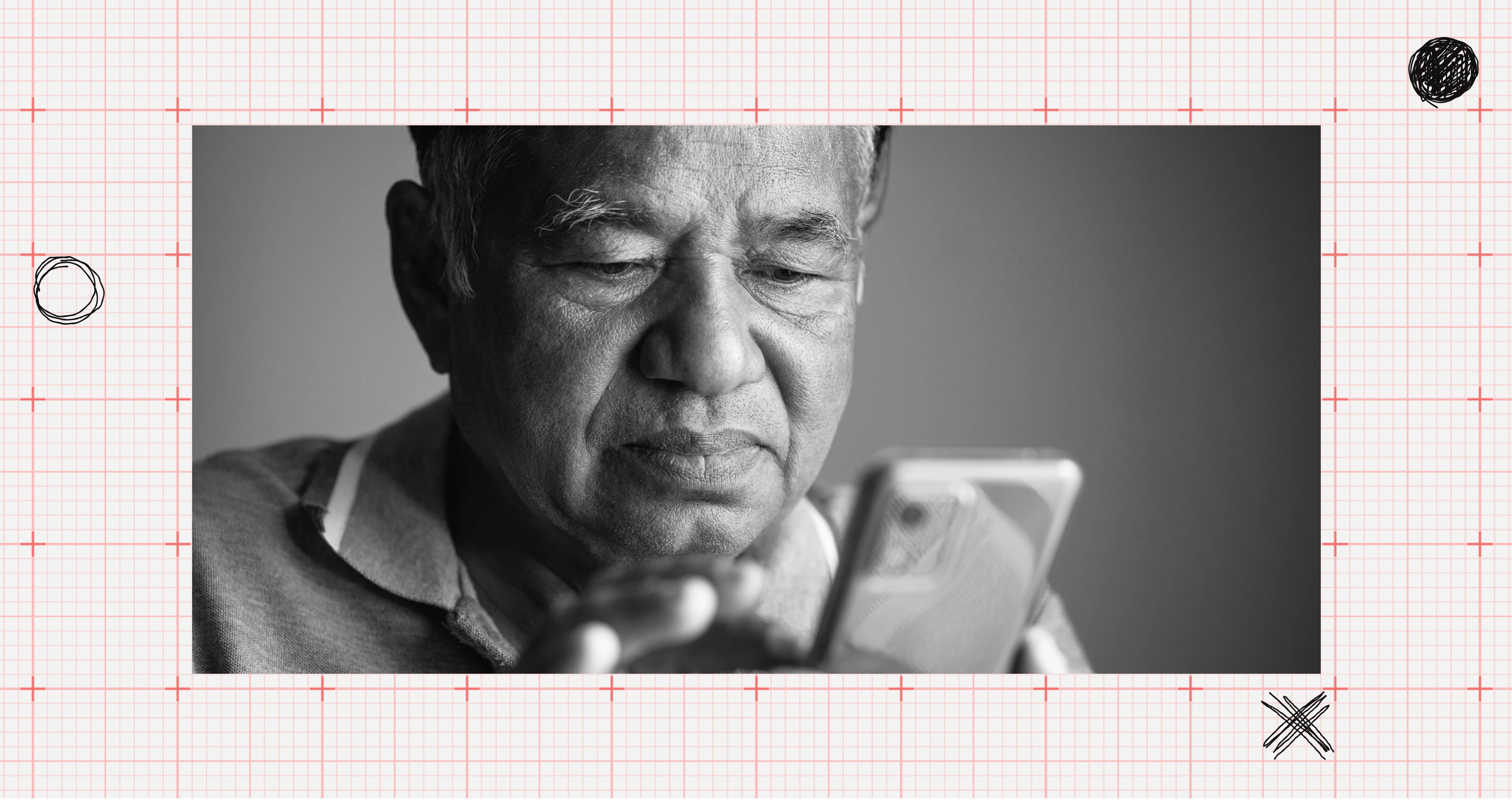
We rely on our phones for everything—including identity verification for government services. This is particularly inconvenient for the elderly. Smartphones have advanced too rapidly; while there are “senior modes” that enlarge font sizes, the elderly still face difficulties with both basic user logic and visual clarity. Redesigning a phone’s hardware and software could enable seniors to benefit from technological progress rather than hinder their lives. —Catherine Yang, Shanghai
Hospice equipment is cumbersome, ugly, and uninviting to patients. It lacks warmth, comfort, or a home aesthetic and is designed solely to get the job done as efficiently as possible. Hospice care, on the other hand, is gentle, kind, and warm. It would be wonderful if the equipment they used better reflected their approach and promise to patients and their caretakers of a peaceful, comfortable death at home. —Vivian Barad, San Francisco
Systems:
Why does every arts funder require slightly different applications, language, and formats? Independent artists and cultural workers spend countless unpaid hours navigating fragmented grant systems—all while balancing gig work, caregiving, or housing insecurity—only to receive cold rejection emails more often than not. What if philanthropy and other grantmaking institutions agreed to a common application model, like the Common App for colleges? Artists could submit one core profile annually, with funders opting in to review, dramatically reducing redundant labor and shifting the administrative burden away from those least resourced to bear it. —Ariana Allensworth, New York City
The current car- and plane-heavy American transportation model is unhealthy, inequitable, and incredibly expensive to maintain, not to mention that it’s a terrible experience! Prioritizing trains, transit, and walkable towns and cities would dramatically reduce emissions, lower traffic fatalities, and save households thousands of dollars a year in car ownership costs. High-speed, upgraded regional rail could replace many short-haul flights, easing airport congestion and slashing pollution, while compact, walkable communities would support local businesses and improve public health by integrating physical activity into daily life. It could be a long-term investment in climate resilience, economic opportunity, and a higher quality of everyday life.—Jennifer Lo, San Francisco
Could health insurance help people stay healthier longer instead of just reimbursing them for drugs? How could the return on investing in human bodies and lives be about our happiness and not about making money? —Stuart Getty, Duluth
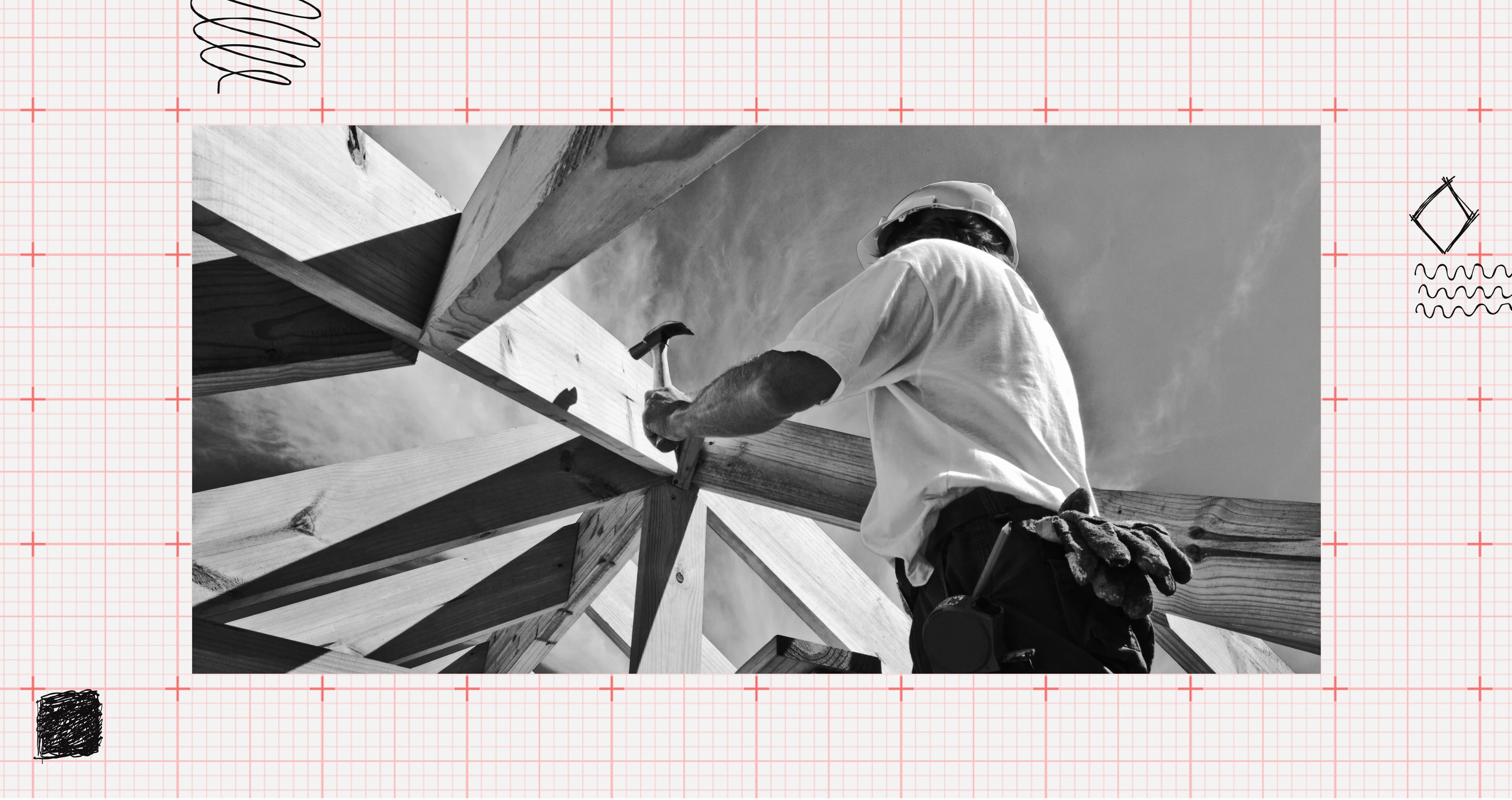
The cost of owning a home has been increasing disproportionately compared to average salaries. Home construction has not evolved or benefited as much from new manufacturing techniques as other industries. While there are many great innovations, from materials to new manufacturing processes, these systems haven’t scaled fast enough to drive meaningful change. How might we redesign home-building systems to result in better (nicer, more efficient, healthier) homes that are also more affordable and accessible? —Juho Parviainen, San Francisco
My current health system keeps nagging me about an overdue flu shot. I got one at Walgreens in October, but my health system wasn’t alerted. When my doctor asks me when I last had a tetanus shot, I have NO IDEA because my health records are scattered across every institution where I’ve ever been a patient. It’s on me to remember and manage multiple portals just to find different pieces of my own health history. Test results are often presented as cryptic numbers or in medical language that sends me to Dr. Google. When I’m asked about family medical history, I can’t ask key family members because they are deceased. What if our health records followed us, not the doctors or institutions that provide our care? What if they could learn from pharmacies, communicate and share information more effectively, translate medical jargon, and remember what matters most, so we don’t have to? —Kelly Bjork, Santa Fe
The day we buy a product is also the day its technology and value begin to decline. I’m experiencing this now with my robot vacuum cleaner. In just its second year, newer models already offer more intelligent, thorough cleaning. The obvious solution is to buy a new one. If I want to be more sustainable, I can resell the old device through second-hand platforms. But what if we leaned into the circular economy? Could we design systems that anticipate this inevitable replacement cycle? In China, “Replace old with new” programs are a promising start. But what if we went further upstream—into product planning and development—and designed hardware and software together to deliver incremental value over time, while also taking responsibility for producing less, but better? —Xueqing Xu, Shanghai
Experiences:
I used to leave my phone in the other room while I work; but now, thanks to two-factor authentication, I have to keep it next to me, and I pick it up on the regular. I often find myself scrolling through various apps without even realizing it. Could we make screenless two-factor authentication, so I’m not interrupting my focus every time my software signs me out? —Elise Craig, San Francisco
Why are all online recipes built the same way? First, a way-too-long intro that reads like a new Dan Brown novel, then the inevitable “jump to recipe” button. It’s all starting to feel a little bland. Cooking is joyful, experimental, and deeply sensory—recipes should reflect that. Give me recipes that adapt to my taste and whatever’s left in my fridge. Give me measuring units that don’t require a scale, and let the home chefs who’ve cooked it add their own notes and wisdom. Bon appétit! —Max Lackner, Chicago

Every child deserves nourishing, healthy meals that support clear thinking and confident movement, as well as an understanding of what their body needs throughout the day. I learned how to truly discern what a food label means and where protein, fiber, and macronutrients fit into my life way too late. School lunch should be the first place kids learn what it means to be nourished—where nutrition is really clear and understood. The dream! —Jenina Yutuc, San Francisco
Imagine this. To complete your breast cancer screening, you have to hand over your breasts to a technician who stretches them in a way that seems like it shouldn’t be possible, then puts them into a squishing machine where you cannot move—or sometimes breathe. For a good 15 minutes. (They would never do this to male anatomy.) When you get your results, they’re clear—but there is an asterisk. Your breasts are too dense for it to really be effective, but your insurance will not pay for the alternative means of testing. There has to be a better way. (But still, get your mammograms!) —Elise Craig, San Francisco
Can sperm testing be more human? Some hospitals just put you in an empty room with porn from the ‘90s. It’s just difficult when you can hear people chatting and joking outside… —Wai Tong, Shanghai
We have all had to do the awkward dance at the parking lot ticket machine. You stretch your arm out the window to realize you can’t touch the screen. You unbuckle, but still can’t reach. So you finally put the car in park, crack the door open to place one foot out, and balance on your tiptoes to grab that ticket. Then you get the pleasure of doing it again when you leave the lot. It shouldn’t be that awkward! What if the system scans your license plate when you pull in and sends you a message to pay on your phone when you leave instead? —Marielis Rosario, Cambridge
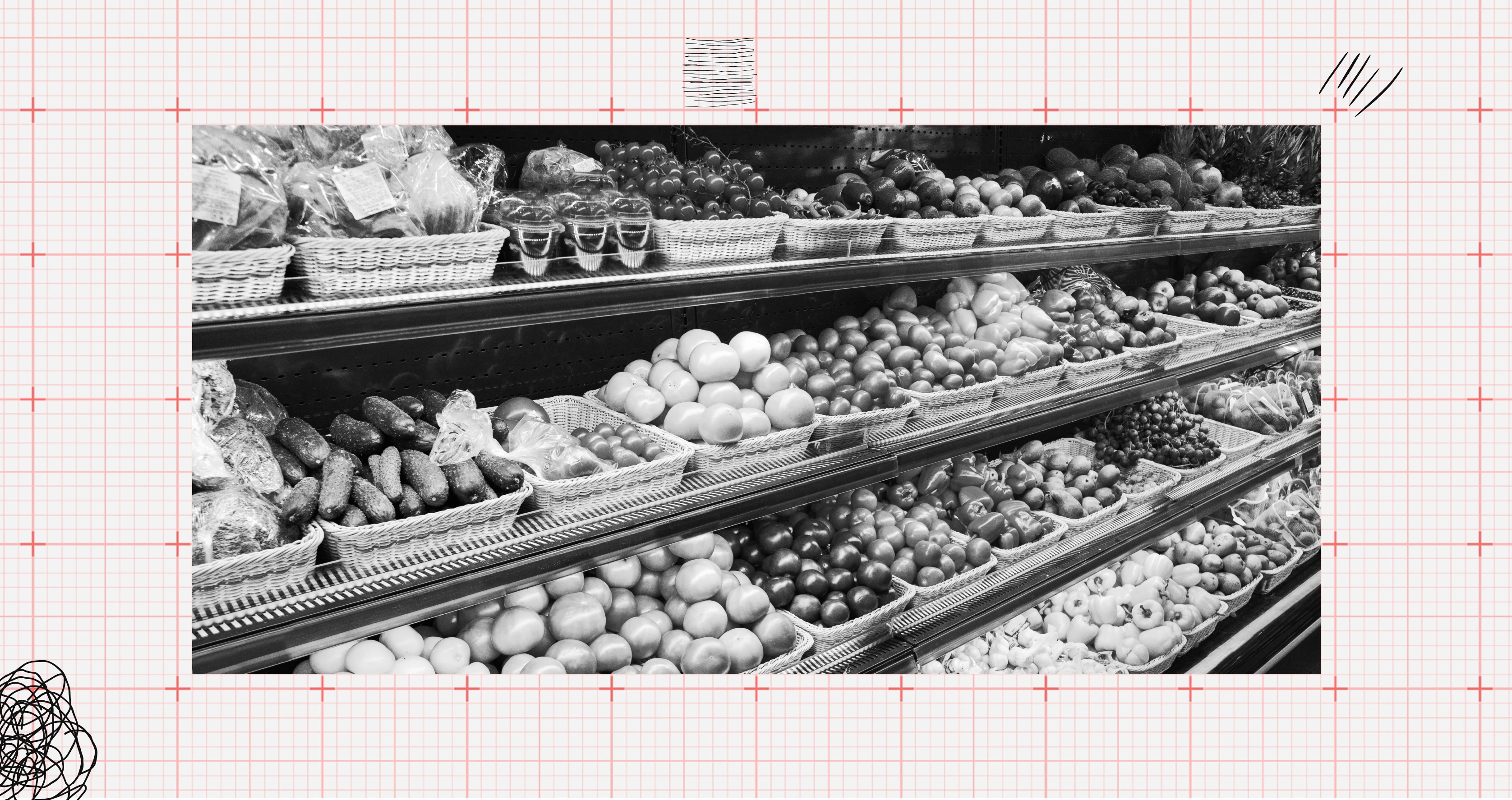
The produce section could be more than a colorful cornucopia of fruits and vegetables—it could also be a place that educates and informs. There could be a gut health section, or a brain health section, or even callouts on what’s great for glowing skin, strong hair and nails, or sustained energy. Designed well, it could inspire people to shop, cook, and eat differently. —Vivian Barad, San Francisco
When you have surgery, they cut you open, rearrange your innards (maybe they take something out or put something in!), sew you back up, and then send you home the next day. Your family totally knows how to do major wound care, right? We’re gonna show you how this new catheter works once. Hope you’re paying attention! And here are a bunch of meds, make sure you take CAREFUL NOTE of the times you take them, even though your brain is swimming in painkillers. You’ll be fine! Am I the only one who feels completely unqualified to care for a loved one after they get out of the hospital?
What if there were a middle step between hospital and home where families and their care team could establish temporary care for those in recovery? Or at least have some way to help family members build confidence in their abilities to dole out the right medicines at the right times? —Shannon Vossler, Chicago
More and more stores are locking up everyday products to deter theft, but they end up punishing the shopper instead. I can’t browse or compare products until I flag down an employee—and then they have to stand there while I anxiously rush to make a choice, and feel guilty for taking up their time. It solves one problem by creating three new ones. What if we flipped the model entirely and turned locked shelves into smart, vending-machine-like displays that preview every product—front, back, sides—without restricting access? Customers could take the time they need, employees could focus on service, and stores could maintain security without compromising dignity or discovery. —Tiange Wang, Cambridge
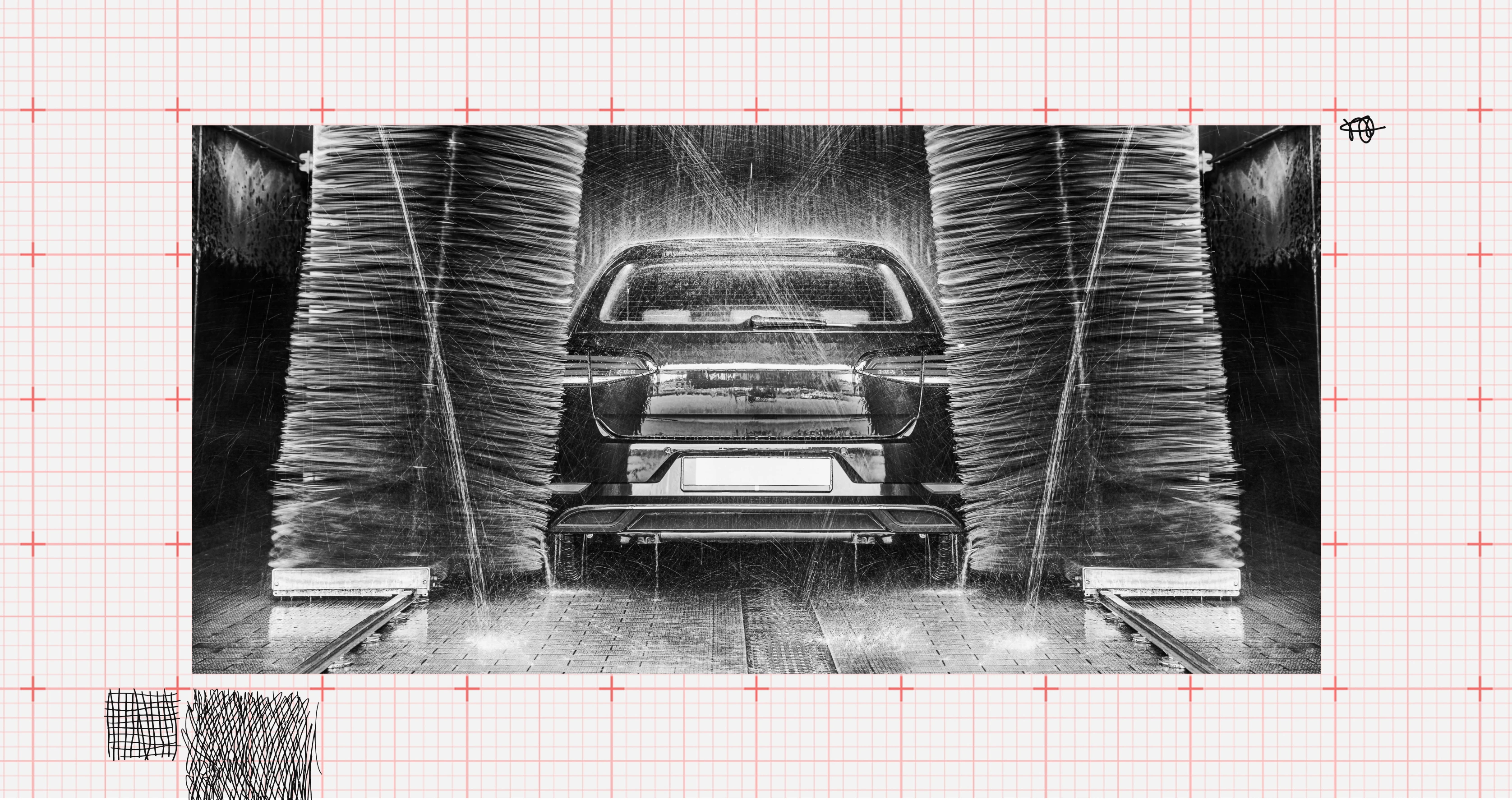
I’ve yet to use an automatic car wash that actually leaves the car clean all over. Plus, they seem so inefficient with water usage. Can’t we have lasers and LIDAR that can scan your car and efficiently jet every nook and cranny? —Dan Read, Austin
As someone who deals with frequent migraines, I am regularly reminded how many spaces are awful to be in during an attack. Most recently, I was reminded of this in a hotel. Bright overhead lights, strong room scents, and tricky HVAC temperature controls are tolerable or annoying when you’re well, but when you’re sick, they are terrible triggers. And don’t get me started on grocery stores... —Jamie McCoy, Chicago
Most in-home kitchens in London feel designed for one person. If two people are cooking together, you have to say “excuse me,” because you need to wash your hands while the other person is rinsing vegetables, or you need to get a pot from a drawer that the other person is standing in front of. Kitchen islands might be a solution, but they won’t work for compact homes. How might we redesign the kitchen to encourage cooking together rather than hindering it? —Annie Liu, London
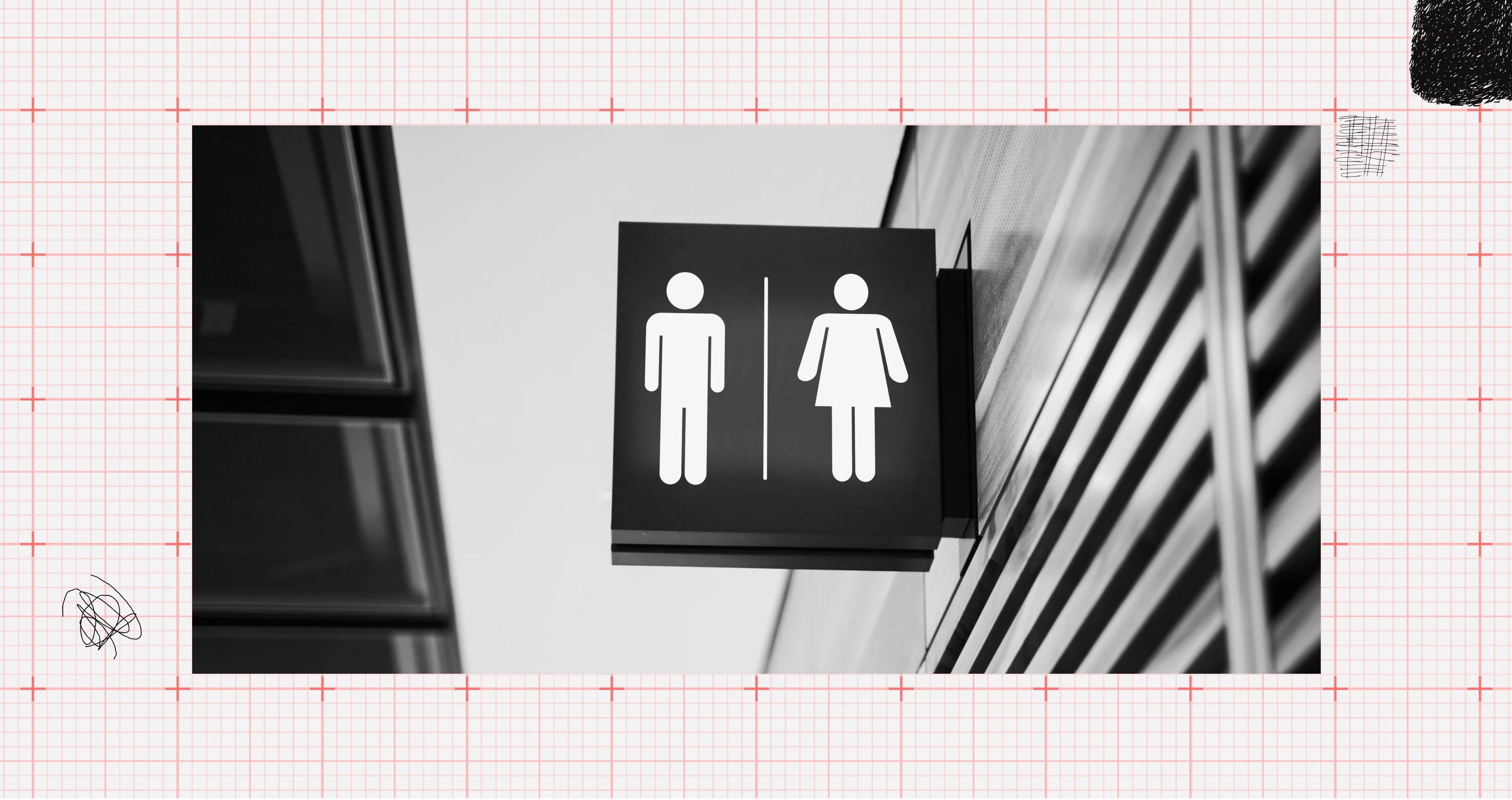
Even those who don’t have to queue for the ladies’ room have surely had to wait for a friend or partner stuck in lines that snake on and on and on. It simply doesn’t make sense to continue allocating toilet space 50/50 (which isn’t even as equal as it sounds, as urinals take up much less space and are quicker to use, so the men’s room already has a leg up). How might we rethink the toilet experience to be more efficient and more inclusive for all? (Because just having a he/she on the toilet is dated as well.) —Jen Ives, London
“Third spaces” like coffee shops and gyms, once solid places to casually connect, are becoming less accessible due to cost, time, and privatization. Many neighborhoods aren’t designed for bumping into people, especially if you don't live in a walkable city. What if the physical and digital environments we live in pushed us toward more organic connection? What if buildings and systems were designed to make spontaneous gatherings not only possible but inevitable? How might we design systems and spaces that make community-building joyful, low-effort, and sustainable? —Sindhura Sonnathi, San Francisco
We have all this sleep-monitoring hardware and software, but it only tells me to sleep better, rather than helping me sleep. Thank you. I know my sleep is not great, I can feel it! Continuing to tell me that is only going to increase my anxiety... —Wai Tong, Shanghai
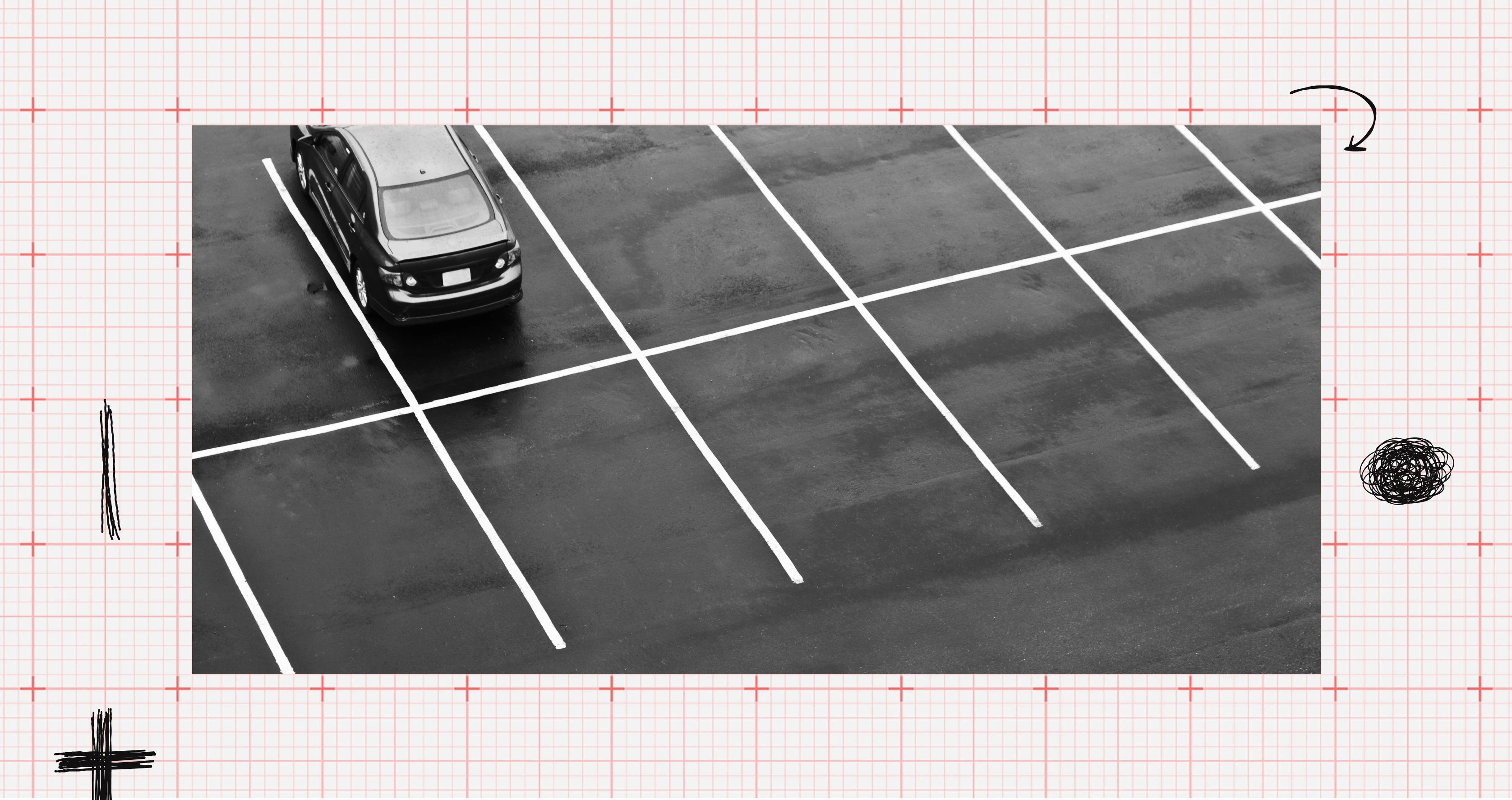
In many urban areas, there’s more parking than housing. “Seattle had 30 parking spaces per acre, roughly five times the number of residential units. In Des Moines, the parking-to-housing ratio per acre was around 20 to 1.” This may just sound normal to Americans. But in places like Europe or East Asia, people’s daily lives are enabled by a built environment that’s people-centered, not car-centered. What might it look like to break free of a one-car-per-person rule? What would our public spaces look like if we weren’t required to reserve multiple parking spaces wherever we live, work, shop, and hang out? Denser neighborhoods where we can walk around safely? More green spaces and parks? More places that can be used for living, including affordable housing? —John Won, San Francisco
I love supporting my local coffee shops. Many of them have rewards programs built into their POS systems that track each order you place and award a set number of points, giving you a few dollars off or even free items. But you can’t see your total points until AFTER you place an order, and there is no option to use them along the way. Most baristas don’t acknowledge the rewards system, and by the time they bring your coffee, you’ve completed checkout and have hundreds of unusable points just mocking you. It feels like a digital version of the punch card that always gets lost in your wallet. There has to be a better way! —Rebecca Bass, Los Angeles
The attention economy has done a number on everyone’s… attention… and the kids are onto it. It’s so interesting how some youth are, in their own words, “rawdogging boredom” (AKA sitting still and doing nothing for an extended period of time without their phones, unplugging). The term’s vulgar, cavalier vibe suggests a generation treating boredom like a prohibited substance. Which does seem to be the message many digital experiences are suggesting. —Danny DeRuntz, Cambridge
Unfortunately, so many great restaurants and bars are closing in the Bay Area. This month, it’s an organic restaurant run by a renowned female chef. Last month, it was a Black-owned pizzeria with a killer happy hour. Why’s this happening? Owners report lower foot traffic, higher costs (from food to rent), and difficulty retaining workers. There are strong efforts out there: La Cocina is an incubator for BIPOC and immigrant women chefs that builds hard and soft skills; businesses are shifting to fast-casual formats to streamline operations and headcount; and I’ve seen a rise in restaurants run by worker cooperatives. But we can do more. How can cities help them stay open, via grants, financing, and advising? How can we shift our thinking to see restaurants as delicate nodes in the rich ecosystem of our communities, adding vibrancy and fighting loneliness? —John Won, San Francisco
Looking to partner with us on your own redesign? Get in touch. We'd love to chat.
When your work life revolves around rethinking all kinds of products, experiences, and systems, you can’t help but see opportunities to redesign everywhere.
.webp)
How to lead with confidence in 2026
Advice from some of our most creative partners and admired leaders.
But it also brought great inspiration, as leaders we admire moved forward with confidence, embracing change as an opportunity to innovate and succeed throughout the year. As Michelle Lee, Co-Managing Director of our San Francisco studio, says, “There will always be things outside of our control, but that also means there's always something new to learn or something unexpected that's waiting to surprise us.”
Here is advice for leading with confidence in 2026 from many of the partners and leaders we admire. Want even more leadership advice? Head over to IDEO U's Creative Confidence Podcast or blog to hear from more partners of IDEO U.
Get out of the scarcity mindset
One of the biggest obstacles I had to overcome in the last year was keeping myself away from a scarcity mindset. There's a lot of fear in the environment, and it's really easy to think that there's not enough: there aren't enough jobs, there aren't enough corporate contracts, etc. And the truth is, there are. I like to tell myself, “I just need one.” I just need one good corporate contract. I just need one good job. I find that mindset to be really, really powerful because it puts me in an energy of openness, creativity, curiosity, and abundance.
—Amy Bonsall, Founder, Collective
Embrace strategic flexibility
It’s time to stop treating uncertainty as a temporary disruption and start treating it like the complex operating environment that it is. Leaders don't need perfect predictions. They need the ability to hold multiple plausible futures in their minds at once, and make smart but very flexible bets on those futures. The organizations that will thrive will be those that can stay focused above the noise of ever-changing emerging technologies and stay close to real human needs. They’ll need to fail smart, learn fast, pivot quickly, and build strong capabilities and nimble adaptations to a shifting world. And to do this, they’ll need to hire leaders and frontline employees with the right skills to make that level of strategic flexibility happen. It’s my guess that most organizations don't have those people yet. If not, it’s time to invest in building that capability.
—Jennifer Lo, Futurist-in-Residence and Senior Director of Organizational Design, IDEO
Psychological safety should be a KPI
AI can't break the rules like creative people can. Not yet anyway. But AI is great at collecting inputs, which makes it an amazing brainstorming partner. I would use this to motivate my team and to embrace AI, not as a threat, but as a value add. But to do that, leaders need to reskill their team members. Which brings us to the next point.
Instead of instilling fear, talent re-skilling can be a confidence builder. Leaders must actively train their team to be expert prompters, whether on LLMs or diffusion models. The more they know how to use and play with the tools, the better it is for their confidence and sense of safety. I experimented with this at LEGO. One of my reports, an editor, felt lost. Partly due to a reorg, partly due to the fact that he had been there for almost two decades without moving up. Around the same time, there was a project that required us to create bespoke music. I saw it as an opportunity to experiment. I asked him to use his editing background and legacy knowledge of the brand as a kind of training data and generate a bunch of different songs using Suno. I could see how that whole exercise gave him a new sense of purpose. He's not just the “editor guy” who's tasked with making sizzle reels all day. He's now a member of the creative team, contributing ideas and prototypes using AI.
—Rudi Anggono, Global Head of Creative, Snap
Revisit your roots
I’d encourage leaders to resist the temptation of chasing every shiny new object. AI and innovation are powerful, but they should amplify what has always been true about your brand, not reinvent it. It’s important to stay grounded in what’s real to you, your brand, your leadership style, even in times of uncertainty. It’s a good time for organizations to revisit their company roots, history, and purpose. Remember what made your brand trusted in the first place. Then ask, “How can AI help us supercharge that?”
—Joelle Park, SVP, Chief Marketing Officer, BWH® Hotels
Slow down to take action
One of the most crucial things for leaders to keep in mind as they head into 2026 is this: slow down to speed up. Slowing down means: observe more. Listen better. Seek evidence-based reasoning. Ask good questions. Suspend judgment. All of this is in the service of more quickly eliciting rich, multivalent perspectives and making new discoveries to drive your work forward. Another way to put this: reframe your bias toward action. Include thinking deeply together with your teams, clients, and colleagues before you solve, decide, and execute. Thinking together is action. Being curious in this way is a gift to yourself and to everyone you have the privilege of working with.
—Dabney Hailey, Founder and Principal, Hailey Group, and lecturer at MIT’s Sloan School of Management
There’s always something new to learn
Maintaining creativity in uncertain times really comes down to how we choose to meet the unknown. And I say “choose,” because it really is a choice. We can either shrink away from uncertainty or embrace it with a sense of awe, excitement, and wonder at being part of something that's bigger than ourselves. There will always be things outside of our control, but that also means there's always something new to learn or something unexpected that's waiting to surprise us. And that, frankly, is really fun. When we meet uncertainty with curiosity instead of fear, it flips the script. The unknown stops being something to avoid and becomes something we're eager to explore. That openness is what fuels creativity. On my team, I try to nurture a culture where questions, experimentation, and healthy risk-taking are all welcome.
—Michelle Lee, Co-Managing Director, IDEO San Francisco
.webp)
Make space for human creativity
It's more important than ever to cultivate a culture of creative taste. A lot of creative technology tools are becoming more impressive and seemingly more magical, and getting really close to mimicking the human hand—especially when it comes to generating video and art. There’s that temptation to use it across the entire board for every single task. But it’s really important to look at AI tools critically, and understand what they are best used for, while keeping space and time for human creativity to do what it does best.
—Takashi Wickes, Founding Designer, OpenStudio
Champion daring concepts
Playing it safe is anathema to my understanding of creative leadership. When your primary responsibility is to do things differently, you have to be stubbornly committed to the cause. Stripping the ease and comfort of familiarity creates uncertainty, and there’s a very human impulse to avoid the unknown by clinging to the way it’s always been done.
As a creative leader, it’s my responsibility to lean all the way into the audacity of delightfully unprecedented ideas. To champion concepts so daring, it feels like a fever dream to pitch them. To encourage willful weirdness and silly side quests as vehicles for creative disruption. More than anything, my job is to set a working example that refusing to play it safe isn't for the faint of heart—but the reward makes the risk well worth it.
—Ellen Foord, Chief Creative Officer, City of Boston
Imagine starting over
In 2025, the LA fires completely derailed my life right at the beginning of the year, when I had all the best-laid plans. We were really fortunate not to lose our home, but we were displaced for a really, really long time, and we had to live in extreme uncertainty. Would we lose everything? How would we rebuild? What would we do in a landscape where everything had changed?
What got me through was leaning into that uncertainty—asking myself what might open up if I had a radically new landscape to explore and build upon. That might sound like deluded optimism, but it was actually a genuinely powerful tool that helped me enter that imaginative landscape where everything had to be built anew. It became both a creative challenge and an opportunity.
—Catherine Connors, Co-Founder, StoryQuo
Build your own confidence
Confidence doesn't show up before you act. It shows up because you act. So every morning, before I checked my email or picked up my phone, I started asking myself a very simple question. “If I choose fear today, what possibility will I miss?” It didn't make the fear disappear, but it gave me back my agency.
The second thing that helped me came from a conversation with Robert Waldinger from Harvard University. He leads the longest study on human happiness and how to live a good life. And he told me something simple and profound. The quality of your relationships is one of the strongest predictors of well-being.
—Dr. Frederik G. Pferdt, Google's first Chief Innovation Evangelist, formerStanford d.School lecturer and author of What’s Next Is Now
Get hands-on
One of my biggest challenges this year was staying focused amid a relentless stream of new technologies—especially AI—and separating what’s transformative from what’s simply trending. I relied heavily on a trusted network of peers to bounce ideas off of and sharpen my perspective, which was crucial. I also made it a point to get hands-on again—something many senior leaders of large organizations tend to drift away from over time. Continuing to stay in touch with the technical details by playing around with the technology myself or inviting my team to walk me through demos and new ways of building things proved invaluable. It has kept me grounded in reality and equipped to make confident decisions in an unpredictable environment.
—Artem Fishman, CTO, Dow Jones
Build your knots
I had an interesting start to 2025—a number of my senior people left for competitors. I thought it was going to be an extremely challenging year, despite all the wins we had in our business. I couldn't quite understand their reasons for leaving. But I decided to shift my attention, focus on supporting my clients and my team, and deliver really good work.
I couldn't have done it without a good network of relationships. I view them as knots in a net. You don't know when you're gonna need them, but they need to be reinforced. I've been able to build and grow a team that I wouldn't have thought possible. So I'll take this moment to thank everybody who has been there for me. And I think as leaders, we need to take the time to build our knots and to thank them for everything they have done for us. I couldn't have done it alone.
—Wardah Malik, Chief Executive Officer, BEworks
(Additional contributors: Heather Boesch, Jenna Fizel, Leah Marcus, and Lindsey Turner)
For many of the world’s companies, big and small, 2025 brought significant uncertainty—from tariffs and supply chain challenges to shutdowns and unexpected market changes.

Lindsey Turner
I’m passionate about building brands, products, and experiences that help organizations show up with meaning and momentum.
I help organizations cut through complexity by shaping how they show up, through brand strategy, identity, and storytelling.
Working at the intersection of brand and business, I bring an editorial eye and a bias toward making—turning ideas into tangible experiences that people can understand, trust, and believe in.
My work spans government, healthcare, financial services, media, and consumer goods, from launching Gen Z-focused ventures to building innovation labs and reimagining legacy brands. I relish moments of ambiguity and enjoy translating across teams, perspectives, and priorities to move ideas forward.
I started my career in editorial and digital design, shaping cross-platform experiences and identity systems in publishing and agency environments. That foundation still shapes how I work today: I’m detail-oriented, collaborative, and overreliant on the Oxford comma. I hold a BFA in Visual Communication from the School of the Art Institute of Chicago.

Rachel Young
My work helps organizations see who their products aren't working for—and build the will and the tools to do something about it
For 25 years, I've asked the same question: Who does this design exclude—and what are we going to do about it?
My work spans human-centered strategy, inclusive design, and qualitative research, with clients ranging from Microsoft, Google, and Verizon to the National Science Foundation, and San Francisco Unified School District.
Before IDEO, I taught elementary school in East Palo Alto and spent a decade doing design work with social service organizations—where I learned firsthand what it costs people when systems are built without them in mind.
I am currently writing User Error, a nonfiction book about digital access and the design decisions behind it. I live in Oakland, California.

Brian Pelsoh
I lead with craft, ensuring our work is creatively excellent: rooted in deep human insight and imagination, while also grounded in the realities of business and technology.
My expertise spans brand, communication, and product design across tech, education, the arts, and social impact.
I believe great work demands both high-level vision and obsessive attention to detail, and only happens through collaboration.
I bring an inclusive, hands-on approach and a deep understanding of business, which enables me to consistently deliver excellence while always asking why.
Before joining IDEO, I worked at the brand firms Pentagram and VSA Partners. I began my career as a designer, leading teams at the School of the Art Institute of Chicago and the Milwaukee Art Museum. I hold an MFA in graphic design from Maryland Institute College of Art and a BFA in communication design from the Milwaukee Institute of Art & Design, and have taught at some of the best design schools in the US.

Tony Wong
I am responsible for IDEO’s long-term success in China and working with clients to use design as a tool to enable growth.
I am responsible for IDEO’s long-term success in China and working with clients to use design as a tool to enable growth. Specifically, I have helped Chinese companies design holistic brand solutions through the development of their products, communication, services, and innovation teams, and I have helped multinationals expand their presence and influence in China.
I advise global leaders on developing China-led innovation and capabilities.
In over 15 years in IDEO Shanghai, I have worked on projects that use design to elevate the quality of the experience of healthcare products and services, streamline processes that increase productivity, create spaces and programs that promote and enable inclusive communities, and build next generation mobility solutions that are planet-positive.
Before joining IDEO, I worked at Philips Electronics and the Electrolux Group in Italy, the Netherlands, and Singapore on a number of breakthrough commercial products. I am a member of the Young President Organization in Shanghai.

How to use AI as an editor, not a writer
Ed White shares how he uses AI as an editor—not a writer—to sharpen storytelling, rehearse ideas, and preserve the productive friction that makes creative work better.
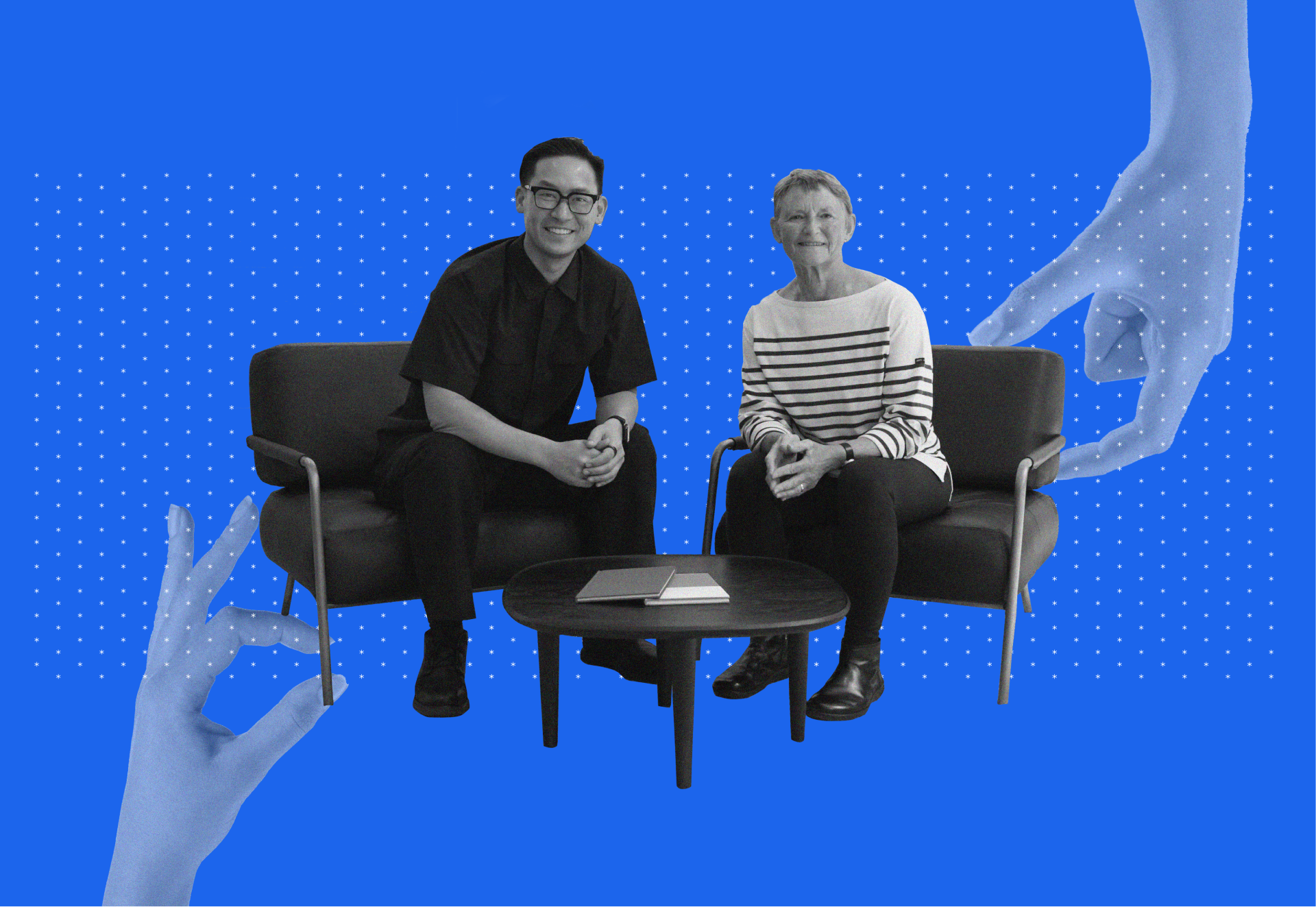
Ed White has a rule he's tested on his own writing: hold yourself as the writer, and let AI be your editor. Ed is a Senior Design Director at IDEO's London studio, where he co-leads the firm's AI portfolio across Europe. Before IDEO, he spent 12 years as a writer and editor at the Financial Times, Wired, and Contagious. So when he talks about when to use AI for storytelling and when not to, it comes from two decades of crafting his storytelling skills.
In this episode, Mina Seetharaman talks with Ed about two specific tools he uses to keep AI in an editor's seat: a "roasting agent" prompted to critique his drafts without any sugarcoating, and a simulated audience he rehearses pitches on before the real thing. They also get into what Ed is hearing from design leaders at Anthropic, Lovable, Shopify, and Google Creative Lab about how creative work is changing, and why he thinks the friction of writing something yourself is worth protecting rather than automating away.

Building a personal AI for the messiness of life: Sida Li
Becca Carroll talks with Cue co-founder Sida Li about designing a personal AI for the messiness of everyday life—not just work. They explore how Sida stays anchored to human needs while navigating fast-changing technology, product tradeoffs, business-model experimentation, and the realities of building an AI company today.
Most AI products today are built for work—a space with clear problems and established systems. One founder noticed a gap: personal life is messier, harder to systematize, and mostly left behind by the AI boom. So she built Cue, a personal AI that lives inside iMessage and group chats, to go where the other tools haven't.
In this episode, Becca Carroll, IDEO's Chief Strategy Officer, talks with Sida Li, co-founder and CEO of Shared Context Lab, about staying anchored to a human need while the technology around her keeps changing shape, why she treats her business model with the same rigor she'd bring to a product, and what it feels like to build a company at this particular, disorienting moment in AI.
The conversation also gets into how Sida makes design decisions: the language Cue uses to describe itself, the tradeoffs behind building inside iMessage instead of a new app, and a real story about a business idea that didn’t pan out.
This is the second in a two-part series profiling founders from IDEO's Startups-in-Residence program. The first conversation is with Johannes Seemann, founder of Sooner, on designing GenAI for the emotional side of money.

Designing GenAI for the emotional side of money: Johannes Seemann
Designing financial tools around the feelings that shape money decisions.
Most personal financial tools are built to run the numbers and optimize towards a budget. While that works for some, most people experience money as a lived relationship that does not neatly fit into a spreadsheet. Johannes Seemann and Becca Carroll discuss why money is emotional before it is mathematical, and what a human-centered approach to building a generative AI financial product looks like in practice.

The curious leader's edge in uncertainty: Scott Shigeoka
How genuine curiosity helps leaders navigate uncertainty with greater confidence.
Mina Seetharaman talks with Scott Shigeoka, author of Seek and Head of Curiosity Cultivation at the Eames Institute, about what distinguishes genuinely curious leadership from performative curiosity, how power dynamics shape curiosity, and why practicing curiosity can restore energy rather than drain it.
Looks like you might be in search of something very specific?
Or reset the filters above and try another angle.
Here’s some random inspiration

Podcasts about creative leadership

Articles about the power of prototyping






























.webp)