
.svg)


What real insights feel like, and other notes from a design legend
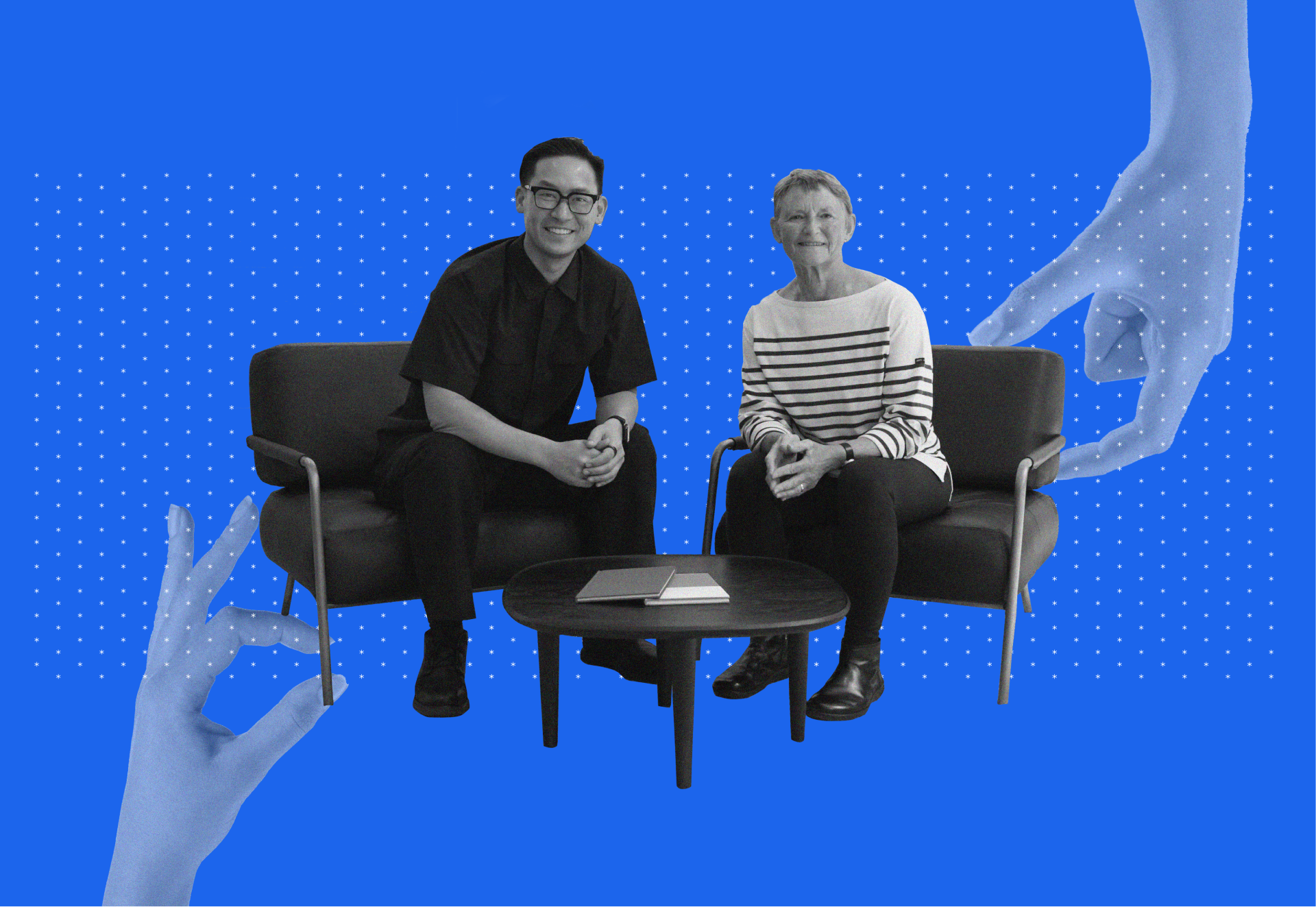
“Insight, for me, is a change of state in our understanding. There's an epiphany of sorts, a new recognition. You get an insight by being a sensory human being, observant and absorbent through all your senses."
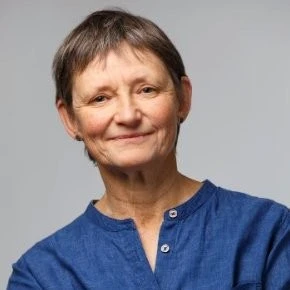
A pioneer of human-centered design at IDEO, Jane Fulton Suri joined one of IDEO's predecessor firms, ID Two, in 1987. With a background in psychology and architecture, she gained early experience as a researcher at the renowned former Institute for Consumer Ergonomics at Loughborough University of Technology. At ID Two, and later at IDEO, Suri introduced social science principles to the design industry, which had not yet fully embraced them. Her contributions would go on to reshape the field.
Suri’s influential 2005 book, Thoughtless Acts?: Observations on Intuitive Design, features a collection of snapshots that highlight the subtle, instinctual ways people interact with the everyday world. It’s a love letter to observation as a design discipline with real-world impact. Her work in human factors at IDEO has influenced products people use every day, from rubber grips on Oral-B toothbrushes to redesigned Evenflo strollers. In recent years, she’s expanded her focus beyond human-centered design to explore how patterns found in nature and living systems can inspire more sustainable solutions—what she calls life-centered design.
Now a Partner Emerita, we were so glad to welcome Jane back to IDEO earlier this year for a conversation with our design community.
Mike Peng (MP): If you don’t mind, Jane, tell us about your origin story and how you came to IDEO.
Jane Fulton Suri (JFS): I started out in psychology because I was really interested in people. And then I got really interested in people in the everyday world. I brought that mindset into design: Let’s get out there and see what people really do.
I found myself working with manufacturers to help them understand why people didn’t do what they expected them to with power tools, motorcycles, and other dangerous things. A lot of my work was mitigating disaster. And I thought, this is crazy. Why aren’t these conversations happening while things are being designed? Problems are easier to remedy at the design stage than when they’re on the market.
Then I met Bill Moggridge, one of IDEO’s three cofounders, because a friend of mine was his client. He was a myth and a legend. After our conversation, he asked me, “What do you want to do now?” And I said, “I’d like you to offer me a job!”—which was very, very uncharacteristic of me. I had no clue what I was getting into.
I quickly realized I needed to understand what my teammates were doing and value that, then add ideas about going out, meeting people, and watching what they do.
So instead of having the answer, I realized the point was about discovering together how to make the design brief better. That became the practice—getting away from the desk. And now that means teams getting away from their screens and going into the world together.
MP: Now user research and ethnography are common practice in design. What were the early days like?
JFS: When we started out, we had no budget for anything I wanted to do. I had to convince my colleagues it would be exciting and interesting, and that we’d have good stories to tell our clients. Then it became a bit of a sales story about why it might take an extra week or two, or even a month, to do the project.
What we were doing was more like exploration; we didn’t know what we'd find, and afterward, we would probably want to do something different from what we’d promised when we wrote our proposal.
MP: If you had to sum up a few of your most memorable projects while you were at IDEO, what are some of the ones that really stood out to you?
JFS: Early on, Supercuts invited us to bid on an innovation-focused job. At the time, we were essentially a product design company. David Kelley, Tom Kelley, and others weren’t sure what we might do for a company like Supercuts.
So with one of the other early human factors researchers, we went out and got haircuts. Then we went around the city just looking at different hair stylists’ establishments. We started putting together a story of how customers make decisions from the moment they think about wanting a haircut to deciding where to go, making their first appointment, then all the behaviors that follow, like primping a bit before you leave the shop.
We had a lot of fun engineering this great crazy clipper. But I always believed our best ideas were these little moments throughout the experience, like getting a cape that made you look good, or a mirror that said “Supercuts” so you’d remember where you were. That was our first customer journey map.
MP: Are there other memorable moments that really stick out to you?
JFS: One of the most moving ones for me was at IDEO Chicago, years and years and years ago, when colleagues of mine were working on the LifePort Kidney Transporter. The project was all about how precious a kidney is. The team described their experience in the operating theater, seeing the surgeon take this living element and cup it so gently, like a baby bird, as he transferred it to where he needed to place it. That recalibrated the team’s thinking about designing the carrying system, because we’d just been thinking about it functionally and mechanically. But it also let them tap into what it really means to design for a living passenger.
MP: Let’s dive into the craft of design research. How do you know when a research insight is truly great?
JFS: Insight, for me, is a change of state in our understanding. There's an epiphany of sorts, a new recognition. You get an insight by being a sensory human being, observant and absorbent through all your senses…and then discovering you are excited about something new. Design and innovation take a lot of personal energy. That human emotion has to come from you.
And that’s what happens when clients get really drawn into ideas, too—they feel you’re changing the way they see things.
MP: What fundamentals do we need to continue to embrace to do research well?
JFS: Nothing beats being an aware, sensory human being who is curious about other people, places, and things. Research doesn’t have to be expensive. Even a conversation with one interesting person, or exposure to an unfamiliar place, will do.
Sometimes we're reluctant to put something in front of the client that we think is a really cool idea, but nobody has said they wanted it. Perhaps the research didn’t show that it was a really good idea yet. But sometimes we have to have conviction about our own perspectives and the confidence to share innovative ideas, even without hard evidence. I’ve always felt that.
MP: One of the most important phases of IDEO’s design-thinking process is synthesis—taking the messy materials we’ve gathered during research and making sense of them. How do you approach synthesis?
JFS: I once wrote a piece about how what happens in the design process isn't the same as how we formally describe it. One story stands out. I call it “the black shoes.”
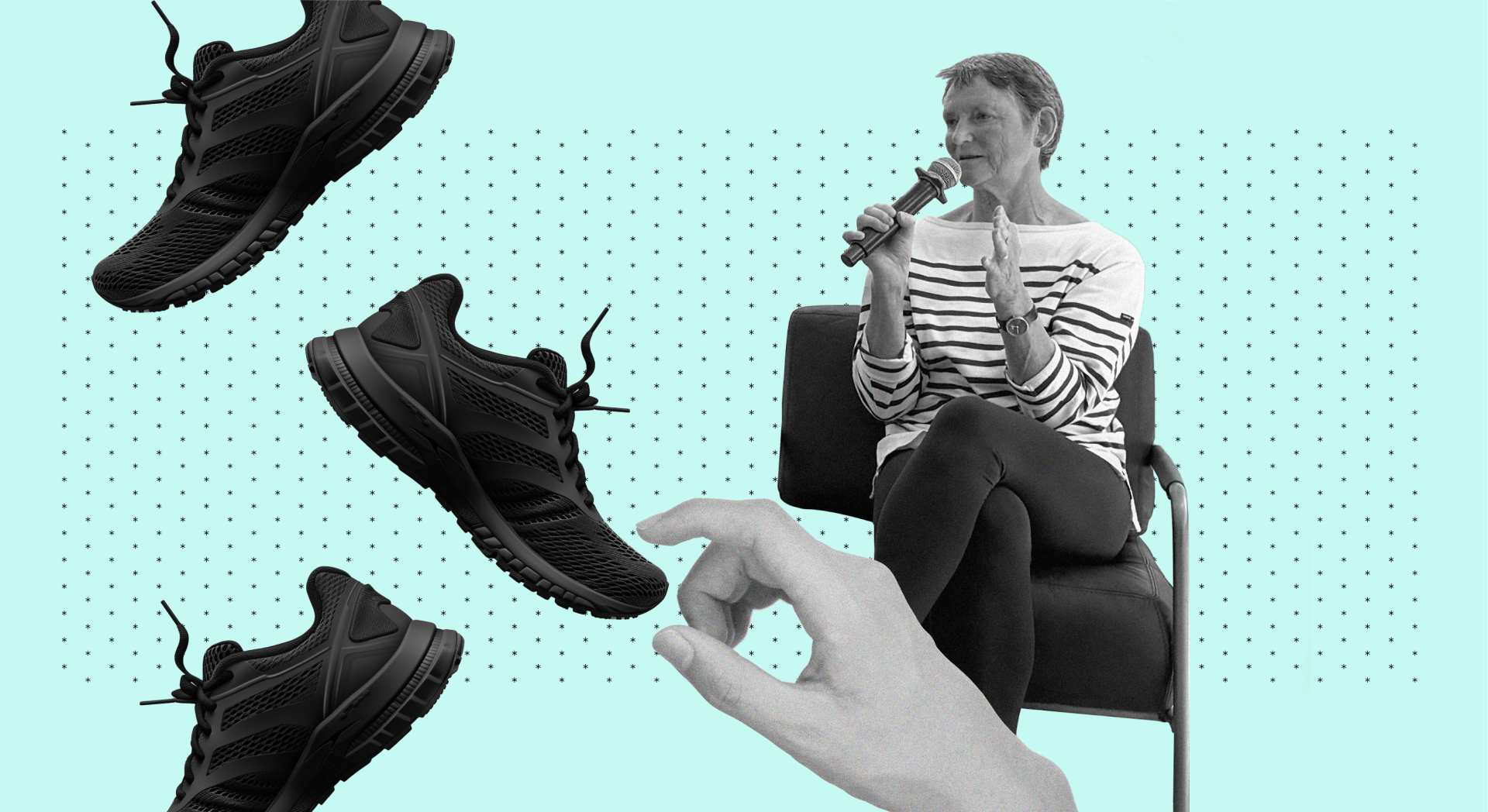
Annette Diefenthaler, now Professor and Executive Director of the Munich Design Institute, was an IDEO researcher working with a global bank trying to set up a presence in Russia. The team had done loads and loads of interviews with people about banks. Late one night, on the way back to their hotel, Annette saw a big shopping center. She asked the driver to stop, because she realized they'd had no time, other than doing their interviews, to absorb much about the culture.
So she went into this big mall, and Annette was stunned by how simply the department store had arranged its products. One wall was just black shoes all lined up, all the different kinds of black shoes you could have. It was all really obvious and not very exciting because there were only black shoes—no glitz at all.
What she took from that was: this is a culture where trust is built by showing what there is. It was so honest and direct. And here we were, talking to all these people about banks and trying to understand how to build trust in an alien brand. She had a flash of insight that suddenly made sense of what the team had been hearing. The bank needed to be so much more straightforward and transparent about its services. “Black shoes” became a mantra for that project and shaped how they designed the bank’s interior and described its offer.
This insight came from a moment that was completely off script. I love that. You can’t always get to an insight by staring at your interview notes. You get it because it’s somehow gotten into your viscera.
MP: Are there any moments where you found creative ways to present research to clients to help them make decisions?
JFS: Instead of personas and customer descriptions, a team once created a series of packed suitcases that represented the different types of travelers they interviewed. The client loved that one.
MP: How do you find the courage to decide to deliver an installation of suitcases instead of a more traditional research deliverable, like a presentation?
JFS: You need to tune in to what your client needs to absorb and what you want to communicate, and be ready to experiment with how you do that. You need to get good at failing. You try things, fail, and learn how to gauge what might work better the next time.
MP: You’re an incredible artist—I’ve seen your woodblock prints. You’re also an amazing rock climber and swimmer. I’m curious how these activities helped you develop your craft as a researcher and a designer.
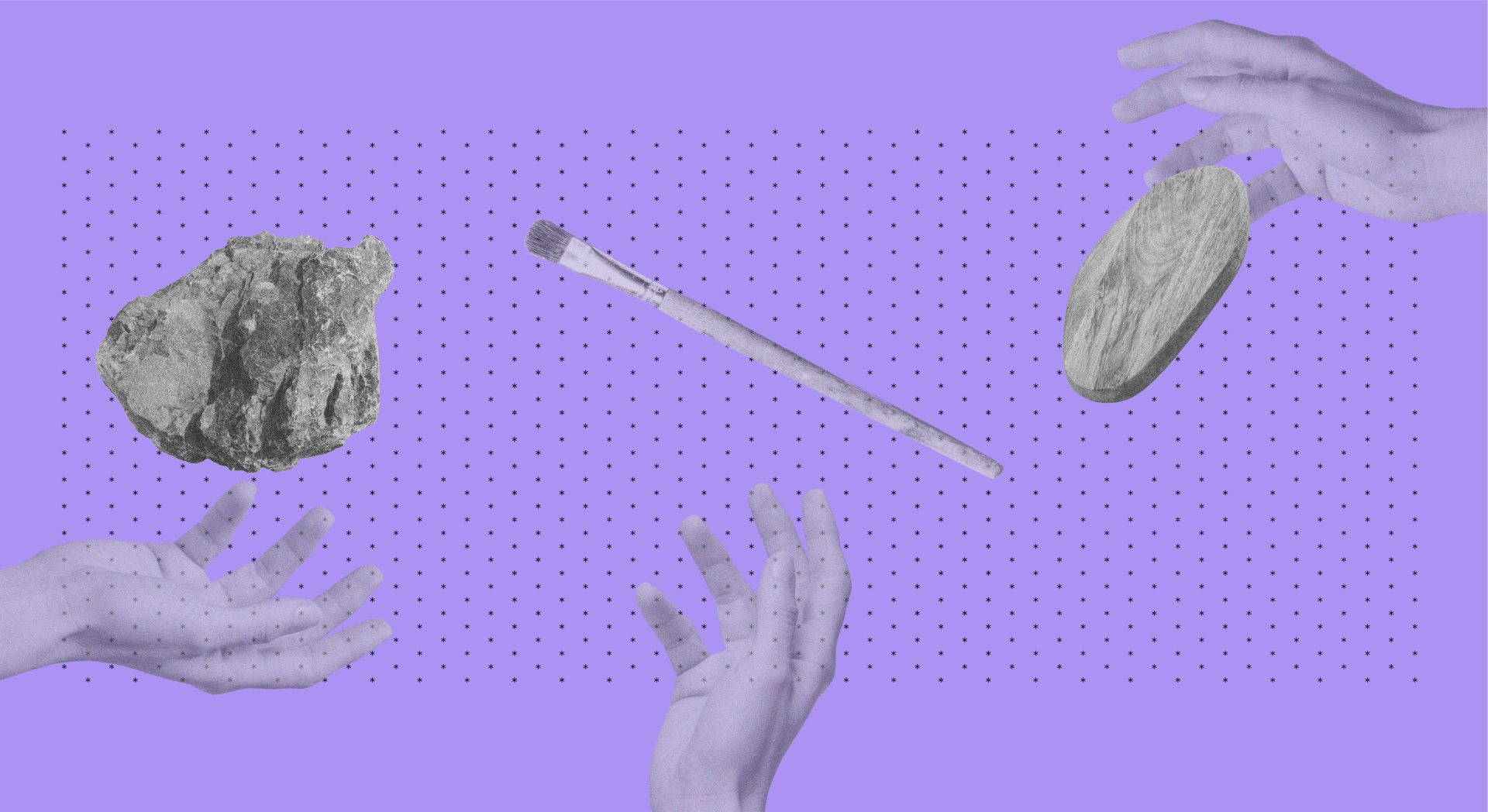
JFS: There’s something very elemental about all of them—they’re direct experiences of the world. You give your weight over to the rock. You trust the water. Even with woodblock printing, what I love is how material it is. I use sharp knives and gouges to carve the wood, then I learn how much water and ink to use and how the brushes work.
That’s the thing I find really exciting. The fact that human beings have evolved to make beautiful things, that connection of making and place is a crucial motivator.
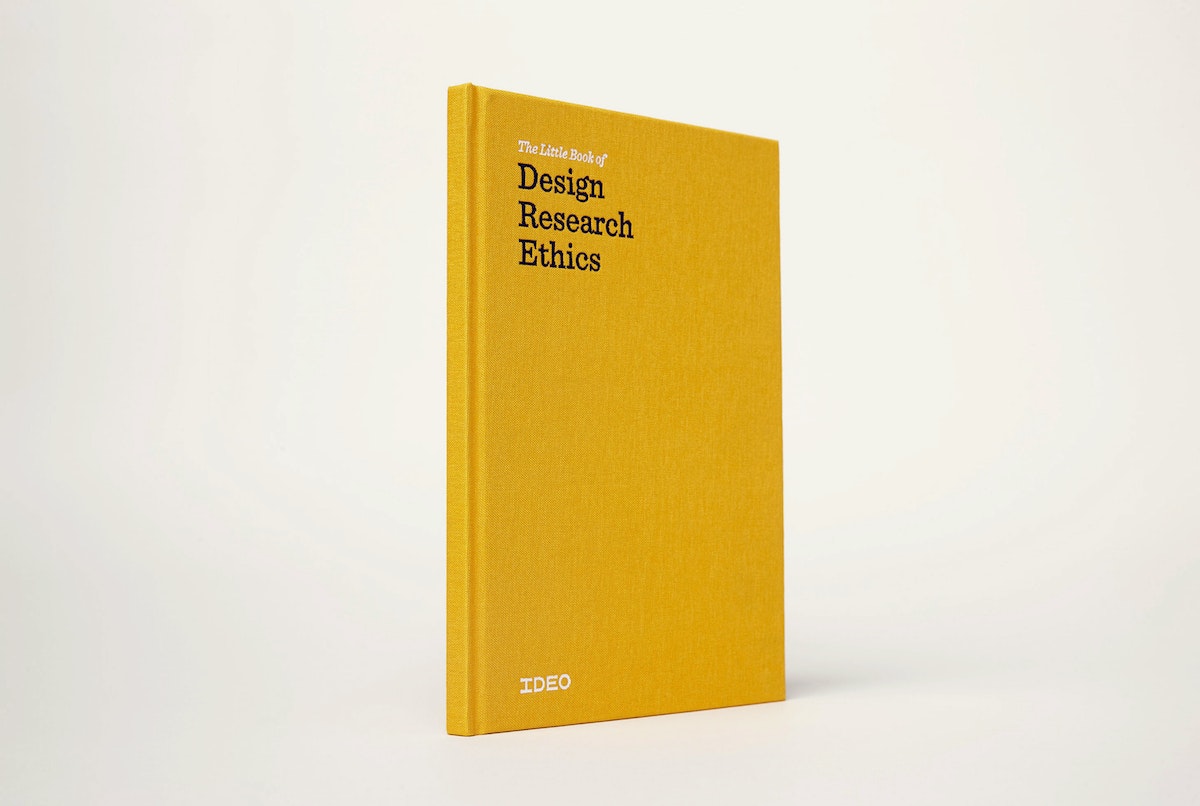
MP: You are one of the authors of the first edition of The Little Book of Design Research Ethics. I’d love to hear your perspective on the ethics of the discipline, and what we should keep in mind as we increasingly rely on technology.
JFS: I have a problem with the term research, partly because I think it connotes things like clipboards and taking notes—that we’re documenting other people’s lives. I’m happier when it all feels more like co-discovery, exploring together. We are together, engaged in this space, noticing things about your behavior as well as what I’m thinking about your behavior. And it's more collaborative.
Co-discovering with other humans is a much nicer place to be.
MP: Looking back, knowing what you know, what advice would you give young Jane?
JFS: I think I had imposter syndrome for about five years or so. I could have moved along a lot faster if I’d had a little bit more confidence and maybe a few more people telling me that it was okay.
MP: Are there any insights from your human factors work that you apply to the broader scope of life-centered design, and how we can learn from that?
JFS: A human being is a living thing in a living system of other living things. Observation and curiosity are key—we should keep asking the same kinds of questions about the inherent behavior of those systems, as we would ask about people: what they really do, what motivates them, and how we can gain insights from them. This goes back to your question about how rock climbing, swimming, and art come into it, in the sense that we can think more broadly about the elements that matter to people. There’s a whole living world out there with great examples of elegant systems we can learn from.
This Q&A has been edited for length and clarity.
Words and art


Subscribe