
.svg)


38 things we'd love to redesign in 2026
.webp)
When your work life revolves around rethinking all kinds of products, experiences, and systems, you can’t help but see opportunities to redesign everywhere.
From mammograms to messaging, parking lot payments to locked pharmacy shelves, we have plenty of ideas for human-centered upgrades. Here is what our community would love to reimagine, if only we had the chance.
Products:
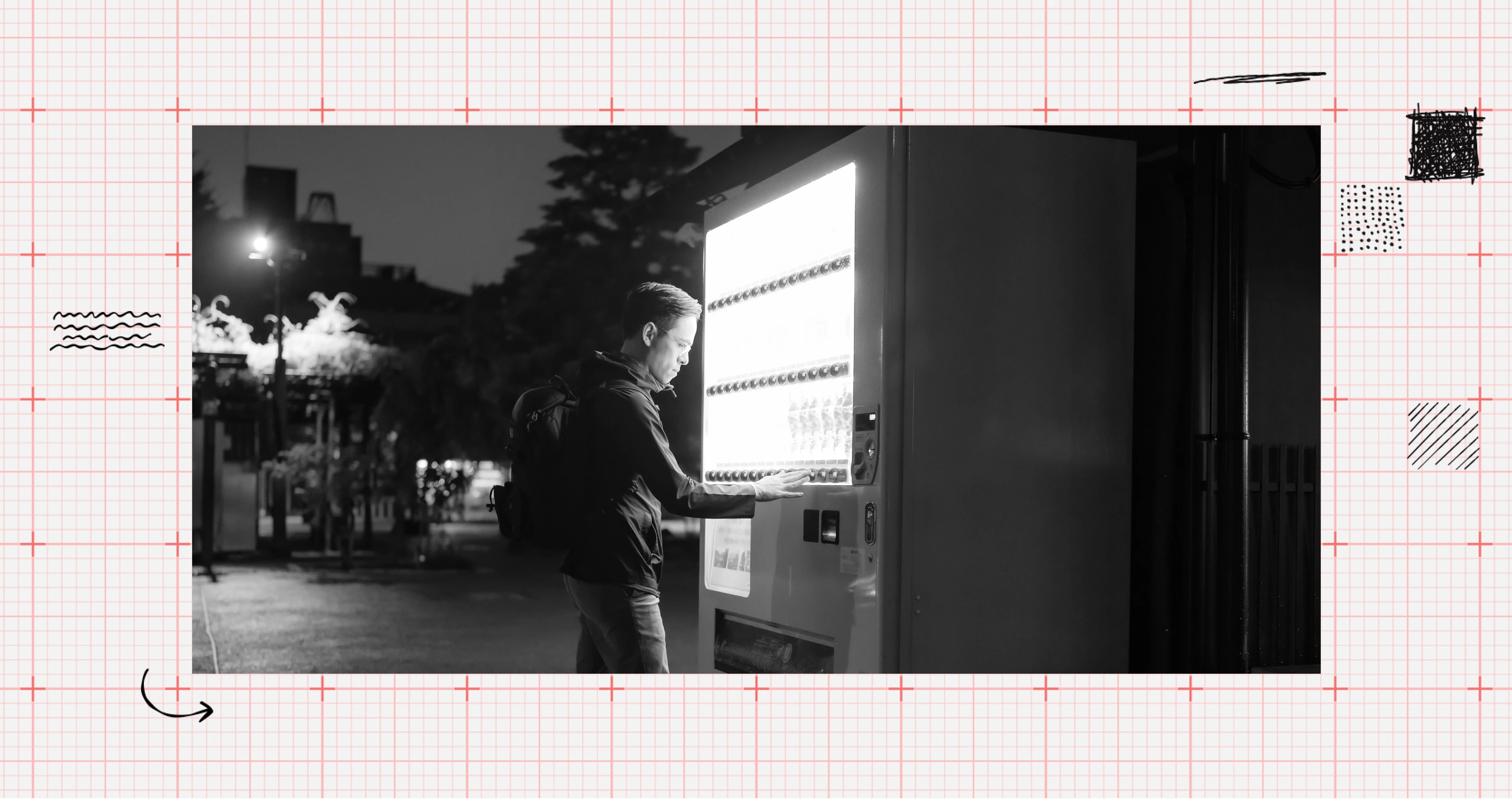
I love vending machines. Truly. (Ask me about the Sagamihara Vending Machine Park and how obsessed I am.) Still, I would love to redesign them, not because they’re broken, but because we’re not using them enough. What if vending machines weren’t just for objects, but operated at the scale of buildings—part autonomous convenience store, part capsule hotel, part service hub/micro-amenities, and part museum? The infrastructure already exists; the possibilities just need permission to expand. —Tiange Wang, Cambridge
As a woman, I avoid certain streets for safety. But I can’t tell you how many times map apps have routed me down dark blocks, empty stretches, and places where I’m doing constant safety calculations at hours I’d rather not be. It would be much easier if apps had a safer streets option you could toggle on—like “daytime-only” routes or blocks that are flagged as more dangerous at night. I’m not looking for paranoid design; just an acknowledgment that navigation isn’t neutral. —Jenina Yutuc, San Francisco
Call me old-school, but oven timers do not need 70,000 different features. Why must the generic timer, timed start, timed stop, and clock updating features all be different combinations and permutations of the same buttons?! And—did you know—if your oven happens to catch on fire (or has been on fire in the immediate past), it triggers an alarm that cannot be turned off by the controls on said oven, even after the fire is out? Sometimes a gal just wants an oven that tells you when it’s preheated—or maybe when it is on fire—but both situations necessitate an easy way to make the beeping stop. —Shannon Vossler, Chicago
As someone who’s Chronically Online™, I often get confused about where I last had a conversation with someone. A simple text exchange might turn into an Instagram DM sharing a post I thought they might like, then I remember they’re applying for new jobs, so I send a link via LinkedIn, then follow up on Messenger to share an On-This-Day memory… whew! I might use as many as six or seven ways to have ongoing conversations with the same person. Is there a way to consolidate them all into a Super-App? —Ashley Demma, Chicago
Even in humane catch-and-release situations, animal traps are often loud, cold, and terrifying. The second the metal door snaps shut, the animal goes into full panic mode. What if we treated that in-between moment with more care? Traps could be temporary spaces that are quieter, softer, and a little more familiar. And while we’re at it, why not add smart notifications? There could be a small sensor that pings your phone when an animal is inside and identifies the species, so accidental catches can be released quickly and safely. —Meron “Meri” Fasica, San Francisco
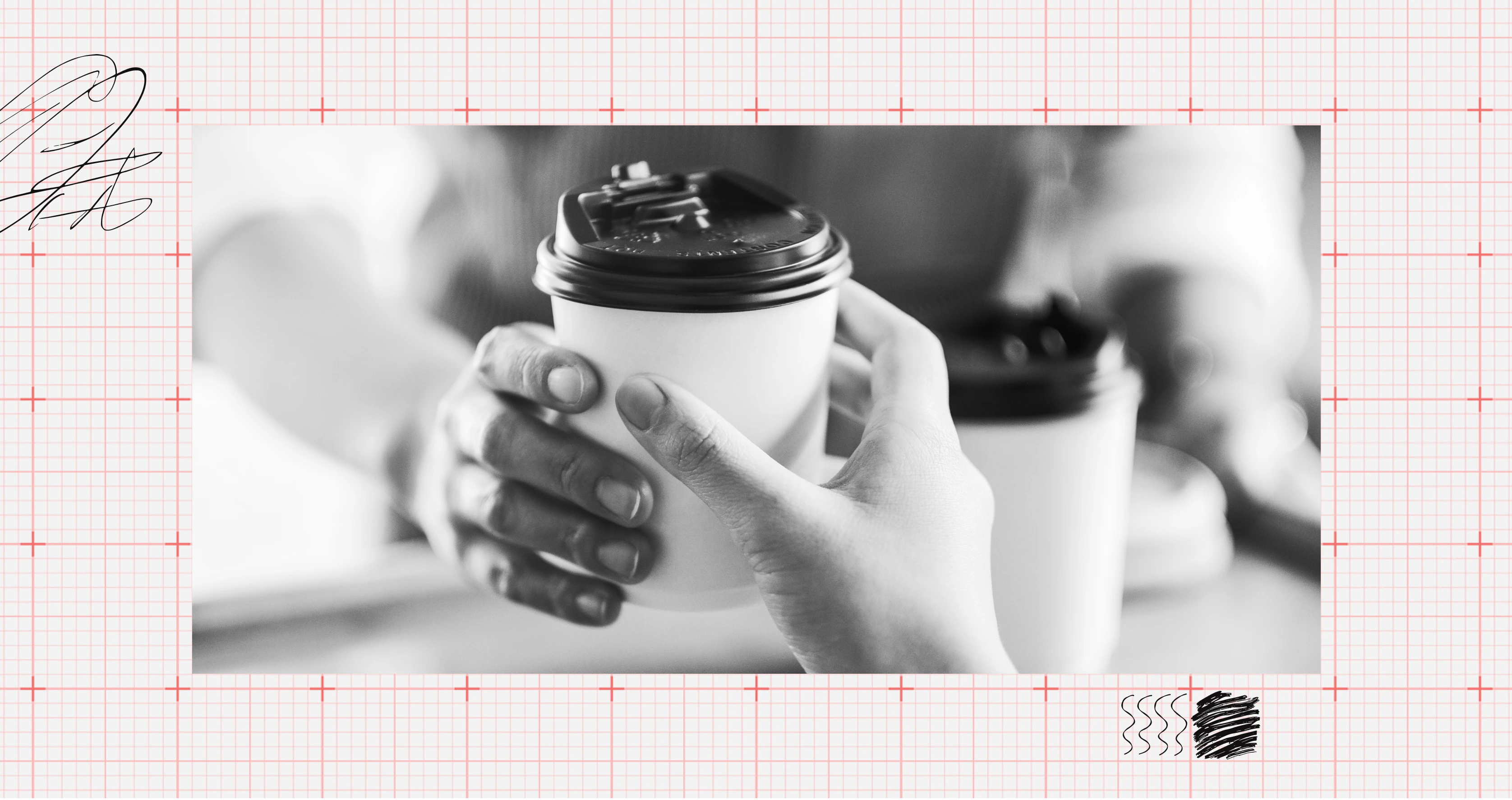
Coffee is one of my everyday joys. Yet most coffee cups are wasteful and lined with plastic. Are there better, more sustainable options? Can I enjoy a cup of coffee without worrying about toxins entering my body? Let’s make a zero-waste, zero-plastic hot beverage container! —Francis Beavers, San Francisco
Soft plastics appear so frequently in my life, and I never know what to do with them. When I research online, recycling/disposal rules vary by state, county, or even municipality. At some point, I gave up and started handing over my growing piles of plastic bags to a friend who scoops up dog poop with them. We can address this problem from the supply side (packaging and shipping have evolved with ups/downs) and the demand side (programs like Beyond the Bag) and with solutions in between (soft-plastic drop-off bins at retailers). —John Won, San Francisco
My mum has had severe rheumatoid arthritis for over 40 years and has now started a biologic medication, which she has to self-inject, but she can’t use the auto-injector because of her condition. She lives on her own, so it’s become another task to find someone to assist her with and another invasion of privacy she has to navigate. How can we make self-injectable medications more accessible to everyone? —Tash Wass, London
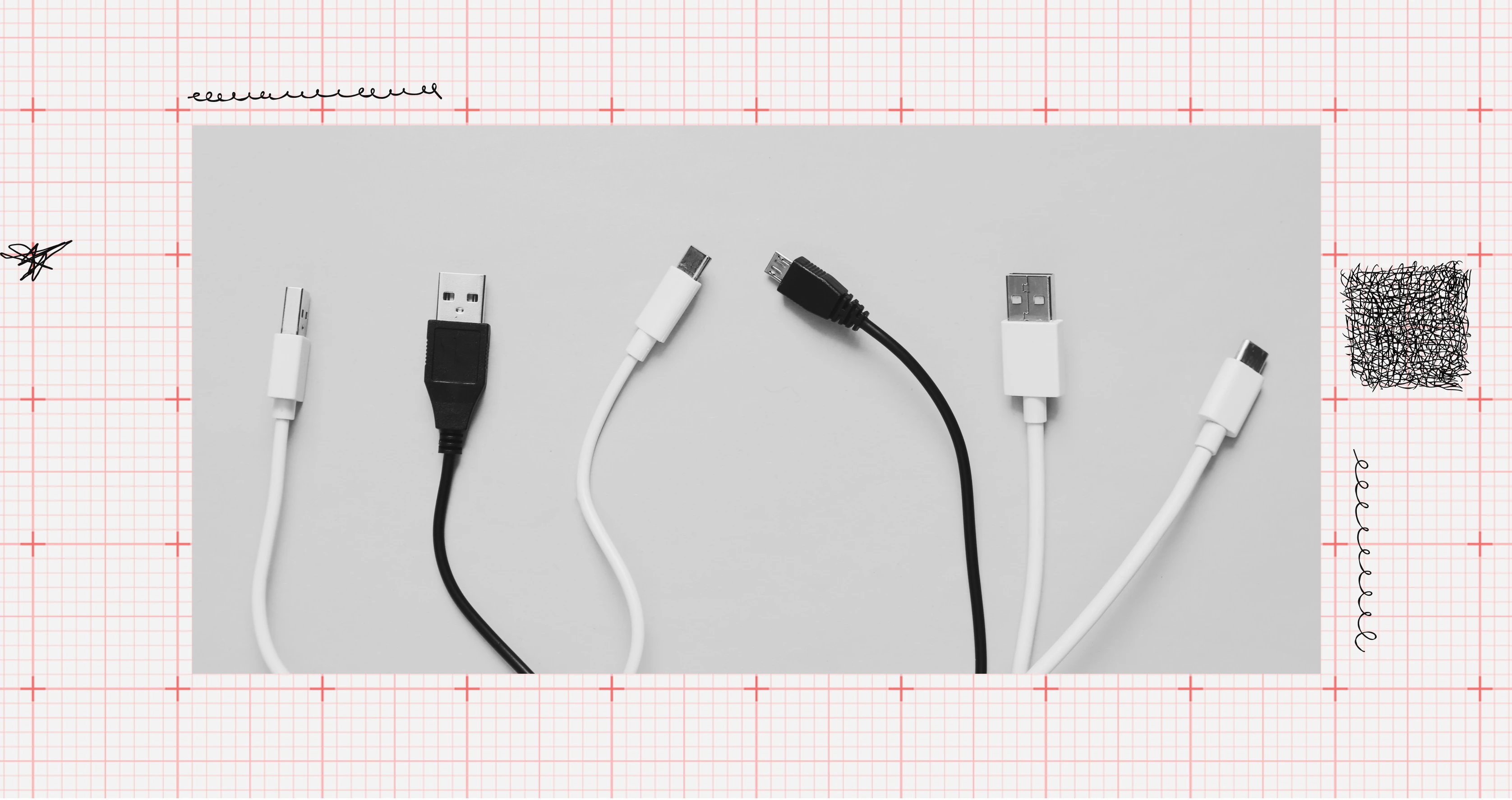
As we layer more wearables into our daily lives—smartwatches, rings, day-to-day earbuds, sport earbuds, smart glasses, even lightweight robotic companions—the burden of charging our wearables grows. First, each required its own charger; then came proprietary contact chargers; then multi-device pucks that promised simplicity but still demanded attention and choreography. Every device drains at a different rate, creating a constant, low-level cognitive friction: Is this charged? Should this be charging? What if charging stopped being a chore and instead became something that quietly happened in the flow of life? Whether through light, motion, ambient energy, or beautifully integrated surfaces, power could become pass-through rather than performative, an infrastructure rather than an interaction. The goal isn’t just convenience; it’s preserving the purity and purpose of the objects themselves. —Tiange Wang, Cambridge
I’ve never given birth, but as a Black woman, I’m already nervous about it because of our high maternal mortality rate. And learning that the standard birthing bed was designed primarily for doctors’ workflow rather than for the full range of positions our bodies can use while giving birth is not comforting. Our bodies can give birth upright, on our sides, squatting, on hands and knees, (and yes, lying flat, too, if that’s our choice). So imagine a highly adjustable, gravity-assisted birthing bed that makes all those options feel natural and easy to switch between. It still works for monitoring and exams, but actually lets your body lead—easing pressure, opening the pelvis, managing pain, helping the baby rotate, or just resting. In a moment as powerful as birth, the person bringing life into the world deserves to be the most supported, central, and active one in the room. (At least until the baby arrives, but that’s a topic for another list.) —Meron “Meri” Fasica, San Francisco
I take a lot of photos and videos, and eventually my phone runs out of storage, and I can’t capture anything new. Deleting files is slow, overwhelming, and stressful, forcing me to make rushed decisions that barely free up space. It would be so much easier if I could instantly delete blurry photos, accidental videos, screenshots, and unused downloads while clearly seeing how much space each action frees up. It would be great if duplicate and near-duplicate photos were grouped together with the best version automatically selected so I can keep what matters and remove the rest in one tap. —Brooke Ung, San Francisco
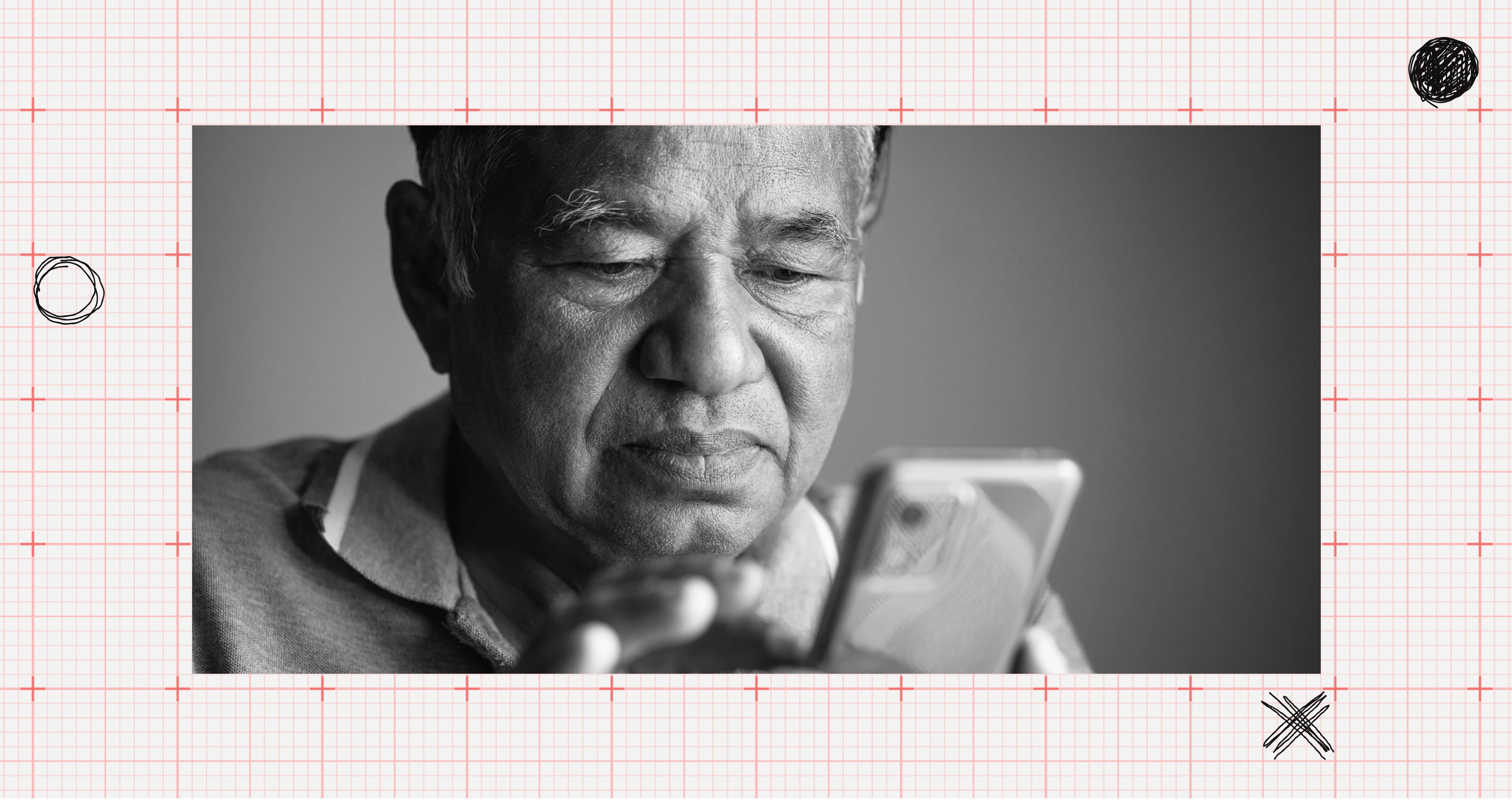
We rely on our phones for everything—including identity verification for government services. This is particularly inconvenient for the elderly. Smartphones have advanced too rapidly; while there are “senior modes” that enlarge font sizes, the elderly still face difficulties with both basic user logic and visual clarity. Redesigning a phone’s hardware and software could enable seniors to benefit from technological progress rather than hinder their lives. —Catherine Yang, Shanghai
Hospice equipment is cumbersome, ugly, and uninviting to patients. It lacks warmth, comfort, or a home aesthetic and is designed solely to get the job done as efficiently as possible. Hospice care, on the other hand, is gentle, kind, and warm. It would be wonderful if the equipment they used better reflected their approach and promise to patients and their caretakers of a peaceful, comfortable death at home. —Vivian Barad, San Francisco
Systems:
Why does every arts funder require slightly different applications, language, and formats? Independent artists and cultural workers spend countless unpaid hours navigating fragmented grant systems—all while balancing gig work, caregiving, or housing insecurity—only to receive cold rejection emails more often than not. What if philanthropy and other grantmaking institutions agreed to a common application model, like the Common App for colleges? Artists could submit one core profile annually, with funders opting in to review, dramatically reducing redundant labor and shifting the administrative burden away from those least resourced to bear it. —Ariana Allensworth, New York City
The current car- and plane-heavy American transportation model is unhealthy, inequitable, and incredibly expensive to maintain, not to mention that it’s a terrible experience! Prioritizing trains, transit, and walkable towns and cities would dramatically reduce emissions, lower traffic fatalities, and save households thousands of dollars a year in car ownership costs. High-speed, upgraded regional rail could replace many short-haul flights, easing airport congestion and slashing pollution, while compact, walkable communities would support local businesses and improve public health by integrating physical activity into daily life. It could be a long-term investment in climate resilience, economic opportunity, and a higher quality of everyday life.—Jennifer Lo, San Francisco
Could health insurance help people stay healthier longer instead of just reimbursing them for drugs? How could the return on investing in human bodies and lives be about our happiness and not about making money? —Stuart Getty, Duluth
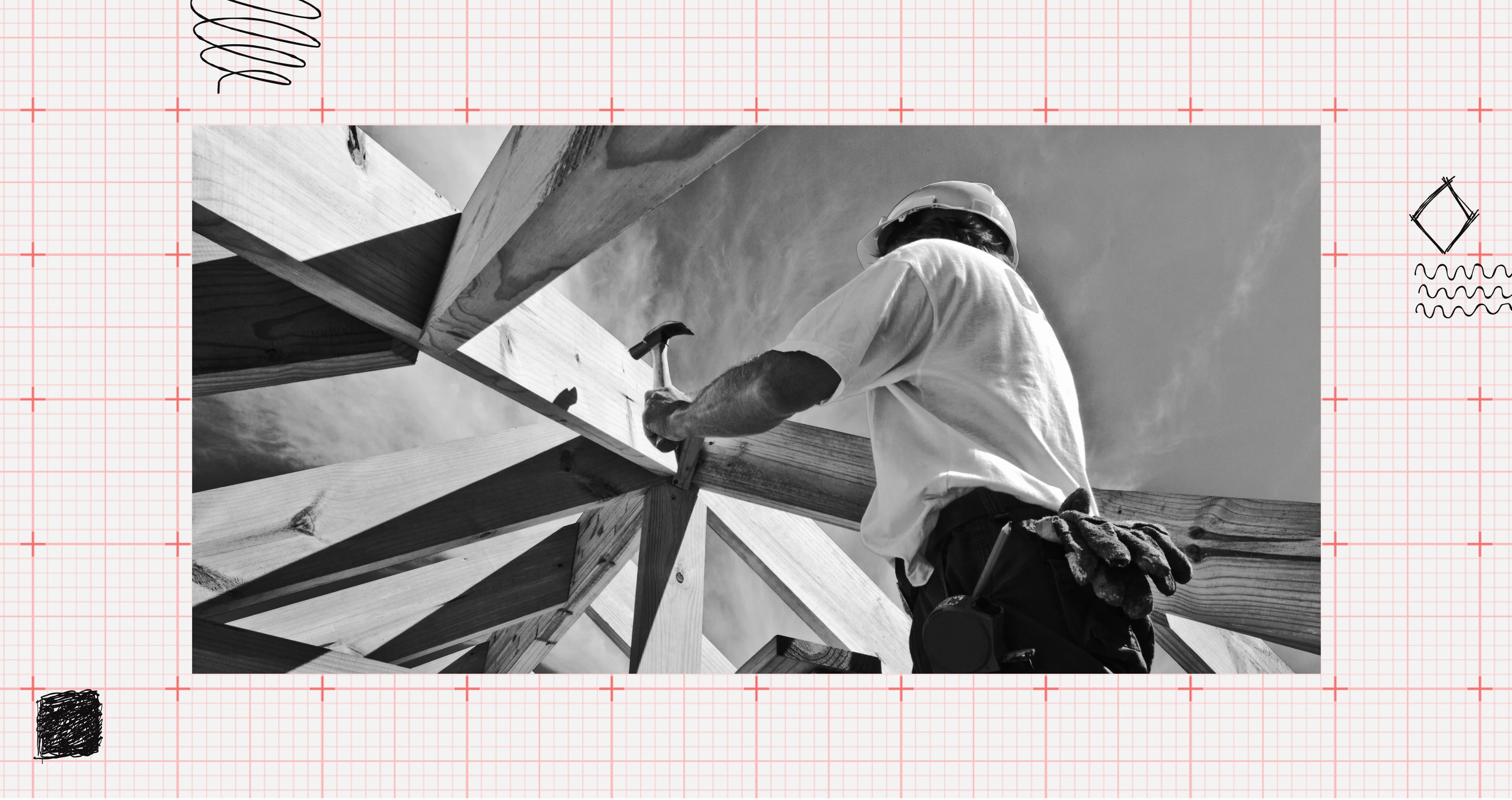
The cost of owning a home has been increasing disproportionately compared to average salaries. Home construction has not evolved or benefited as much from new manufacturing techniques as other industries. While there are many great innovations, from materials to new manufacturing processes, these systems haven’t scaled fast enough to drive meaningful change. How might we redesign home-building systems to result in better (nicer, more efficient, healthier) homes that are also more affordable and accessible? —Juho Parviainen, San Francisco
My current health system keeps nagging me about an overdue flu shot. I got one at Walgreens in October, but my health system wasn’t alerted. When my doctor asks me when I last had a tetanus shot, I have NO IDEA because my health records are scattered across every institution where I’ve ever been a patient. It’s on me to remember and manage multiple portals just to find different pieces of my own health history. Test results are often presented as cryptic numbers or in medical language that sends me to Dr. Google. When I’m asked about family medical history, I can’t ask key family members because they are deceased. What if our health records followed us, not the doctors or institutions that provide our care? What if they could learn from pharmacies, communicate and share information more effectively, translate medical jargon, and remember what matters most, so we don’t have to? —Kelly Bjork, Santa Fe
The day we buy a product is also the day its technology and value begin to decline. I’m experiencing this now with my robot vacuum cleaner. In just its second year, newer models already offer more intelligent, thorough cleaning. The obvious solution is to buy a new one. If I want to be more sustainable, I can resell the old device through second-hand platforms. But what if we leaned into the circular economy? Could we design systems that anticipate this inevitable replacement cycle? In China, “Replace old with new” programs are a promising start. But what if we went further upstream—into product planning and development—and designed hardware and software together to deliver incremental value over time, while also taking responsibility for producing less, but better? —Xueqing Xu, Shanghai
Experiences:
I used to leave my phone in the other room while I work; but now, thanks to two-factor authentication, I have to keep it next to me, and I pick it up on the regular. I often find myself scrolling through various apps without even realizing it. Could we make screenless two-factor authentication, so I’m not interrupting my focus every time my software signs me out? —Elise Craig, San Francisco
Why are all online recipes built the same way? First, a way-too-long intro that reads like a new Dan Brown novel, then the inevitable “jump to recipe” button. It’s all starting to feel a little bland. Cooking is joyful, experimental, and deeply sensory—recipes should reflect that. Give me recipes that adapt to my taste and whatever’s left in my fridge. Give me measuring units that don’t require a scale, and let the home chefs who’ve cooked it add their own notes and wisdom. Bon appétit! —Max Lackner, Chicago

Every child deserves nourishing, healthy meals that support clear thinking and confident movement, as well as an understanding of what their body needs throughout the day. I learned how to truly discern what a food label means and where protein, fiber, and macronutrients fit into my life way too late. School lunch should be the first place kids learn what it means to be nourished—where nutrition is really clear and understood. The dream! —Jenina Yutuc, San Francisco
Imagine this. To complete your breast cancer screening, you have to hand over your breasts to a technician who stretches them in a way that seems like it shouldn’t be possible, then puts them into a squishing machine where you cannot move—or sometimes breathe. For a good 15 minutes. (They would never do this to male anatomy.) When you get your results, they’re clear—but there is an asterisk. Your breasts are too dense for it to really be effective, but your insurance will not pay for the alternative means of testing. There has to be a better way. (But still, get your mammograms!) —Elise Craig, San Francisco
Can sperm testing be more human? Some hospitals just put you in an empty room with porn from the ‘90s. It’s just difficult when you can hear people chatting and joking outside… —Wai Tong, Shanghai
We have all had to do the awkward dance at the parking lot ticket machine. You stretch your arm out the window to realize you can’t touch the screen. You unbuckle, but still can’t reach. So you finally put the car in park, crack the door open to place one foot out, and balance on your tiptoes to grab that ticket. Then you get the pleasure of doing it again when you leave the lot. It shouldn’t be that awkward! What if the system scans your license plate when you pull in and sends you a message to pay on your phone when you leave instead? —Marielis Rosario, Cambridge
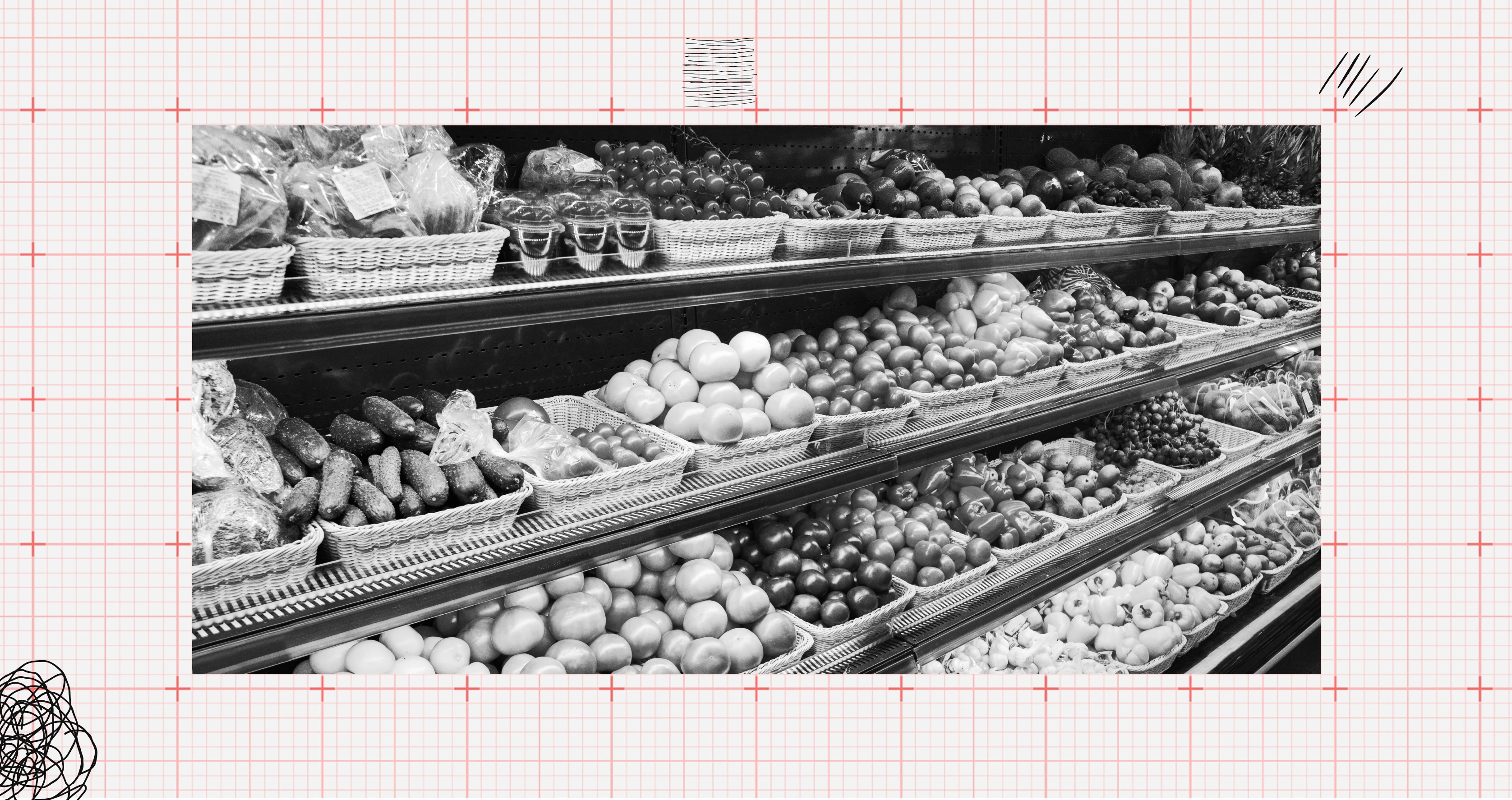
The produce section could be more than a colorful cornucopia of fruits and vegetables—it could also be a place that educates and informs. There could be a gut health section, or a brain health section, or even callouts on what’s great for glowing skin, strong hair and nails, or sustained energy. Designed well, it could inspire people to shop, cook, and eat differently. —Vivian Barad, San Francisco
When you have surgery, they cut you open, rearrange your innards (maybe they take something out or put something in!), sew you back up, and then send you home the next day. Your family totally knows how to do major wound care, right? We’re gonna show you how this new catheter works once. Hope you’re paying attention! And here are a bunch of meds, make sure you take CAREFUL NOTE of the times you take them, even though your brain is swimming in painkillers. You’ll be fine! Am I the only one who feels completely unqualified to care for a loved one after they get out of the hospital?
What if there were a middle step between hospital and home where families and their care team could establish temporary care for those in recovery? Or at least have some way to help family members build confidence in their abilities to dole out the right medicines at the right times? —Shannon Vossler, Chicago
More and more stores are locking up everyday products to deter theft, but they end up punishing the shopper instead. I can’t browse or compare products until I flag down an employee—and then they have to stand there while I anxiously rush to make a choice, and feel guilty for taking up their time. It solves one problem by creating three new ones. What if we flipped the model entirely and turned locked shelves into smart, vending-machine-like displays that preview every product—front, back, sides—without restricting access? Customers could take the time they need, employees could focus on service, and stores could maintain security without compromising dignity or discovery. —Tiange Wang, Cambridge
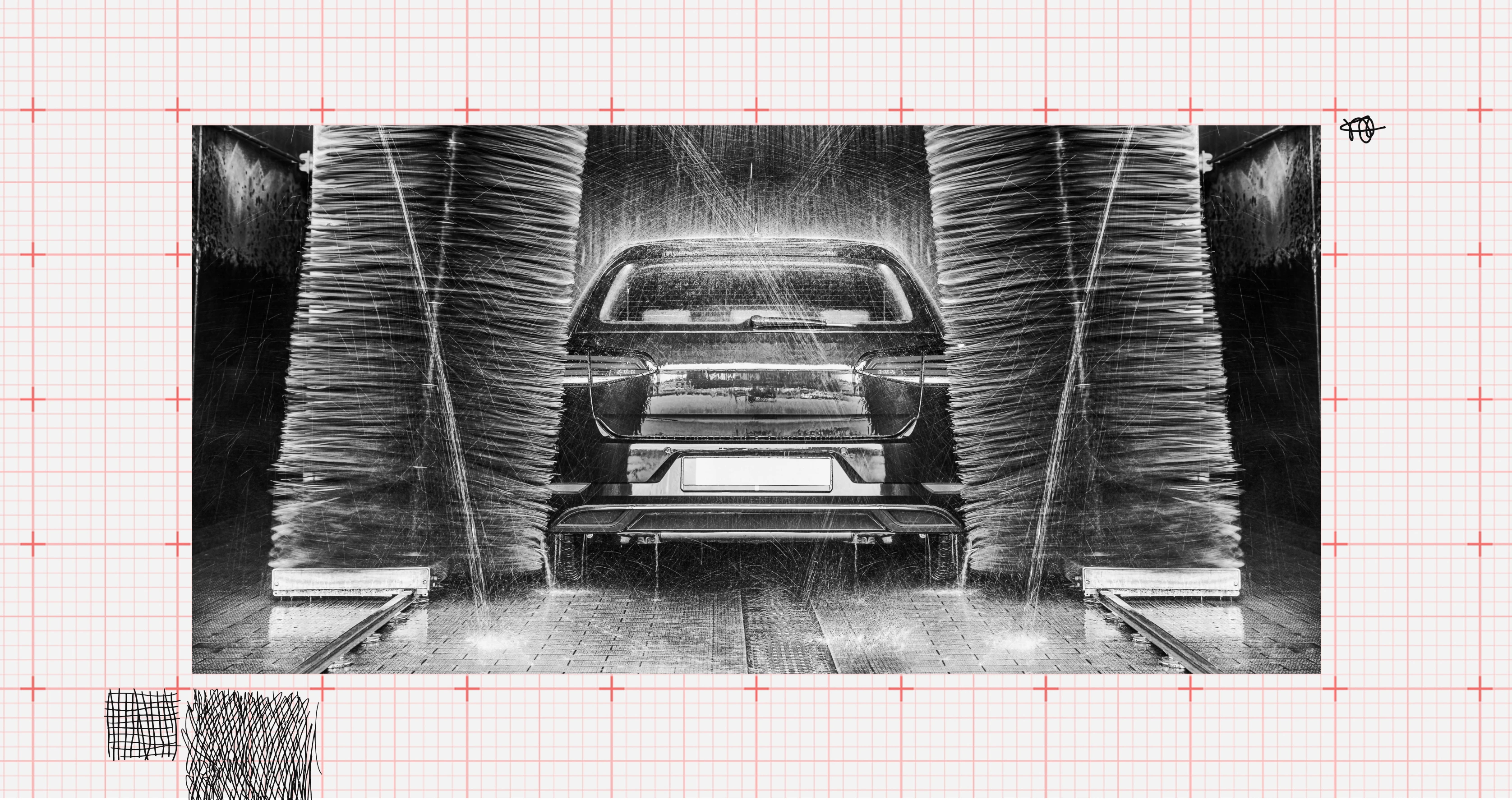
I’ve yet to use an automatic car wash that actually leaves the car clean all over. Plus, they seem so inefficient with water usage. Can’t we have lasers and LIDAR that can scan your car and efficiently jet every nook and cranny? —Dan Read, Austin
As someone who deals with frequent migraines, I am regularly reminded how many spaces are awful to be in during an attack. Most recently, I was reminded of this in a hotel. Bright overhead lights, strong room scents, and tricky HVAC temperature controls are tolerable or annoying when you’re well, but when you’re sick, they are terrible triggers. And don’t get me started on grocery stores... —Jamie McCoy, Chicago
Most in-home kitchens in London feel designed for one person. If two people are cooking together, you have to say “excuse me,” because you need to wash your hands while the other person is rinsing vegetables, or you need to get a pot from a drawer that the other person is standing in front of. Kitchen islands might be a solution, but they won’t work for compact homes. How might we redesign the kitchen to encourage cooking together rather than hindering it? —Annie Liu, London
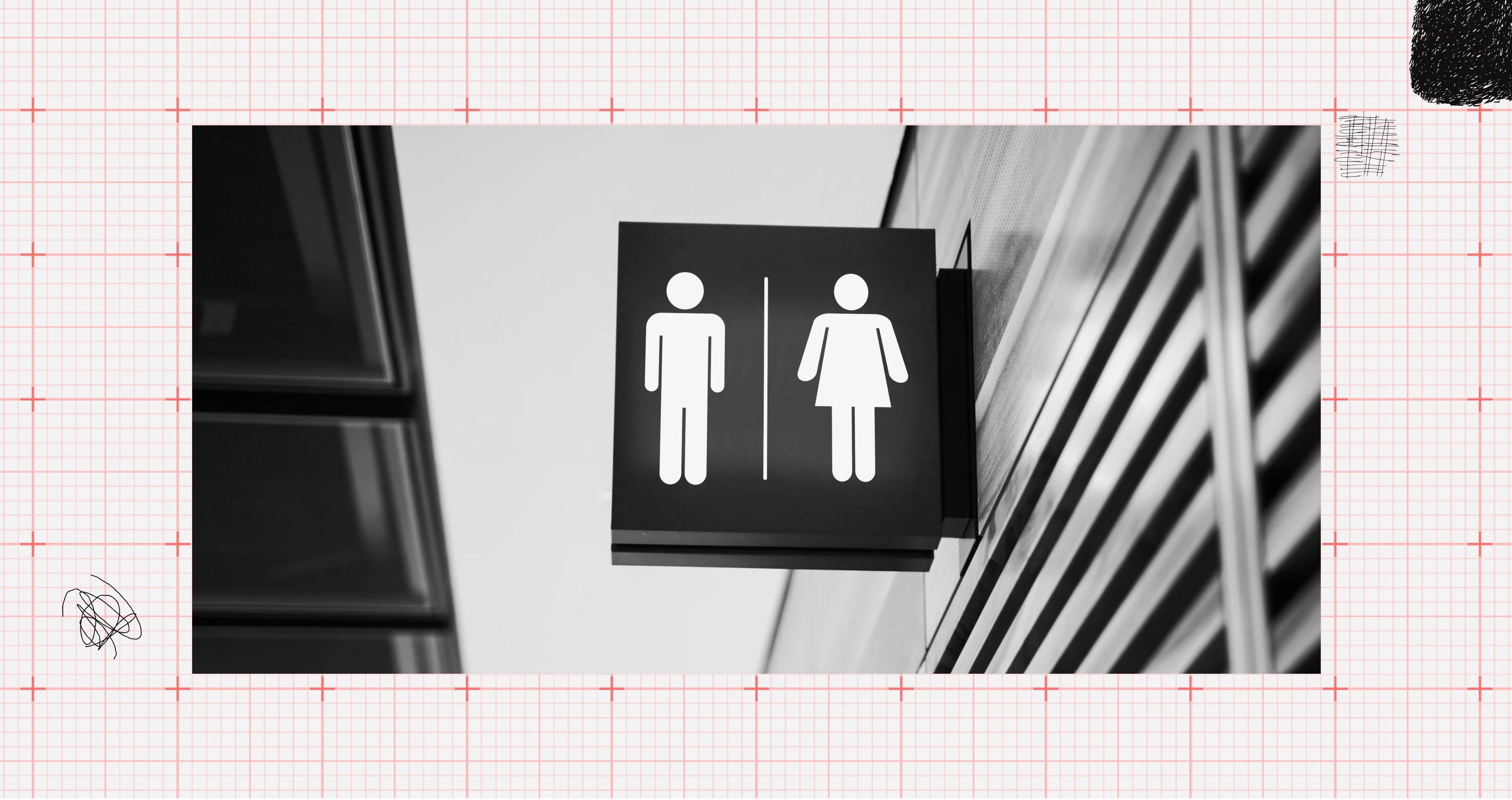
Even those who don’t have to queue for the ladies’ room have surely had to wait for a friend or partner stuck in lines that snake on and on and on. It simply doesn’t make sense to continue allocating toilet space 50/50 (which isn’t even as equal as it sounds, as urinals take up much less space and are quicker to use, so the men’s room already has a leg up). How might we rethink the toilet experience to be more efficient and more inclusive for all? (Because just having a he/she on the toilet is dated as well.) —Jen Ives, London
“Third spaces” like coffee shops and gyms, once solid places to casually connect, are becoming less accessible due to cost, time, and privatization. Many neighborhoods aren’t designed for bumping into people, especially if you don't live in a walkable city. What if the physical and digital environments we live in pushed us toward more organic connection? What if buildings and systems were designed to make spontaneous gatherings not only possible but inevitable? How might we design systems and spaces that make community-building joyful, low-effort, and sustainable? —Sindhura Sonnathi, San Francisco
We have all this sleep-monitoring hardware and software, but it only tells me to sleep better, rather than helping me sleep. Thank you. I know my sleep is not great, I can feel it! Continuing to tell me that is only going to increase my anxiety... —Wai Tong, Shanghai
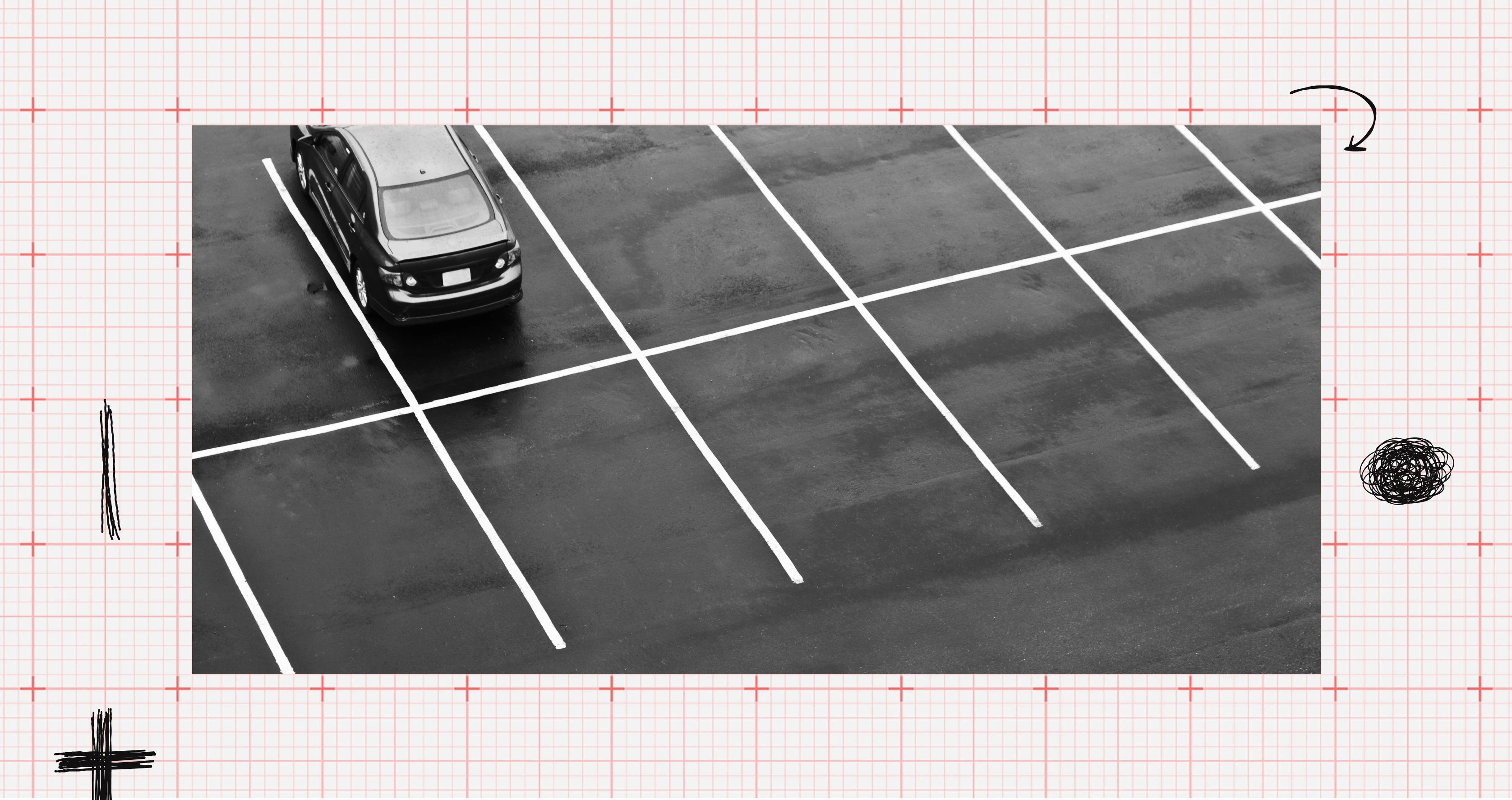
In many urban areas, there’s more parking than housing. “Seattle had 30 parking spaces per acre, roughly five times the number of residential units. In Des Moines, the parking-to-housing ratio per acre was around 20 to 1.” This may just sound normal to Americans. But in places like Europe or East Asia, people’s daily lives are enabled by a built environment that’s people-centered, not car-centered. What might it look like to break free of a one-car-per-person rule? What would our public spaces look like if we weren’t required to reserve multiple parking spaces wherever we live, work, shop, and hang out? Denser neighborhoods where we can walk around safely? More green spaces and parks? More places that can be used for living, including affordable housing? —John Won, San Francisco
I love supporting my local coffee shops. Many of them have rewards programs built into their POS systems that track each order you place and award a set number of points, giving you a few dollars off or even free items. But you can’t see your total points until AFTER you place an order, and there is no option to use them along the way. Most baristas don’t acknowledge the rewards system, and by the time they bring your coffee, you’ve completed checkout and have hundreds of unusable points just mocking you. It feels like a digital version of the punch card that always gets lost in your wallet. There has to be a better way! —Rebecca Bass, Los Angeles
The attention economy has done a number on everyone’s… attention… and the kids are onto it. It’s so interesting how some youth are, in their own words, “rawdogging boredom” (AKA sitting still and doing nothing for an extended period of time without their phones, unplugging). The term’s vulgar, cavalier vibe suggests a generation treating boredom like a prohibited substance. Which does seem to be the message many digital experiences are suggesting. —Danny DeRuntz, Cambridge
Unfortunately, so many great restaurants and bars are closing in the Bay Area. This month, it’s an organic restaurant run by a renowned female chef. Last month, it was a Black-owned pizzeria with a killer happy hour. Why’s this happening? Owners report lower foot traffic, higher costs (from food to rent), and difficulty retaining workers. There are strong efforts out there: La Cocina is an incubator for BIPOC and immigrant women chefs that builds hard and soft skills; businesses are shifting to fast-casual formats to streamline operations and headcount; and I’ve seen a rise in restaurants run by worker cooperatives. But we can do more. How can cities help them stay open, via grants, financing, and advising? How can we shift our thinking to see restaurants as delicate nodes in the rich ecosystem of our communities, adding vibrancy and fighting loneliness? —John Won, San Francisco
Looking to partner with us on your own redesign? Get in touch. We'd love to chat.
Words and art


.webp)
Subscribe