
Balancing work and sleep
Somni’s personalized sleep program helps workers maintain their health.
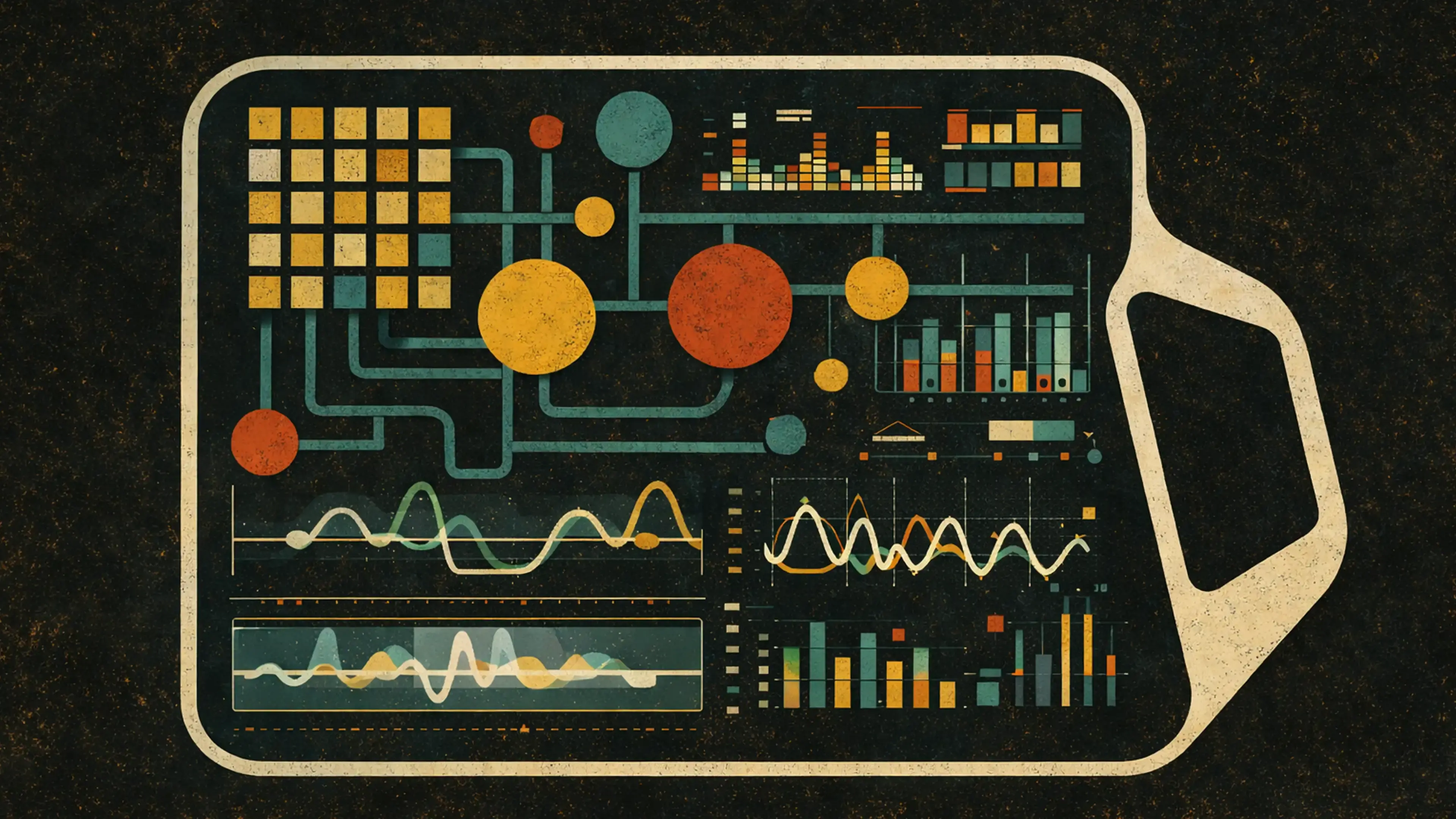
Sleep is a critical resource for shift workers—and their employers, too. Together, IDEO and Somni worked directly with people with acute and chronic sleep challenges to create concepts that could support their sleep goals, and provide employers with the means to improve employee health.
When IDEO and Somni first partnered, the startup was an early-stage company, so the team started small, with focused sprints and workshops to redesign the core aspects of the company and product offerings. The team interviewed shift workers about their sleep patterns, which can vary quite a bit. Even when people keep to a specific schedule on work days, they often have to change their patterns on days off to spend time with family and friends, leading to a very disruptive sleep cycle. Research revealed that many third shift workers were dealing with sleep and health issues, but also a pervasive “machismo” culture, pressure to “tough it out,” and a reliance on energy drinks to deal with lack of sleep.
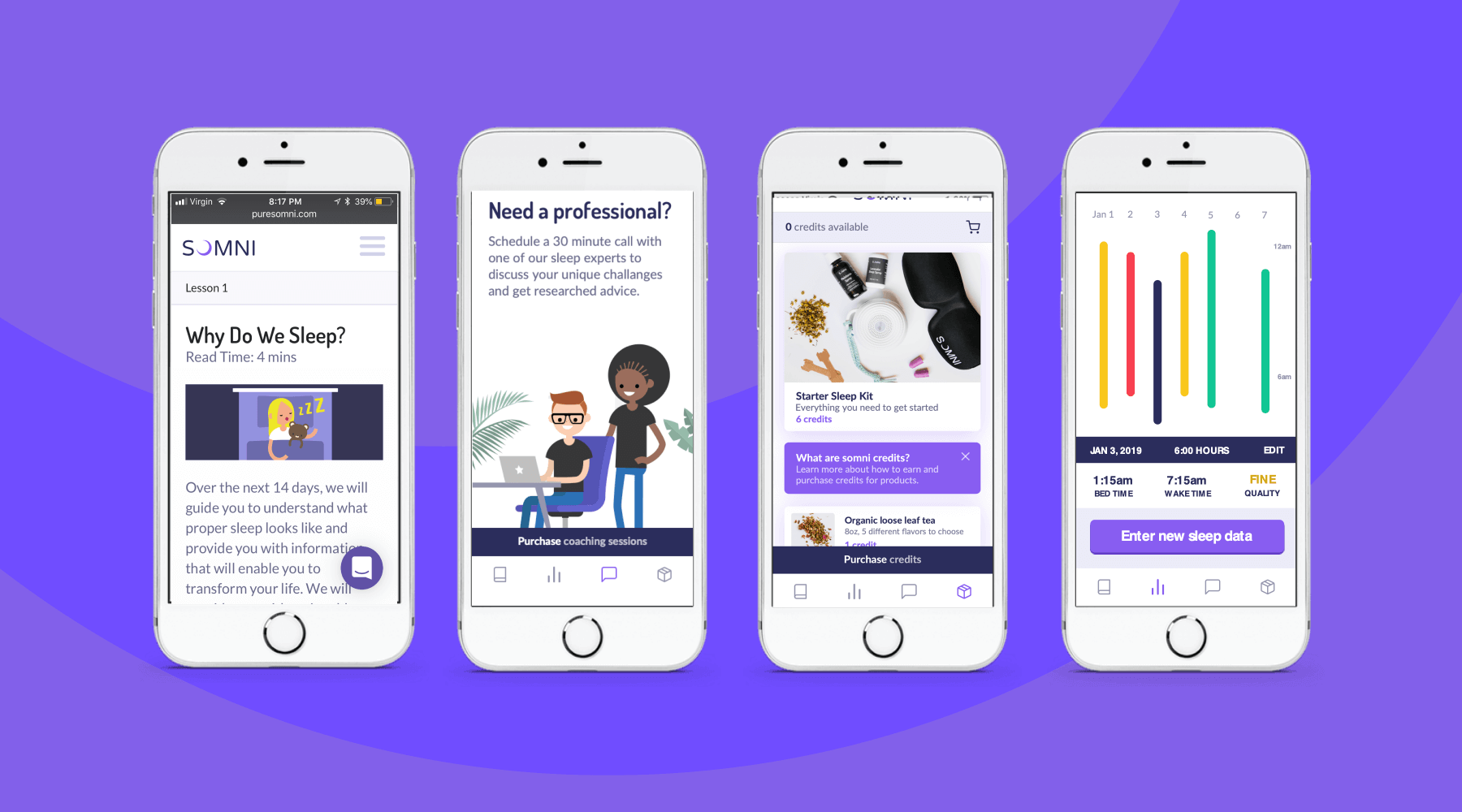
To address those issues, the team designed a digital experience for sleep cohorts, support groups where members could share their experiences and sleep strategies, and work with a coach and sponsor who already had been through the program. The platform analyzed workers’ data, and provided AI-enabled recommendations for improving their sleep. The big takeaway? Data by itself wasn’t necessarily helpful, and could be confusing for folks who were less digitally-fluent. Providing context, like a calendar that displayed sleep experiments at a glance, was crucial.
The IDEO team also created a new user experience for a genetic testing program that could uncover factors associated with sleep issues. Somni aims to use a saliva-based genetic test to monitor for DNA damage caused by circadian disruption, then leverage its sleep improvement program to prevent further damage. Because biomarker testing is a differentiating offer for Somni, it was extremely important that the team get it right, both to make sure that users could understand its utility, and for Somni to provide real value. The design challenge was unique—and not just because of data privacy concerns. Presenting data about DNA damage in a non-human-centered way could increase the anxiety workers had around their sleep.
At the end of the project, Somni leveraged the insights the IDEO team surfaced to improve products like its sleep coaching service, and to refine its biomarker testing offering. Based on this work, Somni has also created a pilot with a Fortune 100 company, which is currently in progress, as it works to mitigate the ill effects of disrupted sleep for employees and the companies they work for.
In the short-term, circadian rhythm disruption leads to an array of jet-lag-like symptoms, and in the long-run, it may contribute to weight gain, obesity, metabolic syndrome, type 2 diabetes, and cardiovascular disease.
It also impairs people’s ability to work, affecting productivity, creativity, and the overall work environment. Productivity loss can lead to employer baseline healthcare costs that are 26% higher, and over time, insomnia can result in an average cost of $4,267 more per employee per year.
In June 2019, the International Agency for Research on Cancer classified shift work as a probable carcinogen.
75%
user retention in Somni's sleep program
$2,450
savings per year per employee for users who complete the program
33%
improvement in sleep quality, and 41 more minutes per night

Nourishing the future
Eat Real helps redefine school lunch by advocating for nutritious, sustainable foods.
Before Eat Real can advocate for better school meals, it has to connect with school leaders—and donors. As the organization expanded its work beyond school certification, it needed an updated soup-to-nuts branding redesign that represents its purpose.
To get started on the five-week sprint, the IDEO team conducted a brand audit and interviews with Eat Real staff, board members, and donors. The team learned that Eat Real’s brand messaging and voice showed up inconsistently, and that board members wanted greater clarity around communication to prospective donors. Several people expressed a desire to change the original logo centered on a fork to a more culturally-inclusive symbol, and for the logo to be separated from the Eat Real Certified stamp, since the organization had evolved to do much more than just certification.
The IDEO team worked in close collaboration with Eat Real to deliver comprehensive brand guidelines, including Eat Real’s brand purpose and core values, positioning and personality, logo and wordmark, visual expression, verbal expression, and brand showcase. The brand’s new tagline, Nourish the Future, speaks directly to how real food access unleashes the possibility for a healthier society and a healthier planet. A new mark combines three elements that signify much more: a welcoming bowl (joy and ritual), the serving spoon (generosity and nourishment), and a sprouting leaf (a future where children and the planet flourish). The team also landed on an unapologetically vibrant color palette, to bring surprise and energy to the brand. From this foundation, Eat Real created a new website, completed a photo shoot with IDEO's art direction, and launched the brand with new messaging and collateral within a year. Now, Eat Real has the tools it needs to scale its operations and affect real change.
To scale its program and be at the center of sustainable food systems change, Eat Real needed branding and messaging to reach a new set of philanthropists.
Almost 30 million US kids depend on public school lunches for more than 50% of their daily calories. These meals are frequently made up of ultra-processed, unsustainable foods that contribute to type 2 diabetes and obesity.
2023 funding goals reached
with its new branding, beating its end-of-year fundraising goals, and putting the nonprofit on track to serve more schools in 2024
129M
meals served to 360,000 students every year at schools that have gone through the certification program

Preparing students to innovate
How Yungu School is building the next generation of changemakers.
Most end-of-high-school experiences, like the Chinese gaokao exam, the global IB Extended Essay, or the US-based AP Capstone program, are focused on testing and academic, classroom-based activities. Yungu School, a private K–12 school in Hangzhou, China, founded in 2017 by Jack Ma of Alibaba and funded by Alibaba partners, wanted to take a different approach. Yungu’s vision: combine the renowned Chinese National Curriculum with an international, competency-based learning mindset.
Designing a new capstone course that brought together the perspectives of Yungu School’s many stakeholders was a complex challenge. The solution? IDEO formed a “co-creation council” composed of eight Yungu School middle- and high-school educators who held different positions within the school, spanned tenures, and came from diverse educational and cultural backgrounds, including Chinese, European, and American. Bringing together educators from a range of backgrounds and points of view fostered alignment and sparked new ideas. In addition to the council, IDEO and Yungu educators gathered additional input from students and parents and crafted the objectives, design principles, and blueprint for the change-making 18-month capstone program.
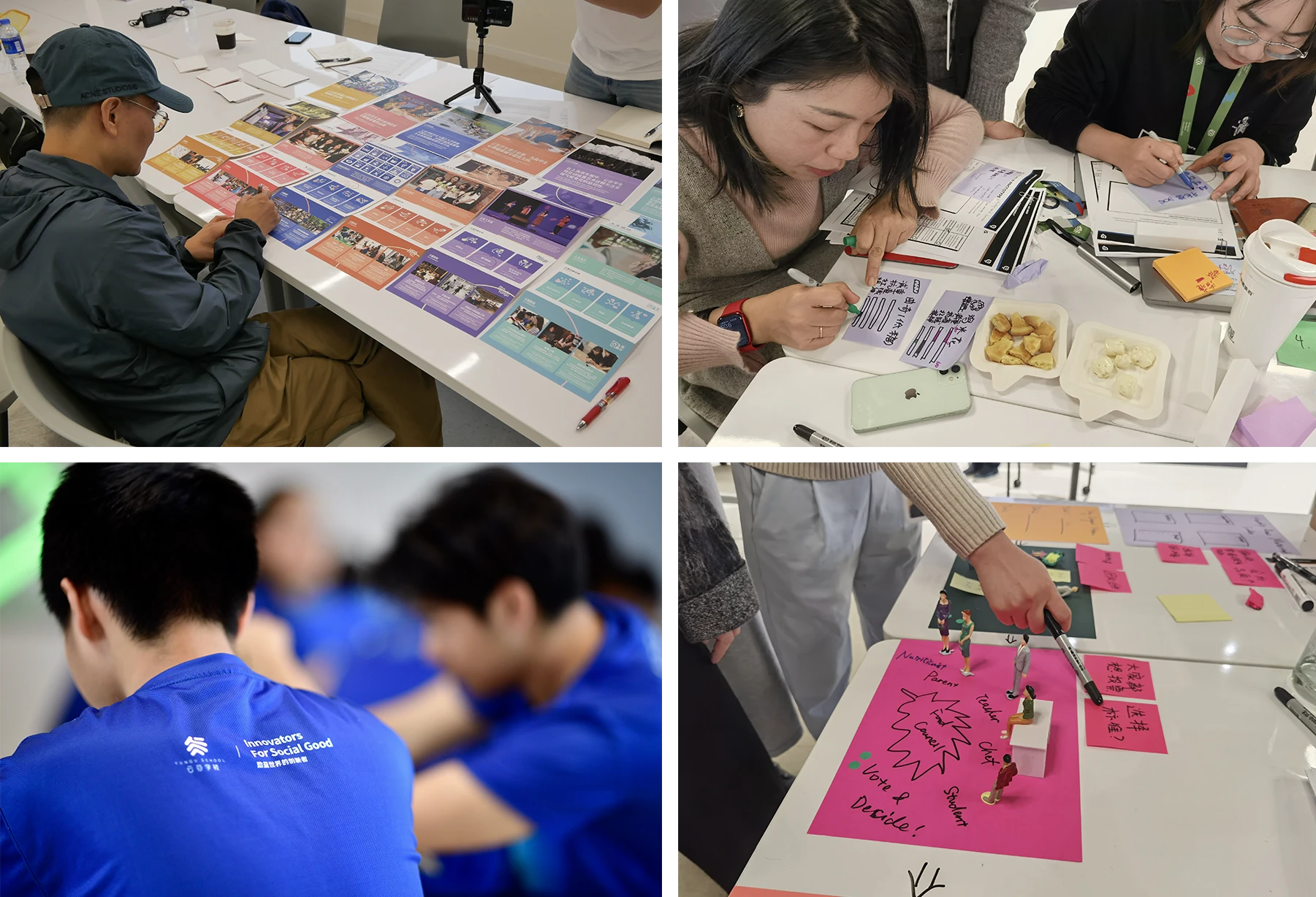
The collaboration resulted in a tailored, insight-driven capstone course that progressively builds learners’ confidence and agency via five modules: “Get Inspired,” “Find Yourself,” “Dive Deep,” “Go Big,” and “Give Back.” The learning cycles, which range from one week to half a year in length, teach students how to move from ideas to impact in topic areas they are passionate about and which have a bearing on pressing issues like climate change, digital privacy, and reducing food waste, among other global challenges. The goal of this iterative approach is twofold. Equip students for “global citizenship” by identifying personal ways to make a positive impact. And foster “entrepreneurship” by learning to be critical, creative, and optimistic systems thinkers who embrace a growth mindset.
To ensure a solid foundation for the new course, IDEO also created a week-long design-thinking training program for Yungu’s teachers. The professional development experience boosted their creative problem-solving and taught them how to move from being “expert instructors of curricula” to “encouraging guides” of capstone students who would need to demonstrate their proficiency through a final product, presentation, or performance rather than a final exam. The collaboration concluded with an immersive exhibition that allowed all stakeholders—educators, students, and parents—to experience the content modules and transformative course for themselves. Since launching its capstone program in 2022, Yungu High School has added lectures from social entrepreneurs and workshops that teach communication skills to the innovative course, garnering awards from media outlets like Fast Company. Most importantly, the signature program has enabled The Yungu School to embody its noble and audacious mission—empowering students to become future innovators for social good.

Today’s high-school seniors learn how to memorize academic content and pass tests but aren’t prepared to make a real-world impact after graduation.
196 college offers
and $1.442 million in scholarships received by over 40 graduates from Yungu High School’s class of 2023
2023 Finalist
Fast Company Innovation by Design Awards, Learning category
Lifelong health by design
Omada Health grows from an IDEO research project to a $1 billion company fighting chronic disease.
Design thinking was embedded in the creation of Omada Health from the earliest phases, and Omada has taken that forward as a strategy for success.
Over the past decade, the digital health company has grown from a couple of early career IDEOers testing concepts at the very frontier of digital health, to a company with nearly 2000 employers on its customer roster and more than one million users of its healthcare products.
Omada’s origin story began at IDEO in 2011, when its now CEO, Sean Duffy, an MD/MBA student at Harvard, joined IDEO as an intern, after a partner found his resume on the copy room floor. What was supposed to be a summer internship led to an exploration of the potential impact of digital tools on chronic health problems. IDEO partner Dennis Boyle gave Duffy and his co-founder and fellow IDEOer, Adrian James, the time and funding to do human factors research, meeting with people with prediabetes and metabolic disease in their homes to learn more about the care they were getting. What they heard was that no product or service was meeting the realities of their daily lives.
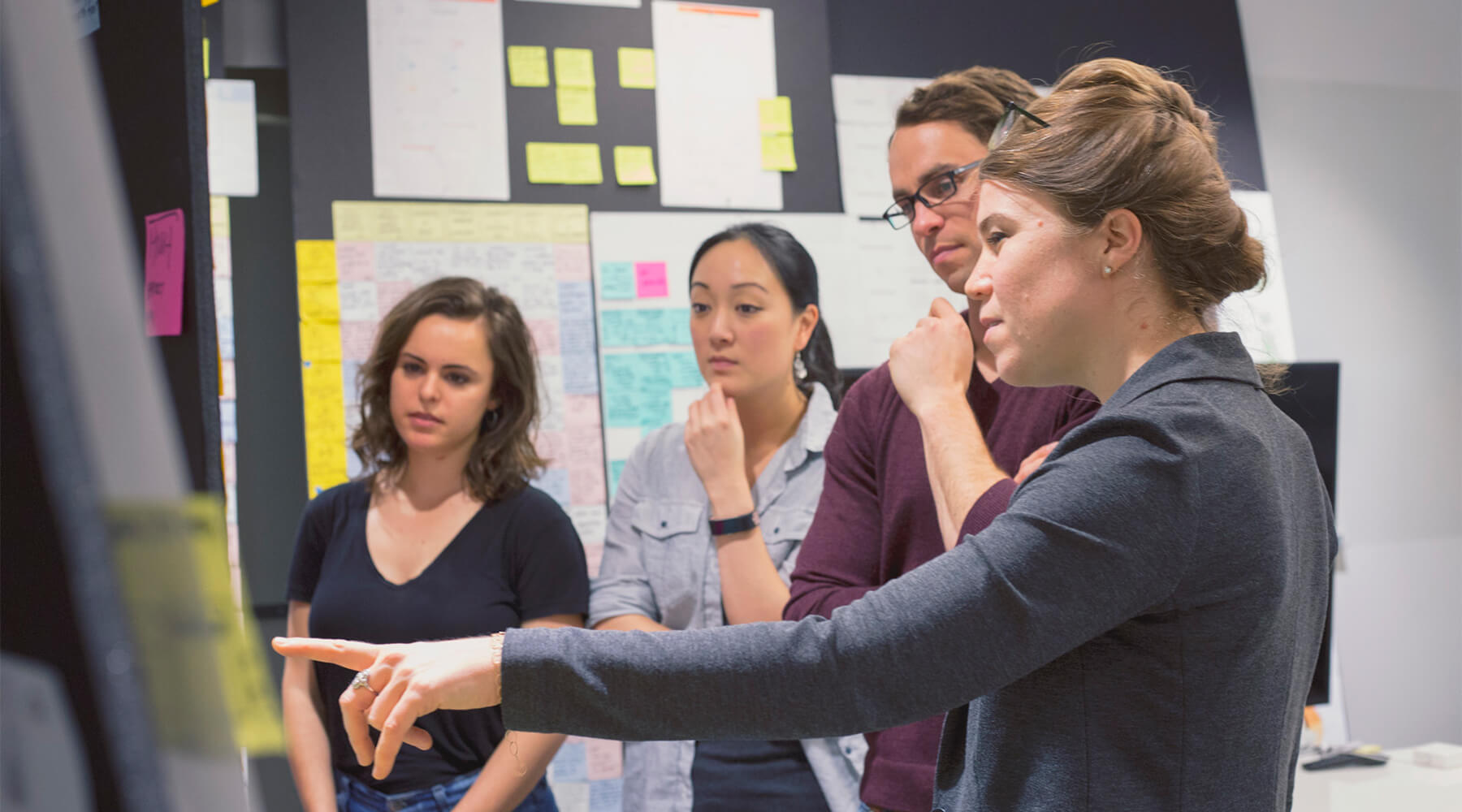
Five months after he landed his internship, and with the company’s blessing, Duffy and James spun Omada Health out of IDEO. Together, they raised a seed round, and continued to lean on design thinking methods, prototyping early versions of their product, then testing it with real patients. Duffy himself even served as the company’s first health coach. By sticking with the mindsets they had learned at IDEO, they avoided the pitfall of falling in love with the popular approaches to digital health of the era—like detailed food tracking or bluetooth enabled pill bottle tops. Instead, they stayed focused on creating what patients were asking for: a digital product that provided support, accountability, and evidence-based solutions.
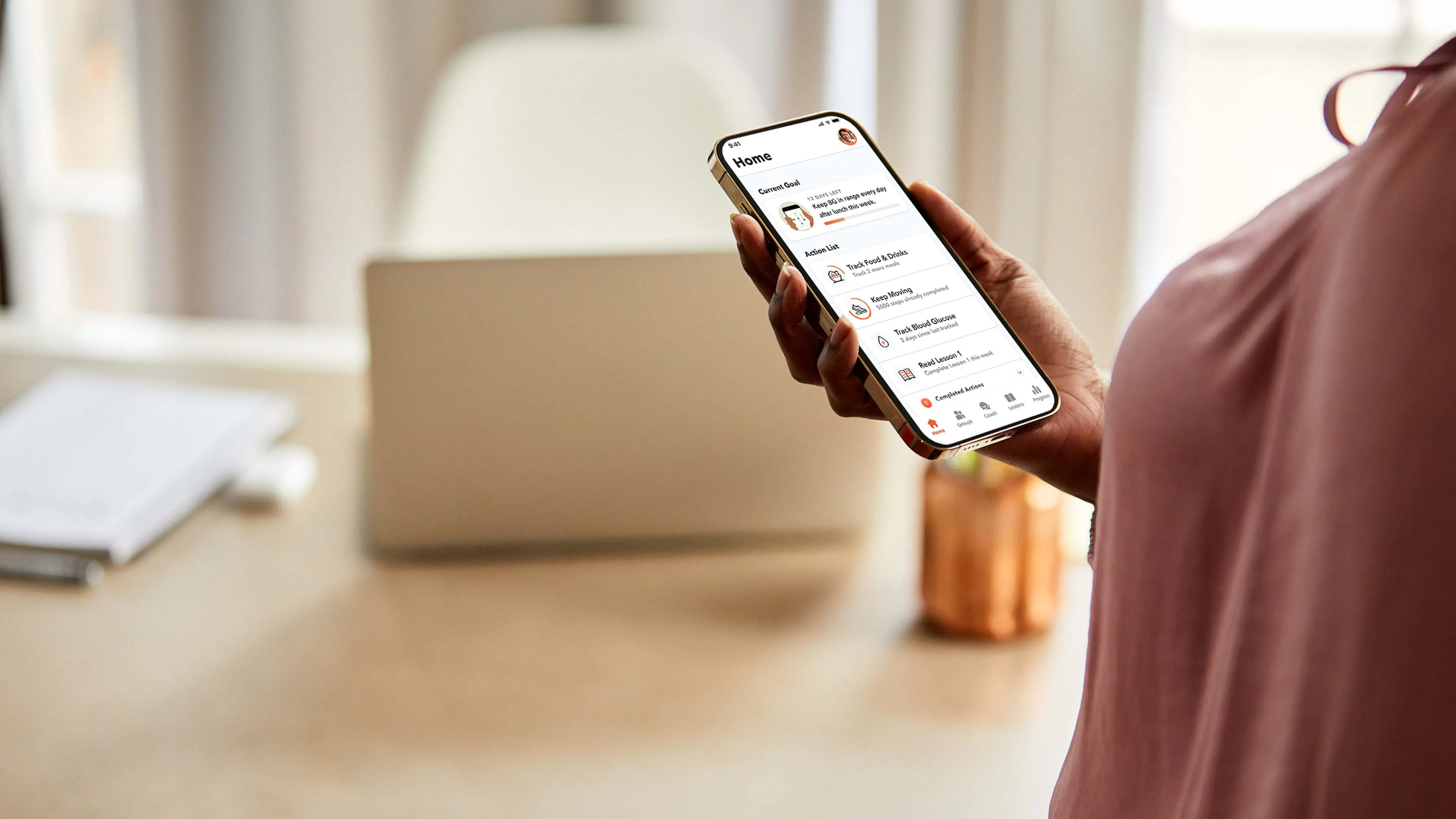
Today, Omada Health is a virtual-first, integrated care solution that provides patients with clinical care plans using digital tools and one-on-one, personalized coaching. It helps users manage chronic conditions including pre-diabetes, diabetes, hypertension, joint and muscle health, and behavioral health. More than a decade after its founding, it counts nearly 2000 employers as customers, has more than one million users of its products, and has published 24 peer-reviewed studies on its outcomes. Not to mention a $1.3 billion IPO in June of 2025. But it’s still going after its North Star: to bend the curve on preventable chronic diseases nationwide.
About 60% of adults in the US live with a chronic disease. According to the CDC, 90% of the nation’s $4.1 trillion annual healthcare expenditures are for people with chronic and mental health conditions.
Diabetes is the country’s seventh leading cause of death—and the most expensive. Diabetes accounts for $1 out of every $4 in US healthcare costs. In addition to the cost of care, diabetes costs employers $90 billion annually in lost productivity.
Nearly 2,000
employers now partner with Omada
1 in 10
commercially-insured Americans have access to Omada through their health plan or employer coverage
$1.3 billion
valuation at Omada's IPO
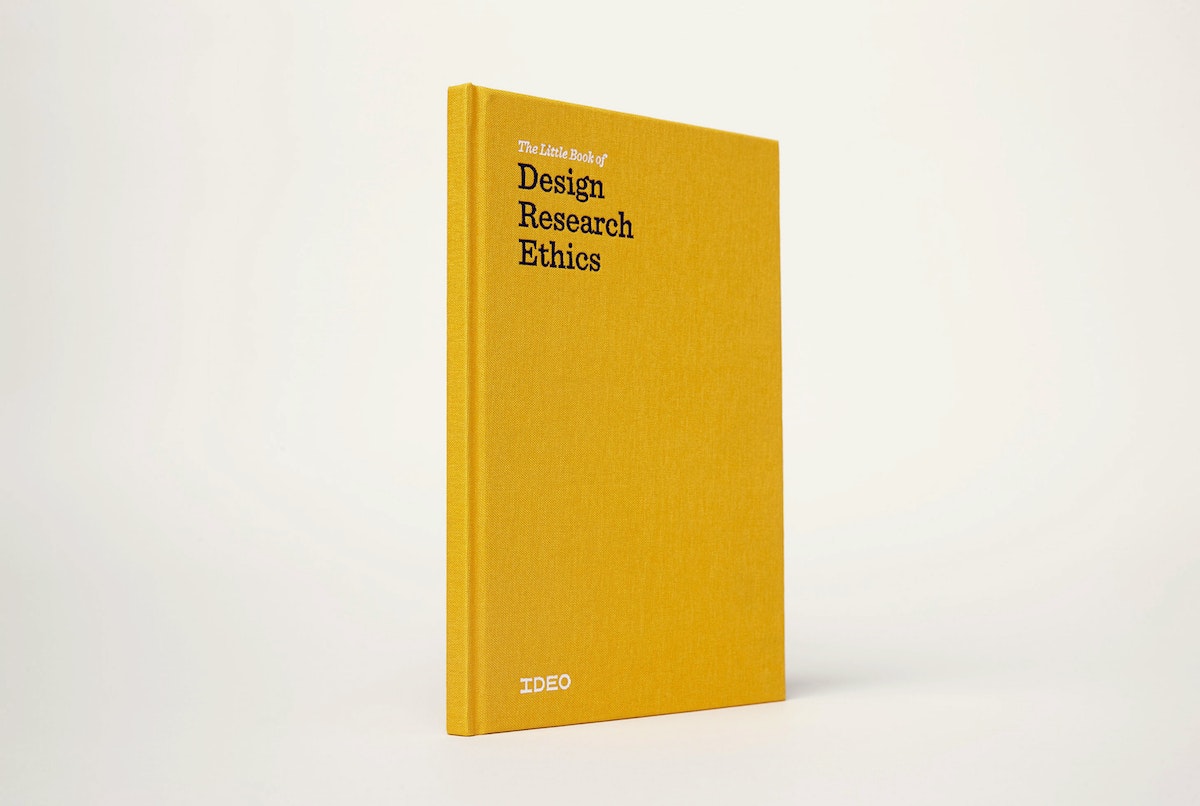
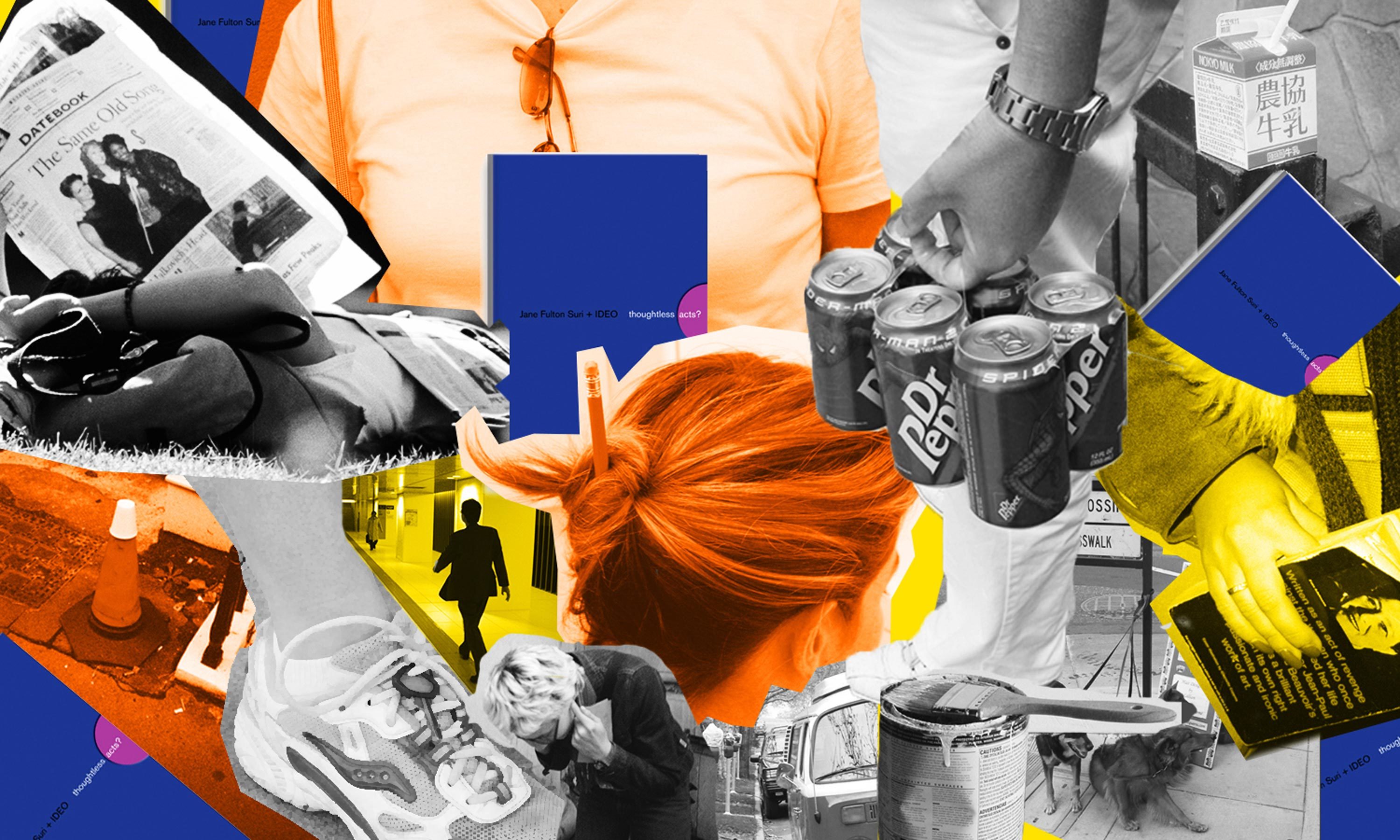
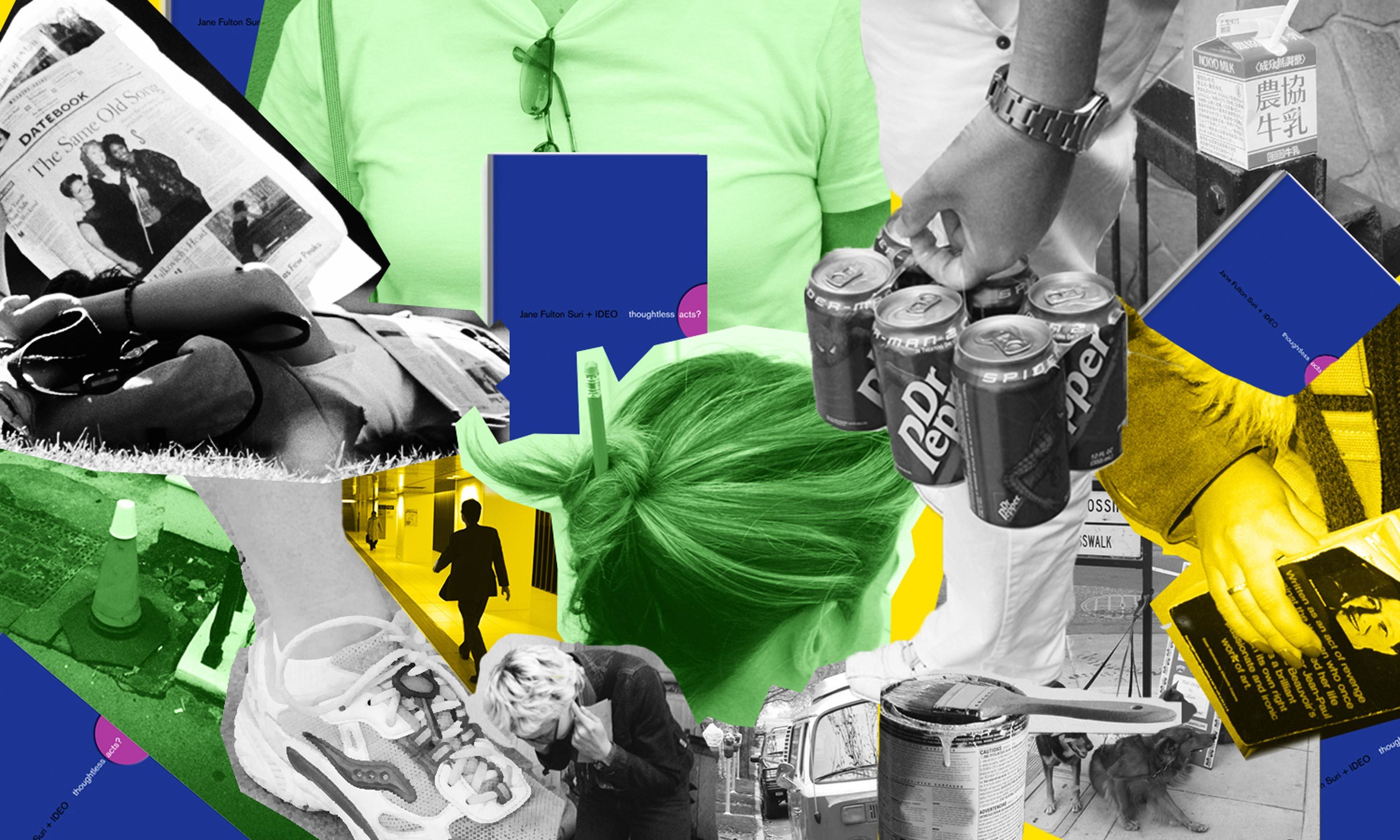
The Little Book of Design Research Ethics
For human-centered designers, there is nothing more valuable than discovering what matters to people—what triggers frustration and what provides ease, what brings grief and what sparks joy.
For human-centered designers, there is nothing more valuable than discovering what matters to people—what triggers frustration and what provides ease, what brings grief and what sparks joy. That’s why IDEO studies subtle and often unspoken details of daily life: habits, circumstances, thoughts, feelings, and reactions. We rely upon access to people’s unguarded selves. Their trust is precious, and comes with responsibility. How do we seek and share insights about people’s lives in an ethical way?
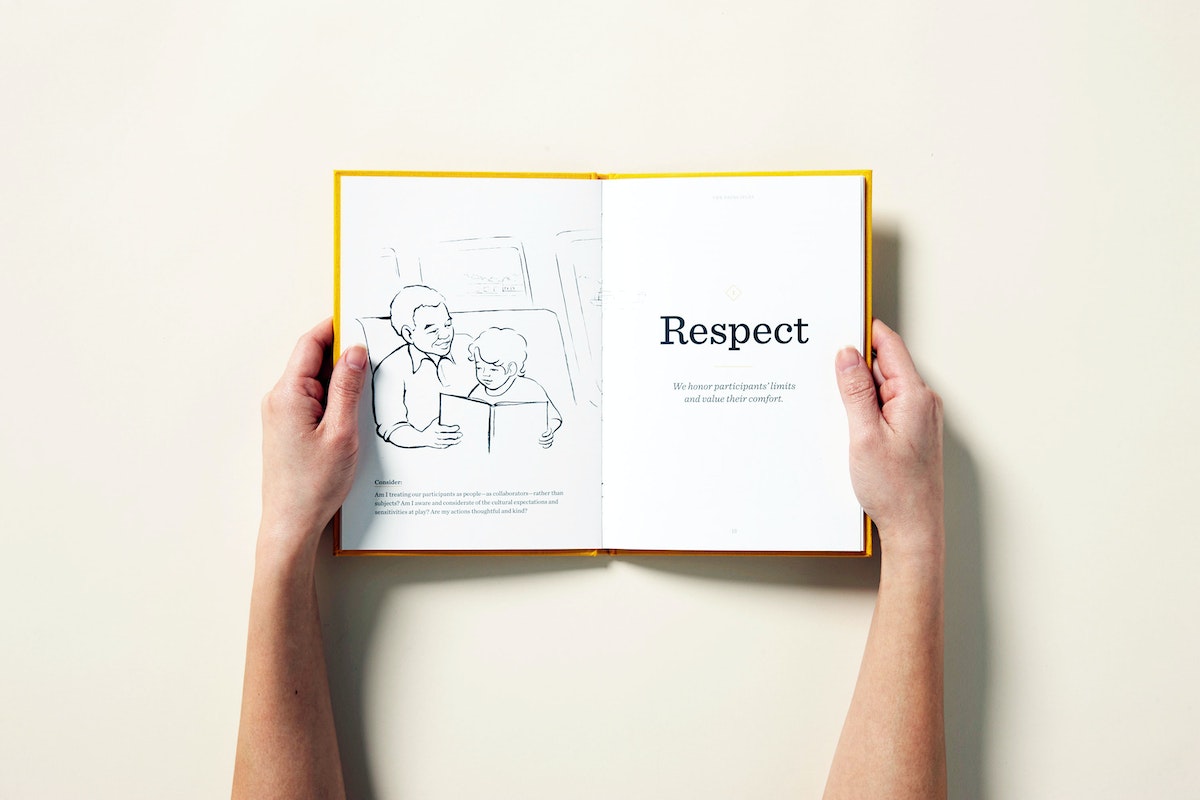
Three timeless principles guide all our work: respect, honesty, and responsibility. While the concepts are well known, they’re abstractions that resist concrete definition, and applying them to the ambiguities, complexities, and messy scenarios of real life is no simple task. The Little Book of Design Research Ethics provides a practical guideline, along with tools and examples from IDEO's work in the field. It integrates more than a quarter century of IDEO experience with advice and recommendations from ethicists, as well as codes of conduct in related professions, from journalism to market research. Though it was originally created for IDEO designers, the book offers applicable guidance to a wide range of situations in which it’s crucial to build relationships of trust. It’s the first of its kind, and we hope it will facilitate ongoing conversation and reflection about what it means to work with empathy and cultural sensitivity and ensure that interactions are safe, fair, enjoyable, and mutually beneficial.
Download the book here.
Why You Should Make Your Own Font
Handwriting is our best defense against anonymity
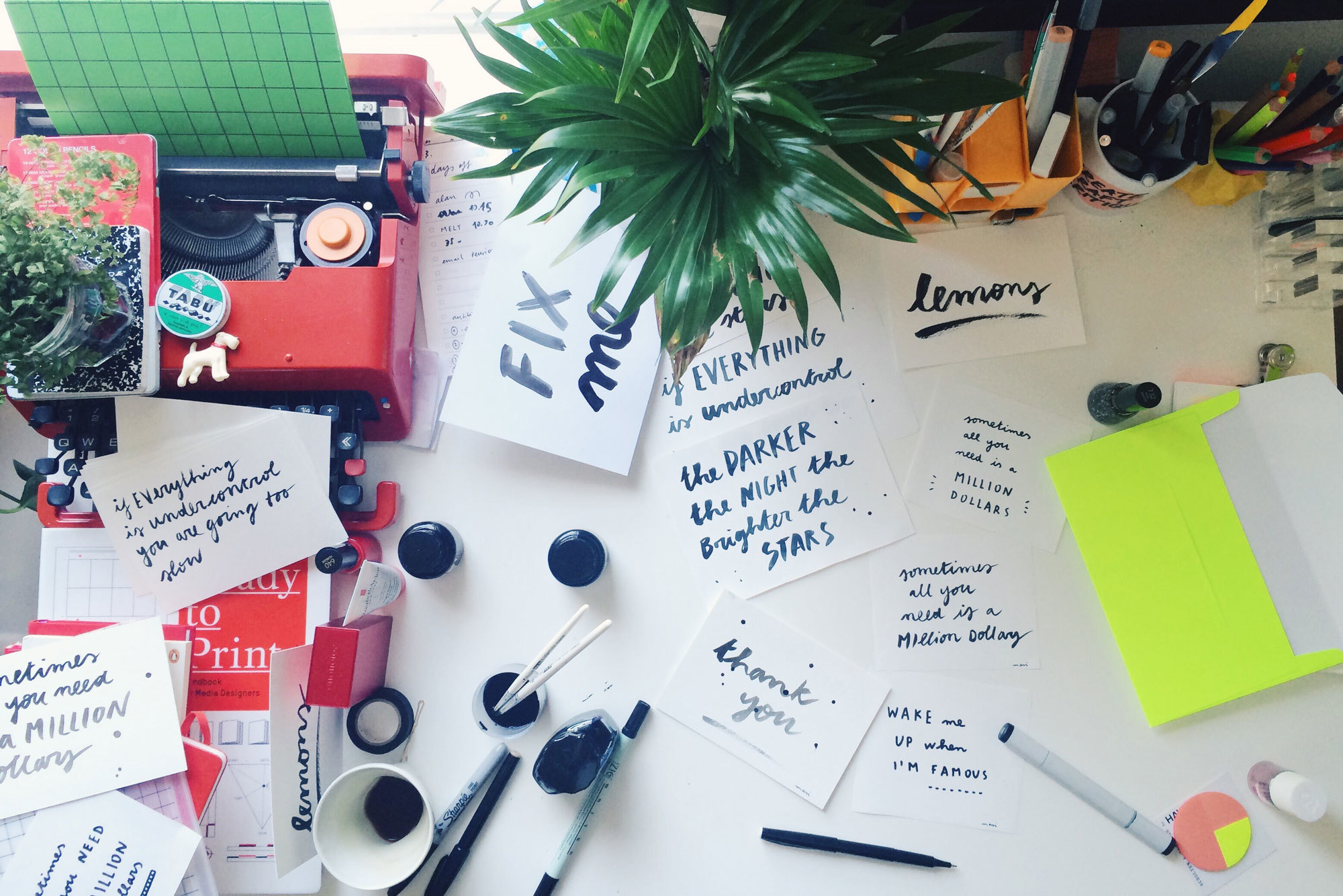
Downloaded more than 3,000 times online, Masi’s flowing font has got into the hands of quantified-self posterboy Nicholas Felton, photographer Todd Selby, and our very own David Kelley (founder of IDEO). We sat down to talk about her inspiration for Masi Font, her policeman-calligrapher grandfather, and why she thinks handwriting is one of the last modes of self-expression.
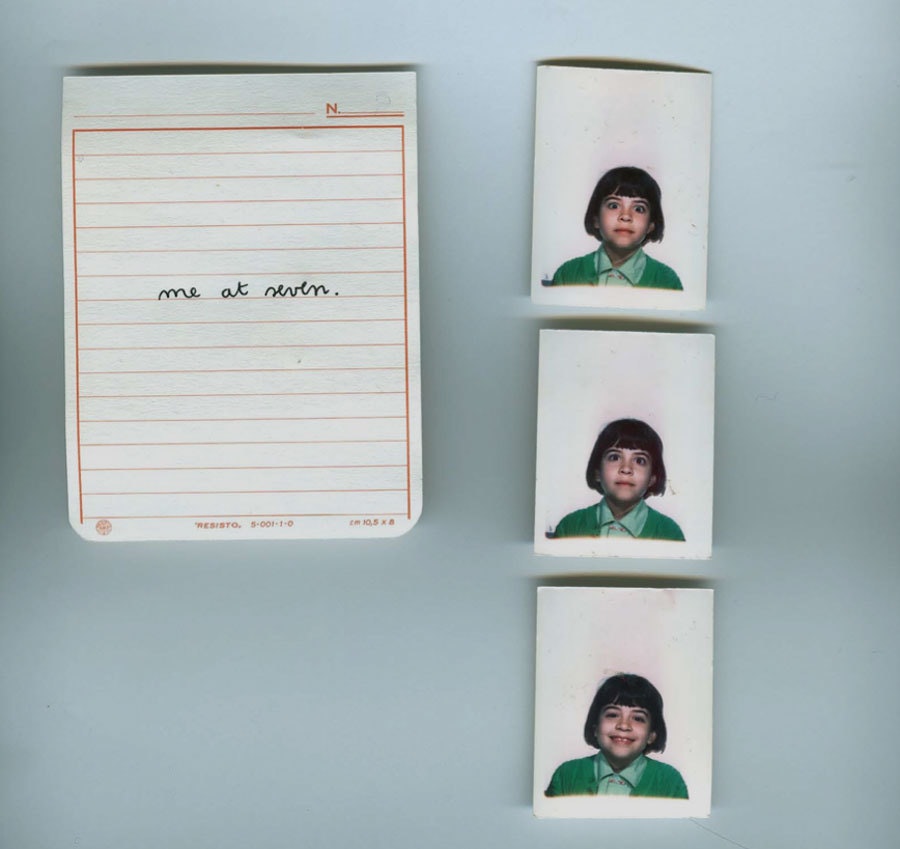
Where did your love of typography come from?
It started in elementary school. Learning to write was an obsession. I thought it was drawing beautiful things, rather than learning how to write words. If I made even a tiny mistake I would tear the page apart and start all over again. I would fill up pages with just one letter, repeated over and over again. Sometimes I would do other kids’ homework so that I had more to write.
Do you come from a family of artists?
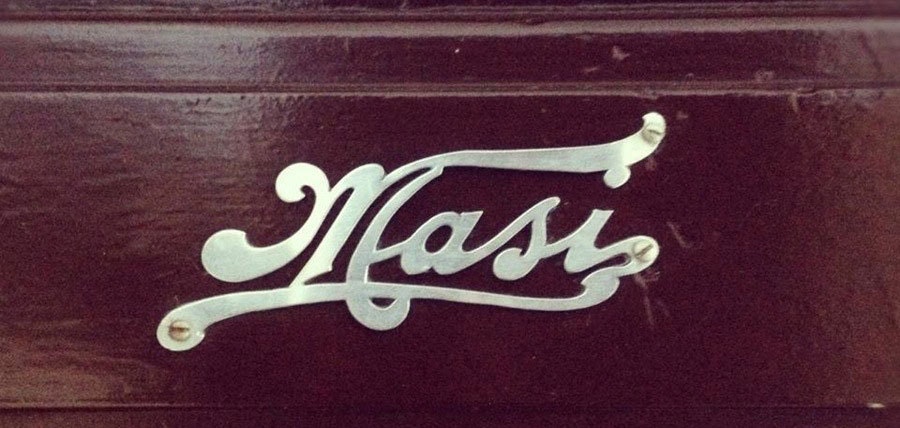
My grandpa, Amedeo Masi, was a Carabiniere (a member of the Italian national police force) and a calligrapher. I know, such a random combo, and he made his own house sign (above). Calligraphy used to be a subject in school in Italy. Having a beautiful handwriting was really important at the time—it meant you'd had a good education.
Who inspires you, and why?
Growing up in Italy, I was exposed to so many incredible logos and identities that haven’t changed. Everything stays 60s classic.
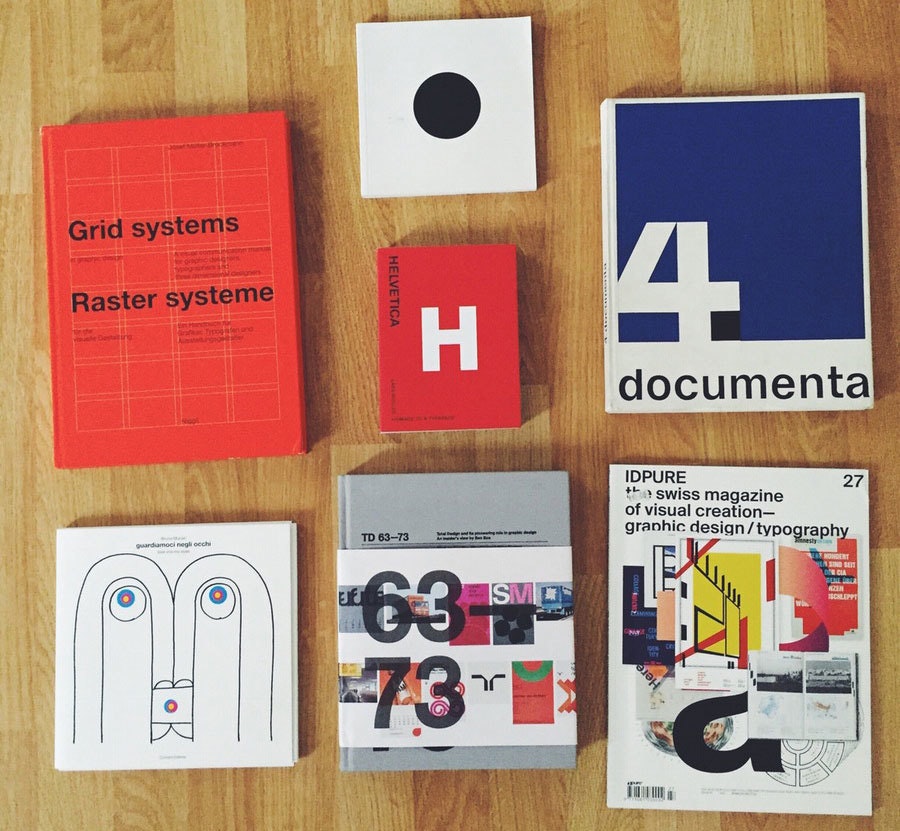
When I started my design studies in Rome, Vignelli (who made the original New York subway identity) was my main inspiration. I loved the way he used Helvetica with simple and effective graphics. Bob Noorda, was another great inspiration. When I worked for In Area (the Pentagram of Italy), I refreshed the design of the Milan Underground, and I loved how we made Helvetica cool in Italy.
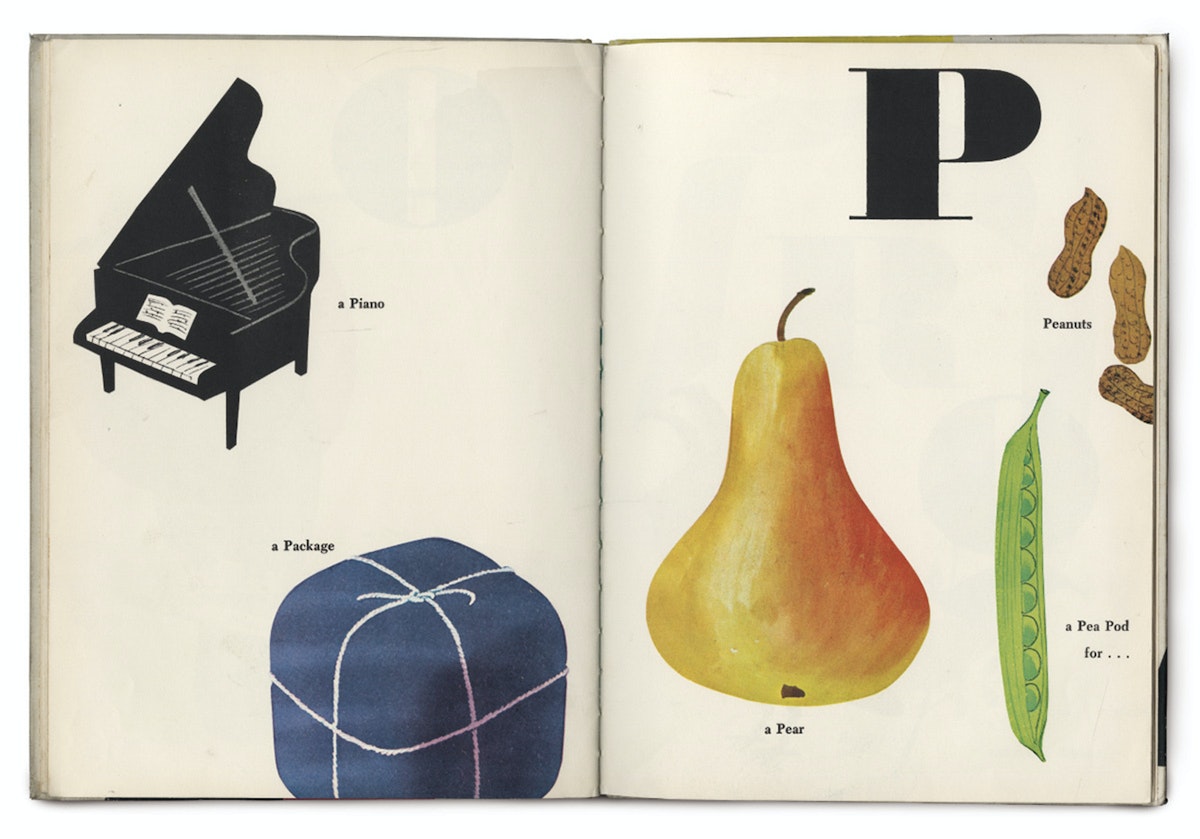
Munari, was another great inspiration. His friendly and simple style really resonated with me. His kids’ books are so clean but so playful at the same time. His style brings magic to everything, and that’s what I want to do too.
Once I moved to the Netherlands, Experimental Jetset and Wim Crowel also inspired me so much. I loved how they used typography in spaces, books, and museums.
What was the first font you created?
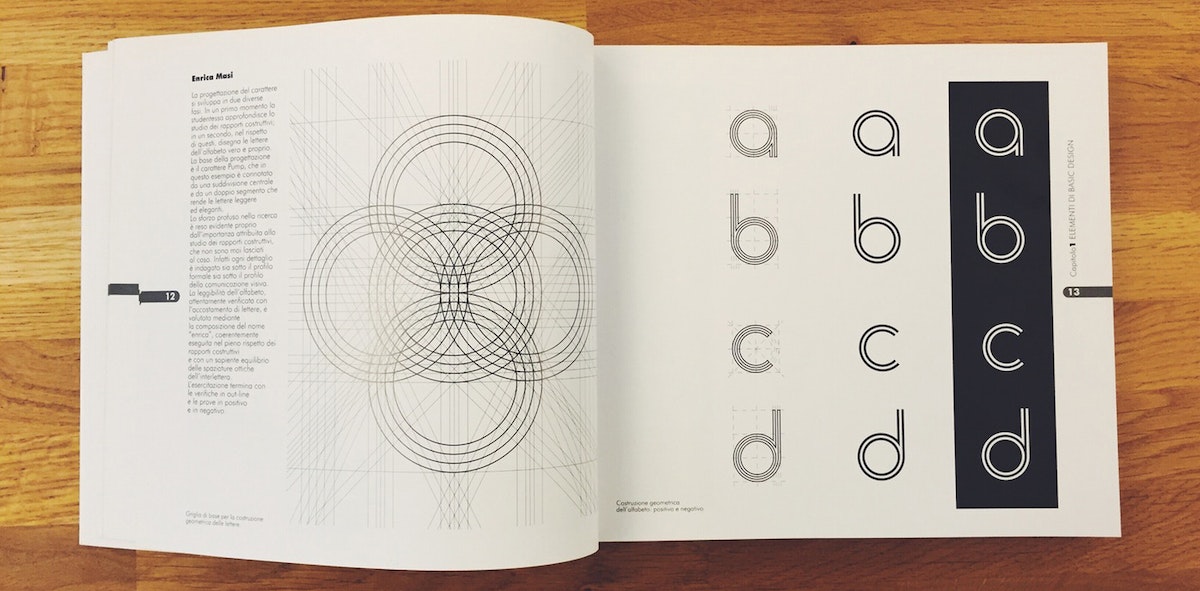
I created my first font, Cerchio Futuro, at university. It was a really rounded/modular font based on one unit (that’s the constraint they gave us). I hated it, but I got the highest mark in the class and was featured in a book Metodologia Progettuale Del Graphic Design (below).
You've talked about how important it is to have your own font. Why?
In this fucking digital world, no one writes by hand anymore. So, having a font is the truest visual expression of your mind and craft. No iPhone can take your handwriting away from you!
How did you develop the Masi font?
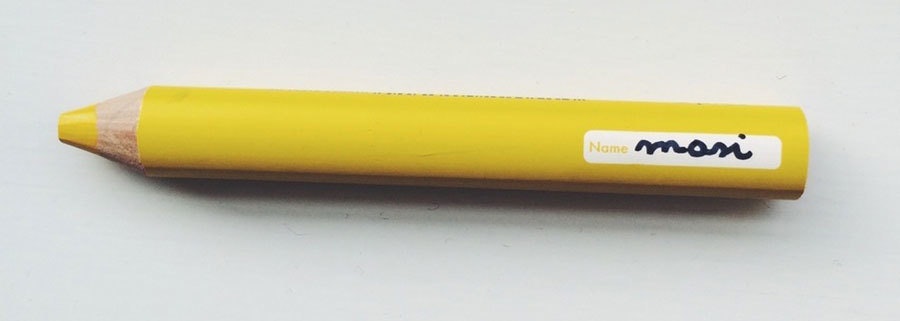
I never thought about creating my own font, but people really liked the way I wrote, and they kept asking me to "Masify" things. I realized I could just create a font that everybody could use, but I was overwhelmed by the technicalities of creating one.
Luckily my boyfriend, Alan, showed me this website where you can just download a form, print it, and fill in the blocks. Rescan the form, and—voila—I created my first Masi font. It’s not exactly the same fidelity as the handwritten font, which I hated for a long time, but after a while I liked the fact that the only original Masi font still comes from me.
What does the font say about you?
That I’ve stayed a kid forever, that I don’t want to grow up. Peter Pan, you know. That even if it looks consistent, each letter is different, every time.
Any Easter Eggs buried within?
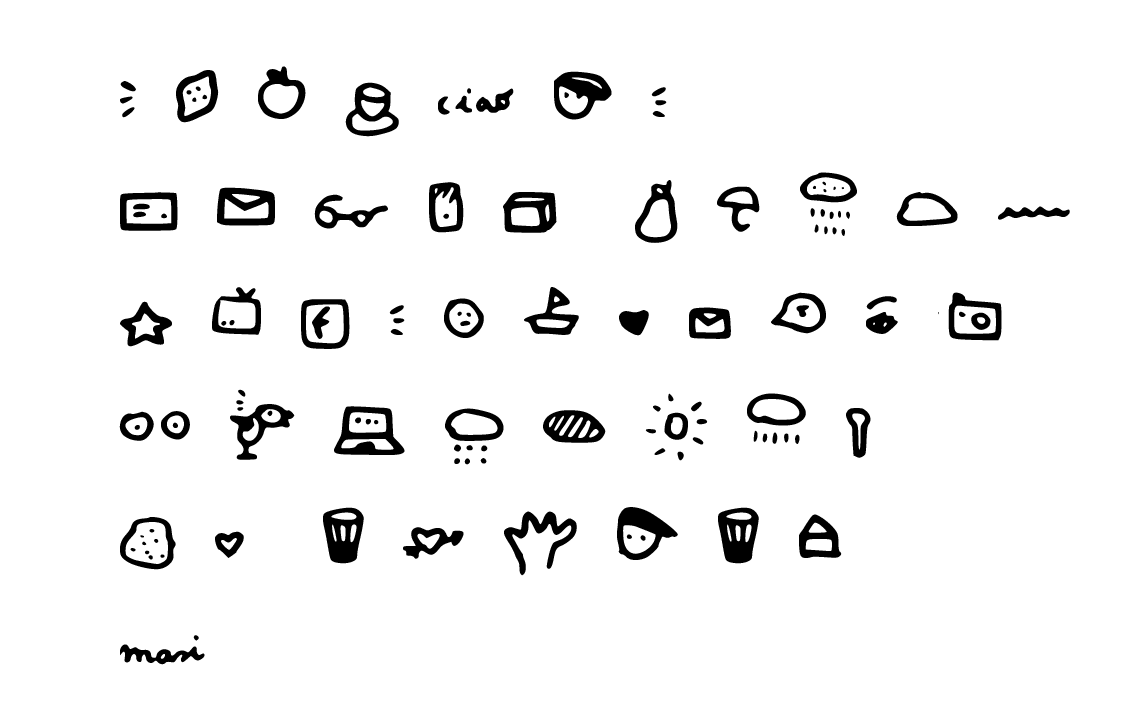
If you type certain letters you’ll see "tits" (Ö) and "lemons" (]) LOL.
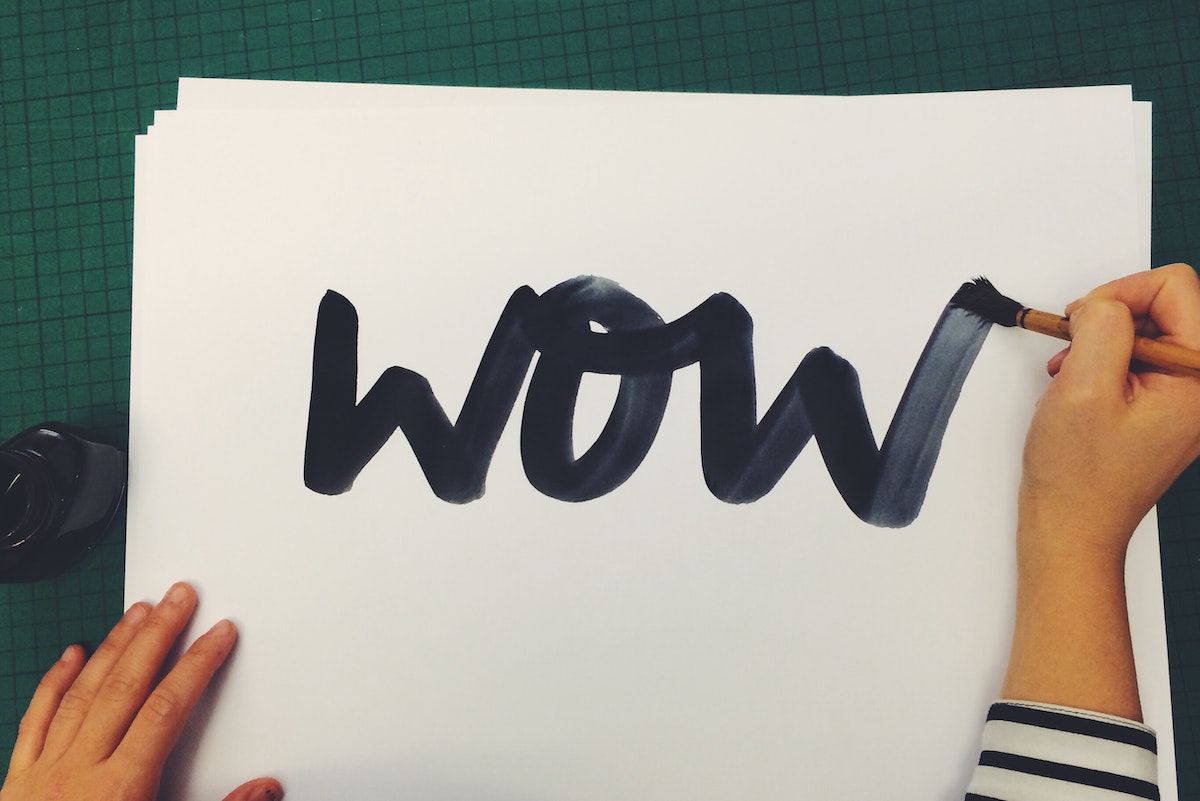
Look across the London studio’s stationery boxes, pet projects, and the odd client deliverable, and you can’t miss the handwritten flourish of Enrica Masi. Despite being an interaction designer, Masi is a firm believer in the physicality and imperfection of penmanship. It's a manifestation of personality, she says, which spurred her to lead the London studio in an exercise to create their very own font.
The Magic Patio
Behind the curtain at a secret magic theater in San Francisco
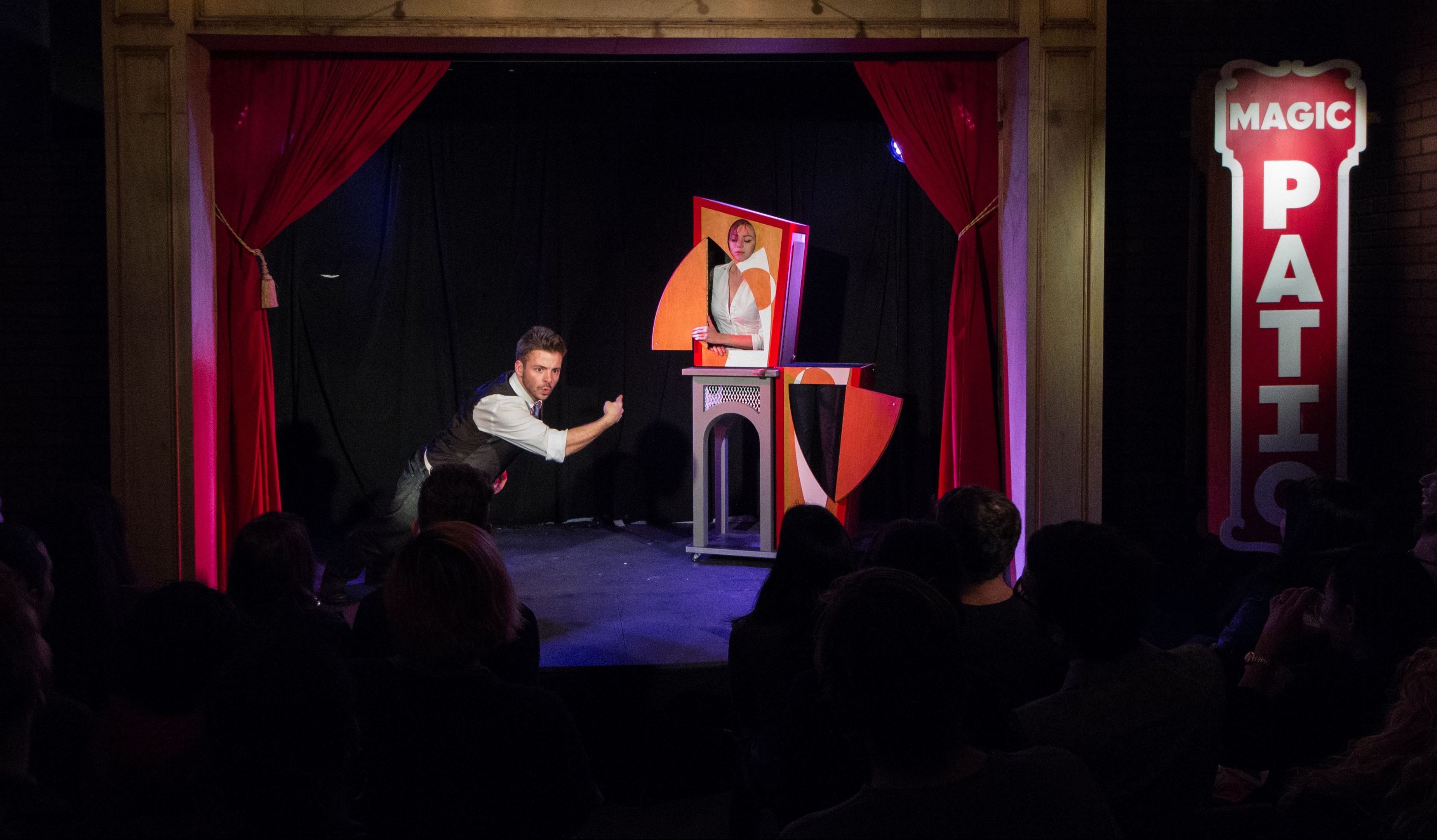
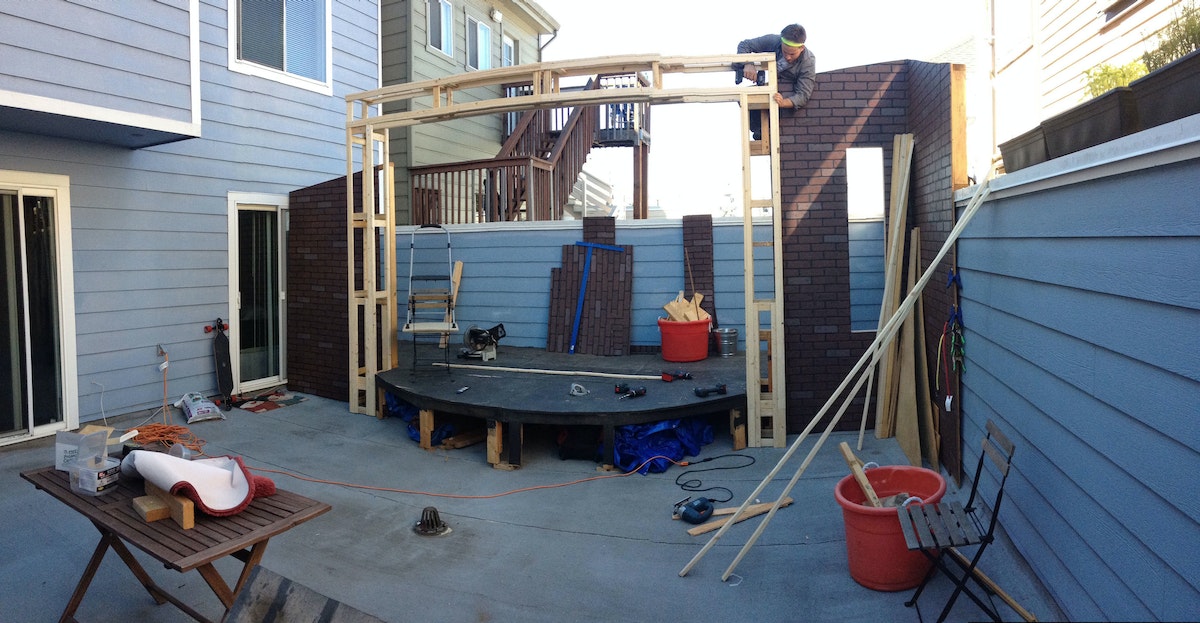
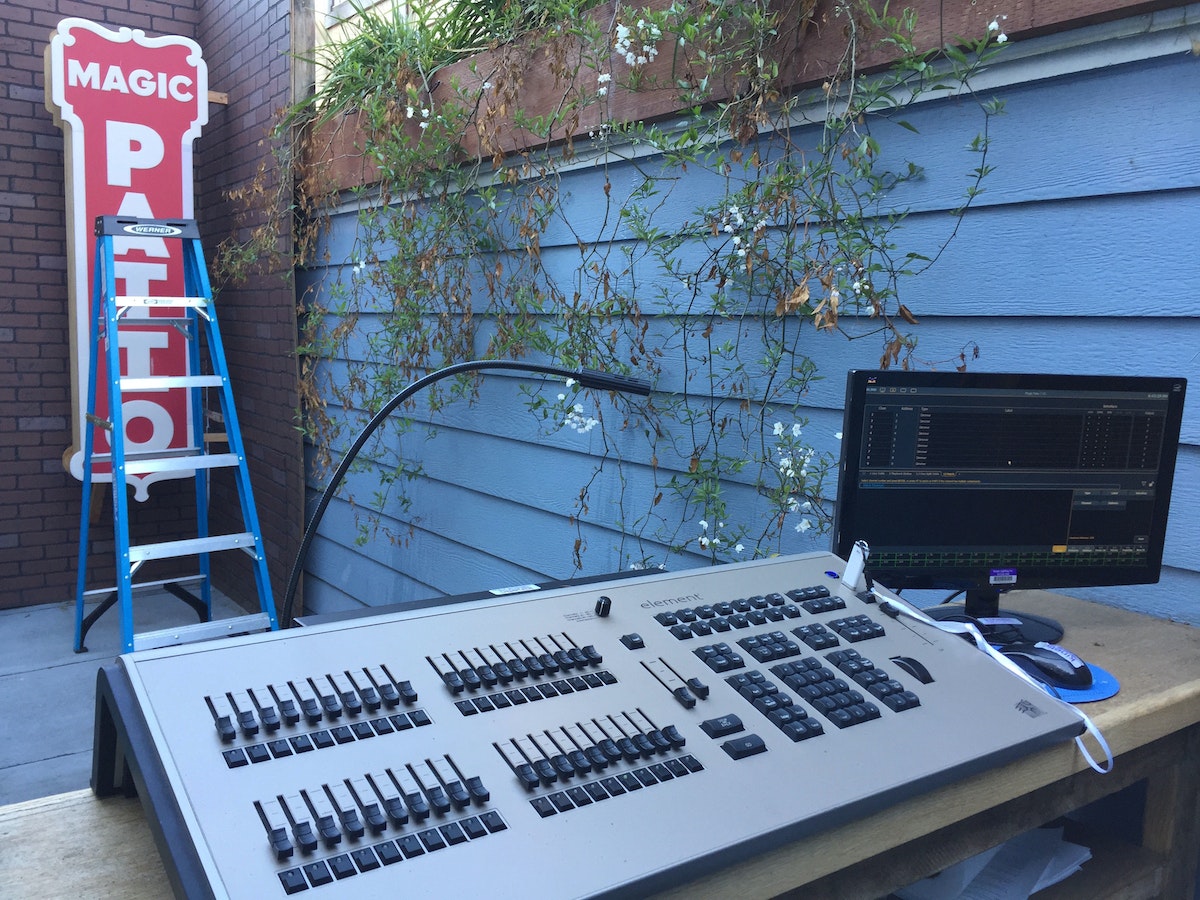
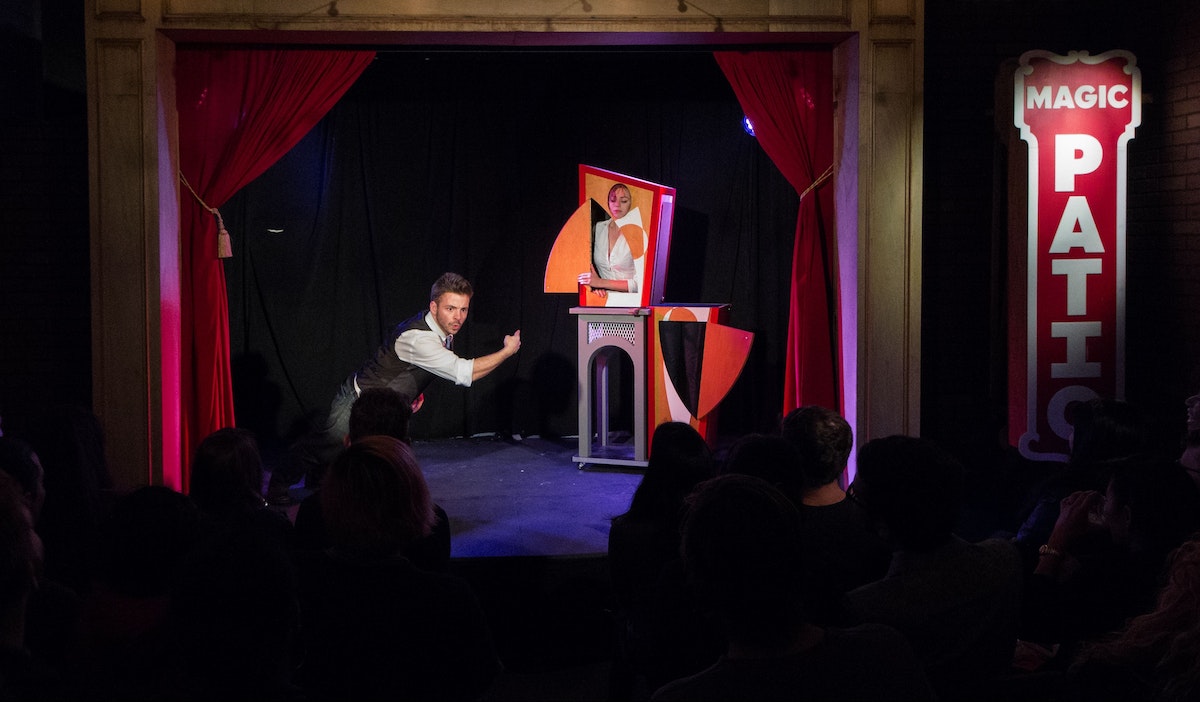
He created The Magic Patio, a custom-made stage and theater outside his building where he hosts invite-only, speakeasy-style events. The Magic Patio is specifically designed for a small, intimate experience of classic illusion, because Evans aims to recreate a bygone era of magic—specifically, 1890-1910—when the best illusions in the world were being performed at a tiny theater in London called Egyptian Hall, for an audience of about 100. I recently featured the Magic Patio for San Francisco magazine’s “Hidden City” issue (read the article online here). For Labs, Evans revealed some of the design and technical details hidden behind the curtain.
You built the box for your saw-the-lady-in-half illusion in IDEO’s shop. What did your fellow engineers bring to the project?
This is a design by illusion designer Jim Steinmeyer called Modern Art. It has slides that let the top half of the box slide over, and they create a sort of rail, like train tracks. But if you’re doing illusion design, the question is always how you can make it look like a piece of furniture as opposed to a magic prop. Not that the box actually looks like a piece of furniture, but if you actually have a rail sitting on top of it, it’s clearly a rig. I worked with Peter Bronk from the shop, and what he designed is genius. The slides are countersunk into the table, making them completely invisible. They’re milled on the CNC out of Delrin, which is a super low-friction material. The tolerance is to like one ten thousandth of an inch, and you can’t lift the top half up because it has T-slots that lock underneath. Magicians look at this prop and they’re like, “How did you get that?!” This is engineering, not a theater prop. When you’re doing tricks five feet away from the audience, it’s got to be super top notch, like product-design quality. There was no way I could have done this without IDEO.
How does your immersion in IDEO’s engineering community help you develop your craft as a magician?
This show, “Illusions of Grandeur,” is meant to be the first act of a two-act show, and the second show, “Vodvil,” which is going to premiere in May, will be all new tricks, three of which are the most complicated I’ve ever conceived of. By far the most complex trick is completely original, and it’s inspired by engineering, not magic. It’s based on a really cool technique, a visual principle, that doesn’t seem to be used very much anymore. Without giving anything away, I can say that it takes incredible control of audience and lighting, which you can have when you have your own theater.
You take advantage of total control to design surprisingly small details, such as scent. Why?
When I designed the experience, I was thinking about how many juxtapositions we could play with, which is key because it’s this show from 100 years ago that’s staged in 2015. There is a transition between entering from the street and arriving on the patio, in which you first walk up this super sketchy alleyway. It smells like pee, but we very purposefully didn’t change that. When you go through the door into the lobby, there is a specifically designed scent that we put into the room. A perfumery called Tigerlily on Valencia Street worked with me for a month trying to find the right scent. It plays with indoors and outdoors, so it’s got some woods notes to it, but then it’s also got a lot of warmth, something seductive and mysterious, a little musky. So you go from pee smell to that, and to complete the transition to outdoors, we have a different scent that we use on the patio. It’s very woodsy, and it’s also from a perfumer in San Francisco.
You’ve said that good designers and good magicians share the ability to create a sense of wonder. What does that mean you, and how did you express it with the Magic Patio?
Childlike wonder is a beautiful concept. Kids have not experienced half the world, so everything new they encounter changes the way they see the world around them. That’s the definition of wonder that I like—something that changes your perspective of the world. If you’ve been in this world for 30-plus years and then suddenly something you see makes you be like, “whoa, whoa, whoa… wait a second,” that’s a beautiful moment. But beyond that instant during a magic trick, I hope that when people leave the Patio, they think, “What else am I maybe not looking at closely enough?” I get emails after the show saying, “I just left there in this state of non-alcoholic buzz, and I was walking through San Francisco in awe, thinking, ‘I love this city! What else does it have to offer?’” Those are the responses that make me think we’re doing this right.
How do you balance your commitment to magic with your work as a designer?
I made my full living doing magic for two years. The reason I don’t do it full time is that it’s a very lonely pursuit—it’s me on my computer writing scripts, practicing magic in front of a mirror, taking video of myself, watching footage. When shows are coming up, sometimes I’ll spend a full 40 hours a week preparing, on top of IDEO work, but it fulfills me very personally and creatively. Simultaneously, IDEO gives me culture and people. It’s a beautiful pairing.
Keep a close eye on Andrew Evans—he might be an innocent-looking product designer in IDEO’s Palo Alto studio, but he’s also a professional magician and a master of sleight of hand. Evans travels around the world speaking about the intersection of design and magic, and now, he’s made his San Francisco apartment a nexus of the two.

How We Did It: GIF Dance Party
Coding the Internet's best party
Over the last three years I have been creating interactive experiences that bring some of these unexpected moments back to the Internet by putting emphasis on smiles and little else. No clients, no social media sharing, no analytics, no SEO, no log-in, no users, no brand, and no monetary objectives—smiles have become my motivation and my currency. Late at night, I stare intensely into my glowing rectangle, firing code into it, and imagining how I might turn the drab, emotionless faces of everyday, seen-it-all web surfers into expressions of delight.
While there are a number of projects on my site Fuzzy Wobble Dot Com that exist in the “smiles-as-currency” domain, I am going to share one of my favorites with you today: GIF DANCE PARTY. The name should give you a hint as to where this is headed…
The animated GIF was invented in the late '80s, but when GIF DANCE PARTY began back in 2012, they were still primarily used in blinking web banners for sleazy ad campaigns. Tumblr was the only mainstream site at the time with a GIF vernacular.
My fascination with both Tumblr and animated GIFs was surging at this time, and I could sense that there was an opportunity to bring animated GIFs out of the depths of Tumblr and into a more familiar context. This idea lead to an eight-hour coding session that resulted in the first release of the GIF DANCE PARTY website, which allowed visitors to create and share their own digital dance parties.
Despite my sub-mediocre coding skills at the time, the site was surprisingly functional. As with damn near everything in web dev, all the integral parts of the site had been executed thousands of times before, and with a little Googlin' and digital glue, the concept was realized. The code base was solid, although a serious problem remained: Transparent GIFs were extremely rare, never mind transparent dance GIFs, which were imperative to the concept. After many web searches, I found only four—not enough for a respectable digital dance party by any online standards.
So I asked my friends to help me with the tedious process of removing the backgrounds from GIF dancers, pixel by pixel, frame by frame, to generate the collection of transparent dancers featured in the first GIF DANCE PARTY release. Now, three years later, the GIF DANCE PARTY website has amassed an arsenal of more than 120 iconic dancers.
Over the years, GIF DANCE PARTY received millions of hits from around the world. The captivating nature of the animated GIF, injected into a familiar party context, touched the Internet in all the right places. I even had a collection of dancing cats in there for good measure. Today, GIF DANCE PARTY continues to make the rounds. On November 2, 2015 it made it to the front page of Reddit again, where one user commented:

The project was quite well received by my colleagues at IDEO, so we decided to set up a green screen and make our very own IDEO Boston (now IDEO Cambridge) GIF Dance Party.
It was extremely rewarding to maximize the smile-to-effort ratio with a project that could have so easily been discredited as "silly" had I not been surrounded by such creative and supportive people.
But the unfortunate outcome of this, a project that stemmed from a drive to create smiles, was that I could never see any of those smiles. At one point I considered turning on users’ webcams to use face detection and count the smiles, replacing the Facebook “like” widget with a smile counter (pretty sure this would have deterred a number of visitors). The only way to witness these smiles was to create an IRL experience—A GIF DANCE PARTY installation.
With the use of projectors, 3D cameras, and countless lines of code, we would be able to digitize partygoers into dance GIFs. These dance GIFs could become part of a wild and dynamic visual spectacle, projected for all to see. Together, the GIF DANCE PARTY VJ and partygoers would work together to create an otherworldly GIF DANCE PARTY digital dance floor.
There was no chance my Googlin’-and-digital-glue approach was going to work on a project of this scale. I put out a call for creative coders, which was answered by an exceptional team: Matt F., Wes T., Joe S., and Matt G. For many, many Saturdays, we met in hungover or otherwise compromised states and managed to stab away at the massive challenge of bringing GIF DANCE PARTY to an installation space with C++ and OpenFrameworks. Six months later:
We had a hit installation. We started booking frequent gigs. Jaws were dropping. What started off as not much more than a "cool art installation" evolved into a project that had a massive positive impact on partygoers. As we observed: This is the evolution of the photo booth. We have tapped into the selfie-lust habits of the modern day partygoer. But unlike the conventional photo booth experience, we went hyper dynamic, we went hyper visual, and for the first time in photo booth history, we introduced selflessness to the selfie. An experience for you, and an experience for all.

Partygoers were able to interact with the party environment in a way that was unprecedented. While traditional photo booths disconnect partygoers from the environment, our experience blasted them right into the center of it, no different than installing a Slip'N Slide down the middle of the dance floor.
As a team of artists, coders, and designers, we continue to experiment and evolve the experience. From website to installation, GIF DANCE PARTY has been a delightful project, not just for the users and participants but also for the creators. Smiles all around, and more to come.
I remember my first introduction to the web back in the mid '90s. It was a place of mad discovery. There was a great deal of uncertainty when clicking a link—where you would end and up and what you would see. The Internet was not a serious place. It was more of a playground, full of unexpected moments.

Lindsey Turner
I’m passionate about building brands, products, and experiences that help organizations show up with meaning and momentum.
I help organizations cut through complexity by shaping how they show up, through brand strategy, identity, and storytelling.
Working at the intersection of brand and business, I bring an editorial eye and a bias toward making—turning ideas into tangible experiences that people can understand, trust, and believe in.
My work spans government, healthcare, financial services, media, and consumer goods, from launching Gen Z-focused ventures to building innovation labs and reimagining legacy brands. I relish moments of ambiguity and enjoy translating across teams, perspectives, and priorities to move ideas forward.
I started my career in editorial and digital design, shaping cross-platform experiences and identity systems in publishing and agency environments. That foundation still shapes how I work today: I’m detail-oriented, collaborative, and overreliant on the Oxford comma. I hold a BFA in Visual Communication from the School of the Art Institute of Chicago.

Rachel Young
My work helps organizations see who their products aren't working for—and build the will and the tools to do something about it
For 25 years, I've asked the same question: Who does this design exclude—and what are we going to do about it?
My work spans human-centered strategy, inclusive design, and qualitative research, with clients ranging from Microsoft, Google, and Verizon to the National Science Foundation, and San Francisco Unified School District.
Before IDEO, I taught elementary school in East Palo Alto and spent a decade doing design work with social service organizations—where I learned firsthand what it costs people when systems are built without them in mind.
I am currently writing User Error, a nonfiction book about digital access and the design decisions behind it. I live in Oakland, California.

Brian Pelsoh
I lead with craft, ensuring our work is creatively excellent: rooted in deep human insight and imagination, while also grounded in the realities of business and technology.
My expertise spans brand, communication, and product design across tech, education, the arts, and social impact.
I believe great work demands both high-level vision and obsessive attention to detail, and only happens through collaboration.
I bring an inclusive, hands-on approach and a deep understanding of business, which enables me to consistently deliver excellence while always asking why.
Before joining IDEO, I worked at the brand firms Pentagram and VSA Partners. I began my career as a designer, leading teams at the School of the Art Institute of Chicago and the Milwaukee Art Museum. I hold an MFA in graphic design from Maryland Institute College of Art and a BFA in communication design from the Milwaukee Institute of Art & Design, and have taught at some of the best design schools in the US.
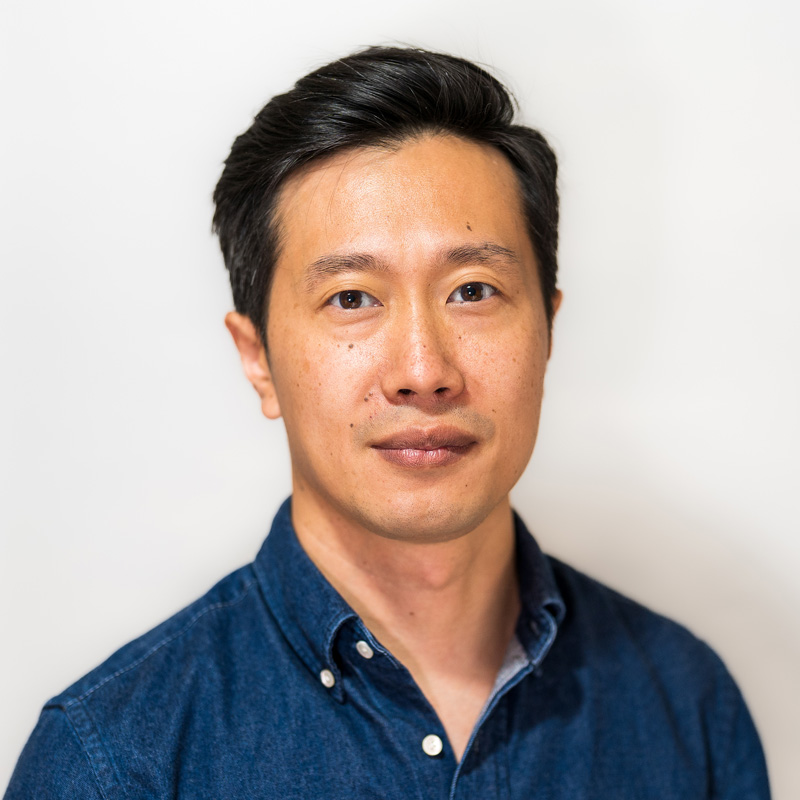
Tony Wong
I am responsible for IDEO’s long-term success in China and working with clients to use design as a tool to enable growth.
I am responsible for IDEO’s long-term success in China and working with clients to use design as a tool to enable growth. Specifically, I have helped Chinese companies design holistic brand solutions through the development of their products, communication, services, and innovation teams, and I have helped multinationals expand their presence and influence in China.
I advise global leaders on developing China-led innovation and capabilities.
In over 15 years in IDEO Shanghai, I have worked on projects that use design to elevate the quality of the experience of healthcare products and services, streamline processes that increase productivity, create spaces and programs that promote and enable inclusive communities, and build next generation mobility solutions that are planet-positive.
Before joining IDEO, I worked at Philips Electronics and the Electrolux Group in Italy, the Netherlands, and Singapore on a number of breakthrough commercial products. I am a member of the Young President Organization in Shanghai.

How to use AI as an editor, not a writer
Ed White shares how he uses AI as an editor—not a writer—to sharpen storytelling, rehearse ideas, and preserve the productive friction that makes creative work better.
Ed White has a rule he's tested on his own writing: hold yourself as the writer, and let AI be your editor. Ed is a Senior Design Director at IDEO's London studio, where he co-leads the firm's AI portfolio across Europe. Before IDEO, he spent 12 years as a writer and editor at the Financial Times, Wired, and Contagious. So when he talks about when to use AI for storytelling and when not to, it comes from two decades of crafting his storytelling skills.
In this episode, Mina Seetharaman talks with Ed about two specific tools he uses to keep AI in an editor's seat: a "roasting agent" prompted to critique his drafts without any sugarcoating, and a simulated audience he rehearses pitches on before the real thing. They also get into what Ed is hearing from design leaders at Anthropic, Lovable, Shopify, and Google Creative Lab about how creative work is changing, and why he thinks the friction of writing something yourself is worth protecting rather than automating away.

Building a personal AI for the messiness of life: Sida Li
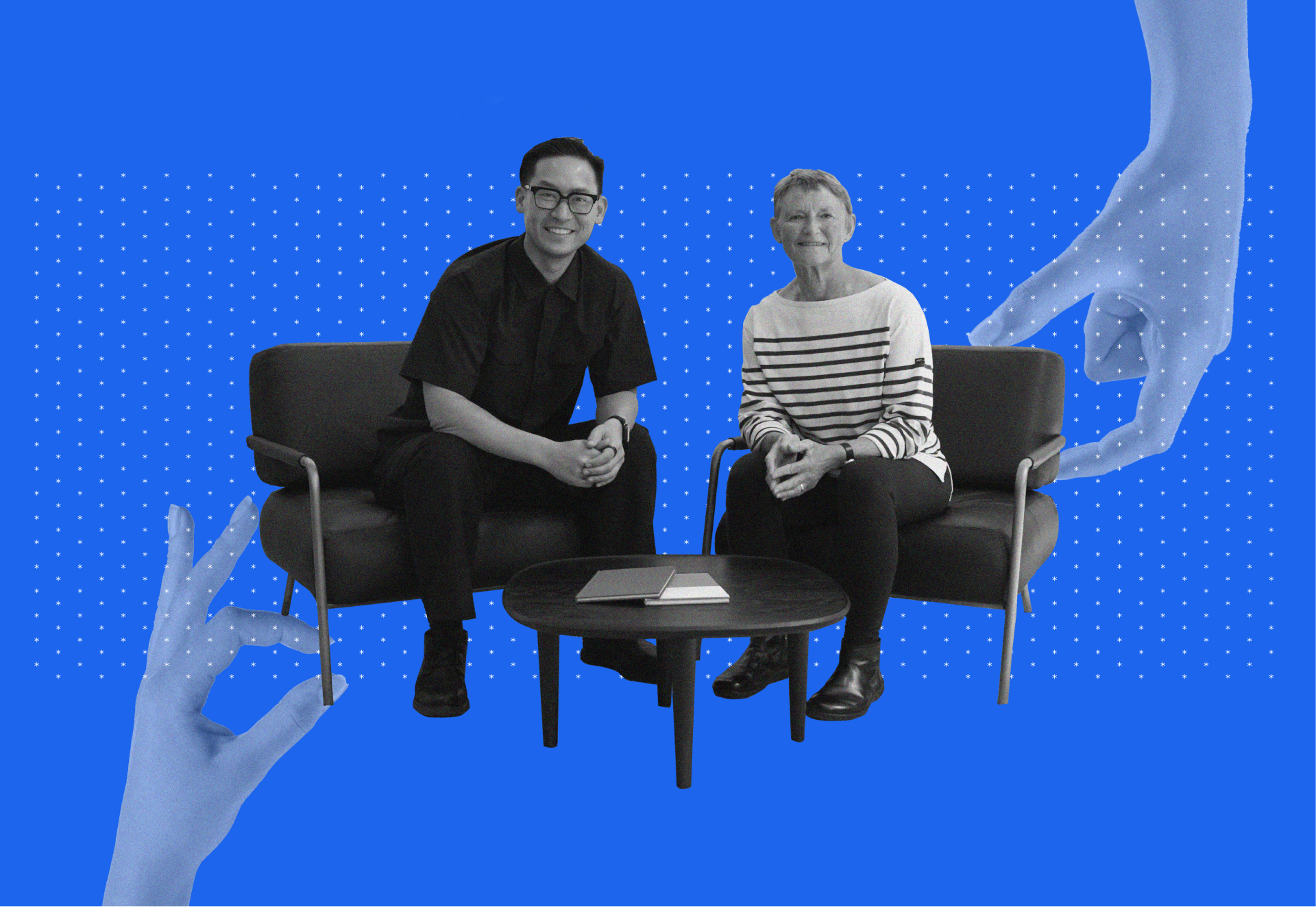
Becca Carroll talks with Cue co-founder Sida Li about designing a personal AI for the messiness of everyday life—not just work. They explore how Sida stays anchored to human needs while navigating fast-changing technology, product tradeoffs, business-model experimentation, and the realities of building an AI company today.
Most AI products today are built for work—a space with clear problems and established systems. One founder noticed a gap: personal life is messier, harder to systematize, and mostly left behind by the AI boom. So she built Cue, a personal AI that lives inside iMessage and group chats, to go where the other tools haven't.
In this episode, Becca Carroll, IDEO's Chief Strategy Officer, talks with Sida Li, co-founder and CEO of Shared Context Lab, about staying anchored to a human need while the technology around her keeps changing shape, why she treats her business model with the same rigor she'd bring to a product, and what it feels like to build a company at this particular, disorienting moment in AI.
The conversation also gets into how Sida makes design decisions: the language Cue uses to describe itself, the tradeoffs behind building inside iMessage instead of a new app, and a real story about a business idea that didn’t pan out.
This is the second in a two-part series profiling founders from IDEO's Startups-in-Residence program. The first conversation is with Johannes Seemann, founder of Sooner, on designing GenAI for the emotional side of money.

Designing GenAI for the emotional side of money: Johannes Seemann
Designing financial tools around the feelings that shape money decisions.
Most personal financial tools are built to run the numbers and optimize towards a budget. While that works for some, most people experience money as a lived relationship that does not neatly fit into a spreadsheet. Johannes Seemann and Becca Carroll discuss why money is emotional before it is mathematical, and what a human-centered approach to building a generative AI financial product looks like in practice.
The curious leader's edge in uncertainty: Scott Shigeoka
How genuine curiosity helps leaders navigate uncertainty with greater confidence.
Mina Seetharaman talks with Scott Shigeoka, author of Seek and Head of Curiosity Cultivation at the Eames Institute, about what distinguishes genuinely curious leadership from performative curiosity, how power dynamics shape curiosity, and why practicing curiosity can restore energy rather than drain it.
Looks like you might be in search of something very specific?
Or reset the filters above and try another angle.
Here’s some random inspiration
Podcasts about creative leadership
Articles about the power of prototyping