
.svg)


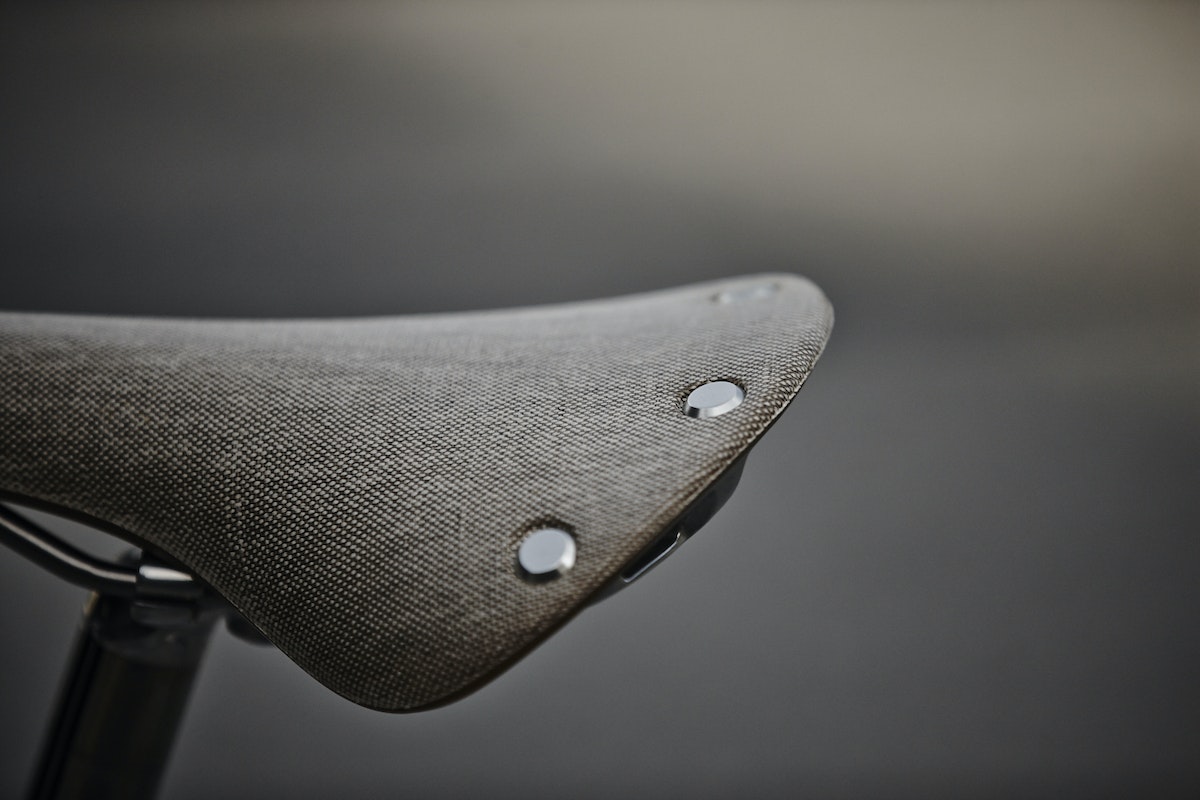
The next-generation bike saddle
A revolutionary new material that's instantly broken in.
When Brooks England decided to design its first new bike saddle in decades, it was essential that the design pay respect to the company’s heritage. Known for its craftsmanship, durable products, and quirky British insistence on doing things differently, Brooks has earned fierce loyalty from cyclists. But IDEO discovered a group of riders who were more in love with the idea of a Brooks saddle than the reality of having to earn a perfect fit on leather seats for your derriere over time.
Together, Brooks and IDEO created the Cambium C17, a seat that provides the same durability as traditional Brooks leather, but offers instant comfort and weather protection with a new material made of vulcanized natural rubber with a layer of woven organic cotton fused to the top. The winner of the Eurobike Gold Award upon launch in 2013, the C17 respects the essence of Brooks while reawakening the company's inventive spirit.
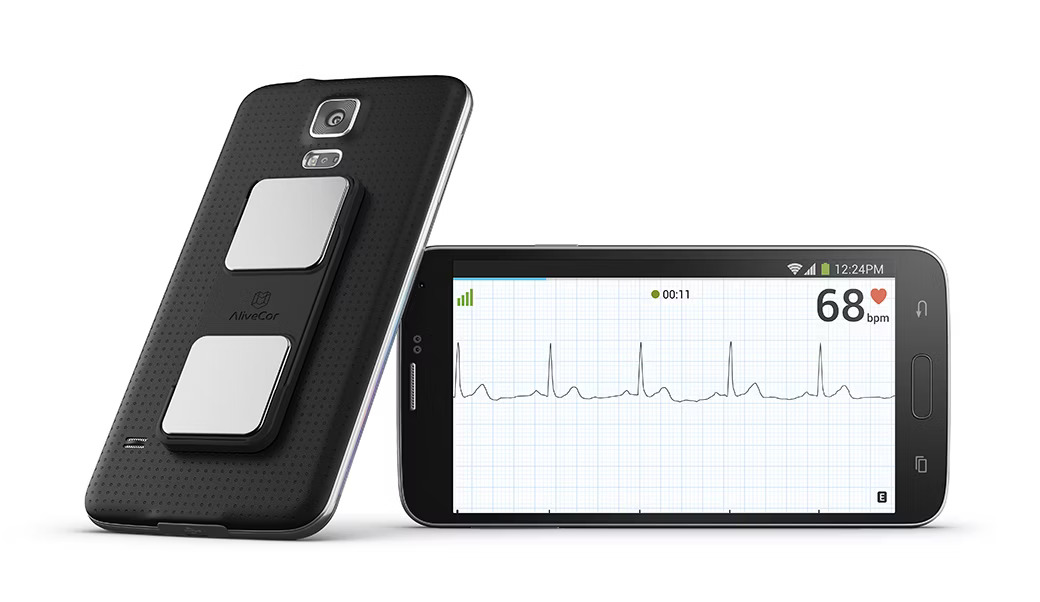
The next-generation heart monitor
Using mobile devices to help track heart health.
AliveCor asked IDEO to help design a monitor that fit into the user’s lifestyle and would make collecting information effortless.
The final result, the AliveCor Heart Monitor, is 50 percent thinner and 40 percent lighter than the earlier version, with all of the same medical-grade functionality. Today, patients use the monitor to record ECGs, detect AF and normal rhythms, and track a comprehensive list of symptoms, medications, and activities, putting their health and peace of mind into their own hands.
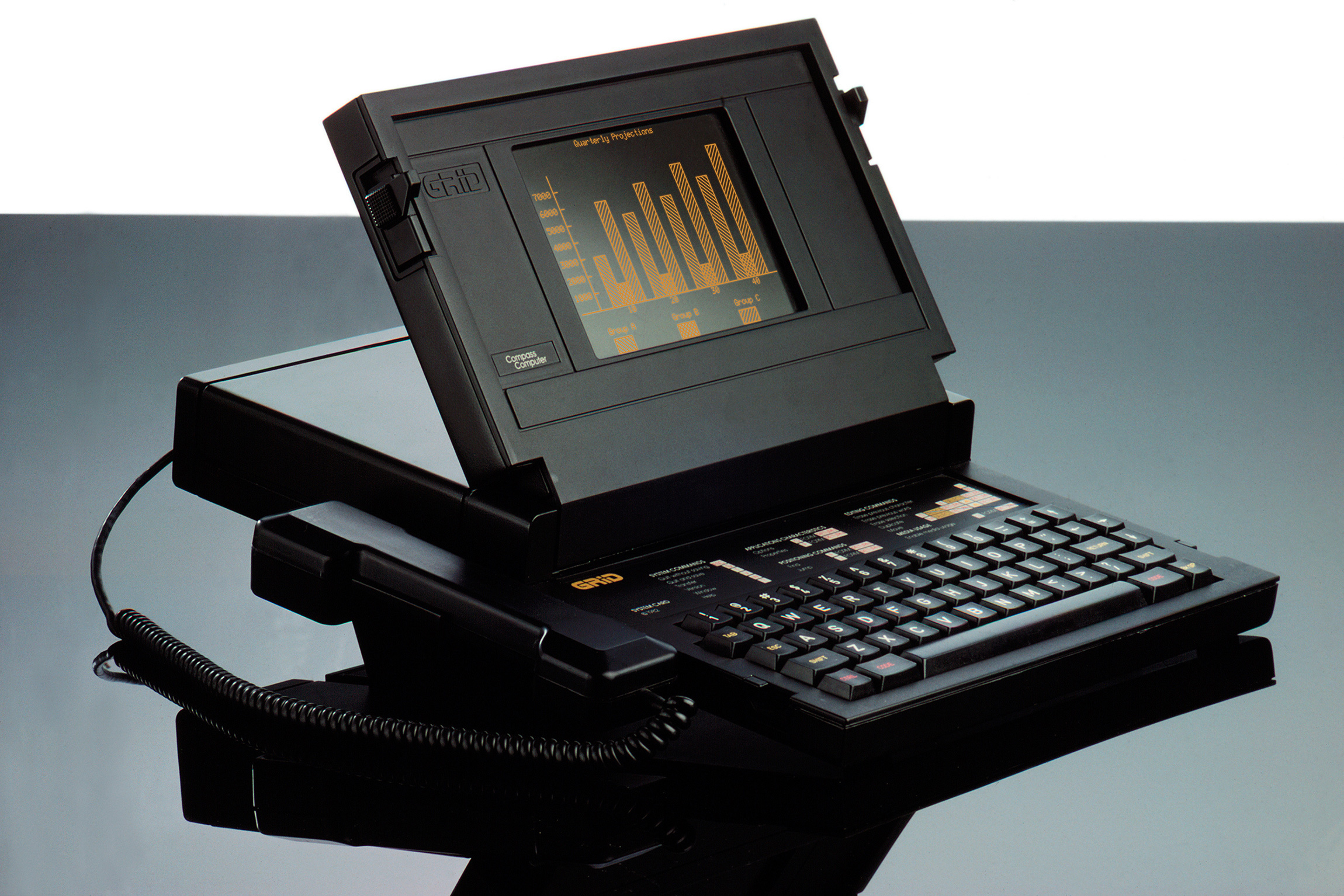
The first notebook-style computer
Turning bulky computers into businesslike laptop machines.
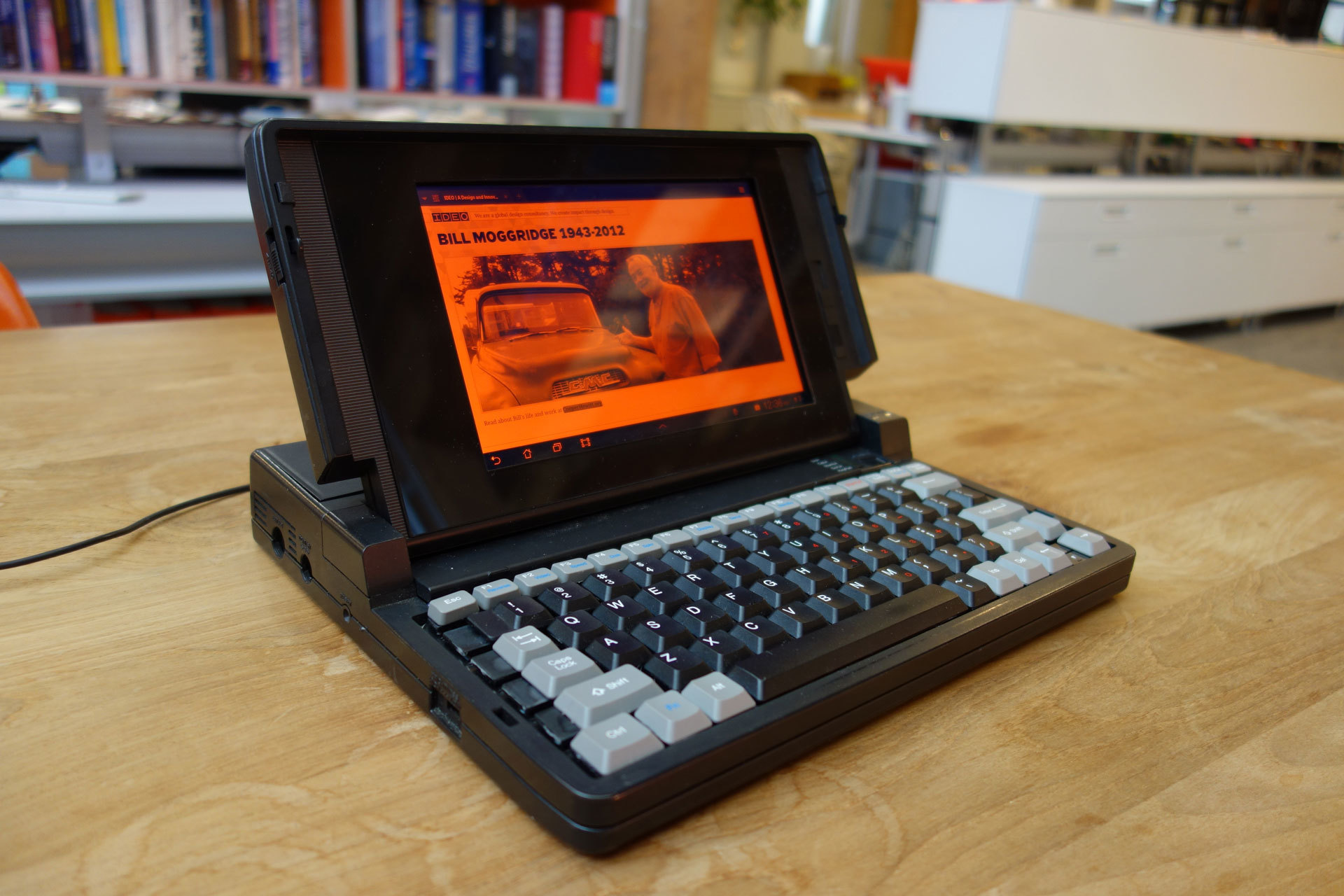
In the early 1980s, IDEO designed the first notebook-style computer for GRiD Systems, helping computers make the transition from bulky portable/transportable models to sleeker, more businesslike laptop machines.
In addition to sales revenues from the product, GRiD also received significant licensing revenues based on its ownership of the patented IDEO-designed configuration for laptops.
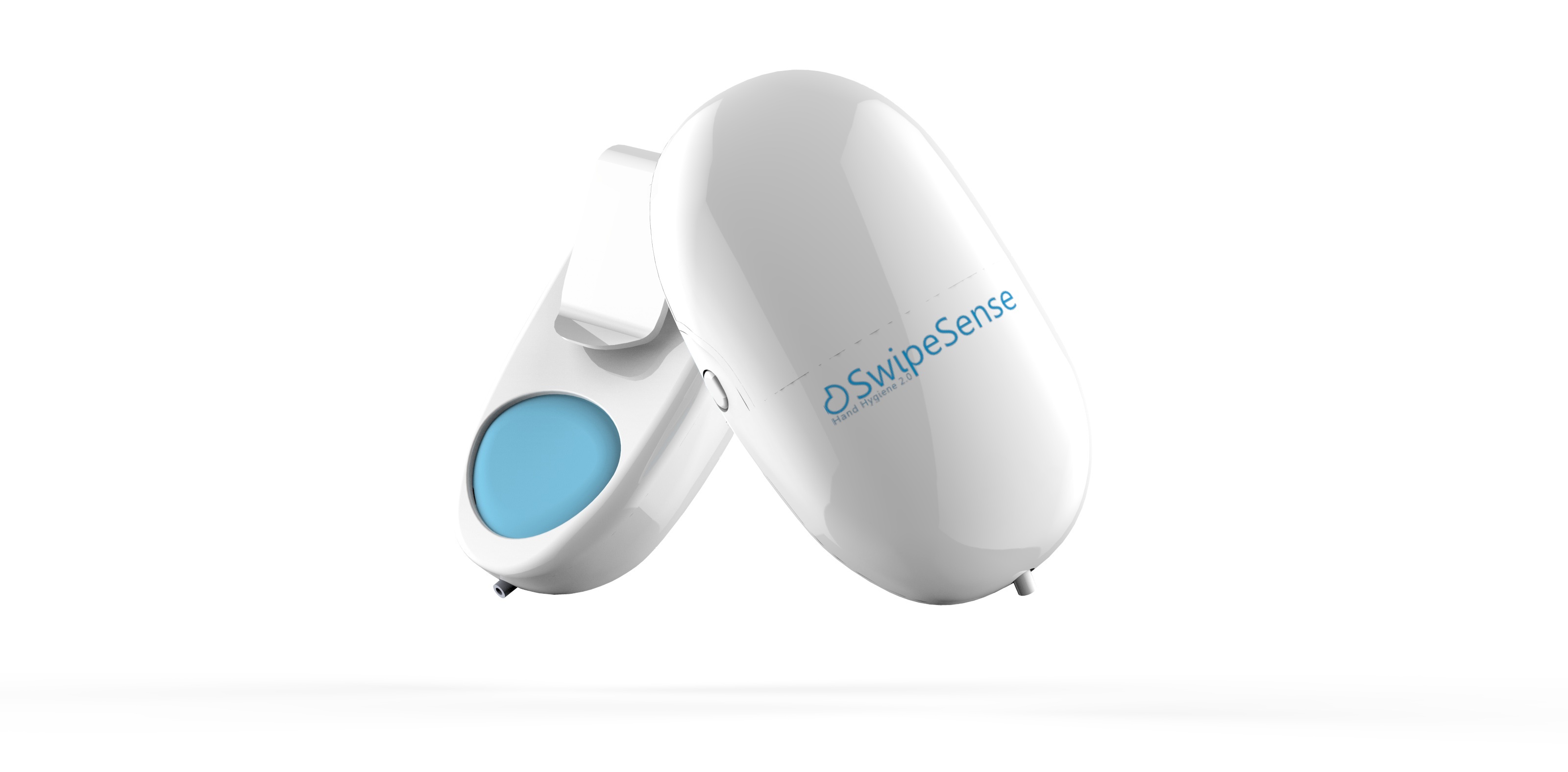
Stopping hospital infections in their tracks
Taking a personalized hand-sanitizing device to the next level.
Over 2 million Americans contract hospital-acquired infections (HAI), resulting in 100,000 deaths and over $30 billion in costs to the healthcare system per year. Experts agree: Simply improving staff hand-washing habits could prevent these needless infections.
SwipeSense, a healthcare startup founded by two Northwestern University graduates, aims to incentivize good hand-hygiene via smart, wearable alcohol-based gel dispensers that clip easily onto scrubs, with a web-based monitoring platform that records every time users disinfect their hands. Together with wall-mounted proximity sensors, the system wirelessly tracks hand-washing practices, allowing doctors and nurses to see and download daily, weekly, or monthly reports.
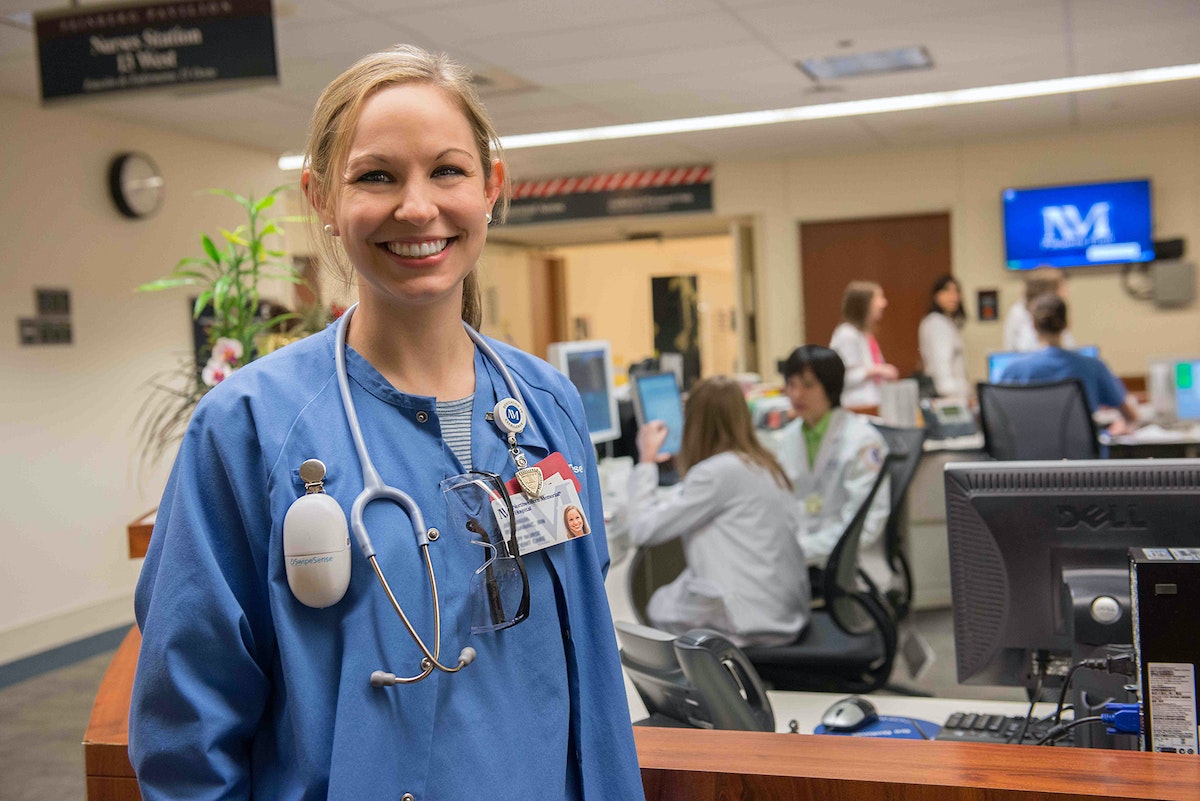
SwipeSense founders Iseri and Malina had developed a working prototype of the hand-sanitizing device and needed help pushing it to the next level. Together with IDEO, the teams evolved and refined the final physical and digital experience, and examined how an expanded data offering could provide added value to their business and the healthcare system at large.
After more than 70 design iterations, SwipeSense landed on the current sleek, modern, user-friendly design. The eventual goal: Make the patent-pending system ubiquitous in America’s 5,700 hospitals, much like wall-mounted hand-sanitizing devices are today—and save 100,000 lives each year.

7 Mindblowing Things We Saw at Ars
We went to Ars Electronica, Linz's annual celebration of art and tech, and here’s what we saw

1. Inferno, by Louis-Philippe Demers, Bill Vorn
How does it feel to have an exoskeleton move your arms and make you dance? Pretty weird. Inferno, one of the single most talked-about pieces at Ars, offered visitors the curious sensation of being remote-controlled by a machine.

2. RoBoHoN, by Tomotaka Takahashi with Sharp
Half robot, half smartphone, RoBoHoN runs, dances, talks, takes pictures and projects them. Plus, it’s cute. Like a mini butler. We came away asking: Will future smart devices be gadgety, or sleek and designy a la Apple?
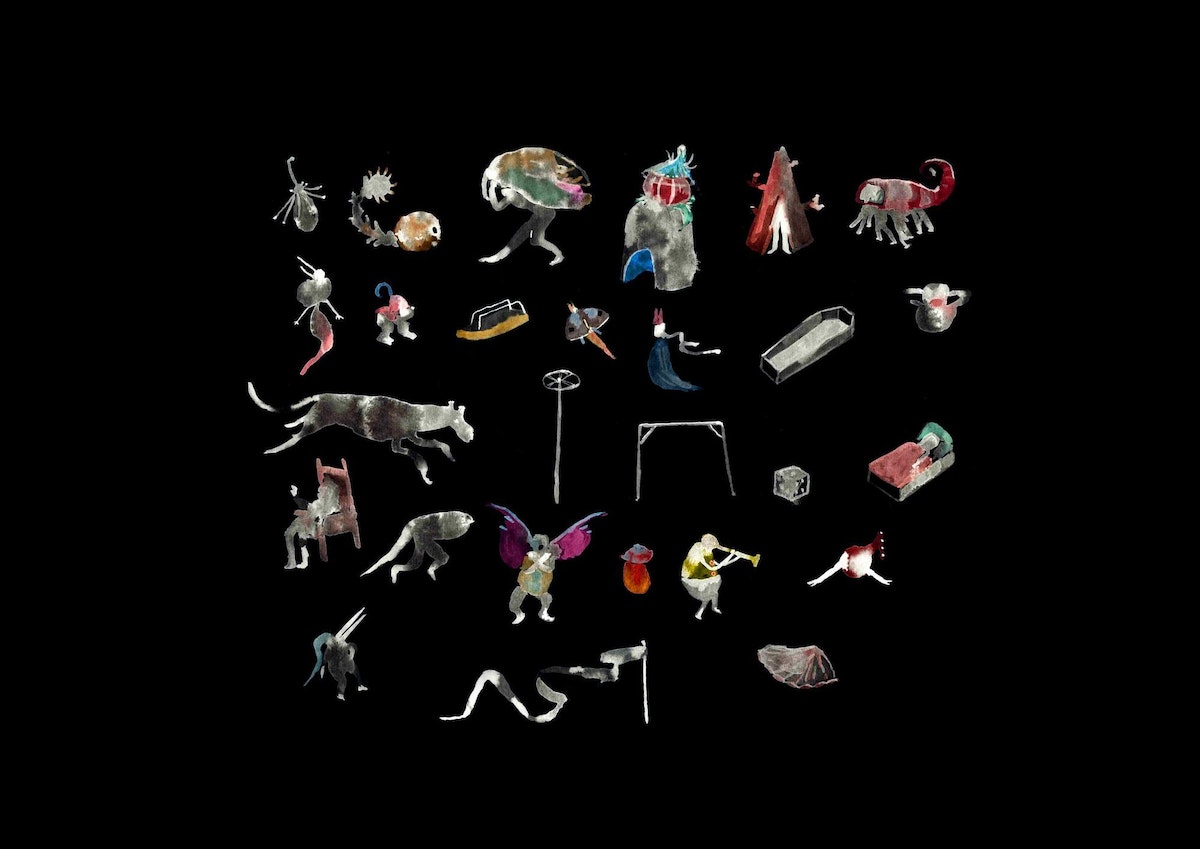
3. Rhizome Animation, by Boris Labbé
A hypnotising story about life on earth, and a good reminder of the power of mixing handdrawn images with computer-generated visuals. Designer Boris Labbé’s short film Rhizome is worth a watch.
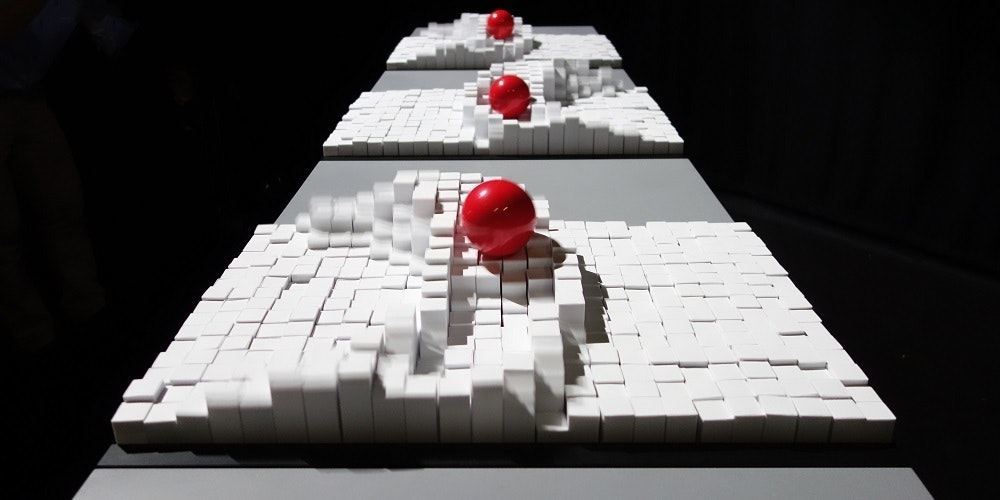
4. Radical Atoms Exhibition
If the MIT Media Lab has its way, we’ll control the physical world of atoms in the same way that we control the digital world of pixels. This exhibit hewed closest to the theme of the Ars festival: “Radical Atoms: the alchemists of our time,” including provocations around biology as a responsive, “second skin” interface; a physical shape display that can be manipulated from near or far; and wearable miniature robots that rove around your body. Take a trip down the rabbit hole.
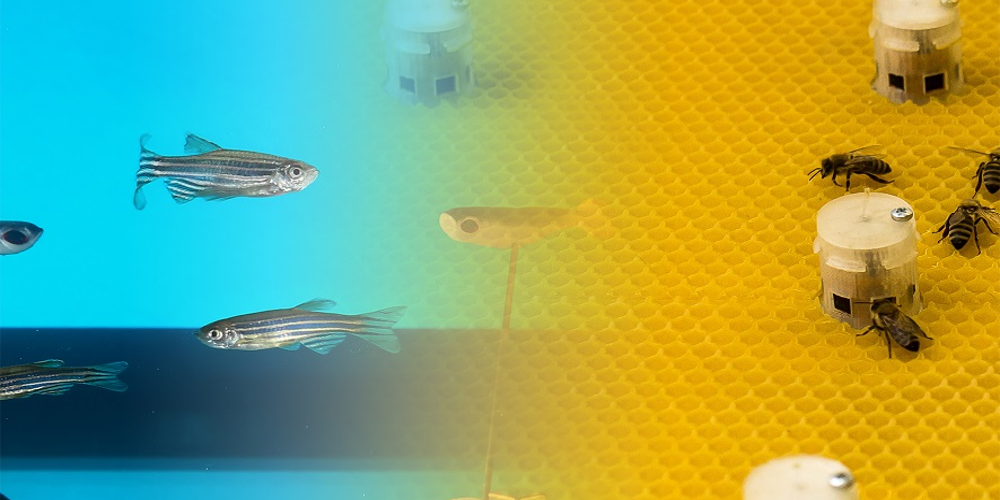
5. ASSISI, by Thomas Schmickl, Professor of Zoology at University of Graz
Tiny robots, placed among a society of fish and of bees, enabled the two to communicate and influence the actions of the other. Begged the question: how might we use robots to design and evolve swarm behavior in natural ecosystems?
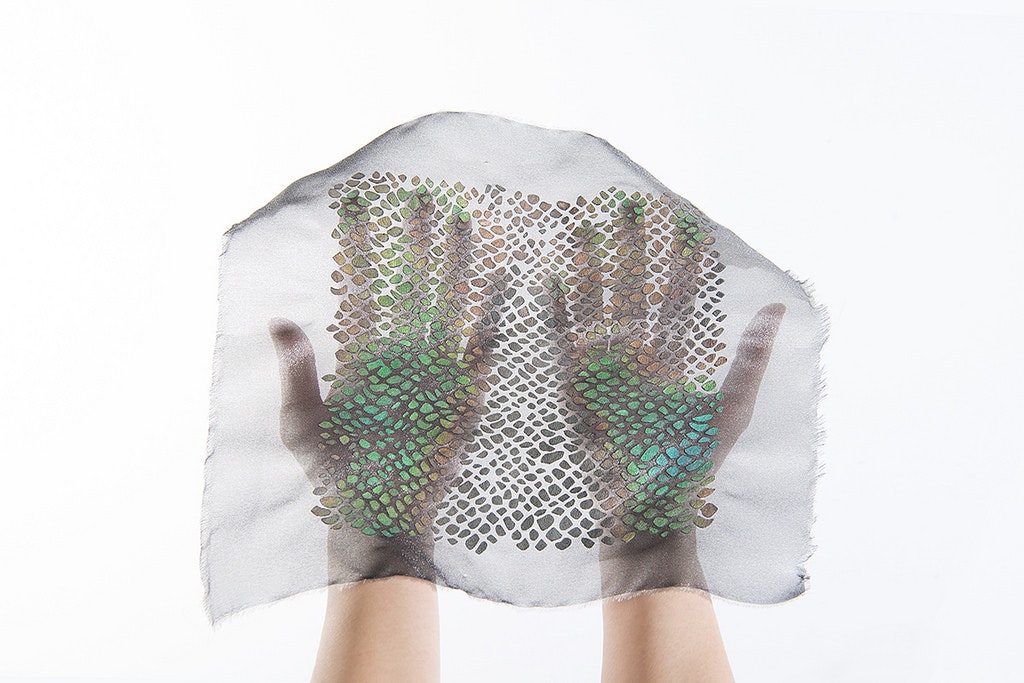
6. Artificial Skins and Bones, by Weißensee Kunsthochschule Berlin
We loved the variety of thinking from this group of students, who are exploring the design of artificial bodies. Ideas included everything from regaining physical ability through smart prosthetics; to enhancing an experience through haptic feedback; to the inevitable evolution toward augmentation, like color- and pattern-changing skin (above), inspired by the octopus.
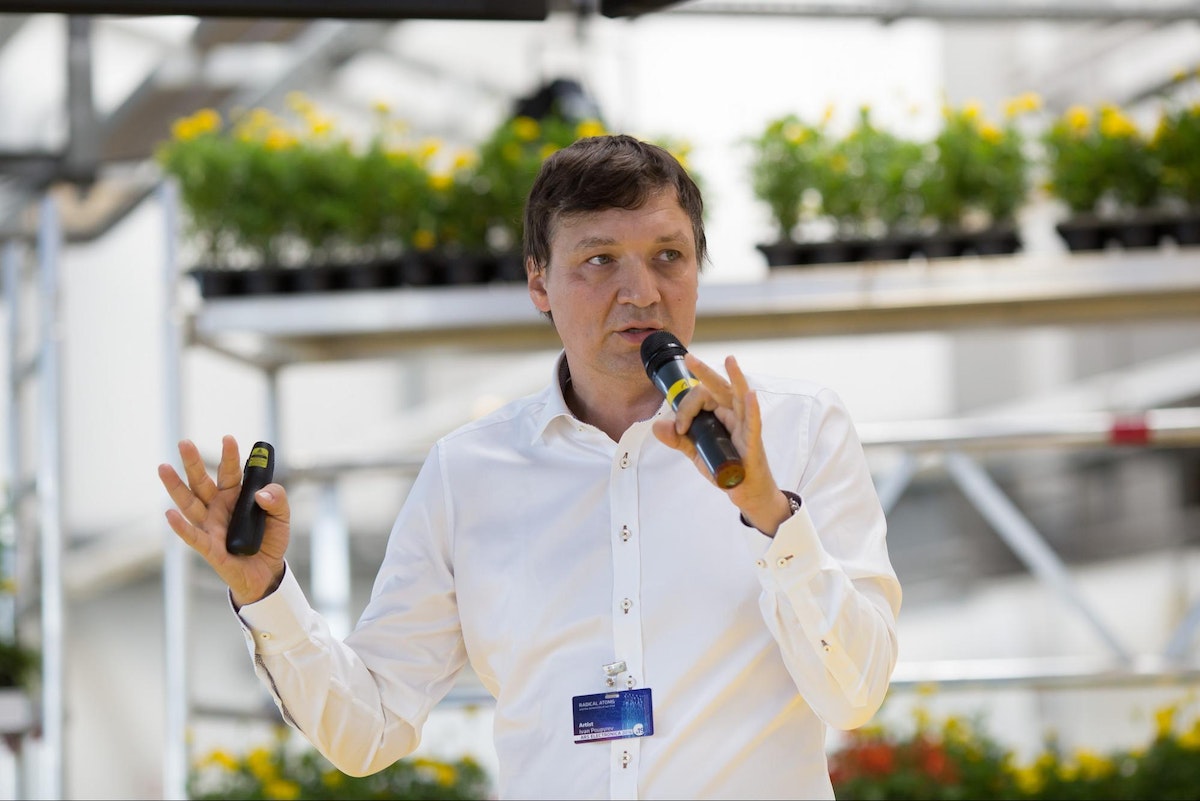
7. Innovation and Creativity on a Very Large Scale, by Ivan Poupyrev, Google ATAP
Poupyrev, head of Google’s Advanced Technology and Projects group, argued that constantly introducing new gadgets does not scale. What does scale is creating technologies enabling industries that manufacture basic goods, like jeans, to transform themselves. For Project Jacquard, ATAP invented a new type of conductive thread that can be woven into clothing (like a Levi’s jean jacket—the project was a collaboration between the two companies) giving it an invisible interface. These kinds of mutations are unpredictable, Poupyrev said, and driven by serendipity, emphasising the role of the artist in technological research.
For more about Ars Electronica, or to watch all the talks and presentations mentioned, check out their website: http://www.aec.at/
Header image by Martin Hieslmair. All images sourced from the official Ars Electronica Flickr.
We went to Ars Electronica, Linz's annual celebration of art and tech, and here’s what we saw: Exoskeletons. Dancing robots. Shape-shifting materials. Swarms of fish and bees. Skin. Just your average day in the surrealverse. Here are seven projects to watch:
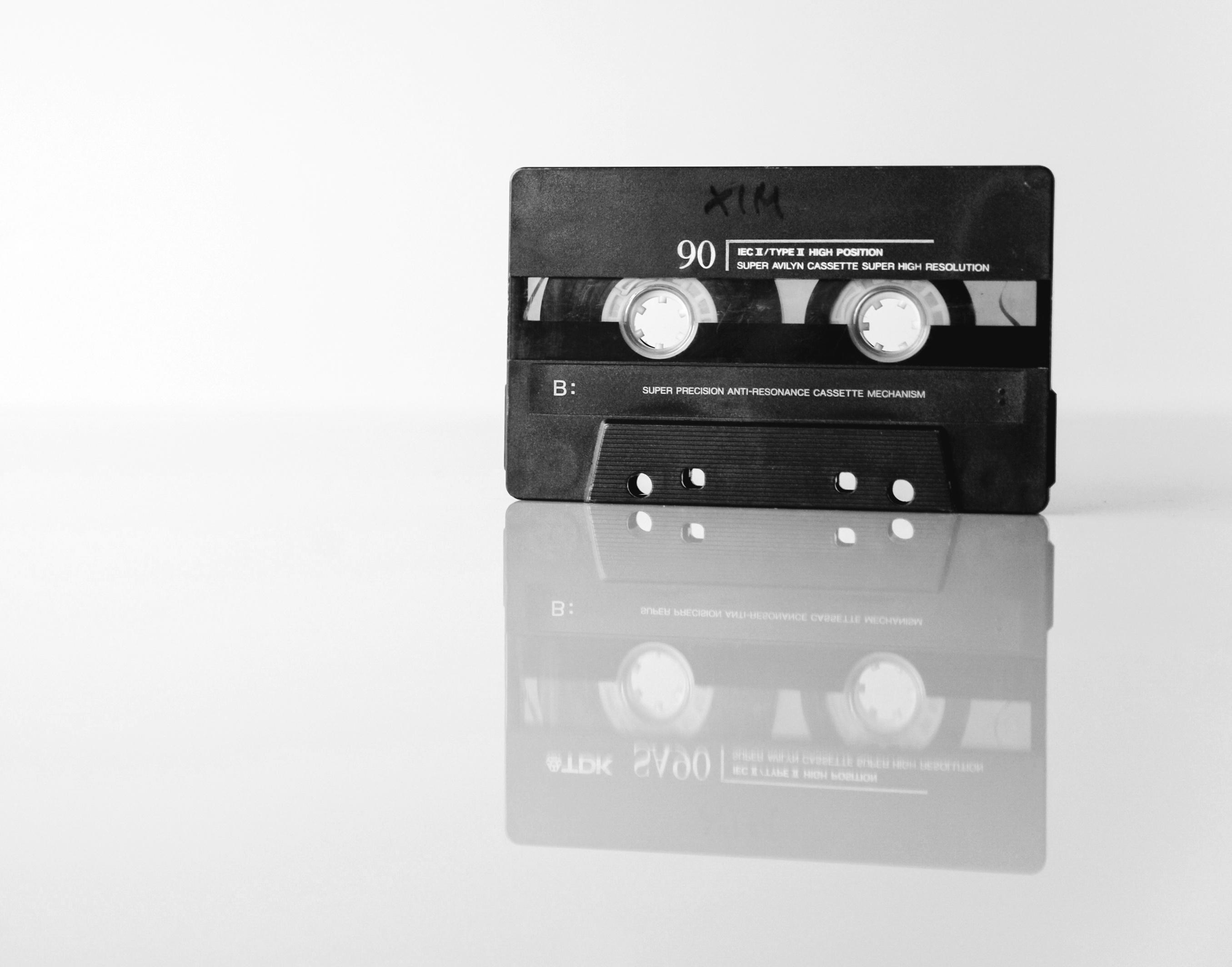
Designer’s Playlist #3
A few things IDEO San Francisco's Andrea Oh can't stop thinking about
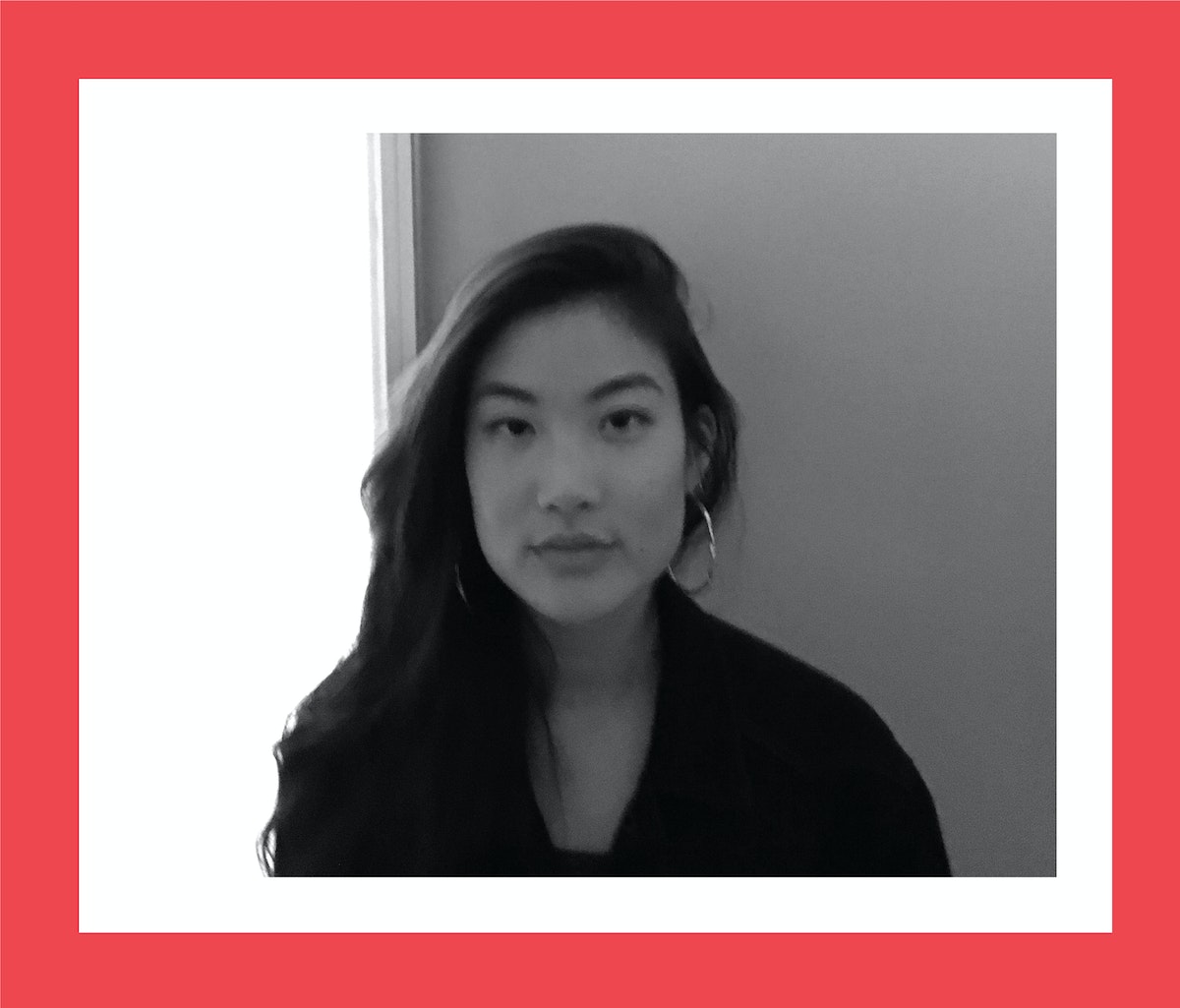
Name: Andrea Oh
Location: San Francisco
Role at IDEO: Front Desk Concierge, Experience team. Steward of magical work-life experiences. Gatekeeper of the guest Wi-Fi. (She guards it with a Gandalf staff made out of Twix chocolate).
Joined IDEO: August 2015
Instagram: @fermdaza
Titillating Fact: Matcha is my life! For someone who doesn’t drink coffee, a dose of matcha powder mixed in with water in the morning is my saving grace.
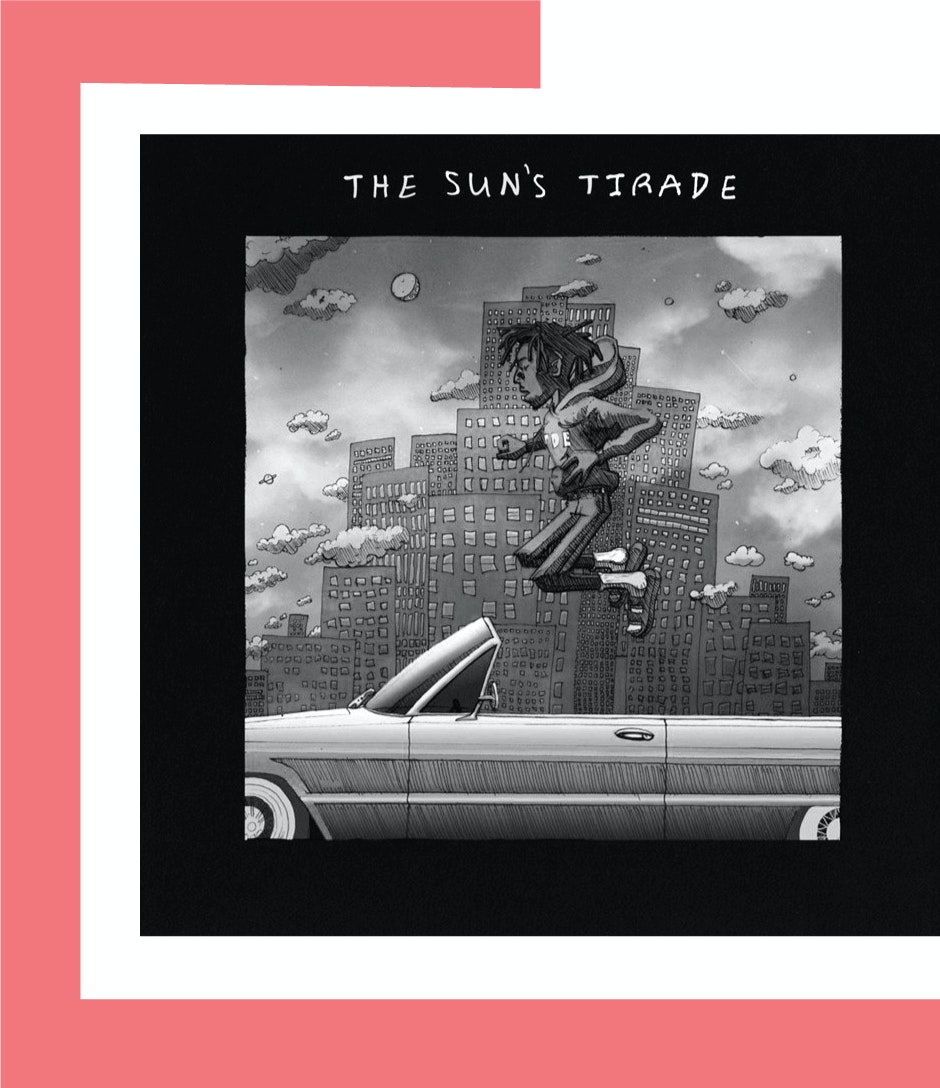
1. Isaiah Rashad: "The Sun’s Tirade" (2016)
There are a couple albums I’ve been gravitating towards in the past month, but the one that’s been in constant rotation—and I mean constant—is the debut release of Top Dawg Entertainment-signed rapper Isaiah Rashad, The Sun’s Tirade. His earnest, poetic musings on butter-smooth production make for perfect late-summer listening. Roll the windows down while you’re at it.
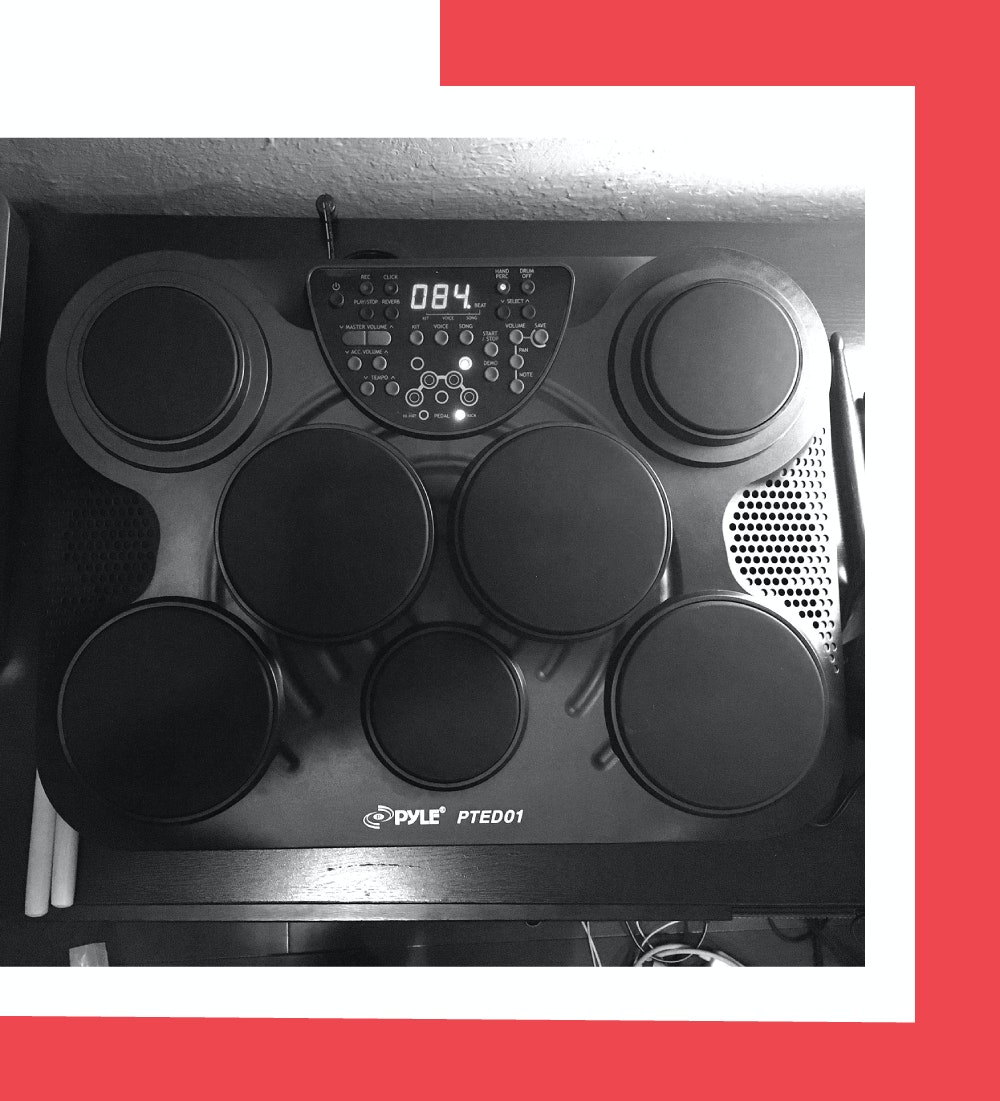
2. Drumming around with Pyle-Pro PTED01
I used to take drum lessons when I was younger and regrettably fell out of the habit of playing as I got older and distracted by high-school-Andrea things. I’ve had an itch to take it up again so I recently just purchased this electronic drum kit to practice exercises and learn new grooves and fills (YouTube tutorials are your friend). I don’t have the space to house a real set and classes in the city are steeper than I can afford, so this is a good alternative to keep that itch scratched.
3. Warsan Shire
I’ve been reaching a lot for Warsan Shire these days. She is a Somali-British writer, activist, educator—and one of my favorite female voices in contemporary poetry. She explores themes ranging from love, sexual violence, religion, war, displacement, and the immigrant experience. Her words are often sharp and unapologetic. I love that her writing is a celebration of womanhood and the female body, as well as a tribute to Somali culture and her ancestry.
Watch: Warsan Shire reads her poem “Conversations About Home (at the Deportation Centre)” from Teaching My Mother How To Give Birth.
Header image by Markus Spiske.
In this series, we ask IDEO designers to share the stuff they're digging right now—tools, books, music, sites, people, places—so you, too, can drink from the fount of inspiration bubbling up here. This week's guest star: Andrea Oh.
5 Ways to Get Creatively Inspired Before Breakfast
Kickstart your day with these creative exercises
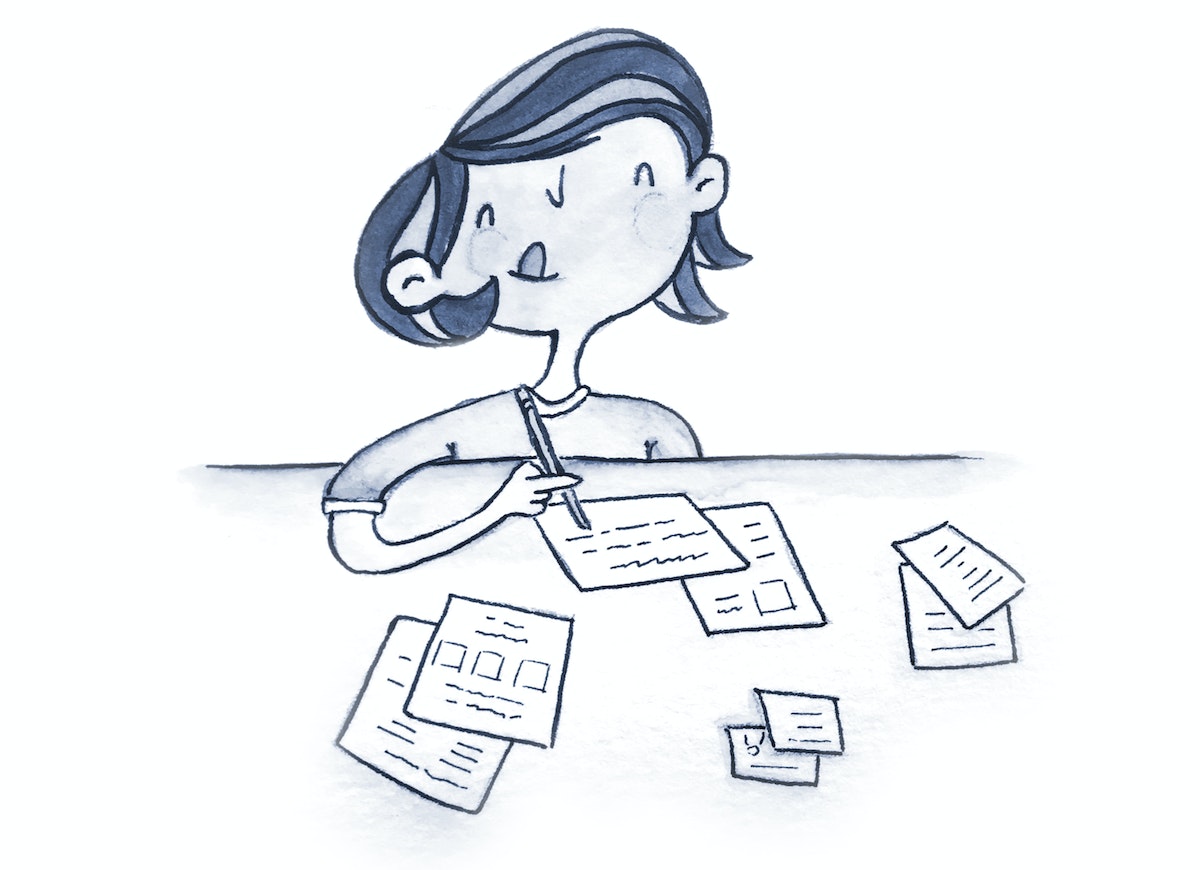
1. Free Writing
Creativity manuals like the Artist's Way talk about the power of the "Morning Pages"—a ritual in which you start writing just after waking up, and bang out some prose before your conscious, self-critical self has fully come online. Conveniently, there's an app for that. Flowstate is a word processor with a twist: You set a timer, then write until it dings. If you hesitate for more than a couple of seconds, the app will delete everything that you've put down so far. Although it sounds like torture, the app can actually help you let go of editing and enter a state of uncritical flow.
2. Phone Denial
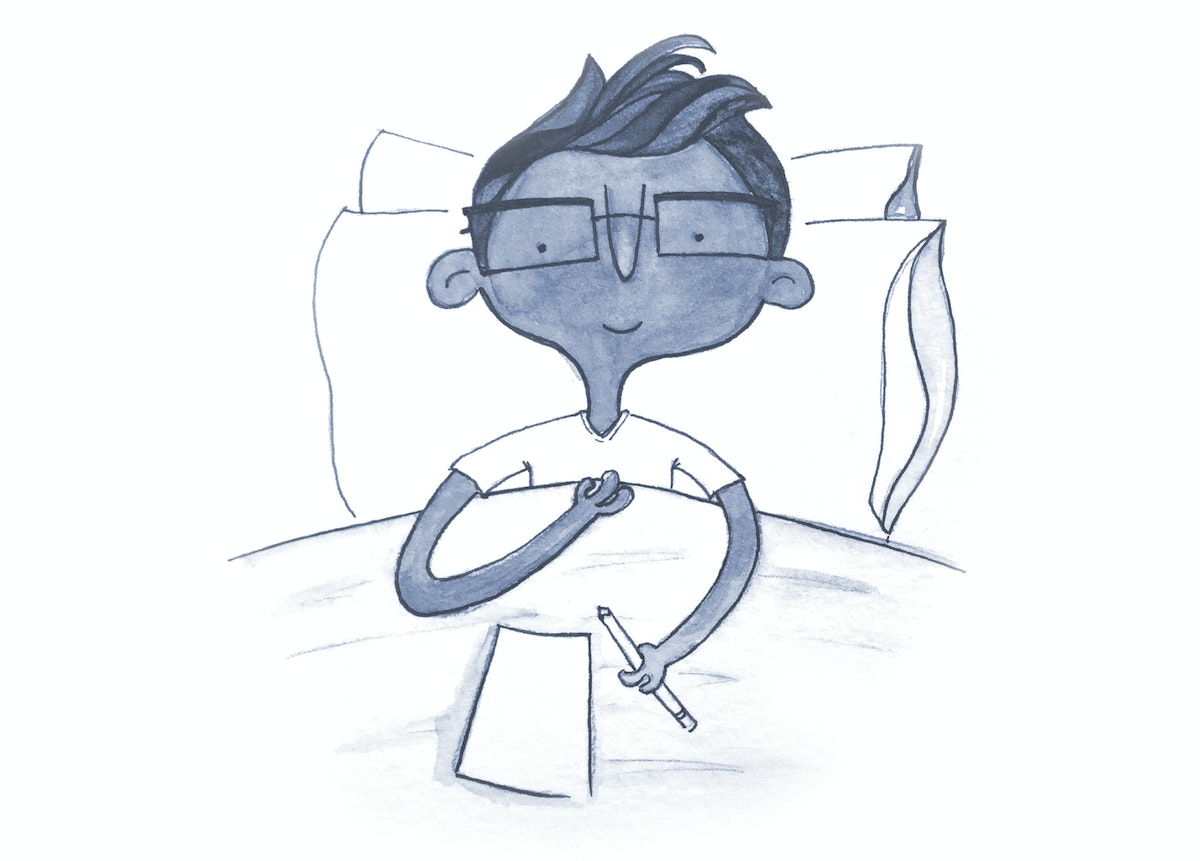
Before going to bed, move your phone charger to another room. Then, put a pencil and paper in its place on your nightstand. Now, when you wake up, instead of looking at Google News or Facebook, write down some thoughts that are related to how you're feeling, what is important for you, and how you're going to make a creative impact today. If that feels too involved right after waking up, draw a picture of something instead. Either way, don't let yourself get distracted by your phone until you've engaged your creativity.
3. Disposable Poetry
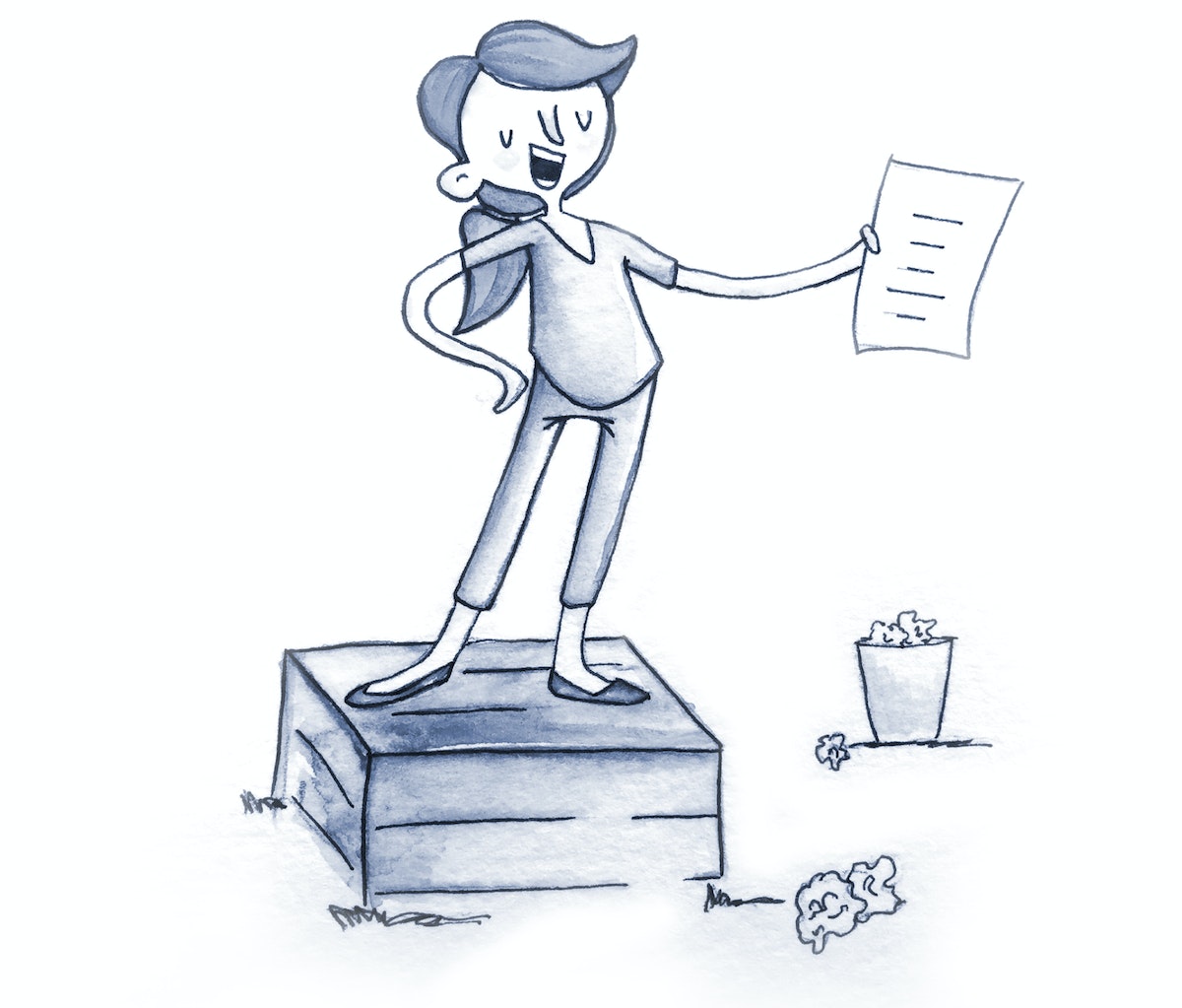
When Kurt Vonnegut was 84, he received a letter from a high school student, asking him to visit his school. The writer refused, claiming that he was now so old that he now "resembled an iguana." Instead of visiting, he sent a letter that contained a creative exercise. "Write a six-line poem, about anything, but rhymed. No fair tennis without a net. Make it as good as you possibly can." Then, Vonnegut said, the poem was to be torn up and discarded. "You will find that you have already been gloriously rewarded for your poem. You have experienced becoming, learned a lot more about what’s inside you, and you have made your soul grow." As a tribute to the great Mr. Vonnegut, try his ritual every morning.
4. Creative Collaging
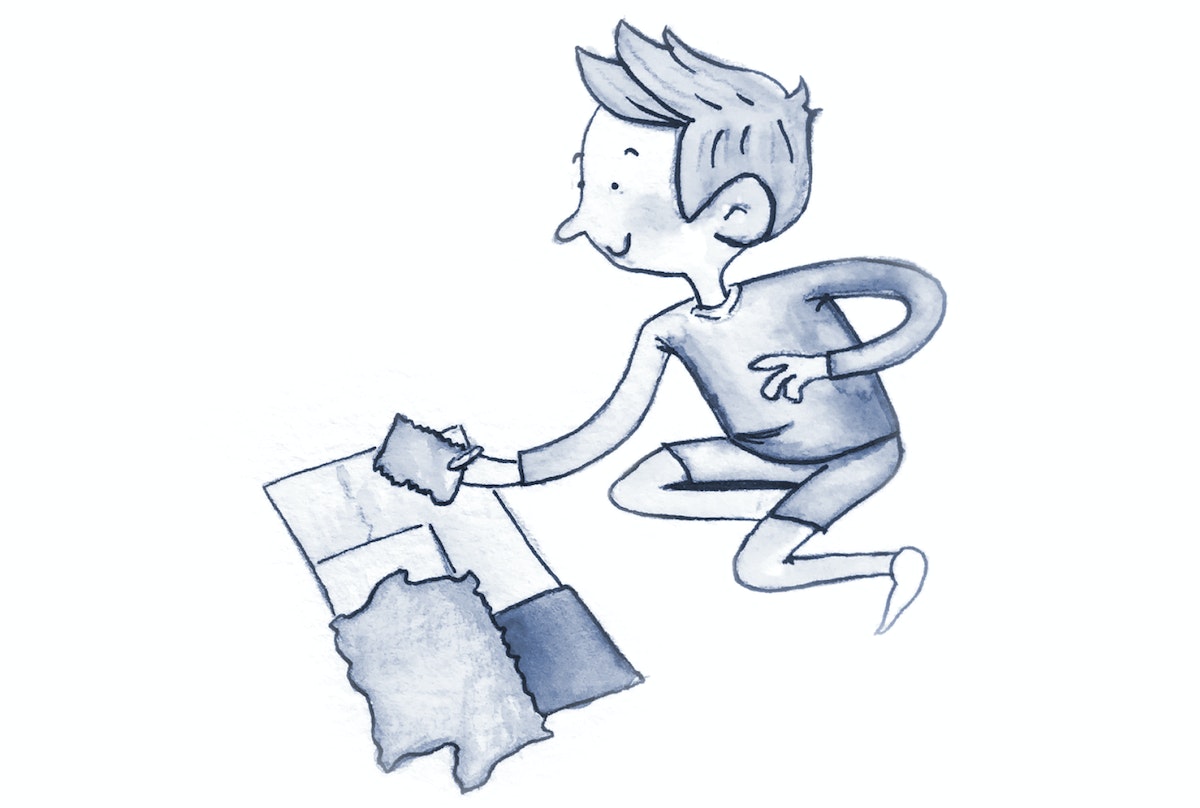
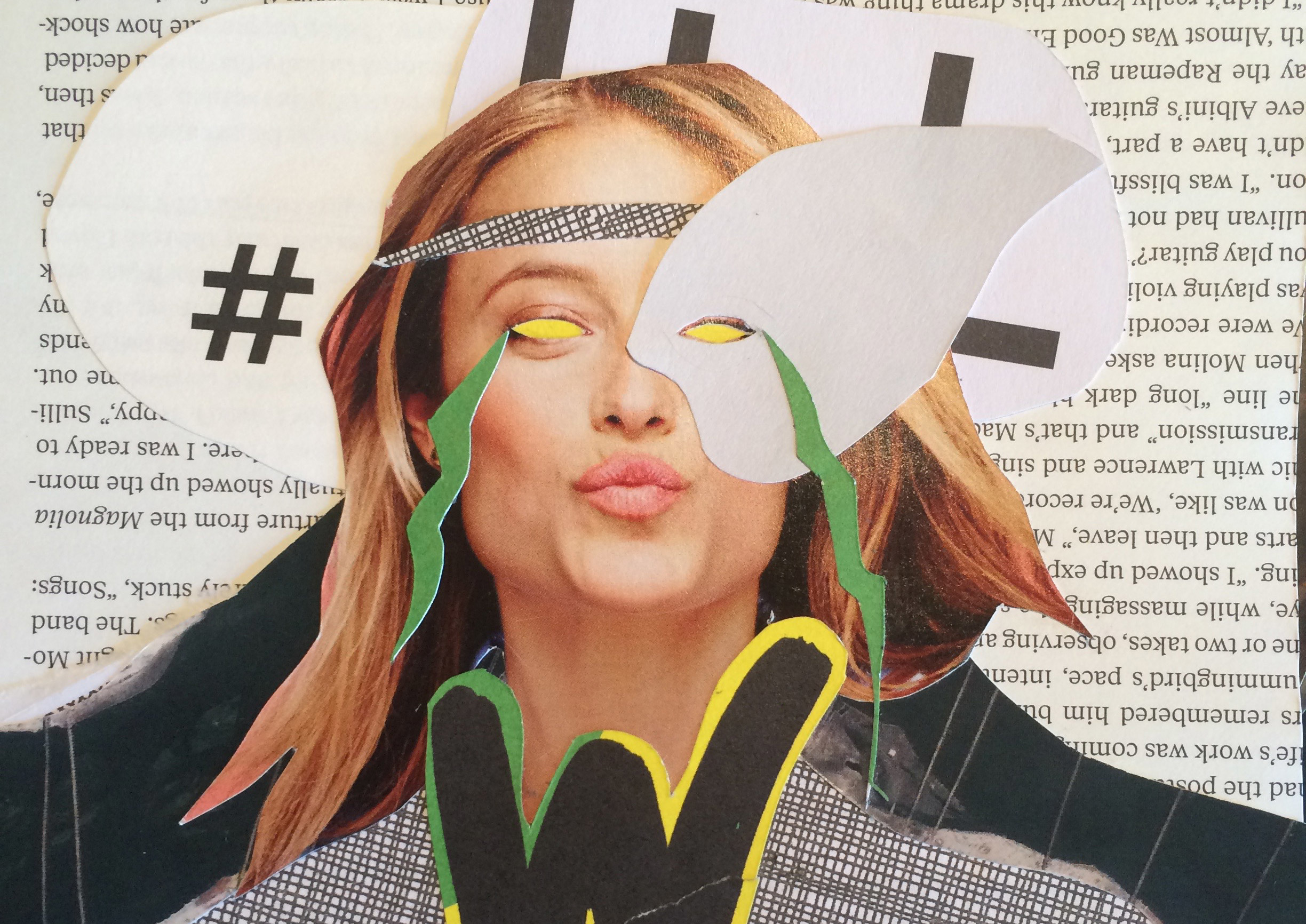
Collect any old magazines or catalogues lying around your house. Leaf through them and cut out any interesting pictures or headlines. Assemble these into a collage. Take a photo of the collage and post it to Instagram, Facebook, or whatever social media site you use. Doesn't that feel better than posting a picture of yourself playing with your dog, or the avocado toast that you had for breakfast? Of course it does. You just stepped away from the ordinary world for a moment and created something original. For bonus points, download the Boomerang Gmail extension, and you can email your pictures to your future self—in a month or even a year. Think of it as a way to remind future you to stay creative.
5. Walking and Observing
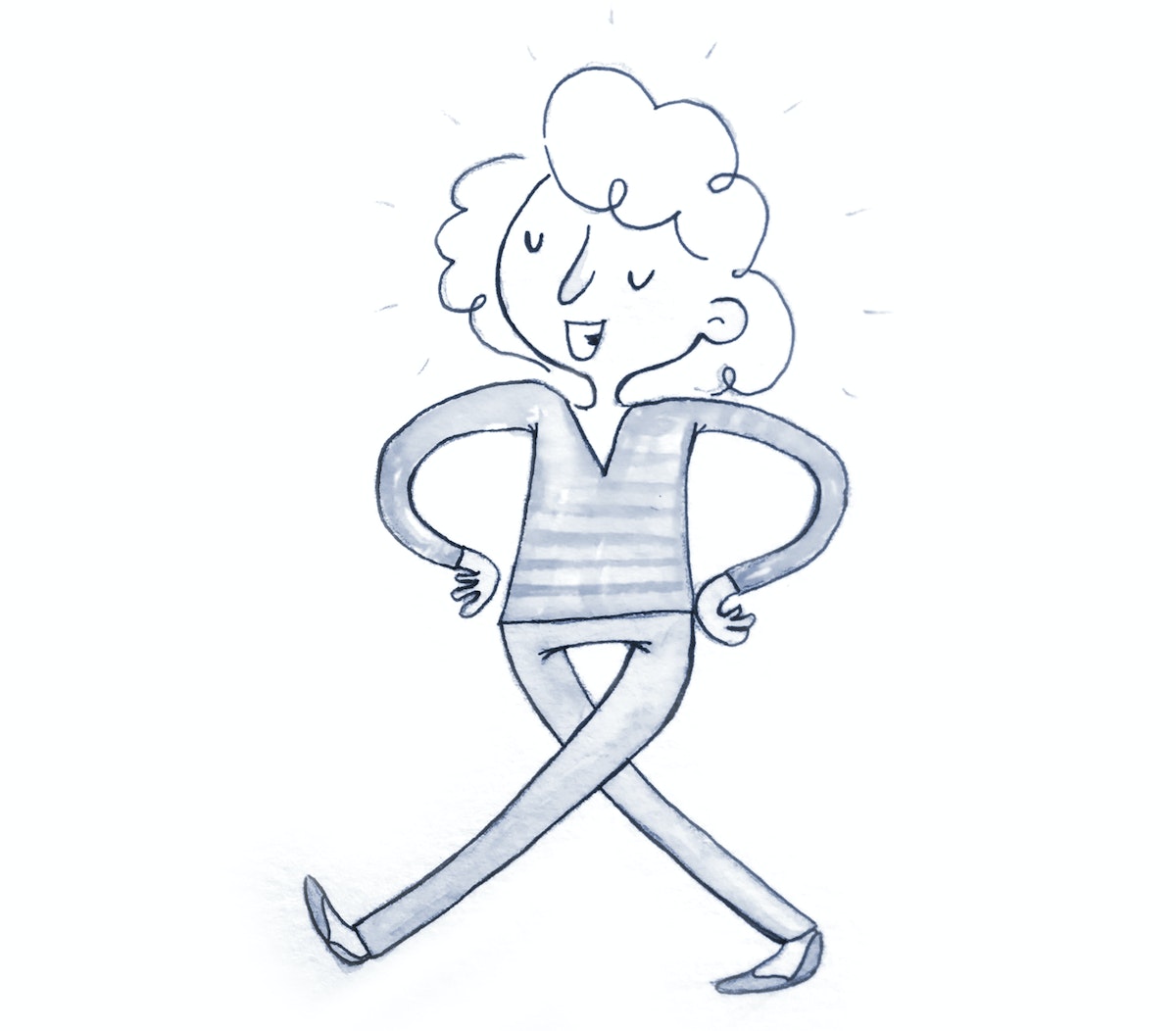
Everyone from Beethoven to Steve Jobs relied on the inspirational powers of a walk. Neuroscience backs up their belief: A walk will remove you from the distractions of conversations and technology, freeing the mind to explore new associations between the ideas already in your head. Why not skip breakfast altogether and walk to work? Look around as you do so, and see if you notice anything unusual or surprising in the environment. Take a gander at other people too. Try to put yourself in their shoes, and imagine what they're thinking or feeling. Remind yourself that everybody sees the world differently, and that this kaleidoscope of human perceptions and viewpoints is a wonderful thing. Remember that inspiration is all around you—you just have to stop occasionally to breathe it in.
Illustrations by Megan Crabtree.
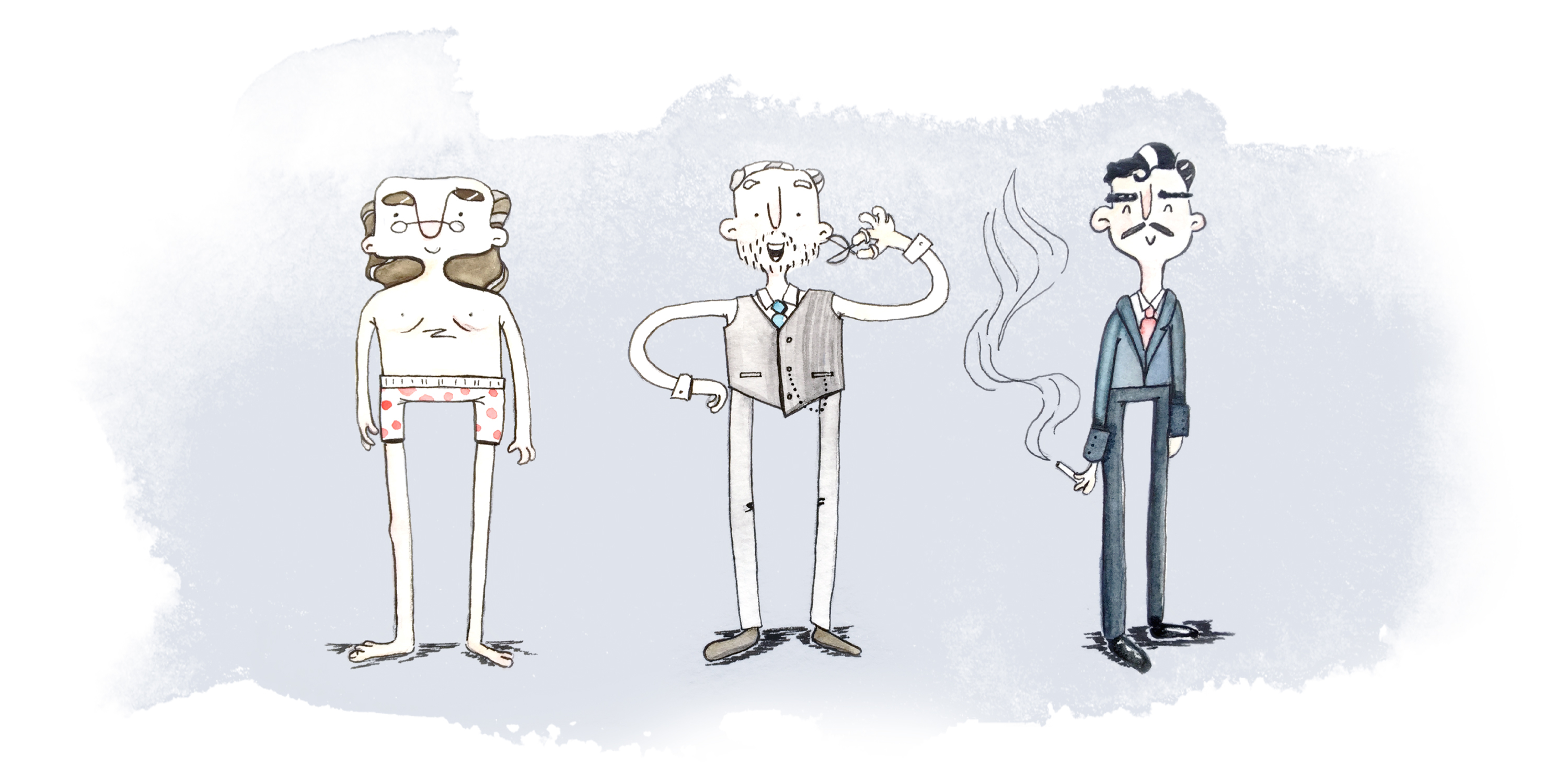
Benjamin Franklin used to spend his mornings naked. Sigmund Freud would trim his beard. Marcel Proust smoked opium. There are many ways to start the day in a creative frame of mind. If you want an alternative to being nude, beardy, or high, here are some of our favorites.
Calling All Lovers of Music and Bad Puns
We designed this post for you
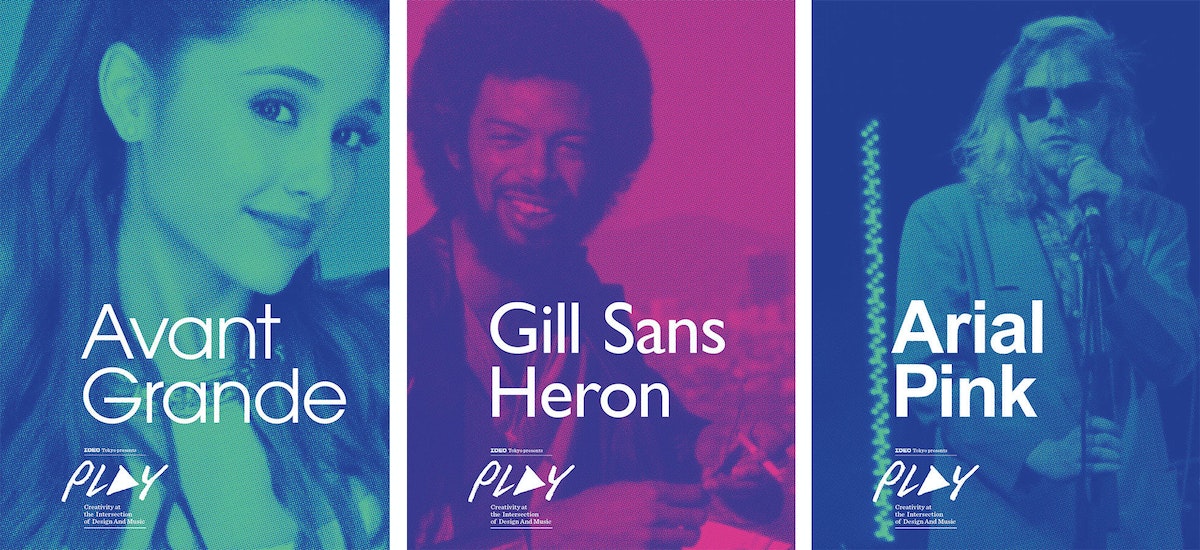
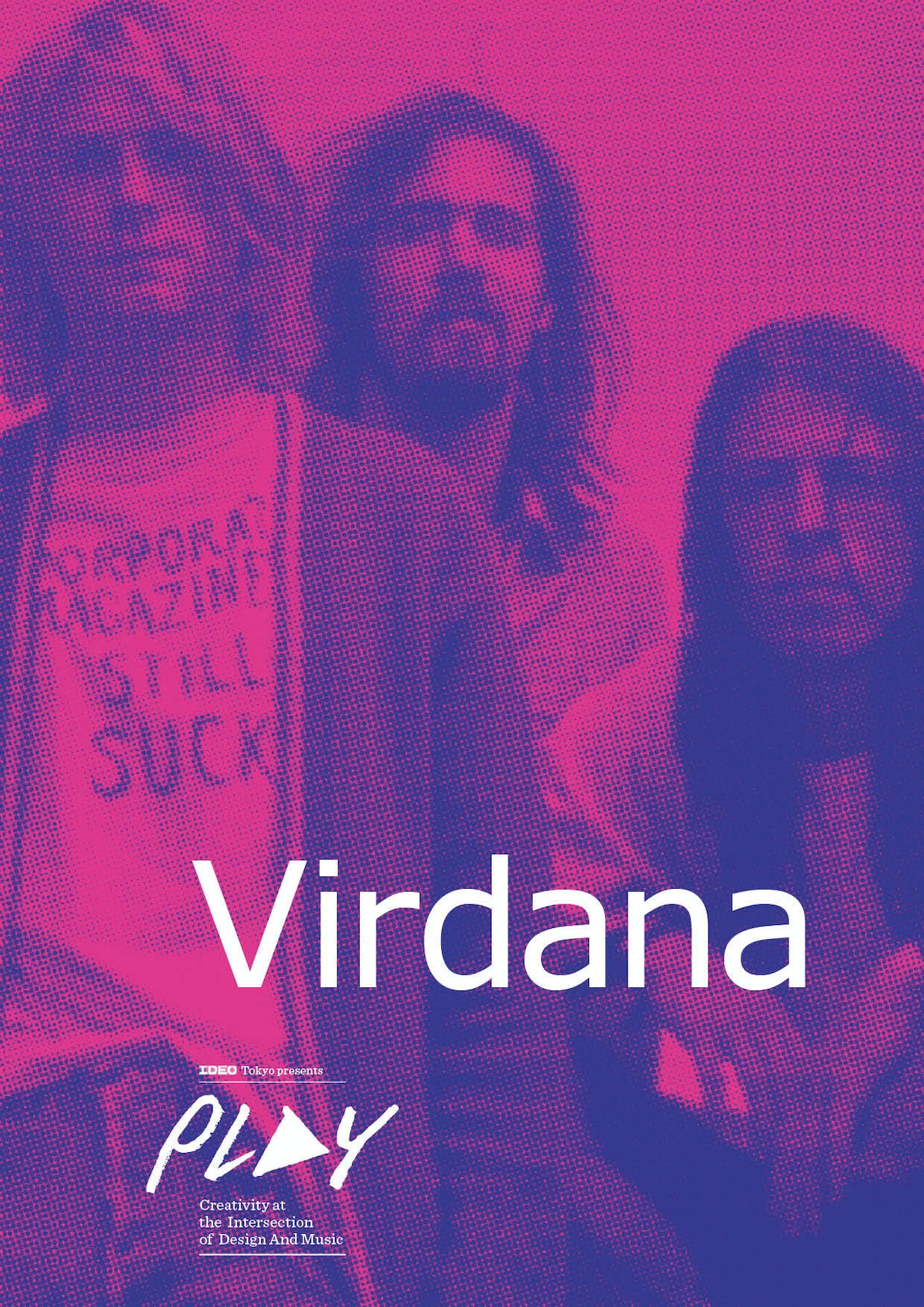
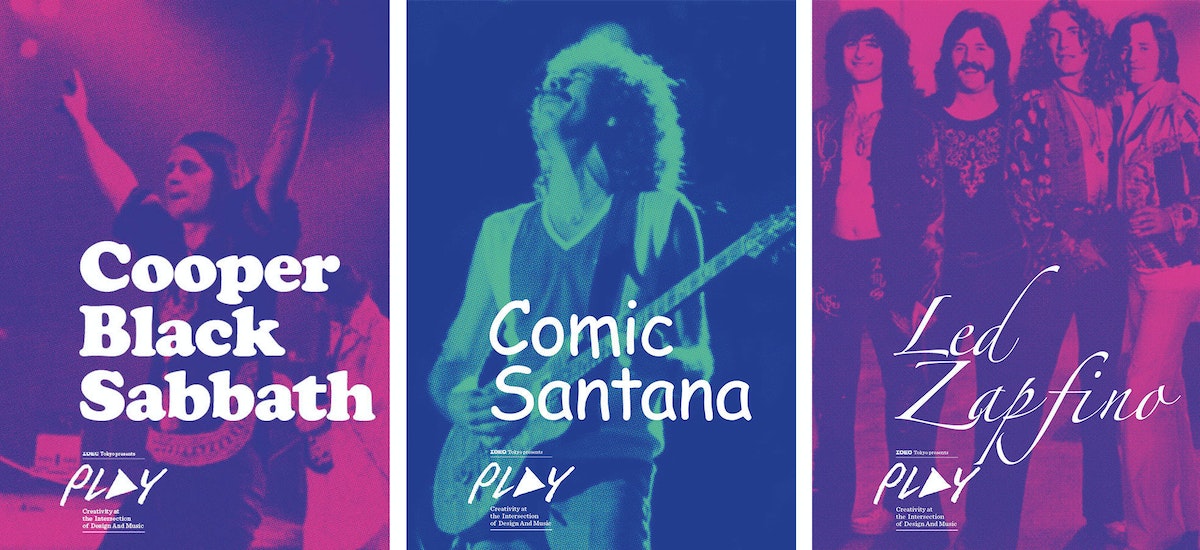
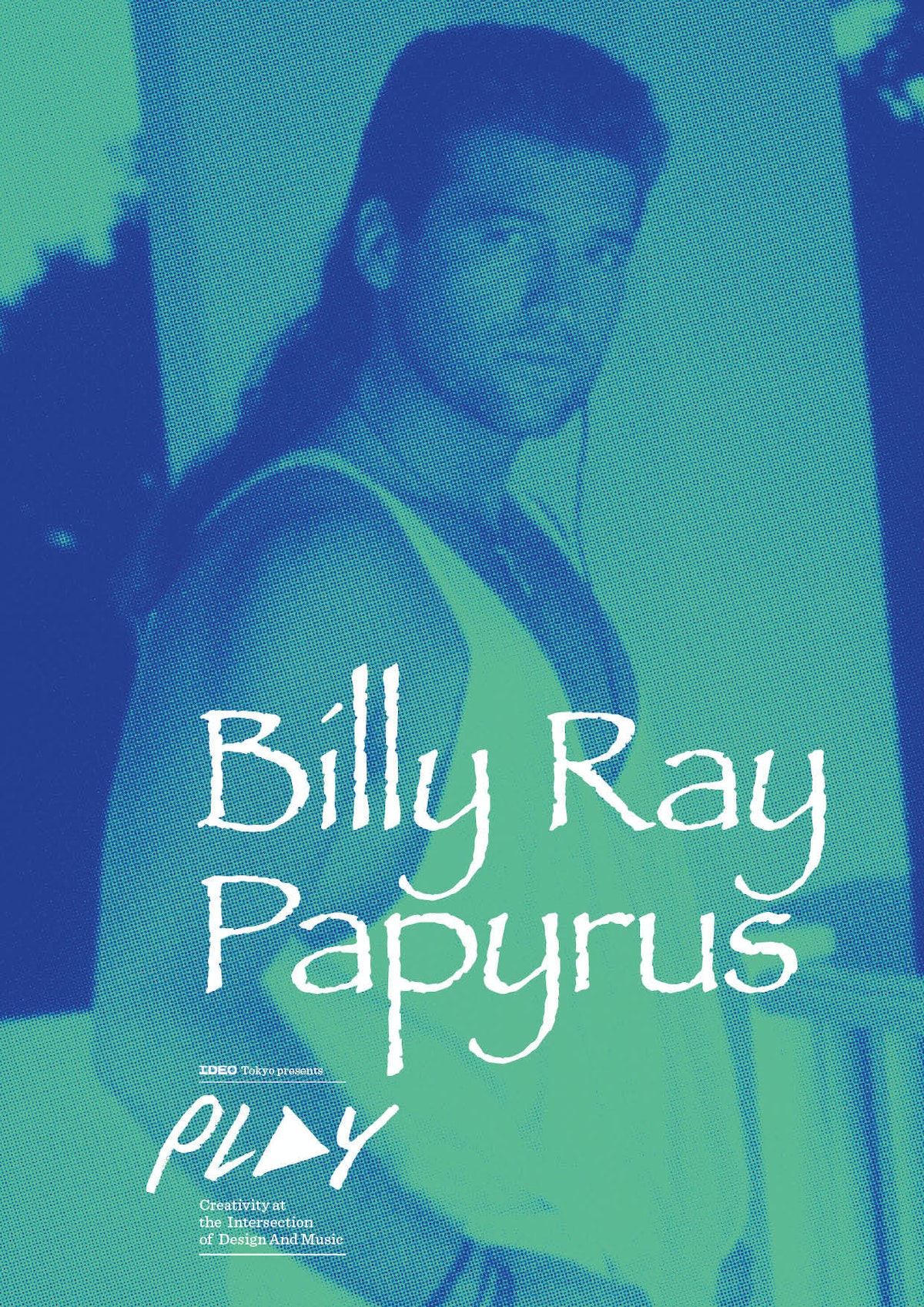
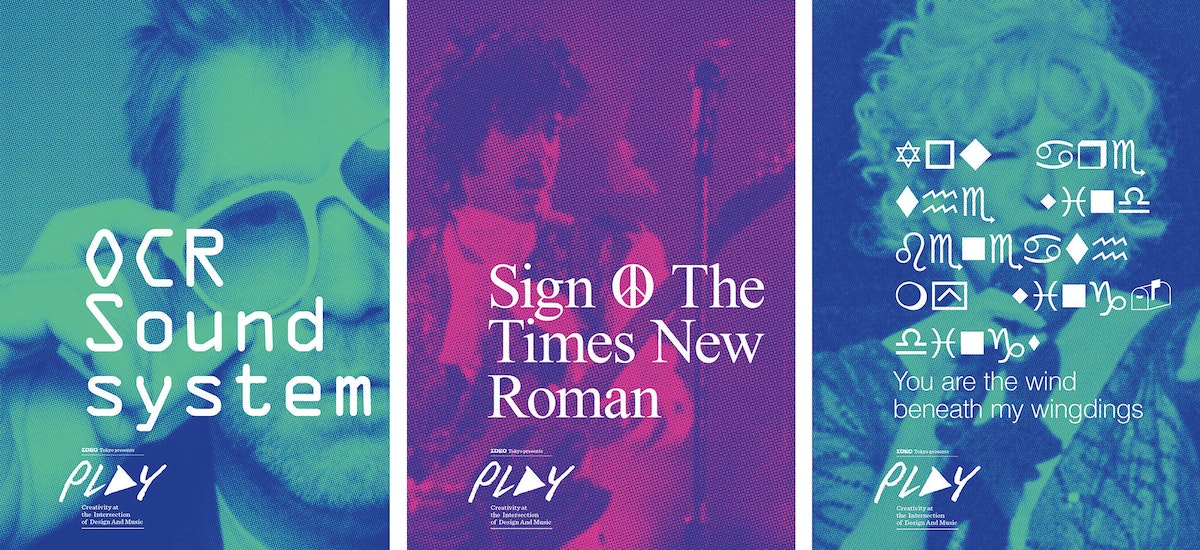
This post is a source of parody and is for entertainment, education and commentary purposes only.
You may have heard: Designers like fonts. They dream in Helvetica. Letterforms may play as central a role in a designer's life as their favorite bands. Knowing this, our Tokyo studio threw an event called "PLAY - Creativity at The Intersection of Design + Music." We needed posters to promote it, and asked ourselves: How might we bring music and design together? The exercise quickly devolved into a competition for who could come up with the worst font-band pun. There's a slim overlap in the venn diagram of people who appreciate both Frank Zappa and Zapf Dingbats, but that is exactly who we were aiming for. Got your own #ideobandfont? Do share.

Lindsey Turner
I’m passionate about building brands, products, and experiences that help organizations show up with meaning and momentum.
I help organizations cut through complexity by shaping how they show up, through brand strategy, identity, and storytelling.
Working at the intersection of brand and business, I bring an editorial eye and a bias toward making—turning ideas into tangible experiences that people can understand, trust, and believe in.
My work spans government, healthcare, financial services, media, and consumer goods, from launching Gen Z-focused ventures to building innovation labs and reimagining legacy brands. I relish moments of ambiguity and enjoy translating across teams, perspectives, and priorities to move ideas forward.
I started my career in editorial and digital design, shaping cross-platform experiences and identity systems in publishing and agency environments. That foundation still shapes how I work today: I’m detail-oriented, collaborative, and overreliant on the Oxford comma. I hold a BFA in Visual Communication from the School of the Art Institute of Chicago.

Rachel Young
My work helps organizations see who their products aren't working for—and build the will and the tools to do something about it
For 25 years, I've asked the same question: Who does this design exclude—and what are we going to do about it?
My work spans human-centered strategy, inclusive design, and qualitative research, with clients ranging from Microsoft, Google, and Verizon to the National Science Foundation, and San Francisco Unified School District.
Before IDEO, I taught elementary school in East Palo Alto and spent a decade doing design work with social service organizations—where I learned firsthand what it costs people when systems are built without them in mind.
I am currently writing User Error, a nonfiction book about digital access and the design decisions behind it. I live in Oakland, California.

Brian Pelsoh
I lead with craft, ensuring our work is creatively excellent: rooted in deep human insight and imagination, while also grounded in the realities of business and technology.
My expertise spans brand, communication, and product design across tech, education, the arts, and social impact.
I believe great work demands both high-level vision and obsessive attention to detail, and only happens through collaboration.
I bring an inclusive, hands-on approach and a deep understanding of business, which enables me to consistently deliver excellence while always asking why.
Before joining IDEO, I worked at the brand firms Pentagram and VSA Partners. I began my career as a designer, leading teams at the School of the Art Institute of Chicago and the Milwaukee Art Museum. I hold an MFA in graphic design from Maryland Institute College of Art and a BFA in communication design from the Milwaukee Institute of Art & Design, and have taught at some of the best design schools in the US.

Tony Wong
I am responsible for IDEO’s long-term success in China and working with clients to use design as a tool to enable growth.
I am responsible for IDEO’s long-term success in China and working with clients to use design as a tool to enable growth. Specifically, I have helped Chinese companies design holistic brand solutions through the development of their products, communication, services, and innovation teams, and I have helped multinationals expand their presence and influence in China.
I advise global leaders on developing China-led innovation and capabilities.
In over 15 years in IDEO Shanghai, I have worked on projects that use design to elevate the quality of the experience of healthcare products and services, streamline processes that increase productivity, create spaces and programs that promote and enable inclusive communities, and build next generation mobility solutions that are planet-positive.
Before joining IDEO, I worked at Philips Electronics and the Electrolux Group in Italy, the Netherlands, and Singapore on a number of breakthrough commercial products. I am a member of the Young President Organization in Shanghai.

How to use AI as an editor, not a writer
Ed White shares how he uses AI as an editor—not a writer—to sharpen storytelling, rehearse ideas, and preserve the productive friction that makes creative work better.
Ed White has a rule he's tested on his own writing: hold yourself as the writer, and let AI be your editor. Ed is a Senior Design Director at IDEO's London studio, where he co-leads the firm's AI portfolio across Europe. Before IDEO, he spent 12 years as a writer and editor at the Financial Times, Wired, and Contagious. So when he talks about when to use AI for storytelling and when not to, it comes from two decades of crafting his storytelling skills.
In this episode, Mina Seetharaman talks with Ed about two specific tools he uses to keep AI in an editor's seat: a "roasting agent" prompted to critique his drafts without any sugarcoating, and a simulated audience he rehearses pitches on before the real thing. They also get into what Ed is hearing from design leaders at Anthropic, Lovable, Shopify, and Google Creative Lab about how creative work is changing, and why he thinks the friction of writing something yourself is worth protecting rather than automating away.

Building a personal AI for the messiness of life: Sida Li
Becca Carroll talks with Cue co-founder Sida Li about designing a personal AI for the messiness of everyday life—not just work. They explore how Sida stays anchored to human needs while navigating fast-changing technology, product tradeoffs, business-model experimentation, and the realities of building an AI company today.
Most AI products today are built for work—a space with clear problems and established systems. One founder noticed a gap: personal life is messier, harder to systematize, and mostly left behind by the AI boom. So she built Cue, a personal AI that lives inside iMessage and group chats, to go where the other tools haven't.
In this episode, Becca Carroll, IDEO's Chief Strategy Officer, talks with Sida Li, co-founder and CEO of Shared Context Lab, about staying anchored to a human need while the technology around her keeps changing shape, why she treats her business model with the same rigor she'd bring to a product, and what it feels like to build a company at this particular, disorienting moment in AI.
The conversation also gets into how Sida makes design decisions: the language Cue uses to describe itself, the tradeoffs behind building inside iMessage instead of a new app, and a real story about a business idea that didn’t pan out.
This is the second in a two-part series profiling founders from IDEO's Startups-in-Residence program. The first conversation is with Johannes Seemann, founder of Sooner, on designing GenAI for the emotional side of money.

Designing GenAI for the emotional side of money: Johannes Seemann
Designing financial tools around the feelings that shape money decisions.
Most personal financial tools are built to run the numbers and optimize towards a budget. While that works for some, most people experience money as a lived relationship that does not neatly fit into a spreadsheet. Johannes Seemann and Becca Carroll discuss why money is emotional before it is mathematical, and what a human-centered approach to building a generative AI financial product looks like in practice.

The curious leader's edge in uncertainty: Scott Shigeoka
How genuine curiosity helps leaders navigate uncertainty with greater confidence.
Mina Seetharaman talks with Scott Shigeoka, author of Seek and Head of Curiosity Cultivation at the Eames Institute, about what distinguishes genuinely curious leadership from performative curiosity, how power dynamics shape curiosity, and why practicing curiosity can restore energy rather than drain it.
Looks like you might be in search of something very specific?
Or reset the filters above and try another angle.
Here’s some random inspiration

Podcasts about creative leadership

Articles about the power of prototyping











.webp)