
.svg)


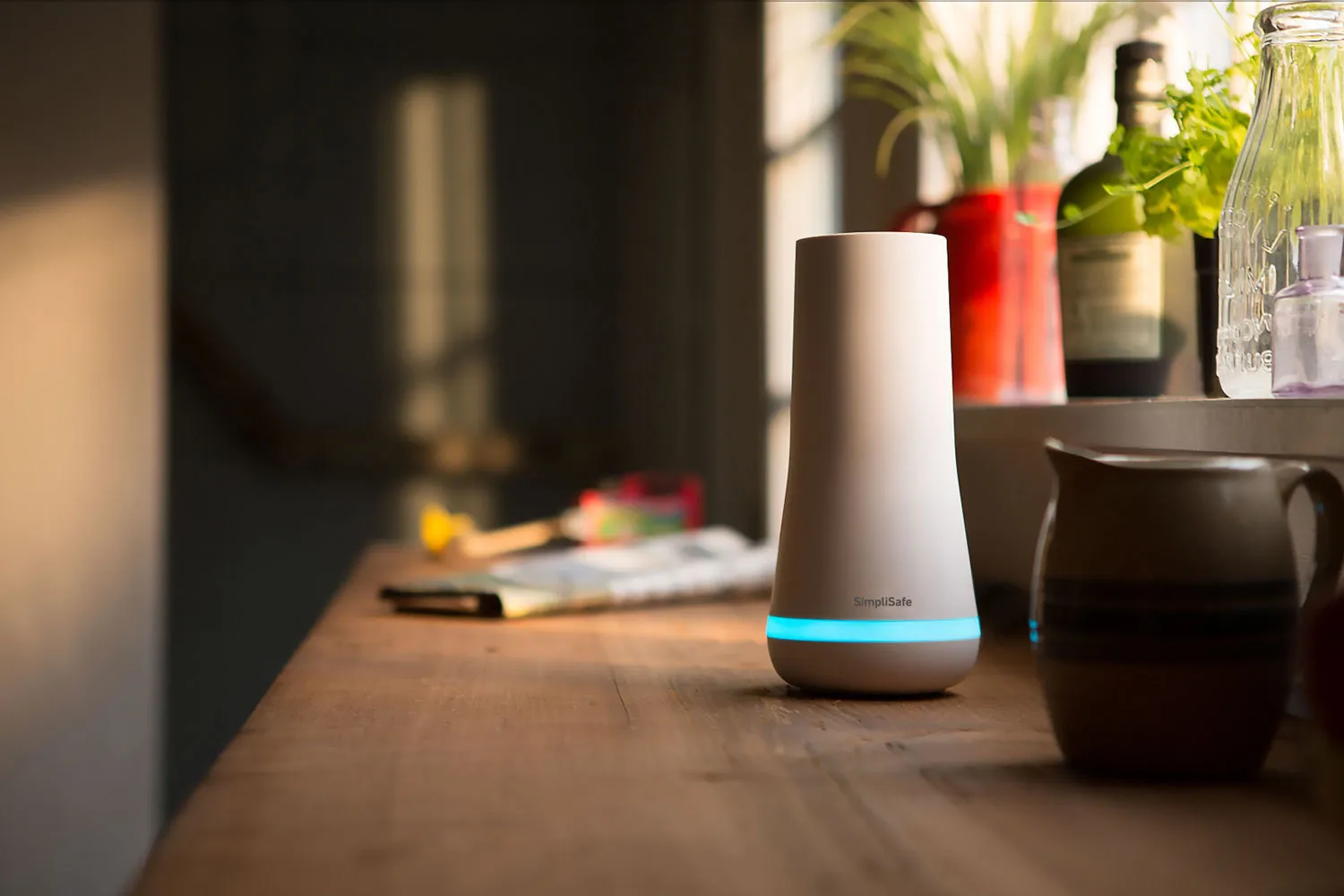

Designing for peace of mind with a leader in home security
Rethinking the hardware, experience, and interaction of connected products designed to protect you.
Only 20 percent of American homes are protected by security systems, and most of these systems are installed after a break-in.
Home security veteran SimpliSafe hoped to convince the other 80 percent of home-dwellers to invest in preventative technology so the break-in never happens. The company approached IDEO to refresh and simplify the look and feel of its connected products to reach this wider audience and help them feel safe.
Interviews with potential customers revealed insights that informed the new design. Families told the researchers that existing security systems are expensive, bulky, and hard to install and use. Instead, systems should be unobtrusive, but responsive to your needs. They should react appropriately in emergencies, while also protecting your privacy.
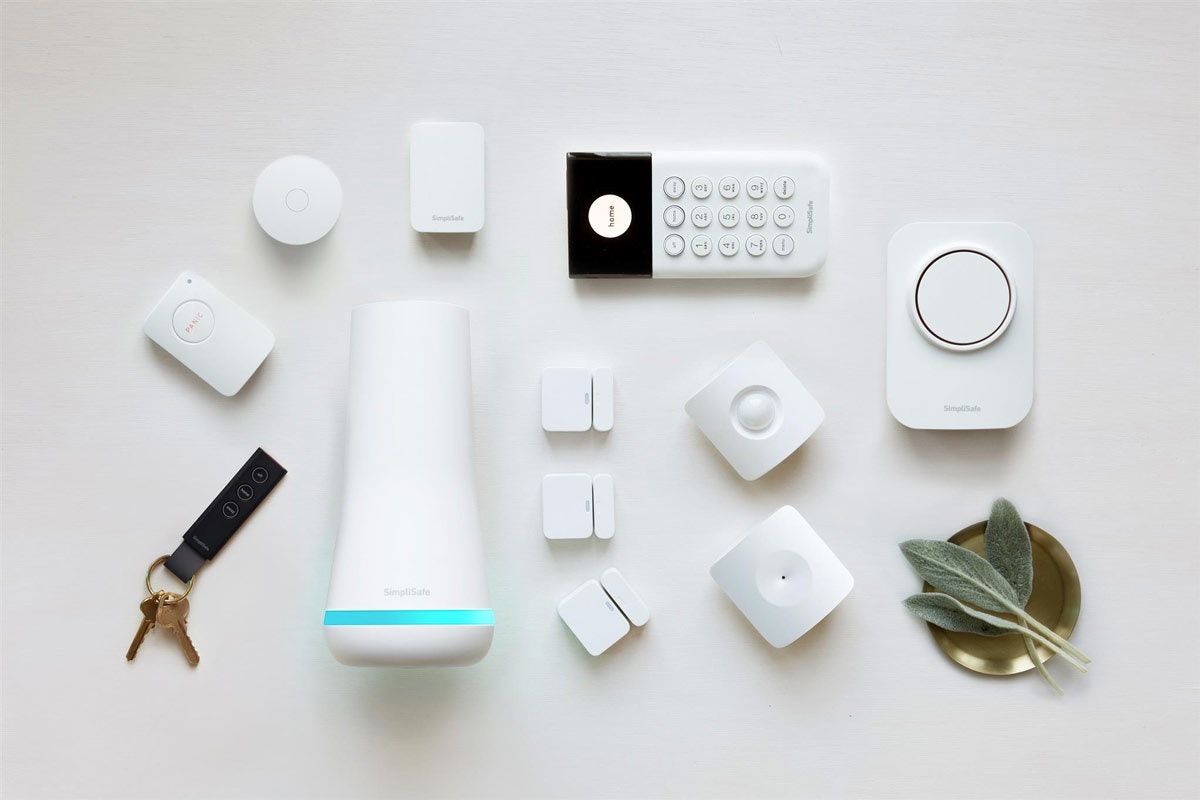
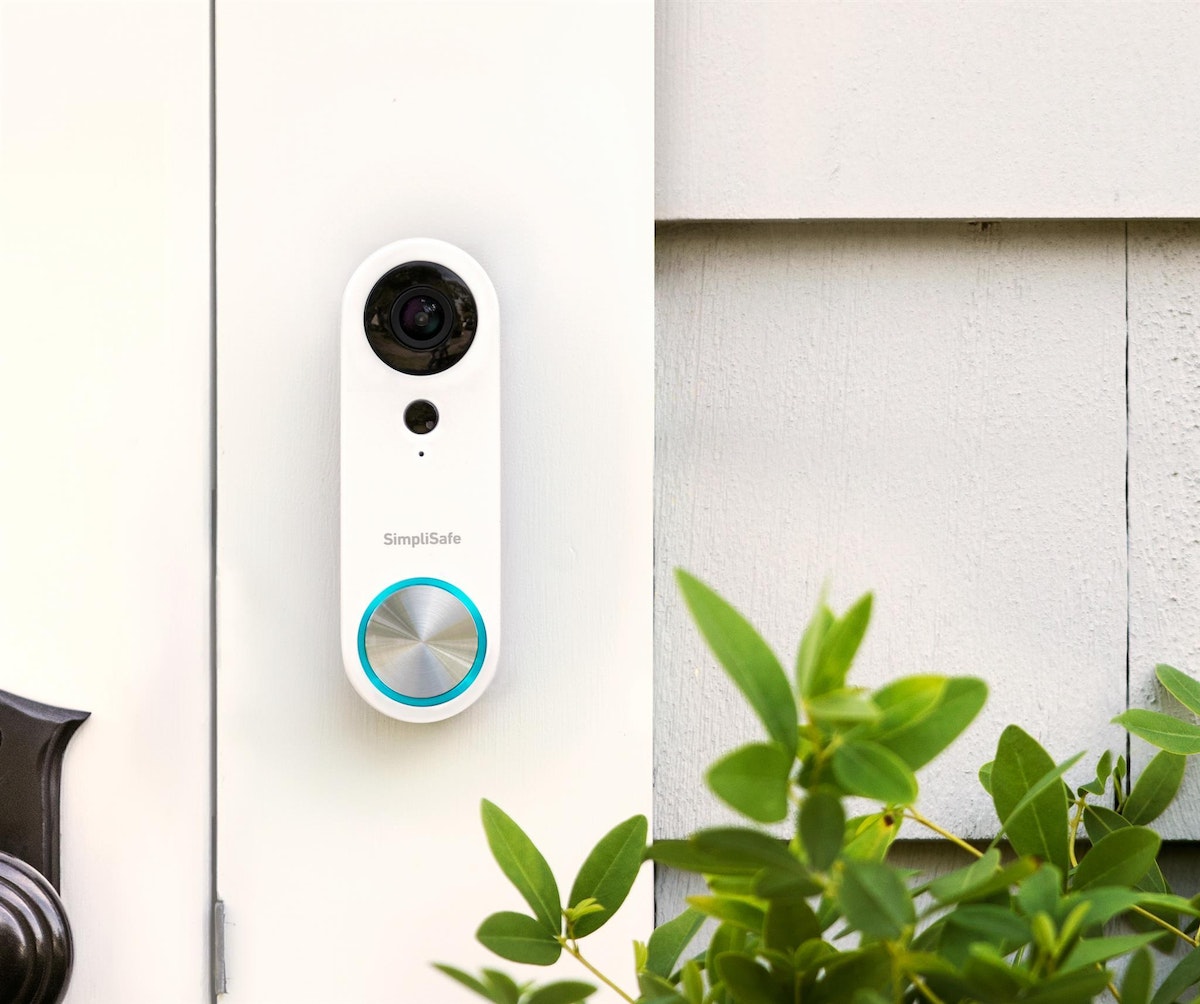
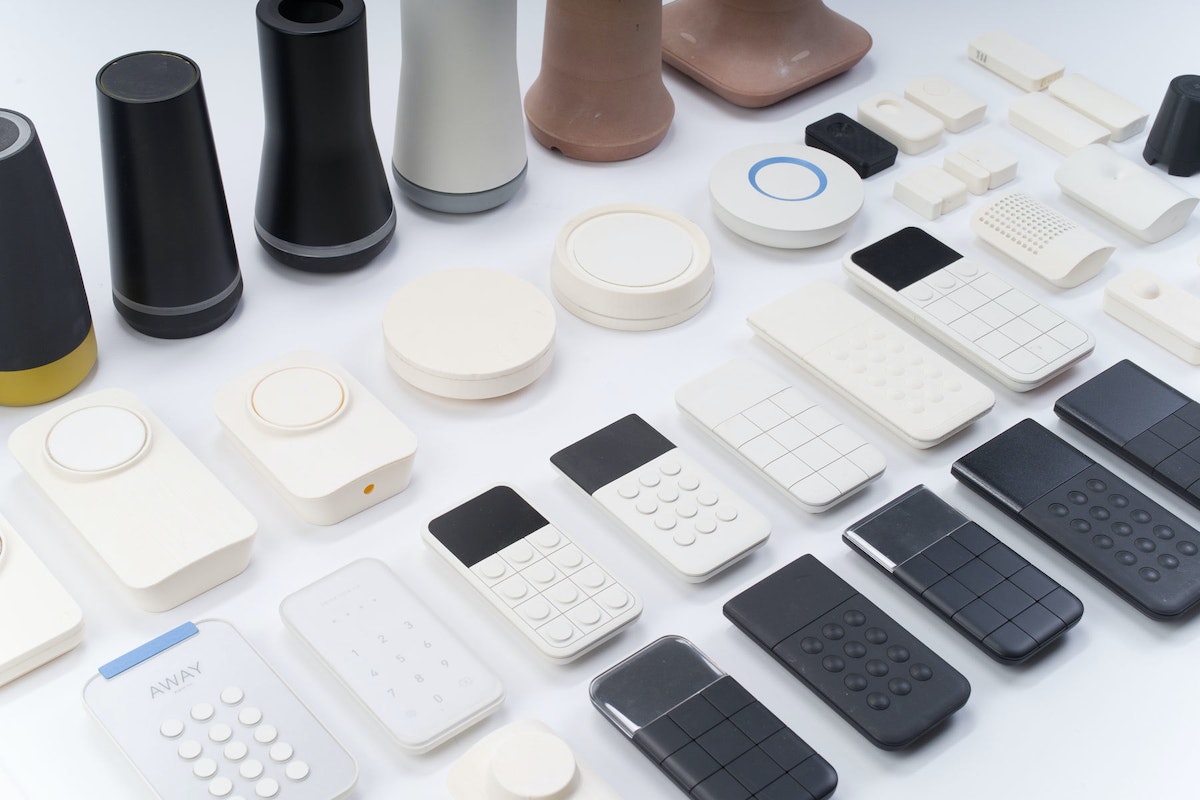
Responding to those requests, IDEO overhauled the design and interaction of more than a dozen SimpliSafe products, including a wireless, touch-to-wake keypad; easy to install sensors; and a smart home base that acts as the brains of the system. Additionally, IDEO designed SimpliSafe's first step outside of the home—a video doorbell that can be used in tandem with the namesake home security system or on its own. Making the system enjoyable and intuitive to use means families are more likely to use it consistently—and correctly.
The team developed a consistent design language across SimpliSafe’s physical products, user interface, and digital presence. That clear visual language lets you know what each component does right out of the box; for example, the glass break sensor looks like a human eardrum that might actually hear a window shattering. The design also reduced the size of entry sensors by four times, while improving their range and battery life. Tapered backs and swept-front surfaces for all of these sensors help them blend into your home. The new system’s clean, understated appearance instills confidence without stoking fear of what could happen.
SimpliSafe’s keypad and base station guide you through setting up the system with voice feedback, while gentle LED lights and sound cues let you know at a glance that the system is armed correctly and you’re in safe hands. The system is also equipped with multiple layers of backup, so you don’t have to worry if the power or Internet goes down.
And the system responds intelligently, tailoring the way it reacts to match different scenarios. For instance, it sends a gentle reminder if a window is left open but a police response if a window is broken in. The design team also incorporated a first-of-its-kind privacy shutter on the system’s security camera so families can opt out of being recorded at home.
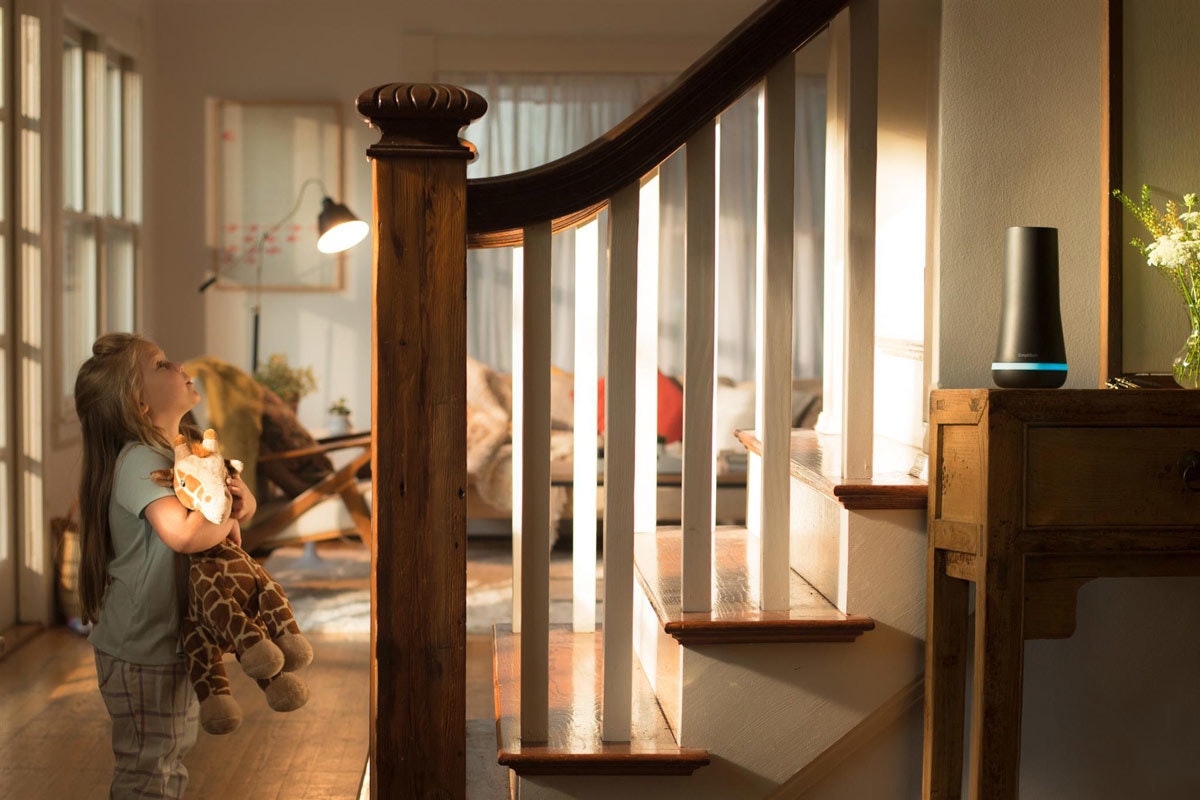
SimpliSafe launched its redesigned security system in early 2018, replacing the company’s two previous generations of products at the same price point. Already, the revamped system has cut the number of support calls from new customers.
In June 2018, venture fund and private equity firm Hellman & Friedman acquired SimpliSafe in a deal that valued the company at about $1 billion.

Rethinking college admissions
Designing a more efficient and inclusive way to read applications.
With a record number of applicants, stiff competition for top students, and a desire to make classes more diverse, college admissions teams are feeling the strain. Bowdoin College in Maine, one of the top liberal arts schools in the U.S., received more applications for the class of 2022 than for any other in its 224-year history.
Whitney Soule, Bowdoin’s Dean of Admissions and Student Aid, saw her staff at risk of burning out. On the advice of Bowdoin’s president, Clayton Rose, she invited IDEO to embed at the college and help design a new way of working. The IDEO team studied Bowdoin’s workflow and zeroed in on the application process as an area ripe for redesign.
By observing how Bowdoin counselors read applications, IDEO learned what drove their decisions. Mindful of how their choices could impact young people’s lives, counselors prioritized a meticulous reading of each application. But this thorough approach meant they often engaged in redundant work or delayed making final decisions.
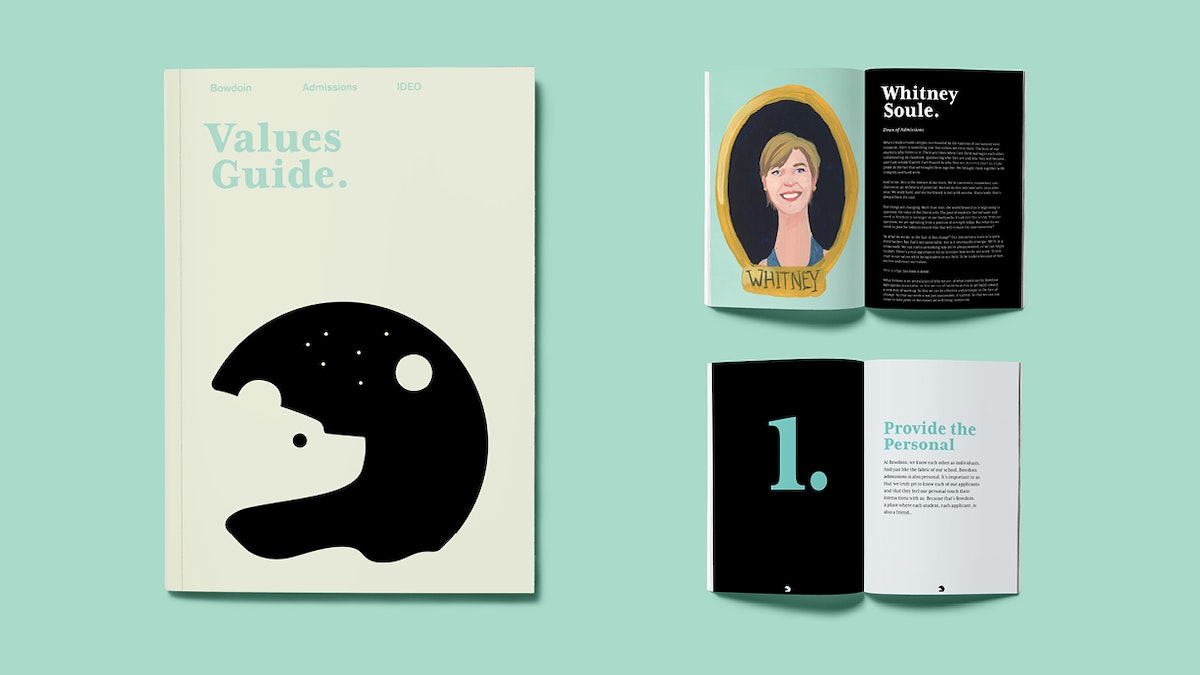
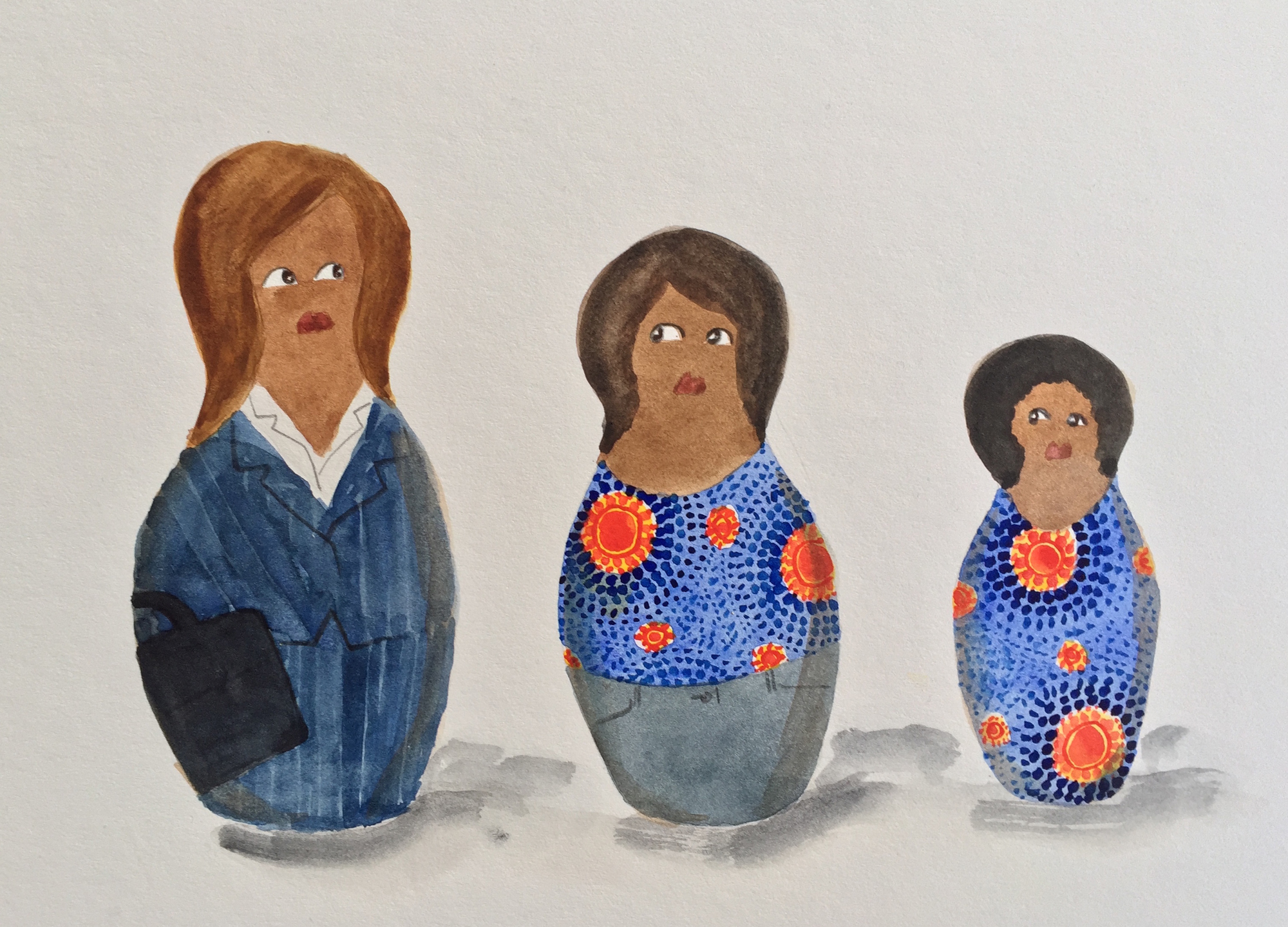
IDEO designers translated their insights into a book for staff, featuring watercolor portraits of the admissions team and a clear articulation of their values—from integrity to inclusion. The book was IDEO’s promise that introducing a new reading process wouldn’t mean sacrificing Bowdoin’s personal touch.
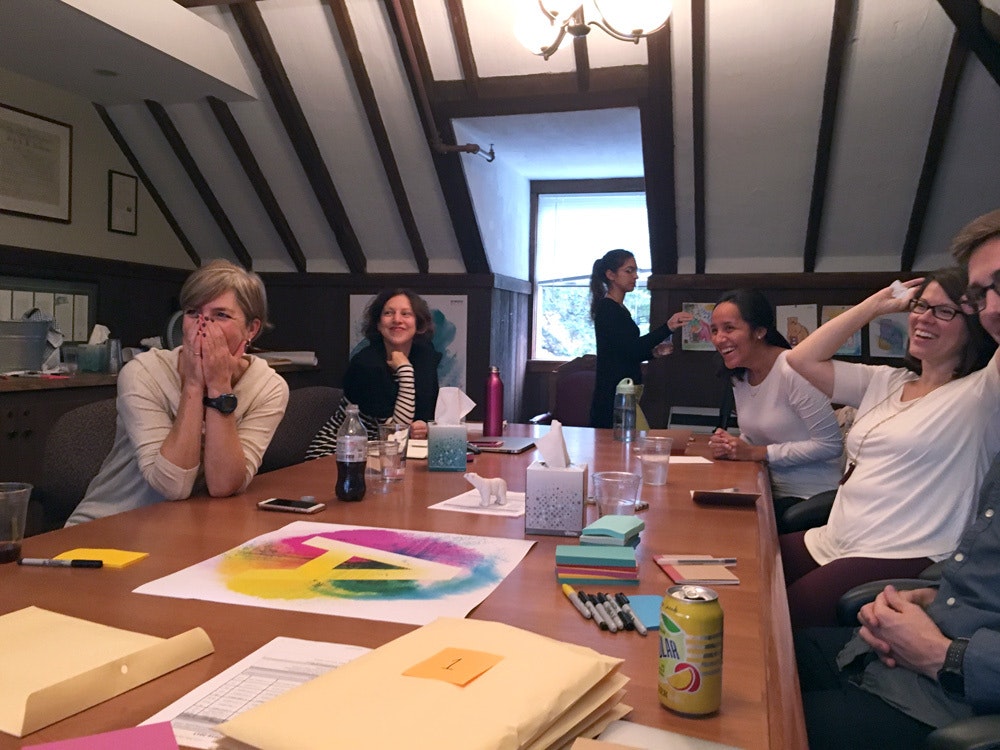
Then, the designers and counselors ran A/B tests using real applications from past years, unwinding long-held beliefs about how they “should” be read. Soule and her team experimented by adjusting timelines and other factors that determine when and how applications move from a first read to a second read to a committee discussion.
Soule gave her team explicit permission to toss their typical playbook. Seeing their own process with fresh eyes, counselors realized they could be more confident in their expertise and tweak their workflow to meet changing demands.
A/B testing proved that some variables had little effect on the team’s final admissions decisions. With that in mind, IDEO redesigned the reading process and included a system called “magic sort,” which helps parse groups of applications based on a new set of counselor assessments in order to route each to its next round of reviews more efficiently.
The IDEO-Bowdoin team put the revised technique to work right away, processing 300 new applications from the annual QuestBridge program for low-income students. Counselors found they were able to make equally valid decisions while cutting the amount of overlapping work they faced by 40 percent, compared to years past.
Working with IDEO challenged us to change the way we work together—and we learned a new method of problem solving that we continue to use. We are better equipped to elicit creativity, then channel it into the practical implementation of new solutions. It’s been transformative!
WHITNEY SOULE, DEAN OF ADMISSIONS AND STUDENT AID, BOWDOIN COLLEGE
The new reading method let staff cope with a growing volume of applications, while balancing the need to evaluate individual students with the need to think holistically about the makeup of Bowdoin’s student body. Counselors adapted the technique to the rest of the year’s admissions cycle, including early-decision, regular decision, and transfer applications.
To extend what her team learned to other departments, Soule has led several design thinking workshops across campus. Her success as a leader has mirrored the growth of her team and the college; by empowering staff with new tools and the freedom to experiment, Soule and Bowdoin are leading by example in the evolving world of higher education.

Reinventing the chandelier
Designing an elegant, modern lighting experience for an iconic brand.
For half a century, Swarovski has crafted iconic chandeliers dripping with the brand’s signature crystals. With the rise of new interface technology, the company came to IDEO for help to design the chandelier of the future.
IDEO designers set out to create beautiful, emotional experiences by layering technology onto Swarovski’s lighting offerings. Whether it’s setting the tone for a sophisticated retail experience, creating subtle ambiance at a romantic dinner for two, or providing true quality light to read a book, the team considered how a chandelier can enrich personal moments throughout the day.
Swarovski and IDEO assembled a multidisciplinary group, including industrial and UX designers, brand experts, and engineers to quickly vet, build, test, and refine their ideas.
Designers from IDEO and Swarovski worked together to completely reimagine the crystal chandelier.
Together, the team designed a new tech-infused chandelier and family of other light fixtures. At first glance, the chandelier resembles a simple, sleek metal disc. But when you turn it on and peer inside, an endless number of crystals swirl far into the distance—an Infinite Aura.
The Infinite Aura collection also includes pendant and wall lights. The team developed a mobile app that proactively modifies light settings based on the time of day, and also lets users customize their experience—including adjusting brightness and color to set a personal mood, or “Aura.”
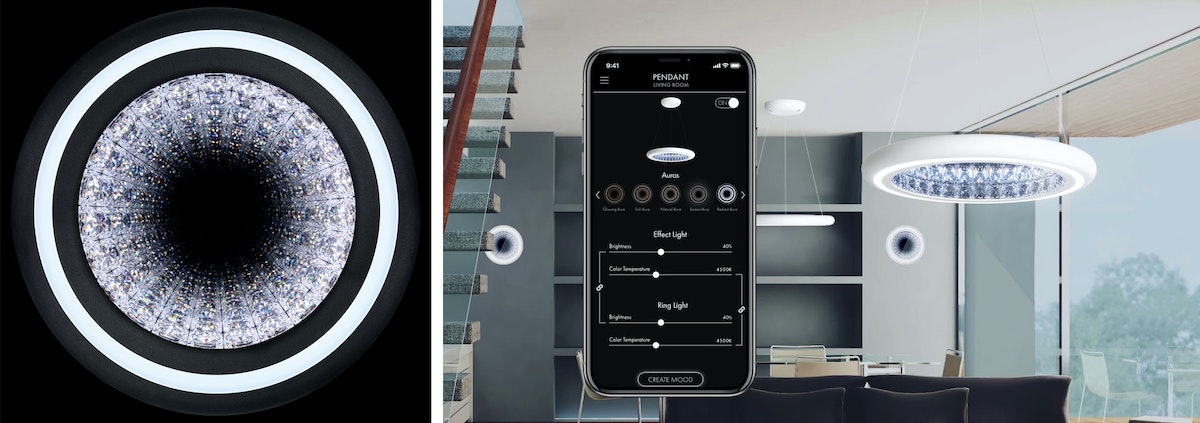
Unlike most fixtures, Infinite Aura doesn’t just give off ambient light; families can also benefit from high-quality functional light, directed downward to help them focus on a task or diffused upward and downward to create a subtle ambiance. In a similar way, the chandelier can expertly illuminate a library, hotel lobby, or concert hall.
The new lighting line adds greater functionality and emotional resonance to today’s smart buildings, while retaining Swarovski’s timeless elegance. Infinite Aura debuted in Frankfurt, Germany in March and will be available internationally in fall 2018.


A new employment venture to increase customer engagement and financial security
Introducing Moonrise, a digital platform that helps companies hire untapped talent and workers make ends meet.
More than half of Americans don’t have the cash to cover a $400 emergency expense like a car repair or trip to the hospital. Taking that reality to heart, American Family Insurance, a Fortune 500 company that offers auto, home, business, and life insurance, was seeking a way to make an impact by helping people earn and protect—not just insure—the things they value.
American Family approached IDEO with an ambitious goal: to innovate in a way that would help working families—many of them existing American Family customers—who need a financial cushion in case of the unexpected. This new mission fell in line with American Family’s overall orientation toward increased social responsibility, including committing to a liveable wage for all employees, helping with student loans, and providing college scholarships and tuition reimbursement for employees’ children.
In early discussions, American Family thought people might need budgeting tools, but from the very first research interview, a different urgent need emerged: people needed a way to shore up their savings enough to protect against unforeseen needs. This same story came from numerous places. In Tennessee, the IDEO design team sat in the kitchen of a working single mom of four, who explained how her lifestyle was built around her extremely constrained budget. She couldn’t afford childcare, so she’d organized her home to allow her 11-year-old to watch the younger kids: partitioned snacks, timers on the TV, chore charts on the fridge. She managed her budget meticulously, it was clear, and she didn’t need new financial tools. What she really needed, she said, was extra income cushions so a surprise expense like a doctor’s visit or stretch investment like a kid’s basketball uniform wouldn't derail her plans. Like many of the people the team visited across the country, she didn't want to take on debt; she wanted extra work and the dignity and peace of mind that comes with it.
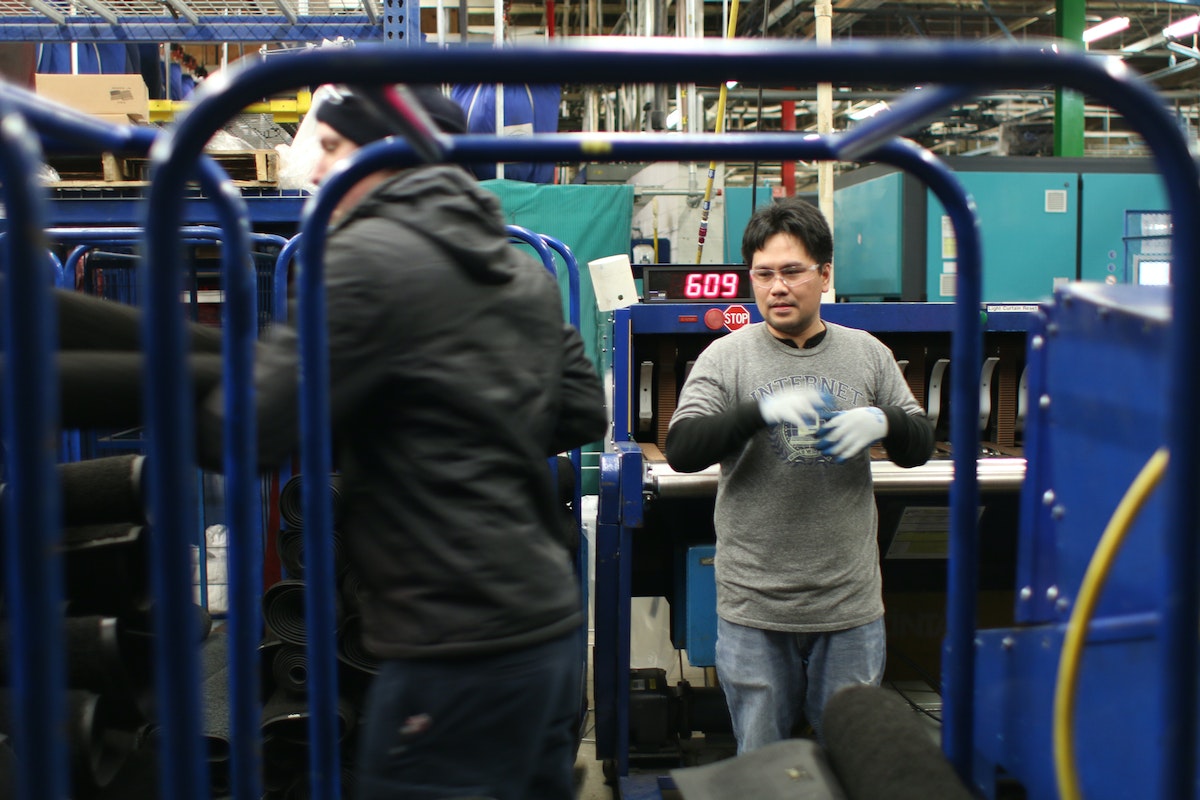
Could we, the team wondered, offer people who already have jobs the extra hours and income they need in a way that reduces, rather than exacerbates, the stress they already face? Would employers get on board?
The short answer was yes. Today’s businesses depend on on-demand work, including seasonal warehouse and retail shifts. Typically, companies look to temp agencies whose model is built on staffing with the goal of permanent placement. Moonrise enables companies to tap into a workforce that's already employed, allowing them the benefits of passive recruiting (reliability, consistency), but for short term work.
Knowing innovation was the path to growth, American Family took a chance by embracing a radically new brief: Create a service to help families living on the edge bridge the gap between the size of their paychecks and the size of their dreams. The result was a new business venture called Moonrise.
When customers told us that having an easy way to earn extra money could improve their lives, we were compelled to pursue a solution. Moonrise is a business with a human-centered mission. We’re proud it’s part of our American Family.
Jack Salzwedel, Chairman & CEO, American Family Insurance
The Moonrise platform lets workers sign up for shifts with partner organizations through a simple text message interface, and get paid as soon as their shifts are done. Employers who sign up to partner with Moonrise can list open shifts on the platform.
“Moonrisers” are W-2 employees of Moonrise, not contractors, so they don’t have to pay self-employment taxes. They also get personalized business and comment cards to take to job sites, making their interactions with employers feel more professional. In this way, Moonrise helps workers not only build a buffer against unexpected bills, but also explore new positions and fields—and perhaps even land new full-time work with Moonrise partners.
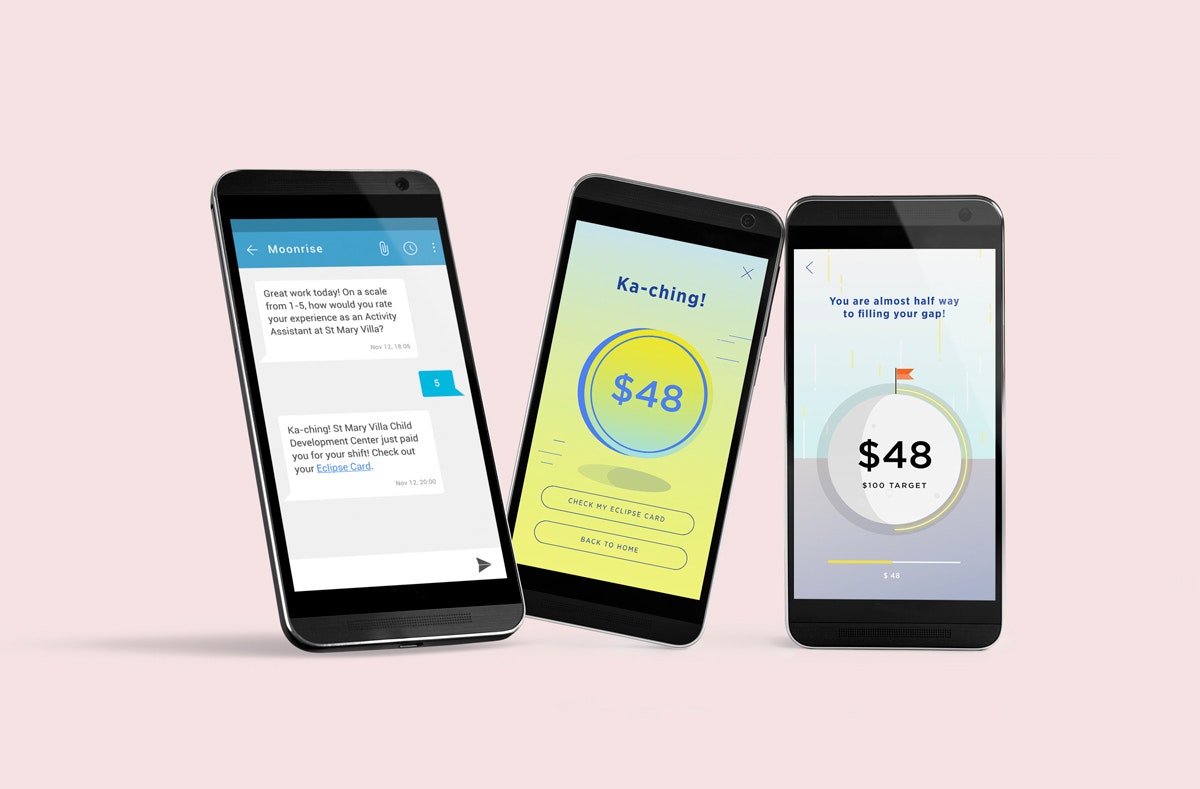
To test the program in real time, IDEO and American Family assembled 11 Moonrisers, six employers, and a team of designers and programmers to work out kinks in the platform. During a one-week live pilot in Wisconsin, Moonrisers finished a combined 28 work shifts, earning an average of $121 each, while IDEO designers worked behind the scenes to keep the process running smoothly.
Based on the success of the pilot, American Family created a new startup company called Moonrise, which became a wholly owned subsidiary of American Family. Moonrise launched to the public in the Chicago area in 2018, with plans for an eventual nationwide rollout. Moonrise signed Enterprise Rent-A-Car as its first employer and actively matches workers in Chicago with shifts, while continuing to build more corporate partnerships.
Since launching in 2018, over 7,000 people have applied to become Moonrisers, more than 7,000 shifts have been fulfilled, and over $500,000 has been put into the pockets of hardworking Moonrisers. Additionally, Moonrise will be expanding into 3 additional states in 2019.
IDEO and American Family Insurance interviewed customers of The General—a division of American Family—about how they budget to make ends meet. In this conversation, customer Chandra told designers how $62 could be the difference between breaking down and breaking even for her family.
It’s not always easy for established companies to innovate, especially outside their core business. But innovation is a high priority for American Family. Creating an employee -centered startup like Moonrise solves an urgent problem and distinguishes them from their competition. Together, American Family and IDEO identified a pressing human need and built a program from the ground up to meet it.
Designing for blockchain: Three ways to get started
3 design challenges to explore the future of blockchain
Here are three juicy ones to get started thinking more deeply about blockchain, the unique experiences the technology enables, and how it could be integrated into our everyday lives.
1. Designing for ownership
The beauty of cryptocurrency is that it’s possible for you, and only you, to have access to your crypto wallet and assets. That means you get to have true ownership; your “account” information isn’t stored by a bank or central authority that can use or take away your assets at will (think of governments seizing funds, for example). Instead, the data is stored in a universal ledger across a distributed network that can independently verify who owns what—so it’s much more transparent than most of today’s banking systems.
Of course, that power also comes with great responsibility. There is no password or account recovery if you lose or reveal your private key (sometimes expressed in the form of a 24-word phrase), which is used to “unlock” your wallet. Giving that away is like dropping cash on the street—you likely won’t get it back.
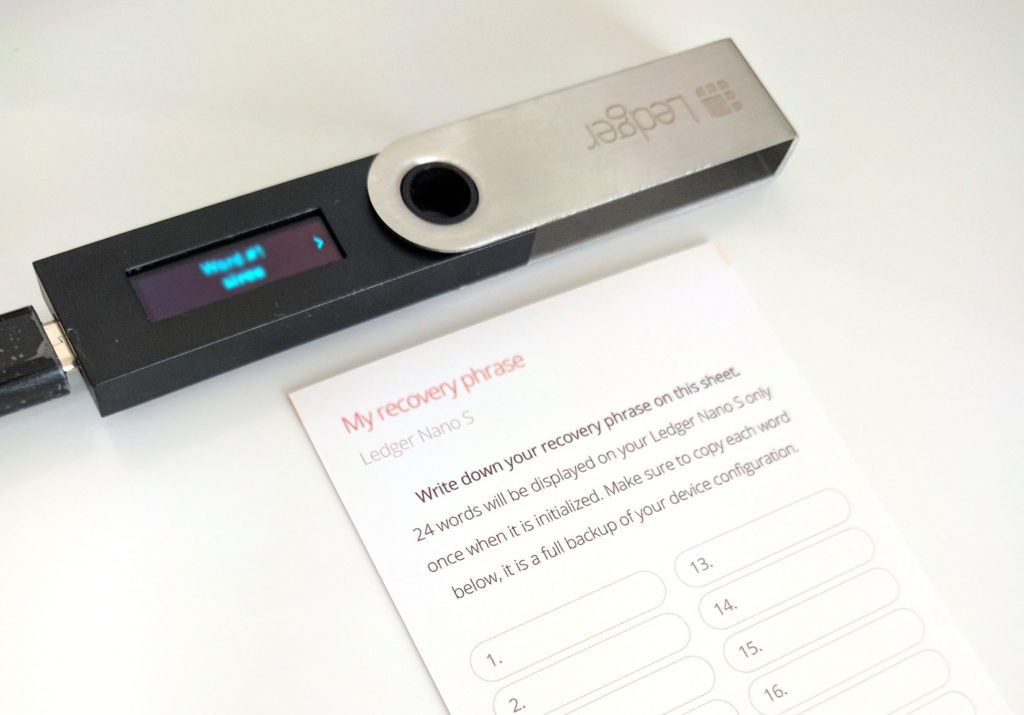
Challenge: Design secure and user-friendly ways to store private keys.
A few questions to get you started:
- How might we design better ways to securely store private keys that balance security (keys cannot be easily copied or stolen) and ease of use?
- What are some digital and physical features for secure storage that we could utilize?
- How might we design ways to securely transfer ownership of private keys in case of loss or death?
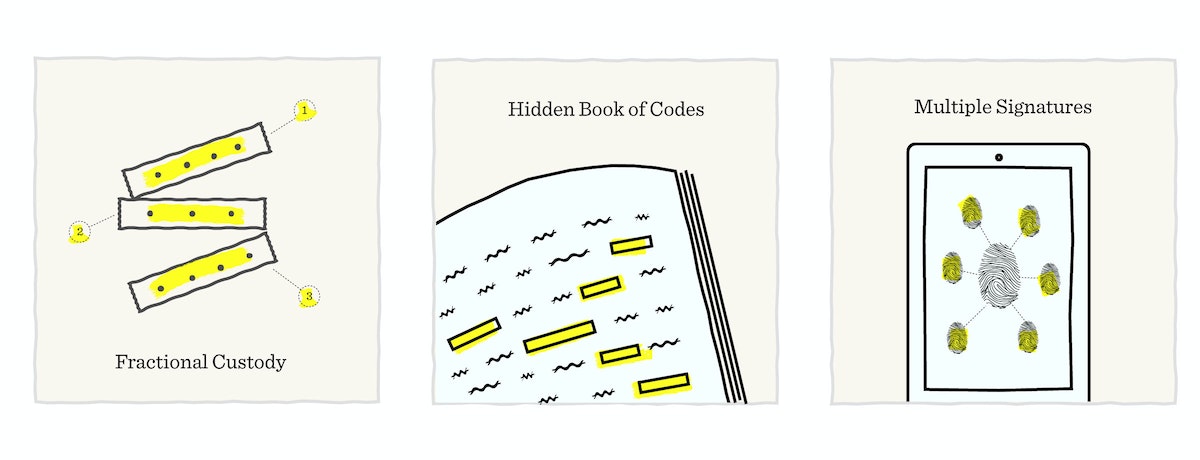
Some inspiration:
- Fractional Custody: What are some ways you could divide up and distribute private keys among five of your most trusted friends and family members?
- Book of Codes: Inspired by Jonathan Safran Foer’s Tree of Codes, what if custom die-cut cards could reveal your passphrase when placed over the right book?
- Multiple Points of Verification: Could you have a mobile app that verifies your identity through multiple social networks before revealing the passphrase?
2. Designing transparency in network transactions
Every time you transact in Ethereum, a platform for blockchain applications, you have to set your gas price—the amount you are willing to pay for the computation needed for your transaction be confirmed. An easy analog is paying more for expedited shipping to get your package mailed there sooner.
Those prices and speeds are not determined by any one party (like FedEx, for instance), but by how busy the network is, how many other transactions are waiting to be confirmed, and what gas price those other transactions are using. But information about current network state is rarely communicated to the user—adding frustration and confusion when setting your best guess at gas price. Too low? Your transaction might not go through for a long time (or ever). Set it too high, and you risk paying more than you need to.
Remember the early days of eBay, before they included shipping rates in transactions? You had to wait for a day or so until the seller got back to you with the actual shipping costs. Sometimes it was what you’d expected, sometimes it bit you in the butt.
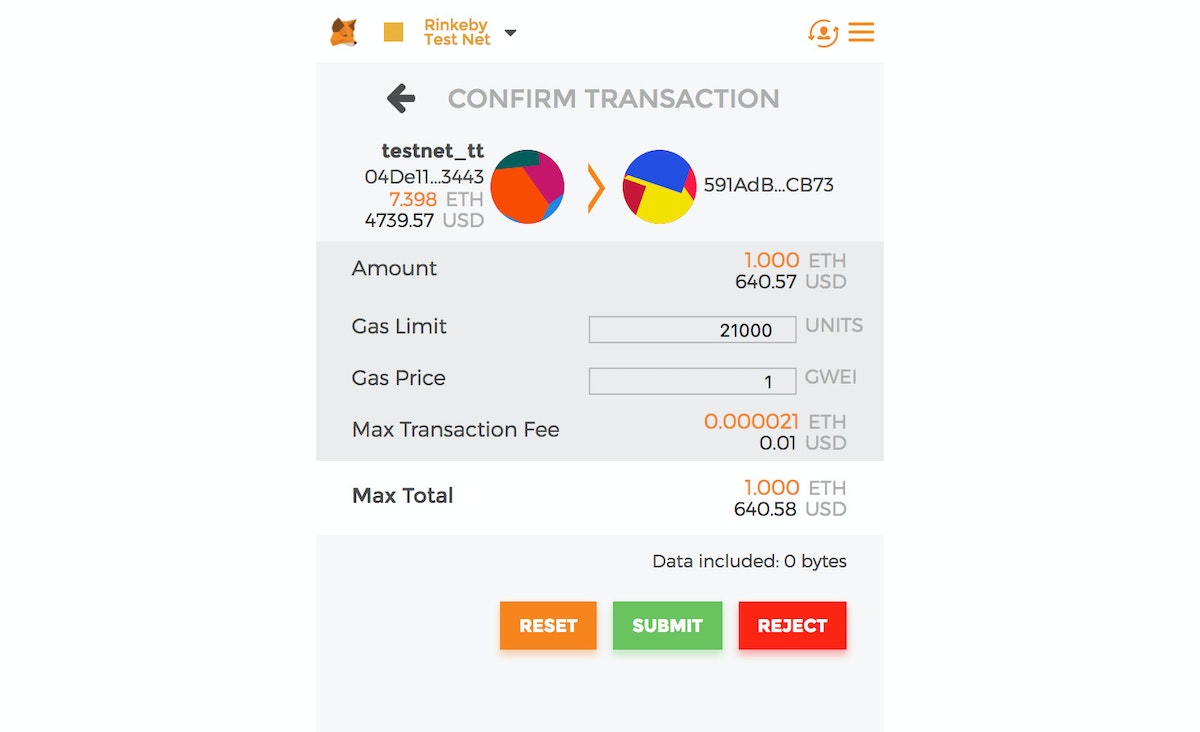
Challenge: Design better ways to help users make a decision about transaction costs, or find ways to abstract it away all together.
A few questions to get you started:
- How might we make transaction costs and prices more transparent to the user?
- How might we reveal high-level and useful data on network status?
- How might we better automate gas estimates to remove friction from decision-making?
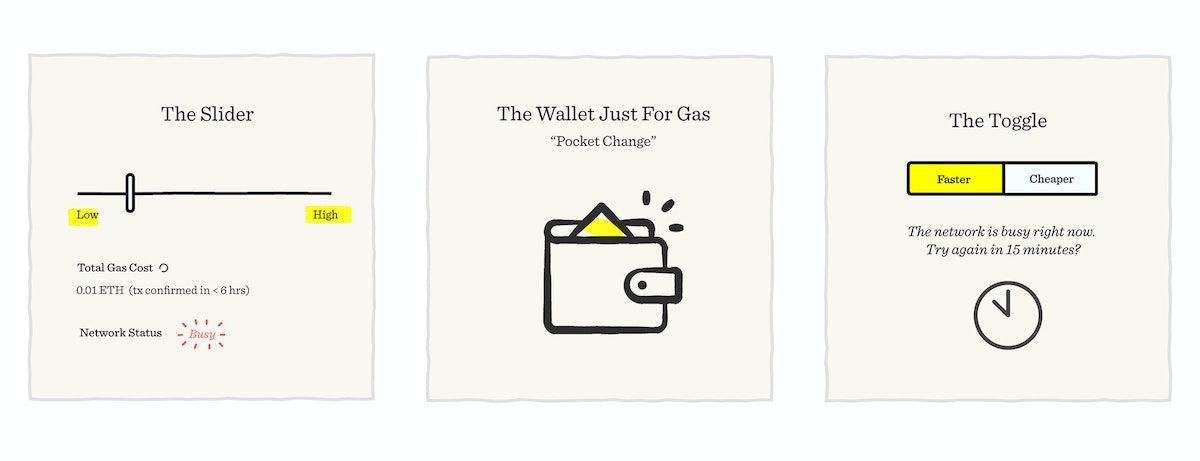
Some inspiration:
- The Slider: Could the user first select their desired transaction speed to reveal its implied cost?
- The Wallet Just for Gas: Could there be a separate wallet just for transaction costs, which gets topped off at regular intervals?
- The Toggle: Could you offer the user be a simple choice—speed vs. value?
3. Designing for readability
Crypto wallet addresses currently look something like this: 0x04De111196aCE9764b6eCAcC4f849b6b59193443—a string of 40 characters, which serve the function of being cryptographically unique (i.e. impossible to guess). While there are experiments like ENS, a human-readable domain system for blockchain addresses, they aren’t widely adopted yet. Sending a crypto transaction today means checking and double-checking 40 characters that look like gobble-de-gook. And you need to get it right the first time, since there are no refunds or rollbacks for crypto transactions.
That’s like having to type in the bank account number of every merchant or person you’d like to transact with, every single time. If it’s off by one digit—cue instant regret.
The challenge: Design ways to display blockchain addresses in a more readable or recognizable format.
A few questions to get you started:
- How might we use algorithmically-generated images or symbols to create visual recognizability?
- Are there industry standards (like checksums) that could help reduce errors in address entry?
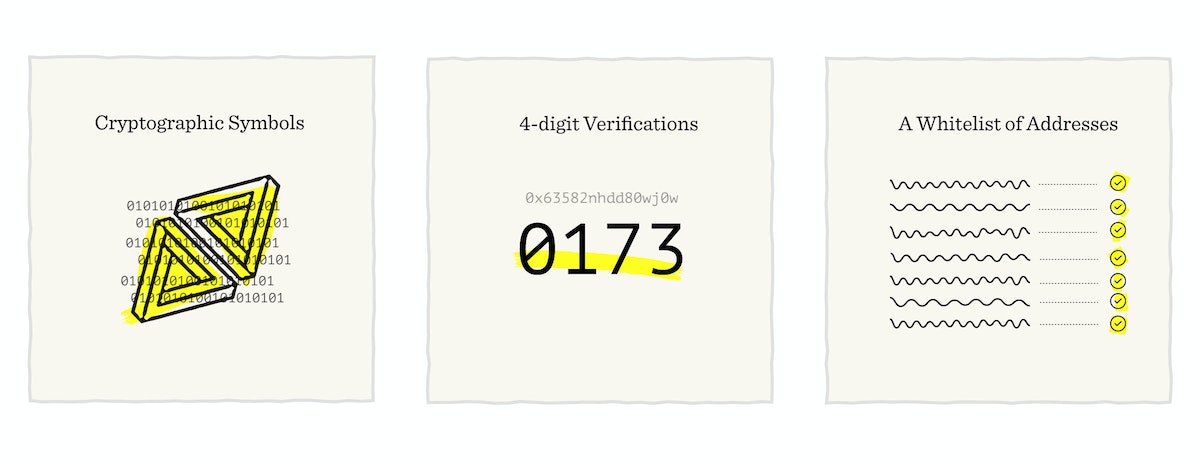
Some inspiration:
- Cryptographic Visual Tags: How might we use unique color codes or symbols to tag address typologies or to verify addresses?
- 4-Digit Verifications: What are some industry standards that financial institutions use that could be relevant for these addresses? One such example is typing in the last 4 digits of a credit card number to verify ownership.
- Whitelist of Verified Addresses: Are there ways to maintain a registry of trusted addresses without relying on a central authority?
These are just three challenges (ahem, opportunities) that blockchain offers designers—there are (and will continue to be) many more. Have an idea? We’d love to hear it! Tweet your thoughts to @ideocolab.
Interested in collaborating with us on a future project, or got another blockchain-based design challenge you want to talk about? Reach out to IDEO CoLab, IDEO’s collaborative platform for emerging technologies, here or on Twitter!
Despite all the media hype about the rise and fall of cryptocurrencies, blockchain technology is still in its infancy, meaning it’s an ideal time for designers to step in and help build new systems. There’s no shortage of challenges to address.

What electric cars can tell us about redesigning the food system
Looking for inspiration in unexpected places can help us cut food waste and make products more appetizing
In an effort to be more conscious of our own health and the health of our planet, we’re being told to eat a plant-based diet, while, at the same time, lab-grown meat is gaining traction. How do we wrap our heads around all of it?
We think design can help. But a few things have to shift if we’re going to drive the global food system toward greater sustainability. At the consumer level, it’s about supporting people to make healthier decisions about how they eat. At the level of large companies or complex systems, it’s about helping organizations reinvent themselves, ask bigger questions, and make more thoughtful changes from within.
In either case, change isn’t easy. To help our clients in the food space get inspired and energized, we often recommend looking for insights in unexpected places—we call it “analogous inspiration.” It’s easy to get caught up in what you already know and mired in the same cyclical ways of thinking; to innovate, you have to break out.
Here are a few ways for folks to innovate in the food landscape (and beyond):
1. Design for emerging behaviors
During a recent project to help a global beverage company think beyond its current business, we set up interviews with people outside the industry, including one with a company that makes charging stations for electric vehicles. When the car charging company was just starting out, leaders assumed they would follow the model of gas stations by building stand-alone charging stations spread throughout a city. That’s how people had fueled cars for decades, right?

But it turns out consumers don’t want to stand around for 30 or 40 minutes while their cars charge; instead, they want to fold charging into another errand, such as a trip to the grocery store. Because their lives are increasingly complex, they want to streamline wherever they can. This insight prompted the charging company to completely rethink its approach.
Though the beverage businesses has nothing to do with cars, seeing the charging company’s abrupt change in tactics to address a human need inspired our client to think far beyond existing consumer behaviors and to advocate for big changes in the business model.
The takeaway: Instead of taking the established route, innovators should be on the lookout for new and emerging behaviors that indicate an alternative path to designing for the future.
2. Get up close and personal
A lot of living happens outside of conference rooms and surveys. In order to capture what’s really on folks’ minds, we often spend days or weeks shadowing people and looking for unconscious behaviors that can influence how we design for them.
Recently, we were working with a baby food company looking to expand its line of products. We met real customers and shadowed them for days—at home, on their commutes, while shopping, and when preparing food. By traveling on the subway with them during feeding time, watching them buy groceries, and sitting with them in their homes, we noticed how many workarounds they used when feeding their infants and a few common issues they faced with existing baby food.
These insights, while seemingly small, helped inform how we designed our client’s food packaging. It was the little observations we made by diving in head-first with parents that enabled us to create a feeding experience that feels a bit more parent-centered.
The take-away: Double down on real human interactions and don’t overlook the small stuff. Sometimes, subconscious behaviors and common workarounds indicate the need for a redesign.

3. Look beyond your industry
When you walk into a hotel room, you’re often greeted by signs encouraging you to save water by reusing your towels or foregoing a change of sheets. While no longer new to most of us, these reminders were fairly revolutionary when they first appeared and have helped to save millions of gallons of water since.
When we set out to help the Rockefeller Foundation find ways to reduce food waste, we looked for examples of waste reduction in other industries, including hospitality. Hotel signage cueing visitors to reuse towels is more than just a pesky reminder to save water; it’s a way for people to incrementally change their behavior while feeling like they’re a part of something bigger for the betterment of the planet. In this case, understanding what motivates people resulted in a drastic drop in water waste.
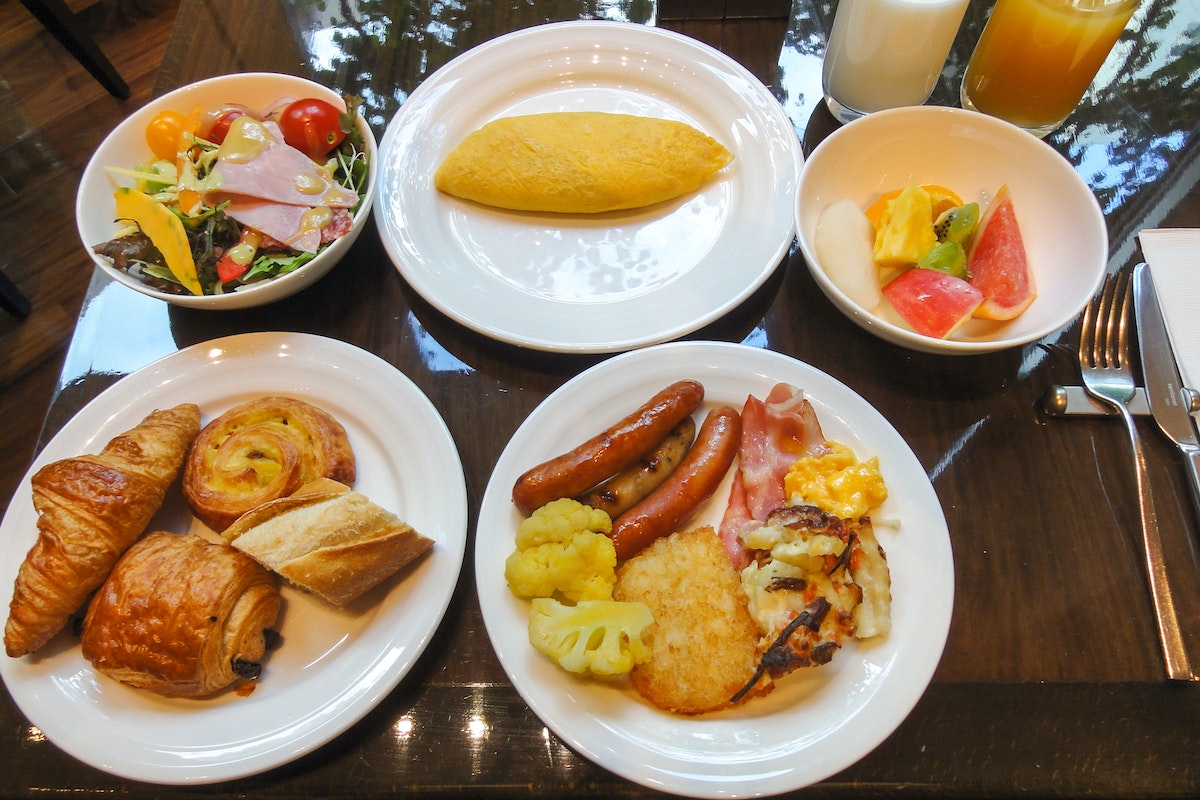
With the Rockefeller Foundation, we tapped into data around food waste and were able to use it to predict human behaviors and test subtle changes in a number of industries. Hyatt Hotels prototyped some of this thinking in their buffets—by switching from whole cakes to individual sweets, for example—resulting in a 10 percent cost savings for the company and an enormous reduction in food waste.
The take-away: Instead of looking within your own walls for inspiration, look outside to other industries and sectors to see how they’ve solved similar problems.
We've found these three design approaches useful. Have other ideas? We’d love to hear them! Tag @IDEO and use the hashtag #designforfood.
The world of food contains all kinds of internal tensions: On the one hand, we’re faced with hunger and food shortages, while on the other we’re fighting an obesity epidemic.
What the AI products of tomorrow might look like
With human needs in mind, we designed some speculative smart things
And as with any technology, AI can have a dark side, too. Whether it's Cambridge Analytica exploiting personal information for political gain or Northpointe developing prejudiced algorithms for bail and sentencing hearings, danger lurks.
This is a moment for design. A moment for us to imagine the kind of future we want to see. What might it feel like?
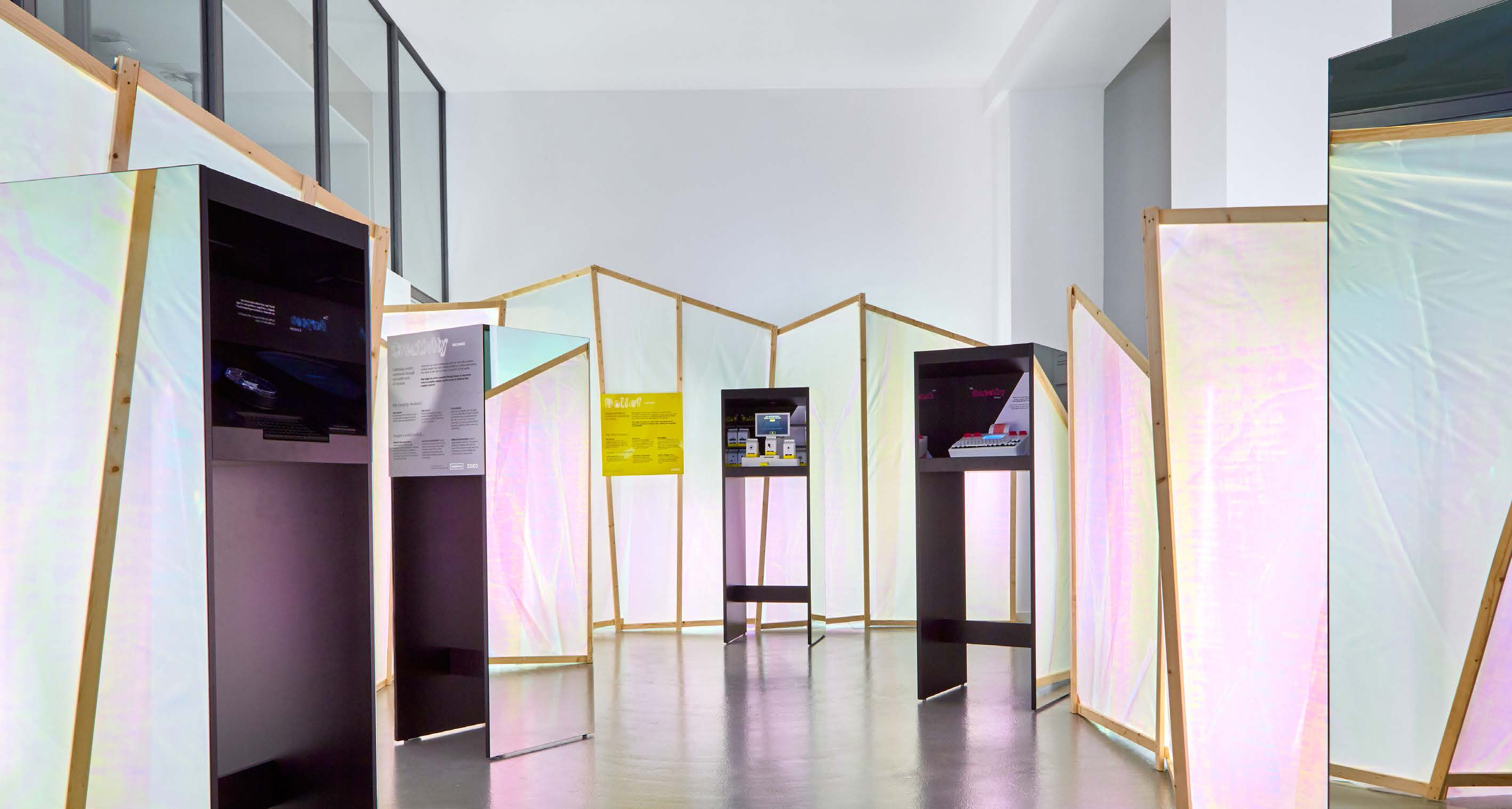
To explore those questions, and give shape to the immense benefits that intelligent machines can bring to our lives, work, and society as a whole, we created a speculative design exhibition for Munich Creative Business Week called Hyperhuman.
Here's a peek at the products:
The Purpose Compass
What if a machine could help you better understand your strengths? What if it could help you succeed in a machine-augmented future?
Armies of robots already populate the factory floor and digital lawyers write our contracts. As intelligent machines become a fixture in every aspect of our work and lives, they inevitably start challenging our contribution to society, begging the question, do humans still matter? What is our purpose?
The Purpose Compass helps you determine your unique worth in the future. It understands what you are good at and helps you decide what to focus on to stay relevant, productive, and happy in the long term. Turn towards larger purpose goals—teaching, leading, inventing, or caring—to set a course and learn which skills you'll need to pick up to get there. Over time, many skills will be automated, freeing you up to learn new ones.
Purpose is shaped, not given.
The Expertise TV
What if a machine could identify gaps within an organization’s knowledge and help you figure out how to fill them?
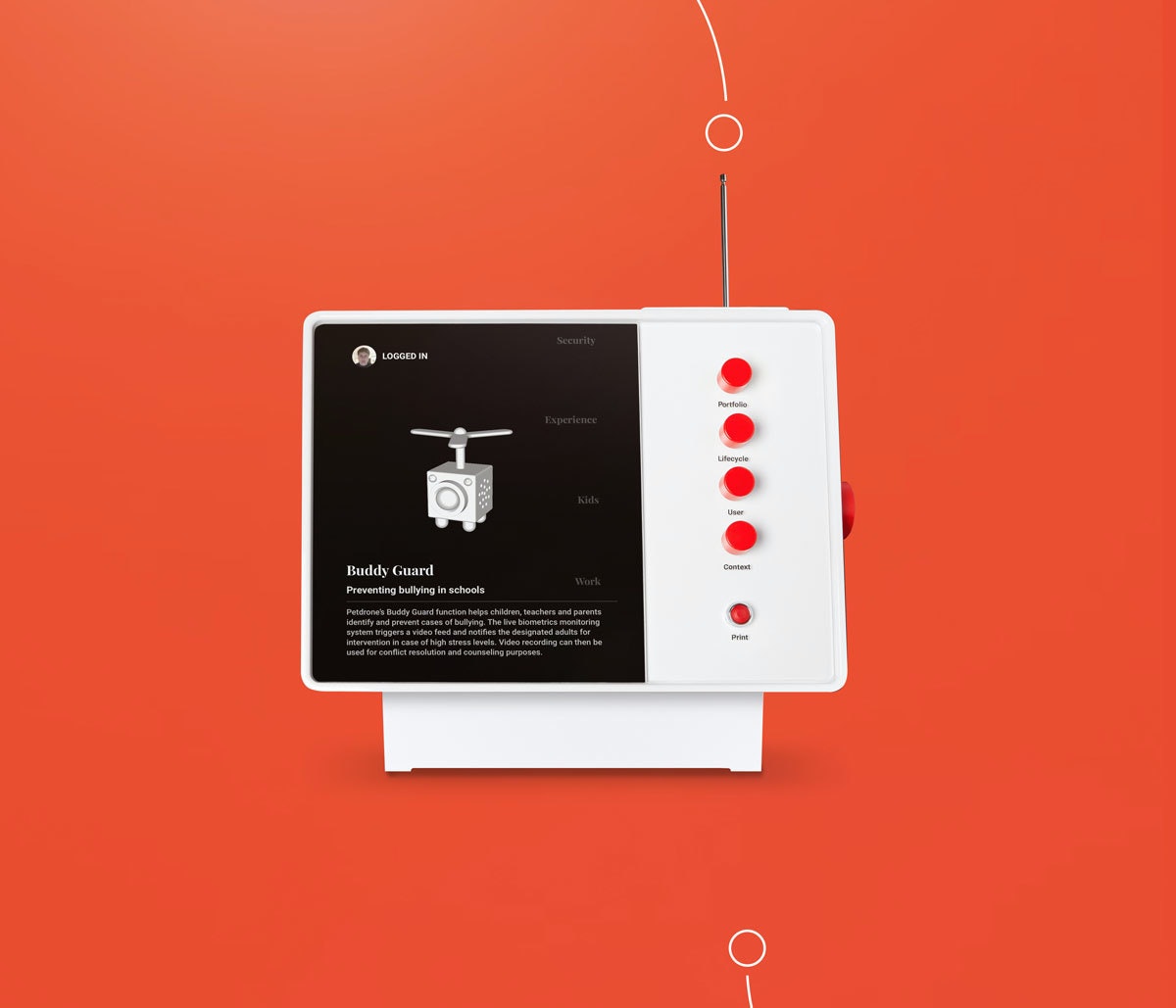
We have unprecedented access to information, but the sheer volume of it prevents us from gaining deep understanding of a wide range of topics. We either specialize in a specific field or become generalists, making assumptions to fill the gaps in our expertise.
Enter Expertise TV: Twist its knobs and it instantly directs you to experts whose knowledge sheds light on unanswered questions that are holding your organization back.
Knowledge resides in people, not machines.
The Creativity Mixer
What if you could describe your personality, and ‘mix’ a visual identity that expresses you?
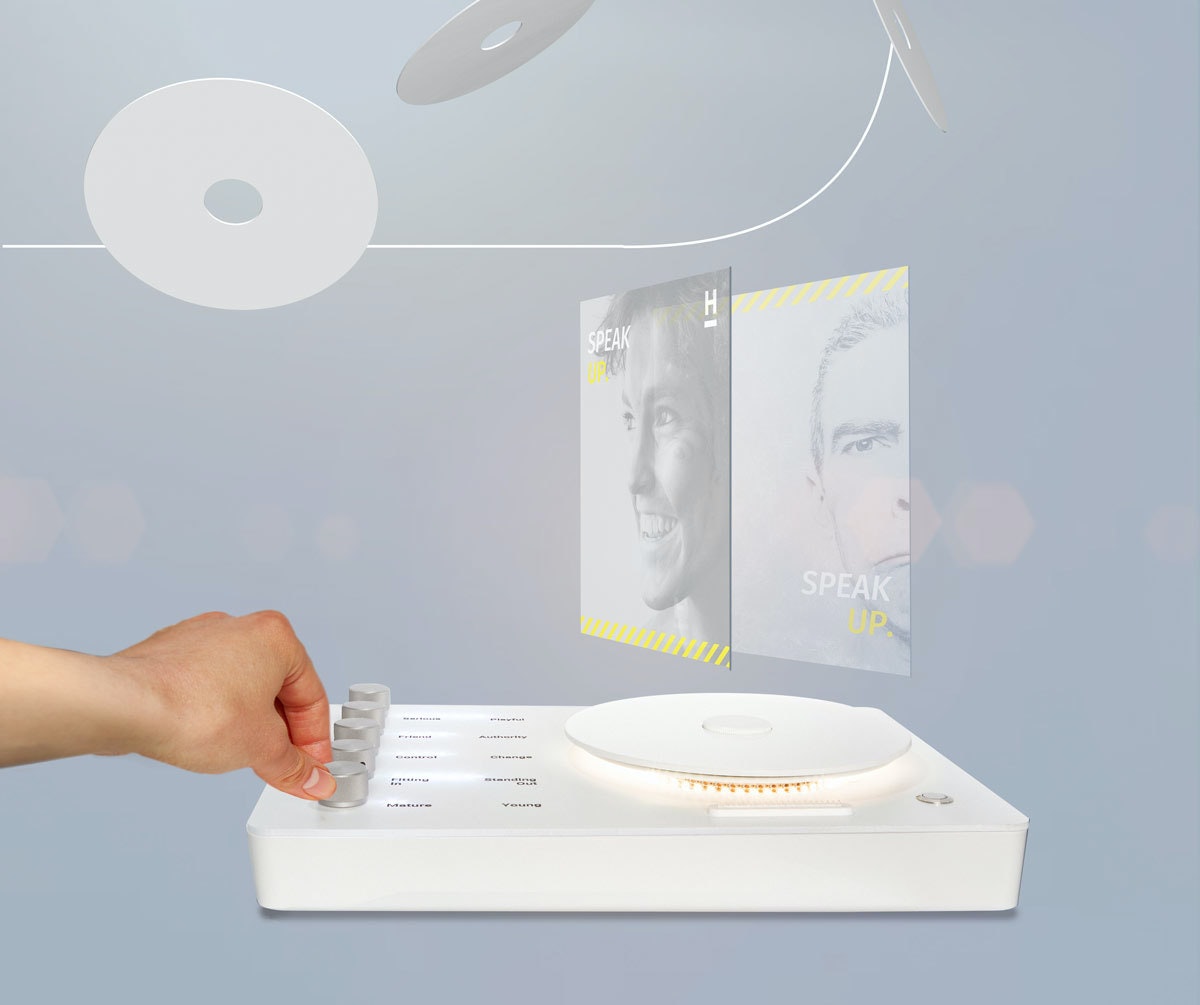
Even with a creative mindset, people often lack confidence and ability to shape and express their ideas at the highest level.
What does your brand look like? Turn the dials of the Creativity Mixer (produced in collaboration with creative.ai) to set your personality ("playful," "stubborn") and it calls up images, fonts, and colors for you to use when executing ideas. When settled with your choices, hit print for your very own brand style guide.
Creativity is latent, tools make it accessible.
The Empathy Writer
What if you could find the exact right words to express your feelings? And nothing got lost in translation?
Our globally connected lives mean we’re frequently brought into contact with people from different cultures and backgrounds.Despite the opportunities these networks present, we often struggle to communicate, as we are not equally fluent in the other’s language and don’t share the same cultural
mores.
What if you could find just the right words to express your feelings? And nothing got lost in translation?
The Empathy Writer helps you convey what you mean in a way that will be easily understood. Using the character trait tiles, I describe myself and you, then the machine helps me compose a message in a way that reflects who you are.
Empathy is amplified.
The Belief Checkout
What if tomorrow’s supermarkets considered your values and ethics when automatically buying products for you?
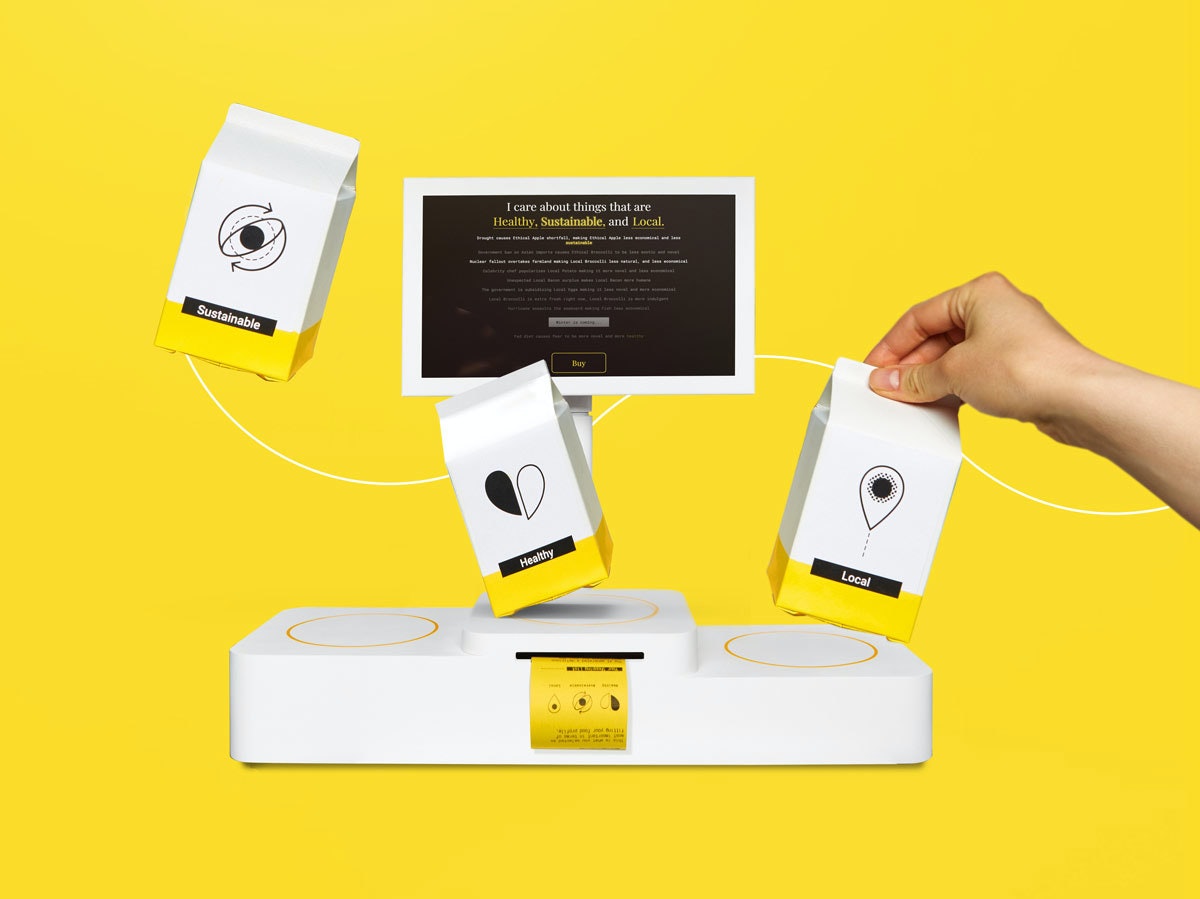
We outsource more and more tasks to AI. But how do we know that the decisions AI makes on our behalf are aligned with our beliefs and values? How do we impart them to the machine?
The Belief Checkout’s shelves are full of products that represent values. Pick the ones that reflect you to help steer the supermarket’s algorithm. Say you value sustainability. While eating red meat may not sound like a sustainable choice, eating an overstocked steak might be. The supermarket can help you make choices that square with your values.
We let go of control, but our beliefs stay in tact.
Hyperhuman was a collaboration between IDEO Munich, London, and Chicago. To find out more about our Protopian perspective on augmented intelligence email europe@ideo.com.
We’re in the midst of a revolution. Intelligent machines are able to augment our humanity in ways that seem lifted straight out of science fiction. Self-driving cars, bipedal and quadrupedal robots, even our thermostats learn from us and get smarter over time.

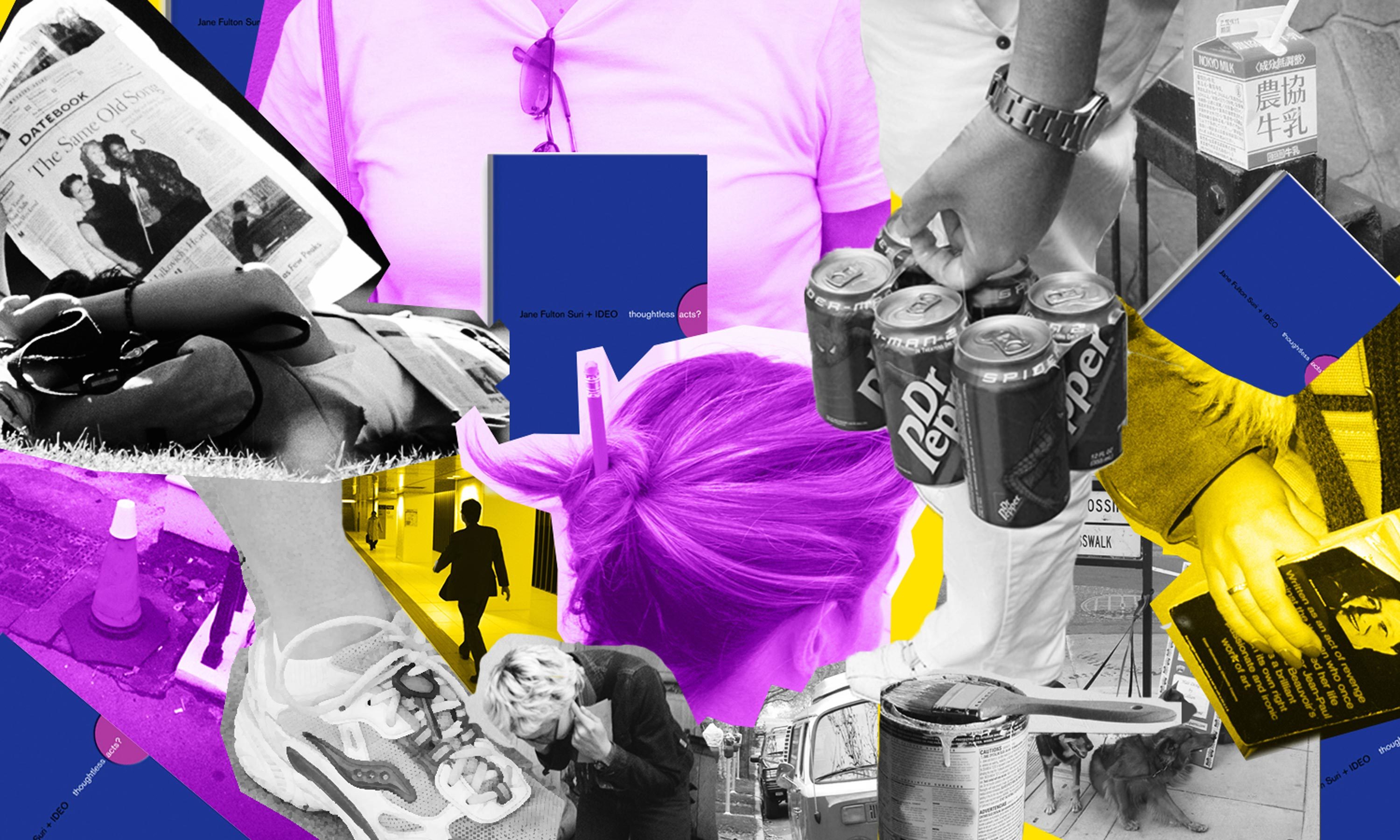
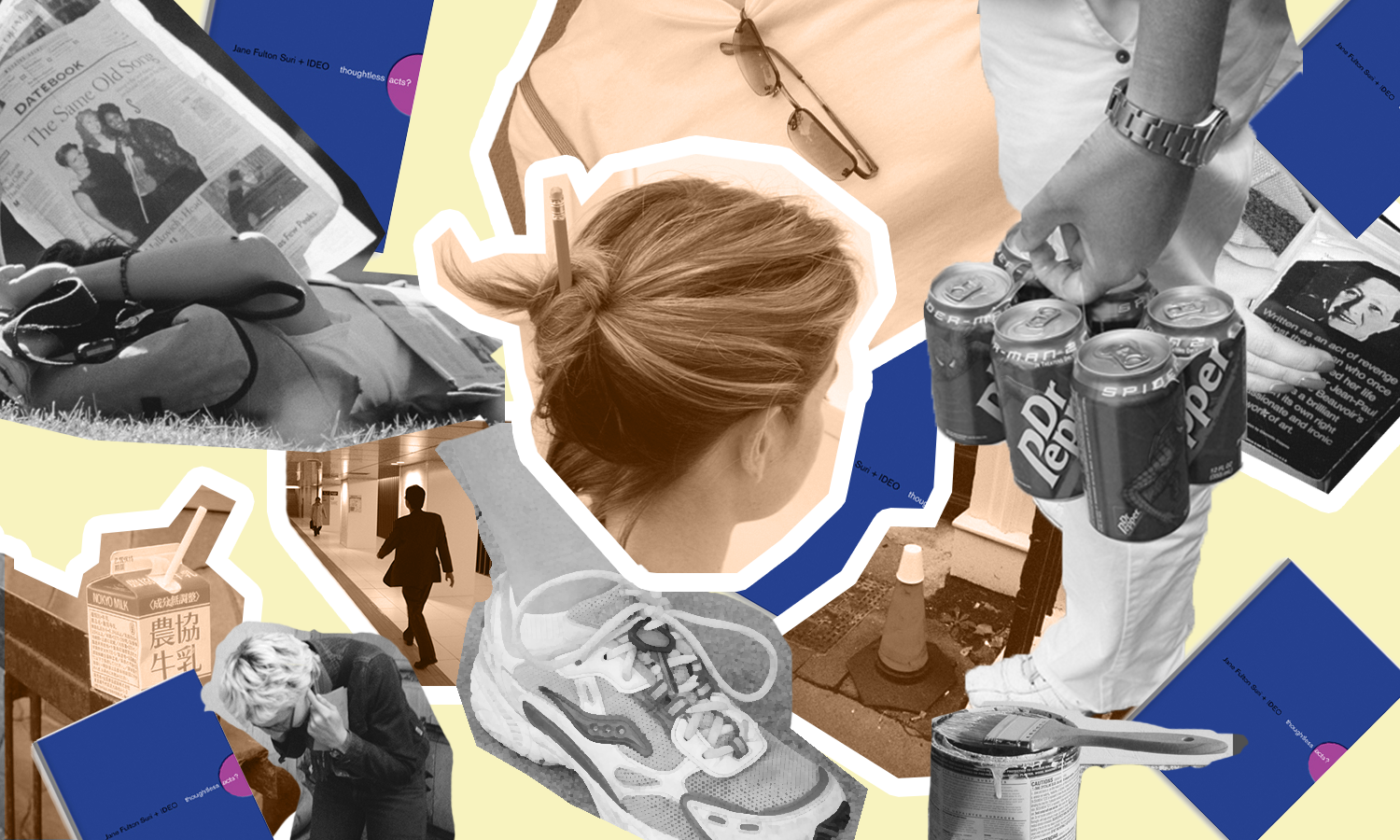
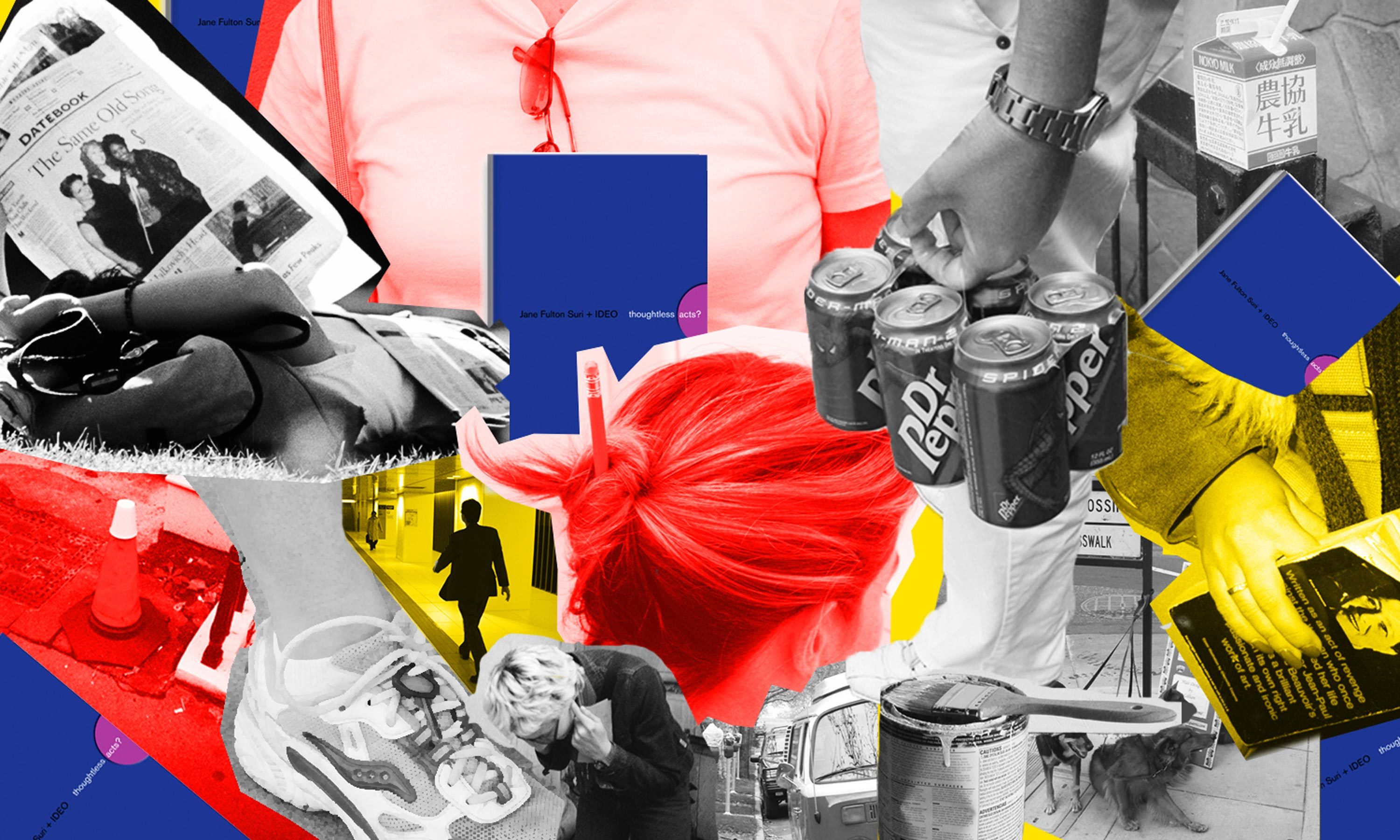
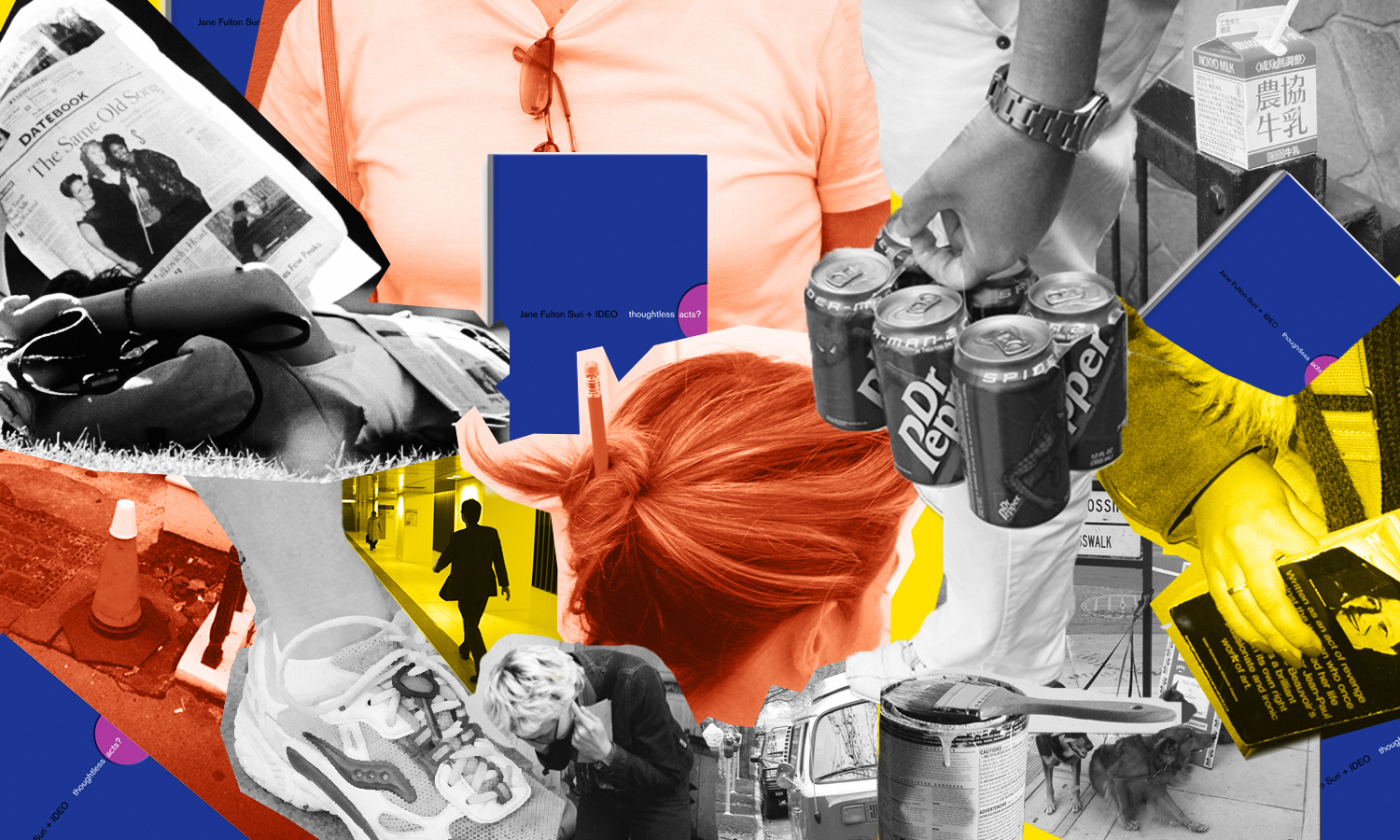
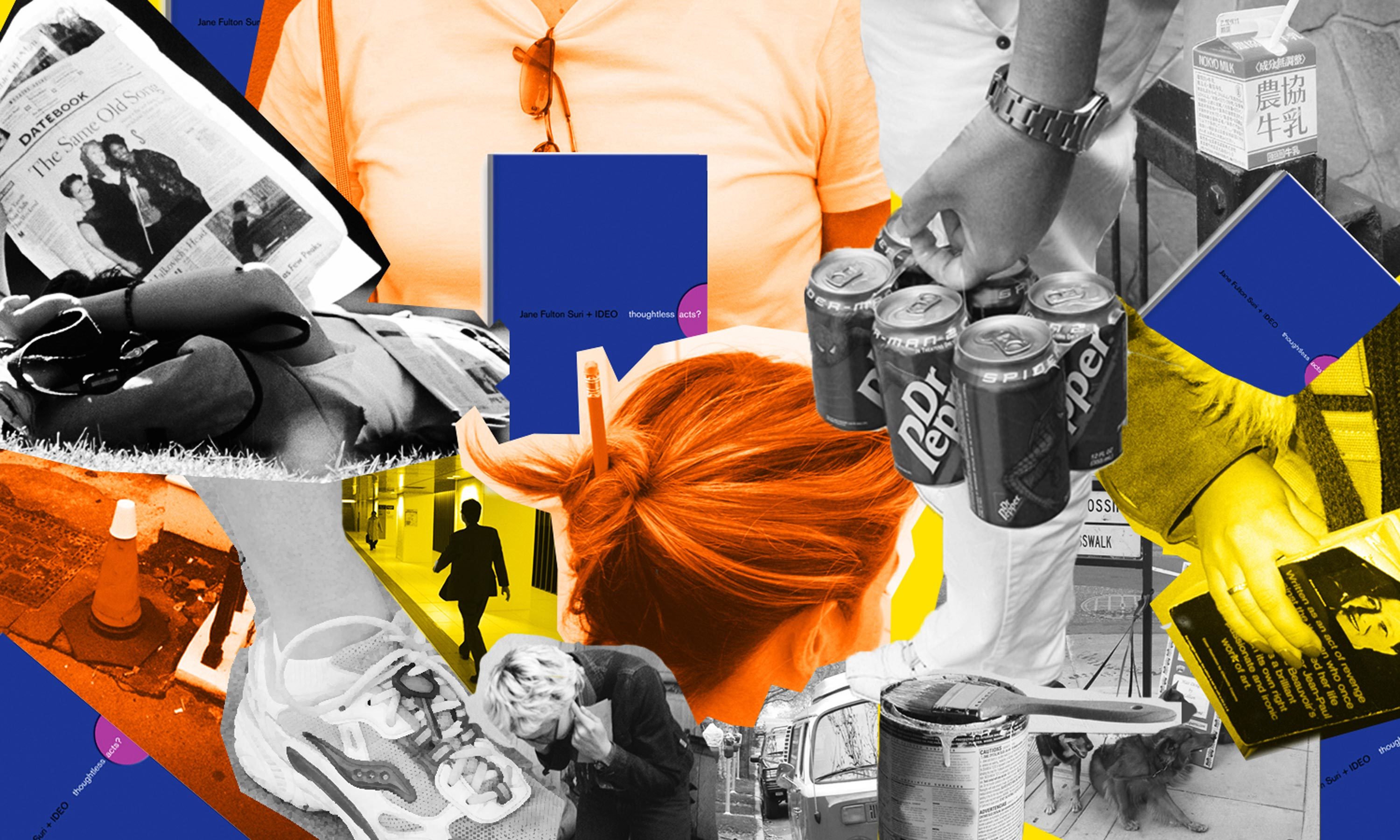
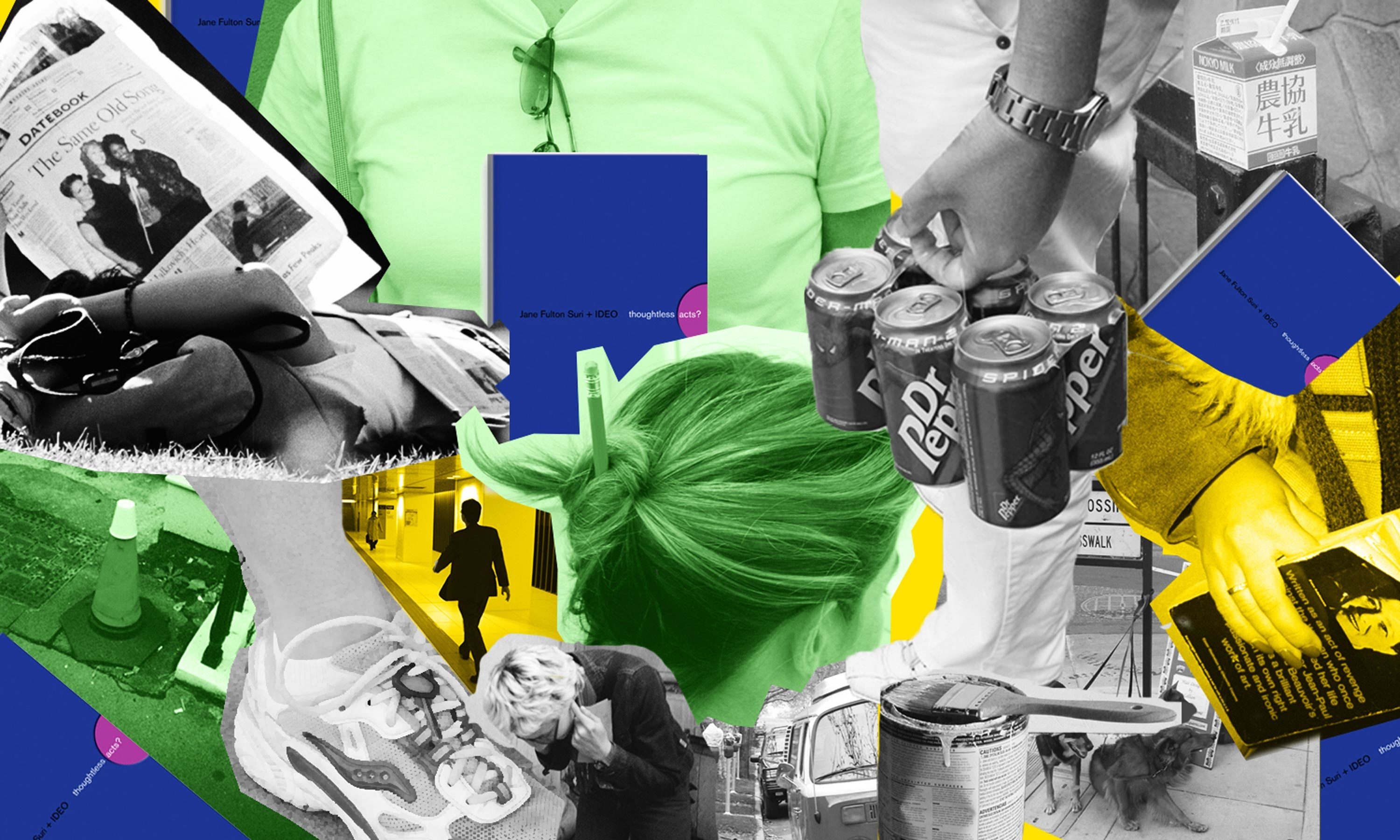
Thoughtless Acts: Hack your commute
Thoughtless Acts: Hack Your Commute. The intuitive ways we adapt and react to things in our environments

I took this picture at the train station right next to our Palo Alto office. At first glance, I thought it was an unusual fashion statement, but then I realized that the woman in the picture solved a common problem in an elegant way: When your bike lacks a chain guard, your pants can easily get stuck and you risk destroying them—or even causing an accident. By wearing a cut-off sock above her pants she kept them protected from the chain. By going with a chartreuse sock, she made sure she wouldn't be overlooked in the aggressive Bay Area traffic.
Unfortunately, I discovered this helpful little hack the day after I ruined my favorite yellow pants with chain oil. But don't pity me too much; in the end my dry cleaner saved my day, and from now on, I'll always carry a cut-off sock with me.
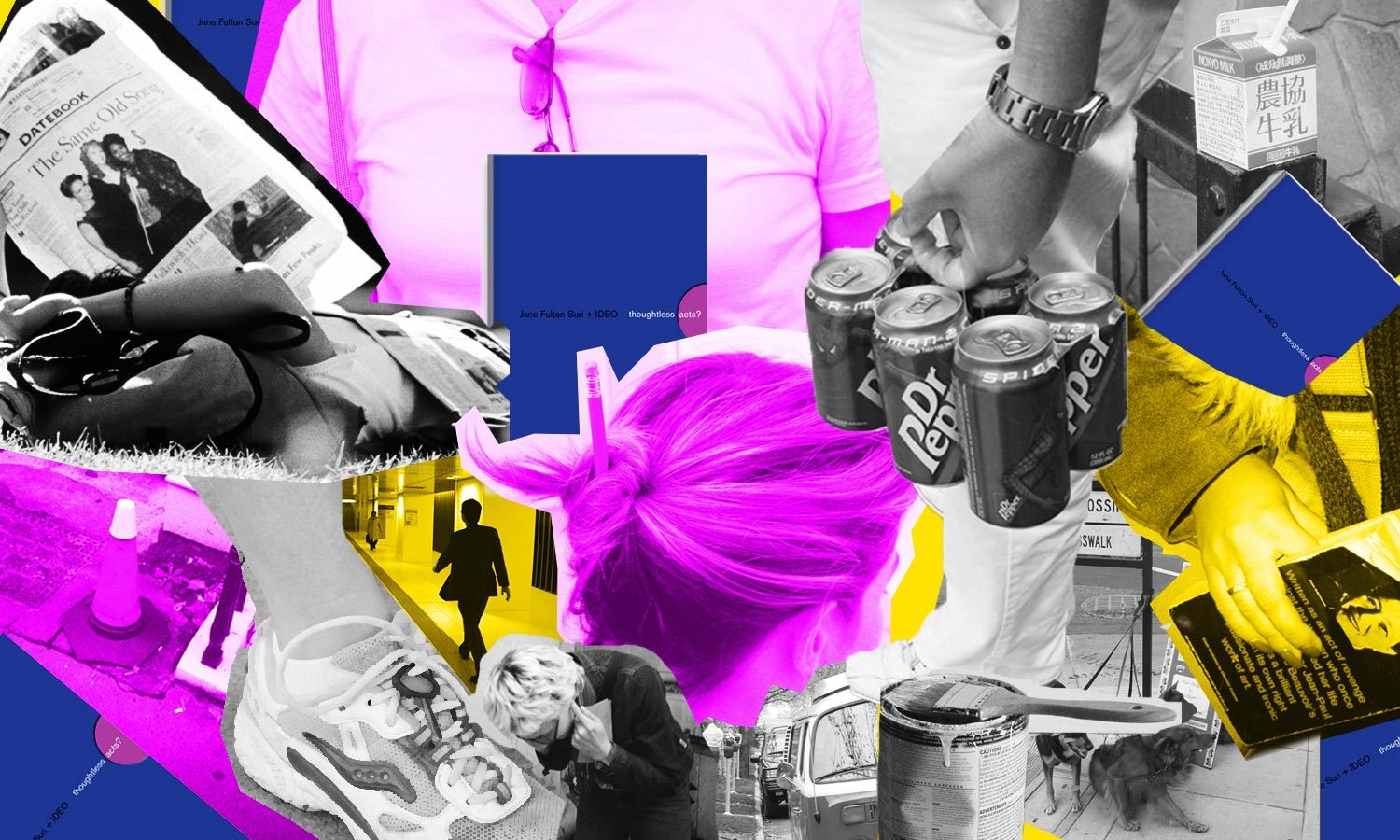
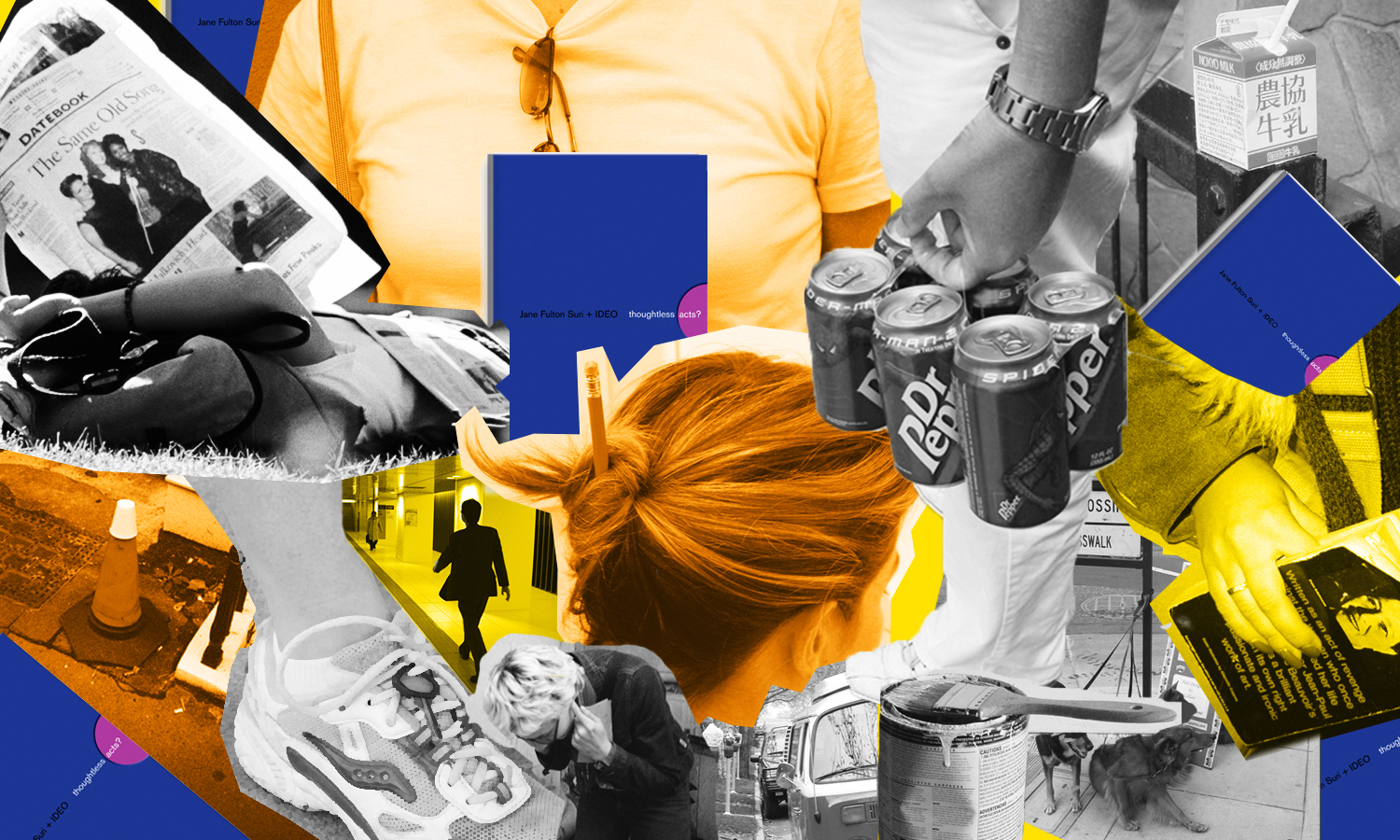
Human-centered design requires us to observe human behavior with beginner's eyes, so that we can spot the innate ways people interact with the world around them. We call these intuitive and unconscious reactions Thoughtless Acts, and IDEO designers collect photos of them to inspire their work.

Lindsey Turner
I’m passionate about building brands, products, and experiences that help organizations show up with meaning and momentum.
I help organizations cut through complexity by shaping how they show up, through brand strategy, identity, and storytelling.
Working at the intersection of brand and business, I bring an editorial eye and a bias toward making—turning ideas into tangible experiences that people can understand, trust, and believe in.
My work spans government, healthcare, financial services, media, and consumer goods, from launching Gen Z-focused ventures to building innovation labs and reimagining legacy brands. I relish moments of ambiguity and enjoy translating across teams, perspectives, and priorities to move ideas forward.
I started my career in editorial and digital design, shaping cross-platform experiences and identity systems in publishing and agency environments. That foundation still shapes how I work today: I’m detail-oriented, collaborative, and overreliant on the Oxford comma. I hold a BFA in Visual Communication from the School of the Art Institute of Chicago.

Rachel Young
My work helps organizations see who their products aren't working for—and build the will and the tools to do something about it
For 25 years, I've asked the same question: Who does this design exclude—and what are we going to do about it?
My work spans human-centered strategy, inclusive design, and qualitative research, with clients ranging from Microsoft, Google, and Verizon to the National Science Foundation, and San Francisco Unified School District.
Before IDEO, I taught elementary school in East Palo Alto and spent a decade doing design work with social service organizations—where I learned firsthand what it costs people when systems are built without them in mind.
I am currently writing User Error, a nonfiction book about digital access and the design decisions behind it. I live in Oakland, California.

Brian Pelsoh
I lead with craft, ensuring our work is creatively excellent: rooted in deep human insight and imagination, while also grounded in the realities of business and technology.
My expertise spans brand, communication, and product design across tech, education, the arts, and social impact.
I believe great work demands both high-level vision and obsessive attention to detail, and only happens through collaboration.
I bring an inclusive, hands-on approach and a deep understanding of business, which enables me to consistently deliver excellence while always asking why.
Before joining IDEO, I worked at the brand firms Pentagram and VSA Partners. I began my career as a designer, leading teams at the School of the Art Institute of Chicago and the Milwaukee Art Museum. I hold an MFA in graphic design from Maryland Institute College of Art and a BFA in communication design from the Milwaukee Institute of Art & Design, and have taught at some of the best design schools in the US.

Tony Wong
I am responsible for IDEO’s long-term success in China and working with clients to use design as a tool to enable growth.
I am responsible for IDEO’s long-term success in China and working with clients to use design as a tool to enable growth. Specifically, I have helped Chinese companies design holistic brand solutions through the development of their products, communication, services, and innovation teams, and I have helped multinationals expand their presence and influence in China.
I advise global leaders on developing China-led innovation and capabilities.
In over 15 years in IDEO Shanghai, I have worked on projects that use design to elevate the quality of the experience of healthcare products and services, streamline processes that increase productivity, create spaces and programs that promote and enable inclusive communities, and build next generation mobility solutions that are planet-positive.
Before joining IDEO, I worked at Philips Electronics and the Electrolux Group in Italy, the Netherlands, and Singapore on a number of breakthrough commercial products. I am a member of the Young President Organization in Shanghai.

How to use AI as an editor, not a writer
Ed White shares how he uses AI as an editor—not a writer—to sharpen storytelling, rehearse ideas, and preserve the productive friction that makes creative work better.
Ed White has a rule he's tested on his own writing: hold yourself as the writer, and let AI be your editor. Ed is a Senior Design Director at IDEO's London studio, where he co-leads the firm's AI portfolio across Europe. Before IDEO, he spent 12 years as a writer and editor at the Financial Times, Wired, and Contagious. So when he talks about when to use AI for storytelling and when not to, it comes from two decades of crafting his storytelling skills.
In this episode, Mina Seetharaman talks with Ed about two specific tools he uses to keep AI in an editor's seat: a "roasting agent" prompted to critique his drafts without any sugarcoating, and a simulated audience he rehearses pitches on before the real thing. They also get into what Ed is hearing from design leaders at Anthropic, Lovable, Shopify, and Google Creative Lab about how creative work is changing, and why he thinks the friction of writing something yourself is worth protecting rather than automating away.

Building a personal AI for the messiness of life: Sida Li
Becca Carroll talks with Cue co-founder Sida Li about designing a personal AI for the messiness of everyday life—not just work. They explore how Sida stays anchored to human needs while navigating fast-changing technology, product tradeoffs, business-model experimentation, and the realities of building an AI company today.
Most AI products today are built for work—a space with clear problems and established systems. One founder noticed a gap: personal life is messier, harder to systematize, and mostly left behind by the AI boom. So she built Cue, a personal AI that lives inside iMessage and group chats, to go where the other tools haven't.
In this episode, Becca Carroll, IDEO's Chief Strategy Officer, talks with Sida Li, co-founder and CEO of Shared Context Lab, about staying anchored to a human need while the technology around her keeps changing shape, why she treats her business model with the same rigor she'd bring to a product, and what it feels like to build a company at this particular, disorienting moment in AI.
The conversation also gets into how Sida makes design decisions: the language Cue uses to describe itself, the tradeoffs behind building inside iMessage instead of a new app, and a real story about a business idea that didn’t pan out.
This is the second in a two-part series profiling founders from IDEO's Startups-in-Residence program. The first conversation is with Johannes Seemann, founder of Sooner, on designing GenAI for the emotional side of money.

Designing GenAI for the emotional side of money: Johannes Seemann
Designing financial tools around the feelings that shape money decisions.
Most personal financial tools are built to run the numbers and optimize towards a budget. While that works for some, most people experience money as a lived relationship that does not neatly fit into a spreadsheet. Johannes Seemann and Becca Carroll discuss why money is emotional before it is mathematical, and what a human-centered approach to building a generative AI financial product looks like in practice.

The curious leader's edge in uncertainty: Scott Shigeoka
How genuine curiosity helps leaders navigate uncertainty with greater confidence.
Mina Seetharaman talks with Scott Shigeoka, author of Seek and Head of Curiosity Cultivation at the Eames Institute, about what distinguishes genuinely curious leadership from performative curiosity, how power dynamics shape curiosity, and why practicing curiosity can restore energy rather than drain it.
Looks like you might be in search of something very specific?
Or reset the filters above and try another angle.
Here’s some random inspiration

Podcasts about creative leadership

Articles about the power of prototyping



















.webp)