
.svg)



A leading food company’s human-centered transformation spurs rapid growth
How The J.M. Smucker Company embraced customer centricity to build a culture of innovation.
Over more than a century of leadership in the food and beverage industry, The J.M Smucker Company has expanded its range of products to maintain its relevance and address market demand. Today, the company leads numerous categories, with beloved products like Jif, Milk-Bone, and Folgers, which are the top choices of millions of Americans. By growing and diversifying their brands over the decades, Smucker has successfully weathered major shifts in consumer habits and technology. Today, though, CPG companies are experiencing unprecedented disruption, and leaders at Smucker understand that the escalating pace of change will require more than just new products.
Geoff Tanner, Senior Vice President, Growth & Consumer Engagement at The J.M. Smucker Company recognized the need to identify new market opportunities and establish practices that put innovation and growth at the heart of their business. And he saw the potential to bring those goals to life through his relationship with IDEO.
WATCH: Balancing innovation and efficiency through design has helped Geoff Tanner, Senior Vice President, Growth & Consumer Engagement at The J.M. Smucker Company, brave the unfamiliar, transform organizations, and ultimately bring game-changing ideas to market faster.
Geoff has stewarded a close partnership with IDEO for over a decade and throughout roles at numerous organizations. Together, Geoff and IDEO have worked on 25 projects, beginning while Geoff was VP of Marketing at Big Heart Pet Brands, and continuing on throughout his career at The J.M. Smucker Company. By working with IDEO to adopt a design thinking approach, Geoff has enabled collaboration across teams and empowered his organizations to find new ways of working that result in measurable business impact. For The J.M. Smucker Company, the partnership has brought creativity and human-centered design to the forefront of its operations, strengthening its ability to bring new products and brands to market and create a pipeline of growth.
WATCH: The J.M. Smucker Company has shifted to embrace growth and innovation as a mindset throughout the organization to bring more consistency to the innovation process.
Looking to the past to creatively connect with the future
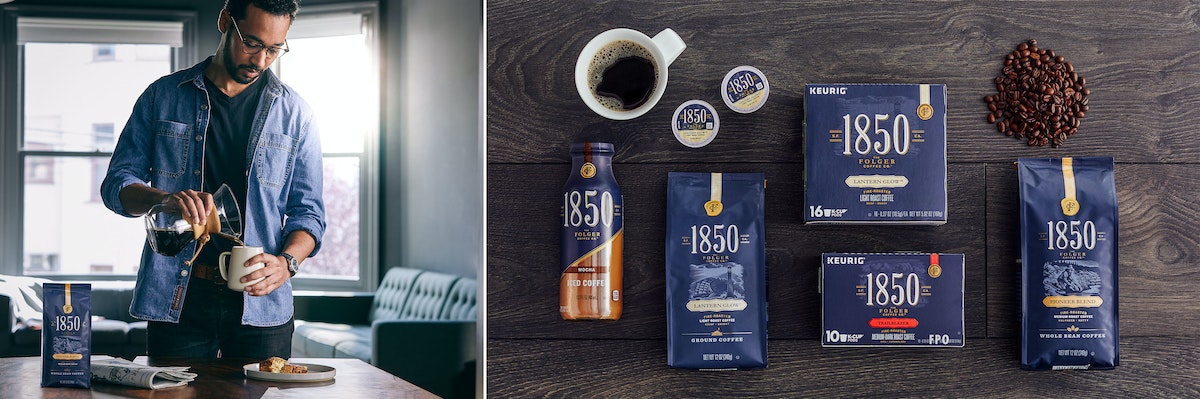
As an example of this, Geoff and The J.M. Smucker Company suggested to IDEO that they explore how Folgers, America’s leading at-home coffee brand, might resonate more deeply with a millennial audience. Design research revealed that the mindset of today’s millennial coffee drinkers aligned with Folgers entrepreneurial brand roots. The teams collaborated to create a new concept: a brand called 1850 and an end-to-end, go-to-market product experience, including packaging, retail, and merchandise. 1850 hit shelves in 2018 and has since been reported by IRI Advantage as the top launch in the Coffee Category for 2019.
Frankly, I don’t think innovation gets any easier. You just get a little more comfortable with the discomfort, and that’s when the work starts to get consistently better.
Geoff Tanner, Senior Vice President, Growth & Consumer Engagement, The J.M. Smucker Company
Creating an innovation pipeline that’s inspired by consumers’ needs
With 1850 underway, Geoff and The J.M. Smucker Company continued to invest in human-centered design to drive new offerings. The next collaboration with IDEO explored how Jif, the iconic peanut butter brand, could extend beyond the jar and become more readily accessible and appealing to busy parents who want to feel confident about the snacks they give their kids.
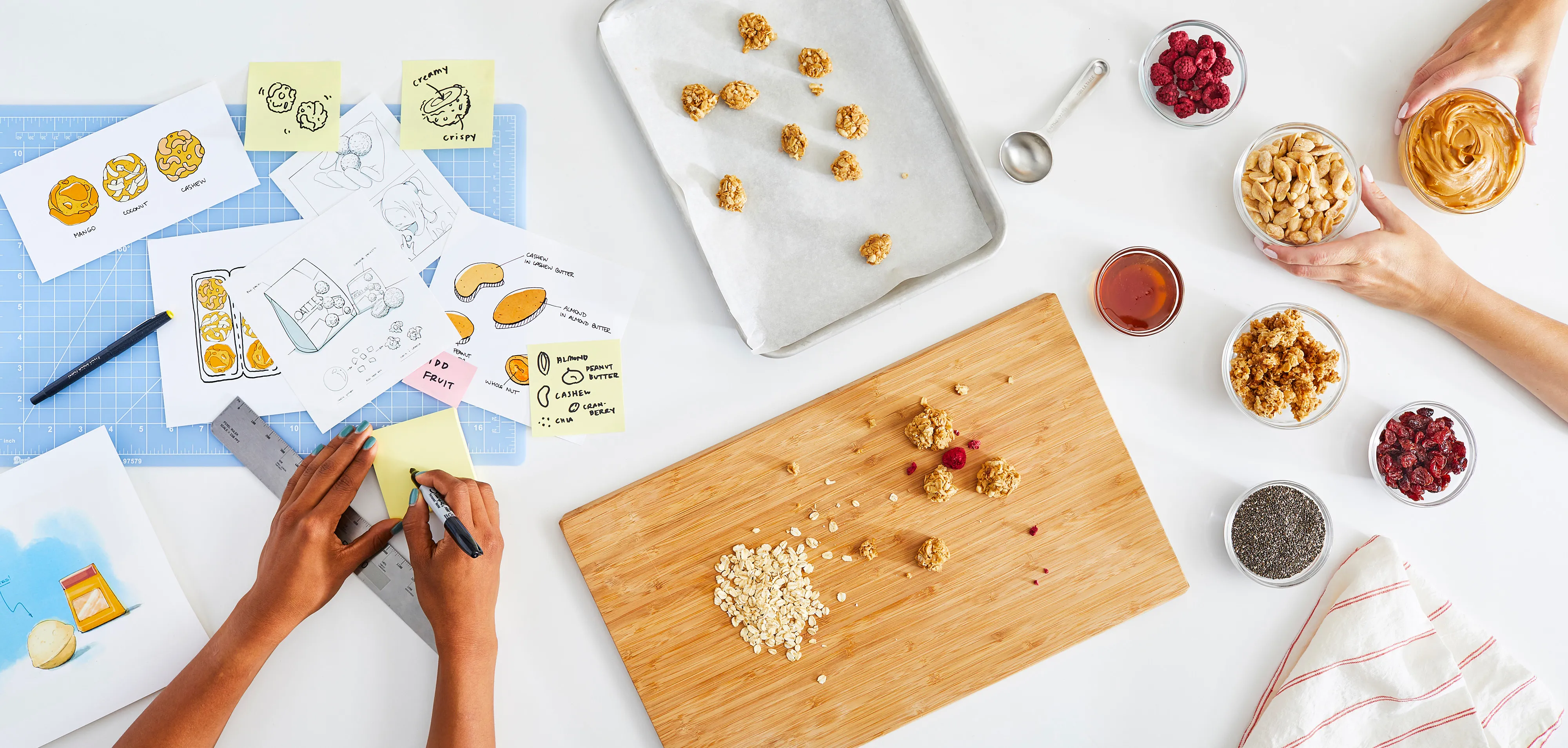
The design team was moved by the challenges that parents face: They want the best for their kids, but struggle to choose between what’s wholesome and what’s convenient on a daily basis. The ideal foods are filling, nutritious, and energizing, but often take more time to prepare and aren’t backpack or carpool-friendly. On the other hand, more convenient options tend to be full of empty carbs. Based on this insight, IDEO and Jif decided to tackle the snack-time parenting struggle. The IDEO and Jif teams worked side-by-side to prototype multiple product ideas and formats and tested them with on-the-go families to ultimately create Power Ups.
Available at over 200 retailers worldwide and online at Amazon, Jif Power Ups make wholesome, delicious grab-and-go snacking possible for kids and parents alike, across products ranging from Soft Baked Bars to Creamy Clusters, which are filled with peanut butter and rolled in whole grain oats. All are made with peanuts as the first ingredient and contain no high fructose corn syrup. Since going to market in 2018, Jif Power Ups has been named the top innovation launch in the Snack Bars category by IRI Market Advantage.

Design thinking underpins everything we do.
Geoff Tanner, Senior Vice President & Corporate Officer, Growth & Consumer Engagement, The J.M. Smucker Company
WATCH: The J.M. Smucker Company is on a transformational journey, committed to three pillars of growth: Lead in the best categories, build brands consumers love, and be everywhere.
The J.M. Smucker Company has experienced accelerated growth and speed to market by testing bold new ideas and evolving the role of innovation at the company. Design thinking and consumer empathy have permeated the organization’s new product development process, making it easier to uncover sharp, human-centered insights that lead to thoughtful and uniquely differentiated brands in a competitive, ever-shifting, and overcrowded industry. The work has fueled Geoff’s vision to inspire a culture of innovation at the company so that it can move at the speed of consumers and remain a best-in-class family of brands for future generations.
Creating a fresh, modern take on the Indian culinary experience
Designing a scalable restaurant, retail, and packaging experience that highlights the diversity of regional Indian foods.
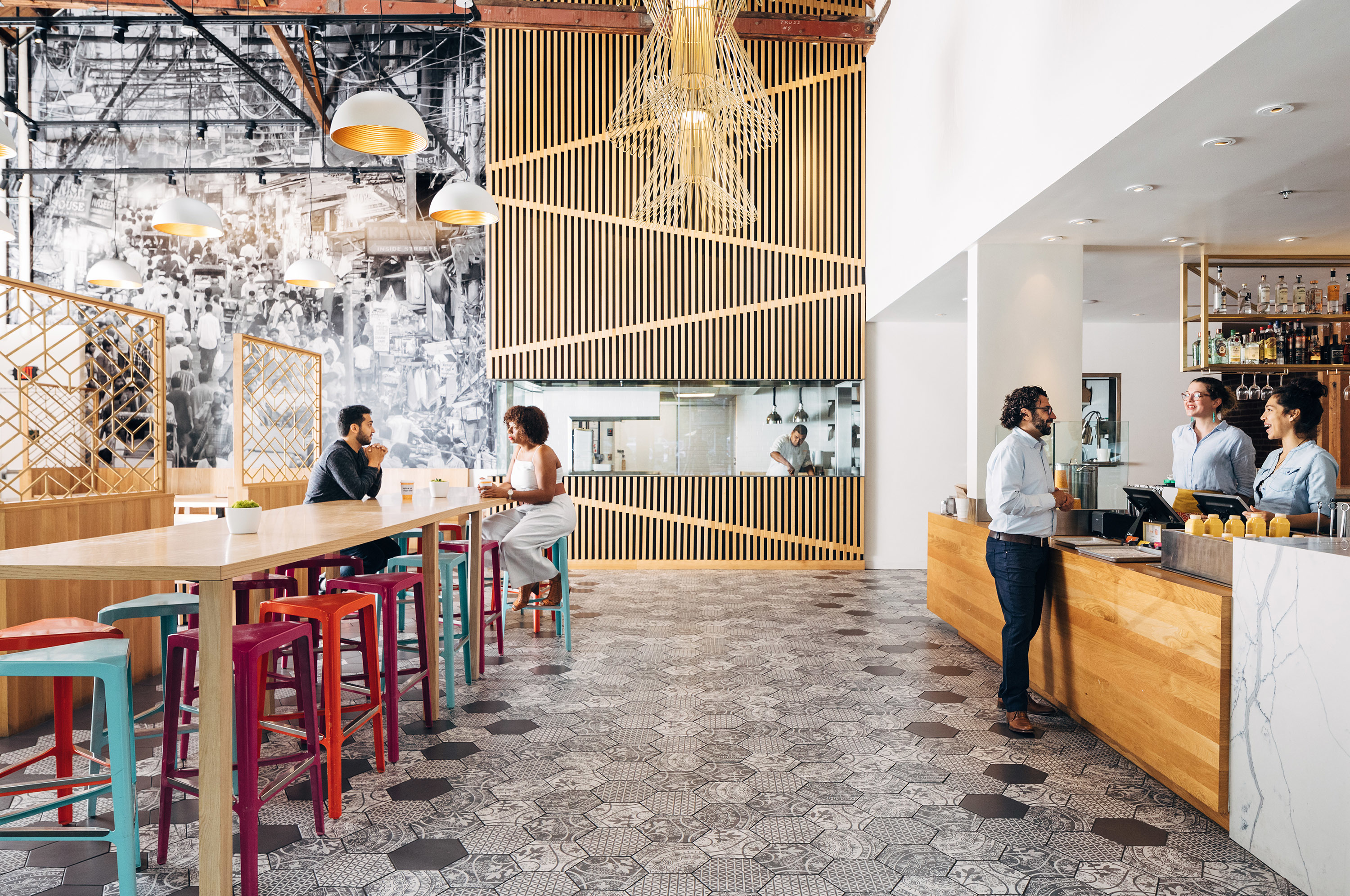
It’s a Thursday afternoon in Oakland, California. A line of lunchtime diners snakes out the door of dosa by DOSA. Upon entering, eaters are greeted by the smell of tangy dosa—a large paper-thin crepe made from a fermented batter of rice and lentils—and sweet, spicy chai. Turquoise chairs pop against a floor-to-ceiling mural by Oakland artist Namita Kapoor that transports diners to Chandni Chowk, one of the busiest markets in Old Delhi, as if enjoying their food at a local vendor.
In 2003, Emily and Anjan Mitra spent their honeymoon in India, savoring the street food of Anjan’s childhood in Mumbai (often still called Bombay). After returning to San Francisco, they found themselves longing for those distinctive flavors and dishes. Realizing that most Bay Area diners had never seen nor tasted these foods, Emily and Anjan founded DOSA, an upscale, full-service restaurant that introduced the Bay Area to Southern Indian cuisine. Locals came to try the unique, plant-forward dishes, and left with satisfied bellies and a broader understanding of Indian culture.
The entrepreneurs envisioned a brand extension of DOSA: a counter-service restaurant that could scale nationally. The hospitality venture, called dosa by DOSA, would offer healthful Indian street food made from local and seasonal ingredients. Emily and Anjan also set out to expand their existing product line-up—including cold lassi beverages, simmering sauces, and grab-and-go-meals—to national grocers and retailers and needed launch-ready packaging that was convenient, eye-catching, and environmentally-friendly. The new expression would enable consumers to experience dosa by DOSA and Southern India in a variety of forms and places. Emily and Anjan partnered with IDEO to establish a cohesive and consistent brand experience, from the restaurant and to-go meals to retail stores and mobile delivery.
In close partnership with the founders, their staff, Feldman Architecture and MPADA, IDEO set out to bring dosa by DOSA to life and help it scale through brand, environment, and experience design. This included creating everything from the logo and packaging to the menu and operations strategy, with each element tying back to the founders’ vision of sharing Indian heritage and traditions through cuisine.
The group began by seeking cultural inspiration for dosa by DOSA’s brand identity system—the logo, colors, values, fonts, and messaging—to guide future designs. They were inspired by Indian truck drivers who decorate their trucks with garlands, signs, or flags that engage other drivers or bring luck. The dosa by DOSA logo design and its wood-cut typeface are inspired by the dimensionality of this homespun art form, while the vibrant, eclectic colors reflect the streets and textures of urban Mumbai.
The goal of opening people’s minds to Indian cooking and culture extends to the packaging, which meets customers’ needs and playfully educates them. The food containers—made from recycled and compostable material—feature brightly patterned labels reminiscent of the trucks. Some have built-in compartments suited to multiple dipping chutneys, making it convenient to sample a variety of Indian flavors. Paper tray covers resembling Mumbai newspapers offer eating tips like “Be civilized. Eat with your hands,” encouraging diners to experience an Indian custom.
The vibrant brand comes to life across an array of packaging, including cold cups printed with the phrase “thanda thanda pani”—meaning “cold cold water”—which comes from a popular Indian parody of the Vanilla Ice song "Ice Ice Baby."
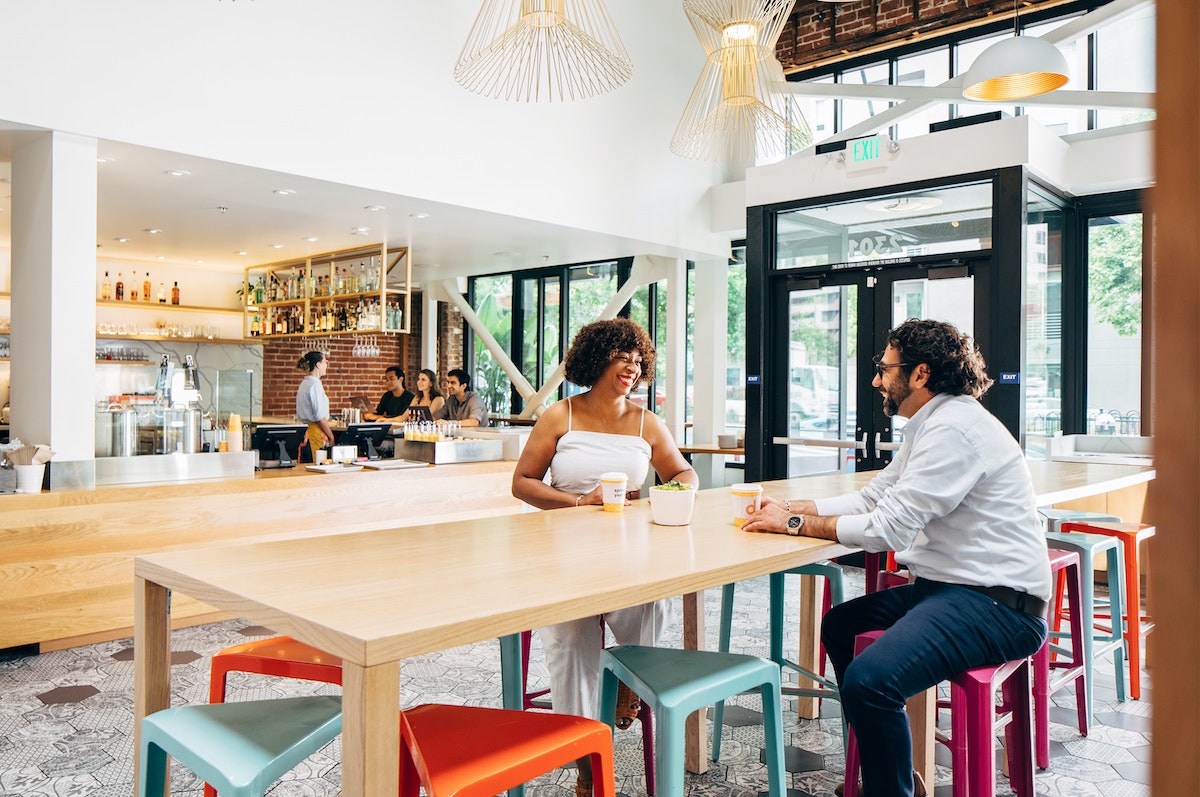
To design the diner experience and restaurant environment in a way that invites curiosity about the culture and cuisine, the team started with diners: They identified key moments in their experience like entering, waiting in line, and paying. The floor plan, furniture, lighting, signage, and menu were designed around these touchpoints. For example, while customers wait in line, they can watch dosa being prepared, as if they’re eager and hungry travelers awaiting street food.
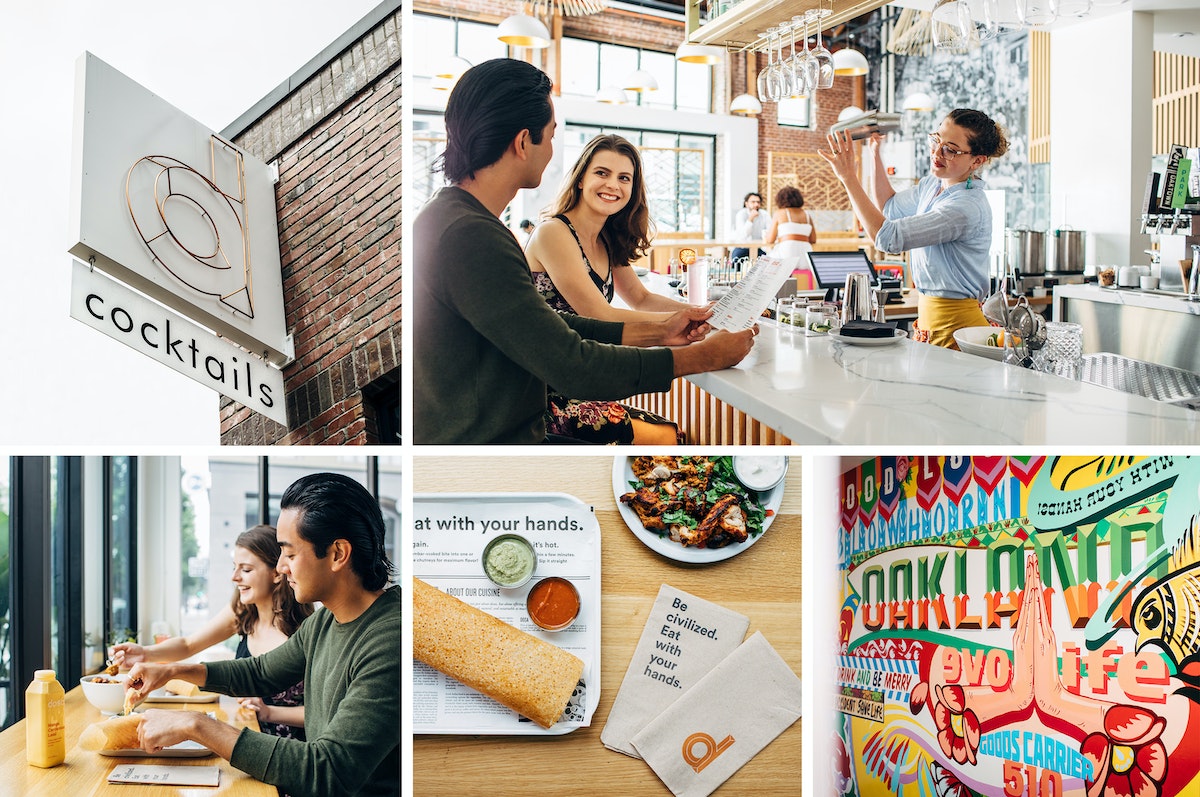
The dosa by DOSA menu includes distinctive items like coconut kale mung bean salad and hot masala chai made with caramelized milk—the way Anjan’s mother prepared it. To help the restaurant scale, the team created a preliminary furniture, fixtures, and equipment (FF&E) budget, 3D renderings of the space, and an operations strategy for the founders and their employees.
The dosa by DOSA flagship launched in January 2018 in Oakland, California. The IDEO brand guidelines have enabled the dosa by DOSA team to independently and easily shepherd new product lines to market, including salads, wraps, curry bowls, samosas, and simmer sauces. The brand’s packaged food launched in over 200 natural food stores in 24 months—including over 100 Whole Foods locations—as well as online retailers and delivery services like Good Eggs and Caviar. These items and the restaurant have helped Emily and Anjan realize their vision of bringing the flavor and spirit of Southern Indian cuisine to new communities around the world.
Revitalizing Japan’s food industry through design and software
Redefining the “middleman” role of produce wholesalers in Japan.
In recent years, due to shifts in Japan’s demographics, the food industry has faced challenges such as a decrease in market size and a shrinking number of producers. As a result, social impact opportunities abound in this field.
When Japanese software company NJC (Nippon Jimuki Co. Ltd.) approached IDEO seeking to identify new business opportunities that would build on the company’s core strengths, the food and agriculture industry rose up as a promising area of focus.
NJC is a well-established software company that has spent over 50 years helping to build backend business systems for small to medium enterprises. NJC works across healthcare, retail, and food and beverage, computerizing core processes to support and improve operations.
In partnership with IDEO, NJC explored its strengths and potential as an organization, as well as the ideas and visions of the employees, and emerged with the goal of using their capabilities to address large-scale issues facing regional farmers.
During research across Japan, local growers described challenges with multi-layered supply chains and analog systems, which led to “overwork for minimal profit,” as well as a gap between supply and demand. Because agricultural wholesalers lacked clear information in advance on the status of crops or the volume to be harvested, they struggled to negotiate with buyers, which led to wasted food On the other hand, the farmers who grow the crops are engaged in manual labor, and do not always have the energy to focus on business aspects such as efficiency or the pursuit of increased profitability, which leads to a diminished interest in farming among young people.
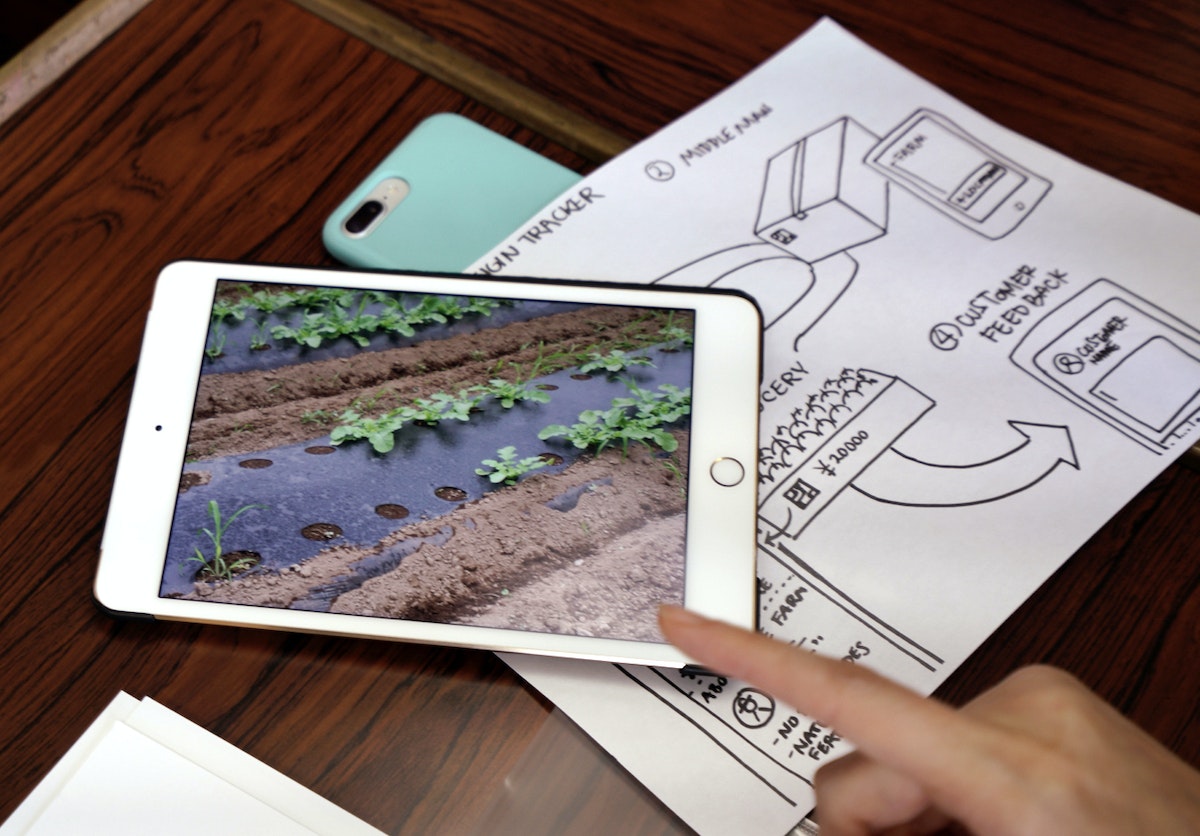
One question that emerged through research was why agricultural producers weren’t utilizing IT. This evolved into “How can profitability be improved for all stakeholders?” and, “How might we create a system that will provide useful data without creating a burden for either farmers or agricultural wholesalers?”
The result was fudoloop.
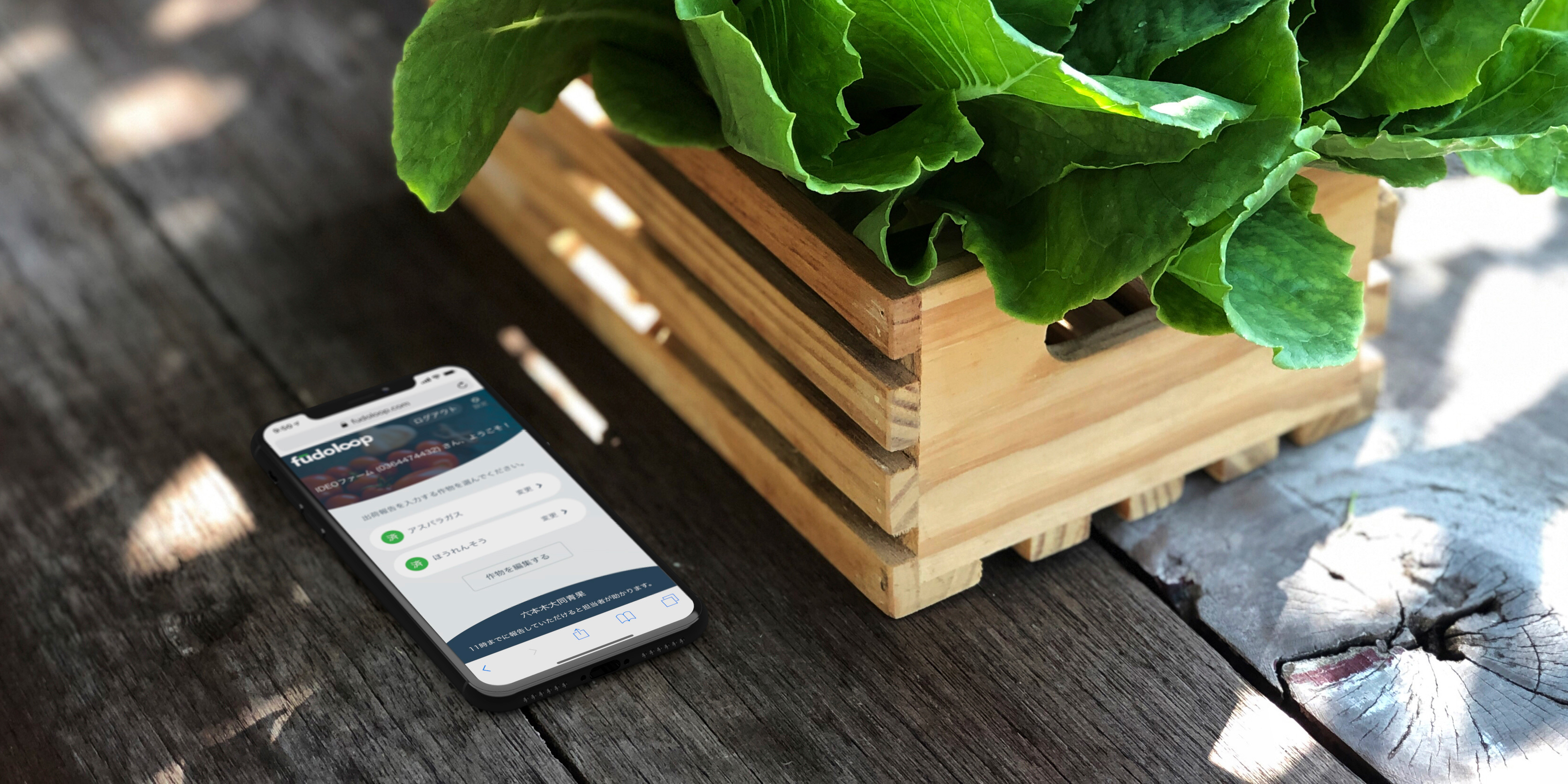
fudoloop is an app that enables farmers and wholesalers to conduct business more profitably by bringing transparency to the fluctuating produce market. Through fudoloop, wholesalers receive information from farmers a day in advance, and can coordinate the various requests of buyers, such as order size, production location and other special requests. As a result, wholesalers can function as “community managers,” doing business with both producers and buyers at a more appropriate price point.
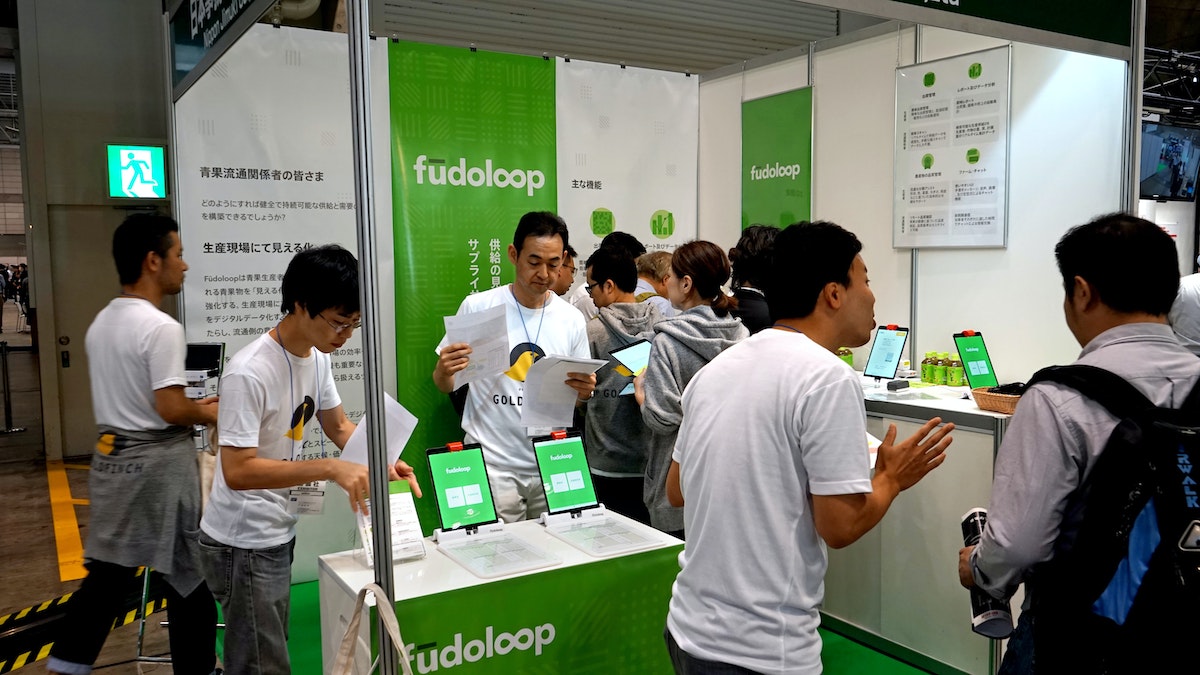
NJC aims for fudoloop to be the first step in a cycle that brings value to all stakeholders, from farmers to wholesalers, retailers and even customers, by redefining the “middleman” role of produce wholesalers.
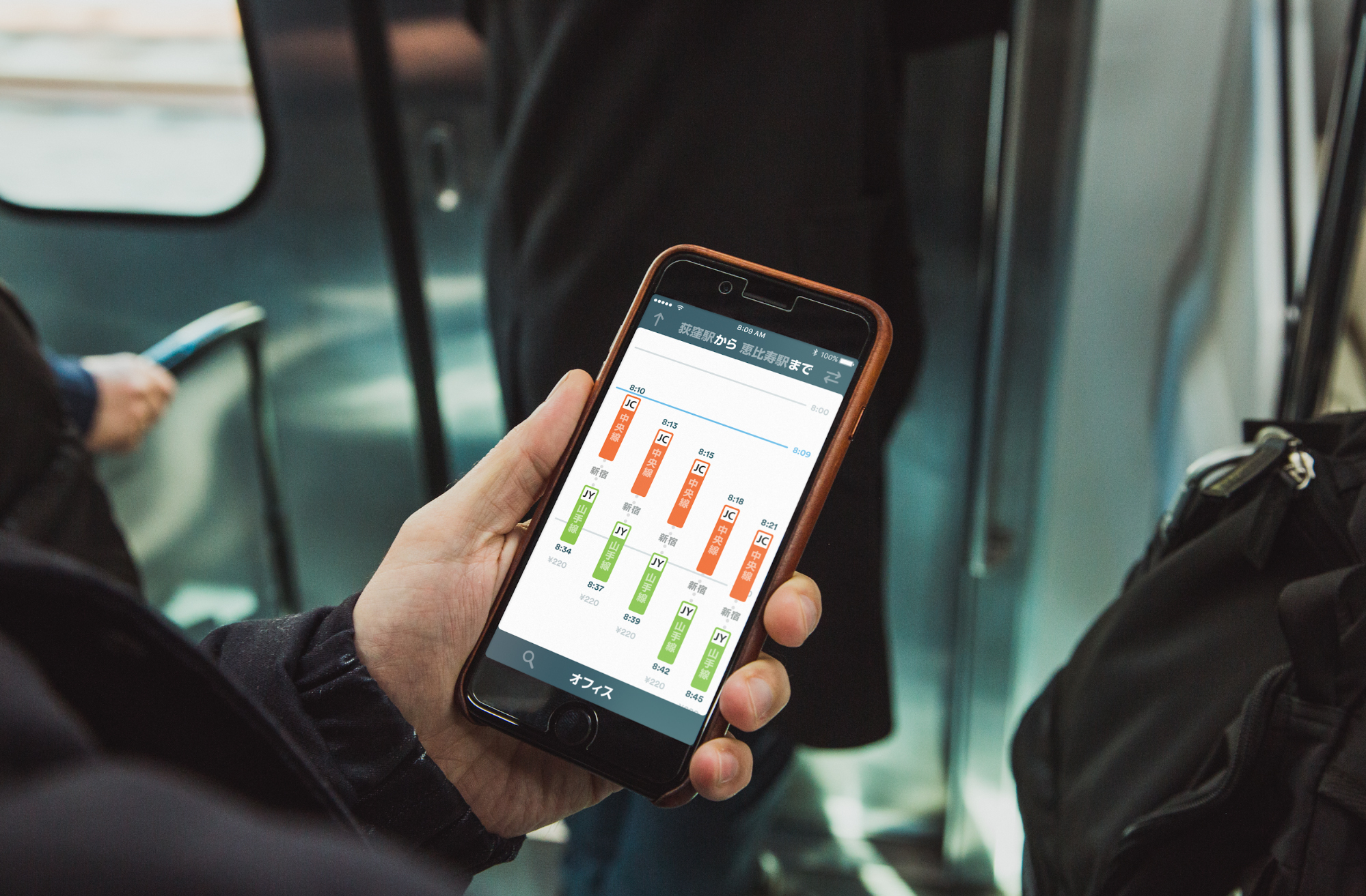
Designing a new digital experience for a world-renowned Japanese railway
A new, human-centered wayfinding app for one of Japan's biggest railways.
The population of Tokyo’s metropolitan area is twice as big as New York, and the daily influx of workers from the suburbs increases that number sixfold. Congestion on trains traveling through the center of Tokyo during commuting hours is said to reach somewhere close to 200 percent of the trains’ capacity.
East Japan Railway Company (known as JR East) is the world’s largest railway company by revenue, operating 12,000 trains daily and serving 6.4 billion passengers per year.
In March 2014, JR East leveraged their extensive operations and passenger data to publish a consumer app that provided train location information, congestion status, air conditioning temperature, and wayfinding tools.
The app was downloaded more than 3.8 million times; however, its features and usability proved unsatisfactory to users. In an attempt to be comprehensive in addressing passenger needs, the app was weighed down with data and worked sluggishly. Competitors’ apps were named above JR East in customer satisfaction surveys, highlighting the company’s need to address the tool’s usability.
JR East’s Technical Division approached IDEO to help design an attractive and consistent user-centered experience through its digital ecosystem. With a team of interaction designers, they launched a project to create a new version of their app.
During the research phase, the IDEO team observed passengers’ behaviors and decision-making processes and noticed that people were using several apps at once to get more personalized and complete information.
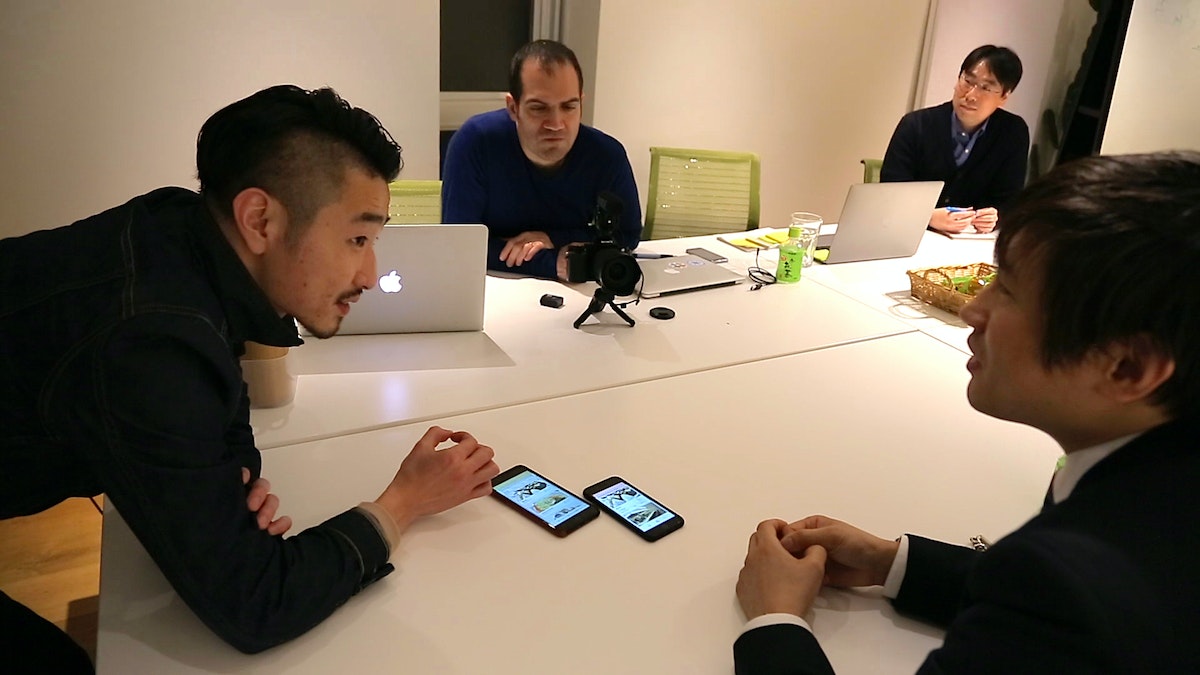
The team created a set of paper-based prototypes to test how users would react to various functionalities. Surprisingly, users ranked versions with limited functionalities higher than those with a broad range of features.
This insight informed a new prototype that enabled a customized user experience based on traveler needs. Wayfinding proved to be the most frequently selected feature, so the new app was designed around helping passenger navigate during their trips.
Although JR East had traditionally outsourced their app development, IDEO encouraged them to organize their own internal team. In cooperation with Pivotal—a frequent IDEO partner familiar with human-centered approaches—the internal team was trained in agile development and built the new app themselves. A prototype was released in November 2017 as “Go! by Train.” It was so successful in the market that the earlier JR East app was replaced entirely with the content of the new design.
JR East's internal development team was recognized by the company for their exceptional output, and will be integral to the company's human-centered digital transformation going forward.

5 principles for making digital healthcare more human-centered
A more humane healthcare system starts with understanding human needs
As more of our interactions with healthcare become mediated by screens, the need to design human-centric systems only increases. Digital interfaces can empower people to take control of their own health, but these systems can also amplify the sterile interactions for which the industry is all too well known.
In order for “making healthcare more human” to be more than a marketing slogan, it’s important for designers, entrepreneurs, and business leaders to keep in mind the humans they serve—especially when designing digital products. Below are five principles we use at IDEO to keep human needs at the center of everything we do.
1. Meet users where they are
Human-centered design means designing for a user’s whole life context: income, employment, food preferences, and emotions. We must also consider the expectations, learned behaviors, and technological capabilities each user brings to the table when thinking about his or her health.

At IDEO, we always try to map out the full user journey. And because that user is human, they might not always be consistent in the way they interact with the digital product or tool. For example, in the course of designing a connected blood glucose meter, we observed that many people with diabetes don’t test their glucose levels on a regimented schedule. Why? Life gets in the way.
But because certified diabetes educators (CDEs) need as accurate information as possible, they ask patients to test as regularly as possible for the two weeks leading up to an appointment. This is where designers can play a role: Because digital tools live in people’s pockets and homes, we can tailor solutions to the individual to a greater degree than is possible in the in-person clinical care environment. By observing how patients use workarounds to integrate products into their routines, we can design solutions that work within the context of their lives. It’s only by meeting users where they are that we can inspire meaningful behavior change over time.
2. Create “give-get” loops
Imagine you’re introduced to a digital product or service by a healthcare provider during a routine clinical visit. You may choose to search for the accompanying app and download it from the App Store. You’d then go through an onboarding process, create a username and password, and decide whether to accept push notifications. You may also be asked to share sensitive health information or consent for the application to access it.
All of these steps have happened before you gained any tangible value from the product or service. In the absence of clear benefit to users, it’s not uncommon to lose many at this early stage.
One way we address early user drop-off is with a “give-get” loop. This could be as simple as asking a user to enter their dietary restrictions in exchange for tailored suggestions about nutrition, or asking for an address to provide hyper-local recommendations. Ultimately, good user experience design incorporates that data to complete a cycle of action that benefits the user. When we’re able to create conditions for purposeful data gathering, we can then recognize patterns and help users discover insights that they could act upon by introducing and initiating new behaviors.
At the same time, we need to be mindful of the role we might be creating for ourselves as recipients and holders of sensitive information. That’s why we’re careful to only collect the “minimally viable data” required to create the intended user experience.
3. Design for relationships
User experience design for managing chronic disease needs to rely on more than software and technology. The relationship between the primary user and their network of care providers and community members has significant bearing on the success of the product. The user experience is part of a larger service ecosystem and must consider how the nodes in that system interact.
Today, pharmaceutical companies often use digital tools to drive adherence—to make sure that patients take their medication at the right times and in the right ways. But digital solutions can go beyond adherence: they can—and should—support holistic care beyond acute or immediate medical needs.
When digital experiences and interactions can help patients live healthier lives, they become tools for delivering better health outcomes overall, beyond any specific condition. Further, the burgeoning field of digital therapeutics is turning out digital health products that themselves stand as effective, proven interventions to treat physical, mental, and behavioral conditions.
4. Don’t be limited by the boundaries of “the device”
When IDEO began working with Bayer Diabetes (now Ascensia Diabetes Care) in 2006, people with diabetes were able to access their own blood glucose data either by logging it themselves or by showing the meter to their doctor. The Contour USB opened up new opportunities for design, enabling people to plug the meter into a personal computer and transfer all readings to a single document. Once the Contour USB launched, the next design challenge was to make it simpler and less expensive. We honed in on a feature: the color screen.

While a color screen might seem like a great new opportunity to present rich information, it was only used for displaying simple data, like meal markers, dates, and times. From a human-centered design perspective, it made more sense to eliminate the color screen and use users’ smartphones or computers instead. The meter’s color screen was adding unnecessary cost without contributing enough benefit in return.
By focusing on the outcome rather than the solution, we were able to spot our own blindspot. Just because an intervention can be solved with technology doesn’t mean it always has to be.
5. Inspire the organization to evolve
As a rule, creating digital products and services will create the need for new capabilities and processes inside the organizations that deliver them. Digital user experiences are living systems, and they require organizational investment and structures ready to support near-constant change. As soon as we’re “done” designing a digital experience, a software operating system might change, a new data privacy law might pass, or a content partner could change their rules of engagement, any of which would require additional refinement.
Today, many companies that deliver global offerings at scale work in silos that are each oriented around different targets and metrics. There are several examples where organizations are directly addressing this challenge through new experimental ways of working. Whether through a corporate innovation lab, internal incubator, or entirely separate venture, carving out a portion of the business enables efficient experimentation without detracting from core business objectives. Then, once proof-of-concepts have been successful, learnings can be incorporated into the rest of the organization.
Even within the most nimble and flexible organizations, any digital product or service will need to continue to evolve and improve from day one. It’s like that old adage about buying a car: once you drive it off the lot, it immediately goes down in value. Once a digital solution is launched, it’s essential to start planning immediately for its next update. By listening to the needs of end users, it should be clear where to begin.
From stepping into a doctor’s office to taking a daily vitamin, each interaction with the healthcare system was designed for and by a human—and yet the industry can often feel soulless.

How to craft a purpose statement that unifies a family of brands
Leaders have a moral responsibility and economic opportunity to nest purpose throughout the organization, starting at the top
CEOs like Tim Cook of Apple, Julie Sweet of Accenture North America, and Larry Fink of BlackRock joined together to declare that businesses must also focus on the ethical treatment of their employees, suppliers, and the environment. In other words, organizations must rethink their purpose—a reason for existing beyond making a profit.
But establishing purpose isn’t simple, particularly for parent companies that own a variety of businesses. Mergers and acquisitions can put the purposes of different enterprises at odds with one another when they find themselves under the same corporate umbrella. Individual employees create their own goals and motivations. But beyond the structural and financial ties across entities and employees within a corporation, there often is no consistent, unifying vision.
With so much complexity in a conglomerate organization, where do leaders begin to create a purpose that functions across many businesses? The solution lies in “nested purpose”—a layered approach that starts at the business level and ladders up to the parent level. Nested purpose builds unity among all employees and businesses, making everyone feel connected. We’ve seen it shift leaders’ mindsets from “running a business owned by a parent company” to “being part of a family of businesses that are stronger together.” Nested purpose has the power to inspire new individual behaviors that in turn catalyze global impact across a corporation.
Walt Disney Company, for example, defines their “why” within their mission statement, “To entertain, inform and inspire people around the globe through the power of unparalleled storytelling.” This statement applies across nine subsidiaries, each with different audience engagement, content, and distribution. A tier down, ESPN, which is owned by Disney, describes their “why” as, “To serve the sports fan, anytime, anywhere.” This statement is more focused on the ESPN consumer and their habits, but it nests comfortably within Disney’s higher purpose, enabling the two to function in tandem toward their ultimate goal, and giving employees in the smaller section of the business a sense that they’re meaningfully connected to the parent corporation.

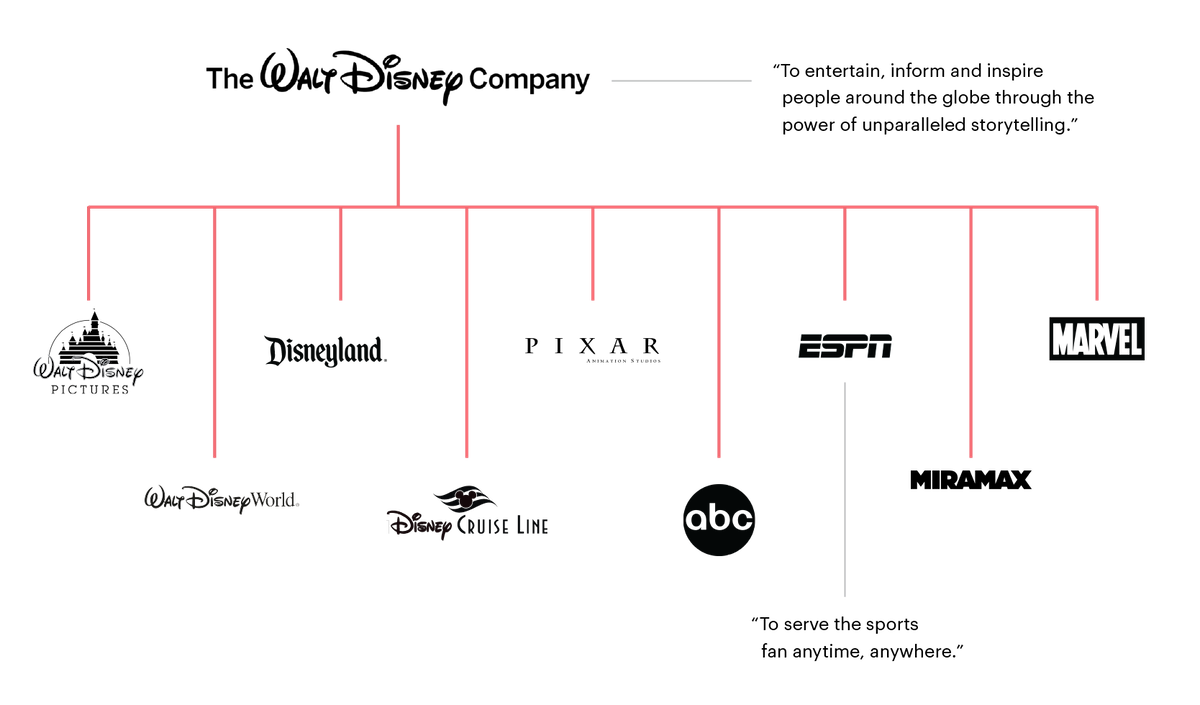
The following is a series of tools and exercises to help foster nested purpose, based on our experience working with a global corporation hoping to drive transformational change within their organization. Like the Business Roundtable executives, this particular CEO knew that developing purpose at the parent-company level would be both virtuous and strategic, but needed leaders from each of the businesses to be engaged, aligned, and inspired. In addition to engaging these executives, we included promising talent—from mid-level managers to vice presidents—in the work to define and activate parent-level purpose.
Begin by setting the wheels in motion
At the first session with the heads of the businesses and their employees, we introduced the Purpose Wheel: a tool designed to foster conversations about purpose. The Wheel helps teams envision the various ways the parent company might have impact in the world. Simultaneously, the Wheel builds the foundation for an eventual purpose statement. Before crafting the specifics and poetry of a purpose statement, leaders must first find common ground around the idea and how it’s nested throughout the company.
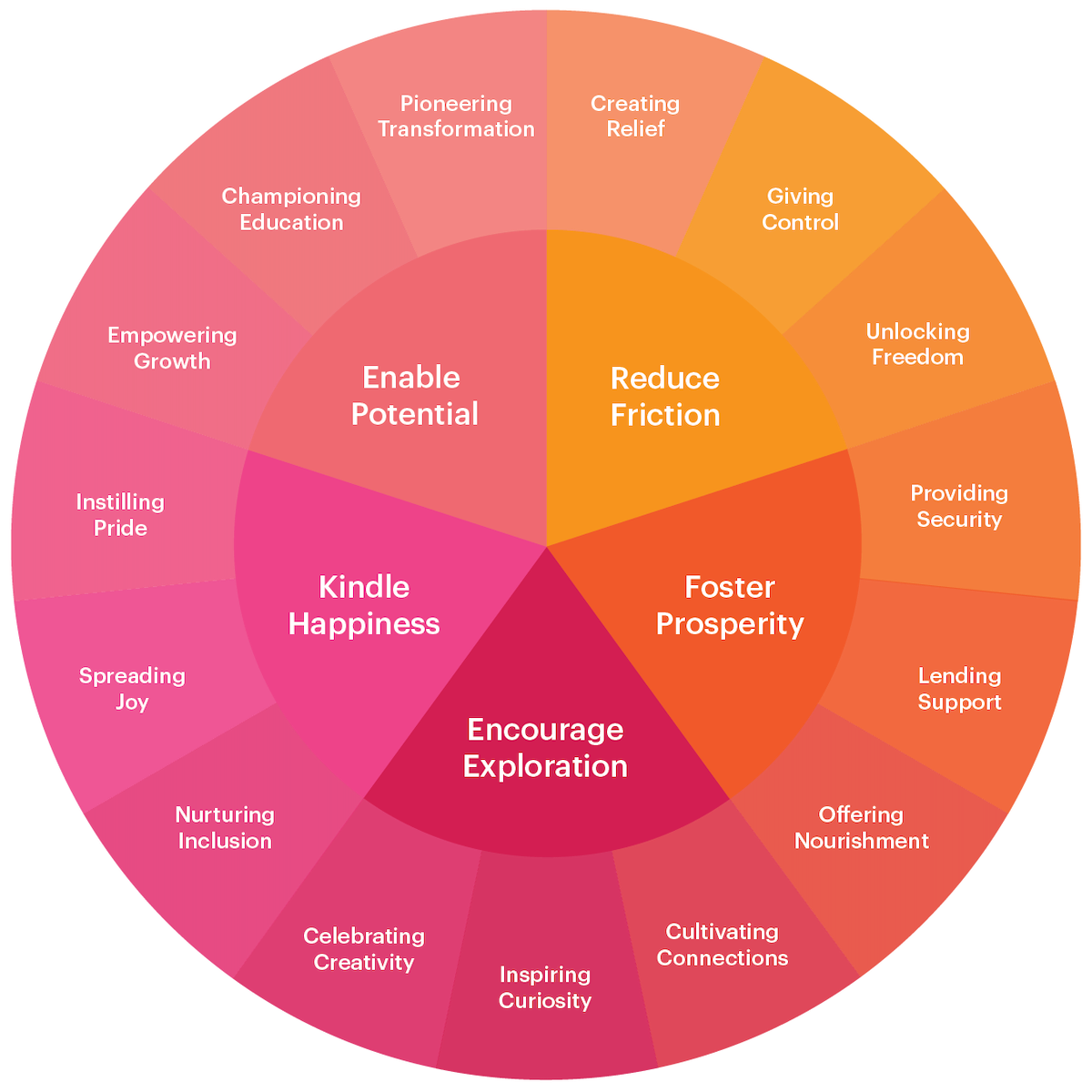
Spinning the Purpose Wheel, the group imagined what the parent company’s future might look like if their purpose was grounded in the following five underlined areas:
We exist to Enable Potential
This suggests a parent company creates impact by inspiring greater possibilities, such as Nike, whose products and services exist to motivate and empower athletes.
We exist to Reduce Friction
By simplifying and eliminating barriers, companies like Spotify make daily pleasures—like listening to music—more accessible and seamless for customers.
We exist to Foster Prosperity
Brands like Warby Parker, which donates a pair of glasses to someone in need for every pair sold, creates impact by supporting the success of others.
We exist to Encourage Exploration
This suggests that a company’s purpose is to champion discovery. Adobe, for example, offers a creative suite of tools and services that people can use to design and explore.
We exist to Kindle Happiness
Zappos purpose is “to live and deliver WOW.” The retail company creates impact by inciting pure joy.
While spinning the wheel, we posed the following questions to encourage discussion: If we exist to [ insert one of the five areas ], how might that purpose ultimately show up in our individual workplaces and in the world? What would all of us—together—have to agree to start or stop doing in order for this parent-company purpose to be true?
The Wheel’s five areas are intentionally designed to be fluid. Phrases like “enable potential” and “encourage exploration” are similar yet different. Though Spotify’s purpose is grounded in reducing friction, the company’s purpose could also be rooted in kindling happiness for its millions of listeners. This kind of flexibility is especially useful when establishing shared purpose among diverse businesses, as it enables generative conversations and more opportunity for alignment.
The Purpose Wheel also opens teams’ eyes to new possibilities: If a parent company exists to foster prosperity, for example, what innovative ideas or growth opportunities might this foundation unlock for one of its business groups? Perhaps it’s tweaking the manufacturing process to be more environmentally-friendly, developing a more human-centered customer service strategy, or instituting a new parental leave benefit for employees.
Get tangible through storytelling
Once this groundwork was laid, we broke the executives and employees into small groups and asked each member to share stories about their business that made them proud or represented their workplace culture at its best—focusing on humans and experiences, not profit or performance.
One business head talked about an entry-level employee who works at one of the energy plants her business operates. During a shift, the worker put his job at risk by persistently questioning a supervisor’s recommendation. His willingness to push authority ended up preventing an accident at the plant, one that would have put both the business and worker safety at risk. A mid-level manager shared a story about his business providing the financial resources to send a customer’s son to engineering school. After graduation, the son returned to his village to help the community learn to irrigate crops and generate food for the local area.
When asked to boil these stories down into values, the groups landed on words like bravery, dedication, trust, protection, empowerment, and generosity. Articulating these values prompted even more storytelling: Other participants began considering and sharing stories from their own organizations. Eventually, they generated a collection of stories about a particular shared value from across the parent company.
Look to the future with optimism
While stories of the past help illuminate purpose-oriented practices already in play, considering the future encourages leaders to articulate hopes and dreams for the parent company. During another workshop, we gave the team blank front covers of magazines, ranging from WIRED to National Geographic. We asked them to reflect on the purpose statement and values they’d derived from the previous exercises to imagine how their company might show up on a magazine cover in the future. What image would appear? What would the headline say?
One participant proudly taped his National Geographic cover on the board. The headline read, “Plastics Now Completely Eliminated From the World’s Oceans.” Another’s cover said, “[Parent company’s CEO] Named Time’s Person of the Year.”
When creating purpose at the parent company level—or any level for that matter—it’s helpful for tools and exercises to toggle between the accessible (sharing real stories) and aspirational (spinning the Purpose Wheel and imagining the future). This ensures that the eventual purpose statement is ambitious and inspirational, but also relatable and within a business’ reach.
Collaborate to drive improvement and alignment
To ground the group back in the tangible, we guided them through a writing session, asking them to draft three potential purpose statements for the parent company, based on the structure established from the Purpose Wheel, the values derived from their favorite stories, and the visions captured on the magazine covers.
Each team presented their favorite to the larger group, then switched tables and left their favorite purpose statement for others to inherit, build on, and improve. At the end of the rotations, every participant had contributed to five strong purpose statement prototypes to continue refining and testing with teams.
Putting purpose into practice
Nested purpose isn’t simple. Done poorly, it can confuse, distract and compound already complicated dynamics at the parent company-level. But when carefully planned and designed with both leaders and their employees, nested purpose can invigorate an organization by clarifying roles and creating cohesion across industries and countries.
Written by Kristin Kelly and Nate Carter
Visuals by Louisa Liu
Business Roundtable, a lobbying group composed of executives from some of America’s largest companies, recently released a statement arguing that today’s corporations must do more than simply drive shareholder value.

Design an organization's purpose statement with this tool
A 4-step process to create alignment on an organization's shared purpose
This can prompt a lot of thorny questions. Where do we want to go together? What do we stand for? Beyond profit, why do we exist?
At IDEO, designers often find themselves working with companies and organizations that are looking to do just that: rally around a sense of purpose. Earlier this year, the two of us were working with the visionary CEO of a parent company who wanted his global organization to be led by purpose. He also wanted all of the business group leaders to be a part of articulating it. So we started by creating a place for everyone to start.
Inspired by Maslow’s hierarchy of needs and what motivates human satisfaction, we created a purpose framework called the Purpose Wheel. (Spoiler alert: We'll have a version of the wheel for you to download at the bottom of this post.) The idea is that groups of people working together—both large and small organizations, as well as teams and individuals—can find a sense of purpose if they’re able to first imagine various ways they might have impact on the world.
The Purpose Wheel helps the designers who are leading the way take the first step. It’s a tool to encourage generative conversations about future goals, and ultimately create a foundation that the organization’s leadership can align on before sitting down to write out the statement that answers “the why.”
Just like building a house starts with the scaffolding, the Purpose Wheel helps you engineer the intent behind the purpose statement before you start crafting the words. Though the original wheel was used in a corporate setting, these four steps will set you up for success in using it no matter how big or small your group is.
1. Start at the center
The center of the wheel suggests five ways a company or organization might have an impact on the world. Each slice answers the “Why do we exist beyond profit?” question in a different way.
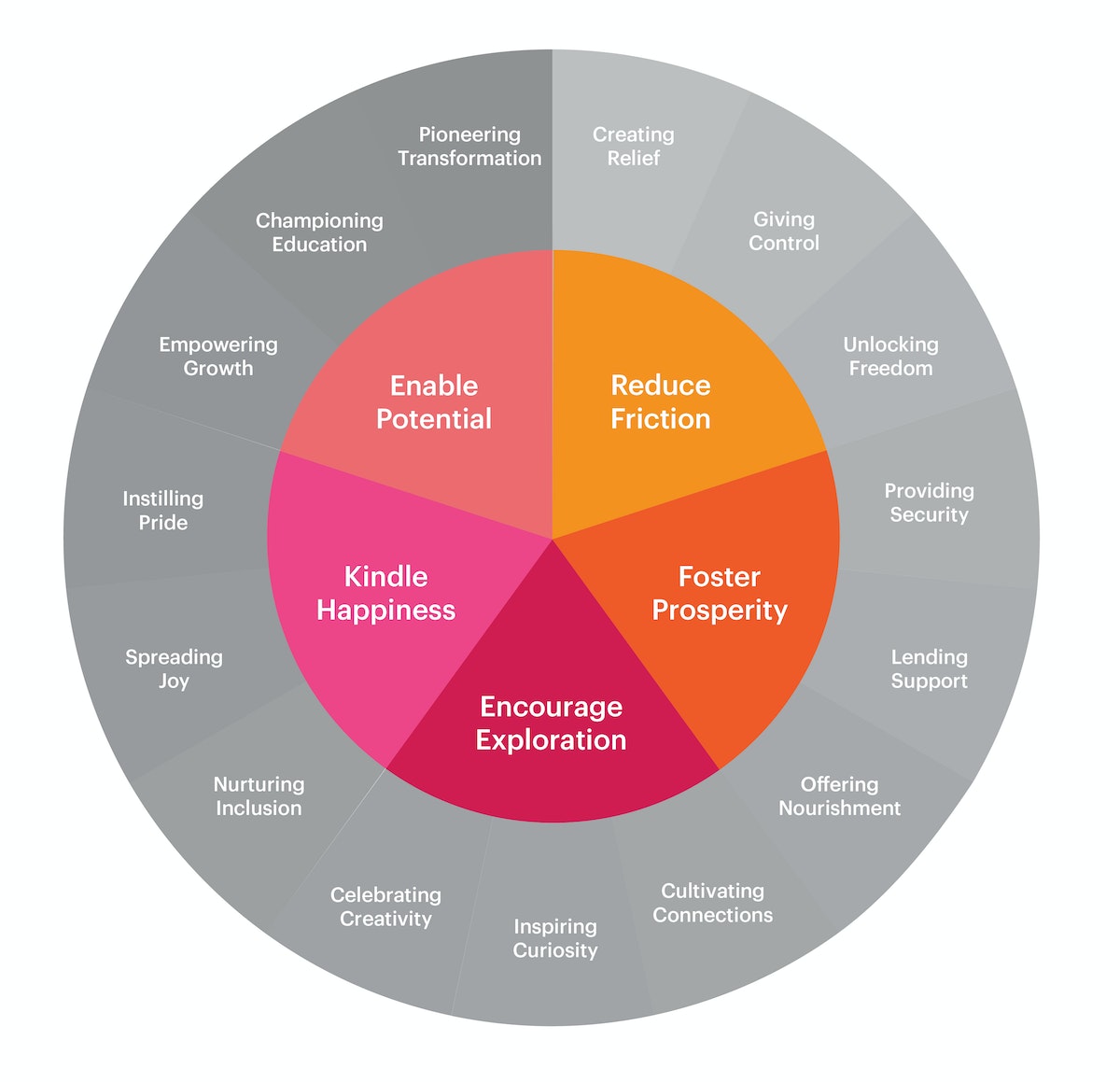
Think about the company you’re working with, and ask yourself: beyond profit, why does it exist? The first step is to consider your hunch and make a prediction. Where do you think your business will land?
- We exist to Enable Potential
Creating impact by inspiring greater possibilities. (Tesla, Nike) - We exist to Reduce Friction
Creating impact by simplifying and eliminating barriers. (Google, Spotify) - We exist to Foster Prosperity
Creating impact by supporting the success of others. (Pampers, Warby Parker) - We exist to Encourage Exploration
Creating impact by championing discovery. (Airbnb, Adobe) - We exist to Kindle Happiness
Creating impact by inciting joy. (Dove, Zappos)
2. Go full circle
The idea is not to select one reason for existence and insist everyone rally around it. Instead, the goal is to imagine the company in question having impact in each of the five ways, then have conversations about what that impact might look like today—and in the future—even if some of them feel like a tight fit or a challenge.
Here are some questions to ask at this stage:
- What actions, behaviors, or experiences would have to happen in order for that statement of impact to be true?
- How might this kind of impact inspire your culture?
- How might this kind of impact change the way you make business decisions?
The wheel works best when you try all five types of impact on for size and eliminate those that may not align with your business strategy or long-term vision.
If this feels hard to nail down, we understand—purpose can be a fuzzy thing. For a tangible example, take purpose-led Patagonia and North Face, for instance. Since purpose is inextricably tied to brand, you can see how purpose can show up in the world very differently, even from two companies who might otherwise have a similar product offering.
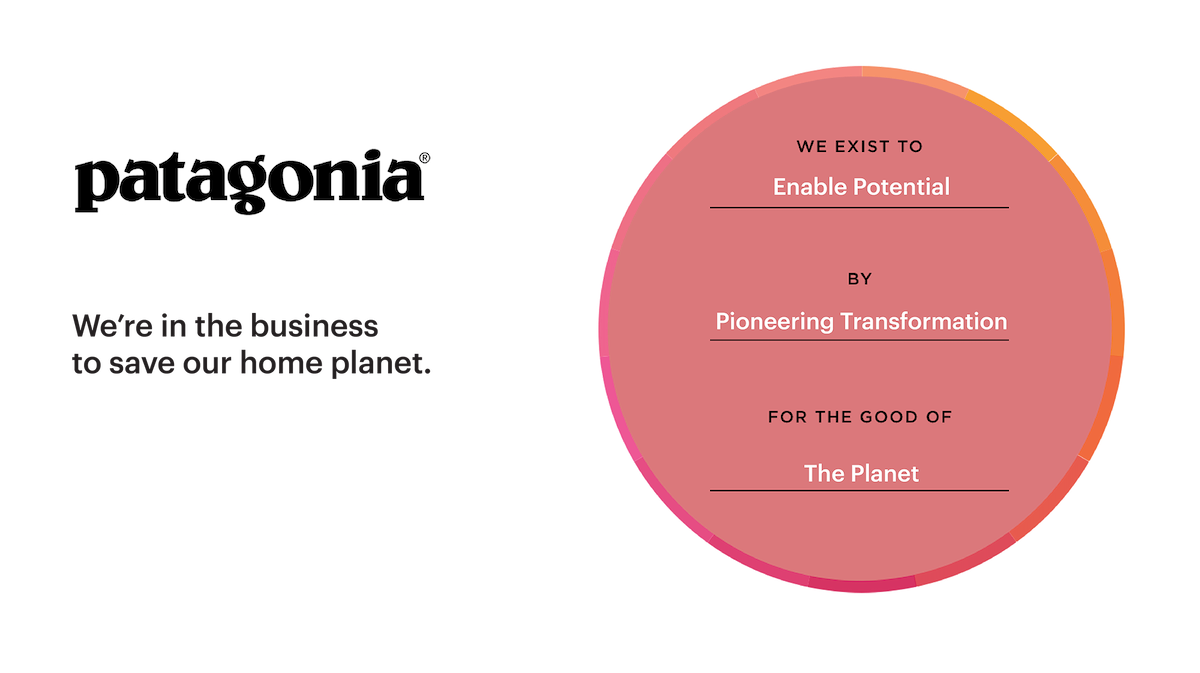
Patagonia: We’re in the business to save our home planet.
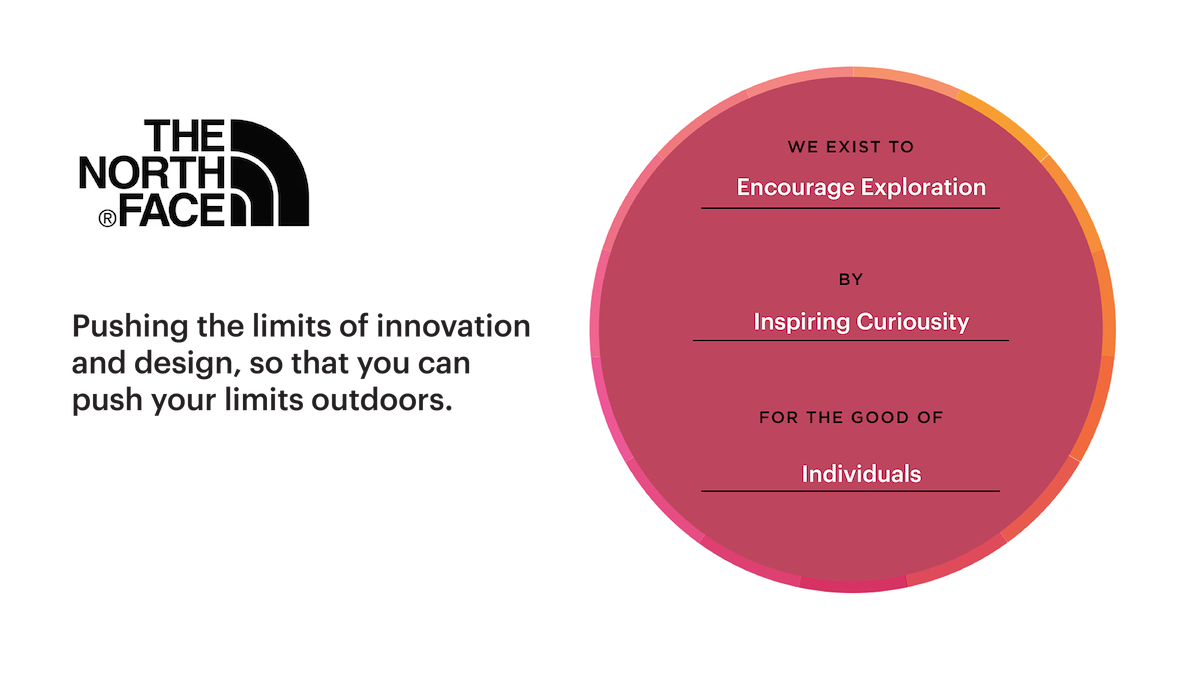
The North Face: Pushing the limits of innovation and design, so that you can push your limits outdoors.
Looking back at the wheel, you can see how the engineering of Patagonia’s purpose statement could be enable potential, while The North Face could be encourage exploration.
3. Answer the "how" questions
Once you have alignment around the center wheel, you can move to the outer wheel. This is where you can move the conversation towards the “how”—how your business makes an impact. The outer wheel doesn’t offer a comprehensive list of hows, and there may not always be one clear answer.
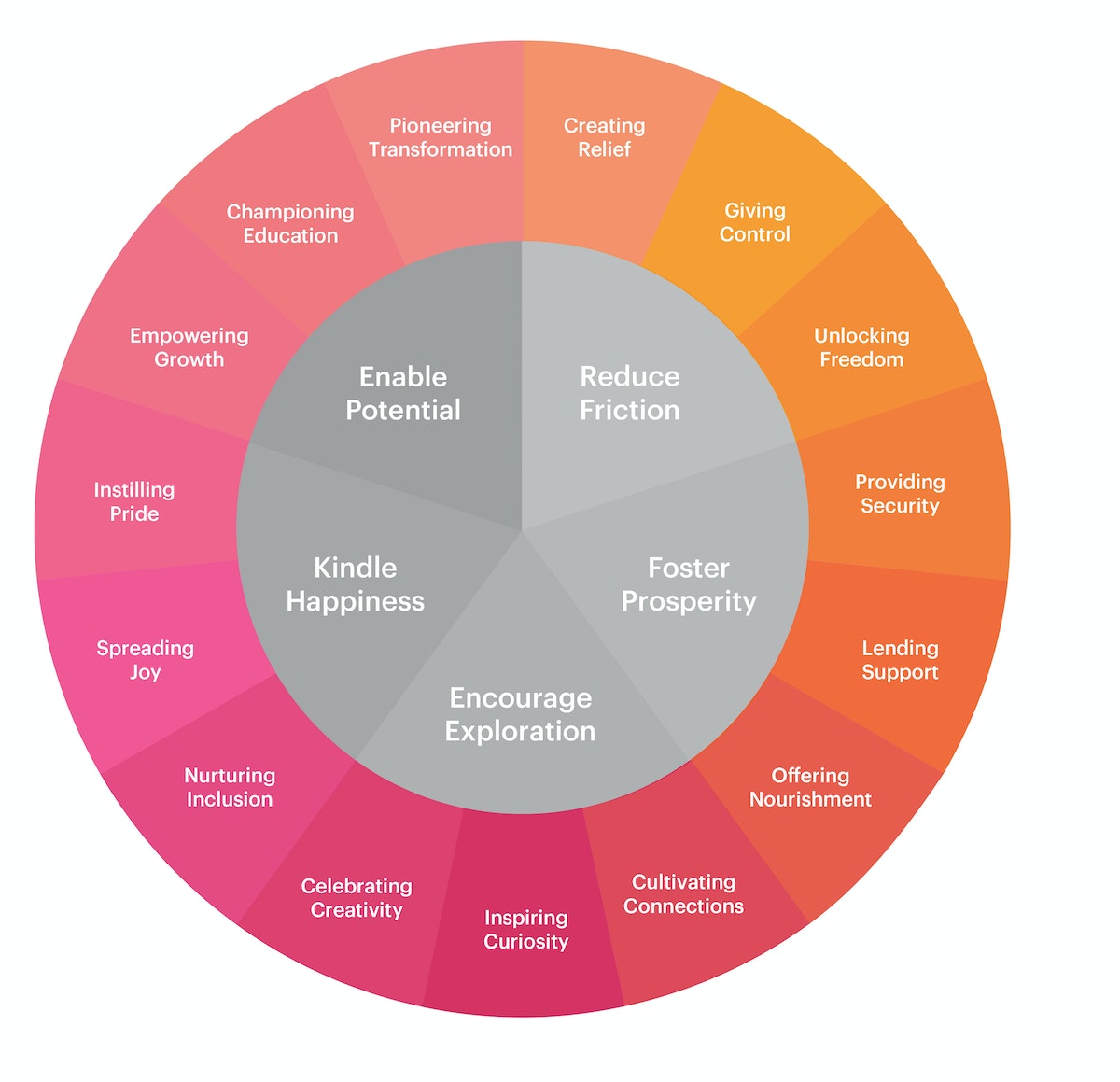
However, the outer wheel is there to push your imagination and force you to consider how your company might make an impact. With it, you continue to engineer your purpose statement: We exist to (inner wheel) through (outer wheel) to impact society for the better.
4. Pressure-test it
Start to apply this to your company by putting yourself in the shoes of employees who range from top to bottom, east to west. Have conversations and ask them: what would happen if you applied this purpose framework to your work today? What would this unlock for you as an employee?
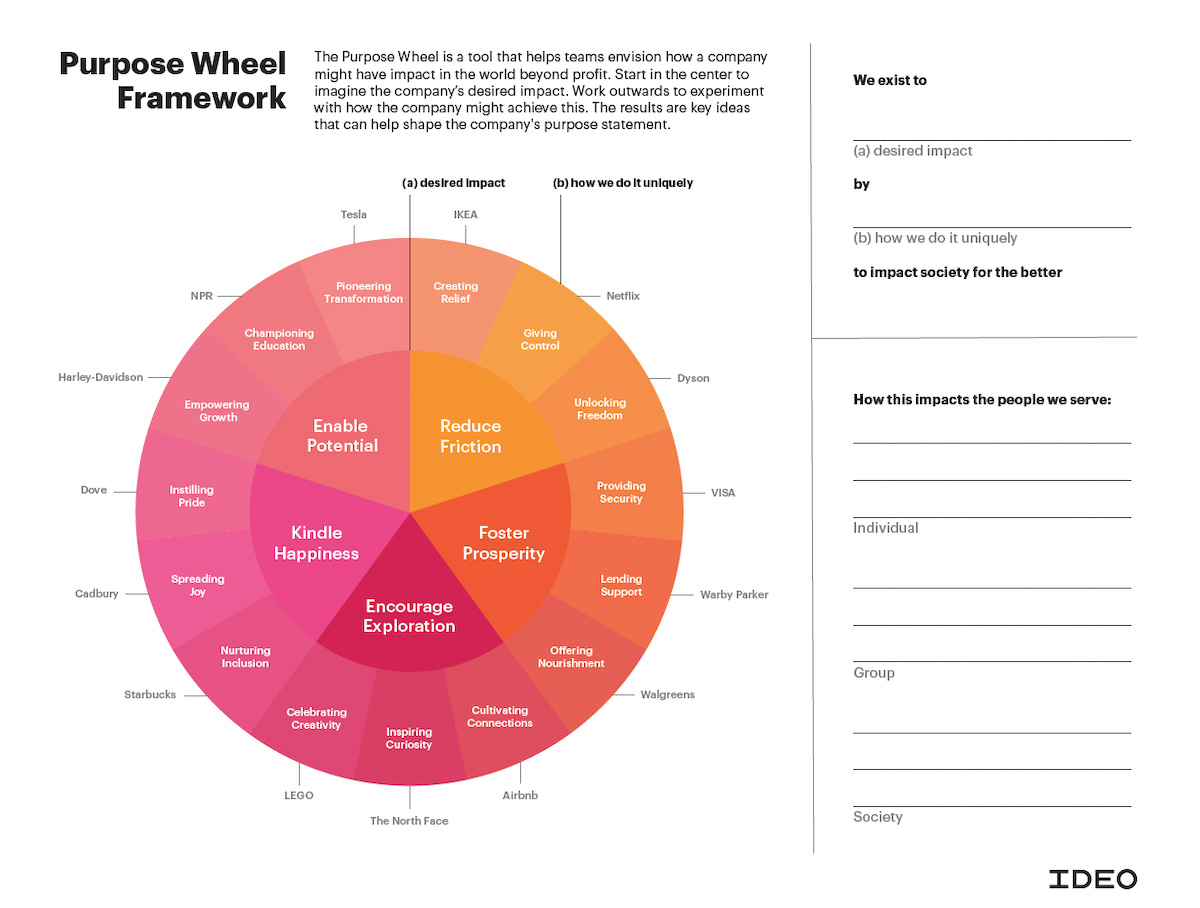
Once you’ve dug into what purpose looks like for your organization from the various angles of the wheel, you’ll be armed with lots of rich conversations and hopefully a newfound agreement on the engineering. The rest of the work happens in the writing.
In other words, you can start playing with the poetry and build on bringing your organization’s purpose to life.
If you’ve ever tried to do anything with your extended family, you know getting a bunch of people to agree on anything is hard—where to go on vacation, what to eat, who to invite to come along. Businesses face the same kind of group challenges.
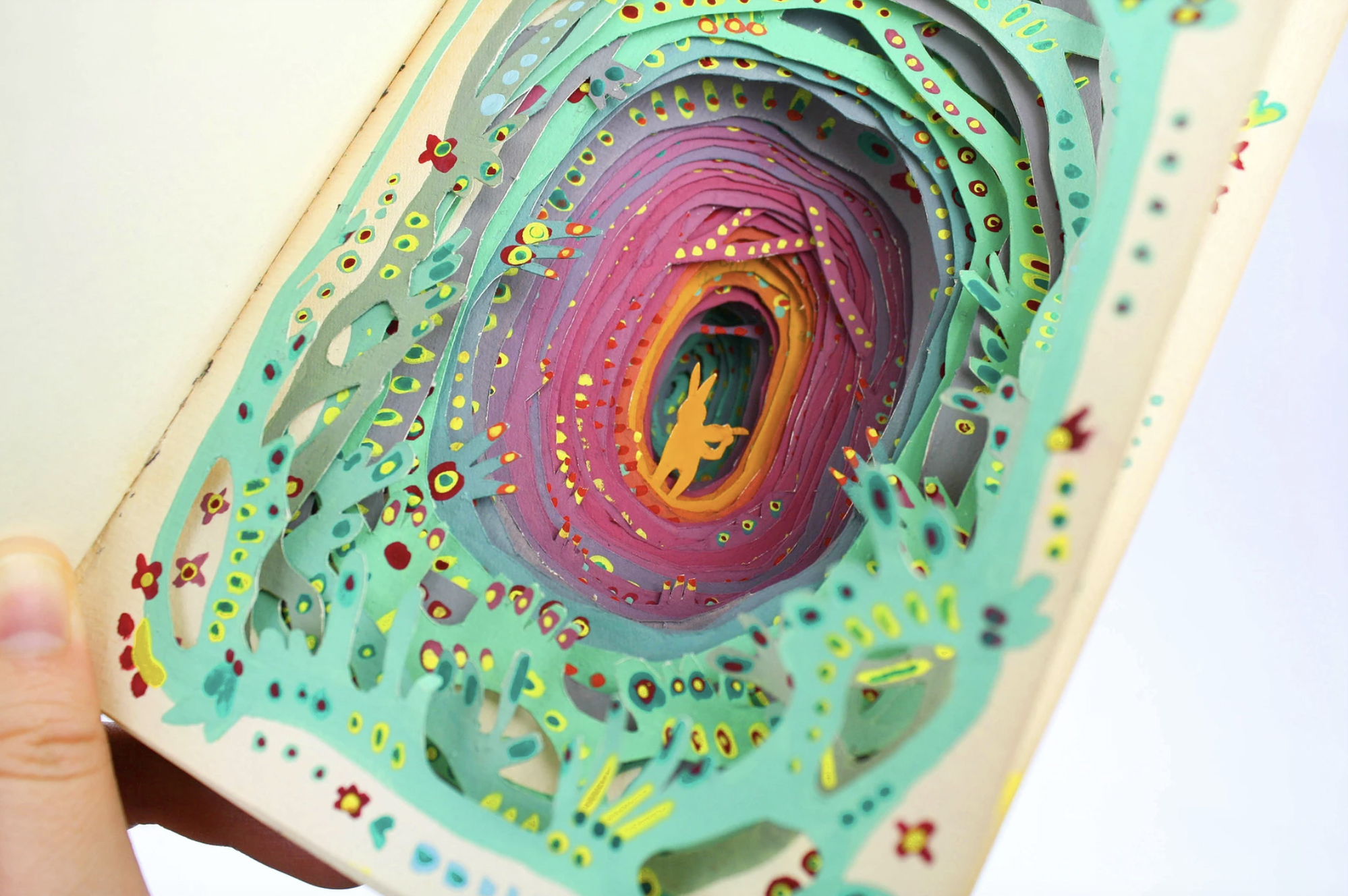
8 designers' tips for better visual storytelling
IDEO designers and OpenIDEO community members share their words to work by
The human brain processes images 60,000 times faster than text, and 90 percent of information transmitted to the brain is visual. As designers, when we explore the craft of storytelling, visual language may be one of the most important languages of them all.
Earlier this year, OpenIDEO, in partnership with the Hewlett Foundation, launched our first Challenge on visual language. We called on visual creators from a multitude of mediums to join us in answering the following question: “How might we reimagine a more compelling and relatable visual language for cybersecurity?” With the close of the Challenge and announcement of five Top Ideas, we’re highlighting several visual design tips to get you inspired for your next project.The thrill—and challenge—of design is forging into uncharted territory to help make the abstract tangible, the overwhelming exciting, and the technical accessible. With the topic of cybersecurity, we navigated the ambiguity of doing just that. After learning from IDEO designers and Challenge participants across disciplines about how they use visual language to translate complex topics, we’ve curated some tips and tricks to share with you. Learn from IDEOers Felicia, May, Allison, and Erika, plus Challenge participants Abraham, Abrahma, Claudio, and John.

Felicia Chiao, industrial designer, IDEO San Francisco
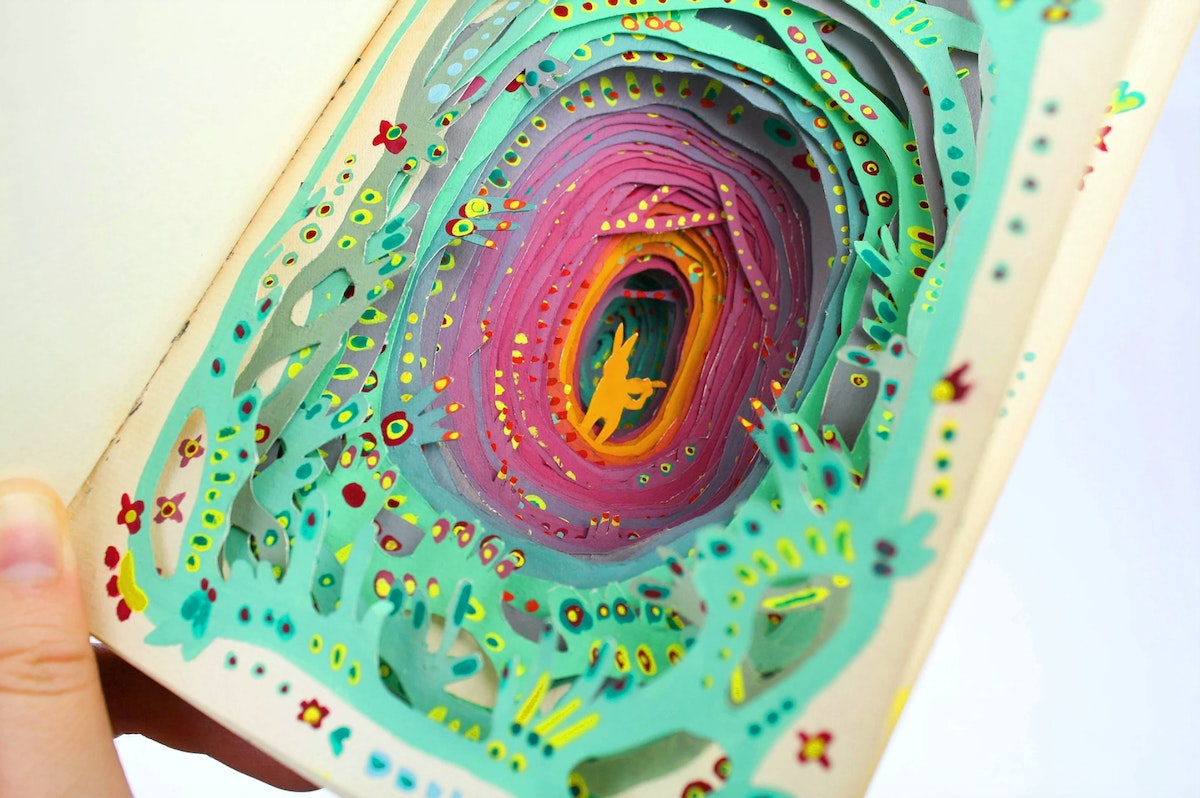
Felicia Chiao is a designer and illustrator based in San Francisco. By day, she works as an industrial designer for IDEO's food practice; at night she has been drawing in sketchbooks for over seven years, mostly for fun.
"When starting a composition, create an anchor first, then build around it. The anchor can be the focus of the piece (like an object/animal/person) or a setting (interior, beach, city, etc.) and the rest of the elements drawn in after should support it.
You don’t need to know what the whole drawing is going to look like when you start it. Start with what you know and build into it as you go. I work mostly with markers, which often limits my choice of colors for the color palette, but you can start with the colors you know you will use (a red apple, blue water, etc) and then looking at your palette, pick which other colors would go well with what you have.”
May Kodama, graphic designer, IDEO San Francisco
May is a true-crime-podcast-listening, plant caring, constantly eating, Japanese-American graphic designer at IDEO.
"Try limiting your color palette to 1-5 colors, and even limit the shades of those colors. Explore how simply you can communicate depth and perspective with the layering of the limited palette. You can start with monochrome in pure black and white before layering the additional complexity of color.
The thing that motivates me the most is experimentation and exploration. I find that as long as I'm constantly doing and learning something new, I stay inspired and excited about the work. However, don’t look at too much inspiration. Sometimes, I can get lost on the Pinterest train, clicking into link after link after link. Visual overload can crowd and push out your own ideas, so be careful to balance looking externally and looking internally. Always be hungry for discovery, but save space for your own creativity to flow.”
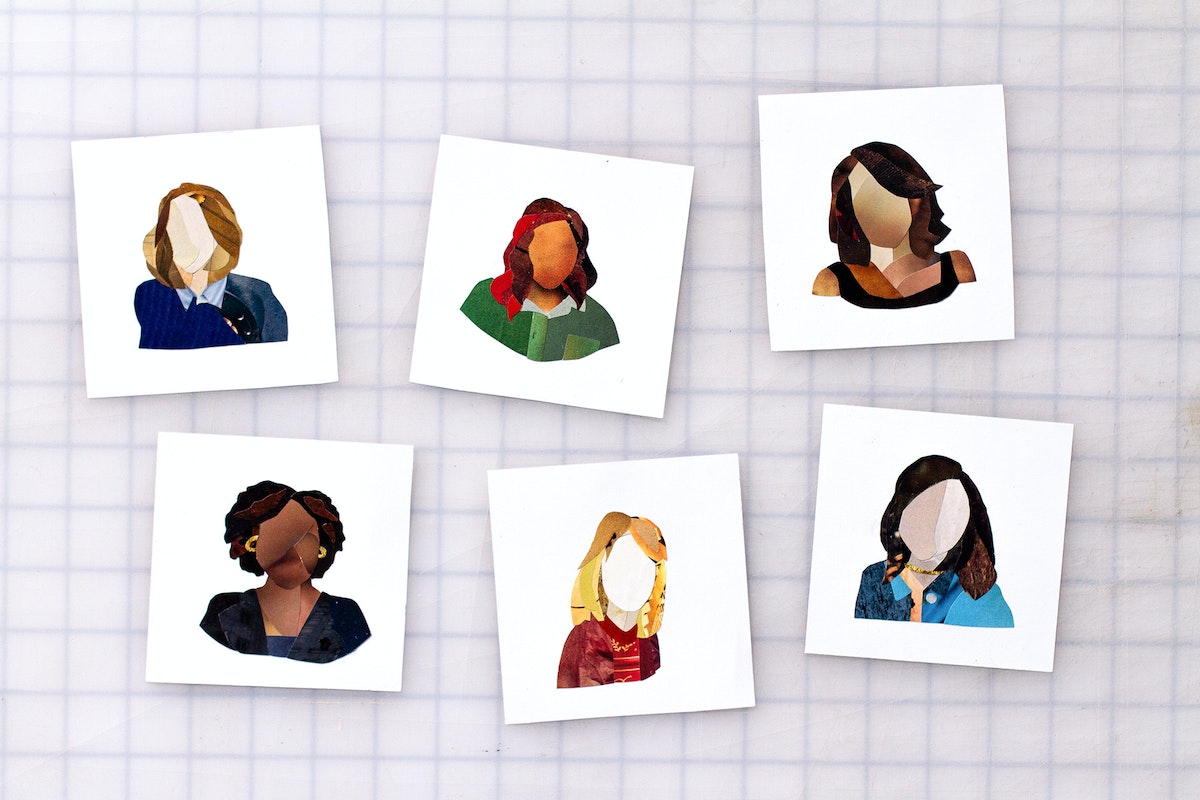
Allison Press, interaction designer, IDEO San Francisco
Allison is an interaction designer and strategist at IDEO on a mission to design for the public good. Whether it’s improving how public institutions serve their citizens, creating digital access to learning, or cultivating civic engagement, she is driven toward systems-level challenges.
"A balanced composition has three things—a large element (like a colored background), a medium element (like the focal point), and a small element (to add visual texture). If you want to take your creation to the next level, adding a little bit of texture in digital illustrations goes a long way.”
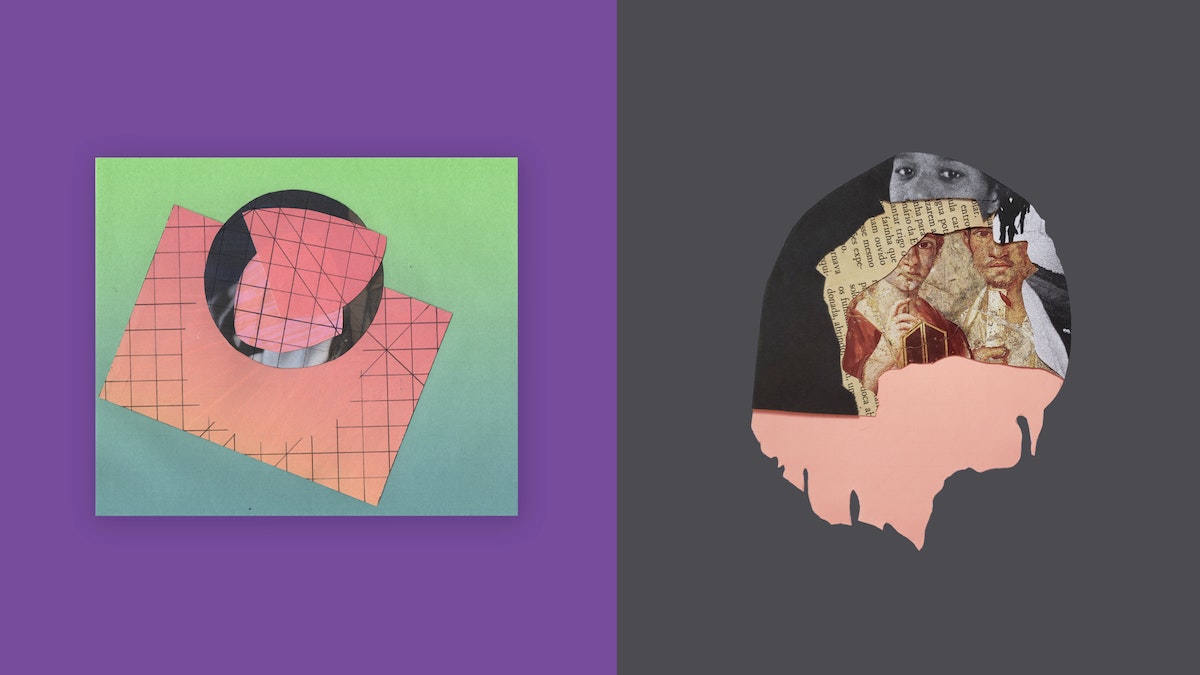
Erika Díaz Gómez, former OpenIDEO design fellow, Bógota, Colombia
Erika was born in Colombia and loves creating stories without words. She thinks that telenovelas are more interesting than science fiction.
"Create your own personal and technical rules; fail, win and be patient. Learn from yourself. Document, revisit and appreciate what you designed in the past. Explore your personal craft and celebrate your creator's identity. Make and repeat. Go analog, explore both your personal and craft's constraints, and don't let your commercial work take over. Art and side projects are the best teachers.”
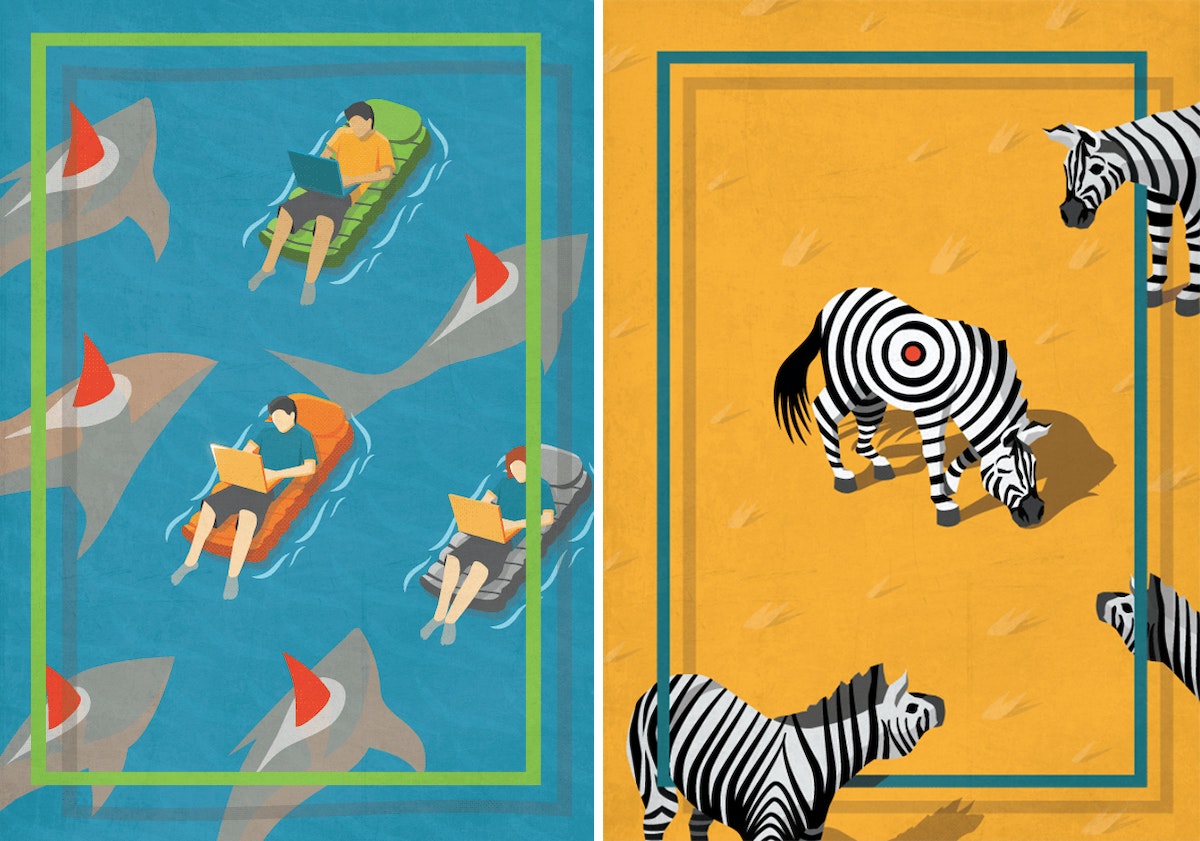
Abraham Pena, Cybersecurity Visuals Challenge participant, Doral, Florida, USA
Abraham is a web designer and brand strategist dedicated to creating conceptual worlds for his clients through the use of metaphors and visual allegories.
- "Research a lot. The key to this process is to have clear concepts from the start. Then think of the final users: How would they understand what you want to say? Even a complex topic like cybersecurity can be translated into an easy-to-understand visual language, just by making the right connections with the visual references of the final user.
- Iterate like crazy. Your first idea is not always going to be the best.
- Interact with your community. Your peers and mentors can give you priceless feedback and they will let you see the design from an outside perspective."
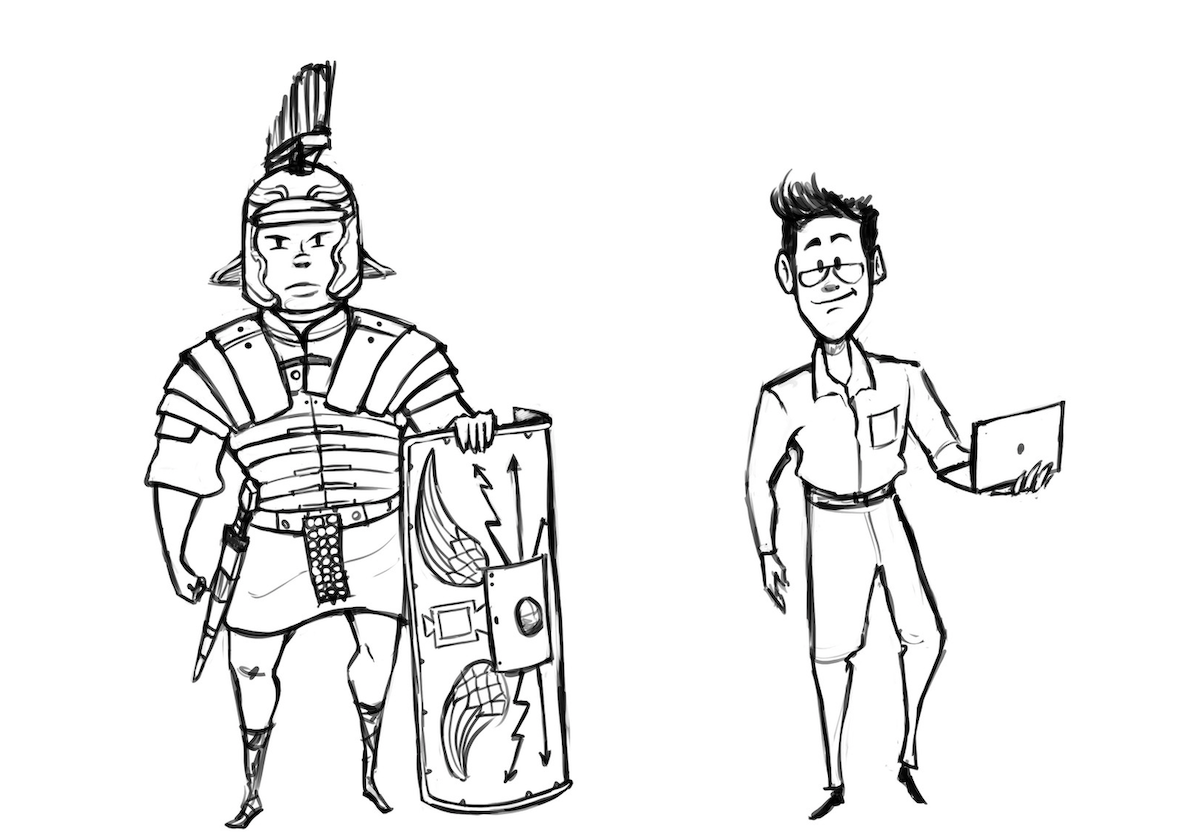
Abrahma Tansini, Cybersecurity Visuals Challenge participant, Pamplona, Spain
Abrahma is a passionate logo and identity designer with experience developing brands, advising enterprises internationally. Passionate about illustration, he has worked as a freelance illustrator on children’s book illustrator and also loves to make caricatures and cartoons.
“The best way to create images for a technical project is to know the concepts and ideas, plus have a broad knowledge of the subject, which in this case was cybersecurity. The mentorship and guidance from cybersecurity experts that we were paired with for this Challenge was important and necessary. As designers and illustrators, we are not necessarily familiar with the technical concepts of cybersecurity, but we do have the tools to transmit complex concepts through the power of visual images.”

Claudio Rousselon, Cybersecurity Visuals Challenge participant, Cuernavaca, Mexico
Claudio is a freelance artist focused on muralism, illustration and printmaking. He’s a creative that has always explored the themes of technology, sci-fi, aerospace, and energy sciences.
“Draw a lot! Sketching and mindstorming, writing things down, and reading lots. I believe in the power of instinct and how it expands with creativity. Inspiration comes to me mostly during work—the more you dig into it, the more things pop up in your head. It works for me to expand the ideas to the wall or a BIG table: getting a visual perspective of the concept helps a lot. Change your process and it will change your outcome. Also, never forget to embrace accidents and mistakes. Not all of them are useful and some can go beyond repair, but you can learn a lot from them. Plus, the feeling of being amazed by unexpected results is great.”
John Hurley, Cybersecurity Visuals Challenge participant, Boston, MA, USA
John is a product designer and art director with experience in UI/UX and visual design, creating wireframes and visual concepts for a range of platforms. As a designer, he enjoys solving complex problems by using a holistic design process with a focus on multi-disciplinary collaboration and rapid iteration.
“Collaborate. Reach out to as many people as you can. Everything from subject matter experts to co-workers, friends, and anything in between. Our final submission was the result of gathering opinions and exploring our topic in ways that are simply impossible to accomplish on your own.”
If you’re interested in learning more, you can browse the final portfolios of 23 shortlisted visual creators from the Challenge on the OpenIDEO platform.
Every story begins with the foundation of language. Oftentimes, when we think about language, our minds default to written text and spoken conversation. But language is more than words—it’s any way of communicating across mediums that brings an idea, topic, or conversation to life.

Lindsey Turner
I’m passionate about building brands, products, and experiences that help organizations show up with meaning and momentum.
I help organizations cut through complexity by shaping how they show up, through brand strategy, identity, and storytelling.
Working at the intersection of brand and business, I bring an editorial eye and a bias toward making—turning ideas into tangible experiences that people can understand, trust, and believe in.
My work spans government, healthcare, financial services, media, and consumer goods, from launching Gen Z-focused ventures to building innovation labs and reimagining legacy brands. I relish moments of ambiguity and enjoy translating across teams, perspectives, and priorities to move ideas forward.
I started my career in editorial and digital design, shaping cross-platform experiences and identity systems in publishing and agency environments. That foundation still shapes how I work today: I’m detail-oriented, collaborative, and overreliant on the Oxford comma. I hold a BFA in Visual Communication from the School of the Art Institute of Chicago.

Rachel Young
My work helps organizations see who their products aren't working for—and build the will and the tools to do something about it
For 25 years, I've asked the same question: Who does this design exclude—and what are we going to do about it?
My work spans human-centered strategy, inclusive design, and qualitative research, with clients ranging from Microsoft, Google, and Verizon to the National Science Foundation, and San Francisco Unified School District.
Before IDEO, I taught elementary school in East Palo Alto and spent a decade doing design work with social service organizations—where I learned firsthand what it costs people when systems are built without them in mind.
I am currently writing User Error, a nonfiction book about digital access and the design decisions behind it. I live in Oakland, California.

Brian Pelsoh
I lead with craft, ensuring our work is creatively excellent: rooted in deep human insight and imagination, while also grounded in the realities of business and technology.
My expertise spans brand, communication, and product design across tech, education, the arts, and social impact.
I believe great work demands both high-level vision and obsessive attention to detail, and only happens through collaboration.
I bring an inclusive, hands-on approach and a deep understanding of business, which enables me to consistently deliver excellence while always asking why.
Before joining IDEO, I worked at the brand firms Pentagram and VSA Partners. I began my career as a designer, leading teams at the School of the Art Institute of Chicago and the Milwaukee Art Museum. I hold an MFA in graphic design from Maryland Institute College of Art and a BFA in communication design from the Milwaukee Institute of Art & Design, and have taught at some of the best design schools in the US.

Tony Wong
I am responsible for IDEO’s long-term success in China and working with clients to use design as a tool to enable growth.
I am responsible for IDEO’s long-term success in China and working with clients to use design as a tool to enable growth. Specifically, I have helped Chinese companies design holistic brand solutions through the development of their products, communication, services, and innovation teams, and I have helped multinationals expand their presence and influence in China.
I advise global leaders on developing China-led innovation and capabilities.
In over 15 years in IDEO Shanghai, I have worked on projects that use design to elevate the quality of the experience of healthcare products and services, streamline processes that increase productivity, create spaces and programs that promote and enable inclusive communities, and build next generation mobility solutions that are planet-positive.
Before joining IDEO, I worked at Philips Electronics and the Electrolux Group in Italy, the Netherlands, and Singapore on a number of breakthrough commercial products. I am a member of the Young President Organization in Shanghai.

How to use AI as an editor, not a writer
Ed White shares how he uses AI as an editor—not a writer—to sharpen storytelling, rehearse ideas, and preserve the productive friction that makes creative work better.
Ed White has a rule he's tested on his own writing: hold yourself as the writer, and let AI be your editor. Ed is a Senior Design Director at IDEO's London studio, where he co-leads the firm's AI portfolio across Europe. Before IDEO, he spent 12 years as a writer and editor at the Financial Times, Wired, and Contagious. So when he talks about when to use AI for storytelling and when not to, it comes from two decades of crafting his storytelling skills.
In this episode, Mina Seetharaman talks with Ed about two specific tools he uses to keep AI in an editor's seat: a "roasting agent" prompted to critique his drafts without any sugarcoating, and a simulated audience he rehearses pitches on before the real thing. They also get into what Ed is hearing from design leaders at Anthropic, Lovable, Shopify, and Google Creative Lab about how creative work is changing, and why he thinks the friction of writing something yourself is worth protecting rather than automating away.

Building a personal AI for the messiness of life: Sida Li
Becca Carroll talks with Cue co-founder Sida Li about designing a personal AI for the messiness of everyday life—not just work. They explore how Sida stays anchored to human needs while navigating fast-changing technology, product tradeoffs, business-model experimentation, and the realities of building an AI company today.
Most AI products today are built for work—a space with clear problems and established systems. One founder noticed a gap: personal life is messier, harder to systematize, and mostly left behind by the AI boom. So she built Cue, a personal AI that lives inside iMessage and group chats, to go where the other tools haven't.
In this episode, Becca Carroll, IDEO's Chief Strategy Officer, talks with Sida Li, co-founder and CEO of Shared Context Lab, about staying anchored to a human need while the technology around her keeps changing shape, why she treats her business model with the same rigor she'd bring to a product, and what it feels like to build a company at this particular, disorienting moment in AI.
The conversation also gets into how Sida makes design decisions: the language Cue uses to describe itself, the tradeoffs behind building inside iMessage instead of a new app, and a real story about a business idea that didn’t pan out.
This is the second in a two-part series profiling founders from IDEO's Startups-in-Residence program. The first conversation is with Johannes Seemann, founder of Sooner, on designing GenAI for the emotional side of money.

Designing GenAI for the emotional side of money: Johannes Seemann
Designing financial tools around the feelings that shape money decisions.
Most personal financial tools are built to run the numbers and optimize towards a budget. While that works for some, most people experience money as a lived relationship that does not neatly fit into a spreadsheet. Johannes Seemann and Becca Carroll discuss why money is emotional before it is mathematical, and what a human-centered approach to building a generative AI financial product looks like in practice.

The curious leader's edge in uncertainty: Scott Shigeoka
How genuine curiosity helps leaders navigate uncertainty with greater confidence.
Mina Seetharaman talks with Scott Shigeoka, author of Seek and Head of Curiosity Cultivation at the Eames Institute, about what distinguishes genuinely curious leadership from performative curiosity, how power dynamics shape curiosity, and why practicing curiosity can restore energy rather than drain it.
Looks like you might be in search of something very specific?
Or reset the filters above and try another angle.
Here’s some random inspiration

Podcasts about creative leadership

Articles about the power of prototyping




















.webp)