
.svg)



Designing a better onboarding experience for an AI symptom checker at clinics
Enabling doctors to spend less time on paperwork and more on patient care.
D4V is a Tokyo-based early stage Venture Capital in partnership with IDEO. Two years ago, D4V invested in healthcare startup Ubie, which develops a service called AI Monshin Ubie. The digital service was created with the goal of reducing the burden on healthcare professionals working long hours, under harsh conditions. AI Monshin Ubie automates a number of patient registration and documentation processes through digital tools, enabling doctors to spend less of their time on manual paperwork, and to dedicate their valuable skills and attention to the patients themselves. Currently, the service is installed in 200 medical institutions in 41 prefectures across Japan.
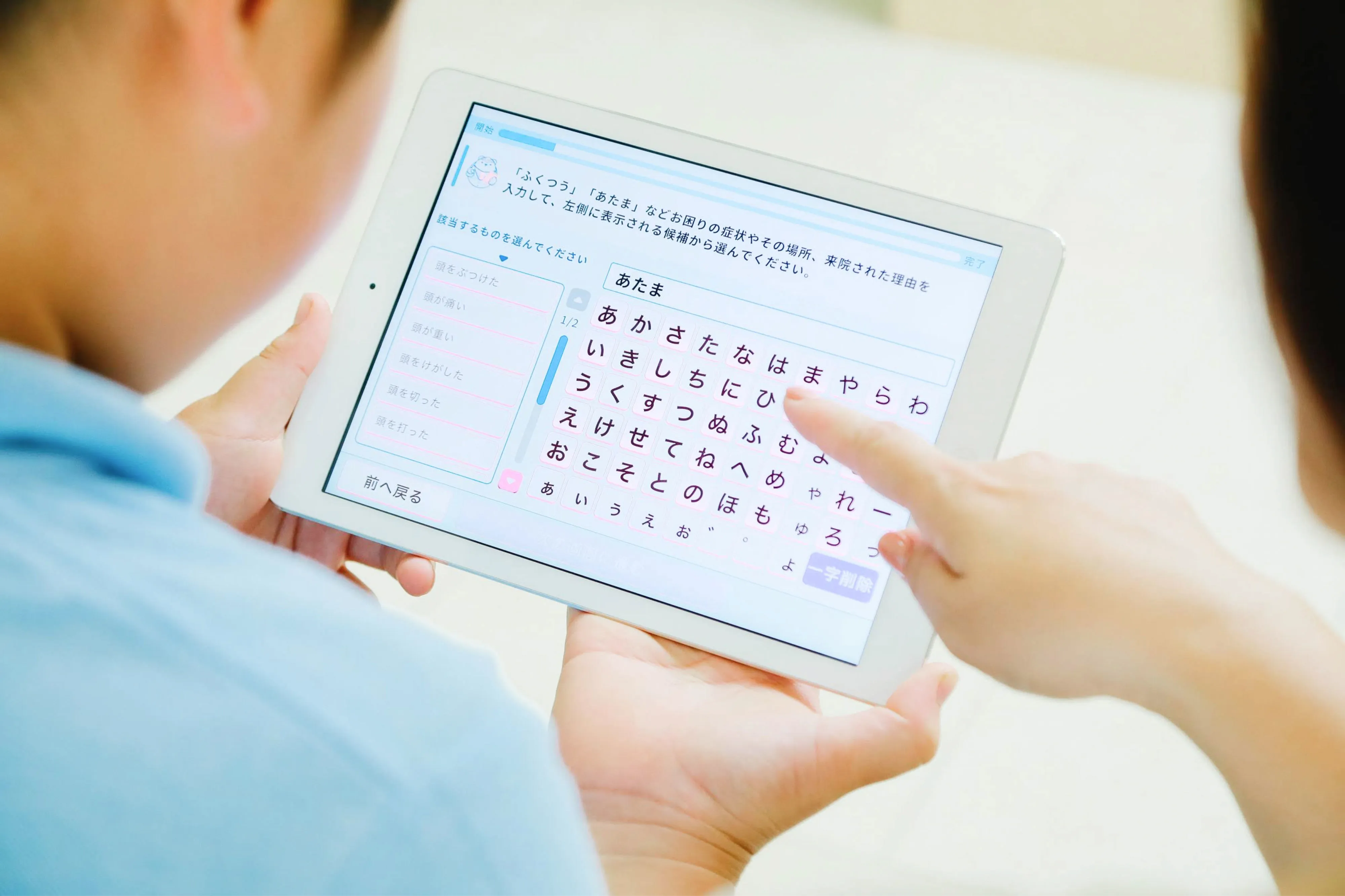
With AI Monshin Ubie, patients fill out preliminary forms on a tablet, rather than paper, entering information about their health history and current symptoms directly into their digital medical record. As patients fill out the questionnaire, the Ubie AI generates questions in real-time according to patients’ responses, which results in more appropriate and accurate data. The patient’s responses are automatically formatted for the doctor to review prior to and during the consultation. As a result, doctor consultation times and facility operation times are drastically reduced.
With the Coronavirus raising fears of a possible health system breakdown, Ubie has made improvements to anticipate and possibly prevent in-hospital infections. Until recently, Ubie’s services have been primarily used by large hospitals; but in light of the global health crisis, Ubie approached D4V—who partners with IDEO—to help rethink the onboarding experience and quickly facilitate the introduction of AI Monshin Ubie in regional clinics across Japan. D4V and IDEO have been working with Ubie for many years to collaborate in various areas, including UX, rebranding, international research, and more. Therefore, they had a foundation of knowledge from which to build these new features.
Typically, AI Monshin Ubie has been introduced to new hospital clients through direct, in-depth instructional visits from Ubie sales staff. This approach has worked well for rolling out the product to Japan’s 8,000 large hospitals; but for the 100,000 smaller clinics, Ubie needed a more efficient onboarding method to enable staff to get set up smoothly and independently.
During research, D4V and IDEO team members engaged with many different clinic staff members, including full-time doctors, part-time doctors, nurses and receptionists. The researchers found that staff tend to react skeptically to new tools and services, with a common preconception that they will add to their workload. One clinic director’s first impression of AI Monshin Ubie was, “It looks complicated.” But once he actually used the service, he realized that it was very user-friendly.
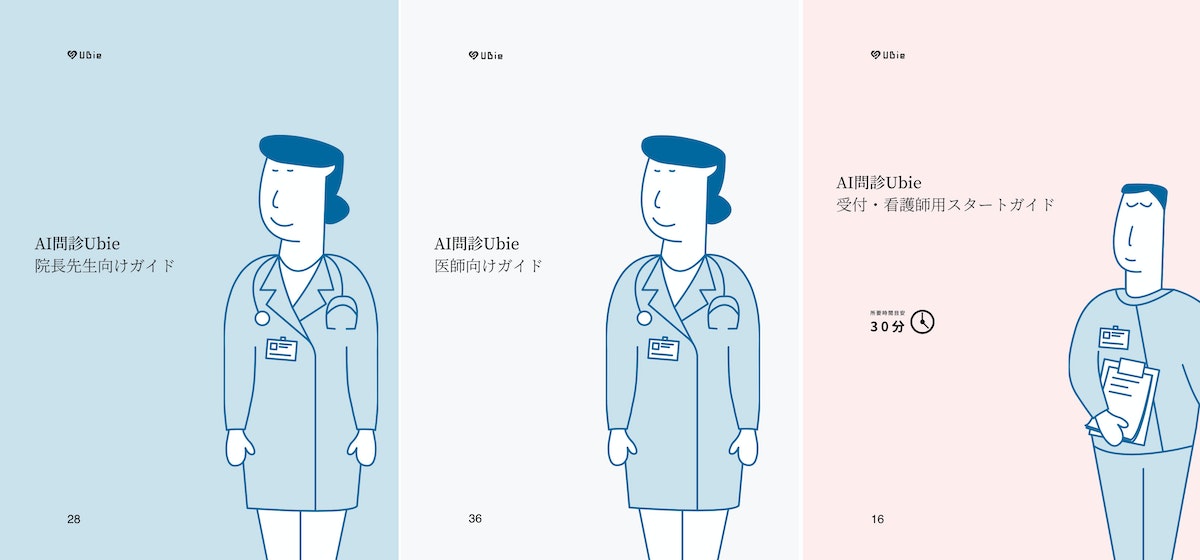
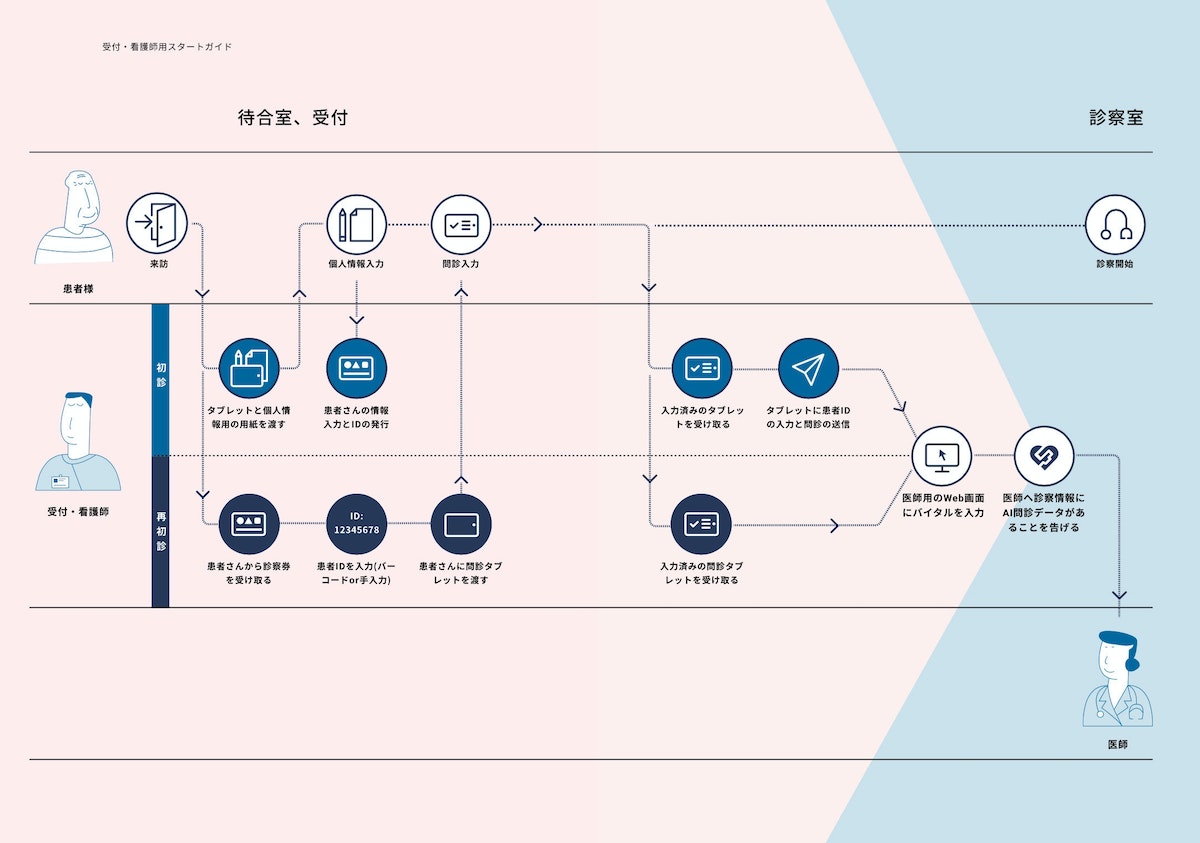
The team quickly understood that it was important to remove preconceptions by clearly communicating Ubie’s benefits and ease of use. They created a two-minute animation and designed three separate guidebooks. The animation adopted a friendly tone and expressed empathy for doctors, staff members and patients, highlighting how Ubie can bring benefits to each of them. The animation showed how Ubie fits into the existing workflow and explained complex systems in a straightforward and accessible way.
WATCH: A short video clip explains the benefit of their product and service to avoid the users’ concerns in advance.
The guidebook for doctors and directors explains how Ubie’s AI smooths the patient consultation experience and greatly improves the quality of medical care. It also introduces concrete how-tos around set-up, implementation, and ideal workflow. FAQs were also included, addressing concerns about whether or not elderly people would be able to use it.
Ubie business development leader Kenji Yamada says, “D4V and IDEO have a deep understanding not only of design, but of our entire business. They provide inspiration by bringing experience and knowledge that comes from working with other industries and clients outside of healthcare. We appreciate that they can share the knowledge that they’ve obtained with our business.”
Read the Japanese-language version of the Ubie case study here.
When You Feel Unwell, Ask Ubie: Check your symptoms for free
Learn more about Ubie: Global Company Website
An improved airway intubation system that helps physicians save more lives
The GlideScope Core offers elevated visibility and a seamless workflow for intubation, allowing doctors to better conduct routine procedures and respond to health crises.
In the emergency room, an intervention that’s administered too slowly could cost a patient their life. With COVID-19 fueling a surge in acute respiratory conditions, intubation—a procedure that involves inserting a tube through the mouth or nose and into the airway—is more common than ever. For patients struggling to breathe, the tube can be connected to a ventilator that pumps oxygen to the lungs, keeping them alive.
While a laser-focus on the present is critical for successful patient outcomes, hospitals and physicians often don’t have time to look ahead and anticipate the future of the operating room experience. As technology rapidly improves, there is a ripe opportunity and pressing need to evolve medical equipment to be more innovative and intuitive. Verathon Medical, a global medical device manufacturer, is supporting health care providers at the cutting-edge of care.
Verathon approached IDEO to redesign the existing product system for laryngoscopies and bronchoscopies—procedures that examine parts of the throat through intubation. During these examinations, a tube with a camera embedded in the tip is inserted through the patient’s nose or mouth. The doctor can then see inside the throat on a video monitor, and therefore more easily and quickly intubate and perform the exam.
To create a groundbreaking device, the team observed over a dozen laryngoscopies, bronchoscopies, and intubations. They noticed that many anesthesiologists relied on fixed equipment during the procedures. For example, some had grown accustomed to looking over their shoulder—away from the patient—to view the monitor.
During interviews, physicians and residents expressed difficulties with the current technology, sharing that the small screens aren’t conducive to team viewing or student instruction, and they must often use a separate computer to record patient notes. Others reported frustrating workflows, needing to constantly divert their attention and move their hands between the patient, prep tray, monitor, sterile bin, and disposal bin. These inconveniences and inefficiencies are not only cumbersome, but can increase the risk of infection and fatality.
The team relied on these insights to start designing a next-generation product. Through sketching, storyboarding, and building in real-time alongside doctors and clinic staff, designers quickly teased out additional findings and validated concepts.
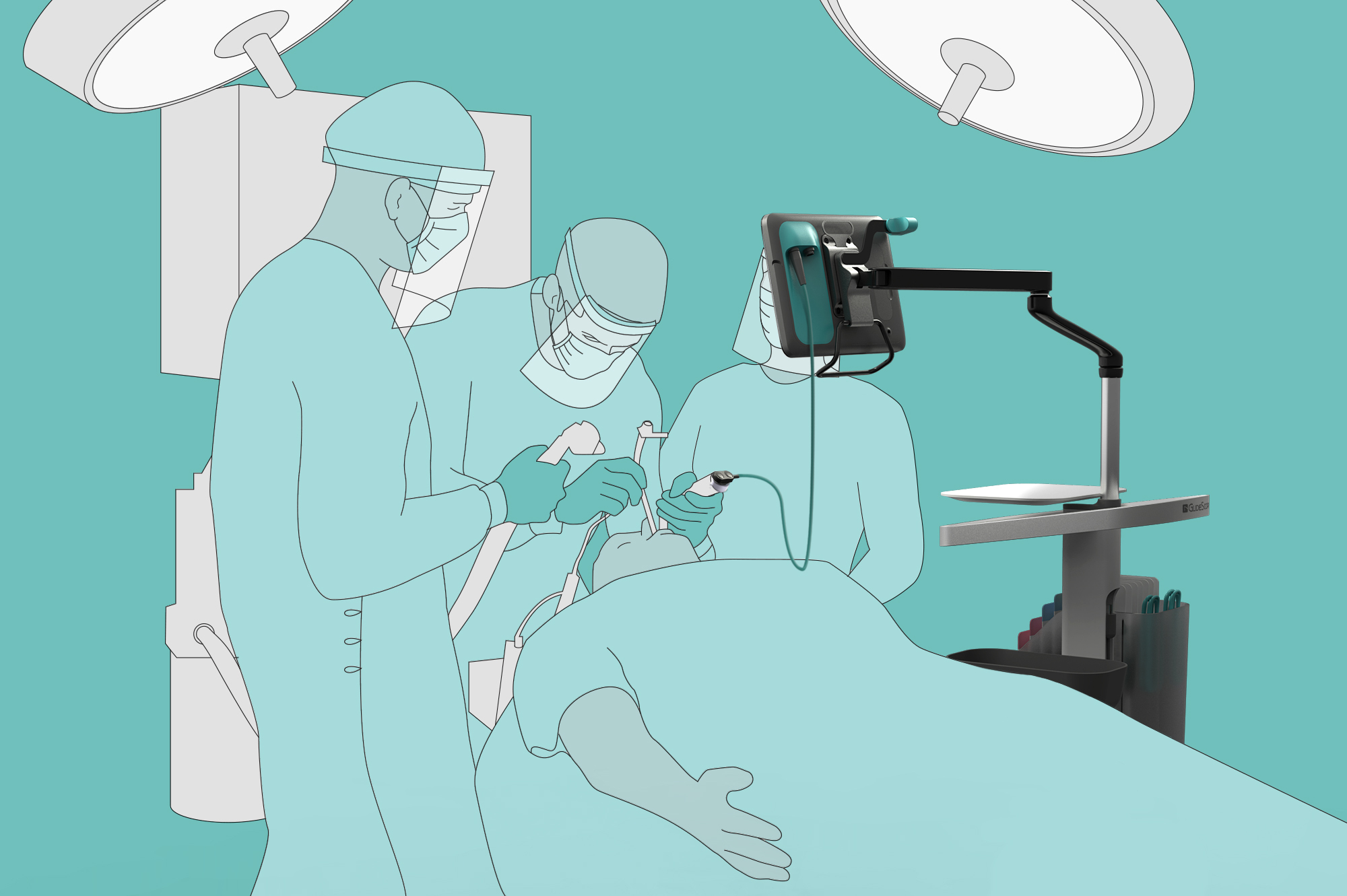
This work led to the creation of the GlideScope Core: an all-in-one, portable product system that supports both video laryngoscopies and bronchoscopies. The base of the device—a wheeled cart—has built-in storage units for tools and a disposal bin, offering more mobility and accessibility for medical professionals.
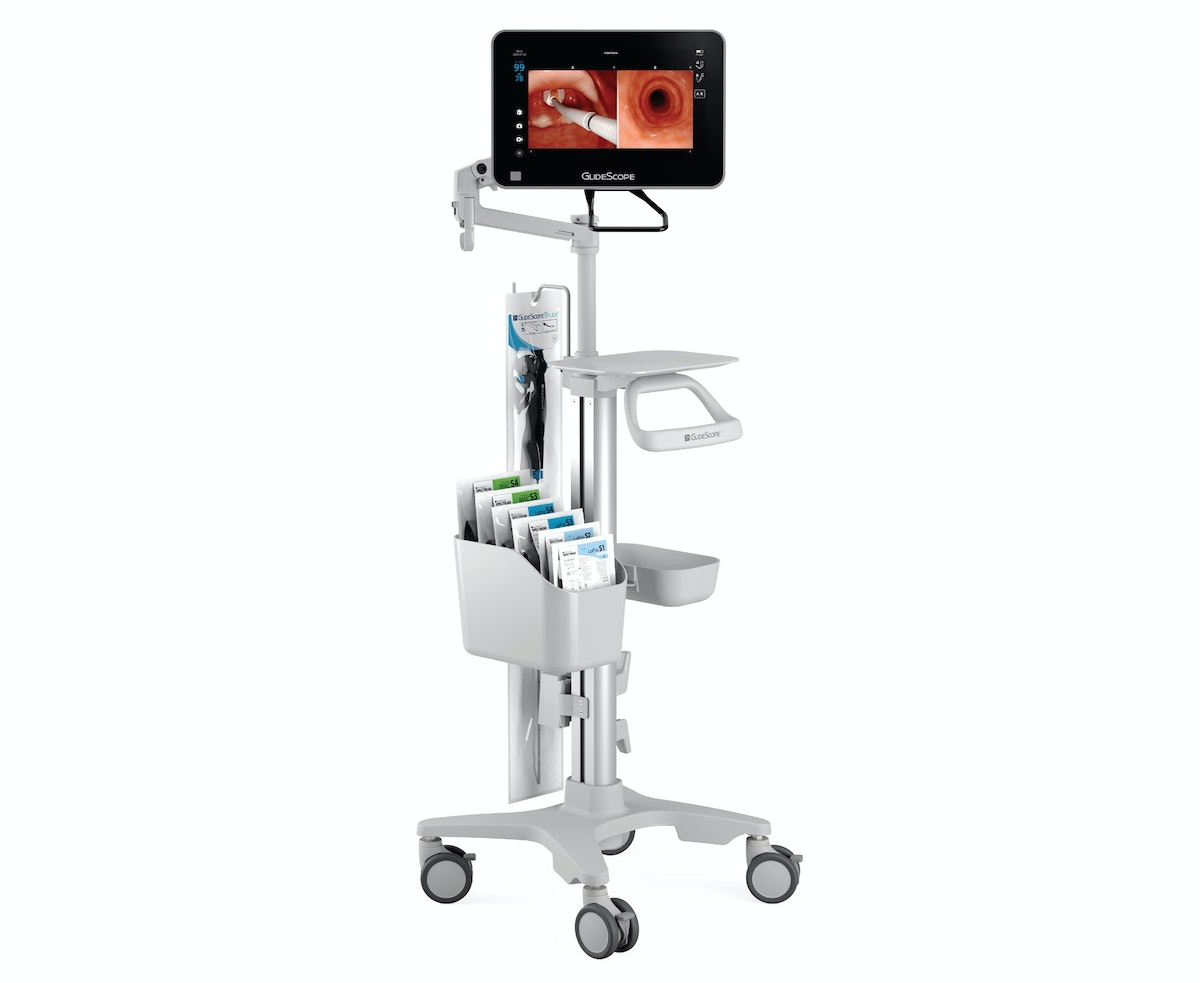
The product’s tagline, “see more, do more,” points to the improvements made to the video system, including a large 10- or 15-inch high-definition touch screen monitor. Displayed images can be enlarged and rotated 180 degrees for improved visualization, team viewing, resident training, and classroom demonstration. To help doctors keep both the patient and monitor in their line of sight, the detachable screen can be secured to an adjustable arm that can be positioned directly over the patient. Additionally, the monitor’s patient annotation feature gives staff access to more of what they need in one device.
The product has been especially valuable for providers and patients during the coronavirus pandemic, when it’s imperative for doctors to keep their distance from patients’ mouths and noses. The GlideScope Core’s movable, detachable, and large, high-definition monitor makes it easier to take this precaution and intubate more quickly. This usefulness is reflected in the 5-fold increase in cart-based device orders for Verathon. While most providers typically order anywhere from 1 to 20 devices for airway procedures, one hospital system requested 600 GlideScope Core systems to meet current intubation demands.
Through modern technology and a focus on human needs, the GlideScope Core supports improved patient outcomes and creates a more seamless operating experience for medical professionals. The product underlines the key but often overlooked fact that often, in order to ensure the healthcare industry is patient-centered, medical device manufacturers and hospitals must also focus on improving the experience of providers.
Transforming a community hospital from the inside out
Designing for caregivers to create world-class care for patients.
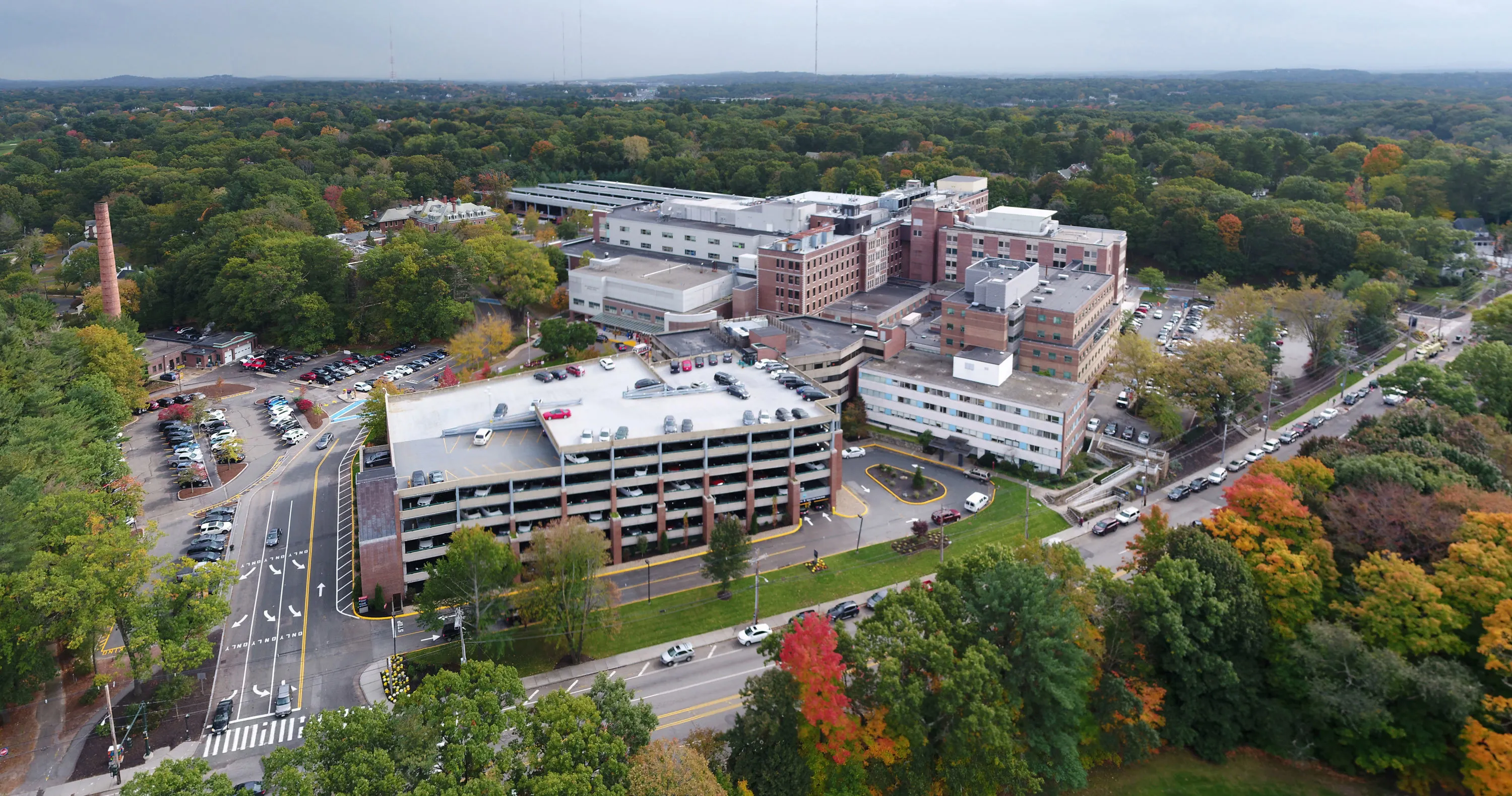
Healthcare is notoriously difficult to change. Rules and regulations present complex barriers; health practitioners and organizations often have entrenched ways of working; and lives are literally on the line. Despite these significant barriers, the leaders at Newton-Wellesley Hospital (NWH) boldly committed to improving patient care through a new approach.
NWH is a community teaching medical center in Newton, Massachusetts. Because of its proximity to Boston—a city known for world-class healthcare institutions—NWH needed to differentiate itself. The hospital's new president, Dr. Michael R. Jaff, reached out to IDEO for help: "I knew that providing an unparalleled patient experience would set us apart from our competitors." But, Dr. Jaff’s particular approach was unique. He and Dr. Jodi Larson, Chief Quality and Experience Offer (CQXO), saw an opportunity to drive better patient outcomes through cultural and organizational change.
"You cannot learn any more than when you get to listen to your potential patients say why they would never walk into your place." —Dr. Michael R. Jaff
IDEO partnered with NWH for a year of work together, kicked off by defining the vision for NWH and ramping up to in-hospital prototyping and the launch of several new initiatives. A pilot project with the Women's Imaging Center (WIC) focused on solving departmental and employee challenges to provide a better experience for women getting mammograms.
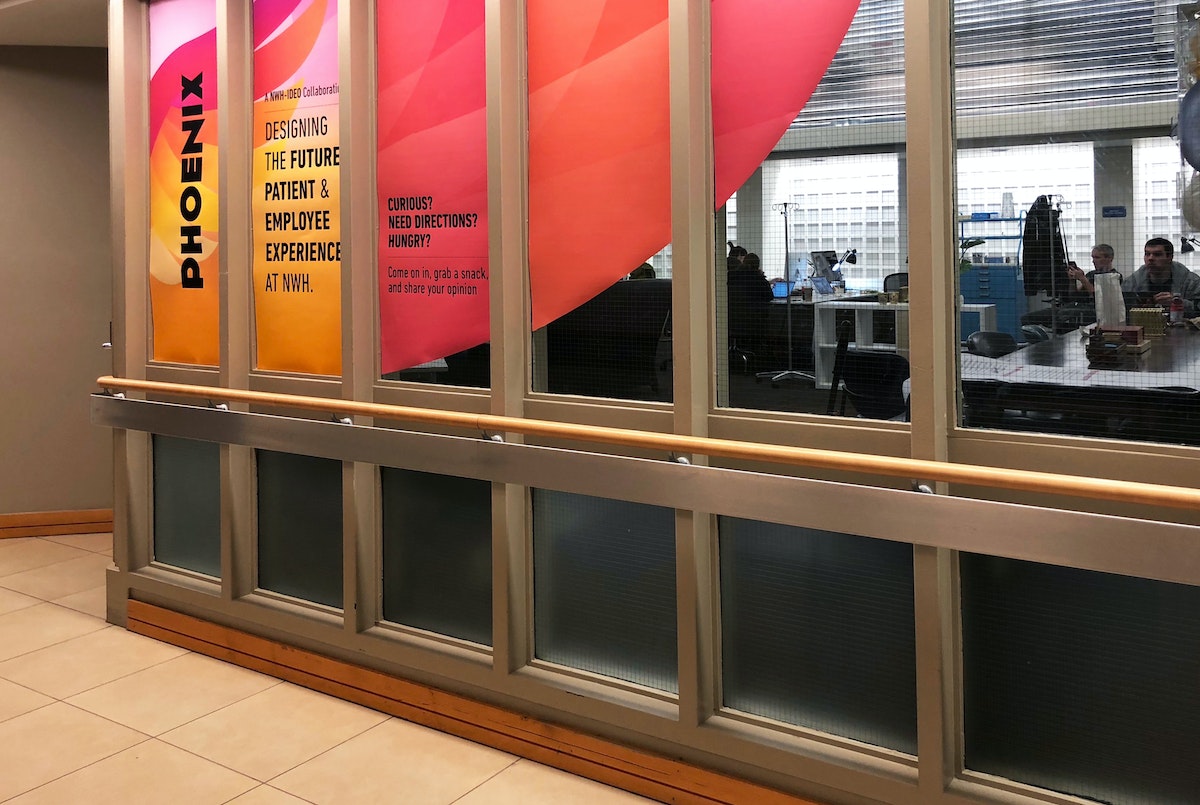
Fueled by this potential, the WIC team redesigned key work processes and created a set of experience principles that inspired new service prototypes. Guided by principles like "Express mutual gratitude" and "Honor every voice," the WIC team tested ways for patients to acknowledge outstanding caregivers and created tools to gather better feedback from patients and adjust quickly. The experience of designing better services inspired the WIC staff to become ambassadors for the power of design thinking across other departments inside NWH and they continue to build on the work through new prototypes and experiments.
Next, IDEO partnered with NWH’s ambulatory surgery group. They took an analogous research trip to Boston’s Logan airport to see with fresh eyes how other high-touch customer service organizations provide customer value in a complex setting. Insights from the trip were applied through live prototyping of several new experiences inside the hospital, including a pre-surgery visit summary and pre-operation care carts.
Analogous research helped us realize that we can learn from other industries and incorporate some (cool) best practices if we allow ourselves to get over the ‘that would never work in the hospital’ mentality. - Dr. Jodi Larson

One of the most impactful prototypes was Care Modes, a tool to empower the NWH care teams to tailor their approach and interaction with patients based on the patients’ unique needs, beyond simply their clinical requirements. Four distinct approaches were identified for engaging a patient before surgery—Explain, Partner, Embrace, and Encourage. The Care Mode is determined based on the provider's understanding of a patient's degree of self-advocacy and their confidence that surgery is the best solution to their issue.
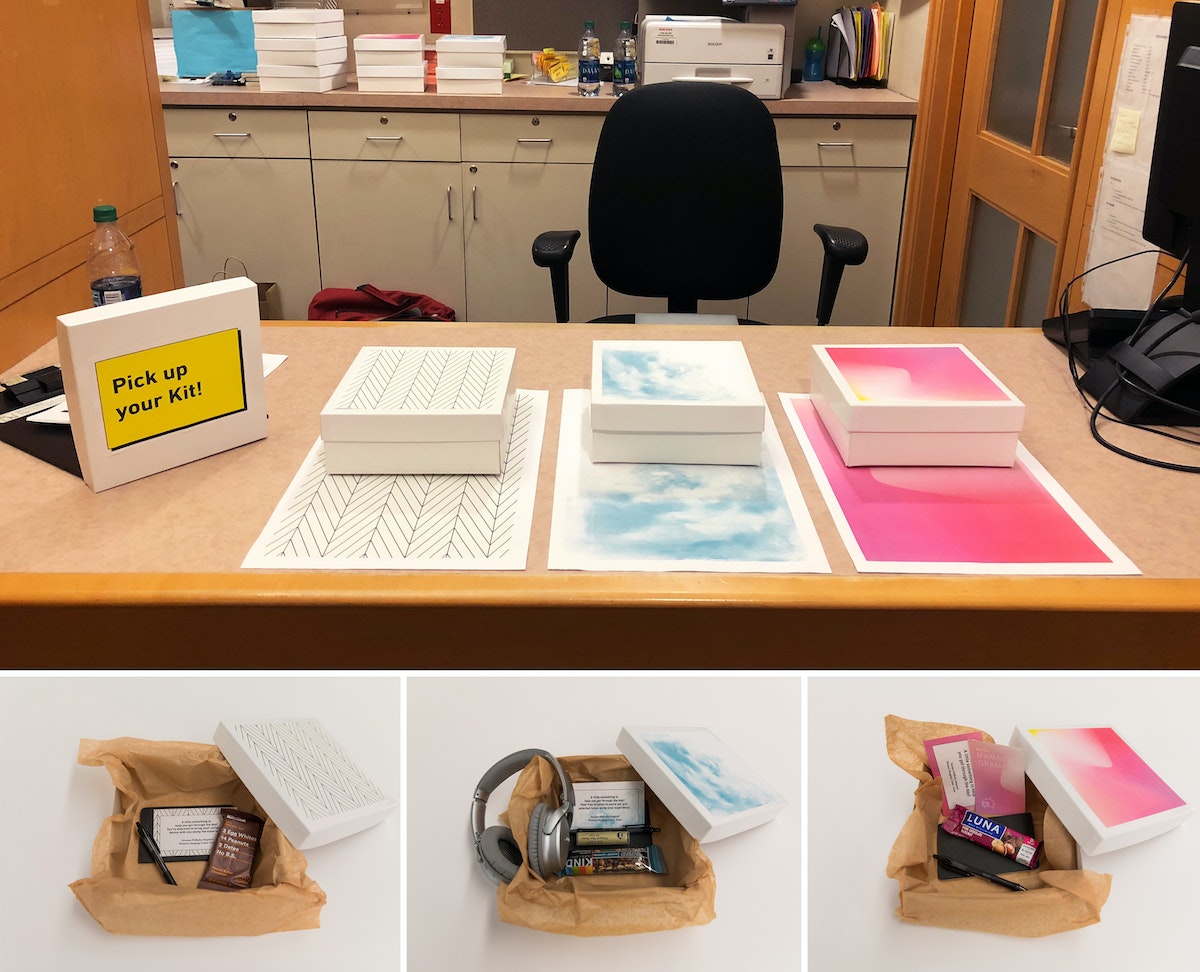
Historically, care providers have been trained to deliver consistent care above all else. However, Care Modes powerfully acknowledge that patients respond differently to different types of care. The Care Modes empower the team—from surgeon to nurse to anesthesiologist—with a clear framework for how to interact with and provide care for patients so they feel most comfortable. Based on the prototype's success with patients and impact on the staff culture, NWH has incorporated Care Modes into EPIC, the hospital's electronic medical record.
The importance of being patient-centered has been central to the healthcare conversation over the past thirty years; but new explorations reveal that there’s far more potential for innovation and improvement when the provider experience is considered in tandem with the patient’s. Each enables the other, and design for both together yields stronger solutions and better outcomes. IDEO's work with NWH demonstrates this vital shift in user-centered healthcare—one can't design services and experiences for patients without designing for their providers’ culture as well. When these go hand-in-hand, meaningful institutional change in healthcare is more than possible.

Helping a historic museum prepare for the future
Using design thinking to improve access, experience, and culture.
The mission of Chicago's Museum of Science and Industry (MSI) is to inspire children to achieve their full potential in the fields of science, technology, medicine, and engineering. Leaders at MSI realized they needed to drive day-to-day operations and maintain historic exhibits while focusing on where to go next. To prepare for its next decade, MSI worked with IDEO to create a new business focus to support the museum’s aspirations for the future. The plan would allow MSI to respond to the demands of the marketplace and raise the funds to get there.
At the beginning of the project, MSI laid out its priorities: improve equity of access, enhance the museum experience, and create a more innovative culture. To dive into each of these areas, IDEO conducted immersive research with families, teachers, donors, and staff.

IDEO brought together 60-plus donors, board members, and staff members to engage in a design thinking exercise to unpack and address the tensions that come with choosing a new strategic trajectory. Instead of having a standard ballot vote, the IDEO team encouraged participants to get up and vote with their feet, helping the group of stakeholders physically align on the museum’s new direction.
At the end of the research and prototyping phases, MSI and IDEO developed a vision called Provoking Minds, Inspiring Futures, creating six detailed design briefs to equip MSI teams to bring initiatives forward. The briefs laid out everything from recommending a new Department of Next, dedicated to ensuring that the future is at the heart of everything the MSI does, to MSI Runway, a place for experimental, small-scale, and limited-run exhibits. The ideas were brought to life with an interactive exhibit, built quickly with everyday materials like plywood and circuit boards, to demonstrate that creating an inspiring vision of the future doesn’t have to be an expensive endeavor.
The team also focused on insights that highlighted accessibility issues some families brought up early in the design process—travel across the city via public transportation can be lengthy, and the cost of admission to special exhibits could be prohibitive. To address these concerns, IDEO came up with the Mission Accessible brief: Inspired by casino buses, MSI bus stop signs would be posted in various low-income neighborhoods, signaling a way to take kids and families to the museum for free.

During the project, the IDEO team identified some low-hanging fruit, like rethinking ticketing and improving the student field trip experience, and helped the museum create cross-functional innovation teams to apply design thinking skills towards solving those challenges. They researched, brainstormed, and pushed forward new concepts, meeting weekly to share and build on ideas. At the end of the four week period, each team prototyped their ideas—new outdoor programming, software tools for visiting tour groups—and pitched them to each other.
In 2019, two years after the conclusion of the project, the collaboration paid off. With its new strategic plan and additional resources, the museum has renewed its commitment to serving youth, and MSI’s team, including donors, are aligned on a collective vision of the future. MSI raised more funds than in any previous year, including the single largest gift in its history—$125 million, nearly half of its $380 million fundraising goal—that will help ensure the years ahead.

A Designer’s Valentine
Check out the crafty, hacky, wacky ways IDEO designers are celebrating love.
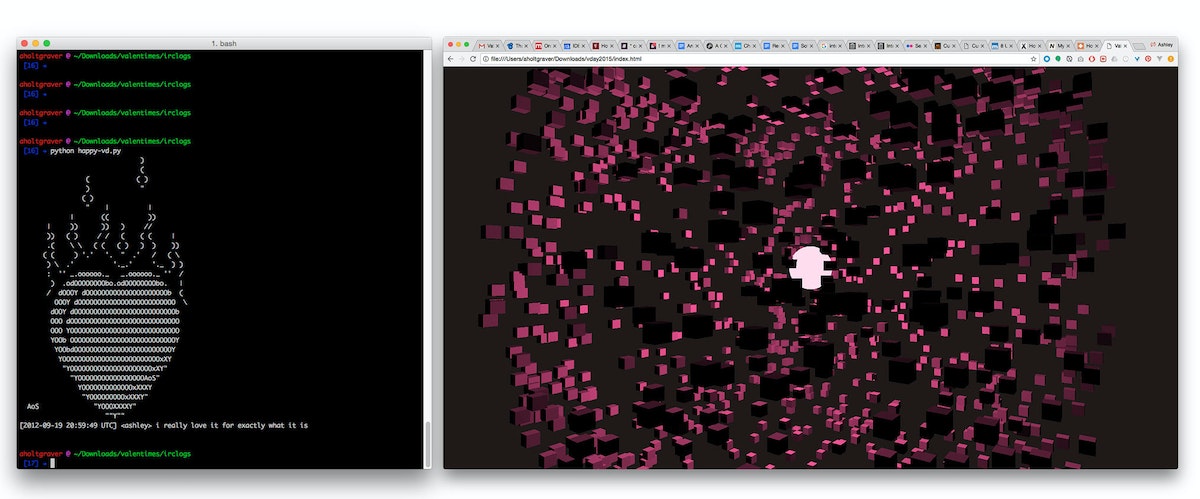
My husband always writes me a little bit of Valentine's Day Code. The image above is one of my favorites—Charlie was learning 3JS, a 3D web development framework, and made me my dream: an exploding pink disco ball floating in space. He's made a 3D simulation of Big Sur (where we took our first road trip together), a "Charlie Bot" (forking off of hubot, creating a fake Charlie for me to talk to when I was traveling a lot) and an Adventure-style text based game, where I got to achieve my dream of meeting Prince with my dog Hudson.
—Ashley Holtgraver, IDEO Cambridge
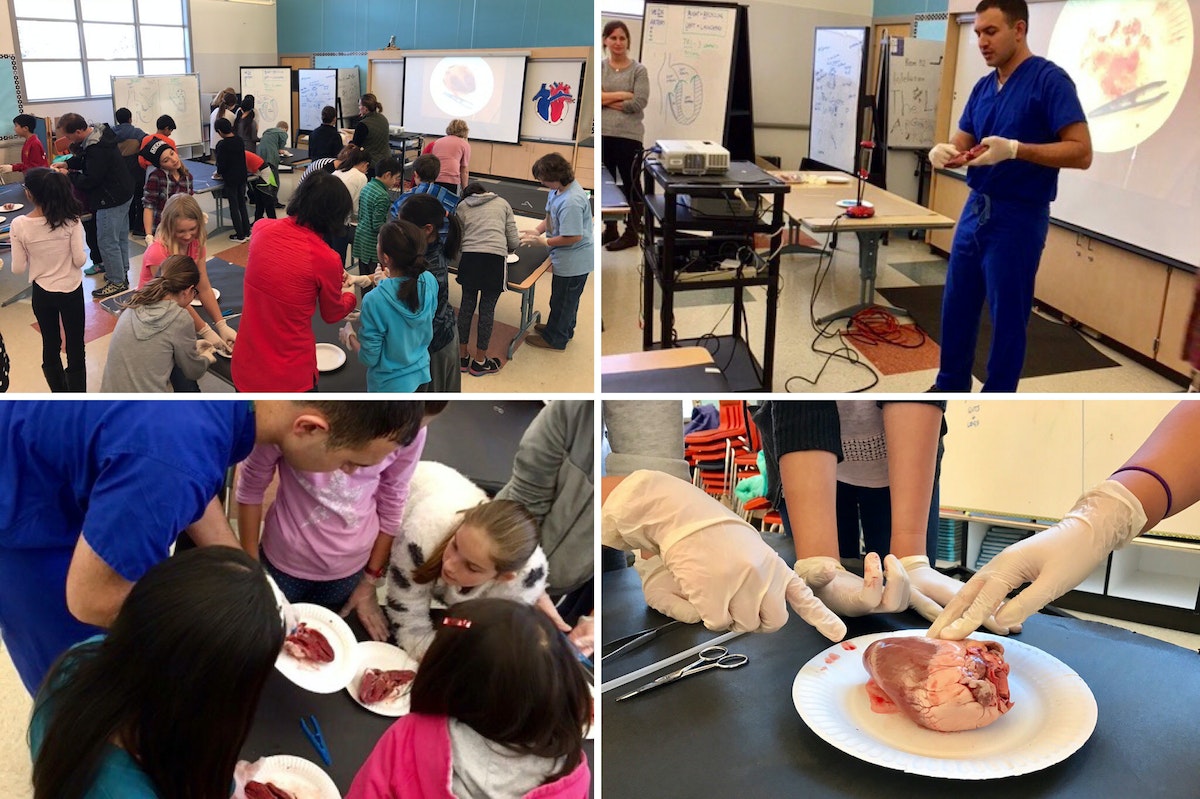
As a Biodesigner + Cardiologist at IDEO Palo Alto, I led three classes of 5th graders at Covington Elementary School (Los Altos, CA) in their annual sheep heart dissection this Valentine's Day. I introduced them to the fundamentals of cardiovascular anatomy and physiology, including the structure and function of each chamber and valve, their relationships to surrounding conduits, and the hemodynamics and electrophysiology that drive the system. You know, just the basics. All of the kids experienced a hands-on exploration of the heart’s surface and texture, then under the supervision of volunteering parents, dissected their ways into the depths of the organ. Accompanying me was my rockstar hostess and sidekick Celia Wedner, future doc and daughter of Palo Alto’s Grant Wedner.
—Farzad Azimpour, IDEO Palo Alto

I’ve been doing cross-stitch for more than 10 years. Cross-stitch is an ancient form of embroidery that’s very intricate—it takes a long time to finish a product! The time I spend making a pattern is one of my favorite ways of expressing love on Valentine's Day.
—Christina Shen, IDEO Shanghai
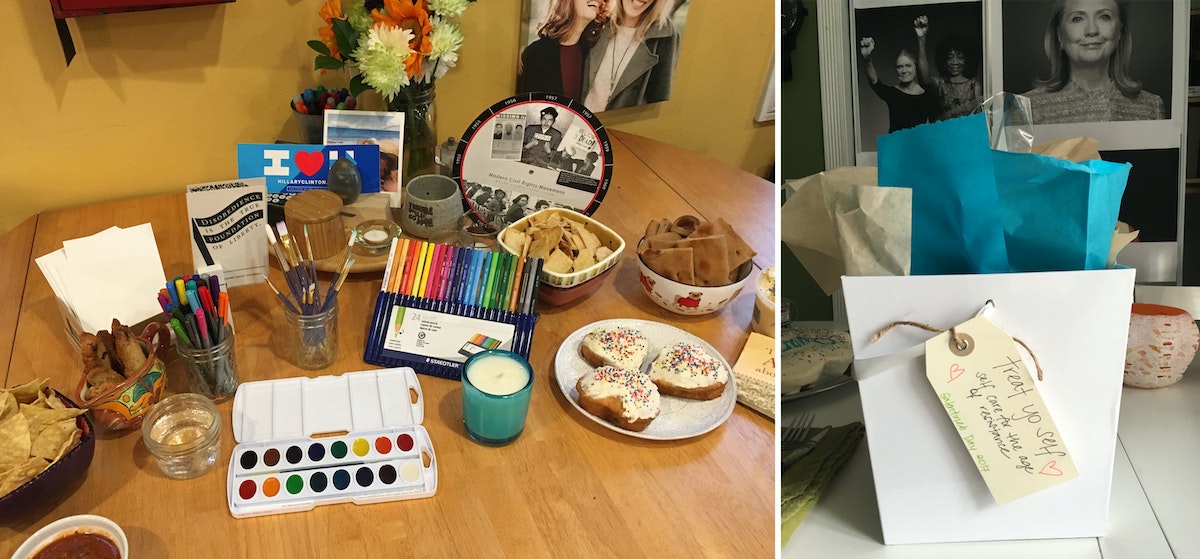
For our third annual Galentine’s Day gathering, we started by designing postcards to send to our district representatives. This was followed by whiskey tastings and a fancy dinner hosted in a room decorated with posters of inspiring power-women. Everyone left with a "treat yo-self" care package, complete with home decor, "Make Your Mark" to-do lists, homemade biscotti, and soothing teas.
—Rohini Venkatraman, IDEO San Francisco
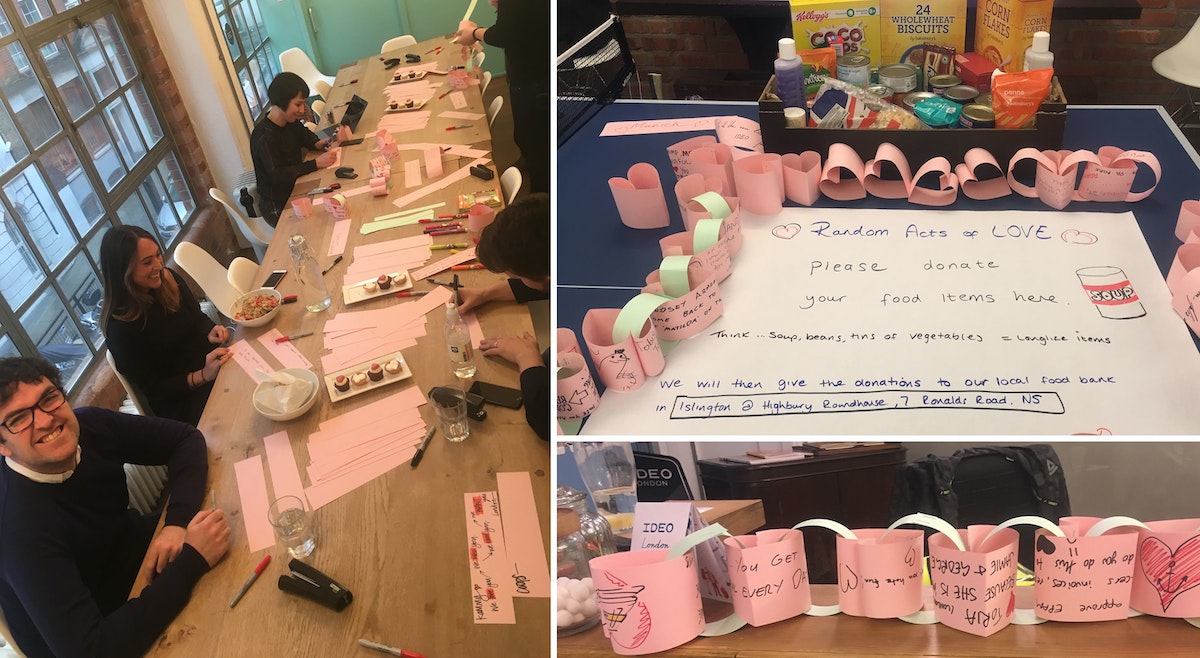
At IDEO London, we held an office-wide Valentine’s Day celebration with activities and treats under the theme of Random Acts of Love. We set up areas to collect clothes and food for those more in need, and a station to create a heart chain of messages to people across IDEO locations, hoping they’d continue the chain. Prior to the event, we asked everyone to send us one song they’d take to a desert island and why. Over a selection of strawberry daiquiris and fresh cupcakes, we filmed people talking about their chosen song. We had tears and goosebumps. Interestingly, most people chose songs to remind them of someone they love dearly. Three others chose songs that have helped them get through life.
—Bobbie Brightman and Ryan Lovett, IDEO London
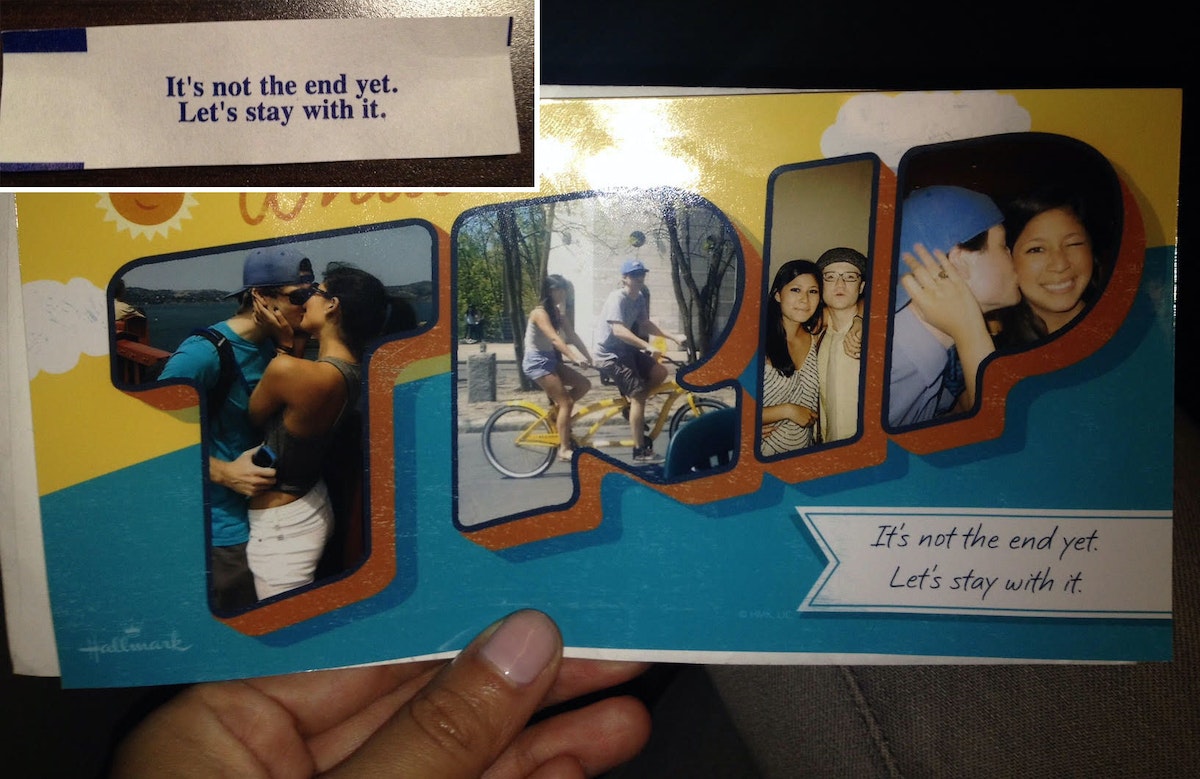
This is a fortune my boyfriend and I got on one of our first trips together, before we were "officially" dating. Something told me to hold onto it. Later, he had this greeting card printed for me for Valentine's Day. He actually had to print a minimum of 100 so somewhere we have a hefty stack of personalized greeting cards of ourselves. Over 3 years later, I still have the fortune.
—Becky Lee, IDEO San Francisco
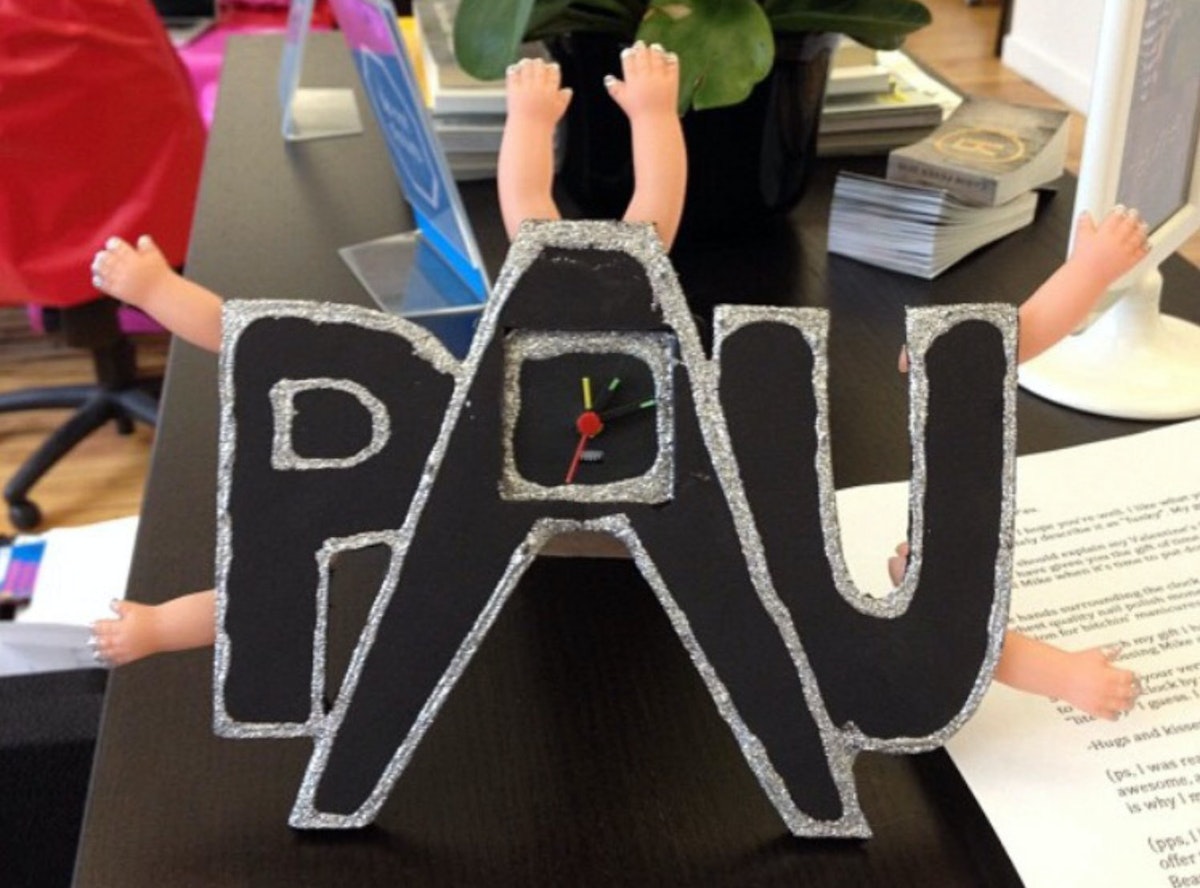
I used to work for a company that was pretty hardcore about celebrating Valentine's Day. We would exchange gifts, play games, have a big party, etc. One year I made this clock for my good friend and former colleague Irene Pau. The design is inspired by an inside joke that's probably not worth going into here. But the main goal was really just to make something weird that would creep her out, and also help her get to meetings on time. Mission accomplished?
—Griffin Thomson, IDEO Palo Alto
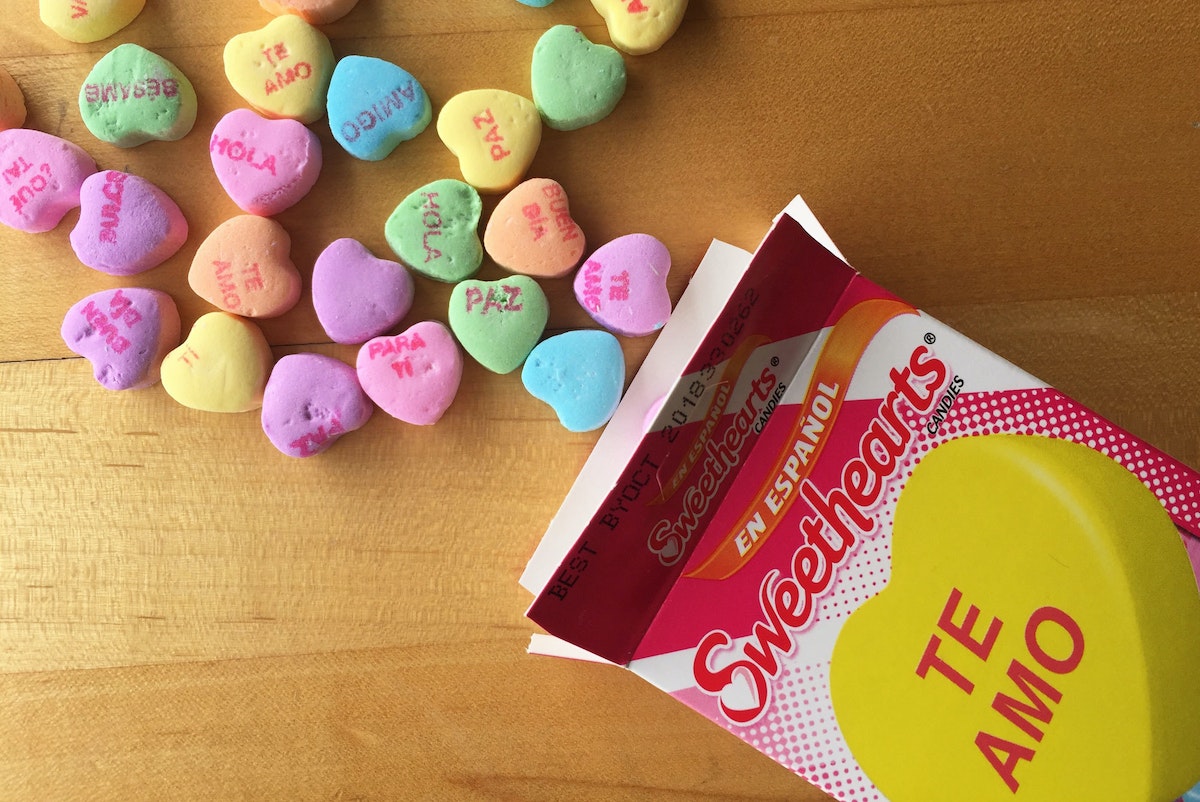
I love giving people Spanish Sweethearts for Valentine’s Day. They’re unique (read: hard-to-find) and everyone learns some Spanish from my gift!
—Katie Clark, IDEO San Francisco
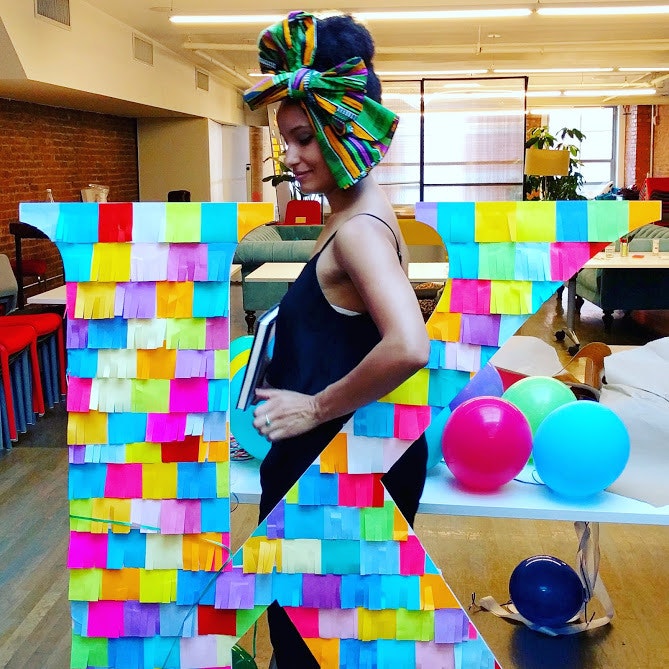
Kiley was our New York front desk concierge for a couple of years, and she decided to leave last year to head to Arkansas and pursue writing and graduate school. She always put a lot of work into making the office feel special, so we decided to throw her a big going away party to show our appreciation. The base of the K was cut from scrap foam core on the laser cutter. The colored fringe was created from discarded Post-it pad slivers that were collecting in the hallway, which were stuck onto the K then cut vertically. Try your own letter piñata for Valentine's Day!
—Njoki Gitahi, IDEO New York
Header image by Volkan Olmez on Unsplash.
When choosing a gift for your Valentine, why settle for a store-bought card? Drop that box of chocolates and steal these IDEO designers' crafty, hacky, wacky ideas for celebrating the holiday of love. Or better yet, try dating a designer! There’s bound to be a good gift in it for you.
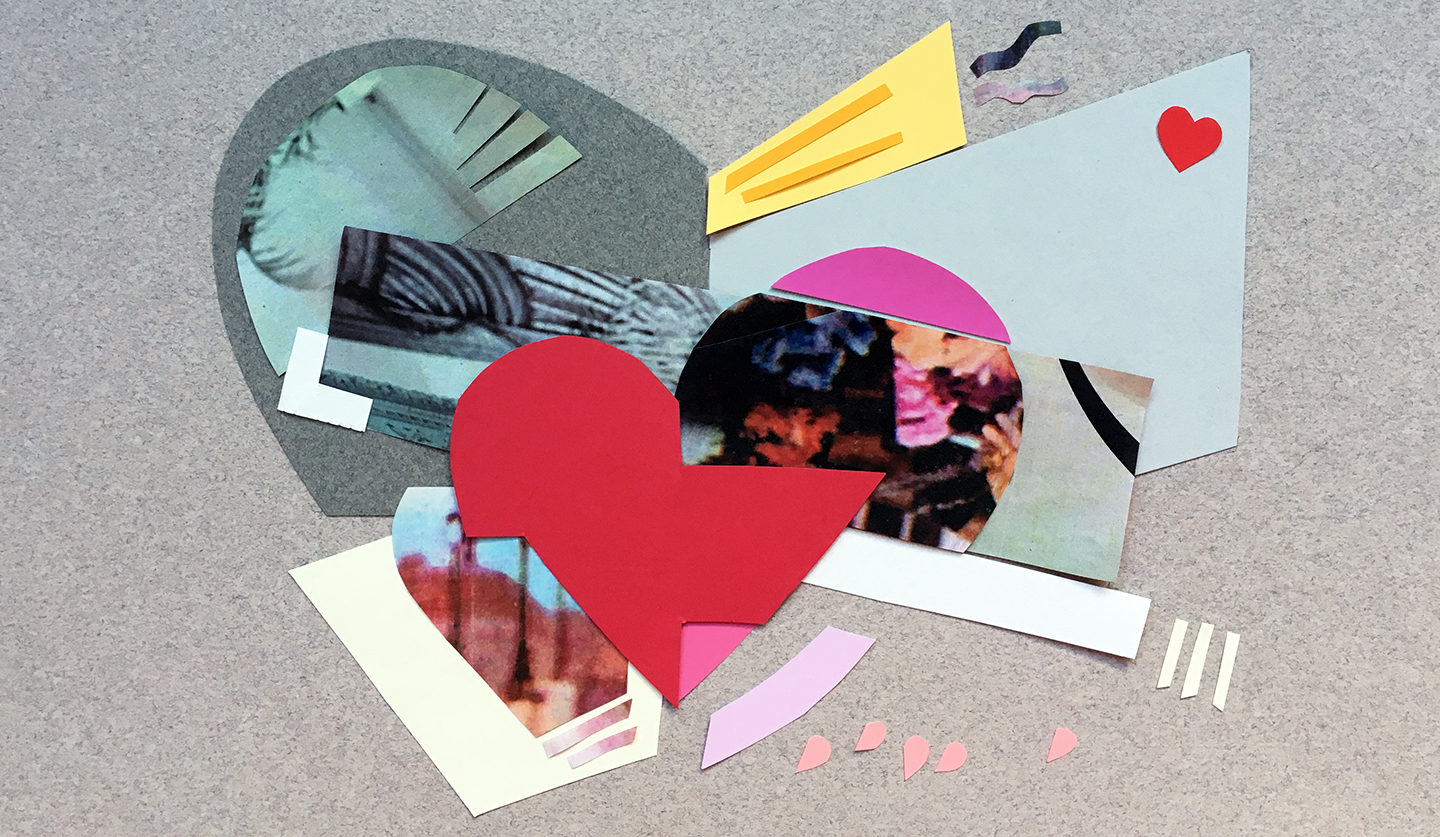
The GIF that Keeps on Giving
Forget flowers—make your loved one a custom GIF this Valentine's day
Not wanting to disappoint her, I started searching for some craft that would satisfy that messy complexity. I tried what I knew. Illustration might bring my imaginary characters and stories to life. But my skills were limited. Collage answered the urge for messy assembly, but lacked precision.
Then I tried making a GIF, that looping relic of the old web that’s come back as an art form. The beauty of GIFs is that they preserve a single moment, with all of its feeling, and play it back forever. It was imperfect. It was messy. I was mesmerized. It struck the balance me and my inner teenager needed.
I’ve found that custom GIFs can be made for all sorts of scenarios—to show thanks, explain an idea, even tell someone you’re thinking of them. Flowers pale in comparison to a custom-made GIF for your loved one this Valentine’s Day.
With my internship at IDEO ending soon, I decided to create a parting GIF to share my gratitude. Here’s how to make your own:
1. Find a concept. Don’t dwell here. Get to making quickly and don’t overthink it! I landed on the metaphor of a rising sun, symbolizing illumination and a new beginning thanks to my experience here.
2. Gather supplies. Don’t spend any money on materials—they’re all around you. I rounded up old San Francisco brochures from my landlord’s supply closet.
3. Form a composition. Clear a workspace or spread out on the floor (as I did here), collect your supplies, and start cutting. Cue Bob’s Burgers.
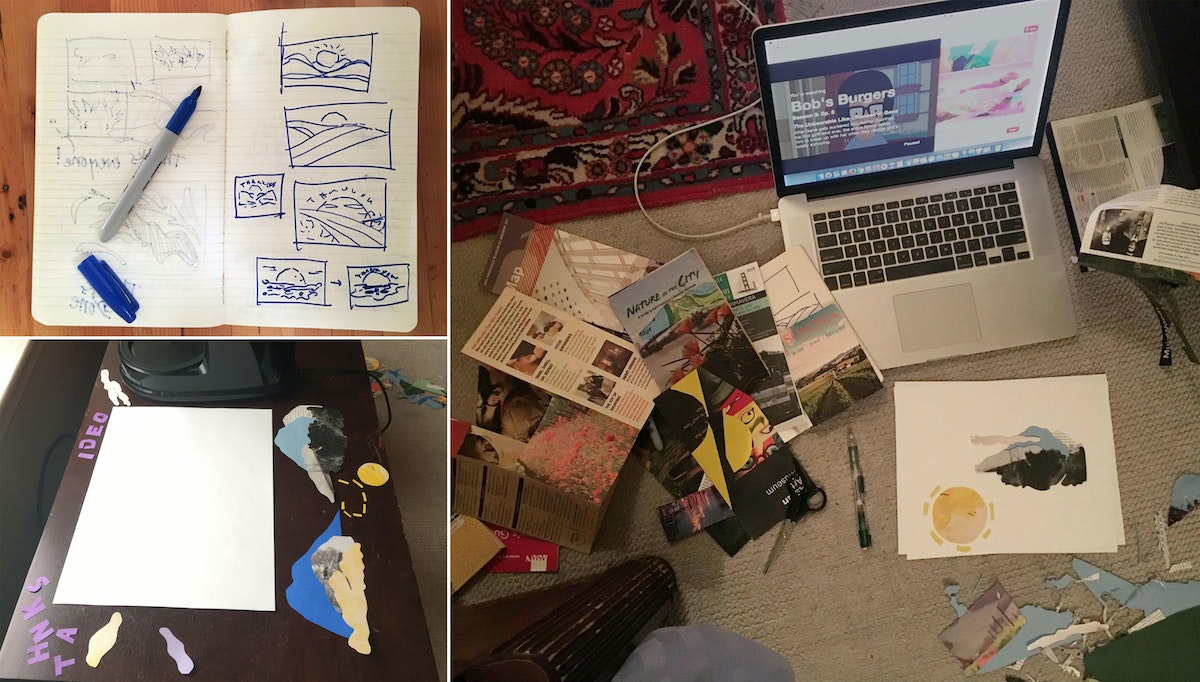
4. Photograph. Find a space by a bright window and a makeshift hand stabilizer—in this case it was an empty coffee machine. I shoot about 30 frames with my iPhone, moving each piece of paper by hand, frame after frame.
5. Assemble in Photoshop. With your batch of photos loaded into a Photoshop file, click “Create Frame Animation” from your Photoshop Timeline (pictured on the bottom of the screenshot below). This allows you to create a frame-by-frame animation, revealing one photo in your sequence per frame. Make any adjustments in light balance and cropping, and manually tweak the alignment of any shaky photos here, too.
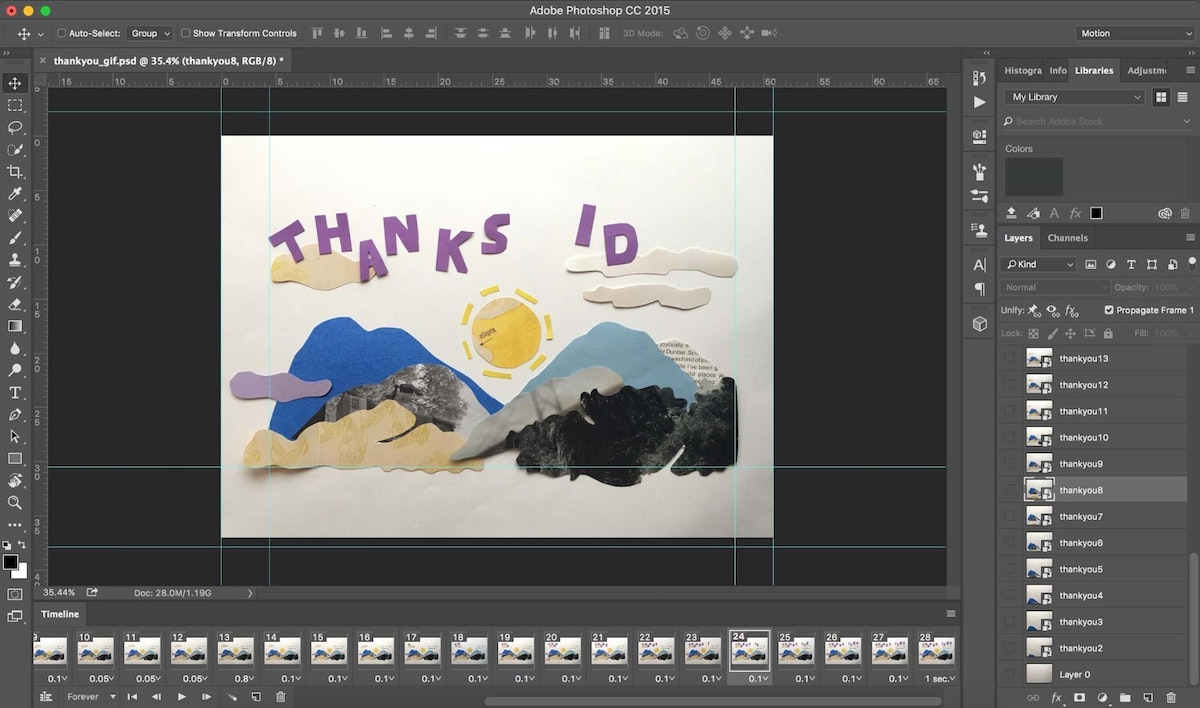
6. Save and export. To export your finished GIF from Photoshop, choose “Save for Web (Legacy).” Adjust the export settings to pare your GIF down to a manageable file size. Add a watermark or signature if you want to ensure you'll get credit for your work.
7. Let it fly! GIFs can be embedded in email, posted on social media, even texted.
I’m an intern at IDEO who’s training to be an interaction designer. But one morning at 4 a.m., after an all-nighter studying a maze of sterile, methodically made wireframes, I felt the 15-year-old me frowning at my career choice. Who was this person obsessing over digital simplicity and efficiency? What happened to the girl who loved drama? Who loved a mess?
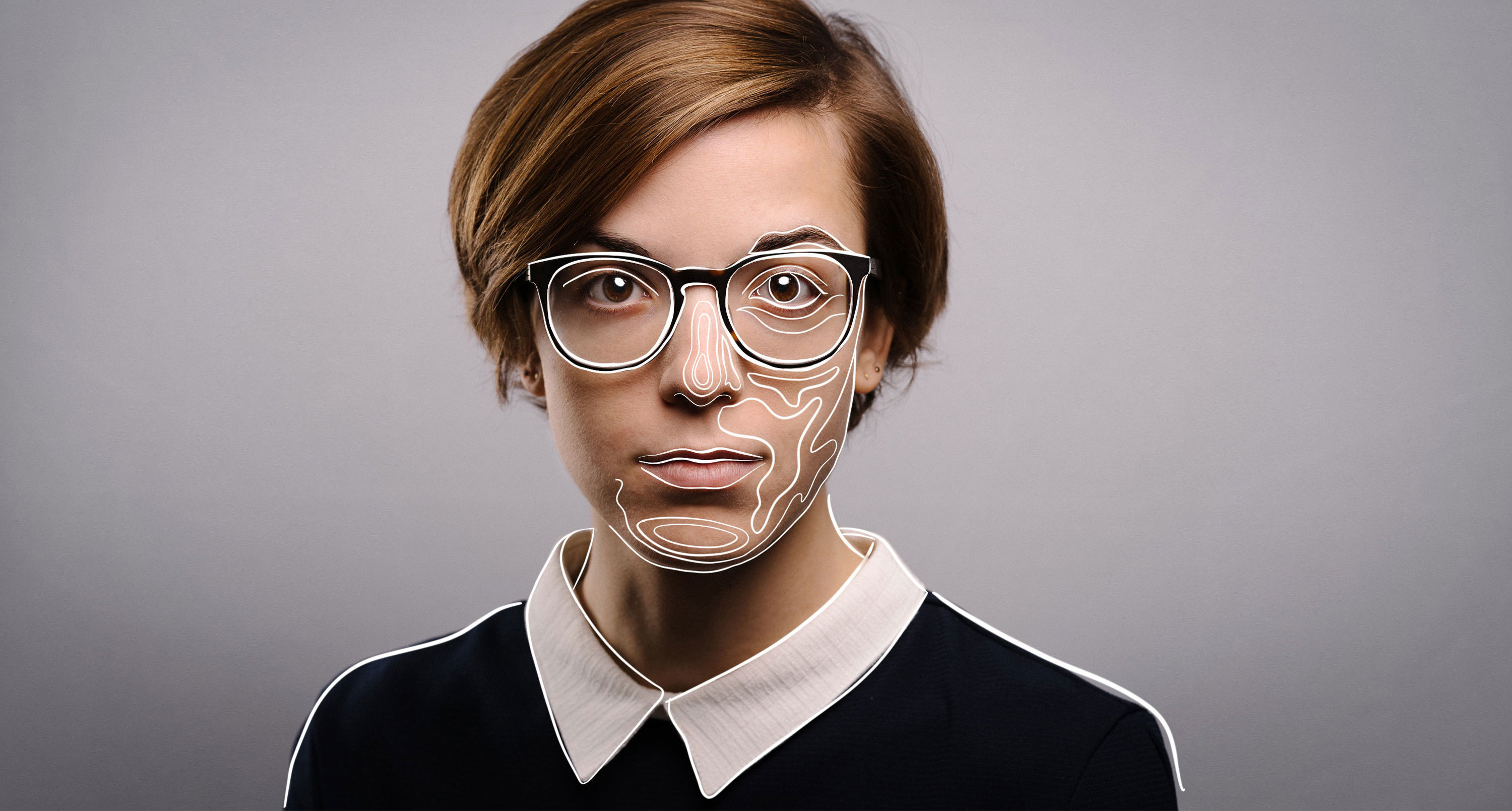
3 Ways to Fight Impostor Syndrome
A sense of belonging can be cultivated, if you know how
There I sat, staring at this person whom I deeply admired, witnessing a fleeting moment of vulnerability, and I realized that I’m not the only one that feels this way.
I’m someone who will walk by the espresso machine multiple times, trying catch a glimpse of how to make a latte, just so when I decide to do it myself, I’ll look like I know what I’m doing. I avoid confrontations, so as not to tarnish what others think of me. I convince myself I am where I am because of luck. I’ve spent the first few years of my professional life trying to be a good pretender, trying to ignore this voice in my head that takes over and says I don’t belong.
But, there are ways to shake off those feelings, to help you remember the value you have, that you should trust yourself, and that you belong in your job. It took me a while to figure it out, but I’ve developed ways to cope. If I could take a time machine back to when I first started out, here are the three things I would remind myself:
1. NEVER STOP ASKING FOR FEEDBACK
I’m an introvert who, for years, kept my vulnerabilities wrapped up. Fake it til you make it was a subconscious motto. What I didn’t realize was how empowering it is to openly admit the things you are afraid of, and the empathy and advice you get from others when you do. The sooner you are able to identify these fears and voice them, the sooner others will be able to help you through these challenges. Don’t try to pretend your insecurities don’t exist—voicing them is the first step to overcoming them.

2. GET OUT OF YOUR WORLD OF EXPERTISE
Throughout school, I was laser-focused on learning everything I could about design. When I came to IDEO, this passion for design was no longer something that made me unique. It’s what you know beyond design that allows you to come up with a solution that your peers haven’t considered. Good design skills are most powerful when they are applied with another discipline or two, or three. I found the designers I most admired were experts in some other area—neuroscience, climbing, magic, baking.
3. MEASURE YOURSELF BY YOUR OWN YARDSTICK
It’s so easy to be consumed by other people’s talents, but comparing yourself to others is an impossible game to win. Instead, try competing with yourself. Where were you a year ago? Six months? Can you measure your improvement over time? It’s a commitment to continuously learning that will make you grow as a designer. You went from getting coffee at an internship to distributing the first magazine article you designed? Growth!

I first heard the term impostor syndrome from a fellow designer. We were chatting about the projects we were on, and comparing each other’s work to our peers: designers we knew, designers we didn’t know, even super-influential icons we swooned over, like Stefan Sagmeister and Jessica Hische.
“How did we even get hired?” he asked me. “It’s like I have perpetual impostor syndrome—it’s bad.”

Escape Your Filter Bubble and Enhance Your Creativity
Filter bubbles are a problem for democracy. We believe they’re a problem for creativity, too.
How so? A classic rookie mistakes in design work is “me-search”—doing research on yourself and creating something tailor-made for your needs, rather than seeking broader inspiration from the outside world. So, in service of greater creativity—and maybe a more clear-eyed body politic—here are four ways to escape your bubble.
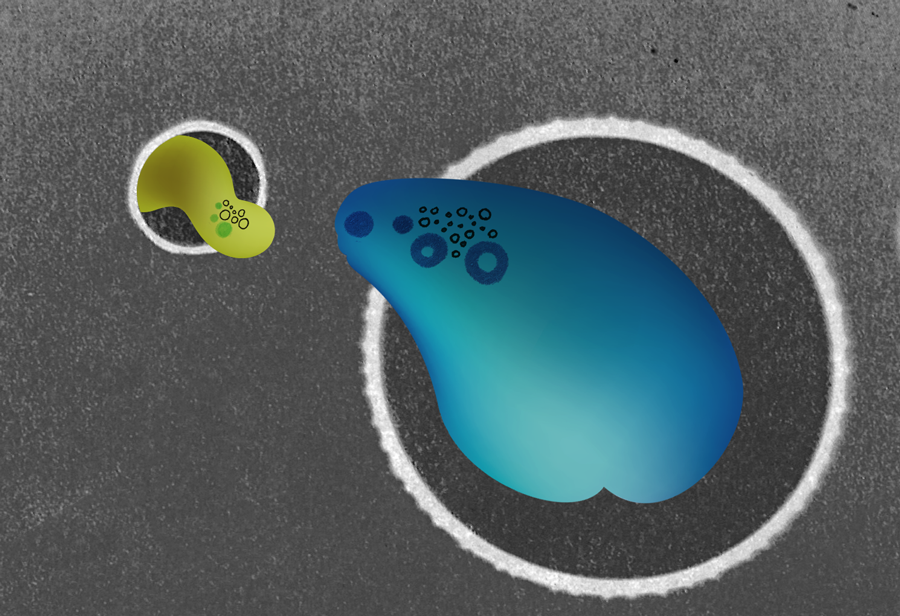
1. Talk to Strangers
Now that the time and directions are available on every smartphone, it's amazing how little we need to talk to strangers. But think about what is lost when you never have a serendipitous encounter. To reignite this habit, seek out contexts that are naturally social: bars, book clubs, craft circles. Go alone, so you're required to interact with someone new. Going solo not your bag? Here's another approach: Follow Bill Murray’s advice and strike up a conversation with every taxi driver you ride with. Ask them plenty of questions beginning with the word “why.” Maybe you’ll figure out, as Murray did, what’s preventing them from doing what they love.
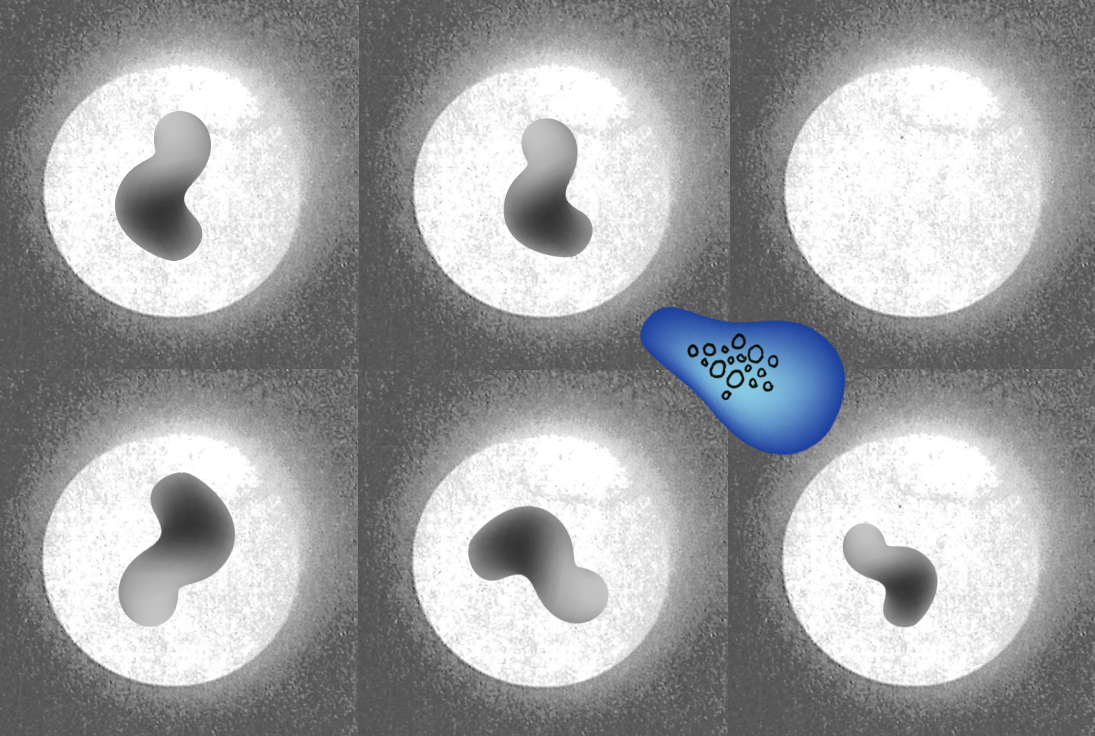
2. Unfollow People Like You
If you're choosing to hear from people who think exactly like you, you're going to get sucker punched every time public opinion swings the other way. Are you a bleeding-heart liberal? Try following conservative pundits, think tanks, and some of the average Joes who tune into them. Lean to the right? Look to the left! Hat tip to Harper Reed, CTO of the 2008 Obama campaign, for this one. Reed recently unfollowed most of the white men in his Twitter feed, instead directing his attention to women, people of color, and people with disabilities. Just to be clear, this was not an act of political correctness—his motivation was to expose himself to different points of view, in service of inspiring his personal creativity.
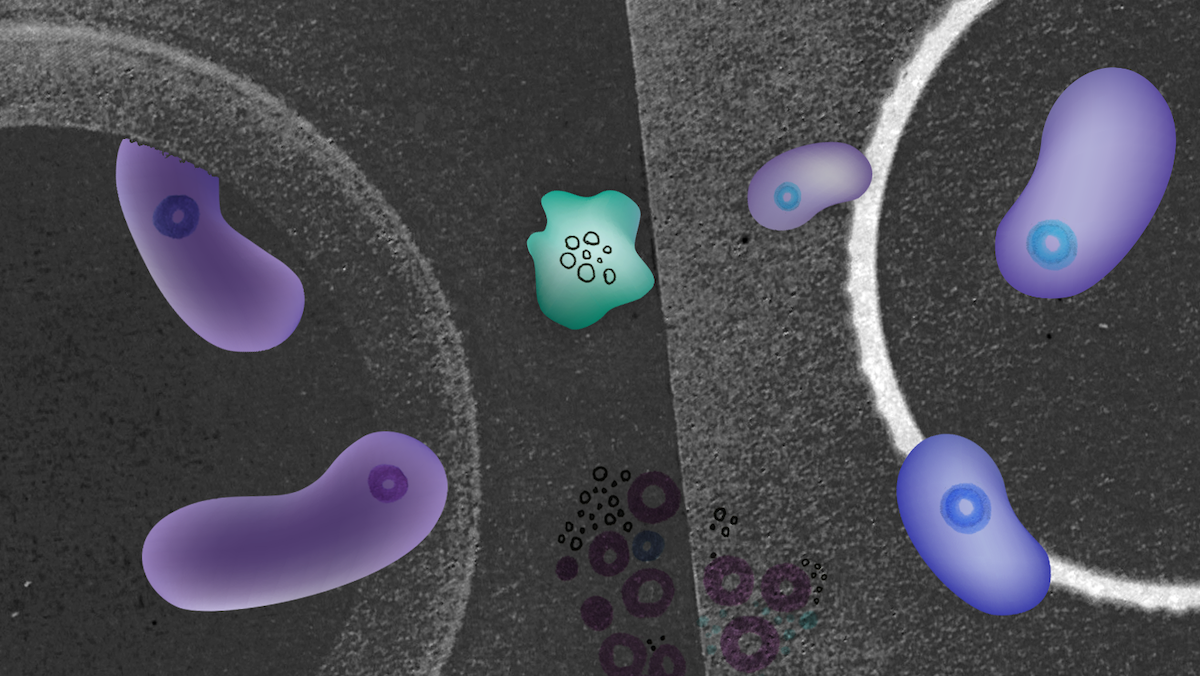
3. Join a Different Demographic
When it comes to picking a night out, most of us choose something that we know we're going to enjoy. And chances are, we’ll be surrounded by people just like us. As an alternative, go for an evening activity in which you're immersed in a completely different demographic. If you're a millennial, hit up bingo night with seniors. If you're a Boomer, grit your teeth and shake it off at a concert full of teenagers. If you're visiting a new city, seek out a comedy open mic and see what people are talking about. Yes, there's every chance that this evening’s experiment won't be as comfy as your usual fare... but we bet that it will help you understand people’s needs in a different way, making you better suited to creating new things for them.
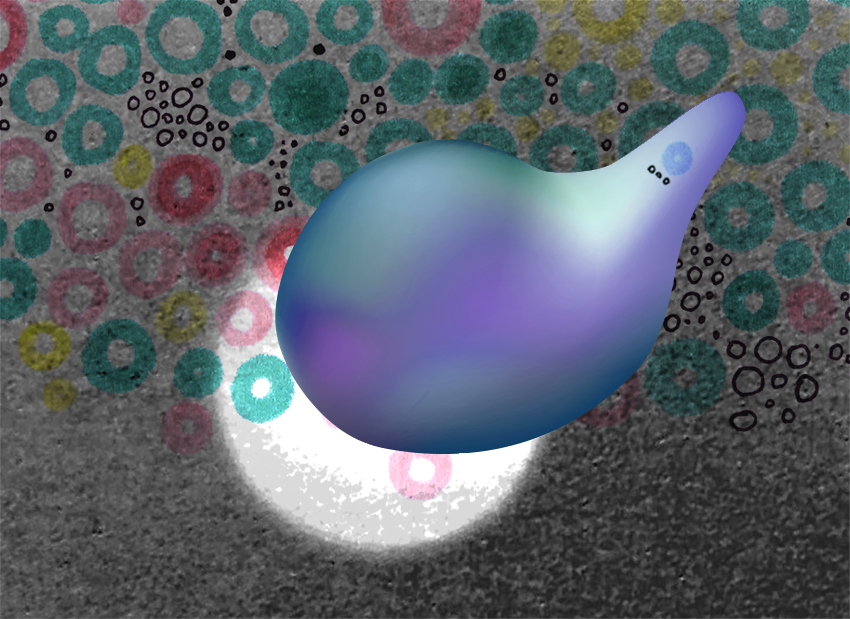
4. Volunteer
Giving back is always the right thing to do, and it has the seldom-mentioned added benefit of easing you out of your filter bubble. Whether you're helping the homeless, people with disabilities, or any other group, you will be eye-to-eye with people you rarely encounter on your Facebook feed. The fact that you're serving others is a bonus. The person you may be helping most is yourself.
Illustrations by Ashley Holtgraver.
In the aftermath of the 2016 election, there has been a new focus on the “filter bubble”: the phenomenon of being fed news and social media that is tuned to your existing point of view, rather than challenging it.
Filter bubbles are a problem for democracy. We believe they’re a problem for creativity, too.

Lindsey Turner
I’m passionate about building brands, products, and experiences that help organizations show up with meaning and momentum.
I help organizations cut through complexity by shaping how they show up, through brand strategy, identity, and storytelling.
Working at the intersection of brand and business, I bring an editorial eye and a bias toward making—turning ideas into tangible experiences that people can understand, trust, and believe in.
My work spans government, healthcare, financial services, media, and consumer goods, from launching Gen Z-focused ventures to building innovation labs and reimagining legacy brands. I relish moments of ambiguity and enjoy translating across teams, perspectives, and priorities to move ideas forward.
I started my career in editorial and digital design, shaping cross-platform experiences and identity systems in publishing and agency environments. That foundation still shapes how I work today: I’m detail-oriented, collaborative, and overreliant on the Oxford comma. I hold a BFA in Visual Communication from the School of the Art Institute of Chicago.

Rachel Young
My work helps organizations see who their products aren't working for—and build the will and the tools to do something about it
For 25 years, I've asked the same question: Who does this design exclude—and what are we going to do about it?
My work spans human-centered strategy, inclusive design, and qualitative research, with clients ranging from Microsoft, Google, and Verizon to the National Science Foundation, and San Francisco Unified School District.
Before IDEO, I taught elementary school in East Palo Alto and spent a decade doing design work with social service organizations—where I learned firsthand what it costs people when systems are built without them in mind.
I am currently writing User Error, a nonfiction book about digital access and the design decisions behind it. I live in Oakland, California.

Brian Pelsoh
I lead with craft, ensuring our work is creatively excellent: rooted in deep human insight and imagination, while also grounded in the realities of business and technology.
My expertise spans brand, communication, and product design across tech, education, the arts, and social impact.
I believe great work demands both high-level vision and obsessive attention to detail, and only happens through collaboration.
I bring an inclusive, hands-on approach and a deep understanding of business, which enables me to consistently deliver excellence while always asking why.
Before joining IDEO, I worked at the brand firms Pentagram and VSA Partners. I began my career as a designer, leading teams at the School of the Art Institute of Chicago and the Milwaukee Art Museum. I hold an MFA in graphic design from Maryland Institute College of Art and a BFA in communication design from the Milwaukee Institute of Art & Design, and have taught at some of the best design schools in the US.

Tony Wong
I am responsible for IDEO’s long-term success in China and working with clients to use design as a tool to enable growth.
I am responsible for IDEO’s long-term success in China and working with clients to use design as a tool to enable growth. Specifically, I have helped Chinese companies design holistic brand solutions through the development of their products, communication, services, and innovation teams, and I have helped multinationals expand their presence and influence in China.
I advise global leaders on developing China-led innovation and capabilities.
In over 15 years in IDEO Shanghai, I have worked on projects that use design to elevate the quality of the experience of healthcare products and services, streamline processes that increase productivity, create spaces and programs that promote and enable inclusive communities, and build next generation mobility solutions that are planet-positive.
Before joining IDEO, I worked at Philips Electronics and the Electrolux Group in Italy, the Netherlands, and Singapore on a number of breakthrough commercial products. I am a member of the Young President Organization in Shanghai.

How to use AI as an editor, not a writer
Ed White shares how he uses AI as an editor—not a writer—to sharpen storytelling, rehearse ideas, and preserve the productive friction that makes creative work better.
Ed White has a rule he's tested on his own writing: hold yourself as the writer, and let AI be your editor. Ed is a Senior Design Director at IDEO's London studio, where he co-leads the firm's AI portfolio across Europe. Before IDEO, he spent 12 years as a writer and editor at the Financial Times, Wired, and Contagious. So when he talks about when to use AI for storytelling and when not to, it comes from two decades of crafting his storytelling skills.
In this episode, Mina Seetharaman talks with Ed about two specific tools he uses to keep AI in an editor's seat: a "roasting agent" prompted to critique his drafts without any sugarcoating, and a simulated audience he rehearses pitches on before the real thing. They also get into what Ed is hearing from design leaders at Anthropic, Lovable, Shopify, and Google Creative Lab about how creative work is changing, and why he thinks the friction of writing something yourself is worth protecting rather than automating away.

Building a personal AI for the messiness of life: Sida Li
Becca Carroll talks with Cue co-founder Sida Li about designing a personal AI for the messiness of everyday life—not just work. They explore how Sida stays anchored to human needs while navigating fast-changing technology, product tradeoffs, business-model experimentation, and the realities of building an AI company today.
Most AI products today are built for work—a space with clear problems and established systems. One founder noticed a gap: personal life is messier, harder to systematize, and mostly left behind by the AI boom. So she built Cue, a personal AI that lives inside iMessage and group chats, to go where the other tools haven't.
In this episode, Becca Carroll, IDEO's Chief Strategy Officer, talks with Sida Li, co-founder and CEO of Shared Context Lab, about staying anchored to a human need while the technology around her keeps changing shape, why she treats her business model with the same rigor she'd bring to a product, and what it feels like to build a company at this particular, disorienting moment in AI.
The conversation also gets into how Sida makes design decisions: the language Cue uses to describe itself, the tradeoffs behind building inside iMessage instead of a new app, and a real story about a business idea that didn’t pan out.
This is the second in a two-part series profiling founders from IDEO's Startups-in-Residence program. The first conversation is with Johannes Seemann, founder of Sooner, on designing GenAI for the emotional side of money.

Designing GenAI for the emotional side of money: Johannes Seemann
Designing financial tools around the feelings that shape money decisions.
Most personal financial tools are built to run the numbers and optimize towards a budget. While that works for some, most people experience money as a lived relationship that does not neatly fit into a spreadsheet. Johannes Seemann and Becca Carroll discuss why money is emotional before it is mathematical, and what a human-centered approach to building a generative AI financial product looks like in practice.

The curious leader's edge in uncertainty: Scott Shigeoka
How genuine curiosity helps leaders navigate uncertainty with greater confidence.
Mina Seetharaman talks with Scott Shigeoka, author of Seek and Head of Curiosity Cultivation at the Eames Institute, about what distinguishes genuinely curious leadership from performative curiosity, how power dynamics shape curiosity, and why practicing curiosity can restore energy rather than drain it.
Looks like you might be in search of something very specific?
Or reset the filters above and try another angle.
Here’s some random inspiration

Podcasts about creative leadership

Articles about the power of prototyping









































.webp)