
.svg)




Finding hidden talent
A social enterprise rewires America’s labor market through inclusive design.
American businesses are on notice: To be competitive in today’s market, you must diversify your workforce.
One way to widen the talent pool is to pay closer attention to people who have acquired their skills through alternative routes. Millions of Americans learn on the job, in community colleges, at boot camps, or through life experience. According to Opportunity@Work, more than 70 million Americans are overlooked because of degree requirements. Despite their abilities, these “STARs” (those who are skilled through alternative routes) find themselves stuck in jobs for which they’re overqualified and underpaid.
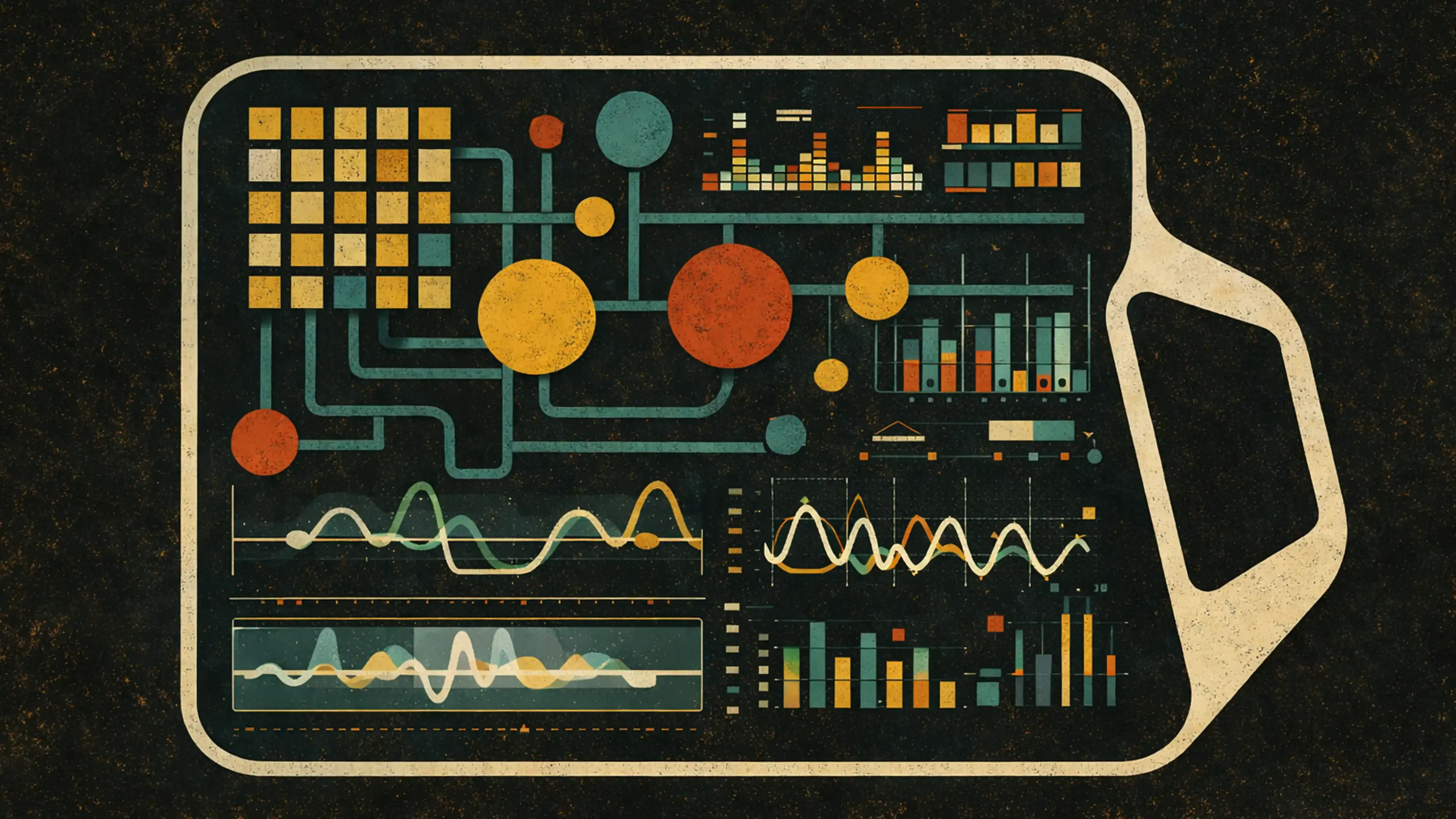
Opportunity@Work, an innovative social enterprise, reached out to IDEO to help collaborate with companies, talent developers, and STARs seeking career growth. To make this overlooked talent pool more visible, we created a campaign and video to rally companies. We also designed a data dashboard to help regional employer networks identify qualified talent and potential partnerships with skill-building programs. And to provide STARs with direct support, we scaffolded the job-seeking experience, focusing on key moments like the interview process.
It’s time for businesses searching for talent to open their eyes, look to the STARs, and see what they’re missing.
83% of HR professionals said they had difficulty finding suitable candidates in the past 12 months.
62% of Black people, 55% of Hispanic people, and 50% of non-Hispanic white people have become skilled through alternative routes, such as community college, workforce training, boot camps, certification programs, military service, or job experience.
Over the past 40 years, inflation-adjusted wages have increased 8% for college graduates with a bachelor’s degree while decreasing by 15% for people with only a high school degree.
Thousands
of state jobs in Maryland no longer require a four-year college degree
skills-based
The White House is adjusting educational requirements for I.T. professionals in favor of a skills-based approach
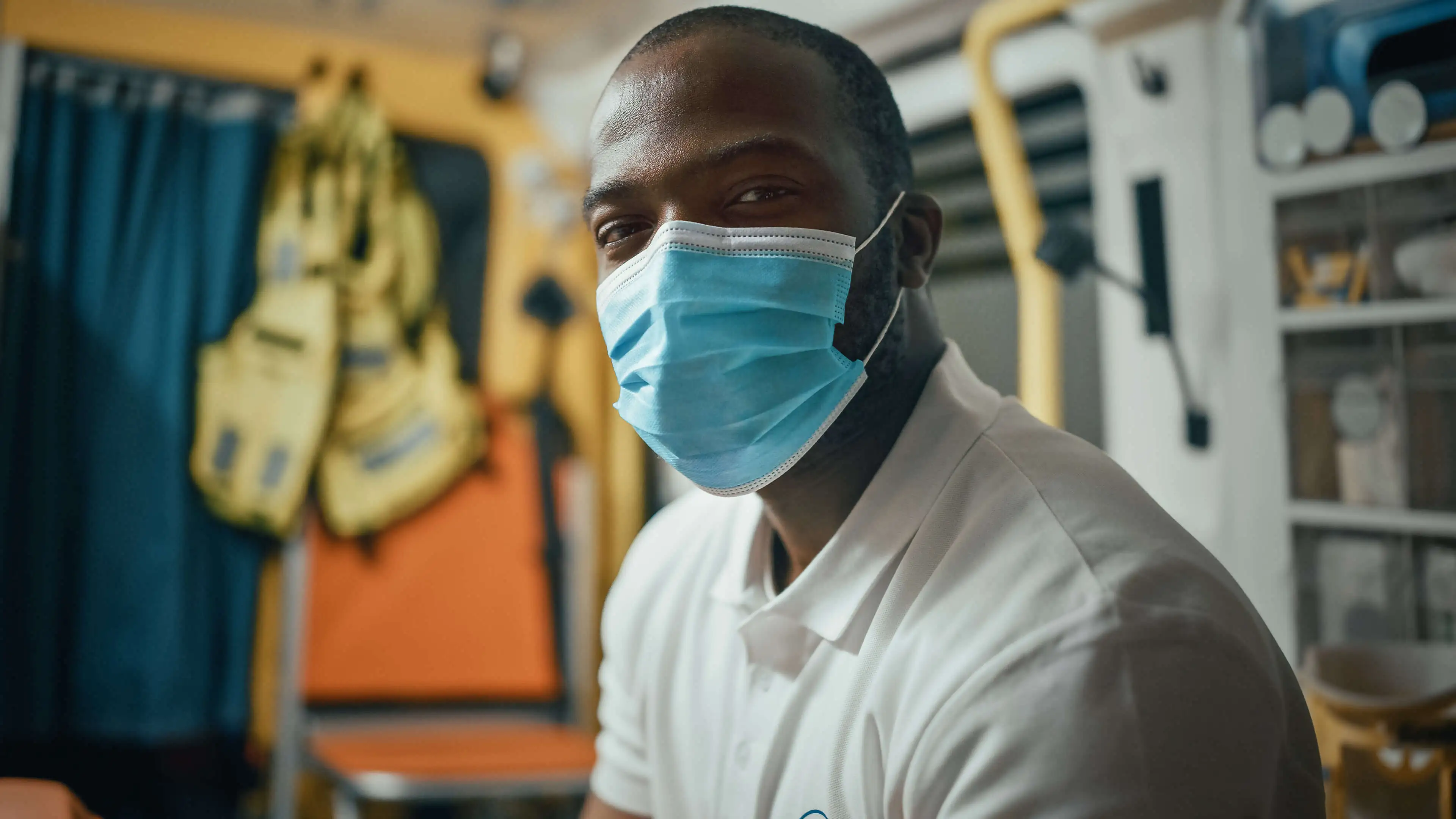
Experts on the front lines
Recognizing the power and creativity of essential workers.
For many organizations, frontline workers like grocery store clerks, nurses, hospitality workers, and transit employees are an essential part of doing business.
So much so that they continued to show up at the office throughout the COVID-19 pandemic even as everyone else went remote. As the point of contact with customers and key systems, these workers often know exactly when, where, and why things don’t work, and they come up with powerful hacks and workarounds to make things better. Yet these insights and innovations rarely make it to the corporate office. And that’s a problem: large organizations often hire design and innovation consulting firms while not taking advantage of a latent source of deep, in-house expertise. It’s equally discouraging to workers who would gladly share their ideas if they were only asked. No surprise, then, that frontline workers are quitting their jobs in droves.
What could companies learn by listening?
IDEO partnered with the Ford Foundation to create the Worker Voice Design Lab, where leaders from a port authority, an airline, and a health care provider worked alongside frontline workers. That led to the planting of a seed of innovation in each organization, with interventions designed with and by workers implemented operationally at the core of the business. In one case, a group of workers zeroed in on specific problems with such clarity that they were quickly able to develop a digital prototype for testing. No one was less surprised than the workers themselves, who simply said: Well, nobody ever asked us before. Sometimes the most innovative idea a leader can have is to listen, learn, and act on their employee’s smart ideas.
A large portion of the job churn since March 2020 has been concentrated in frontline services such as accommodation, food services, and retail.
Lack of career growth is the number one reason people leave their jobs according to more than 18,000 frontline workers across 150 companies.
2 pilot initiatives
being led by frontline workers in 2022

Customer powered
How Ford transformed itself to take on the future of mobility.
The climate era demands new offers and new ways of working.
Would you like to be able to plug your jigsaw into your truck? How about taking a fully reclined snooze after a long day of fishing? Questions like these led to quick prototypes that ended up in Ford’s new, electrified F-150 truck, which has more outlets than the average apartment and can power your entire home. This was no small update. The way Ford reimagined the truck experience from powertrain to power nap is emblematic of how much customer-centricity is now embedded in Ford’s culture.
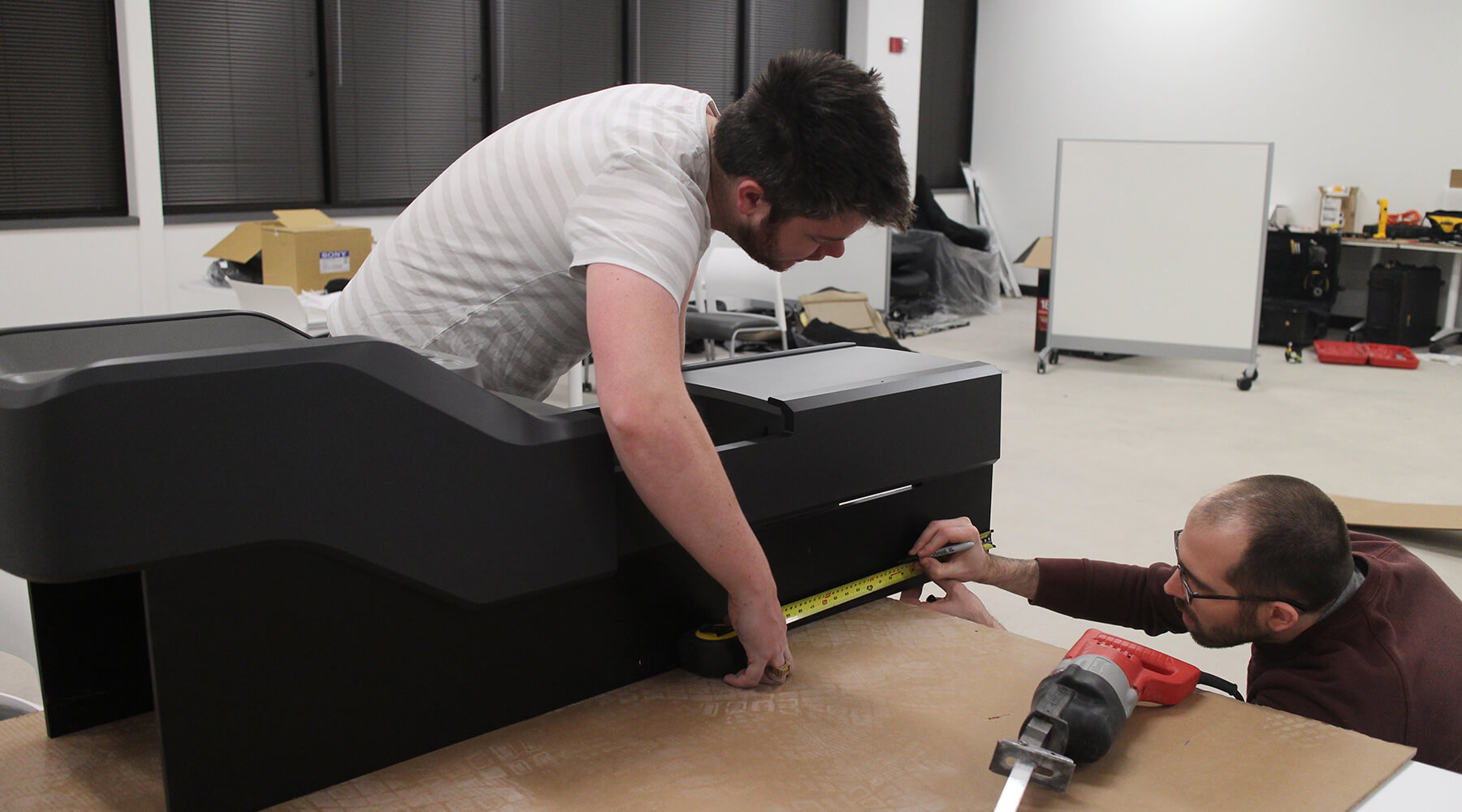
For well over a decade, we’ve partnered with Ford in the U.S., the EU, and China to help the organization bring to life a shared vision of the future of mobility. Together we scaled new capabilities throughout the company by running proof-of-concept “beacon” projects and, to embed this new customer-centric mindset, built a human-centered-design hub called D-Ford. This organization within the organization has become a magnet for talent and is spread across six global locations: London, Shanghai, Melbourne, São Paulo, Palo Alto, and Detroit. Ford’s commitment to serving the needs of people and the planet is what propelled the rethink of the F-150, the best-selling vehicle in the U.S. for over 40 years. It was a high-stakes move, and one that represents a major turning point for the automaker: For the first time, its primary profit source would be electric. The new Lightning is still built Ford tough, but also built for the future.
Passenger vehicles produced 41% of carbon dioxide emissions worldwide in 2020.
One in every 20 passenger vehicles sold in the United States is a Ford F-150.
Before going electric, the Ford F-150 emitted about 100 tons of CO2 over a 200,000-mile lifespan.
200,000
pre-orders of the electric F-150 truck, named one of Time's Best Inventions of 2021
Most Innovative Design Company of 2022
according to Fast Company
Beyond the bag
A coalition of retail leaders join forces to address single-use plastic-bag waste.
America’s leading retailers share a common goal—doing less harm to the planet.
The systemic challenges standing in the way require a bold new approach, and no single company can solve them alone. So Closed Loop Partners convened a group consisting of founding partners CVS Health, Target, and Walmart, along with 12 other leading retailers. As the innovation partner, IDEO helped launch a global search for breakthrough sustainable ideas that yielded more than 450 submissions from startups and entrepreneurs to reinvent the single-use plastic retail bag, with nine finalists entering a six-month accelerator.
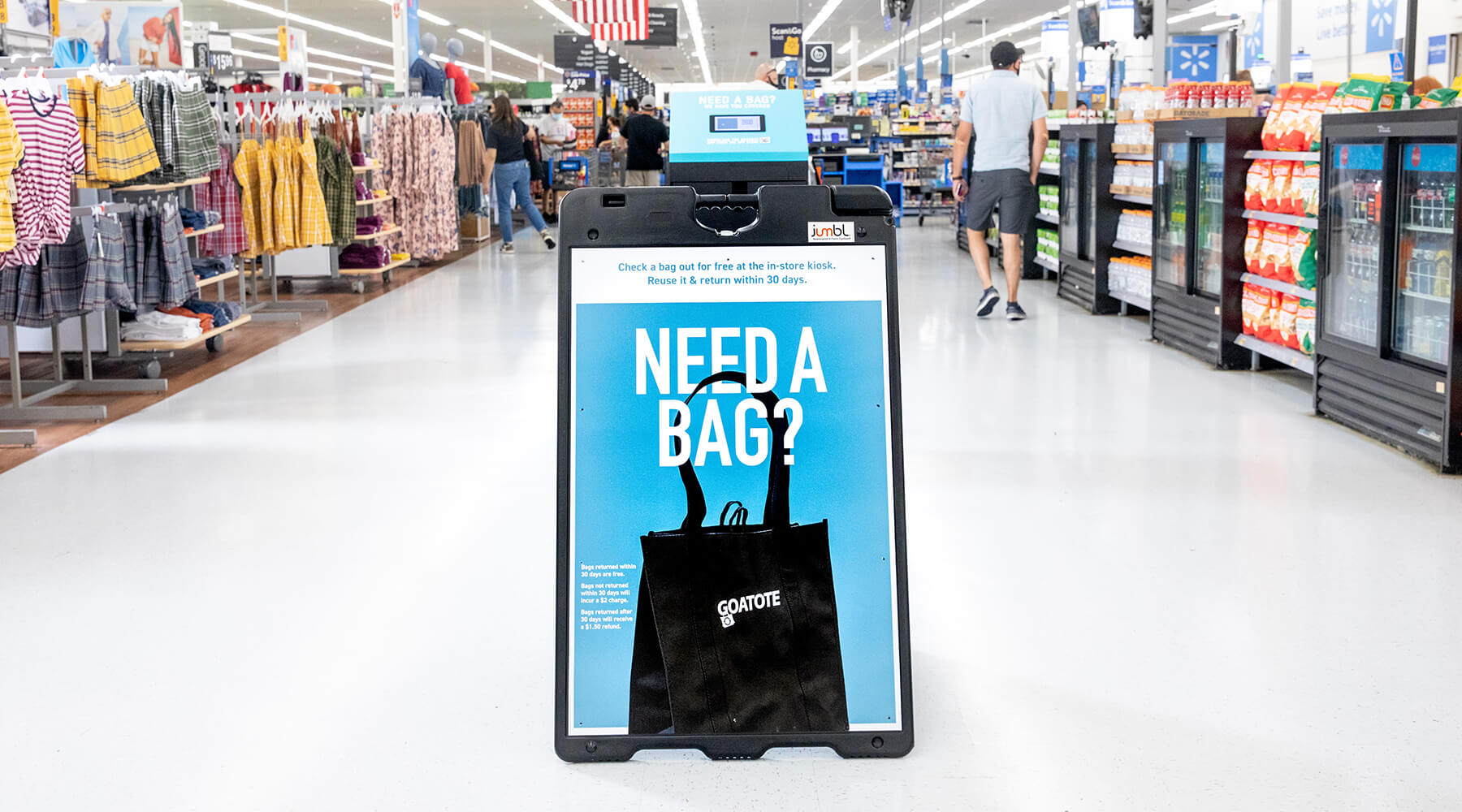
New alternatives ranged from biodegradable solutions to systems that kept reusable bags in rotation. IDEO teams not only facilitated collaboration between startups and sustainability leads from partner retailers, but also provided a boost of additional expertise from industrial, data, and business designers. In a matter of months, teams were able to launch prototypes in select CVS Health, Target, and Walmart stores in California and New Jersey.
Everyone involved in the consortium knew that replacing single-use plastic retail bags is a problem that won’t be solved quickly or easily. But the Beyond the Bag challenge helped them learn that designing for the policy and infrastructure of tomorrow requires tangible steps, taken together, today.
A hundred billion plastic bags are used in the US every year, and less than 10% of them are recycled.
Every year, plastic retail bags are among the top ten items found on beaches and waterways worldwide.
9
stores tested solutions across Northern California
Millions of dollars
raised by two startups
2
startups acknowledged by Fast Company's World Changing Ideas Awards
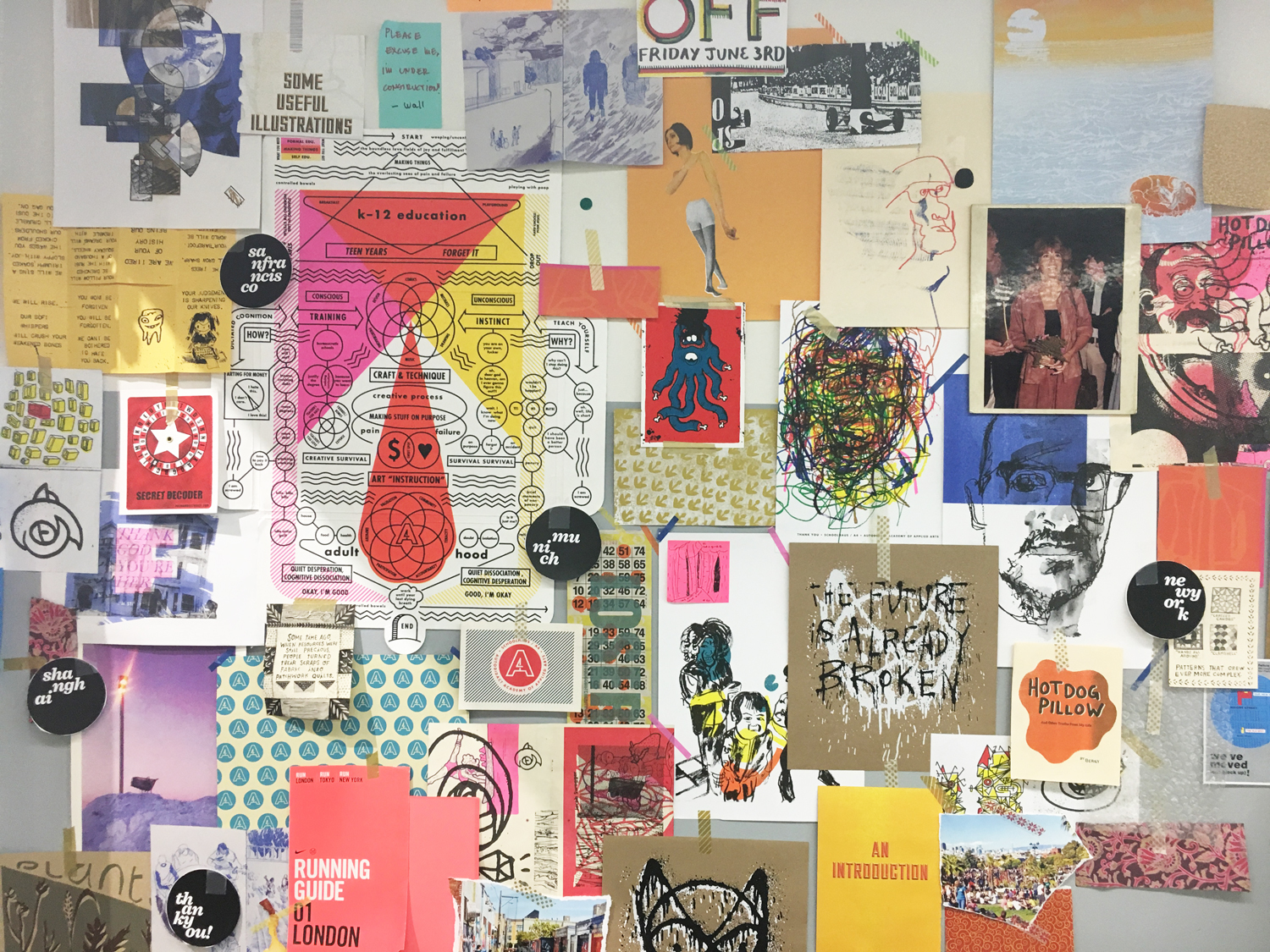
13 Ways to Make Your Workspace More Creative
How to supercharge your space for creativity
The short answer is not really. Though we agree that every office must be tailored to the specific needs of the people who work there and the kind of work being performed, we polled IDEO designers and found some universally winning environment designs that deliver a jolt of creativity. Here are 13 tips for how to supercharge your space:
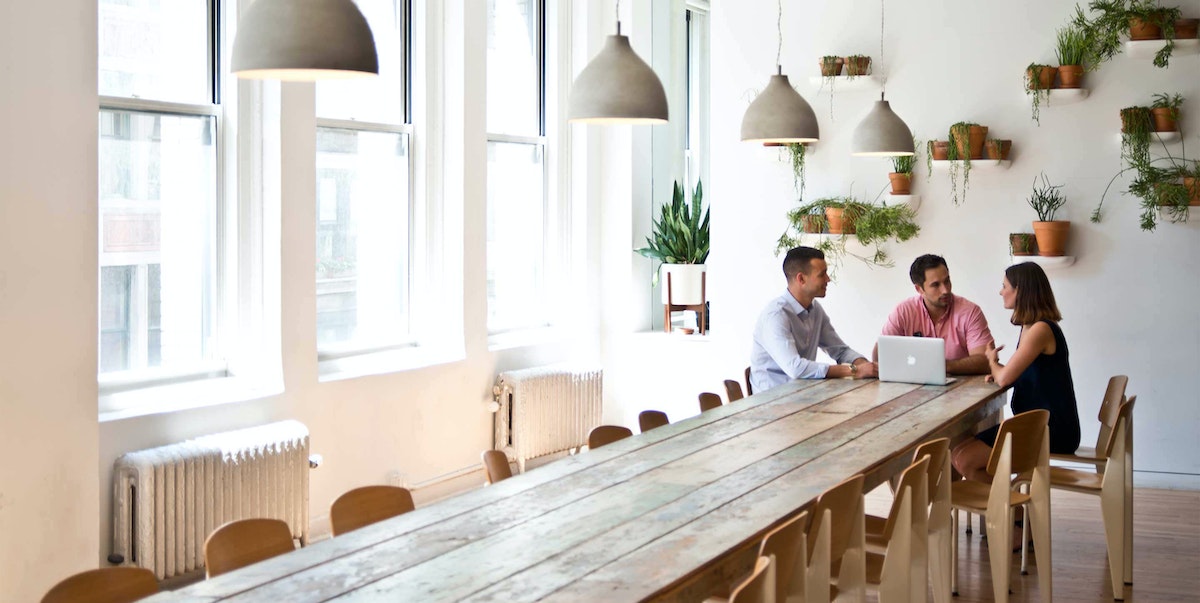
1. Install a communal table or other gathering space
At General Assembly, there’s one giant table that can seat 30-plus right in the middle of the main space. Students, instructors, and staff gather round it to share ideas in an unstructured, organic way. Each campus around the world has their table made by community artisans with locally sourced materials, which helps remind people of the importance of place. —Danoosh Kapadia
At Disney Animation Studios, John Lasseter had the conference rooms in the center of the building torn down to make room for a coffee shop. The space served as a large space for folks to come together and collaborate. —Kat Chanover
2. Make things moveable
When people become glued to a particular place, their perspective stays glued, too. Put things on wheels, or having rotating desks allows people to meet new coworkers and invites collaboration. And don’t sit next to someone who does the same thing as you—if you’re an engineer, sit next to a designer. Physical silos are real. —Xin Xin
One of my favorite things about the d.school at Stanford is that the walls in most of the building can be moved and reconfigured. An open space can become a private project space in a matter of minutes (and vice-versa). —Katie Clark
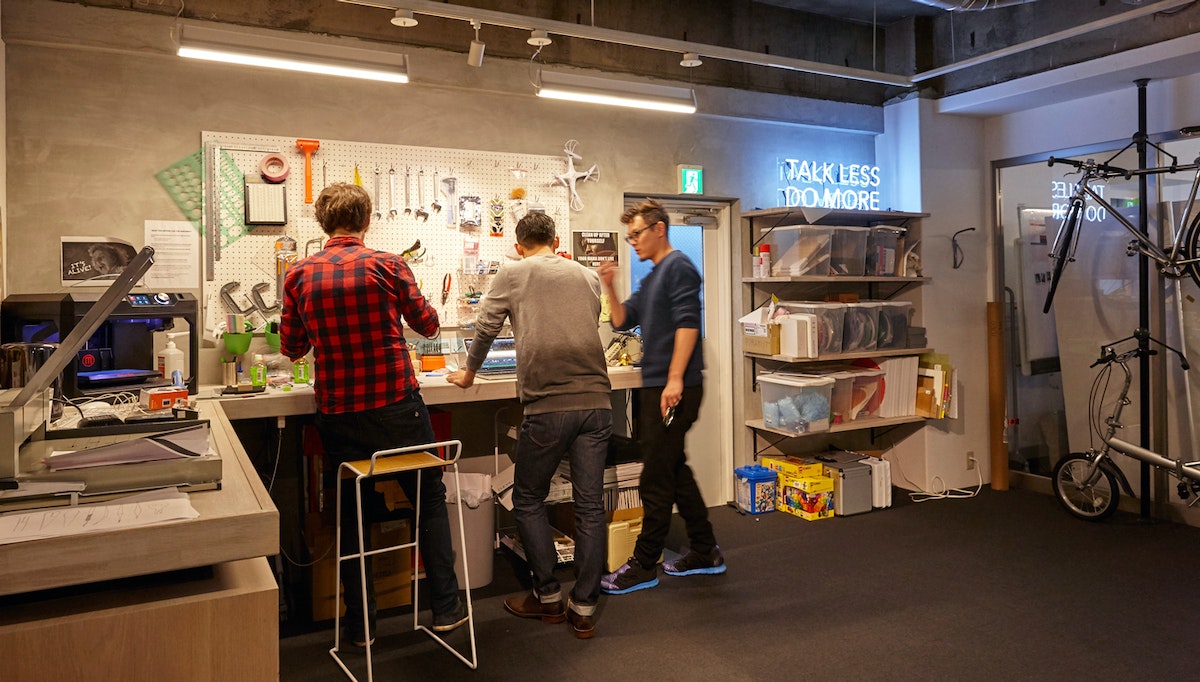
3. Display your values
Placed all around the IDEO Tokyo office are key phrases projected in neon lights. Next to our Maker Space it’s "Talk Less, Do More"; in our lounge it’s "Make Others Successful"; next to the door before you exit it’s "Take Responsibility". Although these are just 3 of the 7 key IDEO values, the signs serve as a daily reminder of what we all believe in. —Mike Peng
4. Hide the clocks
OK, maybe not all the clocks. But consider introducing spaces where people can get a break from the cruel Master Time. Sometimes creativity needs constraints to flourish; sometimes it needs the freedom to take as long as it damn well pleases. —Lode Starstrom
5. Situate joy
In our project space, there is a drawer that only contains British chocolate of the most velvety quality. The team knows it's there. When that drawer opens... well, it's very exciting for everyone. Sometimes they even exclaim, "Milky Time!" Design your space to trigger moments of joy, or surprise, or ritual. —Alex Gallafent
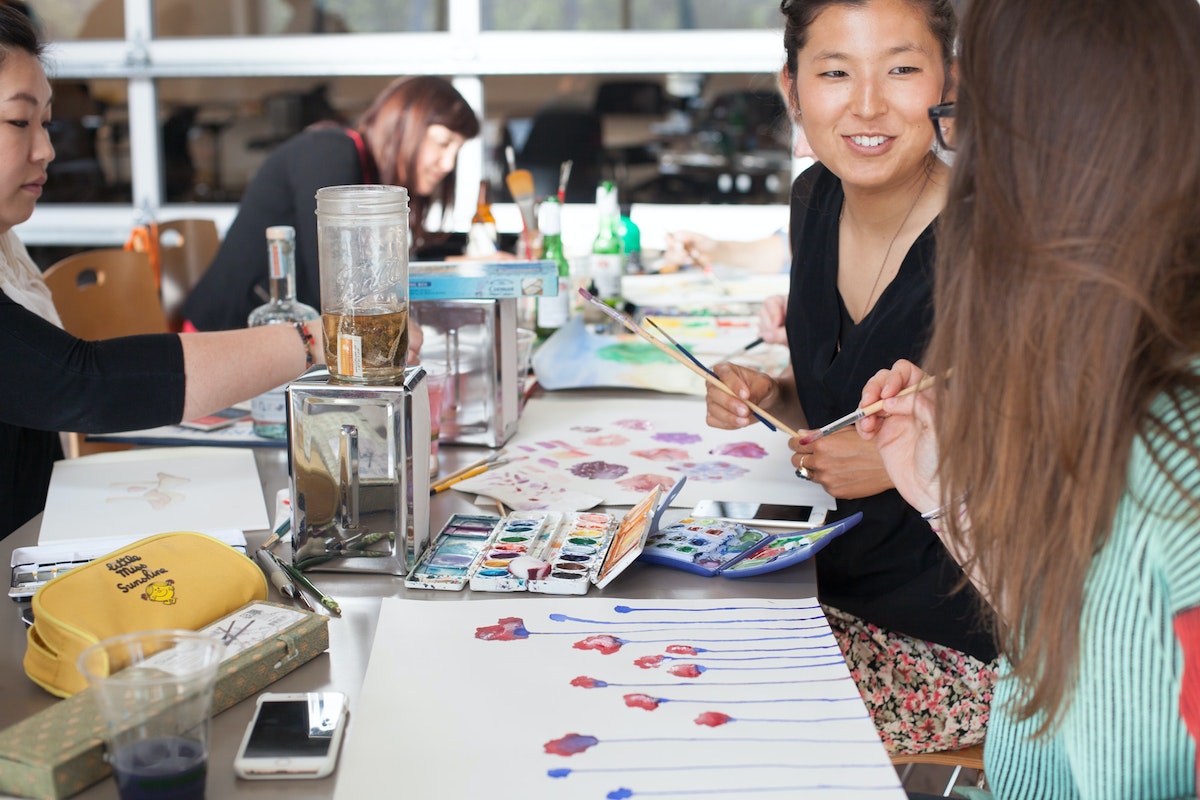
6. Put creative tools in the way
When there are creative tools in the main space, more stuff gets made. Don’t silo the maker space. Out of sight, out of mind. In sight, in practice. —Clark Scheffy
7. Build a home-y kitchen
The kitchen should not feel corporate. It’s the nest where new ideas hatch! Pay attention to details: use real utensils and glasses, not plastic, have employees help wash dishes. And nothing signals a communal, homey feeling more than leaving the butter dish out! —Becky Bermont
8. Activate empathy
At Airbnb, the conference rooms are designed to be replicas of favorite rentals around the world. There’s a picture of the actual space at the entrance. That helps immerse you in the Airbnb customer experience, a great reminder that you’re there to make that experience better. —Kristin Kelly
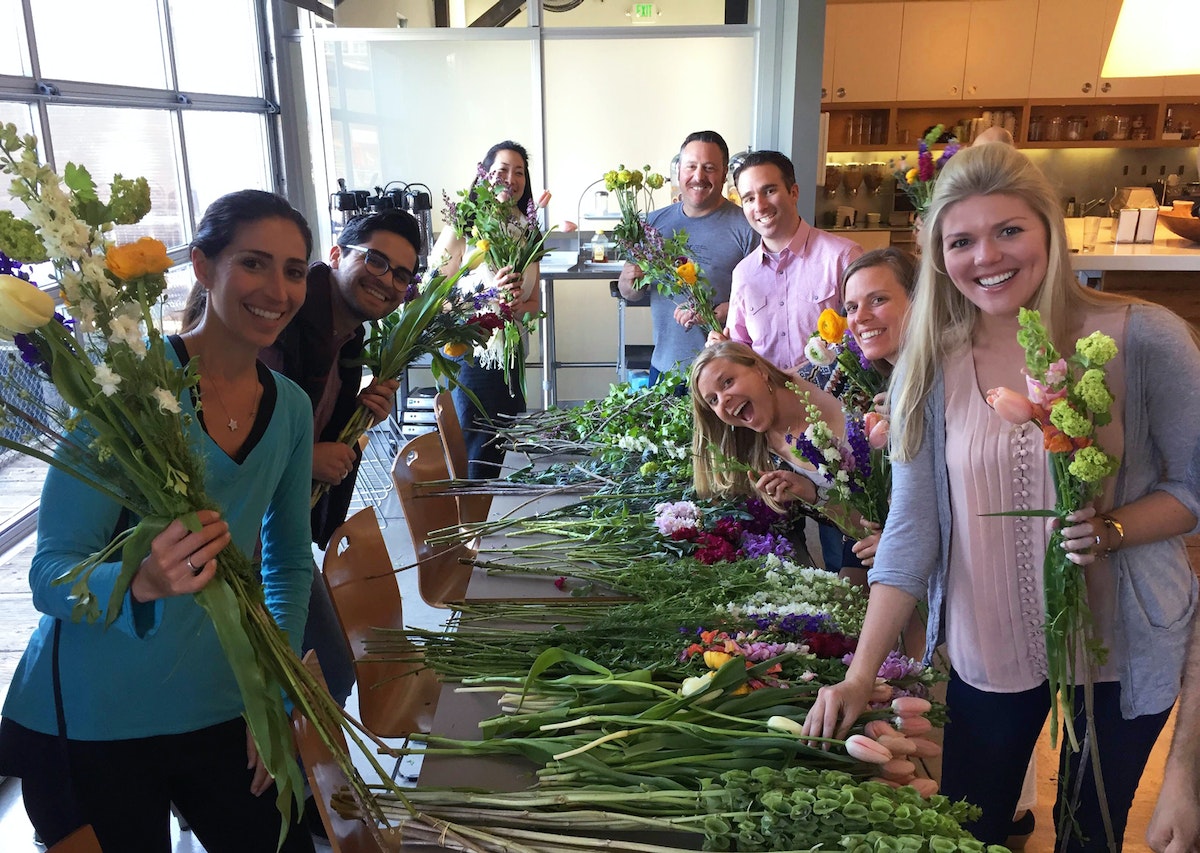
9. Use nature to support well-being
At my former workplace, CookFox Architects, the firm incorporated the principles of biophilia into their office design. All 80 employees had a direct view to the outdoors, and natural light poured in from three sides of the office. Potted plants were placed in every possible place throughout the office, and there was a rooftop garden where they kept bees and plants that attracted butterflies and birds. Carpet, bathroom tiles, and paint were done in ocean-inspired colors, and decorative lighting structures mimicked patterns found in nature. Biophilic design is said to unburden our cognitive system, supporting it in collecting and recognizing information in the quickest and most efficient way, as well as generally supporting wellbeing. —Alisa Ahmadian
10. Cultivate permission
Allow employees to put stuff on the walls. It goes without saying: it's better to have things on the wall that you've created, versus expensive art you've paid someone else for. —Zach Hobbs
11. Provide spaces for projects
Clear space where workers can leave projects-in-progress without worrying about the mess. I wish every home and every workspace had this. In school maker labs (such as the Innovation Lab at Nueva School), I'm always pleased to notice big shelves for students' work-in-progress projects. —Sally Madsen
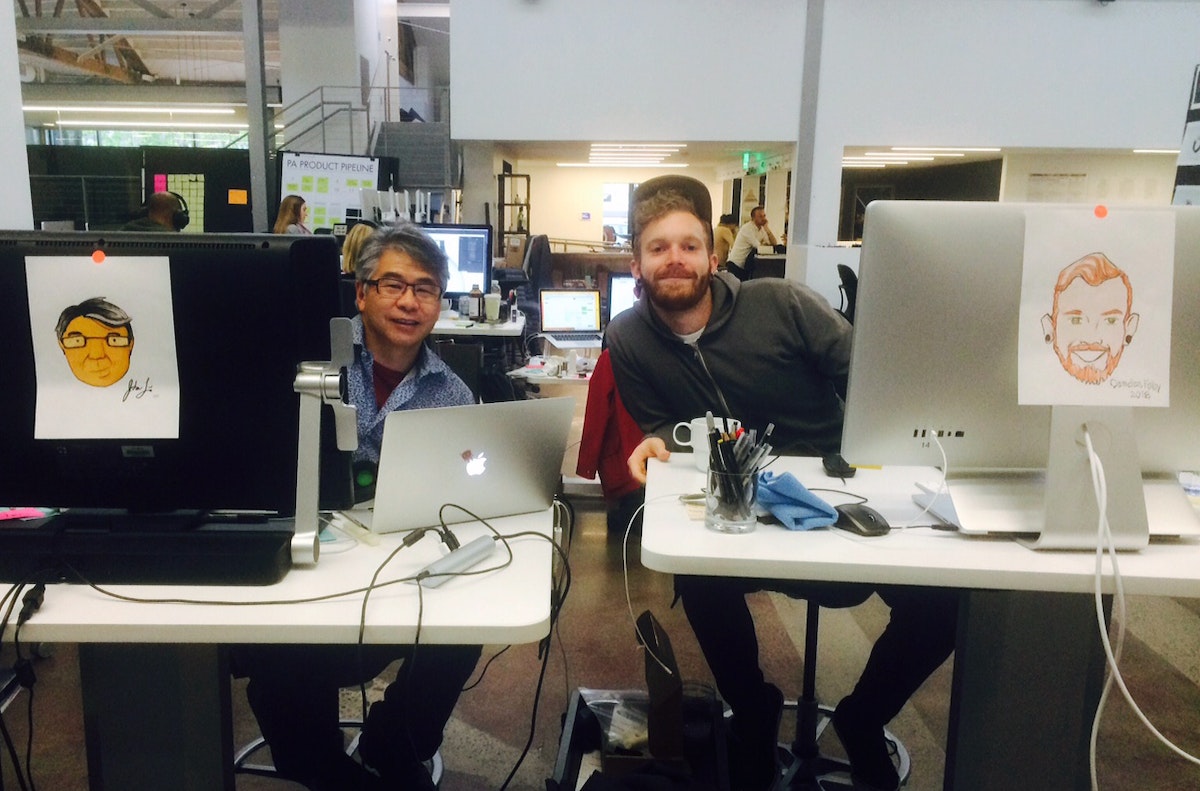
12. Introduce some play
Make C-level guys take themselves less seriously and more open to brainstorming by taking them slightly out of their comfort zone. I heard that in Jump Associates' meeting rooms, they have pilates balls instead of chairs. On the same theme, my father, who is an urban designer in Istanbul, installed swings in his studio to create an informal and playful space. He works with mayors on a daily basis, and you’ll see very traditional politicians swinging alongside young urban designers. —Nazlican Goksu
13. Think about a landscape of creative spaces
Create different spaces to match the task at hand. Three things are required to make this successful: abundant power sockets, quality wi-fi coverage, and agreements among employees of how to "use" the space. That way, no individual will attempt to claim a space long-term, and will instead facilitate everyone being in the exact right space at the exact right moment. —Lawrence Abrahamson
Many businesses are getting wise and ditching the one-size-fits-all flannel suit approach to the workplace. But do they have any clue what to replace it with? For a while, everyone wanted to make their office look like a children's playground. Today, the trend is to try to look like a coworking space or a coffee shop. But are those ideas future-proof? And do they actually create the conditions that creativity needs to thrive?
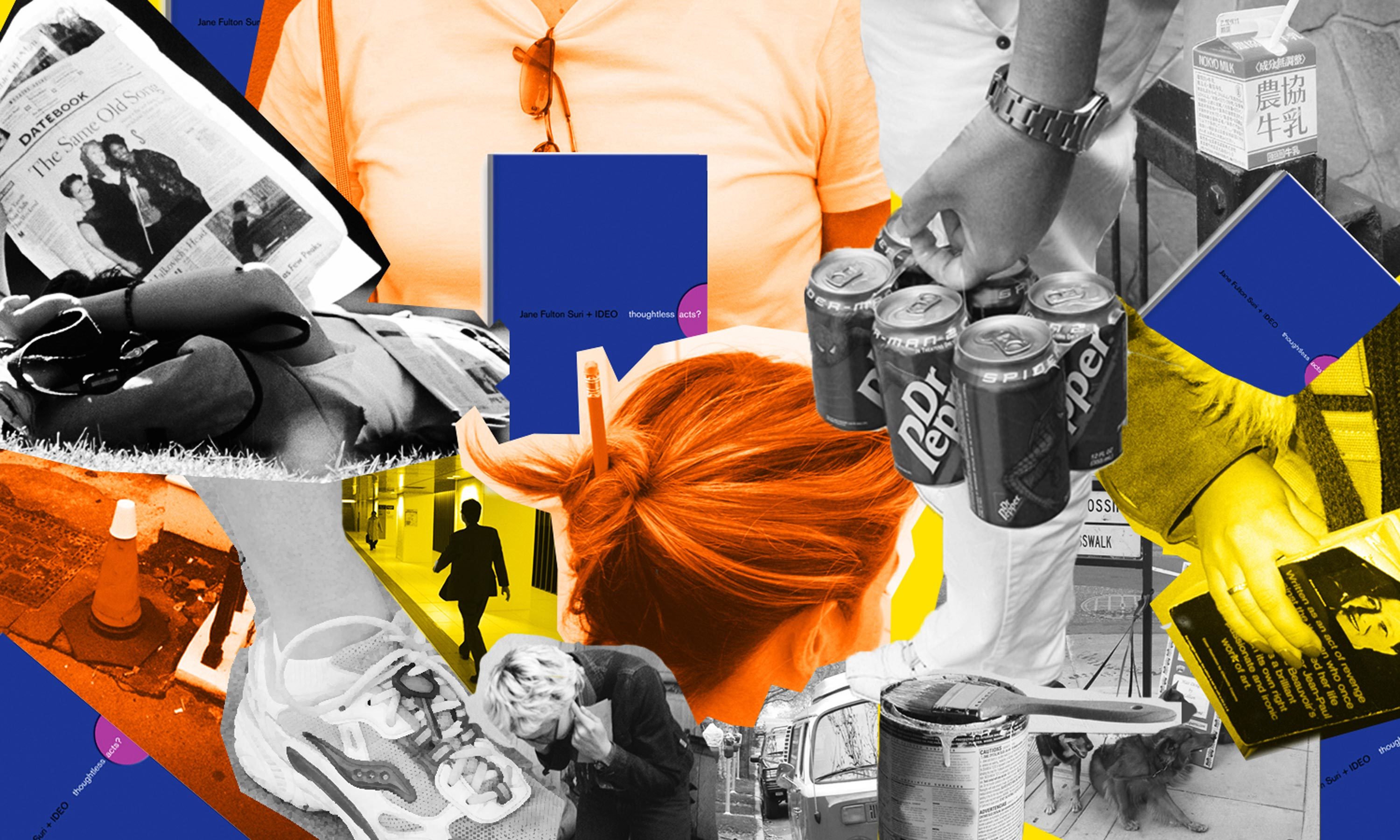
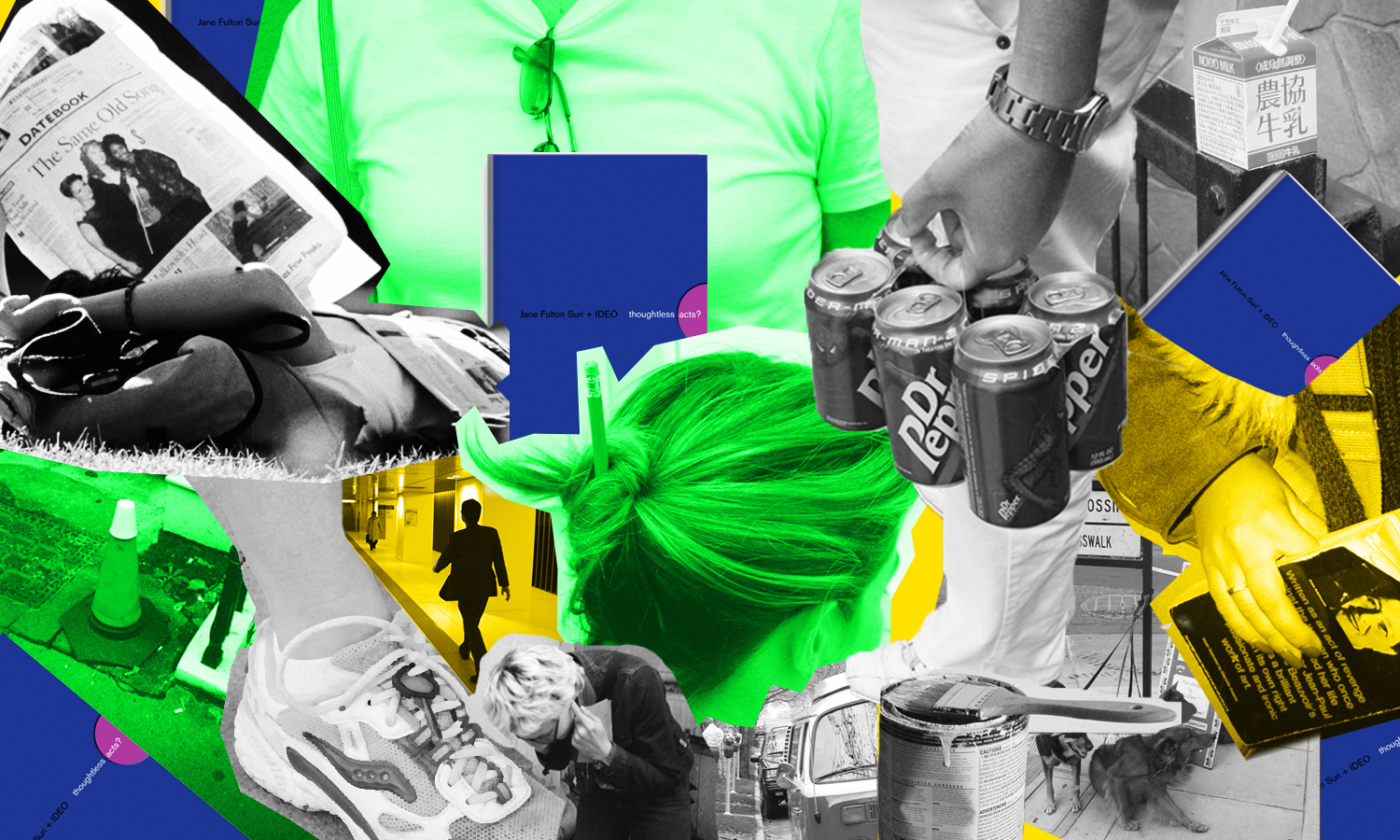
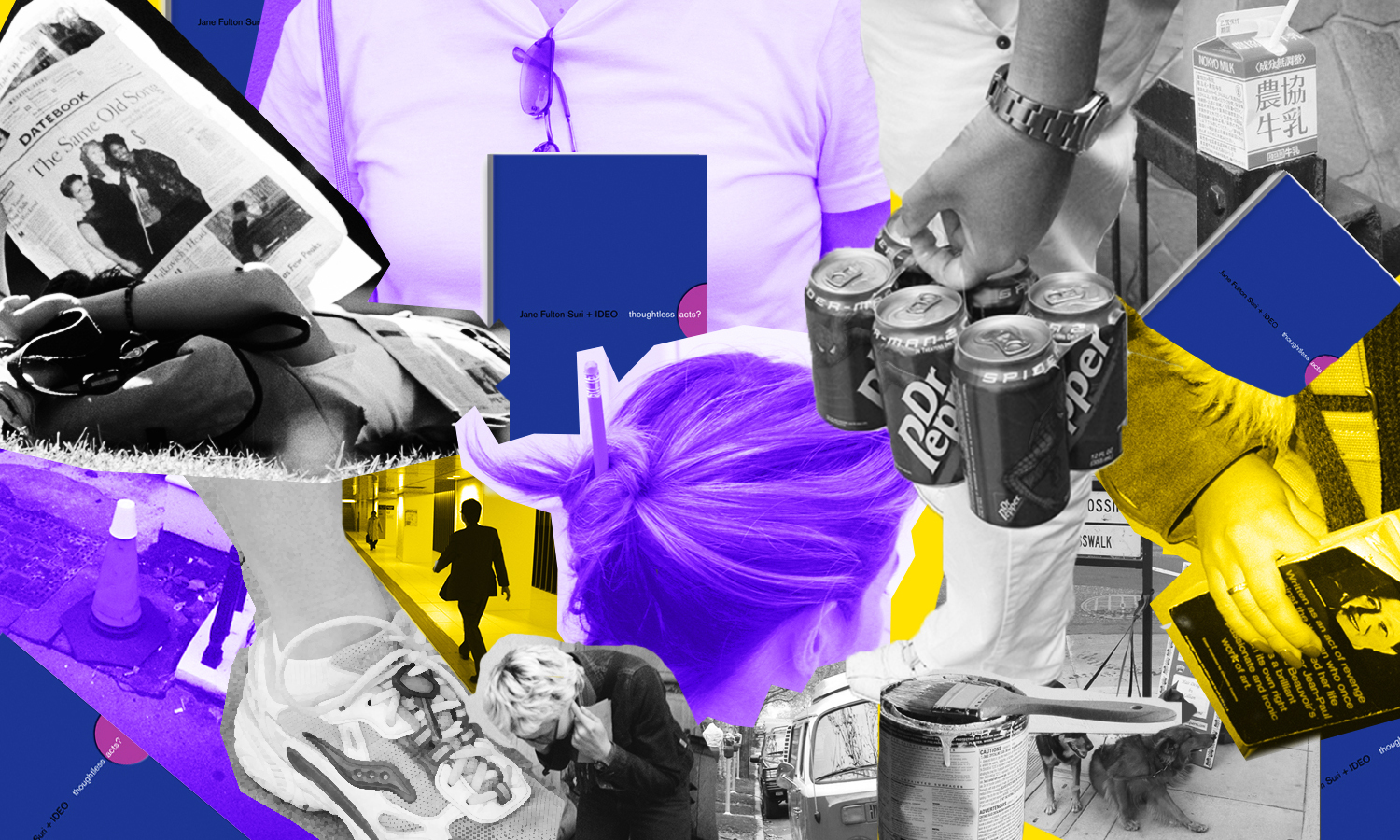
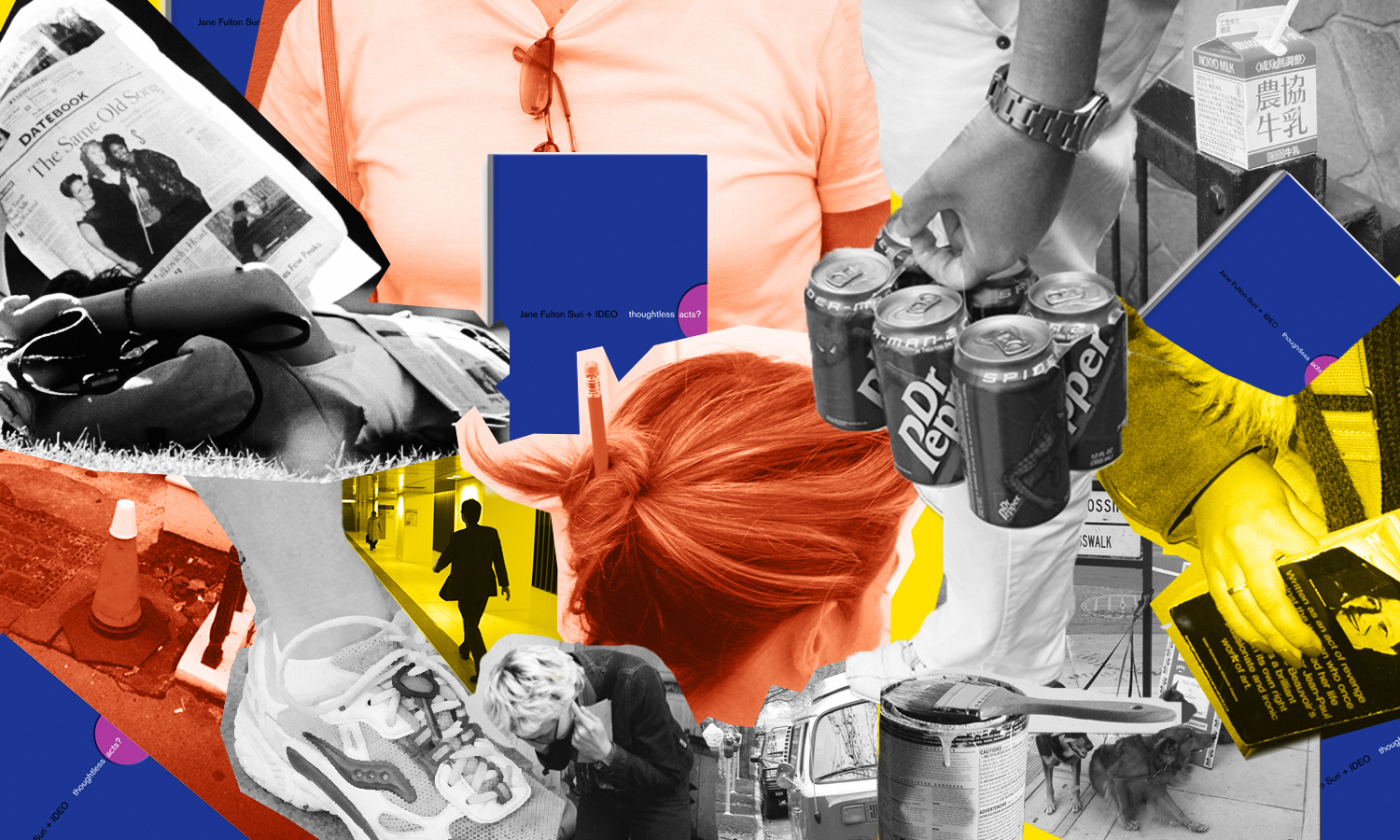
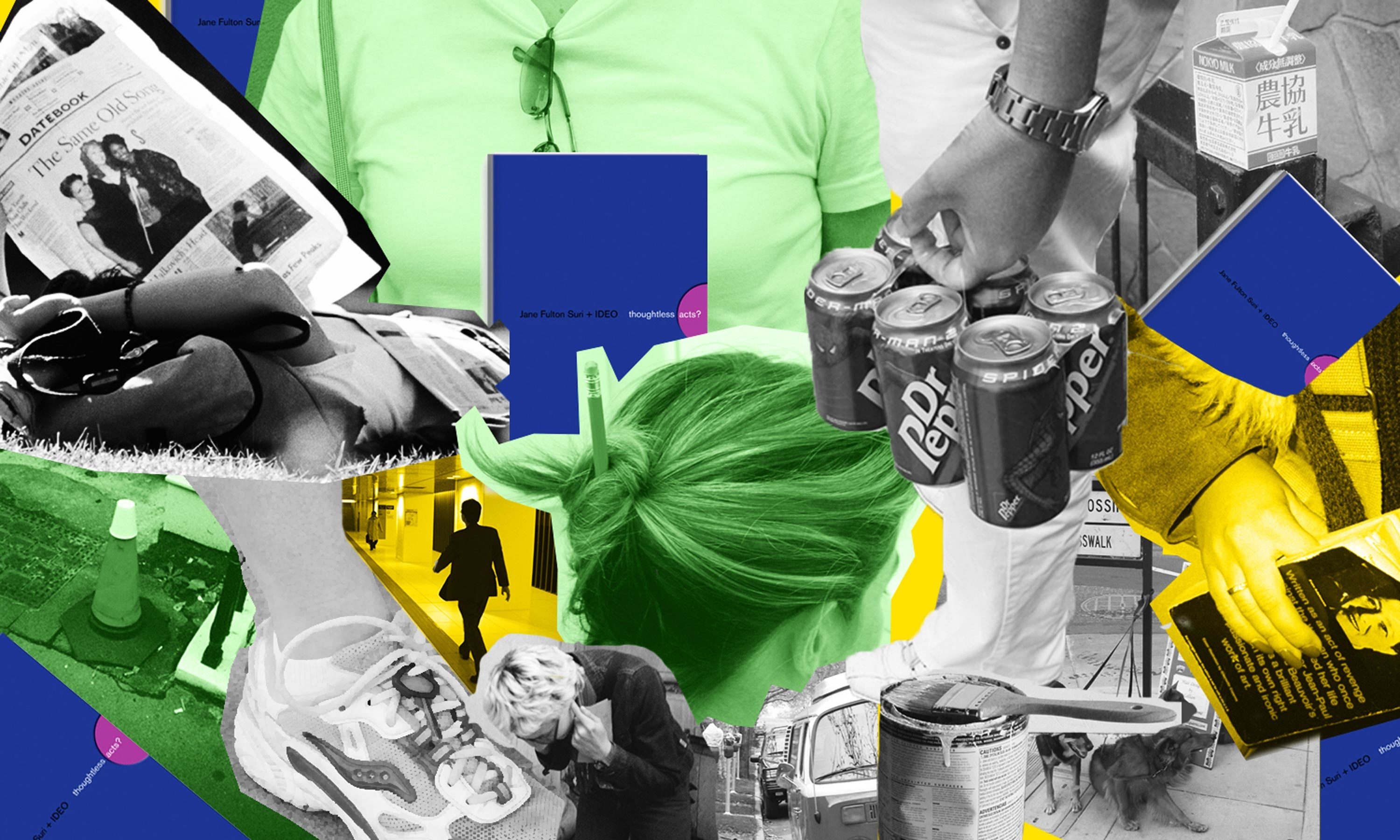
Thoughtless Acts: The Morning Paper
Making the airport feel like home
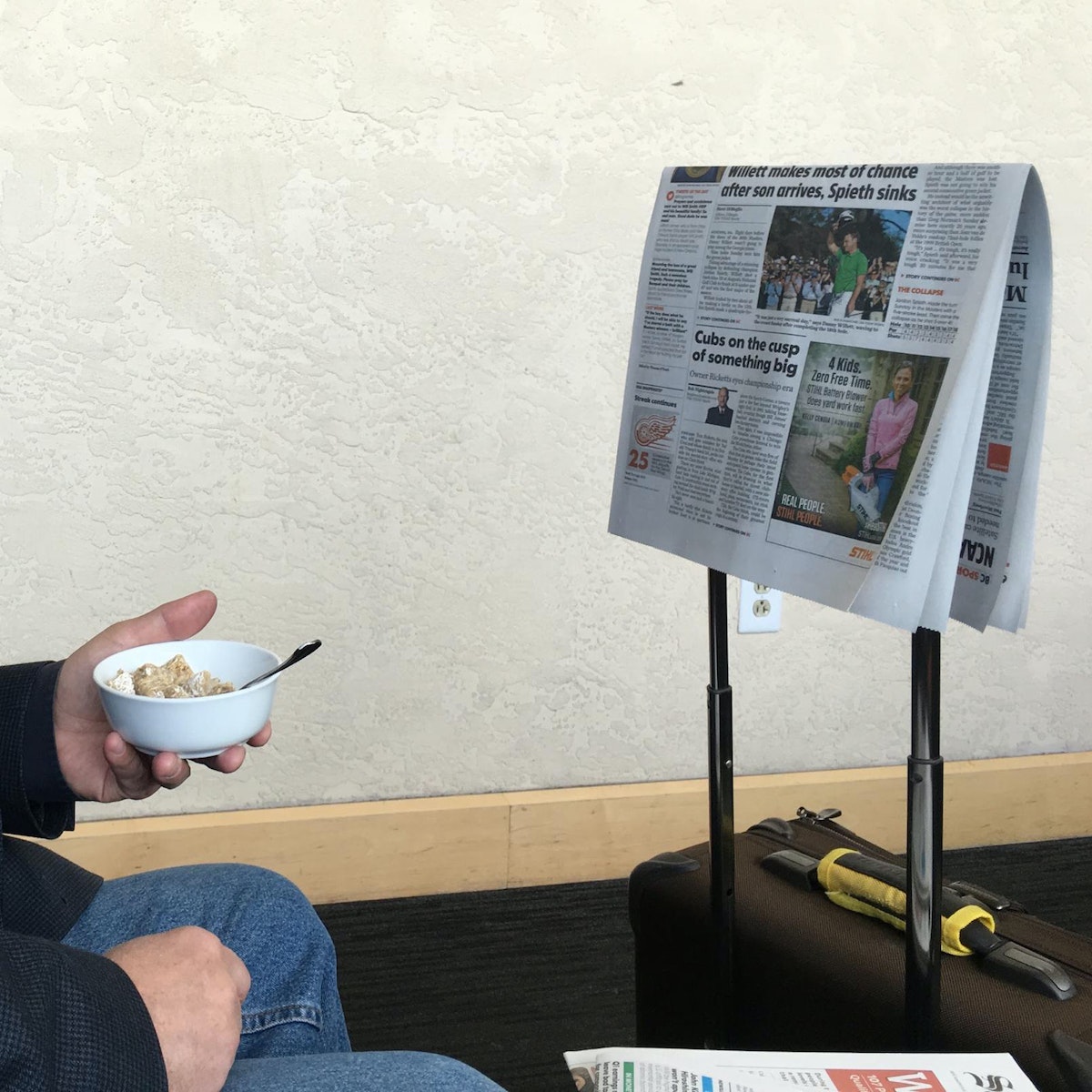
I took this picture in the San Francisco airport. Airport lounges are shared places where you're invited to make yourself at home temporarily. I love watching how individuals and groups position themselves to take personal ownership of space and make it work for them by creating boundaries and surfaces with whatever is on hand. This heads-up newspaper display system was a clever repurposing of roll-aboard luggage that I hadn't seen before. In one elegant move, this traveler has provided himself with an information screen (the bottom half of a page anyway), hands-free support to read in comfort while eating his cereal, and a clear delineation of personal space and visual privacy.
Thoughtless acts reveal just how natural it is for everyone to design, modify, and rearrange the world to make it work better for them. We draw on that capacity everyday in our quest to create useful products and services for others.

6 Ways to Kick Off Creative Meetings
Try these meeting warmups to spark creative ideas
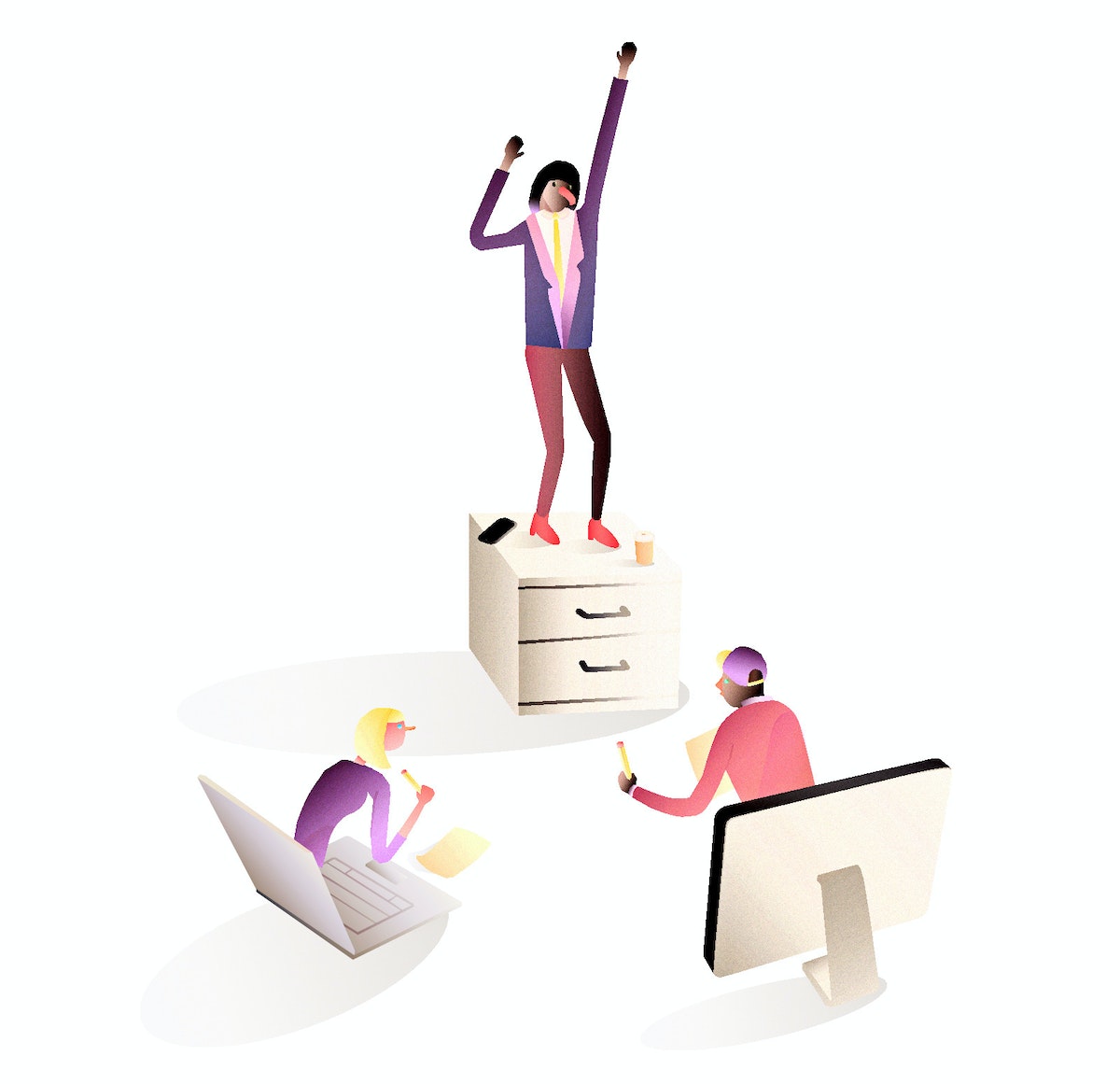
1. Sketch Your Neighbor
Most people default to verbal/analytical mode, so getting people to use their hands and get involved with pen and paper can prove to be a very refreshing gear shift. As the name suggests, Sketch Your Neighbor requires everyone to draw the person next to them. Set a timer for a minute or two and let loose. For the majority of people who claim that they can't draw, this exercise involves a certain amount of vulnerability—and that's the point. If everyone is used to failing in front of each other, the group dynamic is going to be more open, generous, and positive.
2. The Name Game
When you're dealing with strangers, learning everyone's name can be a significant challenge. The improv legends at Second City use a game to get past this. Everyone stands in a circle and takes turns saying their name while making a gesture. Everyone else repeats the name, while copying the gesture. They go around the circle doing the same thing one more time, and then everyone has to do the whole thing from memory. The association of movement with the name is a shortcut to embedding it in long-term memory. That, plus that fact that everyone has made themselves look ridiculous, leads to an open and fun meeting.

3. The Stretch
Sitting hunched in a chair while someone drones on and on feels like going through a slow death. Getting people out of their chairs is a quick way to perk up energy levels and set the stage for collaboration. The Stretch is a very simple exercise: A facilitator asks everyone to stretch their arms up to the ceiling, tilt them to the left and the right, and then shake them out. It takes less than a minute, and allows the meeting leader to take control of the room and wakes people up.
4. Last Word, First Word
One problem with meetings is that we aren't great at listening to each other. This is even more of a problem if people are glued to their phones and laptops. We cribbed this game from Second City, too. Everyone pairs up and has a conversation. The rule is that the first word of your sentence must be the same as the last word of the sentence your partner just said. This requires listening to their entire sentence before beginning to frame your reply. Sadly, for most of us, this is an unusual behavior.

5. The Story Opener
One of the keys to a good creative meeting is to have everyone show up as their whole, human self, rather than their"work self." A quick way to get there to have everyone tell a quick personal story. For example, ask your colleagues to talk about a youthful hobby. If possible, connect the story topic to the purpose of the meeting. Talking about ways to motivate a team? Ask them to tell a story about the moment in their life when they felt most excited. The main benefit comes from having each person tell a story from the heart, which will bond everyone for the rest of the meeting.
6. Dance Lesson
If you're ready for an added level of risk, get people to do rhythmic movement in unison. This requires a charismatic (i.e. shameless) facilitator or a very willing group of participants—or, ideally, both. The facilitator takes the group through a set of dance moves, and then everyone performs them together to music. If you start a meeting like this, nothing that happens afterwards will faze anybody.
Illustrations by Steve Har.
In the age of Slack, Asana, and other tools for collaboration, in-person meetings are losing ground. It’s true that having a great meeting isn't easy, and too often we fall into dull routines. But it’s also true that real magic can happen when people are face-to-face in a room together. To get people to be fully present and spark creative ideas, try these meeting warmups.
How to Fire Up St. Patrick's Day
Meet Webby, the official BARbecue of IDEO Chicago
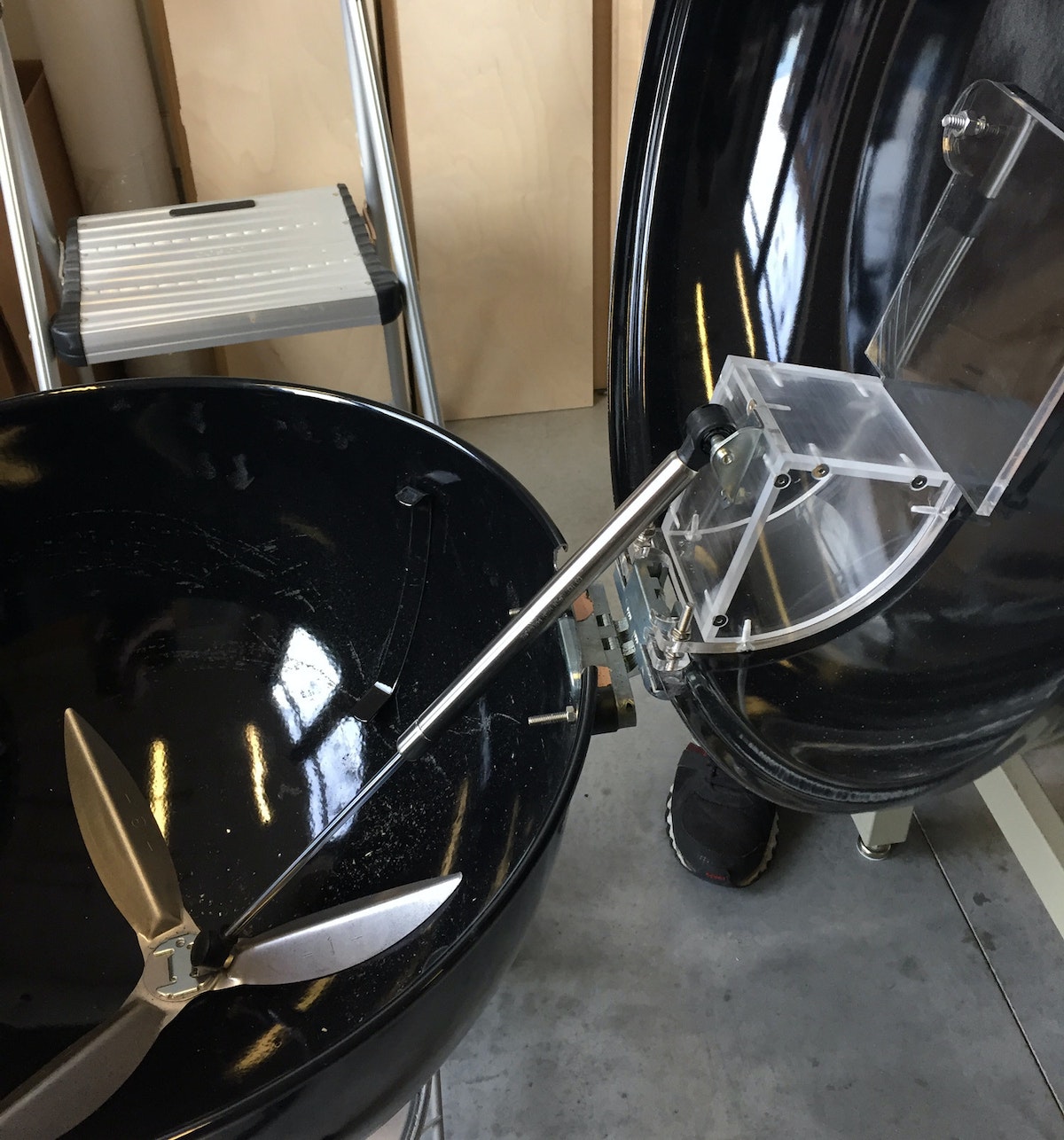
The boozy makeover started with the lid. We wanted opening the bar to be one-handed and easy, and have some dramatic flair, so we added a gas-spring hinge to connect the lid and kettle. Figuring out where and how to attach the hinge, then drilling out a slot, ended up being the hardest and most time-consuming part of the build. Go figure.
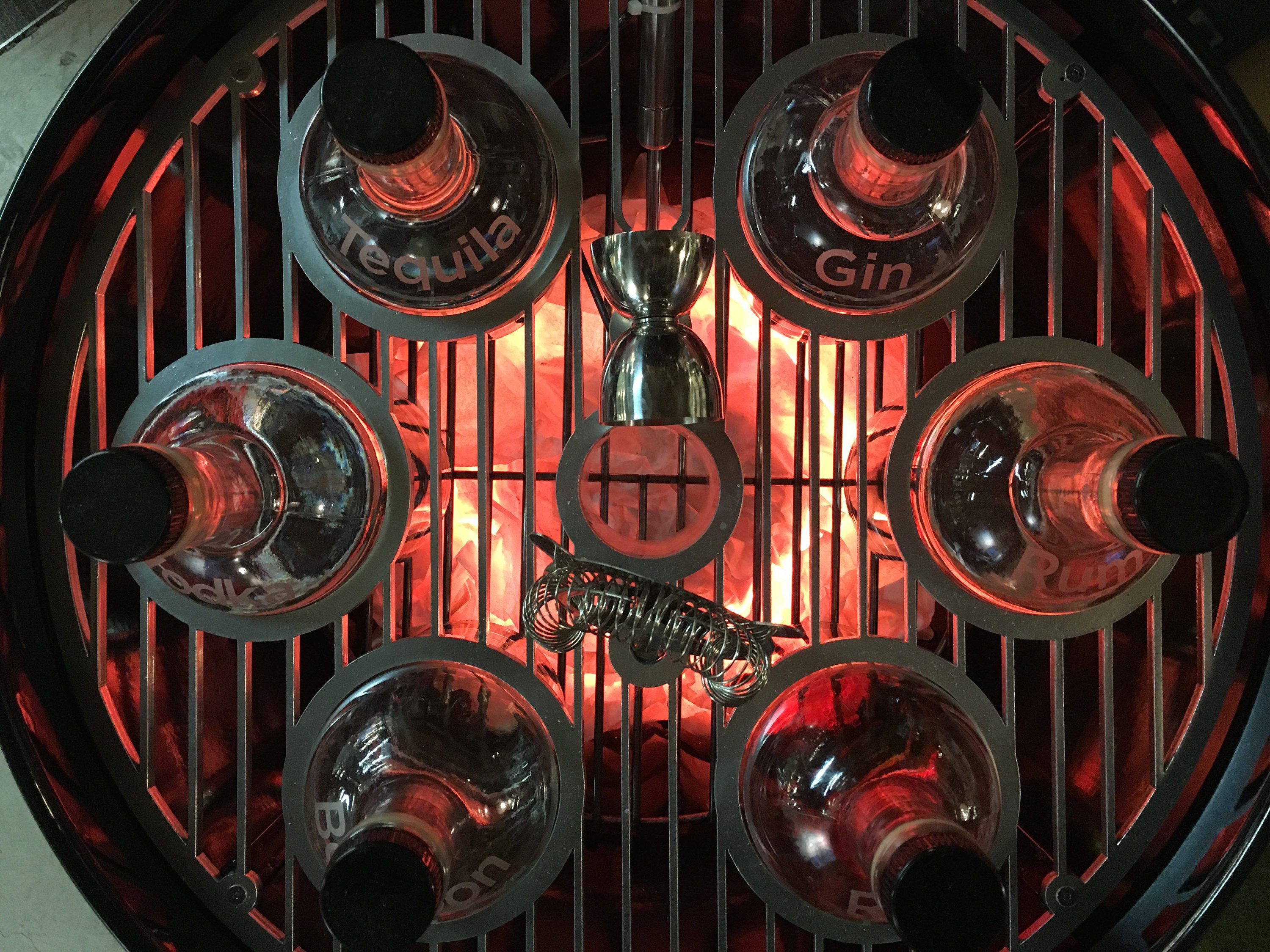
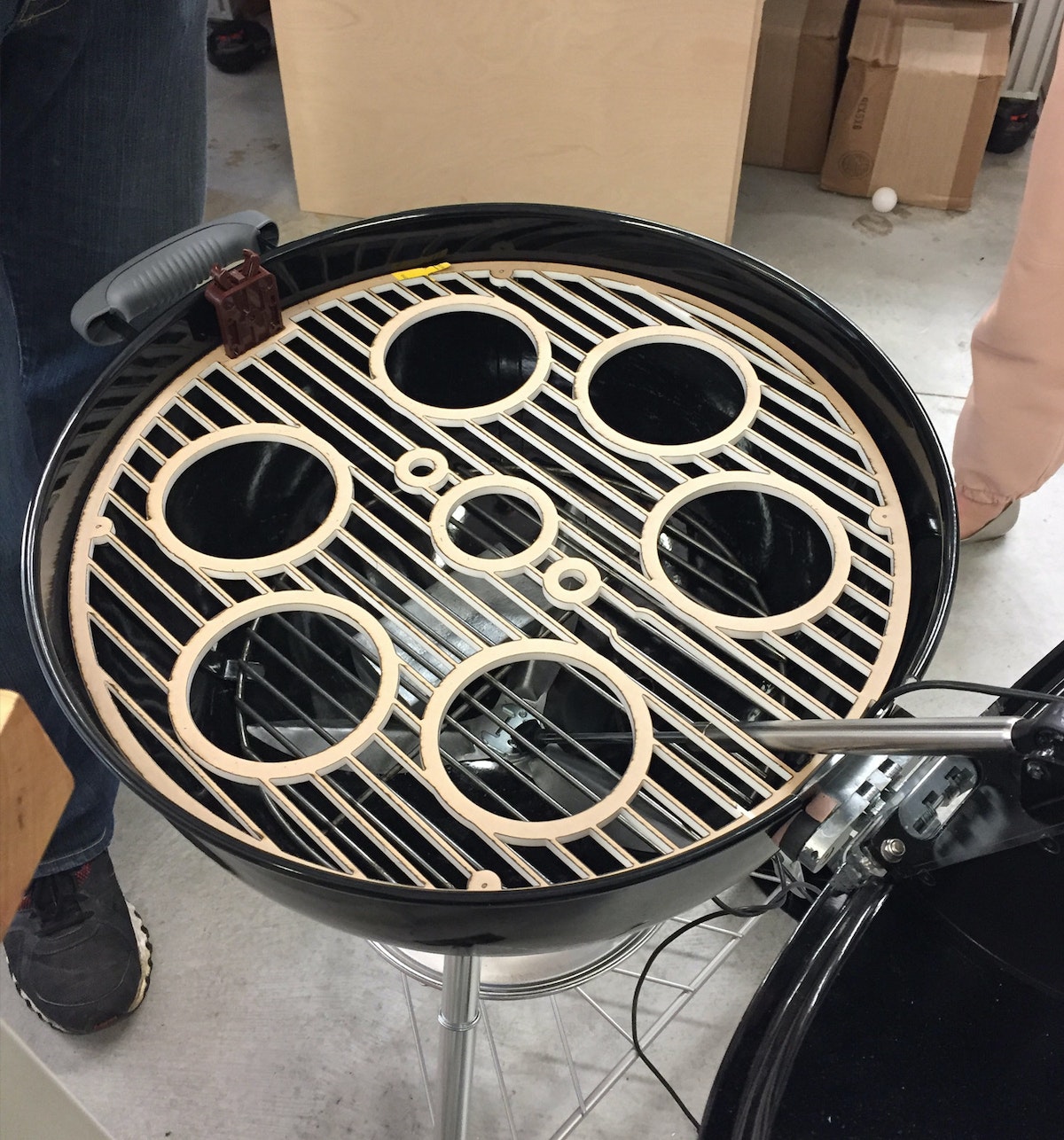
Once the gas spring was in, we designed a cooking grate—laser cut out of acrylic and spray painted silver—to accommodate six hand-lettered liquor bottles.
Next, we added a Bluetooth speaker to the inside of the lid for what we called the “Complete Party Effect,” and a push-push latch to make opening and shutting the grill seamless. A few holes in the leg of the grill and—boom!—we had cord management.
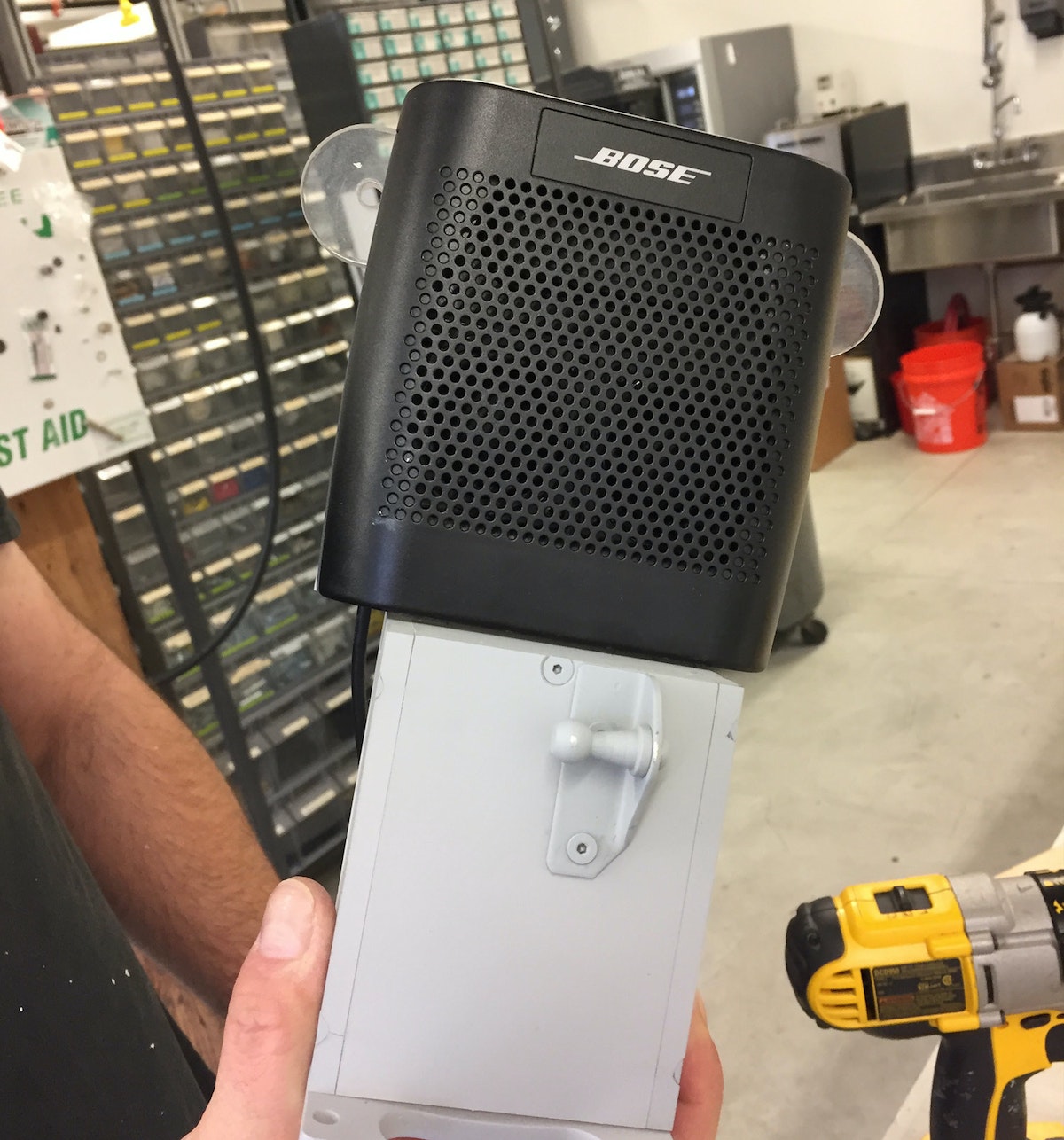
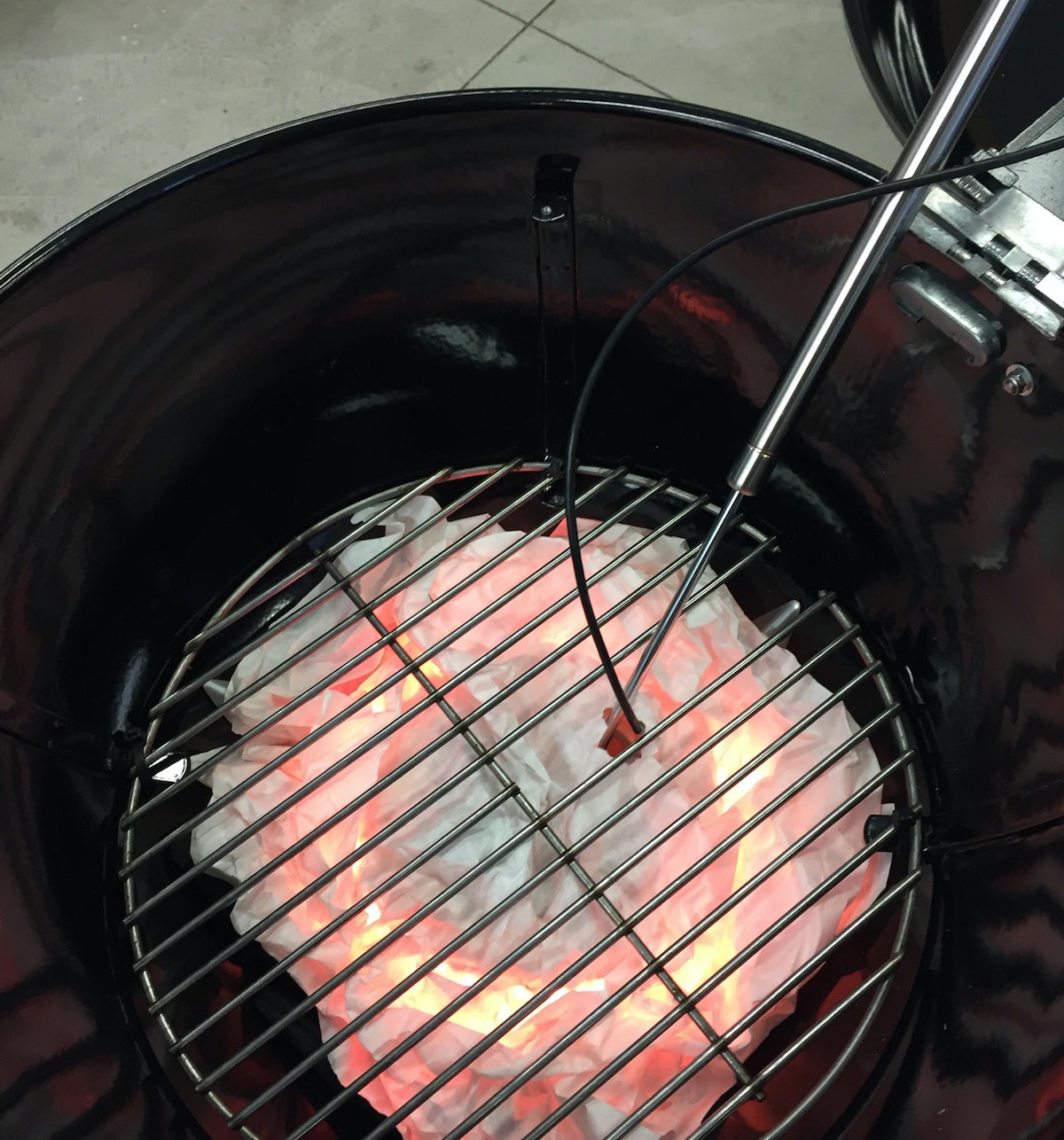
We thought we were finished when Chris Gold, mechanical engineer extraordinaire, walked into the Shop. “How can you have a grill wet-bar thingy without glowing embers?” Good point. Ten minutes, a strip of LEDs, and some quick coding later, Chris had made a modern fire. We crinkled some paper to diffuse the lights and give it some texture and we put it under the bottom grate. Embers: check.
But a grill isn’t real grill until it is loved. So this year, we’ll be throwing one hell of a St. Paddy’s Day Happy Hour by queuing up a good Irish jig and giving Webby a proper welcome to the IDEO Chicago family.
Video by Sophie Feng
Special thanks to Annette Ferrara, Party Designer in Chief, for the idea!
Even though our Midwestern hearts haven’t quite thawed yet, springtime is right around the corner. For too many long, cold months, IDEO Chicago’s Weber Original Kettle grill—that icon of carefree springtime afternoons and a beloved local brand—has been collecting cobwebs in the corner. We thought: What better way to welcome spring than to bust out our beloved grill and transform it into a tricked-out studio wet bar? And just in time. With the start of spring comes everyone's favorite excuse to drink with coworkers: St. Patrick’s Day. (Chicagoans are particularly notorious for celebrating the holiday in style, from our rowdy St. Paddy's Parade to literally dyeing the Chicago River green.)

Lindsey Turner
I’m passionate about building brands, products, and experiences that help organizations show up with meaning and momentum.
I help organizations cut through complexity by shaping how they show up, through brand strategy, identity, and storytelling.
Working at the intersection of brand and business, I bring an editorial eye and a bias toward making—turning ideas into tangible experiences that people can understand, trust, and believe in.
My work spans government, healthcare, financial services, media, and consumer goods, from launching Gen Z-focused ventures to building innovation labs and reimagining legacy brands. I relish moments of ambiguity and enjoy translating across teams, perspectives, and priorities to move ideas forward.
I started my career in editorial and digital design, shaping cross-platform experiences and identity systems in publishing and agency environments. That foundation still shapes how I work today: I’m detail-oriented, collaborative, and overreliant on the Oxford comma. I hold a BFA in Visual Communication from the School of the Art Institute of Chicago.

Rachel Young
My work helps organizations see who their products aren't working for—and build the will and the tools to do something about it
For 25 years, I've asked the same question: Who does this design exclude—and what are we going to do about it?
My work spans human-centered strategy, inclusive design, and qualitative research, with clients ranging from Microsoft, Google, and Verizon to the National Science Foundation, and San Francisco Unified School District.
Before IDEO, I taught elementary school in East Palo Alto and spent a decade doing design work with social service organizations—where I learned firsthand what it costs people when systems are built without them in mind.
I am currently writing User Error, a nonfiction book about digital access and the design decisions behind it. I live in Oakland, California.

Brian Pelsoh
I lead with craft, ensuring our work is creatively excellent: rooted in deep human insight and imagination, while also grounded in the realities of business and technology.
My expertise spans brand, communication, and product design across tech, education, the arts, and social impact.
I believe great work demands both high-level vision and obsessive attention to detail, and only happens through collaboration.
I bring an inclusive, hands-on approach and a deep understanding of business, which enables me to consistently deliver excellence while always asking why.
Before joining IDEO, I worked at the brand firms Pentagram and VSA Partners. I began my career as a designer, leading teams at the School of the Art Institute of Chicago and the Milwaukee Art Museum. I hold an MFA in graphic design from Maryland Institute College of Art and a BFA in communication design from the Milwaukee Institute of Art & Design, and have taught at some of the best design schools in the US.

Tony Wong
I am responsible for IDEO’s long-term success in China and working with clients to use design as a tool to enable growth.
I am responsible for IDEO’s long-term success in China and working with clients to use design as a tool to enable growth. Specifically, I have helped Chinese companies design holistic brand solutions through the development of their products, communication, services, and innovation teams, and I have helped multinationals expand their presence and influence in China.
I advise global leaders on developing China-led innovation and capabilities.
In over 15 years in IDEO Shanghai, I have worked on projects that use design to elevate the quality of the experience of healthcare products and services, streamline processes that increase productivity, create spaces and programs that promote and enable inclusive communities, and build next generation mobility solutions that are planet-positive.
Before joining IDEO, I worked at Philips Electronics and the Electrolux Group in Italy, the Netherlands, and Singapore on a number of breakthrough commercial products. I am a member of the Young President Organization in Shanghai.

How to use AI as an editor, not a writer
Ed White shares how he uses AI as an editor—not a writer—to sharpen storytelling, rehearse ideas, and preserve the productive friction that makes creative work better.
Ed White has a rule he's tested on his own writing: hold yourself as the writer, and let AI be your editor. Ed is a Senior Design Director at IDEO's London studio, where he co-leads the firm's AI portfolio across Europe. Before IDEO, he spent 12 years as a writer and editor at the Financial Times, Wired, and Contagious. So when he talks about when to use AI for storytelling and when not to, it comes from two decades of crafting his storytelling skills.
In this episode, Mina Seetharaman talks with Ed about two specific tools he uses to keep AI in an editor's seat: a "roasting agent" prompted to critique his drafts without any sugarcoating, and a simulated audience he rehearses pitches on before the real thing. They also get into what Ed is hearing from design leaders at Anthropic, Lovable, Shopify, and Google Creative Lab about how creative work is changing, and why he thinks the friction of writing something yourself is worth protecting rather than automating away.

Building a personal AI for the messiness of life: Sida Li
Becca Carroll talks with Cue co-founder Sida Li about designing a personal AI for the messiness of everyday life—not just work. They explore how Sida stays anchored to human needs while navigating fast-changing technology, product tradeoffs, business-model experimentation, and the realities of building an AI company today.
Most AI products today are built for work—a space with clear problems and established systems. One founder noticed a gap: personal life is messier, harder to systematize, and mostly left behind by the AI boom. So she built Cue, a personal AI that lives inside iMessage and group chats, to go where the other tools haven't.
In this episode, Becca Carroll, IDEO's Chief Strategy Officer, talks with Sida Li, co-founder and CEO of Shared Context Lab, about staying anchored to a human need while the technology around her keeps changing shape, why she treats her business model with the same rigor she'd bring to a product, and what it feels like to build a company at this particular, disorienting moment in AI.
The conversation also gets into how Sida makes design decisions: the language Cue uses to describe itself, the tradeoffs behind building inside iMessage instead of a new app, and a real story about a business idea that didn’t pan out.
This is the second in a two-part series profiling founders from IDEO's Startups-in-Residence program. The first conversation is with Johannes Seemann, founder of Sooner, on designing GenAI for the emotional side of money.

Designing GenAI for the emotional side of money: Johannes Seemann
Designing financial tools around the feelings that shape money decisions.
Most personal financial tools are built to run the numbers and optimize towards a budget. While that works for some, most people experience money as a lived relationship that does not neatly fit into a spreadsheet. Johannes Seemann and Becca Carroll discuss why money is emotional before it is mathematical, and what a human-centered approach to building a generative AI financial product looks like in practice.

The curious leader's edge in uncertainty: Scott Shigeoka
How genuine curiosity helps leaders navigate uncertainty with greater confidence.
Mina Seetharaman talks with Scott Shigeoka, author of Seek and Head of Curiosity Cultivation at the Eames Institute, about what distinguishes genuinely curious leadership from performative curiosity, how power dynamics shape curiosity, and why practicing curiosity can restore energy rather than drain it.
Looks like you might be in search of something very specific?
Or reset the filters above and try another angle.
Here’s some random inspiration

Podcasts about creative leadership

Articles about the power of prototyping































.webp)