
Designing a new vision for women’s healthcare
Introducing Cottage Women’s Health
Systemic transformation is not new to Cottage Health. Founded in 1888 by 50 forward-thinking women in Santa Barbara who wanted a hospital for their growing community, Cottage Health has since expanded to 3 hospitals and is quickly growing its outpatient services as well.
To understand the current Cottage Health experience, IDEO conducted dozens of in-depth interviews with patients, providers, caregivers, and staff. They also ran multi-week diary studies, engaged in inspirational research activities, and held events to hear from local women.
The qualitative research surfaced that women often carry the mental burden of repeatedly remembering, explaining, and advocating for themselves. Women’s pain is often minimized, which causes new providers to inherit mistrust from previous experiences, without having the tools to rebuild it. During significant life transitions, such as pregnancy or menopause, women may receive conflicting advice from health providers and seek additional outside support from informal networks. Access to quality care can sometimes depend on insider knowledge, private resources, or providers willing to go far beyond their job descriptions. And while providers make referrals, women must handle the time-consuming coordination required to make everything work, instead of focusing on healing. The bottom line: what women wanted most was to be seen, heard, believed, and supported in knowing what to do next.
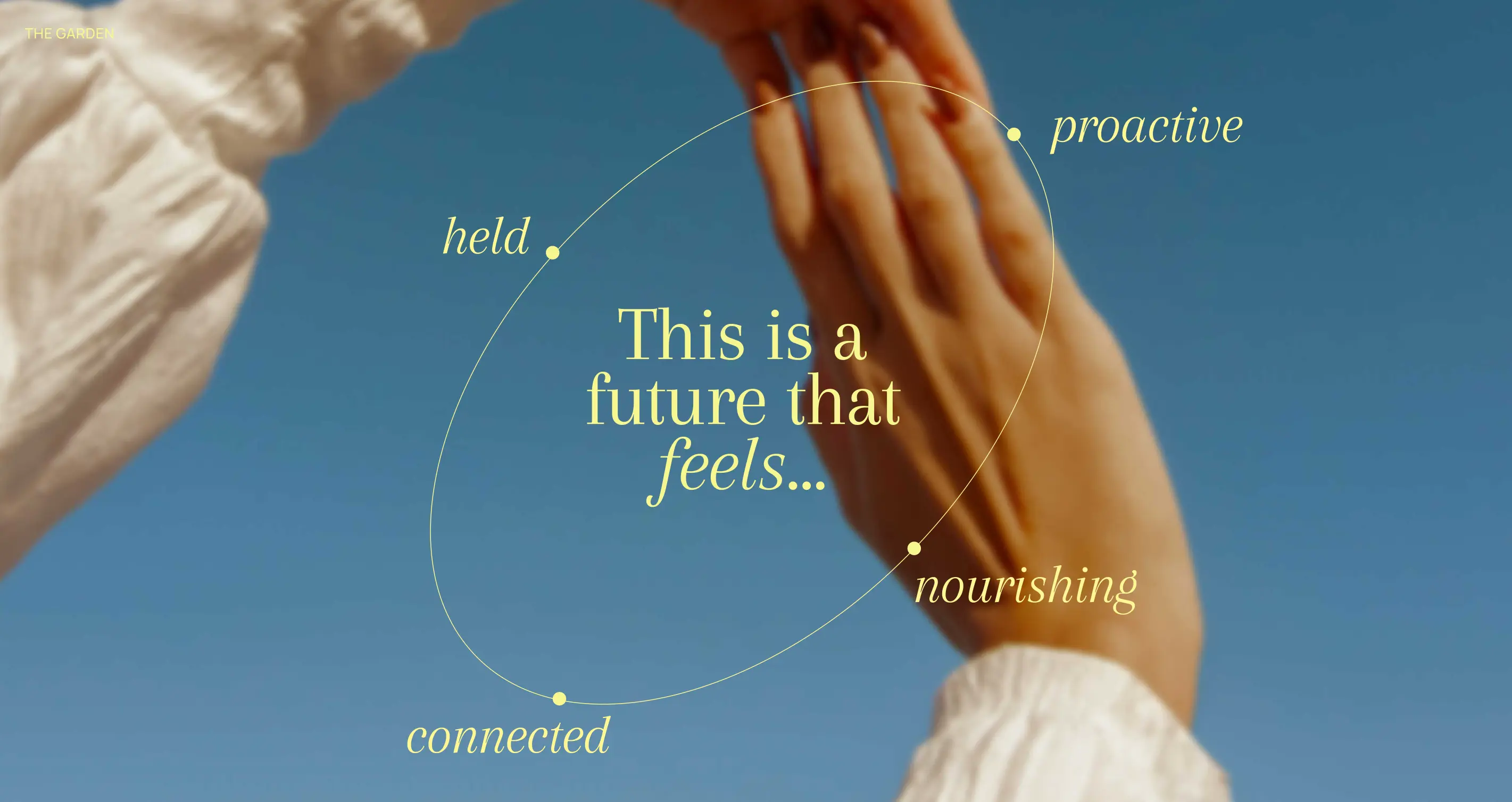
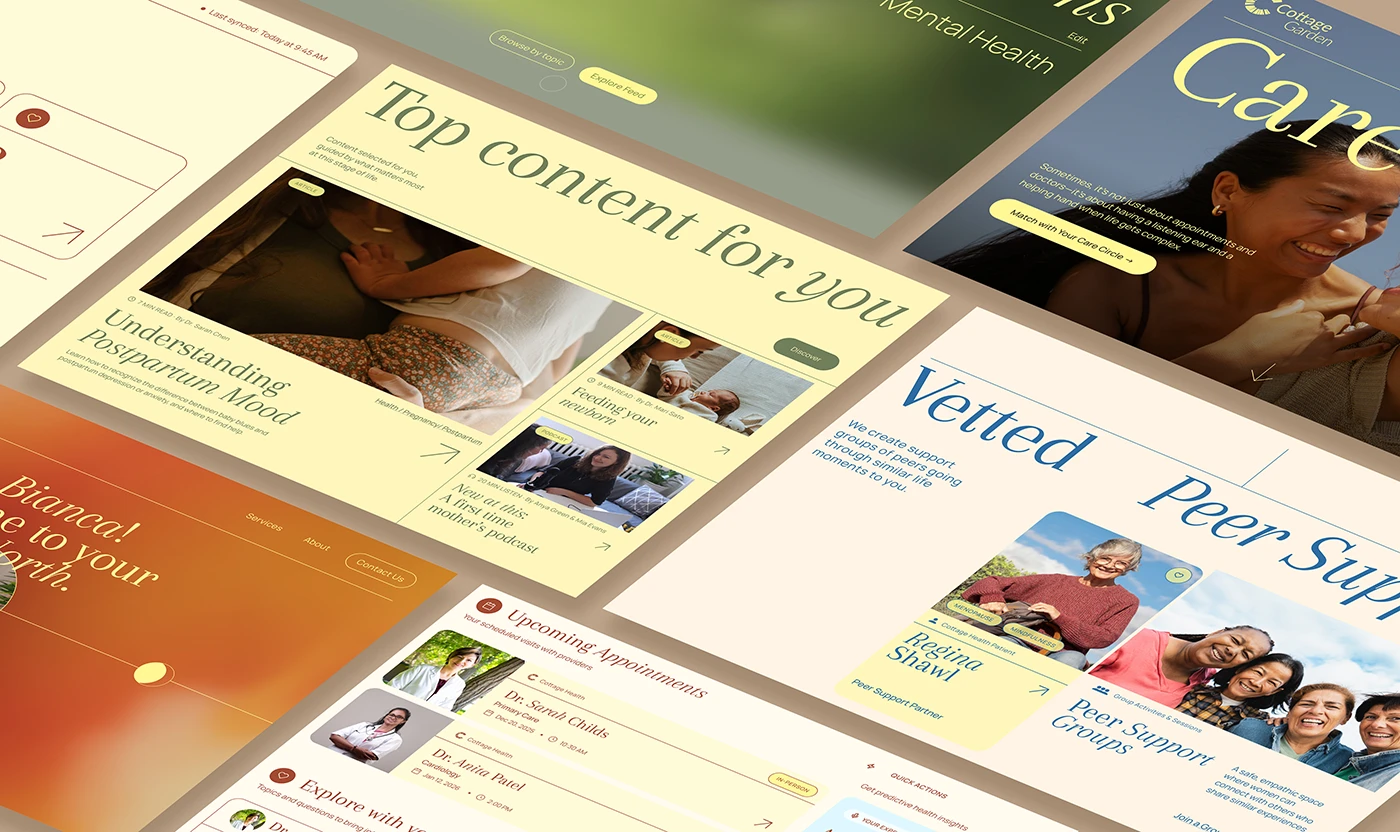
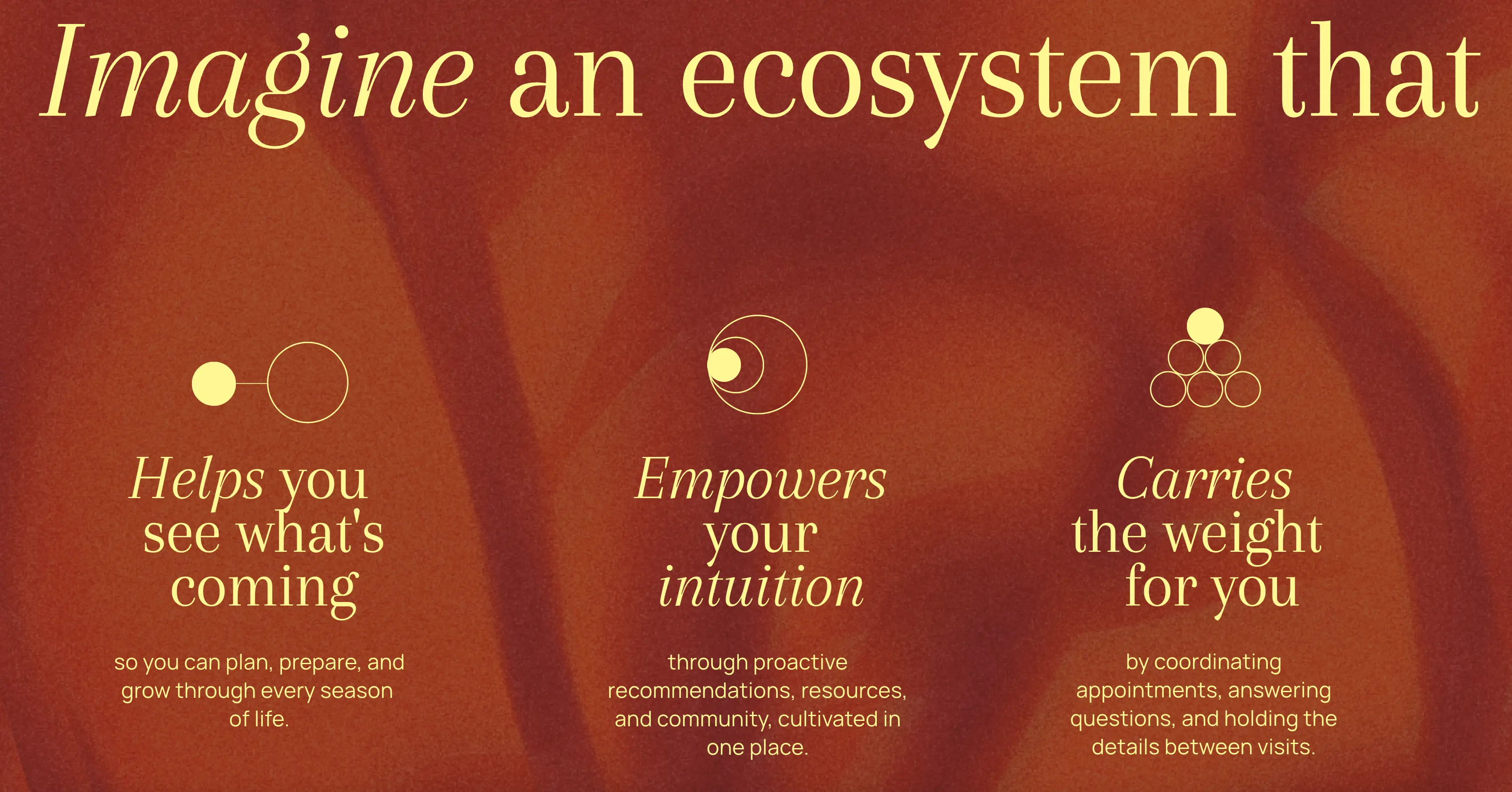
In order to address these challenges, IDEO proposed a new vision for women’s health, alongside design principles and concrete service shifts to guide future decision-making. Every interaction with Cottage Health should build on the information patients have already shared, demonstrating the system is listening. They should also guide women through life transitions by anticipating needs in future life phases, not just what’s happening now. Much like a community gathering, the Cottage Health experience should feel like a village, fostering belonging and shared care through warm, connected, human touchpoints.
Building on these design principles, IDEO developed three exploratory service concepts that represented potential pathways for future development, rather than finalized offerings: True North, Wellness Commons, and Care Circle.
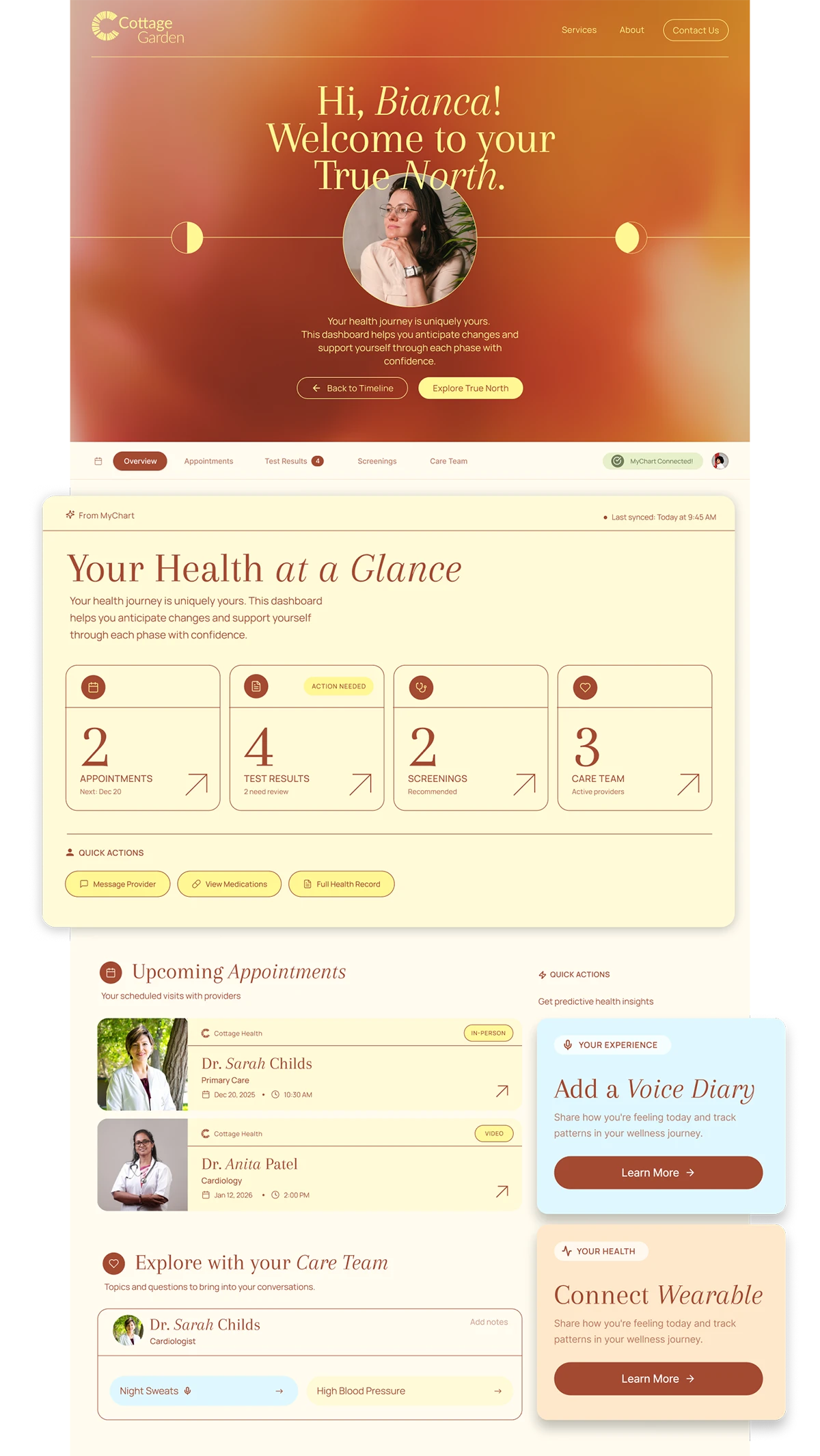
True North is a patient-facing tool that helps women see the long view of their health journey by integrating personal data, health goals, and reflections into a dynamic timeline they can share with their healthcare providers.
Wellness Commons serves as a digital front door, offering curated resources, including community events, discounted wellness programs, fitness classes, and trusted referrals, that help women navigate their well-being with clarity and agency.
Care Circle connects women to an extended support network inside and outside Cottage’s walls, including a hotline, health coaches, peer group support, and nurse navigators who can help patients manage complex care needs.
IDEO also provided Cottage Health with a multi-year roadmap building out the women’s health experience alongside continued pilot and implementation advisory. The roadmap included a comprehensive series of launch-to-learn pilots designed to test assumptions, reduce risks, and learn quickly, with IDEO stewarding the process. These pilots ranged from digital mockups and a curated community referral directory to a support line, a new nurse navigator role, and peer coaching services, among other experiments.
In July 2026, Cottage Health announced it was expanding its focus through a new Cottage Women’s Health Campus in Santa Barbara. Led by Dr. Jane Varner, Cottage Women's Health is projected to open in early 2028. It will encompass women’s health services across the lifespan, from puberty to menopause and beyond, including OB-GYN, pelvic floor health, women’s heart health, a menopause clinic, and a breast care center of excellence. It will also include supportive services, including trained nurse navigators to coordinate patients’ care journeys, giving women a single, trusted entry point for integrated care at every life stage. Cottage Women's Health is also exploring a new digital support system inspired by IDEO’s Wellness Commons concept.
Cottage Health had ambitious goals to expand its women’s health services and needed a partner to help it understand what women truly wanted from their healthcare and bring it to life.
7 months
from end of project to the announced launch of Cottage Women’s Health
From incremental change to breakthrough innovation
How Master Kong reinvented the instant noodle, from the inside out.
Looking to understand the role of instant noodles in middle-class Chinese life, the IDEO team conducted in-home research with consumers across a range of life stages and levels of attachment to noodle culture and convenience foods. The first finding was reassuring: Everyone kept instant noodles at home. The category still had a place in middle-class kitchens. But beneath that was a more complicated, emotional story—and an unmet need for convenience and quality to coexist in a single product.
The team discovered that instant noodles are more than just a quick, on-the-go meal; they are a nostalgic comfort food that evokes fond memories. But since their heyday, their role in daily life has evolved. Once a complete meal in itself, instant noodles now often function as a versatile flavor base or culinary accent in other dishes. Because they don’t align with the healthier, higher-quality, and more novel food choices that middle-class consumers aspire to, noodle shops, delivery noodles, or fresh-cooked instant options often win out. Yet, even these alternatives come with trade-offs. Delivered noodles lose texture during transport. Sit-down noodle shops preserve quality but offer limited flavors. Cooking from scratch meets the bar for both texture and flavor, but requires a significant time investment. As one young mother said, “If I could get the texture of fresh-cooked noodles without turning on the stove, I’d buy that instant noodle for sure.”
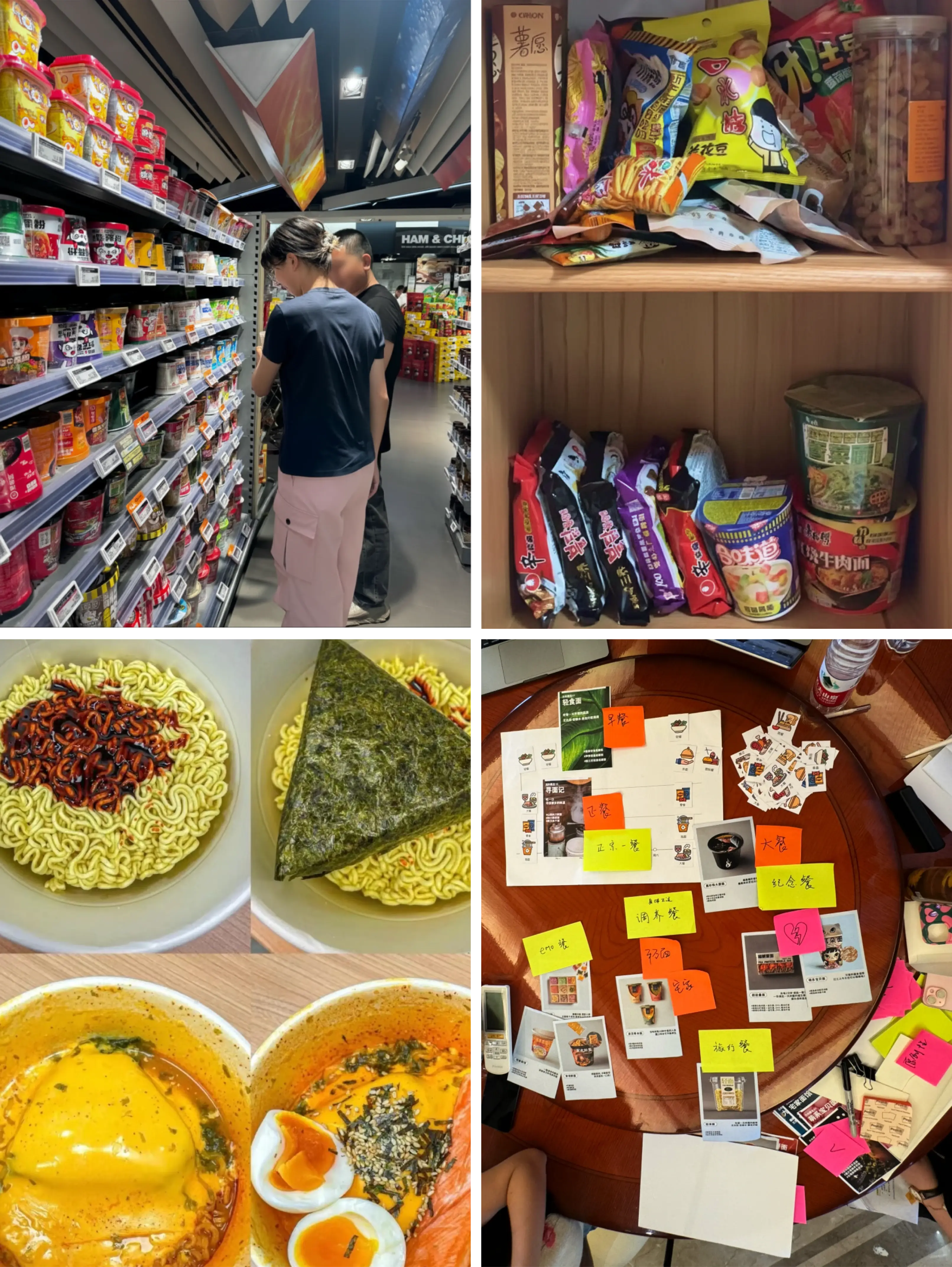
The research inspired the creation of a new category, which the team termed “fresh-brewed noodles.” More than just a noodle or broth upgrade, Master Kong’s fresh-brewed noodles would offer the speed of instant noodles with the quality of freshly cooked options, plus flavors not found in traditional noodle shops. The strategic positioning was clear. Executing it by making fresh-brewed noodles mass-producible, affordable, and eventually profitable presented a category-innovation challenge. To get there, IDEO designed a series of dual-track co-creation workshops with the Master Kong team and consumers.
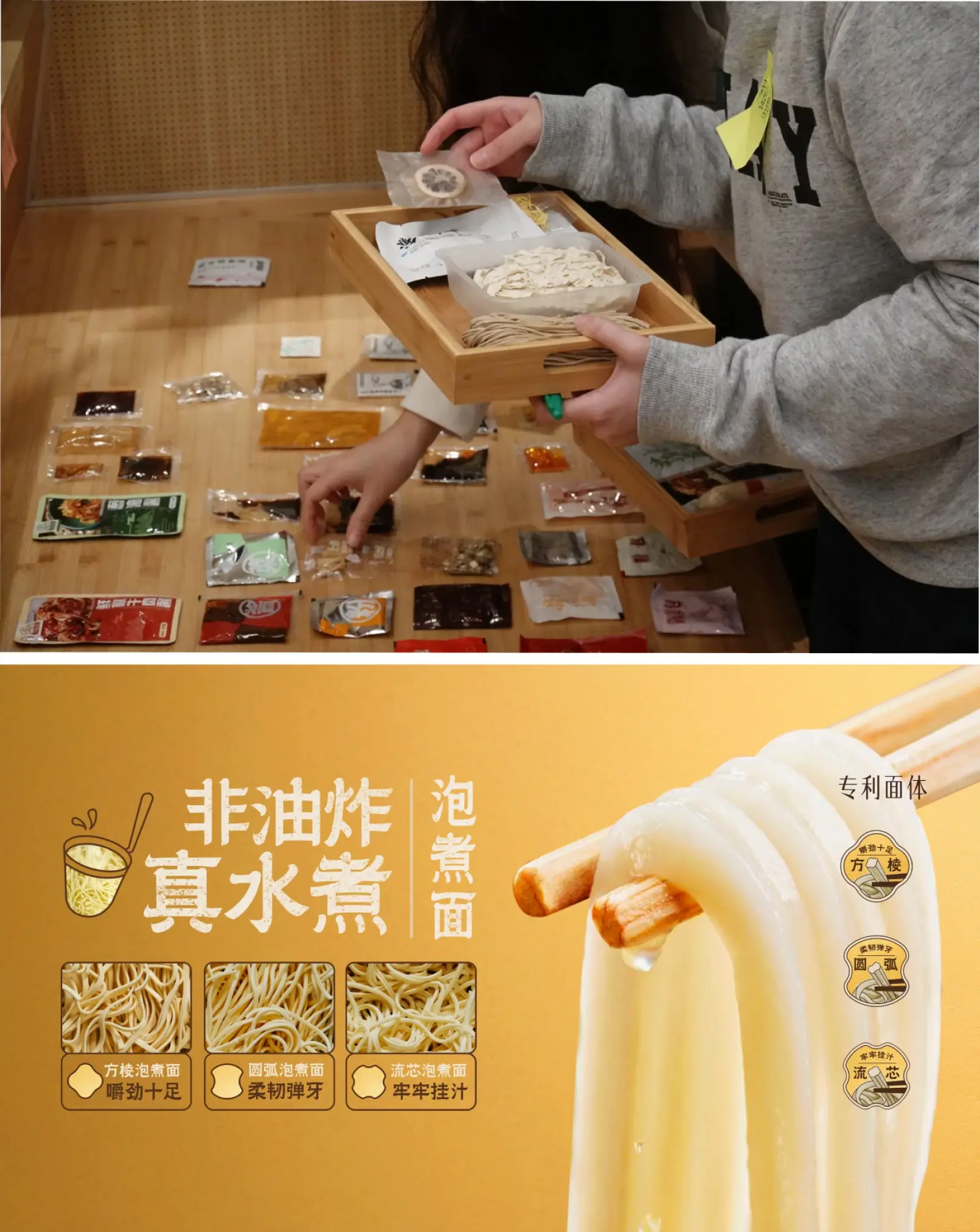
One track focused on prototyping the core product experience: noodles, broth, and toppings. IDEO and Master Kong’s R&D team began by studying the traditional craft of Chinese noodle-making, starting in Shanxi, a region renowned for its noodles. Through successive rounds of prototyping and consumer tasting, the team identified a critical insight: for “fresh-brewed noodles” to be convincing, the innovation had to be centered on the noodles themselves.
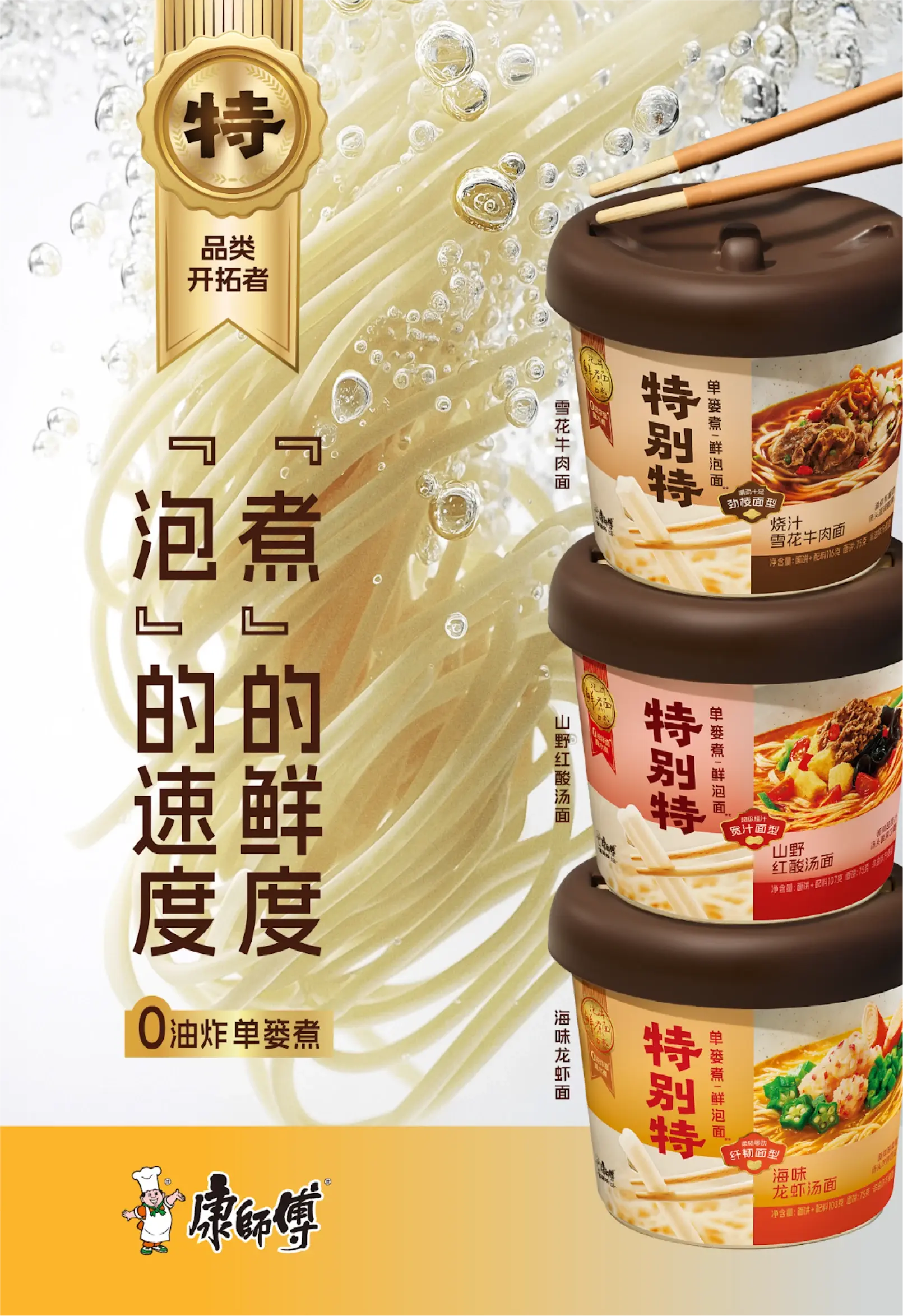
Texture alone was not enough. Consumers needed to see a meaningful difference before they tasted the product. IDEO translated this insight into a distinctive noodle profile: irregular, dimensional shapes designed to remain springy, hold sauce and broth, and mimic the resilience of freshly cooked noodles using only hot water. Because this visible shape represented the product’s core value proposition, it became a hero feature on the packaging. The graphic design made a bold visual statement about the noodle form, turning a technical R&D breakthrough into an immediately legible consumer promise: these are not ordinary instant noodles.
A parallel track explored the broader commercial experience: trend-forward and reimagined classic flavor profiles, light yet deeply satisfying broths, carefully selected toppings, and packaging that signals a new level of quality on store shelves. One key insight was that utensils carry meaning. Conventional instant noodles are often associated with disposable plastic forks, while higher-quality noodles are eaten with chopsticks. IDEO translated this cultural cue into the design of the bowl’s lid.
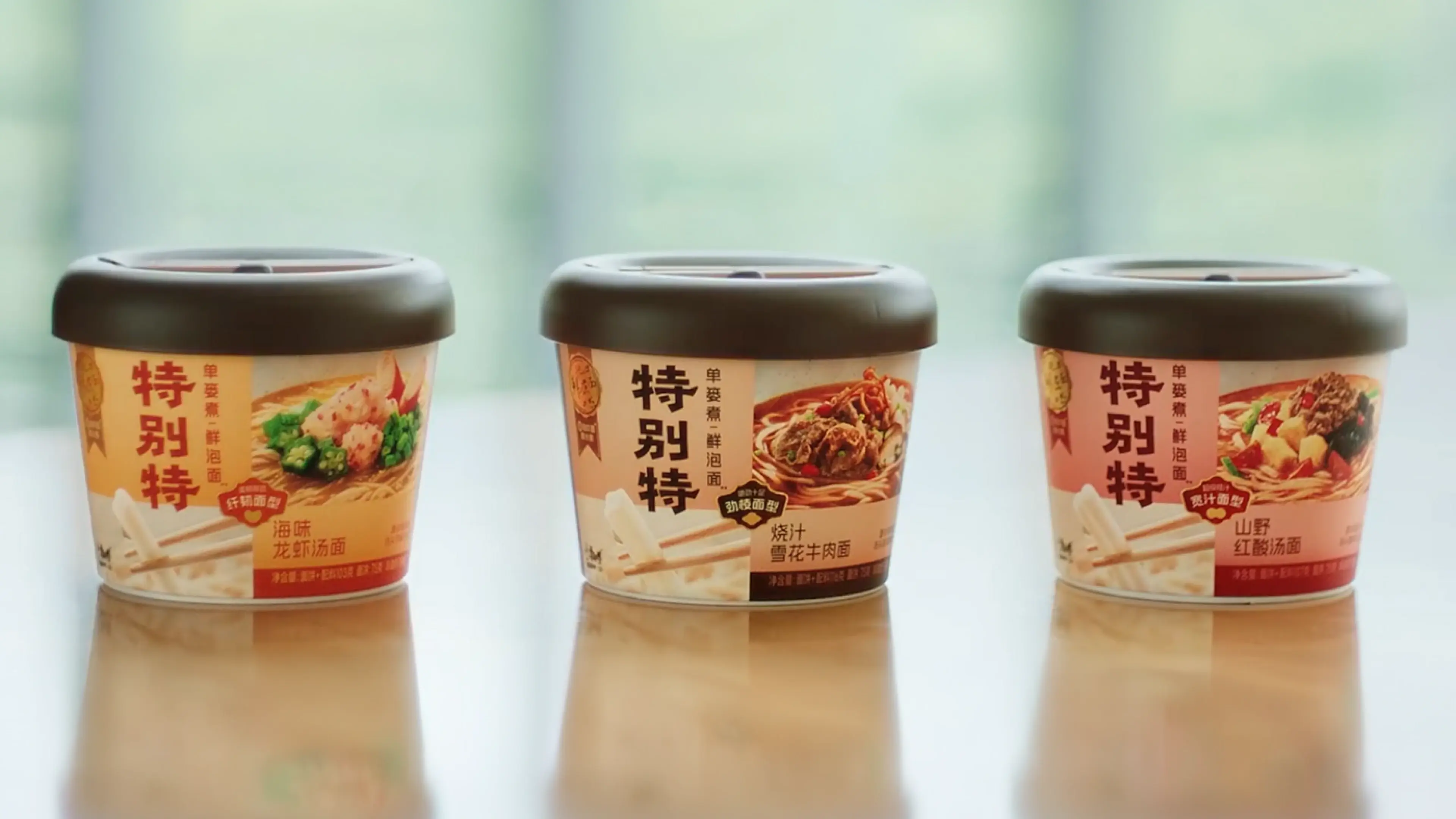
Instead of treating utensils as an afterthought, the team designed a solid, rounded, heat-retaining lid that embeds a pair of small wooden chopsticks. The gesture creates a small ritual of anticipation and reframes the product—not just a convenient instant meal, but a more considered noodle experience. Once opened, the product fulfills that promise with satisfyingly bouncy noodles, a rich liquid broth pouch that replaces the traditional oil-and-powder packet, and a vegetable packet reformulated with more premium whole ingredients.
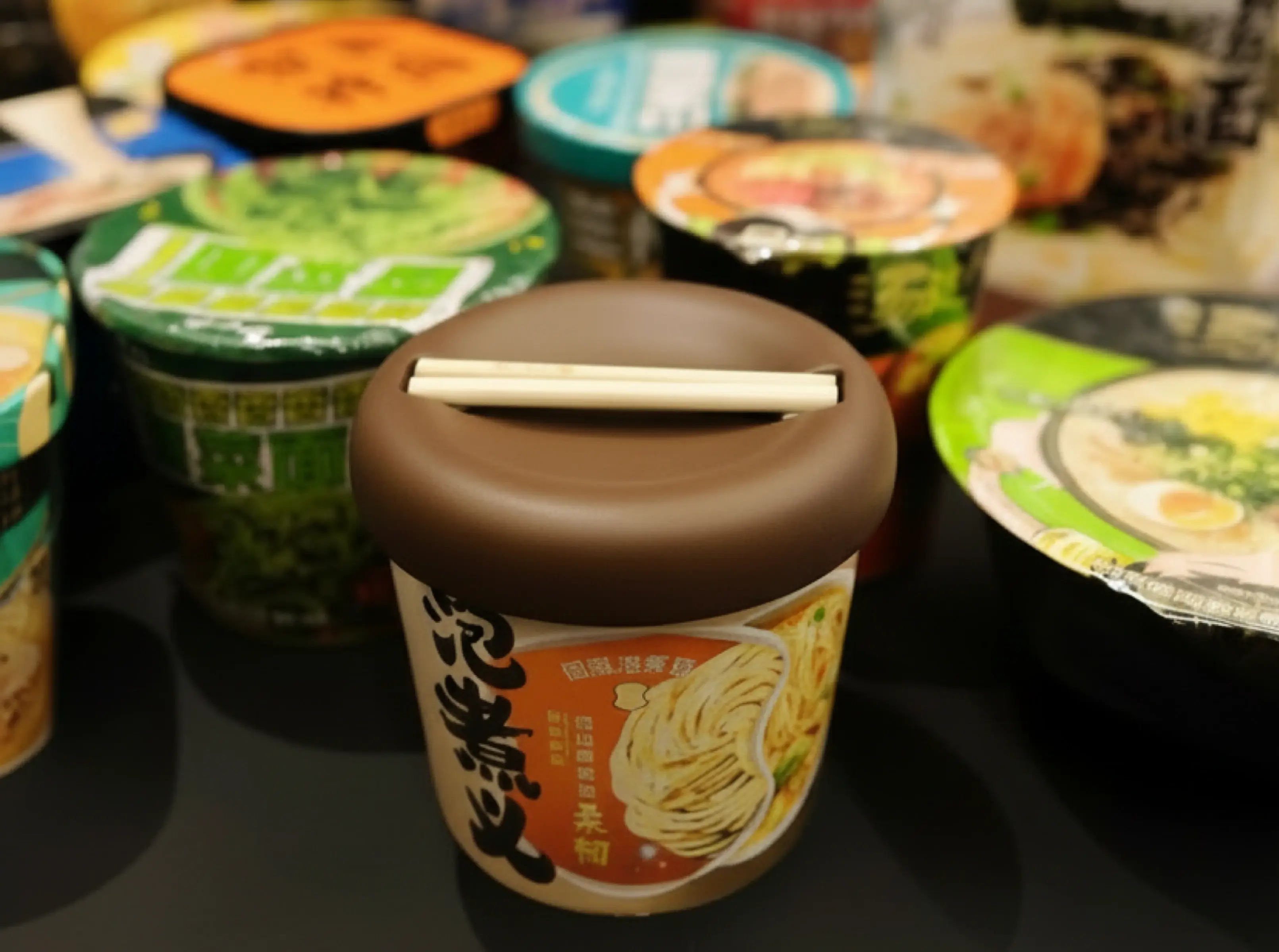
The first batch of “Te Bie Te” Fresh-Brewed Noodles—Chinese wordplay that emphasizes “special”—launched in August 2025 with three trendy and tried-and-true flavors. Within just three days, sales exceeded 100,000 bowls. Within a week, “Te Bie Te” topped the instant noodle category sales ranking on Douyin, China’s domestic counterpart to TikTok. The outcome was bigger than a product launch—it served as proof that a mature, declining category could be fundamentally reinvented to meet consumers’ real needs. For Master Kong, the project became a North Star and a model for internal category innovation in beverages, ready-to-eat foods, and beyond.
Once a popular, affordable staple, the instant noodle category in China has been declining rapidly due to shifting demographics, rising food delivery options, and increasing customer demand for healthier, more nutritious meals.
According to the World Instant Noodles Association, between 2020 and 2023, China’s instant noodle consumption fell by 4 billion packs.
100,000+
“Te Bie Te” bowls sold in the first 3 days on the market
#1
on Douyin’s instant noodle category ranking within one week of launch
Making international education future-fit & affordable
Lexel brings world-class learning to Malaysia’s middle class.
Taylor’s legacy began in 1969 with the founding of Taylor’s College and soon expanded to include Taylor’s University, one of Southeast Asia’s top private universities, as well as many other institutions that serve 35,000 students per year. The family-owned group also operates Taylor’s International Schools, Garden International School, and Nexus International School for students ages 4 to 18. In Kuala Lumpur, Malaysia’s capital city, annual tuition at premium private schools like these ranges from about $10,000 to $25,000 USD. Taylor’s wanted to do something different: provide the same level of academic rigor and immersive learning experiences at one-third the cost.
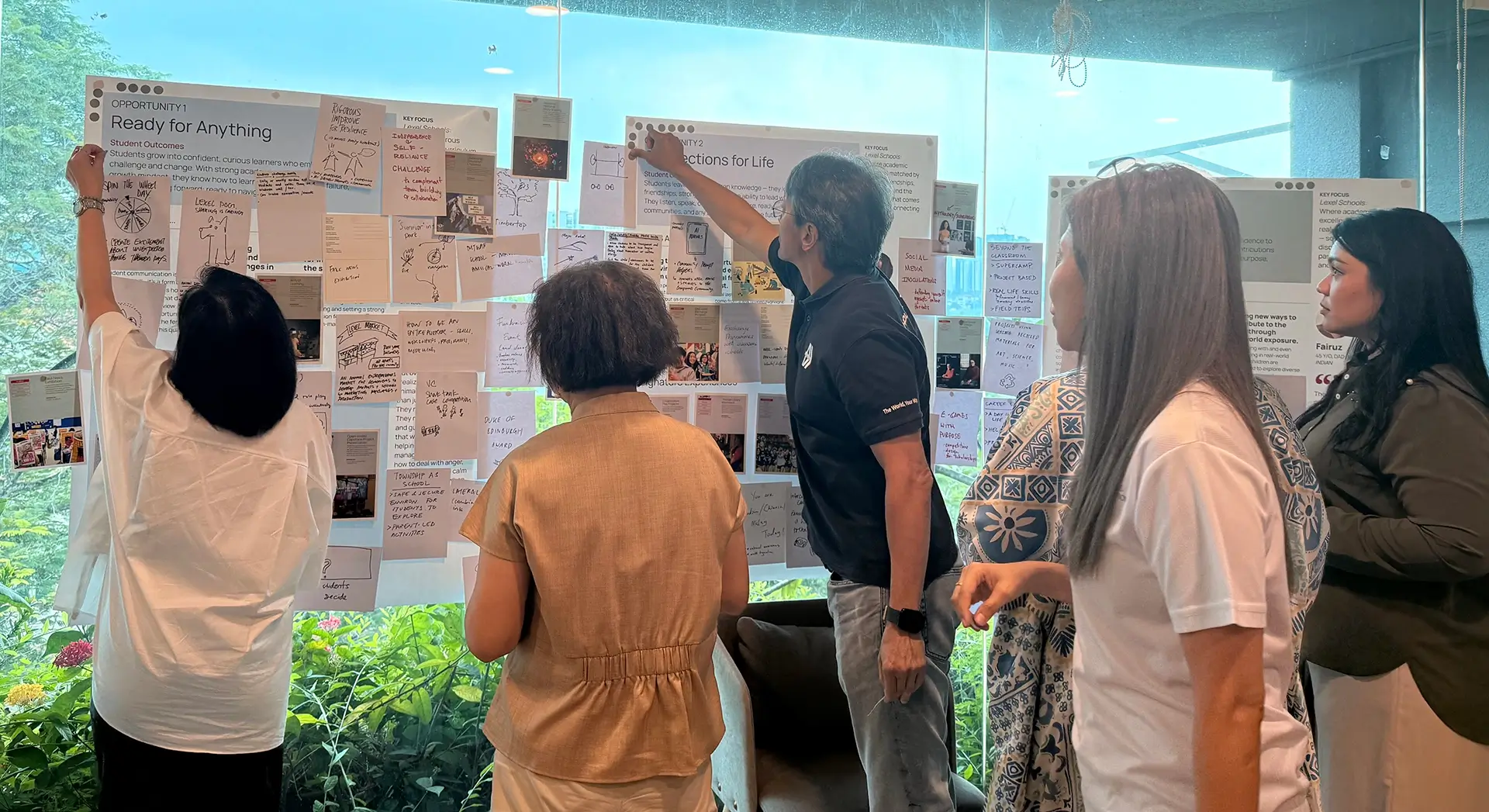
IDEO began by speaking with over three dozen students, parents, teachers, and experts across the capital to understand what was working, what wasn’t, and what was missing from such moderately priced international schools.
A few themes quickly emerged. Families, students, and teachers were worried about the stability of these new private schools, which tended to have higher-than-normal teacher turnover rates and were plagued by financial instability, negatively impacting talent attraction and retention, as well as student learning. Parents appreciated that the schools offered holistic learning experiences, such as field trips to rural areas, including jungles, but wished they were more consistently part of the curriculum. And now, the looming challenge of AI—how to use it, how to teach it, and how to teach with it—was in the background, a persistent cause for concern. The big unmet need? Reassurance that Taylor’s was thinking long-term and systematically about developing the skills, knowledge, and mindsets that would prepare students for an ever-changing world. Parents wanted a school that measured growth in academic, social, and character terms over generations, not just school semesters.
With these insights in hand, IDEO began developing a design Playbook for Taylor’s new brand—Lexel International Schools. A combination of “lexicon” and “excellence,” Lexel’s mission is “building what lasts, learning for life.”

The schools are centered around three key differentiators:
- Always Ahead: Lexel schools commit to staying current with the topics and subject matter they teach, as well as the tools they provide to students, parents, and teachers.s.
- Learning That Builds for Life: The schools ensure programmatic, systemic, and consistent learning experiences from Pre-K to Year 11. Interested students can even continue their post-secondary journey in partnership with Taylor’s University and other higher education institutions within the Taylor’s ecosystem.
- Educators for the Long Run: These schools commit to ongoing investments in professional growth opportunities for teachers and stable learning environments for students.
Four Lexel Literacies—AI, Digital, Financial, and Nutrition—integrated into the Cambridge Curriculum bring the school’s vision and mission to life.
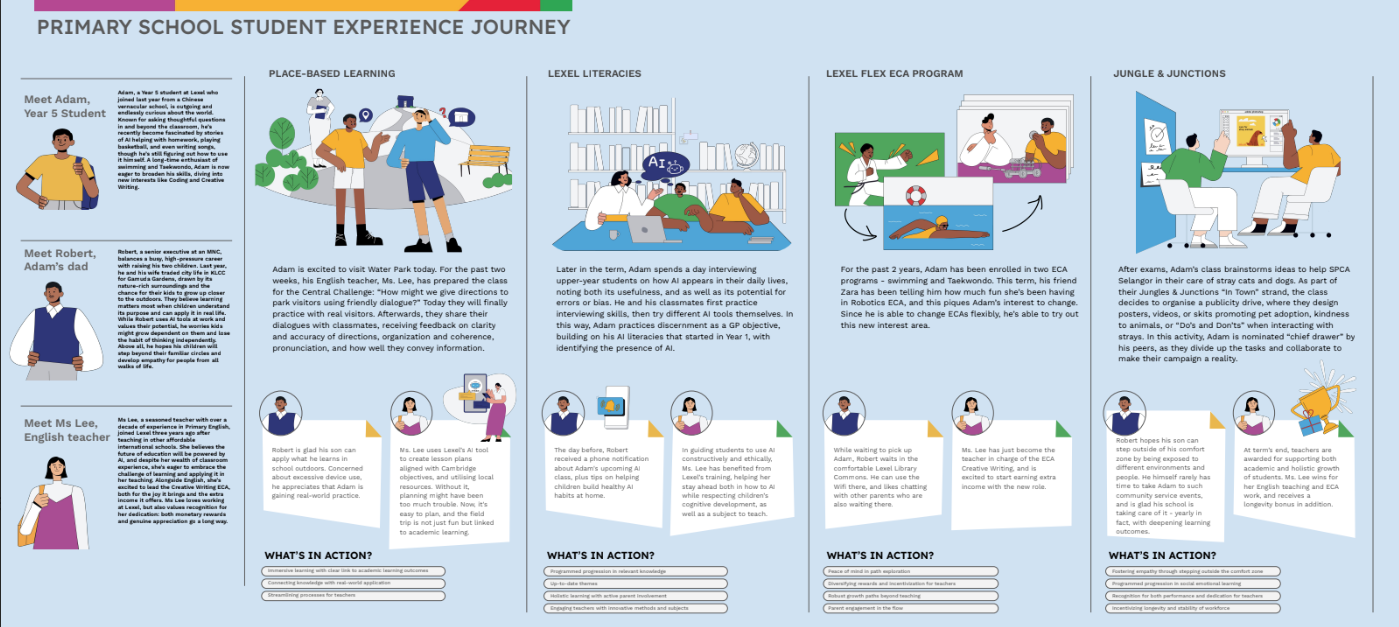
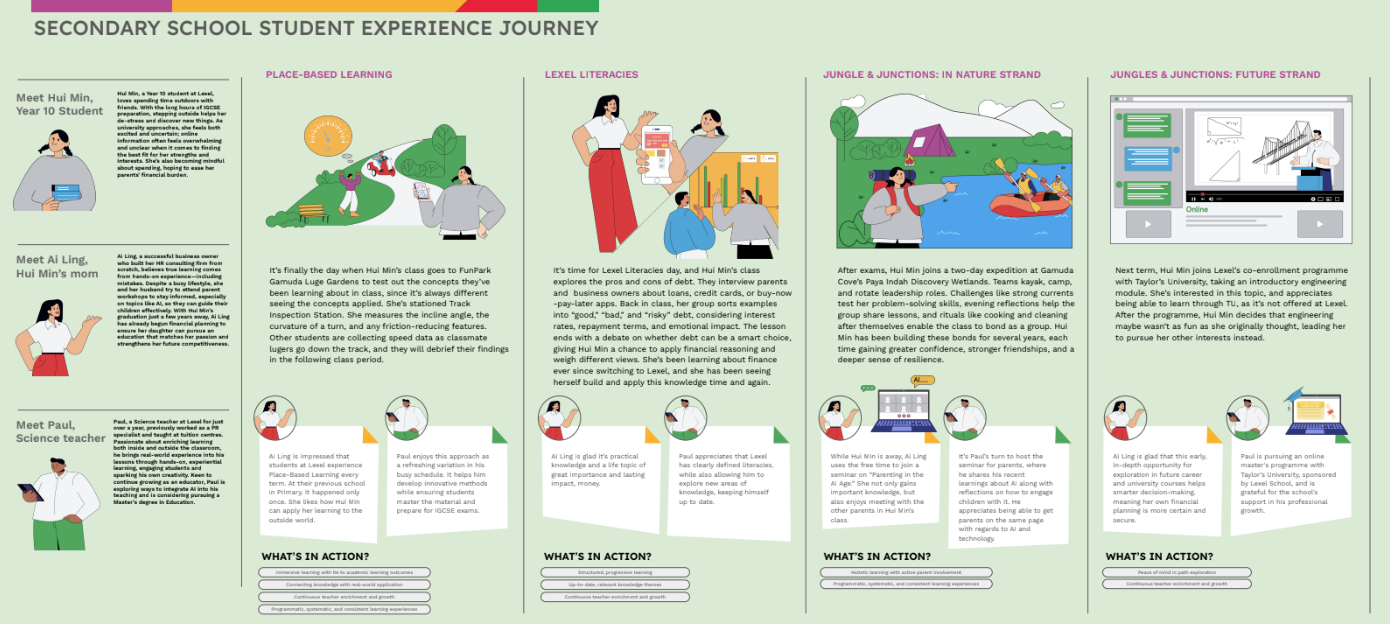
By systematically integrating AI literacy into its spiral education framework, in particular, an approach where major topics are revisited multiple times through a curriculum to build fluency over time, Lexel ensures parents that the school is thinking a decade ahead from Day One, setting the school apart. In addition to enhancing AI fluency, Lexel offers unique end-of-term experiences called Jungles & Junctions.
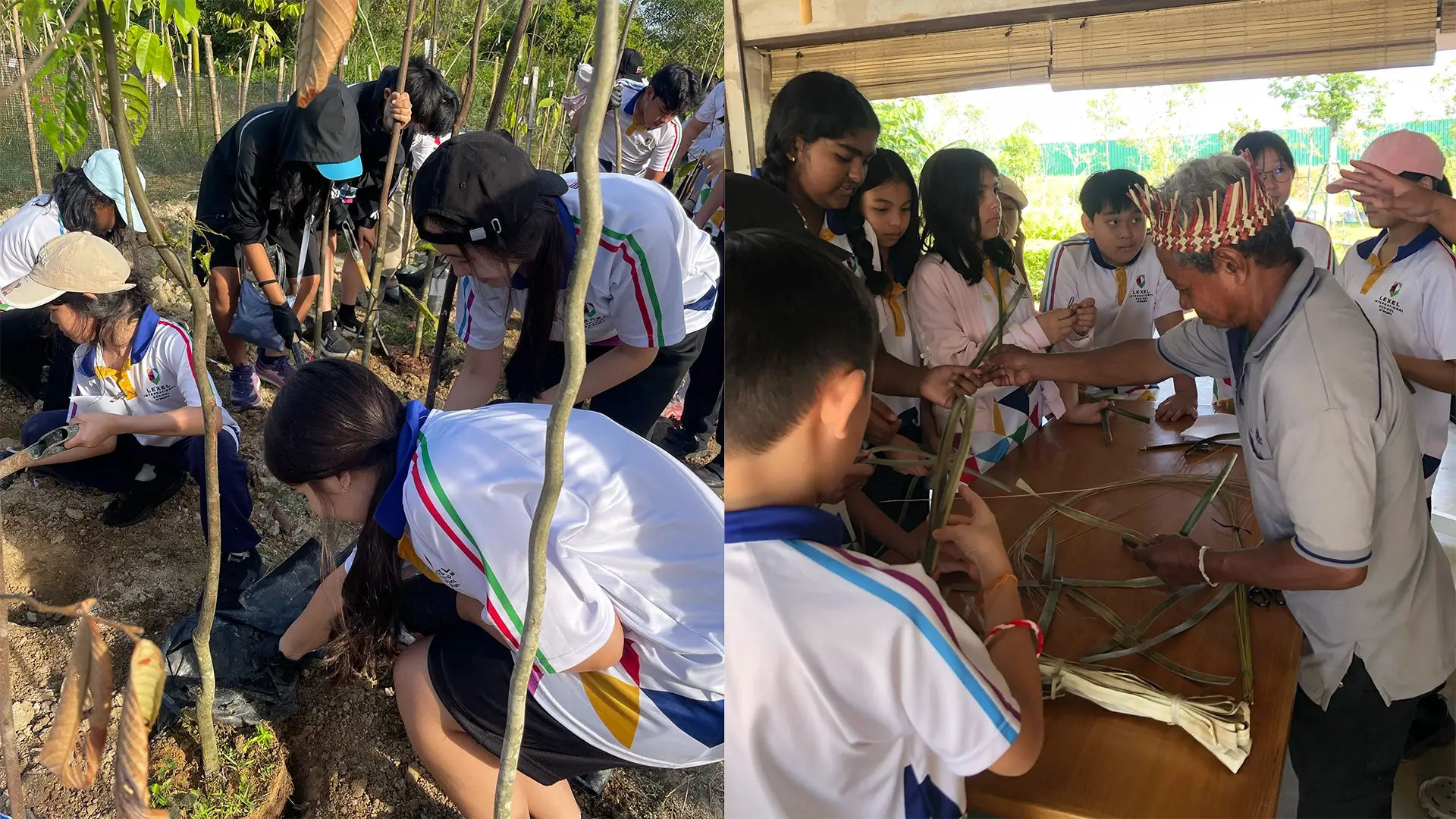
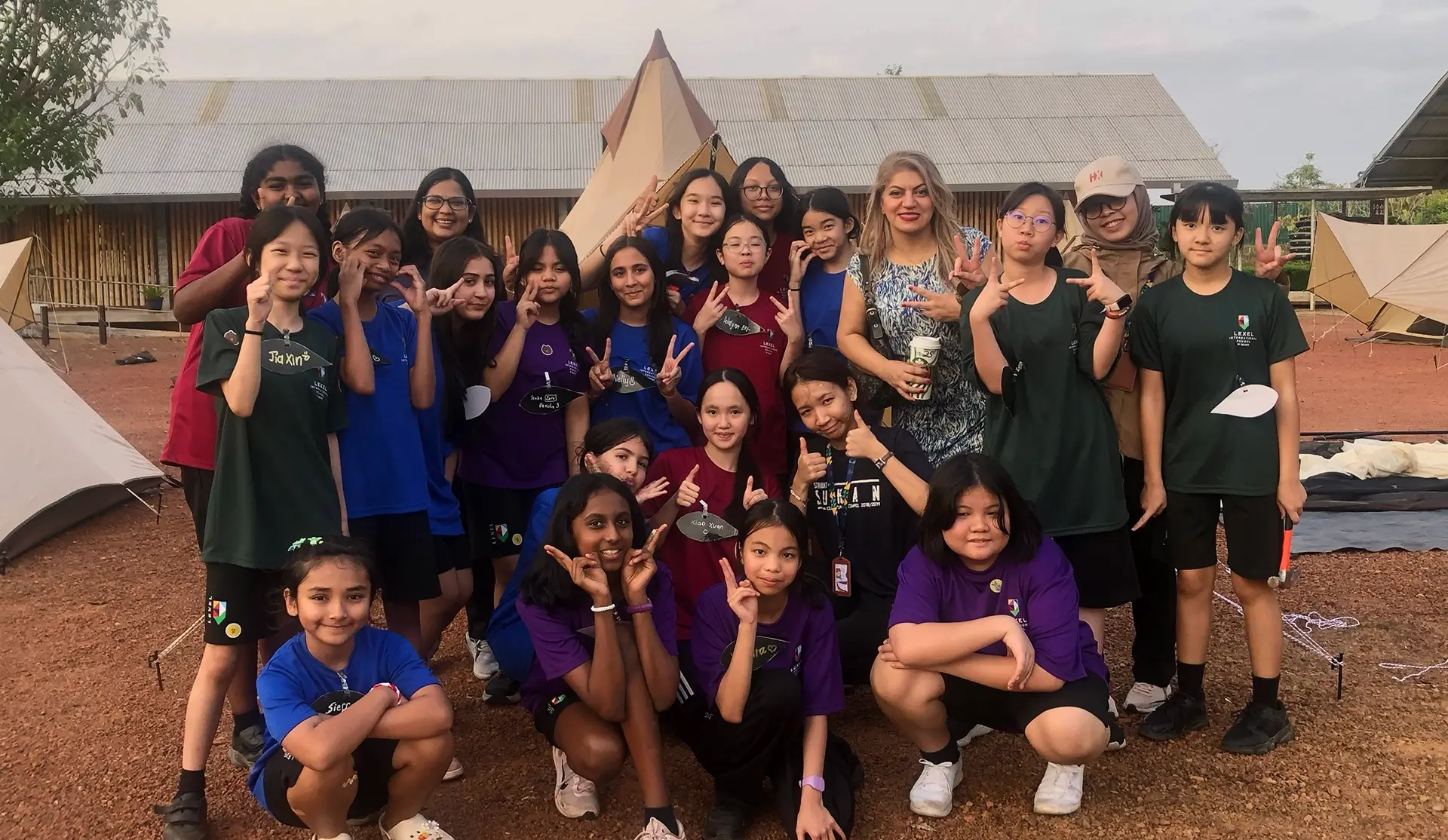
Combining three important strands of learning—community engagement, nature-based personal and interpersonal development, and career and university exploration—Jungles & Junctions leverages Taylor’s extended educational network and Lexel’s strategic founding campus within the Gamuda Gardens development in Selangor. Surrounded by tropical rainforests, the township’s residential neighborhoods, theme park, and various sports facilities, including an Olympic-length swimming pool, are transformed into an extended Lexel campus, with a GenAI-driven planner to help teachers streamline the organization of class outings. “The Township is Your Campus” became the tagline for this approach.
In September 2025, just months after IDEO’s collaboration ended, Taylor’s began classes at its first Lexel International School. By mid-year, the new school had achieved 115% of its year-one student enrollment target, with significant inbound demand for Year 2 already demonstrating the school’s market resonance.
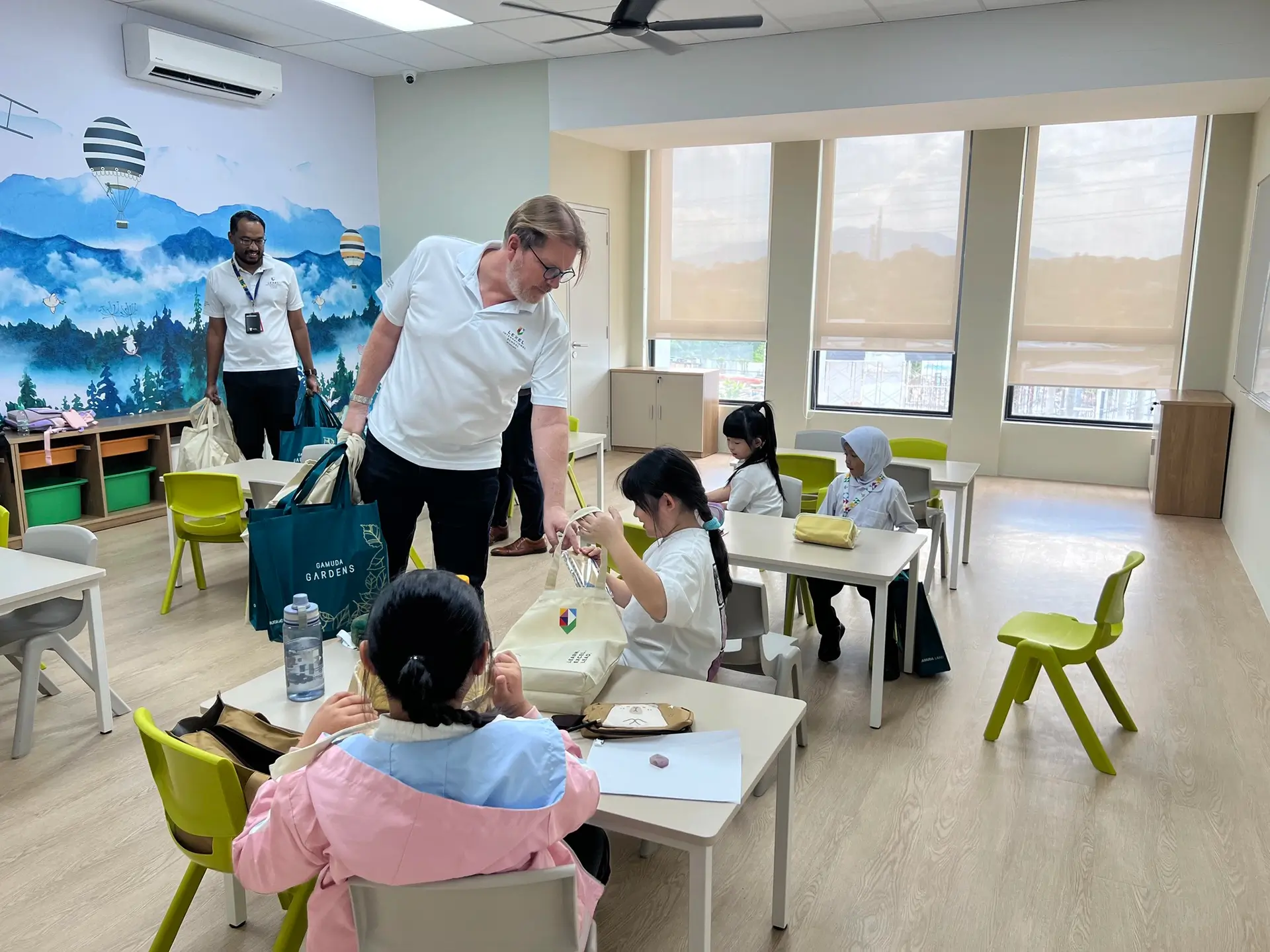
The modern campus features spacious classrooms, science and technology labs, a library, a multipurpose hall, and a canteen. Annual tuition ranges from about $2,800 USD for pre-K students to about $6,100 USD for secondary students.

Most importantly, by combining Taylor’s deep academic expertise, Gamuda Land’s development prowess, and IDEO’s innovative design Playbook, Lexel brings quality, affordable international education closer to home for Malaysian families. According to one parent, “My daughter looks forward to going to school every day … and has a lot of opportunities to express herself. On a scale of 1 to 10, I give [Lexel] an 11.” Based on the IDEO Playbook, a second flagship campus in the Southern Klang Valley, which is scheduled to open in September 2026, has already exceeded its year-one target enrollment expectations, with plans to continue extending the Lexel network to other parts of Malaysia and the wider Southeast Asian region in the near future.
Malaysia’s private international school sector has grown significantly as parents seek quality English-language education. However, high tuition fees and limited access to reputable schools are continual challenges for those in the emerging middle class.
115%
of Lexel’s student enrollment target reached during the launch year of its first campus
Year 1 enrollment target exceeded
at Lexel's second campus several months ahead of classes commencing
Delivering an unbiased news experience
Straight Arrow News transforms fact-based news consumption.
The American news industry has long been a competitive and saturated market. This has only intensified with the emergence of social media outlets and AI-generated news. Even so, SAN’s rigorously unbiased, fact-based reporting style and rich video storytelling had enabled the ambitious startup to rise above the media fray in just three short years.
With a strong foundation to build on, IDEO sought to further differentiate SAN’s cutting-edge news product and build deeper engagement with a wider audience through a new user experience.

Collaborating closely, IDEO and SAN began by delving deeply into media consumption habits. They met with early SAN superfans, news consumers who spent hours a day absorbing content from traditional outlets like Fox and USA Today, and those who looked to their Ring doorbell app or Reddit for news. The takeaways? People were tired of clickbait and clunky interfaces. They sought clear, factual news that was easily accessible, with additional context to help them interpret events and understand their significance. They craved more than one perspective on important topics, so stories felt balanced rather than polarized. They also valued having control over how they consumed news, so making it easy to switch between text, video, and audio formats was crucial.
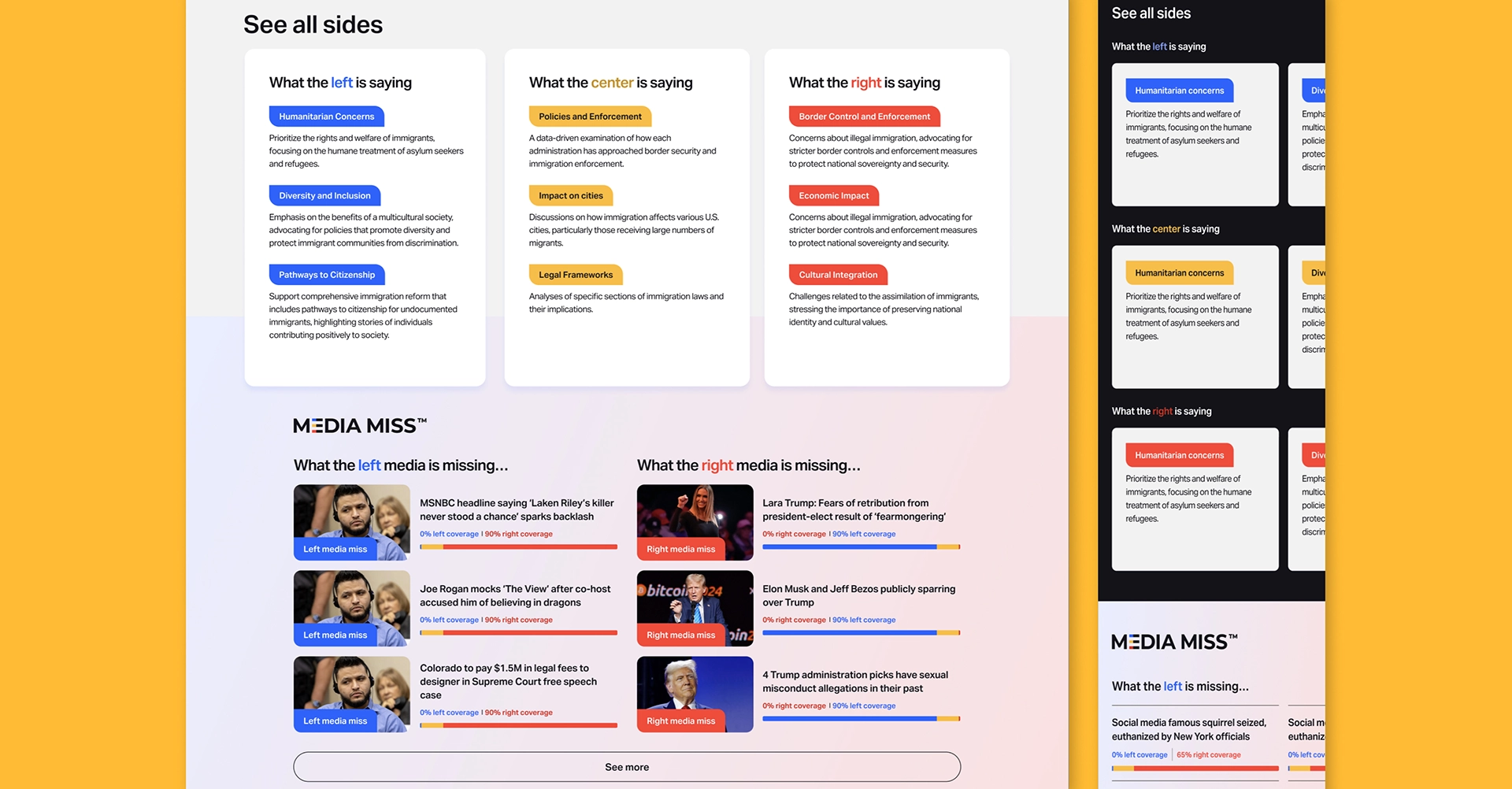
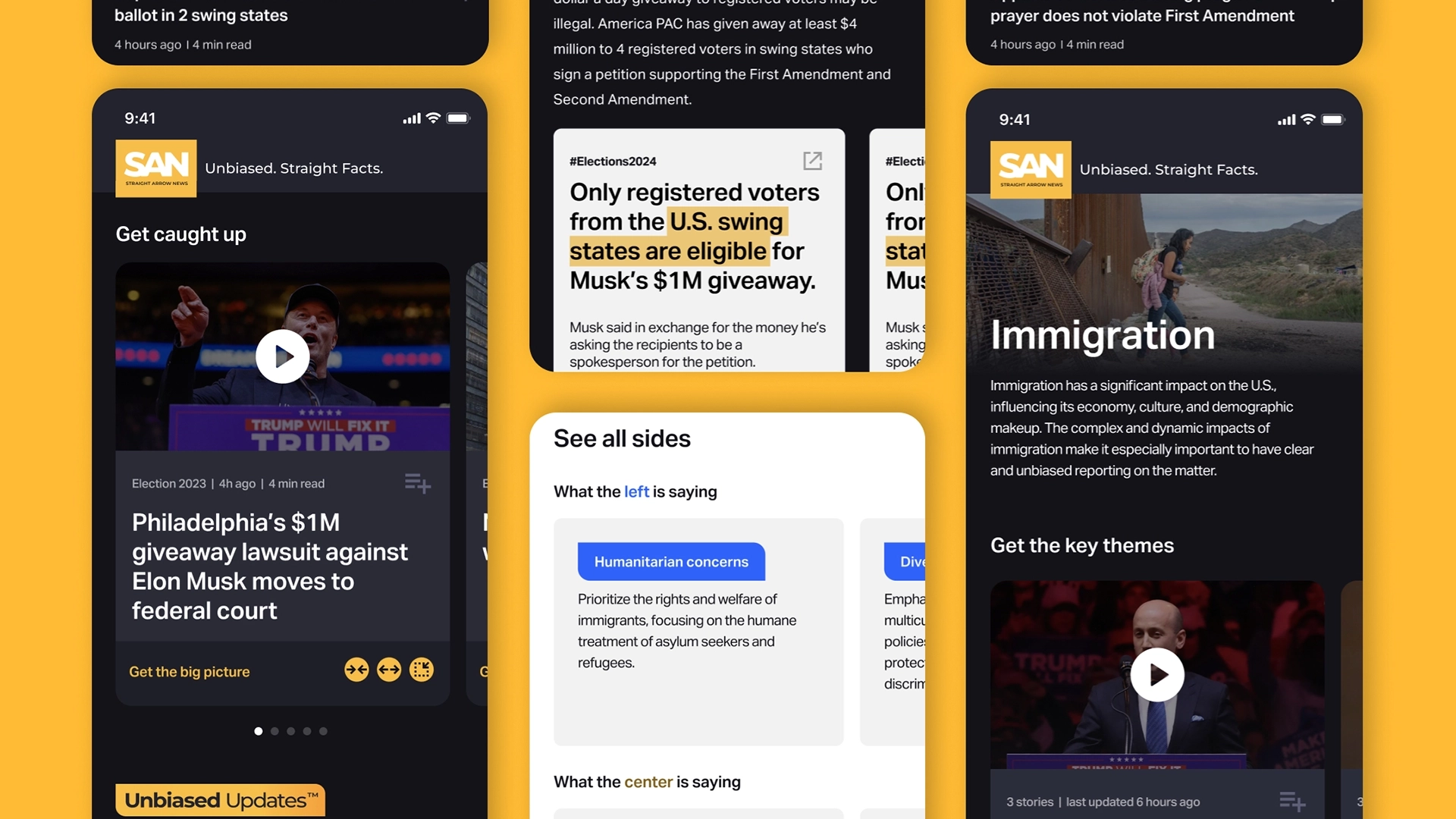
Together, IDEO and SAN created features across SAN’s website and app that put facts, trust, and transparency at the core of the product experience. Fact Cards distill key data points into clear, shareable units, while the Sources feature allows readers to trace information directly back to its original source. To make complex stories easier to grasp, Big Picture insights drill down into why events matter, surfacing underlying themes, historical parallels, differences in reporting, and common ground. The Why This Story Matters section provides readers with clear framing and sets the story within a broader context, while the Timeline illustrates how events unfold over days, months, or even years. An antidote to news polarization, See All Sides presents left, right, and center narratives for key topics side-by-side, and Media Landscape visualizations reveal how coverage varies across outlets. Finally, to ensure SAN fits seamlessly into readers’ daily lives, the redesigned Today Page is organized into three highly scannable sections: Latest News, Top Stories, and SAN Originals. The combined features create a balanced, clear, and non-polarizing news experience, making it easy for readers to delve deeper into the sources of their news.
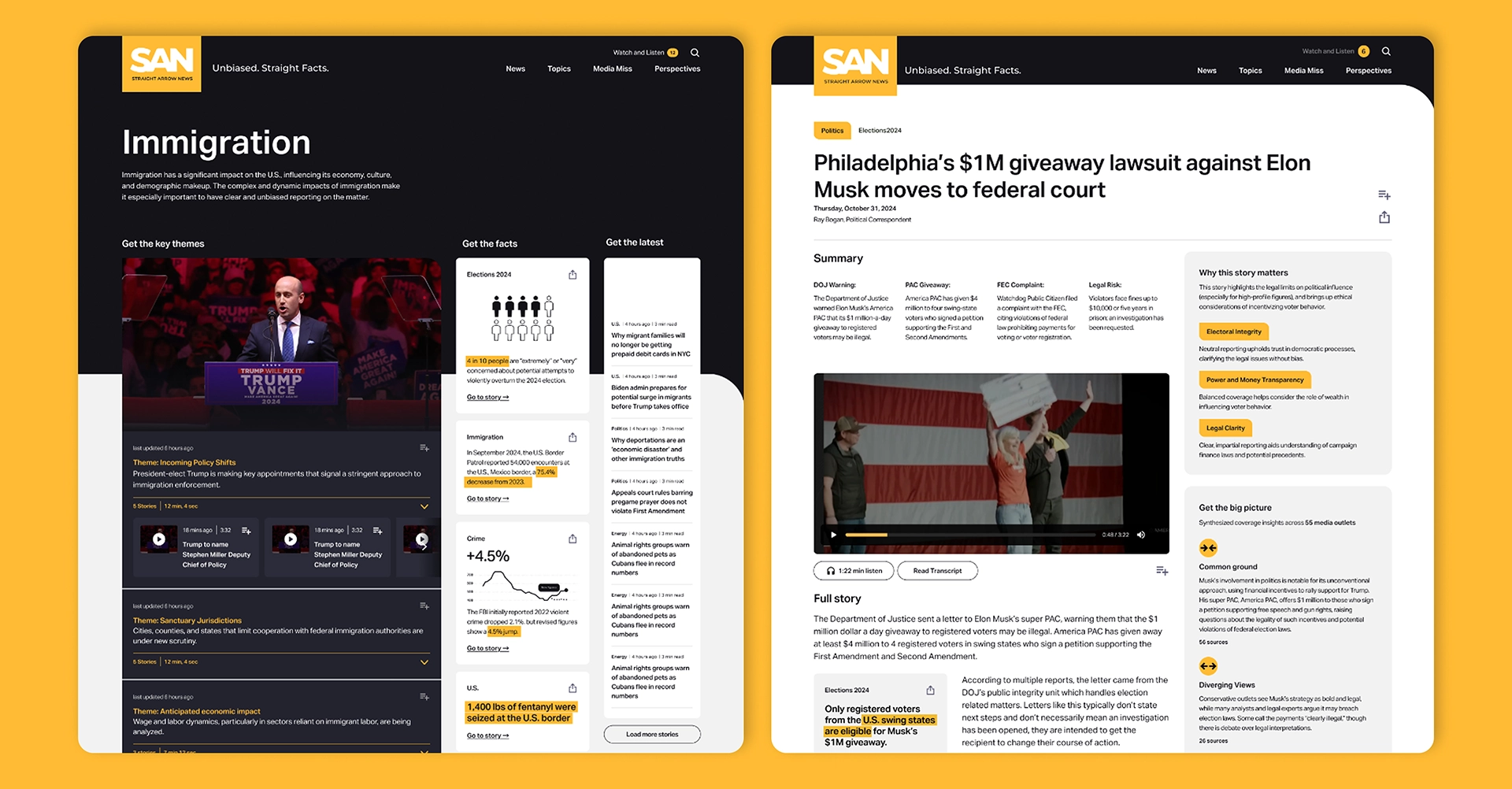
SAN now delivers a news experience as modern, dynamic, and trustworthy as its journalism. A month after its debut, the SAN app’s page views increased 1,170 percent year over year compared to June 2024, while active users rose 700 percent. Readers also give the updated mobile experience a 4.8 rating on the Apple App Store. “Our team is delivering reporting that’s both deeply factual and accessible,” said Derek Mead, SAN’s Chief Content Officer. “This redesign is pivotal to the direction journalism needs to take and the leadership role Straight Arrow News is taking on as we help guide the news industry into a brighter future.”
SAN built a loyal readership and gained recognition for its unbiased reporting. To expand and stand out from legacy media, SAN wanted a redesigned user experience that reflected its commitment to fact-based journalism.
1,170%
increase in app page views YoY
700%
increase in active users
4.8 rating
on the Apple App Store
Our Bathroom Reading List
The average human spends 213 days in the bathroom over a lifetime. Might as well bring a good book.
Sometimes the questions are serious (“How might we better design for equity—inclusion, diversity, ageism, access, technology, etc—for all?) and sometimes they’re playful (“What’s your favorite restaurant in the Bay Area?”). But no matter what type of question goes up, the responses are always intriguing.
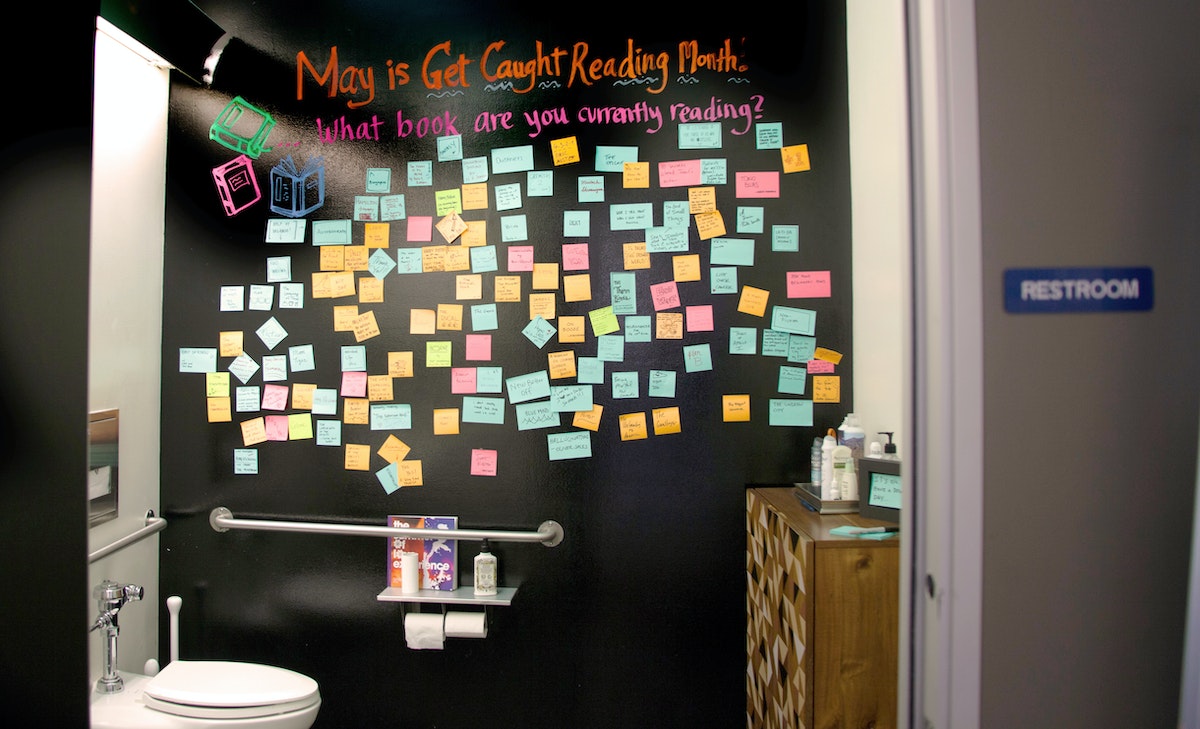
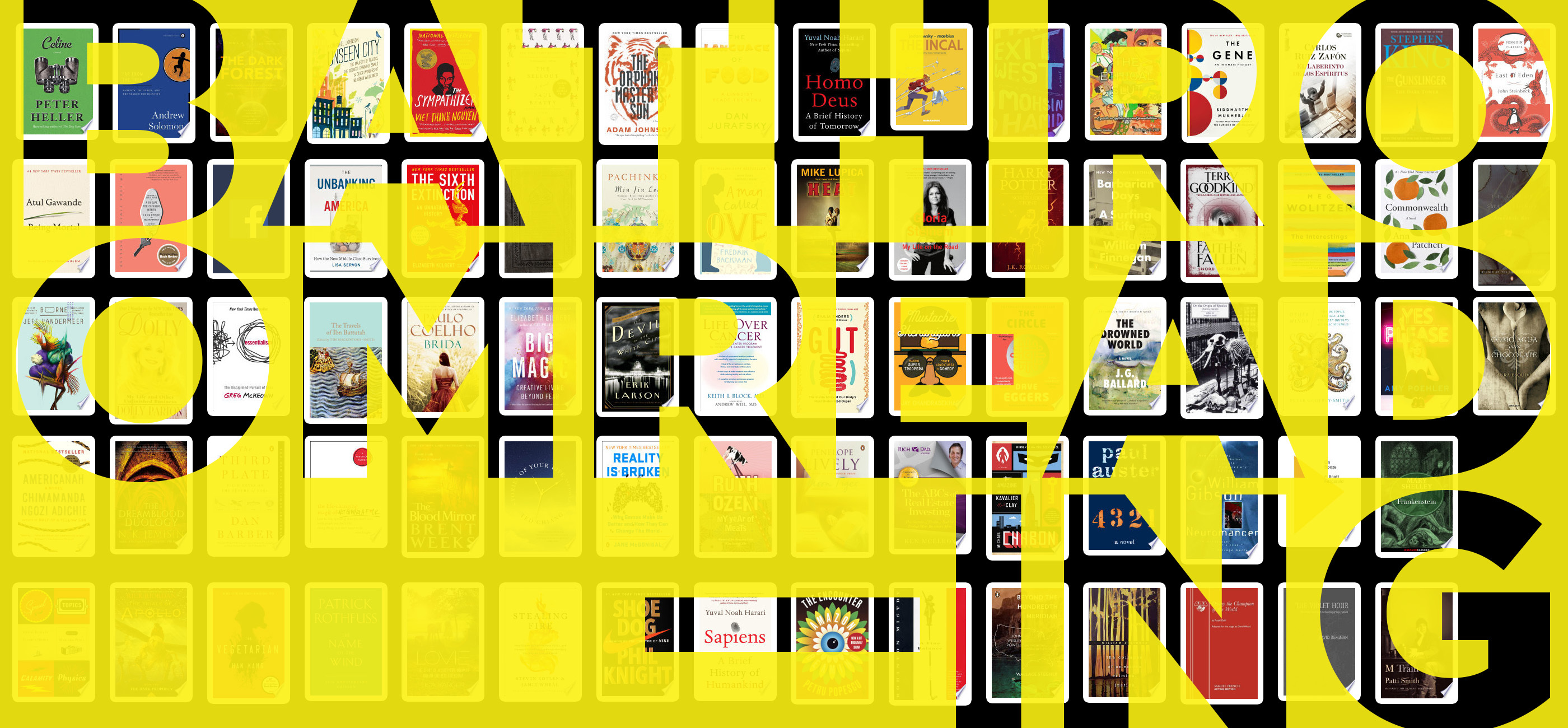
Our latest bathroom installation asked: “What book are you currently reading?” I’m always on the hunt for a good read, so I couldn’t be happier with the bonanza of recommendations. Dig in:
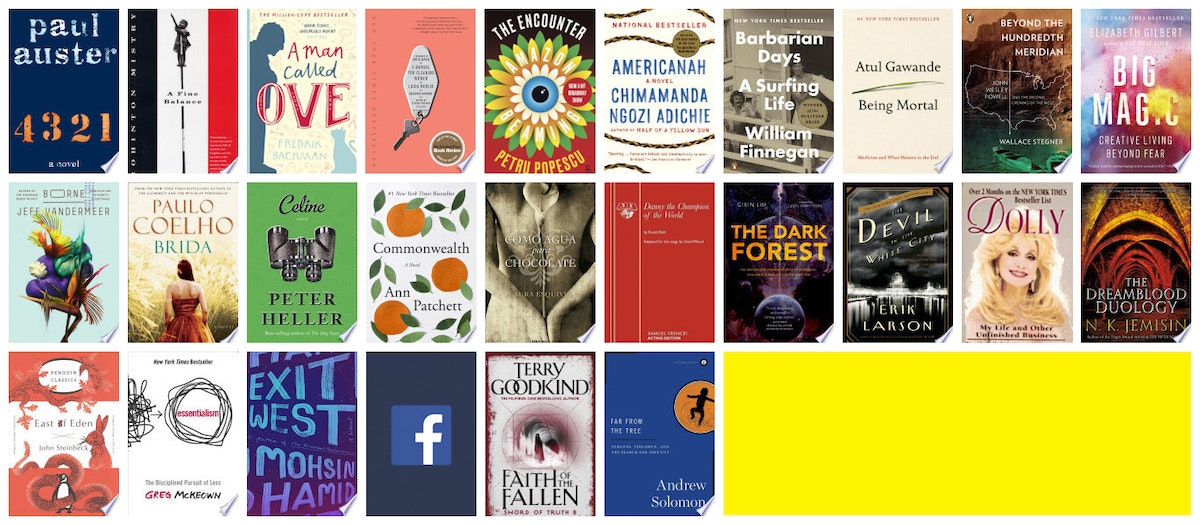
4321 ◆ A Fine Balance ◆ A Man Named Ove ◆ A Manual for Cleaning Women ◆ Amazon Beaming ◆ Americanah ◆ Barbarian Days ◆ Being Mortal ◆ Beyond the 100th Meridian ◆ Big Magic ◆ Borne ◆ Brida ◆ Celine ◆ Commonwealth ◆ Como Agua Para Chocolate ◆ Danny the Champion of the World ◆ Dark Forest ◆ Devil in the White City ◆ Dolly - My Life and Other Unfinished Projects ◆ Dreamblood Duology ◆ East of Eden ◆ Essentialism ◆ Exit West ◆ Facebook ◆ Faith of the Fallen ◆ Far from the Tree
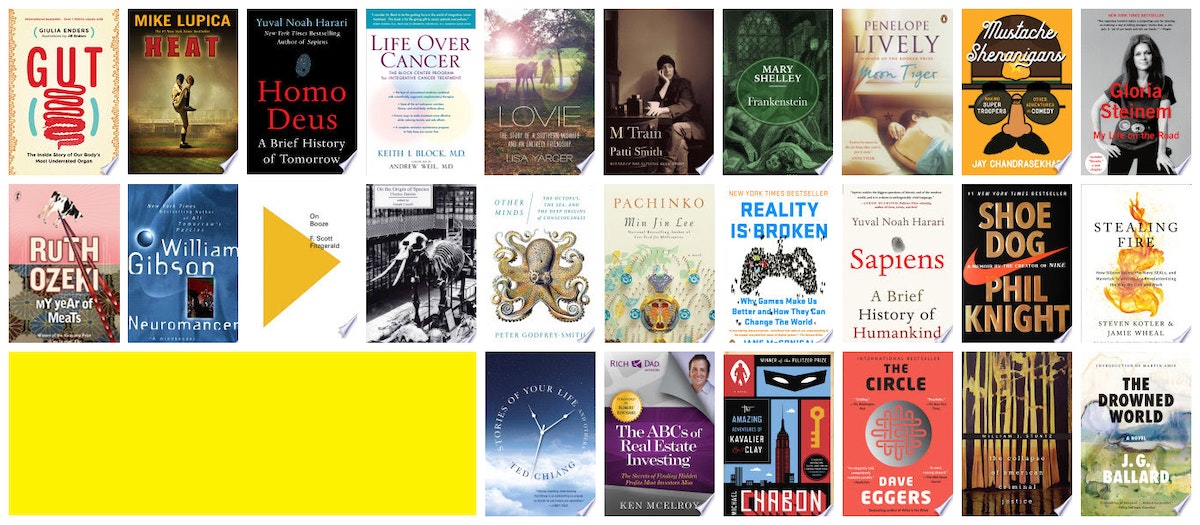
Gut ◆ Heat ◆ Homo Deus ◆ Life Over Cancer ◆ Lovie ◆ M Train ◆ Mary Shelley’s Frankenstein ◆ Moon Tiger ◆ Mustache Shenanigans ◆ My Life on the Road ◆ My Year of Meats ◆ Neuromancer ◆ On Booze ◆ Origin of the Species ◆ Other Minds ◆ Pachinko ◆ Reality is Broken ◆ Sapiens ◆ Shoe Dog ◆ Stealing Fire ◆ Stories of Life and Others ◆ The ABCs of Real Estate Investing ◆ The Amazing Adventures of Kavalier and Clay ◆ The Circle ◆ The Collapse of American Criminal Justice ◆ The Drowned World
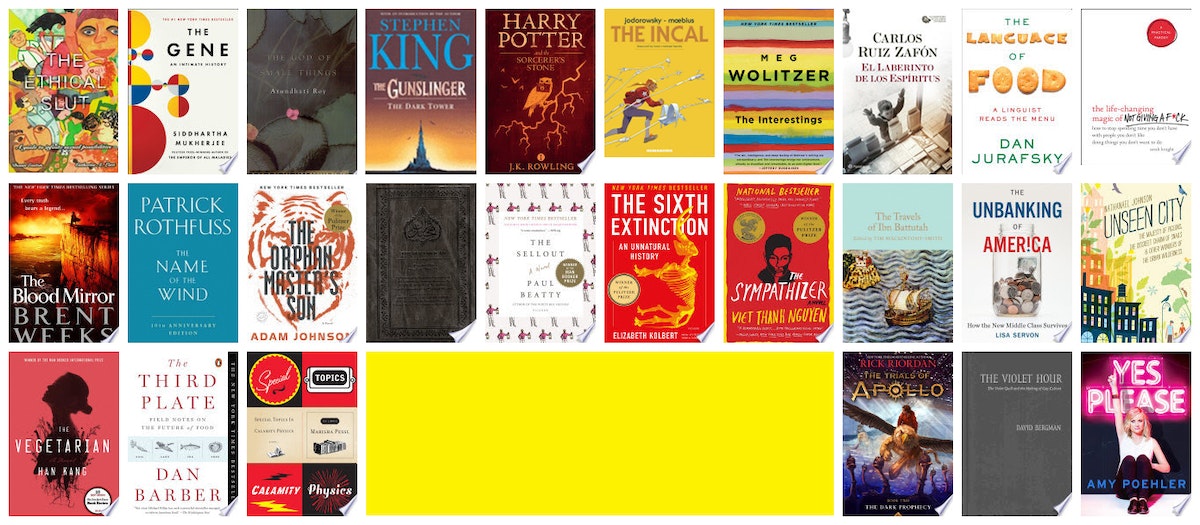
The Ethical Slut ◆ The Gene ◆ The God of Small Things ◆ The Gunslinger ◆ The Harry Potter Series ◆ The Incal ◆ The Interestings ◆ The Labyrinth of Spirits ◆ The Language of Food ◆ The Life-Changing Magic of Not Giving a F*ck ◆ The Lightbringer Series ◆ The Name of the Wind ◆ The Orphan Master’s Son ◆ The Quran ◆ The Sellout ◆ The Sixth Extinction ◆ The Sympathizer ◆ The Travels of Ibn Battutah ◆ The Unbanking of America ◆ The Unseen City ◆ The Vegetarian ◆ The Violet Hour ◆ Third Plate ◆ Topics in Calamity Physics ◆ Trials of Apollo II ◆ Yes, Please
What have you read (or listened to) on the list? And what are you curious to read? Tag your response on Twitter, Instagram, or Facebook with #bathroomread.
Visuals by Jane Ha.
There’s one IDEO tradition you’ll only get to witness if you stop by our San Francisco office with a full bladder. Every few weeks, a new question goes up on the bathroom wall. IDEOers pop into the loo throughout the day, spend a few moments minding their own business, so to speak, and the wall fills up with answers.

From Fungal Networks to Connected Businesses
What nature can teach us about collaboration
The podcast talks about how mycelium and mycorrhiza give plants a natural network for absorbing and sharing nutrients in soil. The fungi create connections with the rootlets of individual trees and grow further out to connect with the root networks of other plants. These networks create an “underground economy” by which trees can trade and share nutrients.

This method of sharing is a good lesson for business: A lack of connections can create inefficiencies and tensions between potential collaborators. Looking at these networks raised a question for us: How can we facilitate connections between real-world businesses that would allow them to share resources?
We got so excited about the idea we jumped right into building something: a prototype called Myko, a smart scale and sensors that create a mesh network allowing two businesses to share streaming data that benefits both parties. We took the opportunity to build with Nomad, an open source streaming protocol Reid Williams and Gavin McDermott have been developing at the CoLab.
Nomad works as a decentralized messaging system, an open source protocol to discover, publish, and remix live data streams from anyone, anywhere. Nomad is built on IPFS, a distributed network, engineered as universal infrastructure to be open, scalable, and durable.
The Nomad API is based on a publish and subscribe system. When someone creates a node, it can either publish data to peers on the network, or subscribe to other peer nodes on the network. Publishing nodes are called “atomic” nodes, while subscribing nodes are called “composite” nodes. When someone creates a node on the network, it’s given a unique ID. For a composite node to receive data from an atomic node, all that’s needed is this ID. From then on, any data that the atomic node publishes is delivered to the composite node in real time.
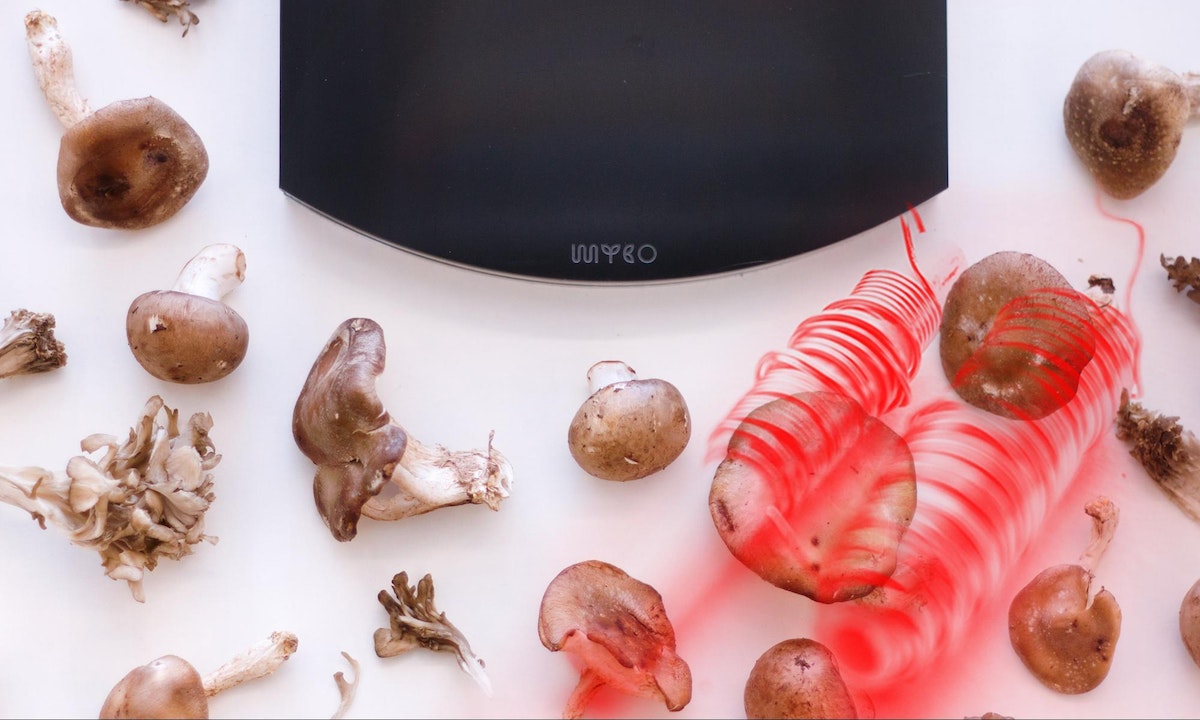
Warning, nerd paragraph:
Using a couple Particle Photons and force-sensitive resistors, we quickly set up two atomic nomad nodes capable of broadcasting real-time data from two connected objects. I used the particle event stream API to output data in a JSON format, so I could easily parse event objects just like I would with any REST API.
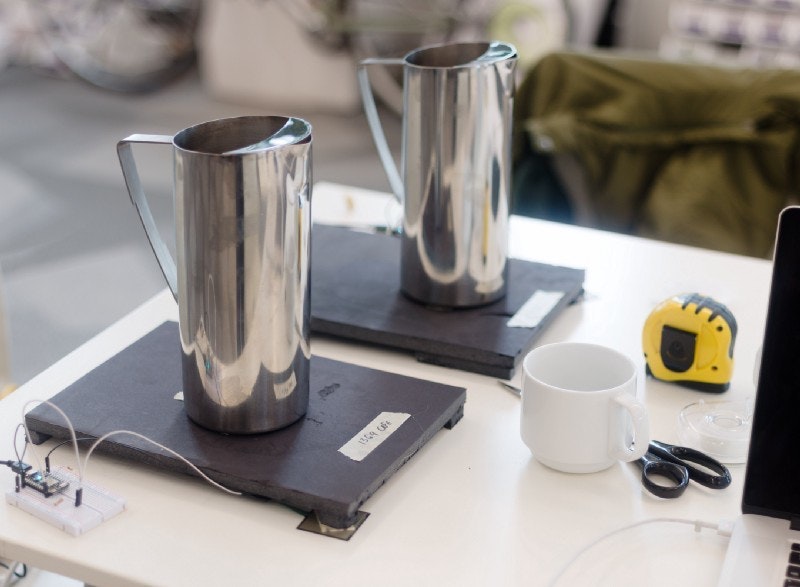
Since the Photons can broadcast anywhere with wifi and a power source, these nodes will always be running, providing a constant stream of data no matter how far apart they are.

In this prototype, we built two connected weight-sensing plinths for coffee pots to rest on. The weight data from the plinths allowed us to determine when new coffee was brewed, how old it was, how many cups had been poured, and how much was left (we could even see the cups being poured in real time). One pot sat in our office at the CoLab, and the other sat in a nearby coffee shop.
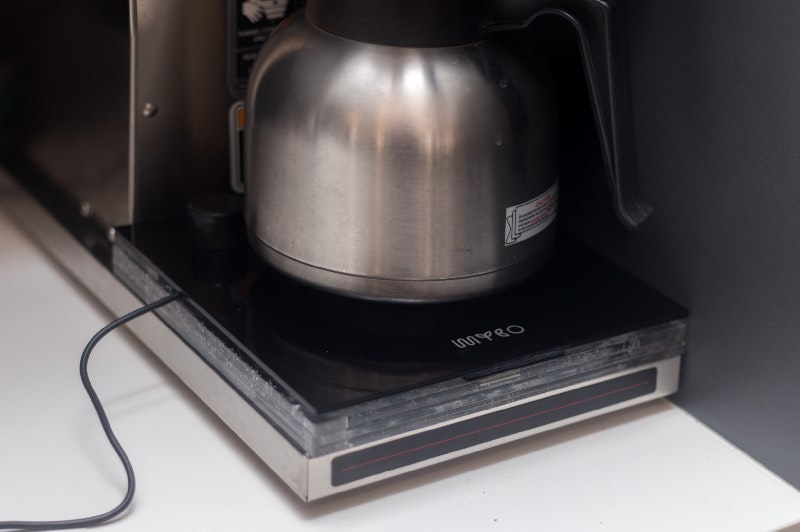
When the CoLab pot was old or out of coffee, and when the cafe’s pot was fresh or about to be emptied (which happens every 45 minutes at our local cafe — they’re serious about freshness!), a signal on the plinth at CoLab was activated to tell would-be coffee drinkers to head to the cafe for a walk outside and a fresh coffee. At the same time, a signal was activated on the cafe’s pot, letting them know that IDEOers were being sent over.
The partnership possibilities created by this workflow are endless. For example, what if CoLab diverted some of its monthly studio coffee budget to create a steady income stream for the cafe? Could the cafe institute dynamic pricing on its coffee to reduce food waste? What about baked goods that go stale the next day? Could neighboring cafes use infrared sensors to share their current occupancy to load-balance their wait times in line or their occupied seats?
These questions sparked a lot more ideas and another experiment, in which we used Nomad to reduce coffee and food waste at the cafe. When a barista brewed a fresh pot of coffee, they simply pressed a button to send a notification to customers with the app. After 15 minutes, the price of a cup of coffee dropped by 10%. After 20 minutes, it dropped by 45%, and so on. Since we knew the cafe threw out its coffee after 45 minutes, we could set a timer to reset the price to normal levels when a fresh pot was ready.
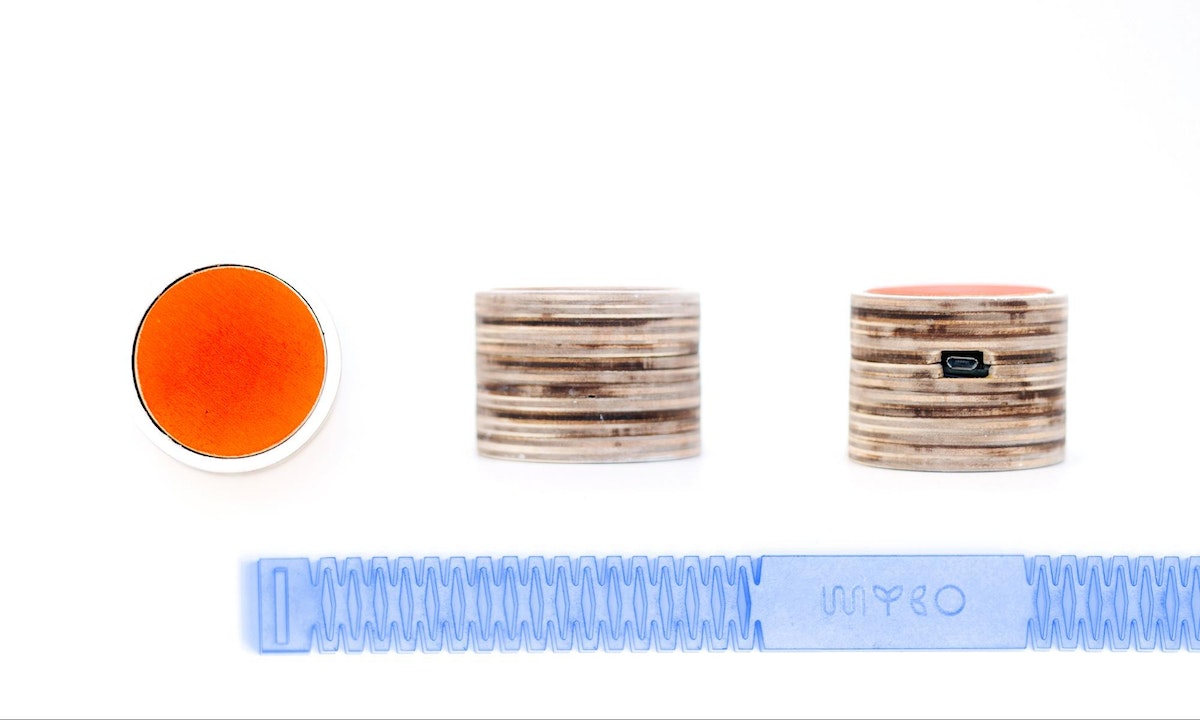
In our prototype, coffee drinkers could see dynamic pricing via an app. This website was a small nomad web app powered by data from the Myko button in the cafe.
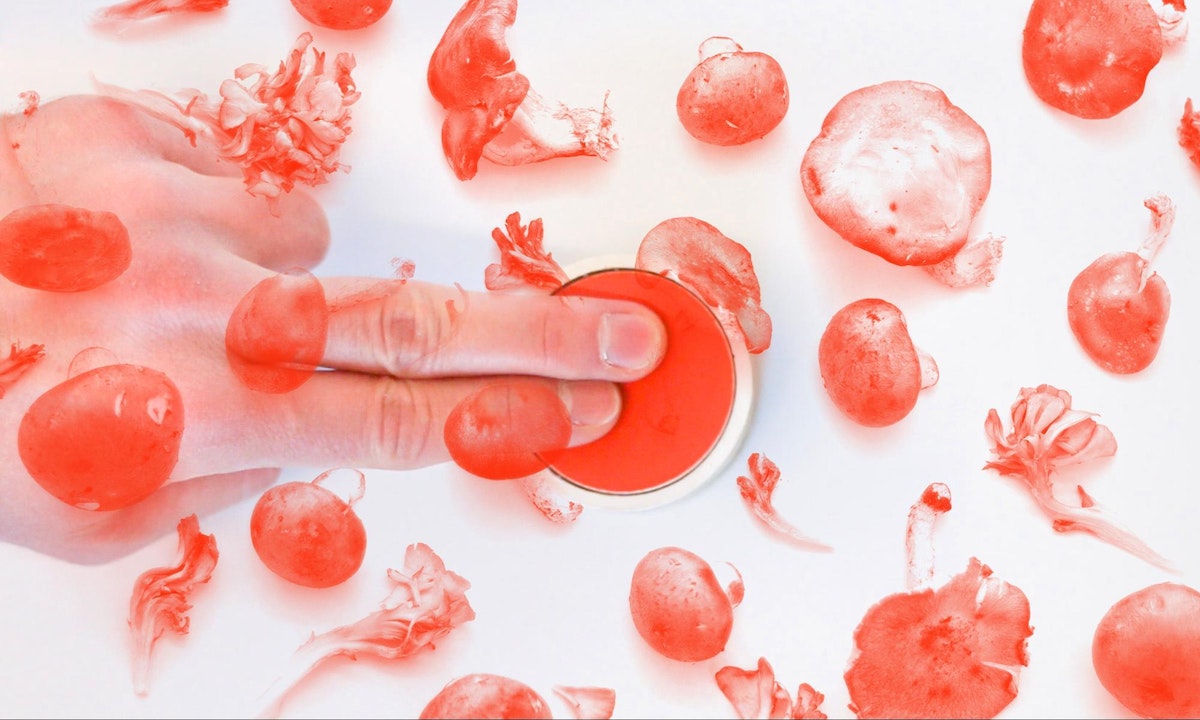
Whenever the user viewed the app, it displayed the current price of the coffee and a “buy now” button that used Stripe to create a purchase. When a user purchased a coffee, they received a unique code to redeem for the cup they purchased at the shop. The app operated off of a simple set of events whose time and content could be customized.
Something I didn’t have time to implement in the experiment was customization. Ideally, a cafe owner would be able to create new events themselves, adjusting elapsed time, content, and price with just a few taps. While this example isn’t a perfect design, we’re inspired by the live connections it can form between the cafe and its patrons.
Coffee isn’t a life-changing mechanism, but these prototypes represent a developing form of communication between objects and organizations. As we create digital twins of real world objects, our world becomes a living, breathing network, driven by data that we generate by going about our daily lives. Will smart cities be able to divert traffic through different routes based on live congestion data? Can a group of sensor-outfitted machines in a factory automatically organize a group-buy of replacement parts at a discount to the facility owner? These are questions that I’m hoping to answer through these digital fungal relationships.
Adapted from IDEO CoLab’s post on decentralizing chat here.
At IDEO CoLab, we love thinking about what nature can teach us about emerging technology. Recently, we revisited an old podcast from a source we adore: Radiolab. Their episode From Tree to Shining Tree inspired us when we were thinking about naturally-occurring mesh networks.

The Jam Session That Spanned Three Continents
Eight designers, five cities, three countries, one song
Since 2008, when I officially started making music under the name Crunchybird, I’ve learned a fair amount about recording and playing. One of the biggest lessons has been how awfully lonely being a one-man band can be—not just socially, but creatively. There's no pushing and pulling, no building on each other's ideas.
So I asked myself: How could I pull in some of my friends from around the globe to make music with me?
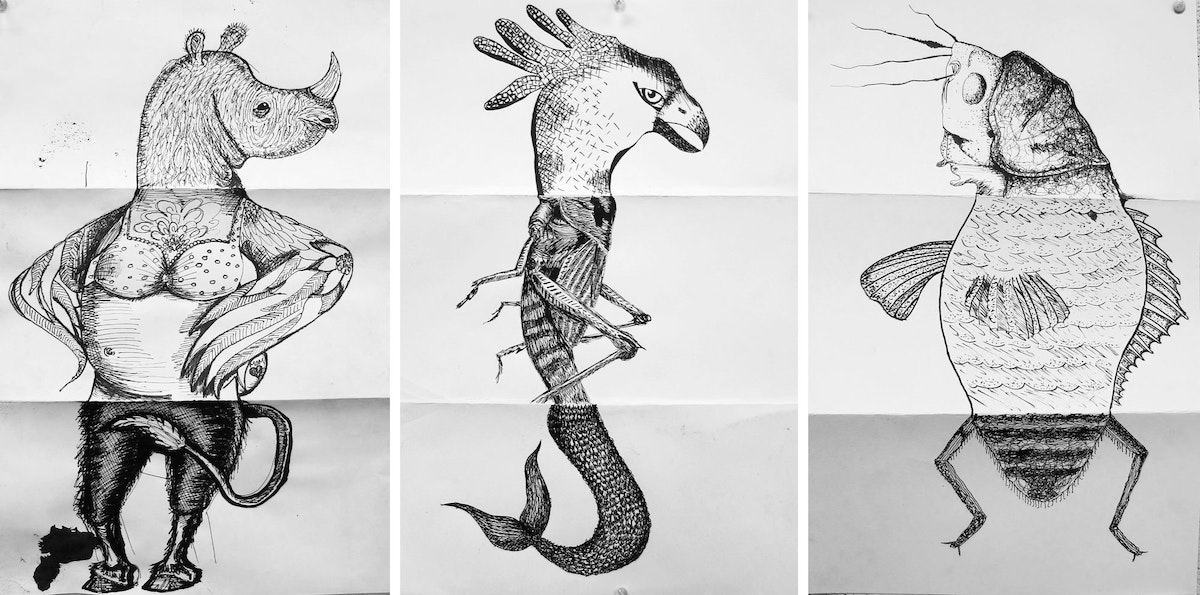
I’ve always loved the concept of Exquisite Corpse, the Surrealist parlor game where someone starts a drawing and passes it on to others to continue. The final artwork is always unexpected, occasionally horrifying, and unavoidably original. Could we pull off a musical version? I was curious to see where it could go, so I threw the challenge to a motley crew of musically-minded colleagues around the world.
The rules were simple: Start something and pass it to someone else, somewhere else. That person spends a day adding to it, then sends the track to the next collaborator. And so on. We called the project "Exquisite Chords."
I learned a lot from the process. Before I walk you through the track my friends and I built together, here are some design principles to get you going.
3 tips for creative collaboration
- Start small and let go. When you collaborate with others, it’s tempting to set up a very detailed structure with a lot of constraints. For this project, it was fun to start with something more basic and give people the room to interpret it and shape it their own way. Don’t overthink it. Just let everyone throw something into the mix.
- Make each other successful. It can be really cool to see how participants take each other's work and improve on it. It's the musical version of the classic improv response "Yes, And…" Take what’s awesome and make it more awesome.
- Guide the vision. Creative collaboration can be terrifying. You have no clue how something will turn out, and it can be a disaster—the phrase "too many creatives in the kitchen” comes to mind. But as the leader, you have the opportunity to influence the end result. It’s important to respect people’s contributions, but to also know when to take the wheel and shape the outcome.
Exquisite Chords, step by step
Here's how our musical experiment started: One night, while sitting on the couch on our tiny apartment in Tokyo, with my wife and kid sleeping in the next room, I recorded a one-bar bass line over a simple beat on my Mac. What you’ll hear is an insomniac trying to make some sound very quietly:
I tossed the track over to my friend George Joseph, a communications designer at IDEO San Francisco, and an actual musician. He laid down some sweet, dynamic goodness atop my track in just a couple of minutes because he is, as noted above, an actual bassist. He also recorded an awesome vocal take. The lyrics are still a mystery to me:
George then shared the track with our friend Simon Heather, a business designer at IDEO New York, who we had heard has some shreddy chops on the electric guitar. It was true:
Simon passed the ball to Nick Dupey, a design director at IDEO Cambridge. Nick has a toddler named Julian Rose, who he recorded making toddler sounds:
Nick punted it to merry Munich, where design directors Franz Blach and Trent Huon took the whole affair to another level. Franz busted out a cornucopia of manipulated acoustic guitar sounds. He then arranged the pieces into a more dramatic song structure—verse, chorus, bridge, and outro included:
Trent added a touch of madness, crooning about the changing of the seasons on top of the new arrangement, improving the melody George had created:
And then it went back to San Francisco, where interaction designer Zubin Pastakia tacked on some angelic synths to round out the crescendoing finale:
Once the track was back in my hands in Japan, I realized the bass line that started it all would work better on the piano, so I re-recorded the melody and added a few parts to fill in the new arrangement. The piano complemented Franz’s acoustic guitar, which unfurled into a nice little wandering outro that could probably go on to be another song.
Finally, I worked with my producer friend Hamacide (a.k.a. Yusuke Hama) here in Tokyo to help tuck everything in, smooth it out, and make some final mixing and mastering adjustments to bring it all up to the next level.
Here's the final track, “Leaving Light”:
Our first collaboration as Exquisite Chords was indeed unexpected (and not too horrifying, I hope). What started as quiet plucking on a sleepless Tokyo night had blossomed into a trip-hop adventure for eight people from five cities in three countries. We never spoke to one another—it all happened over email and Dropbox.
It may not be perfect, or even be for everyone, but it's ours.
Want to join our digital jam sesh? Download the tracks above, add your own layer of sound, and tag your new mix with #ExquisiteChords.
I’m not a trained musician. But music is my favorite way to carve things out creatively. That is to say, I tinker with instruments to make noises that sound good together until I am smiling a lot. I'm not spitting out perfect tracks, but I'm having fun.

7 Tips for Seamless, Sexy Typography
For more friends and fewer misunderstandings
1. Keep a steady rhythm with ideal line lengths
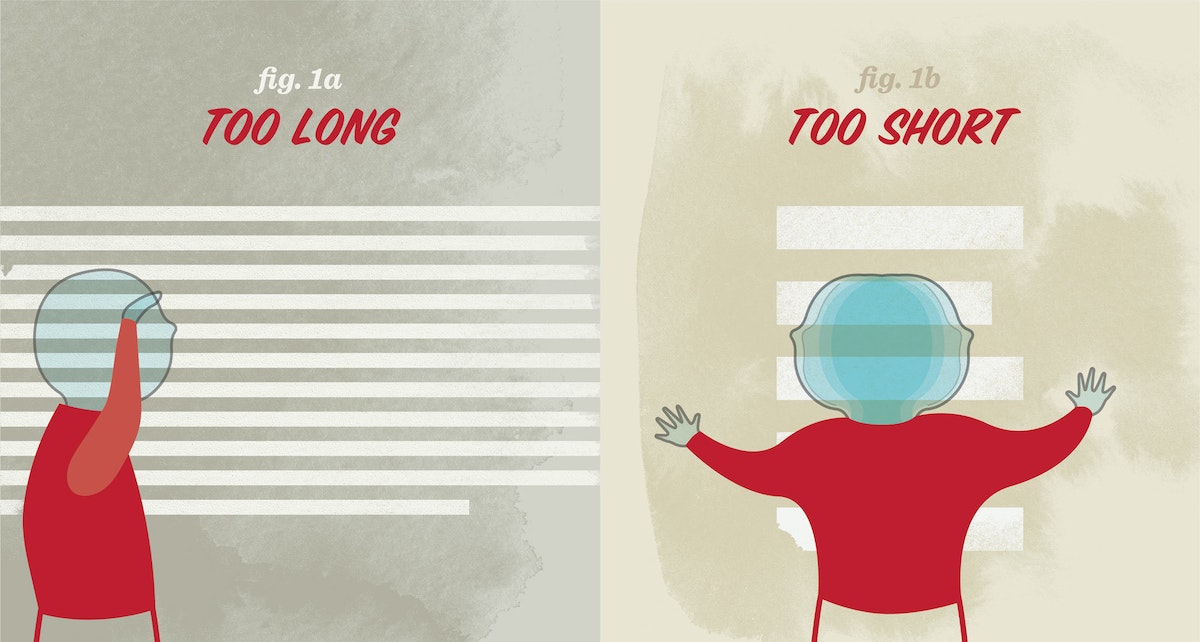
The length of a line determines how much distance the reader’s eyes must cover to read it from left to right. Long line lengths make the text seem never-ending. Short line lengths make the reading experience erratic, and can cause the reader to miss important words. An ideal line length is 66 characters (including letters and spaces). For one column of text, aim for 45–75 characters per line; for two columns of text, 40–50 characters per line.
2. Use the right kind of dash
Dashes, such as hyphens, vary in length depending on the typeface.
The em dash (—) is a long dash, the length of the uppercase “M.” It can be used as an alternate for commas, parentheses, or colons, and is an incredibly versatile way to create emphasis in your writing. When used in multiples, the em dash also indicates missing portions of a word (s——t).
The en dash (–) is half the length of the upper case “M”—shorter than the em dash, but longer than the hyphen. It is used to separate a range or span of numbers, and is sometimes used to connect a prefix to a proper noun.
Keyboard Shortcuts
Em dash (—): shift + option + hyphen
En dash (–): option + hyphen
3. Don't put hyphenation in auto-drive
In the digital age, we often take hyphenation for granted, opting to use the “auto-hyphenate” setting, but there are some best practices to keep in mind when typesetting with hyphens.
If you are breaking a word between two lines, keep at least two characters in the first line and at least three characters on the second line. Try not to hyphenate consecutive lines. To “un-break” a word between lines, use a soft return (shift + return) at the beginning of the word to force it onto the second line.
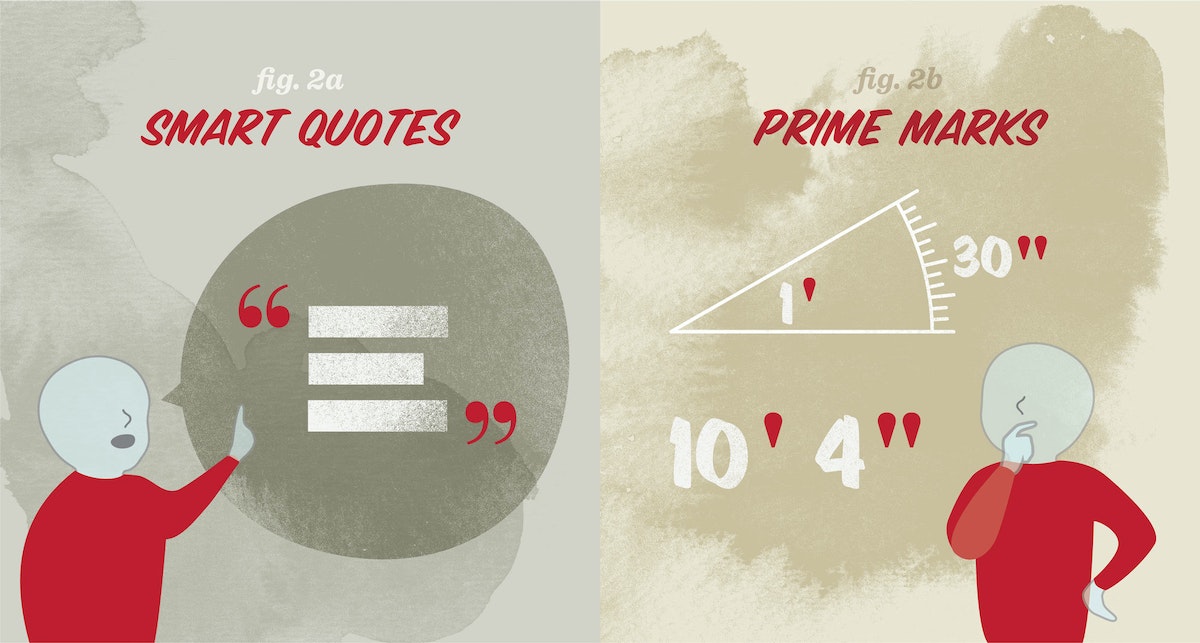
4. Know the difference between smart quotes and prime marks
Prime marks ( ' ), also known as straight quotes or dumb quotes, are often accidentally used in place of smart quotes ( ‘ ), also known as curly quotes. Prime marks are a remnant of the typewriter, which only had prime marks to save space on the keyboard. So what’s the difference? Prime marks are used for units of measure (feet, inches, seconds, and minutes); smart quotes are used to indicate something someone has said.
Keyboard shortcuts
Left single quote ( ‘ ): option + ]
Right single quote ( ’ ): shift + option + ]
Left double quote ( “ ): option + [
Right double quote ( ” ): shift + option + [
5. Maintain a strong vertical axis
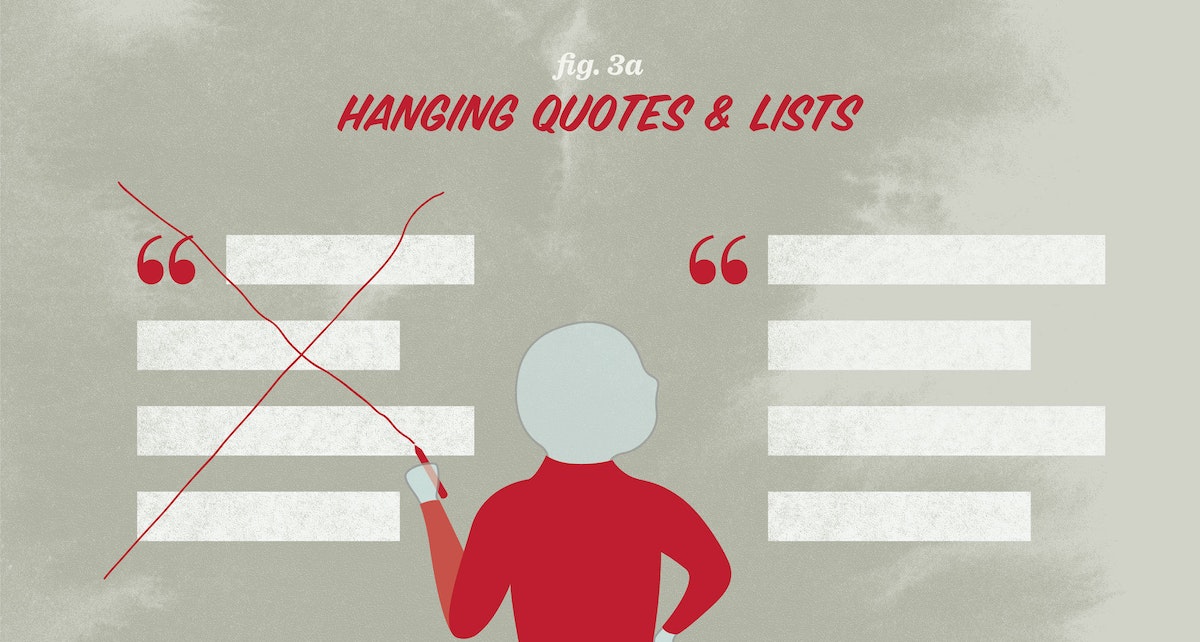
Hanging text, or outdenting, means moving typographic elements into the left margin. You do this to create a consistent vertical axis along the left end of the text. Quotes, bullets, and dashes do not take up as much visual space as a letter, so a list or quote that has not been hung, or outdented, can sometimes be mistaken for a new paragraph and cause unintended breaks in the reading rhythm.
6. Be on the lookout for widows and orphans
Try to avoid widows and orphans in your text. Widows and orphans are one or two words at the end of a sentence that are pushed to a new column or page; widows are at the end of a column, orphans are at the top of a page. They create very short lines and gaping holes of white space that can be visually disruptive for the reader. Maintain the flow of each sentence by using a soft return to eliminate stray words.
7. Track out all-caps text and use all-caps sparingly
When designing fonts, typographers must determine the amount of space around each letter so that letters of different sizes appear evenly spaced. The spacing around uppercase letters is often a little tighter, so that they can sit closer to the lowercase letters in a mixed-case word. When you typeset a word in all-caps, the letters will appear very close together. Remedy this by tracking out, or letter-spacing, all-caps words by about 10% of the point size height. For more details and examples on tracking (and how it’s different from kerning), take a look at Ellen Lupton’s book Thinking with Type, also available digitally here.
If your writing uses a lot of acronyms, consider selecting a typeface with a small caps font. Small caps are all-caps fonts designed within a typeface so that each letterform is only slightly taller than a lowercase letter. Small caps are automatically letter-spaced, and should not need any additional tracking.
Hungry for more on typesetting? Below are a couple of my favorite tried-and-true typesetting references:
A Type Primer by John Kane
The Elements of Typographic Style by Robert Bringhurst
Practical Typography by Matthew Butterick
Typography can be expressive, informational, or abstract. But sometimes it just wants to be invisible, allowing the content to take center stage. In this first installment of our Type Talks series—where IDEO designers nerd out about all things typographical—we offer tips for seamless, sexy typesetting (that you hardly notice).

Lindsey Turner
I’m passionate about building brands, products, and experiences that help organizations show up with meaning and momentum.
I help organizations cut through complexity by shaping how they show up, through brand strategy, identity, and storytelling.
Working at the intersection of brand and business, I bring an editorial eye and a bias toward making—turning ideas into tangible experiences that people can understand, trust, and believe in.
My work spans government, healthcare, financial services, media, and consumer goods, from launching Gen Z-focused ventures to building innovation labs and reimagining legacy brands. I relish moments of ambiguity and enjoy translating across teams, perspectives, and priorities to move ideas forward.
I started my career in editorial and digital design, shaping cross-platform experiences and identity systems in publishing and agency environments. That foundation still shapes how I work today: I’m detail-oriented, collaborative, and overreliant on the Oxford comma. I hold a BFA in Visual Communication from the School of the Art Institute of Chicago.

Rachel Young
My work helps organizations see who their products aren't working for—and build the will and the tools to do something about it
For 25 years, I've asked the same question: Who does this design exclude—and what are we going to do about it?
My work spans human-centered strategy, inclusive design, and qualitative research, with clients ranging from Microsoft, Google, and Verizon to the National Science Foundation, and San Francisco Unified School District.
Before IDEO, I taught elementary school in East Palo Alto and spent a decade doing design work with social service organizations—where I learned firsthand what it costs people when systems are built without them in mind.
I am currently writing User Error, a nonfiction book about digital access and the design decisions behind it. I live in Oakland, California.

Brian Pelsoh
I lead with craft, ensuring our work is creatively excellent: rooted in deep human insight and imagination, while also grounded in the realities of business and technology.
My expertise spans brand, communication, and product design across tech, education, the arts, and social impact.
I believe great work demands both high-level vision and obsessive attention to detail, and only happens through collaboration.
I bring an inclusive, hands-on approach and a deep understanding of business, which enables me to consistently deliver excellence while always asking why.
Before joining IDEO, I worked at the brand firms Pentagram and VSA Partners. I began my career as a designer, leading teams at the School of the Art Institute of Chicago and the Milwaukee Art Museum. I hold an MFA in graphic design from Maryland Institute College of Art and a BFA in communication design from the Milwaukee Institute of Art & Design, and have taught at some of the best design schools in the US.

Tony Wong
I am responsible for IDEO’s long-term success in China and working with clients to use design as a tool to enable growth.
I am responsible for IDEO’s long-term success in China and working with clients to use design as a tool to enable growth. Specifically, I have helped Chinese companies design holistic brand solutions through the development of their products, communication, services, and innovation teams, and I have helped multinationals expand their presence and influence in China.
I advise global leaders on developing China-led innovation and capabilities.
In over 15 years in IDEO Shanghai, I have worked on projects that use design to elevate the quality of the experience of healthcare products and services, streamline processes that increase productivity, create spaces and programs that promote and enable inclusive communities, and build next generation mobility solutions that are planet-positive.
Before joining IDEO, I worked at Philips Electronics and the Electrolux Group in Italy, the Netherlands, and Singapore on a number of breakthrough commercial products. I am a member of the Young President Organization in Shanghai.

Unlock a Creative Confidence mindset
Build the courage to act on your ideas and learn by doing.
IDEO Partner Tom Kelley is passionate about moving organizations and people from understanding and utilizing the tools of design thinking to unlocking a creative confidence mindset. In this Creative Confidence series chat, Tom and Suz will discuss how to make room for creativity within hierarchical organizations, Tom’s philosophy on leading for creativity, and growing from design thinking into creative confidence as an individual and an organization.
Looks like you might be in search of something very specific?
Or reset the filters above and try another angle.
Here’s some random inspiration

Podcasts about creative leadership
Articles about the power of prototyping