
.svg)



Reintroducing The Lawrence Hall of Science
A lively new brand reenergizes a STEM learning institution.
Named after Ernest O. Lawrence, UC Berkeley’s first Nobel Laureate, The Lawrence Hall of Science’s wide-ranging products, services, and tools developed organically over half a century. To begin to make sense of the breadth and depth of its offerings, IDEO asked leadership and staff to surface the myriad activities, audiences, and relationships with external partners, enabling the group to visualize—and make sense of—the totality of The Lawrence brand.
During in-depth research with parents and kids, educators, and experts, IDEO discovered that each of these audiences had distinct mindsets. Parents and kids engaged with The Lawrence to explore, have fun, and dive deeper into a specific topic. Educators utilized it for professional learning opportunities and to discover new, exciting classroom tools. While experts, including UC Berkeley faculty, STEM educators across the US, and funders, viewed the center as a resource for best-in-class STEM education research. The mindsets highlighted The Lawrence’s unique capabilities, but the complexity also created some opportunity areas, including ways to use storytelling to create emotional resonance around The Lawrence’s core values and how to design a unified narrative to connect the dots across audiences and offers.
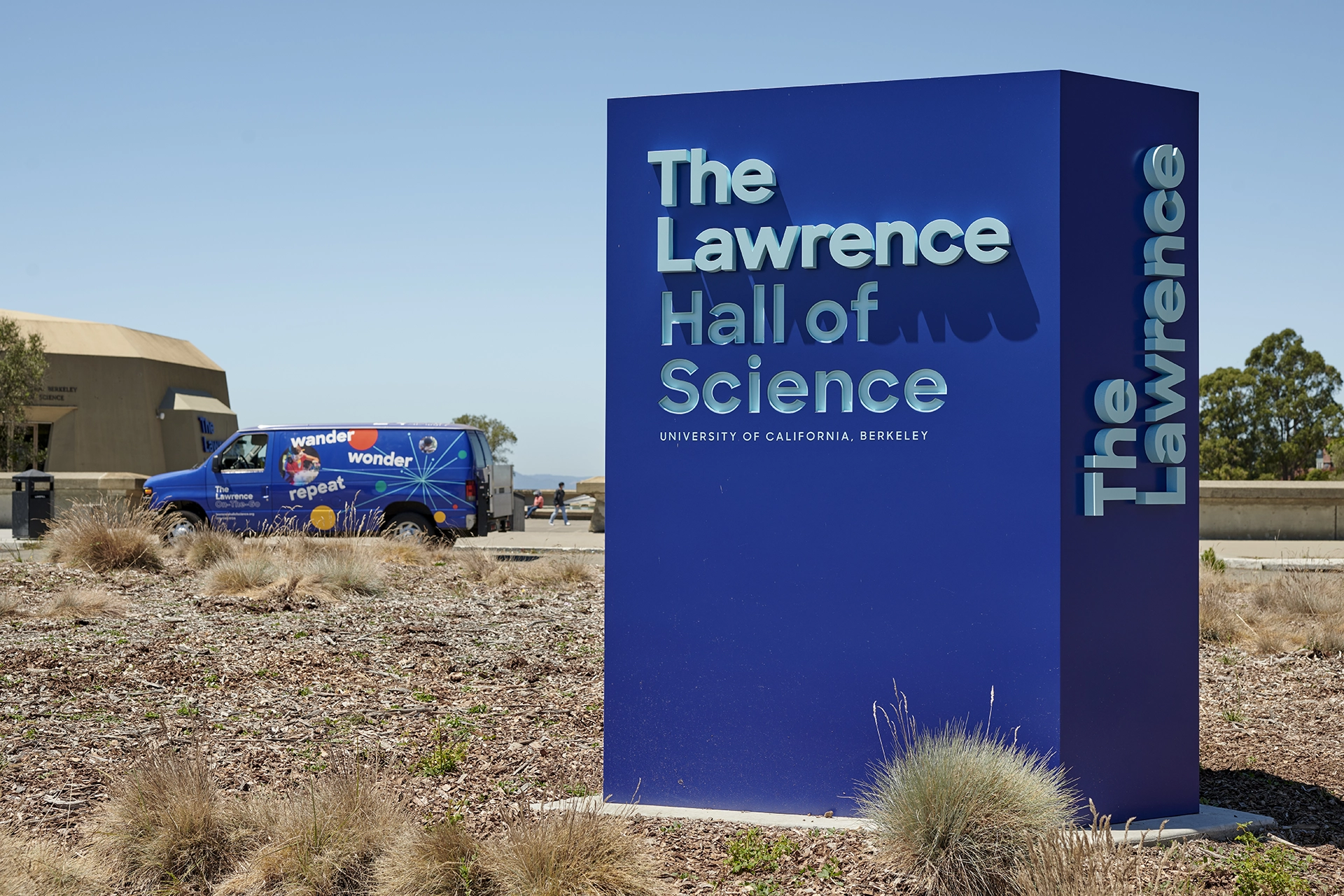
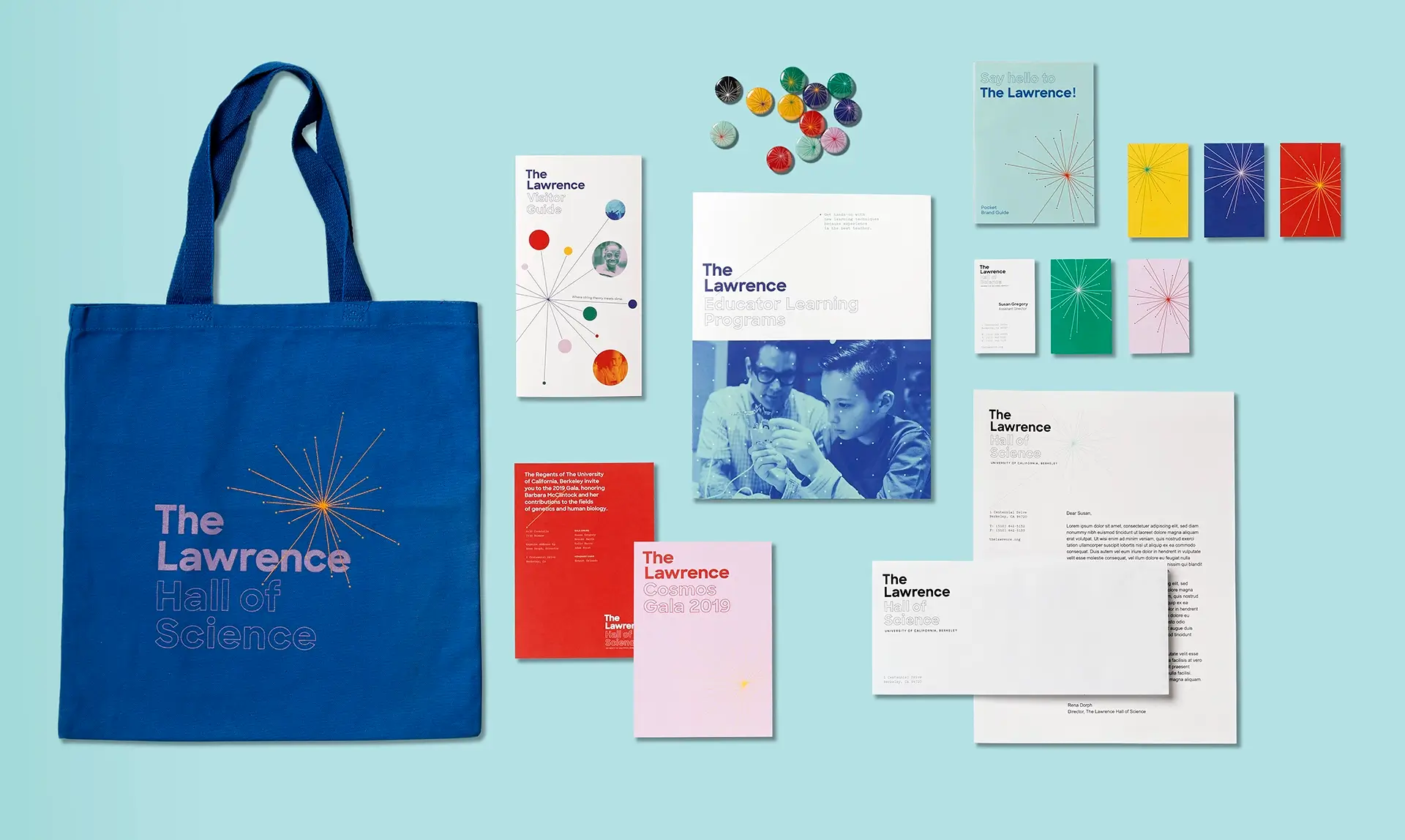
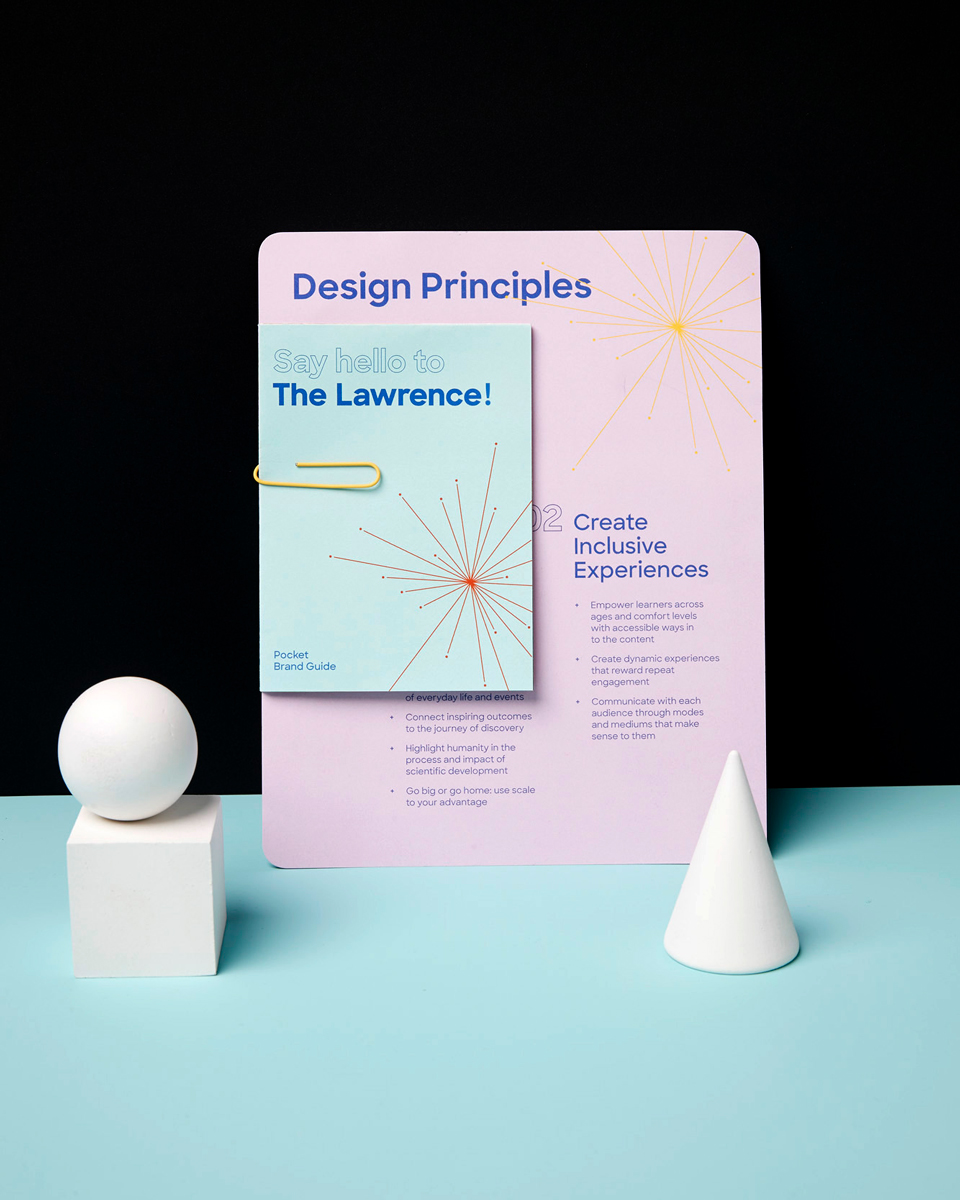
Building on its strengths as an institution and the identified opportunity areas, IDEO created a modern, vibrant, and flexible brand that strategically and visually unites all of The Lawrence’s offerings, working across digital and physical media. Grounded by a grid system, the updated brand identity is simultaneously rigorous and fun, featuring a bright color palette and signature retro-cool super-nova mark. Different offerings are bundled together based on different audience needs, preventing confusion and easing navigation. Even the name of the science museum, The Lawrence Hall of Science, was updated to a more contemporary and approachable, The Lawrence, inspired by The Met.
The Lawrence unveiled its new brand with much fanfare in late 2018 as part of its year-long 50th anniversary celebrations. Visitors can see the updated identity across all public-facing elements, including The Lawrence’s website, curriculum and educator materials, letterhead, collateral, and exhibition and wayfinding signage. The redesigned brand has been credited with bolstering the popularity of the science center among families and schools and causing ticket sales to return to—and exceed—pre-pandemic levels. Internally, the rebranding effort has helped generate excitement and energy across departments, helping solidify a collective future strategy and vision for its next 50 years.

The Lawrence Hall of Science’s diverse offerings had grown extensively over the decades, creating a confusing and disjointed experience for its various audiences. On the eve of its 50th anniversary, Lawrence leadership sought a brand refresh to better connect with its target audiences and differentiate itself in the STEM education ecosystem.
Over $6M in new funding
raised to transform and modernize The Lawrence, thanks to IDEO's rebranding effort
Reinventing classic British pubs and inns
Greene King’s upscale Everly Hotels Collection combines modern comfort with local impact.
When Greene King approached IDEO in early 2022, it was (and still is) one of the UK’s leading hospitality brands, with over 2,600 pubs, restaurants, and hotels. At that time, consumers in the UK and other parts of the world were beginning to rediscover the joys of travel after years of pandemic lockdowns. Greene King’s newly formed Venture Hotels Team wanted to understand how guest expectations had shifted during Covid-19 and how a new customer-centric hotel brand and signature service experience might meet—or exceed—their expectations.
To get inspired, the IDEO team interviewed a range of travelers of different ages and backgrounds, met with hospitality and luxury experts, and conducted immersion visits, including visiting high-end hotels. The research revealed modern travelers want unique hotel experiences that cater to their curiosity, support local communities, and are environmentally sustainable. Luxury, which once meant “exclusive,” was now about enabling one-of-a-kind cultural experiences. Today’s travelers value inclusivity, accessibility, and well-being; they want to feel welcome, do things at their own pace and have thoughtfully curated options to choose from. They also expect hospitality practices to be ethical and sustainable, contributing to the welfare of local communities and the planet.
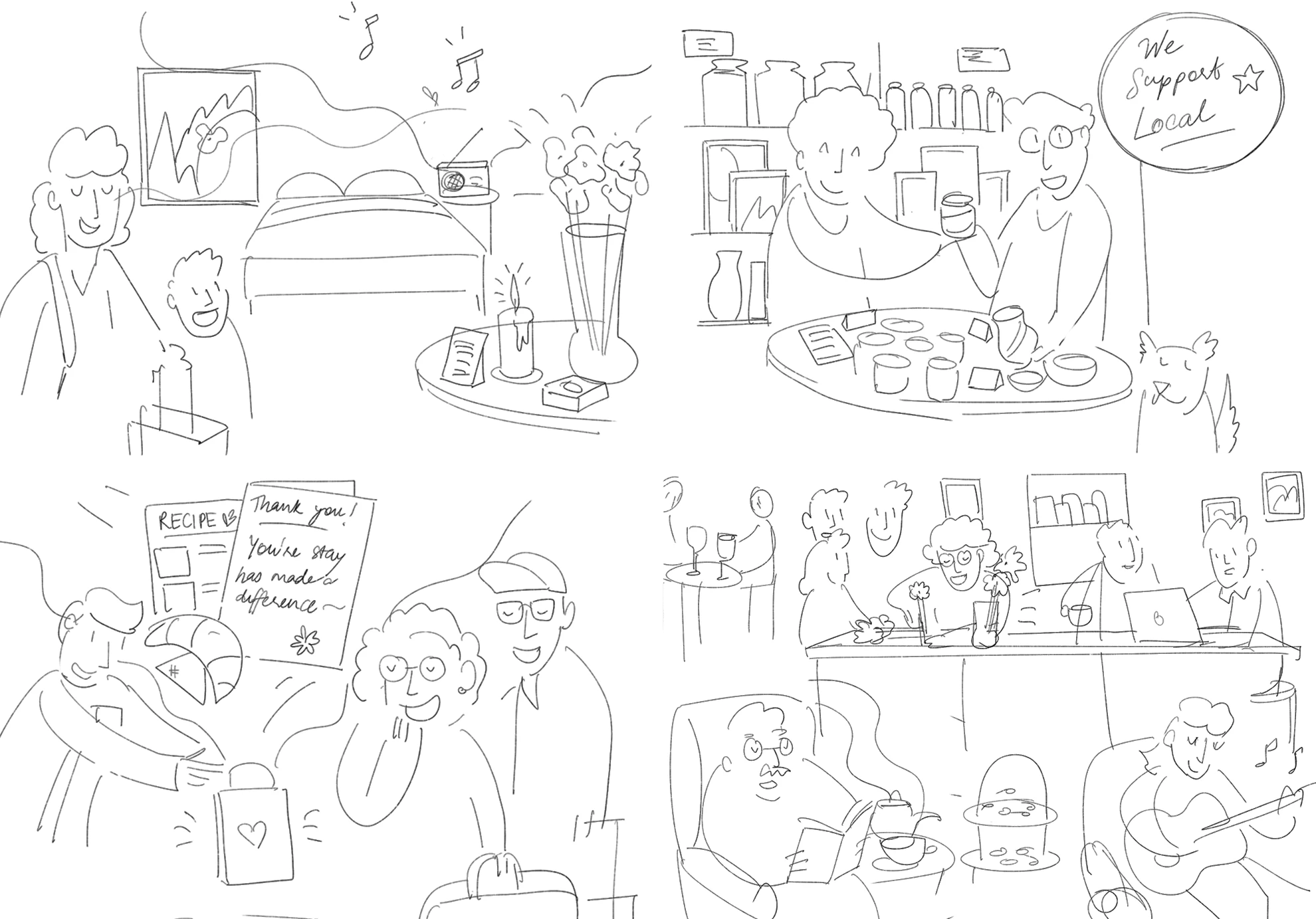
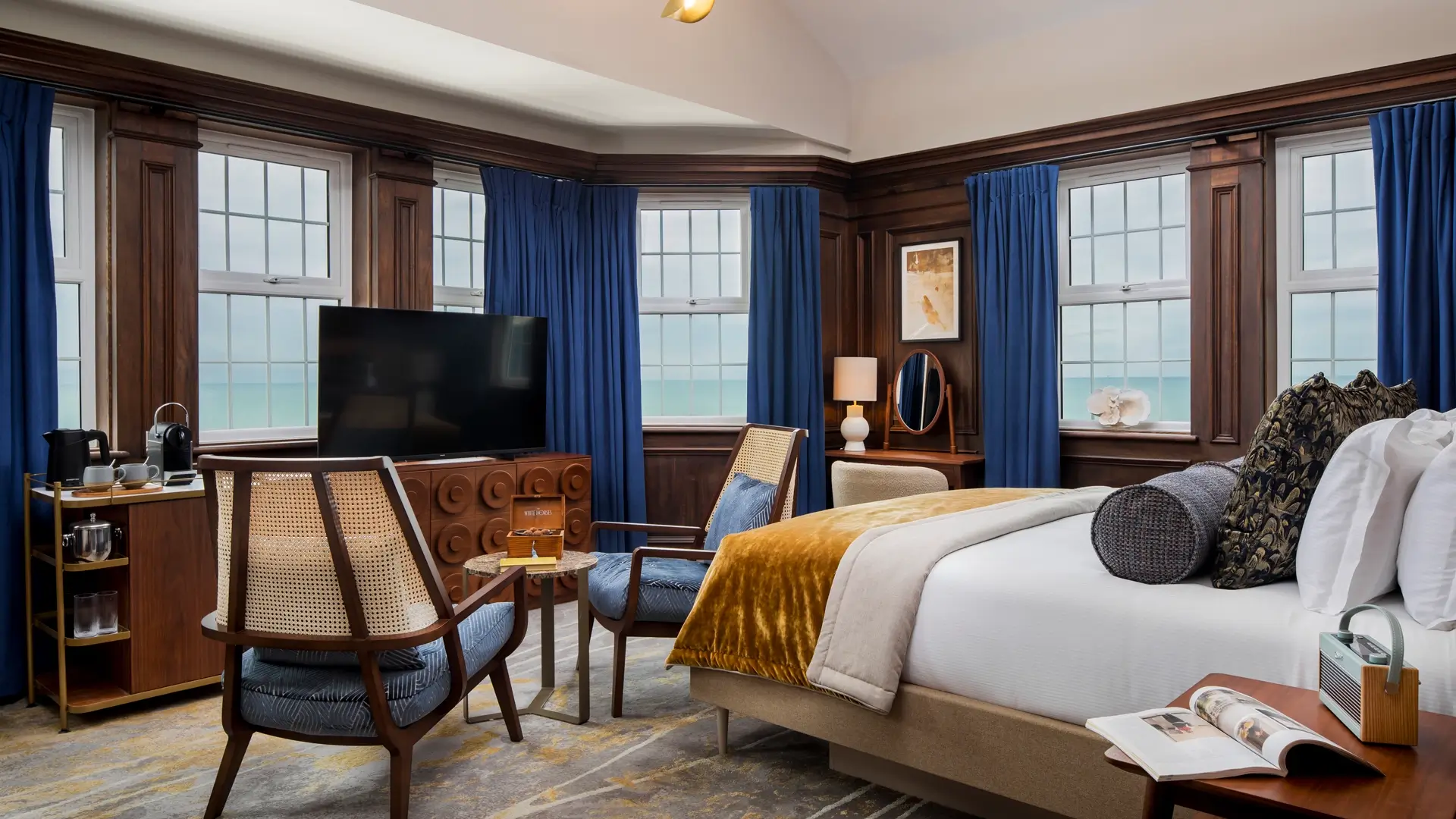
Building off this research, IDEO crafted a new entry proposition for Greene King’s new Everly Hotels Collection called “The Discover Collection,” which leverages the best parts of a classic British pub and inn—bespoke historic locations full of character, culture, and stories—while offering guests a modern experience from pre-arrival to departure, all grounded in supporting the communities they are in.
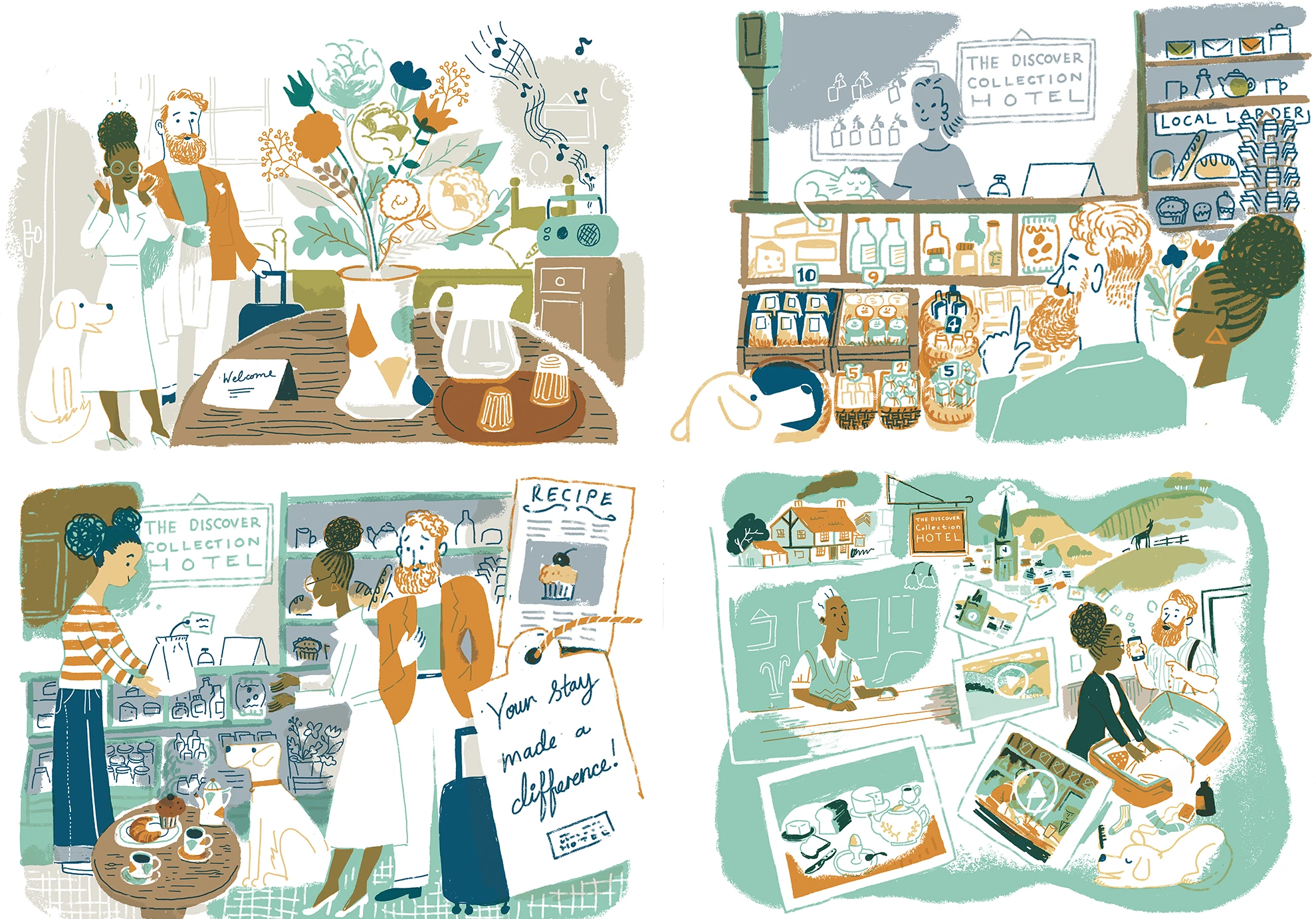
Signature moments include a warm welcome during check-in, as well as staff recommendations and local maps highlighting neighborhood gems. During their stay, guests enjoy expansive seasonal food menus, as well as a beverage menu that includes a wide variety of locally brewed, distilled, and crafted drinks by local suppliers. Rooms feature a smuggler's treasure chest with a surprise treat. Art and books from local talent are on display throughout the hotel, and local experts lead activities and events. Guests tangibly experience Greene King’s commitment to sustainability through its use of local materials, produce, talent, and partnerships, all designed to support the surrounding community. Upon departure, guests receive a personalized postcard.

In addition to the hotel experience moments, IDEO delivered branding recommendations for The Everly Hotels Collection, including visual identity and tone of voice that provide a cohesive look and feel for the collection of hotels while simultaneously showcasing each property's unique character. This was all packaged as an experience playbook, with design principles and briefs to help guide implementation decision-making across Greene King’s marketing, digital, interior design, and food and beverage teams.
A few months after the project ended, Greene King launched The Everly Hotels Collection. Its pilot hotel, The White Horses in Rottingdean, East Sussex, opened within the year. The new brand and guest experience strengthened bonds with Greene King’s loyal customers and first-time guests, ensuring the brand's relevance and appeal in a competitive market. More hotels are planned in the future in other scenic UK locations.
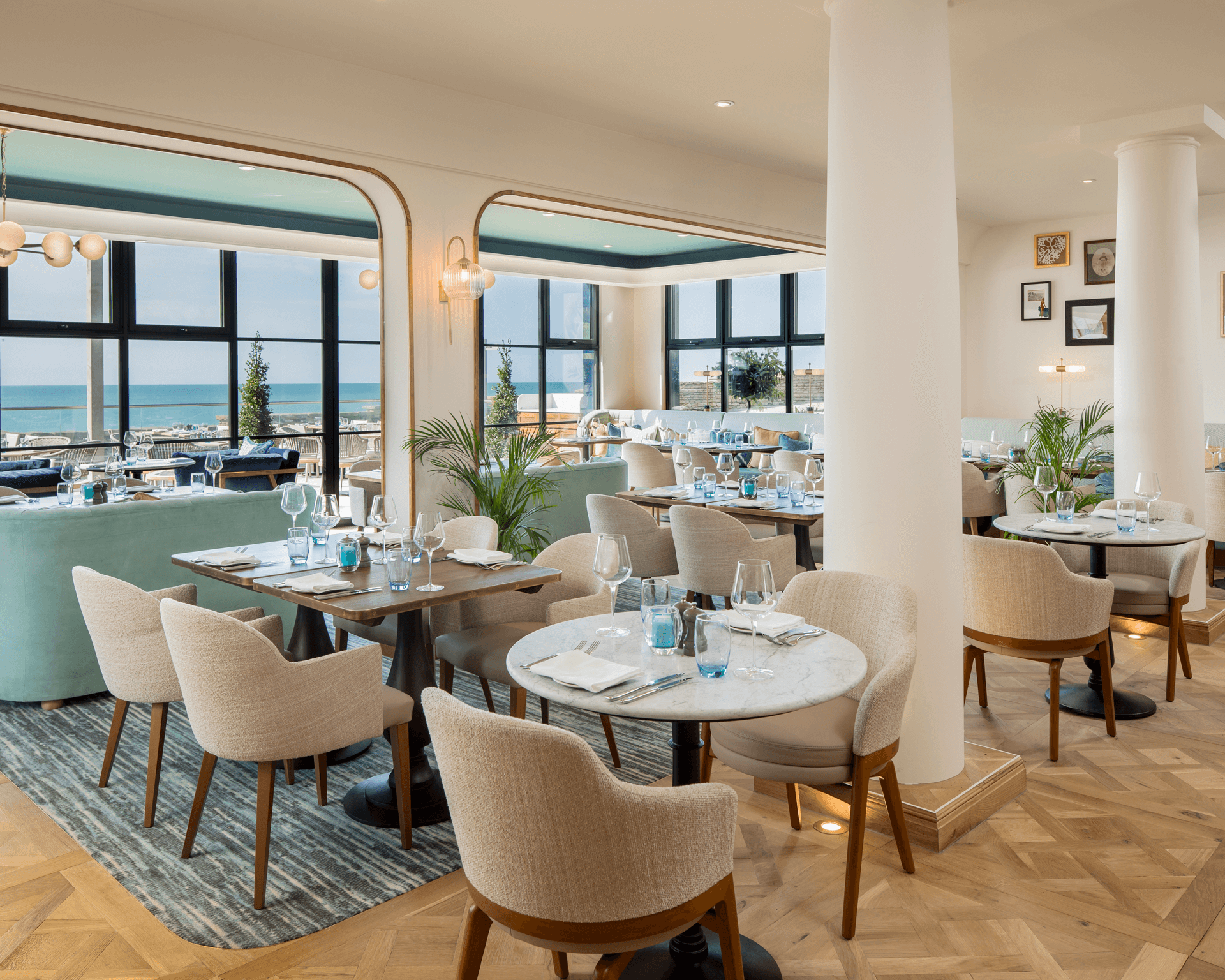
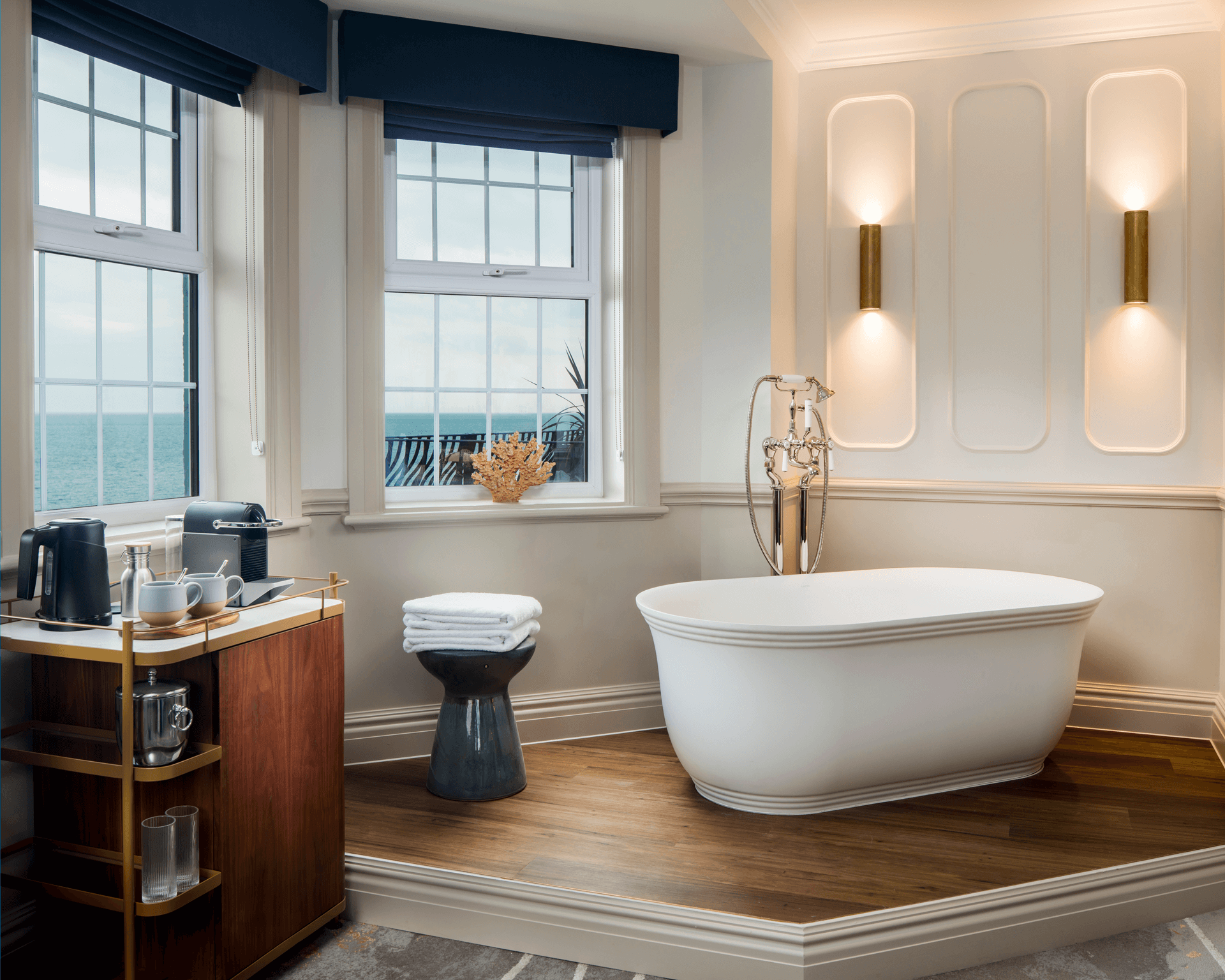
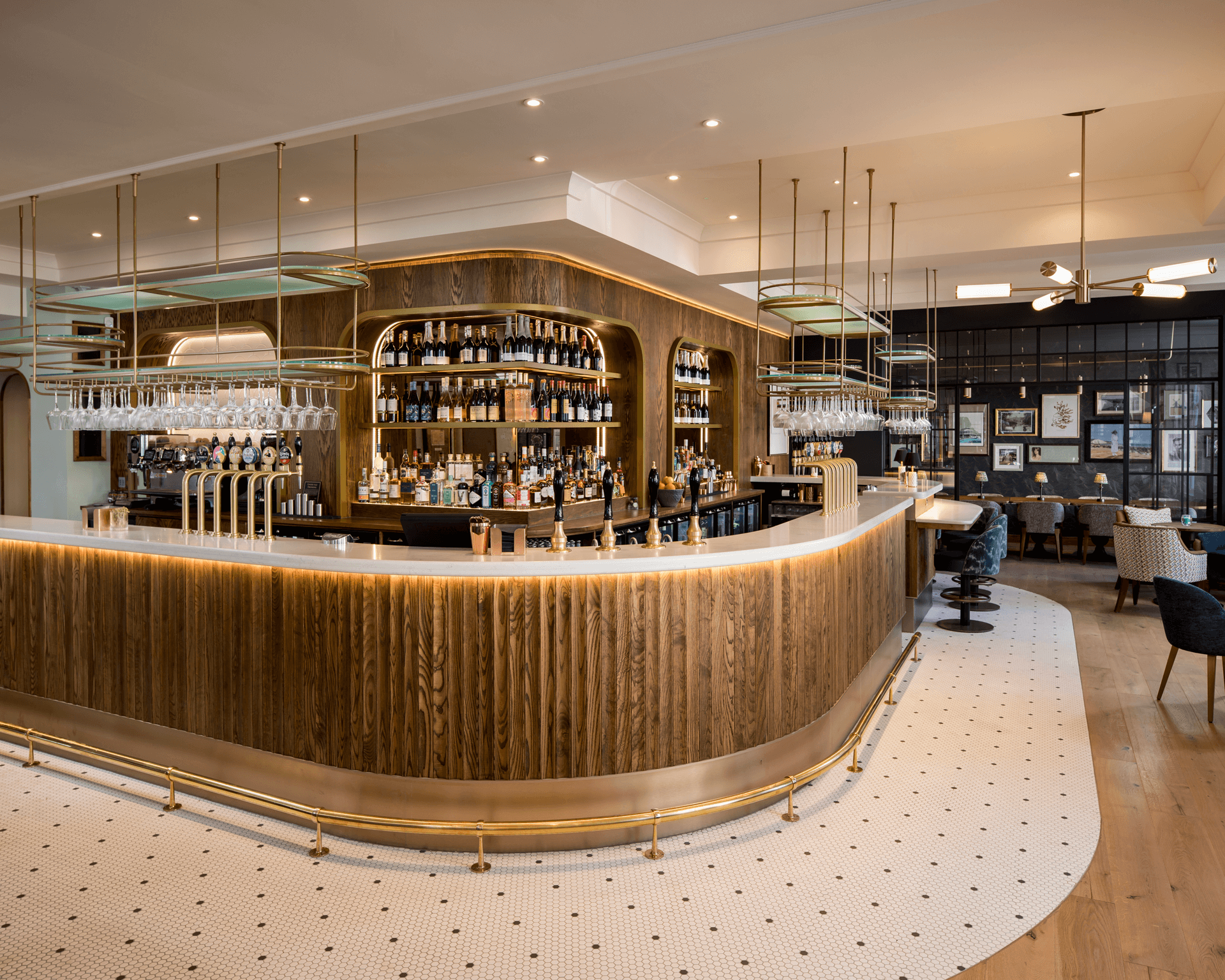
Greene King wanted guests to have a consistent brand experience while maintaining the storied charm that makes each property unique.
2 years
from concept to the launch of Greene King’s boutique Everly Hotels Collection
1 pilot hotel
The White Horses opened in Rottingdean in 2024
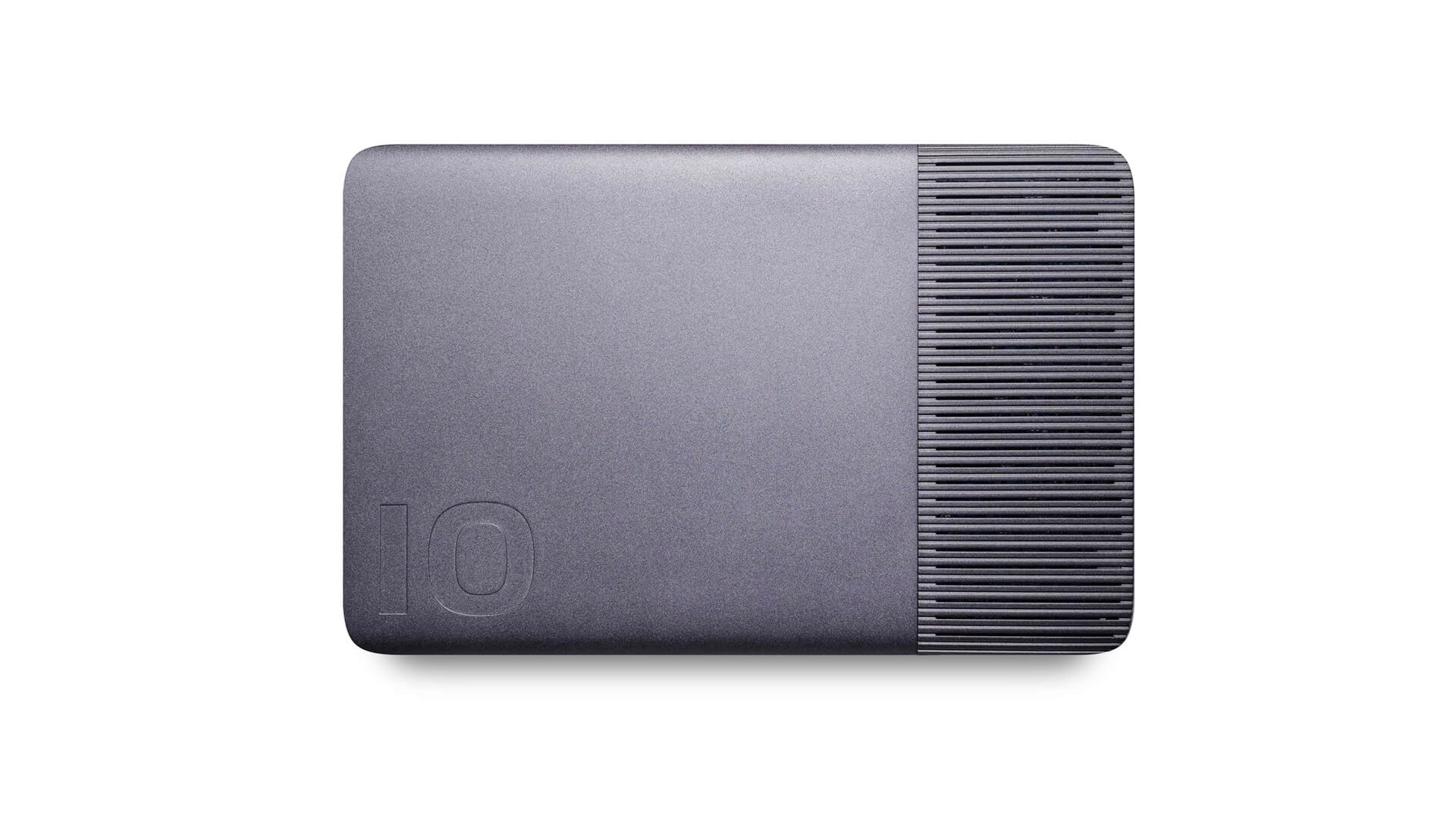
A new paradigm in data storage
Designing the iodyne Pro Data and Pro Mini hard drives.
The hard drive space is full of companies competing over technology and performance. But iodyne wanted to add another layer, focusing on user needs and product aesthetics to better position the company to meet the values of a broader audience and create compelling new entrants into this crowded market.
Together, IDEO and iodyne jumped into in-depth discovery research to learn more about the needs of their end users. The team sat down with photographers, videographers, and digital imaging technicians, asking questions about their file management systems, how they used hard drives in the field, and how they stored them for transport and at home. They also headed to the source, visiting studios and home office set-ups to understand the full range of potential use cases.
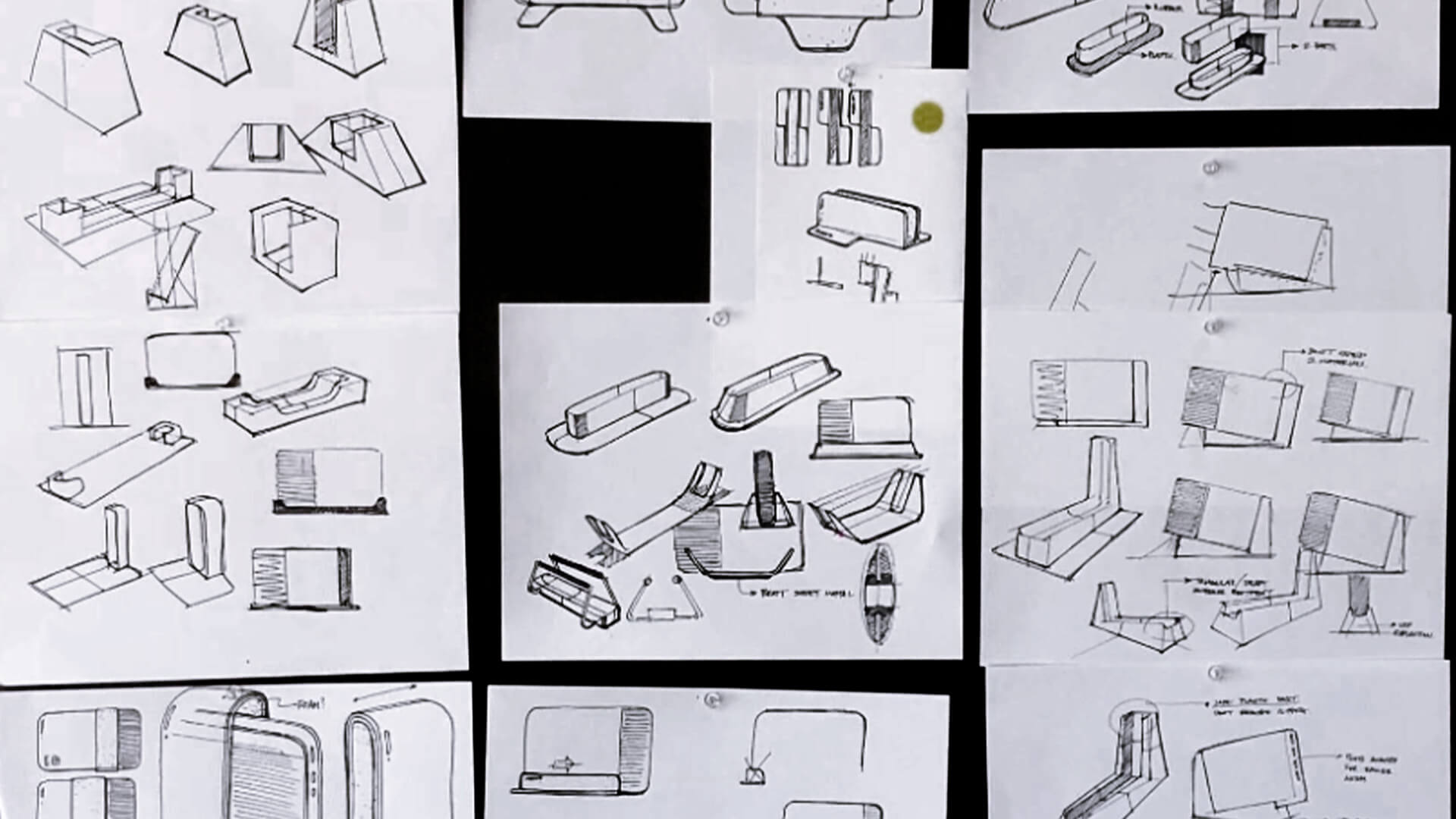
A few big discoveries leaped out. No one had a single storage solution to rely on. Users constantly transferred data from different hard drives designed for different purposes (in the field versus at home), accumulating hundreds of old hard drives over time. Traditional hard drives also don’t allow multiple users to work off them simultaneously or come with software systems that help keep projects and tasks organized, protected, and sharable. Meanwhile, the ever-shrinking size and weight of laptops—and people’s willingness to take them everywhere—set a new benchmark for portability, one that iodyne could lean into.
With these and other insights in hand, the team brought unrivaled performance and aesthetics together to create a far superior user experience. IDEO and iodyne developed Pro Data’s engineering architecture, collaborating on thermal performance analysis, material choice, inspection of sample parts, and even packaging design. By combining integrated venting, multiple laptop-quality fans, smart power management, and 20 thermal sensors, the team was able to minimize cooling fan loads and reduce noise and power consumption. A single, centralized, and consolidated storage space makes sharing data among teammates easy, too—up to four computers can connect to the Pro Data at the same time and access the same files. The redesigned Pro Data creates new value for consumers in a highly mobile, secure package that can go from desktop to backpack and back again.
The iodyne Pro Data hard drive launched in 2021 to overwhelmingly positive reviews. Storage Review wrote “Nothing else comes close to this level of performance in a package this size,” while Jemery Boros of StarGate Studios said “I don’t think I could have done the shoot without Pro Data. It was easy to use, fast, and kept all of our data safe on the other side of the world.” The drives have since been used in the making of major motion pictures from F1 to A Complete Unknown.
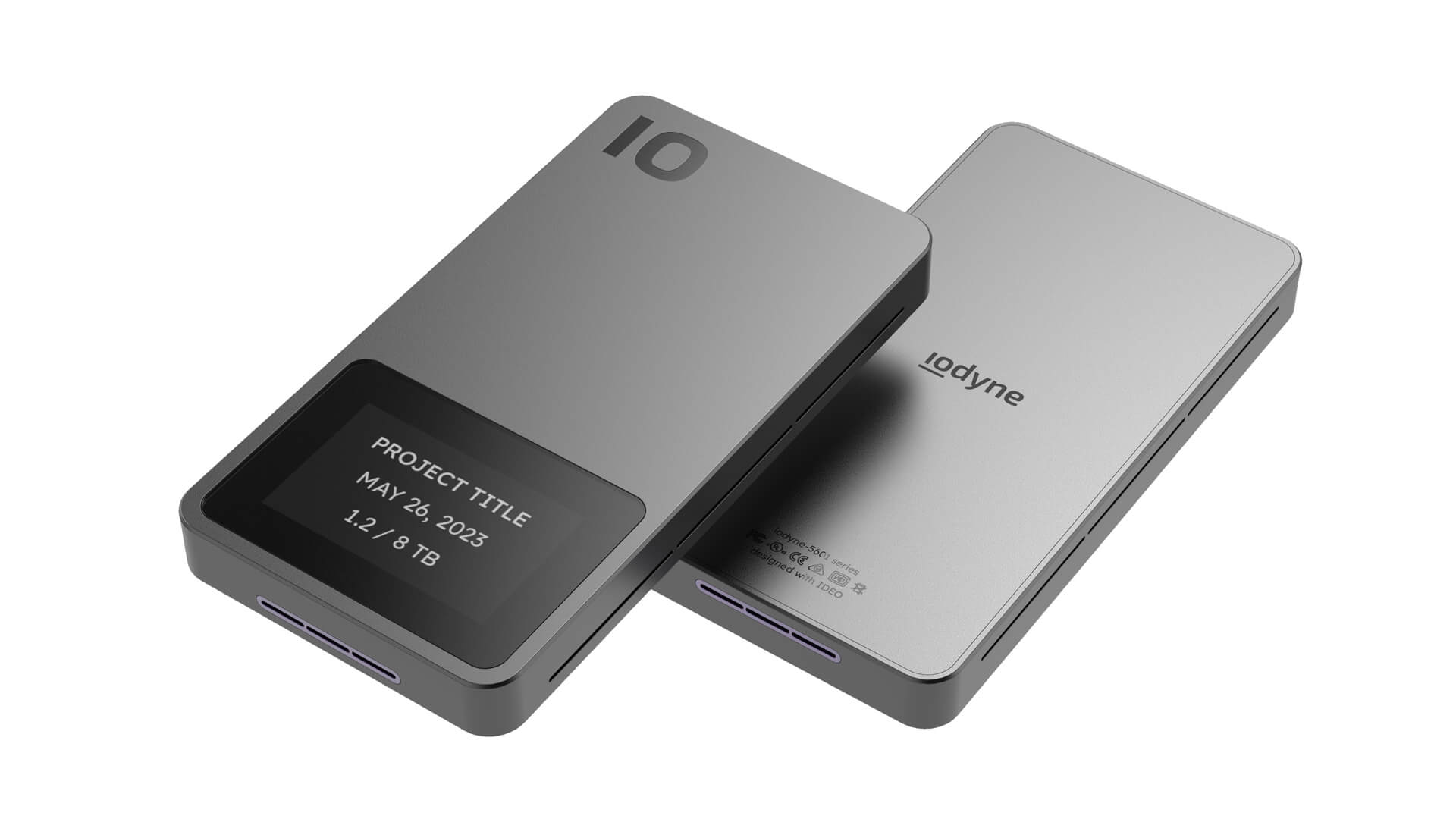
Spurred by Pro Data’s success, iodyne decided to create a second product with IDEO, a Pro Mini that could provide the same cutting-edge performance and sleek design but scaled down to fit the needs of customers who required less storage capacity in an even more portable package. Pairing Pro phone-quality industrial design with a unique internal solid-state cooling architecture that imposed key constraints on airflow was critical.
IDEO worked with iodyne to create the Pro Mini’s internal layout and collaborated with an emerging engineering company to incorporate novel solid-state cooling technology, positioning the vents to maximize airflow and optimizing how users physically interact with the device. The team also addressed users’ durability concerns, advising iodyne on part selection as samples came in from vendors. The new Pro Mini is set to ship in the second half of 2025.
Hard drives are essential tools of the trade for people with large troves of media to store and transfer, like photographers and videographers. But beyond rolls of masking tape and label makers, there isn’t an easy way to see what’s on each drive without literally going through them one by one.
Traditional hard drives generate a lot of heat and need fans to cool them, making them bulky, loud, and slowing transfer speeds.
Many external hard drives are treated like commodities. They’re designed for mass production rather than for durability and aesthetics.
2 cutting-edge hard drives
to market in 3 years
Introducing LA’s mental health crisis first responders
Helping a kinder, safer emergency support arrive first on the scene.
LACDMH is the nation’s largest public mental health department, serving over 10 million people. The agency provides critical support for the most vulnerable, including staffing a toll-free, 24/7 Help Line. Since late 2024, more than 70 Field Intervention Teams—comprised of mental health clinicians (social workers, psychologists, licensed psychiatric technicians, and registered nurses) and community health workers (trained peers or community members with lived experience)—have been dispatched around the county to help de-escalate mental health crises quickly, compassionately, and without force.
Because those experiencing a crisis are often too disoriented, confused, or otherwise unable to seek help for themselves, IDEO’s communication strategy targeted reaching “trusted messengers”—parents, spouses, siblings, and friends of people who have a mood or personality disorder like schizophrenia or bipolar disorder. The campaign aimed to define mental health crises, help people understand what to expect when they call, build trust in FITs, and divert mental health crisis calls away from 911.
To understand what drives these specially trained mental health professionals to do this type of work—and what sparks trusted messengers to call for help—IDEO met and interviewed former clients and loved ones who had reached out to the county for support during a mental health crisis. The team also interviewed multiple FIT staff to learn more about how they approach clients and families.
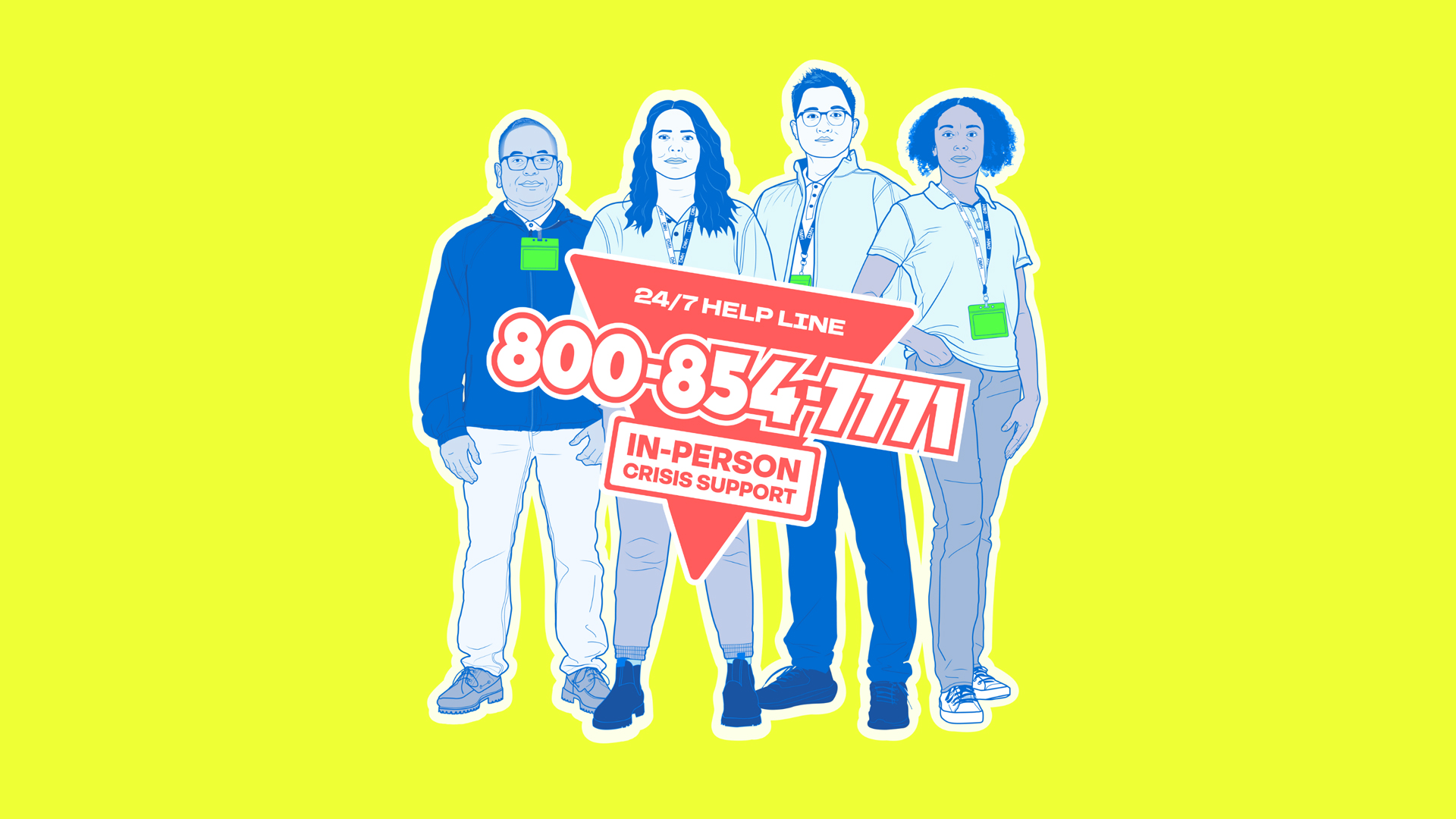
The research inspired the communication strategy’s central idea: position FIT members as real-life superheroes and first responders. By associating FITs with that term, the campaign changes the narrative and communicates their compassion and expertise to those in crisis. Custom illustrated portraits feature actual FIT staff in strong, action-figure-style poses, while a bright, eye-catching color palette and clear, direct language convey confidence and inspire trust.
The team explored their initial design directions in a series of focus groups with LA residents, trusted messengers, and county and mental health workers to better understand the impact of the potential messaging and visuals. The research uncovered the importance of clarity, even in an inherently emotional situation. The IDEO team discovered that transparency—and real personal stories—would be the key to building public trust in ACR.
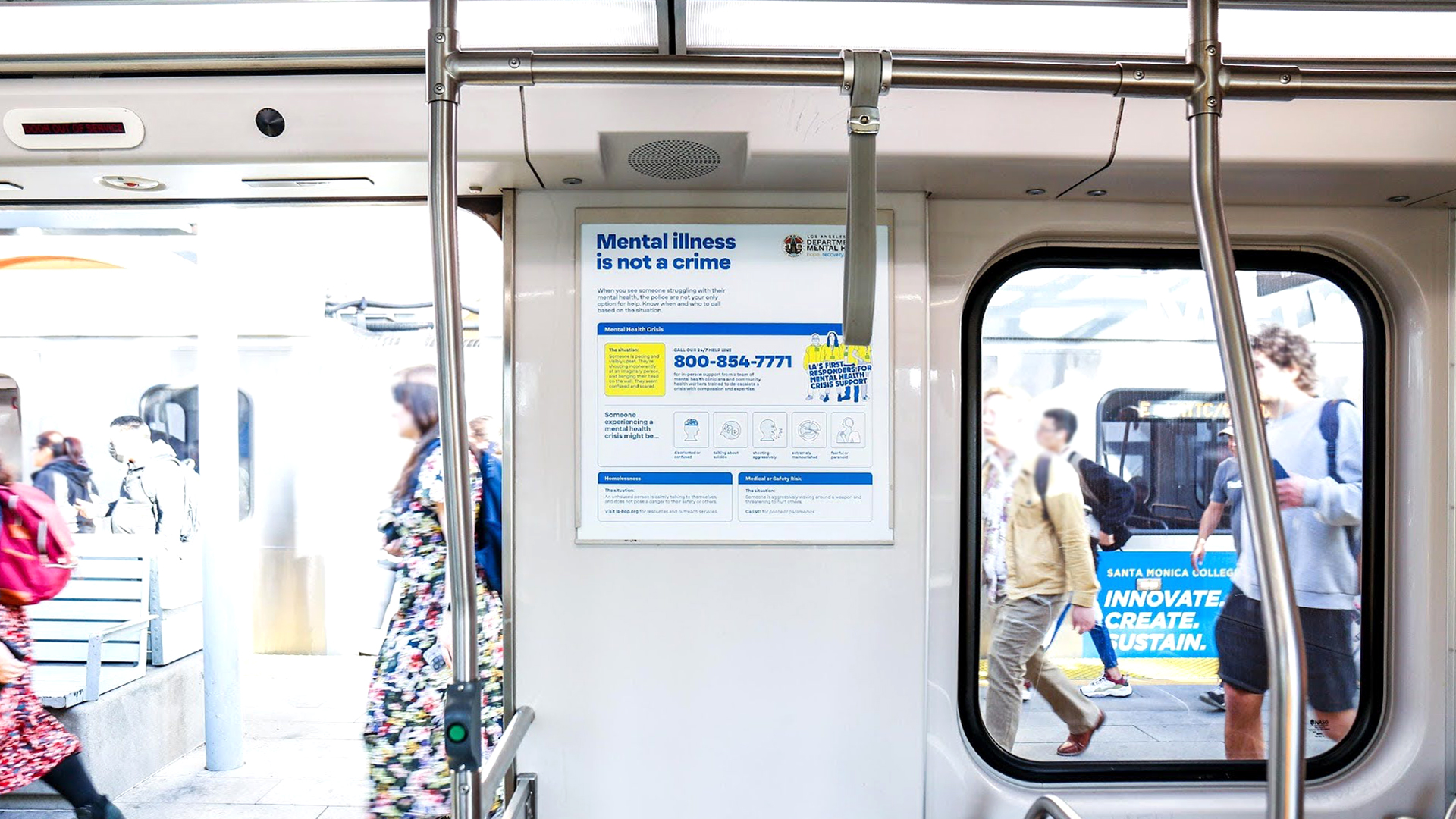
Between March and June of 2025, the robust awareness campaign will run across LA County in a number of languages on city buses, in Metro stations, on social media, streaming TV, radio, and more. An updated landing page on LACDMH’s website includes in-depth information and educational videos about mental health crises, as well as heartfelt testimonials from staff and former clients who have been helped by the service.
LA County Department of Mental Health created an innovative new program to provide urgent, compassionate care to Angelenos experiencing a mental health crisis but needed help driving awareness of its service across the region.
Calling 911 is an entrenched behavior in an emergency. However, dispatching police officers who are not trained in mental health can make a bad situation worse. In 2022, 39 percent of people shot by LA police officers were in the midst of a mental health crisis.
172 million impressions
delivered via digital and physical ads across LA
50% increase
in calls to the ACR helpline, year-over-year, attributed to IDEO’s awareness messaging
24%
of Angelenos now name LACDMH as the first to call in a mental health crisis, leapfrogging 911 or the police, which slipped 14.3 points

Our Top 10 Stories of 2019
The stories our readers read and shared most this year
As we wrap up the year, we’re reflecting on the power of creativity to inspire change in ourselves, our work, and the world around us. We've pulled together The Octopus’s top ten most read stories of 2019, each of which offers tips, tools, and mindsets to help you cultivate creativity as a tool to navigate the constant ambiguity facing us in these turbulent times.
And as always, a heartfelt thanks from The Octopus team for stopping by. We can’t wait to see what 2020 has in store.
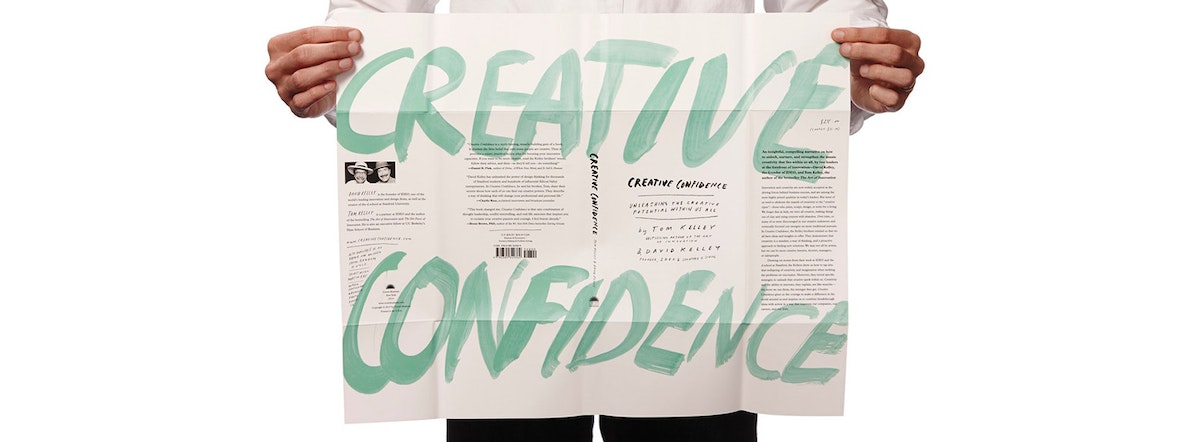
1. 10 Exercises to Build Your Creative Confidence
Creativity is like a muscle—it can be strengthened with practice. Try these activities from David Kelley & Tom Kelley’s book Creative Confidence to get started.
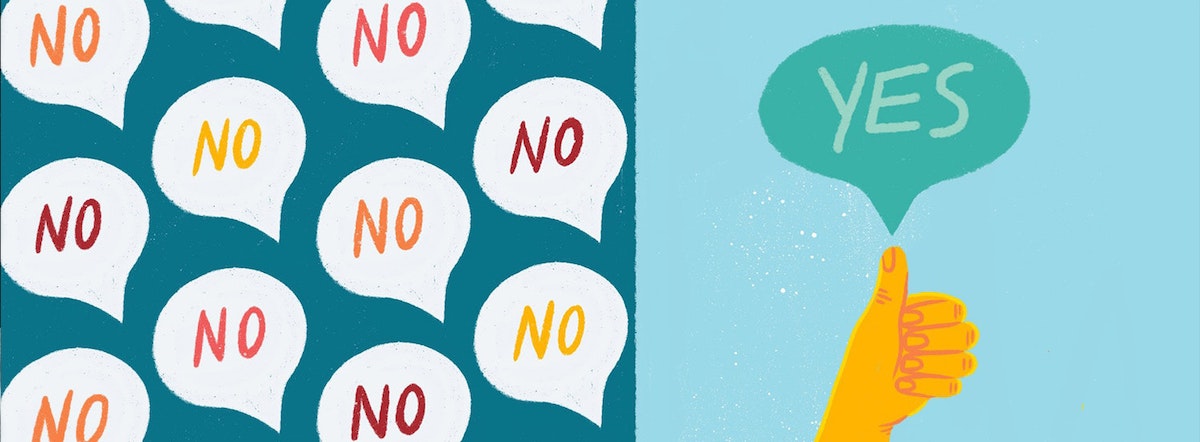
2. Corporate Innovation Needs a Shakeup. Here’s a Blueprint.
Innovative ideas don’t happen by accident. Check out these tips for creating an environment that fosters innovation from the team behind IDEO’s newest digital tool, Shape.
3. The 3 Mindsets of Great Interaction Designers
Being a successful interaction designer is about more than mastering digital tools—it’s about the soft skills that help you push your designs to the next level.
4. The Best Managers Understand Their Employees’ Emotions—And Their Own
There’s no denying it: your relationship with your boss makes or breaks your experience at work. Here’s how the best bosses create positive emotional environments for their employees.
5. Practice Your Prototyping Skills with These 4 Resources
An old IDEO proverb states, “If a picture is worth a thousand words, a prototype is worth a thousand meetings.” These resources from IDEO designers will help you prototype efficiently, effectively, and creatively.
6. 3 Creative Exercises to Make Change Stick in 2019
We kicked off 2019 with intention, sharing three activities to help you actually reach your New Years’ goals. So, how’d you do?
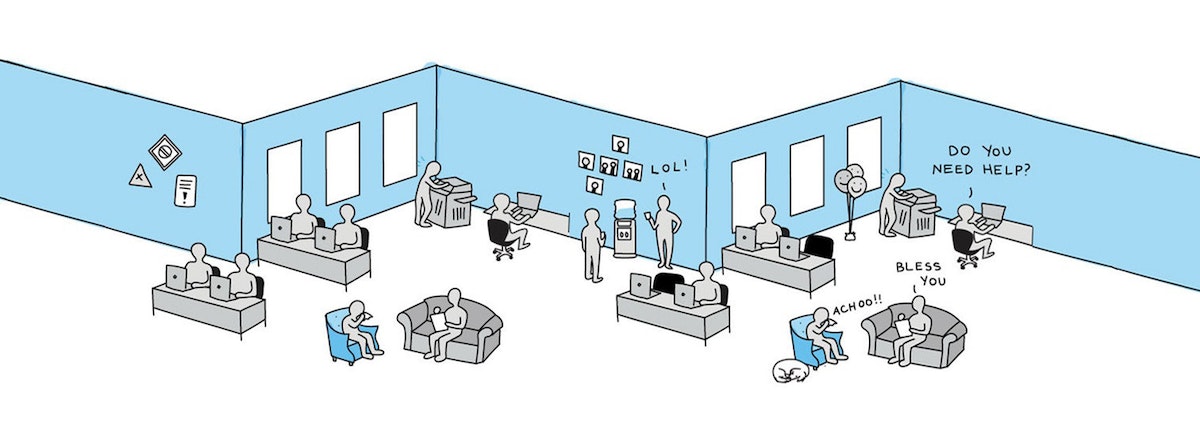
7. Turns Out Emotions Do Belong in the Workplace—Here’s Why
The definition of professionalism is changing. Here’s why organizations should invest in their “emotional culture” and allow employees to express feelings at work.
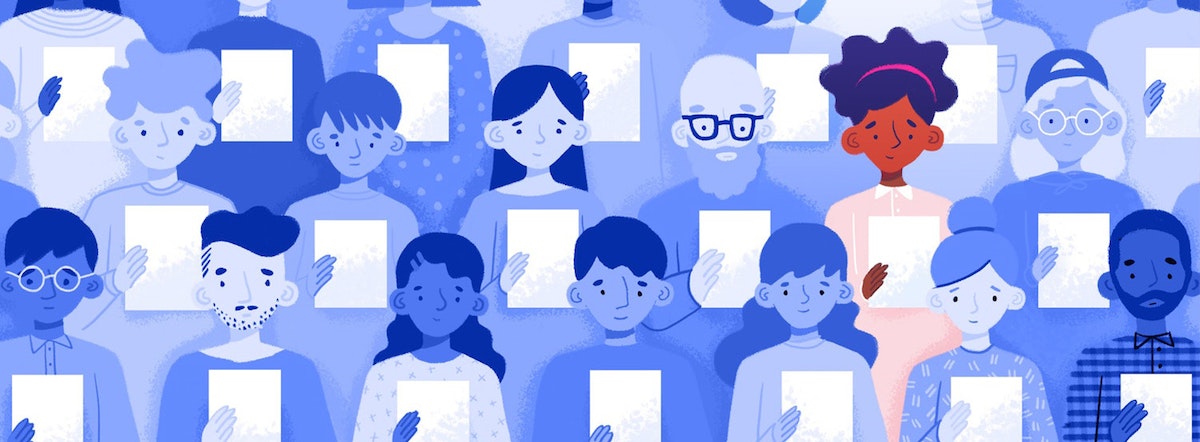
8. An IDEO Recruiter’s 3 Strategies for Writing a Better Resume
Planning to start off the new year with a new gig? Use these three tips to help you create a resume that stands out in a sea of sameness.

9. AI Needs an Ethical Compass. This Tool Can Help.
Artificial intelligence is the product of those who create it—biases included. That’s why IDEO data scientists created a tool to help teams design ethical AI solutions.

10. Design an Organization’s Purpose Statement With This Tool
Why does your company exist beyond making profit? IDEO organization designers built a colorful tool to help you arrive at an answer.
2019 was widely regarded as a year of tumult—politically, environmentally, societally. But in the face of it all, 2019 brought us unparalleled human advancement, from Greta Thunberg’s movement of youth-led climate activism to NASA’s first-ever image of a black hole. For better and worse, 2019 kept us on our toes.
How to Avoid the Tech Hype Trap
Because the newest tech isn't always the right solution
Unsurprisingly, this trend didn’t last long. Car companies gave up the schtick and went back to traditional approaches to notification. But the story of talking cars in the 1980s speaks to a classic move in industry: Companies are often eager to find a way to use the hottest technology, even if it’s not a fit for their team, their business model, or the problem they're trying to solve. It's a classic case of FOMO.
As designers committed to a human centered approach to developing new products and services, we look at things a little differently. We start by uncovering a need—for example, helping tired drivers stay awake and alert while at the wheel—and then search for the right technology to solve the problem. We relish the opportunity to take a journey away from the "tech hype" landscape and explore what problems, challenges, or needs the desired tech may help address. It’s about focusing on the people behind the problem before finding the right technological approach.
How, exactly, do we get ourselves in that mindset? We tapped our design research colleagues in our Cambridge and Chicago studios for their best tips on cutting through the tech hype. Here are three distinct strategies for a technology detox at the start of a project.
1. Start by taking the tech apart and exploring the value proposition, then make decisions
Design researcher Hannah Rosenfeld worked on a project where she had to dive into a potentially-disruptive, blockchain-based technology that could have serious applications in the fintech space. For some products, it was the perfect fit. She needed to figure out, though, if it was the right fit for what she was working on.
Throwing an existing, well-formed product that uses the tech in front of her team might have shifted the customer focus away from the big picture toward feedback about functionality and usability, questions that matter on the latter end of product development. Instead, she and her team unpacked the functional and emotional benefits of the technology—what blockchain could unlock for customers or allow them to do that they couldn’t before—and used these as the basis for their exploration. From there, she was able to develop early stage prototypes she could put in front of customers to test the resonance of potential benefits rather than the appeal of an ill-understood technology.
In doing so, Hannah was able to highlight for her clients the potential impact and inherent limits of the current technology as well as make recommendations for how they could evolve their offer to align with real world challenges.
2. Try on a few different options to find the right fit before committing
When a team from the Cambridge studio was working on a project to create an immersive, digital experience for a new flagship retail store, they needed to dive into the role tech would play.
To explore this question, Gabe adopted a Goldilocks approach, taking the team on an inspiration trip to three museums, each with contrasting approaches to using technology: a cautious museum that sticks to straightforward displays of content in the museum and online; a lavish techno-fantasy museum with touch screens in every corner; and museum with a more careful balance where physical artifacts are brought to life with additional layers of digital content.
From the museum with the more cautious approach, the team learned about its core values, and how it carefully leveraged digital technology by offering online access to its archives for audiences that might not otherwise come to the museum. At the tech-heavy museum, we saw best-in-class interfaces that were great at engaging one visitor at a time, but missed out on opportunities to connect people in shared activities. And at the museum that created a balanced approach to digital and analog displays, we saw how stories projected onto artifacts added a layer of depth to what we learned.
By taking the Goldilocks approach, Gabe and the team generated a shared set of design principles that articulated the role digital technology should play in their store and how it would be used strategically to tell the story of the brand.
3. Think of fantastical means to address concrete needs
When former IDEO design researcher Ovetta Sampson was working on a project about technology-enabled cabinets, her first question was, what human need would this technology serve? She could have started by having her team prototype a few different kinds of tech-enabled cabinets, but she needed to answer the question above first.

Short on time, Ovetta framed a brainstorming session around literature from cognitive scientific research and fantasy novels. She used the Max-Neef Fundamental Human Needs Scale, a human development matrix, to ground the team. Starting with a human need like freedom or identity, she asked team members to add a magical action to real-life objects to help focus on how it could meet a human need or motivation.
The team was inspired by fantasy novels where characters have magic objects that help them accomplish tasks (think Dorothy’s red slippers sending her home in The Wizard of Oz). By pairing research about real needs with a fantastical vision for how to address those needs, Ovetta and her team gave themselves the flexibility to dream up big technological solutions while staying grounded in the reality of human needs and motivations.
Businesses will always feel the pressure to maintain a competitive edge, and the allure of new technology will often present itself as the solution to staying ahead of the curve. Sharpening our skills as advocates and practitioners of human-centered design—and making sure we put user needs first—is critical. Whether you’re partnering with a client, or taking on a project of your own, resist the FOMO of new, shiny technology. Start with user needs, then search for the right solution. Shift the conversation from tech-first to humans-first.
Special thanks to IDEO alumna Ovetta Sampson, who contributed to this article. Illustrations by Katie Kirk.
Believe it or not, KITT the talking car on Knight Rider had some real-life counterparts in the 1980s. They may not have had grappling hooks or turbo boosters, but for a short time, talking cars were trendy. Almost out of gas? Don't look at the fuel gauge; the car can tell you you’re low on fuel. Forget to buckle up? No need for that annoying dinging sound—the car just asks you politely to buckle your seat belt.

8 Emerging Trends That Can Help Companies Understand Their Future Consumer
IDEO’s global teams reported the patterns they’re seeing heading into 2020
We heard back from colleagues around the world with reflections on technology, identity, health, food, aging, climate, and more; then synthesized the observations into a series of glimpses into a near-future reality where meat is grown in a lab and remote teams holo-call into all their meetings.
At the moment, many of these patterns exist at the periphery of our lived experience, hinting at emergent realities. But as we head into what will surely be an eventful 2020, they can offer some clarity, set expectations, and trigger new thinking about where we’re going as organizations, as individual leaders, and as a society in pursuit of a bright future.
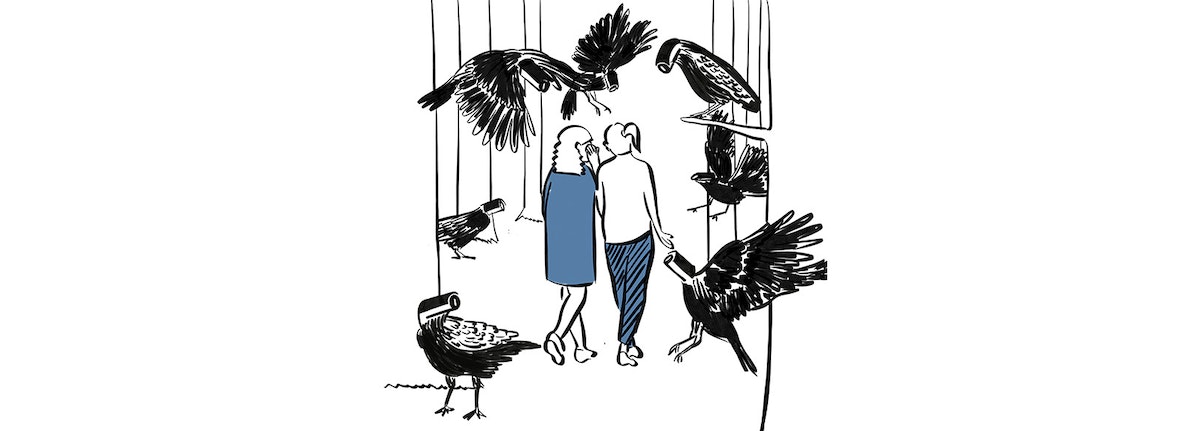
1. Attention Economy Backlash
We love our phones, but will they ever love us back? Despite round-the-clock connectedness, millennials are being called “the loneliest generation,” suffering endemic anxiety and depression as social media activity replaces in-person interactions. Along with our privacy and attention, we give away our data—which is for sale, but we don’t get the profits. Clickbait lures us with content that causes outrage, disgust, or anguish; but we click anyway, and that has measurable impacts on our mental and physical health (not to mention society).
Such concerns have spawned a movement to regulate big tech. We see it already in the growing practice among tech moguls of sending their children to Waldorf schools and insulating them from technology, even as it’s the root of their fortune. Meanwhile scientists at Northeastern University and MIT-IBM Watson AI Lab are working on “adversarial T-shirts,” printed with a specific pattern that can confuse facial-recognition algorithms, thereby protecting people’s identity in surveilled public spaces.
As we watch these phenomena unfold, new questions help us begin to fill in our picture of the future: Will all organizations soon have a Chief Ethics Officer? Will “surveillance-free space” become the new “non-nuclear zone?” Will there be a course-correction in social media, where "positive antisocial" digital experiences emerge?
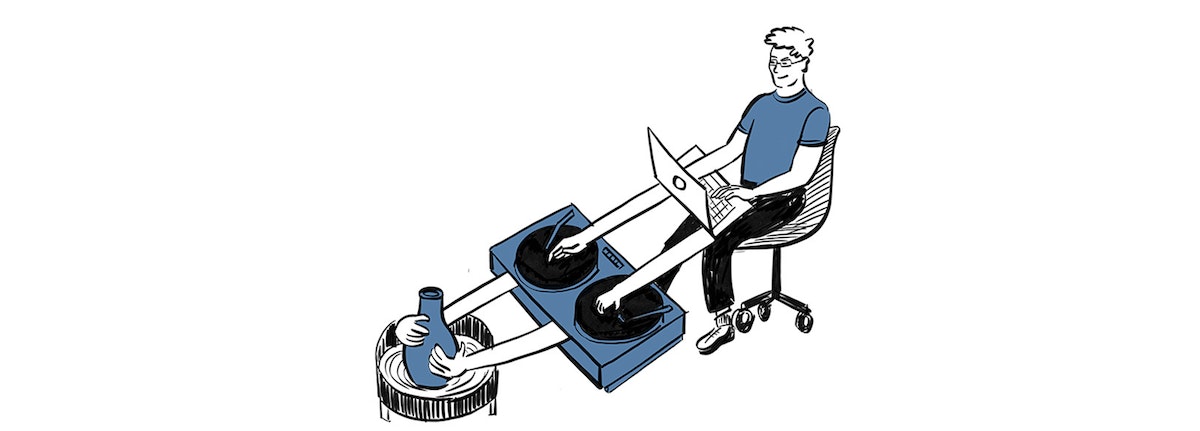
2. Multi-Track Mind
It’s increasingly common to have multiple careers, many side gigs, and several simultaneous committed relationships over the course of adult life. As digital tools become the means to finding work, partners, and new interests, the bios we use to present ourselves on social media reflect the hybridity and fluidity of the moment. Identity itself is often a composite that includes profession, religion, gender, family, geography, ethnicity, personal passions, and the list goes on.
These currents are already taking shape through organizations like Live in the Grey, which empowers people to blend what they like to do with what earns them a living. As AI replaces many tasks, there will be less need for full-time work, and employers may offer part-time roles to retain people.
To help think through these evolving identities and aspirations, we’re asking: Will banks have to design “rainy-day” funds as people increasingly lack one consistent stream of employment? Will universities have to create hybrid departments, teaching positions, and curricula sourced from multiple disciplines? Will people identify as both their physical and digital identities in the world?
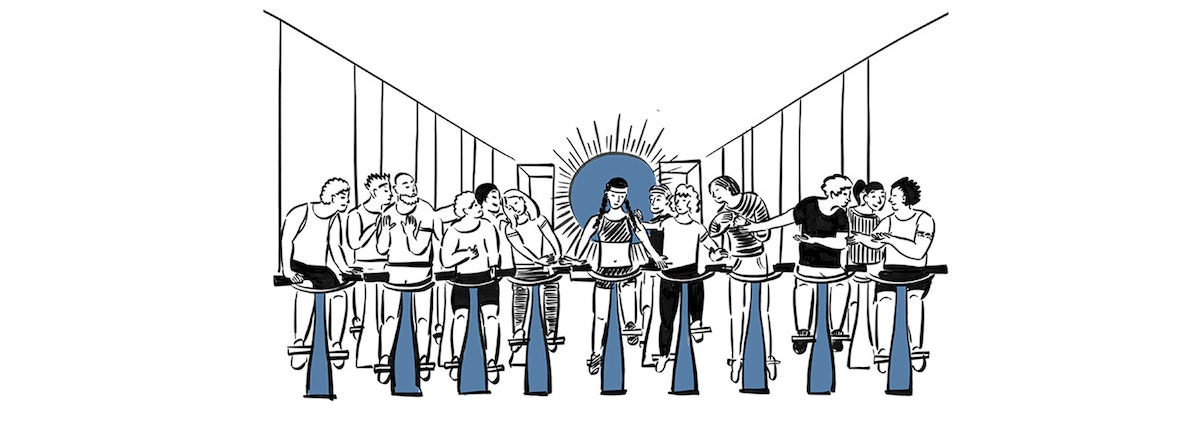
3. Distributed Devotion
Although younger generations are less affiliated with organized religion, they have no less drive to find a sense of belonging, meaning, and spiritual connection. But they’re finding it in a much wider array of locations and communities. Yoga studios, supper clubs, and forest bathing all offer a sense of communion. Megachurches hold rock concerts and sell Starbucks; Kanye West has his own ministry. For some, transcendence can be found at CrossFit.
Sacred Design Lab, a research and design consultancy, explores how modern millennials “gather” to seek out meaning, community, and ritual in the absence of organized religion. The People’s Supper uses shared meals to build trust and connection among people of different identities and perspectives. Intentional communities are having a resurgence among people who want to live and raise children beyond the nuclear family, and reduce consumption by sharing resources. One example, Kin, is a co-living concept specifically for people with young families.
This prompts us to wonder: Will brands soon have a Chief Belief Creator? Will micro spiritual sects replace organized religion? And will physically distributed workforces and the growing gig economy generate a new longing for community at work?

4. The New Normal
Transgression is the new norm. In large U.S. cities, cannabis has replaced alcohol for recreation and relaxation; psychedelics are administered in therapeutic settings; and gender is understood to exist on a spectrum. Aid in dying is now law in nine states (plus DC). This will be a slow moving pattern in many cultures, but is a fast moving train in many major cities.
Last year, Oakland, California unanimously passed a resolution to decriminalize hallucinogenic fungi, otherwise known as “magic mushrooms.” Aside from academic clinical trials at Johns Hopkins, NYU, and elsewhere, German company ATAI Life Sciences and Compass Pathways (for-profit biotech platforms) are testing psilocybin and other psychedelic substances for therapeutic use. The Multidisciplinary Association for Psychedelic Studies (MAPS) is pioneering the use of MDMA for anxiety.
All this has us asking: Will cannabis corporations trade on the S&P 500? Will the option of assisted dying be part of any conversation on end-of-life care?
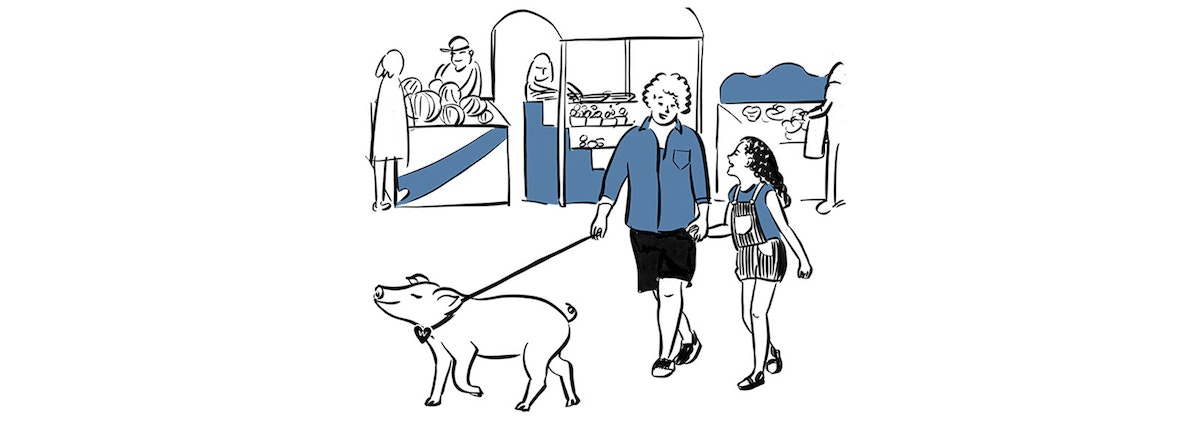
5. G.R.A.S.-fed*
The threat of climate-induced food scarcity is driving a rise in precision agriculture, analytics, IoT, and CRISPR gene editing. Indoor farming heralds a future where even food deserts can produce nourishment. Lab-grown meat and fish have arrived, as have molecular whiskey and wine.
Clara Foods is a so-called “cellular agriculture” company that produces egg whites without hens, using yeast to grow proteins that mimic the animal-derived version. Aleph Farms is growing cultured meat in a lab. And a company called Endless West is creating Glyph, a whiskey made in a test tube rather than a barrel, mapping the flavor profile at a molecular level and building the product in less time and with fewer resources than its traditional predecessor.
We wonder: Will GRAS become the new “natural” on food packaging? Will prehistoric life forms be replicated for contemporary consumption? Will prescription diets be the norm?
*The FDA’s acronym GRAS, or “generally regarded as safe,” is emerging as the framework for accepting scientifically modified food.
6. Peter-Panning
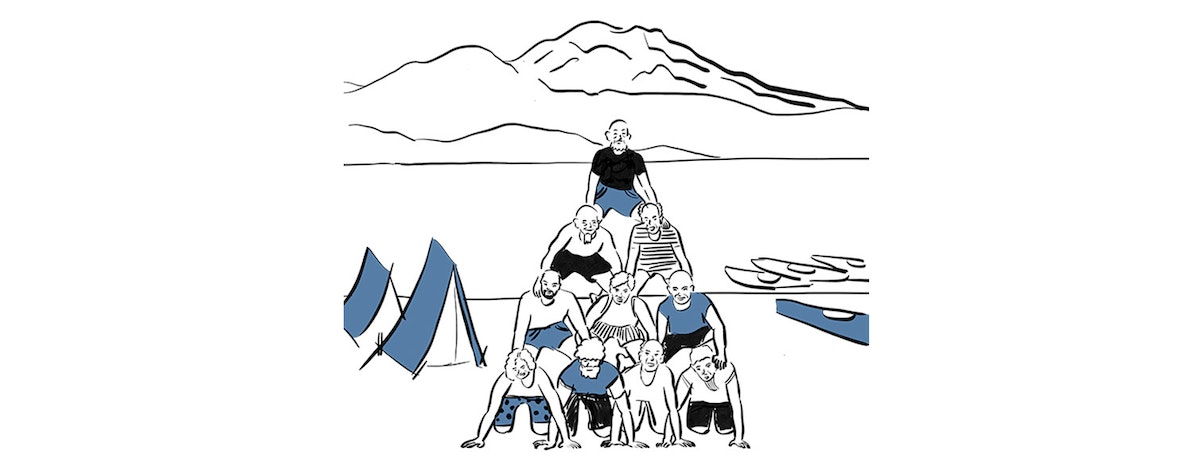
As boomers age, lifespans extend, and full-grown adults reject “growing up,” typical kid activities—video games, escape rooms, summer camp—are marketed to every age. Many millennials shun “adulting” and choose not to have children. Meanwhile, people are working into their 70s and 80s as “middle age” extends and salaries stagnate. Must we "do it all" in our 20s, 30s, and 40s only to peter-pan for 30+ years afterward? As younger people prioritize careers over children, perhaps hearty elders will do the child-rearing while parents play.
Google, Facebook, and other startups choose office design that mimics college dorms. Silvernest is an online home sharing service geared towards seniors. Papa, a service that bills itself as “grandkids on demand,” offers assistance and socialization for seniors. And in 2014, Google launched Calico, a billion-dollar longevity lab.
It begs the question: Will retirement plans have to be redesigned to accommodate longer work lives? Will multi-generational “village” housing become the norm? Will people upload their brains, holograms, and other likenesses to the cloud to gain a form of eternal life?
7. Blue Marble Thinking
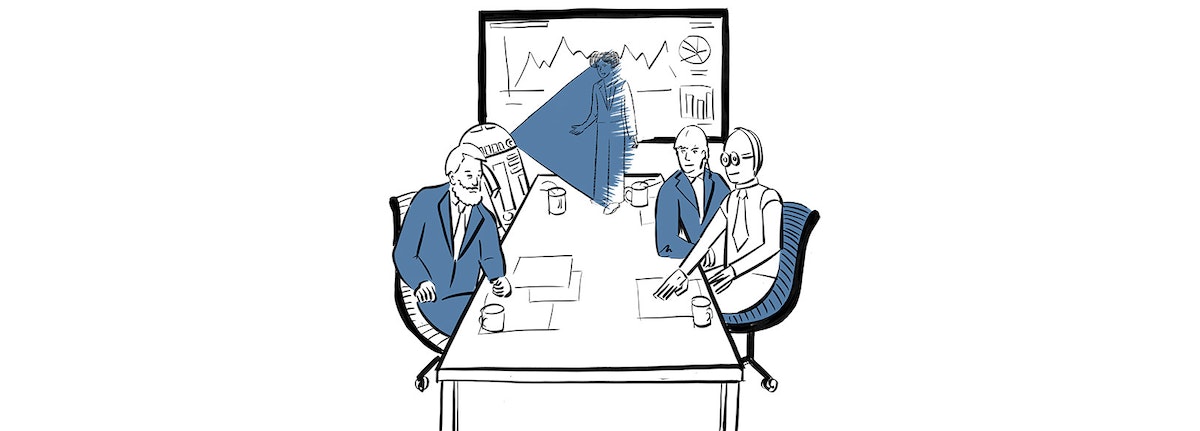
Climate anxiety is real and it’s changing behavior. Swedish advertisements shame jet travelers. Consumers at the top of Maslow’s pyramid make decisions based on organizational ethics and potential waste streams. Corporations are being held to account by employees on every front, from sustainability to privacy; and “benefit corporations” (B-Corps) are increasingly common.
Technologies like Rumii allow people to collaborate in VR, preventing the need to travel to meetings, and Microsoft’s Hololens is developing holograms to stand in for in-person meetings. H&M, Everlane, Patagonia, and other clothing lines are focusing on circularity and sustainability in their supply chain.
In a climate-conscious, globalized world, what sacrifices might the West have to make to help developing economies catch up without the pollution toll? Will “Circular” become a product designation, like HE (high-efficiency) washing machines? Will Thunberg-activated youth drive new consumption patterns?
8. Skipping School
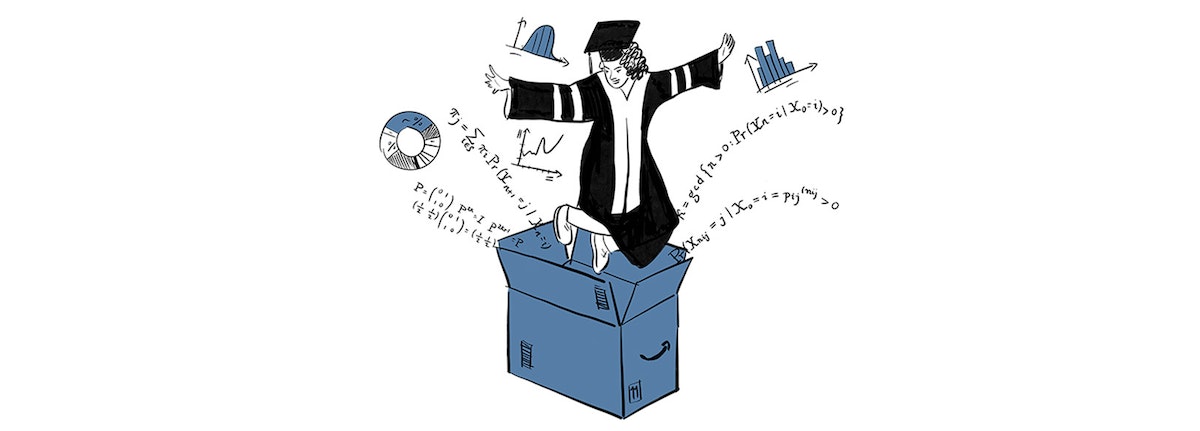
The fourth industrial revolution demands new skills, which entails different approaches to how and where we learn. Corporations have brought learning and development programs in-house. In some countries, the aging population means fewer college applicants. Students are also rethinking the investment in and financial burden of college, and instead heading to coding bootcamps; while budding entrepreneurs follow the Zuckerberg/Thiel route and quit school to launch and learn in startups.
Amazon and Salesforce are starting programs to train their internal employees for roles that are hard to fill. There is a profusion of coding bootcamps like CodingDojo, and institutions like General Assembly, that are reinventing vocational education and providing alternatives to college. Lambda School and Flatiron take the ROI of education literally, only charging after graduates find a job.
In the near future, will we see vocational education replace the B.A.? Will kids apply to Google straight out of high school? Will cities—alongside corporations—invest in reskilling their workforces with new guilds and trade schools? Will teachers end up ditching schools in favor of teaching for plum salaries in private industry?
Header image by Brian Pelsoh; illustrations by Joanne Cheung
A few months ago, with the end of 2019 in our sights, a group of IDEO designers and researchers sent out a query to all of our studios and locations. We asked a simple question: What emerging patterns are you seeing in your work that few are talking about?
Here’s What it Takes For Designers and Developers to Truly Collaborate
4 tips to help blended teams stay human-centered, from concept to launch
As an interaction design director at IDEO, I’ve seen teams fall into this trap countless times. Once you jump into building a product, it’s easy for the intricacies of features, backlogs, and bugs to take priority over the human problem you’re trying to solve. When I’m guiding multidisciplinary teams through product development, my goal is to anchor the user at the heart of the process, from ideation through implementation.
Here are some tips for helping design and development teams work better, together—and for keeping the user top of mind from concept to launch.
1. Let big needs inform small tasks
As a team transitions from design into build, it’s inevitable that the focus shifts to practical details. Most development teams that I’ve worked with use some version of an agile process. Teams identify a set of features to build in short sprints. These features are then broken down into even smaller bite-sized tasks. For example, in a digital build, tasks could include “a user can rotate an item” or “a user can skip a step in on-boarding.” When you're working at a level this granular, it’s easy to lose sight of deeper human needs.
One way to prevent this is to articulate and make visible the user goals that your team is trying to achieve. In a recent sprint, we identified our goals as, “Help users collaborate and share, inspire users to create content, and provide relevant advice.” The product manager wrote this statement on Post-its that she stuck to each team member’s monitor. Throughout the sprint, it was always visible and top of mind, and our team would constantly refer to it in conversation. We used it to prioritize our work as requests crept in to tweak features; if a request didn’t support the user goal, it was cut.
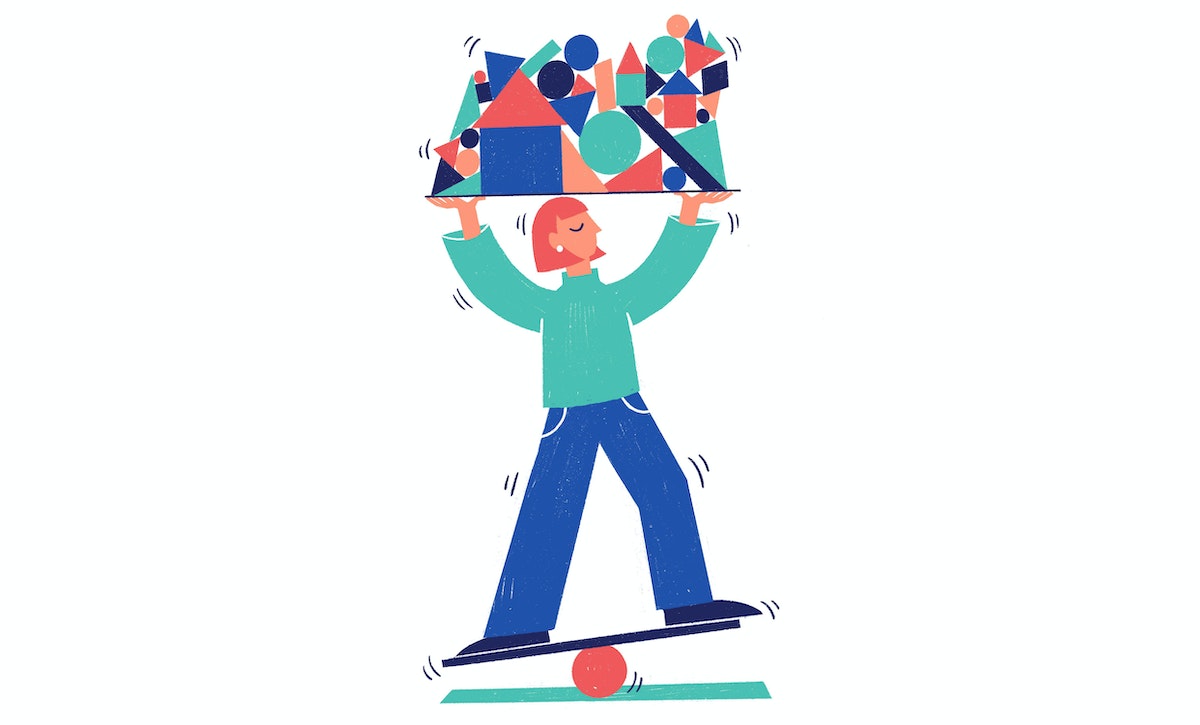
2. Make digital work physical
In addition to keeping user needs top of mind, it’s critical to also keep an eye on the holistic experience. When your team is moving quickly through sprints, there is a risk that it will build one group of features and quickly move on to the next without making a connection between the two. At a larger scale, product teams are often organized around features (such as check-out, product page, or search). If these teams don’t communicate, and no one owns the full experience, it creates a confusion for customers.
This is an instance where tangible visual reminders can be useful—in making your digital work physical. During a collaboration with an agile team, I recognized that we were losing sight of the full user journey for our product. I hunted down a large foam core board, printed out all the screens we had designed, and arranged them into user flows. The engineers were baffled by my paper-based technique, but it gave us view of the full experience. We scribbled on the printed screens, added sketches, and continually tacked up new versions. As we went deep on building certain features, we made sure to look across the system to ensure consistency.
3. Prototype while building
A common pitfall among product teams is to jump to a single solution and then tweak details through usability testing. This type of testing may reveal how a user best engages with an interface (do they expect to click or swipe?) but it may not prove that a feature meets core needs.
It’s beneficial to keep prototyping with users through implementation to ensure that the team is continually building the right thing. Take a few hours or a few days to throw together a quick prototype (with paper, a prototyping tool, or code) to de-risk the process and potentially save hours of development time (not to mention budget).
I worked with an online retail team that wanted to build a new feature that would respond to shoppers' desire for more targeted recommendations. The team had jumped to a solution based on the best technical solve—a feature attached to the user profile that mimicked a closet with drawers.
While the virtual closet was an easy tech solve, I questioned whether the complexity met the need. The team took a few days to do lightweight testing of multiple concepts. They discovered that shoppers actually preferred to receive tips while shopping. Eventually, we landed on a simpler solution that not only saved hours of development time, but created an experience that customers actually wanted.
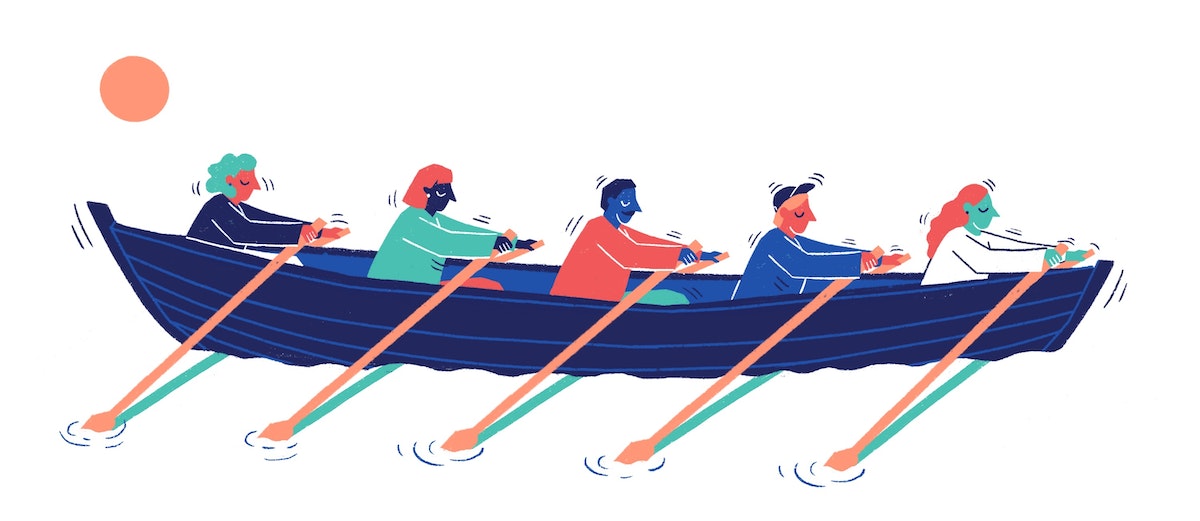
4. Create one team
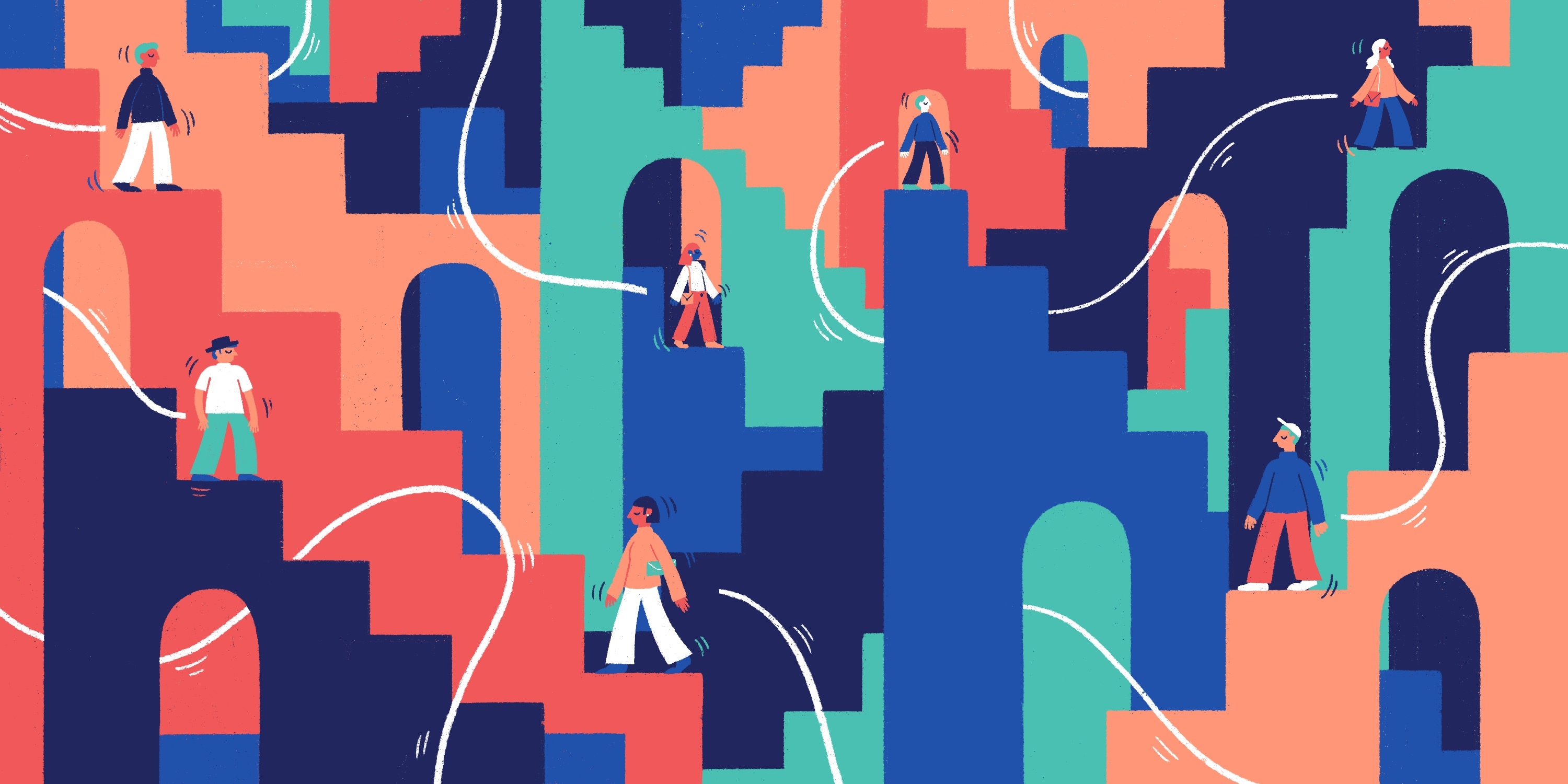
The best way to remain human-centered is to create a healthy overlap between design and development teams. Merging methods and rituals can be a messy process, but ultimately, it’s worth it. Engineers become open to creative problem solving and designers are willing to be more flexible with their ideas when they understand what it takes to build them. In the best case, a multidisciplinary team is located together in one space, and a designer can simply roll their chair over to an engineer to chat. When this is not possible, we do our best to make remote teams feel connected, in one case setting up a video “wormhole” between designers and developers in different cities.
Beyond co-locating, it can be surprisingly useful to intentionally create a shared culture and team identity. I came around to it after seeing many teams with awkward beginnings eventually bond around shared identity, jokes, and rituals. One project that I worked on brought together designers and developers from three different companies. They were tackling a mobility challenge, so they aptly named themselves “Mötormouth.” They devised a back story about a ‘90’s metal band, printed sweatshirts, and even took a break during a grueling sprint to take band photos. By the end of the project, I was convinced that this wacky band identity helped a diverse group work effectively as a team.
The best digital products are the ones that solve a human problem. And the best digital design teams are the ones that keep that human at the center of their process, from early ideas through final build. By combining disciplines, prototyping often, and allowing the user to guide decisions, teams set themselves up for success. And along the way, it's important to not neglect play—it may seem extraneous, but it’s the glue that bonds teams around a common purpose.
Illustrations by Cassandra Fountaine
Picture this: You’re three weeks deep in a digital product build, under pressure to hit a launch date. You’re in the zone, typing out tasks and churning out features. But in the chaos, you start to lose sight of why these features matter. You pause, push back from your desk, and ask the team, “Wait, why are we building this feature again?”

Lindsey Turner
I’m passionate about building brands, products, and experiences that help organizations show up with meaning and momentum.
I help organizations cut through complexity by shaping how they show up, through brand strategy, identity, and storytelling.
Working at the intersection of brand and business, I bring an editorial eye and a bias toward making—turning ideas into tangible experiences that people can understand, trust, and believe in.
My work spans government, healthcare, financial services, media, and consumer goods, from launching Gen Z-focused ventures to building innovation labs and reimagining legacy brands. I relish moments of ambiguity and enjoy translating across teams, perspectives, and priorities to move ideas forward.
I started my career in editorial and digital design, shaping cross-platform experiences and identity systems in publishing and agency environments. That foundation still shapes how I work today: I’m detail-oriented, collaborative, and overreliant on the Oxford comma. I hold a BFA in Visual Communication from the School of the Art Institute of Chicago.

Rachel Young
My work helps organizations see who their products aren't working for—and build the will and the tools to do something about it
For 25 years, I've asked the same question: Who does this design exclude—and what are we going to do about it?
My work spans human-centered strategy, inclusive design, and qualitative research, with clients ranging from Microsoft, Google, and Verizon to the National Science Foundation, and San Francisco Unified School District.
Before IDEO, I taught elementary school in East Palo Alto and spent a decade doing design work with social service organizations—where I learned firsthand what it costs people when systems are built without them in mind.
I am currently writing User Error, a nonfiction book about digital access and the design decisions behind it. I live in Oakland, California.

Brian Pelsoh
I lead with craft, ensuring our work is creatively excellent: rooted in deep human insight and imagination, while also grounded in the realities of business and technology.
My expertise spans brand, communication, and product design across tech, education, the arts, and social impact.
I believe great work demands both high-level vision and obsessive attention to detail, and only happens through collaboration.
I bring an inclusive, hands-on approach and a deep understanding of business, which enables me to consistently deliver excellence while always asking why.
Before joining IDEO, I worked at the brand firms Pentagram and VSA Partners. I began my career as a designer, leading teams at the School of the Art Institute of Chicago and the Milwaukee Art Museum. I hold an MFA in graphic design from Maryland Institute College of Art and a BFA in communication design from the Milwaukee Institute of Art & Design, and have taught at some of the best design schools in the US.

Tony Wong
I am responsible for IDEO’s long-term success in China and working with clients to use design as a tool to enable growth.
I am responsible for IDEO’s long-term success in China and working with clients to use design as a tool to enable growth. Specifically, I have helped Chinese companies design holistic brand solutions through the development of their products, communication, services, and innovation teams, and I have helped multinationals expand their presence and influence in China.
I advise global leaders on developing China-led innovation and capabilities.
In over 15 years in IDEO Shanghai, I have worked on projects that use design to elevate the quality of the experience of healthcare products and services, streamline processes that increase productivity, create spaces and programs that promote and enable inclusive communities, and build next generation mobility solutions that are planet-positive.
Before joining IDEO, I worked at Philips Electronics and the Electrolux Group in Italy, the Netherlands, and Singapore on a number of breakthrough commercial products. I am a member of the Young President Organization in Shanghai.

How to use AI as an editor, not a writer
Ed White shares how he uses AI as an editor—not a writer—to sharpen storytelling, rehearse ideas, and preserve the productive friction that makes creative work better.
Ed White has a rule he's tested on his own writing: hold yourself as the writer, and let AI be your editor. Ed is a Senior Design Director at IDEO's London studio, where he co-leads the firm's AI portfolio across Europe. Before IDEO, he spent 12 years as a writer and editor at the Financial Times, Wired, and Contagious. So when he talks about when to use AI for storytelling and when not to, it comes from two decades of crafting his storytelling skills.
In this episode, Mina Seetharaman talks with Ed about two specific tools he uses to keep AI in an editor's seat: a "roasting agent" prompted to critique his drafts without any sugarcoating, and a simulated audience he rehearses pitches on before the real thing. They also get into what Ed is hearing from design leaders at Anthropic, Lovable, Shopify, and Google Creative Lab about how creative work is changing, and why he thinks the friction of writing something yourself is worth protecting rather than automating away.

Building a personal AI for the messiness of life: Sida Li
Becca Carroll talks with Cue co-founder Sida Li about designing a personal AI for the messiness of everyday life—not just work. They explore how Sida stays anchored to human needs while navigating fast-changing technology, product tradeoffs, business-model experimentation, and the realities of building an AI company today.
Most AI products today are built for work—a space with clear problems and established systems. One founder noticed a gap: personal life is messier, harder to systematize, and mostly left behind by the AI boom. So she built Cue, a personal AI that lives inside iMessage and group chats, to go where the other tools haven't.
In this episode, Becca Carroll, IDEO's Chief Strategy Officer, talks with Sida Li, co-founder and CEO of Shared Context Lab, about staying anchored to a human need while the technology around her keeps changing shape, why she treats her business model with the same rigor she'd bring to a product, and what it feels like to build a company at this particular, disorienting moment in AI.
The conversation also gets into how Sida makes design decisions: the language Cue uses to describe itself, the tradeoffs behind building inside iMessage instead of a new app, and a real story about a business idea that didn’t pan out.
This is the second in a two-part series profiling founders from IDEO's Startups-in-Residence program. The first conversation is with Johannes Seemann, founder of Sooner, on designing GenAI for the emotional side of money.

Designing GenAI for the emotional side of money: Johannes Seemann
Designing financial tools around the feelings that shape money decisions.
Most personal financial tools are built to run the numbers and optimize towards a budget. While that works for some, most people experience money as a lived relationship that does not neatly fit into a spreadsheet. Johannes Seemann and Becca Carroll discuss why money is emotional before it is mathematical, and what a human-centered approach to building a generative AI financial product looks like in practice.

The curious leader's edge in uncertainty: Scott Shigeoka
How genuine curiosity helps leaders navigate uncertainty with greater confidence.
Mina Seetharaman talks with Scott Shigeoka, author of Seek and Head of Curiosity Cultivation at the Eames Institute, about what distinguishes genuinely curious leadership from performative curiosity, how power dynamics shape curiosity, and why practicing curiosity can restore energy rather than drain it.
Looks like you might be in search of something very specific?
Or reset the filters above and try another angle.
Here’s some random inspiration

Podcasts about creative leadership

Articles about the power of prototyping










































.webp)