
.svg)



A design partnership that changed electronics
An influential and award-winning long-term collaboration between Samsung and IDEO.
Since the early 1990s, Samsung and IDEO have shared a history of influential and award-winning collaboration. Together, the two companies have worked on more than 50 projects, the offerings created by this partnership spanning a broad spectrum, from a series of conceptual multimedia devices to industry-changing monitors, TVs, laptops, mobile phones and interfaces, computer peripherals, and mobile platform strategies. But beyond the design of products brought to their global market, the Samsung/IDEO partnership used the human-centered design approach to produce the innovation that ended up transforming the electronics giant’s entire business.
After years of being an industry fast-follower, Samsung approached IDEO with the idea of an immersive cultural exchange. Samsung designers, marketers, and strategists came to Palo Alto and set up a studio near IDEO to learn everything they could from the US consumer market and IDEO’s design approach. Together, the teams began to design groundbreaking electronics products, while using design thinking to look at the entire business through a new lens. By putting users at the center of the process, and beginning to understand their needs and emerging behaviors, Samsung found it could not only satisfy existing customers, but also begin to anticipate market shifts. This tipping point led Samsung to evolve into a market leader.
Samsung and IDEO created a design powerhouse, following a journey from designing products to services to experiences, interactions, and innovation that moved Samsung away from consumer electronics toward an even bigger market of back-end services and interactive and systems-based services.
Culturally, the partnership with IDEO has helped Samsung adopt new ways to integrate internal teams, a human-centered design approach and iterative prototyping, and the methodologies to merge technology and design to create a leading-edge consumer line and brand. As evidence of Samsung’s rise to being one of the world’s largest design-driven companies, the company has more than doubled its internal design teams since 2000, according to the article “Samsung Design” in BusinessWeek Online.
Some of the projects include:
LCD Computer monitors
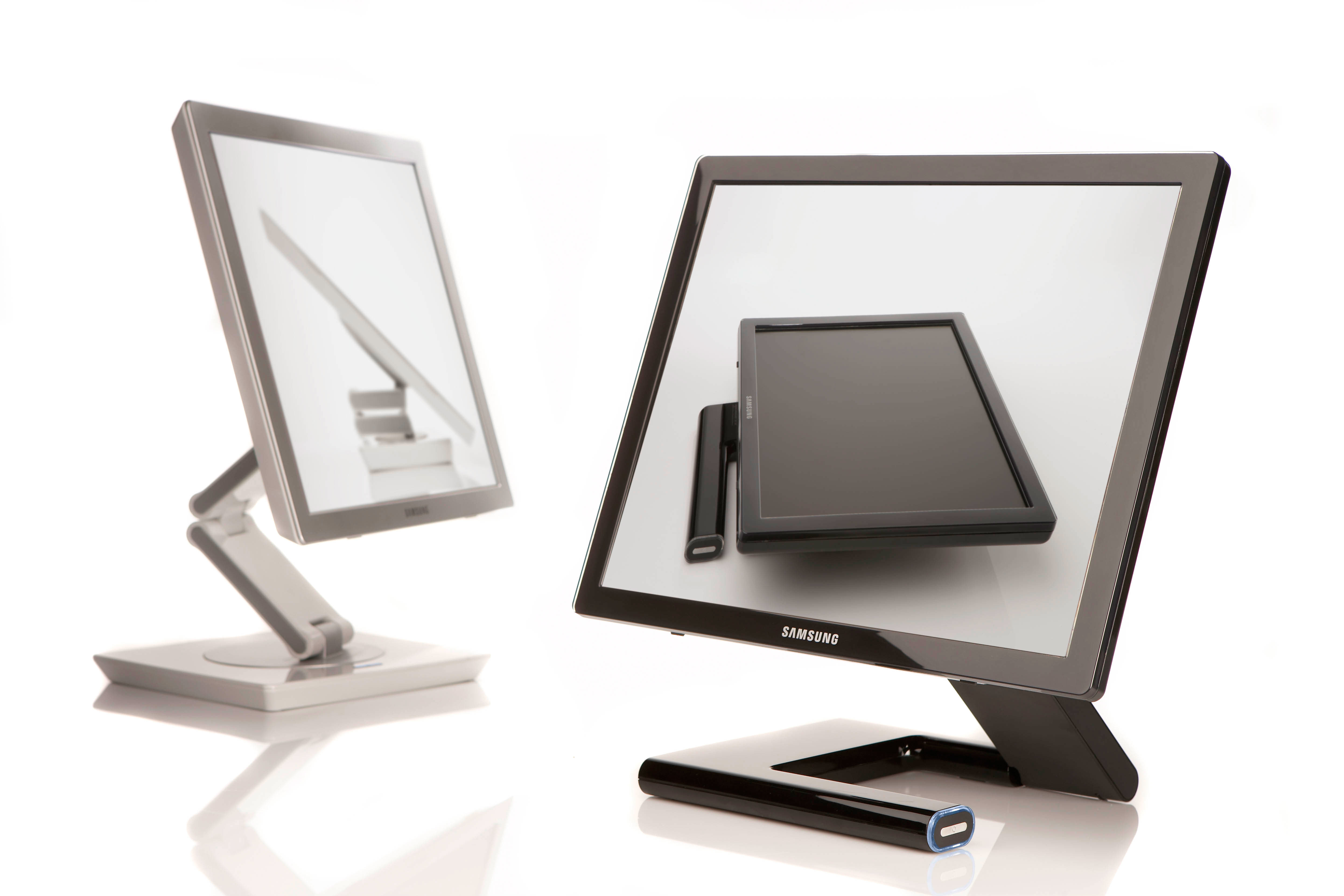
Samsung and IDEO created the industry-standard 970P and 971P monitors, featuring clean surfaces, contrasting textures, and a simple design for a premium look and feel. Designed with IDEO founder Mike Nuttall, they won both the 2009 iF Award and a 2007 IDEA Gold award.
Brand awareness for Samsung Memory
Wanting to raise awareness about Samsung Memory’s products that enhance the performance of electronic devices, IDEO and Samsung designed a humorous campaign that highlighted consumers’ need for Samsung Memory.
SimpleMedia and TotalMedia home entertainment concepts
IDEO and Samsung designed two concepts: SimpleMedia combined a computer, television, DVD, fax, and telephone; TotalMedia featured an adjustable screen and LCD projector combination. Although neither was ever produced, they were honored with design awards from ID Magazine and BusinessWeek, respectively.
SyncMaster 400TFT Flat Panel Display
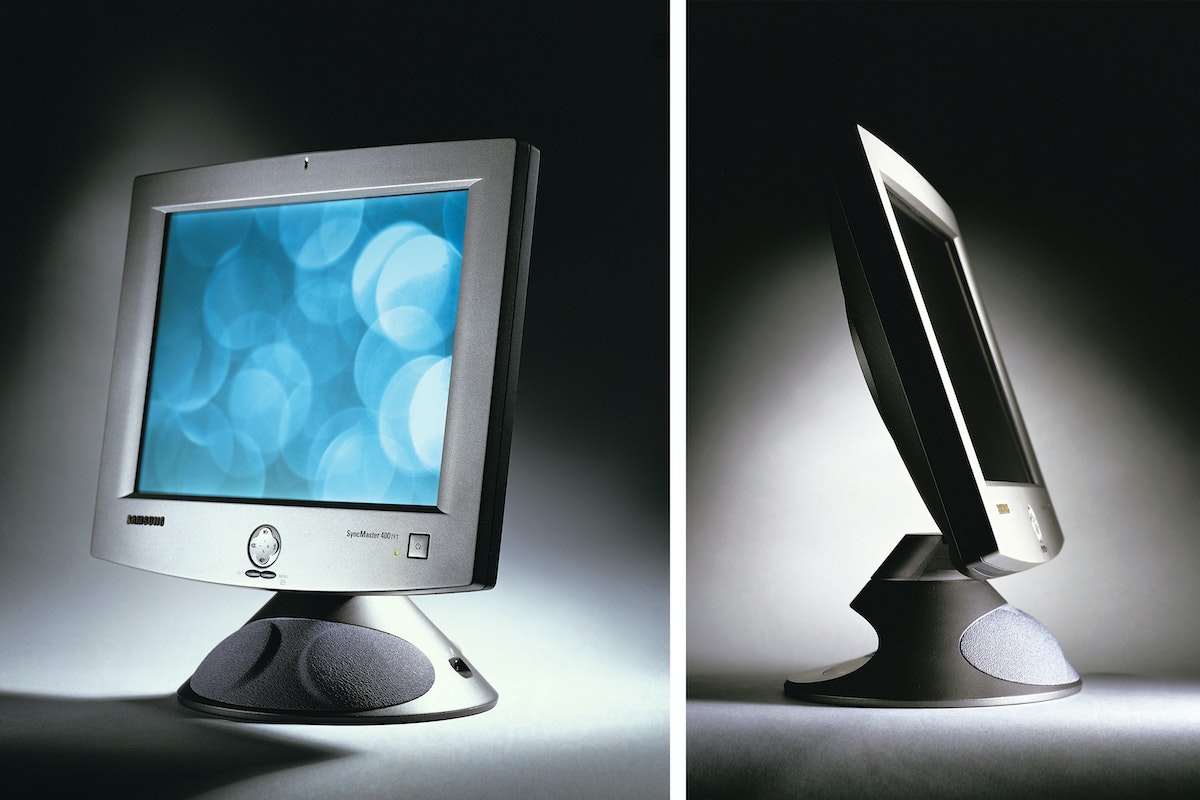
Samsung and IDEO designed the SyncMaster LCD flatscreen multimedia monitor to be thin and elegant, and it garnered several design awards in Korea, Germany, and the U.S. The British magazine T3 called it “the sexiest monitor we’ve ever seen.”

Designing a brand to scale big
A small, handmade line of granola lands on tables across the country.
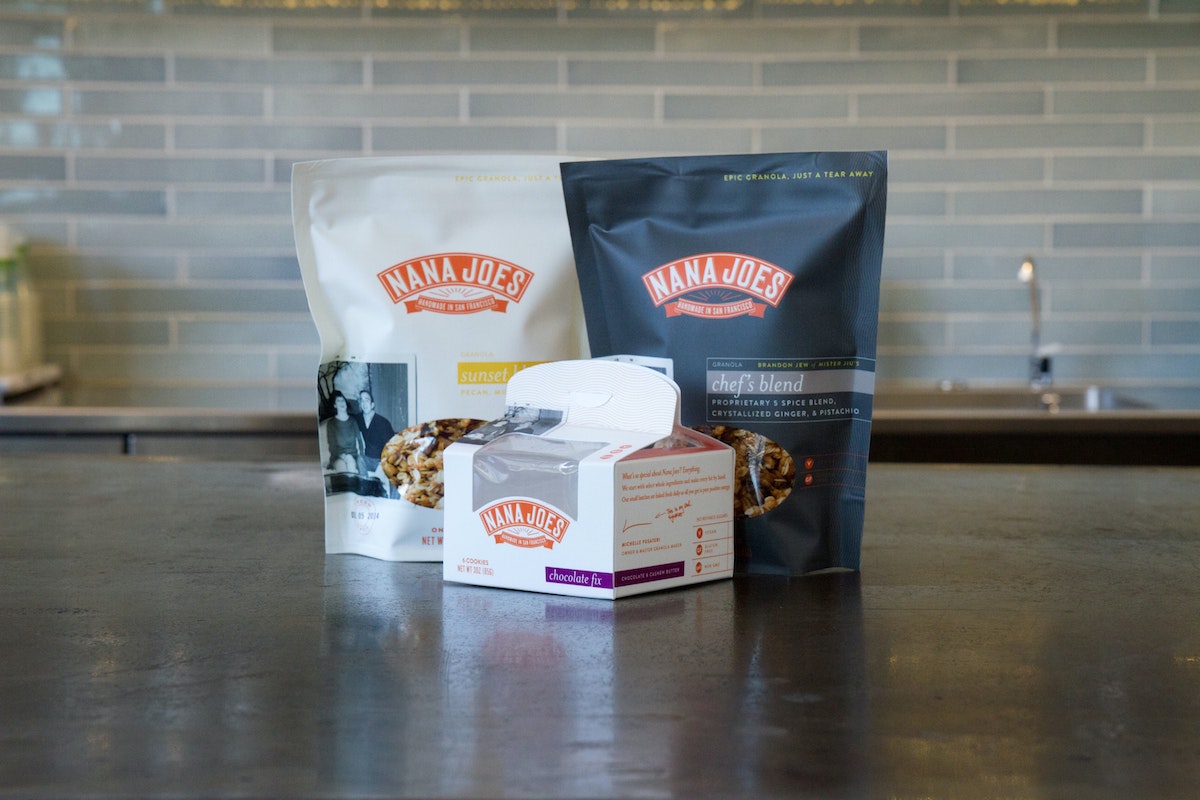
Nana Joes, a beloved San Francisco granola company, was born from an avid surfer’s desire to bring healthy breakfast back to the kitchen table. Embracing the philosophy that good food is about wholesome ingredients prepared with care, the startup took pride in carefully scraping each vanilla bean by hand and soon gained a devoted following at farmers markets around the Bay Area.
As Nana Joes’ reputation grew beyond the hills of San Francisco, the company asked IDEO to explore how to take a small company and scale the brand for national distribution, while keeping its heart and handcrafted ethos at its core.

A team of IDEO designers set out to position Nana Joes for growth by developing a brand identity and packaging system that would resonate with customers and reduce operational complexity. The entire team went on factory tours and met with packaging suppliers to identify solutions that would be easily manufactured en masse, but still retain the familiar handcrafted feel. With mock-up packaging in hand, they hit local farmers markets to conduct live in-market prototyping with both loyal and new customers and met with retail buyers to get their real-time reactions to how the brand and packaging stood out on shelves.
The final deliverables included new branding and packaging for the entire line of granola, granola bars, and cookie products, as well as a guide for Nana Joes to operationalize the rollout by 2016.
How a legacy phone book company reinvented itself
An Australian directories company transitioned from makers of the first phone book to digital services and beyond.
The legacy company that produced the first phone book in Australia more than 130 years ago—and the disruptive change it represented—became directories company Sensis. As Sensis made the transition from a print directory to a digital service in recent years, the company came to IDEO to foster a startup mindset.
Together, Sensis and IDEO identified four ways for Sensis to become more agile: Focus on the company’s core skills, revitalize the product development process, develop insights about Sensis’ global competitors, and strengthen connections to current and potential customers.
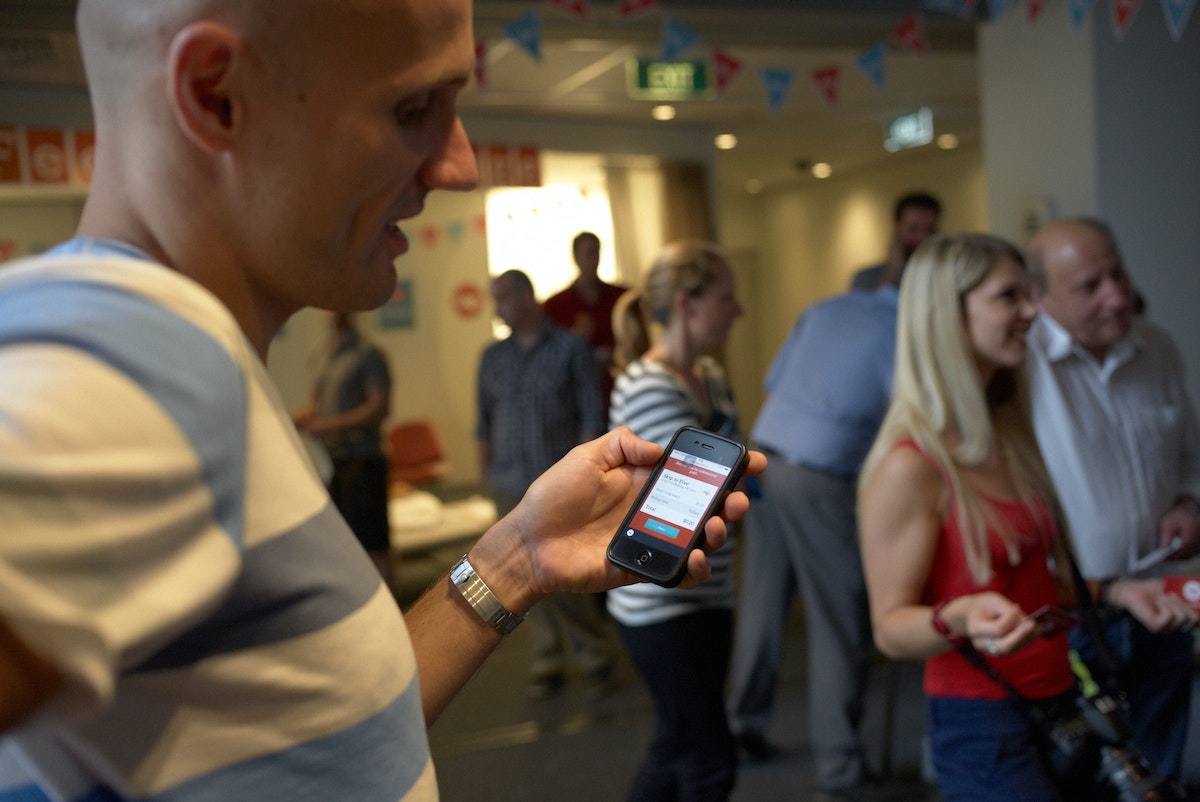
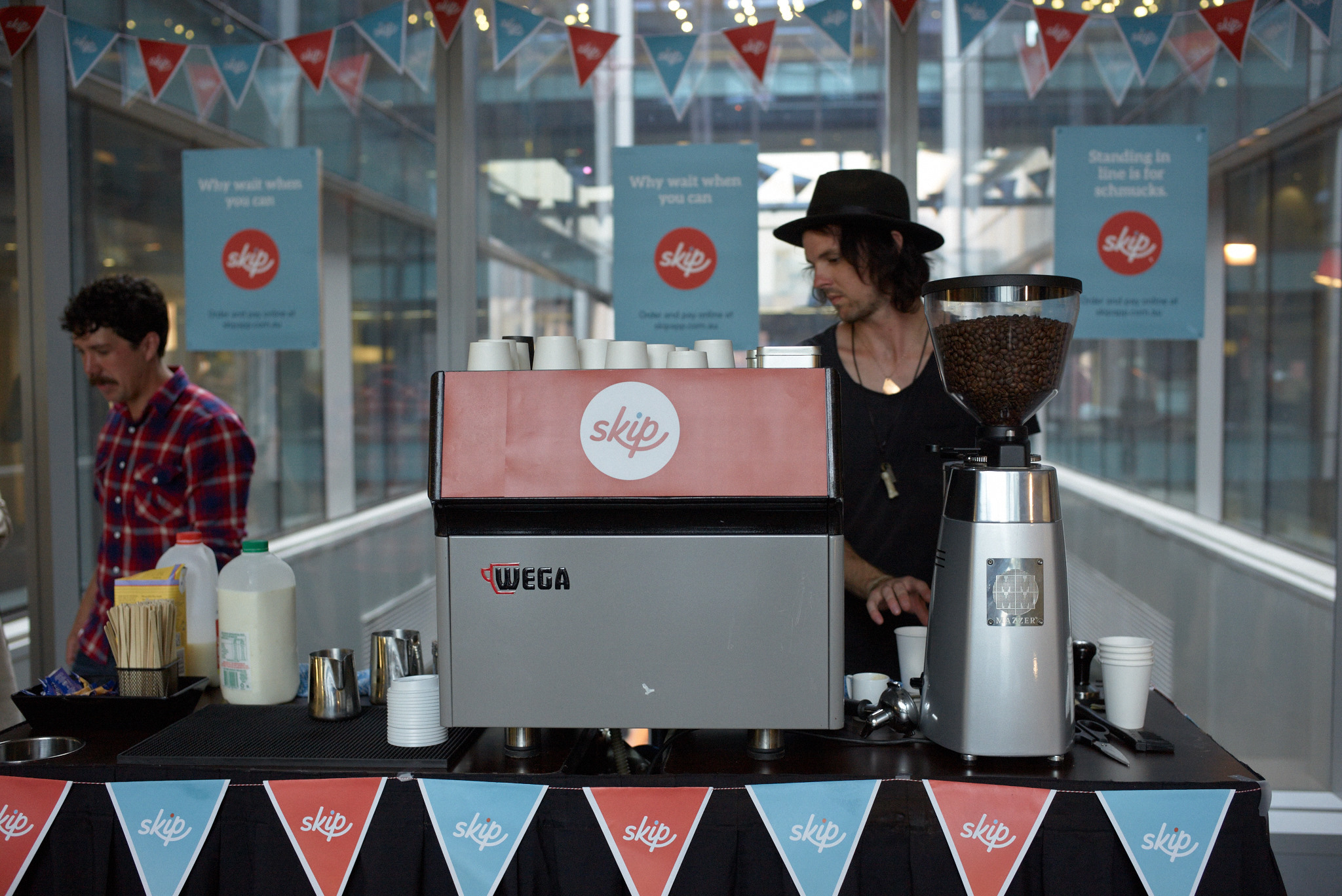
After prototyping more than 65 ideas, the team decided on an app, Skip, with which a customer connects remotely to her favorite café right from her phone, sends her order, and schedules a time to pick it up. Then she breezes past the line when she arrives at the café.
To understand how this app might work in the real world, the team fanned out across Melbourne, talked directly with café owners and their customers, gathering data, and watching behavior, then launched the live app just 10 weeks after developing the first prototype.
Watch: Team members from Sensis and IDEO share their experiences.

A real-time data service for food industry workers
Using design thinking to pivot from food-discovery app to food-data provider.
Fueled by a mission to “help everyone love what they eat,” the Chicago-based food-tech startup Food Genius created a consumer-facing mobile app that used a complex algorithm to track more than 16 million restaurant menu items and classify consumers’ dining-out behaviors.
After the year-old startup became part of IDEO’s Startup in Residence program in Chicago, the company changed its focus from consumers to the food industry.
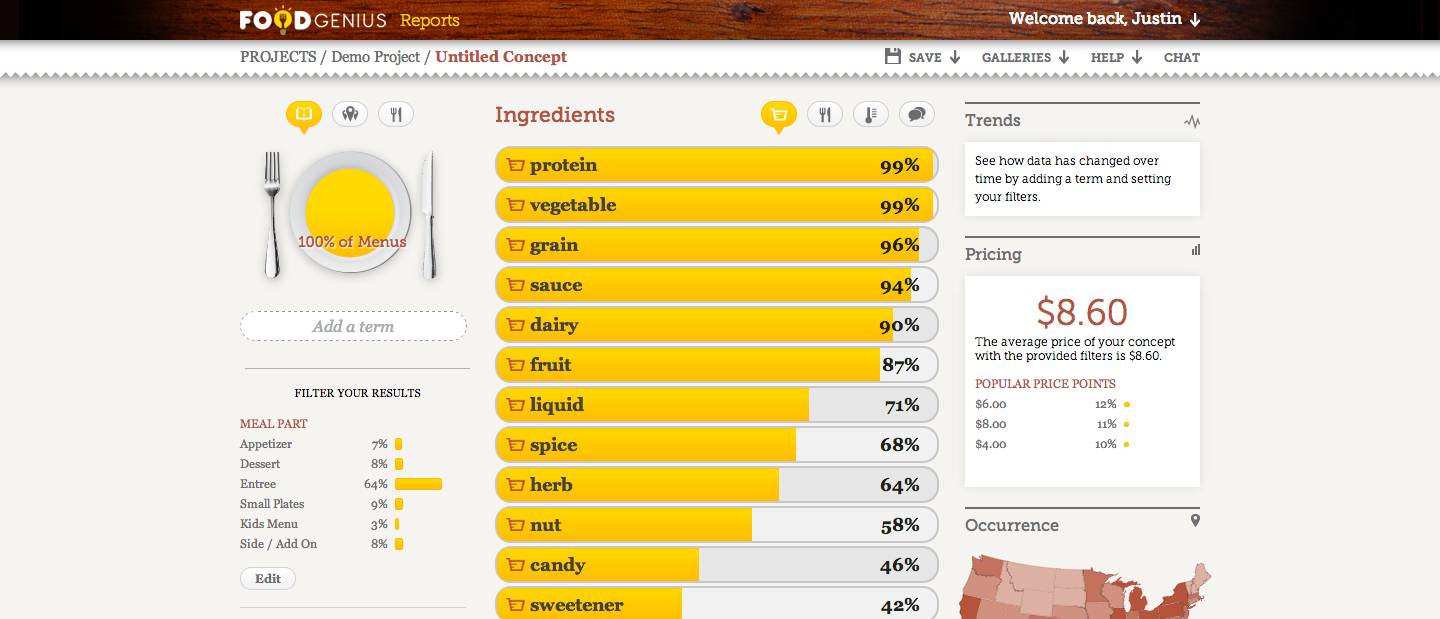
To build their food industry-focused platform, the designers collaborated on a number of business and technological development strategies, product road-mapping, and a prototype viral marketing experience called Curry Crawl to test the usability of the new API.
In April 2016, Food Genius was acquired by US Foods. "What was really striking about US Foods is that they take a very analytics-driven approach to their business," said Justin Massa, founder and former CEO of Food Genius. "They bought the technology knowing it's going to be able to do great stuff."
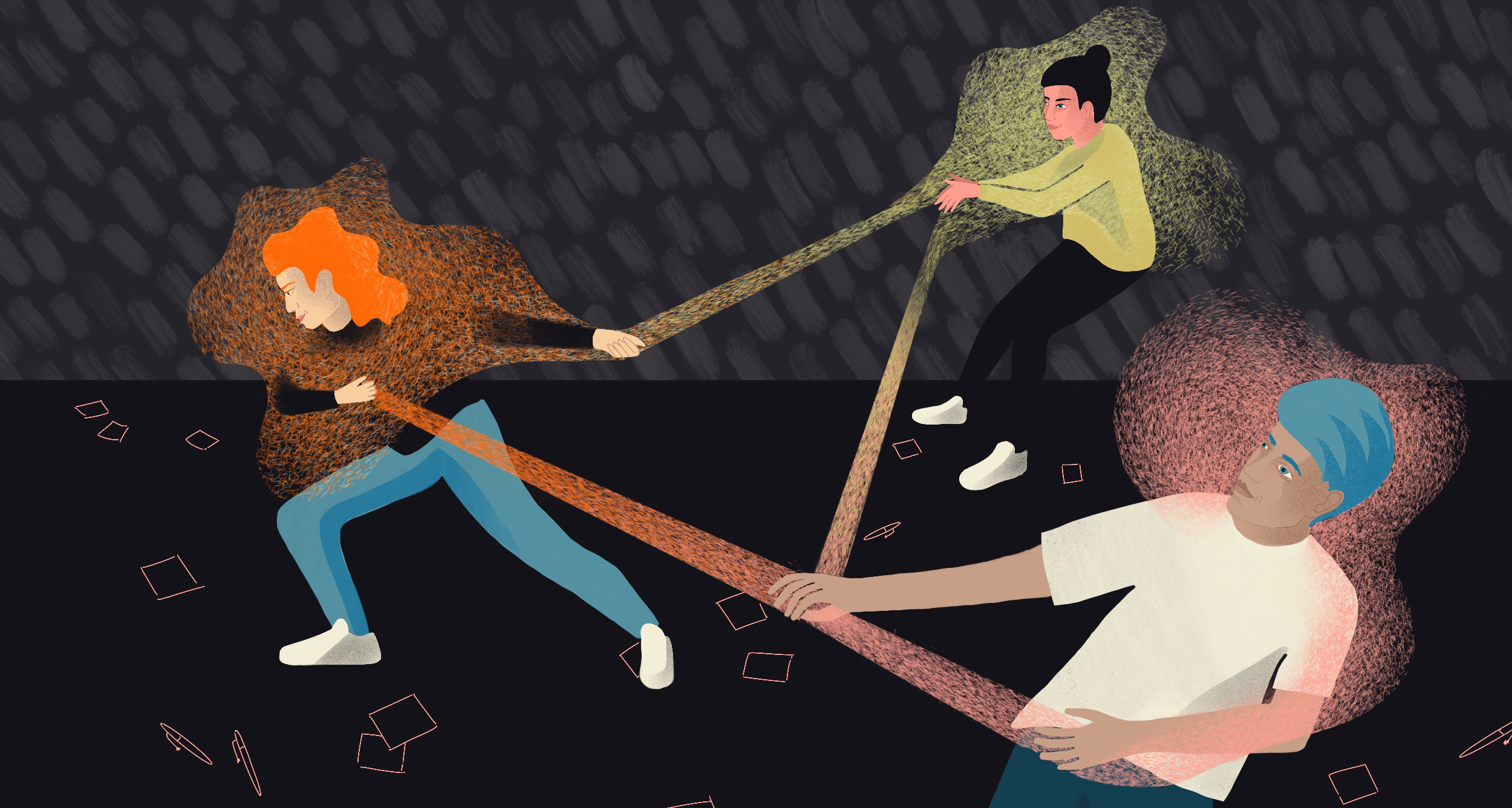
Corporate Innovation Needs a Shakeup. Here’s a Blueprint.
Use these steps to shift from one-and-done to repeated cycles of innovation
A few years ago, we started a project to figure out how we might address these challenges. To start, we spoke to dozens of executives, design leads, product developers, and engineers around the globe—people who work at small startups and large conglomerates in a number of different industries and countries. We were particularly interested in learning more about the ways organizations come up with ideas, how those ideas are evaluated, and how they collaborate within teams and across departments to bring those ideas to market.
Today we’re sharing the results of our research. Here are the highlights of what we discovered, plus some practical tips for creating an environment and culture that can foster innovation over and over again.
1. Leaders are attracted to a new scientific and objective approach to evaluating ideas, but very few organizations actually practice it
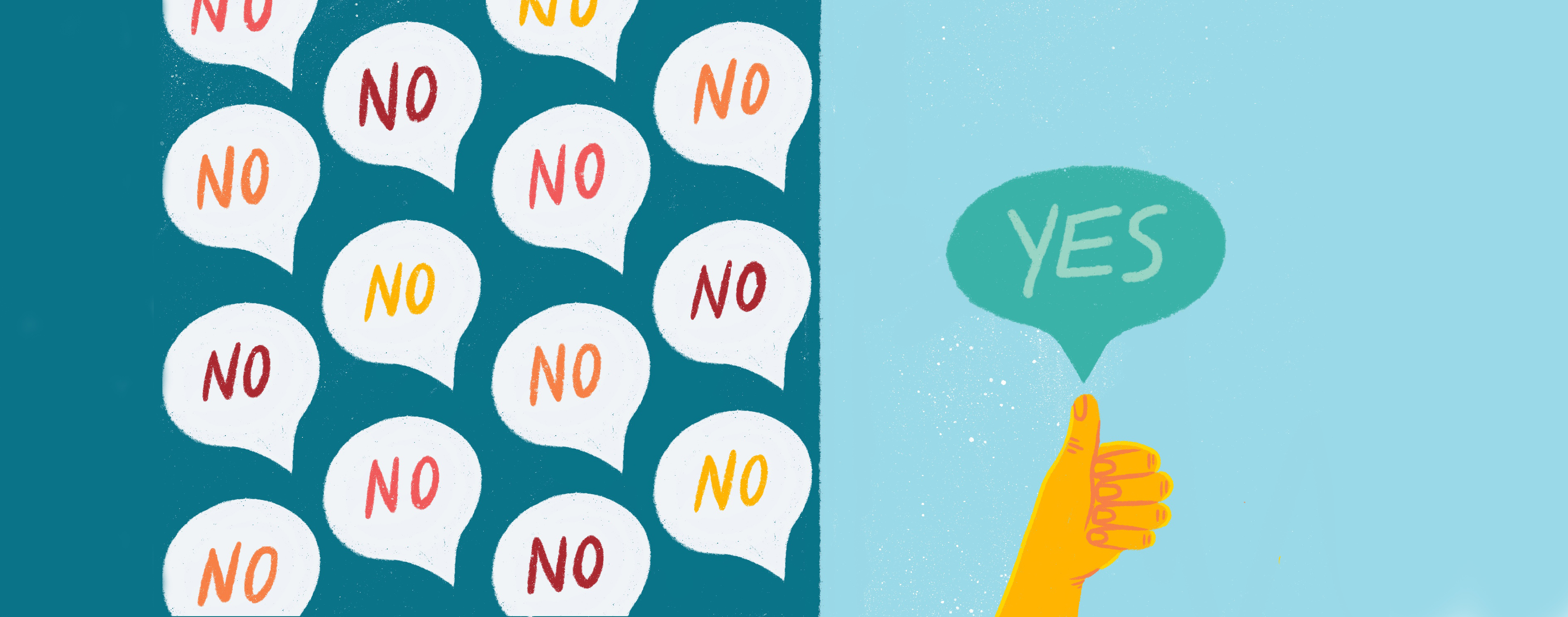
Most of the organizations we talked to struggled to decide which ideas they should invest in. It’s not because they didn’t have top talent or novel ideas, but because they didn’t have a consistent rubric to help them evaluate and prioritize. That’s a problem that not only slows things down, but can also lead to good ideas never getting the support they need.

On the flip side, we found a very small proportion of cutting-edge internal labs provided a consistent set of metrics for making meritocratic, data-informed choices about which ideas to invest in. Having a clear and fair set of metrics means that employees are better engaged, ideas get a fair shot, and employees can’t blame the organization when ideas are cut.
So how can you set that tone at your organization?
- Choose your most important metrics and be consistent. This ensures stakeholders on your team can make evidence-based decisions, giving every idea a chance based on merit.
- Empower decision-makers to say no. Once they have the data in front of them, they need frameworks to make decisions based on customer feedback—not internal bias.
- Make sure you have a diverse crowd evaluating your ideas. Bring together people from inside and outside your organization’s walls to help you see your blind spots.
2. Design and innovation teams need to know when to apply the right methods—but can’t be forced into a linear process
Tools, guidance, and structure are an integral part of any good design practice, but overly prescribed processes restrict creativity. Being too rigid about the timing or order of certain phases can quickly quash team engagement—if phases have to be ultra-quick, people may contribute too superficially; too long and teams lose momentum.
As Jens Uehlecke, Managing Director at Greenhouse Innovation Labs, told us, “My team thrives with just enough structure to help them know that things are going according to plan, where they can still customize the process and get feedback along the way.”
So how do you walk that line between ultra-rigid and maniacally unstructured?
- Don’t focus on a single, linear process. Empower your team to use the right approach and tool at the right time, and document them clearly.
- Encourage teams to re-evaluate their method to stay at the cutting edge of design, research, and technology.
3. Organizations struggle to access customer feedback because it requires a lot of time, resources, and expertise
Accessing customer feedback early and often is a crucial part of making evidence-based decisions, but it can also be a major bottleneck. It rarely happens regularly or effectively enough: Survey tools often are difficult to use and have too many features, and sourcing the right audience can be expensive.
Chris Lindland, CEO of the crowd-sourced clothing company Betabrand, told us that after his company created an effective way to gather customer feedback, “It was exciting for designers to get results back and it took the guesswork out of understanding what our customers wanted.”
Here are a handful of ways for you to make feedback-gathering process easier:
- Communicate a process to conduct qualitative and quantitative research. Provide guidance for creating customer discussion guides and rubrics for selecting which customers to talk to.
- Let people across the company know how they can talk to a customer directly. Most tech companies even have the technology to make it happen in just hours—all while following privacy guidelines.
4. Ideas sourced from across the company often lose steam because there’s no pathway for them to make an impact on the business
Many leaders we spoke with rely on company-wide idea gathering—often in the form of open innovation challenges—to uncover ideas from across the organization. But the transition from idea to implementation is a fragile one. As one innovation challenge manager at a financial institution told us, “There’s often a lack of a clear process and accountability after the challenge is completed and an idea is selected.”

Innovation management tools usually start with a challenge and end once that one idea is chosen. Often, ideas with potential get cut because teams aren’t able to take ownership, or aren’t able to arrive at a version of the idea that would benefit the business.
So how can your organization turn ideas into action?
- Cluster ideas based on the problems they solve. This helps highlight business value, and from there, you can prioritize based on each idea’s potential.
- Don’t set a finite deadline on your long-term strategic goals. Leave the door open for new ideas that relate to your strategic priorities. Periodically sponsor the ideas that float to the top; avoid one-and-done competitions.
- Help ideas live beyond the scope of a challenge. Don’t expect everyone to perfect their idea during a short timeframe. Encourage teams with promising ideas to keep getting feedback. Create clear and transparent opportunities for those ideas to be re-evaluated.
5. Passionate minorities need opportunities to do work that challenges the status quo
Relying purely on the judgement of internal stakeholders, employee forums, or upvoting of ideas reinforces groupthink. As a result, a cadre of similar ideas often continue to get approval while new ideas struggle to gain momentum. As Joe Gerber, Managing Director of IDEO CoLab says, “You need to give ideas surface area so that the minority of people in an organization with a similar hunch can explore their passion.”

To protect divergent ideas, make sure to:
- Help passionate people identify each other and build off of each other’s work. Use internal channels to help people broadcast their ideas, hypotheses, and expertise across the organization.
- Bypass organizational bias with customer feedback. Don’t require ideas to be internally vetted or approved before any customer gets to see them. Include customer feedback as an early and integrated part of managing your innovation pipeline.
We hope these tips will help make the process of solving big challenges and taking on your company—or the world’s problems—just a bit smoother.
Illustrations by Cassandra Fountaine
The toughest part about being a truly innovative company is figuring out how to let new ideas grow—then figuring out which ones are worth further investment. It’s not easy. Many high-potential ideas hit roadblocks or spur questions from leadership before there are answers. There isn’t always a straightforward formula for success.
Build Your Creative Confidence: The Dream/Gripe Session
Innovators often face the task of which challenge to focus on, or how to frame a challenge they are given. At IDEO, we use the term “Phase 0” to describe all the activities that take place before the problem is fully defined.
Creativity Challenge #9: Define a problem to work on.
Innovators often face the task of which challenge to focus on, or how to frame a challenge they are given. At IDEO, we use the term “Phase 0” to describe all the activities that take place before the problem is fully defined.
Talking about problems doesn’t necessarily inspire ideas, or energize you to act on them. Nor does wishful thinking. The Dream/Gripe Session helps you translate those discussions into creative thinking challenges you can start to tackle. This tool was adapted from an exercise in the Design Thinking for Educators Toolkit, developed by IDEO in partnership with Riverdale Country School.
Tool: The Dream/Gripe Session
Participants: Pairs in groups of any size
Time: 15-30 minutes
Supplies: Pen and paper
Instructions
Step 1: Decide on a topic for discussion. The dreams and gripes may relate to internal matters like the culture of the organization or external ones like interactions with customers.
Step 2: Pair up with another person and select one person to go first (Partner 1).
Step 3: Partner 1 airs their dreams and gripes for five to seven minutes, while Partner 2 listens and takes notes.
For example:
DREAM: “I wish we could get our customers to read the instructions.”
GRIPE: “It’s so noisy around here that I have trouble concentrating.”
Step 4: Partner 2 reframes the dreams and gripes into open-ended questions that make for good innovation challenges. We usually start with the phrase “How might we...?” A good “How Might We” question should not be so narrow that it suggests a solution (even if it’s a good idea). Initially, you're just trying to capture the problem, not jump to possible solutions. It should also not be so broad that it stymies the flow of ideas (rather than generates them). A good “How Might We” question should allow someone to easily come up with 10 different ideas.
Partner 2 should aim for three to five well-framed innovation challenges and share them with Partner 1.
For example:
GRIPE: It’s so noisy around here I have trouble concentrating.
Challenge that’s too similar: How might we reduce noise so you don’t have trouble focusing?
Challenge that’s too narrow: How might we create more private offices so employees can concentrate better?
Challenge that’s too broad: How might we help people focus?
Challenge that’s just right: How might we design the space to accommodate a range of working styles?
DREAM: I wish our staff got their expense reports in on time.
Challenge that’s too similar: How might we get people to be more timely with their expense reporting?
Challenge that’s too narrow: How might we use a smartphone app to speed expense reporting?
Challenge that’s too broad: How might we get people to have more respect for deadlines?
Challenge that's just right (with empathy for the employee): How might we simplify the expense reporting process so that people can complete it more quickly?
Step 5: Switch roles and have Partner 2 air dreams and gripes while Partner 1 listens and then offers “How Might We” innovation challenges.
Step 6 (optional): If you are doing this in a group setting, compare lists of all of the innovation challenges across the pairs. Look for patterns, themes, and common issues. This should help focus the discussion and suggest an opportunity for what innovation challenge to take on next.
This post was taken from Chapter 7 of Creative Confidence. Purchase the book for more on how to use creativity to solve problems, or read more from this series of creative exercises on the IDEO blog.
Everyone is creative. This belief runs through everything we do at IDEO, and in 2013, it led my brother David and me to write a book that would help others—even those who don’t think of themselves as “creative types”—to unleash their creative potential. Creative Confidence has inspired thousands of people to adopt a creative mindset and apply it to the diverse real-world challenges they face. In this series, we’ll share some exercises from the book that can help you approach your challenges from a new perspective.

Welcome to The IDEO Journal
Introducing our new, digital publication featuring stories from leading voices at the intersection of design and business.
It would be decades before design would become widely understood as a practice beyond decorative arts. In fact, the interviewer asked, “How would you define yourself with respect to a decorator?” And Eames replied succinctly: “I wouldn’t.”
It’s rare to find such a concise encapsulation of design’s power and potential, but Eames summed it up with admirable simplicity. There are no boundaries to the problems we face, of course; but there’s also no end to the ingenuity we can bring to bear in our pursuit of solutions.
Framed this way, it’s easy to see why design—as a creative approach to solving problems—is such an effective tool for business. In a highly interconnected world transforming at unparalleled speed, business leaders must attend to an ever widening set of concerns. Threats and opportunities come from unexpected places, and it can be hard to see through the fog. Design helps us navigate that ambiguity. It provides a framework for making decisions, identifying needs, devising solutions, and articulating values.
At IDEO, we know the magic that can result from combining design thinking, business acumen, and the possibilities of new technologies. We see it every day with our clients and teams, and we hear stories from our network of partners and collaborators.
Now, we have a place to share those stories: The IDEO Journal, a new digital publication featuring insights, inspiration, provocations, and lessons from the world of design-led business.
Today we are thrilled to launch this publication on IDEO.com and through a biweekly email newsletter. We begin with four perspectives: Lawrence Abrahamson, Senior Design Director at IDEO New York, shares an insight he had while chatting with a facilities manager for a large real estate corporation—recognizing new ways to unlock value in the work space of the future. Deborah de Vries, Senior Portfolio Director at IDEO San Francisco, shares the four key pillars to building an innovation lab that successfully shepherds its parent organization into the next era of its business. Senior Portfolio Director Hailey Brewer presents a thought exercise on the language we use when we talk about business—and how changing our words might change our outcomes. And Owen Sanderson, a business designer, alongside Maura Cass, a design research lead in our Cambridge studio, share an example of how looking outside your own industry can be the best way to inspire change within it.
Forthcoming stories will include a case for embracing friction when starting a new corporate venture; and an interview with Dawn Laguens, the former Executive Vice President of Planned Parenthood who now sits with us as expert-in-residence at IDEO. We’ll have explorations of creative leadership, digital transformation, entrepreneurship, and much more.
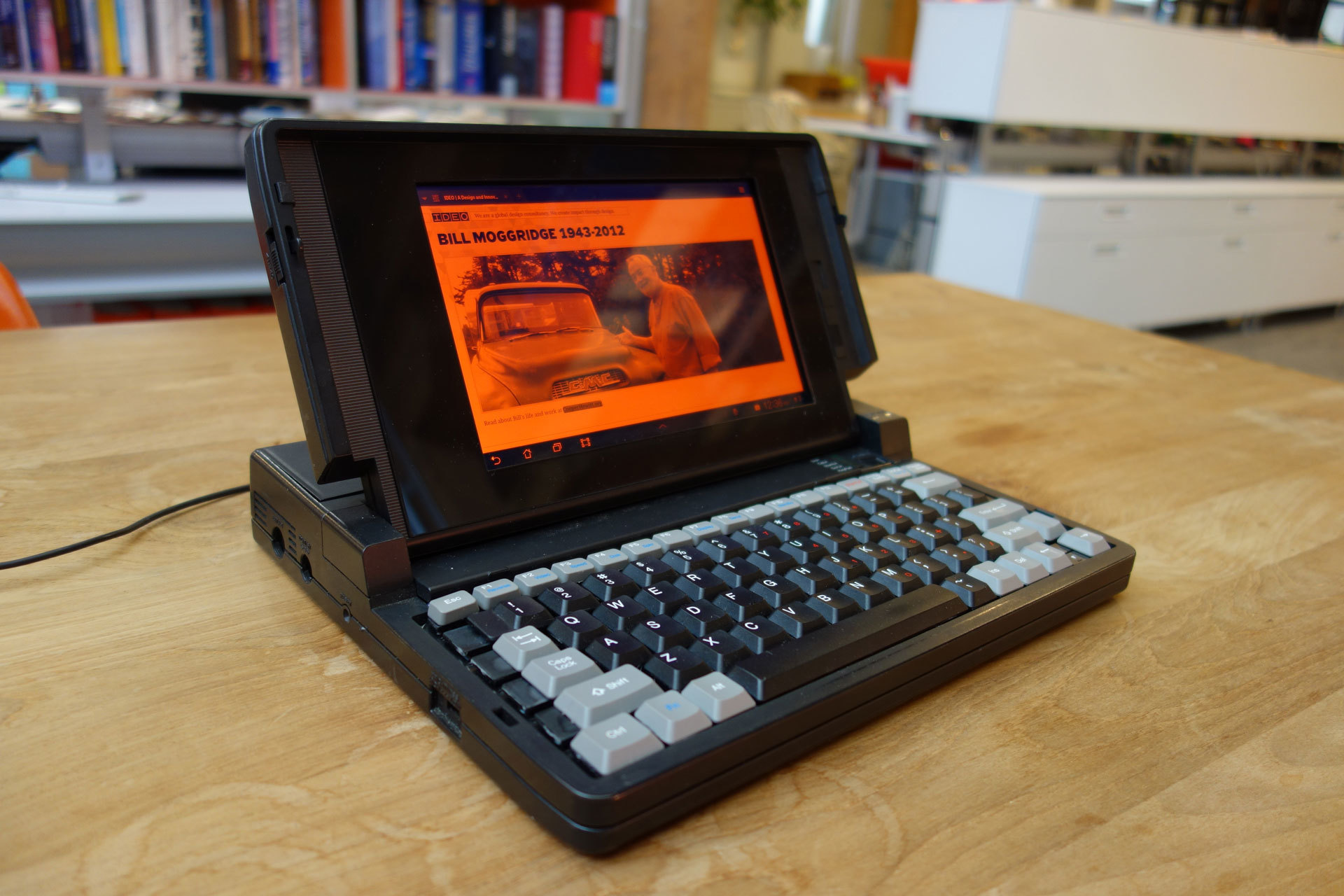
The convergence of design and business has followed a long trajectory from the early business consulting work of Charles and Ray Eames. It would have been hard to imagine in 1969 just how widely design could be applied. Even IDEO co-founder David Kelley, looking back on our firm’s 40 years, remarked: “And to think, when we started I thought we were going to forever be designing plastic parts for Silicon Valley computers and that would be enough to be fulfilled.”
Computers themselves once seemed like one of the most complex and interesting problems design could tackle. Now, of course, the physical components are just an interface for whole realms of experience nobody foresaw. While we can never predict the future, we can equip ourselves to respond to it with creativity and intelligence. By applying design and business—together—to the problems of our time, we expand the boundaries of possible solutions.
In a 1969 interview, the legendary designer Charles Eames was asked, “What are the boundaries of design?” Without skipping a beat, he turned the question around and asked, “What are the boundaries of problems?”

What Comes After Open Offices?
It doesn’t matter, as long as culture comes first. Start seeing your work space as an opportunity to create value rather than cut costs
They were right, of course. At IDEO, we’ve seen time and again how environments design can create a more appealing, nimble, and resilient workplace. But we’ve also learned that a more profound change—and higher returns—can come when we look beyond the “hardware” of floor plans and furniture to the “software” of human relationships, activities, and work habits.
We began a series of site visits, meeting with people across different roles and observing how they used their workspaces, from executive offices to call centers. At one location our guide was a “floor manager,” as they called him. Technically, he was responsible for the upkeep of the physical environment, but he quickly revealed himself to be far more than that. He remembered birthdays and anniversaries. He knew when teams had completed a big project and how best to celebrate it. He was also an astute observer of the quirks of human behavior in space, like the routes people paced when they needed privacy on a personal call. He was invaluable for our learning process, and we realized he was invaluable for the bank too. He bridged some of the work of a receptionist, human resources specialist, custodian, and audiovisual tech. Above all, he helped people connect personally to their environment, and in doing so he made it better and their work easier to do.
But, as in so many organizations, his job was in jeopardy. Rather than see the value of his dedicated attention and accumulated cultural knowledge, the bank had decided that it no longer needed a manager for each floor. His role was seen as expendable, and his presence a cost burden. His “hard” tasks could still get done in a more administrative capacity, but the “softer” work would disappear.
This was a moment of insight for us. Amid the inconsistency of changing workplace conditions and mobile employees, this floor manager was a constant for the community. Far from being an unnecessary expense in a lean workplace, he was what allowed a lean workplace to thrive. He embodied its culture and created returns that couldn’t be easily captured on spreadsheets. We started to think of him like the starter in a sourdough recipe—the little bit that carries the unique flavor and texture of the organization forward.
The case of the big bank floor manager is indicative of larger trends that I have seen evolve over the last decade. For many years, facilities professionals, just by doing their jobs, enabled huge returns for their companies. They brought value by modernizing space, boosting technological efficiency, and cutting square footage. But when there is little left to cut, returns must be generated in other ways. In order to unlock new value, the realm of facilities must expand to encompass not only visible details of design and culture, but also less visible organizational factors like strategy, structure, process, incentives, and talent. In turn, the role of the facilities manager evolves from someone who optimizes for today, to someone who helps cultivate tomorrow.

In searching for more ROI, some organizations are choosing to locate their teams in white-label workspaces that offer glossy services and amenities, while alleviating some of the ambiguity inherent in preparing for the future. However, these places can be more like interchangeable hotel rooms than permanent homes. The occupants are connected by proximity, but not by a shared purpose.
At IDEO, we consider that sense of common purpose to be an essential part of the software that makes the workplace—and the organization—thrive. Our challenge is to better program that software—to think not only in one-off designs, but about the broader life and behaviors in an environment. In a project for Planned Parenthood, for example, we suggested shifting the role of receptionist from a stationary processing officer to a responsive guide—someone who could assess patients’ particular needs and help them navigate the space accordingly. The furniture and floor plan changed, too, to improve the patient experience; but it was in the use of human services that the overall design was activated. The people inside would play just as important a role as the walls and furniture. The outcome was both a strengthening of internal culture and relationships, and a more favorable outside perception of the brand as one that foregrounds human relationships. It showed what can happen when we consider people and interactions as part of the design.
In a very different type of project—the redesign of a hedge fund’s trading floor—we similarly looked at the interaction between human activity and physical environment. The client’s hunch was that more portfolio managers talking with each other and exchanging their expertise and research would produce different, better scenarios to trade on. Their teams had been siloed and hierarchical, with minimal interaction between fiefdoms. We quickly realized that while the brief asked for “the trading floor of the future,” we were undertaking a cultural change project. You can’t get people to exchange ideas if they don’t even address each other in passing.
We designed a space that had teams sharing amenities like conference rooms, call booths, and support service stations, and we also left room for spontaneous interactions and conversations away from the desk. The physical environment was enriched by the design of programmatic experiences like learning and development opportunities that brought diverse employee groups together; as well as intentional consideration of teams’ internal language and communication. At first, those at the top of the hierarchy resisted organic interaction with those lower down the ranks. But in the end, the value of cultural cohesion was clear. And data supports the experiential finding: Teams and organizations that collaborate across different functions on a daily basis are 38% more successful than organizations that do not. The best workspaces function like a sliding puzzle: there has to be a little extra to move into, otherwise everyone gets stuck in place. They consider the container as well as the contained.

The two projects were certainly different, but both were emblematic of doing more with less, by focusing on the people in the space. We helped both organizations and their real estate teams steward a shift from merely managing their workspaces to cultivating the activity that goes on inside them. We studied unique human behaviors and then, through testing and prototyping, moved forward with elements tailored to each organization’s culture and its individuals. That process differs from what environments design typically entails. But we know that the software of a workspace still has a lot to give us all, in a way that’s complementary to the pressures many organizations are feeling.
I recently got back in touch with my client at that international bank. She told me they’re now adding floor managers—renamed “experience managers”—to their sites across the globe. That’s a small thing, but it underscored a more profound change in her role developing the bank’s myriad facilities. If before she was a value saver, now she sees the possibilities in being a value creator. Rather than working behind the scenes, she is an active player in her organization’s success. “It’s not just furniture,” she said. “It’s about how employees feel about the way they are spending time. Are they in an environment that supports their flow, their work style, and their work type? What can we do to make their work easier? How can I make them more successful?”
Those are profound questions for any organization, let alone for the professional field of real estate that is shifting from simply building the walls to enabling the activities that happen inside of them. When I think about the future of facilities, I think about all the potential we can unlock by holding the cultural and emotional components of work alongside legacy approaches to productivity and architecture. Our challenge—and our interest—is weaving those parts into a greater whole.
Unless otherwise specified, all statistics came from Creative Difference, a digital tool to assess, guide, and track the development of creative and innovative teams.
Visuals by Marina Muun.
A few years ago, a major international bank approached IDEO and asked our team to rethink their workspaces. They had a new CEO, a new mission statement, and a hunch that the physical design of their facilities could foster behavior changes in the organization.

Lindsey Turner
I’m passionate about building brands, products, and experiences that help organizations show up with meaning and momentum.
I help organizations cut through complexity by shaping how they show up, through brand strategy, identity, and storytelling.
Working at the intersection of brand and business, I bring an editorial eye and a bias toward making—turning ideas into tangible experiences that people can understand, trust, and believe in.
My work spans government, healthcare, financial services, media, and consumer goods, from launching Gen Z-focused ventures to building innovation labs and reimagining legacy brands. I relish moments of ambiguity and enjoy translating across teams, perspectives, and priorities to move ideas forward.
I started my career in editorial and digital design, shaping cross-platform experiences and identity systems in publishing and agency environments. That foundation still shapes how I work today: I’m detail-oriented, collaborative, and overreliant on the Oxford comma. I hold a BFA in Visual Communication from the School of the Art Institute of Chicago.

Rachel Young
My work helps organizations see who their products aren't working for—and build the will and the tools to do something about it
For 25 years, I've asked the same question: Who does this design exclude—and what are we going to do about it?
My work spans human-centered strategy, inclusive design, and qualitative research, with clients ranging from Microsoft, Google, and Verizon to the National Science Foundation, and San Francisco Unified School District.
Before IDEO, I taught elementary school in East Palo Alto and spent a decade doing design work with social service organizations—where I learned firsthand what it costs people when systems are built without them in mind.
I am currently writing User Error, a nonfiction book about digital access and the design decisions behind it. I live in Oakland, California.

Brian Pelsoh
I lead with craft, ensuring our work is creatively excellent: rooted in deep human insight and imagination, while also grounded in the realities of business and technology.
My expertise spans brand, communication, and product design across tech, education, the arts, and social impact.
I believe great work demands both high-level vision and obsessive attention to detail, and only happens through collaboration.
I bring an inclusive, hands-on approach and a deep understanding of business, which enables me to consistently deliver excellence while always asking why.
Before joining IDEO, I worked at the brand firms Pentagram and VSA Partners. I began my career as a designer, leading teams at the School of the Art Institute of Chicago and the Milwaukee Art Museum. I hold an MFA in graphic design from Maryland Institute College of Art and a BFA in communication design from the Milwaukee Institute of Art & Design, and have taught at some of the best design schools in the US.

Tony Wong
I am responsible for IDEO’s long-term success in China and working with clients to use design as a tool to enable growth.
I am responsible for IDEO’s long-term success in China and working with clients to use design as a tool to enable growth. Specifically, I have helped Chinese companies design holistic brand solutions through the development of their products, communication, services, and innovation teams, and I have helped multinationals expand their presence and influence in China.
I advise global leaders on developing China-led innovation and capabilities.
In over 15 years in IDEO Shanghai, I have worked on projects that use design to elevate the quality of the experience of healthcare products and services, streamline processes that increase productivity, create spaces and programs that promote and enable inclusive communities, and build next generation mobility solutions that are planet-positive.
Before joining IDEO, I worked at Philips Electronics and the Electrolux Group in Italy, the Netherlands, and Singapore on a number of breakthrough commercial products. I am a member of the Young President Organization in Shanghai.

How to use AI as an editor, not a writer
Ed White shares how he uses AI as an editor—not a writer—to sharpen storytelling, rehearse ideas, and preserve the productive friction that makes creative work better.
Ed White has a rule he's tested on his own writing: hold yourself as the writer, and let AI be your editor. Ed is a Senior Design Director at IDEO's London studio, where he co-leads the firm's AI portfolio across Europe. Before IDEO, he spent 12 years as a writer and editor at the Financial Times, Wired, and Contagious. So when he talks about when to use AI for storytelling and when not to, it comes from two decades of crafting his storytelling skills.
In this episode, Mina Seetharaman talks with Ed about two specific tools he uses to keep AI in an editor's seat: a "roasting agent" prompted to critique his drafts without any sugarcoating, and a simulated audience he rehearses pitches on before the real thing. They also get into what Ed is hearing from design leaders at Anthropic, Lovable, Shopify, and Google Creative Lab about how creative work is changing, and why he thinks the friction of writing something yourself is worth protecting rather than automating away.

Building a personal AI for the messiness of life: Sida Li
Becca Carroll talks with Cue co-founder Sida Li about designing a personal AI for the messiness of everyday life—not just work. They explore how Sida stays anchored to human needs while navigating fast-changing technology, product tradeoffs, business-model experimentation, and the realities of building an AI company today.
Most AI products today are built for work—a space with clear problems and established systems. One founder noticed a gap: personal life is messier, harder to systematize, and mostly left behind by the AI boom. So she built Cue, a personal AI that lives inside iMessage and group chats, to go where the other tools haven't.
In this episode, Becca Carroll, IDEO's Chief Strategy Officer, talks with Sida Li, co-founder and CEO of Shared Context Lab, about staying anchored to a human need while the technology around her keeps changing shape, why she treats her business model with the same rigor she'd bring to a product, and what it feels like to build a company at this particular, disorienting moment in AI.
The conversation also gets into how Sida makes design decisions: the language Cue uses to describe itself, the tradeoffs behind building inside iMessage instead of a new app, and a real story about a business idea that didn’t pan out.
This is the second in a two-part series profiling founders from IDEO's Startups-in-Residence program. The first conversation is with Johannes Seemann, founder of Sooner, on designing GenAI for the emotional side of money.

Designing GenAI for the emotional side of money: Johannes Seemann
Designing financial tools around the feelings that shape money decisions.
Most personal financial tools are built to run the numbers and optimize towards a budget. While that works for some, most people experience money as a lived relationship that does not neatly fit into a spreadsheet. Johannes Seemann and Becca Carroll discuss why money is emotional before it is mathematical, and what a human-centered approach to building a generative AI financial product looks like in practice.

The curious leader's edge in uncertainty: Scott Shigeoka
How genuine curiosity helps leaders navigate uncertainty with greater confidence.
Mina Seetharaman talks with Scott Shigeoka, author of Seek and Head of Curiosity Cultivation at the Eames Institute, about what distinguishes genuinely curious leadership from performative curiosity, how power dynamics shape curiosity, and why practicing curiosity can restore energy rather than drain it.
Looks like you might be in search of something very specific?
Or reset the filters above and try another angle.
Here’s some random inspiration

Podcasts about creative leadership

Articles about the power of prototyping


















.webp)