
.svg)




Designing for peace of mind with a leader in home security
Rethinking the hardware, experience, and interaction of connected products designed to protect you.
Only 20 percent of American homes are protected by security systems, and most of these systems are installed after a break-in.
Home security veteran SimpliSafe hoped to convince the other 80 percent of home-dwellers to invest in preventative technology so the break-in never happens. The company approached IDEO to refresh and simplify the look and feel of its connected products to reach this wider audience and help them feel safe.
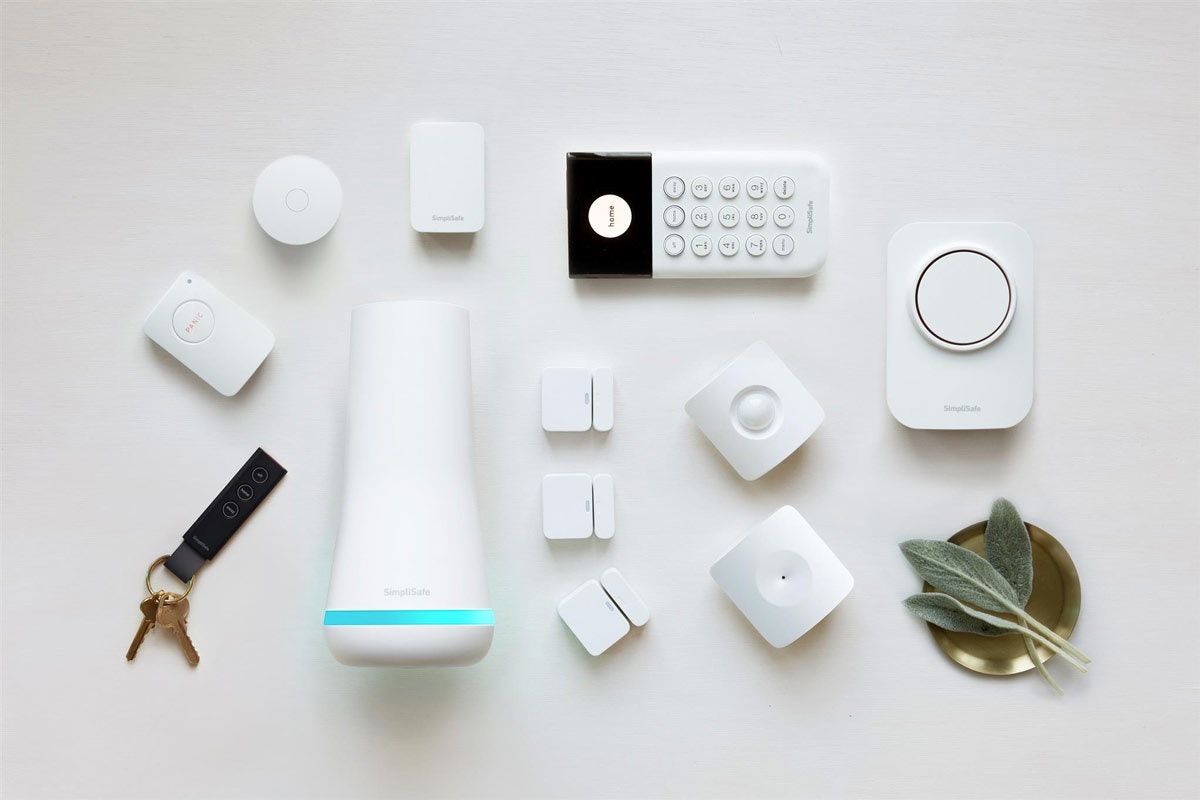
Interviews with potential customers revealed insights that informed the new design. Families told the researchers that existing security systems are expensive, bulky, and hard to install and use. Instead, systems should be unobtrusive, but responsive to your needs. They should react appropriately in emergencies, while also protecting your privacy.
Responding to those requests, IDEO overhauled the design and interaction of more than a dozen SimpliSafe products, including a wireless, touch-to-wake keypad; easy to install sensors; and a smart home base that acts as the brains of the system. Additionally, IDEO designed SimpliSafe's first step outside of the home—a video doorbell that can be used in tandem with the namesake home security system or on its own. Making the system enjoyable and intuitive to use means families are more likely to use it consistently—and correctly.
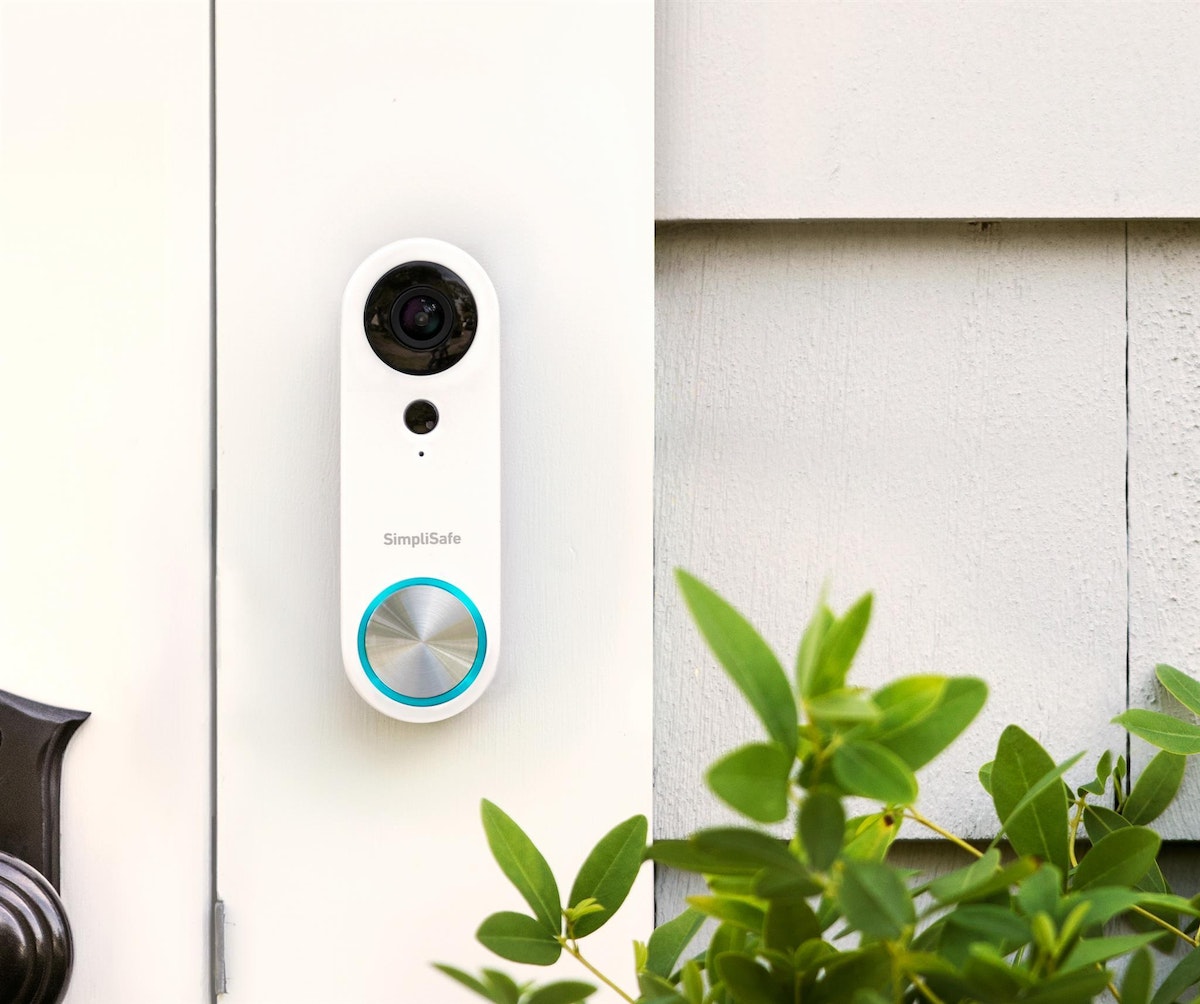
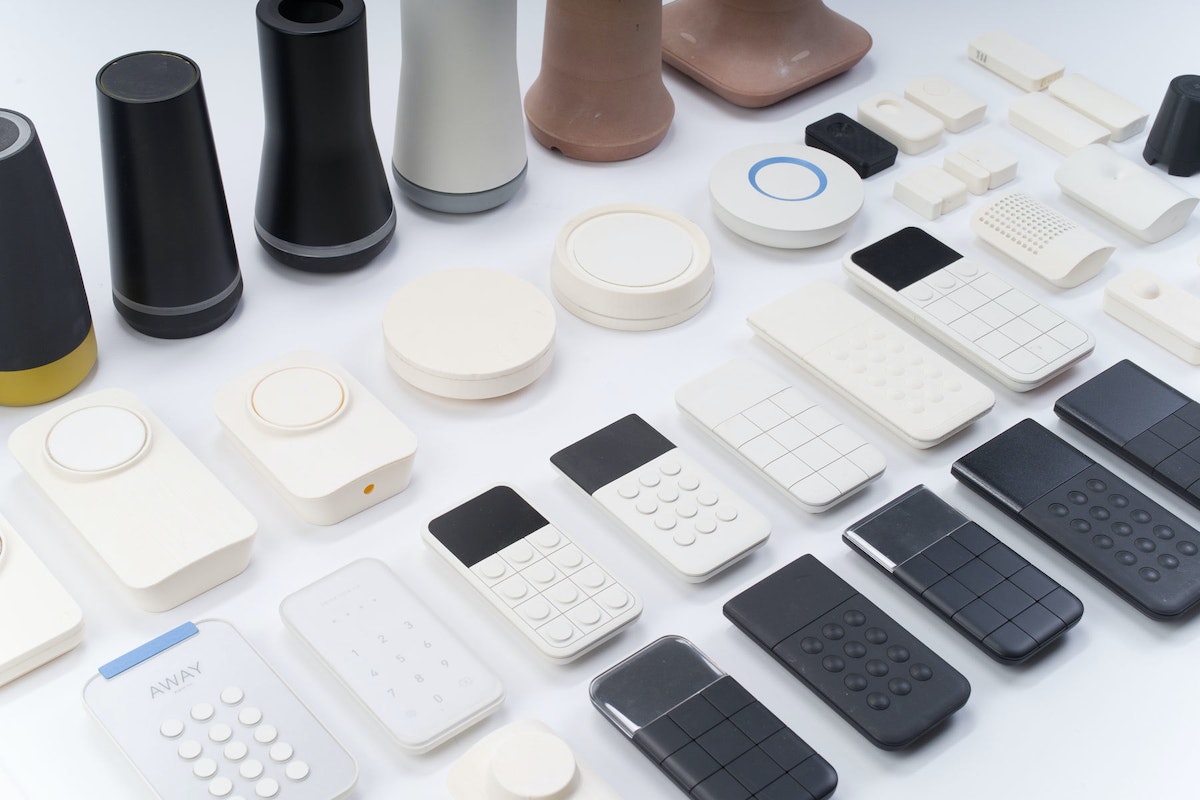
The team developed a consistent design language across SimpliSafe’s physical products, user interface, and digital presence. That clear visual language lets you know what each component does right out of the box; for example, the glass break sensor looks like a human eardrum that might actually hear a window shattering. The design also reduced the size of entry sensors by four times, while improving their range and battery life. Tapered backs and swept-front surfaces for all of these sensors help them blend into your home. The new system’s clean, understated appearance instills confidence without stoking fear of what could happen.
SimpliSafe’s keypad and base station guide you through setting up the system with voice feedback, while gentle LED lights and sound cues let you know at a glance that the system is armed correctly and you’re in safe hands. The system is also equipped with multiple layers of backup, so you don’t have to worry if the power or Internet goes down.
And the system responds intelligently, tailoring the way it reacts to match different scenarios. For instance, it sends a gentle reminder if a window is left open but a police response if a window is broken in. The design team also incorporated a first-of-its-kind privacy shutter on the system’s security camera so families can opt out of being recorded at home.
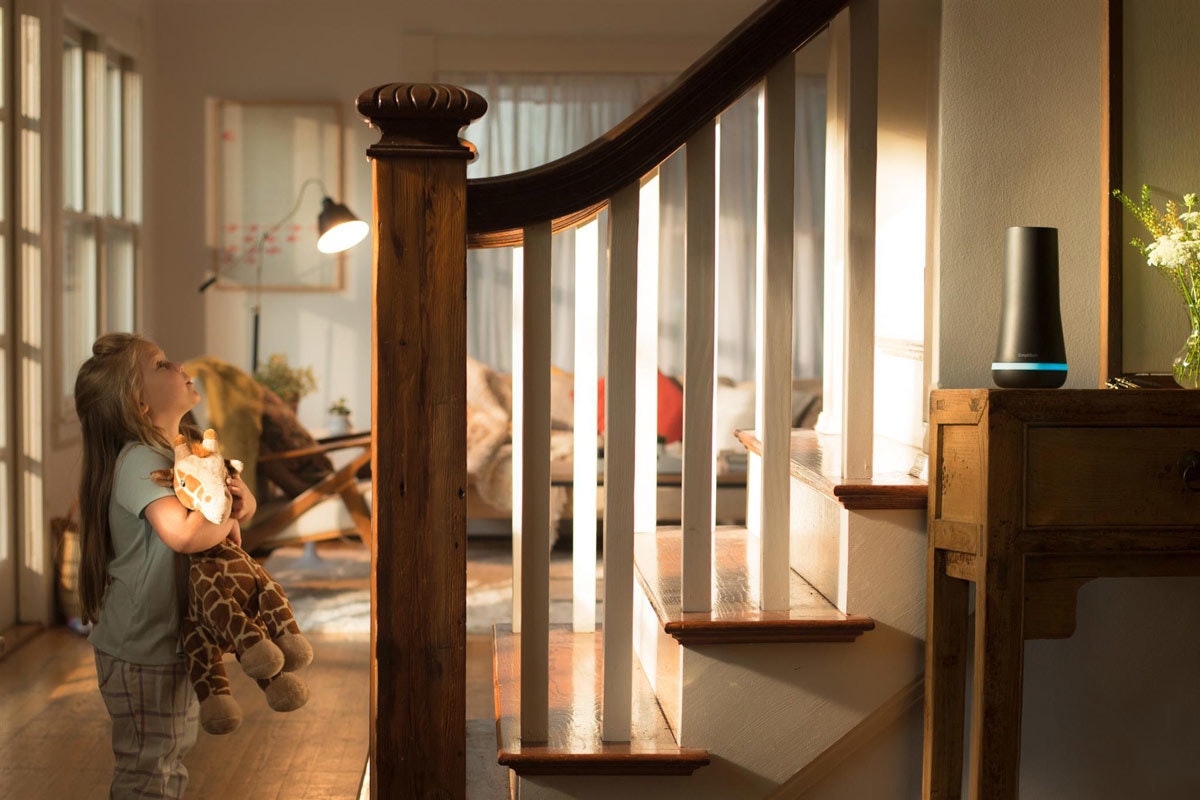
SimpliSafe launched its redesigned security system in early 2018, replacing the company’s two previous generations of products at the same price point. Already, the revamped system has cut the number of support calls from new customers.
In June 2018, venture fund and private equity firm Hellman & Friedman acquired SimpliSafe in a deal that valued the company at about $1 billion.

Rethinking college admissions
Designing a more efficient and inclusive way to read applications.
With a record number of applicants, stiff competition for top students, and a desire to make classes more diverse, college admissions teams are feeling the strain. Bowdoin College in Maine, one of the top liberal arts schools in the U.S., received more applications for the class of 2022 than for any other in its 224-year history.
Whitney Soule, Bowdoin’s Dean of Admissions and Student Aid, saw her staff at risk of burning out. On the advice of Bowdoin’s president, Clayton Rose, she invited IDEO to embed at the college and help design a new way of working. The IDEO team studied Bowdoin’s workflow and zeroed in on the application process as an area ripe for redesign.
By observing how Bowdoin counselors read applications, IDEO learned what drove their decisions. Mindful of how their choices could impact young people’s lives, counselors prioritized a meticulous reading of each application. But this thorough approach meant they often engaged in redundant work or delayed making final decisions.
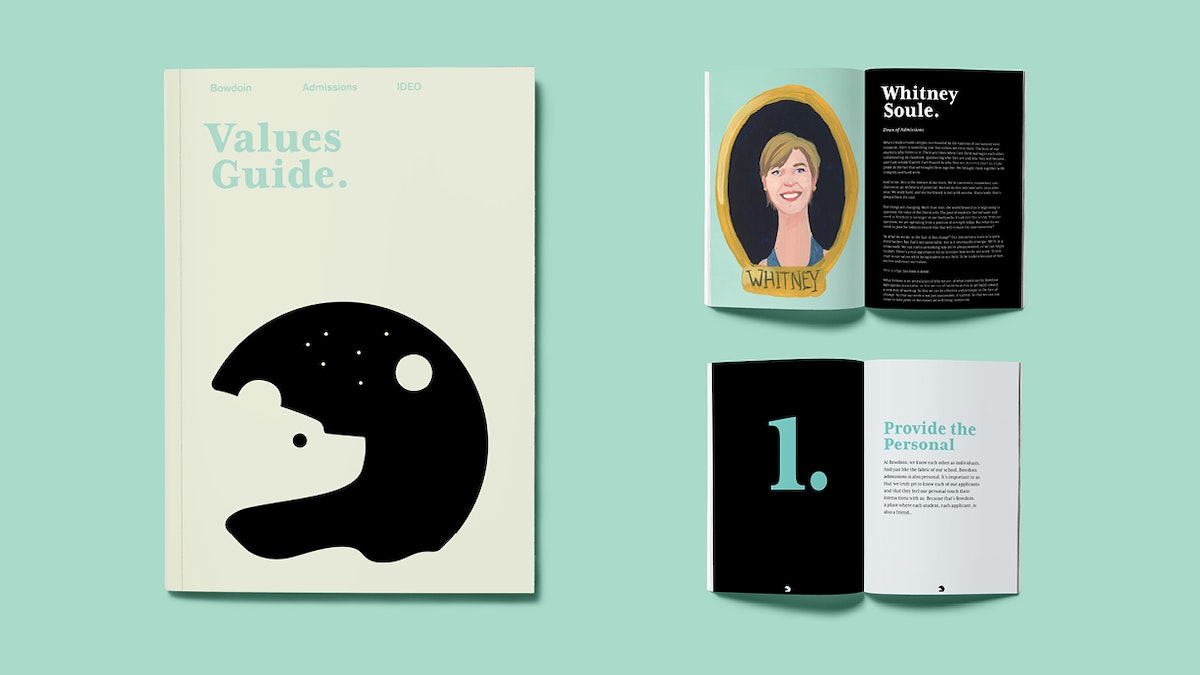
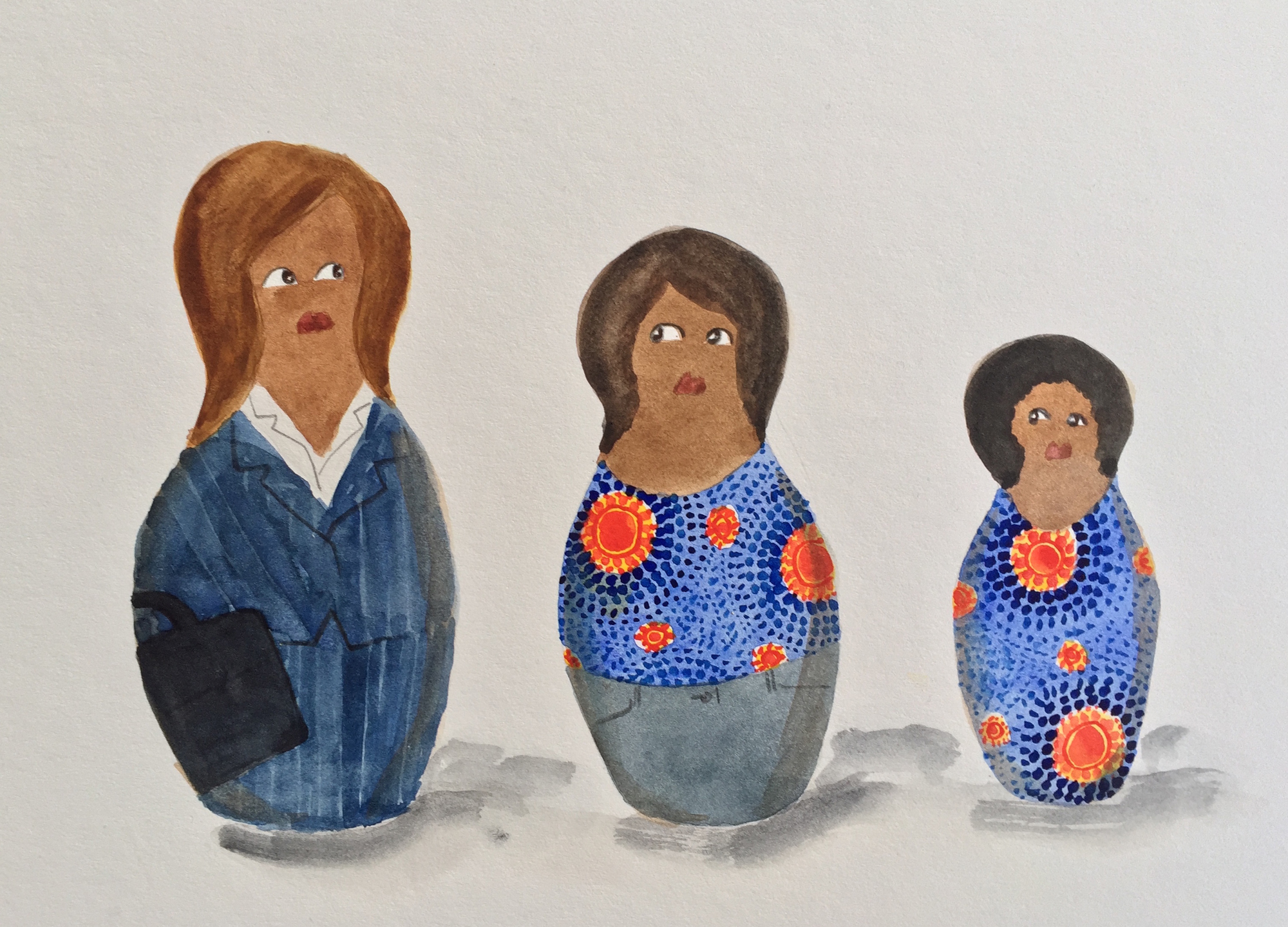
IDEO designers translated their insights into a book for staff, featuring watercolor portraits of the admissions team and a clear articulation of their values—from integrity to inclusion. The book was IDEO’s promise that introducing a new reading process wouldn’t mean sacrificing Bowdoin’s personal touch.
Then, the designers and counselors ran A/B tests using real applications from past years, unwinding long-held beliefs about how they “should” be read. Soule and her team experimented by adjusting timelines and other factors that determine when and how applications move from a first read to a second read to a committee discussion.
Soule gave her team explicit permission to toss their typical playbook. Seeing their own process with fresh eyes, counselors realized they could be more confident in their expertise and tweak their workflow to meet changing demands.
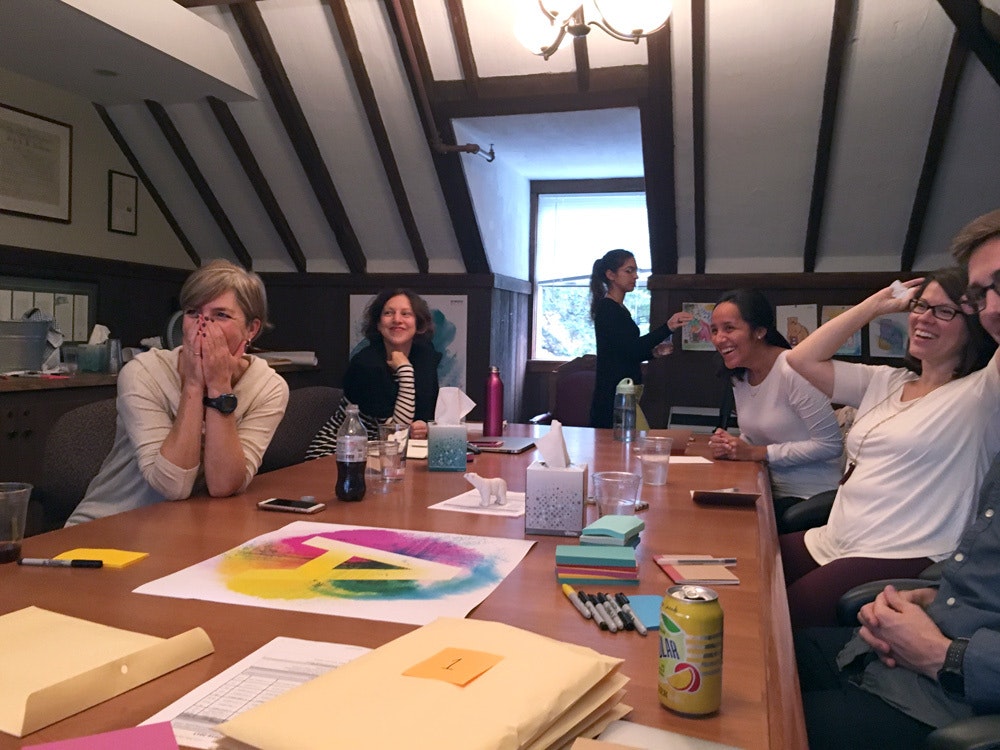
A/B testing proved that some variables had little effect on the team’s final admissions decisions. With that in mind, IDEO redesigned the reading process and included a system called “magic sort,” which helps parse groups of applications based on a new set of counselor assessments in order to route each to its next round of reviews more efficiently.
The IDEO-Bowdoin team put the revised technique to work right away, processing 300 new applications from the annual QuestBridge program for low-income students. Counselors found they were able to make equally valid decisions while cutting the amount of overlapping work they faced by 40 percent, compared to years past.
Working with IDEO challenged us to change the way we work together—and we learned a new method of problem solving that we continue to use. We are better equipped to elicit creativity, then channel it into the practical implementation of new solutions. It’s been transformative!
WHITNEY SOULE, DEAN OF ADMISSIONS AND STUDENT AID, BOWDOIN COLLEGE
The new reading method let staff cope with a growing volume of applications, while balancing the need to evaluate individual students with the need to think holistically about the makeup of Bowdoin’s student body. Counselors adapted the technique to the rest of the year’s admissions cycle, including early-decision, regular decision, and transfer applications.
To extend what her team learned to other departments, Soule has led several design thinking workshops across campus. Her success as a leader has mirrored the growth of her team and the college; by empowering staff with new tools and the freedom to experiment, Soule and Bowdoin are leading by example in the evolving world of higher education.
Reinventing the chandelier
Designing an elegant, modern lighting experience for an iconic brand.
For half a century, Swarovski has crafted iconic chandeliers dripping with the brand’s signature crystals. With the rise of new interface technology, the company came to IDEO for help to design the chandelier of the future.
IDEO designers set out to create beautiful, emotional experiences by layering technology onto Swarovski’s lighting offerings. Whether it’s setting the tone for a sophisticated retail experience, creating subtle ambiance at a romantic dinner for two, or providing true quality light to read a book, the team considered how a chandelier can enrich personal moments throughout the day.
Swarovski and IDEO assembled a multidisciplinary group, including industrial and UX designers, brand experts, and engineers to quickly vet, build, test, and refine their ideas.
Designers from IDEO and Swarovski worked together to completely reimagine the crystal chandelier.
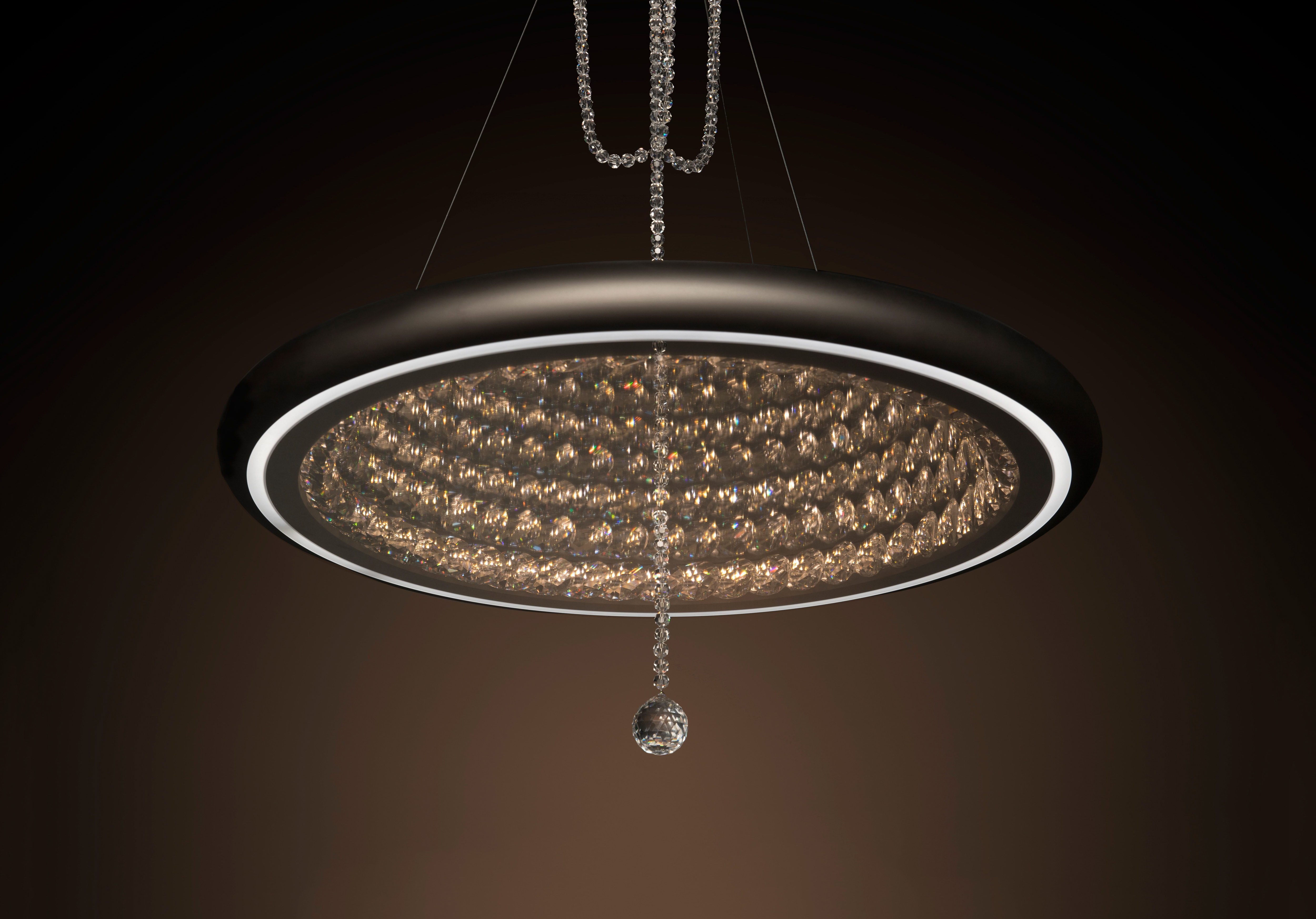
Together, the team designed a new tech-infused chandelier and family of other light fixtures. At first glance, the chandelier resembles a simple, sleek metal disc. But when you turn it on and peer inside, an endless number of crystals swirl far into the distance—an Infinite Aura.
The Infinite Aura collection also includes pendant and wall lights. The team developed a mobile app that proactively modifies light settings based on the time of day, and also lets users customize their experience—including adjusting brightness and color to set a personal mood, or “Aura.”
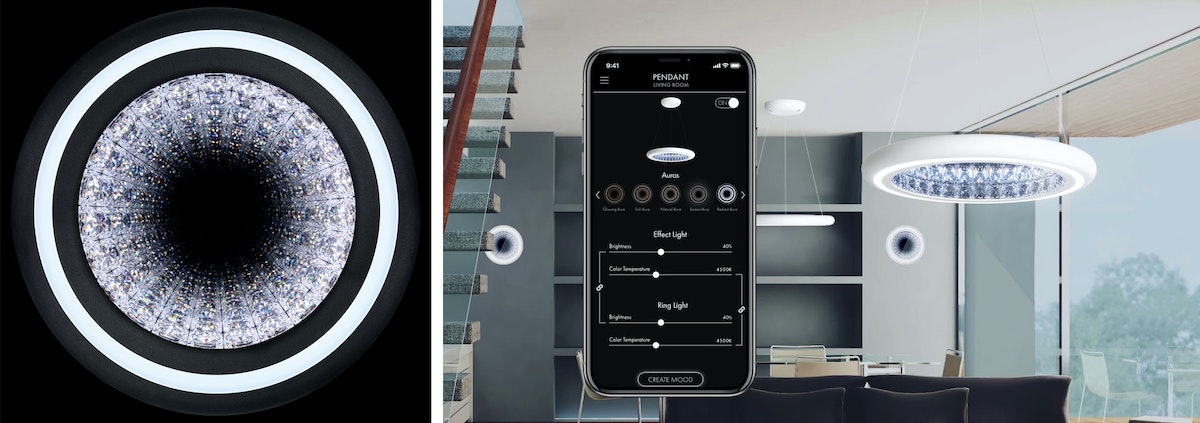
Unlike most fixtures, Infinite Aura doesn’t just give off ambient light; families can also benefit from high-quality functional light, directed downward to help them focus on a task or diffused upward and downward to create a subtle ambiance. In a similar way, the chandelier can expertly illuminate a library, hotel lobby, or concert hall.
The new lighting line adds greater functionality and emotional resonance to today’s smart buildings, while retaining Swarovski’s timeless elegance. Infinite Aura debuted in Frankfurt, Germany in March and will be available internationally in fall 2018.

A new employment venture to increase customer engagement and financial security
Introducing Moonrise, a digital platform that helps companies hire untapped talent and workers make ends meet.
More than half of Americans don’t have the cash to cover a $400 emergency expense like a car repair or trip to the hospital. Taking that reality to heart, American Family Insurance, a Fortune 500 company that offers auto, home, business, and life insurance, was seeking a way to make an impact by helping people earn and protect—not just insure—the things they value.
American Family approached IDEO with an ambitious goal: to innovate in a way that would help working families—many of them existing American Family customers—who need a financial cushion in case of the unexpected. This new mission fell in line with American Family’s overall orientation toward increased social responsibility, including committing to a liveable wage for all employees, helping with student loans, and providing college scholarships and tuition reimbursement for employees’ children.
In early discussions, American Family thought people might need budgeting tools, but from the very first research interview, a different urgent need emerged: people needed a way to shore up their savings enough to protect against unforeseen needs. This same story came from numerous places. In Tennessee, the IDEO design team sat in the kitchen of a working single mom of four, who explained how her lifestyle was built around her extremely constrained budget. She couldn’t afford childcare, so she’d organized her home to allow her 11-year-old to watch the younger kids: partitioned snacks, timers on the TV, chore charts on the fridge. She managed her budget meticulously, it was clear, and she didn’t need new financial tools. What she really needed, she said, was extra income cushions so a surprise expense like a doctor’s visit or stretch investment like a kid’s basketball uniform wouldn't derail her plans. Like many of the people the team visited across the country, she didn't want to take on debt; she wanted extra work and the dignity and peace of mind that comes with it.
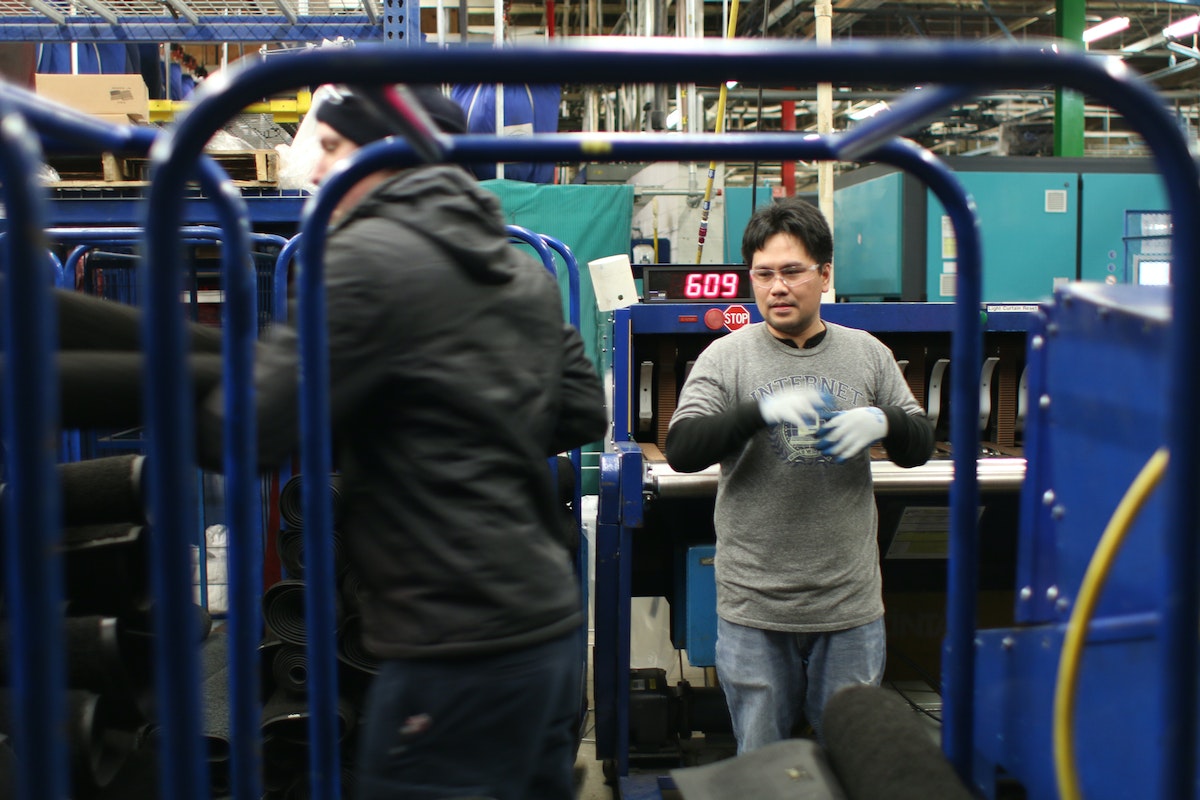
Could we, the team wondered, offer people who already have jobs the extra hours and income they need in a way that reduces, rather than exacerbates, the stress they already face? Would employers get on board?
The short answer was yes. Today’s businesses depend on on-demand work, including seasonal warehouse and retail shifts. Typically, companies look to temp agencies whose model is built on staffing with the goal of permanent placement. Moonrise enables companies to tap into a workforce that's already employed, allowing them the benefits of passive recruiting (reliability, consistency), but for short term work.
Knowing innovation was the path to growth, American Family took a chance by embracing a radically new brief: Create a service to help families living on the edge bridge the gap between the size of their paychecks and the size of their dreams. The result was a new business venture called Moonrise.
When customers told us that having an easy way to earn extra money could improve their lives, we were compelled to pursue a solution. Moonrise is a business with a human-centered mission. We’re proud it’s part of our American Family.
Jack Salzwedel, Chairman & CEO, American Family Insurance
The Moonrise platform lets workers sign up for shifts with partner organizations through a simple text message interface, and get paid as soon as their shifts are done. Employers who sign up to partner with Moonrise can list open shifts on the platform.
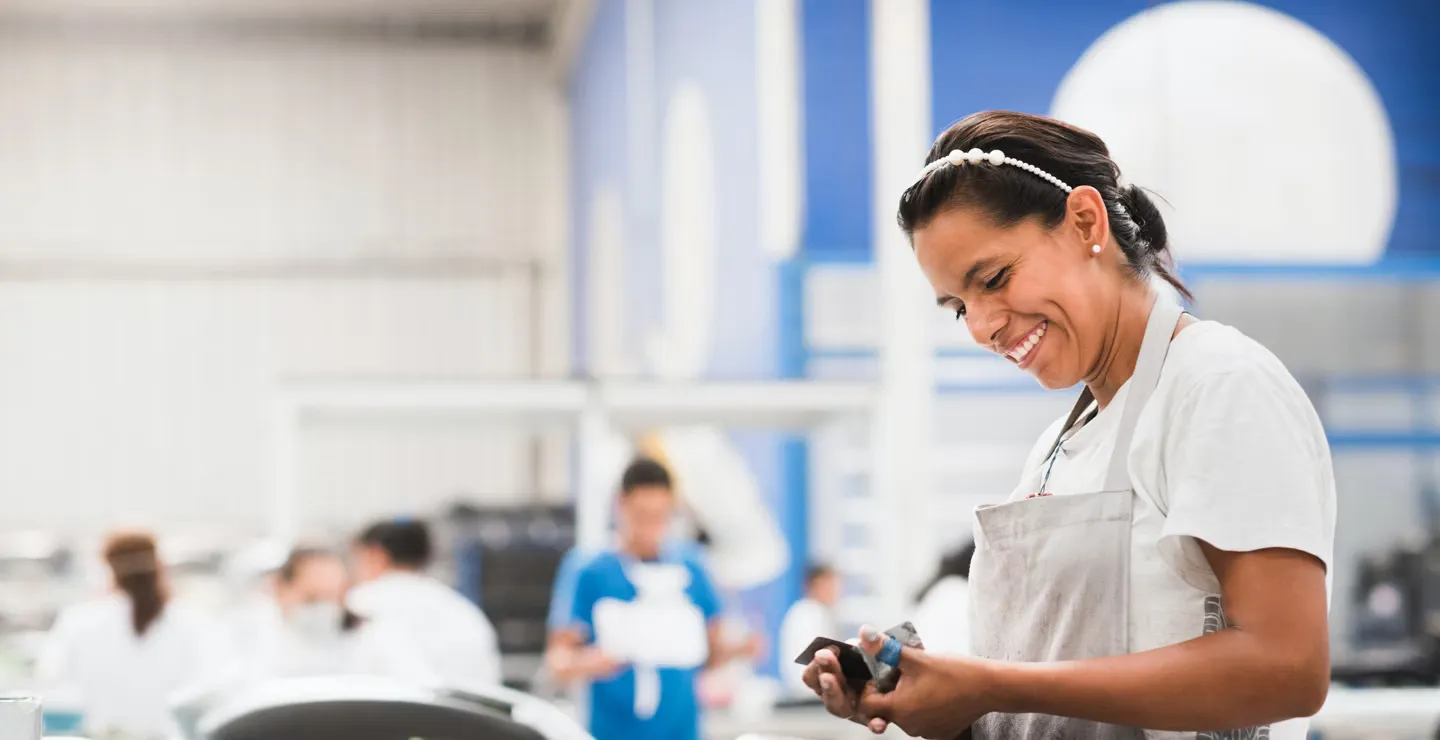
“Moonrisers” are W-2 employees of Moonrise, not contractors, so they don’t have to pay self-employment taxes. They also get personalized business and comment cards to take to job sites, making their interactions with employers feel more professional. In this way, Moonrise helps workers not only build a buffer against unexpected bills, but also explore new positions and fields—and perhaps even land new full-time work with Moonrise partners.
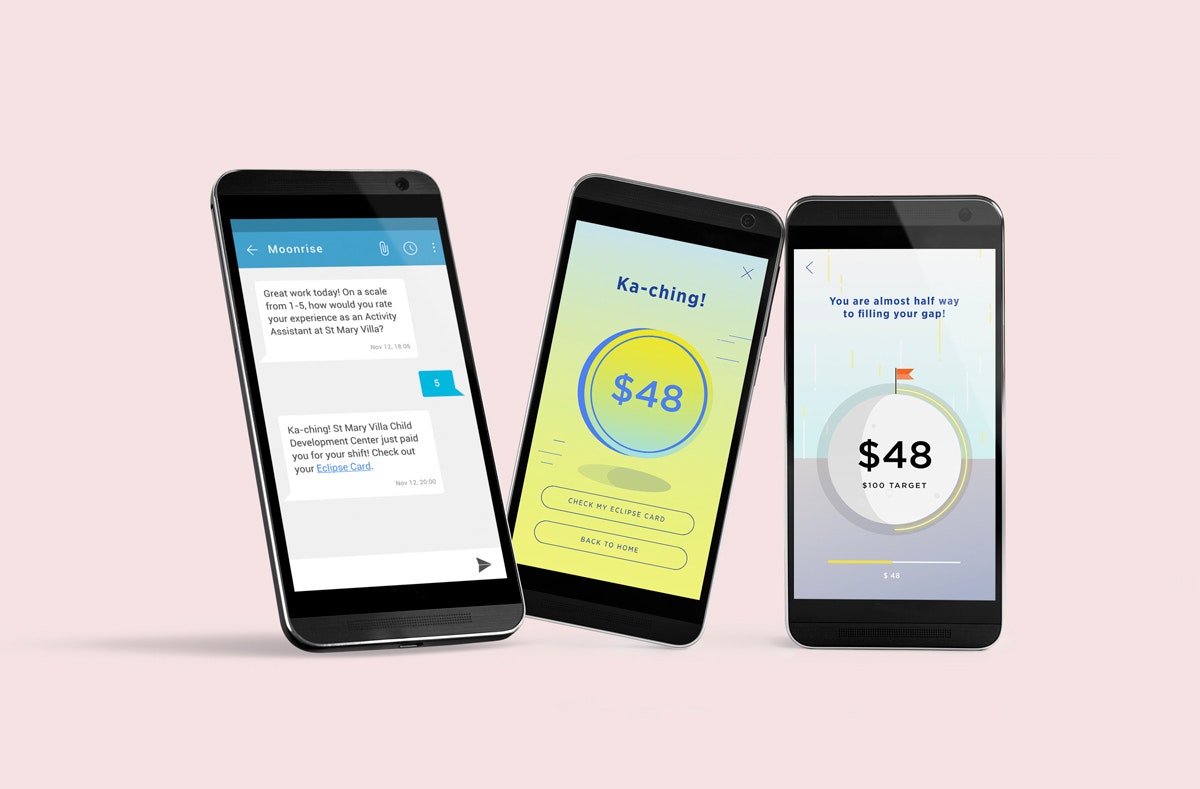
To test the program in real time, IDEO and American Family assembled 11 Moonrisers, six employers, and a team of designers and programmers to work out kinks in the platform. During a one-week live pilot in Wisconsin, Moonrisers finished a combined 28 work shifts, earning an average of $121 each, while IDEO designers worked behind the scenes to keep the process running smoothly.
Based on the success of the pilot, American Family created a new startup company called Moonrise, which became a wholly owned subsidiary of American Family. Moonrise launched to the public in the Chicago area in 2018, with plans for an eventual nationwide rollout. Moonrise signed Enterprise Rent-A-Car as its first employer and actively matches workers in Chicago with shifts, while continuing to build more corporate partnerships.
Since launching in 2018, over 7,000 people have applied to become Moonrisers, more than 7,000 shifts have been fulfilled, and over $500,000 has been put into the pockets of hardworking Moonrisers. Additionally, Moonrise will be expanding into 3 additional states in 2019.
IDEO and American Family Insurance interviewed customers of The General—a division of American Family—about how they budget to make ends meet. In this conversation, customer Chandra told designers how $62 could be the difference between breaking down and breaking even for her family.
It’s not always easy for established companies to innovate, especially outside their core business. But innovation is a high priority for American Family. Creating an employee -centered startup like Moonrise solves an urgent problem and distinguishes them from their competition. Together, American Family and IDEO identified a pressing human need and built a program from the ground up to meet it.
The Beautiful Future of Living Technology
Designer Natsai Audrey explores our bio-factured future
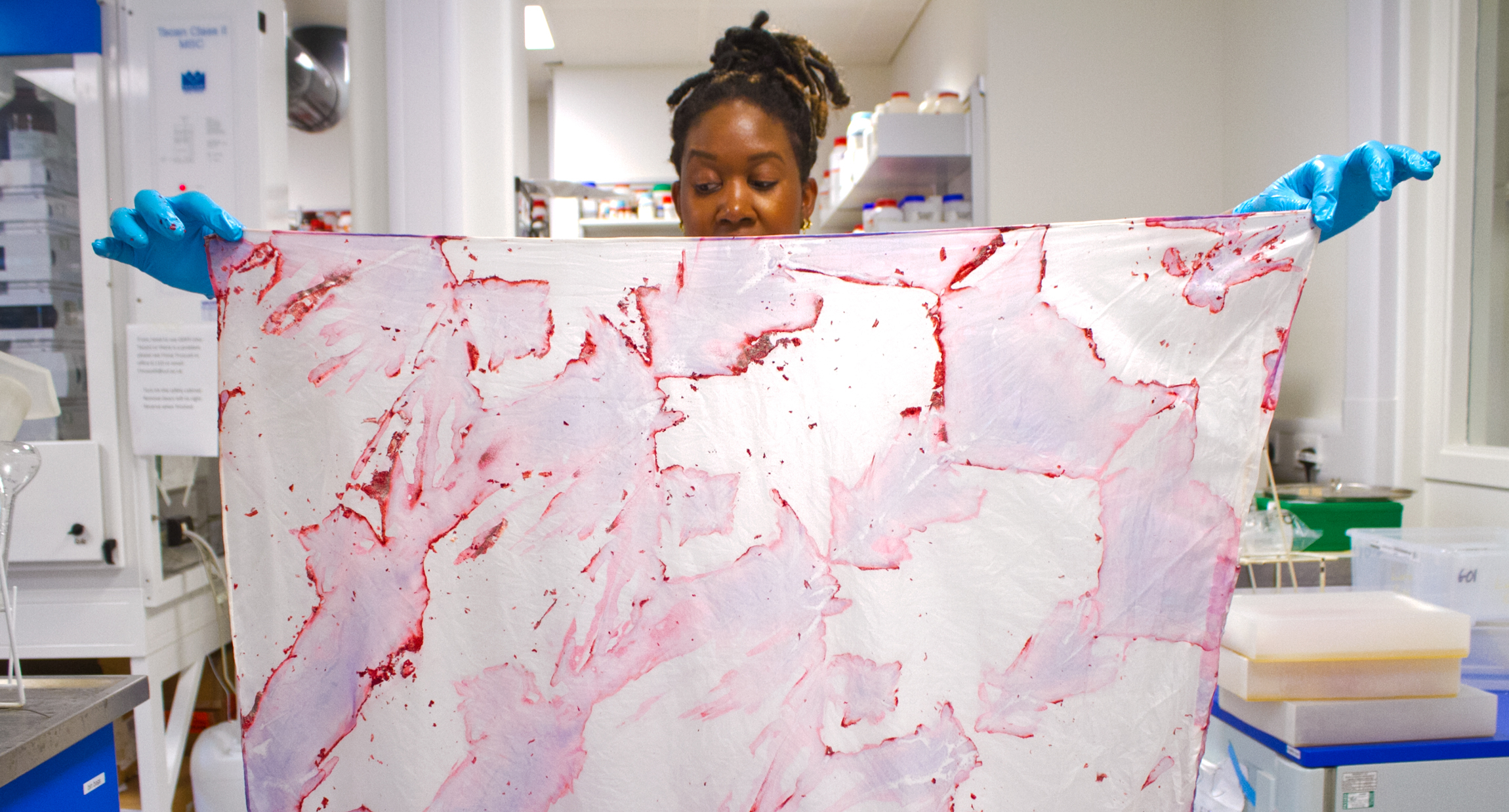
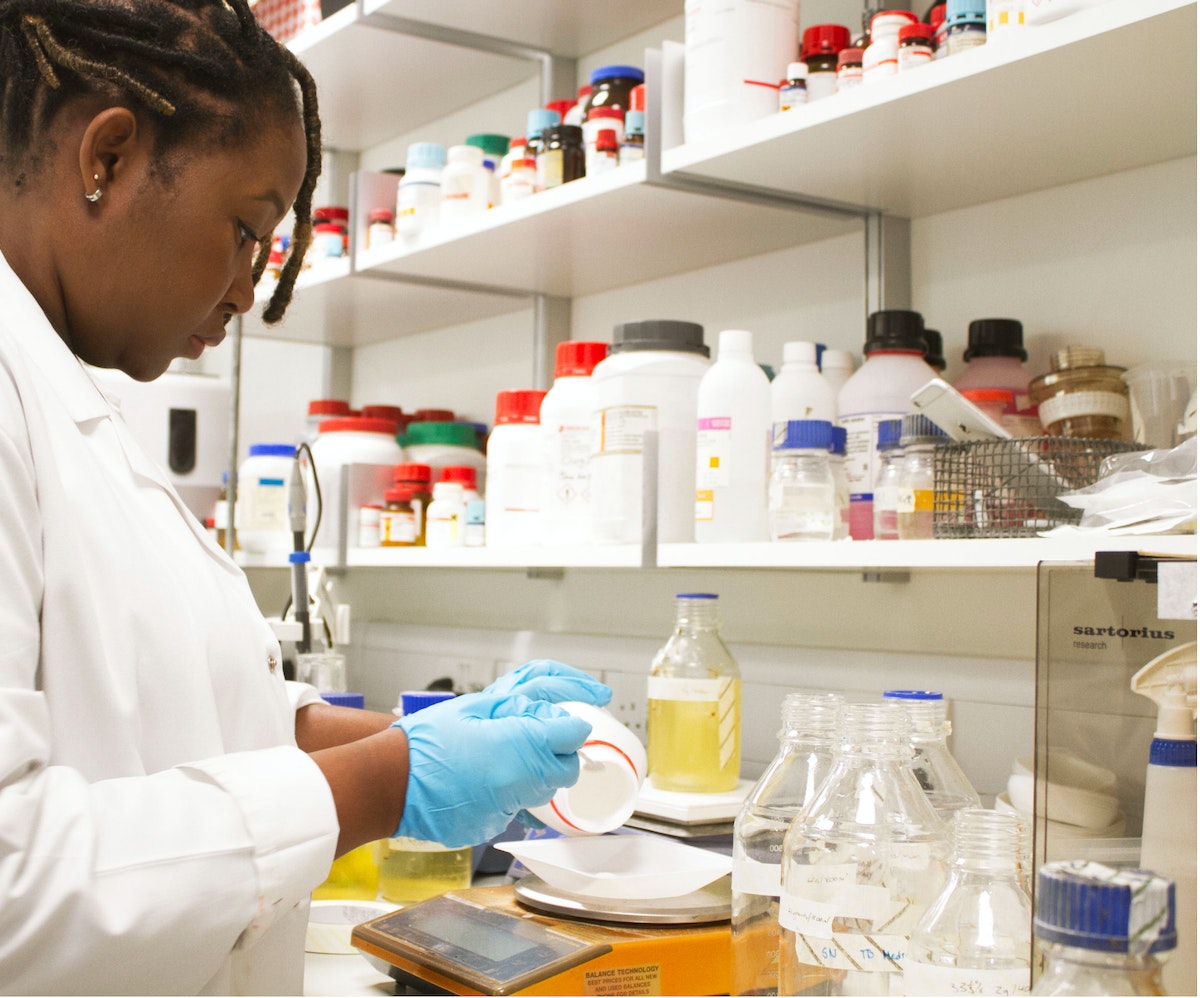
Zimbabwe-born Natsai studied architecture at Edinburgh University, then at Central St. Martin’s Material Futures course. There she learned about synthetic biology, and met Dr. John Ward, a professor from UCL’s microbial molecular biology lab. He became a supporter of her scarf project, called Fold.
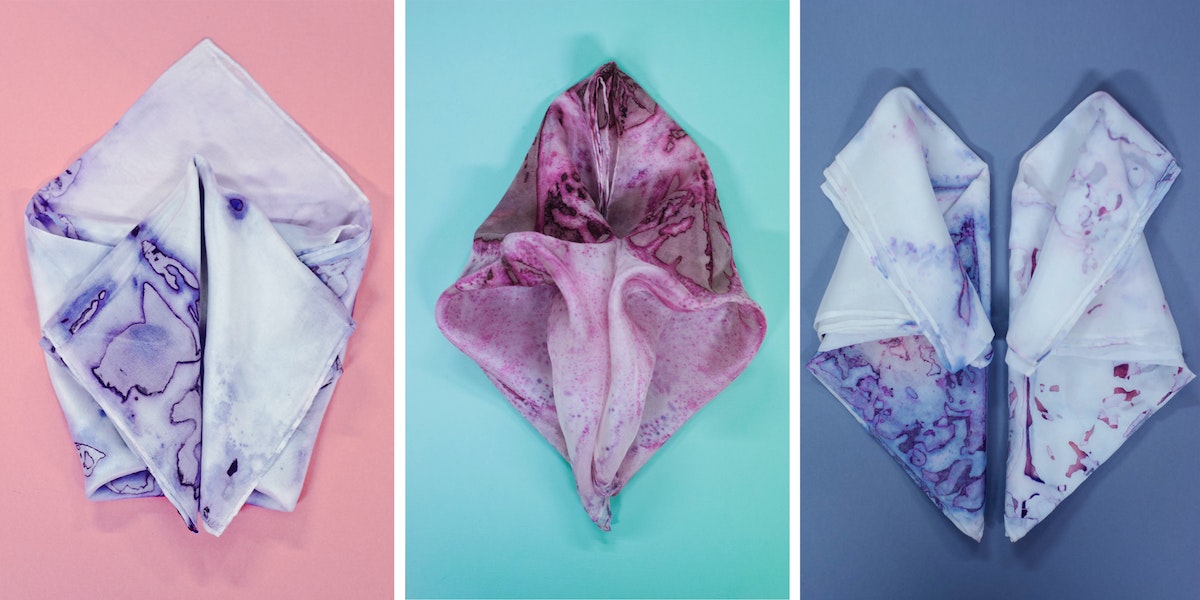
Natsai is at the forefront of an emerging field, biodesign, that aims to tackle the climate change problems caused by textiles and farming. Fueled by advances like the gene editing technique CRISPR, which is making designing with DNA simpler and cheaper, scientists and designers are looking to harnessing nature itself to ‘biofacture’ everything from leather, to meat, to medicine.
Companies like Bolt Threads are spinning synthetic spider silk, while Modern Meadow is growing meat in labs. Meanwhile Autodesk is creating design tools for the field—think AutoCAD for DNA.

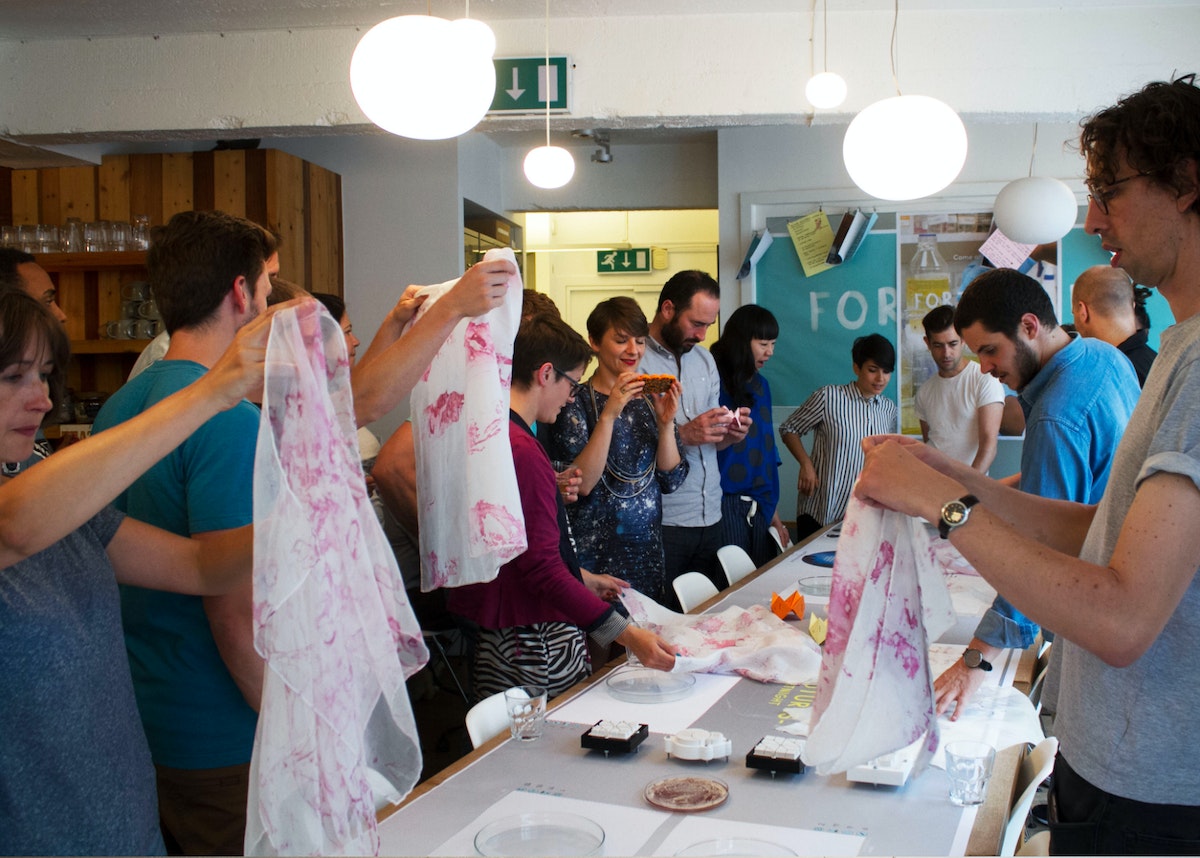
Natsai joined IDEO’s London studio as part of our two week-long Fortnight residency, collaborated with the community here, and shared the resulting scarves. As part of her final presentation, she brought to life the potential of biodesign with a series of five tweets. Here, she explains the speculative future they’re framed in. It is a future in which synthetic biology is shaping brands, products, businesses, and people’s behavior.
Future Craft
“Hyper-specialized hybrid technologies signal the rise of the niche maker. #DIYbio #biomakerspace”
Natsai: I’m really interested in the dialogue between craft and technology. This tweet depicts my own reality: my craft is so specialized that I have to design the tools to create it, and I also have had to learn how to maintain the life that co-creates it, without any precedents to learn from. Imagine a world where our materials are alive or derived from living systems. Every maker will intimately know the biochemistry of their chosen species, and will find new ways of transforming those organisms’ behaviors into truly unique products and processes. We’ll be using other living systems and even amalgamating layers of digital technology to biofabricate.
Service Design
“Who owns your wardrobe? #panasonic4nike”
Natsai: I had a conversation with a colleague about how one might go about democratizing the production of ‘bio-factured’ products. At the time I was thinking about how to streamline the process for scaling up this technology, but he challenged me to think about new models of distribution that tap into DIY culture. Ultimately, his question was: if you can grow your own textiles, then who owns your wardrobe? The hashtag #Panasonic4Nike points towards a future that sees unlikely stakeholders coming together to offer true innovations in designing the products we use, as well as the services and hardware that enable us to do this in a personalized way.
Convergence
“Digitized biology has democratized the creation of complex biological consumer products. #autodesk #synbio #AI #IOT”
Natsai: I understand that not only do I work with a pigment-producing bacteria, but that medium is also a biological sensor. Producing pigment signals a crucial stage in the bacteria’s life cycle. This made me ask: how could we harness living sensors and build them into our everyday environments? The notion of technology convergence is definitely something I see happening further into the future. Wearable technology, household electronics and the Internet of Things, in my view, will expand and come together to create mutually-beneficial ecosystems of bacteria and digital technology.
Metabolic Materiality
“Biofacturing process & biological characteristics of an organism now define a brand’s identity and its business model. #bottomupprimacy #IP”
Working in a fashion context, I am hyper aware of how a brand’s identity communicates. The product itself needs to hold true to the values of the brand. This is the part that gets tricky working with a living technology: at some point I relinquish control to my bacterial colonies to finish the garments—conceptually speaking, I provide the structural parameters. The lack of control is a challenge and an opportunity to design interventions that end up in line with the brand identity. Creativity therefore becomes crucial, to push the aesthetics and craft processes in the development of each garment. Although it’s true of any industry, fashion is a particularly interesting space to consider a business model based on that uniqueness. Even before we think about synthetic biology as a way of manufacturing, designers can and should push innovation beyond a simple “genetically-modified organism 1 fixes problem A.”
Beyond Monoculture
“Happy Kombucha shares rally as merger with Kvadrat announced. #symbioticventures #closedloopsystem”
This really looks at future business models and ecosystems of information and skill exchange. Happy Kombucha actually exists and it’s my go-to for food and beverage bacterial cultures in the UK. They mainly sell starters and toolkits for brewing your own kombucha, kefir water and kefir milk. This tweet is a little tongue-in-cheek: it imagines that their business strategy has evolved to sell the SCOBYs (the symbiotic colony of bacteria and yeast that ferments tea, to make kombucha) as fabrics, leading to a merger with major textile manufacturing brand Kvadrat. It also speaks of the current and future reality of the trade of living organisms.
IDEO Fortnight with Natsai Audrey Chieza from Alexandra Whiting on Vimeo.
Vivid pinks, blues, greens and yellows form beautiful, organic abstract shapes on Natsai Audrey’s delicate silk scarves. But they’re not drawn by her, or silkscreened in a print studio. Instead, the shapes are the life and death of streptomyces bacteria writ colorful on silk, folded into a petri dish, in a lab.

3 Inspiration Tips for Designers
Why you need to to create surprises in your schedule

Being a design researcher, I’m constantly conducting real-world research on a subject area or problem. Researchers travel widely, and spend weeks interviewing, observing, shadowing, and prototyping. But even when a trip seems full of scheduled activities, there should always be room for opportunistic inspiration. Because that is the thing I value the most.

I am an inspiration hunter. When I see 45-minutes of travel time between interviews, what I actually see a window of opportunity for a real-world experience. As well as naked scrubbing, on recent research trips, I’ve subjected my teammates and myself to:
- Screaming like rabid fans to appear on a game show in Los Angeles.
- Having our fortunes told by psychics in Hong Kong.
- A workout class only described to us as “cathartic” and a “nonstop endorphin surge” in New York.
- Getting too close to the ring at a lucha libre match in Mexico City.

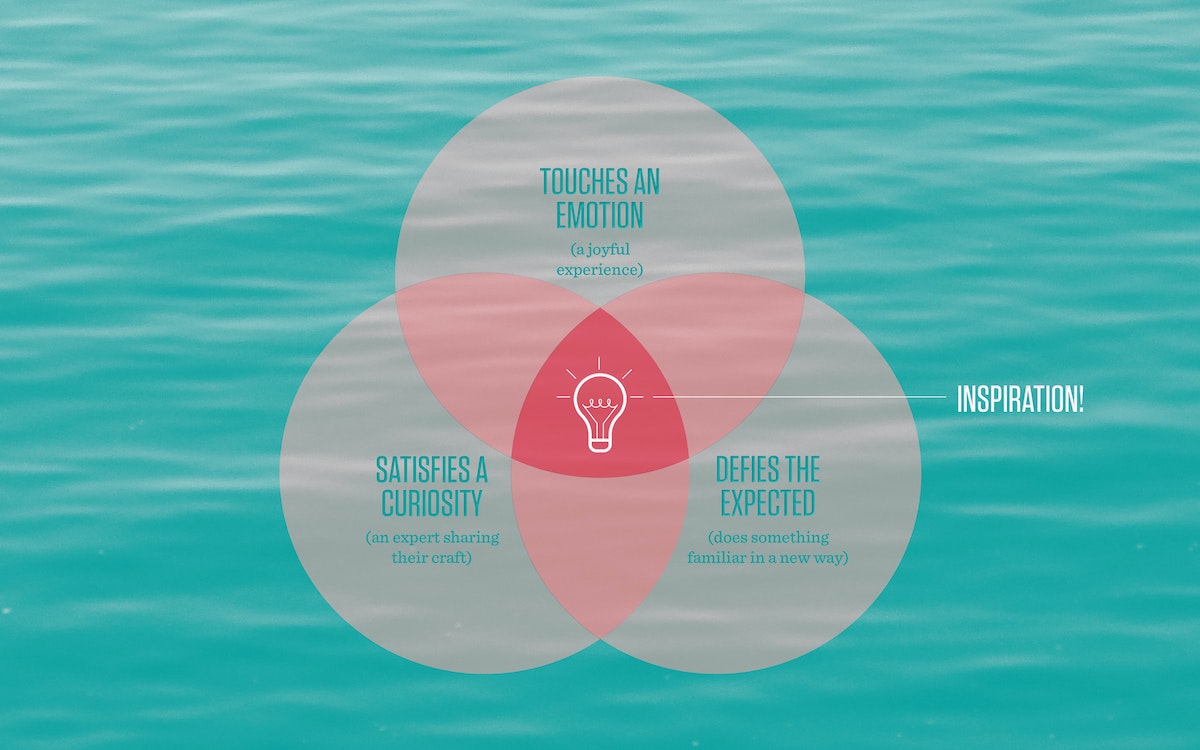
So how exactly can one justify this as inspiration? Well, it depends on your definition of inspiration. I like to see design inspiration as something that lives in the intersection of three things: Satisfying a curiosity, Defying the expected, and Touching an emotion.
1. Satisfying a Curiosity:
How many times have you thought to yourself, I should take that Cantonese / personal finance / fermentation course in my free time? When you’re working a design project, you’re often looking to help others adopt a new behavior or learn a new skill. You can empathize with that experience by doing something yourself that gets you outside your comfort zone.
The Class, aka scream-cardio.
2. Defying the Expected:
Of course we should be inspired by new approaches, that’s what we’re here to design. But finding people or things that truly disrupt your equilibrium can positively influence a project in all sorts of unexpected ways.
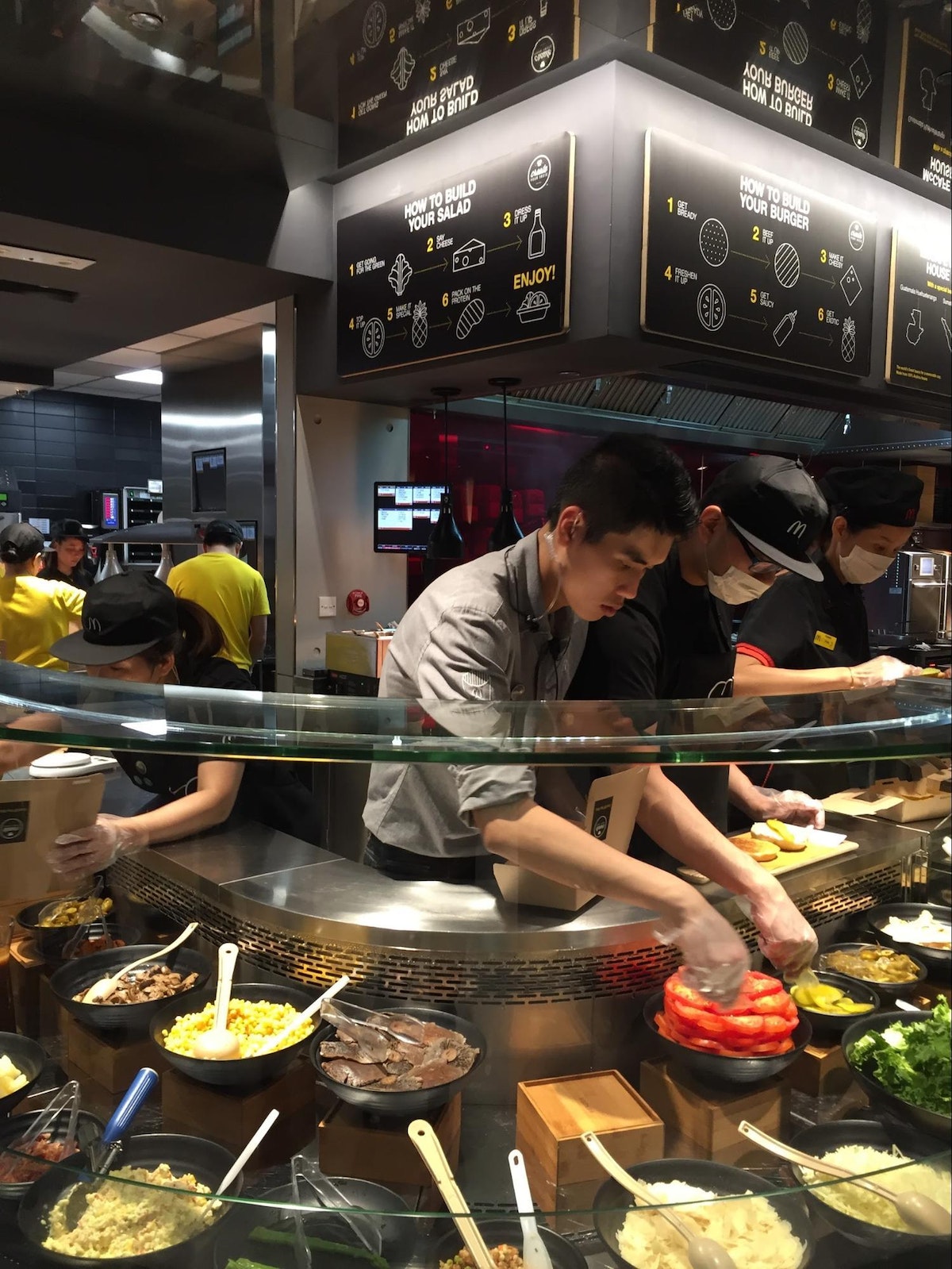
3. Touching an Emotion:
Seek places, people, and experiences that bring out a real human emotion that you want to design for. Then surround yourself with what you find, as not to lose it. You might end up with entire mood boards or inspiration shelves from your trip, labeled “joy” and “empathy”. Keeping these artifacts in your workspace will let you feel what you first did.
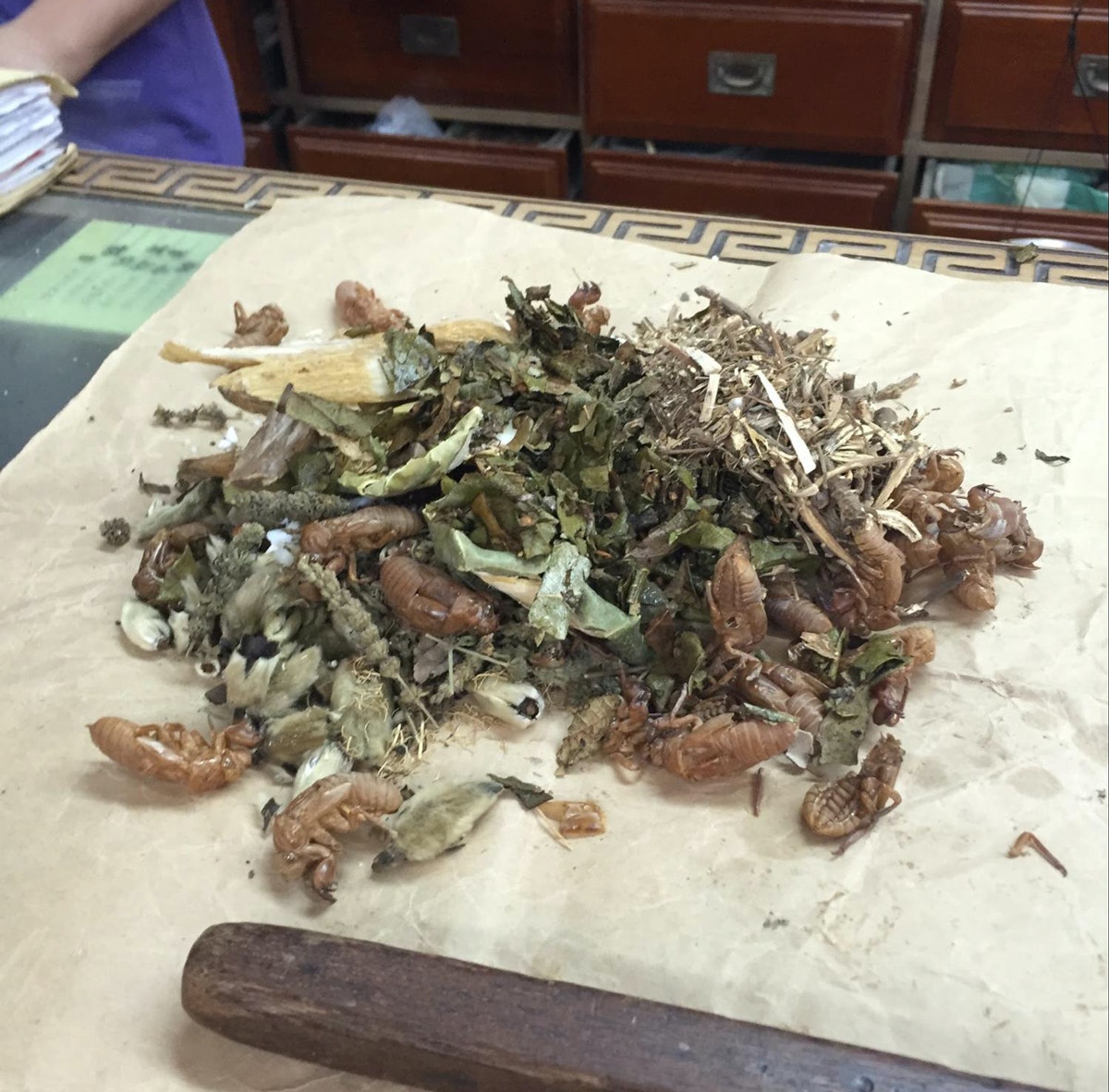
On a recent research trip in Asia, I found myself naked in a spa, being vigorously scrubbed by an elderly Korean lady. She removed whole layers of my epidermis, all the while grunting in disapproval. The experience was agonizing but also completely amazing.

Designing for Burning Man: the Shrumen Lumen
The hows and whys of the sequel to the Blumen Lumen installation
Now, two years later, we’re pushing the limits of our skills by building the project’s next iteration: Shrumen Lumen. This time around, we’re skipping flowers in favor of 12 to 18 foot-tall kinetic mushrooms. Thanks to a totally different geometry, this project is a lot harder to build. But with hard work from an enthusiastic team of volunteers and help from a Burning Man Arts grant and our Kickstarter campaign, the Shrumen Lumen will soon be ready for the Playa. Here is how we’re making it happen.
The vision
To kick off the design process, we looked back at what made Blumen Lumen work so well. Several principles stood out.
- The flowers had a minimal footprint on the ground but created a huge interactive space.
- The grouping of flowers was beautiful from afar, but people could also interact with a single flower.
- The structure was scalable. We were able to build one prototype quickly to figure everything out, then mass-produce as many as we could afford, both in terms of time and money.
- The flowers were quick to install, and packed up neatly in a shipping container.
- Mechanical interaction made the flowers interesting during the day, while lights added a new element at night.
We folded a lot of those takeaways into the design, sketching out a garden of five mushrooms that are big enough to provide shade during the day, and can also change shape and light up at night. Just like the flowers, we wanted people to be able to interact with individual mushrooms, but also wanted to add an interaction point that controls all the mushrooms together.
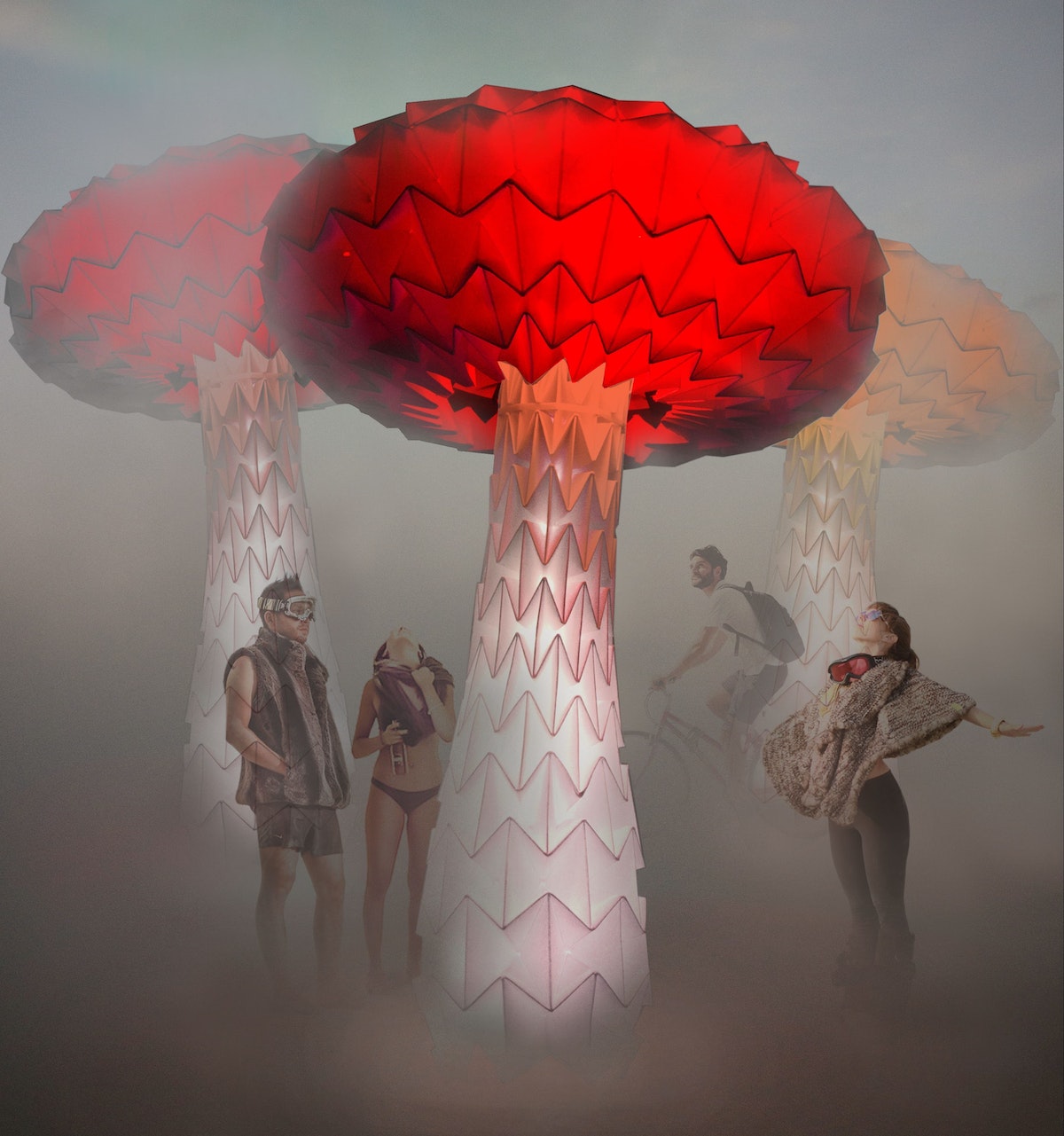
Origami at scale
The geometry of the mushrooms is based on the folding pattern of an origami magic ball. The beauty of that structure is its ability to expand and contract; the challenge is that it’s much harder to control, and, as we found out later, much harder to fold at scale.


=
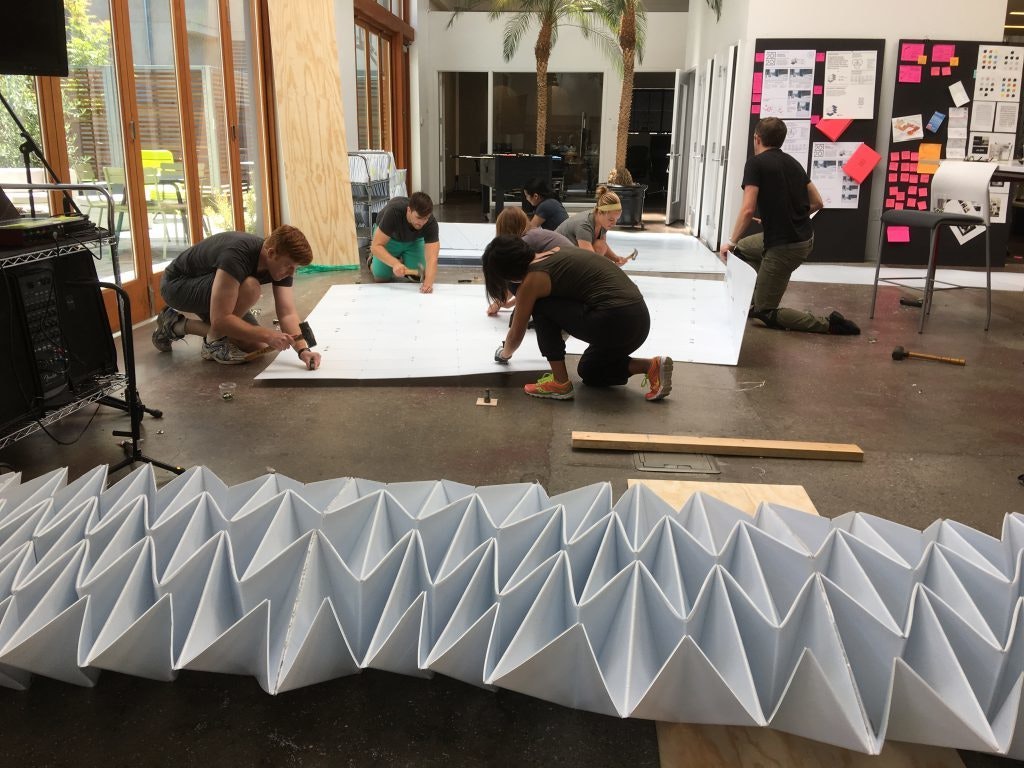
We jumped straight into prototyping, and planned to use the same method we had used to build the flowers: Route the patterns in corrugated plastic, fold them so that they would “memorize” the fold lines, unfold them, then weld them together. But while each flower was made of only two 10 by five foot pieces, the mushroom heads were made of 12. We’d also never worked with this origami pattern at this scale.
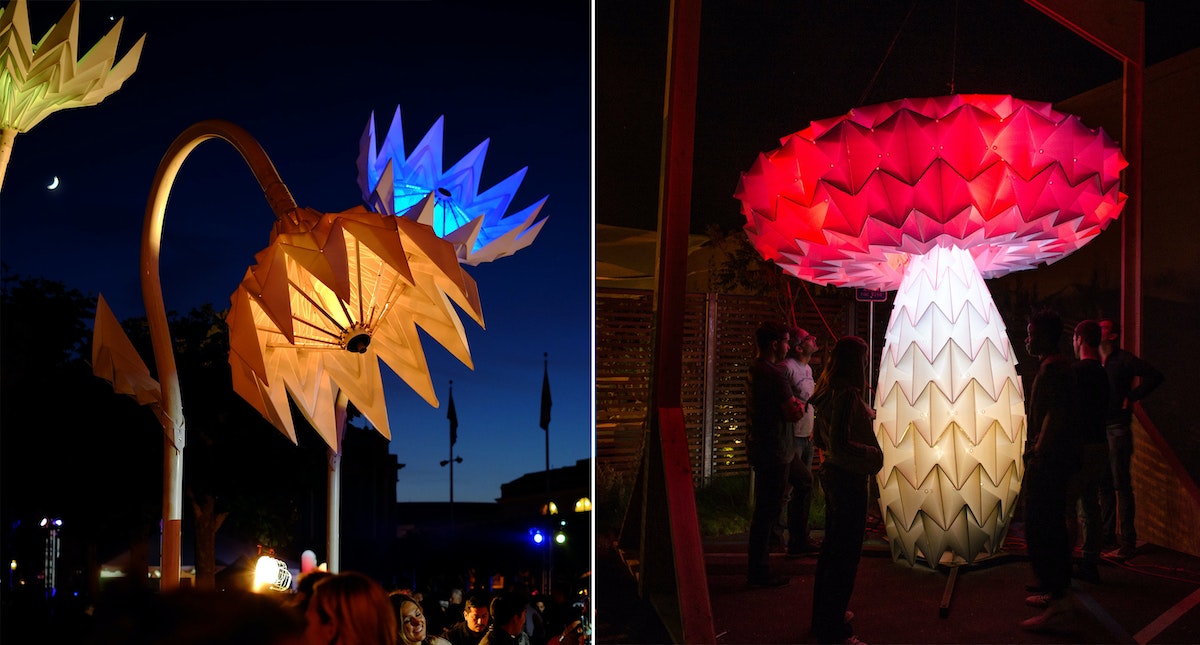
Unfortunately, this fold pattern was much trickier. It took a team of eight people a full hour to fold the first three-piece sheet. The plastic also cracked in several places. To make the process easier, we changed the orientation of the corrugation by 90 degrees, and asked the router shop to make shallower cuts into the plastic. The new the fold lines made the pieces much stronger, and we actually managed to fold an entire sheet of 12 pieces (though it did take 10 people).
Setting the Shrumens in motion
To make the mushroom heads contract and expand, we needed to build a solid mechanical structure, kind of like an umbrella, that would connect the folded plastic to an actuator. We experimented with a 1:12 paper scale model to figure out where to attach the actuator, and prototyped the speed of the movement. Since there will be significant stress on this structure, all the parts had to be machined. We were extremely lucky to have Jim Feuhrer (and his five decades of experience in building) to help us create them.
Building a safe structure
Last time around, when the wind came up on the Playa, we could just close the blooms to prevent the flowers from tipping over. It’s much harder to make the Shrumens more aerodynamic, so they had to be carefully engineered to withstand 60-plus mile per hour winds. To hold the origami structure in place, we mounted 1 1/4 inch aluminum tubes around two aluminum hubs. One of the hubs is mounted to the top of the actuator and can move up and down, while the other one is mounted to the stem.
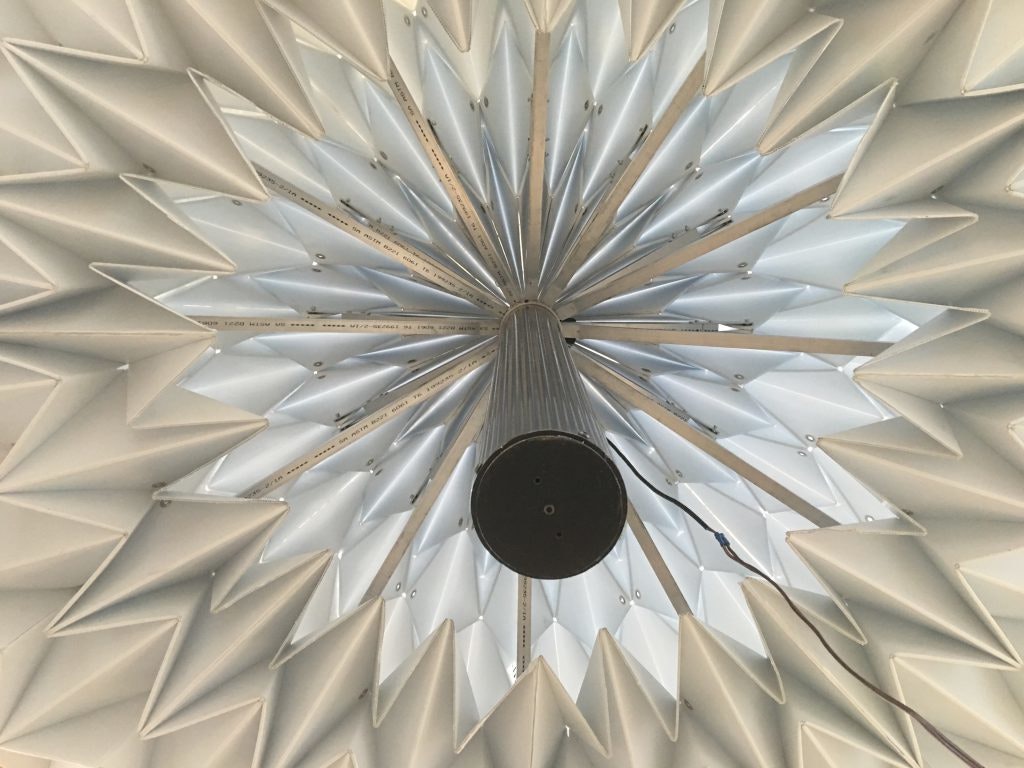
The entire head assembly slides into a 6-inch, thin-walled steel tube that is mounted onto a 3.5-inch-thick wall pipe. Luckily, with some minor modifications and reinforcements, we were able to recycle the base we used for the flowers to anchor the system.
Designing the digital interaction
Not only are we installing 1560 LED lights in each mushroom, we are also designing ways for visitors to interact with the mushrooms. By standing on certain pads, burners can change the color and movement of the Shrumens. Each pad can also measure weight, so, for example, if two people hop on a certain pad, more of the structure will turn red.
To make this work, we are using a network of Raspberry Pis in each stem. Powered by 12 volt batteries, the minicomputers control both light and movement. Each of the 1560 LEDs in the stem and cap are independently addressable, and the chip in each LED only uses one pin for data input and output, so they must be controlled with precise timing. The team chose to use a Pixel Pusher microcontroller because of its power (it can control 4000 LEDs) and built-in libraries. Processing, running on the Raspberry Pi, pushes color combinations and scenes. The Raspberry Pi also monitors the load cells, which are placed in those lighted platforms at the base of the mushroom. When visitors step on, these load cells can trigger the mushrooms to change shape or color.
The team
Of all the projects I’ve worked on, this one required the most manpower (by far). Thanks to 40-some weekend warriors—a mix of highly specialized experts and enthusiasts who picked up new skills like soldering, metal cutting, or drilling—Shrumen Lumen is about to happen. It has turned into a highly sophisticated installation, and I can’t wait to see it in the desert.
Special thanks to everyone who helped bring Shrumen Lumen to life: Ali Hasanbeigi, Anthony Wainman, Angie Kim, Annette Diefenthaler, Blake Durtsche, Bomani McClendon, Britta Durtsche, Dali Yu, Dave Sumberg, David Brody, David Good, Diem Ho, Gabrielle Fulco, George Joseph, Gilles Roux, Gina Romero, Hannah Williams, Henry Hsiung, Janko Potezica, Jazz Tigan, Jesse Silver (production lead), Jessica Pastor, Jim Feuhrer, Jimmy Chion, Joerg Student, Justin Chang, Kalan Kircher (digital lead), Lauren Fundora, Leo Marzolf, Nathalie Collins (digital co-lead), Nicholas Leverone, Nivi Ramesh, Olivier Notteghem, Peter Bronk, Rachel Frey, Remy Pieron, Sam Starr, Steve Moore, Victoria Cao
Two years ago, I worked with a team of IDEOers and IDEO alumni to create an interactive art installation for Burning Man that we dubbed Blumen Lumen. Drawing inspiration from a foldable yurt I’d made for the art festival a few years before, we built massive, kinetic origami flowers that responded to their environment by changing color and opening and closing.
5 Improv Exercises Every Designer Should Know
Using improv to get in the mood to collaborate
1. To create a happy group atmosphere… Hello & High Five
Everyone walks around the room in random directions. At intervals, the facilitator instructs them to interact with a person they are passing. At first, the instructions are to say, "Hello." Then, it’s a high five. And finally, it's a compliment about some aspect of their appearance. Even though you know it’s an exercise, it’s impossible to receive greetings and compliments and not feel a little better about life.

2. To get people into an agreement mindset… Yes, Let’s!
Stand in a circle. Someone suggests an activity by saying, “Let’s,” followed by a verb. For example, “Let’s ski!”
Everyone else loudly agrees together: “Yes! Let’s ski!”
Then, everyone mimes that activity, until someone else suggests a new activity. After a few minutes of this, it's much easier to hear ideas from other people and greet them with encouragement and agreement.

3. To stretch capacity for attention and focus… Red Ball
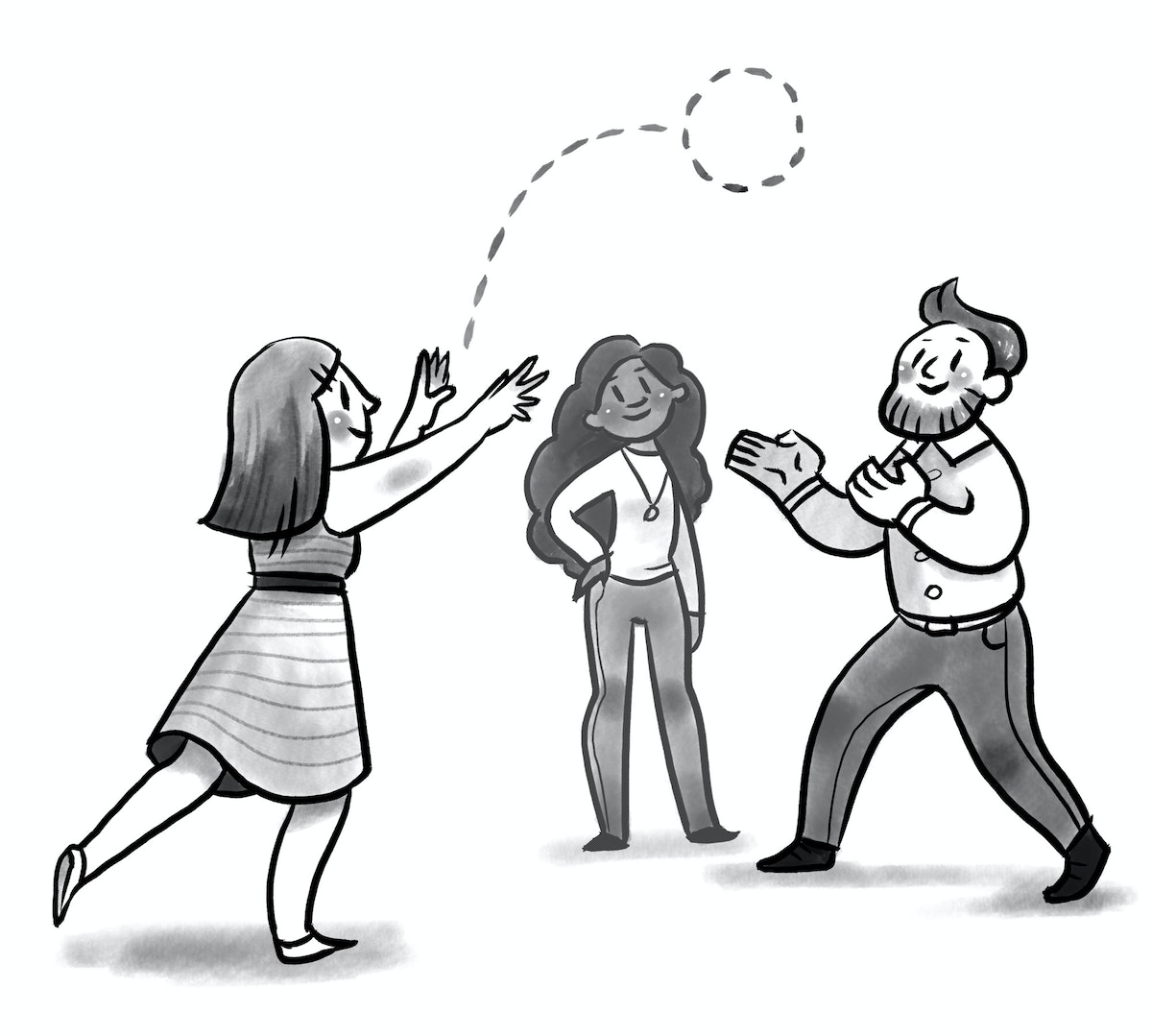
Stand in a circle. (Have you noticed that improv involves a lot of standing in circles?) Pick someone in the group, look them in the eye, say, “Red ball,” and mime tossing them the ball. They say, “Thank you, red ball,” to acknowledge receipt and then throw it to someone else. Once the group has the hang of this, you can add a green ball and blue ball. To make things interesting, these balls can be different sizes and weights. (They could even be a feral cat or a baby.) Pretty soon, the group will be highly alert to one another and focused on cooperating on the task at hand.
4. To free people of their inner censor… Ba Da Da
Everyone in the circle claps to create a beat. The first player says a word to the person next to them. They respond with whatever comes into their head. The entire circle then says both words and then adds, "Ba Da Da” (pronounced in the same rhythm as “potato”). For example, first person: “Crazy.” Second person: “In love.” Everyone: “Crazy in love, ba da da.” Then the second person starts everything again by saying a word to the next person in the circle. By doing everything to a rhythm, people are forced to respond in the moment and not overthink their choices.
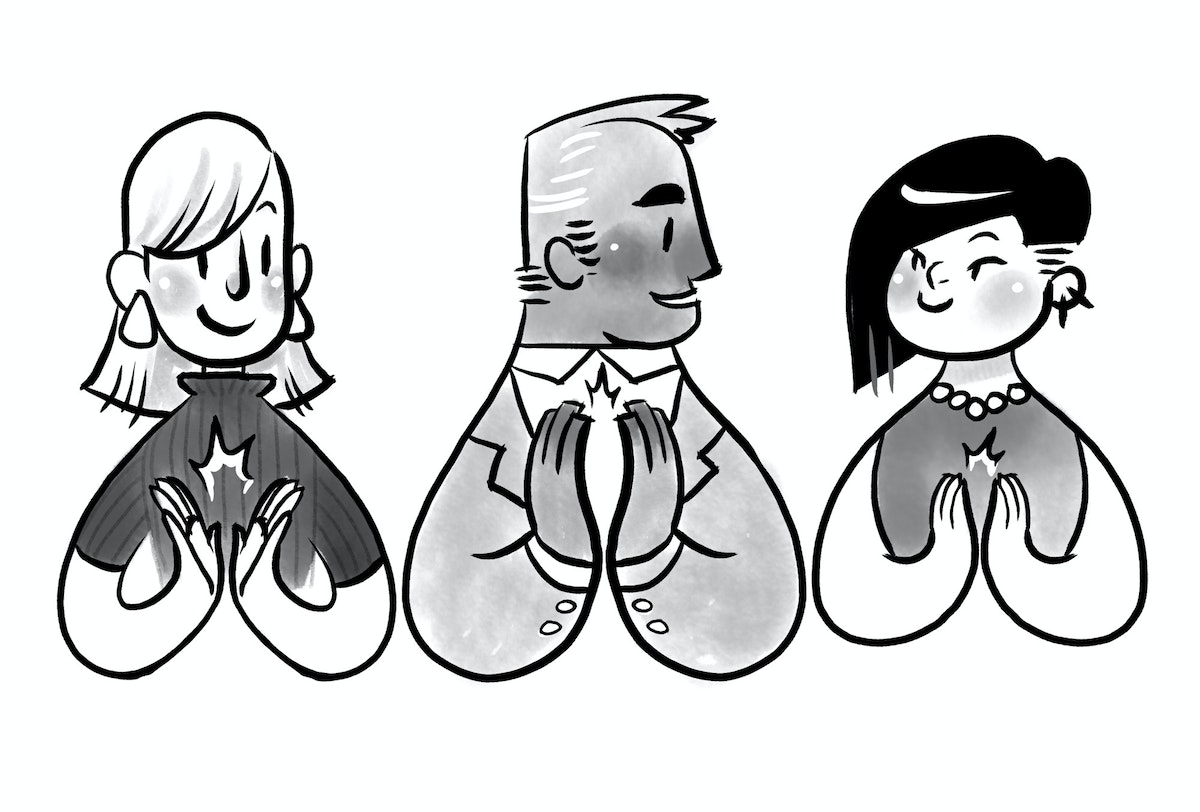
5. To get everyone making eye contact and collaborating… Pass the Clap
Look into the eyes of the person next to you and without using words, coordinate so that you both clap together. That person then turns to the next person and does the same. Pretty soon, you’ll have a rhythm going and a clap will move quickly around the circle. See how fast you can go without losing rhythm. If you want to add some challenge, create multiple claps moving simultaneously in different directions around the circle.

Illustrations by Yoshi Yoshitani.
More and more designers are using improv games in order to get groups in the mood to collaborate. There are many of these games, taught at places like Second City and Upright Citizens Brigade. We picked five simple favorites.

Lindsey Turner
I’m passionate about building brands, products, and experiences that help organizations show up with meaning and momentum.
I help organizations cut through complexity by shaping how they show up, through brand strategy, identity, and storytelling.
Working at the intersection of brand and business, I bring an editorial eye and a bias toward making—turning ideas into tangible experiences that people can understand, trust, and believe in.
My work spans government, healthcare, financial services, media, and consumer goods, from launching Gen Z-focused ventures to building innovation labs and reimagining legacy brands. I relish moments of ambiguity and enjoy translating across teams, perspectives, and priorities to move ideas forward.
I started my career in editorial and digital design, shaping cross-platform experiences and identity systems in publishing and agency environments. That foundation still shapes how I work today: I’m detail-oriented, collaborative, and overreliant on the Oxford comma. I hold a BFA in Visual Communication from the School of the Art Institute of Chicago.

Rachel Young
My work helps organizations see who their products aren't working for—and build the will and the tools to do something about it
For 25 years, I've asked the same question: Who does this design exclude—and what are we going to do about it?
My work spans human-centered strategy, inclusive design, and qualitative research, with clients ranging from Microsoft, Google, and Verizon to the National Science Foundation, and San Francisco Unified School District.
Before IDEO, I taught elementary school in East Palo Alto and spent a decade doing design work with social service organizations—where I learned firsthand what it costs people when systems are built without them in mind.
I am currently writing User Error, a nonfiction book about digital access and the design decisions behind it. I live in Oakland, California.

Brian Pelsoh
I lead with craft, ensuring our work is creatively excellent: rooted in deep human insight and imagination, while also grounded in the realities of business and technology.
My expertise spans brand, communication, and product design across tech, education, the arts, and social impact.
I believe great work demands both high-level vision and obsessive attention to detail, and only happens through collaboration.
I bring an inclusive, hands-on approach and a deep understanding of business, which enables me to consistently deliver excellence while always asking why.
Before joining IDEO, I worked at the brand firms Pentagram and VSA Partners. I began my career as a designer, leading teams at the School of the Art Institute of Chicago and the Milwaukee Art Museum. I hold an MFA in graphic design from Maryland Institute College of Art and a BFA in communication design from the Milwaukee Institute of Art & Design, and have taught at some of the best design schools in the US.

Tony Wong
I am responsible for IDEO’s long-term success in China and working with clients to use design as a tool to enable growth.
I am responsible for IDEO’s long-term success in China and working with clients to use design as a tool to enable growth. Specifically, I have helped Chinese companies design holistic brand solutions through the development of their products, communication, services, and innovation teams, and I have helped multinationals expand their presence and influence in China.
I advise global leaders on developing China-led innovation and capabilities.
In over 15 years in IDEO Shanghai, I have worked on projects that use design to elevate the quality of the experience of healthcare products and services, streamline processes that increase productivity, create spaces and programs that promote and enable inclusive communities, and build next generation mobility solutions that are planet-positive.
Before joining IDEO, I worked at Philips Electronics and the Electrolux Group in Italy, the Netherlands, and Singapore on a number of breakthrough commercial products. I am a member of the Young President Organization in Shanghai.

How to use AI as an editor, not a writer
Ed White shares how he uses AI as an editor—not a writer—to sharpen storytelling, rehearse ideas, and preserve the productive friction that makes creative work better.
Ed White has a rule he's tested on his own writing: hold yourself as the writer, and let AI be your editor. Ed is a Senior Design Director at IDEO's London studio, where he co-leads the firm's AI portfolio across Europe. Before IDEO, he spent 12 years as a writer and editor at the Financial Times, Wired, and Contagious. So when he talks about when to use AI for storytelling and when not to, it comes from two decades of crafting his storytelling skills.
In this episode, Mina Seetharaman talks with Ed about two specific tools he uses to keep AI in an editor's seat: a "roasting agent" prompted to critique his drafts without any sugarcoating, and a simulated audience he rehearses pitches on before the real thing. They also get into what Ed is hearing from design leaders at Anthropic, Lovable, Shopify, and Google Creative Lab about how creative work is changing, and why he thinks the friction of writing something yourself is worth protecting rather than automating away.

Building a personal AI for the messiness of life: Sida Li
Becca Carroll talks with Cue co-founder Sida Li about designing a personal AI for the messiness of everyday life—not just work. They explore how Sida stays anchored to human needs while navigating fast-changing technology, product tradeoffs, business-model experimentation, and the realities of building an AI company today.
Most AI products today are built for work—a space with clear problems and established systems. One founder noticed a gap: personal life is messier, harder to systematize, and mostly left behind by the AI boom. So she built Cue, a personal AI that lives inside iMessage and group chats, to go where the other tools haven't.
In this episode, Becca Carroll, IDEO's Chief Strategy Officer, talks with Sida Li, co-founder and CEO of Shared Context Lab, about staying anchored to a human need while the technology around her keeps changing shape, why she treats her business model with the same rigor she'd bring to a product, and what it feels like to build a company at this particular, disorienting moment in AI.
The conversation also gets into how Sida makes design decisions: the language Cue uses to describe itself, the tradeoffs behind building inside iMessage instead of a new app, and a real story about a business idea that didn’t pan out.
This is the second in a two-part series profiling founders from IDEO's Startups-in-Residence program. The first conversation is with Johannes Seemann, founder of Sooner, on designing GenAI for the emotional side of money.

Designing GenAI for the emotional side of money: Johannes Seemann
Designing financial tools around the feelings that shape money decisions.
Most personal financial tools are built to run the numbers and optimize towards a budget. While that works for some, most people experience money as a lived relationship that does not neatly fit into a spreadsheet. Johannes Seemann and Becca Carroll discuss why money is emotional before it is mathematical, and what a human-centered approach to building a generative AI financial product looks like in practice.

The curious leader's edge in uncertainty: Scott Shigeoka
How genuine curiosity helps leaders navigate uncertainty with greater confidence.
Mina Seetharaman talks with Scott Shigeoka, author of Seek and Head of Curiosity Cultivation at the Eames Institute, about what distinguishes genuinely curious leadership from performative curiosity, how power dynamics shape curiosity, and why practicing curiosity can restore energy rather than drain it.
Looks like you might be in search of something very specific?
Or reset the filters above and try another angle.
Here’s some random inspiration

Podcasts about creative leadership

Articles about the power of prototyping





























.webp)