
.svg)




Connecting the underserved to the digital economy
Designing inclusive digital financial services for the last mile.
Money works differently in communities traditionally excluded from formal banking, which makes designing products that really serve their needs a very different kind of challenge. People who live in the last mile often prefer cash because it’s physical. They can see it, touch it, and access it at any time.
While digital money offers many benefits, such as securely sending money over long distances and accessing new forms of credit, many don’t trust it because the places where they can access digital currency have often been too far away.

In 2017, over 500 million adults lived more than three miles from a financial access point in eight emerging markets studied by the Gates Foundation. This may not sound like much of a barrier, but for those living in the last mile, it means having to close their shops, lose a day of earnings, arrange family care, and pay for travel, which can be time-consuming and difficult, especially during rainy seasons. For low-income people, the inaccessibility of financial services has been a deal-breaker for adopting digital money. On the flip side, banks, telecoms, and other companies struggled to reach these customers because their products were not inclusively designed for them, and their distribution models failed to scale in rural areas.

Amid these myriad challenges, IDEO and the Gates Foundation saw an opportunity to introduce innovative ways to provide access to digital financial services even in the most remote areas of the world. And to make bold new bets: Could we design new digital experiences centered around the financial needs of people in the last mile? What would happen if we mobilized hundreds of actors to develop new ways to address financial access at the last mile? What if we took the most exciting financial innovations that worked in East Africa and piloted them in South Asia—and vice versa?
Working with more than 70 partners, including local startups, corporations, including Google, Unilever, Telenor, Standard Chartered, and BNI, as well as IDEO.org’s Women & Money program, LMM adopted a collaborative, ecosystem approach to drive and scale new digital financial products and systems.
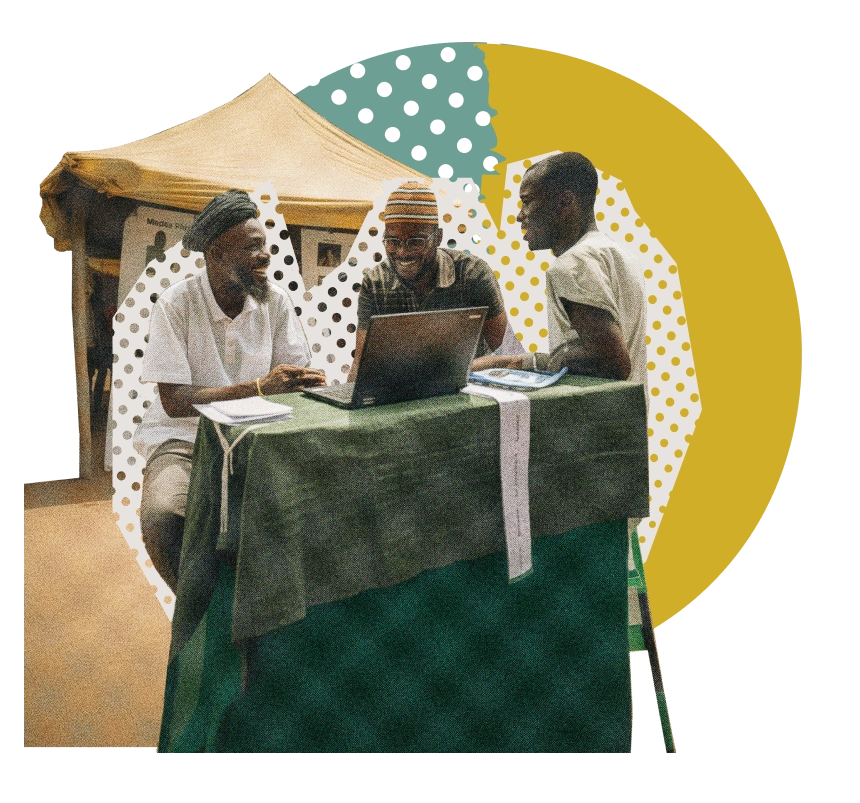
A few of the life-changing innovations launched by LMM and its partners include:
- Finja’s intuitive small-business app that helps micro-merchants in Pakistan access flexible, interest-avoiding Islamic credit to order products from fast-moving consumer goods companies like Unilever. Finja now serves 45,000 merchants and reaches 10.2 million customers.
- Accessing government benefits can be a challenge, especially when it’s through a mobile phone, so IDEO helped Indian startup Haqdarshak develop a robust digital experience for its 52,000 community agents to facilitate access for low-income people. The agent network—70 percent of whom are women—now serves more than 7.6 million families and has unlocked $2.2 billion in social benefits for those who need it most.
- Making micro-credit nearly instantaneous was a solution that startup Kuunda offered to financial agents in Tanzania. IDEO helped adapt the product to deliver working capital for merchants in Pakistan. Today, Kuunda continues to grow across markets in Africa, totaling 6.1 million active users and distributing $1.1 billion in loans globally.
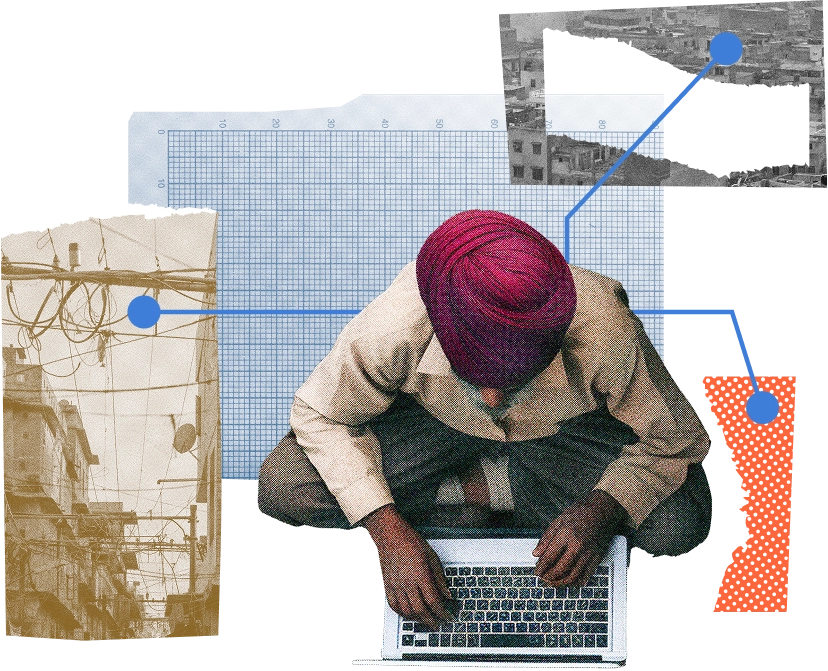
While the LMM program officially concluded in 2024, lessons, tools, and case studies from the program are accessible on IDEO’s Financial Futures website. Those looking to catalyze equity and inclusion in digital financial services for the last mile can consult LMM’s Financial Confidence Playbook, the open-source Digital Confidence Toolkit (created in collaboration with Google), or the Gender Evaluation Framework, among other helpful resources.
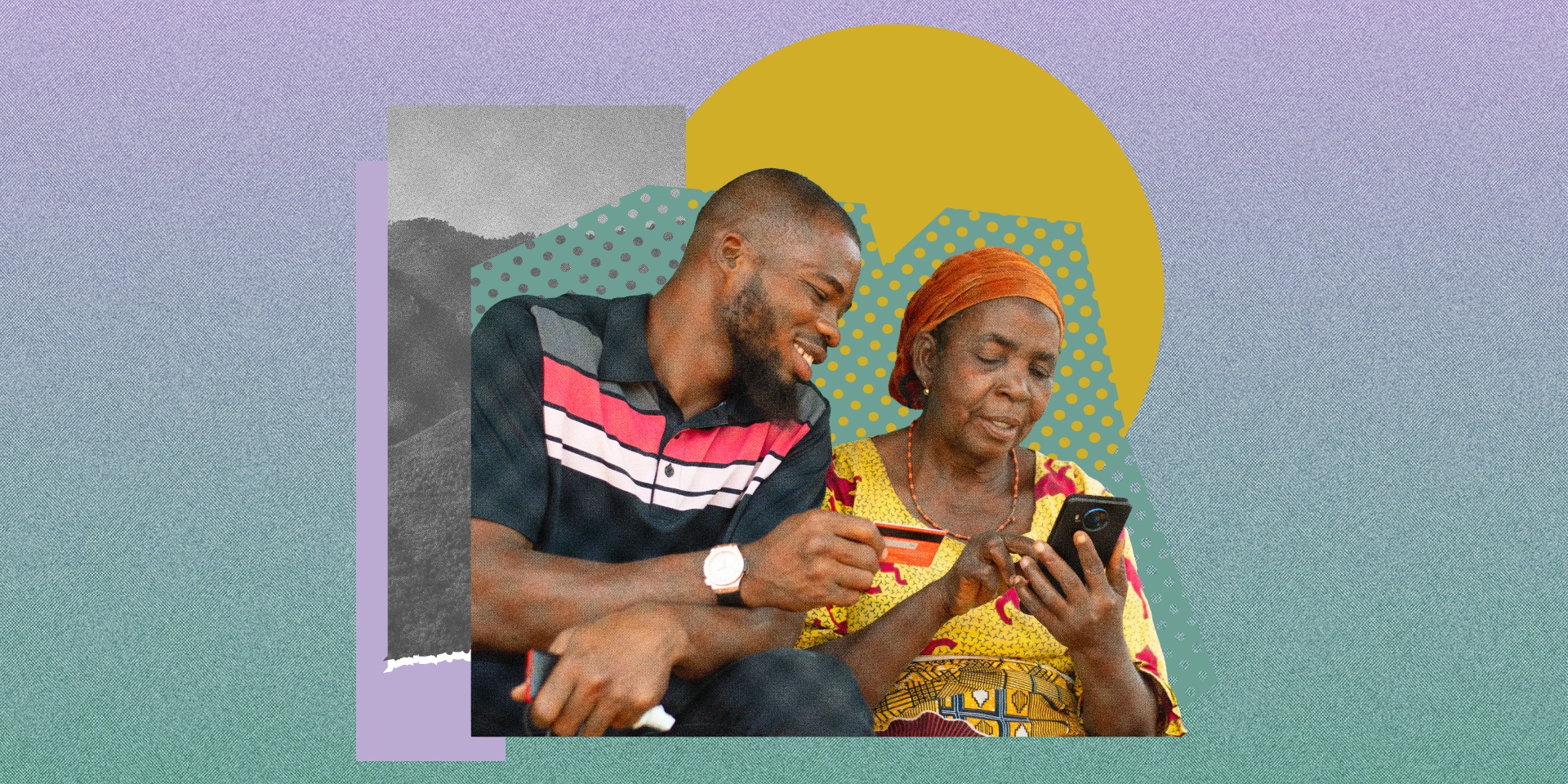
Over 1.3 billion people worldwide in poor and rural areas are excluded from formal financial services, including savings accounts, credit lines, and insurance, making it harder for them to move out of poverty.
34M
underserved users reached by 100+ new financial products, pilots, and prototypes
70+ LMM partners
including Google, Unilever, Grab, Standard Chartered, Cargill, Airtel, Celo Foundation, and BNI

Disrupting the beauty goliaths
How a new Peruvian brand overcame the odds—by design.
Multinational CPGs excel at creating popular, mass-market products for large countries. When they enter smaller countries like Peru, they often parachute their brands onto store shelves and skip consumer product testing altogether, largely relying on brand recognition to drive sales. This oversight presented Alicorp and IDEO with an opportunity: flip the script and invite young Peruvian women to work together with them to create a new hair care brand from scratch. Over the course of a four-year transformational journey, IDEO worked closely with Alicorp, adopting a “learn by doing” approach to foster a culture of innovation, launch a new brand, and drive growth for the company through consumer-centric design.
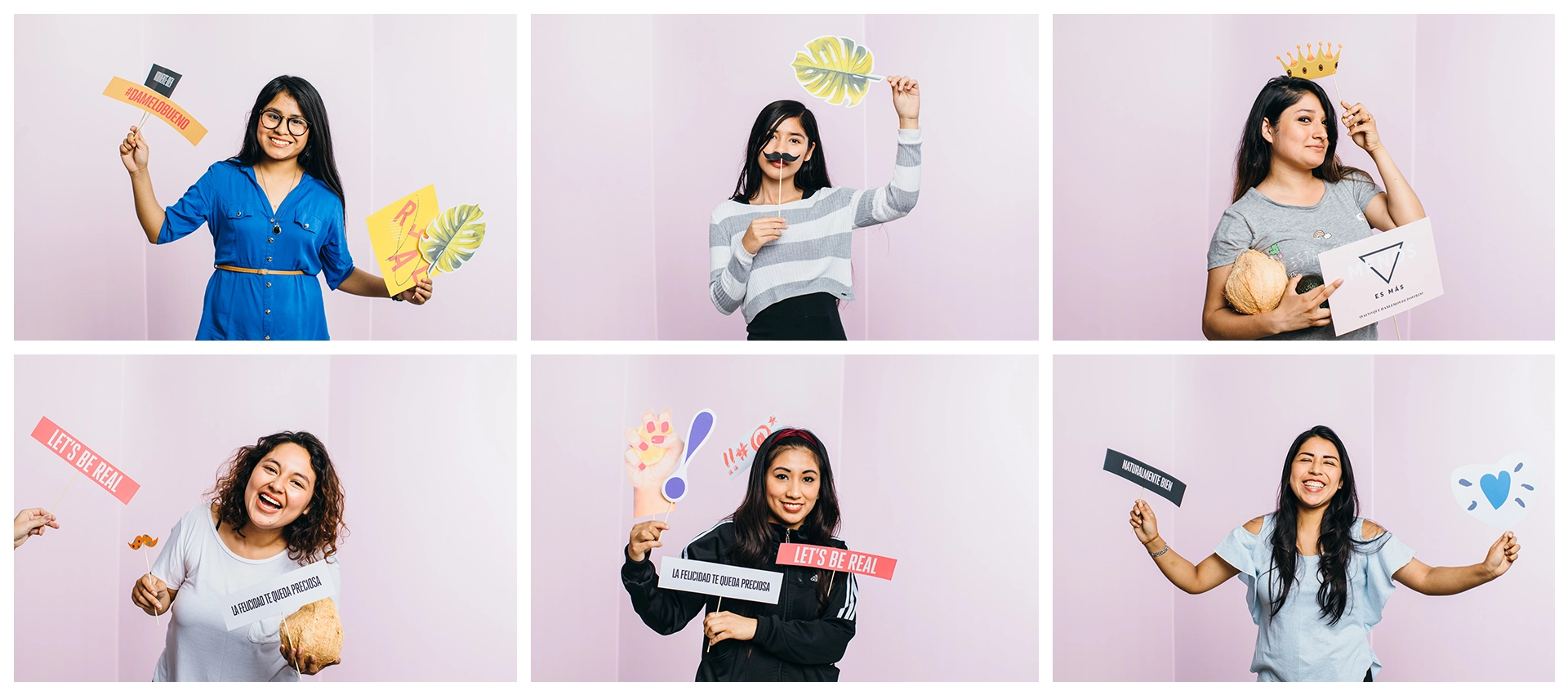
The collaboration began with an inspirational trip 10,000 miles away to Seoul, South Korea, the epicenter of global beauty trends. To expand their thinking, the Alicorp/IDEO team received K-Pop glow-ups and explored other cutting-edge beauty experiences. They were inspired by the Korean market’s unwavering focus on meeting the particular hair care and skin needs of Korean women.
Back in Peru, the team conducted multiple rounds of in-depth interviews with young women, teenagers, beauty influencers, and experts across the country. They learned about their beauty goals, personal care routines, and “mixto” hair texture. They heard about women’s struggles with regional weather—the Andean region’s extreme dryness versus Lima’s humidity and the city’s hard water. The research revealed that Peruvian women wanted natural products that worked hard, wouldn’t harm their hair, and celebrated what made them unique. They wanted a brand that spoke to them honestly and authentically. That represented and empowered them. That didn’t overpromise, underdeliver, or hold up European and American beauty ideals that didn't resonate with Latin American women like the multinationals did.

Armed with these insights, the Alicorp/IDEO team developed tangible brand prototypes for women to respond to during successive rounds of user research, including in a beauty pop-up store in Lima. The team shared various bottle types, ingredient mixtures, and brand positioning options. Should the new brand’s personality be an outspoken feminist or a gal pal? Au naturel or sophisticated? The iterative feedback cycles informed everything from brand strategy and ingredient recommendations to product line-up, brand and product naming, launch strategy, and digital activations.
The final design, Amarás (“you will love”), is a personal care line that centers the needs and aspirations of Peruvian women. Hitting shelves in 2022, its shampoos and conditioners feature local, bio-diverse ingredients, including mangoes, macadamia nuts, and goldenberries, that help address the specific hair texture needs of women in LATAM and the climate realities of the Andean region. The brand’s launch campaign included TV and print ads featuring Peruvian models from every region as well as commissioned murals celebrating local beauty by artists across Peru. Most notably, the unapologetically authentic Peruvian hair care brand became a TikTok sensation, garnering over seven million organic views and more than 300 viral videos from enthusiastic new fans.
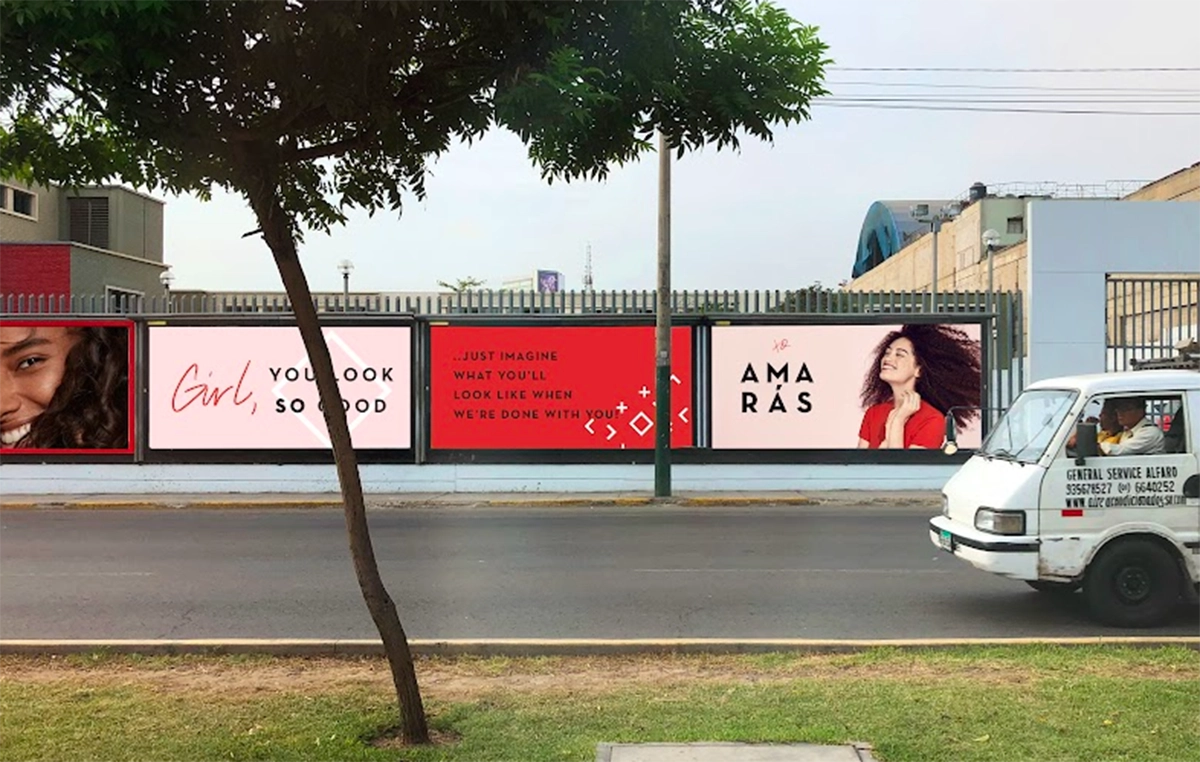
Three months after its launch, Amarás seized a 7.5 percent share of the personal care aisle—a remarkable goal it had set for year three.Since then, Alicorp has continued to expand its creative capabilities, designing personal care products tailored to the cultural and beauty needs of Latin American consumers.

Alicorp launched numerous successful brand extensions across its food and home care categories, but was unable to crack the $340M USD hair care product market in its home country of Peru.
7.5%
Amarás’ share of the Peruvian hair care market 3 months after launch—a goal Alicorp had set for year 3
7M+ organic views and 300+ organic fan videos
created on TikTok during Amarás’ launch campaign

Enhancing garment worker well-being with AI
Introducing Aitu, “Smart Machines, Uplifting People.”
Thirty years ago, China-based Jack Technology started as a home sewing machine manufacturer. A decade ago, the innovative global leader began investing in robotics and exploring AI, a decision that positioned it well to address today’s urgent need for smarter manufacturing solutions.

Believing that a new, strategically positioned sub-brand could draw in larger, more premium global manufacturing customers, Jack Technology and IDEO set out to understand their needs. IDEO began by visiting more than a dozen garment factories across China, Vietnam, and Bangladesh, conducting in-depth interviews with factory managers, industrial engineers, pattern-making leaders, and frontline workers. It soon became clear: the apparel manufacturing industry is at a critical juncture. The way apparel manufacturers navigate the promises of intelligent technology—while addressing deep-rooted structural issues like labor shortages and working conditions—will shape the industry's development for years to come.
For premium clothing brands, garment factory compliance and worker well-being are priorities when selecting production partners, so many owners proudly showcased their improvement efforts. They discussed investing in quieter machines and air conditioning, enhancing lighting, adding greenery, and implementing no-overtime policies. Amid rows of identical sewing stations, the IDEO team noticed small human gestures, such as a small vase of flowers. As one operator said, “I just want to uplift myself during work.”
The research helped IDEO identify a core opportunity for differentiation. Create human-centered products and services that further enhance working conditions in large apparel factories, strengthen their ability to attract and retain talent, and drive the industry toward a more sustainable future. Through multiple rounds of co-creation with the Jack Technology team and key apparel-sector stakeholders, a clear brand direction for Aitu began to take shape: “Smart Machines, Uplifting People.”
Guided by this human-centered ethos, IDEO helped build a comprehensive brand system for Aitu. The idea of “uplifting people” and showcasing garment workers’ professionalism and skill is expressed throughout all brand communications, the industrial design of its smart sewing machines, and the interaction and industrial design of a humanoid sewing robot.
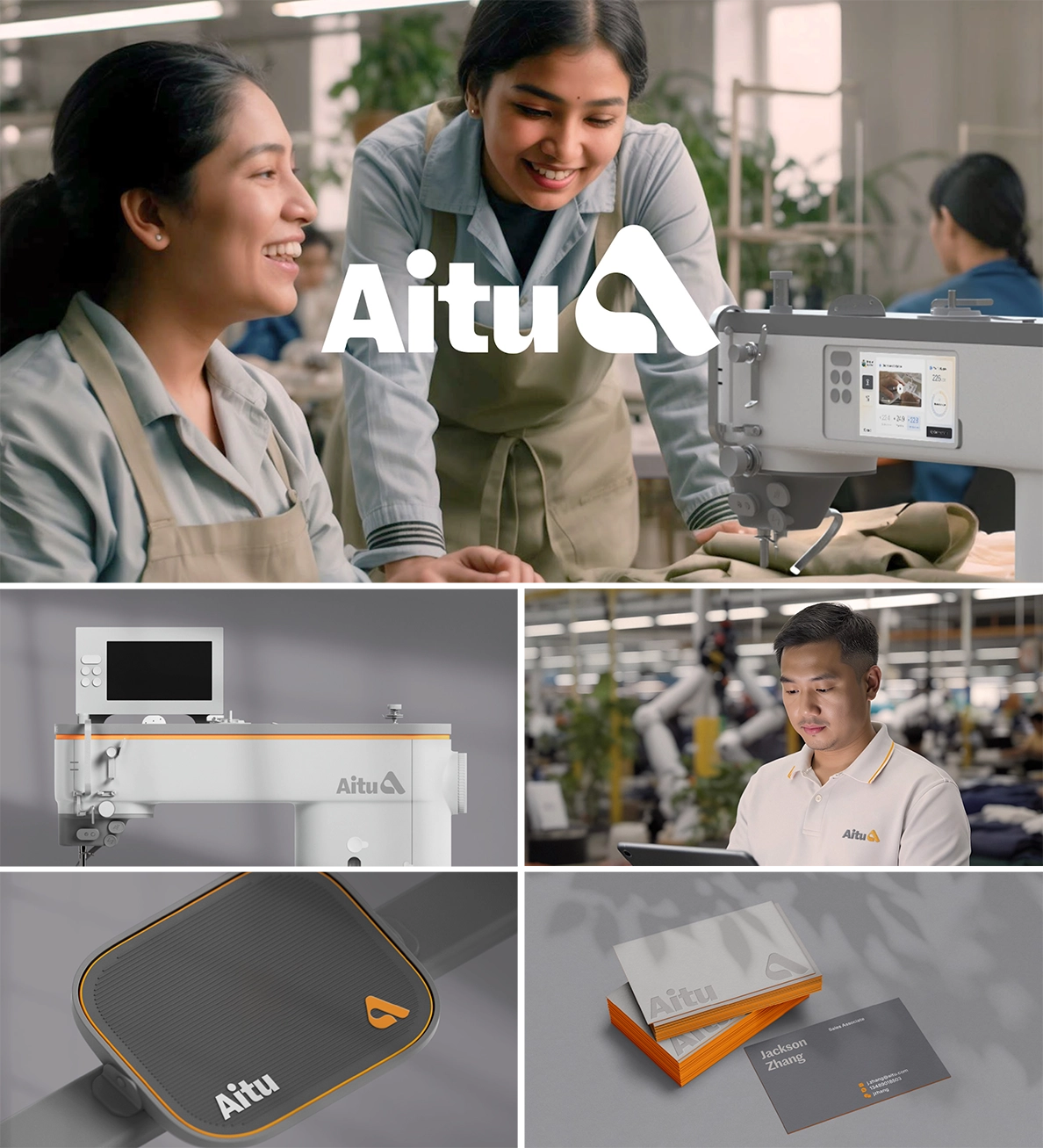
In the eyes of factory workers, this is the new work experience Aitu brings to life. Compared with traditional bulky industrial machinery, the clean lines and soft edges of Aitu’s new AI-powered sewing machines feel more like the professional office tools found in bright, organized workplaces. Concave surfaces and soft materials diffuse glare from overhead lighting, reducing eye strain, while clear interaction logic and icon-based visuals accommodate operators with varying levels of skill and education. AI technology, seamlessly embedded in the machine’s core functions, automatically adjusts parameters for different fabrics and tasks, allowing operators to achieve high-precision results with less effort. A soft halo-like light glows whenever the AI-assisted function is active, fostering users’ trust in both the technology and the AI-powered sewing machine as a whole. When hundreds or thousands of Aitu machines are arranged together in a factory, the overall effect is a modern, professional, and high-end work environment.

Working closely with Aitu’s robotics team, IDEO’s final design challenge was to bring a human-machine collaboration to life through a full-scale AI robot, AI10. The robot has an elegant, biomimetic silhouette. Its fabric-like outer finish features design elements commonly found in garment making, such as cutting and stitching lines, giving the robot the approachable look and the feel of a skilled tailor companion who can assist with simple, repetitive tasks. When AI10 is in operation, a circular light ring gently pulses at the sides of the robot’s ears as well as on the paired sewing machine’s display screen, clearly signaling the robot’s activity to its human co-workers.

In September 2025, Jack Technology debuted its new Aitu brand, along with its first AI sewing machine and a humanoid robot prototype, at a launch event at Shanghai Tower and at the China International Sewing Machine & Accessories Show. IFA Berlin, Europe’s largest trade show for consumer electronics, honored Aitu with a Gold Award for AI Product Innovation for seamlessly integrating AI technology and industrial design. Jack Technology’s humanoid robot is expected to go into full-scale production in 2026.
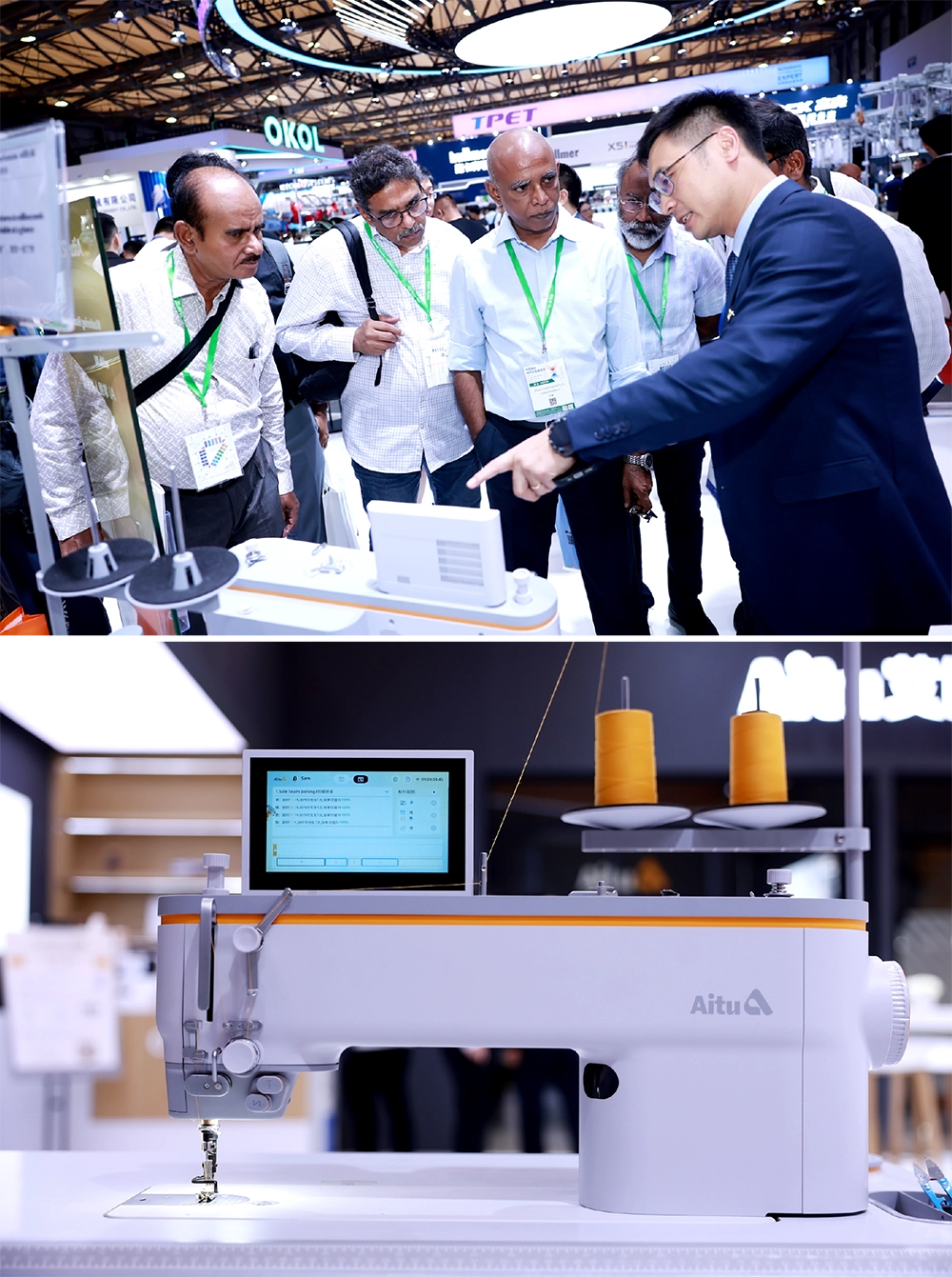
Before AI, the apparel manufacturing industry had experienced little fundamental change since the invention of the lockstitch sewing machine nearly two centuries ago.
2025 Gold Award for AI Product Innovation
from IFA, the world’s largest home and consumer tech event

Helping Peru’s top hot sauce find US success
Introducing Tari, a flavorful new kick for everyday American foods.
Alicorp has direct operations in Peru, Bolivia, Ecuador, and Chile, manages export operations in more than 30 countries, and oversees over 150 brands. While its AlaCena sauces are ubiquitous in South America, the brand’s North American market primarily consisted of purchases made via Amazon by Peruvians living abroad. To help the CPG giant expand meaningfully and sustainably onto US grocery shelves—and achieve its ambitious $50 million retail sales goal in five years—Alicorp and IDEO collaborated on multiple projects over a two-year period. The partnership began in early 2020 with consumer research and product strategy, ultimately leading to the development of initial product branding, positioning for launch, and an in-market pilot in late 2021.
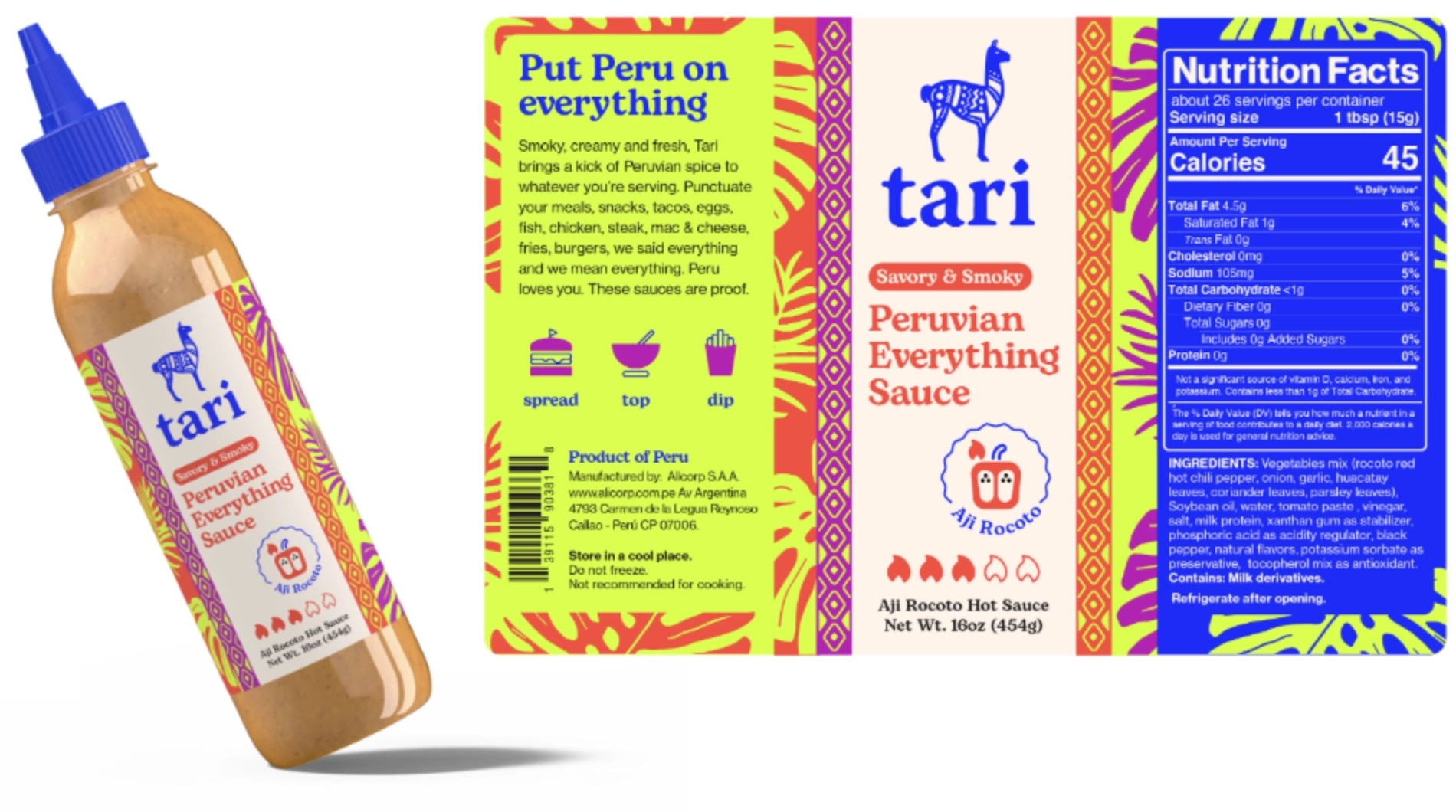
Through a combination of large-scale digital surveys and in-depth, in-person and remote research interviews, IDEO discovered that AlaCena’s Tari and Uchucuta’s hot sauce recipes resonated the most with US consumers. Made from native Aji Amarillo and Rocoto chili peppers ground using a traditional Andean “batán” technique, consumers appreciated their complex flavors and enjoyed how they enhanced, not overpowered, everyday foods like burgers and fries. The sauces’ authentic Peruvian culinary roots were also a key differentiator. In addition to consumers, IDEO consulted with industry experts—including executives from large-scale grocery chains and chief merchants of leading big-box stores—to explore retail and marketing trends and identify potential innovation partners for Alicorp in the US.
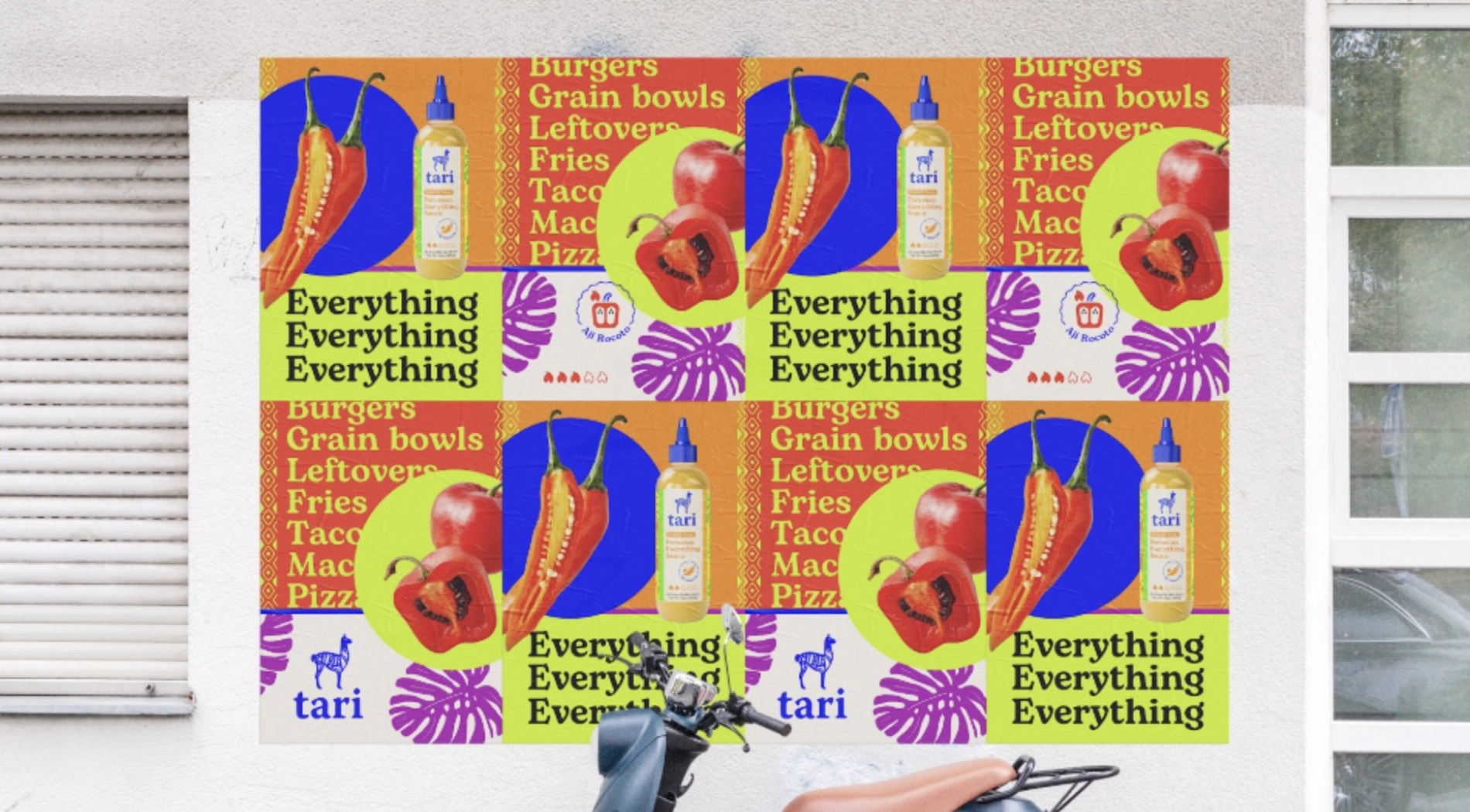
Based on the research, IDEO recommended a few changes to ensure a successful launch: Lead with the Tari brand, which was the most memorable and easiest to pronounce, and position it as an “everything sauce.” Change the packaging from a large plastic pouch to a smaller squeeze bottle to better align with consumers’ expectations and stand out on the inside of refrigerator doors. Adjust the product formulation to appeal to mainstream consumers looking for cleaner labels. And visually celebrate Tari’s Peruvian roots through bright colors, traditional textiles, and a llama, an animal closely associated with the Andes Mountains. In addition to these recommendations, IDEO provided a comprehensive go-to-market retail strategy that included potential US regions for launch, retail brokers, distributors, manufacturers, and R&D and pilot retail lab partners, as well as job descriptions for a new North American-based sales team.
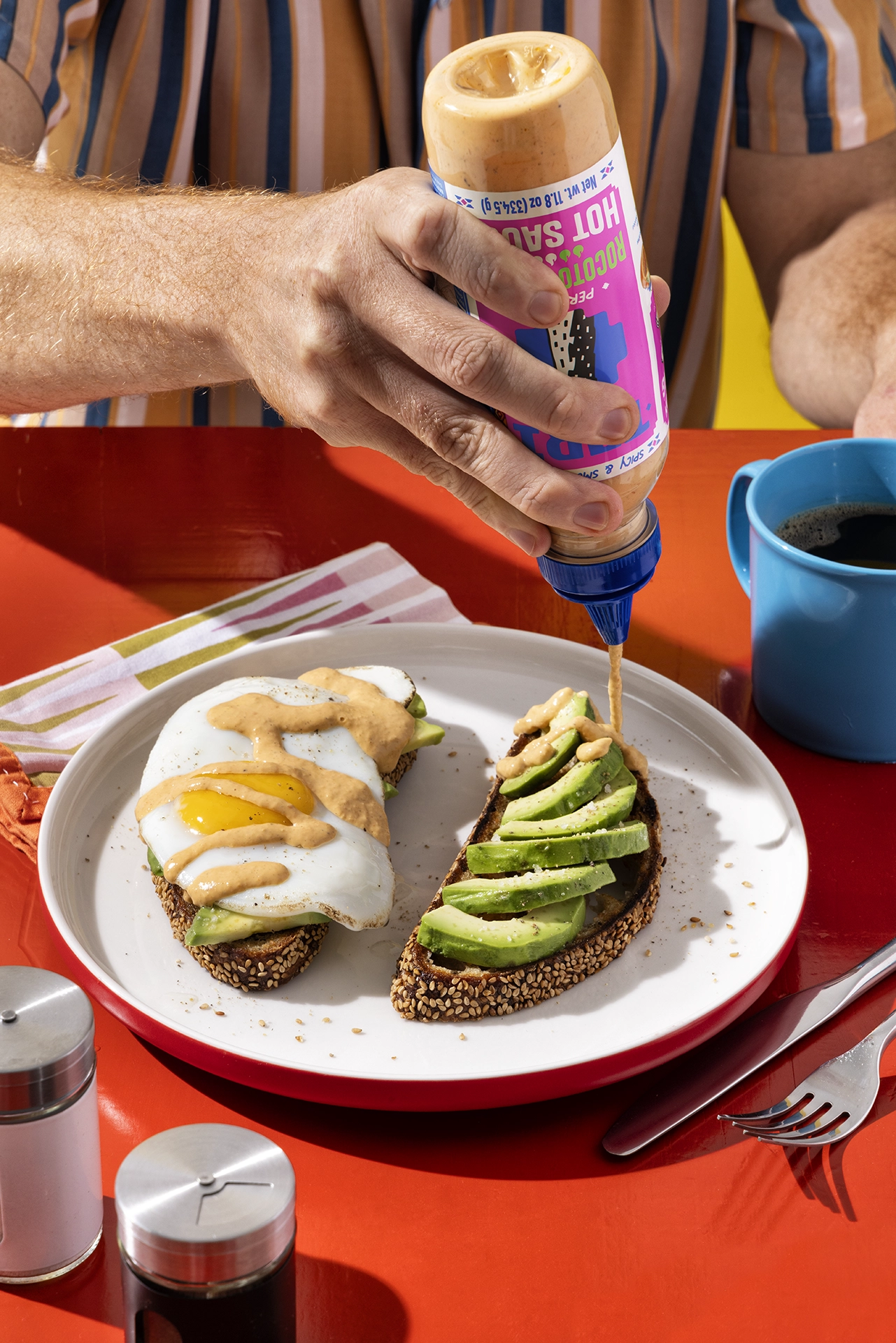
While Alicorp worked on reformulation and packaging strategies, IDEO refined Tari’s initial branding strategy. Steeped in Peruvian aesthetics, the brand’s new look and feel featured a vibrant color palette, geometric patterns, and—of course—a friendly llama icon, which could also be found on all in-store point-of-sale items IDEO designed for Tari's pilot launch in late 2021.
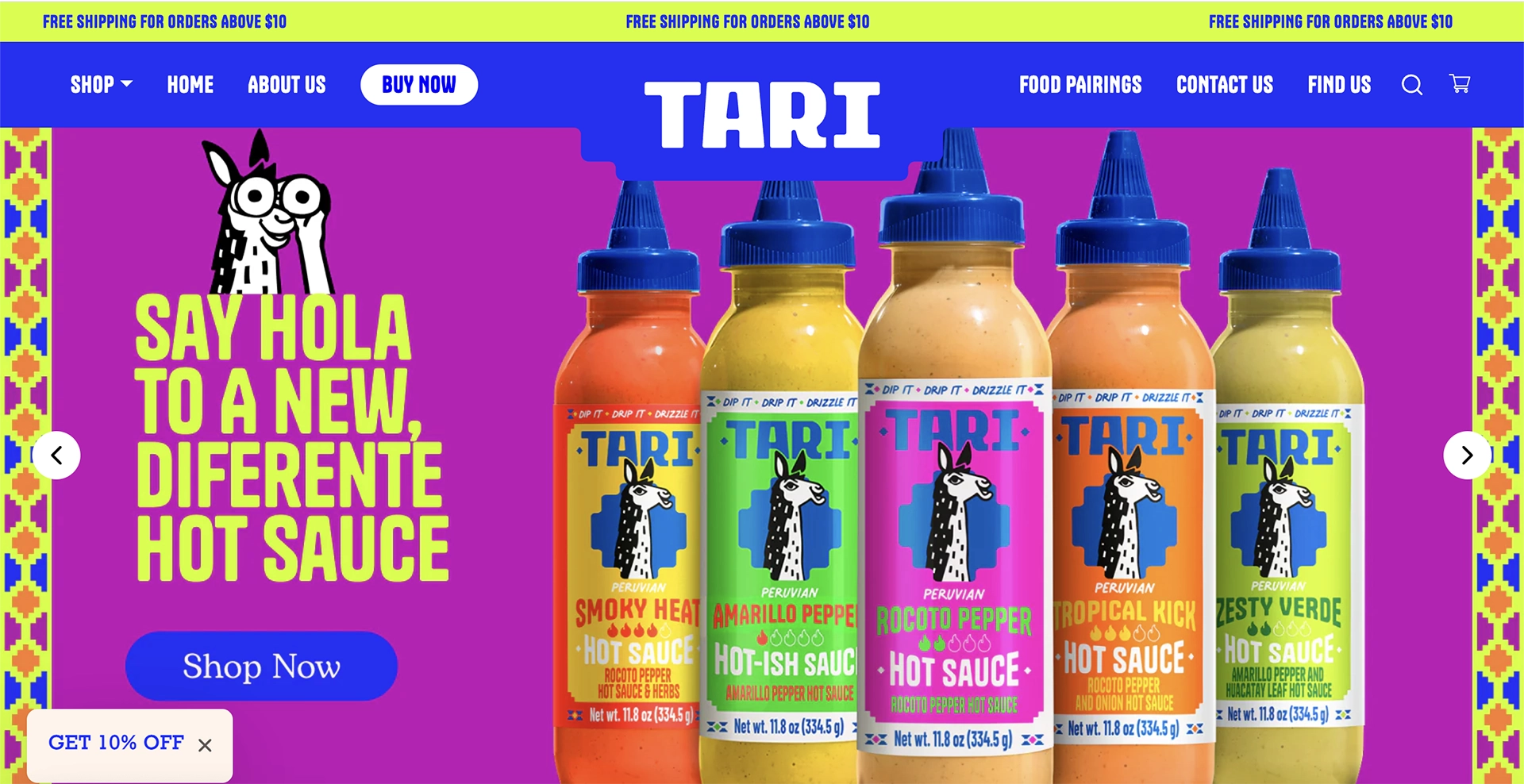
The successful 12-week in-market pilot in Tom Thumb grocery stores gave Alicorp the confidence to have its in-house design team make the brand even bolder and more eye catching, and to launch two flavors, Amarillo Pepper and Rocoto Pepper, on Amazon and in over 50 retail stores in late 2024.

Since then, the popular sauces consistently rank among the top 50 percent of the fastest-selling products on US shelves, with 80 percent of sales revenue representing new business. In 2025, Tari expanded its offerings with three additional flavors: Zesty Verde, Tropical Kick, and Smoky Heat. Today, Tari is in transit to 3,000 major grocery stores, including Wegmans, Meijer, Central Market, and The Fresh Market, as well as available for purchase on Amazon.
Alicorp had a vision to expand its beloved and delicious hot sauces to the US market, but needed help fine-tuning the brand and product for an American audience.
3,000
major US grocers, including Wegmans and Meijer, have signed on to sell Tari hot sauces
80%
of Tari’s sales revenue represents new business, a significant expansion of the overall category
Ranked in the top 50%
of the fastest-selling products on US grocery shelves

Why futurists start with a backward glance
Forget predictions; we’re using lessons from history to design our preferred futures.
“What might be” was suddenly overshadowed by “what must happen now.” The pandemic disrupted every aspect of our healthcare ecosystem and forced us to adopt an entirely virtual primary medicine model, something most health systems had previously only experimented with. It felt like everything was urgent, and getting anyone to focus on the future seemed impossible. Surrounded by all that chaos, I decided to look back to see what history could tell me about major shifts in this industry during other periods of great uncertainty.
The past is filled with patterns of human triumphs, mistakes, and missed opportunities. These moments can give us a strong sense of how humans, governments, markets, and organizations might react to profound change. A century before COVID-19, the 1918 influenza pandemic similarly upended global healthcare, exposing the limitations of existing care delivery systems. Looking back at this period offered significant insights into how a crisis catalyzes transformation. In that era, patients received healthcare in their homes, by general practice doctors who were also members of their community. Just as COVID-19 forced a rapid transition to virtual care, the devastation of the 1918 pandemic led to the expansion of healthcare systems, the professionalization of medicine, and public health reforms. Despite the realities of the moment, the feelings of fear and uncertainty people felt in public settings in 2020 were eerily reminiscent of the fears that marked the 1918 influenza crisis.
Each decade of our past tells stories about how change develops. The Industrial Revolution demonstrated how rapid technological advancements could reshape economies; the Space Race of the 1960s highlighted how global competition could fuel scientific breakthroughs; and September 11 proved how tragedy could bring a country’s diverse communities together in a shared purpose. Adding the context of examples from human history brings rigor and believability to the futuring process, upping the likelihood that people can understand potential opportunities and consequences in tangible ways.
But how do futurists do this? How do we pick which pieces of the past apply to what we’re trying to solve for, and how do we arrive at tangible takeaways? Here are three ways history can help you understand what could be.
1. A frame for ideation
History doesn’t always offer clear predictions for how change might unfold, but it can provide a scaffolding or starting point for the imagination. A historical lens anchors storytelling, making speculative futures more relatable and actionable by drawing on connections to known human experiences.
In 2023, IDEO partnered with LeadingAge California to explore a fundamental question: What does it mean to age well in a world of rapid change? Through a series of workshops, we examined how traditional older adult care, long centered on institutionalized models, could be reshaped by shifting demographics, emerging technologies, and evolving cultural expectations. We started by grounding our work in historical precedent to add credibility. Then, we crafted six bold, forward-looking narratives that reimagined aging as a deeply human-centered experience, one defined by purpose, autonomy, and connection rather than decline. These stories introduced new possibilities for older adulthood, where updated mindsets on aging, advances in AI, regenerative medicine, and assistive technology redefine what it means to grow old, allowing people to maintain their physical and cognitive health in previously unimaginable ways. Using the past as a framework clarified how services for this population could be reimagined to evolve in response to social and technological change. Within these constraints, we designed futures that felt not just visionary but entirely within reach, creating a roadmap that could help bring these ideas to life.
2. A way to stress-test plausibility
History helps make future scenarios more credible by grounding them in familiar patterns and contexts. This thought experiment requires thinking critically about the past. What factors spurred a particular phenomenon? What kinds of decisions shaped action, and by whom? What decisions did people decide not to make? By examining these dynamics, we gain insights into how similar forces might unfold under new conditions and use them to inform our stories. A backward glance at the mental health impact of isolation during 2020 could provide insights into the potential effects of remote work and virtual schooling on future communities. When we think this way, the past becomes a launchpad rather than a limitation.
These methods were extremely useful in 2023, when we partnered with the DC Federal City Council to reimagine the future of downtown Washington, DC, a city with both a storied past and a future that can change radically every election cycle. To generate bold, forward-thinking ideas for revitalizing downtown neighborhoods, we convened over 100 stakeholders. We asked them to identify the past and present to surface patterns of transformation and areas of opportunity in the city. With that foundation in place, the teams developed plausible future narratives, layering ideas such as new pedestrian zones, green spaces, and artist live/work zones onto physical maps of each neighborhood. These activities helped them create stories of the future that didn’t just feel aspirational but were deeply rooted in the city’s identity, its people, and the existing infrastructure. By looking to history, the workshop unlocked new pathways for action, moving closer to the goal of a thriving, community-driven urban future.
3. A method for predicting outcomes
The future is about identifying strategic choices that will shape the future we want to build. History reveals how communities, industries, and organizations responded to change, offering a glimpse into potential outcomes that could have a significant impact.
IDEO’s 2024 collaboration with San Francisco public television and radio station KQED explored how public media will have to evolve to remain relevant and essential in a rapidly shifting landscape. In a day-long workshop, the IDEO team guided the KQED board through a method developed by futurist Sohail Inayatullah called “The Futures Triangle,” which examines the weight of the past, the push of the present, and the pull of the future. By discussing these different forces, we surfaced a key tension: In an era of hyper-personalized content and decentralized media consumption, KQED’s legacy of trusted journalism and civic storytelling can be both a powerful foundation and a potential constraint. So, how will these existing forces shape the future? With this insight in mind, participants crafted stories and created artifacts from the future that drew a picture of a public media ecosystem more deeply embedded in community life, one that reaches audiences through interactive, on-demand, and participatory experiences. They explored how KQED could expand even further as a multimedia organization and community convener to become an agile, responsive, and dynamic force for engagement across generations and platforms. By analyzing the historical forces pushing and pulling the public news source, the group identified key strategic choices KQED could make today to shape the desired outcome of a more inclusive, innovative, and community-driven future for public media.
To build bold, forward-looking futures, we must look backward—not to recreate the past, but to navigate the future with intention. History provides more than context; it offers structure for creativity, a stress test for credibility, and a mirror through which we anticipate consequences. When we weave these insights into our foresight practice and design efforts, we can imagine futures that are rigorous, plausible, and transformational, drawing on the past to shape scenarios that inspire action and meaningful change. Years from now, when futurists look back on today, they will be reading the signals we left behind.
At the end of 2019, I embarked on a project exploring the future of primary care medicine, looking ahead a decade to imagine stories about innovative home diagnostics, expanded virtual care, and transformative shifts in delivery models. Then came COVID-19.

Busting the myths of gamification
And methods for tapping into the deeper power of game design.
But somewhere between unlocking a new badge and being reminded that your streak is on the line, you wonder, “Am I actually getting healthier—or just getting better at this game?”
Gamification, the technique of borrowing principles from game design to nudge behavior, promises motivation wrapped in fun. It has taken hold for a reason—it works. At least in the short run. Our products now nudge us at every turn. Fitness apps keep us running (literally) after digital rewards; loyalty programs make us strategize our coffee orders like it’s the Olympics; and even financial markets have started to feel more like Vegas, where winning means flipping assets before the music stops. But the important question isn’t whether gamification works. It’s who is it working for?
When game mechanics are used for product strategy without understanding consumers’ deeper motivations, it breeds fatigue, churn, and mistrust. It’s not just bad design, but rather a larger risk to customer loyalty and long-term growth. Gamification strategies that emphasize winning can also unintentionally encourage overconsumption, while attempts to gamify health, community engagement, or sustainability risk reducing meaningful behavior change to shallow, performative tasks.
In a well-designed game, the relationship is symbiotic—you play because you love the experience, and in return, the game designer thrives as more players buy in. But gamification can sometimes feel like a system imposed upon you, where participation is required to unlock basic functionality, avoid penalties, or simply keep up. When this happens, gamification starts feeling more like an obligation—or worse, a trap. The game stops being something we choose to play—it plays us instead.
So how do we harness gamification’s immense promise in a more productive way?
At the IDEO Play Lab, we leverage game design to help businesses drive deep, sustainable engagement. Because most successful products don’t just lean on gamification’s surface sparkle—they dig into the sturdy mechanics of game design itself.
Here are some of the myths of gamification and real ways thoughtful game design can lead to better products.

Myth 1: To make an experience sticky, just add points or badges!
Reality: The deeper opportunity lies in leveraging game thinking to make transformative experiences.
Reducing game design to points and leaderboards sells it far too short. True game-thinking involves designing systems that embody the foundational mechanics of games—like challenge, choice, feedback, and progression—to create deeply engaging, motivating, and transformative experiences.
One example: We were partnering with an organization to develop a digital platform to support the mental health of people aged 14-25. We could have simply added a point or reward system to make the app engaging for this young audience—after all, social media and other apps do just that. But we knew that the benefits of working on one’s mental health aren’t tied to those types of metrics; in fact, employing them can have the opposite effect. Instead, we ran game design workshops to explore specific mechanics and principles that would tap into users’ intrinsic motivations, then used those as a springboard to explore compelling—and beneficial—new features. One of the simplest—and most popular in testing—was a fidget drawing board, where users could make little finger drawings on a starry background that would fade after a few seconds. This playful interaction was a compelling feature that drew our testers back again and again. No leaderboard needed.

Myth 2: Make an experience feel like a game with competition!
Reality: Games do not have to be zero-sum.
Games often have a winner and a loser—one person’s success comes at the expense of another’s. But not always. Over the last two decades, we’ve seen a big rise in new kinds of gaming experiences—cooperative games, cozy games, storytelling games, and more. Games like these leverage game mechanics to build community, encourage expression, or even intentionally lower the stakes to design for new kinds of emergent experiences
On a recent project, IDEO worked with a client that was looking to introduce generative AI workflows into employees’ day-to-day work. They told us that the team responded well to competition and recommended leaning into that to motivate and incentivize participation. So, we split the group into two teams and started tracking achievements to see which team could achieve the highest overall score each week. At first, the teams enjoyed tracking points and competing. But when we introduced a challenge where harder tasks earned more points, participation collapsed. Some tried, but after high scores hit the leaderboard, they felt embarrassed to share lower ones. Others skipped it entirely, assuming they couldn’t measure up.
So, we changed course. Instead of rewarding skill, we gave points for effort and encouraged mentorship over competition. Participation rebounded immediately.
Dialing in the right mechanics for a leaderboard is trickier than you might think. Done poorly, you might discourage the very behavior you’re hoping for. Ultimately, gamification should encourage progress, not perfection.

Myth 3: Gamification works because it’s fun.
Reality: Motivations are much more complex than just fun, and game elements work best when they are tied to more meaningful values.
Fun is suuuuuper subjective. It’s not even helpful to say it’s a motivation. It is an outcome. Some games create fun through storytelling and narrative explorations (think Dungeons & Dragons); other games offer fun through the satisfaction of strategic or tactical problem-solving (think chess). Game designers look at these deeper, more nuanced motivators when they shape an experience.
When we designed the initial prototype for Ethiqly, an AI-powered writing platform for teachers and students, we began with a fundamental belief: motivation goes deeper than fun. Ethiqly is built to support the writing process, not replace it. We applied a play-centered design methodology to uncover intrinsic motivators at every stage. Students don’t just complete tasks—they explore writing voice, style, and critical thinking. Meanwhile, teachers take on the role of game designers, shaping the learning environment through challenges, feedback, and progression systems. Instead of automating away the parts of the writing process that bring users satisfaction and purpose, like students building confidence and skill in developing their point of view, we built experiences that work with their intrinsic motivation. Just like in a great game, the platform gradually increases difficulty, offers meaningful choices, and delivers helpful feedback that sparks growth. Gamification, in this case, works because it isn’t just icing on the cake—it’s a deliberate system for sustained engagement, where technology augments human creativity rather than bypassing it.
Many of the industries that are leaning into gamification—exercise, eating habits, medicine, education—tap into motivations that are similarly complicated. Organizations need to take care to align the ingredients for fun with the criteria for other meaningful outcomes.

Myth 4: Gamification has universal best practices.
Reality: You can’t slap any old game mechanic onto any experience and expect to improve it.
Picture what would happen if you added dice rolls to chess—a game that is deliberately devoid of randomness. You’d change the very essence of it. Similarly, you can’t just add badges to a workout routine and assume it will make the workout better. You might even ruin the original, desired experience.
IDEO once helped design an FDA-approved program to help people quit smoking. The team made early games that were fun to play, but something didn’t feel right. So, we took a cue from roguelike games, a genre that uses repeated failure to make players’ eventual success more meaningful. (After all, the journey to quit smoking can often include repeated failures.) Some roguelike games even require you to fail in order to level up. Inspired, we applied this kind of game psychology to design a core loop, providing feedback that users could reflect on, understand, and apply on their next attempt. The setup gave users a reason to continue and ultimately succeed.
Layering game elements onto existing activities requires intention and design to dial in the right experience.
When done well, leveraging game mechanics isn’t about points, competition, or chasing fun; it’s about designing experiences that tap into deeper human motivations. The best games can shape how people engage, learn, and grow. But getting it right takes more than a leaderboard—it takes thoughtful design.
At IDEO, we apply play and game mechanics to complex challenges, designing experiences that empower rather than manipulate, motivate rather than pressure, and create lasting impact beyond the next dopamine hit. If you’re looking to build experiences that go beyond the surface and truly engage, let’s talk.
Imagine this: You’re halfway through your fitness challenge, hitting milestones with satisfying progress bar updates and an occasional trip up the leaderboard.
Keeping kids safe, while giving them the best of technology
Google’s Director of Mental Health shares insights into its core principles.
As part of that work, I attended an event last year hosted by the Biden-Harris Administration’s Kids Online Health and Safety Task Force and Stanford University. There, I reconnected with Megan Jones Bell, Director of Consumer and Mental Health at Google. Throughout her career, she has drawn on her own experiences with mental health to build and improve digital tools, access to resources, and safeguards.
Now at Google, she’s helping one of the world’s largest and most influential companies shape policies that help kids and teens safely access information, play, and connect online. After the event, we came together for a conversation about how Google is working to promote digital well-being among kids and teens, the ways organizations across tech and other sectors are uniting to protect them, and how friction can help keep people safe. (Content warning: The following text includes mentions of suicide, mental health issues, sexual abuse, self-harm, and eating disorders.)
Michelle Lee: It was wonderful to catch up at the event and get a peek into what you're up to right now. I’m curious—how do you define digital thriving in your work?
Megan Jones Bell: When it comes to kids and teens, it's really about how we design experiences that help them get the best out of technology to be creative, to learn, to play, and to safely connect with others online.
ML: I love that. What are the core principles that help guide your approach?
MJB: Our cross-cutting principles are built to protect, designed to respect, and created to empower kids and families. These overarching principles guide our approach across Google products. Last year, YouTube also announced Youth Principles that further clarify our commitment to creating a safer and more enriching environment for young people. Our principles include:
- The privacy, physical safety, mental health, and well-being of children and teenagers require special protections online. That's the one a lot of my team's work ladders to, and I love that we were able to be declarative about it.
- Parents and caregivers play an important role in setting the rules for their family's online experiences, particularly for the youngest children. How do we put the right tools into their hands so that they can manage their kids’ exposure to technology?
- All children deserve free access to high-quality and age-appropriate content that meets their individual interests and needs. This is really about the fundamental right to information that is appropriate for different age groups.
- The developmental needs of children differ greatly from those of teenagers, and should be reflected in their online experiences. This is also an area that we’re deeply focused on.
- With appropriate safeguards, innovative technologies can benefit children and teenagers.
ML: I appreciate how you started with safety as the baseline, but progress to helping youth benefit from technology. Last month, I saw YouTube and other global partners announce the 2025 Youth Digital Well-being Initiative. Can you tell us more about this, and what you hope it will accomplish?
MJB: YouTube has joined over a dozen regional content creators and distributors representing 10 countries to participate in the initiative. The goal is to support a unified vision for the development of high-quality, age-appropriate content for young people. It will involve responsible product design and content creation tailored to local needs. We hope this will raise industry standards and positively shape the online experiences of youth around the world, across a diverse set of languages. We also hope the effort will give kids and teens access to content that promotes media literacy and digital citizenship, foster learning in and outside of the classroom, support child development and well-being, and enable a setting for healthy screen time.
ML: That's great. I'm so excited to see that partnership come together. To back up a bit, I first met you when you were at Headspace. I see a theme in your work across tech and mental health. What’s brought you to this work?
MJB: When I was in college, I decided I wanted to turn my suffering and hard experiences with mental health into something that was a strength. So I became a youth advocate for mental health. As I was running a body image and eating disorder prevention program that we ultimately scaled through the Girl Scouts, I found out how hard it was to scale and maintain quality. I became convinced that technology was a tool that could help us scale access to preventive interventions—which is really where my passion is.
At that point, in 2004, my main interest was promoting mental health and well-being by identifying and modifying risk factors to prevent the onset and progression of disorders. But I felt that being in academia would limit my impact, so I became an entrepreneur quite reluctantly.
Then, when I switched from having to literally write the code of the programs I was building at Stanford to working with actual engineers and UX designers, I thought, “I'm never going back.” So pretty quickly, I got pulled out of my academic path into more human-centered design and real product development, and actually did a bunch of programs at IDEO to learn about the methodology.

ML: Oh, that's great! I didn’t know that.
One of the themes that came out of the Stanford event was the importance of nuance. We hear so much about how tech is the problem. But tech also has benefits. Where are we seeing it help us in our work addressing mental health issues?
MJB: It is absolutely nuanced. Across our products, our approach has been to ensure that we are elevating authoritative, meaningful, accurate information that comes from a verifiable source.
With funding from Google, the National Academies convened experts to define online authoritative information for health overall: peer-reviewed medical journals, or accredited health institutions, like hospitals or health systems and government sources. Then, we asked the World Health Organization (WHO) to help us internationalize that framework. From there, we partnered with the Council of Medical Specialties to help us verify the licensure of individual creators. Whether it's a nonprofit, a company, or an individual creator, we verify. And they are badged, so that each video has a visual cue that says, “This information comes from a licensed mental health professional.”
At the same time, people also want to hear from someone who's walked a mile in their shoes. So, we built a personal story shelf that elevates lived experience content. It has guardrails around it to make sure that it is safe content, particularly for sensitive issues, like eating disorders or suicide. We’re also age-gating it to 18-year-olds.
The next piece is partnering with local resources to support people in crisis. In the U.S., on YouTube, the crisis resource panel is a full-screen takeover; it's essentially a pause page that helps introduce some friction into the experience with a clear call to action. We do that for suicide, and in certain countries, depending on the availability of appropriate partners, eating disorders, self harm, domestic violence, sexual assault, and substance use.

ML: I’m intrigued that you introduce the idea of friction, because one of the big promises of technology is that it's going to make your life simpler. Where do you think technology really needs to introduce friction?
MJB: We believe our responsibility as product designers is to provide external cues that help people have a chance to activate their internal ones—whether that’s helping someone realize they’ve been online longer than intended, or that it’s time to go to bed to be ready for school, or something more serious like showing a crisis hotline number such as 988 to someone potentially at-risk for suicide.
ML: As someone who feels like the world just keeps running at top speed, I really appreciate that.
As you look forward, I’m curious about what you think is going to shape the future of digital well-being for kids and youth, and how you and Google Health are preparing for that.
MJB: We joke that you can't get through a conversation right now without saying "AI" 100 times. My team is in the guts of our Generative AI products, making sure they’re safe. But we also need to be creative. We used GenAI on our suicide classifier to better detect personal crisis queries on Search long before it was a popular thing to talk about. And so we know how it works, and we also know what it's good at and bad at.
ML: Glad to hear that, because GenAI is accelerating quickly, and we have many lessons from apps, social media, video games—all these places where we have moved too fast in the past, and had to go back and fix our mistakes later on.
When we were at the event, I was fascinated by how different tech companies came together to have this conversation, when they’re often competitors. How does Google work alongside other organizations?
MJB: We've essentially said "yes" to joining most kids’ online safety and well-being initiatives. There are other predicates for how Google has worked across the industry on things like child sexual abuse material online. As soon as we do something, we try to be transparent about our approach. A year ago, we updated our eating disorders policy to take more of a preventative lens. And then several other companies updated theirs. Our reaction isn’t, “Oh they copied us.” It's, “Hooray! We're collectively protecting more kids.” I’ve heard from others in tech that they liked our approach so adapted it for their product.
But we shouldn't be the arbiters of defining what authoritativeness means in the context of health information; that should be an expert dialogue that we then align our product with, not the other way around. We’re in the process of doing it again with the WHO to figure out how to make developmentally-appropriate teen mental health content. As soon as WHO had a set of principles, they were published—even before we had a launch to go with it. And if another company took that and executed faster? Good for them.

ML: It’s great to hear about these positive strides. At the same time, Jonathan Haidt’s book, The Anxious Generation, is getting a lot of attention. His hypothesis is that digital devices and social media are strongly linked to the increase in youth mental health issues. I’m curious to hear your reaction.
MJB: I do have concerns about the science behind his work because it's not consistent with authoritative scientific bodies. When groups like the American Psychological Association or the National Academies have a point of view that differs from one person who is trying to write a fear-based bestseller, we should be skeptical.
At the same time, I do agree that parents need to play a very active role in helping their kids navigate their online experiences. When my son wanted to play a particular video game, we went on Common Sense Media and read about why it wasn't appropriate for him. And he said, “Yeah, okay. What games can I play?” It takes work, but I am so intentional about where he is physically, what’s going on at school, and what he’s eating. We need to learn how to bring that attention to online experiences, too.
We also need to advance our understanding of the effects of technology. For years we’ve had Google Takeout, which essentially gives researchers access (with the appropriate consent) to data about everything people do online. Combine that with other markers of mental health, and researchers can begin to tell a story of cause and effect. It's not appropriate for us to go measure the mental health of a Google user. That needs to be done in an academic context. But we can encourage higher quality research methods that answer some of the open questions. We have a bunch of researchers in Google Health who are excited about helping organizations use these tools.
ML: That's one of the reasons I'm excited to have these conversations. Knowing that people are seeing this moment as a chance for us to mobilize, to work together and figure out how to make our relationship with technology better, across industries, government, and academia—that gives me a lot of hope. Thanks so much for sharing the work that you’re doing at Google, and for being a great thought partner on possibilities for the future.
Looking to design products and experiences with digital thriving in mind? Get in touch.
This article is part of a series of Q&As on digital thriving. Check out part one, an interview with a student advocate for more responsible social media, and part two, an interview with LEGO Senior Design Strategist Pia Breum Corlin.
For the past few years, IDEO’s Play Lab has focused on a concept we call “digital thriving”—the idea that we can and should design online spaces that support mental health and well-being.
Redesigning retail for the next generation
Community is the future of brand-building. Participation is the future of retail.
But it’s not about going back. It’s about reclaiming control.
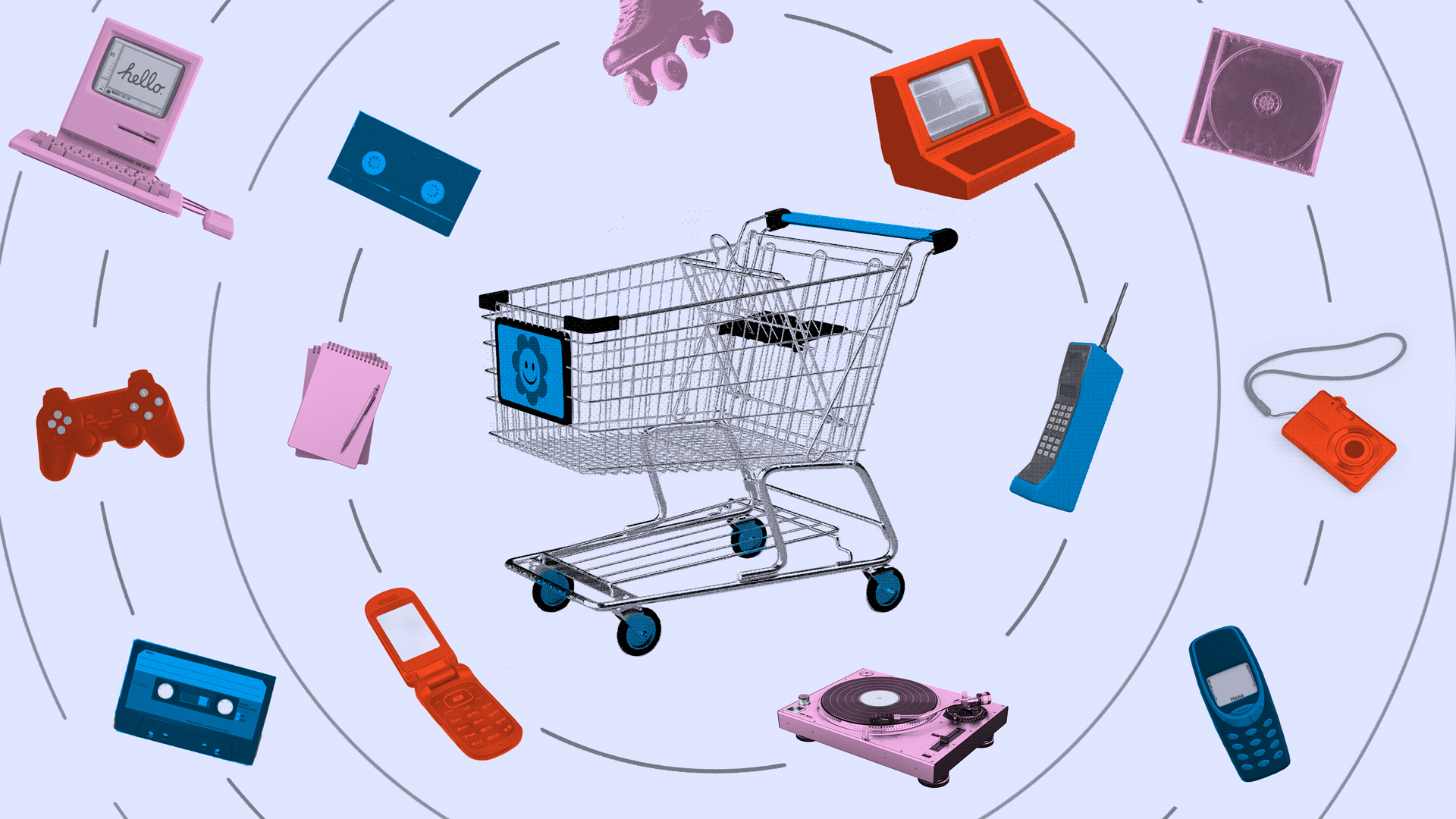
Across markets—from Seoul to London to New York—young consumers are reaching for clunkier, older tech: The original iPhone SE, with its physical home button and hazy-colored photos; point-and-shoot digital cameras; even new versions of decoupled technology, like offline MP3 players.
It’s tempting to accept these trends at face value and think, “We should double down on nostalgia!” Or, “Let’s bring back retro products!” Or even, “This has nothing to do with our business.” Instead, leaders need to look at the underlying need driving these behaviors in young people: a desire for a more human and connected world they didn’t get to experience, and a rebellion against automated, algorithmic pressure. This shift poses a critical challenge for brands and retailers—and an incredible opportunity for the future. For brands willing to reimagine themselves not just as sellers, but as enablers of identity, connection, and co-creation, there is an enormous opportunity to lead.
From chasing trends to building identities
Especially for this generation of customer, the constant pursuit of the next “it” thing—the next viral aesthetic, the next must-have product—has become exhausting. For too long, filters and algorithm-driven feeds have pressured them to represent themselves in unrealistic ways that relate less to who they are and more to a perception of how society, their peers, and algorithms think they should be. Instead of trying to keep pace, they’re trying to discover, “What actually feels like me?”
Last year, we worked directly with a group of Gen Zs to test out a handful of AI product concepts focused on creativity, travel, and relationships. Across the board, they were clear: They do not want companies glossing over the awkward parts of growing up, building relationships, or exploring their own creativity. They crave real-life experiences that shape their sense of self, and help them foster new connections.
For customer-facing brands, this is a wake-up call. Brands of the future will serve as connectors, offering consumers an active role in co-creating content and programming. Instead of mass-market activations like yet another celebrity sneaker drop, they’ll invest in community-driven experiences like LEGO’s Ideas platform, which lets fans share what they’ve built, propose new ideas for bricksets, and vote on models built by fellow fans. The next wave of influence and brand building will come from enabling customers to co-author the future of their favorite brand and its products, sharing their identity to inform and build experiences for and with others. Younger customers are drawn back to brands that reflect their identities, because they feel they belong.
From points-of-sale to places to connect
For a long time, the industry narrative declared that physical retail was doomed, outpaced by the convenience of e-commerce, and compounded by the catastrophic disruption of a global pandemic. But now, consumers are increasingly seeking out in-person experiences, especially those with a community dimension. This shift is especially visible among younger consumers. In the last quarter of 2024, 88 percent of UK consumers visited a physical retail destination. Under-35s are leading this shift, making more than twice the number of in-person retail visits compared to those over 55. For them, shopping is no longer a solo, efficiency-driven task—it’s a social and immersive experience. Smart retailers are responding, going beyond maintaining established brick-and-mortar storefronts to re-imagine them as destinations, hubs of culture, connection, community, and value-add experiences beyond shopping. Why? Because physical retail isn’t about a customer journey that ends with a purchase anymore. The future of retail will reimagine methods for connecting with customers, and serve their needs in ways digital simply can’t replicate.
Digital-first and social media influencer brands like MyGlamm and Shein are making the leap to physical storefronts. Saint Laurent opened a sushi restaurant in its Rive Droite store. In addition to its workout gear, Lululemon has built a lifestyle brand through community engagement, in-store experiences, and digital fitness platforms. Sephora has kicked off its largest capital investment project since its founding—to transform its stores across North America—all 700 of them, and also partnered with IDEO to build the store of the future in Asia.
Meanwhile, for Printemps’ first opening in the US in its 160-year history, the French department store’s New York location launched with a façade that proclaimed, this is “not a department store.” Instead, it has been designed as a French apartment, a place where customers can peruse Printemps’ unique curation of French products, take a French class with other customers, or get a head massage while enjoying a glass of champagne with dishes created by Chef Gregory Gourdet. Retail spaces today are becoming third places for people to meet and share—blending hospitality, cultural relevance, and discovery.
From passive consumption to active co-creation
Young consumers are over the whirlpool of social media influencers whose product recommendations are bought and sold right off their screens. Since 2023, a movement rejecting influencer culture has been picking up steam (ironically tagged #deinfluencing). That same year, “authentic” was Merriam-Webster’s Word of the Year. In an interview IDEO conducted with Khoa-Nathan Ngo, member of #GoodforMEdia, a group at the Stanford Center for Youth and Mental Health and Wellbeing led by college-age students, we learned about the critical importance of companies directly involving young people in the development of new offers. Ngo argues that when their voices weren’t considered in the design of social media, for example, it “created a major crisis in terms of our mental health.”
In 2021, Lush Cosmetics boldly exited from major social media platforms, stating, “Social media is making it harder and harder for us to talk to each other directly. We are tired of fighting with algorithms." Bottega Veneta also decided to shutter its social media accounts, replacing them with a quarterly digital journal, trusting that meaningful engagement would come from content that is deeper, slower, more thoughtful, and curated. The result? The rallying of passionate customer fan accounts like @newbottega, which now rivals the brand’s original social media following, demonstrates that community-led advocacy can be just as powerful—if not more so—than brand-owned channels. One benefit of this approach is that it creates a deeper sense of trust and reciprocal engagement rather than a one-way push from the brand. While industry experts observed Bottega Veneta’s social media strategy skeptically, the brand entered Lyst’s ranking of the Top 10 hottest fashion brands for the first time in 2020—and has maintained its ranking in the Top 10 since.
Companies that want to continue to engage with the next generation need to eschew the traditional paradigm of the seller-buyer relationship and invite customers into a participatory role, inviting them to become true co-creators who help shape the future of the brand experience, offers, and engagements. In our partnership with Athleta, we brought together a council of women to co-design an equitable, inclusive, and sustainable model for omnichannel community-building that is unique and authentic to their brand and customers. This is a powerful example of a belief that IDEO has championed through our work; that people care about what they’ve had a hand in co-creating, and it’s the best way to create long-term brand loyalty and advocacy.
From selling products to meeting needs
If community is the future of brand-building, then participation is the future of retail. Brands need to move beyond traditional omnichannel thinking to strategies that invite customers to directly shape brand meaning and value in real-time, through a living ecosystem of customer co-design touchpoints, both large and small.
The companies that win over this next generation won’t just sell products, they’ll actively invite them to shape what the brand stands for, how it shows up in the world, and how it delivers value. This goes beyond one-way engagement, to strategic collaboration that turns customer participation into a market advantage. For young shoppers, brand advocacy comes from feeling seen, heard, and influential. Businesses that meet these genuine needs will move beyond fleeting attention, unlocking lasting loyalty, sustainable growth, and entirely new avenues for continual innovation.
Looking to design new products or retail experiences of your own? Get in touch.
The surge in sales of “dumb" phones and digital cameras among Gen Zs is easy to misread as a throwback to nostalgia.

Lindsey Turner
I’m passionate about building brands, products, and experiences that help organizations show up with meaning and momentum.
I help organizations cut through complexity by shaping how they show up, through brand strategy, identity, and storytelling.
Working at the intersection of brand and business, I bring an editorial eye and a bias toward making—turning ideas into tangible experiences that people can understand, trust, and believe in.
My work spans government, healthcare, financial services, media, and consumer goods, from launching Gen Z-focused ventures to building innovation labs and reimagining legacy brands. I relish moments of ambiguity and enjoy translating across teams, perspectives, and priorities to move ideas forward.
I started my career in editorial and digital design, shaping cross-platform experiences and identity systems in publishing and agency environments. That foundation still shapes how I work today: I’m detail-oriented, collaborative, and overreliant on the Oxford comma. I hold a BFA in Visual Communication from the School of the Art Institute of Chicago.

Rachel Young
My work helps organizations see who their products aren't working for—and build the will and the tools to do something about it
For 25 years, I've asked the same question: Who does this design exclude—and what are we going to do about it?
My work spans human-centered strategy, inclusive design, and qualitative research, with clients ranging from Microsoft, Google, and Verizon to the National Science Foundation, and San Francisco Unified School District.
Before IDEO, I taught elementary school in East Palo Alto and spent a decade doing design work with social service organizations—where I learned firsthand what it costs people when systems are built without them in mind.
I am currently writing User Error, a nonfiction book about digital access and the design decisions behind it. I live in Oakland, California.

Brian Pelsoh
I lead with craft, ensuring our work is creatively excellent: rooted in deep human insight and imagination, while also grounded in the realities of business and technology.
My expertise spans brand, communication, and product design across tech, education, the arts, and social impact.
I believe great work demands both high-level vision and obsessive attention to detail, and only happens through collaboration.
I bring an inclusive, hands-on approach and a deep understanding of business, which enables me to consistently deliver excellence while always asking why.
Before joining IDEO, I worked at the brand firms Pentagram and VSA Partners. I began my career as a designer, leading teams at the School of the Art Institute of Chicago and the Milwaukee Art Museum. I hold an MFA in graphic design from Maryland Institute College of Art and a BFA in communication design from the Milwaukee Institute of Art & Design, and have taught at some of the best design schools in the US.

Tony Wong
I am responsible for IDEO’s long-term success in China and working with clients to use design as a tool to enable growth.
I am responsible for IDEO’s long-term success in China and working with clients to use design as a tool to enable growth. Specifically, I have helped Chinese companies design holistic brand solutions through the development of their products, communication, services, and innovation teams, and I have helped multinationals expand their presence and influence in China.
I advise global leaders on developing China-led innovation and capabilities.
In over 15 years in IDEO Shanghai, I have worked on projects that use design to elevate the quality of the experience of healthcare products and services, streamline processes that increase productivity, create spaces and programs that promote and enable inclusive communities, and build next generation mobility solutions that are planet-positive.
Before joining IDEO, I worked at Philips Electronics and the Electrolux Group in Italy, the Netherlands, and Singapore on a number of breakthrough commercial products. I am a member of the Young President Organization in Shanghai.

How to use AI as an editor, not a writer
Ed White shares how he uses AI as an editor—not a writer—to sharpen storytelling, rehearse ideas, and preserve the productive friction that makes creative work better.
Ed White has a rule he's tested on his own writing: hold yourself as the writer, and let AI be your editor. Ed is a Senior Design Director at IDEO's London studio, where he co-leads the firm's AI portfolio across Europe. Before IDEO, he spent 12 years as a writer and editor at the Financial Times, Wired, and Contagious. So when he talks about when to use AI for storytelling and when not to, it comes from two decades of crafting his storytelling skills.
In this episode, Mina Seetharaman talks with Ed about two specific tools he uses to keep AI in an editor's seat: a "roasting agent" prompted to critique his drafts without any sugarcoating, and a simulated audience he rehearses pitches on before the real thing. They also get into what Ed is hearing from design leaders at Anthropic, Lovable, Shopify, and Google Creative Lab about how creative work is changing, and why he thinks the friction of writing something yourself is worth protecting rather than automating away.

Building a personal AI for the messiness of life: Sida Li
Becca Carroll talks with Cue co-founder Sida Li about designing a personal AI for the messiness of everyday life—not just work. They explore how Sida stays anchored to human needs while navigating fast-changing technology, product tradeoffs, business-model experimentation, and the realities of building an AI company today.
Most AI products today are built for work—a space with clear problems and established systems. One founder noticed a gap: personal life is messier, harder to systematize, and mostly left behind by the AI boom. So she built Cue, a personal AI that lives inside iMessage and group chats, to go where the other tools haven't.
In this episode, Becca Carroll, IDEO's Chief Strategy Officer, talks with Sida Li, co-founder and CEO of Shared Context Lab, about staying anchored to a human need while the technology around her keeps changing shape, why she treats her business model with the same rigor she'd bring to a product, and what it feels like to build a company at this particular, disorienting moment in AI.
The conversation also gets into how Sida makes design decisions: the language Cue uses to describe itself, the tradeoffs behind building inside iMessage instead of a new app, and a real story about a business idea that didn’t pan out.
This is the second in a two-part series profiling founders from IDEO's Startups-in-Residence program. The first conversation is with Johannes Seemann, founder of Sooner, on designing GenAI for the emotional side of money.

Designing GenAI for the emotional side of money: Johannes Seemann
Designing financial tools around the feelings that shape money decisions.
Most personal financial tools are built to run the numbers and optimize towards a budget. While that works for some, most people experience money as a lived relationship that does not neatly fit into a spreadsheet. Johannes Seemann and Becca Carroll discuss why money is emotional before it is mathematical, and what a human-centered approach to building a generative AI financial product looks like in practice.

The curious leader's edge in uncertainty: Scott Shigeoka
How genuine curiosity helps leaders navigate uncertainty with greater confidence.
Mina Seetharaman talks with Scott Shigeoka, author of Seek and Head of Curiosity Cultivation at the Eames Institute, about what distinguishes genuinely curious leadership from performative curiosity, how power dynamics shape curiosity, and why practicing curiosity can restore energy rather than drain it.
Looks like you might be in search of something very specific?
Or reset the filters above and try another angle.
Here’s some random inspiration

Podcasts about creative leadership

Articles about the power of prototyping






















.webp)