
.svg)



Teaching robots to dance
What if technology were designed to make our lives more poetic?
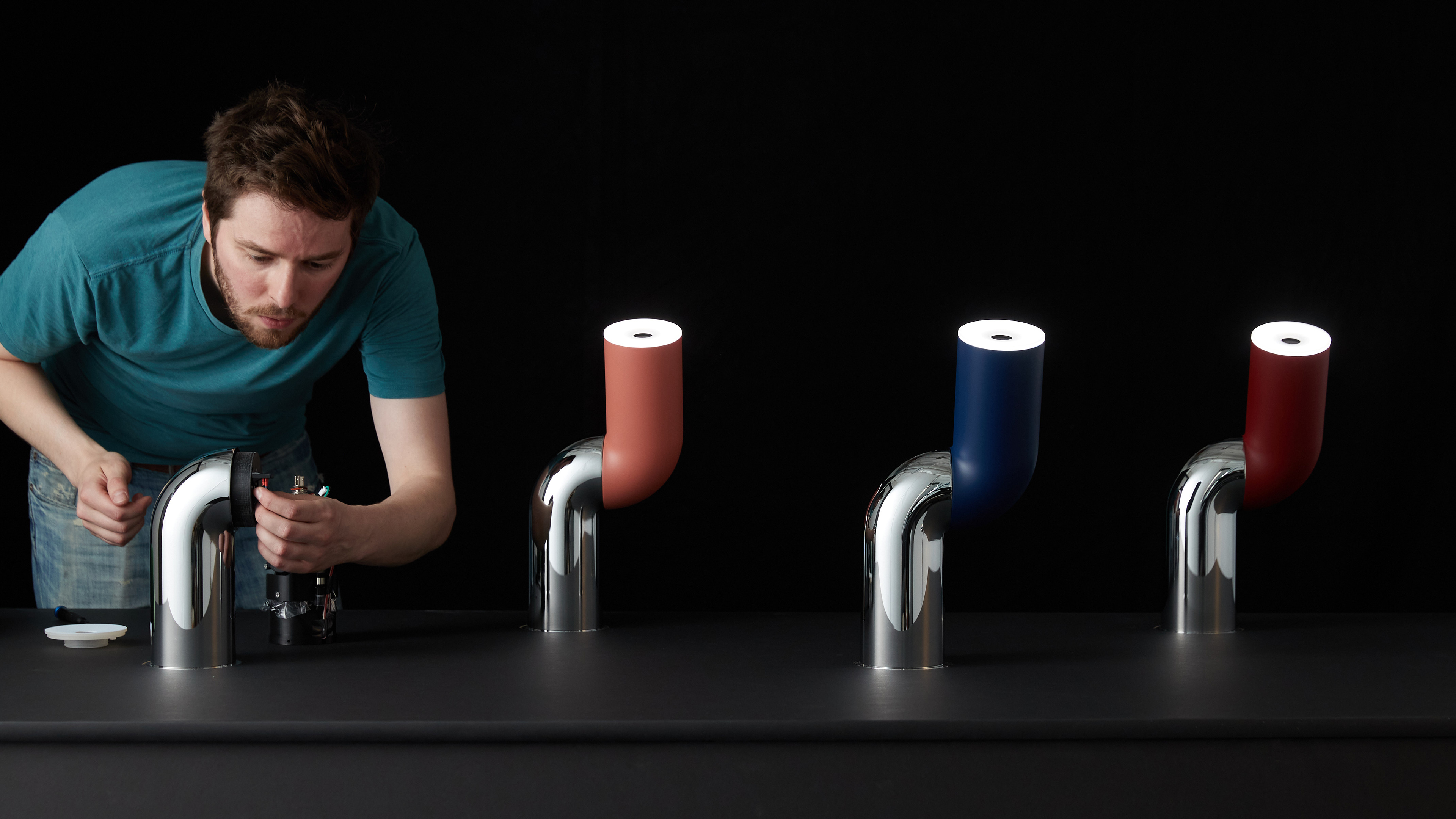
As the curtain parted on moooi’s 2022 exhibit, the audience was treated to a multi-sensory performance unlike any other: four synchronized robot scent diffusers telling a story through dance. As the robots—called Piro—swayed and dipped to the beats of a custom-designed soundscape, it was easy to forget the performers were made by a team of industrial designers and engineers in San Francisco.
The work expressed a future vision for what it means to humanize technology. Rather than design technology to make our lives more efficient, what if instead we designed technology to make life more beautiful?
For twenty years, moooi has seduced the world with bold, imaginative design. The firm, named after the Dutch word for beautiful, made its name by designing furniture and home goods that appeal to an interest in pushing the edges of form as much as function. Moooi came to IDEO looking to create an exhibit for the largest furniture fair in the world that might provoke the audience to imagine a world where design’s primary function was to inspire joy.
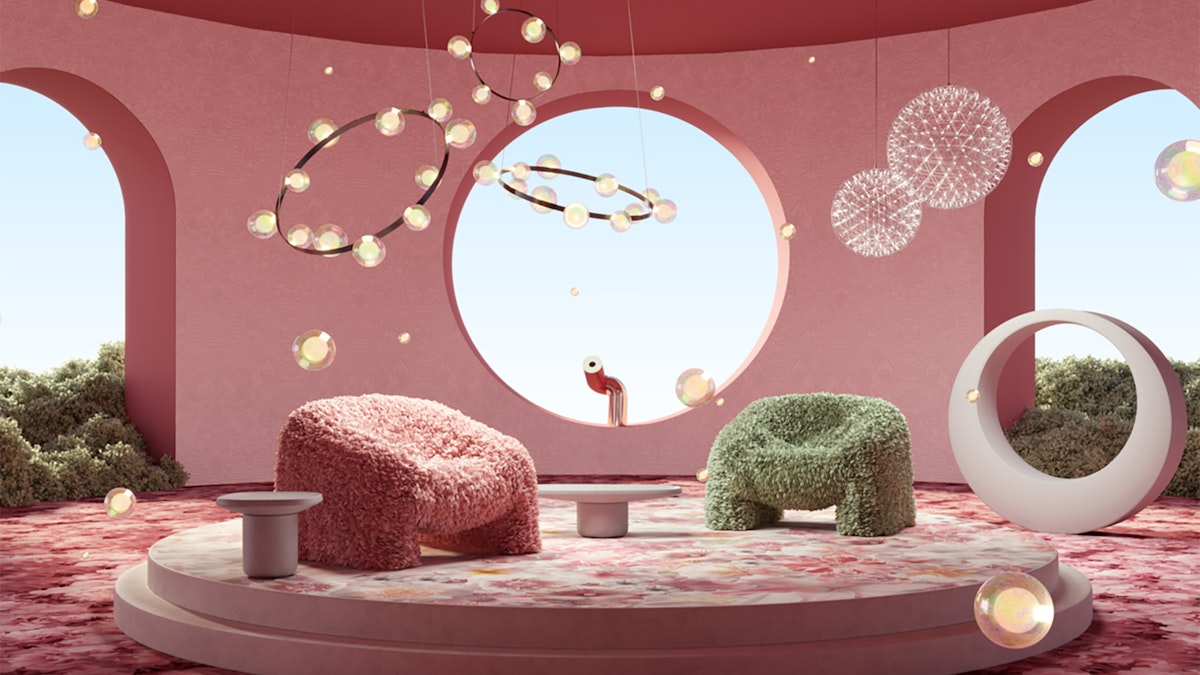
“Defy Gravity”: one of several experiential “worlds” moooi created for the 2022 Salone del Mobile. Each room had its own scent, soundscape, color, and digital experience.
Our process started by going wide. We presented 20 potential conceptual designs to the team, one of which moooi founder Marcel Wanders lovingly referred to as the “farting pet,” a robot scent diffuser that could walk around the home.
A scented smoke ring lingers in the air after Piro’s final crescendo.
From there, a team of IDEO designers enlisted the support of Catie Cuan, a choreographer who specializes in human-robot interaction, and Dutch sound design firm KLOAQ, to refine the concept into a four-minute performance piece.
Piro learned to mimic balletic human gestures.
The final result was technically involved: four robots moved independently, controlled by custom electronics and software designed to mimic the movements and grace of ballerinas. But in the performance itself, the complex mechanics disappeared, allowing the audience to experience not just what technology can do, but how it can make us feel.
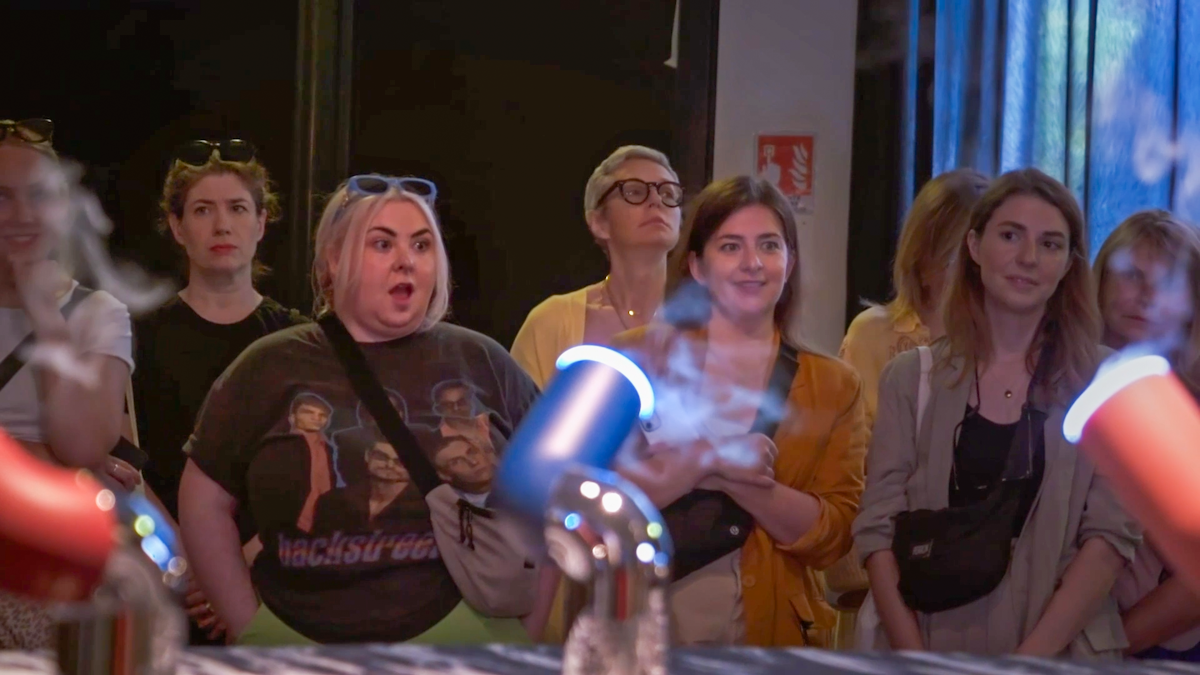
What happens when a designer and a classically-trained choreographer collaborate? Attendees of Salone del Mobile.Milano, the largest furniture fair in the world, got to see for themselves.

Empowering frontline communities
CSAA Insurance Group leads a global call for climate resiliency solutions.
To build a climate-resilient future, we need an all-hands-on-deck approach across industries and organizations, as well as the leadership and collaboration of frontline communities themselves.
To that end, IDEO and CSAA Insurance Group worked together to unite nine partner organizations, including Aon and the Environmental Defense Fund, to launch an open call for solutions to help communities prevent, prepare for, and recover from climate-related disasters. The goal of the Challenge was to surface actionable and scalable ideas that experiment with new technologies, models, and partnerships, then provide innovators with the support and funding they need to get their ideas off the ground and into the hands of frontline communities.
IDEO set these entrepreneurs up for success throughout the submission process, holding one-on-one conversations with participants, sharing constructive feedback on potential solutions, and developing their ideas and skill sets. The team also hosted workshop and panel sessions to grow community bonds and provide expertise on critical topics, including assessing climate risk and storytelling for impact. Hundreds of ideas came in from around the world, ranging from harnessing the power of AI, to building resilient infrastructures, to democratizing access to climate data, and more.
Once all of the ideas were in, a cohort of judges with a wide diversity of work and lived experience screened for concepts that were relevant, impactful, novel, community-informed, and equitable. At the end of the Challenge, the team chose 13 winning concepts with high potential for impact and partnerships, including Reef Rocket, which seeks to fabricate natural biocement reefs that reduce coastal flooding and erosion, and BurnBot, which is working to prevent wildfires by conducting controlled burns at scale.
For these winning entrepreneurs, the end of the Challenge is just the beginning. Now, they are equipped with critical early funding, as well as a cohort of climate entrepreneurs, along with mentorship from IDEO, CSAA, and the other organizations. It’s a big step forward as they introduce new forms of equitable and transparent data, promote the voices of BIPOC communities, and bring to market new technologies that will protect and support frontline communities through this ongoing crisis.
In the US alone, climate-related disasters cause $120 billion in damages annually. That figure is five times greater than 50 years ago, and projections are $2 trillion by the end of the century.
Nearly 90% of counties in the US declared a natural disaster over the last decade.
418
submissions
13
winners
$1M
in prizes
Faster science
How the NSF leveraged design to unite multidisciplinary teams.
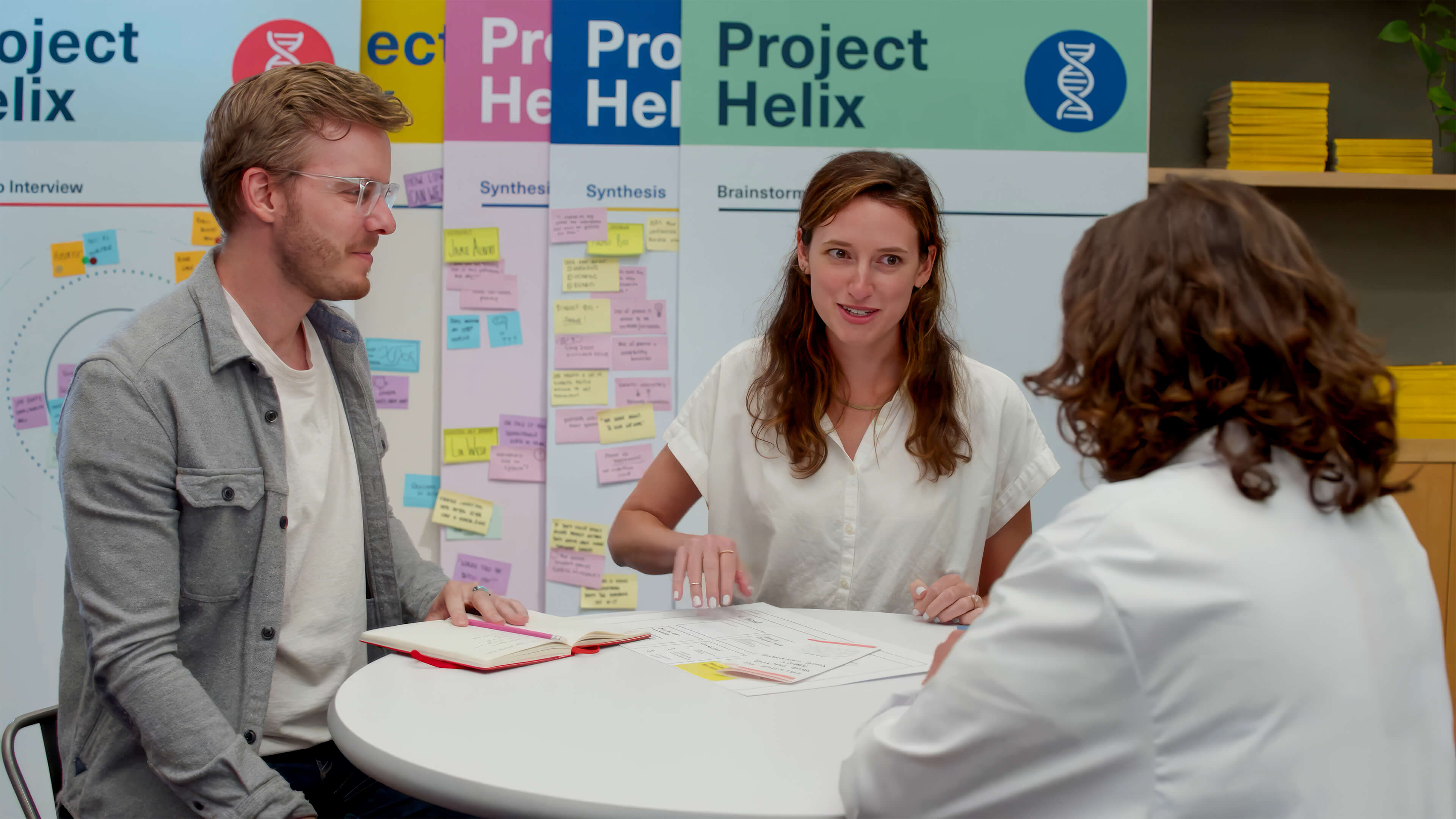
Every year, the NSF provides around 30 teams with up to $750,000 and a year’s worth of coaching, training, and collaboration to develop solutions for research areas like sustainable ocean use or combating fake news. Over the course of nine months, the teams learn how to uncover insights about human needs and design durable solutions for end users. But many of the scientists and experts in the program felt stretched by the idea of putting the needs of end users in the mix with their scientific testing—something few of them have been trained to do in their previous work.
To make that process feel more achievable, the teams built out prototypes and received guidance on refining and pitching their ideas along the way. IDEO joined the project as an innovation partner, facilitating hands-on workshops and creating “Science TV” episodes that could help the program reach a broader audience, deepening its impact now and in the future.

To help grantees get vulnerable, and evolve their ways of working, IDEO sent grantees to improv training so that they could learn to build off each other. The team also took them to magic shows and on ghost tours in downtown San Francisco to learn the value of compelling storytelling in their work. The fun was part of the plan—gelling as a team and building relationships meant participants could make mistakes in front of one another. Being wrong doesn’t come naturally to academics, but it’s a key part of the design process, and a crucial part of solving complex problems .
Each year, a select group of teams move onto the next phase of the “coop-etition,” receiving up to $5 million in additional funding. And all of the participants leave with valuable new skills they can use to break out of their own silos and create human-centered, ground-breaking solutions for the rest of their careers.
When the NSF launched the Convergence Accelerator and made the radical move of bringing together teams from different disciplines, these academics, scientists, and industry partners didn’t have a shared language to move their ideas forward, and needed a structured approach to coming up with new solutions.
164
trained research teams
$200M
in federal support granted to AI-driven innovation, quantum technology, food security, sustainable materials, opportunities for people with disabilities, and more
Climate captains
An innovation accelerator bolsters the impact of climate startups.
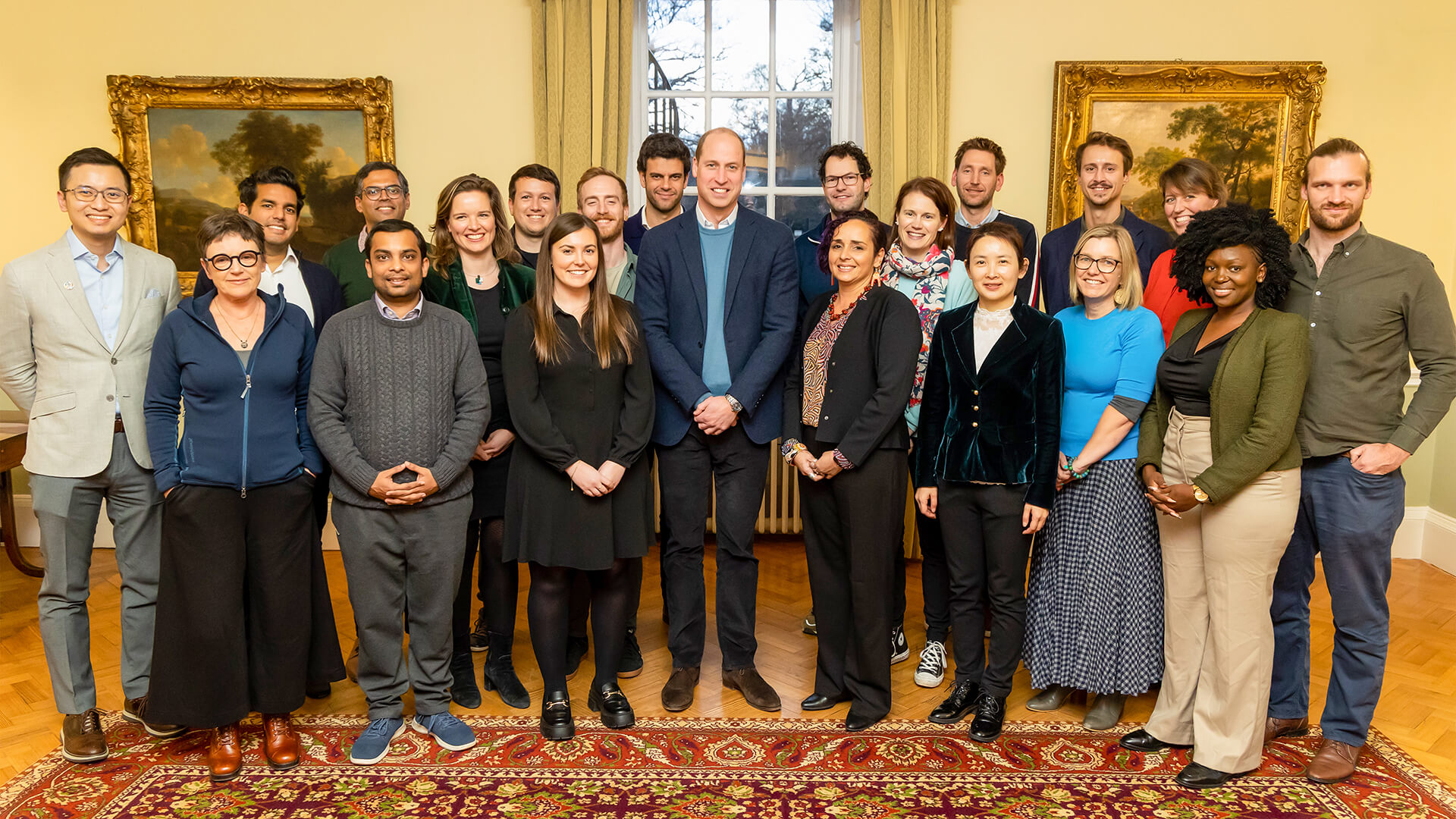
IDEO and The Earthshot Prize built a nine-month Fellowship program and a five-day, in-person retreat to give Finalists the best shot at reaching the Prize’s ultimate goal: to scale the solutions that will repair our planet this decade.
To build out the new Fellowship, IDEO took a deep dive with the previous year’s Finalists to uncover where they needed critical support. This research revealed that the Finalists needed more ways to leverage the Earthshot platform, connect with potential partners to help scale their ideas, and build community with each other. The IDEO team then used those insights to create a set of recommendations The Earthshot Prize team could implement to create a more supportive and structured experience. Ideas they took forward included assigning a designated “Leap Advisor” who could provide guidance and assistance for each Finalist, as well as an advisor from the Prize’s Global Alliance Network who could partner on specific growth initiatives, like scaling product design, or policy change.
Next up: the design of the retreat itself. Together, IDEO and the Earthshot team had three goals for the cohort’s week together in Windsor: focus on new forms of leadership and movement building, spur action through storytelling, and foster community.
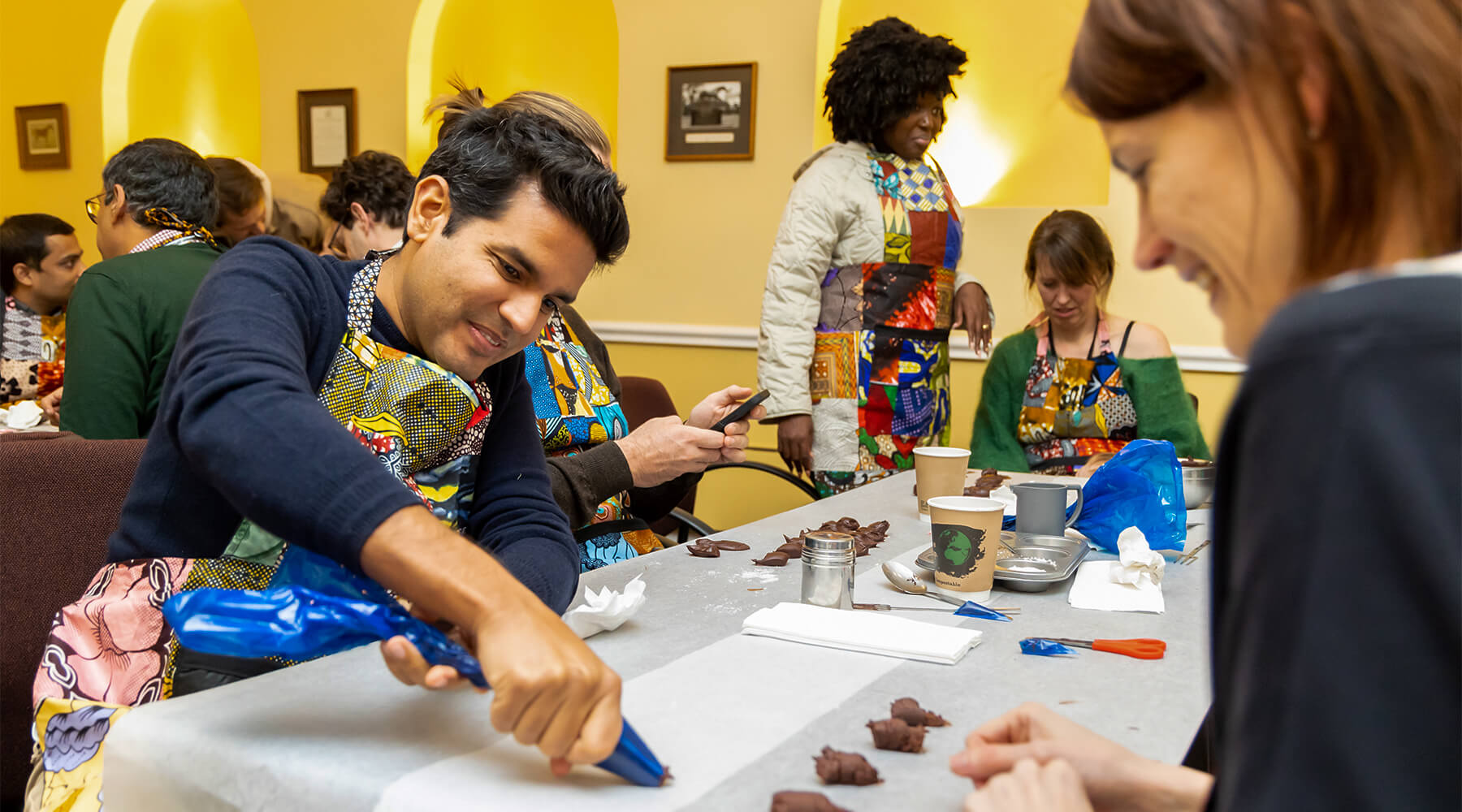
The team developed the curriculum with leaders from Google X and Speed & Scale, alongside startups like UPSIDE Foods. They designed moments to build community, like paired walks and a chocolate-making workshop where Finalists could get to know each other away from the noise of meetings.
Photographers captured the event to create assets for Finalists to use when pitching their ideas, and Finalists honed their storytelling skills. But what most remember is the magical moments of coming together as a cohort of next generation climate leaders who will help each other make an impact on the problems facing our planet, long after The Earthshot Prize has concluded.
The problems facing our planet are enormous, spanning industries, borders, currencies, and regulatory environments. Meaningful solutions will require leaders who can work across those lines.
30
climate solutions accelerated in first two years
Visit the Workplace of Tomorrow With These 4 Futuristic Designs
In the future, we don't think our 9-to-5s will be 9-to-5s at all
People are talking about what the world will look like once machines take over jobs. But before (and if) we ever get there, the way humans experience the workplace will change in other ways, too. Recently, while a group of us were in between client projects, we spent a week asking questions about just that—the future of work.
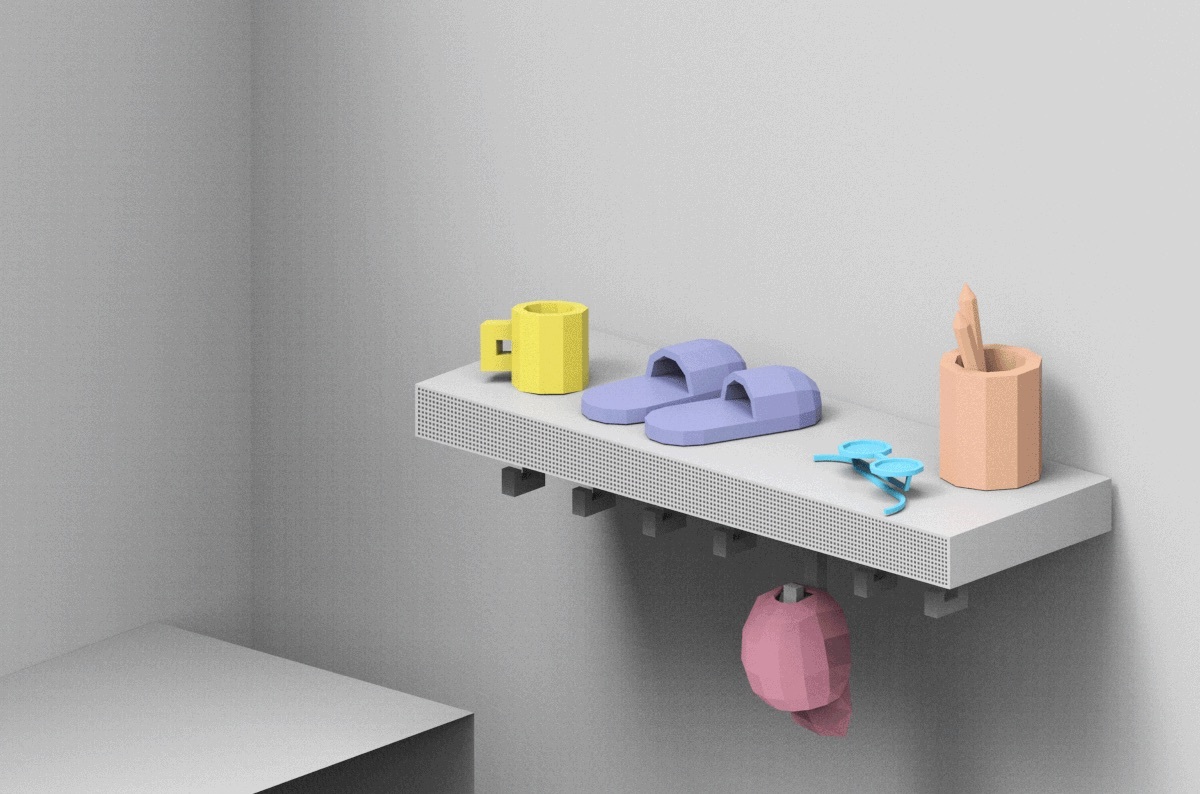
We dug into topics like technology, flexible hours, global teams, connection, and community. Once we had our ideas, we prototyped quickly. Building these physical models made the intangible more tangible, which was helpful when talking about something as abstract as the future of work.
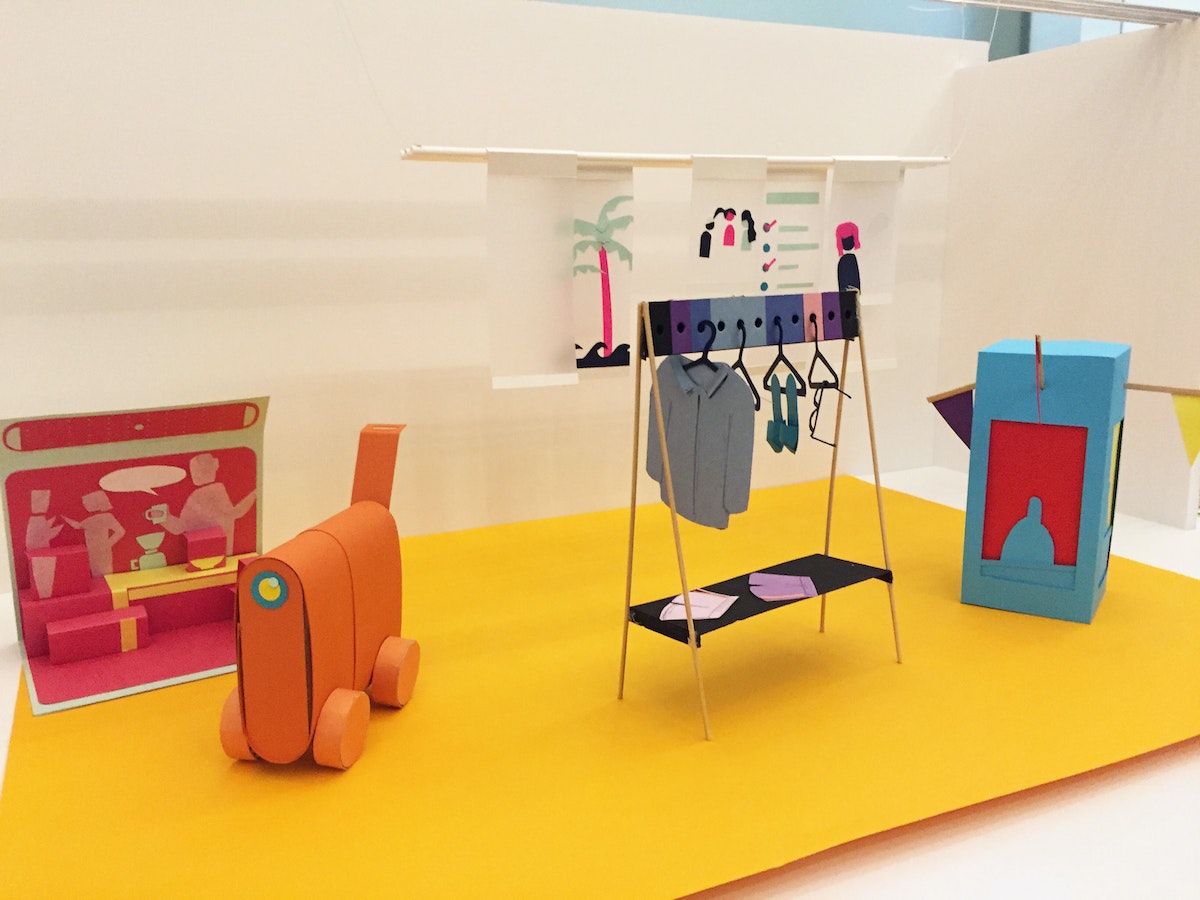
In addition to these physical prototypes, we created the following visuals to illustrate what we think might be the future of our nine-to-fives (which we don’t expect to be nine-to-five at all). Here are the four questions we asked and the playful ideas we came up with to help people navigate the ever-changing professional world.
1. How might we foster belonging, connection, and accountability?
Technology lets you work from almost anywhere. But the unforeseen cost of this is often a loss of community, both inside the office space and for those working remotely.
Imagine a small, portable “wormhole” that connects you to a place and those inside. The portal projects the visuals and sounds of your office and coworkers into your space, so you’re no longer alone. Based on your need, the signal strength can be adjusted to convey atmospheric office noise or actual hallway conversations. By turning the device on, you also notify others that you’re available and working.
2. How might we enable our environment to change to support different modes?
With our lives becoming more flexible and connected, the same needs to be true for our spaces. A certain room might need to host an interactive meeting, but also allow heads-down time.
Imagine a digital and physical piece of furniture that transforms your environment. Spatially, the window hides certain areas. Digitally, it displays dynamic images. You can move the window to the wall to showcase a relaxing video of ocean waves, or on top of your kitchen counter to display recipes. Merge multiple windows into a large canvas to turn virtual face-to-face conversations into room-to-room conversations.
3. How might virtual spaces gain a physical presence?
Lawyers, therapists, and teachers are now having more virtual meetings with clients and students. What if this virtual connection came to life in the physical world through new types of digital brick-and-mortar service stations?
What if there was an array of large, screen-based portals throughout your city? The screens create virtual shop windows that integrate into existing shopping streets, letting pedestrians peek inside retail stores and virtually interact with owners. Buildings constructed with the screens can host private conversations with dietitians or job counselors. The screens can create small-scale versions of existing services, too: Banking booths made of screens let tellers offer financial advice to customers.
4. How might we manage changing rhythms, rituals, and transitions?
For many of us, our minds primarily switch between home and work mode. Our environment, attire, and tasks reflect the current mode. The big advantage of this mental separation? Focus.
We envisioned a wearable assistant that autonomously creates your optimal daily schedule based on your relationships and connections using set units of time. The notion of nine-to-five is replaced by alternating, colorful blocks representing work and life activities. The bracelet reminds you of work meetings and the best time to call your parents who live across the globe. If you’re not feeling like exercising, remove the block or push it back in time. The device rearranges your schedule while you focus on the present task.
Asking questions, brainstorming, and quickly prototyping can help bring even the most abstract ideas to life. And even if the prototypes are a little more whimsical than serious, they help us imagine the future in a creative and human-centered way.
The team that worked on these ideas included Julian Kraan, Dogan Sekercioglu, Chloe Lee, Kim Cullen, Matty Martin, Geemay Chia, Andy Deakin, Jayne Jeffries, and Matt Marchand.
As designers, our work begins by asking good questions. They range from the straightforward—how might we make ice cream more portable?—to the wild—how might we design the workplace of the future?
Your New Pet Velociraptor, Plus 7 Other Toys From the IDEO Play Lab
Your inner child is going to love this
On our team, our currency is joy. In a not-too-far-off and awesome future, I hope parents begin to tell their kids, “You can’t do your homework until you go outside and play for an hour.”
Even though we love those everyday objects that turn into toys, we have some favorites on store shelves too. 2018 was another year of fun in our Palo Alto office—we got to work with toy companies on everything from transformative, nostalgia-based toys to new electronic games. Here are some of those favorites, invented by the IDEO Play Lab.
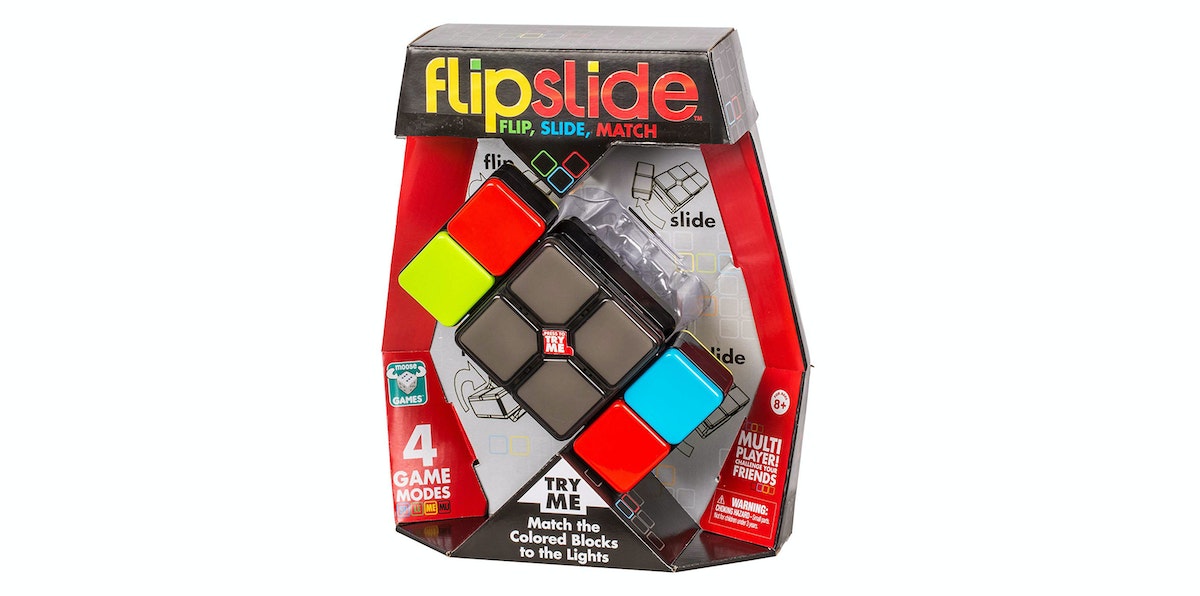
1. Flipslide
If a Rubik’s Cube and Simon had a baby, it would be Flipside. This fast-paced puzzle game can be played by yourself, against a friend, or with the whole family.
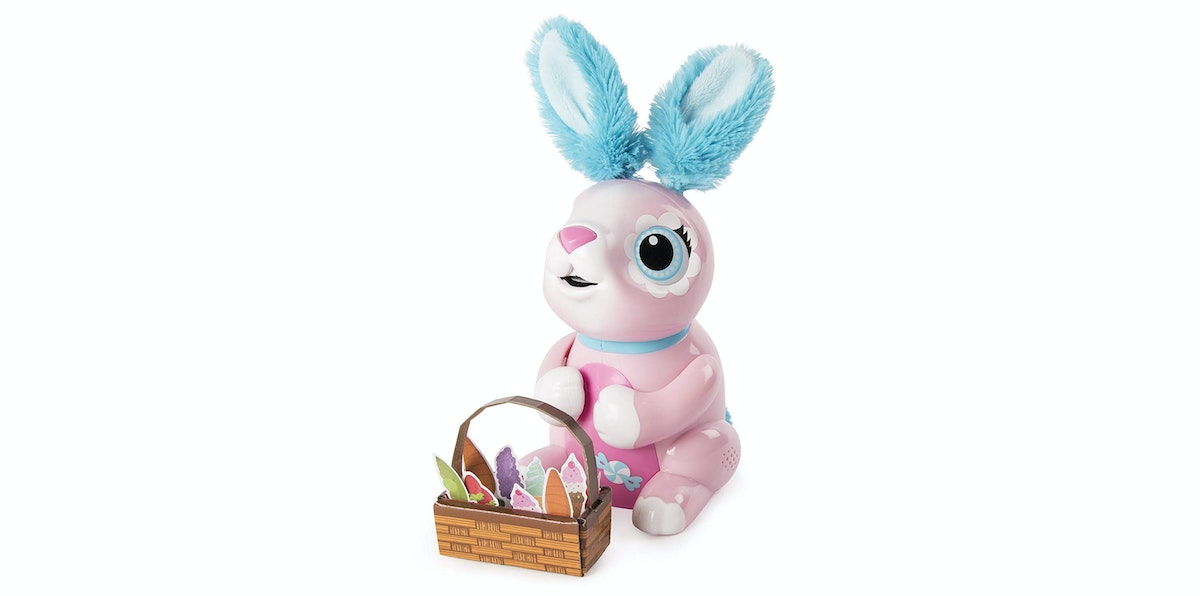
2. Hungry Bunnies
Adopt a (robotic) pet for the holidays. This adorable bunny really eats, but you won’t have to blow your budget on carrots—its favorite food is paper. It also laughs, sings, and comes complete with cuddly, fluffy ears.
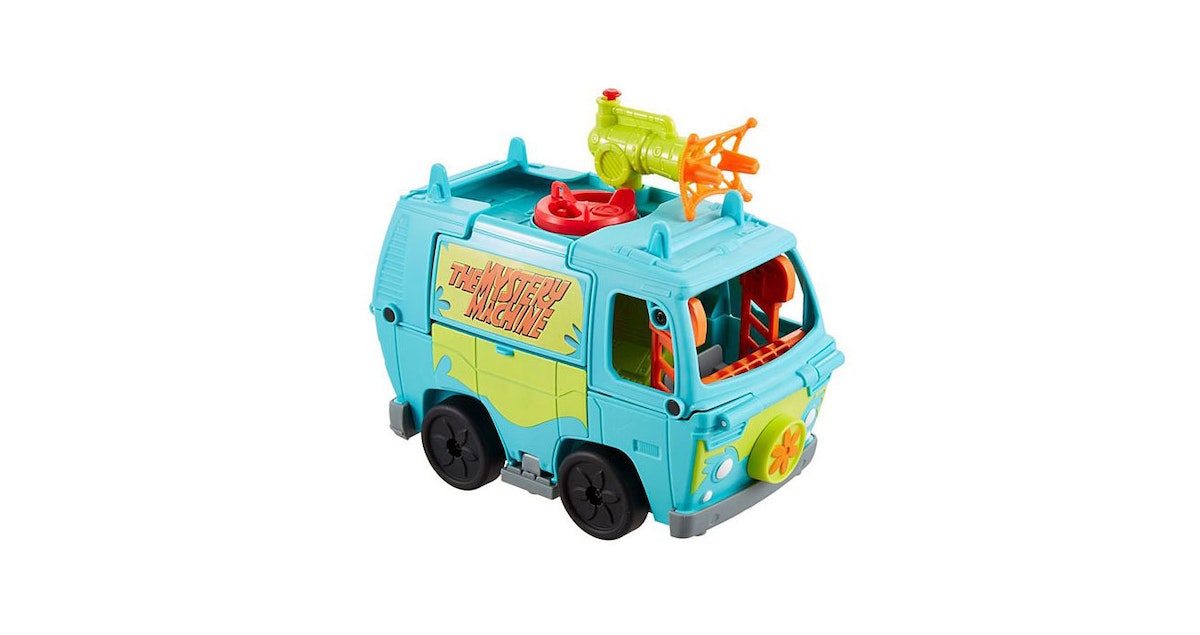
3. Scooby Doo Transforming Mystery Machine
Look out, meddling kids! This toy transforms from the classic Mystery Machine into Scooby and the gang’s crime fighting HQ. Perfect for the preschooler who you want to introduce to your favorite nostalgic cartoon.
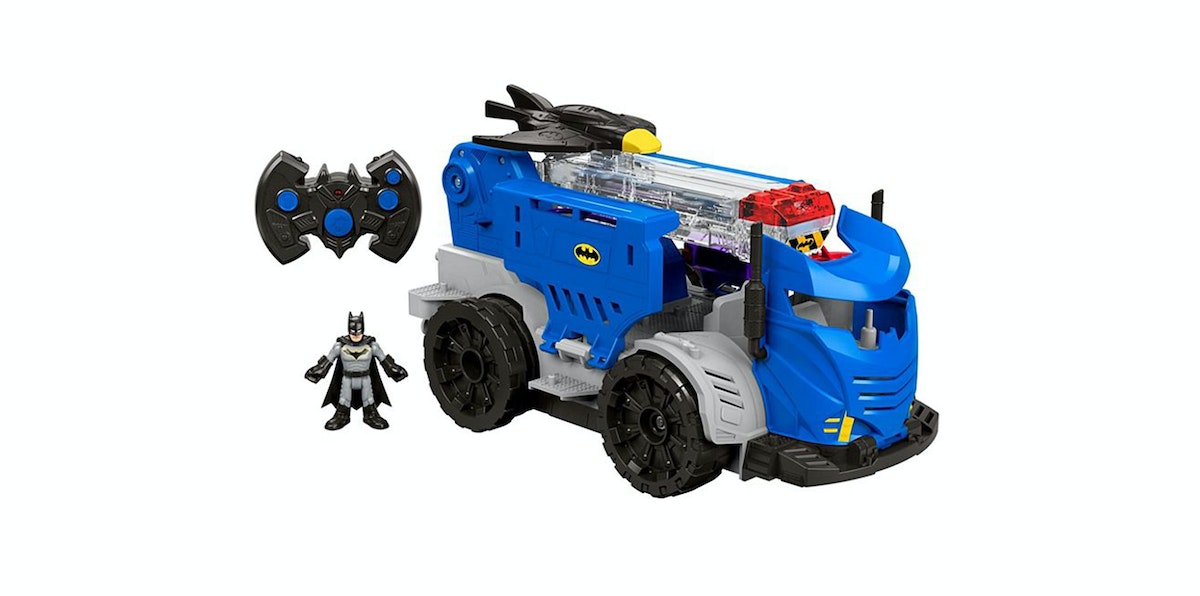
4. RC Mobile Command Center
More preschool fun, but with Batman this time! Also, a missile launcher. What kid doesn’t want a toy with a missile launcher? And on second thought, what adult doesn’t want a toy with a missile launcher?
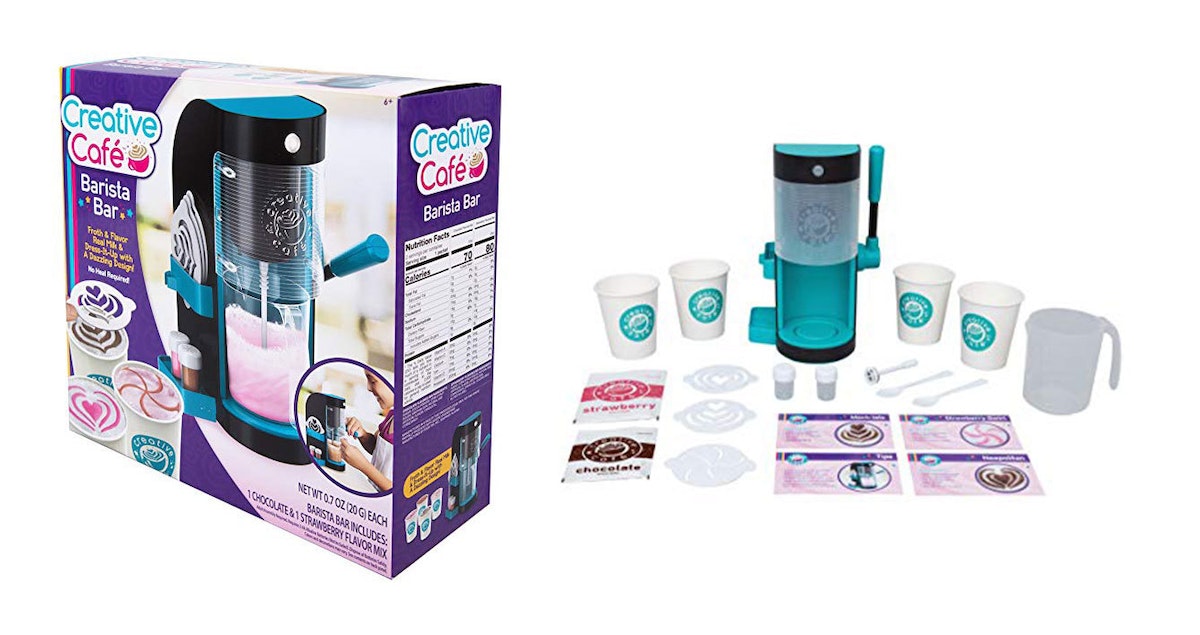
5. Creative Cafe Barista Bar
Think Starbucks, but with brighter colors and a kid-safe milk frother. Latte art stencils are included so little ones can create their own designs.
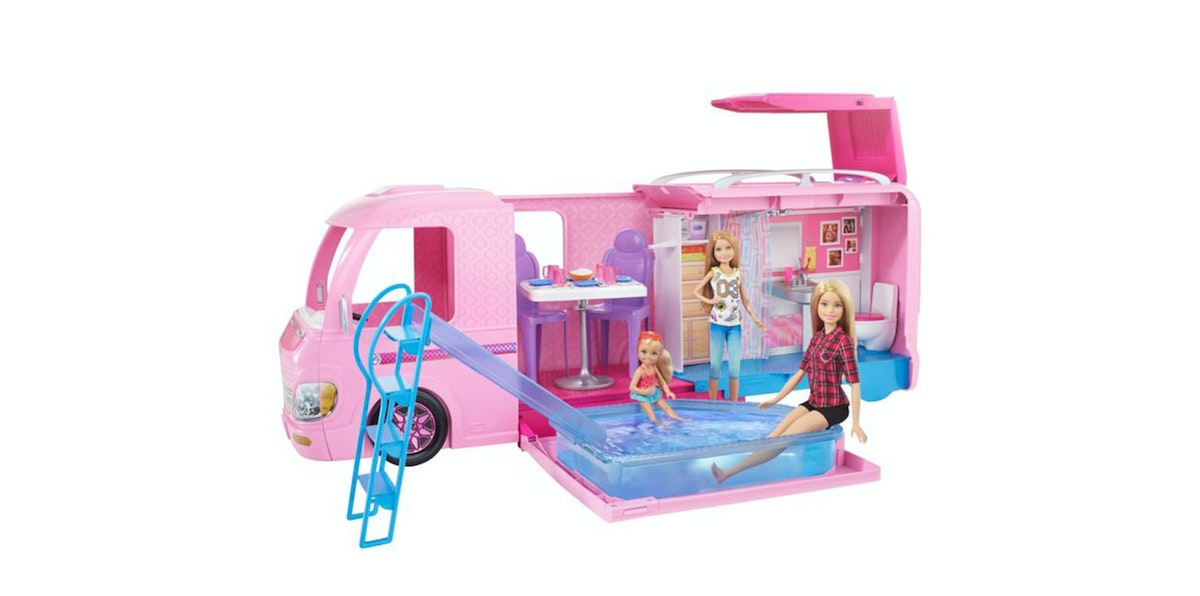
6. Barbie Dream Camper
Barbie’s had a lot of sweet rides over the years, but this one makes road trips a breeze. The camper folds out to a full two feet and includes a play pool that holds real water. After going down the slide, Barbie can dry off roast marshmallows around the campfire. Kids will spend hours discovering all the features of this toy, so a vacation for Barbie means a vacation for parents too.
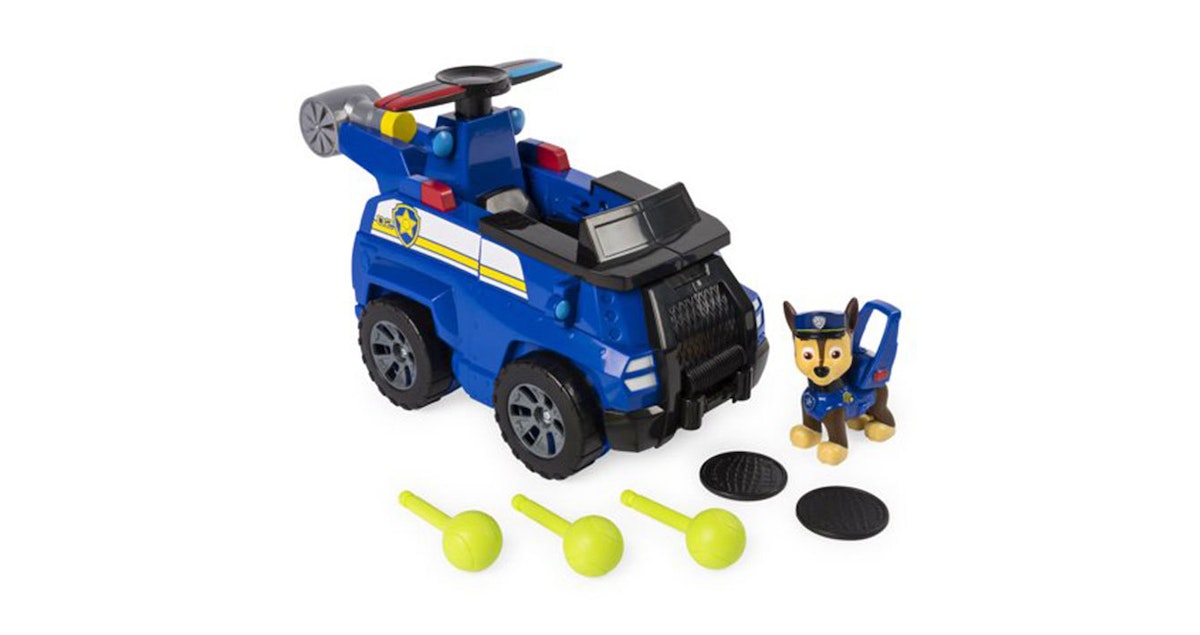
7. Paw Patrol Flip & Fly Chase
Paw Patrol is one of the most popular (not to mention cutest) shows for kids. Chase the German Shepherd’s vehicle is a dual truck and rescue jet—just lift to transform your truck into an airplane!
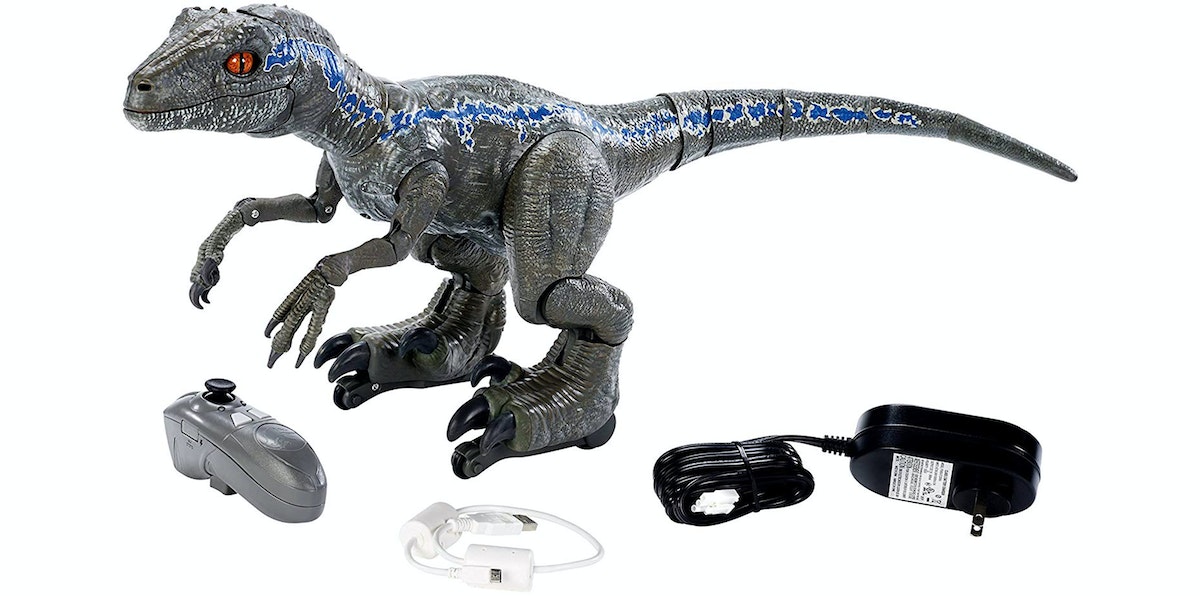
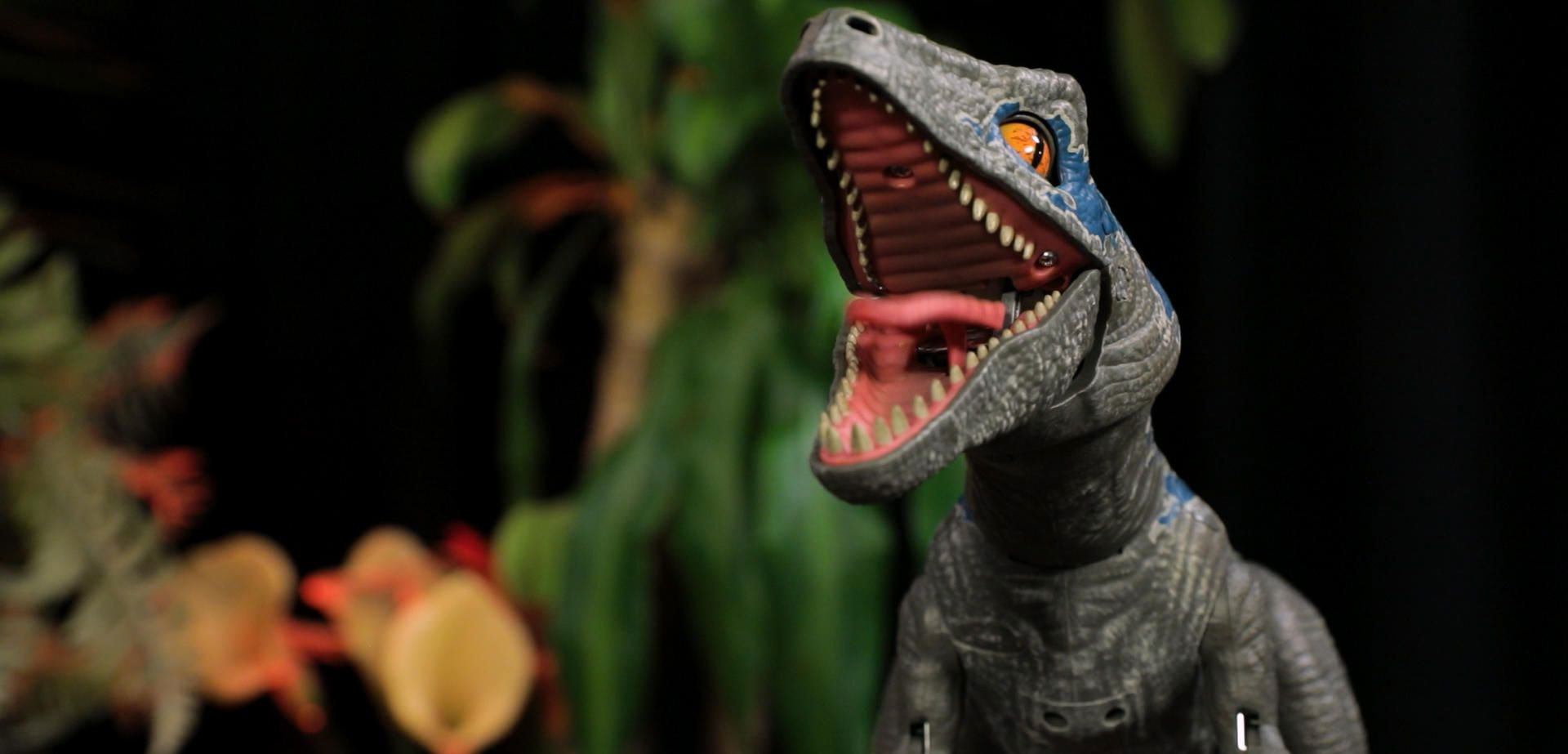
8. Jurassic World Alpha Training Blue Raptor
You've always wanted a pet velociraptor, right? Right. Now’s your chance—this interactive toy allows you to train your own pet dinosaur. You can even use it as a guard animal, set to alert you when anyone gets too close to your office—or, uh, your kid’s bedroom.
Header image via CNET.
At the IDEO Play Lab, we believe that a good toy is one that promotes play. Of course, all sorts of things can promote play—it’s hard to top pots, pans, and a wooden spoon for a one-year old, or a giant cardboard box for toddlers. (Tip: Never recycle those giant boxes too quickly!)
What Does a Data Scientist Do at a Design Company?
At IDEO, data scientists don't just code up solutions—they design them
For my latest project I worked with a healthcare company to improve doctor decision-making during a medical procedure. In addition to usual data scientist tasks, I spent a lot of time with the team trying to understand the way physicians currently work. Here’s a peek behind the scenes:
7:30 AM: Podcast time
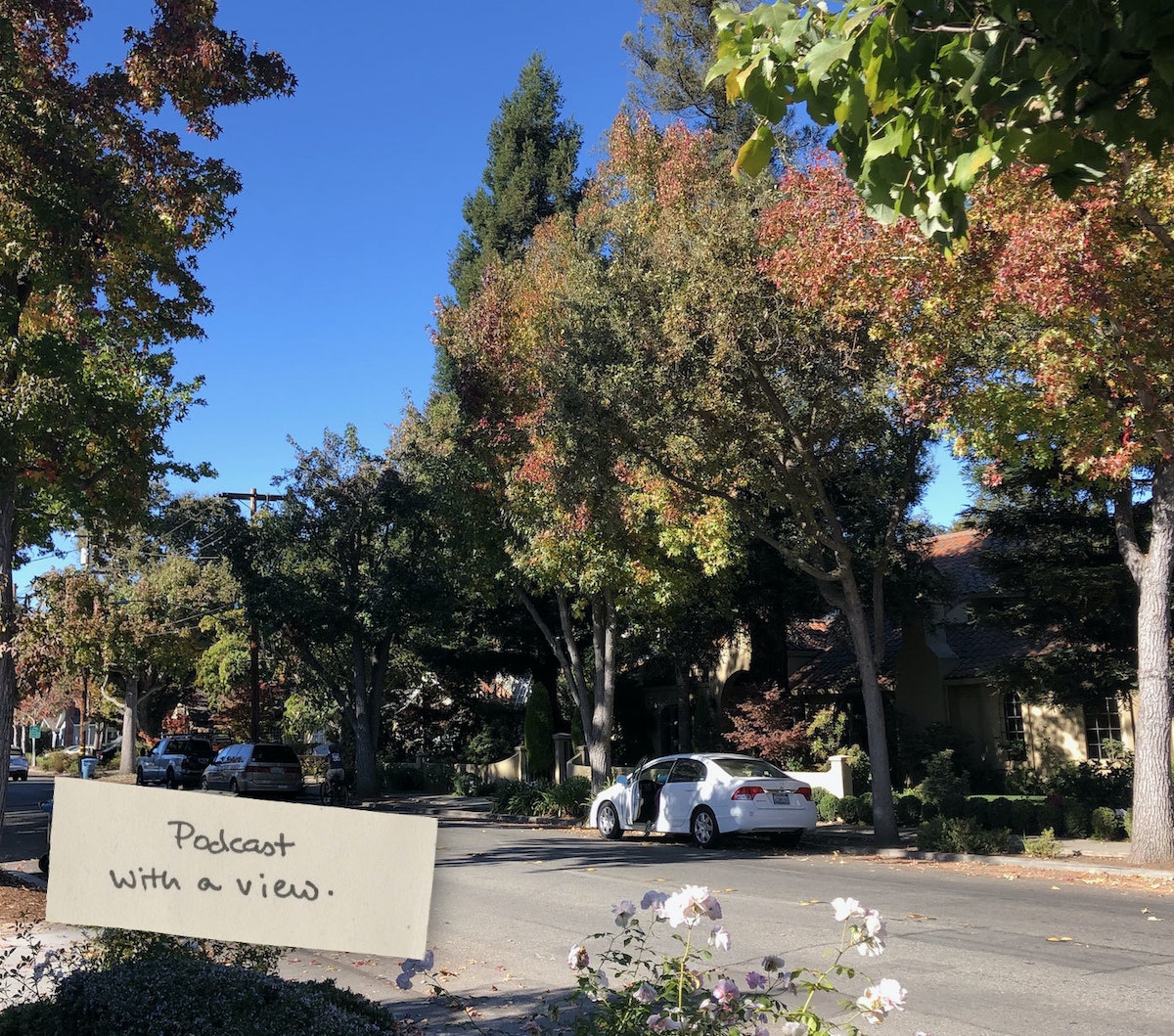
This morning I’m off to meet my team at a hospital for field research. On my way, I’m listening to a podcast called “The Impact” that explains the consequences that laws and regulations have on people’s lives. There are a few episodes that relate to data and medical outcomes, so it’s serving as inspiration for my current project.
8:00 AM: Field research
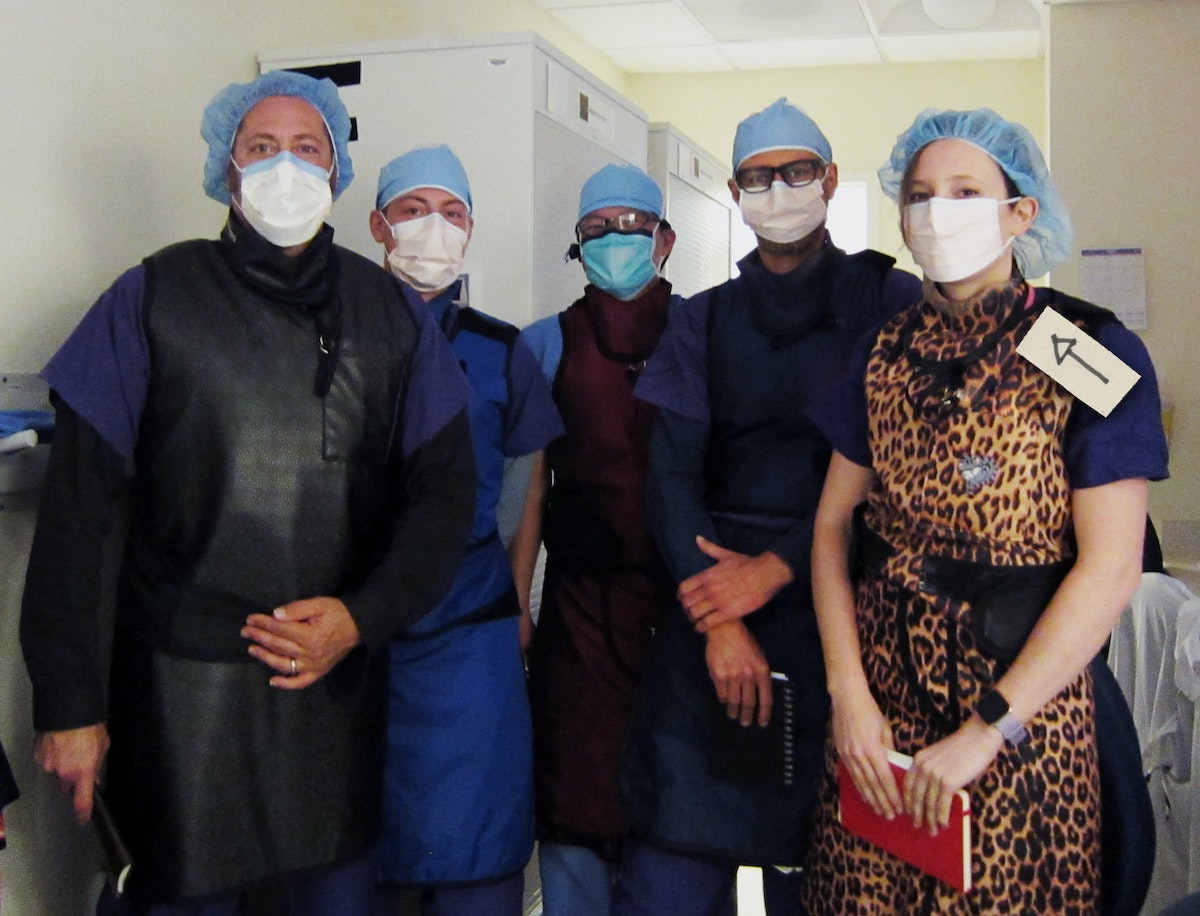
At the hospital, we talk to doctors, nurses, and medical techs and observe them in action. Listening and observing helps us understand the needs of the people we’re designing for. We’re thinking about optimizing decision-making for doctors, which could involve a lot of things, ranging from information and data display to AI assistance. I watch for clues about how this works, and how potential data sources might get recorded.
11:00 AM: Data science group meeting
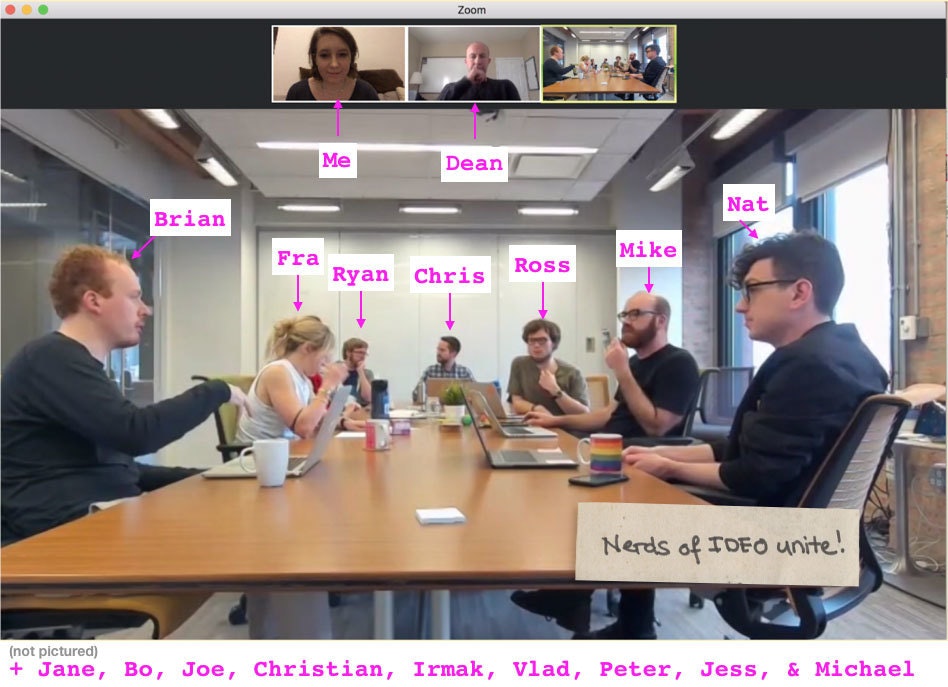
My home base is Chicago, but I’m stationed in Palo Alto for my current project. Luckily, I can still keep up with what the rest of the data scientists at IDEO are doing through a weekly video call that we can all dial into. We help each other troubleshoot problems we’ve encountered in our projects, share new methods we’ve learned, and talk about personal projects we’re pursuing. This week, one of the other data scientists is telling us about a website he’s making that allows his parents to see where he is (but not his exact location). We have a separate meeting on Friday mornings for those of us in Palo Alto specifically. I like both meetings because they help me keep up to date with how our data science practice is evolving, since it’s the newest design discipline at IDEO
12:00 PM: Lunch break
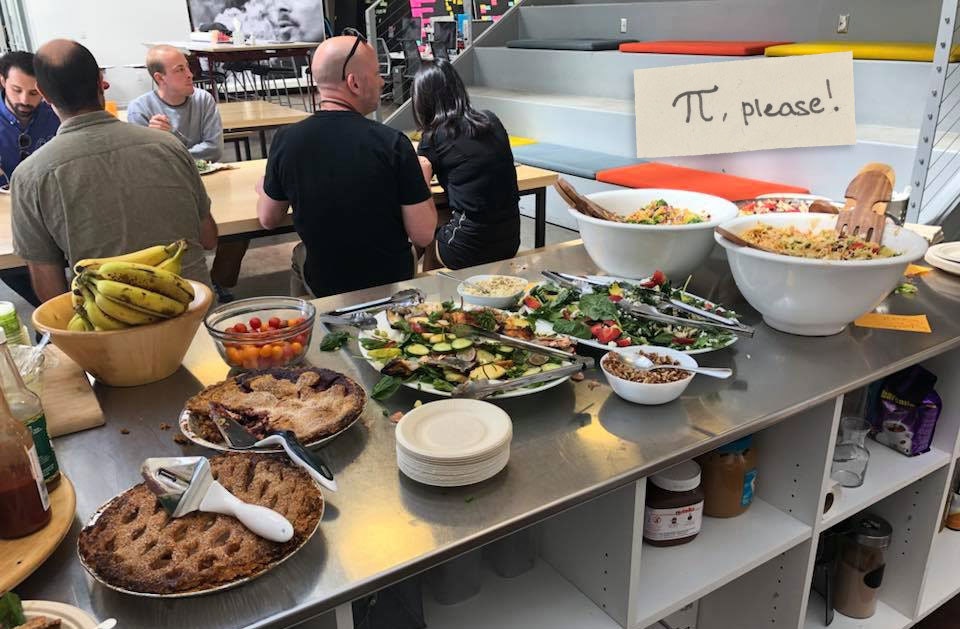
After a morning of research, I grab lunch at the studio. Today is a special treat—lunch has been provided for us. Everyone sits in the kitchen or our outside patio to eat, so it’s a great opportunity to meet other coworkers and hear about the interesting design challenges they’re working on. I like to sit with designers from IDEO’s PlayLab. They’re usually working on designing cool new toys, and have lots of interesting side projects. Many of them (and others in the PA studio) worked on this Burning Man installation, for example.
1:30 PM: Synthesis with the team
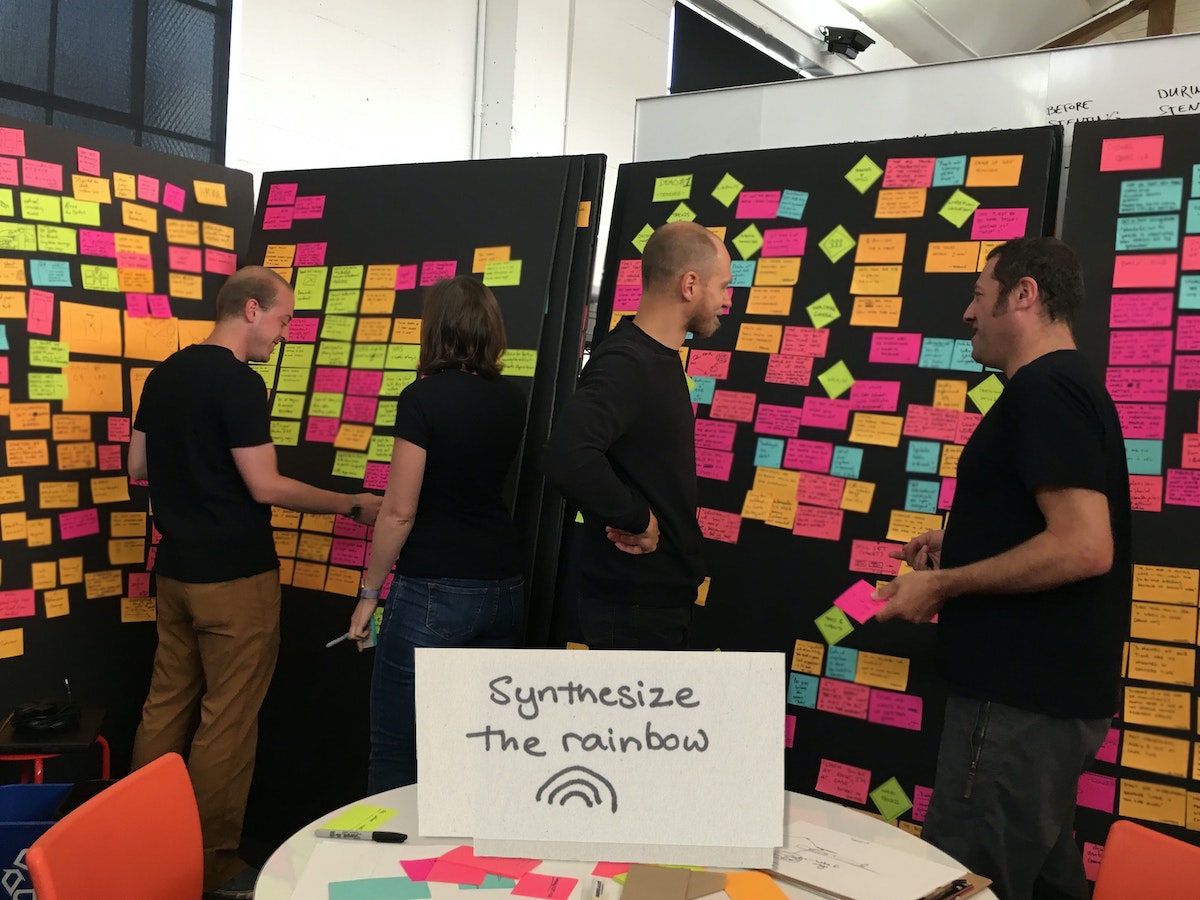
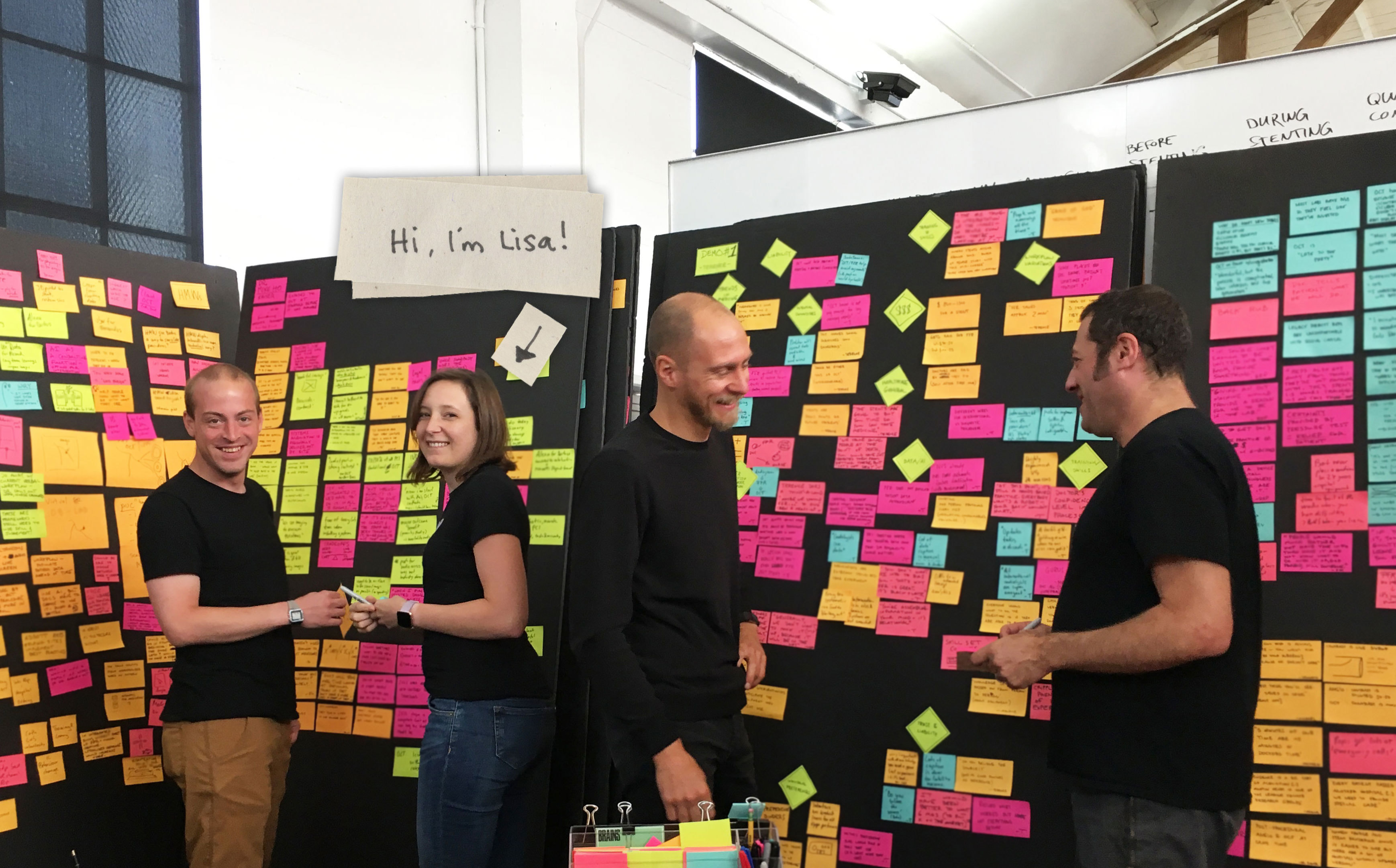
The team comes together to download and synthesize what we learned through our research observations. We transcribe things we saw and heard on Post-it notes, and cluster them so we can spot patterns. We’re seeing themes about the consequences of delays in decision-making during the procedure, and the effects of training on team efficiency. As we start to develop concepts based on the pain points we’ve discovered, I suggest that something like a personalized training program could increase team efficiency by helping people skill up faster.
3:30 PM: Digging into some data
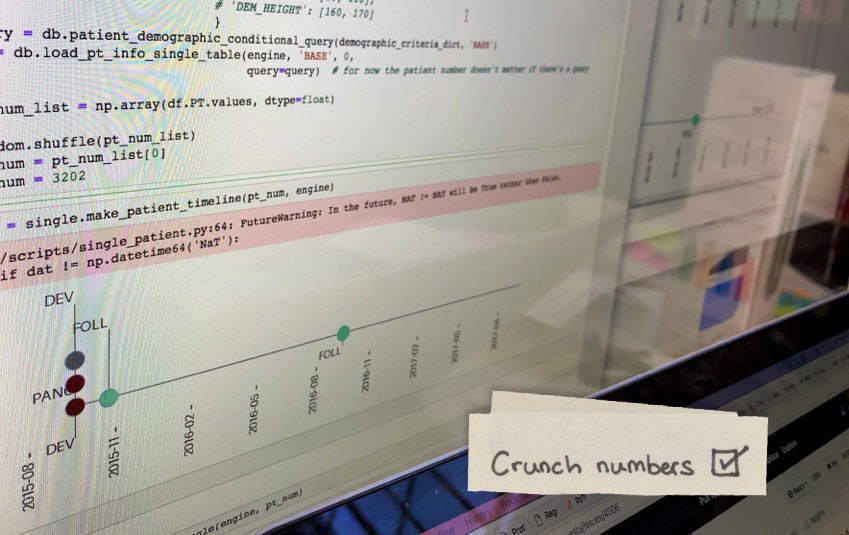
Our client has provided us with some data from a clinical trial related to the medical procedure we’re studying. Today I’m combing through the dataset to find insights that will inform our design process. I use the knowledge I’ve gained from interviews and field research to inform what would be useful or desirable from a human point of view. Later in the project, I’ll use this data to create a prototype that demonstrates how we can help doctors assess risk during the procedure.
6:00 PM: Hosting a women in Machine Learning and Data Science meetup
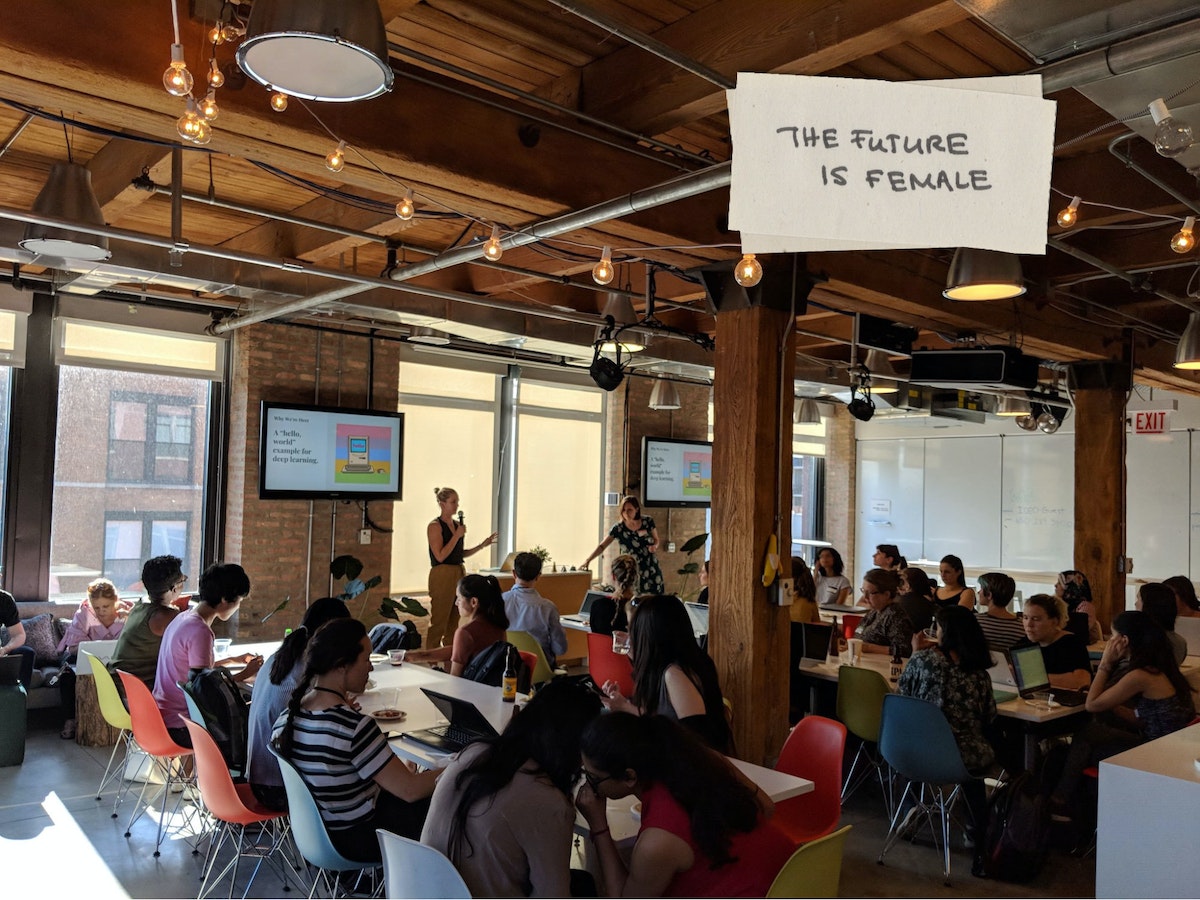
Tonight I’m hosting a meetup for the Women in Machine Learning and Data Science group about the basics of deep learning with my coworker and fellow data scientist Jane Zanzig. More than 40 women have come to learn and do a hands-on demo. I love working at a company that supports building the women in data science community because one of my personal passions is working to increase the number of women and other underrepresented groups in STEM and design.
9:00 PM: Good night, Jackie
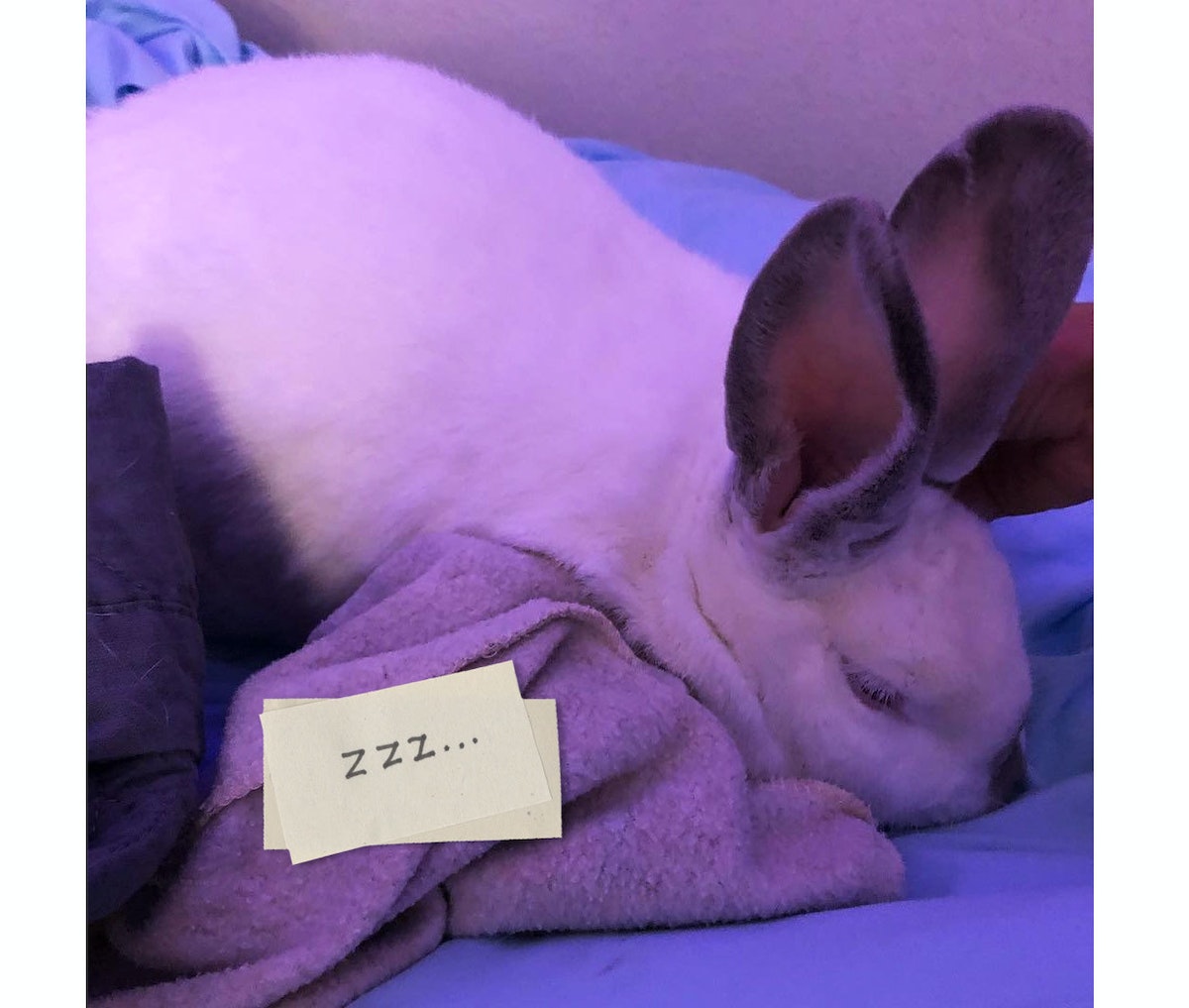
Every night before I go to bed, I make sure I hang out with my pet rabbit Jackie. I brought her from Chicago to Palo Alto with me, so we wouldn’t be apart while I worked on this project. I think she’s been enjoying living in California, and I’ve even taken her to visit the IDEO Palo Alto studio.
When people ask me what I do for a living, I say, “I use data to design products and services to improve people’s lives.” Working as a designer and data scientist involves not only coding up solutions, but understanding what people need in the first place.
Build Your Creative Confidence: I Like, I Wish
To practice creative confidence on a team, members need to feel free to experiment, even during early efforts when results will be far from perfect. For that experimentation to translate into learning, however, at some point you need feedback in order to identify weaknesses and make adjustments the next time.
Creativity Challenge #5: Encourage and accept constructive feedback
To practice creative confidence on a team, members need to feel free to experiment, even during early efforts when results will be far from perfect. For that experimentation to translate into learning, however, at some point you need feedback in order to identify weaknesses and make adjustments the next time. We all instinctively know that constructive critique is essential. And yet it can be hard to listen to and absorb feedback without letting our egos and defensiveness distract us from what may be a valuable message.
We have found the tool “I like, I wish” immensely useful in introducing constructive critique into the innovation process. This framework can be used in a small group to review concepts or in a large group to receive feedback about a class or workshop experience. Feedback starts with honest praise, in the form of positive sentences that begin with the phrase, “I like...” Suggestions for improvement then begin with “I wish...”
Tool: I Like, I Wish
Participants: Groups of any size
Time: 10 to 30 minutes
Supplies: A means of recording feedback. For example, in a large group we frequently keep an open Word document and type up notes in real time. In a smaller setting, Post-its or index cards will work.
Instructions
Step 1: Set the tone for a constructive conversation and explain the I like, I wish method. For example, “I am interested in hearing about how this workshop experience has been for you. Please express feedback in the form of I like, I wish. You might say, ‘I like that we have started on time every morning. I wish we had 30 minutes to every afternoon to stretch our legs.’” We have found it helpful to model good feedback by demonstrating “I like, I wish” in action.
Step 2: The participants take turns expressing I like/I wish statements, while the facilitator records their statements. For example, if you are reviewing a work-in-progress for a new personal finance software tool, you might offer support such as “I like that you have incorporated five different ways for customers to view their current financial status.” After describing other pluses, you might then say something like “I wish we could make the website easier for first-time users to navigate” or “I wish we could help people examine their financial situation from the long-term perspective of years, not the short-term perspective of months.”
Make sure people receiving feedback just listen. This is not a time to defend decisions or challenge the critique. Ask everyone to listen and accept it as a well-meaning offer of help. You can ask for clarification and engage in further discussion at a later time.
Step 3: Stop when participants run out of things to say in both the “I like” and “I wish” categories.
Tips from the field
You may want to gather just the “I like” comments first, and then ask for the “I wish” statements. In other groups, it may make sense to let the give-and-take of statements flow organically. Feel free to play with the format.
“I like, I wish” signals that what you are stating is your opinion—it’s not an absolute. Instead of pointing fingers, you are offering your view or perspective. The goal is to move the listener away from a defensive posture so that they can more objectively consider alternative ideas and take them to heart, when appropriate. We all naturally tend to become invested in our own ideas, and seek to defend them. But in a creative culture, candid feedback that is sensitively conveyed is a sign that colleagues care enough to speak up. The message can be delivered quite clearly, without resorting to the negative language of “That will never work” or “We tried that before and it failed.”
This post was taken from Chapter 7 of Creative Confidence. Purchase the book for more on how to use creativity to solve problems.
Everyone is creative. This belief runs through everything we do at IDEO, and in 2013, it led my brother David and me to write a book that would help others—even those who don’t think of themselves as “creative types”—to unleash their creative potential. Creative Confidence has inspired thousands of people to adopt a creative mindset and apply it to the diverse real-world challenges they face. In this series, we’ll share some exercises from the book that can help you approach your challenges from a new perspective.

Lindsey Turner
I’m passionate about building brands, products, and experiences that help organizations show up with meaning and momentum.
I help organizations cut through complexity by shaping how they show up, through brand strategy, identity, and storytelling.
Working at the intersection of brand and business, I bring an editorial eye and a bias toward making—turning ideas into tangible experiences that people can understand, trust, and believe in.
My work spans government, healthcare, financial services, media, and consumer goods, from launching Gen Z-focused ventures to building innovation labs and reimagining legacy brands. I relish moments of ambiguity and enjoy translating across teams, perspectives, and priorities to move ideas forward.
I started my career in editorial and digital design, shaping cross-platform experiences and identity systems in publishing and agency environments. That foundation still shapes how I work today: I’m detail-oriented, collaborative, and overreliant on the Oxford comma. I hold a BFA in Visual Communication from the School of the Art Institute of Chicago.

Rachel Young
My work helps organizations see who their products aren't working for—and build the will and the tools to do something about it
For 25 years, I've asked the same question: Who does this design exclude—and what are we going to do about it?
My work spans human-centered strategy, inclusive design, and qualitative research, with clients ranging from Microsoft, Google, and Verizon to the National Science Foundation, and San Francisco Unified School District.
Before IDEO, I taught elementary school in East Palo Alto and spent a decade doing design work with social service organizations—where I learned firsthand what it costs people when systems are built without them in mind.
I am currently writing User Error, a nonfiction book about digital access and the design decisions behind it. I live in Oakland, California.

Brian Pelsoh
I lead with craft, ensuring our work is creatively excellent: rooted in deep human insight and imagination, while also grounded in the realities of business and technology.
My expertise spans brand, communication, and product design across tech, education, the arts, and social impact.
I believe great work demands both high-level vision and obsessive attention to detail, and only happens through collaboration.
I bring an inclusive, hands-on approach and a deep understanding of business, which enables me to consistently deliver excellence while always asking why.
Before joining IDEO, I worked at the brand firms Pentagram and VSA Partners. I began my career as a designer, leading teams at the School of the Art Institute of Chicago and the Milwaukee Art Museum. I hold an MFA in graphic design from Maryland Institute College of Art and a BFA in communication design from the Milwaukee Institute of Art & Design, and have taught at some of the best design schools in the US.

Tony Wong
I am responsible for IDEO’s long-term success in China and working with clients to use design as a tool to enable growth.
I am responsible for IDEO’s long-term success in China and working with clients to use design as a tool to enable growth. Specifically, I have helped Chinese companies design holistic brand solutions through the development of their products, communication, services, and innovation teams, and I have helped multinationals expand their presence and influence in China.
I advise global leaders on developing China-led innovation and capabilities.
In over 15 years in IDEO Shanghai, I have worked on projects that use design to elevate the quality of the experience of healthcare products and services, streamline processes that increase productivity, create spaces and programs that promote and enable inclusive communities, and build next generation mobility solutions that are planet-positive.
Before joining IDEO, I worked at Philips Electronics and the Electrolux Group in Italy, the Netherlands, and Singapore on a number of breakthrough commercial products. I am a member of the Young President Organization in Shanghai.

How to use AI as an editor, not a writer
Ed White shares how he uses AI as an editor—not a writer—to sharpen storytelling, rehearse ideas, and preserve the productive friction that makes creative work better.
Ed White has a rule he's tested on his own writing: hold yourself as the writer, and let AI be your editor. Ed is a Senior Design Director at IDEO's London studio, where he co-leads the firm's AI portfolio across Europe. Before IDEO, he spent 12 years as a writer and editor at the Financial Times, Wired, and Contagious. So when he talks about when to use AI for storytelling and when not to, it comes from two decades of crafting his storytelling skills.
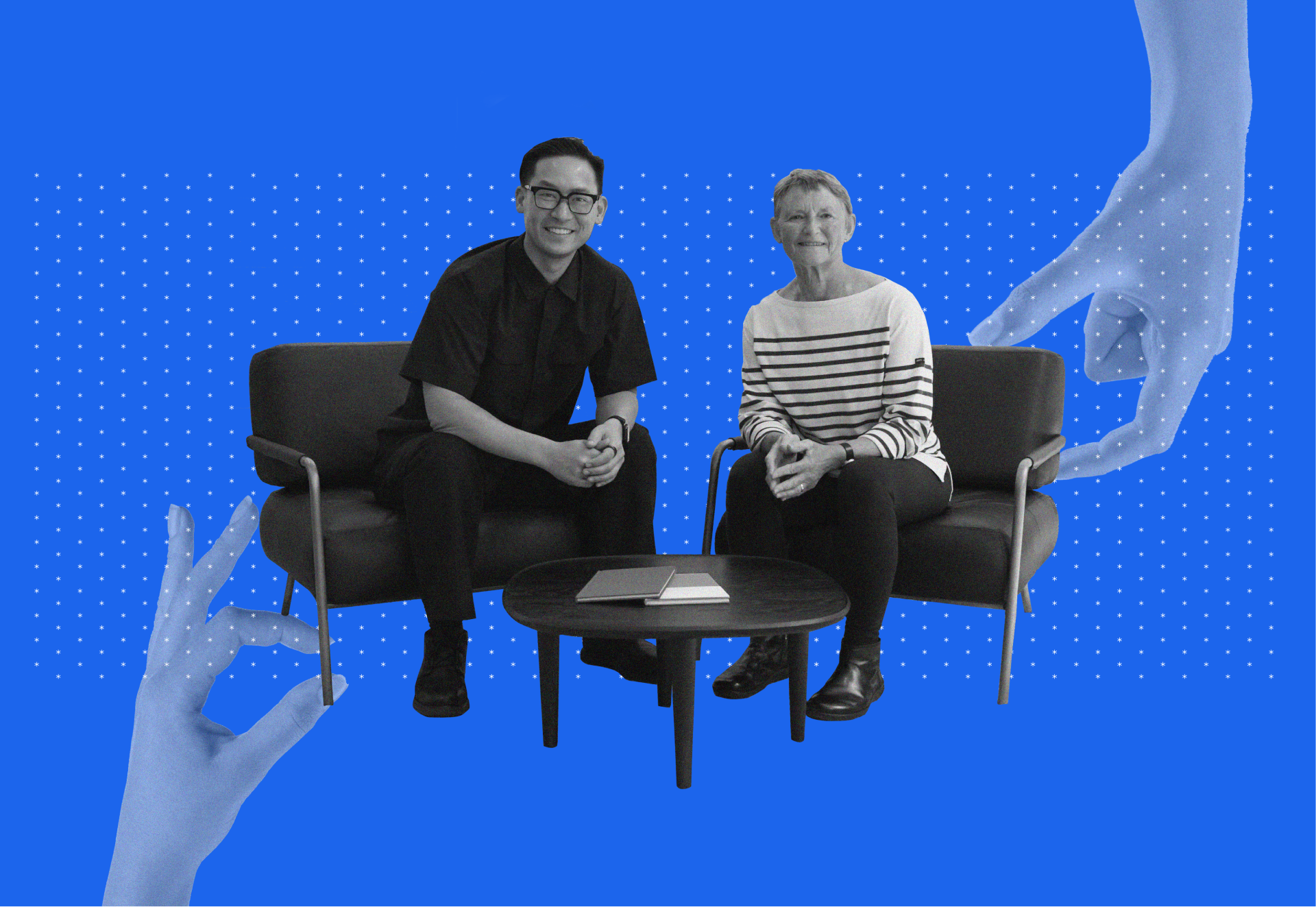
In this episode, Mina Seetharaman talks with Ed about two specific tools he uses to keep AI in an editor's seat: a "roasting agent" prompted to critique his drafts without any sugarcoating, and a simulated audience he rehearses pitches on before the real thing. They also get into what Ed is hearing from design leaders at Anthropic, Lovable, Shopify, and Google Creative Lab about how creative work is changing, and why he thinks the friction of writing something yourself is worth protecting rather than automating away.

Building a personal AI for the messiness of life: Sida Li
Becca Carroll talks with Cue co-founder Sida Li about designing a personal AI for the messiness of everyday life—not just work. They explore how Sida stays anchored to human needs while navigating fast-changing technology, product tradeoffs, business-model experimentation, and the realities of building an AI company today.
Most AI products today are built for work—a space with clear problems and established systems. One founder noticed a gap: personal life is messier, harder to systematize, and mostly left behind by the AI boom. So she built Cue, a personal AI that lives inside iMessage and group chats, to go where the other tools haven't.
In this episode, Becca Carroll, IDEO's Chief Strategy Officer, talks with Sida Li, co-founder and CEO of Shared Context Lab, about staying anchored to a human need while the technology around her keeps changing shape, why she treats her business model with the same rigor she'd bring to a product, and what it feels like to build a company at this particular, disorienting moment in AI.
The conversation also gets into how Sida makes design decisions: the language Cue uses to describe itself, the tradeoffs behind building inside iMessage instead of a new app, and a real story about a business idea that didn’t pan out.
This is the second in a two-part series profiling founders from IDEO's Startups-in-Residence program. The first conversation is with Johannes Seemann, founder of Sooner, on designing GenAI for the emotional side of money.

Designing GenAI for the emotional side of money: Johannes Seemann
Designing financial tools around the feelings that shape money decisions.
Most personal financial tools are built to run the numbers and optimize towards a budget. While that works for some, most people experience money as a lived relationship that does not neatly fit into a spreadsheet. Johannes Seemann and Becca Carroll discuss why money is emotional before it is mathematical, and what a human-centered approach to building a generative AI financial product looks like in practice.

The curious leader's edge in uncertainty: Scott Shigeoka
How genuine curiosity helps leaders navigate uncertainty with greater confidence.
Mina Seetharaman talks with Scott Shigeoka, author of Seek and Head of Curiosity Cultivation at the Eames Institute, about what distinguishes genuinely curious leadership from performative curiosity, how power dynamics shape curiosity, and why practicing curiosity can restore energy rather than drain it.
Looks like you might be in search of something very specific?
Or reset the filters above and try another angle.
Here’s some random inspiration

Podcasts about creative leadership

Articles about the power of prototyping

















.webp)