
.svg)


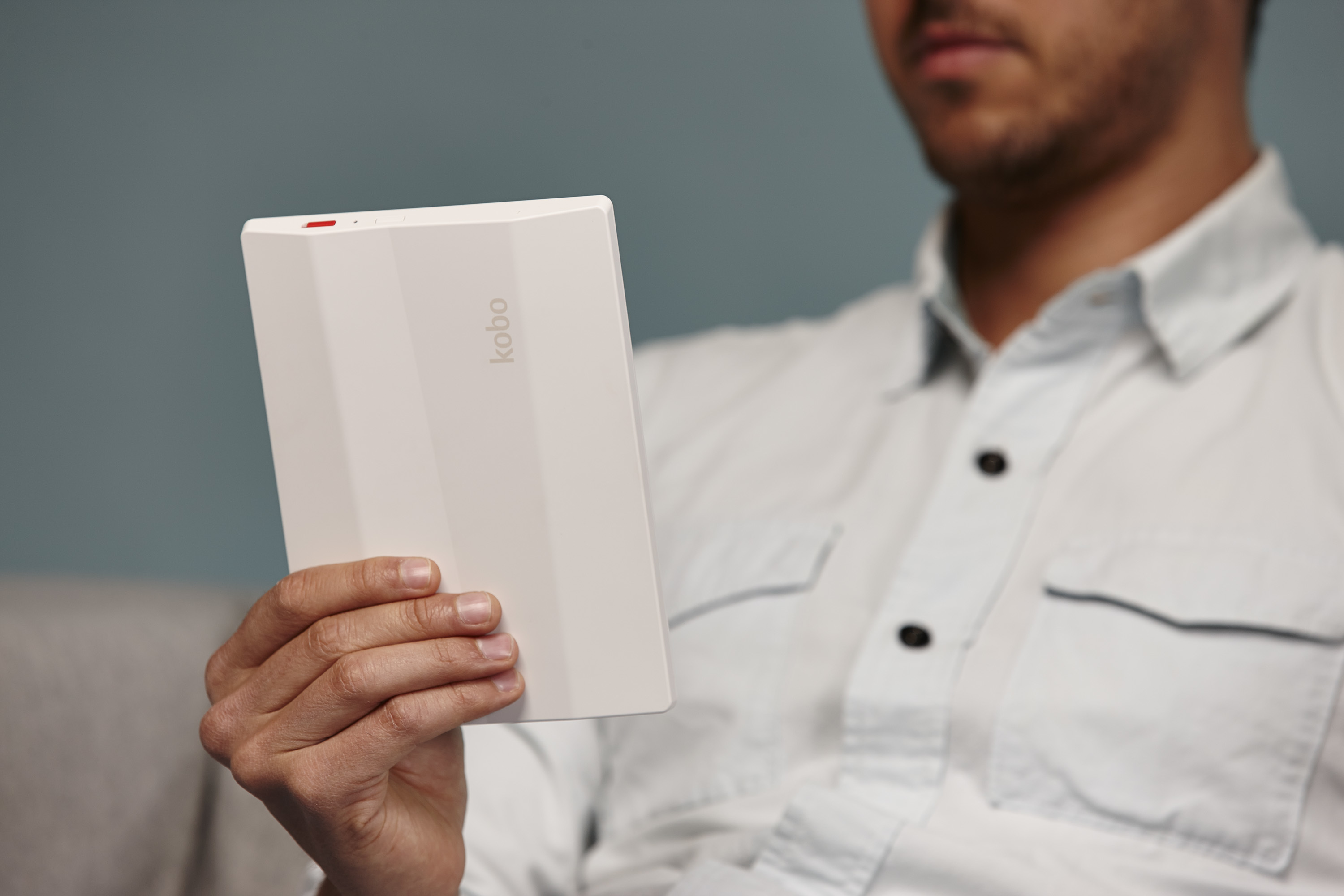

A friendlier, more tactile e-reader experience
Creating a digital reader that embodies the best aspects of paperback books.
International e-reading service Kobo, Inc., with more than 2.5 million digital book, magazine, and newspaper titles, approached IDEO to gain a strong foothold in the shifting publishing landscape. The design challenge was to create a new suite of advanced reading devices with the best aspects of paperback books—tangibility, portability, and a small footprint.
To make digital reading devices feel approachable, personal, and sophisticated, designers focused on the intersection of physical and digital interface design. The teams created a family of affordable e-readers with clearly differentiated feature sets, and the resulting design provides a reading experience that approximates holding and reading a paperback book. No larger than a novel, the front of the e-reader is designed for the reader’s eyes, while the back features a signature “quilted” back shell designed to create a pleasurable, tactile memory for the hands.
The Kobo family includes the Kobo WiFi, with a 6-inch glare-free E-Ink screen; the smaller Kobo Touch, with infrared touch-screen interface, E-Ink Pearl screen, and faster processor; and the Kobo Vox, a 7-inch Android tablet model with social and digital sharing options.
Kobo saw record sales of its digital reading devices during the 2011 holiday season, and was named “Editor’s Pick for Best e-reader” by Wired magazine.
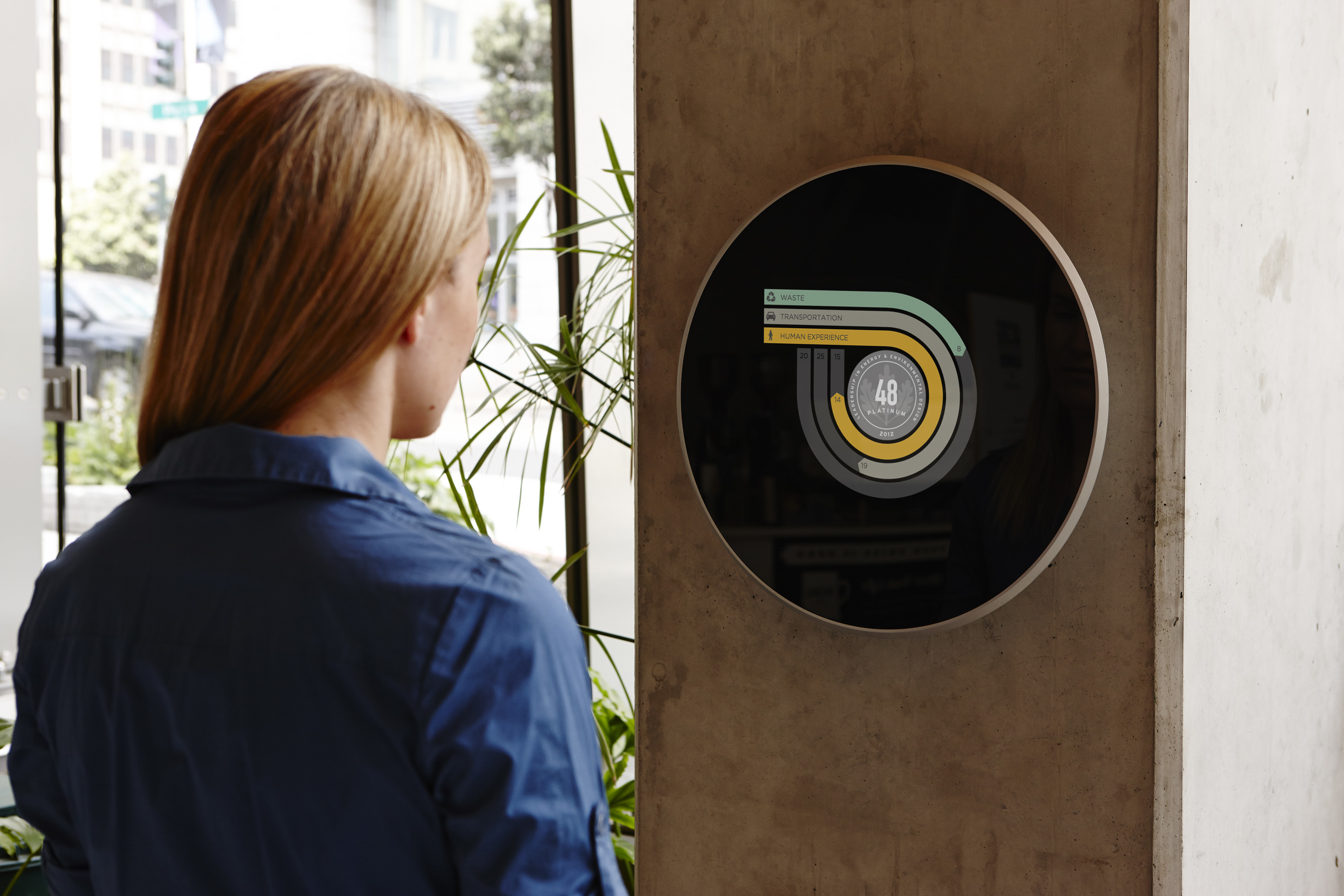
A digital display to measure energy use
Communicating environmental performance with an interactive plaque.
The U.S. Green Building Council asked IDEO to help visualize how buildings might communicate environmental performance. Together they came up with the LEED Dynamic Plaque, an elegant public declaration of a building’s environmental efforts.
Located in a lobby or other common space, the plaque displays real-time measurements about a building’s resource use—from energy to waste disposal. IDEO designed and built the physical plaque, and the IDEO Digital Shop created an online interface that allows USGBC’s software to interact with it, enabling people to enter data, analyze details, and make personal decisions that influence a building’s performance.
WATCH: "LEED Dynamic Plaque" video
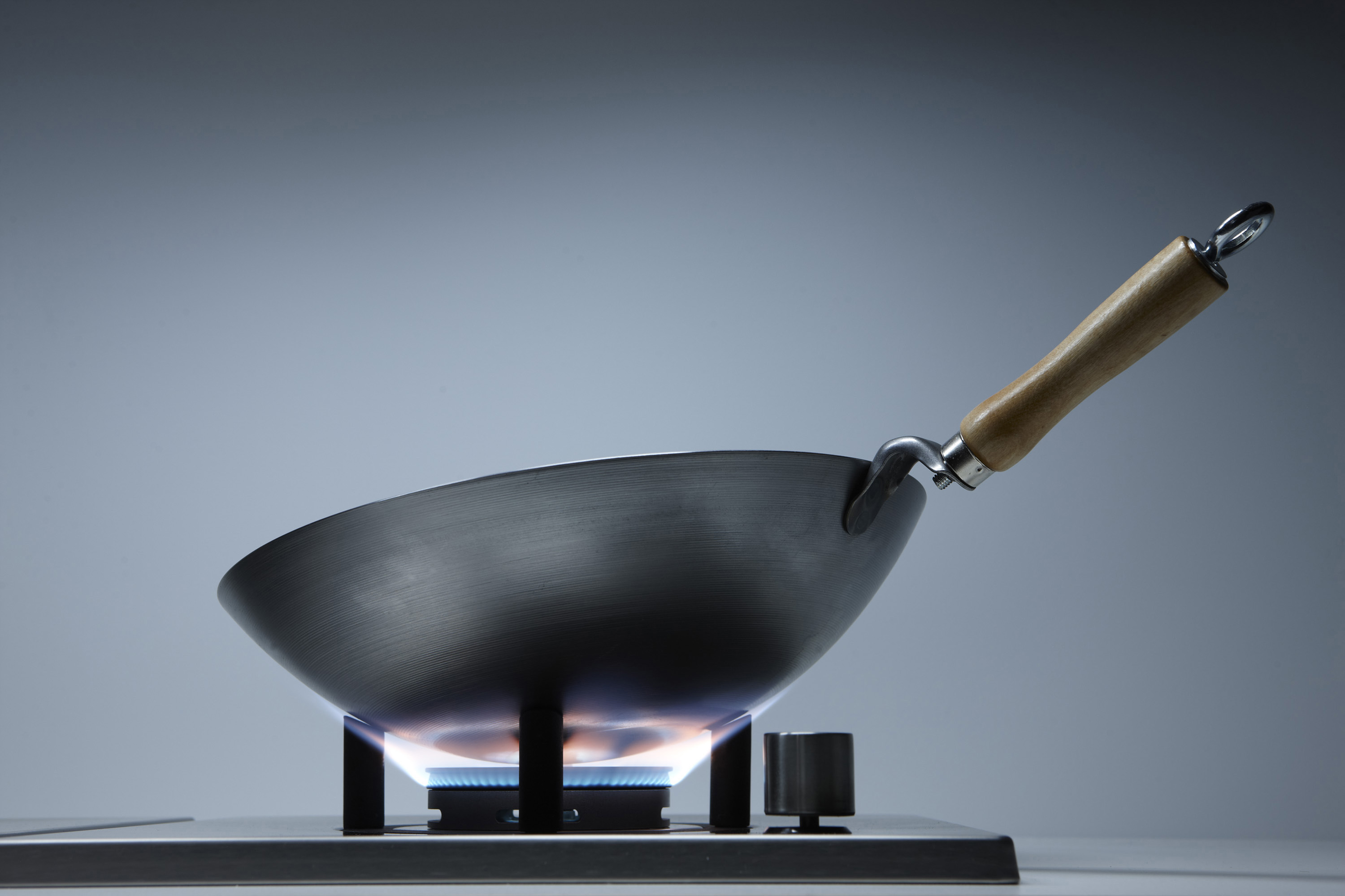
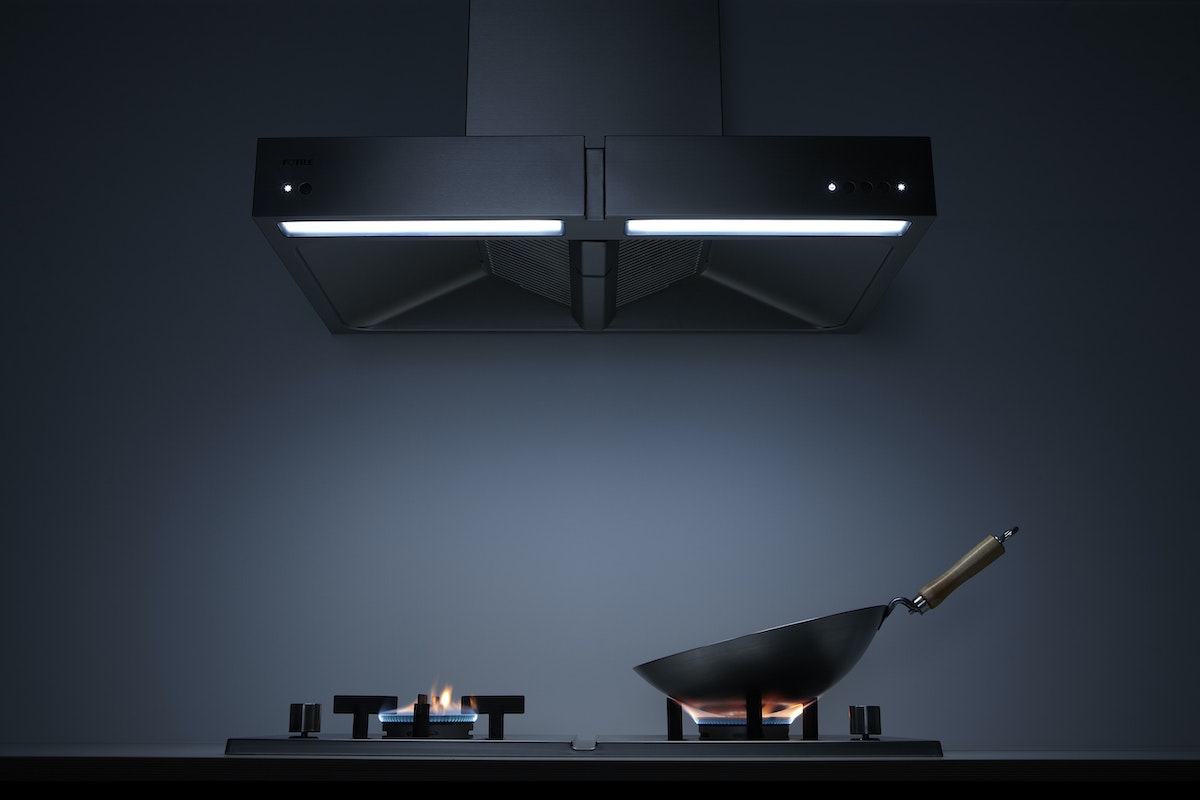
A cook top designed for a wok
Culturally relevant kitchen appliances for a Chinese market.
In China, most kitchen appliances available on the market are rooted in Western cooking practices. High-end kitchen appliance company Fotile, based in Ningbo, China, was looking to design a new cook top and range hood that would satisfy the unique needs of Chinese cooking culture.
The new appliances designed by Fotile and IDEO support a key need of Chinese cooking: the dual-cooking center. This two-burner range eliminates unnecessary burners, instead dedicating one side to the wok, the primary tool in Chinese cooking, and the other side to a flat-bottom pan. The wok burner has a special stand with angled posts to hold steady a round-bottom wok (typical in China) and ease the rigorous, constant “tossing” movement that is prevalent in Chinese cooking. The Fotile cook top and range hood have become popular with Chinese consumers since market launch.
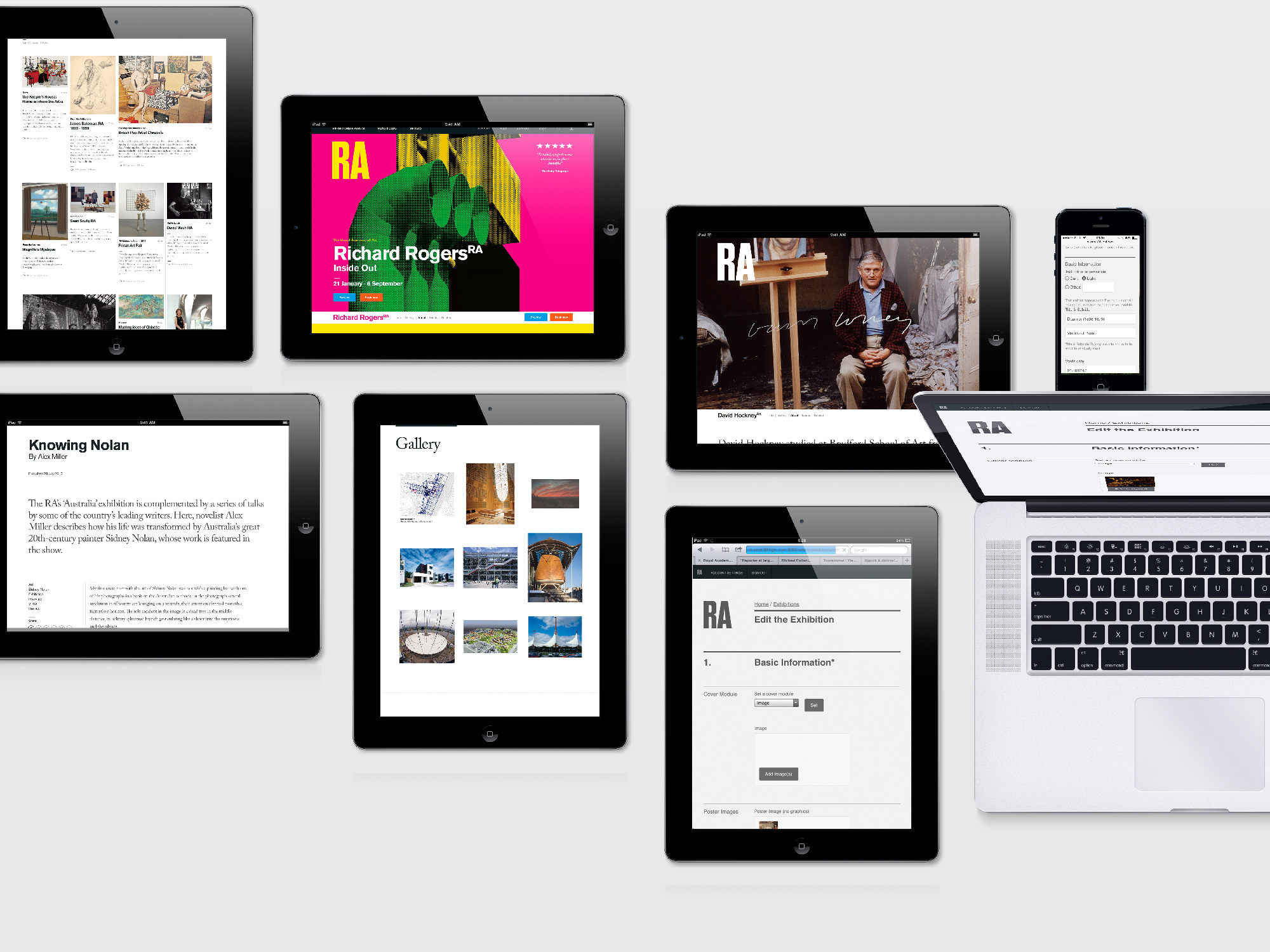
A digital identity for the Royal Academy of Arts
Building new audiences and opportunities for a 250-year-old institution.
Great art requires great openness, a space large enough to contain all the tragedy and comedy of the human experience.
The limestone walls and Palladian arches of the Royal Academy of Arts (RA) hold such a space. The institution’s building in Mayfair contains galleries where a wanderer can appreciate the everyday miracle of a Caravaggio or amble through the former home of Academicians, a group led by some of the most eminent artists in the world, from Anish Kapoor to Sir Norman Foster. This revered site has also been home to the Summer Exhibition for 246 years, an event open to submissions from any living artist.
As the RA approached its 250th anniversary, the institution came to IDEO to help create a digital strategy that would open new doors to these resources, reveal hidden avenues to new experiences, and offer broad vistas of the collection.

After rounds of research with artists, staff members, and visitors, our designers immediately started building and testing. They ran workshops to refine digital tools, watched as patrons scribbled notes about things they wanted to know more about, and built pop-up design studios in RA’s galleries where they could generate insights on the fly.
The result is a rich, immersive site for different audiences. Art lovers can view stunning images of the works, artists can learn more about RA schools, and RA staff can share surprising stories about some of the most prized pieces.
Based around human needs rather than organizational structure, the new digital space allows audiences to wander freely in this immense storehouse of inspiration and awe. And perhaps most important, the RA organization has benefitted from a human-centered paradigm shift that will enable the institution to forge boldly into its next quarter millennium.
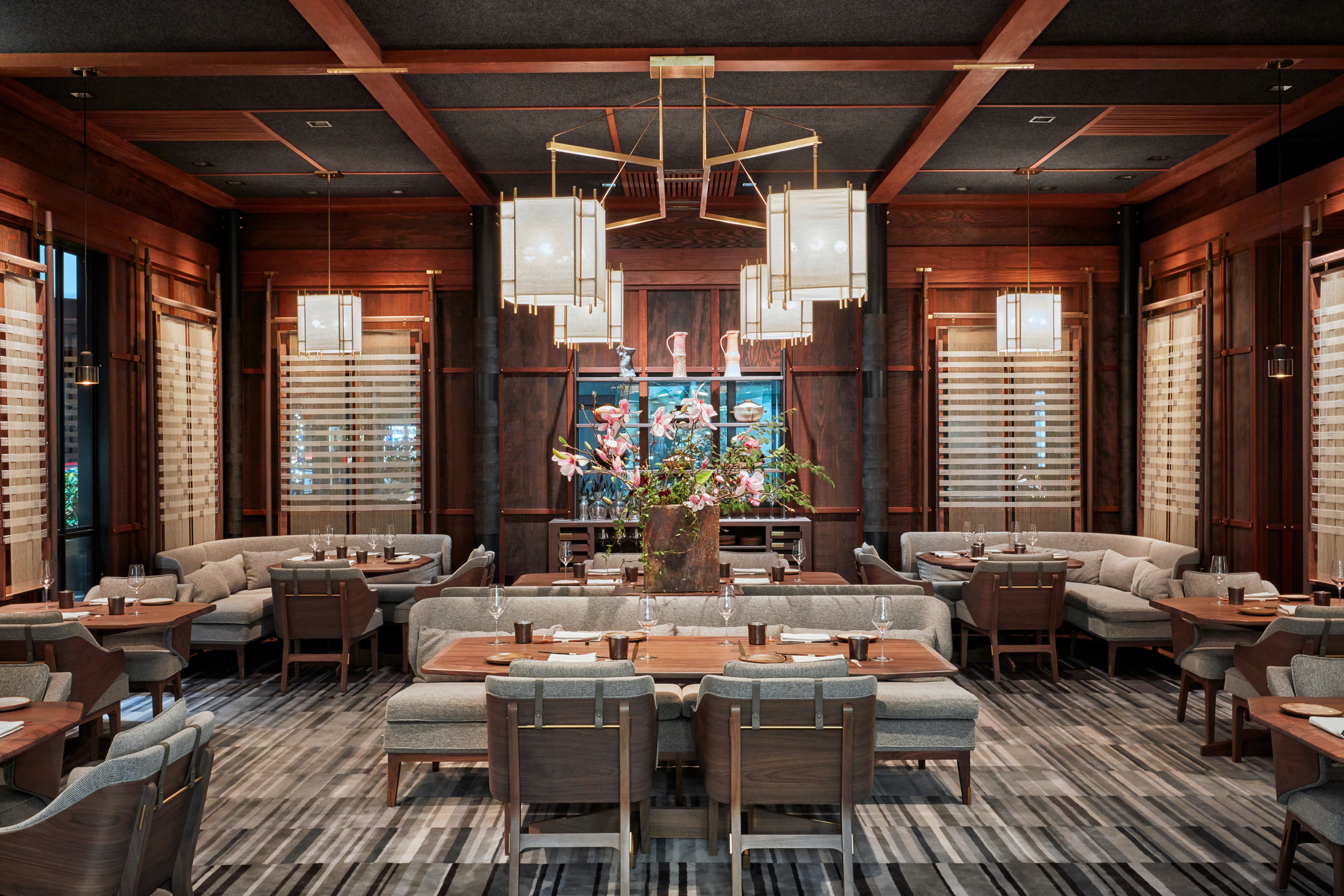
3 Design Lessons From a Dream Hotel
What I learned about hospitality from SingleThread Farms
Working in food and hospitality design, I’m always on the lookout for what's new in the space. So, the moment I heard about SingleThread, I booked a night for my husband and me as an anniversary gift.
I suppose it’s an occupational hazard that I couldn’t help but notice the thoughtfully considered details that give SingleThread its hospitality superpowers. We were swept off our feet personally, but I also walked away with design insights that I took back to work.
At IDEO, we look to extremes for inspiration—people, brands, or environments that exaggerate specific behaviors. When we designed a line of ergonomic kitchen tools, we prototyped with both sous chefs and with those suffering from arthritis. Edge cases reveal what is or is not working, helping us generate opportunities for innovation.
SingleThread is most certainly an edge case. The name says it all—their vision is highly crafted, and a thread of that vision is woven into every detail of the experience.
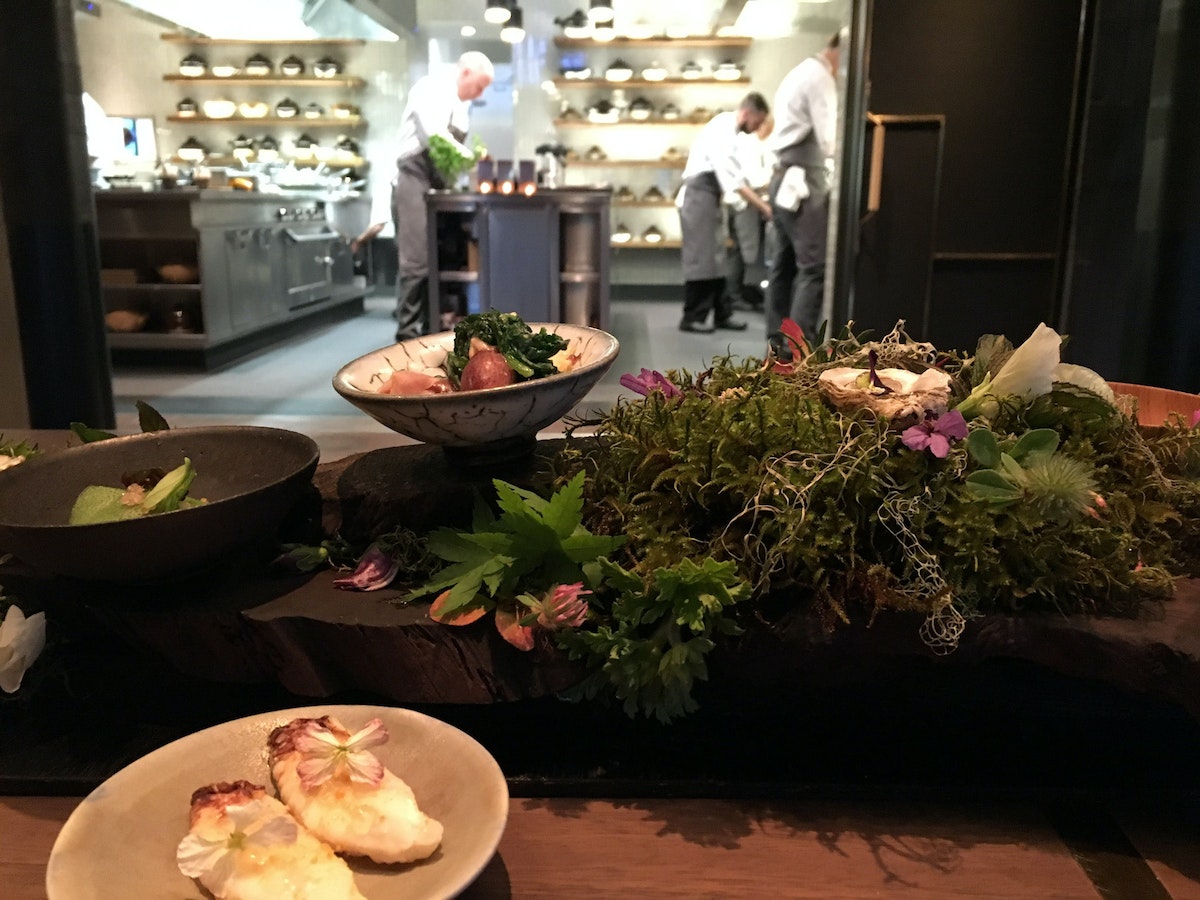
3 lessons SingleThread Farms taught me about designing modern hospitality:
1. Don't tell your brand story, weave it in
At some hotels, the brand or theme takes over everything. Sweden’s IceHotel, Japan’s Robot Hotels, Underwater, and Disney's Star Wars hotel might be fun once or twice, but they're less about a tailored guest experience, and more about their own story.
To say that SingleThread’s theme is “farm to table” would be a gross oversimplification. The larger purpose, as its creators Kyle and Katina Connaughton shared with us, is “to be an extension of our home.” That is demonstrated in every detail, from the open kitchen serving a kaiseki-inspired menu that changes with the micro-seasonal produce Katina has pulled out of the ground that day, to the guest rooms upstairs, where the mini-bar is replaced by a curated selection of gratuit handmade snacks and beverages.
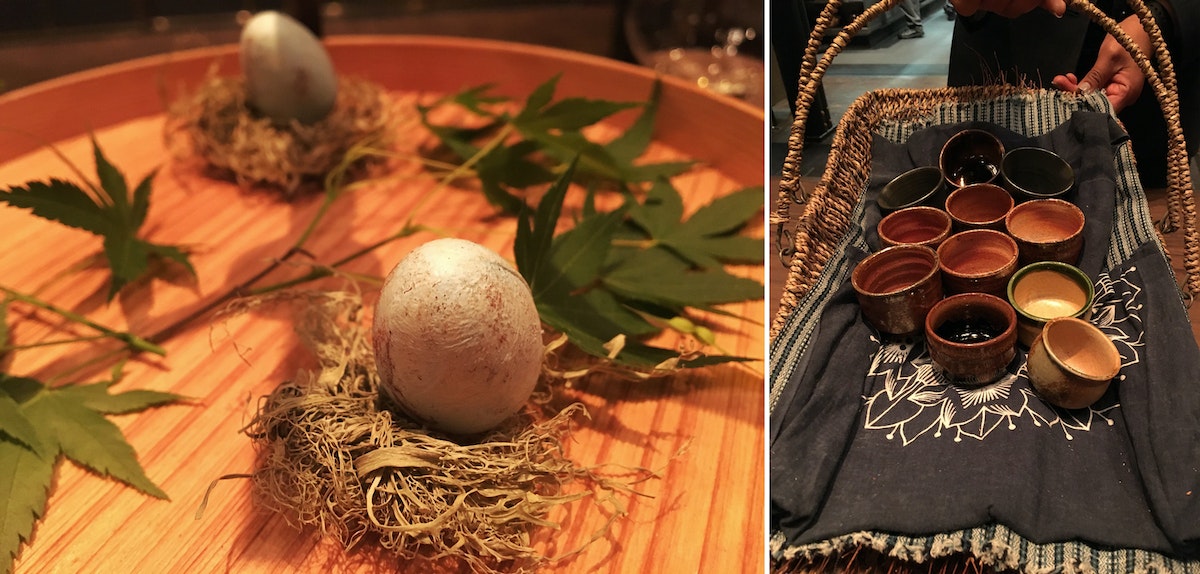
About halfway into our 11-course dining journey, we were presented with a basket of mismatched sake cups and invited to “choose one that speaks to us.” That was a first.
2. Aim for personal, not personalized
Personalization, the longstanding holy grail of the hospitality industry, is being reframed in the sharing economy. Airbnb's “belong anywhere” message is made real by guided experiences that help guests feel at home in the local culture.
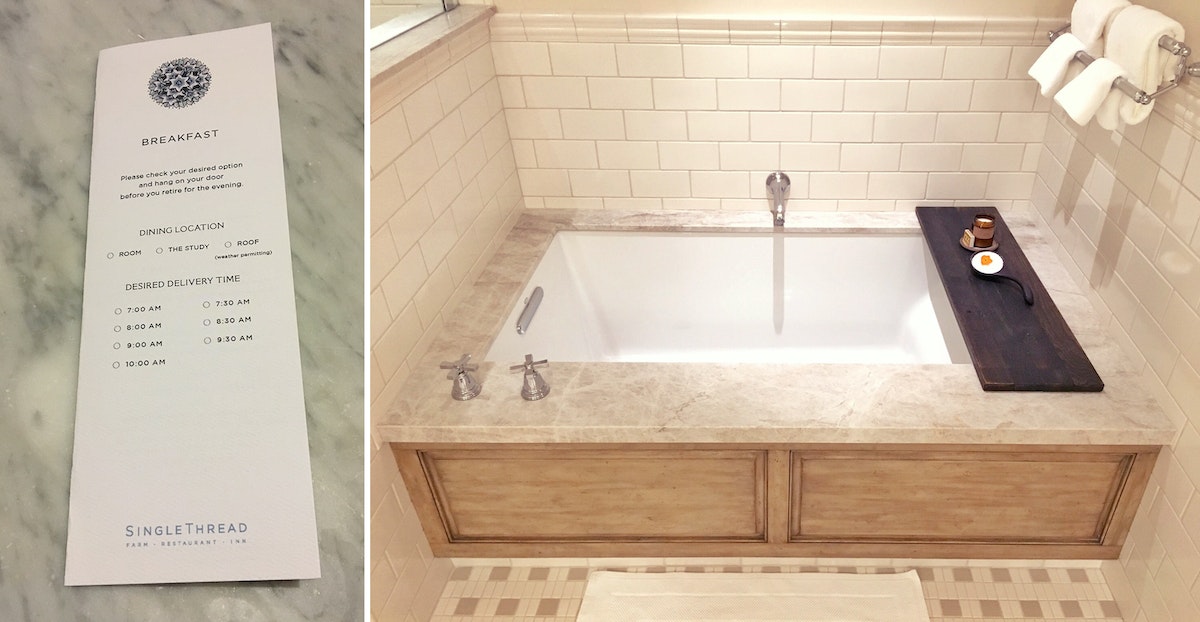
SingleThread builds in degrees of freedom that make the experience feel personal, not programmed: A towel hook thoughtfully placed just outside the shower door so you aren’t left to tiptoe across the floor, a wooden ladle atop a tray over the bath, pre-filled with soaking salts.
At a nightly pre-dinner meeting, the staff reviews guests’ bios and dietary requests so they can adjust the dining experience in a seamless, subtle way.
3. Put smart tech in a supporting role
Tech features in hospitality are growing fast. From Disney’s MagicBands to mobile check-in apps, hospitality providers are looking for new ways to meet guests’ needs.
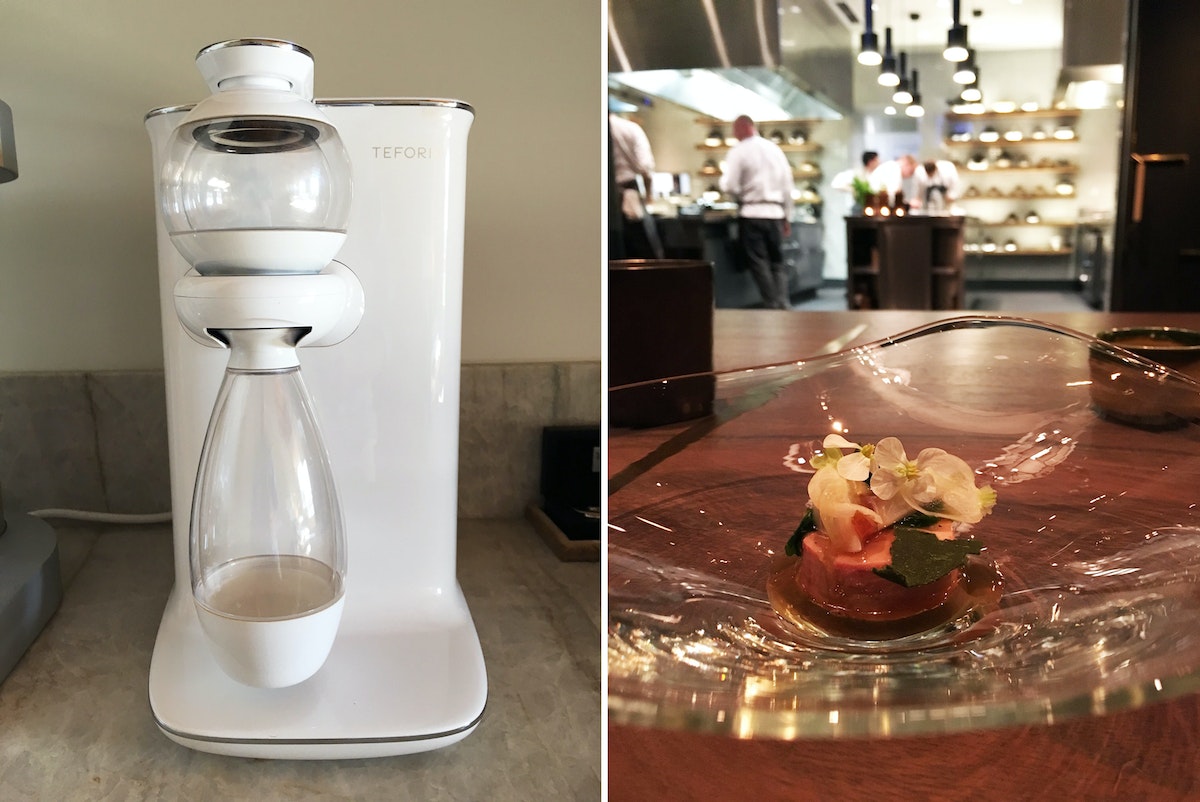
SingleThread has mastered hidden tech, integrating just enough to create a highly sensual, human-centered experience that connects them more deeply with their guests.
Guests prepay through a reservation ticket system called Tock, so that any transactions that might take them out of the moment—tipping the bellhop, front desk check-in—are removed from the equation.
A front door camera helps to ensure you are greeted by name when you walk inside.
For keyless entry into your room, you’re invited to create your own passcode.
Each room is equipped with a Teforia tea system that calibrates the exact time, temperature, and amount of water needed to brew you the perfect cup.
These smart tech moments aren't show-stoppers. They're there to remove friction from the experience.
Though SingleThread Farms is a boutique hotel, it doesn’t take five stars, or dollar signs, to show guests you truly understand their needs. It was the small design moments that made our stay an experience I (and my marriage) will never forget.
Have your own outstanding hospitality experience to share? Share with me on Twitter @MeijaJ with the hashtag #HospitalitySuperpower.
Header image by Garrett Rowland.
Where would you like your breakfast served? Your room? The study? The roof? This was the kind of tough decision I faced during my stay at the SingleThread Farms, the highly anticipated inn and restaurant that opened in Healdsburg late last year. After the 90 minute trek from San Francisco, I was welcomed by name and guided to my room, where I tapped a code I’d made up for keyless entry. I never touched a credit card during my stay.
This Artist Takes Weaving to a Whole New Level
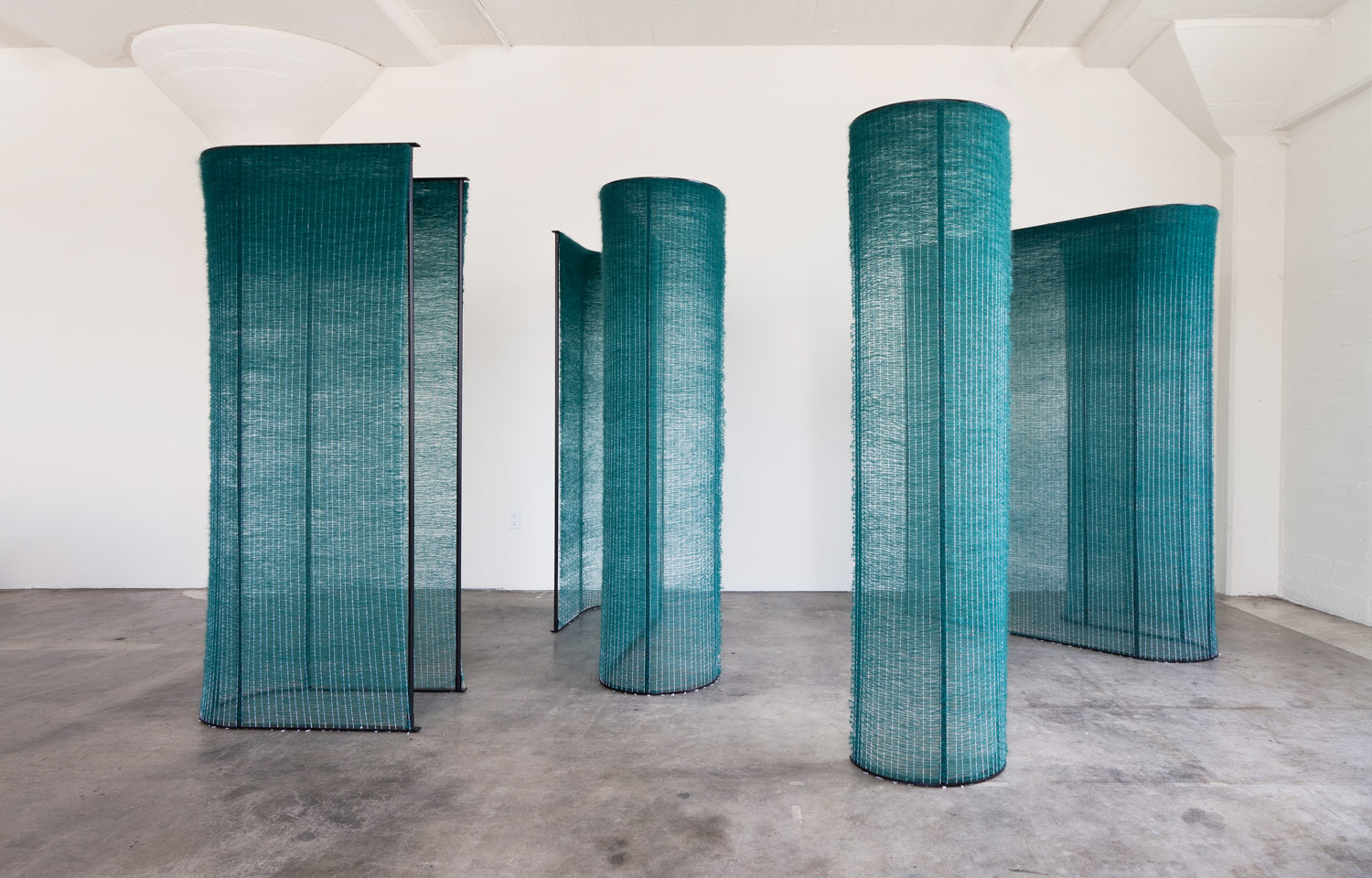
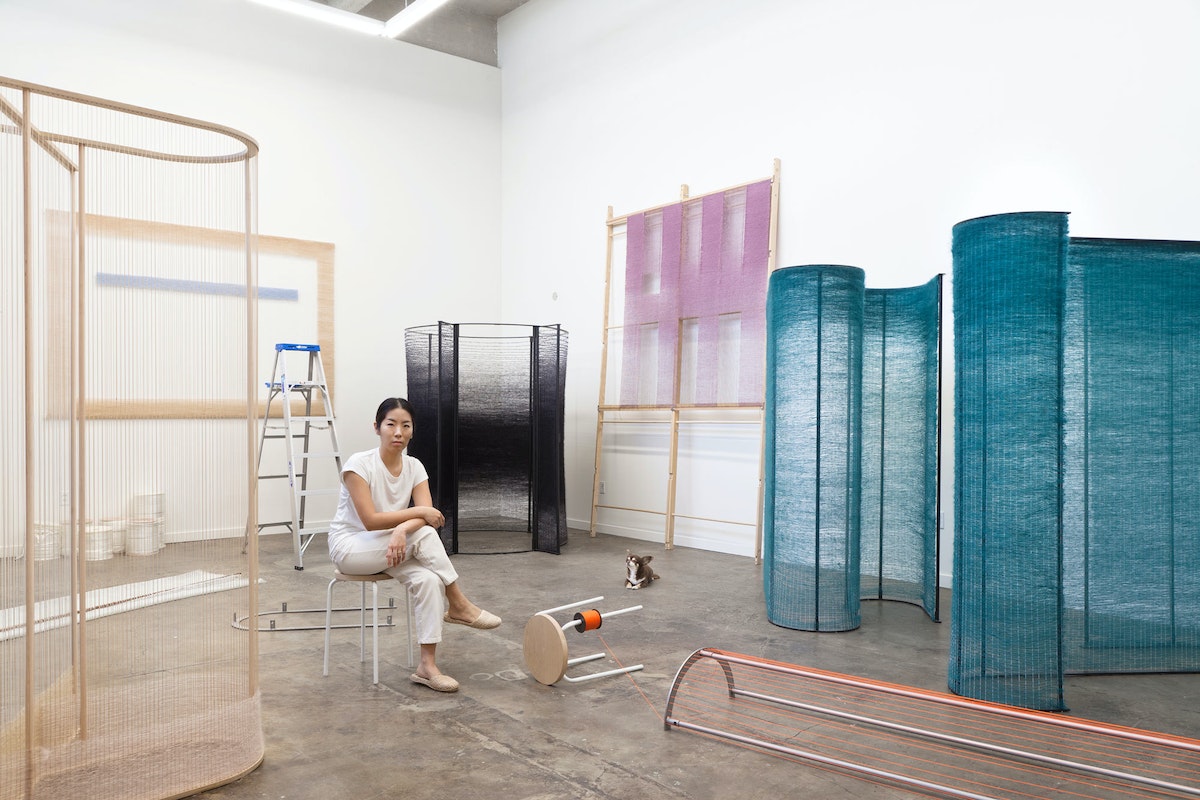
Mimi Jung is pushing the boundaries of textile arts
In one sentence, who are you?
Someone who isn’t ever too embarrassed or ashamed to try.
What do you do? How did you learn to do it?
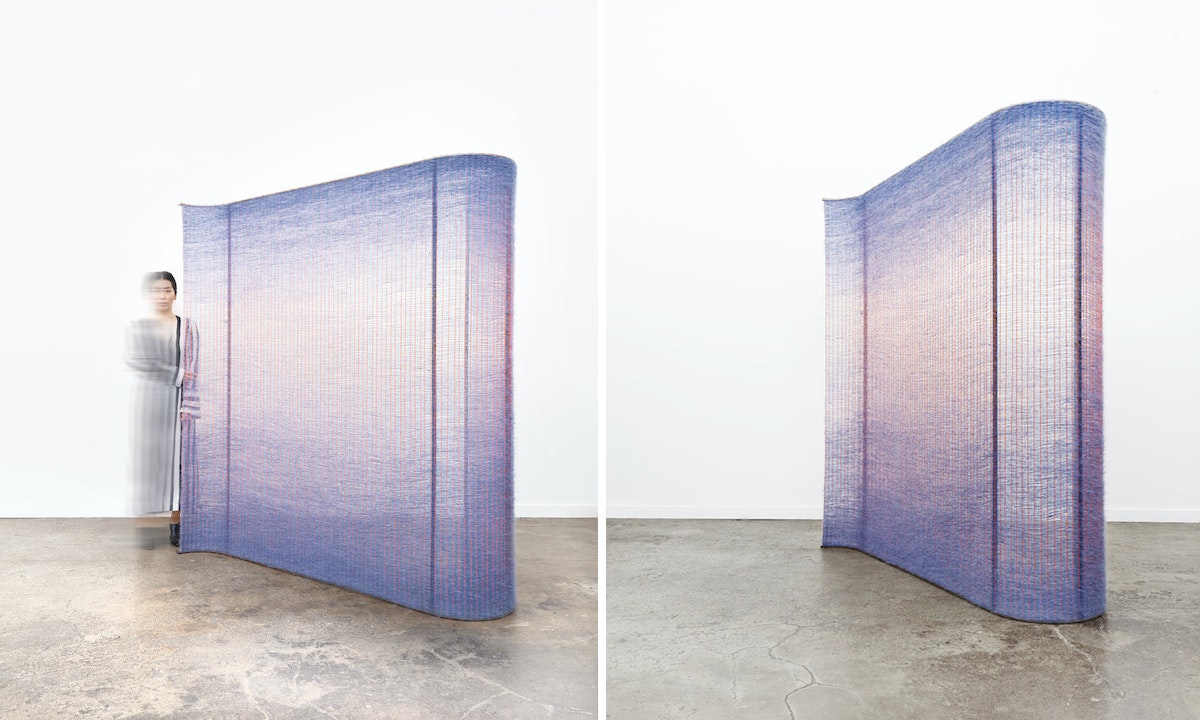
I make work that’s hard to explain to Lyft drivers. The long explanation of how I learned it would be based on a class I took at Cooper Union, my inability to work for others, and a creative yet rough upbringing. The short version is this: Six years ago during a creative drought, I took a few workshops, and basic weaving was one of them. I walked away from it regretful and uninspired. In an effort to salvage the money I spent on the class, I started a project with my new skill set. I broke all the rules I had learned and created my own, and that’s when everything fell into place.
3 favorite possessions?
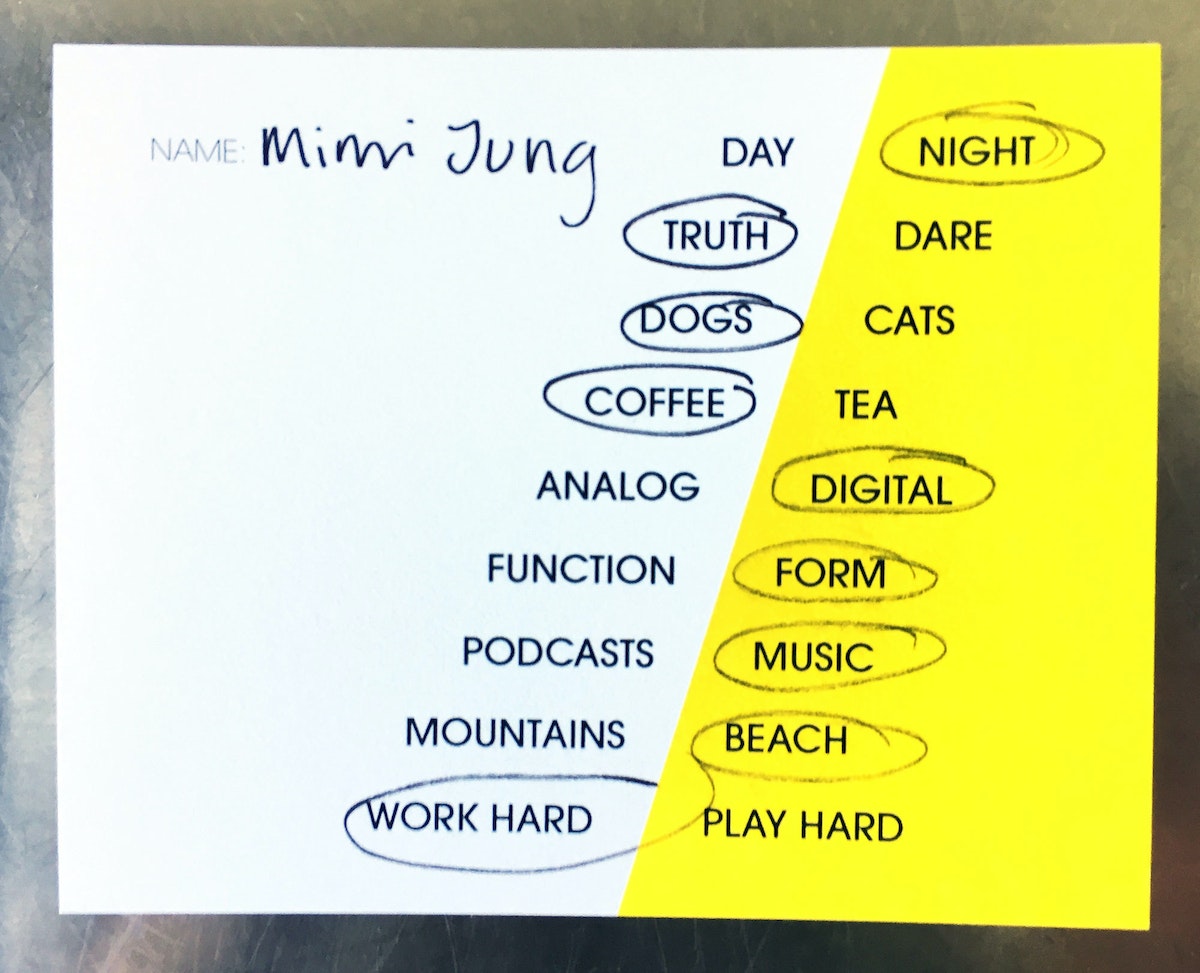
My dogs, Truffle, Stitch, and Sunday.
What does a typical work session look like?
On average, when I’m not under a heavy deadline, I put in about eight hours of studio time. I enjoy working alone, and often in silence.
How do you get over creative block?
I focus on improving my personal life. Usually that’s where I'll find the source of the block.
How do you see the world in 2078?
I’m no longer going to four different supermarkets to get my groceries because I’m dead. In all seriousness, I would like to think that in 2078, a former foster kid will become or already have been elected president of the United States.
What’s your number one bucket list item?
Design my own home/studio on 20+ acres of land.
Who are you creative crushin’ on lately?
My current crushes are Natalie Herrera, Linda Lopez, Ellen Van Dusen, Mimi O Chun, Rami Kim, Dina Satti, and the ladies of Egg Collective.
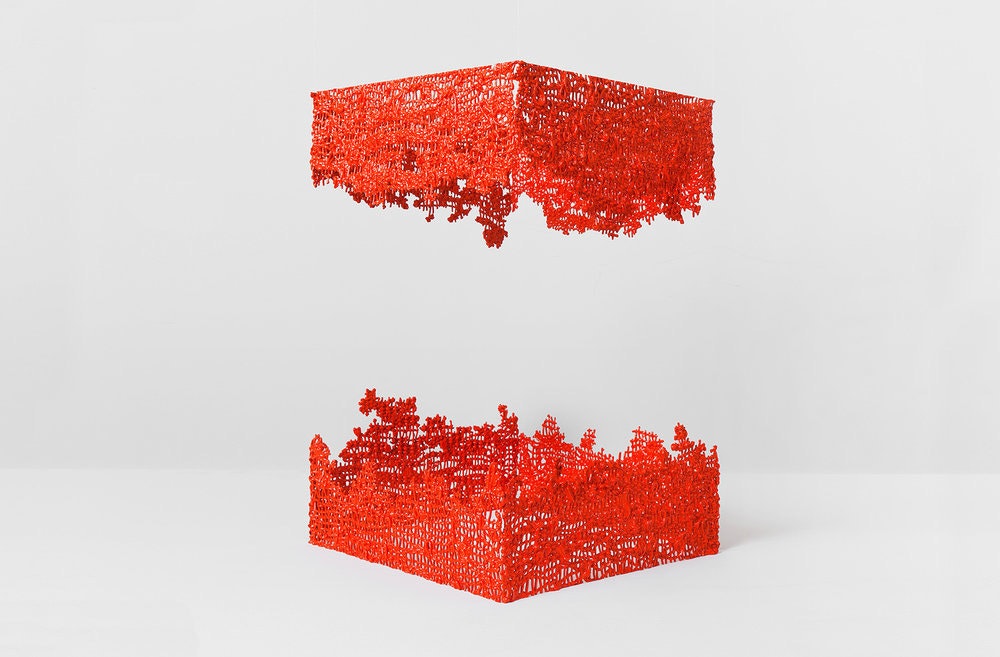
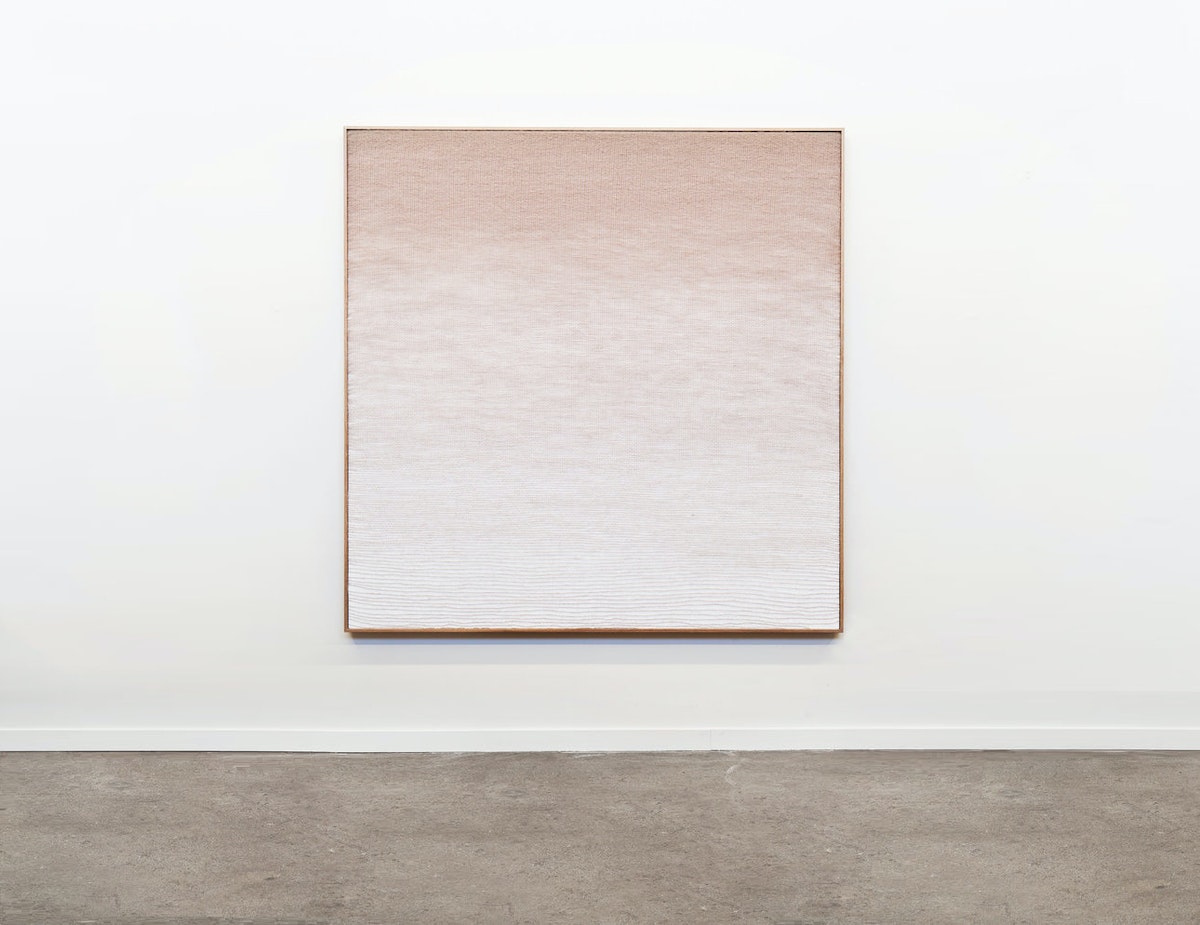
A few years ago, while taking weaving classes in Brooklyn, I stumbled upon Mimi Jung's textile works and was transfixed by their sculptural nature and Mimi's painterly ability. She was accomplishing something with fibers that I had been struggling—and failing—to capture on canvas for years. I've been following her prolific pursuits ever since, and draw on them often for inspiration, so I jumped at the opportunity to get to know Mimi for our Creative Crushes series. Her latest and greatest works continue to push the boundaries of what we know is possible in fiber arts, and it turns out, she's not just a fantastic artist, but a pretty amazing woman too.
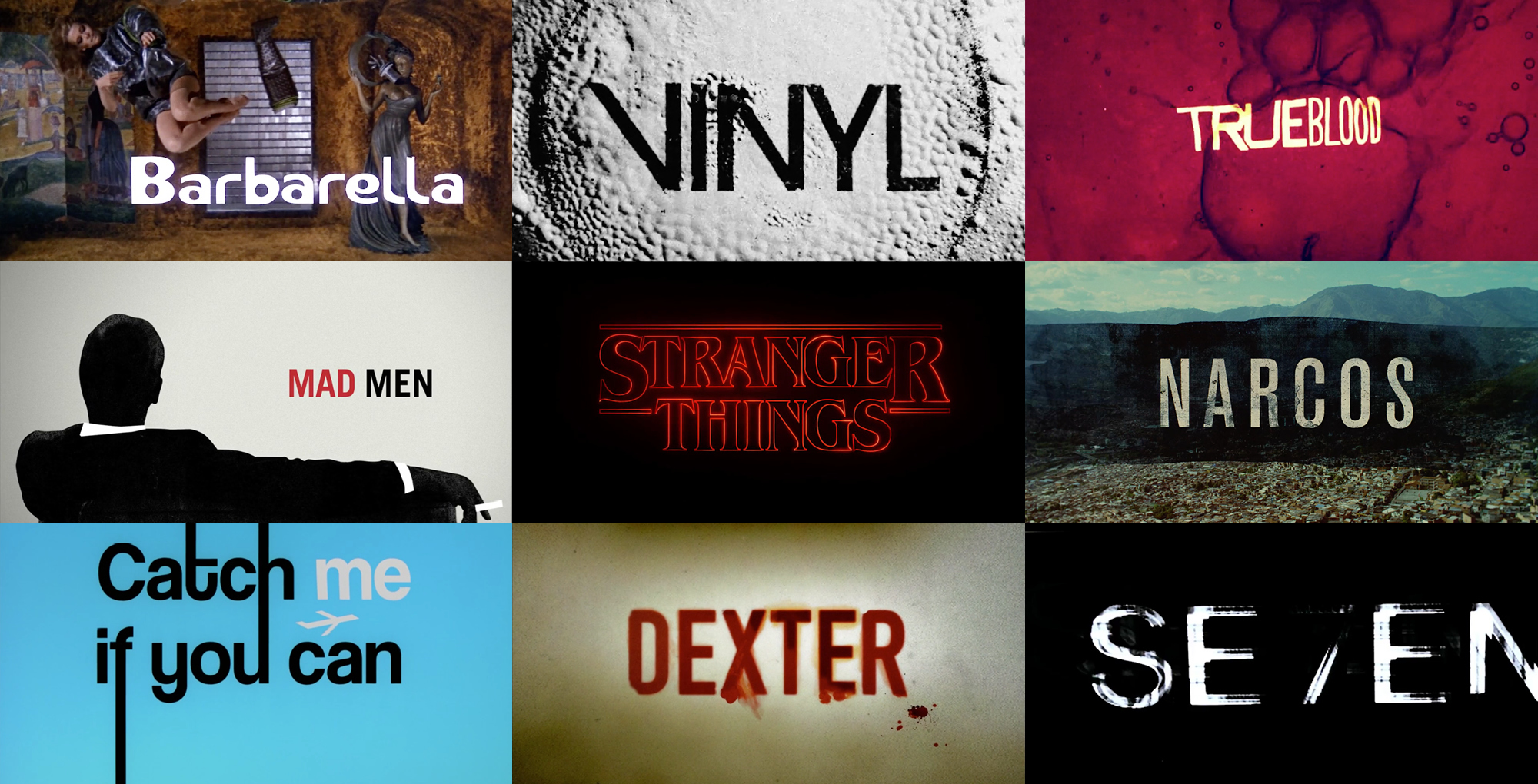
Get Inspired by 5 Great Film Title Designers
How I learned design principles from going to the movies
Before you ever see a movie or watch a TV show, it’s likely that a title screen from a trailer or poster art has gotten you there. As a UX designer, the art of the film title has always inspired me and shaped the way I think about branding and design. Here are the title creators (and one typographer) who have inspired me:
1. Saul Bass
Saul Bass is among the pioneers of title design. In 1955, his title sequence for Preminger’s The Man with the Golden Arm made him famous. He then went on to design for Alfred Hitchcock, Stanley Kubrick, and Martin Scorsese. His work showed that the first minutes of a film are of great importance. When played right at the beginning, titles serve as an overture, foreshadowing part of the story, mood, or theme. It’s a dramatic device that puts the audience in the world of the movie before they even start watching it.

Opening title sequences by Saul Bass.
Bass put it this way: “I saw the title as a way of conditioning the audience, so that when the film actually began, viewers would already have an emotional resonance with it.” It's helpful advice for anyone designing a title page, presentation, or home screen. With those elements, title designers prepare audiences for what they're about to see. “Try to reach for a simple, visual phrase that tells you what the picture is all about and evokes the essence of the story,” he said.
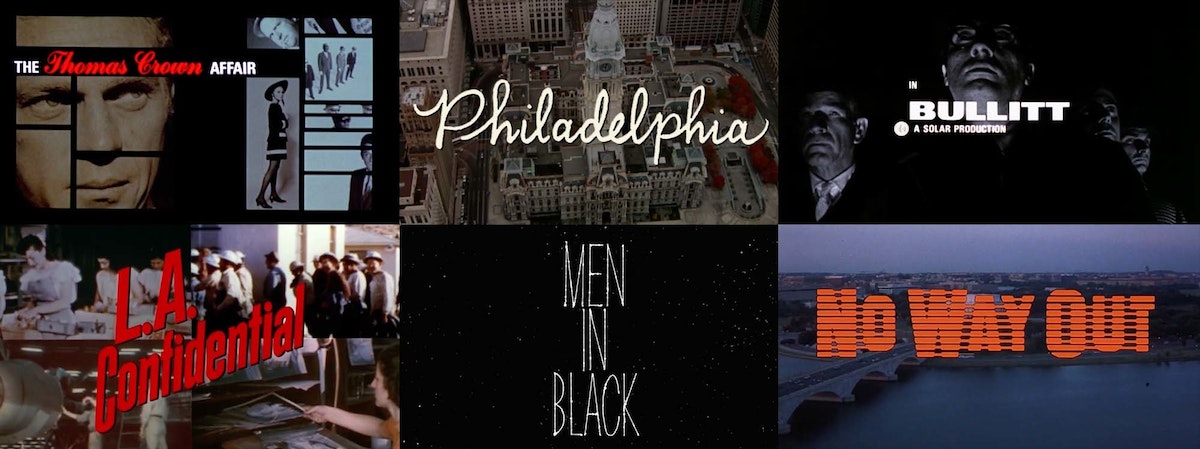
Opening title sequences by Pablo Ferro.
2. Pablo Ferro
One of Bass’s fellow title designers was Cuban-born Pablo Ferro, who has designed title sequences for more than 100 films. He taught himself animation from a book by Preston Blair, who worked at Walt Disney productions.
Title designers like Ferro put a lot into setting the right tone, time period, and scene for the story you’re about to see—and it all starts with font. Whether it’s custom or off the shelf, font conveys a certain character and builds the brand for a movie or show. Ferro loved hand-lettering and designed many of his own fonts. When Kubrick asked him to design the title sequence for Dr. Strangelove, Ferro chose to use a tall, thin lettering that he had scribbled in one of his notebooks so that it wouldn't obscure or distract from the underlying footage.
3. Maurice Binder
Having designed title sequences for 14 James Bond films, Maurice Binder created a signature style that used silhouettes and bold typefaces to evoke espionage and intrigue. In the opening sequence for Agent 007 against Dr. No, Binder established the famous gun barrel sequence, initiating the pop era of graphic design. Binder's work is a great example of how consistency of style and typeface help build a strong brand.
4. Ed Benguiat
Does the font EF Windsor Light Condensed look familiar? Maybe set in white on a black background, accompanied by some jazz music? Yup, it’s the signature opening for Woody Allen movies. Allen happened to have a conversation with typographer Ed Benguiat in a diner in New Jersey one morning, and Benguiat recommended he use the Windsor typeface for its warmth and friendliness. Allen loved it and used it for almost all of his titles from then on. Though Benguiat isn't technically a title designer, his fonts have been an influence on many.

5. Imaginary Forces
Typographer Ed Benguiat plays a role in our final example, too. Michelle Dougherty—of acclaimed design firm Imaginary Forces—ended up choosing his self titled font, Benguiat, as the primary typeface for the Netflix series Stranger Things. She chose it for its strong 80s appeal and ties to paperback novels from that era.
Then there was the matter of animating the logotype and adding sound and music to bring it to life. The Stranger Things title sequence shows how powerful and expressive type in motion can be. Flickering lights that imitate the optical process, morphing serifs, and the admittedly intense score convey that eerie feeling of mystery. The title sequence for Stranger Things was so well received, a couple of title generators and copycats popped up on the internet to imitate its style.
Opening sequence of Stranger Things designed by Michelle Dougherty with the Benguiat typeface.
To view a great selection of classic and contemporary title sequences head over to The Art of the Title.
Title sequences in the header image by Maurice Binder (Barbarella), Imaginary Forces (Vinyl, Stranger Things, Mad Men), R/GA (Seven), Digital Kitchen (Trueblood, Narcos, Dexter), and Nexus Productions (Catch Me If You Can).
Great movie titles permanently burn into our brains. Everyone can identify a James Bond film by its graphic overlays of babes and guns. And who could ever forget Star Wars’ opening crawl, how it scrolls back into space as John Williams' famous theme—da, dee dee da, dee dee da—echoes through the theater.

Thoughtless Acts: Headphone Helper
Thoughtless Acts: Headphone Helper. The intuitive ways we adapt and react to things in our environments
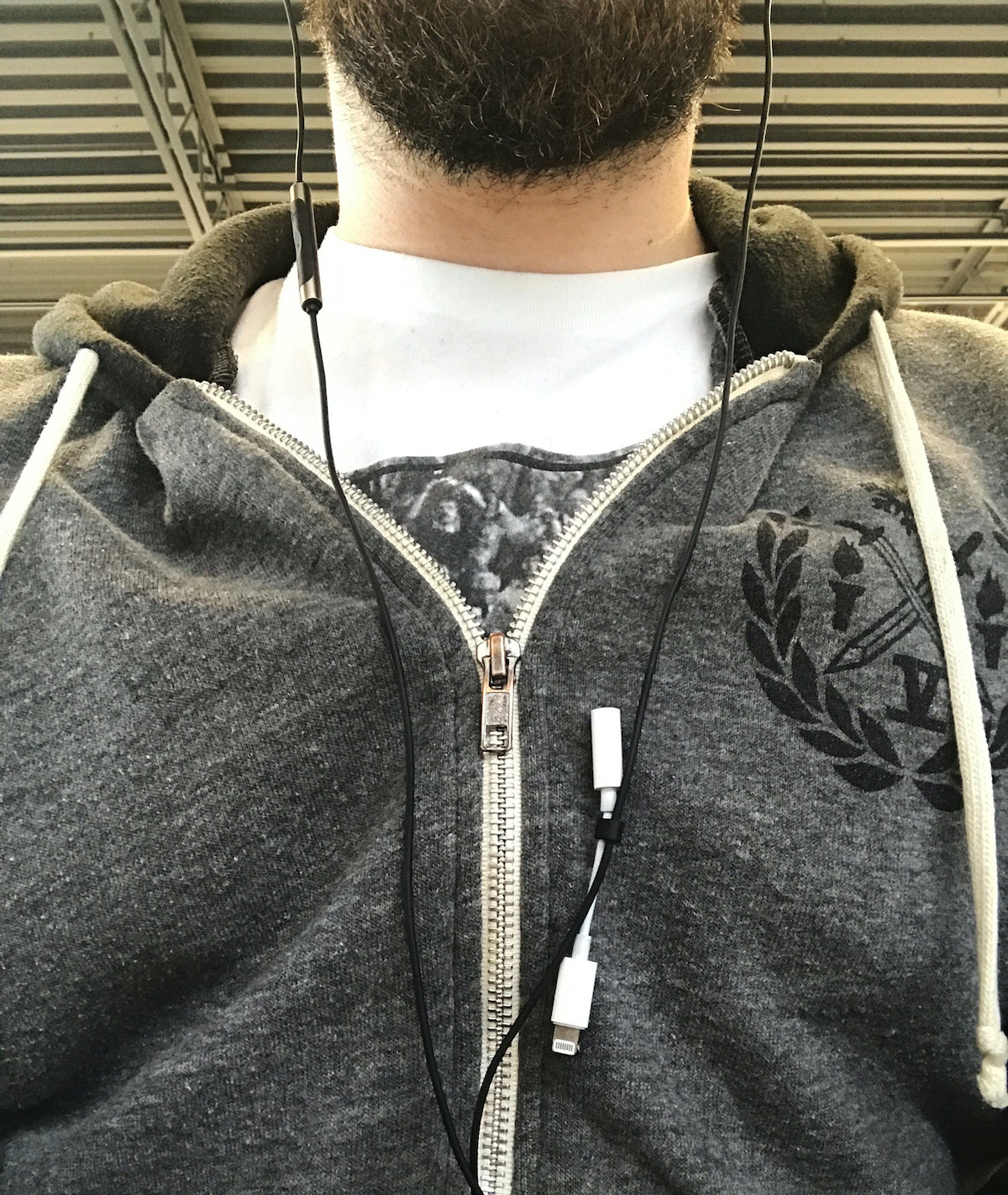
My coworkers recently called me out on a thoughtless act I'd been doing for months without even noticing. Not long ago, I upgraded my phone to a certain unnamed model whose designers decided to remove the headphone jack—meaning you either need Bluetooth headphones or an adapter. As a music nerd who is overly particular about the headphones I use, I wasn't ready to give up my trusty corded earbuds. But I also know that I'll inevitably lose said adapter, because I lose anything that isn't attached to my everyday carry. The catch? Everyday at work, I listen to music from my laptop, which uses a traditional headphone jack. I guess, subconsciously, I found a solution to avoid losing the adapter that was there all along: When I'm not using it, I clip the adapter into the rubber piece that's attached to the the earbuds to keep their cords together. I'm going on six months without needing to buy a new adapter. #Success.
Human-centered design requires us to observe human behavior with beginner's eyes, so that we can spot the innate ways people interact with the world around them. We call these intuitive and unconscious reactions Thoughtless Acts, and IDEO designers collect photos of them to inspire their work.

Lindsey Turner
I’m passionate about building brands, products, and experiences that help organizations show up with meaning and momentum.
I help organizations cut through complexity by shaping how they show up, through brand strategy, identity, and storytelling.
Working at the intersection of brand and business, I bring an editorial eye and a bias toward making—turning ideas into tangible experiences that people can understand, trust, and believe in.
My work spans government, healthcare, financial services, media, and consumer goods, from launching Gen Z-focused ventures to building innovation labs and reimagining legacy brands. I relish moments of ambiguity and enjoy translating across teams, perspectives, and priorities to move ideas forward.
I started my career in editorial and digital design, shaping cross-platform experiences and identity systems in publishing and agency environments. That foundation still shapes how I work today: I’m detail-oriented, collaborative, and overreliant on the Oxford comma. I hold a BFA in Visual Communication from the School of the Art Institute of Chicago.

Rachel Young
My work helps organizations see who their products aren't working for—and build the will and the tools to do something about it
For 25 years, I've asked the same question: Who does this design exclude—and what are we going to do about it?
My work spans human-centered strategy, inclusive design, and qualitative research, with clients ranging from Microsoft, Google, and Verizon to the National Science Foundation, and San Francisco Unified School District.
Before IDEO, I taught elementary school in East Palo Alto and spent a decade doing design work with social service organizations—where I learned firsthand what it costs people when systems are built without them in mind.
I am currently writing User Error, a nonfiction book about digital access and the design decisions behind it. I live in Oakland, California.

Brian Pelsoh
I lead with craft, ensuring our work is creatively excellent: rooted in deep human insight and imagination, while also grounded in the realities of business and technology.
My expertise spans brand, communication, and product design across tech, education, the arts, and social impact.
I believe great work demands both high-level vision and obsessive attention to detail, and only happens through collaboration.
I bring an inclusive, hands-on approach and a deep understanding of business, which enables me to consistently deliver excellence while always asking why.
Before joining IDEO, I worked at the brand firms Pentagram and VSA Partners. I began my career as a designer, leading teams at the School of the Art Institute of Chicago and the Milwaukee Art Museum. I hold an MFA in graphic design from Maryland Institute College of Art and a BFA in communication design from the Milwaukee Institute of Art & Design, and have taught at some of the best design schools in the US.

Tony Wong
I am responsible for IDEO’s long-term success in China and working with clients to use design as a tool to enable growth.
I am responsible for IDEO’s long-term success in China and working with clients to use design as a tool to enable growth. Specifically, I have helped Chinese companies design holistic brand solutions through the development of their products, communication, services, and innovation teams, and I have helped multinationals expand their presence and influence in China.
I advise global leaders on developing China-led innovation and capabilities.
In over 15 years in IDEO Shanghai, I have worked on projects that use design to elevate the quality of the experience of healthcare products and services, streamline processes that increase productivity, create spaces and programs that promote and enable inclusive communities, and build next generation mobility solutions that are planet-positive.
Before joining IDEO, I worked at Philips Electronics and the Electrolux Group in Italy, the Netherlands, and Singapore on a number of breakthrough commercial products. I am a member of the Young President Organization in Shanghai.

How to use AI as an editor, not a writer
Ed White shares how he uses AI as an editor—not a writer—to sharpen storytelling, rehearse ideas, and preserve the productive friction that makes creative work better.
Ed White has a rule he's tested on his own writing: hold yourself as the writer, and let AI be your editor. Ed is a Senior Design Director at IDEO's London studio, where he co-leads the firm's AI portfolio across Europe. Before IDEO, he spent 12 years as a writer and editor at the Financial Times, Wired, and Contagious. So when he talks about when to use AI for storytelling and when not to, it comes from two decades of crafting his storytelling skills.
In this episode, Mina Seetharaman talks with Ed about two specific tools he uses to keep AI in an editor's seat: a "roasting agent" prompted to critique his drafts without any sugarcoating, and a simulated audience he rehearses pitches on before the real thing. They also get into what Ed is hearing from design leaders at Anthropic, Lovable, Shopify, and Google Creative Lab about how creative work is changing, and why he thinks the friction of writing something yourself is worth protecting rather than automating away.

Building a personal AI for the messiness of life: Sida Li
Becca Carroll talks with Cue co-founder Sida Li about designing a personal AI for the messiness of everyday life—not just work. They explore how Sida stays anchored to human needs while navigating fast-changing technology, product tradeoffs, business-model experimentation, and the realities of building an AI company today.
Most AI products today are built for work—a space with clear problems and established systems. One founder noticed a gap: personal life is messier, harder to systematize, and mostly left behind by the AI boom. So she built Cue, a personal AI that lives inside iMessage and group chats, to go where the other tools haven't.
In this episode, Becca Carroll, IDEO's Chief Strategy Officer, talks with Sida Li, co-founder and CEO of Shared Context Lab, about staying anchored to a human need while the technology around her keeps changing shape, why she treats her business model with the same rigor she'd bring to a product, and what it feels like to build a company at this particular, disorienting moment in AI.
The conversation also gets into how Sida makes design decisions: the language Cue uses to describe itself, the tradeoffs behind building inside iMessage instead of a new app, and a real story about a business idea that didn’t pan out.
This is the second in a two-part series profiling founders from IDEO's Startups-in-Residence program. The first conversation is with Johannes Seemann, founder of Sooner, on designing GenAI for the emotional side of money.

Designing GenAI for the emotional side of money: Johannes Seemann
Designing financial tools around the feelings that shape money decisions.
Most personal financial tools are built to run the numbers and optimize towards a budget. While that works for some, most people experience money as a lived relationship that does not neatly fit into a spreadsheet. Johannes Seemann and Becca Carroll discuss why money is emotional before it is mathematical, and what a human-centered approach to building a generative AI financial product looks like in practice.

The curious leader's edge in uncertainty: Scott Shigeoka
How genuine curiosity helps leaders navigate uncertainty with greater confidence.
Mina Seetharaman talks with Scott Shigeoka, author of Seek and Head of Curiosity Cultivation at the Eames Institute, about what distinguishes genuinely curious leadership from performative curiosity, how power dynamics shape curiosity, and why practicing curiosity can restore energy rather than drain it.
Looks like you might be in search of something very specific?
Or reset the filters above and try another angle.
Here’s some random inspiration

Podcasts about creative leadership

Articles about the power of prototyping









































.webp)