
.svg)


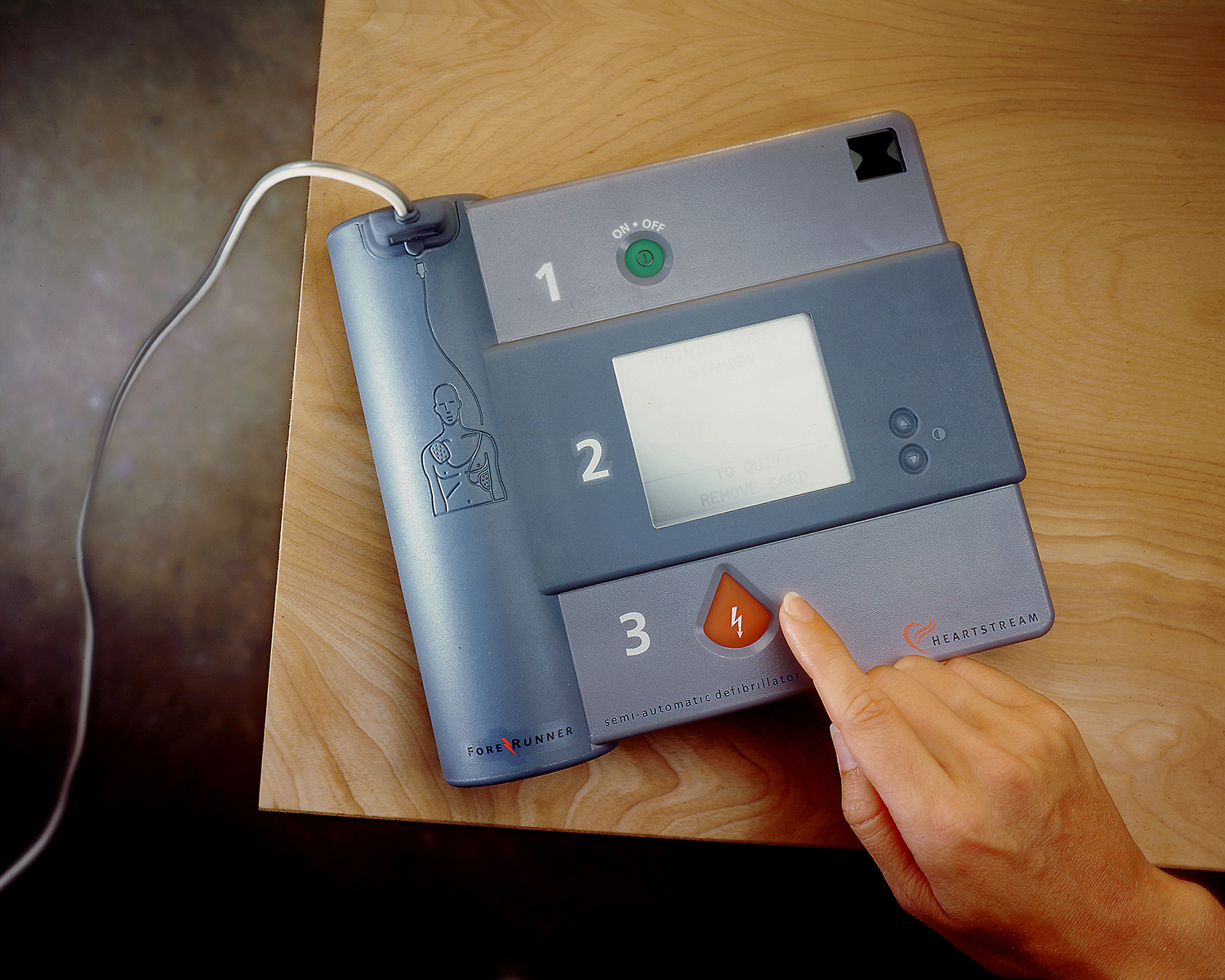

A portable, life-saving defibrillator
Designing a complicated device that’s affordable and transportable.
As many as one-third of the 300,000 annual cardiac arrest fatalities in the US could be avoided if defibrillation was applied within minutes of the cardiac event.
Working with Heartstream, IDEO tested the effectiveness of alternative defibrillator configurations with different users to help develop a highly mobile and easy-to-operate product. Heartstream systematically refined the concept with the goal of making its defibrillators affordable, transportable, and as ubiquitous as fire extinguishers.
(This device is now manufactured by Philips.)
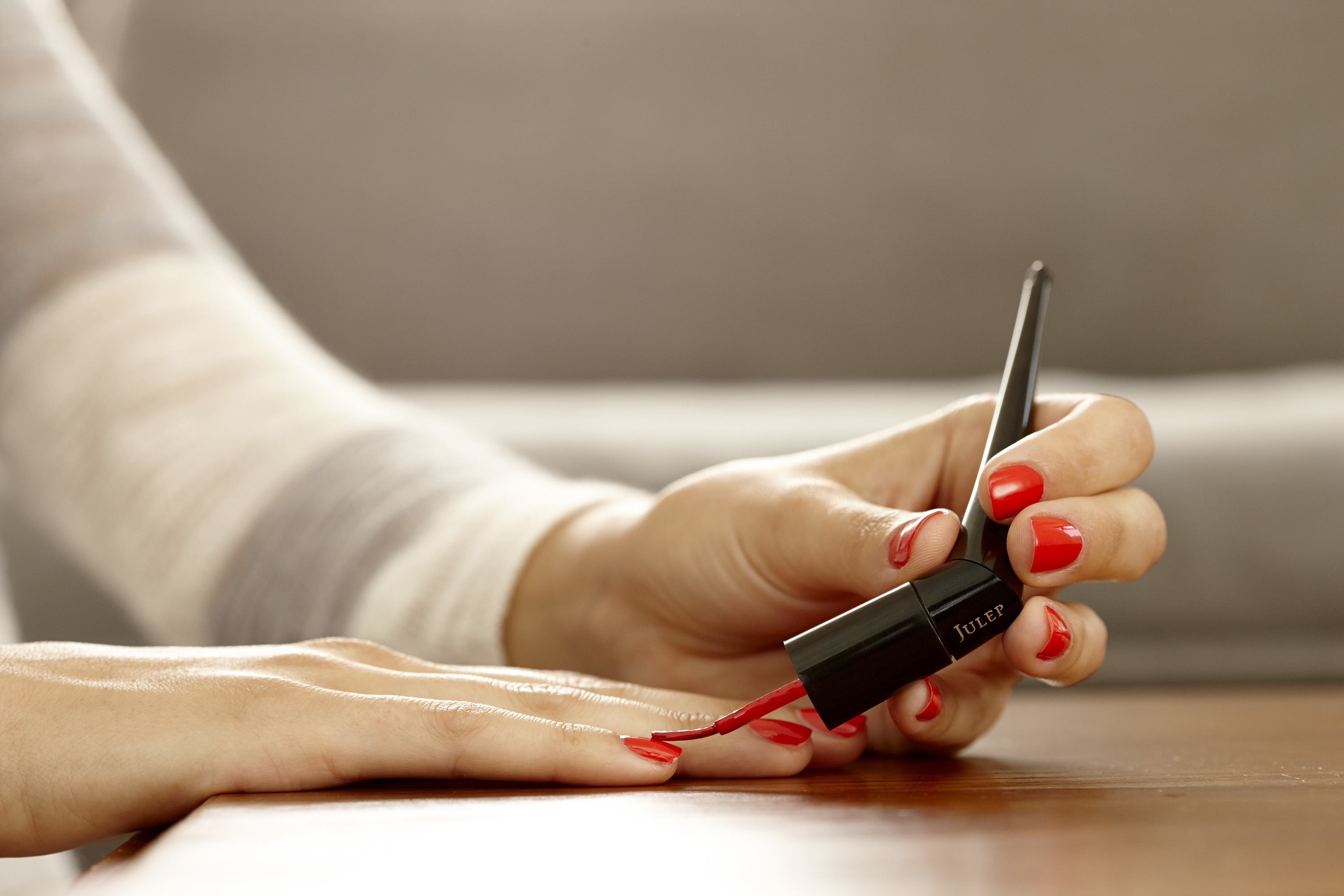
A new venture changes the way we polish nails
Redesigning the nail-painting experience for both hands.
Julep, a fast-growing beauty brand, noticed a problem that has vexed generations of nail polish users: The wand on the bottle is awkward and clumsy to use.
After rounds of user research, IDEO and Julep came up with the solution: the Plié Wand. The elegantly tapered handle sits easily in the hand and connects magnetically with a wand finely calibrated for precision. And for maximum flexibility, it bends to rest gently in the hand, making it an ambidextrous instrument.
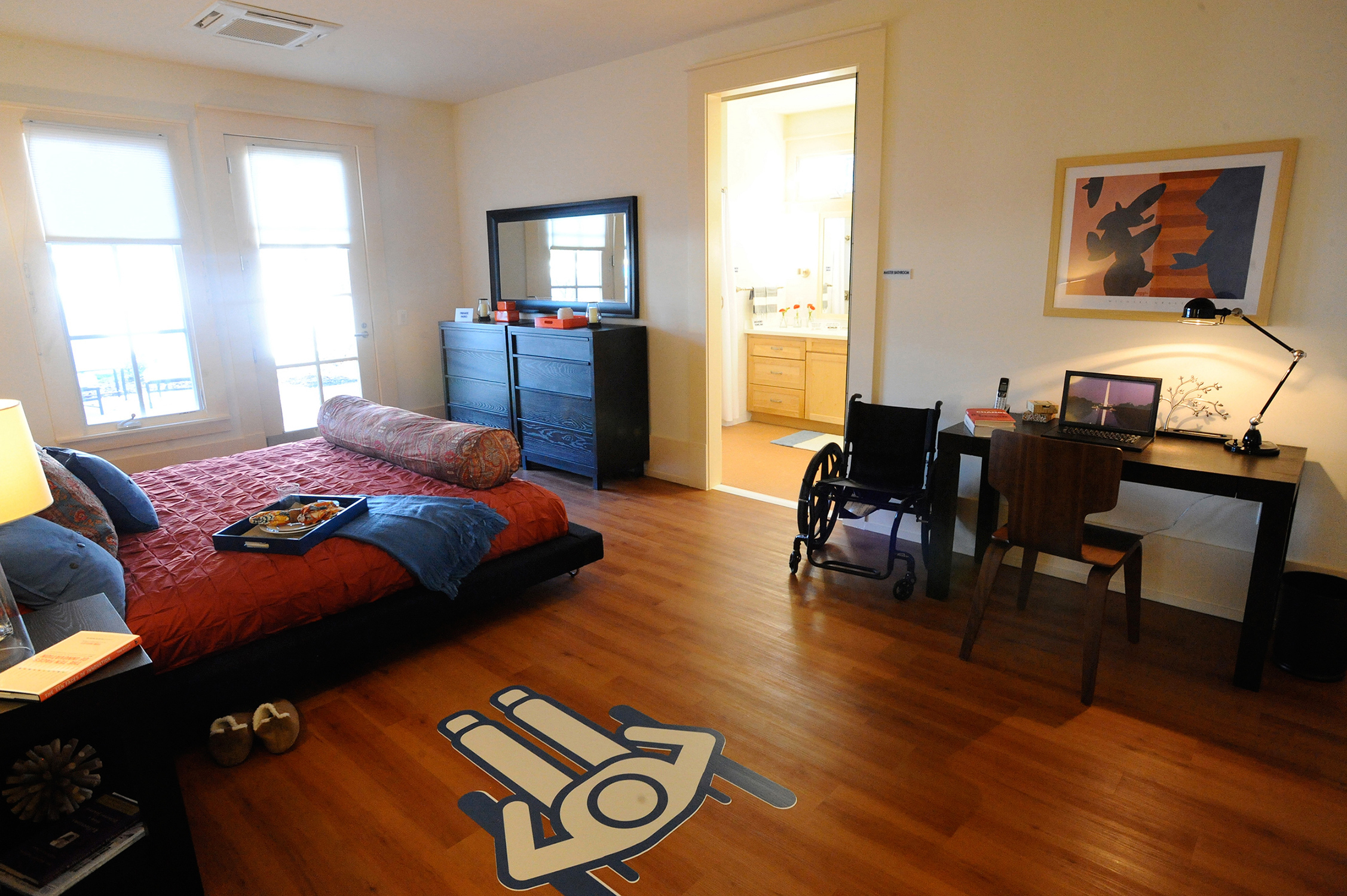
A new kind of home for disabled soldiers
Designing accessible homes for disabled US military veterans and their families.
Injured US servicemen and servicewomen returning from war must adapt to a home, finding workarounds to cope with their surroundings based on individual capabilities and preferences. Clark Realty Capital, a Virginia-based real estate firm that has partnered with the Department of Defense on more than $4.7 billion in privatized housing, collaborated with IDEO on a new model for building accessible homes on military installations.
Facing the challenge of visualizing and designing the ideal home for soldiers injured in the field, Clark Realty Capital and IDEO designed floor plans and amenities that would meet or exceed the Americans with Disabilities Act (ADA) standards and be versatile enough to accommodate varied physical and psychological needs. The IDEO design team took an in-depth look at accessibility issues, interviewing and observing civilians and injured soldiers, and asked questions that shed light on how active-duty service members resume civilian life after debilitating injuries. What could make their experience more dignified and healthy, and what might reconnect them with family, close friends, and the world? The team uncovered seven contrasts that defined the complex needs of disabled soldiers and their families, and used these as direction and inspiration for adaptable homes for specific physical, mental, and emotional needs that also fit into the context of everyday life.
The final deliverable consisted of the home design but also included a book and poster that featured floor plans, elevations, and interior renderings. A compelling video montage depicting three real-life military families in the context and challenges of their current homes further reinforced the goals of this worthwhile endeavor.
US Army Fort Belvoir and Clark Realty Capital unveiled the homes on November 30, 2011, in Fort Belvoir, Virginia.
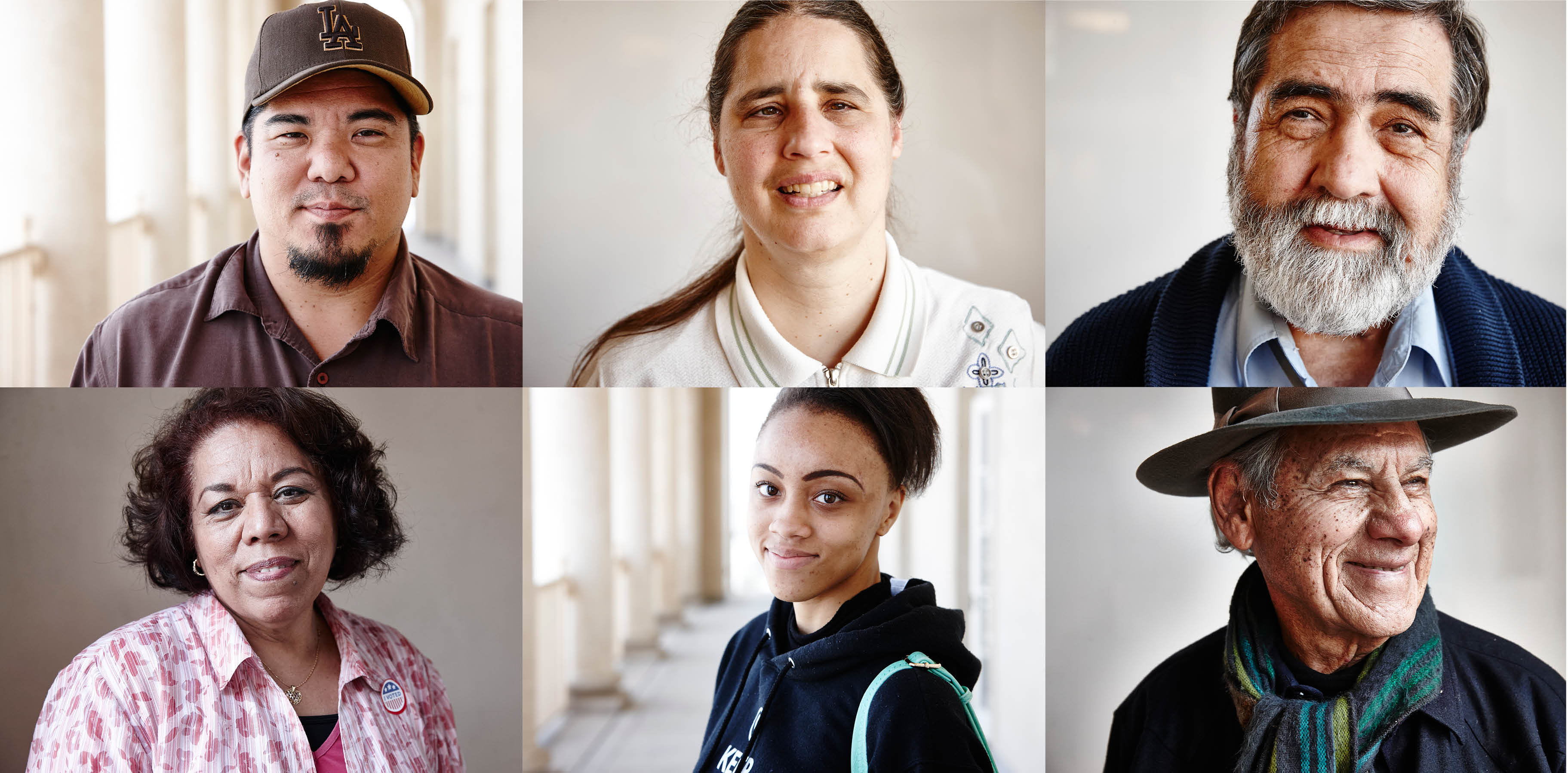
A new way to vote for the people of Los Angeles
An intuitive, accessible voting experience and ballot machine for every type of voter.
With nearly 5 million registered voters, Los Angeles County represents the largest voting jurisdiction in the United States. Guaranteeing every citizen the right to an accessible and intuitive voting experience has been the highest priority for the Los Angeles County Registrar-Recorder’s office, which oversees the election process.
To revamp its antiquated voting system that dates back to the 1960s, LA County hired IDEO to design the concept, look, and feel of its next-generation replacement, a modular system that could adapt over time. And just as important, one that would be designed, developed, and owned by the county.
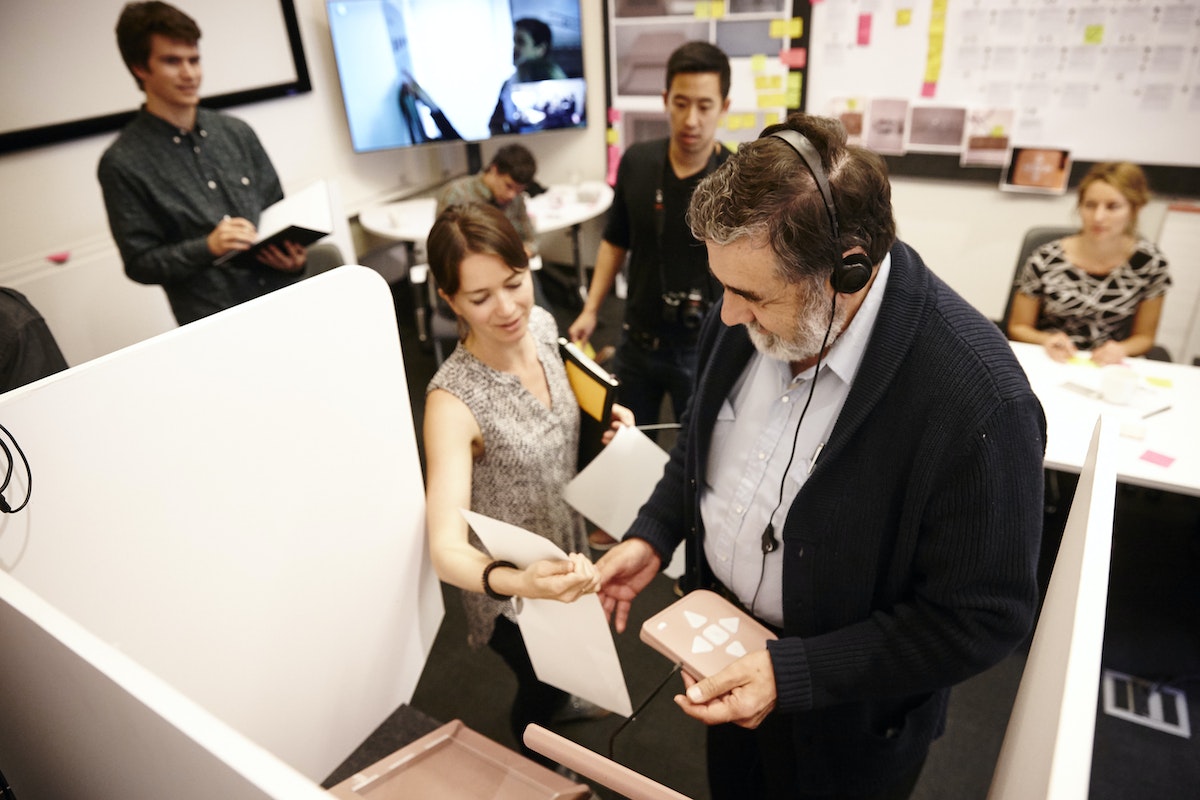
Working closely with LA County staff, IDEO designers created a voting system that addresses the complexities unique to that voter base, including its vastly diverse population and its myriad election laws and policies. It was imperative for designers to build a system that would be useful and accessible to all types of voters: those who are vision and hearing impaired, in wheelchairs, have learning disabilities, are unfamiliar with technology, speak languages other than English—voters of all ages and backgrounds.
Their goals: to create one device for equal access, to define a voting process that feels familiar to voters, balancing both emotional and functional needs, and to build a system that’s adaptable over time.
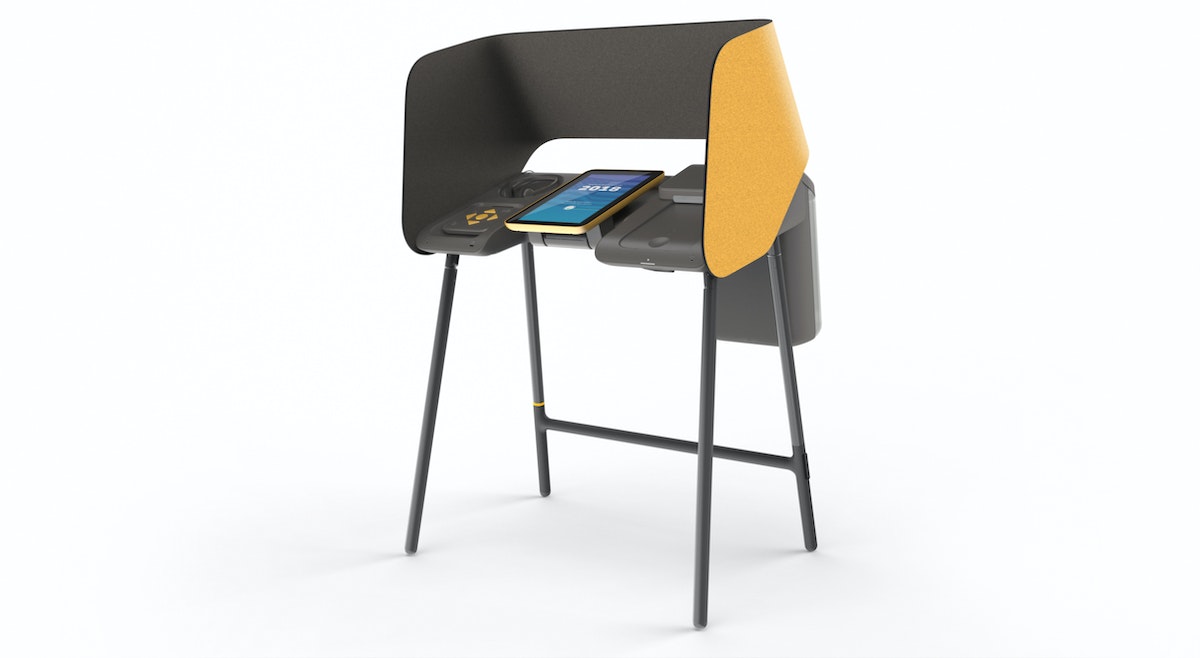
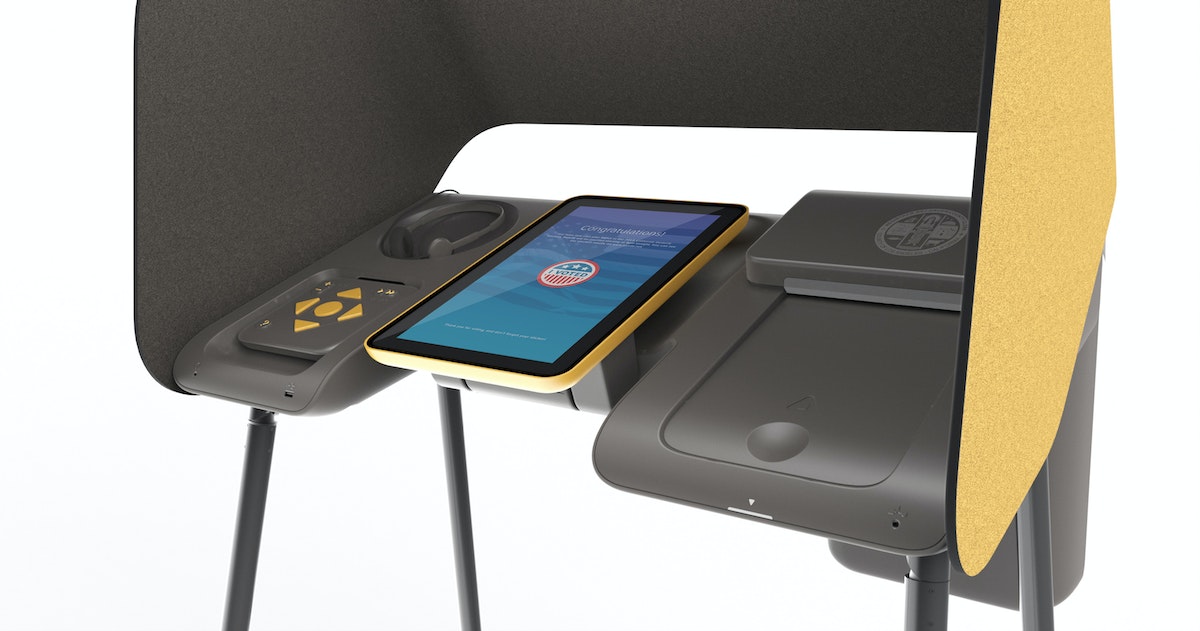
The resulting prototype, designed in collaboration with Digital Foundry and Cambridge Consultants, is a voting device that’s customizable for different user experiences. A touch screen allows any voter to easily navigate the ballot by advancing through different screens showing lists of candidates and ballot measures. For those with vision impairment or reading disabilities, an audio and controller experience guides voters through their options with a push of a few simple buttons. And voters who prefer to read the ballot in a different language—Spanish, Chinese, Korean, or any one of the 11 languages supported by the county—can choose their preference on the same machine. Once they’ve tapped in their selections on the device, they receive a printed paper ballot that goes into an integrated ballot box (the use of a traceable paper ballot is still mandated by law).
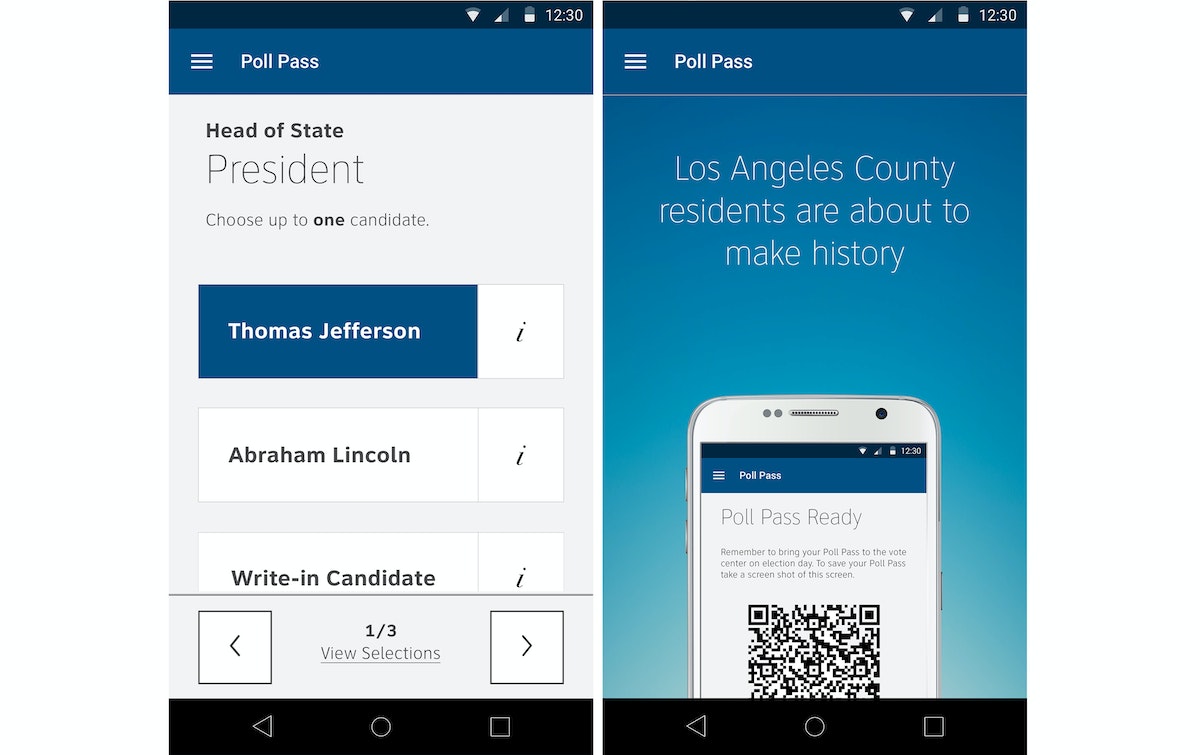
Just as we’re able to use our mobile devices to simplify our lives for everything from shopping online to fetching a taxi, the new prototype also allows voters to participate in the ultimate act of democracy with the same ease and accessibility. Voters can mark their votes on their cell phones when it’s convenient, then go to a polling station to transfer their selections from their phones to paper ballots, and cast their ballots in a ballot box.
It’s this convenience factor that officials hope will ultimately make the act of voting more meaningful. “As an election administrator, I can’t drive how exciting the candidates are or how controversial the measures are,” said Dean Logan, LA County’s Registrar-Recorder and County Clerk, whose vision has driven this project. “What I can do, though, is drive a voting experience that’s appealing and that makes you feel the actual weight of the significance of casting a ballot. To be able to go to any location that’s convenient to you, I think adds to that sense of intrinsic value to the voting process. It makes it feel like I’m participating in something that’s meaningful and important, that’s consistent with the way I do other things in my life.”
Once the bulk of the work was completed in June 2016, IDEO handed off designs to the county for execution. IDEO has continued to advise the county and its implementation partners on an as-needed basis to ensure the original intent of the designs—to create a deeply human-centered voter experience—are incorporated during the implementation phase. LA’s new voting system, which rolled out in 2020, has the potential to influence how other counties across the country update their outdated systems.
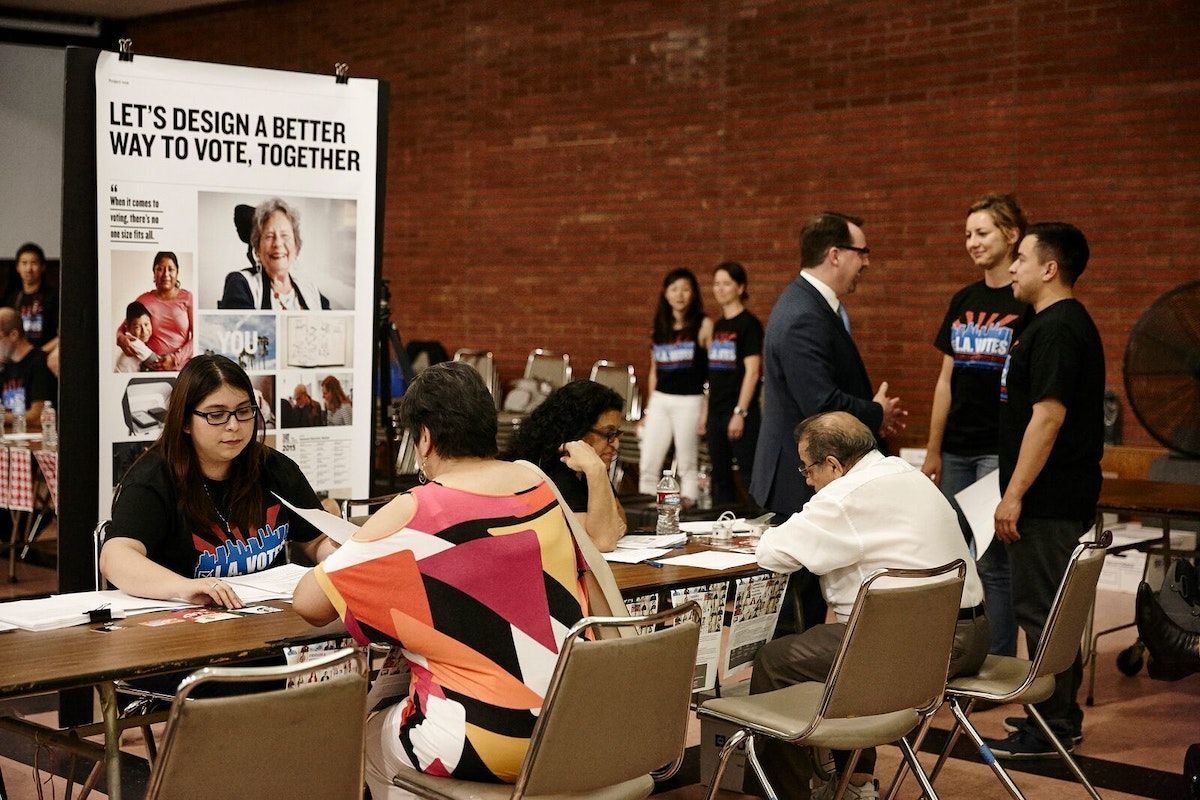
VIDEO: Democracy By Design, interviews with designers, researchers and Los Angeles County staff. Produced by the Los Angeles County Registrar/County Clerk.

5 Mindblowing Things We Heard at SXSW
Our pick of the techfest's best panels, people, and provocations
1. "85 percent of cancer can be cured in the next five years."
—Dr. Sanjay Patil
The health care industry missed the PC and internet revolution, but they won't miss the big data and analytics revolution, said Dr. Sanjay Patil, chief medical informaticist at MDLIVE, and John Sculley, a board member. According to the American Medical Association, 75 percent of in-person visits could be handled virtually. But they cautioned that it took 10 years for people to get comfortable with online banking and ATMs. Still, Patil and Sculley believe genomics and precision medicine will trigger massive shifts sooner than we might think, and had some very hopeful predictions. —Betsy Fields Smith, senior design and research lead
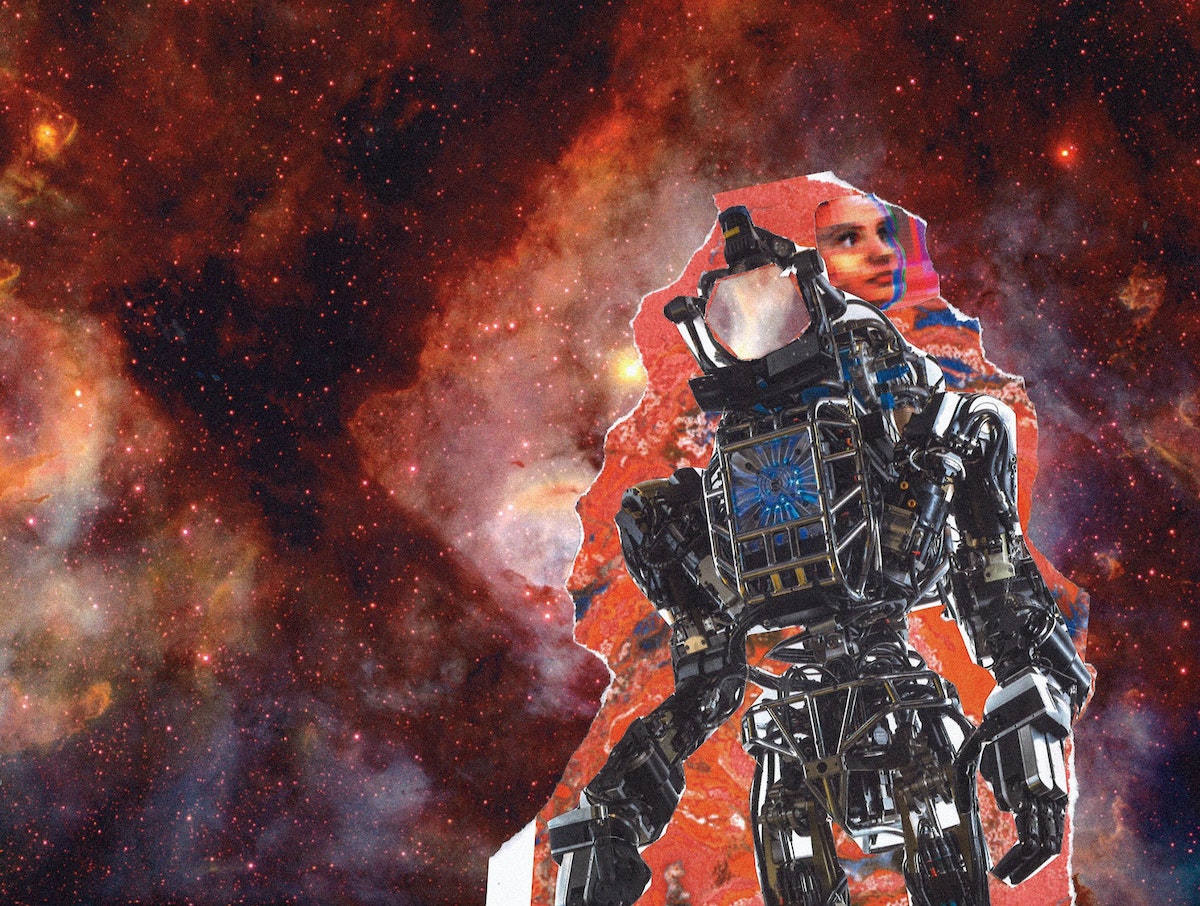
2. Robots would be smarter if we didn't interrupt them.
If we want robots to learn from us, we have to design them with the human capability of expressing their intent and emotion said Panellists Leila Takayama, senior UX researcher, Google[x]; product designer Nuri Kim, Fellow Robots CIO Thavidu Ranatunga, and Stanford Center for Design Research executive director Wendy Ju spoke about
For example, a robot often learns that a door is a door by staring at it for hours on end. If a person walks in front of a robot while it is learning, this can compromise the training session and hours of work. We need to design careful and intuitive indicators as to what state robots are in. If, for example, a robot was learning by staring at a door while scratching its chin or tapping its forehead, it would serve as a reminder to not interrupt their lesson.
This relates to work we are doing with autonomous vehicles. We will need to develop a new vocabulary of mobility through which vehicles and people can communicate. What sort of cues, both subtle and bold, have we come to expect drivers that help you anticipate their behavior? How might we thoughtfully design some of these cues into autonomous vehicles to make the future safer and more intuitive to move through? —Danny Stillion, partner/executive design director

3. The Jetson’s-style kitchen of the future is here.
The "kitchen of the future" technology exists and there are businesses being built upon it right now. We heard why in a panel called "From Palate to Plate: Defining a Taste Platform." It was framed as a panel about food data, but spoke more to how we interact with food today and might do so in the future, including replacement cycles for appliances, the lack of a portable “taste profile”, and so forth. We're thinking about these things at IDEO, too. Check out the Concept Kitchen 2025, work we collaborated on with IKEA.
While we've realized much of the Sputnik-era vision of the kitchen of the future, there's a fourth circle—system interconnectivity—that we need to start to consider. —Justin Massa, director of business strategy
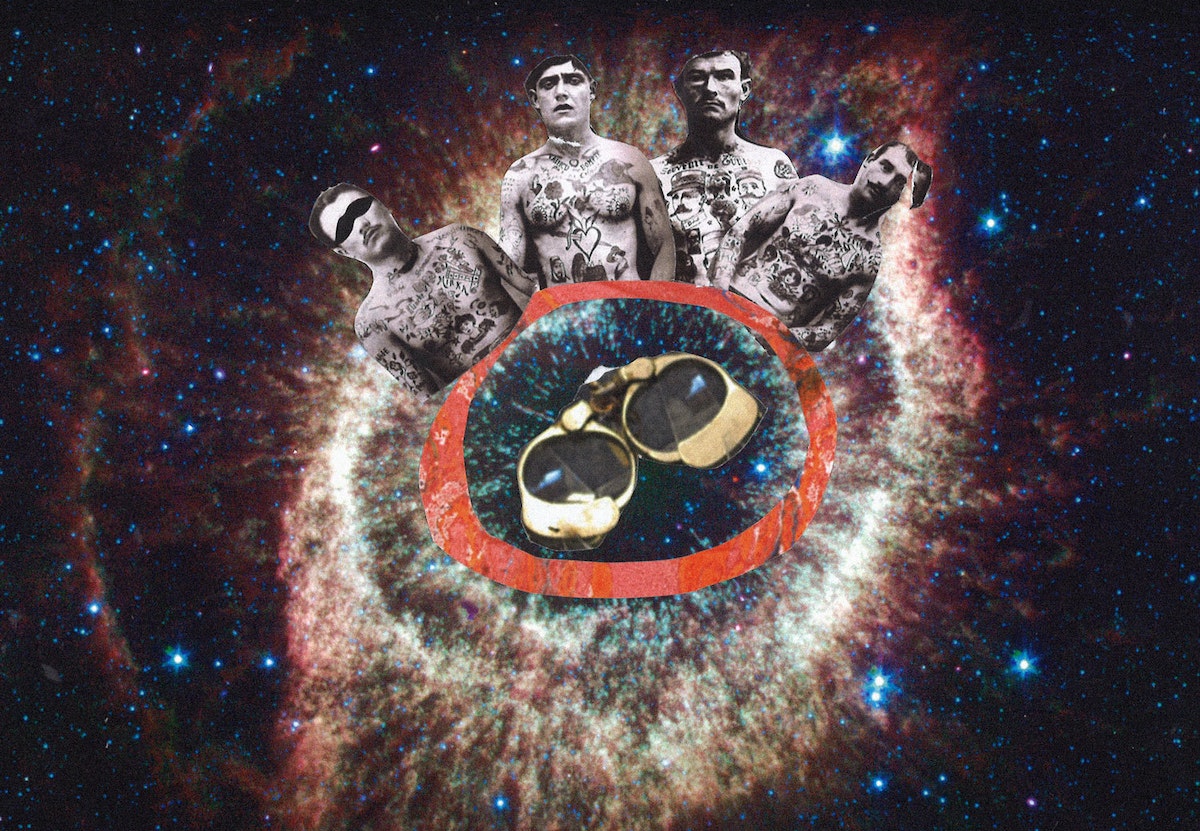
4. Data will reform our criminal justice system.
What does the rise of information design for a complex social problem such as criminal justice reform look like? There is a growing movement to use open, public data for political advocacy and reform. And yet, even with a wealth of data, we’re unable to design for more accurate, immediate, and actionable ways of using it.
This panel, made up of experts and innovators using data for policy reform and program development said the most vulnerable in the system—offenders and their families—could benefit from the use of more transparent and actionable data, such as preventing false confessions in interrogation or exonerating prisoners from false convictions with DNA testing. They also spoke about the power of predictive policing in cities, and protecting those who are re-entering civilian life with data privacy so that they can secure a job or a loan. —Yennie Lee, impact manager, IDEO.org

5. Virtual Reality may change your beliefs.
Unsurprisingly, there was a lot of hype around VR at SXSW. But outside of finding a second home outside gaming, the use cases I'm most excited about are empathy building, and overcoming trauma. VR can deliver sophisticated, deep storytelling that stays with you. It puts you very close to being in someone else's shoes.
Planned Parenthood is doing just that, showcasing its seven-minute film "Across The Line", which follows one woman's journey from her car to the abortion clinic as she confronts a sea of pro-life protesters. Some footage is live action, some animated, but the audio is a live recording from outside a clinic in Illinois. It’s upsetting. And it may just change someone's mind on this issue. —Karoline K, communications designer
Huge thanks to Karoline K for the illustrations in this story.
President Obama, the hyperloop, Wired's Kevin Kelly, Microsoft's HoloLens, Twitter's Biz Stone and, wait for it... Pee Wee Herman! Among the thousands of conversations at SXSW, it can be hard to separate the signal from the noise, so we asked IDEO's SXSW speakers to share their greatest hits. What they came back with—robots, genomics, VR, criminal justice, privacy—proves that design is going places it's never gone before.

3 Questions for Zach Hobbs
A short Q&A with Zach Hobbs, communication designer from IDEO Chicago
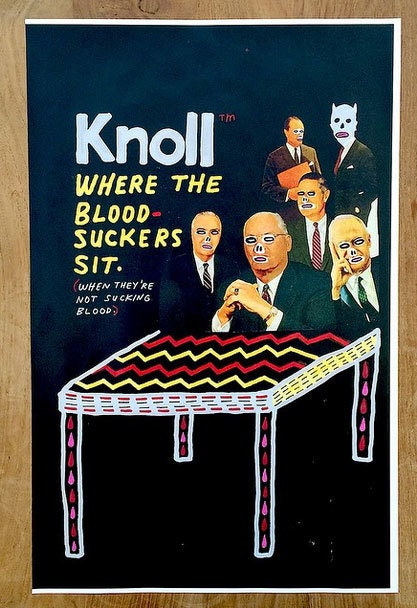
1. What inspired #clientwork?
I had been drawing for about six months, specifically for an art show, and I was sorta cashed and looking for the next rabbit hole. We hosted another Fortnight (our artist-in-residency program) in the Chicago studio, and I was really lucky to act as a mentor to C.M. Ruiz, from Seattle.
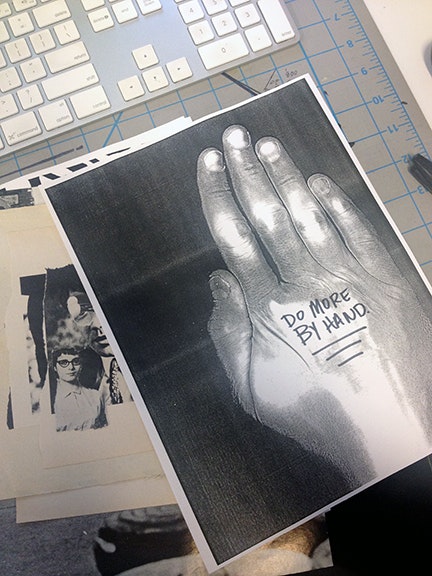
He is a Xerox machine master; he just makes incredible art with the most humble tools. We spent a lot of time just hanging out in the studio talking about art and making shit. It was a three-week jam session and I got super inspired and just started making the ugliest designs possible using only the Xerox and markers, paints, etc. FUN.
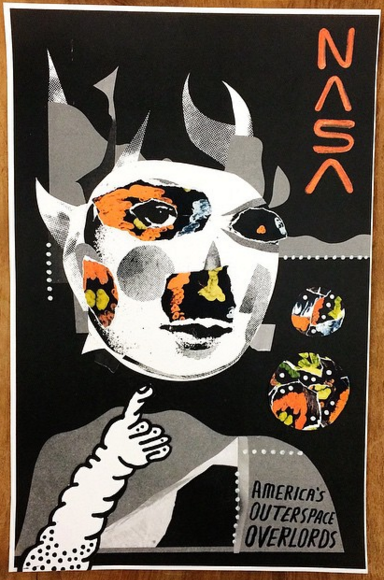
The Clientwork hashtag is just something that has bounced around in my brain for the past few years. We as makers, designers, artists, etc., often try to separate our lives into two buckets: the work we get paid to do (Clientwork) and the other, fun stuff. I really dislike that idea! I feel like the entire body of making should just be THE WORK, dig? My IDEO jams for Allstate or Chicago Fire or ConAgra should feed my weirdo artlife and my weirdo artlife should come with me inside project spaces.
Freelancer and IDEO contractor Kyle Fletcher has been influential in helping me learn this lesson, as he is constantly bouncing back and forth between design and art, yet it all feels very KYLE FLETCHER.
I tag things with #clientwork that obviously are not client work to (hopefully) push this idea. The idea of doing really dumb, silly, sometimes provocative ads for companies that aren’t paying me is scary. I’m making something and I think it looks AWESOME and I write NIKE or VANS on there because, to me, IT SHOULD BE A VANS AD. I suppose that part is my own little secret joke. No one knows if I actually like Nike or not, or if I eat Hormel Chili (I do, duh). It’s not like I’m tagging them super hard or trying hard to be seen by the brand puppet masters… but there’s something really frightening about half-assedly drawing a corporate logo on a terrible collage or drawing and sending it into cyberspace. I’ve told myself that I’ll either do this as long as it’s fun or until I receive a cease-and-desist. I actually sorta worried if anyone from IDEO was going to come down hard on me, but so far only a minor slap on the wrist that I deserved.
2. Does this work make doing your day job easier?
Easier is a strong word. DESIGN IS HARD, and I’m not taking the piss. Doing the daily art jams does help keep my brain active. I’m trying so hard to get in the zone and stay there. IDEO can be so stimulating sometimes that I find it hard to focus. Everyone knows what it’s like to get that precious two hours of heads-down time when you have to work FAST to get something on paper. Trying to think like a designer/artist 24/7 takes practice. It’s hard to be in the zone all day!
3. Name one artist or designer you consider unassailable and tell us why.
Ian MacKaye will never re-form Fugazi to play Coachella for millions of dollars. And for that I am very grateful.
If you're not following designer Zach Hobbs on Instagram, you're not truly living. The sheer volume of artwork he posts there and on his website makes us wonder how he manages to stay awake in the office. We asked him about a pleasingly tart series titled #clientwork (which is occasionally #NSFW).
The Day I Broke the Intranet
Cosmos-blasting innovation
I had just relocated to the Bay Area after five inspiring years at IDEO Chicago. The Chicago studio is a tight-knit family of roughly 70 or so friends, often known for taking extra moments out of our day to inspire, uplift, thank or prank one another in the course of the work we do.
The IDEO San Francisco mothership, however, is much larger; nearly 200 strong across four independent studios. As such, it can be difficult for a new guy to know exactly how our forgiveness in lieu of permission culture manifests itself across locations.
It turns out quite well, I found.
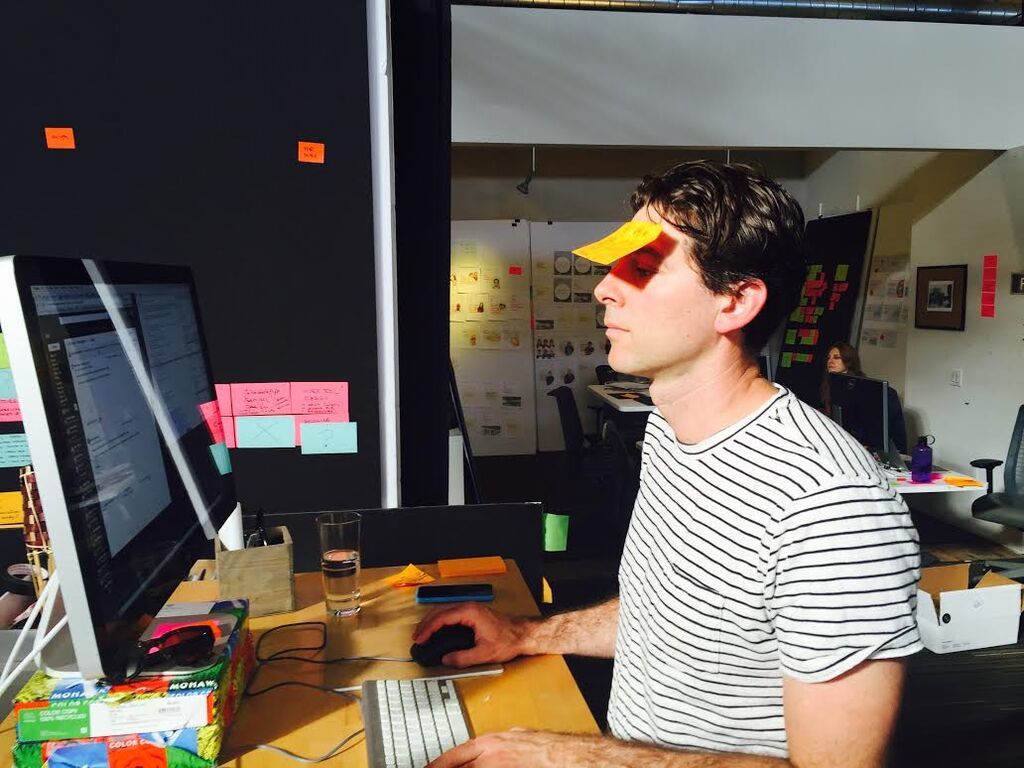
Nine days into my tenure at IDEO SF, someone snapped a photo of Ethan, who had come up with a clever solution to shade his eyes from the passing sunlight as he worked (see above). The photo went out in an email to the entire location. The subject line: "Innovation".
If you're anything like me, you simply cannot see a photo like this without your mind beelining to Photoshop Battle. So, I made a few quick edits and offered up my reply-all:
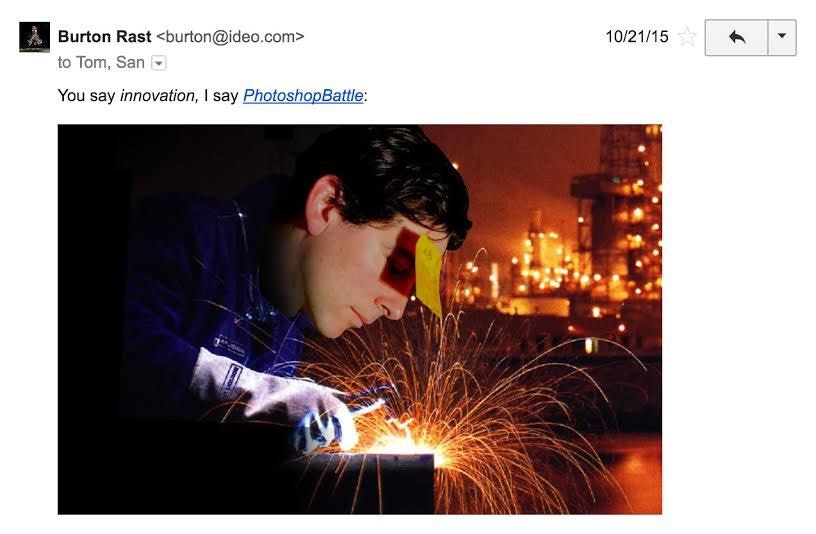
It would be an understatement to say that I succeeded in learning what I set out to about my new colleagues. When the dust had finally settled, the thread was comprised of more than 50 unique entries submitted over three days.
Check out some of our favorites, below:
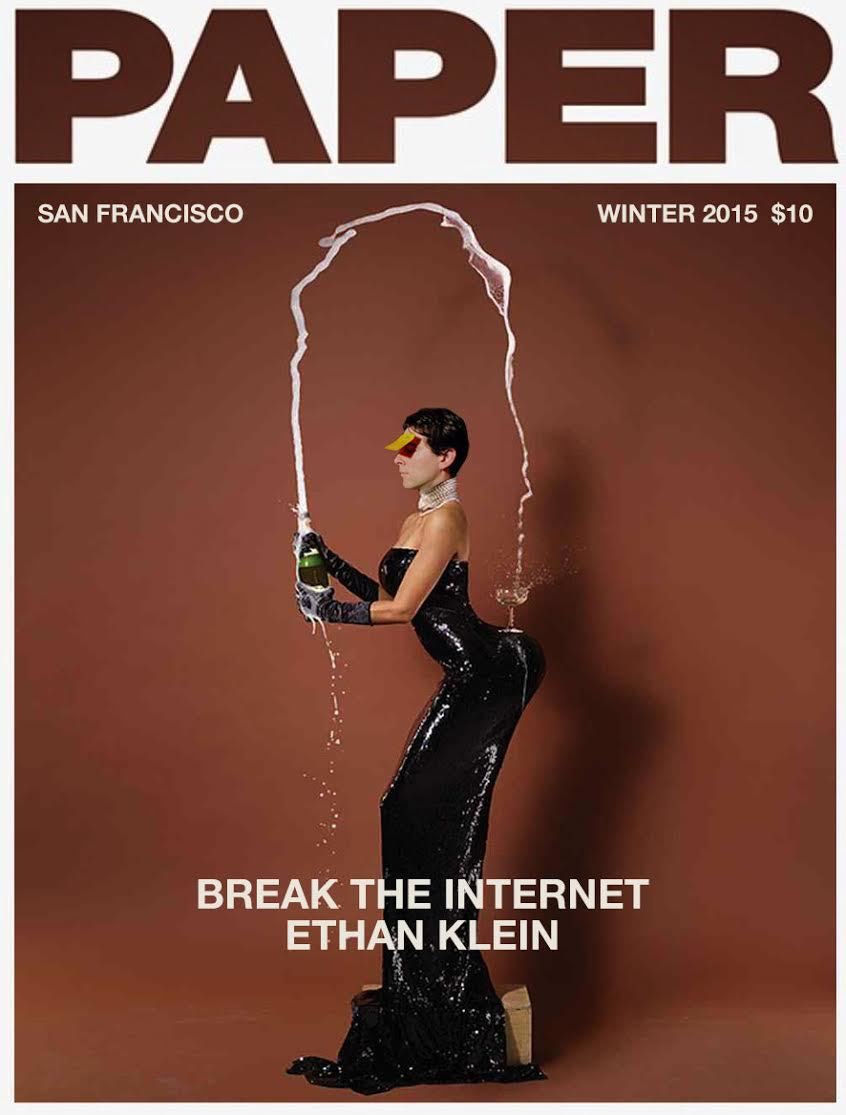
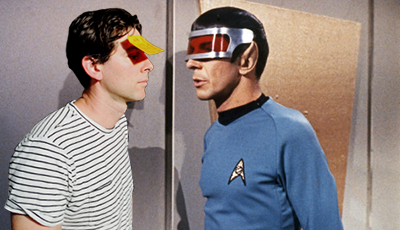
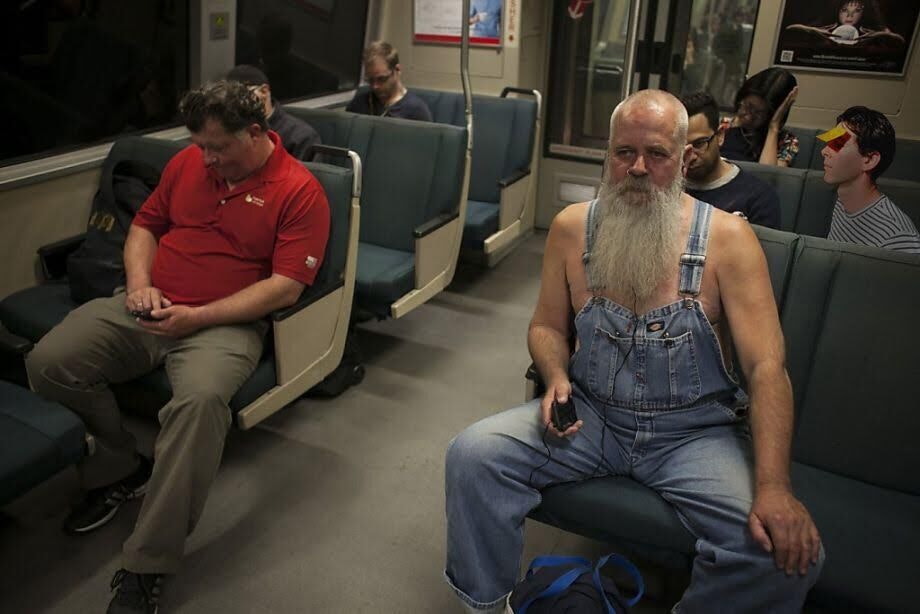
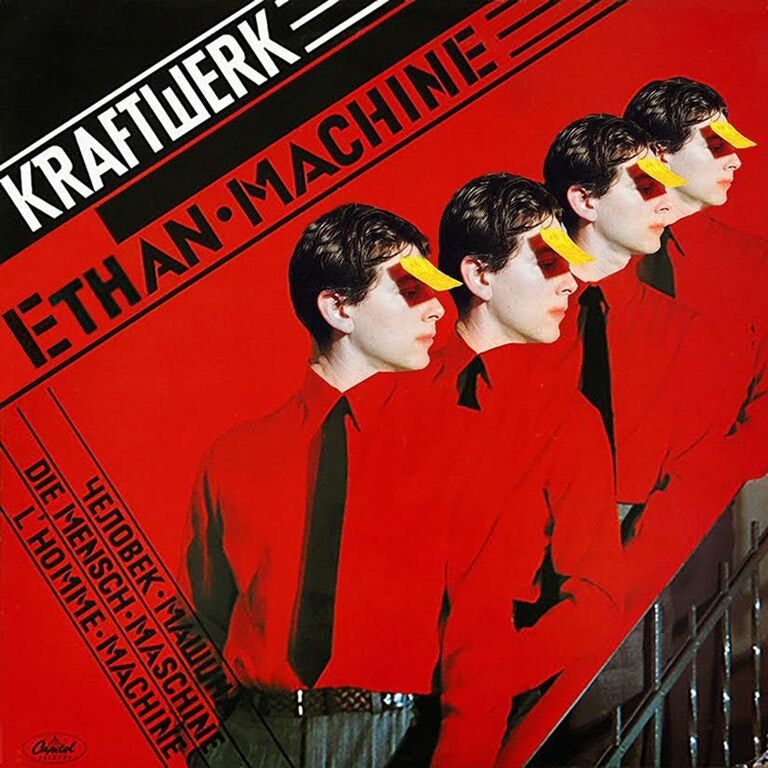
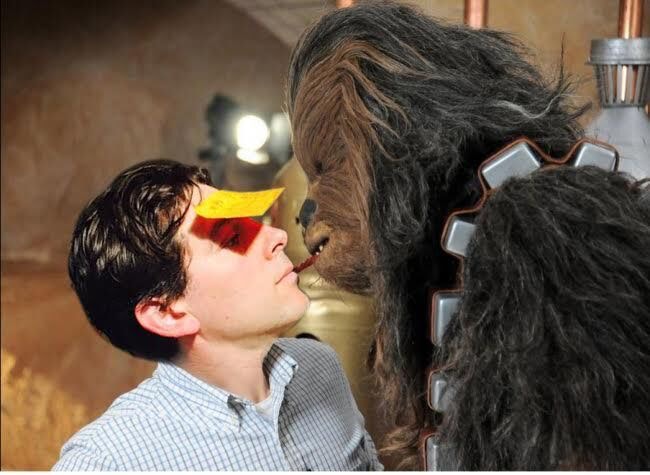
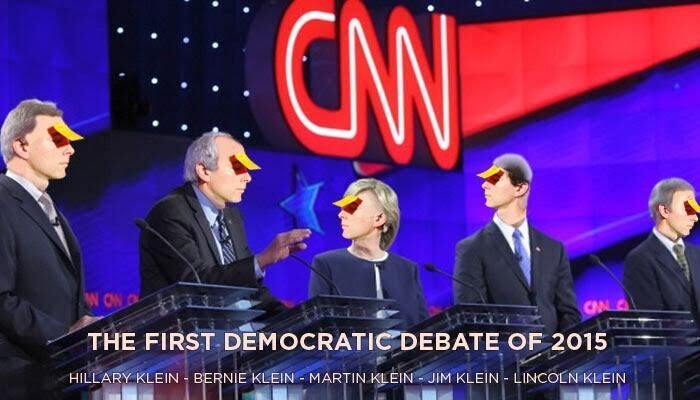


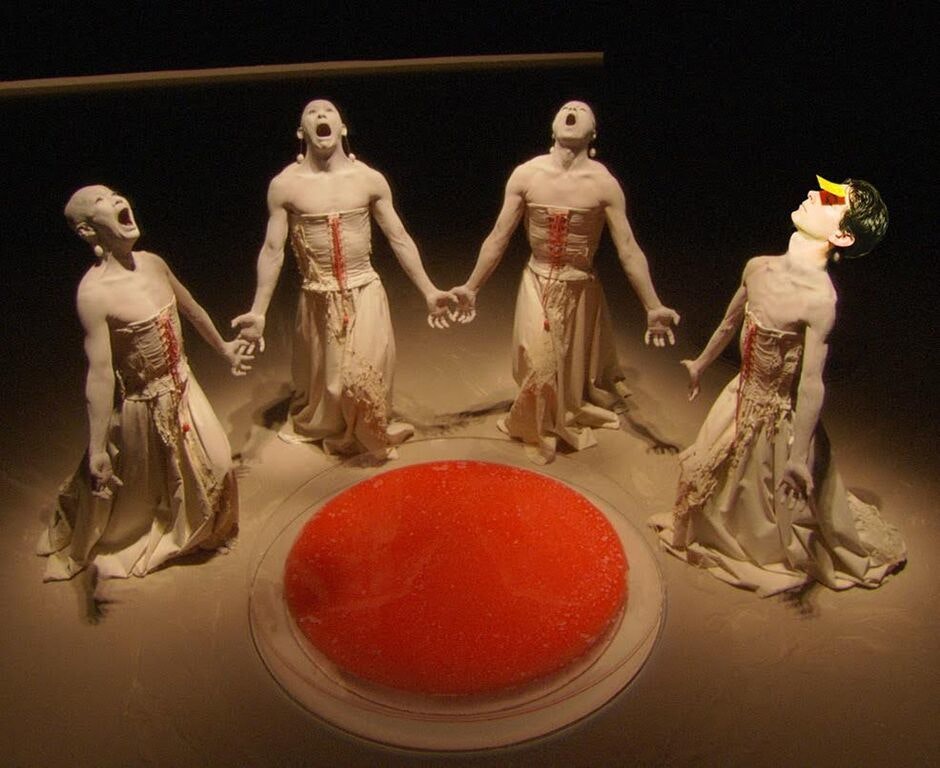
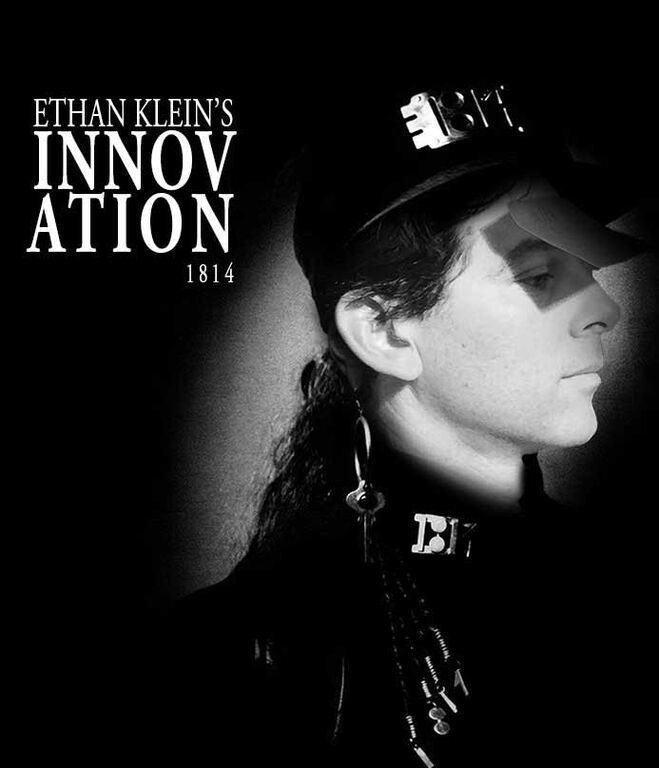
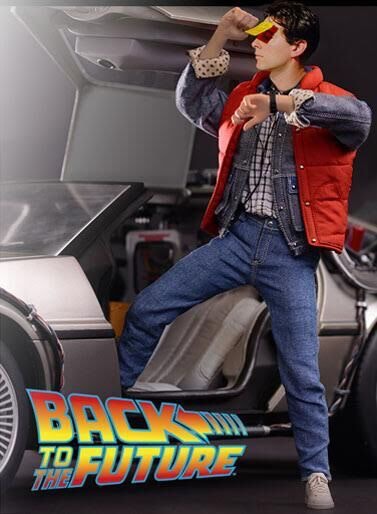
The original photo is on Instagram now. Share our glory.
I was barely into my second week at IDEO's San Francisco location when a particular opportunity to get to know my new colleagues presented itself.
.png)
Poster Children
How poster design at IDEO became a thing.
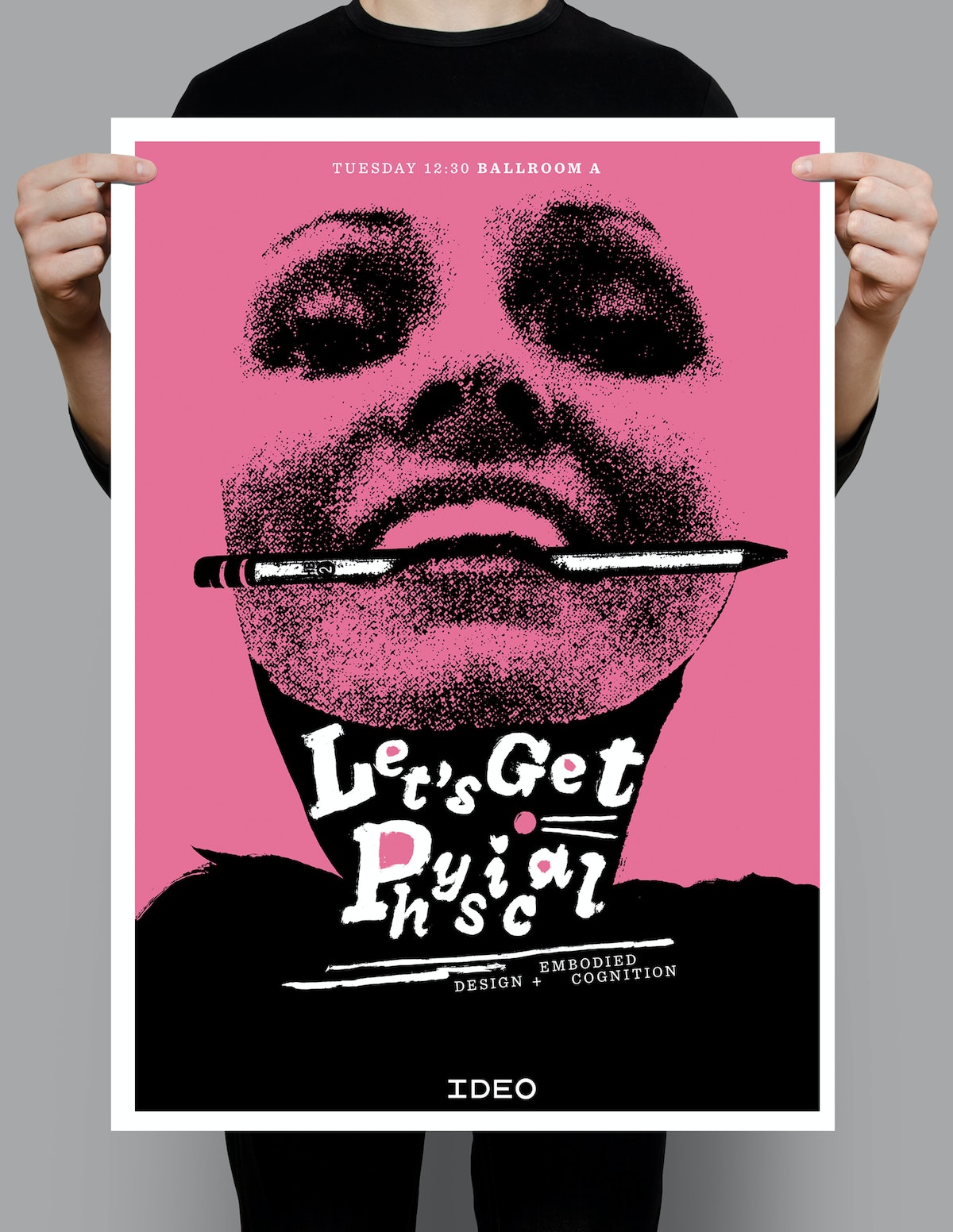
Less apparent to outsiders is the fact that the creative license that comes with making IDEO eye-candy serves a very important purpose: It’s an antidote to the intense and often prescriptive nature of designing for clients. Event posters allow us to stretch our legs, color outside of the lines, and take a new tool for a walk around the block. And in a collaborative culture that is driven by the “we” and not the “me”, these one-offs offer a rare moment in the spotlight for the artist.
Check out the entire collection on Pinterest.
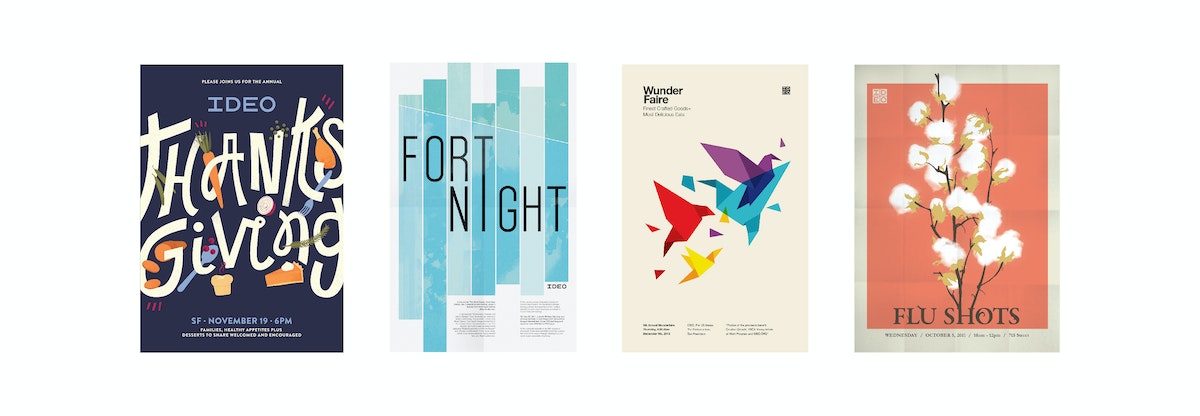
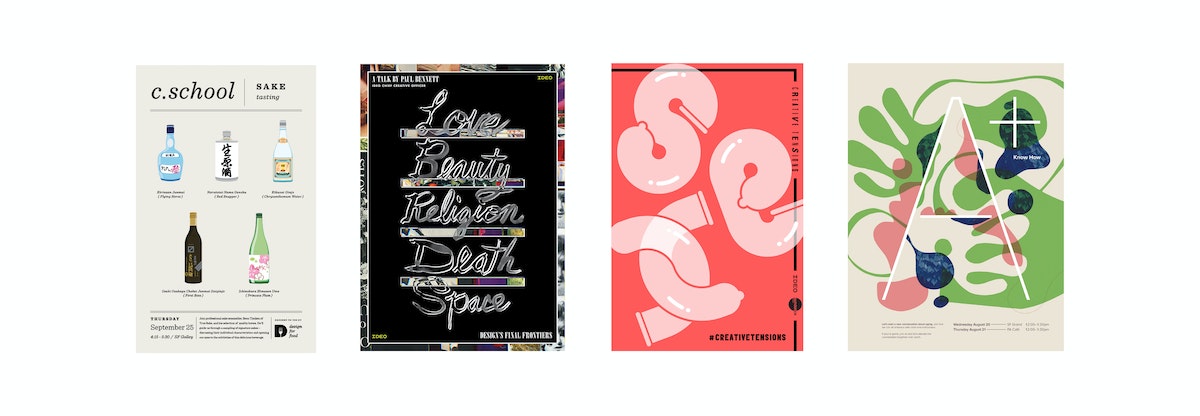
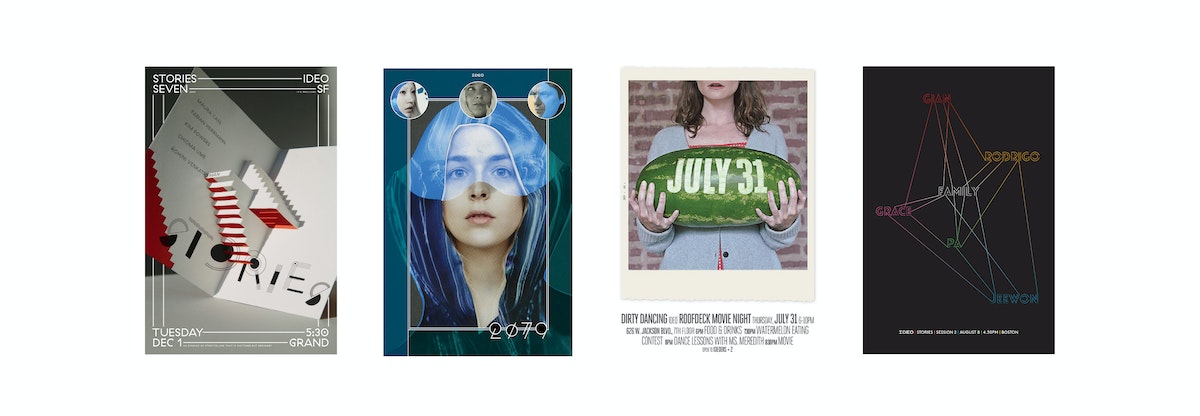
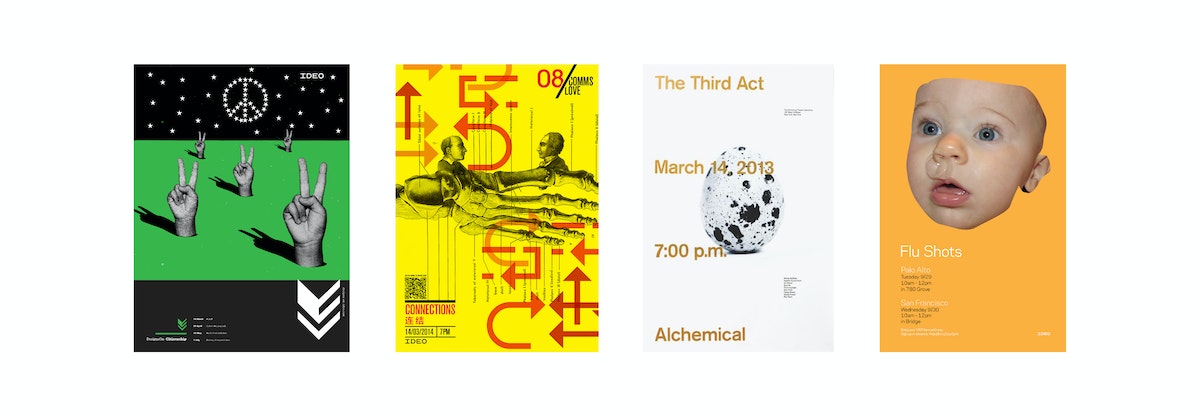
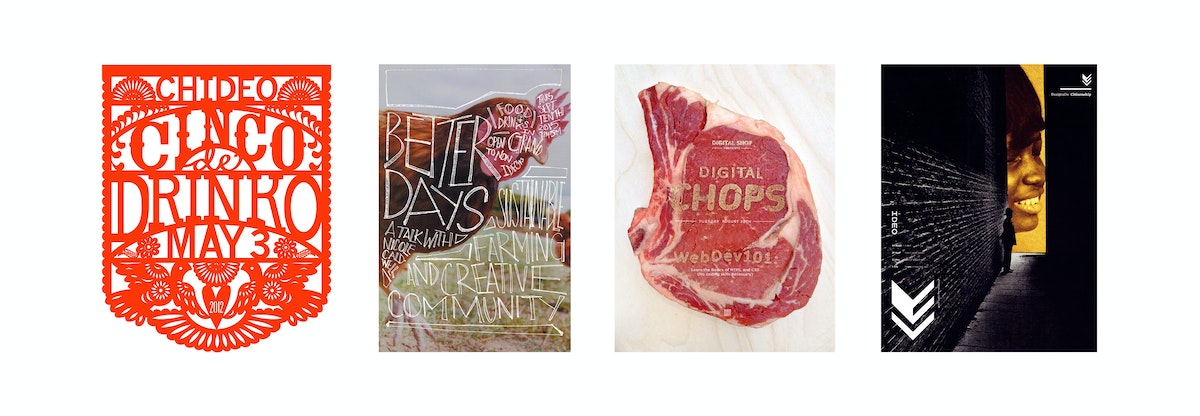
Be visual. It’s one of IDEO’s seven rules of brainstorming. Not too tall an order for those who are quick to start sketching when attempting to communicate pretty much anything. So when a special event gets dropped on our calendar, lots of hands shoot up volunteering to design a poster.

Lindsey Turner
I’m passionate about building brands, products, and experiences that help organizations show up with meaning and momentum.
I help organizations cut through complexity by shaping how they show up, through brand strategy, identity, and storytelling.
Working at the intersection of brand and business, I bring an editorial eye and a bias toward making—turning ideas into tangible experiences that people can understand, trust, and believe in.
My work spans government, healthcare, financial services, media, and consumer goods, from launching Gen Z-focused ventures to building innovation labs and reimagining legacy brands. I relish moments of ambiguity and enjoy translating across teams, perspectives, and priorities to move ideas forward.
I started my career in editorial and digital design, shaping cross-platform experiences and identity systems in publishing and agency environments. That foundation still shapes how I work today: I’m detail-oriented, collaborative, and overreliant on the Oxford comma. I hold a BFA in Visual Communication from the School of the Art Institute of Chicago.

Rachel Young
My work helps organizations see who their products aren't working for—and build the will and the tools to do something about it
For 25 years, I've asked the same question: Who does this design exclude—and what are we going to do about it?
My work spans human-centered strategy, inclusive design, and qualitative research, with clients ranging from Microsoft, Google, and Verizon to the National Science Foundation, and San Francisco Unified School District.
Before IDEO, I taught elementary school in East Palo Alto and spent a decade doing design work with social service organizations—where I learned firsthand what it costs people when systems are built without them in mind.
I am currently writing User Error, a nonfiction book about digital access and the design decisions behind it. I live in Oakland, California.

Brian Pelsoh
I lead with craft, ensuring our work is creatively excellent: rooted in deep human insight and imagination, while also grounded in the realities of business and technology.
My expertise spans brand, communication, and product design across tech, education, the arts, and social impact.
I believe great work demands both high-level vision and obsessive attention to detail, and only happens through collaboration.
I bring an inclusive, hands-on approach and a deep understanding of business, which enables me to consistently deliver excellence while always asking why.
Before joining IDEO, I worked at the brand firms Pentagram and VSA Partners. I began my career as a designer, leading teams at the School of the Art Institute of Chicago and the Milwaukee Art Museum. I hold an MFA in graphic design from Maryland Institute College of Art and a BFA in communication design from the Milwaukee Institute of Art & Design, and have taught at some of the best design schools in the US.

Tony Wong
I am responsible for IDEO’s long-term success in China and working with clients to use design as a tool to enable growth.
I am responsible for IDEO’s long-term success in China and working with clients to use design as a tool to enable growth. Specifically, I have helped Chinese companies design holistic brand solutions through the development of their products, communication, services, and innovation teams, and I have helped multinationals expand their presence and influence in China.
I advise global leaders on developing China-led innovation and capabilities.
In over 15 years in IDEO Shanghai, I have worked on projects that use design to elevate the quality of the experience of healthcare products and services, streamline processes that increase productivity, create spaces and programs that promote and enable inclusive communities, and build next generation mobility solutions that are planet-positive.
Before joining IDEO, I worked at Philips Electronics and the Electrolux Group in Italy, the Netherlands, and Singapore on a number of breakthrough commercial products. I am a member of the Young President Organization in Shanghai.

How to use AI as an editor, not a writer
Ed White shares how he uses AI as an editor—not a writer—to sharpen storytelling, rehearse ideas, and preserve the productive friction that makes creative work better.
Ed White has a rule he's tested on his own writing: hold yourself as the writer, and let AI be your editor. Ed is a Senior Design Director at IDEO's London studio, where he co-leads the firm's AI portfolio across Europe. Before IDEO, he spent 12 years as a writer and editor at the Financial Times, Wired, and Contagious. So when he talks about when to use AI for storytelling and when not to, it comes from two decades of crafting his storytelling skills.
In this episode, Mina Seetharaman talks with Ed about two specific tools he uses to keep AI in an editor's seat: a "roasting agent" prompted to critique his drafts without any sugarcoating, and a simulated audience he rehearses pitches on before the real thing. They also get into what Ed is hearing from design leaders at Anthropic, Lovable, Shopify, and Google Creative Lab about how creative work is changing, and why he thinks the friction of writing something yourself is worth protecting rather than automating away.

Building a personal AI for the messiness of life: Sida Li
Becca Carroll talks with Cue co-founder Sida Li about designing a personal AI for the messiness of everyday life—not just work. They explore how Sida stays anchored to human needs while navigating fast-changing technology, product tradeoffs, business-model experimentation, and the realities of building an AI company today.
Most AI products today are built for work—a space with clear problems and established systems. One founder noticed a gap: personal life is messier, harder to systematize, and mostly left behind by the AI boom. So she built Cue, a personal AI that lives inside iMessage and group chats, to go where the other tools haven't.
In this episode, Becca Carroll, IDEO's Chief Strategy Officer, talks with Sida Li, co-founder and CEO of Shared Context Lab, about staying anchored to a human need while the technology around her keeps changing shape, why she treats her business model with the same rigor she'd bring to a product, and what it feels like to build a company at this particular, disorienting moment in AI.
The conversation also gets into how Sida makes design decisions: the language Cue uses to describe itself, the tradeoffs behind building inside iMessage instead of a new app, and a real story about a business idea that didn’t pan out.
This is the second in a two-part series profiling founders from IDEO's Startups-in-Residence program. The first conversation is with Johannes Seemann, founder of Sooner, on designing GenAI for the emotional side of money.

Designing GenAI for the emotional side of money: Johannes Seemann
Designing financial tools around the feelings that shape money decisions.
Most personal financial tools are built to run the numbers and optimize towards a budget. While that works for some, most people experience money as a lived relationship that does not neatly fit into a spreadsheet. Johannes Seemann and Becca Carroll discuss why money is emotional before it is mathematical, and what a human-centered approach to building a generative AI financial product looks like in practice.

The curious leader's edge in uncertainty: Scott Shigeoka
How genuine curiosity helps leaders navigate uncertainty with greater confidence.
Mina Seetharaman talks with Scott Shigeoka, author of Seek and Head of Curiosity Cultivation at the Eames Institute, about what distinguishes genuinely curious leadership from performative curiosity, how power dynamics shape curiosity, and why practicing curiosity can restore energy rather than drain it.
Looks like you might be in search of something very specific?
Or reset the filters above and try another angle.
Here’s some random inspiration

Podcasts about creative leadership

Articles about the power of prototyping










































.webp)