
.svg)




Singapore’s road to a human-centered government
Connecting public services with citizens’ needs.
As a small, young nation, Singapore has come a long way in a short time. Its cost-conscious education system enables social mobility, its public healthcare system is a model of success, and it has achieved financial independence. What’s more, 80 percent of its citizens reside in Singapore’s desirable and attainable public housing complexes.
But even with these successes, Singapore wanted to improve upon its existing systems. In 2008, government agencies came to IDEO to help connect the intention behind their policies with how their services were delivered to the public. To bridge the gap, IDEO Singapore partnered with five government agencies on more than 12 projects.
A few highlights:
Singapore’s Ministry of Health
The Ministry subsidizes up to 80 percent of healthcare costs. Understanding their financial options may, at times, be difficult for patients, especially in situations where they’re grappling with stressful medical conditions. Although the government has reassured Singaporeans that no one will be denied medical treatment even if they can’t pay, public sentiment that healthcare in Singapore is increasingly unaffordable still pervades.
So the Ministry worked with IDEO to give patients financial peace of mind at a time when their well-being is of utmost importance, and to improve their healthcare experience overall. Inspired by doctors’ ability to talk about patients’ diagnoses across a range of potential outcomes, IDEO designed a more patient-centric care cost discussion guide, and developed a new digital tool designed to help patients better understand and predict healthcare costs. The care cost discussion guide is currently being prototyped in two hospitals.
IDEO’s work with the Ministry of Health (MOH) extends to the communication strategy for a newly introduced government-sponsored insurance policy, MediShield Life. MOH recognized that government communications needed to incorporate important nuances to engage citizens around the new policies and benefits. Together with MOH, IDEO developed ideas for a citizen engagement strategy that brought to life a journey that includes how Singaporeans learn about a policy, sign up, and understand benefits and subsidies.
The Ministry of Manpower
One of the Ministry’s roles is to process work passes for foreigners, who make up 30 percent of the nation’s workforce. The Ministry was known for its speed and efficiency, but not its customer service. IDEO partnered with the Ministry’s Work Pass Division to design all of the touchpoints around acquiring a new work pass—from the letters applicants receive to the website, physical space, and the interactions that occur there.
In addition, IDEO embarked on a series of projects with the Ministry of Manpower (MOM) aimed at streamlining and simplifying its communications. Together, they addressed the question, “How do we create communications that are easily understood and better engage MOM’s customers?” Starting with the most common letters sent out by MOM’s Work Pass Division, they defined a more customer-oriented tone of voice and visual style. To scale up the new approach, IDEO trained many MOM officers to write with the customer’s perspective in mind.
The National Population and Talent Division
The agency asked IDEO to better understand the underlying reasons for Singapore’s all-time-low birthrate and design ways to encourage Singaporeans to have more children.
The Ministry of National Development
More than 80 percent of Singapore’s citizens live in public housing. The Ministry asked IDEO to bring to life Singaporeans’ notion of home and identify ways to keep their aspirations at the center of their work.
Building creative confidence across Singapore’s public sector will be an ongoing journey, but the country is actively building the tools it needs to maintain its citizen-centered approach in an increasingly complex world.

Redesigning death
Helping people live fully right up to the end.
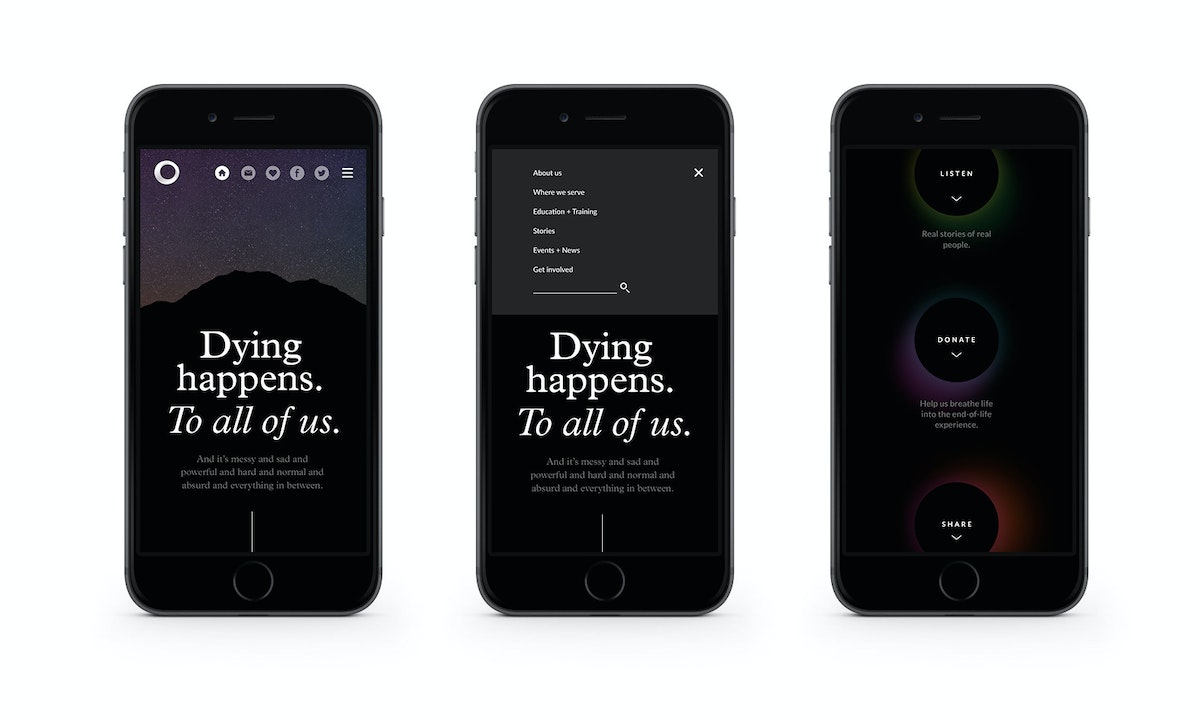
After losing both legs below the knee and half of one arm in an accident, Dr. BJ Miller knows what it feels like to be near death. But after recovering, Miller became a doctor, joined the faculty of UCSF, and is now leading a conversation about patient-centered care and redesigning the experience of how we die. But such systemic change will require pioneering thinking, as our healthcare system, designed to cure, not caretake for the long term, prepares for an exploding elderly and chronically ill population.
Together with IDEO, Dr. Miller and Zen Hospice Project are bringing design to a broken system in hopes of helping people live fully right up until the end. Miller was invited to TED in March, 2015 to deliver the closing talk. In concert, IDEO designed a landing page and call to action to support Zen Hospice Project’s mission, flagging the campaign with the hashtag #designabetterending.
Early renderings for a new palliative care facility that would enliven end-of-life care with rich, engaging experiences are also in the works. Read more about the collaboration in California Sunday Magazine and join the movement to help us design a better ending.

Putting a human face on big data
Giving eBay deep customer insights through a new digital tool.
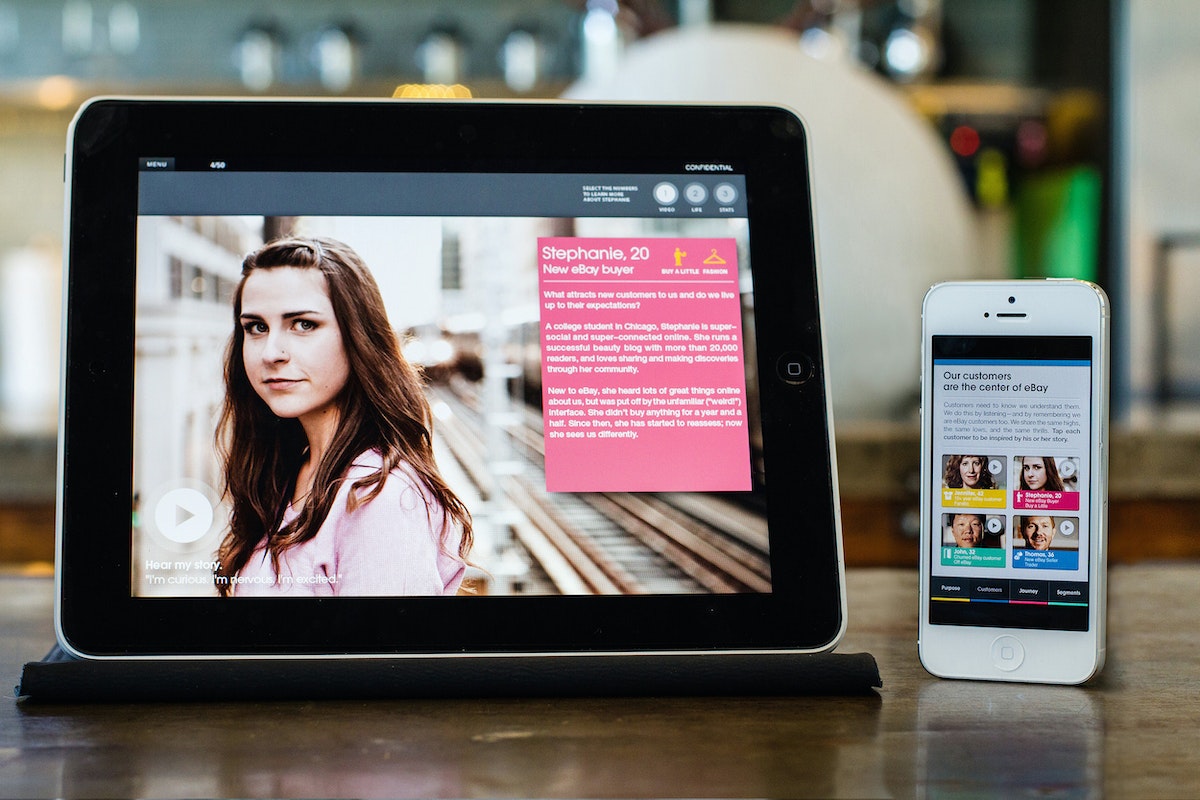
Stephanie is a college student. She runs a successful beauty blog and shares new finds with her 20,000 followers. Jennifer is married and lives in Chicago. She considers fashion to be an expression of her identity. How do we know all of this about Stephanie and Jennifer? They’re both eBay shoppers the IDEO team met while designing a better way for the retail giant to get to know their customers.
It’s easy to forget that behind data cells exist flesh-and-blood people. eBay has 128 million buyers and sellers, and wanted to find meaningful stories about real people in order to uncover their wants, needs, and behaviors.
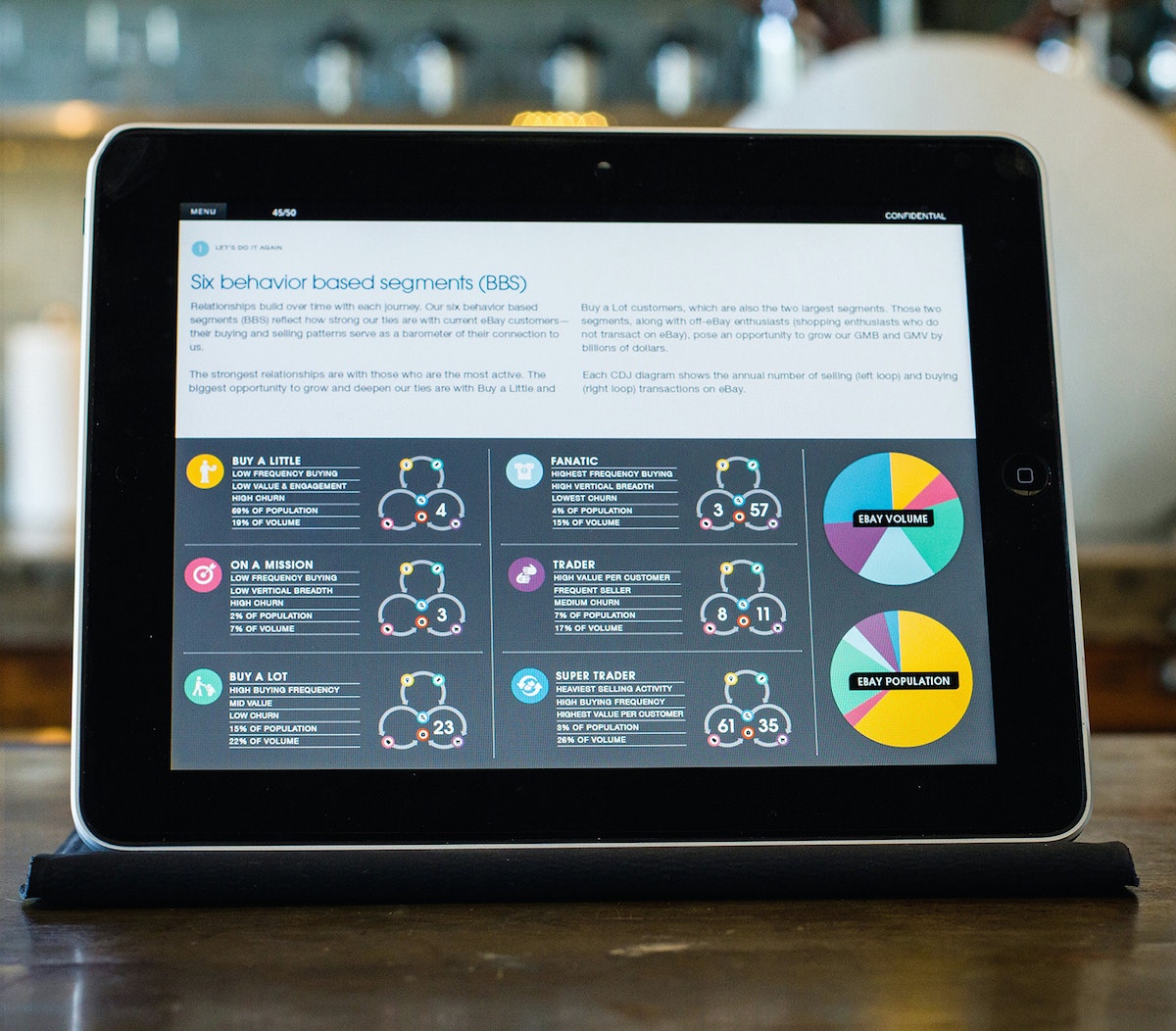
The company partnered with IDEO to create a digital ecosystem that integrates Big Data, business opportunities, and customer stories drawn from IDEO interviews to give employees deeper insight into how and why people use the site.
The app, which launched in September 2012, is available on desktop and mobile devices to eBay employees worldwide. It’s an easily accessible resource for eBay employees where they can glean insights about their customers by learning about key customer types. The app brings customer needs to life using words, images, and video interviews from select research participants. The power of that experience prompted eBay to overhaul its website, too, giving it a fresh, human-centered appeal.
Pop-up store as learning lab
A Southern fashion retailer lures millennials with offshoot brand.
Many younger customers described venerable fashion retailer Belk as “their grandmother’s store.” Belk, with 300 stores in 16 Southern states, was looking for ways to stay competitive and woo these style-savvy millennials. The goal was to create a trendy, social, affordable, and distinctly Southern shopping experience.
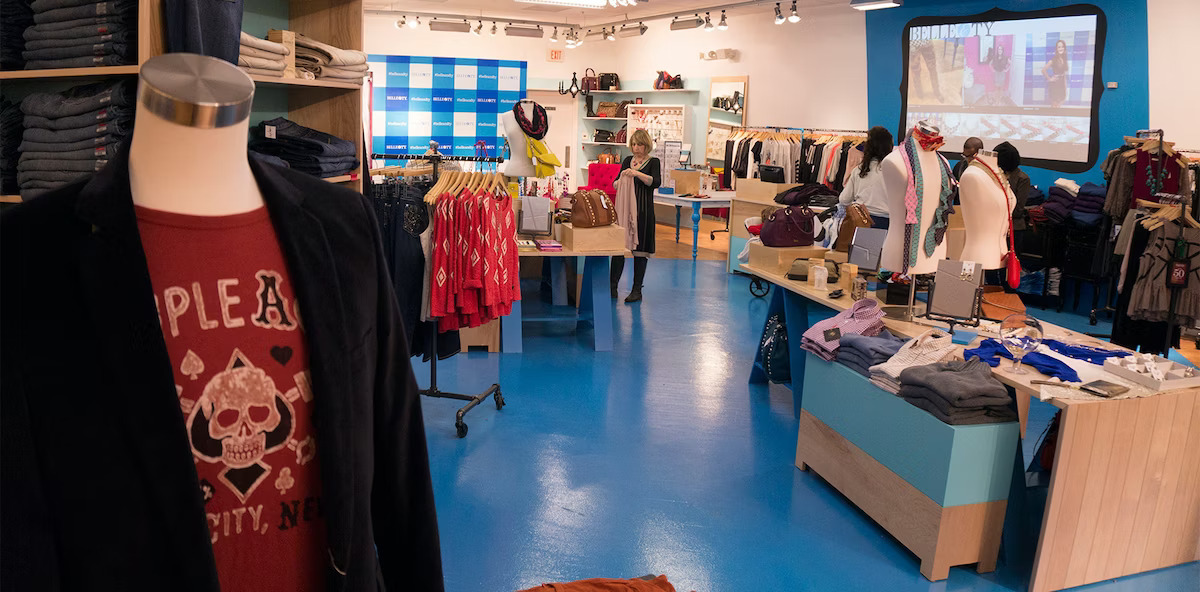
Belk’s innovation team and IDEO conducted research with twenty-somethings to develop the look, feel, merchandising strategy, and service experience of a new offshoot brand. Fresh and modern, Belk’s new pop-up store Belle & Ty features contemporary fashion along with a real-time Instagram wall, a style lounge, personal stylists, and weekly trunk shows. The pop-up store also serves as a learning lab for Belk, a place to prototype offerings for a new generation. Local fashion bloggers called the store “a must-stop shop during Christmas,” and Sue Curley, VP of Innovation at Belk, said, “Belle & Ty has been a great learning lab for us to connect with an important customer segment, test new ideas, learn, adjust, and test again.”
Prototyping VR Games with Team Future
How we went from a hackathon to the Oculus store
Here’s how we went from a hacked-together prototype to a popular game.
Idea Seed
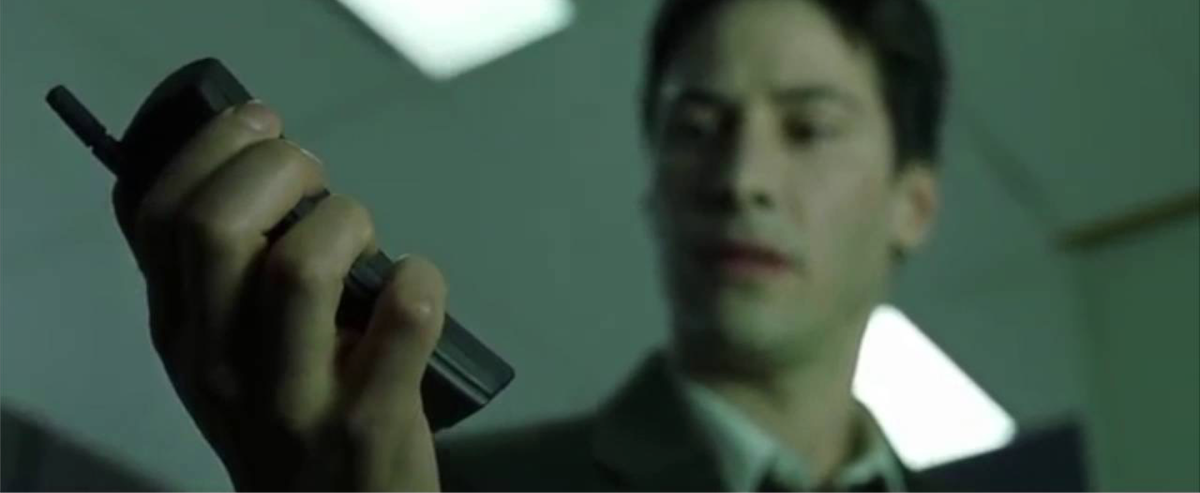
Our initial inspiration for the game came from “The Matrix.” There’s a scene in the beginning of the movie where the hero, Neo, gets a call from a mysterious stranger. “They're coming for you, Neo, and I don't know what they're going to do.” It’s Morpheus, who warns Neo that there are dangerous agents who are hunting him down. He then gives Neo directions to help him escape.
Our game works the same way. Player one runs around in a 3D VR maze, and player two sees a map and types out instructions for player one to follow. By making the communication of asymmetric experiences our key game mechanic, people can enjoy the experience together. This is important because VR is an immersive medium, but it can be socially isolating.
Refining the Game
Since each of the players sees a different screen (one in 3D and one in 2D), we tried my best to play to the strengths of each medium. VR is great at immersive and suspenseful experiences, so the VR player is the player of action, sneaking around to get treasure and running like hell to escape from enemy agents. A screen is great at showing flat data, and the player who sees it has access to a keyboard. So the hacker player sees a very detailed map and types to control everything.
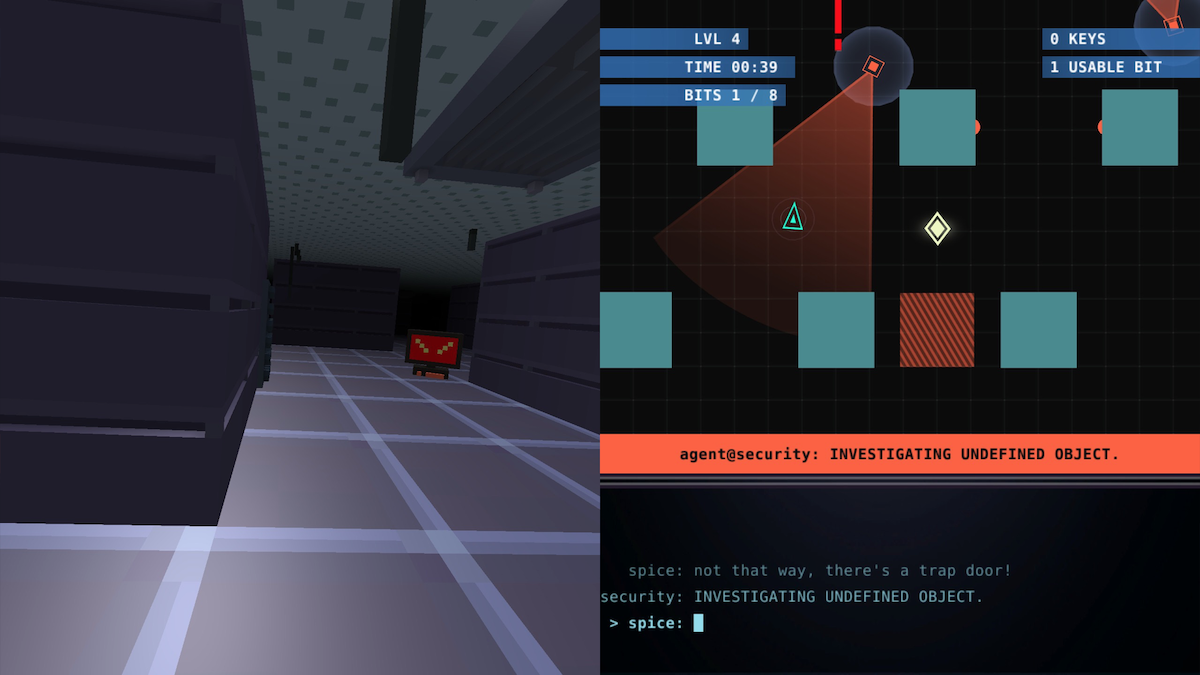
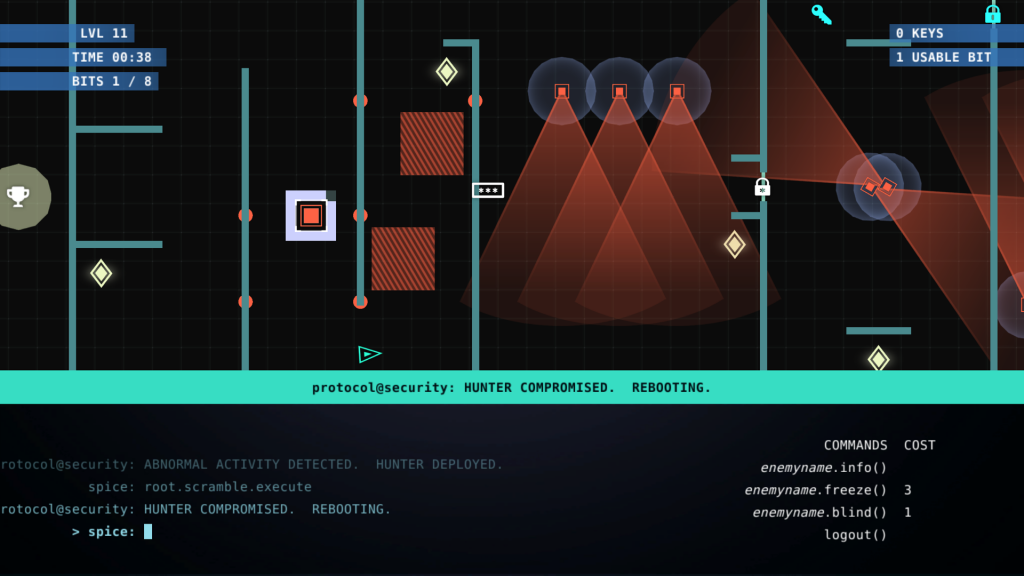
Cooperation is critical to this game. We designed it be impossible to win by yourself—unless you cheat by looking at both screens. The VR player determines where the game goes, but there are agents around the corner that only the hacker can see, as well as hidden trap doors and lasers. On the screen below, the VR player is blocked by a door. But there’s a password that they can give the hacker player to unlock it.
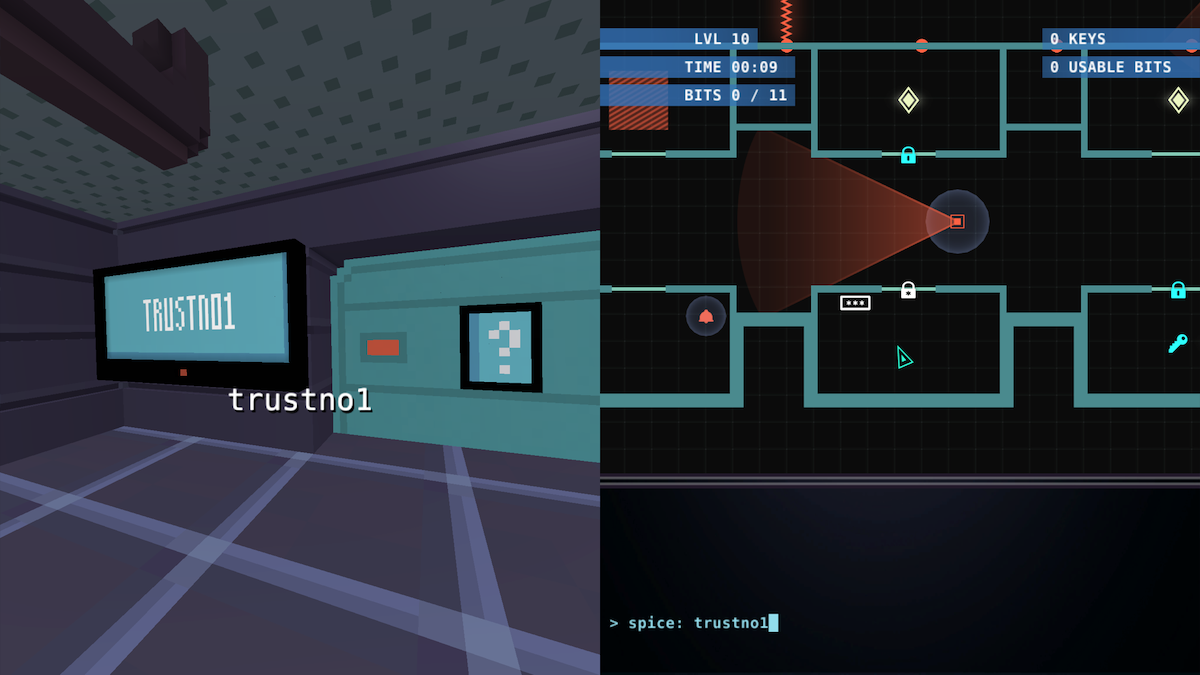
There’s also a mechanic for the VR player to scan enemies and gather “bits,” the diamond-looking things, which are used to purchase bonus abilities like freezing or blinding enemies. This spices things up, so they have more agency in the game.

Design Tools
Part of designing something well is also designing how you work. With a team of four, we didn’t have the time to carefully craft every aspect of the game. So Mark, the developer, and I made a modular level building kit in Unity that allows people to build a level in just a few minutes. Everyone on the team could pitch in to create VR content. We’re in the process of preparing these tools for Steam Workshop, a website that allows developers to release game creation tools to the greater gaming community.
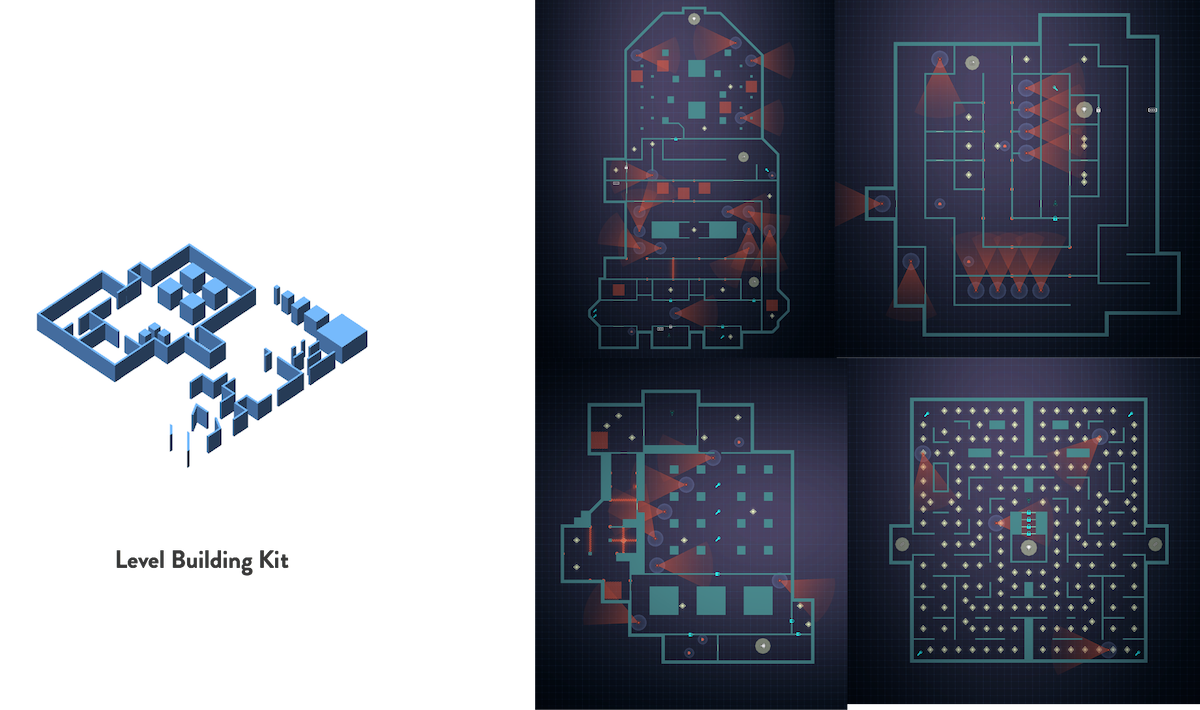
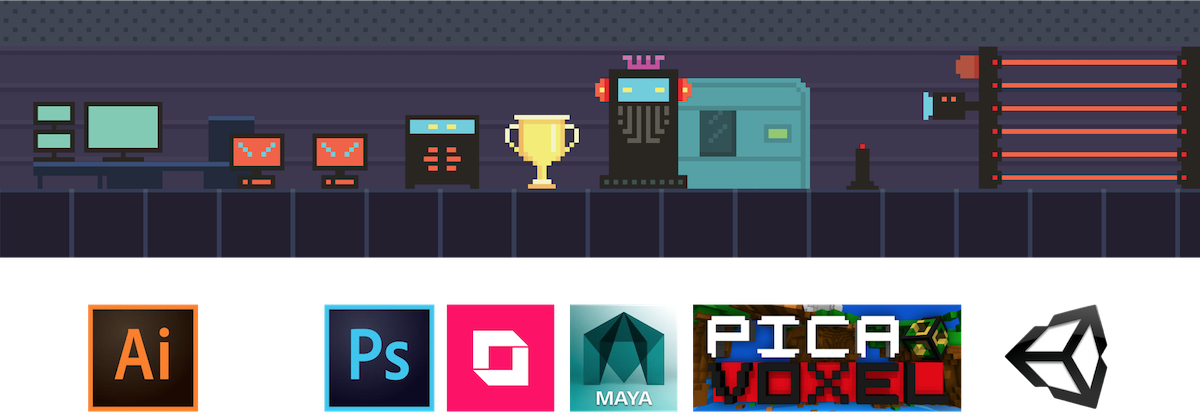
Our art pipeline got pretty crazy. I made the 2D assets in Illustrator so that I could avoid fussing with the resolution. For 3D assets, I made pixel sketches in Photoshop, turned them into 3D voxel art using Qubicle, played with the textures in Maya, and transferred models to Unity using Picavoxel. Finally, I set up prefabs in Unity so that I could easily swap the art in and out. The process allowed me to quickly pump out consistent and professional art, and instantly test it out in VR—a huge help for a solo artist.
Key Tips for Would-Be VR Designers
This process wasn’t always easy. Here are some important things to keep in mind as you work on your own games.
- VR is not 2D. Or even 3D. I’ve done a ton of 2D and 3D design before, but VR is nothing like it. I had to develop entirely new design processes, and it was critical to test the game over and over again inside VR to get things just right.
- Details matter, even for a baseline experience. If 2D UI just a little bit off, it looks funny. Misplace VR UI and people throw up. Getting everything right—from careful sizing of the environment to UI placement to 3D audio cues—is critical.
- Offer alternative control schemes. This was a tough lesson. When we initially launched, we had a firestorm of complaints because we only had the default control scheme. We had to scramble to create a snap turn comfort mode and a teleportation mode.
- Test in VR. Some of our biggest missteps happened because we had ideas that we didn’t test quickly enough.I foolishly made the controls more complicated than they needed to be. Since players have VR headsets covering their eyes, we had to constantly remind them about controller locations because they couldn’t see them.
- Allow the audience to engage. VR can become an amazing social experience when you let your players share the game.
Launching the Game
We’re pretty thrilled with we managed to put together. Here’s a quick video to show what it feels like in action.
In June, we finally launched the game on the Oculus Store and Steam. Over the past 5 months, we’ve sold more than 2300 units. We’re the fourth highest ranked game on the Oculus store. Give it a try—I’d love to hear what you think.
Around the time Oculus Rift completed its Kickstarter, I brought my virtual reality headset to a weekend hackathon called the Global Game Jam. Over 48 hours, my team and I built a game prototype where one player navigates his way through a maze, while a second player types instructions to him. The prototype was pretty simple—thrown together in 48 hours, after all—but people had a blast playing it. So a few friends and I decided to build it into something bigger. Over the past three years, we’ve worked nights and weekends to create Black Hat Cooperative, a multiplayer stealth game. We just launched this June on Oculus and Steam, and today our game is one of the highest rated experiences on the Oculus Store.

Pursuit of the Cold
Wim Hof's freezing method isn't fun, but it unlocks superhuman potential
Then, about a year ago, I heard of Wim Hof. Hof holds world records for running barefoot marathons above the Arctic circle, for swimming under solid ice, and for climbing Mt Kilimanjaro in shorts. My small question became an obsession.
At IDEO, we look to extreme users to inspire the things we design, and Wim Hof seemed like the ultimate extreme user. I joined one of his workshops in the Pyrenees, Spain, and met folks from all over the world, who had come to find answers for their mental health, physical health, or athletic performance.
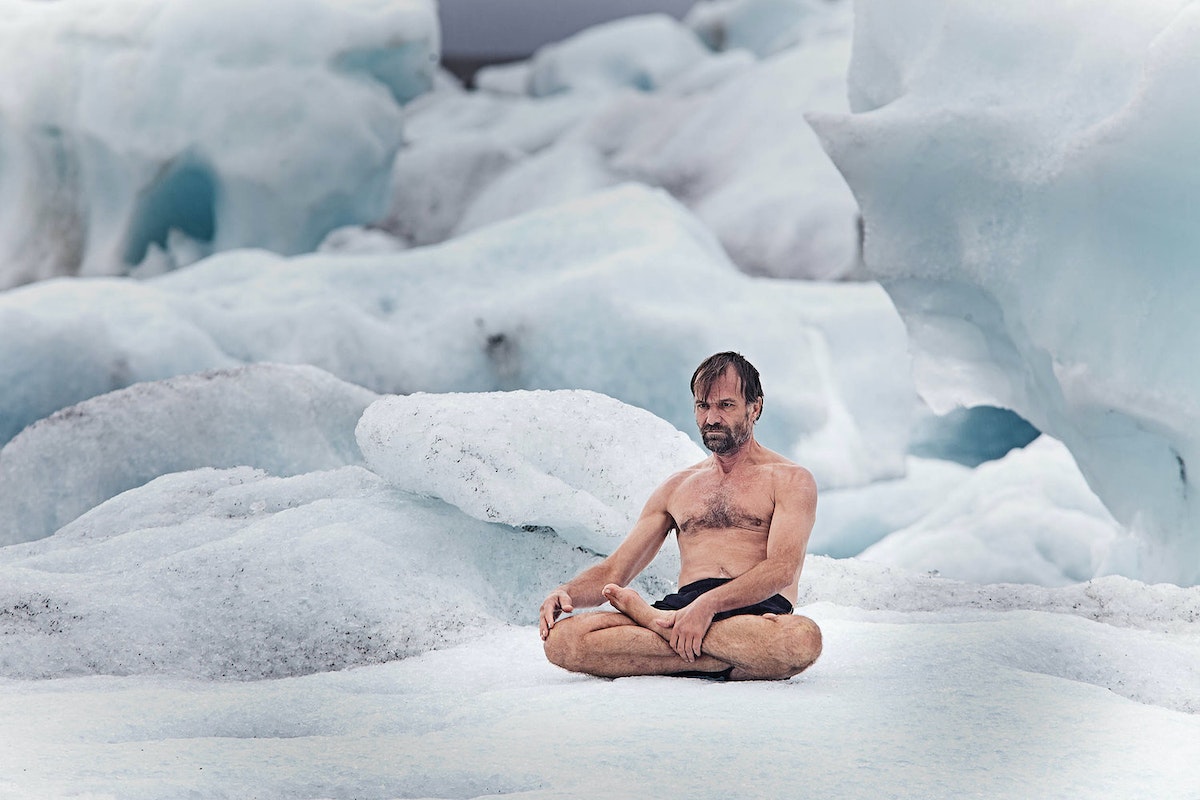
Hof is the cold fairy. He gives you permission to go into the cold, to enjoy it, to seek it. Cold has been his teacher, and breath-work his toolkit. He is happy to share his methods, and create the conditions for others to push their boundaries. Under his guidance, I took a 10 minute ice bath and did not shiver, during or after. I saw many new friends make breakthroughs that week. The cold was teaching us that we were in control and the decider of our own experiences: we could overcome pure pain.
Stanford Neuroscience Professor Andrew Huberman was invited by Hof to join our workshop, and we spoke about how to apply his Method, and about bringing Hof to California.
I began teaching my distillation of the Wim Hof Method to fellow IDEOers in Palo Alto, and to my surprise, over a third of our studio expressed interest in a mini-course. We got ready. We talked about how we stay warm—from shivering, to insulation, to mitochondrial chemical energy. We breathed, and observed the adrenaline-high cortisol-low effects of deep breath cycles with retentions.
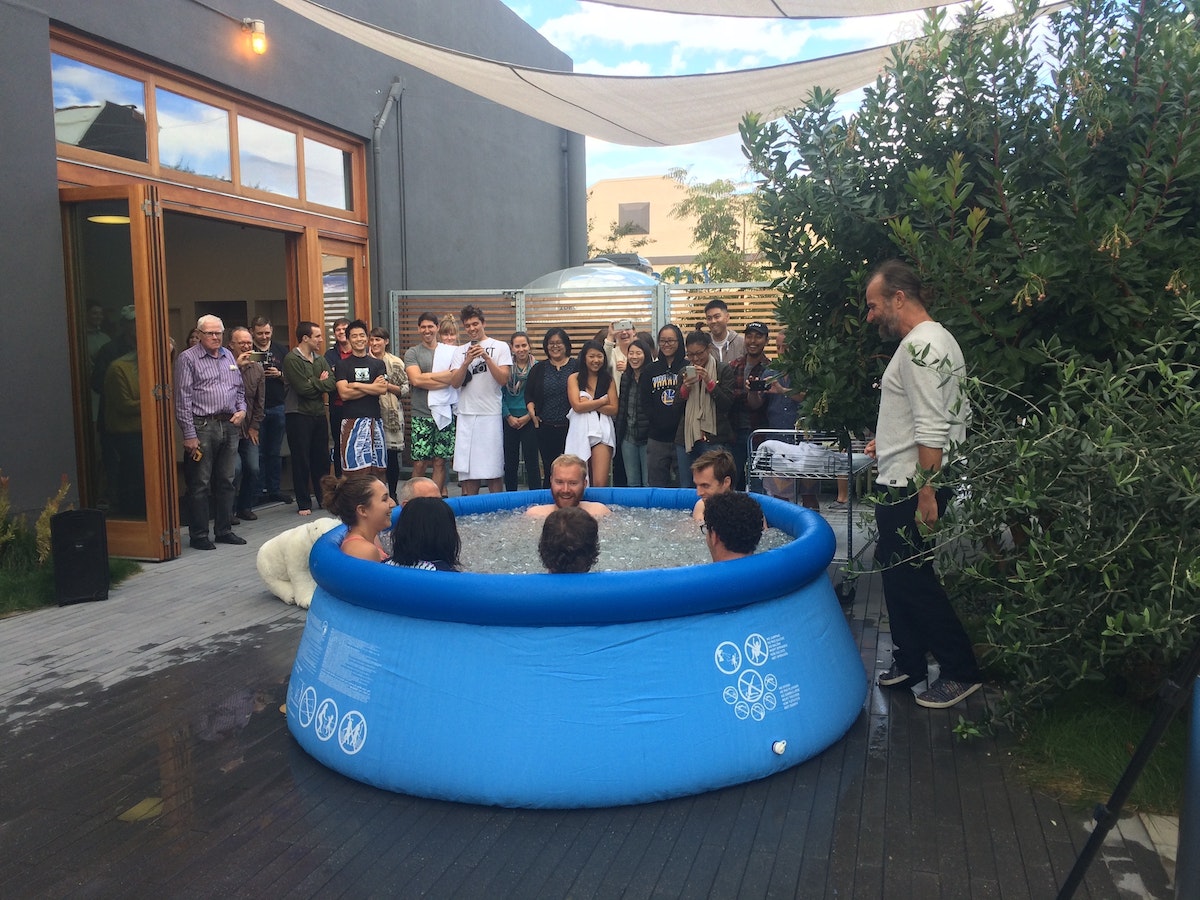
Then Wim Hof and Prof. Huberman joined us in person for an afternoon of ice baths and to present their talk, “The Mind Made Visible”. This led to a great discussion on the inner workings of the Hof Method, and about the science behind his approach. Scientists are intrigued by this case of the “extreme user” who can teach his methods to other people and show results immediately—in contrast with a pranayama guru who requires 20 years of study. A groundbreaking study has shown that participants trained in the Method can control their autonomic nervous systems and suppress immune response to an endotoxin injection (the introduction of bacteria, which can trigger many adverse physiological reactions in humans).
The Method involves several minutes of deep inhalation-driven breathing, followed by holding the breath on a full exhalation for as long as is comfortable. Beginners can hold their breath for a remarkable 1- 2 minutes. After extended practice people can reach 4+ minutes. During this process, the blood pH becomes alkaline and prevents you from passing out, while also serving to restore balance in the endocrine and immune systems. At around the 90 second mark, an adrenaline release is triggered. Unlike when adrenaline is pumped out if your life is in peril, low cortisol levels ensure that you remain calm, focused, and able to direct the superhuman power boost.
The cold and breath work go hand-in-hand—the breathing fortifies you for the cold, and the release of cold-shock proteins from sustained ice-water immersion amplifies the effects of the breathing. The practice, Hof says, resets insomnia/jet lag, reduces chronic pain, heads off depression, improves memory, and increases longevity. (Note: the breathing Method should be performed in advance of, not during, cold water immersion).

For me, the Method has been most helpful while mountaineering. By controlling my body's reactions to cold and over-indexing on oxygen, I stay comfortable in extreme conditions and acclimatize more effectively. After meeting Hof, I'm no longer asking, why are we afraid of the cold? But instead, how might we harness the cold to unlock our own potential?
In the New Hampshire winter of 2005, I gave up use of all jackets, sweaters, and warm layers for the season. Crossing between high school campus buildings in a t-shirt during snow and freezing rain, I received appalled looks from my peers and teachers, but felt invigorated and unconstrained. I began asking, why are we afraid of the cold? I later reverted to social norms, and by college, I was a lover of warmth. But the question stayed with me.
Why You Should Start a Foodstagram
It looks good, it smells good… and it gets a lot of likes
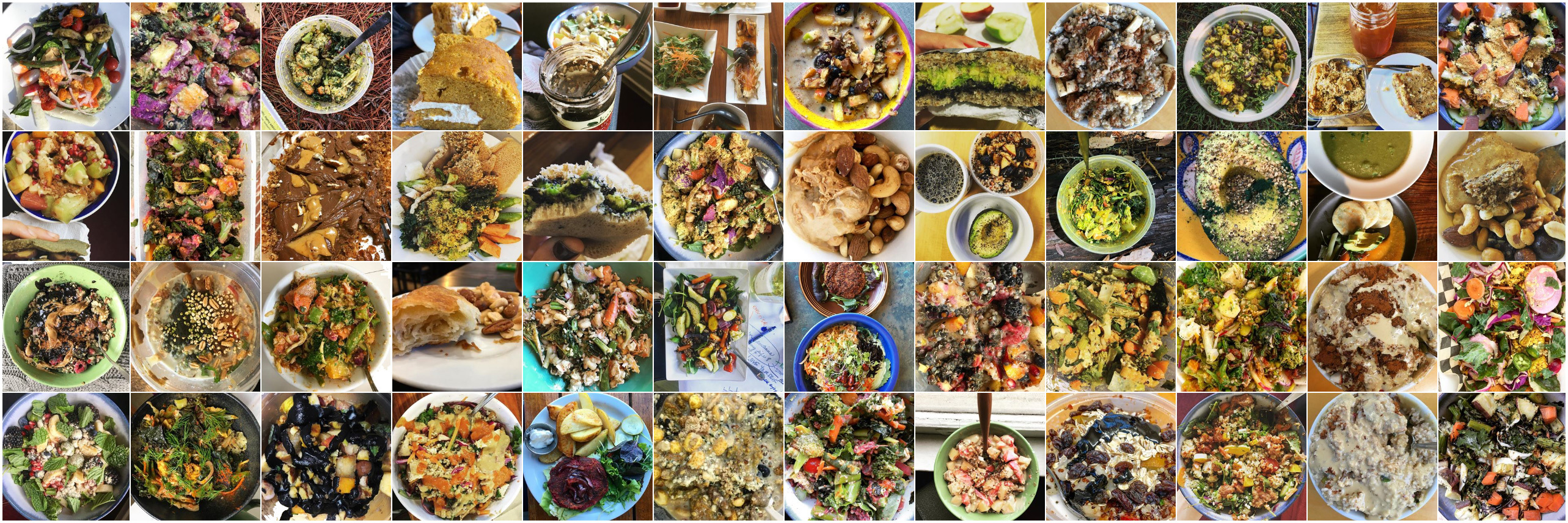
I don't snap pics of my lunch @plantbowls to brag about what I’ve made or ordered. I do it to take stock of what I’m about to eat, to appreciate it, and to build community around it—something I’m in the habit of doing as a coordinator for IDEO U.
Four years ago, I shifted to a plant-based diet. Going vegan turned out to be an easy move with the help of Instagram. Because I made it a habit to capture food in the best light, it started to look gorgeous. Focusing on plants might seem bland, or limited, but documenting them made me realize the glory of spices, vegetables, fruits, beans—the sheer variety of it all! I began to revere colorful jewels of fruit, to inhale the aroma of a tahini sauce before I dug in. I really noticed what was on my plate. I would take an extra beat to slice an avocado onto a bowl of veggies or drizzle nut butter on top of steaming oatmeal, both to make them look more appealing and add to their deliciousness.

Not long after I started foodstagramming, I read an article that explained why. It turns out that by taking pictures and waiting a little longer before we pick up our forks, we delay gratification, which makes the food seem more delectable. By holding off on eating for a beat or two, I was actually making it taste better.
And when I posted these dishes on Instagram later, I got to experience them again while trying to think up a clever caption or hashtag. Initially, it was just about sharing a beautiful image. But seeing others be surprised by the diversity of plant-based foods, and having them ask about recipes meant a lot to me. Maybe they'd get inspired to shift to a healthier diet, too.
We eat at least three times a day. Why not bring more joy to a basic necessity? It feels good, it smells good, it looks good… and it gets a lot of likes.
Here are some accounts I follow to get inspired:
- instagram.com/healthiecook
- instagram.com/panaceas_pantry
- instagram.com/feastingonfruit
- instagram.com/nathaliesader
- instagram.com/thefeedfeed.vegan
And here’s mine: instagram.com/plantbowls
It's easy to roll your eyes at the guy at the table next to you lurking over his food, phone in hand. I once considered foodstagramming to be a cliché, and certainly think spending much of our time with our faces planted in our phones is not a great evolutionary turn. Then I started my own foodstagram.
.jpeg)
Quick + Dirty Design Tips: After Effects
If you're looking for help with After Effects, today's your lucky day
After Effects is one of my favorite prototyping tools. I use it to animate web and mobile interactions, or to demonstrate physical interactions by augmenting UI and sound over video footage.
AE is super powerful, but has a deep and twisty interface with lots of corners to navigate. The timeline is one of its most daunting aspects. Things can escalate quickly, and before you know it, your project is a labyrinth of layers, expressions, effects, and comps. Here are a few tips to help you find your way.
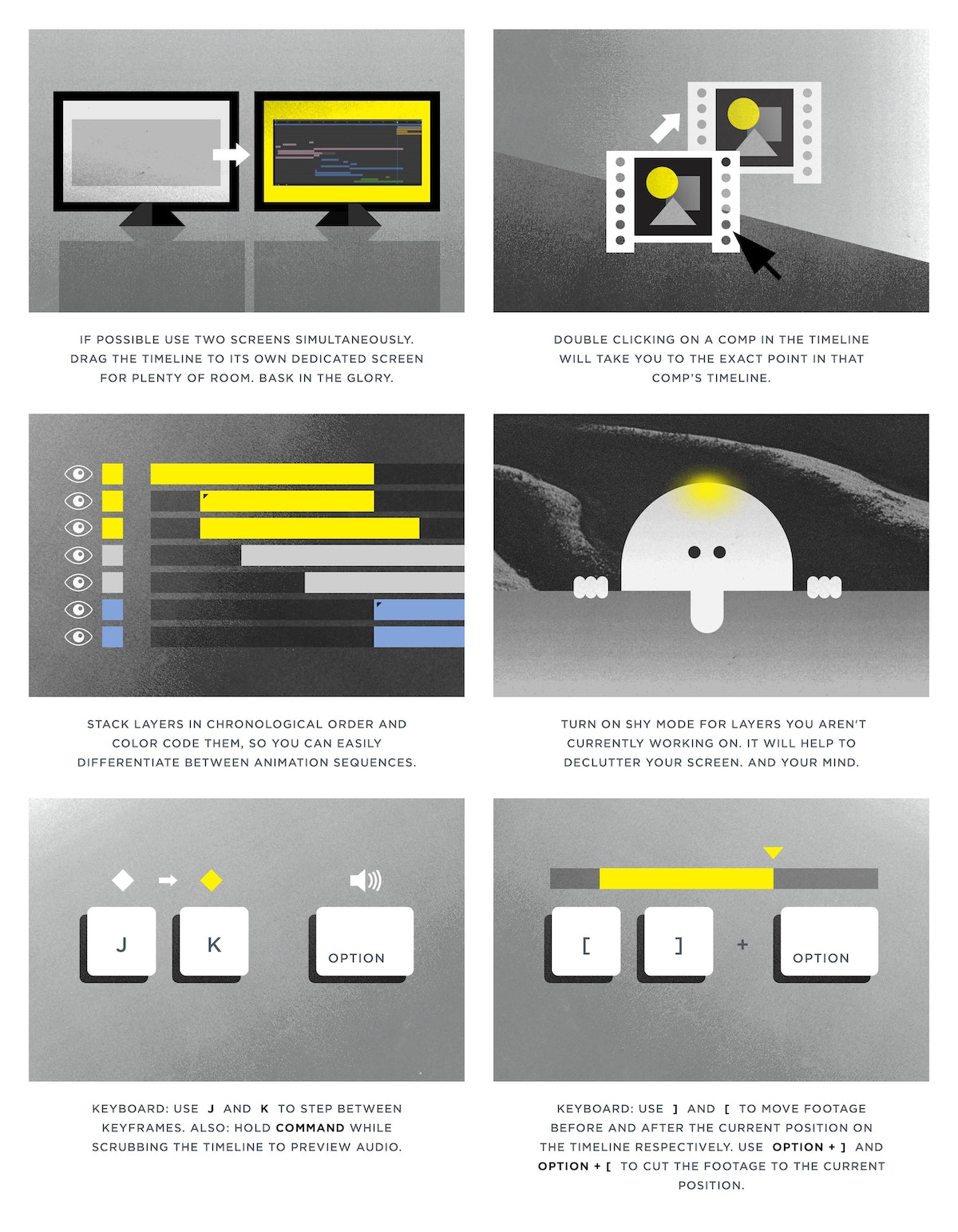
Sometimes you need to cut to the chase. A deadline is looming and there's no time to luxuriate in lessons from your go-to experts. You need bite-sized tutorials to beef up your skills, one morsel at a time. If you're looking for help with After Effects, today's your lucky day.

Lindsey Turner
I’m passionate about building brands, products, and experiences that help organizations show up with meaning and momentum.
I help organizations cut through complexity by shaping how they show up, through brand strategy, identity, and storytelling.
Working at the intersection of brand and business, I bring an editorial eye and a bias toward making—turning ideas into tangible experiences that people can understand, trust, and believe in.
My work spans government, healthcare, financial services, media, and consumer goods, from launching Gen Z-focused ventures to building innovation labs and reimagining legacy brands. I relish moments of ambiguity and enjoy translating across teams, perspectives, and priorities to move ideas forward.
I started my career in editorial and digital design, shaping cross-platform experiences and identity systems in publishing and agency environments. That foundation still shapes how I work today: I’m detail-oriented, collaborative, and overreliant on the Oxford comma. I hold a BFA in Visual Communication from the School of the Art Institute of Chicago.

Rachel Young
My work helps organizations see who their products aren't working for—and build the will and the tools to do something about it
For 25 years, I've asked the same question: Who does this design exclude—and what are we going to do about it?
My work spans human-centered strategy, inclusive design, and qualitative research, with clients ranging from Microsoft, Google, and Verizon to the National Science Foundation, and San Francisco Unified School District.
Before IDEO, I taught elementary school in East Palo Alto and spent a decade doing design work with social service organizations—where I learned firsthand what it costs people when systems are built without them in mind.
I am currently writing User Error, a nonfiction book about digital access and the design decisions behind it. I live in Oakland, California.

Brian Pelsoh
I lead with craft, ensuring our work is creatively excellent: rooted in deep human insight and imagination, while also grounded in the realities of business and technology.
My expertise spans brand, communication, and product design across tech, education, the arts, and social impact.
I believe great work demands both high-level vision and obsessive attention to detail, and only happens through collaboration.
I bring an inclusive, hands-on approach and a deep understanding of business, which enables me to consistently deliver excellence while always asking why.
Before joining IDEO, I worked at the brand firms Pentagram and VSA Partners. I began my career as a designer, leading teams at the School of the Art Institute of Chicago and the Milwaukee Art Museum. I hold an MFA in graphic design from Maryland Institute College of Art and a BFA in communication design from the Milwaukee Institute of Art & Design, and have taught at some of the best design schools in the US.

Tony Wong
I am responsible for IDEO’s long-term success in China and working with clients to use design as a tool to enable growth.
I am responsible for IDEO’s long-term success in China and working with clients to use design as a tool to enable growth. Specifically, I have helped Chinese companies design holistic brand solutions through the development of their products, communication, services, and innovation teams, and I have helped multinationals expand their presence and influence in China.
I advise global leaders on developing China-led innovation and capabilities.
In over 15 years in IDEO Shanghai, I have worked on projects that use design to elevate the quality of the experience of healthcare products and services, streamline processes that increase productivity, create spaces and programs that promote and enable inclusive communities, and build next generation mobility solutions that are planet-positive.
Before joining IDEO, I worked at Philips Electronics and the Electrolux Group in Italy, the Netherlands, and Singapore on a number of breakthrough commercial products. I am a member of the Young President Organization in Shanghai.

How to use AI as an editor, not a writer
Ed White shares how he uses AI as an editor—not a writer—to sharpen storytelling, rehearse ideas, and preserve the productive friction that makes creative work better.
Ed White has a rule he's tested on his own writing: hold yourself as the writer, and let AI be your editor. Ed is a Senior Design Director at IDEO's London studio, where he co-leads the firm's AI portfolio across Europe. Before IDEO, he spent 12 years as a writer and editor at the Financial Times, Wired, and Contagious. So when he talks about when to use AI for storytelling and when not to, it comes from two decades of crafting his storytelling skills.
In this episode, Mina Seetharaman talks with Ed about two specific tools he uses to keep AI in an editor's seat: a "roasting agent" prompted to critique his drafts without any sugarcoating, and a simulated audience he rehearses pitches on before the real thing. They also get into what Ed is hearing from design leaders at Anthropic, Lovable, Shopify, and Google Creative Lab about how creative work is changing, and why he thinks the friction of writing something yourself is worth protecting rather than automating away.

Building a personal AI for the messiness of life: Sida Li
Becca Carroll talks with Cue co-founder Sida Li about designing a personal AI for the messiness of everyday life—not just work. They explore how Sida stays anchored to human needs while navigating fast-changing technology, product tradeoffs, business-model experimentation, and the realities of building an AI company today.
Most AI products today are built for work—a space with clear problems and established systems. One founder noticed a gap: personal life is messier, harder to systematize, and mostly left behind by the AI boom. So she built Cue, a personal AI that lives inside iMessage and group chats, to go where the other tools haven't.
In this episode, Becca Carroll, IDEO's Chief Strategy Officer, talks with Sida Li, co-founder and CEO of Shared Context Lab, about staying anchored to a human need while the technology around her keeps changing shape, why she treats her business model with the same rigor she'd bring to a product, and what it feels like to build a company at this particular, disorienting moment in AI.
The conversation also gets into how Sida makes design decisions: the language Cue uses to describe itself, the tradeoffs behind building inside iMessage instead of a new app, and a real story about a business idea that didn’t pan out.
This is the second in a two-part series profiling founders from IDEO's Startups-in-Residence program. The first conversation is with Johannes Seemann, founder of Sooner, on designing GenAI for the emotional side of money.

Designing GenAI for the emotional side of money: Johannes Seemann
Designing financial tools around the feelings that shape money decisions.
Most personal financial tools are built to run the numbers and optimize towards a budget. While that works for some, most people experience money as a lived relationship that does not neatly fit into a spreadsheet. Johannes Seemann and Becca Carroll discuss why money is emotional before it is mathematical, and what a human-centered approach to building a generative AI financial product looks like in practice.

The curious leader's edge in uncertainty: Scott Shigeoka
How genuine curiosity helps leaders navigate uncertainty with greater confidence.
Mina Seetharaman talks with Scott Shigeoka, author of Seek and Head of Curiosity Cultivation at the Eames Institute, about what distinguishes genuinely curious leadership from performative curiosity, how power dynamics shape curiosity, and why practicing curiosity can restore energy rather than drain it.
Looks like you might be in search of something very specific?
Or reset the filters above and try another angle.
Here’s some random inspiration

Podcasts about creative leadership

Articles about the power of prototyping













.webp)