
.svg)



Mattress designs that led to a cultural transformation
How the world’s largest mattress manufacturers transitioned from operations-centered to customer-centered.
Sealy and IDEO first collaborated in 2008, to rethink the design of its Stearns & Foster line. For years, Sealy, the largest mattress manufacturer in the world, had taken the standard industry approach to selling mattresses and watched market share and sales flatten; it knew something had to change. Stearns & Foster evolved from a single product design into a keystone for transforming the organization.
IDEO helped Sealy use actionable consumer insights to develop a scalable design methodology and new brand principles, which it applied to product design, operational and manufacturing decision-making processes, and sales and marketing strategy. This “brand-to-product” framework was subsequently used for three separate and consecutive product launches—Stearns & Foster, Embody, and Posturepedic—resulting in an overhaul of 85 percent of Sealy’s mattress portfolio.

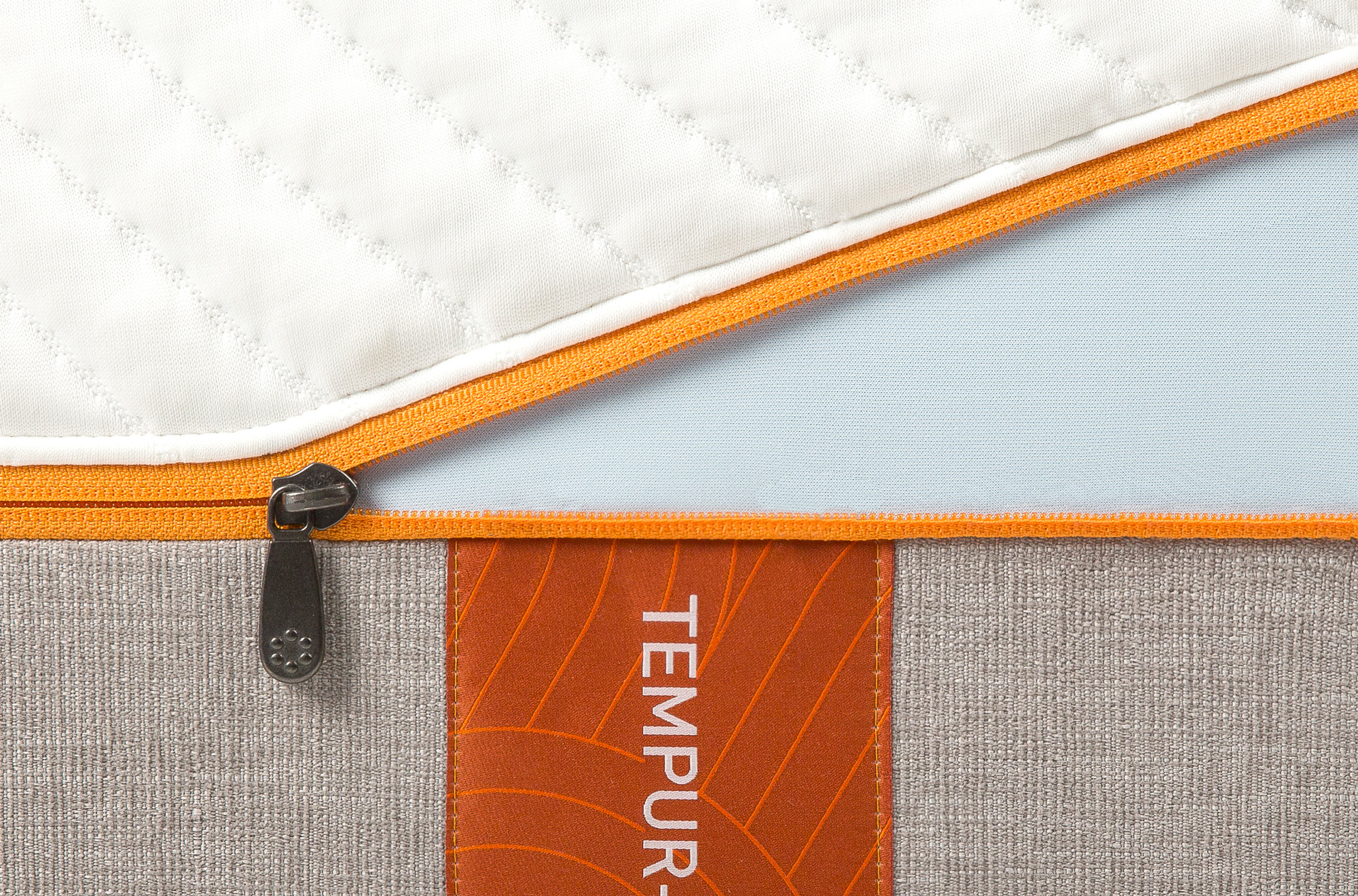
Tempur-Pedic was already working with IDEO on a new mattress design when it acquired Sealy in 2013. It was also interested in how design thinking and human-centered design could improve its business. Once solely focused on the technological elements of designing a mattress, together with IDEO, Tempur-Pedic redesigned the outer shells of its mattresses to reflect the quality on the inside. This design change led to the company to look at new ways to infuse design into their products.
“The initial project was to design the mattress,” said Thomas Overthun, associate partner and design director at IDEO. “But the second project was to create a whole design language from the mattress out to what it meant for any other product, from pillows to blankets and other accessories. It eventually became bigger than just the mattress.”
Working on the Tempur-Pedic/Sealy relationship has been gratifying, said IDEO partner and design director Michael Hendrix, because although home goods can be thought of as simply products, nothing could be further from the truth. IDEO and Tempur-Pedic/Sealy changed the course of the mattress company's business through the transformative power of designing where, and ultimately how, people sleep. And in the process, the organization itself changed as well, moving siloed departments to cross-functional teams, with the brand division central to their cooperation, which led to consistent and aligned decisions across the board.

Some of the projects include:
Stearns & Foster Luxury Mattress
Sealy teamed up with IDEO to develop a design language for Stearns & Foster mattresses that would reestablish what the brand stood for. Through redefining brand principles and rounds of prototypes that focused on evocative details, the new Stearns and Foster mattress was the highest rated in Sealy’s portfolio since it started keeping records, and initial retailer orders were three times what management projected.
Next-Generation Posturepedic
An icon in the mattress industry was brought into the 21st century by developing a new product that delivered on the long-running promise of the brand. Together, IDEO and Sealy designed a product that focused on holistic back health. In its earnings report, the company said US bedding sales for the quarter were up 10.6 percent, to $253.4 million, a figure driven by the new product line’s introduction. According to Sealy’s Q3 earnings report, the Posturepedic launch represented the largest and fastest rollout in the company’s history.
Embody by Sealy
The project began by defining the market opportunities for all-foam beds, and ended with the modern, streamlined Embody mattress as well as a simplified design language, free of industry jargon, to help retailers talk about the mattress to customers. “Sealy collaborated with IDEO to create an approachable and attractive mattress that delivers the simple, healthy rest consumers want with a selling story they can easily understand,” said Jodi Allen, Sealy’s Chief Marketing Officer.
Tempur-Pedic Sleep System
Best known for the revolutionary, NASA-proven Tempur material inside its mattresses, Tempur wanted to transform the exterior of its mattresses to match the caliber of innovation inside. Together with IDEO, Tempur created a new sleep system, including an easily removable and washable fabric mattress cover. “Tempur-Pedic was born of innovation, but we were never a design-driven company until we worked with IDEO,” said Patrice Varni, senior vice president of brand marketing, Tempur Sealy North America, LLC. “Seeing consumer need in a new way through IDEO’s eyes has transformed us. Our product design, our creative psyche, our brand are all fundamentally changed by this sharper focus. This collaboration has given us all a renewed sense of pride.”


Designing the future of urban farming
Helping a Berlin startup strengthen its offer of vertical farming products and services.
The challenge of how we’ll feed the exploding world population in the future—in a sustainable, cost-effective, and environmentally friendly way—is seeding an agricultural revolution in Europe.
In 2012, INFARM founders Erez, Guy Galonska, and Osnat Michaeli found that vertical farms could be a solution to urban self-sufficiency. These farms could allow people to grow vegetables and herbs in small spaces, with no soil and far less water.
An approach that’s captured the imagination of futurists for decades, vertical farming involves growing vegetables and herbs in stacked units or inclined surfaces, within which moisture, light, temperature, and nutrients are monitored, and controlled.
After creating their first vertical farming experiment in their apartment in Berlin, the founders brought together plant scientists and industrial designers to explore and develop vertical farming’s potential.
Since then, the startup has created custom growing systems for clients including Airbnb, Mercedes-Benz, and Weber. Most recently, INFARM installed a vertical farm growing herbs and vegetables at the Berlin branch of German supermarket chain Metro, the fourth-largest retail chain in the world, to sell to the public. It’s been profiled in Wired Germany, Süddeutsche Zeitung, The Guardian, and Zeit.

INFARM collaborated with IDEO to further explore their B2B offer, including concepts for the industrial design of the stackable, modular, climate-controlled units; the interaction design of an accompanying app to monitor and control the units, and its business model.
Urban farmers will sign up for “farming as a service,” comprising the units themselves, as well as a monthly subscription for seeds, cartridges filled with nutrients, and a pH regulator. Because they’re stackable, the modules can be scaled to suit anyone from a home grower to a restaurant chef or supermarket owner. And Erez claims a 1 square meter growing tray can yield four to six mature plants every day, 365 days a year, doubling that of state-of-the-art hydroponic greenhouses.
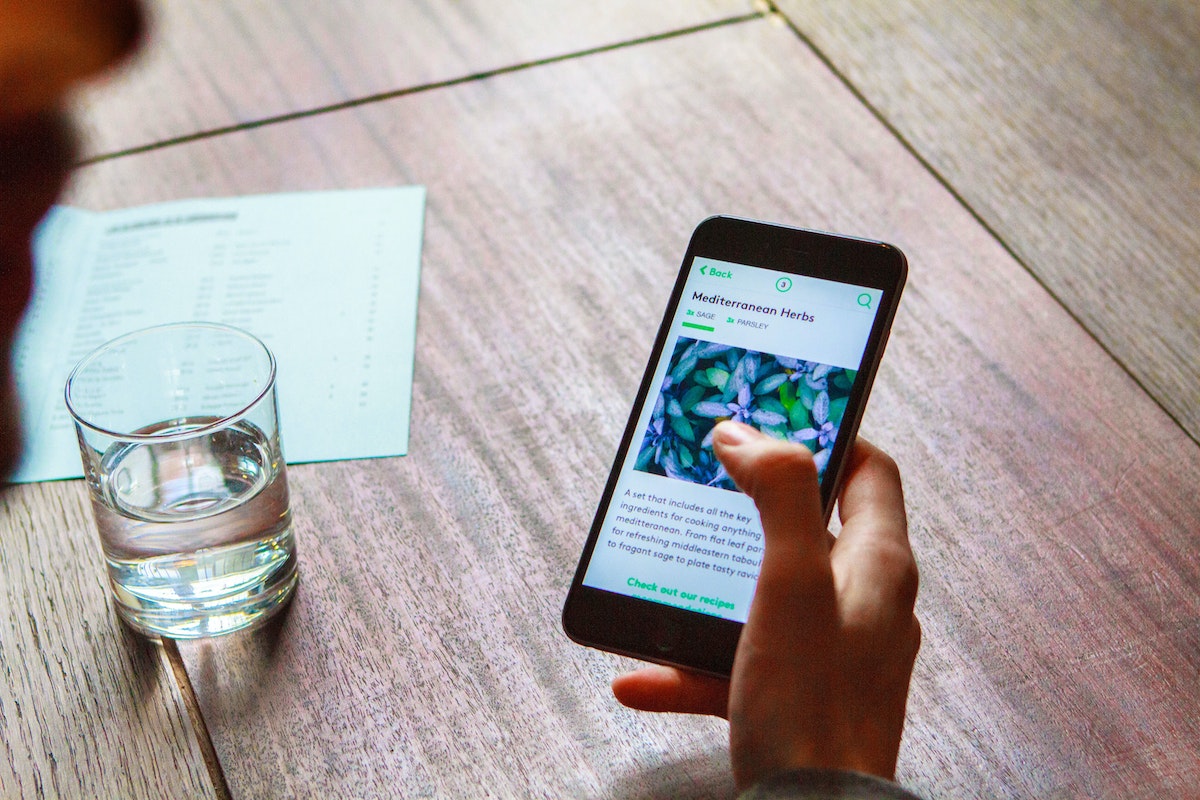
As well as remotely regulating each unit’s climate, the app will educate growers about new vegetables and herbs, selling packs of complementary seeds, with suggested recipes for them, and cooking instructions. Aiming to promote biodiversity, the firm will sell rare-breed and heirloom seeds too.
The startup has funding from the EU’s European Pioneers fund, and is now looking to secure investment to accelerate software development and ramp up their hardware production capabilities. Quite literally, it's growing its business.
Bringing beloved children's characters to a new platform
Sesame Street iPhone apps for Sesame Workshop.
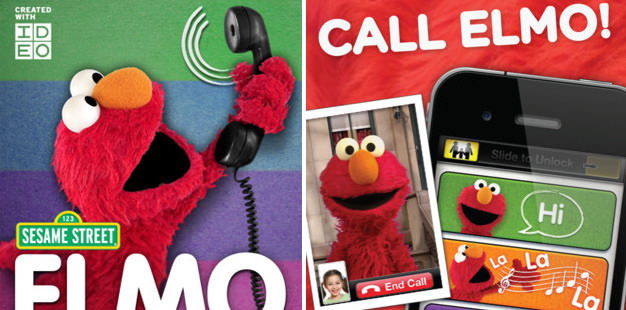
Sesame Workshop is the nonprofit educational group that revolutionized children’s television with the launch of the landmark Sesame Street program in 1969. The show, which has since become a household name, is now watched in more than 150 countries worldwide. The Workshop also creates educational content for new media platforms, and partnered with IDEO to design a line of Sesame Street–themed apps for Apple’s iPhone. The Elmo Calls app, which functions as a utility app for parents and as an entertaining behavioral-development app for kids, is now one of the Top 100 paid iPhone apps in the iTunes store.
The collaboration began with a mutual desire to bring the show’s beloved characters to the iPhone platform—and to do so using a human-centered design approach. Child-development experts, educators, toy and interaction designers, and even the Sesame Street puppeteers weighed in on the design decisions. The team also worked closely with families throughout the project—from initial concepts to early prototyping to the final development—in order to stay focused on how children actually use the iPhone for play. The games were designed accordingly. For example, the team omitted menus from the Sesame Street apps to keep the experiences simple, playful, and fun for a young child. And each game features exclusive new Sesame Street videos, allowing players to enjoy “lean back” moments along with interactive ones.
The resulting iPhone applications let children engage with the favorite Sesame Street characters in a whole new way. Kids touch, shake, swipe, and tilt their way through original games featuring Elmo, Grover, Bert, Rosita, and the Count.

The titles, all of which are available from iTunes, include:
- Elmo Calls: Engages 2- to 5-year-olds in listening-skills practice and active participation during everyday situations.
- Elmo’s Monster Maker: Allows kids to create unique monster friends that dance and play with Elmo.
- Sesame Street Video Maker: Lets kids star in their own music videos, mashing recordings of themselves with popular Sesame music videos and adding their own stamps and special effects.
- Sesame Street Makes Music: Helps kids explore an array of instruments as they contribute to new renditions of classic preschool tunes with their Sesame friends.
Nurturing a creative culture
How writing a book about our shared values helped articulate what it means to be successful at IDEO.
How do you know when you’re successful in your work? You can check off a list of technical skills and expertise you bring to the table. You can use a career development rubric to make sure you’re hitting the right goals. But often, it’s your behaviors—the intangibles that are the most difficult to articulate—that make the most impact. Things like your ability to stay optimistic or your willingness to adapt when there’s no roadmap.
Because of the nature of our work at IDEO, these intangibles are a big part of what defines the experience of working at the company. So in 2012, a global team of designers from our U.S., Europe, and Asia offices came together to codify these values and behaviors as part of a larger effort to evolve IDEO’s career development platform. More often than not, when IDEOers hit road bumps in their career, it was not about what they were doing, but how they were doing it.
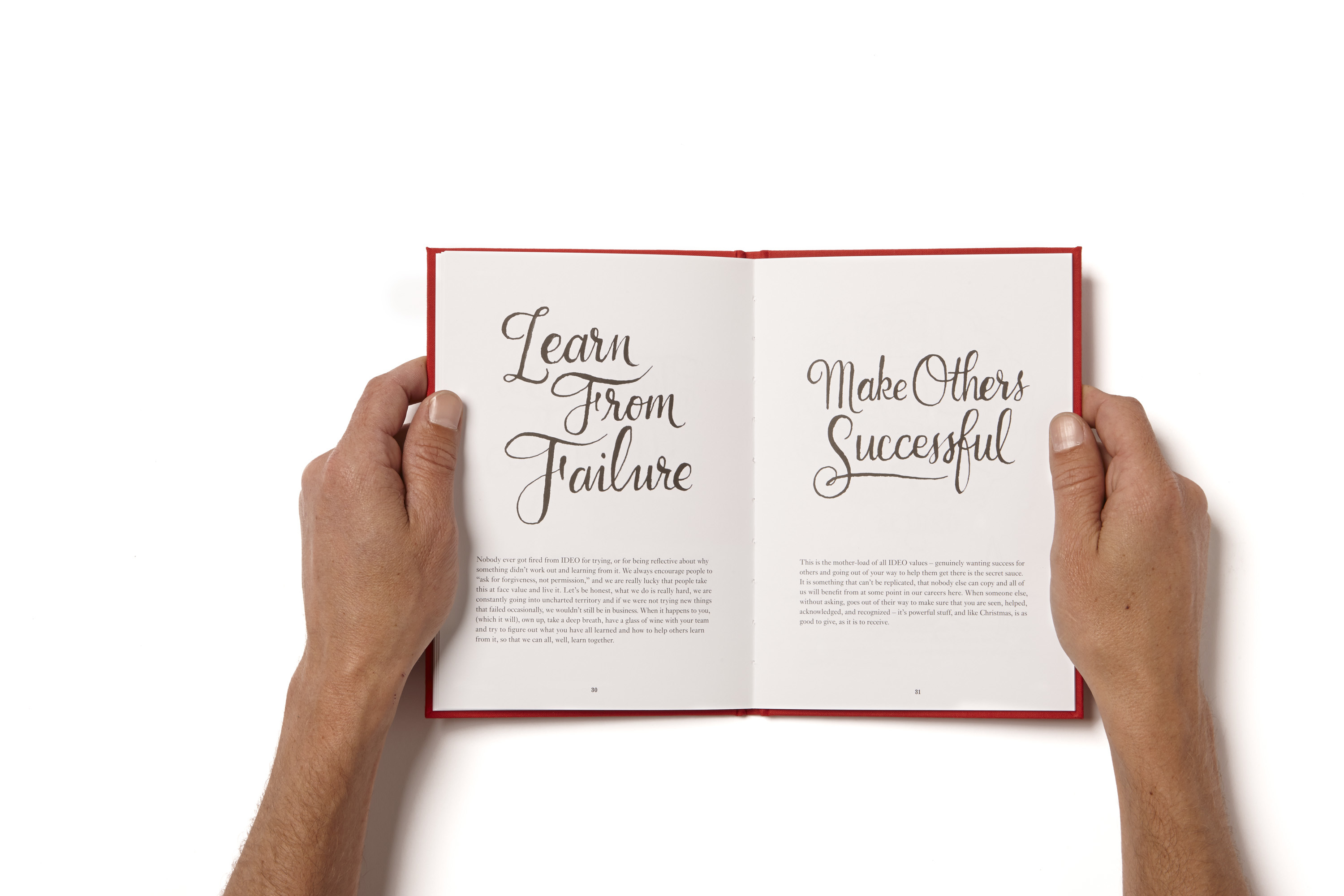
The team agreed that, in addition to identifying the technical requirements needed to progress through one’s career, it was just as crucial to give IDEOers the tools they need to navigate the complex culture. So they captured the values they believed were foundational to the culture and most strongly shared across the IDEO community, and put them to paper in The Little Book of IDEO. The title is meant to reflect its purpose for readers—a handbook that’s compact, useful, and free of any corporate jargon.

For IDEO-ers, this red cloth-bound guide provides a shared lexicon around both the hard and soft skills we need to succeed. It describes things like why IDEO is so loosely structured, where it comes from, and where it’s headed.
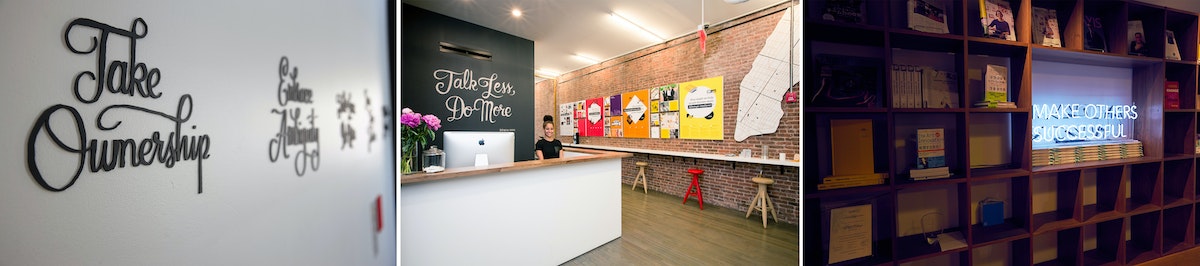
Most importantly, the book identifies the organization’s seven core values. These are by design specific, actionable, and integral to the kind of work we do and the environment in which we do it, going beyond common sense and general ethical practice. The intention: to foster meaningful conversations within the community about life at IDEO, and how to achieve success along the way. With each succinct expression comes a deeper explanation of why it matters, and how it shapes our experience at IDEO.
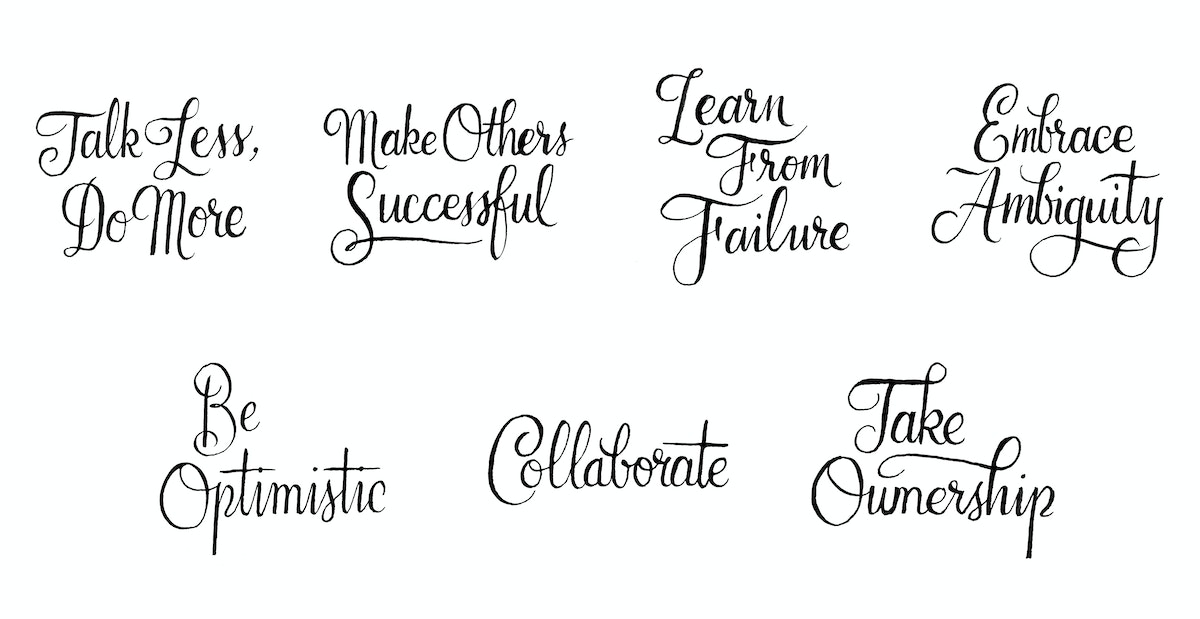
Over the years, the book has been roundly embraced by the IDEO community as an honest articulation of who we are, as opposed to what we aspire to be, and what we appreciate most about working together. When IDEOers first got their hands on it, a movement took shape to create videos that bring each of the core values to life. To depict the value of "Embracing Ambiguity," for example, New York-based designers built a makeshift cardboard rowboat, and while simulating a storm, navigated their way through uncharted territory with teamwork and optimism. San Francisco produced a Jacques Cousteau inspired look at the lifestyle and behaviors of designers in their natural collaborative habitat.
Through the process of making the videos, IDEOers came together to reflect on each of the values, talking through what resonated and what didn’t. It gave them a sense of ownership, and a platform through which to share their interpretations.
A Global Conversation
IDEO has a global presence—offices in two countries in Europe, two countries in Asia, and multiple locations across the U.S. As an organization that embraces a human-centered culture, it felt important to learn if the values resonated with the IDEO community in all of these locations, especially in a country like China, whose working culture is so different from the west. We saw the authenticity and resonance of the values as essential for attracting, motivating, and retaining local talent.
So how did The Little Book of IDEO land in Shanghai? Exploring this question would illuminate insights into how our own clients are often challenged to keep their company culture resonant within the global landscape.
A team of IDEOers in our Shanghai office took on the challenge of exploring the meaning behind each of the values. They were surprised with what they discovered—that despite the firm’s Western origins, locals felt largely connected to the values. It even helped to further solidify their identity as a community, even if it may have been in tension with local working culture, because it was rooted in a set of shared beliefs.
In some instances, the Shanghai team built on the existing values in order to refine the meaning for the local context. For example, the core value "Be Optimistic" rings true, but could sound naive when translated directly to Chinese, implying "rose-tinted glasses.” So in the Mandarin edition, an extra phrase was added to convey the measuredness we mean when we talk about optimism at IDEO. The lesson here: The treatment of something as fundamental and nuanced as our values requires authenticity and emotional connection, and therefore more of a transcreation process than straight translation.
Lasting Power
As an organization, we are designed to be flexible. This means we’re always changing—even when it comes to how we are structured—so that we can respond to the kinds of challenges that clients come to us for. In the midst of our constant evolution, The Little Book of IDEO is as resonant today as it was when it was published.

Putting purpose into action
Tips on turning the corner from purpose to strategy.
But a purpose statement alone is not enough to guide your brand, organization, or team when you are making day-to-day decisions. You need a strategy to define your future and the path to get there.
Too often, we see organizations work tirelessly to fine-tune a single, perfect purpose statement, only to discover that when they roll it out, their teams don’t understand the choices necessary to fulfill the newly-minted purpose. Or, they jump straight from a lofty purpose into the nuts and bolts of annual planning and resource allocation without aligning on the key tenets that will direct their future.
Strategy is this essential middle step that gives purpose clarity, direction, and intention. If purpose is your grand, evergreen, motivating inspiration, your strategy is what helps you make daily decisions in service of that purpose. In other words, if purpose is your North Star, strategy is the trail up the mountain that gets you closer and closer to reaching it.
Whether you’re adjusting your strategy in response to a new purpose, or aligning a new strategy with your existing purpose, a design-led approach clarifies choices, increases stakeholder buy-in, and reveals opportunities. Here are three tips to help you get started:

Co-create to surface organizational wisdom
When you’re engaging stakeholders across the organization to help bring your purpose to life in strategy, it’s critical to adopt a mindset of exploration and empathy. How are teams already living this purpose? What choices are colleagues already making that exemplify this purpose? How might this new purpose align with employees’ own goals and aspirations, and how could it help to fully unlock their collective potential? By engaging in collaborative interviews and co-design early and often, you’re tapping into existing internal wisdom and building connections that aid the adoption of the new strategy.
Recently, we collaborated with the leadership of an education organization to craft an innovation strategy. A new generation of senior leaders were excited about exploring opportunities for growth, while other leaders feared a new strategy would stray from their founder’s purpose. So, we took a three-pronged approach: First, we sat down with individual leaders to hear different perspectives, aspirations, and tensions. Then, we gathered the whole leadership group for a series of structured workshops. Each session started by reading the purpose statement, and using it as a guidepost for brainstorming and evaluating strategic directions. Finally, we enlisted small teams of executives to build, test, and iterate key elements of the strategy. By doing all three, we were able to help build equity that made it possible to implement the new strategy.

Evaluate the choices you made under your old strategy
Before you craft a new strategy, articulate the existing strategy using a framework like Roger Martin’s Playing To Win cascade. Looking at your organization’s past and present, think about when and where your organization has placed bets on a new market, audience, or offer. How have you historically created an advantage with your customers, and against your competitors? Then, with your new purpose in hand, re-examine these choices: What is aligned or misaligned? What is sustainable and what is vulnerable to growing competition?
We used this method when we were working with a specialty products conglomerate, helping them develop a purpose and strategy to embrace the needs of the climate era. This was a big undertaking that took several years of close collaboration across business units and executive leadership. To kick things off, and help everyone understand the status quo, we gave leaders 10 minutes, a blank Playing To Win cascade and a pen, and asked them to write down the major choices the company had made to get them to where they are today. Then we held a group discussion, assessing which parts of their current strategy and portfolio most aligned with their new climate-forward purpose—and which fell short. This exercise quickly exposed what needed to change and revealed new opportunities for the company to embrace its climate commitments, invest in its future growth, and live up to its purpose.

Visualize future possibilities to test your strategic choices
IDEO COO Jennifer Riel often says, “The best way to face the future is to create it.” Start by trying to tease apart the ramifications of potential choices by creating stories of the future: quasi-fictional scenarios of short-term and long-term success where your organization is truly living its purpose. If you invest your time and effort in different places, what are potential growth trajectories your company might take? What are you seeing in the market or industry that you might need to adapt to overcome? What trends inside (or outside) your organization might continue to grow, and what transformational power might they have on your future?
When we were helping an international pharmaceutical company unify its many divisions under a single, focused purpose, we needed to illustrate the potential outcomes of different choices. So, our team crafted four different stories of the future, each focused on a different strategic bet. What if they decided to double-down on new drug discovery—what might the next five years look like? What if they chose to go all-in on a single area of historic expertise? By looking across the four different potential futures, their senior leadership was able to compare and contrast, discussing what felt most feasible, inspiring, and aligned to their purpose, leading to a single future they were excited to build together.
Purpose and strategy have to work hand-in-hand. One without the other could lead to stagnation or confused paralysis across the organization. Together, they offer inspiration, intention, and a clear path to tangible choices.
Congratulations! You have a purpose statement—or something kinda-sorta-close, you think.

Calling for brave leadership in the climate era
It’s time to design new courageous futures.
Most captains today are choosing to rearrange the deck chairs, and draft strongly worded memos about maritime safety. Meanwhile, the iceberg looms.
Let's be clear: Changing course isn't easy. The crew is comfortable with their routines, the shareholders expect their smooth-sailing dividends, and frankly, it's hard to be the captain who ruins dinner. But we know what happens to ships that prioritize temporary comfort over necessary action.
The environmental challenges we face—from biodiversity collapse to climate injustice—aren't distant threats on the horizon anymore. They're here; we are living it. Yet in many boardrooms across the globe, the response remains painfully predictable: another strategy document, another net-zero pledge, another set of targets conveniently set for 2030, 2050, and beyond.
Yes, we have global treaties in place. Yes, we have ESG goals. And yes, humankind has the technological prowess to get us to net zero. But let's face it—what's holding us back isn't a lack of solutions. It's a lack of decisions. Decisions that can only come from bold, brave leaders.
We need leaders daring enough to plot an entirely new course, challenge the fundamental assumptions of modern business, and pioneer ways of creating value that serve both planet and profit. We need leaders who have the courage to turn the ship now, even if they are the first captain to break formation.

An uncomfortable truth
Today, most sustainability initiatives fail not because of a lack of technology or resources, but because of leadership paralysis. We're witnessing three critical traps that keep organizations stuck.
The first is the quarterly trap, where even well-intentioned leaders find themselves caught between climate commitments and earnings expectations. Watch any earnings call, and you'll hear the tension: ambitious sustainability goals carefully balanced against short-term financial targets. It's like trying to change course while keeping everyone's champagne glasses from spilling; this balancing act keeps us frozen in place.
Then there's innovation theater, where organizations launch sustainability programs that look transformative, but stop short of making fundamental change. The bottled water industry is a perfect example; it highlights recycled plastic bottles and "eco-friendly" packaging, but doesn't address the fundamental waste of bottling and shipping water globally when most developed nations have clean tap water. It's like tying down those deck chairs while avoiding the bigger conversation.
Finally, there's delegation delusion. Over the past year, I've met dozens of brilliant CSOs with ambitious plans, but sustainability can't be delegated to a department, no matter how capable its leader. Imagine trying to digitally transform a company by creating a "digital department," while everyone else works on paper. Real transformation requires sustainability to be woven into every decision, from the boardroom to the factory floor.

The new leadership imperative
Despite all these traps, change is happening. There are brave leaders out there—few, but growing—who are making incredible impact. At IDEO, we're fortunate to partner, work, and be friends with some of these pioneers, and I've noticed distinct patterns in how they lead. Here's what brave climate leadership looks like:
1. Embracing discomfort
When Allbirds stamped all of its products with their carbon footprint—like a nutrition label for the planet—the company made their environmental impact as visible as their price tag. This radical transparency forced the company to completely rethink its design and manufacturing, leading to the world's first carbon-negative EVA foam in footwear. And Allbirds didn't stop there. The company open-sourced its carbon footprint tools to other companies, making it possible for other companies to share their impact.
2. Reinventing the core business
Recently, I sat down with a leader from a world-leading consumer technology company who told me, "The future I see looks nothing like our current product line. And I'm ready to build that future, even if it means dismantling what drives our profits today." This willingness to reimagine the company’s foundation extends to how it operates. Smart leaders are putting sustainability targets on equal footing with financial ones in executive compensation—because real change happens when missing a climate goal hurts as much as missing a profit target.
3. Creating better products that happen to be sustainable
Method's concentrated cleaning products show how sustainability can drive innovation. By removing the water (which consumers have at home, anyway), the company created products that save money through reduced shipping and storage costs, while simultaneously cutting carbon emissions from transportation and using less packaging material. Customers choose their products because they're simply better, and they happen to use less water and plastic. There’s no compromise—only added benefit.
4. Making bold bets on the future
Let's be honest—it's daunting to reinvent an entire supply chain or revamp your existing infrastructure to become sustainable . But when CVS Health, Target, and Walmart decided to create the "Beyond the Bag" challenge, aimed at eliminating plastic bags, they showed the entire retail industry what's possible. But taking bold bets isn't just about changing your own operations. Over the past years, I've met incredible young female leaders like Dr. Anne Schauer-Gimenez from Mango Materials and Julia Marsh from Sway, who are revolutionizing how we think about materials. Smart leaders aren't waiting for these solutions to be proven at scale—they're actively investing in and scaling them themselves. Because one day soon, the choice won't be whether to change, but whether you still can.
5. Having fun doing It
Look at Rewiring America's approach to electrification. Instead of another doom-and-gloom climate message or boring, beige-colored Times New Roman ESG reports, they're making home electrification feel electric. Their tools—including an easy-to-use calculator and a personal electrification planner—don't just show carbon savings—they show families how much money they'll save by switching to heat pumps and induction stoves. When I recently connected with their VP of Product Tom Mercer, his energy about electrifying millions of low-income houses was contagious. And it's no accident that the company's head of marketing cofounded Upworthy and served as managing editor of The Onion—this fresh perspective brings wit and humor to what could be a dry technical topic. Sometimes saving the planet is fun.
6. Listen to customers—for real
As a design director at IDEO, I spend countless hours supporting our design teams in research sessions, listening to people talk about their everyday choices. And let me tell you—the narrative that "people don't care about sustainability" is not just wrong, it's dangerous business thinking. The next generation isn't just asking for better options—they're demanding them. They're reading labels, questioning materials, and calling out greenwashing on social media. Deloitte's 2024 research shows 64 percent of Gen Z will pay more for sustainable products, and 25 percent have cut ties with businesses over unsustainable practices. This isn't about a small group of eco-warriors anymore—this is mainstream consumer behavior shifting before our eyes. Miss these signals, and you'll miss the future of your market. Just ask the fashion brands being called out daily on social media, or the consumer goods companies watching their market share shift to sustainable alternatives.

The real work starts now
It's inspiring to hear about startups and innovators blazing new trails. But the real challenge—and opportunity—lies in transforming century-old organizations. We don't need more sustainability strategies. We need leaders from every industry to become the brave new captains of the climate era
The climate crisis offers a stark choice for leaders: Be brave enough to transform your organization now, or watch it become irrelevant in a world that's already changing. At IDEO, we're energized by leaders ready to make this transformation. If you're ready to design solutions that will define the next era of business, we'd love to work with you to bring that vision to life. Let's create meaningful change together.
Imagine you're the captain of a massive ship. You've spotted dangerous waters ahead, but changing course means disrupting your passengers' champagne dinner.

Our toy inventors' top 18 picks for 2024
From princess play to clever puzzles and drinking games, here are some of our favorites.
At IDEO's Play Lab, we spend all year making and testing toys, games, and experiences for kids—and grown-ups who used to be kids. Here are some of our best recommendations for everything from storytime play to game night with your pals. Some come from our very own Play Lab, and others from toy and game makers we admire.
Ready to make it official? You can find a link to our store here. (Please note that IDEO makes a commission off of affiliate links.)

1. Incohearent Family Edition by Relatable
A hilarious party game guaranteed to get a laugh with the fam during the holiday season! Each turn, one player draws a card with a gibberish phrase on it (i.e. “sa male leaf heat”) and the rest of the players race to sound out the gibberish and be the first to guess the hidden message in the garble (in this case— “smelly feet”) and collect that card. First to 13 cards wins! Tons of content, quick to learn, and quick to play, this game will have your whole family shouting pure playful gibberish at each other in no time.
Who will love it: family and friends ages 10+, or check out the spicy version for cards with humor geared toward adults
—Matt Callahan
2. So Clover
In So Clover, you’re given four pairs of random words. Then you have to come up with clues connecting each pair for your friends to decipher and discover which words go with which. Imagine CodeNames, but nobody gets angry or upset at you for giving weird clues! While it has a competitive element to it, ultimately this is a super fun word association/logic game that I can’t get enough of.
Who will love it: Pretty much everyone, but for the adults, it’s extra fun as a drinking game
—Andrew Stewart
3. FreeSkates
Skateboarding is the perfect combo of athleticism and artistry. It has parents like me holding our breaths and hoping that our kids avoid injury, but there’s nothing like the magic of seeing your kid flying across the asphalt, building confidence to try bigger and better tricks. FreeSkates introduce a whole new challenge with a separate board for each foot, bringing a fresh elegance and rhythm as your feet glide independently of each other, snaking in and out underneath you. There’s a bit of a learning curve, but it’s worth the effort and the scrapes!
Who will love it: Adventurous kids of all ages, though the younger ones tend to heal faster…
—Michelle Lee
4. Flipslide
We bought our son a Rubik’s Cube, but it was just a little too monotonous for him to stick with it. Enter Flipslide! You have to flip, slide, and match the lights against the clock, and it’s wild how addictive it gets. It’s fast-paced, super portable, and great for challenging yourself or competing with one another to get the best time. Perfect for road trips or whenever you want a fun, screen free distraction.
Who will love it: Puzzle fans and anyone 8+ who loves quick reflex challenges
—Diana Tobey
5. Lights from Anywhere (Marvin’s Magic)
A classic, off-the-shelf illusion perfect for anyone getting into magic but looking for something beyond card tricks! Conjure magical lights between your hands, pulling them out of thin air and making them disappear in the blink of an eye. Without giving away any secrets, I can say this is a brilliant, timeless effect that deserves two thumbs up! 👍👍
Who will love it: Any kid interested in magic (it does require some dexterity), but also parents too! It’s the ultimate party trick.
—Neal Boyer

6. DC Comics Batman Ultimate Transforming Batmobile Playset
This one is for the little Batman fans in your life that love getting lost in their own storylines. One minute, you’re driving around Gotham; the next, the Batmobile opens up into a full-on Batcave with gadgets, a jail cell, and tons of cool spots for action figures. It’s the Batmobile that keeps giving.
Who will love it: Batman fans 4+ and any kid who loves action-packed play
—Elise Granata
7. Mantis
There are only two rules in this family board game for kids and adults. One, steal or score your way to victory by collecting matching cards. Two, the first player to reach 10 cards in their score pile is crowned the winner. The game is easy to learn and fast-paced. Ready for the emotional rollercoaster of stealing from your opponent—or being stolen from yourself?
Who will love it: Family, and friends age 7+
—Jeremy Chen
8. Sticker Wow! From Melissa and Doug
During our research talking to families with young kids, we discovered just how much they love stickers. But peeling and sticking can be hard for little fingers. So we came up with this super fun, fidgety way to stamp stickers. The best part? They stick tightly to activity books and paper, but are easily removable if kiddos stick them to other things. The stickers are refillable (and collectible), which means you never run out, and it’s not wasteful. All the kids we’ve seen play with this are instantly obsessed. (This toy is a patent-pending IDEO + Melissa and Doug invention.)
Who will love it: Kids age 3-7
—Vlasta Komorous-King
9. Story Time Chess
A way to teach kids (and adults!) how to play chess through fun, engaging stories. Each chess piece is turned into a unique character with a personality and movement pattern that aligns with that piece's actual rules in chess. For example, King Chomper can only move one step at a time because he loves to eat so much and his pockets are stuffed with food. The game comes with mini-games and workbooks to help kids practice specific skills as they get more advanced with their chess strategy and tactics. The perfect pick if you enjoyed The Queen’s Gambit and secretly aspire to raise your own chess prodigies—or better remember the rules yourself.
Who will love it: Any age will benefit from the memorable story and characters, but especially younger kids 3+
— Diana Tobey

10. DJ Bouncin' Beats
This toy knows how to PARTY! I have spent hours of my life hanging out with DJ Bouncin' Beats and my two-year-old niece as it sings us ABCs, counts with us, and plays back custom recordings of phrases or sounds we make. It’s a combination teacher, boombox, and dance partner. Maybe even better than having a sibling?
Who will love it: Kids 12-36 months
—Elise Granata
11. Disney Princess Carriage to Castle Playset
So much play value in one play set! With Carriage to Castle, kids can act out both magic princess vehicle play AND full castle doll house play with all their favorite princesses. This playset comes with four figures, tons of accessories, and an exciting transformation to help them story play. Parents will love that this castle can transform back down to a carriage size for easy storage.
Who will love it: Young kids that love princess play! Best for ages 3+
— Rikki Devlin
12. Drop Trivia
If you love some competition with your play, this game is perfect for a post-dinner or drinks moment with friends. The questions are a mix of pop culture, random facts, and fun surprises, so there’s something for everyone to shine at (or totally blank on). Think Trivial Pursuit with the countdown urgency of disassembling a bomb.
Who will love it: Trivia buffs ages 10+—and anyone who loves a good challenge
—Matt Callahan
13. Wild Flowers by Moose Toys
The ultimate chill board game! Wild Flowers features stunning graphics that transport you to a serene flower field. Players use tiles to grow and claim flowers, and complete task cards related to the flower board. Perfect for one to four players, it strikes the ideal balance between strategy and luck, making every game fun and engaging. The perfect way to end your day!
Who will love it: 8+
—Inna Yankelovich

14. Illusion
Illusion is a quick and fun card game where players test their perception of color and patterns by arranging cards in order of the percentage of a specific color they contain. Each turn, you can challenge the lineup if you think someone made a mistake—revealing dramatic surprises when the cards are checked. It’s a fast-paced mix of strategy, observation, and the thrill of calling someone out, making it perfect for parties or family game nights!
Who will love it: Kids 6+ (but it’s also great for adults)
—Sam Hobish
15. Scout
This card game is easy to pick up and learn with a ton of depth. Unique cards have different values on their top half and bottom half. At the start of each round, you can decide whether to play with the top set of numbers or flip your entire hand to play with the other set. But player beware, your hand is now fixed for the rest of the game. Play cards to make new combos or take another card to make your hand even stronger. To win, play a hand no one can beat or get rid of your hand.
Who will love it: kids (8+) and adults
—Weishan Liao
16. CoComelon Transforming School Time Bus
The perfect gift for any CoComelon lover, this classic school bus play set transforms into a tiny classroom and playground. Kids can drive around on the ground in school bus mode, then easily open up the bus to find tons of play inside. The chairs magically pivot into a classroom setting.
Who will love it: Kids 3-6, but also Cocomelon lovers of any age
—Weishan Liao

17. The Magic Puzzle Company
Think you’ve mastered all the puzzles out there? Welcome to the enchanting world of the Magic Puzzle Company. These puzzles are designed to challenge even the most seasoned puzzlers, with whimsical scenes, quirky characters, and a surprise twist that will leave you in awe. Packed with hidden Easter eggs and playful vignettes, every piece you place brings a touch of joy. With such captivating designs, it’s nearly impossible to step away. (And check out this puzzle by IDEO alum Felicia Chiao.)
Who will love it: Kids 15+ to adults
—Lauren Schreiber
18. Barbie Dog Duo With Wheelchair
This set offers such a sweet way to expand storytelling opportunities, with Barbie caring for her pup who’s using a wheelchair, bringing inclusion and creativity into playtime. The little accessories are a great touch, and it’s been a hit for sparking imaginative, heartwarming adventures.
Who will love it: Kids 3+
—Keren Wong
Stumped about which toys or games to add to your list this year? We’ve got you covered.

5 truths about the changing health landscape
What we heard on the ground at HLTH ‘24.
There are few parts of the industry we haven’t touched. Why? Because few sectors offer so many possibilities for making a positive impact in people’s lives, if we can ask the right questions, and innovate our way to the right solutions.
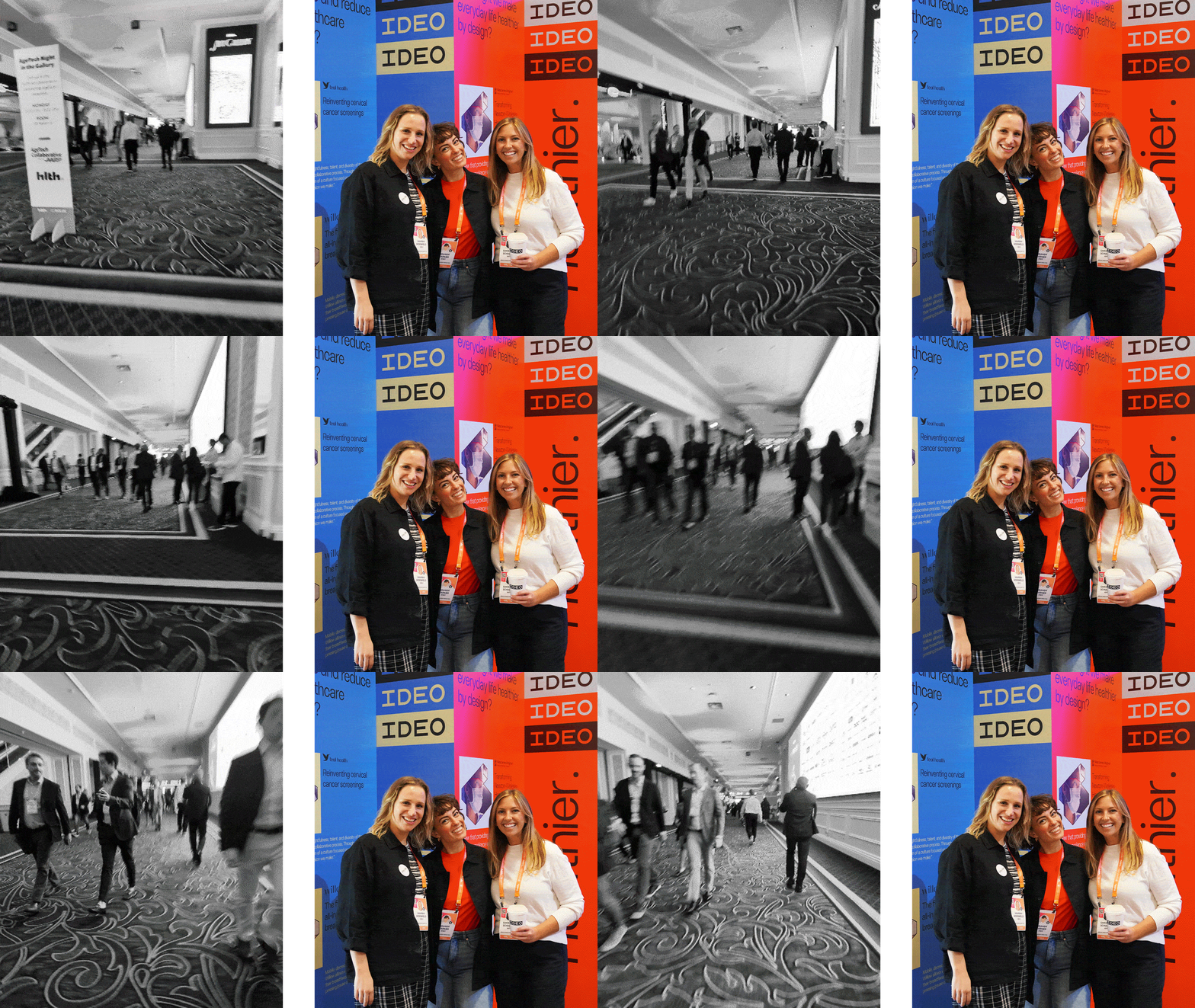
Last month, we headed to HLTH to learn more about the trends, hurdles, and paradigm shifts companies, hospitals, and other care organizations are coming up against in this space. Here are some of the things we took away from our time on the ground.
1. Design can help us move beyond point solutions
Right now, we’re seeing a lot of standalone digital platforms tailored for different diagnoses, different age groups, and different patient populations. While this approach can better align with the way payments work in the healthcare system and result in more easily-proven health outcomes, it often feels like we’re reinventing the wheel over and over. You see this especially in mental health—solutions for youth, solutions for kids, solutions for employees, etc. Larger organizations across payers, medtech, and pharma, are starting to ask, “What is actually generalizable here?” And, “Can a connected experience better fit the patient's needs?” “Does everything have to be custom-built for every drug, every piece of equipment, and interventions?” That’s costly, not only to operate but also to sustain. Why don’t we already have frameworks that are broad but adaptable? With all the research and data we have, we could create a shared understanding that we can tune to fit specific needs. Theoretically, we have the data; we know what works and what doesn’t. There are systemic reasons—proprietary systems and data hoarding come to mind. But still, if we could create a more universal approach, we could make an enormous difference.
2. We need to use AI to upskill healthcare workers, not replace responsibilities
The way we’re using them now, AI tools primarily aim to speed up workflows and improve operational efficiencies—whether it’s faster prior authorizations or streamlined documentation through AI scribes. But without careful implementation, these efficiencies could merely increase volume without enhancing care quality. Accelerating prior authorizations might lead to more requests and denials, rather than improved outcomes. Saving time on documentation might enable doctors to see more patients, but it doesn’t necessarily mean better patient interactions. We need to look beyond low-hanging fruit to achieve lasting impact. The industry must ask itself: Will widespread AI adoption genuinely drive health outcomes? And crucially, how do we encourage buy-in in a field where practitioners—trained over decades to rely on their own expertise—may resist technology-driven changes? At IDEO, we recently worked with a large payer organization to develop an internal AI strategy, focusing on how to foster acceptance across all employee levels. Building comfort with AI requires thoughtful design that respects existing expertise while gradually upskilling, rather than displacing, responsibilities.

3. “Practical innovation” may just be a buzzword
On the ground, we heard a lot about the challenge of sustaining innovation as budgets tighten across the healthcare landscape. Our conversations with people driving innovation at health systems and large organizations revealed not only budget cuts, but also a shift toward tactical, outcome-driven approaches. Organizations that we spoke with are increasingly looking to “practical innovation” to kick start their innovation cycle. Practical innovation in its original definition ensures a focus on commercial impact vs. innovation theater–a concept that we bring to each of the challenges we take on–but we shouldn’t allow the push for pragmatism to result in innovation falling into a trap. In this climate, innovation teams are expected to tie their work to key metrics prematurely, and reach scaled efficiency too quickly. This results in fewer bets, lower tolerance for risk, and a short runway to demonstrate outcome-focused results. Design has a crucial role to play in avoiding potential traps and increasing impact. For instance, by leaning into co-design and creating products alongside providers and patients, we can significantly de-risk innovative products and services. During our partnership with Kooth to create a mental healthcare app for youth in California, we worked directly with a youth council of 50 diverse young people to launch and validate a proof-of-concept, before then getting full investment for a state-wide launch.

4. Hospitals are recognizing their power as innovative forces in the healthcare ecosystem
Shaking off the antiquated image that they’re bureaucratic dinosaurs, hospitals across the country are setting their sights on innovation and beginning to think of themselves as engines of impact across the healthcare ecosystem. Whether that’s lending their space and access to incubate startups or giving their skilled medical talent the time and resources they need to conduct research and development activities, hospitals are eager to deploy their assets in new ways to unlock new value and drive exponential impact by improving healthcare experiences and outcomes.

5. The time for good health is (always) now
Every year, we see, hear, and feel a sense of urgency around solving large, intractable problems, and every year we feel the collective disappointment that we are falling short of the progress we hope to see. Over the course of our week in Las Vegas, we spoke to thousands of people from across the healthcare ecosystem about novel ideas, genuine patient needs, product innovation, and promising new therapies. Each and every person wants to make an impact to improve the lives of those we serve—and it is true that we are seeing some remarkable progress. But good health remains elusive for many. We are working with clients in every corner of the sector to make good health a reality—innovating patient care, supporting carers to deliver on the purpose that drove their choice in vocation, partnering with life science companies to deliver innovative care to patients, and digital health companies to make huge leaps in how we deliver care. Our goal? To make healthier human futures a reality of today, not the hope for tomorrow.
We dedicate a lot of our time to making healthier human futures, from working with healthcare providers to create a culture of innovation, partnering with pharmaceutical companies to create new drug delivery approaches, and co-creating new digital solutions with disrupters.

Lindsey Turner
I’m passionate about building brands, products, and experiences that help organizations show up with meaning and momentum.
I help organizations cut through complexity by shaping how they show up, through brand strategy, identity, and storytelling.
Working at the intersection of brand and business, I bring an editorial eye and a bias toward making—turning ideas into tangible experiences that people can understand, trust, and believe in.
My work spans government, healthcare, financial services, media, and consumer goods, from launching Gen Z-focused ventures to building innovation labs and reimagining legacy brands. I relish moments of ambiguity and enjoy translating across teams, perspectives, and priorities to move ideas forward.
I started my career in editorial and digital design, shaping cross-platform experiences and identity systems in publishing and agency environments. That foundation still shapes how I work today: I’m detail-oriented, collaborative, and overreliant on the Oxford comma. I hold a BFA in Visual Communication from the School of the Art Institute of Chicago.

Rachel Young
My work helps organizations see who their products aren't working for—and build the will and the tools to do something about it
For 25 years, I've asked the same question: Who does this design exclude—and what are we going to do about it?
My work spans human-centered strategy, inclusive design, and qualitative research, with clients ranging from Microsoft, Google, and Verizon to the National Science Foundation, and San Francisco Unified School District.
Before IDEO, I taught elementary school in East Palo Alto and spent a decade doing design work with social service organizations—where I learned firsthand what it costs people when systems are built without them in mind.
I am currently writing User Error, a nonfiction book about digital access and the design decisions behind it. I live in Oakland, California.

Brian Pelsoh
I lead with craft, ensuring our work is creatively excellent: rooted in deep human insight and imagination, while also grounded in the realities of business and technology.
My expertise spans brand, communication, and product design across tech, education, the arts, and social impact.
I believe great work demands both high-level vision and obsessive attention to detail, and only happens through collaboration.
I bring an inclusive, hands-on approach and a deep understanding of business, which enables me to consistently deliver excellence while always asking why.
Before joining IDEO, I worked at the brand firms Pentagram and VSA Partners. I began my career as a designer, leading teams at the School of the Art Institute of Chicago and the Milwaukee Art Museum. I hold an MFA in graphic design from Maryland Institute College of Art and a BFA in communication design from the Milwaukee Institute of Art & Design, and have taught at some of the best design schools in the US.

Tony Wong
I am responsible for IDEO’s long-term success in China and working with clients to use design as a tool to enable growth.
I am responsible for IDEO’s long-term success in China and working with clients to use design as a tool to enable growth. Specifically, I have helped Chinese companies design holistic brand solutions through the development of their products, communication, services, and innovation teams, and I have helped multinationals expand their presence and influence in China.
I advise global leaders on developing China-led innovation and capabilities.
In over 15 years in IDEO Shanghai, I have worked on projects that use design to elevate the quality of the experience of healthcare products and services, streamline processes that increase productivity, create spaces and programs that promote and enable inclusive communities, and build next generation mobility solutions that are planet-positive.
Before joining IDEO, I worked at Philips Electronics and the Electrolux Group in Italy, the Netherlands, and Singapore on a number of breakthrough commercial products. I am a member of the Young President Organization in Shanghai.

How to use AI as an editor, not a writer
Ed White shares how he uses AI as an editor—not a writer—to sharpen storytelling, rehearse ideas, and preserve the productive friction that makes creative work better.
Ed White has a rule he's tested on his own writing: hold yourself as the writer, and let AI be your editor. Ed is a Senior Design Director at IDEO's London studio, where he co-leads the firm's AI portfolio across Europe. Before IDEO, he spent 12 years as a writer and editor at the Financial Times, Wired, and Contagious. So when he talks about when to use AI for storytelling and when not to, it comes from two decades of crafting his storytelling skills.
In this episode, Mina Seetharaman talks with Ed about two specific tools he uses to keep AI in an editor's seat: a "roasting agent" prompted to critique his drafts without any sugarcoating, and a simulated audience he rehearses pitches on before the real thing. They also get into what Ed is hearing from design leaders at Anthropic, Lovable, Shopify, and Google Creative Lab about how creative work is changing, and why he thinks the friction of writing something yourself is worth protecting rather than automating away.

Building a personal AI for the messiness of life: Sida Li
Becca Carroll talks with Cue co-founder Sida Li about designing a personal AI for the messiness of everyday life—not just work. They explore how Sida stays anchored to human needs while navigating fast-changing technology, product tradeoffs, business-model experimentation, and the realities of building an AI company today.
Most AI products today are built for work—a space with clear problems and established systems. One founder noticed a gap: personal life is messier, harder to systematize, and mostly left behind by the AI boom. So she built Cue, a personal AI that lives inside iMessage and group chats, to go where the other tools haven't.
In this episode, Becca Carroll, IDEO's Chief Strategy Officer, talks with Sida Li, co-founder and CEO of Shared Context Lab, about staying anchored to a human need while the technology around her keeps changing shape, why she treats her business model with the same rigor she'd bring to a product, and what it feels like to build a company at this particular, disorienting moment in AI.
The conversation also gets into how Sida makes design decisions: the language Cue uses to describe itself, the tradeoffs behind building inside iMessage instead of a new app, and a real story about a business idea that didn’t pan out.
This is the second in a two-part series profiling founders from IDEO's Startups-in-Residence program. The first conversation is with Johannes Seemann, founder of Sooner, on designing GenAI for the emotional side of money.

Designing GenAI for the emotional side of money: Johannes Seemann
Designing financial tools around the feelings that shape money decisions.
Most personal financial tools are built to run the numbers and optimize towards a budget. While that works for some, most people experience money as a lived relationship that does not neatly fit into a spreadsheet. Johannes Seemann and Becca Carroll discuss why money is emotional before it is mathematical, and what a human-centered approach to building a generative AI financial product looks like in practice.

The curious leader's edge in uncertainty: Scott Shigeoka
How genuine curiosity helps leaders navigate uncertainty with greater confidence.
Mina Seetharaman talks with Scott Shigeoka, author of Seek and Head of Curiosity Cultivation at the Eames Institute, about what distinguishes genuinely curious leadership from performative curiosity, how power dynamics shape curiosity, and why practicing curiosity can restore energy rather than drain it.
Looks like you might be in search of something very specific?
Or reset the filters above and try another angle.
Here’s some random inspiration

Podcasts about creative leadership

Articles about the power of prototyping











































.webp)