
.svg)


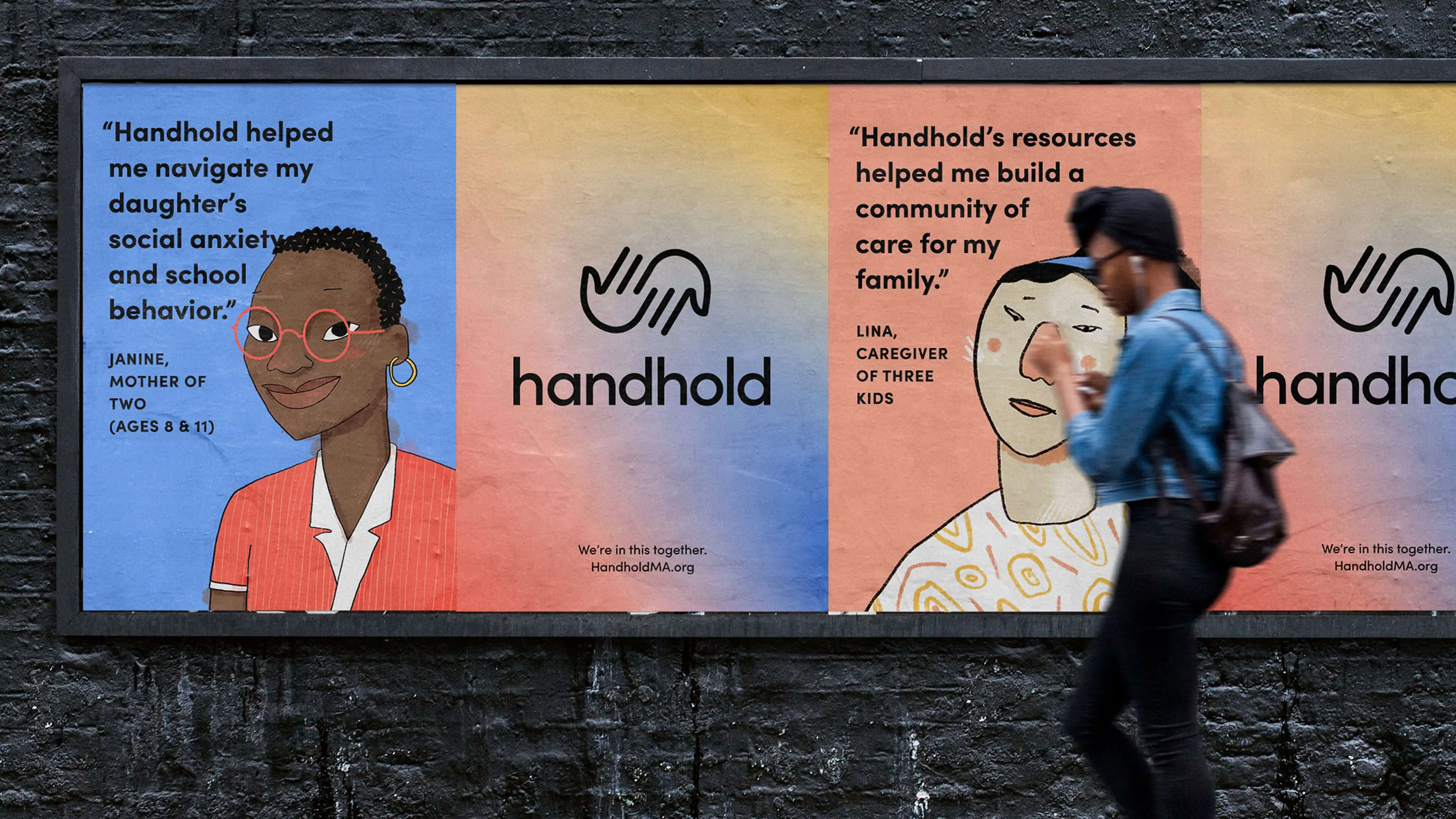

A helping hand
Massachusetts puts families at the heart of mental health.
The urgency of attending to our children’s mental health cannot be overstated.
Concern about their well-being was already on the rise in the decade prior to the pandemic. Alongside social inequity, the COVID era has seen soaring rates of depression, anxiety, trauma, loneliness, and suicidal thoughts. Knowing that mental health is influenced by numerous systemic factors, we met with families of all income levels and heard from practitioners throughout Massachusetts. In some communities, mental health is candidly discussed, in others it remains a taboo subject. Through these conversations, we learned that mental health requires both individuals and their families to be educated, supported, and empowered.
HandholdMA.org helps families find services that work for them and gives them easy access to information on a range of mental health topics. It allows parents to learn from and support one another as they navigate the landscape of mental health together. We took special care to make resources feel approachable for those in communities of color, and curated new resources for everyone from preschoolers to teens—because mental health challenges do not discriminate.
In 2020, a coalition of the nation’s leading experts in pediatric health issued an urgent warning that the mental health crisis among children had become a national emergency.
The percentage of emergency department visits for mental health crises rose by 24% for children between the ages of 5 and 11, and 31% for those 12 to 17, compared with 2019.
87,000
site visits to to HandholdMA.org since launch
223,000
people reached in bilingual social media campaign
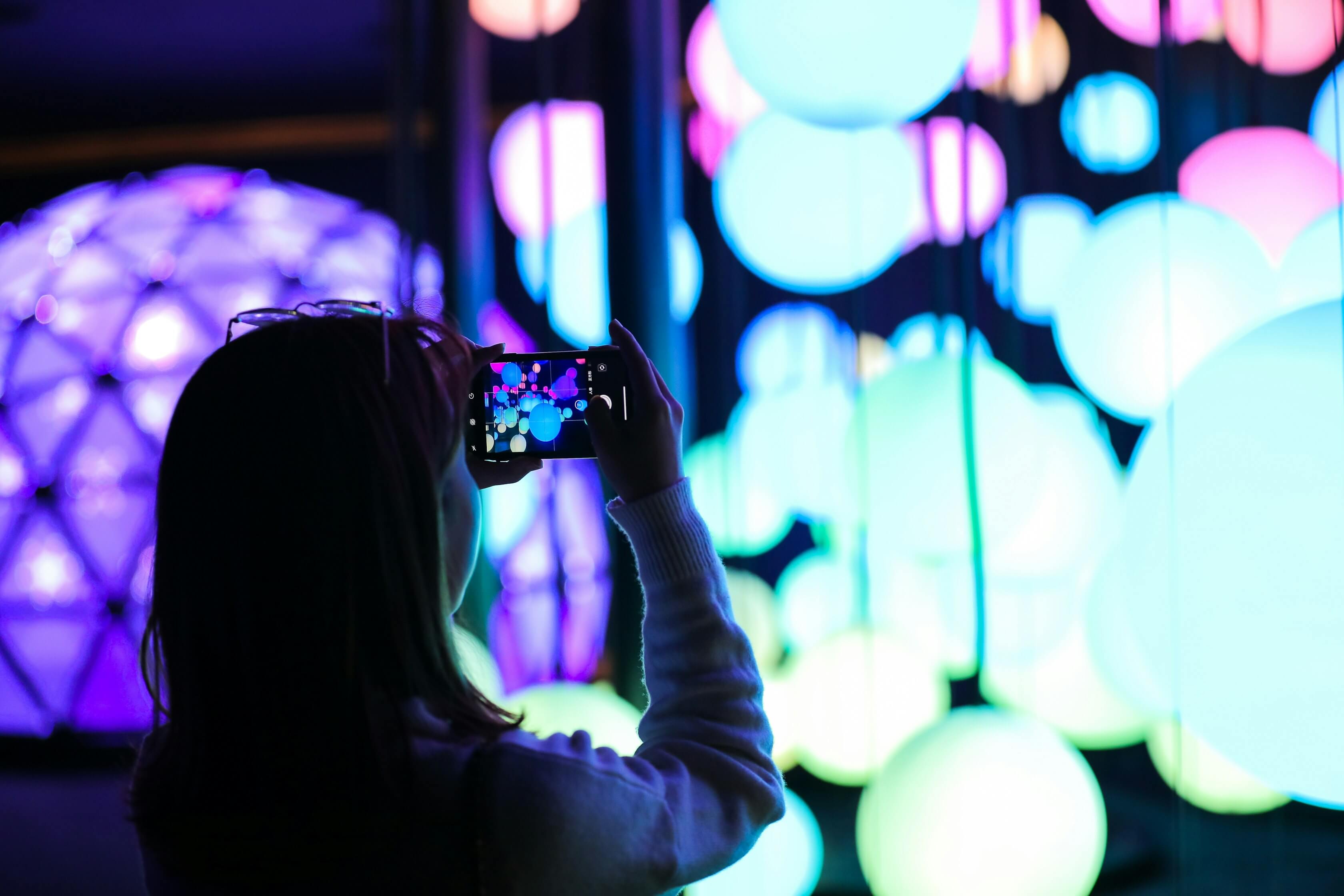
Evolving to meet young consumers
Accelerating vivo’s transformation journey to connect with China’s young consumer.
To help shift vivo’s thinking from a focus on products to a focus on brand-building, IDEO set out to help the company understand how young consumers experience fun—a core tenet of the vivo brand. The new concept store needed to convey joy and fun in a meaningful and memorable way. The project was about more than just designing the space; it was also about piloting into vivo’s future brand systems.
To kick off the project, the IDEO team conducted user research in four different cities in China, then shared the stories of young Chinese consumers with the vivo team. Their interviews revealed that young people value experiences that enrich their lives and create a feeling of positive personal transformation. They seek opportunities to discover new experiences, express themselves in different ways, expand and deepen their social connections, and build knowledge and skills. By leaning on this definition of “enjoyment,” IDEO helped vivo identify the value proposition of the concept store, helping consumers express themselves in new and different ways. The store would allow every visitor to see something unique and find a fresh perspective.
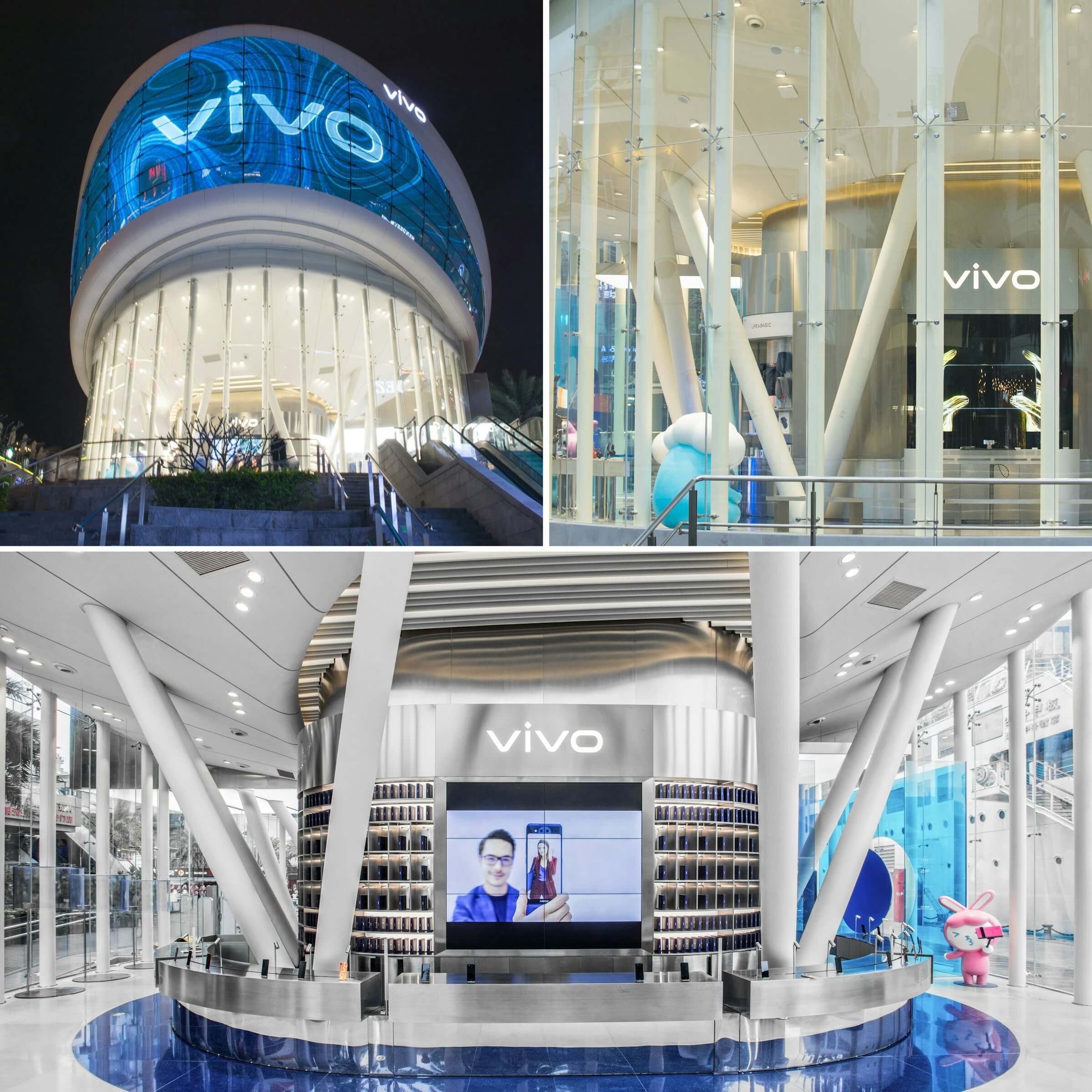
The vivo team took that value proposition into a design brief and later built out the space and interactive experiences. The second floor of the store is dedicated entirely to interactive experiences using photo booths, sound recording, and lighting technology, designed to provide consumers with the kind of enjoyment they seek. vivo launched the concept store in Shenzhen on March 22, 2019, marking an important milestone in vivo’s transformation from a smartphone maker to a consumer brand.
China consumes roughly 30% of the world’s smartphones—which presents a tremendous market opportunity for brands looking to capture young consumers’ loyalty.
Top 1
in China's smartphone market, topping both shipments (sale-in) and retail sales (sale-out), in the first half of 2024
260M active users
within two years of vivo Lab's official opening, with 70% of them young users
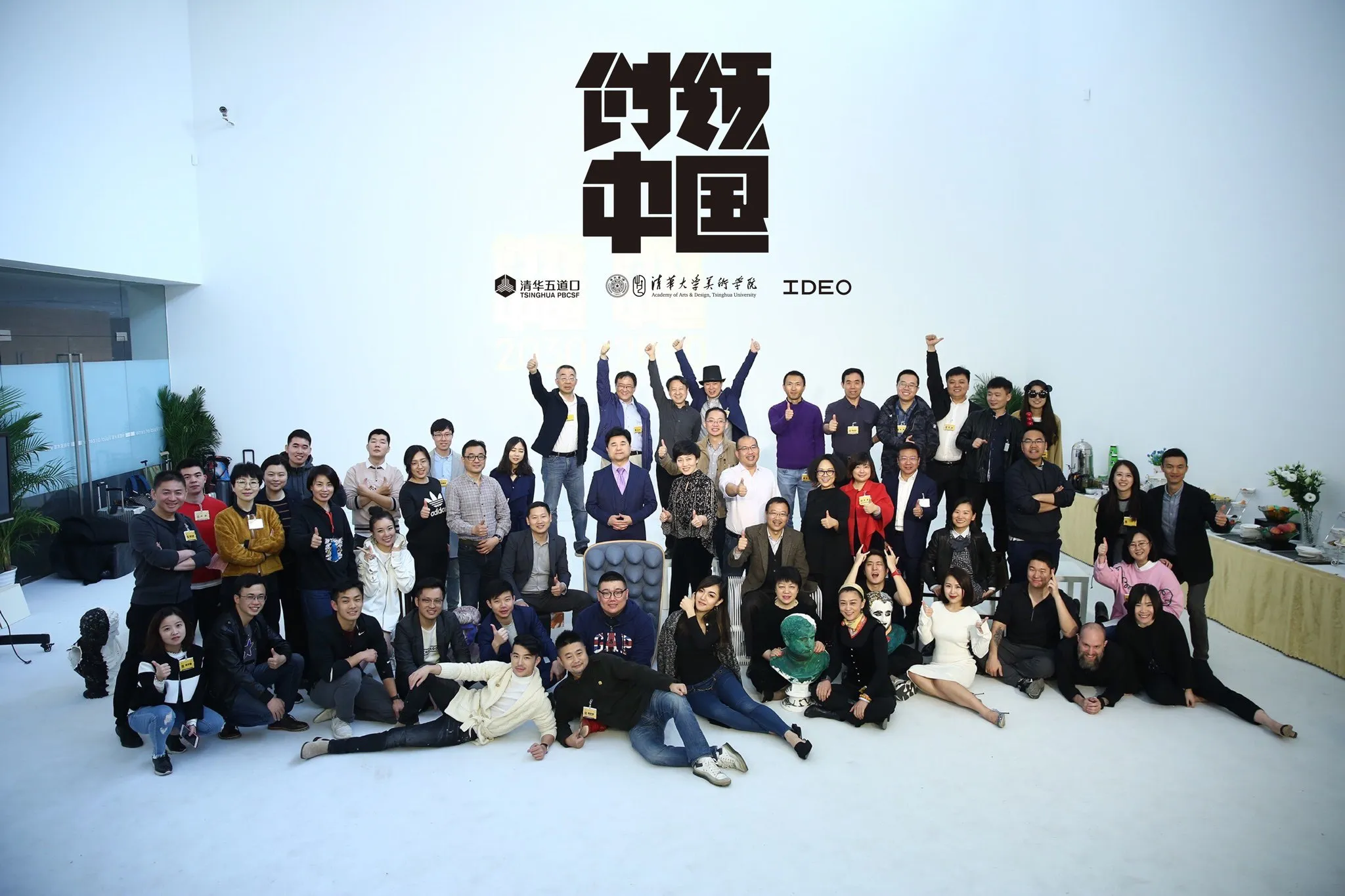
Transformation through creative leadership
Tsinghua University launches China’s first leadership course focused on design thinking.
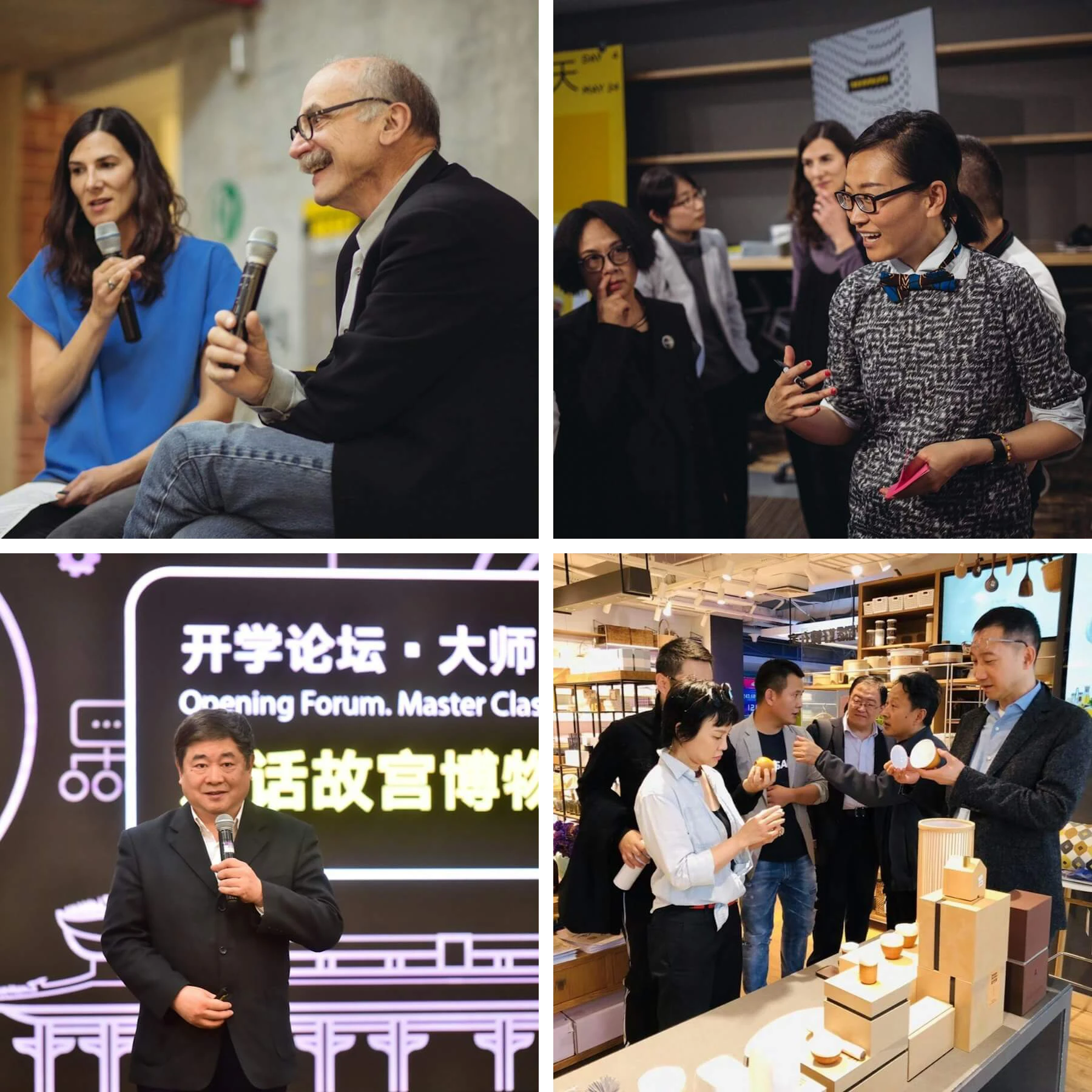
The program Tsinghua and IDEO created together consisted of six modules focused on creative leadership: Rediscover Design, Build Design as a Core Competency, Creating the Conditions for Creativity, The Financial Levers for Innovation, Designing for the Fourth Industrial Revolution, and Leading for Tomorrow. 73 Chinese and foreign experts helped teach the modules, including former Forbidden City Palace Museum director Shan Jixiang, the father of Japanese industrial design, Masayuki Kurokawa, and Jake Knapp, author of the book Sprint.
The program’s first cohort included more than 30 entrepreneurs from 20 different industries across nine cities. Participants completed the courses throughout the year, taking full advantage of holistic, interactive teaching and the opportunity to share their own practical experiences. Their feedback consistently demonstrated how the course had given them fresh approaches to problems their companies faced, whether improving internal communication or helping them see the clients they serve from a new perspective.
Liu Feng, the founder of a fast growing tourism development company, was particularly inspired by the Creating the Conditions for Creativity module’s six pillars of corporate transformation concept. Using these pillars, he not only refined the mission and value of his company, but also launched a series of measures to improve all aspects of its operations, from customer service to annual company gatherings. With a newly empowered team, he significantly increased the agility of the organization.
Ting Zhihong, the chairwoman of China’s leading logistics technology company, managed to double its profit during the course. She said her biggest takeaway from the course was how important it is to empower the team. Her company has now set up several platforms that give employees more room to experiment, create, and take part in frontline decision-making, bringing them closer to the company’s management.
Hu Chao, founder and CEO of China’s largest e-commerce platform for childcare goods, found that while other executive courses simply teach knowledge, Lead a Creative China taught him the importance of placing people at the center of what his company is doing.
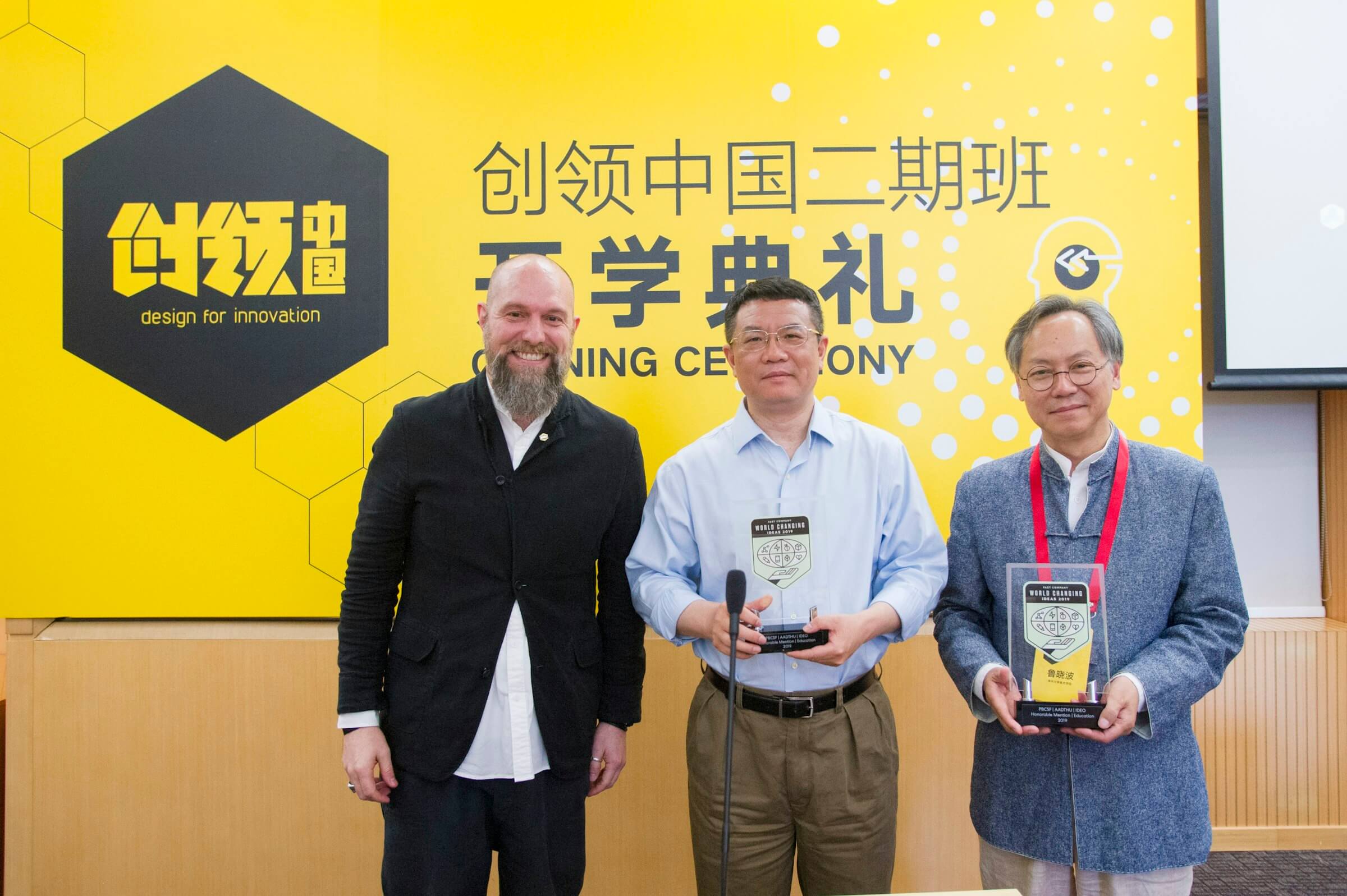
The first cohort of the program graduated in December 2018. On April 8th, 2019, the Lead a Creative China program received an honorable mention in the education category as part of Fast Company’s 2019 World Changing Ideas Awards, becoming the only award-winning Chinese project in the category.
After 40 years of rapid change, China has reached a pivotal point in its growth trajectory. Across the globe, traditional drivers of economic growth have slowed down, creating opportunity define the new economy.
The Chinese government has laid out a wide range of ambitious policy plans to ensure that China successfully manages this transition, and that the country continues to grow and lead.
Honorable Mention
education category, Fast Company’s 2019 World Changing Ideas Awards
Human-centered hospitality via a tech-forward app
Huazhu Hotels Group translates its renowned hospitality brand into a seamless digital ecosystem for guests.
China’s digital landscape is dominated by highly integrated mobile apps like WeChat and Alipay that seamlessly combine messaging, shopping, bill payment, and finance management. This shift toward digital-first interactions that are hyper-convenient, personalized, and intuitive has significantly shaped consumer expectations for experiences like finding, booking, and staying in a hotel. To stay competitive and meet—or exceed—young guests’ expectations, Huazhu needed to redesign its Membership App 3.0 to prioritize guest needs across all touchpoints of the hotel journey.
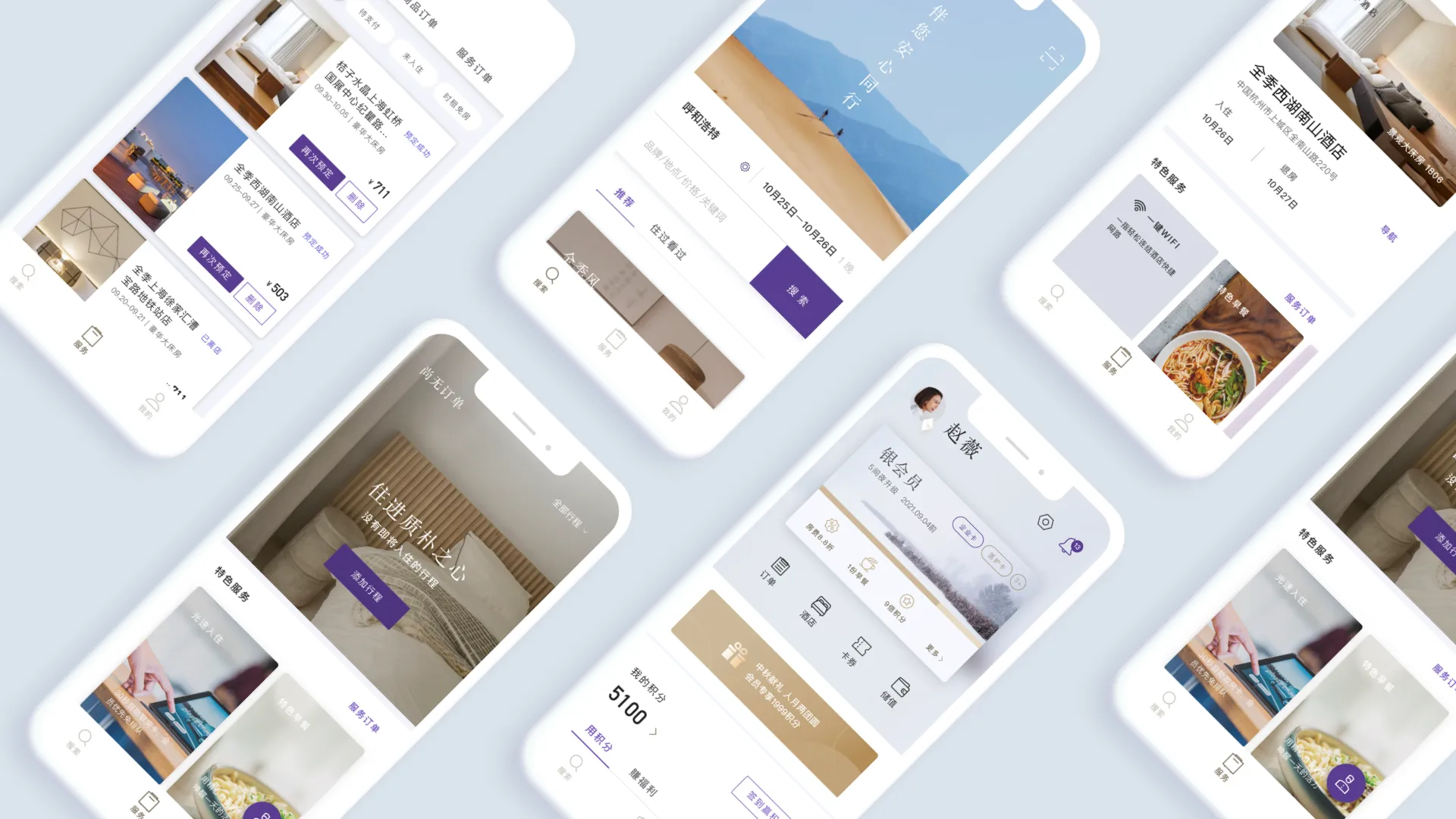
Through in-depth research and member feedback, IDEO discovered the true pain point the Huazhu membership app needed to address: seamlessly integrating the hotel brand’s online and offline experiences. The Huazhu Membership App 3.0 adopted “simple, stable, and real” design principles, simplifying user operations, optimizing the interface, fixing lingering experience issues, maximizing page load speed, and reducing crash rates.

The IDEO team discovered users have different functional needs. Sometimes, users want to search for hotel information quickly. Other times, they prefer to explore and browse content slowly. To meet both needs, the app needed to be optimized for efficiency and exploration. So, the IDEO team upgraded the interface of the Huazhu Membership App, adding quick operation modules and information blocks on the main page, as well as a downward scrolling interface that gradually slows the experience, offering channels for detailed exploration.
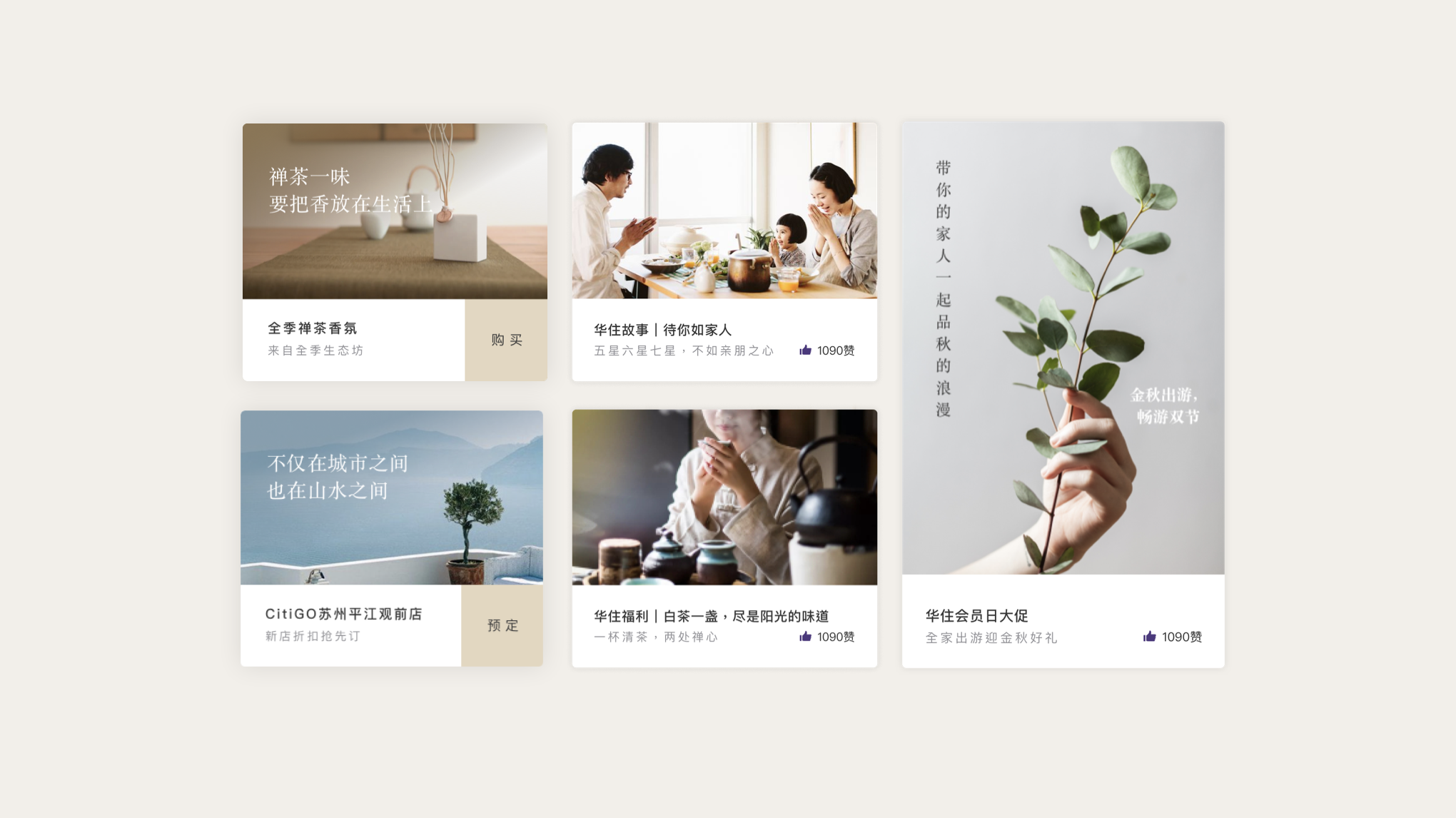
Customers also had different needs at different points in their travel journey: before, during, and after their stays. IDEO designed the language and user interface to provide personalized service information for each stage, from booking to post-stay. The app’s content adapts to the user’s travel phase, showing the most relevant service experiences at each point. The content displayed on the app also changes based on user habits, helping the app flex to meet their needs. The design aligns with the Huazhu Hotels Group’s mission to provide personalized service to a diverse clientele.

The team also worked to inject Huazhu’s brand characteristics by offering an upgraded experience in booking, stay, dining, and member benefits and adding features like a 30-second, automatic check-in experience. These thoughtful, personalized updates integrate Huazhu Hotels Group’s meticulous service philosophy, providing customers with a welcoming, human-centered hospitality experience. The updated Huazhu Membership App 3.0 is now available in major app stores, shaping a new generation of user experiences for Huazhu Hotels Group.
Young travelers in China expect the first touchpoint with a hotel brand to be digital.
5% increase
in monthly active users after the launch of the App's 2.0 version in 2021
12 Documentaries That Will Spark Your Creativity
IDEO designers nominate the documentaries they find most inspiring
1. Waste Land
“A social documentary framed around art. Brazilian artist Vik Muniz spent a couple of years at the world’s biggest landfill, and created art with the people whose job it was to pick through the garbage. This is an inspiring example of how you can take waste and transform it into something beautiful and meaningful.”
Waste Land Trailer
2. Iris
“Iris is a fearless and fiercely creative 95 year-old fashion icon and businesswoman. The film highlights her life, her creative pursuits, and her lust for a life drenched in accessories. She has inspired my take on interior design and fashion—there are no rules and if you love it, it works.”
Iris Trailer
3. Sky Ladder: The Art of Cai Guo-Qiang
“Famed for The Ninth Wave, an installation commenting on China’s environmental policies, Chinese artist Cai Guo-Qiang works with everything from taxidermy to fireworks. Sky Ladder documents Cai Guo-Qiang’s biggest dream yet: to build a ladder to connect the earth to the universe.”
Sky Ladder Trailer
4. Alive Inside
“Memory is inherently creative. Every time we reflect and look back, we use creativity to reimagine our past life experiences. But what happens when we lose our ability to remember? This film shows us the power of music, creativity, and imagination to bring back the memories of those who have been living without them.”
Alive Inside Trailer
5. Herb and Dorothy
“A charming look at a mailman and a librarian—Herb and Dorothy Vogel—in New York City who love (absolutely love) art. The Vogels live frugally, and over the years have filled their small, one-bedroom apartment with one of the most important collections of minimalist and conceptual art. Not only did they buy the art, they also built relationships—in many cases close friendships—with the artists. The documentary chronicles their lives as collectors—we see how they see, we see how they remember each work of art, and we hear from the many artists inspired by the Vogels' deep appreciation. You can't help but smile watching these two gallery hop or huddle in their tiny kitchen packed with art.”
Herb and Dorothy Trailer
6. Jiro Dreams of Sushi
“A lovely documentary about the spirit of the shokunin (craftsman) and the inscrutable Jiro. It’s inspiring to see the amount of time and effort that can go into the creation of great sushi. This movie is good for anyone who loves food, travel, and culture, and is also a great reminder of the power of craft.”
Jiro Dreams of Sushi Trailer
7. Eames, the Architect and the Painter
“The documentary illuminates how Ray and Charles Eames fused craft and thinking in their design process. It also chronicles the transformation of their work from furniture and products to ideas and communication, as they tackled larger and larger problems. There are many parallels with how IDEO's work has evolved over the years as we have honed our craft.”
Eames, the Architect and the Painter
8. American Movie
“Wisconsinite Mark Borchardt has dreams of making the ultimate psychological horror film on a micro budget. American Movie is an all-access look at his gritty and creative attempt to make his lofty dream a reality. It's a uniquely human documentary that's inspiring and entertaining for anyone who's ever been consumed by creative confidence.”
American Movie Trailer
9. Sans Soleil
“Sans Soleil is a genre-bending documentary about the limits of memory and how it affects history and current events. Chris Marker invites us into the scaffolding of his grand design, provoking us out of circumspect craft. “Frankly, have you ever heard of anything more stupid than to say to people…not to look at the camera?” Age has only increased its relevance.”
Sans Soleil Trailer
10. Bill Cunningham New York
“Way before Instagram, Bill Cunningham was the original street style photographer. This documentary paints a portrait of Bill and his quietly-obsessive creative pursuit that spanned half a century. Watch this this film to be inspired by this great human being's purity of passion and commitment to his craft.”
Bill Cunningham New York Trailer
11. Rivers and Tides: Andy Goldsworthy Working with Time
"This 2001 documentary follows Andy Goldsworthy as he makes art with nature, painstakingly assembling leaves, sticks, rocks, or blocks of ice to create beautiful, ephemeral sculptures. Not only is this the most calming movie you can imagine, it is also inspiring. It reminds me that there are opportunities all around us to create meaning and beauty, if we only have the vision and the persistence to make them real."
Rivers and Tides Trailer
12. A Ballerina's Tale
"Dance, to me, is a grossly under-appreciated art form. It takes a great deal of trying, failing, and perseverance. It's strikingly similar to the world of design in many ways. I love this documentary because it tells the story of Misty Copeland, a black ballerina. There's a lot of history there, as black dancers were often overlooked (and still are) for not having the "typical" ballet body. It makes her rise to the top of this extremely selective world that much more powerful and inspiring."
A Ballerina's Tale Trailer
Thanks to Sally Clark, Piper Loyd, Maura Cass, Chris Hill, Brett Brownell, and Mark Del Lima. Illustrations by Matt Avallone.
We all know that going out into the world and witnessing other peoples' lives is a powerful source of inspiration. But what about when you don't have time to get out in the field? Sometimes a documentary is the next best thing. We asked IDEO designers to nominate the documentaries that they find most inspiring.

Our Best Holiday Hacks
Making the holidays great again, one handmade sous vide at a time.
I grab things that remind me of a loved one at any point during the year, then stash them in a box. By the holidays, I'm usually in fairly good shape, and it's fun to see what I've collected. It is like a pre-Christmas, as I forget what's in there! Early in December, I take stock and make a shopping plan based on what I already have.
I decorate for Christmas before I go out of town for Thanksgiving. Sure, it's oogey to jump the gun, but I'm grateful to come home to a winter wonderland, and it diminishes the time crunch and stress during my favorite time of the year.
Our family tradition was always to take down decorations on the Feast of the Epiphany (1/6), so this gives me permission to enjoy the season into January. Before taking down decor, I take pictures, so the following year I can look at how I did it before. It helps me feel less overwhelmed: I can either try new things or reconstruct favorite arrangements from years past.
—Katie Gorman

Surprisingly, a ton of yoga places are open on Christmas day. Last year, I took a yoga class on Christmas day in the afternoon. It's actually so great and magical to be giving yourself that space when you are SUPPOSED to spend the whole day with family.
—MADELINE ARMSTRONG
Honey! And no, I'm not calling you a name. Honey is a Chrome extension that automatically looks for discount codes for you, then applies them during your online shopping checkout. Saving money is fun!
—Magen McAfee
We use Elfster to facilitate our secret santa within the family because we can't be together to draw paper names like we used to.
Whenever they have a promotion, I order free 4x6 prints from Shutterfly, then tape them to handmade construction paper cards to send out at Christmas. I buy things at extreme discount as early as October and leave the original price tag on for gifts.
—Anonymous
I usually use the holidays to have some great food with my parents. And this is what happens when a product designer is afraid to fail at cooking steaks—a quick prototype of an Arduino sous-vide cooker. Happened to me last Christmas…
—NICKI SCHAEFER
For my husband and I, our gift to each other is permission not to buy gifts for each other. Once a year, we buy a piece of "anniversary art" together, and we get all year to shop for it. Other than that, it's nice to opt out of the consumerism that can cast a shadow on the holiday season.
—Denise Burchell
This year, we've decided to just make donations instead of buying gifts for our immediate family. For our extended family, everyone draws names, so we each only have to give one gift.
—Mollie West Duffy
(And a few from me!) My son is three years old and needs nothing—he’s got more toys and books than he knows what to do with. Whenever anyone feels they must give him a gift, we point them to a link that allows them to give directly to his college savings account. What better gift than to give to his future education? Ugift529.com.
Also, the gift of dinner out is awesome, but dinner with babysitting is amaaaazzzzing. UrbanSitter—our go-to for our favorite sitters—offers gift cards for childcare. Add an Uber gift card to make the whole night complete!
—Katie Clark
I'm traveling to my partner's home city this Thanksgiving. Her parents are very traditional so we'll be in separate bedrooms for the holiday. I plan to purposefully forget to pack things like socks so that we have an excuse to go on shopping excursions together to reconnect.
—ANONYMOUS
If you’re from a family that’s as opinionated and politically diverse as mine, the holidays can be an interesting time, to say the least. (I have been using this New York Times piece to prepare—wish me luck!) Even gift-giving can be fraught in these uncertain times, so I reached out to my fellow IDEOers for their favorite holiday hacks. From “forgotten socks” to Arduino-cooked steaks—they ginned up some gems.
Catching Ghosts
How we used sensors to unearth and capture real behavior for design research
What were you trying to accomplish in the redesigned space?
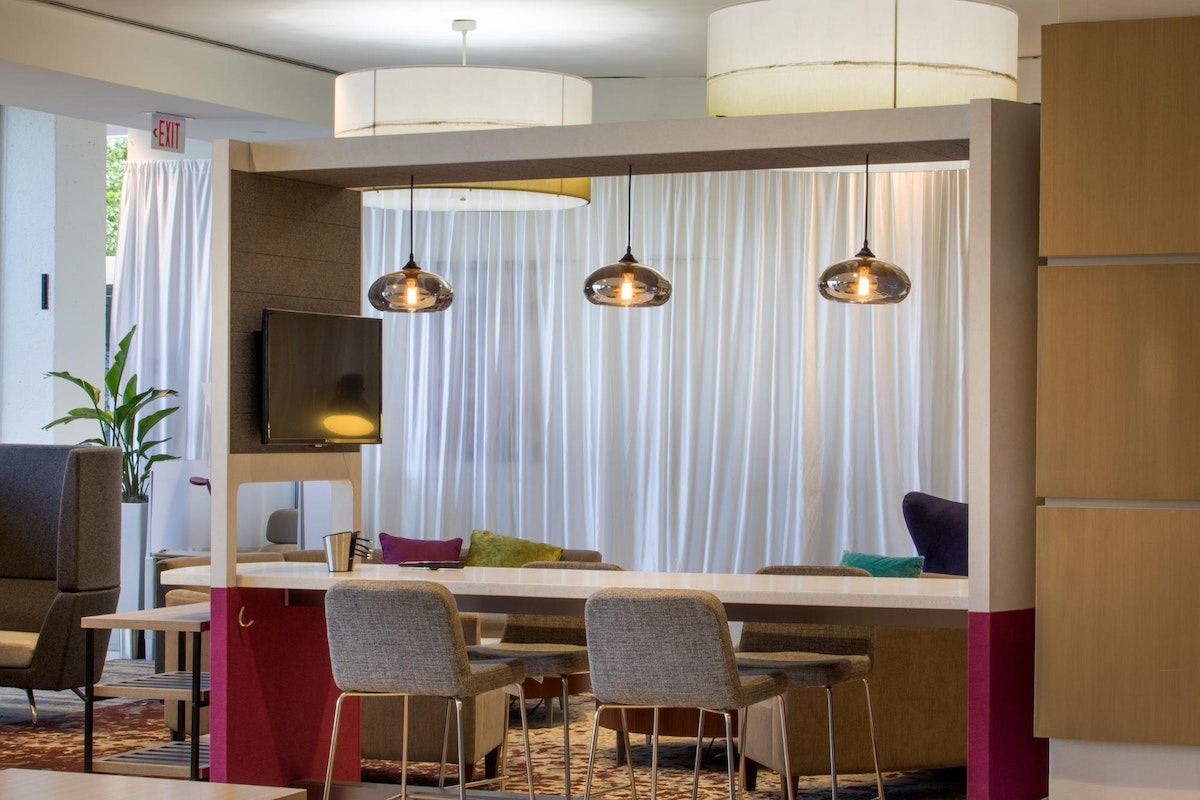
Jenny Winfield (JW): Business travelers are usually required to work their hardest when they travel—they need to win a pitch or clinch a deal. The stakes are high. So we came up with a concept we call “Ignition,” a new meeting and working space in the hotel lobby that makes it easy to work while on the road. It combines new spaces for group creative thinking or heads-down work, a work-friendly menu of healthy food options, a new staff member to handle business needs, and digital tools providing on-demand services.
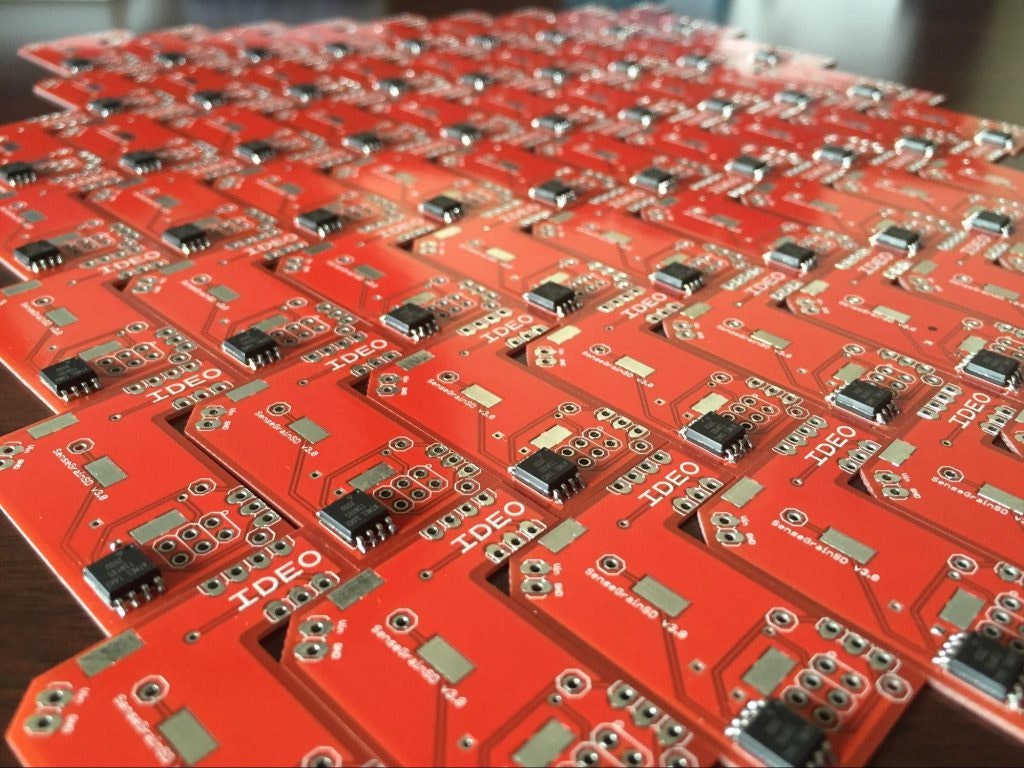
Last January, we were ready to test our concept live. Per usual, we would be there in person for a few weeks to do interviews and gather observations, but we also thought we should measure how our new solution performed when we weren’t there. That’s where the sensors came in.
How did the sensors help you make your case?
JW: The pilot was split into two phases in each location. First, we gathered data for the baseline—testing the lobby in its initial form—then the redesigned space. We wanted to make sure we improved on all fronts—not just sales metrics, but also, traffic through the space, and the number of people using each type of space.
What kind of equipment did you use to build your sensor setup?
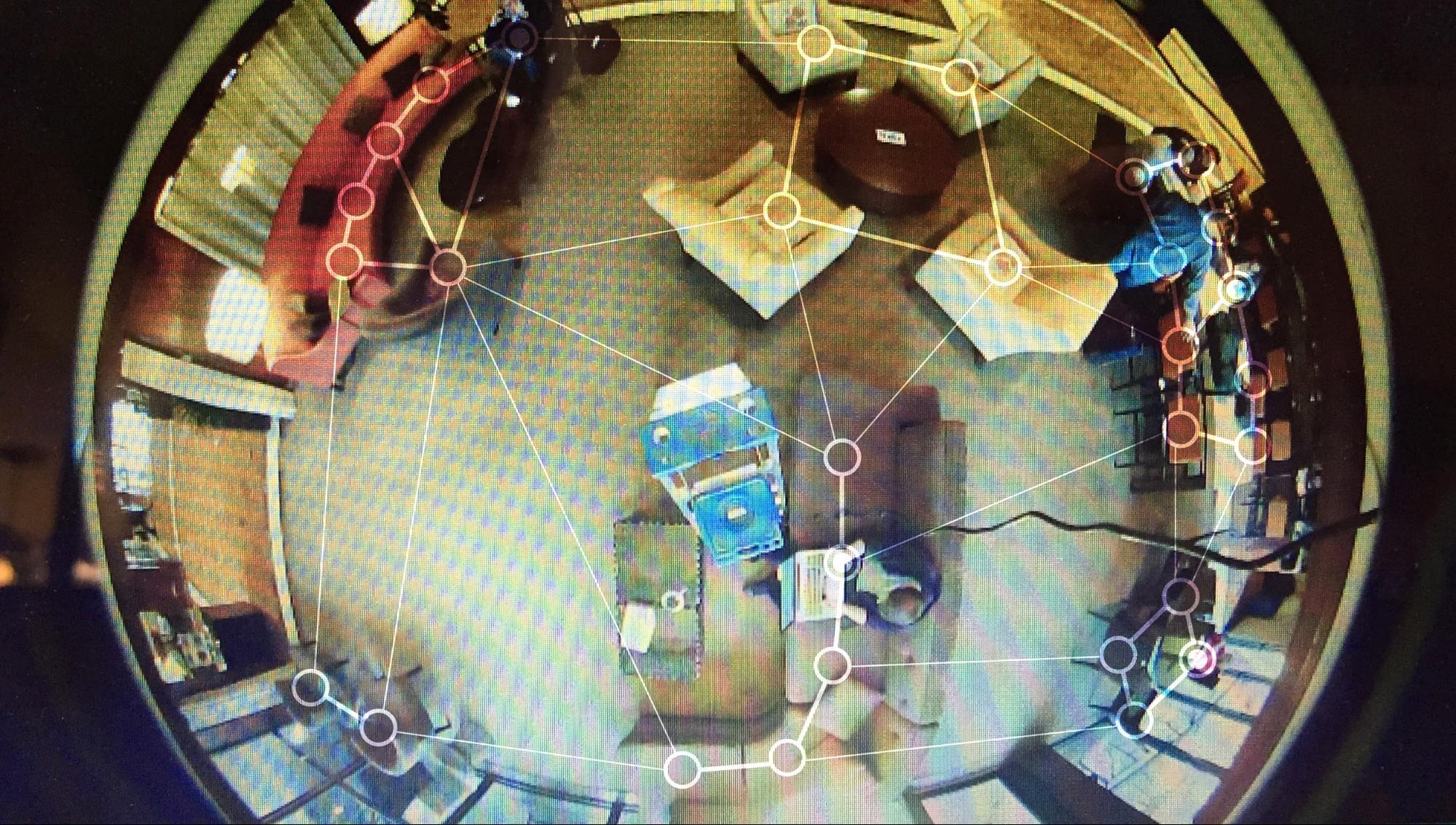
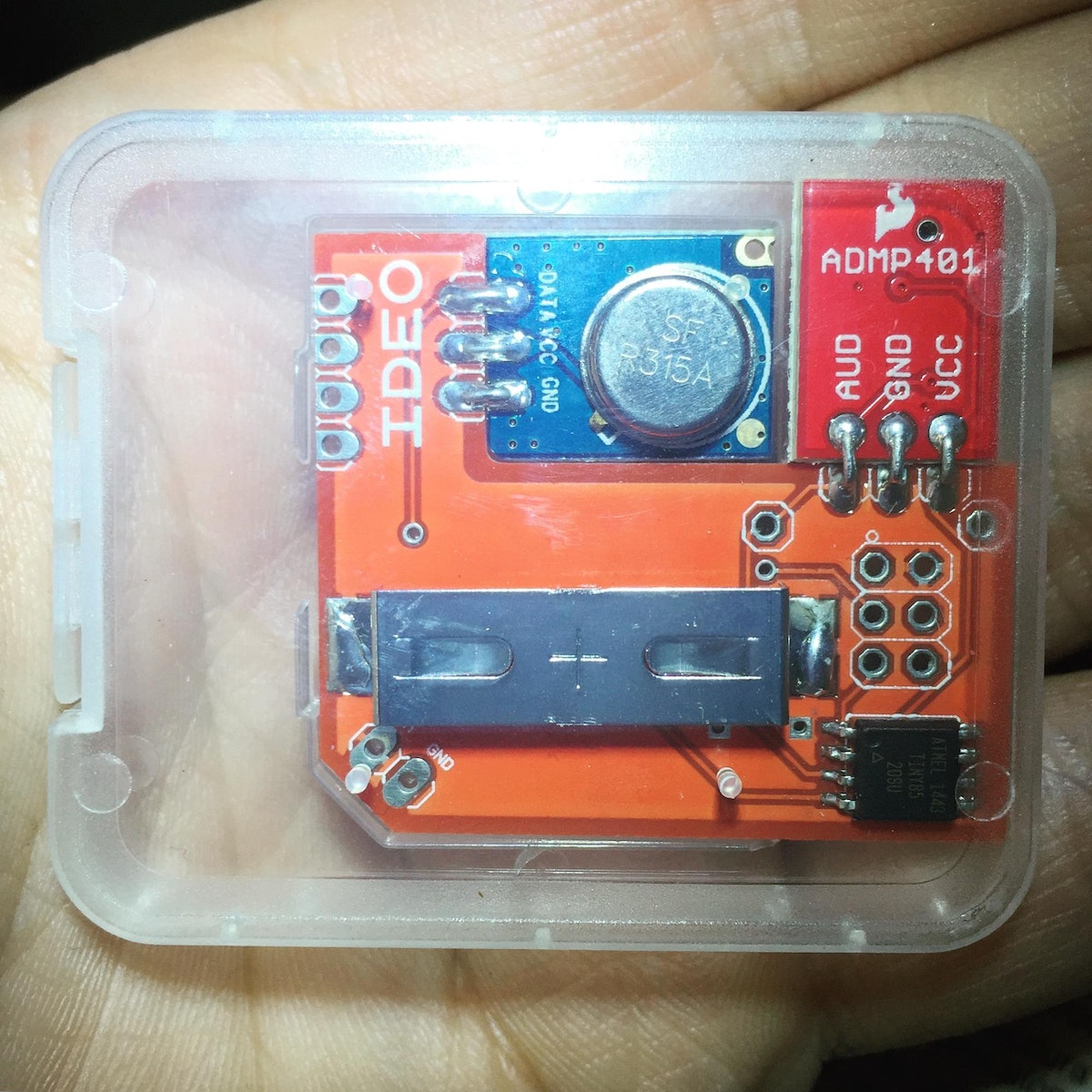
Miha Feus (MF): We used cameras to measure foot traffic and activity across different areas of the space, as well as sound sensors to gauge the volume level and infer the atmospheric buzz. And we also used seat and proximity sensors to measure occupancy and dwell time on different pieces of furniture. The actual sensing components (pressure and proximity sensors, and microphones) were off the shelf, but we built the brains for the sensors and the communication platform to gather the data from around the space wirelessly.
How did you rig up all the sensors, and what software did you use to record that data?
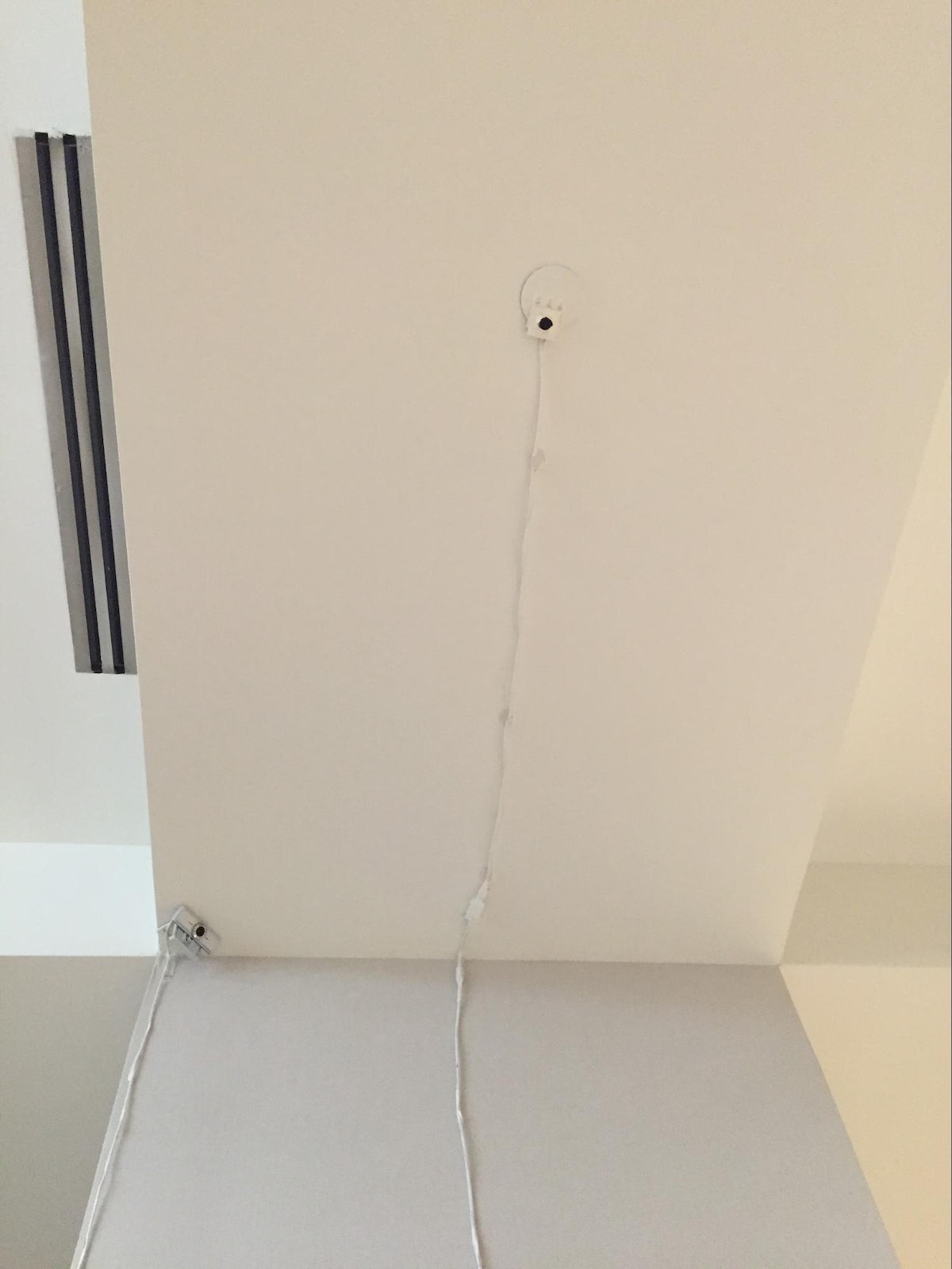
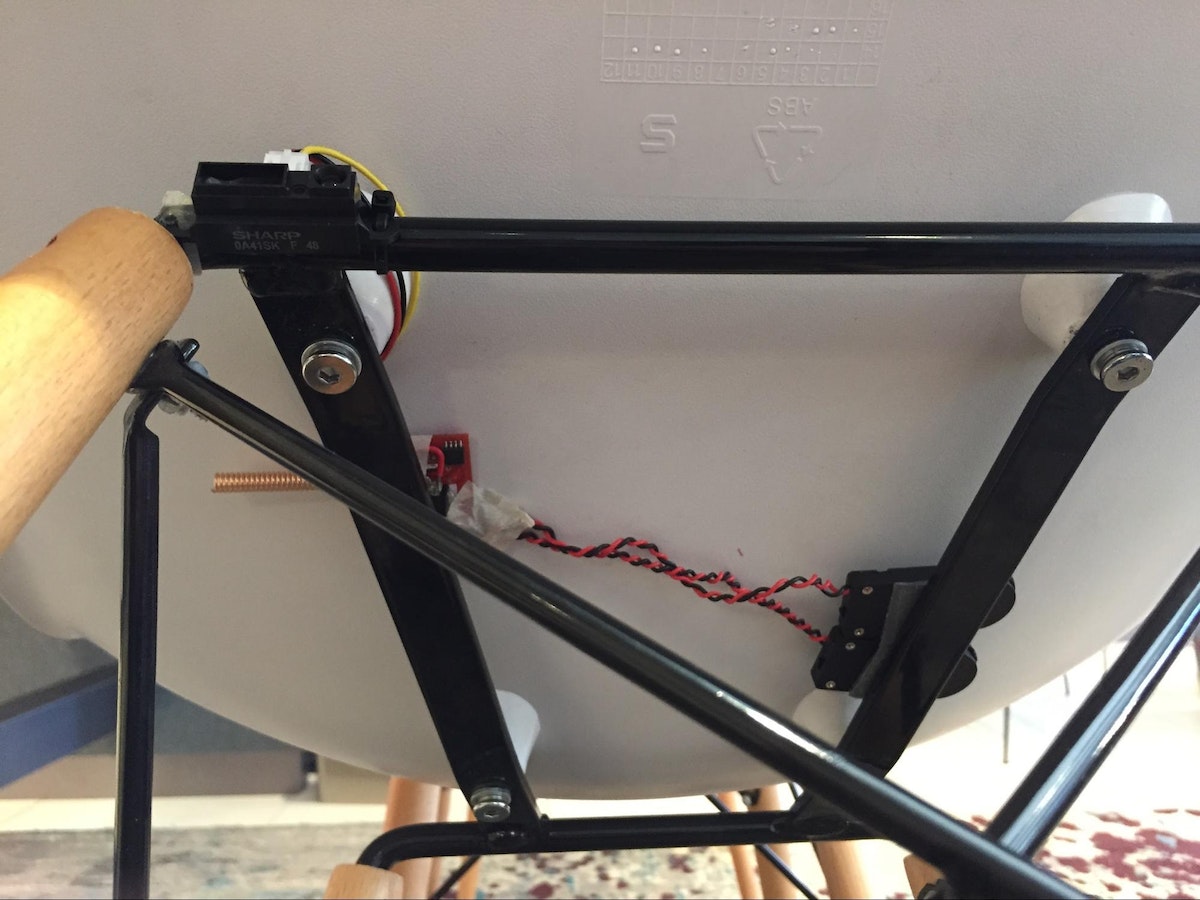
MF: Most of the sensors were held in place with double-sided tape. We taped cameras overhead and sound sensors on the ceiling, and placed seat sensors under seat cushions. All the data from the sensors was sent to an Arduino Yun, which served as a hub, routing the data via Wi-Fi to a Parse Database. The Arduino Yun also retained a local copy on an SD card, in case there were any Wifi issues.
To analyze data from the cameras, we used a software tool called Camlytics. It was able to capture the number of people passing through the space automatically, without the need to record visual data. This way, we didn’t infringe on people’s privacy.
The proprietary hardware we created around the sensors was also built with privacy in mind. All the sensors only had transmitters, which means they couldn’t be hacked remotely. But even if someone had gained access to them, the chips and transmitters we were using were unable to process and transmit sound data at a level where someone could listen in on a conversation. The seat sensors worked similarly. The data we were getting only told us whether they were occupied.
JW: Ethically, we are committed to protecting our participants, whether they are explicitly taking part in our research, or they happened to wander into it. In any case, our main goal was to capture overall usage levels, so there was no reason to map or track specific users.
What was the hardest part about making this sensor system work?
MF: The most challenging thing was to design something that can run unsupervised for weeks on the other side of the ocean, something we’ve never done before. But we also had trouble with our “huddle spots”—bespoke pieces of furniture we created for this project. Because they were hard plastic stools without cushions, we couldn’t use pressure sensors to measure their use. Instead, we had to rely on proximity sensors, which are power hungry, and not the most reliable.
What useful takeaways did you learn from the sensor data?
JW: The new concept was definitely popular. We had a 79% increase in people coming through the space in our first test site.
Okay, so more people walked through your space but did they stop?
JW: The number of people who sat down in the space went up by 80 percent, predominantly at times when those areas are usually very quiet (the early afternoon, for example). So not only did we increase use of the space, timestamps in our data showed that we did it at a time when it used to be empty. That, combined with data that showed food orders were being made at a time when the regular restaurant was closed, was a great selling point.
The sensors also showed us that the average dwell time in the huddle spots and nooks—spaces designed for four to six people work together—was 20-35 minutes, which confirmed our idea that these pieces should be used for quick perches and catch ups. It sounds simple, but it was huge. It not only meant that the design of the space itself was right, it also confirmed the importance of having drinks delivered within a 5-minute window, or having technology that empowers users to make an order in less than 1 minute. If visitors only hang around for 30 minutes, everything has to be really fast.
What’s the most exciting potential for sensors in future design research?
MF: As data collection methods and analytics tools become easier to use, we’ll use them as prototyping materials, much like we are using foamcore and hot glue at the moment.
JW: The ability for us to learn about user behavior remotely is most exciting to me, given that it’s something we haven’t been able to do before. With sensors, remote research can mean much more than learning how people are using a digital tool that we built. Being able to track patterns and see how people naturally interact with our prototypes (both physical and digital) when we’re not there is huge. Then it's about looking at the resulting data in creative ways and telling a more nuanced story about the type of impact we expect our ideas to have out in the world.
Recently, at IDEO London, we’ve started to think more creatively about how to collect and use data for research during the design process. It’s easy to track user behavior when we work on digital design projects; the tools are built in. But what if we had those capabilities outside the digital space? On a recent project, design researcher Jenny Winfield and interaction designer Miha Feus found a way to collect user data in a physical/digital prototype, by using sensors to evaluate a redesigned hotel workspace for Crowne Plaza hotels. Here’s a little bit about how they did it, and how approaches like this one could change the future of design research.
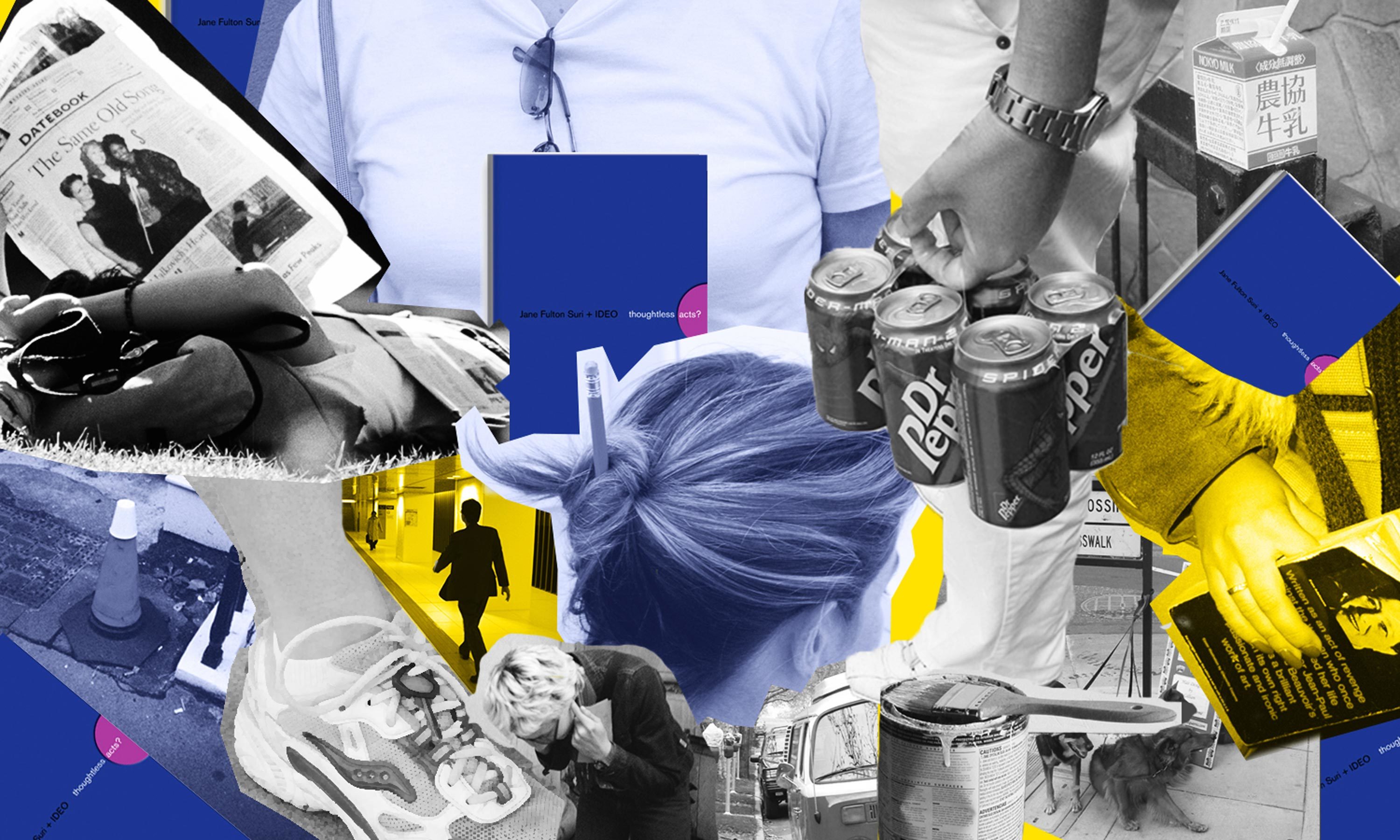
Thoughtless Acts: For a Rainy Day
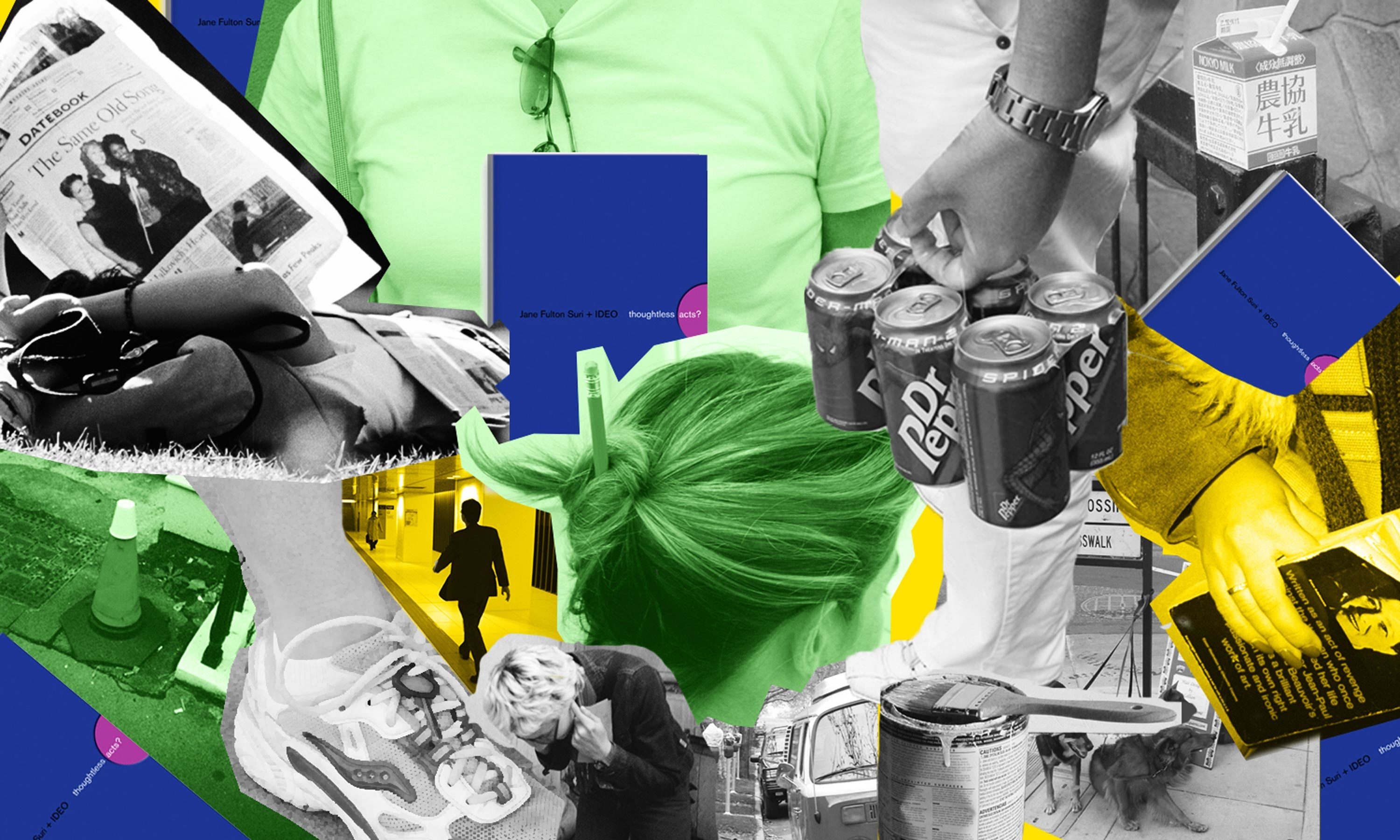
Thoughtless Acts: For a Rainy Day. The intuitive ways we adapt and react to things in our environment

I took this picture during my morning ferry commute along the Thames. As you can see, it's raining. (It rains in London a lot.)
I'm standing where the passengers get off the boat. The ferry was designed with a drainpipe to funnel rainwater off of the boat, but the water lands on passengers as they disembark. I guess the designers were thinking more about the boat than the people on it.
Conveniently, there is also a Costa coffee shop on the boat. So someone removed the base of a paper coffee cup, and stuck the cup on the pipe. This small fix extended the drainpipe, keeping the passengers dry. Brilliant.
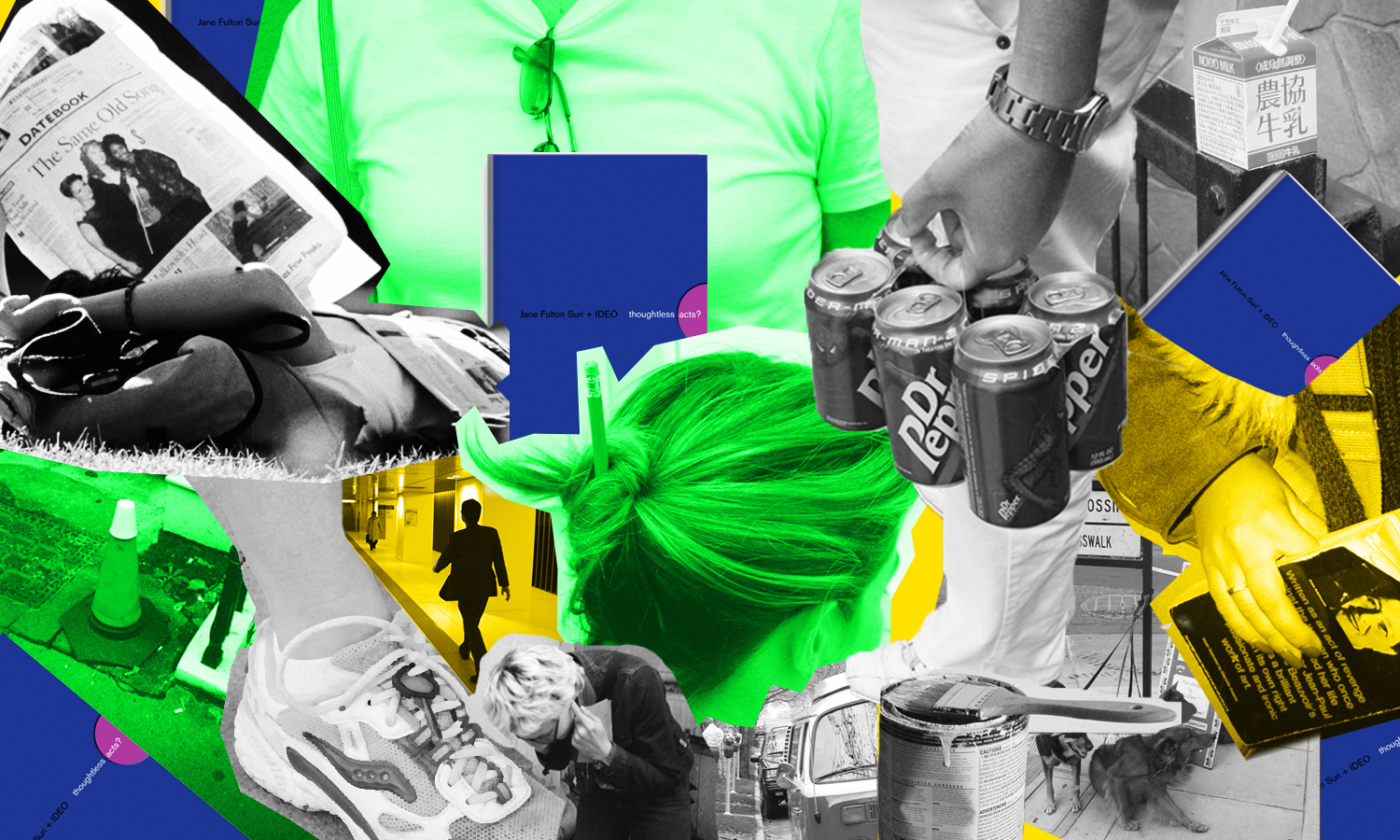
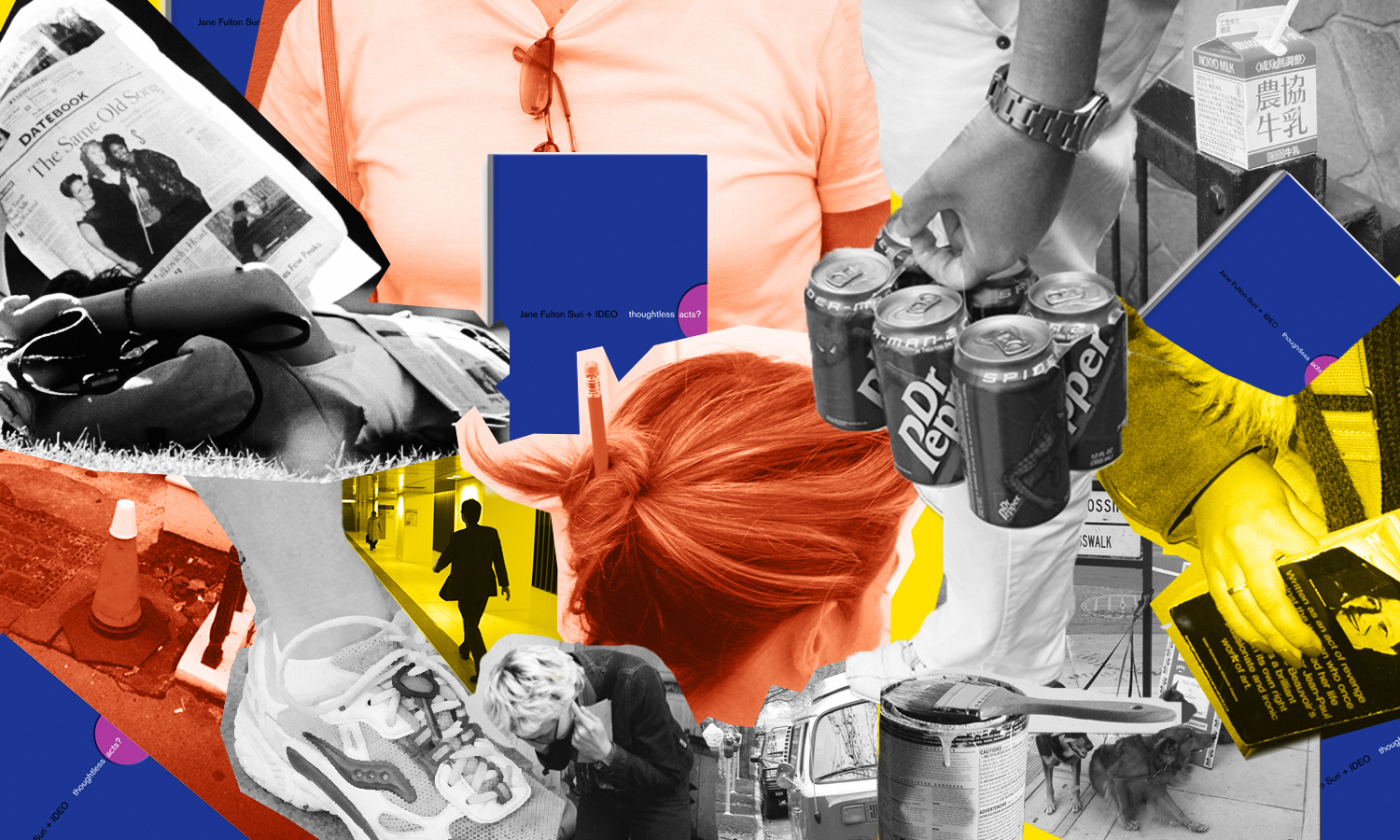
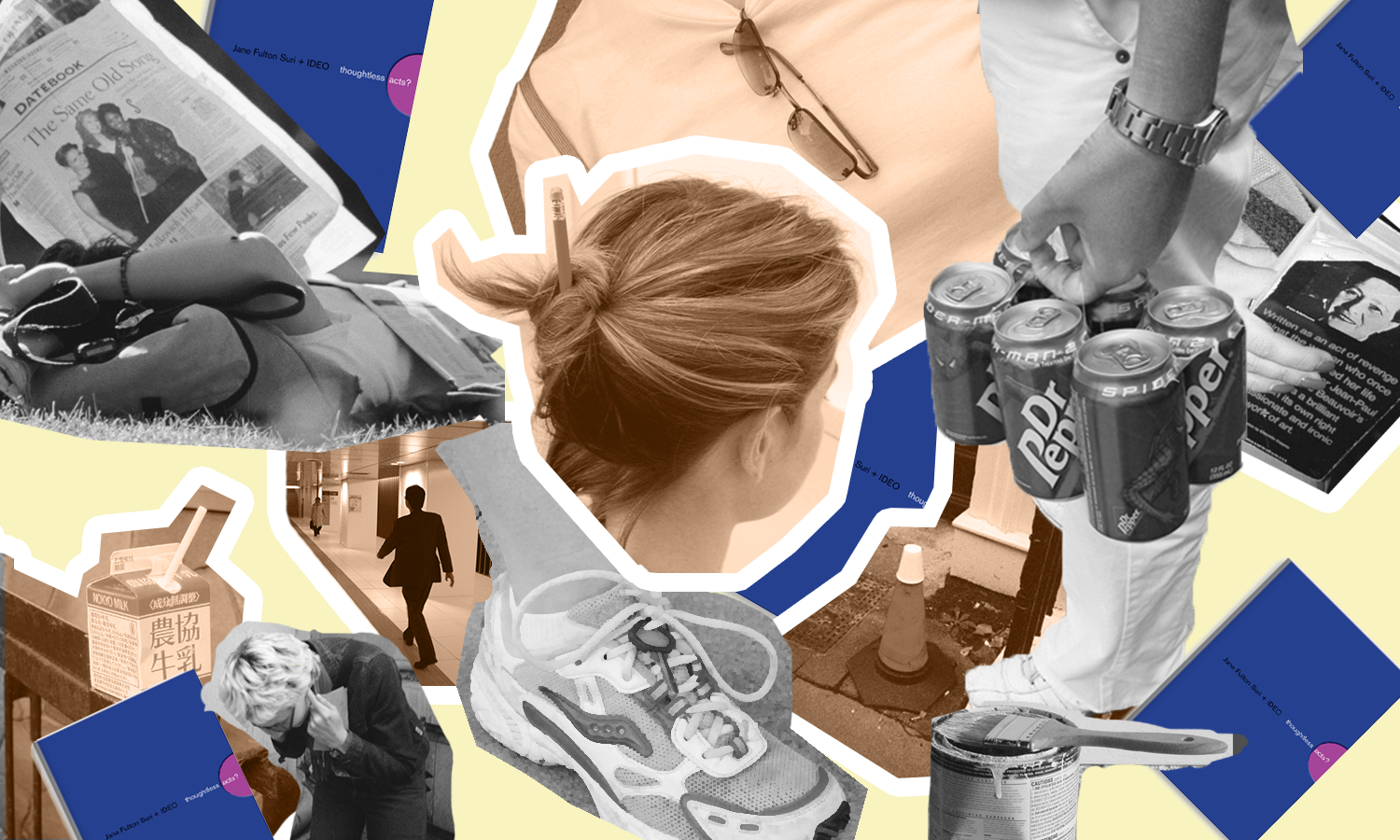
Human-centered design requires us to observe human behavior with beginner's eyes, so that we can spot the innate ways people interact with the world around them. We call these intuitive and unconscious reactions thoughtless acts, and IDEO designers collect photos of them to inspire the invention of new products, services, and experiences.

Lindsey Turner
I’m passionate about building brands, products, and experiences that help organizations show up with meaning and momentum.
I help organizations cut through complexity by shaping how they show up, through brand strategy, identity, and storytelling.
Working at the intersection of brand and business, I bring an editorial eye and a bias toward making—turning ideas into tangible experiences that people can understand, trust, and believe in.
My work spans government, healthcare, financial services, media, and consumer goods, from launching Gen Z-focused ventures to building innovation labs and reimagining legacy brands. I relish moments of ambiguity and enjoy translating across teams, perspectives, and priorities to move ideas forward.
I started my career in editorial and digital design, shaping cross-platform experiences and identity systems in publishing and agency environments. That foundation still shapes how I work today: I’m detail-oriented, collaborative, and overreliant on the Oxford comma. I hold a BFA in Visual Communication from the School of the Art Institute of Chicago.

Rachel Young
My work helps organizations see who their products aren't working for—and build the will and the tools to do something about it
For 25 years, I've asked the same question: Who does this design exclude—and what are we going to do about it?
My work spans human-centered strategy, inclusive design, and qualitative research, with clients ranging from Microsoft, Google, and Verizon to the National Science Foundation, and San Francisco Unified School District.
Before IDEO, I taught elementary school in East Palo Alto and spent a decade doing design work with social service organizations—where I learned firsthand what it costs people when systems are built without them in mind.
I am currently writing User Error, a nonfiction book about digital access and the design decisions behind it. I live in Oakland, California.

Brian Pelsoh
I lead with craft, ensuring our work is creatively excellent: rooted in deep human insight and imagination, while also grounded in the realities of business and technology.
My expertise spans brand, communication, and product design across tech, education, the arts, and social impact.
I believe great work demands both high-level vision and obsessive attention to detail, and only happens through collaboration.
I bring an inclusive, hands-on approach and a deep understanding of business, which enables me to consistently deliver excellence while always asking why.
Before joining IDEO, I worked at the brand firms Pentagram and VSA Partners. I began my career as a designer, leading teams at the School of the Art Institute of Chicago and the Milwaukee Art Museum. I hold an MFA in graphic design from Maryland Institute College of Art and a BFA in communication design from the Milwaukee Institute of Art & Design, and have taught at some of the best design schools in the US.

Tony Wong
I am responsible for IDEO’s long-term success in China and working with clients to use design as a tool to enable growth.
I am responsible for IDEO’s long-term success in China and working with clients to use design as a tool to enable growth. Specifically, I have helped Chinese companies design holistic brand solutions through the development of their products, communication, services, and innovation teams, and I have helped multinationals expand their presence and influence in China.
I advise global leaders on developing China-led innovation and capabilities.
In over 15 years in IDEO Shanghai, I have worked on projects that use design to elevate the quality of the experience of healthcare products and services, streamline processes that increase productivity, create spaces and programs that promote and enable inclusive communities, and build next generation mobility solutions that are planet-positive.
Before joining IDEO, I worked at Philips Electronics and the Electrolux Group in Italy, the Netherlands, and Singapore on a number of breakthrough commercial products. I am a member of the Young President Organization in Shanghai.

How to use AI as an editor, not a writer
Ed White shares how he uses AI as an editor—not a writer—to sharpen storytelling, rehearse ideas, and preserve the productive friction that makes creative work better.
Ed White has a rule he's tested on his own writing: hold yourself as the writer, and let AI be your editor. Ed is a Senior Design Director at IDEO's London studio, where he co-leads the firm's AI portfolio across Europe. Before IDEO, he spent 12 years as a writer and editor at the Financial Times, Wired, and Contagious. So when he talks about when to use AI for storytelling and when not to, it comes from two decades of crafting his storytelling skills.
In this episode, Mina Seetharaman talks with Ed about two specific tools he uses to keep AI in an editor's seat: a "roasting agent" prompted to critique his drafts without any sugarcoating, and a simulated audience he rehearses pitches on before the real thing. They also get into what Ed is hearing from design leaders at Anthropic, Lovable, Shopify, and Google Creative Lab about how creative work is changing, and why he thinks the friction of writing something yourself is worth protecting rather than automating away.

Building a personal AI for the messiness of life: Sida Li
Becca Carroll talks with Cue co-founder Sida Li about designing a personal AI for the messiness of everyday life—not just work. They explore how Sida stays anchored to human needs while navigating fast-changing technology, product tradeoffs, business-model experimentation, and the realities of building an AI company today.
Most AI products today are built for work—a space with clear problems and established systems. One founder noticed a gap: personal life is messier, harder to systematize, and mostly left behind by the AI boom. So she built Cue, a personal AI that lives inside iMessage and group chats, to go where the other tools haven't.
In this episode, Becca Carroll, IDEO's Chief Strategy Officer, talks with Sida Li, co-founder and CEO of Shared Context Lab, about staying anchored to a human need while the technology around her keeps changing shape, why she treats her business model with the same rigor she'd bring to a product, and what it feels like to build a company at this particular, disorienting moment in AI.
The conversation also gets into how Sida makes design decisions: the language Cue uses to describe itself, the tradeoffs behind building inside iMessage instead of a new app, and a real story about a business idea that didn’t pan out.
This is the second in a two-part series profiling founders from IDEO's Startups-in-Residence program. The first conversation is with Johannes Seemann, founder of Sooner, on designing GenAI for the emotional side of money.

Designing GenAI for the emotional side of money: Johannes Seemann
Designing financial tools around the feelings that shape money decisions.
Most personal financial tools are built to run the numbers and optimize towards a budget. While that works for some, most people experience money as a lived relationship that does not neatly fit into a spreadsheet. Johannes Seemann and Becca Carroll discuss why money is emotional before it is mathematical, and what a human-centered approach to building a generative AI financial product looks like in practice.

The curious leader's edge in uncertainty: Scott Shigeoka
How genuine curiosity helps leaders navigate uncertainty with greater confidence.
Mina Seetharaman talks with Scott Shigeoka, author of Seek and Head of Curiosity Cultivation at the Eames Institute, about what distinguishes genuinely curious leadership from performative curiosity, how power dynamics shape curiosity, and why practicing curiosity can restore energy rather than drain it.
Looks like you might be in search of something very specific?
Or reset the filters above and try another angle.
Here’s some random inspiration

Podcasts about creative leadership

Articles about the power of prototyping
































.webp)