.svg)



Mental health, co-designed
Kooth partners with young people to create Soluna, a mental health resource for California youth.
Increasingly, digital spaces are proving detrimental to youth mental health. By co-designing with youth, Kooth and IDEO set out to flip the script, creating a positive digital space for young people to safely explore their mental wellbeing.
When Kooth, IDEO, and Blackbird, IDEO’s longtime development partner, first started working on the project, the window of opportunity was narrow, and the stakes were high. The group was up against a nine-week deadline to create a working proof of concept app. Also on the line: a $188 million contract with the Department of Health Care Services (DHCS)—one that would open an entirely new line of business for Kooth.
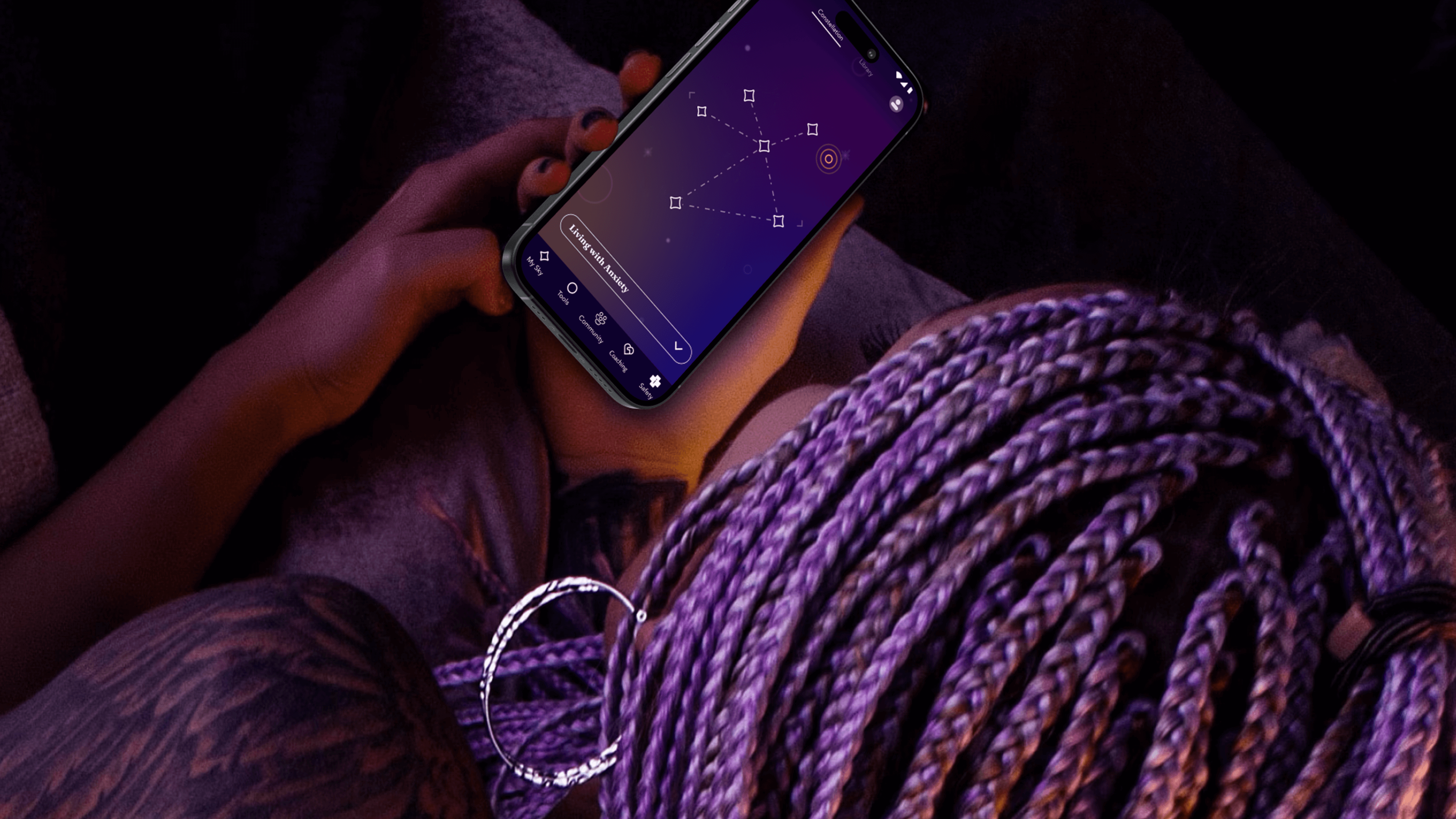
The app needed to do more than demonstrate functionality—it needed to prove its value. To ensure that they were creating an asset that truly fit the needs of young people, the team turned to an initial cohort of 13-25 year-old co-designers who explored early features, created video diaries, and shared their questions about and experiences with mental health. These young people often gravitated toward self-service tools that helped them take action based on their feelings. With their feedback, the team created new expressions of clinically-validated behavioral health tools like journaling, breathwork and white noise—and built novel tools, such as Starboard, an expressive drawing tool and a nod to art therapy.
The team took inspiration from content the co-designers liked to consume, such as story-driven video games that enable freedom of exploration, deepened by a unifying mythology. That led them to a constellation theme, which made the experience more intriguing and playful. The co-designers also recommended a dark color palette, because they preferred exploring the app at night.
With these insights, the team refined the proof of concept, and then conducted a one-week pilot with another 50 young people across California. Their positive feedback gave the State the confidence to invest in a $188 million, four-year contract for Kooth to bring the app to a platform at scale.
Over the next year, the team engaged another 150 young people to help design, shape, and test the app. At the same time, Kooth and IDEO created a clinical oversight group, which included a pediatrician, therapists, and other clinical specialists. This group anchored the platform in the practices of Acceptance and Commitment Therapy (ACT), cultivating psychological flexibility—the mindful acceptance of positive and negative emotions. Young people are invited to complete short reflections and surveys throughout their journey with the app, which includes rigorous, science-backed measurements to assess the therapeutic benefits.
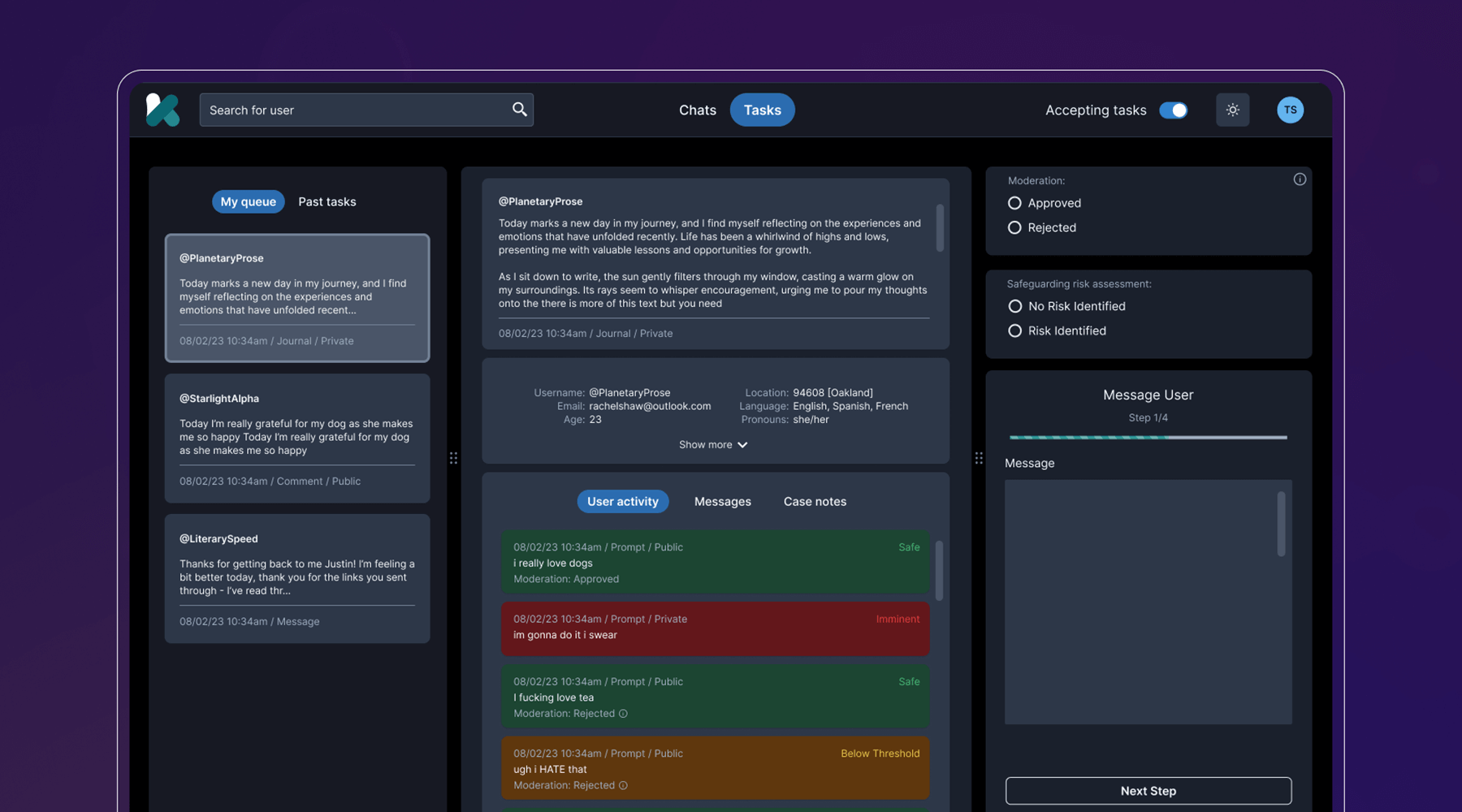
Behind the scenes, the team developed a clinical-facing service and digital platform that empowers Kooth’s peer specialists, social workers, community curators, and clinicians to support the youth experience, all while protecting privacy and confidentiality. They also navigated a complex landscape of state requirements and government legislation, ensuring that the platform could cover topics like substance abuse and gender identity, and that users could access coaching within 24 hours, and choose from a diverse set of experts.
The last step was to select a name that worked across multiple languages, trademarks, and competitor branding, and didn’t come off as a mental health service, something the youth co-designers believed was critical. IDEO and Kooth landed on Soluna, a name that alludes to the app’s presence in both the bright (“sol” for sun) and the dark times (“luna” for moon).
Now, Soluna is available for free to all youth in California, and the state has set ambitious targets for reaching all young people at scale. Soluna is a living platform that will continue to receive product and design updates for years to come, all deeply rooted in youth co-design.
The US Surgeon General named mental health “the defining public health crisis of our time,” and cited social media, online bullying, and the isolation exacerbated by the COVID-19 pandemic as major drivers that have significant negative outcomes for youth.
In California alone, more than 284,000 youth cope with major depression. 66% of kids with depression do not receive treatment. Between 2019-2020, the suicide rate for kids ages 10-18 increased by 20%.
In 2022, California Governor Gavin Newsom’s Master Plan for Kids’ Mental Health set aside $4.6 billion to increase access to mental health and substance abuse support, the largest commitment to youth mental health ever made by a state.
94%
of proof-of-concept app users would recommend the Soluna app to a friend, and believe that engaging with the app would be a positive addition to their daily/weekly routine
6 million
young people in California had access to Soluna at launch in January 2024
A more comfortable Pap smear
Teal Health creates a system for at-home cervical cancer screening.
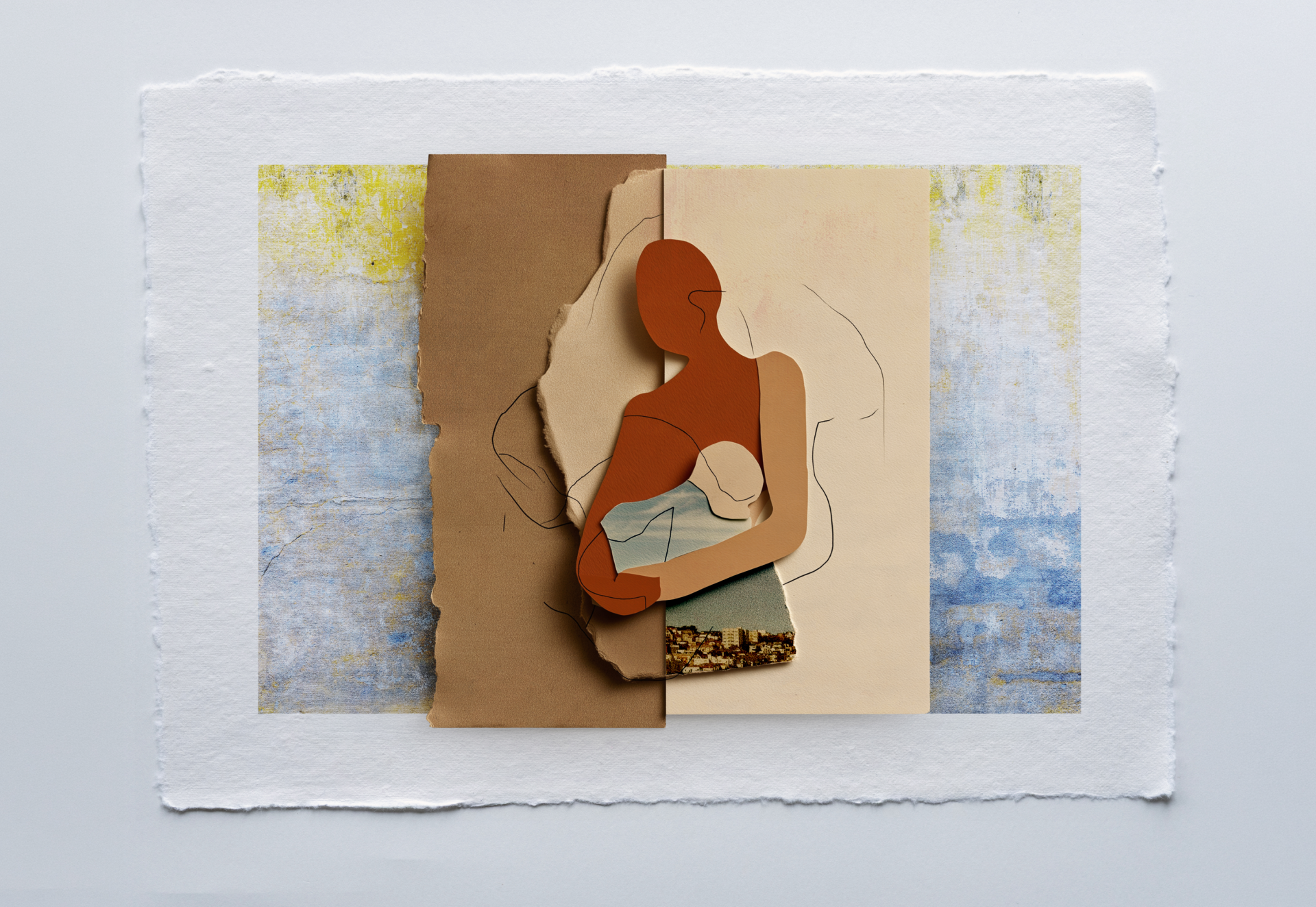
Creating a better cervical cancer screening experience is an important mission, but also a challenging one. Not only would Teal have to address the regulations that face healthcare device companies, it would also need to build a comprehensive telehealth platform and a physical product—a wand that could easily collect an adequate cell sample, even in the hands of an untrained person.
The first challenge was to create the wand. The device would need to do a lot: It’s impossible for a person to see their own cervix, so the user would have to be able to find the cervix blind, collect the sample themselves, and remove the wand from their bodies without contaminating it on other parts of their anatomy. Because this is something users are likely to do in their bathrooms, where there is no space to lie down, they would need to be able to use the device while standing—and with one hand. From the beginning, the IDEO team set out to design functional, testable prototypes to make sure the idea was viable, and incorporate diverse voices into the research process, including trans, minority, and disabled women.
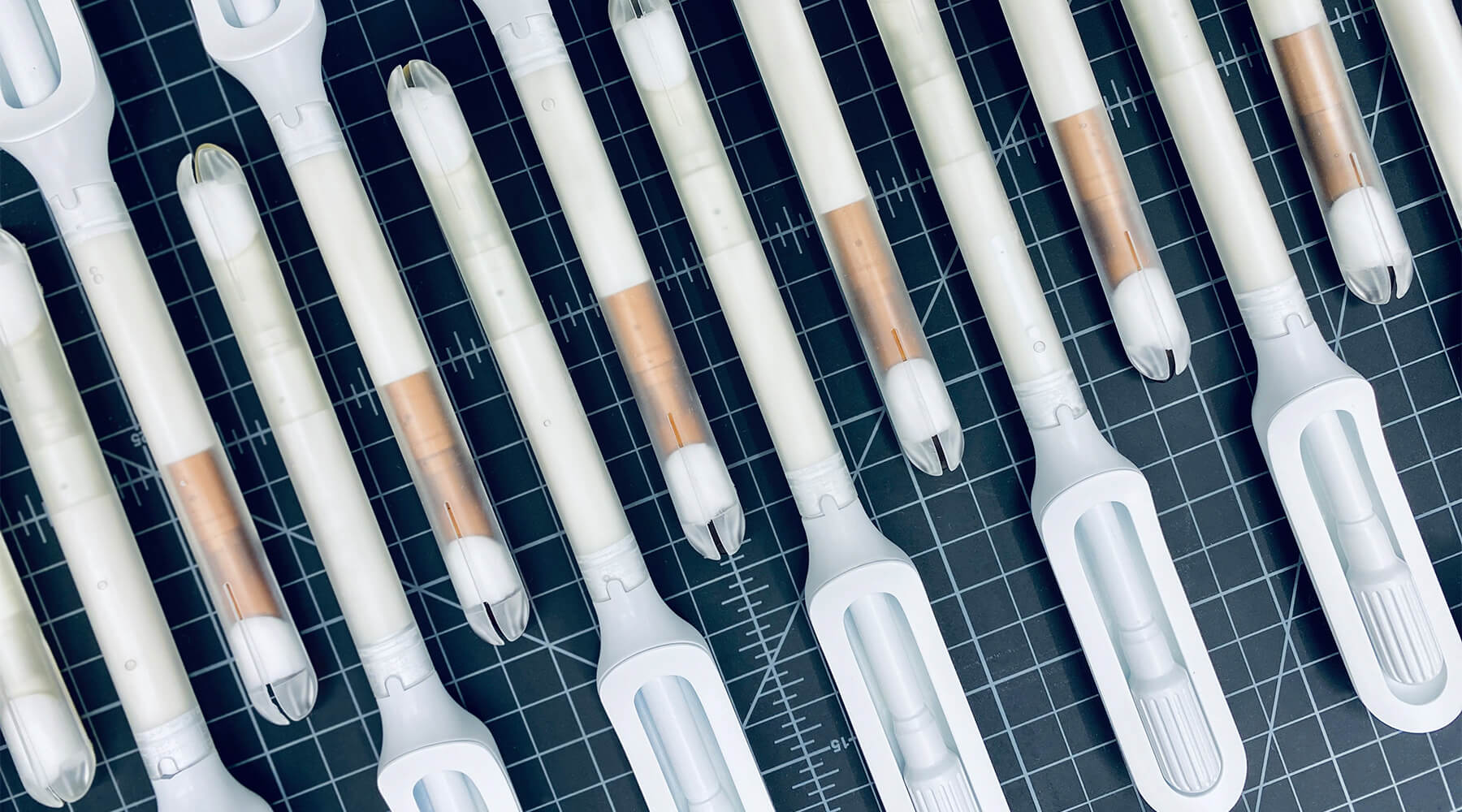
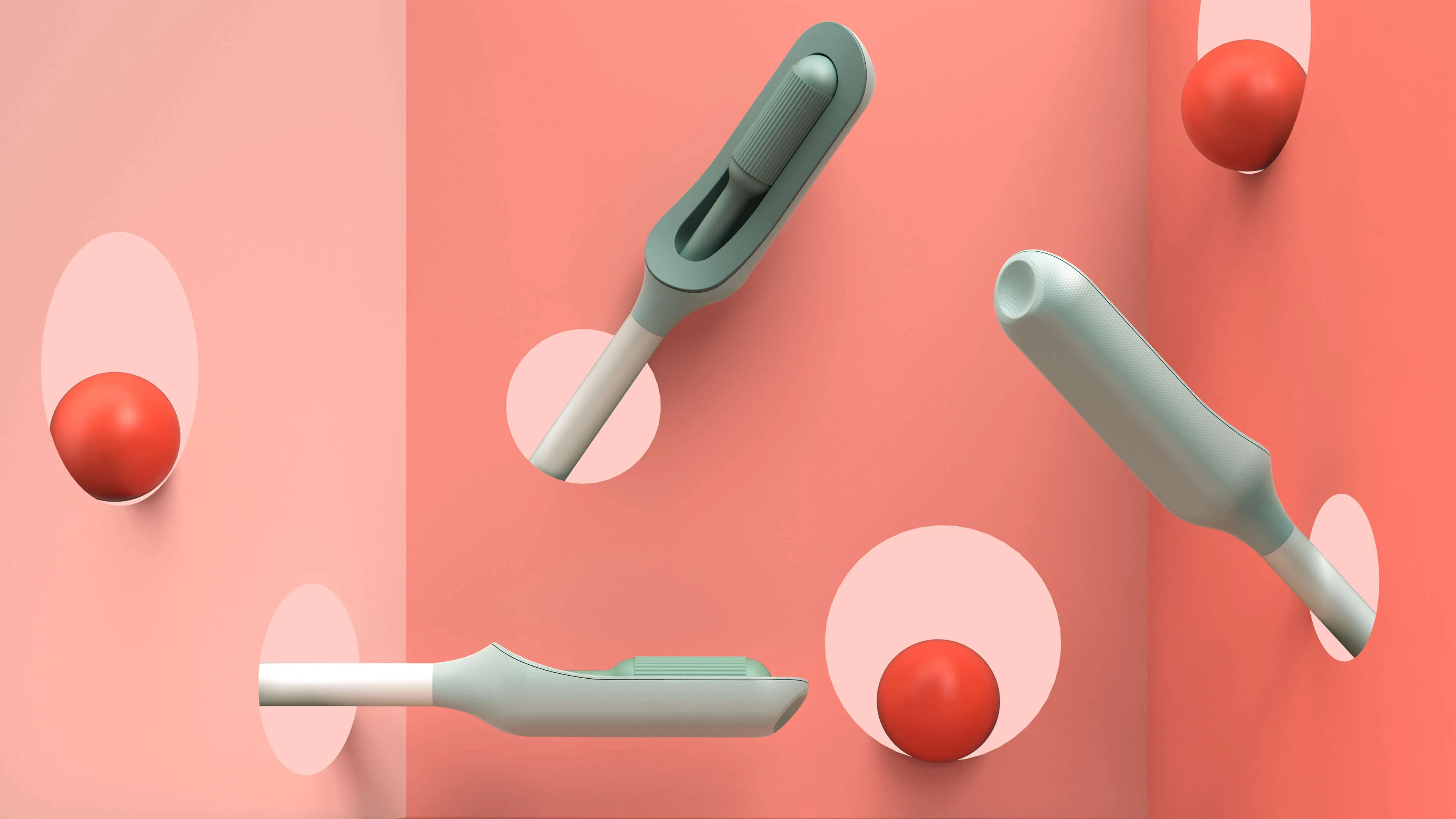
Because the product is meant for people who aren’t medical professionals, the team worked to design something as simple, intuitive, and unintimidating as possible. They used a 3-D printer to create multiples of every prototype, autoclaves to make sure that the designs they were creating were sterile, and leaned into shapes women are already used to, like the cylindrical shape of a tampon. The wand they created has that same basic form, but with a soft sponge that the user can deploy with the turn of a dial to collect the sample, then close to protect it from contamination on the way out of the body.
With working prototypes in hand, Teal set out to test their efficacy. In an initial study with 220 participants varying in age, race, socioeconomic status, and geography, Teal found that not only were participants able to successfully self-collect samples, they also preferred them over the speculum, the device doctors typically use during a screening. Some 92 percent said if they knew the results were equal they would prefer self-collection, while 87 percent reported they would stay current with screening if Teal Wand was an option. Self-collection took the vast majority under two minutes to complete, and 97% of study participants reported it was very easy or easy to use. The Teal Wand recently received a patent for its unique design.
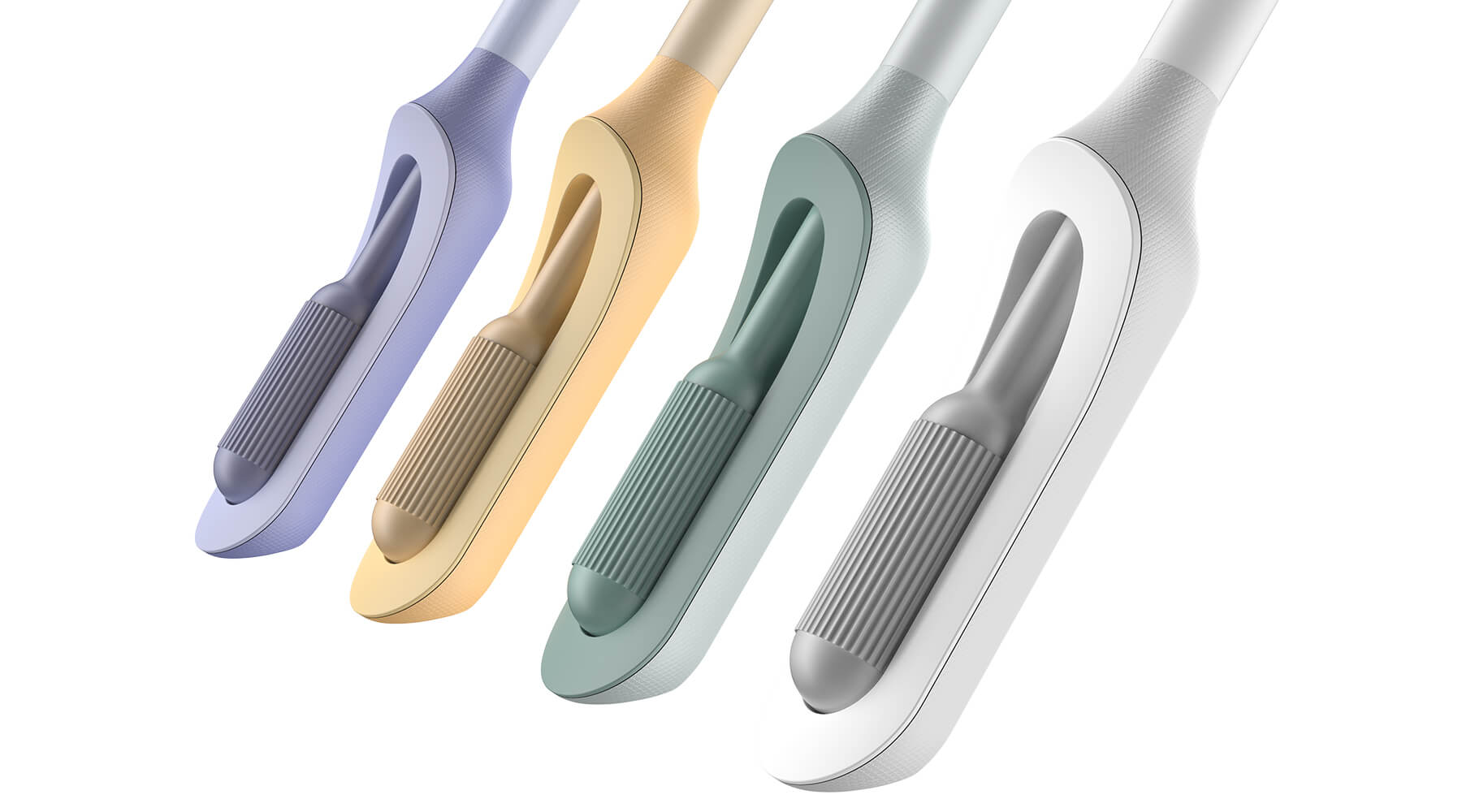
The IDEO team also worked on the packaging and unboxing experience, which plays an important role in supporting the user through the self-screening process. The team built in thoughtful design cues to give users reassurance that they are using the wand correctly, and to provide the same level of confidence they would have in the results of an in-clinic screening.
In January 2023, Teal raised $8.8 million in a seed funding round from Serena Ventures, Emerson Collective, and Metrodora. Later that year, the company launched a nationwide clinical trial with leading health organizations including Johns Hopkins University, Yale University, the University of Colorado, and Washington University, among others. In 2025, the Teal Wand became the first FDA-authorized device for at-home cervical cancer screening, with virtual medical provider support, and became available in all 50 states. Due to soaring consumer demand and increased insurance coverage starting in January 2027, Teal Health secured $22 million in Series A funding to expand access to the Teal Wand. It’s an enormous step toward the company’s North Star: catching cervical cancer earlier and saving lives.
Cervical cancer is nearly 100% preventable when it’s caught early, yet one in four women in the US are not up to date on their screenings.
More than 12,000 people in the US are being diagnosed with cervical cancer every year, and more than 4,000 people die of the disease, which disproportionately impacts Black, Asian, and Hispanic women.
More than half of cervical cancer cases are found in women that are not up-to-date on their screenings.
$22M
raised in a Series A round to expand access to the most accurate FDA-authorized at-home HPV cervical cancer screening
97%
of clinical study participants said the Teal Wand was very easy or easy to use.
87%
of participants said they would be more likely to stay current with screening guidelines if Teal Wand was an option.
94%
of participants said they would choose to collect their own sample from home rather than the current standard of care where a clinician collects it in-office.
Amplifying a movement
Cities United rebrands to create safe, healthy, hopeful communities for Black men and boys.
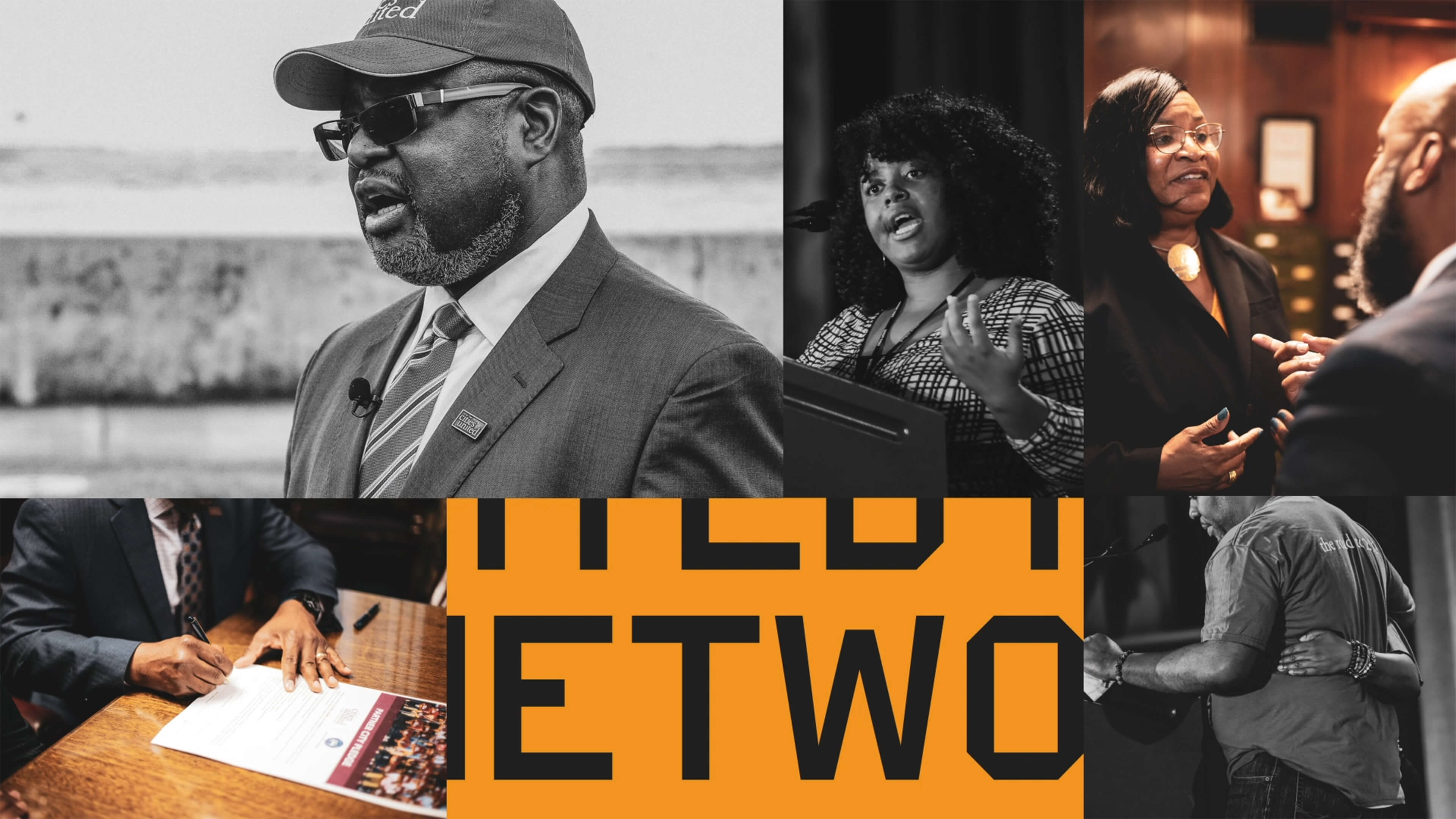
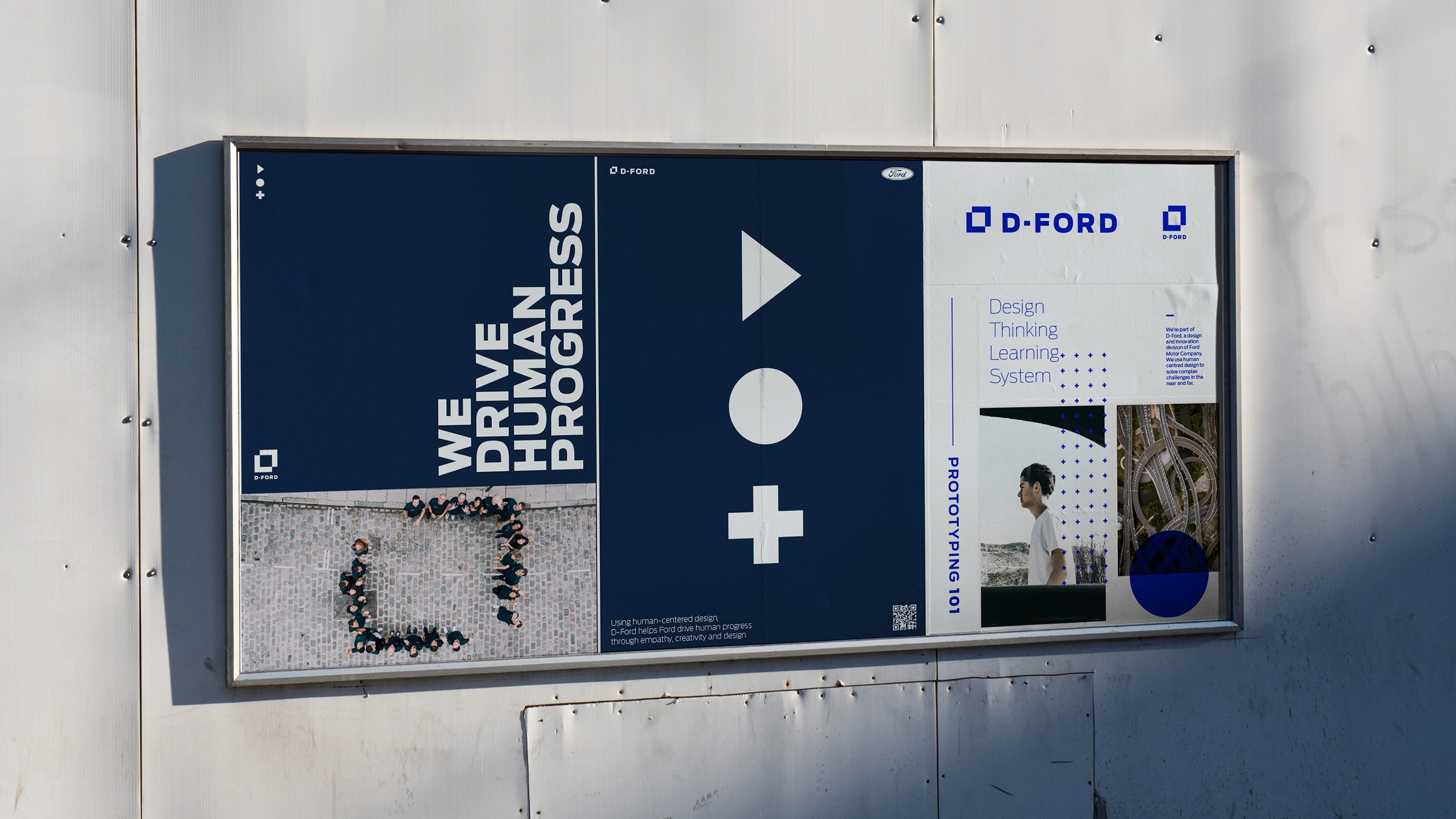
Cities United already had a strong foundation with its stated mission, vision, and values. IDEO brought those to life with a new visual and verbal brand identity system that celebrates Cities United’s inclusive approach to building relationships and reimagining public safety.
To help Cities United with its verbal identity, the IDEO team defined the organization's voice, tone, and key messages, making it easier to tell its story more consistently and clearly, a crucial step toward engaging stakeholders.
To define the new visual identity, the team created a new logo, a letter C composed of interwoven shapes that represent the three tenets of their vision—“safe, happy, and hopeful;” a new design language that references city grids; and a typographic system anchored by the typeface VTC DuBois, inspired by W.E.B. DuBois’s own custom lettering and designed by the Black-owned Vocal Type Co. The team also designed a color palette that embodies the textures of city life with hues reminiscent of asphalt, sunrise, and brick.
To amplify the refreshed branding, the team designed a new responsive website, citiesunited.org. The intuitive site shares the organization’s mission, resources, ongoing projects, and partner network, inviting stakeholders to join in their transformative work. IDEO also created a video to humanize Cities United’s mission and showcase its nationwide impact. It underscores the unity, resilience, and hope embodied by the organization through a chorus of voices.
This comprehensive rebranding widens Cities United’s reach and impact, helping the organization share its goal of creating safe, healthy, hopeful communities for young Black men, boys, and their families, and reintroduces the organization to a national audience.
The Cities United work was supported by IDEO’s Racial Justice Impact Fund, part of a commitment IDEO made in 2020 to address systemic racism and advance equity within our own organization, our client work, and beyond.
Cities United is committed to reducing the epidemic of homicides and shootings among young Black men and boys ages 14-to-24 by 50%.
Between 2009 and 2019, the number of Black children who “did not go to school at least one day in the past month because they felt unsafe at school or on their way to or from school” increased by 84%, according to Cities United.
Homicide is the leading cause of death for Black men and boys from birth to age 44, according to the Centers for Disease Control and Prevention.
2023 SF Design Week Award
In recognition of IDEO’s brand work with Citizens United

Balancing work and sleep
Somni’s personalized sleep program helps workers maintain their health.
Sleep is a critical resource for shift workers—and their employers, too. Together, IDEO and Somni worked directly with people with acute and chronic sleep challenges to create concepts that could support their sleep goals, and provide employers with the means to improve employee health.
When IDEO and Somni first partnered, the startup was an early-stage company, so the team started small, with focused sprints and workshops to redesign the core aspects of the company and product offerings. The team interviewed shift workers about their sleep patterns, which can vary quite a bit. Even when people keep to a specific schedule on work days, they often have to change their patterns on days off to spend time with family and friends, leading to a very disruptive sleep cycle. Research revealed that many third shift workers were dealing with sleep and health issues, but also a pervasive “machismo” culture, pressure to “tough it out,” and a reliance on energy drinks to deal with lack of sleep.
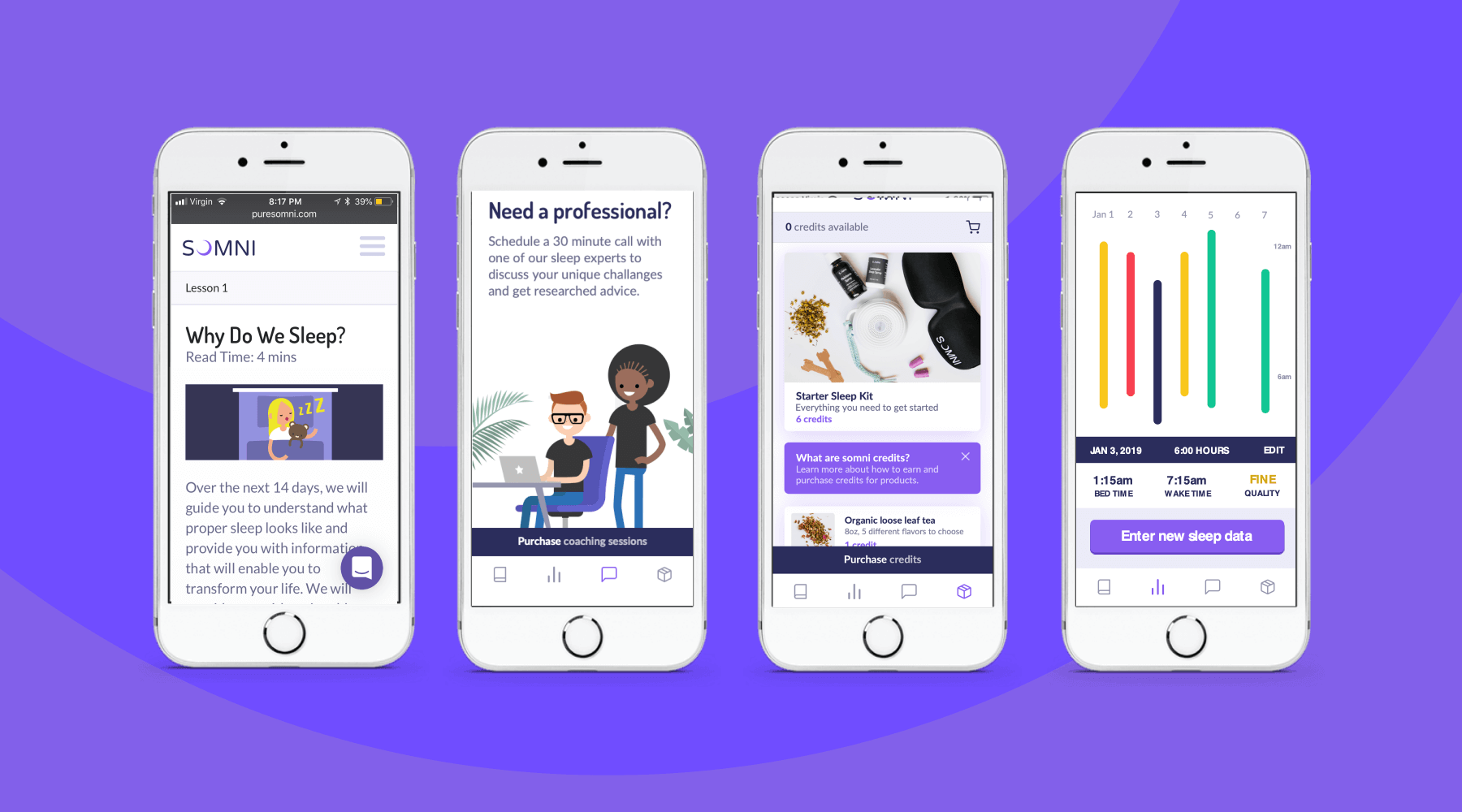
To address those issues, the team designed a digital experience for sleep cohorts, support groups where members could share their experiences and sleep strategies, and work with a coach and sponsor who already had been through the program. The platform analyzed workers’ data, and provided AI-enabled recommendations for improving their sleep. The big takeaway? Data by itself wasn’t necessarily helpful, and could be confusing for folks who were less digitally-fluent. Providing context, like a calendar that displayed sleep experiments at a glance, was crucial.
The IDEO team also created a new user experience for a genetic testing program that could uncover factors associated with sleep issues. Somni aims to use a saliva-based genetic test to monitor for DNA damage caused by circadian disruption, then leverage its sleep improvement program to prevent further damage. Because biomarker testing is a differentiating offer for Somni, it was extremely important that the team get it right, both to make sure that users could understand its utility, and for Somni to provide real value. The design challenge was unique—and not just because of data privacy concerns. Presenting data about DNA damage in a non-human-centered way could increase the anxiety workers had around their sleep.
At the end of the project, Somni leveraged the insights the IDEO team surfaced to improve products like its sleep coaching service, and to refine its biomarker testing offering. Based on this work, Somni has also created a pilot with a Fortune 100 company, which is currently in progress, as it works to mitigate the ill effects of disrupted sleep for employees and the companies they work for.
In the short-term, circadian rhythm disruption leads to an array of jet-lag-like symptoms, and in the long-run, it may contribute to weight gain, obesity, metabolic syndrome, type 2 diabetes, and cardiovascular disease.
It also impairs people’s ability to work, affecting productivity, creativity, and the overall work environment. Productivity loss can lead to employer baseline healthcare costs that are 26% higher, and over time, insomnia can result in an average cost of $4,267 more per employee per year.
In June 2019, the International Agency for Research on Cancer classified shift work as a probable carcinogen.
75%
user retention in Somni's sleep program
$2,450
savings per year per employee for users who complete the program
33%
improvement in sleep quality, and 41 more minutes per night

What Cooking Dinner for Friends Taught Me About Prototyping
How a kitchen experiment took one designer down a prototyping rabbit hole
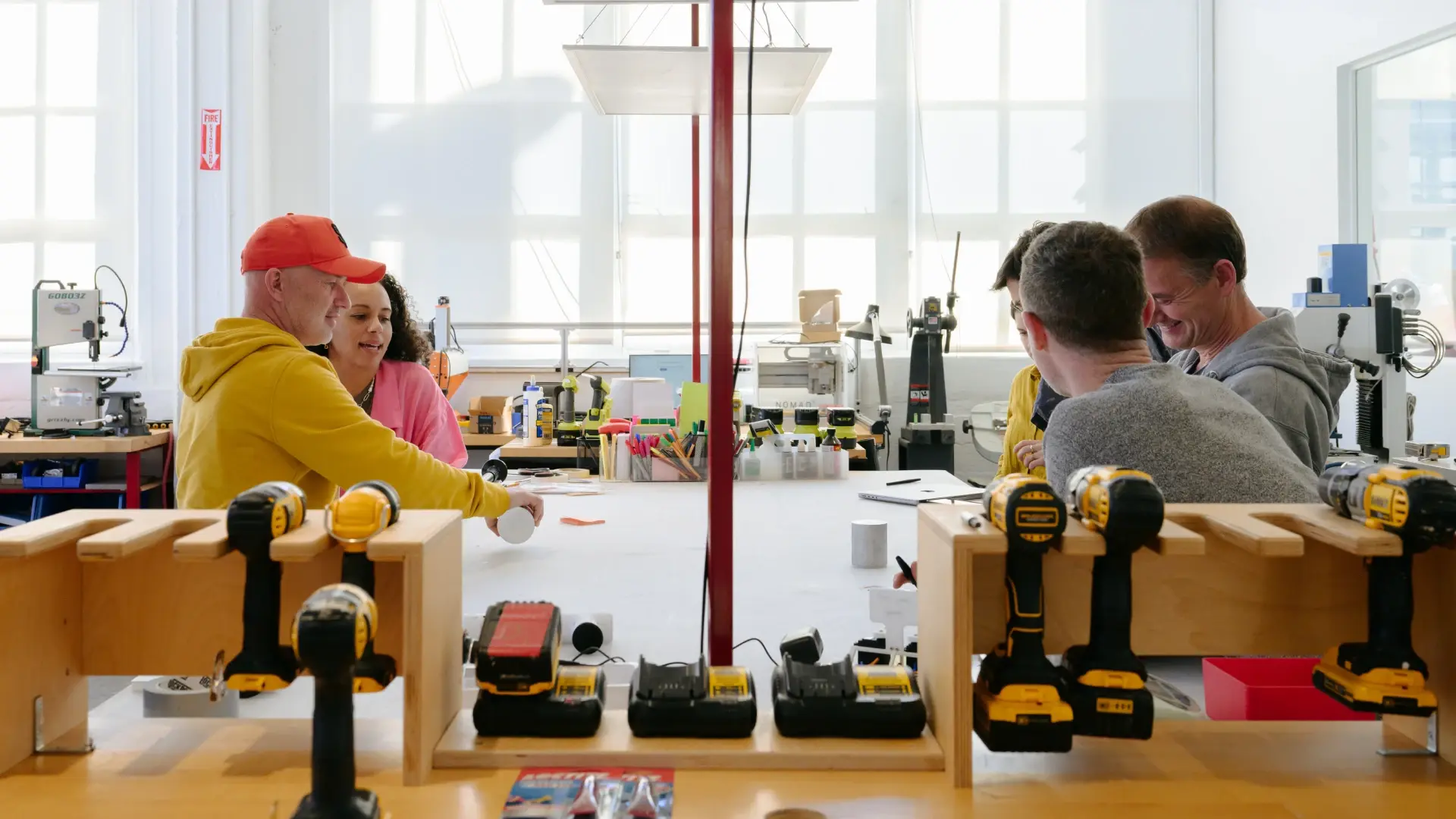
Designers prototype everyday. It’s an essential part of the design and development process that involves translating early ideas into tangible prototypes that we can test in real life with real users. Prototyping is about being able to understand a challenge or an opportunity and find creative ways to move toward a solution, step by step. Essentially homing in on “building the right thing,” before “building that thing right.”
But the prototyping process doesn’t have to be limited to what you do for work. In fact, bringing this approach to your everyday life has the magical effect of turning common challenges into moments of playful exploration. It’s not necessarily about finding the ultimate answer, but enjoying the opportunity to experiment, improve, and learn along the way. You can prototype anything as long as you have the right mindset and get creative with your tools.
Here’s what it looked like when a sous-vide experiment took me down a prototyping rabbit hole (and how it could take you down one too).
Step 1: Get inspired
Inspiration can come from many places, like frustration with tools or objects that are not easy to use or the simple joy of creative exploration. For me, the latter happened when I stumbled across a recipe that used sous-vide, the technique of slowly heating meat or fish to its perfect core temperature so it doesn’t become dry or overcooked.
I thought it would be fun to try out for a dinner party, but didn't want to invest in a professional sous-vide machine. A typical moment where my prototyping obsession kicks in…

Step 2: Start out low-fidelity
An essential step while prototyping is identifying the simplest way to obtain the intended result—to achieve more with less. Isn’t the sous-vide technology just slowly heating up ingredients and stabilizing the temperature over a long period of time? That seemed pretty simple. So I gathered my materials: heat-proof bags, an electric thermostat, and of course, a couple of beautiful steaks.
I sealed the steaks in the heat-resistant bags, put them into a pot of water and used my oven to heat them up to 53°C/127 °F (the perfect core temperature for a medium rare steak). Unfortunately, the thermostat of a regular kitchen oven is relatively inaccurate, with the actual temperature being ±10°C/18°F compared to what it shows! That can make the difference between your meat being bloody as hell and completely overcooked.
That meant I had to place myself in front of my oven for over two hours, staring at the tiny LCD display of my electric thermostat and manually balancing the inaccuracy of the oven by turning the temperature up and down.
Step 3: Analyze your results
The good news: the meal was perfect—the meat medium rare—and my friends were impressed. But sitting in front of my oven, watching a thermostat for multiple hours, was less than ideal. This was the perfect starting point for the next iteration—looking into ways to automate and refine the temperature stabilization and improve my personal user experience.
Step 4: Iterate on key features
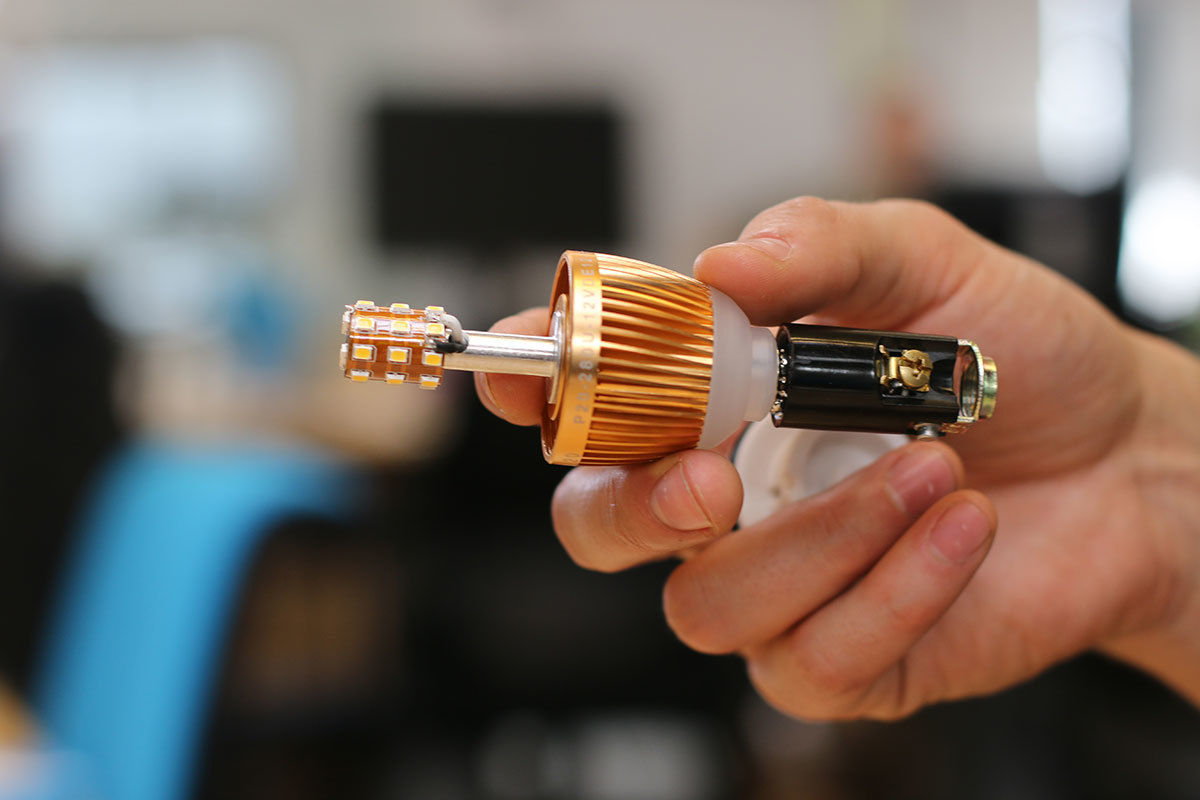
That’s how I found myself on a Saturday afternoon hooking up a simple heating rod, my electronic thermostat, and a milk stirrer with an Arduino board.
I mounted my thermostat to the top of the pot and coded my Arduino board to activate the heating rod as long as the temperature of the water bath stayed below 53°C/127 °F. Triggering the milk stirrer every once in a while ensured that the temperature stayed consistent throughout the pot. My prototype ran this process every 10 seconds and freed me up to focus on other parts of the dinner preparation while delivering another round of perfectly cooked meat and fish.

Step 5: Repeat until satisfied—or pivot
Each iteration of a prototype will reveal more detailed feedback and help you get closer to an actual solution. That’s why prototyping is the best way to learn while moving forward, and to de-risk decisions on product innovation or bigger investments.
Using my sous-vide prototype several times helped me identify multiple opportunities to improve it, like how to make it as compact as possible for easy storage (a great design and prototyping task in itself!). But most importantly, by using the prototype, I realized that I missed the sensorial experience of cooking. Simply waiting for ingredients to reach their core temperature in the water bath felt like an artificial, chemical experiment and was not the rich sensory experience I was looking for when spending time in the kitchen on weekends.
So I decided to pivot. After not using the prototype for months, I disassembled it and freed up the components for my next prototyping rabbit hole. Even if the sous-vide prototype actually never made it into a final solution, it helped me better understand what I enjoy most about cooking, and taught me something that I’m sure will be applicable to a future experiment—because the prototyping obsessive’s job is never done. Now, on to the next project!
On a Saturday afternoon (pre-COVID), I found myself in my kitchen, hooking up an Arduino board to a heating rod with one hand, and handling an electronic thermometer and a milk-stirrer with the other. How did I end up here? A hunt for the perfectly-cooked steak—and a typical result of my obsession with prototyping.

Your Data Could Do More for You If You Learn How to Use It
3 strategies for unlocking business growth opportunities with AI
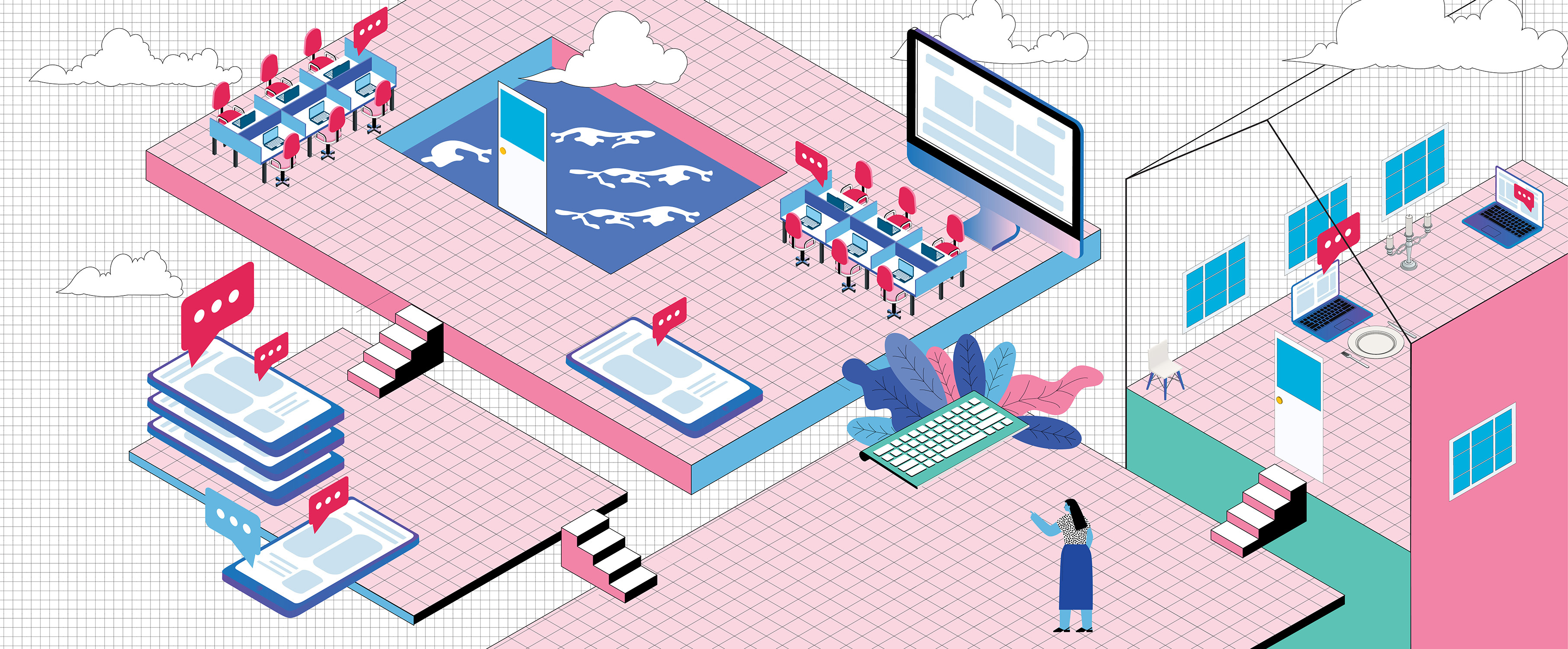
For years, I’ve watched smart companies buy into big data. Yet despite huge investments, some of them fail to reap the rewards. A 2017 MIT study revealed that 63% of executives expected to see a large impact on their offerings from AI in the next few years. But of the 14% of executives who reported already seeing a large impact, most cited examples in automation, decision-making support, and operational diagnostics for internal capabilities. Those kinds of advances can contribute to higher profits and short-term differentiation, but operational efficiencies do not generally help organizations grow beyond their peers. They also aren’t the deciding factor that will carry you through a yo-yoing economy. So how, exactly, do successful organizations unlock sustained and differentiated value in an AI-enabled world, at a time when immediate change may seem necessary just to survive?
It starts with experimenting and iterating with data—in a responsible way— to find your organization’s unique value proposition. Intentional experimentation mitigates the risks of failure by ensuring that you learn which data skillsets are critical to your organization, while at the same time identifying product-market fit. It’s a process that can happen before, during, or after a broader digital transformation, and there are three different ways to approach these intentional experiments: scaling internal offers, piloting to stretch, and purposeful venturing.

Scaling internal offers
In 2004, a web design company called 37signals needed a project management tool to keep all of its work streams on track. Initially, its solution—Basecamp—was meant to be a tool that would help the company be more efficient, and serve as a single source of truth for all its projects. But the more valuable it became internally, the more the company realized that it could be valuable externally. Eventually, Basecamp became 37signals’ core business; it adopted Basecamp as its name, and folded other offerings under the new brand.
Scaling internal offers is a smart way to create new revenue streams that can also help drive an organizational purpose. It’s a particularly good approach for companies that value creating internal capabilities and investing in their employees.
Another example comes from a liability insurance company that had recently gone through quarterly reviews. The company took a deep dive into large lawsuits, setting case direction and identifying where liability existed and standards had been breached. These observations were used to set financial reserves and, after months of manual curation, create risk-management training materials. While this company had already developed a technique for improving best practices, leveraging data to create a digital tool would give them an opportunity to scale up dramatically. The resulting in-house product allows the company’s claims and risk management representatives to rapidly identify new and emerging trends, as well as strategize case management on the portfolio level, saving thousands of human hours and much more in lawsuit expenses over the course of a year. With a bit more refinement, the firm could offer a version of its tool directly to policy owners, which could allow them to adopt best practices in real-time.

Piloting to stretch
A classic example of this approach comes from Netflix, which started offering streaming video services in 2007, alongside their penalty-free mail order DVD rentals. When the streaming service was born, it was a digital replica of the video store experience, browsing and selecting movies from a wall. But as Netflix accumulated ever more data about what people watched and their preferences, the streaming service became a data-driven way to personalize and recommend content, better fulfilling its purpose of “entertaining the world.” In fact, developing this data-driven capability in-house has given them sufficient insights into viewers’ preferences, which they are now using to create their own content, dramatically shifting the entire media landscape because of the data they own.
Piloting to stretch is a method of launching a new venture that brings in cash and stretches the organization to more intentionally fulfill its purpose. Often, that can require an entirely new business unit, with a new culture and team, so that it can grow without absorbing existing constraints. This approach is particularly appropriate for organizations that are seeking a new lever for growth, or are looking to disrupt their industry.
For Ascensia Diabetes Care, it was about recognizing a service gap for patients newly diagnosed with type 2 diabetes. Most people, shortly after receiving their diagnosis, are scheduled for a brief consultation with a certified diabetes educator (CDE) who helps them learn the basics of managing the disease. But the short time a CDE spends with a client isn't nearly enough to establish new habits and enable sustained lifestyle changes. Ascensia saw an opportunity to create a new remote care service that would allow people with diabetes to interact with CDEs over a prolonged period of time through a telehealth platform, helping them better acclimate to their condition. To design the right program and path for each patient, Ascensia created data-driven tools that would help CDEs know how and when to interact with users. Initially, the company piloted the app with 60 people, and early results showed that users were willing to adopt and adhere to the program. Only two participants failed to complete the study—a stunning success rate when adherence to therapy for chronic illnesses in developed countries averages around 50%.

Purposeful venturing
Google may have started as a search engine, but in 2015 Alphabet emerged as an umbrella organization that made space for Google to pursue other ventures, some that might seem far beyond the scope of the core business. Alphabet’s interests— everything from life science (Calico) to transportation (Waymo)—are all in service of doing the right thing, and separating Alphabet’s other ventures from Google kept them from getting mired in particulars of the Google organization. This nimbleness has allowed Alphabet to fulfill its broader purpose, even during the extreme uncertainty of a global pandemic; the company quickly launched one venture, Verily’s Project Baseline, to research COVID-19, while Google and Apple have partnered to develop an exposure notification system.
Purposeful venturing is a way for an organization to create new business lines that drive growth. These ventures operate independently, with their own teams and cultures, and may require dramatically different ways of working that would be distracting for the core business’ operations. It’s a good fit for companies that might have many different ways of achieving their purpose, or for firms that can create symbiotic effects with auxiliary offerings.
In practice, it can also look like this: A nimble venture firm called 1848 Ventures (a subsidiary of Westfield Insurance) recognized that staffing is one of the biggest uncertainties business owners grapple with. Over-staffing eats into their already razor-thin margins; under-staffing means long lines and lost revenue. By rooting their innovation efforts in their purpose—to help their customers mitigate risk and uncertainty—the firm saw an opportunity to create a service that would help small businesses better manage their expenses through a tool that combines large data sets and an intuitive interface to optimize operational decisions. This new product was piloted with restaurants to help them offset the thin margins they need to survive.
Regardless of whether you experiment by scaling internal offers, piloting to stretch, or purposeful venturing, there are ample opportunities to simultaneously unlock product-market fit while getting a better grasp of the capabilities your organization needs to grow. Design offers a way to mitigate the risk of missing product-market fit and improve your odds of success in a way that dovetails with your existing capabilities and long-term vision. So after you pick your path, get out there and start prototyping early and often with data products, just like you would with anything else. It’s the best way to make sure that your data investment will push you past operational efficiencies, to sustained and real growth.
Illustrations by Nate Kitch
Over the past six months, the pandemic and the economic uncertainty it ushered in have sent companies in every industry flailing; to survive, many have leapt to major digital transformations. Scrambling CEOs have bought into the hype around data and AI that has been swirling for the last decade, all in hopes of making it to the other side. It’s a smart move. Even in a moment as stark as this one, with no sure path to a return to normalcy, data has the potential to ethically deliver unprecedented value to consumers, organizations, and shareholders. But just because the potential is there doesn’t mean the full value of these investments is being realized.

4 Warm-Ups to Prime Your Team for Decision-Making
Exercises to help your team creatively (and remotely) converge
But we recognize that convergence, too, is an opportunity for creativity. These moments can contain sensemaking—the finding of patterns or shifting of perspectives that brings your team to a new, shared understanding of what you have and what lies ahead. In making choices, you are collectively committing to a common vision of what the future could be. It can feel optimistic, unifying, and clarifying. And we know it can be extra challenging to converge when you’re not all in the same room.
I started writing this piece a few months ago, before COVID-19 forced a lot of folks to shift from working in offices to working at their kitchen tables. I’m of the mind that every meeting deserves a warm-up, and I believe it’s even more true today. If your team is working remotely, they’ll be (virtually) walking in from a greater diversity of physical and mental places (for example, perhaps they’ve only taken 72 steps today and their brains and bodies have turned to video-call-induced oatmeal), so creating the conditions for focused, convergent work is even more important.
Here are 4 warm-ups to help your team creatively and remotely converge:
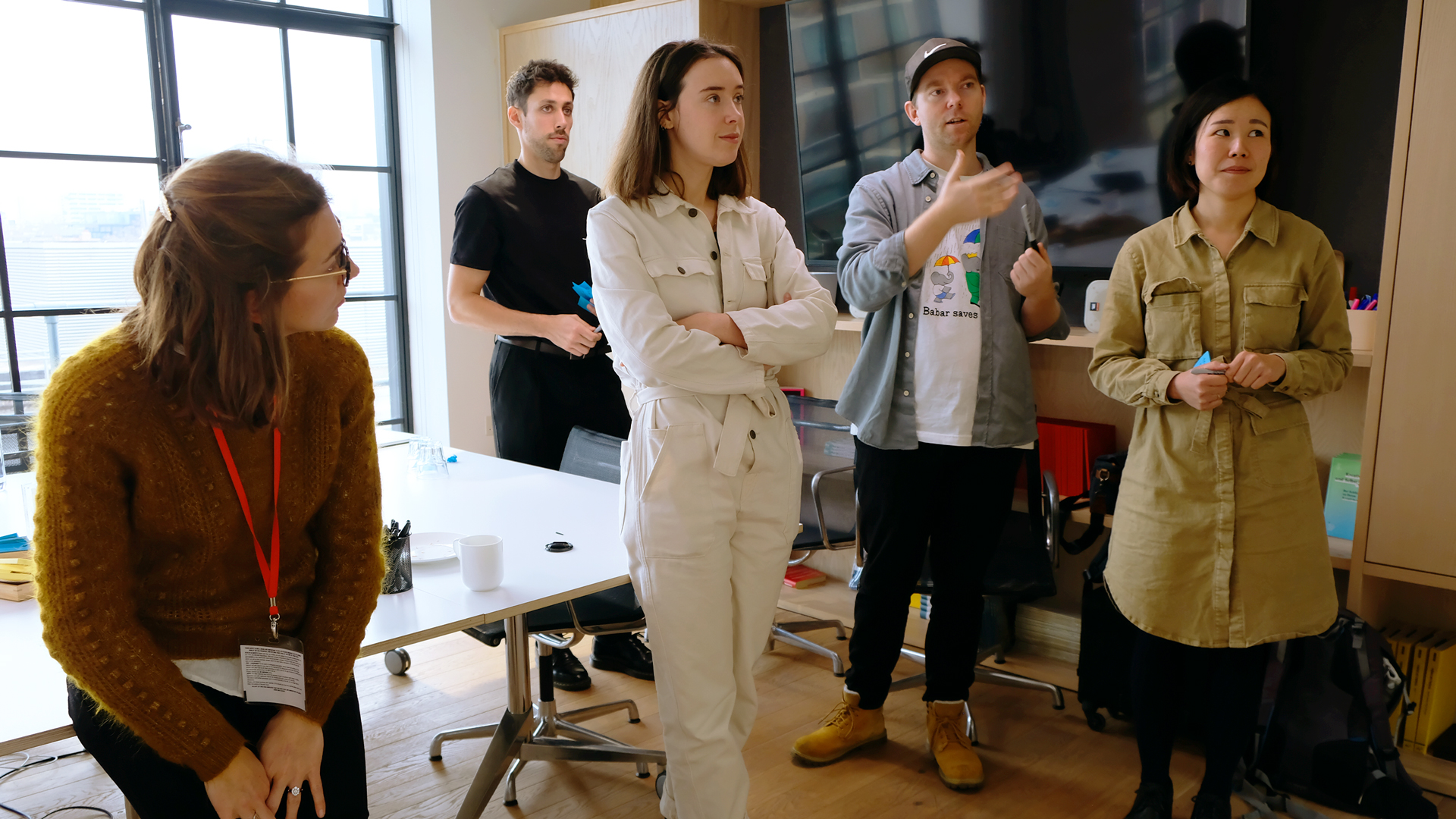
1. Rank this
Instructions: Before your meeting, using a live collaboration tool, set up a spectrum (a simple horizontal line will do) in the virtual space. On the left, write “least”; on the right, write “most.” Pre-create 3-4 Post-its or colored squares per person. Place them off to the side.

To begin, have everyone type a noun in each of their stickies. Then have one person propose an adjective and add it to the top of the spectrum. (If your adjective is crunchy, your spectrum would be least crunchy on the left to most crunchy on the right.)
As a group, as fast as you can, collectively sort all the noun stickies along the spectrum of that adjective. (For example, sort all nouns according to where they fall on the scale of least to most hairy, grumpy, or miraculous). Attempting to do it all at once should feel like joyful chaos.
Pick out a new adjective and re-sort, reminding folks that anyone can move any Post-it, not just their own. Go through a few rounds until laughs abound.
Why it works: Prioritizing is a critical and challenging part of convergence. And it is made even harder when the options you are deciding between feel like they exist on diametrically different axes. This warm-up will help you get comfortable in the ambiguity that is comparing apples and oranges (or perhaps even apples and orange shoes).
2. Goodbye, hello
Instructions: Ask everyone to come prepared to the meeting with a pen and something to write on.
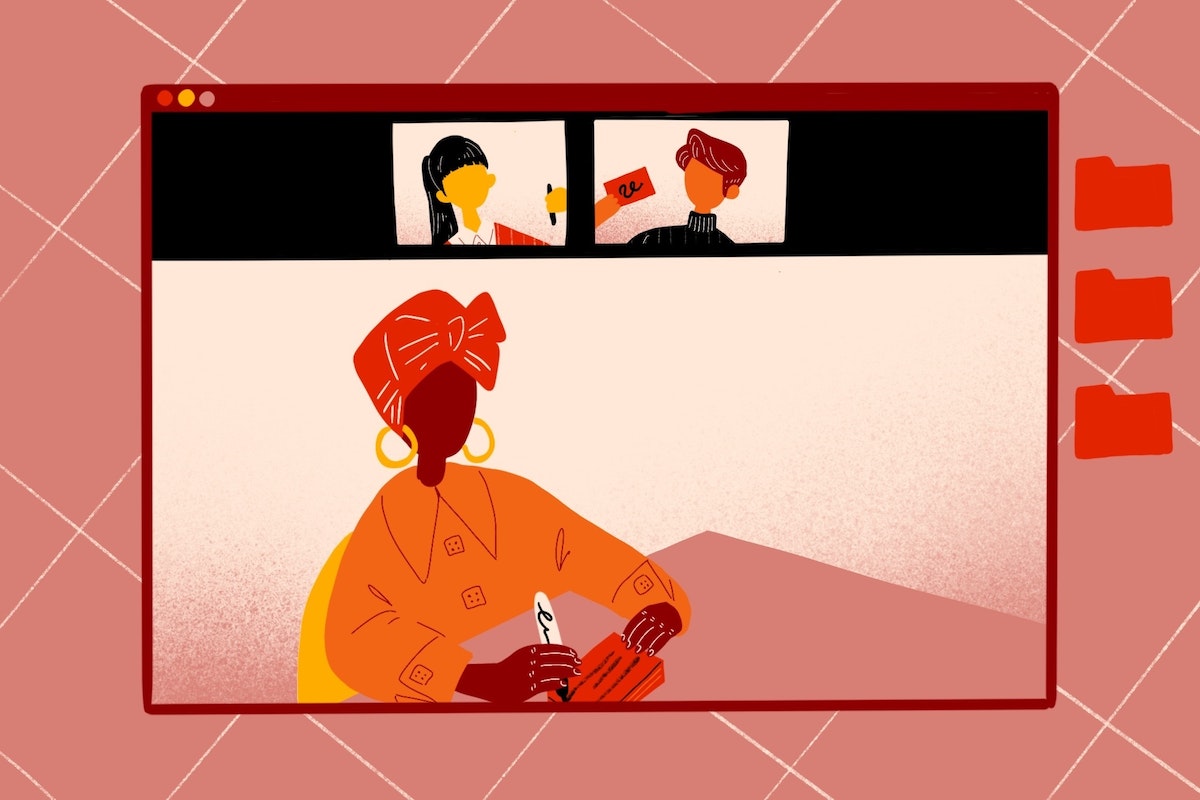
Before you dive into the content of your meeting, have everyone reflect on something they let go of last year and capture a quick sketch of it. Then, separately, have them draw something that was able to fill that newly open space. Have everyone go around and share their drawings by holding them up to the camera.
Why it works: Saying no can feel like the hardest part of convergence, especially when people feel ownership over or connection to the ideas on the table. This reflection exercise will help folks remember there’s power and opportunity in choosing what not to do—because it allows us to focus more energy on the things we do choose to do.
3. Object convergence
Instructions: Ask everyone to come prepared to the meeting with a pen and something to write on.
Have everyone sketch a noun—things like a stapler, a mother-in-law, a glass of water—then go around and share. Pair people up and give them 30 seconds to brainstorm and find a new noun that connects what each individual drew (for example, stapler + glass of water = anchor). Have them do this using the chat function on your video call platform. Multiple conversations will be happening in the chat. But don’t worry, that adds a laughable challenge. Once each pair finds their linking noun, have one person sketch it, then go around and share.

Pairs pairs into quads and have them repeat the process, finding what connects those new things (anchor + lemon = scurvy). Repeat until the collective group has arrived at a single object that has united them entirely. (Hint: like in a game of telephone, this will likely look nothing like any idea anyone started with.)
Why this works: The way forward may not look like choosing person A’s idea or person B’s. It may require finding a third way that draws from the best of both. This warm-up will help you avoid the Frankenstein compromise, where, rather than making decisions, the team mashes all of the ideas together, and dilutes them all to uselessness in the process. In this exercise, teams practice the skill of looking beyond individual ideas to a higher connecting goal or purpose, and collectively aligning on this new vision.
Convergence can feel heavy. This will bring a bit of levity to the process, allowing your team to find the optimism and energy to build on one another’s ideas moving forward.
4. Shake it out
Instructions: Have everyone stand up and close their eyes. Then give these directions, while doing it with them: Reaching out all around you with your hands, shake them vigorously to manifest into the space the multitude of what if’s, what could be’s, and fears of the future. Now, use a pushing motion, clear a bubble of safe, fresh air around you. All together, let’s take a deep breath in and ground ourselves in this space.

Having everyone close their eyes creates an important sense of safety. No one can look like an idiot if they can’t be looked at. Worried that people have stopped wearing pants to video calls, and won’t want to stand up in front of their camera? Have everyone turn off video first, then give the instructions.
Why this works: Our physical state is intricately connected to our mental state. So often at work we ignore our physical bodies, thinking them a distraction, nuisance, or simply irrelevant. In the world of working remotely many of us spend our working hours glued to a screen, ceasing to exist in the three-dimensional plane. Getting your body in the right place (and remembering it exists at all) will help get your mind right too.
It is not infrequent that a team gets to a point of convergence and all feels like a swirling mess of hypotheticals. This warm-up will help create the mental clarity and space to step back and find the broader picture.
Go forth and prototype
Decision-making can be hard and stressful. You’ll probably have to kill some darlings. But you don’t want your team to walk away feeling unheard because the phrase most commonly used in your meeting was “we can’t.”
If instead you can galvanize them—catalyze their creative, collaborative brains in finding and forging the path forward—you will leave with teammates bought into a future they want to build together.
Take these warm-ups and hack them, make them your own, and iterate on them. How can you prime your collaborators to optimistically say “no” to make way for “yes,” find a third way forward, and see past the chaos to clarity?
When I say “creative meeting,” what comes to mind? What’s the energy like? What are you and your colleagues doing? My bet is that you’re imagining a brainstorming session. Generating ideas. If you’re lucky, it’s joyful, full of potential, and exhilarating. What I’m guessing you’re not thinking of? Those moments where you have to make decisions. Prioritize, say no, and shut some doors. At IDEO, we call this part of the process convergence: the refining and focusing of options to move forward with a strategic set of choices.

The Food System Can’t Survive This Crisis, but a Better System Can Be Built
COVID-19 has magnified historic issues with our food system. Post-pandemic, we can create something new
Many say the food system is broken. But the problems that people, the economy, and the environment suffer as a consequence of the system aren’t so much a sign that it’s broken as that it wasn’t designed to generate good outcomes for the world we live in today. We shouldn’t try to fix the existing system but rather design new structures that nourish us.
Design unites what is necessary and desirable from a human point of view with what is technologically feasible, economically viable, and environmentally regenerative. We live in a world of intertwined, inequitable systems—food, education, health, and more—where the problems are dynamic, multifaceted, and inherently human.
By designing for adaptability, trust, dignity, and agency, we can build a more resilient food system.

Designing for Adaptability and Trust
Today’s system was designed for efficiency: We’ve built machines to harvest rows of a single crop, consolidated farms and processing facilities to achieve economies of scale, and established highly specialized supply chains.
COVID-19 has revealed that this efficient system is rigid—it can’t adapt to new conditions. People are trying to help: Grocers are buying produce from farmers and donating it to food banks, and restaurants are repackaging their bulk purchases into household meal kits. But it’s not sustainable to purchase extra food to donate or convert 50-pound bags of onions into smaller one-pound bags.
An adaptable system requires many changes, from digitization of operating systems, to more transparent data sharing, to improved distribution of food to where it’s most needed. Investment in processing and logistics infrastructure closer to farms is key, thus designing redundancy back into our highly consolidated system.
There’s also value in examining what makes the current system work and carrying these elements into a new structure. One positive enabler of today’s efficiencies is the network of trusting relationships that farmers have built over time.
Due to COVID-19 and other factors, it’s impossible to build new relationships in person. Farmers can’t travel to meet buyers. Instead, building on existing trust, farmers need innovative ways to establish new partnerships rapidly. Farm2People is helping farmers and fighting hunger by designing for adaptability and trust. The platform enables produce to be directed toward those who need it by connecting farmers to buyers and donation recipients.
- How might we design for trust in a contactless world?
- How might we look to circular economy models to rethink the supply chain?
- How might we apply technology to rapidly build relationships?

Designing for Dignity and Agency
The system’s resilience depends on the resiliency of those who power it. The essential workers who make the food system run are at the greatest risk of illness and the lowest paid. Many are people of color. Society’s racist systems—including the food system—have marginalized Black, Indigenous and people of color and left them more susceptible to the health and economic challenges of COVID-19.
The pandemic demonstrates how essential these individuals are and how tenuous their livelihoods are. Given the nature of their work, it’s impractical for farmers to maintain the social distance necessary to protect themselves, and for some employers, personal protective equipment is too expensive to provide.
Solutions have been swift and well-intentioned but short-term. Some restaurants created campaigns raising money to cover employee costs, and Portugal extended temporary residency to migrant farmers so they can access health care. Workers will need employment that can withstand advancing technologies, like automation, which will require training in a new set of skills. This is not just a food crisis but an education crisis. The interlinked nature of our systems means that solutions must have broad scopes and address multiple factors to be sustainable.
We have an opportunity to design for dignity and agency.
- How might leaders share the responsibility for worker livelihoods?
- How might we empower workers by having them design solutions for what they face?
- How might leaders help the industry become one of continuous learning to enable professional resilience?
No one knows what will happen. But as today’s system demonstrates, we know our actions will have impact for years to come. By designing for adaptability, trust, dignity, and agency, we can build a more resilient food system.
This essay first appeared in the Milken Institute’s Power of Ideas collection focused on building and rebuilding lives in the face of the COVID-19 pandemic. The essay series features insights from thought leaders across industries.
With hotels and schools closed, farmers are destroying millions of pounds of produce they can’t sell. Despite this waste, the number of people with food insecurity could rise from 130 million to nearly 300 million due to COVID-19. This estimate doesn’t address the millions whose means of making a living have evaporated. These challenges, while exacerbated by COVID-19, existed long before.

Lindsey Turner
I’m passionate about building brands, products, and experiences that help organizations show up with meaning and momentum.
I help organizations cut through complexity by shaping how they show up, through brand strategy, identity, and storytelling.
Working at the intersection of brand and business, I bring an editorial eye and a bias toward making—turning ideas into tangible experiences that people can understand, trust, and believe in.
My work spans government, healthcare, financial services, media, and consumer goods, from launching Gen Z-focused ventures to building innovation labs and reimagining legacy brands. I relish moments of ambiguity and enjoy translating across teams, perspectives, and priorities to move ideas forward.
I started my career in editorial and digital design, shaping cross-platform experiences and identity systems in publishing and agency environments. That foundation still shapes how I work today: I’m detail-oriented, collaborative, and overreliant on the Oxford comma. I hold a BFA in Visual Communication from the School of the Art Institute of Chicago.

Rachel Young
My work helps organizations see who their products aren't working for—and build the will and the tools to do something about it
For 25 years, I've asked the same question: Who does this design exclude—and what are we going to do about it?
My work spans human-centered strategy, inclusive design, and qualitative research, with clients ranging from Microsoft, Google, and Verizon to the National Science Foundation, and San Francisco Unified School District.
Before IDEO, I taught elementary school in East Palo Alto and spent a decade doing design work with social service organizations—where I learned firsthand what it costs people when systems are built without them in mind.
I am currently writing User Error, a nonfiction book about digital access and the design decisions behind it. I live in Oakland, California.

Brian Pelsoh
I lead with craft, ensuring our work is creatively excellent: rooted in deep human insight and imagination, while also grounded in the realities of business and technology.
My expertise spans brand, communication, and product design across tech, education, the arts, and social impact.
I believe great work demands both high-level vision and obsessive attention to detail, and only happens through collaboration.
I bring an inclusive, hands-on approach and a deep understanding of business, which enables me to consistently deliver excellence while always asking why.
Before joining IDEO, I worked at the brand firms Pentagram and VSA Partners. I began my career as a designer, leading teams at the School of the Art Institute of Chicago and the Milwaukee Art Museum. I hold an MFA in graphic design from Maryland Institute College of Art and a BFA in communication design from the Milwaukee Institute of Art & Design, and have taught at some of the best design schools in the US.

Tony Wong
I am responsible for IDEO’s long-term success in China and working with clients to use design as a tool to enable growth.
I am responsible for IDEO’s long-term success in China and working with clients to use design as a tool to enable growth. Specifically, I have helped Chinese companies design holistic brand solutions through the development of their products, communication, services, and innovation teams, and I have helped multinationals expand their presence and influence in China.
I advise global leaders on developing China-led innovation and capabilities.
In over 15 years in IDEO Shanghai, I have worked on projects that use design to elevate the quality of the experience of healthcare products and services, streamline processes that increase productivity, create spaces and programs that promote and enable inclusive communities, and build next generation mobility solutions that are planet-positive.
Before joining IDEO, I worked at Philips Electronics and the Electrolux Group in Italy, the Netherlands, and Singapore on a number of breakthrough commercial products. I am a member of the Young President Organization in Shanghai.

How to use AI as an editor, not a writer
Ed White shares how he uses AI as an editor—not a writer—to sharpen storytelling, rehearse ideas, and preserve the productive friction that makes creative work better.
Ed White has a rule he's tested on his own writing: hold yourself as the writer, and let AI be your editor. Ed is a Senior Design Director at IDEO's London studio, where he co-leads the firm's AI portfolio across Europe. Before IDEO, he spent 12 years as a writer and editor at the Financial Times, Wired, and Contagious. So when he talks about when to use AI for storytelling and when not to, it comes from two decades of crafting his storytelling skills.
In this episode, Mina Seetharaman talks with Ed about two specific tools he uses to keep AI in an editor's seat: a "roasting agent" prompted to critique his drafts without any sugarcoating, and a simulated audience he rehearses pitches on before the real thing. They also get into what Ed is hearing from design leaders at Anthropic, Lovable, Shopify, and Google Creative Lab about how creative work is changing, and why he thinks the friction of writing something yourself is worth protecting rather than automating away.

Building a personal AI for the messiness of life: Sida Li
Becca Carroll talks with Cue co-founder Sida Li about designing a personal AI for the messiness of everyday life—not just work. They explore how Sida stays anchored to human needs while navigating fast-changing technology, product tradeoffs, business-model experimentation, and the realities of building an AI company today.
Most AI products today are built for work—a space with clear problems and established systems. One founder noticed a gap: personal life is messier, harder to systematize, and mostly left behind by the AI boom. So she built Cue, a personal AI that lives inside iMessage and group chats, to go where the other tools haven't.
In this episode, Becca Carroll, IDEO's Chief Strategy Officer, talks with Sida Li, co-founder and CEO of Shared Context Lab, about staying anchored to a human need while the technology around her keeps changing shape, why she treats her business model with the same rigor she'd bring to a product, and what it feels like to build a company at this particular, disorienting moment in AI.
The conversation also gets into how Sida makes design decisions: the language Cue uses to describe itself, the tradeoffs behind building inside iMessage instead of a new app, and a real story about a business idea that didn’t pan out.
This is the second in a two-part series profiling founders from IDEO's Startups-in-Residence program. The first conversation is with Johannes Seemann, founder of Sooner, on designing GenAI for the emotional side of money.

Designing GenAI for the emotional side of money: Johannes Seemann
Designing financial tools around the feelings that shape money decisions.
Most personal financial tools are built to run the numbers and optimize towards a budget. While that works for some, most people experience money as a lived relationship that does not neatly fit into a spreadsheet. Johannes Seemann and Becca Carroll discuss why money is emotional before it is mathematical, and what a human-centered approach to building a generative AI financial product looks like in practice.

The curious leader's edge in uncertainty: Scott Shigeoka
How genuine curiosity helps leaders navigate uncertainty with greater confidence.
Mina Seetharaman talks with Scott Shigeoka, author of Seek and Head of Curiosity Cultivation at the Eames Institute, about what distinguishes genuinely curious leadership from performative curiosity, how power dynamics shape curiosity, and why practicing curiosity can restore energy rather than drain it.
Looks like you might be in search of something very specific?
Or reset the filters above and try another angle.
Here’s some random inspiration

Podcasts about creative leadership

Articles about the power of prototyping





















.jpeg)




.webp)