
.svg)


Patient expectations are evolving faster than ever
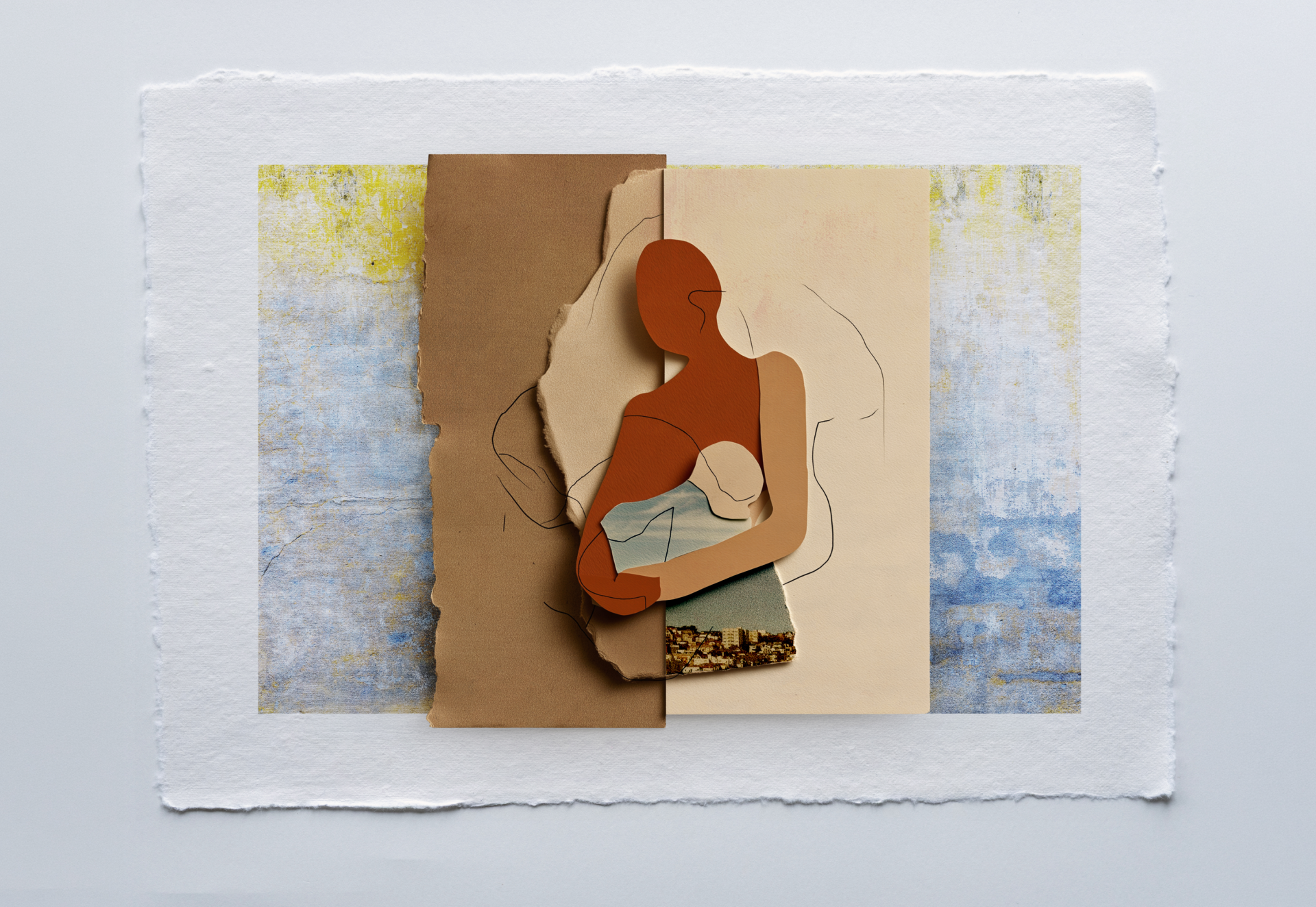
“This sea change in consumer expectations for medicines and therapies can feel disorienting for traditional pharma companies—but it also offers enormous opportunities for those that think outside tried-and-true drug delivery channels and embrace human-centered design."
During a recent meeting with a pharma client, we played a YouTube video of GLP-1 users that left the team slack-jawed. Sitting around a conference table, they watched people crack open an auto-injector and pour the contents into a vial so they could titrate out a more precise dose of the drug themselves. They heard several patients admit to using a family member’s prescription because they didn’t have their own. Others lamented that they weren’t in range for their preferred direct-to-consumer delivery platform. The realization was stark: patients knew what they wanted from their GLP-1s, and if the manufacturer didn’t provide it, they would find a way to make it themselves. In that moment, this particular pharma company understood it was not at all prepared for a future where patient expectations would remake the drug market.
The introduction of Ozempic and new access models for GLP-1s like Lilly Direct and Hims & Hers have fundamentally shifted the pharmaceutical industry in the last five years, unleashing more self-directed therapy journeys and a new kind of healthcare consumer. Patient expectations about what pharma companies can do—and the experiences available to them in a healthcare setting—have been completely rewritten. This revolution is making traditional pharma commercialization processes that push patients and providers through a few preferred channels a thing of the past. Especially as consumer-facing startups come for their market share—and create an even larger pie.
If pharma companies are going to meet this new wave of consumer expectations for everything from GLP-1s to hair loss and erectile dysfunction medicines, supplements to fertility drugs, they need to prioritize designing exceptional experiences that come along with their therapies. That requires building an entirely new set of skills and behaviors that can support product pipelines. Here are four crucial steps to get there.
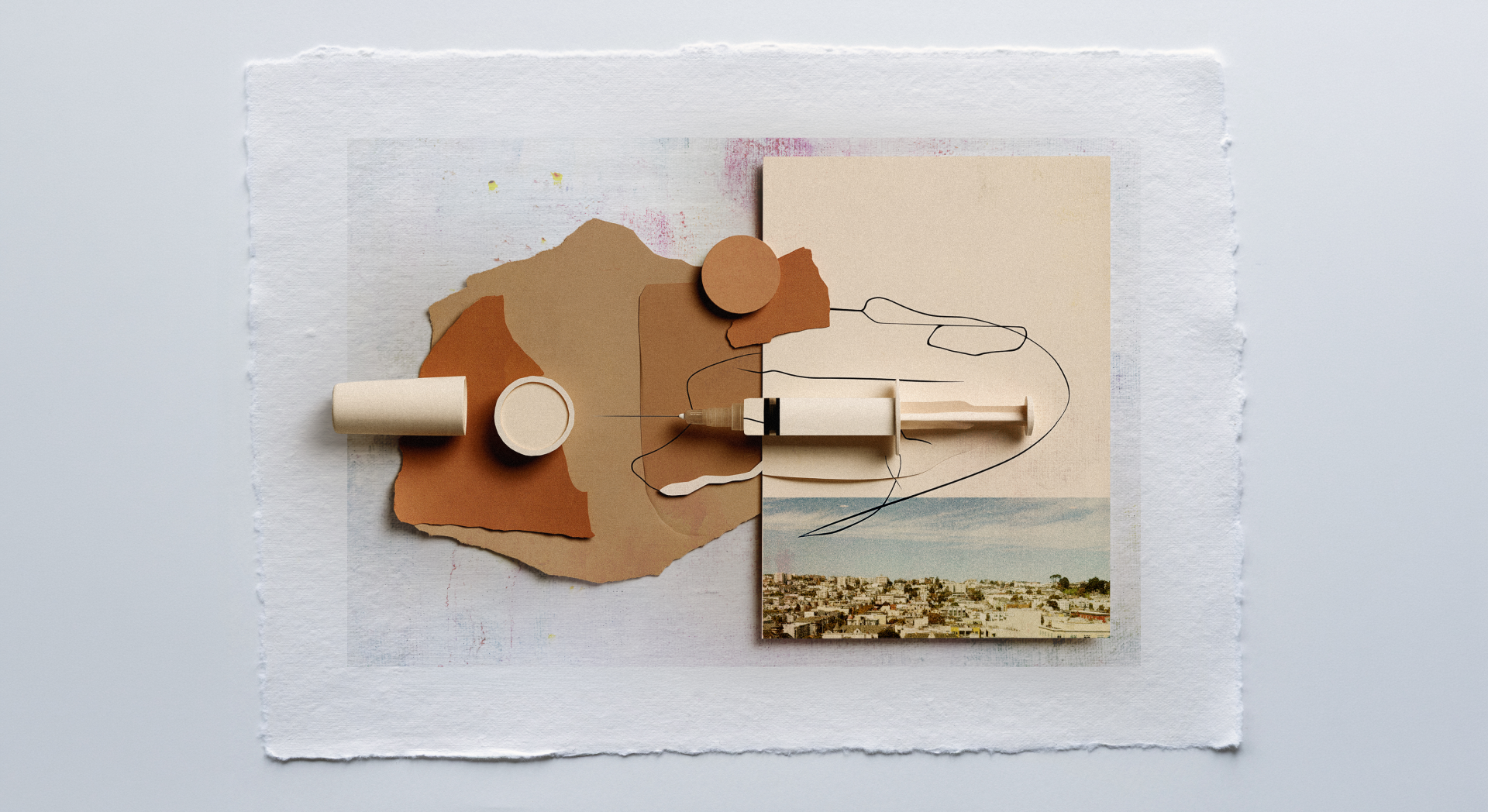
1. Uncover the needs patients want pharmaceuticals to meet
Pharma companies need to do research with real patients to get a clear view of the full therapy journey—from diagnosis to long-term use. In that process, they can identify the highest-risk moments, like confusion over instructions, frustration over delivery methods, and potential misuse, and prioritize opportunities to improve real-world adoption and adherence.
Lilly understood this early on. In the 1990s and early 2000s, the pharma company had several new, life-changing medications and two big challenges: Its primary drug—insulin—had to be self-injected, which patients were hesitant to do. And its drug-delivery device platform lagged behind the needs of insulin users.
Lilly approached us to design the next-generation auto-injector platform. Early in the partnership, a team of IDEO designers and Lilly leaders met with diabetes patients around the globe to better understand how they lived with the disease. They quickly realized there was a need for a device that met the needs of a broad range of dexterity-challenged and injection site-specific patient populations (including rheumatoid arthritis and psoriasis patients). As the development of multiple candidate molecules was still underway, the team focused on creating an injection experience that would work for these more challenging patient populations, knowing that a design that worked for them would also deliver a better experience for a broader swath of future users.
While we carefully considered every feature of the autoinjector itself (from grippy labels and a stable, twist-off base to large, clear unlock tabs and injection buttons), we also designed packaging that fit in a standard-sized refrigerator, created a set of highly visual instructions, and took into account the involvement and support of family members and caregivers.
Fast forward to 2026, and Lilly is still leveraging the design we made together to not only support pre-diabetes treatments like Trulicity, but also psoriasis therapies like Taltz, migraine therapies like Emgaility, and GLP-1 molecules like Mounjaro and Zepbound. The latter accounted for the majority of the company’s annual revenue in 2025. Taking the time to create a comprehensive drug delivery experience has yielded an invaluable delivery toolkit that Lilly and the patients they serve still benefit from today.
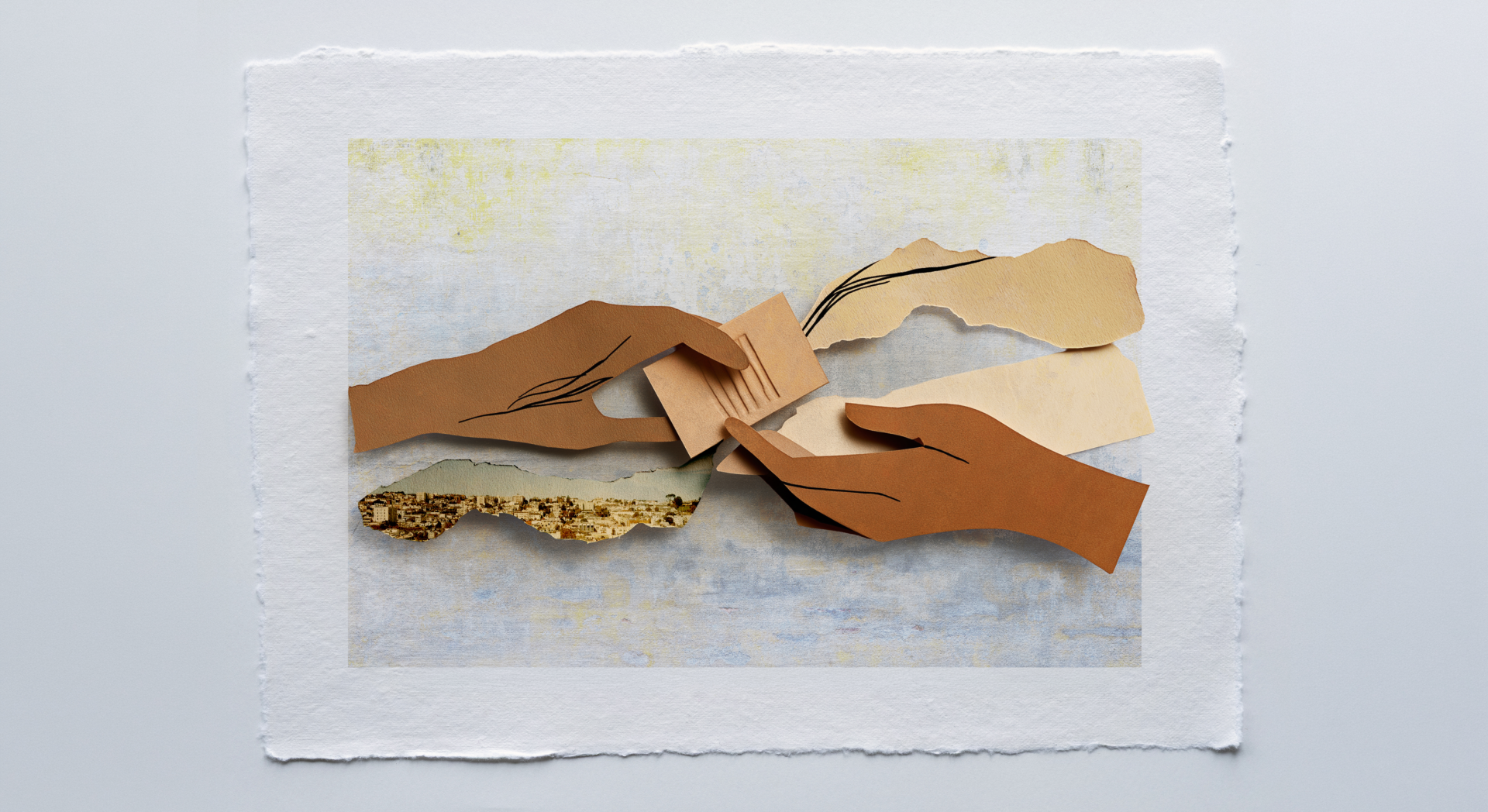
2. Design the experience around the therapy
As more and more pharma companies create consumer-style experiences, it’s crucial they build services and tools that support onboarding, adherence, and ongoing use. Standing out is no longer just about drug efficacy. It’s about how well patients with all kinds of needs and circumstances can access and adhere to the therapy—and how well pharma companies can deliver against their competitors.
When Sanofi launched Beyfortus, the first-ever RSV immunization for newborns, in 2024, it was a milestone in the fight against the virus, which had resulted in the death of 445,000 babies worldwide in 2019 alone. But the company knew that growing anti-vaccine sentiment might prevent parents from giving their children the potentially life-saving immunization.
Together, we conducted research with parents, caregivers, healthcare professionals, and healthcare administrators in Germany, Spain, China, and the US to identify barriers to adoption across cultures. The team quickly discovered that no single approach would work across Sanofi’s 20-plus international markets. Training for medical professionals needed to be flexible and customizable. They also discovered that discussing immunizations right after a baby was born was too stressful for new parents.
Ultimately, the team created an accessible global communication toolkit with straightforward language, metaphors, and illustrations to support informed conversations between providers and parents before and after a child is born. Then they held a series of market-fit co-design workshops to make the tools more resonant with regional customers and ensure compliance with local regulations.
In its first year on the market, Beyfortus became a $1.8 billion therapy, and more than six million babies have been immunized.
With a growing funnel of information about drugs, therapies, and even supplements, pharma companies must cut through the noise to support patient understanding and adherence.
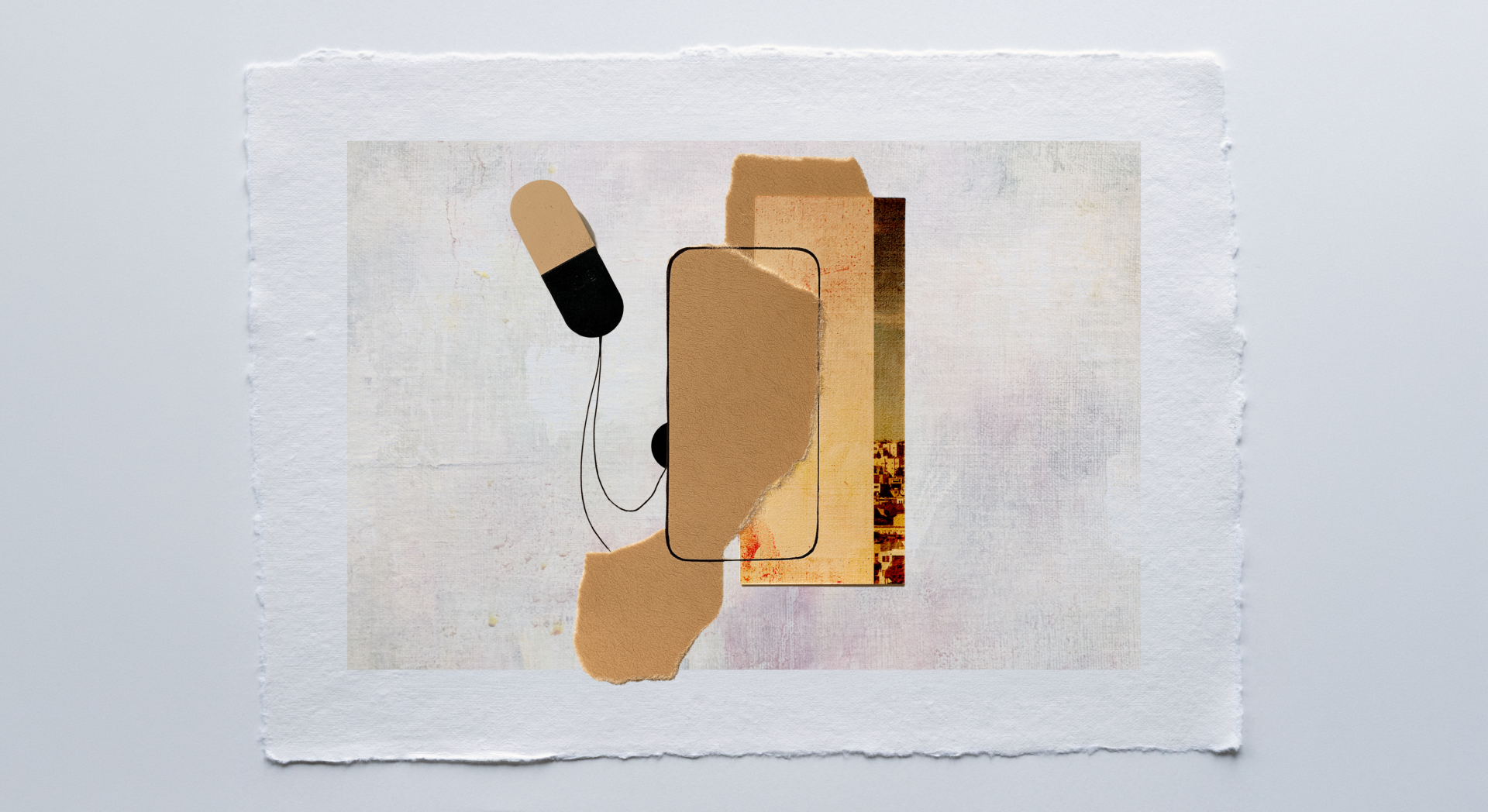
3. Define how you show up beyond the drug
To have an even greater impact on patient outcomes, pharmaceutical companies should explore new roles, partnerships, and models. That could mean creating new offerings that combine a given therapy with support and services, building partnerships with payers, employers, or platforms to extend reach, or creating models that tie therapies to long-term outcomes and value.
Japanese pharmaceutical company Otsuka is perhaps one of the most diversified pharma organizations in the industry, focusing on above-molecule interventions including companion diagnostics, digital technologies, and other tools that enhance the effectiveness of chemical or biological treatments. With a business that spans traditional drug development and manufacturing, digital solutions, and even consumer products such as Pocari Sweat, an electrolyte drink, Otsuka has bet that diversity and go-to-market pathways will lead to better experiences for patients. Not to mention these touchpoints also provide deep insights into the needs of the people Otsuka serves.
In 2018, Otsuka joined forces with Click Therapeutics to develop digital health services to accompany one of its leading medications, aripiprazole. The antipsychotic is used to treat schizophrenia, bipolar disorder, and major depressive disorder (MDD). By 2024, the company had developed an app featuring activities aimed at treating MDD. The partners chose a challenging but potentially impactful area for their pilot program: four primary care sites within the National Health Service (NHS) in the UK with a high caseload of MDD patients, where a digital solution combined with antidepressants could significantly reduce the burden on these sites.
Depression is widespread across the UK, and the treatment demands on the NHS are considerable. However, the system lacks the resources to provide every patient with the necessary services to treat their conditions. This digital companion to antidepressant medication aims to improve treatment effectiveness, and if the pilot is successful, it could significantly ease strain on the NHS while helping patients achieve better outcomes.
4. Create a human-centered R&D pipeline
Creating more human-centered packaging or instructions to help people better understand a drug is an effective step forward, but exploring new internal capabilities that make your innovation pipeline more future-fit and human-centered can be transformative.
That work can take many forms: building a beacon project that upskills product and team leadership on methods to better understand the decisions consumers are making today and in the future, introducing futures-thinking to help your team look beyond the next five years, or reinforcing purpose and culture to empower employees to make patient-centered decisions.
In 2020, as Moderna raced to deliver a COVID-19 vaccine during the pandemic, the company needed to grow exponentially—and rapidly. However, by hiring employees from traditional pharma giants, it risked losing the unique entrepreneurial culture that made it successful in the first place—one that embraced speed and accepted risk. This shift could have limited its future ambitions of developing breakthrough products to combat other viruses and diseases, and even cancer.
Together, we worked to codify the company’s culture and values into a set of Mindsets that would empower employees to move quickly, evaluate risk, and make the right decisions. The team met with Moderna veterans to gather stories about key cultural moments, like when a crucial piece of equipment didn’t fit in the door, and employees knocked down the wall to keep vaccine production moving. Insights from these stories became Mindsets, like “Act with urgency: Action today compounds the lives saved tomorrow” and “We behave like owners: The solutions we’re building go beyond any job description,” that were then tested with new hires, employee resource groups, and others across the company.
The Mindsets were more than a tagline: they set the stage for continued progress and future breakthroughs. Today, Moderna is working with Merck on a cancer vaccine that just completed a successful Phase 3 clinical trial.
This sea change in consumer expectations for medicines and therapies can feel disorienting for traditional pharma companies—but it also offers enormous opportunities for those that think outside tried-and-true drug delivery channels and embrace human-centered design. By truly understanding patient needs, finding new and inventive ways to support them, and building the capabilities to empower your people to create a human-centered R&D pipeline, organizations can distinguish themselves in the market. These behaviors can not only drive the market, but more importantly, radically improve patient outcomes.
Words and art
.png)


Subscribe