
.svg)




Using design thinking to create a better car
A legacy car brand embraces design thinking and collaboration to develop the luxury crossover Lincoln MKC.
Designing a new car takes years and requires strong collaboration between thousands of people. So when the Lincoln Motor Company began developing the luxury crossover Lincoln MKC, they invited IDEO to share key design-thinking methods to employees and departments to improve the process and to land on a better product.
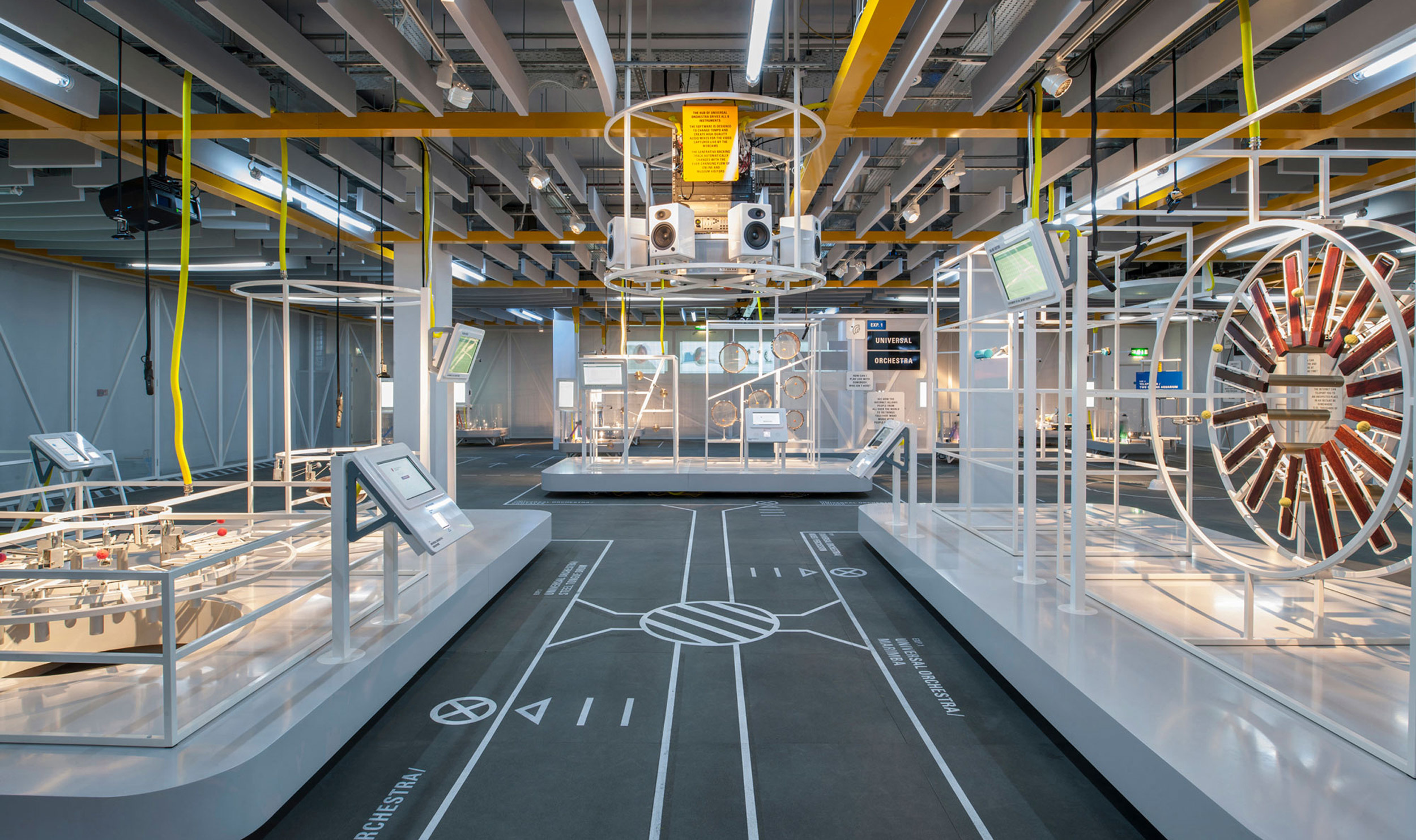
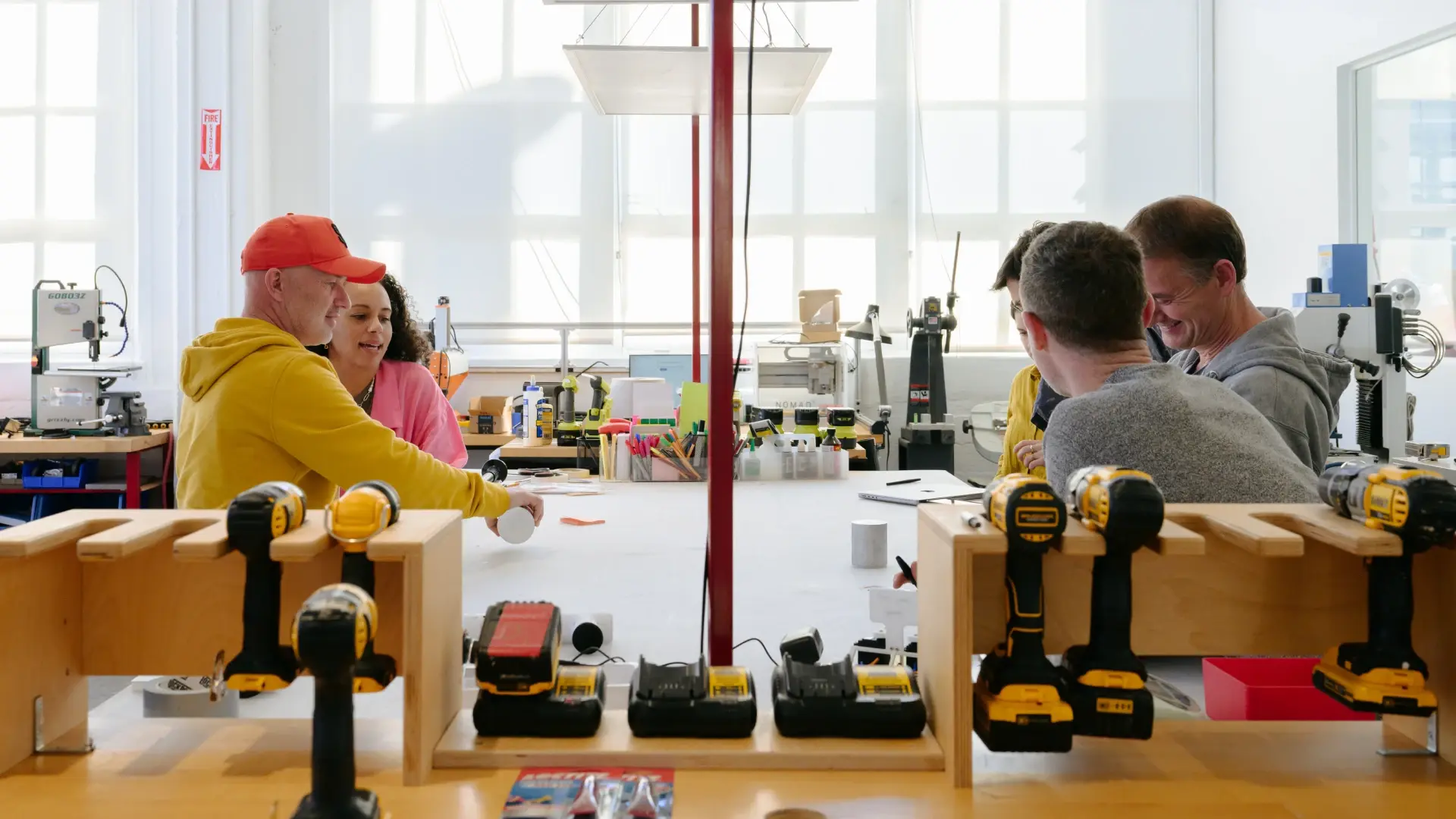
IDEO built a pop-up studio inside an old manufacturing bay at the company’s Dearborn, Michigan, headquarters, and organized a collaboration between IDEO designers-in-residence and Lincoln employees from different departments. During the six-month collaboration, the IDEO team built a full-scale interactive car prototype to make various in- and out-of-car experiences tangible, and collected user feedback along the way. And they shared key design-thinking methods, which helped galvanize action across different teams, and sped up understanding of design thinking.
The MKC is credited with helping the Lincoln brand outpace growth in the luxury segment by more than two-to-one over competitors. Next up is turning the heads of luxury customers in China, where Lincoln plans to open 60 stores in 50 cities by 2016.
"By bringing together all our key internal stakeholders, the MKC meets and exceeds customer expectation," said Scott Tobin, Director, Lincoln Product Development.
Transforming the banking experience
A Peruvian bank creates a more welcoming environment for customers.
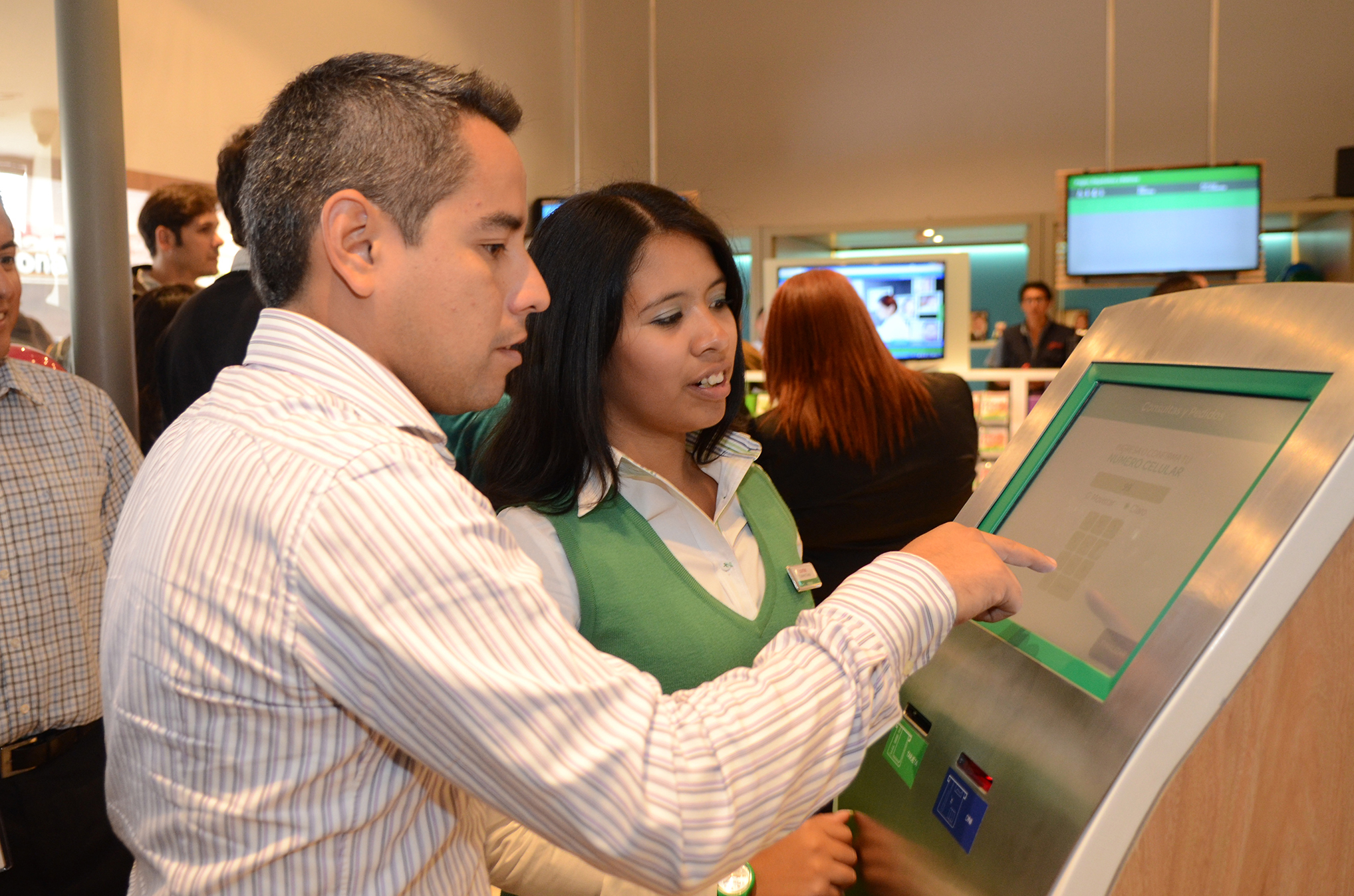
Despite recent advances in Peru's banking infrastructure, the Peruvian public remains largely disengaged with its country’s banks. About 75 to 80 percent of the population lacks a bank account, preferring to safeguard cash at home versus entrust it to any institution. This represents a huge challenge—and opportunity—for Interbank, one of Peru’s largest financial-services firms.
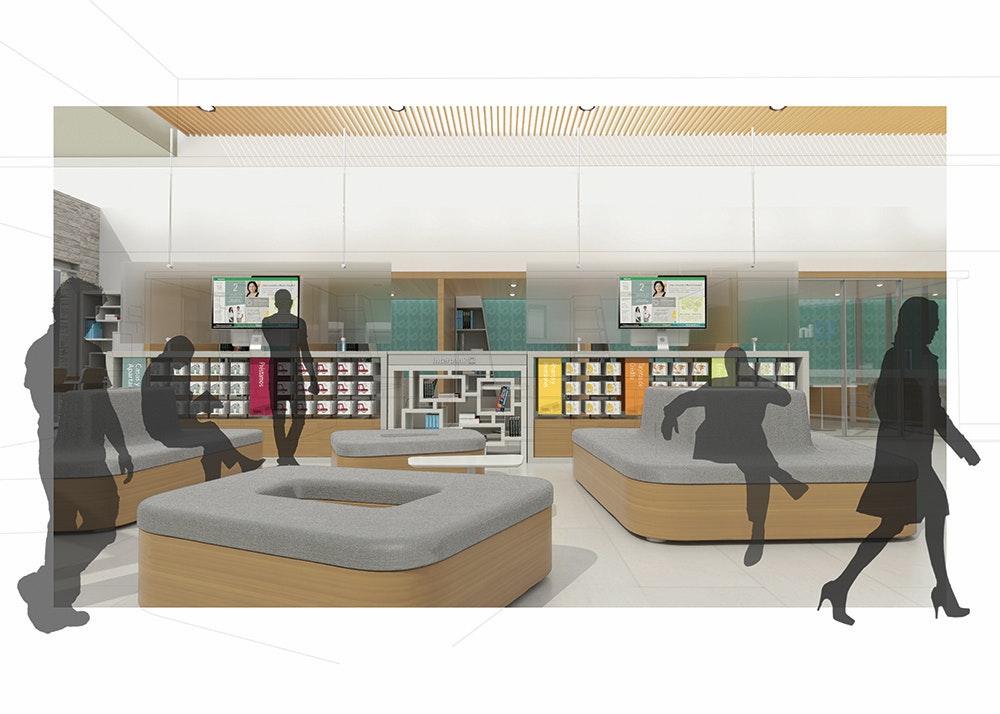
Interbank and IDEO designed a customer experience that would differentiate the Interbank brand and capture a larger share of market. The result, an experimental space called Interbank Explora, is intended to serve as an “innovation lab,” where the company can continue to try the most advanced financial service offerings and get feedback from clients.
This fun and expressive environment—designed for customers, with customers—provides a sharp contrast to competing banks in Peru, which tend to be sterile, formal places that look like hospitals and have long lines. In its initial 60 days of operation, Explora exceeded expectations: Sales more than doubled overall, customer satisfaction rates improved from 33 to 84 percent, and profitability grew, including a 138 percent gain in non-interest-income activities.
The next-generation hotel experience
Getting the details right to improve travelers' stays.
Whether it’s the receptionist’s smile at check-in, the tasty snack at the bar, the thoughtfully designed lobby, or an easy-to-use mobile app, a hotel is no longer just a place to sleep—every detail plays a part in how much customers enjoy their stay.
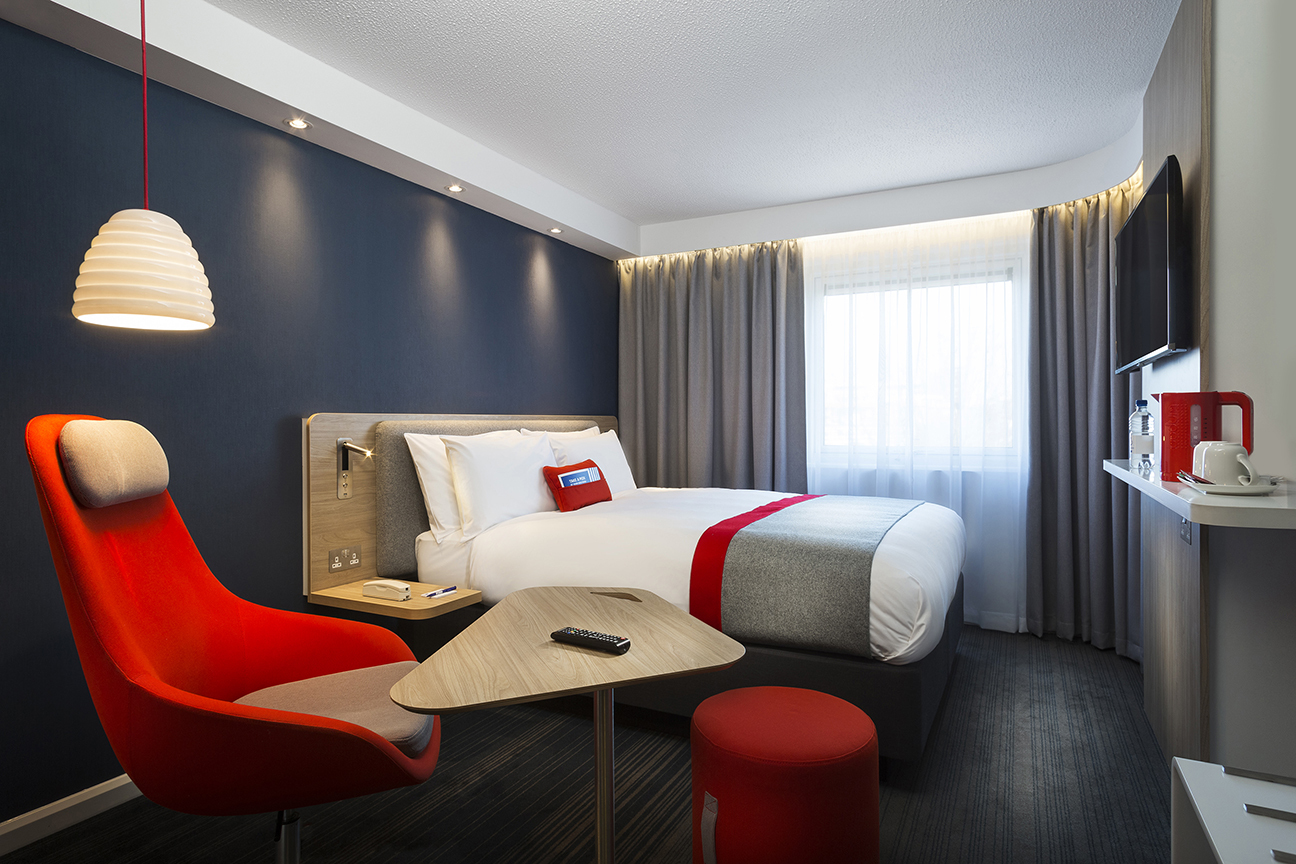
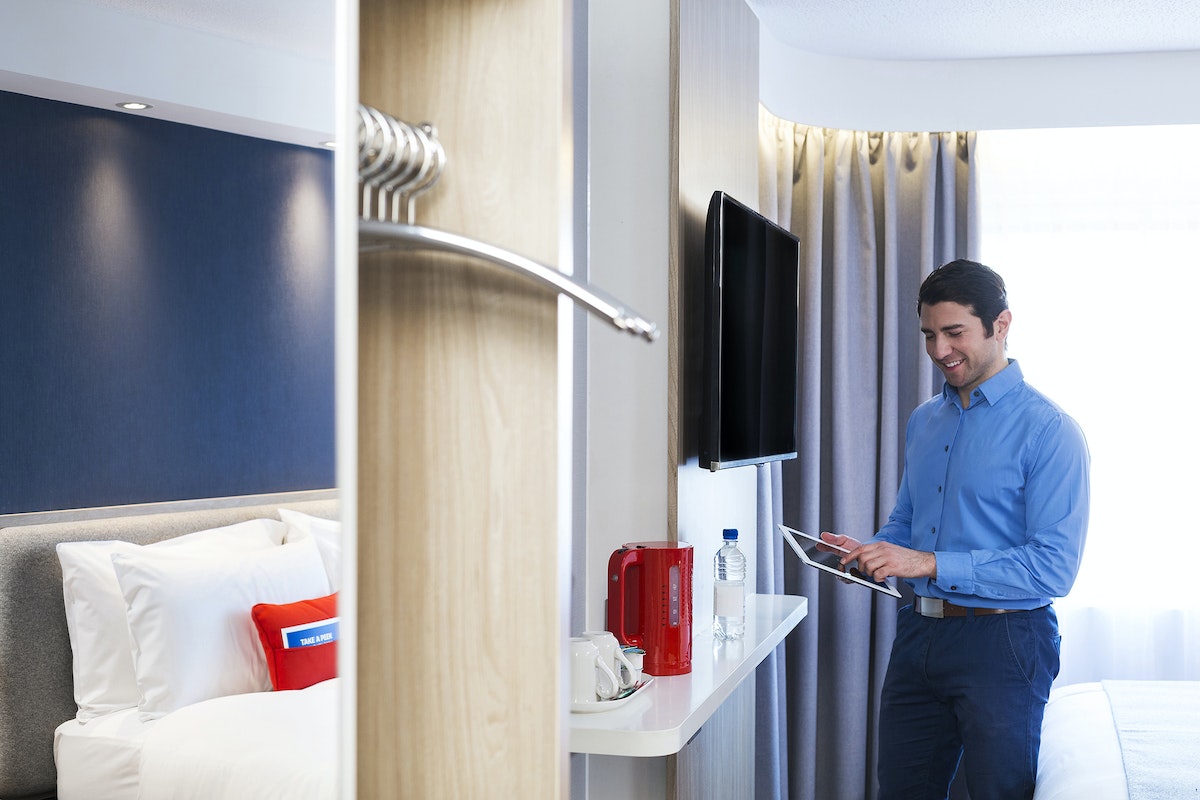
Multinational hotel company IHG asked IDEO to help revamp its Holiday Inn Express brand in Europe—everything from public spaces to food and beverage, digital, and guest room interiors. Through their research, designers learned that the brand’s guests are independent and value-conscious, and appreciate a human touch. And yes, they prize good design.
Designers created a series of principles that informed every part of the hotel chain’s next-generation experience—things like a to-go concept for breakfast, an easy way for guests to stream their own media through their room’s TV, and assigned quiet floors for business-weary travelers.
As IHG rolls out the next-generation guest experience in the UK and across Europe, smart travelers can expect to check in to a high-touch, well-designed hotel.
“A hotel room is no longer just a place to sleep. This investment in guest insight and innovation is enabling us to stay ahead of the game,” said Mike Greenup, Vice President, Brand Management, Holiday Inn Brand Family, Europe.
This startup revolutionized an industry through design
Launching a nationwide venture that redefines and simplifies how customers engage with their pharmacy.
Dealing with medication can often be a bigger pain than the ailment itself. Standing in long lines at the pharmacy, keeping up with expiration dates, making sure you take this medicine with food and that one on an empty stomach—it can be overwhelming.
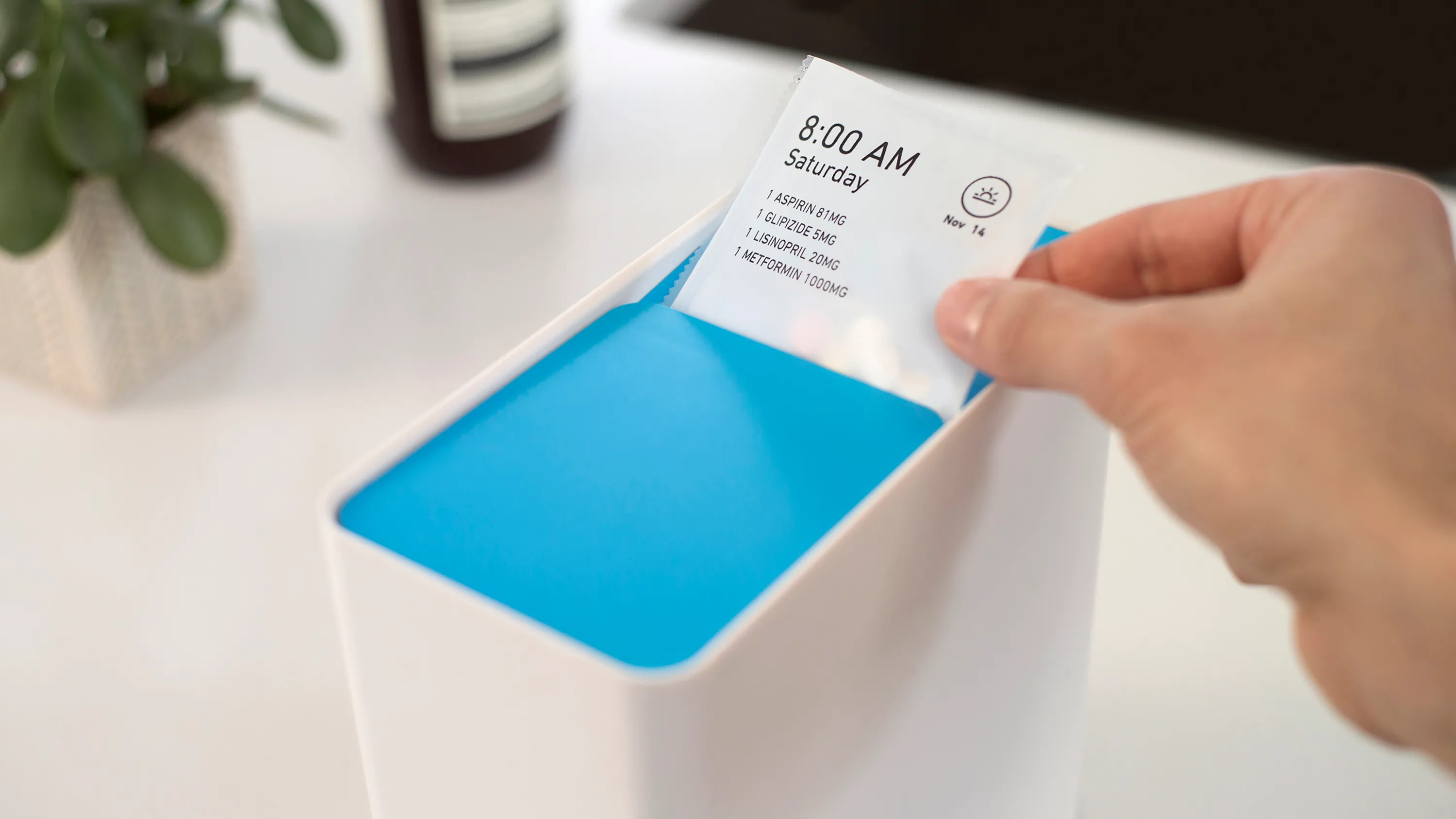
An online pharmacy called PillPack had a mission to make it easier. PillPack worked to build a prescription home-delivery system that takes the pain out of the whole process. The venture brought their business to IDEO’s Cambridge office as a startup-in-residence, and worked with designers to fine-tune their offer and showcase it to the world.
Here’s how it works: Your doctor sends your prescriptions straight to the pharmacists at PillPack, who organize the medications—including refills, over-the-counter drugs, vitamins, and supplements—into presorted, personalized packets. These tidy little packets are labeled by date and time and delivered to your doorstep. Every 14-day supply of medication fits neatly into an IDEO-designed durable dispenser that is meant to become part of customers’ routines and fit seamlessly into their homes. IDEO also designed a travel pouch that makes taking medicine on-the-go simple and discreet. For those who need a human to talk to, pharmacists at PillPack's pharmacies are available anytime via phone or email to answer questions.
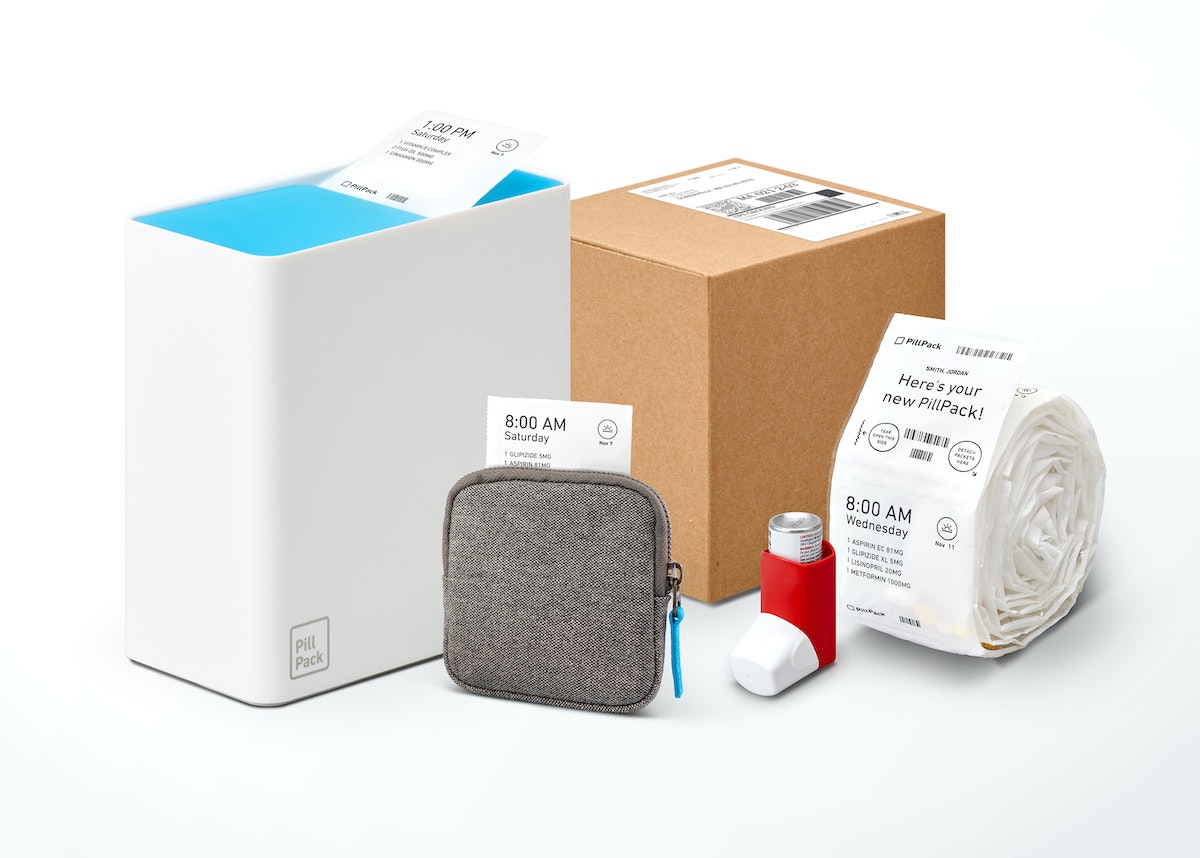
PillPack was the second startup-in-residence to work with IDEO Cambridge. Company founders Elliot Cohen and TJ Parker joined forces with the design team to redefine how consumers engage with their pharmacy. During the three-month residency, the teams focused on making sure that every customer interaction with PillPack—from signing up for the service online to using its product daily—was straightforward and reassuring.
Designers worked to refine the company’s brand vision, strategy, and identity across channels, and used this framework to completely redesign PillPack’s website, as well as a private dashboard for customers and a suite of physical products.
The result was a set of tools that reflected a true understanding of PillPack’s customers, a well-articulated product and service, and a human-centered approach. PillPack is still the only independent pharmacy in the U.S. that serves customers nationwide.
“PillPack has revealed the massive potential of combining design thinking and the drug market... This simple innovation makes life easier for seniors who can be a bit forgetful and have difficulty with bottles,” Wired wrote in an article about the company. “Younger patients with active lifestyles and chronic diseases can just pull as many packets as they need and go. All told, PillPack means you’ll never have to help your grandma sort pills into a tacky day-of-the-week organizer again.”
In June 2018, Amazon outbid other retailers to acquire PillPack for $1 billion.
Being Indiana Jones (for Three Weeks a Year)
Being a part-time archaeologist makes me a better full-time editor
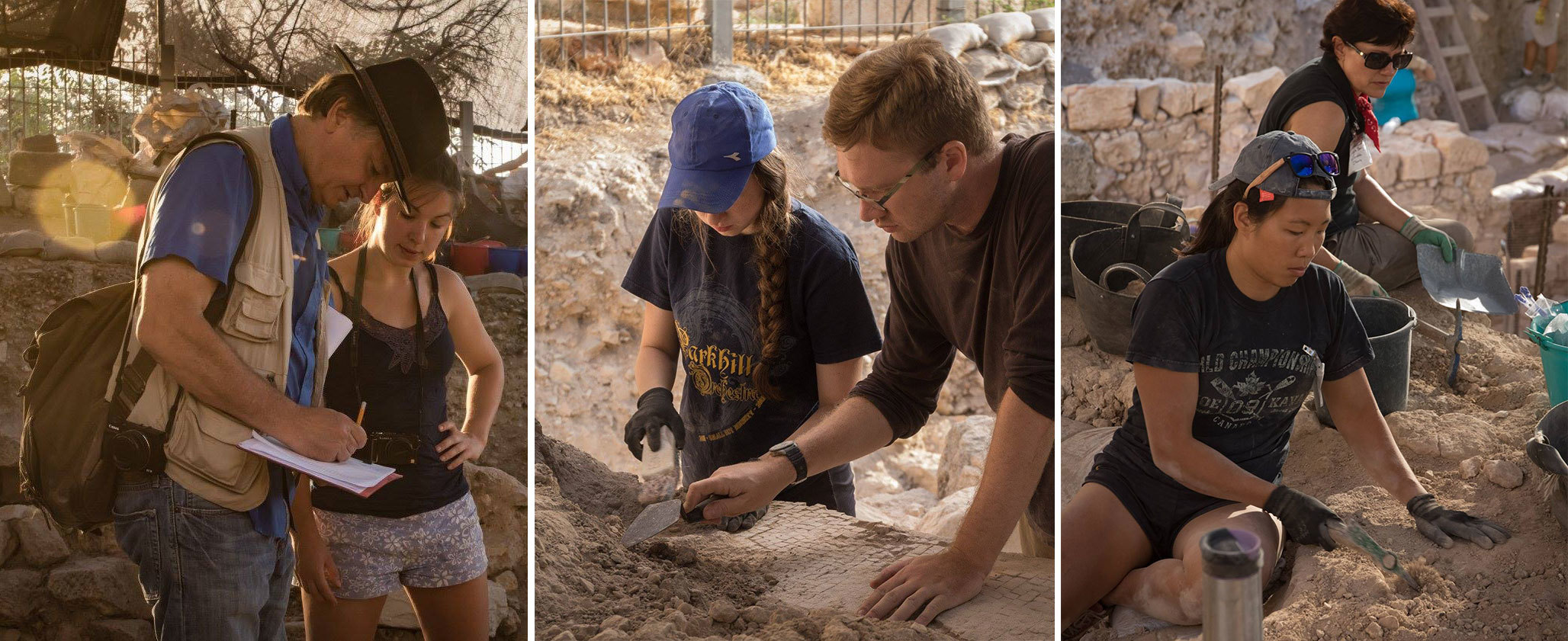
In 2016, with only a college internship in archaeology under my belt, I stumbled on a social media post calling for volunteers to dig in Jerusalem. Before I knew it, I was winging my way to Israel with knee pads, sweat bands, and plenty of SPF 50. I spent two to three weeks of each of the following summers in Jerusalem with Dig Mount Zion, helping excavate priestly homes from the time of Jesus, Roman mosaics and frescos, and hints of bloody Crusader battles.
I returned from my latest session in a dusty Jerusalem pit in July to start my new gig as an editor at IDEO. Believe it or not, being a part-time Dirt Hound has really helped my work. How?

1. Archaeology sparks curiosity
I knew nothing about design when I started at IDEO. Likewise, before college I knew zilch about archaeology beyond what I’d seen on TV. The aggressive learning curve kicked me out of my comfort zone and forced me to ask questions of everyone, all the time. What’s a sherd, or for that matter a fill, a balk, or a locus? How did people live in the time of King David or King Herod, and how do we know?
Constantly asking questions can make you feel a bit naive, but I’ve found this sort of curiosity is a great way to learn fast, shake up stagnant systems, and radically expand my view of what’s possible.
Designers know this well. They start with questions: How might we incorporate VR into online experiences? Why are schools bound by four walls? Could play help prisoners? This inquisitive, unbiased approach is what allows them to identify fundamental needs and find creative solutions.
In the same way, I try to broach new concepts I come across, such as designing for social change, with no preconceived ideas, and keep poking and prodding until I unearth the story.

2. Hard labor can be good for you
In pop culture, archaeologists find perfectly preserved, fully excavated structures (I’m looking at you, Indy). But in reality, someone has to remove tons of dirt and rock; sweep the area with a metal detector; sketch and photograph the features of the site; wash, sort, and catalogue finds—and then begin again the next day, on the next layer of earth. Slowly, a complete picture is revealed. It’s meticulous, backbreaking work.
At the Jerusalem dig site, the physical challenges and my lack of formal training helped me understand my limits and accept guidance from the seasoned archaeologists in charge. At the same time, the digs showed me that I’m capable of withstanding heat, stress, language barriers, and lots of pickaxing. These experiences have given me confidence that I can master a new language—design—and tackle stories about IDEO’s most complex, cross-cultural projects.
3. Digs build trust & teamwork
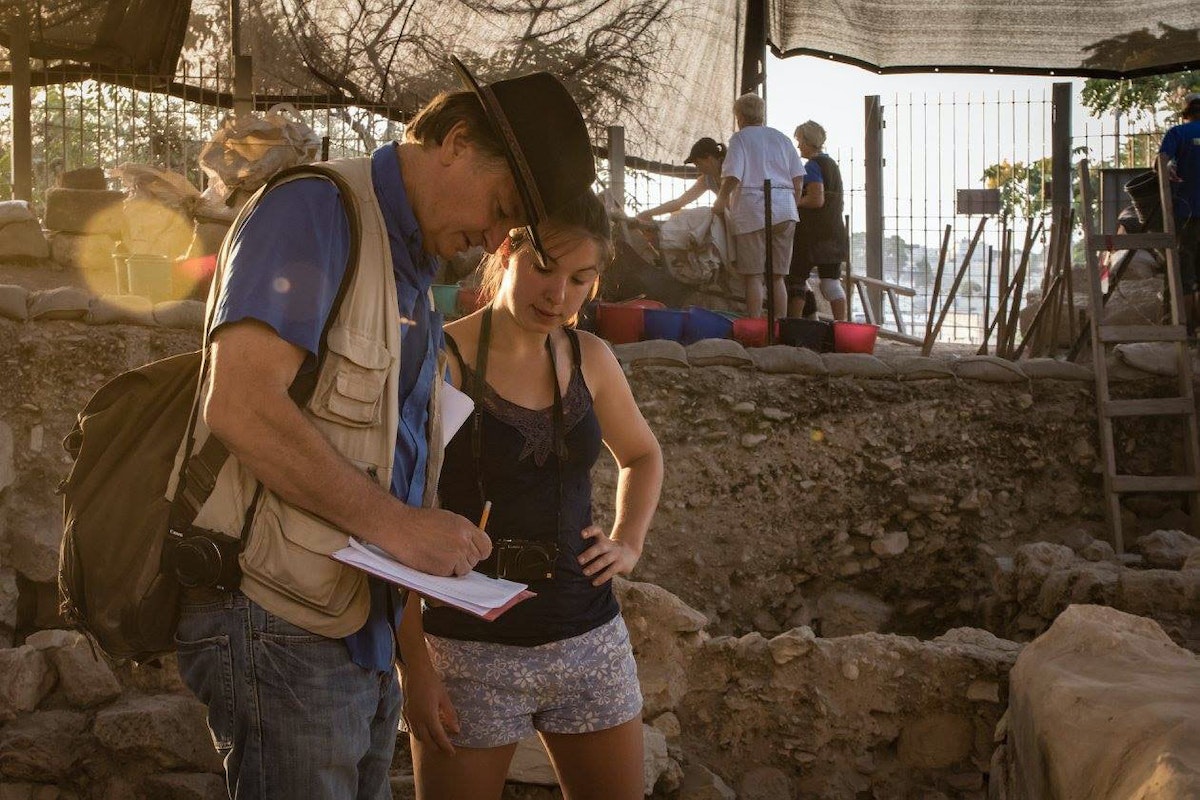
In a given year, Dig Mount Zion includes about 15 staff, 20 students, and 60 wide-eyed volunteers. Participants range from 18 to 86 and hail from Germany, Russia, the Philippines, Canada, New Zealand, and beyond. Being tossed into a pit in 95-degree heat and told to move a mountain of dirt has bonded complete strangers into fast friends.
Working in a place so steeped in history, alongside people from all walks of life—from an Ohio school bus driver to a Messianic Jewish missionary to a particle physicist—helped me build trust and tolerance and let me glean wisdom from people with radically different points of view.
Likewise, diversity of experience and perspective on a single project is IDEO's secret sauce. Our designers have created everything from apps to amps to appliances and I'm charged with capturing those inventions in a way that's easy to understand. Archaeology has prepared me well to incorporate new modes of thinking and work with colleagues from Silicon Valley to Shanghai.
Hopefully, they won’t mind all the dirt under my fingernails.
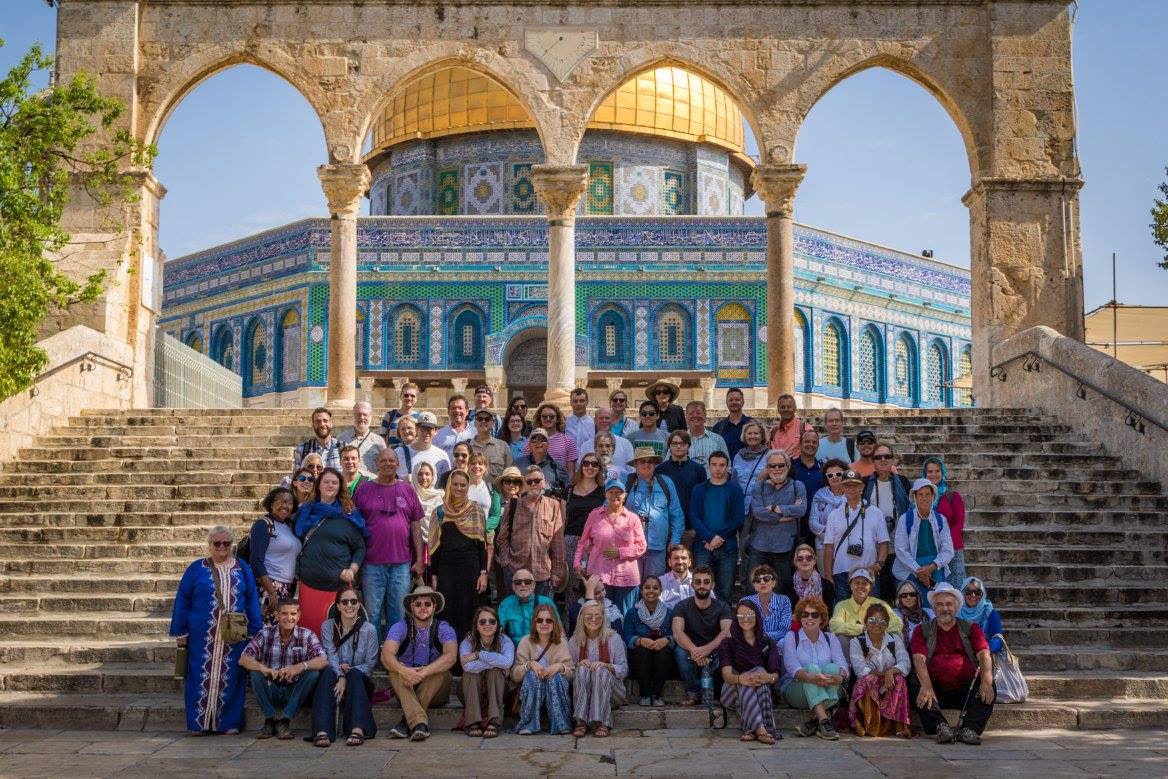
Photos courtesy of Rachel Ward. For more, please contact rwardphotoclt@gmail.com.
When I was eight, I defected from a high-stakes game of summer camp capture-the-flag to hunt for fossils in a nearby creekbed. Twenty years later, I still obsess about all things ancient—the first civilizations, the evolution of religious thought, and the latest dinosaur find. If this is a phase, I never grew out of it. In fact, I’ve become something of an amateur archaeologist, with surprising benefits for my work life.
5 Ways to Think Like a Designer, from an IDEO Partner
What I've learned from teaching design
Here are the top 5 things I tell my students about nourishing creativity and thinking like a designer:

Be curious
Without curiosity we do not learn and we won't grow. The same holds true for organizations. An organization that is not curious and not willing to learn will not be able to grow in today's business environment.

Challenge assumptions
In 2015, a group of students at Lund university challenged the IKEA purpose “design for many” and added a new perspective to it. What if IKEA was not the provider of solutions (the assumption) but the provider of a framework to foster people's creativity (the challenge)? The IKEA Hacka modular kitchen design is a beautiful example of how new ideas can spring from challenging assumptions.

Get lost in dreams
I don't want to accept that we have lost a whole generation to screens and devices. Creativity happens when we stop and let go. When we don’t know where to go, when we daydream and let our thoughts flow.
And research limited to what you can find online won't cut it. Insight comes from observing real people in real life. Students should have that luxury, and we should provide permission and space for that in organizations.

Get into a question-framing mindset
Design students often start their creative process by translating insights into problem statements. But you can't identify a problem without asking a bigger question first. So how do we get there? When we find the right opportunity space for a team to tackle, creativity flows.

Collaborate
I believe that all of us are better together. We've reached a time when collaboration is not just about individual work patterns, but also about what happens across systems, organizations, and governments.
Unfortunately, too many leaders seem to fall back on trying to solve things themselves, then ask those around them to do their bidding—often with rather unfortunate results.
But today's students—the next generation of leaders—have grown up in a sharing economy where not just goods, but also values are exchanged. And that keeps me optimistic about the future.
Taking this approach, my students and I have produced hundreds of design concepts, many of which have been published and exhibited. Spectrum, a project I co-led with designer Stefan Diez, was recently shown at the Salone di Mobili in Milan. And a workshop at the University of Lund produced the IKEA concept kitchen. As the school year approaches, I look forward to watching young designers come up with more bright ideas.
For more than 10 years, I've taught design in places like the University of Lund in Sweden, the HfG Offenbach in Germany, and Parsons School of Design. Teaching inspires me, challenges me, helps me question my point of view on design, and keeps me connected to the next generation. My students often start out with a problem-solver mindset and want to rely on technology. I encourage them, instead, to start with a question, large or small, that puts humans at the center.
How to Make Friends—Literally
How one designer creates collage portraits to celebrate friends
I wanted to correct this discrepancy—to honor my friendships with the same sense of ceremony as a graduation. So, a few weeks before the big robes-and-tassels day, I created handmade portraits for each of them using my favorite art form: collage. Collage is more visceral than other traditional forms of art-making. Rather than relying on a pencil or paintbrush as an intermediary between hand and paper, it is 100 percent hands on.
Each collage I made was roughly 4x4 inches and took about 45 minutes.
My collage portrait process:
- Gather materials. Pull old magazines from the recycling bin. Grab any scraps of paper you've collected. (A friend who also loves collaging brought a vintage Playboy for me to use. As she said, “It’s great for finding skin tones, obviously.”)
- Comb through all the materials and rip out pieces until you have a few piles of various skin and hair tones and interesting textures.
- Use a photo of your subject as a reference, draw a light sketch of their basic features onto paper.
- Trim your pieces to size, use your favorite glue, and assemble the collage on top of your sketch.
In one instance, the portrait-making session blossomed into a full music-and-snacks event, where friends and I gathered to make collages of each other and exchange them. The party itself brought an unexpected moment of closure to our time in design school—to see everyone’s visual style, matured over four years together, coalesce in a scrappy portrait.

Giving—and receiving!—these portraits filled in a missing piece of what a graduation is supposed to feel like. And now, with college fresh behind me, I wondered how I could build the practice into a habit: How might I continue to use my favorite art form to show thanks to people who have been pivotal in my life?
After graduation, I moved from North Carolina to California to return to work at IDEO, where I'd been an intern the year before. And, in celebration of mentors and friends at IDEO whose support helped make all of this possible, I collaged a few portraits of coworkers:

I continue to search for more people and moments to memorialize in collage. It might be my new strategy for repurposing ticket stubs and brochures from travel adventures. Or a new, budget-friendly holiday gift tradition. Or a way for me to simply mark another year lived, making a self-portrait with materials collected over the past year. Collage has a poetic, “circle of life” quality to it, transforming human-made ephemera into a recycled treasure worthy of display.
As my college graduation approached this past May, I realized something about the commencement ceremony. While it celebrates all things you—your hard-won GPA, your winding list of extracurriculars, that new foil-stamped degree—what gets lost is a celebration of the relationships that helped get you there. Where was the homage to friends and mentors who, honestly, probably shaped my success more than any test score or honor club?
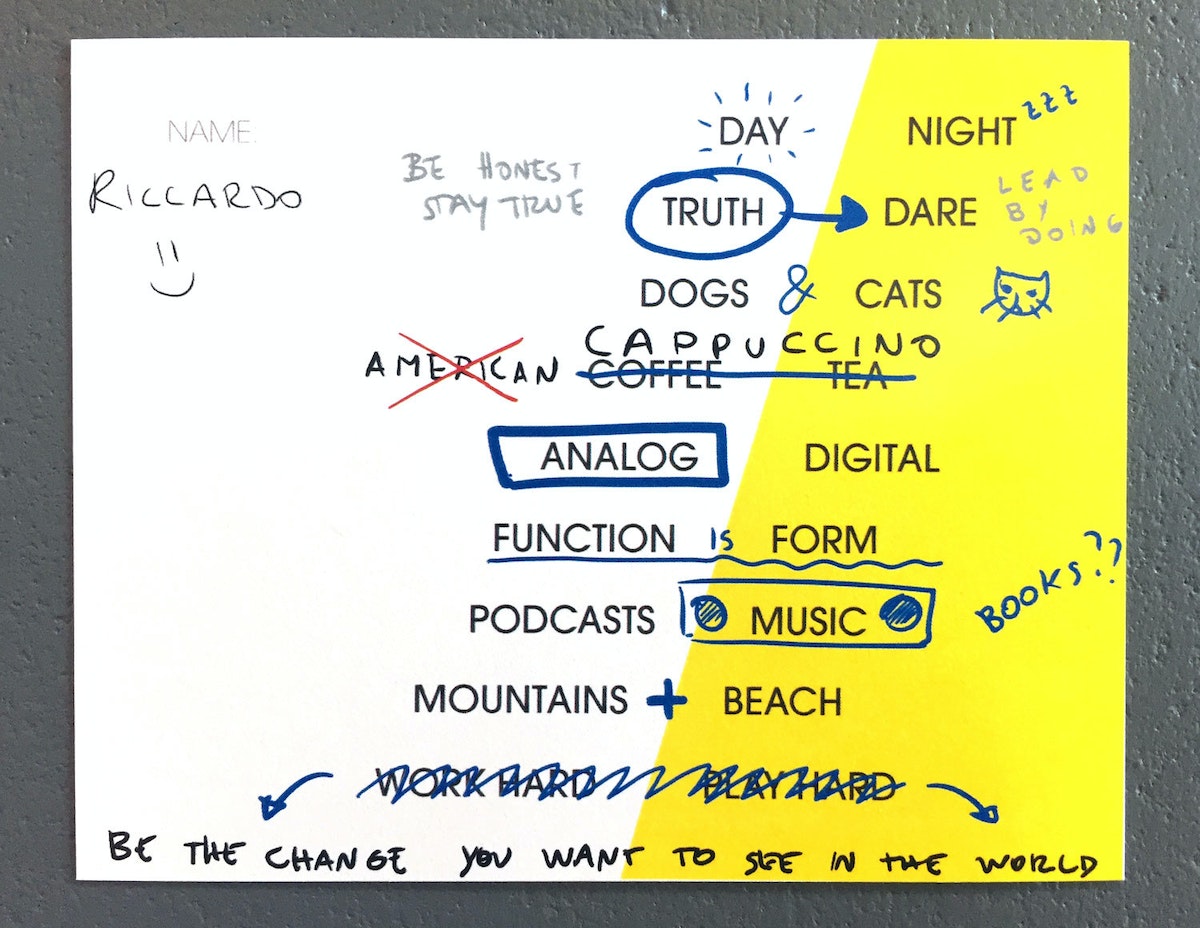
Building Superhumans and Supermachines—a Normal Day for Riccardo Giraldi
Riccardo Giraldi and his team can see things we can't
The work was done in collaboration with NASA's Jet Propulsion Laboratory. Jeff Norris, one of the NASA crew, described how people react when they experience OnSight:
"When they first encounter this project," Norris says, people "have a feeling of, 'Wow, I've lived to see this.'"
That's precisely how I felt. Mic. Dropped. It left me wanting to know a lot more about Riccardo and his work. I'll let him take it from here:

In one sentence, who are you?
An Italian, beardy guy who likes to travel and observe people, learn about the world, and wonder how to make it a better place. (It turns out you can get paid to do that.)
What do you do? How did you learn it?
I’m leading the NEXT’s (New Experiences and Technologies) incubation team at Microsoft. We work on a number of new secret devices and experiences that have not been announced yet. Most recently, the Microsoft Hololens and Windows Mixed Reality. I learn by doing. In fact, I’m still learning how to do my job, and I expect to never stop.
I grew up in a small town in Italy, which was a great place to live, but there were not many opportunities. So I moved to London and started working as a developer there at Unit9 before moving back to design. I have a mixed background that reflects my many passions: I studied electronics and design and learned how to program on the side.
Since then, I have lived in Stockholm, New York, and now Seattle, always looking for new opportunities to learn and grow.
Chrome WebLab by Google
What are your three favorite possessions?
- Old family photo albums.
- All my books, now spread across two continents, which I dream of reuniting as one big library.
- And of course BMO [a stuffed, plush video game console from Adventure Time] because it makes my niece laugh out loud when we play together.
What does a typical work session look like for you?
You could argue that what I really do daily is to press a lot of buttons, scribble on a whiteboard, and discuss with people. Sometimes I travel.
As a creative leader, I strive to build inclusive environments that foster creativity and enable every individual to learn, grow, and express their full potential. Every day is different. We research, brainstorm, sketch, build, discuss, and learn as much as we can to iterate and constantly improve.
What I personally do daily evolves pretty much every year, and I believe the role of designers and creative leaders will keep evolving with the rise of artificial intelligence. I would be surprised if my current job still exists in ten years.
How do you get over creative block?
Sometimes all it takes me is a shower, a nap, a walk, or a good dinner with friends. It helps me to read a lot of books, travel, meet new people, and be immersed in new realities that are far from my daily bubble. And it’s good to have a creative process, both as a reference to give you confidence when you feel lost, and as a framework to break away from when you are inspired.
Introducing Microsoft HoloLens: Transform your world with holograms
How do you see the world in 2078?
Um...let’s see. In 2078 I’ll be 94, maybe somewhere in the countryside in Tuscany surrounded by my grand kids, and hopefully I'll still be curious to travel, learn, and give back to the next generation. It might be a good idea to plan to be somewhere in the hills, just in case global warming makes my hometown a beach town.
It’s hard to make predictions, and too easy to fall into the trap of describing a dystopian future.
As designers, we have the opportunity and the responsibility to influence what future we want to live in. It doesn’t matter how small our contribution will be, it’s worth trying to push for a desirable future scenario.
My desirable future scenario looks like this:
- New generations will learn to live together, respecting our differences, understanding each other, fighting inequalities, and respecting nature and our planet in a deeper way.
- We will fulfill the UN Sustainable Development Goals.
- Education will be highly respected as one of the most important values.
- Religion as we know it will transform or disappear in favor of a shared philosophy and values.
- Democracy will change, evolving to a better system (probably with a different name), immune to populism and propaganda.
- There will be no more borders that divide us, centralized governments will disappear, and so will human-vs-human military conflicts.
- Communities will be as small as a town, but globally represented and connected beyond their geographical position.
- Money as we know it will disappear, replaced by other ways to measure our impact and value to society.
- We will work much less (thank you, technology), spending most of our time studying, exploring, and enjoying life. We will look back at our generation wondering why we spent our lives working eight hours a day, five days a week. We will use that time to re-discover the pleasures of the simple things that nature gives us every day.
- Autonomous robots will take care of most activities (and jobs), freeing humankind from committing their lives to repetitive tasks.
We might have learned how to control our planet's energy, gravity, climate, and resources. Some of us will live (probably with machines) on other planets, in the ocean, or the thermosphere, working hard to give us all an alternative to extinction and overpopulation. We will find new ways to help animals stay alive. We will learn how to balance ecosystems, maybe even to re-introduce extinct species, or introduce new human-made species that will help us fight illnesses and colonize new planets, making them habitable.
The meaning of being human might change in our lifetime. We might be super humans by then, and we will have to be very careful, as there is a huge risk of creating new inequalities based on who can afford what extension. There might be incredible innovations in brain-computer interactions, connecting us to technology and each other via a collective mind.
There might also be supermachines, hopefully like R2-D2 and C-3PO, to assist us and help us be better humans.
Who are you crushing on lately?
I really like Bret Victor’s way of thinking.
Ivan Poupyrev's work is excellent and always surprising. Ishac Bertran and Claudio Guglieri are good friends, great designers, and some of my favorite people.
I feel very lucky to work with some incredibly interesting people from all over the world to help imagine the future. We are always facing new challenges—sometime solving problems for the very first time and defining experiences that have never existed before.
A lifelong space nerd, I was blown away when I heard about OnSight, a Microsoft HoloLens experience that allows NASA scientists to navigate the surface of Mars using imagery captured from the Curiosity Rover. I met a creative leader of HoloLens, Riccardo Giraldi, at a conference in Milan, and was so impressed by the work he and his team at Microsoft presented.

Lindsey Turner
I’m passionate about building brands, products, and experiences that help organizations show up with meaning and momentum.
I help organizations cut through complexity by shaping how they show up, through brand strategy, identity, and storytelling.
Working at the intersection of brand and business, I bring an editorial eye and a bias toward making—turning ideas into tangible experiences that people can understand, trust, and believe in.
My work spans government, healthcare, financial services, media, and consumer goods, from launching Gen Z-focused ventures to building innovation labs and reimagining legacy brands. I relish moments of ambiguity and enjoy translating across teams, perspectives, and priorities to move ideas forward.
I started my career in editorial and digital design, shaping cross-platform experiences and identity systems in publishing and agency environments. That foundation still shapes how I work today: I’m detail-oriented, collaborative, and overreliant on the Oxford comma. I hold a BFA in Visual Communication from the School of the Art Institute of Chicago.

Rachel Young
My work helps organizations see who their products aren't working for—and build the will and the tools to do something about it
For 25 years, I've asked the same question: Who does this design exclude—and what are we going to do about it?
My work spans human-centered strategy, inclusive design, and qualitative research, with clients ranging from Microsoft, Google, and Verizon to the National Science Foundation, and San Francisco Unified School District.
Before IDEO, I taught elementary school in East Palo Alto and spent a decade doing design work with social service organizations—where I learned firsthand what it costs people when systems are built without them in mind.
I am currently writing User Error, a nonfiction book about digital access and the design decisions behind it. I live in Oakland, California.

Brian Pelsoh
I lead with craft, ensuring our work is creatively excellent: rooted in deep human insight and imagination, while also grounded in the realities of business and technology.
My expertise spans brand, communication, and product design across tech, education, the arts, and social impact.
I believe great work demands both high-level vision and obsessive attention to detail, and only happens through collaboration.
I bring an inclusive, hands-on approach and a deep understanding of business, which enables me to consistently deliver excellence while always asking why.
Before joining IDEO, I worked at the brand firms Pentagram and VSA Partners. I began my career as a designer, leading teams at the School of the Art Institute of Chicago and the Milwaukee Art Museum. I hold an MFA in graphic design from Maryland Institute College of Art and a BFA in communication design from the Milwaukee Institute of Art & Design, and have taught at some of the best design schools in the US.

Tony Wong
I am responsible for IDEO’s long-term success in China and working with clients to use design as a tool to enable growth.
I am responsible for IDEO’s long-term success in China and working with clients to use design as a tool to enable growth. Specifically, I have helped Chinese companies design holistic brand solutions through the development of their products, communication, services, and innovation teams, and I have helped multinationals expand their presence and influence in China.
I advise global leaders on developing China-led innovation and capabilities.
In over 15 years in IDEO Shanghai, I have worked on projects that use design to elevate the quality of the experience of healthcare products and services, streamline processes that increase productivity, create spaces and programs that promote and enable inclusive communities, and build next generation mobility solutions that are planet-positive.
Before joining IDEO, I worked at Philips Electronics and the Electrolux Group in Italy, the Netherlands, and Singapore on a number of breakthrough commercial products. I am a member of the Young President Organization in Shanghai.

How to use AI as an editor, not a writer
Ed White shares how he uses AI as an editor—not a writer—to sharpen storytelling, rehearse ideas, and preserve the productive friction that makes creative work better.
Ed White has a rule he's tested on his own writing: hold yourself as the writer, and let AI be your editor. Ed is a Senior Design Director at IDEO's London studio, where he co-leads the firm's AI portfolio across Europe. Before IDEO, he spent 12 years as a writer and editor at the Financial Times, Wired, and Contagious. So when he talks about when to use AI for storytelling and when not to, it comes from two decades of crafting his storytelling skills.
In this episode, Mina Seetharaman talks with Ed about two specific tools he uses to keep AI in an editor's seat: a "roasting agent" prompted to critique his drafts without any sugarcoating, and a simulated audience he rehearses pitches on before the real thing. They also get into what Ed is hearing from design leaders at Anthropic, Lovable, Shopify, and Google Creative Lab about how creative work is changing, and why he thinks the friction of writing something yourself is worth protecting rather than automating away.

Building a personal AI for the messiness of life: Sida Li
Becca Carroll talks with Cue co-founder Sida Li about designing a personal AI for the messiness of everyday life—not just work. They explore how Sida stays anchored to human needs while navigating fast-changing technology, product tradeoffs, business-model experimentation, and the realities of building an AI company today.
Most AI products today are built for work—a space with clear problems and established systems. One founder noticed a gap: personal life is messier, harder to systematize, and mostly left behind by the AI boom. So she built Cue, a personal AI that lives inside iMessage and group chats, to go where the other tools haven't.
In this episode, Becca Carroll, IDEO's Chief Strategy Officer, talks with Sida Li, co-founder and CEO of Shared Context Lab, about staying anchored to a human need while the technology around her keeps changing shape, why she treats her business model with the same rigor she'd bring to a product, and what it feels like to build a company at this particular, disorienting moment in AI.
The conversation also gets into how Sida makes design decisions: the language Cue uses to describe itself, the tradeoffs behind building inside iMessage instead of a new app, and a real story about a business idea that didn’t pan out.
This is the second in a two-part series profiling founders from IDEO's Startups-in-Residence program. The first conversation is with Johannes Seemann, founder of Sooner, on designing GenAI for the emotional side of money.

Designing GenAI for the emotional side of money: Johannes Seemann
Designing financial tools around the feelings that shape money decisions.
Most personal financial tools are built to run the numbers and optimize towards a budget. While that works for some, most people experience money as a lived relationship that does not neatly fit into a spreadsheet. Johannes Seemann and Becca Carroll discuss why money is emotional before it is mathematical, and what a human-centered approach to building a generative AI financial product looks like in practice.

The curious leader's edge in uncertainty: Scott Shigeoka
How genuine curiosity helps leaders navigate uncertainty with greater confidence.
Mina Seetharaman talks with Scott Shigeoka, author of Seek and Head of Curiosity Cultivation at the Eames Institute, about what distinguishes genuinely curious leadership from performative curiosity, how power dynamics shape curiosity, and why practicing curiosity can restore energy rather than drain it.
Looks like you might be in search of something very specific?
Or reset the filters above and try another angle.
Here’s some random inspiration

Podcasts about creative leadership

Articles about the power of prototyping







.jpeg)




.jpeg)