.svg)




Rethinking the food bank
A crucial resource reconsiders everything to design more dignity into its digital tools.
Giving food assistance is about more than handing over a box of groceries. It’s about allowing people to make their own choices.
But the pandemic only narrowed people’s choices. Undeterred, Northern Illinois Food Bank (NIFB) put people’s needs above everything else, leading to innovations that could improve food banks everywhere. IDEO recruited neighbors to co-design a new digital tool intended to improve people’s access to food. Local residents provided more than insights—they steered design decisions and helped transform the relationship between NIFB and the community.

Northern Illinois Food Bank’s My Pantry Express app allows people to browse and order groceries online and to choose a pickup time and location that works for their schedule. We designed the app to provide useful information on dietary preferences and to be inclusive of cultural differences. The result allows choice and flexibility, helps prevent food waste, and preserves the dignity of shoppers throughout the process by making My Pantry Express feel like any other grocery site.
Ultimately, Northern Illinois Food Bank and IDEO’s strategy for success relied on new metrics. In addition to measuring effectiveness in pounds of food distributed, we found new ways to measure shoppers’ satisfaction—a solution that works better for all parties involved because it was designed by all parties involved.
An estimated 1 in 8 Americans experience food insecurity.
The food insecurity rate is 2-3x higher for persons of color than for white households.
60% of food insecure households do not use food pantries.
1.9M
meals distributed through My Pantry Express in 2021
50%
increase in distribution from prior year
New skill city
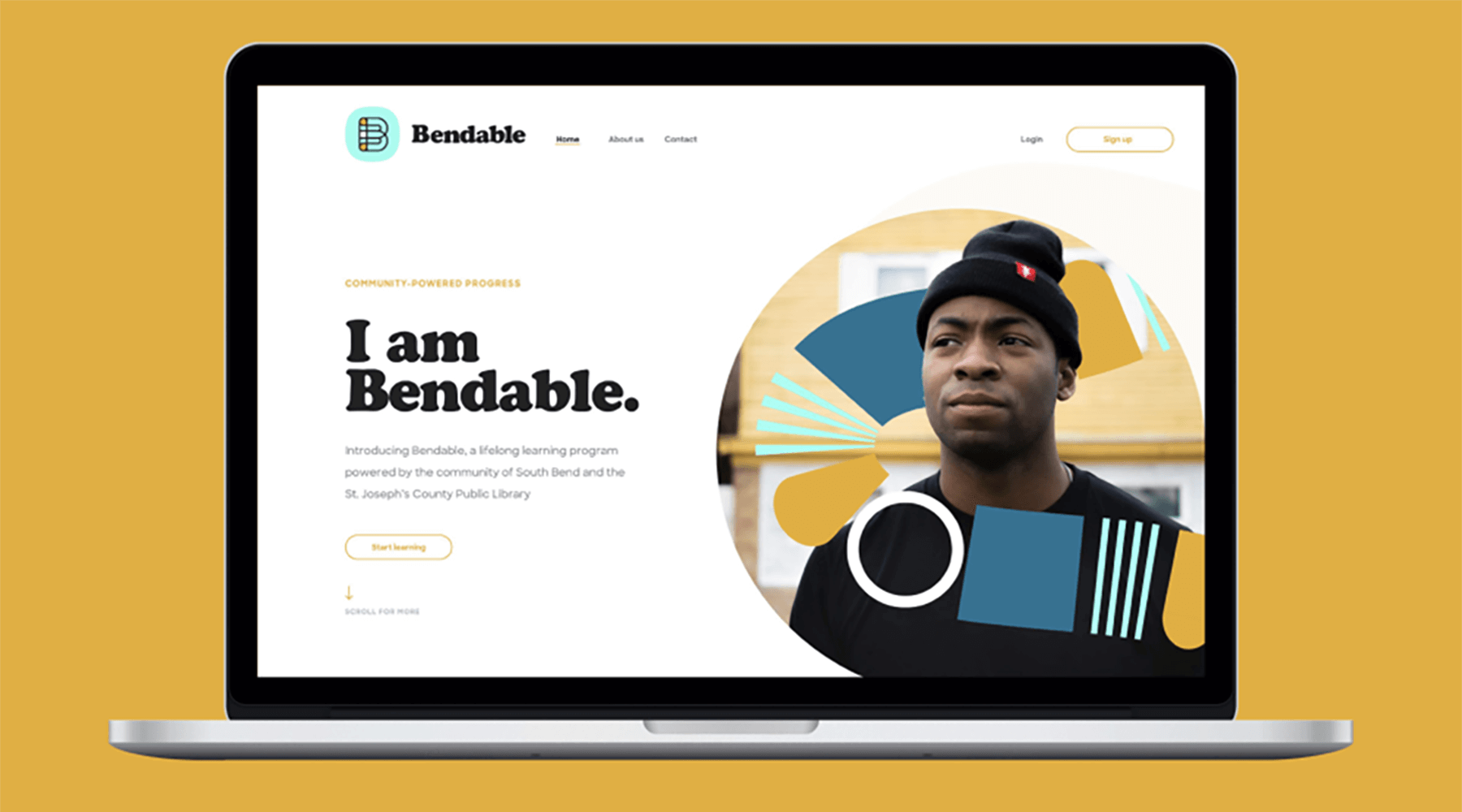
The people of South Bend, IN, have the power to design a lifelong learning platform for themselves.
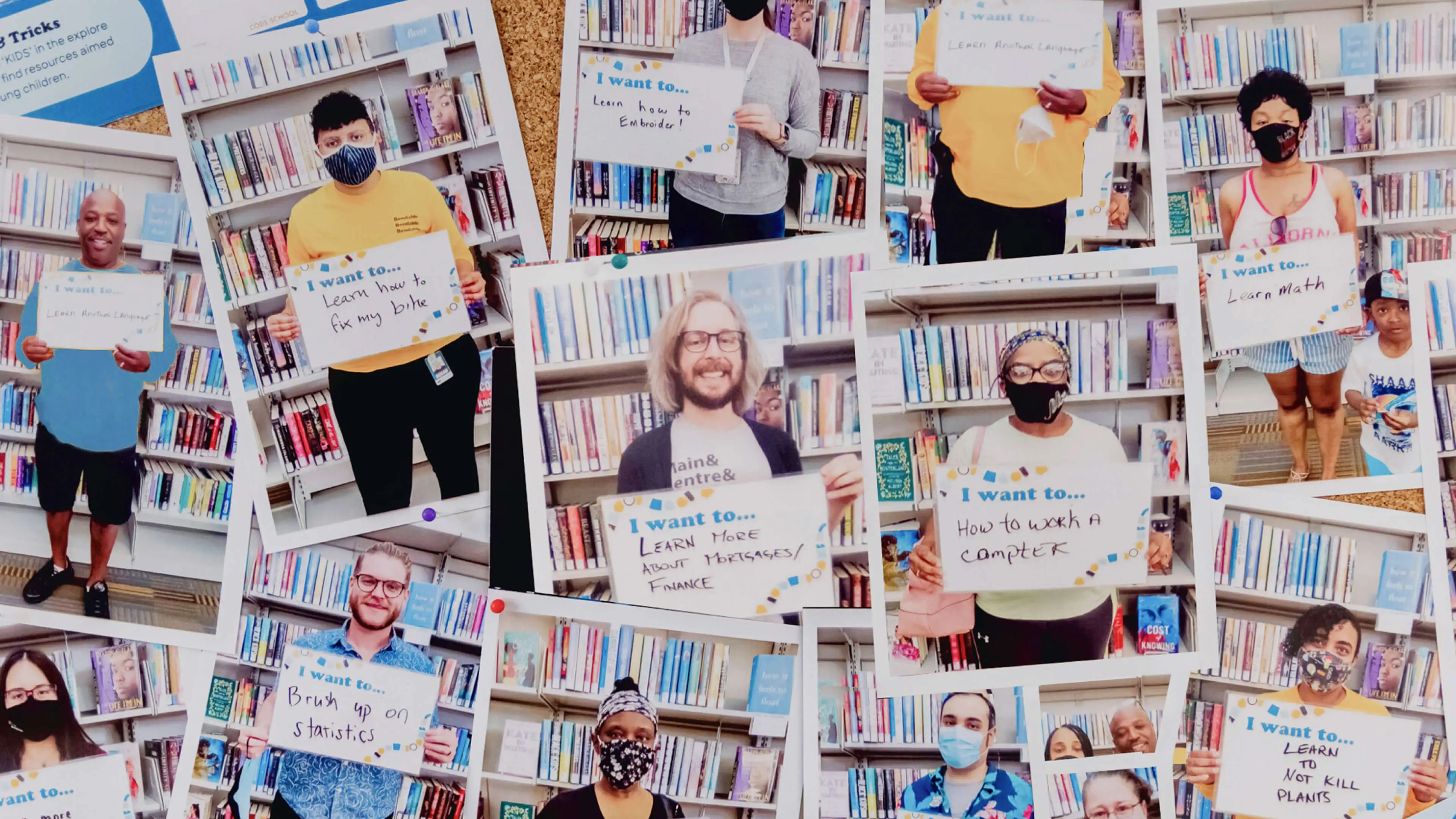
To create Bendable, IDEO worked alongside the people closest to the problem, so every important decision grew out of their experience.
IDEO and the Drucker Institute aligned with the library system and city leaders in South Bend, Indiana, on a single objective: build a learning platform that offered education opportunities to people affected by the decline of manufacturing in the region. But even the earliest phases of research revealed that there’s no common profile that matched the diversity of learners. There are innumerable reasons why people seek to learn and as many barriers holding them back.
Knowing this, South Bend residents were the acknowledged authority for this work, and a design consultancy all their own. This radically simplified crucial decisions. Negative associations around traditional education led people to seek knowledge from those they already trusted. And they often lacked awareness about or the ability to access the many free resources already available.
The residents of South Bend helped the entire consortium see that the city wasn’t under-resourced but under-connected. That insight, and the power the community and the library system held to rectify it, made Bendable into the people-driven, connection-based learning platform it is today.
By 2025, as many as 85 million jobs will be displaced by automation, yet 97 million new ones could emerge.
More than a third of adults pursuing postsecondary education before the COVID-19 pandemic were forced to abandon those plans.
25
programs and other resources offerings are now available to residents of South bend
4
states have begun to integrate Bendable into library systems
Making voting easier
The country’s largest jurisdiction creates a more accessible voting experience.
Protecting the right to vote means ensuring that all citizens can cast their ballots privately, independently, and easily.
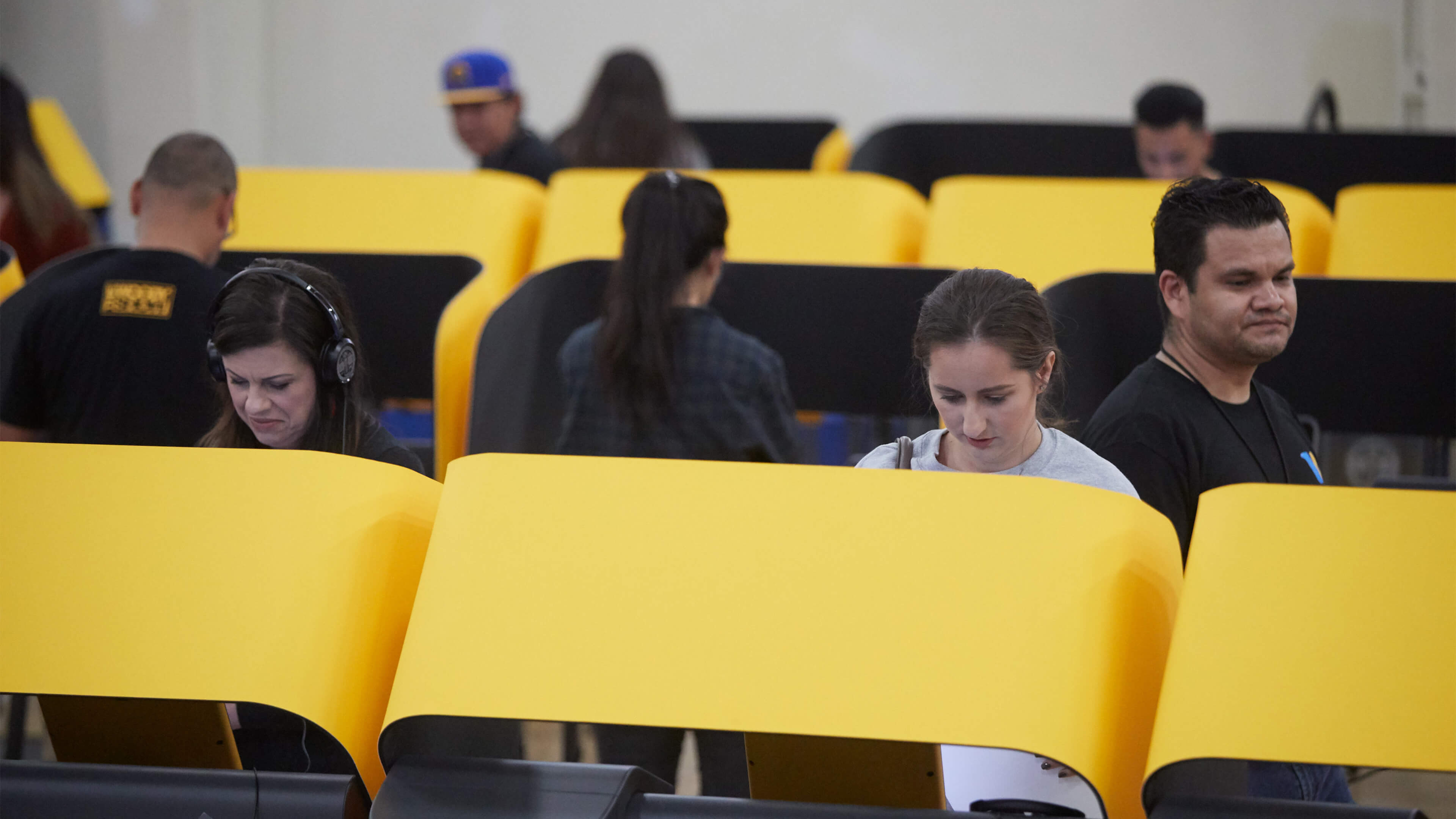
With that principle in mind, Los Angeles County sought out a design strategy firm to create a next-generation, customizable system that would meet the needs of its large and diverse voter population while satisfying myriad voting regulations. The result: an accessible, self-enclosed ballot-marking device with a touchscreen that allows any voter to easily navigate, mark, verify, and submit a paper ballot. We also worked to improve the entire voting experience, including vote-by-mail ballots, interactive sample ballots, and the tally process.
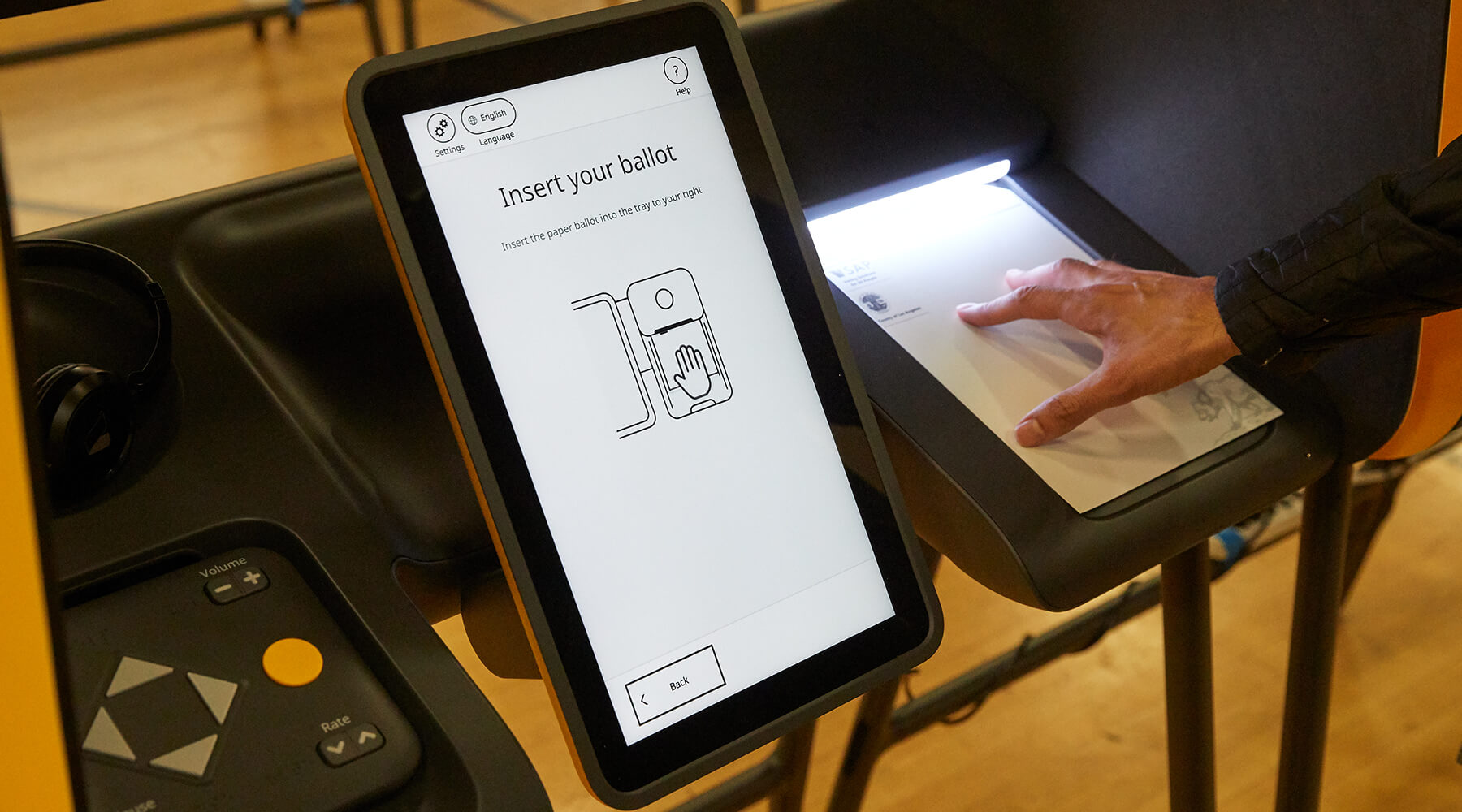
As with any inclusive design, details matter. Voters with vision impairment or reading disabilities can opt for audio and tactile experiences with the push of a few simple buttons. And for voters who prefer to read the ballot in their native language—Spanish, Chinese, Korean, or any one of the 11 others supported by the county—the device lets them select their preference.
After extensive research and testing with constituents, we designed a solution that makes voting easier for anyone. And knowing that the only constant is change, we made the system flexible enough to adapt to emerging needs and technologies, protecting voters’ rights now and in the future. Read the full case study here.
26% of American adults have some type of disability. In the 2020 election, 18% of disabled voters nationally reported difficulty voting, about twice as many as non-disabled voters.
In 2020, national voter turnout among disabled people was 7% lower than among non-disabled people in the same age group.
"Intuitive & secure"
was the sentiment most Los Angeles County voters expressed about the new voting system after the 2020 primary election

Human problems, human solutions
A conservation leader rewrites the role humans play in the narrative of climate change.
Conservation International is made up of conservation experts. To bolster its work, we bring a focus on scale, speed, and the human element to every project.
How does that look in the field? To restore the forest of Fiji, Conservation International paid a cash incentive to the community to buy, plant, and care for new trees and foliage. But once those cash incentives stopped flowing, the work ground to a halt. Taking a human-centered-design approach, one employee uncovered an insight: Fijians are more motivated to help in exchange for longer-term, noncash incentives like building infrastructure in villages. Small projects such as footpaths, repairs to communal trucks, beehives, or sports programs for youth continually reminded the community that the environment is a provider for their families, imparting a feeling of shared ownership in its conservation.
Stories like this, repeated around the globe, are how we hope to help Conservation International find sustainable outcomes. Our work together, including a six-month fellowship to help emerging leaders develop new capabilities, and a series of strategic, future-focused events for executives, has brought more tangibility and deeper collaboration to the organization.
Together we hope to create businesses, food solutions, and energy alternatives that conserve nature, and improve human health—because humans are a part of nature, too.
The scientific community overwhelmingly agrees that we have ten years to drastically cut greenhouse gas emissions or humanity will suffer devastating consequences.
We need to conserve one third of the global ocean using area-based measures and ensure at least 75% of seafood is harvested using socially responsible, environmentally sustainable methods by 2030.
75% of the world’s poor rely on agriculture for their livelihoods, which in turn depends on nature for pollination, irrigation, and soil replenishment.
20
leaders integrated human-centered design into annual goals, project pipelines, and fundraising efforts
20%
of the organization is now involved in design-thinking projects
Letting go of ego helped this designer create a transformational brand
Luca talks with IDEO about his time at D-Ford.
On its face, those client experiences might sound worlds apart. And they were, but not for the reason you might expect.
I came to IDEO from those luxury ateliers and joined a team that was designing a new brand for Ford Motor Company. I brought with me the best of what I learned in Paris: a vigilance about being a brand-guideline guardian and a proficiency in creating highly aspirational brands.
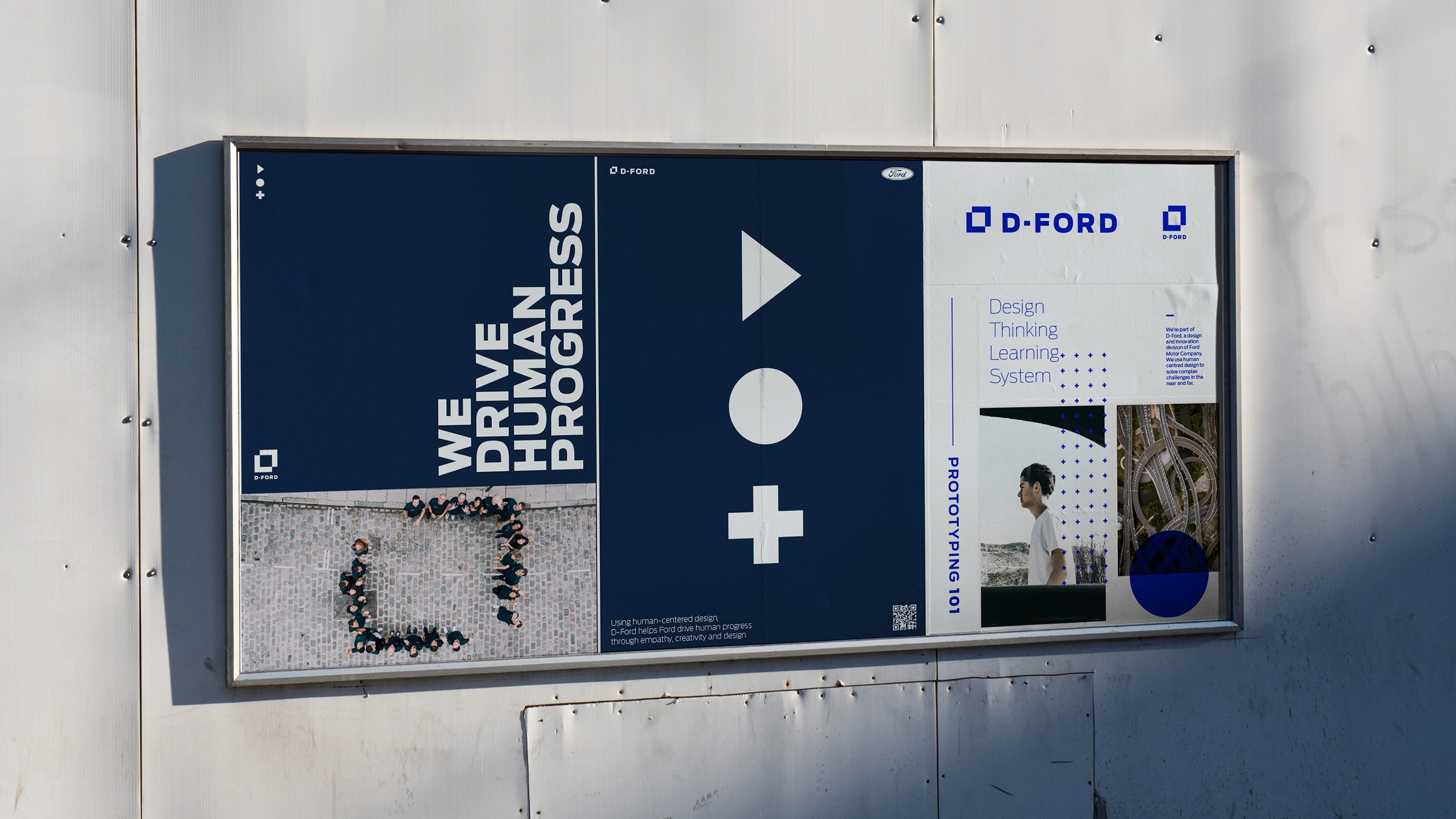
Our remit was to come up with a brand for the innovation lab of the 118-year-old automotive company—what would come to be D-Ford. The lab’s remit was to use human-centered design to drive progress, so the brand had to give new meaning to the word “design,” which was very specifically associated with car design internally. It also had to be capable of being comfortably and regularly used by everyone, designers and non-designers alike.
We landed on a brand that involved no special fonts and a few shapes that quite literally anyone could draw. It may not sound lofty, but it was incredibly challenging. And more than that, it was impactful—on the client and on me.
In the luxury ateliers, I was accustomed to interacting with and designing for designers, not the wider organization. I operated in a space where brand books specs were jealously guarded and consistency was the goal.
With D-Ford, the goal was to maximize brand adoption, which was ultimately about adopting the purpose of the lab. To do that, we had to educate ourselves about the organization.
What unfolded was a co-design approach. Our team traveled to different parts of the company and spoke to people, even people who felt they were very far from design. That was such a different approach and scope for me, but it surfaced an important reality: design, historically, was seen as a practice for the few at Ford, where the number of engineers outweigh that of car designers.
With D-Ford, we needed everyone to feel capable of being a designer. Our team had to set up design tools that aligned with the typical employee’s skillset, meaning the brand system had to work seamlessly with Google Slides and PowerPoint.
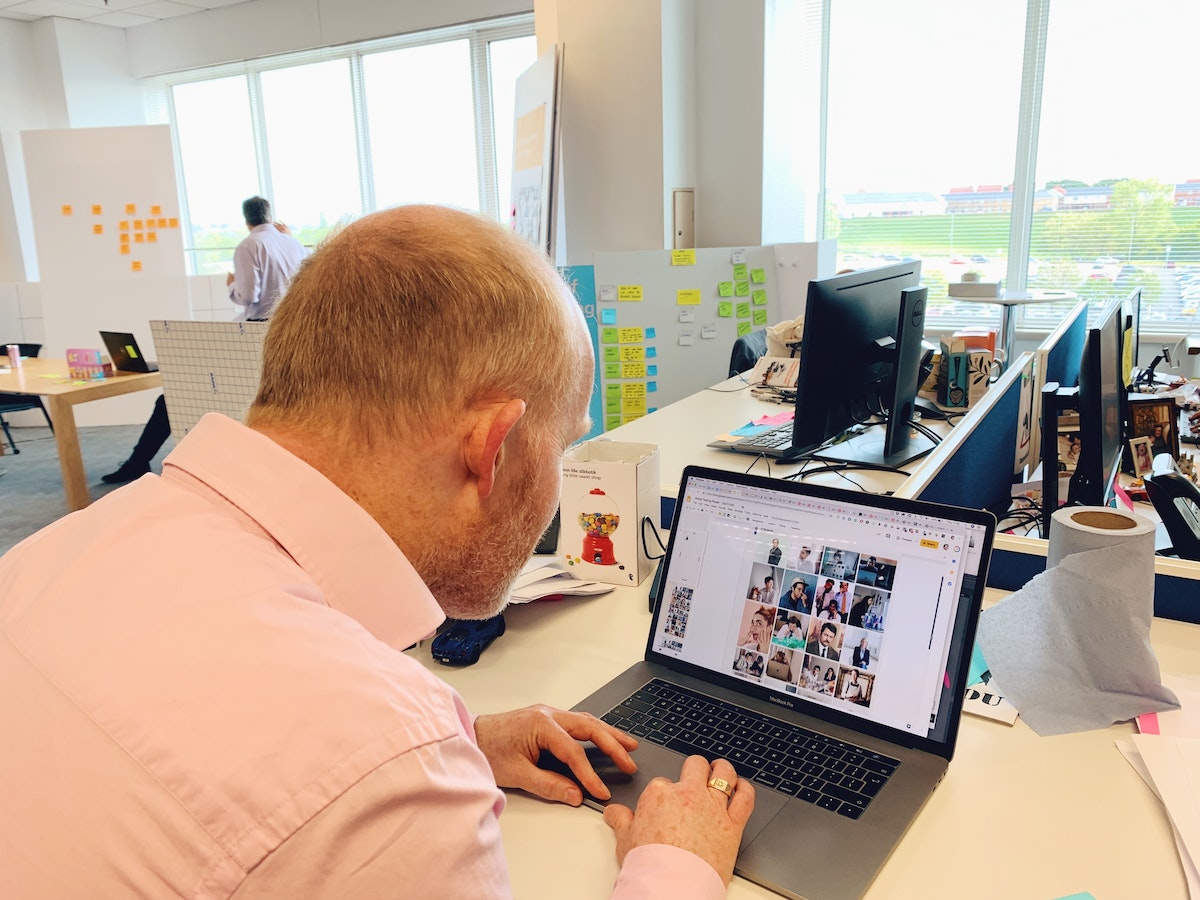
We sat at people’s desks to see how they built presentations, which fonts they had installed on their laptops, and what they knew about Adobe. We realized we had to design soft guardrails—no software to learn, no new typefaces to install—so that whatever they produced in the lab could be easily shared across the wider organization.
The brand needed to stick, be easy to replicate, and take into account what we found to be pretty consistent opinions about specific colors and shapes across the company. For instance, every engineer wanted us to steer clear of red because of its association with danger.
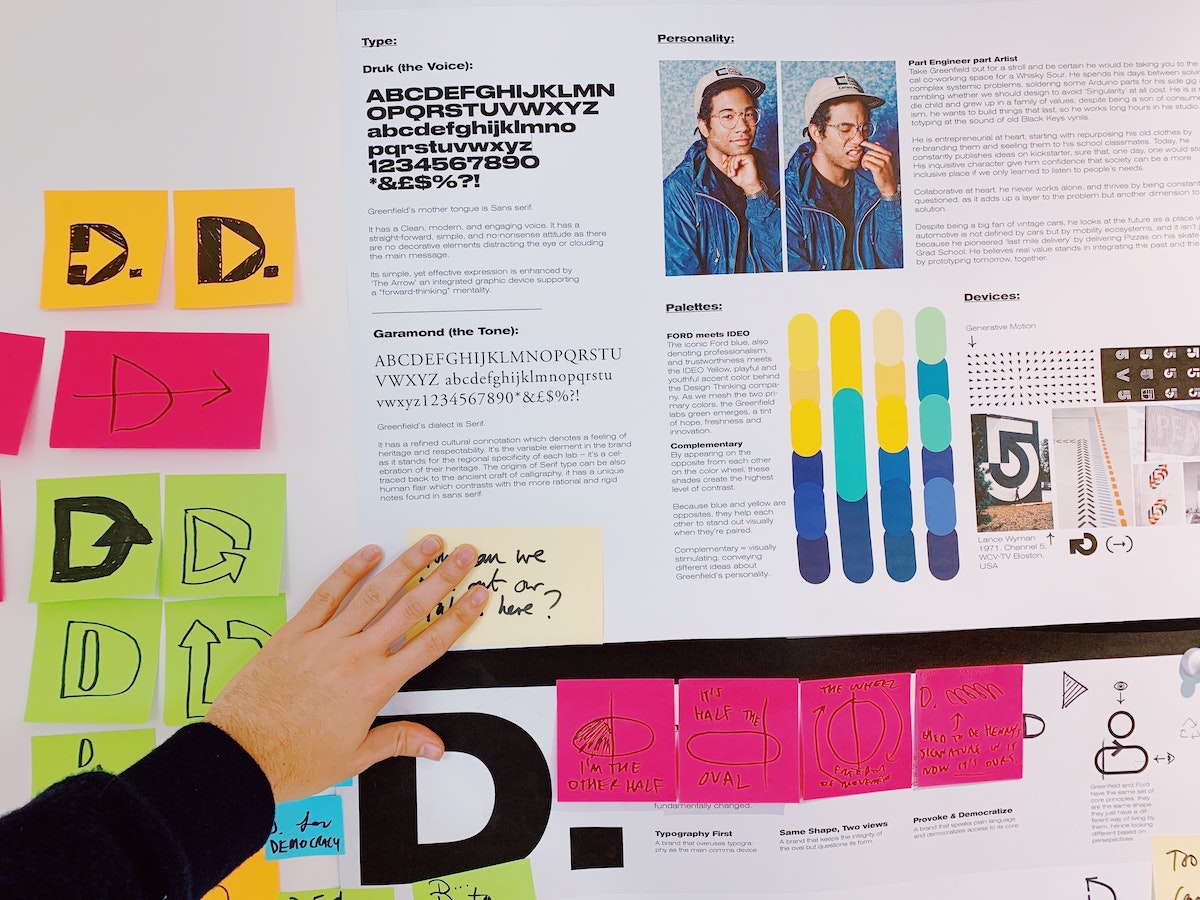
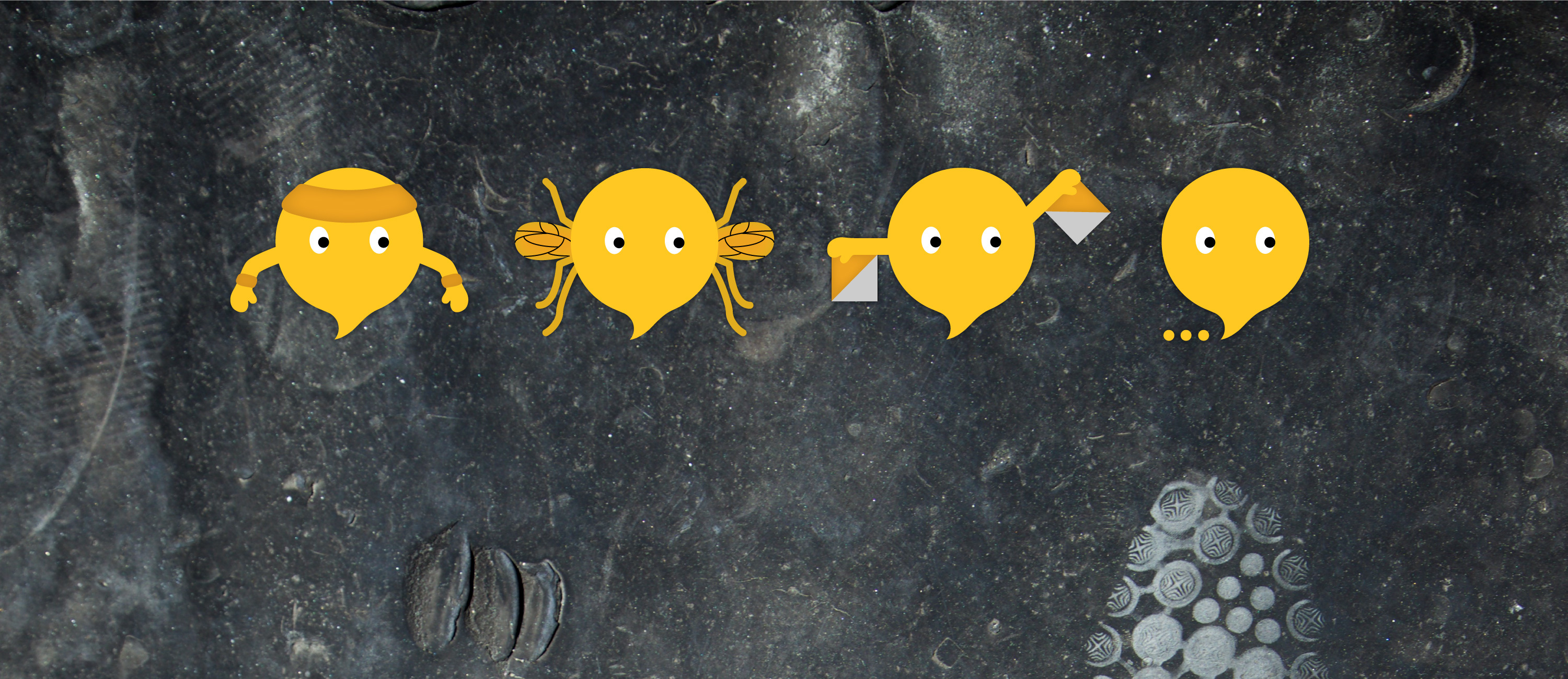
We settled on three simple geometric shapes that linked to D-Ford’s three-word purpose statement and were ones that anyone could draw. A triangle for drive, a circle for human, and a plus sign for progress. They were graphic assets everyone could recreate regardless of their design proficiency, and they provided a simple but effective visual link to the story of what D-Ford stood for.
As for typeface, we ultimately chose the same one Ford was already using, meaning there was familiarity there, but we employed a different typesetting to create a completely fresh result.
The goal here was a grassroots ownership of the assets. When the 12-week project ended, our engagement with D-Ford continued [IDEO has had a nearly 20-year relationship with the carmaker], so I got to watch how the brand design was adopted and evolved and the life it took on in the hands of non-traditional designers.
For instance, there was one lab team member who had never designed anything for print before. He used the simple templates that had been created to design a booklet for a presentation he was giving. His enthusiasm and confidence in sharing his creative work with another engineering division was the type of behavior we had hoped the internal brand would foster.
Brand design is often mistaken with art. It has an artistic component but needs to be democratic. We didn’t want to create the brand as an art piece to look at but as an open book to use. The only way to make that happen was to be very empathetic. We needed empathy to understand the employees’ worries, challenges, and motivators within their existing culture, but even more than that, we had to understand what was needed to promote a different behavior—a culture of experimentation.
The aesthetics of design are important. It’s what gives us as designers the sensitivity to what works and what doesn’t visually. But the aesthetic is only as good as what people can do with it.
What attracted me to design in the first place was that I was going to push materials to the edge to design something that would be compelling. That was certainly true with luxury, where I regularly tested how far I could push tangible things. How much can I bend this plastic without it cracking? At D-Ford, I needed to bend people and their behaviors, and it was much less tangible.
The D-Ford work helped me understand the value of that different kind of design work and really demonstrated how impactful your work can be even if it feels at first like it’s going to be more gray.
Giving up the reins and not having tight control of the usage of the brand—it’s a challenge to the ego. But that’s part of what it means to design a brand that is owned by the people. If you distribute ownership you distribute ego.
That made for a humbling experience. It helped me realize how complex an organization can be and that brand does not have to get in the way of it. If anything it needs to simplify. If I had listened to that ego the end result may have been loftier and better for my personal portfolio. But the work would not have had the impact the organization needed. In the end, the right impact is what every designer strives for.
I’m in a drafty room in Farringdon, London, shaking the hands of a dozen mechanical engineers. A few months before, I was scoring paper at an airy luxury atelier in Paris.
The possibilities business
An oral history of organization transformation.
A decade ago, Rodríguez-Pastor asked IDEO to help him realize a unifying, human-focused, mission: to leverage the power of its business to uplift Peru’s middle class.
Beginning with a single engagement in 2011, IDEO and Intercorp’s work together grew into an unusual entanglement of organizational cultures, brimming with stories of mutual influence.
Since then, IDEO’s work with Intercorp has touched more than two dozen different companies across the group as the business grew from $2.9 billion in revenue in 2011 to $8.5 billion in 2021. Intercorp now employs more than 80,000 people and its revenue represents more than 3.5 percent of Peru’s gross domestic product.
Yet the greatest change has been in the minds of Intercorp’s leaders. In looking back on 10 years of collaboration, a key theme emerges: Working with IDEO on dozens of projects has taught Intercorp’s teams new capabilities, and that has snowballed into a new way of thinking for this broad-reaching company.
The following oral history recounts how the organization has transformed over the last decade through a series of leaps: imagining a more human-centered future, using digital experiments to gain confidence, and changing mindsets across the company to ensure resilience over the next decade.
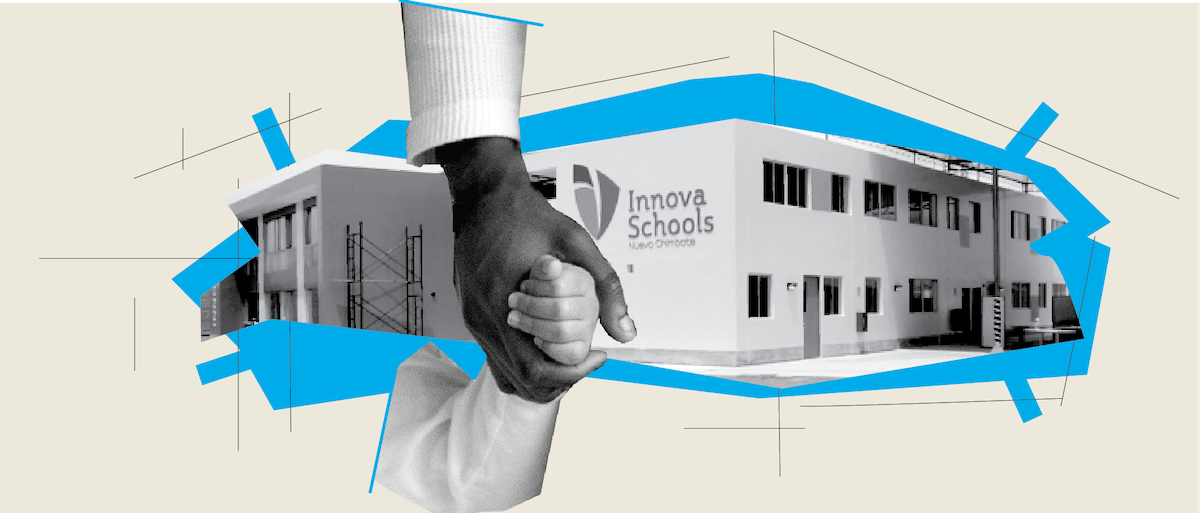
I. Building belief: I can see what we need to do
Carlos Rodríguez-Pastor was born in Peru, and educated in the United States after his father became a political exile in 1969. The family returned in the 1990s, and Rodríguez-Pastor’s father began building a banking business, which became known as Interbank. When he died suddenly in 1995, Rodríguez-Pastor himself became the bank’s chairman, a position he used as a beachhead for growth in Peru’s liberalizing economy. With the founding of Intercorp in 1997, Rodríguez-Pastor charted an audacious path beyond banking, with its unifying force being the well-being and prosperity of Peruvians. It was a far-reaching ambition that bridged people and profit—but to pull it off, he needed help.
Rodríguez-Pastor asked IDEO for help with two distinct projects: a new school system that would be affordable for the emerging middle class; and a new customer experience for Interbank, Intercorp’s flagship bank.
Carlos Rodríguez-Pastor: “We had a big goal—to make Peru the best place to raise a family in Latin America—which was both a moral obligation and an opportunity. We saw that if you make the pie bigger, then we’re going to help a lot of people, and our businesses are also going to do better. Our education system was struggling and we wanted to help change it."
Sandy Speicher, CEO of IDEO: “It was really a brave moment, both for Carlos and for us. Carlos knew how important it was to create opportunities for people by securing their educational foundation. But Peru, at the time, was one of the lowest ranked countries on an international survey of education systems."
The new school system, known as Innova Schools, was a success on its own terms: In 2020 it enrolled 42,000 students across 68 locations in 3 countries (Peru, Mexico, and Colombia); boosted 4th grade students’ math and reading test scores 2x compared to local public schools; and saw 99 percent of graduates go on to higher education or actively prepare for college. For Intercorp and IDEO, this formative project suggested broader possibilities—for organizational change across Intercorp, which could in turn inspire societal change across Peru.
Interbank presented a different type of challenge. Peru’s history of political instability had left a consumer banking environment controlled by security concerns. IDEO and Intercorp prototyped an experimental space called Interbank Explora, which brought the staff out from behind bulletproof glass and into the middle of the banking hall, making for a more welcoming experience.
Luis Cilimingras, Partner at IDEO: “We realized the intimidating environment wasn't welcoming for customers, and also meant that branch employees and managers were out of touch with the customer's day to day experience. We asked, ‘How could you redesign the banking experience so people would feel good about going inside?’”
Luis Felipe Castellanos, CEO of Interbank: “Before, everything was done on the basis of surveys or a focus group, at the most. IDEO gave us a different way to understand our clients, and get involved in their day-to-day lives. We almost lived with them."
Luis Cilimingras: “With the new branch experience in place, Interbank’s employees told us ‘Now some of my customers kiss me goodbye!’”
In Interbank Explora’s first sixty days, sales increased by 30 percent, customer satisfaction improved, and profitability grew by 32 percent. Building on that success, the changes were rolled out across the bank’s 2,200 branches.
Luis Cilimingras: “The investment and the participation of the leaders in the process made them realize: ’we need to be working in this way.’ They were just immediately converted.”
II. Launching an innovation engine: We can do this
Intercorp and IDEO began considering ways to extend their collaboration across the group—meaning to more of Intercorp’s diverse holdings—by building an internal innovation lab in Lima.
Luis Cilimingras: “Carlos [Rodríguez-Pastor] was like, ‘Okay, first time, with Innova: Lucky! Second time, with Interbank: It seems I have a partner!’ Intercorp saw us as somebody who can help them imagine the future, who is going to help drive change.”
In 2012, Hernan Carranza, then a young executive at Casa Andina, Intercorp’s hotel company, spent a summer working in IDEO’s Munich studio. Afterwards, he pitched Carlos Rodríguez-Pastor on the idea of an in-house digital innovation shop. That idea evolved into building a human-centered design team that could work across Intercorp’s companies. Rodríguez-Pastor seized on the idea, and made Carranza Intercorp’s first Chief Innovation Officer.
Hernan Carranza, Chief Innovation Officer of Intercorp: “That's when we said, ‘Hey, why don't we have a design team—a mini-IDEO—in Lima?’ That would put it much closer not only to the Peruvian family, which is who we design for, but also to the executives of the Intercorp group, who are the people with whom we co-create the solutions for the families.”
Luis Cilimingras: “We were bringing a new set of techniques and approaches to solving problems and they were bringing operational expertise and local talent who understood the context in which we were working. But these were far from what I had imagined as the 'ideal conditions' to set up an innovation team. It was jarring to realize how much I had to learn to be effective. With a product mindset, you have this vision of what the end result will be like. I had to scrap that and embrace what I didn’t know as the key ingredient for success.”
Hernan Carranza: “If Intercorp and IDEO had a child, that would be La Victoria Lab. But even a love child isn’t easy! We found a way to have our own voice that is authentic to us. But what we conserve are the foundations of IDEO’s approach: being highly experimental, being truly curious, being intuitive. All those mindsets that we learned from IDEO are the cornerstone of what we do.”
Watch "It's Up to Us", a short film about IDEO's 10-year partnership with Intercorp and how it transformed the organization.
La Victoria Lab (LVL) opened in 2014 in a converted house a few blocks away from Intercorp’s headquarters. Their first project was a deep ethnography of the Peruvian middle class, presented in a way that would engage executives across Intercorp.
Maria Paula Loayza, Portfolio Lead at La Victoria Lab: “We turned our own office into a small exhibition, so people could walk around and experience the research, as if they are dropping into someone’s house.”
Luis Cilimingras: “We invited leaders from across Intercorp, and we shared these stories with them. And that built La Victoria Lab’s brand within Intercorp—you can come to us when you have a human problem. Don't come to us with an efficiency problem. Come to us when you have something that has a deeply human need.”
In its first two years, La Victoria Lab grew to over 20 designers and launched multiple initiatives across Intercorp with a single objective: to build belief and confidence in their ability to design impactful services and experiences for Peruvian families. Given the vast scale of the conglomerate, this early work was just a start, but it was consequential in its ability to inspire Intercorp’s leaders.
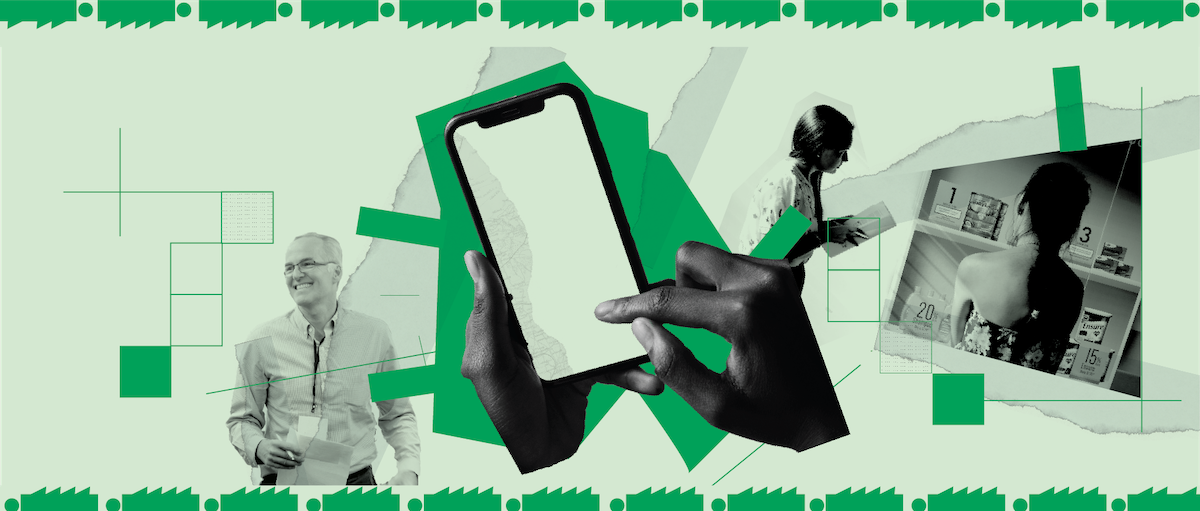
III. Unleashing a digital transformation
With La Victoria Lab on its feet, its designers homed in on a “theory of change,” a method by which their small team could create work that inspired innovation across Intercorp. For years, Rodríguez-Pastor had been pushing for a company-wide digital transformation, but there was little progress. The businesses had a vestigial brick-and-mortar mentality and didn't see digital as something that would take hold in Peru for another decade. LVL saw this as their challenge: to become a hotbed of digital experimentation, executed in a way that built confidence and capability across Intercorp. Conceived to be highly visible, this category of projects became known internally as “beacons”, digital products whose design and launch would convey to the organization what it needed to change in order to scale digital ways of working.
Maria Paula Loayza: “The beacons were conceived to shine back to the organization everything that needed to change.”
Hernan Carranza: “We were not thinking of ourselves as the scalers of innovation. We were more like igniters. We were always like, ‘how do we inspire the leadership?’"
Maria Santolaria, Program Director at IDEO: “Our thesis was that by injecting something—a team that worked differently, or a digital product that was built and launched in a different way—the organization could mimic that behavior and change organically.”
The most popular of the early beacons were for Inkafarma, Intercorp’s consumer pharmacy chain, and Interseguro, their insurance company. Inkafarma’s project became a model across Intercorp for a digital-first strategy. By making it seamless and convenient for Peruvian customers to get medications delivered to their door, Inkafarma’s mobile platform predicated many of the features that would become essential during the COVID-19 pandemic. The app now drives up to 20 percent of Inkafarma’s business in urban areas.
Hernan Carranza: “In creating Inkafarma’s delivery app, which considered the needs and pain points of the consumer first and foremost, the team started designing and implementing on the fly, with the goal of putting functional products in the hands of users—in order to capture real reactions.”
Maria Paula Loayza: “At first, everybody at Intercorp was kind of looking at us weirdly, because what we were putting in the hands of consumers was crude. But we were able to apply our learnings as we went, and show how these small projects could be like proof points—prototypes that build confidence and begin the complex process of transforming organizations.”
Patricia Conterno, VP of Digital and Analytics at Interseguro: “Interseguro was not then a company centered on the user. When we developed a new product, we just did what we thought was right and hoped people liked it. Our beacon with LVL helped change that. Now we're constantly experimenting, testing with users, and trying to solve any friction they might have. To do so, we’ve now put 15-20 percent of employees in digital transformation roles. Once we launch a product, it is never finished.”
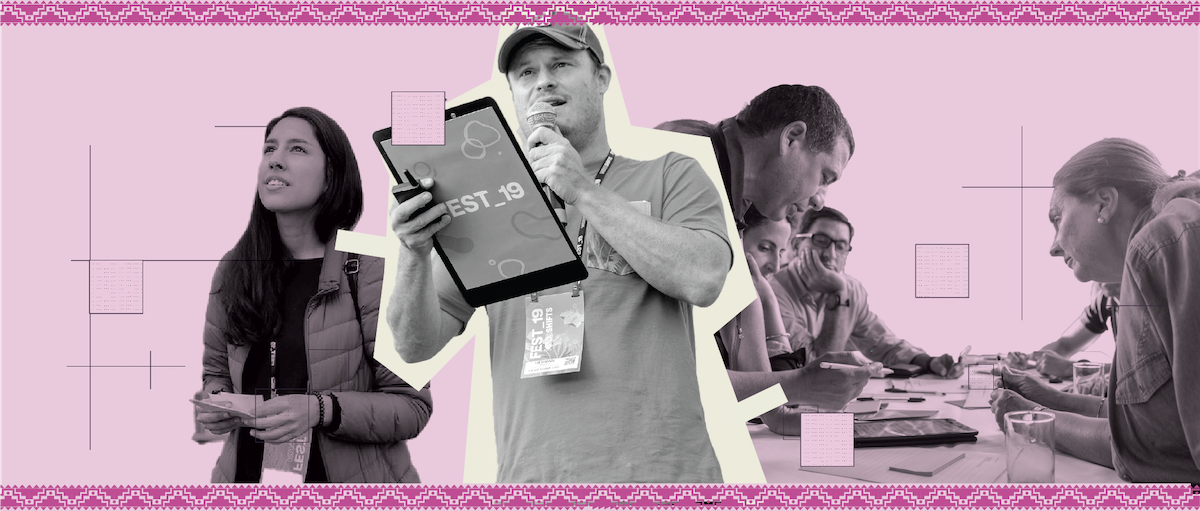
IV. Changing mindsets: This is us now
As La Victoria Lab’s reputation grew within Intercorp, IDEO’s role shifted. Intercorp had the ability to tackle core business opportunities in-house, so IDEO turned to guiding critical, strategic programs (like climate change and DEI initiatives); industry deep dives in sectors like health care; and continued support for leaders as they embraced new mindsets and ways of working.
Hernan Carranza: “A specific behavior we developed with IDEO is what we internally call ’tunking,’ which is when someone leading a creative project looks to others for honest feedback. I remember Luis Felipe Castellanos, the CEO of Interbank, once called me and said, ’Hey, can you send me six, seven more tunkeros to look at and tune my five-year vision?’ I thought that was fabulous. It's a sign that this leader is becoming a more vulnerable person, a more open leader who wants to listen to other perspectives.”
Luis Felipe Castellanos: “Leadership is not about having all the answers, it's about having the right questions. Working with IDEO has made me a much more human leader, focused on understanding the human being behind all of our solutions and all of our offerings.”
Fernando Zavala, CEO of Intercorp: ”What IDEO and La Victoria Lab have done is to permanently push us to think differently, to open our minds, to confront our ideas and, based on that confrontation, to get the best out of it.”
Hernan Carranza: “IDEO infected us with this little bug of permanent curiosity. To be constantly learning all the time—but, even more importantly, constantly unlearning. For Intercorp’s leaders, La Victoria Lab has become a stone in the shoe, always looking to discomfort, to challenge, and to take solutions to the next level."
After a decade, IDEO and Intercorp have come to an unusual understanding of what they have most meaningfully created together: not projects and businesses, but people and culture. It has been a transformation not only of design and efficiency, but also of mindset and approach.
Hernan Carranza: “I think my main learning in this last decade is that the transformation of a conglomerate of 80,000 people starts with the transformation of oneself as a leader. If you are able to start transforming your mental model, that makes another leader, another leader, and leadership begins to cascade.”
Sandy Speicher: “They’ve built this massive organization of learning. They’ve taken this model that we designed with them, and built an organization that continuously learns, and continuously designs, and continuously evolves.”
Carlos Rodríguez-Pastor: “Ten years into our relationship with IDEO, Intercorp is a totally different company. We are a much more customer-centric company. I think we have more empathy. We want to become the best place to raise a family in Latin America. I think that's achievable within the next 10 years. It's really up to us.”
Illustrations by Stephanie Sizemore
When the public sector falls short, should business step in? That question was top of mind for Carlos Rodríguez-Pastor, President of Intercorp, a Peruvian conglomerate with an expansive range of companies from banking to education to health care to retail.

What drinking coffee can teach us about designing the future of space travel
Even those considered able-bodied on Earth should expect to experience their abilities differently during space travel.
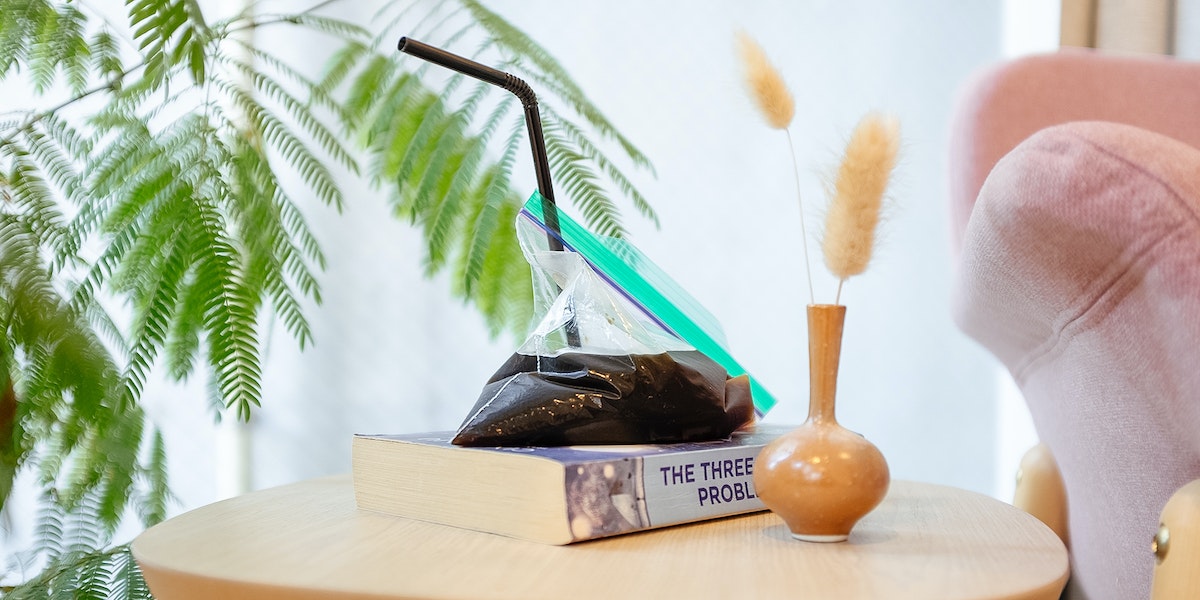
This is what it’s like to drink liquids in space. Ugh, right?
In space, a pouched drink is a simple and functional solution that prevents liquid from spilling and floating around the station. However, drinking coffee isn’t just a means to hydrate—it’s an experience. And for some astronauts, that experience has been lacking.
In 2008, Don Pettit, a NASA astronaut on his second mission aboard the International Space Station (ISS), casually prototyped a cup by folding an overhead transparency film he found aboard. Taking advantage of the behavior of liquid in zero gravity, he calculated the folding angle so that the coffee climbed up the transparency to the edge of the cup. The result was a teardrop-shaped Zero Gravity Cup that provided a familiar drinking experience, this time with a magnificent view of Earth.
Until now, space agencies have worked to maximize safety and minimize the cost of crewed missions. But as private companies begin to send civilians to space, they’ll need to provide a better experience for their customers and double down on adding curiosity and delight to our explorations into the unknown.
Designing a space travel experience
Imagine that you’ve just won a ticket for a three-day trip to the ISS. Once aboard, you feel thrilled to float around in zero gravity and gasp at the majestic view of Earth beneath you. But after a few days of bumping into walls and your fellow travellers, eating packaged meals, and using tube toilets, your precious out-of-this-world vacation starts to feel like an ordeal.
Inspired by Don’s playful curiosity, a team of colleagues at IDEO decided to tackle the zero gravity environment through some out-of-this-world design exercises to explore the untapped potential of the burgeoning space travel market. Here are some of the guiding principles we’ve come up with to create unforgettable experiences that elevate the everyday in space.
1. Lead the way through play
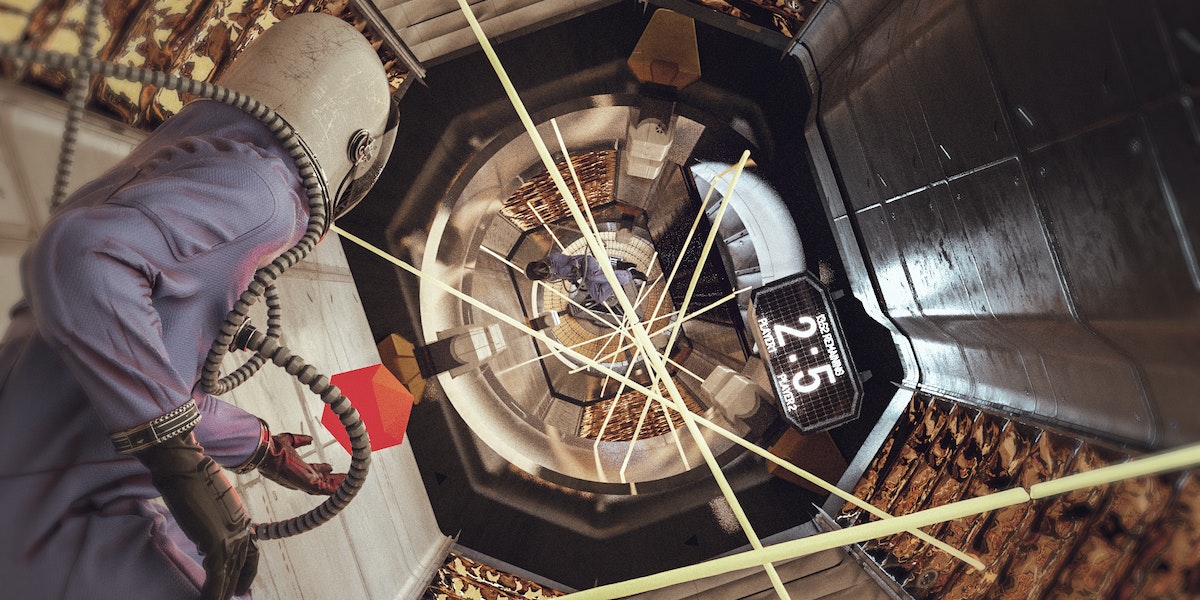
Zero gravity—technically microgravity— is a stressful and even harmful environment for earthlings. Simple movements require you to use your body in a completely different way. To enable a truly delightful visitor experience, visitors need to acclimate and relearn how to use their bodies. By helping people navigate this new environment through the lens of play, they can get creative about hacking their bodies to befriend zero gravity.
As children, we all learned through play. Creatively confident, we embodied a curious mindset that empowered us to explore and push the edges of what we were capable of. Remember when we played lava in our living rooms and decided that the floor would burn our feet? Imagine what the emotional foundation for space travel would look like if we returned to these playful mindsets.
2. Elevate the whole journey

The climactic moment of space travel might well be the very first moment you reach orbit. But that also implies that the excitement can diminish over the course of your stay.
As we grow older, we learn to optimize the path between places and forget to enjoy the journey itself. However, many other unforgettable moments await you on your journey around Earth. Moments such as watching the sunrise every 90 minutes, soaring over different continents at an incredible speed, or witnessing the Aurora Borealis from above. Let’s take a nod from game design and storytelling crafts, which skillfully utilize pacing to create a sense of adventure and build narratives that stick with visitors. Or from experience design, by proactively asking how visitors might be emotionally transformed by their journey. There are opportunities to build continuous excitement over the course of the journey, gracefully transitioning from each experience into the next, from launch to landing.
3. Default to designing inclusive experiences

The world’s first all-commercial astronaut mission to Earth’s orbit aboard SpaceX’s Crew Dragon includes passenger Hayley Arceneaux, a childhood cancer survivor with a prosthesis in her leg. While traditional astronaut exams preclude her, private spaceflight allows more flexible requirements. Soon, people with different physical and mental abilities will visit space, and some conditions might even be advantageous, such as deafness, which typically makes people immune to motion sickness.
Even those considered able-bodied on Earth should expect to experience their abilities differently during space travel. We are not made for zero gravity environments. As Miriam Kramer aptly put it in her article for Axios, “Designing spacecraft for people with disabilities would make life easier for all astronauts, even those considered able-bodied.” Through designing from the lens of human experience, we have a chance to reset expectations and intentionally create moments where more of us feel welcome into the experience.
Our increasing ability to travel in outer space is already changing people’s mindsets around stewardship of the Earth, and we need to design travel experiences to align with and spotlight this paradigm shift. While initial access to space may be limited to wealthy people, designing an enjoyable and impactful experience ensures long-term prosperity of the space tourism industry, and paves the way for more of us to bring world-changing learnings back to Earth.
In space, our earthly common sense no longer holds true. As the music band OK GO elegantly put it, “Gravity is just a habit.” Up there, we must fundamentally change our approach to design. Up there, the lack of gravity exposes the true human value of an experience and every experience is now ours to reimagine.
Before you start reading, make yourself a cup of coffee. Got it? Great. Now dump it in a plastic bag, and try to drink it with a straw.

Business needs better listeners
Inspire your team with an immersive experience about active listening.
But Damian Thompson, then a cashier, approached the man without thinking twice. Thirty years ago, Thompson was the first Black teller at the bank where he worked, and sensed that certain customers did not want to be served by him. That experience taught him the value of ensuring that everyone was included and given the same service.
Over time, by listening to that customer’s needs and gaining trust, Thompson managed to secure a major investment for the bank. This habit is something that he carries with him today as the Group Managing Director of Retail at UK-based Aldermore. He is always looking for ways to improve the bank's service.
Thompson’s practice of listening is an art, and one of the most undervalued skills in business. Soft skills may seem inessential when compared to tangible ones, like product development. But when organizations actively listen, they gain insights about customer needs that can make the difference between a resilient, future-fit organization and one that withers on the vine.
To heroize employees who listened well and went the extra mile with customers, Thompson launched an “Experts with Empathy” campaign at Aldermore, asking teammates to nominate each other to win prizes. He regularly picks up the phone to heap praise on high performing representatives. The bank has become known for lending to those with less than perfect credit, earning it high NPS scores and loyal customers. Understanding how stressful owing money can be and listening with compassion, Thompson argued, must always come before slapping someone with an overdue penalty.
Carlos Rodridguez Pastor, President of the Peruvian conglomerate Intercorp, admires Thompson’s style of leadership. Pastor has long encouraged all ranks of his organization, from top executives to front-line workers, to stay close to customers. He, too, models active listening tactics, like welcoming and serving customers, and walking the aisles of stores. So, when the time came to send Intercorp’s top brass on an annual inspiration trip—which, until COVID, took executives to faraway locales—Intercorp asked IDEO to create a remote experience on the theme of Escucha Activa, or Active Listening.
In May, 2021, 30 CEOs, 12 board members, and 130 other leaders signed onto Zoom for a four-day global “tour” to learn from some of the best listeners in business. Damian Thompson was our first speaker.
As the future of work becomes increasingly remote, putting employees at a greater distance from customers, active listening will become increasingly important. Here’s how to design your own remote learning experience on active listening:
1. Never waste a crisis
While COVID prevented us from climbing aboard tour buses and trying new foods in distant locations , the remote learning experience removed other constraints, allowing us to bring Active Listening luminaries from around the world to Peru. We tapped our networks to bring in guests from Nigeria, China, the UK, Brazil, and Denmark, as well as the US. C-suite speakers joined from Pillpack (Amazon), Lloyds and Aldermore banks, African fintech startup Piggyvest, and established retailers like IKEA and LEGO. Our IDEO team was distributed as well: based in New York, San Francisco, Chicago, London, and Munich. It was simultaneously the most ambitious and least expensive business trip the two companies had ever put together in their 10 years of collaboration.
2. Over-prepare
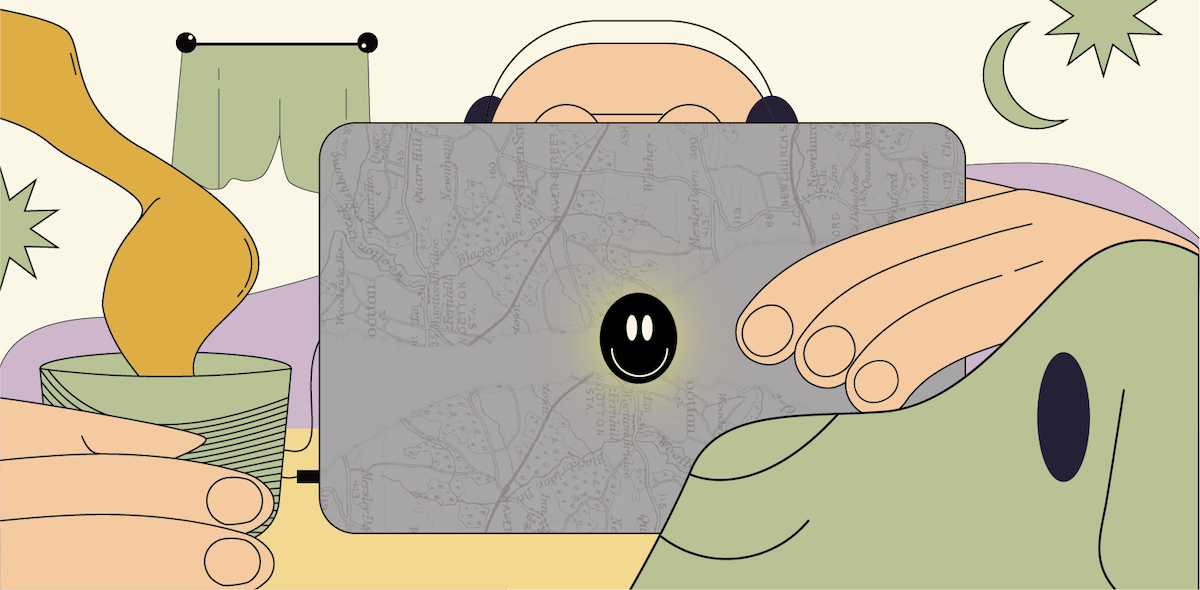
To make the experience of learning how to listen better feel like traveling to visit distant oracles, we prepared each leader for the main event with several pre-session interviews to fine-tune the stories and wisdom they imparted. The prep work paid off: zeroing in on a clear message for each session helped participants follow each step of the learning journey.
3. Design for immersion
No matter how good a listener you are, a two-and-a-half hour Zoom call can feel like an eternity. Knowing that, we tried to strike a balance between learning and entertainment—quick exercises that focused on employee listening and longer, immersive talks. We used travel metaphors to keep the pep in our step and kept the experience to two consecutive weeks, on Thursday and Friday mornings (Peru time). The time limit allowed executives to put aside their phones and truly take in the content, knowing they’d have the balance of the day to get work done.
4. LEGO the learning
Our sessions were set up to build on each other like LEGO sets. Each day kicked off with leaders sharing stories. They explained what it takes to “Commit to Active Listening,” like asking high performing employees about their listening methods and sharing with others at the company. Day 2 was about “Scaling Active Listening,” from individual initiatives to company-wide movements, like a weekly survey that gathers feedback about how close you feel to customers at any given time. Day 3 was spent on “Expanding your Toolkit for Active Listening,” by adding new tactics to the mix, like listening to customers on social media and responding quickly. The 4th day concluded with a lessons on how to “Use Listening to Drive Decisions,” or to act on what you hear in a continuous cycle of improving business offers, like allowing customers more flexible payment plans during financial distress.
5. Create a meal out of bite-size chunks
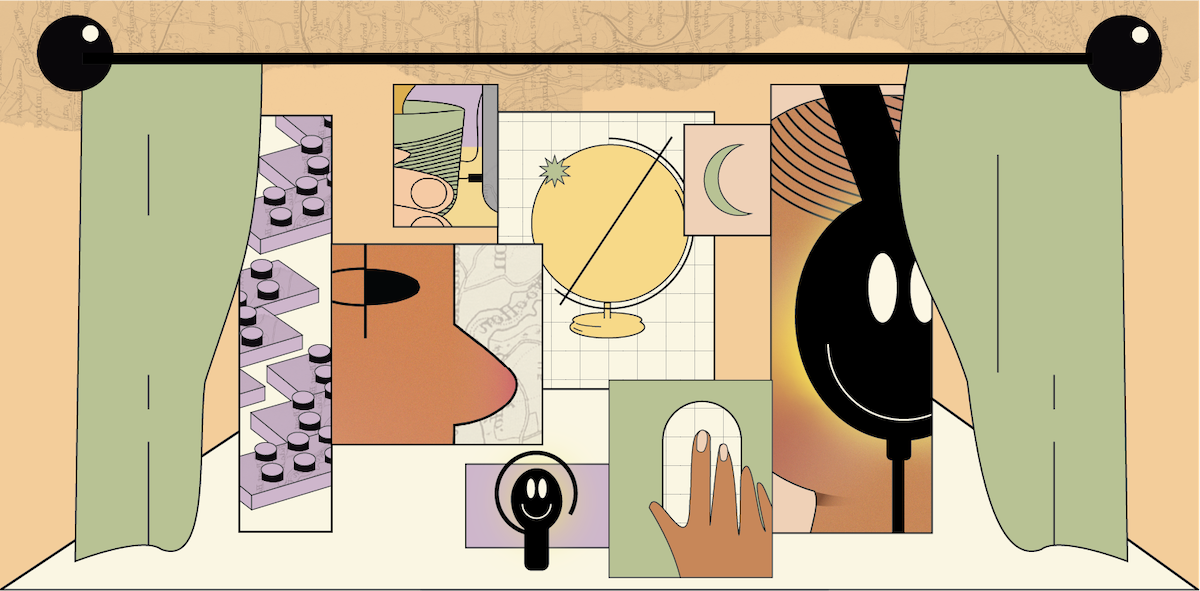
Sending participants into breakout rooms of 5-10 people allowed us to design activities that brought home the day’s lessons. One favorite was to write and collage a “Postcard From the Future” about a new product or service your business might launch based on an insight gleaned from active listening.
6. Make the stage bigger
Here’s one thing you could never do in person: travel from China to Nigeria to Peru within minutes. It was morning in Lima, evening in Lagos, and 11 p.m. in Shanghai, but we were all listening and learning from each other as if we were sitting side by side.
When we stood up this learning experience, Peru was in the midst of a political crisis and had suffered the largest dip in GDP in the world the previous year. It was a very tense moment that had stretched out for months. After the tour wrapped, feedback from participants suggested that it had an enormous positive emotional impact, giving leaders the injection of inspiration and optimism they needed to overcome burnout and mental distress. It came just in time.
Beyond the morale boost, we learned a lot about how to listen better ourselves. One of the best bits of wisdom came from a lovable bear who has never worked a day in his life. “If the person you’re talking to doesn’t appear to be listening, be patient,” said Winnie the Pooh. “It may simply be that he has a small piece of fluff in his ear.”
If the person you’re talking to doesn’t appear to be listening, be patient. It may simply be that he has a small piece of fluff in his ear.
- Winnie the Pooh
To make sure we’re listening for how we can make our work better, we must continuously remove fluff—not only to close the gap between companies and customers, but also to allow for the free flow of listening-based insights inside organizations.
Why? Because insights are only powerful if put to use. When employees feel empowered to act on what they hear, marshalling resources and prototyping new ways to deliver great service, you can be sure no one will be left alone in the lobby.
The bank reps had seen the man lingering in the lobby more than a few times. No one ever thought to ask if he needed help. He looked a bit rough, honestly. The seams of his jacket hung low. His hair was an angry cloud.

Lindsey Turner
I’m passionate about building brands, products, and experiences that help organizations show up with meaning and momentum.
I help organizations cut through complexity by shaping how they show up, through brand strategy, identity, and storytelling.
Working at the intersection of brand and business, I bring an editorial eye and a bias toward making—turning ideas into tangible experiences that people can understand, trust, and believe in.
My work spans government, healthcare, financial services, media, and consumer goods, from launching Gen Z-focused ventures to building innovation labs and reimagining legacy brands. I relish moments of ambiguity and enjoy translating across teams, perspectives, and priorities to move ideas forward.
I started my career in editorial and digital design, shaping cross-platform experiences and identity systems in publishing and agency environments. That foundation still shapes how I work today: I’m detail-oriented, collaborative, and overreliant on the Oxford comma. I hold a BFA in Visual Communication from the School of the Art Institute of Chicago.

Rachel Young
My work helps organizations see who their products aren't working for—and build the will and the tools to do something about it
For 25 years, I've asked the same question: Who does this design exclude—and what are we going to do about it?
My work spans human-centered strategy, inclusive design, and qualitative research, with clients ranging from Microsoft, Google, and Verizon to the National Science Foundation, and San Francisco Unified School District.
Before IDEO, I taught elementary school in East Palo Alto and spent a decade doing design work with social service organizations—where I learned firsthand what it costs people when systems are built without them in mind.
I am currently writing User Error, a nonfiction book about digital access and the design decisions behind it. I live in Oakland, California.

Brian Pelsoh
I lead with craft, ensuring our work is creatively excellent: rooted in deep human insight and imagination, while also grounded in the realities of business and technology.
My expertise spans brand, communication, and product design across tech, education, the arts, and social impact.
I believe great work demands both high-level vision and obsessive attention to detail, and only happens through collaboration.
I bring an inclusive, hands-on approach and a deep understanding of business, which enables me to consistently deliver excellence while always asking why.
Before joining IDEO, I worked at the brand firms Pentagram and VSA Partners. I began my career as a designer, leading teams at the School of the Art Institute of Chicago and the Milwaukee Art Museum. I hold an MFA in graphic design from Maryland Institute College of Art and a BFA in communication design from the Milwaukee Institute of Art & Design, and have taught at some of the best design schools in the US.

Tony Wong
I am responsible for IDEO’s long-term success in China and working with clients to use design as a tool to enable growth.
I am responsible for IDEO’s long-term success in China and working with clients to use design as a tool to enable growth. Specifically, I have helped Chinese companies design holistic brand solutions through the development of their products, communication, services, and innovation teams, and I have helped multinationals expand their presence and influence in China.
I advise global leaders on developing China-led innovation and capabilities.
In over 15 years in IDEO Shanghai, I have worked on projects that use design to elevate the quality of the experience of healthcare products and services, streamline processes that increase productivity, create spaces and programs that promote and enable inclusive communities, and build next generation mobility solutions that are planet-positive.
Before joining IDEO, I worked at Philips Electronics and the Electrolux Group in Italy, the Netherlands, and Singapore on a number of breakthrough commercial products. I am a member of the Young President Organization in Shanghai.

How to use AI as an editor, not a writer
Ed White shares how he uses AI as an editor—not a writer—to sharpen storytelling, rehearse ideas, and preserve the productive friction that makes creative work better.
Ed White has a rule he's tested on his own writing: hold yourself as the writer, and let AI be your editor. Ed is a Senior Design Director at IDEO's London studio, where he co-leads the firm's AI portfolio across Europe. Before IDEO, he spent 12 years as a writer and editor at the Financial Times, Wired, and Contagious. So when he talks about when to use AI for storytelling and when not to, it comes from two decades of crafting his storytelling skills.
In this episode, Mina Seetharaman talks with Ed about two specific tools he uses to keep AI in an editor's seat: a "roasting agent" prompted to critique his drafts without any sugarcoating, and a simulated audience he rehearses pitches on before the real thing. They also get into what Ed is hearing from design leaders at Anthropic, Lovable, Shopify, and Google Creative Lab about how creative work is changing, and why he thinks the friction of writing something yourself is worth protecting rather than automating away.

Building a personal AI for the messiness of life: Sida Li
Becca Carroll talks with Cue co-founder Sida Li about designing a personal AI for the messiness of everyday life—not just work. They explore how Sida stays anchored to human needs while navigating fast-changing technology, product tradeoffs, business-model experimentation, and the realities of building an AI company today.
Most AI products today are built for work—a space with clear problems and established systems. One founder noticed a gap: personal life is messier, harder to systematize, and mostly left behind by the AI boom. So she built Cue, a personal AI that lives inside iMessage and group chats, to go where the other tools haven't.
In this episode, Becca Carroll, IDEO's Chief Strategy Officer, talks with Sida Li, co-founder and CEO of Shared Context Lab, about staying anchored to a human need while the technology around her keeps changing shape, why she treats her business model with the same rigor she'd bring to a product, and what it feels like to build a company at this particular, disorienting moment in AI.
The conversation also gets into how Sida makes design decisions: the language Cue uses to describe itself, the tradeoffs behind building inside iMessage instead of a new app, and a real story about a business idea that didn’t pan out.
This is the second in a two-part series profiling founders from IDEO's Startups-in-Residence program. The first conversation is with Johannes Seemann, founder of Sooner, on designing GenAI for the emotional side of money.

Designing GenAI for the emotional side of money: Johannes Seemann
Designing financial tools around the feelings that shape money decisions.
Most personal financial tools are built to run the numbers and optimize towards a budget. While that works for some, most people experience money as a lived relationship that does not neatly fit into a spreadsheet. Johannes Seemann and Becca Carroll discuss why money is emotional before it is mathematical, and what a human-centered approach to building a generative AI financial product looks like in practice.

The curious leader's edge in uncertainty: Scott Shigeoka
How genuine curiosity helps leaders navigate uncertainty with greater confidence.
Mina Seetharaman talks with Scott Shigeoka, author of Seek and Head of Curiosity Cultivation at the Eames Institute, about what distinguishes genuinely curious leadership from performative curiosity, how power dynamics shape curiosity, and why practicing curiosity can restore energy rather than drain it.
Looks like you might be in search of something very specific?
Or reset the filters above and try another angle.
Here’s some random inspiration

Podcasts about creative leadership

Articles about the power of prototyping











.jpeg)



.webp)