
.svg)


Making voting easier
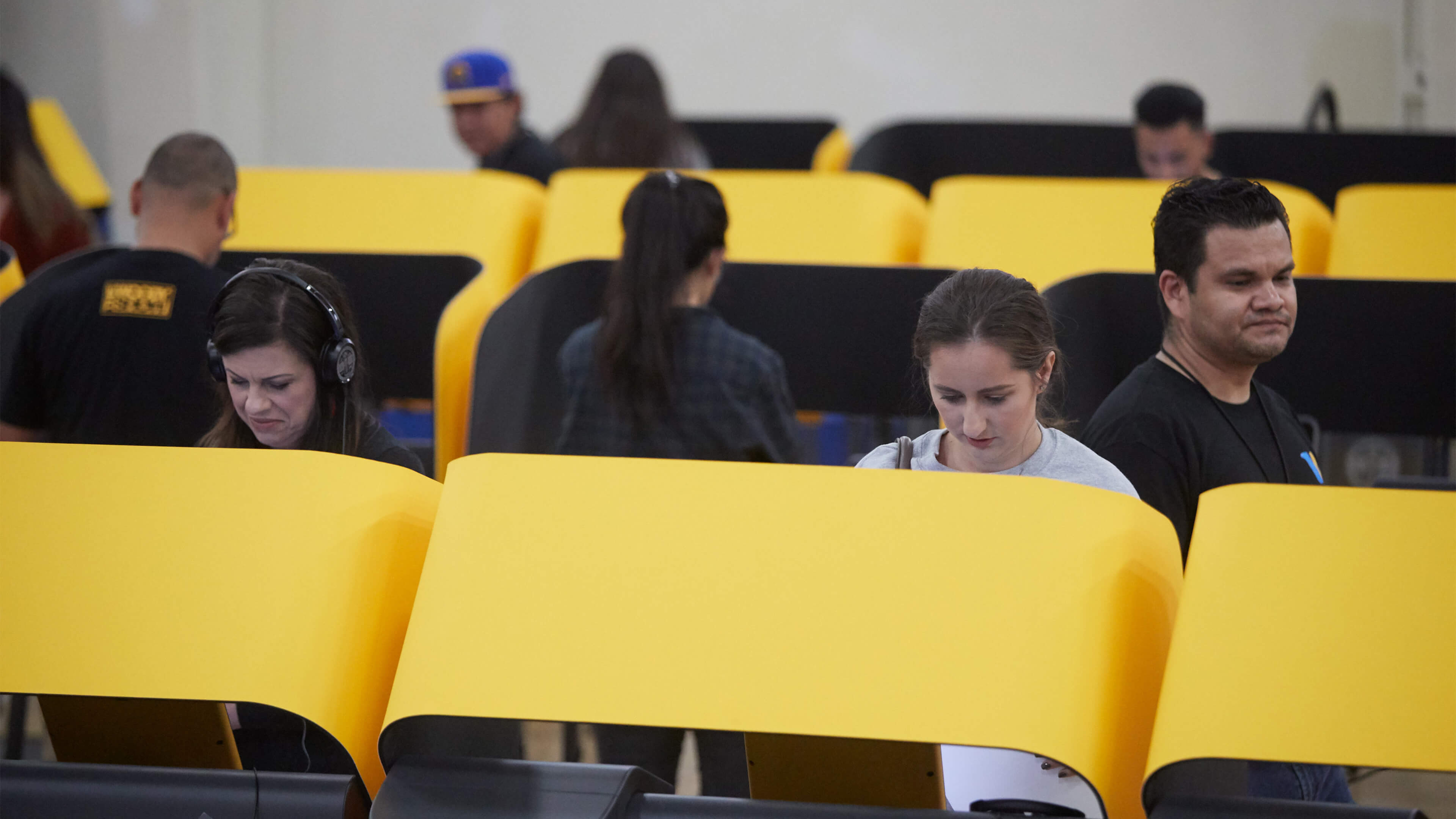
"Intuitive & secure"
was the sentiment most Los Angeles County voters expressed about the new voting system after the 2020 primary election
"We’re not just redesigning equipment. We’re redesigning an experience.”
26% of American adults have some type of disability. In the 2020 election, 18% of disabled voters nationally reported difficulty voting, about twice as many as non-disabled voters.
In 2020, national voter turnout among disabled people was 7% lower than among non-disabled people in the same age group.
Protecting the right to vote means ensuring that all citizens can cast their ballots privately, independently, and easily.
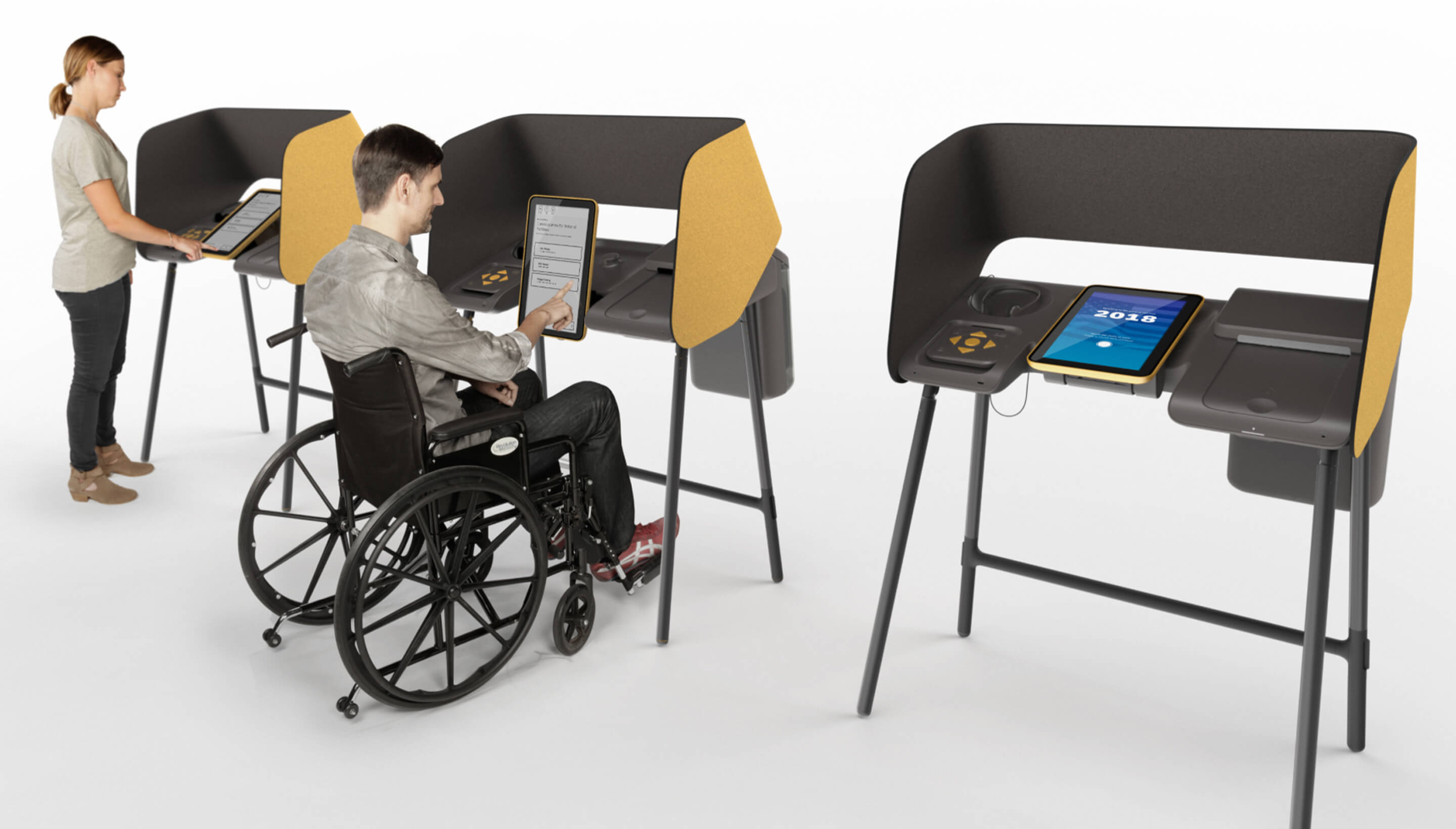
With that principle in mind, Los Angeles County sought out a design strategy firm to create a next-generation, customizable system that would meet the needs of its large and diverse voter population while satisfying myriad voting regulations. The result: an accessible, self-enclosed ballot-marking device with a touchscreen that allows any voter to easily navigate, mark, verify, and submit a paper ballot. We also worked to improve the entire voting experience, including vote-by-mail ballots, interactive sample ballots, and the tally process.
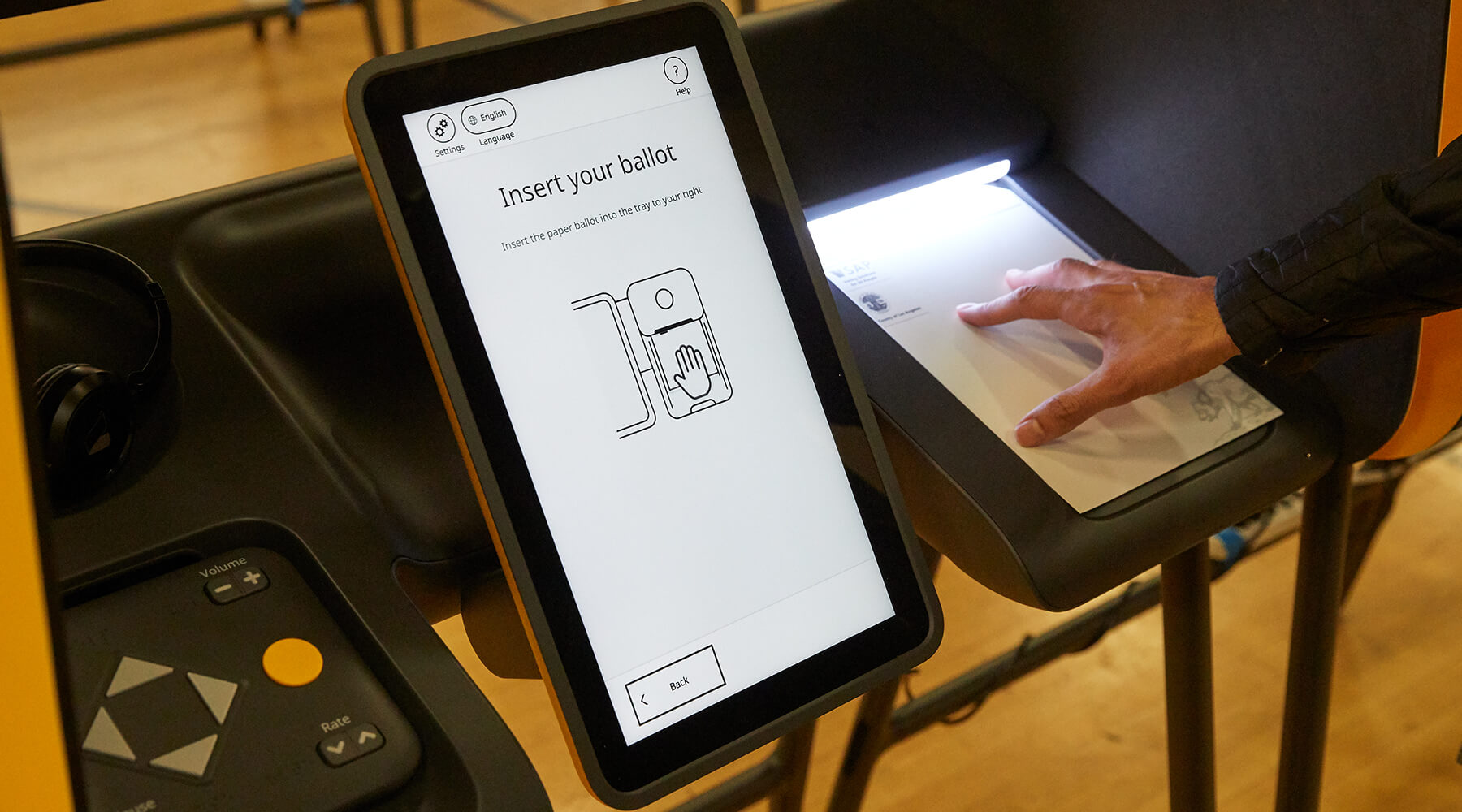
As with any inclusive design, details matter. Voters with vision impairment or reading disabilities can opt for audio and tactile experiences with the push of a few simple buttons. And for voters who prefer to read the ballot in their native language—Spanish, Chinese, Korean, or any one of the 11 others supported by the county—the device lets them select their preference.
After extensive research and testing with constituents, we designed a solution that makes voting easier for anyone. And knowing that the only constant is change, we made the system flexible enough to adapt to emerging needs and technologies, protecting voters’ rights now and in the future. Read the full case study here.
Curious about how this kind of thinking could benefit your organization? We’d love to hear from you.


Subscribe