.svg)




Using design thinking to create a better car
A legacy car brand embraces design thinking and collaboration to develop the luxury crossover Lincoln MKC.
Designing a new car takes years and requires strong collaboration between thousands of people. So when the Lincoln Motor Company began developing the luxury crossover Lincoln MKC, they invited IDEO to share key design-thinking methods to employees and departments to improve the process and to land on a better product.
IDEO built a pop-up studio inside an old manufacturing bay at the company’s Dearborn, Michigan, headquarters, and organized a collaboration between IDEO designers-in-residence and Lincoln employees from different departments. During the six-month collaboration, the IDEO team built a full-scale interactive car prototype to make various in- and out-of-car experiences tangible, and collected user feedback along the way. And they shared key design-thinking methods, which helped galvanize action across different teams, and sped up understanding of design thinking.
The MKC is credited with helping the Lincoln brand outpace growth in the luxury segment by more than two-to-one over competitors. Next up is turning the heads of luxury customers in China, where Lincoln plans to open 60 stores in 50 cities by 2016.
"By bringing together all our key internal stakeholders, the MKC meets and exceeds customer expectation," said Scott Tobin, Director, Lincoln Product Development.
Transforming the banking experience
A Peruvian bank creates a more welcoming environment for customers.
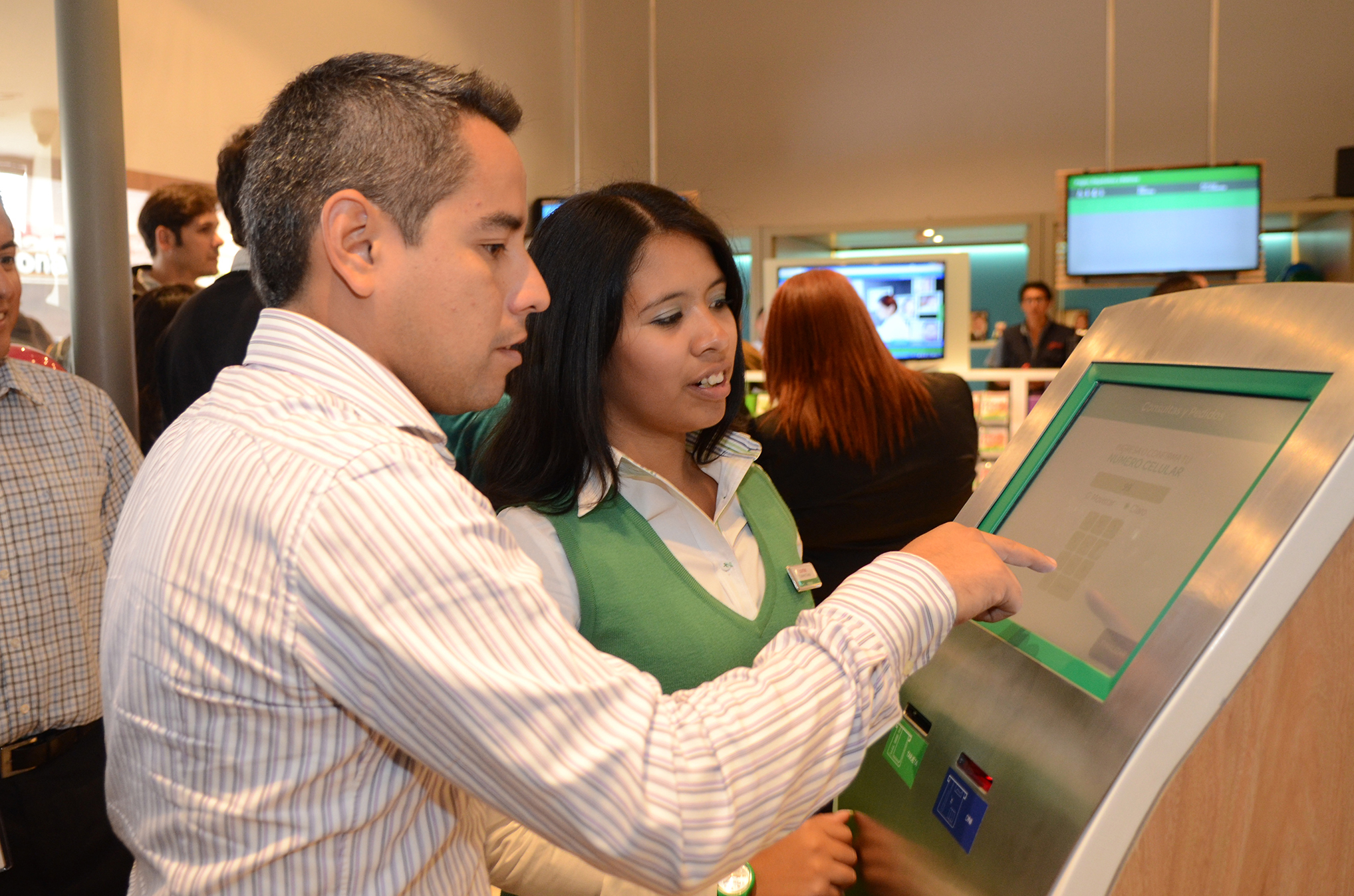
Despite recent advances in Peru's banking infrastructure, the Peruvian public remains largely disengaged with its country’s banks. About 75 to 80 percent of the population lacks a bank account, preferring to safeguard cash at home versus entrust it to any institution. This represents a huge challenge—and opportunity—for Interbank, one of Peru’s largest financial-services firms.
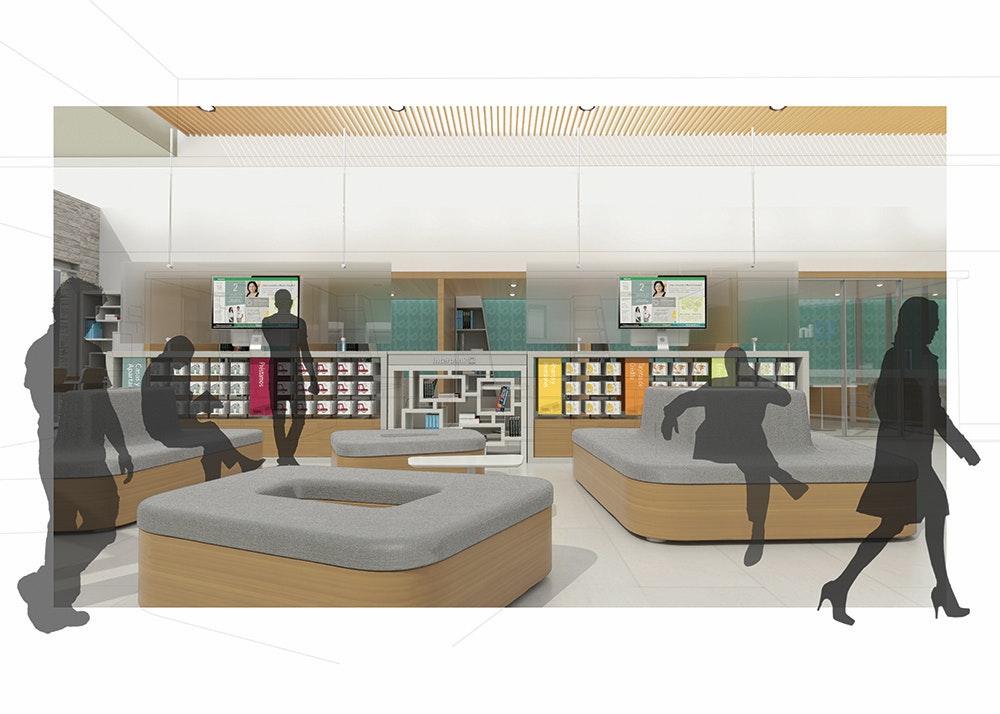
Interbank and IDEO designed a customer experience that would differentiate the Interbank brand and capture a larger share of market. The result, an experimental space called Interbank Explora, is intended to serve as an “innovation lab,” where the company can continue to try the most advanced financial service offerings and get feedback from clients.
This fun and expressive environment—designed for customers, with customers—provides a sharp contrast to competing banks in Peru, which tend to be sterile, formal places that look like hospitals and have long lines. In its initial 60 days of operation, Explora exceeded expectations: Sales more than doubled overall, customer satisfaction rates improved from 33 to 84 percent, and profitability grew, including a 138 percent gain in non-interest-income activities.
The next-generation hotel experience
Getting the details right to improve travelers' stays.
Whether it’s the receptionist’s smile at check-in, the tasty snack at the bar, the thoughtfully designed lobby, or an easy-to-use mobile app, a hotel is no longer just a place to sleep—every detail plays a part in how much customers enjoy their stay.
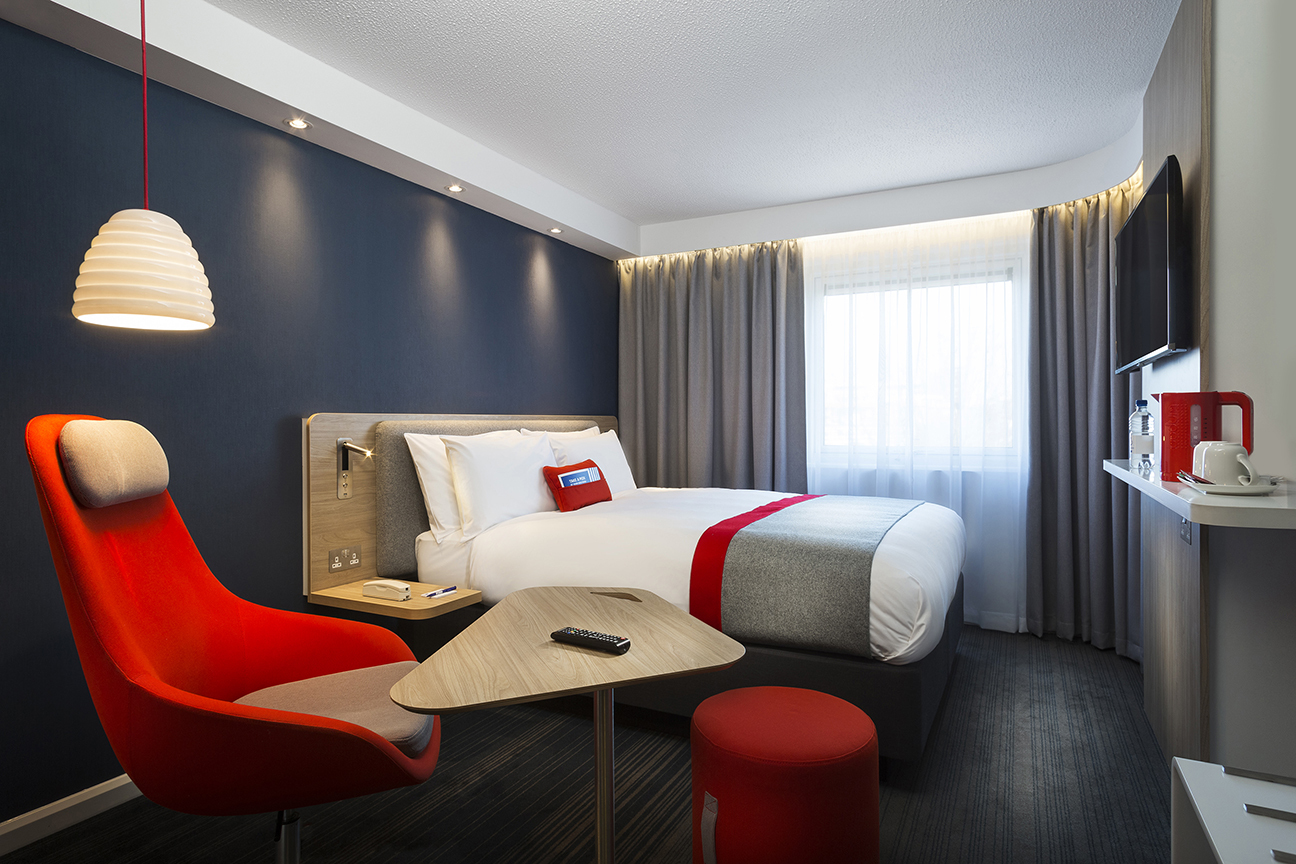
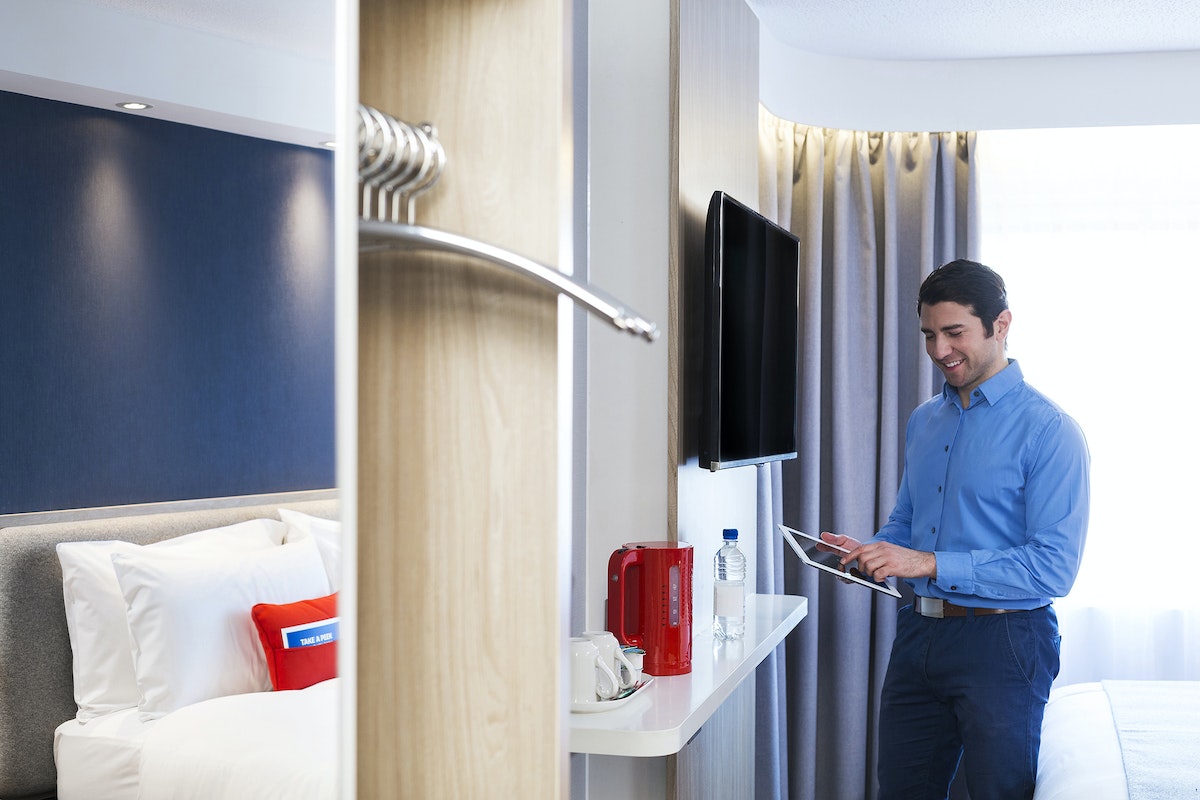
Multinational hotel company IHG asked IDEO to help revamp its Holiday Inn Express brand in Europe—everything from public spaces to food and beverage, digital, and guest room interiors. Through their research, designers learned that the brand’s guests are independent and value-conscious, and appreciate a human touch. And yes, they prize good design.
Designers created a series of principles that informed every part of the hotel chain’s next-generation experience—things like a to-go concept for breakfast, an easy way for guests to stream their own media through their room’s TV, and assigned quiet floors for business-weary travelers.
As IHG rolls out the next-generation guest experience in the UK and across Europe, smart travelers can expect to check in to a high-touch, well-designed hotel.
“A hotel room is no longer just a place to sleep. This investment in guest insight and innovation is enabling us to stay ahead of the game,” said Mike Greenup, Vice President, Brand Management, Holiday Inn Brand Family, Europe.
This startup revolutionized an industry through design
Launching a nationwide venture that redefines and simplifies how customers engage with their pharmacy.
Dealing with medication can often be a bigger pain than the ailment itself. Standing in long lines at the pharmacy, keeping up with expiration dates, making sure you take this medicine with food and that one on an empty stomach—it can be overwhelming.
An online pharmacy called PillPack had a mission to make it easier. PillPack worked to build a prescription home-delivery system that takes the pain out of the whole process. The venture brought their business to IDEO’s Cambridge office as a startup-in-residence, and worked with designers to fine-tune their offer and showcase it to the world.
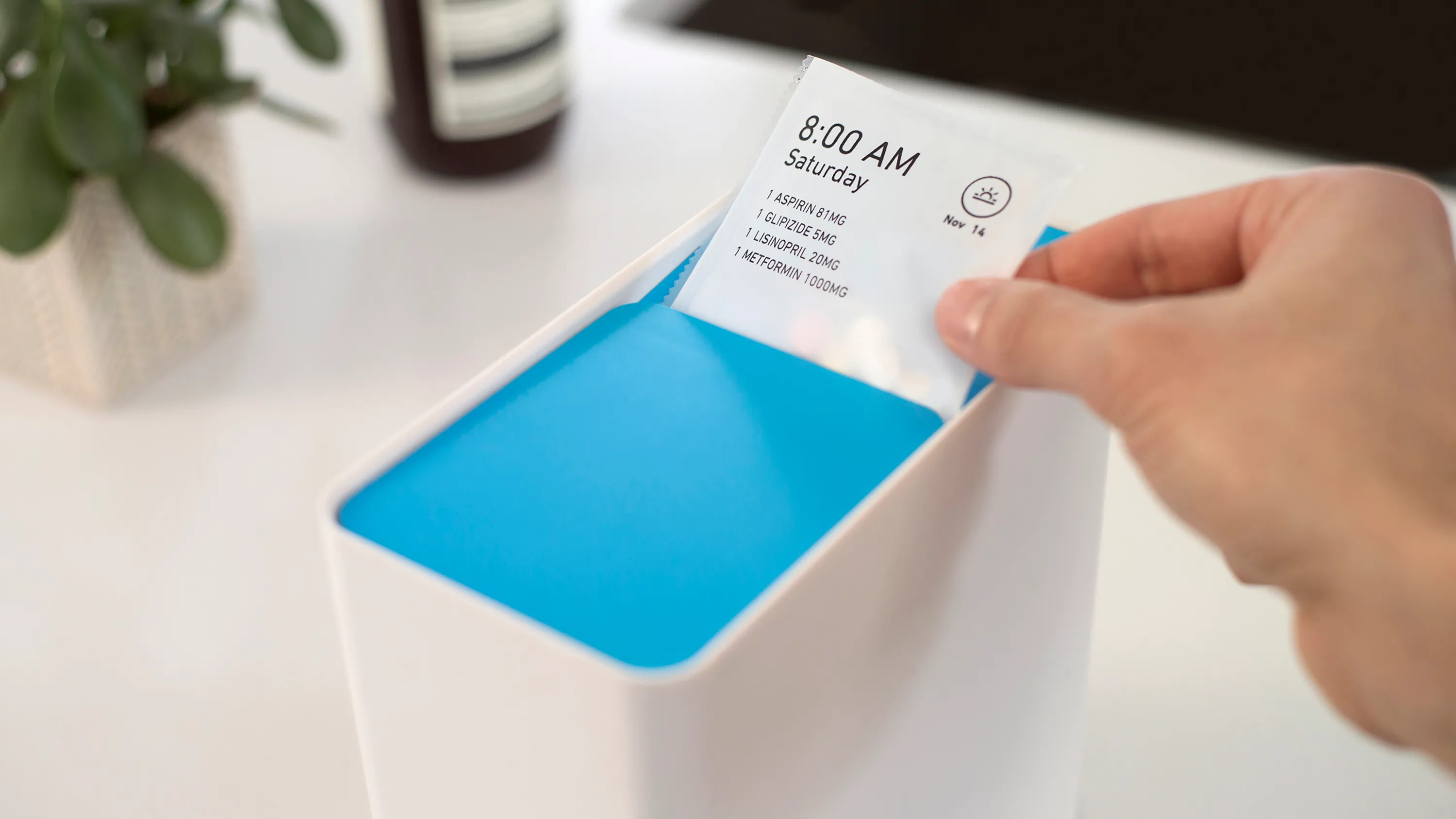
Here’s how it works: Your doctor sends your prescriptions straight to the pharmacists at PillPack, who organize the medications—including refills, over-the-counter drugs, vitamins, and supplements—into presorted, personalized packets. These tidy little packets are labeled by date and time and delivered to your doorstep. Every 14-day supply of medication fits neatly into an IDEO-designed durable dispenser that is meant to become part of customers’ routines and fit seamlessly into their homes. IDEO also designed a travel pouch that makes taking medicine on-the-go simple and discreet. For those who need a human to talk to, pharmacists at PillPack's pharmacies are available anytime via phone or email to answer questions.
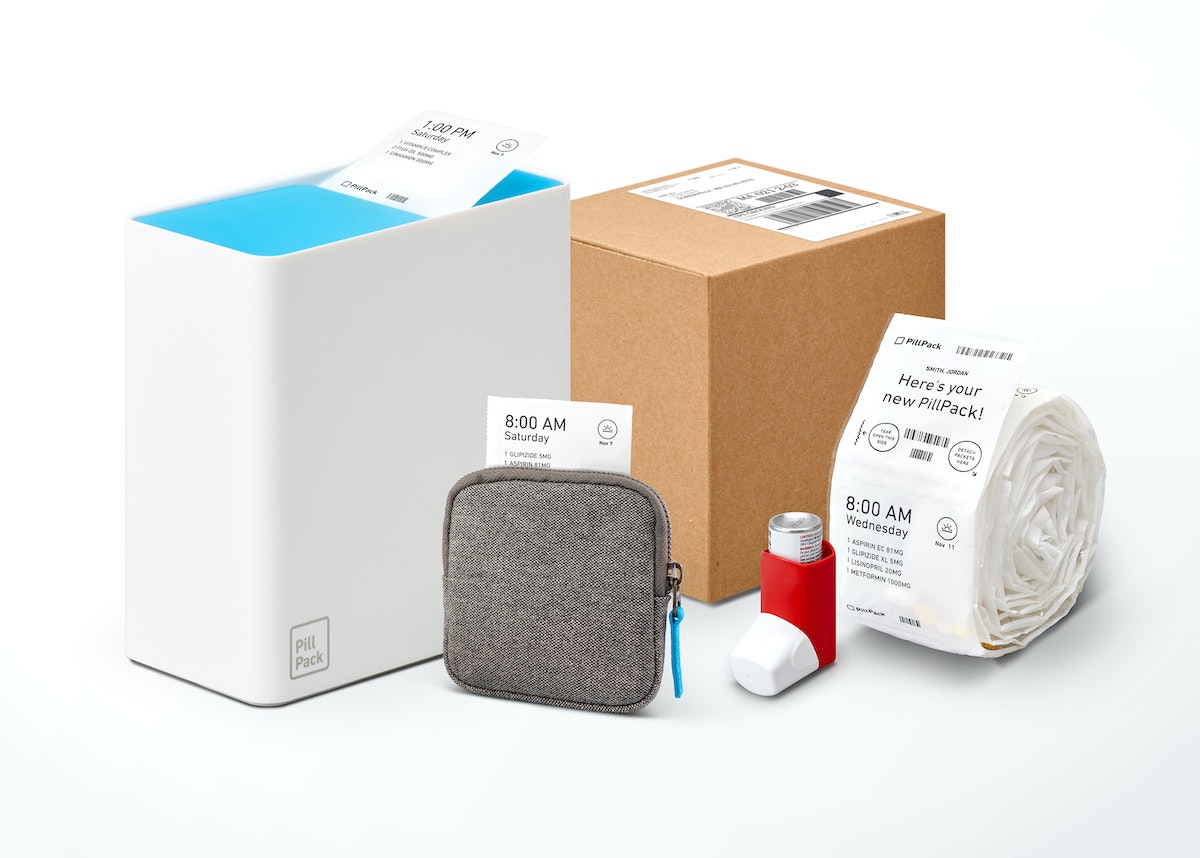
PillPack was the second startup-in-residence to work with IDEO Cambridge. Company founders Elliot Cohen and TJ Parker joined forces with the design team to redefine how consumers engage with their pharmacy. During the three-month residency, the teams focused on making sure that every customer interaction with PillPack—from signing up for the service online to using its product daily—was straightforward and reassuring.
Designers worked to refine the company’s brand vision, strategy, and identity across channels, and used this framework to completely redesign PillPack’s website, as well as a private dashboard for customers and a suite of physical products.
The result was a set of tools that reflected a true understanding of PillPack’s customers, a well-articulated product and service, and a human-centered approach. PillPack is still the only independent pharmacy in the U.S. that serves customers nationwide.
“PillPack has revealed the massive potential of combining design thinking and the drug market... This simple innovation makes life easier for seniors who can be a bit forgetful and have difficulty with bottles,” Wired wrote in an article about the company. “Younger patients with active lifestyles and chronic diseases can just pull as many packets as they need and go. All told, PillPack means you’ll never have to help your grandma sort pills into a tacky day-of-the-week organizer again.”
In June 2018, Amazon outbid other retailers to acquire PillPack for $1 billion.

Designing Kid-Centered Medicine
Recasting painful, awkward and embarrassing childhood experiences as rights of passage, spirit journeys and superpowers
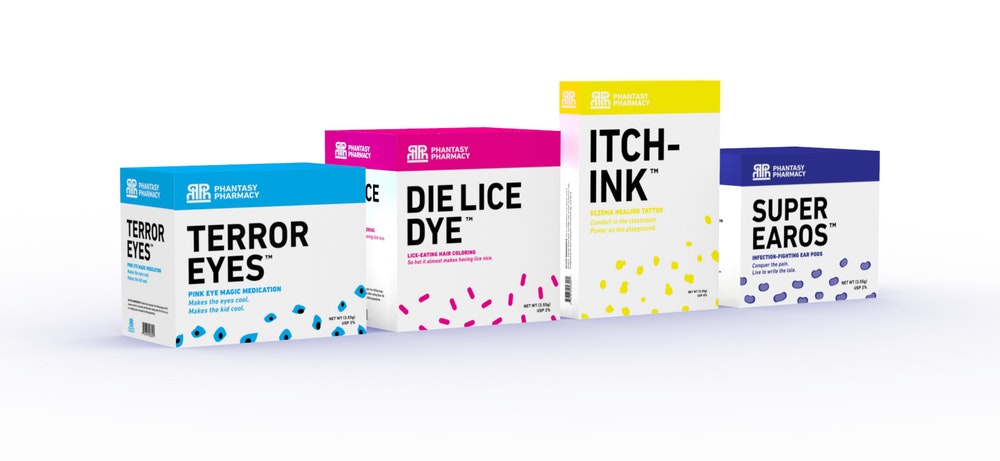
Each mythic tool/medicine could be used to combat common childhood ailments and illnesses in a way that celebrates each malady from beginning to end.
We are big fans of design fiction as a means to push our thinking and to explore what the future could look and feel like. For this design fiction exercise, we challenged ourselves with finding ways of turning kids into the heroes of their own young lives. We set out to create empathetic tools for childhood ailments and illnesses that recast painful, awkward and embarrassing experiences as rites of passage, spirit journeys and superpowers. To that end we asked ourselves a few questions to get started:
How might we turn embarrassing childhood moments into badges of honor?
How might we empower kids to celebrate the sometimes awkward illnesses of childhood?
How might we design for rites of passage, or inspire rituals that spark a contagious creativity?
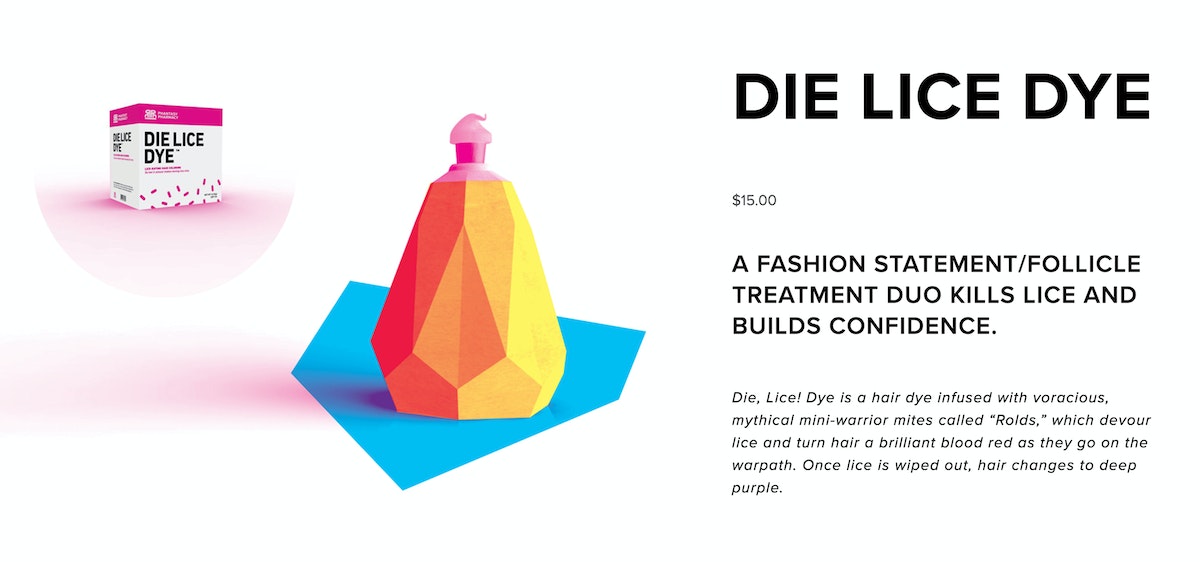
So, we let our imagination go into a world with monsters in the closet, serpents under the bed, and yellow eyes peering out of the darkness. And we asked ourselves how to take the trauma and the terror out of routine childhood experiences. One thing we knew for certain: solving problems technically and explaining them rationally wouldn’t get us very far. First, we had to address them on an emotional, even mystical plane.
Childhood can be full of play and promise, but also pain. What might seem like a temporary annoyance to grownups can be felt as an unending bout of humiliation and suffering for young hearts and minds. Pink eye, lice, ear infections, zits—the barrage of indignities can wreak havoc on even the most self-confident kid.
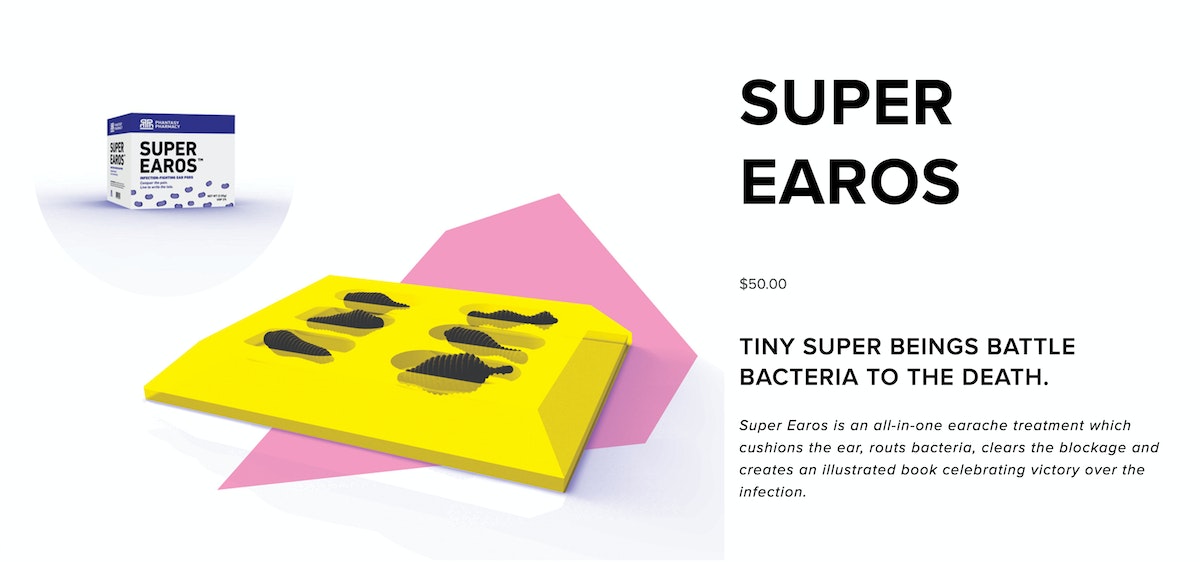
But what if these childhood ailments were recast as rites of passage and superpowers? What if the telltale itchy scalp or bloodshot eyes could be framed as something to embrace, even be proud of? That’s what Phantasy Pharmacy seeks to capture in its design fiction collection of mythic tools that could be used to combat common childhood ailments and illnesses in a way that celebrates each malady from beginning to end.
To get the full, unadulterated experience, check out phph.ideo.com.
Did you ever have lice as a kid? A bunch of us here at IDEO Cambridge did and we haven't forgotten how awful and embarrassing it felt. And when designers are faced with never-ending, wish-I-could-forget-you experiences, they start looking for ways to fix them. Recently, the studio banded together to create Phantasy Pharmacy, a bit of design fiction to help us stretch our imaginative limits and wrestle down unhappy childhood memories.

Creative Caffeine
Stories, people, spaces, startups and stuff getting our creative neurons firing
1. More than meets the eye
Tracking shots of winding country roads, and lingering peeks of sheet metal: car ads might seem as lifelike as it gets, but they’re often surprisingly realistic CGI, particularly for new cars that might not be public yet. To keep up that realism, post-production house The Mill’s neat solution has been to create a Transformers-like rig, with adjustable wheelbase, height, and driving style, to help its artists mimic pretty much any car, without costly shipping and availability worries. Take a closer look at the rig here.

2. The weird satisfaction of a close shave
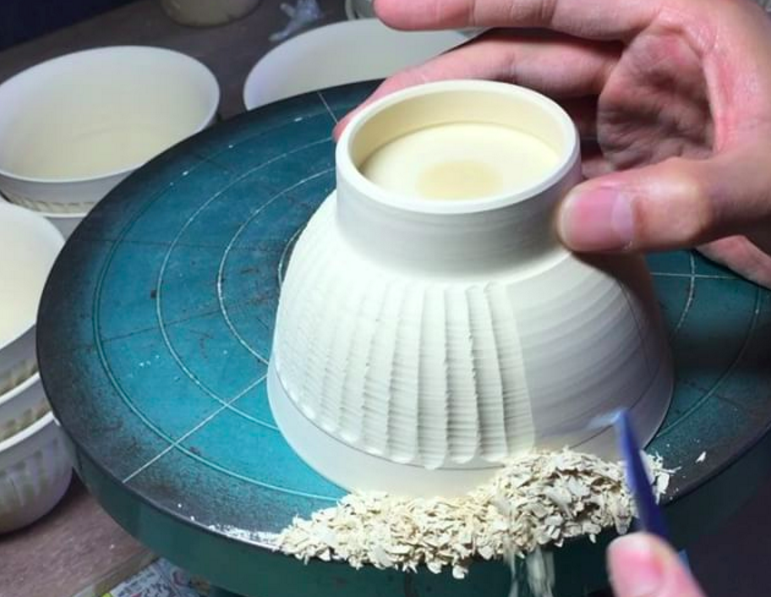
For the crafty and OCD-inclined people—like us—who find pleasure in perfectly cubed fruit, watching cans being crushed, or a Leica body being painstakingly filed, relax and enjoy these slightly hypnotic videos of master Japanese ceramicist Abe Haruya at work.
3. Welcome to our open house
Kitchen of the future exhibitions stretch back half a century, but Arduino founder Massimo Banzi and acclaimed sci-fi writer Bruce Sterling have gone one further: they created Casa Jasmina, an open-source apartment in an old factory in Turin, to test what a connected home might look like in the future. Furniture and fittings are modular and hackable, and artists and companies are invited to submit ideas for connected appliances. Eventually, you’ll be able to rent the space out on Airbnb, says Banzi.

4. Getting conversational with computers
When Google’s AlphaGo deep learning software beat Go champion Lee Sedol, the world saw, via the media, a firsthand view of the power of artificial intelligence. But we’re still a long way from solving real problems, in part because interacting with AI is stuck at the computer science level. But an intrepid gang of interaction designers are building clever new ways for humans to better interact with these systems, argues computer vision and machine learning expert Greg Borenstein on Medium. Read the article here.
5. Go local with Airbnb
Fancy dining with a sumo wrestler, feeling frisky at a burlesque show, or getting your hands dirty with an urban farmer? Airbnb is helping travelers belong anywhere with a new product they’re testing. Called Experiences, it helps adventurous guests book escapades with local hosts. Check out Airbnb Experiences here.
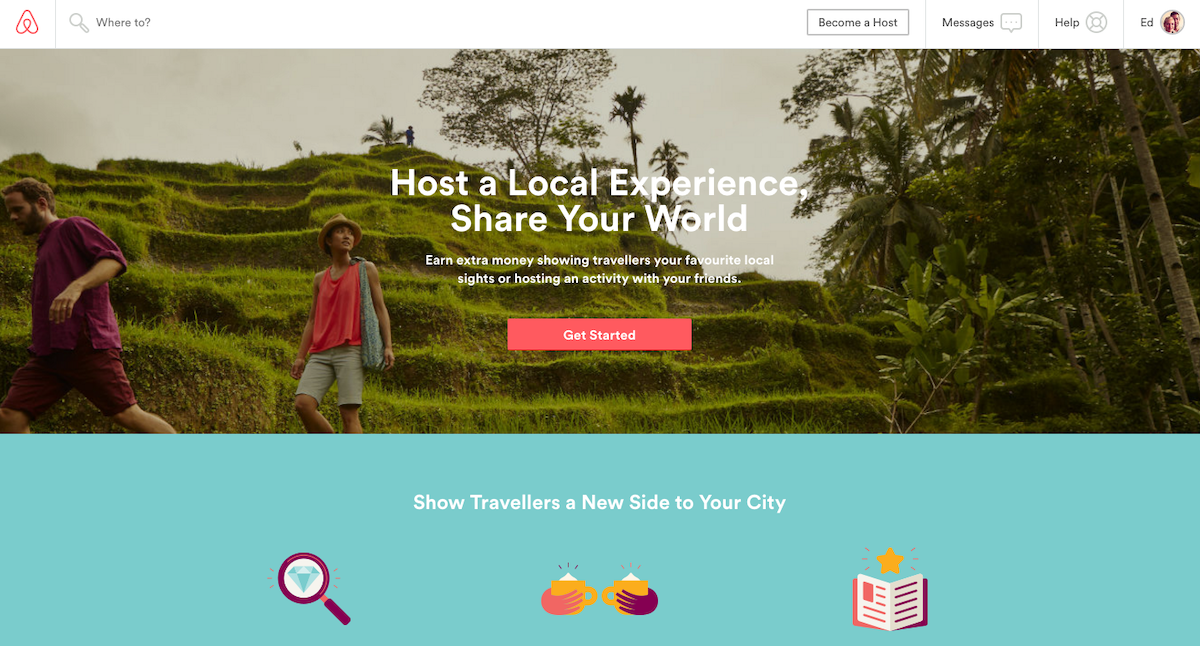
In this week’s Creative Caffeine, IDEO London serves up a quintuple shot of inspiration: post-production house The Mill’s transformer car; the weird soothingness of shaving ceramics; a visit to Arduino’s open-source apartment; designing with artificial intelligence; and drinks with a sumo wrestler, courtesy of Airbnb.

Designer’s Playlist #2
A few things IDEO Munich's Shruti Ramiah can't stop thinking about
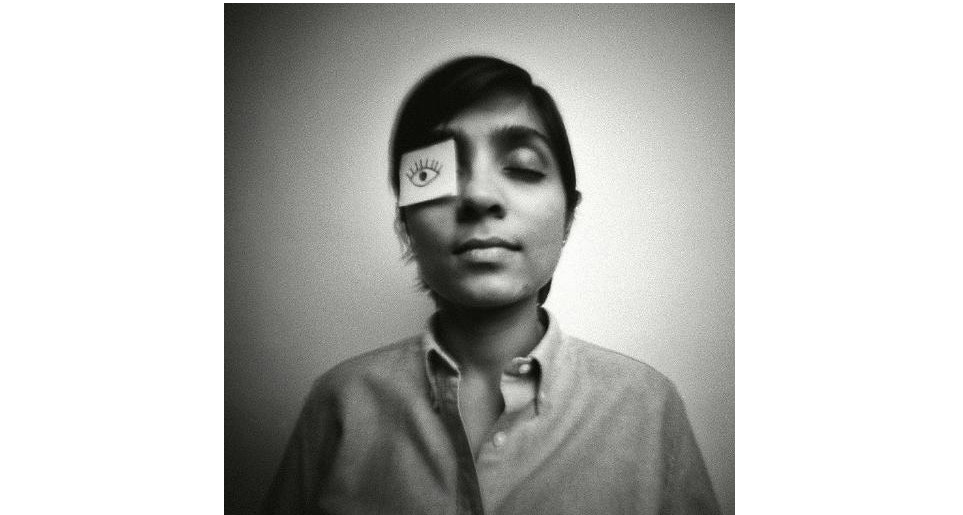
Name: Shruti Ramiah
Location: Munich
Role at IDEO: Design Research Lead
Joined IDEO: 2011
Website: www.shrutiramiah.com
Titillating Fact: I travel a lot for work, and one thing that helps me make every new place feel like home is the BBC World Service Radio (plus a healthy dose of BBC Radio 4). My grandfather used to tune into the World Service News every evening on Shortwave Radio. Now I have the digital radio on almost all the time, and I find the familiar voices very grounding. It’s also why so many of my conversations start with “So, I was listening to this show…”

1. Flash Forward
Flash Forward is a podcast about the future. Each episode starts with a little audio story playing out one potential future scenario—from the believable to the bizarre. I love the way Rose Eveleth brings intangible futures to life in these stories and then breaks them down to investigate the elements of the scenario.

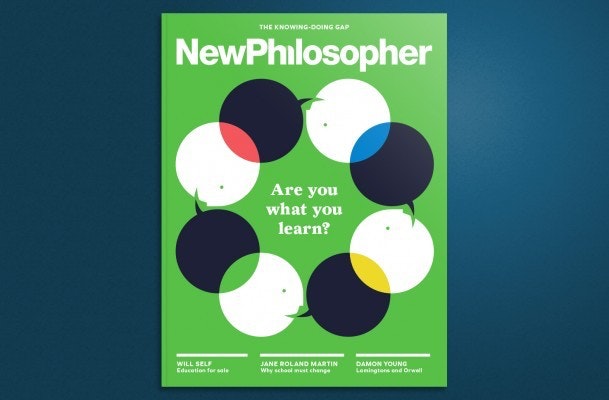
2. New Philosopher
I discovered this magazine in Sydney. It’s one of many great independent magazines coming out of Australia. Each issue focuses on one theme that is relevant to contemporary life, and explores it from a variety of perspectives. I am amazed at how they make philosophical questions accessible and understandable. Don’t be put off by the name.
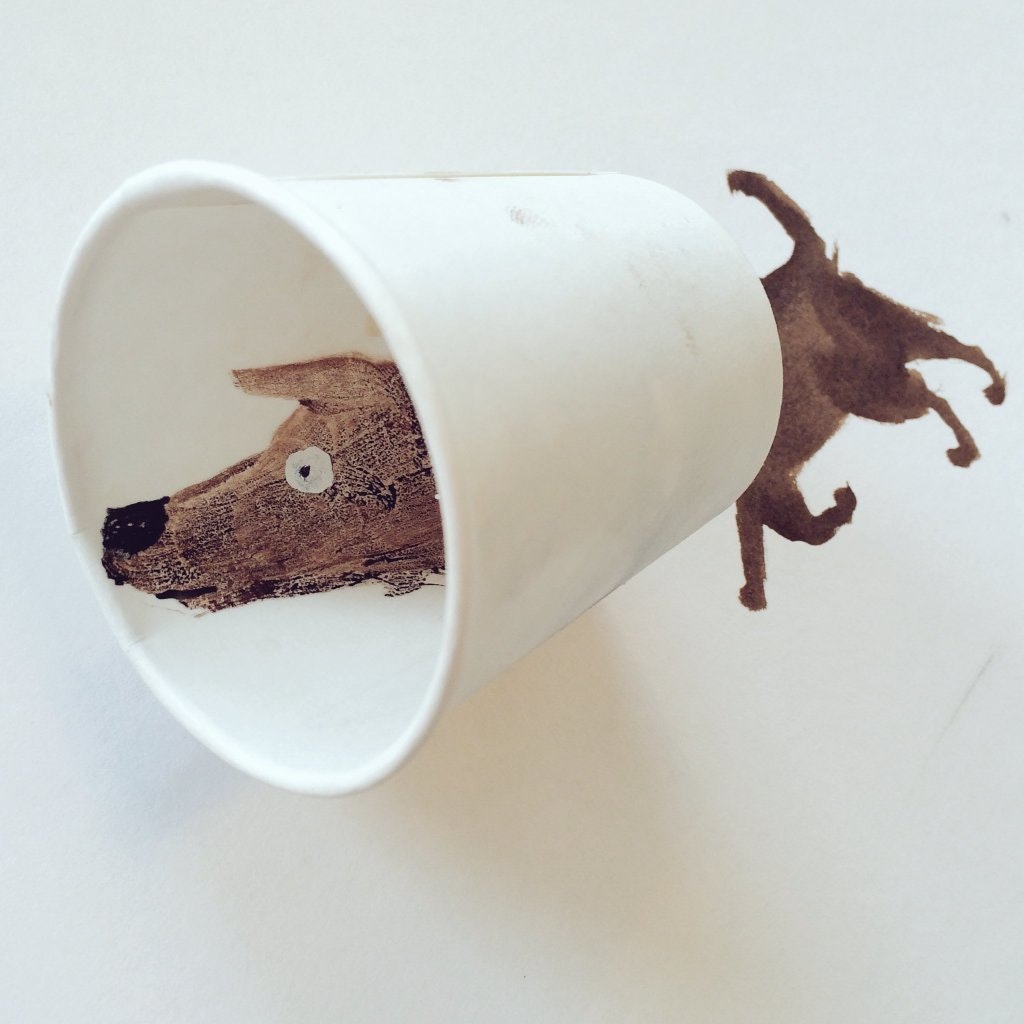
3. Jean Jullien
Jean Jullien is a wonderful graphic artist with a great light-hearted sense of humour in his work. Following him on Instagram ensures that there’s always a smile (or a smirk) waiting for me in my feed everyday. @jean_jullien
In this series, we ask IDEO designers to share the stuff they're digging right now—tools, books, music, sites, people, places—so you, too, can drink from the fount of inspiration bubbling up here. This week's guest star: Shruti Ramiah.
.jpeg)
Quick + Dirty Design Tips: InDesign
Bite-sized tool tutorials from the pros
OUR FIRST TIP COMES FORM NJOKI GITAHI, SENIOR COMMUNICATIONS DESIGNER AT IDEO, WHO RECENTLY LED INDESIGN NOVICES IN NEW YORK THROUGH AN EMAIL-BASED INTRO TO ADOBE'S POWERHOUSE PUBLISHING TOOL.
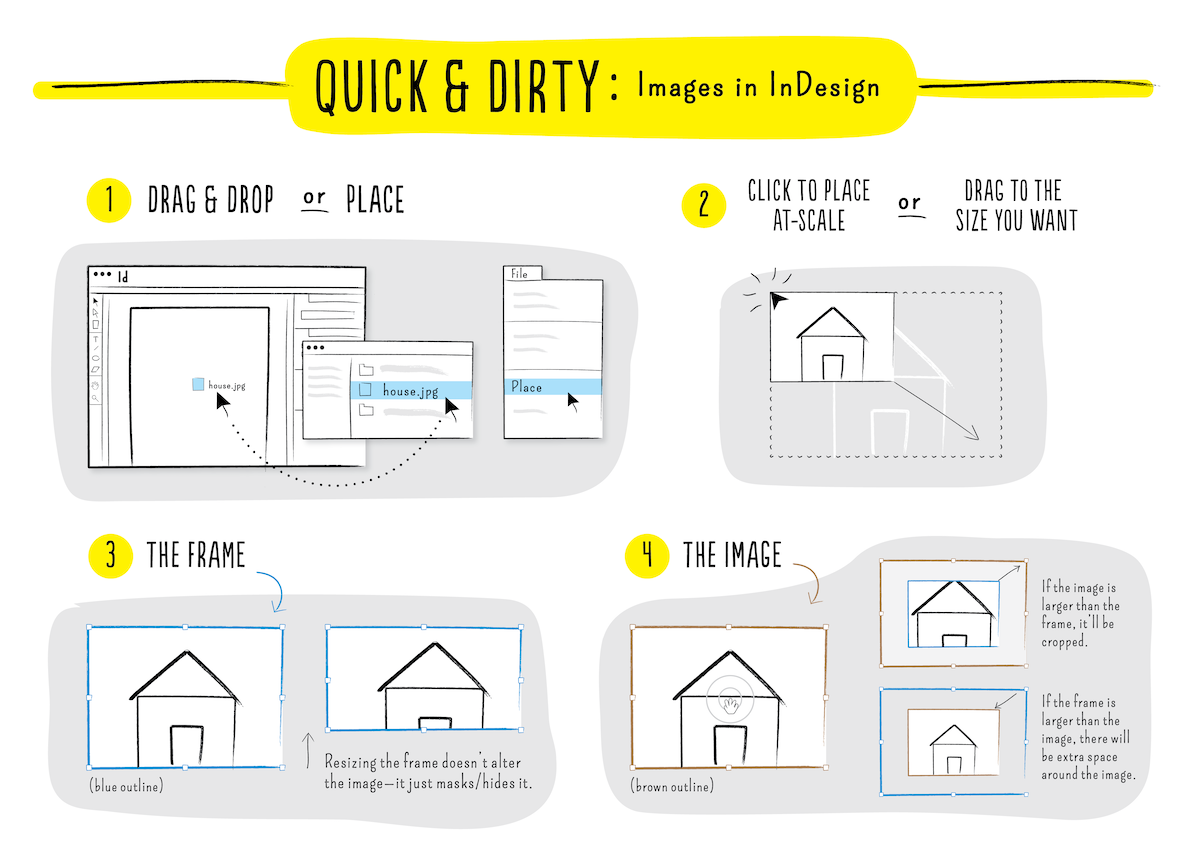
Sometimes you need to cut to the chase. If you're learning a tool outside your discipline, it's usually because a deadline is looming and your go-to experts can't help. There's no time to luxuriate in lessons. You need Quick + Dirty tips: bite-sized tool tutorials to beef up your skills, one morsel at a time.

Lindsey Turner
I’m passionate about building brands, products, and experiences that help organizations show up with meaning and momentum.
I help organizations cut through complexity by shaping how they show up, through brand strategy, identity, and storytelling.
Working at the intersection of brand and business, I bring an editorial eye and a bias toward making—turning ideas into tangible experiences that people can understand, trust, and believe in.
My work spans government, healthcare, financial services, media, and consumer goods, from launching Gen Z-focused ventures to building innovation labs and reimagining legacy brands. I relish moments of ambiguity and enjoy translating across teams, perspectives, and priorities to move ideas forward.
I started my career in editorial and digital design, shaping cross-platform experiences and identity systems in publishing and agency environments. That foundation still shapes how I work today: I’m detail-oriented, collaborative, and overreliant on the Oxford comma. I hold a BFA in Visual Communication from the School of the Art Institute of Chicago.

Rachel Young
My work helps organizations see who their products aren't working for—and build the will and the tools to do something about it
For 25 years, I've asked the same question: Who does this design exclude—and what are we going to do about it?
My work spans human-centered strategy, inclusive design, and qualitative research, with clients ranging from Microsoft, Google, and Verizon to the National Science Foundation, and San Francisco Unified School District.
Before IDEO, I taught elementary school in East Palo Alto and spent a decade doing design work with social service organizations—where I learned firsthand what it costs people when systems are built without them in mind.
I am currently writing User Error, a nonfiction book about digital access and the design decisions behind it. I live in Oakland, California.

Brian Pelsoh
I lead with craft, ensuring our work is creatively excellent: rooted in deep human insight and imagination, while also grounded in the realities of business and technology.
My expertise spans brand, communication, and product design across tech, education, the arts, and social impact.
I believe great work demands both high-level vision and obsessive attention to detail, and only happens through collaboration.
I bring an inclusive, hands-on approach and a deep understanding of business, which enables me to consistently deliver excellence while always asking why.
Before joining IDEO, I worked at the brand firms Pentagram and VSA Partners. I began my career as a designer, leading teams at the School of the Art Institute of Chicago and the Milwaukee Art Museum. I hold an MFA in graphic design from Maryland Institute College of Art and a BFA in communication design from the Milwaukee Institute of Art & Design, and have taught at some of the best design schools in the US.

Tony Wong
I am responsible for IDEO’s long-term success in China and working with clients to use design as a tool to enable growth.
I am responsible for IDEO’s long-term success in China and working with clients to use design as a tool to enable growth. Specifically, I have helped Chinese companies design holistic brand solutions through the development of their products, communication, services, and innovation teams, and I have helped multinationals expand their presence and influence in China.
I advise global leaders on developing China-led innovation and capabilities.
In over 15 years in IDEO Shanghai, I have worked on projects that use design to elevate the quality of the experience of healthcare products and services, streamline processes that increase productivity, create spaces and programs that promote and enable inclusive communities, and build next generation mobility solutions that are planet-positive.
Before joining IDEO, I worked at Philips Electronics and the Electrolux Group in Italy, the Netherlands, and Singapore on a number of breakthrough commercial products. I am a member of the Young President Organization in Shanghai.

How to use AI as an editor, not a writer
Ed White shares how he uses AI as an editor—not a writer—to sharpen storytelling, rehearse ideas, and preserve the productive friction that makes creative work better.
Ed White has a rule he's tested on his own writing: hold yourself as the writer, and let AI be your editor. Ed is a Senior Design Director at IDEO's London studio, where he co-leads the firm's AI portfolio across Europe. Before IDEO, he spent 12 years as a writer and editor at the Financial Times, Wired, and Contagious. So when he talks about when to use AI for storytelling and when not to, it comes from two decades of crafting his storytelling skills.
In this episode, Mina Seetharaman talks with Ed about two specific tools he uses to keep AI in an editor's seat: a "roasting agent" prompted to critique his drafts without any sugarcoating, and a simulated audience he rehearses pitches on before the real thing. They also get into what Ed is hearing from design leaders at Anthropic, Lovable, Shopify, and Google Creative Lab about how creative work is changing, and why he thinks the friction of writing something yourself is worth protecting rather than automating away.

Building a personal AI for the messiness of life: Sida Li
Becca Carroll talks with Cue co-founder Sida Li about designing a personal AI for the messiness of everyday life—not just work. They explore how Sida stays anchored to human needs while navigating fast-changing technology, product tradeoffs, business-model experimentation, and the realities of building an AI company today.
Most AI products today are built for work—a space with clear problems and established systems. One founder noticed a gap: personal life is messier, harder to systematize, and mostly left behind by the AI boom. So she built Cue, a personal AI that lives inside iMessage and group chats, to go where the other tools haven't.
In this episode, Becca Carroll, IDEO's Chief Strategy Officer, talks with Sida Li, co-founder and CEO of Shared Context Lab, about staying anchored to a human need while the technology around her keeps changing shape, why she treats her business model with the same rigor she'd bring to a product, and what it feels like to build a company at this particular, disorienting moment in AI.
The conversation also gets into how Sida makes design decisions: the language Cue uses to describe itself, the tradeoffs behind building inside iMessage instead of a new app, and a real story about a business idea that didn’t pan out.
This is the second in a two-part series profiling founders from IDEO's Startups-in-Residence program. The first conversation is with Johannes Seemann, founder of Sooner, on designing GenAI for the emotional side of money.

Designing GenAI for the emotional side of money: Johannes Seemann
Designing financial tools around the feelings that shape money decisions.
Most personal financial tools are built to run the numbers and optimize towards a budget. While that works for some, most people experience money as a lived relationship that does not neatly fit into a spreadsheet. Johannes Seemann and Becca Carroll discuss why money is emotional before it is mathematical, and what a human-centered approach to building a generative AI financial product looks like in practice.

The curious leader's edge in uncertainty: Scott Shigeoka
How genuine curiosity helps leaders navigate uncertainty with greater confidence.
Mina Seetharaman talks with Scott Shigeoka, author of Seek and Head of Curiosity Cultivation at the Eames Institute, about what distinguishes genuinely curious leadership from performative curiosity, how power dynamics shape curiosity, and why practicing curiosity can restore energy rather than drain it.
Looks like you might be in search of something very specific?
Or reset the filters above and try another angle.
Here’s some random inspiration

Podcasts about creative leadership

Articles about the power of prototyping
























.jpeg)
.webp)