.svg)


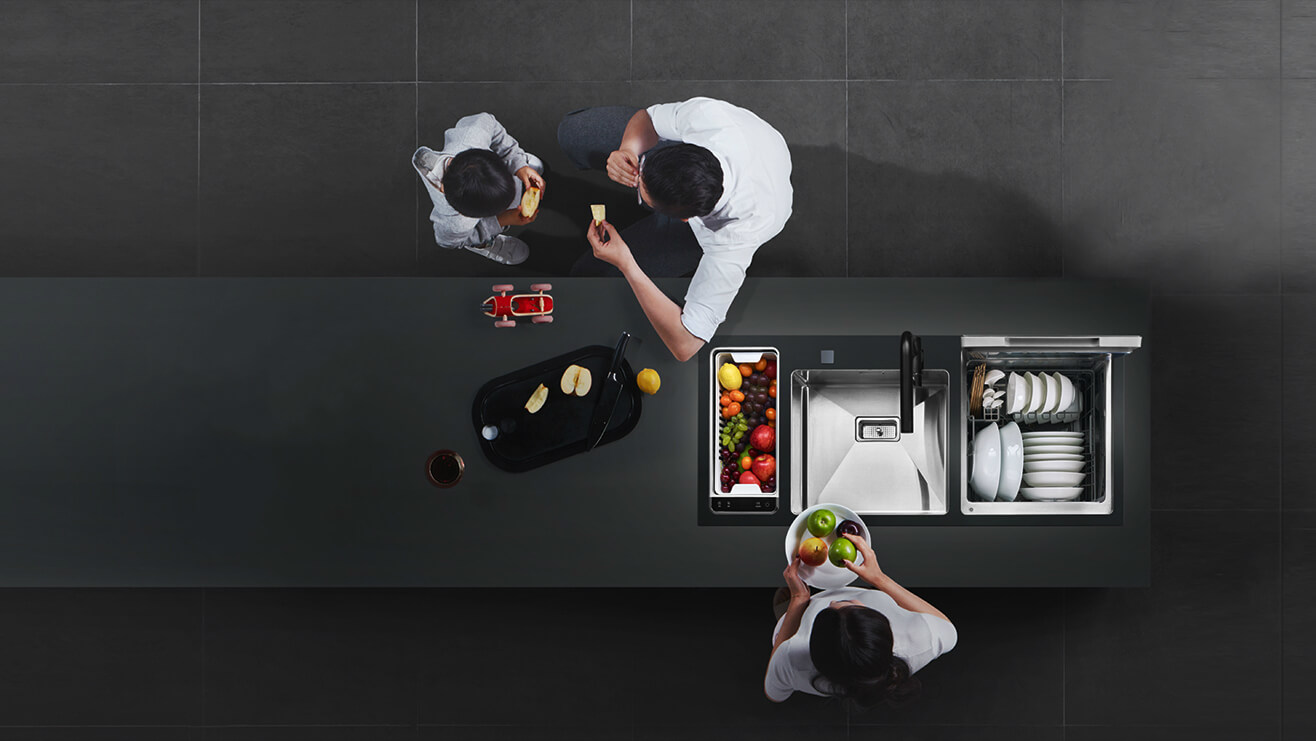

Introducing China’s first sink dishwasher
Fotile, the country’s top kitchen brand, unlocks a new category.
IDEO and Fotile have had a relationship since 2009, working together on projects including a unified design language for product offerings, retail environments, and IoT strategy. For the dishwasher, IDEO and the Fotile research team came together for design research, shadowing Chinese families in different cities as they prepared meals from start to finish. Together they discovered that unlike in Western cooking, where several kinds of cookware are used for different dishes, Chinese cooks tend to use the same cookware to prepare all of their dishes.
That meant that the cookware needed to be cleaned several times during a single meal preparation, rather than once at the end. In this context, the sink serves different purposes over the course of cooking—it’s a place to wash and store prepped ingredients, rinse the cookware, and deep clean the dishes used in food prep and during the meal.
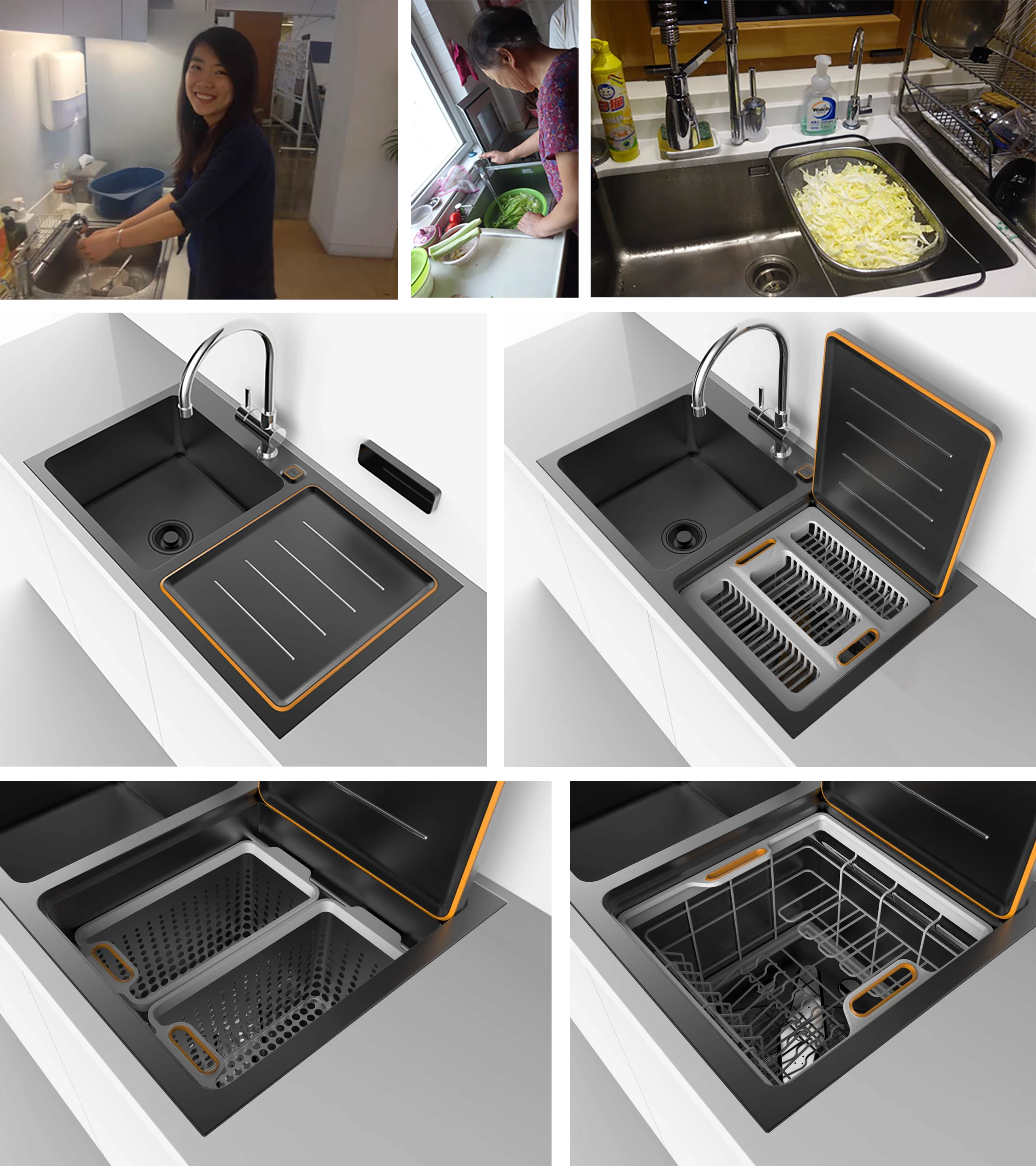
Based on this insight, IDEO made a list of product design recommendations that became Fotile’s Sink Dishwasher—a counter-level, multi-purpose appliance that specifically suits Chinese cooking habits. IDEO’s design guidance gave Fotile the confidence it needed to launch its product into the market, and served as a blueprint for the future iteration of Fotile’s Sink Dishwasher.
On March 25, 2015, six months after the project ended, Fotile launched the world's first sink dishwasher designed for Chinese families. Eight months later, its market share exceeded 30 percent, setting off a wave of innovation in the Chinese dishwasher category.
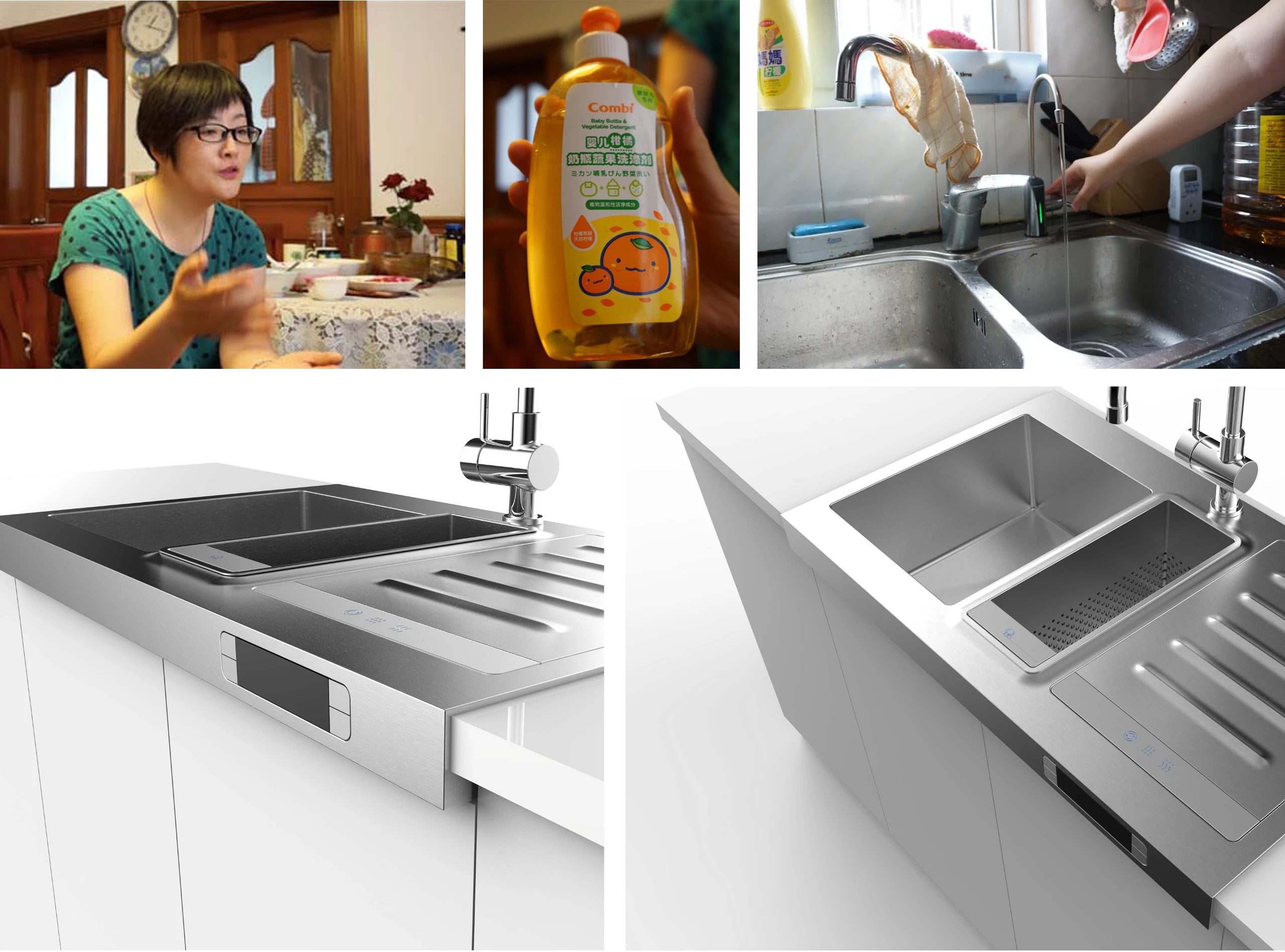
In 2016, Fotile introduced a three-slot dishwasher with an added compartment for cleaning fruit and vegetables—a direct response to a research finding that Chinese families are concerned about food safety. When this new model hit the market, Fotile’s dishwasher market share jumped to 41.1%. In China, Fotile is now synonymous with “sink dishwasher,” and the company has a widespread reputation among consumers as a symbol of a safe and healthy Chinese family kitchen.

Since its founding in 1994, Fotile’s Chairman, Mao Zhongqun, has made it his goal to “do nothing but build a high-end Chinese family brand.”
30%
Fotile Sink Dishwasher’s share of the market in China, just eight months after launch
41%
Fotile’s dishwasher market share after it launched a three-slot version in 2016
#1 selling brand
in the mainstream price segment of the Chinese dishwasher market as of August 2023

Growing a brand for modern Chinese parents
China’s BoAo Group expands from an auto industry manufacturer to a lifestyle brand for modern families.
BoAo Group’s idea to design a new baby car seat was fueled by a newly revised minor protection law, which made using child safety seats mandatory beginning June 1st, 2021. As ZUOWE and IDEO looked around China’s emerging car seat market, the team noticed a singular focus on safety and safety features across most international and domestic brands. There was a clear opportunity for a new product that could meaningfully differentiate itself by not only providing safety features but also meeting the needs of modern Chinese parents.
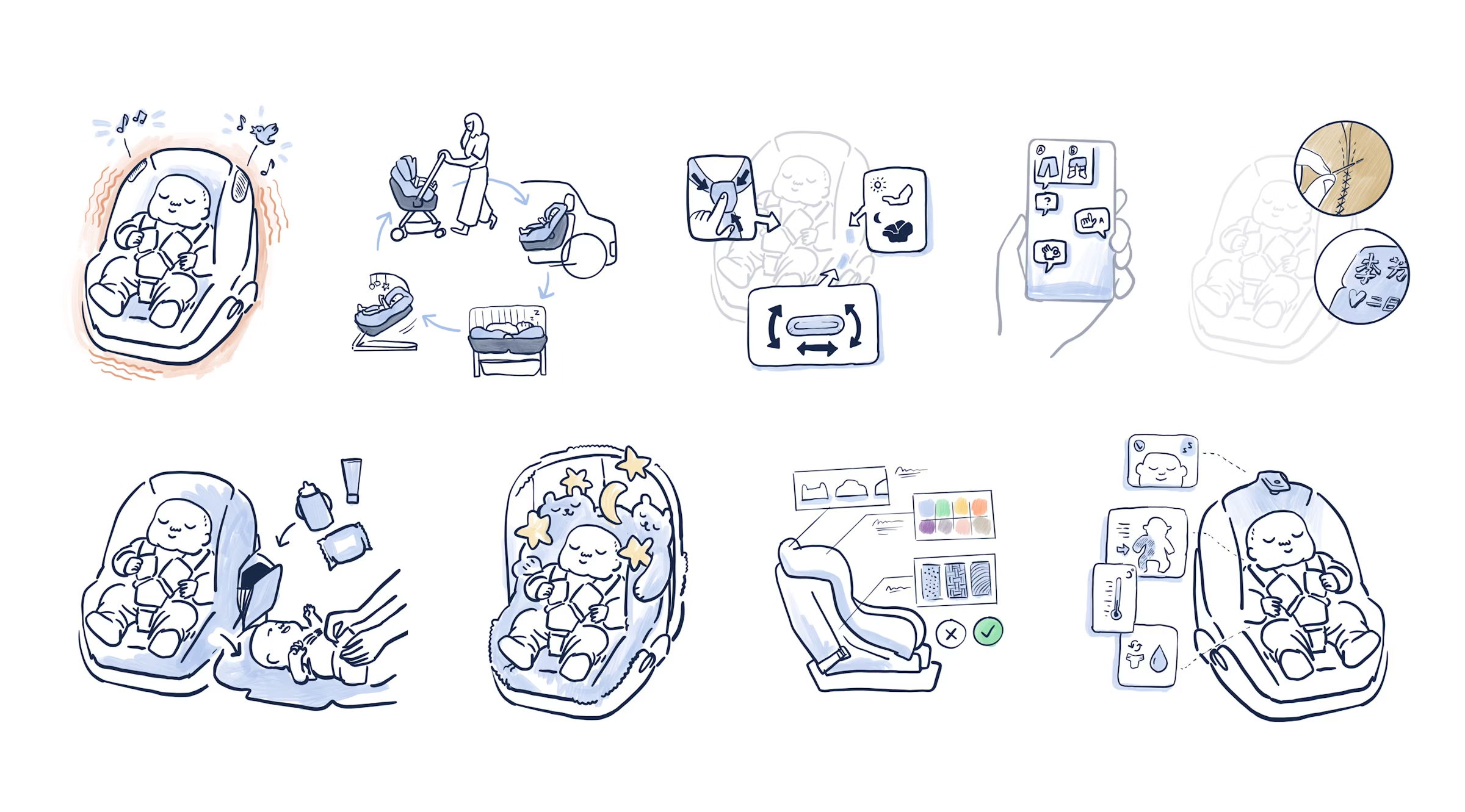
To kick off the project, the IDEO team needed to answer two questions: What matters to the new generation of parents in China? And how will their style and approach to parenting affect their expectations for baby car seats? Taking into account the potentially different consumer needs in different geographies, the IDEO team headed to Shanghai, a city with more than 25 million people, and the city of Taizhou in Zhejiang province, which has a population of 2 million. They conducted in-depth home visits to local families, visited many brick-and-mortar mom-and-baby shops, and interviewed people like specialized nurses, parenting experts, and child psychologists.
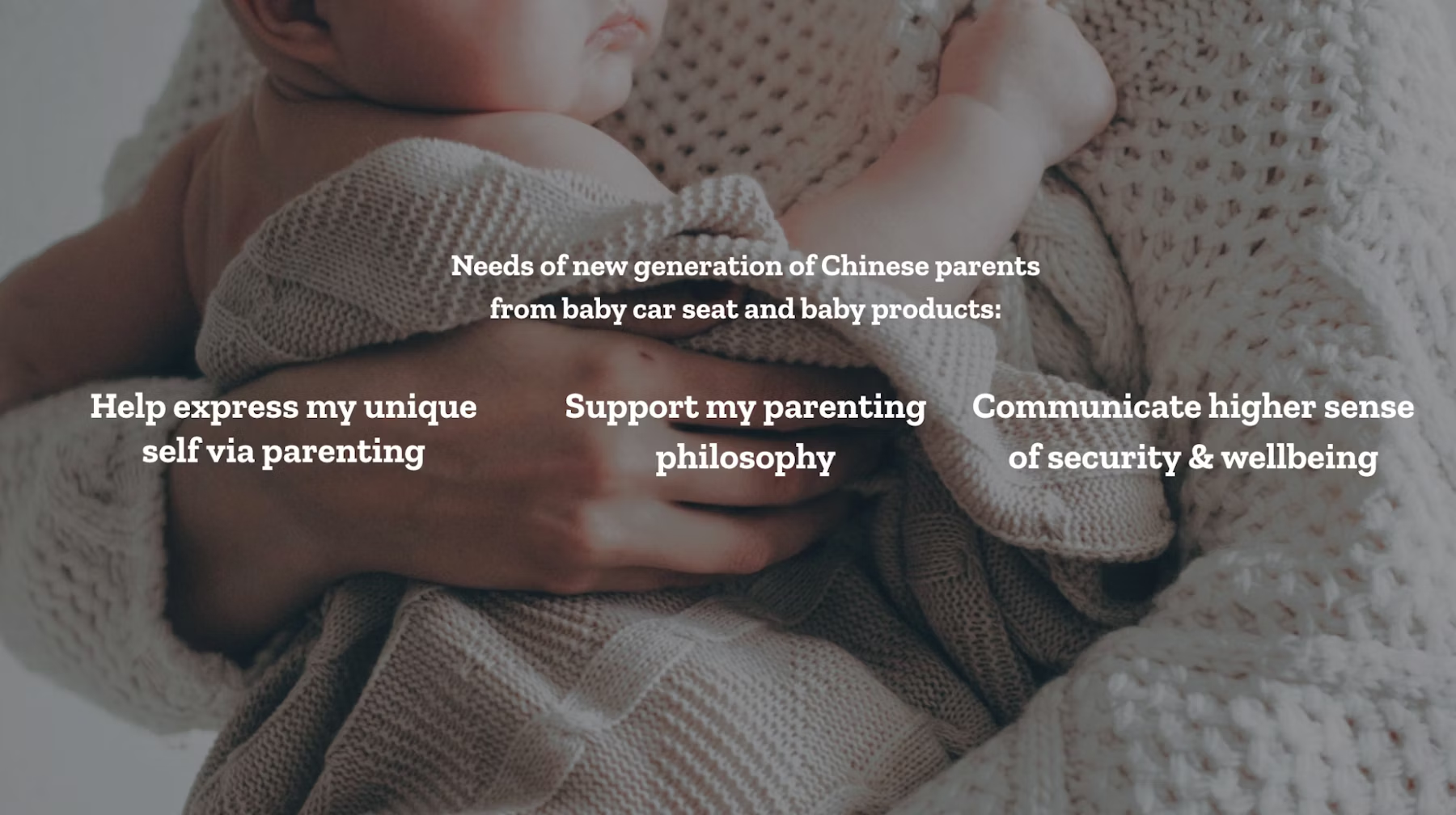
Despite the differences between the two cities, IDEO discovered commonalities during consumer conversations. Young Chinese parents were experiencing a perceived identity gap. As individuals, they felt they had distinct personalities and a clear sense of self. They actively expressed themselves through their clothes and belongings. But when they became parents, this sense of self weakened or disappeared completely. Their identities shifted to being someone’s mom or dad overnight. This new generation was eager to show their unique approach to parenthood as they used to express their sense of self. But many products were designed for children, with little regard for parents.
This core finding helped set the direction for the new baby car seat design and brand Maple&Co. However, there were still two significant challenges to overcome. One, IDEO needed to design a product with stringent technical regulations and standards on a tight timeline—ZUOWE wanted to launch the new car seat at an important industry trade show within the year. And two, the team had to help the organization transform its thinking and ways of working to be more consumer-centric.
BoAo’s strength lies in its 20 years of experience developing and manufacturing car seats for major domestic and international automotive brands. This gave the company an edge in overcoming technical barriers and driving mass production. But its engineering and manufacturing mindset had become a barrier to transforming into a D2C brand. With such ingrained ways of working, pivoting to a more creative process can be hard.
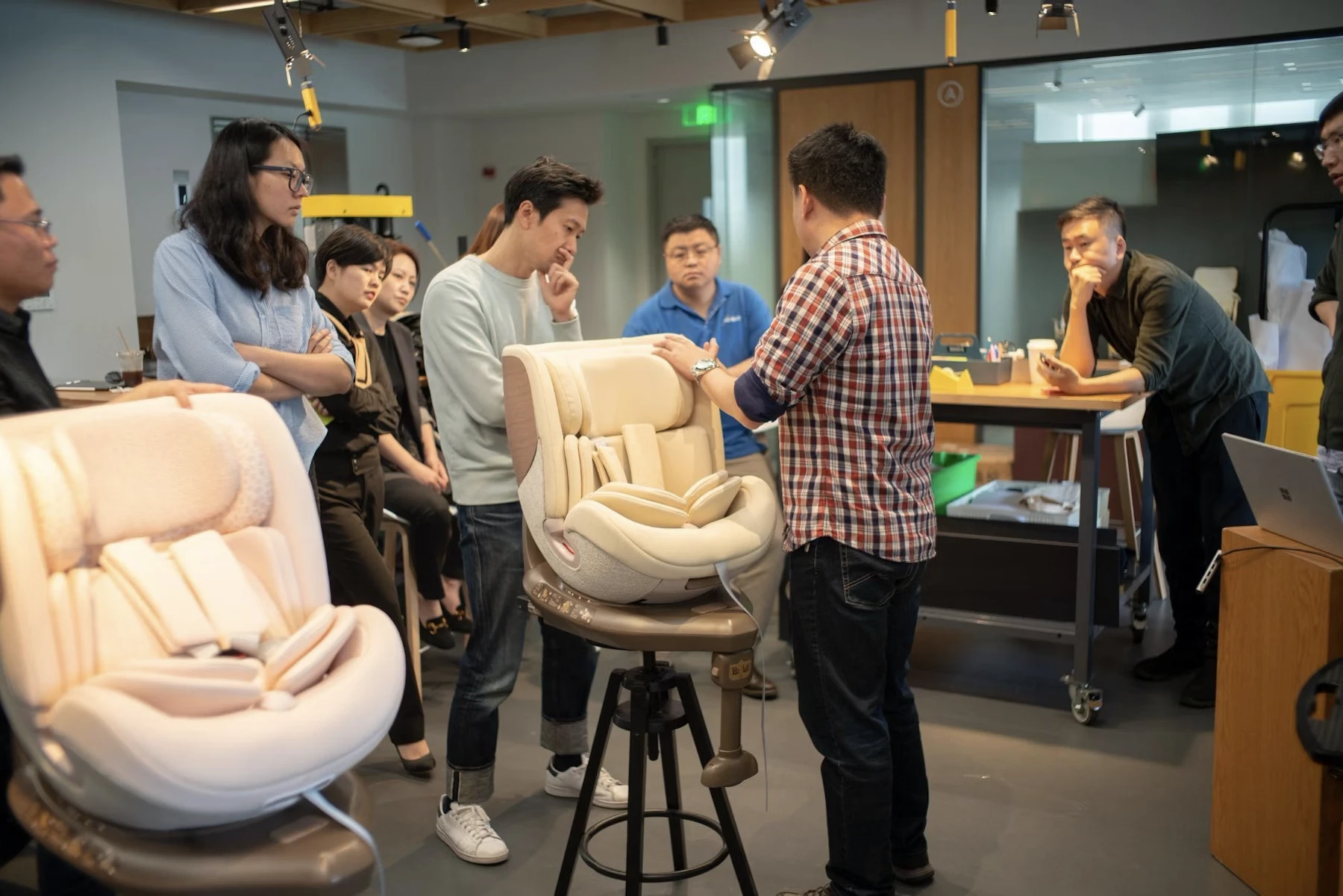
To address this hurdle, IDEO set up co-creation workshops, bringing together ZUOWE’s newly formed baby car seat team and manufacturing experts from their factories to discuss design direction and details early on. The benefits of the collaboration were clear: It was easy to share feedback in a timely manner and make product design decisions very quickly. When IDEO presented a design that emphasized natural textures during a workshop on brand positioning, a member from Bo Ao’s manufacturing team said, “This feels very different. This could become a major selling point,” and that they had “never seen” anything like it done by other baby car seat brands.
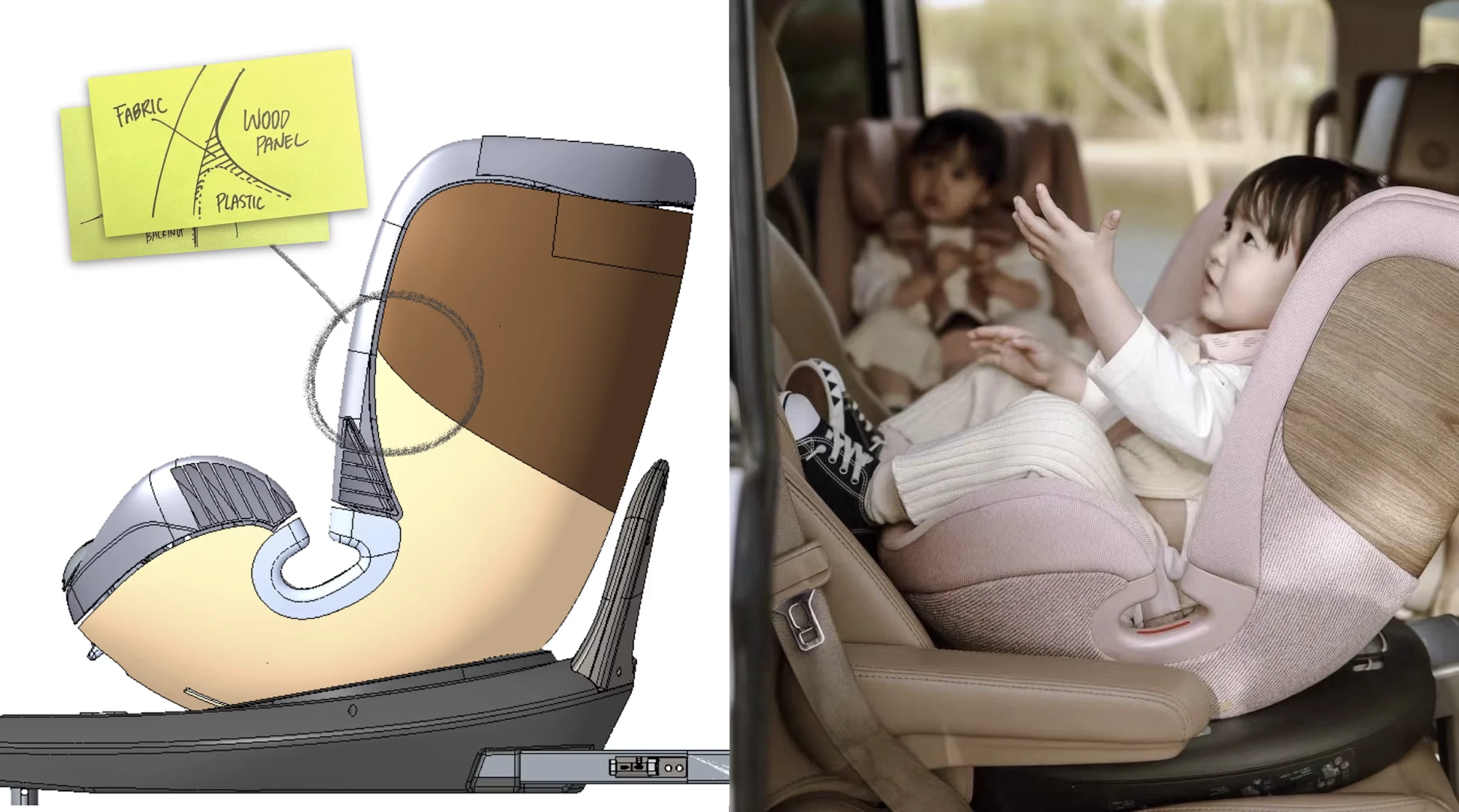
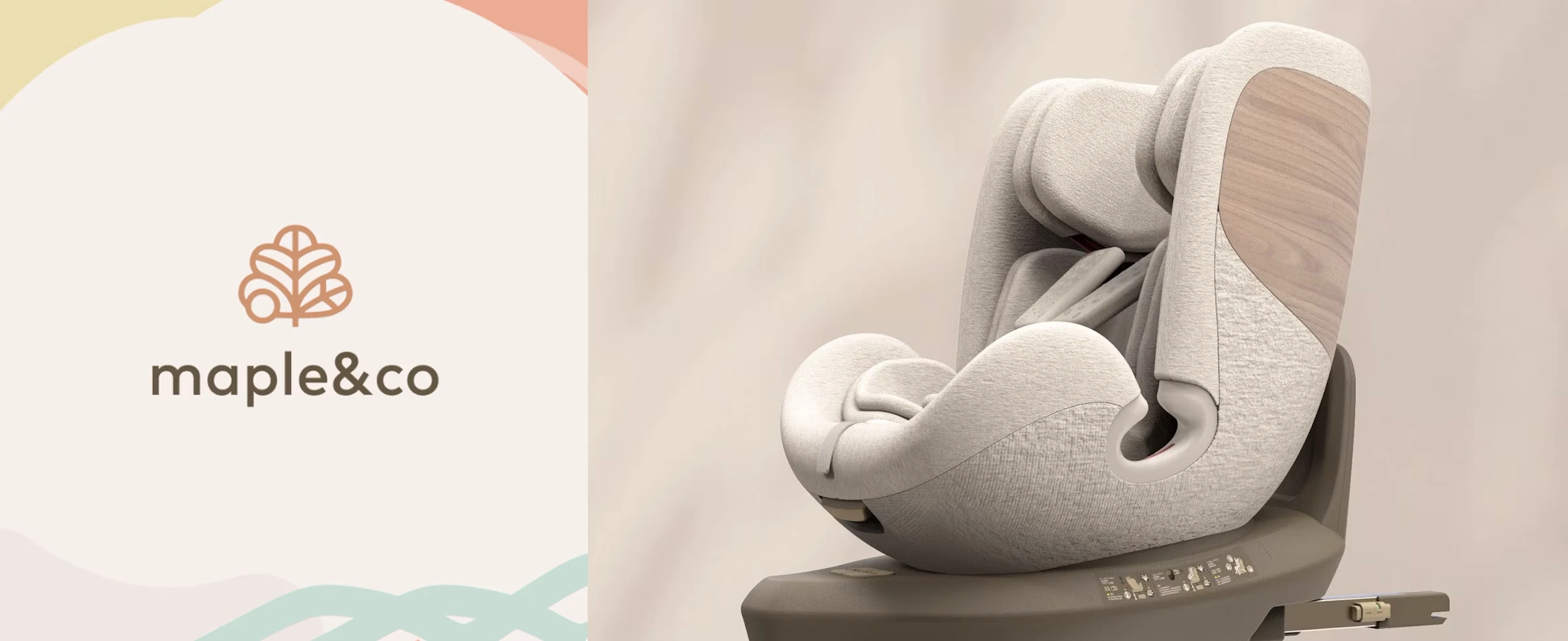
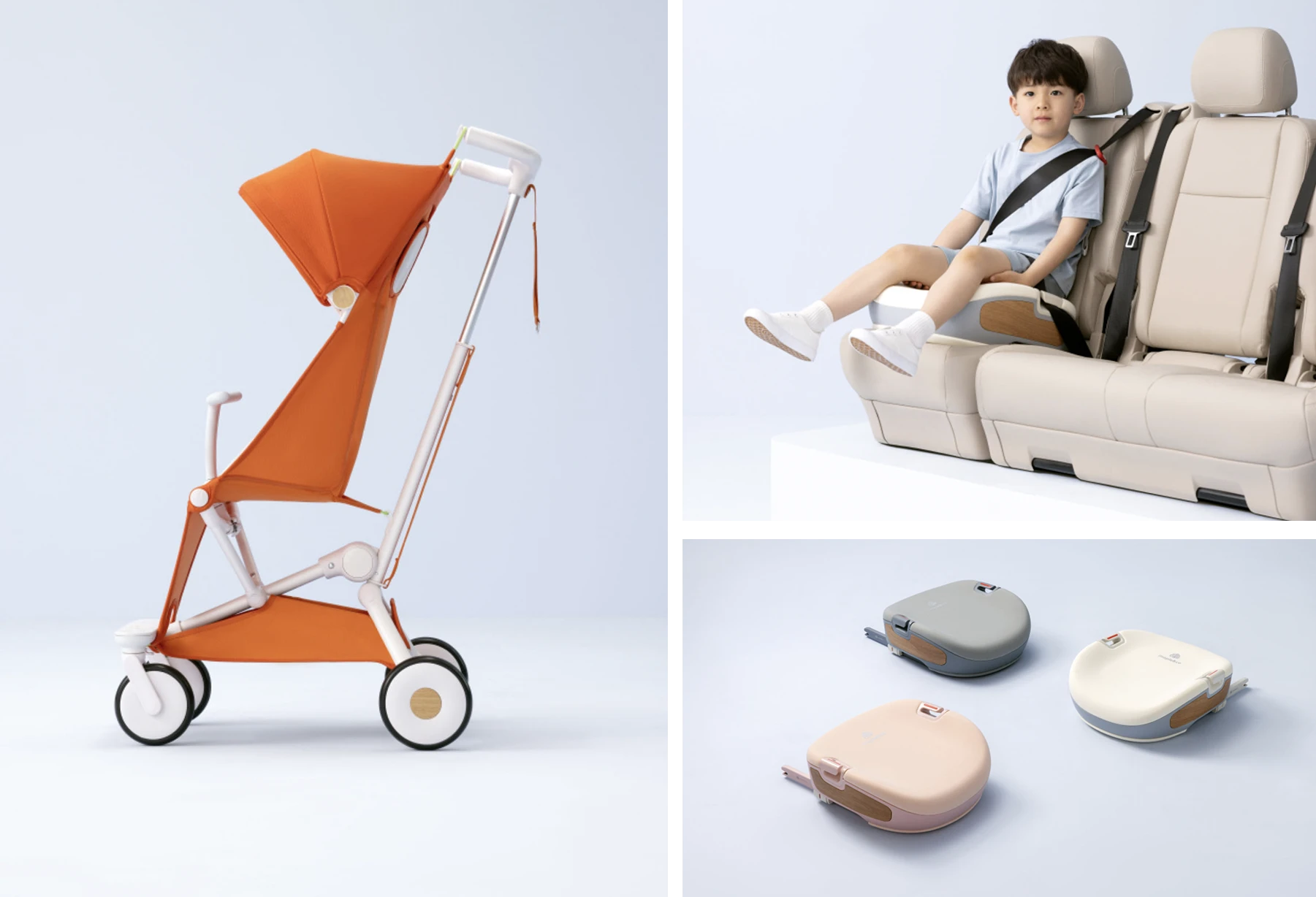
A year after working together, ZUOWE Technology launched Maple&Co and the new Maple baby car seat across its main e-commerce channels. Modern and minimalist in soft natural colors and wooden veneers, Maple appeals to the aesthetics of young parents in China. Despite a series of micro COVID outbreaks in China, within three months, Maple had already achieved better-than-predicted sales and received favorable comments about the look and quality of the car seat from parents. Fast forward two years, additional collaborations with IDEO have enabled the young startup to grow its child travel portfolio from a signature car seat into a more holistic offering that includes highly functional, fashionable, and adaptable car booster seats and strollers that thoughtfully address the needs of modern Chinese families across various life stages at home—and on the go.
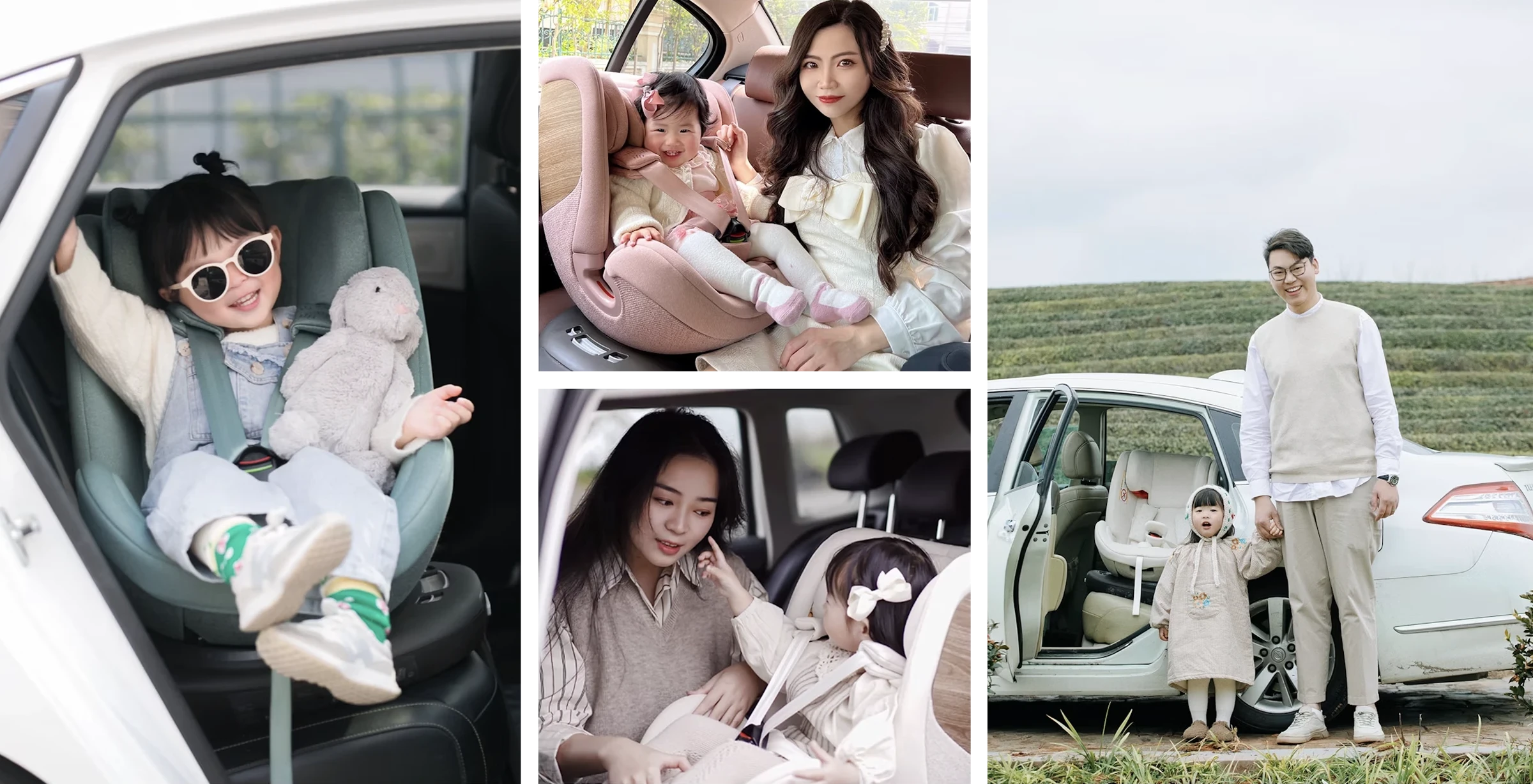
China's minor protection law mandated the use of child safety seats beginning June 1, 2021.
Despite incoming regulations fueling a surge in purchases, car seats on the market rightly prioritized safety but did not consider the emotional needs and lifestyle preferences of a new generation of Chinese parents.
1 year
after the project ended, a new, differentiated baby seat product and brand, Maple&Co, launched
Top 6
during the 2023 “Double 11” shopping festival, Maple&CO secured the 6th spot on Tmall's new brand pre-sale list
How a $4000 vet bill sparked innovation at American Express
American Express and IDEO teamed up to design features that offer Card Members more payment control and flexibility.
“Over a year ago, I had to take my cat to the vet for an unexpected and expensive surgery,” says one Card Member. “To be honest, I still don’t know if I’ve paid the bill off.”
Many crave the flexibility to pay for large purchases over time, but also want to avoid the pitfalls of debt. Others rely on debit or cash for small items—no one wants to accumulate interest on a cup of coffee, lunch with a friend, or box of Kleenex—but then miss out on valuable rewards.
American Express worked with IDEO to help them attract new customers by understanding what financially stable young adults wanted in a credit card. The team began by interviewing more than 120 millennials to understand their payment behaviors around debit and credit, and how they think about borrowing and spending.
One person described the monthly panic of receiving his bill—described as “statement shock”—and his habit of making multiple payments before his billing cycle closed to ease this anxiety. Others were wary of credit because of a large veterinarian bill or financial mistakes made in their 20s, and relied on debit because it felt safer than accruing a balance to pay off. Overall, the team learned that many consumers experience anxiety about paying their bills. And while financial products that offer more flexibility and control have been needed for years, they are especially valuable in times of economic uncertainty like today.
Based on this research, IDEO prototyped, iterated, and refined two concepts, with frequent feedback from users and the client. Called Pay It Plan It, this feature offers financially responsible consumers more transparency, confidence, and control.
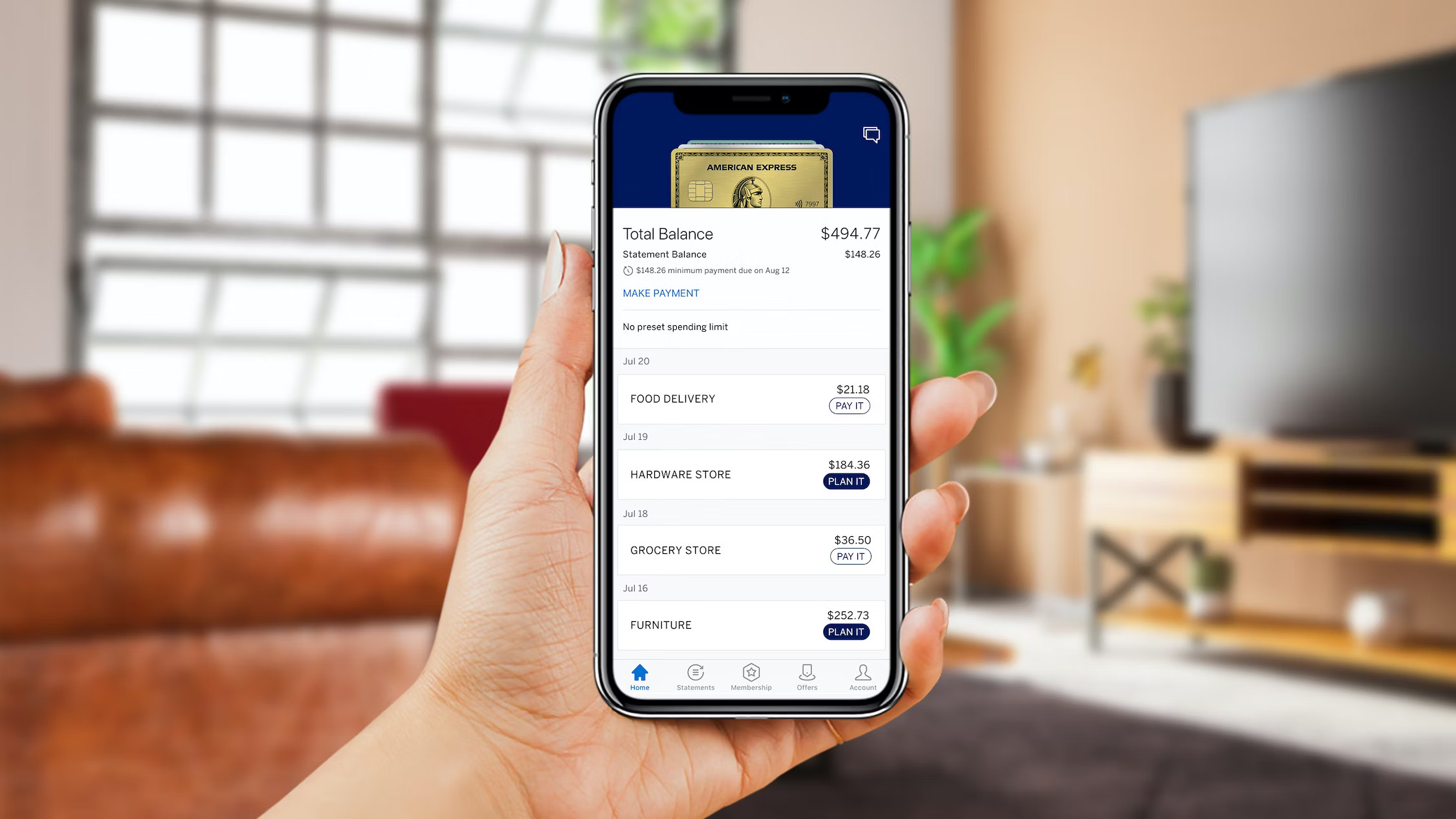
Pay It allows Card Members to quickly pay for small purchase amounts under $100 with a few taps in the American Express mobile app. When that purchase shows up on their account, they can choose “Pay It” and still earn rewards on the purchase. This ensures Card Members can take advantage of rewards while lowering their monthly bill by paying for smaller items throughout the month.
With Plan It, Card Members can split up larger purchases of $100 or more—like an emergency trip to the vet or a new sofa—into equal monthly payments, with a fixed fee and no interest. When the purchase appears in their account, they can select “Plan It,” and will be offered up to three monthly payment plans, ranging from three to 24 months. Each plan comes with a fixed monthly fee and no interest. Card Members know exactly how much they have to pay each month, so there are no surprises. And if they pay the purchase off early, they no longer have to pay any future plan fees.
The design of Pay It Plan It did not come without challenges: Bill pay is critical, complex, and highly regulated. Pay It Plan It required a significant internal financial and technical investment, which was achieved after IDEO shared many of the emotional, compelling stories from credit card users with leaders at American Express.
The team worked closely with the American Express regulatory and digital teams to ensure compliance and seamless integration into the mobile app and website’s user experiences and interfaces. To heighten the sense of competence, control, and transparency for users, the designers focused on small interactions like status animations, proactive suggestions, and straightforward language. These interactions help Card Members anticipate upcoming payments and clearly understand Pay It Plan It.
Plan It was designed with transparency, control, and accessibility in mind: The payment plan fee is displayed in dollars to give the customer certainty over their total costs.
Initially, the team set out to create a new credit card with the needs of young adults in mind. But IDEO and American Express realized that Pay It Plan It could be scaled across existing credit card products to ultimately benefit and attract more Card Members. Now, almost all U.S. American Express Consumer Card Members have access to Pay It Plan It through credit cards, co-branded cards, and the well-known Green, Gold, and Platinum Cards. Since launching in 2017, Card Members have created nearly 5 million Plans, totaling nearly $4 billion in purchases, with an average Plan size of $789. Millennial and Generation Z Card Members have created approximately 44 percent of these Plans.
The flexibility and control offered through Pay It Plan have earned American Express positive press, including a call-out in The New York Times for being among solutions that “make it easier for their customers to borrow money, and to manage their monthly cash flow.”
At first glance, design-led innovation may seem difficult to achieve in large, established organizations like American Express, operating in a highly regulated and deeply rational industry. But the IDEO and American Express team successfully found ways to introduce new behaviors like rapid prototyping, cross-discipline collaboration, and leading with emotional customer stories within the existing organizational culture and structure. American Express has since established a permanent Pay It Plan It team dedicated to evolving the feature. Made up of employees across departments, this points to a new and collaborative team structure for the company.
By seeking to understand the human behind the Card Member, American Express has transformed credit and financial services for the better, helping both to be defined by empathy, utility, and transparency.
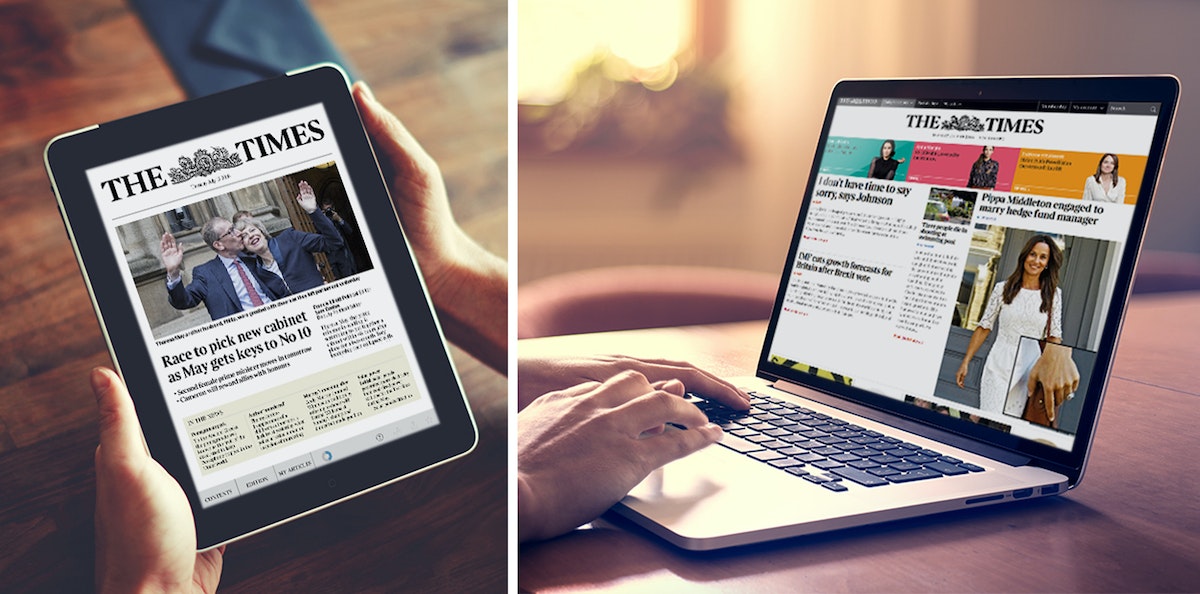
The bold publishing strategy that turned a traditional newspaper Into a digital leader
How bucking the trend of round-the-clock digital publishing led to an enormous payoff for The Times and The Sunday Times
For more than two centuries, The Times held a strong reputation as a storied British newspaper. Then came the digital deluge. Publication after publication began adopting a relentless online publishing schedule aimed at capturing eyeballs and subscribers, and guarding against waning advertising sales and print readership. But The Times and its sister publication The Sunday Times thought there might be a different way forward.
As Editor John Witherow explains, “the power of an edition” had long endured at The Times, but began to erode amid a round-the-clock breaking news cycle. Witherow didn’t want to do away with editions, but rather to update the model for the digital age. Times owner News UK approached IDEO in 2014 to explore exactly that: what the edition of the future might look like and how its design could drive revenue and subscribers.
IDEO’s research and design phase included interviews with readers, journalists, editors, and marketers at News UK. The team found that people’s reading modes vary—some reflecting new digital behaviors and others adhering more closely to paper-reading styles.
Readers, the team learned, chose The Times for its editorial opinion: a perspective that cuts through the overwhelming flood of information. They viewed the daily Times and weekend Sunday Times as one paper, despite the organizational distinction. And they were proud of their choice, valuing the papers’ consistency, trustworthiness, balance, and authoritativeness. Readers wanted these qualities distilled in a digital edition, whether on a smartphone, tablet, or on the web.
Those insights led to strategic recommendations spanning digital products, editorial, advertising integration, online membership offers, and social sharing. But the boldest among those was a publishing strategy that seemed to run counter to media trends: abandoning a real-time approach in favor of publishing separate digital editions.
The Times in March 2016 introduced an editions-based publishing schedule, with new editions available across all platforms four times each weekday: overnight, 9am, noon and 5pm; the weekend schedule shrank to three editions. A year in, they had broken that schedule fewer than a dozen times—making exceptions for major moments like the terror attack in central London and David Bowie’s death—but even in those cases, The Times refrained from incessant updates, instead resuming its regular pacing.

“The way we’re publishing now, taking our time over news...taking a more considered view of the world, it’s helped us offer something different from everything else,” digital news head Alan Hunter told Digiday in 2018. Readers demonstrated that this different approach was something they’d been wanting.
In the first half of 2016, new paying-subscriber sales were up 200% as compared to the same period in 2015. At the end of June 2016, there were 413,600 subscribers to The Times and The Sunday Times, up 3.4% from a year prior. Of those, 182,500 were digital-only subscriptions—a 6% rise and a notable figure given how much online news can be obtained for free.
Through collaboration with IDEO, News UK's own digital teams capabilities grew, enabling them to implement and evolve their new digital strategy. The capabilities of the newsroom grew, too: “The decision to move to four editions a day has freed up tremendous resources to focus on big stories,” says Emma Tucker, Editor of The Sunday Times—the kind of stories that "supercharge engagement." The approach is working: By August 2019 digital subscriptions had increased 19% year-on-year to 300,000, showing the progress the legacy publisher has made in attracting readers to its online proposition. Total subscribers for the two titles' print and digital products now stand at 539,000, and their websites total five million registered users.
More than 230 years after its first edition was published, the new Times has established solid footing in the digital age and designed its own future—one based not on the habits of its competitors but on its legacy and the reading behaviors of its audience.
.jpeg)
5 ways we're using AI at work
Artificial Intelligence is our new office mate. Here’s how we're teaming up.
For anyone whose day job involves creating things—proposals or presentations that require fact-finding, writing, imagery, and video—it's changing how we make stuff. Love it or fear it, generative AI may be our new co-worker. And to ensure this co-worker is ethical, friendly, and aligned with our intentions, we must first explore it.
This phase of the AI revolution feels personal. Many IDEO designers are artists or writers—crafts that generative AI is uniquely suited to disrupt. So, we’re getting ahead of it and embracing these tools to explore how our creative process might coevolve with AI.
As we would do with any new colleague, we hope to learn how to have constructive relationships with these technologies, understand them better, and collaborate.
Way back in 2019—before generative AI was everywhere—we created a deck of AI Ethics cards, which you can download here. It was a good start, but there is much work yet to be done on creating an ethical human-AI ecosystem that endures long after the hype cycle ends.
Here are a few of the ways we’ve been experimenting so far:
1. Research Synthesis
The classic image of design thinking is people huddled around a Post-It–littered foam core board. During the pandemic, this process shifted to digital tools like Miro, Reduct, and Figjam.
Interaction Designer Takashi Wickes is using generative AI to further streamline the synthesis process—a method of organizing and interpreting research data in order to identify patterns, themes, and insights that can be used to inform the design of a product or service or experience. Using Reduct to transcribe his interviews, he highlights stand-out quotes. He then runs the quotes through Notion AI with a prompt like “What are the top 10 key takeaways from this conversation?”
Knowing that the AI doesn’t have the larger context of the project at hand, Takashi and his teammates use Notion AI’s output as supplemental input. Treating Notion AI’s output as a base to build on, they combine AI and human intelligence to go deeper, faster.
And, we’re already seeing startups form around this type of process: check out Vowel.
2. Concepting & Ideation
Designers come up with a lot of ideas. A typical ideation session begins with a prompt, something like: In a world oversaturated with screens, how might we support parents and children in connecting over the dinner table through games? We scratch our heads, think it over, and begin sketching out sacrificial concepts.
Recently, we’ve been experimenting with flipping this process on its head. Rather than coming up with an idea straight away, we use AI-based image generators like DALL-E or Midjourney for inspiration.
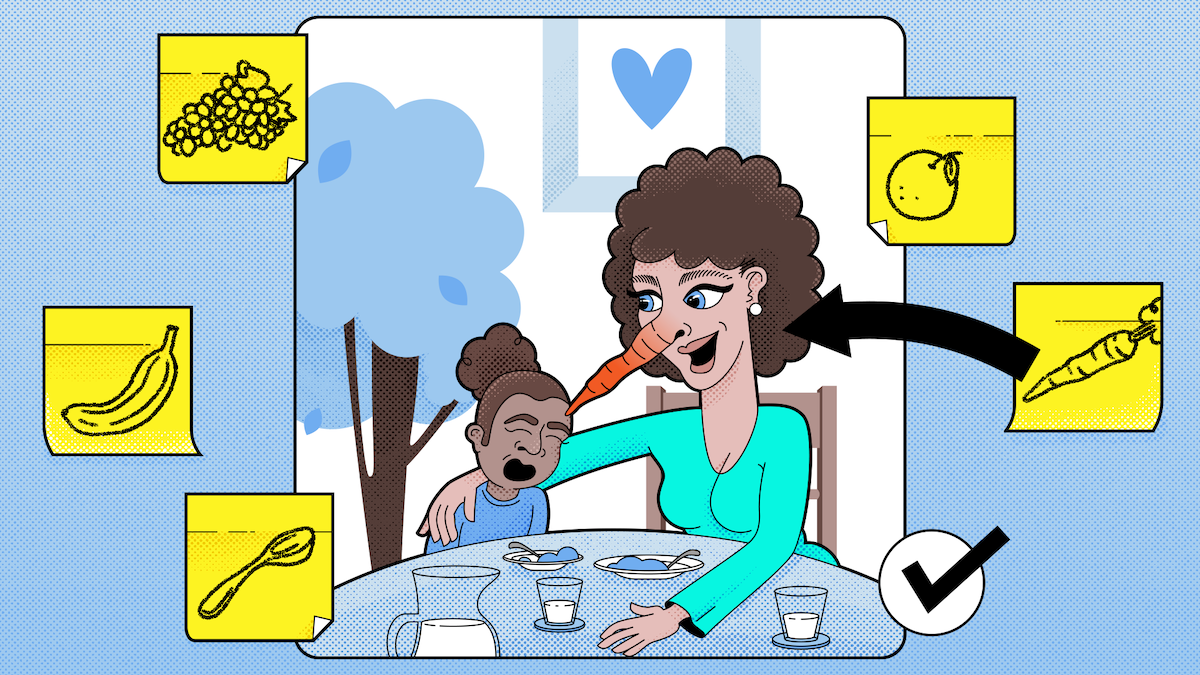
For a project on new dinnertime games, we fed DALL-E the prompt: “a family playing with their food during dinner.” The images rendered spark new directions that we might not have come to on our own. Mom with a carrot as a nose? Why didn’t we think of that? When you’re all at the table, why not use food as costumes in gameplay? Magical game design is all about turning expectations on their head. Now, we start to wonder… What other foods would make fun play pieces?
And of course, there are a cohort of new companies who are formalizing this process into a consumer tool: check out Fermat.
3. Critique
One thing we’re always exploring in our very riffy culture is how to get better at critique. There’s always this one thing to pick on: Weak insights. Insights at IDEO are concise statements that reflect our understanding about the current state of affairs in a given challenge and the way they are framed can be foundational to how we design solutions.
A few years back, before AI tools were everywhere, we made an insight analyzer chatbot. It looked for overused terms and poor word choice and would essentially chew you out. It was just an NLP bot that used natural language processing to match user chats with a set of known statements. The interface was a physical telephone (hotline). A funny gimmick with a simple learning: bots can get away with being mean.
Late last year, a team of brand and interaction designers started packaging up our favorite simple methods of critique and revisited the old insights hotline. Anne Graziano and I fed simple prompts such as “Give a brutally honest critique of the following insight: Meet people where they are at” to ChatGPT, and as might be expected, if you talk to an AI modeled after what’s said on the internet it’s going to be very good at criticizing things.
We tried the OpenAI api (GPT3_davinci-003) and got decent results, so we wired it up to an emoji reaction in a Slack channel. When you add a “crit” emoji to an insight, it replies with a critique. The original prompt was harsh and getting a bit obstinate, so our group adjusted to the prompt “Give constructive feedback on the following insight:” which changed the tone and made it more creative and fun.
Our colleague Takashi figured out that the AI was pleased to critique quotes from classic movies and romcoms, which Takashi sourced from ChatGPT (prompt: “Give me the 10 cheesiest famous lines from movies”). He then fed the AI old chestnuts like, "Life is not measured by the number of breaths we take, but by the moments that take our breath away." (Hitch, 2005).
4. Marketing Copy
As community builders at IDEO, we host a lot of events. Recently, when writing up the copy for an internal informational session about the fundamentals and history of generative AI, I turned to ChatGPT to write the marketing copy. The output was pretty spot-on, and ended up informing both the content of the event and the copy we used to pitch it. We built on it, of course—inserting things that we thought were especially important for our community to learn—but it was a true collaboration.
5. Slide Decks
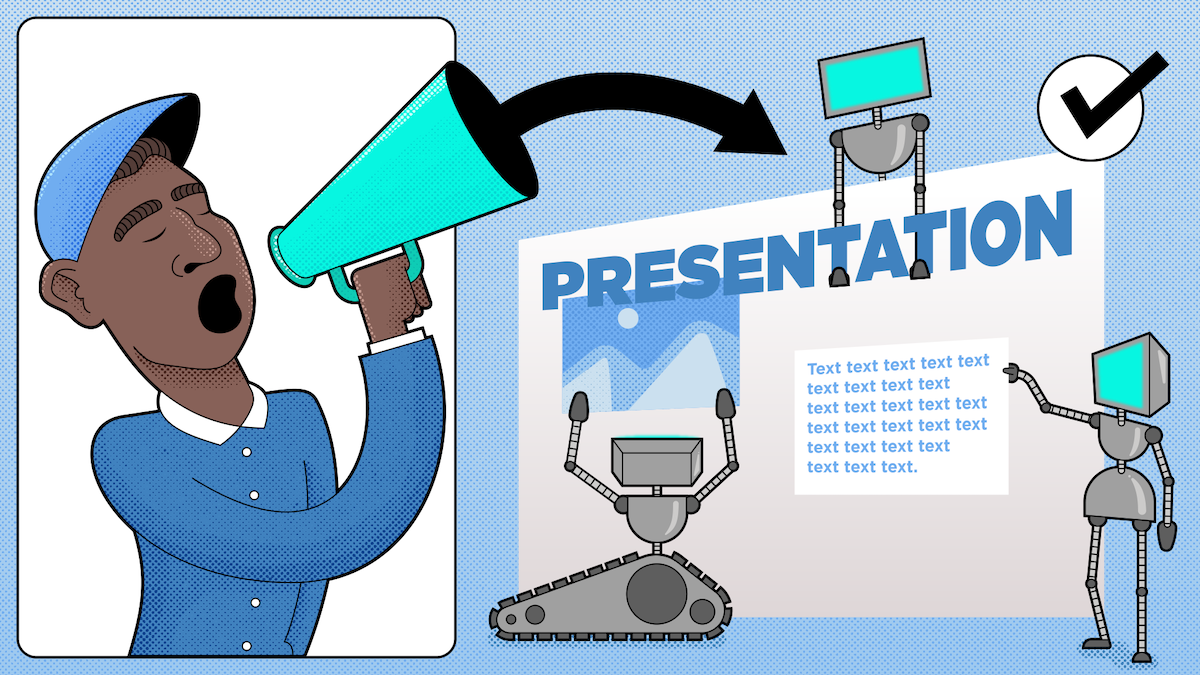
Google Slides are a staple of IDEO’s creative process. We use slides for project deliverables, ideation, business proposals, and internal events. We've found Tome.app, which creates AI-generated slides, to be a helpful springboard. Business designers are experimenting with the technology to refine their communications, interaction designers use it to think through how a new product might look, act, and feel, and our Play Lab is using it to explore new rules and play styles for games that do not yet exist.
Companies are forming around key parts of our creative process—capabilities which humans (and a few animals) once claimed as their sole domain.
In a 1948 documentary about U.S. agriculture called "The Land" the disruptive force of large-scale mechanization is described in a way that feels like it could be about this AI moment:
"These miraculous machines!
Do we shape them
Or do they shape us?
Or reshape us from our decent, far designs?
But we are learning.
We are learning to build for the future
From the ground up."
We’re curious: How are you using generative AI tools at work? We’d love to hear from you! Send us a note: Savannah Kunovsky & Danny Deruntz
Are you using ChatGPT yet? If the answer is no, keep reading.
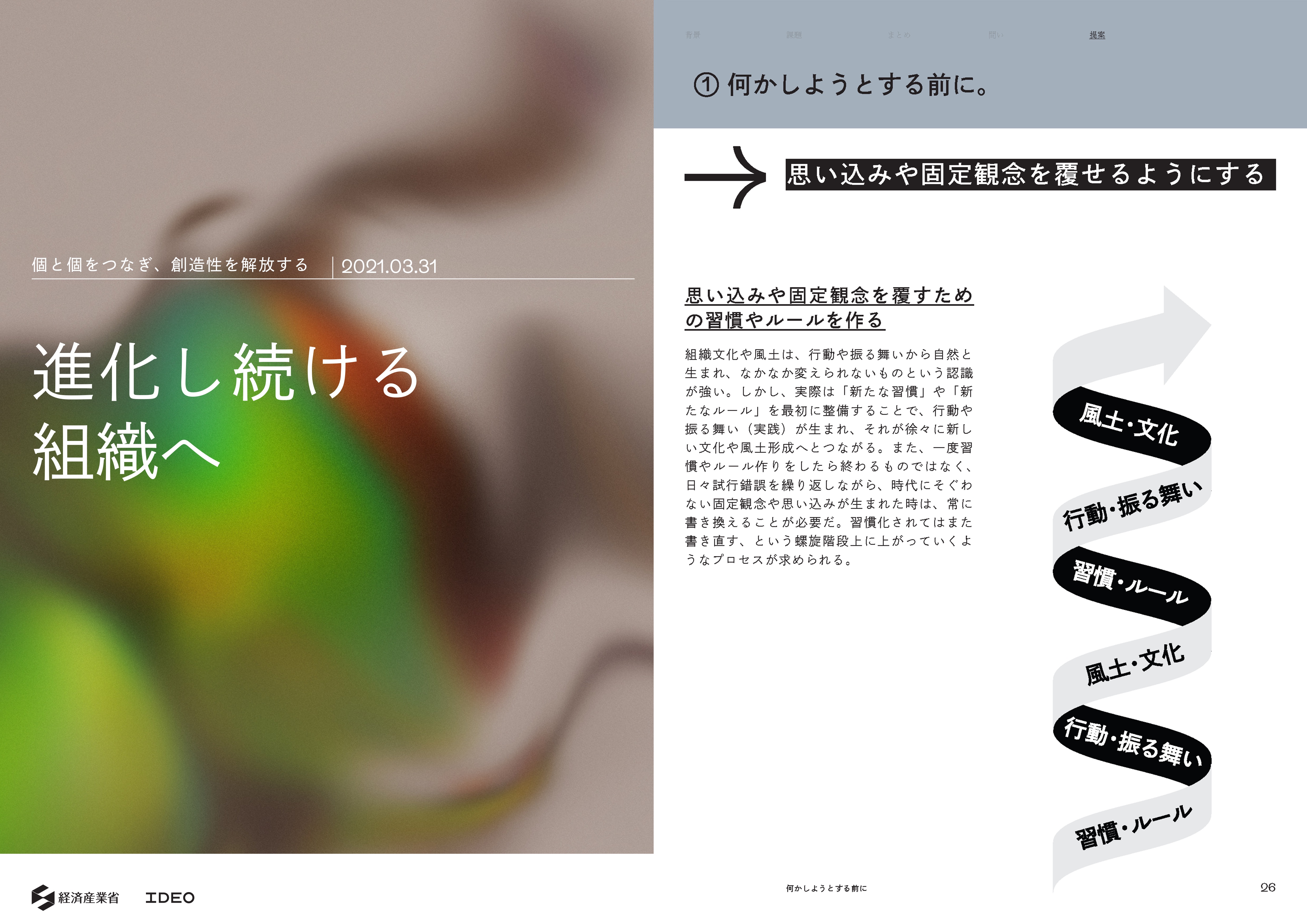
進化し続ける組織へ 〜個と個をつなぎ、創造性を解放する〜
「なぜ日本の組織では個の創造性を発揮することが難しいのか?」という問題意識のもと、さまざまな調査研究を実施。年代、専門性、性別などに多様性を持たせた「個と組織の創造性」に関する研究会を発足し、ディスカッションを重ねながら、同時にアーティストやスポーツ選手、デザイナーの方々へのインタビューを実施、そして国内外の中小企業、大企業に勤める様々な役職の方へのインタビューも行いました。文献や海外の事例に学ぶだけでなく、多様な方々と、とことん日本の組織に向き合ったのが、今回の調査の特徴です。
こうしたプロセスの中で浮かび上がってきたのは、日本社会における創造性に対する思いこみ。創造性は、一部の個に宿るものではなく、さまざまな人・モノ・コトの掛け合わせで生まれる。だからこそ、個の創造性を求める前にまず、どのように創造性が開きやすい環境を作ることができるのか。ここから、「どのようにして、固定観念を覆し、個々が問い続けられる土壌を作ることができるか?」という問いが生まれ、個と組織の創造性を高めるための考え方を「提案」として整理しました。
社会はVUCAの時代を迎え、日本企業は「創造性」を発揮することがこれまで以上に求められています。一方、個人に目を向けると、これらの複雑な社会や環境にどのように対処したらよいのかが分からず、次の一歩が踏み出せない「モヤモヤとした閉塞感」に囚われています。どのように組織や部署・グループの創造性を引き出したらいいのか悩んでいる方、どのようにまず第一歩を作ったらいいのか考えている方にぜひ触れていただきたいと願っています。
→レポートPDF:「進化し続ける組織へ 〜個と個をつなぎ、創造性を解放する〜」
提案
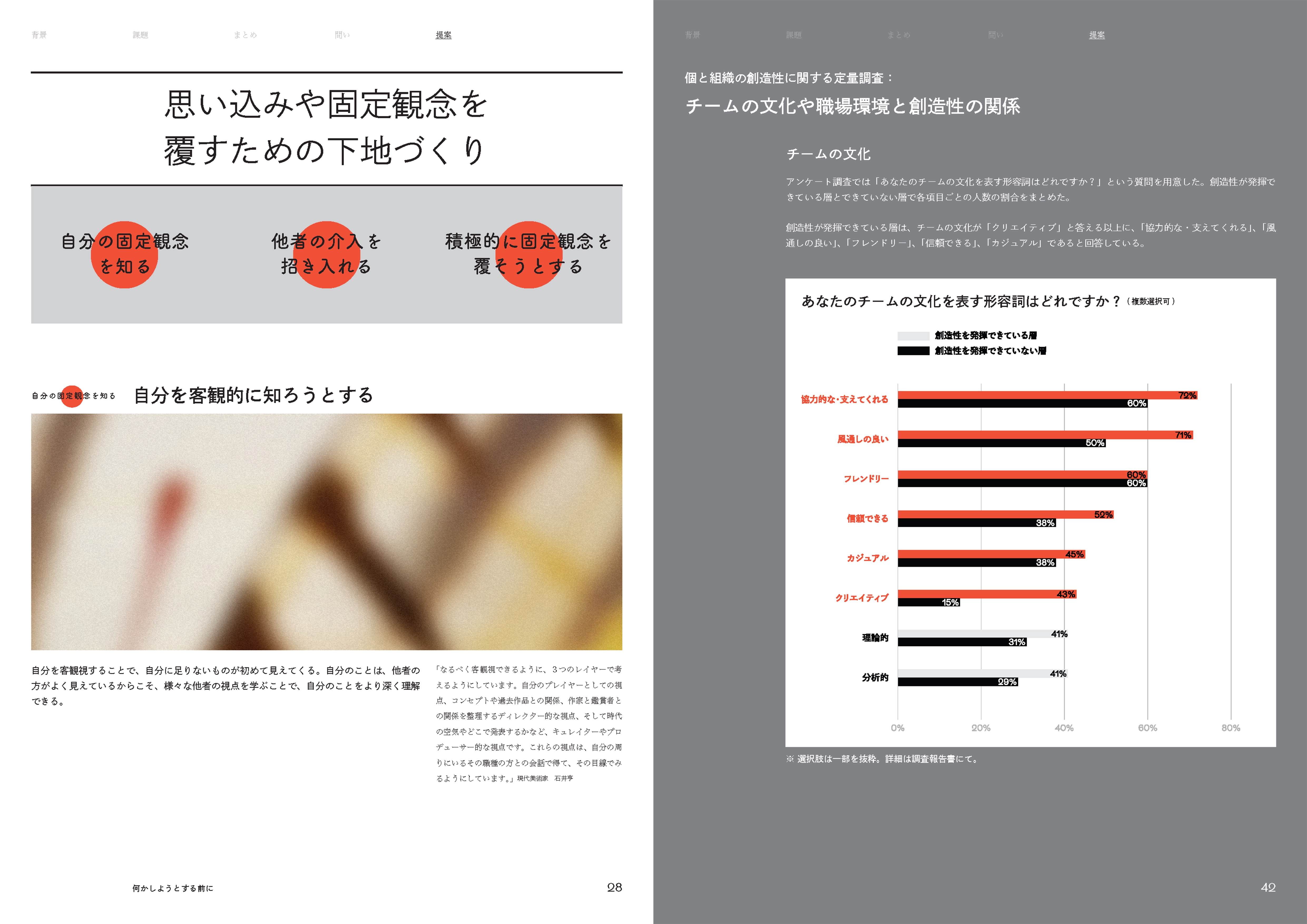
レポート内でまとめている提案のいくつかを例としてご紹介します。個々が創造性を発揮できる環境を作りたいが、まず何をしたらいいか悩んでいる方が、具体的に何かを始められるきっかけになればと考えています。
ヒエラルキーが逆転する場を作る

年齢、役職、性別、職種など、組織に根強く存在するヒエラルキーには、あえてそれが逆転するような場を作ることで、新しい考え方を取り入れる余白を生むことができる。
"階層やサイロ化が強い組織構造では、相互理解、相互の尊重が生まれるような環境づくりが必須だと思います。そのためにあえて、既存のヒエラルキーをひっくり返すというのも手。一番若い人が上司にリバースメンターシップをするとか。会議では発言しにくい人から発言してもらうとか。"
-Michael Peng, Moon Creative Lab, Chief Creative Officer
自主練できる場をつくる

現状に問いかけ、自分なりのアイデアを考えることにハードルを感じる人が多いため、まずは安心できる場(いわば自主練できる場)で試行錯誤し、自分なりに考えるきっかけを作ることが必要である。自分のアイデアに自信を持つことで初めて、それを周囲に共有することができる。
"クリエイティビティは、敷居の低い場所でないと発揮しにくい。新たにチャレンジする人が、簡単な実験をまずキッチンのようなパーソナルな場所で始めることが多いのも、まさにそういうこと。キッチンで練習して大丈夫だと思ったら、初めて外に出て試すことができる。"
-デザイン教育者(米国)
個人の任務の目的・役割を明確化する

「なぜ何のためにこの仕事をやっているのか分からない」といった、主人公がいない仕事が多い。仕事の任務やそれぞれに期待される役割を明確にすることで、仕事が自分ごと化される。それなくして、人々は自分なりの問いを持ち続けることはできない。
“個人に任されている任務、役割を明確化することで、より自分ごと化された問いをたてやすくする。何のためにやっているのかがクリアになると、どんな創造性を発揮する必要があるのかも明確化される。”
-株式会社NTT ドコモ イノベーション統括部 グロース・デザイン 担当部長 笹原 優子
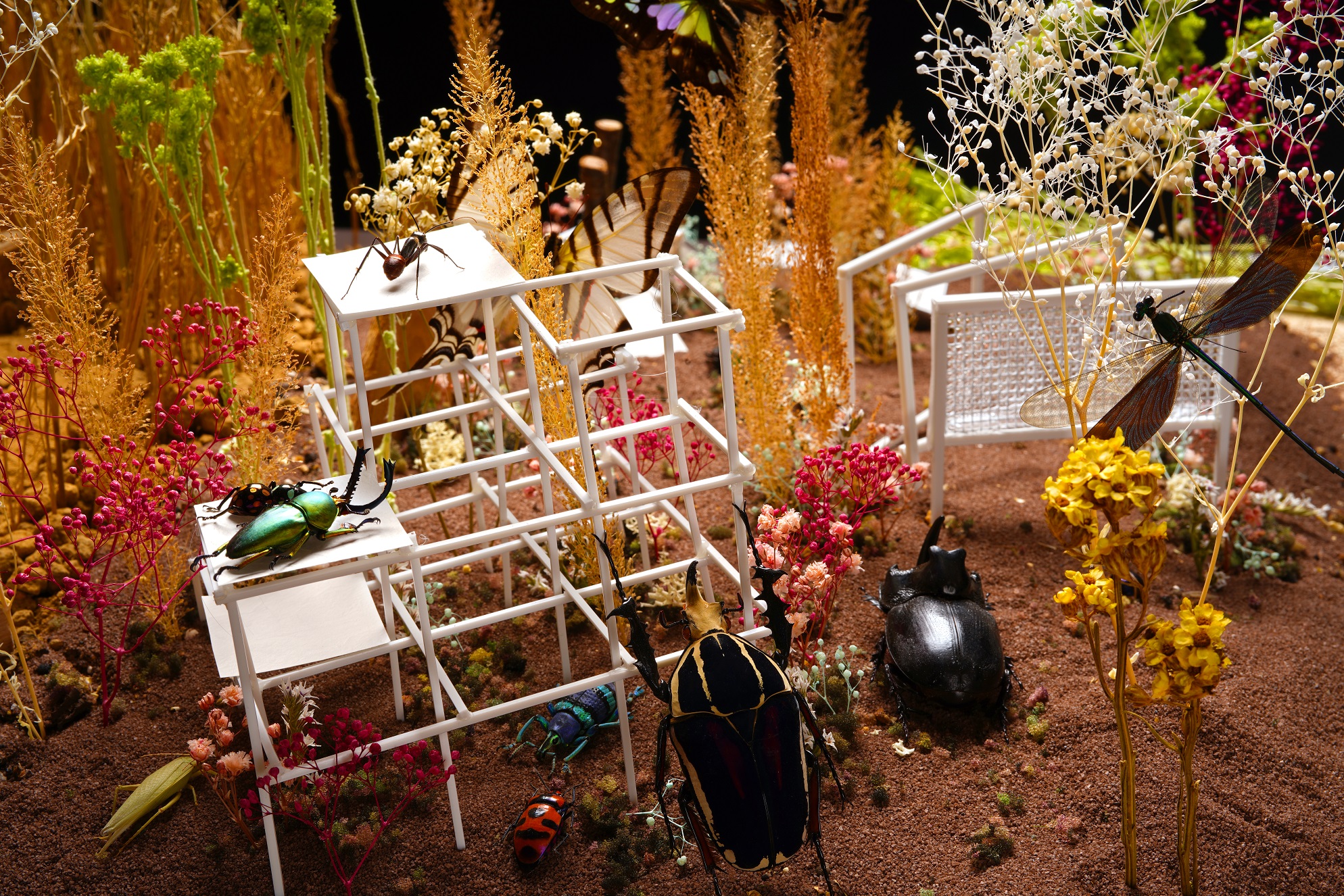
「水」を探し求める虫たちの物語
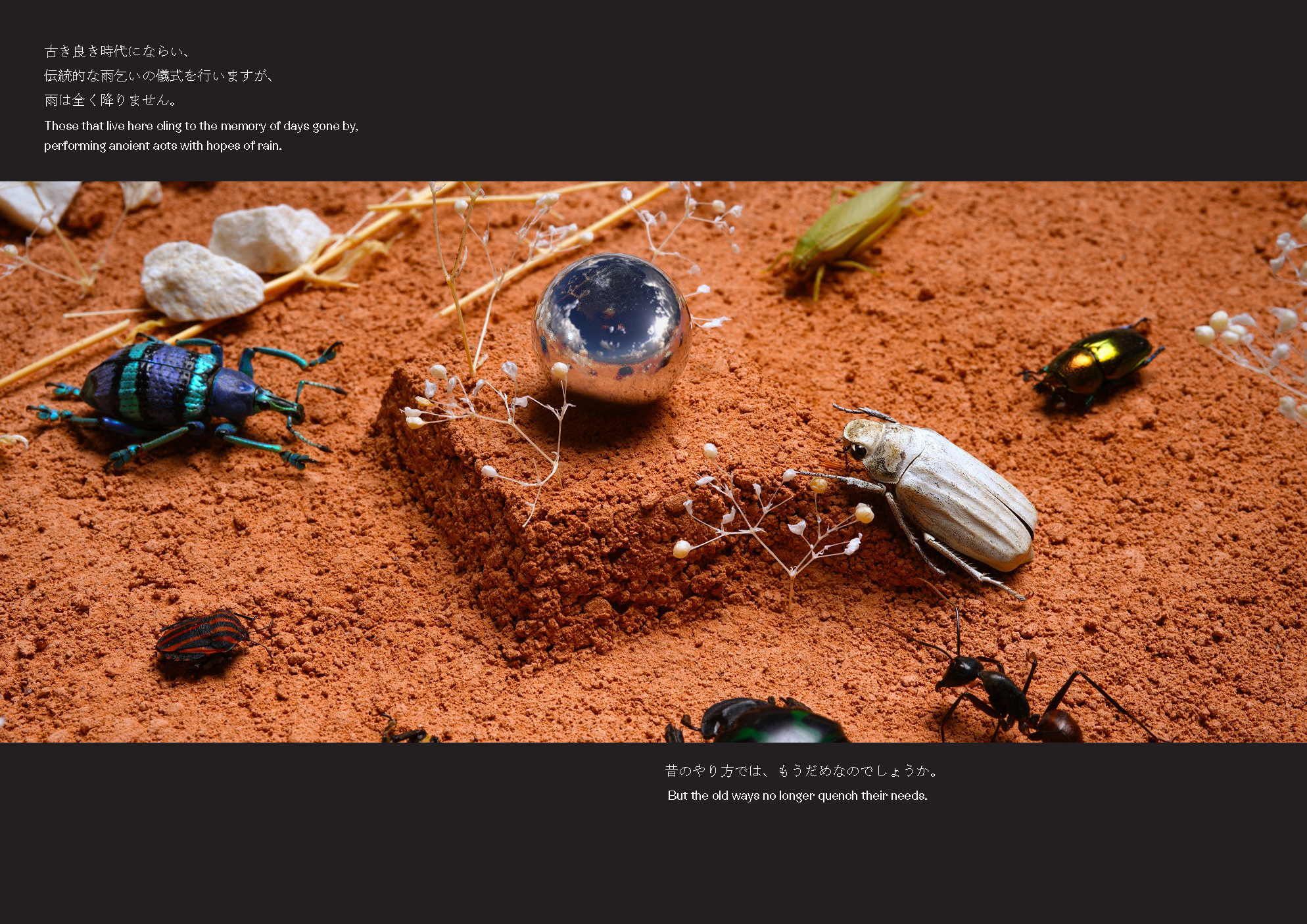
調査の結果浮かび上がってきた問題意識や提案を、ストーリーを通じてより年代を超えてわかりやすく伝えるため、ピクチャーブック「新たなはじまり: Between Water and Insects」も作成しました。
日照りに悩まされ、枯れ果てたとある虫たちの村。豊かだった頃の時代を思いながら、伝統的な雨乞いの儀式を行いますが、雨は降りません。そこで、ある冒険家が外の世界に「水」を探す旅に出ます。果たして冒険家は水を見つけることができたのでしょうか?
日本の組織をとある虫の村に、組織風土を村の土壌になぞらえて作成したストーリー。レポートと合わせてぜひご覧ください。
→ピクチャーブック「新たなはじまり: Between Water and Insects」
個の創造性が発揮される日本社会を目指して
IDEO Tokyoは、日本の変化・進化の触媒となり、クリエイティビティを開花させることで、新たな価値を創造していくことを志しています。どのように個の創造性を解放する環境づくりに取り組むべきか悩んでいる方々をはじめ、さまざまな方に読んでいただきたいです。このレポートを一つのきっかけとして、皆さんからフィードバックをもらいながら本書をアップデートし、日本の「創造性」に関する議論を加速させ、個々の創造性が発揮される社会となるための具体的な活動に結実させることを願っています。
またレポートの内容を踏まえ、組織の中で対話を促すツール「創造性の土壌を作る問いかけ」も公開しました。このツールには、下地作りと仕組みづくりの計20項目について、チームでの対話を始めるための3つの問いかけがそれぞれ用意されています。ぜひご自身の所属するチームで取り組んでみてください。

詳しい調査の概要については、経済産業省のホームページをご覧ください。
→創造性人材の育成支援
IDEO Tokyoは、経済産業省と協業し、創造的組織の開発及び創造性人材のキャリア形成に関する調査研究を実施しました。その結果をレポート「進化し続ける組織へ 〜個と個をつなぎ、創造性を解放する〜」として公開しています。
Dear future, we made this for you
Looking back at 40 years of looking ahead.
But we'd be fools to claim that we can always see what's coming around the bend. Never trust anyone who says they can predict the future.
Nevertheless, we have launched ourselves into the unknown for decades. Joining a long history of science fiction, this is an exercise in speculative design, where we build on early signals we're picking up and ask, “What if?” At times, our speculation about the future has come across as a little too naive and niche, like when we proposed stamping fruit with the full FDA nutrition label or suggested a fixie-inspired walker for senior hipsters. But when we’ve set our sights on what tomorrow’s humans might want from our clients, our portfolio of the future has been startlingly prescient.
In 2005, two years before Steve Jobs announced the iPhone, a short film we made with Intel showcased the hyperconnected, hypermobile, on-demand lifestyle we all know now.
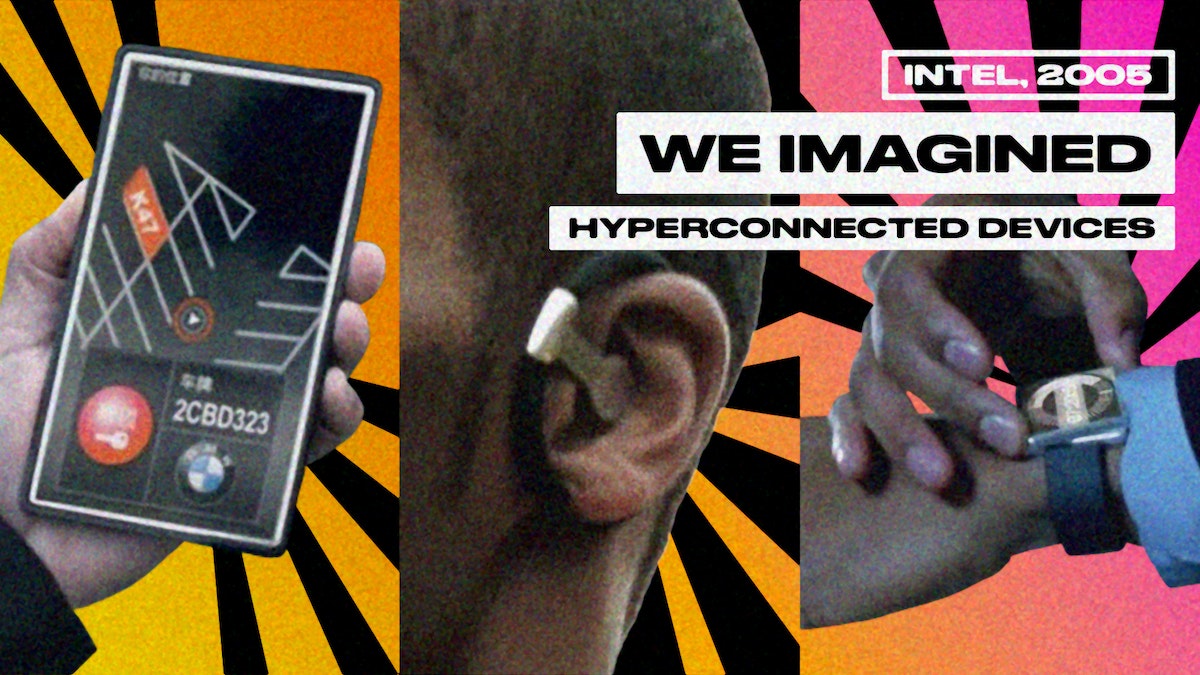
That same year, we created a series of shorts for HBO foretelling a world of personalized streaming content—well over a decade before binging our favorite shows became standard fare.
In 2010, our exploration of the future of the book anticipated the need to verify the legitimacy of sources on social media platforms such as Facebook and Twitter.

These predictions may seem easy to come up with in hindsight, and in one sense that is true. When you pair the exponential power of technology (Moore’s Law) with evergreen human needs, it leads to logical conclusions. The harder part is making such foresight tangible.
That’s where design becomes a valuable tool.
IKEA, which has its own future-facing research and design lab, Space10, understands the power of tangibility. We partnered with the company in 2015 to imagine the future kitchen. The final exhibit, staged at EXPO Milano, anticipated an augmented reality in which screens and data are no longer confined to devices. More than an exhibition, the prototype served as a strategic roadmap for integrating multi-sensory digital content into a built environment and helped IKEA build an organizational belief in, and understanding of, this technological shift.
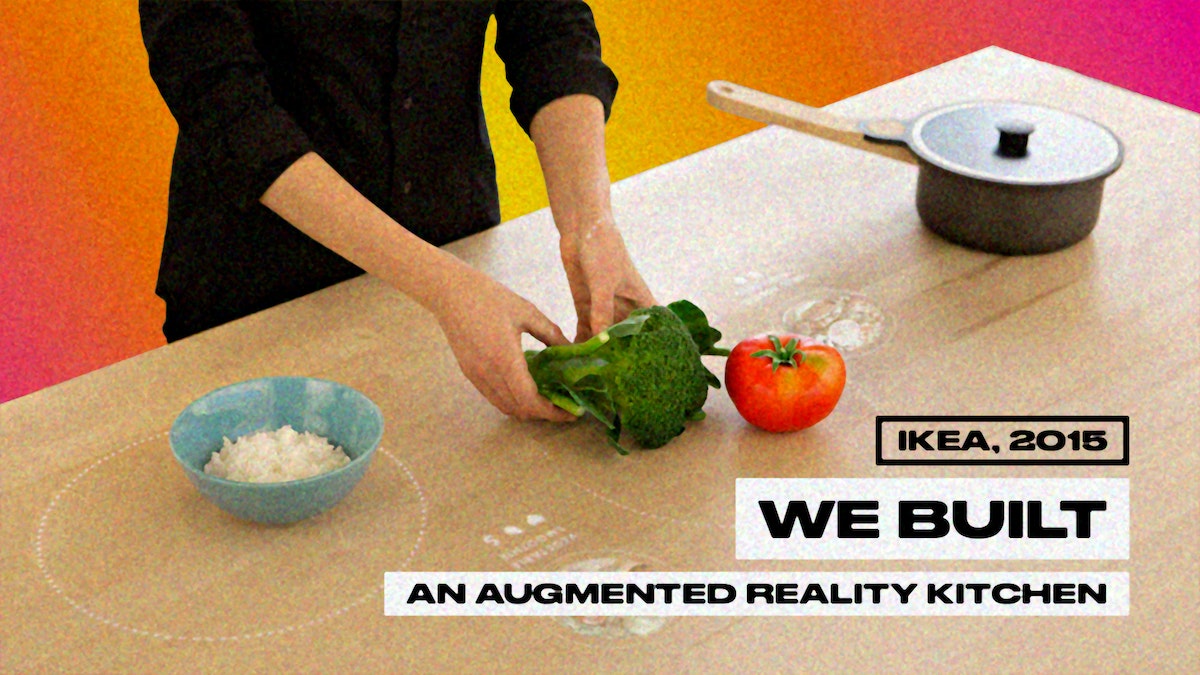
We’ve delved into the future of automobility, manufacturing, connected intimacy, the workplace, blockchain, and artificial intelligence. We’ve also used design fiction to explore complex human experiences like aging, citizenship, and time. These “What-Ifs” aren't an art school indulgence. Rather, they are queries about what world we want to inhabit and what choices we need to make today in order to get there.
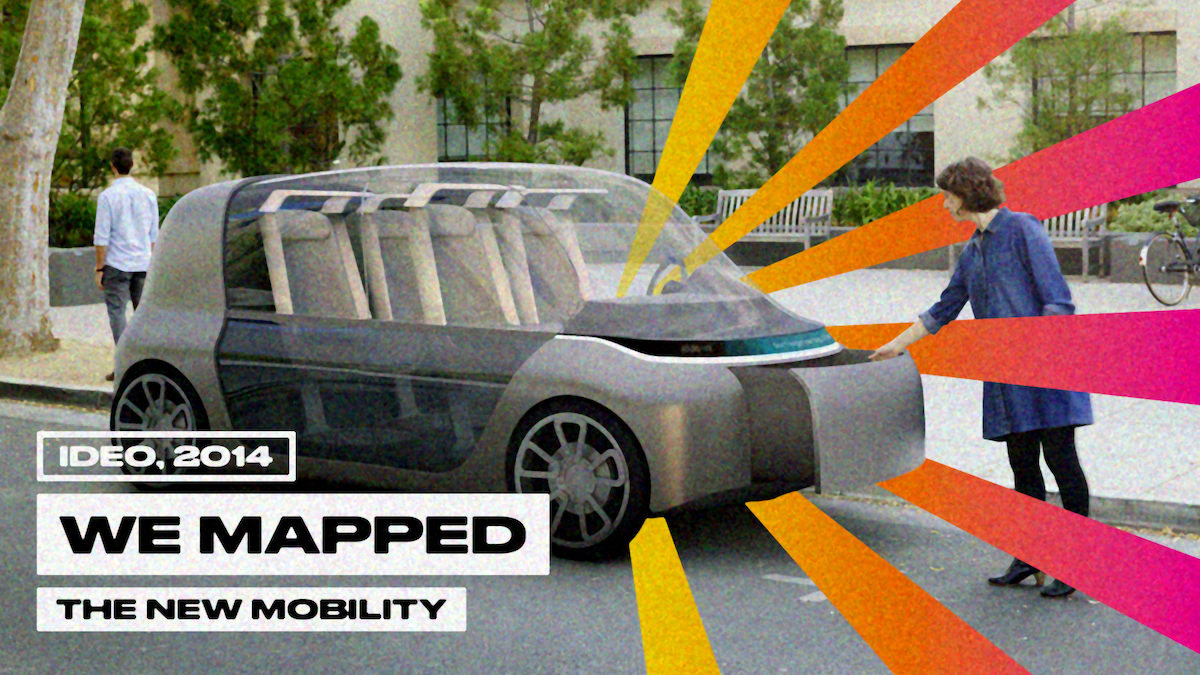
While we don’t believe our era is any more exceptional than the next, the choices we are making today feel more consequential. We are facing global economic contraction, the explosion of artificial intelligence, and a developing climate crisis that scientists say could cross an irreversible threshold by the end of this decade.
The urgency to ready our clients, ourselves, and everyone for the Climate Era has been a longtime obsession. In 2017 we designed an exhibition called “Never Finished” to illustrate the principles of a circular economy. We reimagined makeup, food packaging, sneakers, and electronic devices as part of regenerative systems. A few years later, this fiction became a beacon for global fashion leader H&M, whose pursuit of a circular future has involved eliminating plastics from its consumer packaging.

But even the most on-the-nose prediction about what the future will bring can go sideways. In 1997, Kodak asked us to create a consumer experience for digital photography. Using that era’s available technology, we built a fully working digital camera with an integrated screen menu. The working prototype was nearly twice the size of what cameras would become, but it established the fundamental experience of digital photography that we use today.
While the team at Kodak hoped to design a pioneering new product, they ultimately didn’t have the internal alignment to move forward. Instead, they continued investing in film, a choice that ultimately proved to be a losing bet.

The takeaway: Even the most beautiful speculative design won’t sway hearts if the leaders of an organization don’t have the ambition or desire to invest in a better future—and we don’t mean just a profitable one. “What if?” is the beginning of a design-driven process to understand what choices we need to make today in order to create the future we want.
While the contracting economy, climate change, and systemic bias can feel insurmountable, we remain optimistic. Over the coming year, we will be sharing a series of design fictions that portray a world in which we got things right.
The questions we are asking—“What if everything is electrified and we have abundant energy?” and “What is the future of ordinary data?” and “How do we unleash the creative capacity of the next generation?”—are shorthand for deeper investigations into how we redesign consumer goods, healthcare, AI, and education.
Turning these questions into experiences so that others can visualize, feel, and participate in a better world is an essential practice of design and, for businesses that want to be here in 2033, the only way to stay relevant.

We will begin each of these design fictions, which will roll out over the coming year, with a letter:
“Dear Future, we designed this for you…”
We may never meet those born 10 or 20 or 30 years from now who will live out these visions (or something that looks quite different), but that doesn’t mean we’re off the hook. We are accountable to one another and stewards of a fragile planet. In 10 years, every business will have become a design business because every business will have had to change. And every person will have a hand in designing our future.
*One sentence in this article was written by ChatGPT after giving it the prompt “Slogan for a campaign about designing the future.” Can you guess which line?
—
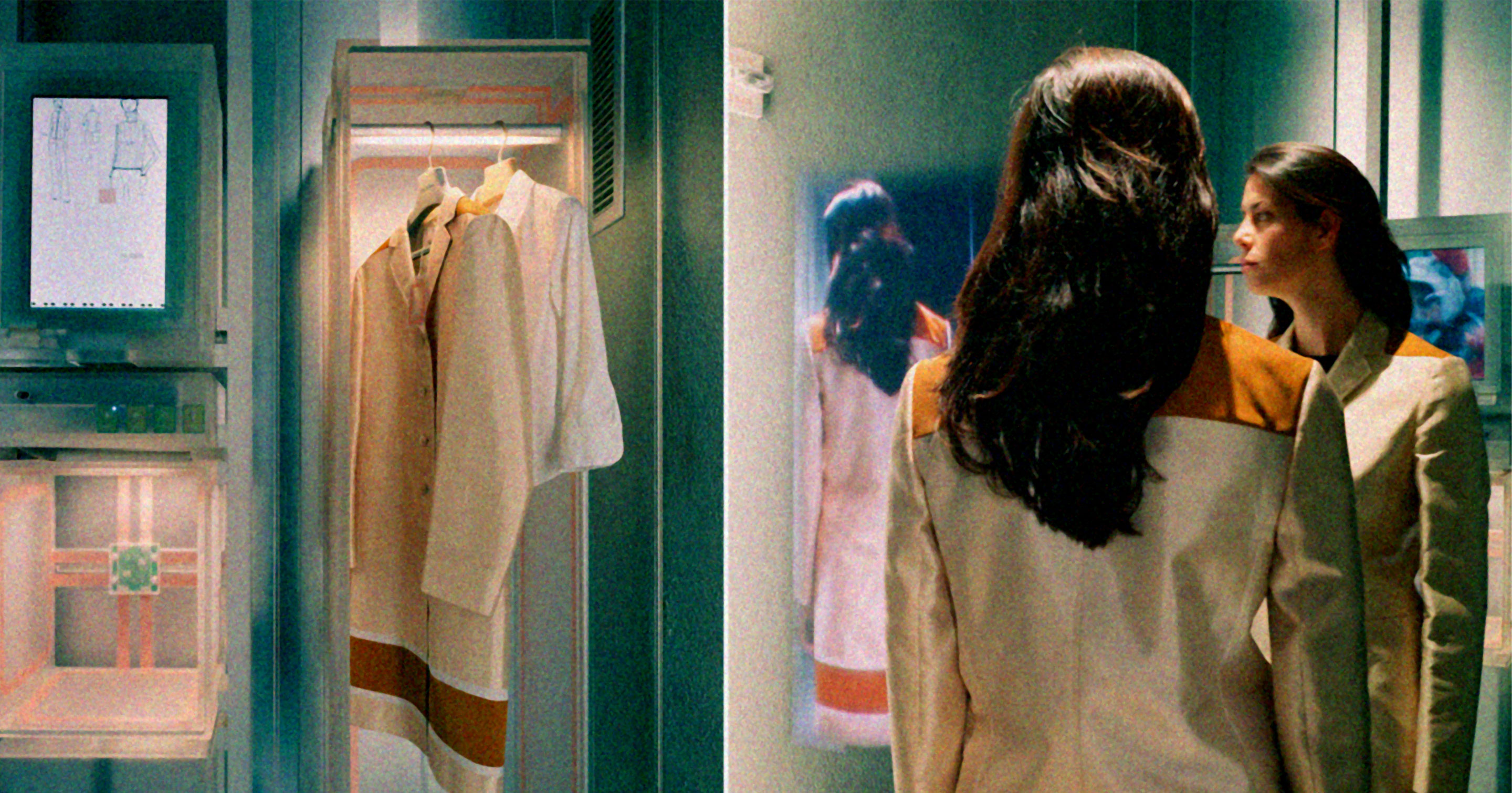
Hero image: Magic Mirror, an augmented reality dressing room designed for Prada in 2003 in partnership with OMA.
We designers are optimistic to a fault. We believe we can build something better and will take great leaps of faith to prove it.
Big things we can learn from small nations
How small countries, often led by women, are driving change with incredible results.
I grew up in Singapore, the ultimate small-but-mighty island at the tip of the Malaysian Peninsula. As I grew up, I watched it transform from jungle kampongs and a river so dirty that it glowed neon green, into the ultimate modern metropolis.
Singaporeans now enjoy some of the best quality of life in an integrated society. It is home to the world's best airport and has become a sophisticated financial hub, and even made history in the universe of gastronomy, receiving the first ever Michelin star for street food. The river itself is now so clean that dolphins and fish have returned in droves.

Fast forward 50 or so years. My partner and I have found ourselves living in Iceland for the last three years, the literal polar opposite of Singapore, but equally impressive. You need only pick up any quality-of-life index to find Iceland near the top of the safest, most egalitarian, most tolerant civil societies in the world. The country has taken a leading-edge approach to climate science, with bold plans for its domestic geothermal energy and the electrification of its transport system.
To be sure, it’s a rather isolated island with a population under 400,000 in the middle of the Arctic Sea. Nonetheless, Iceland was led with a calm and steady hand through the COVID-19 pandemic, achieving a 91% vaccination rate in record time. It’s a society that is well read, well informed, and one in which citizens revere nature, considering themselves guardians of the wild environs they've inherited.
A word I often use to describe life here is “sane”. Icelanders are pragmatic, do not hyperbolize or dramatize, and work together to achieve collective goals. Icelandic businesses feel it is important to do their part, too. The national flagship airline, Icelandair, recently announced that they will decarbonize all internal flights by the end of the decade, the first national carrier in the world to do so.

In the years between inhabiting these two islands, I have lived, studied and worked around the world, spending considerable time in Norway, Denmark, Finland, New Zealand and the UAE, all of which play at a much more significant scale on the world stage than their geographic mass would suggest. It helps that all of these nations are well led, with crisp, long-term plans and goals. And it is no coincidence to me that in many cases they are led by women.
Other small nations that I watch from a distance, like Estonia, are digital pioneers, transforming an antiquated governmental system into an e-Residency – their human-centred, digital citizenship program. Way back in 2014, Estonians described themselves as a “start-up country”. Rwanda has followed suit with similar initiatives: one-stop digital services designed to incentivize small commercial enterprises and entrepreneurs to launch businesses there. Finally, we must shine a light on Ukraine which, whilst in the midst of war, are making plans to regenerate themselves, building a greener, more modern society out of the ashes and carnage.
So, what do these Small Awesome Nations (SANs for short) have in common, and what do they have to teach us all?

SANs act faster: COVID-19 taught us all, especially governments, that cumbersome bureaucracy and endless consensus-building wasn’t just unnecessary, it was life-threatening. To be able to quickly assemble task forces as information came in and cut through red tape was critical. Smaller countries mobilized at record pace, and in many cases got essential supplies to the frontlines faster. Taiwan, China, for example, immediately activated contact tracing and phone tracking to make sure that those in quarantine were actually fulfilling their end of the deal. The fact that Taiwan's vice president is an epidemiologist didn’t hurt.
SANs talk like people, not governments: To me, this is critical. Early in the crisis, the Norwegian prime minister, Erna Solberg, broadcasted a specific COVID-19 address to the children of Norway, saying: “Many children are finding this scary. I can understand that. It’s quite OK to be a bit scared when so many big things are happening at once.” Taking a direct, matter-of-fact tone, she assured them that their parents would likely be fine, but acknowledged that they might miss birthday parties and life at home would be “a bit boring.” New Zealand Prime Minister Jacinda Arden declared on national TV that the Tooth Fairy and the Easter Bunny were both considered “essential workers” in New Zealand, but that they might also be at home, “tending to their own baby bunnies.”

SANs value the perspectives of the next generation: The human-first, sure-handed leadership of both Solberg and Arden is especially compelling in a time when so many young people express apathy about politicians who “don’t speak to us.” Addressing that lack of engagement, the UAE government hired 23-year-old Shamma bint Suhail Faris Mazrui as its first minister of state for youth affairs in 2016. At the time, she was the youngest serving minister in the world. She is now one of the most outspoken advocates for youth voices and perspectives, ensuring her generation and the next are shaping government programs and policies. When asked at Davos why the ideas of Emirati youth were so important to her government, she said: “Hopelessness results when youth are not seen as resources, and apathy results when they’re not seen as assets.”
Then there is Sophie Howe, Wales’s first future generations commissioner. Described by The Guardian as the world’s first “Minister for the Unborn”, Sophie’s role is to provide independent advice to the government and other public bodies on delivering social, economic, environmental, and cultural wellbeing for current and future generations. She’s a committed champion of the next generation and, in particular, for tapping into youth culture as a resource for creating societal change. I was part of an event she created at COP26 in Glasgow where they brought together youth with poetry, music, conversation and politics. It was a potent mix, more akin to a Taylor Swift concert than a governmental think tank, and I watched the young audience members' eyes glow with pride at the end, feeling both spoken to and heard.
What's become clear (and really exciting) to me is that these Small Awesome Nations are gathering momentum and growing in influence. These nimble countries have, in many ways, responded to the conditions of the larger world with its attendant chaos by reinventing traditional ways of doing things. And in the process of disrupting themselves, they’ve learned valuable lessons that their bigger cousins would do well to follow as they look toward the future.
If there was to be an actual League of SANs, what would you want its mandate to be? Which country would get your vote as a founding member and why? We'd love to hear from you in the comments.
Republished from the World Economic Forum's Agenda
For as long as I can remember, I’ve been obsessed with small countries. Specifically, small nations with superpowers that larger nations covet.

Lindsey Turner
I’m passionate about building brands, products, and experiences that help organizations show up with meaning and momentum.
I help organizations cut through complexity by shaping how they show up, through brand strategy, identity, and storytelling.
Working at the intersection of brand and business, I bring an editorial eye and a bias toward making—turning ideas into tangible experiences that people can understand, trust, and believe in.
My work spans government, healthcare, financial services, media, and consumer goods, from launching Gen Z-focused ventures to building innovation labs and reimagining legacy brands. I relish moments of ambiguity and enjoy translating across teams, perspectives, and priorities to move ideas forward.
I started my career in editorial and digital design, shaping cross-platform experiences and identity systems in publishing and agency environments. That foundation still shapes how I work today: I’m detail-oriented, collaborative, and overreliant on the Oxford comma. I hold a BFA in Visual Communication from the School of the Art Institute of Chicago.

Rachel Young
My work helps organizations see who their products aren't working for—and build the will and the tools to do something about it
For 25 years, I've asked the same question: Who does this design exclude—and what are we going to do about it?
My work spans human-centered strategy, inclusive design, and qualitative research, with clients ranging from Microsoft, Google, and Verizon to the National Science Foundation, and San Francisco Unified School District.
Before IDEO, I taught elementary school in East Palo Alto and spent a decade doing design work with social service organizations—where I learned firsthand what it costs people when systems are built without them in mind.
I am currently writing User Error, a nonfiction book about digital access and the design decisions behind it. I live in Oakland, California.

Brian Pelsoh
I lead with craft, ensuring our work is creatively excellent: rooted in deep human insight and imagination, while also grounded in the realities of business and technology.
My expertise spans brand, communication, and product design across tech, education, the arts, and social impact.
I believe great work demands both high-level vision and obsessive attention to detail, and only happens through collaboration.
I bring an inclusive, hands-on approach and a deep understanding of business, which enables me to consistently deliver excellence while always asking why.
Before joining IDEO, I worked at the brand firms Pentagram and VSA Partners. I began my career as a designer, leading teams at the School of the Art Institute of Chicago and the Milwaukee Art Museum. I hold an MFA in graphic design from Maryland Institute College of Art and a BFA in communication design from the Milwaukee Institute of Art & Design, and have taught at some of the best design schools in the US.

Tony Wong
I am responsible for IDEO’s long-term success in China and working with clients to use design as a tool to enable growth.
I am responsible for IDEO’s long-term success in China and working with clients to use design as a tool to enable growth. Specifically, I have helped Chinese companies design holistic brand solutions through the development of their products, communication, services, and innovation teams, and I have helped multinationals expand their presence and influence in China.
I advise global leaders on developing China-led innovation and capabilities.
In over 15 years in IDEO Shanghai, I have worked on projects that use design to elevate the quality of the experience of healthcare products and services, streamline processes that increase productivity, create spaces and programs that promote and enable inclusive communities, and build next generation mobility solutions that are planet-positive.
Before joining IDEO, I worked at Philips Electronics and the Electrolux Group in Italy, the Netherlands, and Singapore on a number of breakthrough commercial products. I am a member of the Young President Organization in Shanghai.

How to use AI as an editor, not a writer
Ed White shares how he uses AI as an editor—not a writer—to sharpen storytelling, rehearse ideas, and preserve the productive friction that makes creative work better.
Ed White has a rule he's tested on his own writing: hold yourself as the writer, and let AI be your editor. Ed is a Senior Design Director at IDEO's London studio, where he co-leads the firm's AI portfolio across Europe. Before IDEO, he spent 12 years as a writer and editor at the Financial Times, Wired, and Contagious. So when he talks about when to use AI for storytelling and when not to, it comes from two decades of crafting his storytelling skills.
In this episode, Mina Seetharaman talks with Ed about two specific tools he uses to keep AI in an editor's seat: a "roasting agent" prompted to critique his drafts without any sugarcoating, and a simulated audience he rehearses pitches on before the real thing. They also get into what Ed is hearing from design leaders at Anthropic, Lovable, Shopify, and Google Creative Lab about how creative work is changing, and why he thinks the friction of writing something yourself is worth protecting rather than automating away.

Building a personal AI for the messiness of life: Sida Li
Becca Carroll talks with Cue co-founder Sida Li about designing a personal AI for the messiness of everyday life—not just work. They explore how Sida stays anchored to human needs while navigating fast-changing technology, product tradeoffs, business-model experimentation, and the realities of building an AI company today.
Most AI products today are built for work—a space with clear problems and established systems. One founder noticed a gap: personal life is messier, harder to systematize, and mostly left behind by the AI boom. So she built Cue, a personal AI that lives inside iMessage and group chats, to go where the other tools haven't.
In this episode, Becca Carroll, IDEO's Chief Strategy Officer, talks with Sida Li, co-founder and CEO of Shared Context Lab, about staying anchored to a human need while the technology around her keeps changing shape, why she treats her business model with the same rigor she'd bring to a product, and what it feels like to build a company at this particular, disorienting moment in AI.
The conversation also gets into how Sida makes design decisions: the language Cue uses to describe itself, the tradeoffs behind building inside iMessage instead of a new app, and a real story about a business idea that didn’t pan out.
This is the second in a two-part series profiling founders from IDEO's Startups-in-Residence program. The first conversation is with Johannes Seemann, founder of Sooner, on designing GenAI for the emotional side of money.

Designing GenAI for the emotional side of money: Johannes Seemann
Designing financial tools around the feelings that shape money decisions.
Most personal financial tools are built to run the numbers and optimize towards a budget. While that works for some, most people experience money as a lived relationship that does not neatly fit into a spreadsheet. Johannes Seemann and Becca Carroll discuss why money is emotional before it is mathematical, and what a human-centered approach to building a generative AI financial product looks like in practice.

The curious leader's edge in uncertainty: Scott Shigeoka
How genuine curiosity helps leaders navigate uncertainty with greater confidence.
Mina Seetharaman talks with Scott Shigeoka, author of Seek and Head of Curiosity Cultivation at the Eames Institute, about what distinguishes genuinely curious leadership from performative curiosity, how power dynamics shape curiosity, and why practicing curiosity can restore energy rather than drain it.
Looks like you might be in search of something very specific?
Or reset the filters above and try another angle.
Here’s some random inspiration

Podcasts about creative leadership

Articles about the power of prototyping

.webp)


.webp)


.webp)

.webp)


.webp)
.webp)