
A blueprint for next-generation telecom
Helping a legacy telecom company stay relevant in the 21st century.
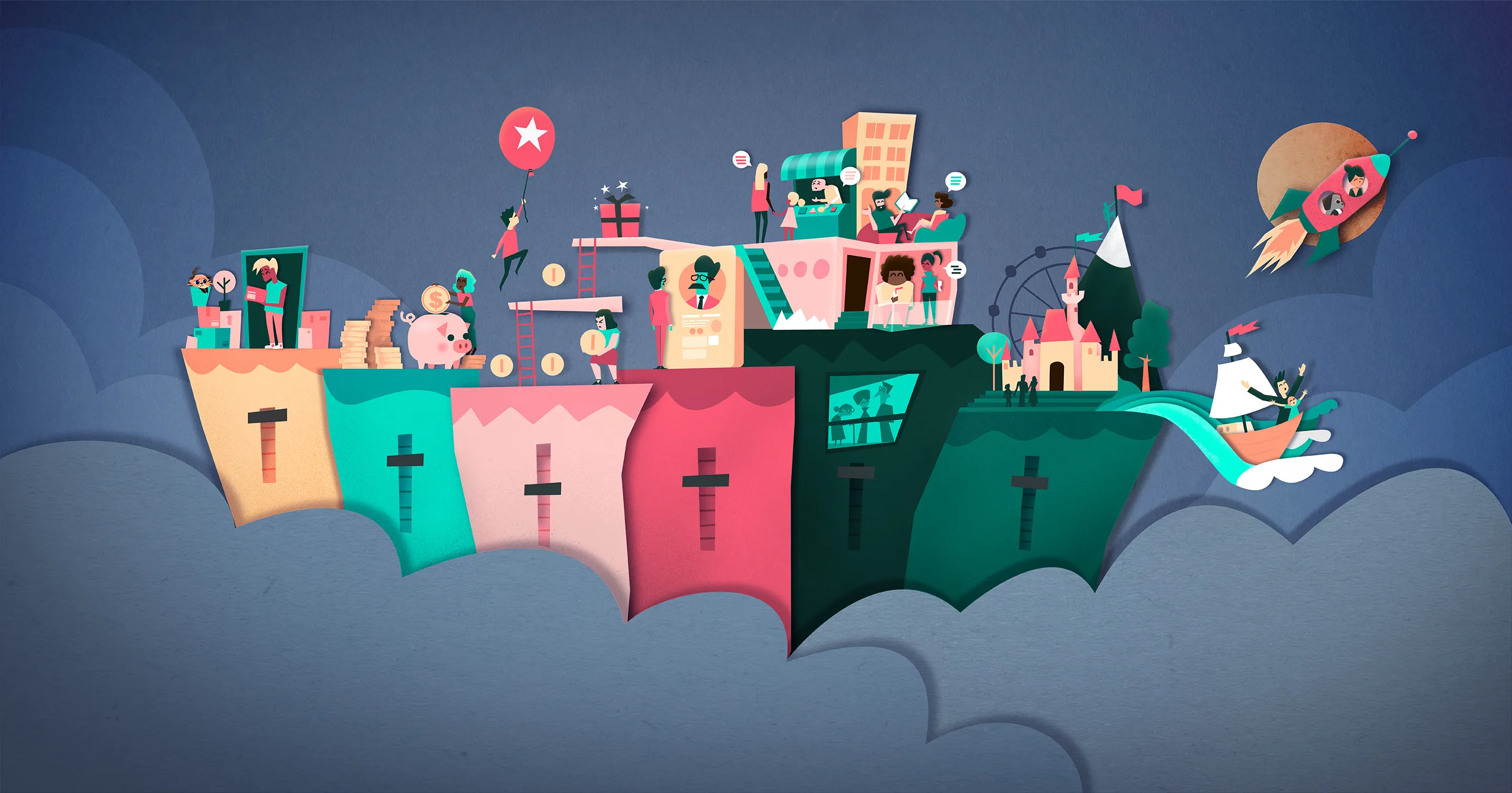
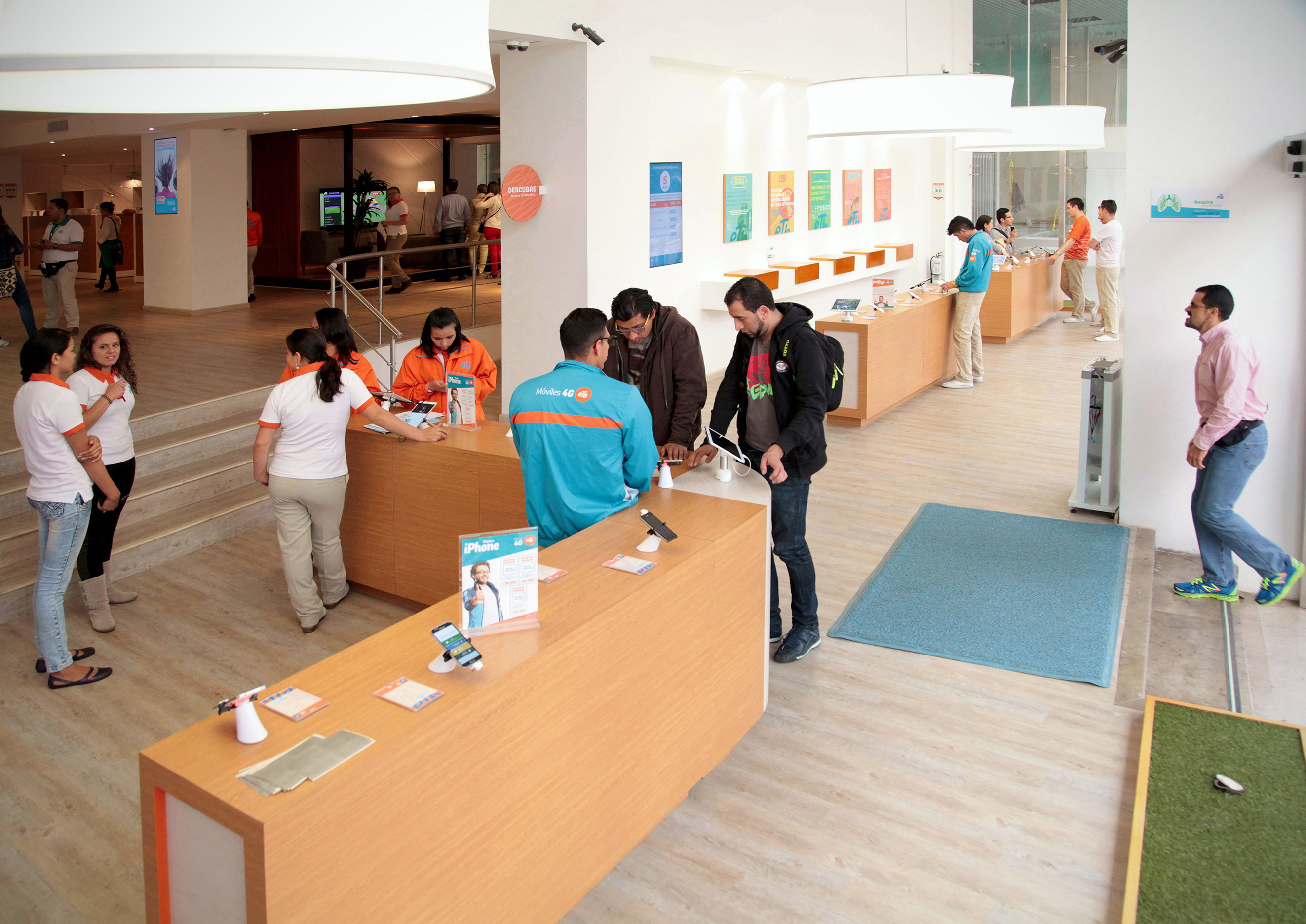
How does a 130-year-old telecom company in Bogotá appeal to a tech-savvy generation without alienating its most loyal customers? Faced with growing competition, ETB, Colombia’s oldest telecom business, wanted to modernize its entire retail shopping experience and update its branding.
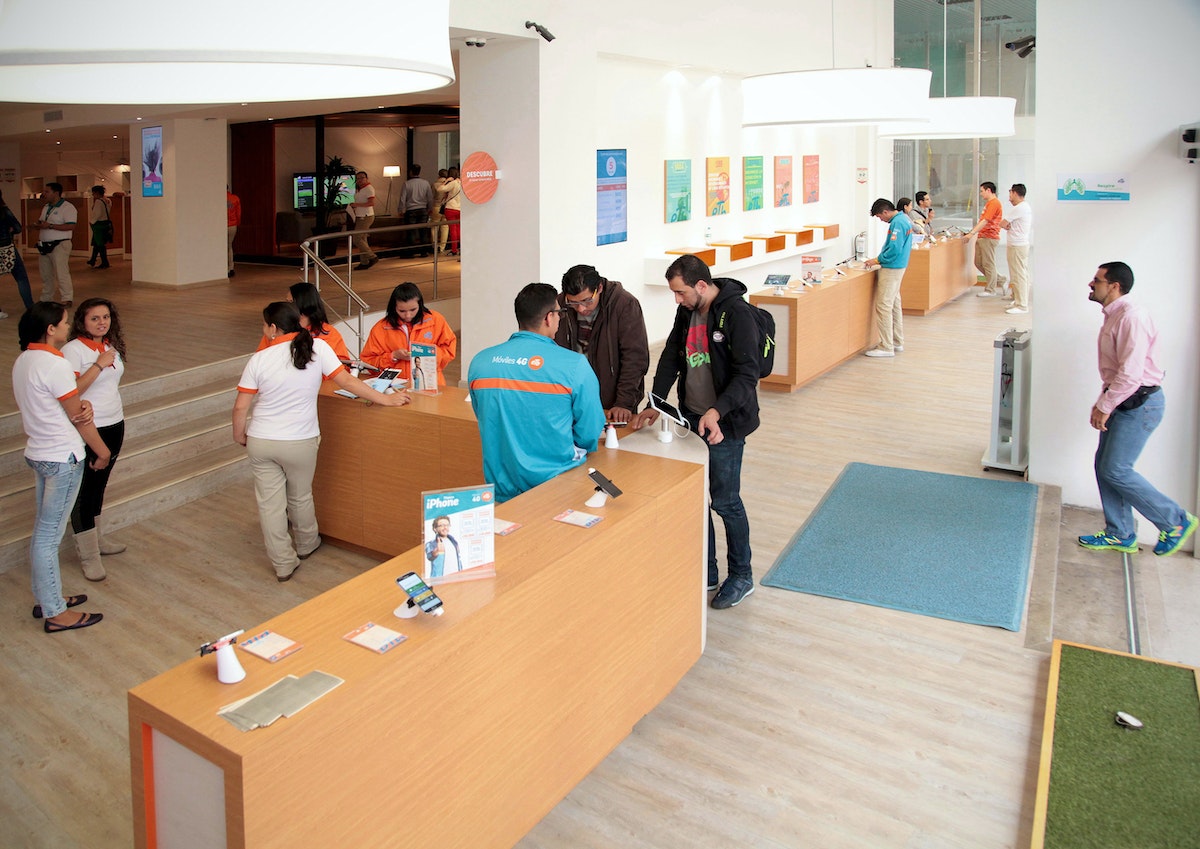
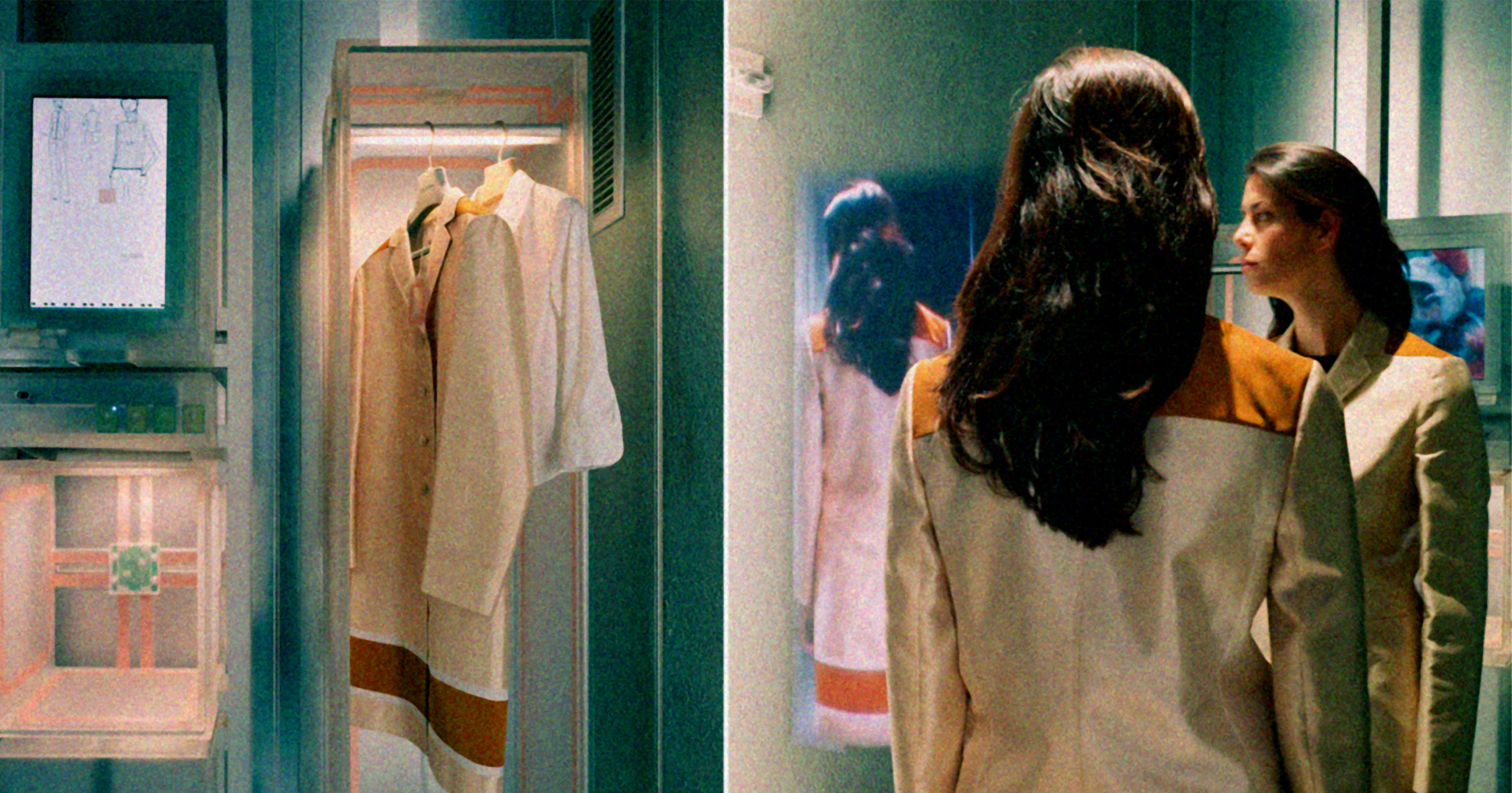
The company enlisted IDEO’s help in leveraging its already highly regarded brand. IDEO created a complete blueprint for the next generation of retail centers, including in-store spaces, digital services, and new personnel role descriptions. ETB’s new retail stores are warm and bright, and self-service kiosks eliminate the need for waiting in line. The company’s brand also got a face-lift with a new color palette and brand manual.
"Working closely with IDEO, we accomplished all of our goals,” said Vice President Carlos Alberto Gómez García, “from creating organizational change to reimagining interactions with our customers to evolving the brand identity of ETB."

Boston's new citizen-centered site
Designing a welcoming, intuitive platform for Bostonians.
More than 7 million people each year came to the Boston.gov site to tap into all sorts of city services: reporting a pothole, learning the assessed value of their property, paying a parking ticket, checking recycling schedules.
Boston wanted to create a beautiful platform that would make the process of finding and navigating information easy and intuitive, one that prioritized the needs of its people.
The Boston.gov site had outgrown its existing structure and needed an overhaul. The user experience was mired by the fact that Boston City Hall has nearly 50 different departments, each with its own microsite, navigation and content standards that feed into a centralized site.
So the City of Boston hired IDEO to design its new digital home, Boston.gov. IDEO designers worked with the major stakeholders—department heads, employees, and Boston residents, with a focus on those in underserved communities and those with varying levels of technical proficiency—to gather insights into what users needed.
The objective was to design something that would simplify how people navigate the site, to make it easier for residents to find answers to common questions, and, in the process, serve as a community facilitator—an up-to-date, reliable resource that makes life in the city more manageable.
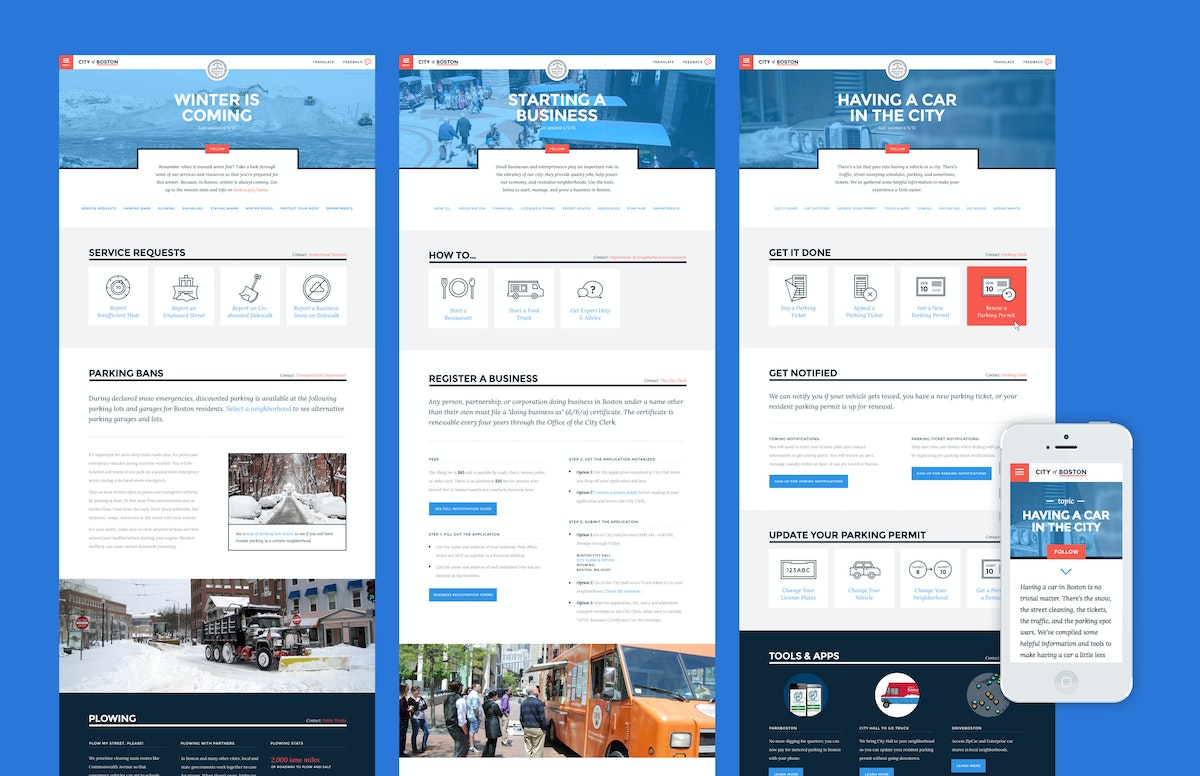
Rather than organize the site by the city’s departments, the design solution was rooted in illuminating relevant content by topics—people’s life moments—many of which overlapped through different branches of government. Owning a car in the city, for example, is closely related to preparing for winter, so bridging those common threads allowed for a more intuitive organizing principle.
In the process of the site redesign, IDEO also helped to create a visual identity system that underscores Boston’s strengths: the city’s confidence, humility, personality, and optimism.
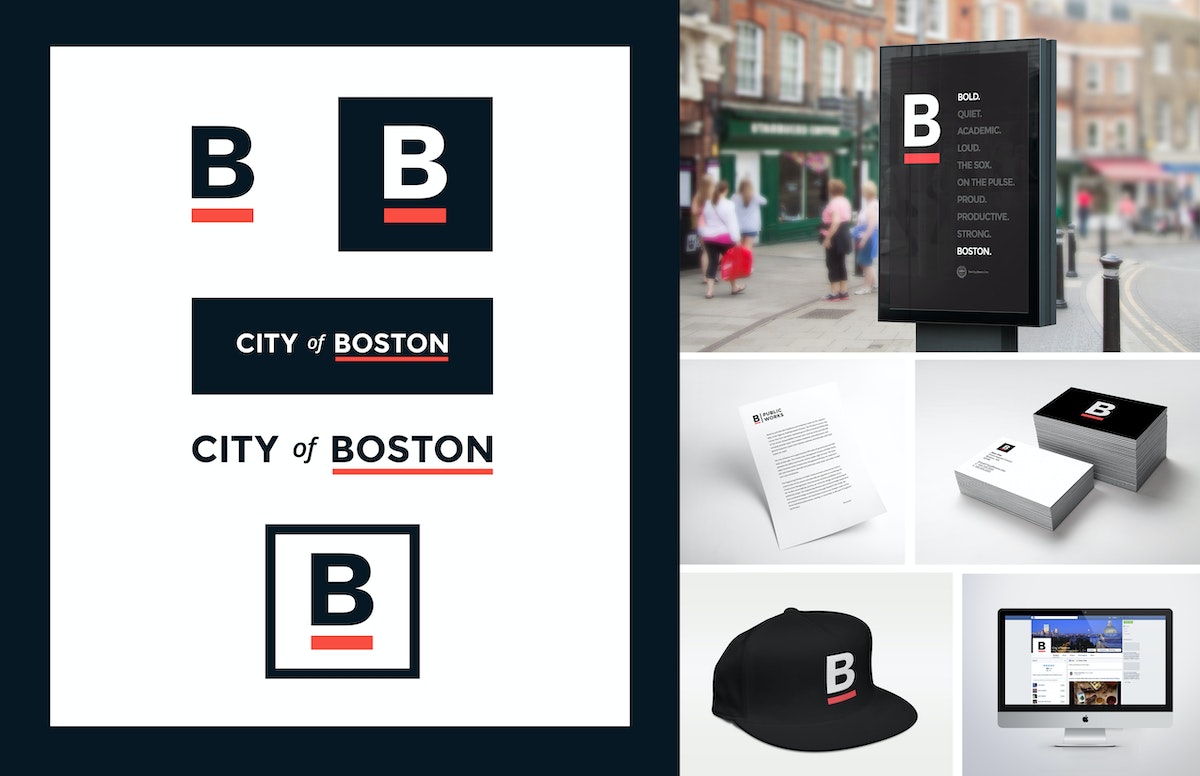
In addition to the web architecture and redesign, IDEO also produced a comprehensive style guide to help maintain design consistency, so departments can add content without compromising the overall integrity of the site, as well as a brand look that the city has decided to adopt across nearly all of its consumer-facing media. Now you’ll see the famous underlined B on T-shirts, banners, and even snow shovels.
Holding true to its mission to include Boston residents and all site users in its design process, the new Boston.gov site was piloted for six months, and the process document on the city’s blog (including the IDEO designed brand guide), before a full launch was rolled out in July 2016.
“The website should act like a helpful human. This is one of the big differences between the old site and the new site,” said Jascha Franklin-Hodge, the city’s chief of information technology in a Boston Globe article. “Oftentimes, when you looked at something on the old site, it would feel like you were interacting with some sort of lawyer-robot that was speaking to you in government-speak, using very formal language. We are trying to move away from that so your experience is akin to a person.”
The City of Boston was in need of a new digital home—one that emphasized a shift to a more welcoming tone and commitment to its citizens.

Growing an American brand in China
How an outdoor retail company found a new audience through digital and physical shops.
In the Western Hemisphere, The North Face brand has long represented an active, sporty lifestyle that’s filled with challenges and adventures. But appreciating “the great outdoors” in China is less about extreme sports and more about connecting with nature in a communal, spiritual way. This research-based insight led the team to identify new opportunities for The North Face to better target its messaging.

Designers found a key opportunity: Encourage Chinese consumers to escape the pressures of hectic city life by enjoying the freedom and renewal that comes with spending time outdoors.
Today, as people find less time to enjoy the benefits that lie just beyond China’s large cities, there’s a tangible desire to return to the outdoors to refresh, reassess, and renew oneself. The North Face aims to help consumers do exactly that.
To create a compelling new brand vision for The North Face in China, the team’s design research tapped into Chinese ways of spending time outdoors. IDEO’s insights and creative brief provided the essential brand story for The North Face in China and informed the tagline of the company’s current marketing campaign, “Go Wild” (去野). The North Face brand’s new messaging links “old nature” and “new outdoors” through a combination of digital, retail, and interactive community channels.
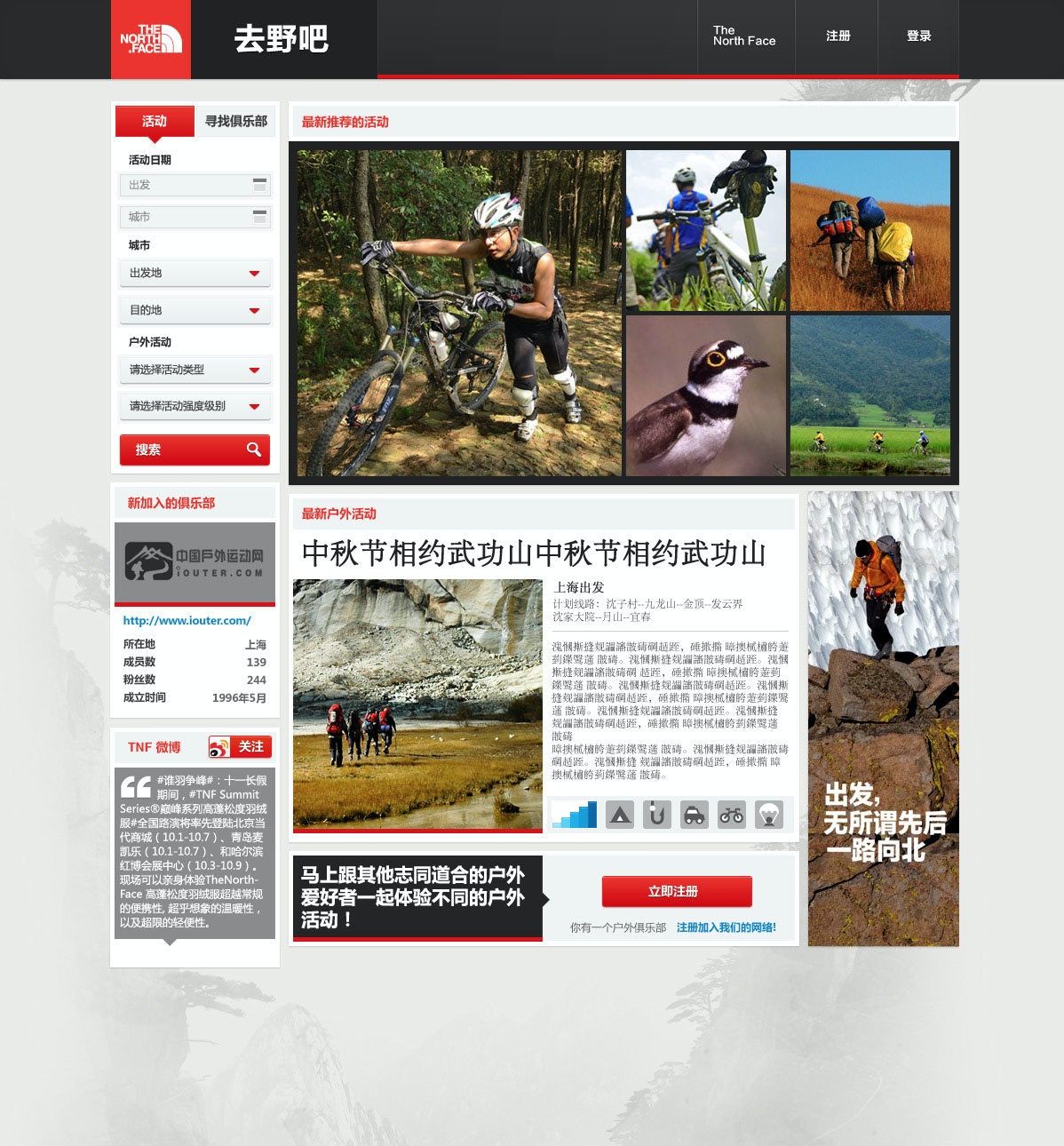
IDEO also collaborated with the company on designs and prototypes for a new digital platform and an updated store-within-a-store merchandising display. The digital community aims to attract newcomers and connect them with more experienced outdoors enthusiasts and clubs. As the platform evolves, it will help aspiring adventurers plan trips, learn skills, and share their experiences through photos.
The retail community space aims to integrate this digital community with in-store shoppers and an effort to turn the “buy-a-product moment” into a “join-the-outdoors moment.” Both will be integrated to provide a holistic brand experience in China centered on nature and community.
In the West, The North Face, with its decades-long history, has long symbolized an adventurous, active lifestyle. In China, however, the outdoor market only began accelerating in the early 21st century.
Success in this growing market depends on building strong and deep connections with Chinese consumers.
20% sales growth in China
from 2012 to 2013—the year the project was completed—propelling the brand from sixth place to a market-leading position
Nearly 40 years of designing pharmaceutical excellence
How a decades-long collaboration with Eli Lilly has transformed patients' lives and health outcomes.
Over the last 36 years, IDEO and Lilly, along with the pharmaceutical giant’s other design, development, and manufacturing partners, have collaborated on more than 250 projects. During this time, Lilly has not only honed its engineering-focused internal device-development team but also transformed into a human-centered organization with extensive, robust in-house innovation capabilities.
Early in the relationship, a team of IDEO designers and Eli Lilly leaders traveled the world to understand how people with diabetes live with the disease. Their findings led to the design of a series of award-winning insulin injection pens like SAVVIO. Portable, aesthetically pleasing, and discreet, the pens are suitable for use in both medical and personal settings. Combined with Lilly’s technical design prowess, this human-centered focus allows the devices to seamlessly integrate into patients’ lives and routines, making a challenging disease like diabetes feel more manageable.
Fast forward to today, Lilly’s innovative, easy-to-use auto-injectors are not only continuing to provide life-saving treatments to people with diabetes but also enabling the adoption of the popular GLP-1 weight-loss drugs Mounjaro and Zepbound, which together accounted for the majority of the company’s annual revenue in 2025. Perhaps most importantly, patients consistently rate the experience of using Lilly’s auto-injectors as relatively pain-free, easy to use, and preferable to competitors’ brands, improving adherence, satisfaction, and health outcomes.
This unwavering focus on driving innovation through a patient-first mindset is evident in some of the most impactful projects Lilly and IDEO collaborated on over the years:
GLP Auto-injectors
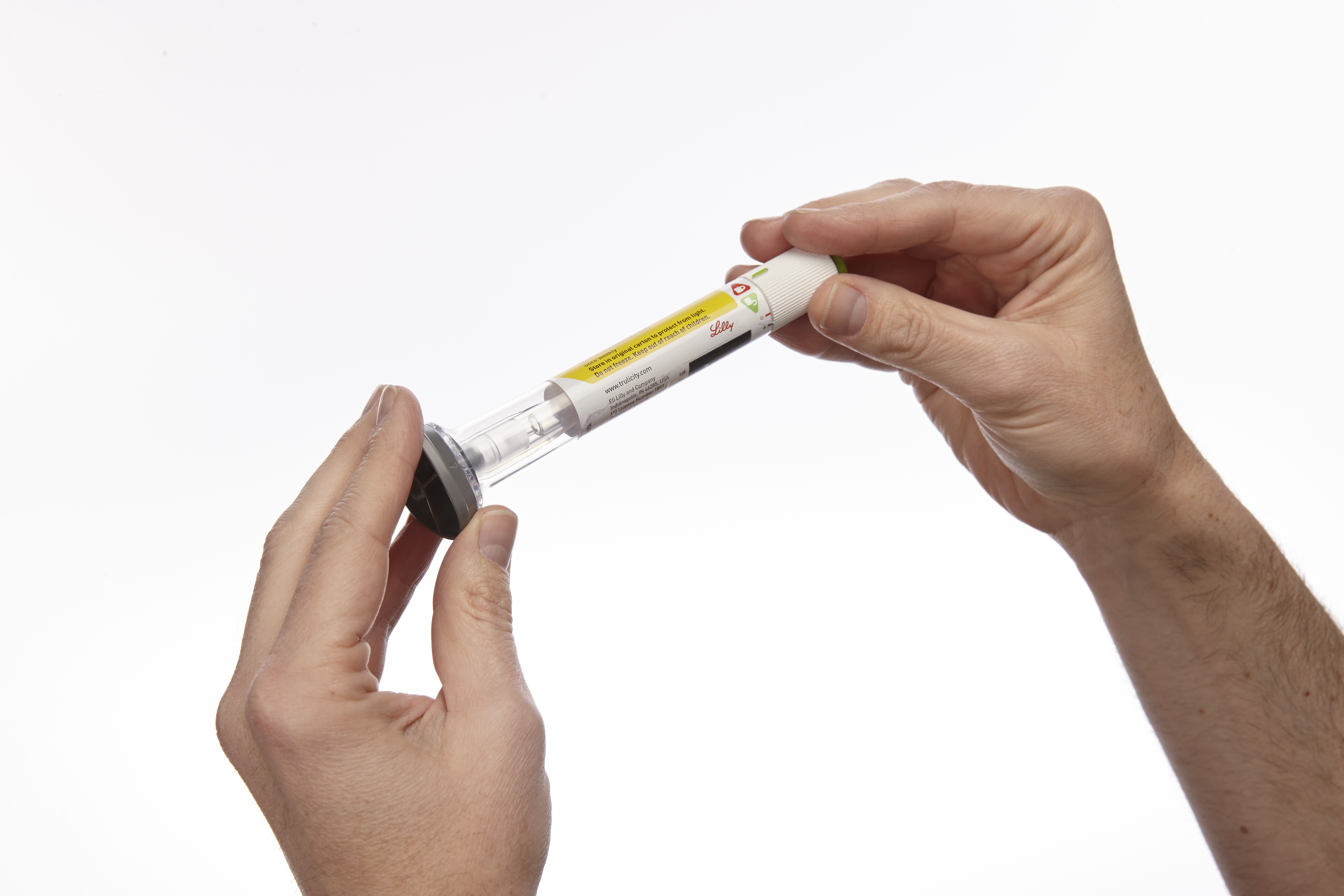
Convenient and cutting-edge, the first Trulicity injection device was originally designed to deliver the GLP-1 drug to treat type 2 diabetes. Today, it has been adapted for use with other GLP-1s, Mounjaro and Zepbound, which are increasingly popular weight-loss drugs and are also administered once weekly via fixed-dose injections. A wide base enables the pen to be held securely against the injection site, and the device automatically regulates the dose and needle depth.
Taltz Injectors
For most patients, living with severe plaque psoriasis means being your own medical technician—metering your drug dosage each time, and attaching and removing needles by hand. Taltz provides patients with clear visual and auditory feedback throughout the injection process through simple icons, bright colors, a translucent material, and clicking sounds. The devices are available in both autoinjector and prefilled-syringe formats and are adapted for Emgality, a preventive monthly migraine treatment, and Ebglyss, which helps treat eczema or atopic dermatitis.
HumaPen SAVVIO Injection Pen
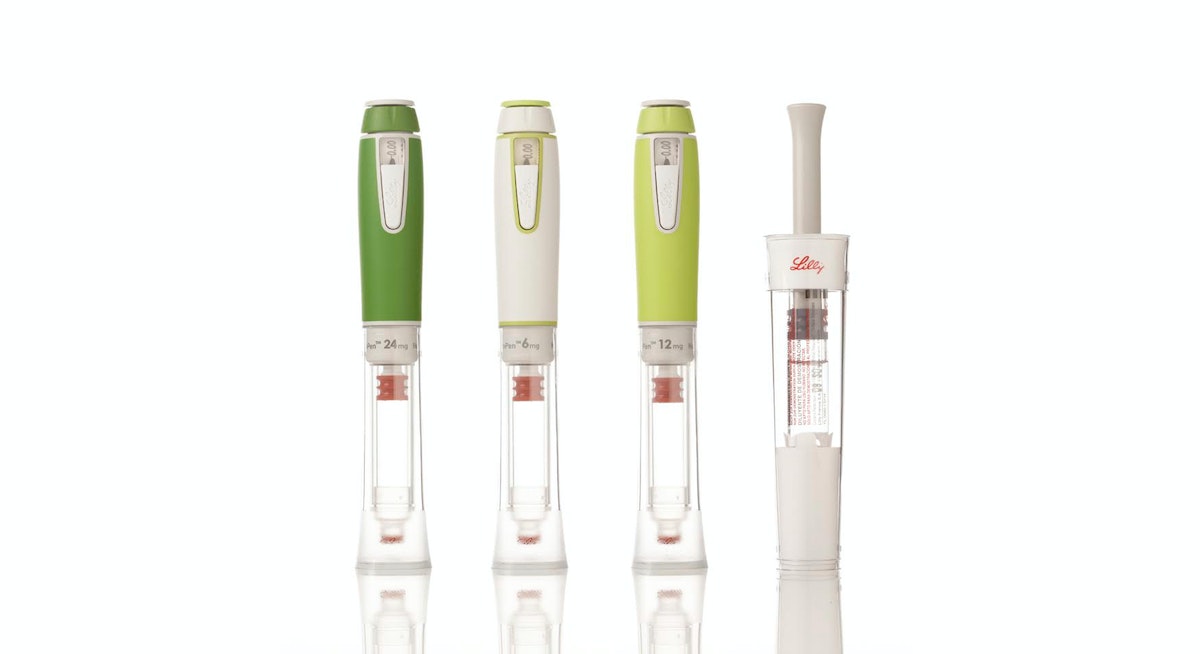
Key insights informed the design of SAVVIO, including patients’ preference for insulin pens that look less like medical devices and more like everyday objects you’d find in a backpack or purse. The sleek, colorful device was created to help patients feel comfortable and confident about fitting mealtime injections into their everyday lives.
Refillable Human Growth Hormone (HGH) Injector and Reconstitution Device
Designed to be kid-friendly, the Refillable HGH Injector leverages insights into pediatric treatment adherence to create a more integrated, systematic approach to treatment, while the Reconstitution Device makes mixing Lilly’s powder-and-liquid drug easier and less intimidating for parents and healthcare professionals alike.
KwikPen Insulin Pen
KwikPen is a next-generation, prefilled insulin injection pen that builds on the success of two previous designs, reducing its size to 5.7 inches and enhancing ease of use for patients.
HumaPen(R) Luxura™ Insulin Pen
HumaPen Luxura combines several innovations into a robust yet elegant pen that can be carried and used anywhere—an insulin pen solution that improves dosing accuracy, dose setting, and injection force.
In addition to designing products to meet the needs of people with diabetes, IDEO and Lilly have developed innovations in areas of oncology, autoimmunity, and men’s health. The results of this collaboration and expansion have won numerous design awards and produced one of the longest and most fruitful innovation relationships in IDEO’s history.
In the 1990s and early 2000s, Eli Lilly had a number of new, life-changing medications and two big challenges: Most of its drugs were self-injectables, not pills, so patients were hesitant to take them. And its drug-delivery device platform lagged behind its drug pipeline.
99%
of Trulicity users reported the auto-injector was “easy” to “very easy” to use in a JDST study
$36.5B
of Lilly’s $65.2B 2025 revenue came from sales of its auto-injectable GLP-1s, Mounjaro and Zepbound, a 45% increase from 2024
The Ten Faces of Innovation
IDEO Partner Tom Kelley shares IDEO's strategies for driving creativity and overcoming devil's advocates within an organization.
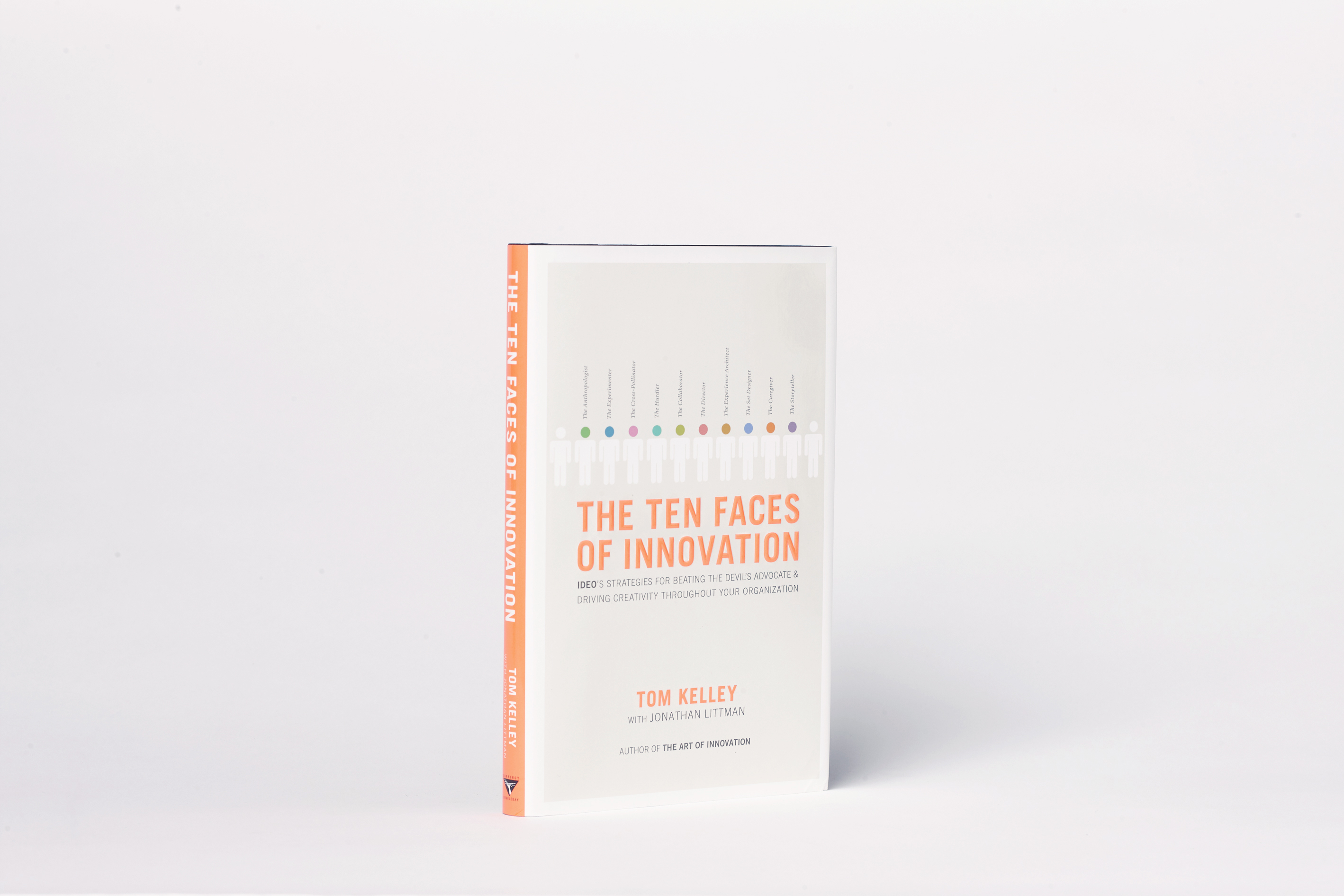
Over the years, Tom Kelley has observed the roles that people can play in an organization to foster innovation and new ideas, while offering an effective counter to naysayers. He shares these strategies for driving creativity forward in The Ten Faces of Innovation.
Among these approaches are the "Anthropologist," the person who goes into the field to see how customers use and respond to products, to come up with new innovations; the "Cross-Pollinator," who mixes and matches ideas, widely disparate people, and technologies to create new ideas that can drive growth; and the "Hurdler," who instantly looks for ways to overcome the limits and challenges to any situation.
Filled with engaging stories of how companies such as Kraft, Samsung, and Procter & Gamble have incorporated IDEO’s thinking to transform the customer experience, The Ten Faces of Innovation is an extraordinary guide to nurturing and sustaining a culture of continuous innovation and renewal.
About the Ten Faces
The Learning Personas
Individuals and organizations need to constantly gather new sources of information in order to expand their knowledge and grow, so the first three personas are learning roles. These personas are driven by the idea that no matter how successful a company currently is, no one can afford to be complacent. The world is changing at an accelerated pace, and today's great idea may be tomorrow's anachronism. The learning roles help keep your team from becoming too internally focused, and remind the organization not to be so smug about what you “know”. People who adopt the learning roles are humble enough to question their own worldview, and in doing so they remain open to new insights every day.
The Anthropologist is rarely stationary. Rather, this is the person who ventures into the field to observe how people interact with products, services, and experiences in order to come up with new innovations. The Anthropologist is extremely good at reframing a problem in a new way, humanizing the scientific method to apply it to daily life. Anthropologists share such distinguishing characteristics as the wisdom to observe with a truly open mind; empathy; intuition; the ability to "see" things that have gone unnoticed; a tendency to keep running lists of innovative concepts worth emulating and problems that need solving; and a way of seeking inspiration in unusual places.
The Experimenter celebrates the process, not the tool, testing and retesting potential scenarios to make ideas tangible. A calculated risk-taker, this person models everything from products to services to proposals in order to efficiently reach a solution. To share the fun of discovery, the Experimenter invites others to collaborate, while making sure that the entire process is saving time and money.
The Cross-Pollinator draws associations and connections between seemingly unrelated ideas or concepts to break new ground. Armed with a wide set of interests, an avid curiosity, and an aptitude for learning and teaching, the Cross-Pollinator brings in big ideas from the outside world to enliven their organization. People in this role can often be identified by their open mindedness, diligent note-taking, tendency to think in metaphors, and ability to reap inspiration from constraints.
The Organizing Personas
The next three personas are organizing roles, played by individuals who are savvy about the often counter-intuitive process of how organizations move ideas forward. At IDEO, we used to believe that the ideas should speak for themselves. Now we understand what the Hurdler, the Collaborator, and the Director have known all along: that even the best ideas must continuously compete for time, attention, and resources. Those who adopt these organizing roles don't dismiss the process of budget and resource allocation as “politics” or “red tape.” They recognize it as a complex game of chess, and they play to win.
The Hurdler is a tireless problem-solver who gets a charge out of tackling something that's never been done before. When confronted with a challenge, the Hurdler gracefully sidesteps the obstacle while maintaining a quiet, positive determination. This optimism and perseverance can help big ideas upend the status quo as well as turn setbacks into an organization's greatest successes—despite doomsday forecasting by shortsighted experts.
The Collaborator is the rare person who truly values the team over the individual. In the interest of getting things done, the Collaborator coaxes people out of their work silos to form multidisciplinary teams. In doing so, the person in this role dissolves traditional boundaries within organizations and creates opportunities for team members to assume new roles. More of a coach than a boss, the Collaborator instills their team with the confidence and skills needed to complete the shared journey.
The Director has an acute understanding of the bigger picture, with a firm grasp on the pulse of their organization. Subsequently, the Director is talented at setting the stage, targeting opportunities, bringing out the best in their players, and getting things done. Through empowerment and inspiration, the person in this role motivates those around them to take center stage and embrace the unexpected.
The Building Personas
The four remaining personas are building roles that apply insights from the learning roles and channel the empowerment from the organizing roles to make innovation happen. When people adopt the building personas, they stamp their mark on your organization. People in these roles are highly visible, so you’ll often find them right at the heart of the action.
The Experience Architect is that person relentlessly focused on creating remarkable individual experiences. This person facilitates positive encounters with your organization through products, services, digital interactions, spaces, or events. Whether an architect or a sushi chef, the Experience Architect maps out how to turn something ordinary into something distinctive—even delightful—every chance they get.
The Set Designer looks at every day as a chance to liven up their workspace. They promote energetic, inspired cultures by creating work environments that celebrate the individual and stimulate creativity. To keep up with shifting needs and foster continuous innovation, the Set Designer makes adjustments to a physical space to balance private and collaborative work opportunities. In doing so, this person makes space itself one of an organization's most versatile and powerful tools.
The Storyteller captures our imagination with compelling narratives of initiative, hard work, and innovation. This person goes beyond oral tradition to work in whatever medium best fits their skills and message: video, narrative, animation, even comic strips. By rooting their stories in authenticity, the Storyteller can spark emotion and action, transmit values and objectives, foster collaboration, create heroes, and lead people and organizations into the future.
The Caregiver is the foundation of human-powered innovation. Through empathy, they work to understand each individual customer and create a relationship. Whether a nurse in a hospital, a salesperson in a retail shop, or a teller at an international financial institution, the Caregiver guides the client through the process to provide them with a comfortable, human-centered experience.
Purchase
Know someone who might love this book? Here are some options for purchasing The Ten Faces of Innovation:
- Order the US version from Amazon
- Order the Japanese version from Amazon
- Order the UK version from Amazon
Essential reading for every single person in your organization—even the CEO should read it! Each page contains a nugget that's worth the price of the entire book. Wow. - Seth Godin, Author of Purple Cow and Tribes
Tom Kelley has unlocked the magic box of innovation for corporate America. - Bruce Nussbaum, BusinessWeek
The role of the devil’s advocate is nearly universal in business today. It allows individuals to step outside themselves to raise questions and concerns that effectively kill new projects and ideas, while claiming no personal responsibility. Nothing is more potent in stifling innovation.

Method Cards
IDEO Method Cards are a tool to showcase methods we use to inspire great design and keep people at the center of our design process. Each of the 51 cards describes one method and includes a brief story about how and when to use it.
IDEO Method Cards are a tool to showcase methods we use to inspire great design and keep people at the center of our design process. Each of the 51 cards describes one method and includes a brief story about how and when to use it.
It's not a "how to" guide—it's a design tool meant to explore new approaches and help you develop your own. Use the deck to gain a new perspective, inspire a team, turn a corner, or try a new approach.
Created in response to requests from clients, colleagues, students, and teachers, IDEO Method Cards are intended as inspiration for practicing and aspiring designers, as well as those seeking a creative spark in their work.
I use the Method Cards mainly as tools for process design. They are great for groups who are working on solving a particular 'How do we get from here to there?' kind of problem.
~Craig Pelkey Landes, Fast Company
Here's where you can get the IDEO Method Deck:
IDEO Method Cards are available exclusively from William Stout Architectural Books in San Francisco. Call them at 415-391-6757 or click here to purchase online.

Reimagining the Shopping Cart
Designing a better shopping cart to illuminate IDEO's design process.
To demonstrate our process for innovation for a 1999 episode of ABC’s late-night news show Nightline, IDEO created a new shopping cart concept, considering issues such as maneuverability, shopping behavior, child safety, and maintenance cost. The show concentrated on IDEO’s design process, recording as a multidisciplinary team brainstormed, researched, prototyped, and gathered user feedback on a design that went from idea to a working appearance model in four days.
The nestable steel frame lacks sides and a bottom to deter theft, and holds removable plastic baskets to increase shopper flexibility, help protect goods and provide a method to promote brand awareness. A dual child seat uses a swing-up tray for a play surface, and a hole provides a secure spot for a cup of coffee or a bunch of carnations. One of the unique — and potentially patentable — features of the cart is the design of its steerable back wheels. Normally fixed straight for stability and familiarity, an easy sideways effort allows the wheels to turn left or right. Pushing the cart forward puts the wheels straight again.
Note: The footage of the Nightline episode featuring the shopping cart is owned by ABC. They've made it available for purchase to stream, or as a DVD, here.
Why does health innovation keep getting stuck?
It’s time to rethink the journey from idea to impact.
The health world has no shortage of good ideas. Across pharma, medtech, and digital health, companies invest huge amounts of time, money, and ingenuity in new products, services, and technologies designed to improve lives. And the AI boom is only intensifying the pressure to innovate faster.
Yet creating something new and achieving lasting change are very different challenges. Promising technologies can perform brilliantly in development but be ignored in clinics. Successful pilots often fade away once the novelty wears off. Patients and healthcare professionals say they want better options or experiences, yet uptake stalls or even fails once the idea reaches the real world.
We tend to look for a single thing that went wrong. Was the evidence strong enough? Did clinicians support it? Were patients ready?
But maybe we’ve been looking in the wrong place. We put enormous care into the innovation itself—designing, testing, and refining it until it works. But the journey it must take through people’s lives, clinical practices, and the wider health system demands a different kind of thinking. While individual parts of that journey—such as design, evidence, implementation, and communication—each receive attention, the journey as a whole often does not. Yet it, too, needs to be designed—with the same rigor, the same focus on human-centeredness, and the same willingness to question assumptions applied to the innovation itself.

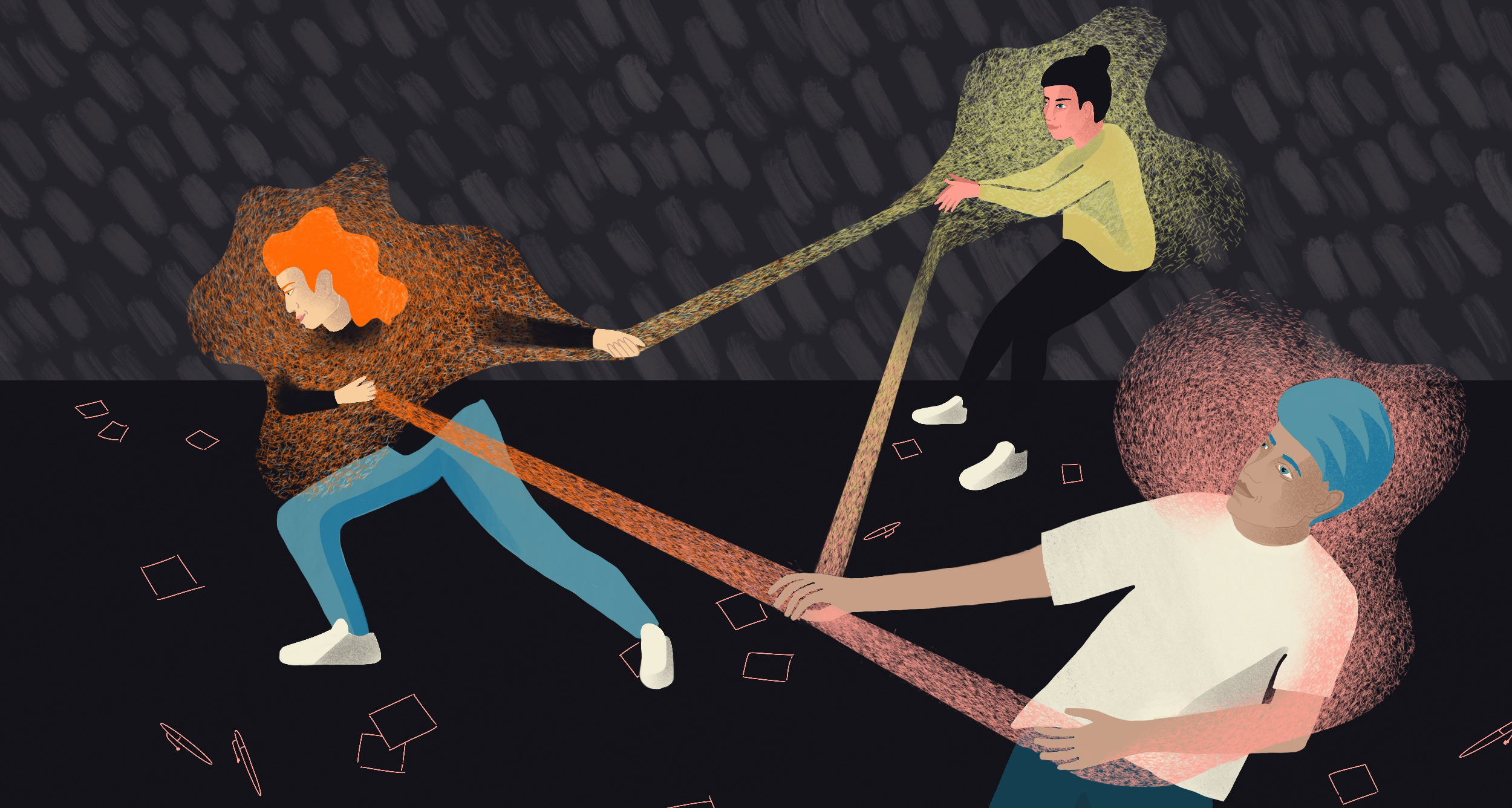
We’ve turned innovation into a relay race
The organizations looking to champion health innovation typically access deep expertise in the individual disciplines required to take an idea into the world. The difficulty is that those disciplines often sit within different teams, agencies, budgets, and moments in the process.
On paper, the journey might look logically connected: first design, then stakeholder consultation, then solution development, and finally implementation. Along the way, behaviors begin to change and adoption eventually creates wider impact.
In practice, the journey often operates more like a relay race. Each team is incentivized, quite reasonably, to solve the challenge in front of it and deliver its part of the process before handing the baton onwards.
However, a product can win design awards and still struggle with adoption because it doesn’t fit an existing clinical pathway. An intervention patients love may require behaviors that are hard to maintain amid the chaos of daily life. Strong evidence won’t go anywhere if the people with the power to change practice do not understand or support the proposed solution. By the time marketing teams arrive, there may be very little a PR campaign can do to change decisions made years earlier that have left an innovation difficult to understand, trust, or adopt.
When the process is organized as a succession of handovers, momentum gets lost in the gaps between disciplines. That isn’t a failure of intent. It’s a failure of design.
The monsters don’t wait patiently for their turn
At IDEO, we’ve described some of healthcare’s most stubborn obstacles as monsters: entrenched complexity, ingrained barriers, fragmented systems, and convoluted communications. Behind the playful names are problems rooted in organizational habits, inherited assumptions, and ways of working that can be every bit as challenging as the technical problem an innovation is trying to solve.
The difficulty is that these barriers rarely exist in isolation. For example, what looks like a patient experience problem might be shaped by internal processes, organizational culture, or the systems clinicians work with. Focusing too narrowly on the obvious problem in front of you can make you miss factors elsewhere in the system that help create it. In our experience, the monster you can see is not always the one doing the most damage.
That became apparent in IDEO’s work with Newton-Wellesley Hospital (NWH). The hospital wanted to improve patient care, but its leaders recognized that doing so also meant looking at the experience of the people delivering it. Starting in the Women’s Imaging Center, teams redesigned mammogram workflows, developed experience principles, and tested new service ideas with patients before expanding the work into other parts of the hospital.
One of the most impactful prototypes was Care Modes, a pre-surgery tool that empowered NWH care teams to tailor their approach and interactions to patients’ unique needs, beyond just clinical requirements. Organized around four distinct patient engagement modes—Explain, Partner, Embrace, and Encourage—Care Modes was designed to help patients feel more comfortable with their decision to have surgery. It was so successful that the hospital eventually incorporated it into its electronic medical record. Improving the front-of-house patient experience at NWH meant addressing larger back-of-house issues around staff culture, working practices, and the systems clinicians used every day.
When it comes to health innovation, the barrier that actually stops an idea from gaining traction may sit well beyond the original design brief, which is why organizations need to look for those connections much earlier in the journey.
Start with the impact and work backward
Human-centered design starts with people—not the product. Applied to the innovation journey, that means starting with people and working backward. How does the innovation fit existing practices or behaviors? What could make adoption difficult? What needs to change to support the implementation of the new idea?
When Sanofi launched Beyfortus, the first RSV immunization for newborns, we worked together to figure out how to communicate the value of the life-saving vaccine to parents. The IDEO team interviewed parents, caregivers, healthcare professionals, and administrators in Germany, Spain, China, and the US to explore potential barriers to adoption.
The research revealed very different considerations across the experience. Healthcare professionals needed training that could flex between markets and professional contexts. New parents found receiving vaccine information immediately after giving birth overwhelming. Conversations needed to start earlier in pregnancy and continue after families left the hospital, when further questions might emerge.
Those insights informed a flexible global communications toolkit, which the team refined through co-design workshops focused on market fit. The communications about the immunization were integrated into the launch design itself.
The ecosystem is part of the design
Every innovation enters a health system shaped by patients, clinicians, commissioners, charities, professional bodies, regulators, policymakers, and public debate. Any one of them can affect whether an innovation moves forward, stalls, or reaches people unevenly.
Stakeholder engagement, policy, advocacy, behavioral insight, and communications often come during later stages of an innovation’s journey. Brought in earlier, these perspectives can reveal pressures affecting decision-makers, worries shared among patients, misconceptions that could fracture trust, and practical or political constraints that influence what can realistically be brought to life.
Consider Lexington Health’s work with Pfizer to better understand the unmet needs of people with blood cancer. Lexington brought patient organizations and people affected by the disease into the process by creating advisory boards, then worked with Pfizer UK and Blood Cancer UK to draw on the resulting insights to co-develop a patient charter. It was accompanied by a policy briefing that provided recommendations to improve diagnosis, outcomes, and patient experiences. This work reminds us that the ecosystem surrounding an innovation is not simply an audience to engage at launch: involving patients and advocacy groups early can help define the barriers that need to be addressed and shape the policy conditions required for change.
Lexington Health’s work with Roche Diagnostics UK & Ireland and Action on Pre-eclampsia offers another example. Using updated National Institute for Health and Care Excellence testing guidance as a hook, the campaign put patient and clinical voices at the center of a story about unequal access to pre-eclampsia testing during pregnancy across the UK. Media coverage highlighted the campaigners’ desired policy changes, while engagement with political stakeholders in Scotland helped secure a meeting between Action on Pre-eclampsia and Scotland’s First Minister. The Scottish Government later announced dedicated funding for implementing pre-eclampsia testing across every National Health Service Health Board in Scotland.
Here, progress depended on bringing patient experience, clinical voices, public attention, and political decision-makers into the conversation.
Don’t design the innovation and then design adoption
If an innovation requires clinicians to alter established practice, patients to make unfamiliar choices, or healthcare organizations to change built-in processes, those behavior changes must be included in the design process. Waiting until implementation leaves far less room to address the design decisions that created barriers in the first place.
The same applies to the wider system. If policy or professional guidance will determine whether an innovation reaches people, those perspectives must inform the process early enough to shape what gets built, how evidence is generated, and what needs to change around it.
The organization needs to be designed, too
If health organizations repeatedly watch good innovations get stuck between development, implementation, and adoption, how much of the problem comes from the way the organization has designed pathways to innovation or ways of working? We encounter this challenge repeatedly: organizations excel at individual stages of innovation, but their specialist-function structures and distinct development stages inadvertently undermine the connections between them. That structure shapes behavior in ways that are easy to overlook. Teams commission work sequentially rather than simultaneously. Briefs are handed over rather than shared. Design concludes before policy and communications begin. Each decision feels rational in isolation; collectively, they build the gaps that innovation later falls into.
Breaking that pattern doesn’t necessarily require restructuring—but it does require a deliberate choice to bring different perspectives into the room earlier, with a shared brief, a common definition of success, and a design and stakeholder strategy that’s developed in parallel rather than in sequence. These aren’t radical changes, but they require organizations to resist the pull of their existing processes.
The route from health innovation to health impact is rarely simple. Finances, regulation, evidence, behavior, economics, politics, and the realities of people’s lives tend to be complexifiers. The organizations best equipped to make innovation stick will embrace that complexity and design the conditions for success alongside the solution itself.
A brilliant idea can only change healthcare if it can make the journey into people’s lives.
Is your organization navigating health innovation challenges around design, implementation, or adoption? Reach out to Jess Farmery at Lexington Health and Betsy Fields Smith at IDEO to discuss how we can provide support.
“When it comes to health innovation, the barrier that actually stops an idea from gaining traction may sit well beyond the original design brief."

Lindsey Turner
I’m passionate about building brands, products, and experiences that help organizations show up with meaning and momentum.
I help organizations cut through complexity by shaping how they show up, through brand strategy, identity, and storytelling.
Working at the intersection of brand and business, I bring an editorial eye and a bias toward making—turning ideas into tangible experiences that people can understand, trust, and believe in.
My work spans government, healthcare, financial services, media, and consumer goods, from launching Gen Z-focused ventures to building innovation labs and reimagining legacy brands. I relish moments of ambiguity and enjoy translating across teams, perspectives, and priorities to move ideas forward.
I started my career in editorial and digital design, shaping cross-platform experiences and identity systems in publishing and agency environments. That foundation still shapes how I work today: I’m detail-oriented, collaborative, and overreliant on the Oxford comma. I hold a BFA in Visual Communication from the School of the Art Institute of Chicago.

Rachel Young
My work helps organizations see who their products aren't working for—and build the will and the tools to do something about it
For 25 years, I've asked the same question: Who does this design exclude—and what are we going to do about it?
My work spans human-centered strategy, inclusive design, and qualitative research, with clients ranging from Microsoft, Google, and Verizon to the National Science Foundation, and San Francisco Unified School District.
Before IDEO, I taught elementary school in East Palo Alto and spent a decade doing design work with social service organizations—where I learned firsthand what it costs people when systems are built without them in mind.
I am currently writing User Error, a nonfiction book about digital access and the design decisions behind it. I live in Oakland, California.

Brian Pelsoh
I lead with craft, ensuring our work is creatively excellent: rooted in deep human insight and imagination, while also grounded in the realities of business and technology.
My expertise spans brand, communication, and product design across tech, education, the arts, and social impact.
I believe great work demands both high-level vision and obsessive attention to detail, and only happens through collaboration.
I bring an inclusive, hands-on approach and a deep understanding of business, which enables me to consistently deliver excellence while always asking why.
Before joining IDEO, I worked at the brand firms Pentagram and VSA Partners. I began my career as a designer, leading teams at the School of the Art Institute of Chicago and the Milwaukee Art Museum. I hold an MFA in graphic design from Maryland Institute College of Art and a BFA in communication design from the Milwaukee Institute of Art & Design, and have taught at some of the best design schools in the US.

Tony Wong
I am responsible for IDEO’s long-term success in China and working with clients to use design as a tool to enable growth.
I am responsible for IDEO’s long-term success in China and working with clients to use design as a tool to enable growth. Specifically, I have helped Chinese companies design holistic brand solutions through the development of their products, communication, services, and innovation teams, and I have helped multinationals expand their presence and influence in China.
I advise global leaders on developing China-led innovation and capabilities.
In over 15 years in IDEO Shanghai, I have worked on projects that use design to elevate the quality of the experience of healthcare products and services, streamline processes that increase productivity, create spaces and programs that promote and enable inclusive communities, and build next generation mobility solutions that are planet-positive.
Before joining IDEO, I worked at Philips Electronics and the Electrolux Group in Italy, the Netherlands, and Singapore on a number of breakthrough commercial products. I am a member of the Young President Organization in Shanghai.

How to use AI as an editor, not a writer
Ed White shares how he uses AI as an editor—not a writer—to sharpen storytelling, rehearse ideas, and preserve the productive friction that makes creative work better.
Ed White has a rule he's tested on his own writing: hold yourself as the writer, and let AI be your editor. Ed is a Senior Design Director at IDEO's London studio, where he co-leads the firm's AI portfolio across Europe. Before IDEO, he spent 12 years as a writer and editor at the Financial Times, Wired, and Contagious. So when he talks about when to use AI for storytelling and when not to, it comes from two decades of crafting his storytelling skills.
In this episode, Mina Seetharaman talks with Ed about two specific tools he uses to keep AI in an editor's seat: a "roasting agent" prompted to critique his drafts without any sugarcoating, and a simulated audience he rehearses pitches on before the real thing. They also get into what Ed is hearing from design leaders at Anthropic, Lovable, Shopify, and Google Creative Lab about how creative work is changing, and why he thinks the friction of writing something yourself is worth protecting rather than automating away.

Building a personal AI for the messiness of life: Sida Li
Becca Carroll talks with Cue co-founder Sida Li about designing a personal AI for the messiness of everyday life—not just work. They explore how Sida stays anchored to human needs while navigating fast-changing technology, product tradeoffs, business-model experimentation, and the realities of building an AI company today.
Most AI products today are built for work—a space with clear problems and established systems. One founder noticed a gap: personal life is messier, harder to systematize, and mostly left behind by the AI boom. So she built Cue, a personal AI that lives inside iMessage and group chats, to go where the other tools haven't.
In this episode, Becca Carroll, IDEO's Chief Strategy Officer, talks with Sida Li, co-founder and CEO of Shared Context Lab, about staying anchored to a human need while the technology around her keeps changing shape, why she treats her business model with the same rigor she'd bring to a product, and what it feels like to build a company at this particular, disorienting moment in AI.
The conversation also gets into how Sida makes design decisions: the language Cue uses to describe itself, the tradeoffs behind building inside iMessage instead of a new app, and a real story about a business idea that didn’t pan out.
This is the second in a two-part series profiling founders from IDEO's Startups-in-Residence program. The first conversation is with Johannes Seemann, founder of Sooner, on designing GenAI for the emotional side of money.

Designing GenAI for the emotional side of money: Johannes Seemann
Designing financial tools around the feelings that shape money decisions.
Most personal financial tools are built to run the numbers and optimize towards a budget. While that works for some, most people experience money as a lived relationship that does not neatly fit into a spreadsheet. Johannes Seemann and Becca Carroll discuss why money is emotional before it is mathematical, and what a human-centered approach to building a generative AI financial product looks like in practice.

The curious leader's edge in uncertainty: Scott Shigeoka
How genuine curiosity helps leaders navigate uncertainty with greater confidence.
Mina Seetharaman talks with Scott Shigeoka, author of Seek and Head of Curiosity Cultivation at the Eames Institute, about what distinguishes genuinely curious leadership from performative curiosity, how power dynamics shape curiosity, and why practicing curiosity can restore energy rather than drain it.
Looks like you might be in search of something very specific?
Or reset the filters above and try another angle.
Here’s some random inspiration

Podcasts about creative leadership

Articles about the power of prototyping