
.svg)


It's time to tame the monsters of healthcare
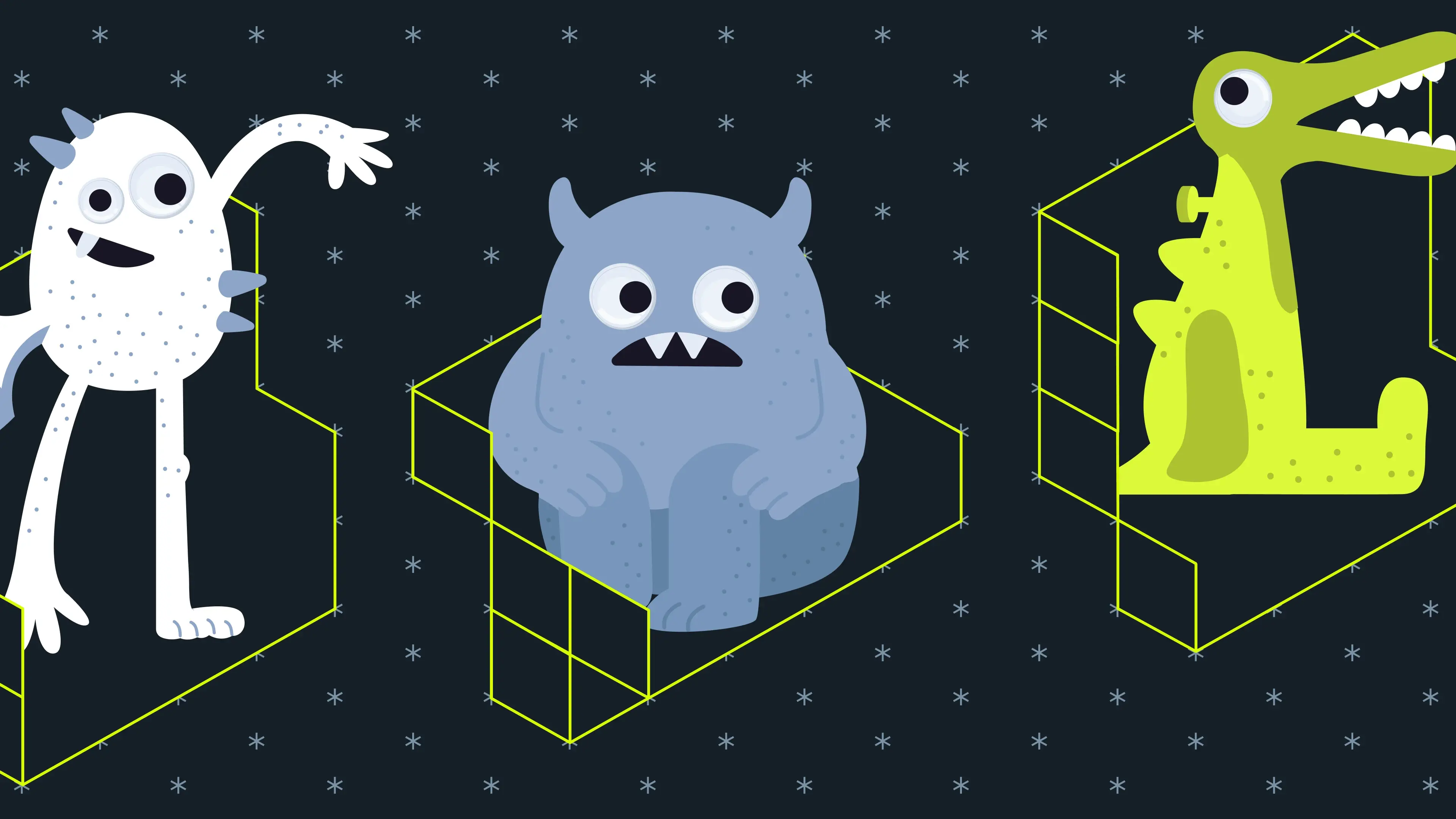
Here are the five bogeymen we keep encountering.
In our healthcare work, we’re constantly partnering with clients to solve big, seemingly intractable problems that prevent them from delivering the care patients need. Bad UX. Tangled bureaucracy. Stigma. Disinformation. Systems that were never designed to communicate with one another or effectively serve people. These barriers ultimately decide who gets better and who doesn’t.
Over the decades, we’ve learned it’s easier to tame these monsters if you name them. So we’ve turned them into creatures to help people identify and defeat the obstacles that prevent them from delivering the healthcare experiences and outcomes that patients (and employees) truly deserve.
Here are five bogeymen we keep encountering in our healthcare work, and some projects that have taught us how to vanquish them.
The Abominable Experiences Monster
Many medical procedures are more uncomfortable than they need to be. Women’s health, in particular, is full of experiences that feel a little medieval—painful, invasive, and undignified. Each one nudges patients toward skipping their next appointment.
The Abominable Experience Monster devours appointments. It also gobbles up early diagnoses, follow-up care, and long-term relationships between patients and clinicians that fuel good healthcare.
This is particularly true when it comes to cervical cancer screenings. When detected early, this form of cancer is completely preventable. But one in four American women is not up to date with their screenings. To address this issue, we partnered with Teal Health to reinvent the screening experience, focusing on much more than just the speculum.
Together, we designed a method for patients to collect their own samples at home, one-handed while standing, with clear instructions and welcoming packaging. In 2025, the FDA authorized the device. During the trial, 87 percent of participants reported that the new in-home experience made them more likely to stay current with their screenings.
Taming this monster starts with a question that isn’t asked often enough in healthcare: “Does it need to feel like this?”
The Entrenched Complexity Monster
This monster stymies progress. Departments operate as fiefdoms. A patient’s record sits inside three different systems. A small change requires six committees. Clinicians who want to improve the patient experience run out of energy trying to fight the system.
Newton-Wellesley Hospital came to us because they saw an opportunity to drive better patient outcomes through cultural and organizational change. We worked together to imagine a different future for the hospital, then prototyped it in phases.
The team at the Women’s Imaging Center kicked things off by reimagining the mammogram experience. They defined the principles for the experience they wanted to create and designed prototypes to gather patient feedback. Then, they became ambassadors, helping other departments take on their own monsters. Patient-centered ideas soon spread, including a practice that the hospital integrated directly into its medical records: a method for flagging each patient’s communication and care preferences, allowing providers to meet them in ways that made them most comfortable.
The Entrenched Complexity Monster is tamed one project at a time. Each time a department demonstrates that change is possible, the monster shrinks a little more.
The Ingrained-Barriers Monster
For a teenager seeking mental health support, there can be multiple barriers to care: from parents who don’t believe in therapy and months-long waitlists, to school counselors who are overwhelmed with the needs of 400 other students and the high costs of treatment. Combine these challenges, and you’re dealing with a juggernaut.
The Ingrained-Barrier Monster festers in the gaps between systems that were never designed to support the people who need them most—especially young people.
Our solution? Design with them. We partnered with Kooth, the California Department of Healthcare Services, and hundreds of young Californians to create Soluna: an app featuring evidence-based behavioral health tools, free coaching, and resources designed by the people who will eventually use them. Soluna is now available for free to six million young people across California.
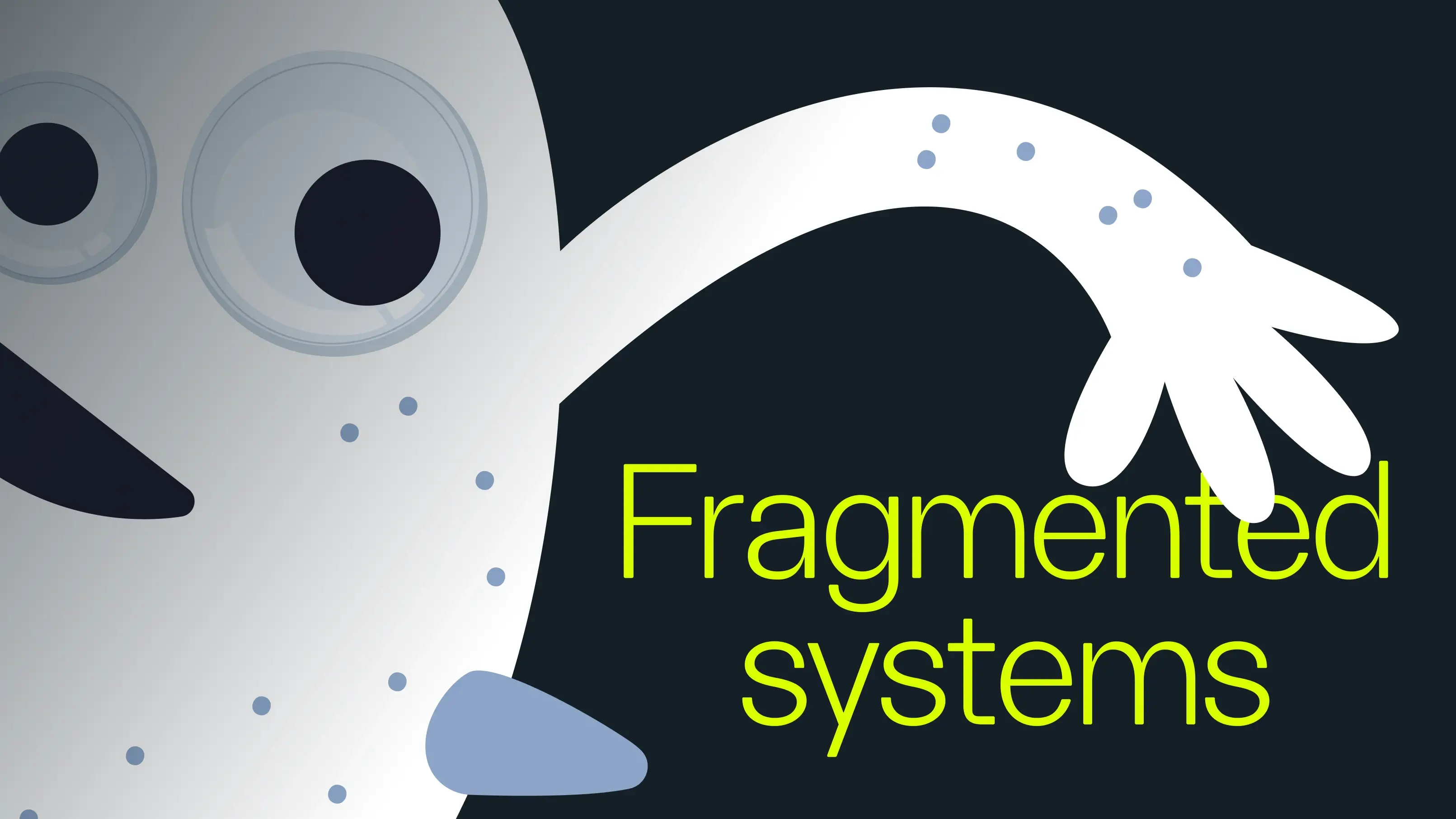
The Fragmented Systems Monster
For a working family in Lima, Peru, accessing routine healthcare services is a patchwork experience. Affordable, comprehensive care can be extremely hard to find. The Fragmented Systems Monster thrives in these cracks. It costs patients both time and money and, at times, leads them to miss appointments altogether.
Intercorp wanted to build something different: clinics specifically designed for Peru’s emerging middle class, rather than modifying existing models that weren’t intended for them. Before launching a real clinic, they constructed a full-scale prototype—a fake clinic—where patients could experience every aspect of their visit: registration, waiting room, examination, and pharmacy. Afterward, patients provided feedback on what was and wasn’t working. That feedback shaped Aviva, a clinic that opened in 2019 and now offers over 30 specialties. Since opening its doors, Aviva providers have performed more than 3,000 surgeries and assisted with more than 5,000 births.
Taming the Fragmented Systems Monster begins with a counterintuitive idea: quickly build a tangible, rough version of connected care, allowing patients to guide you in getting it right.
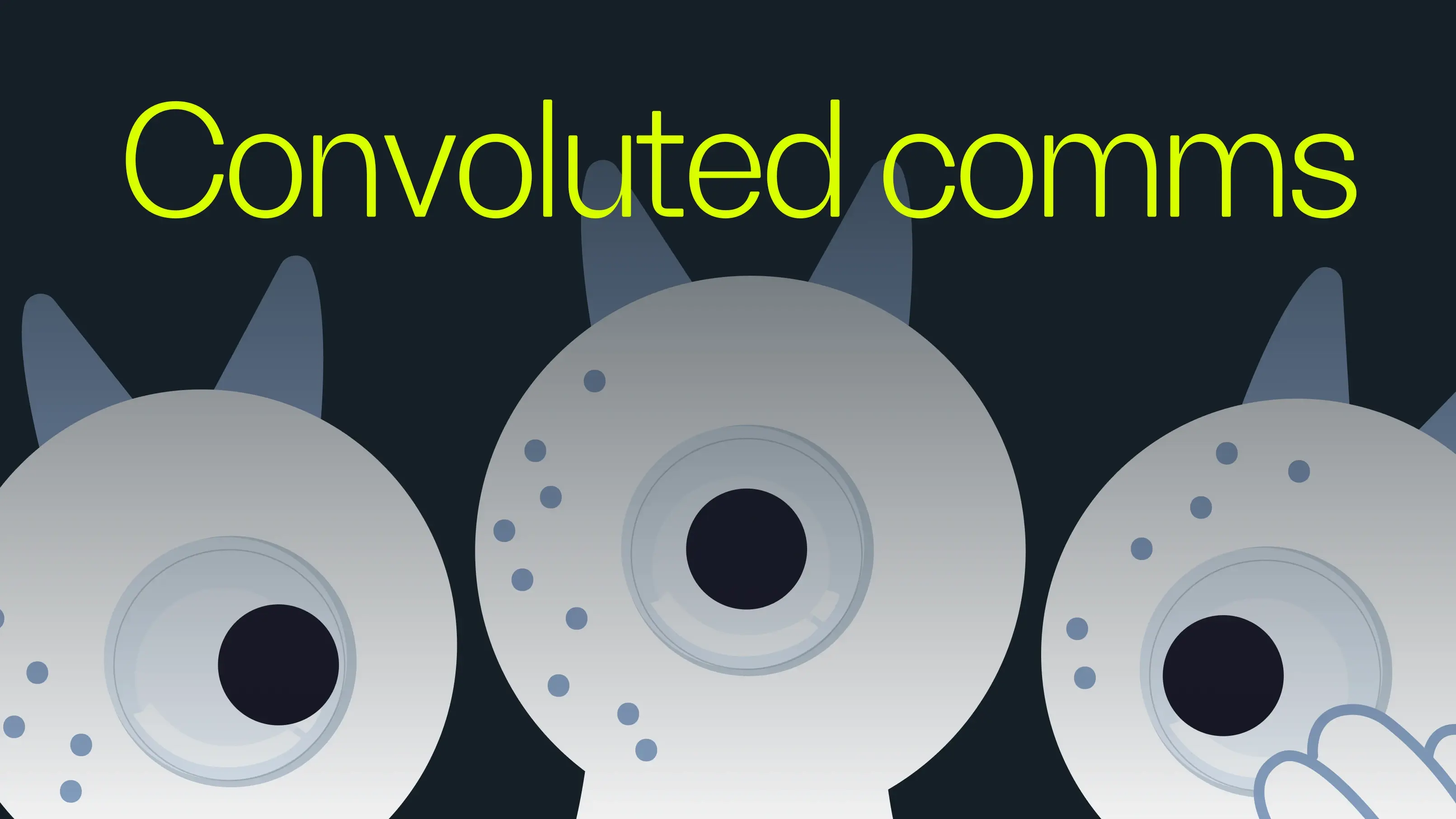
The Convoluted Comms Monster
Today’s parents receive a lot of information from their pediatricians, but they also turn to wellness influencers, online forums, and screenshots shared by people in their networks. By the time they’re in the doctor’s office, their opinions on care have been shaped by numerous sources, not all of which agree with each other.
The Convoluted Comms Monster flourishes in this noise, derailing even the most critical conversations, such as those a pediatrician must have with a concerned parent about a new immunization or vaccine.
When Sanofi prepared to launch Beyfortus—the first-ever RSV immunization for infants—the biopharma company approached us with a big question: How might we help pediatricians communicate clearly with worried parents across languages and cultures and amid the swirl of misinformation surrounding new medical developments? Together, we created materials to facilitate these important conversations. Beyfortus successfully launched in time for the 2024–2025 RSV season. Demand was so strong that Sanofi tripled its manufacturing capacity, and the immunization has been shown to reduce infant hospitalizations by 82 percent.
Taming this monster is about providing clinicians with clear, human-centered resources to cut through the noise, ultimately helping the parents in front of them and the children who depend on them.
Taming what’s blocking the way
At their core, these monsters arise from human decisions, organizational habits, and inherited assumptions. While technical issues may exacerbate the problems, strategy or software alone cannot resolve them.
The work is to find the monster, name it, and begin taming it by focusing on cultural behaviors and ways of working; in other words, prioritizing people, not just products.
We’ll be at HLTH Europe in Amsterdam later this month, on the lookout for more monsters. Bring us the obstacles in your work that feel too big, too tangled, or too entrenched for you to face. We’ll help you name them. And then we’ll help you tame them.
Have a monster of your own? Get in touch.
Special thanks to Ellora Jaggi and Tanya Kar for their work making the monsters come to life.
Words and art


.webp)
.webp)
Subscribe