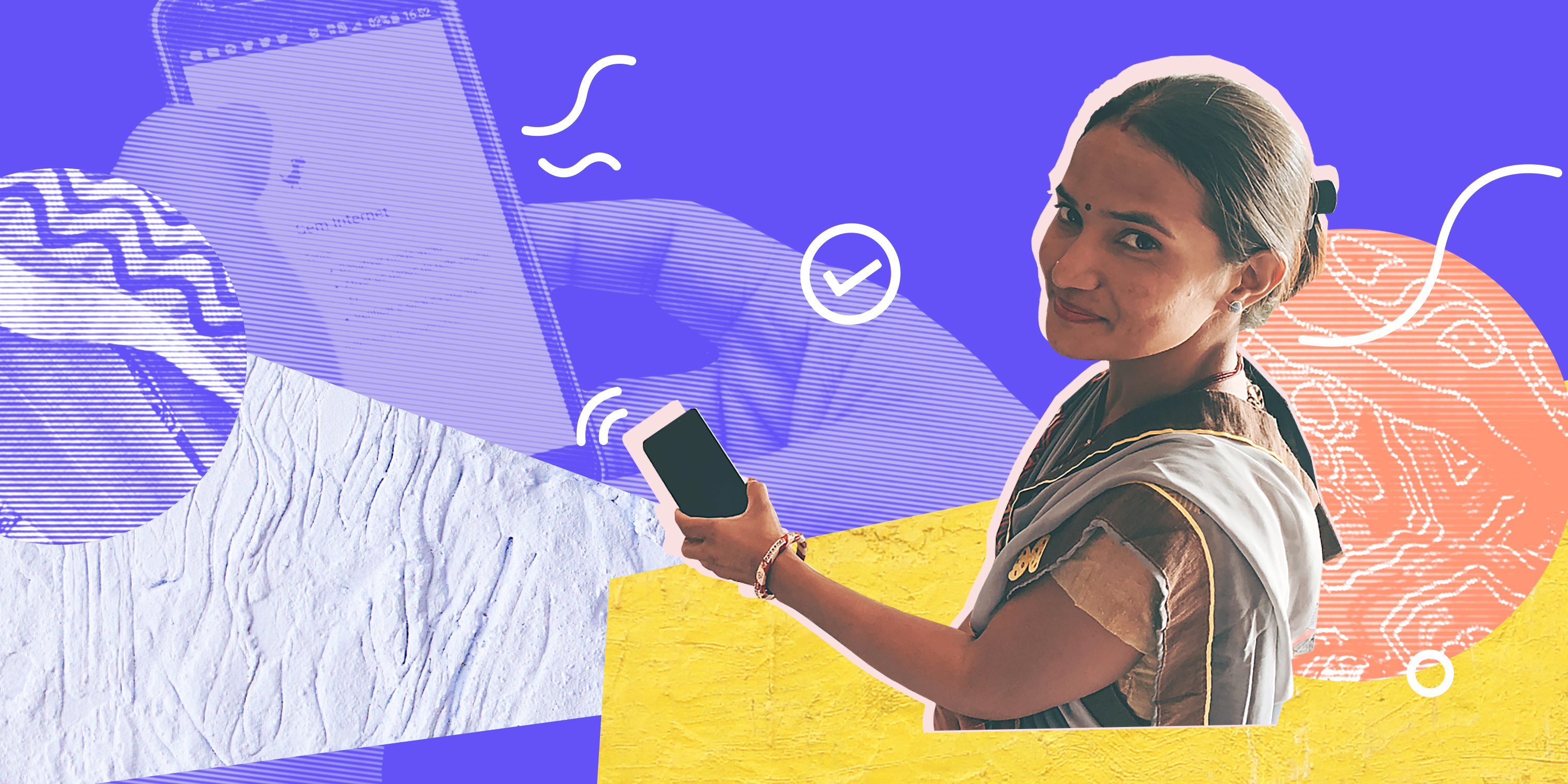

Balancing work and sleep
Somni’s personalized sleep program helps workers maintain their health.
Sleep is a critical resource for shift workers—and their employers, too. Together, IDEO and Somni worked directly with people with acute and chronic sleep challenges to create concepts that could support their sleep goals, and provide employers with the means to improve employee health.
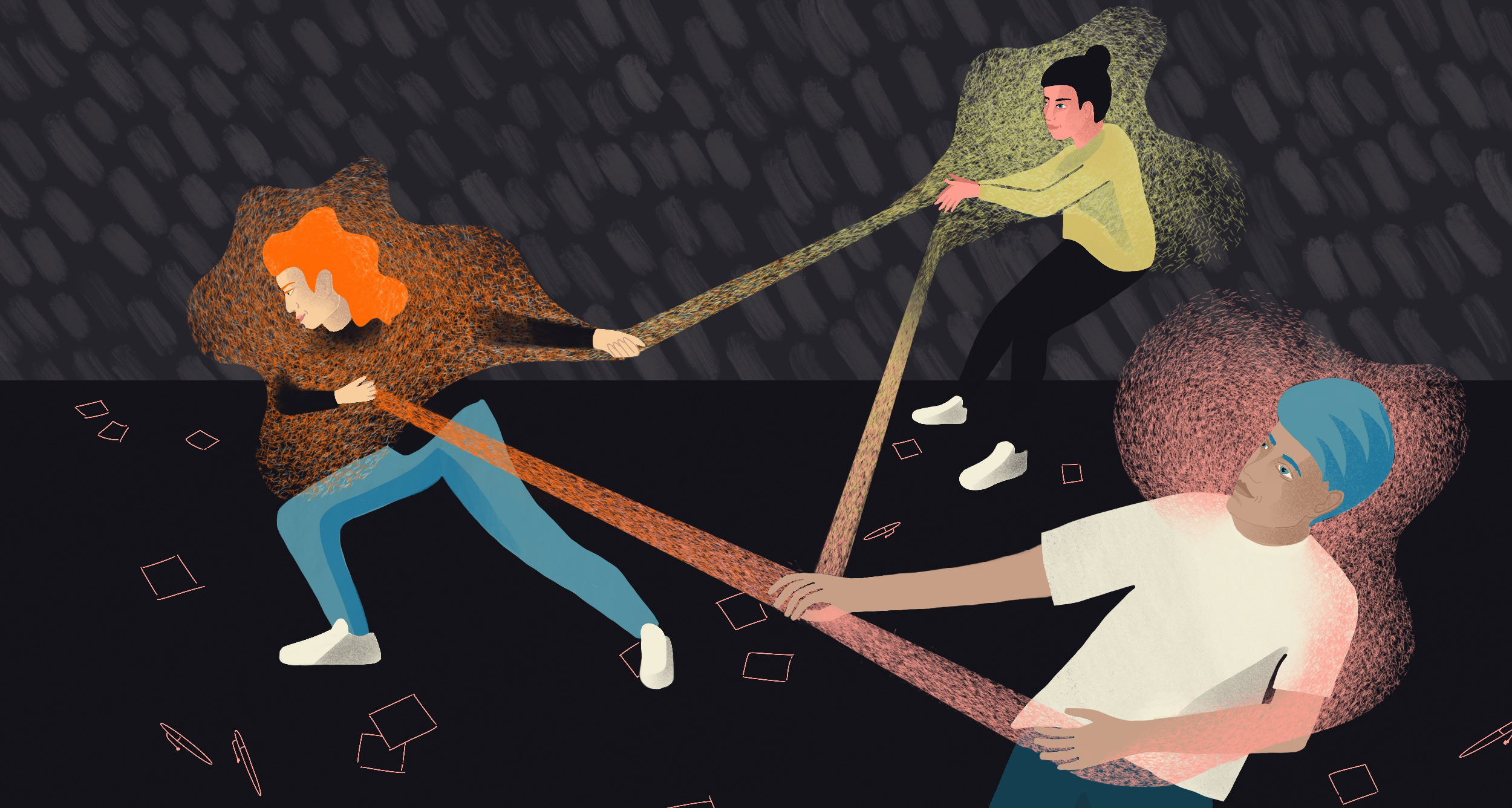
When IDEO and Somni first partnered, the startup was an early-stage company, so the team started small, with focused sprints and workshops to redesign the core aspects of the company and product offerings. The team interviewed shift workers about their sleep patterns, which can vary quite a bit. Even when people keep to a specific schedule on work days, they often have to change their patterns on days off to spend time with family and friends, leading to a very disruptive sleep cycle. Research revealed that many third shift workers were dealing with sleep and health issues, but also a pervasive “machismo” culture, pressure to “tough it out,” and a reliance on energy drinks to deal with lack of sleep.
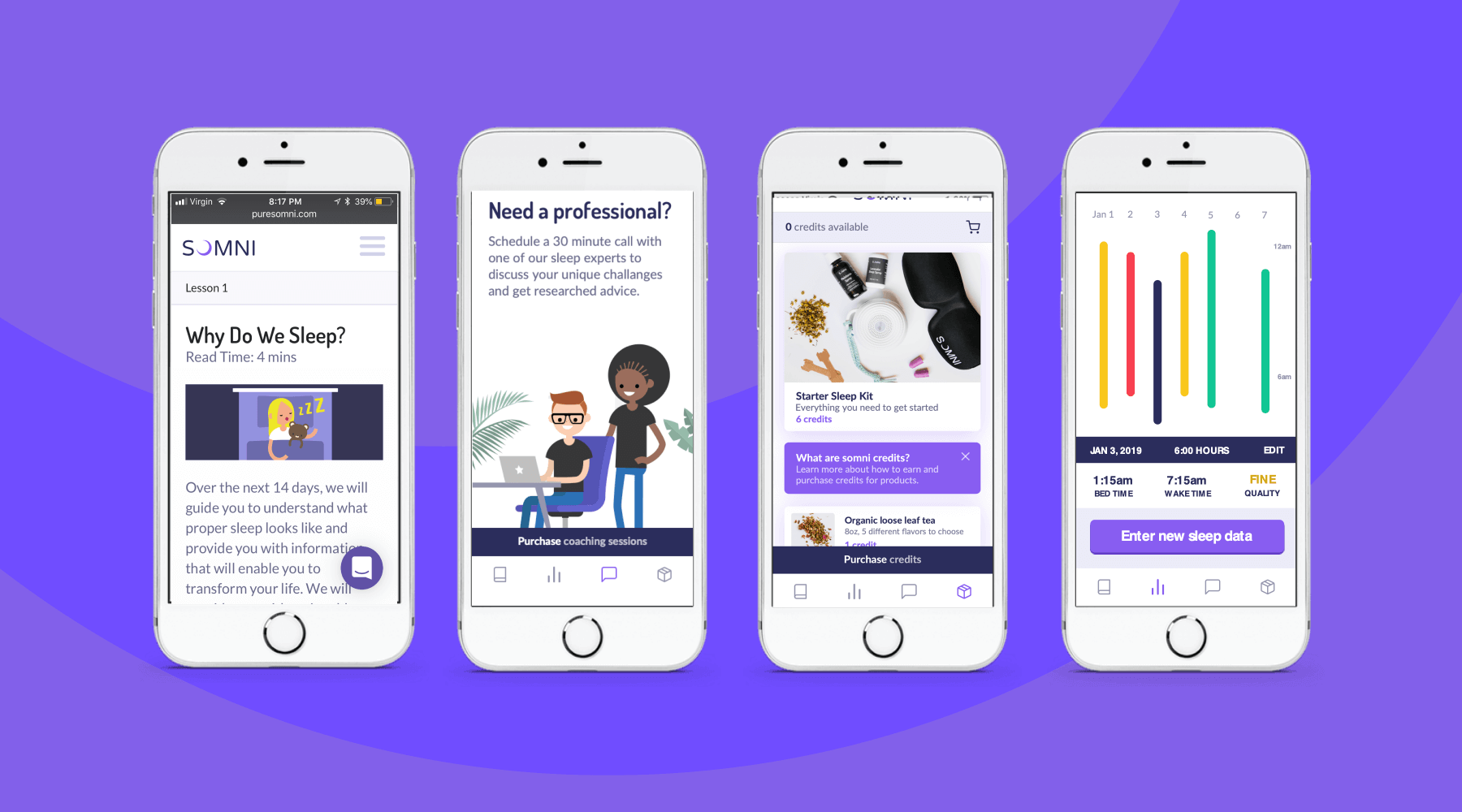
To address those issues, the team designed a digital experience for sleep cohorts, support groups where members could share their experiences and sleep strategies, and work with a coach and sponsor who already had been through the program. The platform analyzed workers’ data, and provided AI-enabled recommendations for improving their sleep. The big takeaway? Data by itself wasn’t necessarily helpful, and could be confusing for folks who were less digitally-fluent. Providing context, like a calendar that displayed sleep experiments at a glance, was crucial.
The IDEO team also created a new user experience for a genetic testing program that could uncover factors associated with sleep issues. Somni aims to use a saliva-based genetic test to monitor for DNA damage caused by circadian disruption, then leverage its sleep improvement program to prevent further damage. Because biomarker testing is a differentiating offer for Somni, it was extremely important that the team get it right, both to make sure that users could understand its utility, and for Somni to provide real value. The design challenge was unique—and not just because of data privacy concerns. Presenting data about DNA damage in a non-human-centered way could increase the anxiety workers had around their sleep.
At the end of the project, Somni leveraged the insights the IDEO team surfaced to improve products like its sleep coaching service, and to refine its biomarker testing offering. Based on this work, Somni has also created a pilot with a Fortune 100 company, which is currently in progress, as it works to mitigate the ill effects of disrupted sleep for employees and the companies they work for.
In the short-term, circadian rhythm disruption leads to an array of jet-lag-like symptoms, and in the long-run, it may contribute to weight gain, obesity, metabolic syndrome, type 2 diabetes, and cardiovascular disease.
It also impairs people’s ability to work, affecting productivity, creativity, and the overall work environment. Productivity loss can lead to employer baseline healthcare costs that are 26% higher, and over time, insomnia can result in an average cost of $4,267 more per employee per year.
In June 2019, the International Agency for Research on Cancer classified shift work as a probable carcinogen.
75%
user retention in Somni's sleep program
$2,450
savings per year per employee for users who complete the program
33%
improvement in sleep quality, and 41 more minutes per night

Nourishing the future
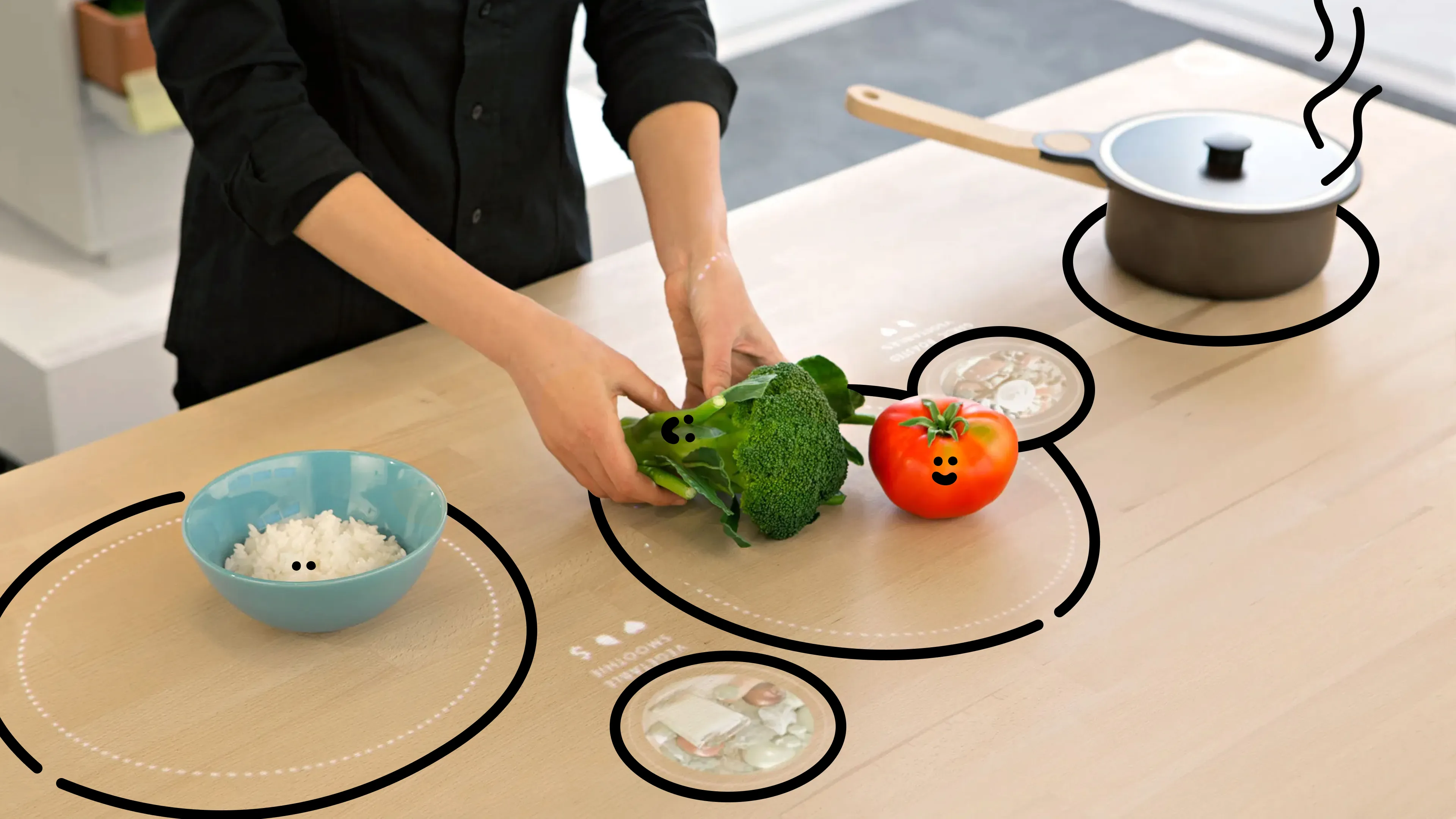
Eat Real helps redefine school lunch by advocating for nutritious, sustainable foods.
Before Eat Real can advocate for better school meals, it has to connect with school leaders—and donors. As the organization expanded its work beyond school certification, it needed an updated soup-to-nuts branding redesign that represents its purpose.
To get started on the five-week sprint, the IDEO team conducted a brand audit and interviews with Eat Real staff, board members, and donors. The team learned that Eat Real’s brand messaging and voice showed up inconsistently, and that board members wanted greater clarity around communication to prospective donors. Several people expressed a desire to change the original logo centered on a fork to a more culturally-inclusive symbol, and for the logo to be separated from the Eat Real Certified stamp, since the organization had evolved to do much more than just certification.
The IDEO team worked in close collaboration with Eat Real to deliver comprehensive brand guidelines, including Eat Real’s brand purpose and core values, positioning and personality, logo and wordmark, visual expression, verbal expression, and brand showcase. The brand’s new tagline, Nourish the Future, speaks directly to how real food access unleashes the possibility for a healthier society and a healthier planet. A new mark combines three elements that signify much more: a welcoming bowl (joy and ritual), the serving spoon (generosity and nourishment), and a sprouting leaf (a future where children and the planet flourish). The team also landed on an unapologetically vibrant color palette, to bring surprise and energy to the brand. From this foundation, Eat Real created a new website, completed a photo shoot with IDEO's art direction, and launched the brand with new messaging and collateral within a year. Now, Eat Real has the tools it needs to scale its operations and affect real change.
To scale its program and be at the center of sustainable food systems change, Eat Real needed branding and messaging to reach a new set of philanthropists.
Almost 30 million US kids depend on public school lunches for more than 50% of their daily calories. These meals are frequently made up of ultra-processed, unsustainable foods that contribute to type 2 diabetes and obesity.
2023 funding goals reached
with its new branding, beating its end-of-year fundraising goals, and putting the nonprofit on track to serve more schools in 2024
129M
meals served to 360,000 students every year at schools that have gone through the certification program

Preparing students to innovate
How Yungu School is building the next generation of changemakers.
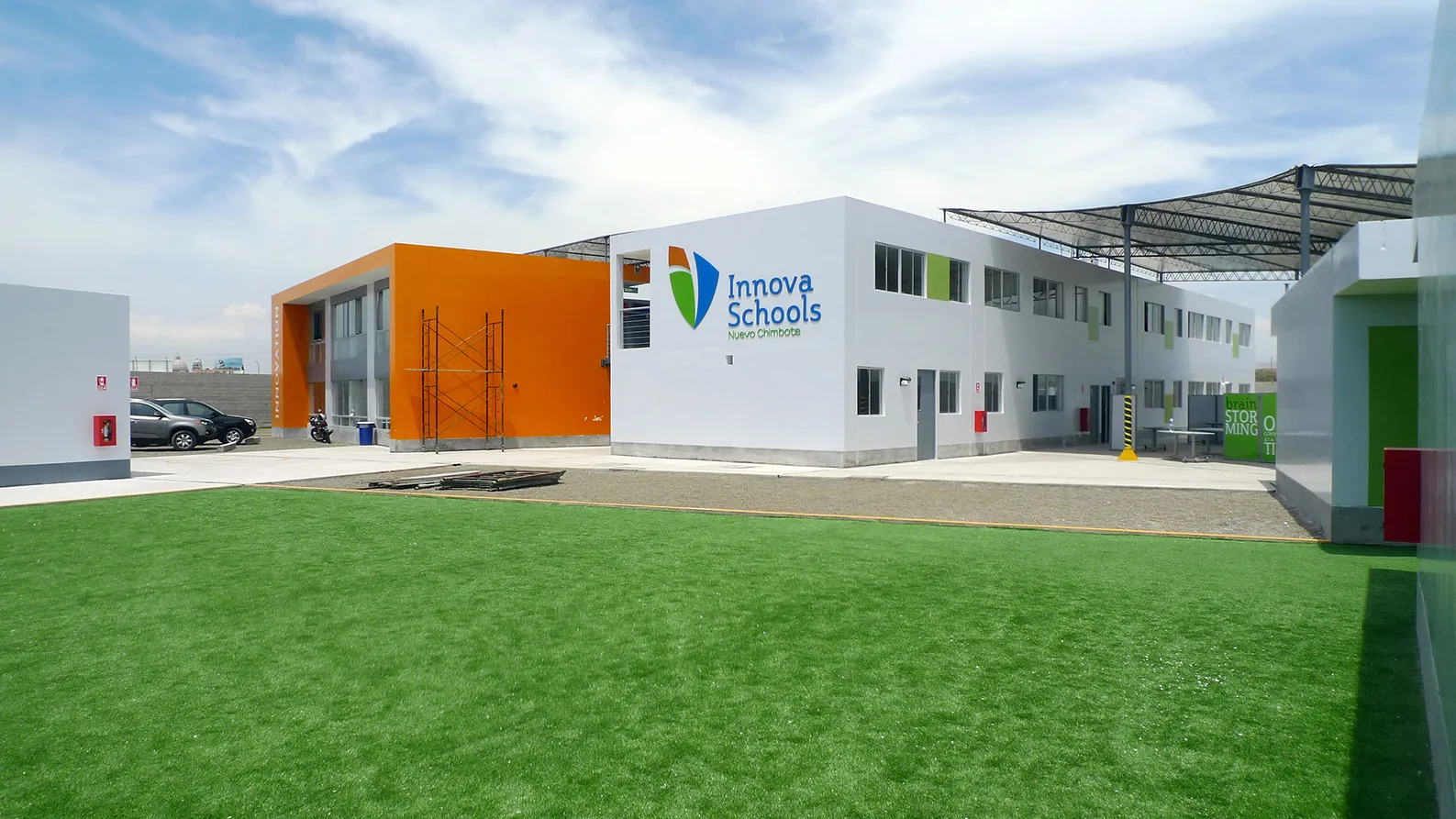
Most end-of-high-school experiences, like the Chinese gaokao exam, the global IB Extended Essay, or the US-based AP Capstone program, are focused on testing and academic, classroom-based activities. Yungu School, a private K–12 school in Hangzhou, China, founded in 2017 by Jack Ma of Alibaba and funded by Alibaba partners, wanted to take a different approach. Yungu’s vision: combine the renowned Chinese National Curriculum with an international, competency-based learning mindset.
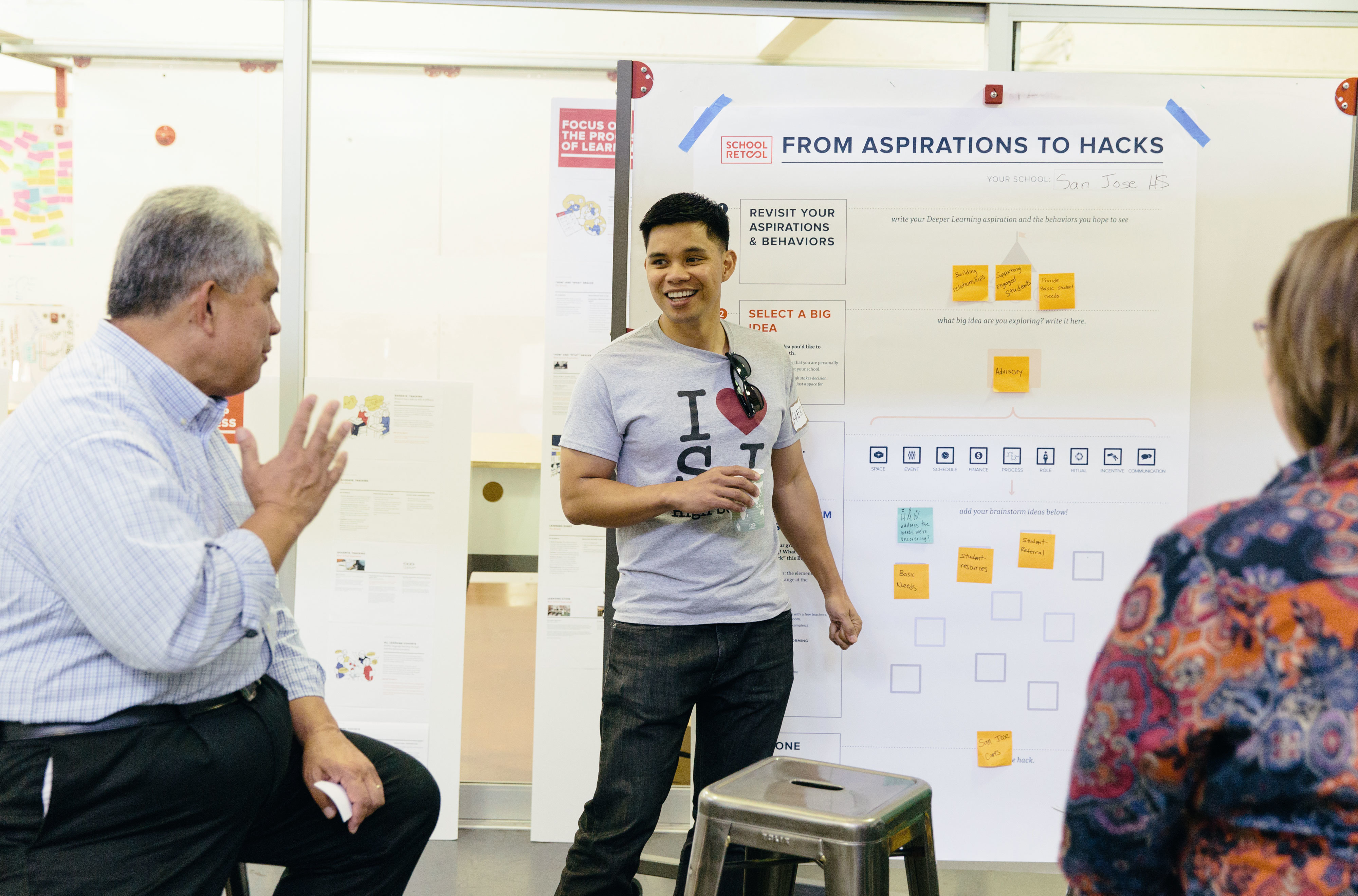
Designing a new capstone course that brought together the perspectives of Yungu School’s many stakeholders was a complex challenge. The solution? IDEO formed a “co-creation council” composed of eight Yungu School middle- and high-school educators who held different positions within the school, spanned tenures, and came from diverse educational and cultural backgrounds, including Chinese, European, and American. Bringing together educators from a range of backgrounds and points of view fostered alignment and sparked new ideas. In addition to the council, IDEO and Yungu educators gathered additional input from students and parents and crafted the objectives, design principles, and blueprint for the change-making 18-month capstone program.
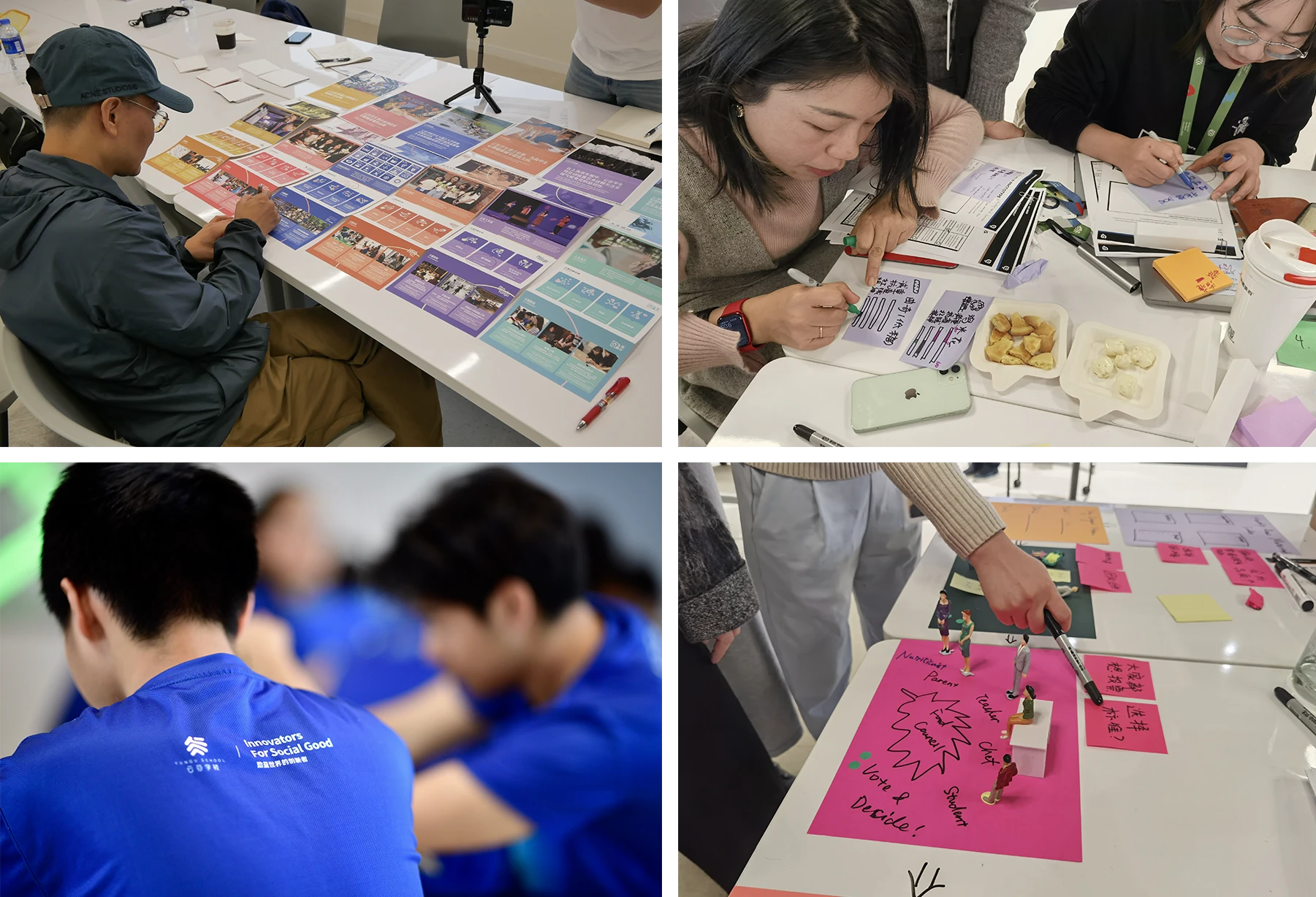
The collaboration resulted in a tailored, insight-driven capstone course that progressively builds learners’ confidence and agency via five modules: “Get Inspired,” “Find Yourself,” “Dive Deep,” “Go Big,” and “Give Back.” The learning cycles, which range from one week to half a year in length, teach students how to move from ideas to impact in topic areas they are passionate about and which have a bearing on pressing issues like climate change, digital privacy, and reducing food waste, among other global challenges. The goal of this iterative approach is twofold. Equip students for “global citizenship” by identifying personal ways to make a positive impact. And foster “entrepreneurship” by learning to be critical, creative, and optimistic systems thinkers who embrace a growth mindset.
To ensure a solid foundation for the new course, IDEO also created a week-long design-thinking training program for Yungu’s teachers. The professional development experience boosted their creative problem-solving and taught them how to move from being “expert instructors of curricula” to “encouraging guides” of capstone students who would need to demonstrate their proficiency through a final product, presentation, or performance rather than a final exam. The collaboration concluded with an immersive exhibition that allowed all stakeholders—educators, students, and parents—to experience the content modules and transformative course for themselves. Since launching its capstone program in 2022, Yungu High School has added lectures from social entrepreneurs and workshops that teach communication skills to the innovative course, garnering awards from media outlets like Fast Company. Most importantly, the signature program has enabled The Yungu School to embody its noble and audacious mission—empowering students to become future innovators for social good.

Today’s high-school seniors learn how to memorize academic content and pass tests but aren’t prepared to make a real-world impact after graduation.
196 college offers
and $1.442 million in scholarships received by over 40 graduates from Yungu High School’s class of 2023
2023 Finalist
Fast Company Innovation by Design Awards, Learning category

Lifelong health by design
Omada Health grows from an IDEO research project to a $1 billion company fighting chronic disease.
Design thinking was embedded in the creation of Omada Health from the earliest phases, and Omada has taken that forward as a strategy for success.
Over the past decade, the digital health company has grown from a couple of early career IDEOers testing concepts at the very frontier of digital health, to a company with nearly 2000 employers on its customer roster and more than one million users of its healthcare products.
Omada’s origin story began at IDEO in 2011, when its now CEO, Sean Duffy, an MD/MBA student at Harvard, joined IDEO as an intern, after a partner found his resume on the copy room floor. What was supposed to be a summer internship led to an exploration of the potential impact of digital tools on chronic health problems. IDEO partner Dennis Boyle gave Duffy and his co-founder and fellow IDEOer, Adrian James, the time and funding to do human factors research, meeting with people with prediabetes and metabolic disease in their homes to learn more about the care they were getting. What they heard was that no product or service was meeting the realities of their daily lives.
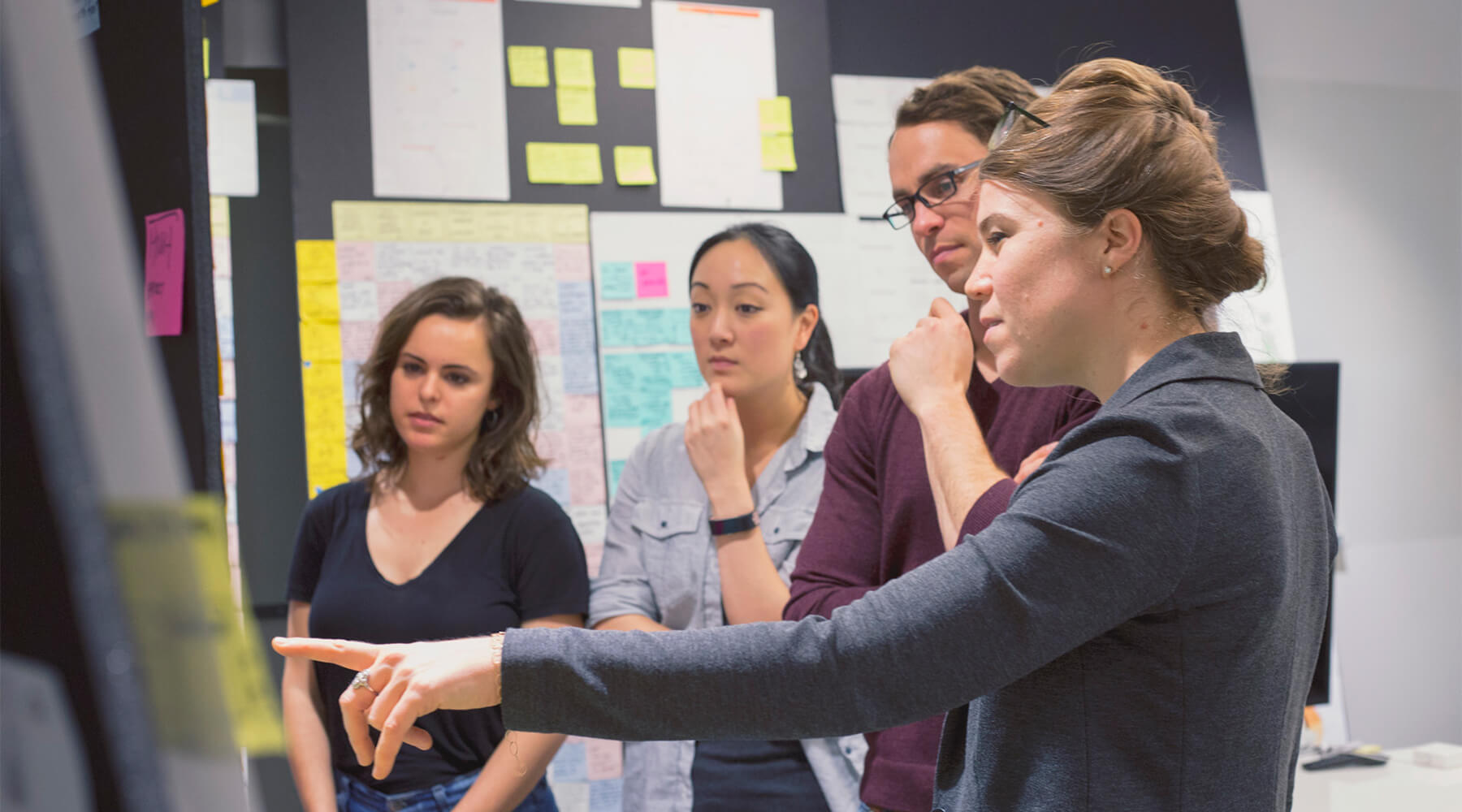
Five months after he landed his internship, and with the company’s blessing, Duffy and James spun Omada Health out of IDEO. Together, they raised a seed round, and continued to lean on design thinking methods, prototyping early versions of their product, then testing it with real patients. Duffy himself even served as the company’s first health coach. By sticking with the mindsets they had learned at IDEO, they avoided the pitfall of falling in love with the popular approaches to digital health of the era—like detailed food tracking or bluetooth enabled pill bottle tops. Instead, they stayed focused on creating what patients were asking for: a digital product that provided support, accountability, and evidence-based solutions.
Today, Omada Health is a virtual-first, integrated care solution that provides patients with clinical care plans using digital tools and one-on-one, personalized coaching. It helps users manage chronic conditions including pre-diabetes, diabetes, hypertension, joint and muscle health, and behavioral health. More than a decade after its founding, it counts nearly 2000 employers as customers, has more than one million users of its products, and has published 24 peer-reviewed studies on its outcomes. Not to mention a $1.3 billion IPO in June of 2025. But it’s still going after its North Star: to bend the curve on preventable chronic diseases nationwide.
About 60% of adults in the US live with a chronic disease. According to the CDC, 90% of the nation’s $4.1 trillion annual healthcare expenditures are for people with chronic and mental health conditions.
Diabetes is the country’s seventh leading cause of death—and the most expensive. Diabetes accounts for $1 out of every $4 in US healthcare costs. In addition to the cost of care, diabetes costs employers $90 billion annually in lost productivity.
Nearly 2,000
employers now partner with Omada
1 in 10
commercially-insured Americans have access to Omada through their health plan or employer coverage
$1.3 billion
valuation at Omada's IPO
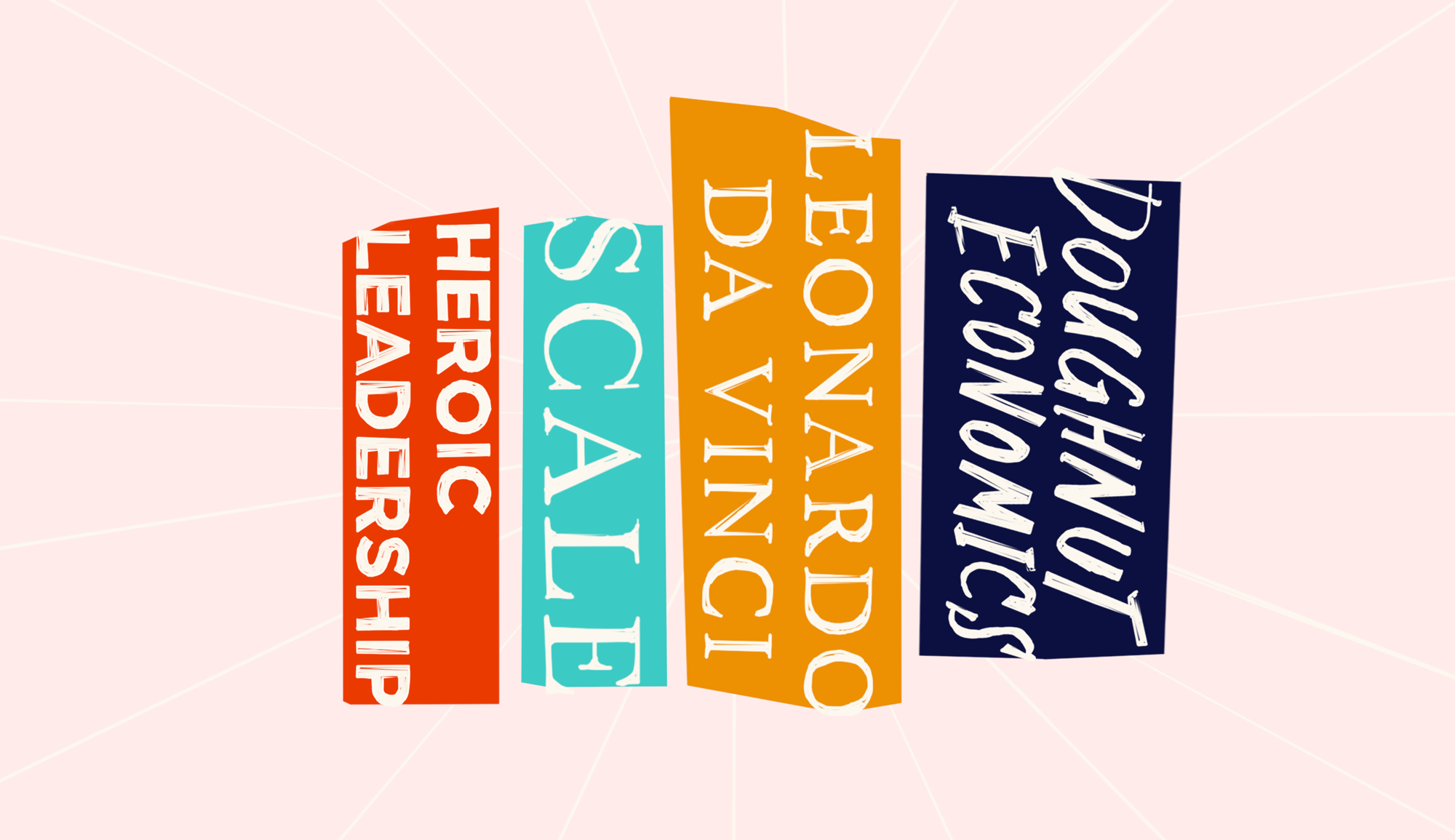
The 4 Books Tim Brown Can’t Put Down
The top four books IDEO CEO Tim Brown read last year
Here are four titles on Tim’s list of highly recommended reading:
1. Leonardo da Vinci by Walter Isaacson
Walter Isaacson, the biographer behind Kissinger and Steve Jobs, turns his attention to the original Renaissance man, whom Brown describes as “perhaps the most curious person who ever lived.” Isaacson draws from 7,200 pages of the artist’s notebooks to trace his journey as inventor, painter, doctor, sculptor, and scientist. Da Vinci was both a procrastinator and a perfectionist, both exuberant and introspective—and his life holds valuable lessons for creatives today. Read the book.
2. Scale: The Universal Laws of Growth, Innovation, Sustainability and the Pace of Life in Organisms, Cities, Economies and Companies by Geoffrey West
Presenting something of a “theory of everything,” West says we can apply the same mathematical principles that govern growth in nature to complex political, corporate, and civic systems. What they all have in common is their response to a rapid increase in size. As cities, companies or human beings grow, they require more resources, which leads to innovations like higher wages and new products, but also negative consequences like waste and overcrowding. As he unpacks the physics of modern systems design, West cautions that growth must be matched by greater sustainability.
3. Heroic Leadership: Best Practices from a 450-Year-Old Company That Changed the World by Chris Lowney
Before he became an investment banker at JP Morgan, Chris Lowney spent seven years as a Jesuit priest. That background in the cloth helped him realize that the issues he faced in nurturing new leaders at JP Morgan were the same ones the Jesuit order had faced over its 450-year history. The Jesuits focus not on what leaders should do, but on who they are. They contend that leadership springs from within and involves a never-ending process of self-examination and learning. The four pillars of leadership that inform the Jesuits’ “corporate culture” are: self-awareness (understanding your strengths, weaknesses, and values), ingenuity (innovating and adapting to a changing world), love (engaging others with a loving attitude), and heroism (energizing yourself and others with heroic ambitions). Can you imagine if every corporate leader embraced these principles? Read the book.
4. Doughnut Economics: Seven Ways to Think Like a 21st-Century Economist by Kate Raworth
Doughnut analogies do a lot to sweeten economics. What, Raworth suggests, if we positioned society within a “doughnut” made of two rings: an inner ring that represents the minimum amount of food, shelter, and other necessities a person needs, and an outer ring that represents the point at which greater consumption begins to damage the Earth beyond repair? That question, along with the author’s case for a more compassionate, sustainable economic model, dovetails with our interest in advancing the circular economy. Tim calls it “a book about economics that makes sense to designers.” Read the book.
Want more? Here are 10 graphic novels we give a thumbs up. And here’s a list of more than 75 books we love, from East of Eden to Exit West.
When he’s not on the road, teaching, or tinkering in his garage, our CEO Tim Brown can often be found immersed in a good book. Histories, biographies, creative nonfiction—for someone who leads a company that approaches problems from multiple angles, it’s often books that have nothing to do with design that offer the most useful insights.
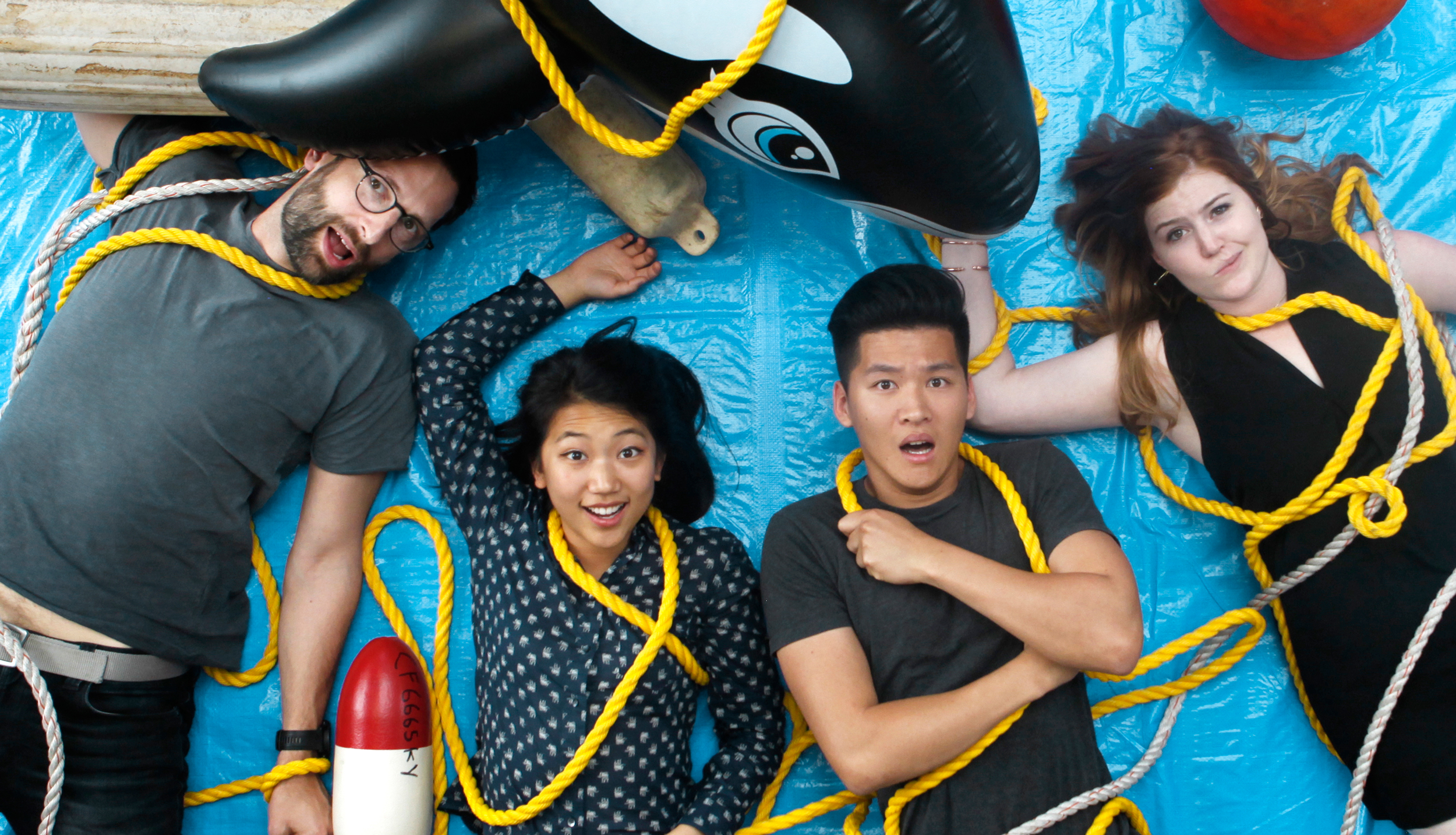
How to Do Design Research When Your User Lives Underwater
4 lessons on designing for large, underwater mammals
The exercise wrapped up a three-day workshop with The Nature Conservancy, focused on finding new ways to track entangled whales. Whales often get caught in fishing lines, and responders can’t always free them on the first try. The Conservancy was looking for an easier way to find the whales after they swam away, so that they could complete their rescues.
When designers take on a new challenge, we start by talking to people to gain empathy for their needs. But how do you do that when the user is a whale? Along the way, we found a few workarounds.
Here are our top four lessons on designing for non-humans:
1. Understand the entire ecosystem
We were designing for an unusual ecosystem—an underwater one—and we needed to understand it from all angles. So, we took a day-long field trip to Monterey Bay and Moss Landing, where we really focused on getting a sense of the marine environment. We went kayaking among wildlife, visited a whale disentanglement boat and checked out all of its knives, buoys, and equipment, and talked to several locals. We wanted to understand everything we could about a whale’s journey and behaviors—even if we couldn’t talk to the whales themselves.
Tip: When you can’t physically ask users about their environment, you have to get creative to put yourself in their shoes (or fins). Getting a first-hand look at the users’ surroundings helps you gain empathy for them and gets you into the right mindset.

2. Get visual
Knowing that we’d never be able to experience entanglement from a whale’s perspective, we had to find our own scrappy ways to understand how it happens. We watched whale rescue videos, got a collection of whale posters (illustrated by the man who did the special effects for Free Willy), and asked a rescuer to tie string around miniature whale models to help us visualize the entanglement process. We also bought crab fishing gear, rope, buoys, flippers, and lifejackets to decorate our project space. When our clients arrived for the workshop, we set up kiddie pools and inflatable orcas on our patio. This may sound excessive, but it was a really important part of the project; not only did the equipment set the right scene and mood for the workshop, but it also allowed us to quickly and easily test our ideas.
Tip: Keep your designers and clients immersed in the project with visual cues that represent the subject matter. It keeps morale high, and can even help you quickly iterate and test concepts—the kiddie pools at the workshop came in handy when it was time to try out prototypes.
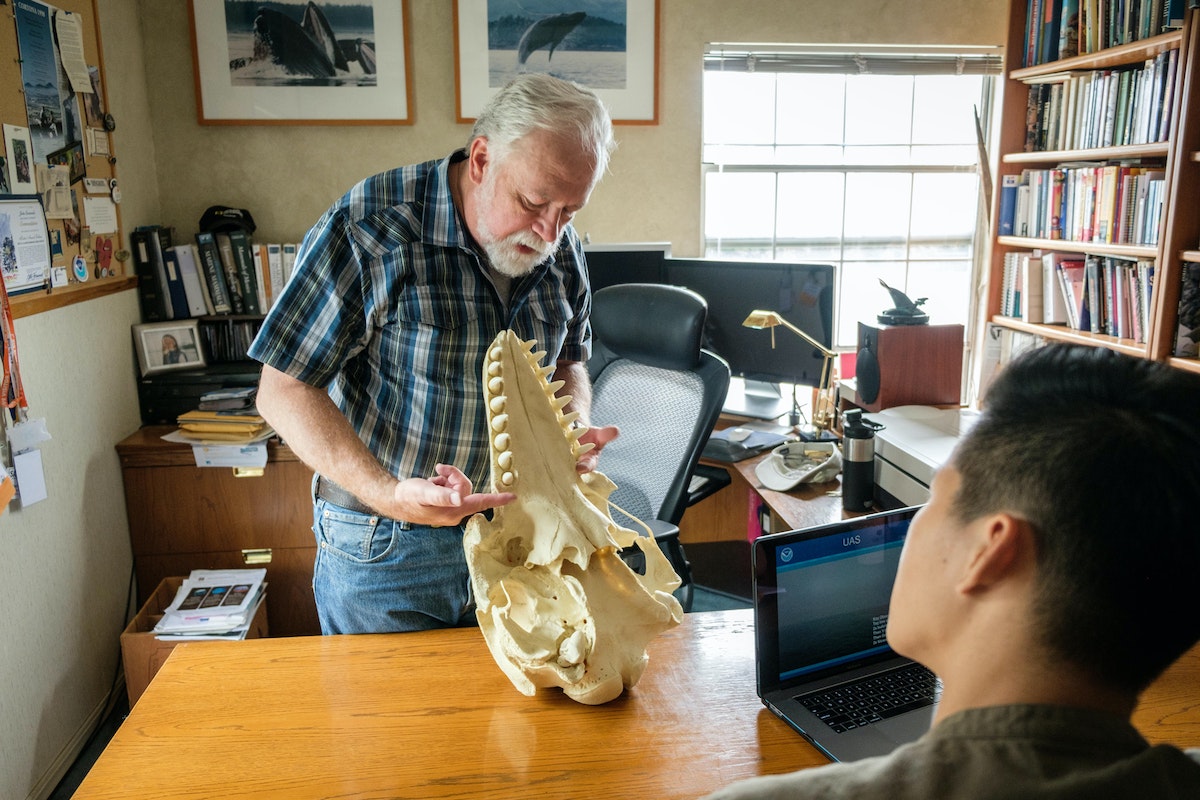
3. Bring all the players to the table from day one
Since we couldn’t talk to any whales during the project, we conducted our design research with the people who knew them best—marine biologists, researchers, fishermen, and rescuers. We also brought in people with backgrounds in design, technology, government, and academia, and collectively discussed the problem and potential solutions. With the help of so many experts, we were able to fill in all of our gaps in knowledge, whether it was about whale anatomy or government funding.
Tip: When you’re designing for animals, you’re also designing for the people that work with those animals (similarly, if you’re designing for kids, you’re also designing for their parents). To make sure your solutions work for them, too, bring a wide range of voices into the room—even if they have to dial in.
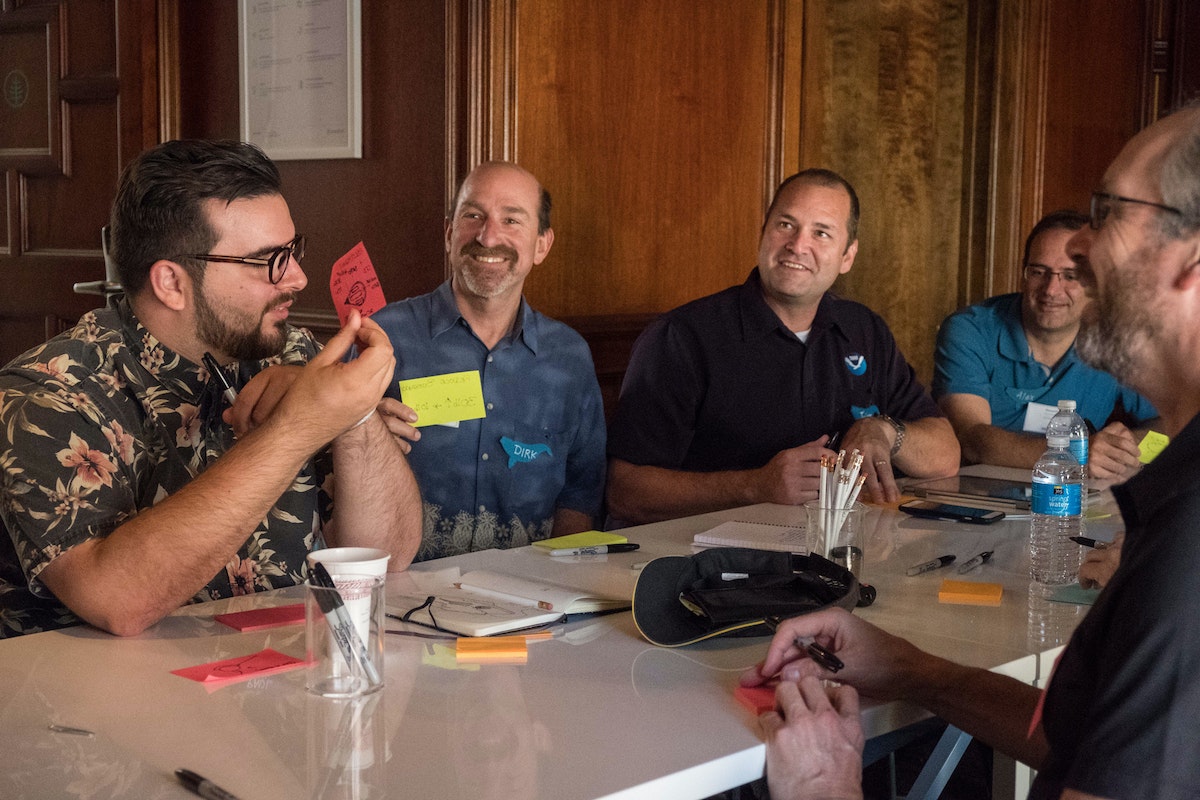
4. Test prototypes in context
After brainstorming and sketching out early concepts, we headed to the IDEO Shop to create prototypes for the whale trackers. We couldn’t test the devices in the shallows of the kiddie pool, so we set up a rig in a neighbor’s swimming pool to see how they’d perform above and below water. This context helped us immensely in understanding what improvements could be made and how much each tracking device would burden the whale. We were able to measure how smoothly the devices moved through water (to minimize drag), and how well they stayed afloat. After each trial run, we were able to refine the prototypes on the spot, and continue testing.
Tip: Before you finalize any concepts, create a test environment that’s as close as possible to the user’s environment. This helps you understand how the concepts will work in context, and gives you the ability to record and measure what you've learned.

Next time we have to design for whales, though, we'll probably just channel our inner Dory.
Special thanks to Dali Yu for being a thought partner for this article, Rachel Tobias, Joerg Student, and Brooke Thyng for taking these photos, and the rest of the team for hosting an amazing workshop!
On a Thursday afternoon, I found myself with a team of whale biologists, product designers, mechanical engineers, and public policy directors, all standing by a gigantic pool, throwing handmade contraptions into the water. Above us, aerial drones were flying around capturing the scene. Below us, GoPros on selfie sticks moved back and forth under the water. Typical day in the office.
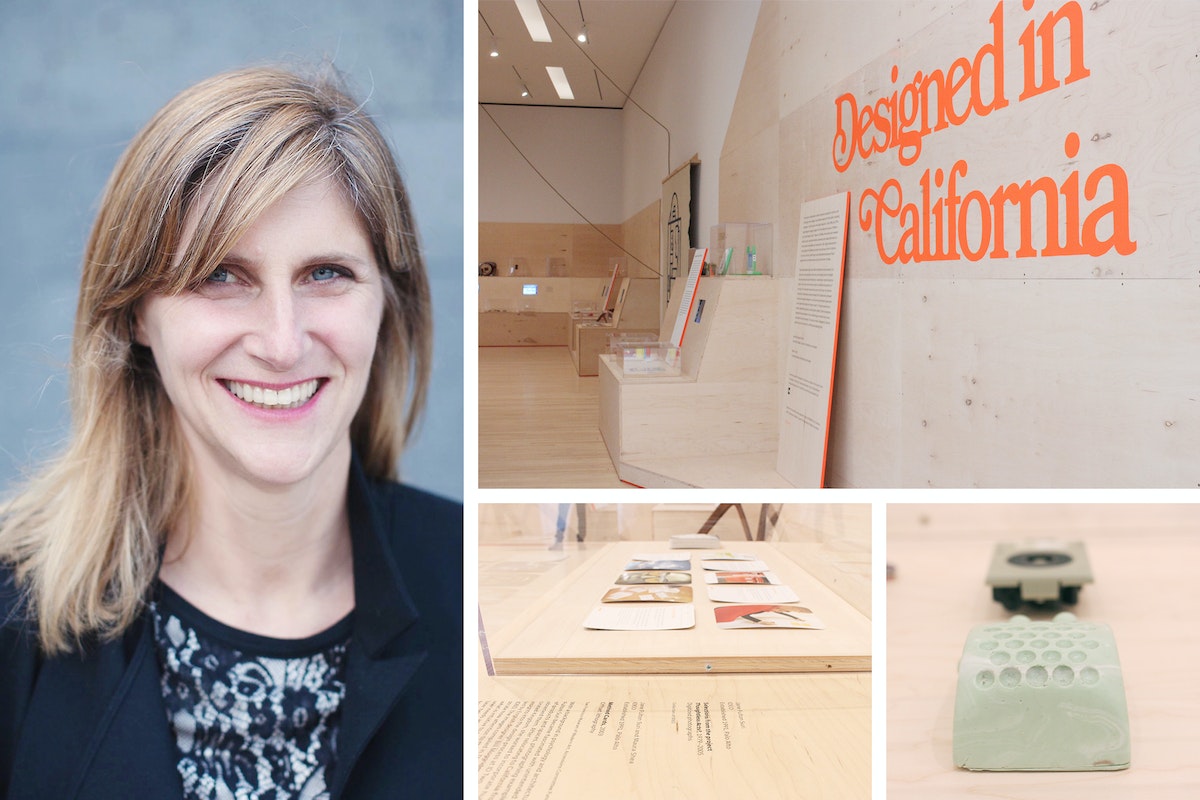
Meet the Woman Who Spots Great Design for a Living
SF MOMA curator Jennifer Dunlop Fletcher puts the world of design on display
In one sentence, who are you?
A hard-headed idealist, who revels in the start and finish of every project, but curses throughout the process.
What do you do? How did you learn it?
I am a curator of architecture and design. I always wanted to work in a museum, and so I studied art, architecture and curatorial history, and then worked in several galleries and museums.
3 favorite possessions?
- A pour over coffee maker
- A pair of small ink drawings of imaginary landscapes
- Handwritten notes tucked into my suitcase from my sons and husband
What does a typical work session look like?
A typical work session includes too many people and little is accomplished, but a productive work session includes 1-2 colleagues, an inspiring setting, and a knotty idea.
How do you get over creative block?
Deadlines. My father always said to think of a deadline as an opportunity to submit a draft. If you are truly interested in going further you will or you may never return to a subject, but one shouldn’t think that you need to know everything at the time of a deadline. It is a moment that reflects what you do understand at that time.
How do you see the world in 2078?
More tax money is spent on public education and the arts than on the military. Society needs to value education and the arts. SFMOMA understands the value of arts in culture, in making sense of issues, as well as complicated issues. I am hopeful humanity will come to its senses on what to prioritize.
What is the biggest challenge in curating "design"?
I’m not sure there is a singular big challenge to curating design. There are smaller challenges, such as how to exhibit interactive software or ubiquitous commercial products or representations of buildings meant to be experienced in person, etc, but no one specific challenge. Challenges make work interesting, no?!
What’s your number one bucket list item?
I don’t have a bucket list, but I understand the concept and my interests are always shifting, but this week, I’d like to be sure to experience:
- Space travel
- De Maria’s Lightning Fields with my family, New Mexico
- Piamio Sanatorium, Finland
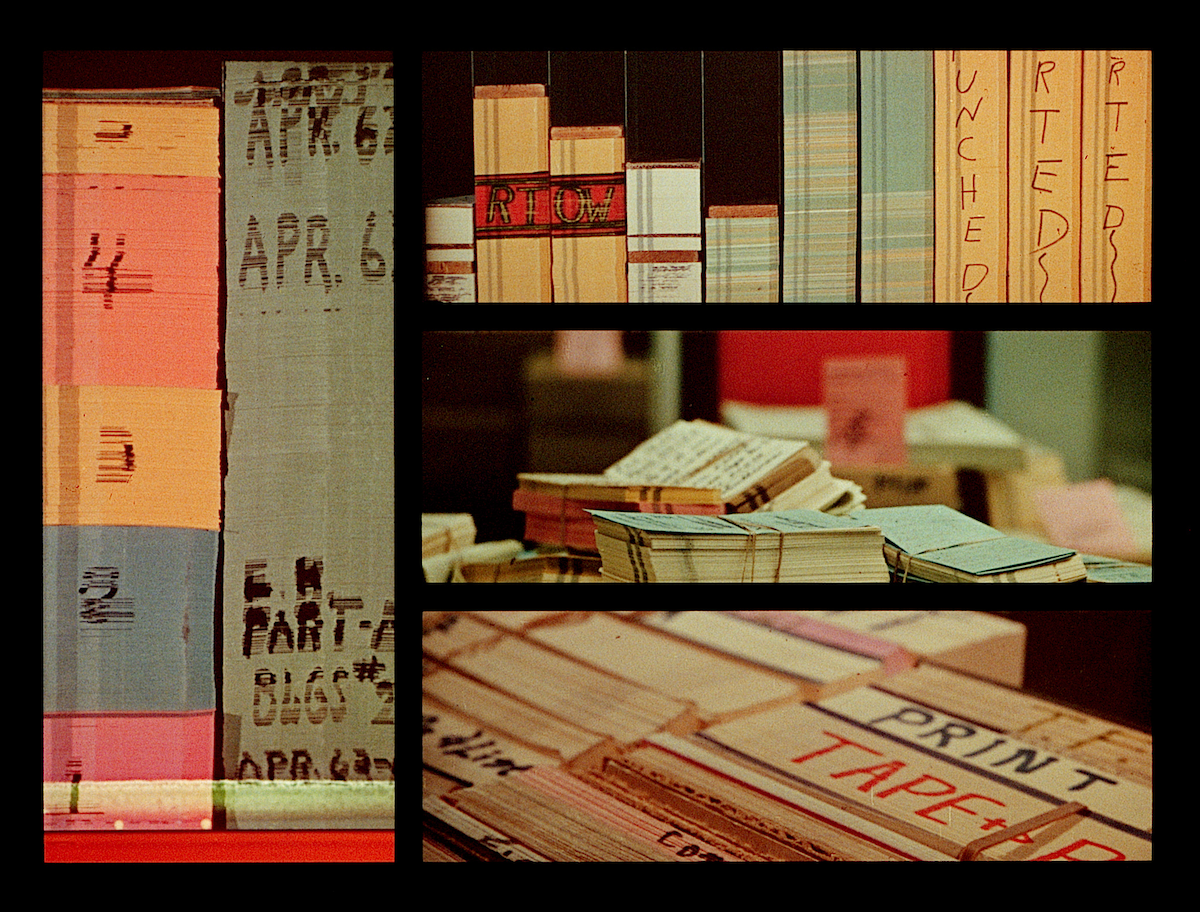
- I am too late since it is destroyed, but would have loved to have visited the Operations Room for Project Cybersyn, Chile
Who are you creative crushin’ on lately?
The ladies of today—Neri Oxman, Tatiana Bilbao, Nathalie du Pasquier, but especially ladies who paved the way, Esther McCoy, Lina Bo Bardi, Barbara Stauffacher Solomon, Susan Kare, Ruth Asawa, Anna Halprin, Clara Porset, and the list continues
Capturing the world of design is a tall order. It means constantly considering the now, questioning the promise of future technology, and looking across the historical register for patterns and mishaps. Jennifer Dunlop Fletcher does just that, and as the curator of Architecture and Design at SFMOMA, she goes one step further and puts it all on view. Her work asks tough questions for us and, in turn, to us. I took a moment to catch up, get a bit of background, and figure out what motivates her day to day.
The Human-Centered Heart of California Design
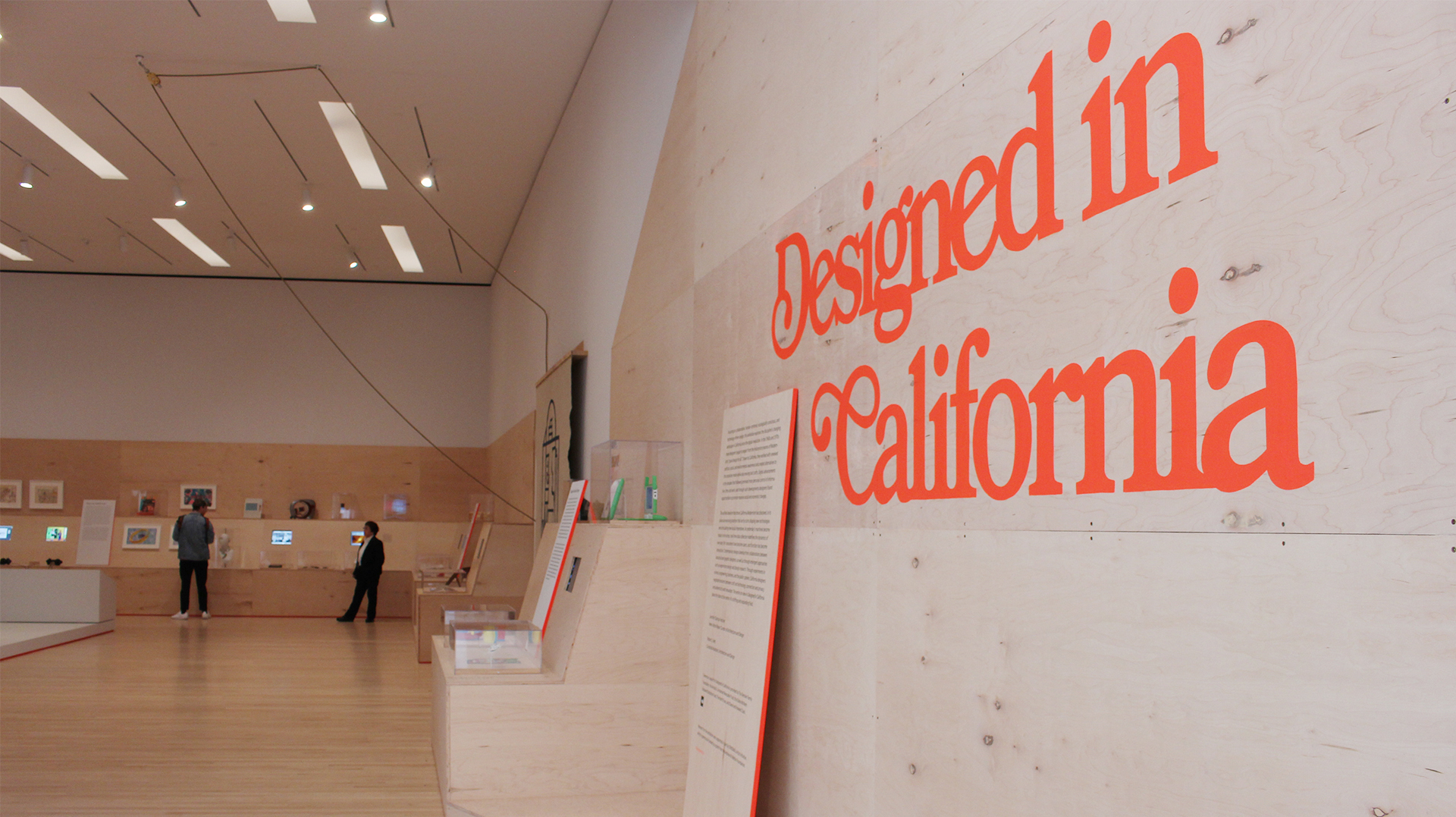
SFMOMA's "Designed in California" celebrates the legacy of the Left Coast
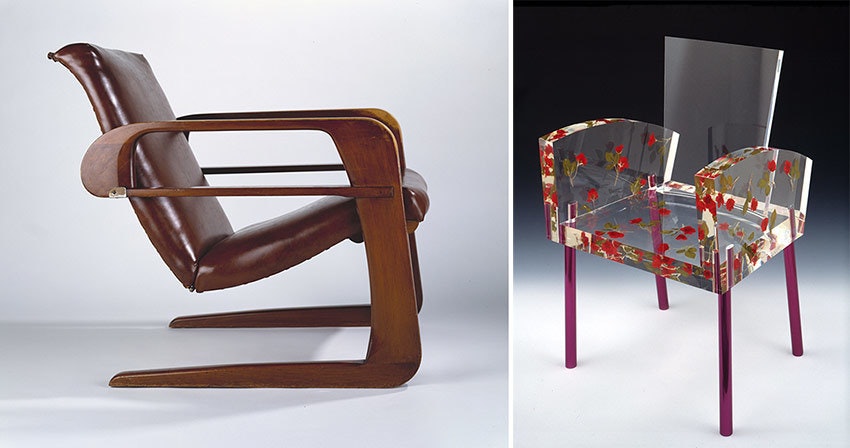
Smartly curated by Jennifer Dunlop Fletcher, the show features objects dating back to the late 1950s, from the Eames Office to the first iPod to a home CRISPR kit.
I've now seen the show twice. Here's what’s stuck with me:
So much of what comes out of Silicon Valley today has its roots in the DIY utopianism of the Whole Earth Catalog. Founded in the late 60s by Stewart Brand and a bunch of Stanford longhairs, the Catalog promised “access to tools" that would equip us to break free from our hidebound culture.
The title was inspired by Brand’s 1966 campaign to have NASA release a satellite photo of the Earth as seen from space—the first image we’d see of the "whole Earth." That picture, he believed, would unite humans in our belief in a shared destiny and encourage more peaceful, ecological, and holistic thinking.
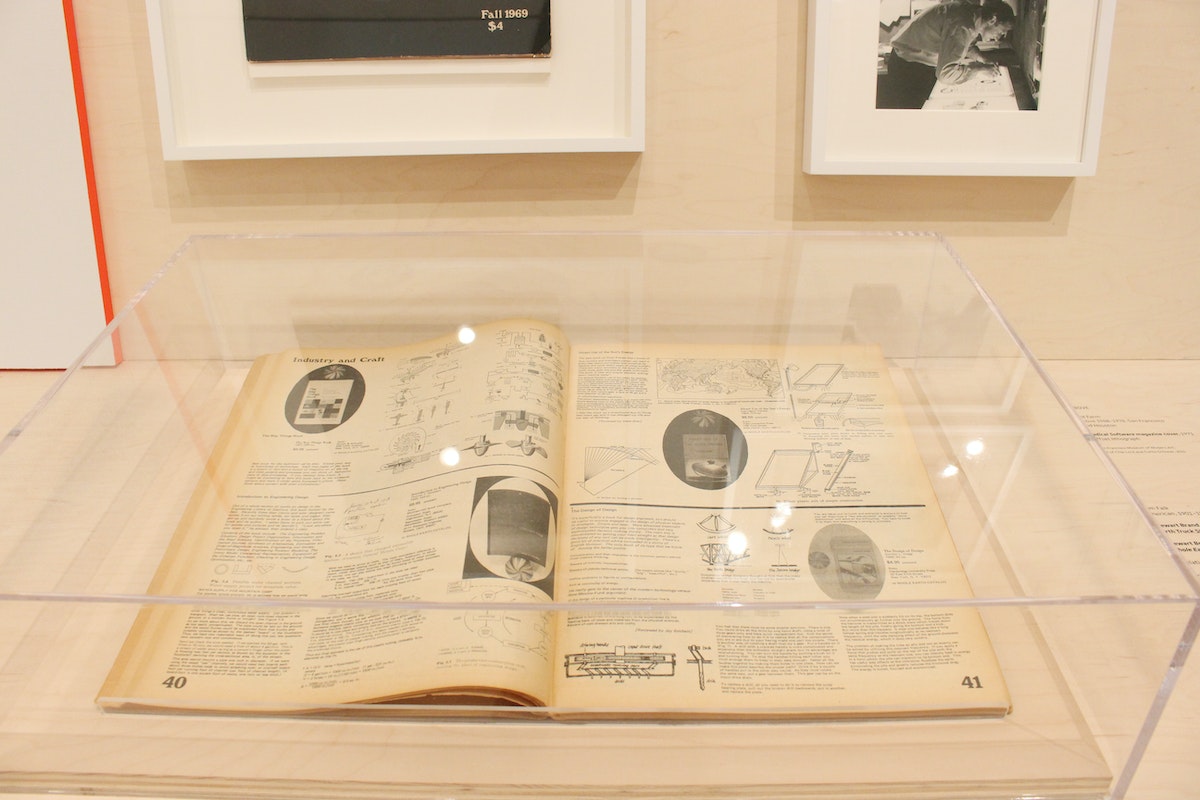
When I was in my 20s, the Whole Earth Catalog spurred me to start my own DIY design magazine, ReadyMade, in the back of a used furniture warehouse in Berkeley. Whole Earth made designing a life on one's own terms seem within reach.
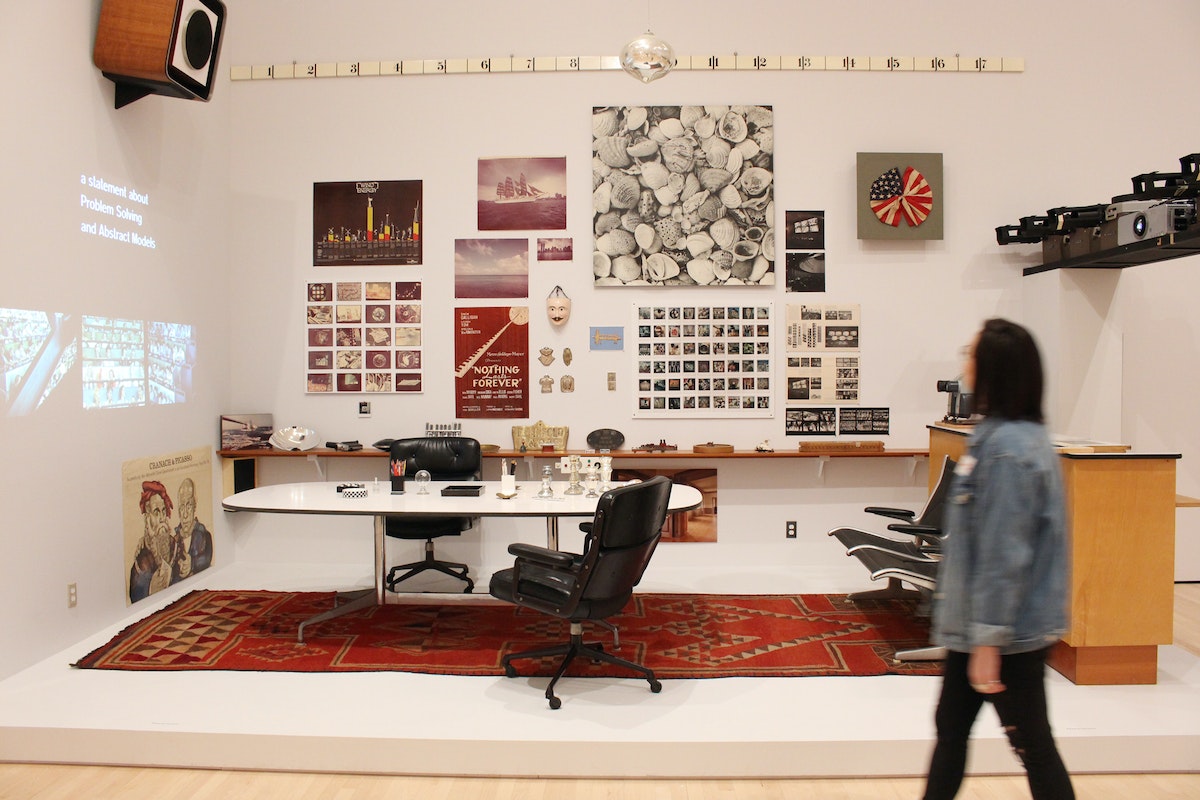
That spirit shines through in another standout of the exhibit: the recreated office of Charles and Ray Eames, down to the posters on the wall, the kilim rug, and a looping projection of their film for the World’s Fair (a serenade to industry and systems design). Everything they laid their mid-century paws on exudes a kind of singing-nun joy. Two things I love most about them: their philosophy that “Eventually everything connects—people, ideas, objects,” and that they employed the people they were designing for—Los Angeles locals, war veterans, and housewives.
There’s also the agitprop hijinks of Ant Farm; the stained leather scrappiness and propaganda of Marin’s craft guilds; and Heath Ceramics—the tableware preferred by my avocado toast.
And for us outdoorsy types, the centerpiece of the exhibit is a Bucky Fuller-inspired North Face tent, pitched alongside radically new 1970s climbing equipment made by Yvon Chouinard, the founder of Patagonia.
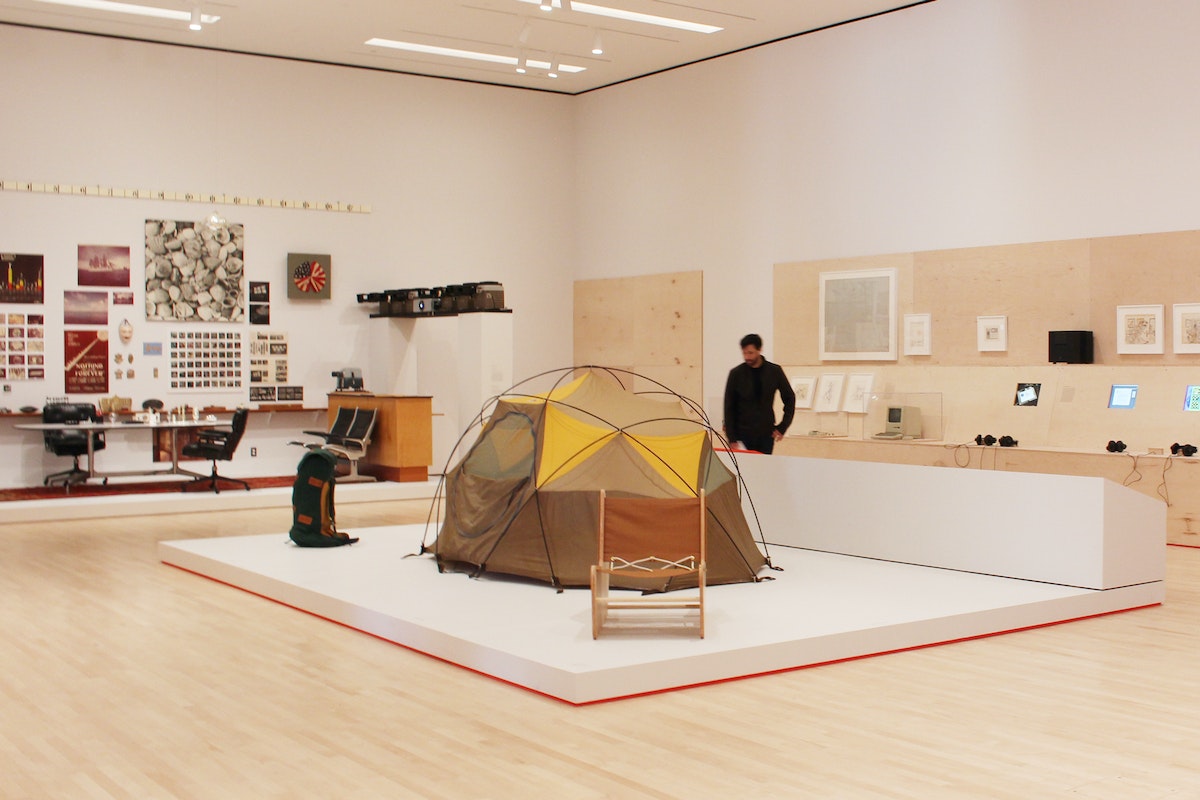
I had a feeling the iconic "one laptop per child" by fuseproject would be on hand (check!), and was excited to see my friend Eric's (of Stamen Design) dazzling data visualizations.
Having done a tour of duty at WIRED in its third year of publication (1995), it was great to see their eye-popping cyberpunk spreads on display, and I'm always happy to learn of companies like D-Rev that care enough about social impact to design an $80 high-performance knee (80 percent of the world's amputees have no access to modern prosthetics).
California design got swept up in the digital tsunami that WIRED was chronicling and all those "new tools" for connected living now look quaint. The first Apple desktop computer and Handspring Visor sitting under vitrines look like beige relics from a technocrypt.
IDEO’s Dennis Boyle, who led the Handspring Visor design team, told me that its eye module accessory is credited as being the first digital camera on a handheld electronic PDA. "It’s the precursor to today's cell phone cameras," he said.
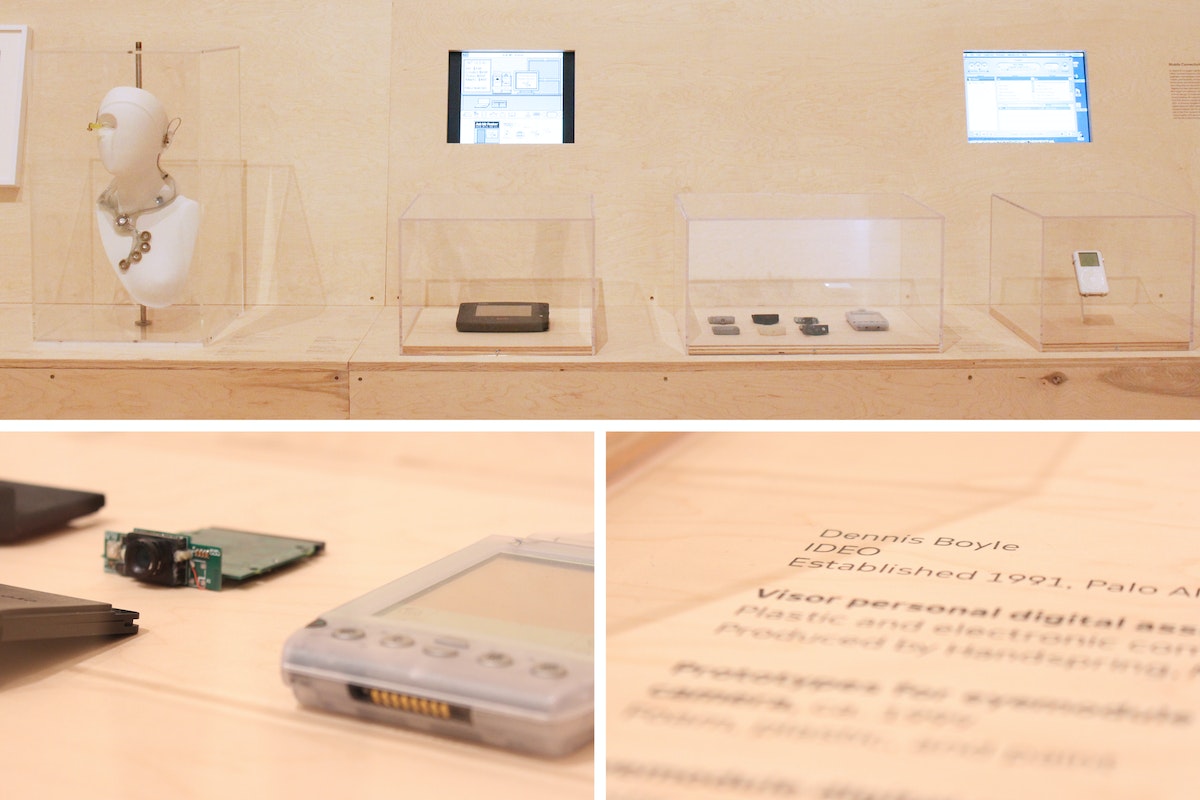
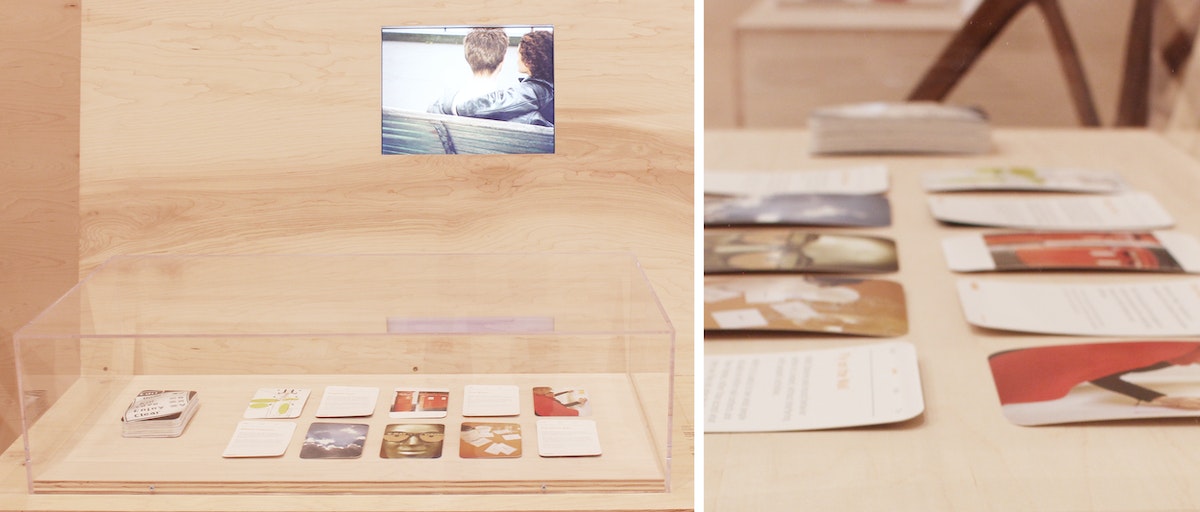
I'm drunk on Kool-Aid, no doubt, but I walked away from this show marveling at how IDEO appears to be the aortic valve of California design. There are no less than five examples of our work on display: The prototype for the first Apple mouse, Thoughtless Acts? and Method Cards, the Handspring Visor, and the prototype for the Q Concept workstation, designed by David Kelley and Jim Yurchenco, Jane Fulton Suri, Dennis Boyle, and Martin Bone, respectively.
Yurchenco, who repurposed a butter dish and a roll-on deodorant ball procured at a local Palo Alto drugstore to make the earliest mouse, is struck by the crude tools designers had at their disposal back in the day:
“It was done using old techniques: a pencil and paper on a drawing board instead of 3D solid CAD to design the parts; manually machined injection molding tools and pieced together check models instead of 3D printed models. Of course, everything designed at that time was done the same way.”
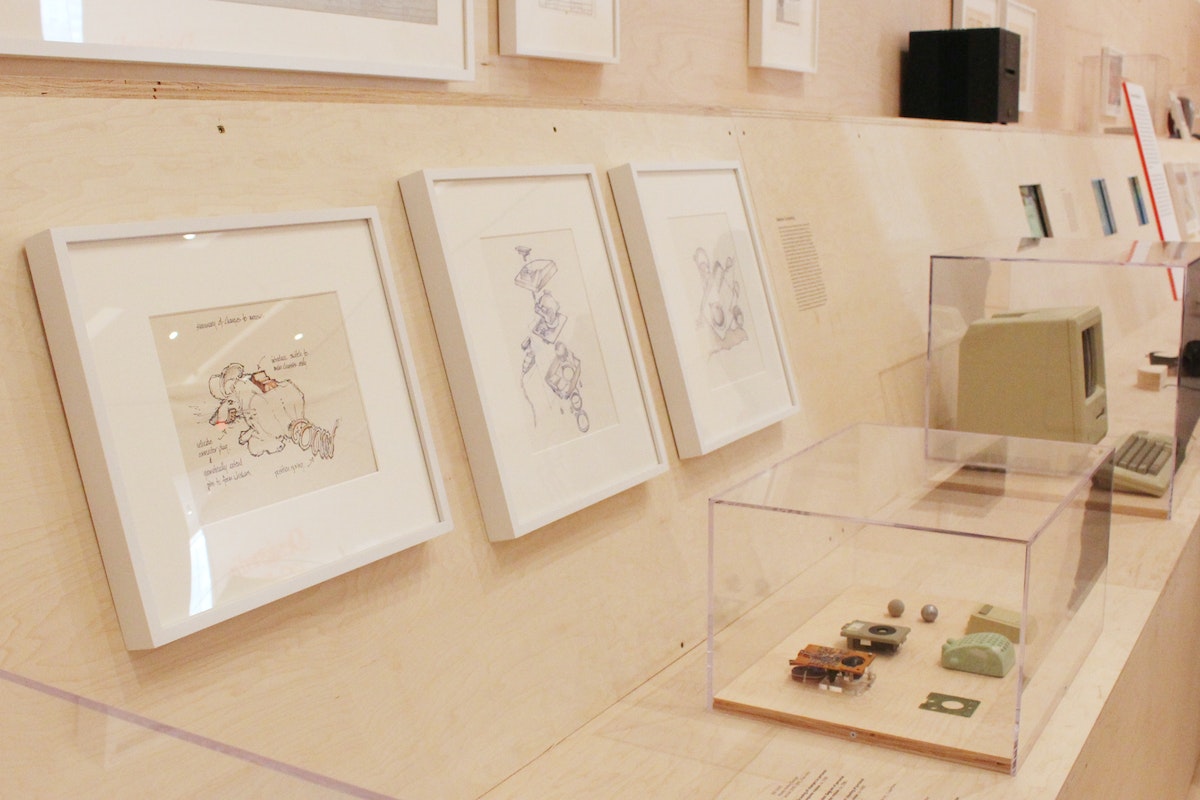
Though it seemed impossible to design a mouse for less than $10 when Steve Jobs first proposed it, IDEO founder David Kelley and Yurchenco alighted upon a crucial insight:
“The most surprising thing that happened during the process was we were able to make [the mouse] low-cost by realizing it didn't have to be as precise as we first thought," Kelley says. "Because the user's human brain would intuitively move the mouse to exactly the right spot."
Jane Fulton Suri still expresses surprise that a simple deck of cards (Method Cards), which were published in 2003, became the foundation for IDEO's design approach:
“At the time it wasn’t obvious that sharing information about our approach and sensibilities would be a powerful way for IDEO to lead the way. It's now core to IDEO's strategy to create design tools and empower others in the world at large.”
Three of the four designers quoted above still work at IDEO. And that reminds me of another thing I love about California designers:
They never stop trying to make things better by making better things.
Next up: Nick Pajerski interviews "Designed in California" curator Jennifer Dunlop Fletcher.
If my heart were a painting, it would be on permanent loan to California. I love its shaggy optimists who turn drained swimming pools into skate parks. Its fog and fearless politics. Its pioneers and garage inventors and beat poets who came in search of a Golden State. I'm a big believer in the design that was born here, too, which is on display at the SFMOMA’s "Designed in California" exhibit through May 27, 2018.

Lindsey Turner
I’m passionate about building brands, products, and experiences that help organizations show up with meaning and momentum.
I help organizations cut through complexity by shaping how they show up, through brand strategy, identity, and storytelling.
Working at the intersection of brand and business, I bring an editorial eye and a bias toward making—turning ideas into tangible experiences that people can understand, trust, and believe in.
My work spans government, healthcare, financial services, media, and consumer goods, from launching Gen Z-focused ventures to building innovation labs and reimagining legacy brands. I relish moments of ambiguity and enjoy translating across teams, perspectives, and priorities to move ideas forward.
I started my career in editorial and digital design, shaping cross-platform experiences and identity systems in publishing and agency environments. That foundation still shapes how I work today: I’m detail-oriented, collaborative, and overreliant on the Oxford comma. I hold a BFA in Visual Communication from the School of the Art Institute of Chicago.

Rachel Young
My work helps organizations see who their products aren't working for—and build the will and the tools to do something about it
For 25 years, I've asked the same question: Who does this design exclude—and what are we going to do about it?
My work spans human-centered strategy, inclusive design, and qualitative research, with clients ranging from Microsoft, Google, and Verizon to the National Science Foundation, and San Francisco Unified School District.
Before IDEO, I taught elementary school in East Palo Alto and spent a decade doing design work with social service organizations—where I learned firsthand what it costs people when systems are built without them in mind.
I am currently writing User Error, a nonfiction book about digital access and the design decisions behind it. I live in Oakland, California.

Brian Pelsoh
I lead with craft, ensuring our work is creatively excellent: rooted in deep human insight and imagination, while also grounded in the realities of business and technology.
My expertise spans brand, communication, and product design across tech, education, the arts, and social impact.
I believe great work demands both high-level vision and obsessive attention to detail, and only happens through collaboration.
I bring an inclusive, hands-on approach and a deep understanding of business, which enables me to consistently deliver excellence while always asking why.
Before joining IDEO, I worked at the brand firms Pentagram and VSA Partners. I began my career as a designer, leading teams at the School of the Art Institute of Chicago and the Milwaukee Art Museum. I hold an MFA in graphic design from Maryland Institute College of Art and a BFA in communication design from the Milwaukee Institute of Art & Design, and have taught at some of the best design schools in the US.

Tony Wong
I am responsible for IDEO’s long-term success in China and working with clients to use design as a tool to enable growth.
I am responsible for IDEO’s long-term success in China and working with clients to use design as a tool to enable growth. Specifically, I have helped Chinese companies design holistic brand solutions through the development of their products, communication, services, and innovation teams, and I have helped multinationals expand their presence and influence in China.
I advise global leaders on developing China-led innovation and capabilities.
In over 15 years in IDEO Shanghai, I have worked on projects that use design to elevate the quality of the experience of healthcare products and services, streamline processes that increase productivity, create spaces and programs that promote and enable inclusive communities, and build next generation mobility solutions that are planet-positive.
Before joining IDEO, I worked at Philips Electronics and the Electrolux Group in Italy, the Netherlands, and Singapore on a number of breakthrough commercial products. I am a member of the Young President Organization in Shanghai.

How to use AI as an editor, not a writer
Ed White shares how he uses AI as an editor—not a writer—to sharpen storytelling, rehearse ideas, and preserve the productive friction that makes creative work better.
Ed White has a rule he's tested on his own writing: hold yourself as the writer, and let AI be your editor. Ed is a Senior Design Director at IDEO's London studio, where he co-leads the firm's AI portfolio across Europe. Before IDEO, he spent 12 years as a writer and editor at the Financial Times, Wired, and Contagious. So when he talks about when to use AI for storytelling and when not to, it comes from two decades of crafting his storytelling skills.
In this episode, Mina Seetharaman talks with Ed about two specific tools he uses to keep AI in an editor's seat: a "roasting agent" prompted to critique his drafts without any sugarcoating, and a simulated audience he rehearses pitches on before the real thing. They also get into what Ed is hearing from design leaders at Anthropic, Lovable, Shopify, and Google Creative Lab about how creative work is changing, and why he thinks the friction of writing something yourself is worth protecting rather than automating away.

Building a personal AI for the messiness of life: Sida Li
Becca Carroll talks with Cue co-founder Sida Li about designing a personal AI for the messiness of everyday life—not just work. They explore how Sida stays anchored to human needs while navigating fast-changing technology, product tradeoffs, business-model experimentation, and the realities of building an AI company today.
Most AI products today are built for work—a space with clear problems and established systems. One founder noticed a gap: personal life is messier, harder to systematize, and mostly left behind by the AI boom. So she built Cue, a personal AI that lives inside iMessage and group chats, to go where the other tools haven't.
In this episode, Becca Carroll, IDEO's Chief Strategy Officer, talks with Sida Li, co-founder and CEO of Shared Context Lab, about staying anchored to a human need while the technology around her keeps changing shape, why she treats her business model with the same rigor she'd bring to a product, and what it feels like to build a company at this particular, disorienting moment in AI.
The conversation also gets into how Sida makes design decisions: the language Cue uses to describe itself, the tradeoffs behind building inside iMessage instead of a new app, and a real story about a business idea that didn’t pan out.
This is the second in a two-part series profiling founders from IDEO's Startups-in-Residence program. The first conversation is with Johannes Seemann, founder of Sooner, on designing GenAI for the emotional side of money.

Designing GenAI for the emotional side of money: Johannes Seemann
Designing financial tools around the feelings that shape money decisions.
Most personal financial tools are built to run the numbers and optimize towards a budget. While that works for some, most people experience money as a lived relationship that does not neatly fit into a spreadsheet. Johannes Seemann and Becca Carroll discuss why money is emotional before it is mathematical, and what a human-centered approach to building a generative AI financial product looks like in practice.

The curious leader's edge in uncertainty: Scott Shigeoka
How genuine curiosity helps leaders navigate uncertainty with greater confidence.
Mina Seetharaman talks with Scott Shigeoka, author of Seek and Head of Curiosity Cultivation at the Eames Institute, about what distinguishes genuinely curious leadership from performative curiosity, how power dynamics shape curiosity, and why practicing curiosity can restore energy rather than drain it.
Looks like you might be in search of something very specific?
Or reset the filters above and try another angle.
Here’s some random inspiration

Podcasts about creative leadership

Articles about the power of prototyping