
Balancing work and sleep
Somni’s personalized sleep program helps workers maintain their health.
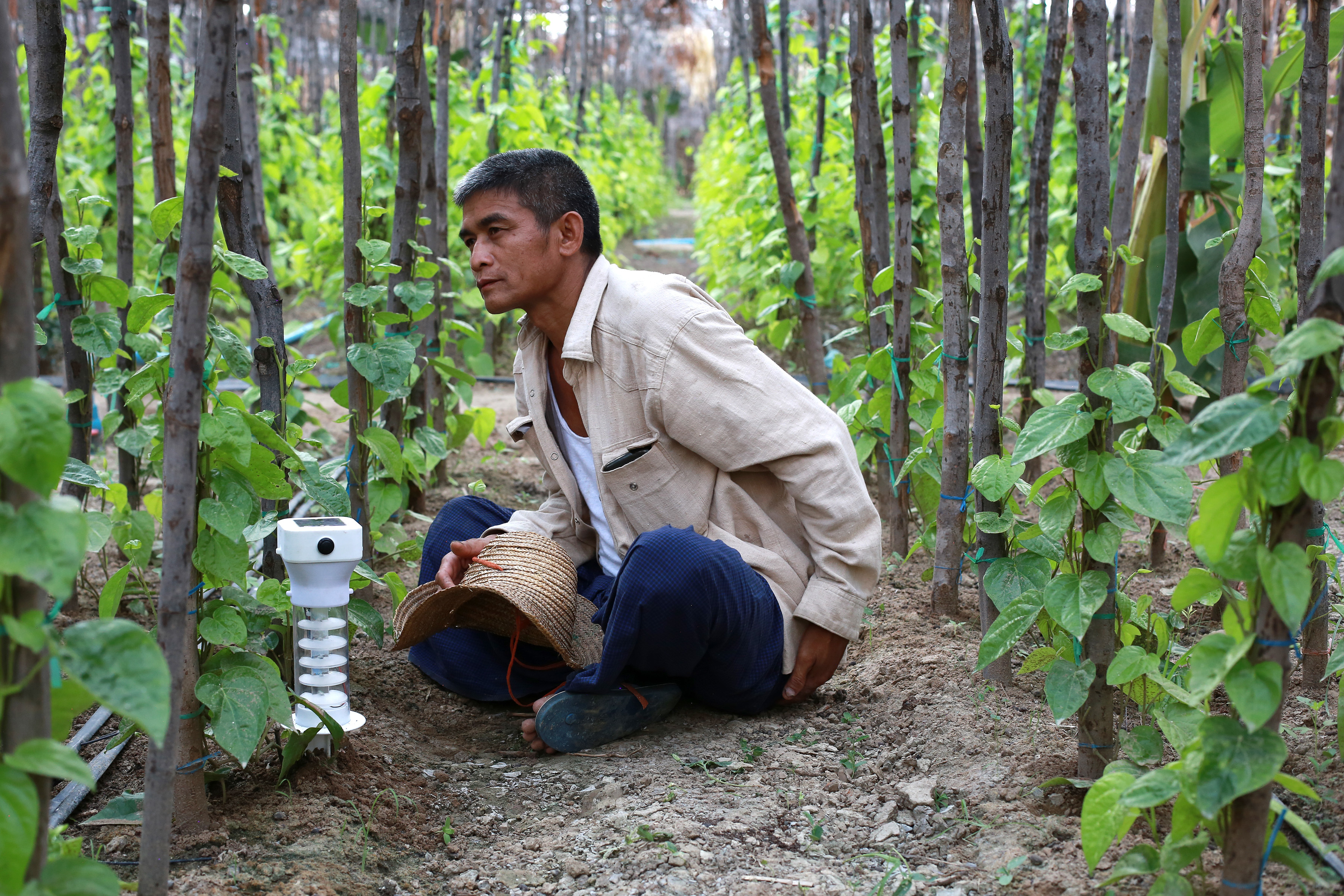
Sleep is a critical resource for shift workers—and their employers, too. Together, IDEO and Somni worked directly with people with acute and chronic sleep challenges to create concepts that could support their sleep goals, and provide employers with the means to improve employee health.
When IDEO and Somni first partnered, the startup was an early-stage company, so the team started small, with focused sprints and workshops to redesign the core aspects of the company and product offerings. The team interviewed shift workers about their sleep patterns, which can vary quite a bit. Even when people keep to a specific schedule on work days, they often have to change their patterns on days off to spend time with family and friends, leading to a very disruptive sleep cycle. Research revealed that many third shift workers were dealing with sleep and health issues, but also a pervasive “machismo” culture, pressure to “tough it out,” and a reliance on energy drinks to deal with lack of sleep.
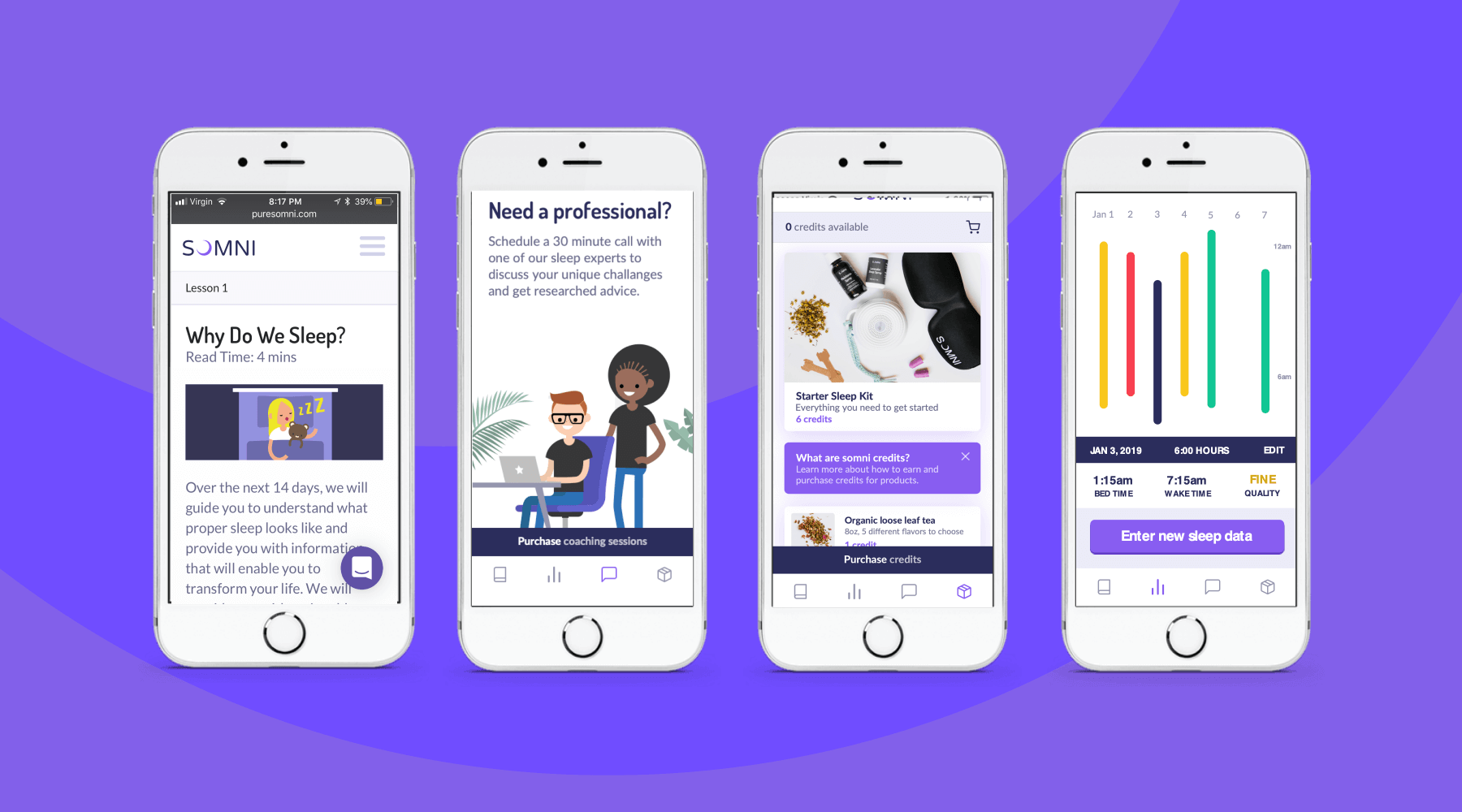
To address those issues, the team designed a digital experience for sleep cohorts, support groups where members could share their experiences and sleep strategies, and work with a coach and sponsor who already had been through the program. The platform analyzed workers’ data, and provided AI-enabled recommendations for improving their sleep. The big takeaway? Data by itself wasn’t necessarily helpful, and could be confusing for folks who were less digitally-fluent. Providing context, like a calendar that displayed sleep experiments at a glance, was crucial.
The IDEO team also created a new user experience for a genetic testing program that could uncover factors associated with sleep issues. Somni aims to use a saliva-based genetic test to monitor for DNA damage caused by circadian disruption, then leverage its sleep improvement program to prevent further damage. Because biomarker testing is a differentiating offer for Somni, it was extremely important that the team get it right, both to make sure that users could understand its utility, and for Somni to provide real value. The design challenge was unique—and not just because of data privacy concerns. Presenting data about DNA damage in a non-human-centered way could increase the anxiety workers had around their sleep.
At the end of the project, Somni leveraged the insights the IDEO team surfaced to improve products like its sleep coaching service, and to refine its biomarker testing offering. Based on this work, Somni has also created a pilot with a Fortune 100 company, which is currently in progress, as it works to mitigate the ill effects of disrupted sleep for employees and the companies they work for.
In the short-term, circadian rhythm disruption leads to an array of jet-lag-like symptoms, and in the long-run, it may contribute to weight gain, obesity, metabolic syndrome, type 2 diabetes, and cardiovascular disease.
It also impairs people’s ability to work, affecting productivity, creativity, and the overall work environment. Productivity loss can lead to employer baseline healthcare costs that are 26% higher, and over time, insomnia can result in an average cost of $4,267 more per employee per year.
In June 2019, the International Agency for Research on Cancer classified shift work as a probable carcinogen.
75%
user retention in Somni's sleep program
$2,450
savings per year per employee for users who complete the program
33%
improvement in sleep quality, and 41 more minutes per night

Nourishing the future
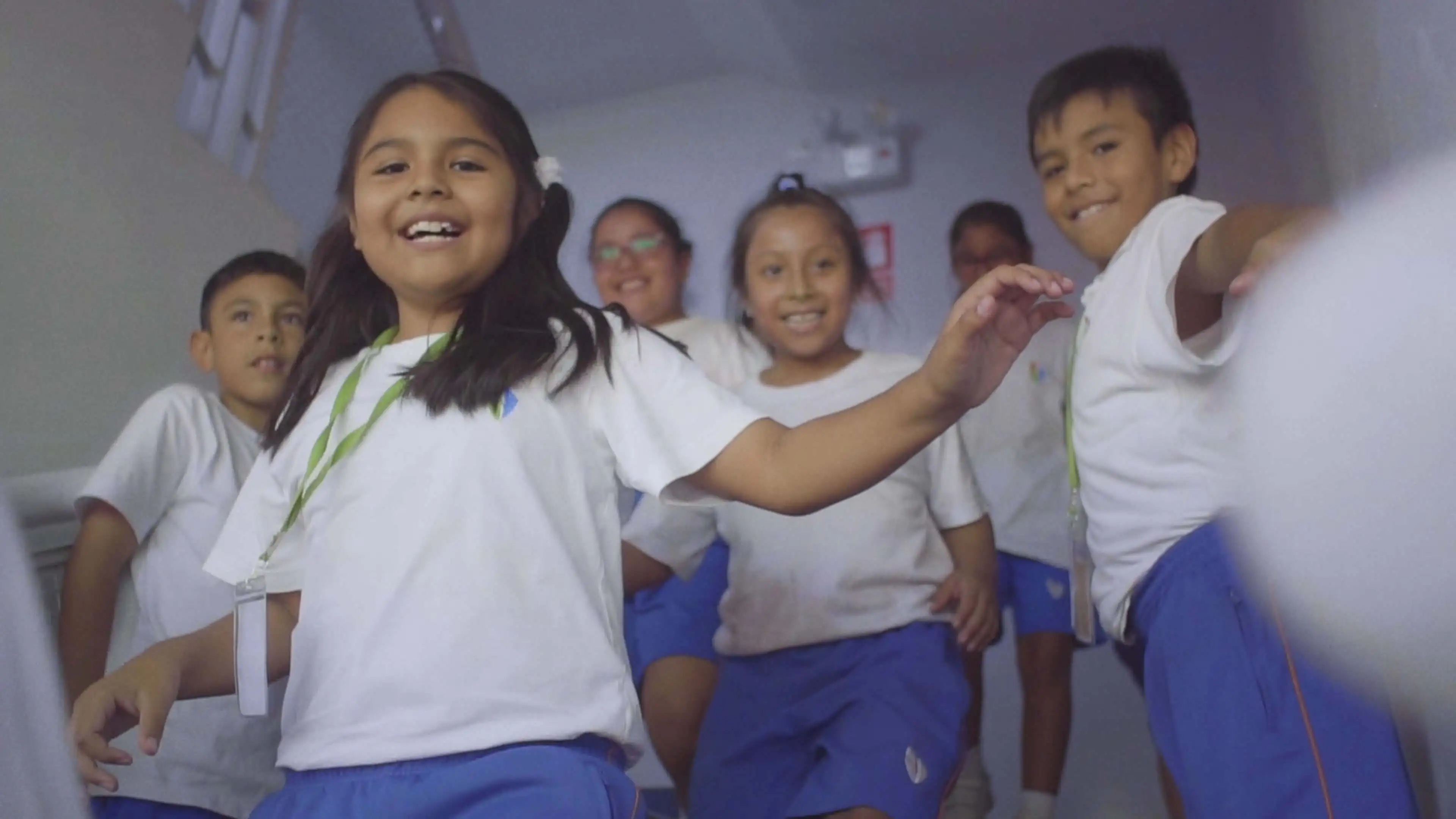
Eat Real helps redefine school lunch by advocating for nutritious, sustainable foods.
Before Eat Real can advocate for better school meals, it has to connect with school leaders—and donors. As the organization expanded its work beyond school certification, it needed an updated soup-to-nuts branding redesign that represents its purpose.
To get started on the five-week sprint, the IDEO team conducted a brand audit and interviews with Eat Real staff, board members, and donors. The team learned that Eat Real’s brand messaging and voice showed up inconsistently, and that board members wanted greater clarity around communication to prospective donors. Several people expressed a desire to change the original logo centered on a fork to a more culturally-inclusive symbol, and for the logo to be separated from the Eat Real Certified stamp, since the organization had evolved to do much more than just certification.
The IDEO team worked in close collaboration with Eat Real to deliver comprehensive brand guidelines, including Eat Real’s brand purpose and core values, positioning and personality, logo and wordmark, visual expression, verbal expression, and brand showcase. The brand’s new tagline, Nourish the Future, speaks directly to how real food access unleashes the possibility for a healthier society and a healthier planet. A new mark combines three elements that signify much more: a welcoming bowl (joy and ritual), the serving spoon (generosity and nourishment), and a sprouting leaf (a future where children and the planet flourish). The team also landed on an unapologetically vibrant color palette, to bring surprise and energy to the brand. From this foundation, Eat Real created a new website, completed a photo shoot with IDEO's art direction, and launched the brand with new messaging and collateral within a year. Now, Eat Real has the tools it needs to scale its operations and affect real change.
To scale its program and be at the center of sustainable food systems change, Eat Real needed branding and messaging to reach a new set of philanthropists.
Almost 30 million US kids depend on public school lunches for more than 50% of their daily calories. These meals are frequently made up of ultra-processed, unsustainable foods that contribute to type 2 diabetes and obesity.
2023 funding goals reached
with its new branding, beating its end-of-year fundraising goals, and putting the nonprofit on track to serve more schools in 2024
129M
meals served to 360,000 students every year at schools that have gone through the certification program

Preparing students to innovate
How Yungu School is building the next generation of changemakers.
Most end-of-high-school experiences, like the Chinese gaokao exam, the global IB Extended Essay, or the US-based AP Capstone program, are focused on testing and academic, classroom-based activities. Yungu School, a private K–12 school in Hangzhou, China, founded in 2017 by Jack Ma of Alibaba and funded by Alibaba partners, wanted to take a different approach. Yungu’s vision: combine the renowned Chinese National Curriculum with an international, competency-based learning mindset.
Designing a new capstone course that brought together the perspectives of Yungu School’s many stakeholders was a complex challenge. The solution? IDEO formed a “co-creation council” composed of eight Yungu School middle- and high-school educators who held different positions within the school, spanned tenures, and came from diverse educational and cultural backgrounds, including Chinese, European, and American. Bringing together educators from a range of backgrounds and points of view fostered alignment and sparked new ideas. In addition to the council, IDEO and Yungu educators gathered additional input from students and parents and crafted the objectives, design principles, and blueprint for the change-making 18-month capstone program.
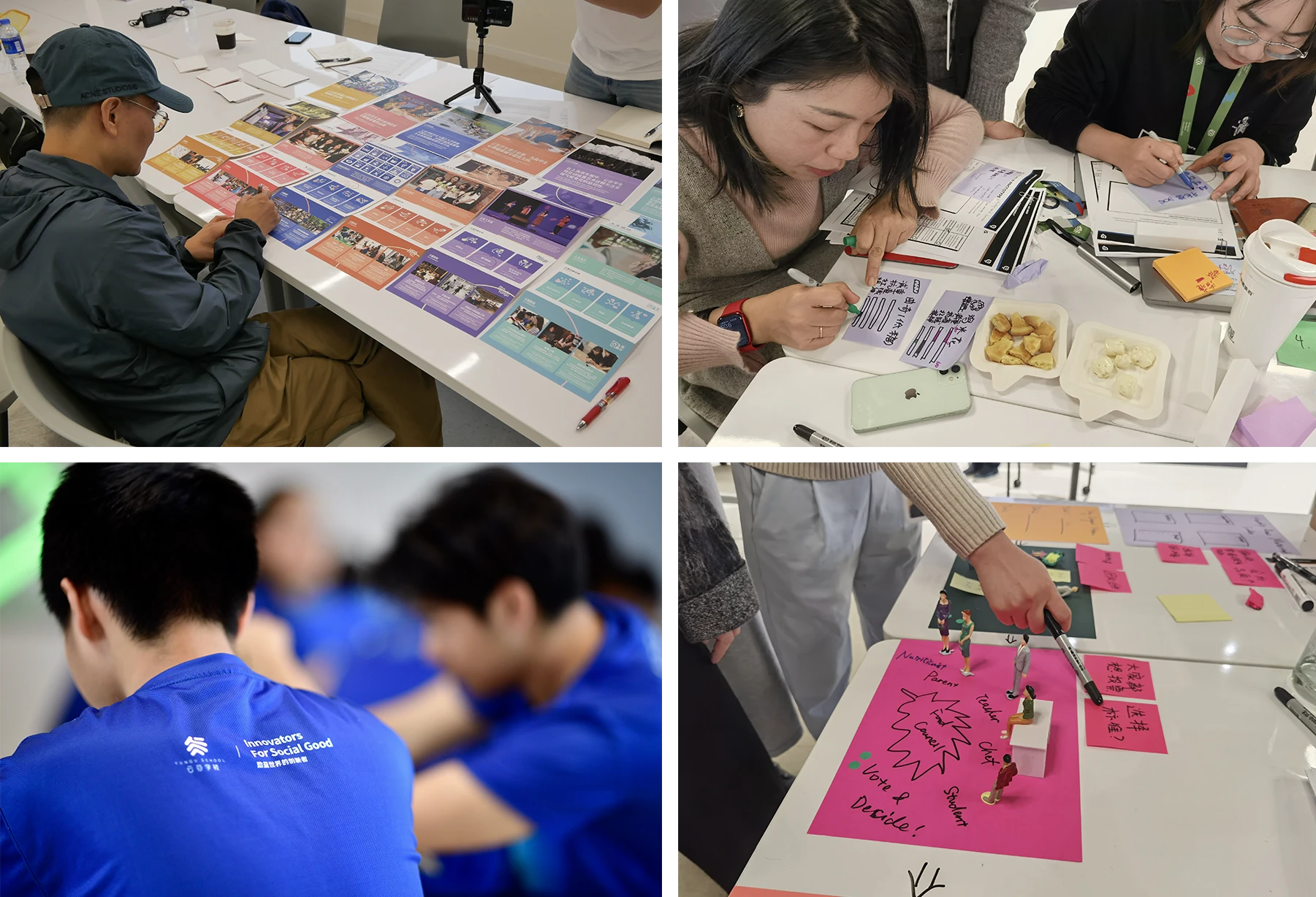
The collaboration resulted in a tailored, insight-driven capstone course that progressively builds learners’ confidence and agency via five modules: “Get Inspired,” “Find Yourself,” “Dive Deep,” “Go Big,” and “Give Back.” The learning cycles, which range from one week to half a year in length, teach students how to move from ideas to impact in topic areas they are passionate about and which have a bearing on pressing issues like climate change, digital privacy, and reducing food waste, among other global challenges. The goal of this iterative approach is twofold. Equip students for “global citizenship” by identifying personal ways to make a positive impact. And foster “entrepreneurship” by learning to be critical, creative, and optimistic systems thinkers who embrace a growth mindset.
To ensure a solid foundation for the new course, IDEO also created a week-long design-thinking training program for Yungu’s teachers. The professional development experience boosted their creative problem-solving and taught them how to move from being “expert instructors of curricula” to “encouraging guides” of capstone students who would need to demonstrate their proficiency through a final product, presentation, or performance rather than a final exam. The collaboration concluded with an immersive exhibition that allowed all stakeholders—educators, students, and parents—to experience the content modules and transformative course for themselves. Since launching its capstone program in 2022, Yungu High School has added lectures from social entrepreneurs and workshops that teach communication skills to the innovative course, garnering awards from media outlets like Fast Company. Most importantly, the signature program has enabled The Yungu School to embody its noble and audacious mission—empowering students to become future innovators for social good.

Today’s high-school seniors learn how to memorize academic content and pass tests but aren’t prepared to make a real-world impact after graduation.
196 college offers
and $1.442 million in scholarships received by over 40 graduates from Yungu High School’s class of 2023
2023 Finalist
Fast Company Innovation by Design Awards, Learning category
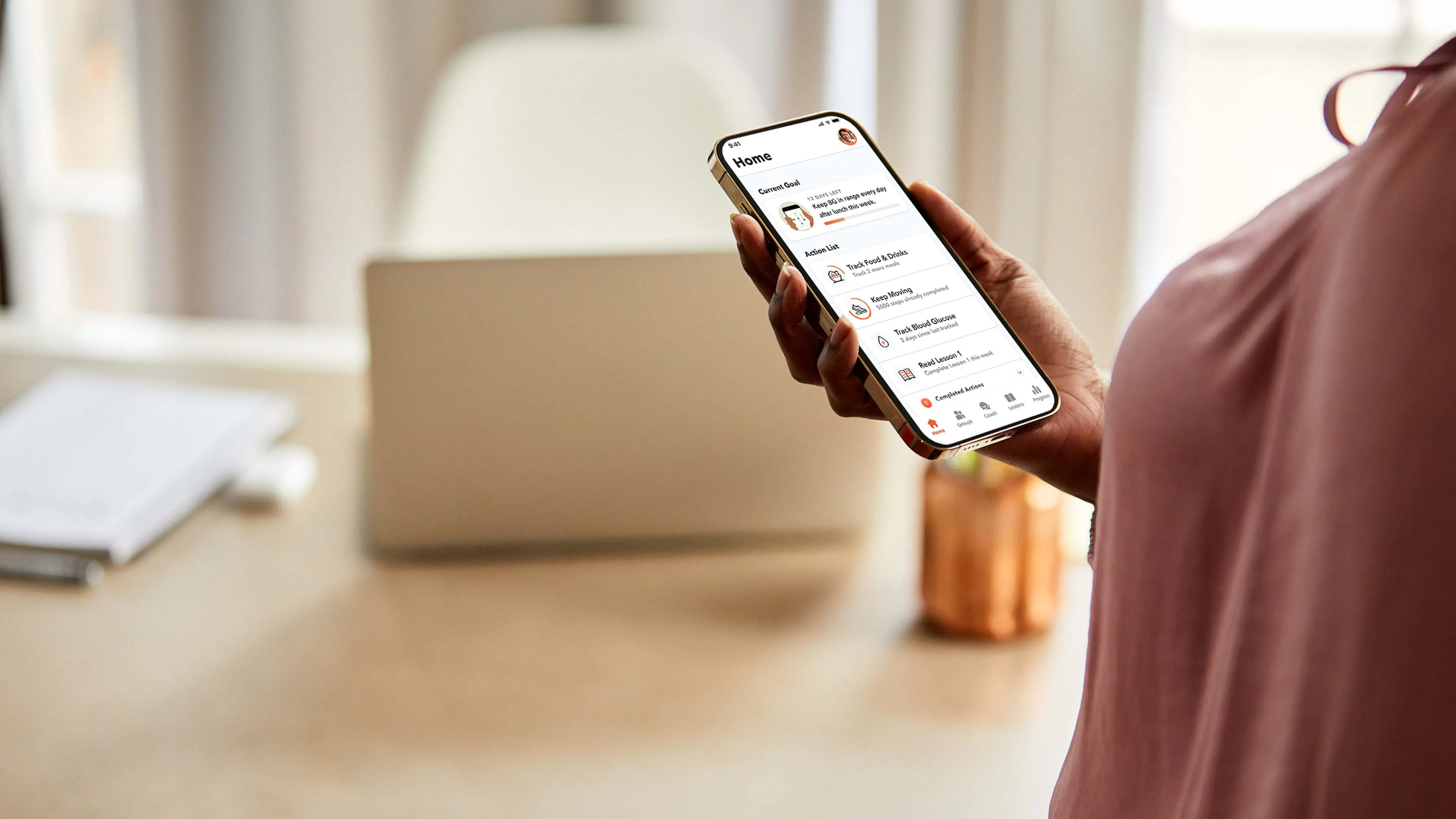
Lifelong health by design
Omada Health grows from an IDEO research project to a $1 billion company fighting chronic disease.
Design thinking was embedded in the creation of Omada Health from the earliest phases, and Omada has taken that forward as a strategy for success.
Over the past decade, the digital health company has grown from a couple of early career IDEOers testing concepts at the very frontier of digital health, to a company with nearly 2000 employers on its customer roster and more than one million users of its healthcare products.
Omada’s origin story began at IDEO in 2011, when its now CEO, Sean Duffy, an MD/MBA student at Harvard, joined IDEO as an intern, after a partner found his resume on the copy room floor. What was supposed to be a summer internship led to an exploration of the potential impact of digital tools on chronic health problems. IDEO partner Dennis Boyle gave Duffy and his co-founder and fellow IDEOer, Adrian James, the time and funding to do human factors research, meeting with people with prediabetes and metabolic disease in their homes to learn more about the care they were getting. What they heard was that no product or service was meeting the realities of their daily lives.
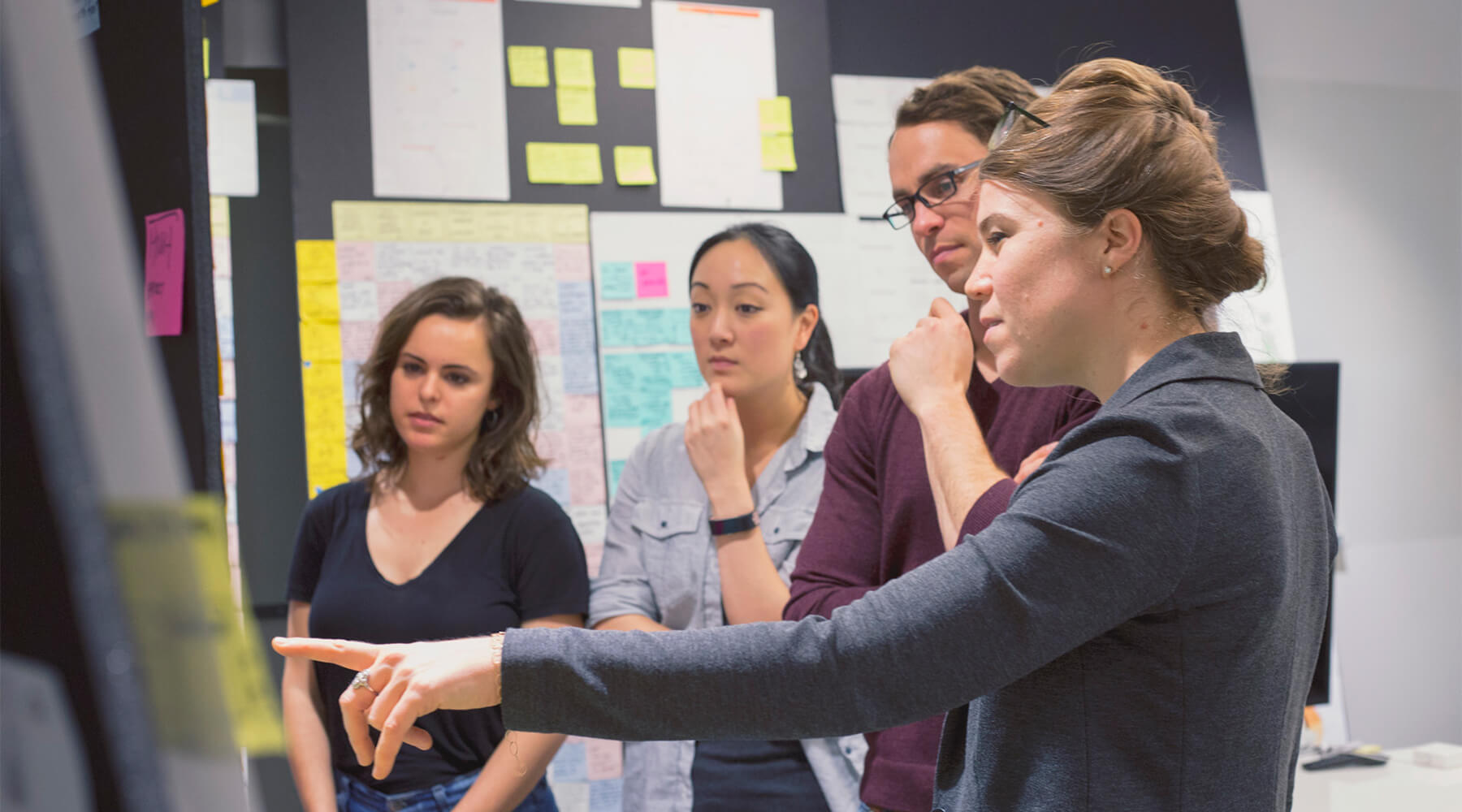
Five months after he landed his internship, and with the company’s blessing, Duffy and James spun Omada Health out of IDEO. Together, they raised a seed round, and continued to lean on design thinking methods, prototyping early versions of their product, then testing it with real patients. Duffy himself even served as the company’s first health coach. By sticking with the mindsets they had learned at IDEO, they avoided the pitfall of falling in love with the popular approaches to digital health of the era—like detailed food tracking or bluetooth enabled pill bottle tops. Instead, they stayed focused on creating what patients were asking for: a digital product that provided support, accountability, and evidence-based solutions.
Today, Omada Health is a virtual-first, integrated care solution that provides patients with clinical care plans using digital tools and one-on-one, personalized coaching. It helps users manage chronic conditions including pre-diabetes, diabetes, hypertension, joint and muscle health, and behavioral health. More than a decade after its founding, it counts nearly 2000 employers as customers, has more than one million users of its products, and has published 24 peer-reviewed studies on its outcomes. Not to mention a $1.3 billion IPO in June of 2025. But it’s still going after its North Star: to bend the curve on preventable chronic diseases nationwide.
About 60% of adults in the US live with a chronic disease. According to the CDC, 90% of the nation’s $4.1 trillion annual healthcare expenditures are for people with chronic and mental health conditions.
Diabetes is the country’s seventh leading cause of death—and the most expensive. Diabetes accounts for $1 out of every $4 in US healthcare costs. In addition to the cost of care, diabetes costs employers $90 billion annually in lost productivity.
Nearly 2,000
employers now partner with Omada
1 in 10
commercially-insured Americans have access to Omada through their health plan or employer coverage
$1.3 billion
valuation at Omada's IPO
Beat-Boxing Our Way to a Better World
One way to give refugees a voice
It all started when we partnered with the American Refugee Committee (ARC), an organization that provides services to 3.5 million refugees across Africa and the Middle East. We teamed up to imagine a future where refugees have a voice in shaping the services provided to them, and are able to hold humanitarian organizations accountable for the services they receive.
The result was Kuja Kuja, a platform that has the potential to fundamentally shift the way humanitarian organizations serve refugees.
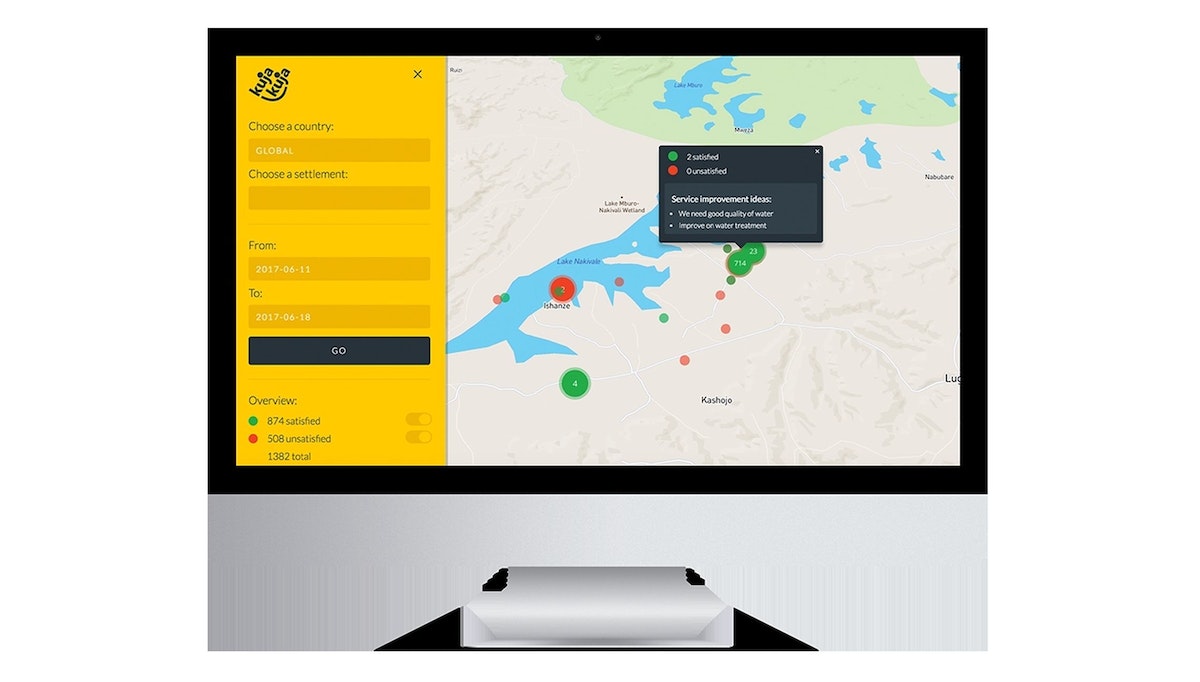
Kuja Kuja, a visual platform for tracking refugee feedback.
In a deep and humbling way, the friendships we made during those two weeks reminded us of how refugees, who are typically lumped together as a faceless, nameless group of displaced people, are smart, educated, optimistic human beings who've been brutally ripped from their homes by war and the vagaries of governance.
There are more than 65 million refugees and displaced people around the world today. That’s nearly 1 out of every 100 people on the planet. These people are no different from you or me in their need for safety, shelter, work—the most basic human rights.
On our last day in the settlement, at the end of the workday, we went to play ping-pong at a community center.
It was raining on and off, and there were a lot of people packed inside. There was a group of Congolese refugees breakdancing and practicing for a hip-hop dance competition. One of the dudes was beatboxing while his friends pop-n-locked and windmilled.
I started to beatbox with him and soon we had all kinds of people busting into our jam-circle to throw down raps in multiple languages—French, Swahili. It was the best example of getting close to the people you're designing for I could ever imagine.
I will certainly never forget that day. I glimpsed a world in which, if we were were all trapped in a room together, and broke out in song and dance, there would be no more war, no more displacement, no more refugees.
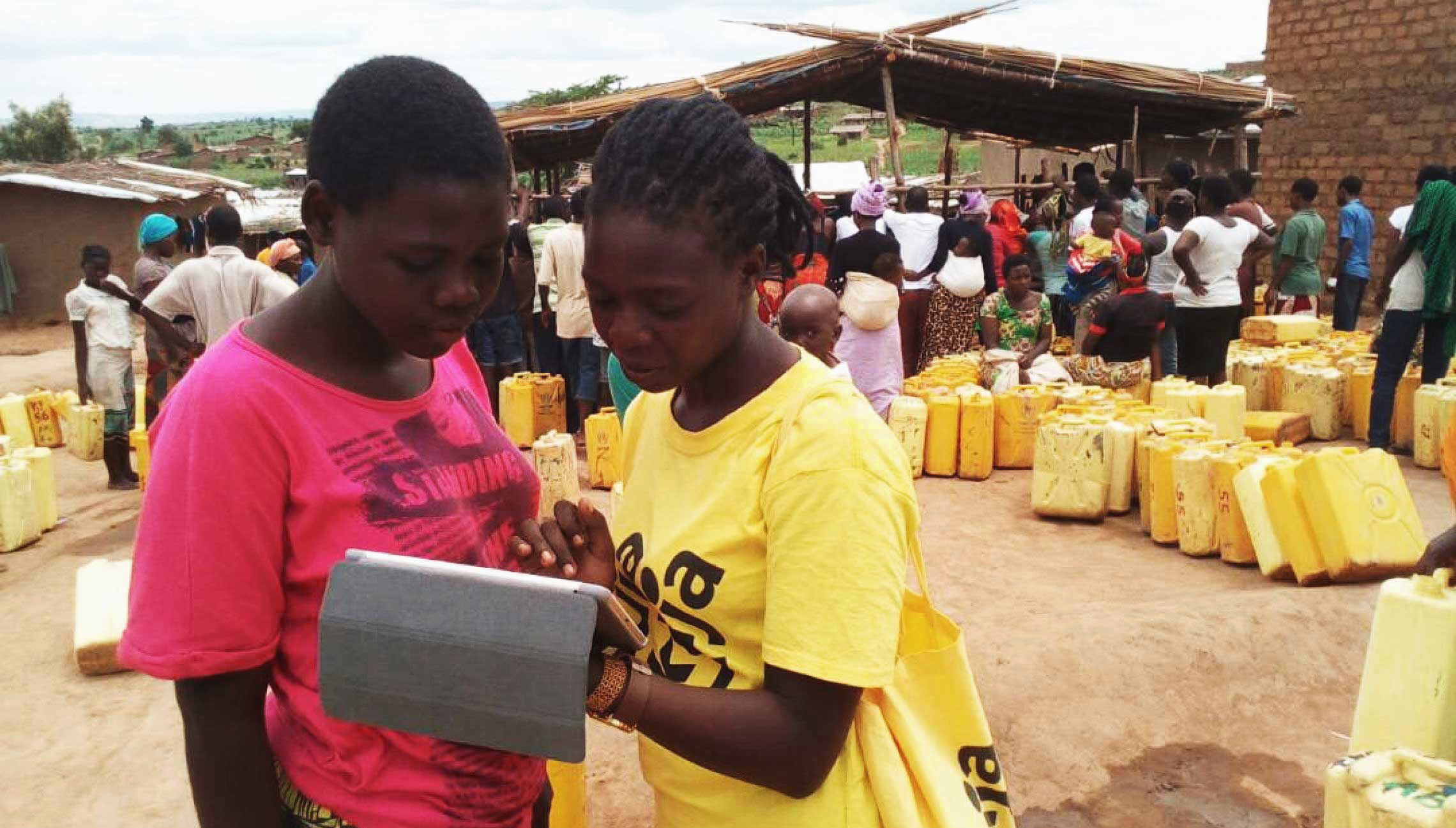
Back in August 2017, I was embedded at the Nakivale refugee settlement in Southwest Uganda for two weeks. I was there with Nathalie Collins from IDEO.org, to build a web application that collects refugee feedback and then visualizes that data in meaningful ways. Those two weeks could have been two months—Nathalie and I developed deep friendships with many of the refugees on the team. I'd been vocal-jamming earlier in the week with a pentalingual Burundian refugee and Kuja Kuja team member, and someone started videotaping...
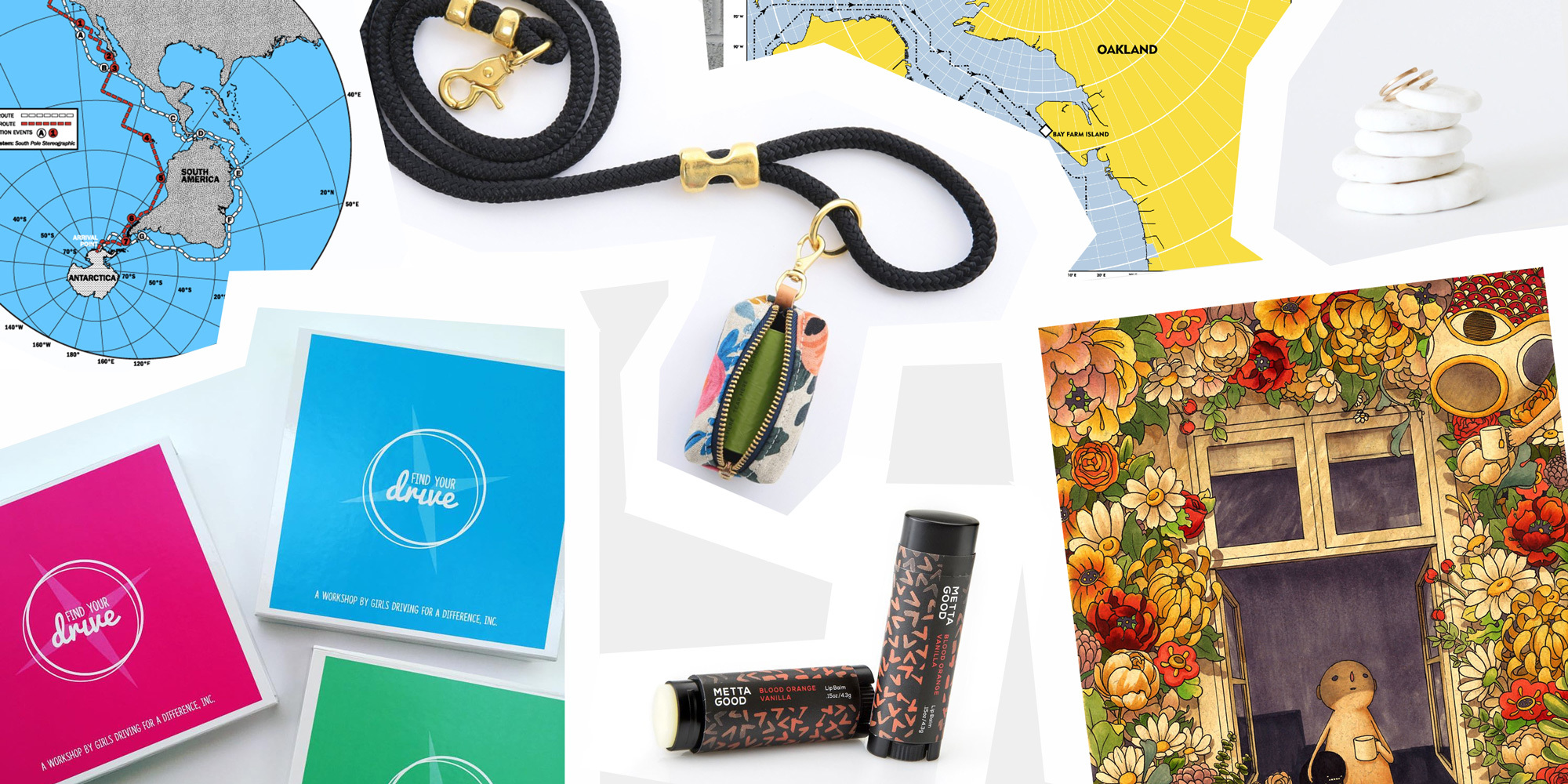
The IDEO Gift Guide for Creative Types
Crowd-pleasers for those who don’t follow the crowd
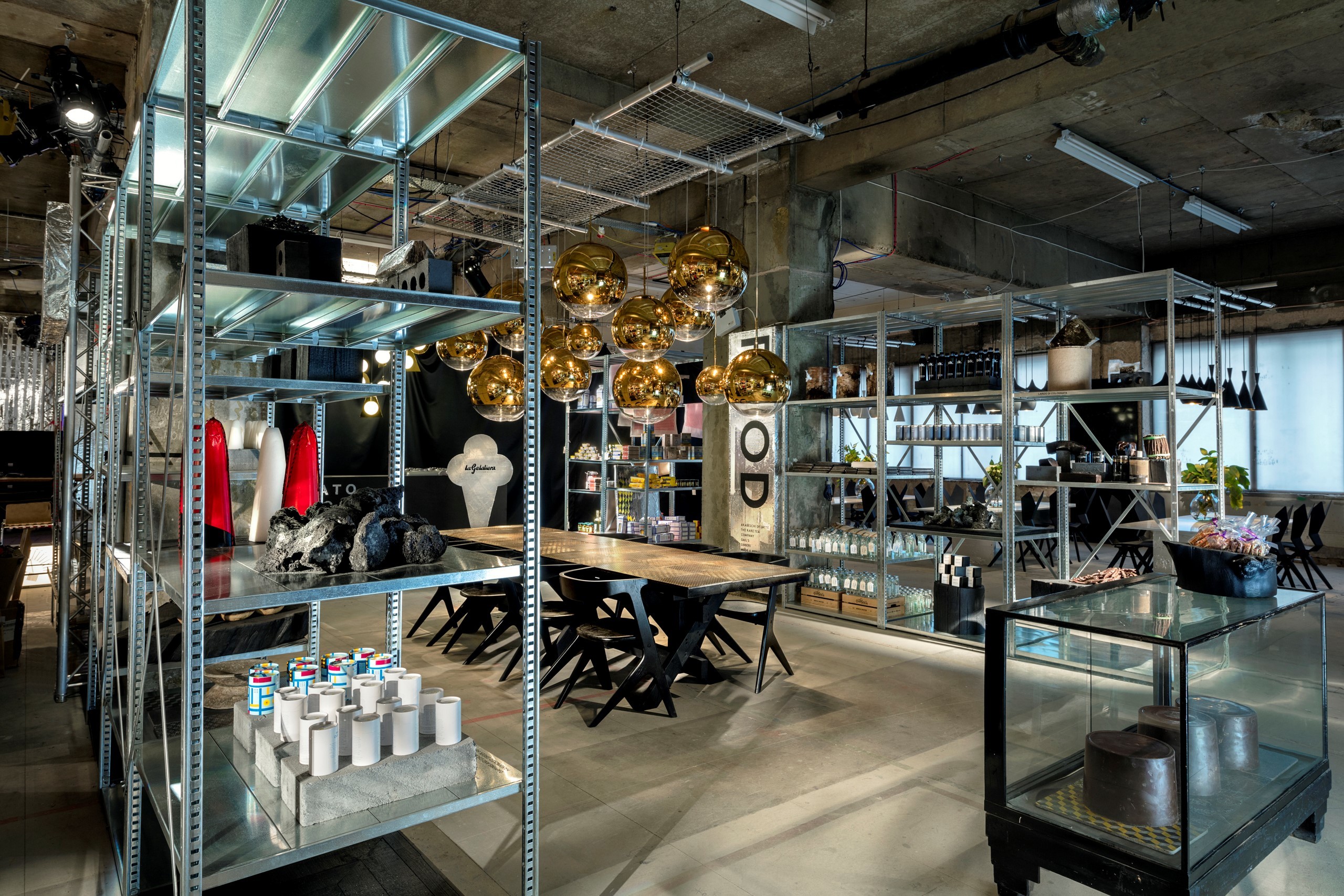
More than 60 food, clothing, jewelry, and art vendors—including 25 IDEO designers—are stocked up to serve, while also raising money for the non-profit La Cocina. There's a little something for everybody, even...
1. The DIY Gardener
Plant your own succulent garden in a glass terrarium, or stock your home bar with cocktail mixers, artisan bitters, and local honey, courtesy of Radish.

2. The Girl Who Has Everything (She doesn’t have this.)
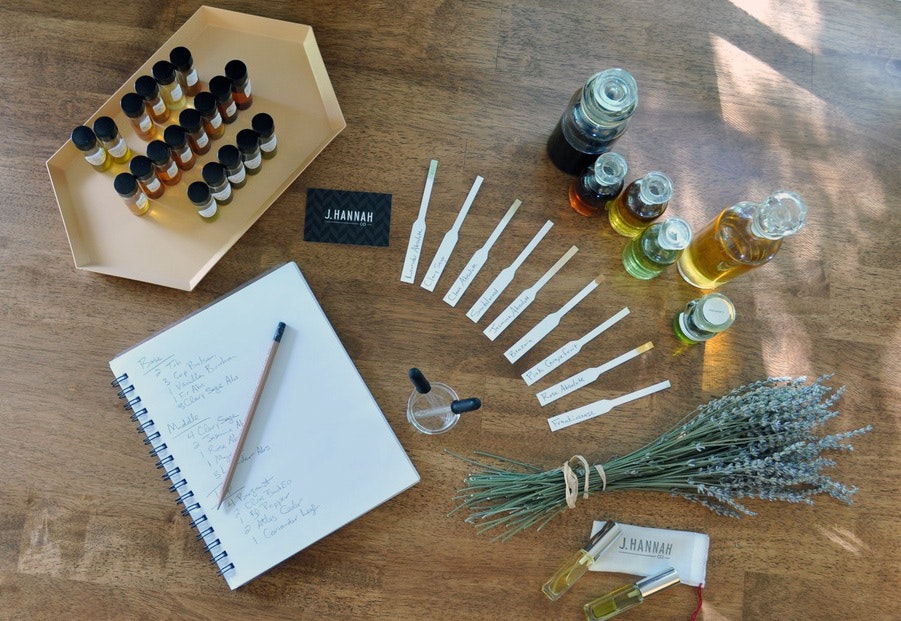
Jessica Hannah makes small-batch perfumes inspired by Hollywood classics and even the smell of worked leather. She also hosts regular workshops to help people craft custom scents from plant essences.
3. The Craft Brew Obsessive
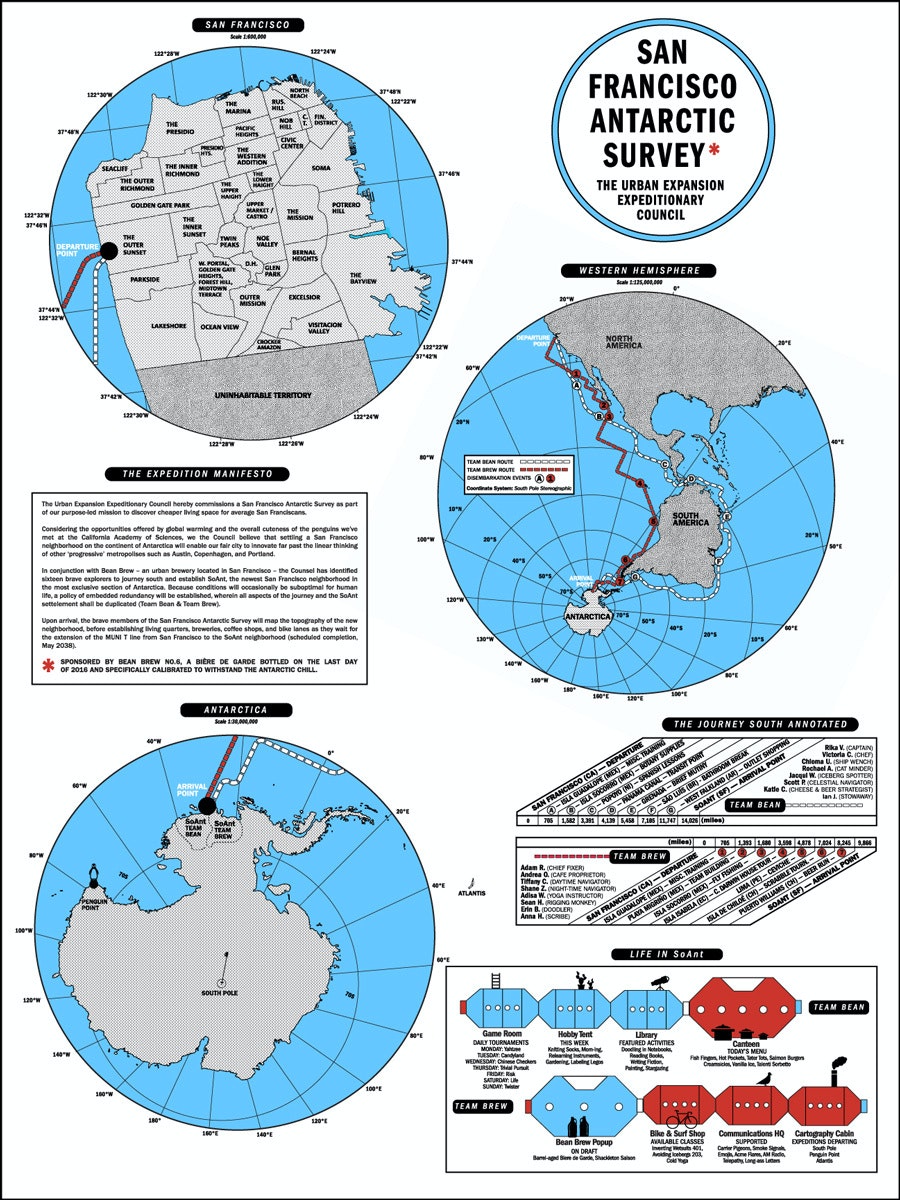
You’ve tried microbrew, but not like this. IDEO designer Sean Hewens combines homebrewing with making fantastical maps—charting a fictional submarine race across the San Francisco Bay, for example—to create Bean Brew. Lucky drinkers (just 16 per micro-batch) answer a survey about the map on their Bean Brew bottles, and Sean turns the results into a one-of-a-kind poster.
4. The Jewelry Minimalist
Angular and understated, the gold-filled trinkets from Batsu Maru might be right for the best-dressed woman in your life.

5. The Upcycler
Waste not, want not. So says The Consistency Project, which sells vintage and customized clothing that’s been given a second chance.

6. The Recent Transplant
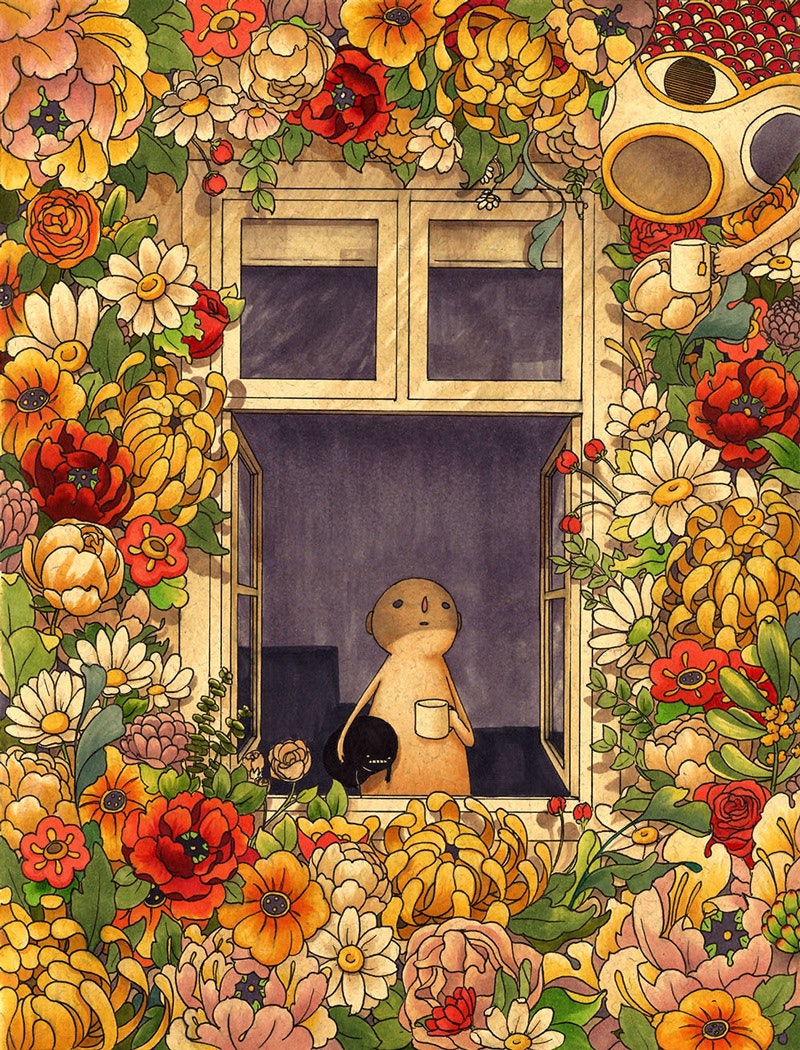
Bare walls? Why not fill them with whimsical, colorful, and soulful art from IDEO designer Felicia Chiao and illustrator Yoshi Yoshitani. Prints, postcards, art books, and coloring books are more than enough to liven up your space.
7. The Makeup Maven
Blood orange vanilla. Rose cardamom. Peppermint Eucalyptus. These aren’t flavors of bon-bon; they’re lip balms from METTA GOOD. The balms are made from beeswax and jojoba, coconut, and avocado oils, and METTA donates one percent of its proceeds to nonprofits.

8. The Pet Pamperer
Make your pooch look as posh as you do with colorful bandanas, bowties, and leash bags from The Foggy Dog.

9. The Happy Homebody
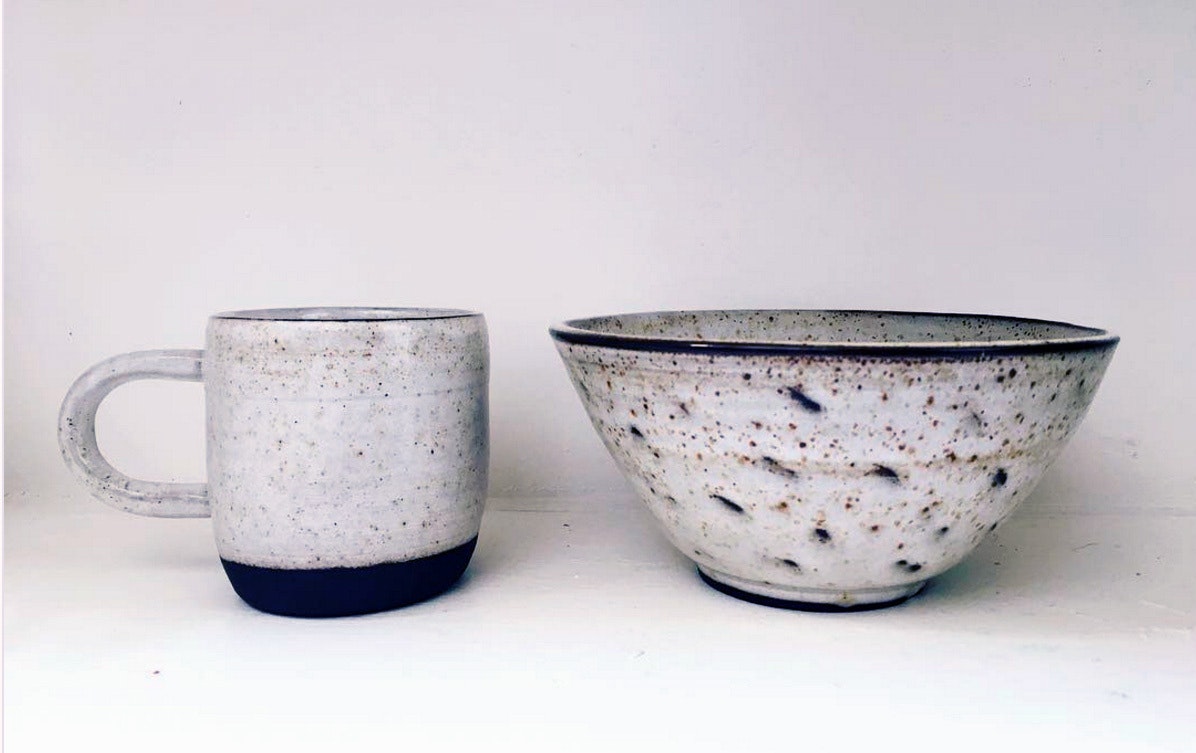
In her free time, IDEO.org senior designer Nicole Kraieski loves to throw down on her pottery wheel. She describes her tasteful tableware as, “ceramics made of clay by the Bay” in San Francisco.
10. The Eco-Chic Toddler
Apila Designs crafts organic cotton clothing—from beanies to onesies to leggings—for fashionistas ages zero to six. The screen-printed pieces are made in and inspired by Northern California.

11. The Avocado Lover
Pretty prints with a hint of snark—such are the whimsical greeting cards from Coffee n Cream Press.

12. The “Nasty Woman”
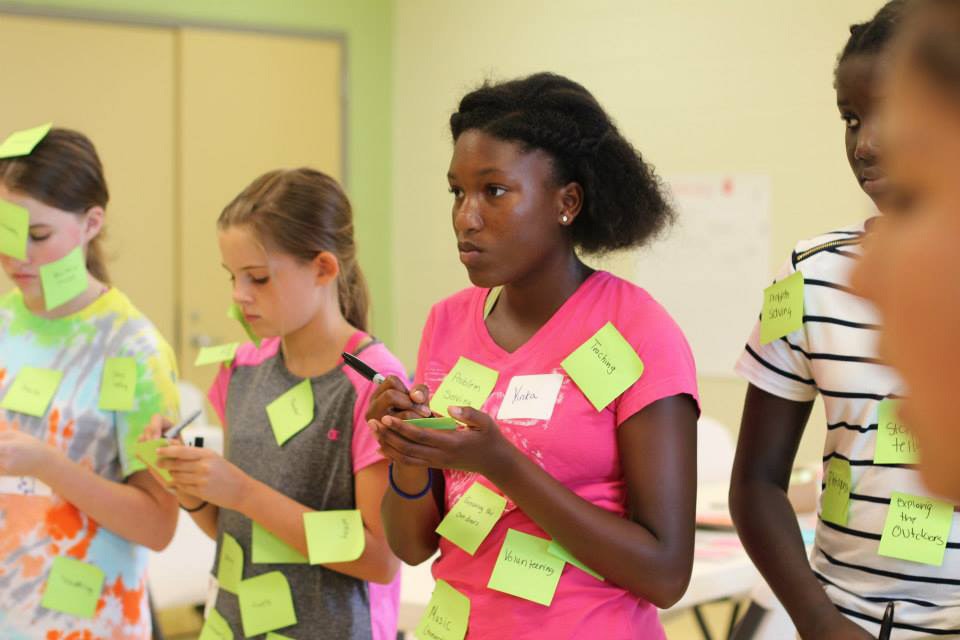
Give young women the gift of leadership by hosting a workshop with Girls Driving for a Difference. IDEO’s Katie Kirsch co-founded Girls Driving for a Difference in 2015 with the goal of helping middle- and high-school girls use design thinking to boost their self-confidence and improve their communities. The group offers a “workshop in a box” to get you started.
And remember, if you can't find anything off the shelf, there's still plenty of time to make your own gifts. Here's an impassioned plea for doing just that.
Design snobs are hard to shop for. But don't despair: We wrangled our favorite craftspeople for Wunderfaire, our annual winter celebration. The party is sold out, so we're sharing a sneak peek of gifts you can nab online.
The Designer’s Toolkit for Tackling Tough Problems
Bite-sized tools to spark creativity in the face of daunting design challenges
The constraints and complexity of working on those challenges can be overwhelming. To help us all push through, we developed a few simple tools to keep in your back pocket. Here are three of them, drawn from the Design Kit Travel Pack, a new deck of bite-sized exercises we’re working on to help social impact organizations and busy professionals unlock their own creative genius.

1. Write a postcard from the future
In the social sector, the language we use is all about fixing things that are broken. We talk about reducing unintended pregnancies or increasing the number of people with access to financial services. It’s important work, but not always framed in the most inspiring way. Before you kick off a new project or initiative, take the time to paint a more audacious vision. Close your eyes, picture a time 20 years in the future, and imagine your work has been a resounding success. What does the world look like? How are people’s lives different? Be as specific as possible. Then, write a newspaper headline for a New York Times story capturing this impact and sketch an image to go with it. Share your vision with your team, and use it as your North Star as the creative process becomes more murky and new challenges emerge.

2. Take an inspiration tour
When we’re designing in conditions with tight constraints—like a tightly-packed informal settlement outside of Nairobi or a rural village in India—it’s vital that we understand and work within the local context. But to unlock fresh solutions, we also need to look elsewhere and gather inspiration from other (sometimes unlikely) places. To design your own inspiration tour, start by naming three adjectives you want your product, service, or experience to embody. For example, maybe we want the new health clinic we’re designing to feel safe, fun, and community-affirming. Then, quickly brainstorm 10 places, businesses, or brands that do this well in your city. (Examples: a sports team’s locker room, a Bible study group, a Weight Watchers meeting, a co-working space, or a comic convention.) Choose a couple of places that are most interesting to you and take a day to visit them in person. Note down your observations as you go, take photos, and look for clues about what might inspire your project. By casting off the constraints of the context you’re working in, you’ll start to see new possibilities.
3. Make time for retail therapy
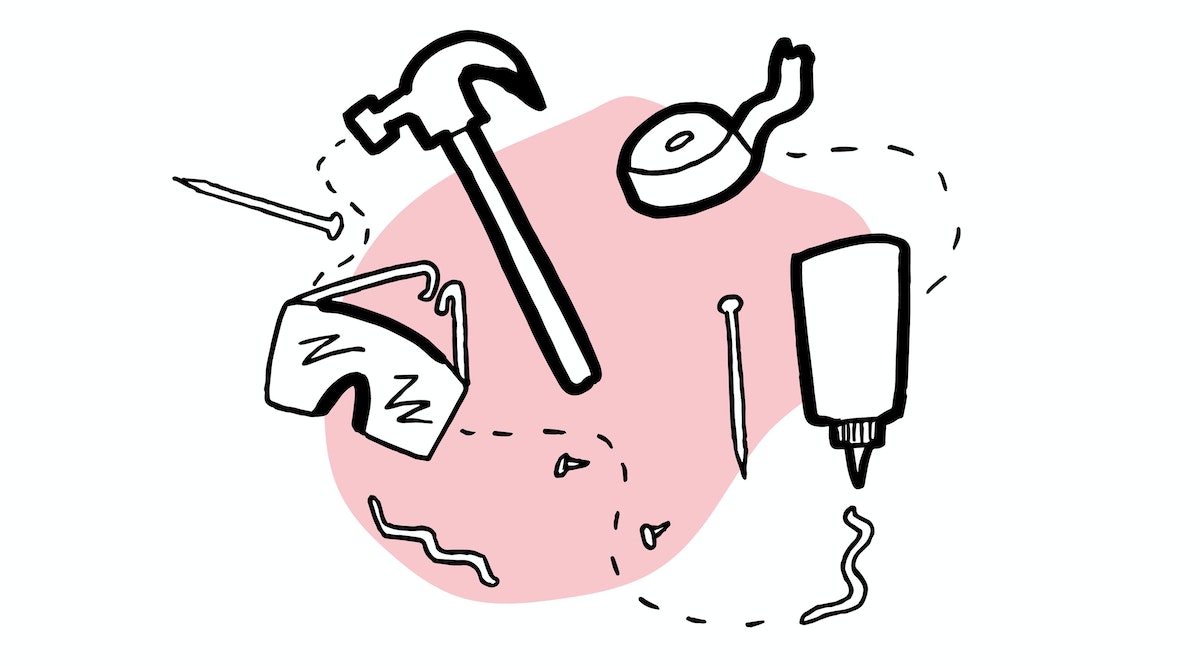
When you’re feeling stuck and not sure which direction your project should take, try getting tangible (even before you might feel ready). One fun way to do this is a trip to your local hardware or container store. Give everyone on your team 15 minutes to explore the store and create their own scrappy set-up of the product or service you’re designing. Then, one at a time, walk each other through the prototypes you created. Forcing yourselves to use materials available in the store and using a timer helps narrow the scope of what you’re working on from a big, nebulous problem to an immediate and concrete one, often unlocking fresh thinking in the process.
Visit designkit.org to download a free PDF, or get your own hard copy.
When we launched IDEO.org six years ago, we knew we had a lot of work ahead of us. The organizations we partner with are tackling some of the world’s toughest problems, like access to clean water, reproductive health, and the global refugee crisis—big, systemic challenges that have been around for decades.

9 Travel Hassles We’re Dying to Redesign
Some suggested improvements to trains, planes, and automobiles
Here are nine travel experiences we’d love to redesign:
GETTING THROUGH AIRPORT SECURITY
Taking our shoes off to go through security? Gross. But the most stressful moment for me is when my stuff comes out the other end of the scanner and I have to grab it in a rush because someone else's stuff is right behind and my toddler is running in the other direction. Then we waddle over to a corner with all our belongings splayed out and try to make sense of our luggage again. There has to be a better way!
Then there’s all the time wasted. Could there be a way to check wait times for security lines—similar to a traffic report—so I know how far in advance I need to arrive at the airport? IDEO designers are already working with the staff of a major Canadian airport to make their screening process smoother, faster, and less unpleasant. Let’s keep the good ideas rolling!
—Sally Sosa, IDEO San Francisco
THE PLANE BOARDING SHUFFLE
I’ve noticed a weird social phenomenon: Everyone gets up when the first people start boarding a plane, even if they have three boarding zones ahead of them. The zones are arbitrarily assigned based on when passengers checked in and how much extra money they wanted to pay—a legacy system based on someone's obscure definition of loyalty and status, plus assertiveness. That means that if someone in Zone 2 gets into an aisle seat, but I'm in Zone 4 and have the window, everyone has to get up, get out, shuffle down the aisle, let me in, and then sit down again. It's entirely inefficient. Also, if I have no overhead carry on and can breeze off the plane, facilitate that. I've never met anyone who actually likes this system. Airlines are leaving money on the runway—literally.
—Denise Burchell, IDEO San Francisco; Shuya Gong, IDEO Cambridge
Airbus' modular plane concept. Source: The Verge
FLYING ECONOMY CLASS
I used to work for Emirates, Singapore Airlines, and Qantas, so I have a vision for the ideal plane cabin. In economy class, you get shoved into an uncomfortable seat next to a guy who hogs the armrest. This is painful for people like me who usually take long-haul flights. (I fly 15 hours from Dubai to Sydney twice a year to see family.)
Why not reconfigure economy class with bunks for passengers on flights longer than four hours, so that people can actually relax or sleep? Do away with the overhead lockers, increase the checked baggage allowance, and allow passengers only one small carry-on unless they’re traveling with kids or a baby. Designate time slots for people to get meals, which they can order beforehand or through the in-flight entertainment system, letting flight attendants better organize their work. You could also automate the system of delivering meals to passengers instead of pushing a trolley down the aisle, which blocks me from getting to the bathroom while an indecisive passenger is trying to figure out if he wants a Sprite or a Coke.
While we’re at it, have a kids' section where they can play without annoying everyone else, and include something like the in-flight nanny service Emirates already offers. Have a nursing area where mums can feed their babies without people bumping past them, or change their babies without having to juggle the kid, a dirty diaper, a fold-down table, and a diaper bag in a bathroom without enough room to swing a hamster, let alone a cat.
Check out this image of a crew rest area on an airplane; the stewards have room to lie down and snooze, while not being dear on space. With just a little imagination, you could make these into seats that fold flat and include easy-to-clean access, since cleaning the airplane between flights takes longer than anything else. The specs of an Airbus A380 would make this setup totally possible!
—Asja Simunovic, IDEO Munich
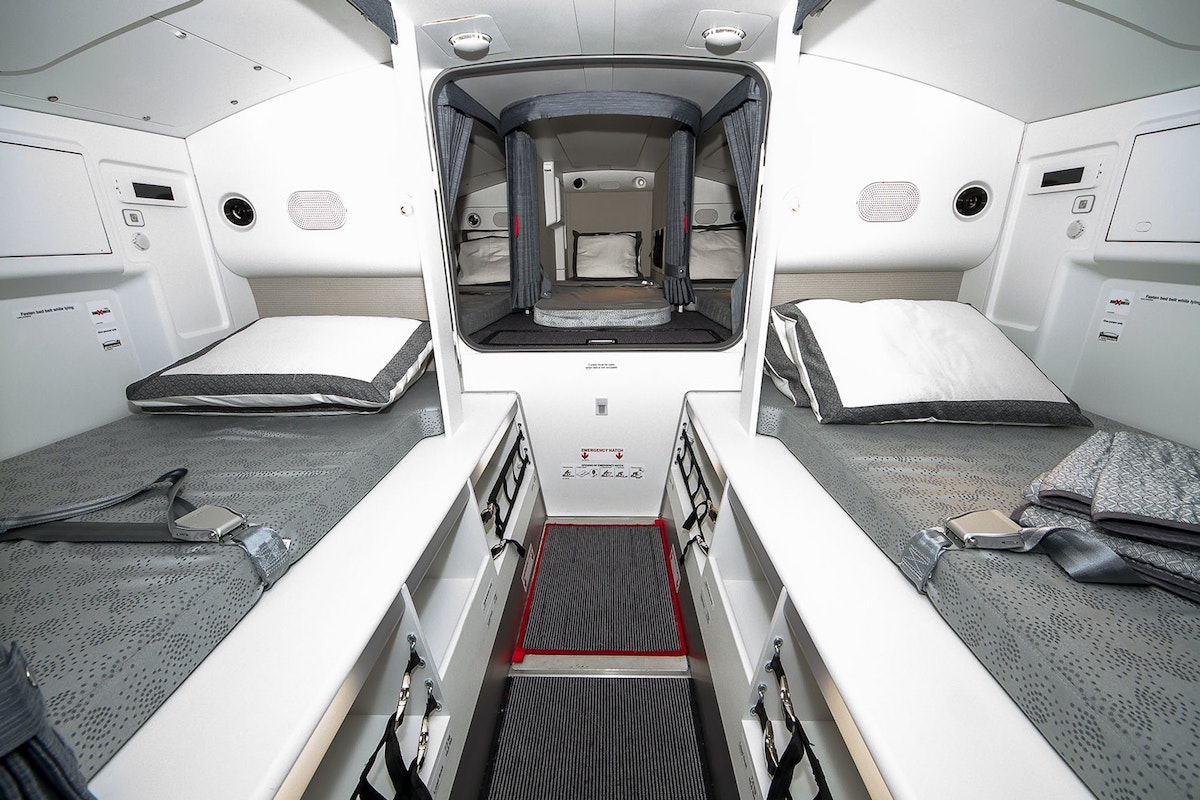
Qatar Airways Airbus A350 crew rest area.
RIDING THE CROSS-COUNTRY RAILS
Two years ago, I took a long train trip from Chicago to New Orleans with my wife. She’s Danish. I’m Turkish. We have a lot of experience with train travel in Europe. It was shocking to see how sad train conditions are in the U.S. How might we redesign the experience of the Great American Railroad? We can utilize all our design chops—from data to spatial to UX—to do so. I’d love to take the lessons I’ve learned from IDEO’s relationship with Ford and apply them to train travel to make an impact on a more economically and geographically diverse community.
—Dogan Sekercioglu, IDEO Chicago

TRAVELING WITH A KID (AND A CAR SEAT)
It’s so annoying to travel with a car seat. I avoid it at all costs, and then end up trying to rent or borrow one, which is never convenient. It's also a pain when I want to do something like take the train into the city and then take a taxi to a part of town that’s too far to walk to with a toddler.
How about a packable, maybe inflatable, car seat? Can you imagine how great it would be if you had a small, portable car seat you could just throw in your bag?
—Kim Powers, IDEO San Francisco
BOOKING A NATURE GETAWAY
I want to redesign the way we book campsites. The current system is really challenging to navigate, particularly for outdoors neophytes. It's opaque and cumbersome, and there's no way to release sites for last-minute booking. I'd love to design ways to make the process simple, intuitive, and experiential.
Shouldn't a booking site feel welcoming and fun? Couldn't it show you what kind of hike to expect on the way to your campsite and what the views are like? If it’s a car camping site, how noisy is it? How about real-time weather so you know what to pack, or a map showing how close your site is to amenities like bathrooms or a store? What if it included ratings from other campers? Let's make our parks and forests more accessible, especially to those who aren't experienced outdoors people.
—Kate Lydon, IDEO San Francisco

DODGING TOURISTS IN THE BIG APPLE
New York City sees more than 60 million visitors a year, and locals know that with tourists come clogged sidewalks, long lines, and dozens of confused subway riders. As a New Yorker, I’m also struck by how seldom visitors tend to go outside the typical destinations—a.k.a. Midtown and the usual suspects. I love how distinctive each neighborhood of New York City is, and the unique culture, food, and experience each offers.
I know we can do a better job of moving people around the city so that visitors have a better experience. I’m inspired by this initiative the city of Amsterdam is using to distribute, rather than limit, the flows of tourists. Amsterdam encourages tourists to visit outlying areas and see popular attractions at off-peak times. Why can’t we? IDEO worked with the TODAY show to design a seamless experience for the street audience at Rockefeller Center; we can put some of those same techniques to work at a larger scale.
—David Boardman, IDEO New York
NAVIGATING THE URBAN LANDSCAPE
I would love to see a well-designed urban infrastructure that allows for driverless mobility, makes cycling and walking safe alternatives, and accounts for a broad span of ages and physical limitations.
Right now, multimodal transportation is not synced. Urban dwellers need various types of transit to get around, from trains to buses, but none of them talk to one another. There's so much focus on driverless cars, which is great, but we also need to seize the opportunity to encourage more active mobility by creating more car-free zones for safer walking and biking, for example. Both protected bike lanes and central bikeways would encourage more safe cycling in cities.
In general, street signage is not all that helpful or appealing. Might there be a way to not just wayfind, but also add delight? Signs could provide more than just basic information, such as interesting historical tidbits about the city, the number of steps between signs, or digital messages on sidewalks or in other unexpected places. People could also track their city journeys via an app on their phones to show where they've been, and get recommendations for where to go next; their urban journeys would become living maps.
—Margaret Kessler, IDEO San Francisco

PAYING FOR PARKING DOWNTOWN
Parking lot pay machines are poorly designed. They’re often covered with lists of instructions and homemade signs taped on by the operators and owners trying to show customers what to do and in what sequence. The machines need to accept credit cards—with a stripe in one exact orientation—bills, coins, and of course parking tickets with a magnetic stripe in one orientation, too.
I like how the parking garage at San Francisco International Airport allows you to use FasTrak to avoid a paper ticket. Maybe ticket machines could use Apple Pay or another pay-by-phone service to avoid credit cards and cash, or better yet, use pay-by-phone services in your car on the way in and out of the lot so you can avoid the ticket machines entirely.
—Dennis Boyle, IDEO Palo Alto
Want to reimagine transit with us? Contact Madison Mount (madison@ideo.com) at IDEO’s San Francisco studio.
Just in time for the busiest days of American travel, our designers put their heads together to imagine a future of seamless transit, complete with inflatable car seats and airplane sleeping pods. IDEO already does forward-thinking transportation design with partners like Ford, Lincoln, Lufthansa, and major airports. But transportation is a sprawling industry, and there’s always plenty more to do.

Lindsey Turner
I’m passionate about building brands, products, and experiences that help organizations show up with meaning and momentum.
I help organizations cut through complexity by shaping how they show up, through brand strategy, identity, and storytelling.
Working at the intersection of brand and business, I bring an editorial eye and a bias toward making—turning ideas into tangible experiences that people can understand, trust, and believe in.
My work spans government, healthcare, financial services, media, and consumer goods, from launching Gen Z-focused ventures to building innovation labs and reimagining legacy brands. I relish moments of ambiguity and enjoy translating across teams, perspectives, and priorities to move ideas forward.
I started my career in editorial and digital design, shaping cross-platform experiences and identity systems in publishing and agency environments. That foundation still shapes how I work today: I’m detail-oriented, collaborative, and overreliant on the Oxford comma. I hold a BFA in Visual Communication from the School of the Art Institute of Chicago.

Rachel Young
My work helps organizations see who their products aren't working for—and build the will and the tools to do something about it
For 25 years, I've asked the same question: Who does this design exclude—and what are we going to do about it?
My work spans human-centered strategy, inclusive design, and qualitative research, with clients ranging from Microsoft, Google, and Verizon to the National Science Foundation, and San Francisco Unified School District.
Before IDEO, I taught elementary school in East Palo Alto and spent a decade doing design work with social service organizations—where I learned firsthand what it costs people when systems are built without them in mind.
I am currently writing User Error, a nonfiction book about digital access and the design decisions behind it. I live in Oakland, California.

Brian Pelsoh
I lead with craft, ensuring our work is creatively excellent: rooted in deep human insight and imagination, while also grounded in the realities of business and technology.
My expertise spans brand, communication, and product design across tech, education, the arts, and social impact.
I believe great work demands both high-level vision and obsessive attention to detail, and only happens through collaboration.
I bring an inclusive, hands-on approach and a deep understanding of business, which enables me to consistently deliver excellence while always asking why.
Before joining IDEO, I worked at the brand firms Pentagram and VSA Partners. I began my career as a designer, leading teams at the School of the Art Institute of Chicago and the Milwaukee Art Museum. I hold an MFA in graphic design from Maryland Institute College of Art and a BFA in communication design from the Milwaukee Institute of Art & Design, and have taught at some of the best design schools in the US.

Tony Wong
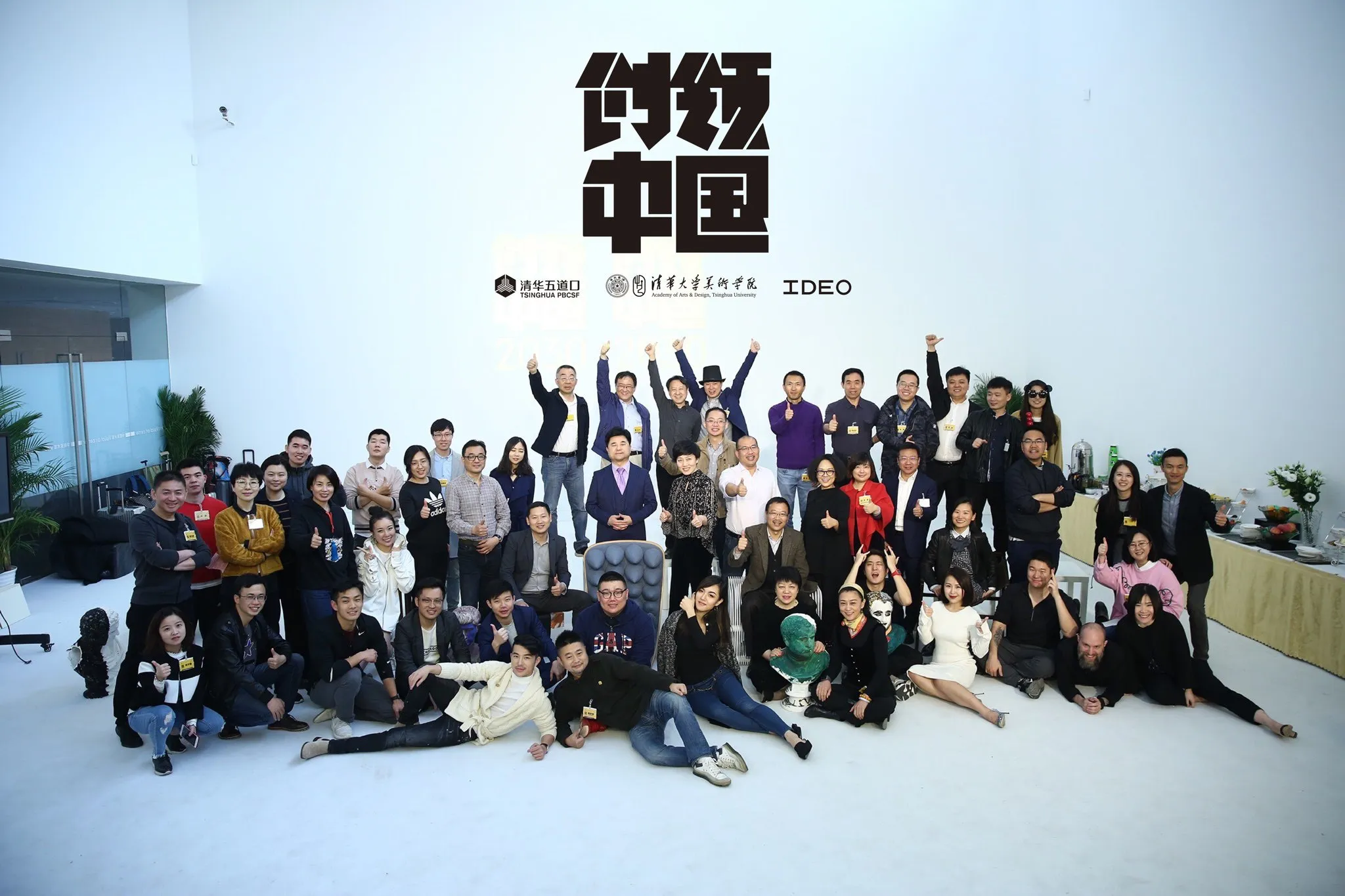
I am responsible for IDEO’s long-term success in China and working with clients to use design as a tool to enable growth.
I am responsible for IDEO’s long-term success in China and working with clients to use design as a tool to enable growth. Specifically, I have helped Chinese companies design holistic brand solutions through the development of their products, communication, services, and innovation teams, and I have helped multinationals expand their presence and influence in China.
I advise global leaders on developing China-led innovation and capabilities.
In over 15 years in IDEO Shanghai, I have worked on projects that use design to elevate the quality of the experience of healthcare products and services, streamline processes that increase productivity, create spaces and programs that promote and enable inclusive communities, and build next generation mobility solutions that are planet-positive.
Before joining IDEO, I worked at Philips Electronics and the Electrolux Group in Italy, the Netherlands, and Singapore on a number of breakthrough commercial products. I am a member of the Young President Organization in Shanghai.

How to use AI as an editor, not a writer
Ed White shares how he uses AI as an editor—not a writer—to sharpen storytelling, rehearse ideas, and preserve the productive friction that makes creative work better.
Ed White has a rule he's tested on his own writing: hold yourself as the writer, and let AI be your editor. Ed is a Senior Design Director at IDEO's London studio, where he co-leads the firm's AI portfolio across Europe. Before IDEO, he spent 12 years as a writer and editor at the Financial Times, Wired, and Contagious. So when he talks about when to use AI for storytelling and when not to, it comes from two decades of crafting his storytelling skills.
In this episode, Mina Seetharaman talks with Ed about two specific tools he uses to keep AI in an editor's seat: a "roasting agent" prompted to critique his drafts without any sugarcoating, and a simulated audience he rehearses pitches on before the real thing. They also get into what Ed is hearing from design leaders at Anthropic, Lovable, Shopify, and Google Creative Lab about how creative work is changing, and why he thinks the friction of writing something yourself is worth protecting rather than automating away.

Building a personal AI for the messiness of life: Sida Li
Becca Carroll talks with Cue co-founder Sida Li about designing a personal AI for the messiness of everyday life—not just work. They explore how Sida stays anchored to human needs while navigating fast-changing technology, product tradeoffs, business-model experimentation, and the realities of building an AI company today.
Most AI products today are built for work—a space with clear problems and established systems. One founder noticed a gap: personal life is messier, harder to systematize, and mostly left behind by the AI boom. So she built Cue, a personal AI that lives inside iMessage and group chats, to go where the other tools haven't.
In this episode, Becca Carroll, IDEO's Chief Strategy Officer, talks with Sida Li, co-founder and CEO of Shared Context Lab, about staying anchored to a human need while the technology around her keeps changing shape, why she treats her business model with the same rigor she'd bring to a product, and what it feels like to build a company at this particular, disorienting moment in AI.
The conversation also gets into how Sida makes design decisions: the language Cue uses to describe itself, the tradeoffs behind building inside iMessage instead of a new app, and a real story about a business idea that didn’t pan out.
This is the second in a two-part series profiling founders from IDEO's Startups-in-Residence program. The first conversation is with Johannes Seemann, founder of Sooner, on designing GenAI for the emotional side of money.

Designing GenAI for the emotional side of money: Johannes Seemann
Designing financial tools around the feelings that shape money decisions.
Most personal financial tools are built to run the numbers and optimize towards a budget. While that works for some, most people experience money as a lived relationship that does not neatly fit into a spreadsheet. Johannes Seemann and Becca Carroll discuss why money is emotional before it is mathematical, and what a human-centered approach to building a generative AI financial product looks like in practice.

The curious leader's edge in uncertainty: Scott Shigeoka
How genuine curiosity helps leaders navigate uncertainty with greater confidence.
Mina Seetharaman talks with Scott Shigeoka, author of Seek and Head of Curiosity Cultivation at the Eames Institute, about what distinguishes genuinely curious leadership from performative curiosity, how power dynamics shape curiosity, and why practicing curiosity can restore energy rather than drain it.
Looks like you might be in search of something very specific?
Or reset the filters above and try another angle.
Here’s some random inspiration

Podcasts about creative leadership

Articles about the power of prototyping