.svg)




A blueprint for transforming pediatric obesity care
Charting a healthy path for children and families on Medicaid.
Obesity exists at the complex intersection of a clinical condition and a cultural force. Clinically, it comes with a diagnosis and treatment plan. Culturally, it is influenced by beliefs, identity, and self-worth, making it deeply personal and often taboo. Families, healthcare providers, and experts tend to avoid the fraught “o-word,” opting for euphemisms instead. For families on Medicaid, these challenges are even more pronounced. Award-winning health-tech startup Clarity Pediatrics, together with designers from IDEO, IDEO.org, and with support from Rise Together Ventures, sought to uncover the obstacles to healthier lifestyles and create a free report for US pediatricians who want to bend the curve on the childhood obesity epidemic.
Research with kids and parents on Medicaid in Dallas, Texas, and California’s Bay Area, along with interviews with healthcare providers and experts across the country, uncovered stories of stigma and frustration. Parents spoke of the daily challenges of balancing multiple jobs, sourcing affordable healthy food, and finding time to make necessary lifestyle changes. They described rushed pediatric visits that left them with unclear next steps and feelings of blame. Provider conversations echoed these struggles, noting time constraints and limited follow-up options.
Ultimately, food had become a daily torment for these families. Eating was unavoidable and also one of the few affordable indulgences low-income parents were able to provide. Once kids left their own homes, they were surrounded by unhealthy temptations, making it feel impossible for parents to maintain control. The popularity of costly new weight-loss medications and surgical procedures added another layer of complexity for families who had been underserved by—and therefore distrustful of—America’s healthcare system. With so much of the responsibility placed on parents to self-direct care, inequities deepened, adding to the burden of families already at a breaking point.
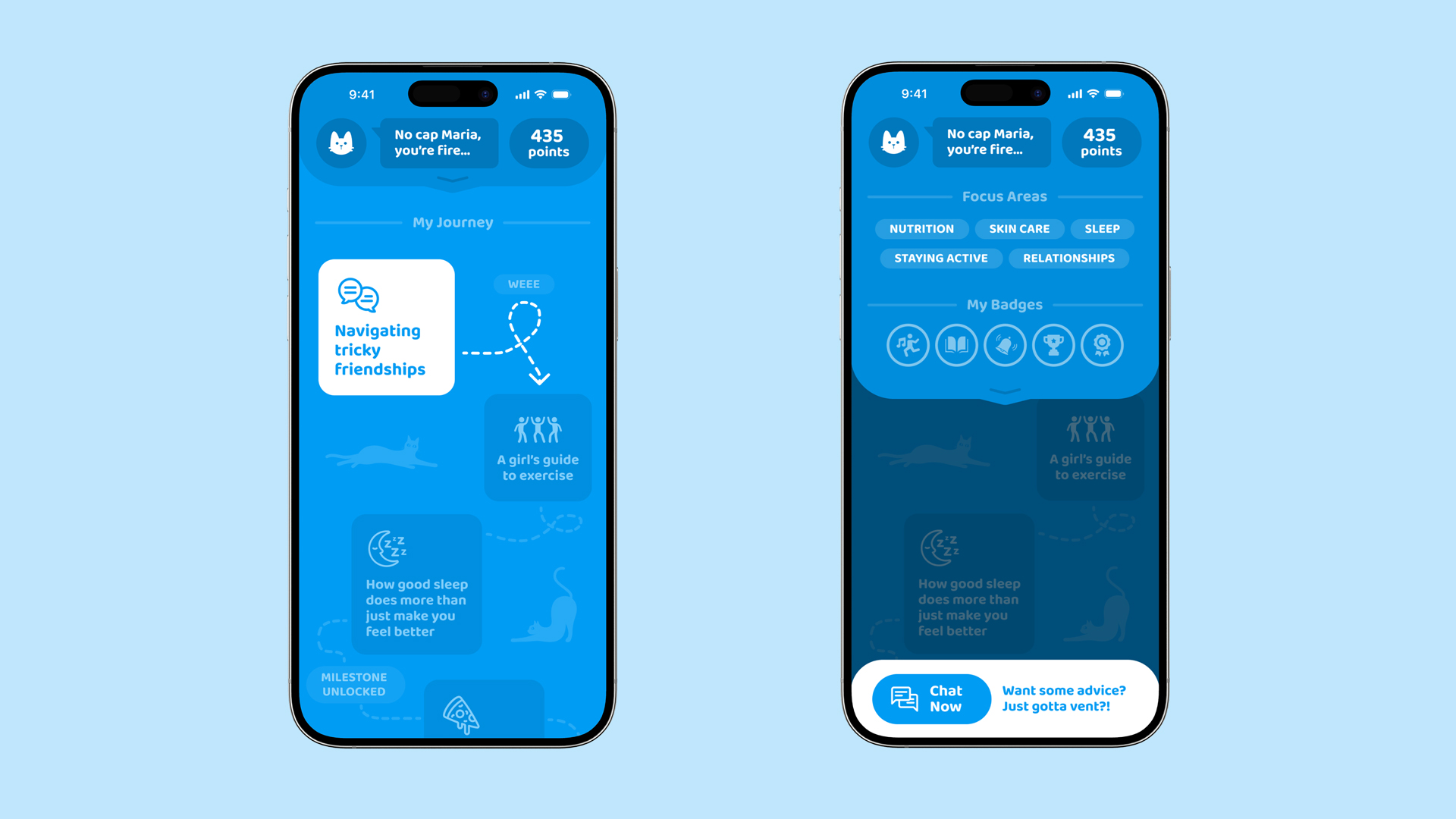
To design a path forward, IDEO and IDEO.org mapped a family’s needs before, during, and after pediatric visits. This work revealed critical parts of the journey where families needed more support: recognizing early signs of obesity, navigating provider conversations, and sustaining healthier habits at home.
These insights informed a theory of change framework that provides actionable guidance for stakeholders involved in obesity care. Grounded in three opportunity areas along the patient journey—building awareness, confidence, and capacity—the framework highlights how trust, dignity, and systemic support can lead to lasting outcomes.
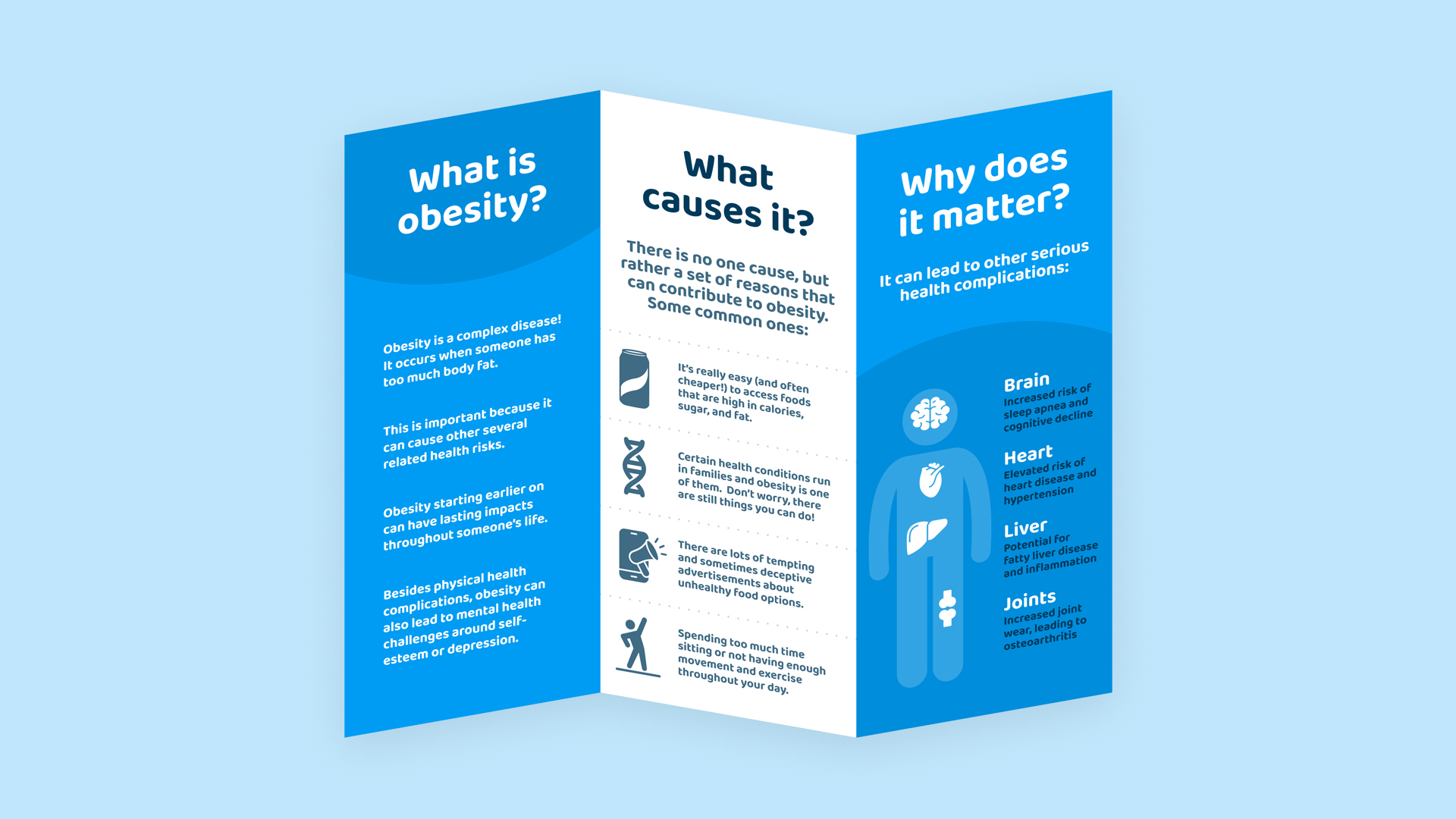
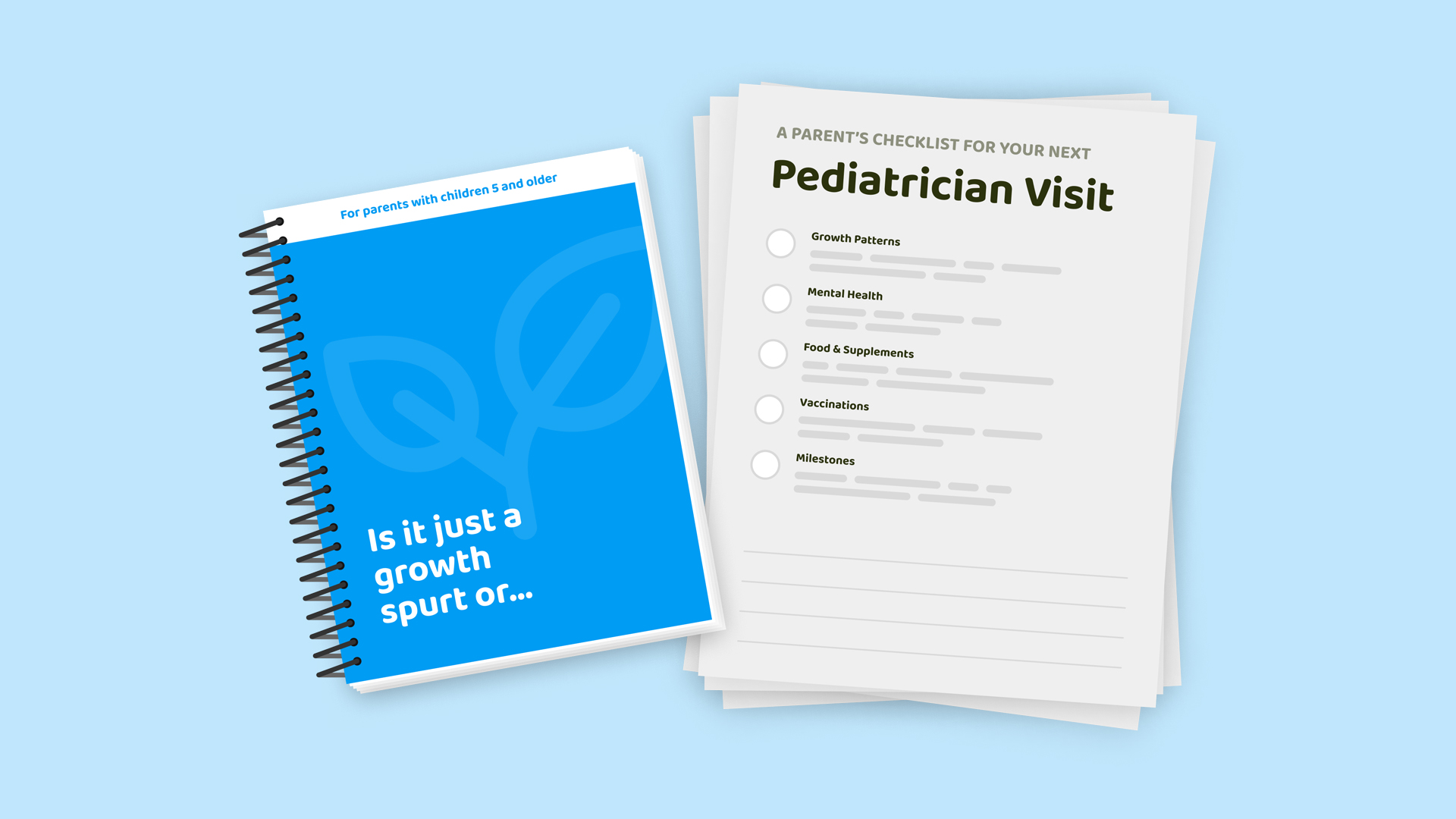
IDEO and IDEO.org also developed 10 user-centered concepts spanning digital, physical, and service offerings to reduce stigma and empower families to sustain healthier lives. These ideas address dignified diagnoses and structural inequities, among other pressing issues. Complementing these concepts, IDEO created a short documentary of a mother discussing her family’s experience navigating childhood obesity to help pediatric providers—many of whom have had very different lived experiences from the families and patients they serve—better understand the realities of the daily struggles of many families on Medicaid.
Designed for the public good, the interactive website and free downloadable report, Reimagining Childhood Obesity, contain research findings, design recommendations, and a theory of change framework. The goal: provide practical, actionable guidelines for pediatricians, educators, healthcare organizations, and innovators to meet families and kids where they are and support them as they move toward a healthier future.
21% of US children are obese. 40% of Latino youth are either overweight or obese.
26% of kids on Medicaid experience childhood obesity, compared with 11% on private insurance.
525,600 minutes: Total time per year parents spend caring for their children. 17 minutes: Average time a pediatrician spends with a child during their annual exam, a small window to address a complex chronic condition such as obesity.
10
user-centered ideas to help pediatricians reduce the stigma of childhood obesity in an accessible report
3
opportunity areas for building trust with young patients and providing family support
Building Acer’s Climate Lab
How a consumer electronics giant is turning sustainability into an engine for growth.
With its reach, Acer saw an opportunity to power positive choices in the billions.
But new products and services won’t succeed if consumers don’t want them, no matter how sustainable they are. A few years go, the Harvard Business Review’s report, "The Elusive Green Consumer," found that about two-thirds of those surveyed said they wanted to buy brands that advocated sustainability. But only a quarter actually did.
Meanwhile, the market for climate era products is only growing: In 2022, Forbes found that nearly 90 percent of the Gen X consumers they surveyed said they’d be willing to spend more on sustainable products, compared to just over a third two years before. The desire was only higher among Millennials and Gen Z; they just didn’t like what was on offer.
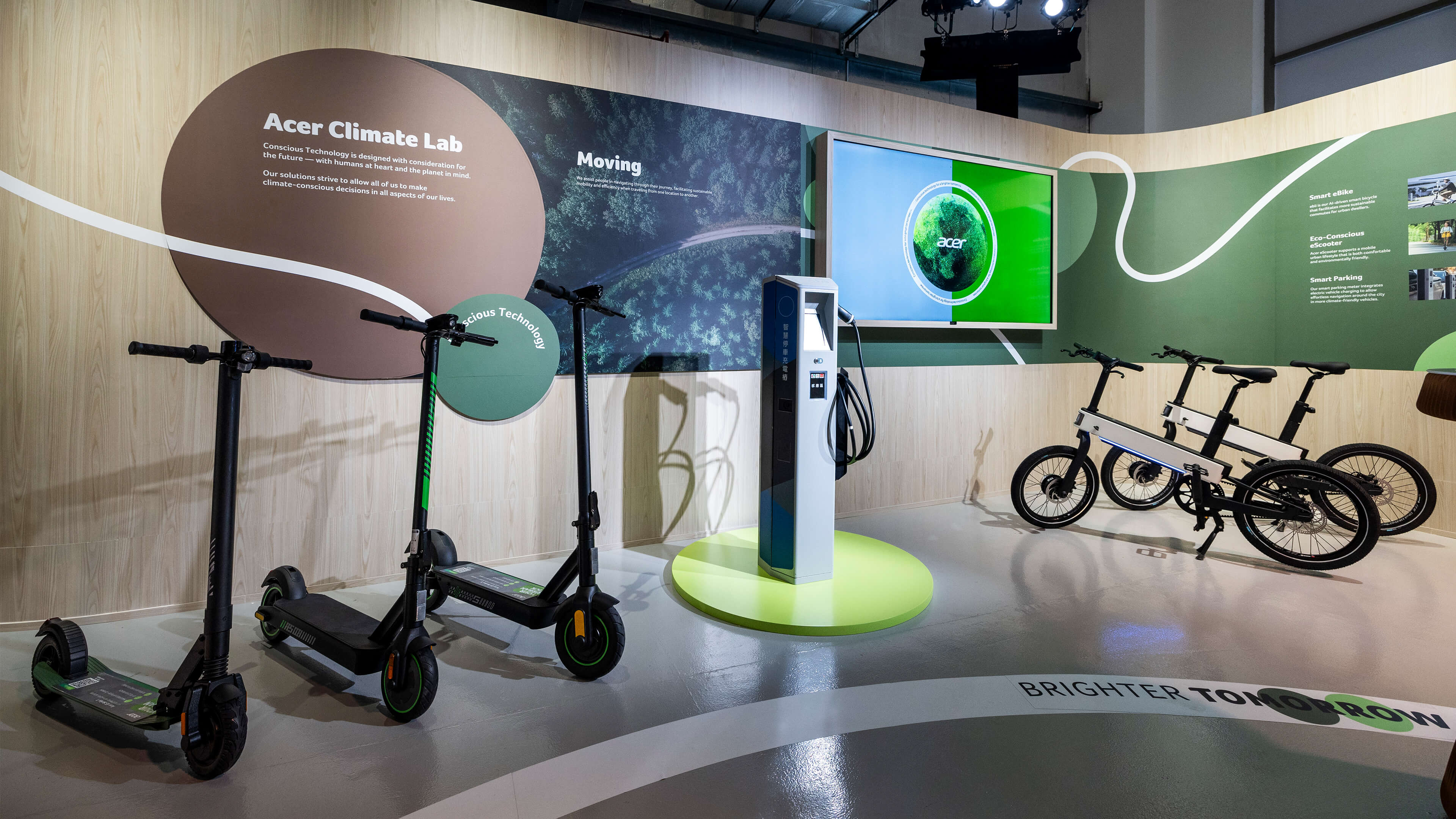
To drive sales and growth, and meet its sustainability commitments, Acer needed to capitalize on desirability, deepening the connection between Acer’s sustainable options and consumer needs, lowering the barrier to purchase. To that end, Acer and IDEO created the Acer Climate Lab, a cross-organizational team and initiative, to launch the company on a transformative journey to deepen the connection between Acer's conscious technology and the realities of people's lives and needs across four strategic areas.
Together, the combined team conducted extensive research to better understand consumer attitudes and behaviors toward sustainable products, and identified everyday areas where Acer’s conscious technology might be able to have the most significant impact: living, working, moving, and learning.
- Living: Envisions homes as hubs of energy efficiency and climate resilience, leveraging technology to optimize energy use, enhance air quality, and enable proactive climate management. These concepts include technologies like smart energy systems, adaptive air solutions, and integrated home management platforms explore how technology can support sustainable daily living.
- Working: Reimagines the workplace with flexible, sustainable technology solutions that prioritize resource optimization and circular practices. Concepts such as Acer Loop could provide a subscription-based model that ensures access to the latest technology, supports remote work, and reduces electronic waste through effective recycling and rehoming practices.
- Moving: Focuses on the transformation of urban mobility by integrating technology into systems that promote sustainable transportation. Concepts could include e-mobility hubs that highlight how urban spaces could offer seamless access to shared, low-emission travel options, reducing reliance on traditional carbon-heavy methods.
- Learning: Explores pathways to sustainable education by imagining environments where technology supports circularity and accessibility. This includes ideas like refurbished devices for students, repair and reuse programs, and educational spaces designed with climate-positive principles, nurturing eco-conscious habits in future generations.
Together with Red Peak and Sid Lee, the team launched the culmination of the work at COP28, the United Nations Climate Change Conference in Dubai, positioning Acer as a pioneer in climate positive technology. The exhibit included immersive experiences and interactive displays demonstrating how Acer's sustainable solutions seamlessly integrate into everyday life. Visitors could engage with scenarios depicting sustainable living, working, moving, and learning, emphasizing the practical benefits of Acer’s innovations.
Acer's journey through the Climate Lab project underscores a commitment to sustainability that goes beyond mere compliance. With this new cross-business team tackling the real-world barriers faced by consumers, Acer is paving the way for a more inclusive, sustainable future. This initiative not only aligns with global climate goals, but also sets a precedent for the tech industry, demonstrating that with the right approach, sustainability and innovation can go hand in hand.
In a survey, 65% of respondents said they want to buy brands that advocate sustainability, yet only about 26% actually do.
Nearly one in two consumers say they either don’t know what information to trust, or that nothing can influence how much they trust a business’s commitment to sustainability.
1 cohesive strategy
for climate era products across 6 different fields

A better way to teach writing, with AI
Ethiqly empowers time-strapped teachers to provide feedback at scale.
With the introduction of generative AI, Ethiqly and IDEO saw a unique opportunity to help teachers, by cutting down the time it takes to provide each student with feedback on their writing assignments. But to get there, they had to learn from the experts themselves. To kick off the project, the team headed into the classroom to co-design with students and teachers.
One of the first problems they discovered? Traditional methods of grading essays are laborious and inefficient for high school teachers, who are already notoriously busy and overworked. What teachers really wanted was to spend time giving each student the personalized feedback that helps them grow. Meanwhile, students really struggled to get started on their writing assignments, overwhelmed by looking at a blank page.
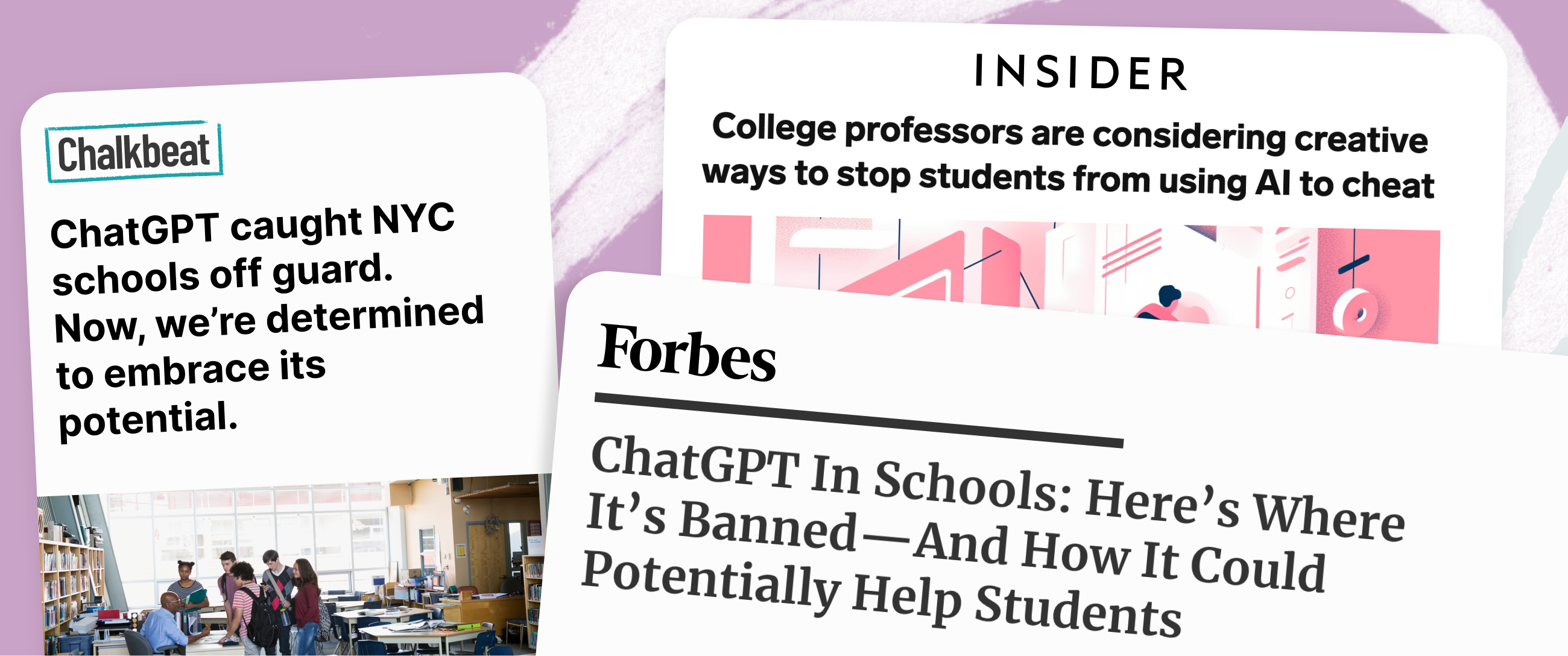
Together, the team started to think about how it could harness AI to make personalized instruction more accessible for all students, helping teachers provide better feedback at scale, and giving students the support they need to not only get started on their writing assignments, but improve their work.
With insights directly from students and teachers, the IDEO team built working prototypes, allowing them to beta test the product in schools, and demonstrate value to investors. They also developed a brand identity and style guide for launch, which came to life in a pitch deck, landing page, and other brand expressions.
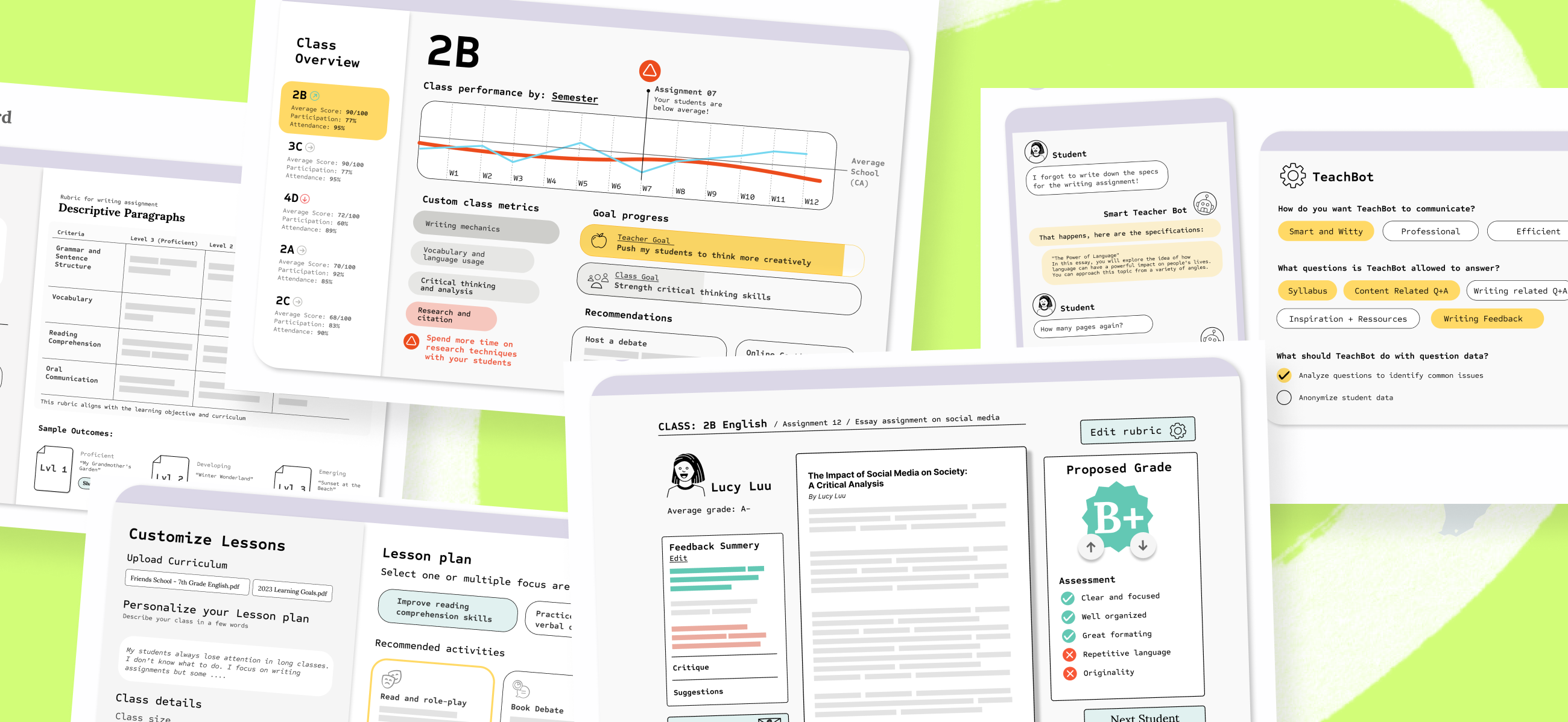
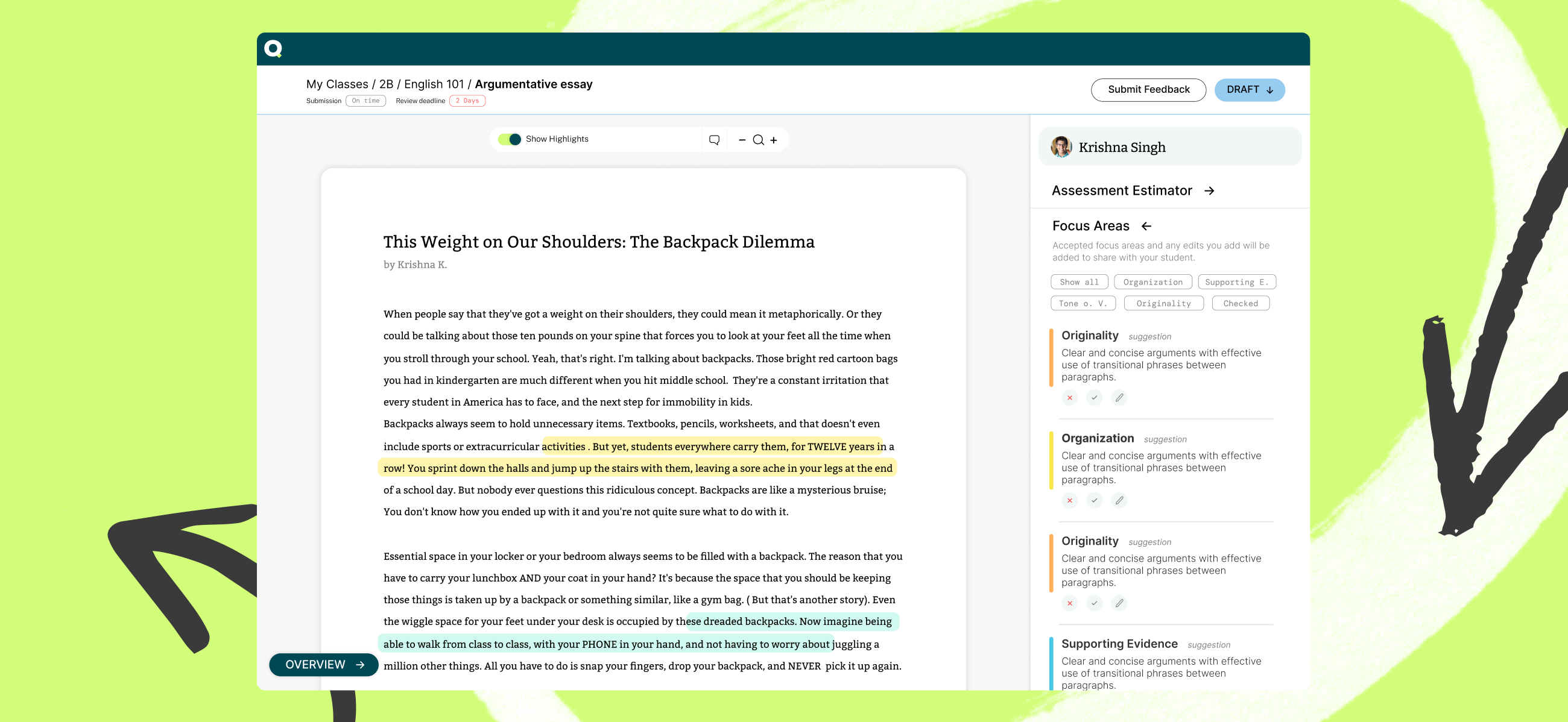
The resulting product is a sophisticated blend of AI technology and user-friendly interfaces that empower teachers and inspire students. The goal isn’t just to get to a finished essay, but to assist students in developing critical thinking skills. Ethiqly's tools help students organize their thoughts and get writing by providing contextual prompts and suggestions—without doing the work for them. And the AI assistant supports teachers by suggesting comments based on evaluation criteria they have set, and teachers choose which feedback is relevant for their individual students. Students never see it without teacher approval.
As one teacher told the team, “With leveraging AI more in education, there’s this fear that it’s deprofessionalizing the field or it’s a direct replacement of a teacher in a classroom. I think it gives us meaningful data, so that we can actually teach the way that we want to in order to support our students.” Now, Ethiqly is in use in classrooms in 25 countries, positively impacting students across the globe.
Teachers know 1:1 interaction is key to student success, but an EdWeek survey found only 46% of teachers’ time is spent teaching, while 25 hours/week goes to other tasks like grading and making lesson plans.
25 countries…and growing
Ethiqly’s reach in classrooms around the world
Designing a park for generations to come
Frisco, Texas, imagines an ambitious city park for an evolving community.
Designing a piece of a city, like a park, doesn’t start with a blank slate. There are always traces of the past and the present, and the lived history of its residents.
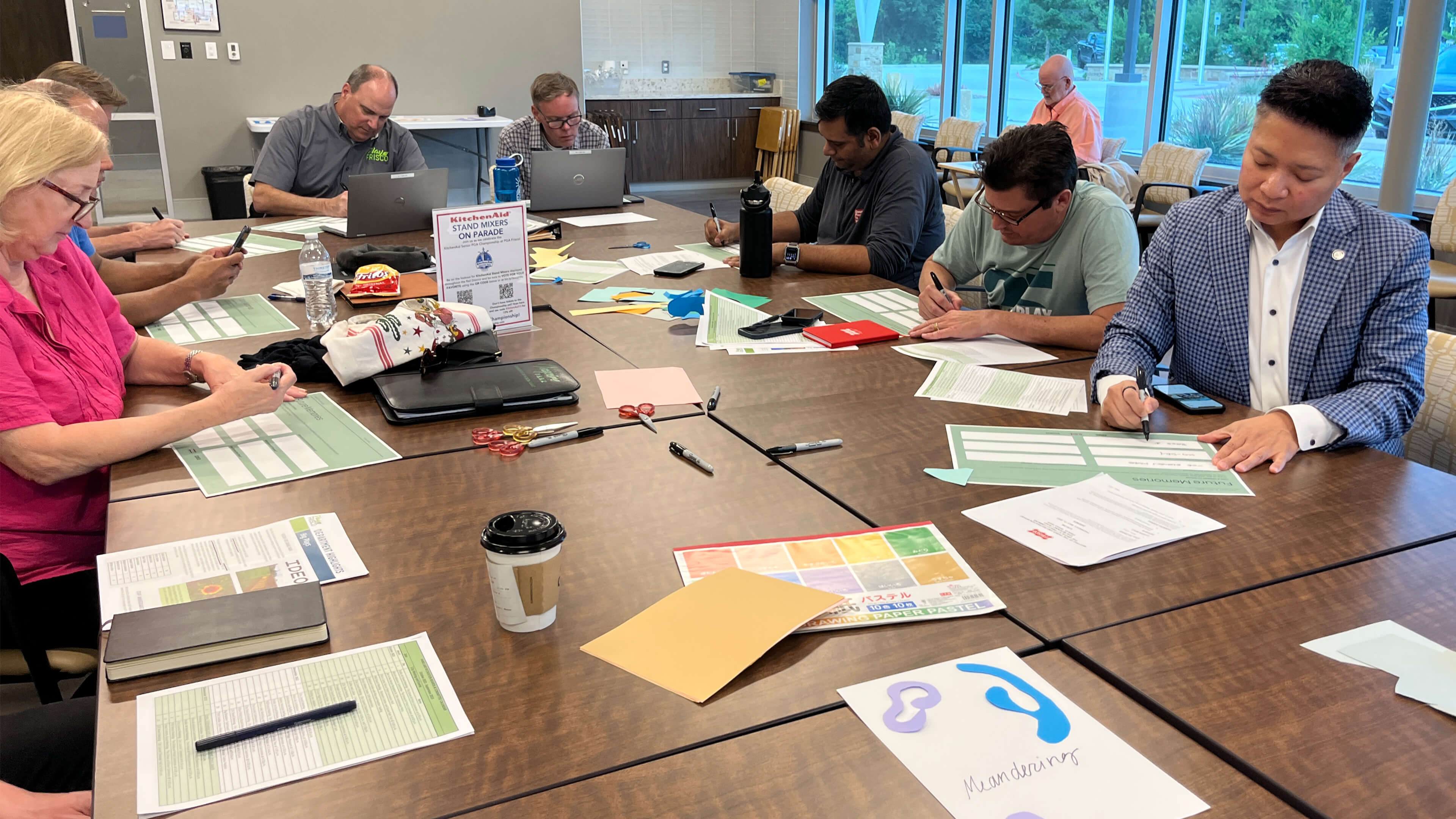
To create a full picture of that story, the IDEO team built workshops for the community centered around questions about the unique experiences of living in Frisco. They invited them to reflect on the communities they grew up in, the city of today, and the public spaces that have played formative roles for them.
From their answers, a common value emerged: heritage. Frisco is a rapidly growing city, with residents whose families have lived there for centuries living side-by-side with more recent neighbors from diverse cultures and ethnic groups. Participants shared a vision of Grand Park as a unifying, shared space, a backdrop where many families can form foundational memories in Frisco.
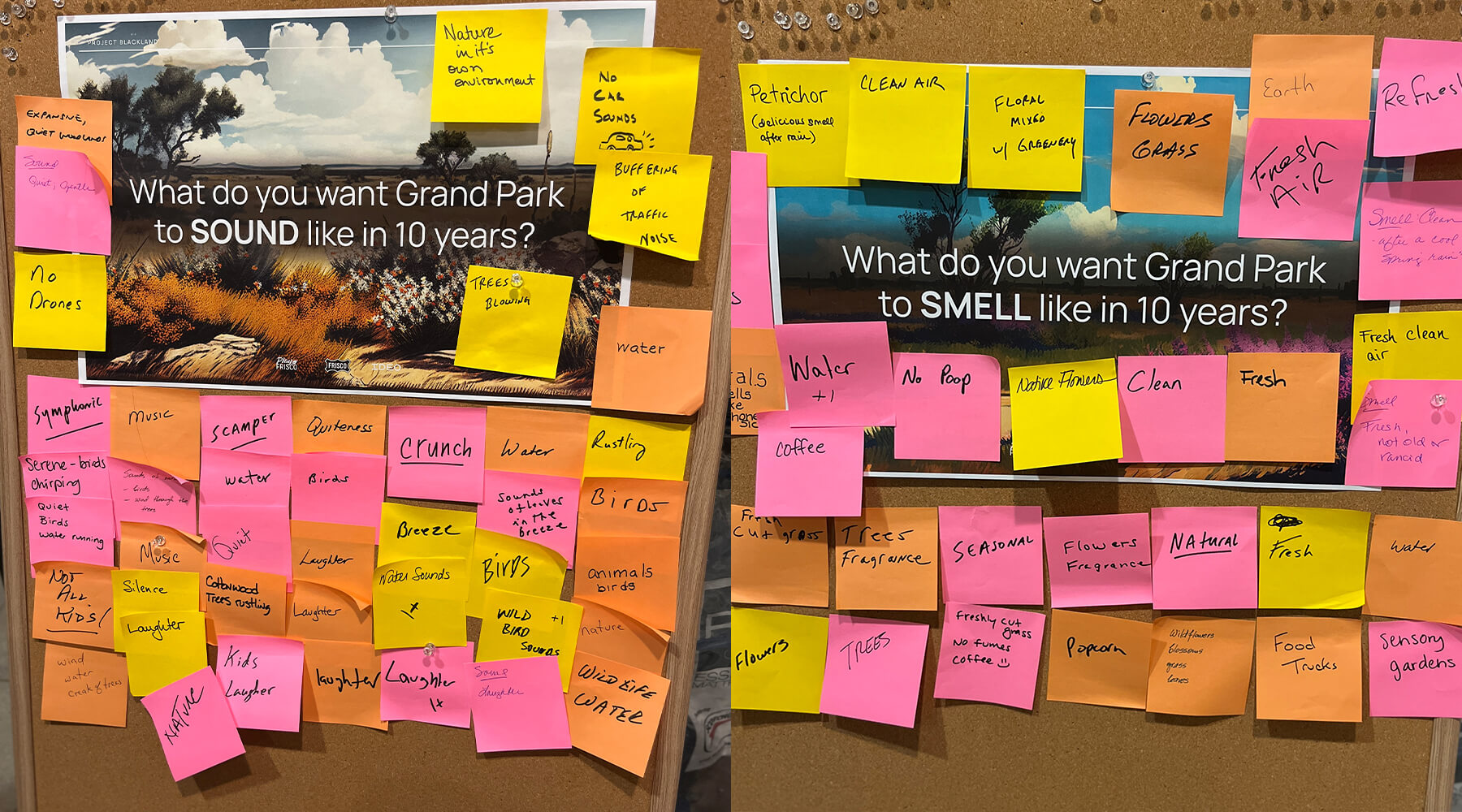
Next, IDEO brought in multisensory design prompts to help participants further conceptualize the park. How did they want it to feel, sound, and smell? In the built-up, suburban city of Frisco, residents imagined a space that was less planned, enabling guided wandering and exploration. They also hoped that the park would inspire loved ones and descendants to feel a sense of curiosity and wonder.
At the end of workshops and sessions with community groups, the IDEO team took Polaroids of participants, asking, “What’s one word you want to describe Grand Park in the future?” Those words informed the collective vision that IDEO delivered to the city of Frisco, which included spatial concepts, user journeys, and branding for the park, all designed to showcase its unique landscapes. In January 2024, Frisco City Council approved the vision statement, and officials expect to break ground in the second half of 2025.
The population of Frisco is growing rapidly; its population is up 516% since the year 2000.
At more than 1,000 acres, Grand Park in Frisco is even larger than Central Park in New York City.
Less than 1% of Blackland Prairie soil remains in the region, and some of it is in Grand Park.
94
Frisco residents were engaged in the process, from City Council members to high school students
200+
respondents shared anonymous feedback on what they imagined the park should be

AI is already reshaping healthcare
Here are the key applications that are leading the way.
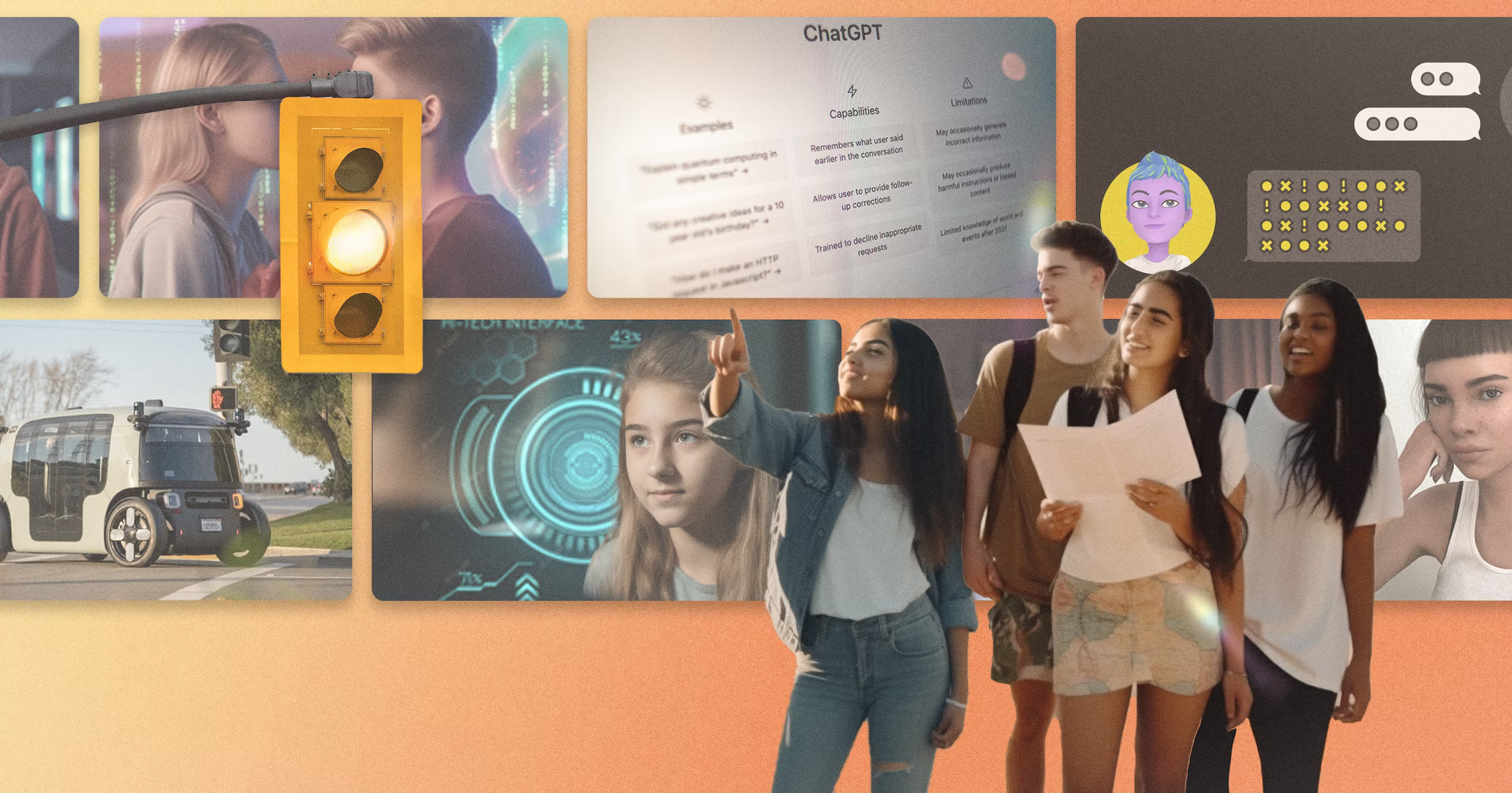
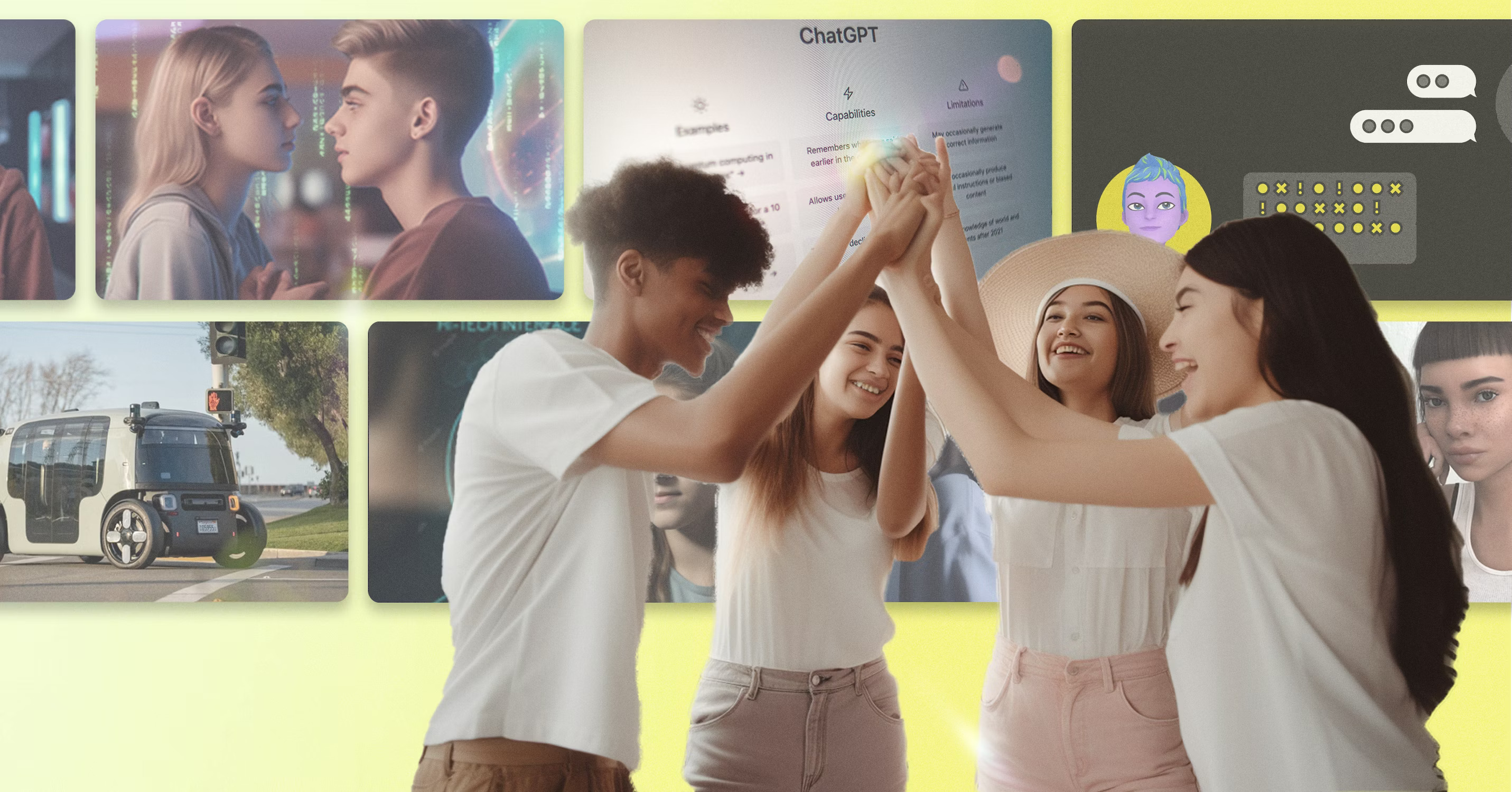
It’s helping us better understand fundamental biological processes like protein folding, and bringing the open source movement to human gene editing. But as designers and technologists, our focus extends beyond the data to consider how AI can impact the human experience. We are committed to harnessing AI’s potential to not only improve processes, but also to enhance lives.
William Gibson once said, "The future is already here–it's just not evenly distributed." This is particularly true in healthcare, where the adoption and impact of AI varies widely. In some health systems, experimentation with AI is already having an effect on patient and provider experiences. In others, it's primarily a tool to cut back office costs. And in far too many, it’s nowhere at all. Our goal is to smooth this distribution a bit, uncovering the benefits of AI that can address the core human need to be seen, understood, and cared for. Here are some key applications that could move that effort forward.

Close observation
AI’s ability to be omnipresent, listening, and interpreting is one of its most promising capabilities. Tools like Abridge Inside are transforming patient interactions by summarizing provider-patient conversations and generating care plans in real-time, directly integrating them into medical records. This kind of ambient documentation is changing how both providers and patients relate to care visits by reducing the administrative burden on providers and improving patient understanding of their care plans with clearer and more tailored visit summaries.
In skilled nursing facilities, where high patient-to-staff ratios are common, Care.ai’s Smart Care Facility Platform uses ambient intelligent sensors to monitor patients closely, reducing the workload on healthcare providers. This technology is a step toward integrating AI into clinical settings, allowing for more efficient and personalized care, and making sure that no patients fall through the cracks.
Early combinations of AI and robotics have pushed the possibilities of who—or what—might be able to deliver care. During the COVID-19 pandemic, Boston Dynamics, MIT, and Brigham and Women’s Hospital used a Spot robot equipped with sensors to remotely monitor patient vitals, with the goal of reducing healthcare worker exposure to COVID-19.
We’ve seen similar innovations in more everyday settings, hinting at what might happen when these kinds of ideas scale. At the MIT Media Lab, the Fluid Interfaces group has developed a conversational memory aid designed to assist with daily tasks. This device, which works on commercially-available hardware, offers a glimpse into the future of AI-driven, unobtrusive memory augmentation. It’s a small but powerful example of how AI could be used to support cognitive functions in everyday life, improving everyone’s ability to navigate logistics and to make more meaningful social connections.
At IDEO, we’ve experimented with similar AI in more informal settings. Our colleague Danny DeRuntz developed a Slackbot that helps users catch up on conversations by summarizing messages and even creating whimsical “sauces” that capture the week’s vibe. While this may seem light-hearted, it underscores the potential for AI to bridge gaps in communication and reduce the cognitive load in professional environments.
Hyper dynamic tools
Healthcare has long been plagued by poorly-implemented and difficult-to-use technology, particularly when it comes to electronic health records (EHRs). AI is now driving the development of hyper-dynamic tools that can adapt to the needs of individual patients and providers, from device technicians to specialized neurologists. Epic, the premier EHR provider, is currently trialing more than 60 AI-driven use cases across health systems, with the ambition to significantly improve the user experience by making EHRs more responsive and less cumbersome. Of course, efforts like this to significantly decrease the time burden of using EHRs have been tried before, with very mixed success.
Startups are also using AI to address healthcare’s continued reliance on outdated technology. Tennr, for example, is using AI to interpret and send faxes—which are still used surprisingly often in healthcare—while Hippocratic AI is automating workflow calls like discharging patients, remote monitoring of health conditions, and pre-procedure preparation that would otherwise require human intervention. These innovations suggest that new technology may even be able to solve some of the problems created by older ones.
Beyond healthcare, we’ve seen AI used in similar ways to tackle everyday tasks. Google’s Duplex AI is a prime example, capable of autonomously booking appointments by making phone calls that sound eerily human. This kind of task-specific AI reflects the adaptability we hope to see in healthcare tools, enabling them to meet the unique needs of each user. Importantly, this use case is from 2018, long before our current and much more capable crop of AI tools came to market. Imagine Duplex being applied for appointment scheduling, medical supply chain tracking, and even up-to-date clinical fact-checking. We are likely close to a future of customizable, or potentially even fully-DIY tools that can take on some of our daily health tasks.
Enhancing empathy
One of AI’s most human, and therefore most controversial, potentials lies in enhancing empathy within healthcare. Studies have shown that AI tools, like ChatGPT, can often deliver more compassionate responses than human physicians. This raises important questions about how scalable machine empathy could be and what it means for patient care.
In simulation environments, AI is being used to model entire hospital systems, where each staff member and patient is represented by an AI agent. These simulations can not only improve AI performance, but also reveal the emotional pressures of a workflow and the impact of misaligned incentives, offering new insights into how we design and manage healthcare systems.
Cultural projects have also explored the concept of AI-driven empathy. For example, Laurie Anderson worked with the University of Adelaide’s Australian Institute for Machine Learning to create a Lou Reed AI that replicates her late husband’s voice and style. While acknowledging that this bot is not her husband, she finds value in the creative collaboration she gets from writing with it. Although this might seem like its applications are a long way from healthcare, this project highlights AI’s potential to engage human empathy through emulating personality and style—an area that could have profound implications for patient interactions in the future.
.png)
Escalating negotiations
The automation of prior authorization processes is a double-edged sword. AI can streamline the filing process, making it faster and more efficient, but speed can come at a cost. The recent revelations about Cigna's use of AI to deny claims in mere seconds is a concrete example of how AI can be used to prioritize efficiency over compassion, leading to significant concerns about denial of patient care.
Similar dynamics have played out in consumer markets. Amazon’s Hands Off the Wheel program, which automated pricing negotiations between Amazon and third party sellers, led to significant changes within the company, including layoffs and a restructuring of teams. AI-driven automation can fundamentally alter business processes, a trend that could similarly impact healthcare as AI continues to evolve.
AI is even transforming the landscape in businesses like telemarketing. The Jolly Roger Telephone Co. uses AI to keep telemarketers on the line, wasting their time and protecting consumers from unwanted calls. This creative use of AI highlights the ethical considerations that come with automation—questions that are equally relevant in the high-stakes world of healthcare.

Custom weirdness
Personalized medicine has long been a buzzword, but AI is pushing the boundaries of what personalization can truly mean. Gene therapies, for example, have seen breakthroughs with 36 FDA-approved treatments and hundreds more in the pipeline. AI’s ability to better map our bodies and molecules promises even more tailored treatments, but it also raises important questions about safety, responsibility, and the ethics of such deeply-personalized interventions.
In mental health, companies like Tripp VR are using AI to create hyper-personalized, generative meditation experiences. While this might not appeal to everyone, it demonstrates the breadth of care opportunities that AI is opening up, particularly in areas like anxiety and chronic pain management.
Beyond the clinic, platforms like Character.ai, where users create and interact with custom AI personalities, highlight how quickly consumers are adopting AI-driven personalization. This trend could spill over into healthcare, where patients might soon expect—and demand—highly-personalized AI presenting care solutions.
At the fringes of this trend are biohacking enthusiasts who are pushing the limits of personalized health. Some are experimenting with gene-edited bacteria that produce alcohol instead of lactic acid (preventing cavities), or antibiotics that kill competing oral bacteria. While these innovations are not yet FDA-approved, they signal a potential Cambrian explosion of personalized health interventions driven by consumer demand.
The road ahead
AI has the potential to be a true collaborator in healthcare, helping practitioners see patterns across modalities that are not visible to individual people. It is our responsibility as designers, technologists, and healthcare professionals to ensure that AI tools are developed with the needs and perspectives of all stakeholders in mind.
As we move forward, we must embrace experimentation and collaboration, ensuring that AI not only enhances healthcare efficiency but also contributes to a more humane and empathetic system. The future of AI in healthcare is promising, but it requires us to actively engage with these tools and guide their development to serve the greater good.
For us, that means leaning into human-centered design, and putting people and their needs at the center of the process. That’s how we work with our clients to build desirable and responsible futures, and to understand how our technology choices will impact participants in the health system. It’s also why we believe so strongly in co-design, working alongside the folks we’re building new health tools for, as we did with teenagers in California to build Soluna, a mental wellbeing app for the state’s young people, which we made in partnership with Kooth. Because when we’re building health tools with emerging technologies like AI, it’s critical that we go beyond doing no harm, and build the right solutions for patients and providers.
(This piece was adapted from a talk delivered at the American Medical Informatics Association® Clinical Informatics conference.)
AI is broadening how we derive meaning from data, offering new perspectives that were previously inaccessible to most.
Designing a sustainable future for toys
Insights and pathways to reducing plastic in play.
As designers who love toys and games, we set out to explore how we might reduce the environmental impact across the whole industry.
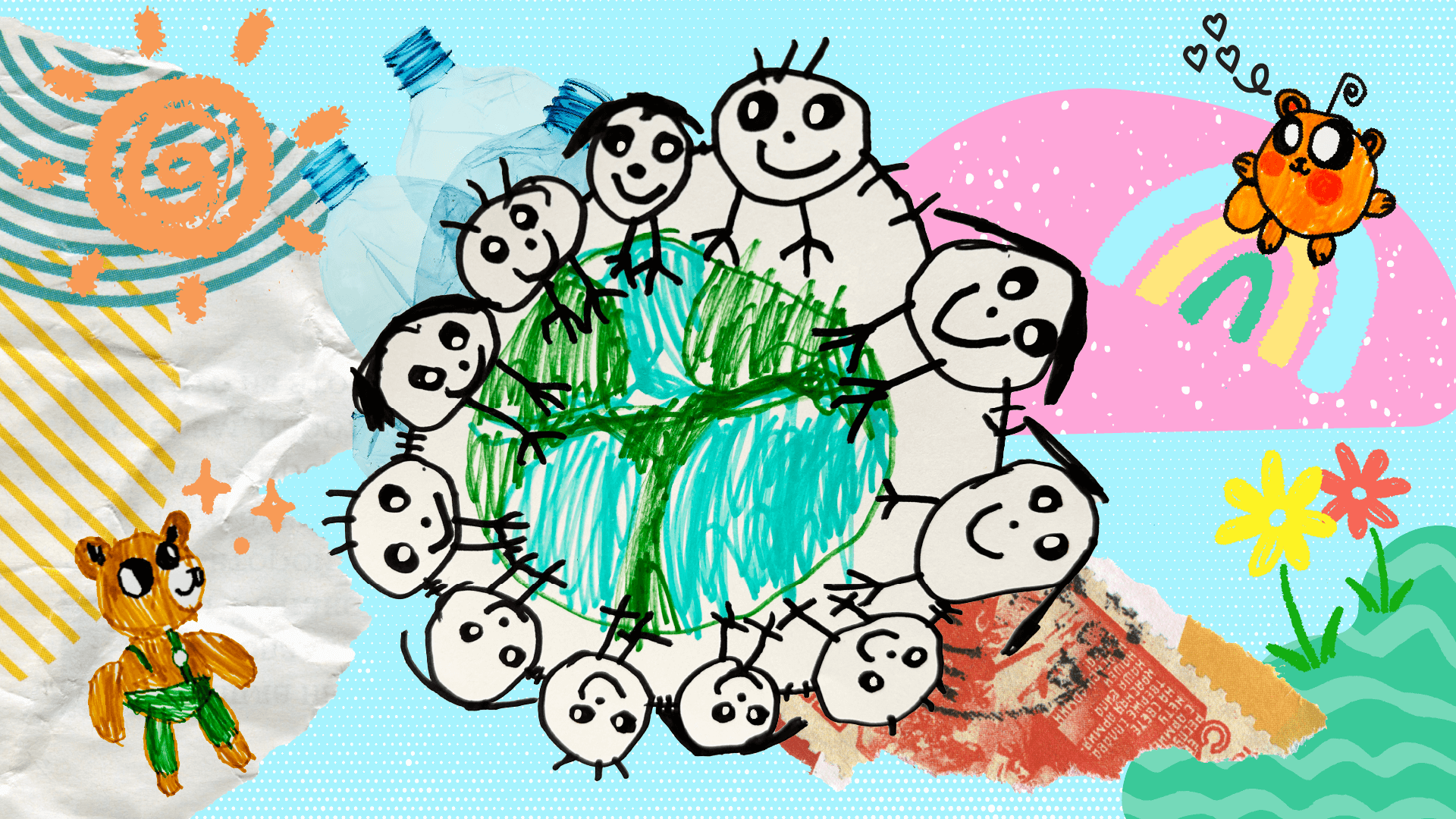
The toy industry’s environmental impact is the flip side of the joy of play. The $90 billion toy industry is a highly plastic-intensive sector, using 40 tons of plastic for every $1 million in revenue. It contributes significantly to the 11 million tons of plastic dumped into the world’s oceans each year, causing widespread damage to marine life and ecosystems.
If the toy industry can reduce its plastic usage by half, it would mean millions of tons less plastic entering the oceans, mitigating the harmful effects on marine life and helping to preserve ocean health. It would also be an opportunity for the industry to serve as a beacon, setting a new standard and demonstrating that significant reductions in plastic usage are achievable and impactful.

We’re looking to help create a transformative leap that propels our industry forward. That means we need to design better play experiences that are inherently more sustainable, joyful, and viable for kids, families, and the companies that manufacture them. “Consumers are asking for it, and toy companies are starting to feel the need to do something about it,” says Lynn Rosenblum, Professor of Toy Design at Otis College of Art & Design. “They are finally understanding that they must take urgent action.”
To take action of our own, we conducted an internal design project to understand how kids and parents feel about their toys, what would make more sustainable toys a viable option, and how we could not just make a non-plastic alternative, but something even better. We spent four weeks with parents and their kids, as well as industry experts who are working to address this design challenge. We also rapidly prototyped our ideas both digitally and physically, turning concepts into testable experiences the kids could play with. With their help, we surfaced insights that point the way to a better future for the toy industry—and the planet.
Sustainability alone won’t sell toys.
Most families do not view green toys with the same pride as they do STEM toys. (Not yet, at least.) To make sustainable toys more appealing, they will need to provide additional value, like affordability, enhanced educational benefits, or support for children's development. Jessica, a mother of a 5 year-old, told us that to her, the ideal definition of sustainability would be toys that last long enough for all of her kids to play with them, and when they’ve outgrown them, the chance to pass them on to another family. “When I think of sustainability I think of getting a lot of use more than the sustainability of the environment,” she says.
Plastic lasts longer than kids’ attention spans
Families often prioritize durability when they’re buying toys. But according to a study with 2,000 UK families, parents estimated that 15 percent of toys their kids receive for Christmas are neglected within days, 23 percent within a month, and 50 percent within six months. Children often tire of specific toys long before they wear out. So unless we can increase the amount of playtime with toys from the outset, they’re destined for a quick trip to the landfill.
Children love natural materials
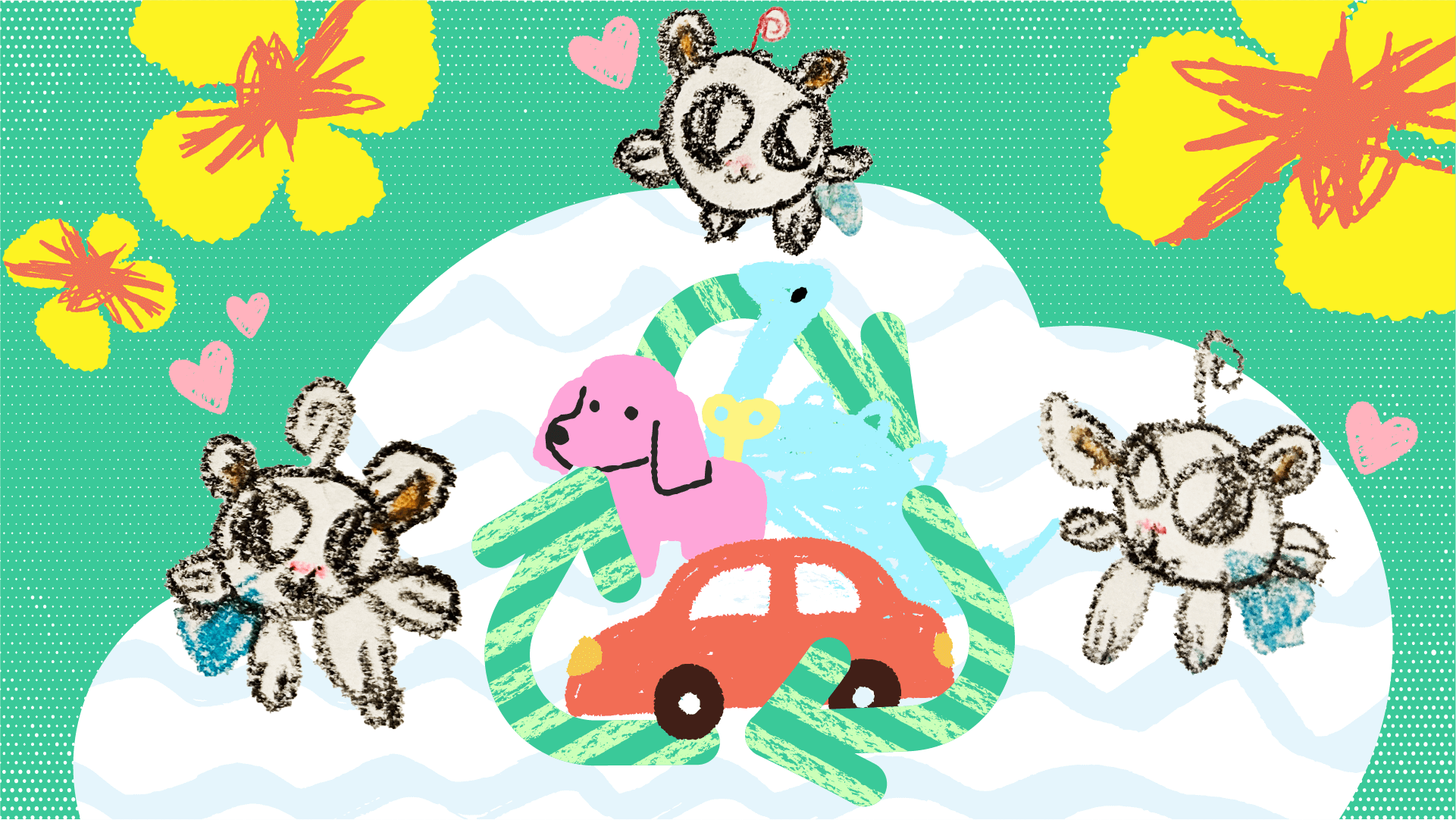
As 10-year-old Jude was playing with some of our prototypes, he told us, “Plastic toys are a scam.” He preferred his wooden toy train tracks because “They won’t break.” Jude and many of the other kids we talked with were clear that they preferred the tactile and sensory experiences of natural materials, even if they aren’t consciously aware of their material preferences when they select toys. Often, the dominance of plastic in the marketplaces is less about kids' preferences—it's about the convenience and affordability that plastic provides.
Being resourceful is fun and sustainable—but you can’t unwrap it
Children love to make their own toys, repurposing Amazon boxes as backdrops or using face masks as doll dresses. They’re often happy just coming up with their own ways to play. But, as Jessica said to us, “The grandparents just want to see them open a present.” Extended families tend to prefer buying a new physical toy that can be wrapped and unboxed. The surprise and reveal are part of the appeal. At the same time, it's worth noting that there is a thriving, if informal, secondhand market in places like Facebook or Buy Nothing where parents and children are perfectly happy with pre-loved toys.
Nixing is easier than fixing
Most toys are designed to be disposable, fostering a culture where repair is uncommon. As Jessica told us, “In today’s culture, everything is just thrown away because it’s so cheaply made. It’s cheaper to buy a new one. If you are buying quality toys then it makes sense to invest to maintain, to take care of it, to repair it rather than throwing it away.” Unlike high-quality sustainable toys, many plastic toys lack durability and repairability, making them more likely to be discarded.
From insights to action
How, though, do these insights translate to opportunity areas for toy companies, and joyful and more sustainable toys for families? We created a set of quick concepts to help us learn quickly about how we can have an impact on the future of sustainable toy design. Here’s what some of of our prototypes look like, and the opportunities they helped us uncover.
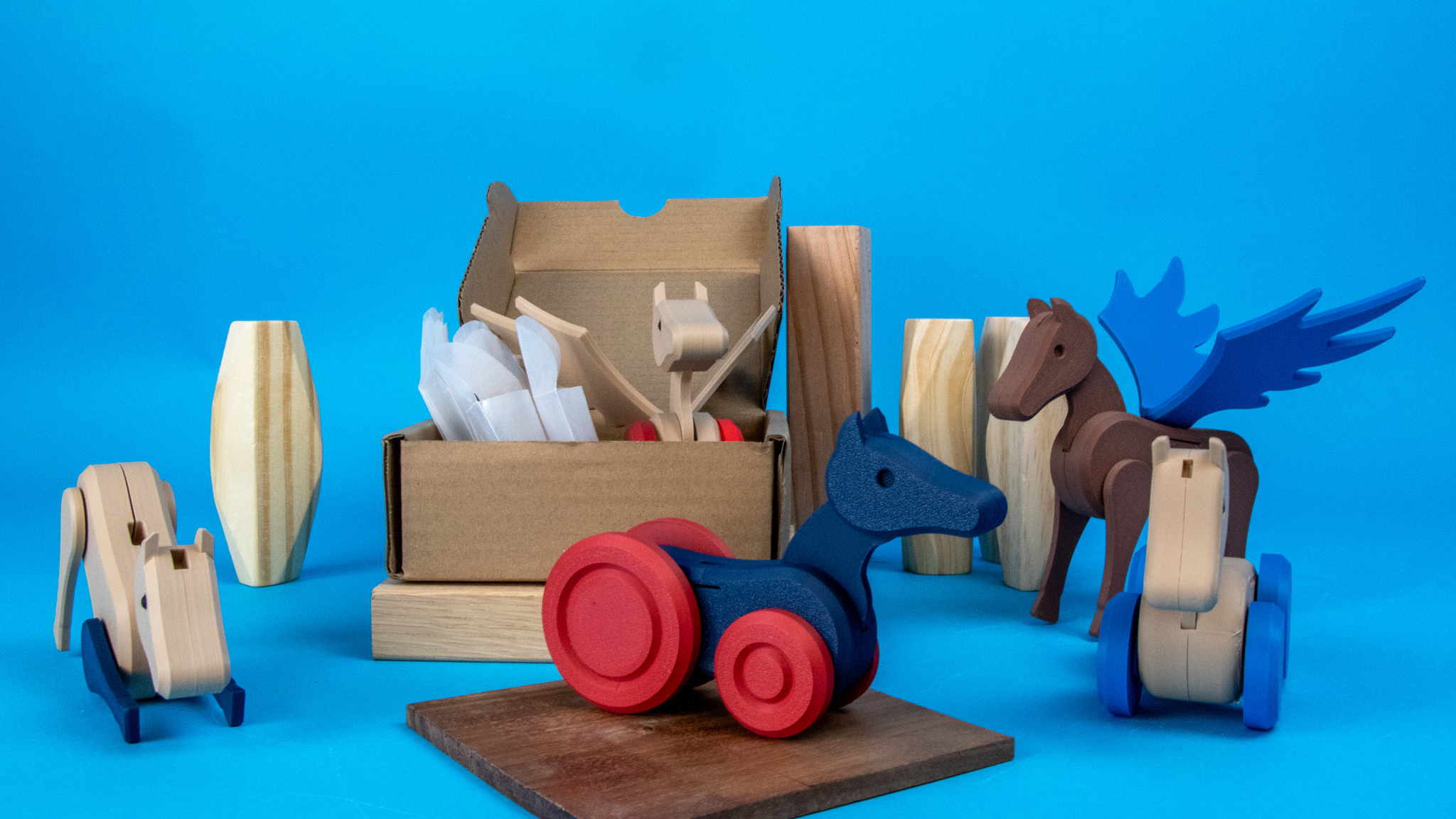
Create non-plastic toys with superior functionality
There’s a big opportunity in designing trendy yet sustainable toys using alternative materials, and enhancing their appeal by incorporating vibrant colors, exciting designs, and interactive features. By emphasizing durability and engaging play experiences, we can make non-plastic toys the preferred choice for both children and families. Picture a unique collection of toys crafted from natural materials sourced from the very environments where kids love to play, like seaweed beach toys, or bamboo car tracks.
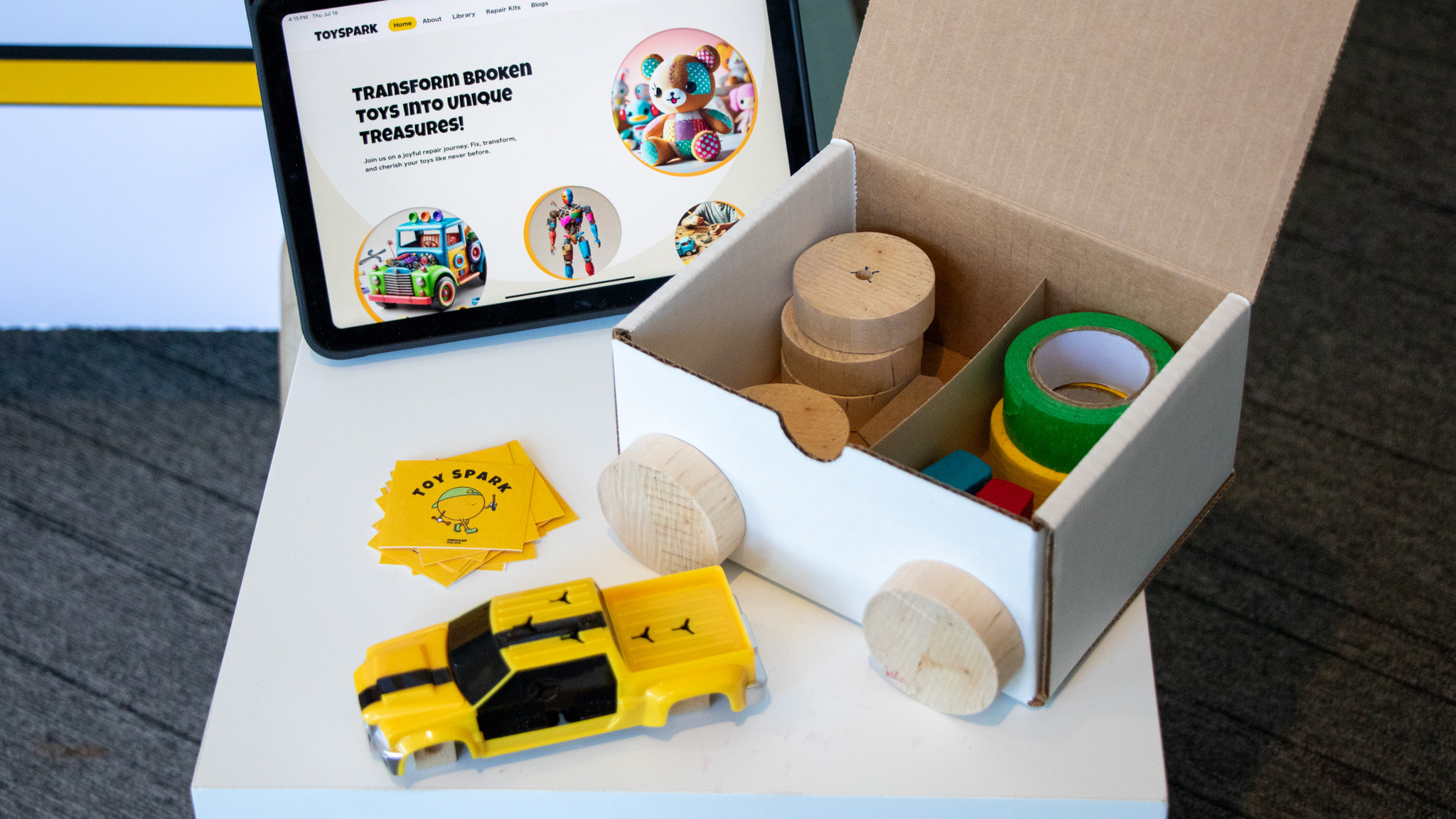
Design toys for circular play models
Another option? Creating systems to make existing toys function within a circular economy to minimize their footprint. Introduce easy-to-use, repairable, re-sellable, and shareable toys designed for longevity and multiple users, built on children's natural play behaviors like constructive and collaborative play. These systems should seamlessly integrate with parents' existing rituals and day-to-day activities, making sustainable play convenient and practical for families. Think new platforms that transform toy repair into a fun and educational experience, or a second-hand toy purchasing experience where kids and parents can discover gently used toys ready for new adventures.
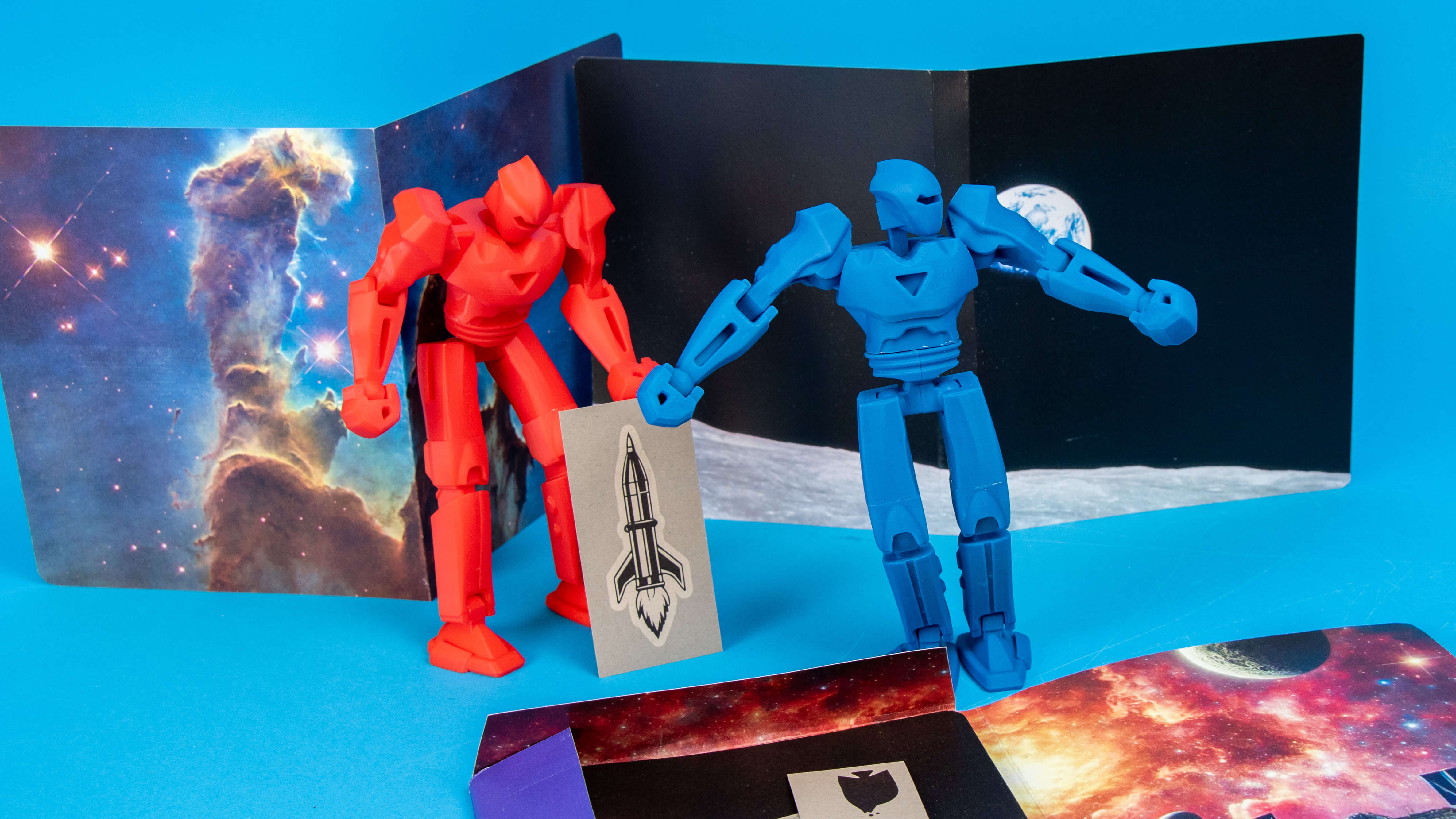
Offer play as a service
Revolutionize play with toys designed for maximum imaginative impact and minimal environmental footprint. By embracing alternative business models beyond the traditional pay-for-product approach, we can unlock new ways for kids to engage in meaningful and sustainable play. Focusing on access rather than ownership to reduce new toy production, minimize waste, and extend play time or use technology to breathe new life into existing toys through AI-enabled or VR experiences.
Already, we’re building concepts and new toys based on these opportunities, and we’re excited to make them real. If you want to work together to build a more sustainable future for toys, get in touch.
This project was informed through conversations with numerous experts, and families all around the US. We're grateful to them for their contributions.
While the toy industry has thrived by delivering joy and play to kids worldwide, the scale of plastic production has led to real environmental challenges.

How to build a great emerging tech product
Getting the technology right is only half of it.

Designing emerging tech is different from traditional product design. Much of the time when we do user research, our participants are already kind of familiar with the interaction models we’re presenting. They know that a fob unlocks a car, or how to type queries into a search engine, or how a toaster usually works. But when you’re working with a new technology, potential users have no known reference points, which makes it much harder for them to know how to use it in a way that provides real value. Think about early drivers trying to figure out how to crank-start a model T, when their previous transportation was a horse.
With emerging technology, wild rumors about the technology precede widespread adoption, and the gap in understanding how to use it can feel enormous. That makes providing a user experience people love, the most important piece of the product’s design.
It can also be the trickiest part. After all, you’re designing something nobody has ever used before—not even you. At IDEO, we’re really familiar with this ambiguous place—the space between a new technology everyone is excited about, and real products that provide real value for their users. We’ve spent a lot of our history there, creating everything from early computer mice to IKEA’s kitchen of the future to dancing robots. Here are some simple rules we follow when we’re trying to get from unknown technology to products people love.

Lean into co-design
Designing with potential users helps us understand how people will respond to a new technology.
In the last year or so, IDEO’s Play Lab dug deep with Gen Z users to test out what they actually want from AI-enabled products. Often, companies assume that if it’s new and it’s possible, young people will be into it. We wanted to test those assumptions, creating concepts like an AI concierge that could plan your trip, or a creative problem-solver that could hand you the solution when you get stuck.
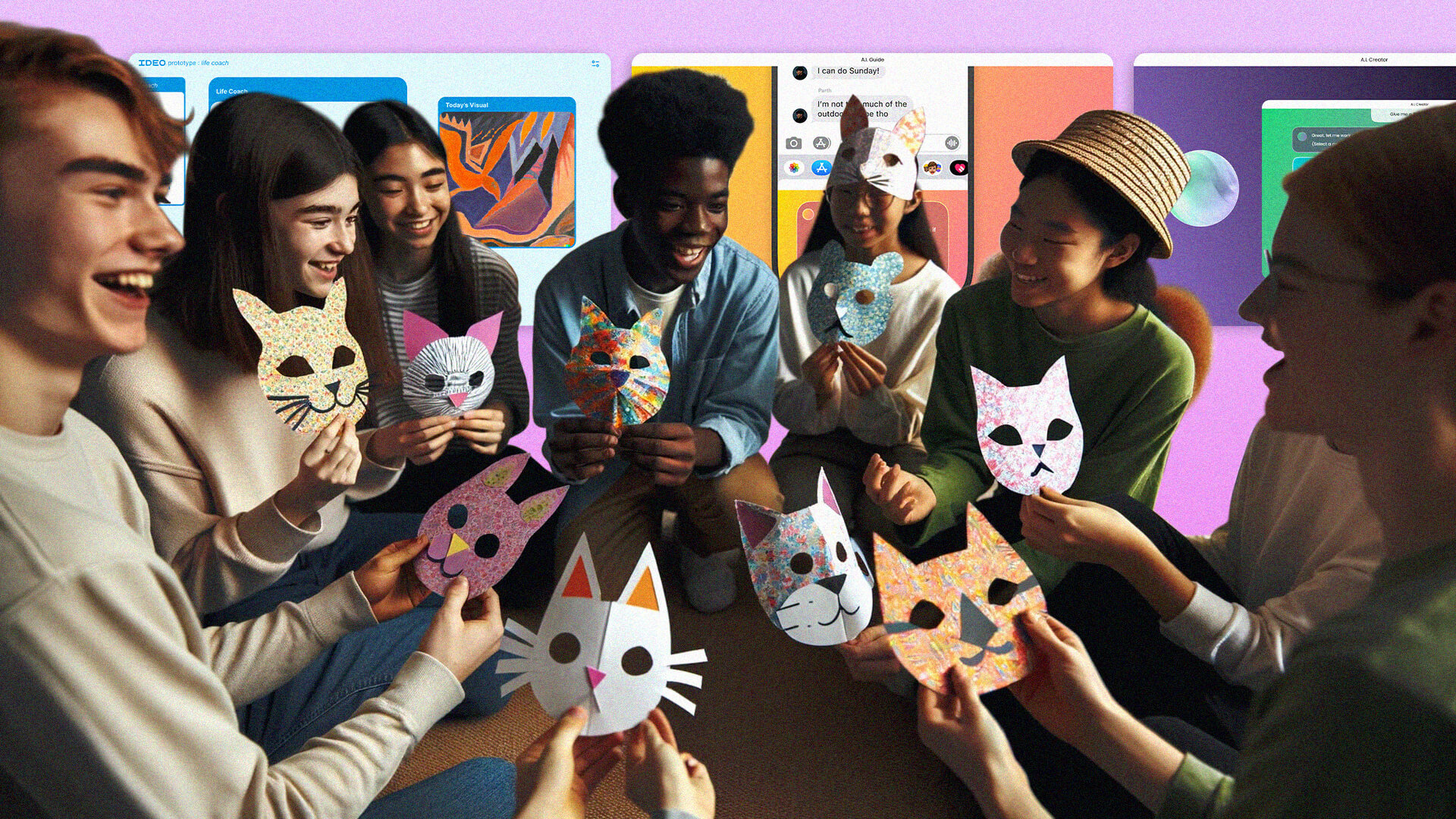
Instead of fully building them out, we made really early prototypes that let them test the idea of the product, rather than a fully-built product itself. That was enough for them to understand the experience, and their feedback was clear: They want useful tools that take care of hassles, but they still want life’s messy moments. Tech is not a solution to their relationship issues, and they don’t want it to be creative for them. They want tools that help them maintain their humanity, not supplant it. The Gen Zs we worked with then helped us rethink the ideas to fit their needs. Our final designs and insights were much stronger because of it.
Insights like these, which are hard to come by without co-design, can uncover what users really want, long before a product hits the market, helping you make better investments with your development dollars.

Break norms
A major purpose of emerging technology? Providing new value to people through new user experiences. If we stick with existing interaction paradigms, we’re missing the point.
The purpose of XR is to overlay reality on our reality, or to take us into new realities. If we’re designing a website inside of VR goggles, that seems like an underwhelming use of the technology. We should take advantage of its capabilities—the fact that it’s a big open space where we can have interactive experiences, and that the audio can come from all around us, and that it's social and connective with people all around the world. If we’re just designing a flat website, we’re making a black and white tv in a color tv world.
Similarly, in the generative AI space, everything is a chatbot. That’s because we’re used to interacting with intelligent things by talking to them.
But look around, and you might discover a whole category of people trying to rethink how we can interact with intelligent machines. AI hardware companies are showing us how there are so many new possibilities of how to use technology in our daily lives (some more successfully than others). Brilliant Labs’s glasses that can translate what you hear; Limitless’s wearable pendant, which remembers the details of your workday; Meta’s AI glasses that allow you to ask questions about what you see. All of them create new user experiences—and the best ones are very different from what our existing gadgets are designed to do.
Embrace unexpected collaborators
Here’s an idea for you: Bring a group of creatives—musicians, electrical engineers, designers—into your emerging technology lab. Ask them to experiment with the technology you’re developing.
There is a long history of creatives helping technologists unlock new ideas and possibilities for what the technology might do.
Take John Cage, the avant-garde composer who collaborated with engineers and technologists, particularly at Bell Labs in the 1960s. Cage wasn’t an engineer, but he was a visionary artist who explored the boundaries of music and sound. His approach to music was deeply experimental, and he often used technology as a tool to create new forms of expression. His creative explorations led to tangible developments in electronic music, influencing the design of synthesizers, advancements in sound manipulation, and the foundation of interactive and generative music. Cage’s work encouraged technologists to think outside their usual constraints and explore new creative potentials within their inventions.
IKEA did something similar, when it decided to make the kitchen of the future. Years ago, they asked us and a group of students to explore the social, technological, and demographic forces that would impact our relationship with food in 2025. IDEO took their research and designs and built out a full concept kitchen that could help guide product development into the future.

Focus on design from the outset
Too often, companies focus on what they can build, rather than what they should. You can make the most cutting-edge technology in the world, but if your customers don’t like it, you don’t have a product. Bring them into early stages of the development—rather than as a panicked afterthought when you might discover that customers aren’t adopting what you made.
That doesn’t mean you have to invest your entire budget into speculative design work that might not pay off; after all, you may not even be sure the technology itself is feasible. But at a minimum, design can help you understand where technology might go so you can ask the right questions, consider what comes next at each development milestone, and make a plan for when and how designers, design researchers, and product people can help you think about which areas of the technology will be most valuable to users and should be developed.
When Willow set out to redesign the breast pump experience, the startup tapped IDEO and Function Engineering as partners, creating a cross-functional team of researchers, industrial designers, and mechanical engineers. Together, they uncovered mothers’ unment needs, and designed and engineered a more human-centered version of a device that hadn’t changed much in 25 years. Now, instead of being stuck shirtless, tethered to a wall, mothers have the option of a cordless breast pump that fits under their clothes.

Prototype to widen your aperture
When the founders behind education startup Ethiqly came to us to create new tools for students and teachers, they didn’t ask, “How can we use AI in the classroom?” They looked at the bigger picture: “How does gen AI change what it means to be a student?”
Then, we jumped into prototyping to test the capabilities of the technology. We created interactive prototypes, building generative AI mini apps that let us test key research questions. Could gen AI help teachers give students feedback more effectively at scale? Could providing students with prompts help them get past the hurdle of a blank page? The prototypes we made suggested feedback that teachers could choose to share, and encouraged students to interrogate their own ideas. That’s what learning how to be a good writer is all about; it’s not just generating an essay, it’s digging into and uncovering your own perspective and what you want to say. So that’s what the final product we designed helps you do—uncover your voice. Prototyping allows us to see the possibilities outside the constraints of what we’ve imagined. It lets the technology tell us what it can do, which uncovers new possibilities for how we might use it.

Make a vision, but don’t get too attached
Visions keep us from wandering aimlessly, which is a good thing. But when you’re working in the completely new and speculative environment of emerging technology, getting too attached to an early vision can limit your progress.
Think about Large Language Models. Entrepreneurs in the space have been really serious about building chatbots, like some version of the AI love interest in the movie “Her.” And sure, there seems to be a market for romantic partner AIs—but if those companies had stuck with just that, they would have missed out on ground-breaking enterprise products, educational products, and more. From the outside looking on the journeys of LLM startups, it seems that they realized they needed to prioritize what their customers want—which is a little different from the Hollywood vision.
The possibilities for what we can create with emerging technologies are endless (that’s what makes this the most fun job ever), but it’s also what makes it hard. It’s part speculative, it’s technical, and it’s creative. It comes with ambiguity, and long timelines. Even those of us making it don’t always know exactly what it might become. But by leaning into the design process, and following guidelines like these, we can make it a lot easier to iterate our way to undiscovered gold mines of innovative ideas and new possibilities.
Want to explore these ideas further? Reach out to emergent@ideo.com.
Many of the companies I talk to ask me some version of the same question: There’s this amazing new technology. We’re excited to adopt it to create a really great product. But how do we make it stick?

Innovation isn’t about having all the answers
But it always starts with asking the right questions.

He outlined his thesis, built over many years of creative problem solving: Almost any creative endeavor can produce an output–a digital experience, a new brand, a physical product, a reimagined service–but the quality of that output is wholly dependent on how we frame and examine the problem it’s meant to solve. For years, his thinking has stuck with me: Obsess over the question. Questions are a tool to guide our thinking, and, to address the biggest, gnarliest challenges facing society today, we need to think in radically new ways.
Questions can serve two purposes: They can open our apertures, allowing us to uncover new approaches to familiar problems, or they can focus our efforts by providing clarifying constraints on formidable challenges. In both cases, a well-crafted question allows you to examine a problem in new ways, stress-testing potential solutions to ensure innovation is successful and doesn’t fall into a trap.
Across our interactions at IDEO–in our health portfolio and beyond–we encounter organizations looking for answers to the most critical challenges that they are facing, and, in response, many groups purporting to have the answers. AI products that will “unleash the power of your workforce,” digital solutions that will “fix your patient experience,” or elixirs that will magically cure every conceivable ailment hindering your organization today. But, when you are holding a hammer, everything looks like a nail. And when organizations start with solutions, the impact of their innovation efforts will be at best limited, and at worst, will completely miss the mark, squandering opportunities and investments.
So, when faced with a daunting challenge, jumping to solutions with “guaranteed” results can look attractive, but doing so may very well limit you to what is possible right now. The questions we ask are a starting point to allow us to envision beyond today, unlocking new solutions to the toughest problems.
Recent history in digital health serves as an excellent example of solutions looking for problems. While “digital health” is now an established term, we are yet to realize the value of a decade’s worth of the progress it promised. To date, even the most future-facing digital health initiatives have been focused on gathering data to drive efficiency or improving costs by outsourcing to digitized solutions. But the true value of digitized health will come when we find the meaning in the data that we gather. It will fuel more integrated health services that fit it into the ways we experience our own health and improve both quality of life and outcomes. Technology for technology's sake will not advance this cause, but digging into genuine problems and asking how our emerging technologies can enable us to innovate in genuine, human-centric ways will.

By reframing the problem in the first place, we may land on better solutions. How might we enable people to live healthier lives before they find themselves requiring clinical care? How might we enable better collaboration across sectors to transform into the health systems we need for the next generation? How do we leverage human expertise alongside AI? Individual technologies will not be the answer; they will be enablers within a system redesigned with these considerations in mind.
The opportunity in healthcare is keenly illustrated by developments in the financial sector. Startups and challenger brands have used human-centered innovation to disrupt incumbents in a highly-regulated space by transforming the customer experience. The resulting reset of market share has forced the established financial institutions to elevate their own customer experience to keep pace with these new entrants, accelerating innovation and investment. With the global healthcare industry attracting spending comparable to the annual GDP of a small country, it is only a matter of time before disruptors come along and rip up the existing healthcare rule book. Because if large incumbent brands don’t innovate, someone else will.
In healthcare and beyond, many organizations acknowledge that AI will be a significant part of their future success, but—to change the question again: What do humans in the experience deem desirable? How should the experience be elevated? What value might new, emerging technologies unlock?
The answers may lie outside of traditional healthcare itself. The industry doesn't exist in isolation. It’s heavily influenced by politics, policy, geography, and climate, and it is deeply integrated with other parts of our daily lives. Today, the health of people, communities, and our planet are inextricably linked. To understand just how interconnected they are, consider the following facts: 80 percent of health outcomes globally are driven by non-clinical factors–the environmental conditions in which people are born, grow, work, live and age. And at the same time, healthcare is responsible for 10 percent of global material extractions and 4.4 percent of emissions, contributing significantly to the very environmental issues that are increasingly impacting human health.

With both the healthcare system and the planet under such extreme pressure, small changes are not the basis of a winning strategy. If we are able to frame the right questions, we might be able to shift the preconceived constraints that exist today and create better systems, experiences, and solutions that address real human needs for the future.
If you take a hard look around healthcare, you’ll see many solutions, but few that address those big, gnarly challenges. And yet, the need has never been greater. Organizations of every size should carefully examine the questions guiding their efforts: Is this solution solving a genuine problem? Are we placing people at the heart of our solutions? Is the innovation effort set up for success?
If the answer is no, then the first step is to go back to the problem and ask: Do you have a great question that your innovation efforts are trying to answer? Does it represent the humans in the experience? Is it oriented around an outcome? Does it acknowledge the wider context? And is it broad enough to represent a number of possible futures, while being constrained enough to make meaningful progress?
With ever-increasing societal and commercial pressures, now is the moment to radically rethink our broken health systems. It’s a huge job, but there’s an easy place to start: Ask the right questions.
Exploring how to innovate in new ways? We would love to chat.
One of the most impactful lectures I had in my early years of design training was from a professor who sought to reframe the purpose of design.

Lindsey Turner
I’m passionate about building brands, products, and experiences that help organizations show up with meaning and momentum.
I help organizations cut through complexity by shaping how they show up, through brand strategy, identity, and storytelling.
Working at the intersection of brand and business, I bring an editorial eye and a bias toward making—turning ideas into tangible experiences that people can understand, trust, and believe in.
My work spans government, healthcare, financial services, media, and consumer goods, from launching Gen Z-focused ventures to building innovation labs and reimagining legacy brands. I relish moments of ambiguity and enjoy translating across teams, perspectives, and priorities to move ideas forward.
I started my career in editorial and digital design, shaping cross-platform experiences and identity systems in publishing and agency environments. That foundation still shapes how I work today: I’m detail-oriented, collaborative, and overreliant on the Oxford comma. I hold a BFA in Visual Communication from the School of the Art Institute of Chicago.

Rachel Young
My work helps organizations see who their products aren't working for—and build the will and the tools to do something about it
For 25 years, I've asked the same question: Who does this design exclude—and what are we going to do about it?
My work spans human-centered strategy, inclusive design, and qualitative research, with clients ranging from Microsoft, Google, and Verizon to the National Science Foundation, and San Francisco Unified School District.
Before IDEO, I taught elementary school in East Palo Alto and spent a decade doing design work with social service organizations—where I learned firsthand what it costs people when systems are built without them in mind.
I am currently writing User Error, a nonfiction book about digital access and the design decisions behind it. I live in Oakland, California.

Brian Pelsoh
I lead with craft, ensuring our work is creatively excellent: rooted in deep human insight and imagination, while also grounded in the realities of business and technology.
My expertise spans brand, communication, and product design across tech, education, the arts, and social impact.
I believe great work demands both high-level vision and obsessive attention to detail, and only happens through collaboration.
I bring an inclusive, hands-on approach and a deep understanding of business, which enables me to consistently deliver excellence while always asking why.
Before joining IDEO, I worked at the brand firms Pentagram and VSA Partners. I began my career as a designer, leading teams at the School of the Art Institute of Chicago and the Milwaukee Art Museum. I hold an MFA in graphic design from Maryland Institute College of Art and a BFA in communication design from the Milwaukee Institute of Art & Design, and have taught at some of the best design schools in the US.

Tony Wong
I am responsible for IDEO’s long-term success in China and working with clients to use design as a tool to enable growth.
I am responsible for IDEO’s long-term success in China and working with clients to use design as a tool to enable growth. Specifically, I have helped Chinese companies design holistic brand solutions through the development of their products, communication, services, and innovation teams, and I have helped multinationals expand their presence and influence in China.
I advise global leaders on developing China-led innovation and capabilities.
In over 15 years in IDEO Shanghai, I have worked on projects that use design to elevate the quality of the experience of healthcare products and services, streamline processes that increase productivity, create spaces and programs that promote and enable inclusive communities, and build next generation mobility solutions that are planet-positive.
Before joining IDEO, I worked at Philips Electronics and the Electrolux Group in Italy, the Netherlands, and Singapore on a number of breakthrough commercial products. I am a member of the Young President Organization in Shanghai.

How to use AI as an editor, not a writer
Ed White shares how he uses AI as an editor—not a writer—to sharpen storytelling, rehearse ideas, and preserve the productive friction that makes creative work better.
Ed White has a rule he's tested on his own writing: hold yourself as the writer, and let AI be your editor. Ed is a Senior Design Director at IDEO's London studio, where he co-leads the firm's AI portfolio across Europe. Before IDEO, he spent 12 years as a writer and editor at the Financial Times, Wired, and Contagious. So when he talks about when to use AI for storytelling and when not to, it comes from two decades of crafting his storytelling skills.
In this episode, Mina Seetharaman talks with Ed about two specific tools he uses to keep AI in an editor's seat: a "roasting agent" prompted to critique his drafts without any sugarcoating, and a simulated audience he rehearses pitches on before the real thing. They also get into what Ed is hearing from design leaders at Anthropic, Lovable, Shopify, and Google Creative Lab about how creative work is changing, and why he thinks the friction of writing something yourself is worth protecting rather than automating away.

Building a personal AI for the messiness of life: Sida Li
Becca Carroll talks with Cue co-founder Sida Li about designing a personal AI for the messiness of everyday life—not just work. They explore how Sida stays anchored to human needs while navigating fast-changing technology, product tradeoffs, business-model experimentation, and the realities of building an AI company today.
Most AI products today are built for work—a space with clear problems and established systems. One founder noticed a gap: personal life is messier, harder to systematize, and mostly left behind by the AI boom. So she built Cue, a personal AI that lives inside iMessage and group chats, to go where the other tools haven't.
In this episode, Becca Carroll, IDEO's Chief Strategy Officer, talks with Sida Li, co-founder and CEO of Shared Context Lab, about staying anchored to a human need while the technology around her keeps changing shape, why she treats her business model with the same rigor she'd bring to a product, and what it feels like to build a company at this particular, disorienting moment in AI.
The conversation also gets into how Sida makes design decisions: the language Cue uses to describe itself, the tradeoffs behind building inside iMessage instead of a new app, and a real story about a business idea that didn’t pan out.
This is the second in a two-part series profiling founders from IDEO's Startups-in-Residence program. The first conversation is with Johannes Seemann, founder of Sooner, on designing GenAI for the emotional side of money.

Designing GenAI for the emotional side of money: Johannes Seemann
Designing financial tools around the feelings that shape money decisions.
Most personal financial tools are built to run the numbers and optimize towards a budget. While that works for some, most people experience money as a lived relationship that does not neatly fit into a spreadsheet. Johannes Seemann and Becca Carroll discuss why money is emotional before it is mathematical, and what a human-centered approach to building a generative AI financial product looks like in practice.

The curious leader's edge in uncertainty: Scott Shigeoka
How genuine curiosity helps leaders navigate uncertainty with greater confidence.
Mina Seetharaman talks with Scott Shigeoka, author of Seek and Head of Curiosity Cultivation at the Eames Institute, about what distinguishes genuinely curious leadership from performative curiosity, how power dynamics shape curiosity, and why practicing curiosity can restore energy rather than drain it.
Looks like you might be in search of something very specific?
Or reset the filters above and try another angle.
Here’s some random inspiration

Podcasts about creative leadership

Articles about the power of prototyping

.webp)



.webp)






.webp)







.webp)





.webp)

.webp)