
A new way to vote for the people of Los Angeles
An intuitive, accessible voting experience and ballot machine for every type of voter.
With nearly 5 million registered voters, Los Angeles County represents the largest voting jurisdiction in the United States. Guaranteeing every citizen the right to an accessible and intuitive voting experience has been the highest priority for the Los Angeles County Registrar-Recorder’s office, which oversees the election process.
To revamp its antiquated voting system that dates back to the 1960s, LA County hired IDEO to design the concept, look, and feel of its next-generation replacement, a modular system that could adapt over time. And just as important, one that would be designed, developed, and owned by the county.
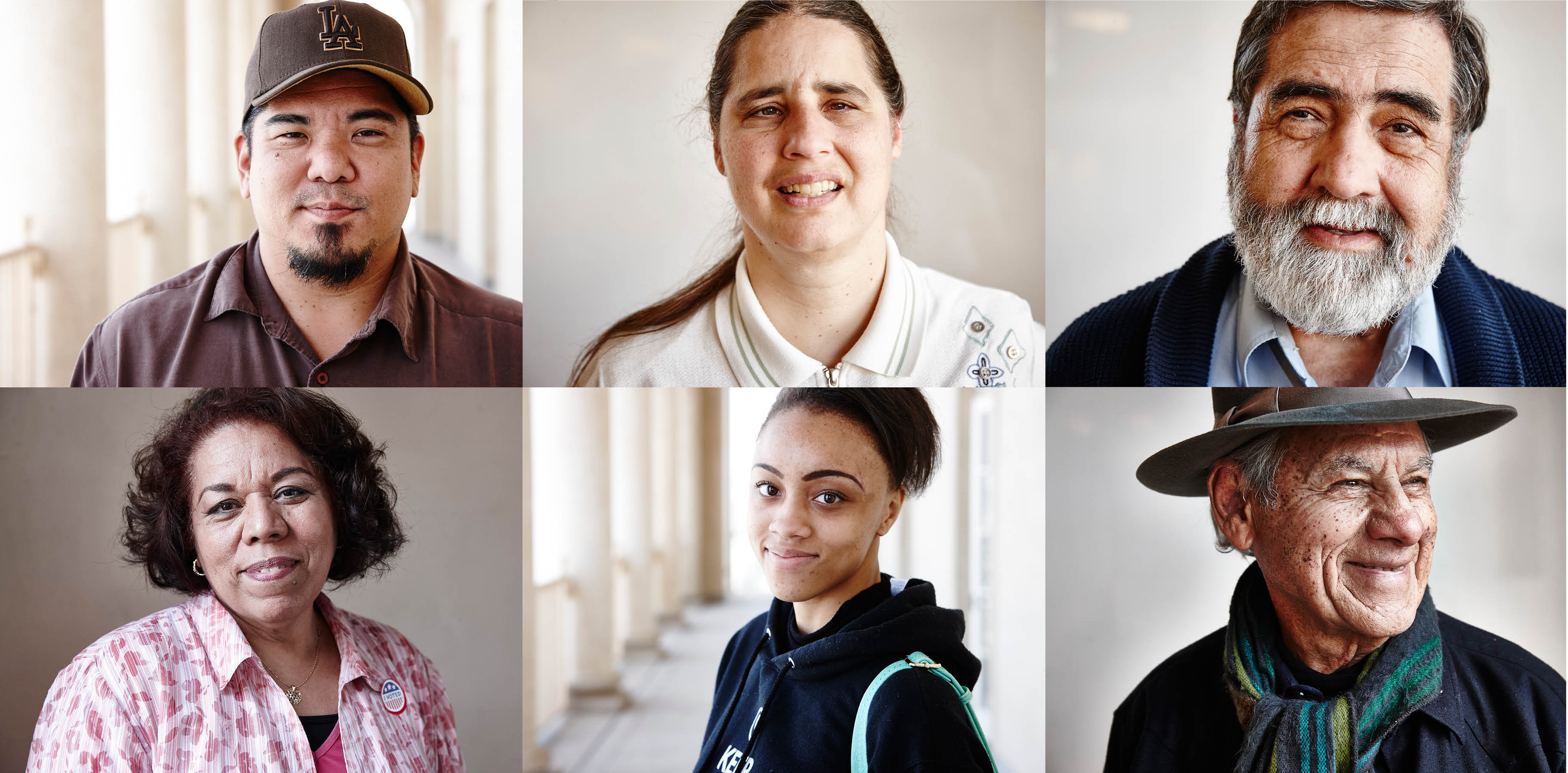
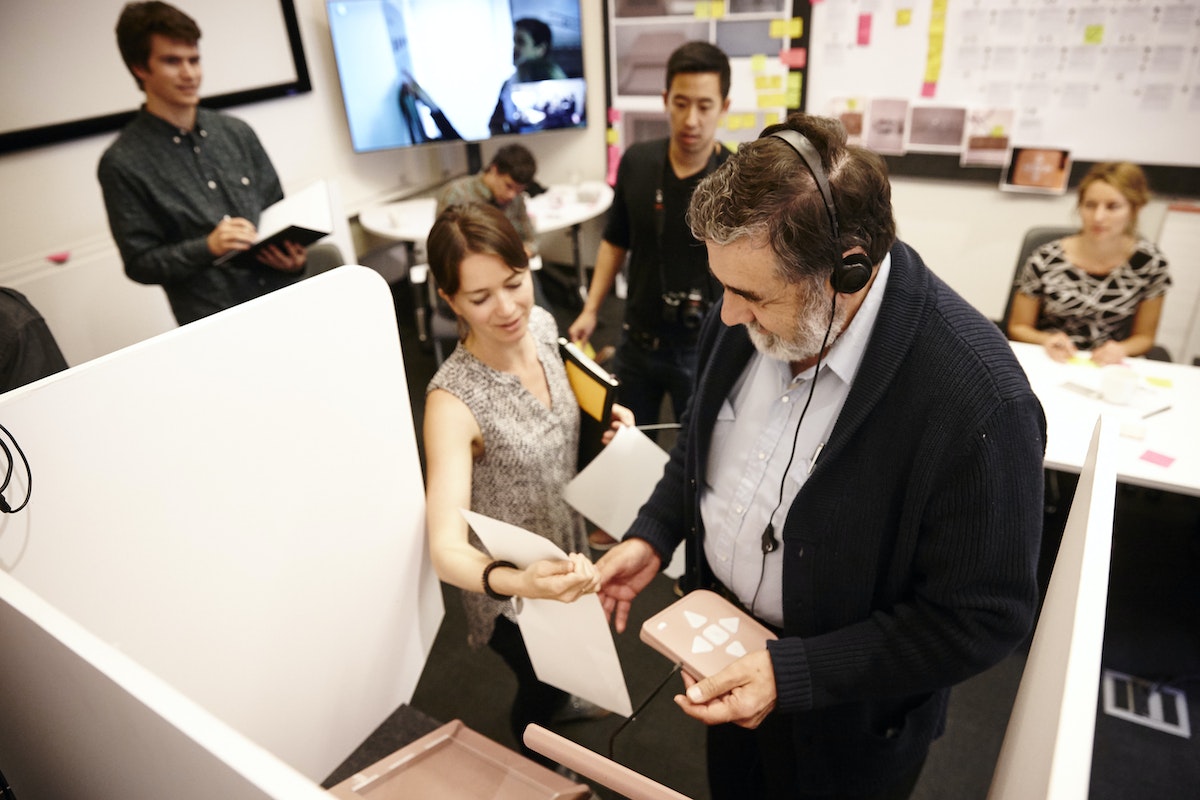
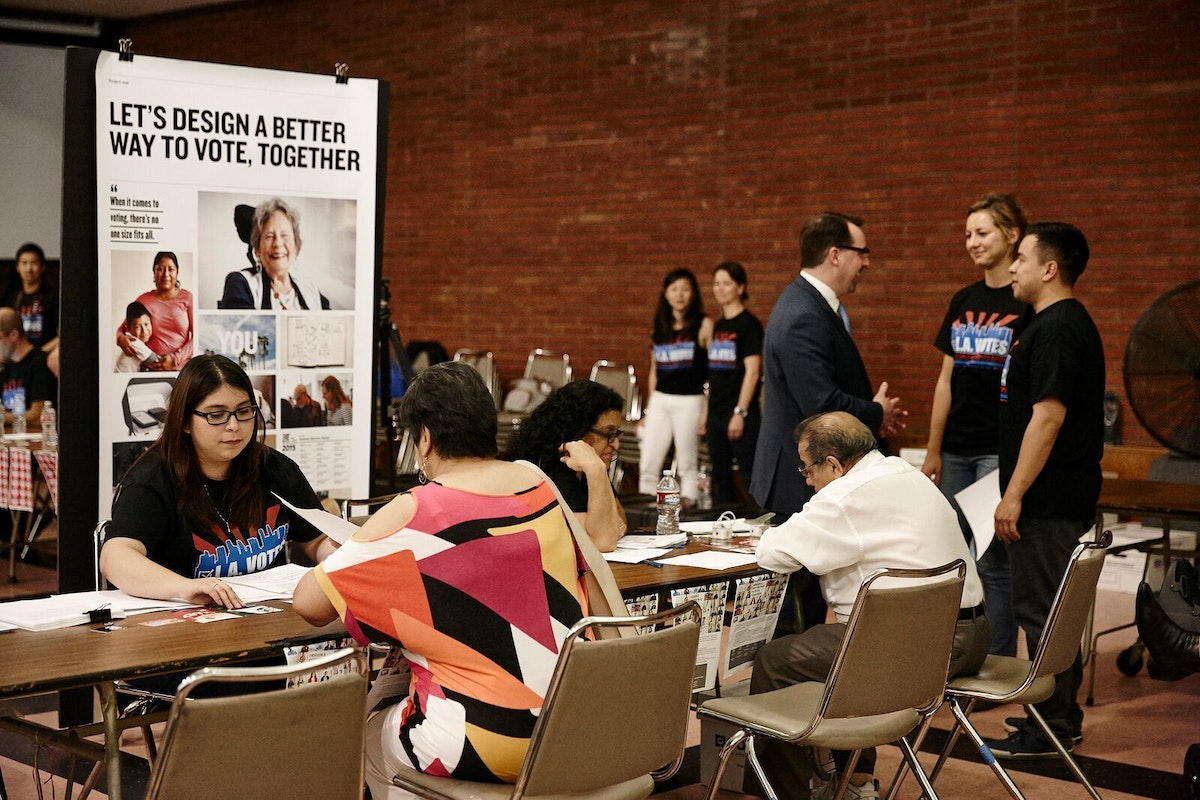
Working closely with LA County staff, IDEO designers created a voting system that addresses the complexities unique to that voter base, including its vastly diverse population and its myriad election laws and policies. It was imperative for designers to build a system that would be useful and accessible to all types of voters: those who are vision and hearing impaired, in wheelchairs, have learning disabilities, are unfamiliar with technology, speak languages other than English—voters of all ages and backgrounds.
Their goals: to create one device for equal access, to define a voting process that feels familiar to voters, balancing both emotional and functional needs, and to build a system that’s adaptable over time.
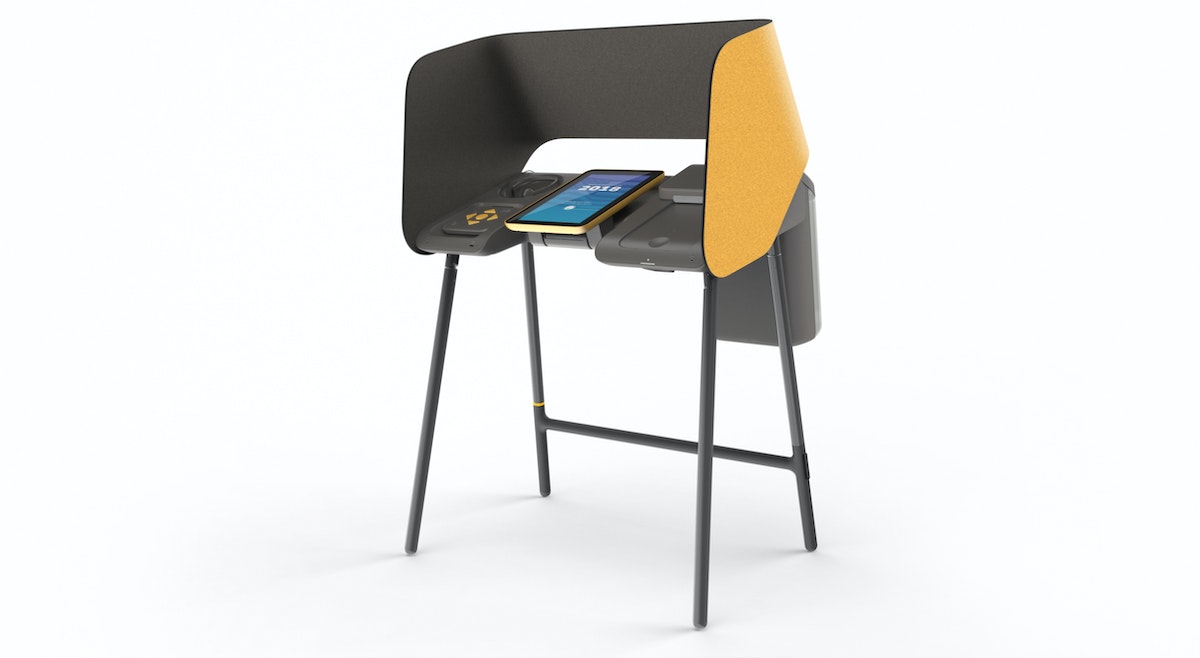
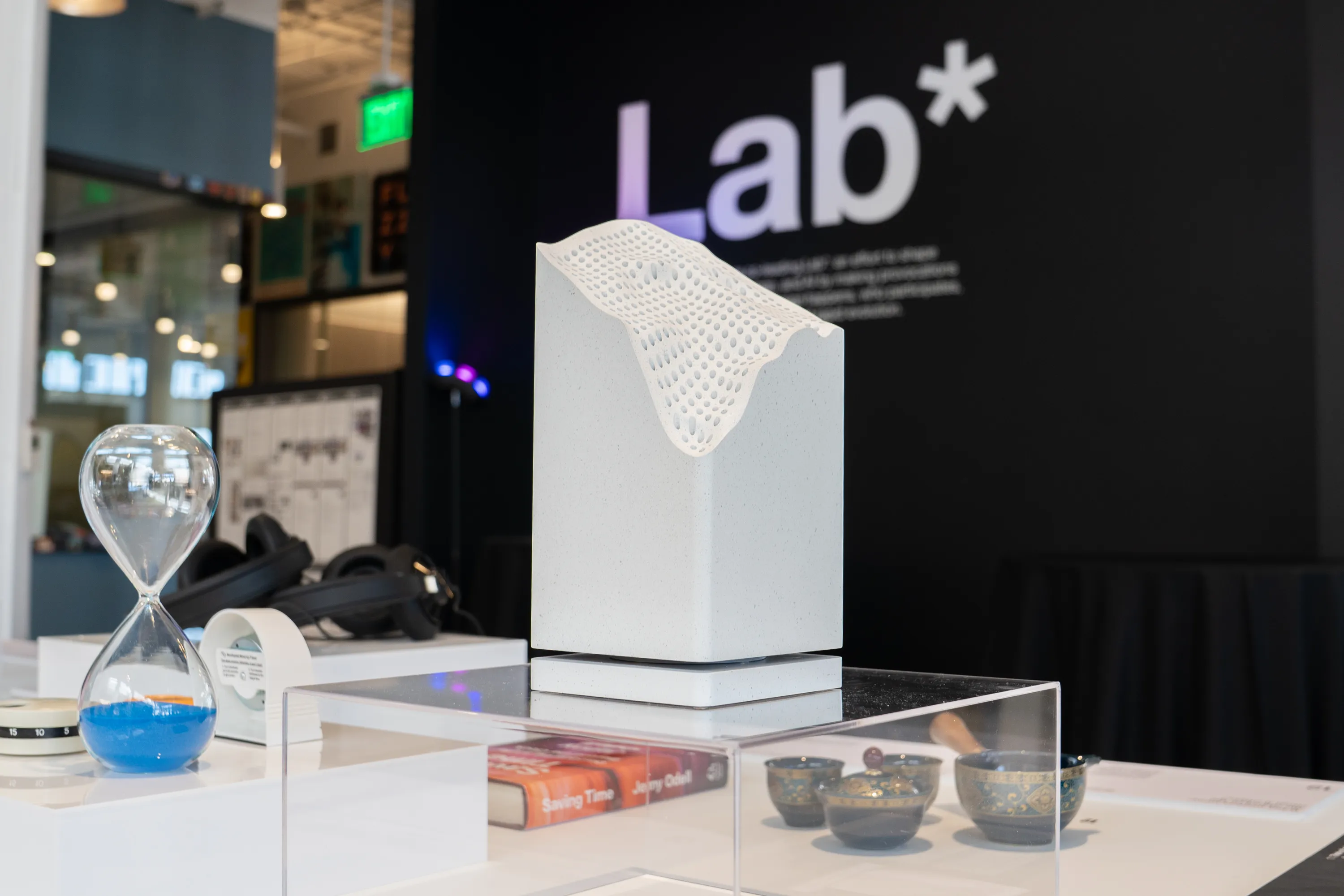
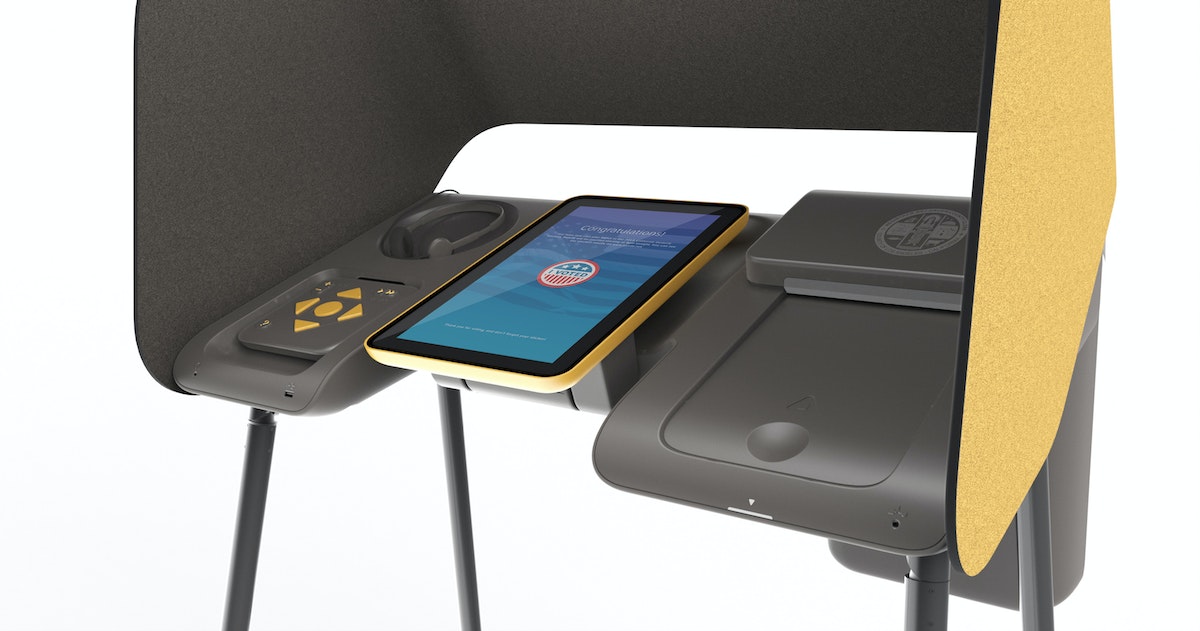
The resulting prototype, designed in collaboration with Digital Foundry and Cambridge Consultants, is a voting device that’s customizable for different user experiences. A touch screen allows any voter to easily navigate the ballot by advancing through different screens showing lists of candidates and ballot measures. For those with vision impairment or reading disabilities, an audio and controller experience guides voters through their options with a push of a few simple buttons. And voters who prefer to read the ballot in a different language—Spanish, Chinese, Korean, or any one of the 11 languages supported by the county—can choose their preference on the same machine. Once they’ve tapped in their selections on the device, they receive a printed paper ballot that goes into an integrated ballot box (the use of a traceable paper ballot is still mandated by law).
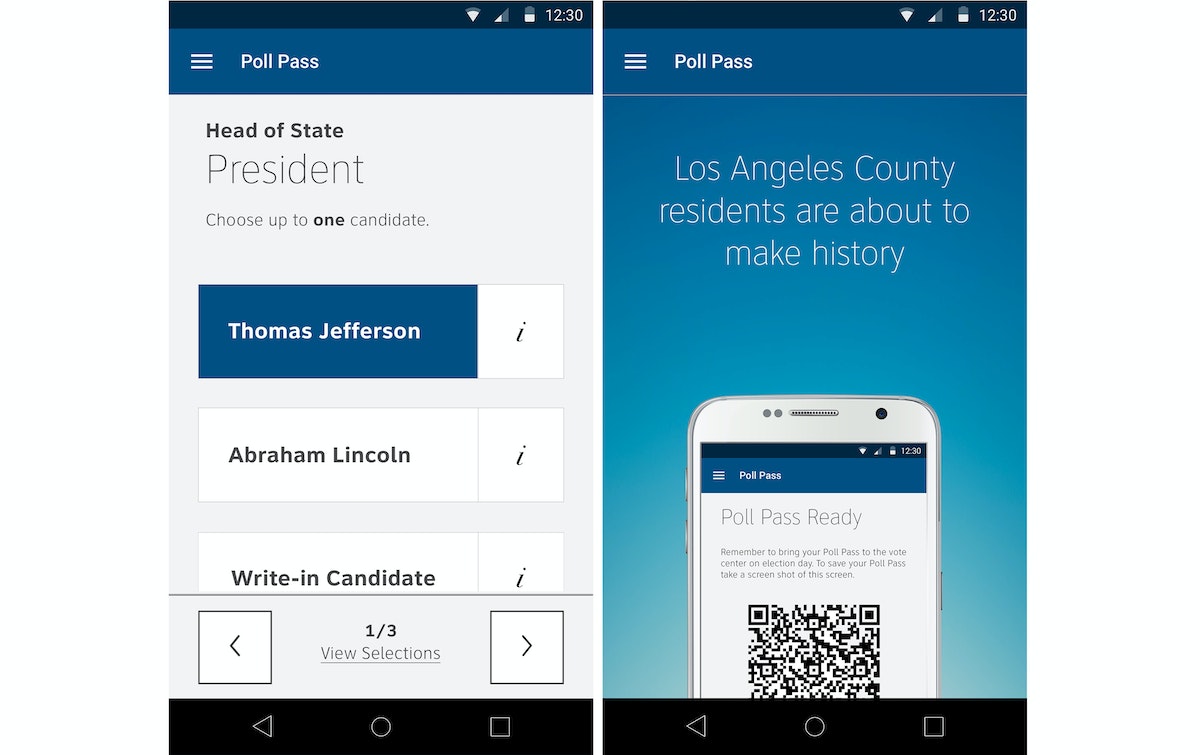
Just as we’re able to use our mobile devices to simplify our lives for everything from shopping online to fetching a taxi, the new prototype also allows voters to participate in the ultimate act of democracy with the same ease and accessibility. Voters can mark their votes on their cell phones when it’s convenient, then go to a polling station to transfer their selections from their phones to paper ballots, and cast their ballots in a ballot box.
It’s this convenience factor that officials hope will ultimately make the act of voting more meaningful. “As an election administrator, I can’t drive how exciting the candidates are or how controversial the measures are,” said Dean Logan, LA County’s Registrar-Recorder and County Clerk, whose vision has driven this project. “What I can do, though, is drive a voting experience that’s appealing and that makes you feel the actual weight of the significance of casting a ballot. To be able to go to any location that’s convenient to you, I think adds to that sense of intrinsic value to the voting process. It makes it feel like I’m participating in something that’s meaningful and important, that’s consistent with the way I do other things in my life.”
Once the bulk of the work was completed in June 2016, IDEO handed off designs to the county for execution. IDEO has continued to advise the county and its implementation partners on an as-needed basis to ensure the original intent of the designs—to create a deeply human-centered voter experience—are incorporated during the implementation phase. LA’s new voting system, which rolled out in 2020, has the potential to influence how other counties across the country update their outdated systems.
VIDEO: Democracy By Design, interviews with designers, researchers and Los Angeles County staff. Produced by the Los Angeles County Registrar/County Clerk.
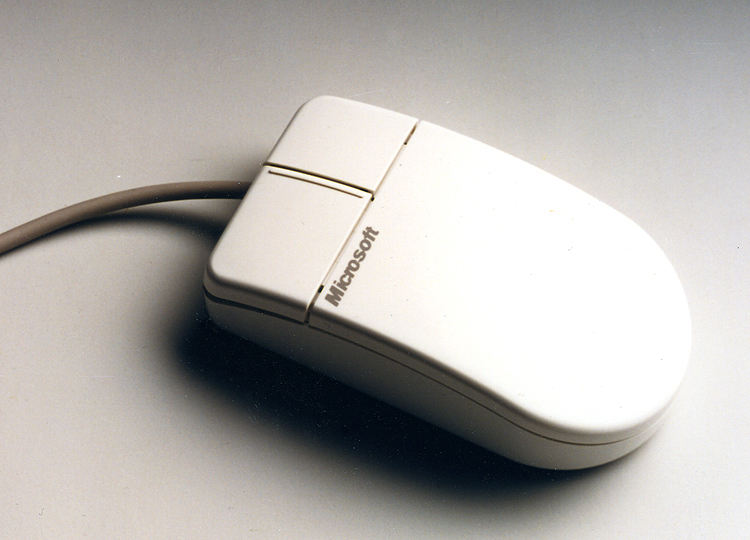
A hand-friendly, precisely controlled mouse
Ergonomic mouse design for better control and performance.
In 1987, the three companies that would later form IDEO worked together with Microsoft to create the world’s first ergonomically designed mouse. IDEO’s human factors research suggested a small but significant change: Moving the location of the mouse ball forward, from under the palm to under the fingertips, enabled more precise control and resulted in measurable performance differences compared with earlier models.
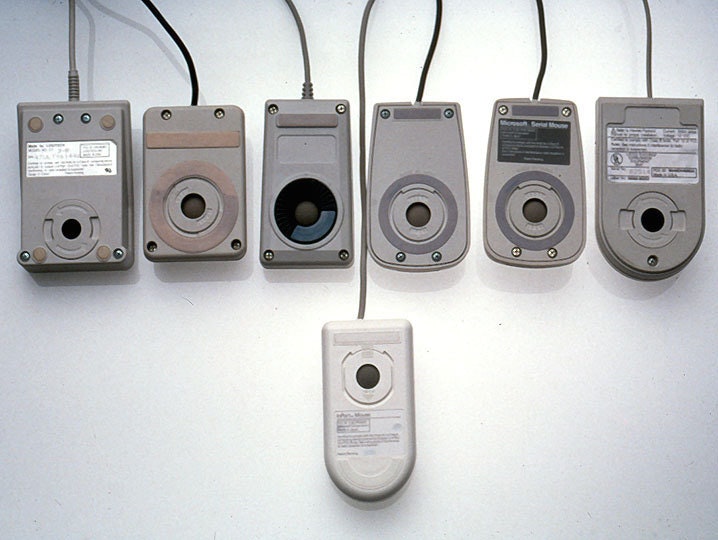
The industrial design effort examined and tested dozens of shapes in comfort and aesthetic studies that led to the famous “Dove Bar” form, a significant advance over the boxy mouses prevalent at the time. The resulting clean appearance, enhanced control, and improved reliability created enormous consumer appeal that replaced all earlier versions, and Microsoft sold more than 2 million units in its first two years.
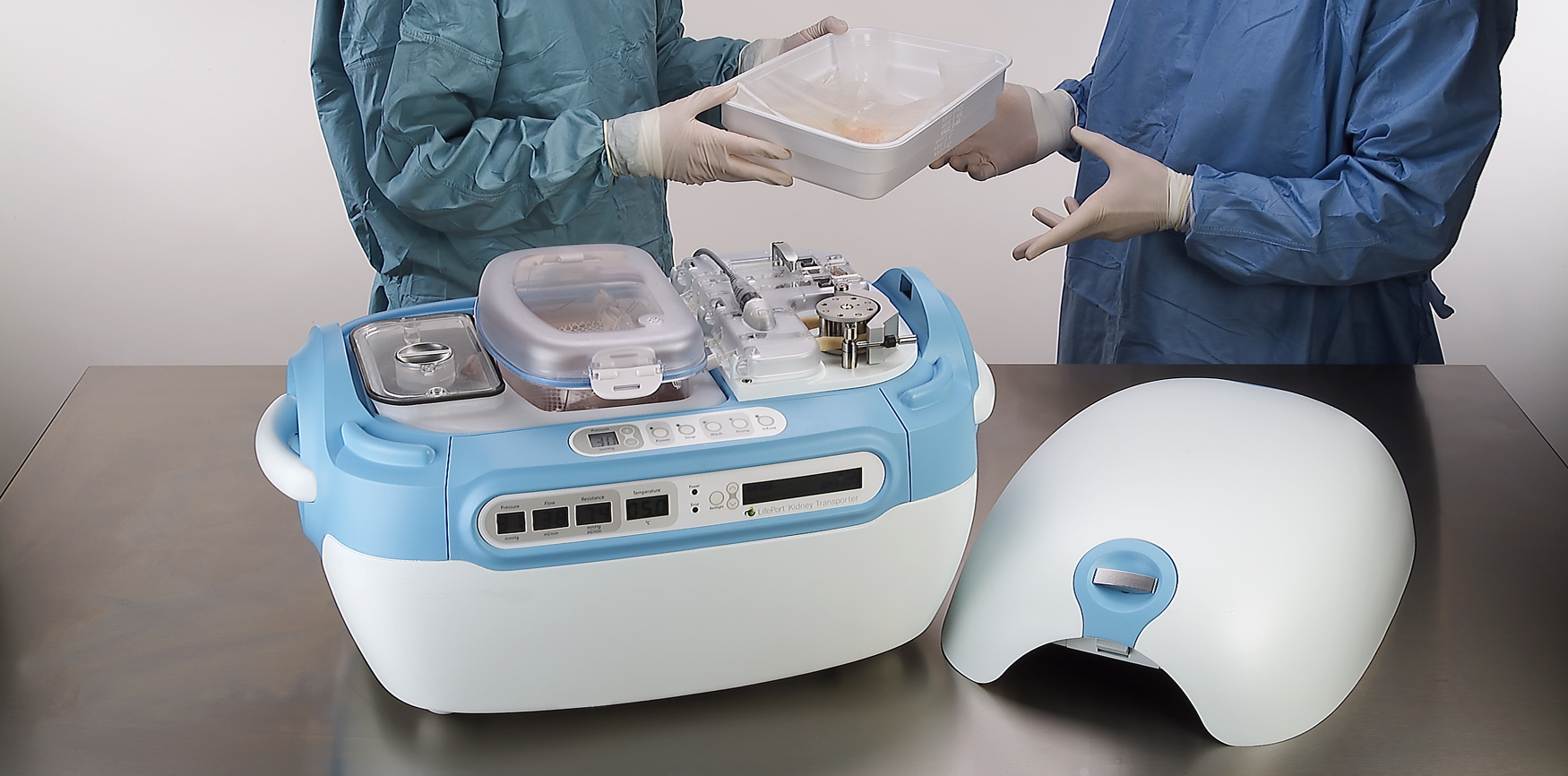
A high-tech kidney delivery system
A new standard in organ transport systems delivers kidneys in improved condition.
With approximately 55,000 Americans waiting to receive kidneys and a list that could double in the next 10 years, there is an acute and urgent need for new technology to increase the quality and number of organs available for transplant. Using the conventional method of organ storage and transportation—a cooler filled with ice—doctors and nurses needed to accompany the organ to ensure proper handling.
IDEO and Organ Recovery Systems created the LifePort Kidney Transporter to provide a new high-tech alternative. The LifePort gently perfuses, or pumps, the kidney with a cold liquid solution to improve its condition before transplantation, which can nearly double storage time and may increase the number of usable kidneys and improve patient outcomes. The device also provides critical data to monitor and evaluate kidneys during transport.
Organ Recovery Systems believes that perfusion has the potential to remove tens of thousands of patients from the waiting list and dialysis, and save the healthcare system more than $1 billion annually. In 2006, the LifePort Kidney Transporter was used to transport 350 kidneys per month in 12 countries, and was included in the permanent architecture and design collection at the Museum of Modern Art in New York City.
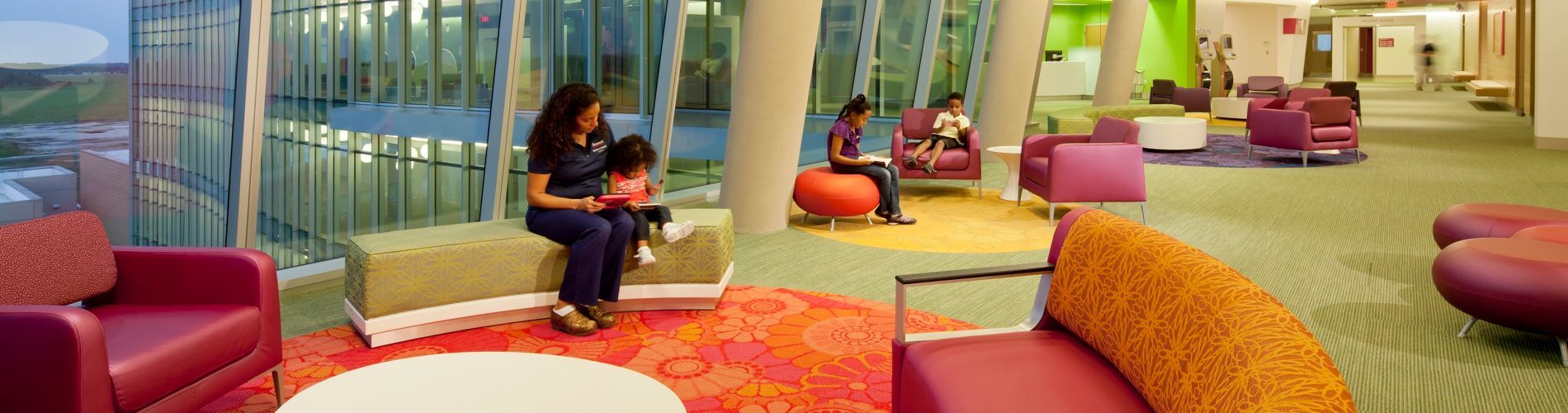
A hospital centered on the patient experience
Designing a pediatric hospital for children and parents.
Pediatric healthcare system Nemours provides primary, hospital, and clinic-based specialty care, prevention and health information services, and medical education programs in Delaware, Florida, New Jersey, and Pennsylvania. When Nemours wanted to strengthen its brand, it faced two challenges: Empowered patients had more access to information and choice than ever before, and new players—alternative-care centers, retail-based care clinics, and urgent-care centers—were entering the marketplace, diverting market share.
Nemours approached IDEO for help in creating an innovative, differentiated, and patient-centric experience for a new hospital in Orlando, with the goal of establishing Nemours as a destination care provider and industry leader. Together, they identified and clarified both family needs and key experience touchpoints in the patient journey, resulting in the state-of-the-art-designed, 60-acre, $400 million Nemours Children’s Hospital in Lake Nona Medical City, Florida. “The design team’s approach to defining key moments in the patient journey was highly instructive,” said Dr. David Milov, chief of clinical informatics at Nemours. “They captured insights otherwise unavailable to us.”
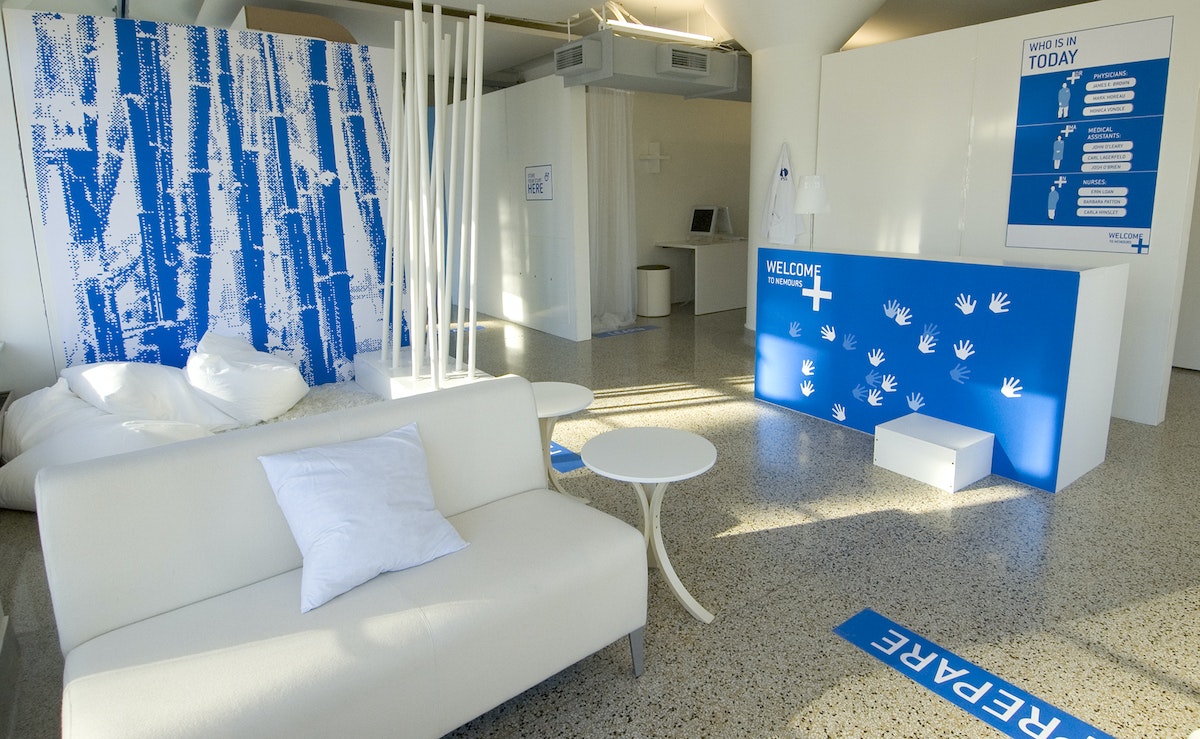
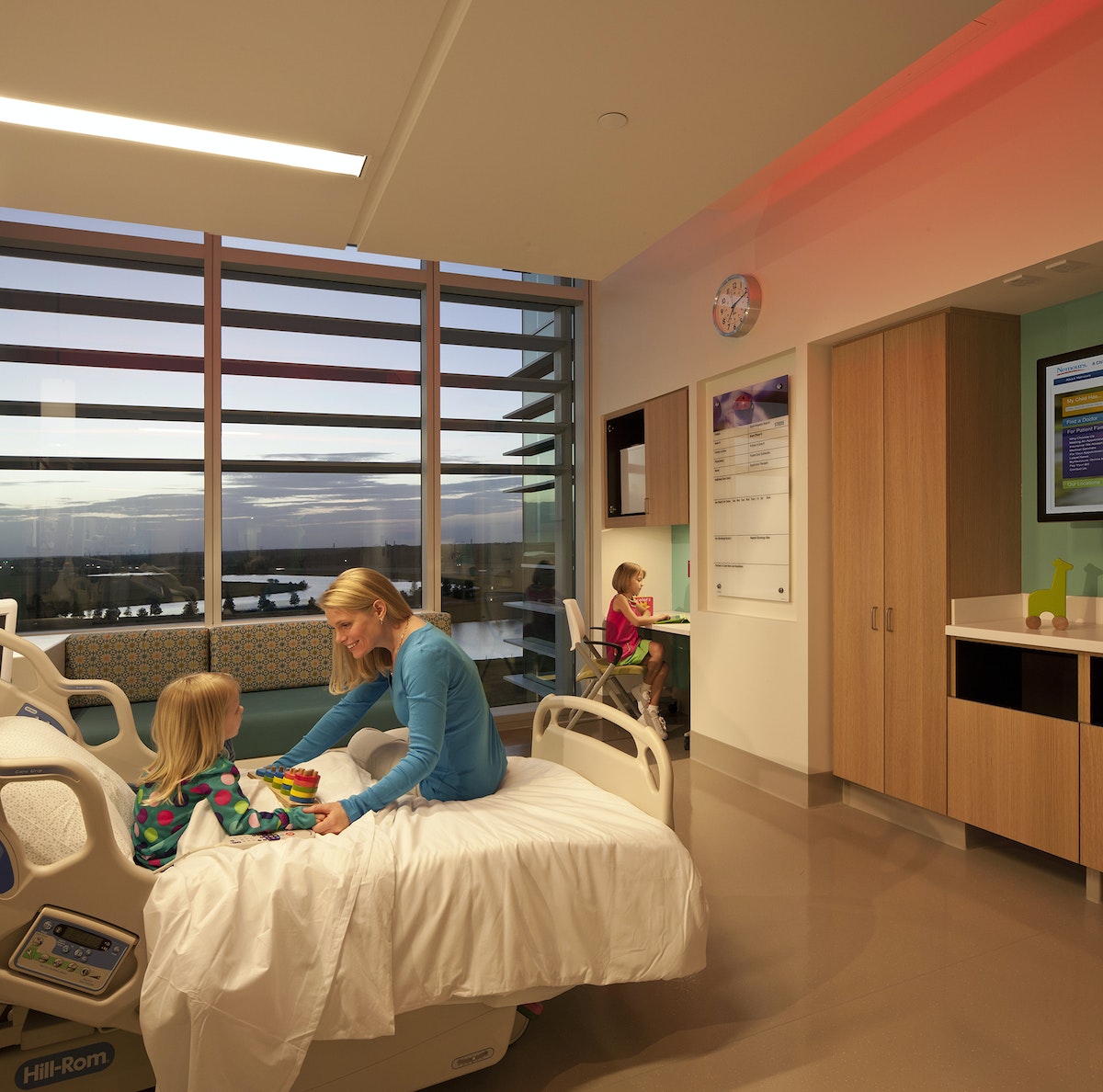
Concepts that were realized in the hospital’s final design include:
- Care Team Room ID: Patients and families are introduced to each member of their care team to ensure continuity of care.
- Floor Greeters: Concierge-like greeters welcome and orient families and answer questions.
- Family Lounges: Private dining rooms have kitchenettes, so families can cook and eat together.
- Emergency Department: Patients are greeted, sorted by medical condition, and immediately checked into rooms.
- Patient Information Screens: Doctors and nurses can access patient information prior to entering an exam room to enable informed conversations and build trust.
- Smart Bracelets: Personalized RFID-enabled bracelets keep track of the care team.
- Smart Rooms: Triggered by the Smart Bracelet, Smart Rooms “welcome” the patient upon entry.
To arrive at these designs, IDEO sought inspiration via analogous kid-friendly environments, such as museums, schools, toy stores, and zoos. Designers also conducted in-context interviews with patients, parents, families, doctors, nurses, support staff, and outside physicians. One key insight that led to the final design: Patients and families came to Nemours with varied levels of experience—first-timers, occasional visitors, and those who were chronically ill—but the hospital treated them all the same.
To address these needs, the team created an experience blueprint focused on welcoming, guiding, and supporting patients and families through unique environments, integrated service moments, and market-differentiating spaces and tools. To test the look, feel, and value of the designs, designers built full-scale foam core prototypes of welcome stations, waiting lounges, and exam rooms.
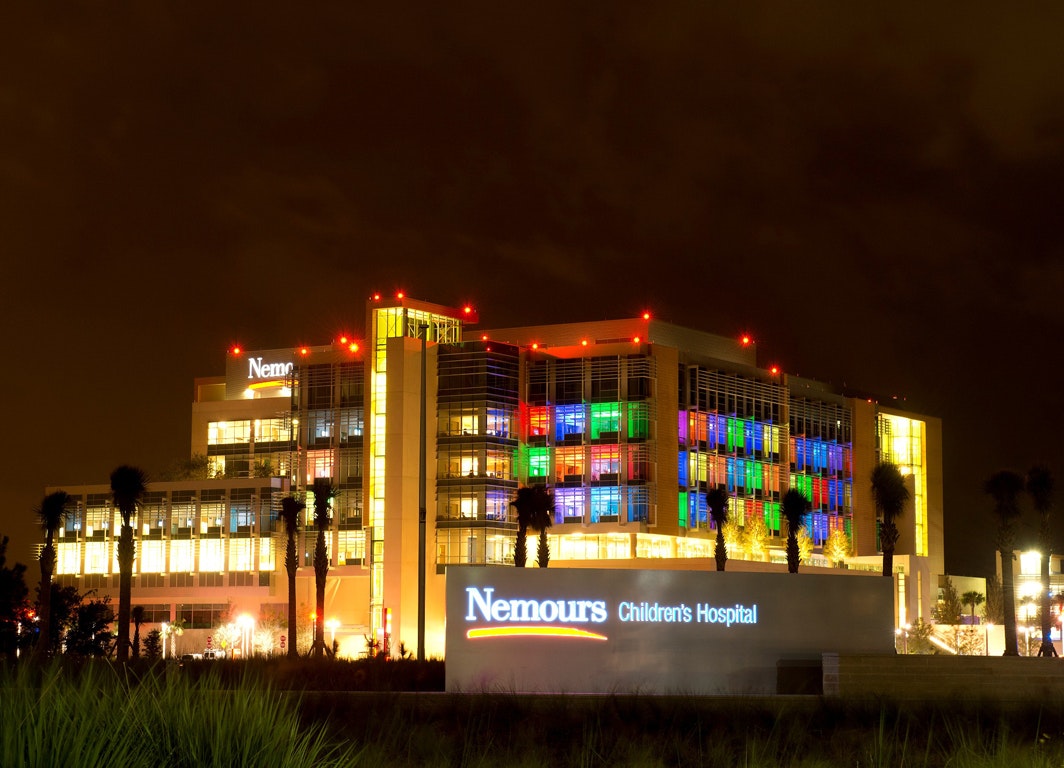
The results appeal to patients, families, and caregivers. According to Dr. Lane Donnelly, Nemours chief medical officer, “all the amenities at Nemours focus not only on the child but their parents and families as well.”
The hospital won two awards at the International Interior Design Association’s 2013 Best of the Best Gala (Georgia Chapter), one for the Healthcare Design category and one for best overall out of all 11 categories. Parenting.com writer Shawn Bean noted, “Set amidst a wooded expanse of central Florida, with theme park roller coasters peppering the horizon, Nemours Children’s Hospital is arguably the new high water mark for pediatric care in the United States.”
How workplace rituals can strengthen connection in a virtual community
Embracing constraints and designing for serendipity can create the conditions for innovation, trust, and collaboration.
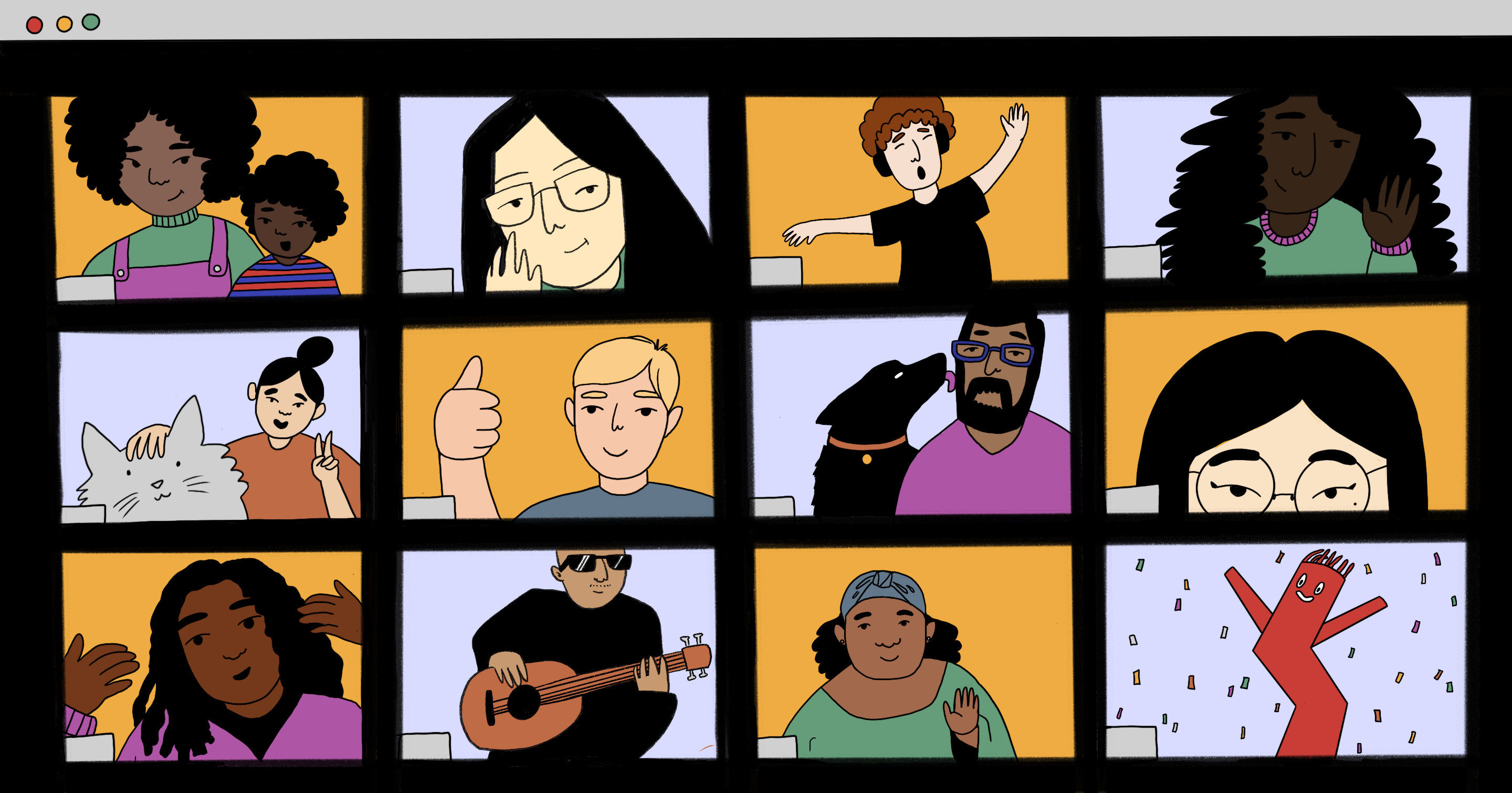
At their core, rituals are intentional actions that follow a particular repeatable pattern. Certain words or phrases, symbolic props, and patterned movements are used to elevate everyday moments into meaningful and memorable experiences. Rituals have a unique ability to make intangible values and beliefs concrete because they bridge the mind and the body, the two ways humans process and make sense of the world. We use them all the time in religion, politics, and sports to help groups navigate change, form a shared sense of identity and purpose, and enhance performance—but we forget they can also be incredibly powerful at work.
In the past year, we’ve had a lot of time to learn about rituals for the virtual world. Some of IDEO Chicago’s favorites are featured in a new book by Stanford’s Ritual Design Lab called “Rituals for Virtual Meetings: Creative Ways to Engage People and Strengthen Relationships.” The book highlights remote rituals from companies around the world that help with focus, connection, flow, and more. Here are some of our favorites.
Embrace the cacophony
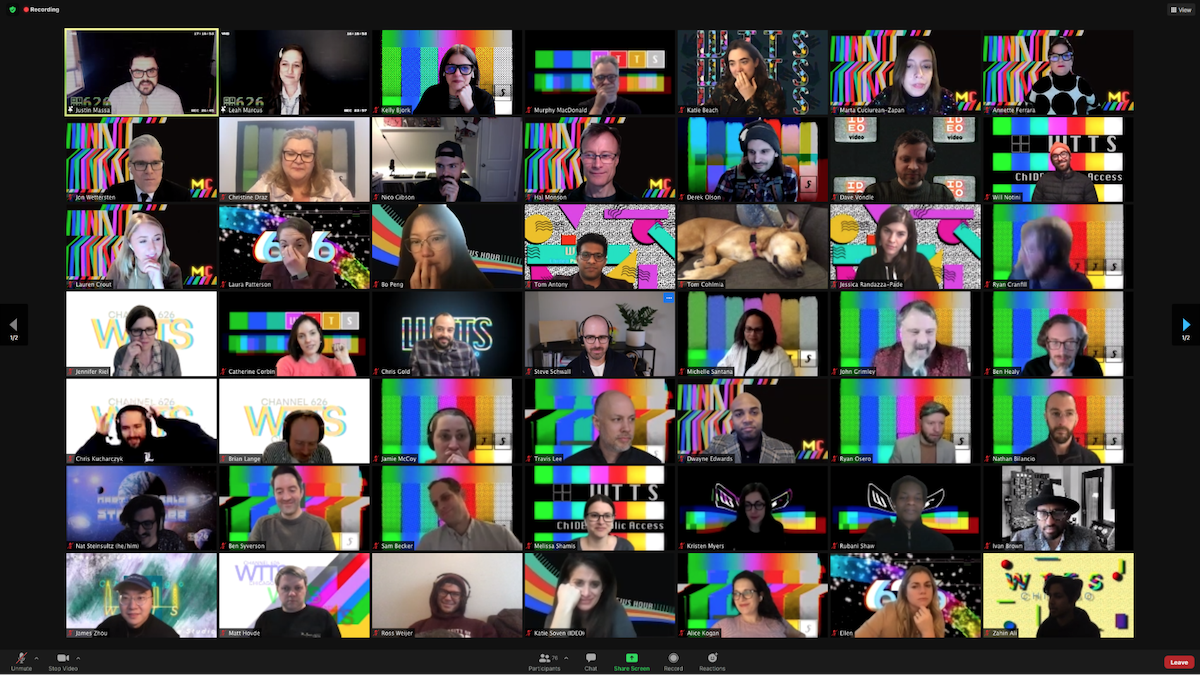
For years, all-hands Monday Lunch Meetings (MLMs) have been an important weekly ritual for sharing inspiration, information, and project work over a meal at IDEO studios across the globe. When we first entered round-the-clock remote life, presenters were faced with an intimidating, feedback-free void. It felt cold and awkward, and nothing at all like the MLMs we knew and loved.
To fix that, we identified that the MLM routine itself wasn’t enough—we needed to design moments of consistent virtual connection to revive the feeling of the shared experience. So we sped up the pace of shares, encouraged side conversations in chat, added sound effects like air horns through a creative hack using DJ software, and fully leaned into the awkward audio latency tendencies of video calls with our monthly singing of “Happy Birthday.” By embracing the cacophony, we subverted the silence and saved each other from being isolated in the void, retaining some semblance of consistency and communal spirit during an otherwise unpredictable and lonely time.
Find serendipity through structure
When we were together in our studio, we could rely on the walls and furniture to create safe boundaries and immersive experiences. But in a video room, space can feel infinite and spontaneous conversation challenging. We realized we needed to design specifically for serendipitous encounters.
One of the first events we created was the ChIDEO Variety Hour. An event inspired by improvisational, slapstick variety shows (think The Muppet Show and old telethons), it’s meant to showcase the range of talent and work being done in the studio. It feels spontaneous and whimsical thanks to two constraining factors: First, presenters sign up in advance for “on-screen time”—from as little as one minute to as long as 30. Second, two hosts write a script for the show and get robust “back of house” support from a team that monitors live technical aspects like time keeping or moderating chat.
At the first Variety Hour we had a research share from recent project work, an intermission dance party, and one minute of screaming, to name a few examples. It was the most participatory virtual event we had ever had, and Variety Hour has since become a beloved monthly ritual in our digital studio.
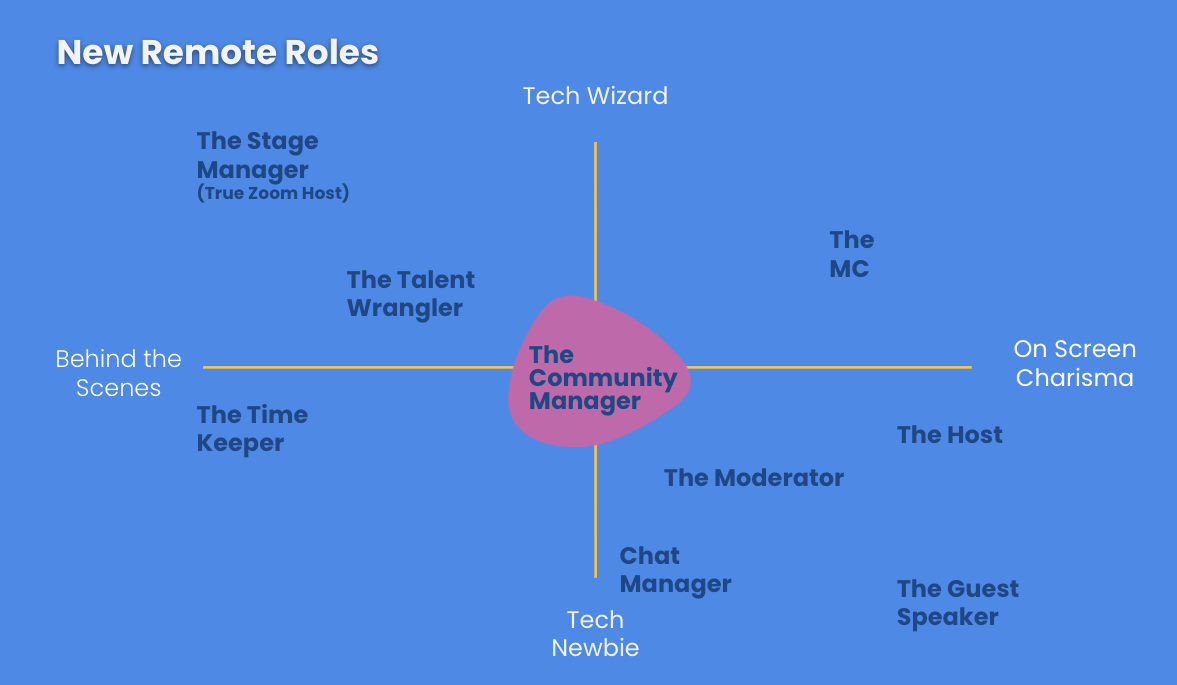
Make the most of digital tools
When everyone works remotely, the physical distance becomes compounded with digital invisibility. The right ritual can manufacture proximity, rebuild trust and connection, and mimic the ebb and flow of a good house party. This is where digital tools can shine.
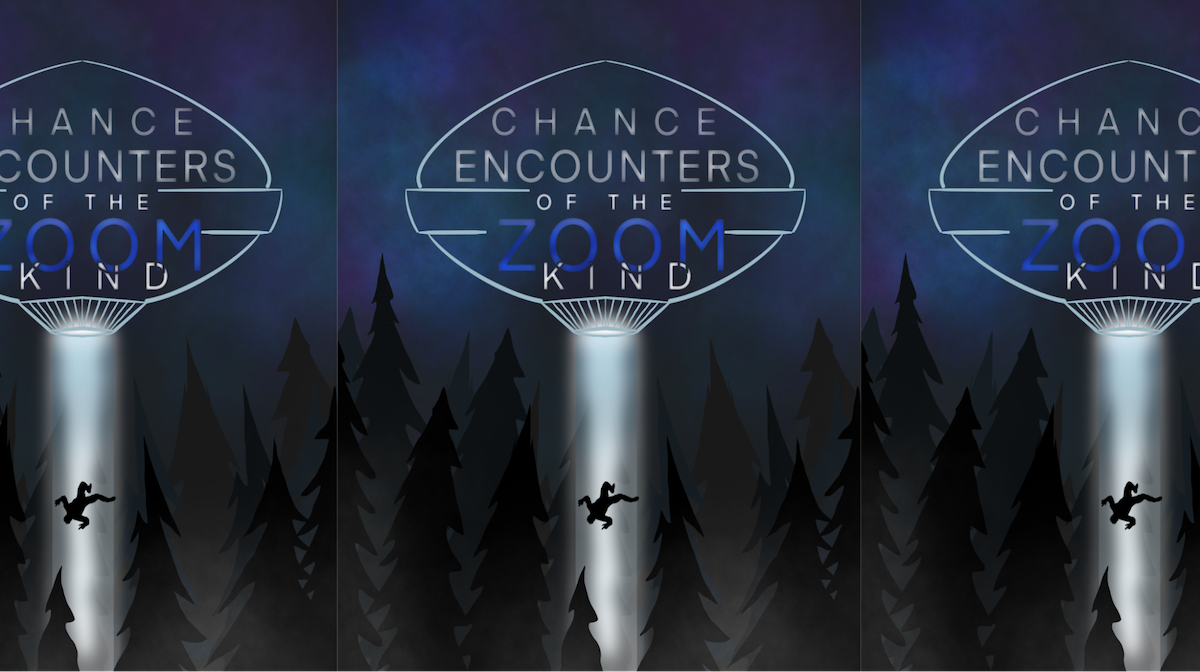
The Breakout Room function is meant for subdividing large webinar audiences, but we asked, what if it was used for something like speed dating? Breakout Rooms can be randomized, sized in different ways, and attendees can even move between them on their own. We harness these features for an icebreaker game called “Chance Encounters of the Zoom Kind.” By randomly placing participants in different breakout rooms together, keeping the duration a surprise, and providing thought-provoking conversation prompts to break the ice, we recreated casual collisions for the digital office. In some cases, it was the first time people had seen each other since the lockdown began, and it provided much needed reconnection, randomness, and joy.
Developing your own rituals
If you’re looking to decrease the stress that accompanies change, create conditions that kickstart innovation, inspire greater trust and collaboration among coworkers, or turn the mundane into the memorable, consider creating your own workplace rituals from scratch—or turn to the dozens outlined in Rituals from Virtual Meetings for inspiration.
When COVID first sent office workers remote, many companies struggled with the decentralization and loneliness of virtual work. Thankfully, at the IDEO Chicago studio we had a secret weapon we knew would help us bring serendipity, joy, and creativity into the uncharted landscape of perpetual videoland: rituals.
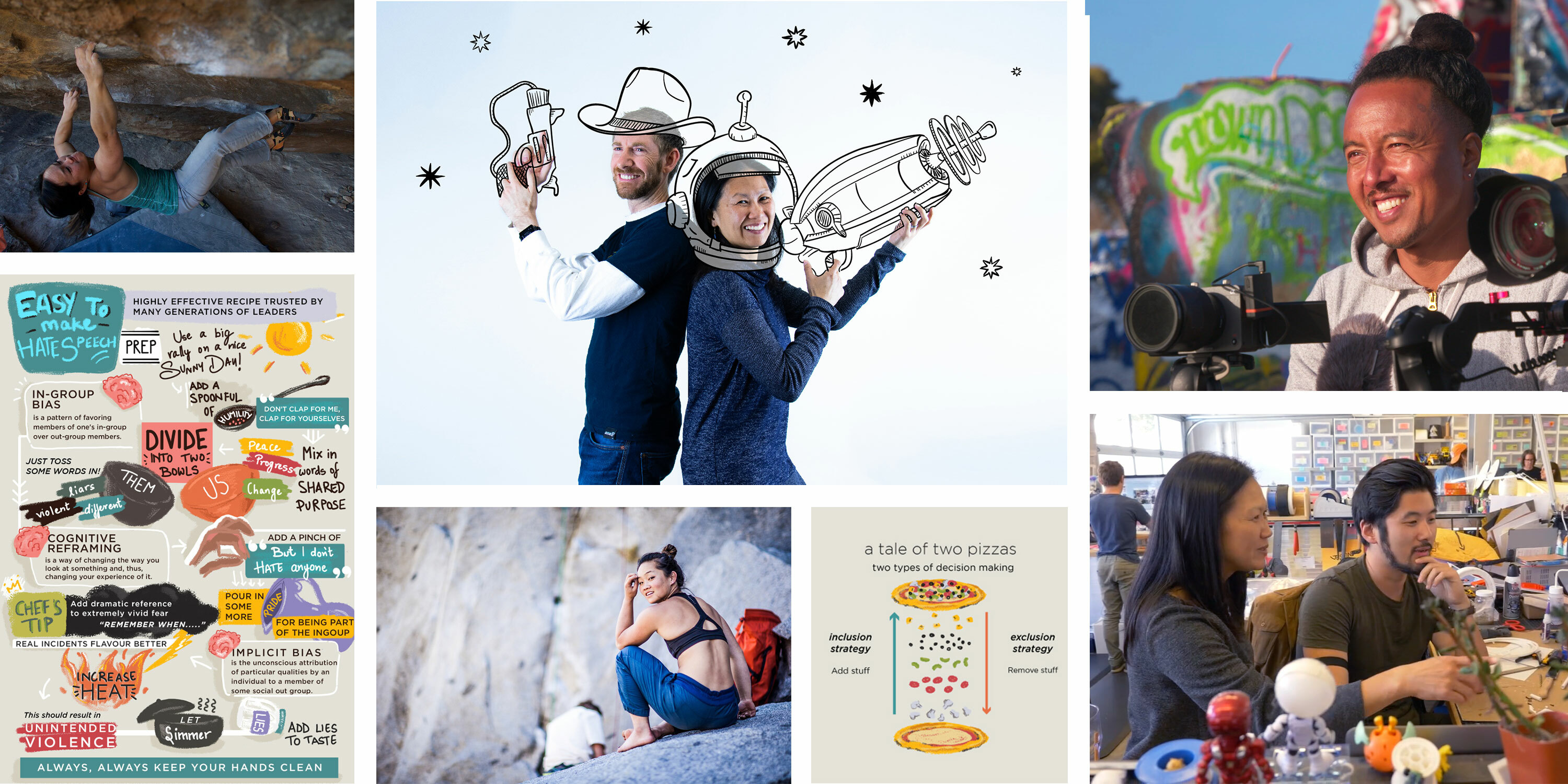
Creative visions from Asian and Pacific Islander Americans we admire
In celebration of Asian Pacific American Heritage Month in the U.S., we're sharing reflections from some of the incredible creatives who continue to inspire us.
Our personalities and outlooks, where we grew up, and all of the experiences we’ve ever gone through in life get filtered and expressed through the things we create. And—perhaps even more importantly—our identities impact why we create, helping us find meaning and purpose in our creative work.
In celebration of Asian Pacific American Heritage Month (APAHM), we're sharing reflections from some of the incredible creatives who continue to inspire us. Here, they share insight on what drives them and their goals for the future—bound to, centered in, and empowered by their unique identities.
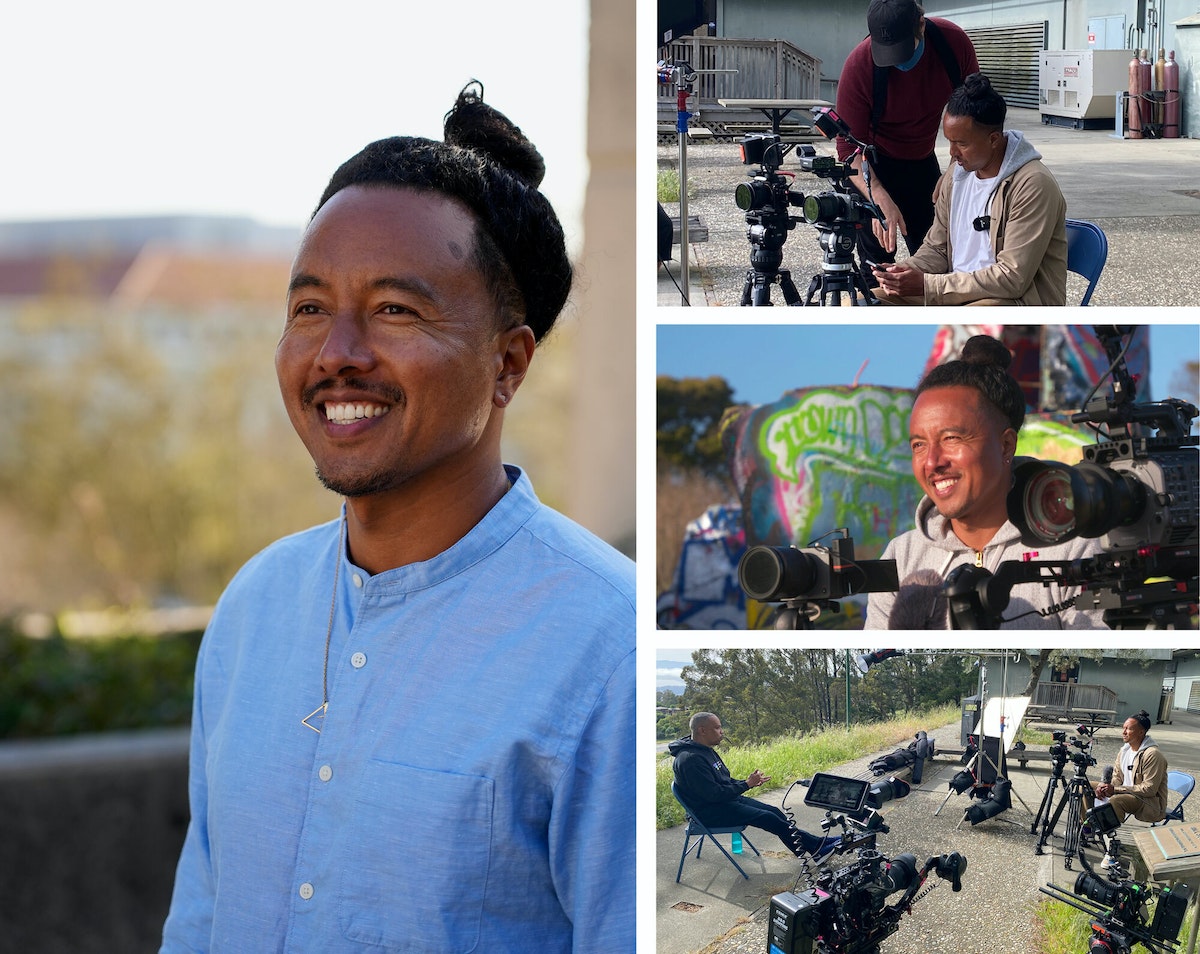
Adamu Chan, Writer, Filmmaker, and Community Organizer
Adamu Chan is a formerly incarcerated writer and filmmaker whose work is shaped by his connections to community. He’s written for Slate about the impact of COVID-19 on prisons, and has published a short film from within San Quentin. He sees his role as a catalyst to drive change in society.
“Culture and history are our collective memory, and history is usually shaped by dominant groups. Art has historically been one of the only avenues for marginalized peoples to participate in dominant discourses, and so I believe it is the job of artists to produce cultural projects that propel political and social transformation. I would like to be remembered as someone who helped move our world towards being more equitable, just, and inclusive.
If we are committed to transforming ourselves and our society, it is important to hear the stories of those who have always lived at the margins, because they hold the answers to what is broken, and in their stories of survival are the solutions we are seeking.”
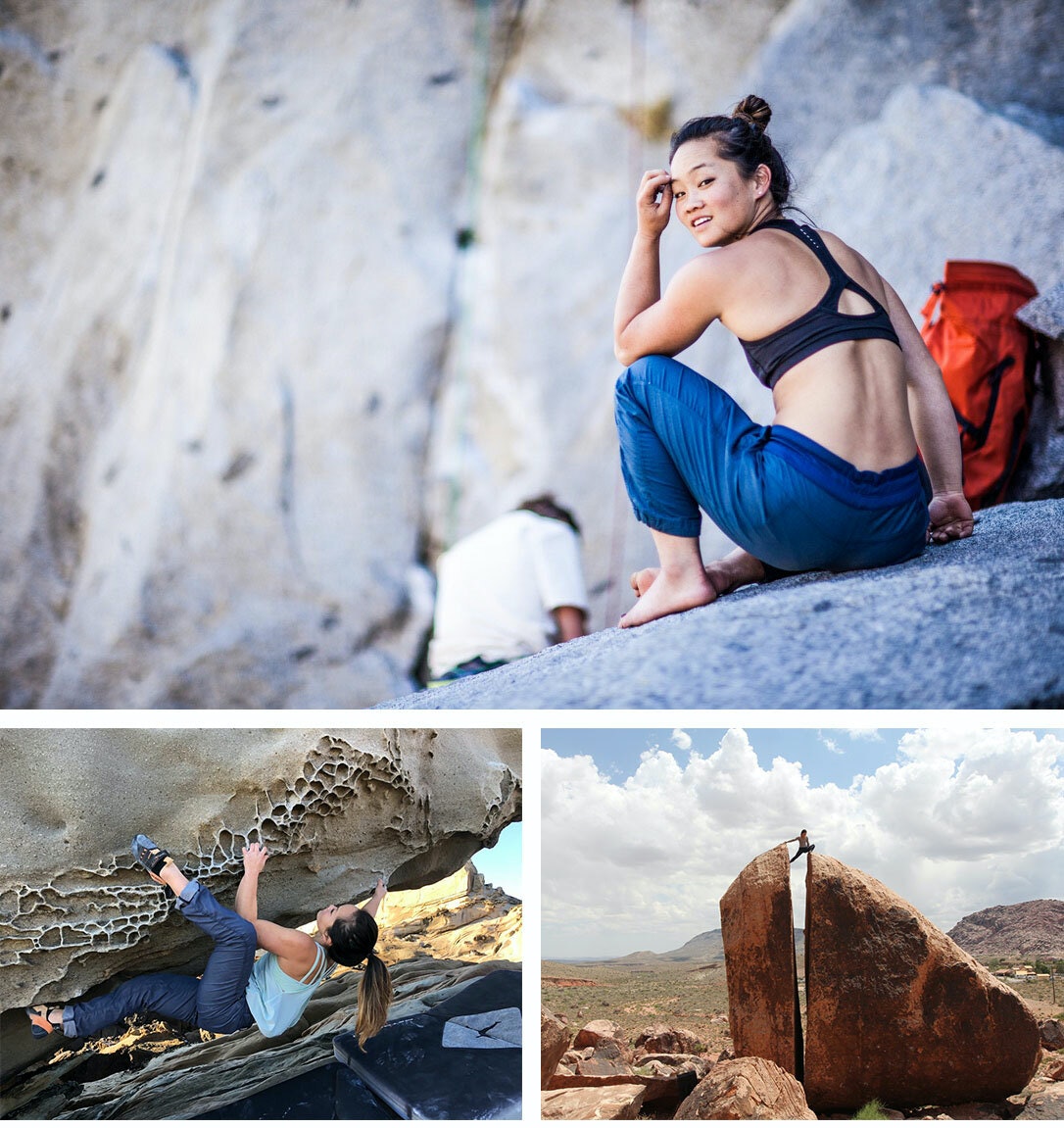
Kimberly Ang, CEO and founder of of KAYA
Kimberly Ang is the founder and CEO of KAYA, an app that connects climbers and helps them track and get insights from their workouts. Prior to that, she led IDEO’s Design for Health portfolio. Today, Kimberly is focused on forging a path so that others like her feel welcome within the climbing community.
“Looking ahead, there are three changes we’re focused on: 1) Democratize access to the insights and coaching people need to learn how to climb and climb well 2) Celebrate a much more diverse range of climbers to show everyone they can be included in this community and 3) Take care of our public lands and ensure we grow sustainably.
I hope to be remembered as leading with heart and being myself, and creating space for others to do the same.”
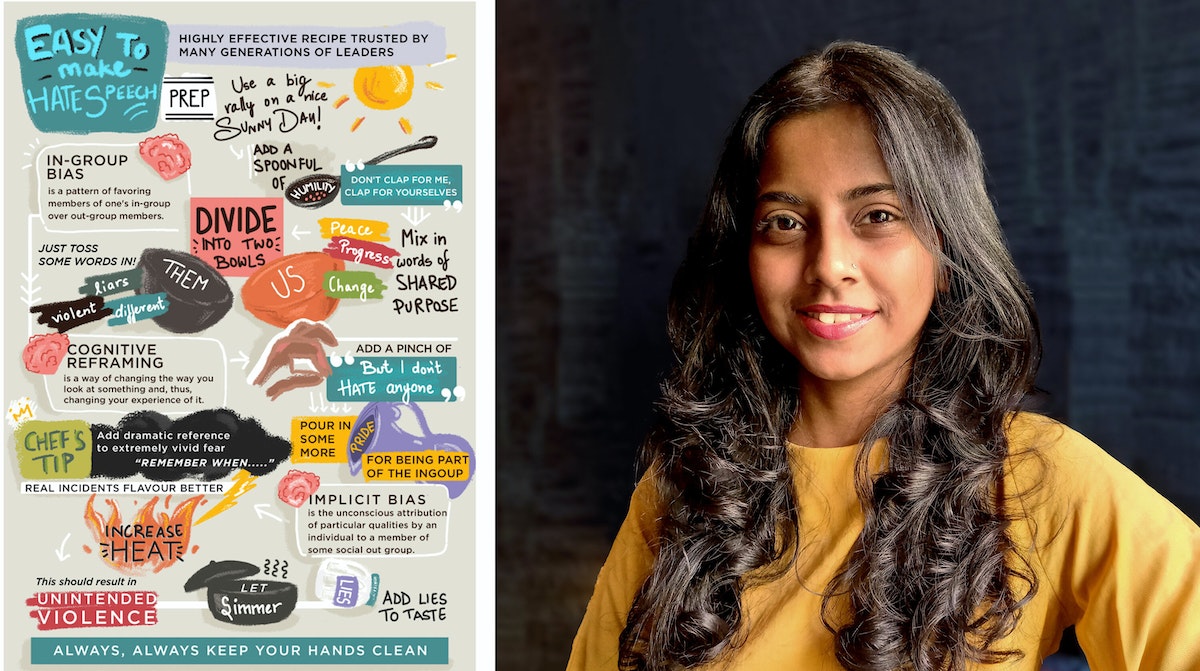
Anupama Rao, Communications Designer and Behavioral Science Practitioner
Anupama Rao is the creator behind BrainGoo, a library of visual storytelling sequences (often in the form of Instagram posts and stories) that explain complex words and make observations about the world. In her day job, she’s a Design Researcher at Qure.ai. Her work is fueled by a desire to make healthcare access more equitable and compassionate.
“I work in the intersection between the future of design and behavioral science so that I get the chance to tackle wicked problems, especially those focused on women’s rights and healthcare, via small incremental changes. I’m fueled by my experience as my mother’s primary caregiver from a young age. The idea is to work towards inclusive design by consciously accounting for representation, systemic inequalities, social biases, and lack of access.
Currently, as a designer at Qure.ai, I work with experts to create AI products that make healthcare affordable and accessible, which is equal parts challenging, overwhelming, and rewarding. I love seeing how design can play a role. For example, can designing this report differently save a healthcare professional 10 seconds? What factors influence a crowded ER when a patient is having a stroke? How can I make this relevant to a low-resource, sparsely populated village?
I want the legacy of my work to be its empathy for the context it lives in, and its ability to create sustainable and positive behavior change.”
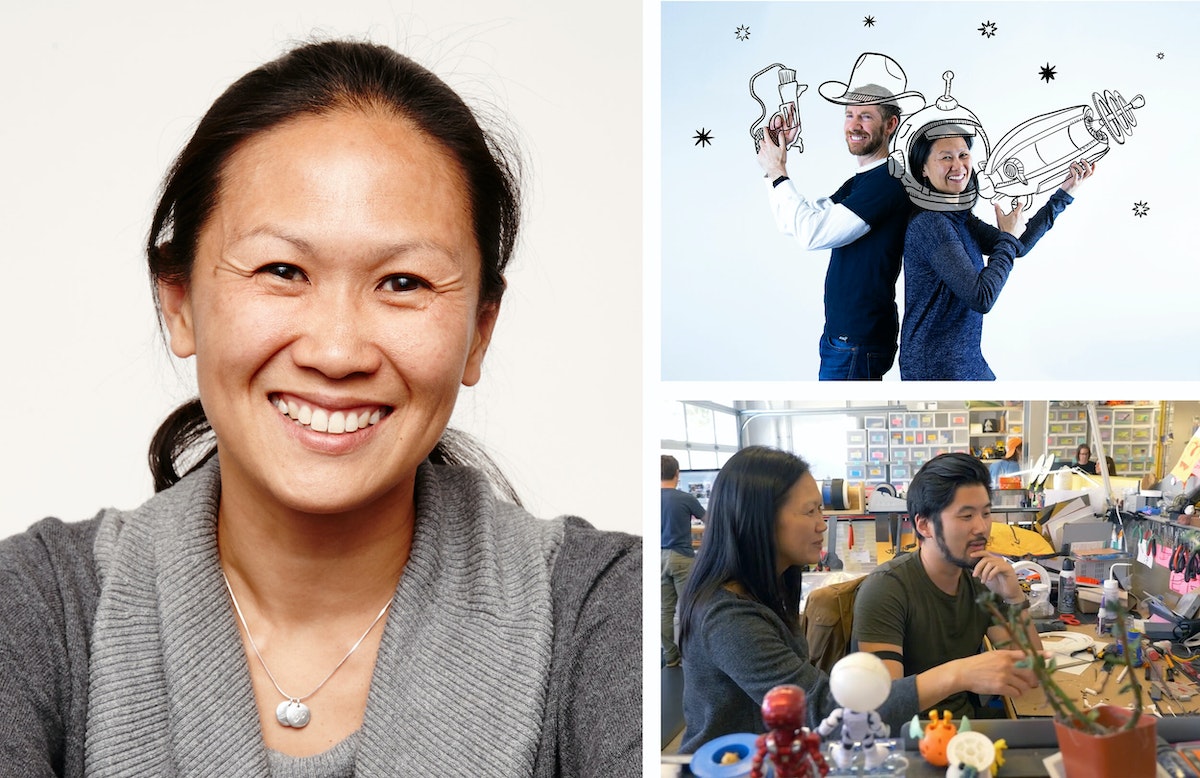
Michelle Lee, Managing Director, Design For Play at IDEO
Michelle Lee leads the Design for Play studio at IDEO, where she designs actual toys—but also finds ways to bring games and play into other unexpected industries, like education and health.
“My initial career in toy design taught me that play has potential far beyond the world of kids and toys. Through play, we stretch our imaginations, conquer our fears, realize new possibilities and take on challenges with optimism and confidence. It enables us to find meaning and happiness in the world. At IDEO, I lead a team that harnesses this power of play to ensure that aging is joyful, education is engaging and environmental action is inspiring.
I see the future in bringing play to tackle some of society’s biggest challenges—helping people thrive mentally and physically, building inclusive communities and helping to elevate voices that are often unheard. Driving lasting change by aligning these important issues with what brings people joy.”
Want to learn more, and get inspired by other Asian and Pacific Islander creatives? Follow the #AsianCreativeNetwork tag on social media, and check out our Asian Pacific American Heritage Month series on Instagram.
What you make is who you are. For many designers, creativity is rooted in identity.
The future is already here
Is your organization prepared for it?
From flexible working conditions to the coexistence of both physical and digital experiences, COVID-19 has accelerated the trends and behaviors that have been rearing their heads for some time, and pushed them to the forefront of our everyday lives.
Indeed, the future is already here. How might we fully step into it with creativity and resilience?
Recently, a group of IDEO designers in Tokyo convened a creative project to brainstorm and design for the implications of the pandemic on the future of Japan. Called “Emergent Futures,” the goal of the work—accessible below—was not to predict the future, but to prepare for the possibilities it may bring.
To envision these “emergent futures,” we started where we always do: with people, and by observing ourselves, our families, and communities. For each future, we describe what it looks like and what behaviors prevail, the evidence we see for this future already emerging, and what design opportunities exist for Japan-focused businesses.
For example, the first emergent future we explore is Leftover Spaces—the idea that physical spaces will become more dynamic due to public health concerns around occupancy. With this, business opportunities related to rent, consumer preferences, space design, and co-ownership emerge. We explore and ground this emergent future through Kei, an IDEO designer and blossoming curry chef, whose needs inspired us to prototype a pop-up system concept—the Kei Truck. Our research reveals how some businesses are already prototyping this future, including restaurants operating as corner stores and Hoshino Resorts, who is leveraging data tracking to keep guests safe. These examples provoke key takeaways for leaders, from the need to develop a more entrepreneurial, adaptable workforce to using data in a human-centered way.
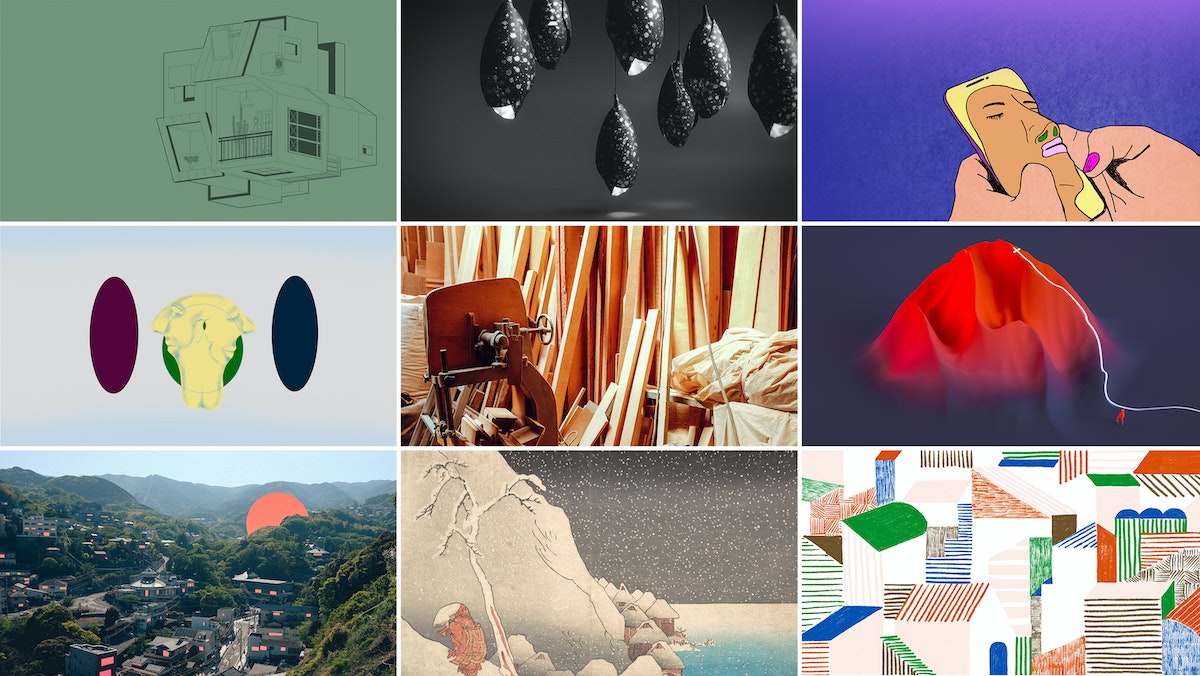
Though Emergent Futures is a collection of provocations about the state of Japan post-pandemic, the value of this futuring exercise and framework is universal, especially now. For Japan and other parts of the world to meet the challenges and opportunities we face post-COVID—from how to safely utilize physical spaces to how to remain competitive in a changing job market—our response must be human-centered, innovative, and imaginative.
Please share the work far and wide. We hope to spark the global collaboration required to ensure the future is evenly distributed, so we can step into it with confidence and creativity, together.
Download and share Emergent Futures here.
“The future is already here—it’s just not very evenly distributed.” Though attributed to essayist William Gibson nearly 20 years ago, the quote could not be more relevant today.

Widening the pathway to a career in design
A new fellowship program for underrepresented young designers.
It was a result of her own tenaciousness, her creativity, and the support of RepresentED, a small organization with a big mission to prepare students for careers in industries where they are underrepresented. The organization uses a human-centered approach to diversify the next generation of leaders through training, mentorship, and internships. RepresentED’s founder, Rashida Hanif, met Cisneros when she was a transfer student at UC Berkeley. Hanif notes that transfer students—particularly Black, Indigenous and People of Color (BIPOC) young adults—are missing out on what she calls the “hidden curriculum of life.”
Cisneros immediately saw the opportunity to help other Black and Brown transfer students like herself attain university education and gain visibility into concealed opportunities for their futures. Cisneros first learned about RepresentED in 2017, when she applied to join the first cohort of fellows. As part of the fellowship, she participated in a design thinking workshop led by former IDEO designer Scott Shigeoka. Later, she and her team competed in OpenIDEO's Future of Higher Education Challenge and designed an app that connected transfer students with much-needed community and resources. The experience and process introduced Cisneros to an industry she had never considered before. “Learning about design was absolutely pivotal for me,” she says.
Making change from within
After the competition, Cisneros was encouraged to apply to IDEO, and was hired as a recruiting coordinator before being promoted to her current role. Today, she leads Color by Design (CxD), which she helped launch in the wake of the rise in activism for social justice last year. She also helps facilitate internal programs at IDEO like business and inclusive leadership trainings, which seek to support IDEO’s senior leaders (and eventually all employees) to better understand how to create a culture of belonging. “In these trainings, we’re going to provide tangible leadership skills which help build awareness of where people are in their own personal journey,” she explains.
Shifting the power dynamic
This month RepresentED and IDEO are opening application submissions for the fall session of CxD. The program is open to all BIPOC students from backgrounds that have been historically underrepresented in design.
“It was important to shift away from the typical ‘company-intern’ power dynamic,” said Hanif. “It’s about an equal exchange of value that shifts the long-held power dynamics between the company and the fellow.” Following a bootcamp in design thinking, the cohort will receive placement on a six-month full-time IDEO project and have the opportunity to pursue a career at IDEO. Whether they decide to continue a design career or not, fellows will leave the program with a deeper understanding of design that they can apply to nearly any line of work.
Fellows will also be trained holistically for entry into culturally white-dominated industries, preparing them for challenges that are likely to come up, like imposter syndrome. “Having the ability to name things like imposter syndrome enabled me to step into my own authenticity,” explains Cisneros, “while understanding that institutions need to do their own work in order truly create a culture of belonging.”
A signal to the industry
Looking forward, there’s a lot of potential for programs like CxD to drive lasting change within other companies and industries. “This isn’t just a pipeline program, it’s a signal to the industry,” Hanif notes. Companies that have more diversity in their staff will have a greater competitive edge, and the design skills fellows bring to the table can be applied to more than just traditional design work—they can be used anywhere.
“It's not about checking DE&I boxes,” she adds, “When you build products and services, you want the people who buy those products to be represented in the design process—there’s a real business case for that.”
The first cohort has been invited into IDEO in January 2022 for a 6-month period, and an iteration of the program will launch by the end of 2023. We will share more updates as we get closer to the recruitment season. If you have any questions, please contact cxdinfo@ideo.com.
For Jordan Cisneros, a Senior Specialist on IDEO’s Global Learning and Development Team, access to a career in design was not a given.

Lindsey Turner
I’m passionate about building brands, products, and experiences that help organizations show up with meaning and momentum.
I help organizations cut through complexity by shaping how they show up, through brand strategy, identity, and storytelling.
Working at the intersection of brand and business, I bring an editorial eye and a bias toward making—turning ideas into tangible experiences that people can understand, trust, and believe in.
My work spans government, healthcare, financial services, media, and consumer goods, from launching Gen Z-focused ventures to building innovation labs and reimagining legacy brands. I relish moments of ambiguity and enjoy translating across teams, perspectives, and priorities to move ideas forward.
I started my career in editorial and digital design, shaping cross-platform experiences and identity systems in publishing and agency environments. That foundation still shapes how I work today: I’m detail-oriented, collaborative, and overreliant on the Oxford comma. I hold a BFA in Visual Communication from the School of the Art Institute of Chicago.

Rachel Young
My work helps organizations see who their products aren't working for—and build the will and the tools to do something about it
For 25 years, I've asked the same question: Who does this design exclude—and what are we going to do about it?
My work spans human-centered strategy, inclusive design, and qualitative research, with clients ranging from Microsoft, Google, and Verizon to the National Science Foundation, and San Francisco Unified School District.
Before IDEO, I taught elementary school in East Palo Alto and spent a decade doing design work with social service organizations—where I learned firsthand what it costs people when systems are built without them in mind.
I am currently writing User Error, a nonfiction book about digital access and the design decisions behind it. I live in Oakland, California.

Brian Pelsoh
I lead with craft, ensuring our work is creatively excellent: rooted in deep human insight and imagination, while also grounded in the realities of business and technology.
My expertise spans brand, communication, and product design across tech, education, the arts, and social impact.
I believe great work demands both high-level vision and obsessive attention to detail, and only happens through collaboration.
I bring an inclusive, hands-on approach and a deep understanding of business, which enables me to consistently deliver excellence while always asking why.
Before joining IDEO, I worked at the brand firms Pentagram and VSA Partners. I began my career as a designer, leading teams at the School of the Art Institute of Chicago and the Milwaukee Art Museum. I hold an MFA in graphic design from Maryland Institute College of Art and a BFA in communication design from the Milwaukee Institute of Art & Design, and have taught at some of the best design schools in the US.

Tony Wong
I am responsible for IDEO’s long-term success in China and working with clients to use design as a tool to enable growth.
I am responsible for IDEO’s long-term success in China and working with clients to use design as a tool to enable growth. Specifically, I have helped Chinese companies design holistic brand solutions through the development of their products, communication, services, and innovation teams, and I have helped multinationals expand their presence and influence in China.
I advise global leaders on developing China-led innovation and capabilities.
In over 15 years in IDEO Shanghai, I have worked on projects that use design to elevate the quality of the experience of healthcare products and services, streamline processes that increase productivity, create spaces and programs that promote and enable inclusive communities, and build next generation mobility solutions that are planet-positive.
Before joining IDEO, I worked at Philips Electronics and the Electrolux Group in Italy, the Netherlands, and Singapore on a number of breakthrough commercial products. I am a member of the Young President Organization in Shanghai.

How to use AI as an editor, not a writer
Ed White shares how he uses AI as an editor—not a writer—to sharpen storytelling, rehearse ideas, and preserve the productive friction that makes creative work better.
Ed White has a rule he's tested on his own writing: hold yourself as the writer, and let AI be your editor. Ed is a Senior Design Director at IDEO's London studio, where he co-leads the firm's AI portfolio across Europe. Before IDEO, he spent 12 years as a writer and editor at the Financial Times, Wired, and Contagious. So when he talks about when to use AI for storytelling and when not to, it comes from two decades of crafting his storytelling skills.
In this episode, Mina Seetharaman talks with Ed about two specific tools he uses to keep AI in an editor's seat: a "roasting agent" prompted to critique his drafts without any sugarcoating, and a simulated audience he rehearses pitches on before the real thing. They also get into what Ed is hearing from design leaders at Anthropic, Lovable, Shopify, and Google Creative Lab about how creative work is changing, and why he thinks the friction of writing something yourself is worth protecting rather than automating away.

Building a personal AI for the messiness of life: Sida Li
Becca Carroll talks with Cue co-founder Sida Li about designing a personal AI for the messiness of everyday life—not just work. They explore how Sida stays anchored to human needs while navigating fast-changing technology, product tradeoffs, business-model experimentation, and the realities of building an AI company today.
Most AI products today are built for work—a space with clear problems and established systems. One founder noticed a gap: personal life is messier, harder to systematize, and mostly left behind by the AI boom. So she built Cue, a personal AI that lives inside iMessage and group chats, to go where the other tools haven't.
In this episode, Becca Carroll, IDEO's Chief Strategy Officer, talks with Sida Li, co-founder and CEO of Shared Context Lab, about staying anchored to a human need while the technology around her keeps changing shape, why she treats her business model with the same rigor she'd bring to a product, and what it feels like to build a company at this particular, disorienting moment in AI.
The conversation also gets into how Sida makes design decisions: the language Cue uses to describe itself, the tradeoffs behind building inside iMessage instead of a new app, and a real story about a business idea that didn’t pan out.
This is the second in a two-part series profiling founders from IDEO's Startups-in-Residence program. The first conversation is with Johannes Seemann, founder of Sooner, on designing GenAI for the emotional side of money.

Designing GenAI for the emotional side of money: Johannes Seemann
Designing financial tools around the feelings that shape money decisions.
Most personal financial tools are built to run the numbers and optimize towards a budget. While that works for some, most people experience money as a lived relationship that does not neatly fit into a spreadsheet. Johannes Seemann and Becca Carroll discuss why money is emotional before it is mathematical, and what a human-centered approach to building a generative AI financial product looks like in practice.

The curious leader's edge in uncertainty: Scott Shigeoka
How genuine curiosity helps leaders navigate uncertainty with greater confidence.
Mina Seetharaman talks with Scott Shigeoka, author of Seek and Head of Curiosity Cultivation at the Eames Institute, about what distinguishes genuinely curious leadership from performative curiosity, how power dynamics shape curiosity, and why practicing curiosity can restore energy rather than drain it.
Looks like you might be in search of something very specific?
Or reset the filters above and try another angle.
Here’s some random inspiration

Podcasts about creative leadership

Articles about the power of prototyping