


Embodied intelligence
A human-centered vision for smart objects of the near future.
As AI becomes more accessible, we’re seeing a race to embed it into almost everything, often without fully considering whether these new objects truly meet human needs. We know that intelligence alone doesn’t make something better, or even useful. That comes down to thoughtful design, clear intention, and a deep understanding of the humans we’re designing for.
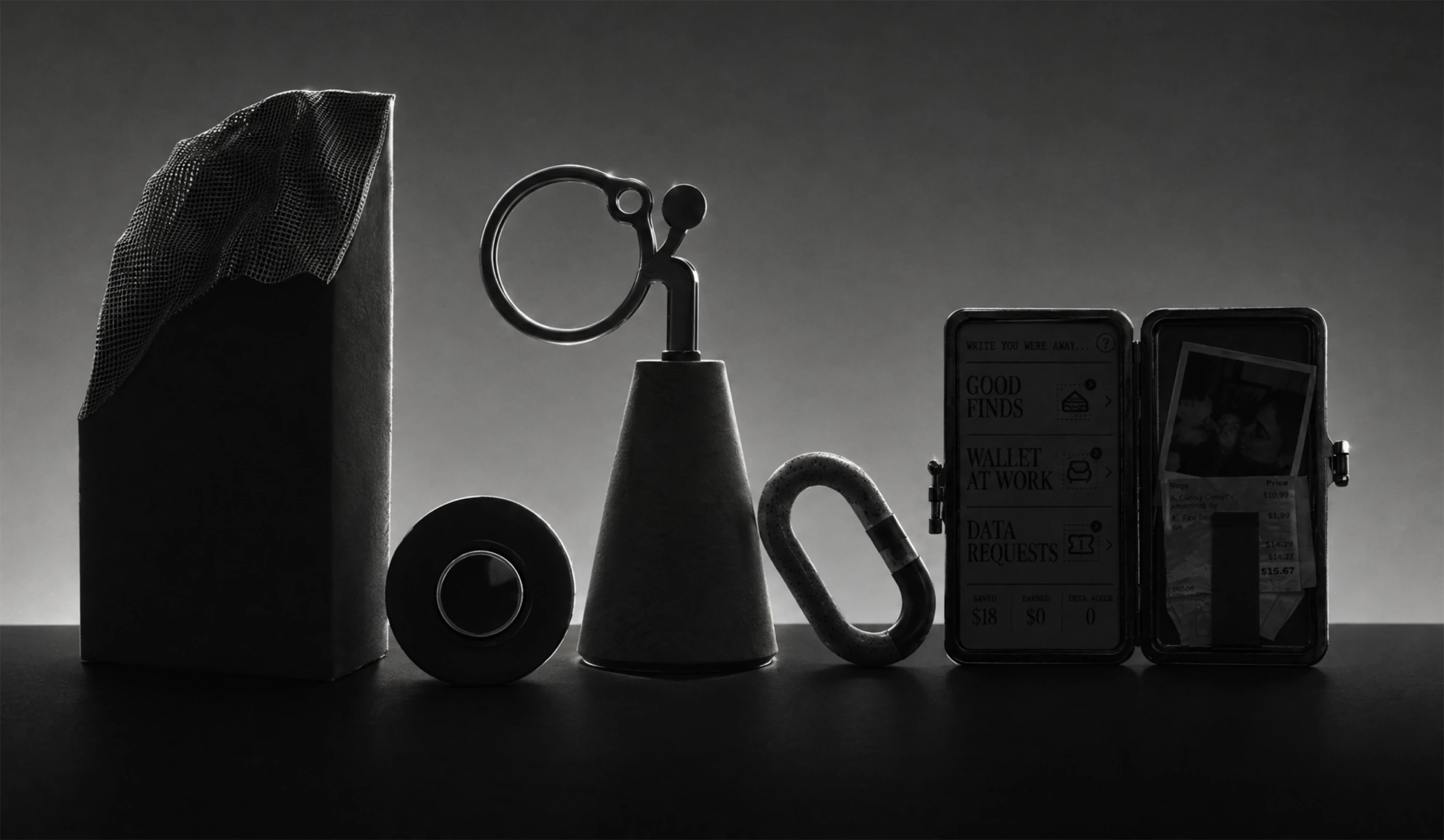
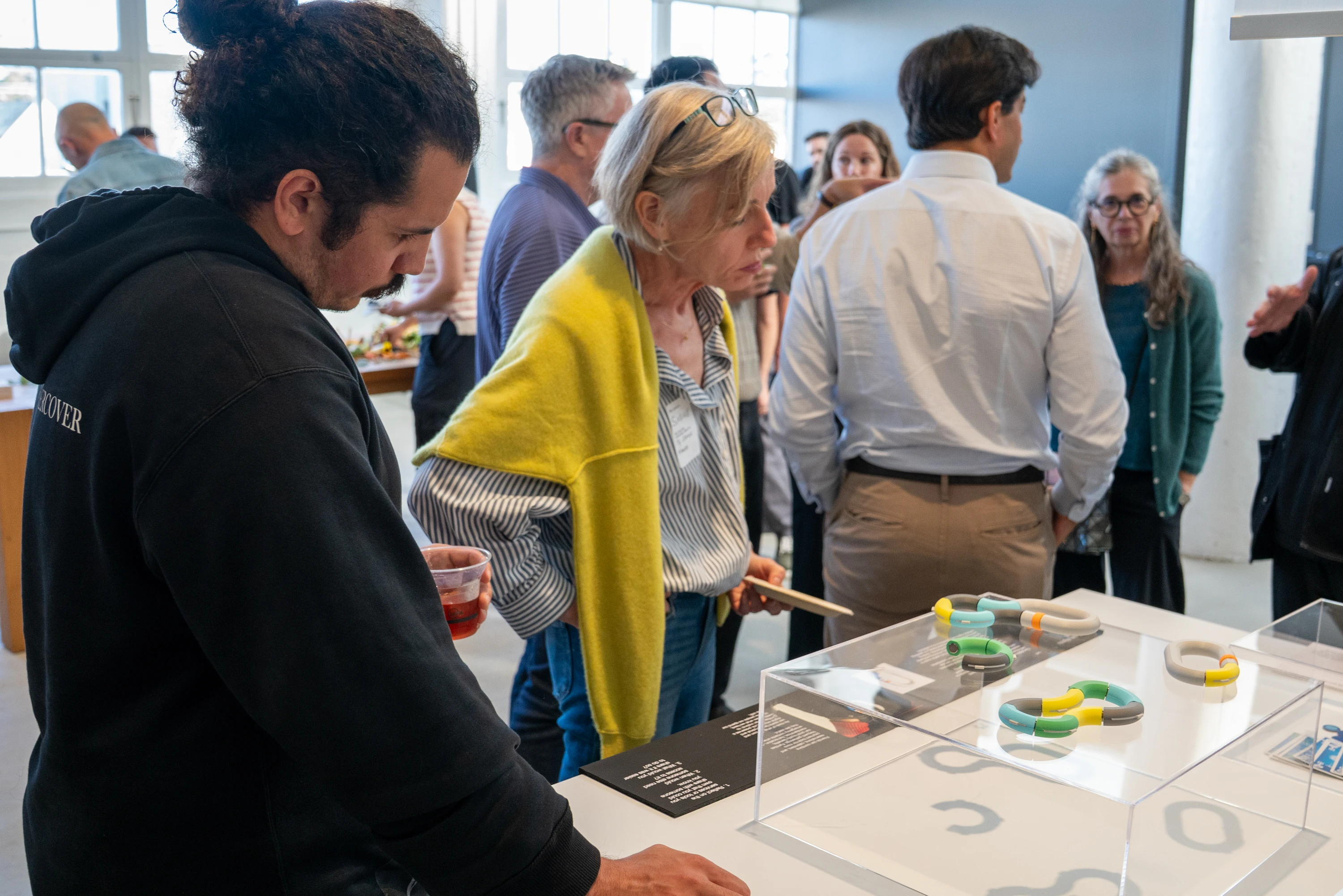
Over the past few months, we’ve partnered with our friends at OpenStudio, a collaborative AI design platform, to explore what a new generation of smart objects that genuinely benefits humans could look like. We drew inspiration from historic objects that changed the way we live, created a set of design principles to guide our work, and designed five provocations to bring them to life.
Taken together, this work is a first step toward creating a vision of what the future of smart objects could be.
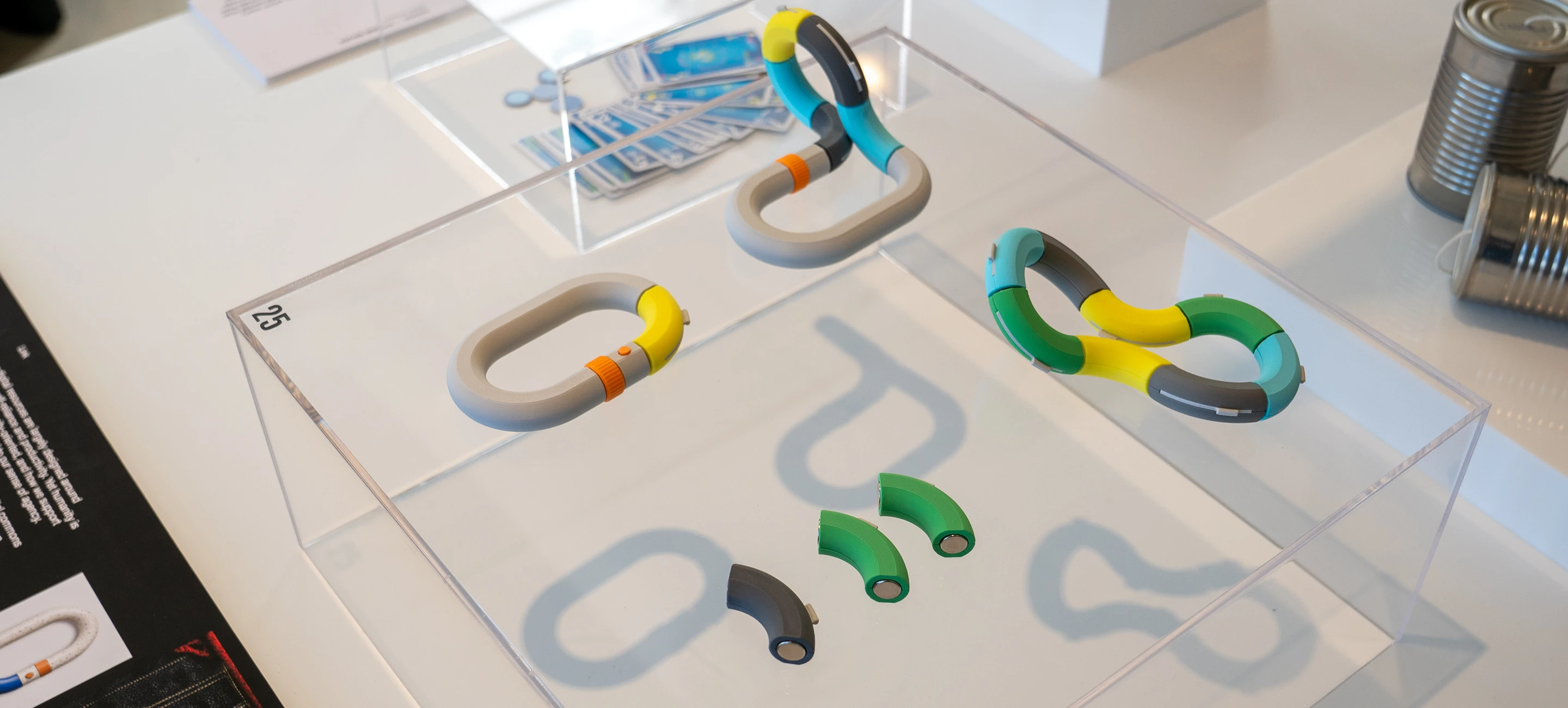
Principle 1
Smart objects owe us something in return
Can a system give us more than what we came looking for?
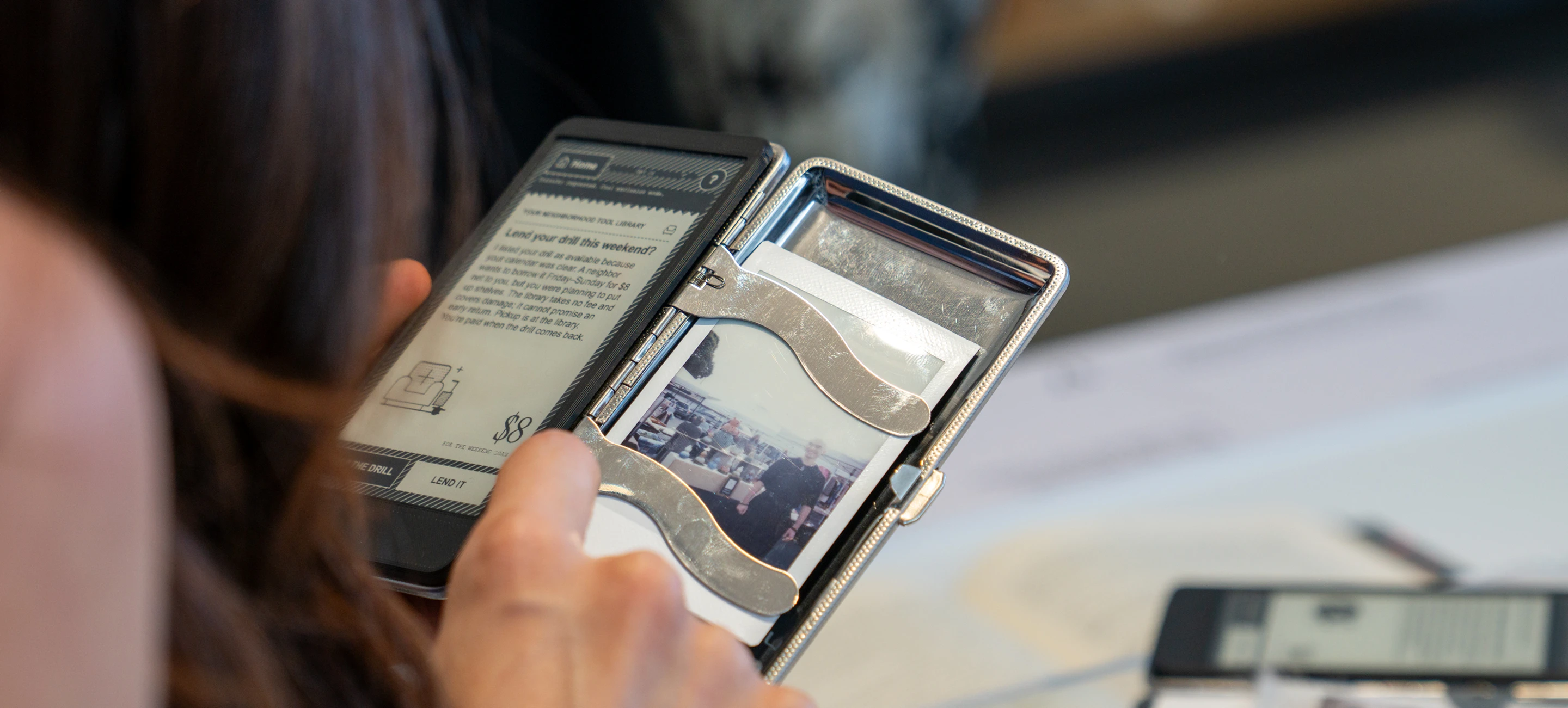
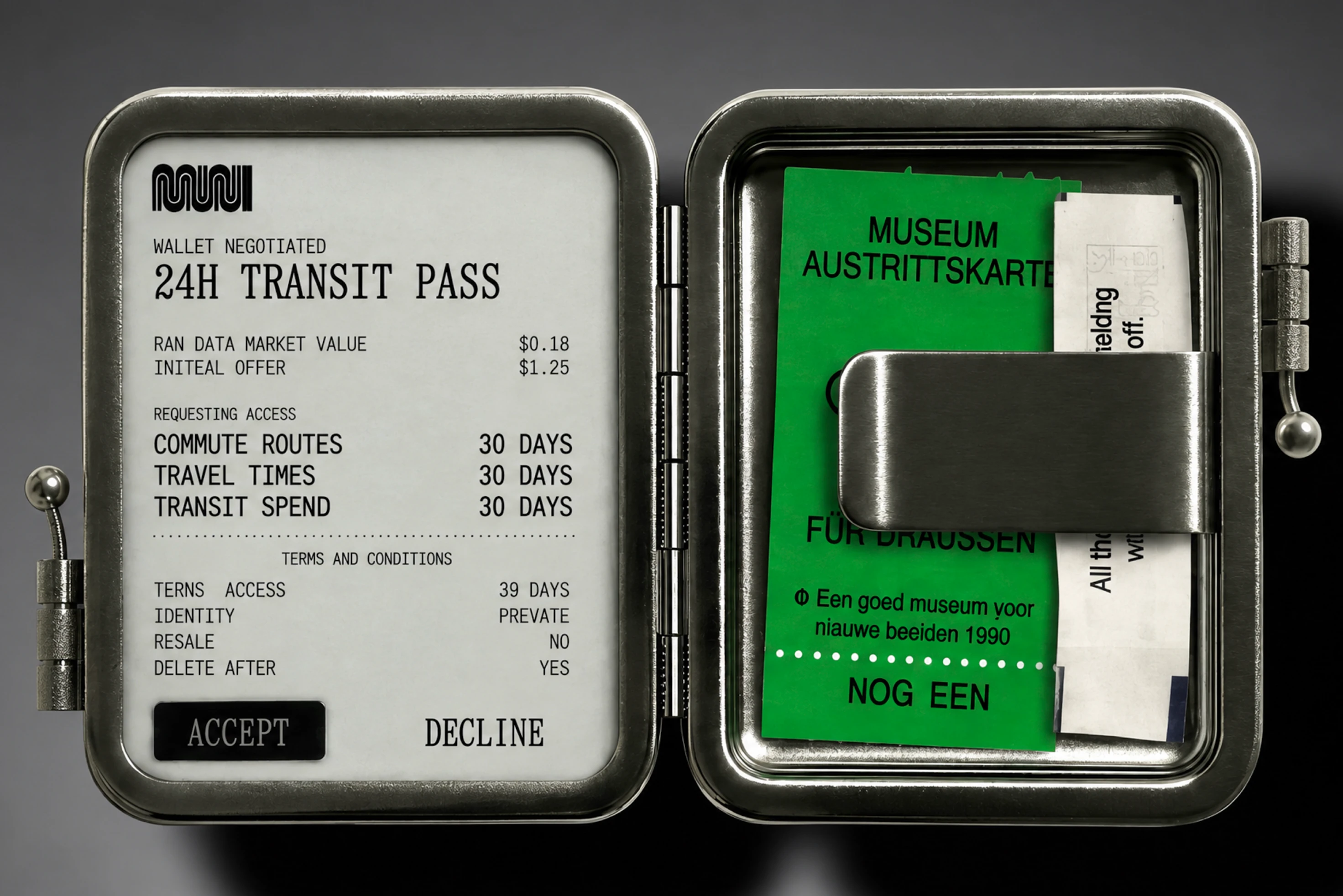
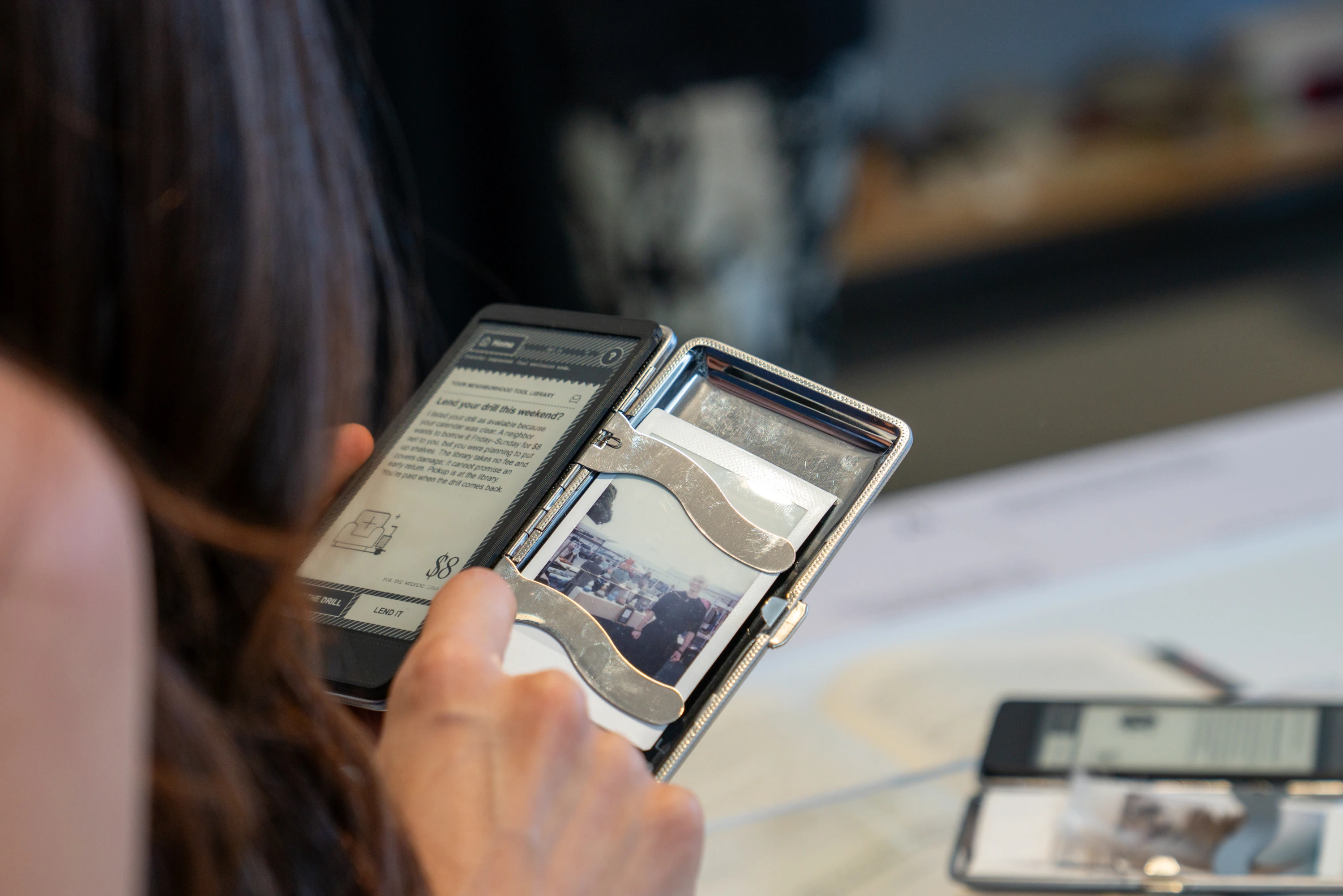
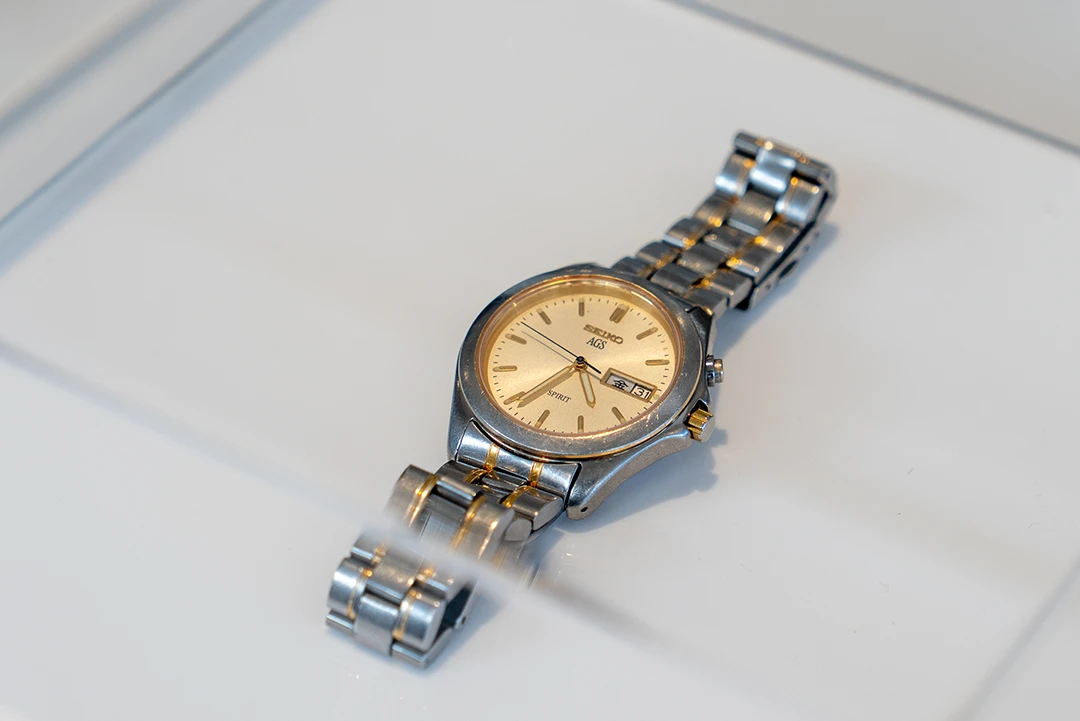
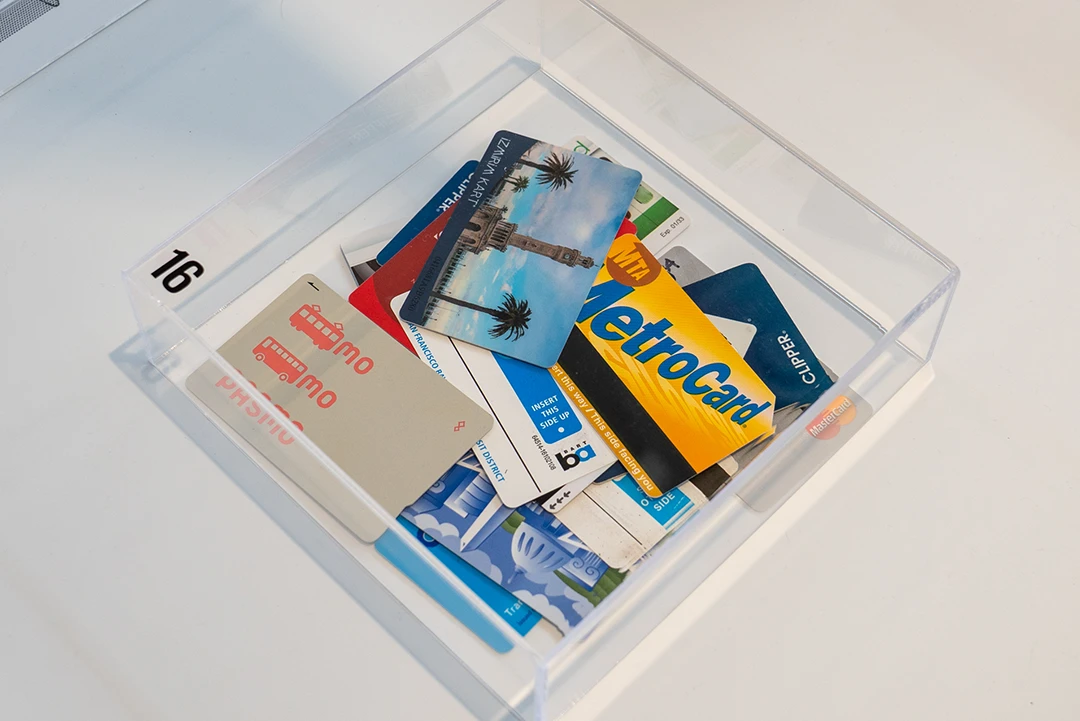
Wallet
Unfortunately, most technology defaults to being extractive. Many AI products are made to gather context, but who has access to that data and how it is being used is opaque.
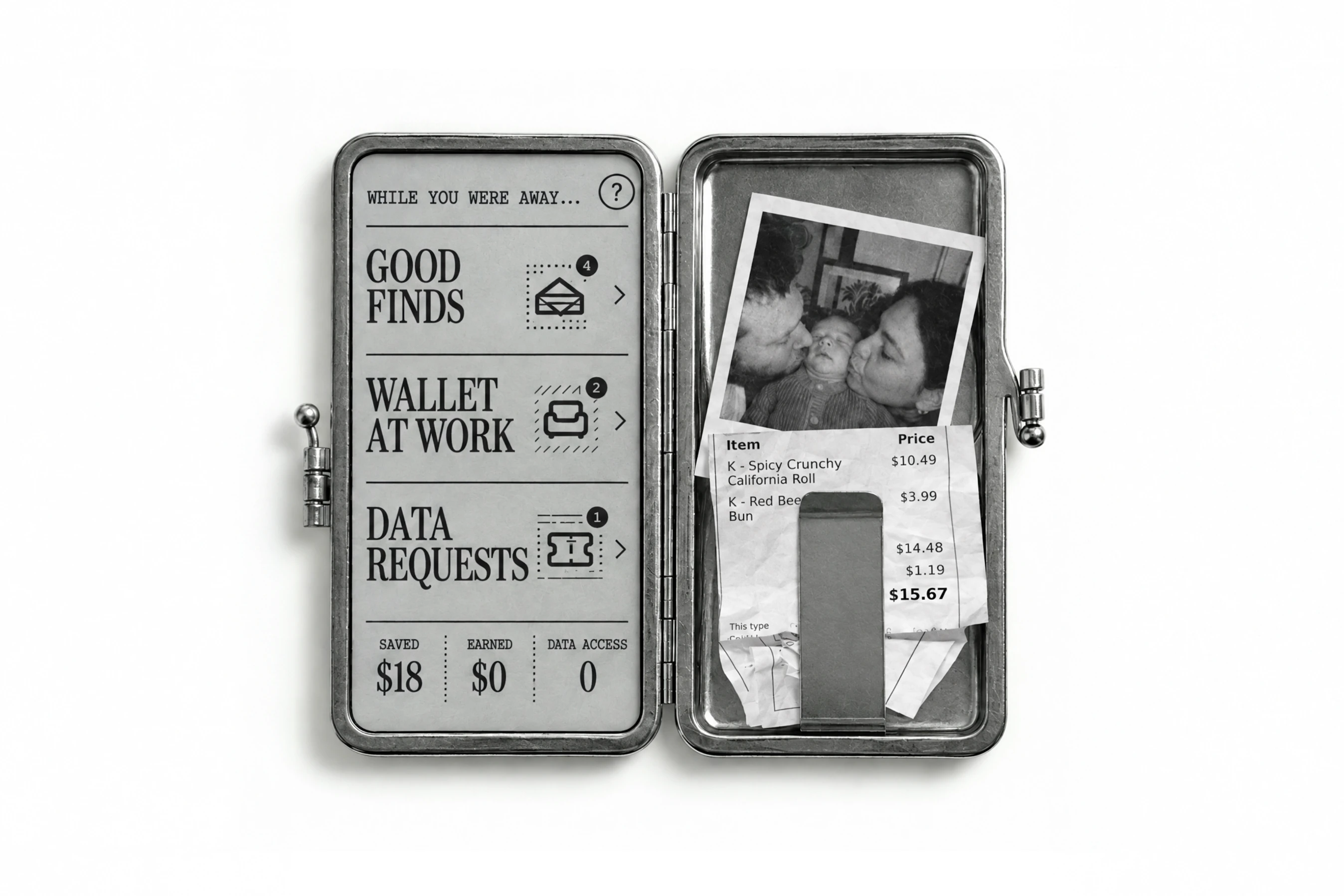
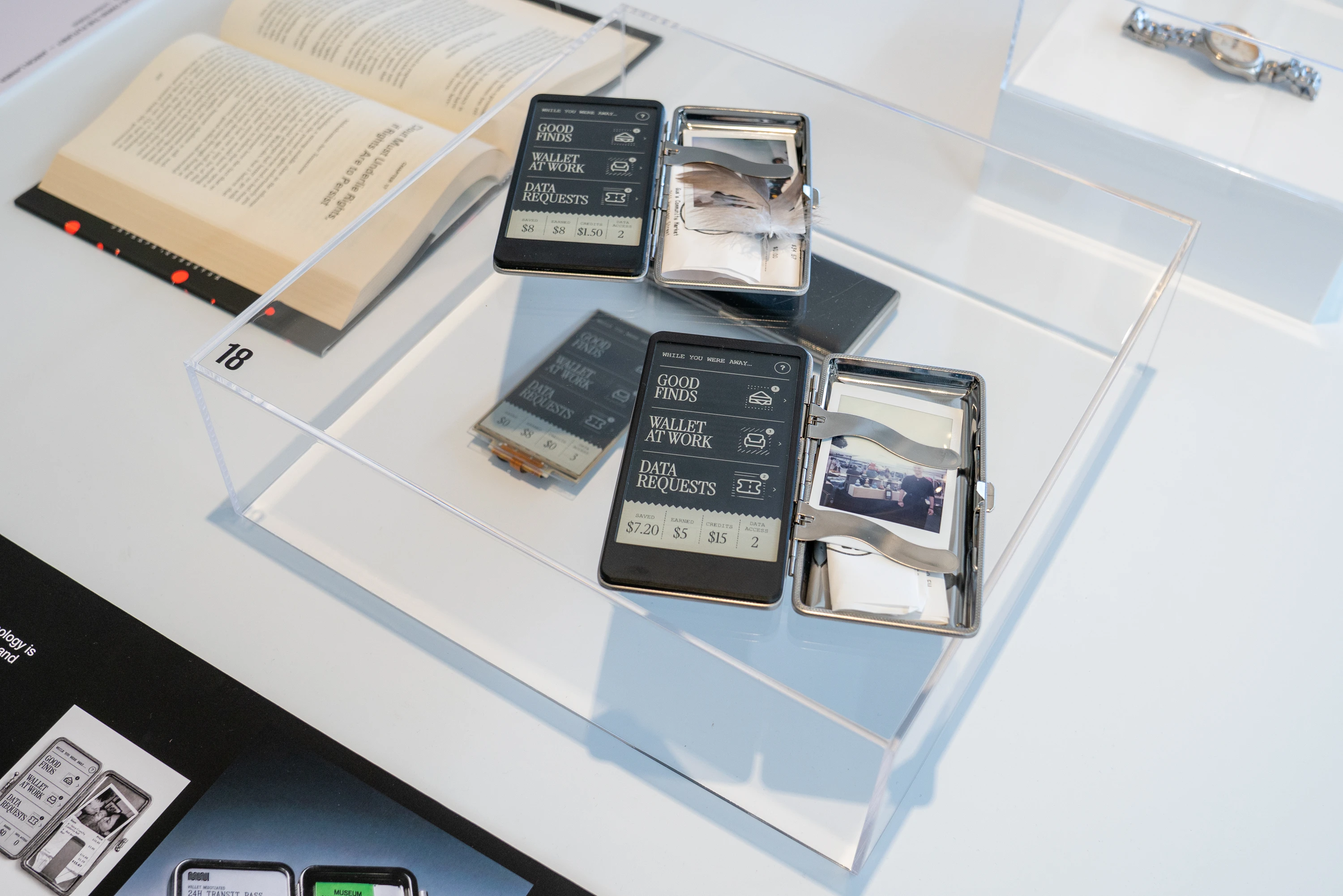
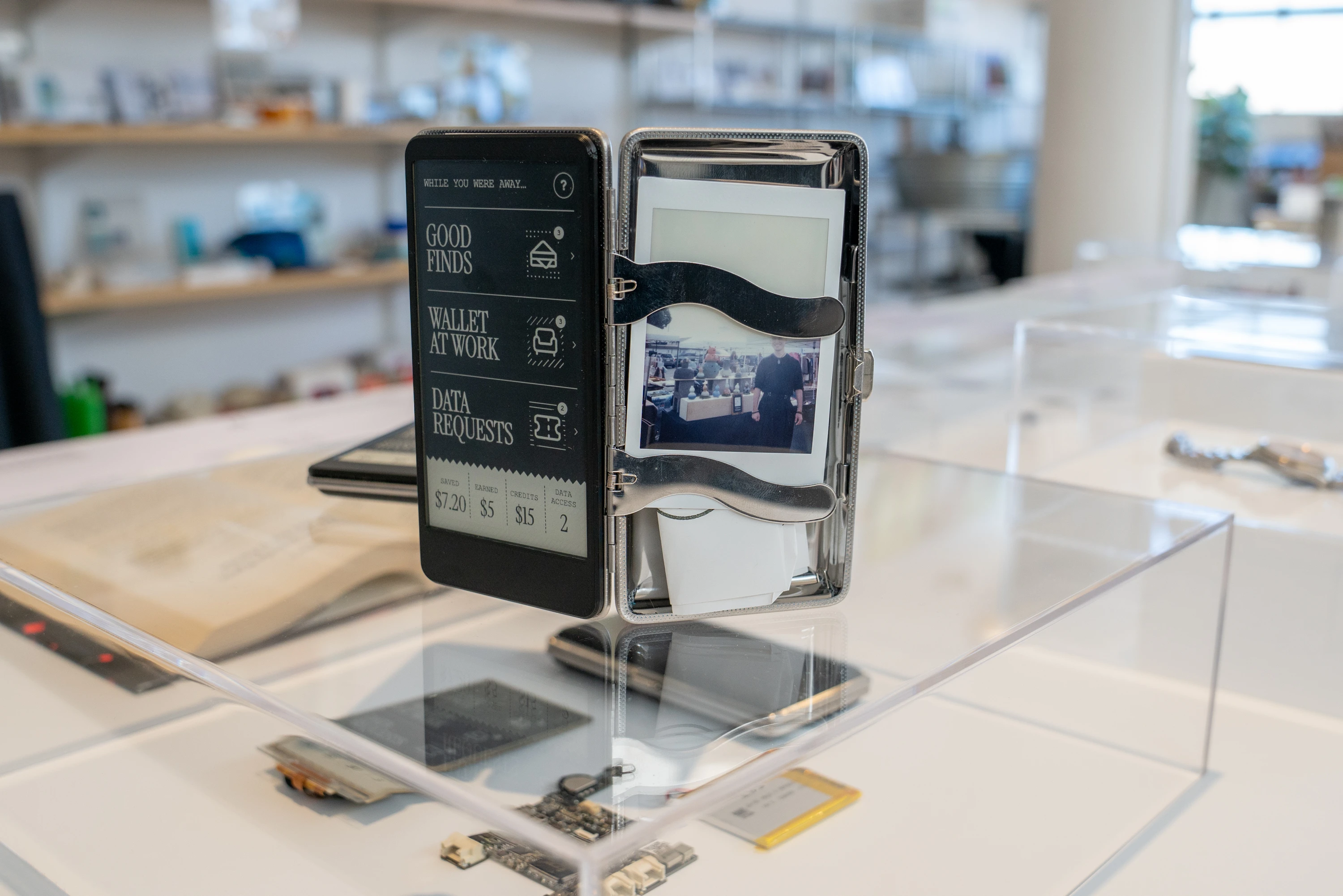
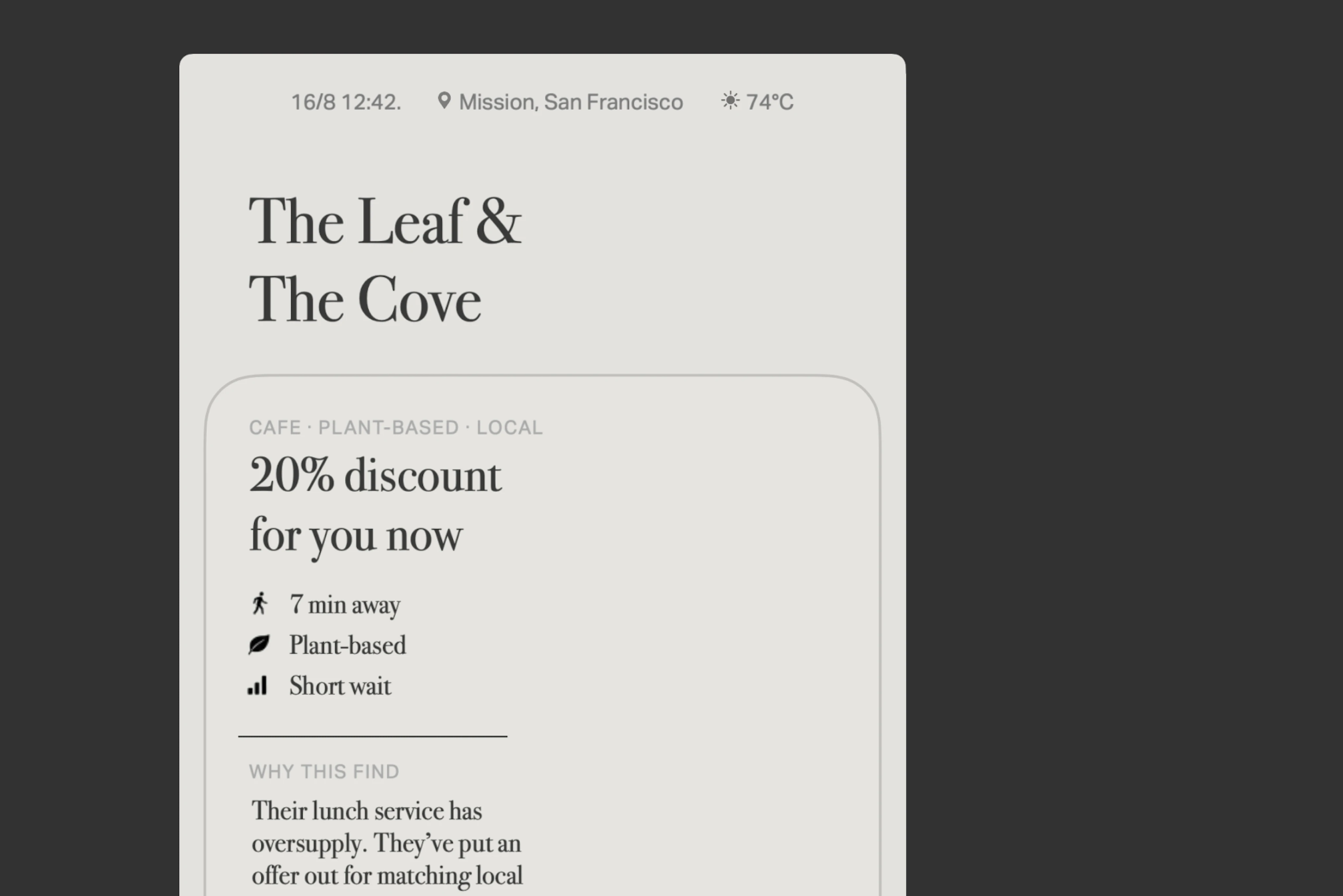
Wallet looks for ways to save you money and make your financial life more transparent. It might proactively negotiate a discount on your healthcare plan based on your workout history, or suggest a way to save money on groceries by bundling an order with neighbors. It can also keep tabs on dynamic pricing to get you the best deal. Its e-ink screen means you never have to pick up a second device to see where your money is going, or log into a separate platform to see how it’s working on your behalf.
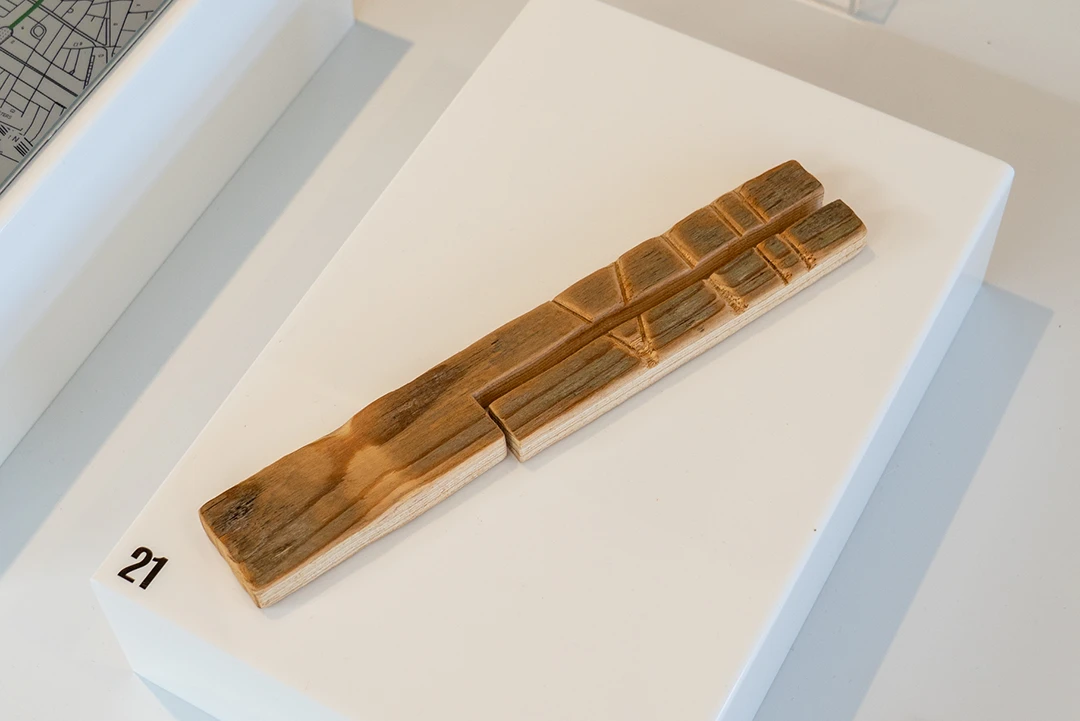
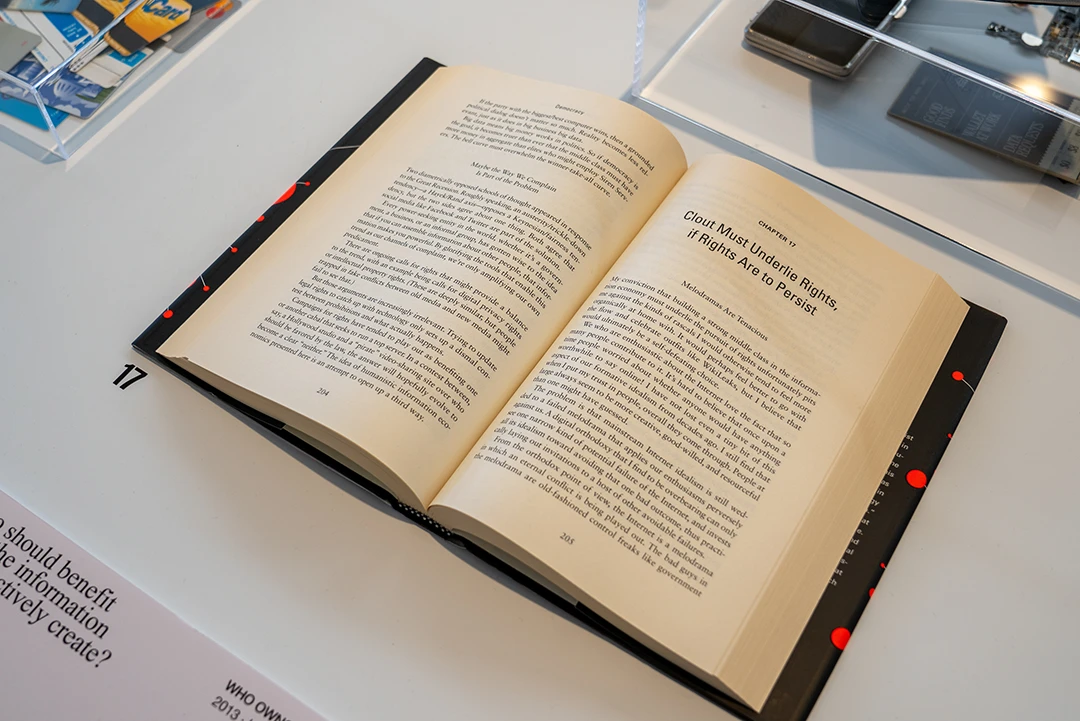
Inspiration items
Principle 2
Smart objects outlive the cloud
Even the “smartest” technology eventually becomes obsolete; new models replace old, and manufacturers stop supporting “outdated” products.
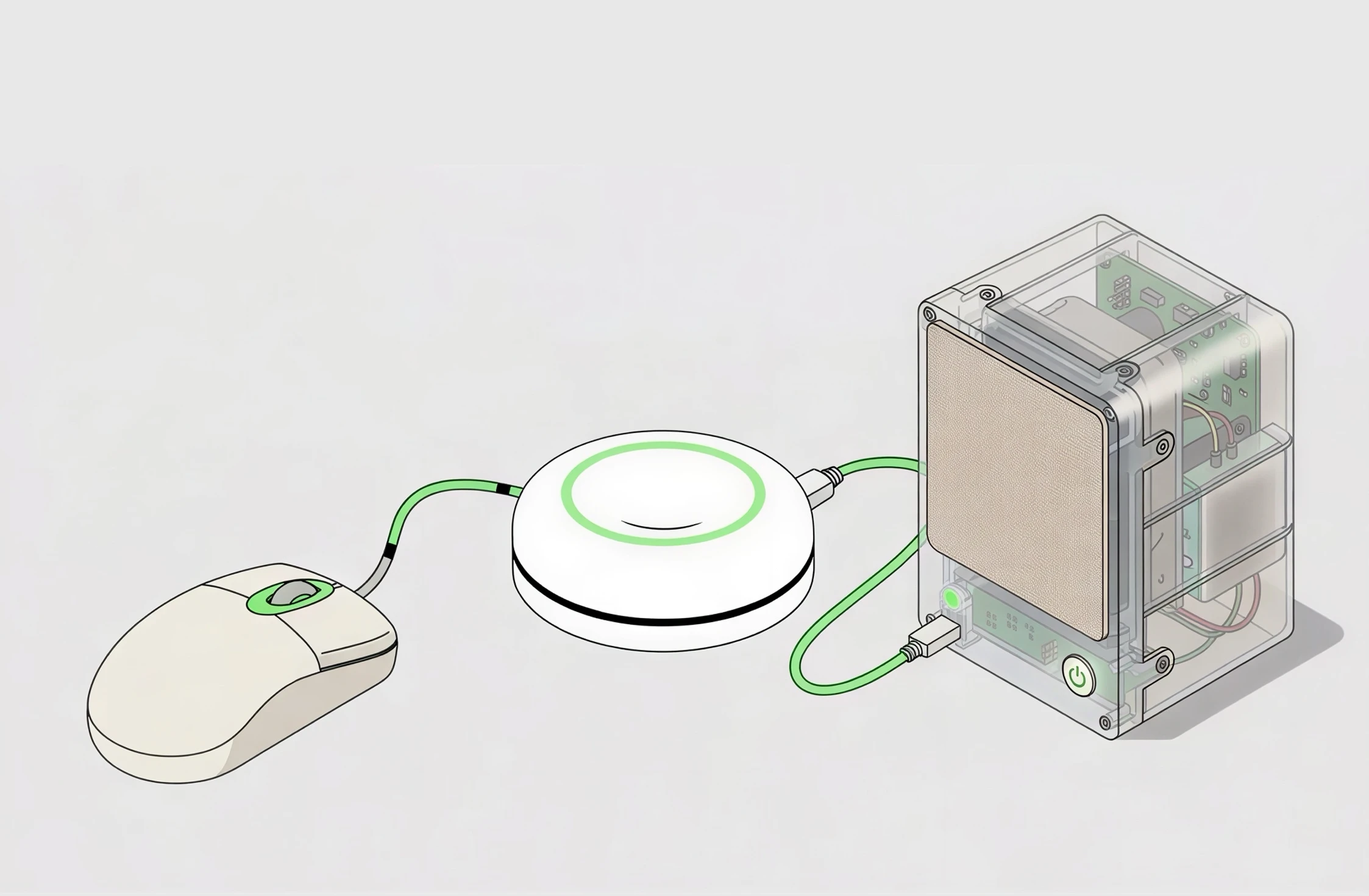
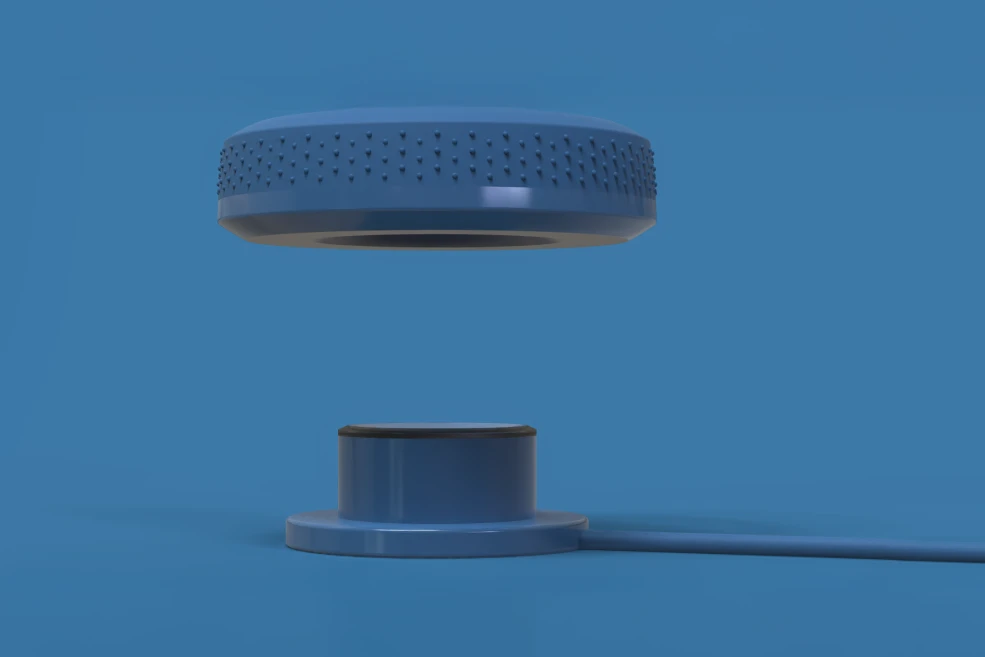
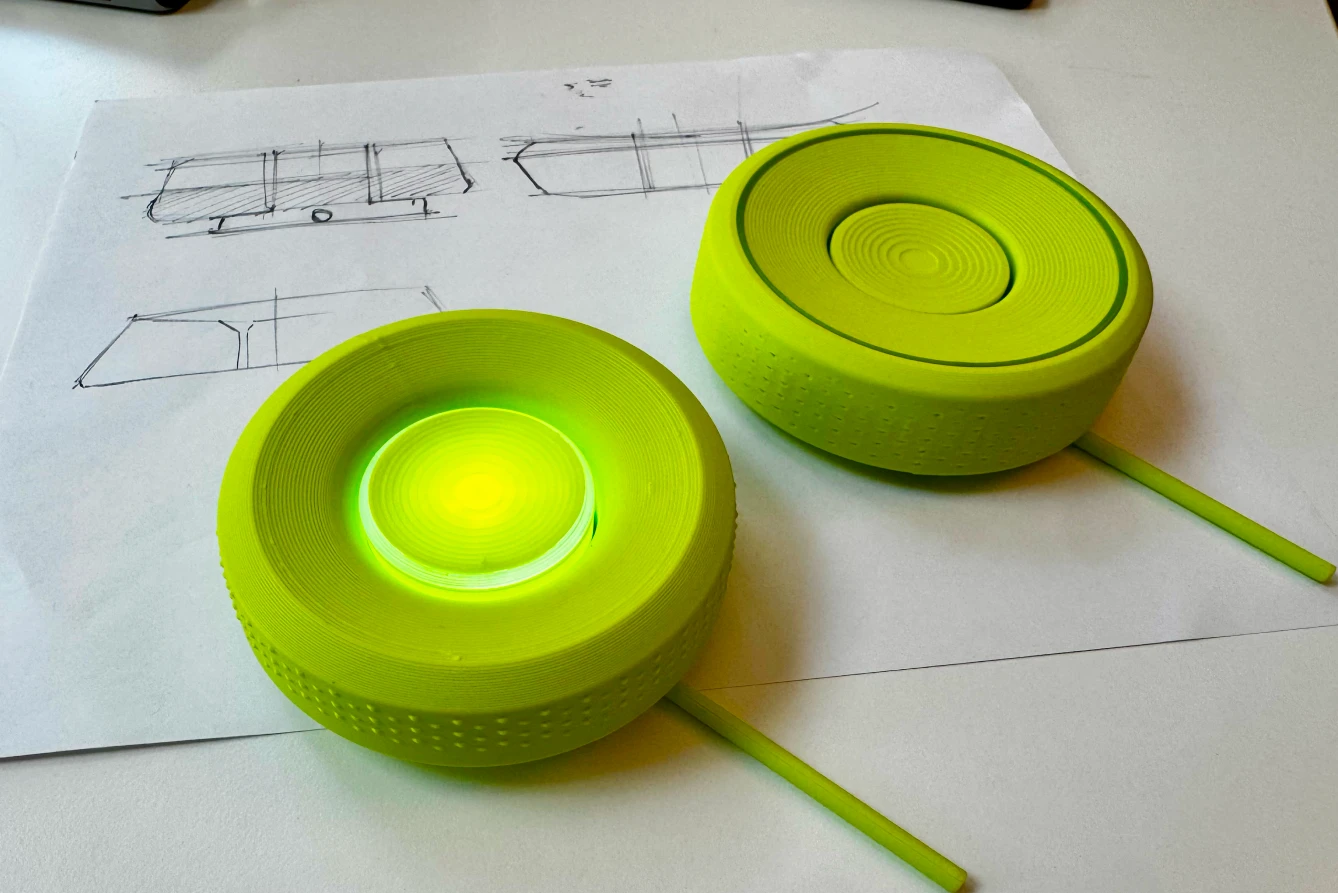
Puck
With Puck, your old devices become forever parts you can transform into something creative and new. Connect Puck to a scanner and a hard drive to make a private family archive, or an old webcam and a hard drive to make a private baby monitor.
Pair an insulin monitor and an unused screen to make it easier for loved ones to monitor their blood sugar. Puck challenges our perception of objects as fixed products, inviting us to see them as raw material we can recombine, repurpose, and reimagine again.
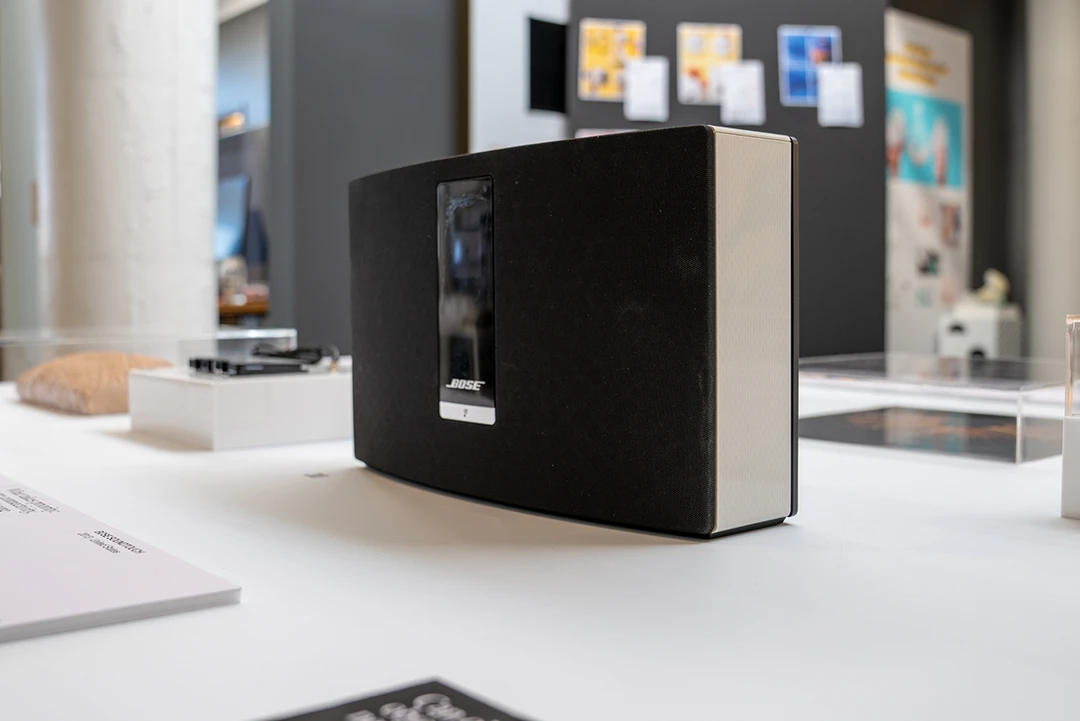
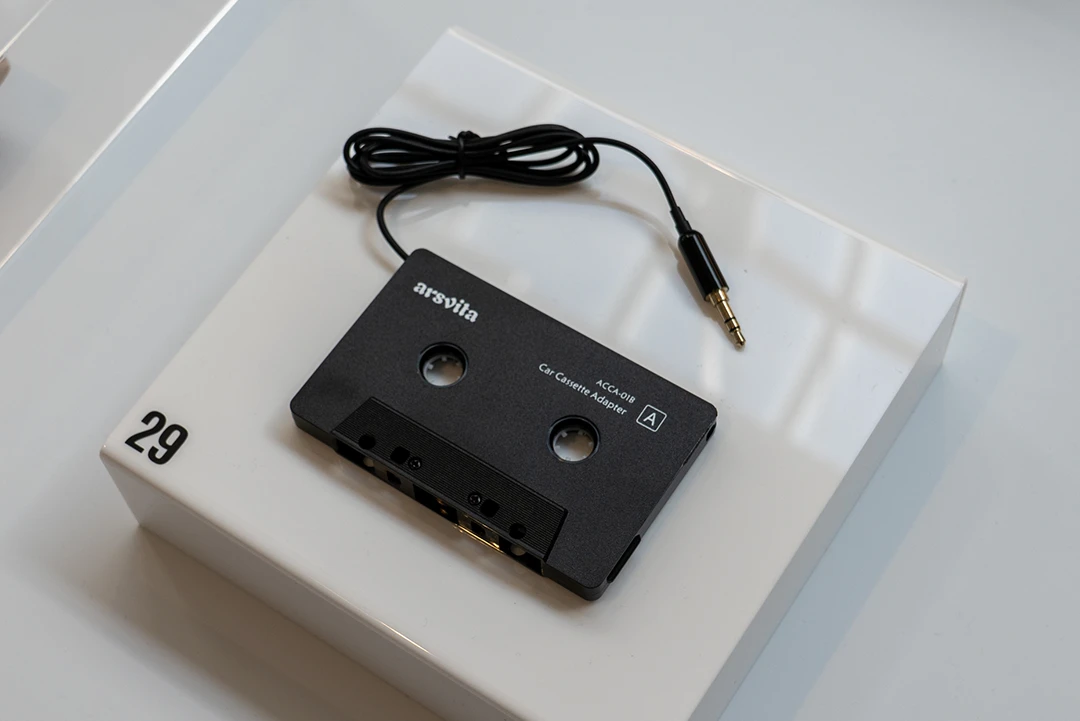
Inspiration items
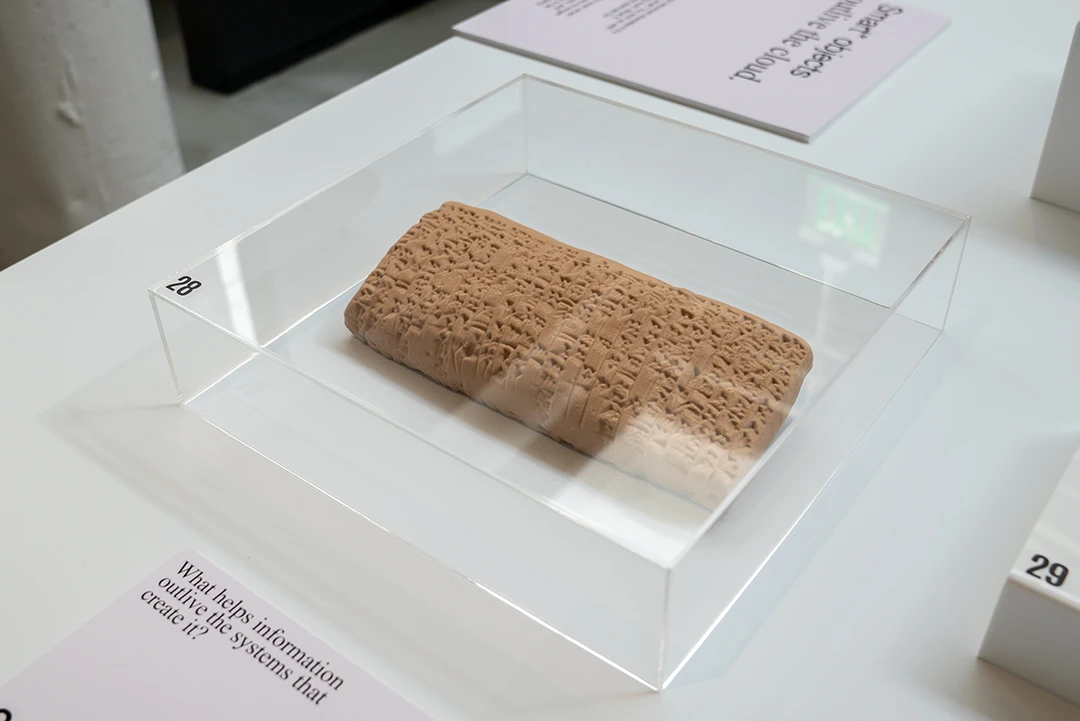
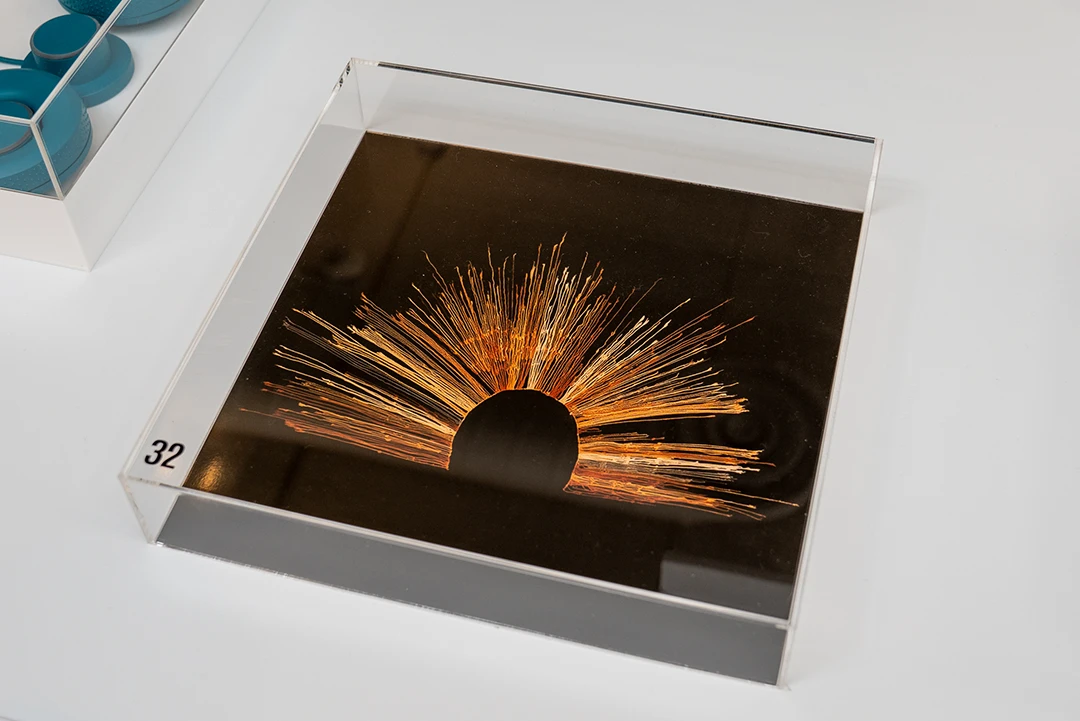
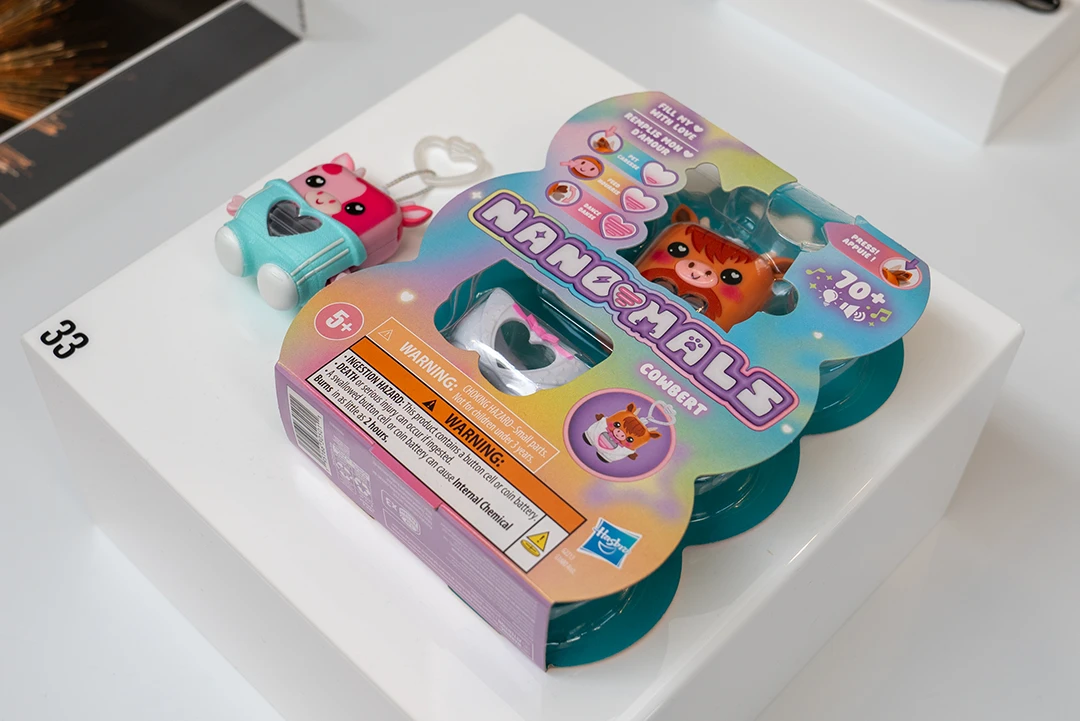
Principle 3
Smart objects return us to the room
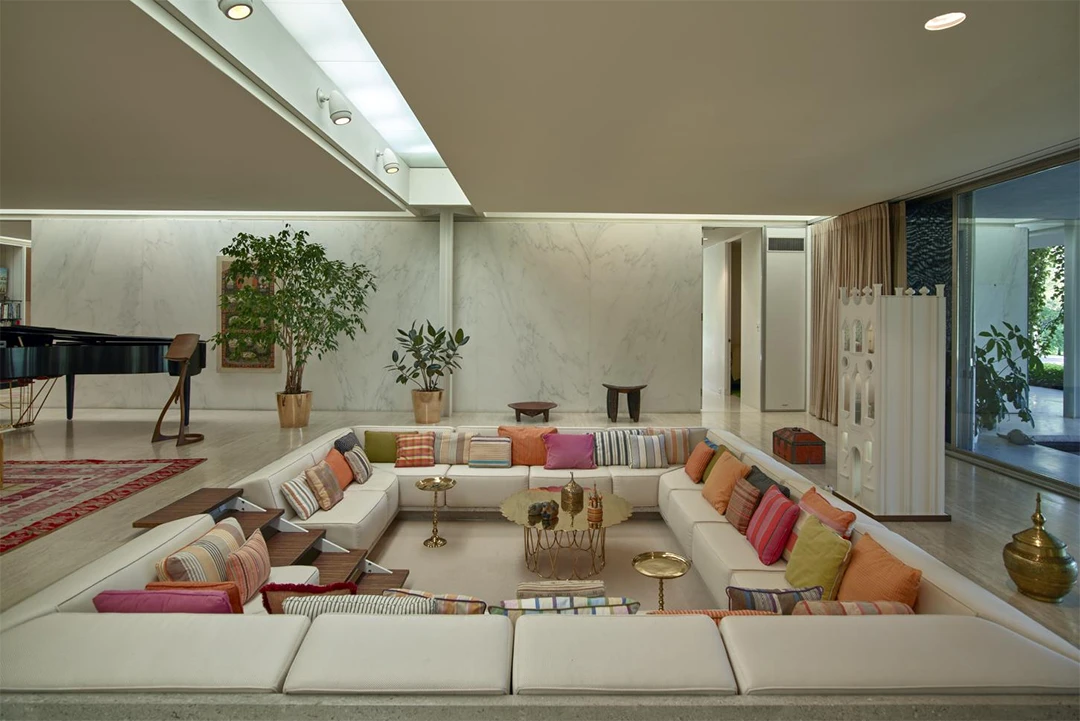
We believe smart objects should deepen our connection to our surroundings, not divert our attention to technology.
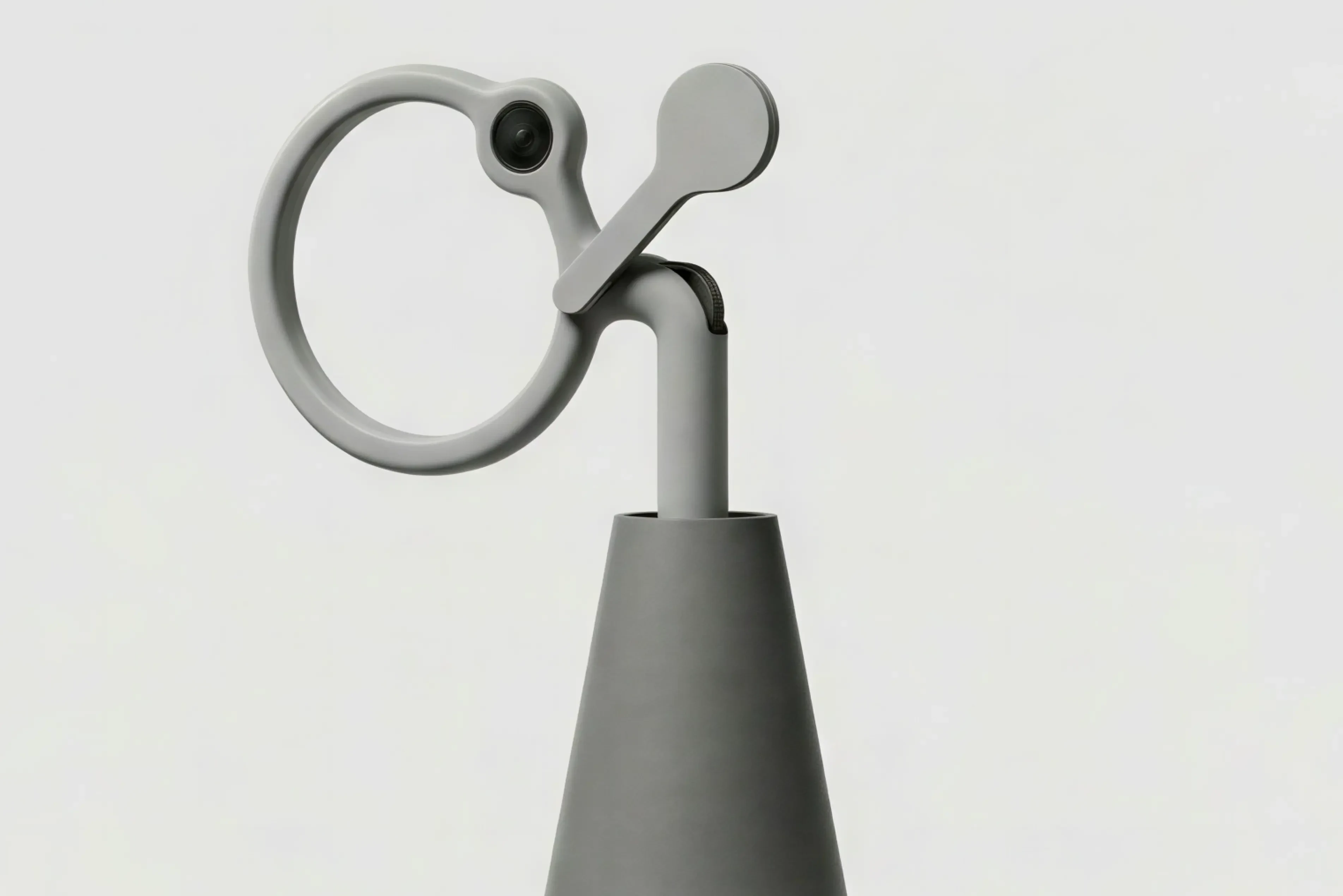
Monocle
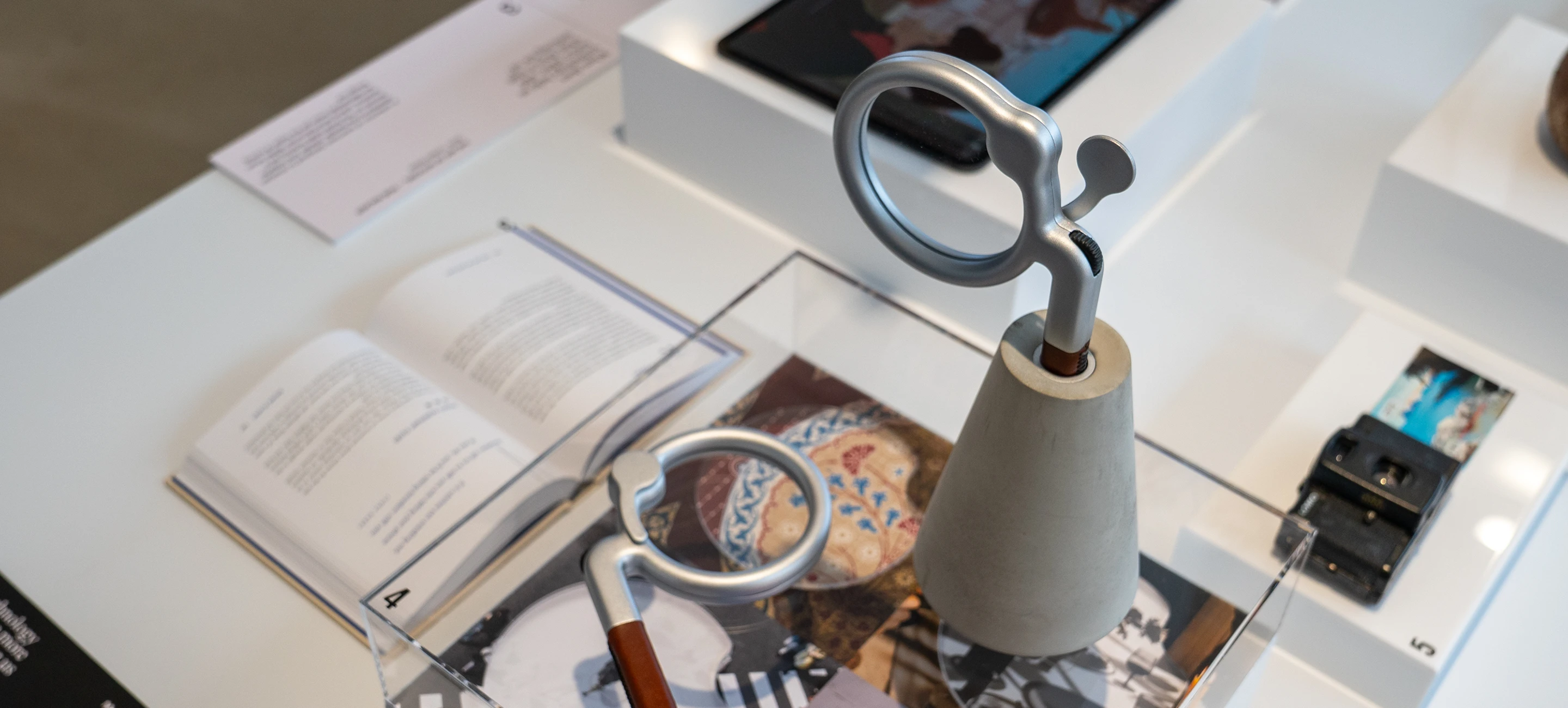
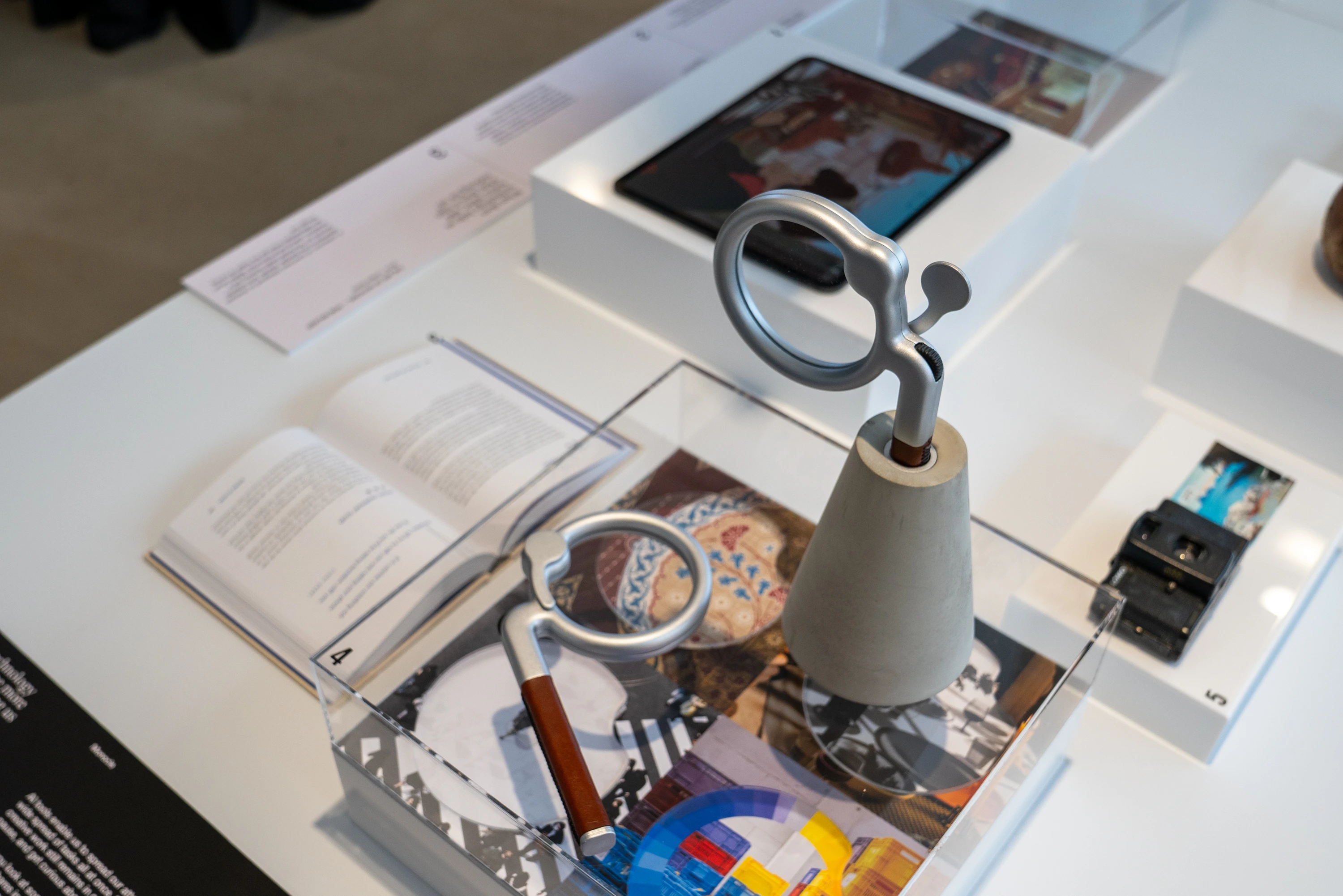
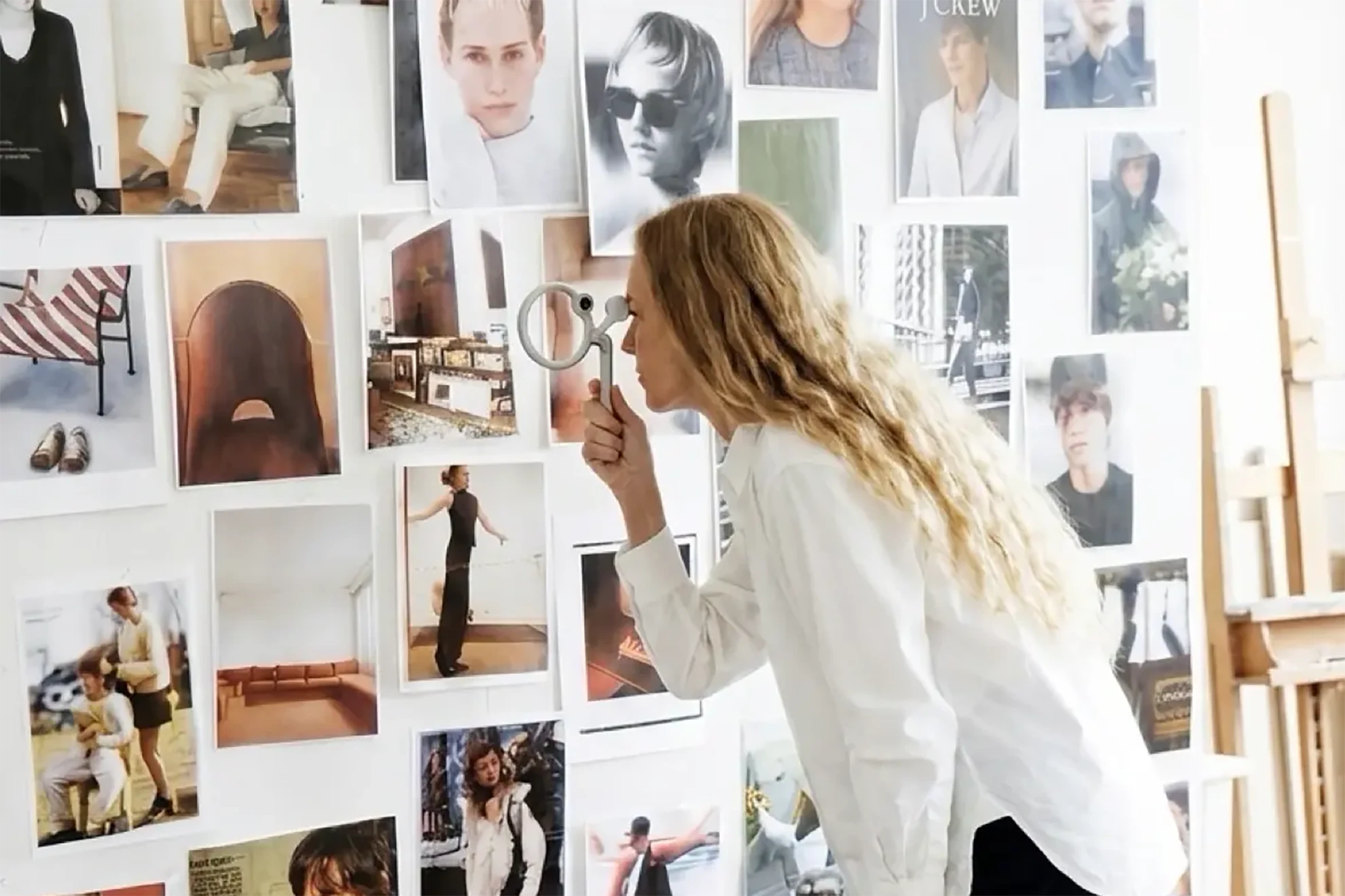
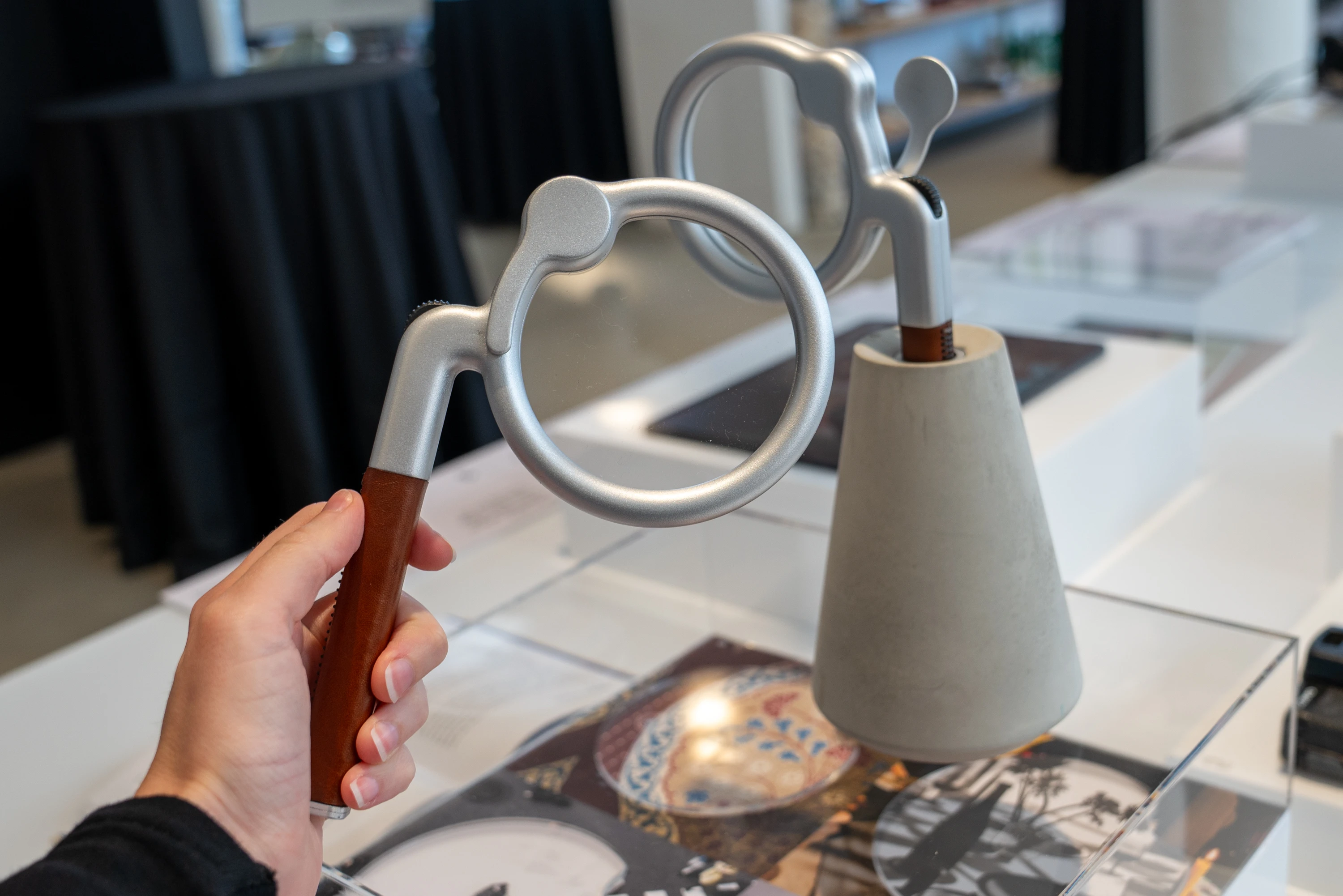
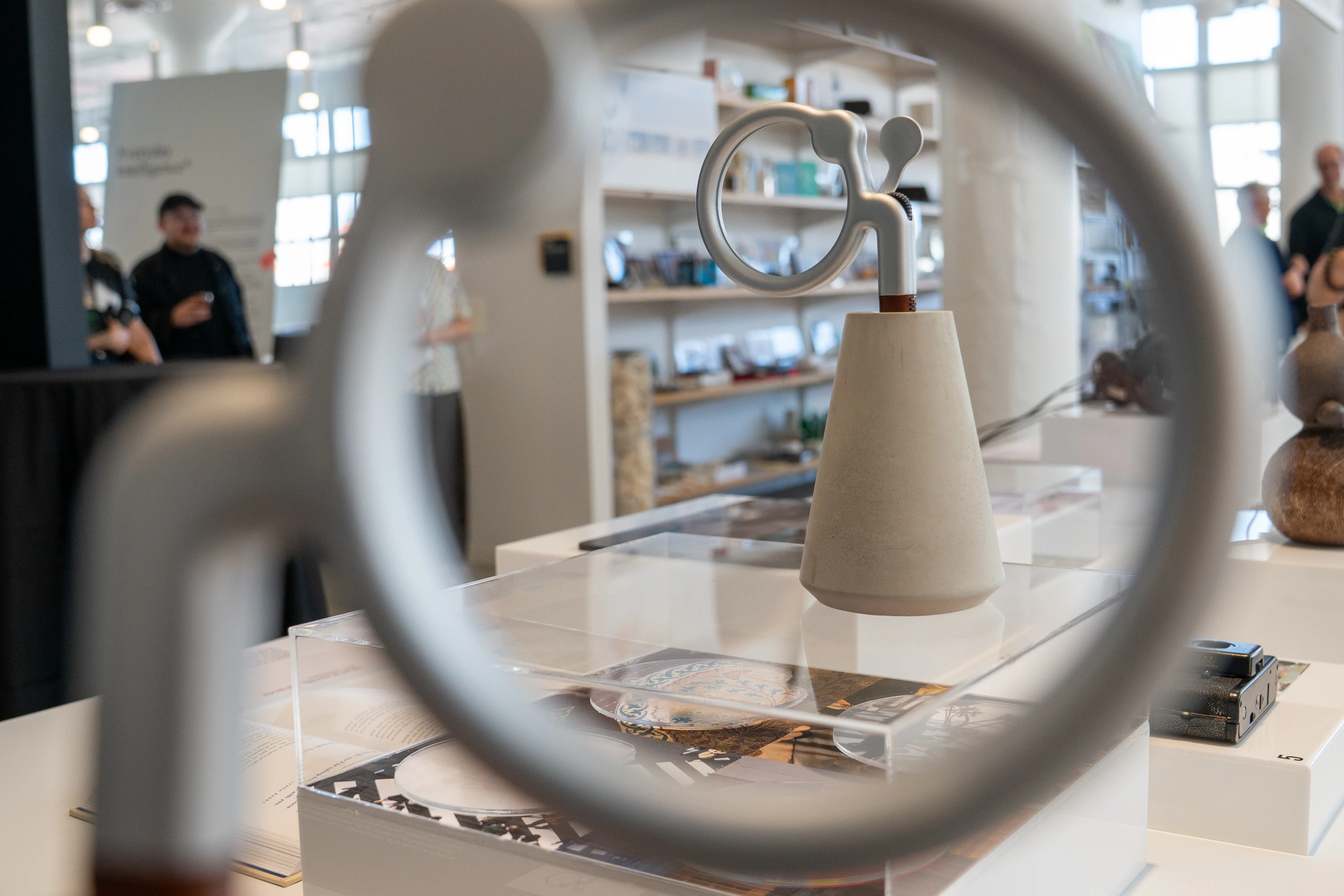
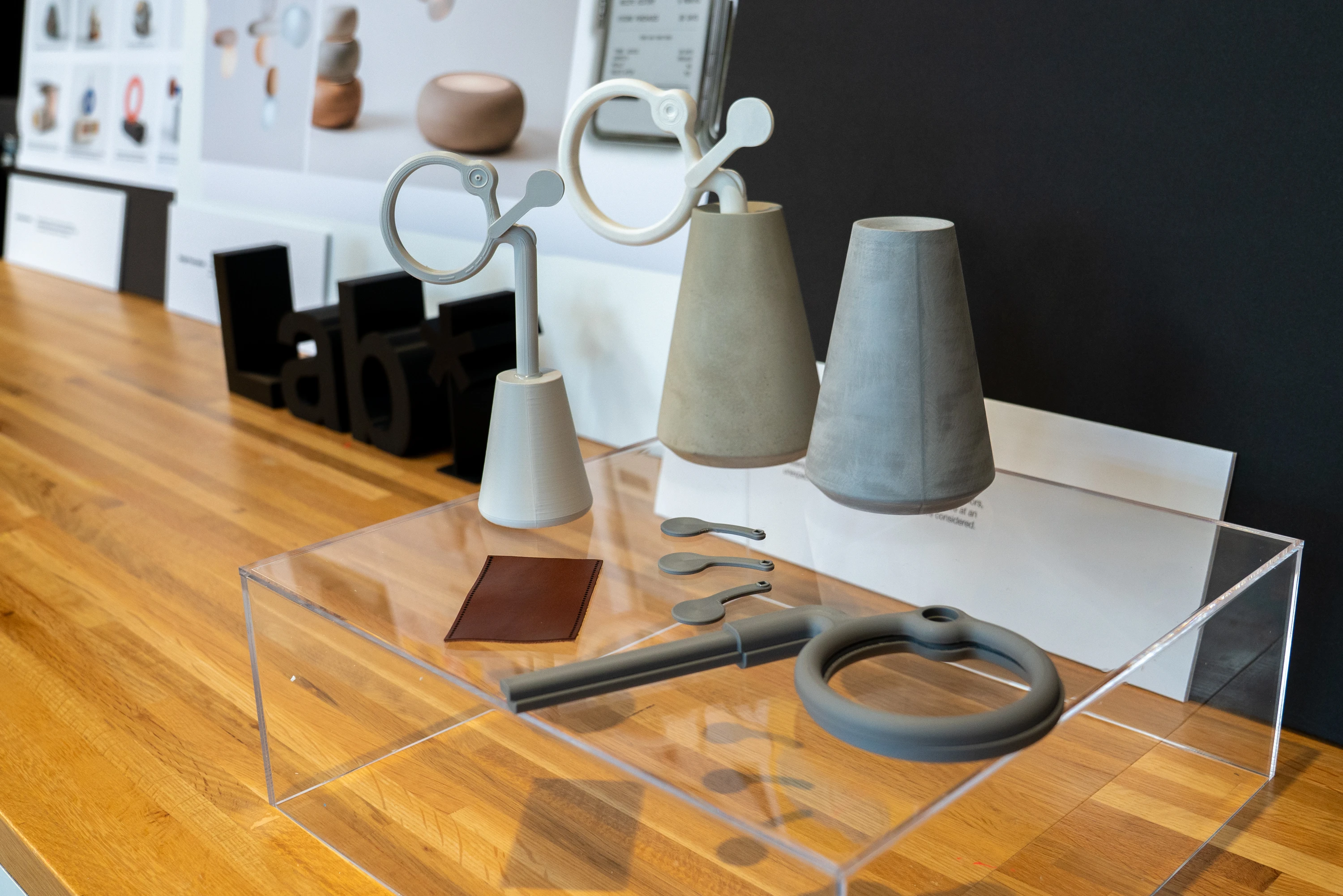
Monocle is a handheld lens, similar to a magnifying loupe, enhanced with intelligent AR that adds context to the things around you. Need to fix your bike or your washing machine? Figure out what to do with the groceries in your fridge? Which bus to catch before it drives away?
Simply hold Monocle up to your surroundings to quickly access answers on its AI waveguide display, all while remaining focused on what’s in front of you. Instead of pulling your attention away from the physical world, Monocle provides the information you need while keeping you engaged with your environment.
Inspiration items
Principle 4
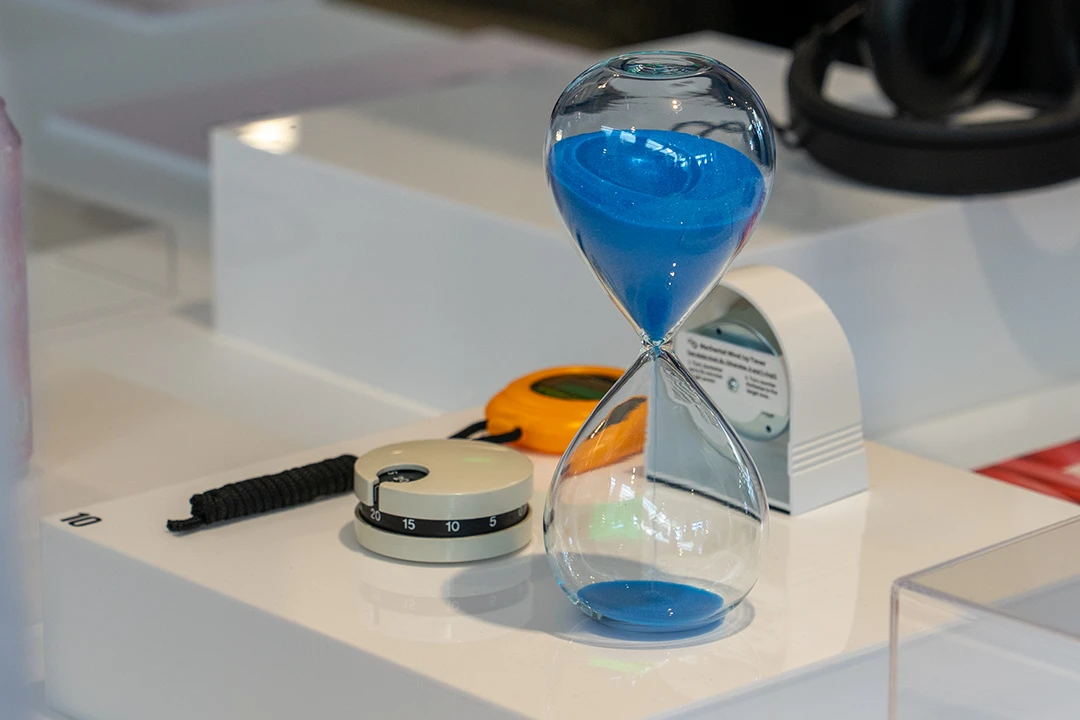
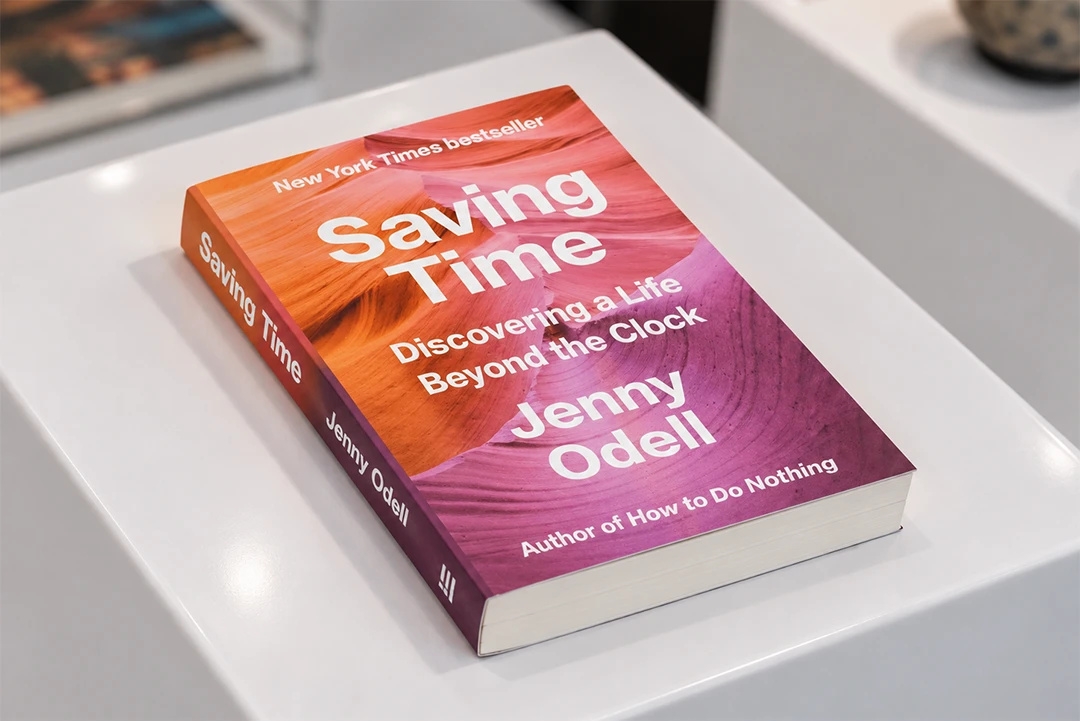
Smart objects slow us down
Rather than adding time back into our lives, AI-enabled objects often create more to-dos and leave us overwhelmed.
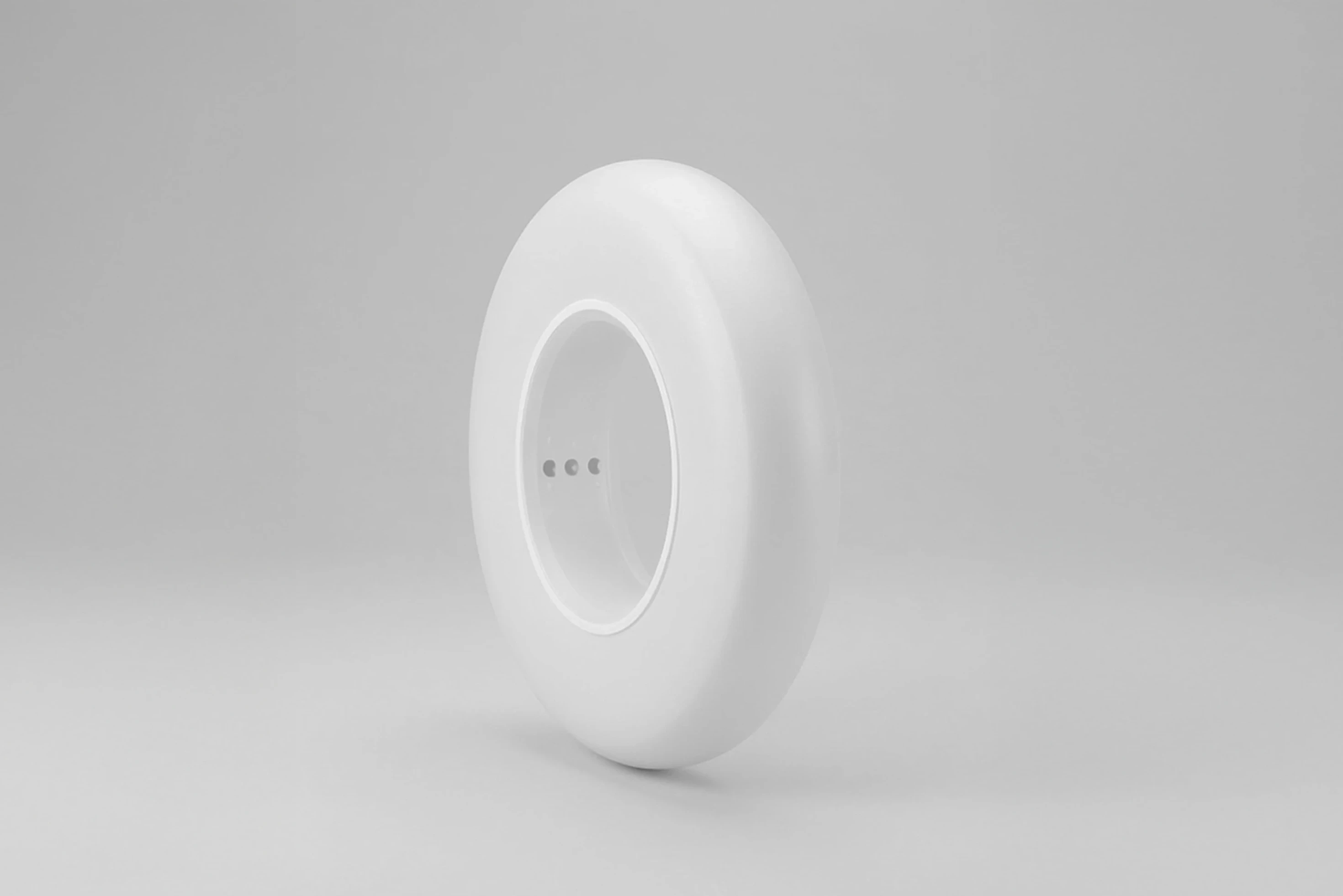
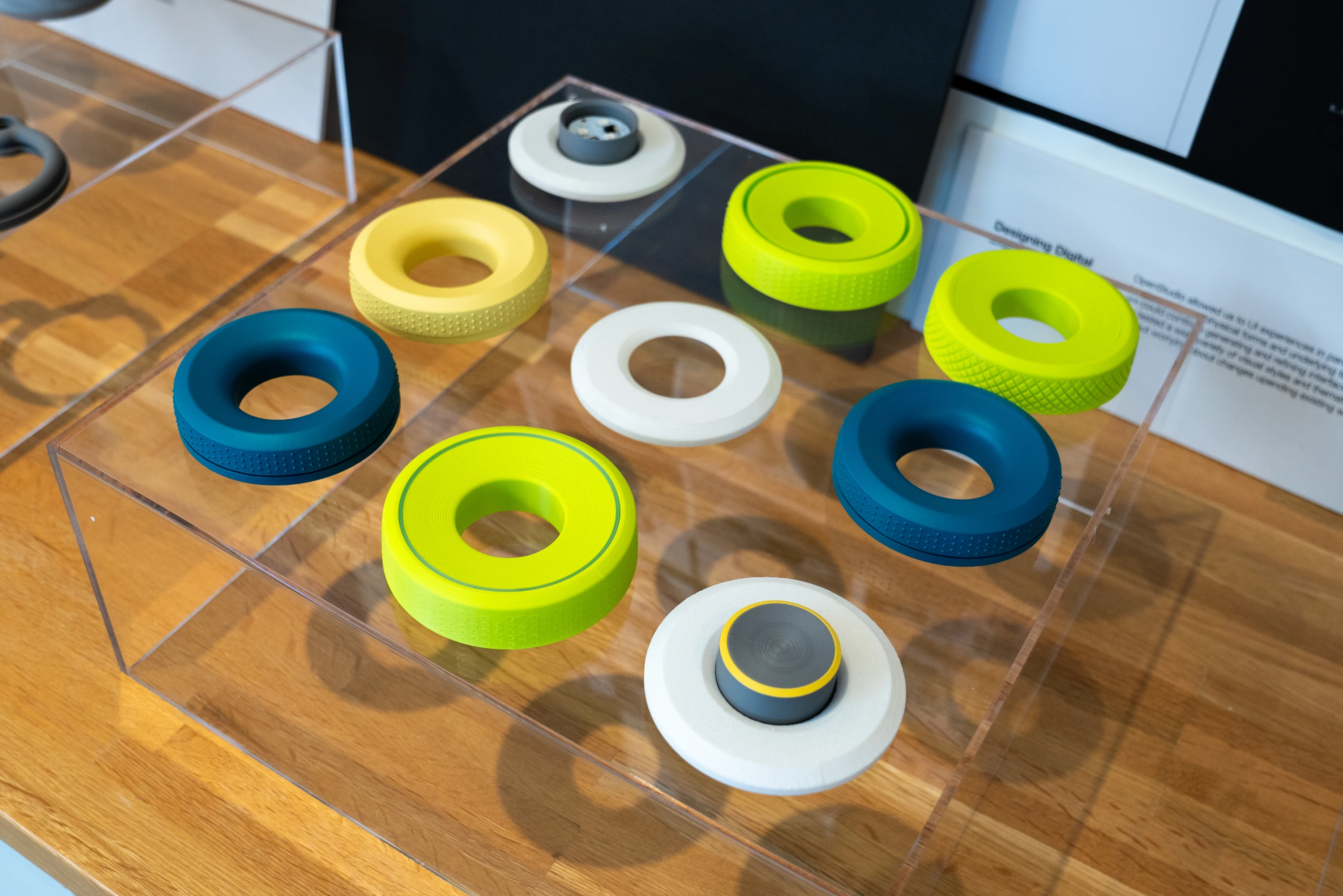
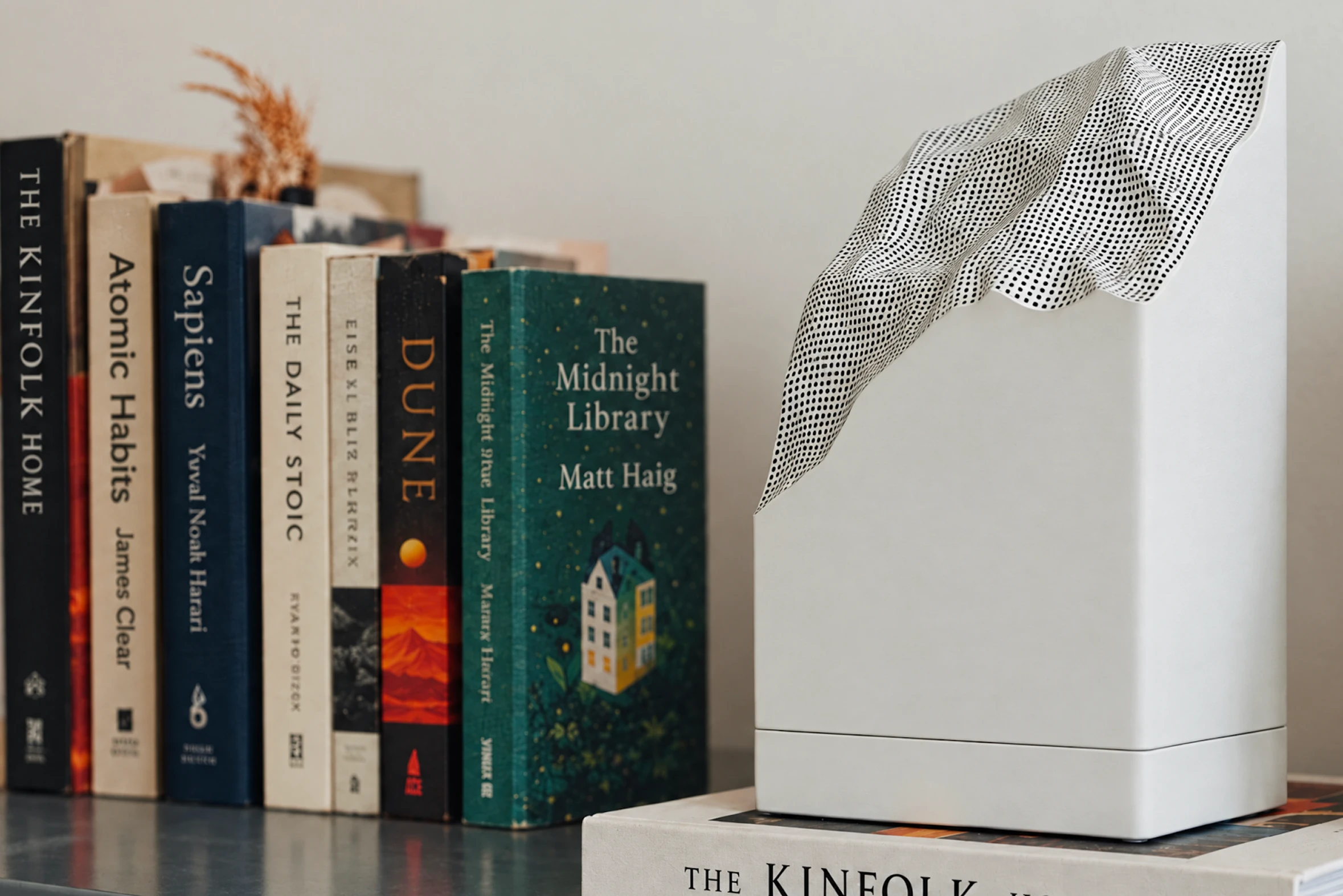
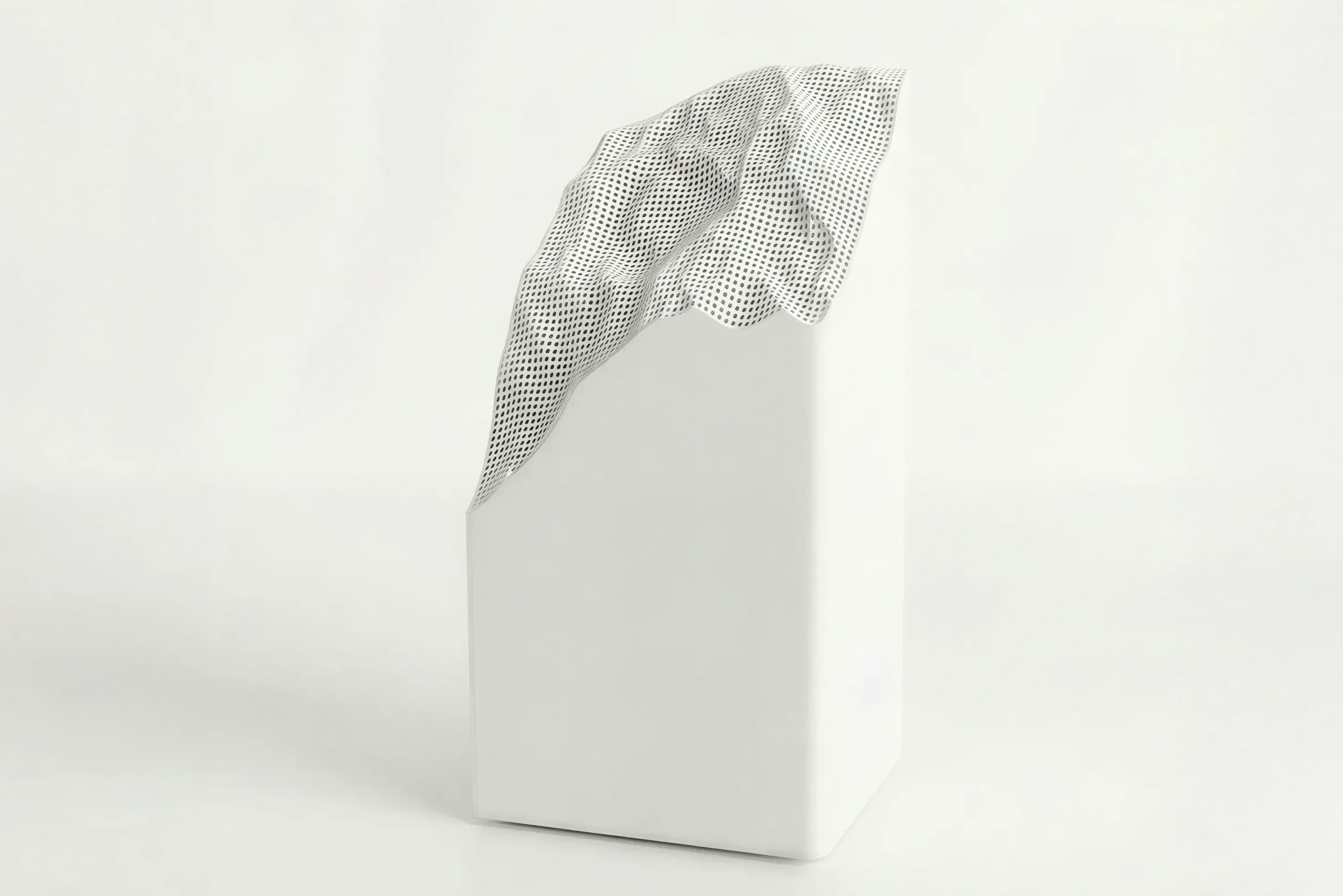
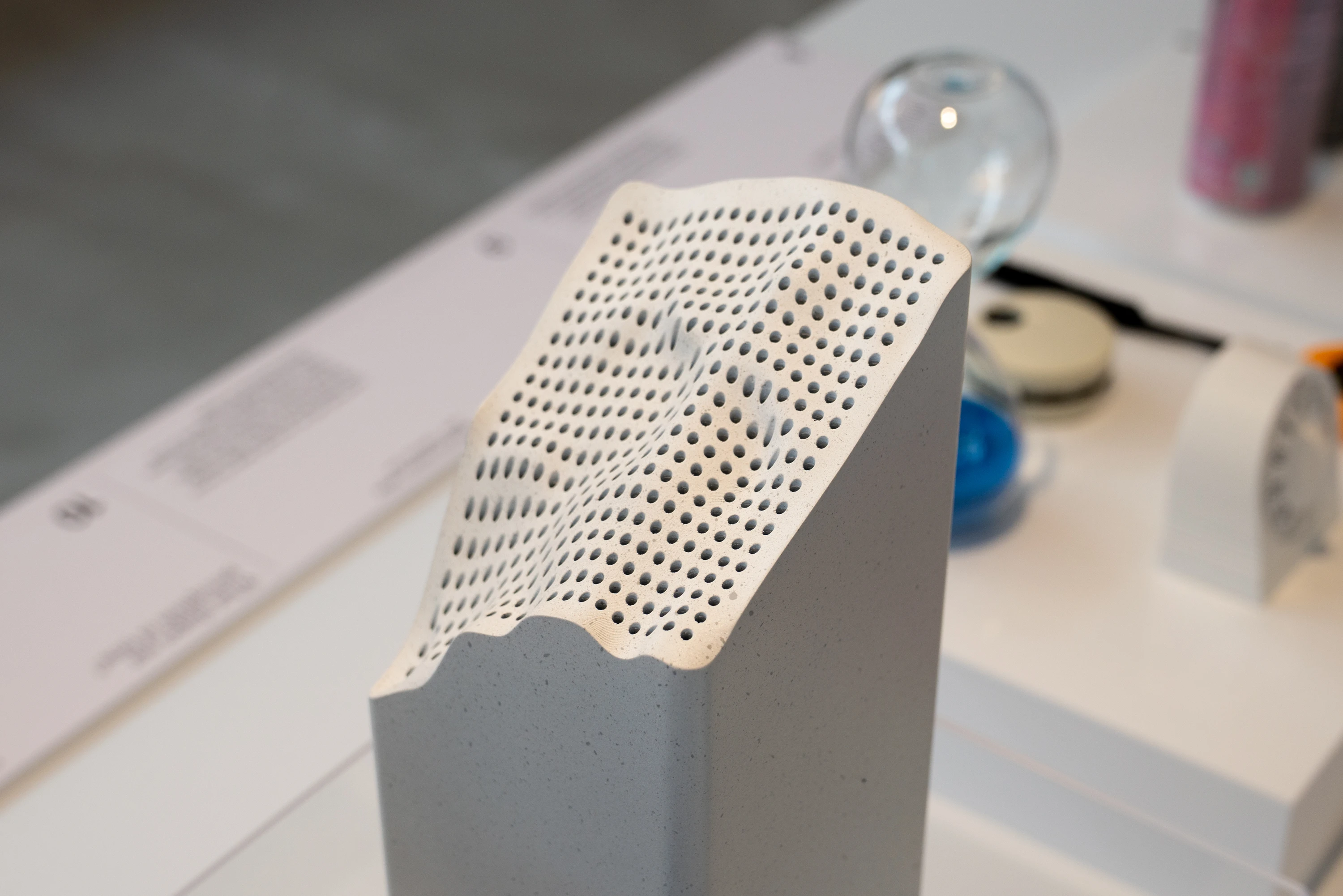
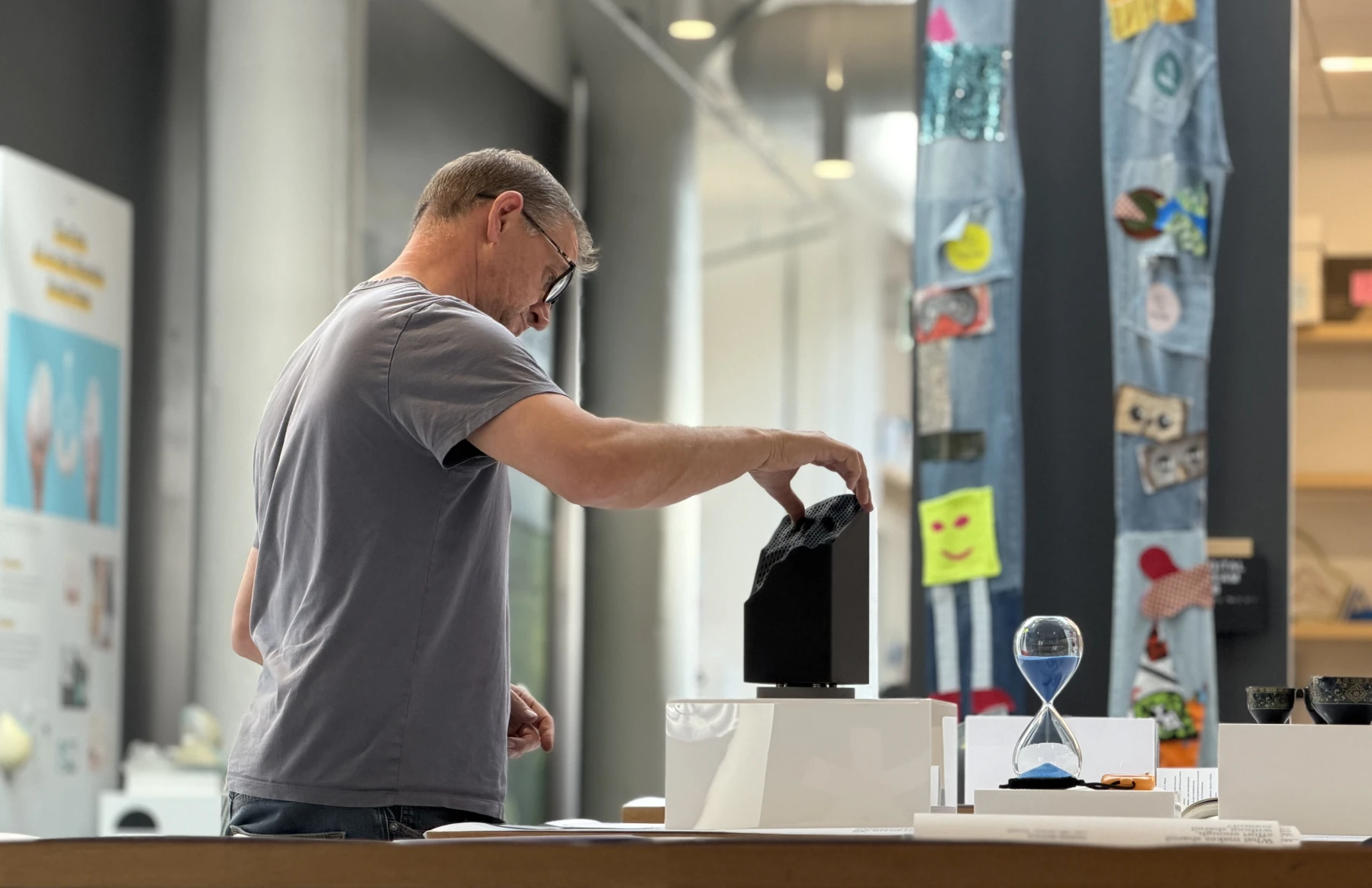
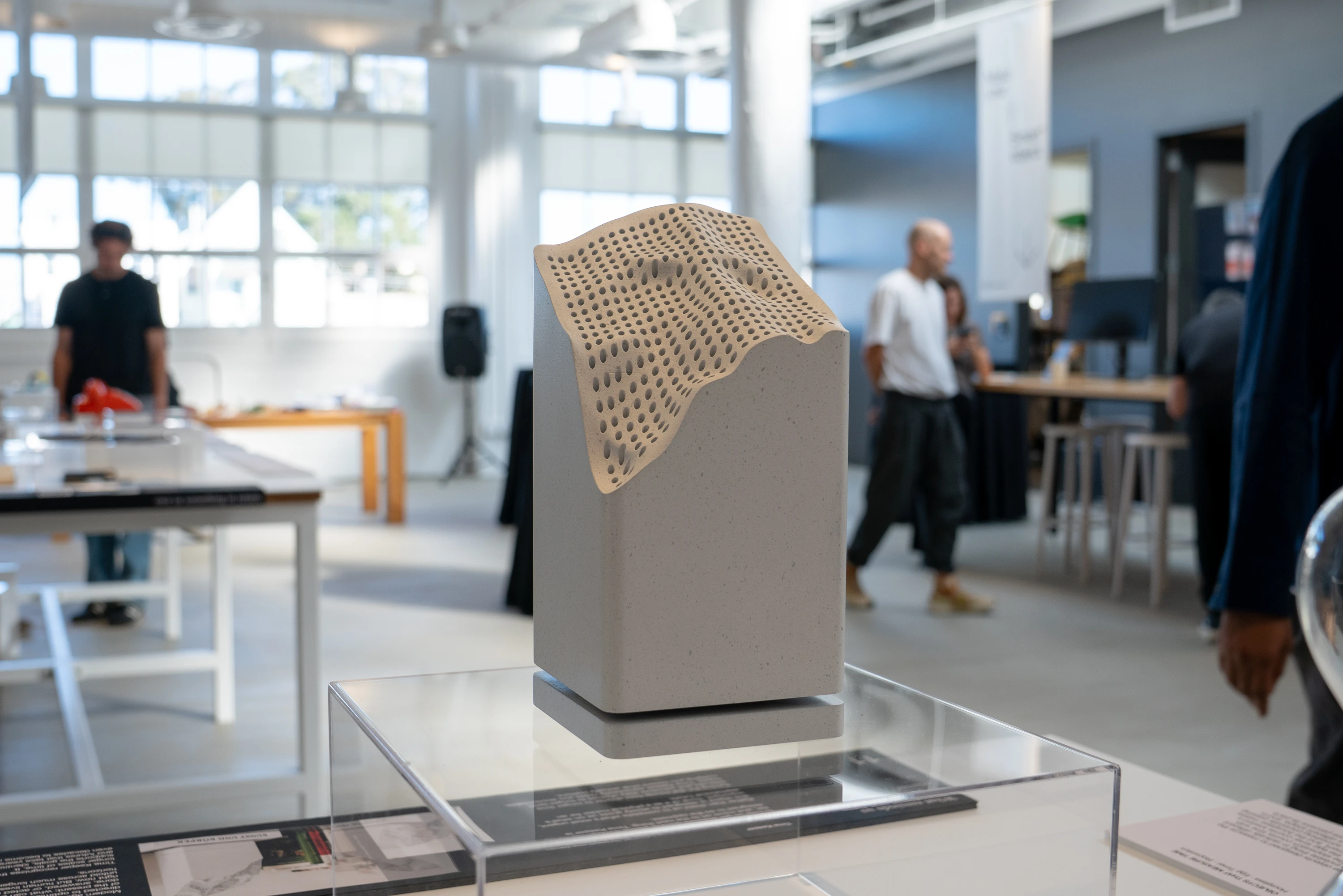
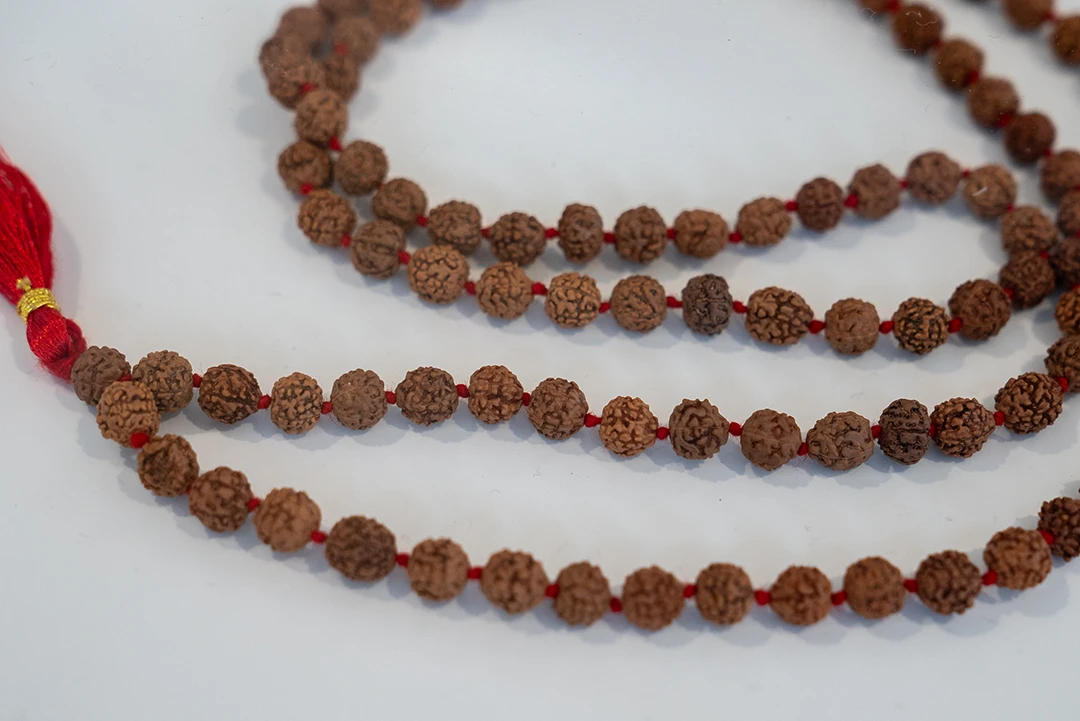
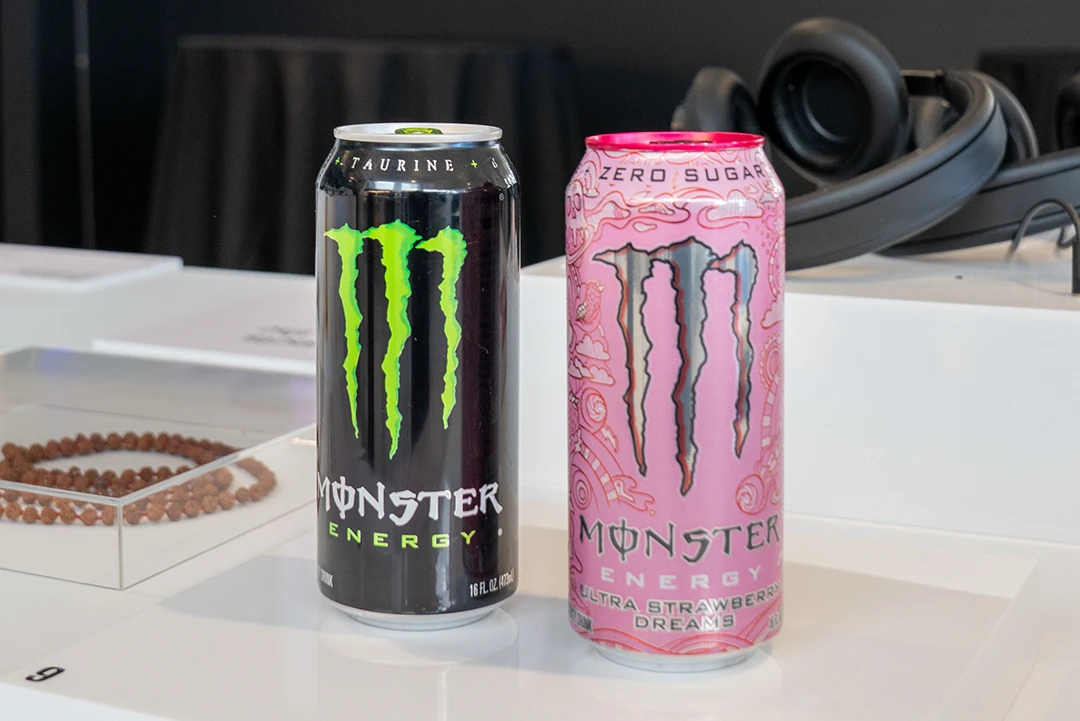
Time Keeper
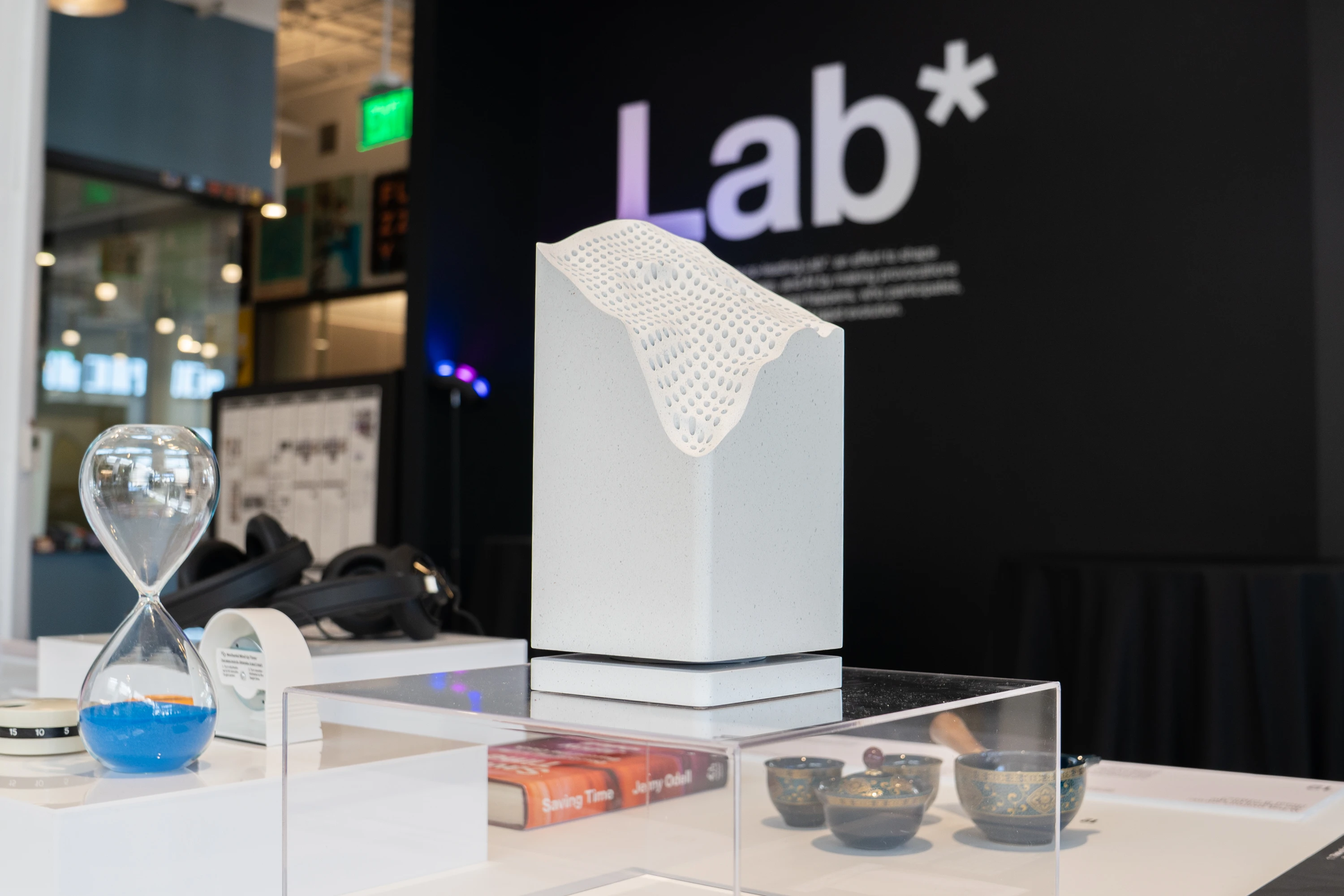
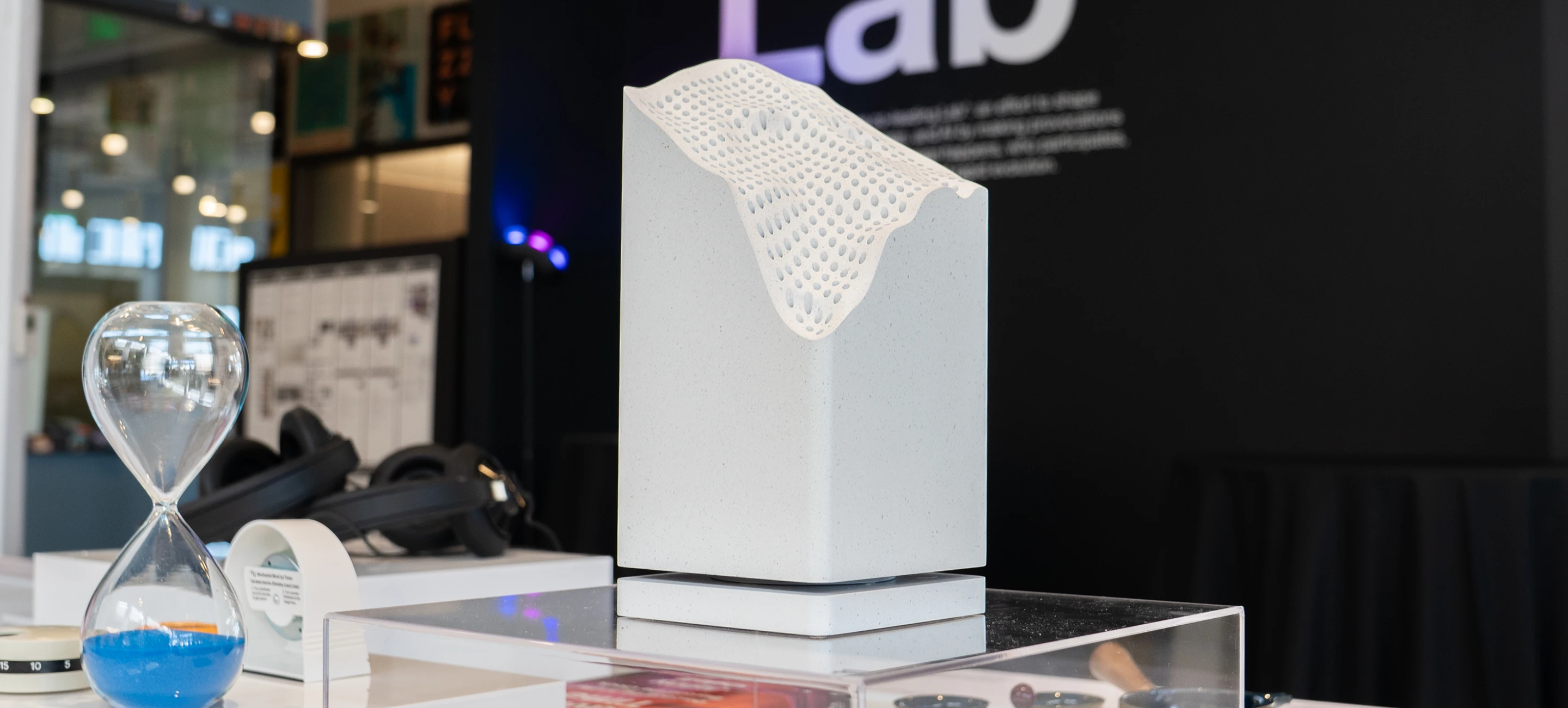
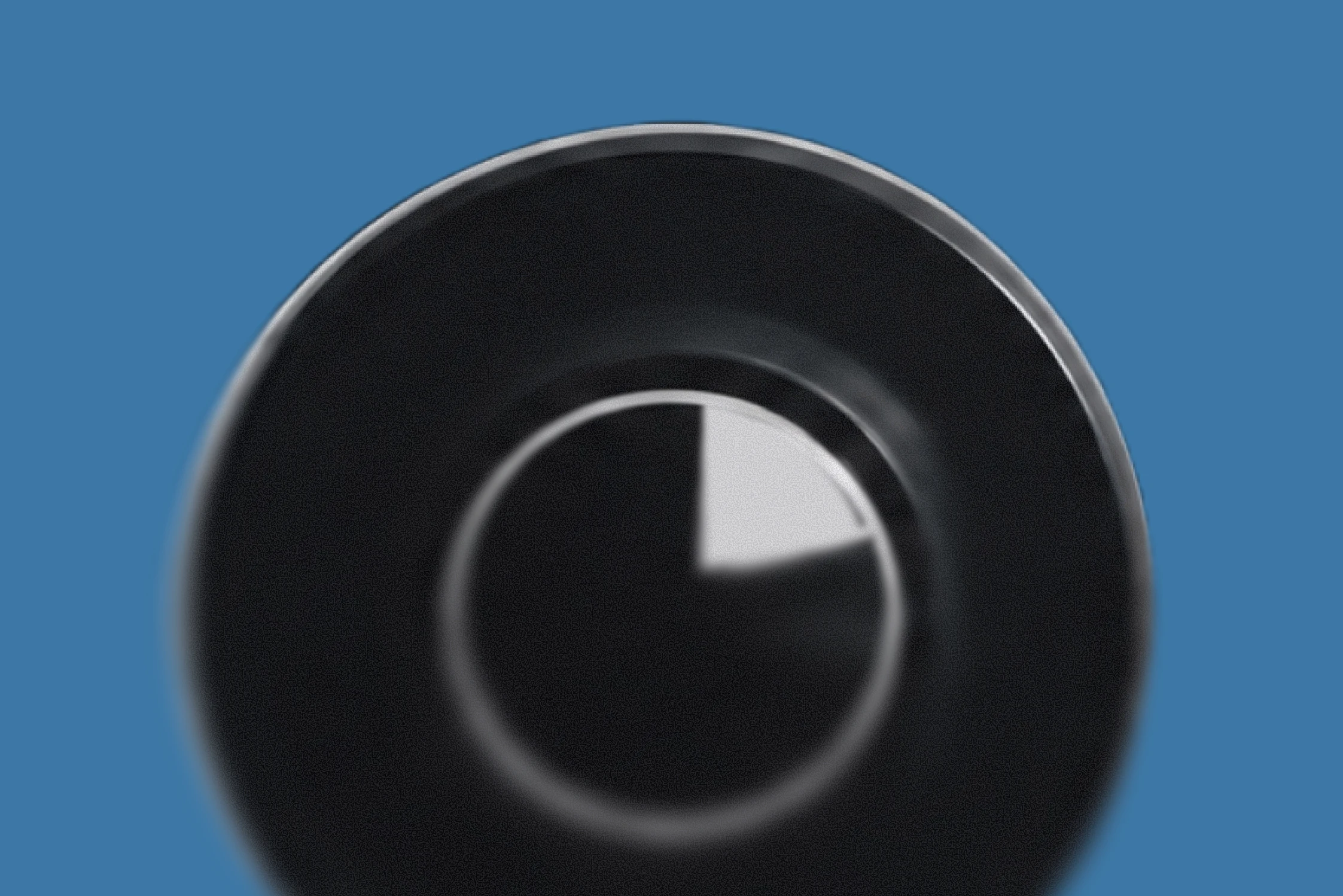
Instead of optimizing for what is most urgent, Time Keeper guides you toward what you value most. Tell it about your goals—such as running a marathon or starting a business. Rotate the base to your desired time frame, and it will help you create a plan to get where you want to go.
Over time, it will chat with you about your progress and how to take small steps toward your achievement. Think of Time Keeper as a physical reminder of the future you’re working toward.
Inspiration items
Principle 5
Smart objects deepen our interdependence
Digital tools are largely designed around individual self-reliance and productivity, yet we collaborate and make meaning through interdependence and community.
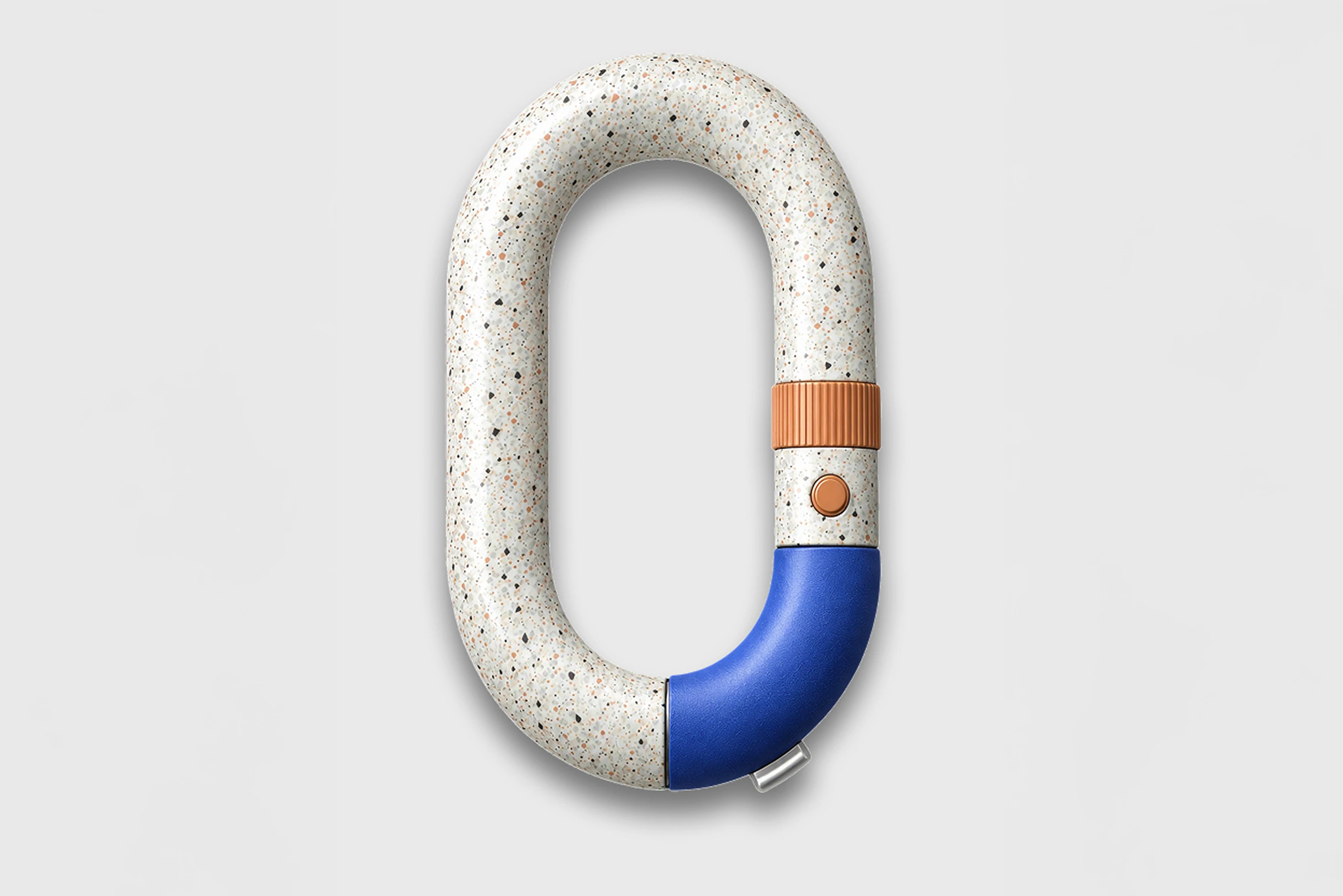
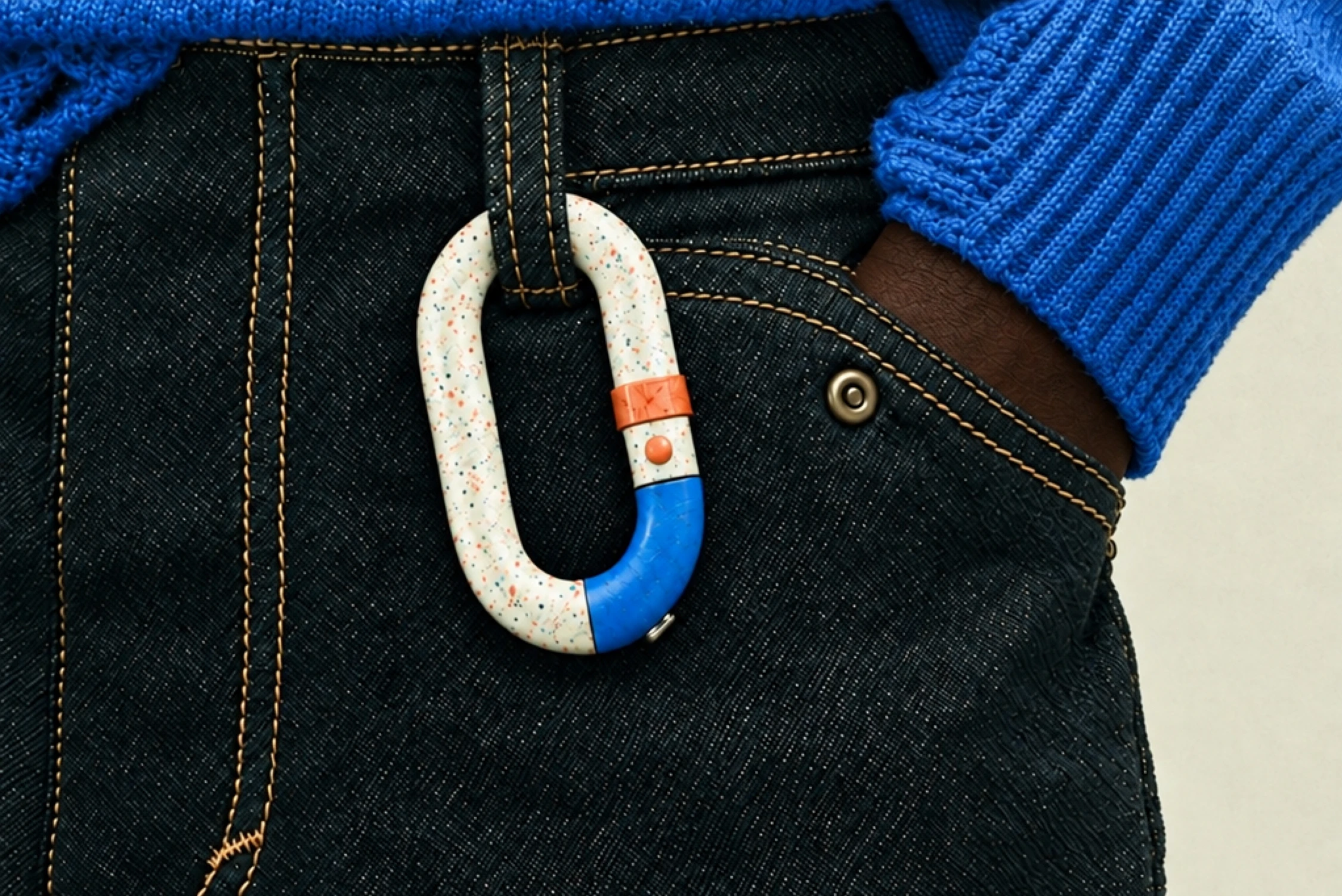
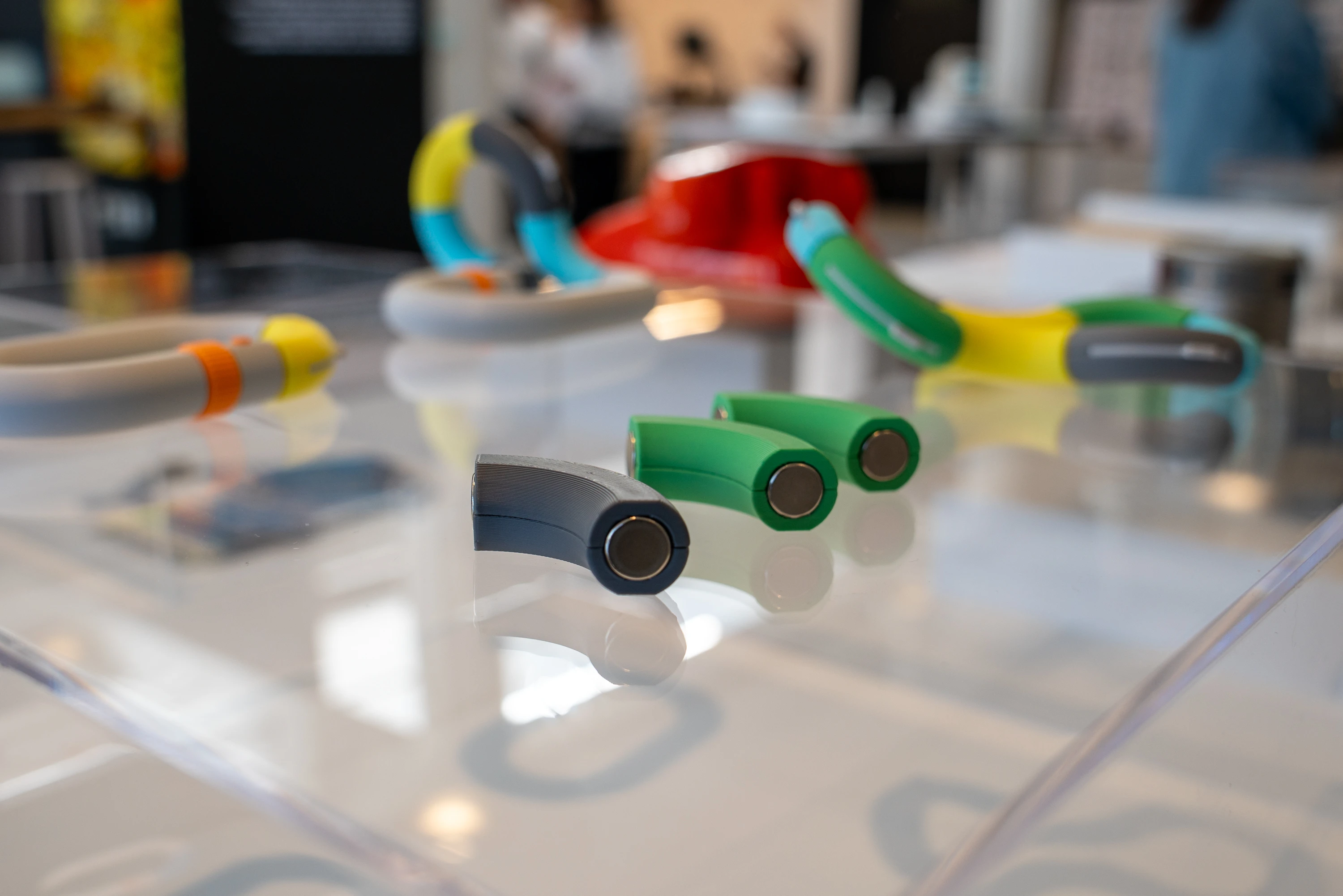
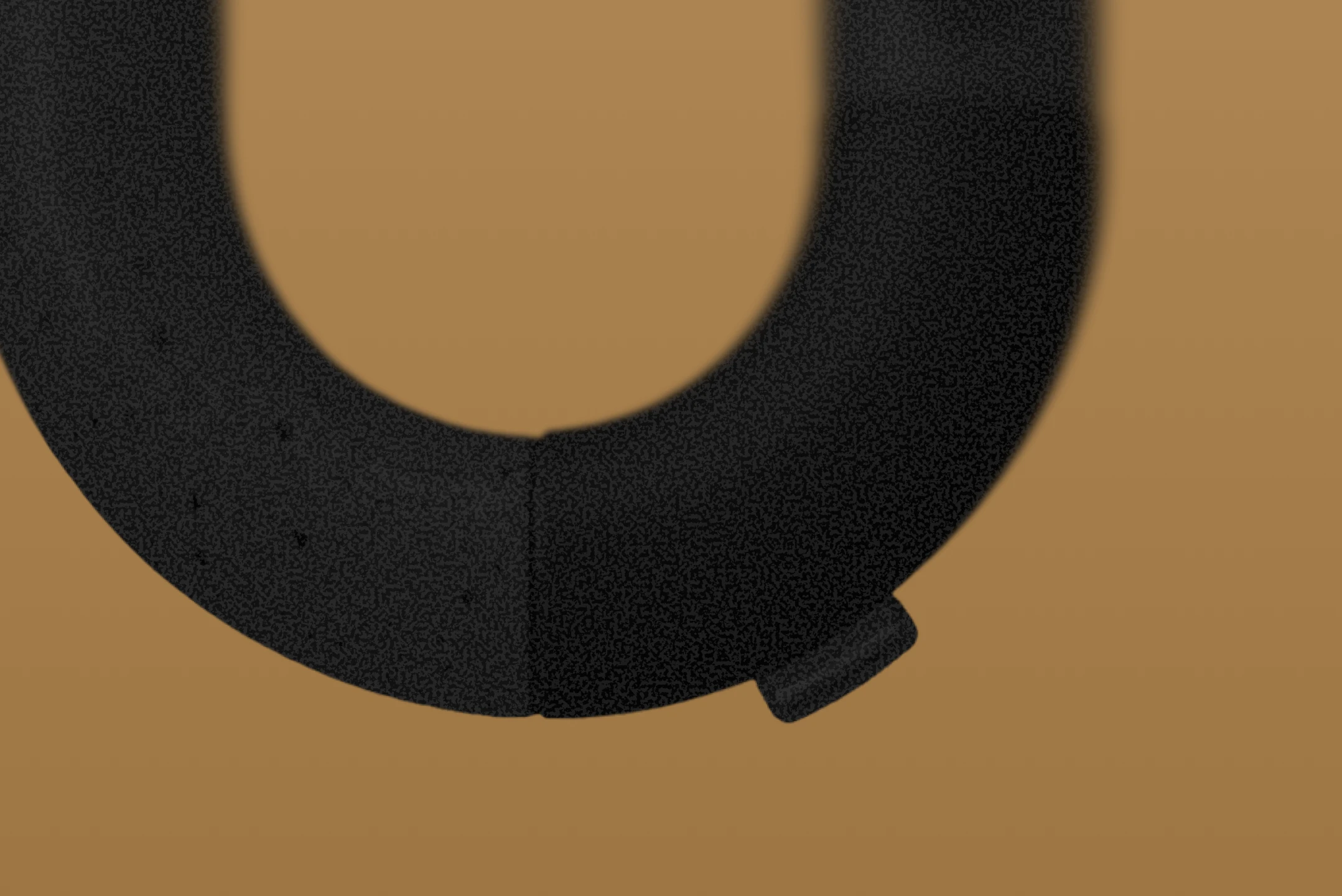
Link
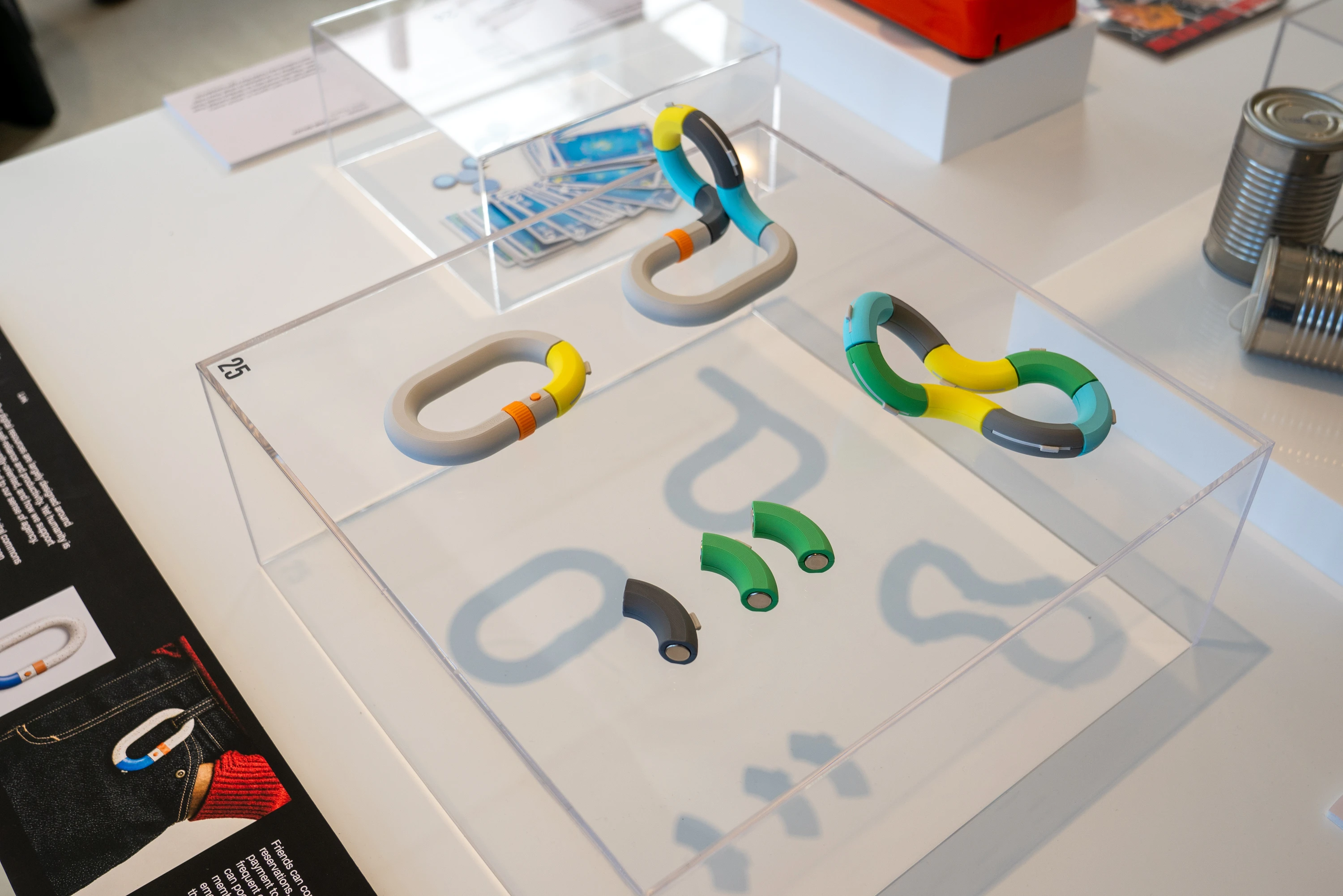
Link bridges that gap by making the digital commons tangible. Connect two Links, and you can share resources, such as temporarily granting access to a physical space, pooling community media into a shared library, or granting shared rights and benefits in a collective.
As more of what we own and use spans both physical and digital worlds, Link preserves a familiar human instinct: to easily share what we have, with the people we spend our lives with.
Inspiration items
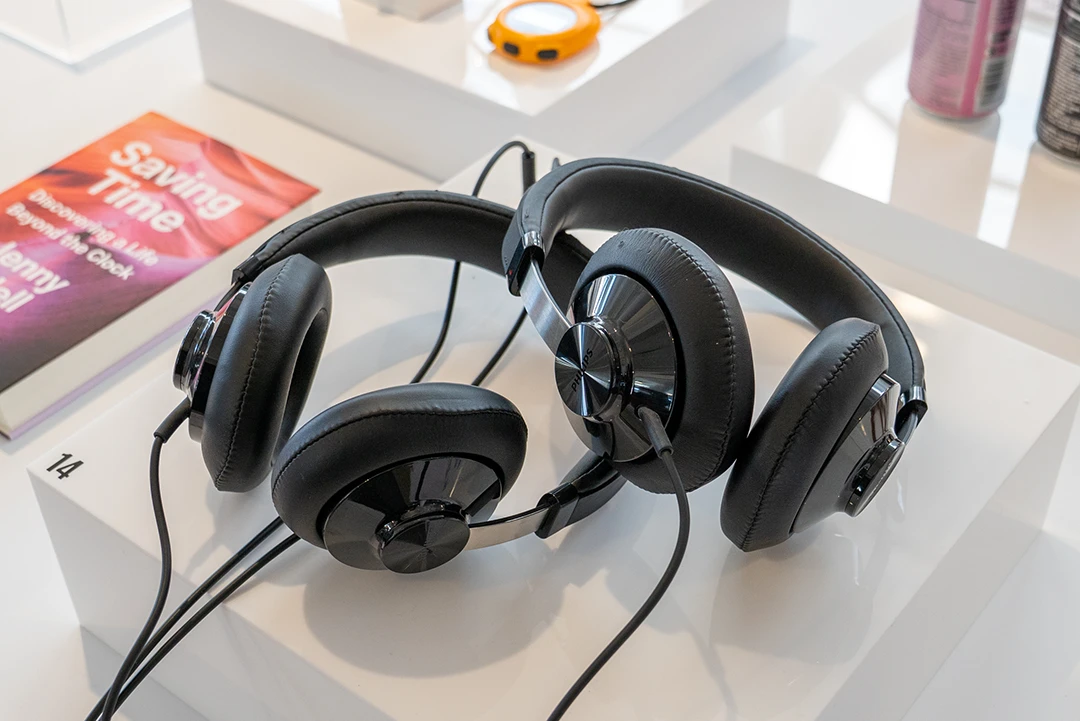
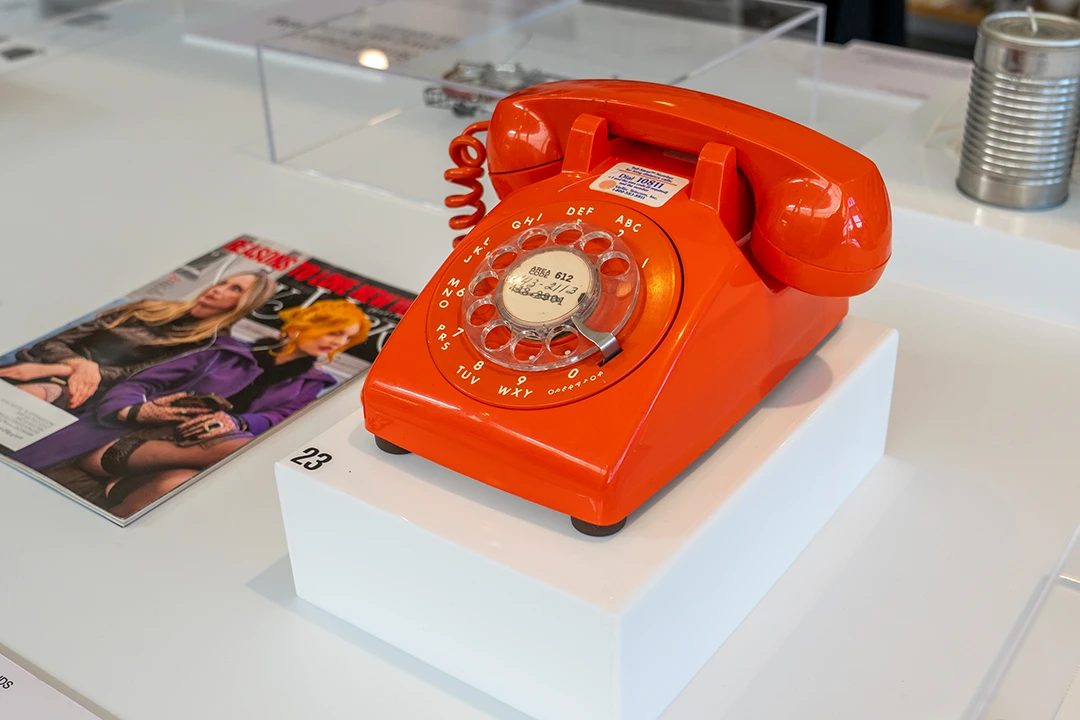
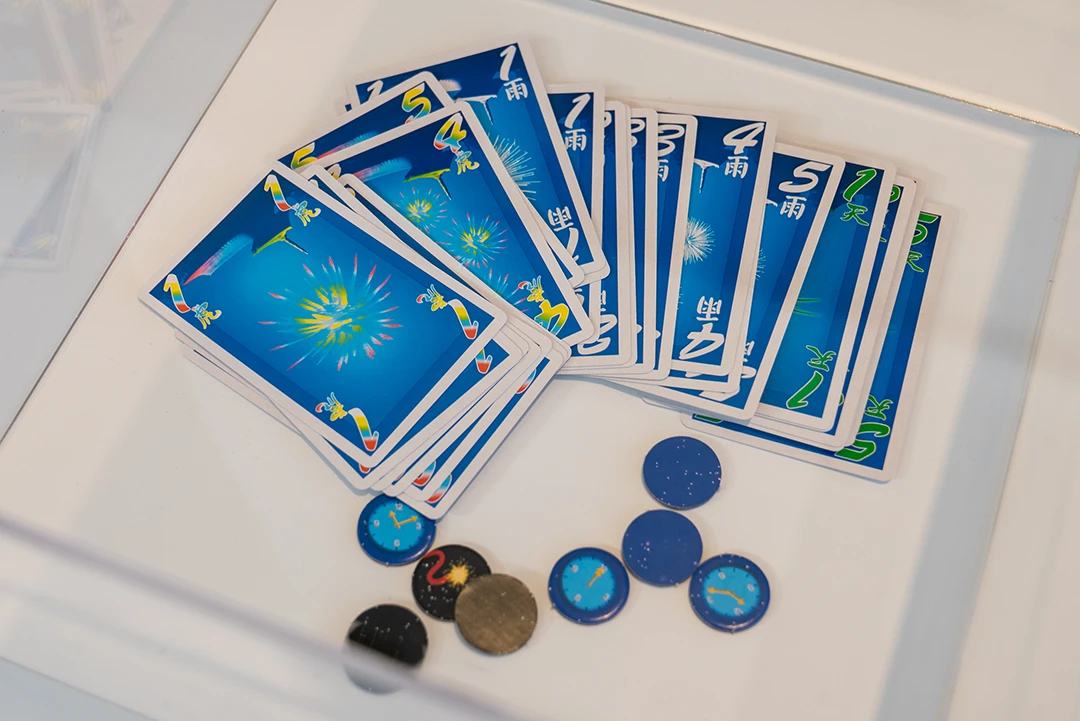
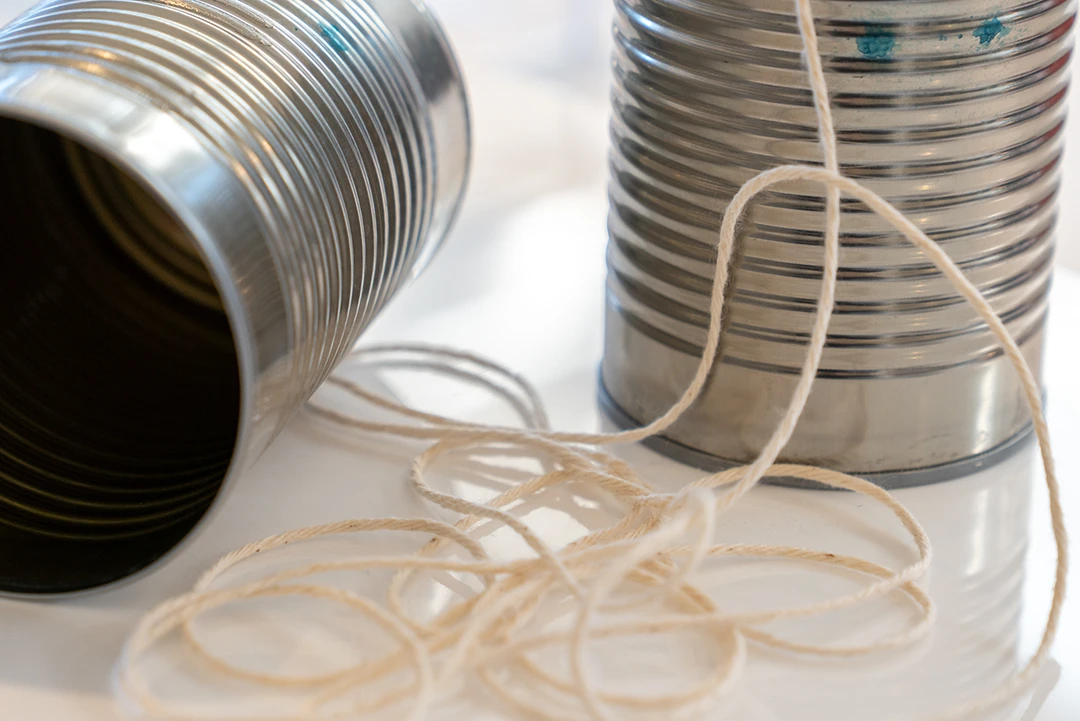
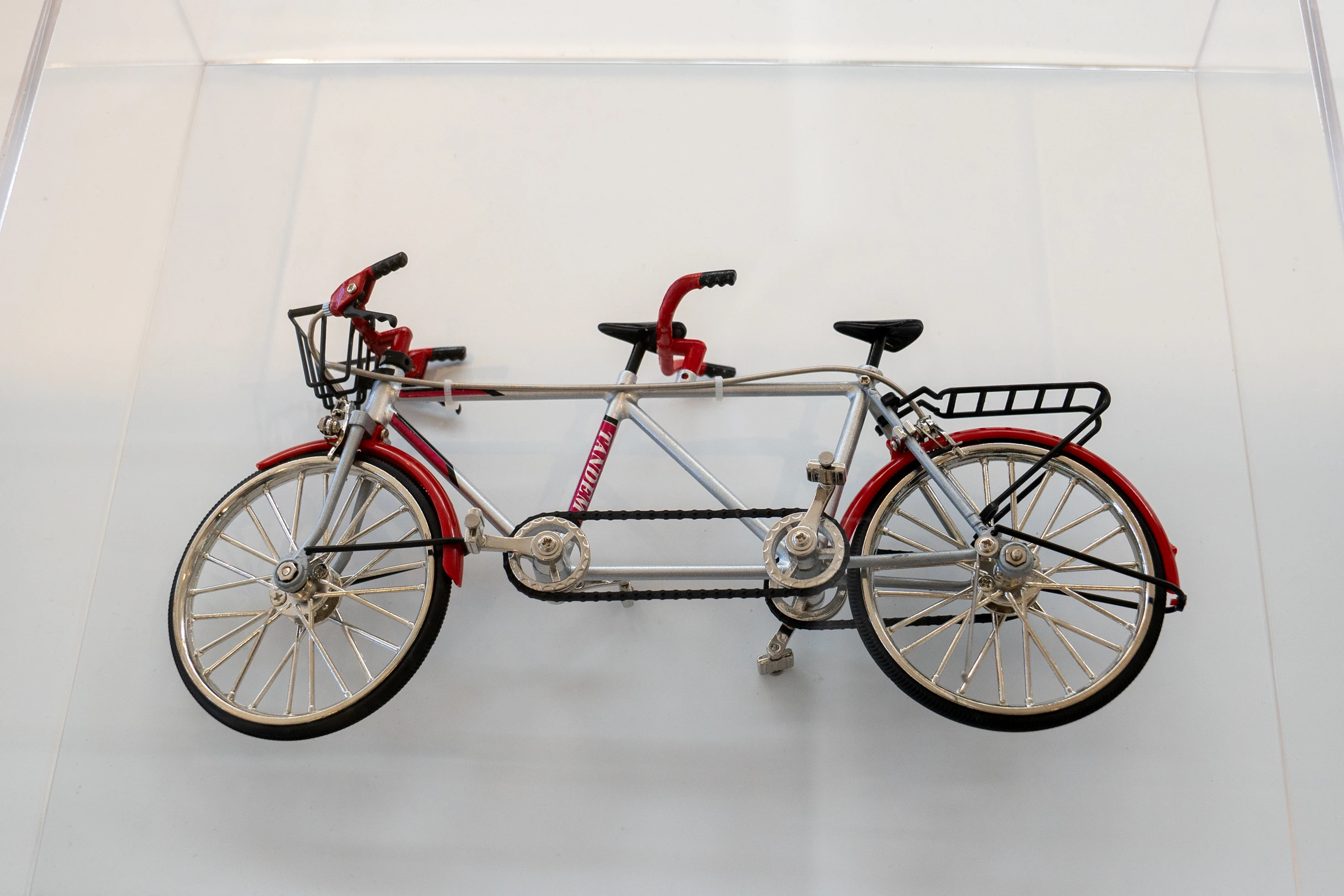
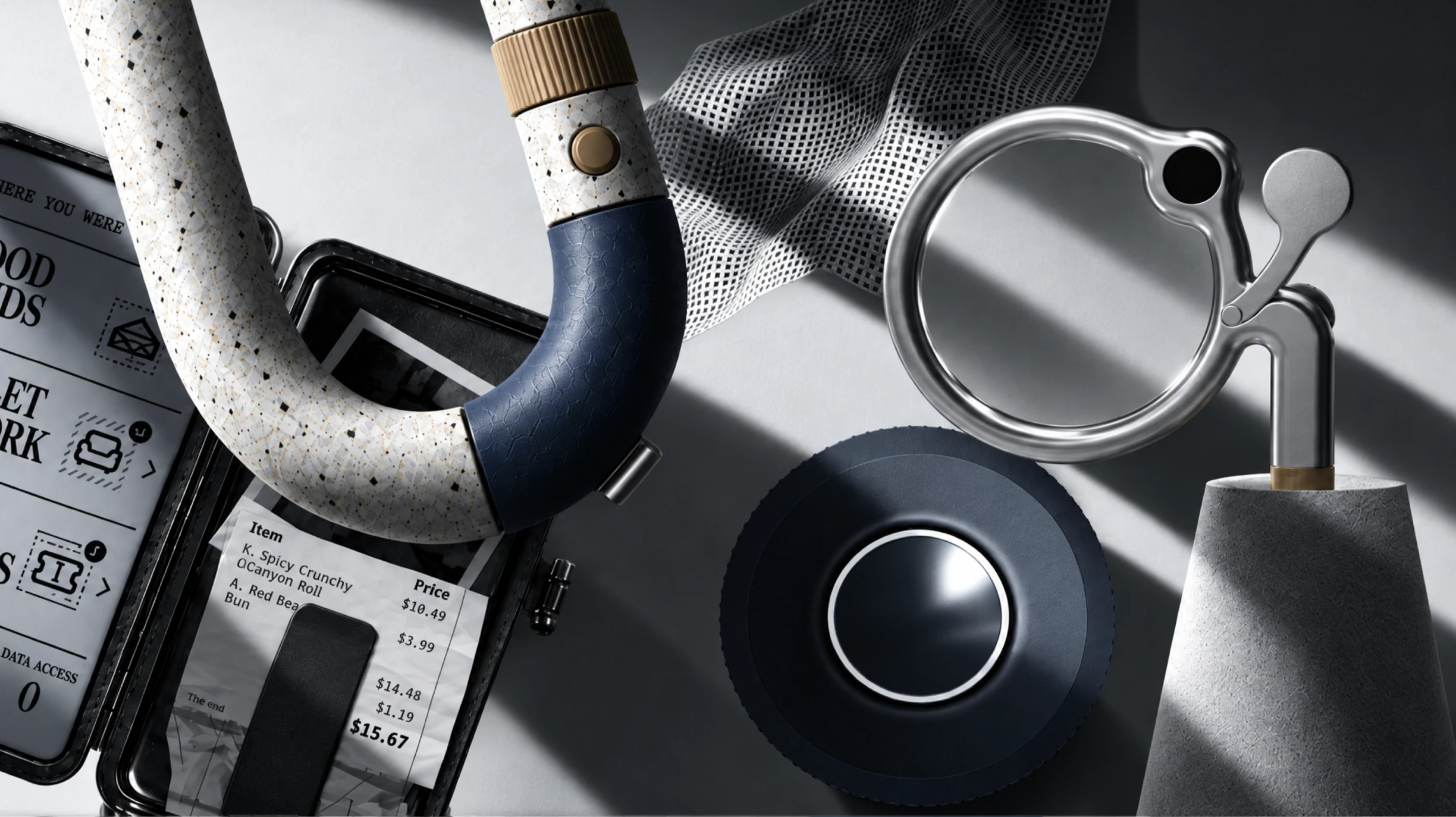
At IDEO, we have a saying: “Never come to a meeting without a prototype.” These five objects aren’t finished products, but anchors that shape our perspective on the future of computing and design. We’ll continue to evolve them, and welcome your thoughts on the principles and objects as well.
If your team is exploring the edge of design in your work, we’d love to hear from you.
And if you’re interested in prototyping some smart objects of your own, you can explore OpenStudio.
Meet some of our
emerging technology leaders.

Yicheng “YC” Sun
Senior Director
YC helps lead IDEO San Francisco’s healthcare portfolio, specializing in building digital products and emerging technologies. He applies human-centered design in service of individual and collective wellbeing and is constantly thinking about how to bring healthcare ventures from ideation to market.

Juho Parviainen
Executive Design Director
Juho Parviainen is an interaction designer who believes in democratising technology, and making it work for people, rather than the other way around. Over the past two decades, he's helped lead IDEO Europe, Product Design in North America, and worked across everything from retail to gaming, telecommunications, media, and health.

Ridima Ramesh
Senior Designer
Ridima is a senior designer at IDEO's Play Lab. Her work lives at the intersection of games and other domains, like education or healthcare. She connects the dots and finds the fun to create more motivating and fulfilling experiences for people in their everyday lives.

Max Lackner
Senior Interaction Design Lead
In the space between design and research, Max explores, communicates and visualizes the future worlds we are heading towards—whether realistic, utopian or dystopian—in order to raise awareness on today’s actions and their long-term effects.

Becca Carroll
Chief Strategy Officer
Becca leads IDEO’s long-term strategy and emerging growth initiatives. Her career spans entrepreneurship, financial services, and technology, anchored in designing sustainable businesses that make systems and products work better for people.