Creating an out-of-this-world STEM learning experience
Aboard the Verizon Explorer Lab, students can travel to Mars and learn engineering basics along the way.
When Mr. Gordon told his fifth grade students they were taking a field trip on a bus, many of them envisioned the city bus that they ride each day to school. But when they saw the Verizon Explorer Lab pull into the school parking lot, they realized a unique experience awaited them. Painted in bright colors, this bus promised something very different from their daily commute.
“Climb aboard, explorers!” says the Lead Explorer. The students walk through the bus’ sliding doors and inside, where instead of rows of seats, they find a sleek research lab. Suddenly, the lights dim. The bus makes a rumbling noise as though it’s about to lift off. And on a large screen, a vision of Earth from space appears. The students listen and point as the video narrator briefs them on NASA’s ongoing search for life in space.
Science education isn’t always this fun. Some kids have a chance to learn through interactive games, immersive experiences, or engaging field trips; but many lack access to rich educational experiences in science, technology, engineering, and math (STEM). As a result, they can be less likely to pursue careers in STEM, though many future jobs will demand mastery of these subjects. This not only impacts a student’s potential and future, but reduces the diversity and number of qualified STEM job applicants.
In under-resourced schools, students are often limited to the scarce tools available for STEM learning in their classrooms. Many kids rarely have a chance to leave their neighborhoods. For these kids, mobile learning experiences that come to their school offer unparalleled exposure to cutting-edge, technologically advanced, and—most importantly—inspiring gateways into these critical academic subjects.
As part of its focus on digital inclusion, Verizon partnered with IDEO to share the excitement of STEM learning with middle schoolers. To facilitate access and discovery of STEM, the team designed a learning experience that takes place on a coach bus and can be scaled to reach kids across the nation.
The team set out to transform the bus into the Verizon Explorer Lab: a futuristic research lab that transports kids to new environments, from outer space to under the sea. As part of the larger Verizon Innovative Learning program, the Verizon Explorer Lab offers delightful and rigorous content that meets national science standards.
A multidisciplinary team comprised of designers across interaction, communication, environments, games, and software partnered with Verizon to bring the Verizon Explorer Lab to life.
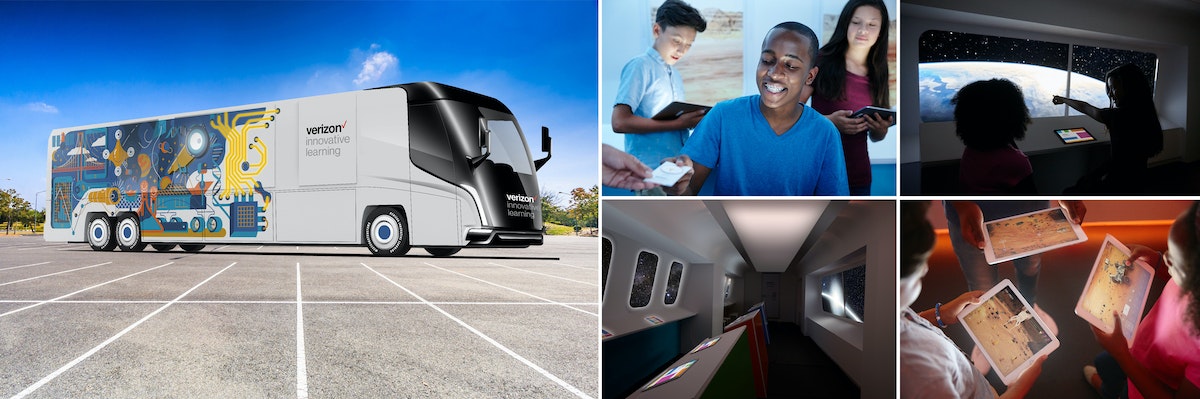
To keep the student at the center of the experience, the team designed alongside kids. Their gravitation toward play, interaction, and technology inspired the digital game that students play onboard the bus. When developing the game’s narrative, the designers turned to popular kids’ books and movies. What began as a card game prototype eventually became a 360-degree video and virtual reality expedition to Mars—complete with a custom musical score—that introduces middle schoolers to engineering basics.
After stepping through the bus doors and taking a tour of the solar system, Mr. Gordon’s students receive an emergency call from NASA: They must rescue the missing Curiosity rover, which is dedicated to collecting evidence of life on Mars. Eager to save Curiosity, the students become immersed in the adventure at hand. And through the adventure, they become immersed in science.
Students use tablets to design their own Mars rover. Each rover appears on a large screen and traverses the planet’s extreme terrain. The goal is to collect data that suggests life on Mars, including ice deposits, photos, and more. Students iterate on their rover’s design—wheels, power sources, and sensors—to test if it can stand up against dust storms and craters. The team consulted a NASA planetary scientist to ensure accuracy, as well as educators to establish cohesion with classroom curricula.
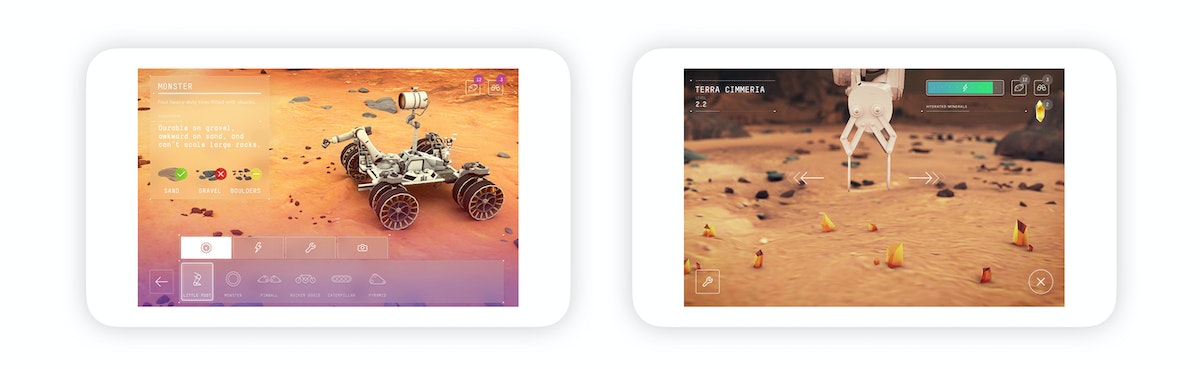
During the game, students are encouraged to compare designs and learn from each other: One rover may be able to travel long distances and take various photos, while another can carry large quantities of ice and sediment samples but can’t go far because of its size. At the end of the mission, the group finds Curiosity and sends all of the evidence they’ve collectively gathered back to NASA to aid the search for life beyond Earth. Before departing the bus, students watch an animated video that explains various jobs in STEM and encourages kids to pursue one of these careers.
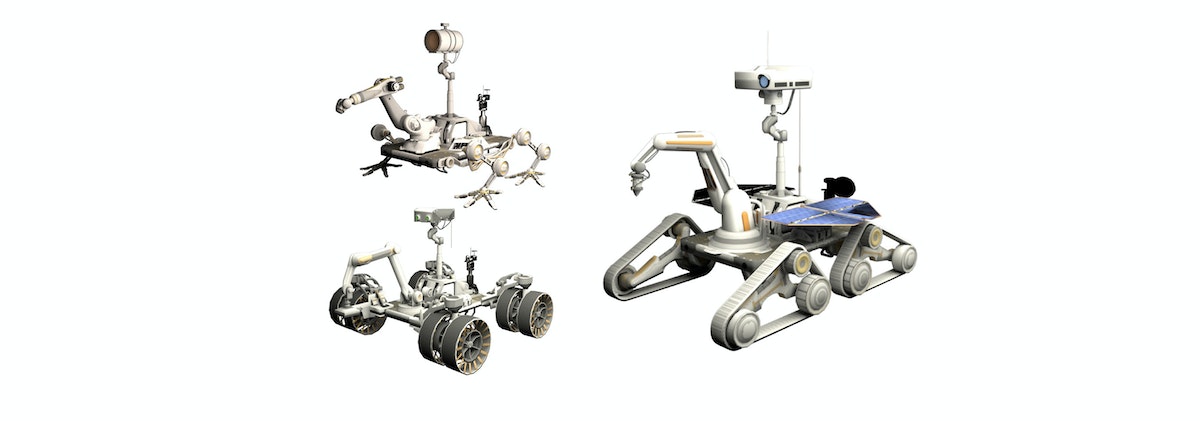
The Verizon Explorer Lab teaches students the engineering design loop, the value of collaboration and teamwork, and what a career in STEM might look like. The mission to Mars game is just one of many potential STEM learning opportunities for students and integrated, customizable learning modules for teachers.
Since launch, the Verizon Explorer Lab has traveled to various parts of the United States and reached thousands of kids. It continues to be managed by Learning Undefeated, Verizon’s nonprofit partner. By designing for and with students, it’s possible to create educational experiences that facilitate meaningful learning and genuine fun. The Verizon Explorer Lab represents progress towards a more inclusive future for employers and the STEM field.
A leading food company’s human-centered transformation spurs rapid growth
How The J.M. Smucker Company embraced customer centricity to build a culture of innovation.
Over more than a century of leadership in the food and beverage industry, The J.M Smucker Company has expanded its range of products to maintain its relevance and address market demand. Today, the company leads numerous categories, with beloved products like Jif, Milk-Bone, and Folgers, which are the top choices of millions of Americans. By growing and diversifying their brands over the decades, Smucker has successfully weathered major shifts in consumer habits and technology. Today, though, CPG companies are experiencing unprecedented disruption, and leaders at Smucker understand that the escalating pace of change will require more than just new products.
Geoff Tanner, Senior Vice President, Growth & Consumer Engagement at The J.M. Smucker Company recognized the need to identify new market opportunities and establish practices that put innovation and growth at the heart of their business. And he saw the potential to bring those goals to life through his relationship with IDEO.
WATCH: Balancing innovation and efficiency through design has helped Geoff Tanner, Senior Vice President, Growth & Consumer Engagement at The J.M. Smucker Company, brave the unfamiliar, transform organizations, and ultimately bring game-changing ideas to market faster.
Geoff has stewarded a close partnership with IDEO for over a decade and throughout roles at numerous organizations. Together, Geoff and IDEO have worked on 25 projects, beginning while Geoff was VP of Marketing at Big Heart Pet Brands, and continuing on throughout his career at The J.M. Smucker Company. By working with IDEO to adopt a design thinking approach, Geoff has enabled collaboration across teams and empowered his organizations to find new ways of working that result in measurable business impact. For The J.M. Smucker Company, the partnership has brought creativity and human-centered design to the forefront of its operations, strengthening its ability to bring new products and brands to market and create a pipeline of growth.
WATCH: The J.M. Smucker Company has shifted to embrace growth and innovation as a mindset throughout the organization to bring more consistency to the innovation process.
Looking to the past to creatively connect with the future
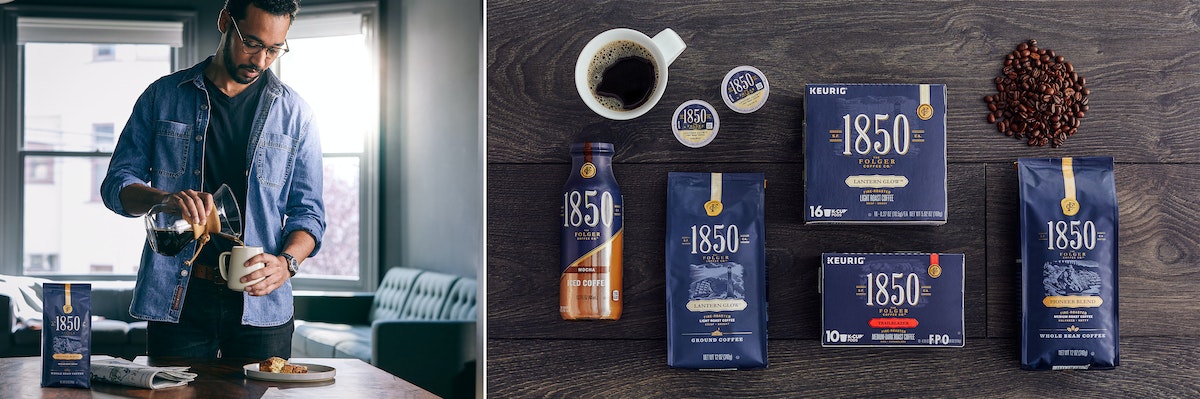
As an example of this, Geoff and The J.M. Smucker Company suggested to IDEO that they explore how Folgers, America’s leading at-home coffee brand, might resonate more deeply with a millennial audience. Design research revealed that the mindset of today’s millennial coffee drinkers aligned with Folgers entrepreneurial brand roots. The teams collaborated to create a new concept: a brand called 1850 and an end-to-end, go-to-market product experience, including packaging, retail, and merchandise. 1850 hit shelves in 2018 and has since been reported by IRI Advantage as the top launch in the Coffee Category for 2019.
Frankly, I don’t think innovation gets any easier. You just get a little more comfortable with the discomfort, and that’s when the work starts to get consistently better.
Geoff Tanner, Senior Vice President, Growth & Consumer Engagement, The J.M. Smucker Company
Creating an innovation pipeline that’s inspired by consumers’ needs
With 1850 underway, Geoff and The J.M. Smucker Company continued to invest in human-centered design to drive new offerings. The next collaboration with IDEO explored how Jif, the iconic peanut butter brand, could extend beyond the jar and become more readily accessible and appealing to busy parents who want to feel confident about the snacks they give their kids.
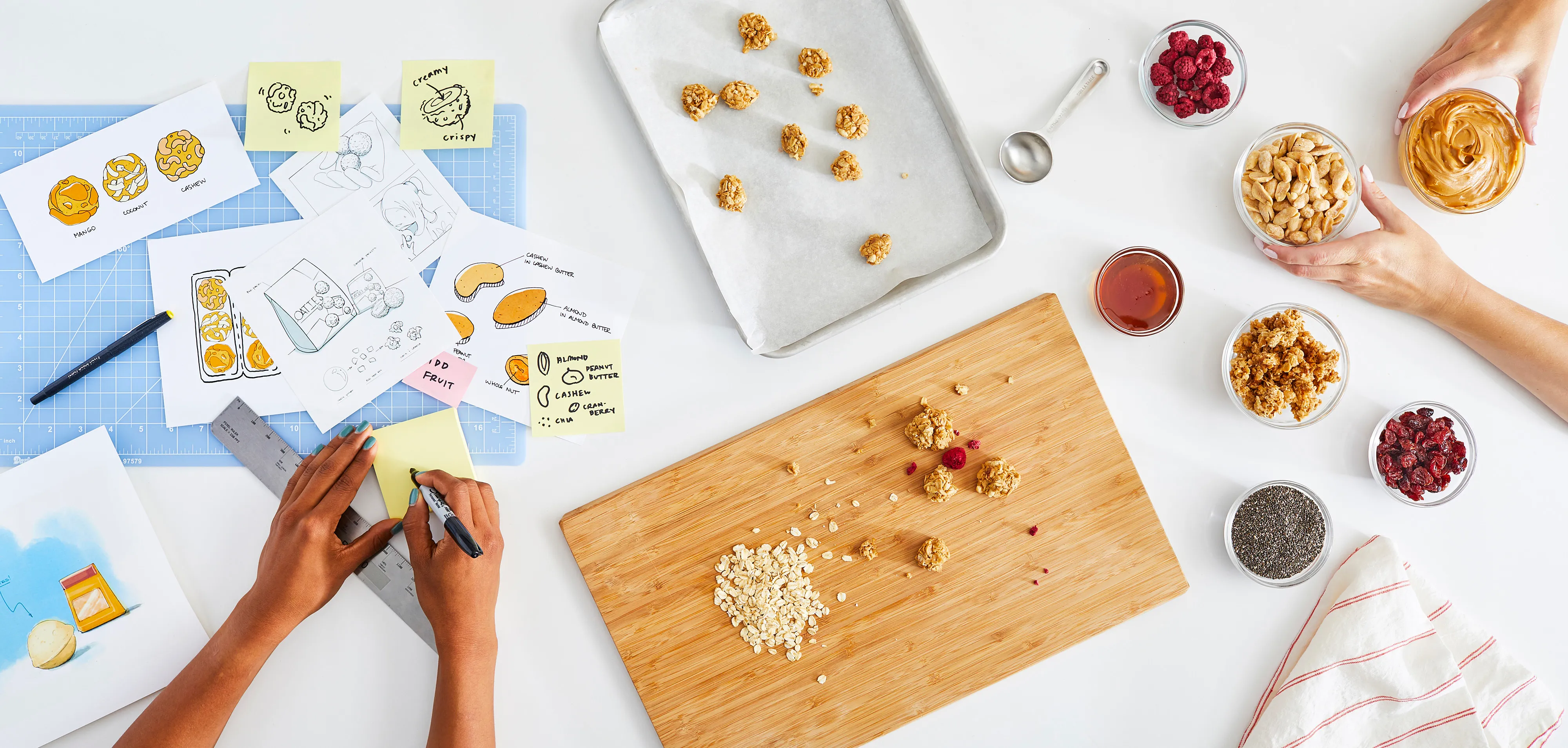
The design team was moved by the challenges that parents face: They want the best for their kids, but struggle to choose between what’s wholesome and what’s convenient on a daily basis. The ideal foods are filling, nutritious, and energizing, but often take more time to prepare and aren’t backpack or carpool-friendly. On the other hand, more convenient options tend to be full of empty carbs. Based on this insight, IDEO and Jif decided to tackle the snack-time parenting struggle. The IDEO and Jif teams worked side-by-side to prototype multiple product ideas and formats and tested them with on-the-go families to ultimately create Power Ups.
Available at over 200 retailers worldwide and online at Amazon, Jif Power Ups make wholesome, delicious grab-and-go snacking possible for kids and parents alike, across products ranging from Soft Baked Bars to Creamy Clusters, which are filled with peanut butter and rolled in whole grain oats. All are made with peanuts as the first ingredient and contain no high fructose corn syrup. Since going to market in 2018, Jif Power Ups has been named the top innovation launch in the Snack Bars category by IRI Market Advantage.

Design thinking underpins everything we do.
Geoff Tanner, Senior Vice President & Corporate Officer, Growth & Consumer Engagement, The J.M. Smucker Company
WATCH: The J.M. Smucker Company is on a transformational journey, committed to three pillars of growth: Lead in the best categories, build brands consumers love, and be everywhere.
The J.M. Smucker Company has experienced accelerated growth and speed to market by testing bold new ideas and evolving the role of innovation at the company. Design thinking and consumer empathy have permeated the organization’s new product development process, making it easier to uncover sharp, human-centered insights that lead to thoughtful and uniquely differentiated brands in a competitive, ever-shifting, and overcrowded industry. The work has fueled Geoff’s vision to inspire a culture of innovation at the company so that it can move at the speed of consumers and remain a best-in-class family of brands for future generations.
Creating a fresh, modern take on the Indian culinary experience
Designing a scalable restaurant, retail, and packaging experience that highlights the diversity of regional Indian foods.
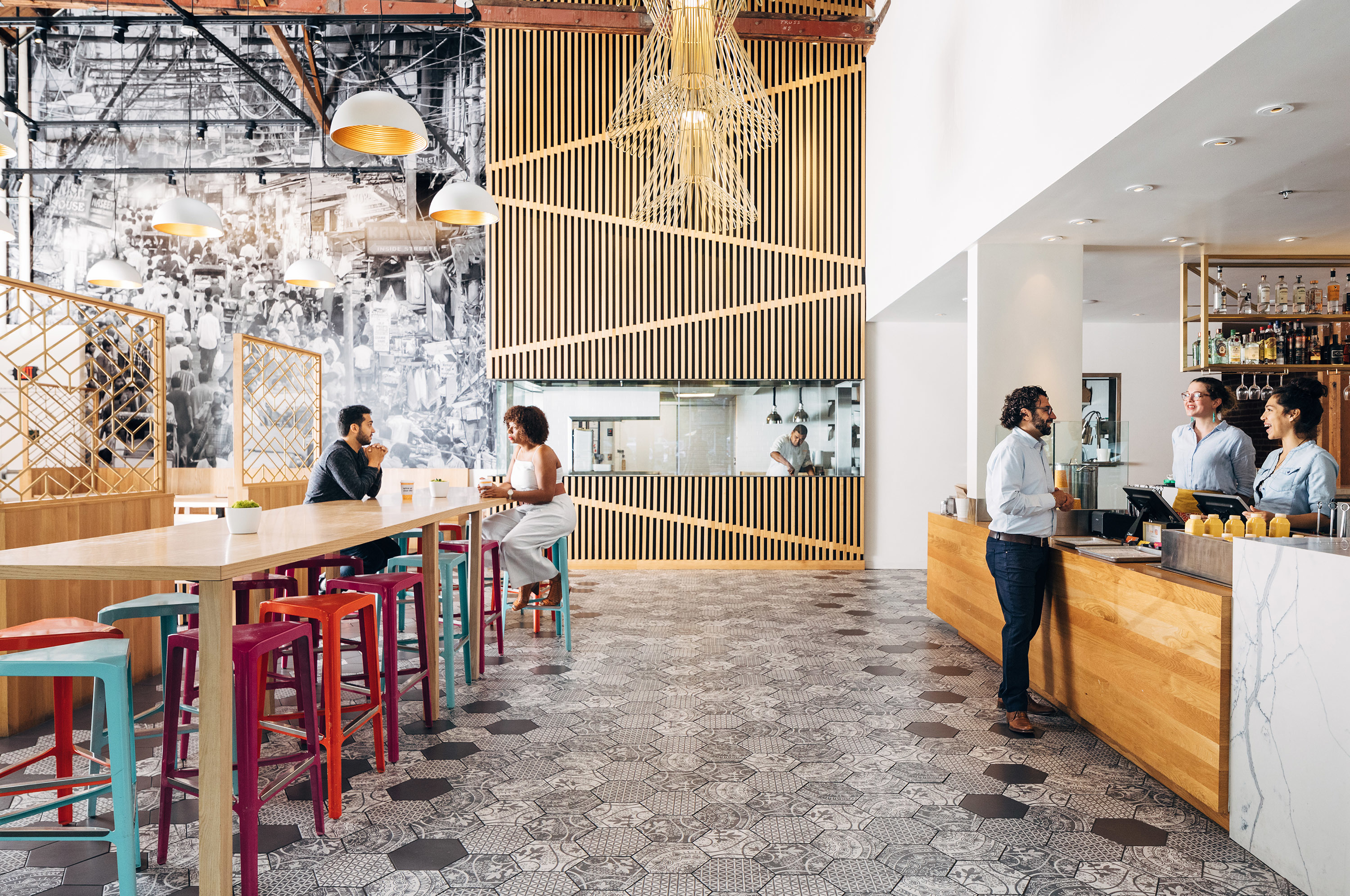
It’s a Thursday afternoon in Oakland, California. A line of lunchtime diners snakes out the door of dosa by DOSA. Upon entering, eaters are greeted by the smell of tangy dosa—a large paper-thin crepe made from a fermented batter of rice and lentils—and sweet, spicy chai. Turquoise chairs pop against a floor-to-ceiling mural by Oakland artist Namita Kapoor that transports diners to Chandni Chowk, one of the busiest markets in Old Delhi, as if enjoying their food at a local vendor.
In 2003, Emily and Anjan Mitra spent their honeymoon in India, savoring the street food of Anjan’s childhood in Mumbai (often still called Bombay). After returning to San Francisco, they found themselves longing for those distinctive flavors and dishes. Realizing that most Bay Area diners had never seen nor tasted these foods, Emily and Anjan founded DOSA, an upscale, full-service restaurant that introduced the Bay Area to Southern Indian cuisine. Locals came to try the unique, plant-forward dishes, and left with satisfied bellies and a broader understanding of Indian culture.
The entrepreneurs envisioned a brand extension of DOSA: a counter-service restaurant that could scale nationally. The hospitality venture, called dosa by DOSA, would offer healthful Indian street food made from local and seasonal ingredients. Emily and Anjan also set out to expand their existing product line-up—including cold lassi beverages, simmering sauces, and grab-and-go-meals—to national grocers and retailers and needed launch-ready packaging that was convenient, eye-catching, and environmentally-friendly. The new expression would enable consumers to experience dosa by DOSA and Southern India in a variety of forms and places. Emily and Anjan partnered with IDEO to establish a cohesive and consistent brand experience, from the restaurant and to-go meals to retail stores and mobile delivery.
In close partnership with the founders, their staff, Feldman Architecture and MPADA, IDEO set out to bring dosa by DOSA to life and help it scale through brand, environment, and experience design. This included creating everything from the logo and packaging to the menu and operations strategy, with each element tying back to the founders’ vision of sharing Indian heritage and traditions through cuisine.
The group began by seeking cultural inspiration for dosa by DOSA’s brand identity system—the logo, colors, values, fonts, and messaging—to guide future designs. They were inspired by Indian truck drivers who decorate their trucks with garlands, signs, or flags that engage other drivers or bring luck. The dosa by DOSA logo design and its wood-cut typeface are inspired by the dimensionality of this homespun art form, while the vibrant, eclectic colors reflect the streets and textures of urban Mumbai.
The goal of opening people’s minds to Indian cooking and culture extends to the packaging, which meets customers’ needs and playfully educates them. The food containers—made from recycled and compostable material—feature brightly patterned labels reminiscent of the trucks. Some have built-in compartments suited to multiple dipping chutneys, making it convenient to sample a variety of Indian flavors. Paper tray covers resembling Mumbai newspapers offer eating tips like “Be civilized. Eat with your hands,” encouraging diners to experience an Indian custom.
The vibrant brand comes to life across an array of packaging, including cold cups printed with the phrase “thanda thanda pani”—meaning “cold cold water”—which comes from a popular Indian parody of the Vanilla Ice song "Ice Ice Baby."
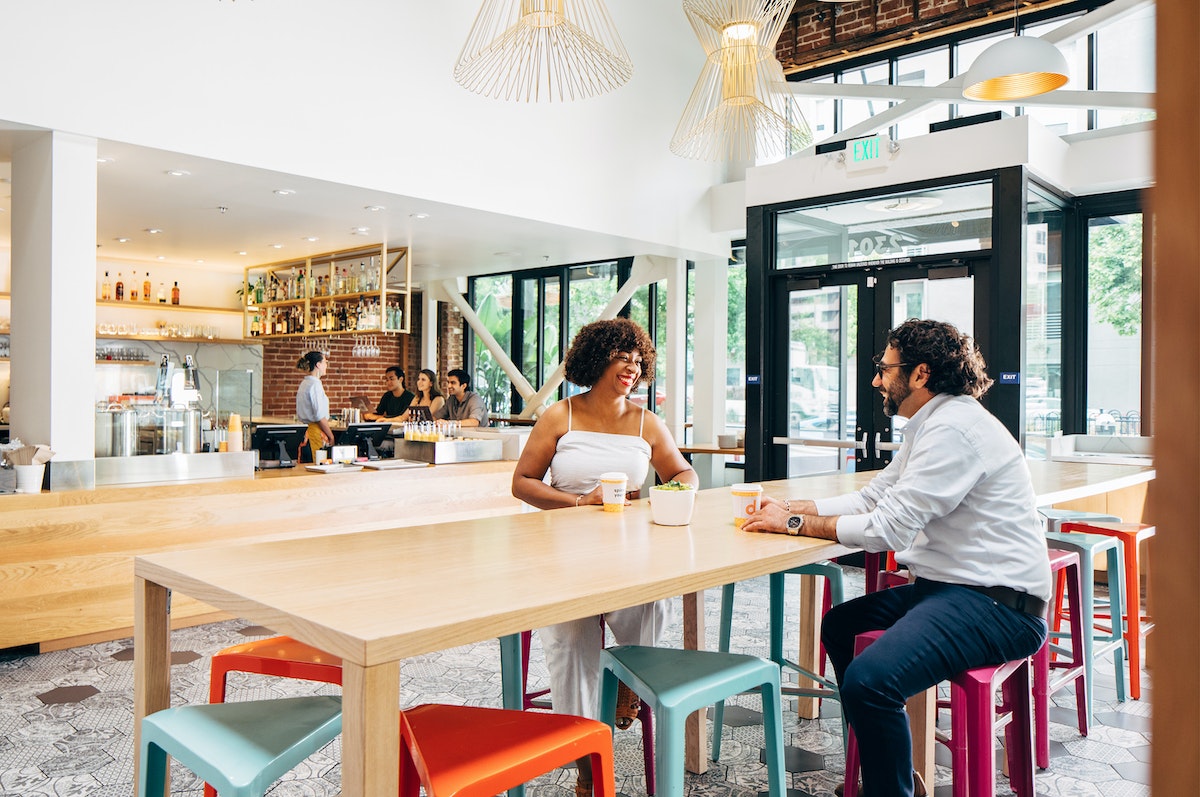
To design the diner experience and restaurant environment in a way that invites curiosity about the culture and cuisine, the team started with diners: They identified key moments in their experience like entering, waiting in line, and paying. The floor plan, furniture, lighting, signage, and menu were designed around these touchpoints. For example, while customers wait in line, they can watch dosa being prepared, as if they’re eager and hungry travelers awaiting street food.
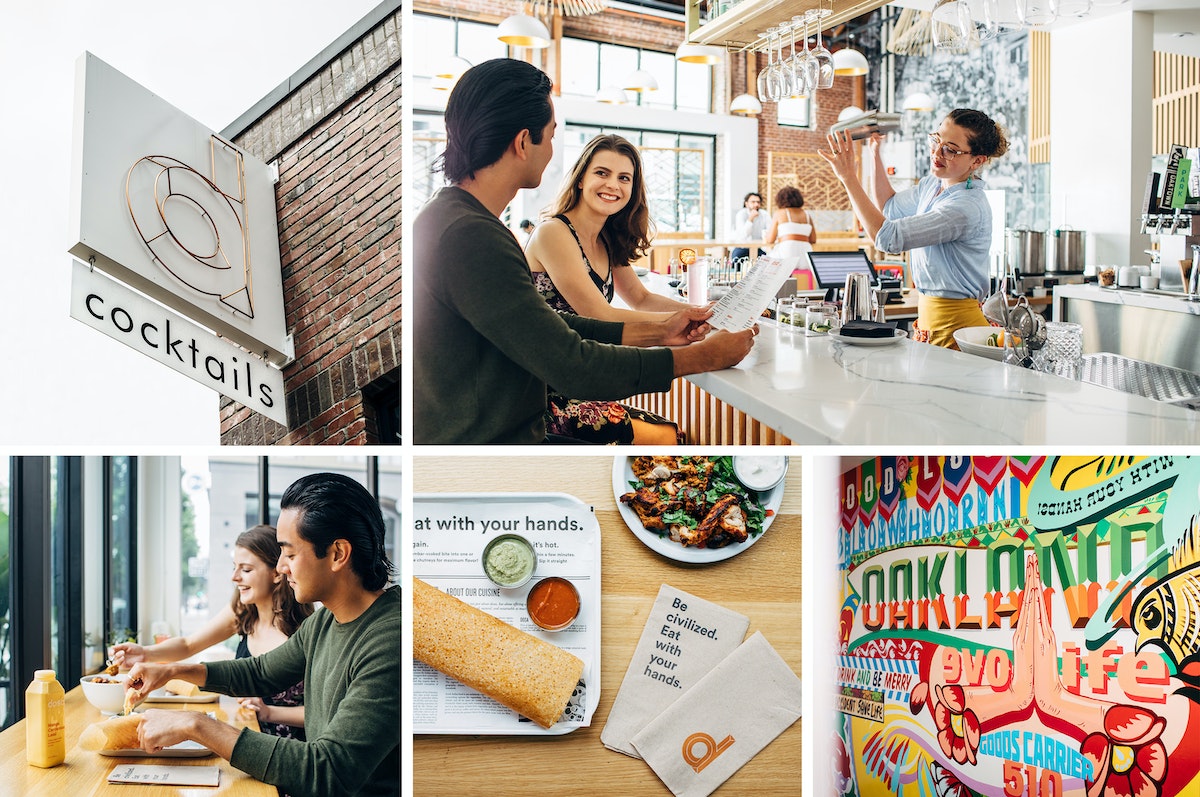
The dosa by DOSA menu includes distinctive items like coconut kale mung bean salad and hot masala chai made with caramelized milk—the way Anjan’s mother prepared it. To help the restaurant scale, the team created a preliminary furniture, fixtures, and equipment (FF&E) budget, 3D renderings of the space, and an operations strategy for the founders and their employees.
The dosa by DOSA flagship launched in January 2018 in Oakland, California. The IDEO brand guidelines have enabled the dosa by DOSA team to independently and easily shepherd new product lines to market, including salads, wraps, curry bowls, samosas, and simmer sauces. The brand’s packaged food launched in over 200 natural food stores in 24 months—including over 100 Whole Foods locations—as well as online retailers and delivery services like Good Eggs and Caviar. These items and the restaurant have helped Emily and Anjan realize their vision of bringing the flavor and spirit of Southern Indian cuisine to new communities around the world.
Revitalizing Japan’s food industry through design and software
Redefining the “middleman” role of produce wholesalers in Japan.
In recent years, due to shifts in Japan’s demographics, the food industry has faced challenges such as a decrease in market size and a shrinking number of producers. As a result, social impact opportunities abound in this field.
When Japanese software company NJC (Nippon Jimuki Co. Ltd.) approached IDEO seeking to identify new business opportunities that would build on the company’s core strengths, the food and agriculture industry rose up as a promising area of focus.
NJC is a well-established software company that has spent over 50 years helping to build backend business systems for small to medium enterprises. NJC works across healthcare, retail, and food and beverage, computerizing core processes to support and improve operations.
In partnership with IDEO, NJC explored its strengths and potential as an organization, as well as the ideas and visions of the employees, and emerged with the goal of using their capabilities to address large-scale issues facing regional farmers.
During research across Japan, local growers described challenges with multi-layered supply chains and analog systems, which led to “overwork for minimal profit,” as well as a gap between supply and demand. Because agricultural wholesalers lacked clear information in advance on the status of crops or the volume to be harvested, they struggled to negotiate with buyers, which led to wasted food On the other hand, the farmers who grow the crops are engaged in manual labor, and do not always have the energy to focus on business aspects such as efficiency or the pursuit of increased profitability, which leads to a diminished interest in farming among young people.
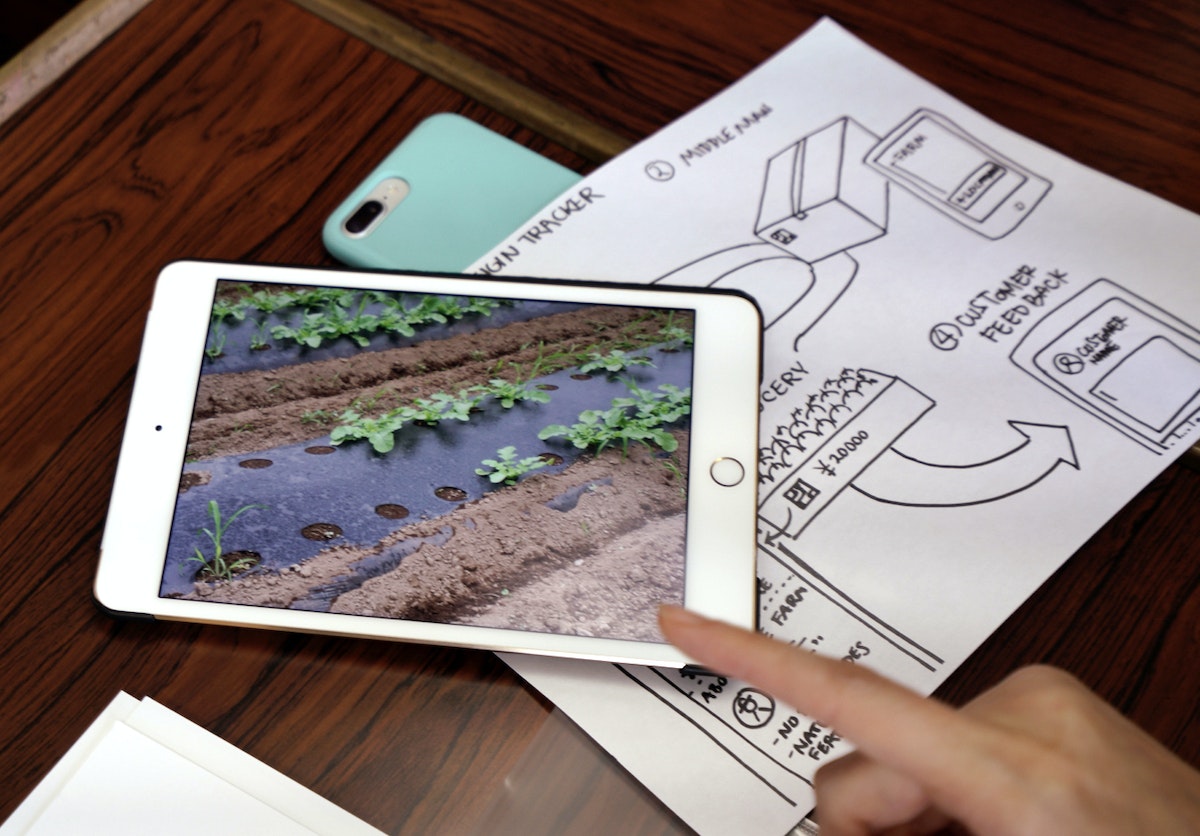
One question that emerged through research was why agricultural producers weren’t utilizing IT. This evolved into “How can profitability be improved for all stakeholders?” and, “How might we create a system that will provide useful data without creating a burden for either farmers or agricultural wholesalers?”
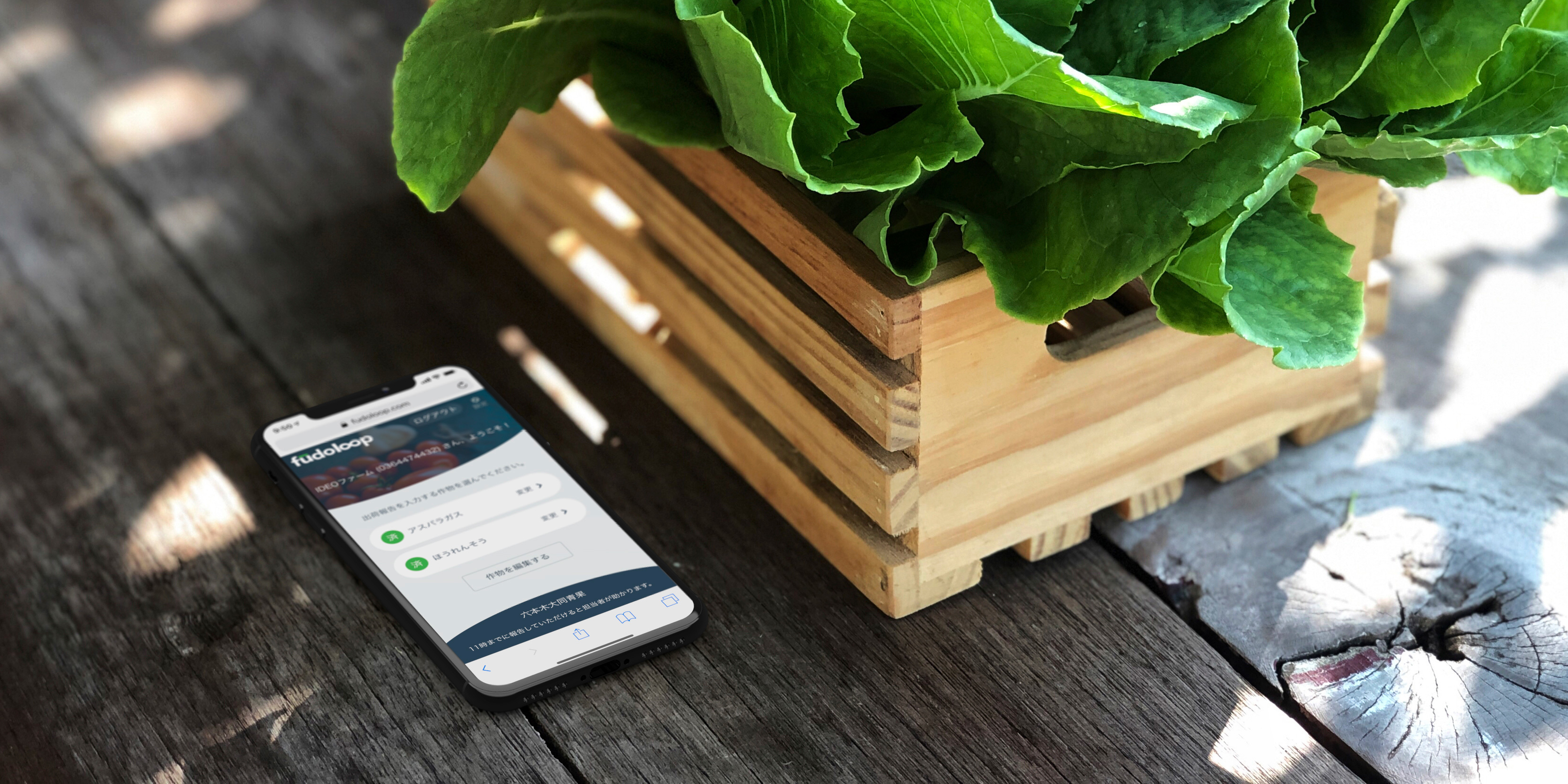
The result was fudoloop.
fudoloop is an app that enables farmers and wholesalers to conduct business more profitably by bringing transparency to the fluctuating produce market. Through fudoloop, wholesalers receive information from farmers a day in advance, and can coordinate the various requests of buyers, such as order size, production location and other special requests. As a result, wholesalers can function as “community managers,” doing business with both producers and buyers at a more appropriate price point.
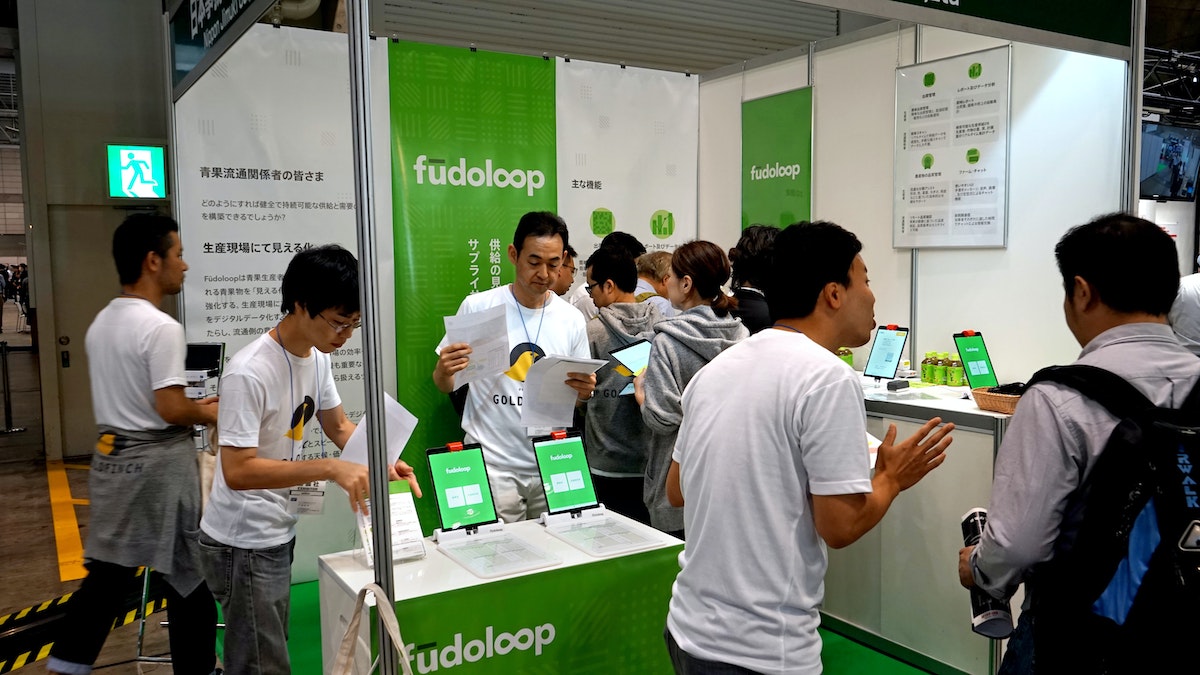
NJC aims for fudoloop to be the first step in a cycle that brings value to all stakeholders, from farmers to wholesalers, retailers and even customers, by redefining the “middleman” role of produce wholesalers.

3 Ways to Make Your OOO More Human
The art of Out-of-Office messages

When we get an auto-responder, the feeling is generally one of mild disappointment, indifference, or doom, depending on how urgent your request was.
If I took the time to compose something better, I wondered, would anyone take the time to read it? Was there a way—an opportunity, even—to shift the entire auto-responder interaction from one of scarcity (nobody’s home) to abundance (well that just made my day)?
The question became:
"How might we take one of the most automated voices we still offer to the world and make it more human?"

I started to experiment:
"I will be in a workshop this week rendering response time erratic and unpredictable. I apologize for any inconvenience this may cause and invite you to celebrate this moment by testing the varied edges and new limits of patience this may evoke. Who knows where it may lead? I will be back to you as soon as possible. I promise. Thank you!"

Then got a little bolder:
"I will be impossibly slow to respond today as I am currently seated deep within the bowels of our criminal justice system doing my bit as potential juror #xxxxx for Kings County. I urge patience and self management, and that's just for myself.... I apologize for any inconvenience this may cause."

Today you will most likely receive:
"I am abroad with the most inconsistent wifi I have ever experienced. It's the substantiation of mindfulness, the invitation to a million moments paused in the belligerent now. I will pick up with you again on July 10th when I am back in New York where the data flows like a subterranean stream and the hours are neither here nor there. Thank you for your patience in the meantime."

People responded. They read them. They liked them! And the fact that they got a momentary zing out of these absurdist missives did much to relieve my guilt over dodging people's requests. I also learned a few things along the way.

3 design principles for how to write a better OOO:
- Insert an element of surprise
Moments of surprise in the mundane matter exponentially. I have received many many bemused responses. From close colleagues to clients to absolute strangers. It instantaneously bonds us and shifts the exchange from “I have a request or need” to “I see and hear you.” When I eventually return and execute on that request, there are new connections, filamenty kinship has grown between us through humor and surprise. From that foundation we accomplish more, usually with speed, which is ironic when you think that the communication started with a stunting. Not particularly auspicious. This creates space for possibility. - Do not concede to the bot!
Bots are helpful, available, and dare I say it, adorable at times. But to compete with them we must use our all too human, weird, silly, grammatically inconsistent voices. Besides, if they are learning from us anyway we may as well give them some good material to work with. - Upend expectations by being yourself
I work in leading talent for IDEO. I'm proud of that craft. But I’m also an MFA, a poet, and you may be able to tell, a bit of a weirdo. The moment I gave myself permission to be myself in all of my communications with people—even the dryest most official ones—people started responding in kind. Free yourself and the rest will follow.

We all operate in a world where we bump up against other’s expectations or assumptions of who we are on a daily basis. Those assumptions don't change on their own—that's your job! And it's as easy as writing a good OOO email! I am not HR, I’m HCH. Hello.
The dreaded OOO. You've probably already gotten one today. The tone is usually perfunctory, most likely generated by a bot, or a bot-like impulse on behalf of the sender, who is hastily trying to sign off before that vacation, workshop, excuse to get away for five minutes of uninterrupted peace.

Thoughtless Acts: DIY Rain Gutter
Thoughtless Acts: DIY Rain Gutter. The intuitive ways we adapt and react to things in our environments
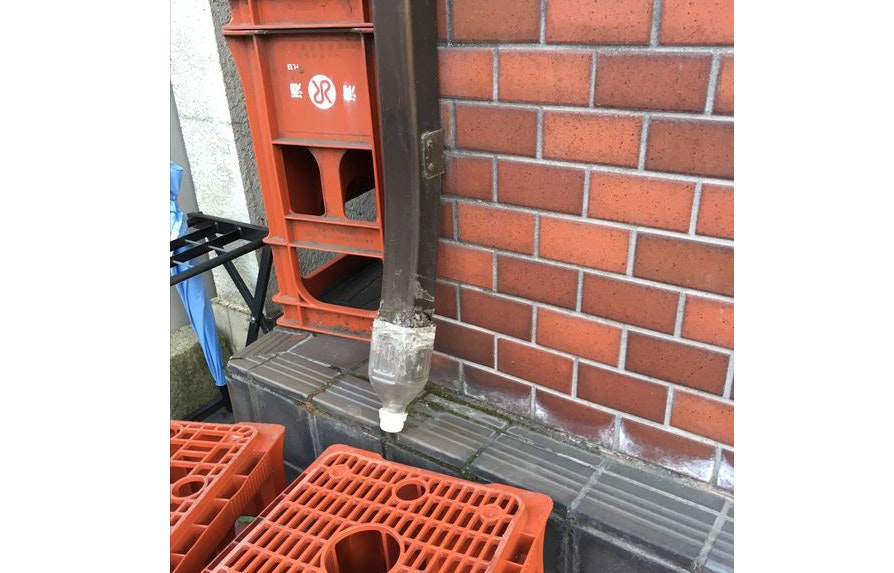
I found this outside of a grocery shop in Tokyo. Someone used the plastic bottle to replace the broken rain gutter. You can tell from the scratches on the plastic that the water bottle has been there a while, outlasting countless rainstorms. Who knew a water bottle could be so strong!
Human-centered design requires us to observe human behavior with beginner's eyes, so that we can spot the innate ways people interact with the world around them. We call these intuitive and unconscious reactions Thoughtless Acts, and IDEO designers collect photos of them to inspire their work.
Being Indiana Jones (for Three Weeks a Year)
Being a part-time archaeologist makes me a better full-time editor
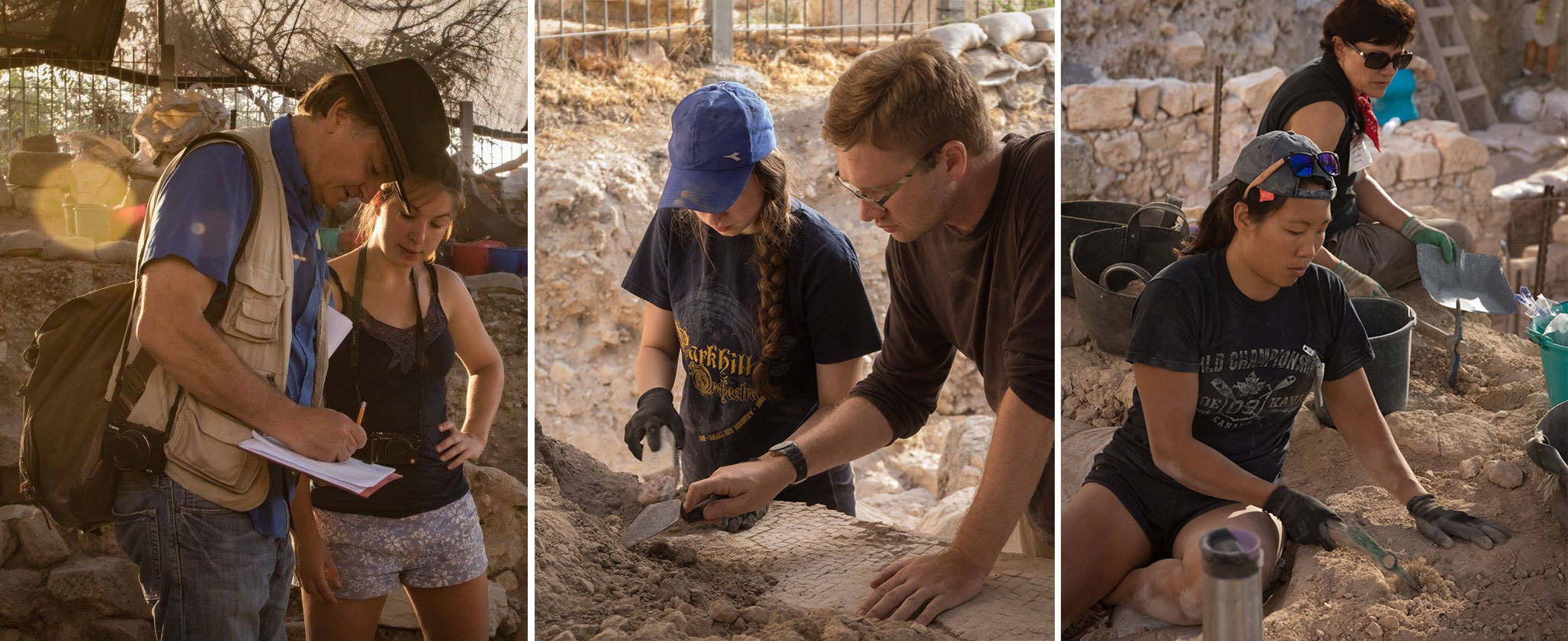
In 2016, with only a college internship in archaeology under my belt, I stumbled on a social media post calling for volunteers to dig in Jerusalem. Before I knew it, I was winging my way to Israel with knee pads, sweat bands, and plenty of SPF 50. I spent two to three weeks of each of the following summers in Jerusalem with Dig Mount Zion, helping excavate priestly homes from the time of Jesus, Roman mosaics and frescos, and hints of bloody Crusader battles.
I returned from my latest session in a dusty Jerusalem pit in July to start my new gig as an editor at IDEO. Believe it or not, being a part-time Dirt Hound has really helped my work. How?

1. Archaeology sparks curiosity
I knew nothing about design when I started at IDEO. Likewise, before college I knew zilch about archaeology beyond what I’d seen on TV. The aggressive learning curve kicked me out of my comfort zone and forced me to ask questions of everyone, all the time. What’s a sherd, or for that matter a fill, a balk, or a locus? How did people live in the time of King David or King Herod, and how do we know?
Constantly asking questions can make you feel a bit naive, but I’ve found this sort of curiosity is a great way to learn fast, shake up stagnant systems, and radically expand my view of what’s possible.
Designers know this well. They start with questions: How might we incorporate VR into online experiences? Why are schools bound by four walls? Could play help prisoners? This inquisitive, unbiased approach is what allows them to identify fundamental needs and find creative solutions.
In the same way, I try to broach new concepts I come across, such as designing for social change, with no preconceived ideas, and keep poking and prodding until I unearth the story.

2. Hard labor can be good for you
In pop culture, archaeologists find perfectly preserved, fully excavated structures (I’m looking at you, Indy). But in reality, someone has to remove tons of dirt and rock; sweep the area with a metal detector; sketch and photograph the features of the site; wash, sort, and catalogue finds—and then begin again the next day, on the next layer of earth. Slowly, a complete picture is revealed. It’s meticulous, backbreaking work.
At the Jerusalem dig site, the physical challenges and my lack of formal training helped me understand my limits and accept guidance from the seasoned archaeologists in charge. At the same time, the digs showed me that I’m capable of withstanding heat, stress, language barriers, and lots of pickaxing. These experiences have given me confidence that I can master a new language—design—and tackle stories about IDEO’s most complex, cross-cultural projects.
3. Digs build trust & teamwork
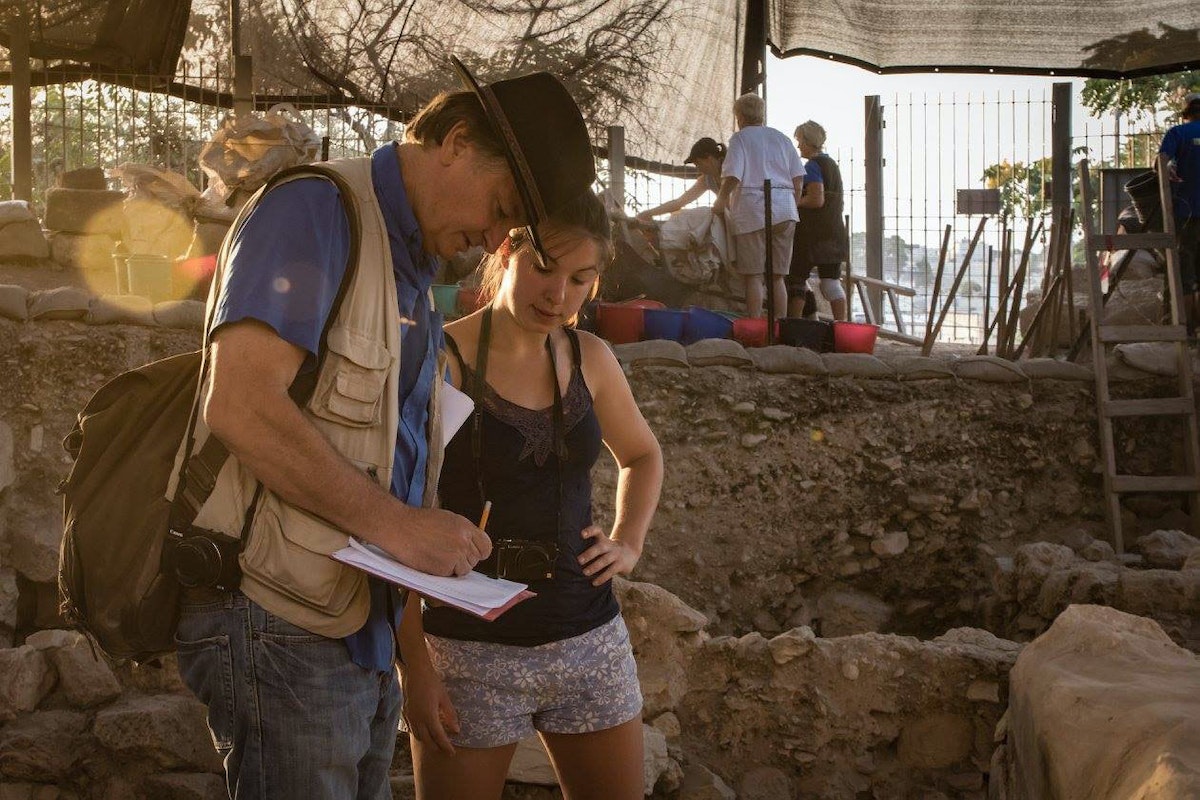
In a given year, Dig Mount Zion includes about 15 staff, 20 students, and 60 wide-eyed volunteers. Participants range from 18 to 86 and hail from Germany, Russia, the Philippines, Canada, New Zealand, and beyond. Being tossed into a pit in 95-degree heat and told to move a mountain of dirt has bonded complete strangers into fast friends.
Working in a place so steeped in history, alongside people from all walks of life—from an Ohio school bus driver to a Messianic Jewish missionary to a particle physicist—helped me build trust and tolerance and let me glean wisdom from people with radically different points of view.
Likewise, diversity of experience and perspective on a single project is IDEO's secret sauce. Our designers have created everything from apps to amps to appliances and I'm charged with capturing those inventions in a way that's easy to understand. Archaeology has prepared me well to incorporate new modes of thinking and work with colleagues from Silicon Valley to Shanghai.
Hopefully, they won’t mind all the dirt under my fingernails.

Photos courtesy of Rachel Ward. For more, please contact rwardphotoclt@gmail.com.
When I was eight, I defected from a high-stakes game of summer camp capture-the-flag to hunt for fossils in a nearby creekbed. Twenty years later, I still obsess about all things ancient—the first civilizations, the evolution of religious thought, and the latest dinosaur find. If this is a phase, I never grew out of it. In fact, I’ve become something of an amateur archaeologist, with surprising benefits for my work life.

5 Ways to Think Like a Designer, from an IDEO Partner
What I've learned from teaching design
Here are the top 5 things I tell my students about nourishing creativity and thinking like a designer:

Be curious
Without curiosity we do not learn and we won't grow. The same holds true for organizations. An organization that is not curious and not willing to learn will not be able to grow in today's business environment.

Challenge assumptions
In 2015, a group of students at Lund university challenged the IKEA purpose “design for many” and added a new perspective to it. What if IKEA was not the provider of solutions (the assumption) but the provider of a framework to foster people's creativity (the challenge)? The IKEA Hacka modular kitchen design is a beautiful example of how new ideas can spring from challenging assumptions.

Get lost in dreams
I don't want to accept that we have lost a whole generation to screens and devices. Creativity happens when we stop and let go. When we don’t know where to go, when we daydream and let our thoughts flow.
And research limited to what you can find online won't cut it. Insight comes from observing real people in real life. Students should have that luxury, and we should provide permission and space for that in organizations.

Get into a question-framing mindset
Design students often start their creative process by translating insights into problem statements. But you can't identify a problem without asking a bigger question first. So how do we get there? When we find the right opportunity space for a team to tackle, creativity flows.

Collaborate
I believe that all of us are better together. We've reached a time when collaboration is not just about individual work patterns, but also about what happens across systems, organizations, and governments.
Unfortunately, too many leaders seem to fall back on trying to solve things themselves, then ask those around them to do their bidding—often with rather unfortunate results.
But today's students—the next generation of leaders—have grown up in a sharing economy where not just goods, but also values are exchanged. And that keeps me optimistic about the future.
Taking this approach, my students and I have produced hundreds of design concepts, many of which have been published and exhibited. Spectrum, a project I co-led with designer Stefan Diez, was recently shown at the Salone di Mobili in Milan. And a workshop at the University of Lund produced the IKEA concept kitchen. As the school year approaches, I look forward to watching young designers come up with more bright ideas.
For more than 10 years, I've taught design in places like the University of Lund in Sweden, the HfG Offenbach in Germany, and Parsons School of Design. Teaching inspires me, challenges me, helps me question my point of view on design, and keeps me connected to the next generation. My students often start out with a problem-solver mindset and want to rely on technology. I encourage them, instead, to start with a question, large or small, that puts humans at the center.

Lindsey Turner
I’m passionate about building brands, products, and experiences that help organizations show up with meaning and momentum.
I help organizations cut through complexity by shaping how they show up, through brand strategy, identity, and storytelling.
Working at the intersection of brand and business, I bring an editorial eye and a bias toward making—turning ideas into tangible experiences that people can understand, trust, and believe in.
My work spans government, healthcare, financial services, media, and consumer goods, from launching Gen Z-focused ventures to building innovation labs and reimagining legacy brands. I relish moments of ambiguity and enjoy translating across teams, perspectives, and priorities to move ideas forward.
I started my career in editorial and digital design, shaping cross-platform experiences and identity systems in publishing and agency environments. That foundation still shapes how I work today: I’m detail-oriented, collaborative, and overreliant on the Oxford comma. I hold a BFA in Visual Communication from the School of the Art Institute of Chicago.

Rachel Young
My work helps organizations see who their products aren't working for—and build the will and the tools to do something about it
For 25 years, I've asked the same question: Who does this design exclude—and what are we going to do about it?
My work spans human-centered strategy, inclusive design, and qualitative research, with clients ranging from Microsoft, Google, and Verizon to the National Science Foundation, and San Francisco Unified School District.
Before IDEO, I taught elementary school in East Palo Alto and spent a decade doing design work with social service organizations—where I learned firsthand what it costs people when systems are built without them in mind.
I am currently writing User Error, a nonfiction book about digital access and the design decisions behind it. I live in Oakland, California.

Brian Pelsoh
I lead with craft, ensuring our work is creatively excellent: rooted in deep human insight and imagination, while also grounded in the realities of business and technology.
My expertise spans brand, communication, and product design across tech, education, the arts, and social impact.
I believe great work demands both high-level vision and obsessive attention to detail, and only happens through collaboration.
I bring an inclusive, hands-on approach and a deep understanding of business, which enables me to consistently deliver excellence while always asking why.
Before joining IDEO, I worked at the brand firms Pentagram and VSA Partners. I began my career as a designer, leading teams at the School of the Art Institute of Chicago and the Milwaukee Art Museum. I hold an MFA in graphic design from Maryland Institute College of Art and a BFA in communication design from the Milwaukee Institute of Art & Design, and have taught at some of the best design schools in the US.

Tony Wong
I am responsible for IDEO’s long-term success in China and working with clients to use design as a tool to enable growth.
I am responsible for IDEO’s long-term success in China and working with clients to use design as a tool to enable growth. Specifically, I have helped Chinese companies design holistic brand solutions through the development of their products, communication, services, and innovation teams, and I have helped multinationals expand their presence and influence in China.
I advise global leaders on developing China-led innovation and capabilities.
In over 15 years in IDEO Shanghai, I have worked on projects that use design to elevate the quality of the experience of healthcare products and services, streamline processes that increase productivity, create spaces and programs that promote and enable inclusive communities, and build next generation mobility solutions that are planet-positive.
Before joining IDEO, I worked at Philips Electronics and the Electrolux Group in Italy, the Netherlands, and Singapore on a number of breakthrough commercial products. I am a member of the Young President Organization in Shanghai.

How to use AI as an editor, not a writer
Ed White shares how he uses AI as an editor—not a writer—to sharpen storytelling, rehearse ideas, and preserve the productive friction that makes creative work better.
Ed White has a rule he's tested on his own writing: hold yourself as the writer, and let AI be your editor. Ed is a Senior Design Director at IDEO's London studio, where he co-leads the firm's AI portfolio across Europe. Before IDEO, he spent 12 years as a writer and editor at the Financial Times, Wired, and Contagious. So when he talks about when to use AI for storytelling and when not to, it comes from two decades of crafting his storytelling skills.
In this episode, Mina Seetharaman talks with Ed about two specific tools he uses to keep AI in an editor's seat: a "roasting agent" prompted to critique his drafts without any sugarcoating, and a simulated audience he rehearses pitches on before the real thing. They also get into what Ed is hearing from design leaders at Anthropic, Lovable, Shopify, and Google Creative Lab about how creative work is changing, and why he thinks the friction of writing something yourself is worth protecting rather than automating away.

Building a personal AI for the messiness of life: Sida Li
Becca Carroll talks with Cue co-founder Sida Li about designing a personal AI for the messiness of everyday life—not just work. They explore how Sida stays anchored to human needs while navigating fast-changing technology, product tradeoffs, business-model experimentation, and the realities of building an AI company today.
Most AI products today are built for work—a space with clear problems and established systems. One founder noticed a gap: personal life is messier, harder to systematize, and mostly left behind by the AI boom. So she built Cue, a personal AI that lives inside iMessage and group chats, to go where the other tools haven't.
In this episode, Becca Carroll, IDEO's Chief Strategy Officer, talks with Sida Li, co-founder and CEO of Shared Context Lab, about staying anchored to a human need while the technology around her keeps changing shape, why she treats her business model with the same rigor she'd bring to a product, and what it feels like to build a company at this particular, disorienting moment in AI.
The conversation also gets into how Sida makes design decisions: the language Cue uses to describe itself, the tradeoffs behind building inside iMessage instead of a new app, and a real story about a business idea that didn’t pan out.
This is the second in a two-part series profiling founders from IDEO's Startups-in-Residence program. The first conversation is with Johannes Seemann, founder of Sooner, on designing GenAI for the emotional side of money.

Designing GenAI for the emotional side of money: Johannes Seemann
Designing financial tools around the feelings that shape money decisions.
Most personal financial tools are built to run the numbers and optimize towards a budget. While that works for some, most people experience money as a lived relationship that does not neatly fit into a spreadsheet. Johannes Seemann and Becca Carroll discuss why money is emotional before it is mathematical, and what a human-centered approach to building a generative AI financial product looks like in practice.

The curious leader's edge in uncertainty: Scott Shigeoka
How genuine curiosity helps leaders navigate uncertainty with greater confidence.
Mina Seetharaman talks with Scott Shigeoka, author of Seek and Head of Curiosity Cultivation at the Eames Institute, about what distinguishes genuinely curious leadership from performative curiosity, how power dynamics shape curiosity, and why practicing curiosity can restore energy rather than drain it.
Looks like you might be in search of something very specific?
Or reset the filters above and try another angle.
Here’s some random inspiration

Podcasts about creative leadership

Articles about the power of prototyping