
Preventing newborn RSV
A toolkit to increase global adoption of Beyfortus, the world’s first RSV immunization for babies.
Sanofi was the first company to supply the polio vaccine worldwide. Because of the global fight against the disease, endemic wild poliovirus transmission is now limited to just two countries. However, attitudes toward vaccines and immunizations have shifted significantly. To ensure a smooth launch of Beyfortus in a time of increased vaccine hesitancy, Sanofi asked IDEO to conduct research across four important and very different healthcare markets: Germany, Spain, China, and the US.
IDEO worked with parents, caregivers, healthcare professionals, and healthcare administrators to identify potential barriers to vaccine adoption and understand the emotional needs of all stakeholders involved in the immunization process. Navigating cultural differences and diverse healthcare environments, the team uncovered a set of insights.
For healthcare professionals, the team discovered there was no one-size-fits-all approach to immunization training across Sanofi’s 20-plus global markets. While consistency of key information was important, trainings needed to be flexible and customizable. This way, regardless of whether the vaccine was administered by midwives, OB-GYNs, nurses, or doctors, they could confidently discuss the pros and cons across cultural contexts and administer the drug correctly.
For new parents, receiving information about a new immunization immediately after giving birth could be too stressful. But simply leaving pamphlets about Beyfortus in waiting rooms didn't address their real concerns, either. Caregivers needed to engage in conversations earlier in their pregnancies and continue them after leaving the hospital, when they might have additional questions.

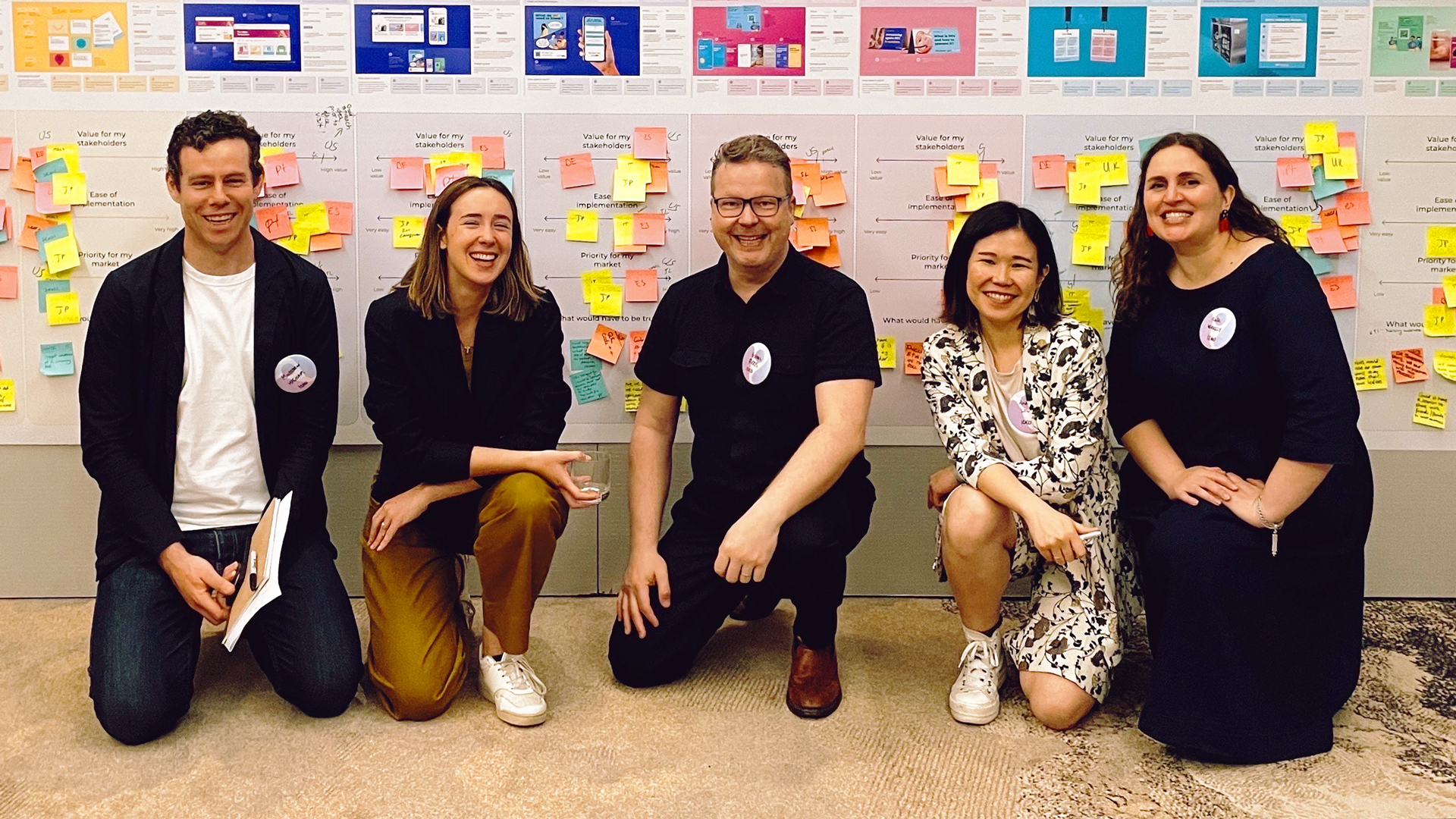
IDEO translated these research insights into a highly accessible global communication toolkit that uses simple, straightforward language, metaphors, and illustrations to support informed conversations between healthcare providers and parents before, during, and after a child is born. IDEO then conducted a series of market-fit co-design workshops with representatives of Sanofi’s global immunization business to iterate on the print and digital tools, make them more resonant with regional customers, and ensure compliance with local regulations. IDEO handed the toolkits over for development to support the launch of Beyfortus in January 2024, just in time for RSV season.
Beyfortus saw enormous demand in its first year, demonstrating strong efficacy in real-world applications and achieving blockbuster status as a $1.8 billion therapy. Sanofi’s global launch team credits the patient-centric toolkit with increased requests for communication materials from its regional markets as well as from healthcare and government organizations that have typically been hard to reach, key goals of its global-local launch strategy.
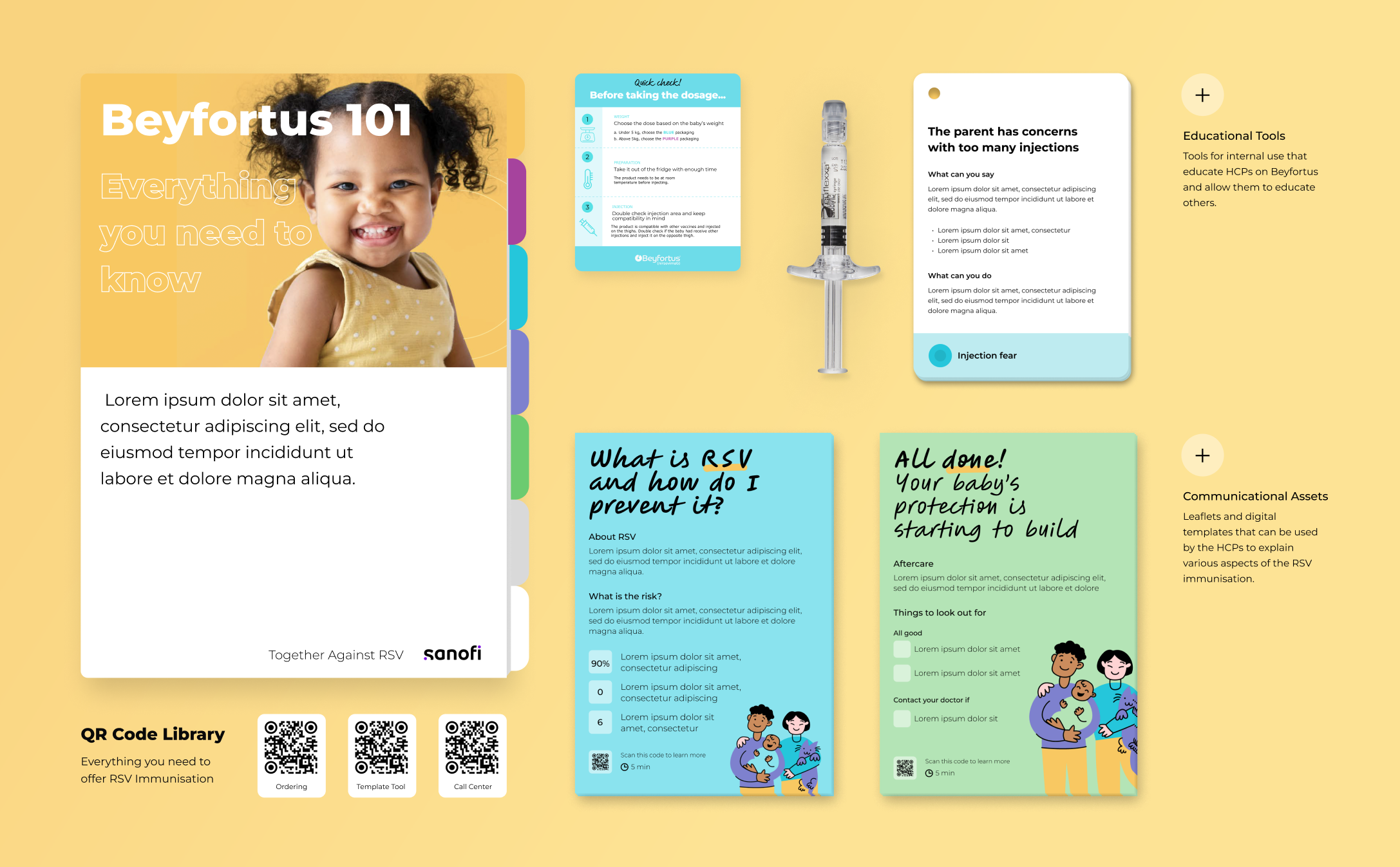
Since its development, Beyfortus has received swift regulatory approval from the US, EU, China, and Japan, with patient demand causing Sanofi to triple its worldwide manufacturing capacity to meet the needs of the 2024-25 RSV season. Ahead of the larger global distribution of Beyfortus, IDEO and Sanofi partnered with equity expert consultants, Fearless Futures, to conduct a DEI review and worked with doctors and nurses who participated in the initial drug launch to make the materials even more accessible, relevant, and successful for 2025 and beyond. To date, six million babies—and counting—have been immunized with Beyfortus.
Worldwide, childhood vaccination hesitancy among parents fluctuates between 25-45%, according to the World Health Organization (WHO), a trend it considers one of the biggest global threats to public health.
85.9%
reduction in hospitalizations for infants who received Beyfortus compared to those who did not (2023–24 RSV season)
$1.8B
in first-year sales of Beyfortus

Connecting the underserved to the digital economy
Designing inclusive digital financial services for the last mile.
Money works differently in communities traditionally excluded from formal banking, which makes designing products that really serve their needs a very different kind of challenge. People who live in the last mile often prefer cash because it’s physical. They can see it, touch it, and access it at any time.
While digital money offers many benefits, such as securely sending money over long distances and accessing new forms of credit, many don’t trust it because the places where they can access digital currency have often been too far away.

In 2017, over 500 million adults lived more than three miles from a financial access point in eight emerging markets studied by the Gates Foundation. This may not sound like much of a barrier, but for those living in the last mile, it means having to close their shops, lose a day of earnings, arrange family care, and pay for travel, which can be time-consuming and difficult, especially during rainy seasons. For low-income people, the inaccessibility of financial services has been a deal-breaker for adopting digital money. On the flip side, banks, telecoms, and other companies struggled to reach these customers because their products were not inclusively designed for them, and their distribution models failed to scale in rural areas.

Amid these myriad challenges, IDEO and the Gates Foundation saw an opportunity to introduce innovative ways to provide access to digital financial services even in the most remote areas of the world. And to make bold new bets: Could we design new digital experiences centered around the financial needs of people in the last mile? What would happen if we mobilized hundreds of actors to develop new ways to address financial access at the last mile? What if we took the most exciting financial innovations that worked in East Africa and piloted them in South Asia—and vice versa?
Working with more than 70 partners, including local startups, corporations, including Google, Unilever, Telenor, Standard Chartered, and BNI, as well as IDEO.org’s Women & Money program, LMM adopted a collaborative, ecosystem approach to drive and scale new digital financial products and systems.
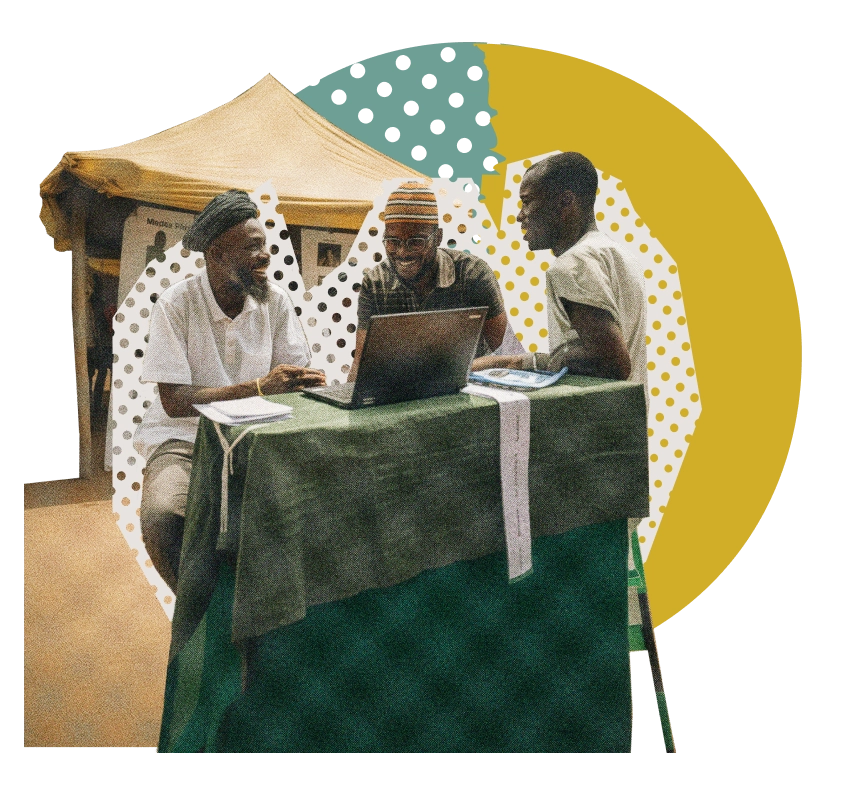
A few of the life-changing innovations launched by LMM and its partners include:
- Finja’s intuitive small-business app that helps micro-merchants in Pakistan access flexible, interest-avoiding Islamic credit to order products from fast-moving consumer goods companies like Unilever. Finja now serves 45,000 merchants and reaches 10.2 million customers.
- Accessing government benefits can be a challenge, especially when it’s through a mobile phone, so IDEO helped Indian startup Haqdarshak develop a robust digital experience for its 52,000 community agents to facilitate access for low-income people. The agent network—70 percent of whom are women—now serves more than 7.6 million families and has unlocked $2.2 billion in social benefits for those who need it most.
- Making micro-credit nearly instantaneous was a solution that startup Kuunda offered to financial agents in Tanzania. IDEO helped adapt the product to deliver working capital for merchants in Pakistan. Today, Kuunda continues to grow across markets in Africa, totaling 6.1 million active users and distributing $1.1 billion in loans globally.
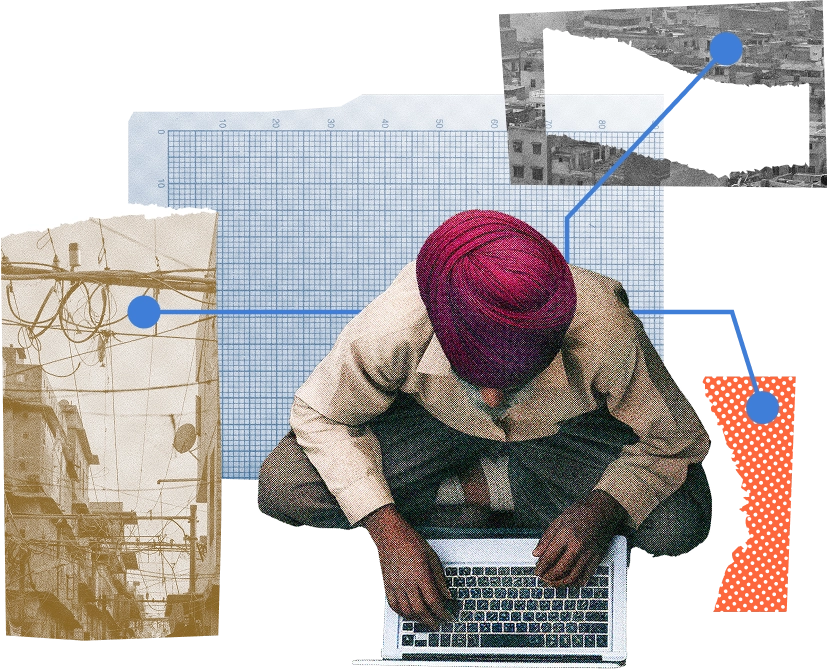
While the LMM program officially concluded in 2024, lessons, tools, and case studies from the program are accessible on IDEO’s Financial Futures website. Those looking to catalyze equity and inclusion in digital financial services for the last mile can consult LMM’s Financial Confidence Playbook, the open-source Digital Confidence Toolkit (created in collaboration with Google), or the Gender Evaluation Framework, among other helpful resources.
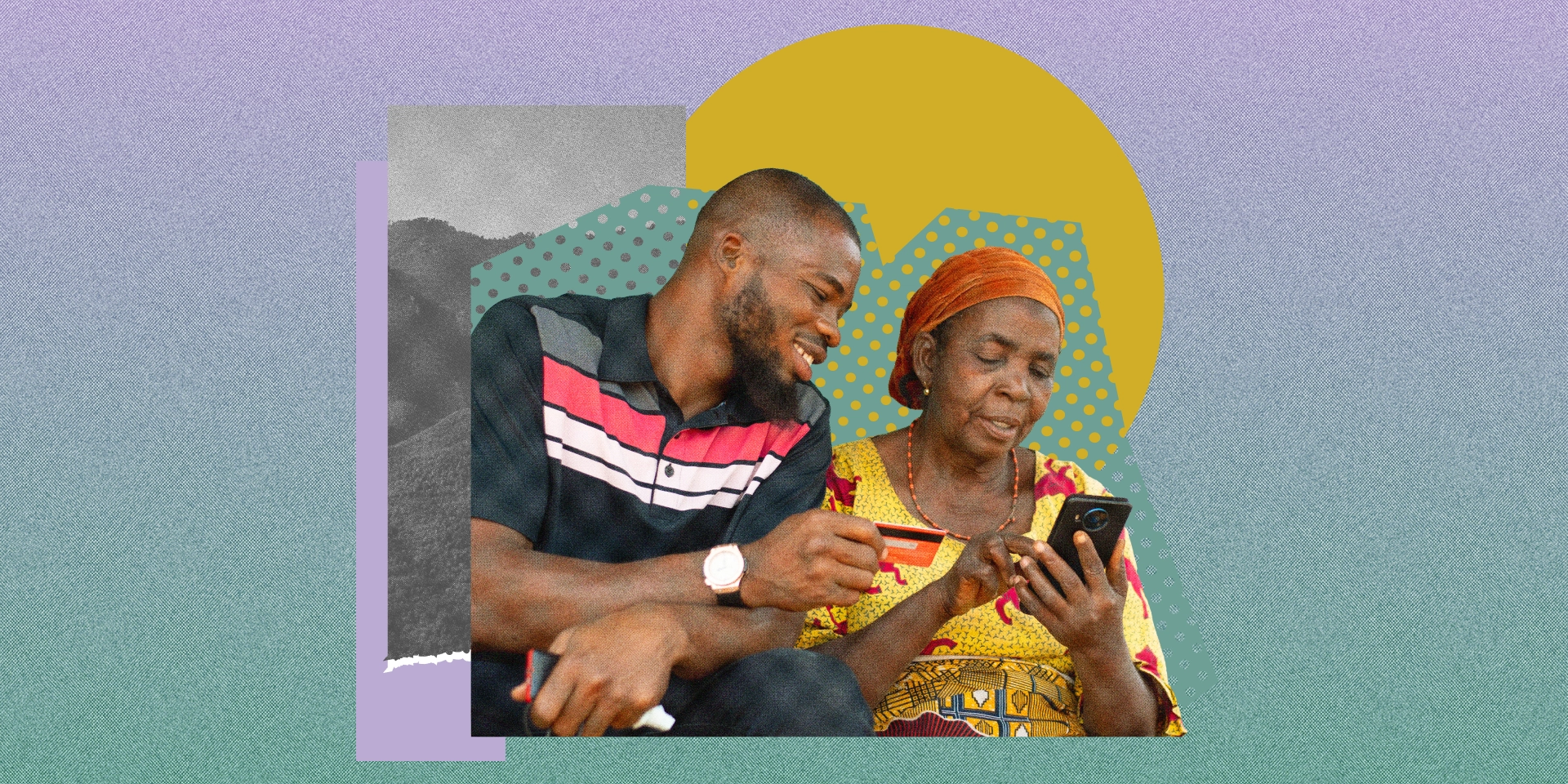
Over 1.3 billion people worldwide in poor and rural areas are excluded from formal financial services, including savings accounts, credit lines, and insurance, making it harder for them to move out of poverty.
34M
underserved users reached by 100+ new financial products, pilots, and prototypes
70+ LMM partners
including Google, Unilever, Grab, Standard Chartered, Cargill, Airtel, Celo Foundation, and BNI

Disrupting the beauty goliaths
How a new Peruvian brand overcame the odds—by design.
Multinational CPGs excel at creating popular, mass-market products for large countries. When they enter smaller countries like Peru, they often parachute their brands onto store shelves and skip consumer product testing altogether, largely relying on brand recognition to drive sales. This oversight presented Alicorp and IDEO with an opportunity: flip the script and invite young Peruvian women to work together with them to create a new hair care brand from scratch. Over the course of a four-year transformational journey, IDEO worked closely with Alicorp, adopting a “learn by doing” approach to foster a culture of innovation, launch a new brand, and drive growth for the company through consumer-centric design.

The collaboration began with an inspirational trip 10,000 miles away to Seoul, South Korea, the epicenter of global beauty trends. To expand their thinking, the Alicorp/IDEO team received K-Pop glow-ups and explored other cutting-edge beauty experiences. They were inspired by the Korean market’s unwavering focus on meeting the particular hair care and skin needs of Korean women.
Back in Peru, the team conducted multiple rounds of in-depth interviews with young women, teenagers, beauty influencers, and experts across the country. They learned about their beauty goals, personal care routines, and “mixto” hair texture. They heard about women’s struggles with regional weather—the Andean region’s extreme dryness versus Lima’s humidity and the city’s hard water. The research revealed that Peruvian women wanted natural products that worked hard, wouldn’t harm their hair, and celebrated what made them unique. They wanted a brand that spoke to them honestly and authentically. That represented and empowered them. That didn’t overpromise, underdeliver, or hold up European and American beauty ideals that didn't resonate with Latin American women like the multinationals did.

Armed with these insights, the Alicorp/IDEO team developed tangible brand prototypes for women to respond to during successive rounds of user research, including in a beauty pop-up store in Lima. The team shared various bottle types, ingredient mixtures, and brand positioning options. Should the new brand’s personality be an outspoken feminist or a gal pal? Au naturel or sophisticated? The iterative feedback cycles informed everything from brand strategy and ingredient recommendations to product line-up, brand and product naming, launch strategy, and digital activations.
The final design, Amarás (“you will love”), is a personal care line that centers the needs and aspirations of Peruvian women. Hitting shelves in 2022, its shampoos and conditioners feature local, bio-diverse ingredients, including mangoes, macadamia nuts, and goldenberries, that help address the specific hair texture needs of women in LATAM and the climate realities of the Andean region. The brand’s launch campaign included TV and print ads featuring Peruvian models from every region as well as commissioned murals celebrating local beauty by artists across Peru. Most notably, the unapologetically authentic Peruvian hair care brand became a TikTok sensation, garnering over seven million organic views and more than 300 viral videos from enthusiastic new fans.
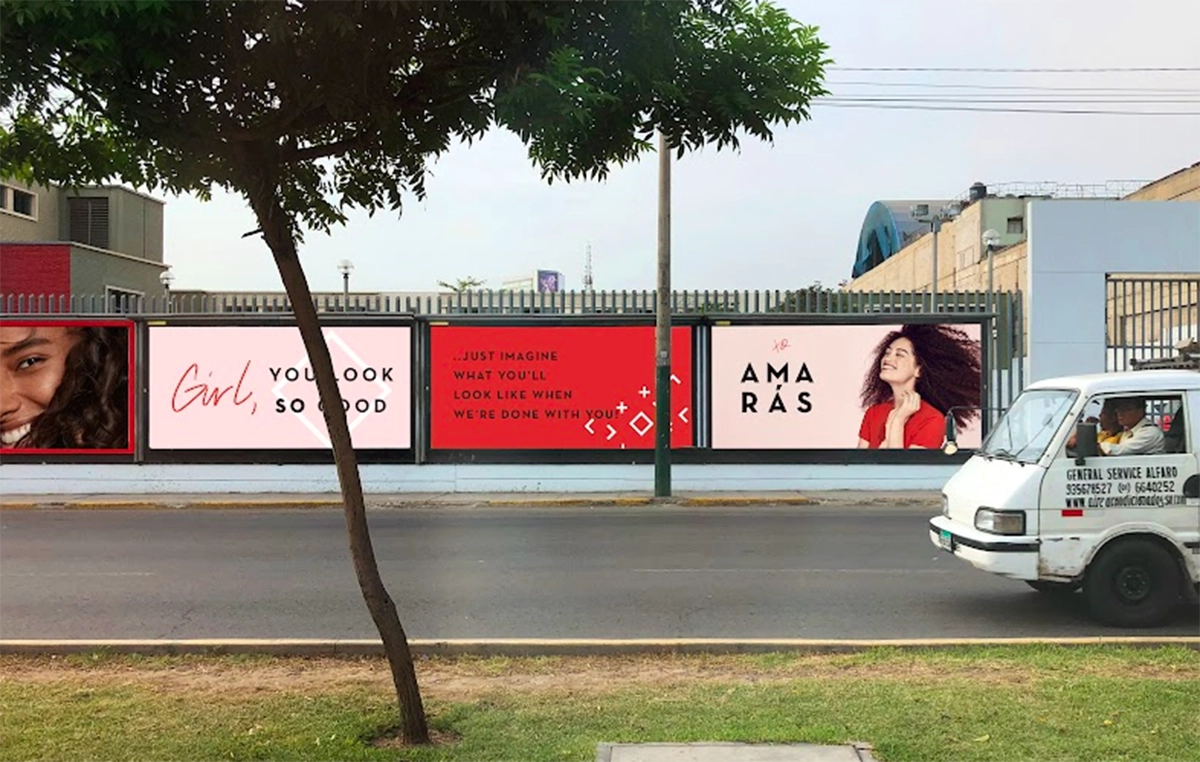
Three months after its launch, Amarás seized a 7.5 percent share of the personal care aisle—a remarkable goal it had set for year three.Since then, Alicorp has continued to expand its creative capabilities, designing personal care products tailored to the cultural and beauty needs of Latin American consumers.

Alicorp launched numerous successful brand extensions across its food and home care categories, but was unable to crack the $340M USD hair care product market in its home country of Peru.
7.5%
Amarás’ share of the Peruvian hair care market 3 months after launch—a goal Alicorp had set for year 3
7M+ organic views and 300+ organic fan videos
created on TikTok during Amarás’ launch campaign
Enhancing garment worker well-being with AI
Introducing Aitu, “Smart Machines, Uplifting People.”
Thirty years ago, China-based Jack Technology started as a home sewing machine manufacturer. During the late ‘90s Asian financial crisis, the company made a pivotal shift to industrial sewing and soon developed the world’s first machine for small-batch, quick-response clothing production. A decade ago, the innovative global leader began investing in robotics and exploring AI, positioning it well to address today’s urgent need for smarter manufacturing solutions.

Believing a new, strategically positioned sub-brand could attract larger, more premium global manufacturing customers, Jack Technology and IDEO set out to understand their needs. DEO began by visiting more than a dozen garment factories across China, Vietnam, and Bangladesh, conducting in-depth interviews with factory managers, industrial engineers, pattern-making leaders, and frontline workers. It soon became clear: the apparel manufacturing industry is at a critical juncture. The way apparel manufacturers navigate the promises of intelligent technology—while addressing deep-rooted structural issues like labor shortages and working conditions—will shape the industry's development for years to come.
For premium clothing brands, garment factory compliance and worker well-being are priorities when selecting production partners, so many owners proudly showcased their improvement efforts. They discussed investing in quieter machines and air conditioning, enhancing lighting, adding greenery, and implementing no-overtime policies. Amid rows of identical sewing stations, the IDEO team noticed small human gestures, such as a small vase of flowers. As one operator said, “I just want to uplift myself during work.”
The research helped IDEO identify a core opportunity for differentiation. Create human-centered products and services that further enhance working conditions in large apparel factories, strengthen their ability to attract and retain talent, and drive the industry toward a more sustainable future. Through multiple rounds of co-creation with the Jack Technology team and key apparel-sector stakeholders, a clear brand direction for Aitu began to take shape: “Smart Machines, Uplifting People.”
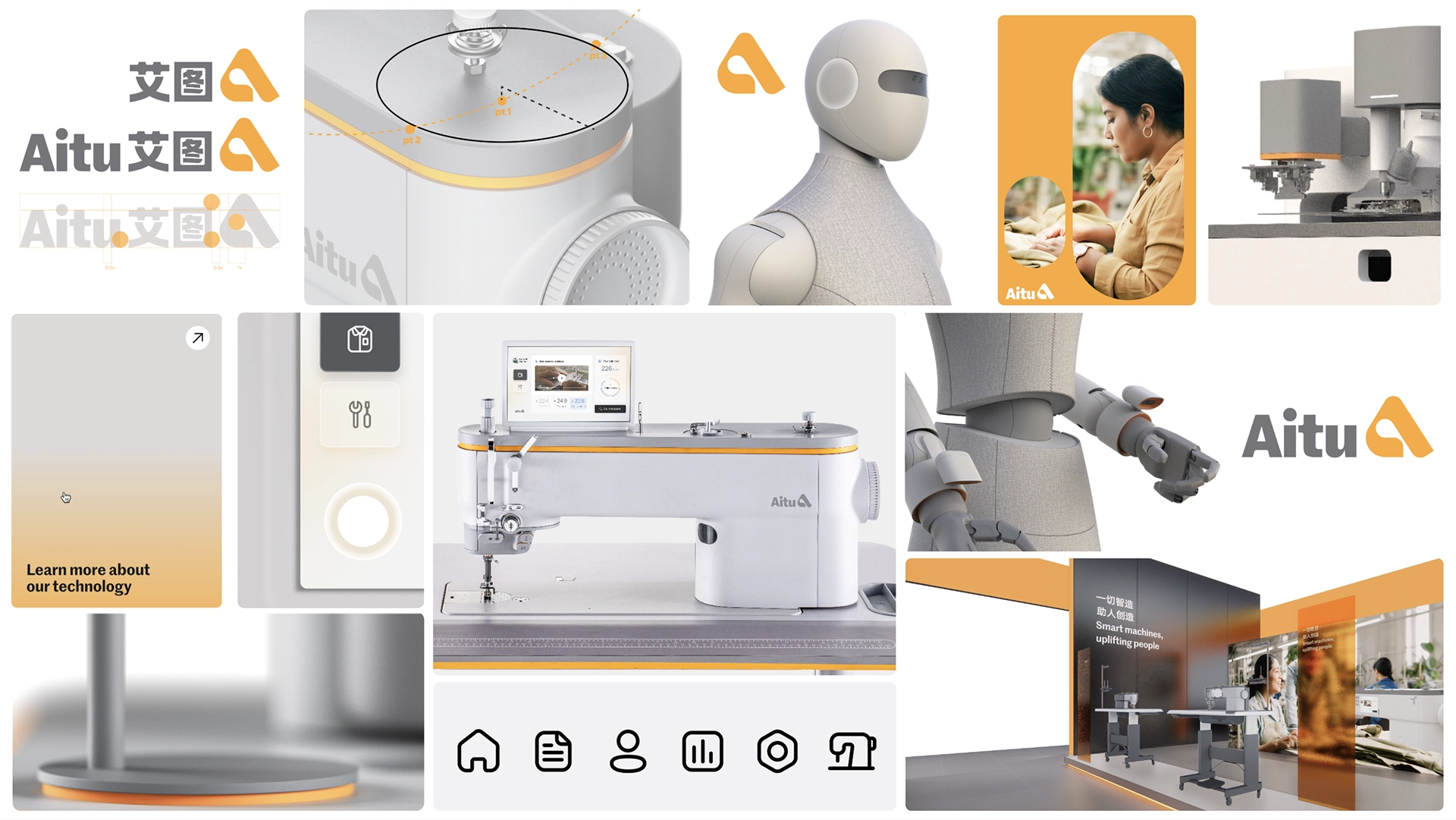
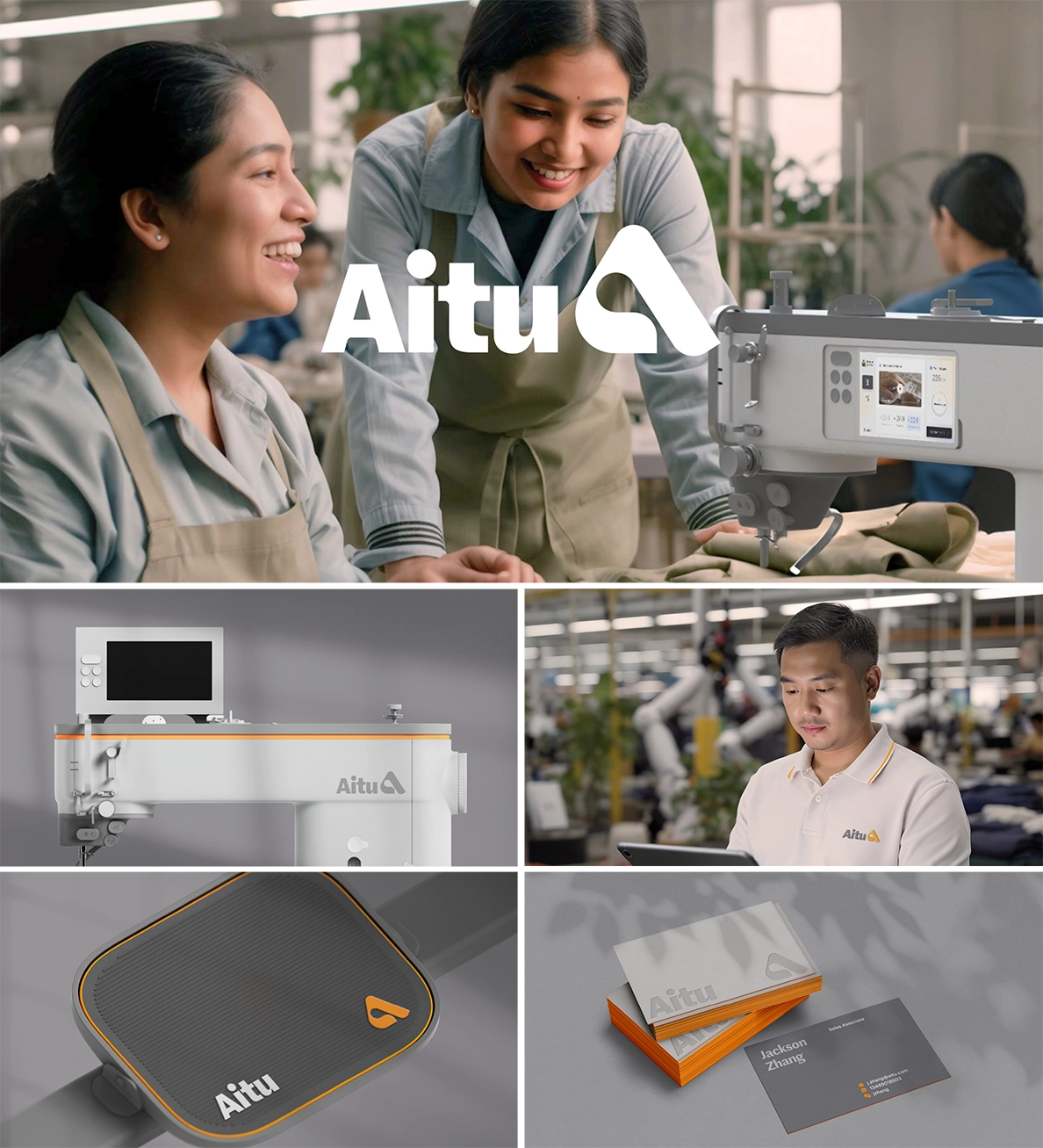
Guided by this human-centered ethos, IDEO helped build a comprehensive brand system for Aitu. The idea of “uplifting people” and showcasing garment workers’ professionalism and skill is expressed throughout all brand communications, the industrial design of its smart sewing machines, and the interaction and industrial design of a humanoid sewing robot.
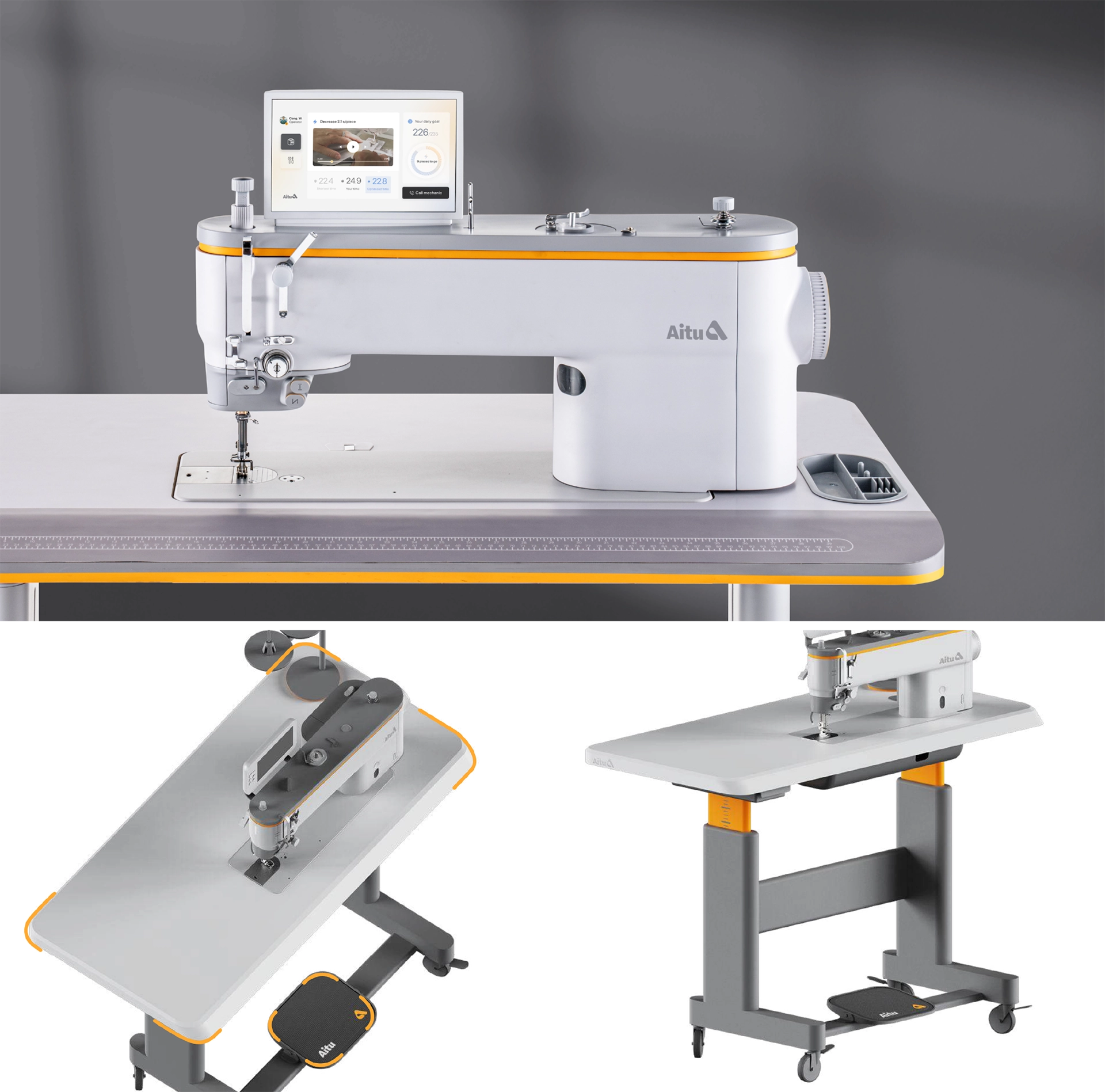
In the eyes of factory workers, this is the new work experience Aitu brings to life. Compared with traditional bulky industrial machinery, the clean lines and soft edges of Aitu’s new AI-powered sewing machines feel more like the professional office tools found in bright, organized workplaces. Concave surfaces and soft materials diffuse glare from overhead lighting to reduce eye strain, while clear interaction logic and icon-based visuals support operators with varying skill and education levels. AI technology, seamlessly embedded in the machine’s core functions, automatically adjusts parameters for different fabrics and tasks, allowing operators to achieve high-precision results with less effort. A soft halo-like light glows whenever the AI-assisted function is active, fostering users’ trust in both the technology and the AI-powered sewing machine as a whole. When hundreds or thousands of Aitu machines are arranged together in a factory, the overall effect is a modern, professional, and high-end office environment.
Working closely with Aitu’s robotics team, IDEO’s final design challenge was to bring a human-machine collaboration to life through a full-scale AI robot, later named Ainy. The robot has an elegant, biomimetic silhouette. Its fabric-like outer finish features design elements commonly found in garment making, such as cutting and stitching lines, giving the robot the approachable look and feel of a skilled tailor companion who can assist with simple, repetitive tasks. When Ainy is operating, a circular light ring gently pulses at the sides of the robot’s ears and on the paired sewing machine’s display screen, clearly signaling the robot’s activity to its human co-workers.

In September 2025, Jack Technology debuted its new Aitu brand, along with its first AI sewing machine and a prototype of its humanoid robot, Ainy, at a launch event at Shanghai Tower and at the China International Sewing Machine & Accessories Show. Shortly thereafter, Aitu received a Gold Award for AI Product Innovation from IFA Berlin, Europe’s largest trade show for consumer electronics, as well as a Merit Award in Product & Industrial Design from the DFA Design for Asia Awards.
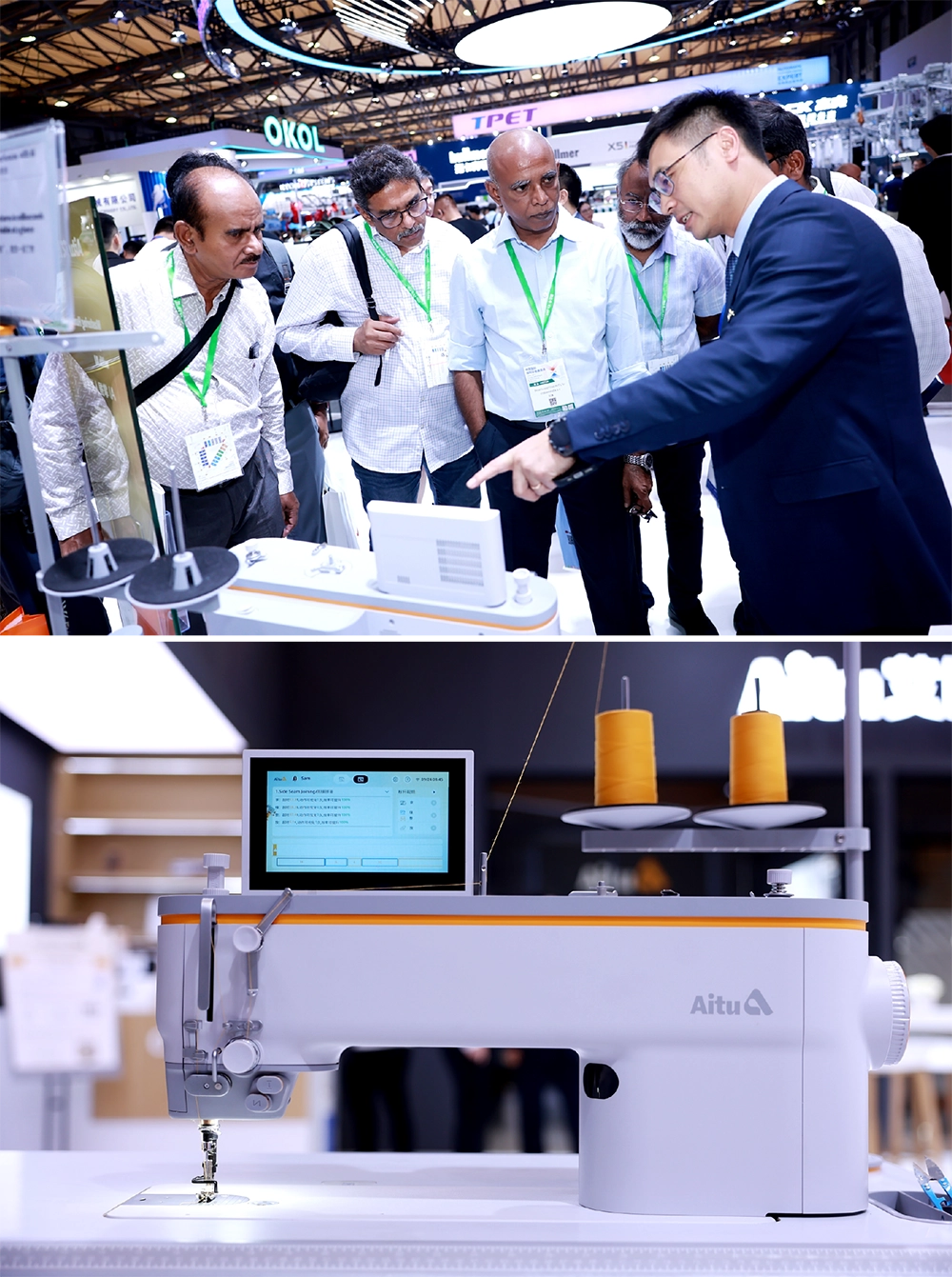
In October 2026, following extensive testing and iterations of Ainy on real production lines with customers worldwide, Jack Technologies announced the opening of the world’s first factory dedicated to sewing robots in Taizhou, Zhejiang, China. The company plans to manufacture around 10,000 robots each year.
Before AI, the apparel manufacturing industry had experienced little fundamental change since the invention of the lockstitch sewing machine nearly two centuries ago.
10,000
planned annual capacity of AI sewing robots to be manufactured by Jack Technology
2025 Gold Award for AI Product Innovation
from IFA, the world’s largest home and consumer tech event
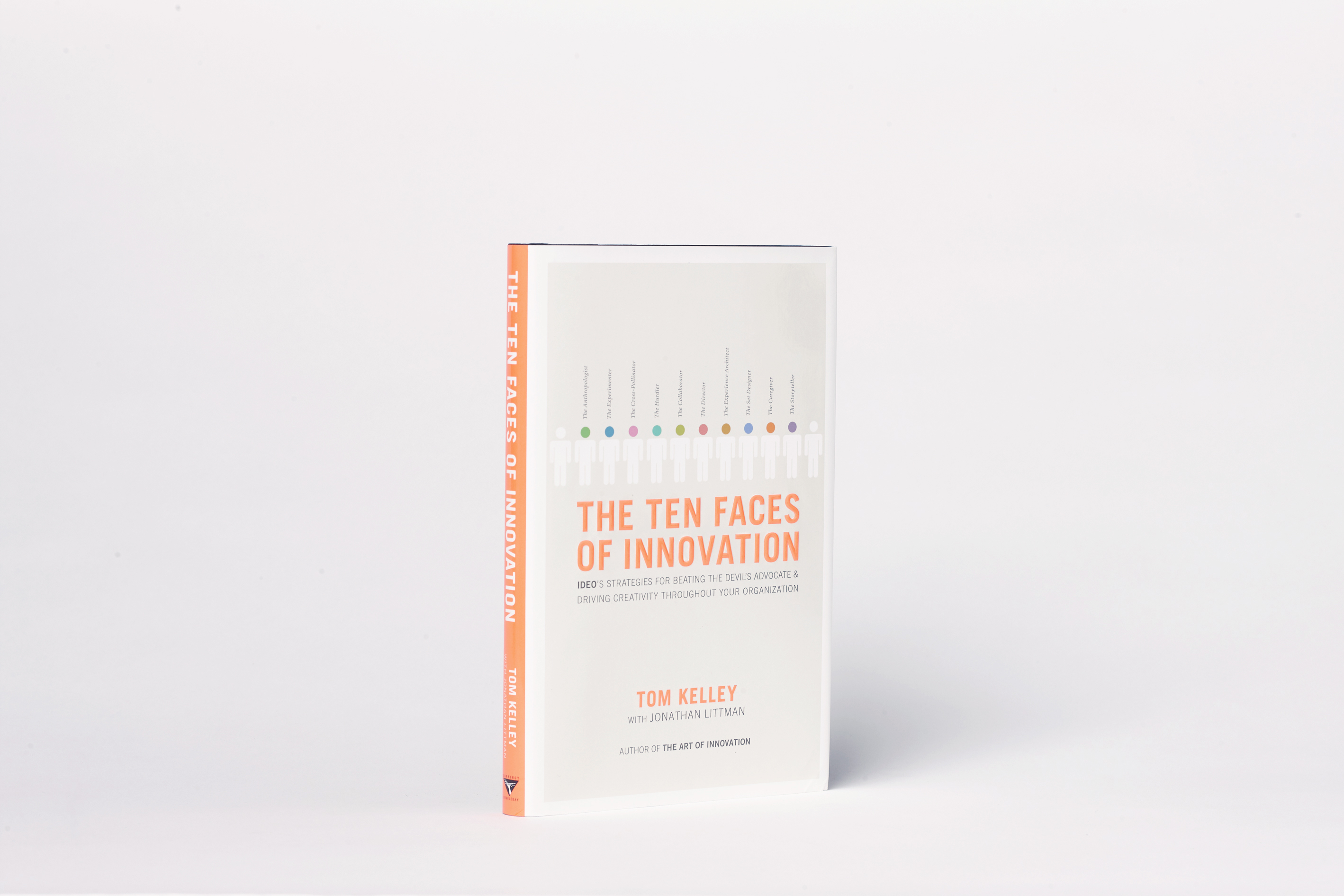
The Ten Faces of Innovation
IDEO Partner Tom Kelley shares IDEO's strategies for driving creativity and overcoming devil's advocates within an organization.
Over the years, Tom Kelley has observed the roles that people can play in an organization to foster innovation and new ideas, while offering an effective counter to naysayers. He shares these strategies for driving creativity forward in The Ten Faces of Innovation.
Among these approaches are the "Anthropologist," the person who goes into the field to see how customers use and respond to products, to come up with new innovations; the "Cross-Pollinator," who mixes and matches ideas, widely disparate people, and technologies to create new ideas that can drive growth; and the "Hurdler," who instantly looks for ways to overcome the limits and challenges to any situation.
Filled with engaging stories of how companies such as Kraft, Samsung, and Procter & Gamble have incorporated IDEO’s thinking to transform the customer experience, The Ten Faces of Innovation is an extraordinary guide to nurturing and sustaining a culture of continuous innovation and renewal.
About the Ten Faces
The Learning Personas
Individuals and organizations need to constantly gather new sources of information in order to expand their knowledge and grow, so the first three personas are learning roles. These personas are driven by the idea that no matter how successful a company currently is, no one can afford to be complacent. The world is changing at an accelerated pace, and today's great idea may be tomorrow's anachronism. The learning roles help keep your team from becoming too internally focused, and remind the organization not to be so smug about what you “know”. People who adopt the learning roles are humble enough to question their own worldview, and in doing so they remain open to new insights every day.
The Anthropologist is rarely stationary. Rather, this is the person who ventures into the field to observe how people interact with products, services, and experiences in order to come up with new innovations. The Anthropologist is extremely good at reframing a problem in a new way, humanizing the scientific method to apply it to daily life. Anthropologists share such distinguishing characteristics as the wisdom to observe with a truly open mind; empathy; intuition; the ability to "see" things that have gone unnoticed; a tendency to keep running lists of innovative concepts worth emulating and problems that need solving; and a way of seeking inspiration in unusual places.
The Experimenter celebrates the process, not the tool, testing and retesting potential scenarios to make ideas tangible. A calculated risk-taker, this person models everything from products to services to proposals in order to efficiently reach a solution. To share the fun of discovery, the Experimenter invites others to collaborate, while making sure that the entire process is saving time and money.
The Cross-Pollinator draws associations and connections between seemingly unrelated ideas or concepts to break new ground. Armed with a wide set of interests, an avid curiosity, and an aptitude for learning and teaching, the Cross-Pollinator brings in big ideas from the outside world to enliven their organization. People in this role can often be identified by their open mindedness, diligent note-taking, tendency to think in metaphors, and ability to reap inspiration from constraints.
The Organizing Personas
The next three personas are organizing roles, played by individuals who are savvy about the often counter-intuitive process of how organizations move ideas forward. At IDEO, we used to believe that the ideas should speak for themselves. Now we understand what the Hurdler, the Collaborator, and the Director have known all along: that even the best ideas must continuously compete for time, attention, and resources. Those who adopt these organizing roles don't dismiss the process of budget and resource allocation as “politics” or “red tape.” They recognize it as a complex game of chess, and they play to win.
The Hurdler is a tireless problem-solver who gets a charge out of tackling something that's never been done before. When confronted with a challenge, the Hurdler gracefully sidesteps the obstacle while maintaining a quiet, positive determination. This optimism and perseverance can help big ideas upend the status quo as well as turn setbacks into an organization's greatest successes—despite doomsday forecasting by shortsighted experts.
The Collaborator is the rare person who truly values the team over the individual. In the interest of getting things done, the Collaborator coaxes people out of their work silos to form multidisciplinary teams. In doing so, the person in this role dissolves traditional boundaries within organizations and creates opportunities for team members to assume new roles. More of a coach than a boss, the Collaborator instills their team with the confidence and skills needed to complete the shared journey.
The Director has an acute understanding of the bigger picture, with a firm grasp on the pulse of their organization. Subsequently, the Director is talented at setting the stage, targeting opportunities, bringing out the best in their players, and getting things done. Through empowerment and inspiration, the person in this role motivates those around them to take center stage and embrace the unexpected.
The Building Personas
The four remaining personas are building roles that apply insights from the learning roles and channel the empowerment from the organizing roles to make innovation happen. When people adopt the building personas, they stamp their mark on your organization. People in these roles are highly visible, so you’ll often find them right at the heart of the action.
The Experience Architect is that person relentlessly focused on creating remarkable individual experiences. This person facilitates positive encounters with your organization through products, services, digital interactions, spaces, or events. Whether an architect or a sushi chef, the Experience Architect maps out how to turn something ordinary into something distinctive—even delightful—every chance they get.
The Set Designer looks at every day as a chance to liven up their workspace. They promote energetic, inspired cultures by creating work environments that celebrate the individual and stimulate creativity. To keep up with shifting needs and foster continuous innovation, the Set Designer makes adjustments to a physical space to balance private and collaborative work opportunities. In doing so, this person makes space itself one of an organization's most versatile and powerful tools.
The Storyteller captures our imagination with compelling narratives of initiative, hard work, and innovation. This person goes beyond oral tradition to work in whatever medium best fits their skills and message: video, narrative, animation, even comic strips. By rooting their stories in authenticity, the Storyteller can spark emotion and action, transmit values and objectives, foster collaboration, create heroes, and lead people and organizations into the future.
The Caregiver is the foundation of human-powered innovation. Through empathy, they work to understand each individual customer and create a relationship. Whether a nurse in a hospital, a salesperson in a retail shop, or a teller at an international financial institution, the Caregiver guides the client through the process to provide them with a comfortable, human-centered experience.
Purchase
Know someone who might love this book? Here are some options for purchasing The Ten Faces of Innovation:
- Order the US version from Amazon
- Order the Japanese version from Amazon
- Order the UK version from Amazon
Essential reading for every single person in your organization—even the CEO should read it! Each page contains a nugget that's worth the price of the entire book. Wow. - Seth Godin, Author of Purple Cow and Tribes
Tom Kelley has unlocked the magic box of innovation for corporate America. - Bruce Nussbaum, BusinessWeek
The role of the devil’s advocate is nearly universal in business today. It allows individuals to step outside themselves to raise questions and concerns that effectively kill new projects and ideas, while claiming no personal responsibility. Nothing is more potent in stifling innovation.

Method Cards
IDEO Method Cards are a tool to showcase methods we use to inspire great design and keep people at the center of our design process. Each of the 51 cards describes one method and includes a brief story about how and when to use it.
IDEO Method Cards are a tool to showcase methods we use to inspire great design and keep people at the center of our design process. Each of the 51 cards describes one method and includes a brief story about how and when to use it.
It's not a "how to" guide—it's a design tool meant to explore new approaches and help you develop your own. Use the deck to gain a new perspective, inspire a team, turn a corner, or try a new approach.
Created in response to requests from clients, colleagues, students, and teachers, IDEO Method Cards are intended as inspiration for practicing and aspiring designers, as well as those seeking a creative spark in their work.
I use the Method Cards mainly as tools for process design. They are great for groups who are working on solving a particular 'How do we get from here to there?' kind of problem.
~Craig Pelkey Landes, Fast Company
Here's where you can get the IDEO Method Deck:
IDEO Method Cards are available exclusively from William Stout Architectural Books in San Francisco. Call them at 415-391-6757 or click here to purchase online.

Reimagining the Shopping Cart
Designing a better shopping cart to illuminate IDEO's design process.
To demonstrate our process for innovation for a 1999 episode of ABC’s late-night news show Nightline, IDEO created a new shopping cart concept, considering issues such as maneuverability, shopping behavior, child safety, and maintenance cost. The show concentrated on IDEO’s design process, recording as a multidisciplinary team brainstormed, researched, prototyped, and gathered user feedback on a design that went from idea to a working appearance model in four days.
The nestable steel frame lacks sides and a bottom to deter theft, and holds removable plastic baskets to increase shopper flexibility, help protect goods and provide a method to promote brand awareness. A dual child seat uses a swing-up tray for a play surface, and a hole provides a secure spot for a cup of coffee or a bunch of carnations. One of the unique — and potentially patentable — features of the cart is the design of its steerable back wheels. Normally fixed straight for stability and familiarity, an easy sideways effort allows the wheels to turn left or right. Pushing the cart forward puts the wheels straight again.
Note: The footage of the Nightline episode featuring the shopping cart is owned by ABC. They've made it available for purchase to stream, or as a DVD, here.
Why does health innovation keep getting stuck?
It’s time to rethink the journey from idea to impact.
The health world has no shortage of good ideas. Across pharma, medtech, and digital health, companies invest huge amounts of time, money, and ingenuity in new products, services, and technologies designed to improve lives. And the AI boom is only intensifying the pressure to innovate faster.
Yet creating something new and achieving lasting change are very different challenges. Promising technologies can perform brilliantly in development but be ignored in clinics. Successful pilots often fade away once the novelty wears off. Patients and healthcare professionals say they want better options or experiences, yet uptake stalls or even fails once the idea reaches the real world.
We tend to look for a single thing that went wrong. Was the evidence strong enough? Did clinicians support it? Were patients ready?
But maybe we’ve been looking in the wrong place. We put enormous care into the innovation itself—designing, testing, and refining it until it works. But the journey it must take through people’s lives, clinical practices, and the wider health system demands a different kind of thinking. While individual parts of that journey—such as design, evidence, implementation, and communication—each receive attention, the journey as a whole often does not. Yet it, too, needs to be designed—with the same rigor, the same focus on human-centeredness, and the same willingness to question assumptions applied to the innovation itself.

We’ve turned innovation into a relay race
The organizations looking to champion health innovation typically access deep expertise in the individual disciplines required to take an idea into the world. The difficulty is that those disciplines often sit within different teams, agencies, budgets, and moments in the process.
On paper, the journey might look logically connected: first design, then stakeholder consultation, then solution development, and finally implementation. Along the way, behaviors begin to change and adoption eventually creates wider impact.
In practice, the journey often operates more like a relay race. Each team is incentivized, quite reasonably, to solve the challenge in front of it and deliver its part of the process before handing the baton onwards.
However, a product can win design awards and still struggle with adoption because it doesn’t fit an existing clinical pathway. An intervention patients love may require behaviors that are hard to maintain amid the chaos of daily life. Strong evidence won’t go anywhere if the people with the power to change practice do not understand or support the proposed solution. By the time marketing teams arrive, there may be very little a PR campaign can do to change decisions made years earlier that have left an innovation difficult to understand, trust, or adopt.
When the process is organized as a succession of handovers, momentum gets lost in the gaps between disciplines. That isn’t a failure of intent. It’s a failure of design.
The monsters don’t wait patiently for their turn
At IDEO, we’ve described some of healthcare’s most stubborn obstacles as monsters: entrenched complexity, ingrained barriers, fragmented systems, and convoluted communications. Behind the playful names are problems rooted in organizational habits, inherited assumptions, and ways of working that can be every bit as challenging as the technical problem an innovation is trying to solve.
The difficulty is that these barriers rarely exist in isolation. For example, what looks like a patient experience problem might be shaped by internal processes, organizational culture, or the systems clinicians work with. Focusing too narrowly on the obvious problem in front of you can make you miss factors elsewhere in the system that help create it. In our experience, the monster you can see is not always the one doing the most damage.
That became apparent in IDEO’s work with Newton-Wellesley Hospital (NWH). The hospital wanted to improve patient care, but its leaders recognized that doing so also meant looking at the experience of the people delivering it. Starting in the Women’s Imaging Center, teams redesigned mammogram workflows, developed experience principles, and tested new service ideas with patients before expanding the work into other parts of the hospital.
One of the most impactful prototypes was Care Modes, a pre-surgery tool that empowered NWH care teams to tailor their approach and interactions to patients’ unique needs, beyond just clinical requirements. Organized around four distinct patient engagement modes—Explain, Partner, Embrace, and Encourage—Care Modes was designed to help patients feel more comfortable with their decision to have surgery. It was so successful that the hospital eventually incorporated it into its electronic medical record. Improving the front-of-house patient experience at NWH meant addressing larger back-of-house issues around staff culture, working practices, and the systems clinicians used every day.
When it comes to health innovation, the barrier that actually stops an idea from gaining traction may sit well beyond the original design brief, which is why organizations need to look for those connections much earlier in the journey.

Start with the impact and work backward
Human-centered design starts with people—not the product. Applied to the innovation journey, that means starting with people and working backward. How does the innovation fit existing practices or behaviors? What could make adoption difficult? What needs to change to support the implementation of the new idea?
When Sanofi launched Beyfortus, the first RSV immunization for newborns, we worked together to figure out how to communicate the value of the life-saving vaccine to parents. The IDEO team interviewed parents, caregivers, healthcare professionals, and administrators in Germany, Spain, China, and the US to explore potential barriers to adoption.
The research revealed very different considerations across the experience. Healthcare professionals needed training that could flex between markets and professional contexts. New parents found receiving vaccine information immediately after giving birth overwhelming. Conversations needed to start earlier in pregnancy and continue after families left the hospital, when further questions might emerge.
Those insights informed a flexible global communications toolkit, which the team refined through co-design workshops focused on market fit. The communications about the immunization were integrated into the launch design itself.
The ecosystem is part of the design
Every innovation enters a health system shaped by patients, clinicians, commissioners, charities, professional bodies, regulators, policymakers, and public debate. Any one of them can affect whether an innovation moves forward, stalls, or reaches people unevenly.
Stakeholder engagement, policy, advocacy, behavioral insight, and communications often come during later stages of an innovation’s journey. Brought in earlier, these perspectives can reveal pressures affecting decision-makers, worries shared among patients, misconceptions that could fracture trust, and practical or political constraints that influence what can realistically be brought to life.
Consider Lexington Health’s work with Pfizer to better understand the unmet needs of people with blood cancer. Lexington brought patient organizations and people affected by the disease into the process by creating advisory boards, then worked with Pfizer UK and Blood Cancer UK to draw on the resulting insights to co-develop a patient charter. It was accompanied by a policy briefing that provided recommendations to improve diagnosis, outcomes, and patient experiences. This work reminds us that the ecosystem surrounding an innovation is not simply an audience to engage at launch: involving patients and advocacy groups early can help define the barriers that need to be addressed and shape the policy conditions required for change.
Lexington Health’s work with Roche Diagnostics UK & Ireland and Action on Pre-eclampsia offers another example. Using updated National Institute for Health and Care Excellence testing guidance as a hook, the campaign put patient and clinical voices at the center of a story about unequal access to pre-eclampsia testing during pregnancy across the UK. Media coverage highlighted the campaigners’ desired policy changes, while engagement with political stakeholders in Scotland helped secure a meeting between Action on Pre-eclampsia and Scotland’s First Minister. The Scottish Government later announced dedicated funding for implementing pre-eclampsia testing across every National Health Service Health Board in Scotland.
Here, progress depended on bringing patient experience, clinical voices, public attention, and political decision-makers into the conversation.

Don’t design the innovation and then design adoption
If an innovation requires clinicians to alter established practice, patients to make unfamiliar choices, or healthcare organizations to change built-in processes, those behavior changes must be included in the design process. Waiting until implementation leaves far less room to address the design decisions that created barriers in the first place.
The same applies to the wider system. If policy or professional guidance will determine whether an innovation reaches people, those perspectives must inform the process early enough to shape what gets built, how evidence is generated, and what needs to change around it.
The organization needs to be designed, too
If health organizations repeatedly watch good innovations get stuck between development, implementation, and adoption, how much of the problem comes from the way the organization has designed pathways to innovation or ways of working? We encounter this challenge repeatedly: organizations excel at individual stages of innovation, but their specialist-function structures and distinct development stages inadvertently undermine the connections between them. That structure shapes behavior in ways that are easy to overlook. Teams commission work sequentially rather than simultaneously. Briefs are handed over rather than shared. Design concludes before policy and communications begin. Each decision feels rational in isolation; collectively, they build the gaps that innovation later falls into.
Breaking that pattern doesn’t necessarily require restructuring—but it does require a deliberate choice to bring different perspectives into the room earlier, with a shared brief, a common definition of success, and a design and stakeholder strategy that’s developed in parallel rather than in sequence. These aren’t radical changes, but they require organizations to resist the pull of their existing processes.
The route from health innovation to health impact is rarely simple. Finances, regulation, evidence, behavior, economics, politics, and the realities of people’s lives tend to be complexifiers. The organizations best equipped to make innovation stick will embrace that complexity and design the conditions for success alongside the solution itself.
A brilliant idea can only change healthcare if it can make the journey into people’s lives.
Is your organization navigating health innovation challenges around design, implementation, or adoption? Reach out to Jess Farmery at Lexington Health and Betsy Fields Smith at IDEO to discuss how we can provide support.
“When it comes to health innovation, the barrier that actually stops an idea from gaining traction may sit well beyond the original design brief."

Lindsey Turner
I’m passionate about building brands, products, and experiences that help organizations show up with meaning and momentum.
I help organizations cut through complexity by shaping how they show up, through brand strategy, identity, and storytelling.
Working at the intersection of brand and business, I bring an editorial eye and a bias toward making—turning ideas into tangible experiences that people can understand, trust, and believe in.
My work spans government, healthcare, financial services, media, and consumer goods, from launching Gen Z-focused ventures to building innovation labs and reimagining legacy brands. I relish moments of ambiguity and enjoy translating across teams, perspectives, and priorities to move ideas forward.
I started my career in editorial and digital design, shaping cross-platform experiences and identity systems in publishing and agency environments. That foundation still shapes how I work today: I’m detail-oriented, collaborative, and overreliant on the Oxford comma. I hold a BFA in Visual Communication from the School of the Art Institute of Chicago.

Rachel Young
My work helps organizations see who their products aren't working for—and build the will and the tools to do something about it
For 25 years, I've asked the same question: Who does this design exclude—and what are we going to do about it?
My work spans human-centered strategy, inclusive design, and qualitative research, with clients ranging from Microsoft, Google, and Verizon to the National Science Foundation, and San Francisco Unified School District.
Before IDEO, I taught elementary school in East Palo Alto and spent a decade doing design work with social service organizations—where I learned firsthand what it costs people when systems are built without them in mind.
I am currently writing User Error, a nonfiction book about digital access and the design decisions behind it. I live in Oakland, California.

Brian Pelsoh
I lead with craft, ensuring our work is creatively excellent: rooted in deep human insight and imagination, while also grounded in the realities of business and technology.
My expertise spans brand, communication, and product design across tech, education, the arts, and social impact.
I believe great work demands both high-level vision and obsessive attention to detail, and only happens through collaboration.
I bring an inclusive, hands-on approach and a deep understanding of business, which enables me to consistently deliver excellence while always asking why.
Before joining IDEO, I worked at the brand firms Pentagram and VSA Partners. I began my career as a designer, leading teams at the School of the Art Institute of Chicago and the Milwaukee Art Museum. I hold an MFA in graphic design from Maryland Institute College of Art and a BFA in communication design from the Milwaukee Institute of Art & Design, and have taught at some of the best design schools in the US.

Tony Wong
I am responsible for IDEO’s long-term success in China and working with clients to use design as a tool to enable growth.
I am responsible for IDEO’s long-term success in China and working with clients to use design as a tool to enable growth. Specifically, I have helped Chinese companies design holistic brand solutions through the development of their products, communication, services, and innovation teams, and I have helped multinationals expand their presence and influence in China.
I advise global leaders on developing China-led innovation and capabilities.
In over 15 years in IDEO Shanghai, I have worked on projects that use design to elevate the quality of the experience of healthcare products and services, streamline processes that increase productivity, create spaces and programs that promote and enable inclusive communities, and build next generation mobility solutions that are planet-positive.
Before joining IDEO, I worked at Philips Electronics and the Electrolux Group in Italy, the Netherlands, and Singapore on a number of breakthrough commercial products. I am a member of the Young President Organization in Shanghai.

How to use AI as an editor, not a writer
Ed White shares how he uses AI as an editor—not a writer—to sharpen storytelling, rehearse ideas, and preserve the productive friction that makes creative work better.
Ed White has a rule he's tested on his own writing: hold yourself as the writer, and let AI be your editor. Ed is a Senior Design Director at IDEO's London studio, where he co-leads the firm's AI portfolio across Europe. Before IDEO, he spent 12 years as a writer and editor at the Financial Times, Wired, and Contagious. So when he talks about when to use AI for storytelling and when not to, it comes from two decades of crafting his storytelling skills.
In this episode, Mina Seetharaman talks with Ed about two specific tools he uses to keep AI in an editor's seat: a "roasting agent" prompted to critique his drafts without any sugarcoating, and a simulated audience he rehearses pitches on before the real thing. They also get into what Ed is hearing from design leaders at Anthropic, Lovable, Shopify, and Google Creative Lab about how creative work is changing, and why he thinks the friction of writing something yourself is worth protecting rather than automating away.

Building a personal AI for the messiness of life: Sida Li
Becca Carroll talks with Cue co-founder Sida Li about designing a personal AI for the messiness of everyday life—not just work. They explore how Sida stays anchored to human needs while navigating fast-changing technology, product tradeoffs, business-model experimentation, and the realities of building an AI company today.
Most AI products today are built for work—a space with clear problems and established systems. One founder noticed a gap: personal life is messier, harder to systematize, and mostly left behind by the AI boom. So she built Cue, a personal AI that lives inside iMessage and group chats, to go where the other tools haven't.
In this episode, Becca Carroll, IDEO's Chief Strategy Officer, talks with Sida Li, co-founder and CEO of Shared Context Lab, about staying anchored to a human need while the technology around her keeps changing shape, why she treats her business model with the same rigor she'd bring to a product, and what it feels like to build a company at this particular, disorienting moment in AI.
The conversation also gets into how Sida makes design decisions: the language Cue uses to describe itself, the tradeoffs behind building inside iMessage instead of a new app, and a real story about a business idea that didn’t pan out.
This is the second in a two-part series profiling founders from IDEO's Startups-in-Residence program. The first conversation is with Johannes Seemann, founder of Sooner, on designing GenAI for the emotional side of money.

Designing GenAI for the emotional side of money: Johannes Seemann
Designing financial tools around the feelings that shape money decisions.
Most personal financial tools are built to run the numbers and optimize towards a budget. While that works for some, most people experience money as a lived relationship that does not neatly fit into a spreadsheet. Johannes Seemann and Becca Carroll discuss why money is emotional before it is mathematical, and what a human-centered approach to building a generative AI financial product looks like in practice.

The curious leader's edge in uncertainty: Scott Shigeoka
How genuine curiosity helps leaders navigate uncertainty with greater confidence.
Mina Seetharaman talks with Scott Shigeoka, author of Seek and Head of Curiosity Cultivation at the Eames Institute, about what distinguishes genuinely curious leadership from performative curiosity, how power dynamics shape curiosity, and why practicing curiosity can restore energy rather than drain it.
Looks like you might be in search of something very specific?
Or reset the filters above and try another angle.
Here’s some random inspiration

Podcasts about creative leadership

Articles about the power of prototyping