
Balancing work and sleep
Somni’s personalized sleep program helps workers maintain their health.
Sleep is a critical resource for shift workers—and their employers, too. Together, IDEO and Somni worked directly with people with acute and chronic sleep challenges to create concepts that could support their sleep goals, and provide employers with the means to improve employee health.
When IDEO and Somni first partnered, the startup was an early-stage company, so the team started small, with focused sprints and workshops to redesign the core aspects of the company and product offerings. The team interviewed shift workers about their sleep patterns, which can vary quite a bit. Even when people keep to a specific schedule on work days, they often have to change their patterns on days off to spend time with family and friends, leading to a very disruptive sleep cycle. Research revealed that many third shift workers were dealing with sleep and health issues, but also a pervasive “machismo” culture, pressure to “tough it out,” and a reliance on energy drinks to deal with lack of sleep.
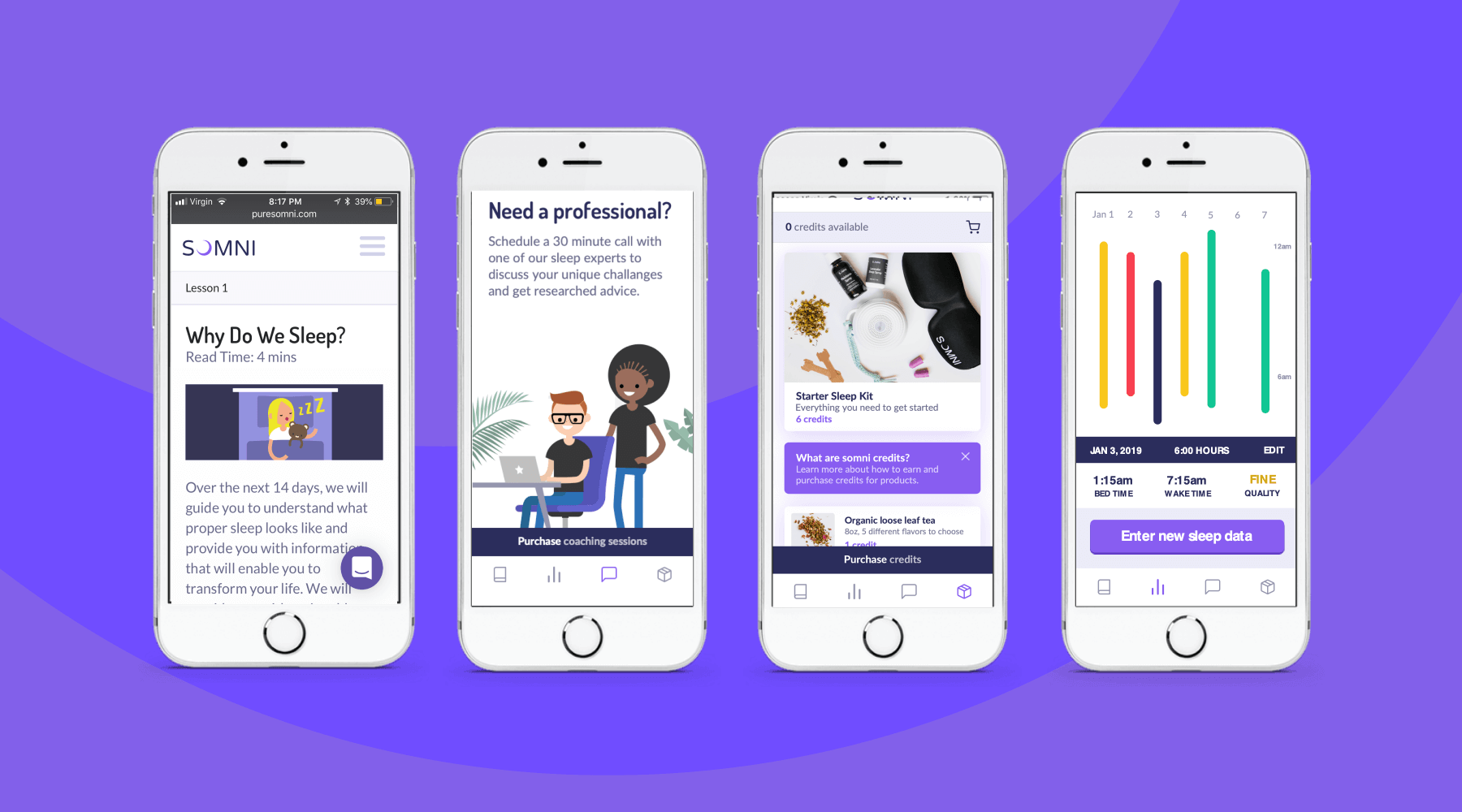
To address those issues, the team designed a digital experience for sleep cohorts, support groups where members could share their experiences and sleep strategies, and work with a coach and sponsor who already had been through the program. The platform analyzed workers’ data, and provided AI-enabled recommendations for improving their sleep. The big takeaway? Data by itself wasn’t necessarily helpful, and could be confusing for folks who were less digitally-fluent. Providing context, like a calendar that displayed sleep experiments at a glance, was crucial.
The IDEO team also created a new user experience for a genetic testing program that could uncover factors associated with sleep issues. Somni aims to use a saliva-based genetic test to monitor for DNA damage caused by circadian disruption, then leverage its sleep improvement program to prevent further damage. Because biomarker testing is a differentiating offer for Somni, it was extremely important that the team get it right, both to make sure that users could understand its utility, and for Somni to provide real value. The design challenge was unique—and not just because of data privacy concerns. Presenting data about DNA damage in a non-human-centered way could increase the anxiety workers had around their sleep.
At the end of the project, Somni leveraged the insights the IDEO team surfaced to improve products like its sleep coaching service, and to refine its biomarker testing offering. Based on this work, Somni has also created a pilot with a Fortune 100 company, which is currently in progress, as it works to mitigate the ill effects of disrupted sleep for employees and the companies they work for.
In the short-term, circadian rhythm disruption leads to an array of jet-lag-like symptoms, and in the long-run, it may contribute to weight gain, obesity, metabolic syndrome, type 2 diabetes, and cardiovascular disease.
It also impairs people’s ability to work, affecting productivity, creativity, and the overall work environment. Productivity loss can lead to employer baseline healthcare costs that are 26% higher, and over time, insomnia can result in an average cost of $4,267 more per employee per year.
In June 2019, the International Agency for Research on Cancer classified shift work as a probable carcinogen.
75%
user retention in Somni's sleep program
$2,450
savings per year per employee for users who complete the program
33%
improvement in sleep quality, and 41 more minutes per night

Nourishing the future
Eat Real helps redefine school lunch by advocating for nutritious, sustainable foods.
Before Eat Real can advocate for better school meals, it has to connect with school leaders—and donors. As the organization expanded its work beyond school certification, it needed an updated soup-to-nuts branding redesign that represents its purpose.
To get started on the five-week sprint, the IDEO team conducted a brand audit and interviews with Eat Real staff, board members, and donors. The team learned that Eat Real’s brand messaging and voice showed up inconsistently, and that board members wanted greater clarity around communication to prospective donors. Several people expressed a desire to change the original logo centered on a fork to a more culturally-inclusive symbol, and for the logo to be separated from the Eat Real Certified stamp, since the organization had evolved to do much more than just certification.
The IDEO team worked in close collaboration with Eat Real to deliver comprehensive brand guidelines, including Eat Real’s brand purpose and core values, positioning and personality, logo and wordmark, visual expression, verbal expression, and brand showcase. The brand’s new tagline, Nourish the Future, speaks directly to how real food access unleashes the possibility for a healthier society and a healthier planet. A new mark combines three elements that signify much more: a welcoming bowl (joy and ritual), the serving spoon (generosity and nourishment), and a sprouting leaf (a future where children and the planet flourish). The team also landed on an unapologetically vibrant color palette, to bring surprise and energy to the brand. From this foundation, Eat Real created a new website, completed a photo shoot with IDEO's art direction, and launched the brand with new messaging and collateral within a year. Now, Eat Real has the tools it needs to scale its operations and affect real change.
To scale its program and be at the center of sustainable food systems change, Eat Real needed branding and messaging to reach a new set of philanthropists.
Almost 30 million US kids depend on public school lunches for more than 50% of their daily calories. These meals are frequently made up of ultra-processed, unsustainable foods that contribute to type 2 diabetes and obesity.
2023 funding goals reached
with its new branding, beating its end-of-year fundraising goals, and putting the nonprofit on track to serve more schools in 2024
129M
meals served to 360,000 students every year at schools that have gone through the certification program

Preparing students to innovate
How Yungu School is building the next generation of changemakers.
Most end-of-high-school experiences, like the Chinese gaokao exam, the global IB Extended Essay, or the US-based AP Capstone program, are focused on testing and academic, classroom-based activities. Yungu School, a private K–12 school in Hangzhou, China, founded in 2017 by Jack Ma of Alibaba and funded by Alibaba partners, wanted to take a different approach. Yungu’s vision: combine the renowned Chinese National Curriculum with an international, competency-based learning mindset.
Designing a new capstone course that brought together the perspectives of Yungu School’s many stakeholders was a complex challenge. The solution? IDEO formed a “co-creation council” composed of eight Yungu School middle- and high-school educators who held different positions within the school, spanned tenures, and came from diverse educational and cultural backgrounds, including Chinese, European, and American. Bringing together educators from a range of backgrounds and points of view fostered alignment and sparked new ideas. In addition to the council, IDEO and Yungu educators gathered additional input from students and parents and crafted the objectives, design principles, and blueprint for the change-making 18-month capstone program.
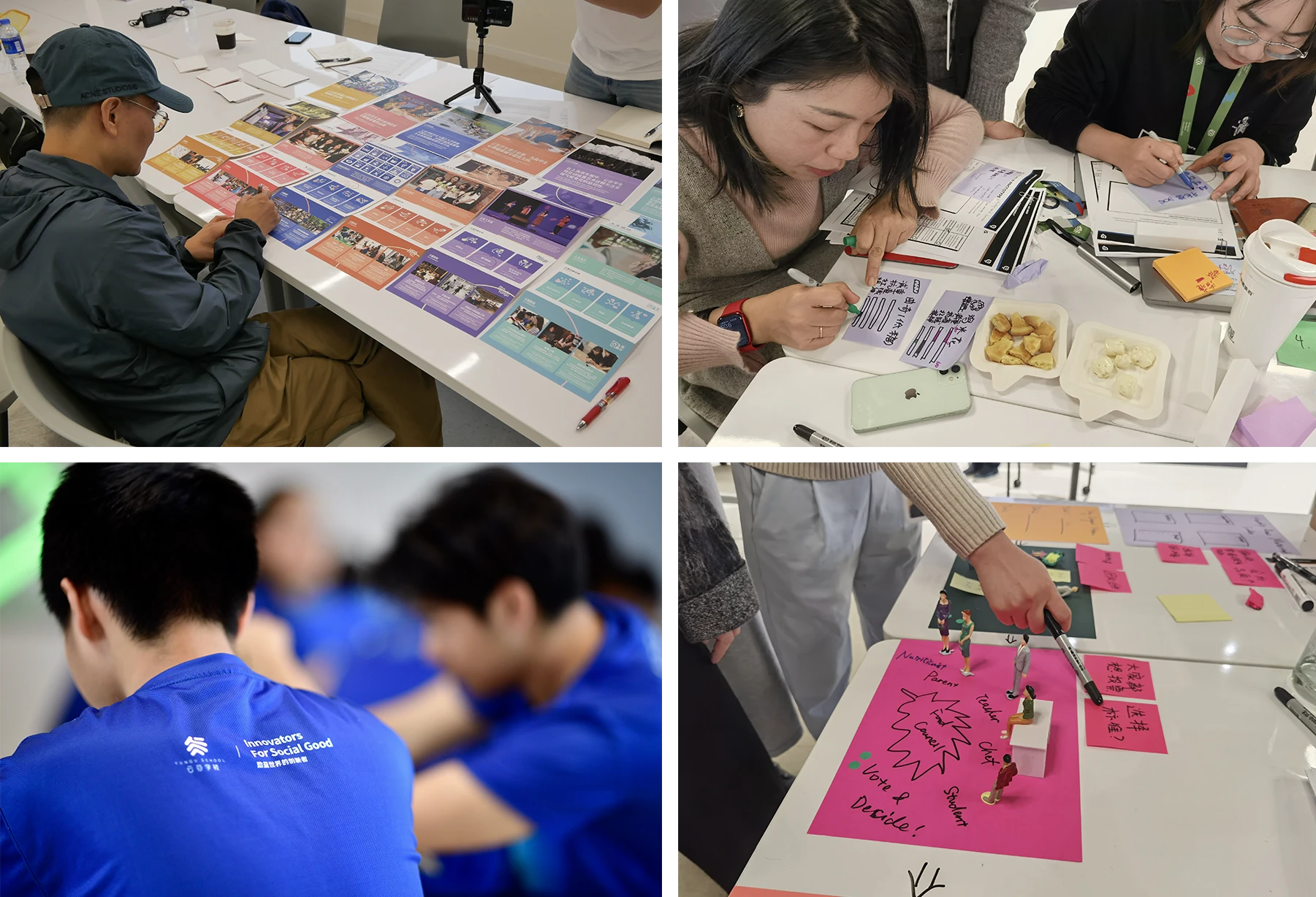
The collaboration resulted in a tailored, insight-driven capstone course that progressively builds learners’ confidence and agency via five modules: “Get Inspired,” “Find Yourself,” “Dive Deep,” “Go Big,” and “Give Back.” The learning cycles, which range from one week to half a year in length, teach students how to move from ideas to impact in topic areas they are passionate about and which have a bearing on pressing issues like climate change, digital privacy, and reducing food waste, among other global challenges. The goal of this iterative approach is twofold. Equip students for “global citizenship” by identifying personal ways to make a positive impact. And foster “entrepreneurship” by learning to be critical, creative, and optimistic systems thinkers who embrace a growth mindset.
To ensure a solid foundation for the new course, IDEO also created a week-long design-thinking training program for Yungu’s teachers. The professional development experience boosted their creative problem-solving and taught them how to move from being “expert instructors of curricula” to “encouraging guides” of capstone students who would need to demonstrate their proficiency through a final product, presentation, or performance rather than a final exam. The collaboration concluded with an immersive exhibition that allowed all stakeholders—educators, students, and parents—to experience the content modules and transformative course for themselves. Since launching its capstone program in 2022, Yungu High School has added lectures from social entrepreneurs and workshops that teach communication skills to the innovative course, garnering awards from media outlets like Fast Company. Most importantly, the signature program has enabled The Yungu School to embody its noble and audacious mission—empowering students to become future innovators for social good.

Today’s high-school seniors learn how to memorize academic content and pass tests but aren’t prepared to make a real-world impact after graduation.
196 college offers
and $1.442 million in scholarships received by over 40 graduates from Yungu High School’s class of 2023
2023 Finalist
Fast Company Innovation by Design Awards, Learning category
Lifelong health by design
Omada Health grows from an IDEO research project to a $1 billion company fighting chronic disease.
Design thinking was embedded in the creation of Omada Health from the earliest phases, and Omada has taken that forward as a strategy for success.
Over the past decade, the digital health company has grown from a couple of early career IDEOers testing concepts at the very frontier of digital health, to a company with nearly 2000 employers on its customer roster and more than one million users of its healthcare products.
Omada’s origin story began at IDEO in 2011, when its now CEO, Sean Duffy, an MD/MBA student at Harvard, joined IDEO as an intern, after a partner found his resume on the copy room floor. What was supposed to be a summer internship led to an exploration of the potential impact of digital tools on chronic health problems. IDEO partner Dennis Boyle gave Duffy and his co-founder and fellow IDEOer, Adrian James, the time and funding to do human factors research, meeting with people with prediabetes and metabolic disease in their homes to learn more about the care they were getting. What they heard was that no product or service was meeting the realities of their daily lives.
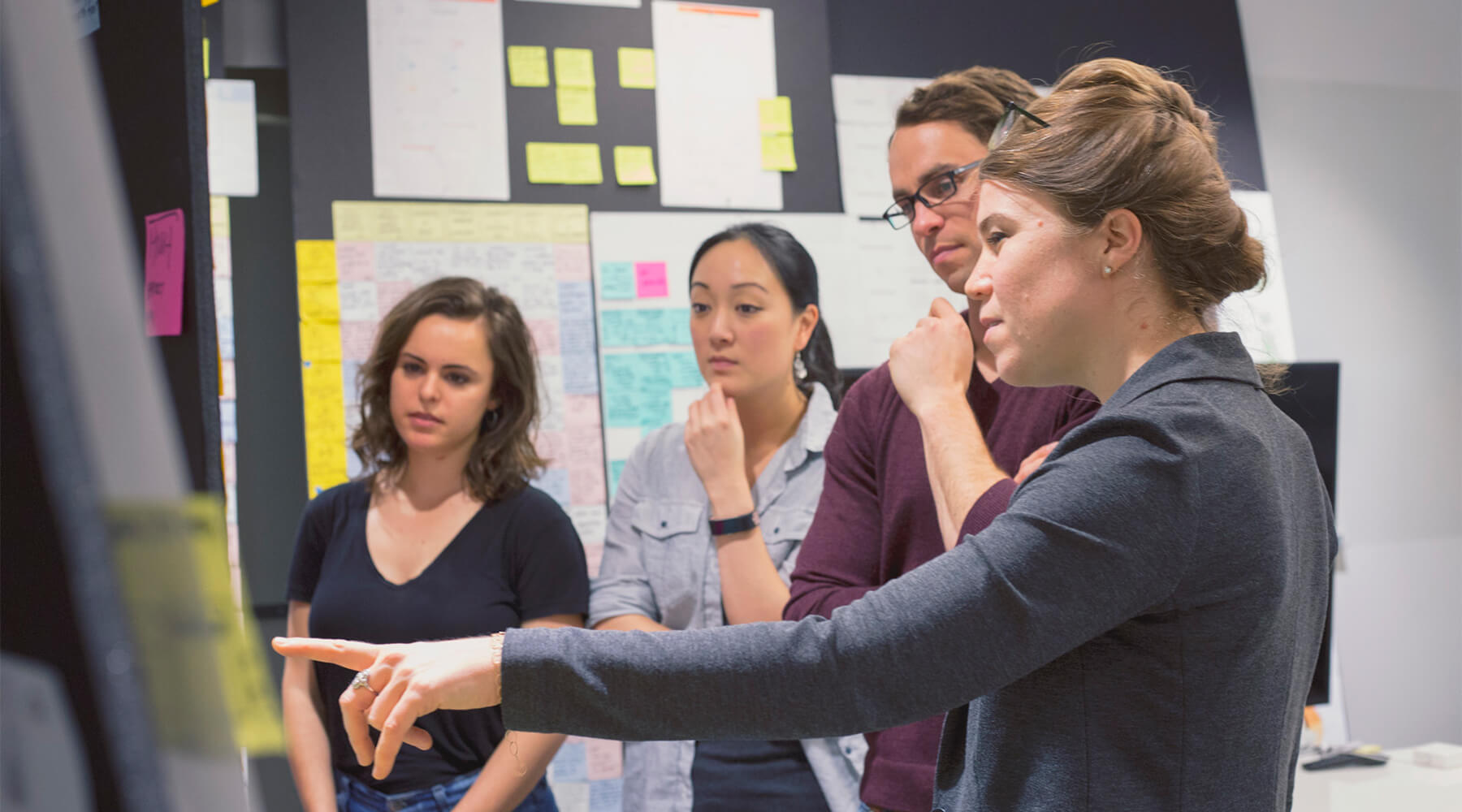
Five months after he landed his internship, and with the company’s blessing, Duffy and James spun Omada Health out of IDEO. Together, they raised a seed round, and continued to lean on design thinking methods, prototyping early versions of their product, then testing it with real patients. Duffy himself even served as the company’s first health coach. By sticking with the mindsets they had learned at IDEO, they avoided the pitfall of falling in love with the popular approaches to digital health of the era—like detailed food tracking or bluetooth enabled pill bottle tops. Instead, they stayed focused on creating what patients were asking for: a digital product that provided support, accountability, and evidence-based solutions.
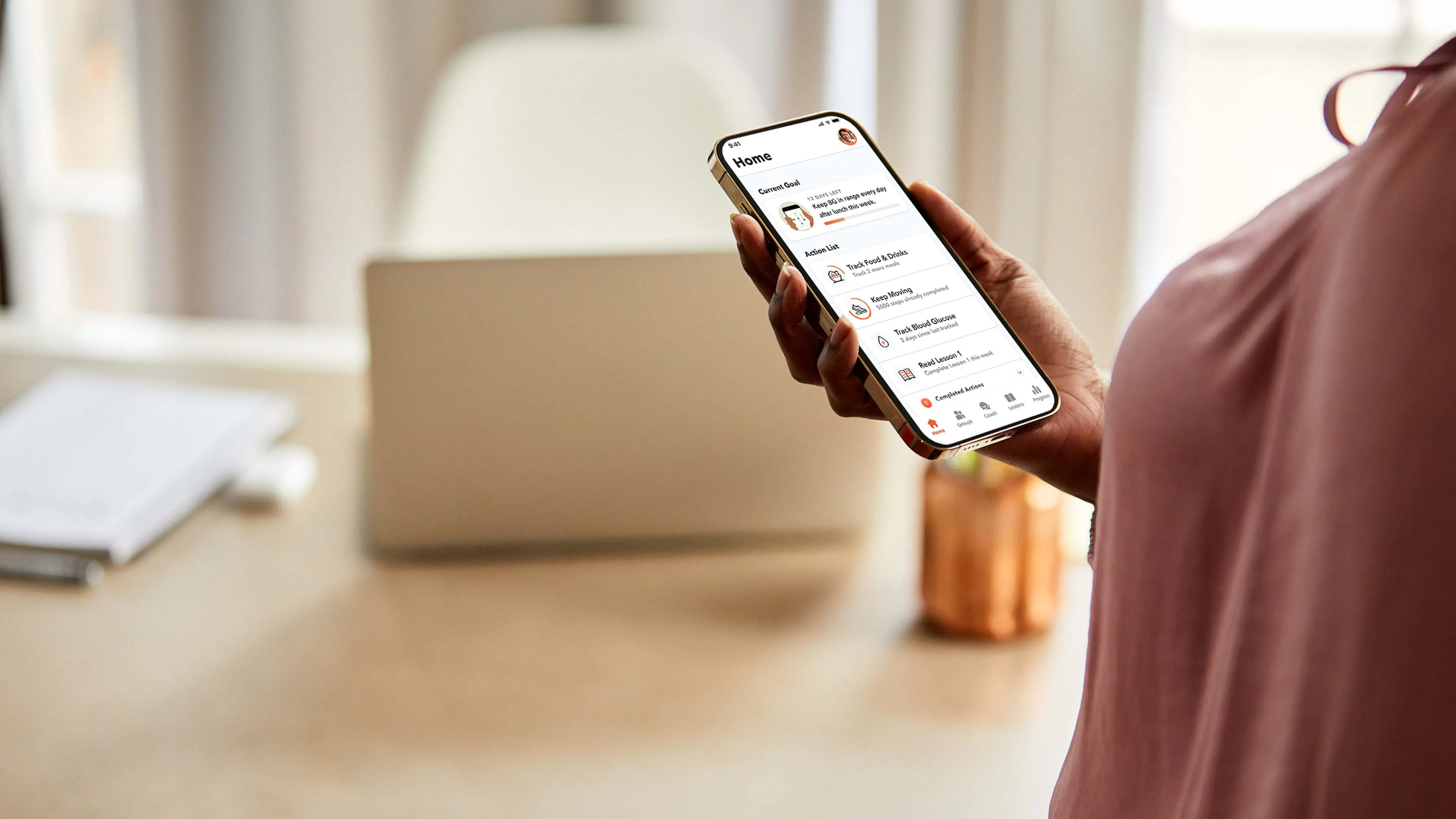
Today, Omada Health is a virtual-first, integrated care solution that provides patients with clinical care plans using digital tools and one-on-one, personalized coaching. It helps users manage chronic conditions including pre-diabetes, diabetes, hypertension, joint and muscle health, and behavioral health. More than a decade after its founding, it counts nearly 2000 employers as customers, has more than one million users of its products, and has published 24 peer-reviewed studies on its outcomes. Not to mention a $1.3 billion IPO in June of 2025. But it’s still going after its North Star: to bend the curve on preventable chronic diseases nationwide.
About 60% of adults in the US live with a chronic disease. According to the CDC, 90% of the nation’s $4.1 trillion annual healthcare expenditures are for people with chronic and mental health conditions.
Diabetes is the country’s seventh leading cause of death—and the most expensive. Diabetes accounts for $1 out of every $4 in US healthcare costs. In addition to the cost of care, diabetes costs employers $90 billion annually in lost productivity.
Nearly 2,000
employers now partner with Omada
1 in 10
commercially-insured Americans have access to Omada through their health plan or employer coverage
$1.3 billion
valuation at Omada's IPO
Designing a warm welcome for Ukrainian refugees
Alight’s new digital tool is bringing critical support to the front lines.
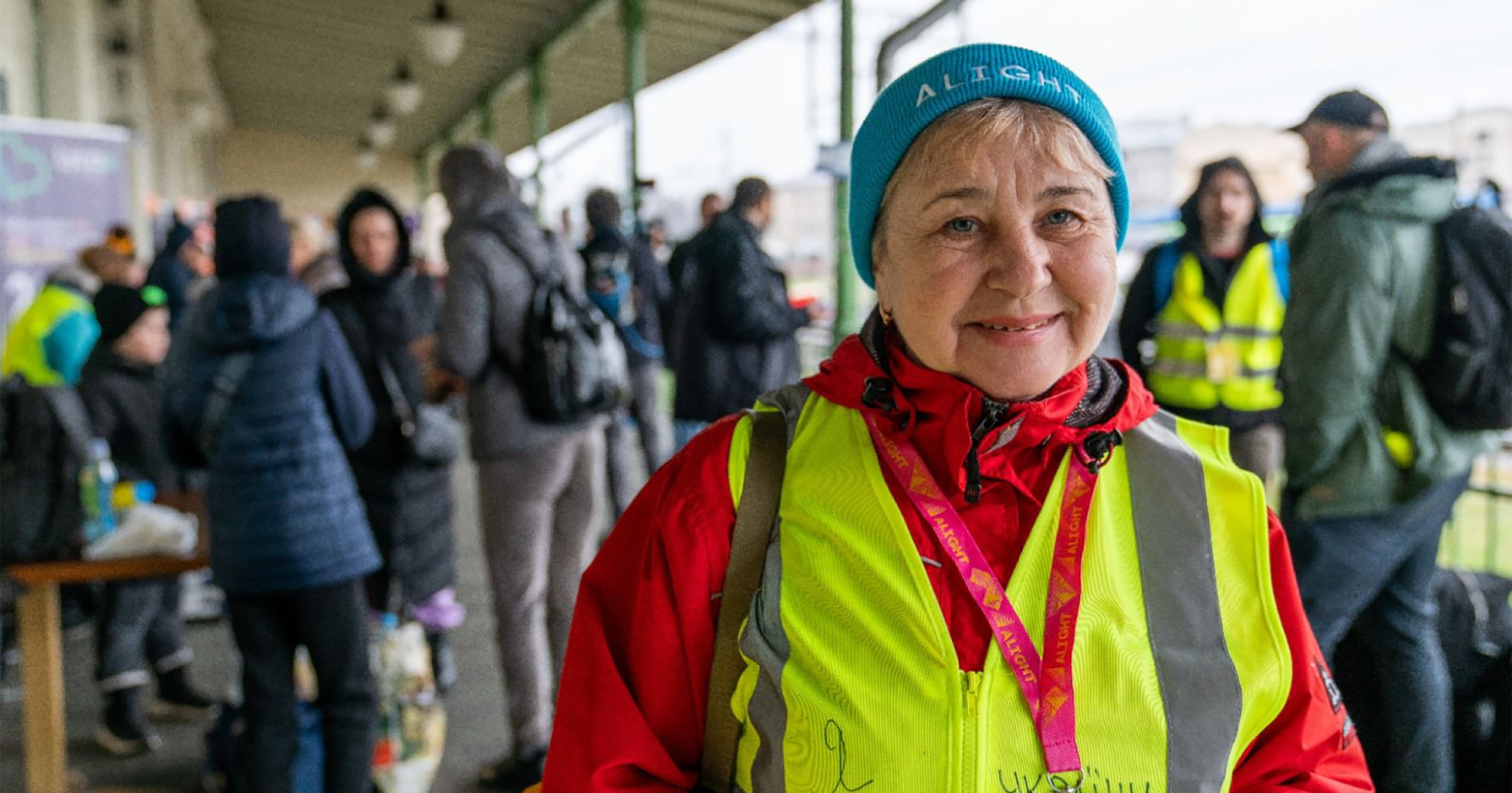
Alight, a non-profit that provides humanitarian assistance to people on the move, made the introduction to help us learn more about the refugee experience.
After the Russian invasion, Yulia’s family traveled to her parents’ home just outside the capital. But upon learning that friends had been killed while driving nearby, she decided the family needed to leave Ukraine.
Adult males are required to stay back and defend the country, so Yulia said goodbye to her husband and father and headed toward the Polish border with no destination in mind beyond “out.” She had very few friends to assist her; everyone she knew was in the same situation. At the Medyka border crossing, Yulia, her mother, and her children stood in line through the night to gain entry, then boarded a bus to a hotel in Krakow. It was there that she learned about Alight.
*name changed to protect privacy
Address the Human Need
Alight has spent 40 years working with displaced people, from distributing food relief during the Somali famine to building emergency shelters for Burundian refugees in Rwanda. Since February, the organization has been in Ukraine and neighboring Poland, where millions fleeing the war have headed.
Within weeks of being on the ground at the border, it became clear to Alight that refugees were encountering a lack of credible guidance on housing in Poland. Alight quickly partnered with Airbnb, which was offering Ukrainians free housing for up to 30 days.
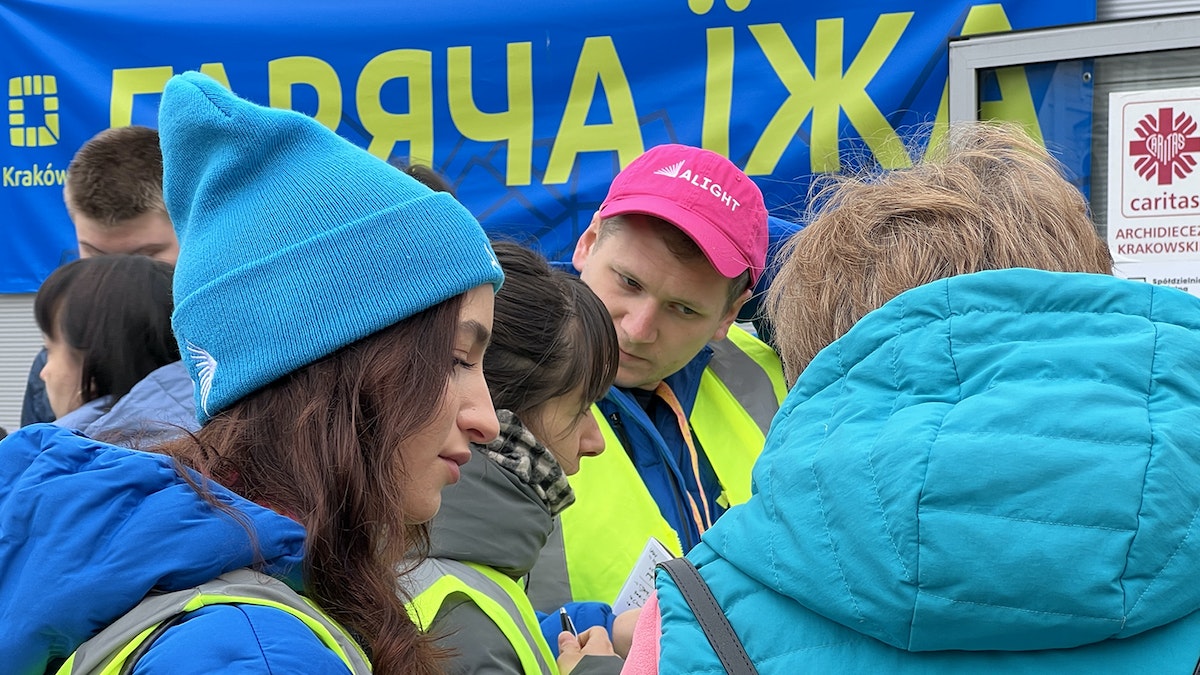
Alight’s Housing Guides—easily identified by their vibrant yellow vests—assisted with bookings. But it was a person-to-person effort, done at the border crossing, at train stations, and in conversations over text and social media. Alight knew it had to greatly scale its ability to get Ukrainians into safe and free accommodations—they needed a tool that could be accessible in varied and rapidly changing contexts. And they wanted to make sure that tool was designed to be useful from day one. “The goal was to learn what Ukrainians needed from the moment of arrival at the border to when they settled in stable housing,” says IDEO Design Director Karen Hentschel.
As an organization that has long applied human-centered design to emergency situations, Alight knew that amidst chaos and uncertainty, designers are able to zoom out, spot underlying human needs, and work quickly to prototype, test, and iterate a solution with the intended audience. Alight worked with our teams at IDEO and IDEO.org to make that happen.

Move Fast and Fix Things
Alight knew that Yulia and her family represented thousands urgently in need of housing and support services. Because we work in IDEO’s Munich studio, we were able to deploy to Poland within days, and IDEO.org designed the initial digital tool within weeks.
Once on the ground in Krakow, IDEO’s Alex Eaton, Tilo Krueger, and David Sjunnesson shadowed Alight’s guides—Ukrainians who had undergone the same journey as the people they were helping and now served as experts in the field. Observing them as outsiders allowed us to spot patterns.
“Alight is very focused on the person in front of them. We were able to take a step back, look at the journey, and see how Alight could support in more places,” says Sjunnesson. "One big part of that was creating a journey map of the first 30 days that identified moments of indecision and decision.”
Build Trust
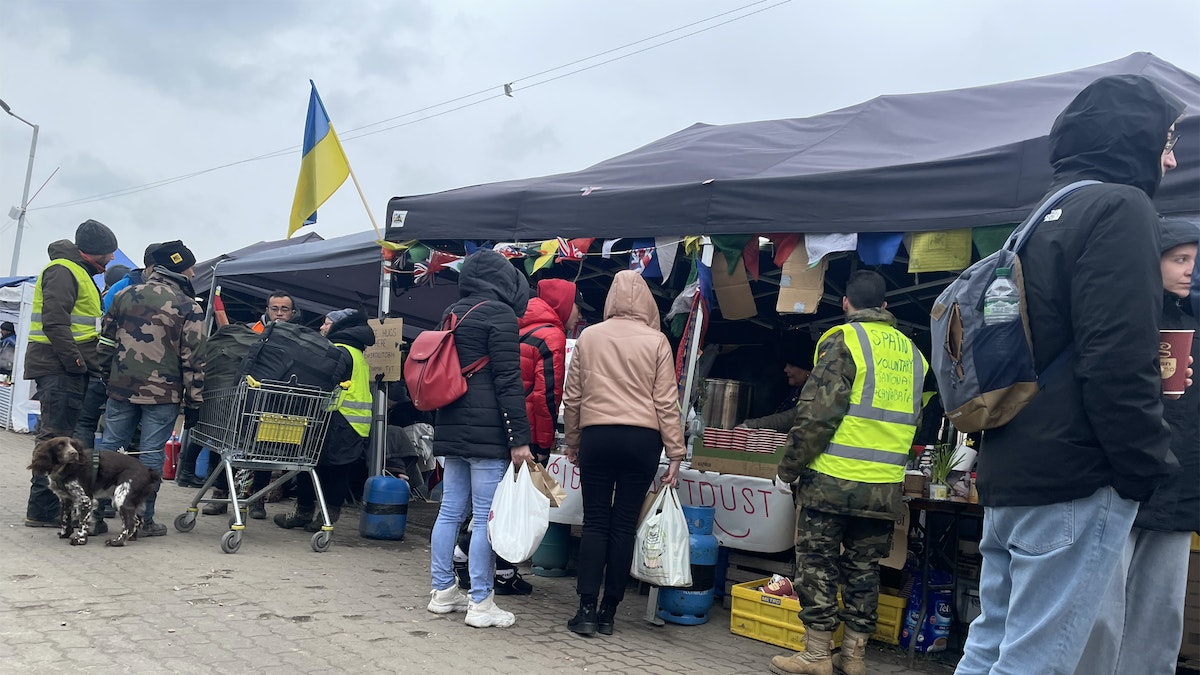
In an emergency, people need more than food and shelter. They need to feel safe. The border is replete with resources, but not all are trustworthy or reliable.
And Alight isn’t a household name, so establishing trust in the organization and its resources was key. We knew that replacing text-based communications with a professional looking, resource-rich digital portal would help.
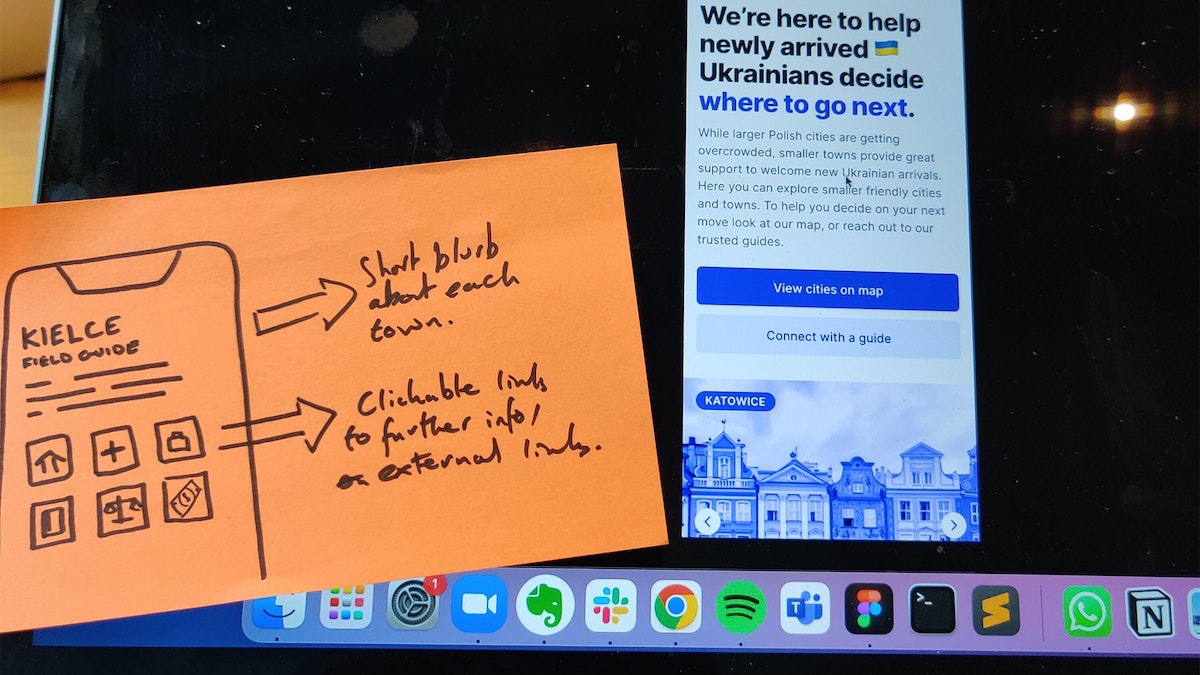
Thoughtful curation was also key. “You don’t want to have a million different options, you want to have three good ones,” says Sjunnesson. The design team found that information overload compounded people’s sense of overwhelm and recommended that Alight recruit additional guides to travel across Poland to gather data on housing, schools, workplaces, and job boards that the organization could vouch for.
Design for Clarity and Compassion
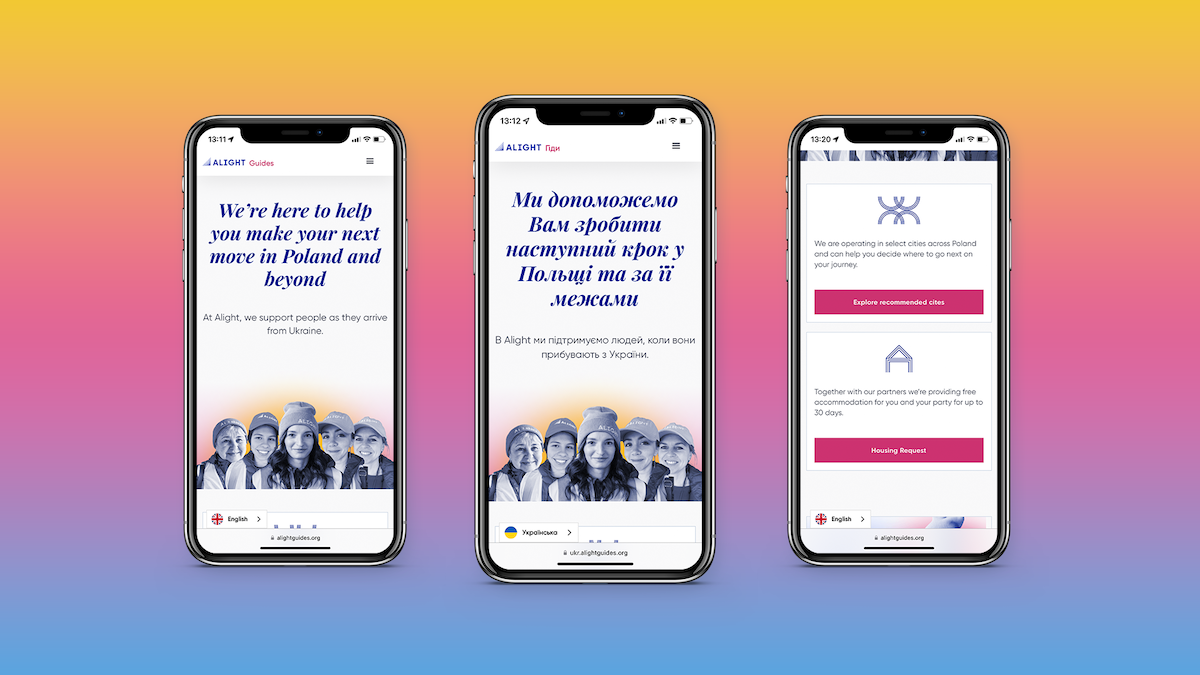
The digital prototype, which was refined over a six week period, initially featured three cities where Alight had a presence, could provide support, and could guarantee safety and a quality experience. But the way that information was delivered was equally important, says Alight Engagement Guide Leah Combs. The organization hoped for “a softness and a gentleness and a simplicity of navigation, a place where people could land and feel immediately comfortable.”
The resource was also designed to be nimble, with Alight able to make updates to the site within minutes. “The urgency of a humanitarian crisis lends itself to a design process anchored in rapid prototyping and continuous iteration,” says IDEO.org CEO Shauna Carey. “But it’s not just about making something that works well—a human-centered approach helps ensure we’re creating a product that is also responsive to the emotional context of the situation."
Impact
The site gave Alight the ability to scale beyond time and place. Alightguides.org logged roughly 150,000 views within the first month. With its added reach, Alight provided 25,555 days of safe housing through Airbnb. Ukrainians now have access to Alight in moments when its expertise and assistance might otherwise be invisible: in an apartment, on a bus, or in any of the many moments prior to their arrival at the border.
Aside from tangible support, the tool offers something Yulia told us she desperately needed: The peace that comes from knowing where one’s family is going to sleep that night.
Support Alight's humanitarian efforts here.
—This article was written in collaboration with IDEO Europe, Alight, ideo.org, and our partners.
We met Yulia*, a Ukrainian mother in her 40s, at our hotel in Krakow. She had fled from Kyiv with her teenage daughter and toddler and was eager to tell us her story.
ExperienceInnovation workshop for teams
An immersive design-thinking experience.
Design thinking is an approach to innovation that draws from the designer’s toolkit—taking a human-centered approach to translating ideas into tangible strategies and offerings. Design thinking accelerates innovation, helping create better solutions for the challenges facing business and society.
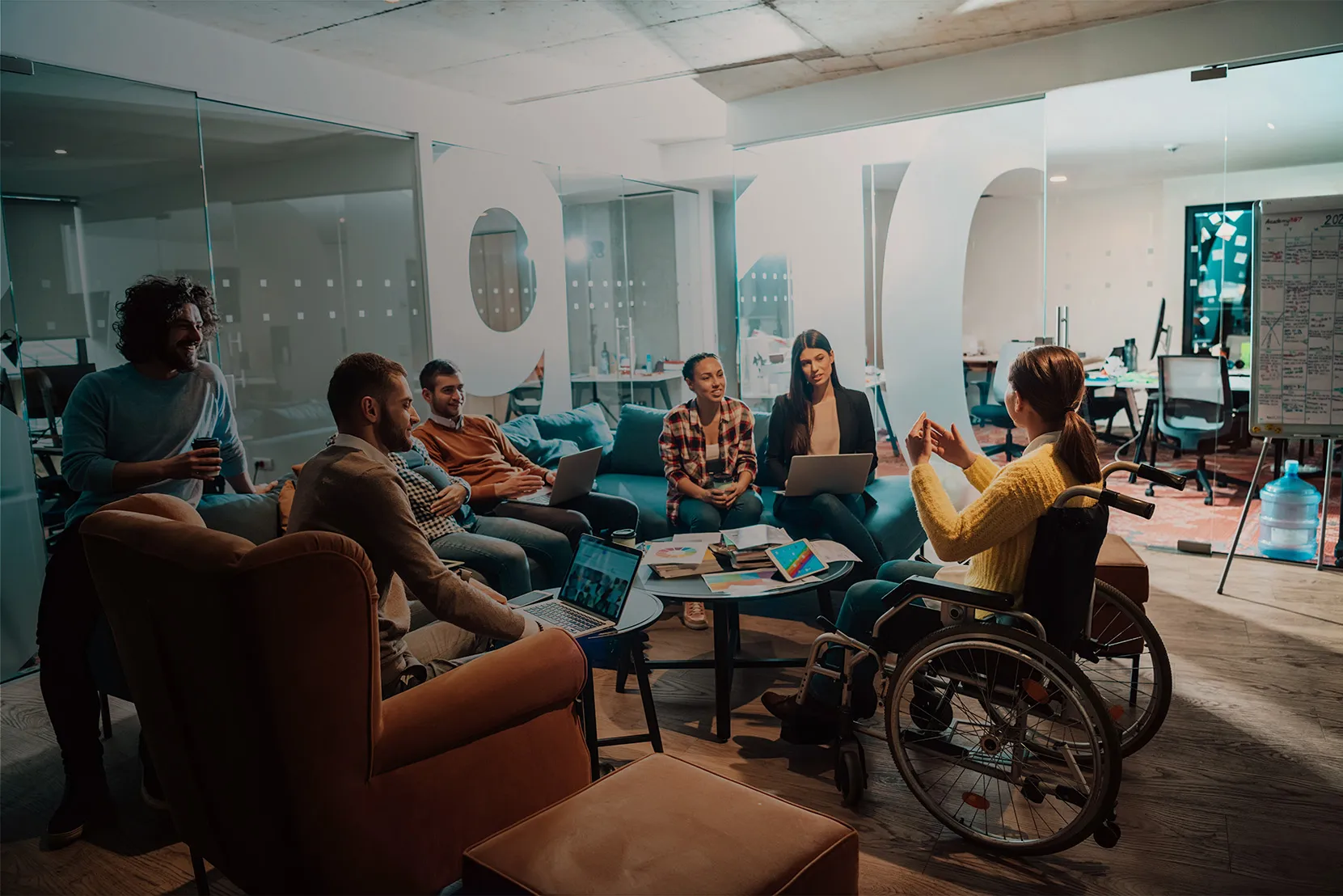
ExperiencePoint, in collaboration with IDEO, created the simulation game ExperienceInnovation to provide a direct experience with design thinking. Teams compete to solve a realistic and complex challenge while engaging with the terms, techniques, and thought patterns of successful innovators.
Built for designers and non-designers alike, ExperienceInnovation creates an energizing, practical, and relevant learning experience that supports tangible business objectives using leading-edge technology. The workshop is optimized for a half- or full-day experience and is available as an in-class exercise, or online for remote teams. To date, over 15,000 people from a variety of companies and industries have completed ExperienceInnovation experience.
Learn more about ExperienceInnovation.
ExperienceInnovation is a workshop in innovation, giving teams meaningful experience with design thinking.
大学生のクリエイティブ・コンフィデンスを6週間で「ぶち上げる」
「プロトタイピング力」とは、大きく分けて2つある。それは、その課題を解決する上での「WHAT(何を作るべきか)」と「HOW(どう作るか)」である。この2つを両方使いこなし、自ら解決策を試作できるようになった時、自己効力感(Self Efficacy)が「ぶち上がる」のである。そんな自己効力感のマインドセットについて書かれているのがクリエイティブ・コンフィデンス日本語版ではクリエイティブ・マインドセット)だ。クリエイティブ・コンフィデンスに満ちた個人はどのような課題に直面しようと、自らの創造力とモノづくりの技術で何らかの解決策を提供できると確信し嬉々としてアクションを起こすことができる。それこそがデザインの持つ力であり、これからの時代に不可欠な能力だ。
理系も文系も、言い訳のできない時代
これまで数多くの中学、高校、大学でデザイン思考を教えてきた中で一つ問題に感じるのは、多くの学校で「WHAT」と「HOW」を分けて考えてしまっていることである。文系の学校の場合「WHAT」の議論には熱を入れるが、文系だからという言い訳をしてなかなか「HOW」に触れようとしない。理系や工学系の場合は、「HOW」のトレーニングは積むが「WHAT」は別の誰かの仕事と考えている。しかし、ECサイトを誰もが数分で立ち上げることができ、アプリだってスプレッドシート一つでノーコードで作れて、どんなノウハウもYoutubeを通して無料で学べる昨今において、理系だ文系だ、はもはや言い訳にはならない。思いついたアイディアを、誰かに作ってもらうのを待つのではなく、自らの手でプロトタイプするマインドセット、それこそが現代の教育の目指すべき姿だ。
そのために必要なのは、なるべく早い段階から、小さい成功体験を積み上げることだ。最初からSDGsのような巨大な社会課題に挑むのではなく、まずは目の前にいるたった一人の誰かのために「最高の贈り物を届ける」だけ。そのくらいライトな捉え方でデザインを行うことが大切である。成城大学のキャリアセンターから「デザイン思考をベースとした授業をやってもらえないか」というお誘いを頂いたのは、そんなことを考えている最中だった。
DESIGN THINKING LABという6週間の実験
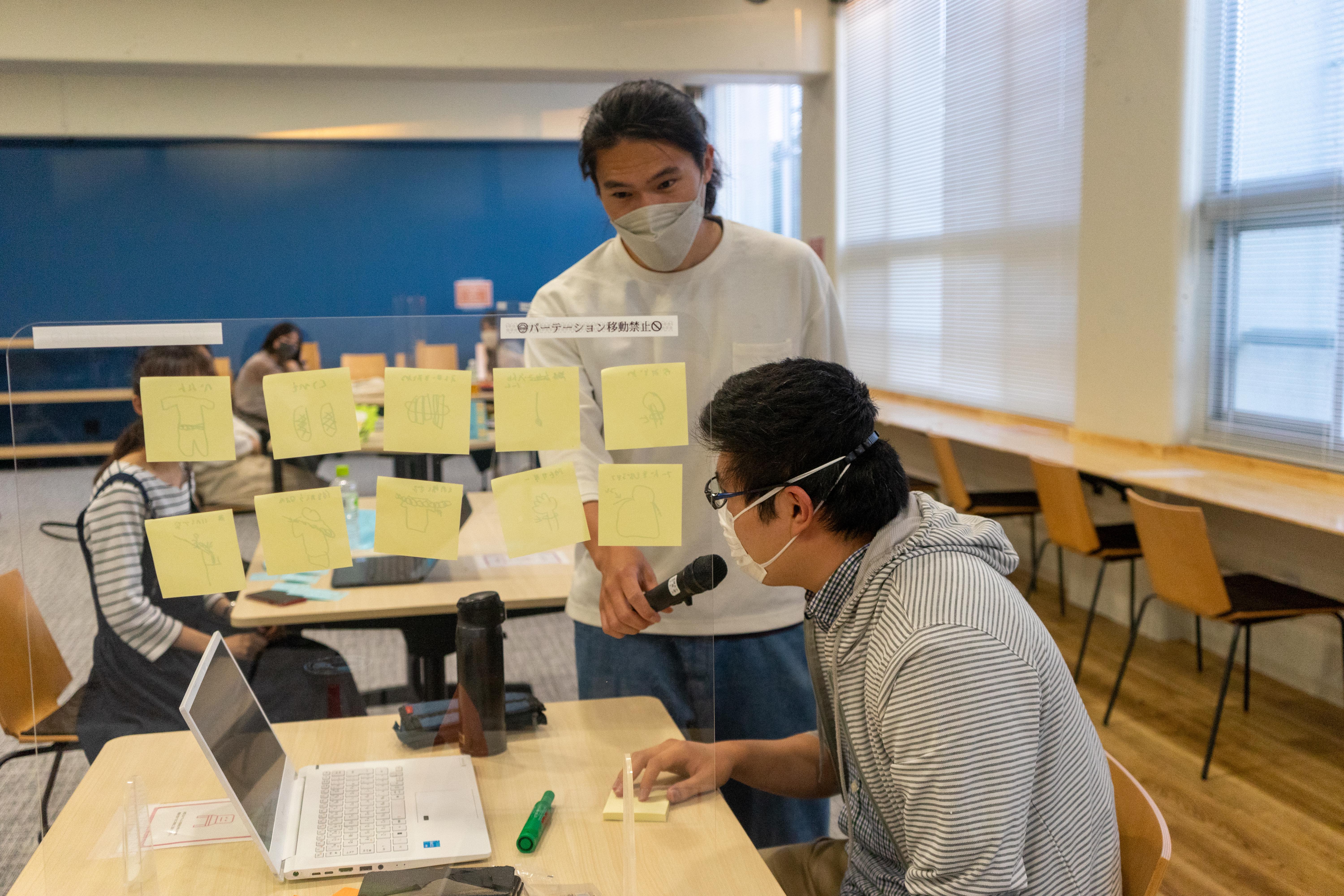
「DESIGN THINKING LAB―モノづくりを通して、世界の見方を変えるー」というタイトルの元に実施することとなった6週間の授業では、「どのようにして、コロナ対策下のキャンパスライフをより一層楽しくできるだろうか?」をテーマに約20人の有志の学生たちに課題を発見し、解決策を考え、プロトタイプを作り、それを学内で実装してもらった。デザイン思考のいわゆる5つのステップのようなビジネスライクなフォーマットでは学生たちはすぐにそっぽを向いてしまうため、あくまでも「たった一人の同級生のための最高の贈り物」を作るための6週間であることを強調した。
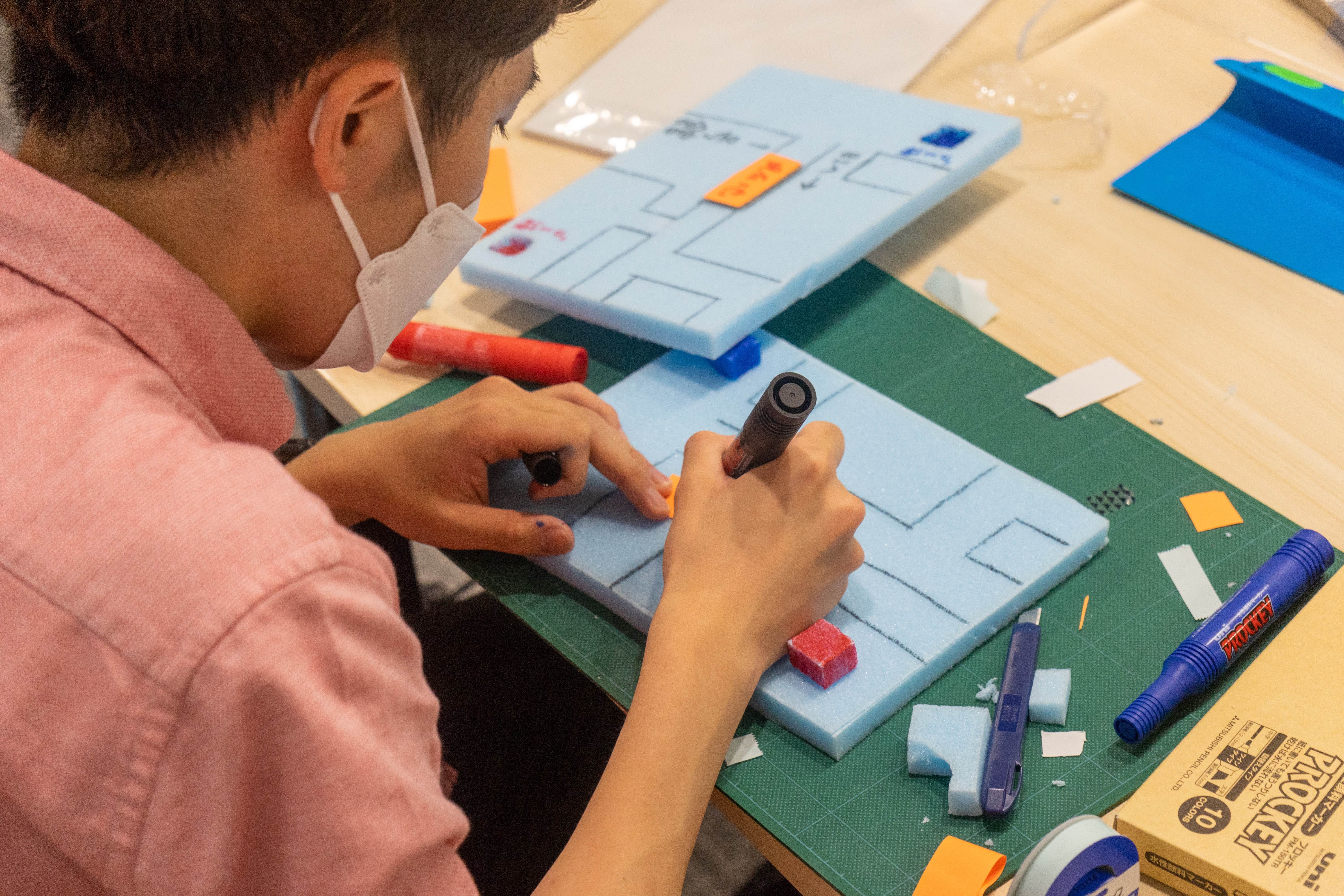
その結果、僕がこれまで行ってきた数々の授業の中でも格別に素晴らしいアウトプットが文系の学生たちの手から次々と作り出されていった。中でも、食堂の券売機の見づらさに嫌気が刺したとある3年生の学生が、より見やすいデザインのラベルを作り勝手に券売機に貼り付けた結果、食堂スタッフに大ウケし、成城大学の公式のインスタグラムアカウントにも取り上げられ、公式運用されたケースには度肝を抜かれた。これこそが、本当の意味での課題の発見および解決能力であり、小さくも大きな成功体験なのである。
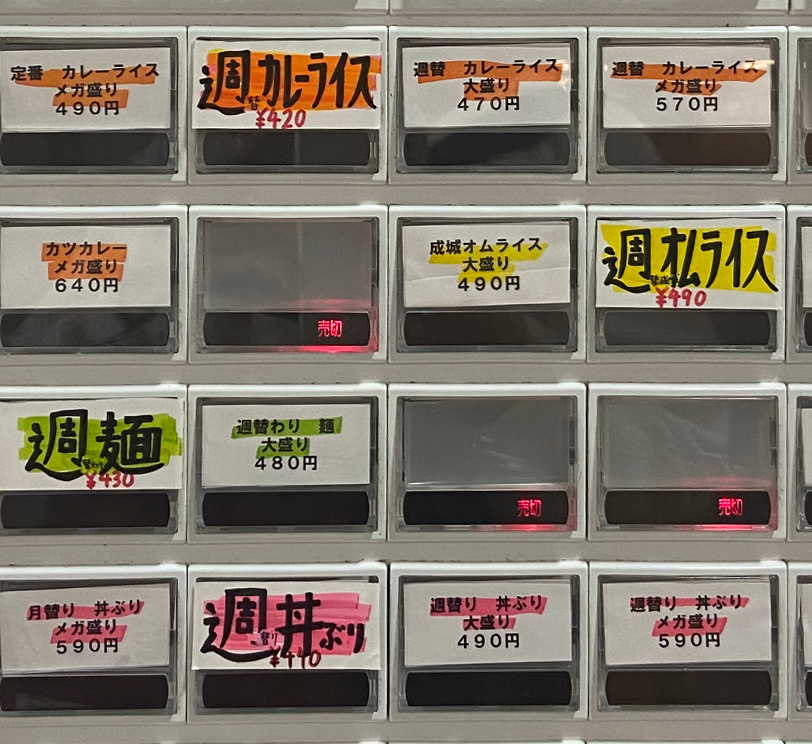
言葉の議論に逃げない、プロトタイプは現場に持っていく
今回の6週間の授業を設計する上で特に意識したことは2つある。まず一つは、言葉の議論に逃げないことである。大企業の役員であろうと、メーカーのエンジニアであろうと、大学生であろうと、得てしてヒトは抽象的な言葉の議論が大好きな生き物である。脳内で妄想を膨らませてるときは楽しいし、言葉の定義の議論などは夜な夜な続いてしまう。しかし、具体的な解決策を実装しよう、という時には、決して言葉に逃げてはいけない。描いて、作って、見せて、頭の中にふわふわしたイメージに残酷なほどに具体的な形を授けないといけないのである。これを習慣付けるトレーニングを積んだ人は、世界中どこに行っても必ず事を成すことができる。
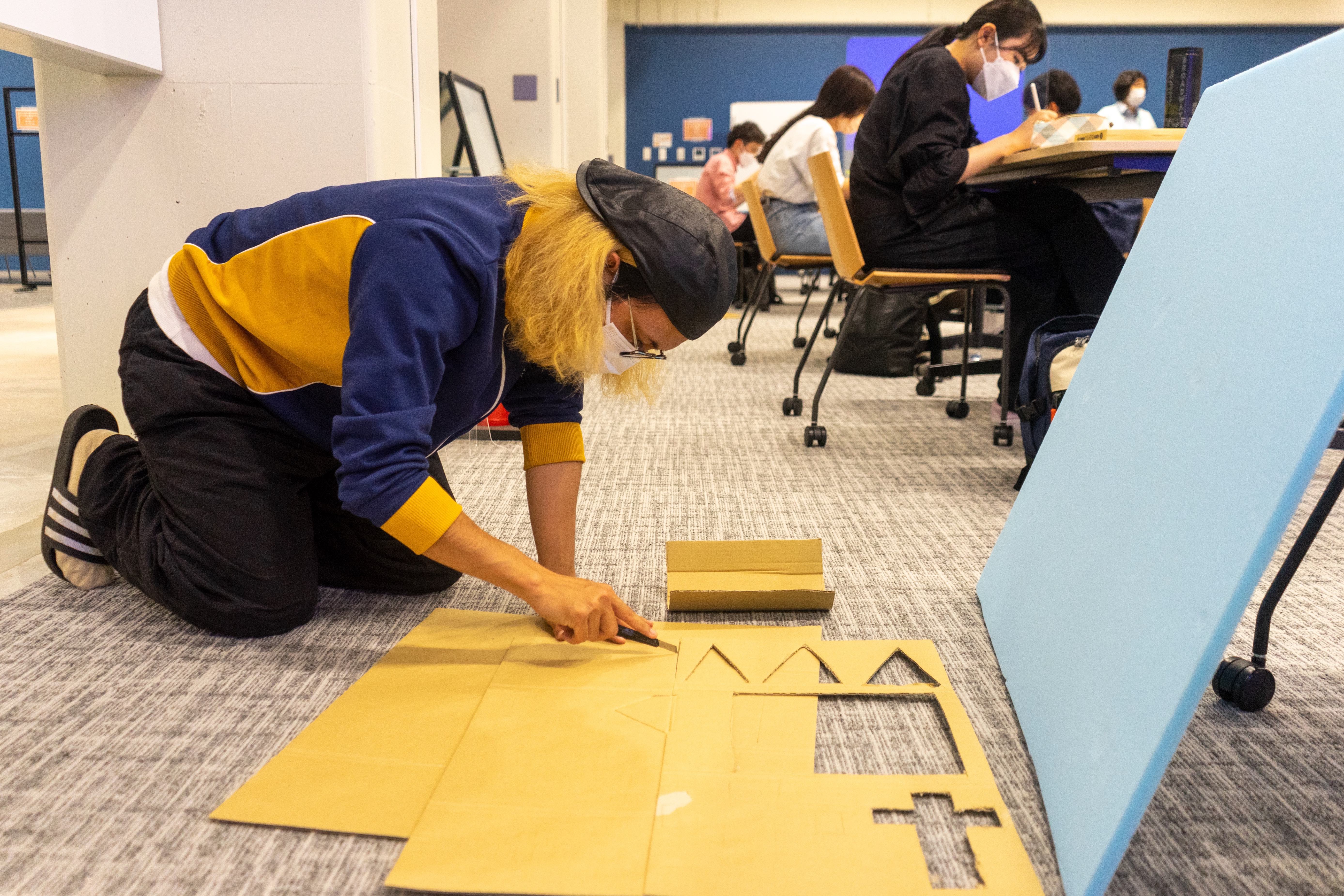
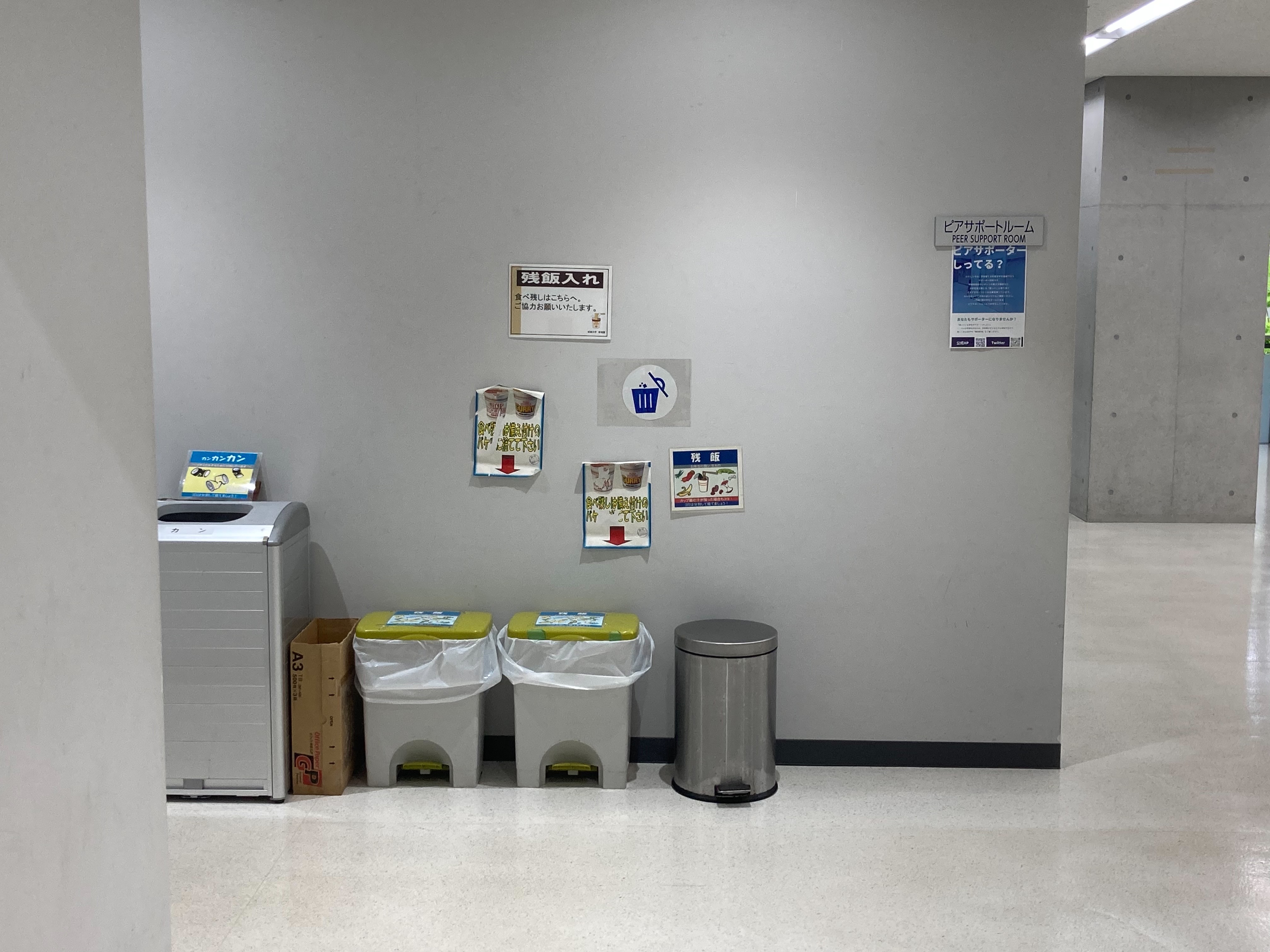
もう一つ意識したのは、作成したプロトタイプを、少し無茶をしてでもゲリラ的に現場に実装してみる、ということである。せっかくプロトタイプを作っても、それが机の上に置いてあっては無価値だ。券売機の例のように、正規のルートで許可をとらなくても勝手にやってしまうことで、却って早く受け入れられることは往々にしてある。今回の授業では、他にもゴミ箱の見つけづらさを解消するためにゴミ箱アイコンを各所に貼り付けてみたり、殺風景な部室棟の至るところに可愛いキャラクターのイラストを張り巡らしたり等というアウトプットがあった。IDEOではマントラのように「Don’t ask for permission, ask for forgiveness (許可をもらうな、許しを乞え)」というが、大学生であっても少し背中を押せば意気揚々とそれをやってのけた。(当然、裏で大学の事務局の方々のサポートは沢山あったのだと思い、最後まで献身的にサポートしてくださった姿勢には頭が上がらない。)
もちろん、今回の授業のやり方が完成形だとは全く思っていないし、6週間という期間が十分だったとも思っていない。ましてや、今年の5月に経済産業省が出した「未来人材ビジョン」レポートにあるように、こうした探究的な授業には我々のような企業がどんどん参画していくべきにも関わらず、現段階では企業側の水準にあった予算を学校側が捻出できている訳でもない。まだまだ課題はあるが、それでも、たったの6週間でも、美大生でなくても、デザインというツールを通して学生たちのクリエイティブ・コンフィデンスを(少しは)ぶち上げることができたという事実は、これからの教育のあり方の一つの取っ掛かりを作れたと思う。
僕たちの日常は問題にあふれている。悪化する国際情勢から、数日前に僕のウェットスーツに突如空いた穴まで、事の大小問わず、問題ばかりである。そういった問題を、自らの手で解決していく志と技能を育むことが、本来の教育の目的であると思う。現に、多くの教育機関のビジョンステートメントには、課題の発見および解決能力の育成という趣旨が多種多様な文言で書かれている。しかし、実際に率先して課題解決に向けて動く人材になるために欠かせないと思うスキルが一つある。それは、「プロトタイピング力」である。
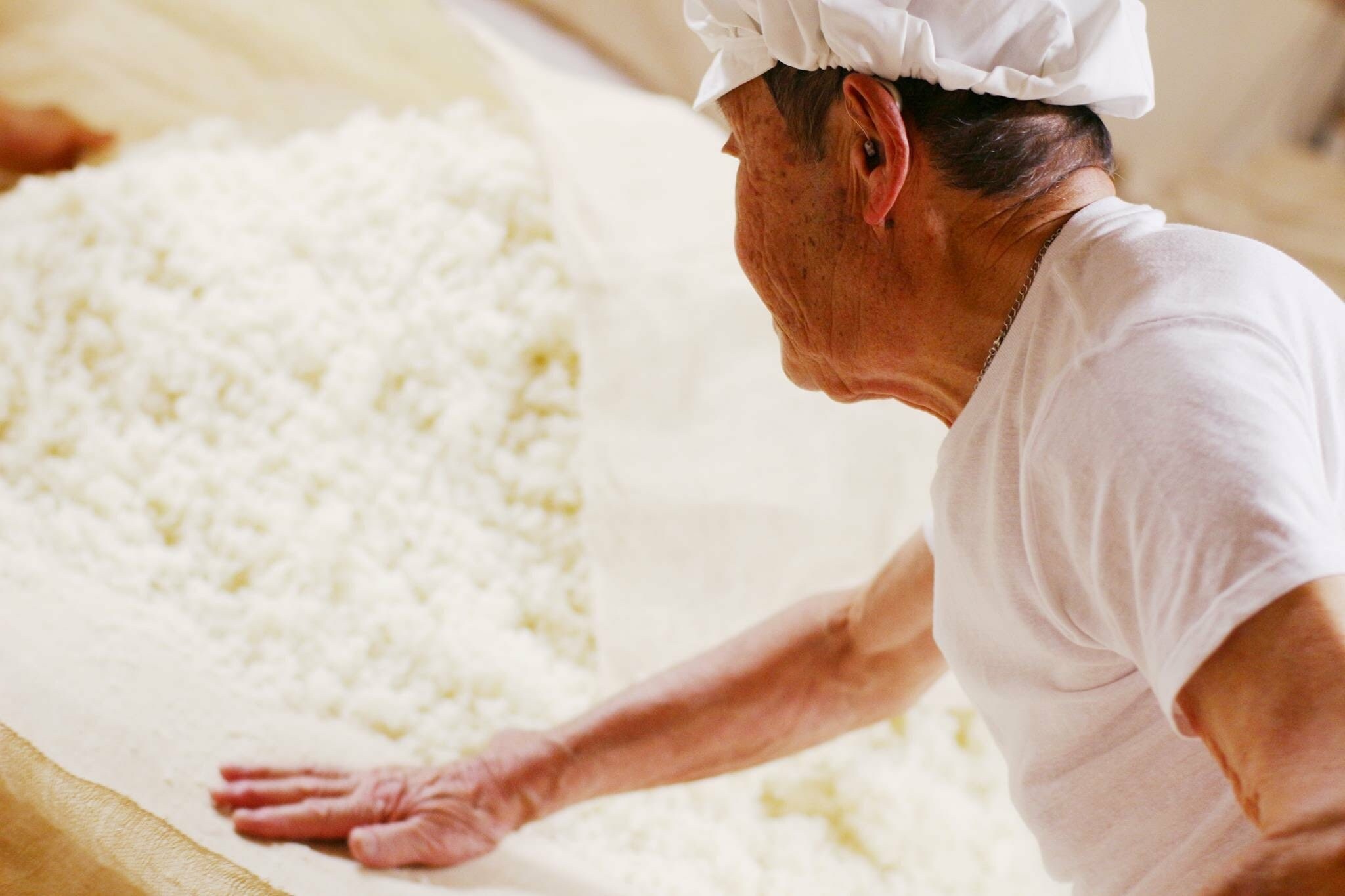
日本酒のブランドデザインに込めた作り手の心
アメリカで学んだデザインで、日本らしさが持つ美しさを世界へ。
日本とアメリカの狭間で
私はそもそもお酒が好きです。東北の秋田県で生まれ育ったので、日本の米文化・酒文化は私の細胞の中に深く浸透しています。少し市街から外れると広がる田園風景と、季節毎に移り変わる田んぼの表情・匂いは私の大事な原体験のひとつです。祝いの席にはお酒が必ず出て、杯を交わしながら大人が賑やかに話しをしているのを見て、子供ながらに「お酒は楽しいもの」だと感じていました。また五穀豊穣を願う竿灯まつりは、東北を代表する夏の風物詩でもあり、稲穂を模した何千ともいう柔らかい提灯の灯りが夜の町に揺らぐ光景は、是非一度は見てもらいたい日本を代表する文化です。
現在私はIDEO Tokyoでコミュニケーション・デザイナーとして働いていますが、デザインの基礎はアメリカで学びました。在学中も、卒業後も、海外のデザイン会社で仕事をする機会に恵まれましたが、日々さまざまなグラフィックを作る中で感じたのは、同僚のデザイナーたちの作品に比べて、自分が表現するモノはどうしても日本的になることでした。海外のデザインに感化されながらも、水のような、空気のような、すっと入り込んでくるアジアのデザインに惹かれている自分がいました。日々違う表現に触れる中で、自分の中で消化して出てくるものは、自然と自分のルーツに近づいていく。日本社会に馴染めずに飛び出した私ですが、故郷である日本との強いつながりを感じました。
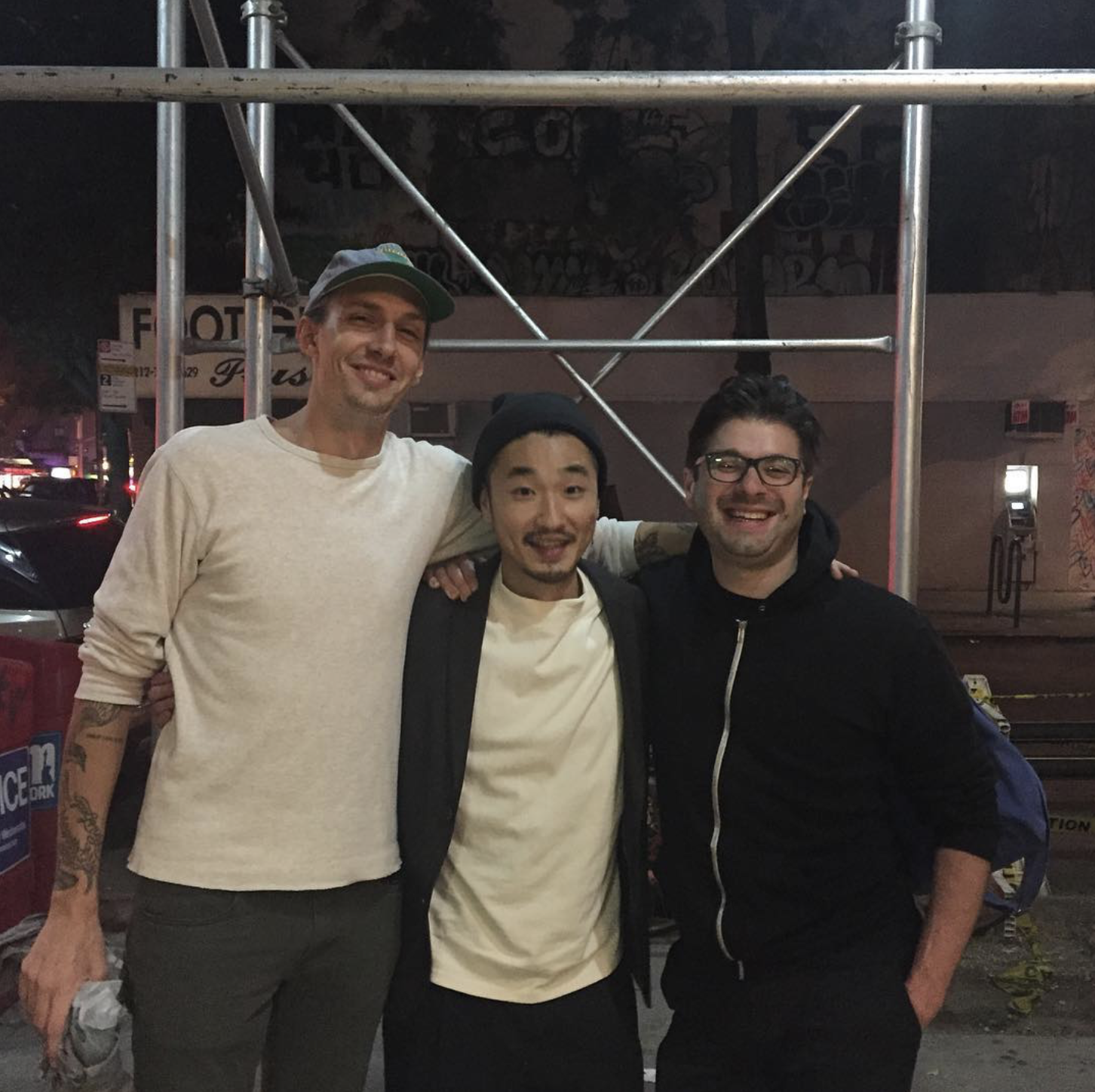
その一方で常に葛藤があったことも事実です。日本でデザインを勉強してきた人たちが表現する日本らしさに本能的に魅力を感じるものの、私には日本でデザインを学んだ経験がありません。原体験は日本ですが、デザインの手法は海外で身につけたため、どうしても日本的になり切らない。ある意味でどっち付かずの状態とも言えます。
IDEOで働くようになってからも、そんな葛藤を抱えていた中、日本酒応援団のリブランディングの話が舞い込んできました。何かデザイナーとしてのきっかけを掴めるかもしれない。ワクワクする気持ちがある一方で、「日本酒」という日本文化を代表するものを扱うことに、プレッシャーも感じていました。
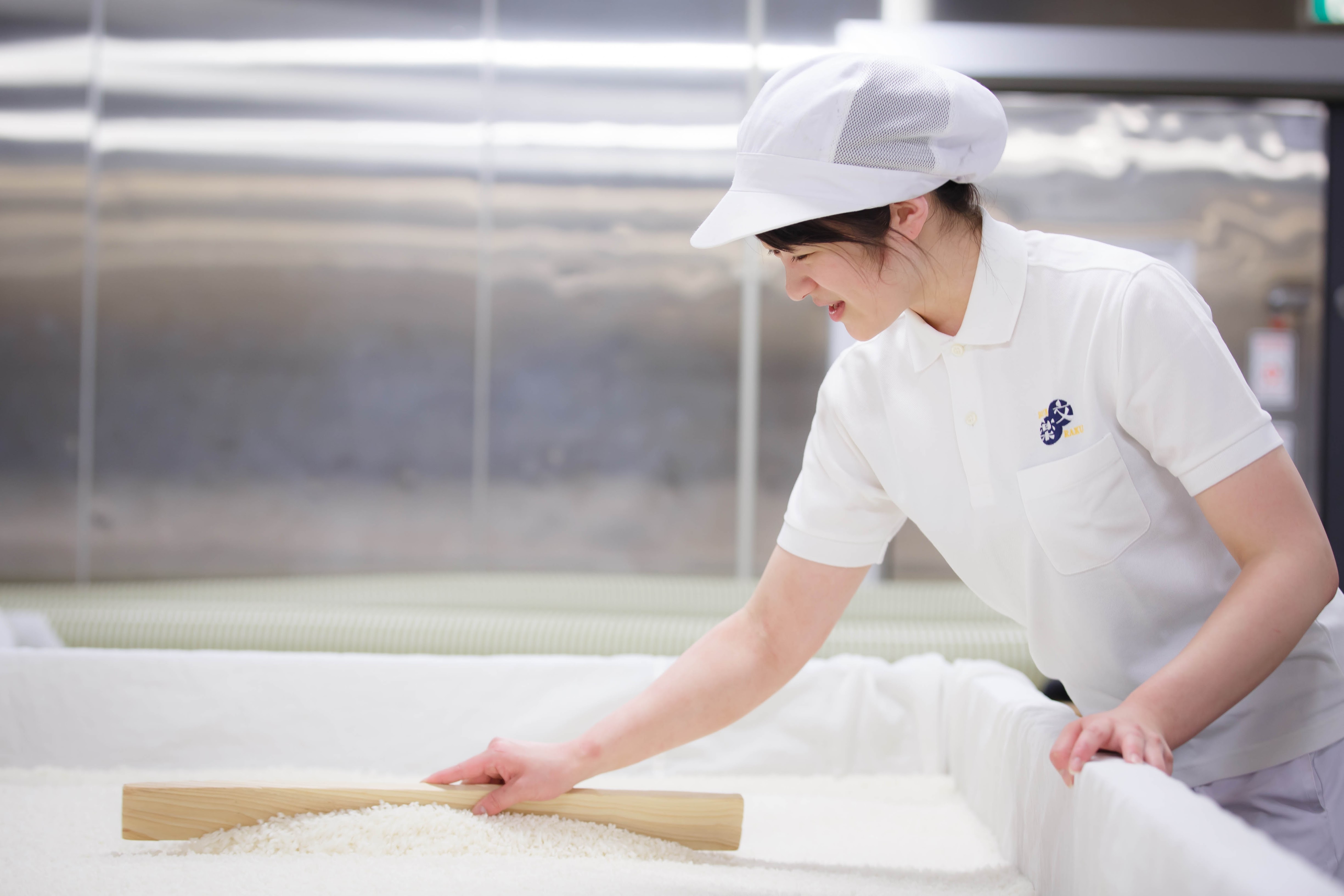
「応援」したくなったきっかけ
今回のプロジェクトの依頼は、日本酒応援団のリブランドとそれに伴う商品パッケージの作成です。日本酒応援団は、全国各地の蔵とパートナーシップを結び、自社オリジナルの無濾過生原酒を醸造、提供しているブランドです。今後、海外のマーケットを目指す上で、世界に通用するようなブランドにしていきたいということで、お話をいただきました。
日本酒応援団は、それぞれの蔵・地域との結び付きが非常に強い会社で、酒造だけではなく、お米の生産者たちとの関係性も大事にしています。代表の古原忠直さんからビジョンやミッションを聞いたときに、「思い」と「ストーリー」がしっかりとあると感じました。ビジョンやミッションが形式化している中で、それが実際に実践できている会社はそこまで多くありません。
新たな名前には、お酒が作られる地域と、お酒作りに関わる人たちとの関係性を大事にするKinship(親しい関係・関連をもつ)、そして日本の美しい文化を表す”美”(み=Mi)
この二つを合わせて”KINMI”と名付けました。
リモートでも人々の想いに触れられた
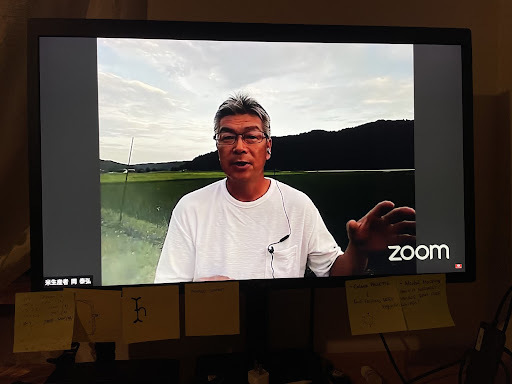
本来であれば実際の蔵に出向いて、酒造を囲む環境を観察したり、そこで働く人たちと話したり、蔵の中の様子を書き留める様なリサーチをしたかったのですが、コロナ禍だったためそれが叶いませんでした。そこで非常に助けになったのが、KINMI(旧名:日本酒応援団)のYoutubeチャンネルにあるオンライン酒蔵ツアーでした。酒作りのプロセスを丁寧に説明しながら、米作りに携わる方々や酒造で働く人々の思いも知ることができる。そんな優良コンテンツが満載のチャンネルです。
特に印象に残っているのが、国東の「萱島酒造」の元蔵人で、現在は米生産者として働かれている岡泰弘さんのエピソードです。岡さんが家業の農業を継ぐために萱島酒造を退職することになった際、萱島社長と交わした話が紹介されていました。地域を支えていくという大きな目標を持ち、米作りという新たな挑戦に挑む岡さんに対して、萱島社長は「お前が作る米は全部持ってこい、俺の所で買って作ってやる」と言ったそうで、この激励の言葉に心強さを感じたとおっしゃっていました。
この話だけでもお酒が一杯やれてしまいそうですが、お酒が作られている舞台裏ではこのような思いとストーリーが絡み合って、それが日本酒としてカタチになっている。それを、日本酒応援団という媒体を通して世界に発信していかなくてはいけないのだ、と感じました。
伝統に寄せず日本らしさをデザインする
日本らしさを担保しつつも、伝統に寄せすぎないデザインを作るのは終始課題としてありました。
様々なボトルを店頭で見ていると、競合他社のアプローチは大きく2つの流れに別れています。一つは、蔵の歴史を生かしてそれを前面に押し出し、直球的な日本の伝統スタイルを具現化するやり方。有名な書家の方たちに一筆お願いし、それをボトルのセンターに。日本酒応援団自体は歴史も深くなく、あくまでも地域を押し上げる媒体として機能すべきなので、最初から選択肢として外しました。
そしてもう一つは、一見するとナチュラルワインのようなラベルのデザイン。日本の人たちにとっては意外性があり面白いかもしれませんが、海外のマーケットに目を向けるとどうしても日本らしさが圧倒的に無くなってしまう。今回のリブランディングは海外マーケットへの進出が大きな目的の一つだったため、日本のお酒だと理解してもらうことは絶対的に外せない条件でした。
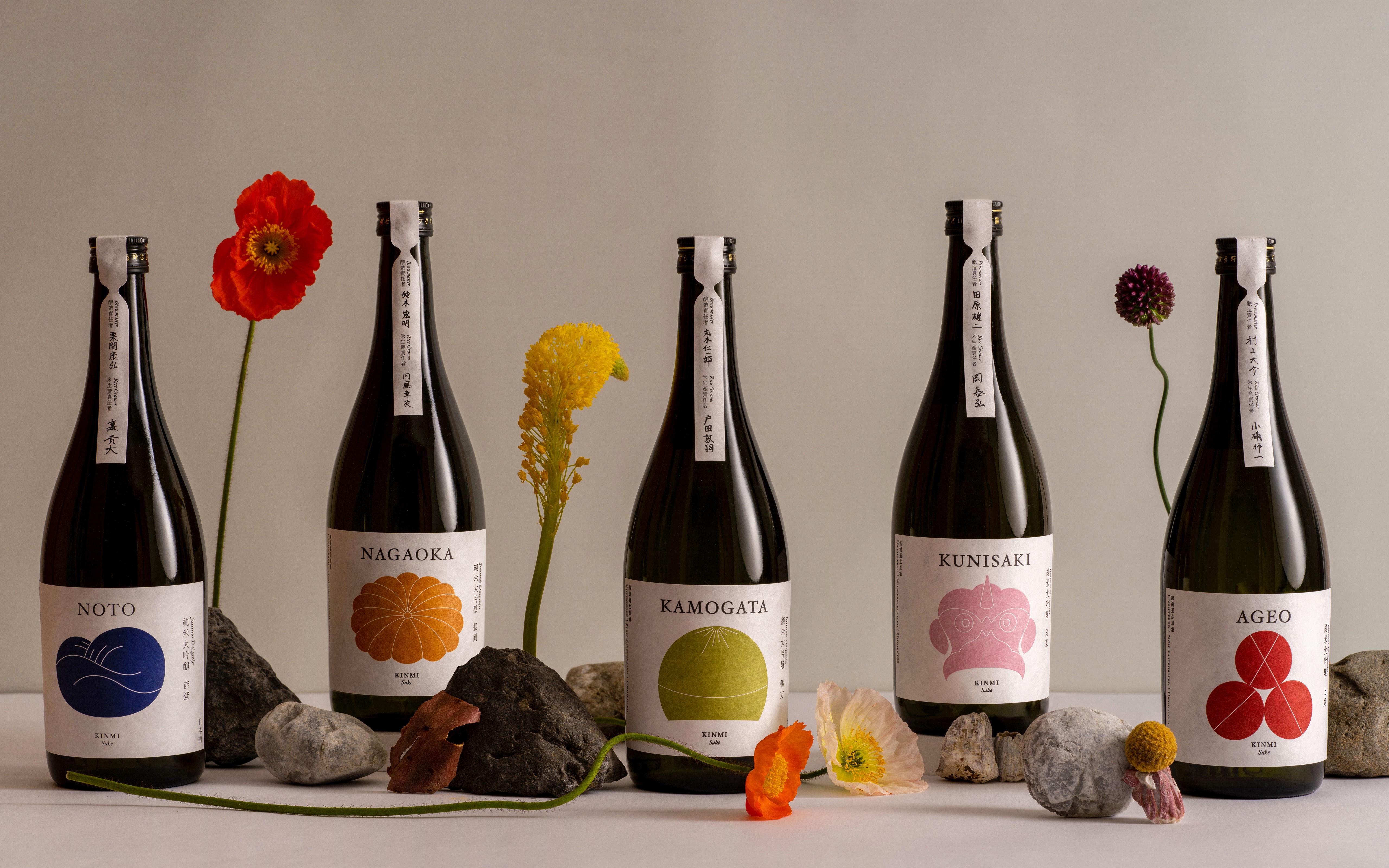
その上で、全国にある5つの蔵、それぞれの個性がしっかりと立つようにデザインをする事も、ブランドのビジョン・ミッションを体現する上で大事なポイントです。これは日本酒応援団が既に行っていたリサーチ、そして既存のラベルデザインの意匠からインスピレーションをもらいながら、アイコニックなものになるようにデザインを進めていきました。NOTOのラベルでは能登の豊かな里山里海の風景と、日本海の海の幸に合う味わいを表現。NAGAOKAは日本を代表する長岡花火を意識して、大きく夜空に輝く花をラベルに落とし込みました。
「新しさ」ということにあまりこだわらず、むしろ日本酒のもつ世界観は踏襲しつつ、幅広い層に共感してもらえることを意識しました。より親しみを感じてもらい、現代の生活にも馴染めるようなものに。それと同時に海外でも日本というオリジンを感じ取ってもらえるものになったと自負しています。
アメリカで学んだ自分が表現する日本らしさ
表層的に日本を表現したものがまだまだ溢れている海外のマーケットですが、国籍を問わず本当に良いものを見分ける力は潜在的に備わっていると感じています。だからこそ本当に良い日本らしさを伝統的なアプローチに寄せすぎず伝えたいという思いは強かったです。
当初は日本らしさを代表するものを扱うことにプレッシャーも感じていましたが、幼い頃から日本酒が身近にあり、海外でデザインを学んだ自分だからこそ、日本酒が持つ日本らしさというのを本質的に表現することができたと思っており、デザイナーとして今回のプロジェクトに関われたことをとてもありがたく思っています。
そして何より大切にしたかったのは、日本酒作りのプロセス、それに関わる人たちの心の美しさであり、それをデザインに宿らせることです。今回のプロジェクトを通じて表現できたものはその片鱗にすぎないのかもしれませんが、これからのKINMIの取り組みを通して、その美を世界に伝搬していくお手伝いができるのを楽しみにしています。
アメリカで学んだデザインで、日本らしさが持つ美しさを世界へ。

Lindsey Turner
I’m passionate about building brands, products, and experiences that help organizations show up with meaning and momentum.
I help organizations cut through complexity by shaping how they show up, through brand strategy, identity, and storytelling.
Working at the intersection of brand and business, I bring an editorial eye and a bias toward making—turning ideas into tangible experiences that people can understand, trust, and believe in.
My work spans government, healthcare, financial services, media, and consumer goods, from launching Gen Z-focused ventures to building innovation labs and reimagining legacy brands. I relish moments of ambiguity and enjoy translating across teams, perspectives, and priorities to move ideas forward.
I started my career in editorial and digital design, shaping cross-platform experiences and identity systems in publishing and agency environments. That foundation still shapes how I work today: I’m detail-oriented, collaborative, and overreliant on the Oxford comma. I hold a BFA in Visual Communication from the School of the Art Institute of Chicago.

Rachel Young
My work helps organizations see who their products aren't working for—and build the will and the tools to do something about it
For 25 years, I've asked the same question: Who does this design exclude—and what are we going to do about it?
My work spans human-centered strategy, inclusive design, and qualitative research, with clients ranging from Microsoft, Google, and Verizon to the National Science Foundation, and San Francisco Unified School District.
Before IDEO, I taught elementary school in East Palo Alto and spent a decade doing design work with social service organizations—where I learned firsthand what it costs people when systems are built without them in mind.
I am currently writing User Error, a nonfiction book about digital access and the design decisions behind it. I live in Oakland, California.

Brian Pelsoh
I lead with craft, ensuring our work is creatively excellent: rooted in deep human insight and imagination, while also grounded in the realities of business and technology.
My expertise spans brand, communication, and product design across tech, education, the arts, and social impact.
I believe great work demands both high-level vision and obsessive attention to detail, and only happens through collaboration.
I bring an inclusive, hands-on approach and a deep understanding of business, which enables me to consistently deliver excellence while always asking why.
Before joining IDEO, I worked at the brand firms Pentagram and VSA Partners. I began my career as a designer, leading teams at the School of the Art Institute of Chicago and the Milwaukee Art Museum. I hold an MFA in graphic design from Maryland Institute College of Art and a BFA in communication design from the Milwaukee Institute of Art & Design, and have taught at some of the best design schools in the US.

Tony Wong
I am responsible for IDEO’s long-term success in China and working with clients to use design as a tool to enable growth.
I am responsible for IDEO’s long-term success in China and working with clients to use design as a tool to enable growth. Specifically, I have helped Chinese companies design holistic brand solutions through the development of their products, communication, services, and innovation teams, and I have helped multinationals expand their presence and influence in China.
I advise global leaders on developing China-led innovation and capabilities.
In over 15 years in IDEO Shanghai, I have worked on projects that use design to elevate the quality of the experience of healthcare products and services, streamline processes that increase productivity, create spaces and programs that promote and enable inclusive communities, and build next generation mobility solutions that are planet-positive.
Before joining IDEO, I worked at Philips Electronics and the Electrolux Group in Italy, the Netherlands, and Singapore on a number of breakthrough commercial products. I am a member of the Young President Organization in Shanghai.

How to use AI as an editor, not a writer
Ed White shares how he uses AI as an editor—not a writer—to sharpen storytelling, rehearse ideas, and preserve the productive friction that makes creative work better.
Ed White has a rule he's tested on his own writing: hold yourself as the writer, and let AI be your editor. Ed is a Senior Design Director at IDEO's London studio, where he co-leads the firm's AI portfolio across Europe. Before IDEO, he spent 12 years as a writer and editor at the Financial Times, Wired, and Contagious. So when he talks about when to use AI for storytelling and when not to, it comes from two decades of crafting his storytelling skills.
In this episode, Mina Seetharaman talks with Ed about two specific tools he uses to keep AI in an editor's seat: a "roasting agent" prompted to critique his drafts without any sugarcoating, and a simulated audience he rehearses pitches on before the real thing. They also get into what Ed is hearing from design leaders at Anthropic, Lovable, Shopify, and Google Creative Lab about how creative work is changing, and why he thinks the friction of writing something yourself is worth protecting rather than automating away.

Building a personal AI for the messiness of life: Sida Li
Becca Carroll talks with Cue co-founder Sida Li about designing a personal AI for the messiness of everyday life—not just work. They explore how Sida stays anchored to human needs while navigating fast-changing technology, product tradeoffs, business-model experimentation, and the realities of building an AI company today.
Most AI products today are built for work—a space with clear problems and established systems. One founder noticed a gap: personal life is messier, harder to systematize, and mostly left behind by the AI boom. So she built Cue, a personal AI that lives inside iMessage and group chats, to go where the other tools haven't.
In this episode, Becca Carroll, IDEO's Chief Strategy Officer, talks with Sida Li, co-founder and CEO of Shared Context Lab, about staying anchored to a human need while the technology around her keeps changing shape, why she treats her business model with the same rigor she'd bring to a product, and what it feels like to build a company at this particular, disorienting moment in AI.
The conversation also gets into how Sida makes design decisions: the language Cue uses to describe itself, the tradeoffs behind building inside iMessage instead of a new app, and a real story about a business idea that didn’t pan out.
This is the second in a two-part series profiling founders from IDEO's Startups-in-Residence program. The first conversation is with Johannes Seemann, founder of Sooner, on designing GenAI for the emotional side of money.

Designing GenAI for the emotional side of money: Johannes Seemann
Designing financial tools around the feelings that shape money decisions.
Most personal financial tools are built to run the numbers and optimize towards a budget. While that works for some, most people experience money as a lived relationship that does not neatly fit into a spreadsheet. Johannes Seemann and Becca Carroll discuss why money is emotional before it is mathematical, and what a human-centered approach to building a generative AI financial product looks like in practice.

The curious leader's edge in uncertainty: Scott Shigeoka
How genuine curiosity helps leaders navigate uncertainty with greater confidence.
Mina Seetharaman talks with Scott Shigeoka, author of Seek and Head of Curiosity Cultivation at the Eames Institute, about what distinguishes genuinely curious leadership from performative curiosity, how power dynamics shape curiosity, and why practicing curiosity can restore energy rather than drain it.
Looks like you might be in search of something very specific?
Or reset the filters above and try another angle.
Here’s some random inspiration

Podcasts about creative leadership

Articles about the power of prototyping