
Balancing work and sleep
Somni’s personalized sleep program helps workers maintain their health.
Sleep is a critical resource for shift workers—and their employers, too. Together, IDEO and Somni worked directly with people with acute and chronic sleep challenges to create concepts that could support their sleep goals, and provide employers with the means to improve employee health.
When IDEO and Somni first partnered, the startup was an early-stage company, so the team started small, with focused sprints and workshops to redesign the core aspects of the company and product offerings. The team interviewed shift workers about their sleep patterns, which can vary quite a bit. Even when people keep to a specific schedule on work days, they often have to change their patterns on days off to spend time with family and friends, leading to a very disruptive sleep cycle. Research revealed that many third shift workers were dealing with sleep and health issues, but also a pervasive “machismo” culture, pressure to “tough it out,” and a reliance on energy drinks to deal with lack of sleep.
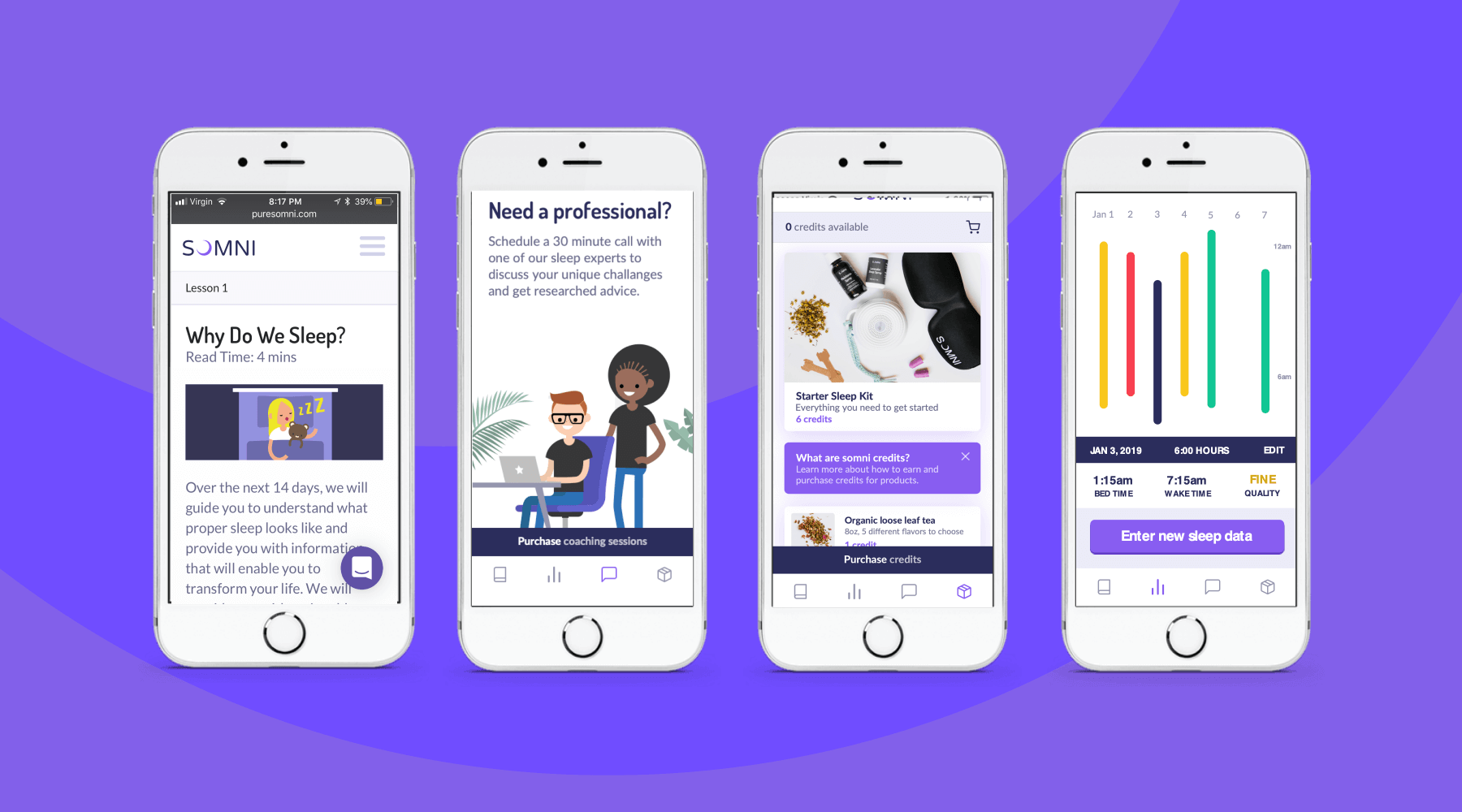
To address those issues, the team designed a digital experience for sleep cohorts, support groups where members could share their experiences and sleep strategies, and work with a coach and sponsor who already had been through the program. The platform analyzed workers’ data, and provided AI-enabled recommendations for improving their sleep. The big takeaway? Data by itself wasn’t necessarily helpful, and could be confusing for folks who were less digitally-fluent. Providing context, like a calendar that displayed sleep experiments at a glance, was crucial.
The IDEO team also created a new user experience for a genetic testing program that could uncover factors associated with sleep issues. Somni aims to use a saliva-based genetic test to monitor for DNA damage caused by circadian disruption, then leverage its sleep improvement program to prevent further damage. Because biomarker testing is a differentiating offer for Somni, it was extremely important that the team get it right, both to make sure that users could understand its utility, and for Somni to provide real value. The design challenge was unique—and not just because of data privacy concerns. Presenting data about DNA damage in a non-human-centered way could increase the anxiety workers had around their sleep.
At the end of the project, Somni leveraged the insights the IDEO team surfaced to improve products like its sleep coaching service, and to refine its biomarker testing offering. Based on this work, Somni has also created a pilot with a Fortune 100 company, which is currently in progress, as it works to mitigate the ill effects of disrupted sleep for employees and the companies they work for.
In the short-term, circadian rhythm disruption leads to an array of jet-lag-like symptoms, and in the long-run, it may contribute to weight gain, obesity, metabolic syndrome, type 2 diabetes, and cardiovascular disease.
It also impairs people’s ability to work, affecting productivity, creativity, and the overall work environment. Productivity loss can lead to employer baseline healthcare costs that are 26% higher, and over time, insomnia can result in an average cost of $4,267 more per employee per year.
In June 2019, the International Agency for Research on Cancer classified shift work as a probable carcinogen.
75%
user retention in Somni's sleep program
$2,450
savings per year per employee for users who complete the program
33%
improvement in sleep quality, and 41 more minutes per night

Nourishing the future
Eat Real helps redefine school lunch by advocating for nutritious, sustainable foods.
Before Eat Real can advocate for better school meals, it has to connect with school leaders—and donors. As the organization expanded its work beyond school certification, it needed an updated soup-to-nuts branding redesign that represents its purpose.
To get started on the five-week sprint, the IDEO team conducted a brand audit and interviews with Eat Real staff, board members, and donors. The team learned that Eat Real’s brand messaging and voice showed up inconsistently, and that board members wanted greater clarity around communication to prospective donors. Several people expressed a desire to change the original logo centered on a fork to a more culturally-inclusive symbol, and for the logo to be separated from the Eat Real Certified stamp, since the organization had evolved to do much more than just certification.
The IDEO team worked in close collaboration with Eat Real to deliver comprehensive brand guidelines, including Eat Real’s brand purpose and core values, positioning and personality, logo and wordmark, visual expression, verbal expression, and brand showcase. The brand’s new tagline, Nourish the Future, speaks directly to how real food access unleashes the possibility for a healthier society and a healthier planet. A new mark combines three elements that signify much more: a welcoming bowl (joy and ritual), the serving spoon (generosity and nourishment), and a sprouting leaf (a future where children and the planet flourish). The team also landed on an unapologetically vibrant color palette, to bring surprise and energy to the brand. From this foundation, Eat Real created a new website, completed a photo shoot with IDEO's art direction, and launched the brand with new messaging and collateral within a year. Now, Eat Real has the tools it needs to scale its operations and affect real change.
To scale its program and be at the center of sustainable food systems change, Eat Real needed branding and messaging to reach a new set of philanthropists.
Almost 30 million US kids depend on public school lunches for more than 50% of their daily calories. These meals are frequently made up of ultra-processed, unsustainable foods that contribute to type 2 diabetes and obesity.
2023 funding goals reached
with its new branding, beating its end-of-year fundraising goals, and putting the nonprofit on track to serve more schools in 2024
129M
meals served to 360,000 students every year at schools that have gone through the certification program

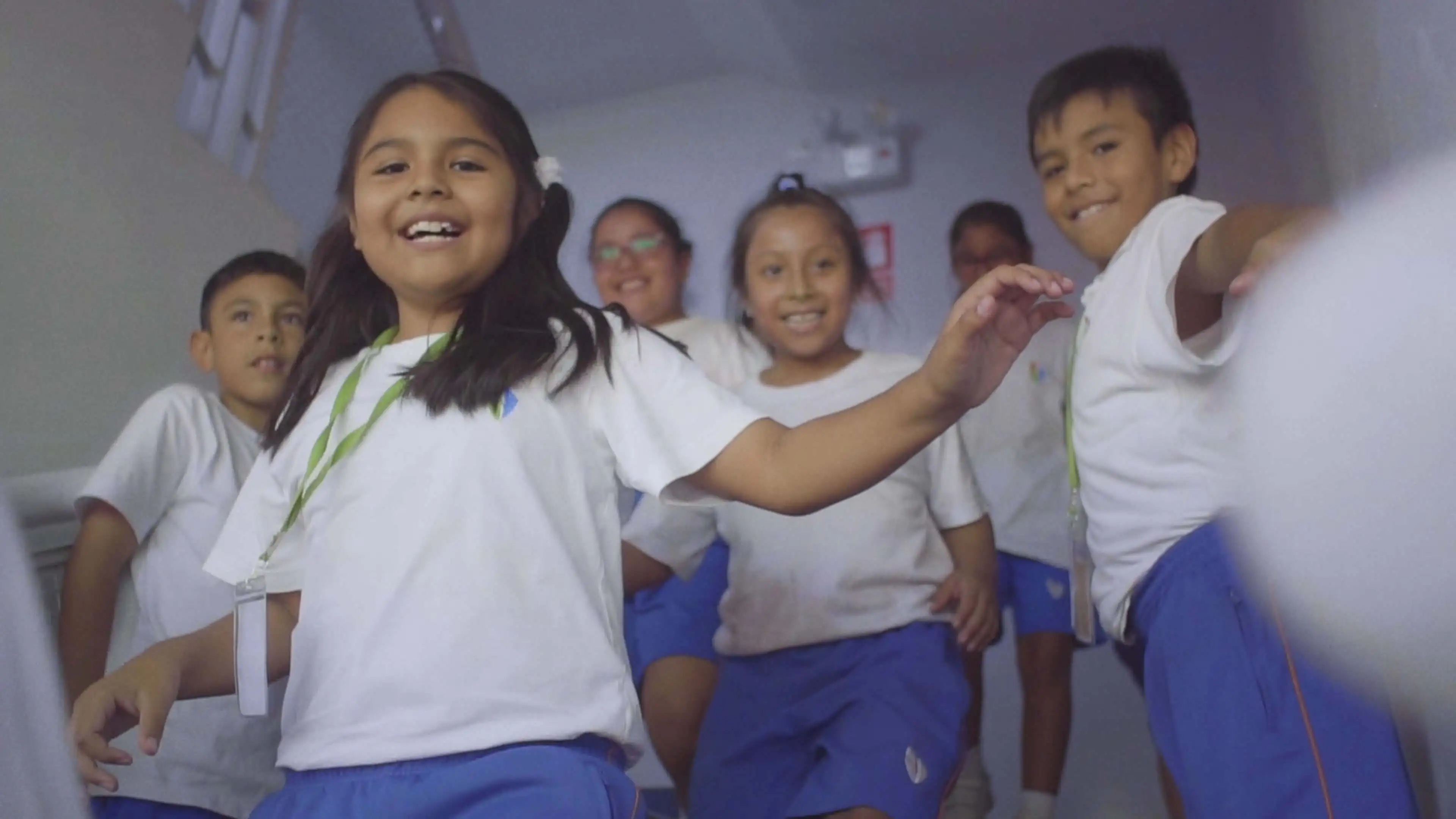
Preparing students to innovate
How Yungu School is building the next generation of changemakers.
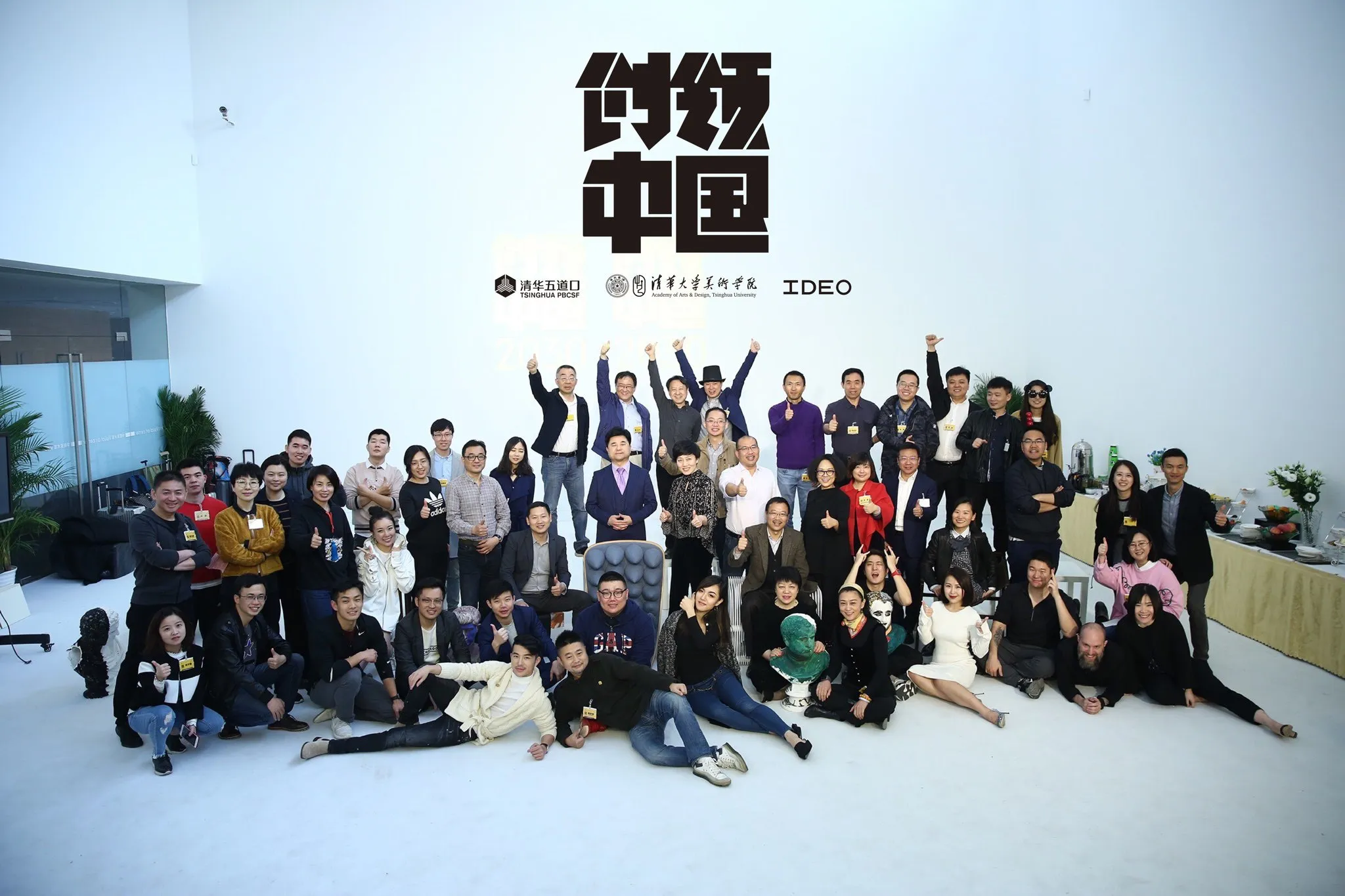
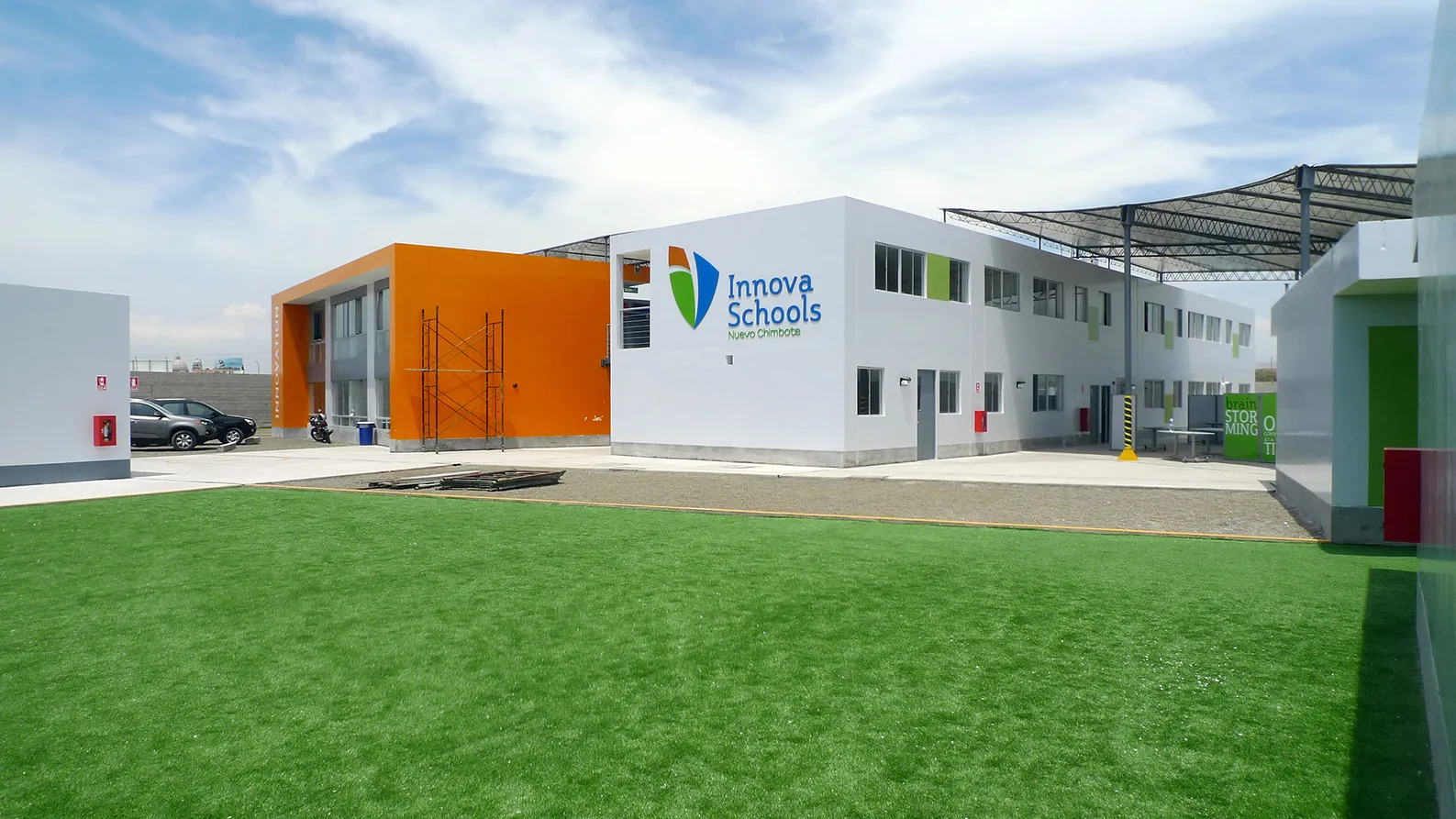
Most end-of-high-school experiences, like the Chinese gaokao exam, the global IB Extended Essay, or the US-based AP Capstone program, are focused on testing and academic, classroom-based activities. Yungu School, a private K–12 school in Hangzhou, China, founded in 2017 by Jack Ma of Alibaba and funded by Alibaba partners, wanted to take a different approach. Yungu’s vision: combine the renowned Chinese National Curriculum with an international, competency-based learning mindset.
Designing a new capstone course that brought together the perspectives of Yungu School’s many stakeholders was a complex challenge. The solution? IDEO formed a “co-creation council” composed of eight Yungu School middle- and high-school educators who held different positions within the school, spanned tenures, and came from diverse educational and cultural backgrounds, including Chinese, European, and American. Bringing together educators from a range of backgrounds and points of view fostered alignment and sparked new ideas. In addition to the council, IDEO and Yungu educators gathered additional input from students and parents and crafted the objectives, design principles, and blueprint for the change-making 18-month capstone program.
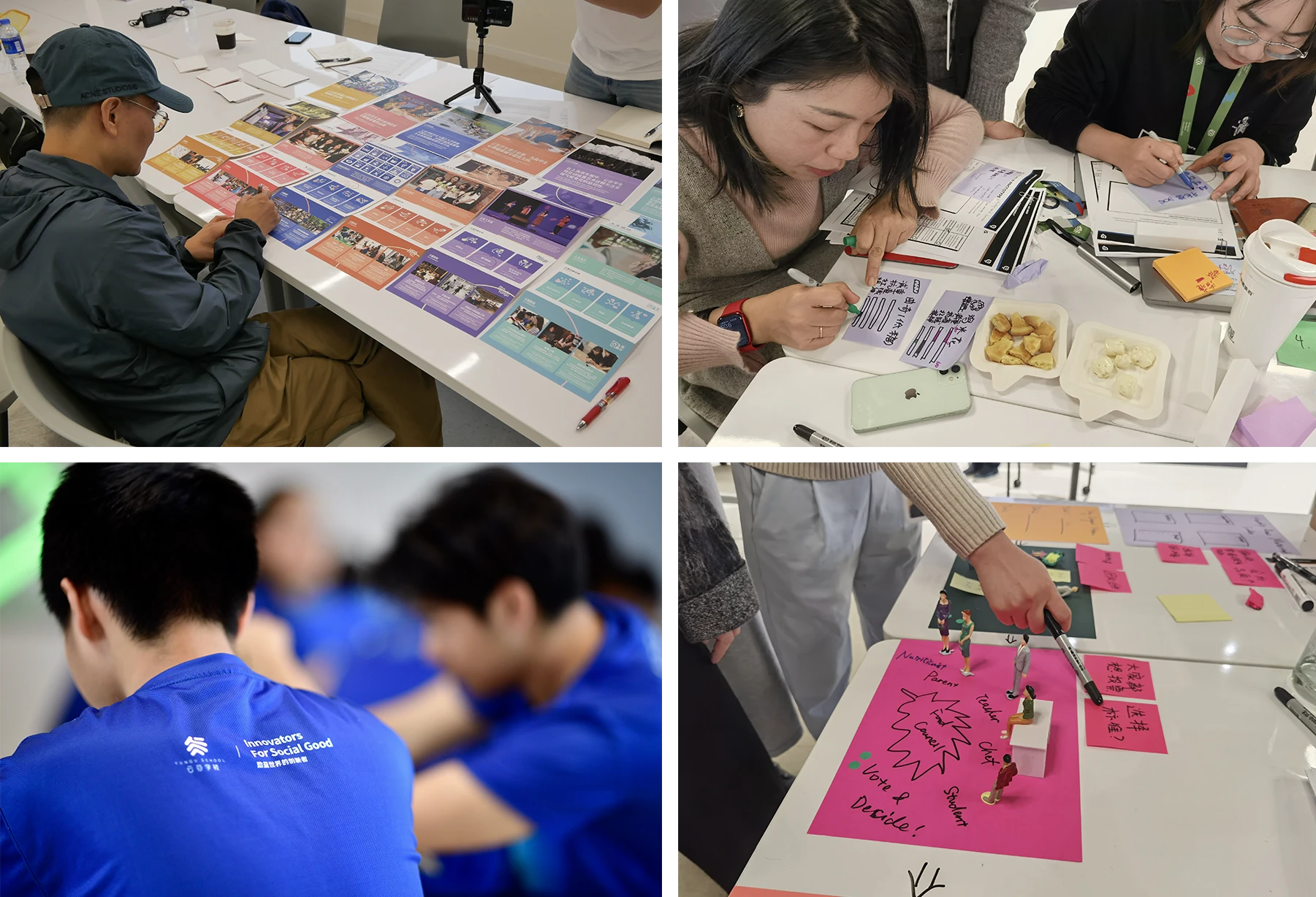
The collaboration resulted in a tailored, insight-driven capstone course that progressively builds learners’ confidence and agency via five modules: “Get Inspired,” “Find Yourself,” “Dive Deep,” “Go Big,” and “Give Back.” The learning cycles, which range from one week to half a year in length, teach students how to move from ideas to impact in topic areas they are passionate about and which have a bearing on pressing issues like climate change, digital privacy, and reducing food waste, among other global challenges. The goal of this iterative approach is twofold. Equip students for “global citizenship” by identifying personal ways to make a positive impact. And foster “entrepreneurship” by learning to be critical, creative, and optimistic systems thinkers who embrace a growth mindset.
To ensure a solid foundation for the new course, IDEO also created a week-long design-thinking training program for Yungu’s teachers. The professional development experience boosted their creative problem-solving and taught them how to move from being “expert instructors of curricula” to “encouraging guides” of capstone students who would need to demonstrate their proficiency through a final product, presentation, or performance rather than a final exam. The collaboration concluded with an immersive exhibition that allowed all stakeholders—educators, students, and parents—to experience the content modules and transformative course for themselves. Since launching its capstone program in 2022, Yungu High School has added lectures from social entrepreneurs and workshops that teach communication skills to the innovative course, garnering awards from media outlets like Fast Company. Most importantly, the signature program has enabled The Yungu School to embody its noble and audacious mission—empowering students to become future innovators for social good.

Today’s high-school seniors learn how to memorize academic content and pass tests but aren’t prepared to make a real-world impact after graduation.
196 college offers
and $1.442 million in scholarships received by over 40 graduates from Yungu High School’s class of 2023
2023 Finalist
Fast Company Innovation by Design Awards, Learning category
Lifelong health by design
Omada Health grows from an IDEO research project to a $1 billion company fighting chronic disease.
Design thinking was embedded in the creation of Omada Health from the earliest phases, and Omada has taken that forward as a strategy for success.
Over the past decade, the digital health company has grown from a couple of early career IDEOers testing concepts at the very frontier of digital health, to a company with nearly 2000 employers on its customer roster and more than one million users of its healthcare products.
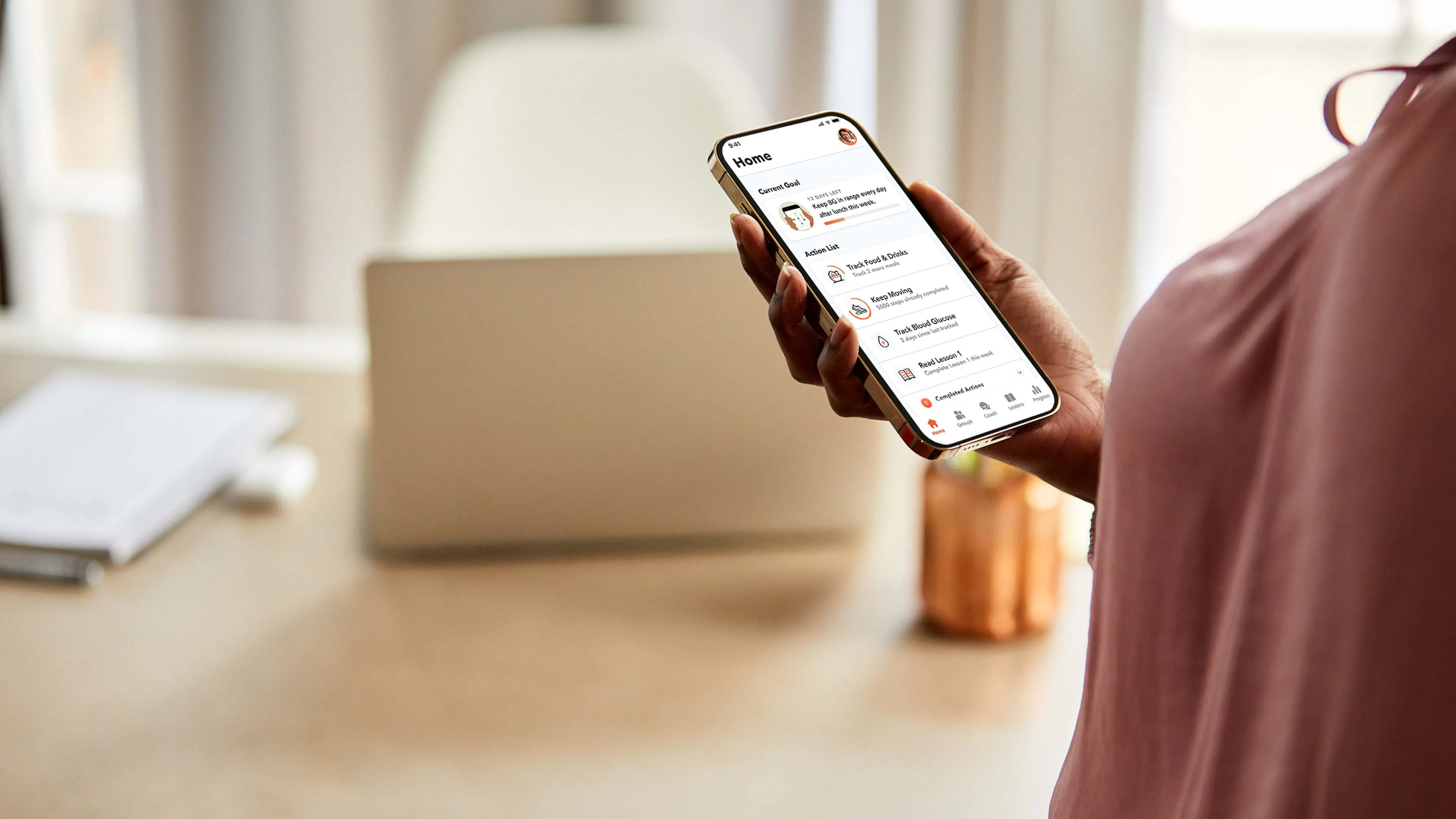
Omada’s origin story began at IDEO in 2011, when its now CEO, Sean Duffy, an MD/MBA student at Harvard, joined IDEO as an intern, after a partner found his resume on the copy room floor. What was supposed to be a summer internship led to an exploration of the potential impact of digital tools on chronic health problems. IDEO partner Dennis Boyle gave Duffy and his co-founder and fellow IDEOer, Adrian James, the time and funding to do human factors research, meeting with people with prediabetes and metabolic disease in their homes to learn more about the care they were getting. What they heard was that no product or service was meeting the realities of their daily lives.
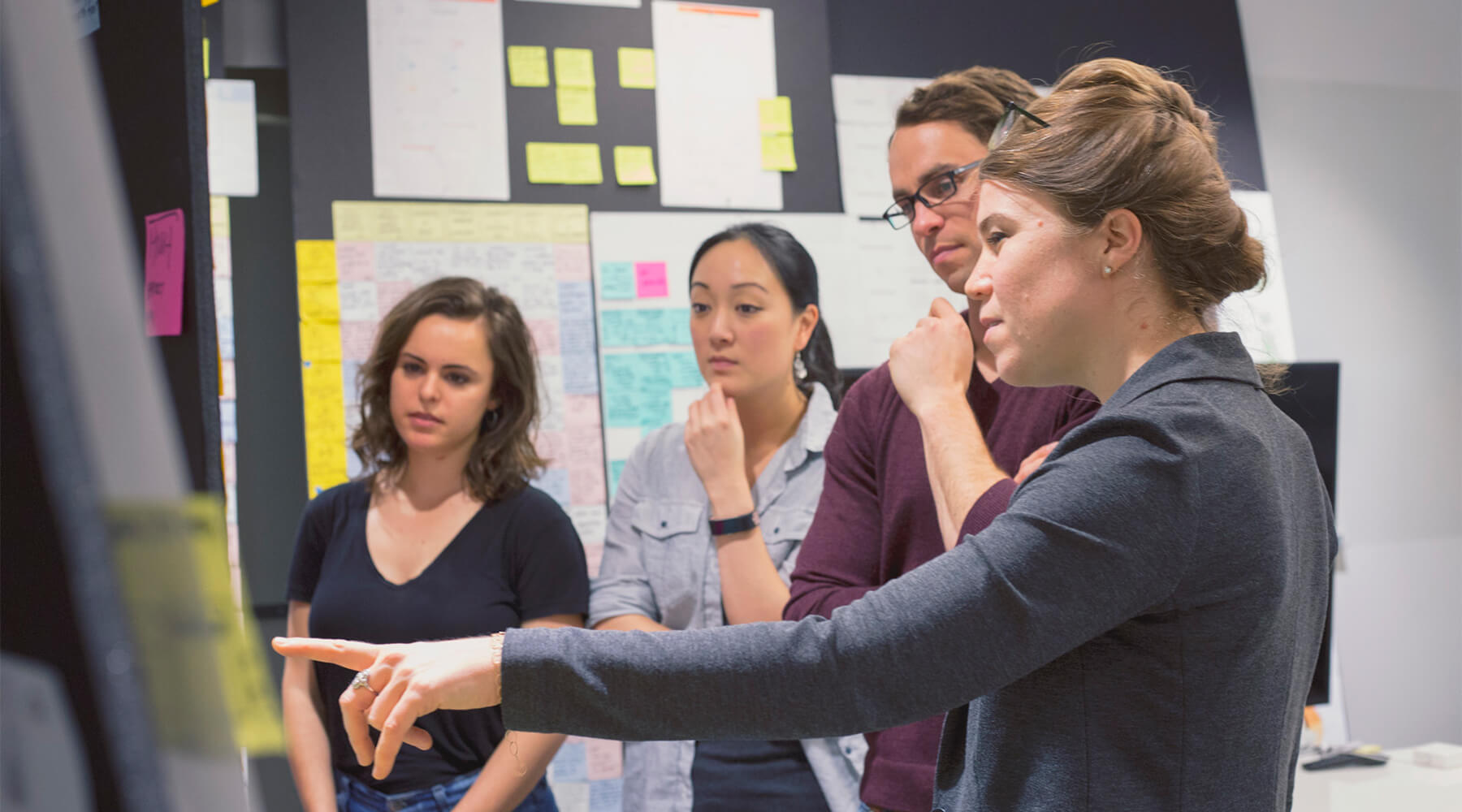
Five months after he landed his internship, and with the company’s blessing, Duffy and James spun Omada Health out of IDEO. Together, they raised a seed round, and continued to lean on design thinking methods, prototyping early versions of their product, then testing it with real patients. Duffy himself even served as the company’s first health coach. By sticking with the mindsets they had learned at IDEO, they avoided the pitfall of falling in love with the popular approaches to digital health of the era—like detailed food tracking or bluetooth enabled pill bottle tops. Instead, they stayed focused on creating what patients were asking for: a digital product that provided support, accountability, and evidence-based solutions.
Today, Omada Health is a virtual-first, integrated care solution that provides patients with clinical care plans using digital tools and one-on-one, personalized coaching. It helps users manage chronic conditions including pre-diabetes, diabetes, hypertension, joint and muscle health, and behavioral health. More than a decade after its founding, it counts nearly 2000 employers as customers, has more than one million users of its products, and has published 24 peer-reviewed studies on its outcomes. Not to mention a $1.3 billion IPO in June of 2025. But it’s still going after its North Star: to bend the curve on preventable chronic diseases nationwide.
About 60% of adults in the US live with a chronic disease. According to the CDC, 90% of the nation’s $4.1 trillion annual healthcare expenditures are for people with chronic and mental health conditions.
Diabetes is the country’s seventh leading cause of death—and the most expensive. Diabetes accounts for $1 out of every $4 in US healthcare costs. In addition to the cost of care, diabetes costs employers $90 billion annually in lost productivity.
Nearly 2,000
employers now partner with Omada
1 in 10
commercially-insured Americans have access to Omada through their health plan or employer coverage
$1.3 billion
valuation at Omada's IPO

The news is under more pressure than ever
Here’s how to design for it.
“If you look at TikTok and Insta, it’s fluffy ‘me’ content…that’s what people are watching,” he said. That tension—between commercial pressure and editorial purpose—was palpable. The organization needed to evolve without losing the very principles that make news valuable.
The news industry isn’t just undergoing a crisis—it’s grappling with existential freefall. News is increasingly commodified and polarized, with rampant misinformation and blunt-force efforts to blur the boundaries between propaganda and fact. Technology—and AI specifically—are cracking open how we experience news and how content is created. Algorithms are growing ever more ambitious in their quest to deliver information tailored to our every whim. At the same time, the zeitgeist pulls the strings, pushing news consumption toward shorter, snappier, more visual experiences, leaving readers with less incentive to pay for it. All while subscription fatigue deepens.
But it’s not all catastrophe! News organizations can rebuild trust and resilience by leading with core differentiators and using technology to deepen impact rather than chase trends. IDEO has worked with many outlets—from national newspapers to niche publications—and we’ve come away with some hard-won lessons for designing for what matters: trusted, viable publications that support the craft of journalism and the readers and listeners they serve.
Trust is earned, not engineered
The more crowded the landscape, the greater the demand for reliable information, and the more critical the integrity of those who deliver it. Successful brands build trust by owning what makes them unique, whether that’s a stalwart reputation for journalistic excellence or a tailored offer to a niche audience. That clarity builds loyalty. News outlets need to avoid trying to be everything to everyone and anchor in what only they can offer: trust, delivered with integrity and intention.
Humanity matters, too. Readers are more likely to engage with content when they feel a sense of connection—when it’s clear there’s a real person behind the words. That’s part of the appeal of platforms like Substack and Medium, which offer personalized, niche content alongside direct access to individual writers. In our work with a national news outlet, one reader shared that he often reached out to journalists, not expecting a response, but just wanting to connect. When he did hear back, the unexpected thrill deepened his loyalty to the publication. News organizations looking to build trust can design for those connections by creating new elements like newsletters from particular reporters or live digital events where readers can engage directly with their favorite writers.

AI is not a strategy
Despite the doomsday proclamations about AI becoming the death of journalism, it may be one of the most promising tools for keeping it alive. Deployed correctly, it’s an accelerant rather than a replacement—a powerful means to help journalists offset menial tasks like transcriptions and copyediting. It brings additional data-driven objectivity to content without adding to reporter workloads. The technology that supposedly threatens to replace us may free us to do the work only humans can do: investigate the facts and elevate what matters.
On a recent project, we were exploring how AI could unlock deeper, more layered storytelling by mining the client’s vast content archive. We imagined a digital experience where a story doesn’t just relay the facts of an event, but also shows how it unfolded over time, maps where it happened, surfaces the key players, and connects the dots to similar stories from the past. Some folks in the newsroom were admittedly skeptical, both in terms of maintaining editorial integrity and fear of overburdening busy reporters with new tasks. So we built a custom ChatGPT-based prototype: no third-party data, just their own archives, stitched together into a dynamic proof-of-concept. We won over our client by showing that the technology could augment their excellent reporting while streamlining the editorial review process.
But AI isn’t the solution to every problem. As we were prototyping, we created a custom chatbot that allowed readers to “talk to” an article, riffing on the rise of voice-to-text interfaces and conversational AI. It seemed promising, but it fell flat. Users found the interaction awkward and unnatural—even those comfortable with Siri or Alexa said it felt off in a news setting. On the editorial side, it felt like a poor replacement for journalist Q&As. Readers made it clear that even if a ChatGPT-powered AI can synthesize articles with dazzling coherence, it doesn’t beat a feeling of connection with real human reporters.
Don't shrink perspectives—expand them.
Everyone talks about personalization like it’s the panacea for all things digital. But personalization is often just an exercise in subtraction—editing things out until only the familiar remains. The result is a tighter feed, but usually a narrower perspective. In our many projects with news organizations, we heard again and again from readers and listeners that they come to the news because they want to learn something new, to broaden their horizons, and to have smart things to say to their friends and colleagues.
On a project with a U.S.-based media organization, readers told us that editorial curation was key; if they were only fed news that catered to their own interests, they were afraid they’d miss out on important stories. This sentiment was especially true for readers paying for news. They were willing to invest money because they trusted the outlet to tell them what they needed to know, not just what they wanted to know. One research participant told us that one of his favorite series chronicled the drama behind the acquisition of an elevator company. And yet, “if they’d asked me if that’s one of my topics of interest, I’d have said ‘no.’” Another noted they would generally choose to skip sports coverage, but didn’t want to miss big moments like Simone Biles performing at the Olympics. Many readers are wary of filter bubbles and want to be aware of what’s happening in the world.

Less feed, more focus.
Personalization isn’t just about which stories you get, but also about how you access them. News products must offer flexibility in format, shifting seamlessly from mobile to desktop, from text to audio, from immersive deep dives to quick AI-powered summaries. For a UK-based client, we identified three user modes—Skimming & Dipping, Exploring, and Chilling—and designed different ways to engage with different formats at key moments in the day. The goal was thoughtful curation that feels like discovery, not a narrowing of options.
Volume is also important. A few years ago, we worked with The Times of London as it struggled to stay relevant in a 24/7 news cycle. Our research revealed readers didn’t want more breaking news—they wanted perspective. They wanted The Times to be the adult in the room, not another endless feed. So we designed a product anchored in four daily drops—carefully curated digital editions that refreshed throughout the day. This decision freed up tremendous resources, allowing the newsroom to focus on big stories. By moving away from the churn and toward intentionality, The Times saw a 19 percent year-over-year increase in digital subscriptions.
The approach also fulfilled a need we heard about across these projects. People don’t want to doom scroll; they want to get informed, then get to the end of the news. Unlike social media, where personalization means serving more of what users already like, news algorithms need a different intention.
Silos are the enemy of innovation
Creating a great digital news experience requires untangling the messy process of how that news is made and delivered.
That starts with creating an ownable product vision that teams can rally around, and a strategy that’s authentic to the current organization and aspirational for the future. When we worked with a PBS member station, we developed a vision anchored in a shared sense of place that centered local voices, reflected the region’s cultural richness, and positioned the organization as a neighborhood pillar and a global voice. Their CEO called the work “a vision we can achieve,” noting that it was both inspirational and actionable, designed to galvanize the entire organization, not just leadership, toward renewed purpose, greater trust, and lasting impact.
It’s also essential to break down the silos that separate editorial, product, and tech teams, making it easier to communicate across departments, so people feel invited to bring their unique lens to major product updates. This is not an invitation to design by committee! Creating space for people to surface ideas and red flags early helps with product innovation (the best ideas can come from unexpected places) and organizational buy-in (as people are more inclined to support what they help create). One of our clients started a cross-functional design council to bring new voices to the table. As we worked with another client to build a new editorial product, IDEO led critiques with teams across its newsroom, subscriptions, advertising, and brand departments, and also hosted demo hours to let a larger group of stakeholders in on the creative process.
Once teams are united around a shared vision and working cross-functionally, they need a place to de-risk ideas. In such an evolving industry, it’s critical to learn what works (and what doesn’t) fast, putting ideas in front of the end user early and often. An experimentation sandbox allows teams to test new ideas in the wild. One of our clients built a beta app to test feature updates and rolled it out to the entire newsroom and a small panel of subscribers. By shipping and iterating quickly, the team got the app into the hands of readers fast and updated it in real time, building confidence in useful features and avoiding investment in the ones that weren’t working.

A more human future for journalism
The promise of news has always been to teach us something new—to expand our sense of the world and how we fit into it. At its best, it challenges our assumptions, sharpens our thinking, and gives us new reasons to engage with one another.
But that promise only works if we trust the process and the organizations behind it. If we believe the stories are the product of care, curiosity, and intention. That’s why how the news is delivered matters just as much as what it says. The best digital experiences don’t just inform; they reflect an understanding of who we are—our needs, our frustrations, and our desire for something that feels both technologically sophisticated and unmistakably human.
In one of our first workshops with a veteran public media organization, an editor told us they needed ways to bring in new viewers while maintaining their credibility.

In the tariff era, circularity is the new competitive edge
Resource independence is becoming the ultimate strategic advantage in an unpredictable world.
For businesses navigating these turbulent conditions, the traditional linear “take-make-dispose” model isn’t just environmentally unsustainable—it’s becoming a competitive disadvantage.
At IDEO, we’re seeing this anxiety reflected in the briefs landing on our desks. Leaders from multinational organizations are no longer just asking us to help them optimize existing systems—they’re seeking fundamental resilience against mounting global pressures. They sense, correctly, that future success demands a shift toward systems that can weather disruption by design.
This shift isn’t just about “being green;” it’s about strategic necessity. It’s time to embrace the circular economy—not merely as an environmental initiative, but as a core strategy for building resource independence and business resilience in volatile times.

Closing the loop
By prioritizing strategies like reuse, repair, refurbishment, and remanufacturing (restoring products to their factory settings), businesses keep resources cycling within their control, dramatically reducing dependence on virgin raw materials and volatile global commodity markets.
Recent analysis from the Ellen MacArthur Foundation reveals something telling: companies with higher circularity performance exhibit lower financial risk profiles and superior risk-adjusted returns. The numbers tell a compelling story—circular businesses are simply more resilient.
Furthermore, substituting imported virgin materials with secondary resources recovered closer to home directly reduces exposure to international trade disputes and supply chain disruptions. As the EU’s Critical Raw Materials Act demonstrates, policy is increasingly focused on boosting domestic recycling and processing, creating new market opportunities for businesses ready to capitalize on this shift.

Embedding advantage by design
This isn’t just an operational pivot—companies must embed circularity into the very design of their products and services. As a European Parliament report highlights, design choices determine more than 80 percent of a product’s lifecycle impact and, crucially, its potential for profitable circularity.
On a recent client project exploring circularity in healthcare, we discovered a steep shift to single-use everything. Everything, everything. Not just the obvious, but complex items like endoscopes, which combine plastics and electronics, and often rely on imported components. Disposable tools may be convenient, but it’s easy to see how incinerating tens of millions of endoscopes leads to waste generation and supply chain vulnerabilities.
By redesigning these devices differently—creating a single-use-like experience that is hygienic and maintains practitioner confidence while enabling refurbishment and reuse—we discovered a path to cut dependency on virgin materials and volatile overseas electronics supply lines. Thoughtful designs like these can directly support business models resilient to external shocks.
The most effective circular strategies focus on:
- Designing for durability, repairability, and modularity: Creating longer-lasting, easily fixable products with interchangeable parts extends asset life, enables component harvesting for remanufacturing, and reduces total cost of ownership.
- Designing for disassembly and material selection: Ensuring products can be easily taken apart into constituent materials chosen for safe reuse or high-quality upcycling becomes fundamental for efficient recovery processes.
New business models
Even the most circular design requires innovative business models to unlock its economic potential. As identified by the World Economic Forum and others, key models driving this shift include:
Product-as-a-service (PaaS): Retaining asset ownership incentivizes providers to maximize product lifespans and facilitates efficient takebacks for high-value recovery. PaaS shifts the profit focus from unit sales to lifetime asset value—a profound transformation in how businesses create and capture value.
Reverse logistics systems: Building efficient capabilities to collect, sort, and reintegrate used products and materials is the operational backbone of circularity. Innovation here involves interconnected software platforms, Internet of Things (IoT) tracking, and collaborative partnerships to manage complexity and cost.
Data management and collaboration: Successfully managing circular flows demands advanced data systems for tracking and traceability across multiple use cycles and partners. Digital product passports are becoming essential tools for managing these complex material networks.

Strengthening operational stability
The strategic logic of circularity aligns powerfully with the growing trend toward nearshoring and onshoring. Bringing production closer to end markets makes circular models like take-back and local refurbishment far more economically viable, reducing logistical complexity and cost. These localized material loops are inherently more resilient to global disruptions by mitigating exposure to geopolitical hotspots, international shipping crises, and tariffs. Building shorter, more adaptable value chains is a key priority for forward-thinking organizations, and we’ve been seeing it more and more with our clients.
However, effective local loops require more than just relocation. They demand a fundamental rethinking of product design, supply chain infrastructure, and consumer engagement. To achieve this, organizations should consider:
- Evolving product ownership into a seamless user journey: What if user experience could be a continuous flow of value, with products that adapt to a consumer’s changing needs, can be effortlessly upgraded locally, and seamlessly returned for responsible renewal, creating a sense of ongoing connection and trust?
- Making reverse logistics effortless and rewarding: What if, instead of a chore, returning used products was as easy and satisfying as receiving new ones, integrated into local community hubs with engaging digital interfaces and personalized incentives, fostering a sense of participation and satisfaction?
- Creating thriving ecosystems of shared value with local collaboration: What if businesses, local artisans, and communities co-created circular products tailored to their unique context, with local makerspaces, repair cafes, and material marketplaces empowering people, generating local wealth, reigniting a strong sense of place and belonging, and attracting new forms of tourism?
By embracing design and innovation, businesses can create resilient and circular local economies, mitigating the increasing risks of long supply chains and unlocking local growth and innovation opportunities.

The new competitive edge: resource independence
Shifting a company’s focus to circularity does require investment in new capabilities, particularly in design, reverse logistics, and data management. It requires cultivating new collaborative ecosystems and partnerships.
But the rewards are substantial. Businesses that successfully integrate circular strategies build operational resilience by reducing reliance on volatile inputs, mitigating geopolitical and tariff risks through greater resource independence, ensuring greater supply security, and forging stronger long-term customer relationships.
As we navigate this uncertain landscape, one thing becomes clear: building circular capacity isn’t just adaptation; it’s the deliberate choice to forge a competitive edge in an unpredictable world. The future belongs to those organizations bold enough to design it.
The waters of global trade are choppier than ever. Tariff storms gather and break unpredictably, geopolitical currents shift constantly, and the very resources our supply chains depend on face increasing pressure.

4 methods for leading through uncertainty
Because standing still is one of the biggest threats.
Many companies are withdrawing financial guidance, and stock markets are whipsawing against tariff talks and social media speculation. Global uncertainty is now on par with—or even higher than—the peaks of the COVID-19 era, according to indices like the Economic Policy Uncertainty Index. Even trade experts can’t confidently answer pretty simple questions like: How many units will we sell? What will it cost to deliver our service in the next three months?
Every leadership team we talk to is operating in a fog. Whether they admit it or not, that fog is affecting their risk appetite: They are delaying projects, sitting on approvals, and slashing budgets. With tariffs swinging wildly, it’s tough to plan ahead. A once-profitable offer can turn into a loss overnight. Even companies with limited exposure to physical goods can feel the ripple effects through disrupted supply chains, spooked investors, or sudden stock price drops.
It’s no wonder leaders feel paralyzed. But resilient organizations don’t wait for certainty. They aren’t afraid to rethink how they lead, focus, and design for the future. In times like these, fear can’t be your compass. It’s time to step out of preservation mode and chart a course toward where your organization needs to go.
So, how do you lead through uncertainty and regain momentum? Here are four methods we’ve been using with our clients:
1. Focus beats forecasts
When everything feels urgent, nothing gets done. Leaders must help teams focus their energy on what truly matters—starting with the courage to say no to outdated initiatives, pet projects, or business-as-usual efforts that no longer serve your strategy. Focus isn’t just about doing less, it’s about freeing up capacity and renewing energy to go bolder on the bets that will shape your future. A global retailer navigating supply chain turmoil and changing consumer habits might choose to pause low-impact projects to focus on one priority: last-mile delivery. That kind of clarity can boost fulfillment speed, earn customer trust, and drive revenue. Achieving this kind of focus means aligning across functions, reaching beyond silos, and creating momentum—even without perfect clarity. Because in moments of uncertainty, focus is the fuel that keeps progress alive.
2. Rethink where to play
Whether we’re designing a product, service, strategy, or experience, we also have to design for where, how, and at what cost it gets delivered. It’s no longer just about customer segments; it’s about navigating geopolitical risk, regulatory change, and supply constraints with agility. That requires a new playbook—one that views the landscape like a moving chessboard—where your next move depends on which pieces are in motion and how the board is evolving. Imagine a toy company facing price uncertainty, choosing to prioritize growth in regional markets closer to where they produce, and then amplifying their sustainability efforts and local stories in their marketing. Routing the right products to the right markets still matters. But so does staying light on your feet. Embracing flexibility—and even a playful mindset—can help your teams move forward with confidence, not fear, as the environment continues to shift.
3. Momentum > perfection: redesign for rapid experimentation
When the future feels uncertain, the instinct is often to pause. But pausing comes at a cost. The businesses that thrive now are those that experiment faster, not because they know exactly what will work, but because they’re willing to learn their way forward. You may not have enough certainty to build a multi-year roadmap. But you do have the tools to test, iterate, and adapt in real time. A beauty brand facing increased production costs on all of its packaging might rapidly pilot makeup refillables via mobile pop-ups to prove out a new customer behavior that is both more sustainable and lower cost for the brand to deliver. This also shifts how your teams work: embedding lightweight prototyping, faster feedback loops with customers, and an emphasis on small bets that unlock new opportunities into the day-to-day. These small wins build resilience. And resilience builds momentum. In this climate, progress—even if it’s imperfect—is the boldest move you can make.
4. Digital products can offer a beacon of hope
With physical goods and global delivery models under pressure, we’re seeing renewed interest in digital experiences and revenue streams. For many, digital feels like the one domain where they can move faster and iterate more freely. Consider re-imagining the digital experience not just as a supporting channel or companion app, but as a core engine of new customer acquisition, brand loyalty, and resilience. Let’s say a health-insurance provider is facing rising service costs: launching an AI-assisted care-navigation app where members could check symptoms, book telehealth visits, and file claims all in one place could help the company cut support call volume, improve the customer experience, and help people catch health issues early, avoiding costlier medical interventions later. To unlock the full potential of digital, invest in product-led growth strategies across customer touchpoints—where value is delivered through the experience itself, and innovation is driven by real-time data and user feedback.
Where we’re going, there are no roads.
There’s no map for what comes next—but that doesn’t mean the answer is to stand still. Regaining momentum is less about knowing the final destination and more about having the right compass to guide you through the fog. At IDEO, we’re working with leaders across industries to shift out of survival mode and design for the clarity, confidence, and energy their organizations need right now. If you’re ready to move through the uncertainty, we’re here to help you chart your course.
The business world runs on planning: forecasts, earnings calls, revenue projections. But right now, that’s mostly guesswork.
Opportunities in the hidden costs of caregiving
Hard-won lessons from a designer supporting her father.
He had taken a disability leave from work to prepare for the removal of a tumor on his spine. The drives to his appointments had become routine, each trip a reminder of how much his body was changing—and how much he now relied on me. He said, “I’m going back to work after my surgery.” Despite my uncertainty, I didn’t argue. The surgery gave him a 50 percent chance of walking again, and for him, that was enough. But the probability alone was not enough to prepare me for what came next.
At 22, I came face-to-face with the hidden costs of healthcare when my father became paraplegic. Since then, I’ve become his sole full-time caregiver. This role has profoundly shaped my perception of the healthcare system—not only exposing the many gaps in healthcare but also the massive opportunities to improve how care is designed and delivered.
Today, alongside my role as a caregiver, I am an interaction design fellow at IDEO, where I spend my days collaborating with other designers to shape and refine human-centered experiences. Part of our job is to listen with empathy to user pain points to craft useful solutions that foster trust and understanding. As both a caregiver and a designer, I deeply understand these pain points and how we can design solutions that ease the burden on the 24 million caregivers in the US alone—whether it’s creating clear, comprehensible medical bills or developing devices that help prevent further health complications. Here are four massive opportunity areas I believe we need to solve for.

Mitigating enormous burnout
The first few years were by far the most difficult. My peers were embracing the newfound freedom of adulthood, while I was responsible for everything from dealing with insurance companies to daily cleaning and bandaging his stage-four wounds. I was in and out of the hospital, drowning in paperwork and trying to make sense of my father’s condition, his medications, new routines, and medical bills. I spent countless hours battling with insurance reps, demanding appeals, chasing down unreliable case managers, and pushing charge nurses to advocate on my father’s behalf. The burnout was debilitating. But there are so many opportunities to lessen that load.
Technological tools that patients and their families can trust can help close the gap in an inequitable healthcare system. Already, AI tools like Hyro AI and SICURA by Nohold are taking on some of these pain points by reducing the complexities of dealing with insurance, treatment options, and medical jargon. Hyro AI is even integrated into many electronic health record systems, allowing patients easy access to their personal health information to understand and manage treatment.
But what if AI patient advocates could take things a step further, flagging biases, challenging questionable denials, and assisting with appeals? As insurance companies increasingly use AI to deny claims, such a tool could help level the playing field, ensuring that vulnerable patients aren’t silenced by the very systems meant to support them.
Navigating the system
My father was hospitalized for over a year following his surgery, moving between the ICU, skilled nursing facilities, and acute rehab centers. Each stay brought hefty bills, frequently arriving months later with little clarity about their origins. They were outrageously expensive, and I struggled to understand what we actually owed—or why we owed it in the first place. Between the maze of Medicare, state programs, and private insurance, determining financial responsibility was completely overwhelming, and cost transparency was non-existent.
What if medical bills were as clear as itemized receipts, with straightforward descriptions alongside hospital codes? Originally designed to prevent fraud, medical billing systems rely on cryptic codes like “ICD-10” and “CPT”—effectively standardizing claims but making them nearly impossible for patients to decipher. While these systems serve the industry, they often do so at the expense of patient transparency and accessibility. An app that translates these complex codes into a simple, easy-to-read breakdown would be invaluable.
Beyond that, there’s an opportunity to design a visual progress tracker or dynamic dashboard, helping caregivers and patients manage payments, track processing status, and reduce the financial guesswork that adds unnecessary stress to an already difficult journey.
As a young adult learning to manage my own financial responsibilities while taking on my father’s, I found myself in need of a financial “buddy”—someone who understood my situation and had the expertise to guide me. While some companies, like the AI app Cedar, are tackling this issue, there’s still significant potential for innovation in this space.
Providing physical care
Whenever my father developed a stage-four bedsore, I had to administer IV antibiotics every six hours for eight to 12 weeks. During these times, I was stuck at home, bound by the six-hour window, having to reposition him every two hours to help the wound heal and prevent new sores from forming.
When you care for someone with limited mobility, bed sores are one of the most challenging issues. In the US alone, nearly 60,000 people die from bed sore complications annually. They emerge shockingly quickly and can go from the size of a nickel to so deep you can see bone. For caregivers, the physical toll of lifting and repositioning their loved ones can be overwhelming; it often left me physically drained and emotionally exhausted.
After dozens of hospital trips and many sleepless nights, I decided to invest in a specialized bed that could handle repositioning. But insurance doesn’t cover them. And they range from $2,000 to $15,000. A pressure-relieving mattress adds another $500 to $3,000, and professional assembly—often required—can cost an additional $200 to $500.
Imagine if there was a smart, modular bed for paraplegics that automatically adjusted using an AI-powered scanning app to track movement and prevent pressure sores. It could offer personalized configuration by allowing users to add or remove features as needed, enabling customization at home. Additionally, an affordable smart mattress that monitors sores and relieves pressure could greatly benefit both the caregiver and the patient. Accompanied by an AI-powered scanning app, the bed could track movement and prompt timely repositioning. Companies like Tidewave and Arjo already use technology to help mitigate bedsores, and the ForeSite Intelligent Surface (IS) by XSENSOR uses AI to monitor the real-time emergence of sores. However, these solutions are largely limited to hospital settings. If a company could create an affordable version for home use, it could significantly improve the lives of millions of patients and their caregivers.
Accessing home modifications
When my father was discharged from the hospital, it was up to me to find a wheelchair-accessible home in the Bay Area. Whether it was too-narrow doorways, steps, or tight corners, none of the homes I toured had the necessary modifications for him to navigate in his power wheelchair. The home we finally found had enough space to meet his mobility needs, but we still had to pay out of pocket for ramps, touchless light switches, and other accessible features. Even now, he can’t leave the house on his own. He can’t reach the door handle from his wheelchair, and the ramps are too narrow for him to safely navigate alone, leaving him at risk of getting stuck—something that has happened more times than I’d like to count.
Instead of having to tour each house with a tape measure in hand and the wheelchair measurements stored in my phone, it would have been incredibly helpful to have an app that could instantly tell me if a wheelchair would fit through the doorframe or if adding a ramp was feasible.
Imagine if that app connected to stores like Home Depot or Amazon, curating a list of items I could purchase directly, without the hassle of checking measurements myself. Or, what if real estate or rental apps had a special section for homes that had already been modified or were built with accessibility in mind? With the right tools in place, I could have avoided much of the uncertainty and frustration, making the journey to find an accessible home much smoother for both my father and me.
What began with inexperience and uncertainty has evolved into a journey of growth and adaptation, both as a caregiver and a designer. Together, my father and I have learned a lot about how to live our new life—and each other. It has not been easy. And there is so much opportunity for insurance companies, healthcare providers, and startups to alleviate the unnecessary stress for caregivers and their loved ones. As the caregiver population continues to rise, the need for innovation is clear—without it, millions will continue navigating these challenges alone. As designers, we’ve only scratched the surface—there is so much more that we can do.
As my father and I prepared to head to Stanford for yet another doctor’s appointment, I remember asking him, “Are you prepared to never walk again?”

Lindsey Turner
I’m passionate about building brands, products, and experiences that help organizations show up with meaning and momentum.
I help organizations cut through complexity by shaping how they show up, through brand strategy, identity, and storytelling.
Working at the intersection of brand and business, I bring an editorial eye and a bias toward making—turning ideas into tangible experiences that people can understand, trust, and believe in.
My work spans government, healthcare, financial services, media, and consumer goods, from launching Gen Z-focused ventures to building innovation labs and reimagining legacy brands. I relish moments of ambiguity and enjoy translating across teams, perspectives, and priorities to move ideas forward.
I started my career in editorial and digital design, shaping cross-platform experiences and identity systems in publishing and agency environments. That foundation still shapes how I work today: I’m detail-oriented, collaborative, and overreliant on the Oxford comma. I hold a BFA in Visual Communication from the School of the Art Institute of Chicago.

Rachel Young
My work helps organizations see who their products aren't working for—and build the will and the tools to do something about it
For 25 years, I've asked the same question: Who does this design exclude—and what are we going to do about it?
My work spans human-centered strategy, inclusive design, and qualitative research, with clients ranging from Microsoft, Google, and Verizon to the National Science Foundation, and San Francisco Unified School District.
Before IDEO, I taught elementary school in East Palo Alto and spent a decade doing design work with social service organizations—where I learned firsthand what it costs people when systems are built without them in mind.
I am currently writing User Error, a nonfiction book about digital access and the design decisions behind it. I live in Oakland, California.

Brian Pelsoh
I lead with craft, ensuring our work is creatively excellent: rooted in deep human insight and imagination, while also grounded in the realities of business and technology.
My expertise spans brand, communication, and product design across tech, education, the arts, and social impact.
I believe great work demands both high-level vision and obsessive attention to detail, and only happens through collaboration.
I bring an inclusive, hands-on approach and a deep understanding of business, which enables me to consistently deliver excellence while always asking why.
Before joining IDEO, I worked at the brand firms Pentagram and VSA Partners. I began my career as a designer, leading teams at the School of the Art Institute of Chicago and the Milwaukee Art Museum. I hold an MFA in graphic design from Maryland Institute College of Art and a BFA in communication design from the Milwaukee Institute of Art & Design, and have taught at some of the best design schools in the US.

Tony Wong
I am responsible for IDEO’s long-term success in China and working with clients to use design as a tool to enable growth.
I am responsible for IDEO’s long-term success in China and working with clients to use design as a tool to enable growth. Specifically, I have helped Chinese companies design holistic brand solutions through the development of their products, communication, services, and innovation teams, and I have helped multinationals expand their presence and influence in China.
I advise global leaders on developing China-led innovation and capabilities.
In over 15 years in IDEO Shanghai, I have worked on projects that use design to elevate the quality of the experience of healthcare products and services, streamline processes that increase productivity, create spaces and programs that promote and enable inclusive communities, and build next generation mobility solutions that are planet-positive.
Before joining IDEO, I worked at Philips Electronics and the Electrolux Group in Italy, the Netherlands, and Singapore on a number of breakthrough commercial products. I am a member of the Young President Organization in Shanghai.

How to use AI as an editor, not a writer
Ed White shares how he uses AI as an editor—not a writer—to sharpen storytelling, rehearse ideas, and preserve the productive friction that makes creative work better.
Ed White has a rule he's tested on his own writing: hold yourself as the writer, and let AI be your editor. Ed is a Senior Design Director at IDEO's London studio, where he co-leads the firm's AI portfolio across Europe. Before IDEO, he spent 12 years as a writer and editor at the Financial Times, Wired, and Contagious. So when he talks about when to use AI for storytelling and when not to, it comes from two decades of crafting his storytelling skills.
In this episode, Mina Seetharaman talks with Ed about two specific tools he uses to keep AI in an editor's seat: a "roasting agent" prompted to critique his drafts without any sugarcoating, and a simulated audience he rehearses pitches on before the real thing. They also get into what Ed is hearing from design leaders at Anthropic, Lovable, Shopify, and Google Creative Lab about how creative work is changing, and why he thinks the friction of writing something yourself is worth protecting rather than automating away.

Building a personal AI for the messiness of life: Sida Li
Becca Carroll talks with Cue co-founder Sida Li about designing a personal AI for the messiness of everyday life—not just work. They explore how Sida stays anchored to human needs while navigating fast-changing technology, product tradeoffs, business-model experimentation, and the realities of building an AI company today.
Most AI products today are built for work—a space with clear problems and established systems. One founder noticed a gap: personal life is messier, harder to systematize, and mostly left behind by the AI boom. So she built Cue, a personal AI that lives inside iMessage and group chats, to go where the other tools haven't.
In this episode, Becca Carroll, IDEO's Chief Strategy Officer, talks with Sida Li, co-founder and CEO of Shared Context Lab, about staying anchored to a human need while the technology around her keeps changing shape, why she treats her business model with the same rigor she'd bring to a product, and what it feels like to build a company at this particular, disorienting moment in AI.
The conversation also gets into how Sida makes design decisions: the language Cue uses to describe itself, the tradeoffs behind building inside iMessage instead of a new app, and a real story about a business idea that didn’t pan out.
This is the second in a two-part series profiling founders from IDEO's Startups-in-Residence program. The first conversation is with Johannes Seemann, founder of Sooner, on designing GenAI for the emotional side of money.

Designing GenAI for the emotional side of money: Johannes Seemann
Designing financial tools around the feelings that shape money decisions.
Most personal financial tools are built to run the numbers and optimize towards a budget. While that works for some, most people experience money as a lived relationship that does not neatly fit into a spreadsheet. Johannes Seemann and Becca Carroll discuss why money is emotional before it is mathematical, and what a human-centered approach to building a generative AI financial product looks like in practice.

The curious leader's edge in uncertainty: Scott Shigeoka
How genuine curiosity helps leaders navigate uncertainty with greater confidence.
Mina Seetharaman talks with Scott Shigeoka, author of Seek and Head of Curiosity Cultivation at the Eames Institute, about what distinguishes genuinely curious leadership from performative curiosity, how power dynamics shape curiosity, and why practicing curiosity can restore energy rather than drain it.
Looks like you might be in search of something very specific?
Or reset the filters above and try another angle.
Here’s some random inspiration

Podcasts about creative leadership

Articles about the power of prototyping