.svg)



Helping young adults make smart money decisions
Society of Grownups offers financial advice to those who need it most.
When you’re under 40, buying a life insurance policy may seem about as practical as buying a Humvee. That makes insurance a tough sell for a 165-year-old company like MassMutual. To find a way to become relevant to this generation, MassMutual partnered with IDEO with a mission to get young people interested in their own spending habits.
Over the course of two years, the teams set out to learn about how people across the US spend and save their money, and they uncovered a simple theory: you either have a smart money mindset or you don’t. When it comes to being mature about financial issues—chipping away debt, saving to buy a car—it doesn’t always come naturally. If anything, many feel disconnected from money-related matters, even if it’s in their best interest to know more.
"I hate going to a bank and not really knowing what I am doing when it comes to money," said Simon Bowers, a 31-year-old who works in public relations, featured in an article in Fast Company about the MassMutual-IDEO collaboration. "They don’t seem to take into account that this might be scary for us."
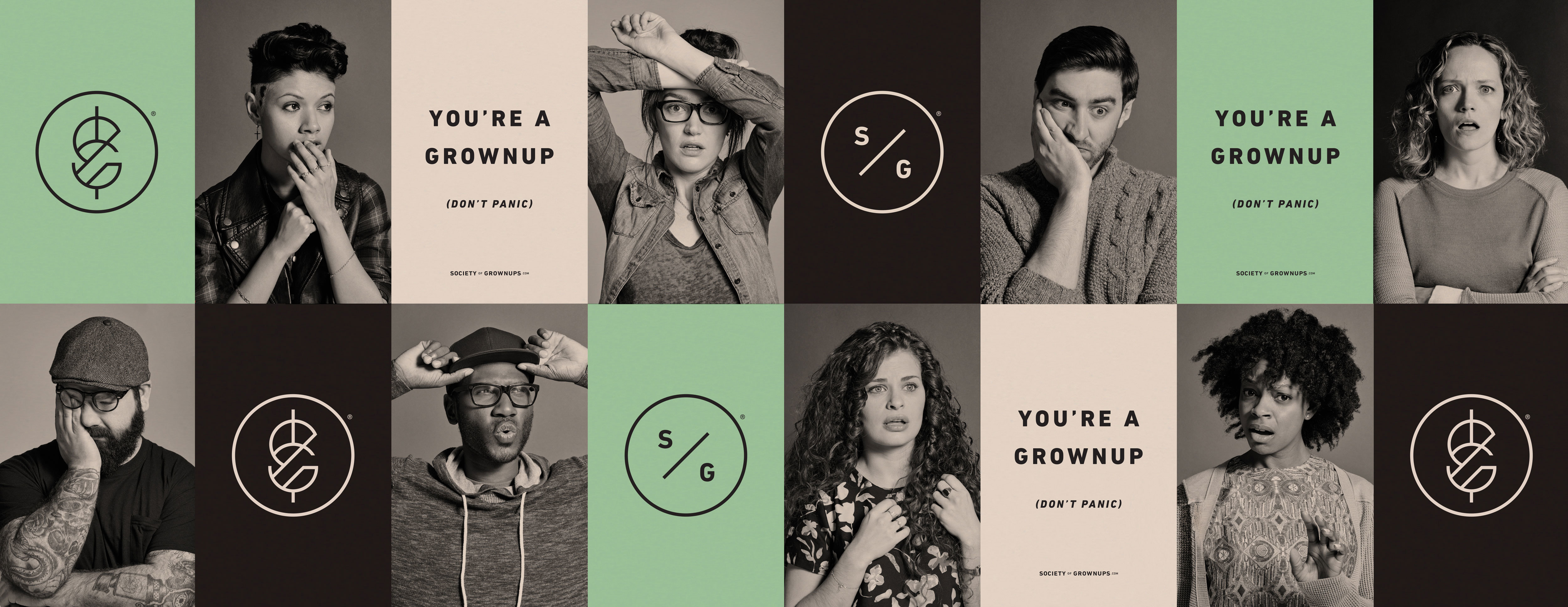
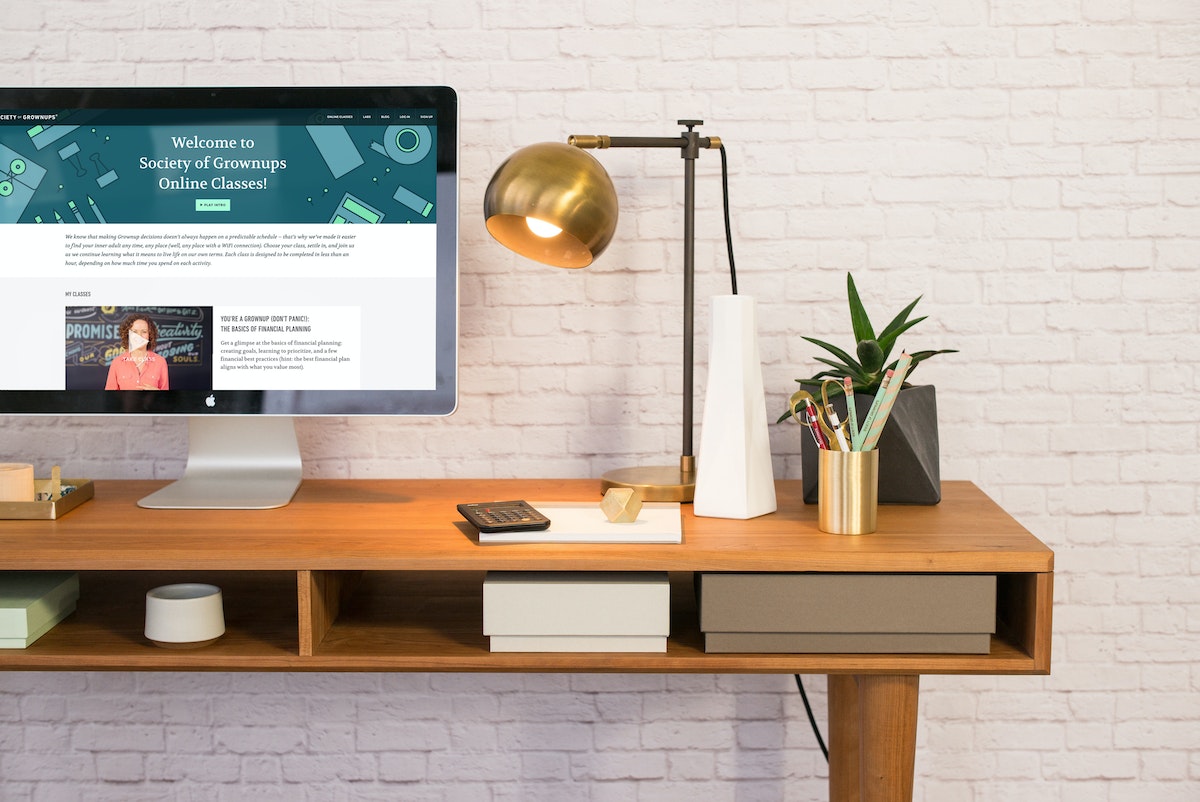
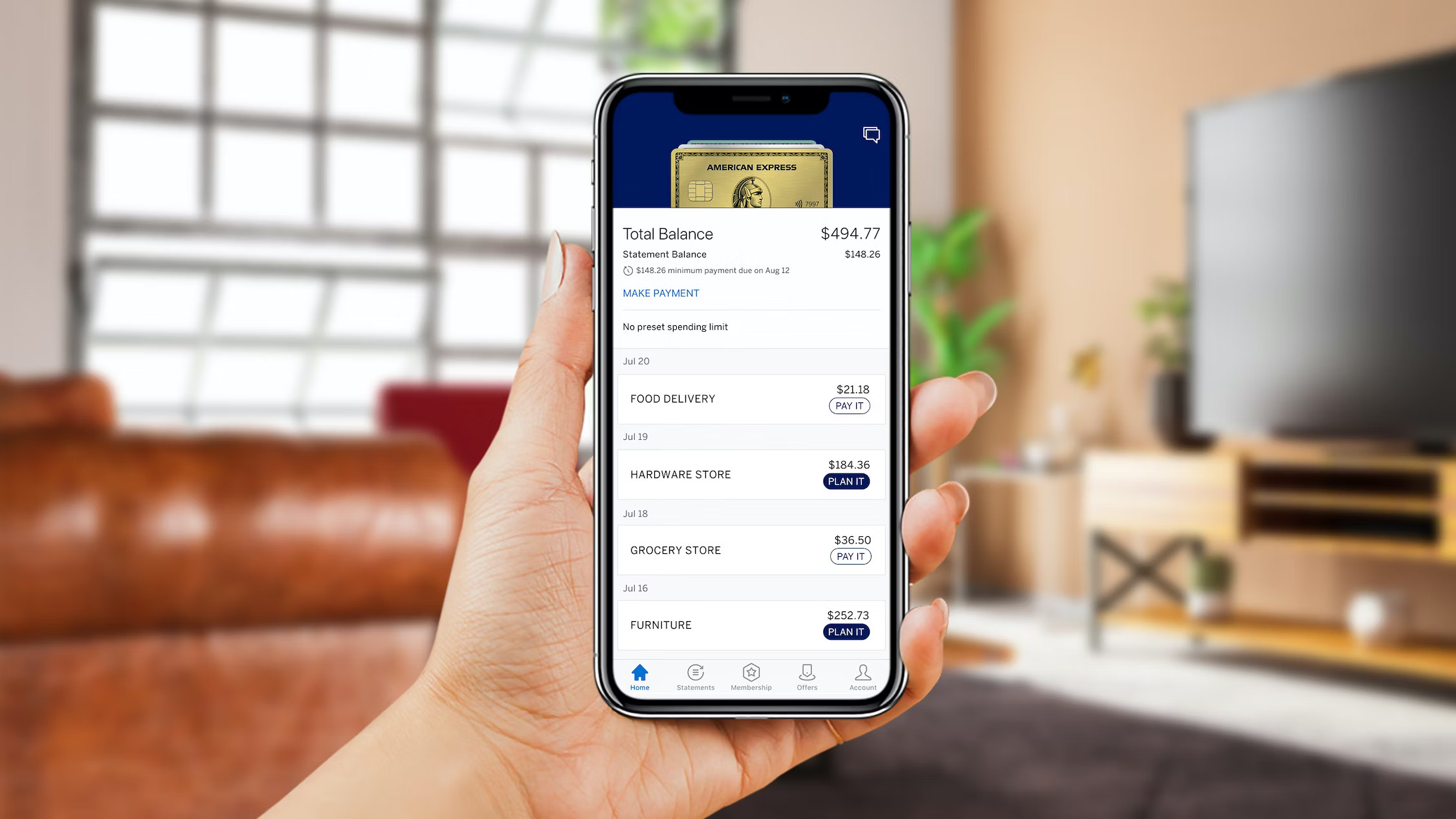
So how to invite this wary demographic to the table? Design an accessible way to meet them wherever they are: online and on their phones. IDEO helped build the new venture from the ground up—designing a brand identity and experience focused on transparency, meeting users where they are, and helping people navigate complicated financial situations so they can live life on their own terms. It’s called Society of Grownups, and you can think of it as a sort of master’s program for adulthood. Each piece of the program builds on a common vision that continues to iterate every day.
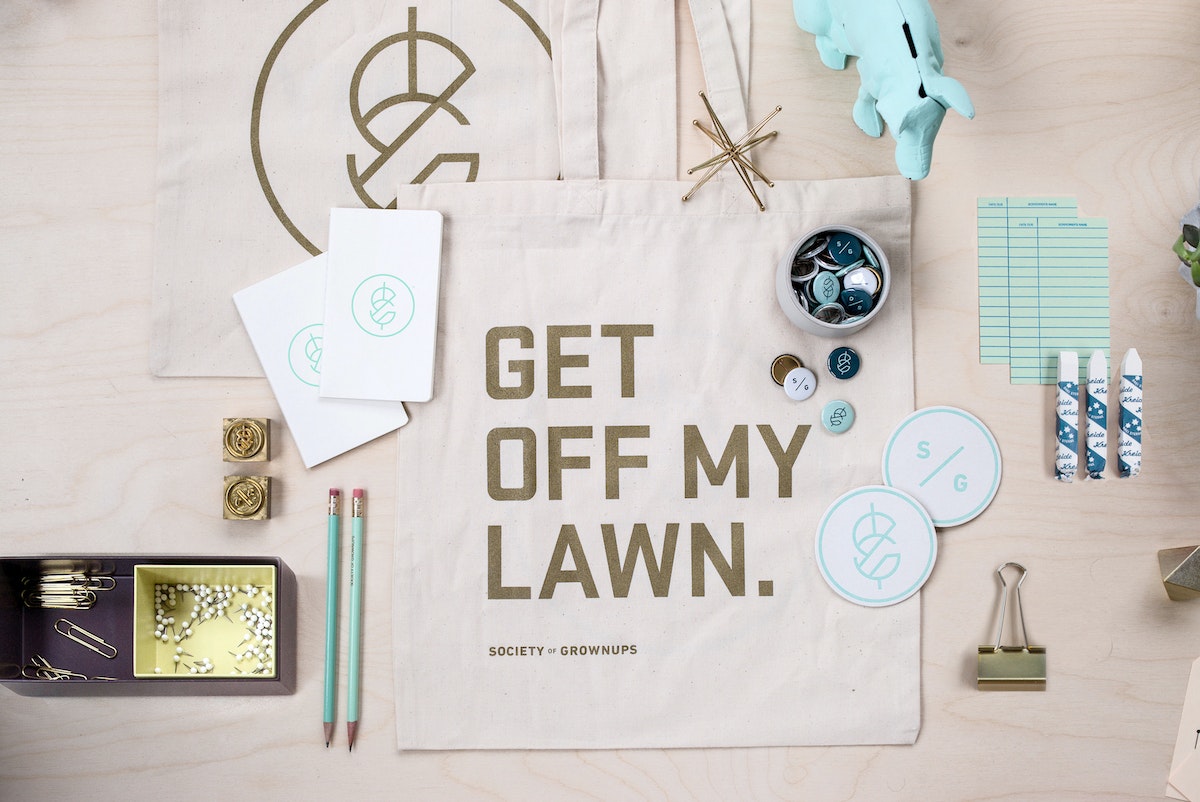
After building and testing full-scale, live prototypes, the brick-and-mortar Boston location opened in 2014 and operated much like a supper club—a warm, inviting space where young people could hang out, feast on delicious meals, attend talks, and learn about things like 401Ks, living on a budget, and how to pick good, cheap wine. After two years of continued prototyping, MassMutual recognized that the digital channel has the most potential to grow and closed the brick-and-mortar location to focus their investment in building out the bespoke online financial tools to reach more people across the nation.

Helping a digital healthcare startup to scale up
A redesign, a rebrand, and a new focus.
From leeches to gene therapy, how we treat sickness has changed beyond recognition over the centuries. But one question asked by ancient healers and modern doctors alike remains the same: “How are you feeling?”
“We’ve had the ‘quantified self’ for a number of years—sensors that measure steps, weight, blood pressure,” said Bruce Hellman, cofounder of UK-based digital health startup uMotif. “But by only focusing on the quantitative, we miss the whole picture of a person.”
Hellman cofounded uMotif in 2012, inspired by the self-awareness he gained when tracking his sleep after his baby was born. uMotif gives people the tools to record and track their mood, sleep, and clinically relevant symptoms like dizziness or breathlessness on their mobile phone app, and share the resulting data with their doctor and care team to better inform appointments, and treatment plans.
Named as one of 50 UK "scale-ups" that could grow to over £100m in revenue by not-for-profit organization Silicon Valley Comes to the UK, uMotif’s software and apps have been deployed in dozens of hospitals, and profiled in The Guardian, The Daily Telegraph, and The London Times. With a view to scaling strategically, Hellman applied to IDEO Europe’s first Startup in Residence, a three-month-long program to accelerate companies through design thinking. “We brought the whole of uMotif to IDEO: product, organization, branding, approach, and business model,” said Hellman. “We were keen to re-consider just about everything.”
During the residency, the uMotif team embedded with IDEO’s London studio to work closely with an eclectic team of interaction, business, and communication designers, and design researchers, to explore every aspect of the business.
The team found that although uMotif’s organic growth had reflected the rapidly expanding digital health market, the offer was somewhat fragmented as a result. In response, uMotif decided to tighten its sales focus from 14 branches of medicine to just two: oncology and cardiology (with mental health as an R&D area).
In-depth interviews with patients, nurses, doctors, and executives revealed a clear opportunity: “simple symptom tracking for people going through an acute or serious period in their health, to activate and extend the patient-care team relationship,” Hellman says. The focus switched from the Quantified Self to the Qualified Self, coined by the team to reference uMotif’s unique approach to measuring how people feel.
Designers set about reconfiguring and prototyping aspects of the brand, product, business, and organizational model for delivery. Whereas the original uMotif product had been designed with a single clinician in mind, the team designed a new dashboard catering for the reality of modern healthcare—multiple caregivers.
Ultimately, uMotif’s offer is not just about helping patients understand their own health; it’s about providing meaningful insights that enable them to have richer conversations with their care teams—allowing them to work together to improve care plans and outcomes.
“We are a much more focused, confident, and clear organization, truly prepared to scale sales, delivery and clinical impact,” says Hellman, referring to the impact of their participation in the Startup in Residence program. Now back in its own headquarters, the team takes with it a toolkit of IDEO systems and processes with which to run their business and to apply to new projects, products, and services.
“Health systems around the world are quickly adopting digital channels,” he said. “We aim to be at the forefront of this inevitable shift, using design thinking to put people at the centre of their care, improving quality of life, treatment outcomes, and healthcare experience.”
WATCH: uMotif: Sam's Story.
Helping kids make healthy choices
Three design concepts that help kids make healthier choices around food and exercise.
IDEO designers wanted to take on a challenge: How might we help kids make better decisions around food and being active?
Designers moved forward with three concepts that addressed this challenge from three completely different directions:
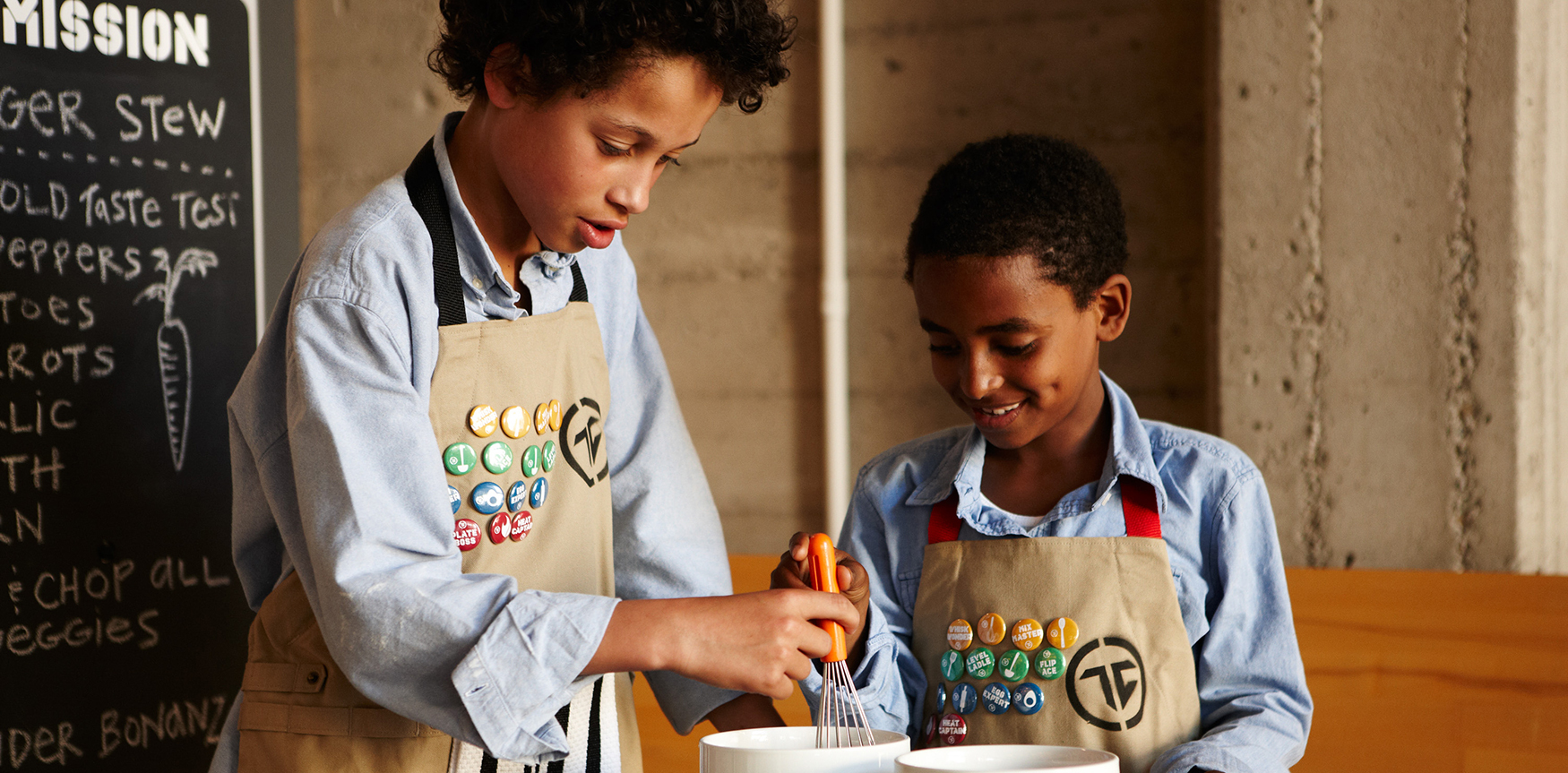
- Top Chops, a hands-on cooking adventure that builds kids’ confidence in the kitchen by working toward becoming a Top Chop “master chef.”
- Daredevils, a wearable device that measures the intensity of energy exerted, but doesn’t prescribe the activity, which kids can use to dare each other to reach activity goals.
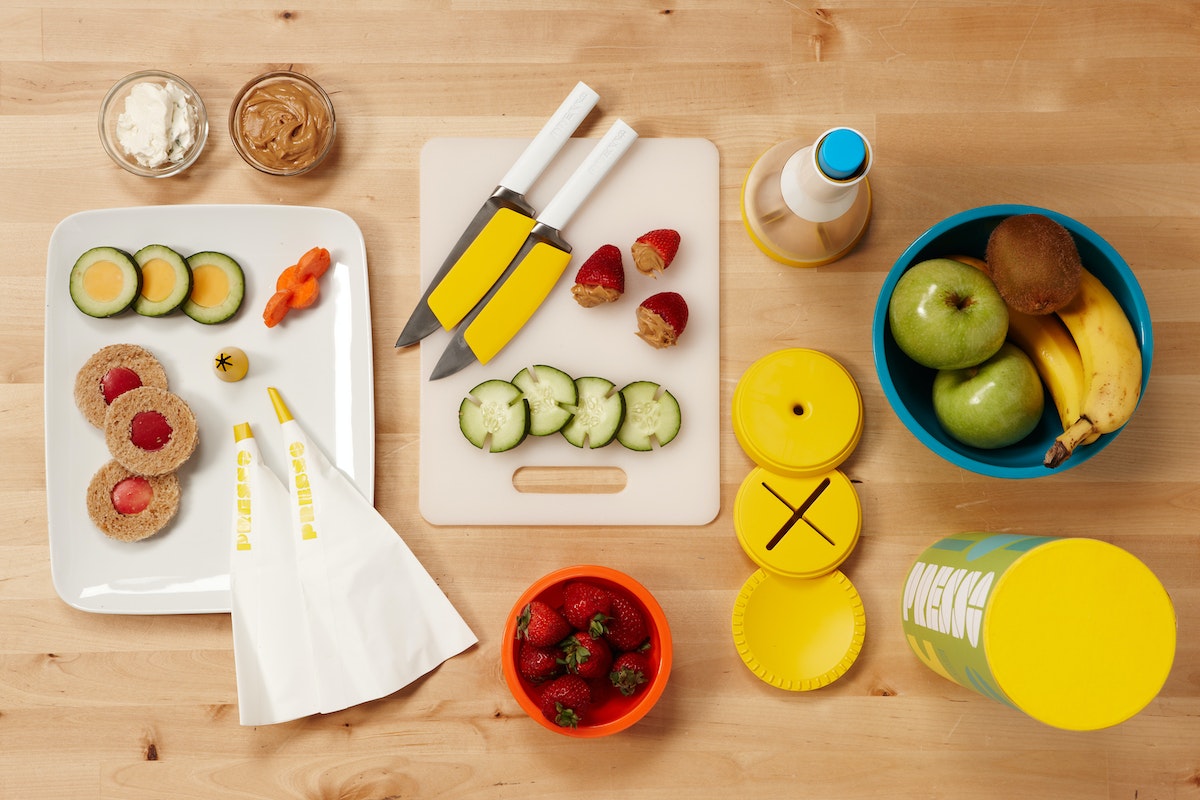
- Presso, a set of child-size kitchen tools that slice and dice fresh food in imaginative ways, making cooking fun and helping kids feel they have a role in making their own healthy food.
The design team behind this work was featured on 60 Minutes, and some of the resulting concepts were featured on CBS This Morning.

Handheld organizer becomes a sleek accessory
Redesigning a utilitarian tool to set it apart from imitators.
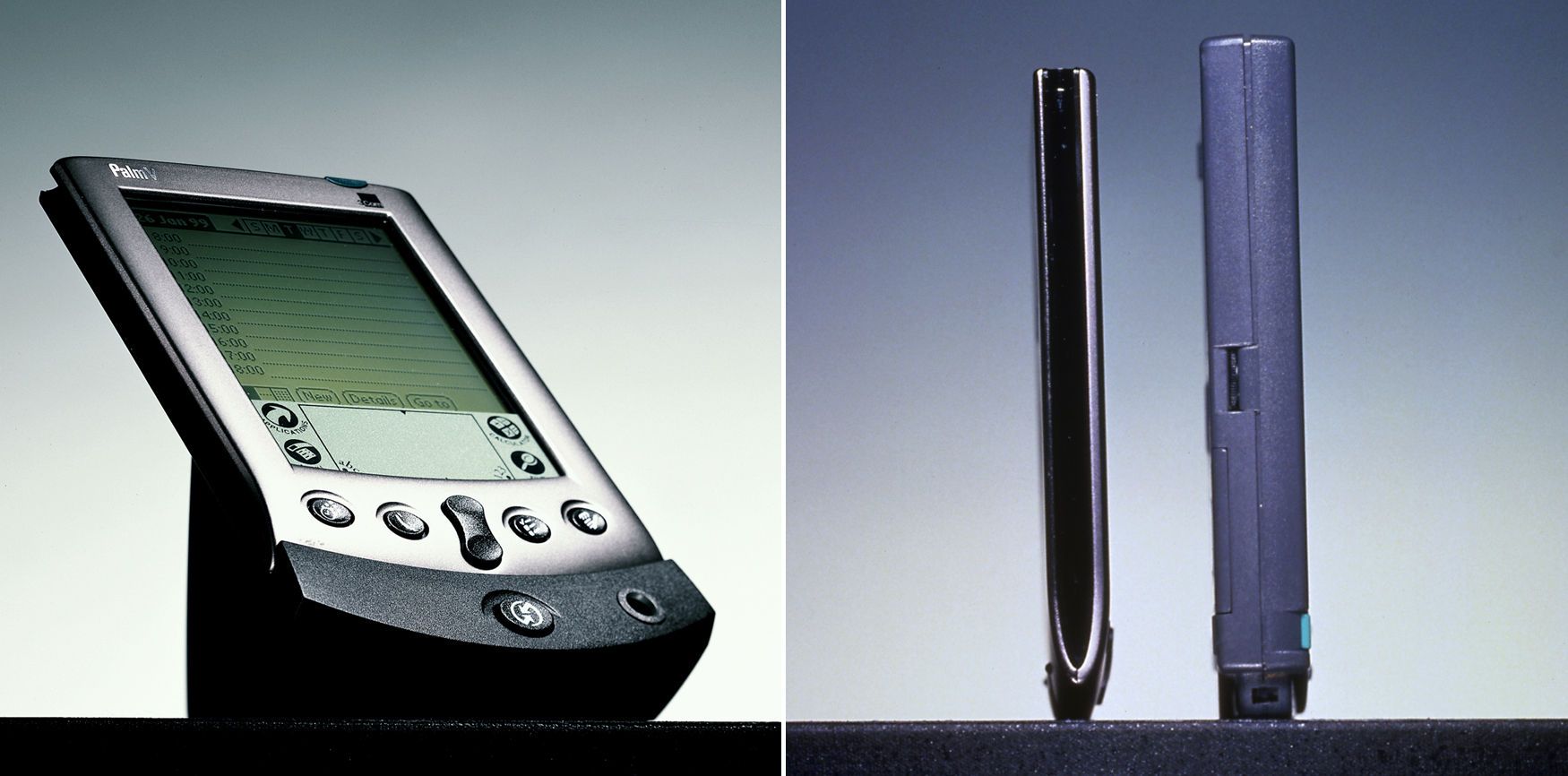
In updating the popular and industry-defining PalmPilot, Palm Computing wanted to reposition the next-generation Palm V as a high-design accessory to set it apart from its many imitators.
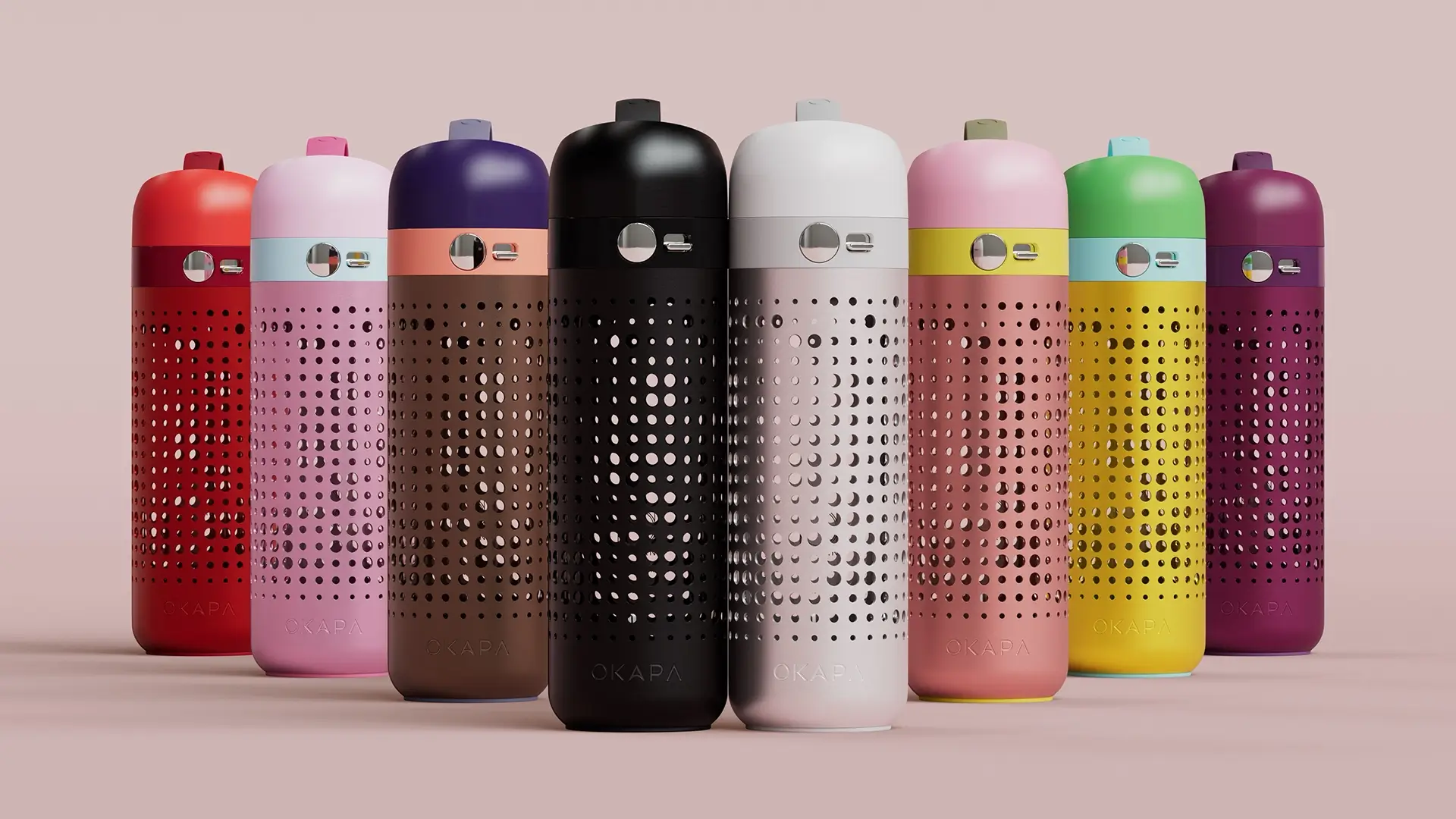
Together with IDEO, it crafted a sleek, elegant device, half the thickness of the original in an anodized aluminum housing. Incorporating an internal lithium-ion battery that recharges in the dock, the side rails act as an open architecture to provide attachment for a variety of styluses, cases, and other add-ons.
Inviting Algorithms to the Design Team
How a graphic designer, a data scientist, and an algorithm teamed up to create an art exhibit
As my team and I prepared for Typeforce, an annual Chicago typography gallery show, we started to think about how we could leverage AI and our own creative skills to build an intelligent system that could work with us—a communication designer, a production designer, and a data scientist—to create a visually distinct submission.
While you might think of typography as designing or selecting just the right font and arranging it immaculately, submissions to Typeforce range far outside that, including everything from carved sculptural elements and needlepoint to hand-drawn tableaus and digital installations. It was our first time submitting to the show, and our goal was to take advantage of this wide-open opportunity and use our individual crafts to make something out of the ordinary.
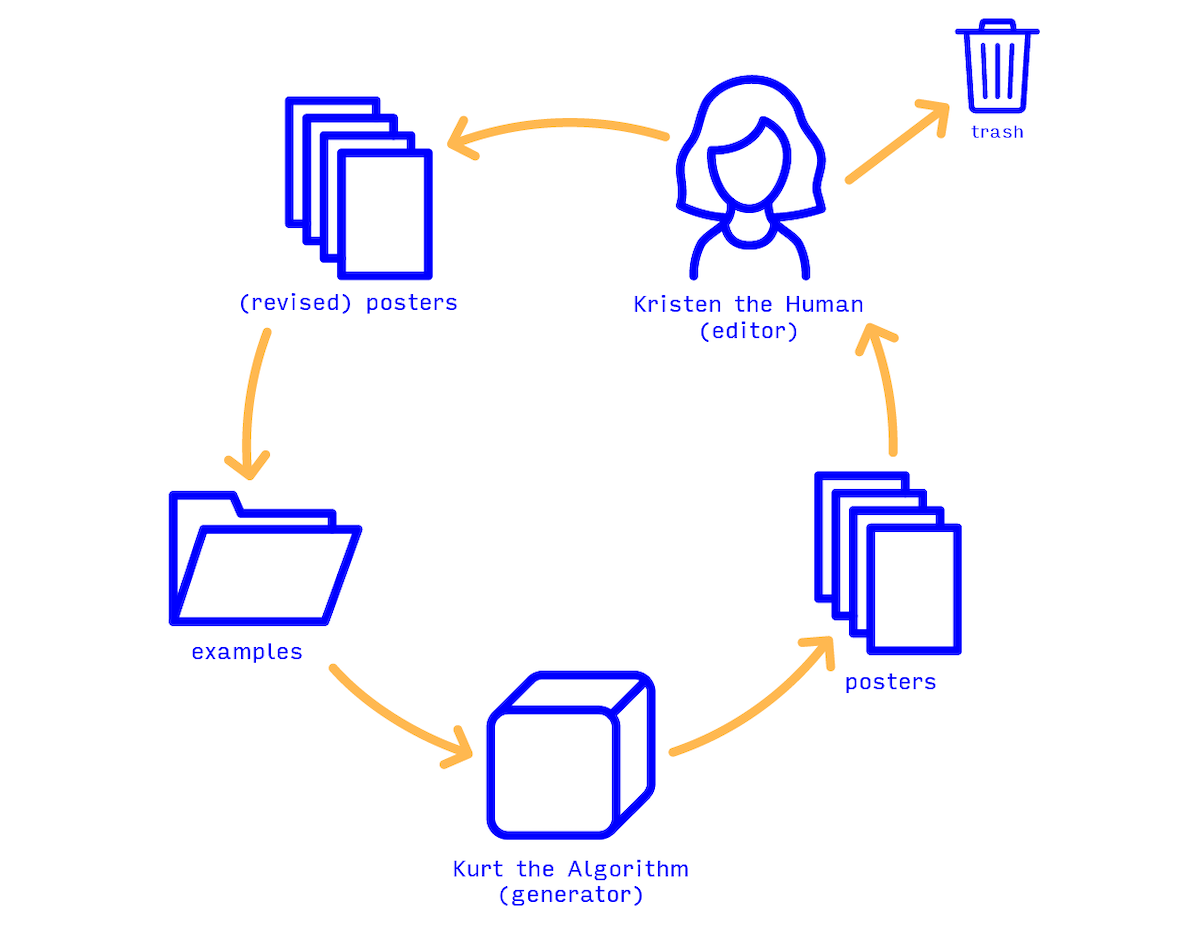
We imagined a creative process where Kristen, our communication designer, would give an algorithm examples of posters with interesting type compositions, and it would try to learn from them and spit back lots and lots of attempts to create something similar. Kristen could use the algorithm’s generated posters as starting points for creating new posters to feed back into it, as well as clues for what it still needed to learn. Trying to train the algorithm could itself become a great set of constraints for creativity, and when it was over, we could show off the visual artifacts of that back-and-forth process at the show.
We landed on Dadaist and Futurist compositions as an interesting place to begin. The Dadaists made things that didn’t make sense, reacting to a world (at the time, in the midst of World War I) that also didn’t make sense. That felt relevant to today as well, and had the added bonus of being something a computer might be better at producing than more immaculate, grid-based layouts.
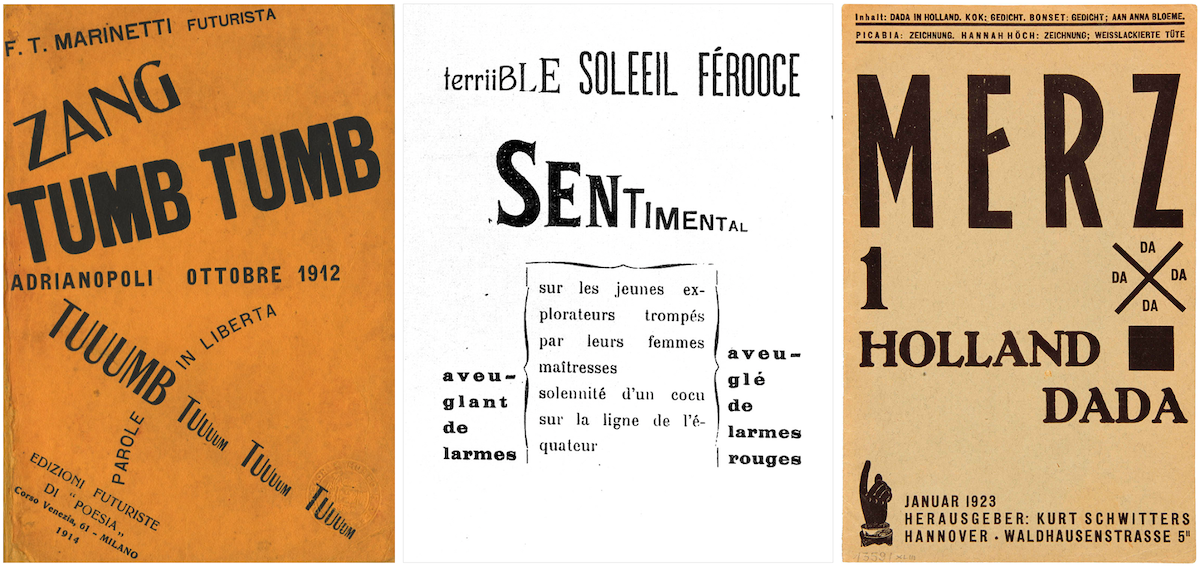
So we got to work collecting historical examples we liked, and Kristen traced them so I could feed them into our algorithm as digital files. I got to work on the algorithm itself, which we named Kurt, after the Dadaist artist and designer Kurt Schwitters.
For Kristen, teaching Kurt initially felt weirdly similar to teaching a human design student. He made compositions and she looked at them, identified his strongest concepts, and "suggested" ways that they could be improved through the next round of examples. Then he responded to her feedback.
After this first exchange, though, the differences between an algorithm and a human design student became more apparent. Kurt's learning was reactive, limited to the examples he's seen and the only way he knows to think—in numerical variables like font sizes, rotations, and X-Y coordinates. Human designers often start out this way too—just absorbing examples of design and then mimicking them—but they usually grow past it. Instead of just copying a poster they see, the poster might inspire them to push aspects of it further, or combine them with other styles that work well together. AIs like Kurt can’t do this the way a person can—certainly not yet, and probably not anytime soon.
Kurt also doesn’t understand English, much less design terminology or ideas about why he’s doing anything. He can’t understand feedback about tone or context that Kristen might give her real students, like "your typography feels a little uninviting and impersonal. Is that tone appropriate to your audience/content/message?" And being able to respond to those sorts of questions in a sensitive, nuanced way is pretty central to being a good communication designer.
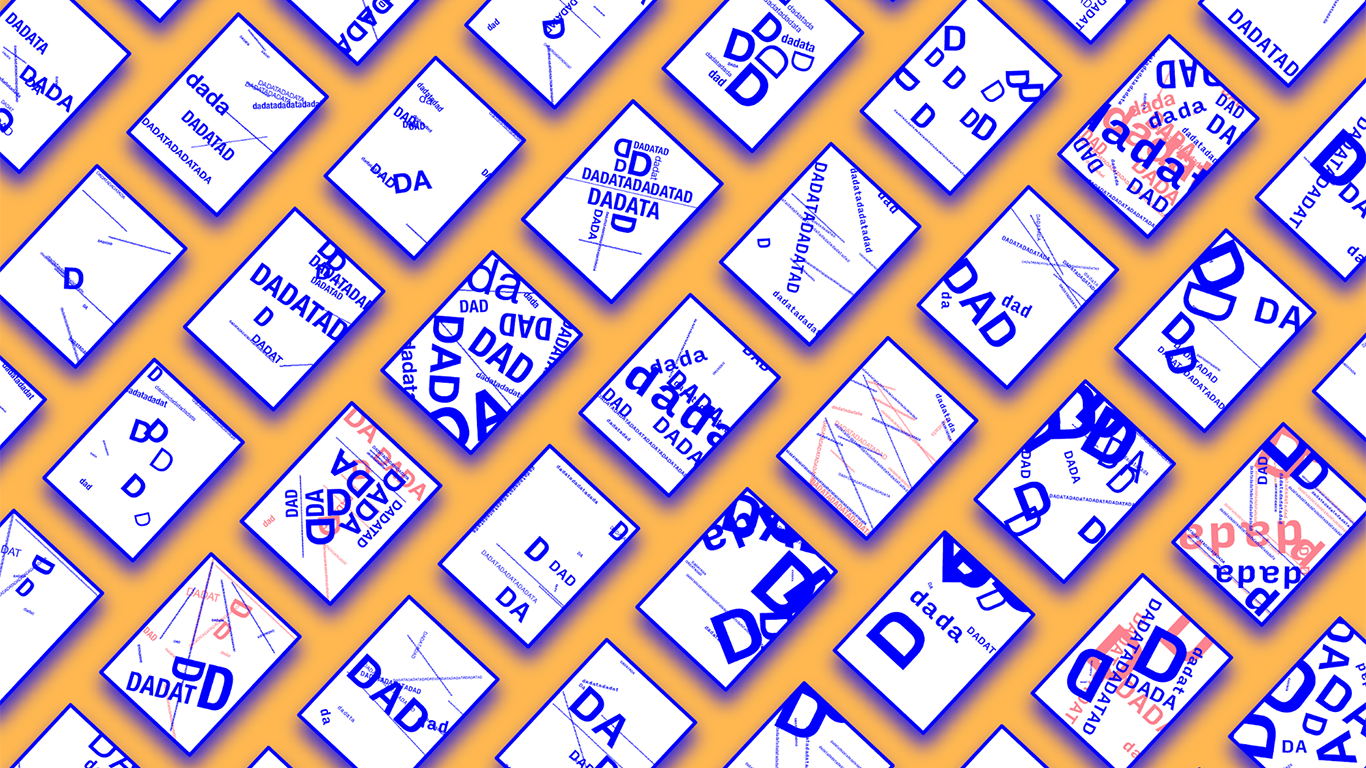
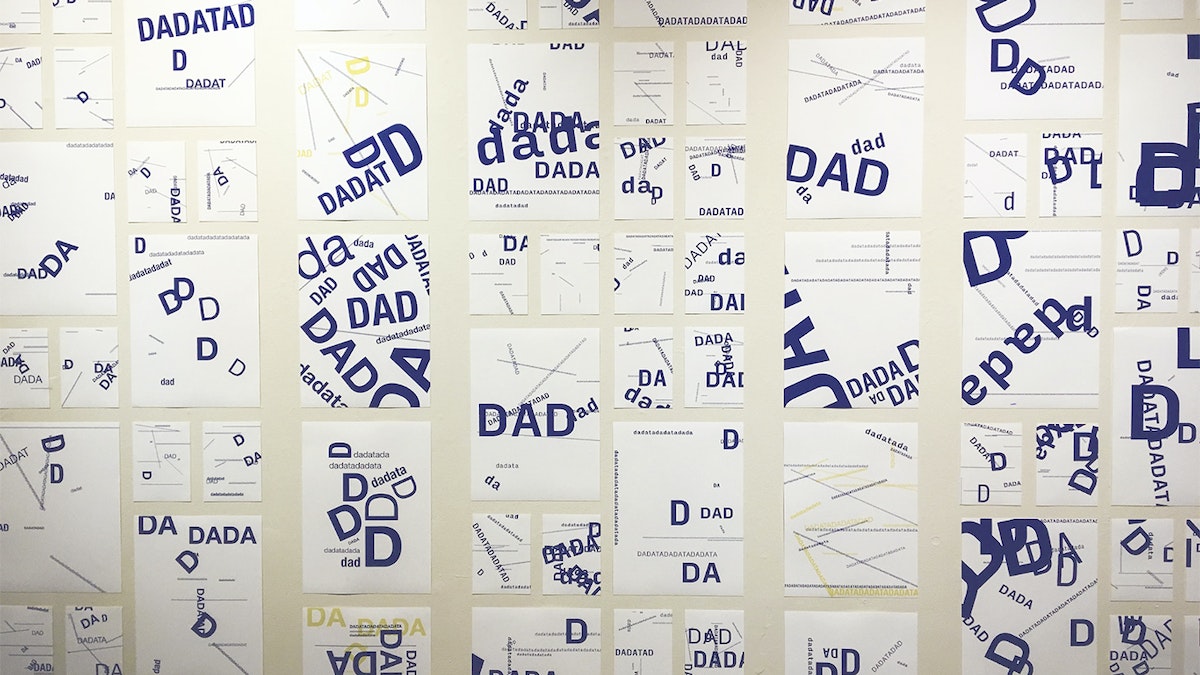
Ultimately we filled the wall with 90 prints, which made for a nice display of Kurt’s strengths—his ability to learn, and how prolific he can be—as well as Kristen’s—her skill as a designer and how she used those skills to teach.
Designers like Kristen can lean on Kurt to do things humans can't, like create dozens of compositions in a minute, or provide modifications or jumping off points that are really off the wall and decidedly not what an experienced designer would do. Some creative thinkers are already experimenting with these kinds of techniques; Robin Sloan, for example, a writer who hacked a text editor to complete his sentences using a deep learning model trained on a bunch of old sci-fi stories.
We imagine a future with more tools that creators can “teach"—unique products of an individual’s sensibilities that serve to amplify their intent and challenge them creatively, like a synthesizer that learns to play along and accompany in a style complementary to a musician’s vision. We hope Kurt inspires other designers, engineers, and data scientists to explore this future by building “collaborators” together.
As a data scientist, I know computers are great at trying lots of things quickly. But when it comes to learning artful nuance, they can fall flat. At the same time, human graphic designers are great at tweaking and critiquing, but they can only move their hands so fast in Illustrator. It's a juxtaposition that begs the question, can AI and humans collaborate to leverage their unique strengths?
Company Say, Company Do: How Your Words Define Your Business
The common language of business needs a human-centered translation
Battle terminology sneaks in (kill, crush, destroy, capture, acquire); and as in war, it becomes necessary to take the humanity out of those “targets” in order to execute on the plan.
But it’s not impossible to imagine a world where business success goes hand-in-hand with seeing and respecting the humanity of our competitors, or customers, or colleagues. Even at IDEO, where we champion a human-centered approach, the words we use in meetings and briefs can fall into the tried and true trope of conquest.
As a thought exercise, we made a list of the common terms that can dehumanize customers and competitors, and a list of alternatives that might infuse our conversations about individual and organizational performance with more humanity, agency, and reciprocity.
No one needs more business jargon, but we have a hunch that changing the way we speak can change the way we think, and in turn can change the way business feels and what it delivers. We’re trying it out and invite you to do the same.

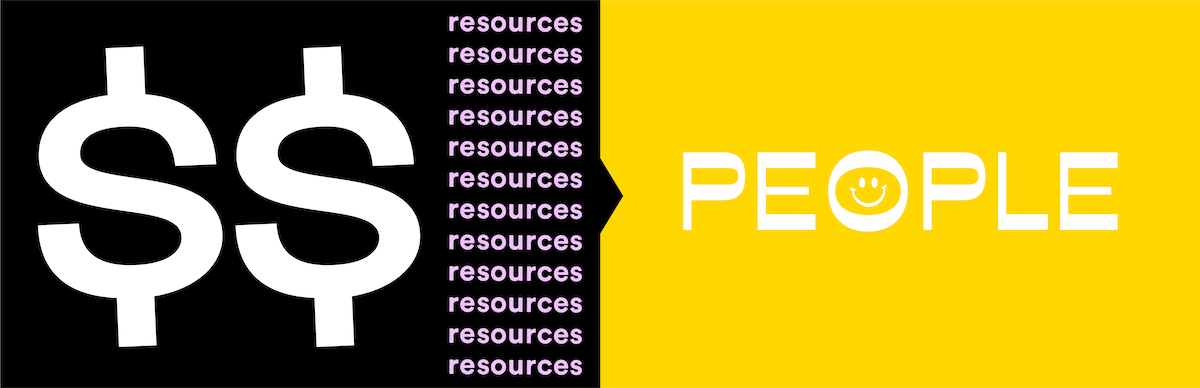
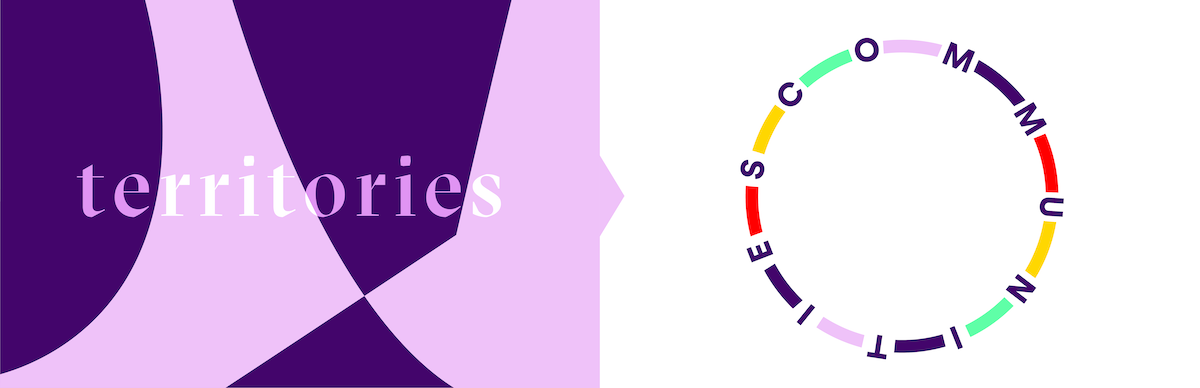
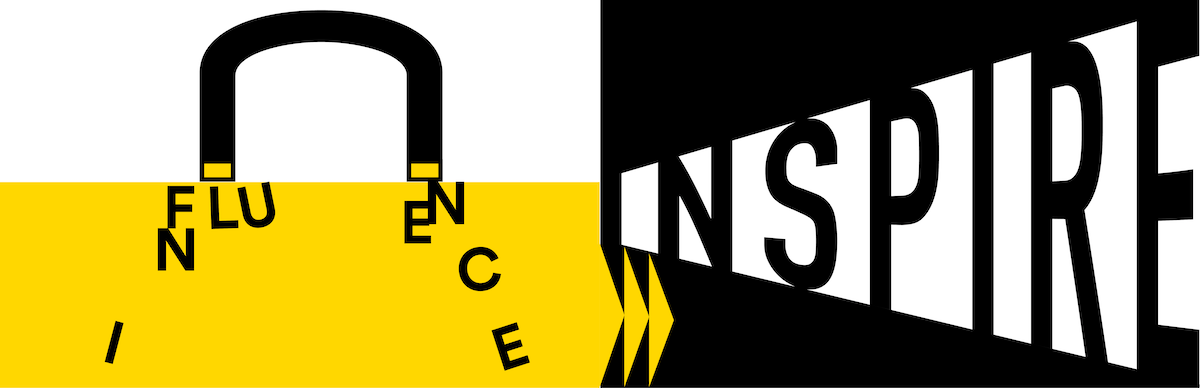
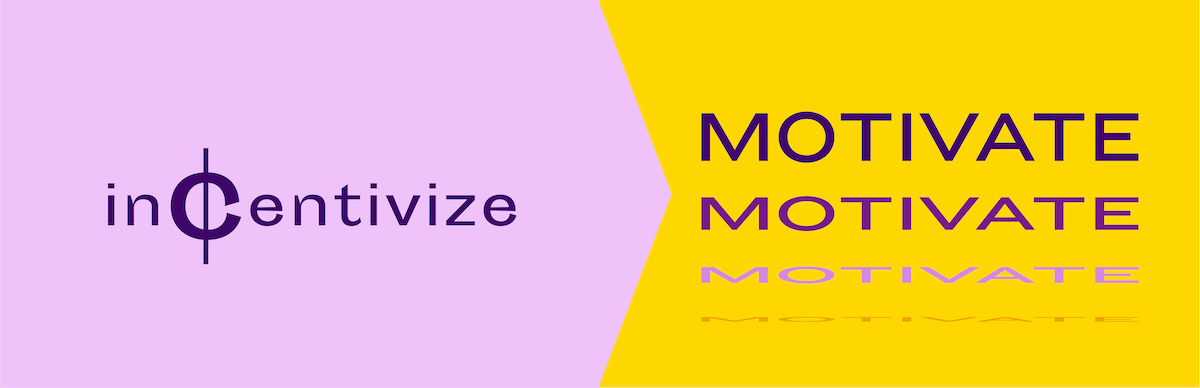
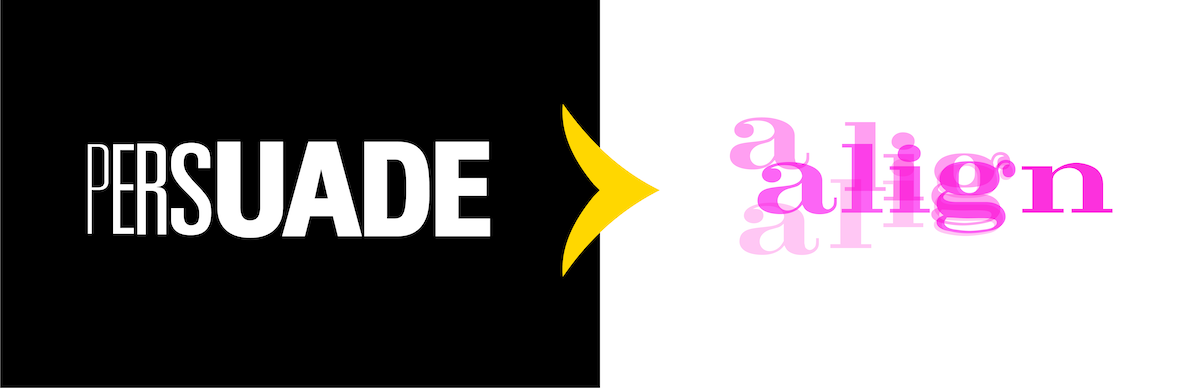
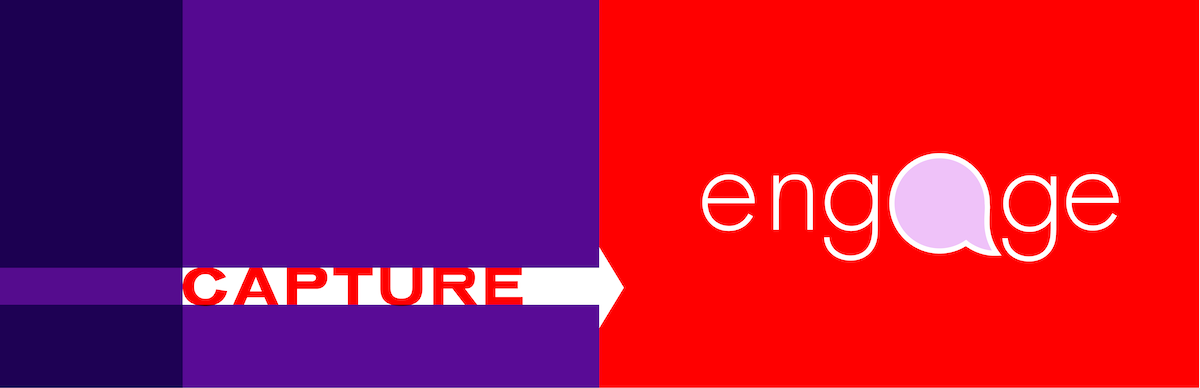
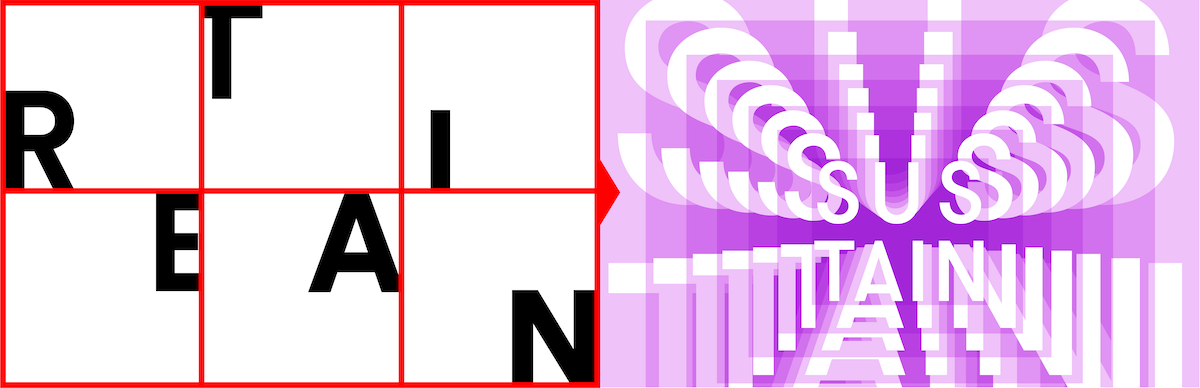
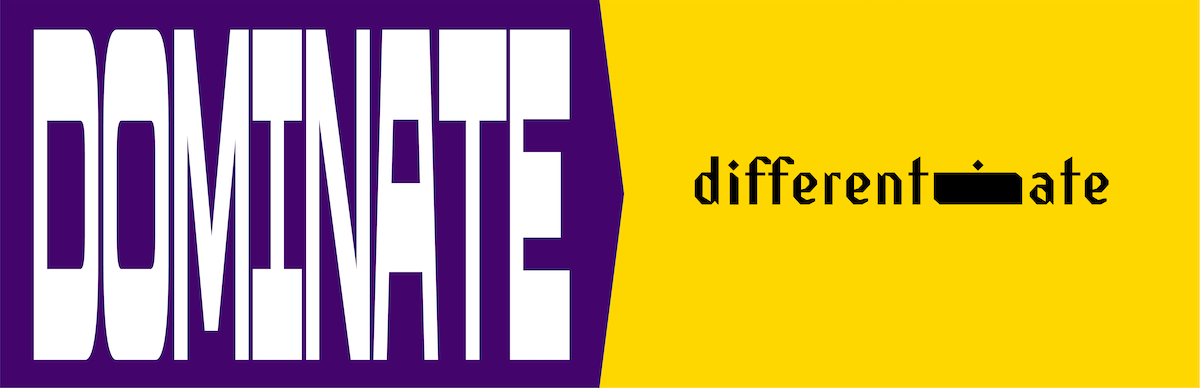
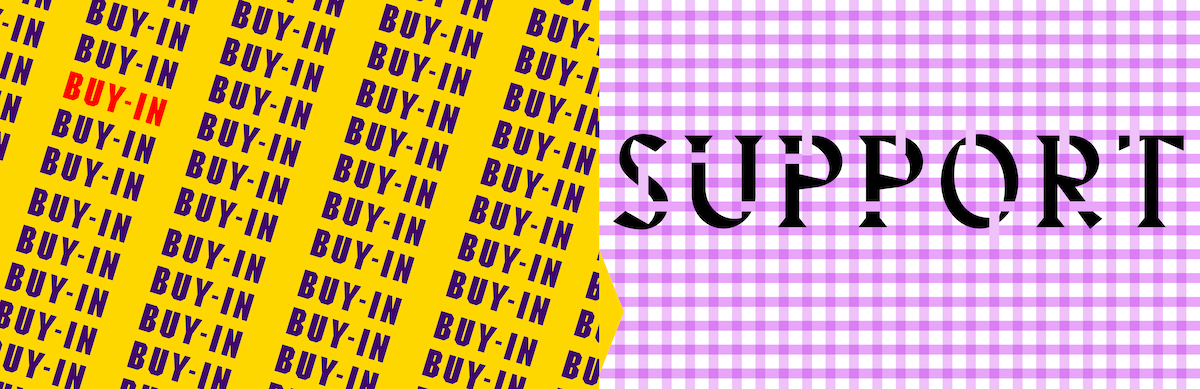

Business is competitive by design. To succeed, as an individual or an organization, requires assertiveness, power, and strength. As a result, much of the language we use while doing business implies a desire to overpower—or even disempower—our competitors.
To Design a Better Future, Embrace the Uncomfortable
5 prototypes that help us envision the tools & technologies of the future
While we designed a new family of acoustic amps for Fender, we squeezed into an Airstream for two months to better understand the touring musician lifestyle. And when we wanted to better understand the environmental impact of the things we design, we visited a sewage treatment plant to see what happens when a product can't be recycled.
We go after big problems that have never been solved. And by going all in on the unfamiliar and uncomfortable, we’ve come up with creative solutions that we might not have imagined before.
As an industrial designer, I’m a builder. I experience the world with all my senses and apply my tangible building skills to make experiences and systems. Technology inspires me because it's always been an important vehicle to advance our current state. With technology racing forward at an ever increasing pace, some advancements can impact us on an unprecedented scale. As shapers of the future, we must strive to understand the consequences and implications of emerging technology. We do this by asking ourselves uncomfortable questions about possible outcomes during the design process in areas like healthcare, the future of work, and the circular economy.
In order to better understand how emerging technologies could affect our day-to-day life, my colleagues from multiple design disciplines—industrial design, data science, communications, interaction design—and I embarked on an internal IDEO project that could give us some clues. We got curious and asked ourselves, How might the way we’re communicating with each other change with new technology? How might we collaborate together in the future when we can show up in different realities? What could be possible if the digital and physical world blend seamlessly into each other? How will we protect our privacy if we can teach devices our most personal preferences, and what will happen to our data?
We named our project The Discomfort Zone.
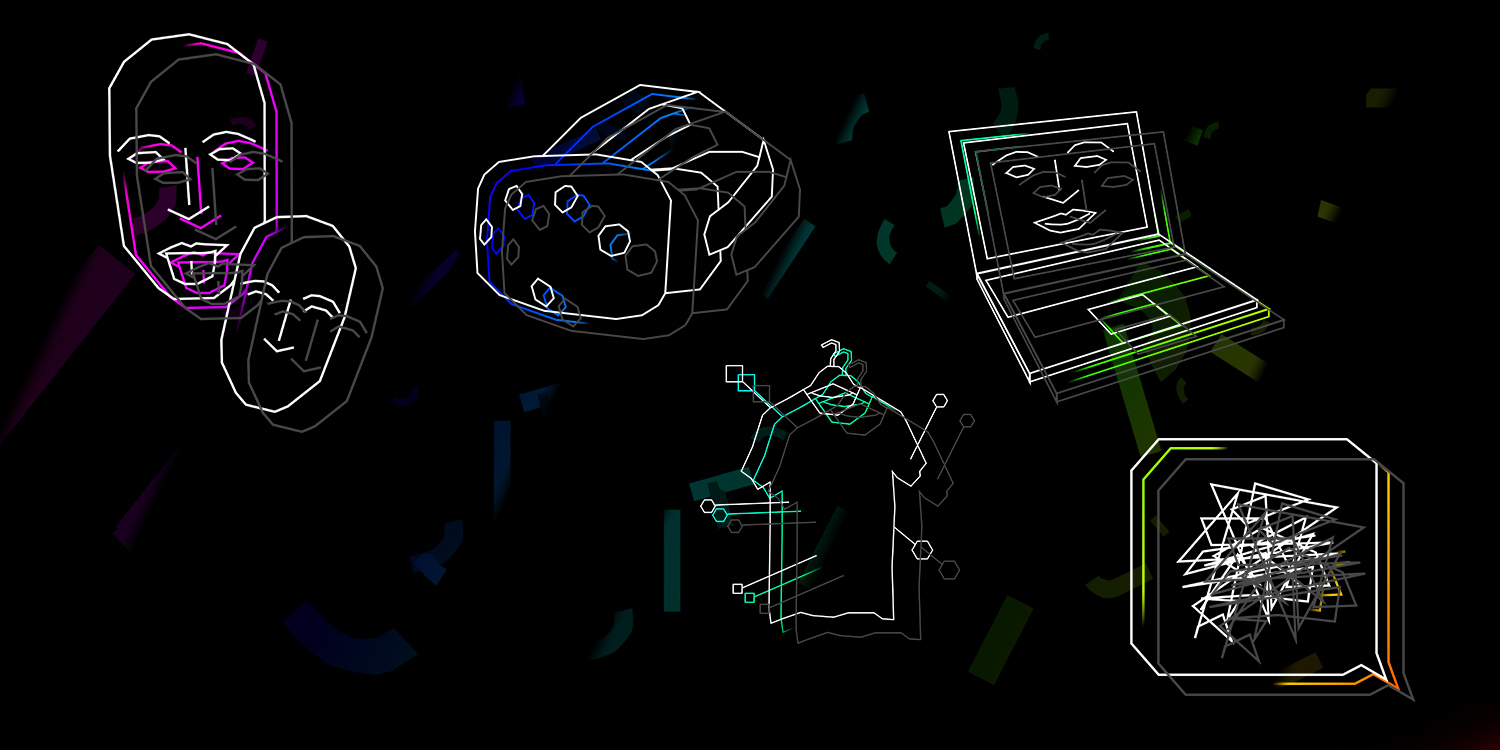
In order to explore these uncomfortable, out-there questions, we had to experience them ourselves, and to experience the future we had to build it. Here are the tools that we built:
Personalized Intelligence: by building a camera that can be taught to take the best self portraits based on individualized feedback, we experienced the idea of actively teaching machines our preferences. The user trains it on their ideal lighting, placement, composition, head tilt, and facial expressions. While it may seem like a trivial thing to create, teaching machines to see us how we see ourselves can show us the path to building other devices—like health devices—that the user can teach to adapt to user preferences and feedback.
Complementary Media: a device that can be taught to recognize facial expressions and emotions, then generates an appropriate, customized emotional expression for each user—like a personalized emoji—helped us imagine more depth and expressiveness online using artificial intelligence. This tool can communicate real human emotion, which could lead to improved communication among children, for example.
Shared Realities: a tool, bridging the physical and virtual, that allows workers operating in VR to sense the presence and movements of colleagues around them as if they are on the same plane. An exploration of how virtual and augmented technology might improve collaboration, it allows people to respond to virtual coworkers’ cues without fully disrupting work in the virtual environment.
Network Empathy: code that enables a user to anticipate how large social or interconnected user networks will react to messages before they are posted, bringing deeper understanding and empathy to online communication. With cues from large online networks, smart technology becomes even smarter and empathetic interaction online becomes easier—especially when it is applied to high-profile communications, or at mass scale among networks that might be discussing politics, health, or education.
Meta Identity: code that is invisible to naked eye can be embedded in an object to make it readable by a machine—not unlike a barcode—and give it meaning online. Branding and production methods might evolve toward this physical tagging method, so that users easily learn about physical objects they see, and find them online. Making the physical as searchable as the Internet could further empower consumers to align their purchase decisions with their beliefs and values.
As designers, it is our responsibility to explore the discomfort zone, design holistically, and consider the full range of possibilities of what we create. For example, as much as Network Empathy was intended to be an inclusive tool, it could also be used to manipulate public opinion by predicting the reaction of large audiences. If we use Personalized Intelligence to teach our devices our most personal preferences, what becomes of this new personal data? And who is the owner of this information: the device, the platform, or the individual?
Because technology will serve us on an even more personal level, the stakes are high. Designers are uniquely stationed to be the connectors in an ever more complex ecosystem of stakeholders, and we must ensure the tool leaves the lab and enters an ecosystem with safeguards in place to have a positive impact.
We’re at the dawn of something big and unknown. New technologies are shaping the future in ways we haven’t even thought of yet. Some of them will have extraordinary benefits, while others, through unforeseen capabilities or even sinister intentions, may have unwanted consequences. But as designers, it’s up to us to explore them early, dive into the unfamiliar, and do what we can to shape the future for the better. We’d love for you to join us here in The Discomfort Zone.
The Discomfort Zone was a collaboration among many designers at IDEO. Special thanks to all involved, including the core design team: Leo Marzolf, Jochen Weber, Brooke Thyng, Christian Ramsey, and Nan Tsai.
So much of being a designer is being willing to embrace the uncomfortable. We create new products, experiences and systems for people whose needs are different than ours—sometimes really different.
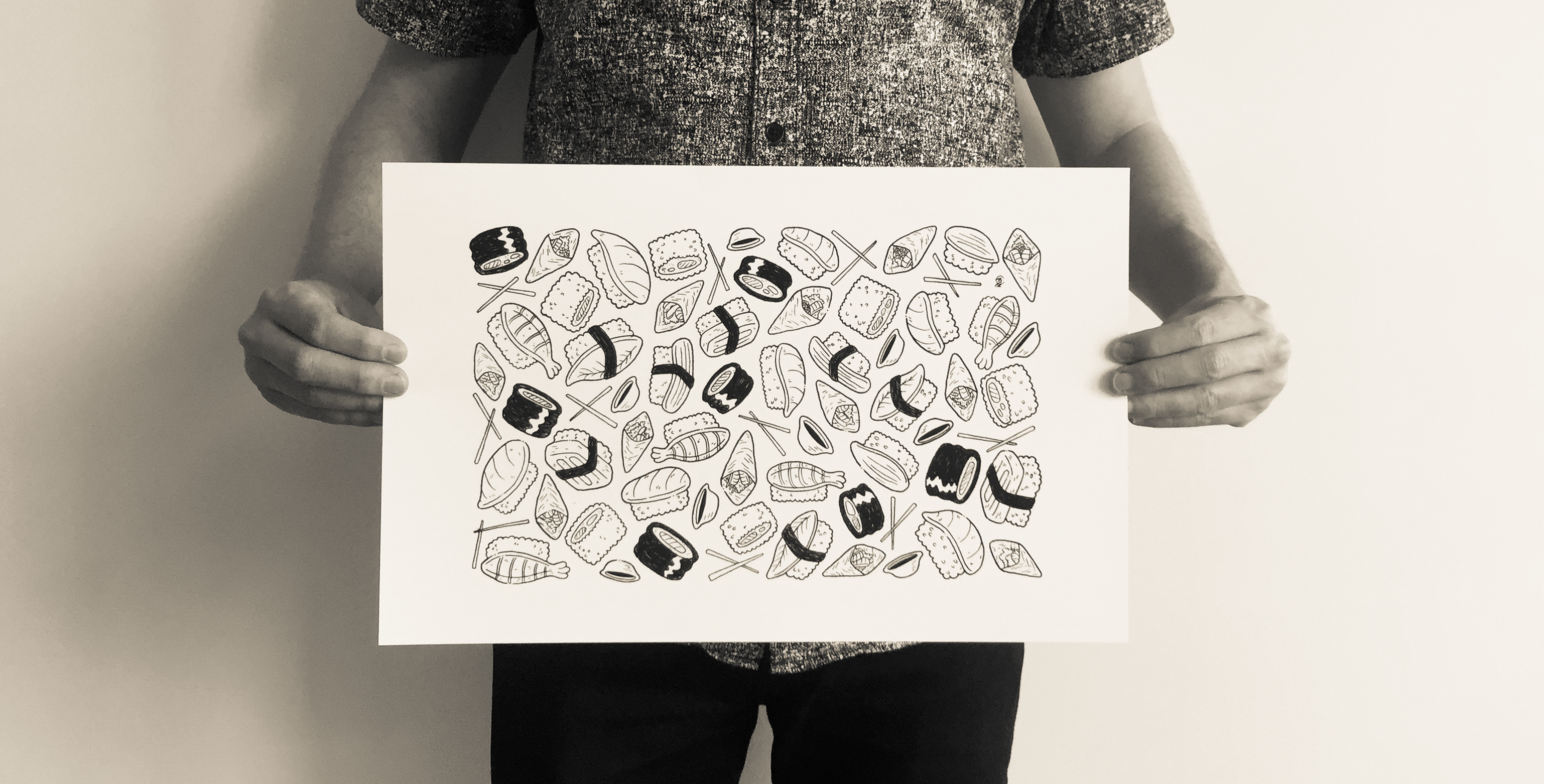
An Artist’s Love Affair with Cute Patterns
Austin Salmi makes a habit of frequenting tiki bars and drawing clean patterns

In one sentence, who are you?
I am an illustrator who enjoys bringing any amount of joy to people through my creations.
What do you do? How did you learn how to do it?
I create different drawings using pencil and ink. The illustrations range from patterns to caricatures, unique creatures, and other one-off ideas. I grew up sketching and doodling and it has continued. When I moved to LA, I was suddenly surrounded by an amazing cadre of artists and creators who constantly inspire me, as well as push me to keep improving myself. That is how I learned my craft and continue to learn, because I believe you never truly finish learning.
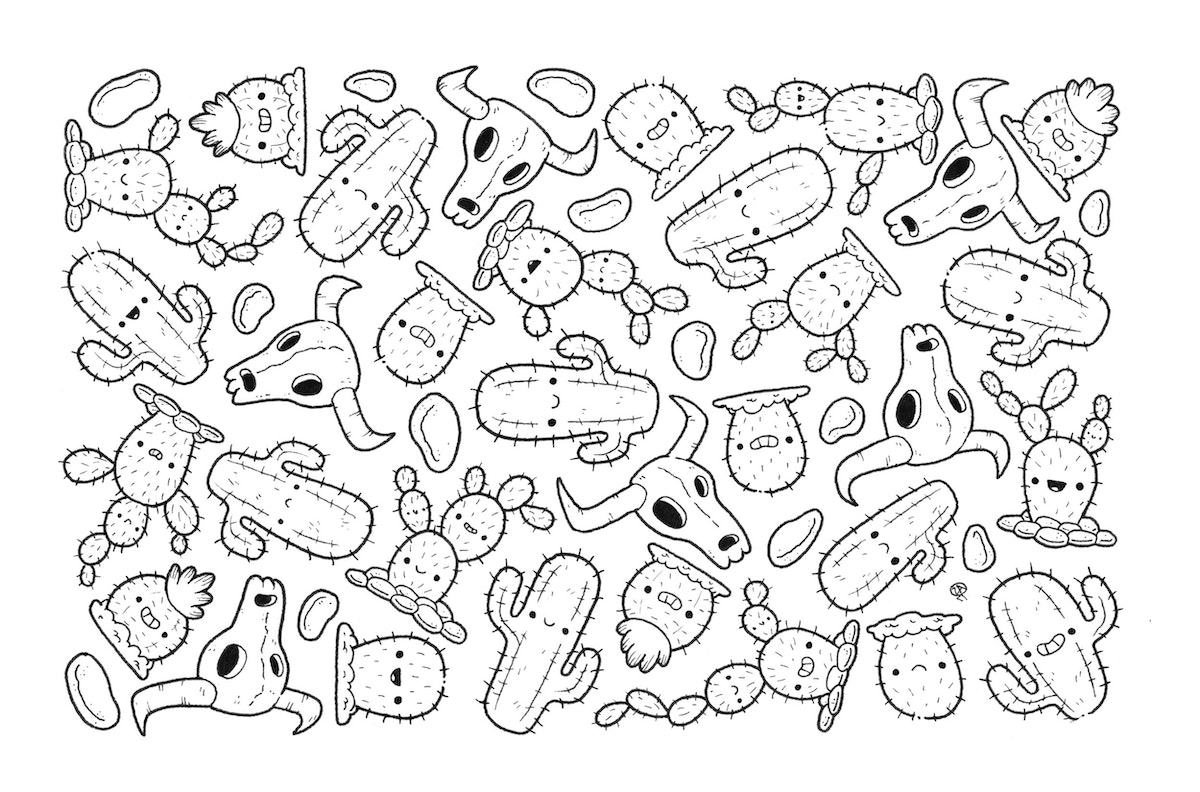
What are your 3 favorite possessions?
Miniature Back to the Future 2 hover board; Magnum P.I. Tiki Mug; a drawing of my fiancé and me, which she drew. Not in that order.
What does a typical work session look like?
I have a running list of ideas and sketches that I pull from if I don't have an art show with a specific topic that I am working towards. Usually, I'll do some Google searches on the topic at hand and pull a bunch of reference photos for perusal during the pencil drawing stage. I sketch out the drawing inside a pre-drawn area, such as 4x6 or 5x7. Art that is easy to frame is always a goal of mine, because I love framed art and it drives me mad when I see things tacked onto a wall or cork board. After finalizing the pencil drawing, I'll usually step away for a moment or two to play a video game or watch a show. I like to do something that differentiates the time between stages. Once I come back to the drawing, I pull out all the different micron pens that I think I will use for the piece. I check the nibs, and then I begin inking. I put on dramas in the background to listen to, or things I've seen a ridiculous number of times. West Wing and Parks and Recreation are two such shows.
I don't like to start inking unless I am going to finish a drawing that night. Sometimes, a piece is too large, and I have to break it up over two nights. If that happens, I make sure the pens I've used on the previous night are away from all my other pens. I do this to achieve a consistency within the lines. Once finished, I scan the piece, put it within a predetermined frame, and pack it up for a craft fair or deliver it if it's for an art show. Rinse and repeat as necessary.
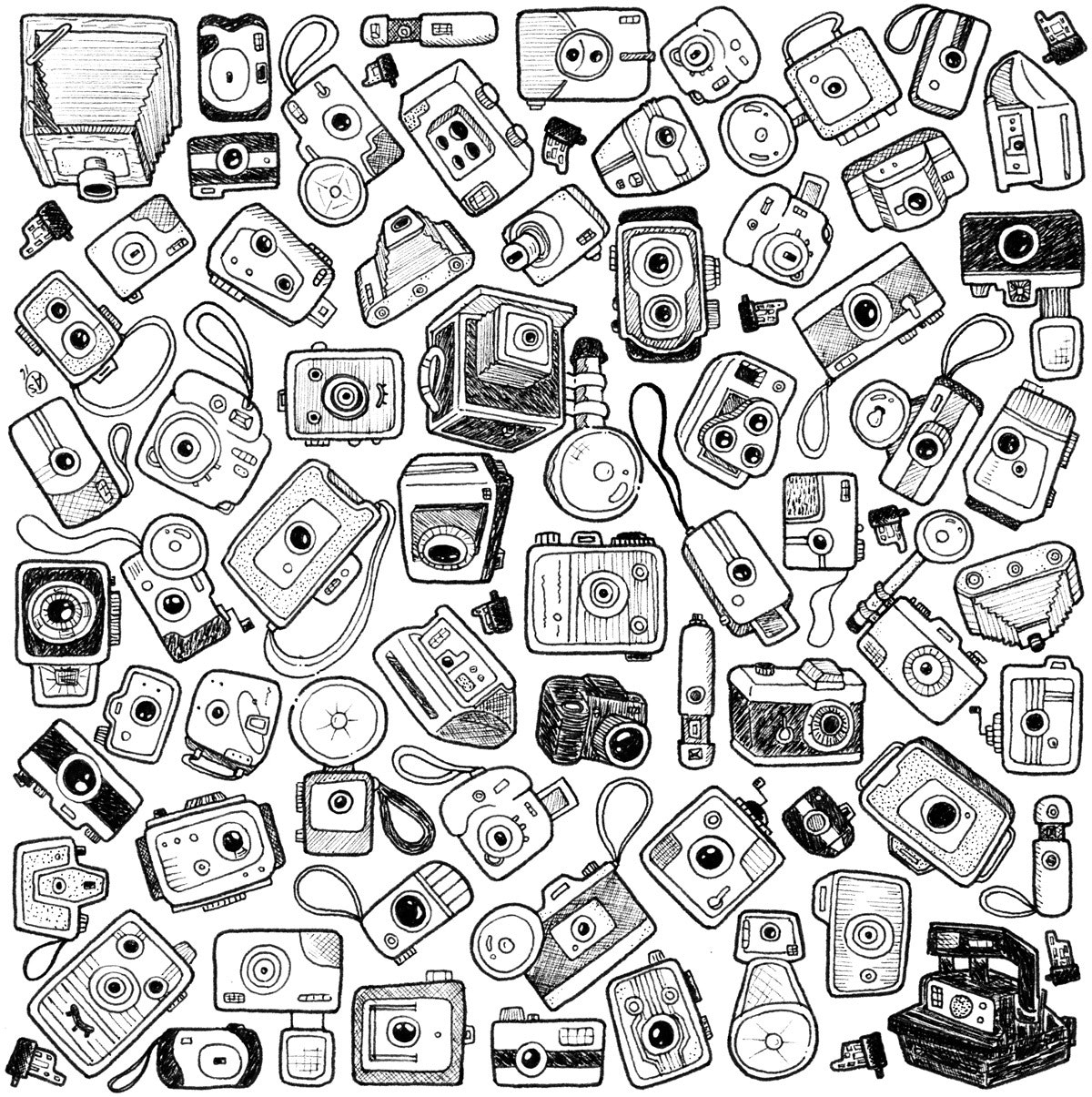
How do you get over creative block?
I used to stop drawing and just stew for a bit until it finally passed, which could take a bit of time. As I've gotten older, and ever so slightly more confident in my abilities, I push through it. I just keep drawing. Yes, sometimes the drawings are awful, but as Lauren (my future wife) always says, "sometimes you just have to pass a rat."
How do you see the world in 2078?
A lazy utopia, filled with autonomous everything. Humanity will have moved past Earth and outward into the stars while robots cater to our every whim and we become fat and happy. I could be confusing my vision of the world in 2078 with the timeline in Wall-E—who doesn't yearn for the saccharine dreams of Pixar in 2017. It is tough to image the future right now because at this moment it feels as though we are hanging by a loose wire, and any minute now someone with a spray tan is going to cut the wire and tell us all how huge his ratings are, as we all fall to our collective doom. I hope we make it to 2078, if only so that I can enjoy my hover chair and 128-ounce Slurpee.
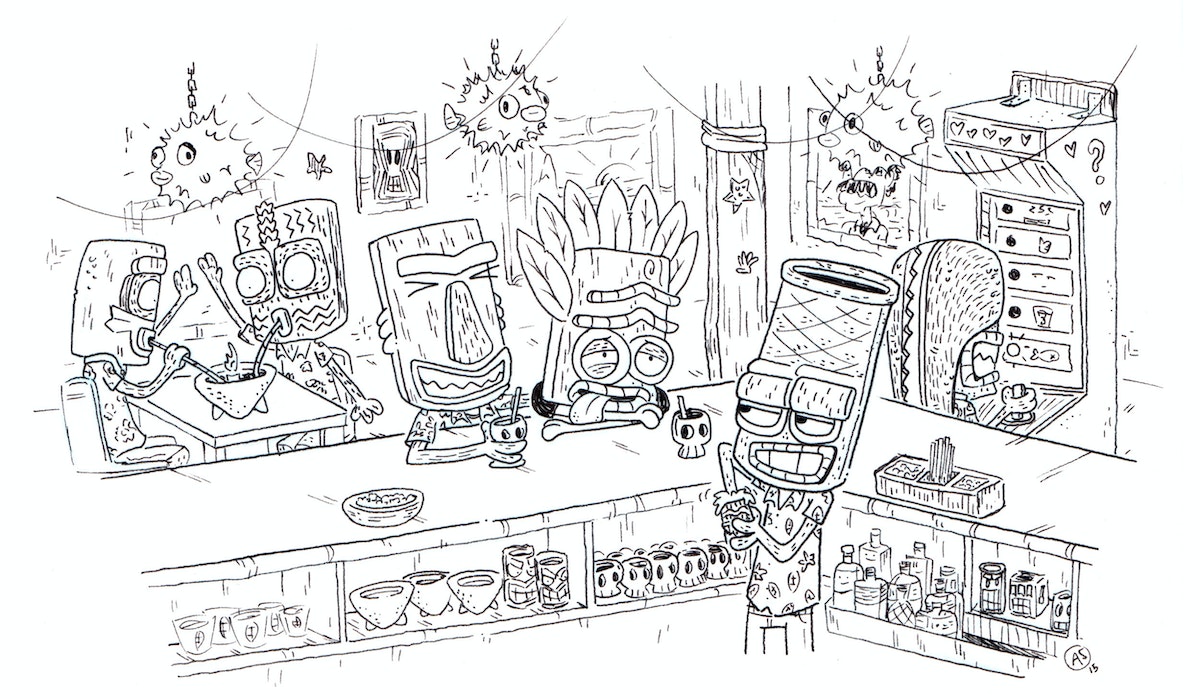
What’s number one on your bucket list?
I should say something epic like bungee jumping off of Thomas Jefferson's nose on Mount Rushmore, but honestly, I'd like to have my own artist's studio. Some place I could retreat to and tune out the world and draw silly pictures. That to me is something I want to do before I fade out of this existence.
Who are you creative crushin’ on lately?
I've had a one-sided love affair with Dustin Harbin for a long time. I own two of his original pieces and his diary comics book. The man can use an ink nib like Aaron Sorkin can turn a phrase.
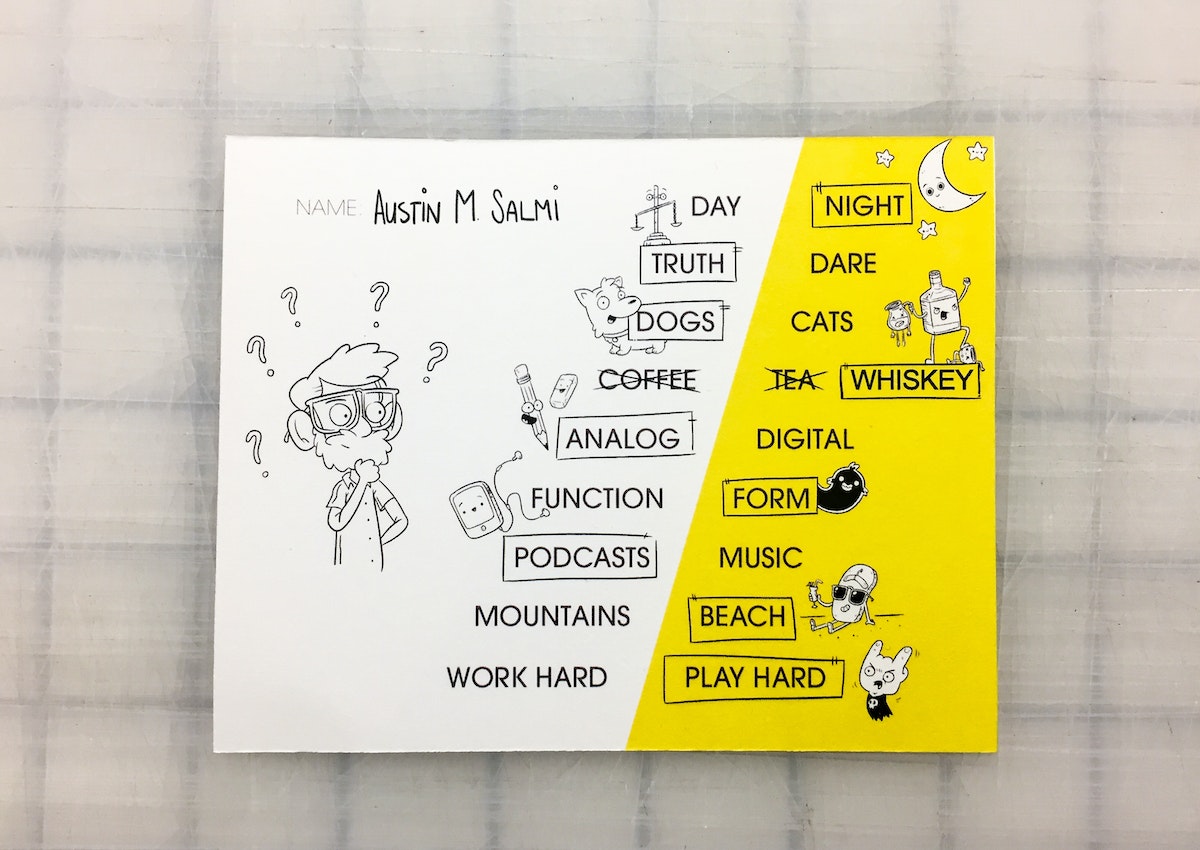
I’ve been creative crushing on Austin Salmi since I saw his doodles, patterns, and adorable characters on Instagram almost two years ago. Austin’s work, learned through practice and osmosis in his job surrounded by artists, has a giggly character about it that fits his intention to hide the ugliness of the world for a moment, and make lovely order out of chaos. I got to learn a bit more about him and his process in this installment of Creative Crushes.

Lindsey Turner
I’m passionate about building brands, products, and experiences that help organizations show up with meaning and momentum.
I help organizations cut through complexity by shaping how they show up, through brand strategy, identity, and storytelling.
Working at the intersection of brand and business, I bring an editorial eye and a bias toward making—turning ideas into tangible experiences that people can understand, trust, and believe in.
My work spans government, healthcare, financial services, media, and consumer goods, from launching Gen Z-focused ventures to building innovation labs and reimagining legacy brands. I relish moments of ambiguity and enjoy translating across teams, perspectives, and priorities to move ideas forward.
I started my career in editorial and digital design, shaping cross-platform experiences and identity systems in publishing and agency environments. That foundation still shapes how I work today: I’m detail-oriented, collaborative, and overreliant on the Oxford comma. I hold a BFA in Visual Communication from the School of the Art Institute of Chicago.

Rachel Young
My work helps organizations see who their products aren't working for—and build the will and the tools to do something about it
For 25 years, I've asked the same question: Who does this design exclude—and what are we going to do about it?
My work spans human-centered strategy, inclusive design, and qualitative research, with clients ranging from Microsoft, Google, and Verizon to the National Science Foundation, and San Francisco Unified School District.
Before IDEO, I taught elementary school in East Palo Alto and spent a decade doing design work with social service organizations—where I learned firsthand what it costs people when systems are built without them in mind.
I am currently writing User Error, a nonfiction book about digital access and the design decisions behind it. I live in Oakland, California.

Brian Pelsoh
I lead with craft, ensuring our work is creatively excellent: rooted in deep human insight and imagination, while also grounded in the realities of business and technology.
My expertise spans brand, communication, and product design across tech, education, the arts, and social impact.
I believe great work demands both high-level vision and obsessive attention to detail, and only happens through collaboration.
I bring an inclusive, hands-on approach and a deep understanding of business, which enables me to consistently deliver excellence while always asking why.
Before joining IDEO, I worked at the brand firms Pentagram and VSA Partners. I began my career as a designer, leading teams at the School of the Art Institute of Chicago and the Milwaukee Art Museum. I hold an MFA in graphic design from Maryland Institute College of Art and a BFA in communication design from the Milwaukee Institute of Art & Design, and have taught at some of the best design schools in the US.

Tony Wong
I am responsible for IDEO’s long-term success in China and working with clients to use design as a tool to enable growth.
I am responsible for IDEO’s long-term success in China and working with clients to use design as a tool to enable growth. Specifically, I have helped Chinese companies design holistic brand solutions through the development of their products, communication, services, and innovation teams, and I have helped multinationals expand their presence and influence in China.
I advise global leaders on developing China-led innovation and capabilities.
In over 15 years in IDEO Shanghai, I have worked on projects that use design to elevate the quality of the experience of healthcare products and services, streamline processes that increase productivity, create spaces and programs that promote and enable inclusive communities, and build next generation mobility solutions that are planet-positive.
Before joining IDEO, I worked at Philips Electronics and the Electrolux Group in Italy, the Netherlands, and Singapore on a number of breakthrough commercial products. I am a member of the Young President Organization in Shanghai.

How to use AI as an editor, not a writer
Ed White shares how he uses AI as an editor—not a writer—to sharpen storytelling, rehearse ideas, and preserve the productive friction that makes creative work better.
Ed White has a rule he's tested on his own writing: hold yourself as the writer, and let AI be your editor. Ed is a Senior Design Director at IDEO's London studio, where he co-leads the firm's AI portfolio across Europe. Before IDEO, he spent 12 years as a writer and editor at the Financial Times, Wired, and Contagious. So when he talks about when to use AI for storytelling and when not to, it comes from two decades of crafting his storytelling skills.
In this episode, Mina Seetharaman talks with Ed about two specific tools he uses to keep AI in an editor's seat: a "roasting agent" prompted to critique his drafts without any sugarcoating, and a simulated audience he rehearses pitches on before the real thing. They also get into what Ed is hearing from design leaders at Anthropic, Lovable, Shopify, and Google Creative Lab about how creative work is changing, and why he thinks the friction of writing something yourself is worth protecting rather than automating away.

Building a personal AI for the messiness of life: Sida Li
Becca Carroll talks with Cue co-founder Sida Li about designing a personal AI for the messiness of everyday life—not just work. They explore how Sida stays anchored to human needs while navigating fast-changing technology, product tradeoffs, business-model experimentation, and the realities of building an AI company today.
Most AI products today are built for work—a space with clear problems and established systems. One founder noticed a gap: personal life is messier, harder to systematize, and mostly left behind by the AI boom. So she built Cue, a personal AI that lives inside iMessage and group chats, to go where the other tools haven't.
In this episode, Becca Carroll, IDEO's Chief Strategy Officer, talks with Sida Li, co-founder and CEO of Shared Context Lab, about staying anchored to a human need while the technology around her keeps changing shape, why she treats her business model with the same rigor she'd bring to a product, and what it feels like to build a company at this particular, disorienting moment in AI.
The conversation also gets into how Sida makes design decisions: the language Cue uses to describe itself, the tradeoffs behind building inside iMessage instead of a new app, and a real story about a business idea that didn’t pan out.
This is the second in a two-part series profiling founders from IDEO's Startups-in-Residence program. The first conversation is with Johannes Seemann, founder of Sooner, on designing GenAI for the emotional side of money.

Designing GenAI for the emotional side of money: Johannes Seemann
Designing financial tools around the feelings that shape money decisions.
Most personal financial tools are built to run the numbers and optimize towards a budget. While that works for some, most people experience money as a lived relationship that does not neatly fit into a spreadsheet. Johannes Seemann and Becca Carroll discuss why money is emotional before it is mathematical, and what a human-centered approach to building a generative AI financial product looks like in practice.

The curious leader's edge in uncertainty: Scott Shigeoka
How genuine curiosity helps leaders navigate uncertainty with greater confidence.
Mina Seetharaman talks with Scott Shigeoka, author of Seek and Head of Curiosity Cultivation at the Eames Institute, about what distinguishes genuinely curious leadership from performative curiosity, how power dynamics shape curiosity, and why practicing curiosity can restore energy rather than drain it.
Looks like you might be in search of something very specific?
Or reset the filters above and try another angle.
Here’s some random inspiration

Podcasts about creative leadership

Articles about the power of prototyping

.webp)


.webp)


.webp)


.webp)



.webp)
.webp)