
Helping Peru’s top hot sauce find US success
Introducing Tari, a flavorful new kick for everyday American foods.
Alicorp has direct operations in Peru, Bolivia, Ecuador, and Chile, manages export operations in more than 30 countries, and oversees over 150 brands. While its AlaCena sauces are ubiquitous in South America, the brand’s North American market primarily consisted of purchases made via Amazon by Peruvians living abroad. To help the CPG giant expand meaningfully and sustainably onto US grocery shelves—and achieve its ambitious $50 million retail sales goal in five years—Alicorp and IDEO collaborated on multiple projects over a two-year period. The partnership began in early 2020 with consumer research and product strategy, ultimately leading to the development of initial product branding, positioning for launch, and an in-market pilot in late 2021.
Through a combination of large-scale digital surveys and in-depth, in-person and remote research interviews, IDEO discovered that AlaCena’s Tari and Uchucuta’s hot sauce recipes resonated the most with US consumers. Made from native Aji Amarillo and Rocoto chili peppers ground using a traditional Andean “batán” technique, consumers appreciated their complex flavors and enjoyed how they enhanced, not overpowered, everyday foods like burgers and fries. The sauces’ authentic Peruvian culinary roots were also a key differentiator. In addition to consumers, IDEO consulted with industry experts—including executives from large-scale grocery chains and chief merchants of leading big-box stores—to explore retail and marketing trends and identify potential innovation partners for Alicorp in the US.
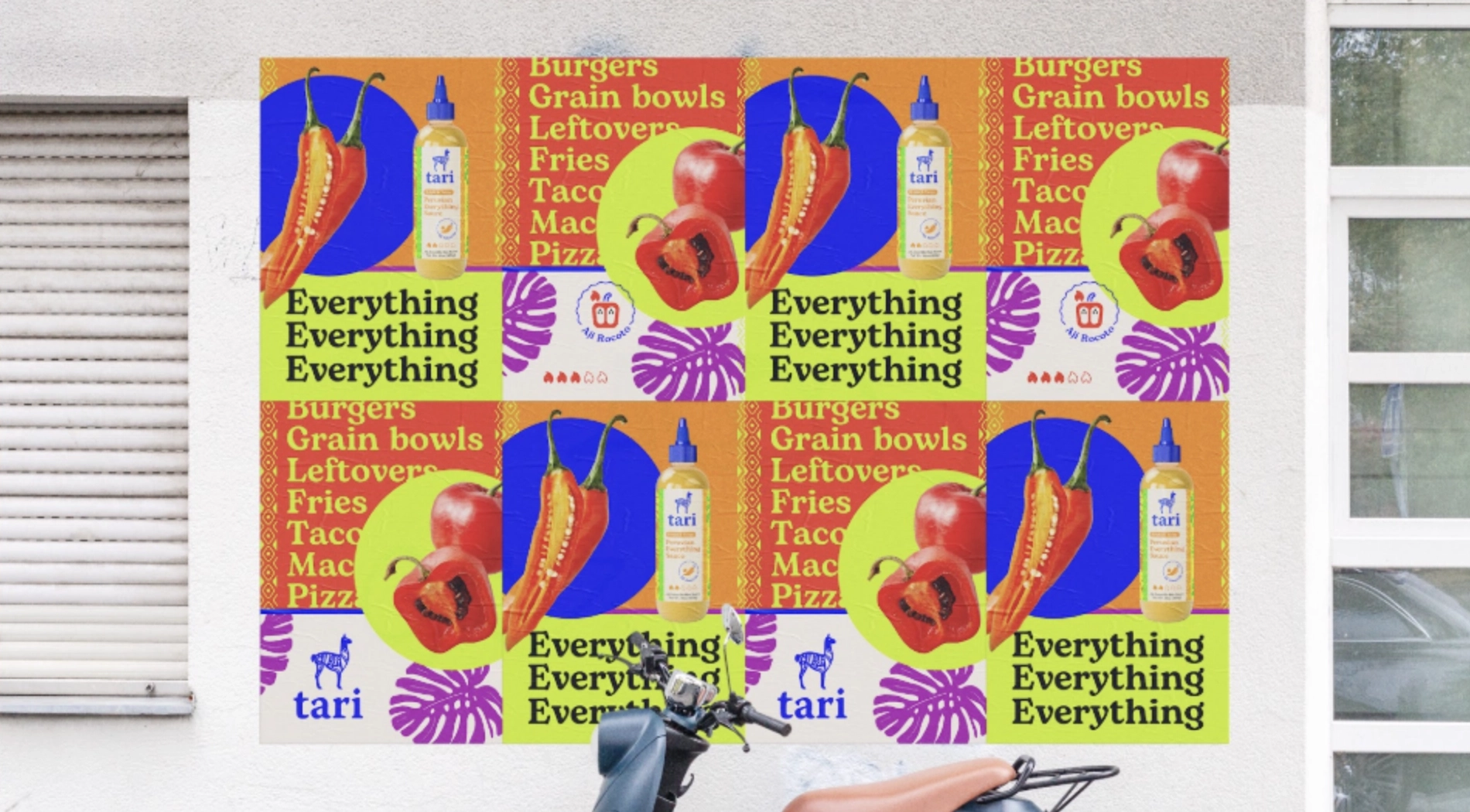
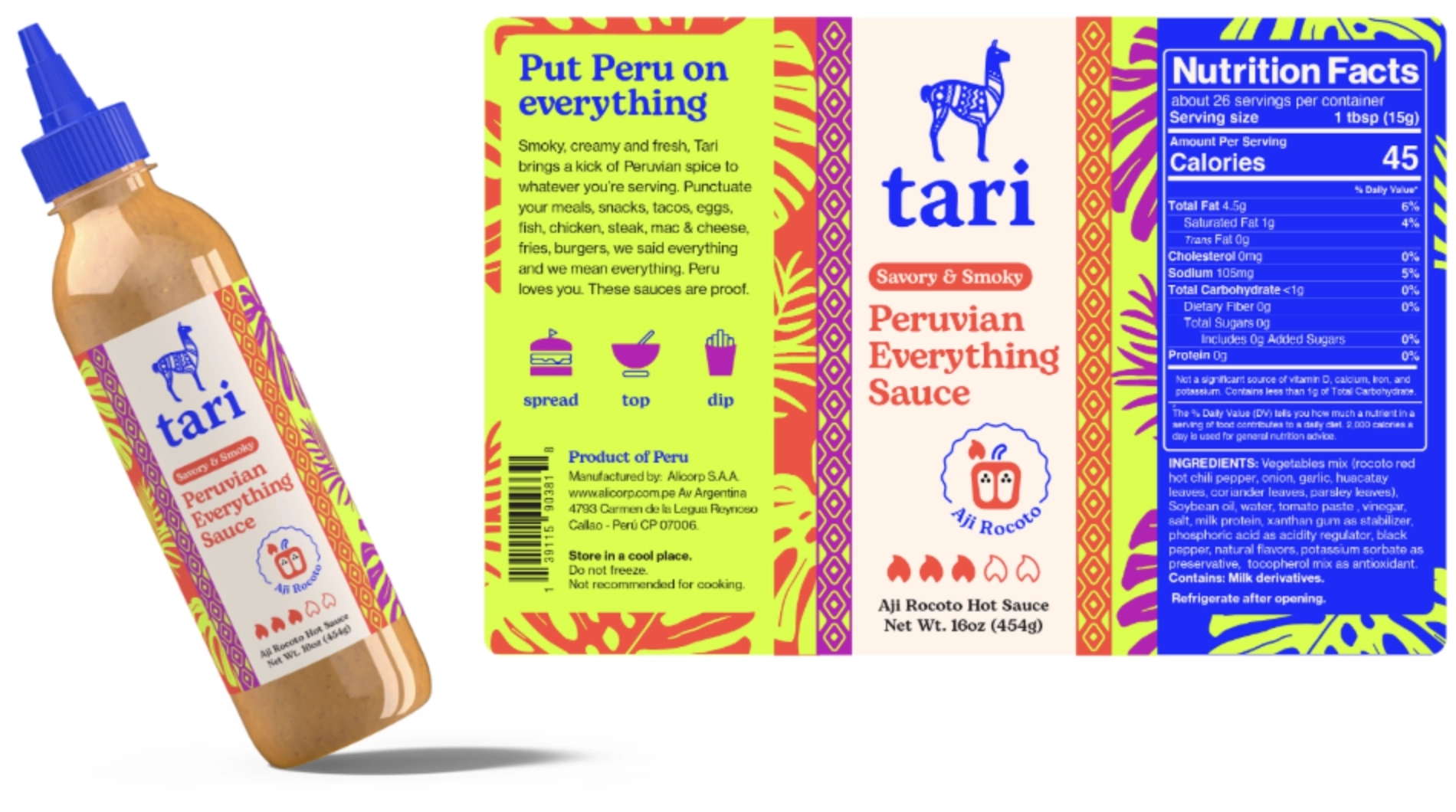
Based on the research, IDEO recommended a few changes to ensure a successful launch: Lead with the Tari brand, which was the most memorable and easiest to pronounce, and position it as an “everything sauce.” Change the packaging from a large plastic pouch to a smaller squeeze bottle to better align with consumers’ expectations and stand out on the inside of refrigerator doors. Adjust the product formulation to appeal to mainstream consumers looking for cleaner labels. And visually celebrate Tari’s Peruvian roots through bright colors, traditional textiles, and a llama, an animal closely associated with the Andes Mountains. In addition to these recommendations, IDEO provided a comprehensive go-to-market retail strategy that included potential US regions for launch, retail brokers, distributors, manufacturers, and R&D and pilot retail lab partners, as well as job descriptions for a new North American-based sales team.
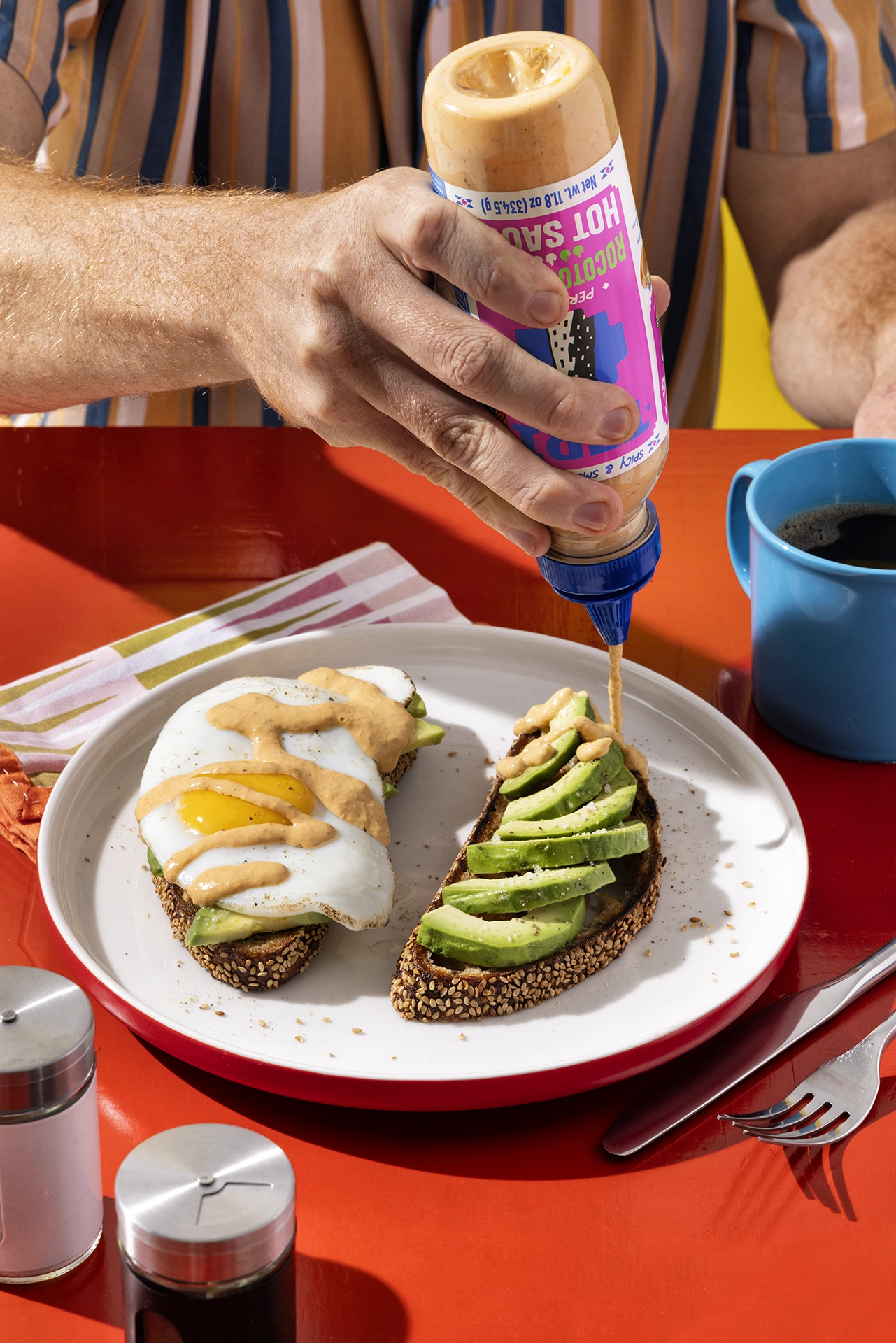
While Alicorp worked on reformulation and packaging strategies, IDEO refined Tari’s initial branding strategy. Steeped in Peruvian aesthetics, the brand’s new look and feel featured a vibrant color palette, geometric patterns, and—of course—a friendly llama icon, which could also be found on all in-store point-of-sale items IDEO designed for Tari's pilot launch in late 2021.
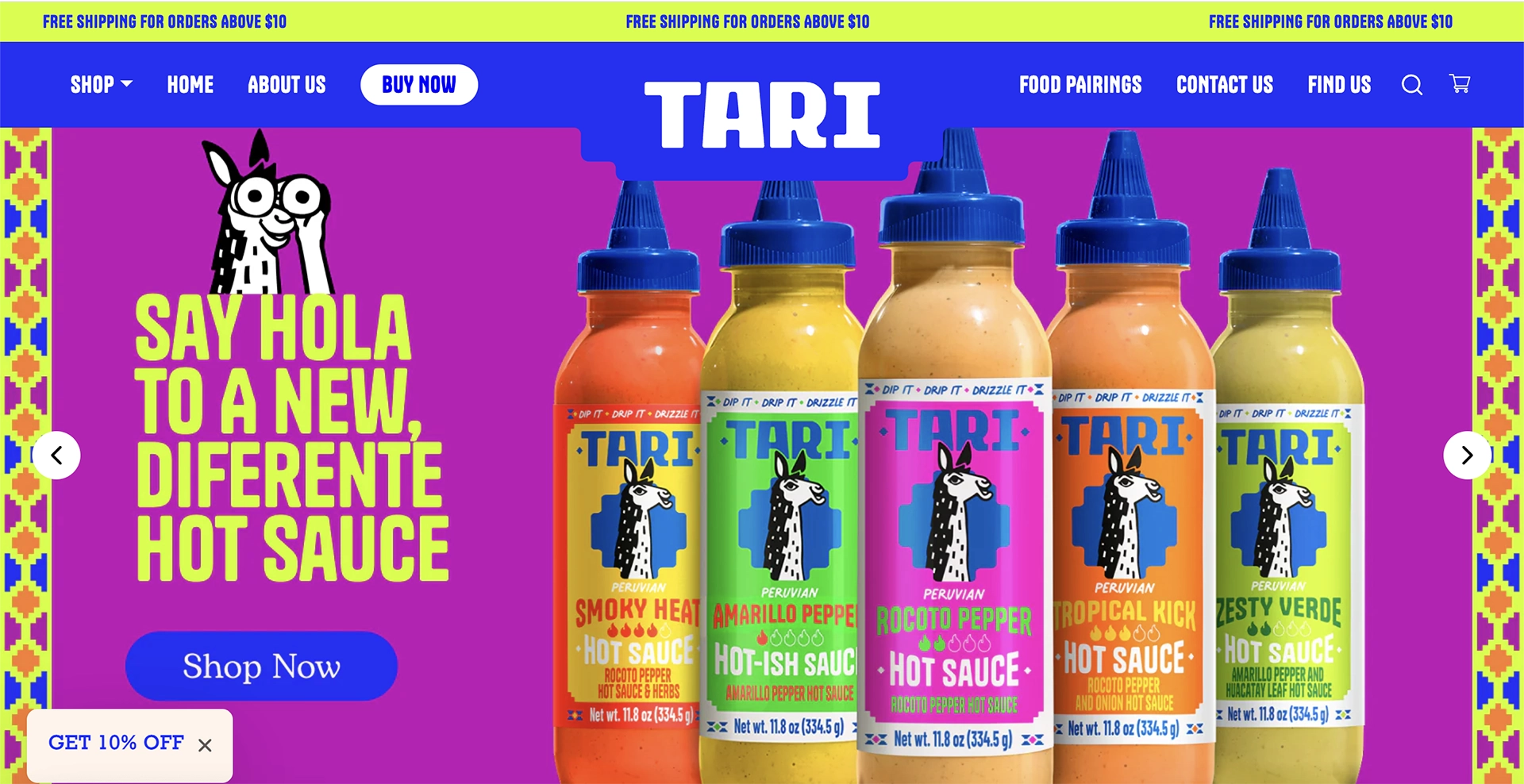
The successful 12-week in-market pilot in Tom Thumb grocery stores gave Alicorp the confidence to have its in-house design team make the brand even bolder and more eye catching, and to launch two flavors, Amarillo Pepper and Rocoto Pepper, on Amazon and in over 50 retail stores in late 2024.
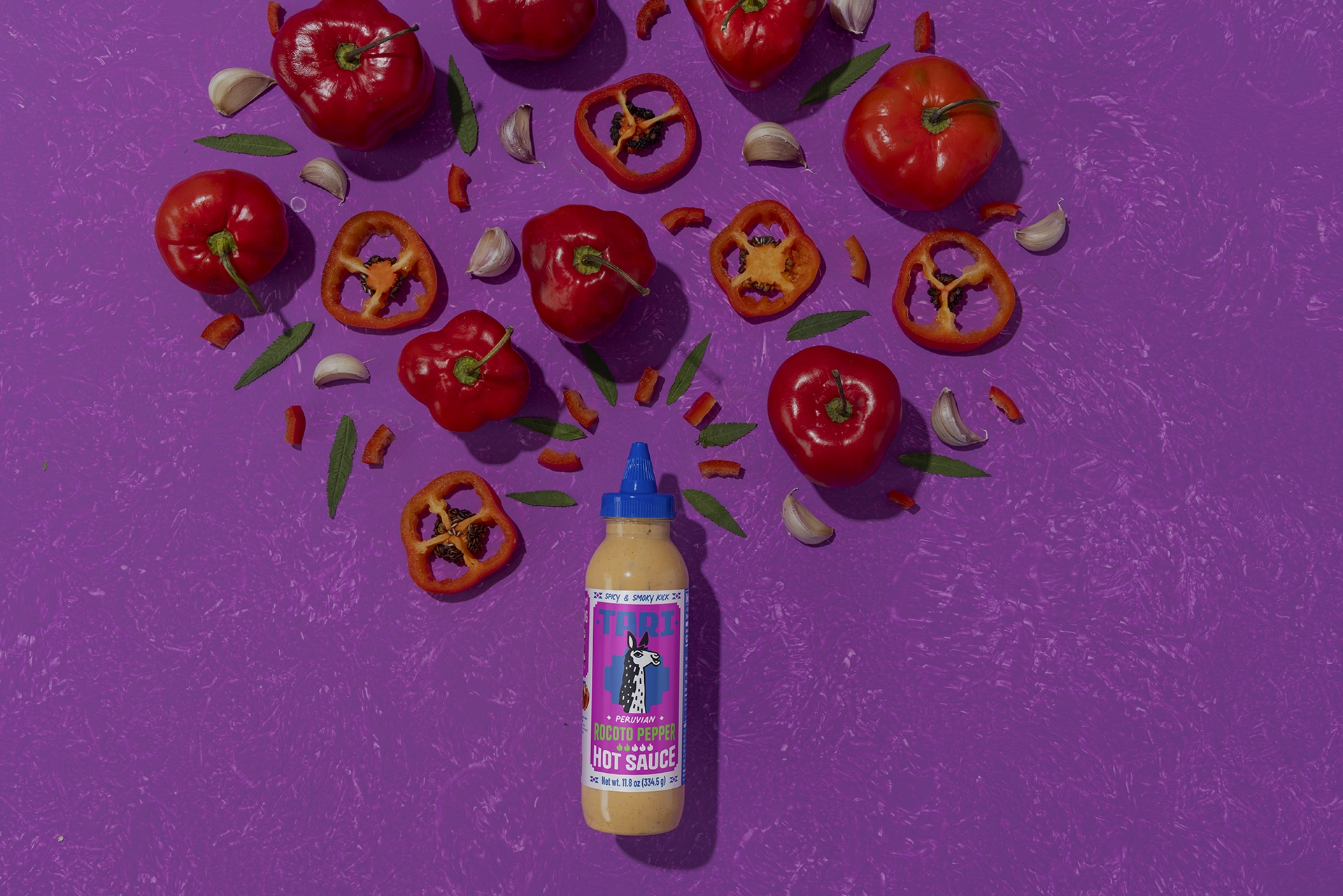
Since then, the popular sauces consistently rank among the top 50 percent of the fastest-selling products on US shelves, with 80 percent of sales revenue representing new business. In 2025, Tari expanded its offerings with three additional flavors: Zesty Verde, Tropical Kick, and Smoky Heat. Today, Tari is in transit to 3,000 major grocery stores, including Wegmans, Meijer, Central Market, and The Fresh Market, as well as available for purchase on Amazon.
Alicorp had a vision to expand its beloved and delicious hot sauces to the US market, but needed help fine-tuning the brand and product for an American audience.
3,000
major US grocers, including Wegmans and Meijer, have signed on to sell Tari hot sauces
80%
of Tari’s sales revenue represents new business, a significant expansion of the overall category
Ranked in the top 50%
of the fastest-selling products on US grocery shelves
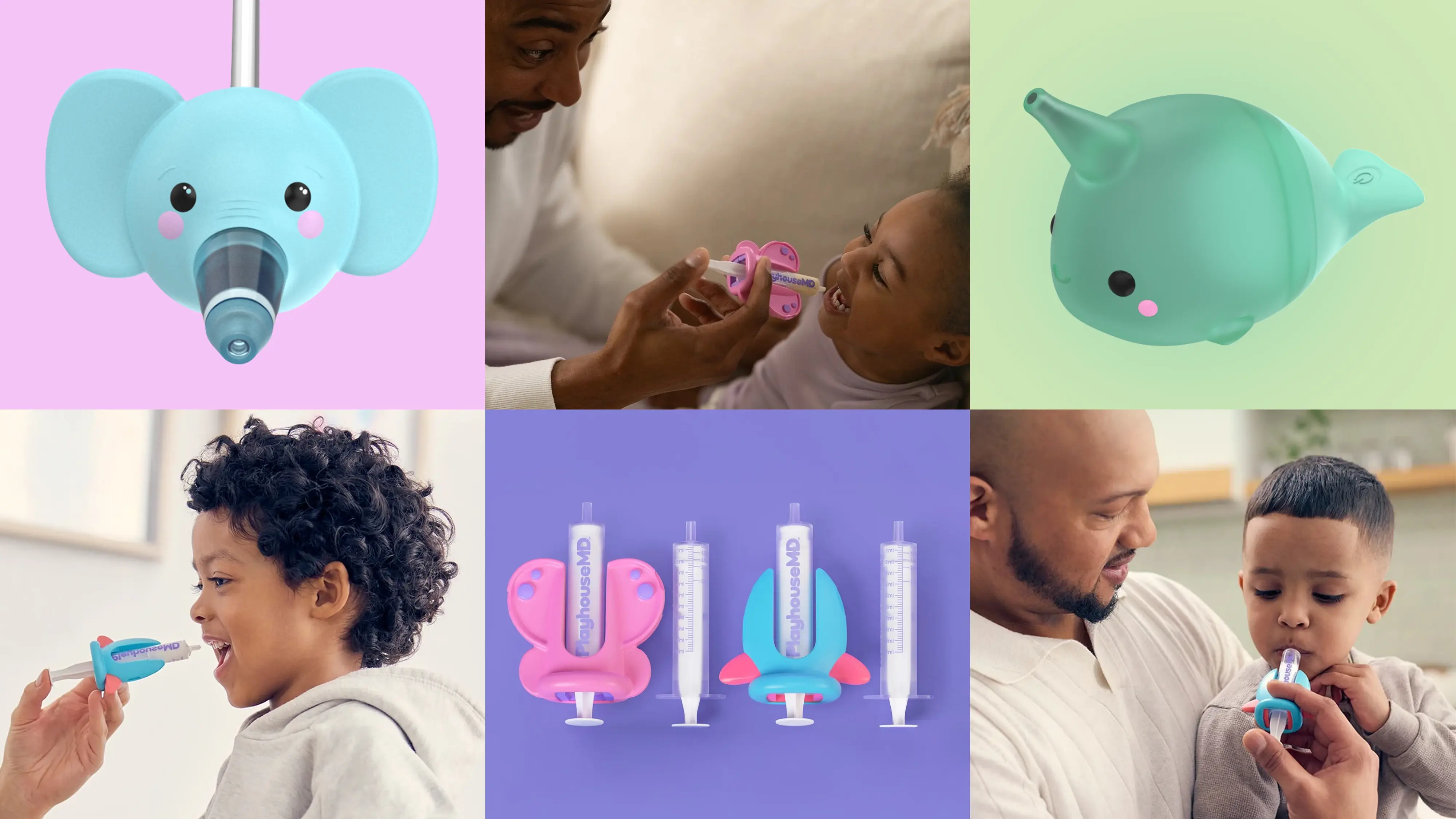
Transforming sick days with play
Playhouse MD brings comfort, connection, and a little joy to pediatric care.
Fevers. Boogers. Yucky meds. IDEO Play Lab designers dove deeply into the challenges of sick days and doctors’ appointments through video diaries, online surveys, and in-person interviews with parents, healthcare providers, and small children in homes and pediatric offices across the US. They heard about the struggles of giving medicines, wonky thermometer readings, kids having “stethoscope scaries,” and, worst of all, what happens when kiddos hear the “s-word”—shot.
The research confirmed Sydney and Kaitlin’s initial hunches about playful healthcare products and provided the team with insights on how to move forward. The answer was a formula of sorts. To help reduce kids’ anxiety and keep them calm at the doctor, give them a choice in their care whenever possible. Build familiarity with doctor’s visits and medical devices through playful moments at home. Redirect their attention away from fear. Design for multisensory richness. And provide age-appropriate narratives about healthcare experiences.

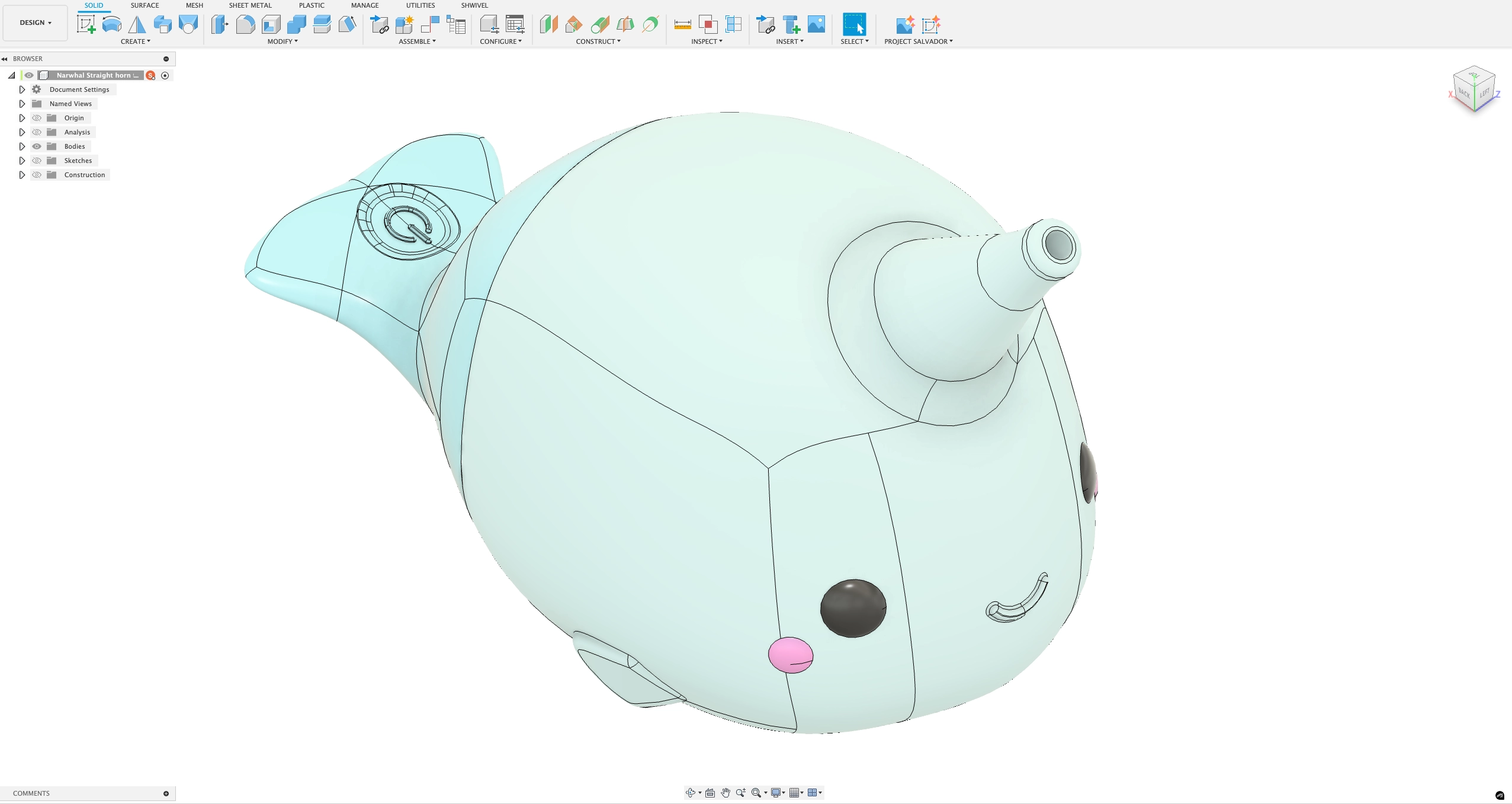
Inspired by this kid-centric formula, the IDEO Play Lab team worked closely with Sydney, Kaitlin, and their co-founder, Michael Kamins, to iterate on several designs, winnowing down more than 150 brainstorm ideas into a dozen tangible prototypes (or tinker models) that were shown to doctors, nurses, parents, and young kids for feedback. The designs—a rocket ship medicine dispenser, an elephant-shaped nose aspirator, and a narwhal nasal bulb, among others—were intended to evoke a sense of playfulness, comfort, and familiarity, with features designed for maximum cuteness. Some even lit up and played sounds, like popular toys.
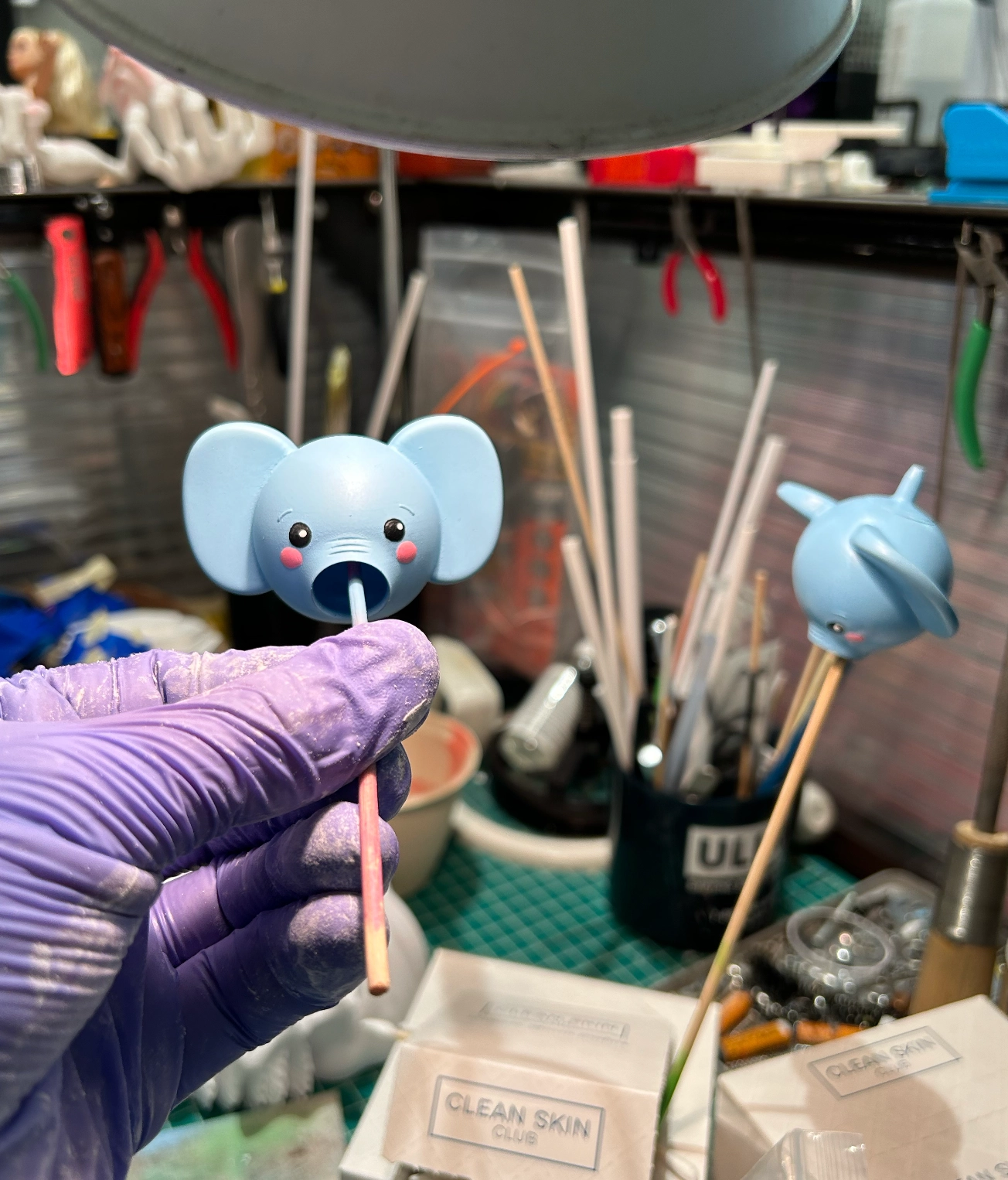
While the designs passed the fun test with kids, they also needed to be functional for parents, trusted by doctors, easily manufactured, and affordable. Eventually, they would need to be approved by the FDA as regulated medical devices. Playhouse MD also requested patentable innovations to help protect their products from imitation.
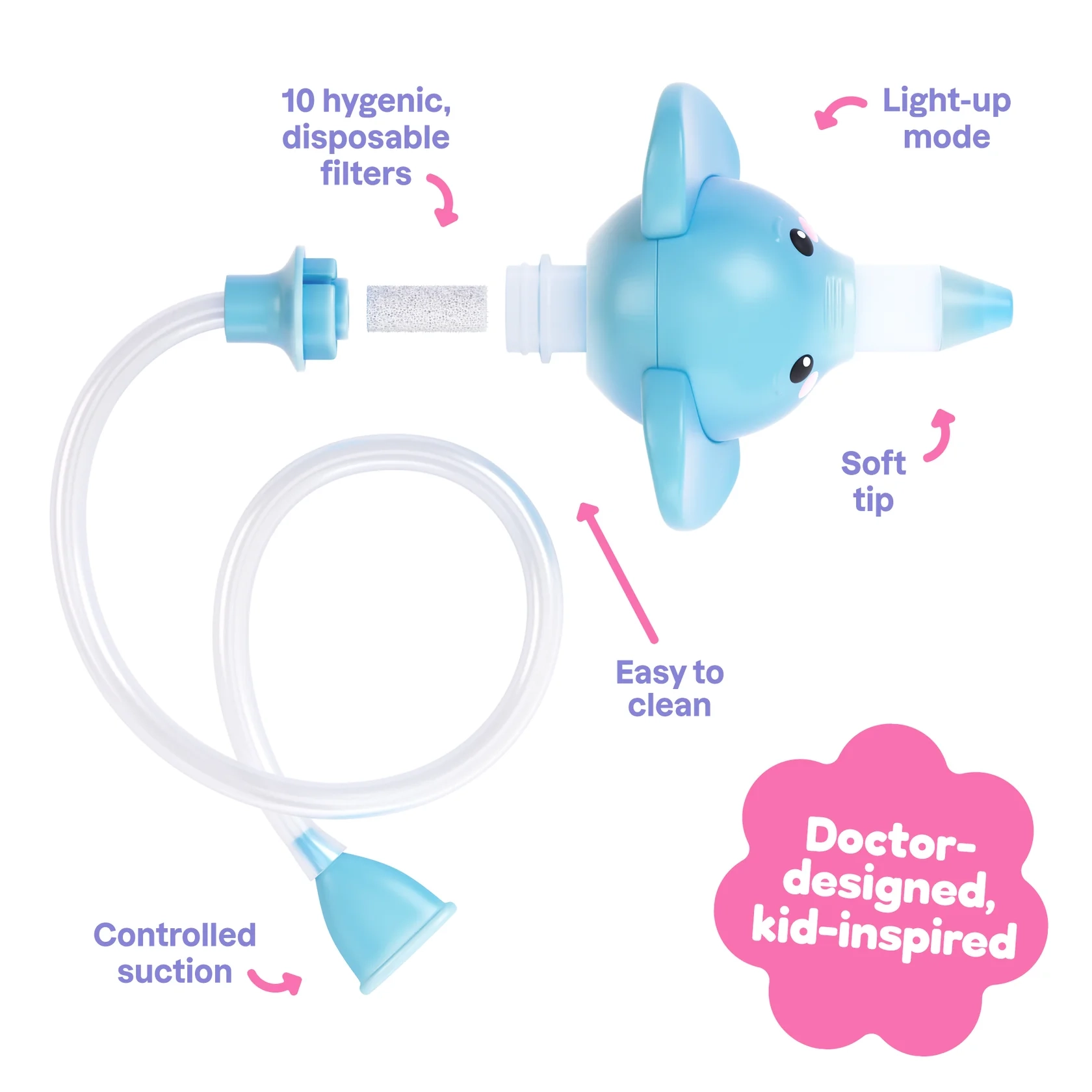
With these constraints in mind, IDEO Play Lab delivered a collection of nine unique, high-fidelity prototypes that add a dose of fun to caretaking challenges in homes and doctors’ offices. The final designs were durable, medically sanitizable, and safe for testing with real kids, which helped the startup secure multiple rounds of funding and bring its first products to market in 18 months.
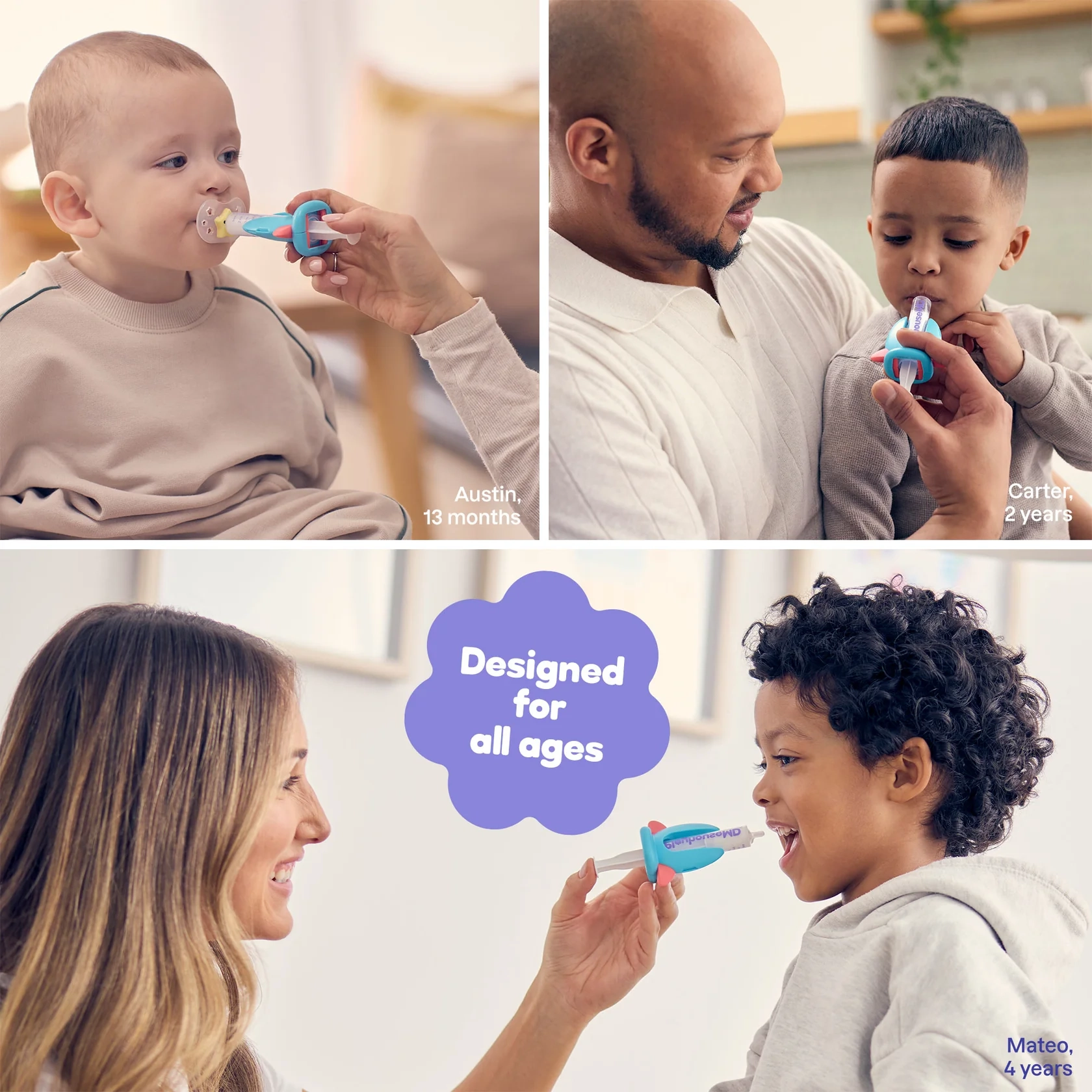
Playhouse MD began selling its first four direct-to-consumer products on its website in June 2025: two Medicine Buddies (medicine dispensers shaped like a rocket ship and a butterfly) and two Booger Buddies (a light-up nasal aspirator elephant called Luna and a light-up nasal bulb narwhal named Noa, which was named one of The Best Inventions of 2025 by TIME). The products are available at Target and Babylist stores, and on Amazon through leading medical distributor McKesson Medical-Surgical.
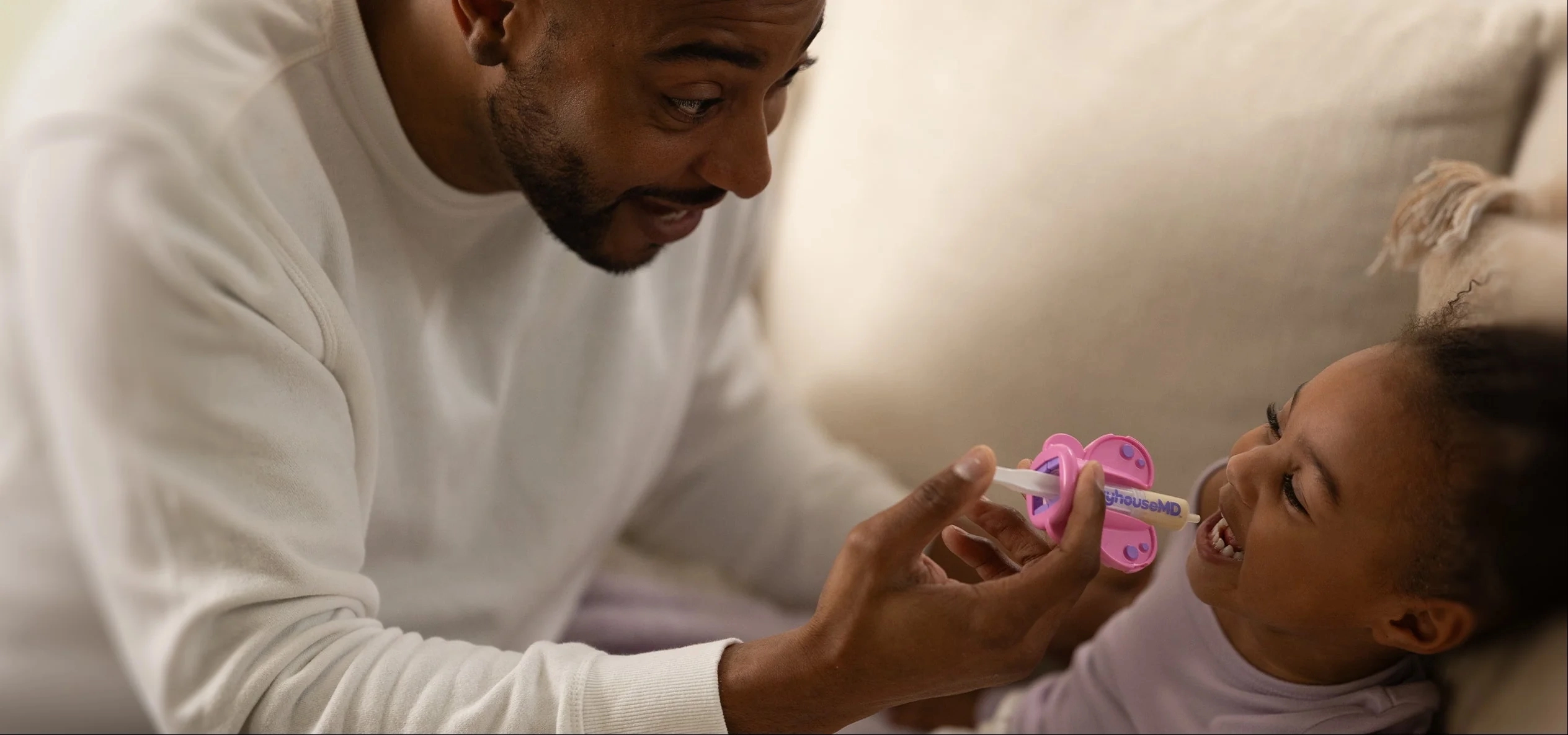
Most companies design child healthcare devices with parents’ or doctors’ tastes in mind; none, however, focus on what will make kids smile, too.
TIME Best Inventions of 2025
in the Parenting Category, Playhouse MD's Light-Up Nasal Bulb
1 ½ years
from initial brainstorms to in-market launch of 4 kid-centric medical products
Designing a next-gen airway visualization system
Improving patient outcomes with the GlideScope ClearFit Video Laryngoscope.
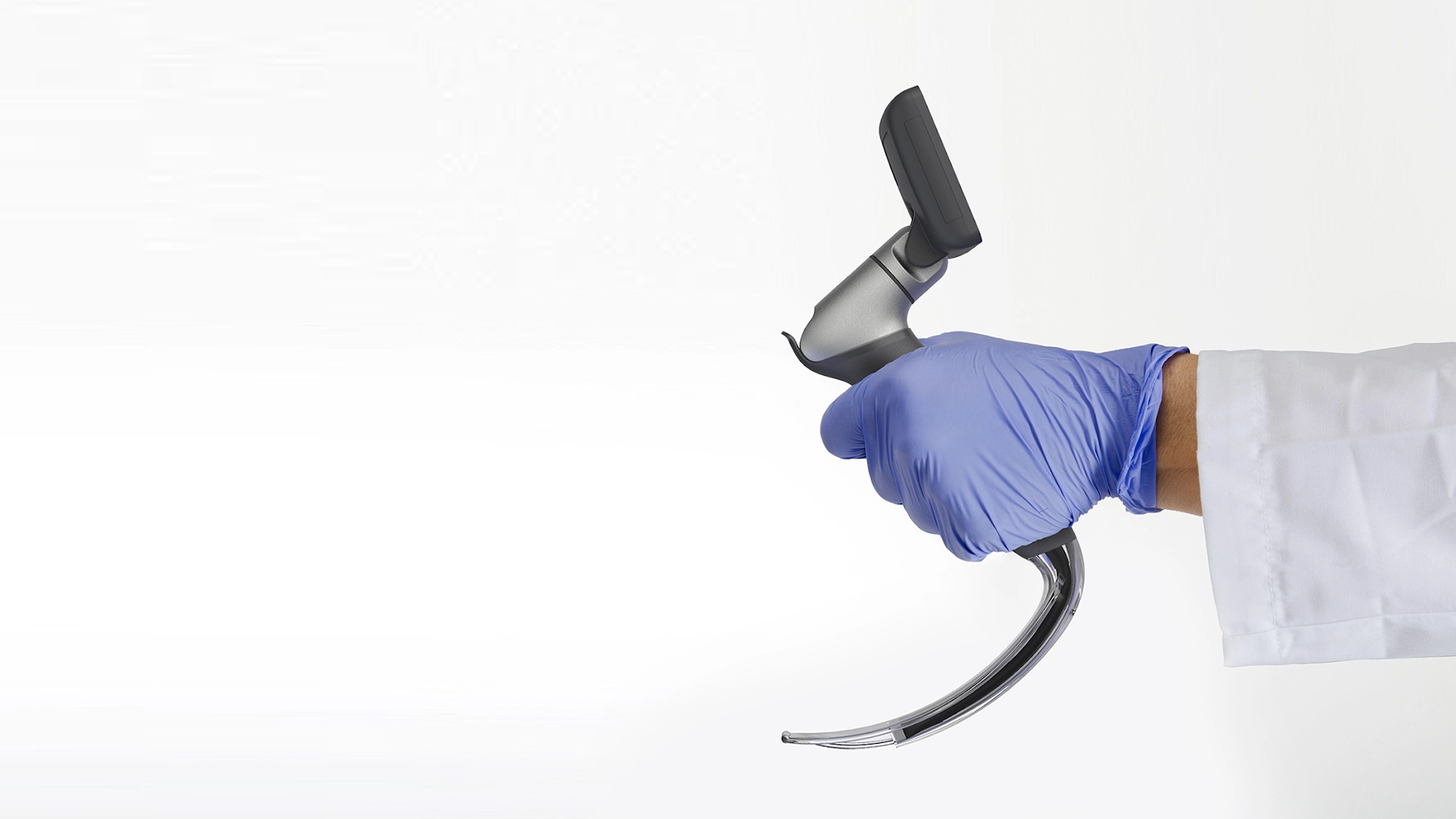
Verathon offers one of the broadest portfolios of video laryngoscopes on the market. While these life-saving devices increase the likelihood of successful first-time intubations, reducing trauma and speeding recovery times, they are more costly and can be more challenging to learn how to use than traditional mechanical ones, which rely on directly looking at the vocal cords. Wanting to make it easier for cost-conscious hospital administrators to transition from traditional laryngoscopes to Verathon’s video systems, the medical device manufacturer asked IDEO to technically and visually unite its next-gen reusable baton and stats, ensuring they worked together seamlessly, flexibly, and intuitively during the most routine and demanding healthcare moments.
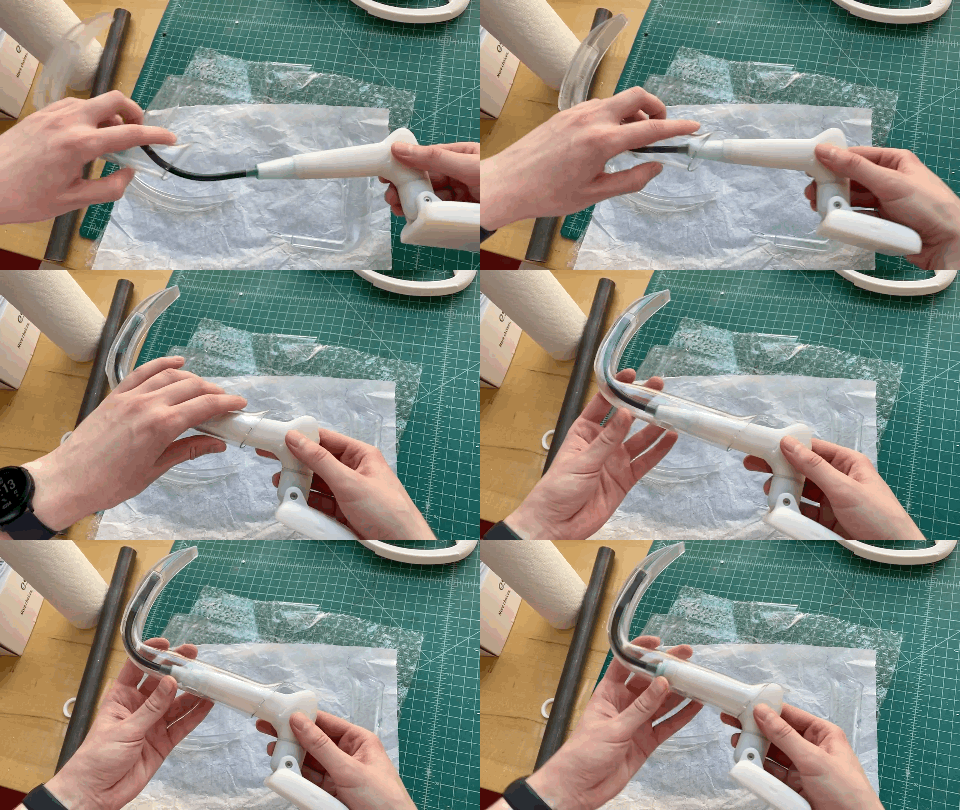
The IDEO and Verathon teams used a prototype-led approach to safely gain feedback from anesthesiologists and emergency physicians. Research participants were given various intubation models to simulate surgical use cases and understand ergonomic trade-offs between different design directions. Insights from the field led to design principles such as prioritizing device balance over weight reduction, providing flexibility to accommodate a variety of gripping positions, making connection points between various parts clear, intuitive, and secure, and ensuring the device was easy to clean.
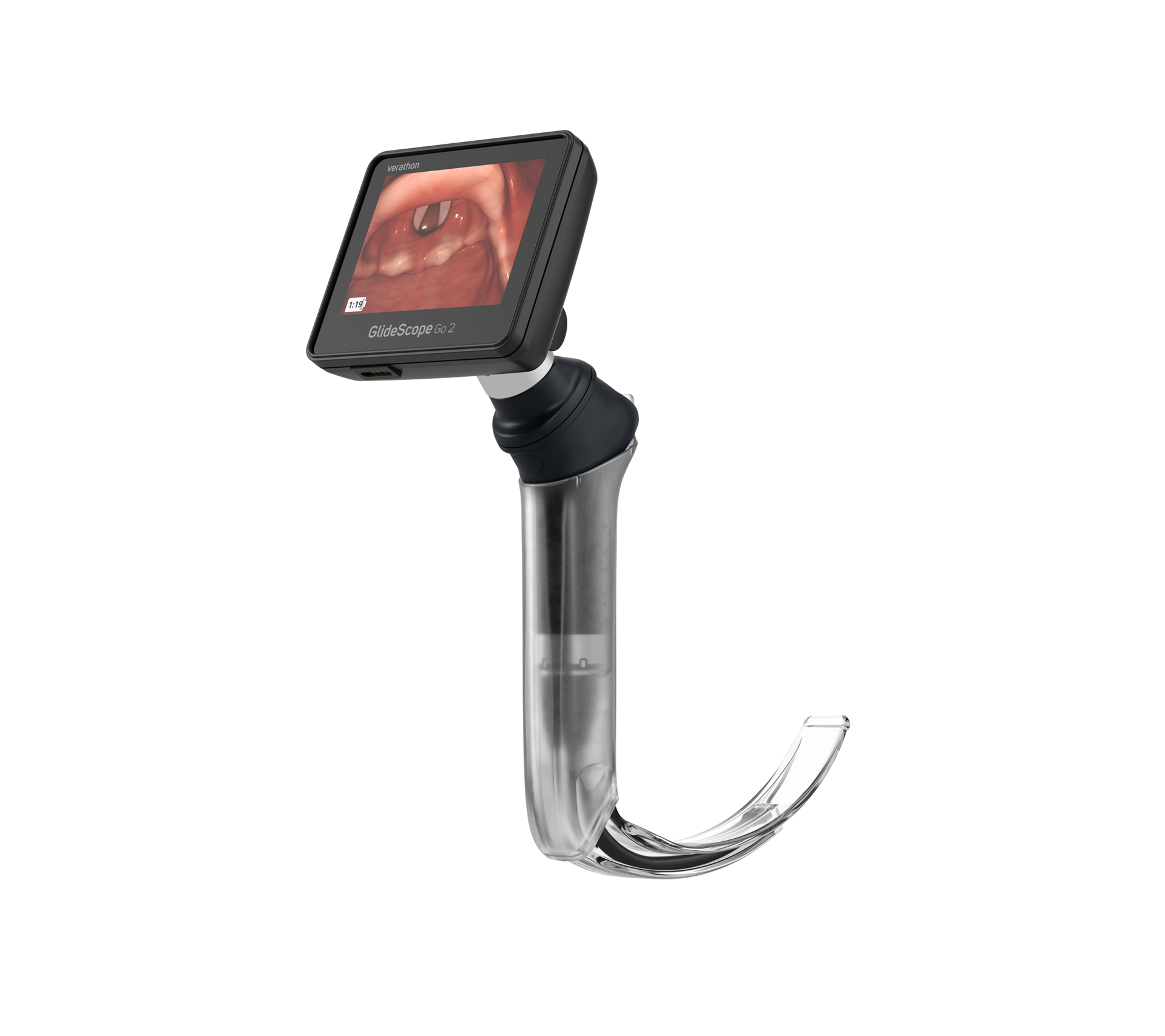
Inspired by physician feedback, the team designed an innovative video baton that felt both familiar and new, supported the ergonomics of diverse holding styles, and fit Verathon’s wide range of stat sizes (one of its competitive advantages). To prevent accidental disconnections, users receive clear tactile, visual, and sound feedback when the monitor and cover are correctly attached to the baton. IDEO chose color, materials, and finishes to help clinicians quickly distinguish between parts of the system and easily identify reusable components from single-use ones.
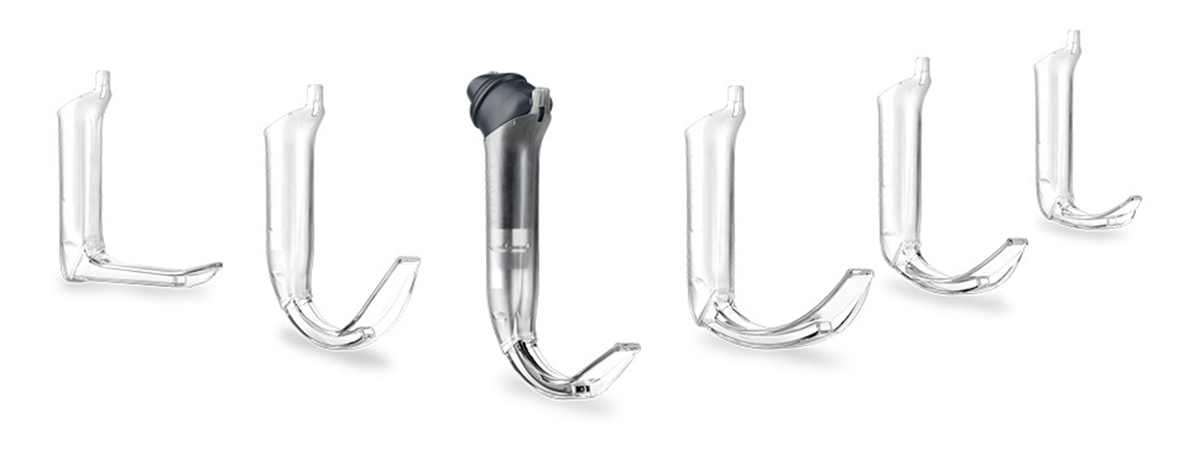
Verathon’s new GlideScope ClearFit stats-based video laryngoscope hit the market in August 2025. Combining one reusable baton with an industry-leading selection of six single-use stats, it’s compatible with both the GlideScope® Go™ 2 handheld and GlideScope® Core™ cart-based systems. Magnetic QuickConnect™ technology allows doctors to seamlessly switch between platforms, giving hospitals a standardized airway management solution that simplifies workflows, streamlines inventory, enhances medical education and training, and promotes cost-effective care.
Verathon invented video laryngoscopy technology. Twenty years later, the COVID-19 pandemic spurred more competitors to enter the market.
Cutting-edge technologies like video laryngoscopes are critical—and costly—devices. Hospital systems want to invest in the most comprehensive, flexible, adaptable, and affordable tools for quality patient care
6 shapes and sizes
of single-use covers fit one video baton, enabling health workers to quickly access different throat anatomies
Improving STEM education in the Philippines
GBF Class Builder supports teachers to advance learning for students.
Since its founding in 1992 by the Gokongwei family, which also operates one of the nation’s largest conglomerates, JG Summit Holdings, GBF has supported Philippine education through student scholarships, teacher training funds, and donations to top universities. Over its 30-plus-year history, GBF has reached more than 200,000 teachers and impacted over 1.5 million learners nationwide. When the foundation approached IDEO in 2021, it wanted to move the needle on STEM education in the country’s struggling public schools.
The IDEO and GBF teams interviewed more than 100 subject-matter experts across various government agencies, leading technology companies, and top national universities and educational institutions to build a comprehensive understanding of the current state of STEM in the Philippines. To experience classroom struggles firsthand, the team also shadowed STEM educators and principals. The research revealed that time-strapped teachers needed help mastering overall STEM content, preparing for their classes, and selecting the most suitable activities for their students. They also didn’t always feel supported in their own career development journeys. But the burden of daily responsibilities didn’t leave them any time for outside learning opportunities, either.
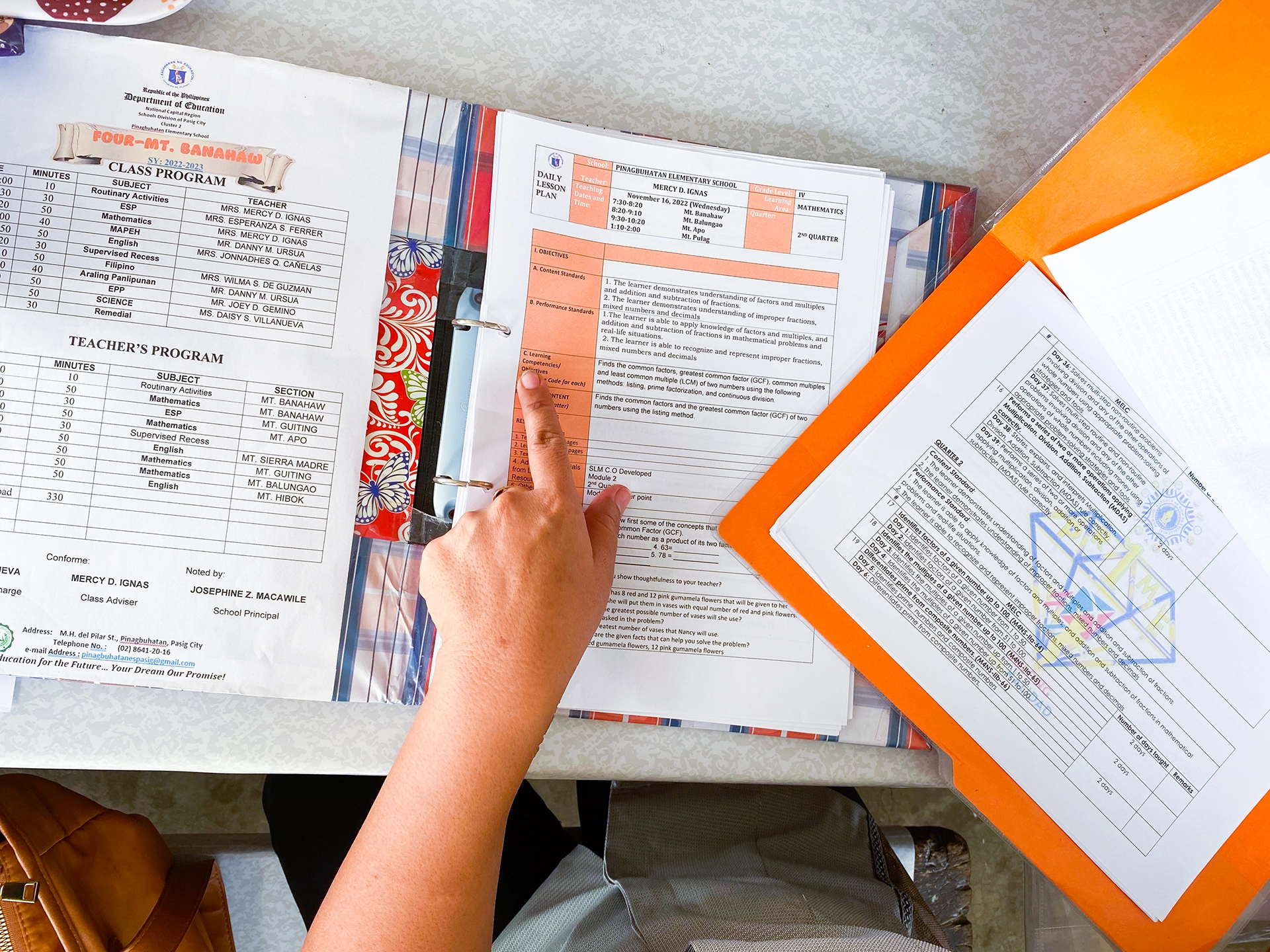
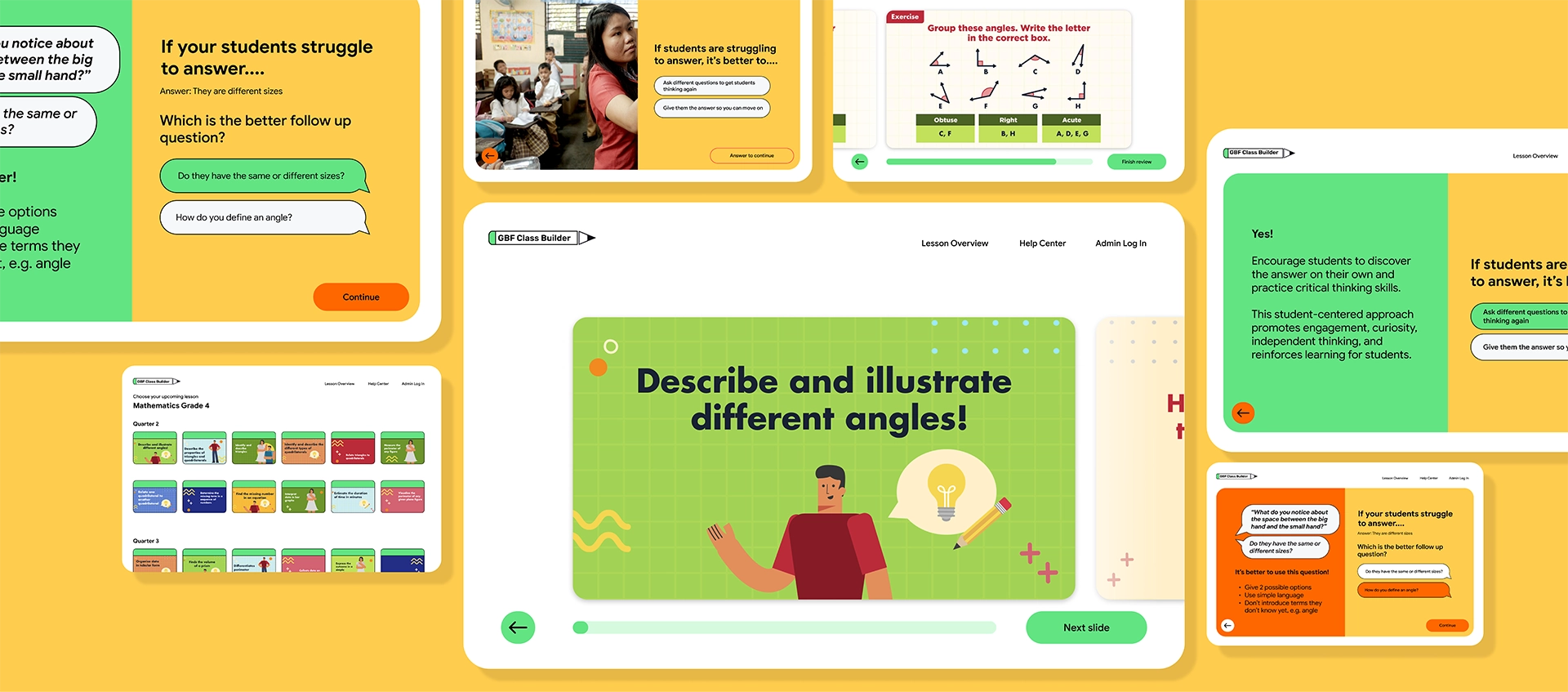
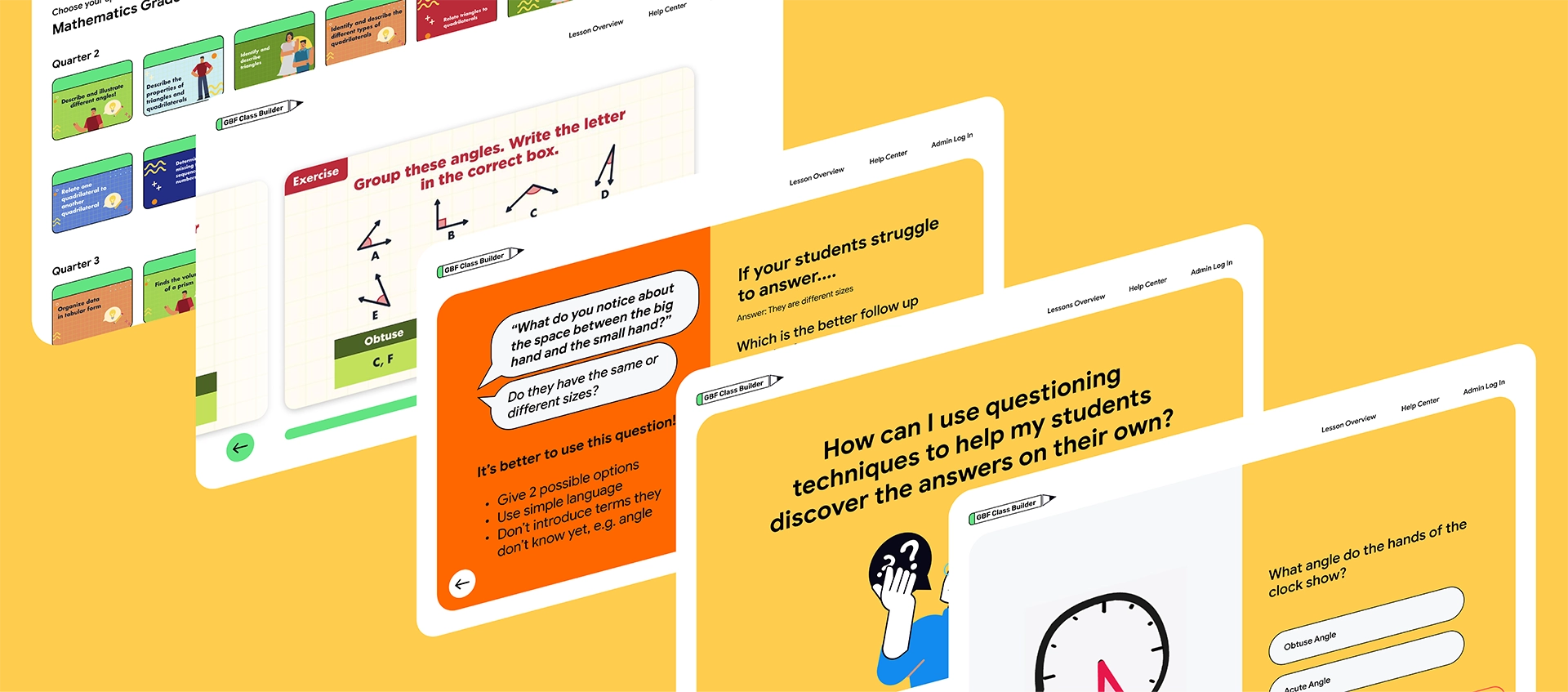
Recognizing that empowering teachers empowers students, the team created an innovative lesson prep tool, the GBF Class Builder, that's based on these insights. Using existing technology and course materials designed to align with school curricula, IDEO developed a working prototype of the Class Builder in under a week, with minimal investment. The team then systematically improved it over several “build-test-iterate” feedback cycles in real classrooms over the course of four months.
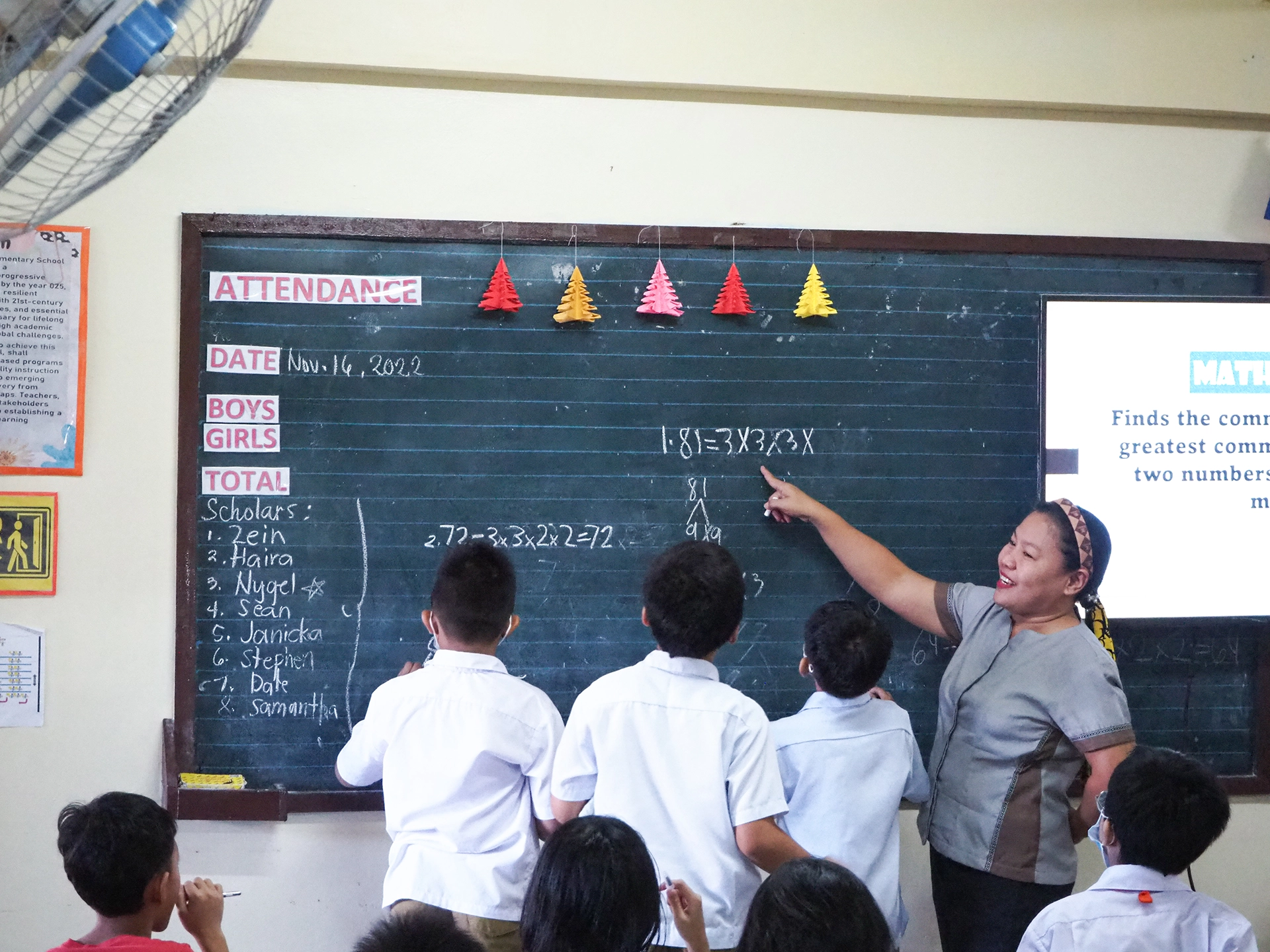
The final GBF Class Builder is a targeted program that helps STEM teachers deliver compelling lessons for their students, learn new teaching strategies, and build content mastery along the way. In addition to helping design the Class Builder, IDEO continues to advise GBF on key aspects of the program's piloting and rollout. This includes advising on how to implement the content development, think through the curriculum development process, support in designing feature iterations, define metrics for success, and decide which additional roles GBF will need to support the ambitious program going forward.
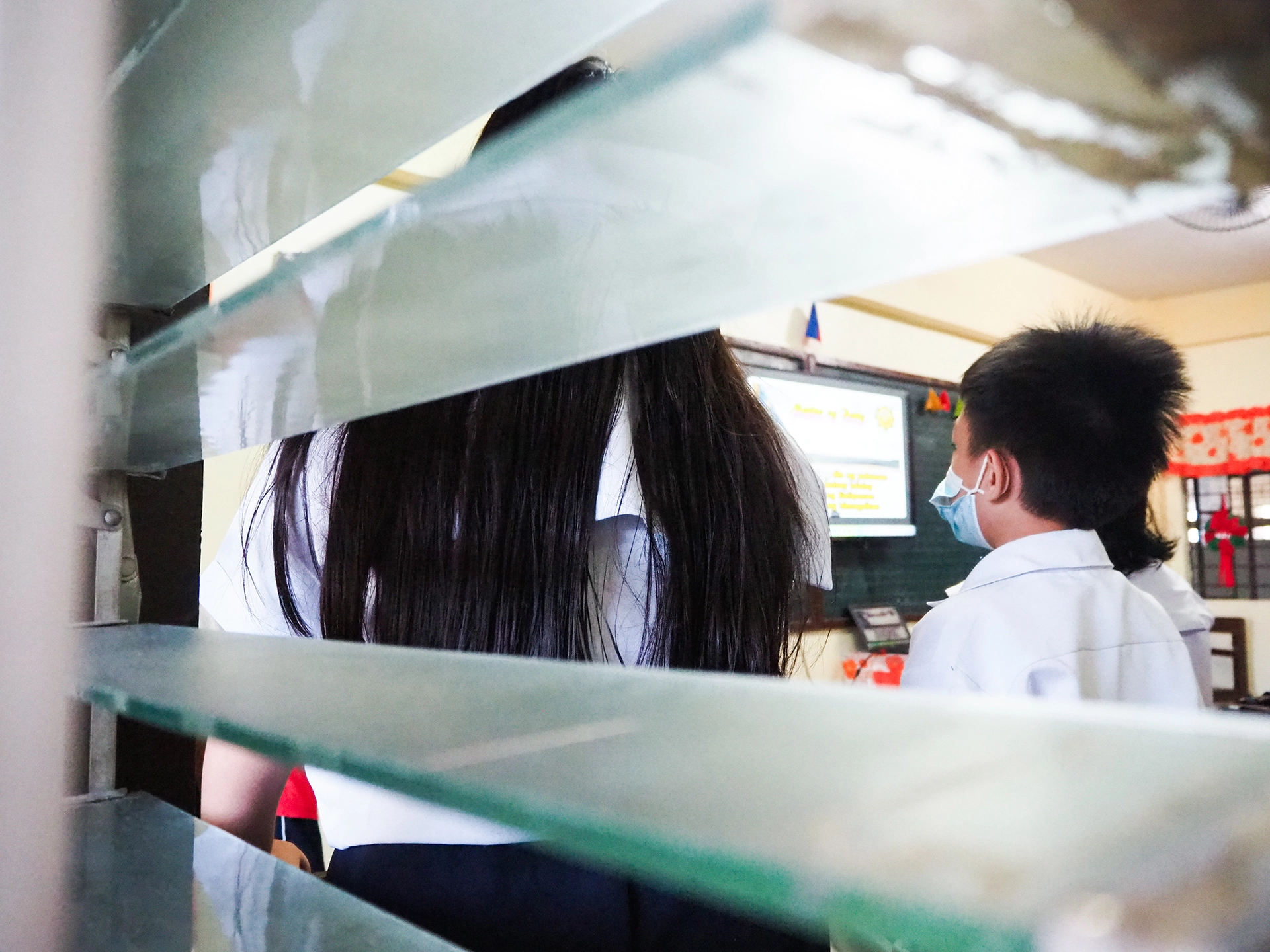
The foundation launched the GBF Class Builder at its 30th-anniversary celebration in 2023. Feedback from pilot 3,500 public schools and 15,000 teachers has been overwhelmingly positive. “Through the GBF Class Builder, we envision our teachers to be more confident and effective in class, more ready to face the challenges of the future, while enjoying every class—feeling proud to be a teacher, " says Grace Colet, Executive Director of GBF.
The ambitious program continues to scale and is on track to be rolled out in public schools nationwide by 2029.
90% of 10-year-olds in the Philippines can’t read a simple text, according to a Southeast Asia Primary Learning Metrics report. Eighty-three percent of Filipino 10-year-olds lack minimum proficiency in math.
More than 15,000 teachers in 3,500 public schools
are now using the innovative GBF Class Builder program
94%
of teachers report the GBF Class Builder has improved student engagement, while 89% say it saves them 1-2 hours in prep time per lesson
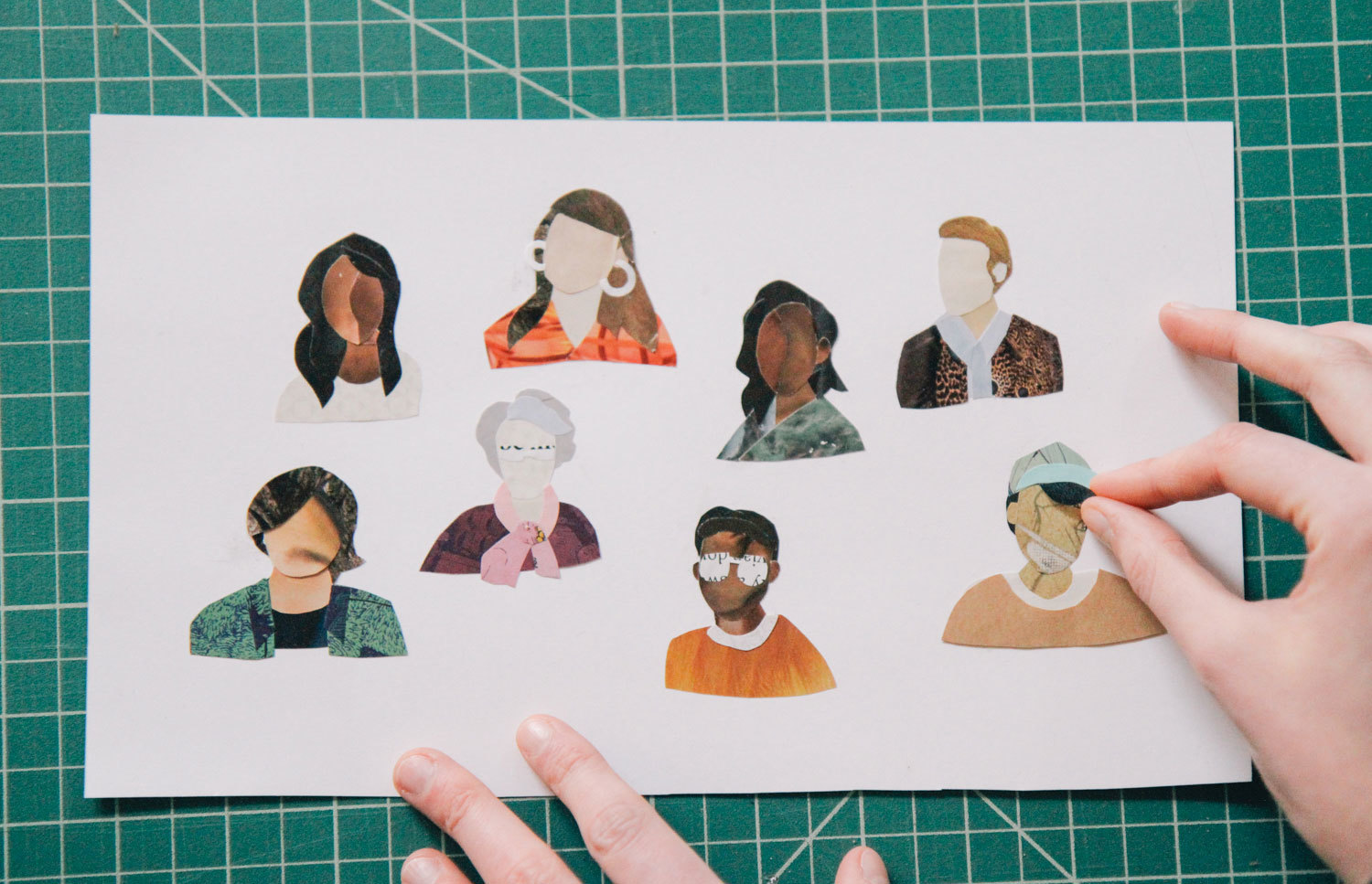
5 Brainstorming Exercises for Introverts
How to adapt group activities to make sure all voices are heard
After outing myself as the lone office introvert, I expected a look of horror to pass over my coworker’s face. Instead she gave a knowing nod and smile, and said she’s heard this sentiment so often here that she calls IDEO an “extroverted office full of introverts.”
I was stunned. The majority of my colleagues are introverts too? How did they manage our everyday activities, like brainstorms? The goal of a brainstorm is to uncover new opportunities by bringing in fresh perspectives, but as a group activity it can make introverts clam up.
Inspired by Susan Cain’s research on the power of introverts and how solitude, like collaboration, is a crucial ingredient to creativity, I asked my fellow designers what strategies they use to incorporate solitude into the most extroverted of activities.
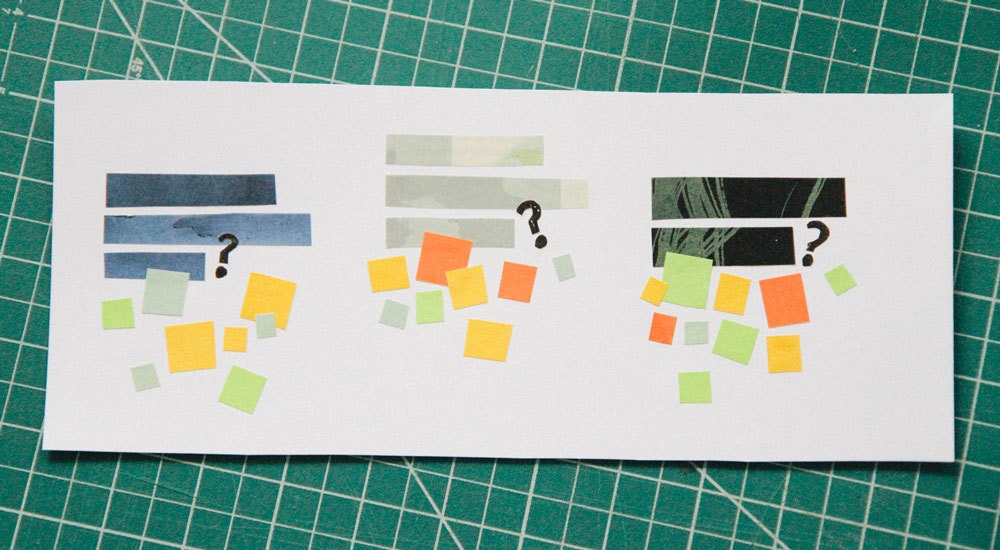
Here are five ways they've adapted the brainstorm for introverts:
1. The Silent Circuit
Ask each person to write a “how might we” question on a sticky note (IDEO’s standard brainstorm kickoff question) and post it around the room. For about 15 minutes, everyone walks around, silently adding as many ideas as they can to each prompt. When time’s up, everyone returns to their question and discovers a bounty of new ideas that their colleagues have given them. This approach works well for keeping large groups engaged, while providing quiet, focused time to those who want it.
2. Musical Chairs
Breaking up a big group helps encourage quieter voices. To limit the number of people in a brainstorm, split into groups of three or four and play musical chairs. Post a handful of "how might we" questions around the room, assign a group to each one, and start the music. When it stops, rotate to the next station with your team. That way, there are never too many voices to contend with, but a lot of ideas are shared. Leave time at the end for people to wander around the room and add any remaining ideas.
3. Get to the Bottom of the Stack
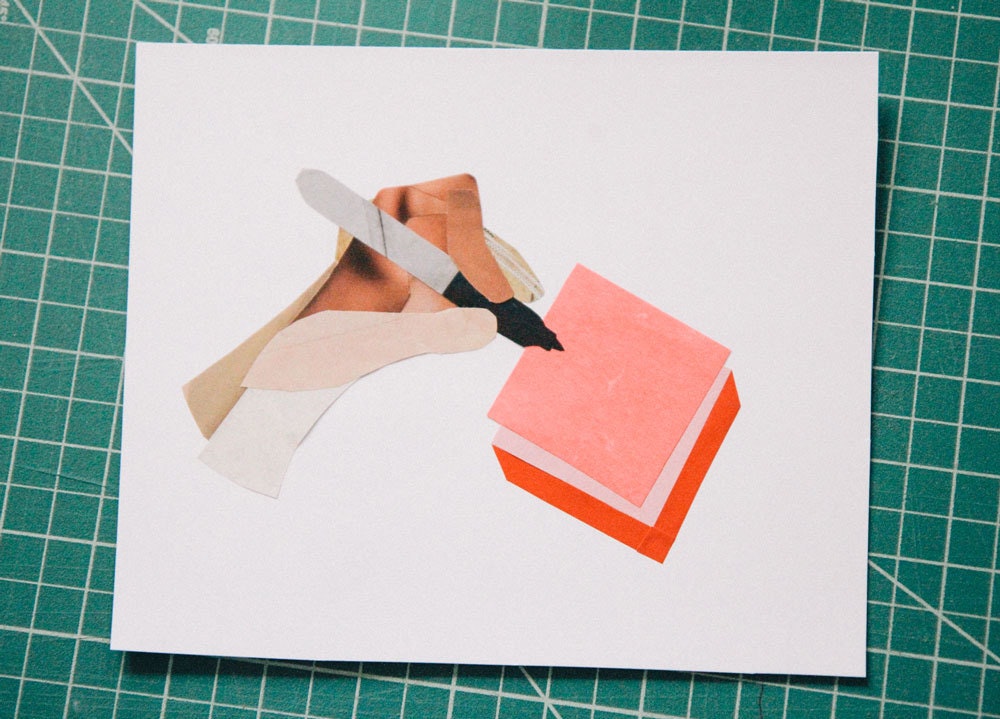
This is the most exhaustive brainstorming activity on this list—it can take up to two hours—but can also generate the most ideas. The goal: Each person fills an entire stack of Post-its with new ideas. (A “stack” can be a full Post-it stack divided into halves or thirds, depending on how much time you have.)
After the questions are introduced, everyone goes heads-down and captures ideas. It's a lot of silence, but it allows those who prefer to think and brainstorm silently the time and space to do it. When everyone has reached the bottom of their stack, one person volunteers to share first. As she presents, others add similar ideas or build on top of them to draw out themes.
The exercise can be a great empathy builder. For a project about helping high school students build purpose in their life, a team used the prompt, “What are your most awkward memories from high school?”
4. Office Hours
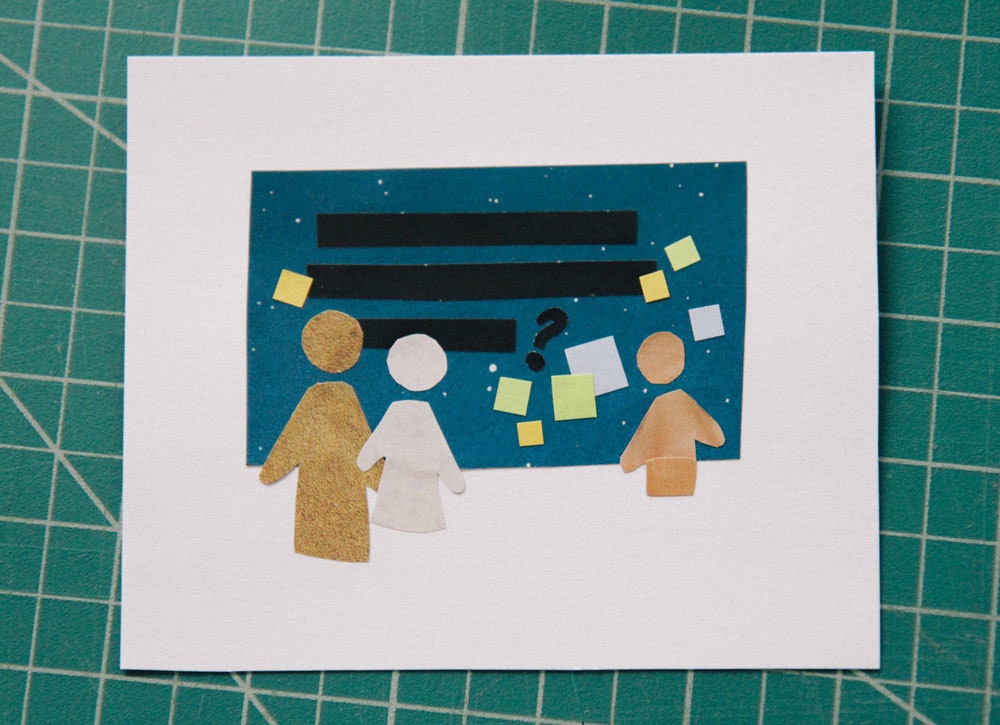
This one came from Fast Company: Instead of asking people to commit to a crowded, hour-long session, reserve a space and ask folks to stop by for 5-10 minutes to contribute ideas—in between meetings, on the way to lunch, etc. This gives people permission to come and go as they please, and limits the number of voices in the room at one time. To make participation even easier, introduce the questions a day in advance—over email or in a calendar invite—to give people time to think.
5. The Slow Build
Post a question in a shared space in the office—the kitchen, in the bathroom, by the bike rack—and allow people to add ideas over several days. At our San Francisco studio, we post monthly questions and prompts in one of the private, unisex bathrooms in our office. The questions often ask people to reflect: “I feel loved when…” and “I show my love by…” Or, “What’s something new you want to try this year?” As an introvert, it’s my porcelain palace.
How do you create the conditions that can help everyone feel welcome and heard at work? I’d love to hear your ideas.
Thanks to Charla Bear, Minnie Bredouw, Deirdre Cerminaro, Eileen Farrell, Peter Macdonald, and Heather Ross for their contributions and inspiration.
One day, I confided in a coworker: “I feel like an impostor in such an extroverted office.” The culture here is built on constant interaction—every question is an opportunity for collaboration, we work exclusively in teams, and our brainstorms encourage everyone to think out loud. It exhausts me.
Thoughtless Acts: Design Your Breakfast
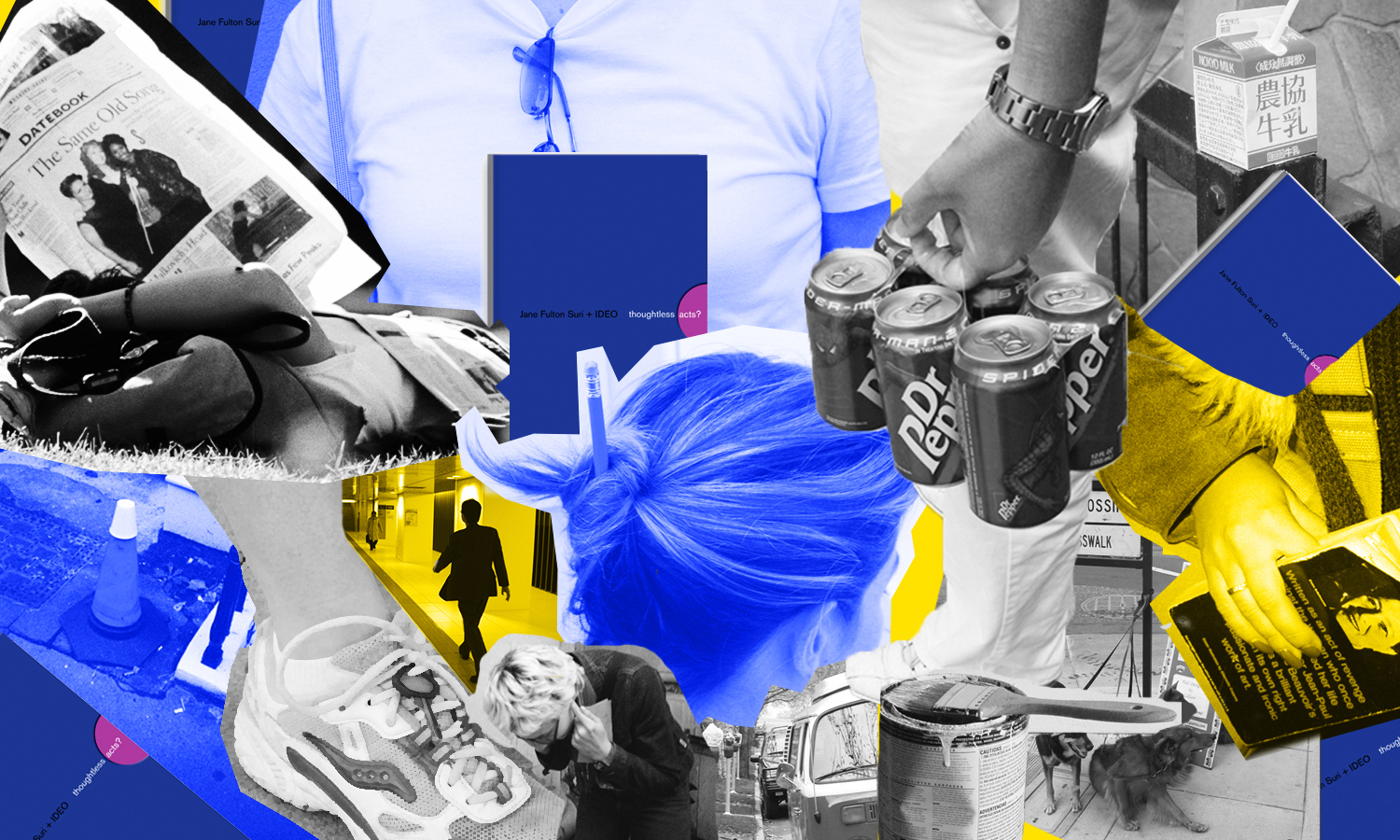
Thoughtless Acts: Design Your Breakfast. The intuitive ways we adapt and react to things in our environments
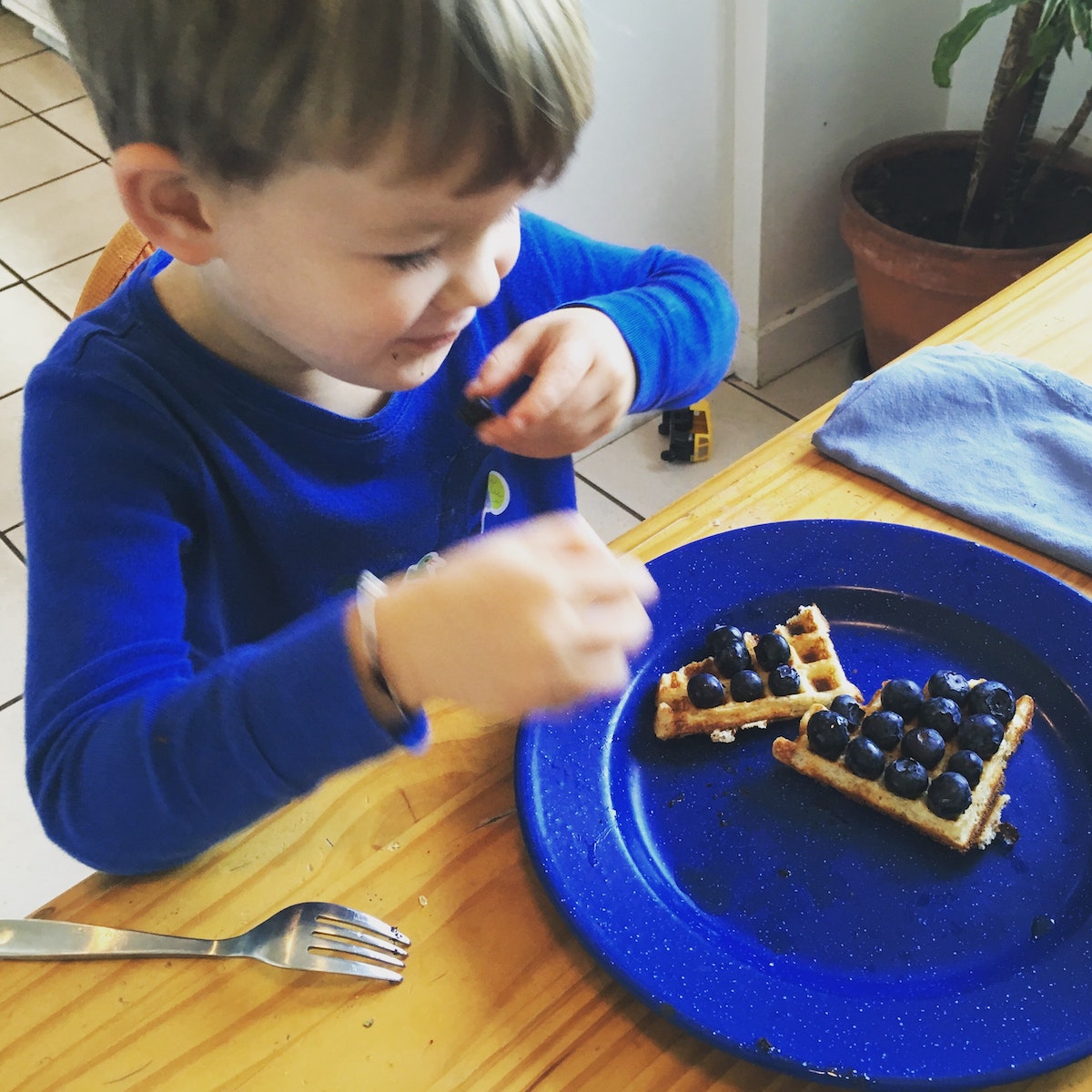
What could be more satisfying than a blueberry in every waffle hole? My son Tom took his time to arrange everything just perfectly before gobbling it down. Even if you are not meticulous enough to do it yourself, I'd be surprised if the same idea didn't cross your mind. It makes me think about all of the times that I've thoughtlessly (or thoughtfully) constructed my own bites—optimizing for flavor, making sure that there are goodies in every bite, until my plate is clean.
Human-centered design requires us to observe human behavior with beginner's eyes, so that we can spot the innate ways people interact with the world around them. We call these intuitive and unconscious reactions Thoughtless Acts, and IDEO designers collect photos of them to inspire their work.
Be the Leader You Wish You Had
Remember that people like to play
As a result, I spent most of my time finding problems, real or imagined, and adding them to a growing list of things I would solve to make my mark. My notebooks from those days suggest that I believed I would be a hero one day, but for now, was resigned to suffer through unrewarding and lonely work. I was an asshole. And you get what you give.
I had started a project with Quiksilver, and with that came a new relationship with a very successful creative director, Erik (now a good friend). Erik invested in inspiration for himself and everyone on his team. He made sure he was creatively nourished—maybe even selfishly so, if that can be said in a positive way—and emulating the kind of creative culture he wanted to instill. It was mutual and reciprocal among his team.
He inspired me, too. I wrote a simple note on a Post-It and stuck it to my computer:
“Be the leader you wish you had.”
I know. It’s all Gandhi and shit (apologies, Gandhi, for any disservice in my comparison). But it shifted my thinking radically. I made a commitment to own my happiness and creative experience.
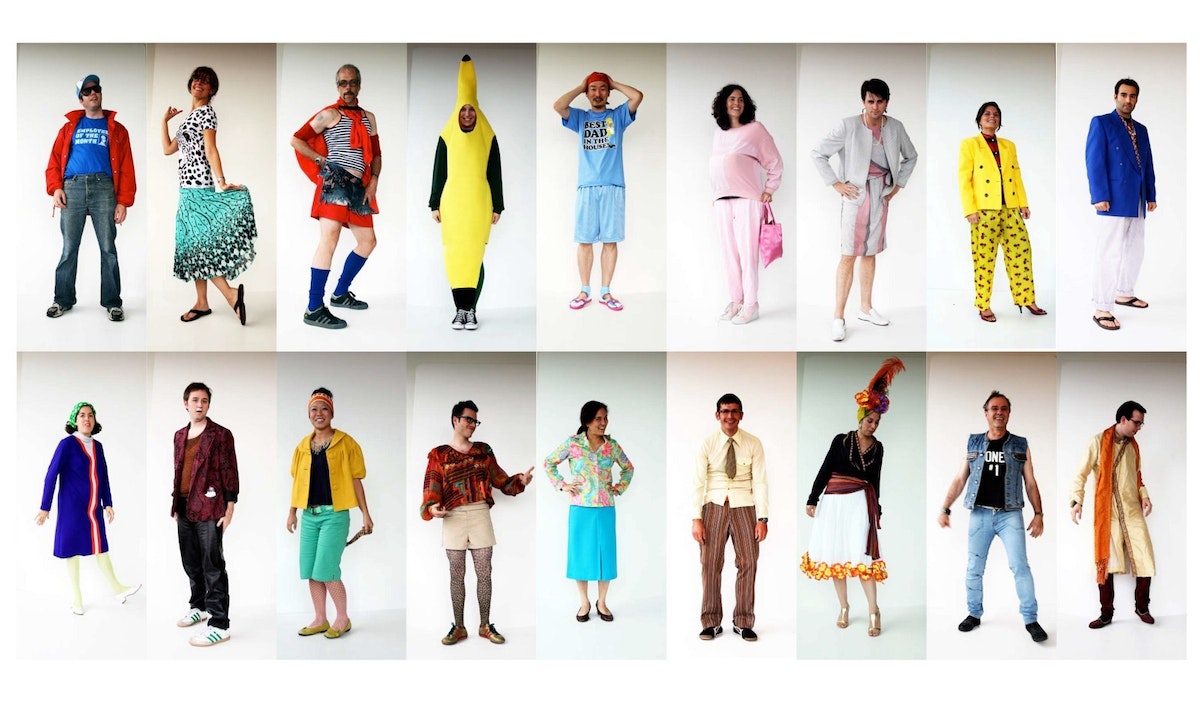
That week, over regular tears-and-beers drinks with a colleague, we were laughing over an article in Vice called “Wear Dare” in which a couple of friends dressed one another for a day and described their embarrassing moments. We wondered what that would be like at work…
“Let’s do it,” I said. Following my new directive.
We goaded each other through nervous fear, laughter, and finally action… what if this goes wrong? Or worse, what if it goes right?
We invited everyone to put his or her name in a hat and drew at random…
Here’s what happened:
It was the
best
day
ever.
It was joyous and unserious. It wasn’t about fixing; it was about sparking something and letting go.
Only four people didn’t participate out of a studio of nearly 60. I am sure they regretted it! And looking back, I believe that day was a key moment in a process of transformation for myself, using my position for fun instead of misery. It was that raw creative act that broke the dam for me.
Around that time, the project leader for the Quiksilver work came to me with the idea of traveling the California coast in an RV—you know, “as research.” I knew he expected me to say no. And it would certainly lose us a bit of money, but I suppressed the leaderly should and followed my new directive and said yes.
My landlubber colleagues got to be surfers for a few weeks. I joined the team on the road and reconnected with my surf-teen years in San Diego. More importantly, surfing every day, sketching in the sunset over beer and pizza in roadside campgrounds with a bunch of other (mostly) dudes, trading ideas until we fell asleep in the RV, and fomenting the growing optimism and joy of building play into our workday led to the design of great concepts for the client—some of which went to market.
Other changes followed.
We hired some amazing people, who we never would have hired prior, as interviews shifted from picking people apart to finding and supporting possibility.
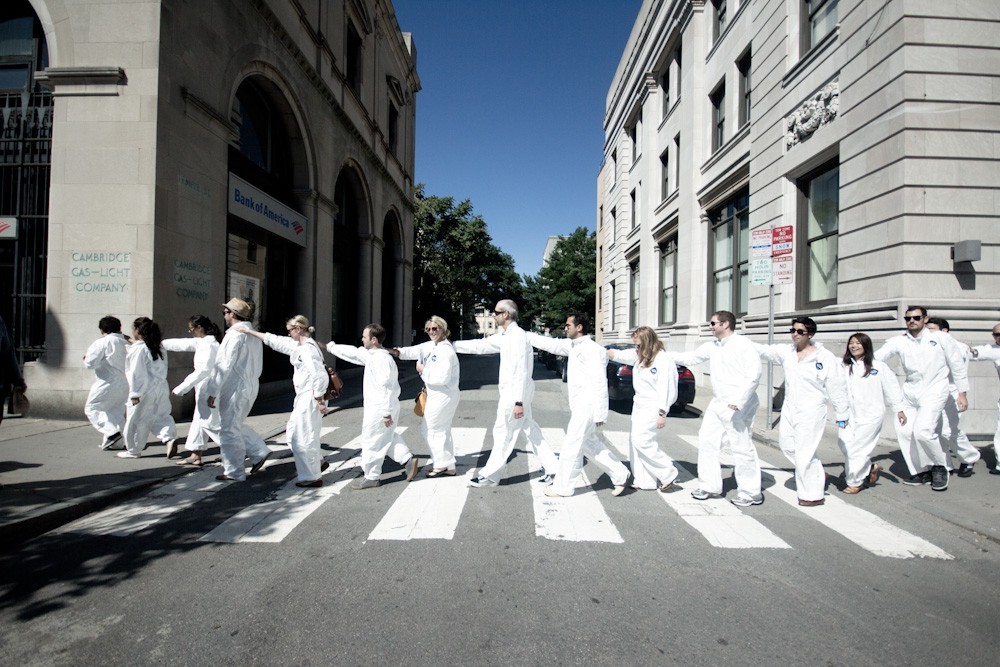
For a colleague’s wedding we dressed up in Tyvek suits and marched, single file, to the courthouse through Cambridge, MA. (That's what you see in the image up top).
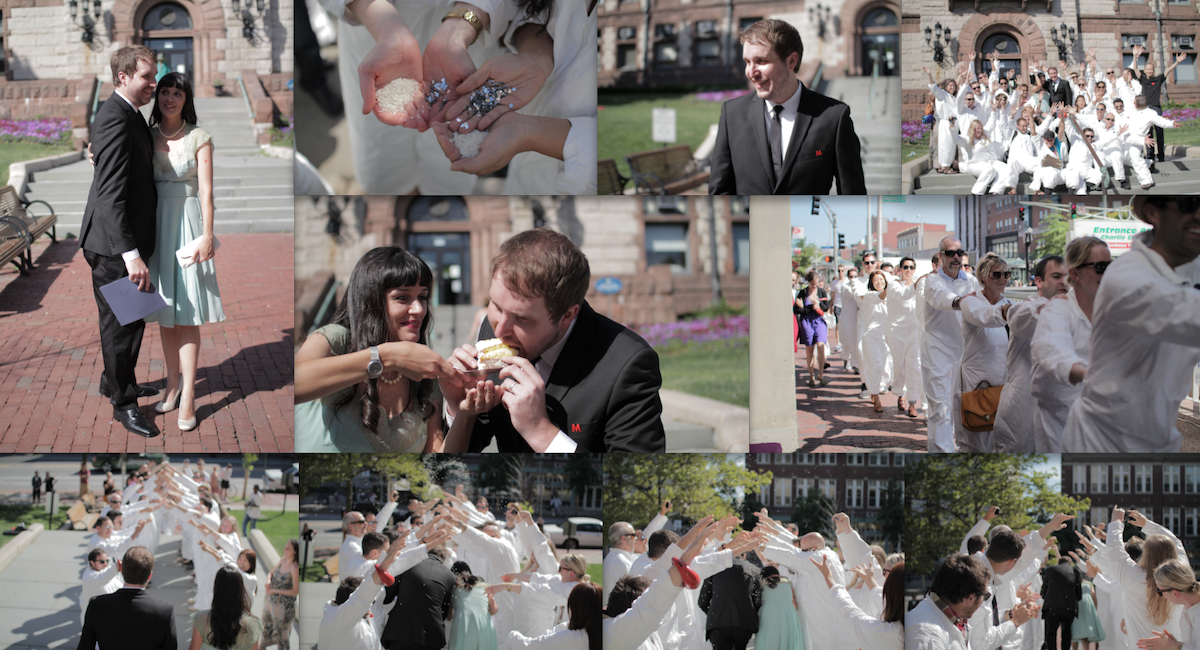
We did design fiction exercises over lunch. The culture began to be one that craved creative pokes to encourage the flow of great ideas.
The studio evolved from being a quiet participant in the business to a creatively rowdy collection of designers from Boston producing content that the rest of IDEO references.
How we were began to shape what we did.
So much had changed with that simple note to myself.
I’m not suggesting that dressing your colleagues in thrift store pantsuits will fix everything. Nor that you need to hit your nadir and be ready to quit before you can find the inspiration to lead from your creative self.
In fact, this is not really about you or me at all.
This is about what I learned the hard way: That great creative leadership is about letting go of that nagging mental image you have of what you are supposed to do. It’s about believing in others, and focusing on fanning the flames of creative, weird, exothermic people, rather than on fixing problems.
How you approach your day is how you will live your life.
If you see your role as a list of broken things that need to be fixed, life will deliver you nothing but. But if you actively seek creativity and fun, and enjoy a little embarrassing dress up now and again, you might just find yourself successfully in the middle of the vibrant culture you’d once wished for.
When I was a fresh, newly appointed lead in our Boston studio, I struggled to have much fun. I believed I was a fixer of broken things, thinking, and people. The story I told myself was that I was a martyr for the fun others were having while I dealt with the important leaderly stuff.
The Kitchen Designer Who Helped Women Get Out of the Kitchen
Ever heard of Margarete Schütte-Lihotzky? Her Frankfurt Kitchen changed women's work
Designers often have the biggest impact when they reimagine the relationship we have with everyday utilities, like those in the kitchen. Decisions as straightforward as the height of a stool can change the fabric of everyday life.
One great example is Austrian designer Margarete Schütte-Lihotzky, the woman who arguably had more impact on modern kitchen design than anyone in history. In celebration of International Women's Day and as an homage to my own grandmother, I wanted to tell her story.
The “fitted” kitchen
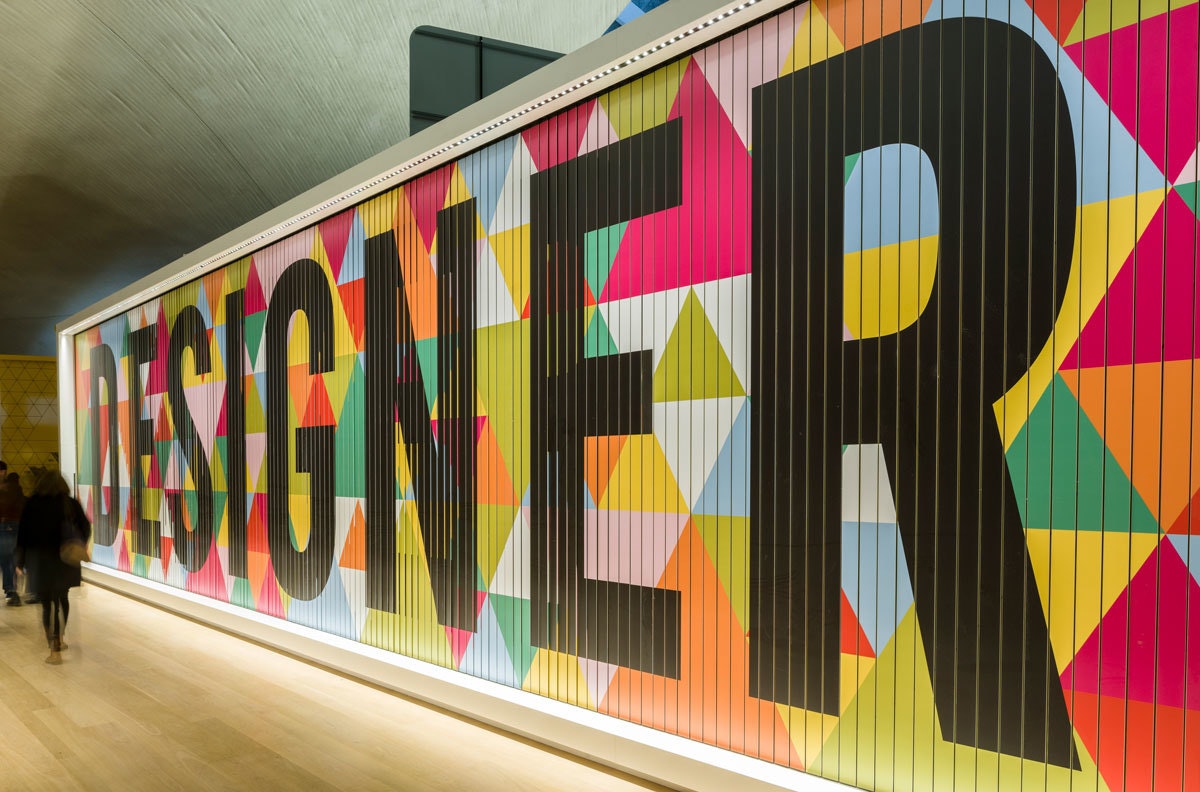
I discovered Schütte-Lihotzky on a recent visit to The Design Museum London, when I went to see the “Designer Maker User” exhibit. I'd never heard of her before, but she is credited with creating the first modern, efficient, "fitted" kitchen in 1926. A "fitted" space means that units are attached to a wall rather than free-floating. It was the first time someone thought to design for cooks instead of home builders.
Schütte-Lihotzky worked in the Municipal Building Department in Vienna, which controlled all aspects of housing, but as a newly-graduated architect, she had little experience with cooking. Instead of letting that naiveté hold her back, she embraced her beginner’s mindset and embarked on an early form of design research, interviewing and observing women in their homes and using film to conduct time-motion studies.
She found that women were spending their entire day preparing, cooking, and cleaning. This endurance activity started with trips to the local store, as fridges and storage units were not the norm and food would spoil within a day or so.
To add to the challenge, the stove, sink, and pantry were installed without any consideration for food prep workflow or the relationship between tasks, and work surfaces were installed at varying heights, putting strain on women’s bodies.
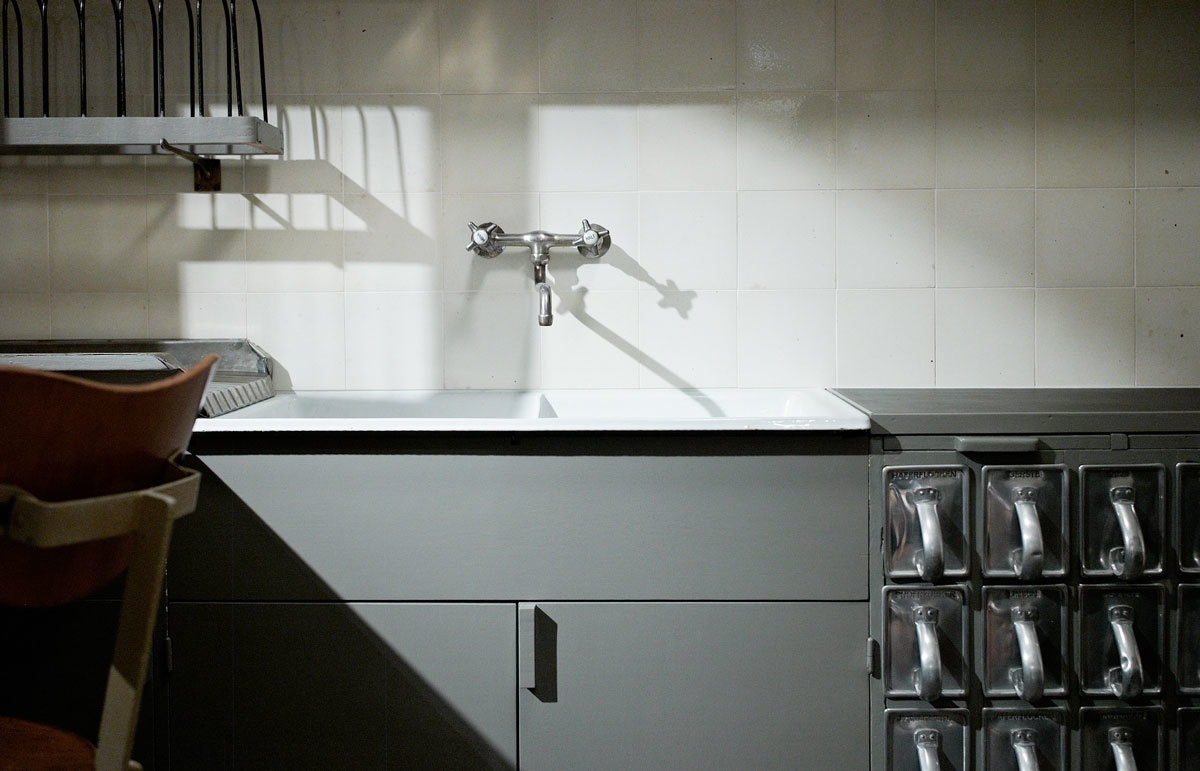
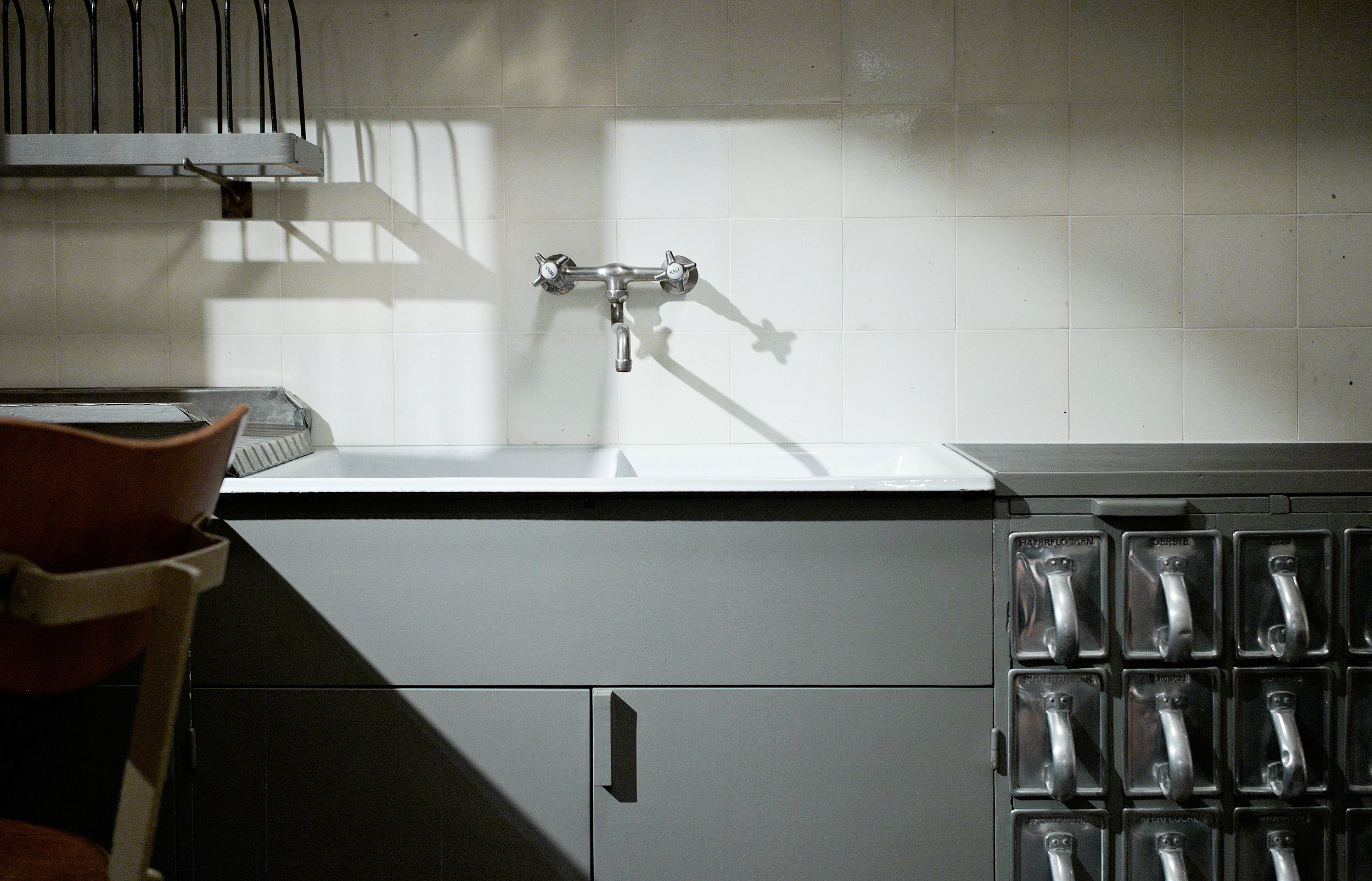
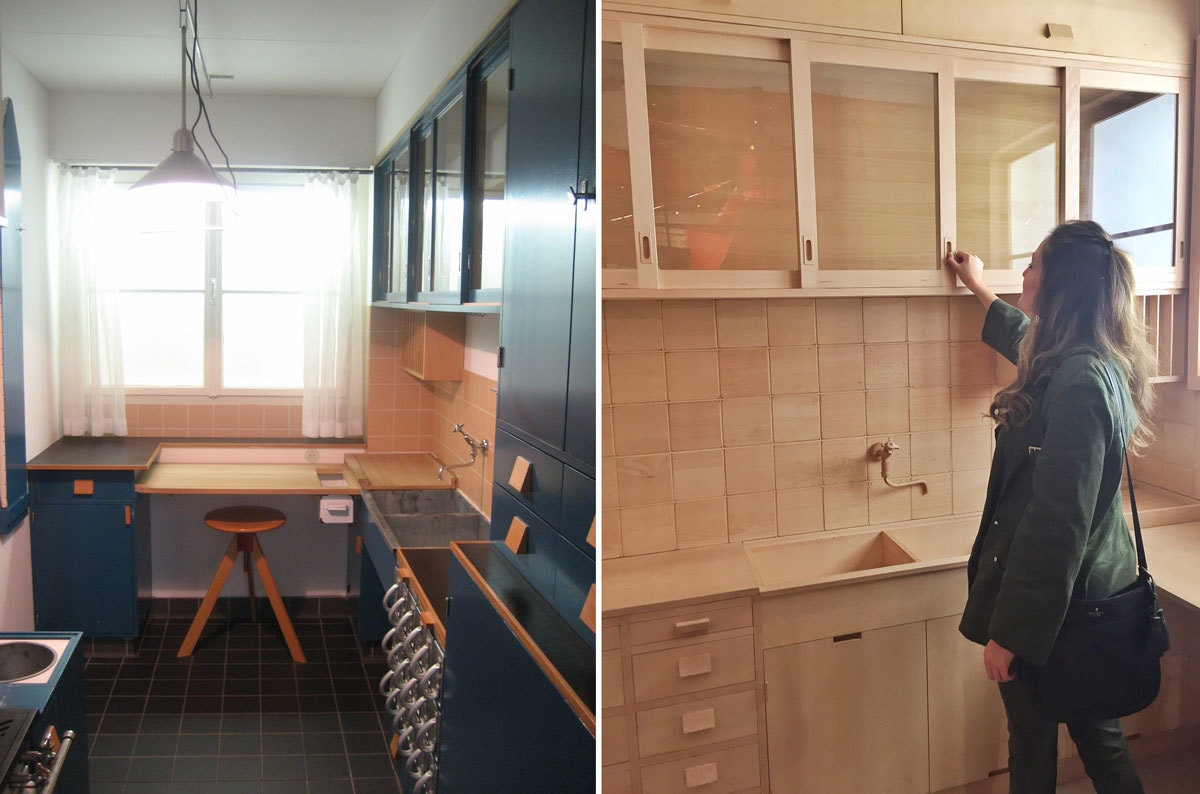
From her interactions with everyday cooks and the application of factory-line principles popularized by Henry Ford, Schütte-Lihotzky introduced her replicable, affordable, space-saving, and egalitarian “Frankfurt Kitchen,” named after the New Frankfurt initiative to address the city's shortage of public housing in the 1920s.
Each kitchen came with a swivel stool, a gas stove, built-in storage, a garbage drawer, and an ironing board. Schütte-Lihotzky used resilient materials like oak to repel critters from getting into perishables and installed aluminum storage bins for staples like sugar and flour. The main objective was to free up hours each day for women to devote to other pursuits.
Within a few years, 10,000 of Schütte-Lihotzky’s units were installed in apartment buildings across Frankfurt, and her design became the model for all subsequent Western kitchens. Her work reframed women’s relationship with cooking and set in motion a radical wave of change.
My grandmother, Ruth Kandel, who was born in Frankfurt just as Schütte-Lihotzky's work started getting acclaim, would often tell me about her upbringing—that her purpose in life was defined by “Kirche, Küche, Kinder” (church, kitchen, children.)
While she loved her husband and children dearly, she also dreamed of becoming a lawyer or a social worker and contributing to the world beyond her kitchen. I feel extremely blessed to have had women like Schütte-Lihotzky blaze the trail through design, freeing up my time so that I’m able to embody my grandmother’s desire to go forth and create.
Can the design of today’s food liberate us further?
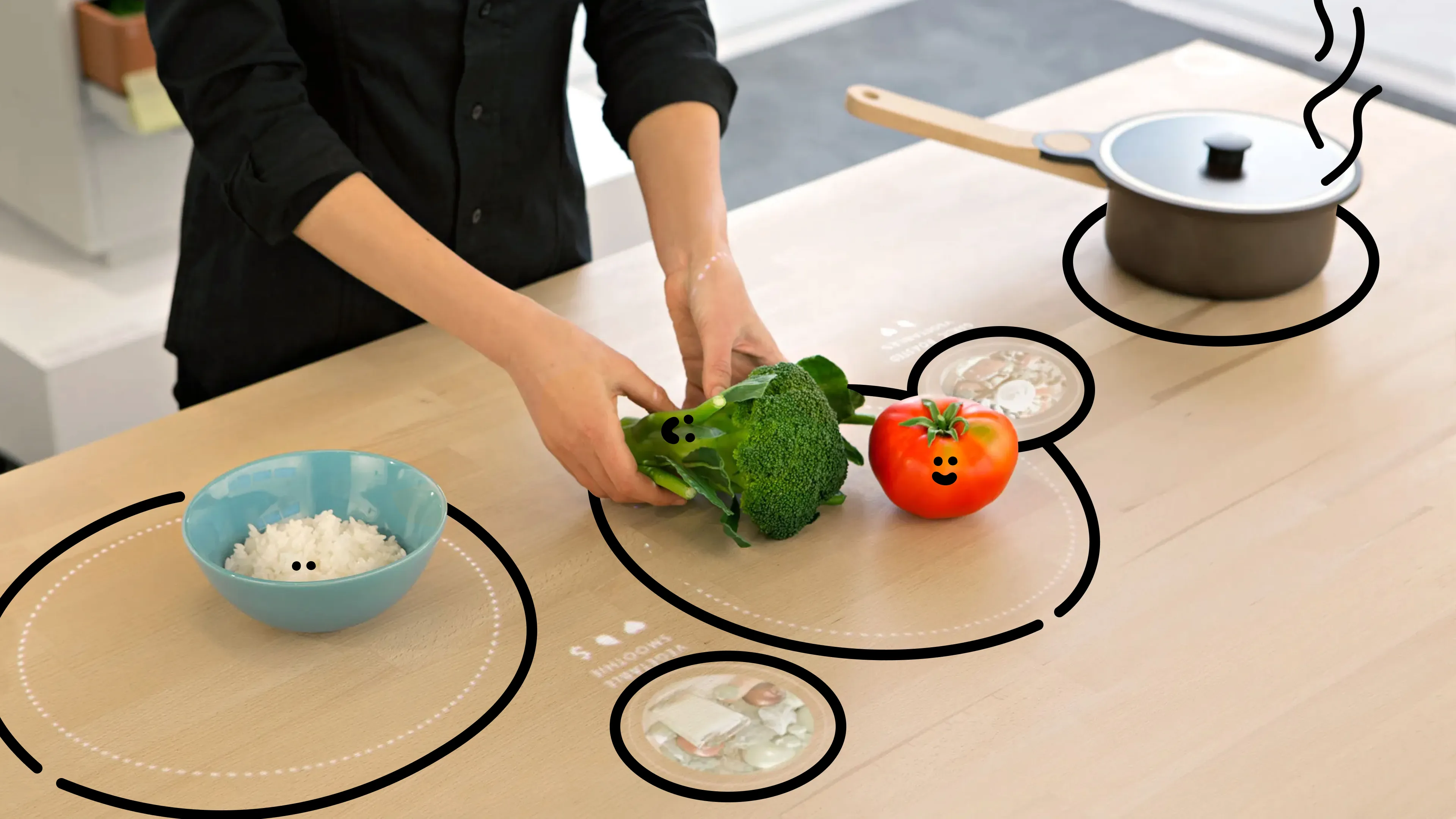
Now that I’m at IDEO, I have the opportunity to carry Schütte-Lihotzky’s work forward. We partnered with IKEA to think about the future kitchen—how we might design it to be more efficient and use less energy while making it easier for home cooks to feel confident about preparing healthy food.
We also worked with a startup called INFARM to design modular, stackable units that use far less soil, water, and space to grow food at an optimal light and temperature. Because of the compact size of the units, you could install one in your own home kitchen, or stack them up to feed thousands of employees a day during winter months when produce typically has to be shipped in from far away. Good for cooks and good for the planet.
People used to say that a woman’s place was in the kitchen. Today, thanks to pioneers like Schütte-Lihotzky, a woman’s place is anywhere she wants to work.
As a designer who loves to cook, I’m intrigued by the way kitchen design has enabled me—and generations of women who came before me—to spend less time preparing and more time enjoying the food we make, so we can move on to other things.

Lindsey Turner
I’m passionate about building brands, products, and experiences that help organizations show up with meaning and momentum.
I help organizations cut through complexity by shaping how they show up, through brand strategy, identity, and storytelling.
Working at the intersection of brand and business, I bring an editorial eye and a bias toward making—turning ideas into tangible experiences that people can understand, trust, and believe in.
My work spans government, healthcare, financial services, media, and consumer goods, from launching Gen Z-focused ventures to building innovation labs and reimagining legacy brands. I relish moments of ambiguity and enjoy translating across teams, perspectives, and priorities to move ideas forward.
I started my career in editorial and digital design, shaping cross-platform experiences and identity systems in publishing and agency environments. That foundation still shapes how I work today: I’m detail-oriented, collaborative, and overreliant on the Oxford comma. I hold a BFA in Visual Communication from the School of the Art Institute of Chicago.

Rachel Young
My work helps organizations see who their products aren't working for—and build the will and the tools to do something about it
For 25 years, I've asked the same question: Who does this design exclude—and what are we going to do about it?
My work spans human-centered strategy, inclusive design, and qualitative research, with clients ranging from Microsoft, Google, and Verizon to the National Science Foundation, and San Francisco Unified School District.
Before IDEO, I taught elementary school in East Palo Alto and spent a decade doing design work with social service organizations—where I learned firsthand what it costs people when systems are built without them in mind.
I am currently writing User Error, a nonfiction book about digital access and the design decisions behind it. I live in Oakland, California.

Brian Pelsoh
I lead with craft, ensuring our work is creatively excellent: rooted in deep human insight and imagination, while also grounded in the realities of business and technology.
My expertise spans brand, communication, and product design across tech, education, the arts, and social impact.
I believe great work demands both high-level vision and obsessive attention to detail, and only happens through collaboration.
I bring an inclusive, hands-on approach and a deep understanding of business, which enables me to consistently deliver excellence while always asking why.
Before joining IDEO, I worked at the brand firms Pentagram and VSA Partners. I began my career as a designer, leading teams at the School of the Art Institute of Chicago and the Milwaukee Art Museum. I hold an MFA in graphic design from Maryland Institute College of Art and a BFA in communication design from the Milwaukee Institute of Art & Design, and have taught at some of the best design schools in the US.

Tony Wong
I am responsible for IDEO’s long-term success in China and working with clients to use design as a tool to enable growth.
I am responsible for IDEO’s long-term success in China and working with clients to use design as a tool to enable growth. Specifically, I have helped Chinese companies design holistic brand solutions through the development of their products, communication, services, and innovation teams, and I have helped multinationals expand their presence and influence in China.
I advise global leaders on developing China-led innovation and capabilities.
In over 15 years in IDEO Shanghai, I have worked on projects that use design to elevate the quality of the experience of healthcare products and services, streamline processes that increase productivity, create spaces and programs that promote and enable inclusive communities, and build next generation mobility solutions that are planet-positive.
Before joining IDEO, I worked at Philips Electronics and the Electrolux Group in Italy, the Netherlands, and Singapore on a number of breakthrough commercial products. I am a member of the Young President Organization in Shanghai.

How to use AI as an editor, not a writer
Ed White shares how he uses AI as an editor—not a writer—to sharpen storytelling, rehearse ideas, and preserve the productive friction that makes creative work better.
Ed White has a rule he's tested on his own writing: hold yourself as the writer, and let AI be your editor. Ed is a Senior Design Director at IDEO's London studio, where he co-leads the firm's AI portfolio across Europe. Before IDEO, he spent 12 years as a writer and editor at the Financial Times, Wired, and Contagious. So when he talks about when to use AI for storytelling and when not to, it comes from two decades of crafting his storytelling skills.
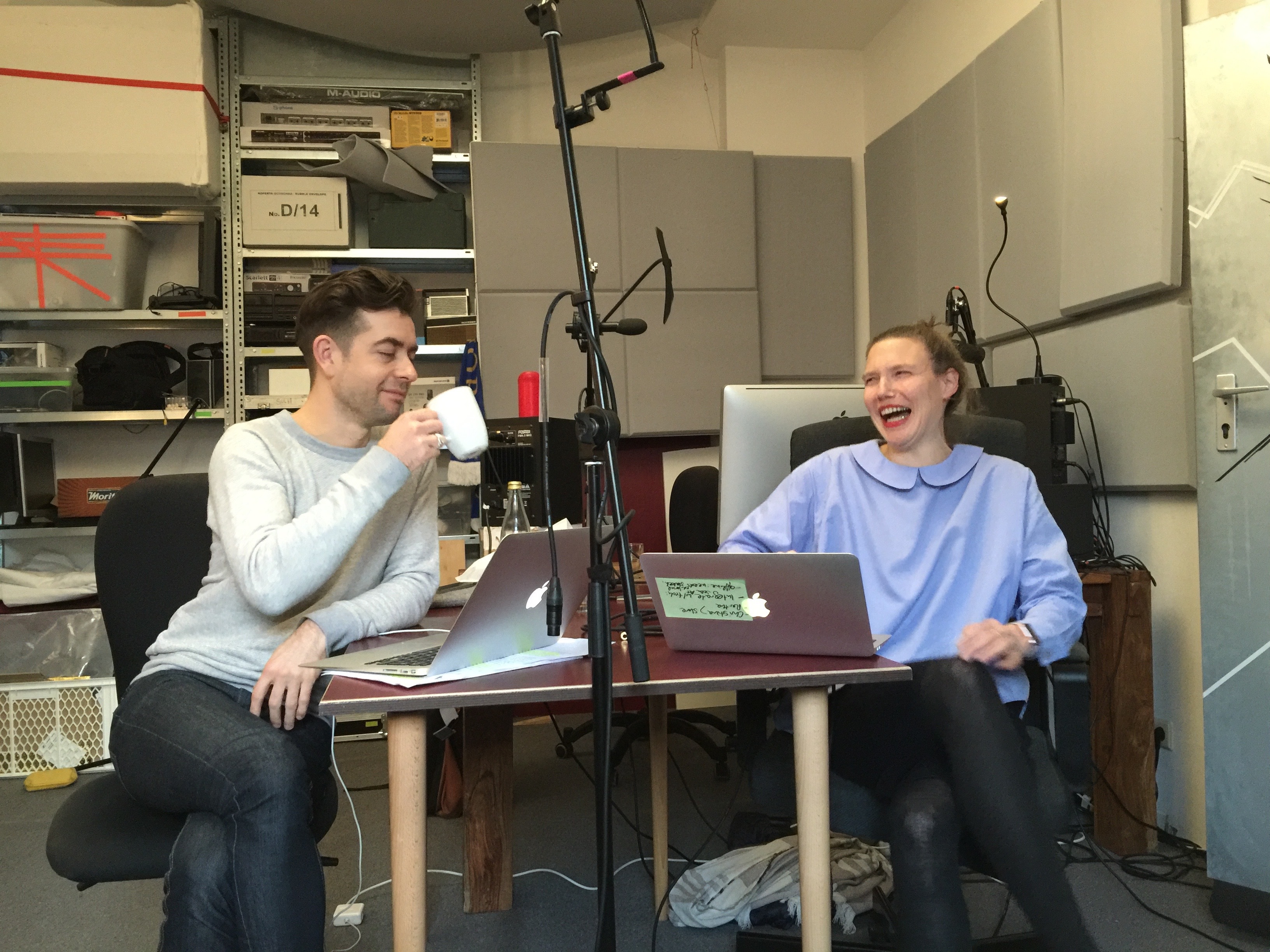
In this episode, Mina Seetharaman talks with Ed about two specific tools he uses to keep AI in an editor's seat: a "roasting agent" prompted to critique his drafts without any sugarcoating, and a simulated audience he rehearses pitches on before the real thing. They also get into what Ed is hearing from design leaders at Anthropic, Lovable, Shopify, and Google Creative Lab about how creative work is changing, and why he thinks the friction of writing something yourself is worth protecting rather than automating away.

Building a personal AI for the messiness of life: Sida Li
Becca Carroll talks with Cue co-founder Sida Li about designing a personal AI for the messiness of everyday life—not just work. They explore how Sida stays anchored to human needs while navigating fast-changing technology, product tradeoffs, business-model experimentation, and the realities of building an AI company today.
Most AI products today are built for work—a space with clear problems and established systems. One founder noticed a gap: personal life is messier, harder to systematize, and mostly left behind by the AI boom. So she built Cue, a personal AI that lives inside iMessage and group chats, to go where the other tools haven't.
In this episode, Becca Carroll, IDEO's Chief Strategy Officer, talks with Sida Li, co-founder and CEO of Shared Context Lab, about staying anchored to a human need while the technology around her keeps changing shape, why she treats her business model with the same rigor she'd bring to a product, and what it feels like to build a company at this particular, disorienting moment in AI.
The conversation also gets into how Sida makes design decisions: the language Cue uses to describe itself, the tradeoffs behind building inside iMessage instead of a new app, and a real story about a business idea that didn’t pan out.
This is the second in a two-part series profiling founders from IDEO's Startups-in-Residence program. The first conversation is with Johannes Seemann, founder of Sooner, on designing GenAI for the emotional side of money.

Designing GenAI for the emotional side of money: Johannes Seemann
Designing financial tools around the feelings that shape money decisions.
Most personal financial tools are built to run the numbers and optimize towards a budget. While that works for some, most people experience money as a lived relationship that does not neatly fit into a spreadsheet. Johannes Seemann and Becca Carroll discuss why money is emotional before it is mathematical, and what a human-centered approach to building a generative AI financial product looks like in practice.

The curious leader's edge in uncertainty: Scott Shigeoka
How genuine curiosity helps leaders navigate uncertainty with greater confidence.
Mina Seetharaman talks with Scott Shigeoka, author of Seek and Head of Curiosity Cultivation at the Eames Institute, about what distinguishes genuinely curious leadership from performative curiosity, how power dynamics shape curiosity, and why practicing curiosity can restore energy rather than drain it.
Looks like you might be in search of something very specific?
Or reset the filters above and try another angle.
Here’s some random inspiration

Podcasts about creative leadership

Articles about the power of prototyping