
The future of air travel
Reinventing supersonic flight with Boom.
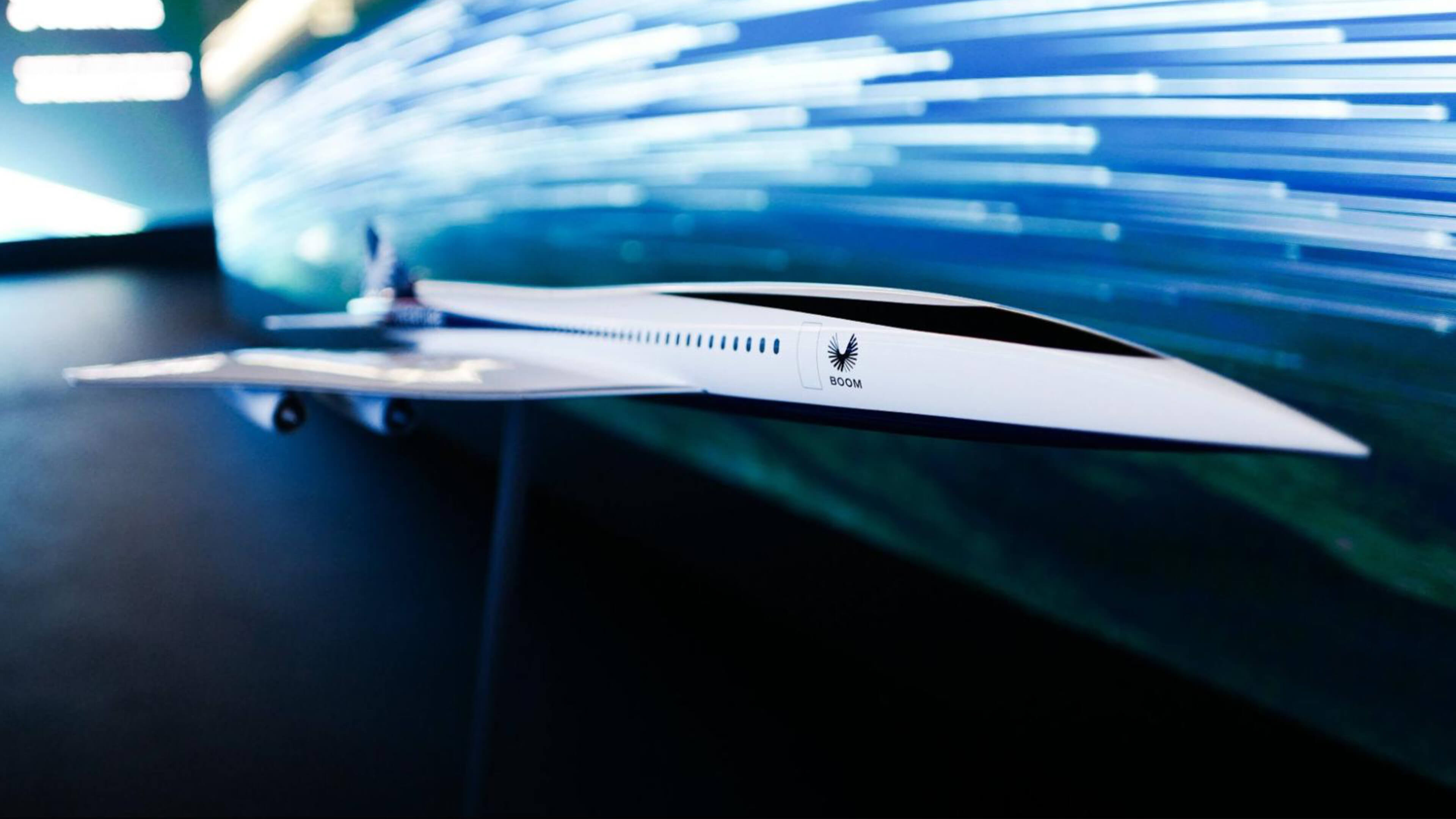
It’s not easy to shift the paradigm for an entire industry. But when a company comes along that promises to reinvent air travel, it opens up a blue sky of opportunities. That’s the flight path for Boom Supersonic, which is thinking big about how passengers arrive at their destination not only faster, but also with a greater sense of wellbeing.
To really comprehend the experience of flying in the unique contoured profile of this ultrafast jet, and to help Boom make key decisions about the design of the plane, the IDEO team believed that you had to go beyond algorithms and schematics—you needed to actually board it.
Using a “build-first” approach, the team quickly constructed a full-scale mockup of the fuselage from plywood and foam core. That became a prototyping platform to test multiple seating configurations, galley and lavatory size and placement, luggage storage solutions, and other concepts that would differentiate and add value to the passenger experience. For the first time, the Boom team was able to set foot in its own aircraft and truly understand the experience from the perspective of its clientele. The exercise allowed the Boom team to confidently make decisions by comparing multiple cabin configurations and options in full-scale.

Throughout the project, Boom and IDEO invited future travelers aboard to interact with the prototype and offer feedback. That input culminated in a more refined model, with augmented windows, moonroof, in-flight entertainment screens, and sound design—all further augmented by a Virtual Reality component to allow our future travelers to fully immerse in this new experience.
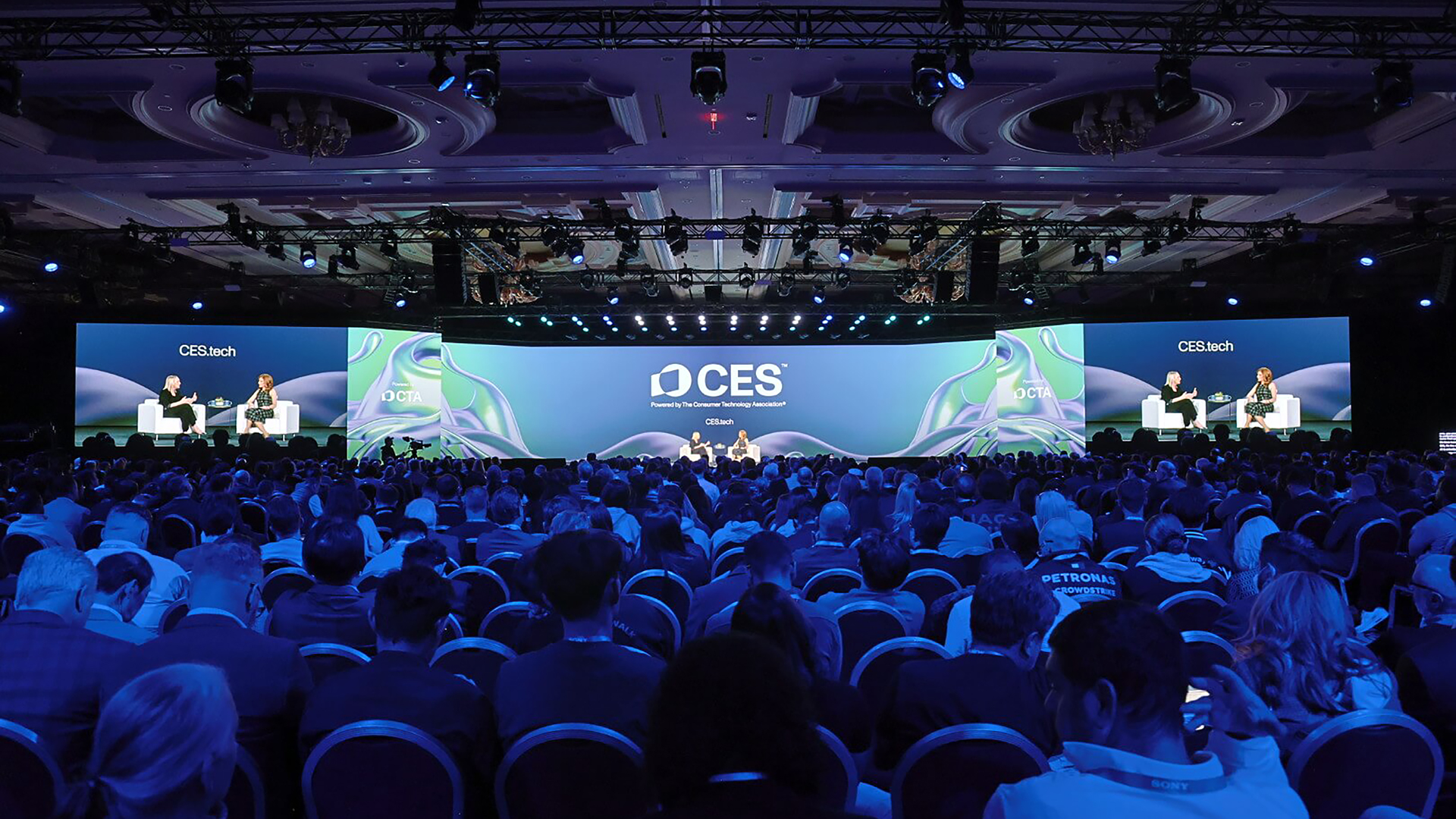
Together, Boom and IDEO brought a sneak peak to the Farnborough International Airshow, a biannual exhibition for the aerospace, aviation, and defense industries. The event was an opportunity to give the industry and potential customers a preview of Boom’s innovative new jet. In collaboration with the client, an exhibition architect, and a digital production agency, the team created an immersive environment designed to make the Overture experience feel tangible, eliciting the wonder of this revolutionary plane.
Boom’s presence at Farnborough not only underscored the Overture’s progress but provided an inspiring glimpse into the future of air travel. During the air show the company announced the production Overture design, a market-expanding alliance with Northrop Grumman, and agreements with tier one suppliers Collins Aerospace, Safran, and Eaton. Not long after, Boom received its largest order to date, this one from American Airlines.
The prospect of getting to London in time for dinner just got a little closer.
Boom plans for Overture to get from New York to Frankfurt in just over four hours instead of the eight hours spent on a commercial jet today.
The Overture supersonic jet has a cruising speed of Mach 1.7, about twice as fast as today’s commercial planes. Overture is built to fly on 100% sustainable aviation fuels (SAF).
20 Overture deposits
made by American Airlines, joining current customers United Airlines and Japan Airlines

Peripheral vision
A consumer electronics giant becomes a climate-era leader.
IDEO’s partnership with Logitech is a case study in bringing together the power of imagination and the rigor of business.
As much as we love to lead with creativity, it’s difficult to develop a business plan off ideas alone. So when Logitech asked the IDEO team to investigate a broad array of possible futures and report back, we brought our findings to life by inventing a board game. Instead of a dry presentation on circular solutions, our designers created a story about a mouse that turned into a webcam.
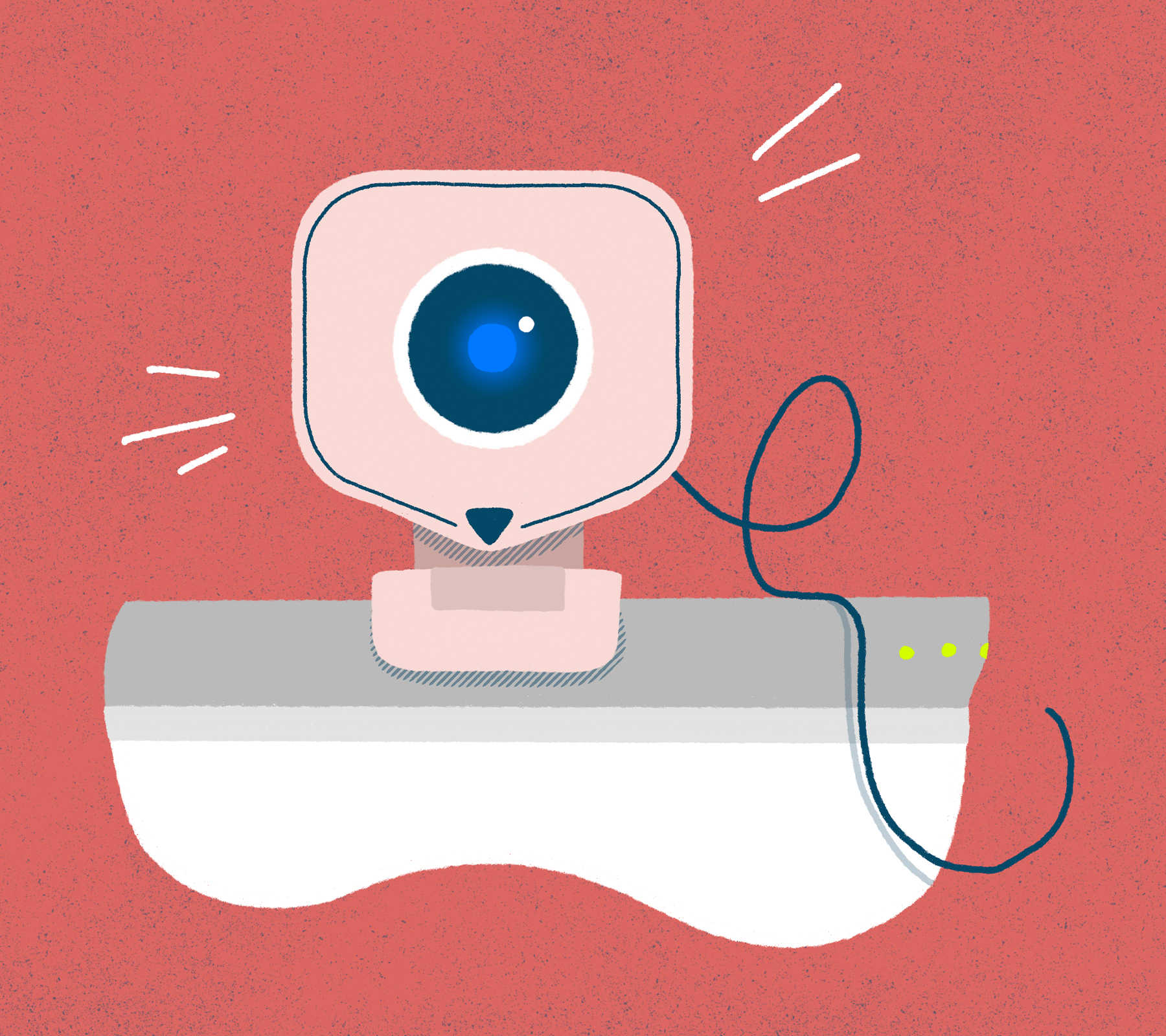
That imagination mattered. It fueled an exploration into expertise we collected from researching with people already living in futures destined to expand. And our rigor helped us hold more possibilities, and identify intersectionalities. Combined, they redefined what it means for ideas to be viable in business; they focused us on long-term sustainability; and they pushed us past immediate technical feasibility to ask if new ideas would be feasible for entire systems.
Our partnership with Logitech revealed that imaginative dreaming and business rigor aren’t opposing forces, but rather complementary tools in opening up new directions into a future demanding bold decisions.
As of 2019, e-waste was the fastest-growing waste stream globally, and only 20% of the 48.5+ million tonnes is disposed of properly.
Global emissions must be cut in half by 2030 to avert the worst impacts of climate change.
By 2030
Logitech has committed to becoming climate positive and removing more carbon than they create
The whole package
A global fashion brand pairs sustainability and growth.
Fast fashion keeps getting faster. But if the industry is to meet its climate commitments, its use of plastics has to slow down.
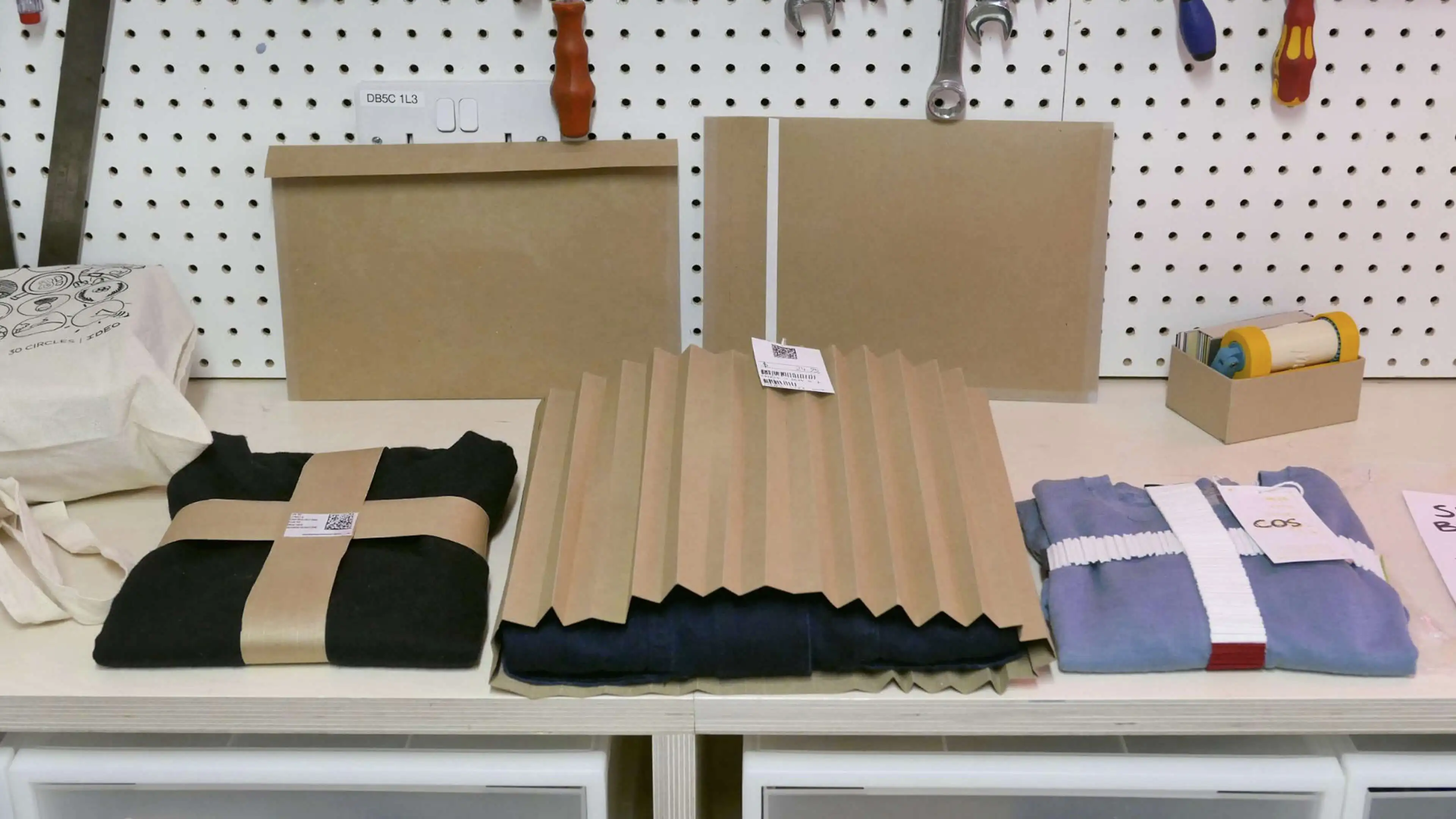
H&M chief executive Helena Helmersson set ambitious sustainability goals when she stepped into her role. She wanted to reduce the fashion giant’s impact on the environment and enable meaningful growth. But change is tough for any company, let alone one with eight brands operating across 74 markets. Together IDEO and the H&M Group created new plastic-free packaging, rallying around a more sustainable packaging solution that’s easily customizable.
By applying a design-led approach that went far beyond hiring a sustainability consultant, the H&M Group managed to reduce its use of plastic. But it didn’t stop there. A small team called Design Studio took what it learned and grew into an established strategic capability that pioneers new ways of working in the organization, tackling complex challenges in circularity, inclusion, supply chain, and customer experience. Sustainability isn’t a passing trend for H&M. It’s moving fashion forward.
Packaging accounts for 26% of plastics produced globally every year.
Fashion e-commerce is estimated to grow by 10% annually through 2024, requiring even more packaging.
100M
plastic-free packages shipped in 2022
2,000 tons
of plastic eliminated from H&M operations
The everywhere chair
In Japan, a mother works to build an inclusive child seat that closes the gap between children with and without disabilities.
For children with physical disabilities and their families, mobility is freedom. But in Japan, there are barriers to that freedom of movement.
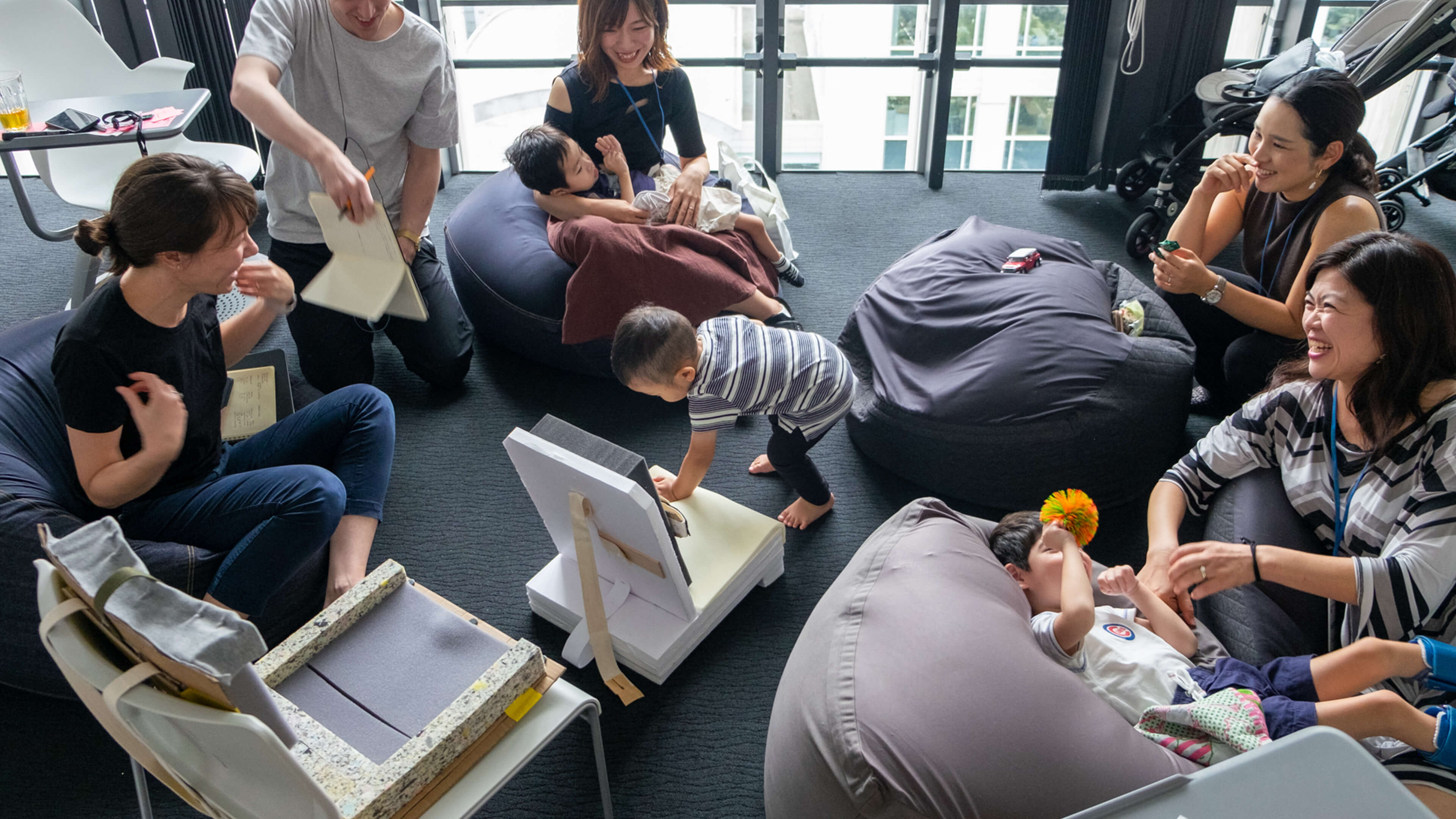
In raising a child with cerebral palsy, Yuri Matsumoto found that her son was separated from other kids during everyday activities. In Japan, children’s products are divided into two categories: those for children with disabilities and those for children without. Matsumoto aspired to close this gap with a product that would allow children of all abilities to use the same chair and be included in the same activities. To realize her idea, Matsumoto needed a strategic design company to refine the chair design, create a compelling visual identity, and arrive at a product road map to help set the business up for long-term success.
The result: a breakthrough product and supporting business that provides access for all kids, both for at-home activities like studying and eating, and also for family outings to restaurants, to the park, and to play with friends. Around the world, there are people like Matsumoto who see the need for better products in a very personal way. IDEO’s role is to help them realize their vision for a more inclusive future.
The Japanese health ministry categorizes 9.6 million people as disabled.
In Japan, children with disabilities are largely excluded from mainstream classrooms. Government subsidized support chairs are designed for posture and stability. Their bulk and rigidity make venturing out with them challenging.
Japanese children have fewer opportunities to learn about what it’s like to live with a disability than in the US.
Launched
officially in April 2022
5
restaurants and cafés in Tokyo are currently piloting the chair

What’s in my Moleskine: Dave Russell
Dave Russell's doodles have a life of their own
IDEO: Tell us about your drawings
Dave Russell: A few months ago I committed myself to drawing a comic a day for one month. I’ve never consciously drawn comics before, but I’ve always admired the narrative skill of artists like Chris Ware and Adrian Tomine, so I thought it would be fun to experiment with the format. While both these artists employ a semi-realistic style to tell human stories, I’m equally inspired by the strange and absurd worlds created by the likes of David OReilly and Pendleton Ward.
When do you find the time?
For me, drawing can be a way of escaping the everyday and exploring imagined worlds. Doodling is like my meditation—it clears my mind and helps me to focus. I try to keep these scribblings to a minimum in face-to-face meetings, but when I’m on the phone my drawing hand has a mind of its own. I’m often surprised by what ends up on the page.
What are your favorite tools?
My go-to, everyday weapon is the Muji Gel Pen. It’s versatile—thin enough to write with and a great weight for small sketches. It’s got to be black and it’s got to be 0.5mm. No exceptions. I recently started using a Pentel Sign Pen to draw with, too. It’s super smooth and the nib feels quite dynamic. It also bleeds less than Sharpies, the ubiquitous IDEO design tool.
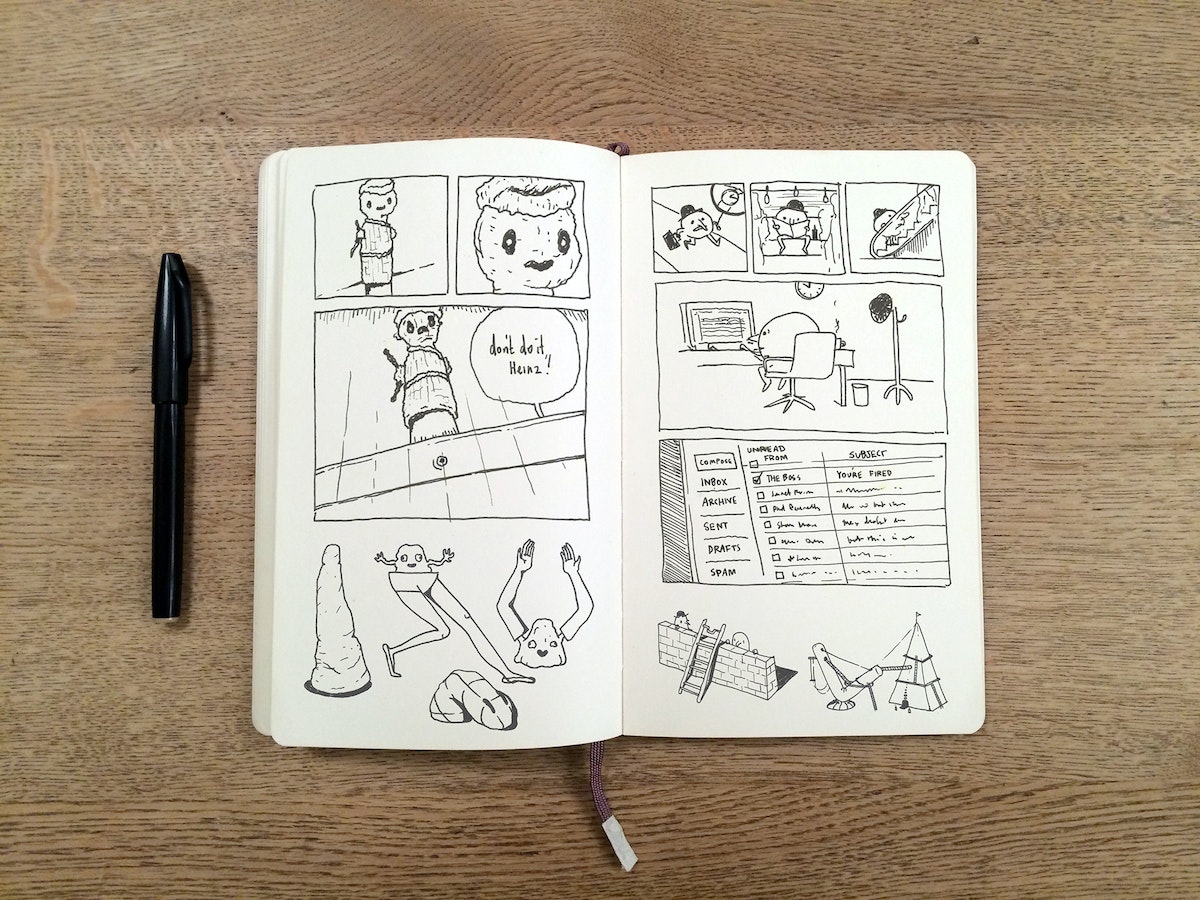
Welcome to the What's in My Moleskine series, a periodic peek inside the notebook of an IDEO designer. Fast Company recently did the same with IDEO's Joe Brown, who had a lot to say about the all-powerful Muji thread-bound A6 notebook.
In this installment we hear from Dave Russell, a communications designer based in our London studio.
Just Skeu It
Translating physical objects to the digital realm through skeuomorphism
I have to find out if I can pull off a successful translation.
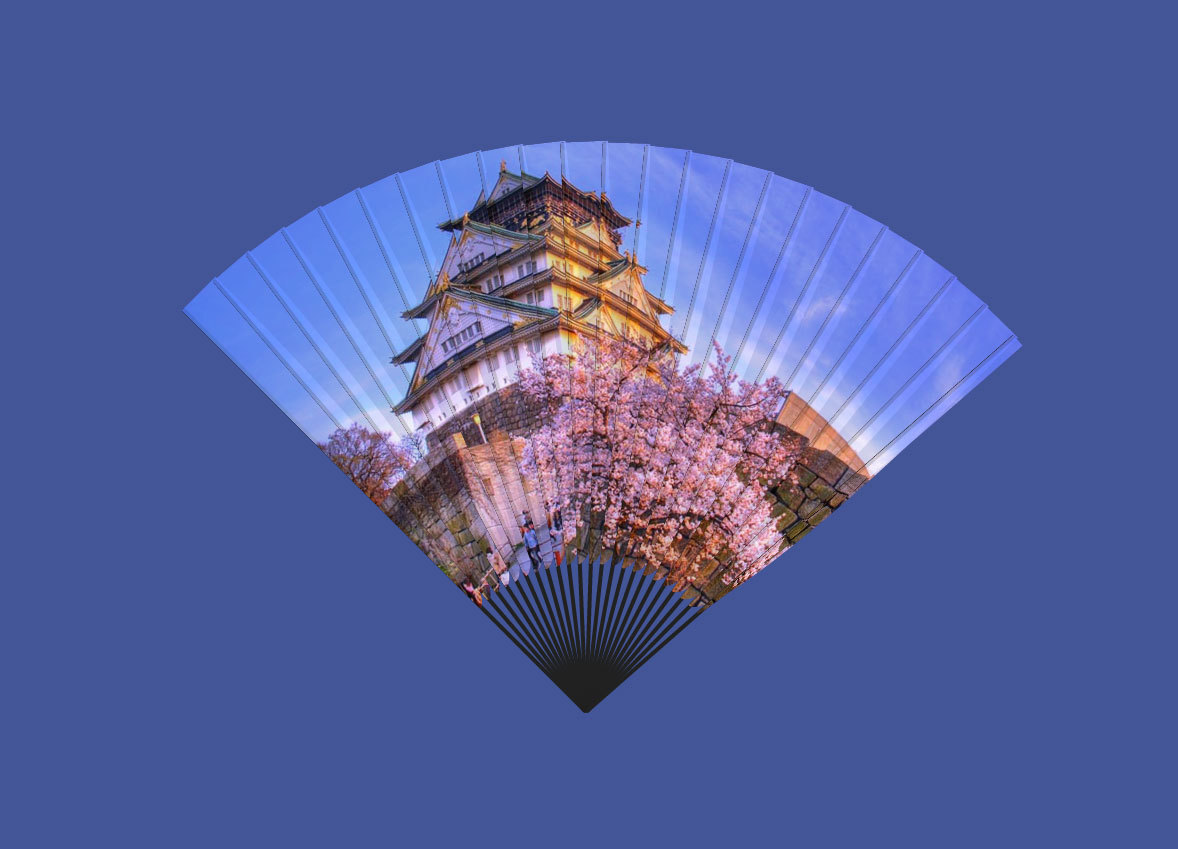
I found my most recent skeuomorphic inspiration in Tokyo’s Nezu museum, one of the best traditional Japanese art museums in the country. Nezu was hosting an exhibit on sensu fans. Originally invented in China, sensu fans were popularized in Japan by artists and calligraphers, who used them as a medium for their work.
Taking in the fans, I immediately appreciated the fantastic woodblock artwork and beautiful brush strokes, but what really struck me was their construction and mechanics: the hand-held fans open with the flick of a wrist. I couldn’t get them out of my mind. How did they open and close so efficiently? How did the bamboo supports slide smoothly over one another? Did the creators consciously build them to open with a simple hand gesture? And what was the point of making them retractable in the first place?
I began to realize that the only way to satiate my curiosity was to make a digital re-creation of the sensu fan. Translating the fan’s physical systems to the digital world would test my skills as a designer and help me to understand its essential systems.
Observable systems
In any skeuomorphic project, the question I usually start with is: What elements capture the essence of the subject? Is it its purpose? Or is it characterized by its design, its construction, its movement, or its interaction? To find the answer, I need to look beyond the face of the object and break it down into the shapes, motions, and systems that define it.
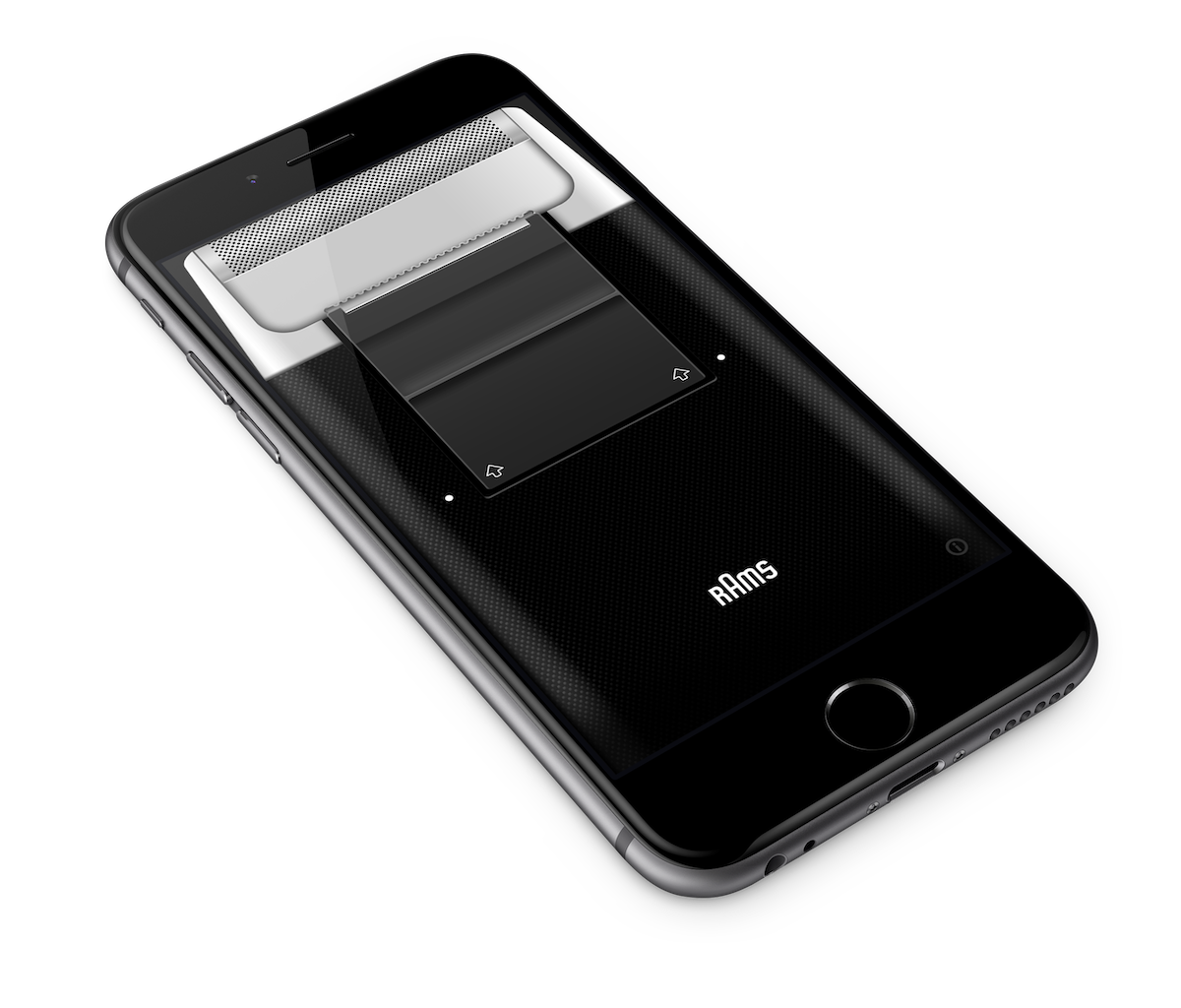
The first app I ever created was a tribute to an electric razor from the late 70s designed by Dieter Rams. I can remember watching my father run that razor over his face every morning. Though I didn't know it at the time, it was the first well-designed product I ever came in contact with. I can still hear the click of the slide-up power button and the sound of the vibration that it made as it glided over my dad’s stubble. When I built an app version of the razor, I realized that the sound and the micro-movements were the two key aspects of the design that I had to translate to make a satisfying digital interpretation.
I used a combination of animation, vibration, and sound (tilting the phone toward your face makes the phone play a beard-cutting sound) to bring the razor to life. The result was a super-tangible app that made the device feel so much like a real razor that you could almost forget it was a phone. Unfortunately, Apple didn’t quite get it—they claimed it was “too useless” for the app store—but for me, it was a ticket back to my childhood.
Considering design
Far from useless, skeumorphic explorations make me a better designer. The challenge of breaking down a real-world object into a set of Photoshop layer styles is my idea of time well spent. I strive for efficiency: Whether it’s lines of code or the number of layer effects, minimization is the key to honing my design skills.
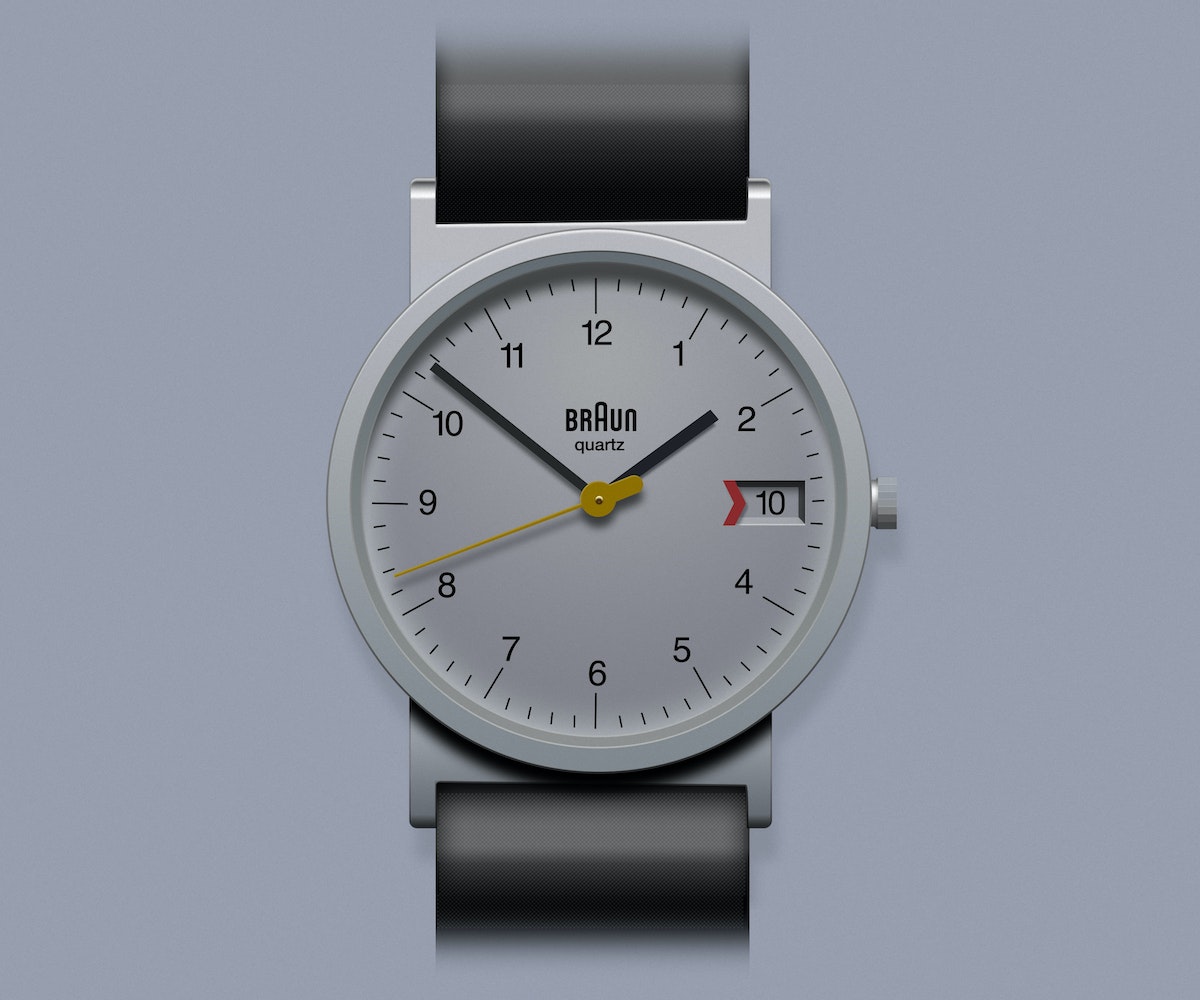
When I did a translation of my Braun AW-20 watch, I managed to perfectly capture the essence of the watch in 27 layers with one to three styles each. I plan on returning to it one day to bring it life in code.
Bringing it to life
When I began my skeumorphic translation of the sensu fan, I felt it was critical to capture the physics of the opening and closing motion. This meant that I wasn’t working with Photoshop layers, but with code. At IDEO, I tend to design with code as much as I do with Photoshop or Sketch. Having a good grasp on code allows me to think deeper about physical-to-digital translations, and real-world systems are better expressed and executed in certain programming languages than others. My first attempts at recreating the fan were standalone applications in openFrameworks—a set of C++ libraries packaged together for creative programming. I started playing with the Box2D add-on for openFrameworks, which was put together by my colleague Todd Vanderlin from our Cambridge office. While the add-on worked perfectly, the digital replication of the fan’s real-world physics just didn’t capture the magic of the construction and movement.
Because the stand-alone nature of openFrameworks limited the reach of the project, I moved on to exploring more accessible web technologies like CSS3 and JavaScript. I had to compromise slightly on the real-world look of the fan, but the final expression really embodies the movement and interaction that fascinated me when I encountered the Sensu fans at the museum. What’s more, users can manipulate jQuery parameters to change the fan's size, color, and decoration—a digital version of what traditional Japanese artists have done with the fans throughout history.
By creating these translations and exploring the life of the subject, I end up discovering something deeper about the object's design and meaning in the world. Likewise, by creating these challenges, I end up discovering something about myself and my skills as well.
A few times a year, I’ll come across something—maybe an object or system; maybe just an idea—and I’m overwhelmed with a burning urge to translate it into code and design. It’s a practice usually referred to as skeuomorphism, and once a project captures my imagination, there's no going back.
How We Did It: Buildings Tell Us Just How Green They Really Are
A revolutionary new LEED plaque makes sure structures live up to their green potential
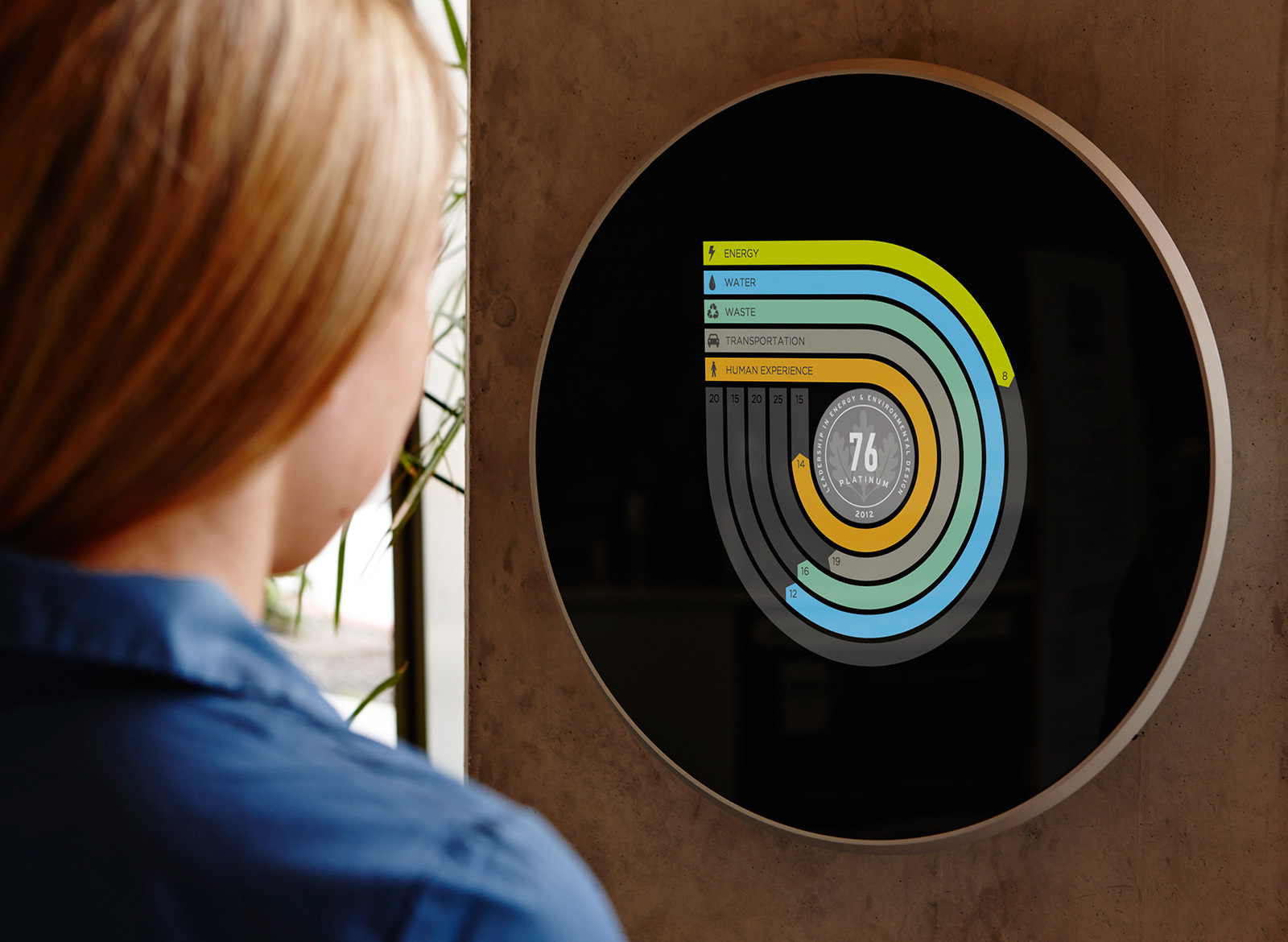
But when IDEO worked with the USGBC to come up with a new LEED certification plaque, it became clear that software design would be a fundamental part of LEED’s future: The idea was to replace the static plaque with a continually updated digital display. Initially, LEED only looked at a building’s performance at the time of certification. The USGBC has long been working on ways to evaluate what happens after certification, and a recertification program has been in place since 2004. The new plaque was conceived to go even further, monitoring a building’s sustainability in real time on a dynamic digital graph.
That sounds (and looks) pretty simple and intuitive, but to make it work, we had to bust down some interesting technical walls, in a way that nicely encompassed the breadth of IDEO's capabilities, from design research, business development, industrial design, shop building, and interaction design to the software I helped create with an incredible team.
I came on board after the actual visual design had been finished. A small IDEO team had already completed a concept video, unveiled at the 2013 Greenbuild conference, for a plaque that calculates a building’s ongoing performance in five categories: energy, waste, water, transportation, and human experience. For each of the five ratings, there is a curving pathway that gets longer as the score improves.
The team came up with this “racetrack” design to show real sustainability data in a way that encourages positive behavior change. Familiar graphics like charts and graphs tend to make people focus on the negative, whereas we wanted people to focus on progress. No matter how long the strip on the racetrack is, you can see that you’re on your way, even if you still have a ways to go. We weren’t sure we could achieve the requisite combination of elegance and functionality in the time allotted. But it was a good challenge, and that in itself was compelling.
The animation has a big purpose: Showing the building’s use of energy, waste, and water makes people more aware and more conscientious of their own use. I think that’s really positive. The plaque also shows how occupants travel to and from the building, as well as how comfortable and happy they feel when they’re inside, which are new ideas for what it means for a building to be “green.” I wouldn’t have thought, when LEED was introduced in 2000, that a software developer could have a meaningful impact on sustainable architecture, but the fact that I could really speaks to the opportunities that will be open to us in the future.
--
Many folks helped to contribute to this post. Huge thanks to Scot Horst, Gretchen Sweeney, Jennifer Easton, Kim Cullen, Gerry Harris, Steve Bishop, Beau Trincia, Mark Harrison, John Stoddard, Alastair Warren, and Building Robotics.
I've always had a layman's interest in architecture and in LEED, the U.S. Green Building Council’s certification program for sustainable buildings. I’m a software developer, so designing buildings is well outside my area of expertise.
Nature Cards
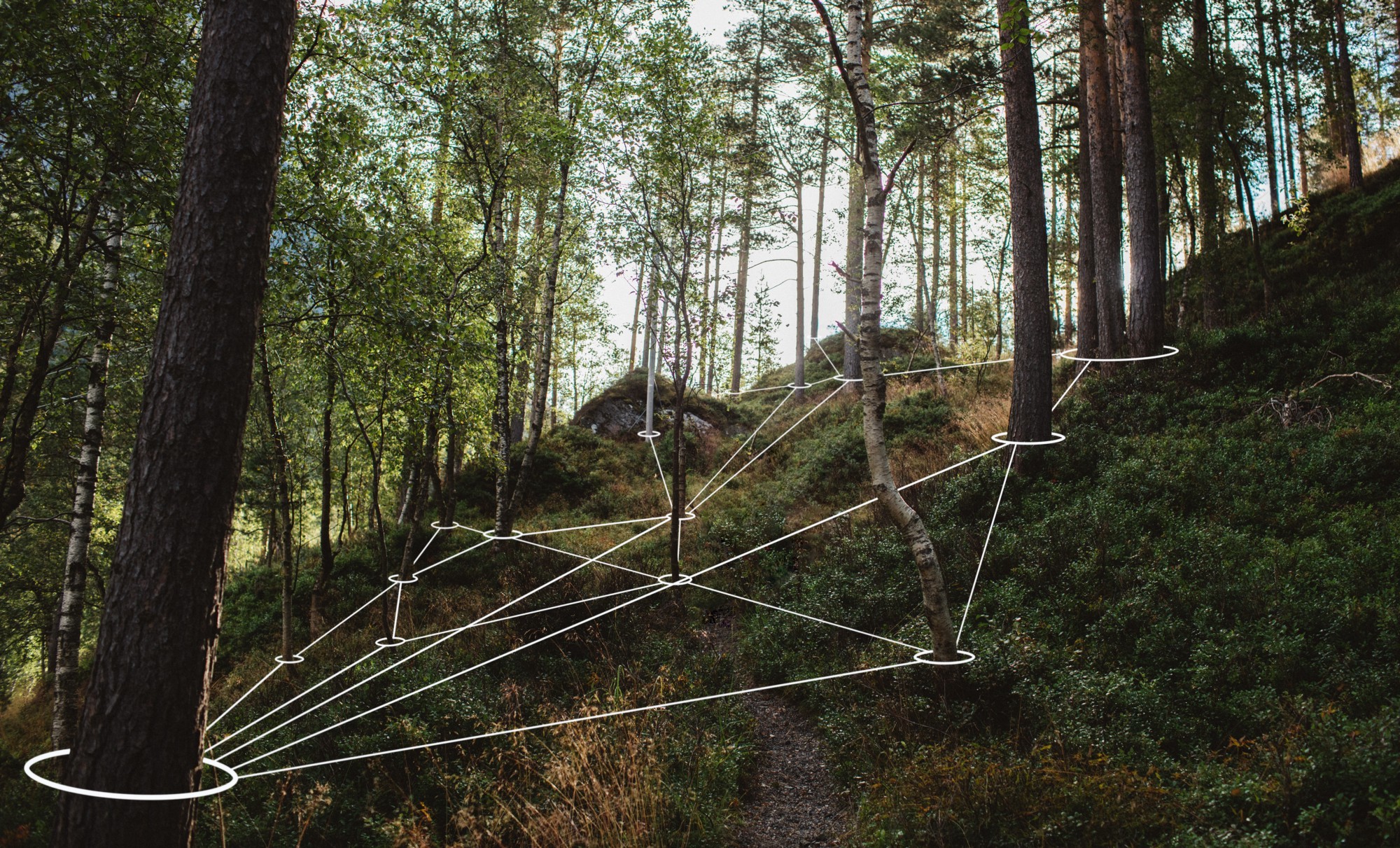
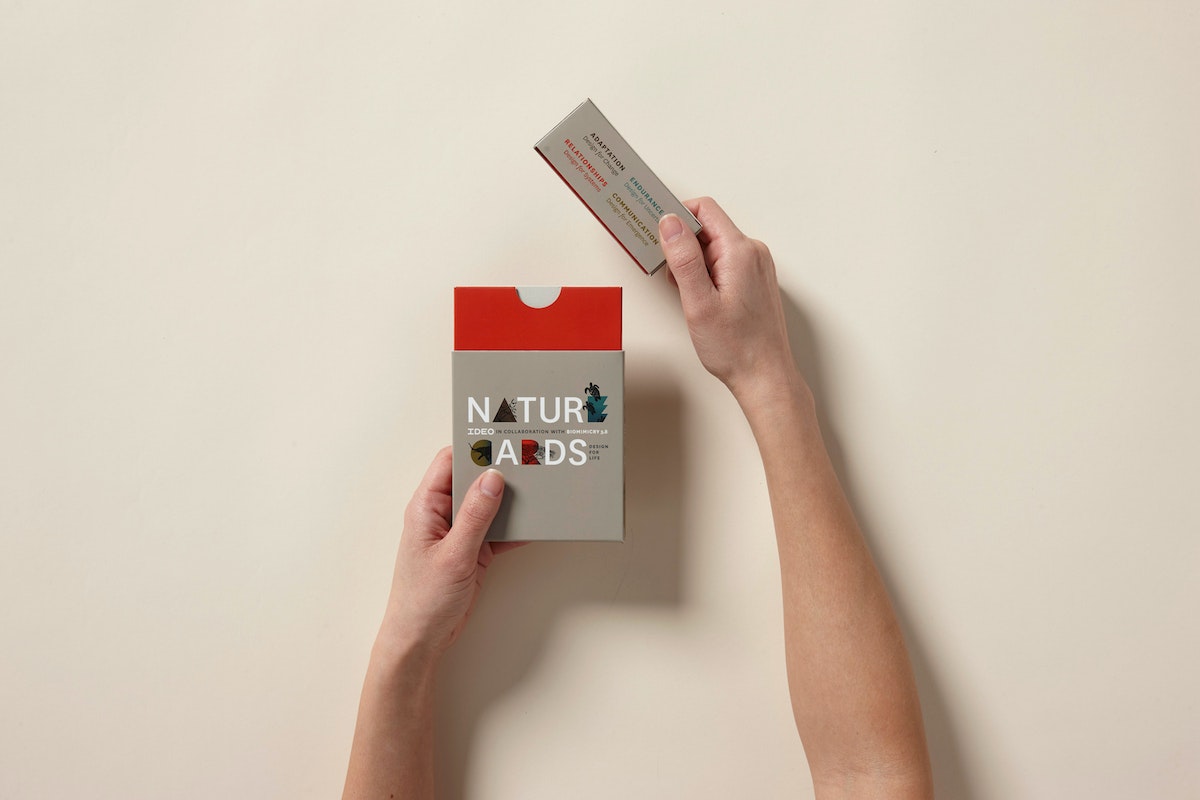
Nature Cards are a collection of cards featuring strategies from the natural world that inspire us with a new mindset as we approach design challenges.
Nature Cards are a collection of cards featuring strategies from the natural world that inspire us with a new mindset as we approach design challenges. Use them to frame your design challenge, evolve your business strategy, brainstorm, teach, or simply to think creatively and holistically with nature in mind.
As human-centered designers and innovators, our work has always been inspired by observing people’s natural behavior in its physical, social, and cultural context. As we address increasingly complex and systemic challenges, recently some of us at IDEO have been exploring how human-centered design might broaden its lens to include observation of the natural world in which humans are an integral part. With the help of experts in biology and the life sciences, we are learning about the principles of successful strategies in living systems. This knowledge is inspiring new thinking about how and what we can create for a thriving future.
Download the complete set of Nature Cards here.

Lindsey Turner
I’m passionate about building brands, products, and experiences that help organizations show up with meaning and momentum.
I help organizations cut through complexity by shaping how they show up, through brand strategy, identity, and storytelling.
Working at the intersection of brand and business, I bring an editorial eye and a bias toward making—turning ideas into tangible experiences that people can understand, trust, and believe in.
My work spans government, healthcare, financial services, media, and consumer goods, from launching Gen Z-focused ventures to building innovation labs and reimagining legacy brands. I relish moments of ambiguity and enjoy translating across teams, perspectives, and priorities to move ideas forward.
I started my career in editorial and digital design, shaping cross-platform experiences and identity systems in publishing and agency environments. That foundation still shapes how I work today: I’m detail-oriented, collaborative, and overreliant on the Oxford comma. I hold a BFA in Visual Communication from the School of the Art Institute of Chicago.

Rachel Young
My work helps organizations see who their products aren't working for—and build the will and the tools to do something about it
For 25 years, I've asked the same question: Who does this design exclude—and what are we going to do about it?
My work spans human-centered strategy, inclusive design, and qualitative research, with clients ranging from Microsoft, Google, and Verizon to the National Science Foundation, and San Francisco Unified School District.
Before IDEO, I taught elementary school in East Palo Alto and spent a decade doing design work with social service organizations—where I learned firsthand what it costs people when systems are built without them in mind.
I am currently writing User Error, a nonfiction book about digital access and the design decisions behind it. I live in Oakland, California.

Brian Pelsoh
I lead with craft, ensuring our work is creatively excellent: rooted in deep human insight and imagination, while also grounded in the realities of business and technology.
My expertise spans brand, communication, and product design across tech, education, the arts, and social impact.
I believe great work demands both high-level vision and obsessive attention to detail, and only happens through collaboration.
I bring an inclusive, hands-on approach and a deep understanding of business, which enables me to consistently deliver excellence while always asking why.
Before joining IDEO, I worked at the brand firms Pentagram and VSA Partners. I began my career as a designer, leading teams at the School of the Art Institute of Chicago and the Milwaukee Art Museum. I hold an MFA in graphic design from Maryland Institute College of Art and a BFA in communication design from the Milwaukee Institute of Art & Design, and have taught at some of the best design schools in the US.

Tony Wong
I am responsible for IDEO’s long-term success in China and working with clients to use design as a tool to enable growth.
I am responsible for IDEO’s long-term success in China and working with clients to use design as a tool to enable growth. Specifically, I have helped Chinese companies design holistic brand solutions through the development of their products, communication, services, and innovation teams, and I have helped multinationals expand their presence and influence in China.
I advise global leaders on developing China-led innovation and capabilities.
In over 15 years in IDEO Shanghai, I have worked on projects that use design to elevate the quality of the experience of healthcare products and services, streamline processes that increase productivity, create spaces and programs that promote and enable inclusive communities, and build next generation mobility solutions that are planet-positive.
Before joining IDEO, I worked at Philips Electronics and the Electrolux Group in Italy, the Netherlands, and Singapore on a number of breakthrough commercial products. I am a member of the Young President Organization in Shanghai.

How to use AI as an editor, not a writer
Ed White shares how he uses AI as an editor—not a writer—to sharpen storytelling, rehearse ideas, and preserve the productive friction that makes creative work better.
Ed White has a rule he's tested on his own writing: hold yourself as the writer, and let AI be your editor. Ed is a Senior Design Director at IDEO's London studio, where he co-leads the firm's AI portfolio across Europe. Before IDEO, he spent 12 years as a writer and editor at the Financial Times, Wired, and Contagious. So when he talks about when to use AI for storytelling and when not to, it comes from two decades of crafting his storytelling skills.
In this episode, Mina Seetharaman talks with Ed about two specific tools he uses to keep AI in an editor's seat: a "roasting agent" prompted to critique his drafts without any sugarcoating, and a simulated audience he rehearses pitches on before the real thing. They also get into what Ed is hearing from design leaders at Anthropic, Lovable, Shopify, and Google Creative Lab about how creative work is changing, and why he thinks the friction of writing something yourself is worth protecting rather than automating away.

Building a personal AI for the messiness of life: Sida Li
Becca Carroll talks with Cue co-founder Sida Li about designing a personal AI for the messiness of everyday life—not just work. They explore how Sida stays anchored to human needs while navigating fast-changing technology, product tradeoffs, business-model experimentation, and the realities of building an AI company today.
Most AI products today are built for work—a space with clear problems and established systems. One founder noticed a gap: personal life is messier, harder to systematize, and mostly left behind by the AI boom. So she built Cue, a personal AI that lives inside iMessage and group chats, to go where the other tools haven't.
In this episode, Becca Carroll, IDEO's Chief Strategy Officer, talks with Sida Li, co-founder and CEO of Shared Context Lab, about staying anchored to a human need while the technology around her keeps changing shape, why she treats her business model with the same rigor she'd bring to a product, and what it feels like to build a company at this particular, disorienting moment in AI.
The conversation also gets into how Sida makes design decisions: the language Cue uses to describe itself, the tradeoffs behind building inside iMessage instead of a new app, and a real story about a business idea that didn’t pan out.
This is the second in a two-part series profiling founders from IDEO's Startups-in-Residence program. The first conversation is with Johannes Seemann, founder of Sooner, on designing GenAI for the emotional side of money.

Designing GenAI for the emotional side of money: Johannes Seemann
Designing financial tools around the feelings that shape money decisions.
Most personal financial tools are built to run the numbers and optimize towards a budget. While that works for some, most people experience money as a lived relationship that does not neatly fit into a spreadsheet. Johannes Seemann and Becca Carroll discuss why money is emotional before it is mathematical, and what a human-centered approach to building a generative AI financial product looks like in practice.

The curious leader's edge in uncertainty: Scott Shigeoka
How genuine curiosity helps leaders navigate uncertainty with greater confidence.
Mina Seetharaman talks with Scott Shigeoka, author of Seek and Head of Curiosity Cultivation at the Eames Institute, about what distinguishes genuinely curious leadership from performative curiosity, how power dynamics shape curiosity, and why practicing curiosity can restore energy rather than drain it.
Looks like you might be in search of something very specific?
Or reset the filters above and try another angle.
Here’s some random inspiration

Podcasts about creative leadership

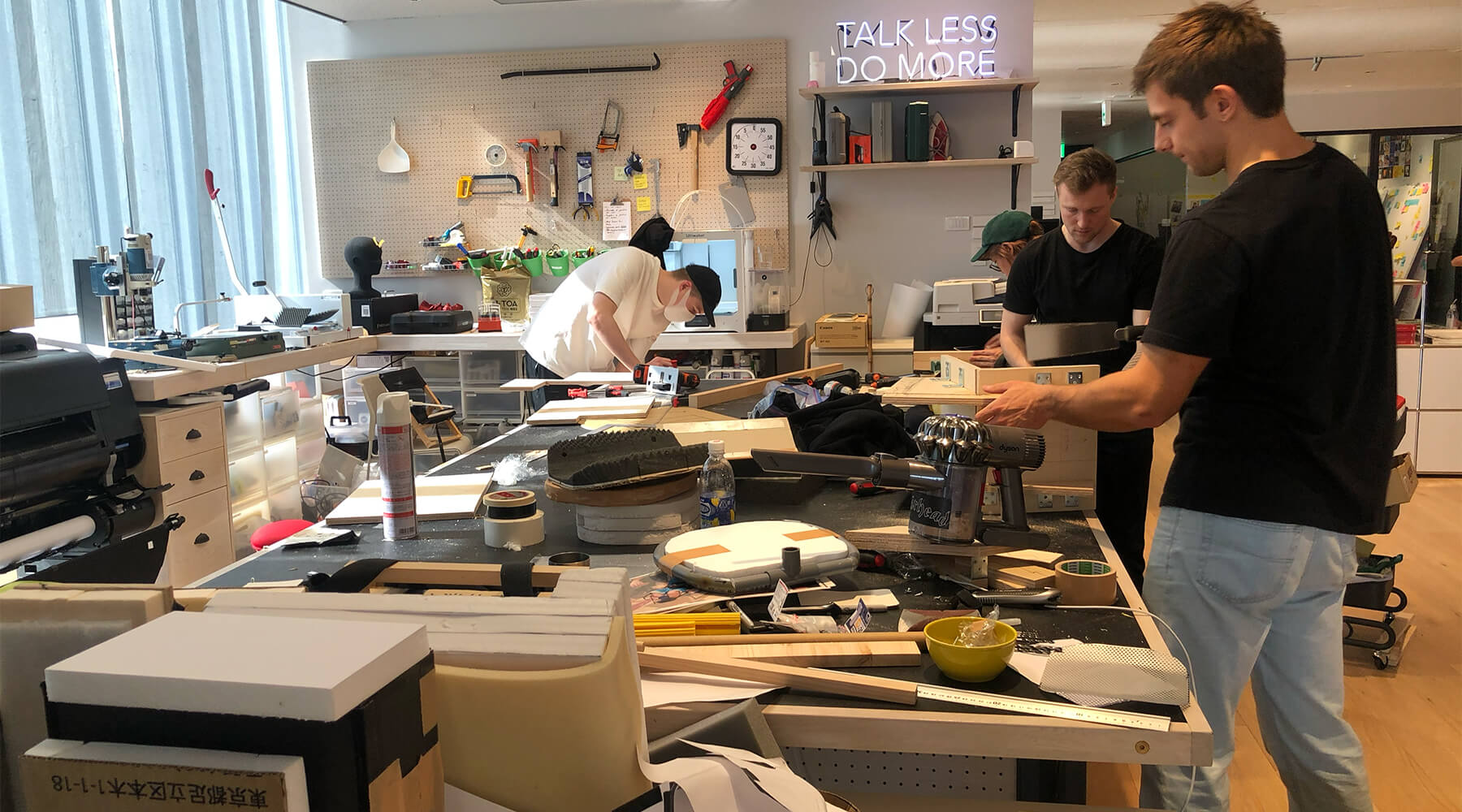
Articles about the power of prototyping