
Balancing work and sleep
Somni’s personalized sleep program helps workers maintain their health.
Sleep is a critical resource for shift workers—and their employers, too. Together, IDEO and Somni worked directly with people with acute and chronic sleep challenges to create concepts that could support their sleep goals, and provide employers with the means to improve employee health.
When IDEO and Somni first partnered, the startup was an early-stage company, so the team started small, with focused sprints and workshops to redesign the core aspects of the company and product offerings. The team interviewed shift workers about their sleep patterns, which can vary quite a bit. Even when people keep to a specific schedule on work days, they often have to change their patterns on days off to spend time with family and friends, leading to a very disruptive sleep cycle. Research revealed that many third shift workers were dealing with sleep and health issues, but also a pervasive “machismo” culture, pressure to “tough it out,” and a reliance on energy drinks to deal with lack of sleep.
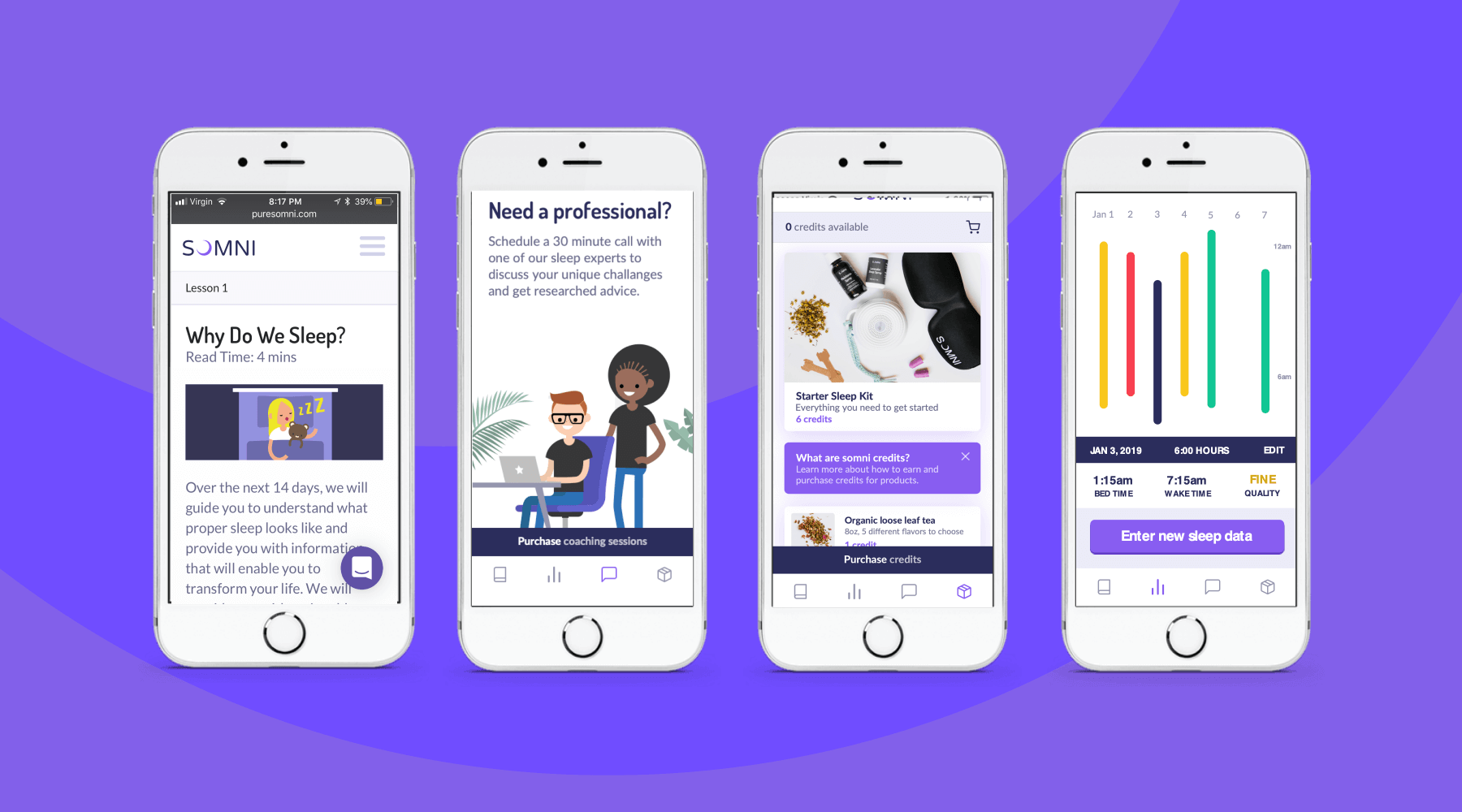
To address those issues, the team designed a digital experience for sleep cohorts, support groups where members could share their experiences and sleep strategies, and work with a coach and sponsor who already had been through the program. The platform analyzed workers’ data, and provided AI-enabled recommendations for improving their sleep. The big takeaway? Data by itself wasn’t necessarily helpful, and could be confusing for folks who were less digitally-fluent. Providing context, like a calendar that displayed sleep experiments at a glance, was crucial.
The IDEO team also created a new user experience for a genetic testing program that could uncover factors associated with sleep issues. Somni aims to use a saliva-based genetic test to monitor for DNA damage caused by circadian disruption, then leverage its sleep improvement program to prevent further damage. Because biomarker testing is a differentiating offer for Somni, it was extremely important that the team get it right, both to make sure that users could understand its utility, and for Somni to provide real value. The design challenge was unique—and not just because of data privacy concerns. Presenting data about DNA damage in a non-human-centered way could increase the anxiety workers had around their sleep.
At the end of the project, Somni leveraged the insights the IDEO team surfaced to improve products like its sleep coaching service, and to refine its biomarker testing offering. Based on this work, Somni has also created a pilot with a Fortune 100 company, which is currently in progress, as it works to mitigate the ill effects of disrupted sleep for employees and the companies they work for.
In the short-term, circadian rhythm disruption leads to an array of jet-lag-like symptoms, and in the long-run, it may contribute to weight gain, obesity, metabolic syndrome, type 2 diabetes, and cardiovascular disease.
It also impairs people’s ability to work, affecting productivity, creativity, and the overall work environment. Productivity loss can lead to employer baseline healthcare costs that are 26% higher, and over time, insomnia can result in an average cost of $4,267 more per employee per year.
In June 2019, the International Agency for Research on Cancer classified shift work as a probable carcinogen.
75%
user retention in Somni's sleep program
$2,450
savings per year per employee for users who complete the program
33%
improvement in sleep quality, and 41 more minutes per night

Nourishing the future
Eat Real helps redefine school lunch by advocating for nutritious, sustainable foods.
Before Eat Real can advocate for better school meals, it has to connect with school leaders—and donors. As the organization expanded its work beyond school certification, it needed an updated soup-to-nuts branding redesign that represents its purpose.
To get started on the five-week sprint, the IDEO team conducted a brand audit and interviews with Eat Real staff, board members, and donors. The team learned that Eat Real’s brand messaging and voice showed up inconsistently, and that board members wanted greater clarity around communication to prospective donors. Several people expressed a desire to change the original logo centered on a fork to a more culturally-inclusive symbol, and for the logo to be separated from the Eat Real Certified stamp, since the organization had evolved to do much more than just certification.
The IDEO team worked in close collaboration with Eat Real to deliver comprehensive brand guidelines, including Eat Real’s brand purpose and core values, positioning and personality, logo and wordmark, visual expression, verbal expression, and brand showcase. The brand’s new tagline, Nourish the Future, speaks directly to how real food access unleashes the possibility for a healthier society and a healthier planet. A new mark combines three elements that signify much more: a welcoming bowl (joy and ritual), the serving spoon (generosity and nourishment), and a sprouting leaf (a future where children and the planet flourish). The team also landed on an unapologetically vibrant color palette, to bring surprise and energy to the brand. From this foundation, Eat Real created a new website, completed a photo shoot with IDEO's art direction, and launched the brand with new messaging and collateral within a year. Now, Eat Real has the tools it needs to scale its operations and affect real change.
To scale its program and be at the center of sustainable food systems change, Eat Real needed branding and messaging to reach a new set of philanthropists.
Almost 30 million US kids depend on public school lunches for more than 50% of their daily calories. These meals are frequently made up of ultra-processed, unsustainable foods that contribute to type 2 diabetes and obesity.
2023 funding goals reached
with its new branding, beating its end-of-year fundraising goals, and putting the nonprofit on track to serve more schools in 2024
129M
meals served to 360,000 students every year at schools that have gone through the certification program

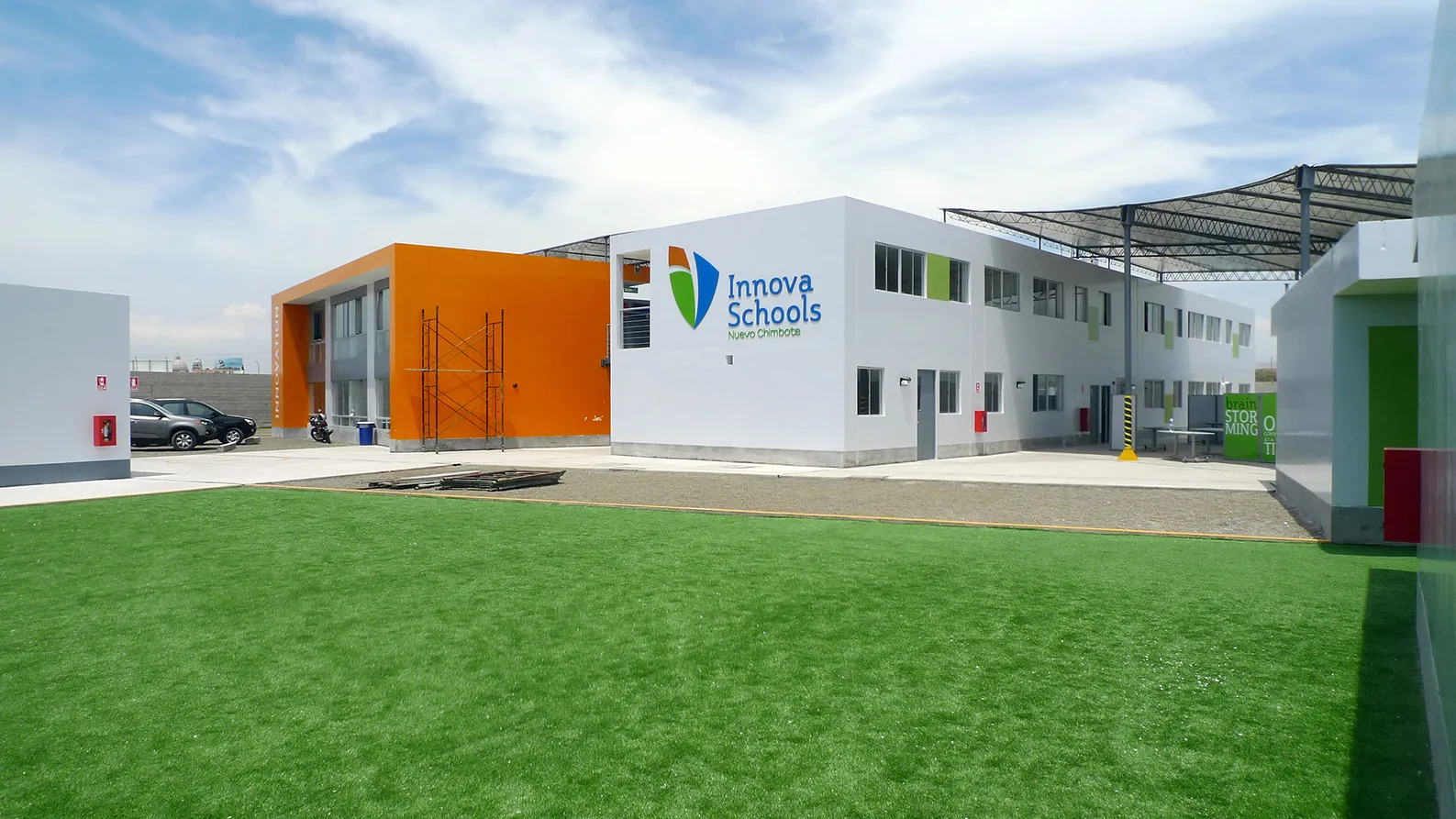
Preparing students to innovate
How Yungu School is building the next generation of changemakers.
Most end-of-high-school experiences, like the Chinese gaokao exam, the global IB Extended Essay, or the US-based AP Capstone program, are focused on testing and academic, classroom-based activities. Yungu School, a private K–12 school in Hangzhou, China, founded in 2017 by Jack Ma of Alibaba and funded by Alibaba partners, wanted to take a different approach. Yungu’s vision: combine the renowned Chinese National Curriculum with an international, competency-based learning mindset.
Designing a new capstone course that brought together the perspectives of Yungu School’s many stakeholders was a complex challenge. The solution? IDEO formed a “co-creation council” composed of eight Yungu School middle- and high-school educators who held different positions within the school, spanned tenures, and came from diverse educational and cultural backgrounds, including Chinese, European, and American. Bringing together educators from a range of backgrounds and points of view fostered alignment and sparked new ideas. In addition to the council, IDEO and Yungu educators gathered additional input from students and parents and crafted the objectives, design principles, and blueprint for the change-making 18-month capstone program.
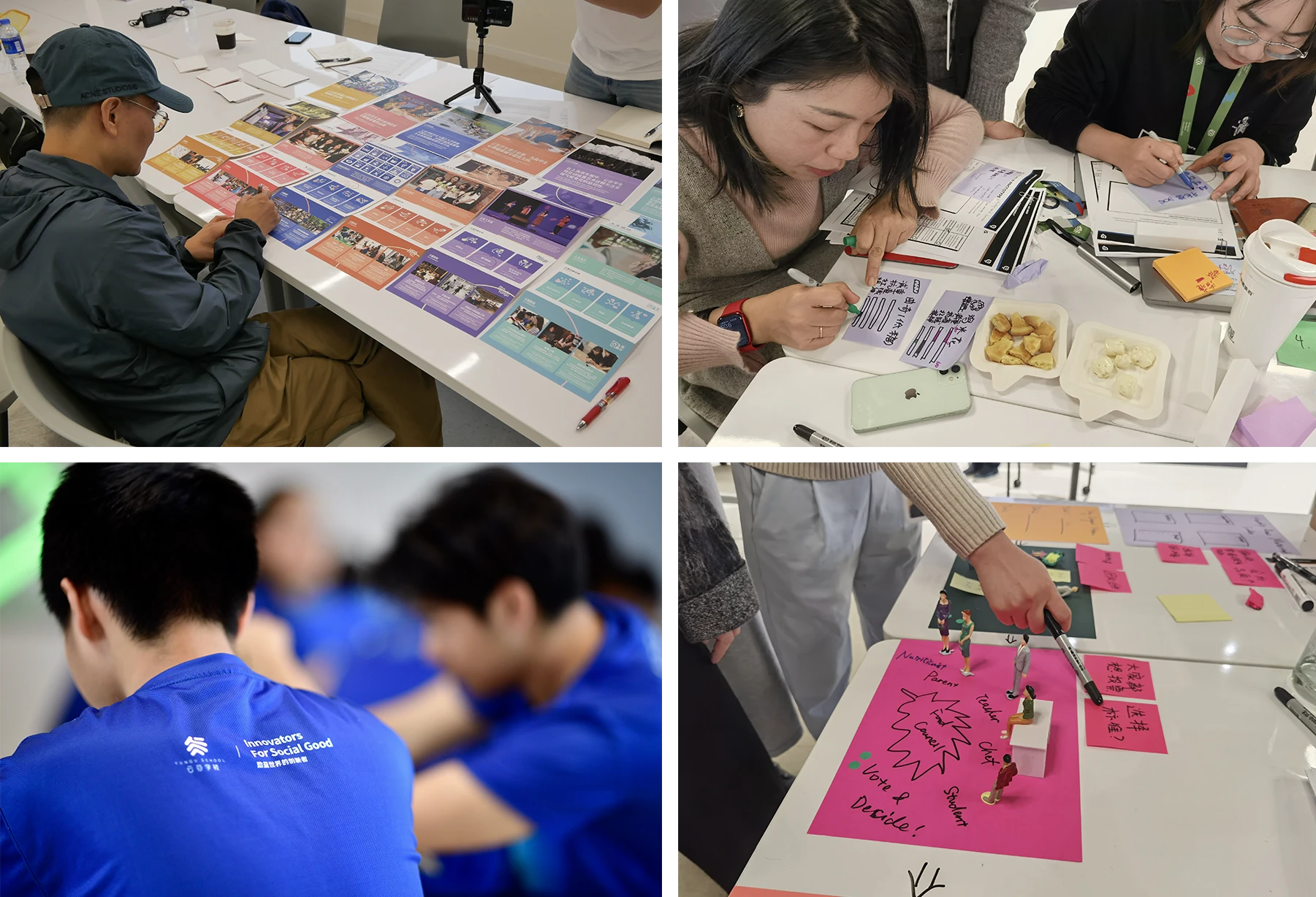
The collaboration resulted in a tailored, insight-driven capstone course that progressively builds learners’ confidence and agency via five modules: “Get Inspired,” “Find Yourself,” “Dive Deep,” “Go Big,” and “Give Back.” The learning cycles, which range from one week to half a year in length, teach students how to move from ideas to impact in topic areas they are passionate about and which have a bearing on pressing issues like climate change, digital privacy, and reducing food waste, among other global challenges. The goal of this iterative approach is twofold. Equip students for “global citizenship” by identifying personal ways to make a positive impact. And foster “entrepreneurship” by learning to be critical, creative, and optimistic systems thinkers who embrace a growth mindset.
To ensure a solid foundation for the new course, IDEO also created a week-long design-thinking training program for Yungu’s teachers. The professional development experience boosted their creative problem-solving and taught them how to move from being “expert instructors of curricula” to “encouraging guides” of capstone students who would need to demonstrate their proficiency through a final product, presentation, or performance rather than a final exam. The collaboration concluded with an immersive exhibition that allowed all stakeholders—educators, students, and parents—to experience the content modules and transformative course for themselves. Since launching its capstone program in 2022, Yungu High School has added lectures from social entrepreneurs and workshops that teach communication skills to the innovative course, garnering awards from media outlets like Fast Company. Most importantly, the signature program has enabled The Yungu School to embody its noble and audacious mission—empowering students to become future innovators for social good.

Today’s high-school seniors learn how to memorize academic content and pass tests but aren’t prepared to make a real-world impact after graduation.
196 college offers
and $1.442 million in scholarships received by over 40 graduates from Yungu High School’s class of 2023
2023 Finalist
Fast Company Innovation by Design Awards, Learning category
Lifelong health by design
Omada Health grows from an IDEO research project to a $1 billion company fighting chronic disease.
Design thinking was embedded in the creation of Omada Health from the earliest phases, and Omada has taken that forward as a strategy for success.
Over the past decade, the digital health company has grown from a couple of early career IDEOers testing concepts at the very frontier of digital health, to a company with nearly 2000 employers on its customer roster and more than one million users of its healthcare products.
Omada’s origin story began at IDEO in 2011, when its now CEO, Sean Duffy, an MD/MBA student at Harvard, joined IDEO as an intern, after a partner found his resume on the copy room floor. What was supposed to be a summer internship led to an exploration of the potential impact of digital tools on chronic health problems. IDEO partner Dennis Boyle gave Duffy and his co-founder and fellow IDEOer, Adrian James, the time and funding to do human factors research, meeting with people with prediabetes and metabolic disease in their homes to learn more about the care they were getting. What they heard was that no product or service was meeting the realities of their daily lives.
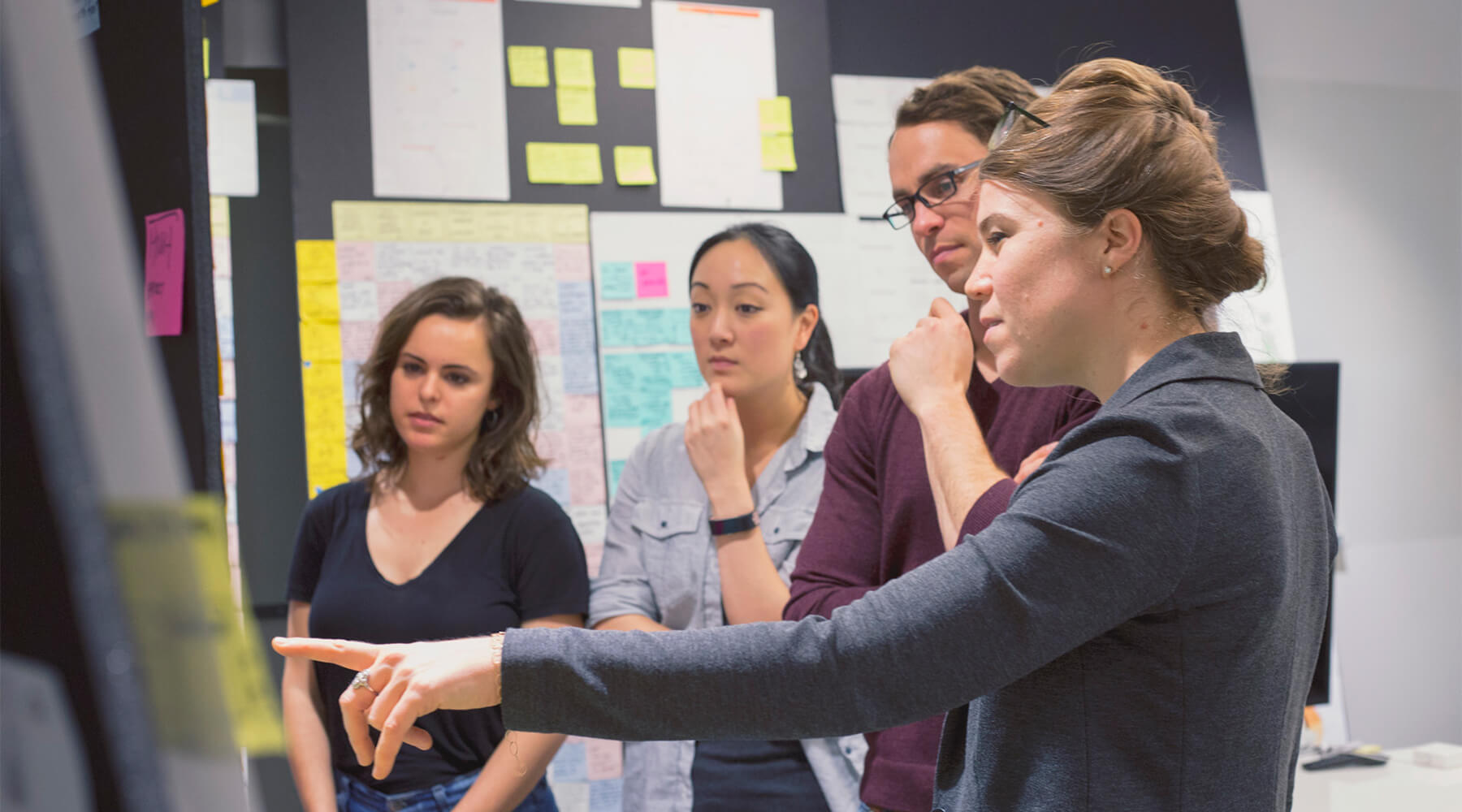
Five months after he landed his internship, and with the company’s blessing, Duffy and James spun Omada Health out of IDEO. Together, they raised a seed round, and continued to lean on design thinking methods, prototyping early versions of their product, then testing it with real patients. Duffy himself even served as the company’s first health coach. By sticking with the mindsets they had learned at IDEO, they avoided the pitfall of falling in love with the popular approaches to digital health of the era—like detailed food tracking or bluetooth enabled pill bottle tops. Instead, they stayed focused on creating what patients were asking for: a digital product that provided support, accountability, and evidence-based solutions.
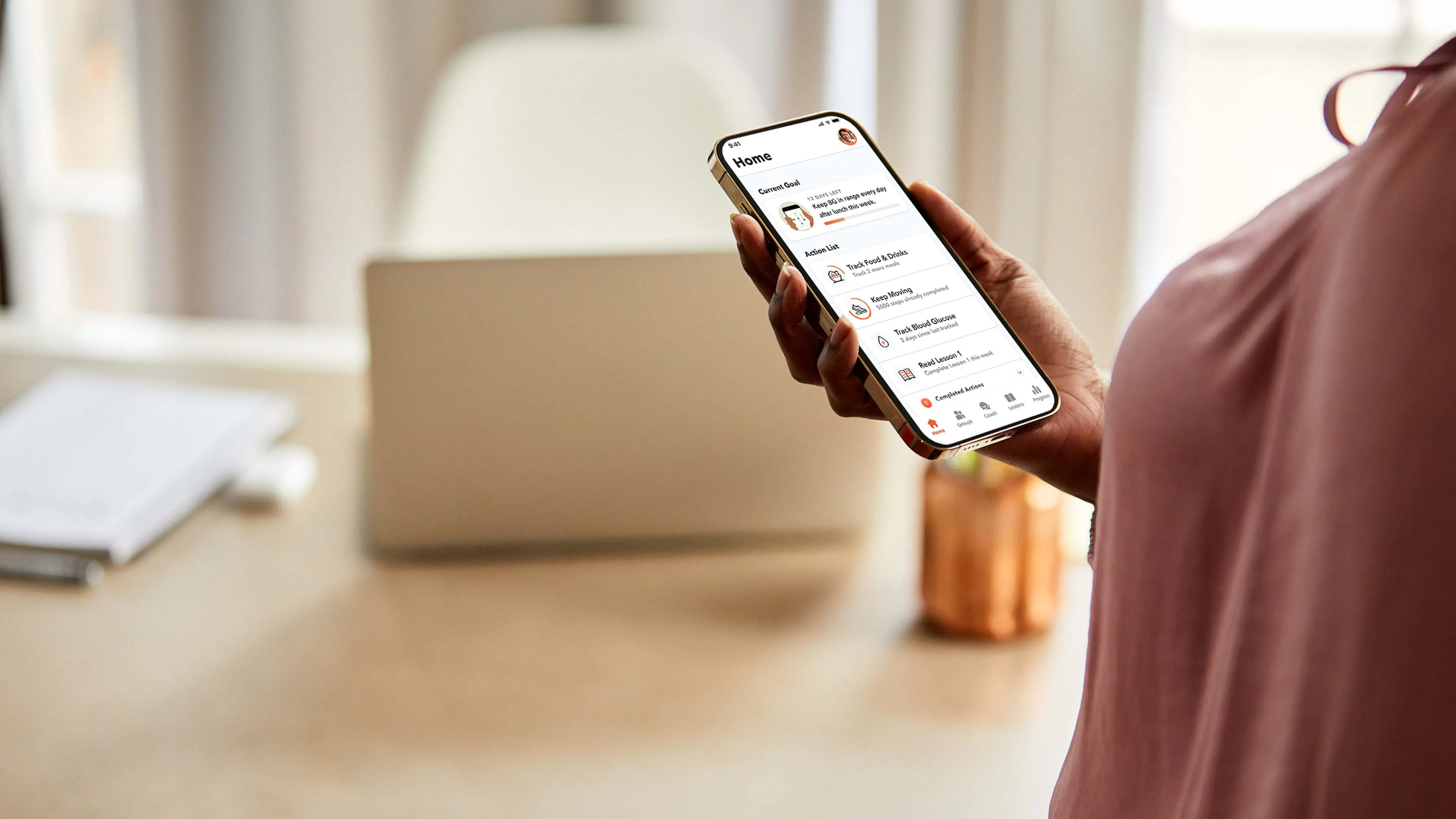
Today, Omada Health is a virtual-first, integrated care solution that provides patients with clinical care plans using digital tools and one-on-one, personalized coaching. It helps users manage chronic conditions including pre-diabetes, diabetes, hypertension, joint and muscle health, and behavioral health. More than a decade after its founding, it counts nearly 2000 employers as customers, has more than one million users of its products, and has published 24 peer-reviewed studies on its outcomes. Not to mention a $1.3 billion IPO in June of 2025. But it’s still going after its North Star: to bend the curve on preventable chronic diseases nationwide.
About 60% of adults in the US live with a chronic disease. According to the CDC, 90% of the nation’s $4.1 trillion annual healthcare expenditures are for people with chronic and mental health conditions.
Diabetes is the country’s seventh leading cause of death—and the most expensive. Diabetes accounts for $1 out of every $4 in US healthcare costs. In addition to the cost of care, diabetes costs employers $90 billion annually in lost productivity.
Nearly 2,000
employers now partner with Omada
1 in 10
commercially-insured Americans have access to Omada through their health plan or employer coverage
$1.3 billion
valuation at Omada's IPO

Looking for Love in All the Places
Why I stalk lovers and put their pictures on Instagram
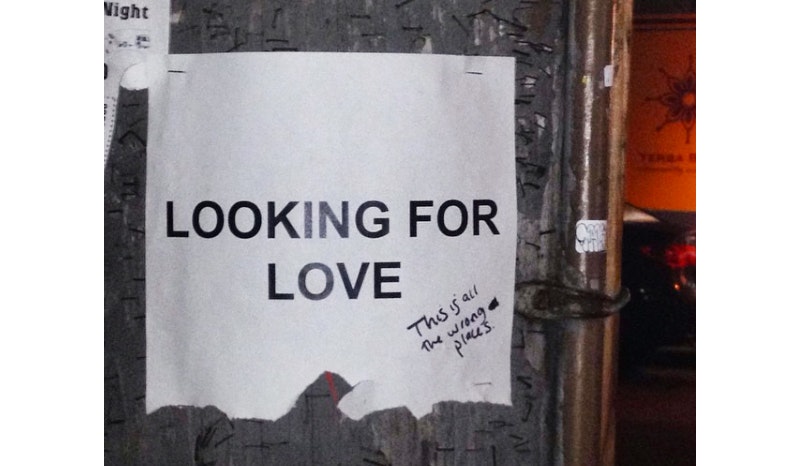
Two years, two photography classes, and a few countries later, I did a deep clean of my hard drive. Between filing away evidence of big parties in tiny apartments and hundreds of nearly identical photos of elephants, I realized that I had taken a lot of pictures of couples. Not five or 10, but closer to 100. And not of people that I knew, but of complete strangers.
On their own, these photos could have been easily overlooked amidst thousands of snapshots of friends and family, but seeing them all together gave me a rush of giddiness and warmth. So, I set out to gather more and began posting the shots on Instagram.
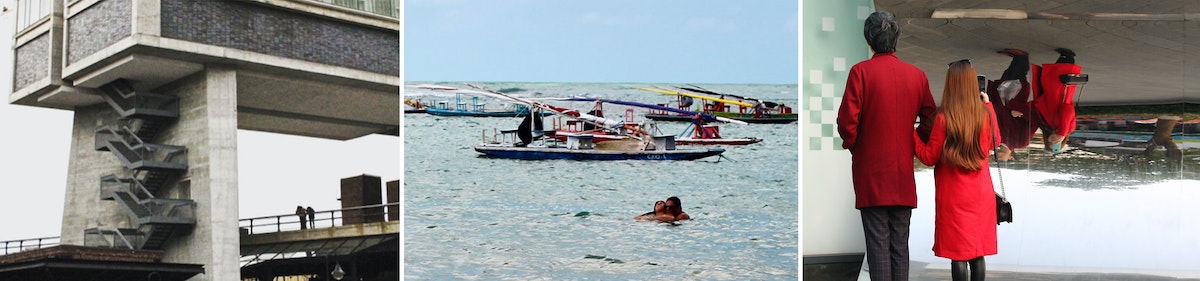
As soon as I launched the account, publicly declaring my habit, I found more and more moments of tenderness in everyday life. I shot from a distance to maintain a layer of anonymity and focus on the transfer of emotion rather than the individuals themselves. My intent wasn’t to get the story behind the shot, but simply to collect these unprovoked and unpolished moments. And as I collected, my definition of public displays of affection expanded to include heads on shoulders, joint selfies, synchronous footsteps—even the imagined closeness of two people standing in proximity to one another. I've found love on street corners, in subway cars, and at national monuments. Instead of walking around with my head down, I was discovering tiny moments of joy in the world.
And the more I found, the more I felt like at any given moment, anywhere in the world, hundreds of people are holding hands, or touching arms, or leaning in to each other. The act of looking for love led to finding it, which led to actually feeling it.
Head to @lookingforloveblog for your fix.

A few years ago, I spotted a tear-off paper flyer stapled to a telephone pole that read LOOKING FOR LOVE. Every tab had been pulled.
Welcoming Bots to the Design Team
How automation helped us dig into our data (and add magic to our prototypes)
However, more data means more time spent managing data. So about four months ago, I pulled together this little helper, an automated assistant that I coded to save our design team a little time. We even gave it a little personality to make living with it more fun.
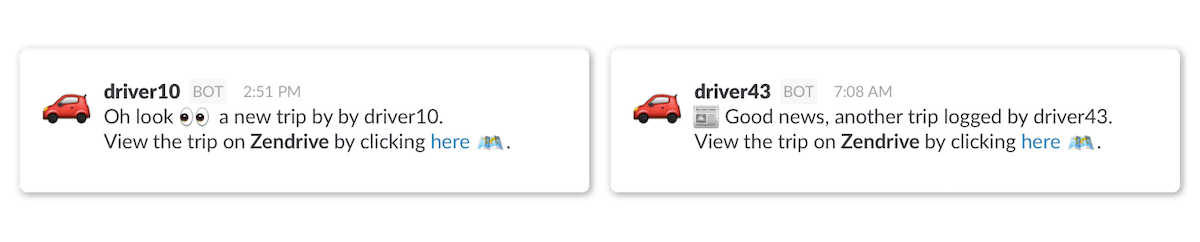
The bots
The inspiration for this bot came from our Chicago team, which was working to develop a health monitoring app for smartphones and watches, and wanted to include a prototype messaging system. Rather than spending time coding a system that would automate responses, they hooked up the Slack interface to a service that would send and receive text messages. The result was a system that allowed a non-technical design researcher to send targeted messages directly from Slack, freeing up the developers to work on the next challenge.
Meanwhile, in London, we were tracking the daily travel of more than 40 people. During the course of the project, we recorded more than 160,000km of driving, so we built a bot to help us keep tabs on our fleet. Each time a journey was complete, the bot would post a note into a special channel, allowing the whole team to see the activity without having to log in to a separate system. The bot also helpfully included a direct link to a separate dashboard, in case anyone wanted to dig deeper into the data.
The tech stacks
Chicago's bot was part of a loop that connected each of the participants’ smartwatches directly to a design researcher:
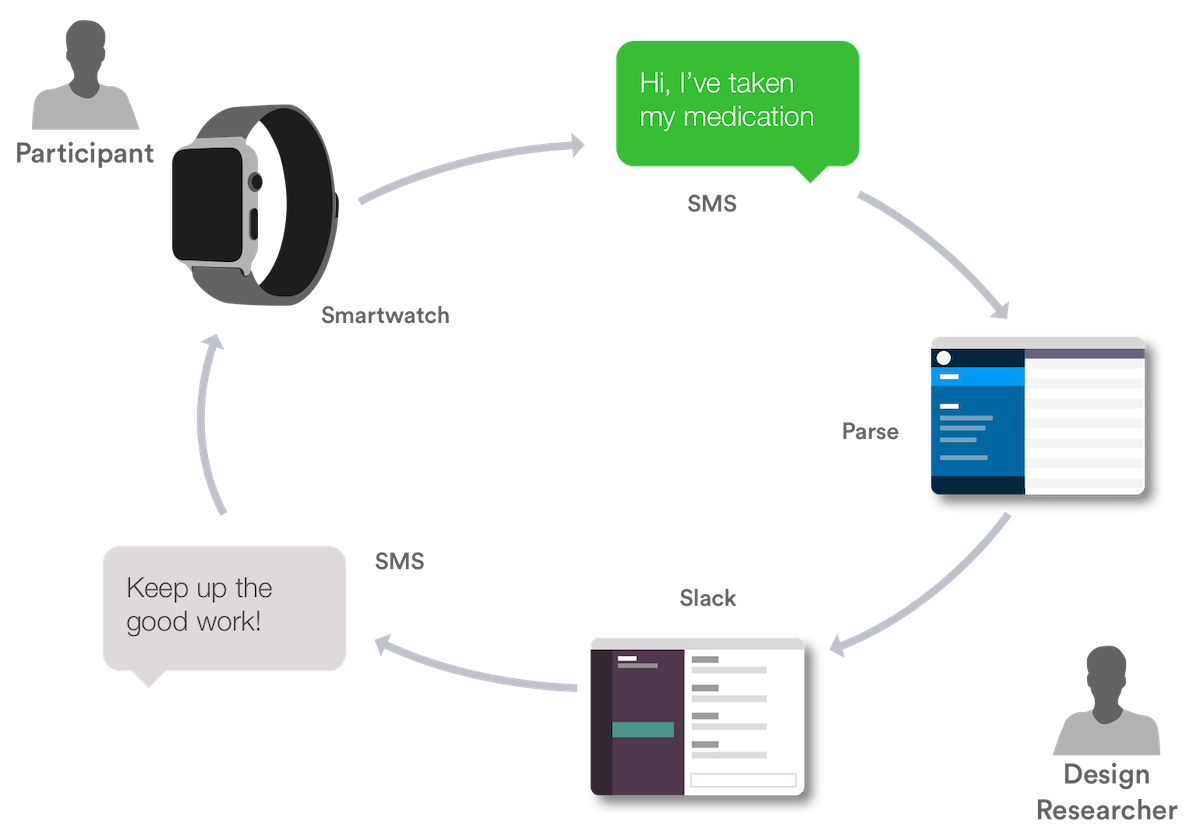
Each day, participants would log their activities using Siri’s voice-to-text feature. Siri then transcribed the voice message, and the text was sent to the database, where it was time stamped and stored. From there, a copy was sent to Slack, where each participant showed up as a team member in the chat interface.Then the whole stack reversed, allowing any member of the team to send a message to the participant. Each day, the design researcher simply had to send a normal Slack message and it appeared on the participant’s smartwatch.
We found their workaround really inspiring, so when we started our travel behavior project, we looked for similar ways to save time.
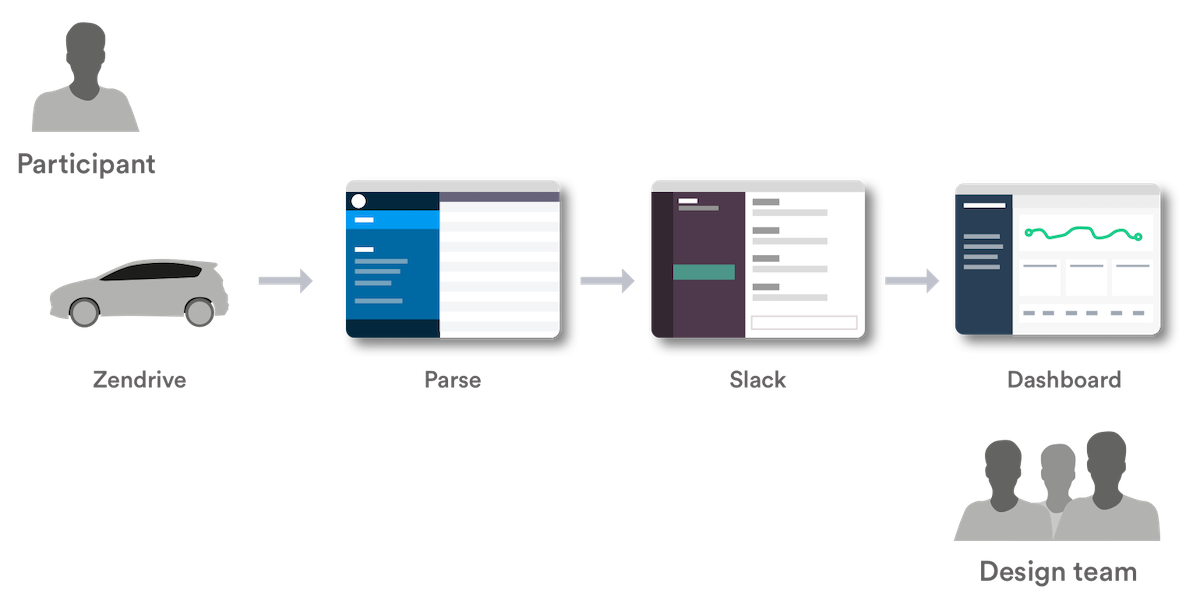
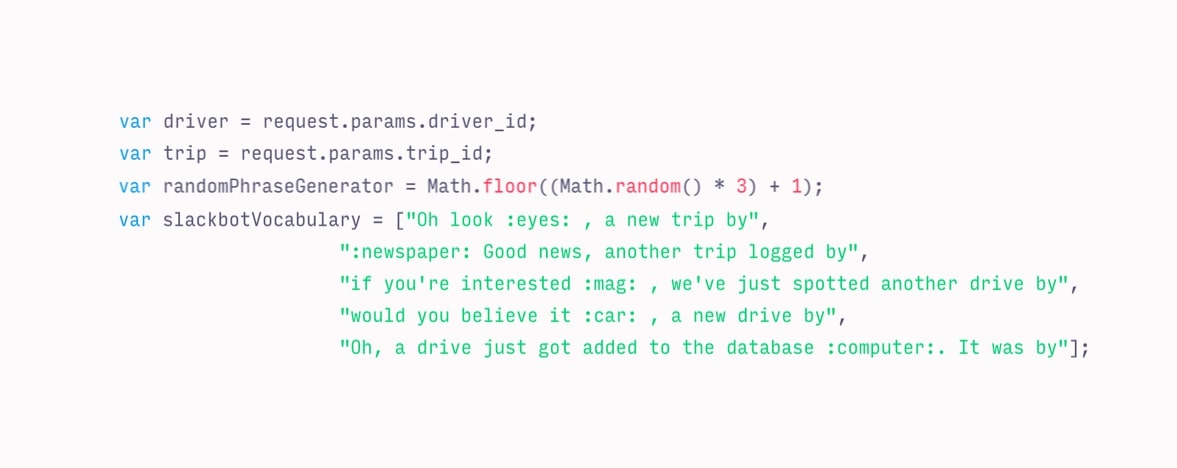
To start, we opted to store each trip in Parse. Once a drive was complete and recorded, we used Parse's Cloud Code functionality to send a message to Slack using the Incoming Webhook integration. The result was a message from the slackbot each time a drive finished. Cloud Code allowed us to format the message with a link back to the data, so it was easy for researchers to click to learn more about each trip. We could format the message however we wanted, so we gave the bot a small bank of phrases to use to add a little personality. We also gave it a few emoji so that it would fit in with the Slack communication style.

These messages popped up in a specific channel. Our team could choose to listen in, or mute it. Over the course of the project, it became a useful reminder that there were real people behind these driving patterns.
What we learned
The Chicago bot showed us that we don’t always need a technical person to manipulate complex systems. Not only did our bot save us time, we were also able to add a little magic to the prototype, which gave our participants a better experience. It also gave all parties—the design team, the client, and a technology partner—a better sense of what was going on, and a quicker way to jump into the data. We’re constantly working to find better ways to collaborate with our clients, and small touches like these make it easier to act on our research. Perhaps the most revealing thing about our adoption of these tools was how quickly we assimilated them into our teams. The new tool went from novel to normal surprisingly quickly.
The future
While adding intelligence to the bots seems like an obvious next step, it could be a dangerous move to outsource too much of our process. After all, we’re here to learn. I'd rather have a legion of simple "toolbots" shaving time off repetitive tasks than software that makes decisions for us, which could cause us to miss valuable insights. Our goal is to empower our teams, not to replace them.
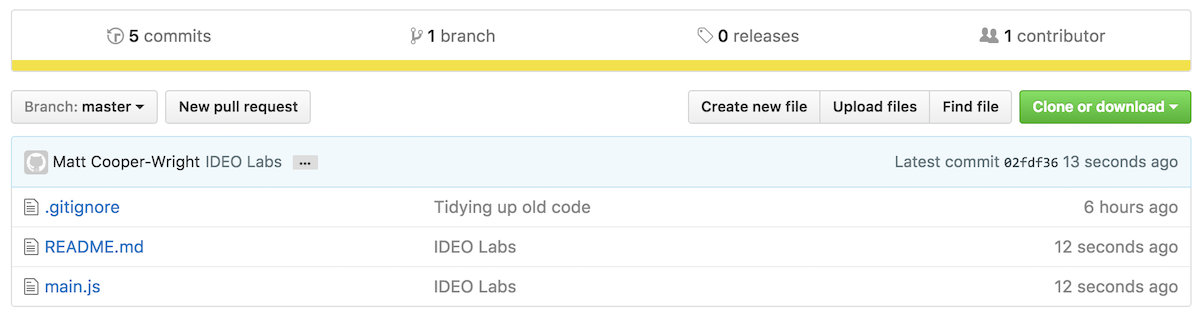
See the London Bot on GitHub here.
Special thanks to Ben Syverson for his help on this post.
We’re always looking for smart ways to learn more in less time. This mentality has led our researchers to push the boundaries of the data we can record in our research process. Alongside the qualitative data we gather from interviews, we also pull together behavioral data collected over longer time periods. We might record someone’s steps per day, or the route they take to work, in order to find insights into the patterns of everyday.
The One Sport the Olympics Should Include
Our intern is bringing it to Rio
A self-proclaimed “sports guy,” Marc first tried archery at 12. By 18, he was a competitive archer, training 4-6 hours a day and traveling across Spain to shoot arrows alongside the country's best bowmen and women, including members of the current Olympic archery team in Rio, Miguel Alvariño, J. I. Rodriguez, and Antonio Fernandez. (Although the modest interaction designer is quick to shun any comparisons.)
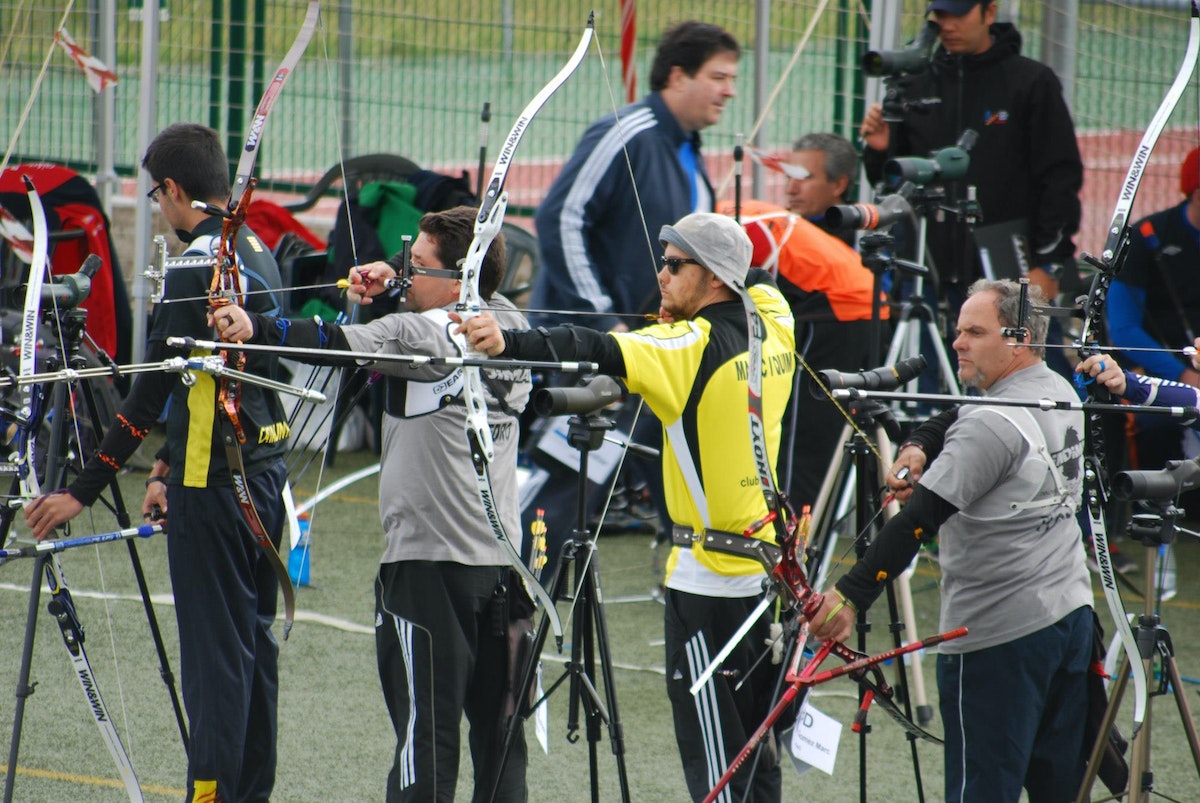
Marc left his custom-made, Olympic-grade bow at home when he relocated to IDEO Chicago for a 7-month internship, but he cheers on his country’s team remotely every night, binge-watching Spanish videos of the day’s competitions on his home laptop thanks to some clever, scrappy, and—ahem—ingenious online “workarounds.”
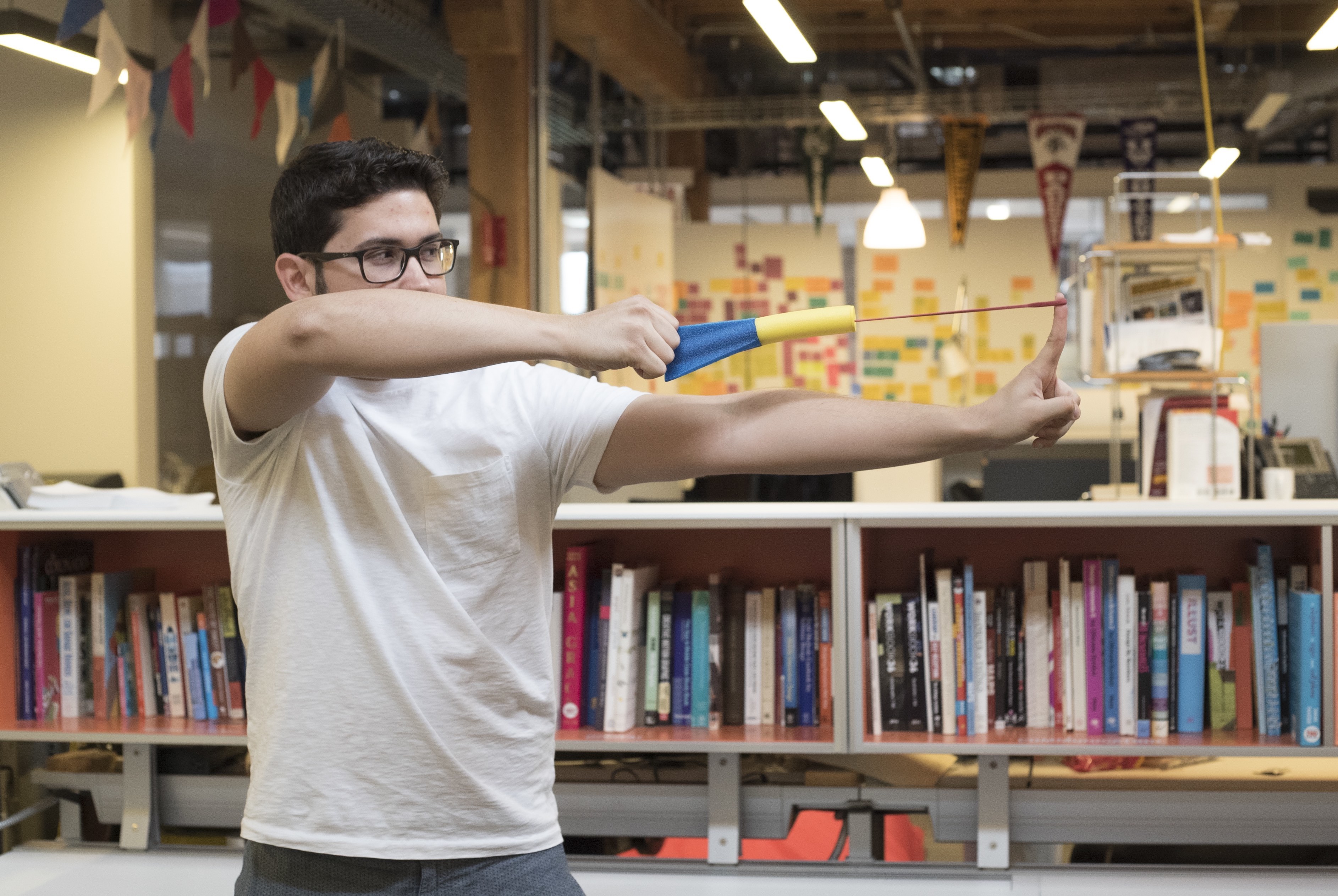
While firing arrows at a bullseye 70M away might be a thing of the past, archery taught Marc many lessons he pulls out of his quiver as a designer today: honing your technique, being honest about your strengths and weaknesses, staying open to new ideas and strategies, and improvising in the moment. Lessons that also apply to successfully launching a Finger Blaster to nab a coveted banana 10 yards away.
WATCH: The ever-hungry intern takes aim at a midday snack. Video by Sophie Feng.
But, then again, if this design thing doesn't work out, there's always Tokyo 2020!
Marc Exposito was born for the Olympics. Literally. The Barcelona native arrived into the world during the heyday of the city’s 1992 Summer Olympic Games.
The Beautiful Future of Living Technology
Designer Natsai Audrey explores our bio-factured future
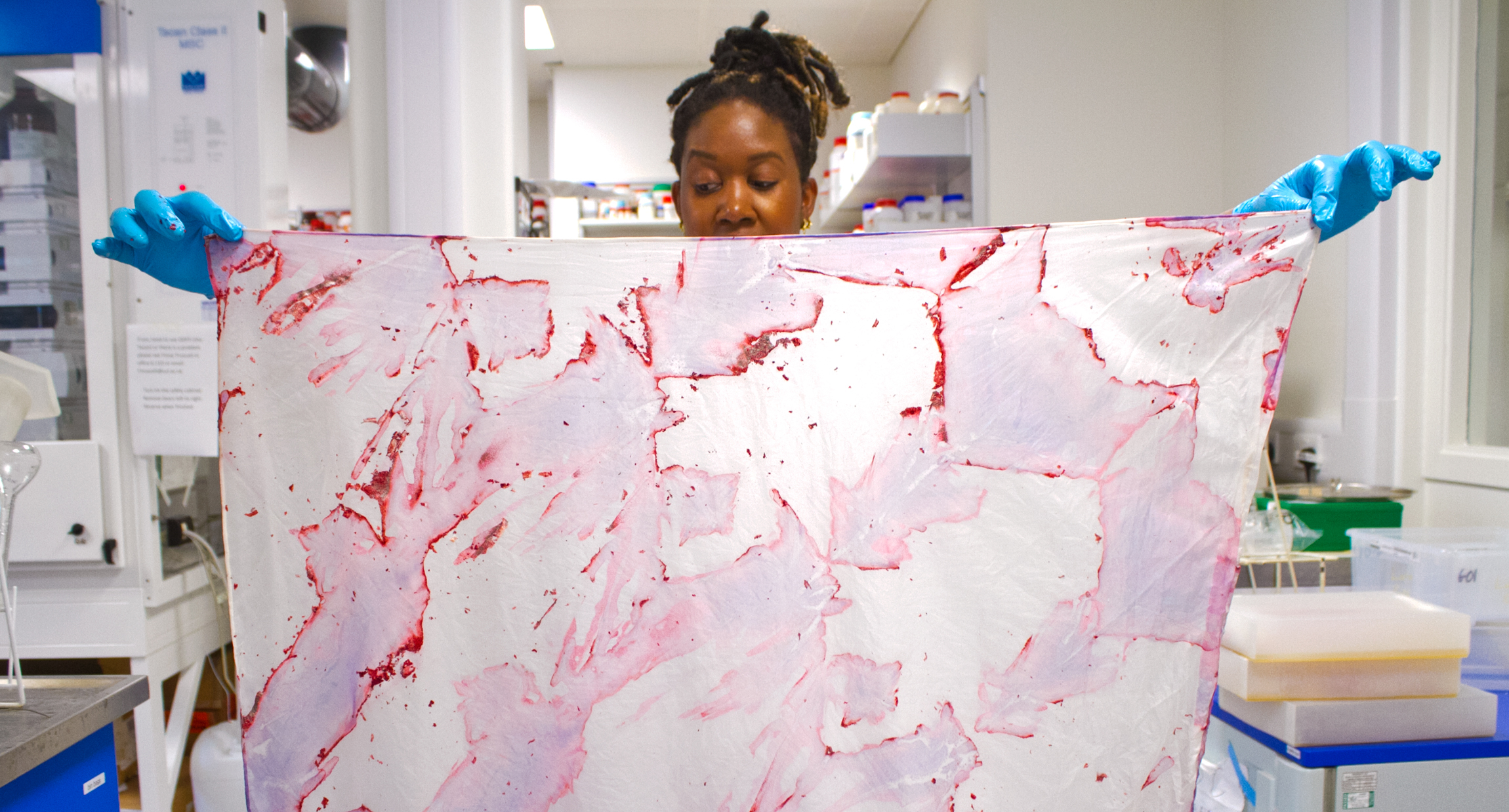
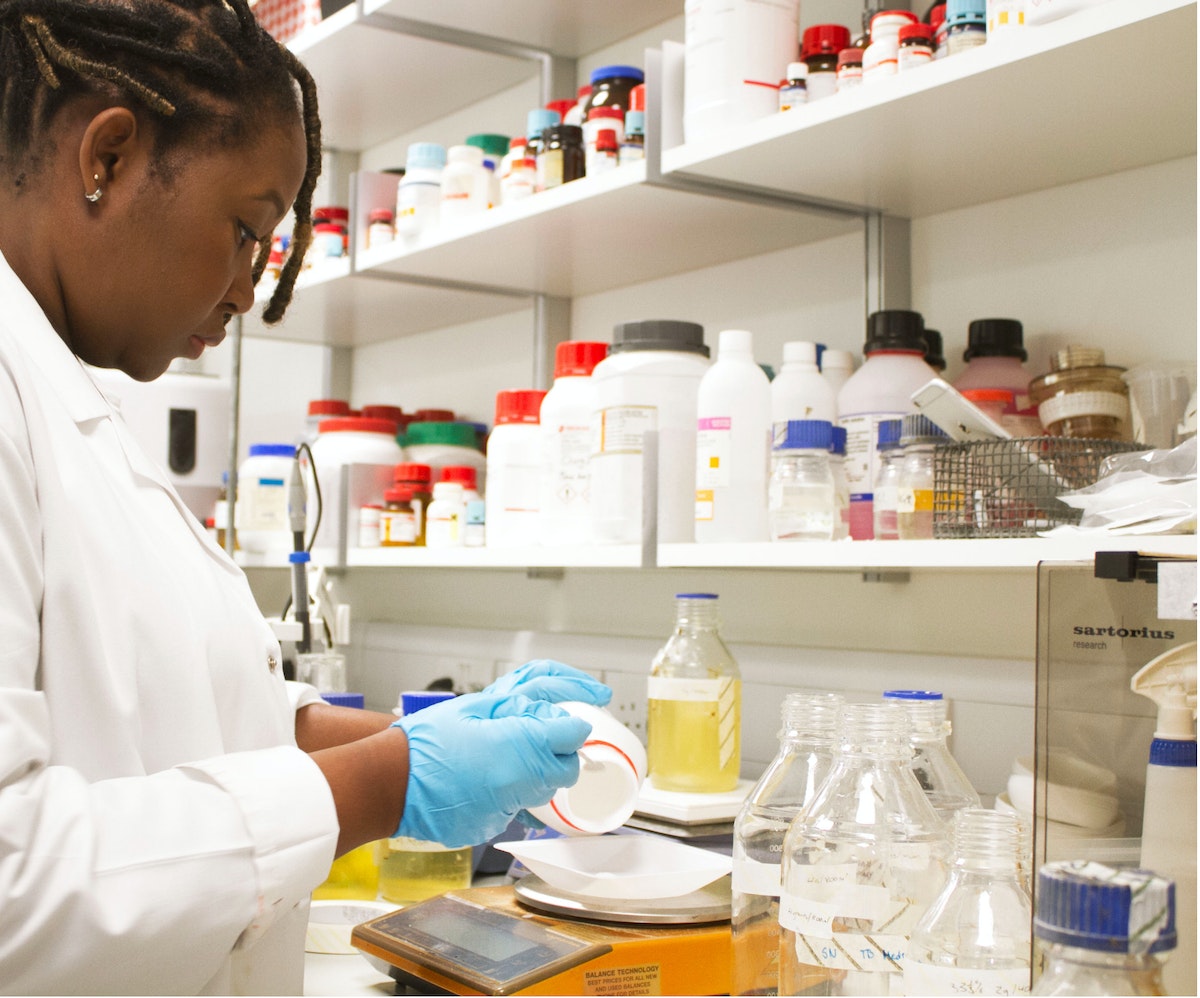
Zimbabwe-born Natsai studied architecture at Edinburgh University, then at Central St. Martin’s Material Futures course. There she learned about synthetic biology, and met Dr. John Ward, a professor from UCL’s microbial molecular biology lab. He became a supporter of her scarf project, called Fold.
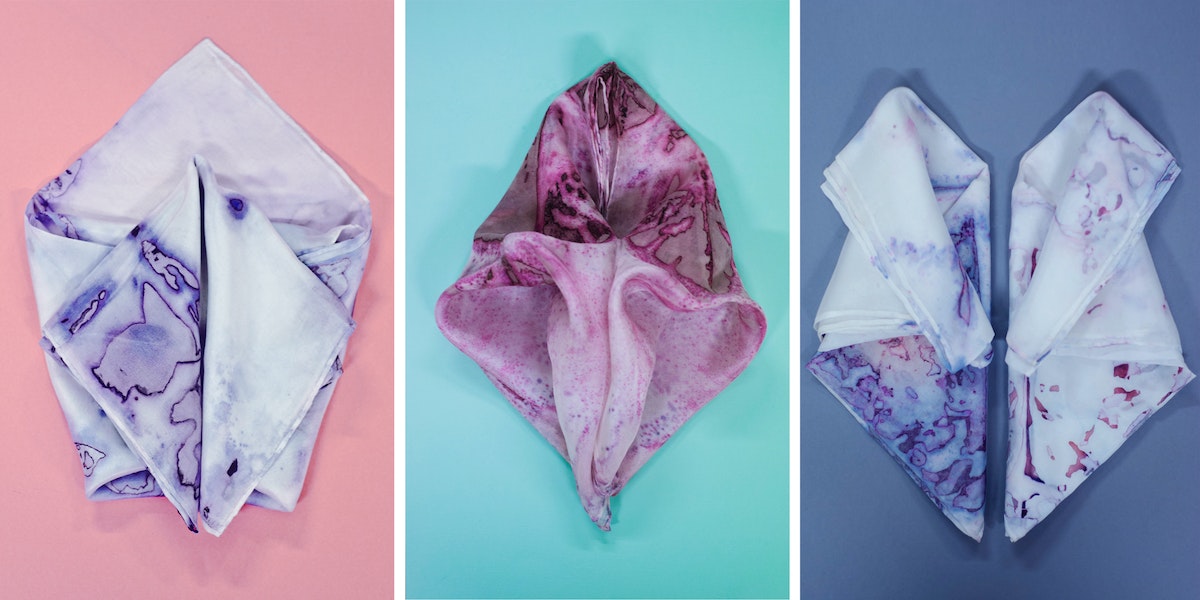
Natsai is at the forefront of an emerging field, biodesign, that aims to tackle the climate change problems caused by textiles and farming. Fueled by advances like the gene editing technique CRISPR, which is making designing with DNA simpler and cheaper, scientists and designers are looking to harnessing nature itself to ‘biofacture’ everything from leather, to meat, to medicine.
Companies like Bolt Threads are spinning synthetic spider silk, while Modern Meadow is growing meat in labs. Meanwhile Autodesk is creating design tools for the field—think AutoCAD for DNA.
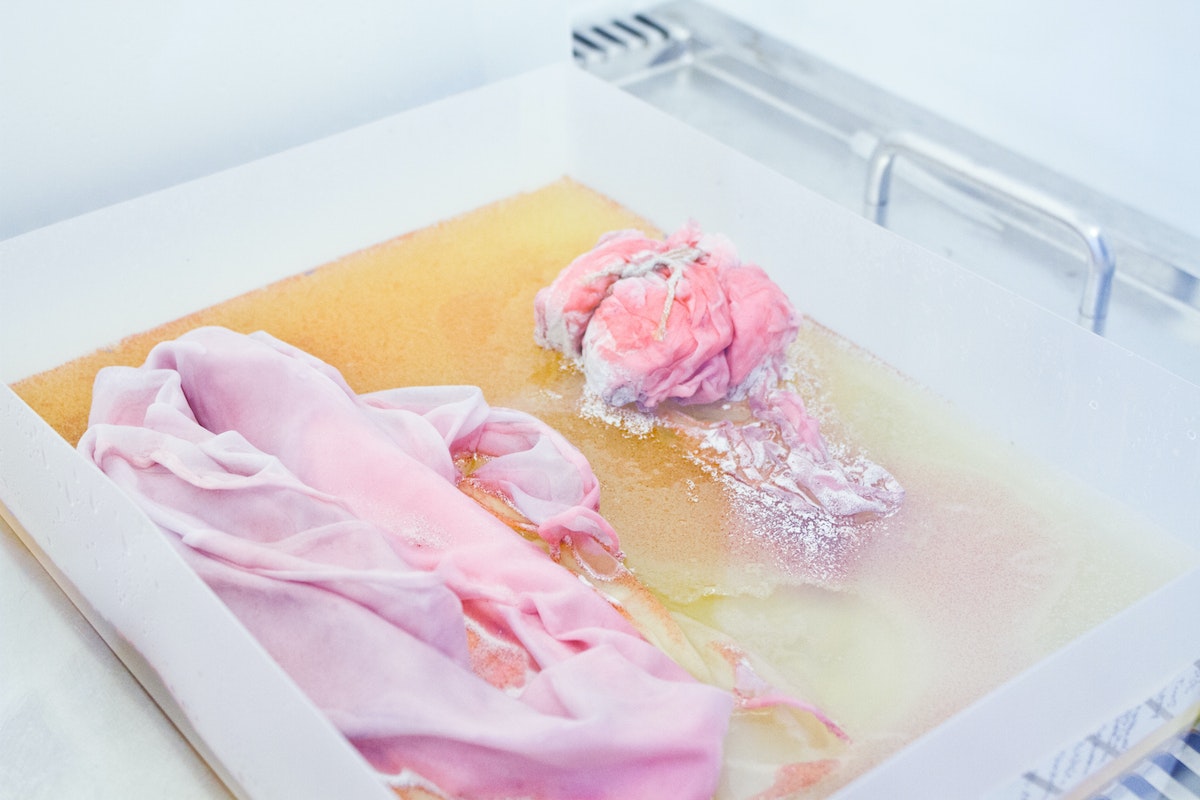
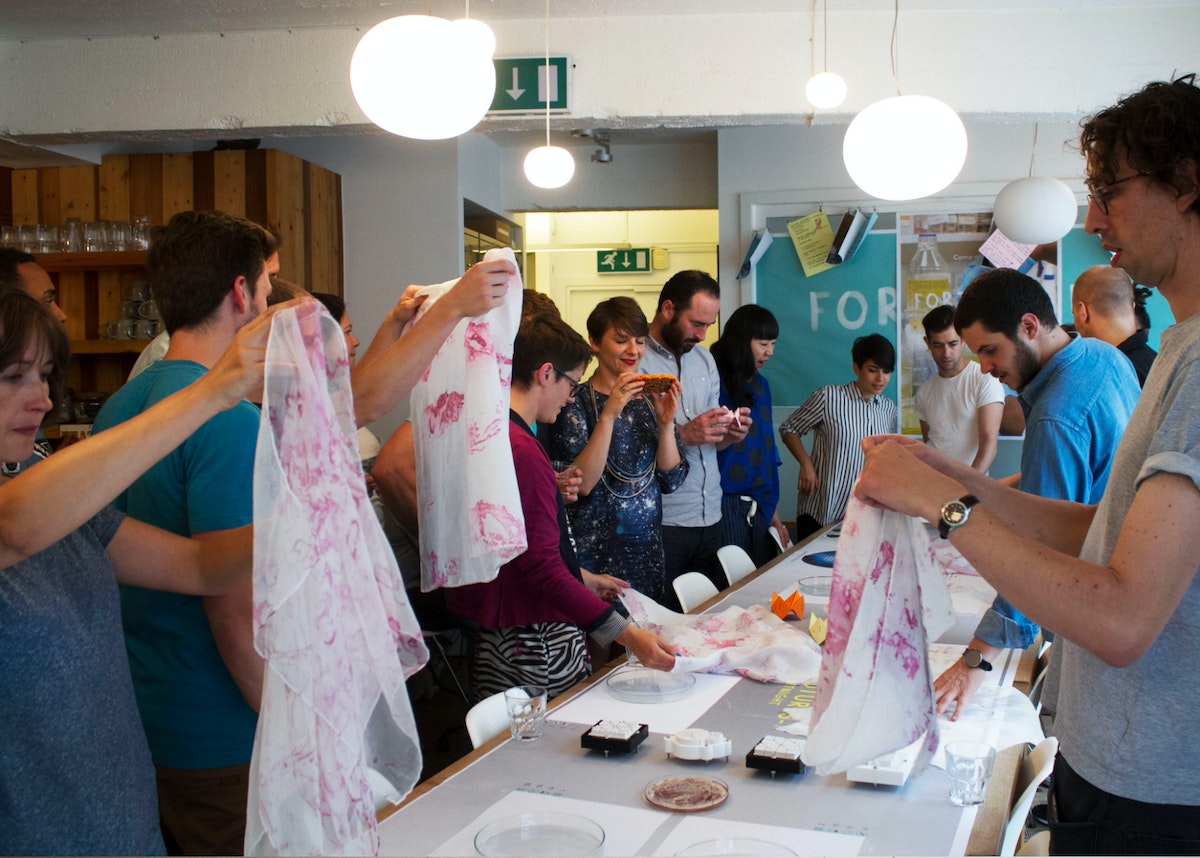
Natsai joined IDEO’s London studio as part of our two week-long Fortnight residency, collaborated with the community here, and shared the resulting scarves. As part of her final presentation, she brought to life the potential of biodesign with a series of five tweets. Here, she explains the speculative future they’re framed in. It is a future in which synthetic biology is shaping brands, products, businesses, and people’s behavior.
Future Craft
“Hyper-specialized hybrid technologies signal the rise of the niche maker. #DIYbio #biomakerspace”
Natsai: I’m really interested in the dialogue between craft and technology. This tweet depicts my own reality: my craft is so specialized that I have to design the tools to create it, and I also have had to learn how to maintain the life that co-creates it, without any precedents to learn from. Imagine a world where our materials are alive or derived from living systems. Every maker will intimately know the biochemistry of their chosen species, and will find new ways of transforming those organisms’ behaviors into truly unique products and processes. We’ll be using other living systems and even amalgamating layers of digital technology to biofabricate.
Service Design
“Who owns your wardrobe? #panasonic4nike”
Natsai: I had a conversation with a colleague about how one might go about democratizing the production of ‘bio-factured’ products. At the time I was thinking about how to streamline the process for scaling up this technology, but he challenged me to think about new models of distribution that tap into DIY culture. Ultimately, his question was: if you can grow your own textiles, then who owns your wardrobe? The hashtag #Panasonic4Nike points towards a future that sees unlikely stakeholders coming together to offer true innovations in designing the products we use, as well as the services and hardware that enable us to do this in a personalized way.
Convergence
“Digitized biology has democratized the creation of complex biological consumer products. #autodesk #synbio #AI #IOT”
Natsai: I understand that not only do I work with a pigment-producing bacteria, but that medium is also a biological sensor. Producing pigment signals a crucial stage in the bacteria’s life cycle. This made me ask: how could we harness living sensors and build them into our everyday environments? The notion of technology convergence is definitely something I see happening further into the future. Wearable technology, household electronics and the Internet of Things, in my view, will expand and come together to create mutually-beneficial ecosystems of bacteria and digital technology.
Metabolic Materiality
“Biofacturing process & biological characteristics of an organism now define a brand’s identity and its business model. #bottomupprimacy #IP”
Working in a fashion context, I am hyper aware of how a brand’s identity communicates. The product itself needs to hold true to the values of the brand. This is the part that gets tricky working with a living technology: at some point I relinquish control to my bacterial colonies to finish the garments—conceptually speaking, I provide the structural parameters. The lack of control is a challenge and an opportunity to design interventions that end up in line with the brand identity. Creativity therefore becomes crucial, to push the aesthetics and craft processes in the development of each garment. Although it’s true of any industry, fashion is a particularly interesting space to consider a business model based on that uniqueness. Even before we think about synthetic biology as a way of manufacturing, designers can and should push innovation beyond a simple “genetically-modified organism 1 fixes problem A.”
Beyond Monoculture
“Happy Kombucha shares rally as merger with Kvadrat announced. #symbioticventures #closedloopsystem”
This really looks at future business models and ecosystems of information and skill exchange. Happy Kombucha actually exists and it’s my go-to for food and beverage bacterial cultures in the UK. They mainly sell starters and toolkits for brewing your own kombucha, kefir water and kefir milk. This tweet is a little tongue-in-cheek: it imagines that their business strategy has evolved to sell the SCOBYs (the symbiotic colony of bacteria and yeast that ferments tea, to make kombucha) as fabrics, leading to a merger with major textile manufacturing brand Kvadrat. It also speaks of the current and future reality of the trade of living organisms.
IDEO Fortnight with Natsai Audrey Chieza from Alexandra Whiting on Vimeo.
Vivid pinks, blues, greens and yellows form beautiful, organic abstract shapes on Natsai Audrey’s delicate silk scarves. But they’re not drawn by her, or silkscreened in a print studio. Instead, the shapes are the life and death of streptomyces bacteria writ colorful on silk, folded into a petri dish, in a lab.

Lindsey Turner
I’m passionate about building brands, products, and experiences that help organizations show up with meaning and momentum.
I help organizations cut through complexity by shaping how they show up, through brand strategy, identity, and storytelling.
Working at the intersection of brand and business, I bring an editorial eye and a bias toward making—turning ideas into tangible experiences that people can understand, trust, and believe in.
My work spans government, healthcare, financial services, media, and consumer goods, from launching Gen Z-focused ventures to building innovation labs and reimagining legacy brands. I relish moments of ambiguity and enjoy translating across teams, perspectives, and priorities to move ideas forward.
I started my career in editorial and digital design, shaping cross-platform experiences and identity systems in publishing and agency environments. That foundation still shapes how I work today: I’m detail-oriented, collaborative, and overreliant on the Oxford comma. I hold a BFA in Visual Communication from the School of the Art Institute of Chicago.

Rachel Young
My work helps organizations see who their products aren't working for—and build the will and the tools to do something about it
For 25 years, I've asked the same question: Who does this design exclude—and what are we going to do about it?
My work spans human-centered strategy, inclusive design, and qualitative research, with clients ranging from Microsoft, Google, and Verizon to the National Science Foundation, and San Francisco Unified School District.
Before IDEO, I taught elementary school in East Palo Alto and spent a decade doing design work with social service organizations—where I learned firsthand what it costs people when systems are built without them in mind.
I am currently writing User Error, a nonfiction book about digital access and the design decisions behind it. I live in Oakland, California.

Brian Pelsoh
I lead with craft, ensuring our work is creatively excellent: rooted in deep human insight and imagination, while also grounded in the realities of business and technology.
My expertise spans brand, communication, and product design across tech, education, the arts, and social impact.
I believe great work demands both high-level vision and obsessive attention to detail, and only happens through collaboration.
I bring an inclusive, hands-on approach and a deep understanding of business, which enables me to consistently deliver excellence while always asking why.
Before joining IDEO, I worked at the brand firms Pentagram and VSA Partners. I began my career as a designer, leading teams at the School of the Art Institute of Chicago and the Milwaukee Art Museum. I hold an MFA in graphic design from Maryland Institute College of Art and a BFA in communication design from the Milwaukee Institute of Art & Design, and have taught at some of the best design schools in the US.

Tony Wong
I am responsible for IDEO’s long-term success in China and working with clients to use design as a tool to enable growth.
I am responsible for IDEO’s long-term success in China and working with clients to use design as a tool to enable growth. Specifically, I have helped Chinese companies design holistic brand solutions through the development of their products, communication, services, and innovation teams, and I have helped multinationals expand their presence and influence in China.
I advise global leaders on developing China-led innovation and capabilities.
In over 15 years in IDEO Shanghai, I have worked on projects that use design to elevate the quality of the experience of healthcare products and services, streamline processes that increase productivity, create spaces and programs that promote and enable inclusive communities, and build next generation mobility solutions that are planet-positive.
Before joining IDEO, I worked at Philips Electronics and the Electrolux Group in Italy, the Netherlands, and Singapore on a number of breakthrough commercial products. I am a member of the Young President Organization in Shanghai.

How to use AI as an editor, not a writer
Ed White shares how he uses AI as an editor—not a writer—to sharpen storytelling, rehearse ideas, and preserve the productive friction that makes creative work better.
Ed White has a rule he's tested on his own writing: hold yourself as the writer, and let AI be your editor. Ed is a Senior Design Director at IDEO's London studio, where he co-leads the firm's AI portfolio across Europe. Before IDEO, he spent 12 years as a writer and editor at the Financial Times, Wired, and Contagious. So when he talks about when to use AI for storytelling and when not to, it comes from two decades of crafting his storytelling skills.
In this episode, Mina Seetharaman talks with Ed about two specific tools he uses to keep AI in an editor's seat: a "roasting agent" prompted to critique his drafts without any sugarcoating, and a simulated audience he rehearses pitches on before the real thing. They also get into what Ed is hearing from design leaders at Anthropic, Lovable, Shopify, and Google Creative Lab about how creative work is changing, and why he thinks the friction of writing something yourself is worth protecting rather than automating away.

Building a personal AI for the messiness of life: Sida Li
Becca Carroll talks with Cue co-founder Sida Li about designing a personal AI for the messiness of everyday life—not just work. They explore how Sida stays anchored to human needs while navigating fast-changing technology, product tradeoffs, business-model experimentation, and the realities of building an AI company today.
Most AI products today are built for work—a space with clear problems and established systems. One founder noticed a gap: personal life is messier, harder to systematize, and mostly left behind by the AI boom. So she built Cue, a personal AI that lives inside iMessage and group chats, to go where the other tools haven't.
In this episode, Becca Carroll, IDEO's Chief Strategy Officer, talks with Sida Li, co-founder and CEO of Shared Context Lab, about staying anchored to a human need while the technology around her keeps changing shape, why she treats her business model with the same rigor she'd bring to a product, and what it feels like to build a company at this particular, disorienting moment in AI.
The conversation also gets into how Sida makes design decisions: the language Cue uses to describe itself, the tradeoffs behind building inside iMessage instead of a new app, and a real story about a business idea that didn’t pan out.
This is the second in a two-part series profiling founders from IDEO's Startups-in-Residence program. The first conversation is with Johannes Seemann, founder of Sooner, on designing GenAI for the emotional side of money.

Designing GenAI for the emotional side of money: Johannes Seemann
Designing financial tools around the feelings that shape money decisions.
Most personal financial tools are built to run the numbers and optimize towards a budget. While that works for some, most people experience money as a lived relationship that does not neatly fit into a spreadsheet. Johannes Seemann and Becca Carroll discuss why money is emotional before it is mathematical, and what a human-centered approach to building a generative AI financial product looks like in practice.

The curious leader's edge in uncertainty: Scott Shigeoka
How genuine curiosity helps leaders navigate uncertainty with greater confidence.
Mina Seetharaman talks with Scott Shigeoka, author of Seek and Head of Curiosity Cultivation at the Eames Institute, about what distinguishes genuinely curious leadership from performative curiosity, how power dynamics shape curiosity, and why practicing curiosity can restore energy rather than drain it.
Looks like you might be in search of something very specific?
Or reset the filters above and try another angle.
Here’s some random inspiration

Podcasts about creative leadership

Articles about the power of prototyping