
Balancing work and sleep
Somni’s personalized sleep program helps workers maintain their health.
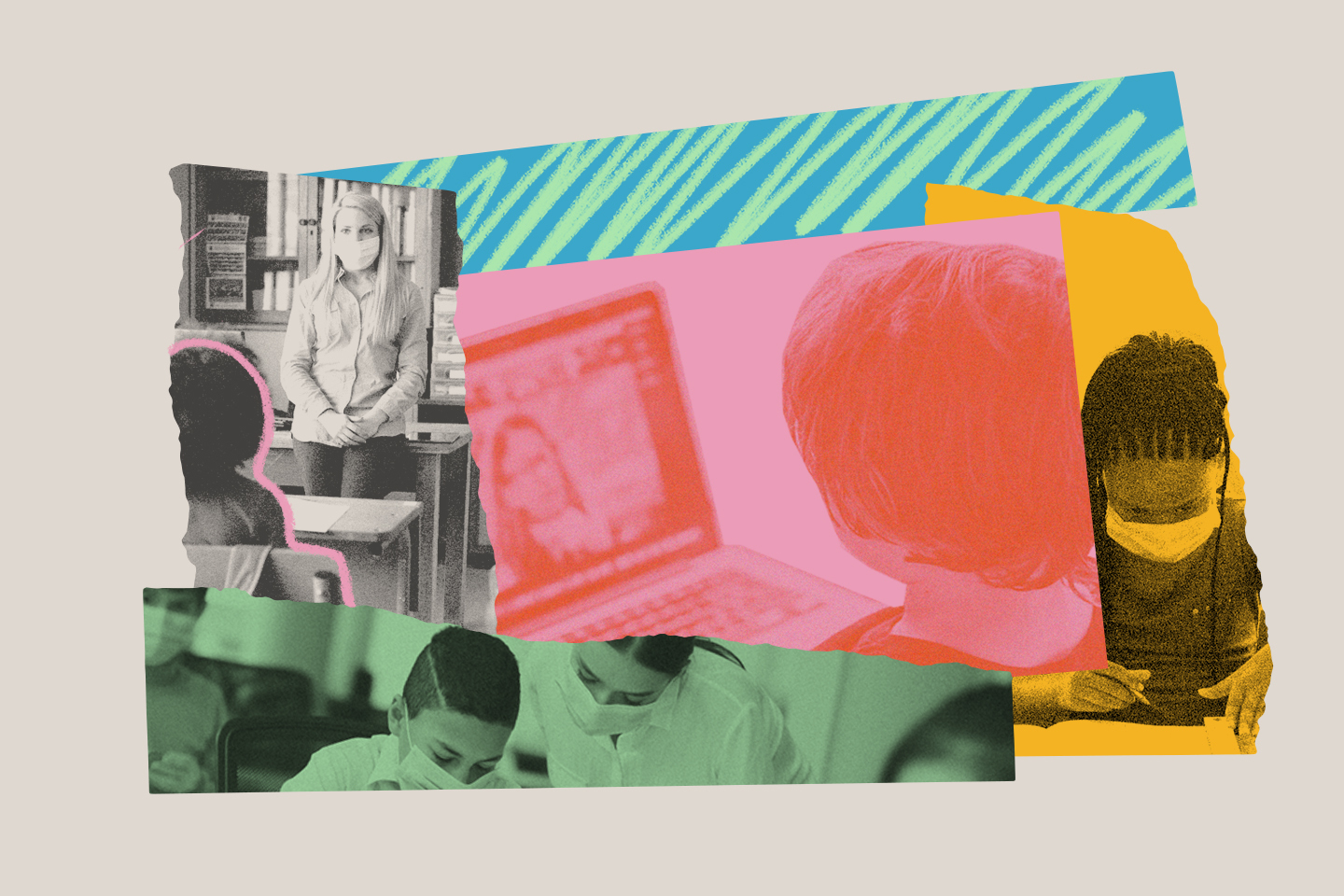
Sleep is a critical resource for shift workers—and their employers, too. Together, IDEO and Somni worked directly with people with acute and chronic sleep challenges to create concepts that could support their sleep goals, and provide employers with the means to improve employee health.
When IDEO and Somni first partnered, the startup was an early-stage company, so the team started small, with focused sprints and workshops to redesign the core aspects of the company and product offerings. The team interviewed shift workers about their sleep patterns, which can vary quite a bit. Even when people keep to a specific schedule on work days, they often have to change their patterns on days off to spend time with family and friends, leading to a very disruptive sleep cycle. Research revealed that many third shift workers were dealing with sleep and health issues, but also a pervasive “machismo” culture, pressure to “tough it out,” and a reliance on energy drinks to deal with lack of sleep.
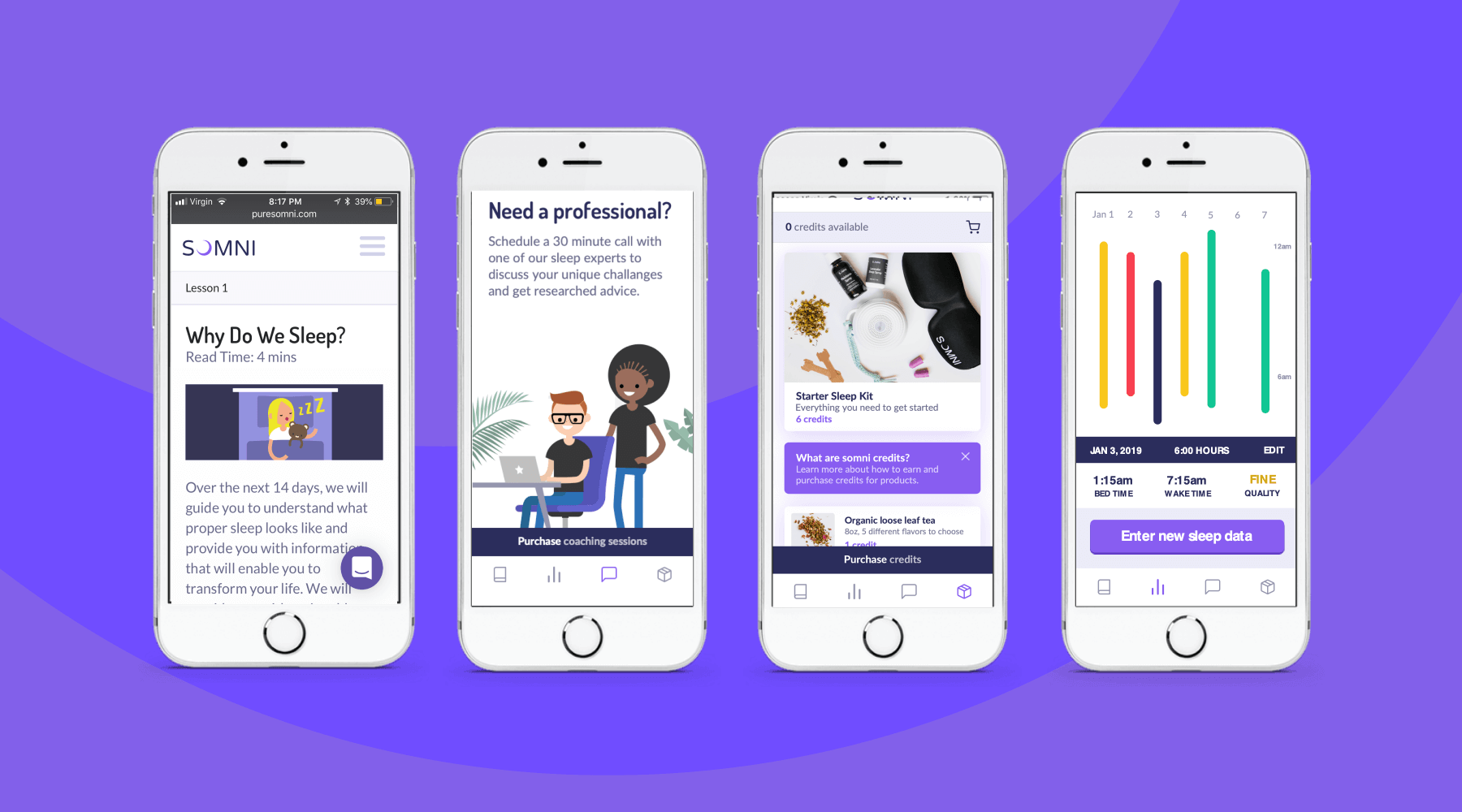
To address those issues, the team designed a digital experience for sleep cohorts, support groups where members could share their experiences and sleep strategies, and work with a coach and sponsor who already had been through the program. The platform analyzed workers’ data, and provided AI-enabled recommendations for improving their sleep. The big takeaway? Data by itself wasn’t necessarily helpful, and could be confusing for folks who were less digitally-fluent. Providing context, like a calendar that displayed sleep experiments at a glance, was crucial.
The IDEO team also created a new user experience for a genetic testing program that could uncover factors associated with sleep issues. Somni aims to use a saliva-based genetic test to monitor for DNA damage caused by circadian disruption, then leverage its sleep improvement program to prevent further damage. Because biomarker testing is a differentiating offer for Somni, it was extremely important that the team get it right, both to make sure that users could understand its utility, and for Somni to provide real value. The design challenge was unique—and not just because of data privacy concerns. Presenting data about DNA damage in a non-human-centered way could increase the anxiety workers had around their sleep.
At the end of the project, Somni leveraged the insights the IDEO team surfaced to improve products like its sleep coaching service, and to refine its biomarker testing offering. Based on this work, Somni has also created a pilot with a Fortune 100 company, which is currently in progress, as it works to mitigate the ill effects of disrupted sleep for employees and the companies they work for.
In the short-term, circadian rhythm disruption leads to an array of jet-lag-like symptoms, and in the long-run, it may contribute to weight gain, obesity, metabolic syndrome, type 2 diabetes, and cardiovascular disease.
It also impairs people’s ability to work, affecting productivity, creativity, and the overall work environment. Productivity loss can lead to employer baseline healthcare costs that are 26% higher, and over time, insomnia can result in an average cost of $4,267 more per employee per year.
In June 2019, the International Agency for Research on Cancer classified shift work as a probable carcinogen.
75%
user retention in Somni's sleep program
$2,450
savings per year per employee for users who complete the program
33%
improvement in sleep quality, and 41 more minutes per night

Nourishing the future
Eat Real helps redefine school lunch by advocating for nutritious, sustainable foods.
Before Eat Real can advocate for better school meals, it has to connect with school leaders—and donors. As the organization expanded its work beyond school certification, it needed an updated soup-to-nuts branding redesign that represents its purpose.
To get started on the five-week sprint, the IDEO team conducted a brand audit and interviews with Eat Real staff, board members, and donors. The team learned that Eat Real’s brand messaging and voice showed up inconsistently, and that board members wanted greater clarity around communication to prospective donors. Several people expressed a desire to change the original logo centered on a fork to a more culturally-inclusive symbol, and for the logo to be separated from the Eat Real Certified stamp, since the organization had evolved to do much more than just certification.
The IDEO team worked in close collaboration with Eat Real to deliver comprehensive brand guidelines, including Eat Real’s brand purpose and core values, positioning and personality, logo and wordmark, visual expression, verbal expression, and brand showcase. The brand’s new tagline, Nourish the Future, speaks directly to how real food access unleashes the possibility for a healthier society and a healthier planet. A new mark combines three elements that signify much more: a welcoming bowl (joy and ritual), the serving spoon (generosity and nourishment), and a sprouting leaf (a future where children and the planet flourish). The team also landed on an unapologetically vibrant color palette, to bring surprise and energy to the brand. From this foundation, Eat Real created a new website, completed a photo shoot with IDEO's art direction, and launched the brand with new messaging and collateral within a year. Now, Eat Real has the tools it needs to scale its operations and affect real change.
To scale its program and be at the center of sustainable food systems change, Eat Real needed branding and messaging to reach a new set of philanthropists.
Almost 30 million US kids depend on public school lunches for more than 50% of their daily calories. These meals are frequently made up of ultra-processed, unsustainable foods that contribute to type 2 diabetes and obesity.
2023 funding goals reached
with its new branding, beating its end-of-year fundraising goals, and putting the nonprofit on track to serve more schools in 2024
129M
meals served to 360,000 students every year at schools that have gone through the certification program

Preparing students to innovate
How Yungu School is building the next generation of changemakers.
Most end-of-high-school experiences, like the Chinese gaokao exam, the global IB Extended Essay, or the US-based AP Capstone program, are focused on testing and academic, classroom-based activities. Yungu School, a private K–12 school in Hangzhou, China, founded in 2017 by Jack Ma of Alibaba and funded by Alibaba partners, wanted to take a different approach. Yungu’s vision: combine the renowned Chinese National Curriculum with an international, competency-based learning mindset.
Designing a new capstone course that brought together the perspectives of Yungu School’s many stakeholders was a complex challenge. The solution? IDEO formed a “co-creation council” composed of eight Yungu School middle- and high-school educators who held different positions within the school, spanned tenures, and came from diverse educational and cultural backgrounds, including Chinese, European, and American. Bringing together educators from a range of backgrounds and points of view fostered alignment and sparked new ideas. In addition to the council, IDEO and Yungu educators gathered additional input from students and parents and crafted the objectives, design principles, and blueprint for the change-making 18-month capstone program.
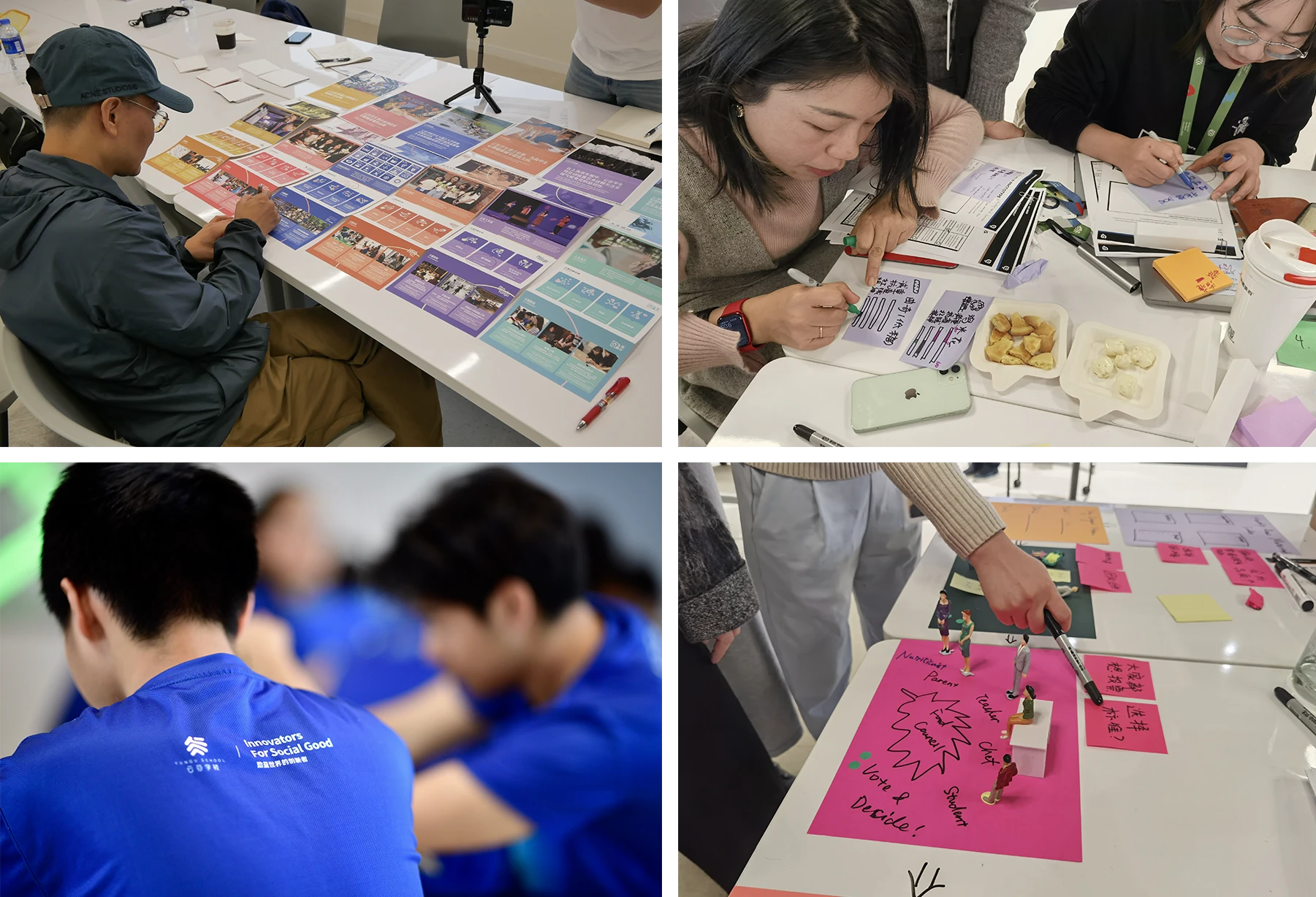
The collaboration resulted in a tailored, insight-driven capstone course that progressively builds learners’ confidence and agency via five modules: “Get Inspired,” “Find Yourself,” “Dive Deep,” “Go Big,” and “Give Back.” The learning cycles, which range from one week to half a year in length, teach students how to move from ideas to impact in topic areas they are passionate about and which have a bearing on pressing issues like climate change, digital privacy, and reducing food waste, among other global challenges. The goal of this iterative approach is twofold. Equip students for “global citizenship” by identifying personal ways to make a positive impact. And foster “entrepreneurship” by learning to be critical, creative, and optimistic systems thinkers who embrace a growth mindset.
To ensure a solid foundation for the new course, IDEO also created a week-long design-thinking training program for Yungu’s teachers. The professional development experience boosted their creative problem-solving and taught them how to move from being “expert instructors of curricula” to “encouraging guides” of capstone students who would need to demonstrate their proficiency through a final product, presentation, or performance rather than a final exam. The collaboration concluded with an immersive exhibition that allowed all stakeholders—educators, students, and parents—to experience the content modules and transformative course for themselves. Since launching its capstone program in 2022, Yungu High School has added lectures from social entrepreneurs and workshops that teach communication skills to the innovative course, garnering awards from media outlets like Fast Company. Most importantly, the signature program has enabled The Yungu School to embody its noble and audacious mission—empowering students to become future innovators for social good.

Today’s high-school seniors learn how to memorize academic content and pass tests but aren’t prepared to make a real-world impact after graduation.
196 college offers
and $1.442 million in scholarships received by over 40 graduates from Yungu High School’s class of 2023
2023 Finalist
Fast Company Innovation by Design Awards, Learning category
Lifelong health by design
Omada Health grows from an IDEO research project to a $1 billion company fighting chronic disease.
Design thinking was embedded in the creation of Omada Health from the earliest phases, and Omada has taken that forward as a strategy for success.
Over the past decade, the digital health company has grown from a couple of early career IDEOers testing concepts at the very frontier of digital health, to a company with nearly 2000 employers on its customer roster and more than one million users of its healthcare products.
Omada’s origin story began at IDEO in 2011, when its now CEO, Sean Duffy, an MD/MBA student at Harvard, joined IDEO as an intern, after a partner found his resume on the copy room floor. What was supposed to be a summer internship led to an exploration of the potential impact of digital tools on chronic health problems. IDEO partner Dennis Boyle gave Duffy and his co-founder and fellow IDEOer, Adrian James, the time and funding to do human factors research, meeting with people with prediabetes and metabolic disease in their homes to learn more about the care they were getting. What they heard was that no product or service was meeting the realities of their daily lives.
Five months after he landed his internship, and with the company’s blessing, Duffy and James spun Omada Health out of IDEO. Together, they raised a seed round, and continued to lean on design thinking methods, prototyping early versions of their product, then testing it with real patients. Duffy himself even served as the company’s first health coach. By sticking with the mindsets they had learned at IDEO, they avoided the pitfall of falling in love with the popular approaches to digital health of the era—like detailed food tracking or bluetooth enabled pill bottle tops. Instead, they stayed focused on creating what patients were asking for: a digital product that provided support, accountability, and evidence-based solutions.
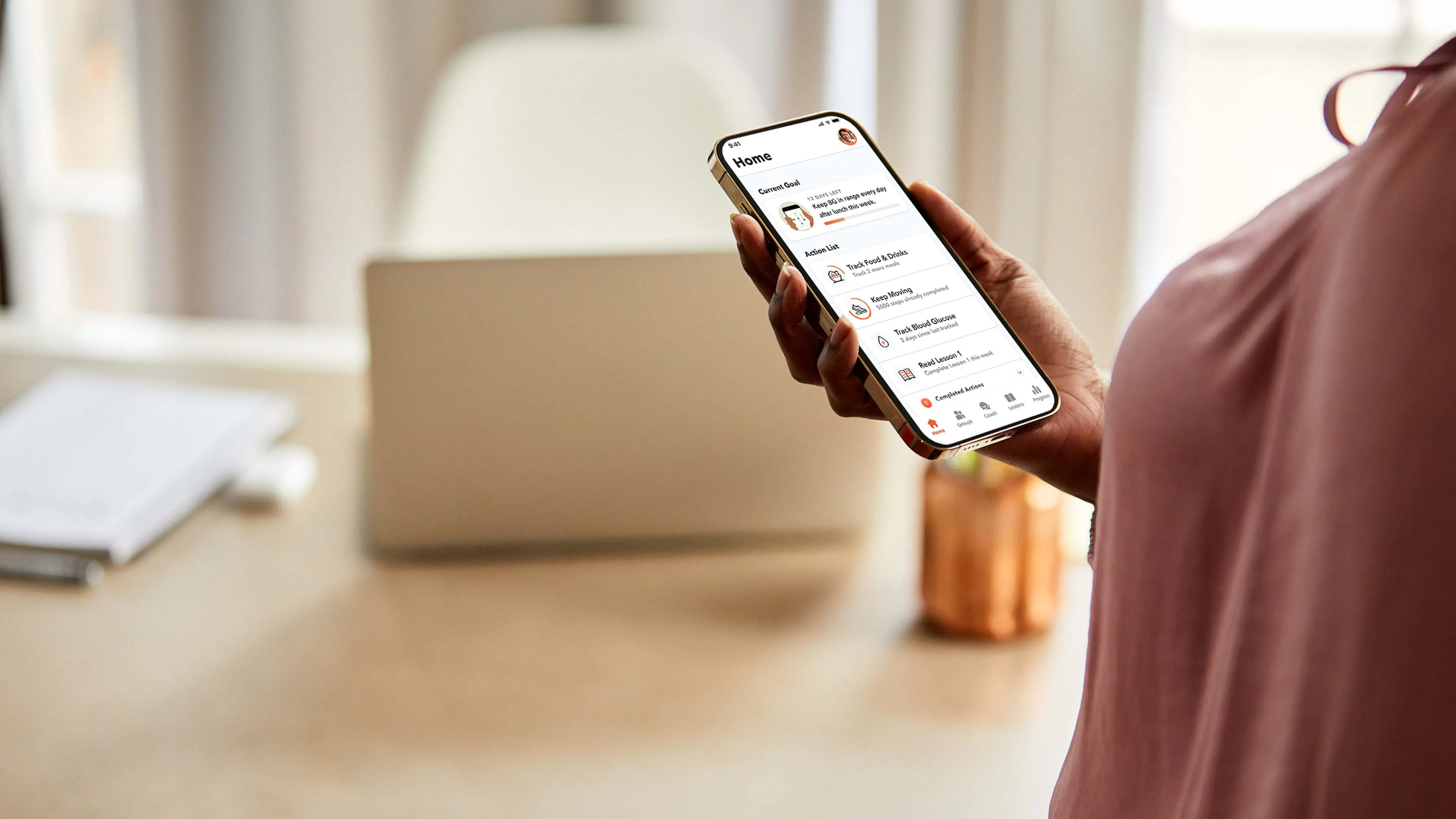
Today, Omada Health is a virtual-first, integrated care solution that provides patients with clinical care plans using digital tools and one-on-one, personalized coaching. It helps users manage chronic conditions including pre-diabetes, diabetes, hypertension, joint and muscle health, and behavioral health. More than a decade after its founding, it counts nearly 2000 employers as customers, has more than one million users of its products, and has published 24 peer-reviewed studies on its outcomes. Not to mention a $1.3 billion IPO in June of 2025. But it’s still going after its North Star: to bend the curve on preventable chronic diseases nationwide.
About 60% of adults in the US live with a chronic disease. According to the CDC, 90% of the nation’s $4.1 trillion annual healthcare expenditures are for people with chronic and mental health conditions.
Diabetes is the country’s seventh leading cause of death—and the most expensive. Diabetes accounts for $1 out of every $4 in US healthcare costs. In addition to the cost of care, diabetes costs employers $90 billion annually in lost productivity.
Nearly 2,000
employers now partner with Omada
1 in 10
commercially-insured Americans have access to Omada through their health plan or employer coverage
$1.3 billion
valuation at Omada's IPO
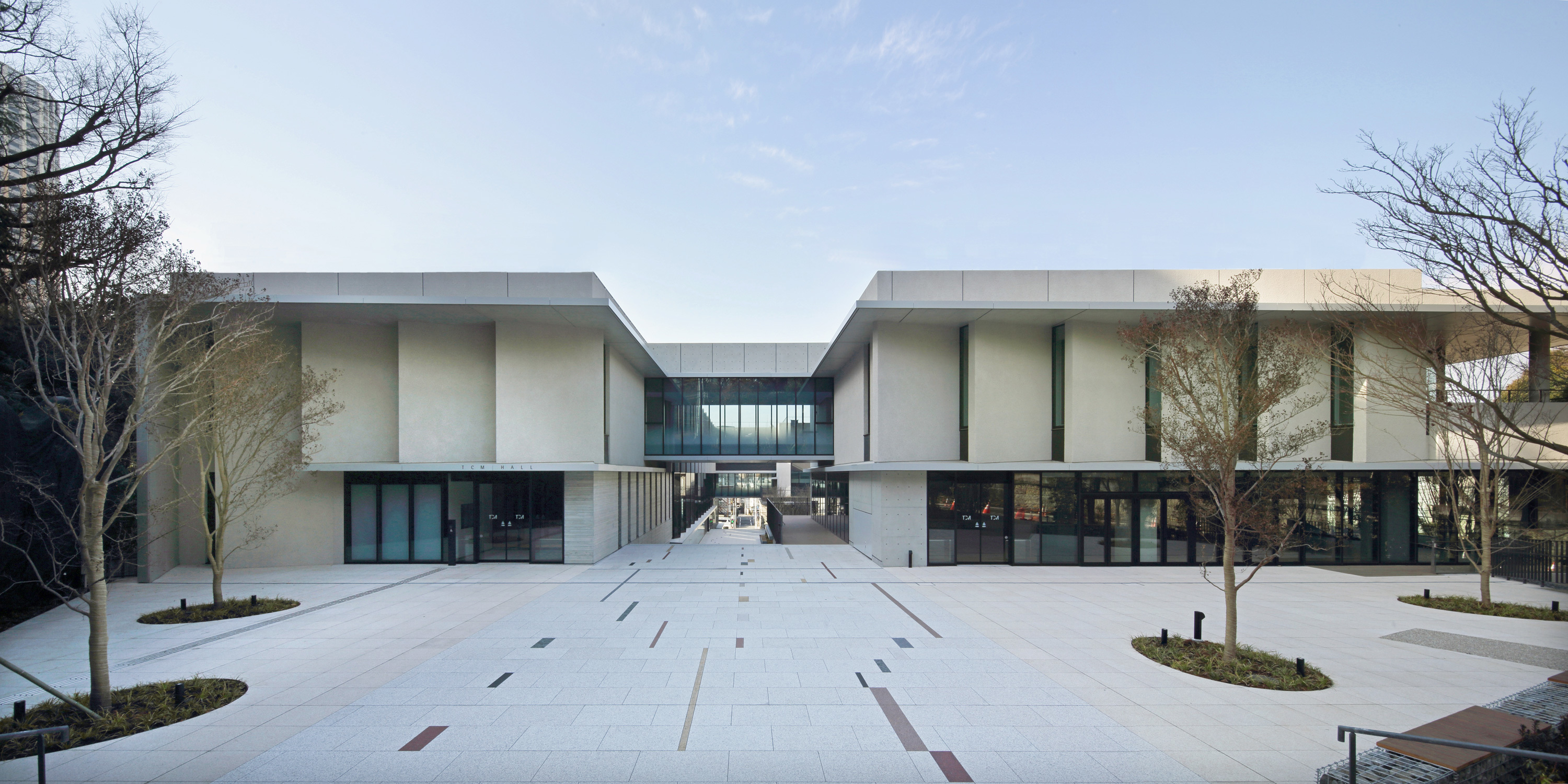
Creating space for innovation
How one R&D team made room for design thinking—without blowing up their traditional development process.
On the one hand, product development processes are built for good reason: They bring structure, reduce risk, and ensure that what goes to market is feasible and viable. I’ve seen this firsthand across various industries, including mobility, real estate, home goods, and consumer products. Rigor is essential when you’re investing in a launch.
But here’s the rub: Those same processes that build confidence often constrain the ambiguity and risk that innovation demands. Design thinking is often touted as the solution, a concise methodology to inject creativity. But how does that square with a stage-gate model built to de-risk and control?
Is it a matter of choosing one or the other? Or is there a way to bridge the gap?
Here’s how one team figured it out.
The familiar question
“How can we integrate design thinking into our product development process?”
It’s a question I’ve heard many times in my career, and this time, it came from an engineer I was coaching on the R&D team at the headquarters of a globally renowned retailer in China.
The team leader had an ambitious vision: leverage their proximity to China’s robust supply chain and dynamic consumer market to build the world’s leading retail R&D center. A critical step was enhancing the engineers’ creativity and critical thinking skills, moving them beyond task execution toward collaborating more closely with their cross-functional partners to design solutions that meet real consumer needs.
That’s where IDEO came in. Building on an earlier innovation project, we embedded designers as advisors and coaches directly into their product development process.
In one of our sessions, the engineers had mapped out their four key development stages on a whiteboard:
- concept discovery
- product development
- product qualification
- launch
They had also been taught that design thinking contains four key steps.
“Maybe there’s a one-to-one match?” one engineer asked, hoping I could align each development stage with a corresponding design thinking step.
It was a reasonable guess, but not quite how design thinking works.
Getting past process
That day’s focus was prototyping and testing. At first glance, it seemed to align with the third stage of their product development process: product qualification.
“How does IDEO do prototyping and testing?” they asked. “At what stage should we use it? What role does it play?”
Instead of jumping into an explanation, I suggested an experiment.
“Let’s forget about process labels for a moment,” I said. “Write down all the questions you want to explore through prototyping, regardless of which stage or methodology they supposedly belong to.”
Before long, each engineer had a handful of sticky notes with their questions written on them.
“Now map these to your actual development stages based on when you’d naturally ask them.”
When they placed their questions across all four stages of their product development process, something clicked. They could suddenly see that design thinking wasn’t competing with their process.
“Can this product store spices?” belonged in the early concept discovery phase, where prototyping could help define the product.
“Does the product stay stable during movement?” fit into the product qualification phase, where prototyping could test structural performance.
Prototyping was clearly valuable across all stages.
The same is true for all the other so-called steps of design thinking: finding inspiration in consumer needs, translating needs into design opportunities, and generating concepts. They’re not fixed stages to complete in order; they’re ways of thinking and working that help teams ask better questions, explore possibilities, and make informed decisions, regardless of where they are within their own internal processes.
A mindset shift, not a process replacement
Back to the original question: “How can we integrate design thinking into our product development process?”
The answer, it turns out, isn’t about fitting one process into another.
Through the sticky note exercise, the engineers understood that design thinking and product development aren’t competing methodologies. Design thinking could add value by bringing curiosity, questioning, testing, and making ideas tangible throughout their existing process.
This insight shaped our collaboration model: embedding consultation sessions into real projects rather than trying to overhaul their established ways of working. We weren’t disrupting cross-department collaboration or the high-stakes requirements of mass production. We were expanding the potential for innovation and experimentation within their existing framework.
The results are still unfolding, but the engineers are already applying design thinking mindsets to ask meaningful questions, explore solutions, and test ideas, helping them think more expansively, make thoughtful trade-offs, and push concepts further.
That’s the bridge between structure and creativity: not new processes, but new ways of thinking within the ones you already have. Practiced over time, those habits make innovation both sustainable and rigorous.
“The Making of...” is a series of behind-the-scenes articles written by IDEO Shanghai designers about our innovation methods and work with major clients across industries in China.
As companies grow and their internal processes mature, the concept of innovation can start to feel like a contradiction.
To improve the NHS, we must look beyond it
4 ways design can help unburden the service that means so much to us.
Over the past decade, particularly through two pregnancies and deliveries, I have learned to navigate and deeply appreciate the complex network of healthcare providers and services that comprise the NHS.
I am far from alone in that deep appreciation. In England, the NHS is a national obsession. It determines election campaigns, shapes the budget, and perhaps most importantly, colors how we think about and act on our health. But alongside that feeling of national pride is an understanding that the institution is under far too much strain. There are currently 6.34 million people waiting for NHS treatment. Cutting waiting lists by making better use of the private sector is front and center of the Prime Minister’s latest NHS proposals. It is a top priority for the government as it looks to deliver on a promise to ensure that 92 percent of patients in England wait no longer than 18 weeks for treatment.
Over dinner recently, a close friend asked me: “You’re a designer. If you were going to fix the NHS, where would you start?”
My answer: “Anywhere but the NHS.”
The NHS is a world-class problem fixer. An emergency and acute care service that kicks into gear when we need it most. However, the NHS cannot purify the air we breathe, encourage us to move more, improve our relationships with others, help us develop healthy working patterns, or change the food we eat. To preserve our health, we need to address the causes of preventable lifestyle diseases like obesity, diabetes, and heart disease at their source.
That means turning to the spaces where our health must be built, maintained, and nurtured. Our workplaces, our schools, our communities, our supermarkets. That’s why the best way to improve the NHS actually lies outside of it.
Rethinking the way we generate health in the UK might sound ambitious, but for a designer who has focused on health for 20 years, it is very clearly the right brief.
So, where might we start?
1. Paint a new picture of health
My mentor, IDEO founder David Kelley, used to say, “Paint a picture of the future with your idea in it.” This is where design excels. We need to imagine a future where health thrives outside of healthcare settings, a future where preventable illnesses are dramatically reduced, and people live longer, healthier lives.
Imagine a future where waiting lists for heart surgery are a thing of the past, not because the NHS has magically become more efficient, but because fewer people need surgery in the first place. Or where at-home cancer screening frees up time for healthcare workers, and gives patients more control over their own health. One of our clients, Teal Health, partnered with us to create safe and accurate cervical cancer screenings that would allow patients to collect their own samples at home, giving them more agency over their own health.
Or consider mental health. Across the UK and the US, children and young people are in crisis. In California alone, more than 284,000 youth cope with major depression. Sixty-six percent of kids with depression do not receive treatment. Between 2019 and 2020, the suicide rate for kids ages 10-18 increased by 20 percent. These numbers are shocking. Imagine a future where children, their families, and schools had easy access to tools designed to combat those mental health challenges. This was the vision driving IDEO’s collaboration with Kooth, the State of California, and cohorts of young Californians to create Soluna, a digital mental health resource kids could access anywhere, anytime.
To drive a step change in the state of our health in the UK, we must allow ourselves to rethink the ways in which we keep ourselves and our families healthy. The National Health Service cannot be our sole partner in this endeavor.
2. Break taboos and engage in hard conversations
Taking health beyond the hospital will require us to confront awkward topics—conversations which we have become used to leaving at the door of the doctor’s office. We need to learn how to talk about menstruation, aging, mental health, and—dare I say it —poo, out in the open.
By normalizing these discussions and listening with empathy, we can begin to uncover the human challenges that impact our health, opening up opportunities for new products and services that improve health and drive economic growth.
Menopause is a great example. In our work with QVC, we learned that nearly 40 percent of menopausal women are being prescribed antidepressants to help manage their symptoms, despite four out of five describing the treatment as “inappropriate.” We also heard that nine out of 10 British menopausal women feel society and brands overlook them. Recognizing that its customer demographic makes QVC uniquely positioned to surface conversations and provide support to those dealing with menopause, the video commerce retailer partnered with IDEO to determine how it could not only meet customer needs but also flip the conversation about midlife, reframing it as a time of vibrancy and exploration.
3. Fix incentives to combat health pollution
The true financial cost to society of excessive sugar, saturated fats, and pollution is largely hidden. The sticker price is nothing compared to the cost of lost productivity, medicines, procedures, and NHS waiting lists they create.
Policy makers need to inspire innovative new alternatives and reward manufacturers who can create attractive products that do not come at the expense of our health.
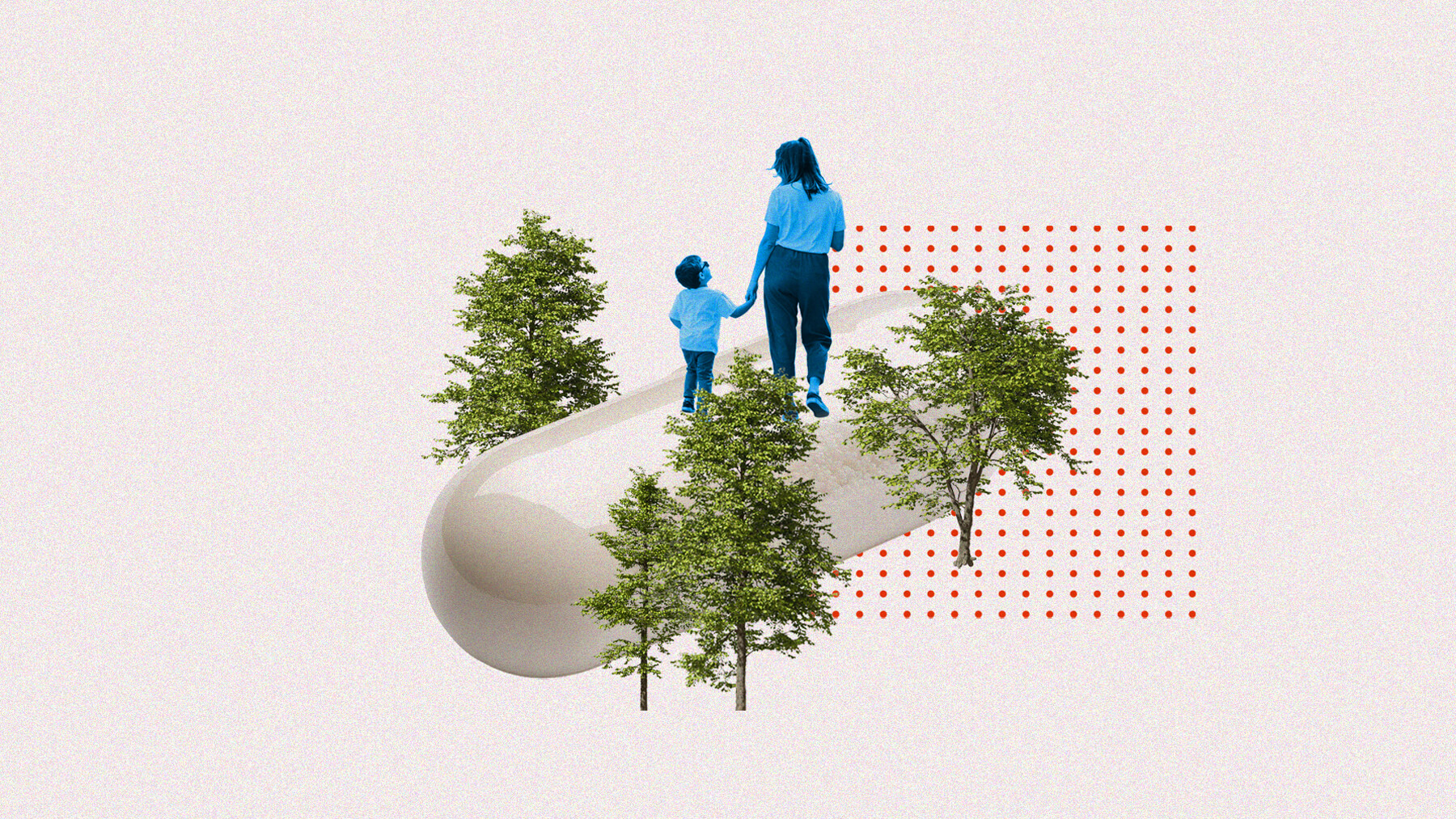
In the US, an organization called Eat Real is working to scale access to nutritious, sustainable foods through healthier meal programs in public schools. Almost 30 million children in the US rely on public school lunches for more than 50 percent of their daily caloric intake, but these meals are often comprised of ultra-processed, unsustainable foods. IDEO collaborated with Eat Real to develop its branding and messaging in order to reach a new set of food philanthropists and scale their impact.
4. Be radically collaborative
Once we relinquish the notion that the healthcare system is solely responsible for our health, we are free to design a new system of collaborative forces to promote, maintain, and foster good health. What opportunities might we unlock if we brought together food producers, educators, employers, city planners, tech leaders, and content creators to co-design a new approach to health with policymakers? Already, some public/private partnerships have led to change. A few years ago, IDEO partnered with the NHS’s health tech unit and a company called Public Digital to create a suite of digital resources that enabled organizations across the NHS to transform their own services, allowing them to provide mental health support for the most vulnerable children and young people.
The opportunities extend far beyond the NHS
A healthier society is more productive and pays more taxes. It requires less healthcare funding and is less poverty-stricken. It can help us all to live happier, more fulfilling lives.
The tensions getting in our way—the short-term incentives to sell unhealthy products, reduce environmental regulations, and the challenge of breaking unhealthy habits—do not necessarily require a revolution in medical technology or vast sums of money to resolve.
They require a designer’s toolkit. A willingness to imagine a different approach to health in the public and private sectors, the courage to talk about health in the open, a realignment of incentives, and the willingness to experiment.
They also present a huge opportunity for any organization interested in building a business centered on improved health outcomes.
It’s time to take our health out of the hospital.
When I relocated from the US to the UK ten years ago, one of the biggest differences I experienced was my sudden access to the publicly funded National Health Service (NHS).
“What is AI doing to us?”
And 5 other spicy takeaways from Signals of TEDAI San Francisco.
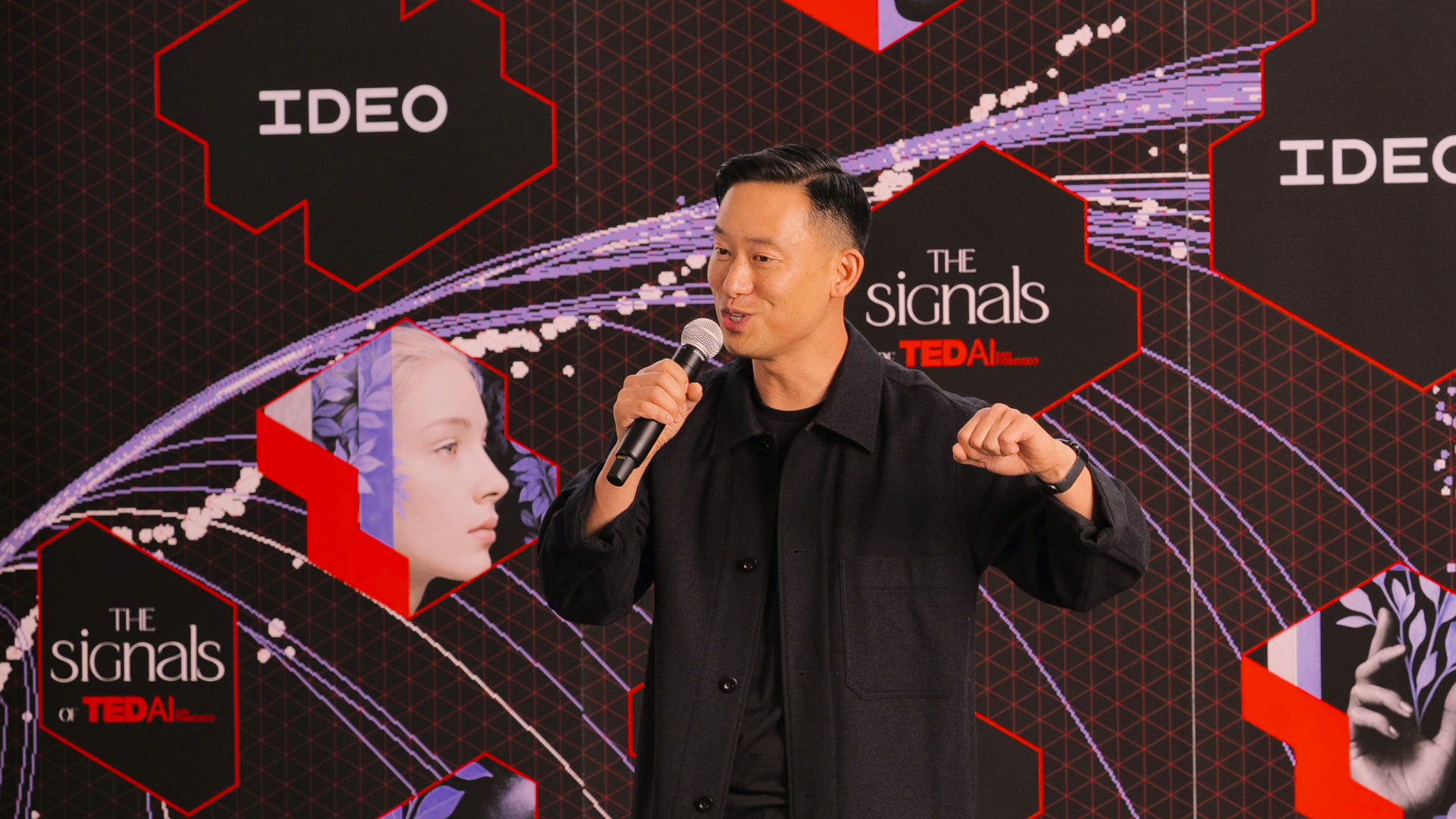
But in the middle of last week’s Signals of TEDAI event at IDEO’s San Francisco studio, where we explored the worth and value of AI in the future workplace and what corporations can learn about leveraging IP from battles currently playing out in the art world, Pat Pataranutaporn, technologist and researcher at the MIT Media Lab, surprised the panel he was on with a far more critical question: “What is AI doing to us?”
Focus on physical, in-person experiences, because that is what people will value.
As technology becomes easier to manipulate through deepfakes, AI-generated content, and misinformation, it will become increasingly difficult to distinguish what is real—and what is not. In that world, Tim Chang, a Venture Partner at Mayfield, argued that human connection may become our most reliable source of truth—and our only form of authentic experience. “Within a year or two, anything digitally created and transmitted will not be fundamentally trustable,” he said. “The only thing I count on is when I see you in person.” In a future where digital content can no longer be taken at face value, people may once again become the most trusted interface.
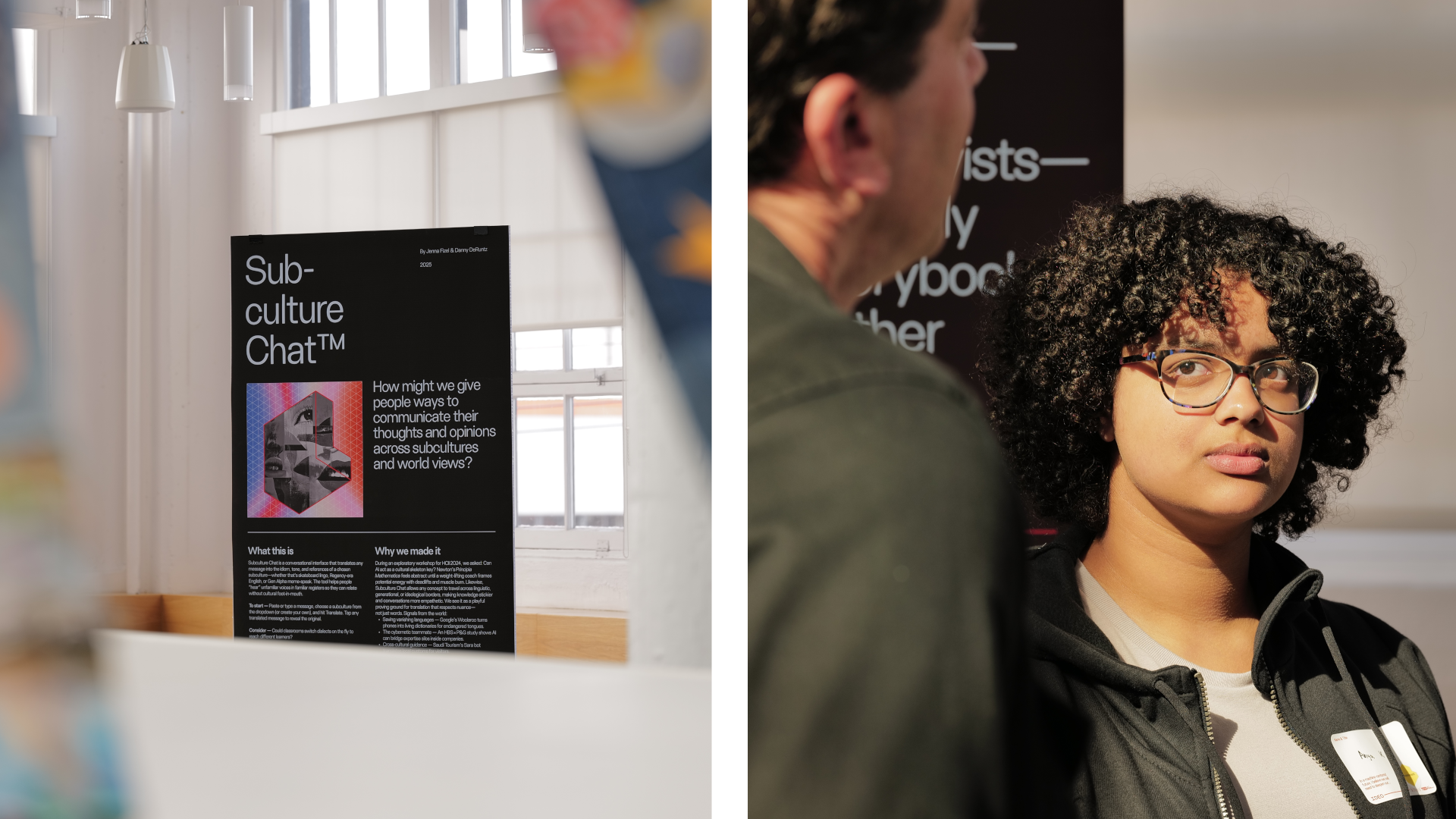
So, how can these two worlds stop competing and start to enhance one another? Authentic experiences and intelligent technology. Human intimacy and boundless connectivity. The next generation of social networks may not be entirely analog, but neither will they exist solely on our screens.
Why do tech companies get to change the rules?
Speakers like Ed Newton-Rex, founder of Fairly Trained, a non-profit certifying generative AI companies for fairer training data practices, and Amy Karle, an artist and futurist, critiqued the corporate appropriation of artists’ work under the guise of “fair use,” calling out the tech industry’s tendency to shift foundational norms (like copyright protections) without democratic consent. Newton-Rex pointed out that for years, “No AI companies trained their commercial models on copyrighted work without asking permission, because everyone knew it was illegal.” But now that several high-profile companies are doing it anyway, and reaping financial rewards, others are rushing to do the same. “We're doing a very, very bad job of holding those companies to account,” he said.
But we all know tech companies have been undervaluing artists for decades. Spotify pays artists between $0.003 and $0.005 per stream, meaning an artist needs approximately 250 streams to earn just one dollar. In 2015, Google won a 10-year battle with the Authors Guild to display excerpts of works without compensating the creators. The current AI conversation pours gasoline on these precedents. And unless we want to upheave society and consider more radical concepts like universal basic income for artists, as Alvin Wang Graylin posited, tech companies need to change the way they value art and artists; not just because it’s the right thing to do, but because creatives have always helped design the future of technology. We can't have great tech without creatives, and creativity won’t evolve without great tech. There should be mutual benefits for both parties involved in the process.
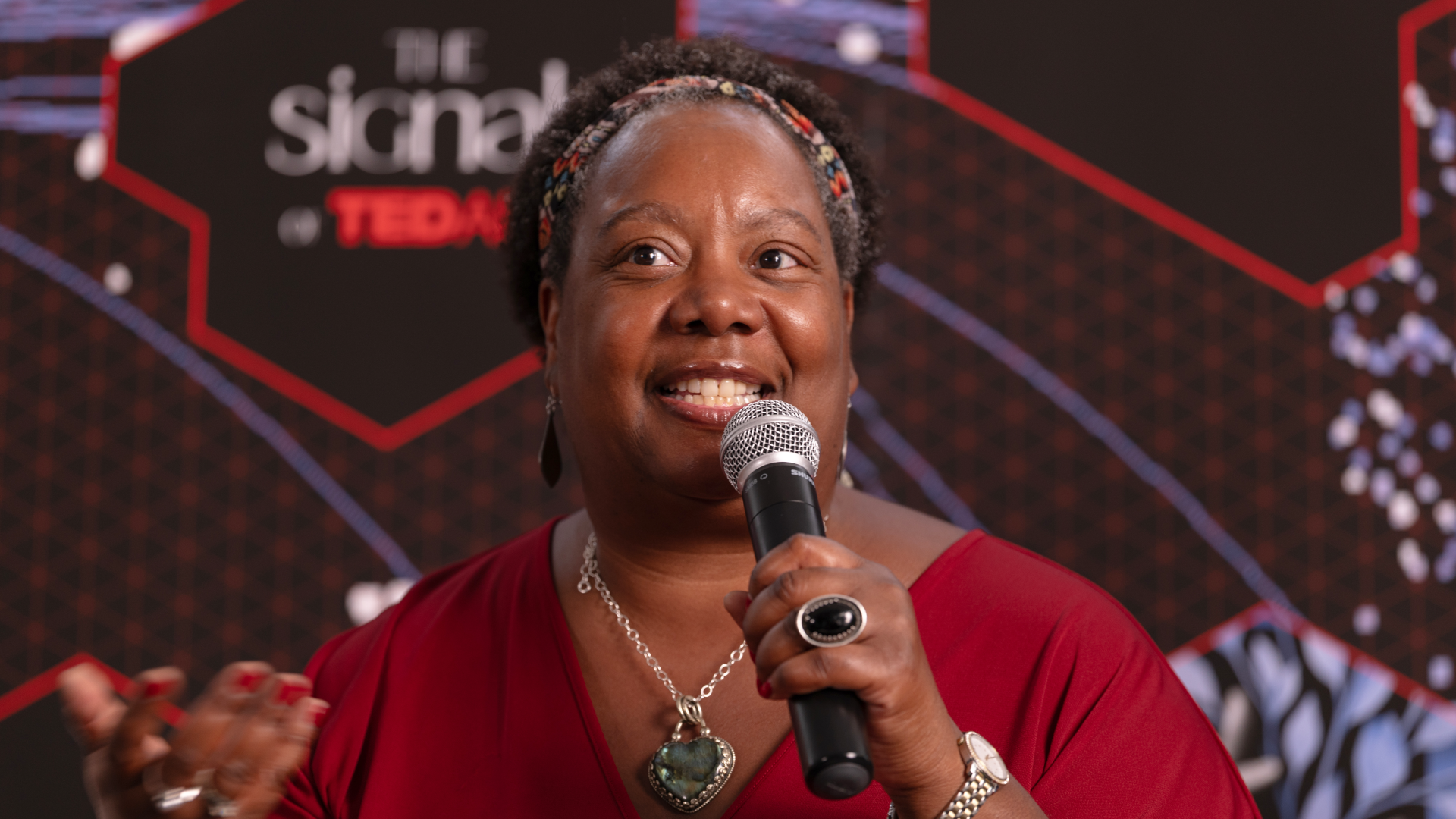
“Artificial intelligence is not artificial and it’s not intelligent.”
Ovetta Sampson, founder and owner of Right AI, reminded us that AI is only as strong as the people who shape it—and in many cases, they are the marginalized people behind the scenes who are exploited to moderate, clean, and categorize the training data. It’s something we explored back in 2020, when we were working with Mozilla on the consequences of the Surveillance Economy. Back then, we found that “invisible practices enable invisible human exploitation” via the role of mechanical turks. Current LLM practices are similar; that labor is not artificial.
As responsible designers seeking a less biased and more equitable model, we must find ways to shed light on those exploited communities and educate users and organizations on the importance of diversity and transparency in the system.
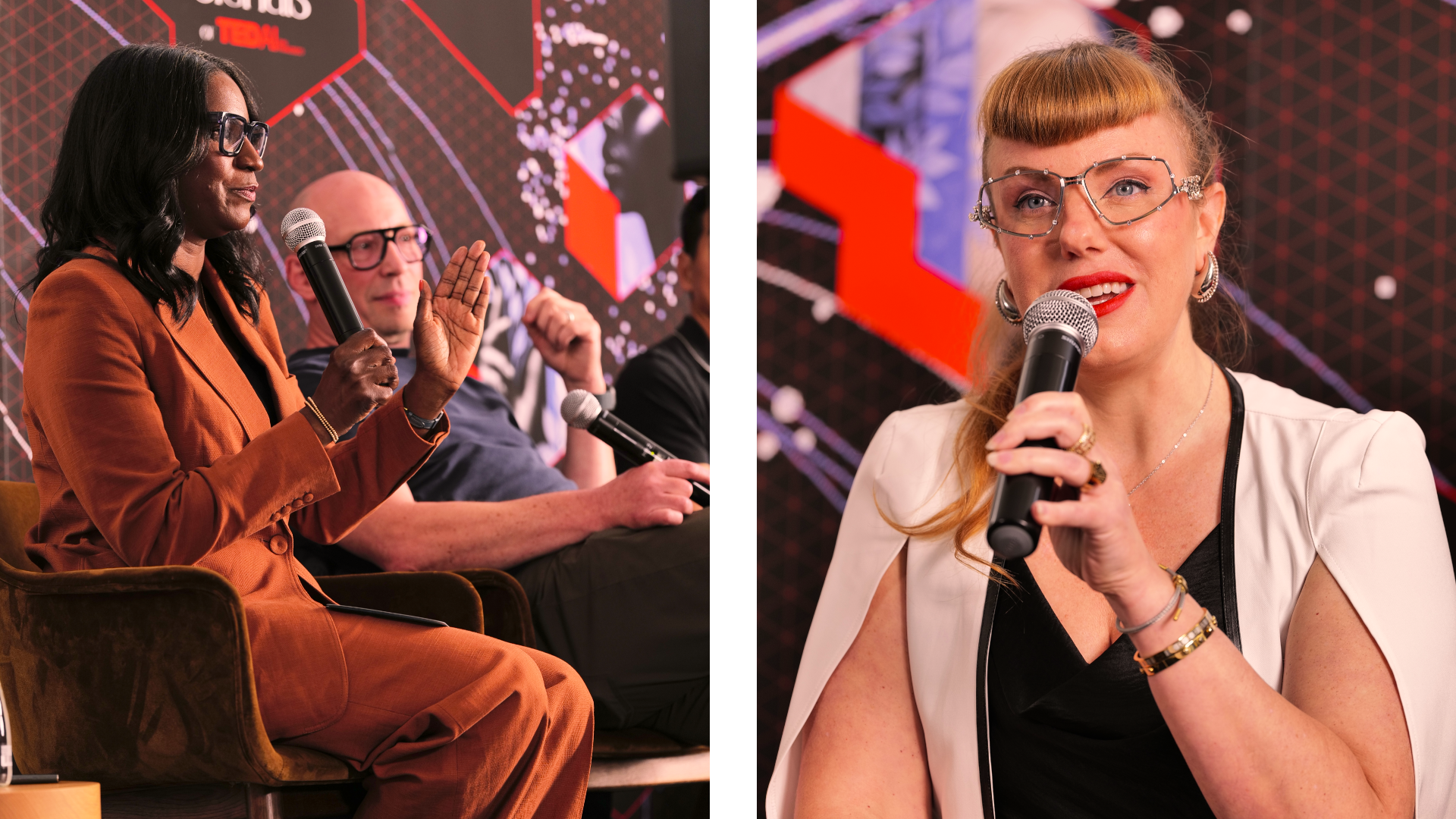
“Who are the designers?”
Over and over, panelists emphasized that designers must get AI right and create products and systems that meet real human needs while minimizing damaging consequences. Then Rashida Hanif, Founding CEO of RepresentEd, asked a seemingly simple yet fundamental question: “Who are the designers?”
If we consider the scale of impact that “design” will have in this space, then we need to dial up the importance of some of design’s most talked-about shortcomings: diversity, equity, and inclusion. Another interesting moment arose when Chang and Hanif pointed out that too often, the consternation over a lack of female-owned startups overlooks the lack of investment in female founders—not to mention gaps in education and support systems that exist before they even reach that stage. This gender chasm is just the tip of one iceberg. But we need to learn from our past and remember that, “if you invite someone to the table, it’s too late… because you’ve already built the table.” As a design community, we need to do better.
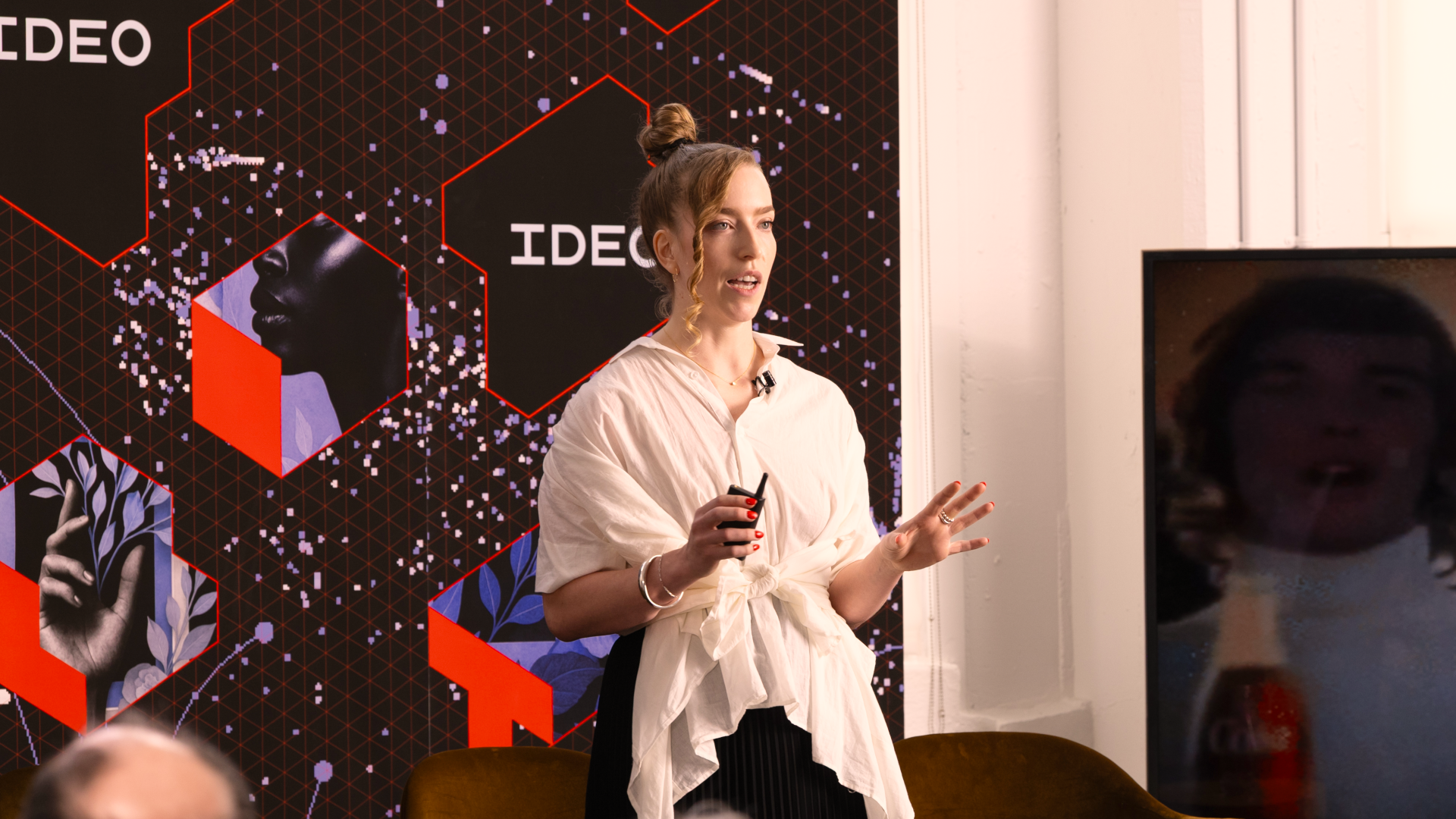
“The revolution has to start, and it has to start with you.”
Sampson reminded us of the most important point of all. It’s easy to say, “the designers need to…” But we all have a say in making this future. “We really need to participate in the AI revolution and not accept the narrative that is given to us by the tech bros,” she said. “We have the resources and the access, and it’s up to us to make the future we’re asking for.”
For us, that’s a future that understands there is no choice between human creativity and technology; and it’s a refrain we’re hearing over and over. We heard it at Figma's AI-heavy Config conference, we've explored it with clients like Ethiqly, and it was clearly resounding in this conversation, for technologists, artists, and business folks alike. AI is going to be able to do a lot, and yes, of course, it will replace jobs and upend entire industries. But its intelligence will only be truly valuable when it’s paired with human creativity to create meaningful human experiences.
So many people are putting so much work (and money) into figuring out what we are going to do with AI.
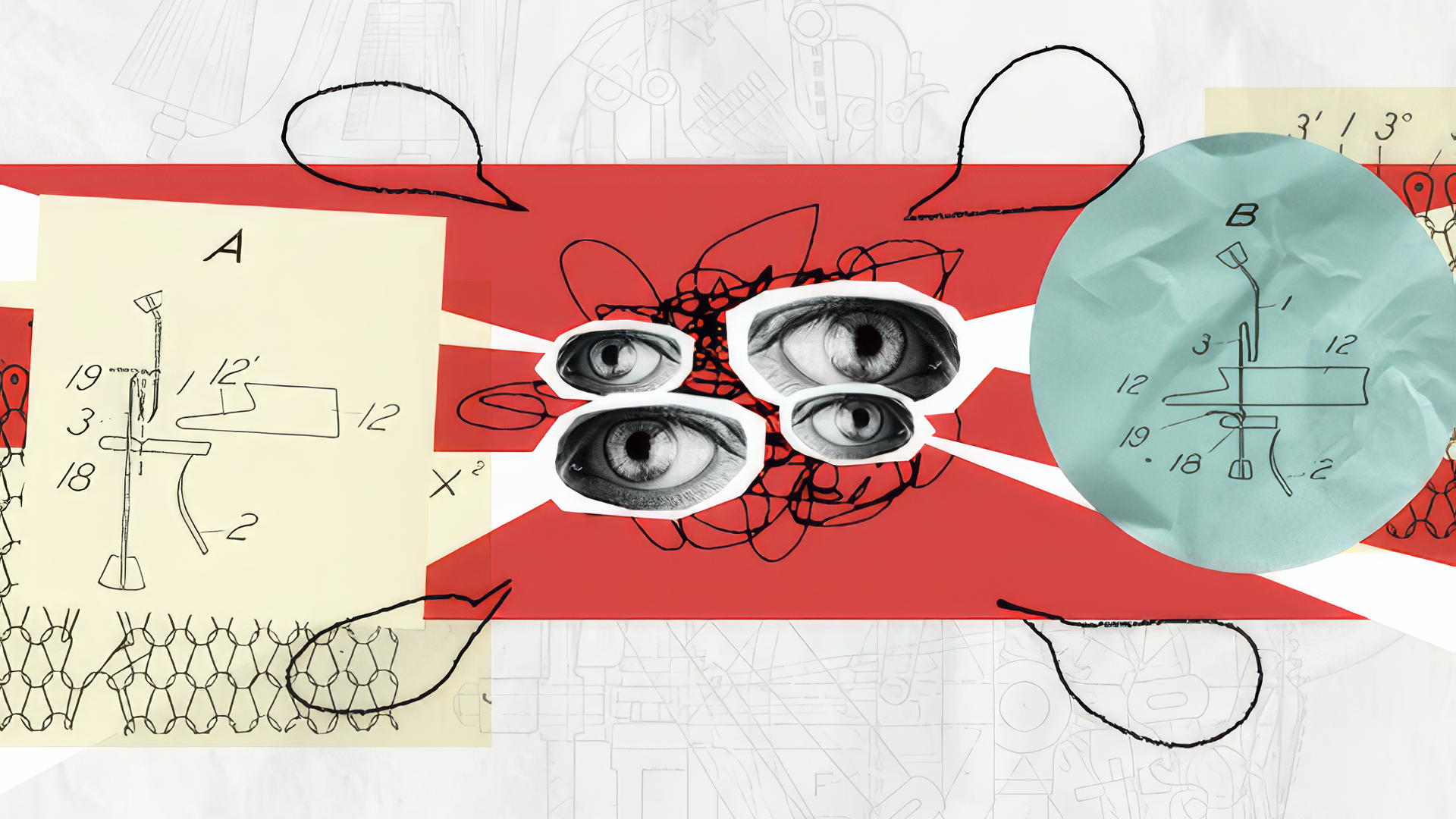
Breaking down silos with human-centered design
How our Shanghai hub helped unite client teams around one goal.
Leaders dream of teams working together seamlessly, like a dragon boat crew rowing in unison. But in big companies, people often struggle to understand one another because of differences in roles, expertise, and motivations. This lack of mutual understanding can hinder consensus-building and make collaboration difficult.
Because navigating these internal dynamics is challenging, organizations often default to one of two extremes: either ignoring the disconnect and continuing with business as usual, or opting for drastic, disruptive change. We believe there’s a middle ground—a more thoughtful, human approach that can enable better communication and collaboration across teams.
Over the years, our work with large organizations has reinforced the value of applying human-centered design not only to uncover consumer behaviors but also to enhance ways of working within companies.
Here's one story of how we applied design thinking methodologies to find the middle ground and bridge the gap between leadership and product design departments in a prominent consumer products company.
“The design feels soulless”
Initially, our project appeared to be a straightforward product development assignment.
Our client, a well-known consumer productscompany, wanted to upgrade its high-end product line. The goal was to unify the aesthetic and experience, ultimately encouraging consumers to buy a complete set rather than individual pieces.
With the launch date set, it seemed to be a typical race against the clock to complete development and production.
But an initial round of internal interviews revealed a deeper layer of complexity.
Two separate teams managed the product suite, each overseeing its own independent product line while juggling daily responsibilities. Before IDEO came on board, the teams had tried to collaborate but fell short of meeting the expectations of Mr. Zhang, the project sponsor. His verdict: “The design feels soulless.”
Mr. Zhang wanted the teams to align and deliver a truly cohesive experience. But even with these directives, the teams interpreted his expectations differently, resulting in misaligned efforts.
By the time the IDEO team joined the project, it had stalled.
The soul-searching “why”
Mr. Zhang was a well-respected senior executive. His strategic oversight spanned multiple core product lines, leaving him far removed from day-to-day design details. While his teams admired him, an inevitable gap had formed between management levels.
To move past his “soulless” critique, we needed to get to the root of Mr. Zhang’s expectations.
What did he mean by “soul,” and why was it missing?
Instead of reliving the same conversation, we invited him to adopt a designer’s perspective. By stepping into a different role, we hoped to spark fresh insights and unlock honest dialogue.
We brought a designer’s favorite tool into his office: an oversized mood board filled with product details, material samples, and structural diagrams.
“Today, we’d like you to think like a designer,” we said. “Take a look at this board and choose the materials, textures, and structures you feel best represent the future of this product suite. Go with your gut—you don’t need to overthink it.”
The visual prompts quickly shifted his mindset, transforming a strategic discussion into a candid conversation. He shared his doubts about some concepts, his curiosity about others, and his alignment with certain ideas.
Breaking the ice in this way facilitated a sincere dialogue—one between people, not job titles.
As the session drew to a close, he asked pointedly: “Did the product leads also do this exercise? Let me guess—they probably each pushed you to prioritize designs that would make their own product line shine, didn’t they?” he said, laughing.
His intuition was spot on. They were each focused on their own wish lists for their product lines, rather than working together to create a cohesive narrative that would make the product suite appeal to customers, the “soul” he was looking for. That narrative was not only critical to the product suite’s success but also to the company’s broader strategic goals.
At that moment, we felt the shift from external consultants to trusted collaborators.
Mr. Zhang also shared more about why it mattered to him. With the market shifting from growth to saturation and consumer demand waning, the stakes were high. A compelling product suite could sustain growth in a challenging landscape, while fostering cross-functional collaboration would strengthen the organization for future innovation.
Connecting strategy and products through real consumer needs
In many large organizations, concerns and perspectives often fail to connect across roles.
In this project, Mr. Zhang was focused on long-term survival strategies, while the individual product teams were consumed by immediate development pressures. Swapping perspectives wasn’t realistic, but the shifting macroeconomic landscape demanded a solution.
Our immediate question became: How can we anchor the project in shared goals to propel it forward?
The answer: Focus on the product and its users.
We visited potential consumers in their homes to observe their interior design preferences and see how they combined various products.
One clear insight emerged: consumers see their homes as extensions of their identity. Coordinated home collections help them express themselves and create signature moments they’re proud of when hosting guests.
They weren’t just looking for beautiful, functional objects. They wanted a cohesive narrative—a product suite that would harmonize with their space, align with their lifestyle, and reflect their individuality.
When a collection comes together to create something more than the sum of its parts, we discovered, consumers are far more likely to buy into the entire suite.
These consumer insights resonated with the executive’s strategic vision and served as a unifying force for the teams. Quickly, “1+1>2.”
Finally, the formerly stalled project had new momentum.
Innovating beyond the traditional “Made in China” model
In an increasingly competitive landscape, many business leaders recognize the need to break out of existing frameworks to drive innovation. Yet the organizations they lead are often large and rigid, with complex hierarchies and functions that were originally structured around single-category production and sales goals under the ‘Made in China’ model. These very structures have now become major obstacles to innovation.
Design, by nature, is inclusive, open, and egalitarian. It has the power to transcend organizational silos and hierarchies, communicating effectively through a shared language that everyone can understand. By doing so, it creates a more open, collaborative platform for all participants in the innovation process—enabling tangible results and carving out new space for innovation within even the most entrenched organizational systems.
“The Making of...” is a series of behind-the-scenes articles written by IDEO Shanghai designers about our innovation methods and work with major clients across industries in China.
As businesses scale and grow, the emergence of internal silos often seems inevitable.

Lindsey Turner
I’m passionate about building brands, products, and experiences that help organizations show up with meaning and momentum.
I help organizations cut through complexity by shaping how they show up, through brand strategy, identity, and storytelling.
Working at the intersection of brand and business, I bring an editorial eye and a bias toward making—turning ideas into tangible experiences that people can understand, trust, and believe in.
My work spans government, healthcare, financial services, media, and consumer goods, from launching Gen Z-focused ventures to building innovation labs and reimagining legacy brands. I relish moments of ambiguity and enjoy translating across teams, perspectives, and priorities to move ideas forward.
I started my career in editorial and digital design, shaping cross-platform experiences and identity systems in publishing and agency environments. That foundation still shapes how I work today: I’m detail-oriented, collaborative, and overreliant on the Oxford comma. I hold a BFA in Visual Communication from the School of the Art Institute of Chicago.

Rachel Young
My work helps organizations see who their products aren't working for—and build the will and the tools to do something about it
For 25 years, I've asked the same question: Who does this design exclude—and what are we going to do about it?
My work spans human-centered strategy, inclusive design, and qualitative research, with clients ranging from Microsoft, Google, and Verizon to the National Science Foundation, and San Francisco Unified School District.
Before IDEO, I taught elementary school in East Palo Alto and spent a decade doing design work with social service organizations—where I learned firsthand what it costs people when systems are built without them in mind.
I am currently writing User Error, a nonfiction book about digital access and the design decisions behind it. I live in Oakland, California.

Brian Pelsoh
I lead with craft, ensuring our work is creatively excellent: rooted in deep human insight and imagination, while also grounded in the realities of business and technology.
My expertise spans brand, communication, and product design across tech, education, the arts, and social impact.
I believe great work demands both high-level vision and obsessive attention to detail, and only happens through collaboration.
I bring an inclusive, hands-on approach and a deep understanding of business, which enables me to consistently deliver excellence while always asking why.
Before joining IDEO, I worked at the brand firms Pentagram and VSA Partners. I began my career as a designer, leading teams at the School of the Art Institute of Chicago and the Milwaukee Art Museum. I hold an MFA in graphic design from Maryland Institute College of Art and a BFA in communication design from the Milwaukee Institute of Art & Design, and have taught at some of the best design schools in the US.

Tony Wong
I am responsible for IDEO’s long-term success in China and working with clients to use design as a tool to enable growth.
I am responsible for IDEO’s long-term success in China and working with clients to use design as a tool to enable growth. Specifically, I have helped Chinese companies design holistic brand solutions through the development of their products, communication, services, and innovation teams, and I have helped multinationals expand their presence and influence in China.
I advise global leaders on developing China-led innovation and capabilities.
In over 15 years in IDEO Shanghai, I have worked on projects that use design to elevate the quality of the experience of healthcare products and services, streamline processes that increase productivity, create spaces and programs that promote and enable inclusive communities, and build next generation mobility solutions that are planet-positive.
Before joining IDEO, I worked at Philips Electronics and the Electrolux Group in Italy, the Netherlands, and Singapore on a number of breakthrough commercial products. I am a member of the Young President Organization in Shanghai.

How to use AI as an editor, not a writer
Ed White shares how he uses AI as an editor—not a writer—to sharpen storytelling, rehearse ideas, and preserve the productive friction that makes creative work better.
Ed White has a rule he's tested on his own writing: hold yourself as the writer, and let AI be your editor. Ed is a Senior Design Director at IDEO's London studio, where he co-leads the firm's AI portfolio across Europe. Before IDEO, he spent 12 years as a writer and editor at the Financial Times, Wired, and Contagious. So when he talks about when to use AI for storytelling and when not to, it comes from two decades of crafting his storytelling skills.
In this episode, Mina Seetharaman talks with Ed about two specific tools he uses to keep AI in an editor's seat: a "roasting agent" prompted to critique his drafts without any sugarcoating, and a simulated audience he rehearses pitches on before the real thing. They also get into what Ed is hearing from design leaders at Anthropic, Lovable, Shopify, and Google Creative Lab about how creative work is changing, and why he thinks the friction of writing something yourself is worth protecting rather than automating away.

Building a personal AI for the messiness of life: Sida Li
Becca Carroll talks with Cue co-founder Sida Li about designing a personal AI for the messiness of everyday life—not just work. They explore how Sida stays anchored to human needs while navigating fast-changing technology, product tradeoffs, business-model experimentation, and the realities of building an AI company today.
Most AI products today are built for work—a space with clear problems and established systems. One founder noticed a gap: personal life is messier, harder to systematize, and mostly left behind by the AI boom. So she built Cue, a personal AI that lives inside iMessage and group chats, to go where the other tools haven't.
In this episode, Becca Carroll, IDEO's Chief Strategy Officer, talks with Sida Li, co-founder and CEO of Shared Context Lab, about staying anchored to a human need while the technology around her keeps changing shape, why she treats her business model with the same rigor she'd bring to a product, and what it feels like to build a company at this particular, disorienting moment in AI.
The conversation also gets into how Sida makes design decisions: the language Cue uses to describe itself, the tradeoffs behind building inside iMessage instead of a new app, and a real story about a business idea that didn’t pan out.
This is the second in a two-part series profiling founders from IDEO's Startups-in-Residence program. The first conversation is with Johannes Seemann, founder of Sooner, on designing GenAI for the emotional side of money.

Designing GenAI for the emotional side of money: Johannes Seemann
Designing financial tools around the feelings that shape money decisions.
Most personal financial tools are built to run the numbers and optimize towards a budget. While that works for some, most people experience money as a lived relationship that does not neatly fit into a spreadsheet. Johannes Seemann and Becca Carroll discuss why money is emotional before it is mathematical, and what a human-centered approach to building a generative AI financial product looks like in practice.

The curious leader's edge in uncertainty: Scott Shigeoka
How genuine curiosity helps leaders navigate uncertainty with greater confidence.
Mina Seetharaman talks with Scott Shigeoka, author of Seek and Head of Curiosity Cultivation at the Eames Institute, about what distinguishes genuinely curious leadership from performative curiosity, how power dynamics shape curiosity, and why practicing curiosity can restore energy rather than drain it.
Looks like you might be in search of something very specific?
Or reset the filters above and try another angle.
Here’s some random inspiration

Podcasts about creative leadership

Articles about the power of prototyping