
Culture as catalyst
Moderna defines its Mindsets to preserve its future.
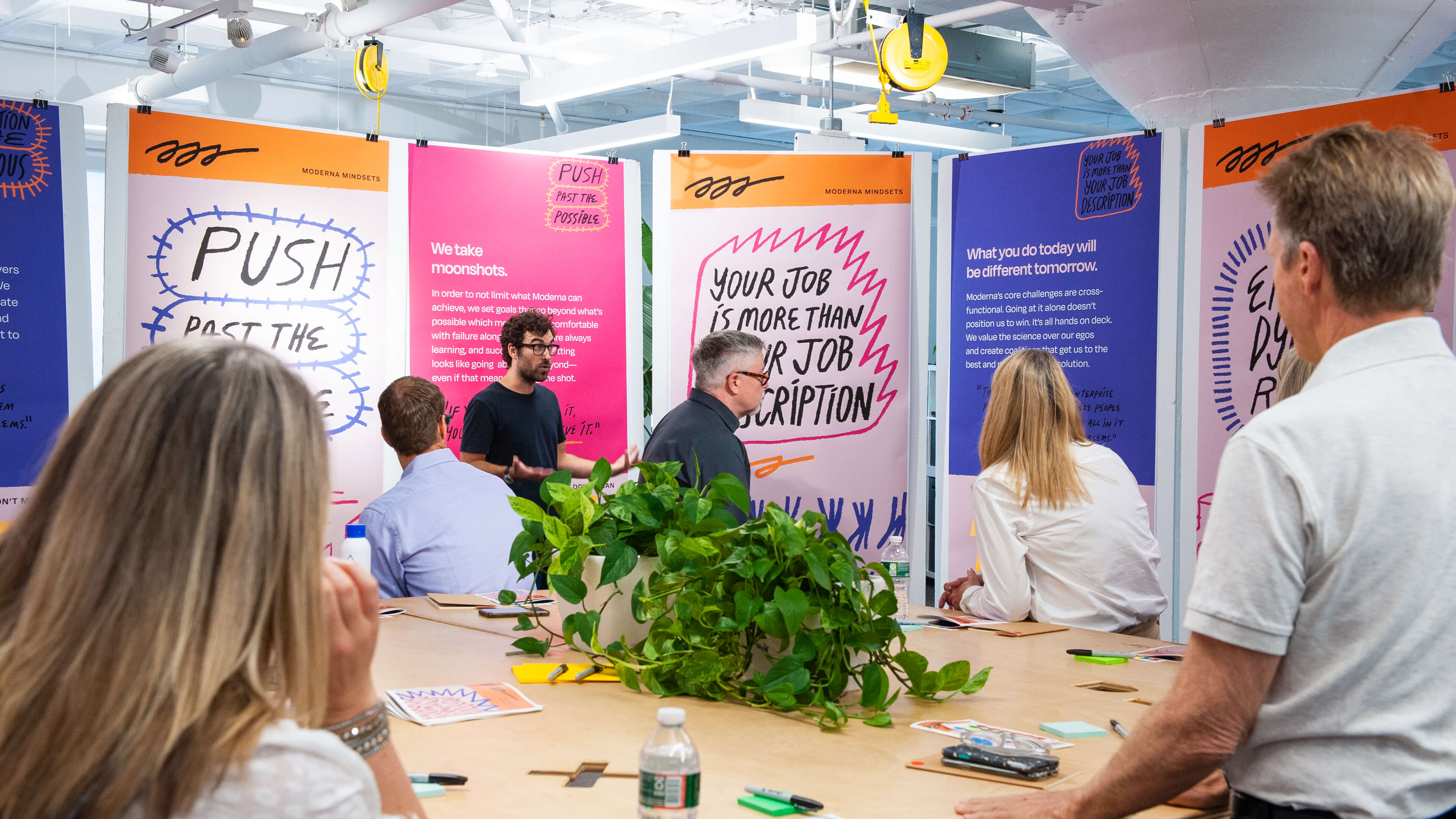
Many companies view culture-building initiatives as nice-to-haves. At Moderna, Mindsets are a business imperative, crucial to its plans to develop breakthrough products quickly.
For companies working on solutions as vital as a COVID-19 vaccine, delays and mistakes don’t just mean missing a product launch date—they’re life-or-death, and on a large scale. Moderna had to ensure that its employees knew how to make the right decisions, evaluate risk, and move quickly—even if they came from organizations with more bureaucracy and less risk tolerance. In 2021, IDEO sat down with longtime Moderna veterans to hear stories about moments that exemplify the company's culture, like the day a critical piece of equipment arrived but was too big to fit through the door. Taking it apart would have added days to their timeline. So employees took sledgehammers to a wall instead. Stories like this one fed into the crafting of the list of Mindsets, such as “Act with urgency: Action today compounds the lives saved tomorrow” and “We behave like owners: The solutions we’re building go beyond any job description.”

To gather feedback, the team shared the draft Mindsets with a diverse set of employees—new hires, veterans, folks already closely aligned with the culture, folks for whom it wasn’t the most natural fit, and a plethora of employee resource groups. CEO Stéphane Bancel and the leadership team took crafting and iterating on the Mindsets very seriously, wordsmithing and tweaking them with the team until they were ready to share them officially. Now, new hires learn about the company’s Mindsets in Moderna ONE, an onboarding process that IDEO helped revamp, while existing employees attend a workshop to ensure everyone at the company knows not only what to do but also how to do it effectively. In a matter of weeks, IDEO helped Moderna codify its culture for employees and set the company up for continued success. Moderna continues to embed these Mindsets across the entire employee lifecycle to systematically scale its culture.
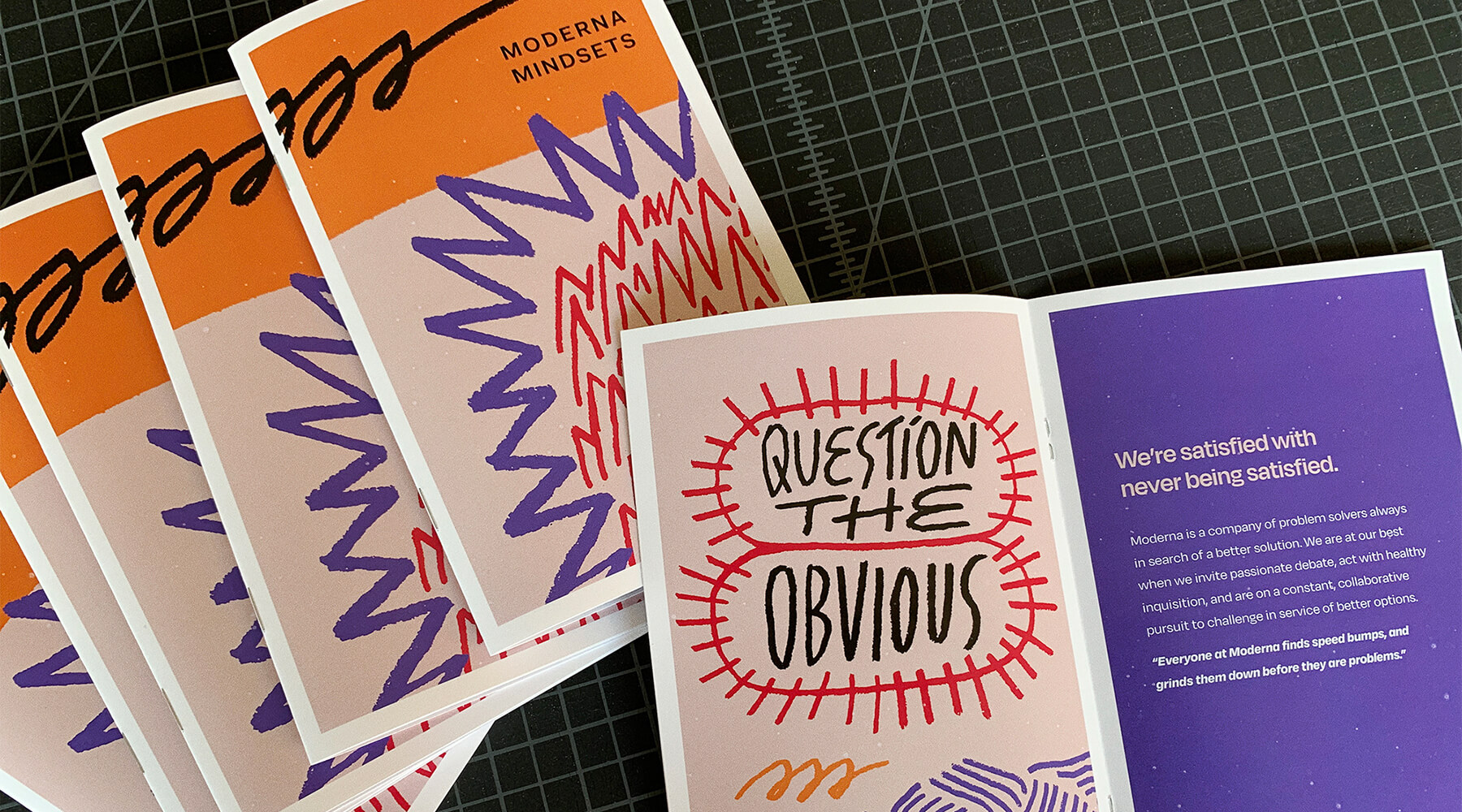
For employees new and old, the clarity of the Mindsets has made it easier to understand expectations and to understand the company itself. Long-term veterans responded with comments like, "These really help explain why we're working this way,” while one newbie said, "It feels like a homecoming to hear the culture that we’re trying to bring through.” But more than just solving a cultural issue, the new Mindsets have fulfilled a business imperative: Holding on to the secret sauce that made Moderna successful to begin with, setting the stage for its next five years of breakthroughs.
When the World Health Organization (WHO) declared the COVID-19 health crisis a pandemic in March of 2020, Moderna had fewer than 1,000 employees. Four years later, it’s more than five times the size.
Ranked #1
BioSpace Best Place to Work, large company in 2024
Ranked #6
Boston Consulting Group’s 50 Most Innovative Report in 2023
Ranked #4
Deloitte’s Technology Fast 500 List in 2023
Mental health, co-designed
Kooth partners with young people to create Soluna, a mental health resource for California youth.
Increasingly, digital spaces are proving detrimental to youth mental health. By co-designing with youth, Kooth and IDEO set out to flip the script, creating a positive digital space for young people to safely explore their mental wellbeing.
When Kooth, IDEO, and Blackbird, IDEO’s longtime development partner, first started working on the project, the window of opportunity was narrow, and the stakes were high. The group was up against a nine-week deadline to create a working proof of concept app. Also on the line: a $188 million contract with the Department of Health Care Services (DHCS)—one that would open an entirely new line of business for Kooth.
The app needed to do more than demonstrate functionality—it needed to prove its value. To ensure that they were creating an asset that truly fit the needs of young people, the team turned to an initial cohort of 13-25 year-old co-designers who explored early features, created video diaries, and shared their questions about and experiences with mental health. These young people often gravitated toward self-service tools that helped them take action based on their feelings. With their feedback, the team created new expressions of clinically-validated behavioral health tools like journaling, breathwork and white noise—and built novel tools, such as Starboard, an expressive drawing tool and a nod to art therapy.
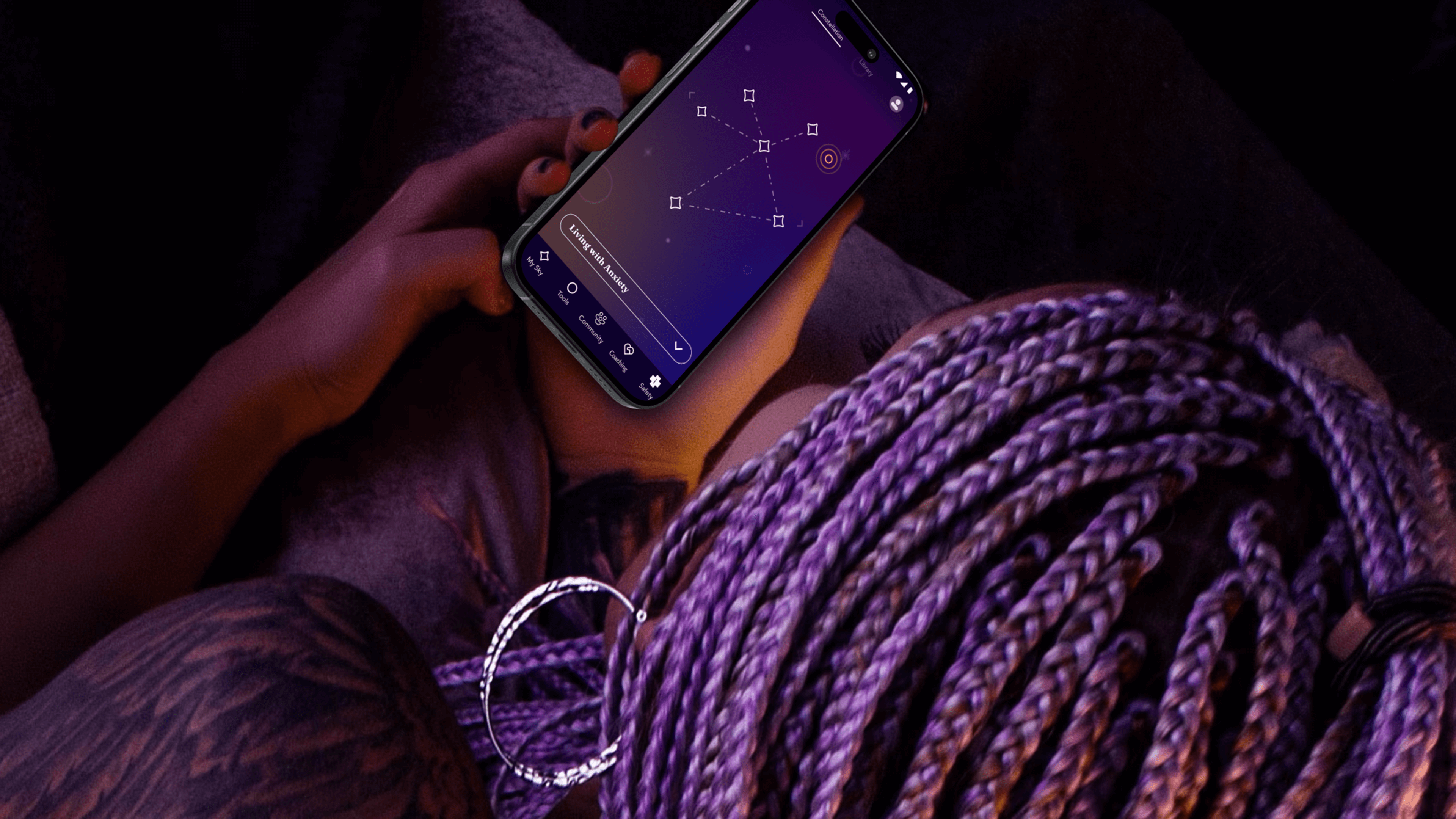
The team took inspiration from content the co-designers liked to consume, such as story-driven video games that enable freedom of exploration, deepened by a unifying mythology. That led them to a constellation theme, which made the experience more intriguing and playful. The co-designers also recommended a dark color palette, because they preferred exploring the app at night.
With these insights, the team refined the proof of concept, and then conducted a one-week pilot with another 50 young people across California. Their positive feedback gave the State the confidence to invest in a $188 million, four-year contract for Kooth to bring the app to a platform at scale.
Over the next year, the team engaged another 150 young people to help design, shape, and test the app. At the same time, Kooth and IDEO created a clinical oversight group, which included a pediatrician, therapists, and other clinical specialists. This group anchored the platform in the practices of Acceptance and Commitment Therapy (ACT), cultivating psychological flexibility—the mindful acceptance of positive and negative emotions. Young people are invited to complete short reflections and surveys throughout their journey with the app, which includes rigorous, science-backed measurements to assess the therapeutic benefits.
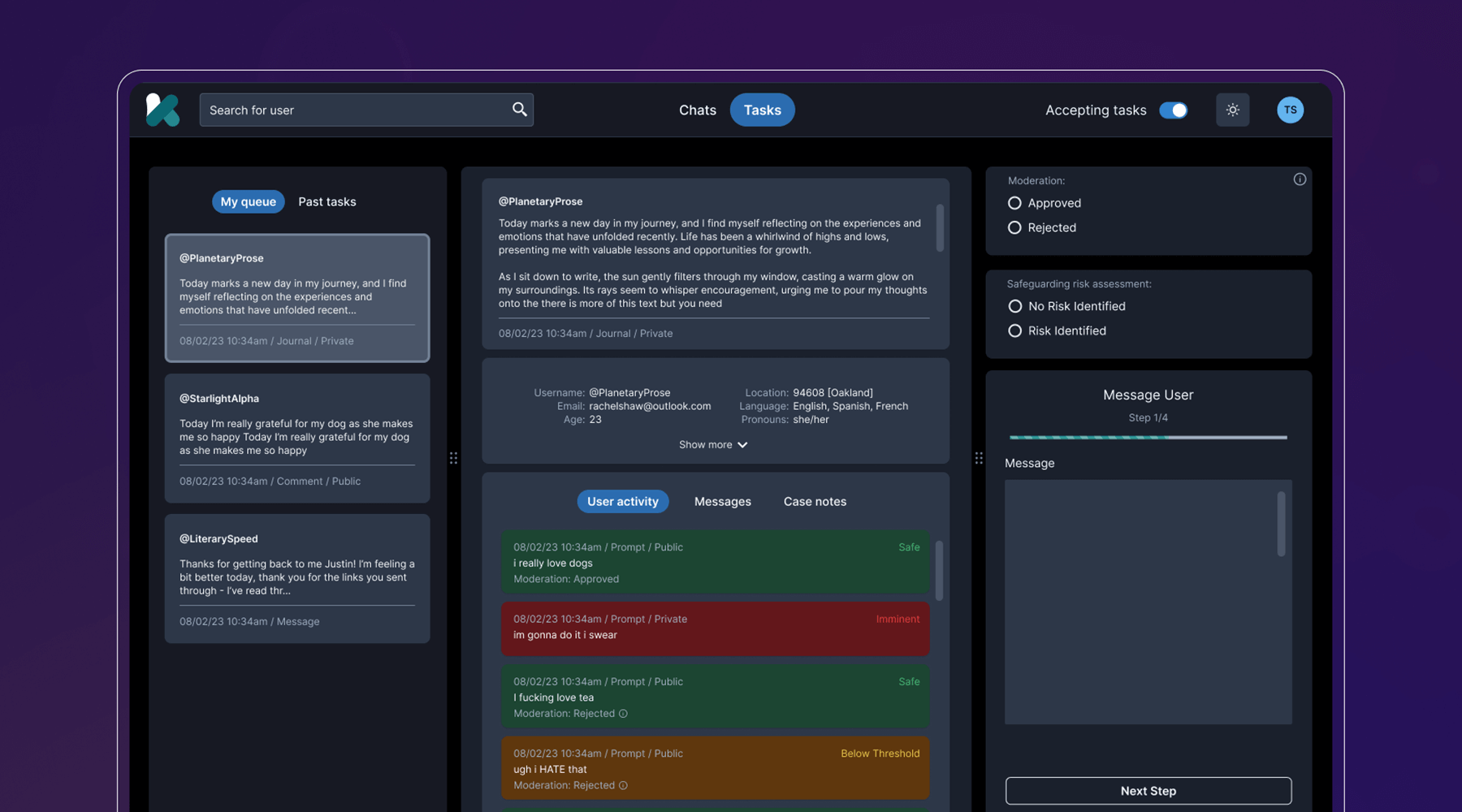
Behind the scenes, the team developed a clinical-facing service and digital platform that empowers Kooth’s peer specialists, social workers, community curators, and clinicians to support the youth experience, all while protecting privacy and confidentiality. They also navigated a complex landscape of state requirements and government legislation, ensuring that the platform could cover topics like substance abuse and gender identity, and that users could access coaching within 24 hours, and choose from a diverse set of experts.
The last step was to select a name that worked across multiple languages, trademarks, and competitor branding, and didn’t come off as a mental health service, something the youth co-designers believed was critical. IDEO and Kooth landed on Soluna, a name that alludes to the app’s presence in both the bright (“sol” for sun) and the dark times (“luna” for moon).
Now, Soluna is available for free to all youth in California, and the state has set ambitious targets for reaching all young people at scale. Soluna is a living platform that will continue to receive product and design updates for years to come, all deeply rooted in youth co-design.
The US Surgeon General named mental health “the defining public health crisis of our time,” and cited social media, online bullying, and the isolation exacerbated by the COVID-19 pandemic as major drivers that have significant negative outcomes for youth.
In California alone, more than 284,000 youth cope with major depression. 66% of kids with depression do not receive treatment. Between 2019-2020, the suicide rate for kids ages 10-18 increased by 20%.
In 2022, California Governor Gavin Newsom’s Master Plan for Kids’ Mental Health set aside $4.6 billion to increase access to mental health and substance abuse support, the largest commitment to youth mental health ever made by a state.
94%
of proof-of-concept app users would recommend the Soluna app to a friend, and believe that engaging with the app would be a positive addition to their daily/weekly routine
6 million
young people in California had access to Soluna at launch in January 2024
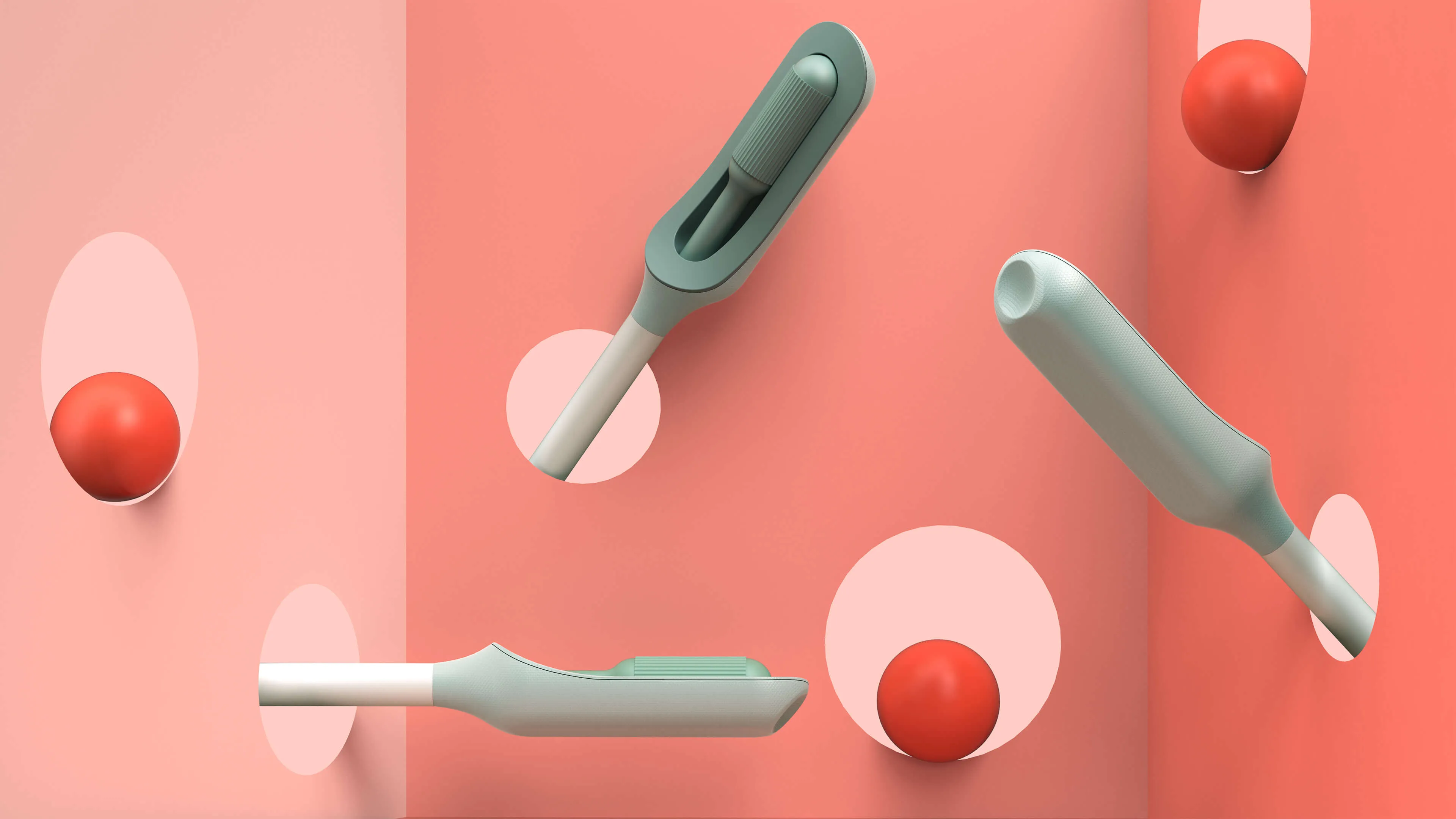
A more comfortable Pap smear
Teal Health creates a system for at-home cervical cancer screening.
Creating a better cervical cancer screening experience is an important mission, but also a challenging one. Not only would Teal have to address the regulations that face healthcare device companies, it would also need to build a comprehensive telehealth platform and a physical product—a wand that could easily collect an adequate cell sample, even in the hands of an untrained person.
The first challenge was to create the wand. The device would need to do a lot: It’s impossible for a person to see their own cervix, so the user would have to be able to find the cervix blind, collect the sample themselves, and remove the wand from their bodies without contaminating it on other parts of their anatomy. Because this is something users are likely to do in their bathrooms, where there is no space to lie down, they would need to be able to use the device while standing—and with one hand. From the beginning, the IDEO team set out to design functional, testable prototypes to make sure the idea was viable, and incorporate diverse voices into the research process, including trans, minority, and disabled women.
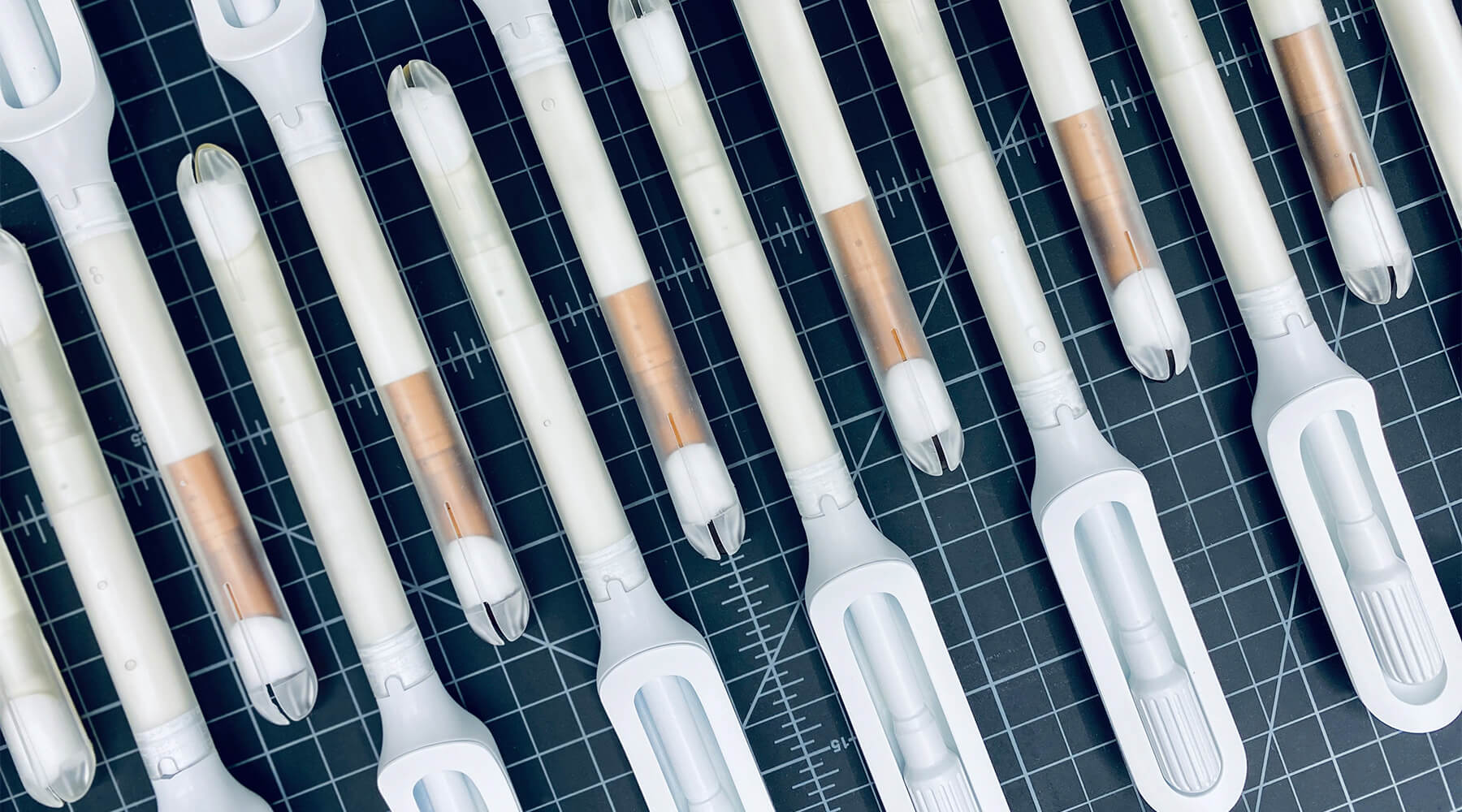
Because the product is meant for people who aren’t medical professionals, the team worked to design something as simple, intuitive, and unintimidating as possible. They used a 3-D printer to create multiples of every prototype, autoclaves to make sure that the designs they were creating were sterile, and leaned into shapes women are already used to, like the cylindrical shape of a tampon. The wand they created has that same basic form, but with a soft sponge that the user can deploy with the turn of a dial to collect the sample, then close to protect it from contamination on the way out of the body.
With working prototypes in hand, Teal set out to test their efficacy. In an initial study with 220 participants varying in age, race, socioeconomic status, and geography, Teal found that not only were participants able to successfully self-collect samples, they also preferred them over the speculum, the device doctors typically use during a screening. Some 92 percent said if they knew the results were equal they would prefer self-collection, while 87 percent reported they would stay current with screening if Teal Wand was an option. Self-collection took the vast majority under two minutes to complete, and 97% of study participants reported it was very easy or easy to use. The Teal Wand recently received a patent for its unique design.
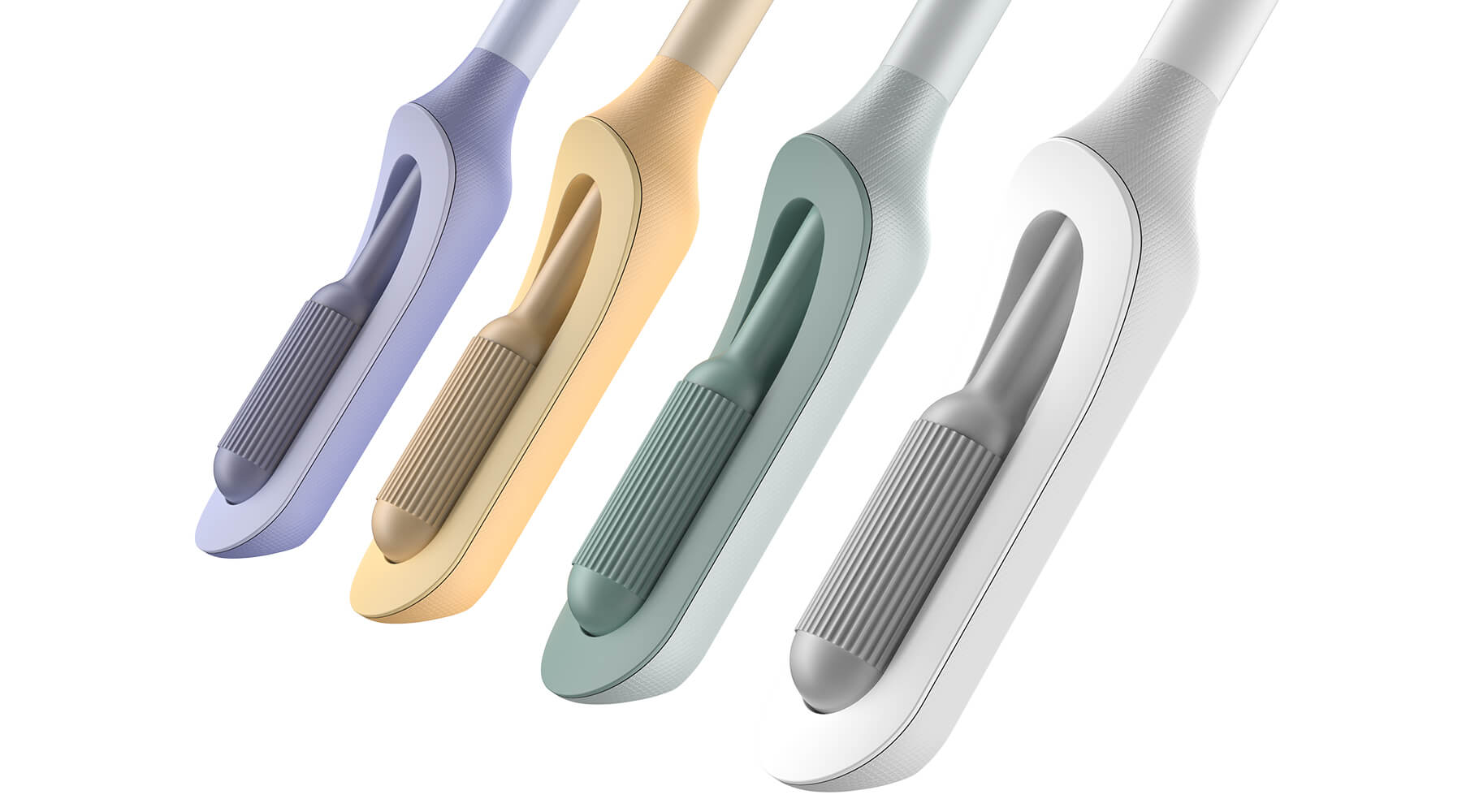
The IDEO team also worked on the packaging and unboxing experience, which plays an important role in supporting the user through the self-screening process. The team built in thoughtful design cues to give users reassurance that they are using the wand correctly, and to provide the same level of confidence they would have in the results of an in-clinic screening.
In January 2023, Teal raised $8.8 million in a seed funding round from Serena Ventures, Emerson Collective, and Metrodora. Later that year, the company launched a nationwide clinical trial with leading health organizations including Johns Hopkins University, Yale University, the University of Colorado, and Washington University, among others. In 2025, the Teal Wand became the first FDA-authorized device for at-home cervical cancer screening, with virtual medical provider support, and became available in all 50 states. Due to soaring consumer demand and increased insurance coverage starting in January 2027, Teal Health secured $22 million in Series A funding to expand access to the Teal Wand. It’s an enormous step toward the company’s North Star: catching cervical cancer earlier and saving lives.
Cervical cancer is nearly 100% preventable when it’s caught early, yet one in four women in the US are not up to date on their screenings.
More than 12,000 people in the US are being diagnosed with cervical cancer every year, and more than 4,000 people die of the disease, which disproportionately impacts Black, Asian, and Hispanic women.
More than half of cervical cancer cases are found in women that are not up-to-date on their screenings.
$22M
raised in a Series A round to expand access to the most accurate FDA-authorized at-home HPV cervical cancer screening
97%
of clinical study participants said the Teal Wand was very easy or easy to use.
87%
of participants said they would be more likely to stay current with screening guidelines if Teal Wand was an option.
94%
of participants said they would choose to collect their own sample from home rather than the current standard of care where a clinician collects it in-office.
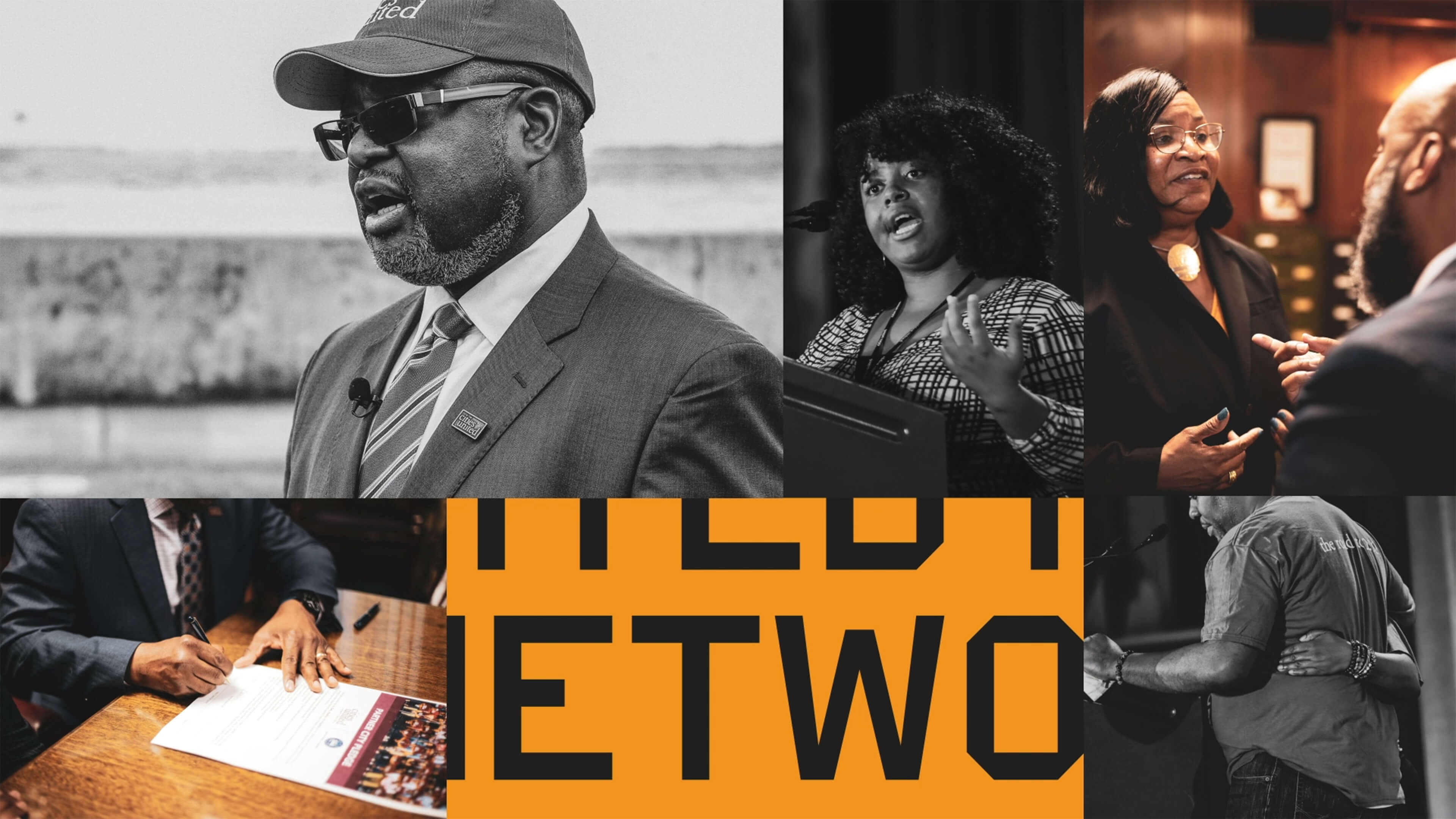
Amplifying a movement
Cities United rebrands to create safe, healthy, hopeful communities for Black men and boys.
Cities United already had a strong foundation with its stated mission, vision, and values. IDEO brought those to life with a new visual and verbal brand identity system that celebrates Cities United’s inclusive approach to building relationships and reimagining public safety.
To help Cities United with its verbal identity, the IDEO team defined the organization's voice, tone, and key messages, making it easier to tell its story more consistently and clearly, a crucial step toward engaging stakeholders.
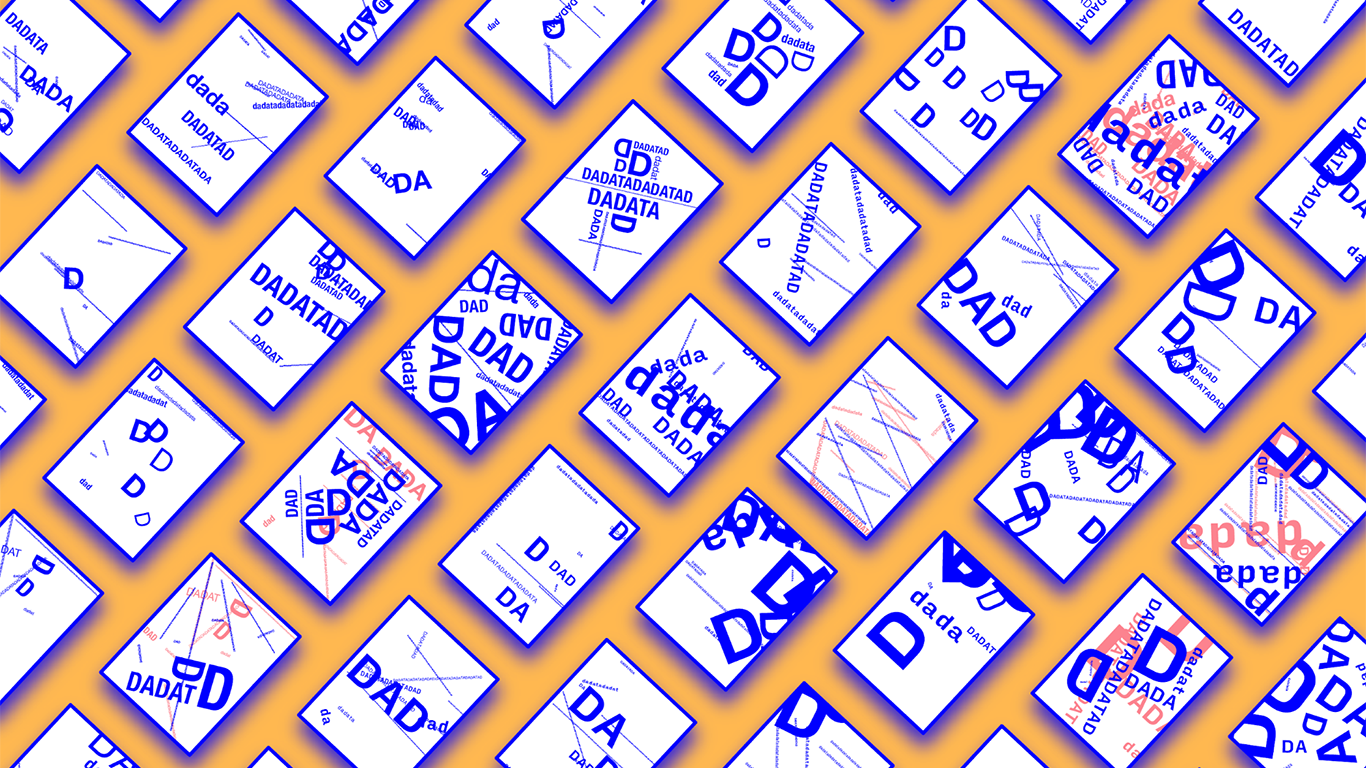
To define the new visual identity, the team created a new logo, a letter C composed of interwoven shapes that represent the three tenets of their vision—“safe, happy, and hopeful;” a new design language that references city grids; and a typographic system anchored by the typeface VTC DuBois, inspired by W.E.B. DuBois’s own custom lettering and designed by the Black-owned Vocal Type Co. The team also designed a color palette that embodies the textures of city life with hues reminiscent of asphalt, sunrise, and brick.
To amplify the refreshed branding, the team designed a new responsive website, citiesunited.org. The intuitive site shares the organization’s mission, resources, ongoing projects, and partner network, inviting stakeholders to join in their transformative work. IDEO also created a video to humanize Cities United’s mission and showcase its nationwide impact. It underscores the unity, resilience, and hope embodied by the organization through a chorus of voices.
This comprehensive rebranding widens Cities United’s reach and impact, helping the organization share its goal of creating safe, healthy, hopeful communities for young Black men, boys, and their families, and reintroduces the organization to a national audience.
The Cities United work was supported by IDEO’s Racial Justice Impact Fund, part of a commitment IDEO made in 2020 to address systemic racism and advance equity within our own organization, our client work, and beyond.
Cities United is committed to reducing the epidemic of homicides and shootings among young Black men and boys ages 14-to-24 by 50%.
Between 2009 and 2019, the number of Black children who “did not go to school at least one day in the past month because they felt unsafe at school or on their way to or from school” increased by 84%, according to Cities United.
Homicide is the leading cause of death for Black men and boys from birth to age 44, according to the Centers for Disease Control and Prevention.
2023 SF Design Week Award
In recognition of IDEO’s brand work with Citizens United

These Insanely Detailed Cityscapes Are Drawn by Hand
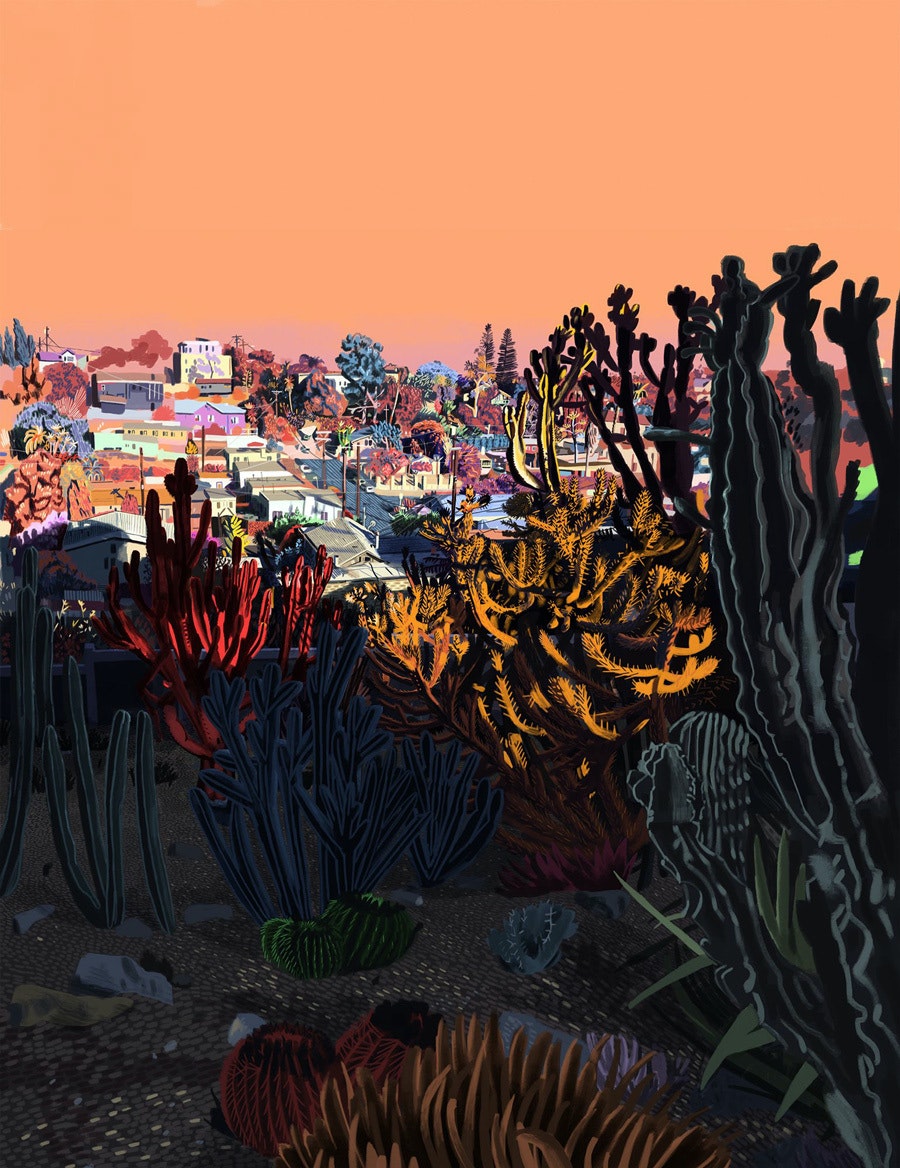
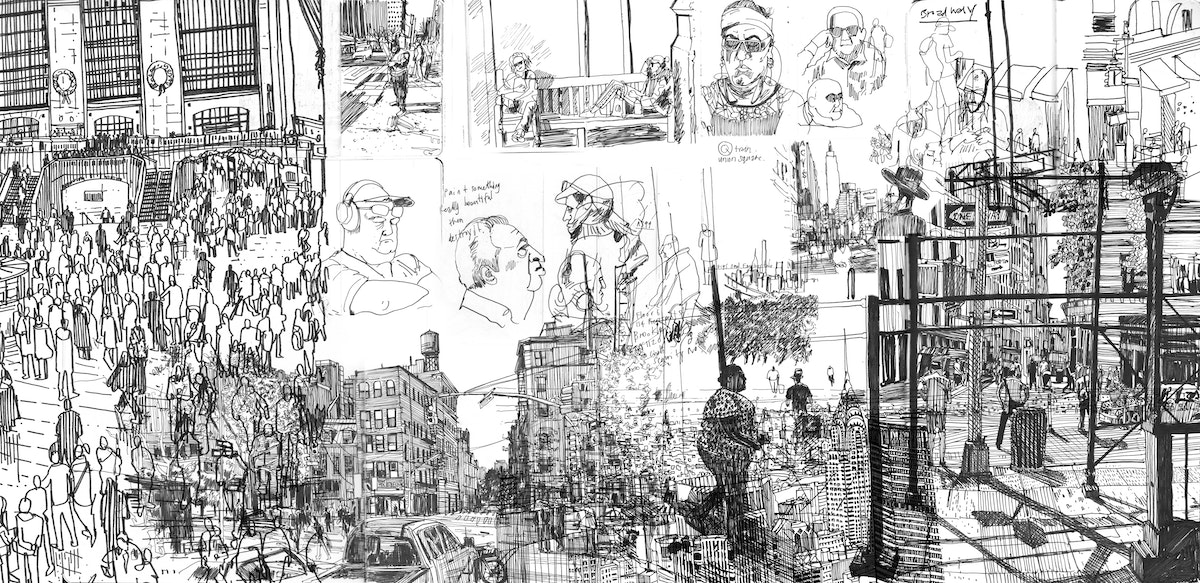
UK artist Patrick Vale drew a giant map of San Francisco on our office wall
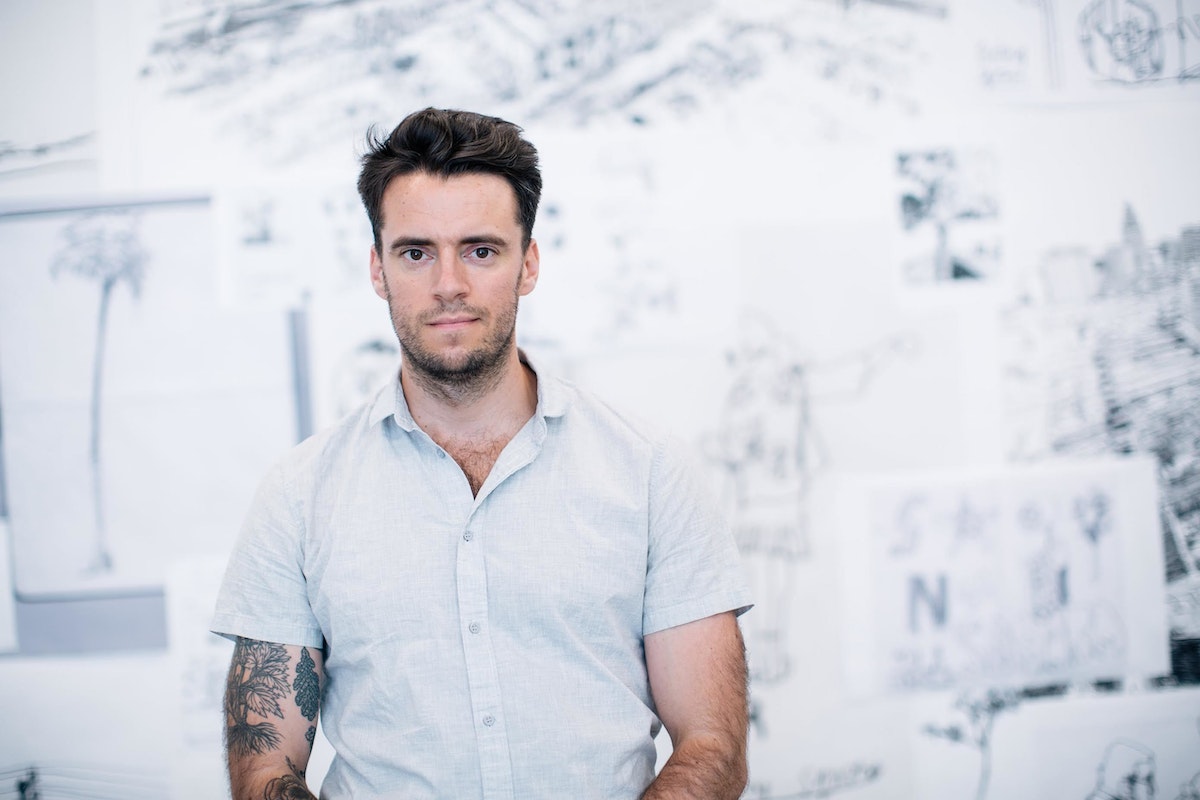
In one sentence who are you?
Artist from Bristol, UK, currently living in NYC.
What do you do? How did you learn it?
I draw and paint every day. It is hard to pinpoint how I learned to draw, but I have been practicing since I was a young lad. I would always draw what was around me.
I have always been inspired by artists who draw with an energetic, loose line. Quentin Blake, Ralph Steadman, Chris Orr, Robert Weaver, and Linda Kitson were artists I looked up to.
As I got into my early teens, I really got immersed in depicting the urban environment. This was fueled by picture books that my dad would bring back from trips to the US. American cities didn’t look like UK ones.
I went to art college, but I largely stuck to my guns and just made the work that I wanted to make. To be honest, I’m making it up as I go along.
WATCH: IDEO San Francisco mural, 2017
3 favorite possessions?
My sketchbooks from the last 25 years and a giant Spitfire that I made and had hanging in my old studio.
What does a typical work session look like?
I am normally juggling three projects, so I try to split up the day and do a few hours on each.
I tend to do the large-scale work in my studio apartment, and then I have a desk in a shared studio where I do smaller jobs.
So I guess I work in two to three hour bursts, and then go do something else. Obviously, if there is a pressing deadline, that goes out the window. I do 12-plus hour sessions sometimes.
How do you get over creative block?
Go running, to the gym, or for a pint. Talk to a friend and then go out and draw something. Or just start something. Sometimes I think too much.
I also keep a small, pocket-sized sketchbook on my person, so that when I am traveling about the city I can draw people and things that catch my eye. It is a lovely way to see stuff. People spend so much time looking at their phones these days, they miss out on so many things that are happening in real life.
How do you see the world in 2078?
Warm.
What’s your number one bucket list item?
I’d like to watch a cricket test match in the Caribbean.
Who are you creative crushin’ on lately?
I am looking at painters a lot these days. Here are a few: Peter Doig, Paul Davis, Jacob Lawrence, Jules de Balincourt, Enoc Perez, John Virtue, Edward Hopper, George Bellows…
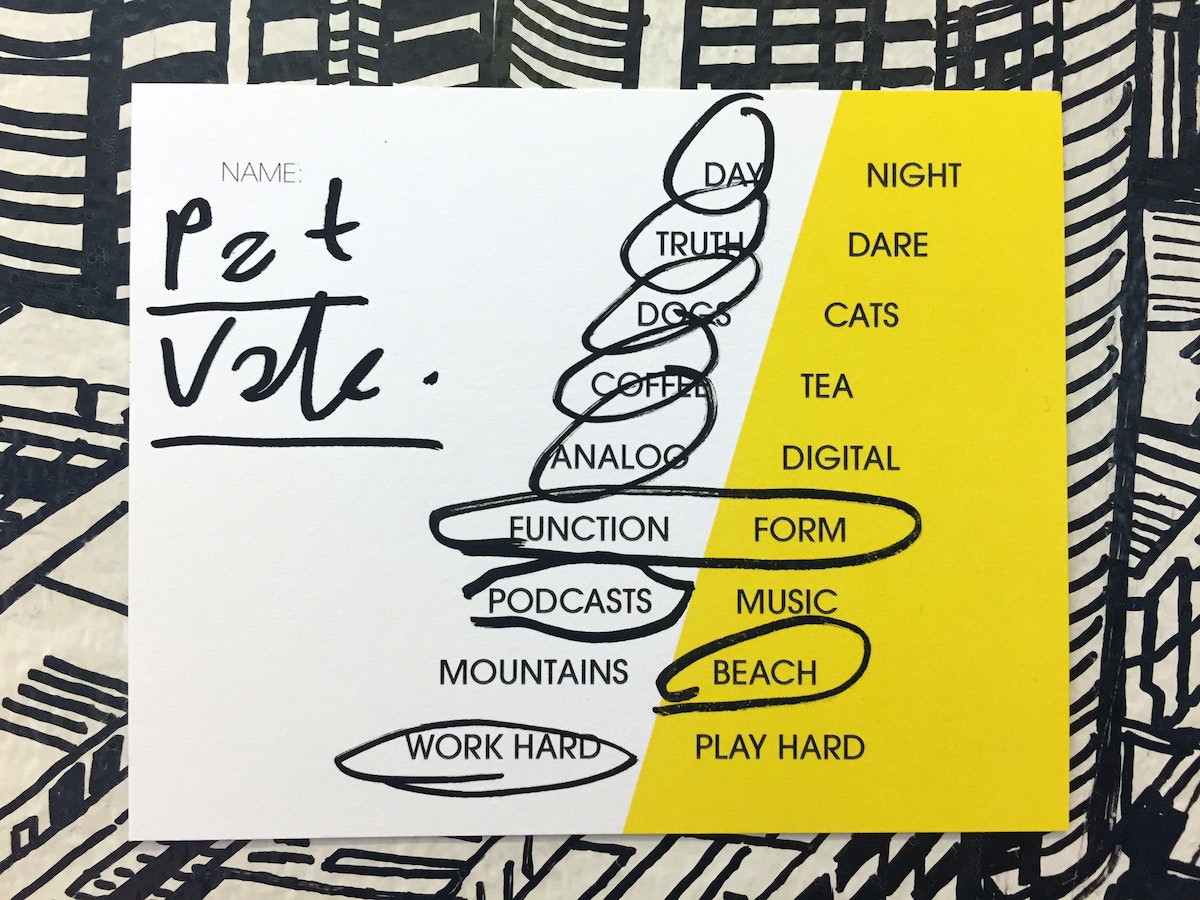
I first discovered Patrick Vale's work while sourcing muralists for an installation in our entryway. I became entranced by the organized madness of his large-scale cityscapes—the attention to detail, consistency, and sheer patience they required to complete. Pat embedded himself in IDEO's San Francisco studio for more than a week—morning, noon, and night—to create an alternative map-view of San Francisco. I caught up with him to get the backstory.

Thinking About Starting a Side Business? Read This.
This IDEO designer started a coffee shop on the side
As the person in charge of the overall employee experience for IDEO San Francisco, I should have known better. Neither my husband nor I have any experience running a coffee business. Had we known how hard it would be, we would have surely taken one look at the space and balked. Instead, we tore down walls, stood in line at the city building department, had our eyes opened wide, cried out in frustration, and in the process, learned a hell of a lot.
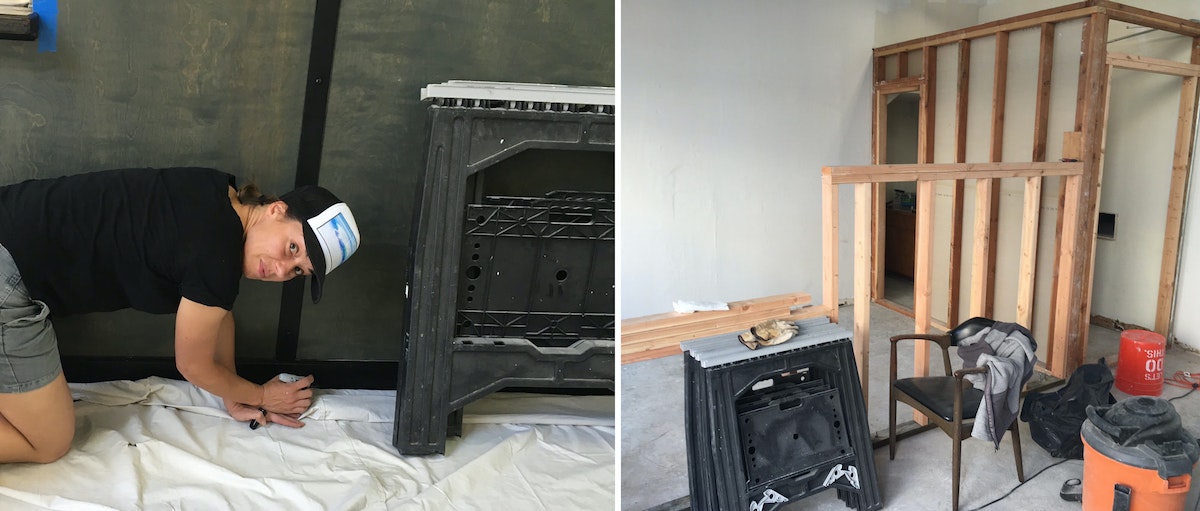
Thinking about starting a side business after hours? Here are 5 lessons we learned the hard way:
1. The laws won’t bend around your business
Turns out it’s staggeringly difficult to open a city-approved and permitted food establishment in a space where there hadn’t previously been one. The ADA laws (The Americans with Disabilities Act) are incredibly intricate. When IDEO opened a new office to house our growing business, I already understood the language the architect used to describe ADA issues we might face, and how bureaucratic and difficult the permit process might be.
2. Designing a great experience = problem solving
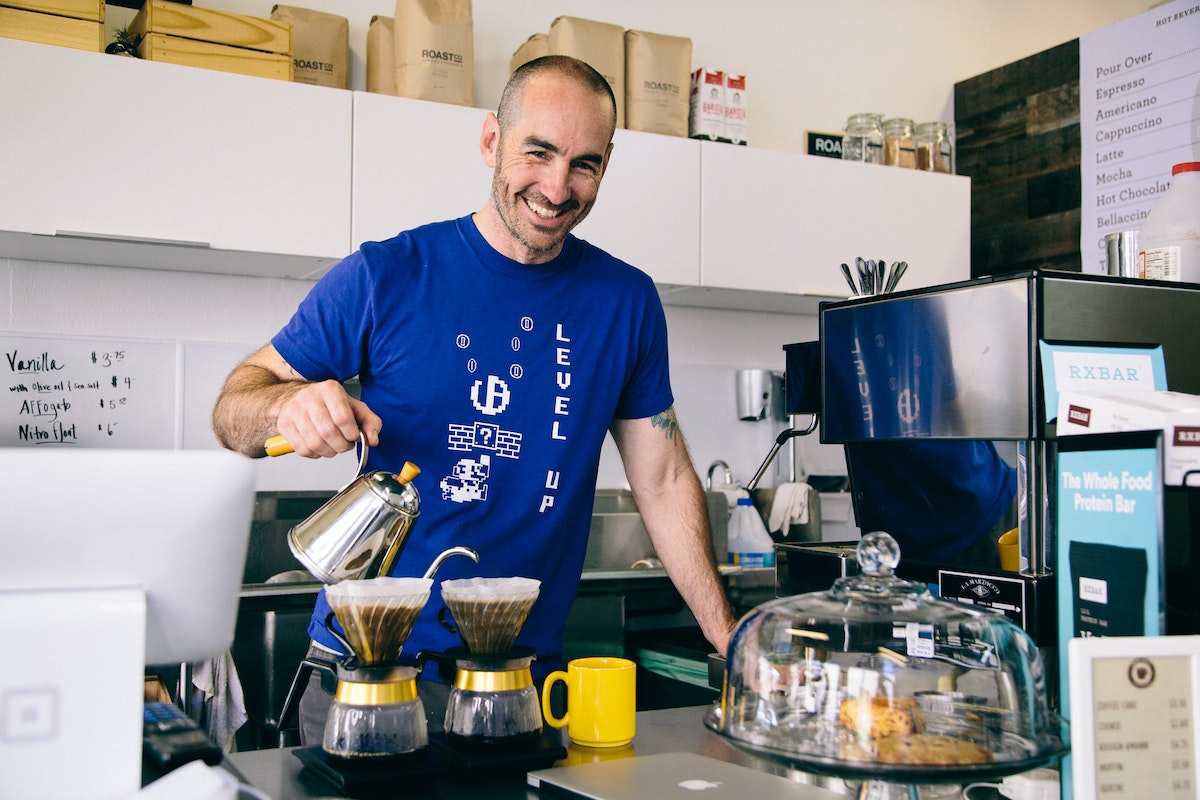
If you're starting a side biz, think hard about which learnings from your day job are transferable. Working in experience design, I already knew what it was like to be in a constant state of problem solving, failing quickly, and learning from it all. My relationship with the IDEO community and my commitment to giving them what they want—and to saying no when necessary—was paramount. I use my skills in thinking about space, how best to use it, and how to realize potential problems before they surface every day at Snow White.

3. Everything will go wrong
We installed an ice cream machine that failed almost immediately. (Who knew your ice cream machine won’t stay cold enough if your shop isn't air conditioned?) We’ve also dealt with the lack of a freezer or a proper ice machine, too little dry storage, and leaking sinks. When you're starting a new business, expect to be prototyping and problem solving around obstacles constantly.
4. Take breaks and rely on your community
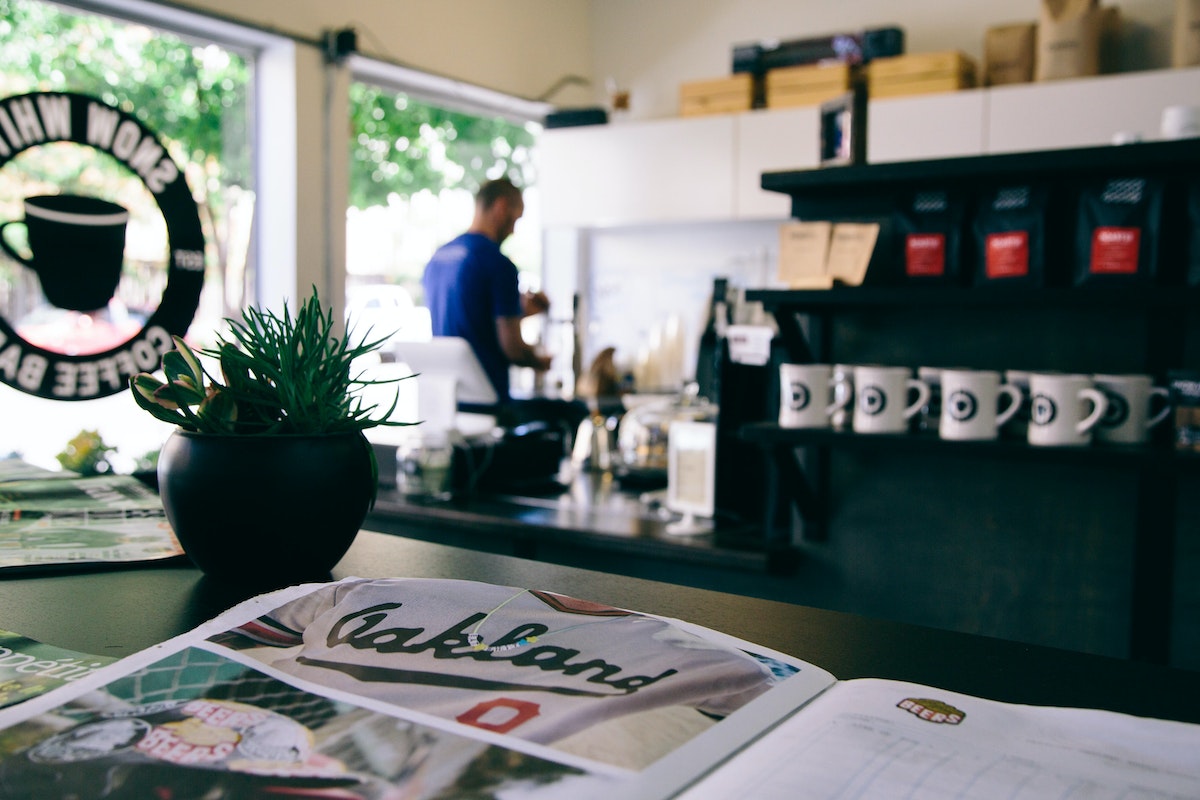
We’ve learned when to say no and when to take a break. That has been essential to avoiding burnout. Expect to call in lots of favors and make sure you return those favors over time. We’ve made strong relationships with our community by asking them for favors when we need to, and giving back to them when we can.
5. Blind faith is your friend
Some lessons are less tactile, like how being fearless pays off in the end. It allows me to make quick changes without feeling paralyzed. We all let barriers get in the way. We come up with reasons why something won’t work. The blind faith we had when we decided to open the shop is in itself a lesson—and the most important one we learned. I've taken that lesson back to IDEO (and we certainly have better coffee in the office now too!).
A year later, the learning continues. We’re constantly trying new things to evolve our business. Stop by Snow White Coffee Bar for a latté some time and let our defiance inspire you to jump into something you think you can’t.
Last winter, while walking down a busy shop-lined street a block from our home in Oakland, my husband and I noticed a handwritten FOR LEASE sign posted in the window of a dirty dry cleaners. “This is such a great location, someone should put a coffee shop here!” we joked. But it was no joke—four months later, on April 20, 2016, we opened the doors to Snow White Coffee Bar.
5 Exercises That Break Down Barriers
How to get comfortable in a room full of strangers
Inspired by the New York Times’ piece on How to Fall in Love with Anyone, I reached out to my fellow IDEOers and asked about some of their favorite ways to break down barriers when meeting new people—especially in a group setting. They showered me with activity ideas.
Here are my top 5 favorite ways to break down barriers:

1. 3 Things in 3 Minutes
Everyone partners up with someone, ideally a person they don’t know well. Each pair has three minutes to discover three things they have in common that go beyond the obvious, like “We’re both in this room together,” or “We’re both wearing glasses.” After three minutes, everyone shares what they’ve learned with the group. Discoveries get pretty specific and have ranged from “We both have an adopted 11-year-old daughter from Guatemala” to “Our moms went to high school together in Detroit!”

2. Whose Life Is It Anyway?
Each person brings photos of their life (house, room, stuff, friends, etc.). The only rule is they can’t be in the images. When the group comes together, each person puts up their photos, and everyone has to guess whose life is whose. After each person is revealed, they have an opportunity to share a few components from their lives that are represented in the photographs.

3. Grouping Game
Create a series of categories that a group can use to organize themselves. They might be as simple as “cat person or dog person” or “Mac user or PC user,” or provide a bit more context about people’s background, such as “oldest, middle, youngest, or only child” or “religious or non-religious.” Once you have a handful of categories, call them out one-by-one, and have people form groups based on how they identify. For each round, have people ask one of the other questions of another group. By the end of the exercise, they will have been part of a dozen or so different “communities,” each comprised of a different set of people.
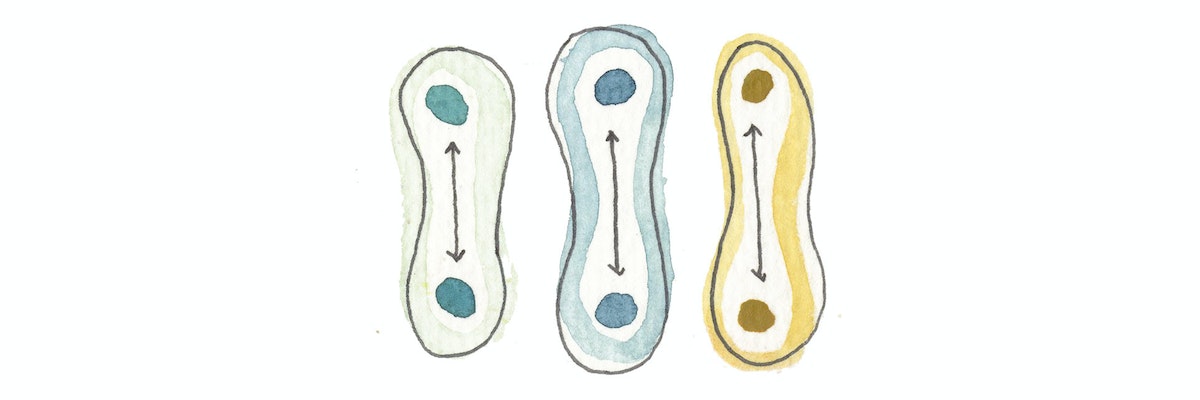
4. Acknowledgement Line
Have the group form two lines facing each other. Then, have them partner with the person they’re facing and take turns following these prompts (even if you know nothing about them):
- What do you want to know about this person? (Curiosity)
- What do you appreciate about this person? (Appreciation)
- What do you want to share about yourself with this person? (Acknowledgement)
- What can you contribute or give to this person? (Contribution)

5. Uniqueness Share
Each person takes turns sharing a fact about who they are or what they've done. If someone else in the room has done it before, then the person sharing needs to come up with another fact about themselves. So, if one person says, “I biked across the country,” and someone else says, “I’ve done that too!” then you would need find another fact, such as “I lived in Thailand.” Keep going until you find something that is truly unique about each person.
Any one of these exercises will help bring a feeling of common humanity into view. So, next time you enter a room full of strangers, save the cheesy icebreakers and admit that you’re a cat person instead.
Thanks to Mollie West Duffy, Neil Stevenson, Deirdre Cerminaro, Caryn Voskuil, and Heather Currier Hunt for their contributions.
Walking into a room of strangers can feel daunting. Small talk is hard enough, and it’s even trickier to delve into deeper topics right off the bat. I chuckled when I found out that the Dictionary of Obscure Sorrows has a term for the realization that every person has a story as complex as yours. But how do you unlock those stories with someone you've just met?
3 Design Lessons From a Dream Hotel
What I learned about hospitality from SingleThread Farms
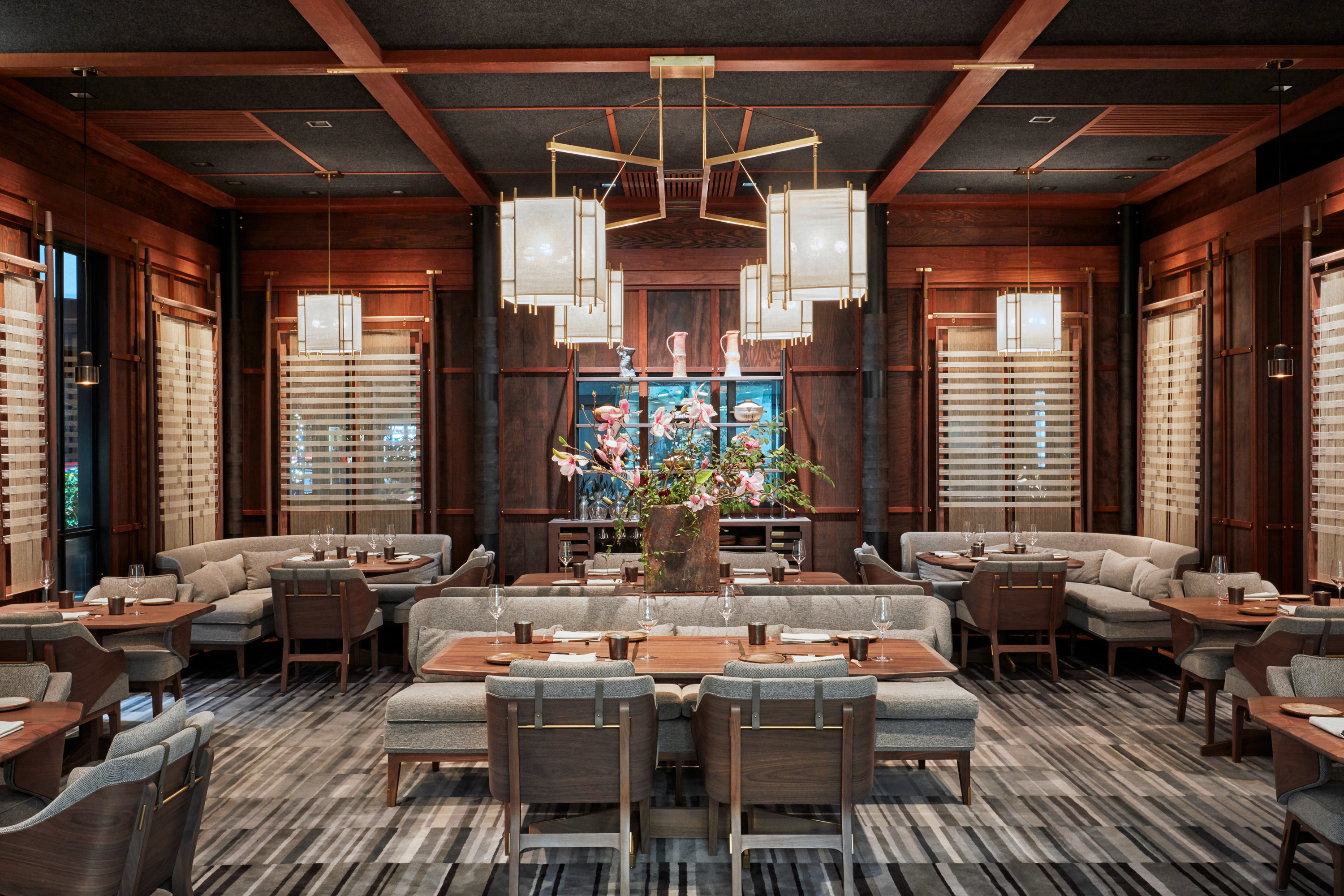
Working in food and hospitality design, I’m always on the lookout for what's new in the space. So, the moment I heard about SingleThread, I booked a night for my husband and me as an anniversary gift.
I suppose it’s an occupational hazard that I couldn’t help but notice the thoughtfully considered details that give SingleThread its hospitality superpowers. We were swept off our feet personally, but I also walked away with design insights that I took back to work.
At IDEO, we look to extremes for inspiration—people, brands, or environments that exaggerate specific behaviors. When we designed a line of ergonomic kitchen tools, we prototyped with both sous chefs and with those suffering from arthritis. Edge cases reveal what is or is not working, helping us generate opportunities for innovation.
SingleThread is most certainly an edge case. The name says it all—their vision is highly crafted, and a thread of that vision is woven into every detail of the experience.
3 lessons SingleThread Farms taught me about designing modern hospitality:
1. Don't tell your brand story, weave it in
At some hotels, the brand or theme takes over everything. Sweden’s IceHotel, Japan’s Robot Hotels, Underwater, and Disney's Star Wars hotel might be fun once or twice, but they're less about a tailored guest experience, and more about their own story.
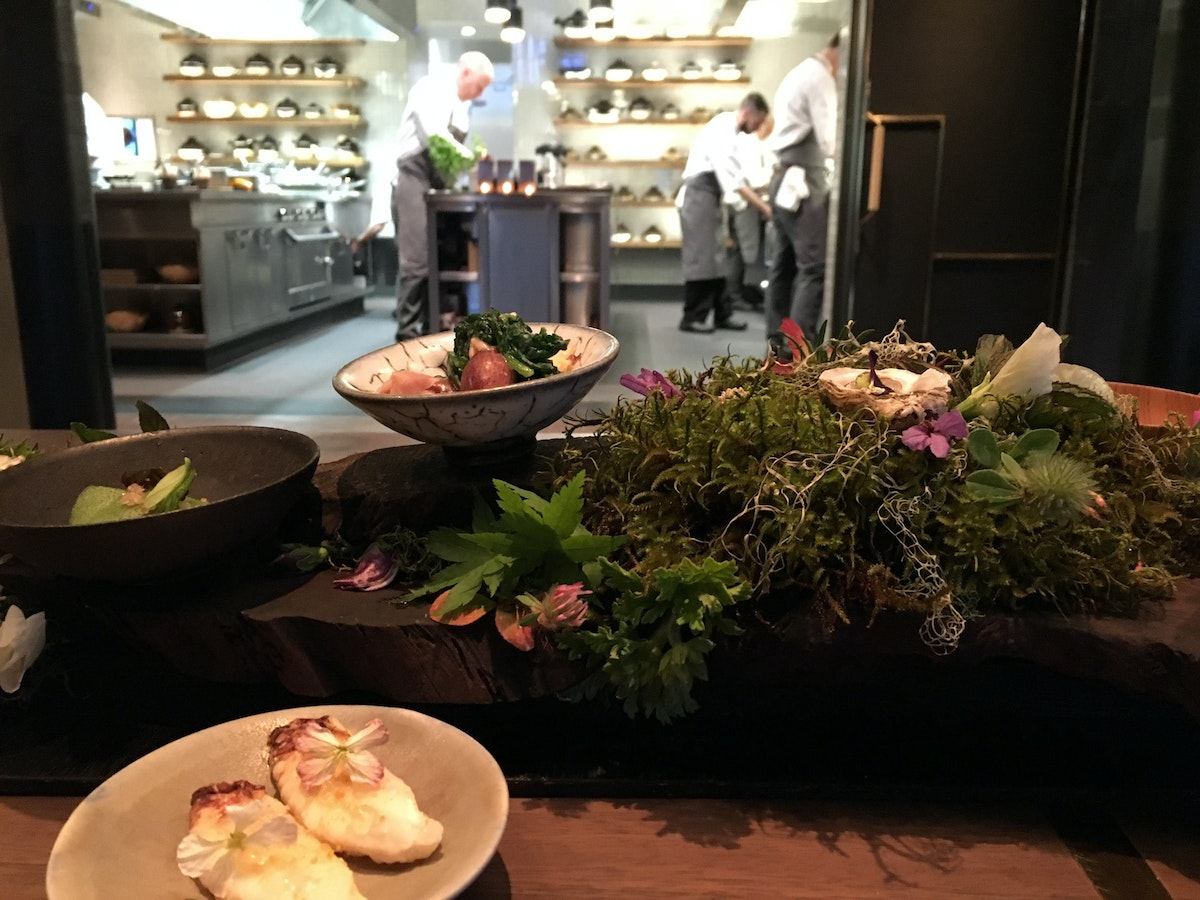
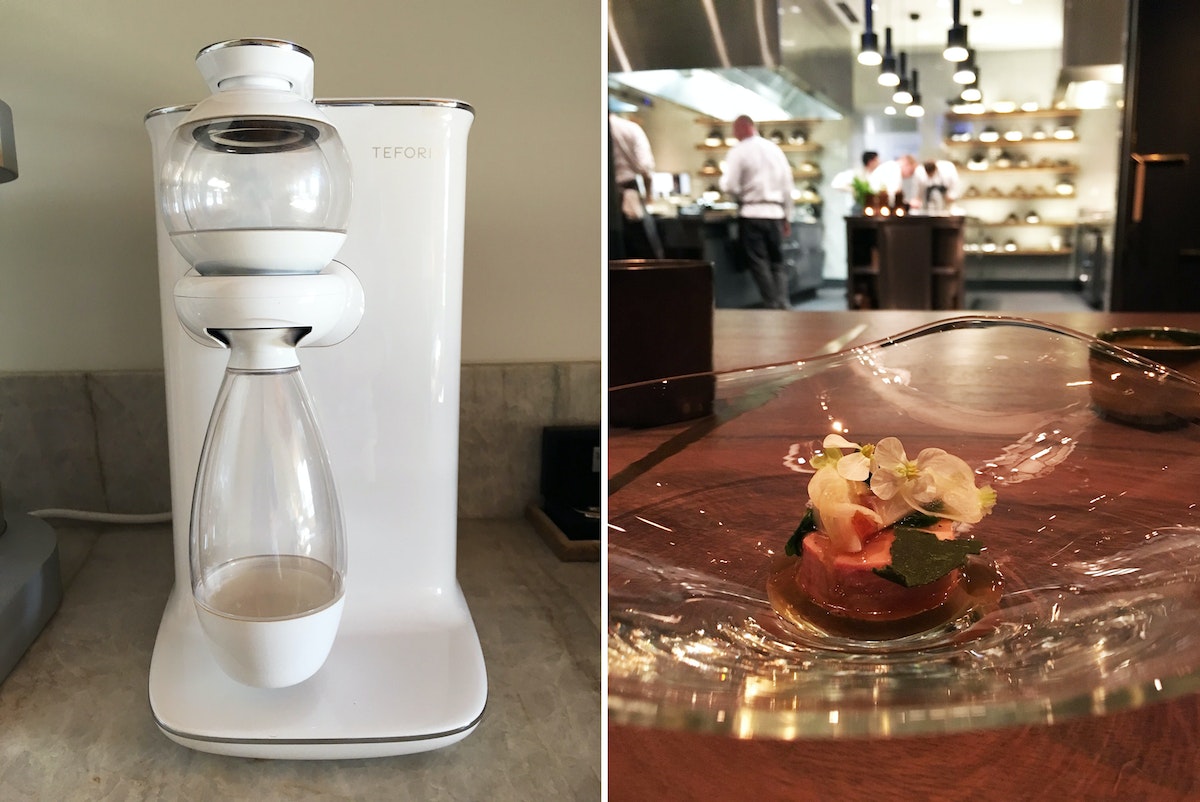
To say that SingleThread’s theme is “farm to table” would be a gross oversimplification. The larger purpose, as its creators Kyle and Katina Connaughton shared with us, is “to be an extension of our home.” That is demonstrated in every detail, from the open kitchen serving a kaiseki-inspired menu that changes with the micro-seasonal produce Katina has pulled out of the ground that day, to the guest rooms upstairs, where the mini-bar is replaced by a curated selection of gratuit handmade snacks and beverages.
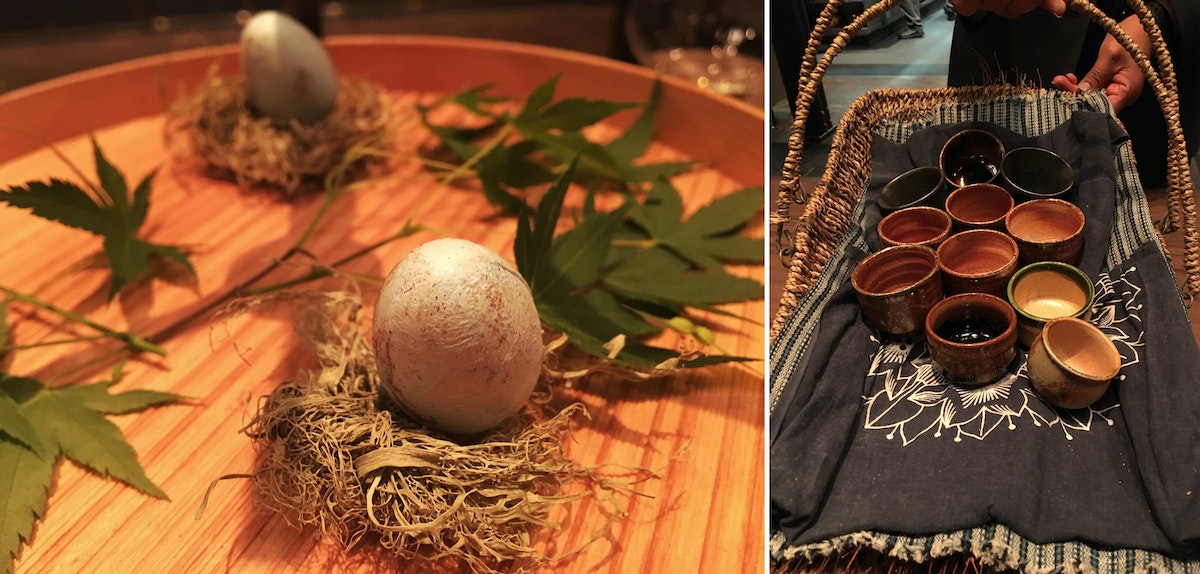
About halfway into our 11-course dining journey, we were presented with a basket of mismatched sake cups and invited to “choose one that speaks to us.” That was a first.
2. Aim for personal, not personalized
Personalization, the longstanding holy grail of the hospitality industry, is being reframed in the sharing economy. Airbnb's “belong anywhere” message is made real by guided experiences that help guests feel at home in the local culture.
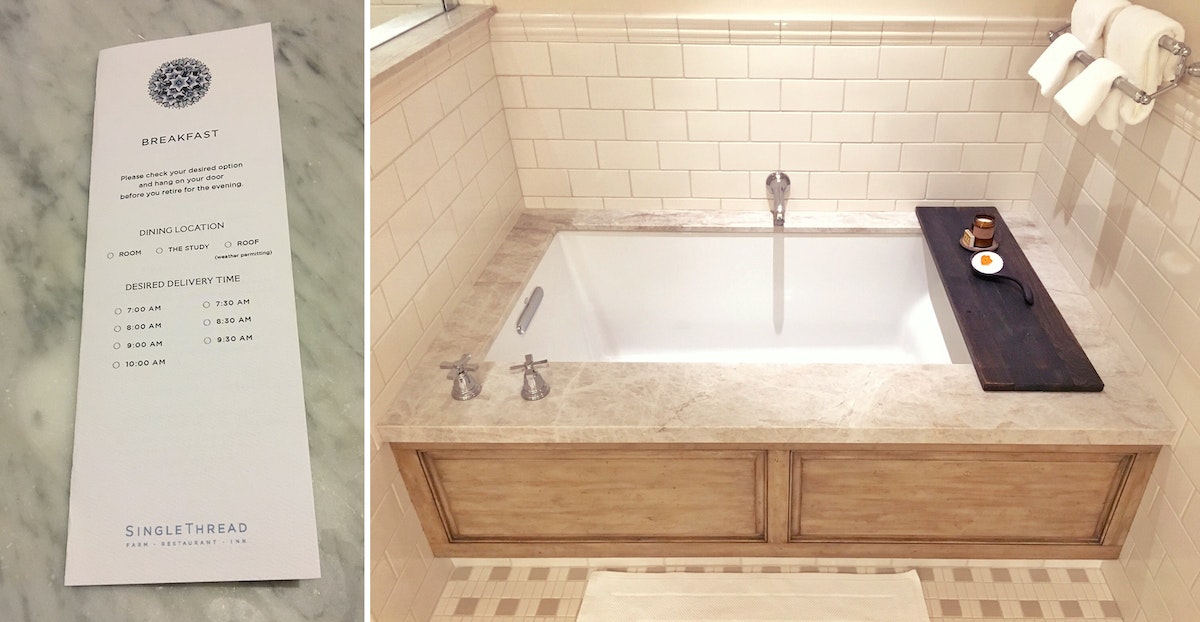
SingleThread builds in degrees of freedom that make the experience feel personal, not programmed: A towel hook thoughtfully placed just outside the shower door so you aren’t left to tiptoe across the floor, a wooden ladle atop a tray over the bath, pre-filled with soaking salts.
At a nightly pre-dinner meeting, the staff reviews guests’ bios and dietary requests so they can adjust the dining experience in a seamless, subtle way.
3. Put smart tech in a supporting role
Tech features in hospitality are growing fast. From Disney’s MagicBands to mobile check-in apps, hospitality providers are looking for new ways to meet guests’ needs.
SingleThread has mastered hidden tech, integrating just enough to create a highly sensual, human-centered experience that connects them more deeply with their guests.
Guests prepay through a reservation ticket system called Tock, so that any transactions that might take them out of the moment—tipping the bellhop, front desk check-in—are removed from the equation.
A front door camera helps to ensure you are greeted by name when you walk inside.
For keyless entry into your room, you’re invited to create your own passcode.
Each room is equipped with a Teforia tea system that calibrates the exact time, temperature, and amount of water needed to brew you the perfect cup.
These smart tech moments aren't show-stoppers. They're there to remove friction from the experience.
Though SingleThread Farms is a boutique hotel, it doesn’t take five stars, or dollar signs, to show guests you truly understand their needs. It was the small design moments that made our stay an experience I (and my marriage) will never forget.
Have your own outstanding hospitality experience to share? Share with me on Twitter @MeijaJ with the hashtag #HospitalitySuperpower.
Header image by Garrett Rowland.
Where would you like your breakfast served? Your room? The study? The roof? This was the kind of tough decision I faced during my stay at the SingleThread Farms, the highly anticipated inn and restaurant that opened in Healdsburg late last year. After the 90 minute trek from San Francisco, I was welcomed by name and guided to my room, where I tapped a code I’d made up for keyless entry. I never touched a credit card during my stay.

Lindsey Turner
I’m passionate about building brands, products, and experiences that help organizations show up with meaning and momentum.
I help organizations cut through complexity by shaping how they show up, through brand strategy, identity, and storytelling.
Working at the intersection of brand and business, I bring an editorial eye and a bias toward making—turning ideas into tangible experiences that people can understand, trust, and believe in.
My work spans government, healthcare, financial services, media, and consumer goods, from launching Gen Z-focused ventures to building innovation labs and reimagining legacy brands. I relish moments of ambiguity and enjoy translating across teams, perspectives, and priorities to move ideas forward.
I started my career in editorial and digital design, shaping cross-platform experiences and identity systems in publishing and agency environments. That foundation still shapes how I work today: I’m detail-oriented, collaborative, and overreliant on the Oxford comma. I hold a BFA in Visual Communication from the School of the Art Institute of Chicago.

Rachel Young
My work helps organizations see who their products aren't working for—and build the will and the tools to do something about it
For 25 years, I've asked the same question: Who does this design exclude—and what are we going to do about it?
My work spans human-centered strategy, inclusive design, and qualitative research, with clients ranging from Microsoft, Google, and Verizon to the National Science Foundation, and San Francisco Unified School District.
Before IDEO, I taught elementary school in East Palo Alto and spent a decade doing design work with social service organizations—where I learned firsthand what it costs people when systems are built without them in mind.
I am currently writing User Error, a nonfiction book about digital access and the design decisions behind it. I live in Oakland, California.

Brian Pelsoh
I lead with craft, ensuring our work is creatively excellent: rooted in deep human insight and imagination, while also grounded in the realities of business and technology.
My expertise spans brand, communication, and product design across tech, education, the arts, and social impact.
I believe great work demands both high-level vision and obsessive attention to detail, and only happens through collaboration.
I bring an inclusive, hands-on approach and a deep understanding of business, which enables me to consistently deliver excellence while always asking why.
Before joining IDEO, I worked at the brand firms Pentagram and VSA Partners. I began my career as a designer, leading teams at the School of the Art Institute of Chicago and the Milwaukee Art Museum. I hold an MFA in graphic design from Maryland Institute College of Art and a BFA in communication design from the Milwaukee Institute of Art & Design, and have taught at some of the best design schools in the US.

Tony Wong
I am responsible for IDEO’s long-term success in China and working with clients to use design as a tool to enable growth.
I am responsible for IDEO’s long-term success in China and working with clients to use design as a tool to enable growth. Specifically, I have helped Chinese companies design holistic brand solutions through the development of their products, communication, services, and innovation teams, and I have helped multinationals expand their presence and influence in China.
I advise global leaders on developing China-led innovation and capabilities.
In over 15 years in IDEO Shanghai, I have worked on projects that use design to elevate the quality of the experience of healthcare products and services, streamline processes that increase productivity, create spaces and programs that promote and enable inclusive communities, and build next generation mobility solutions that are planet-positive.
Before joining IDEO, I worked at Philips Electronics and the Electrolux Group in Italy, the Netherlands, and Singapore on a number of breakthrough commercial products. I am a member of the Young President Organization in Shanghai.

How to use AI as an editor, not a writer
Ed White shares how he uses AI as an editor—not a writer—to sharpen storytelling, rehearse ideas, and preserve the productive friction that makes creative work better.
Ed White has a rule he's tested on his own writing: hold yourself as the writer, and let AI be your editor. Ed is a Senior Design Director at IDEO's London studio, where he co-leads the firm's AI portfolio across Europe. Before IDEO, he spent 12 years as a writer and editor at the Financial Times, Wired, and Contagious. So when he talks about when to use AI for storytelling and when not to, it comes from two decades of crafting his storytelling skills.
In this episode, Mina Seetharaman talks with Ed about two specific tools he uses to keep AI in an editor's seat: a "roasting agent" prompted to critique his drafts without any sugarcoating, and a simulated audience he rehearses pitches on before the real thing. They also get into what Ed is hearing from design leaders at Anthropic, Lovable, Shopify, and Google Creative Lab about how creative work is changing, and why he thinks the friction of writing something yourself is worth protecting rather than automating away.

Building a personal AI for the messiness of life: Sida Li
Becca Carroll talks with Cue co-founder Sida Li about designing a personal AI for the messiness of everyday life—not just work. They explore how Sida stays anchored to human needs while navigating fast-changing technology, product tradeoffs, business-model experimentation, and the realities of building an AI company today.
Most AI products today are built for work—a space with clear problems and established systems. One founder noticed a gap: personal life is messier, harder to systematize, and mostly left behind by the AI boom. So she built Cue, a personal AI that lives inside iMessage and group chats, to go where the other tools haven't.
In this episode, Becca Carroll, IDEO's Chief Strategy Officer, talks with Sida Li, co-founder and CEO of Shared Context Lab, about staying anchored to a human need while the technology around her keeps changing shape, why she treats her business model with the same rigor she'd bring to a product, and what it feels like to build a company at this particular, disorienting moment in AI.
The conversation also gets into how Sida makes design decisions: the language Cue uses to describe itself, the tradeoffs behind building inside iMessage instead of a new app, and a real story about a business idea that didn’t pan out.
This is the second in a two-part series profiling founders from IDEO's Startups-in-Residence program. The first conversation is with Johannes Seemann, founder of Sooner, on designing GenAI for the emotional side of money.

Designing GenAI for the emotional side of money: Johannes Seemann
Designing financial tools around the feelings that shape money decisions.
Most personal financial tools are built to run the numbers and optimize towards a budget. While that works for some, most people experience money as a lived relationship that does not neatly fit into a spreadsheet. Johannes Seemann and Becca Carroll discuss why money is emotional before it is mathematical, and what a human-centered approach to building a generative AI financial product looks like in practice.

The curious leader's edge in uncertainty: Scott Shigeoka
How genuine curiosity helps leaders navigate uncertainty with greater confidence.
Mina Seetharaman talks with Scott Shigeoka, author of Seek and Head of Curiosity Cultivation at the Eames Institute, about what distinguishes genuinely curious leadership from performative curiosity, how power dynamics shape curiosity, and why practicing curiosity can restore energy rather than drain it.
Looks like you might be in search of something very specific?
Or reset the filters above and try another angle.
Here’s some random inspiration

Podcasts about creative leadership

Articles about the power of prototyping