
Culture as catalyst
Moderna defines its Mindsets to preserve its future.
Many companies view culture-building initiatives as nice-to-haves. At Moderna, Mindsets are a business imperative, crucial to its plans to develop breakthrough products quickly.
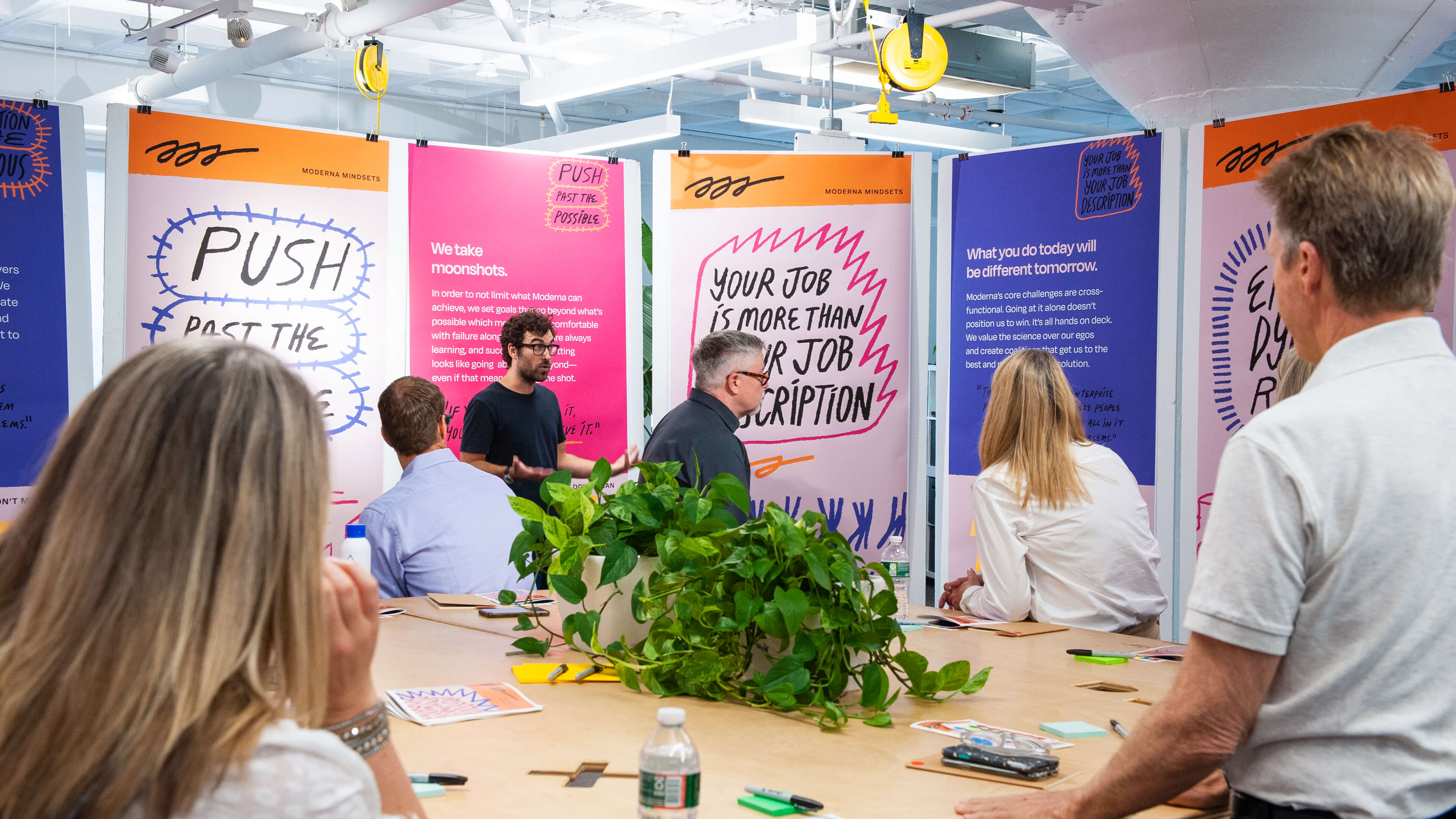
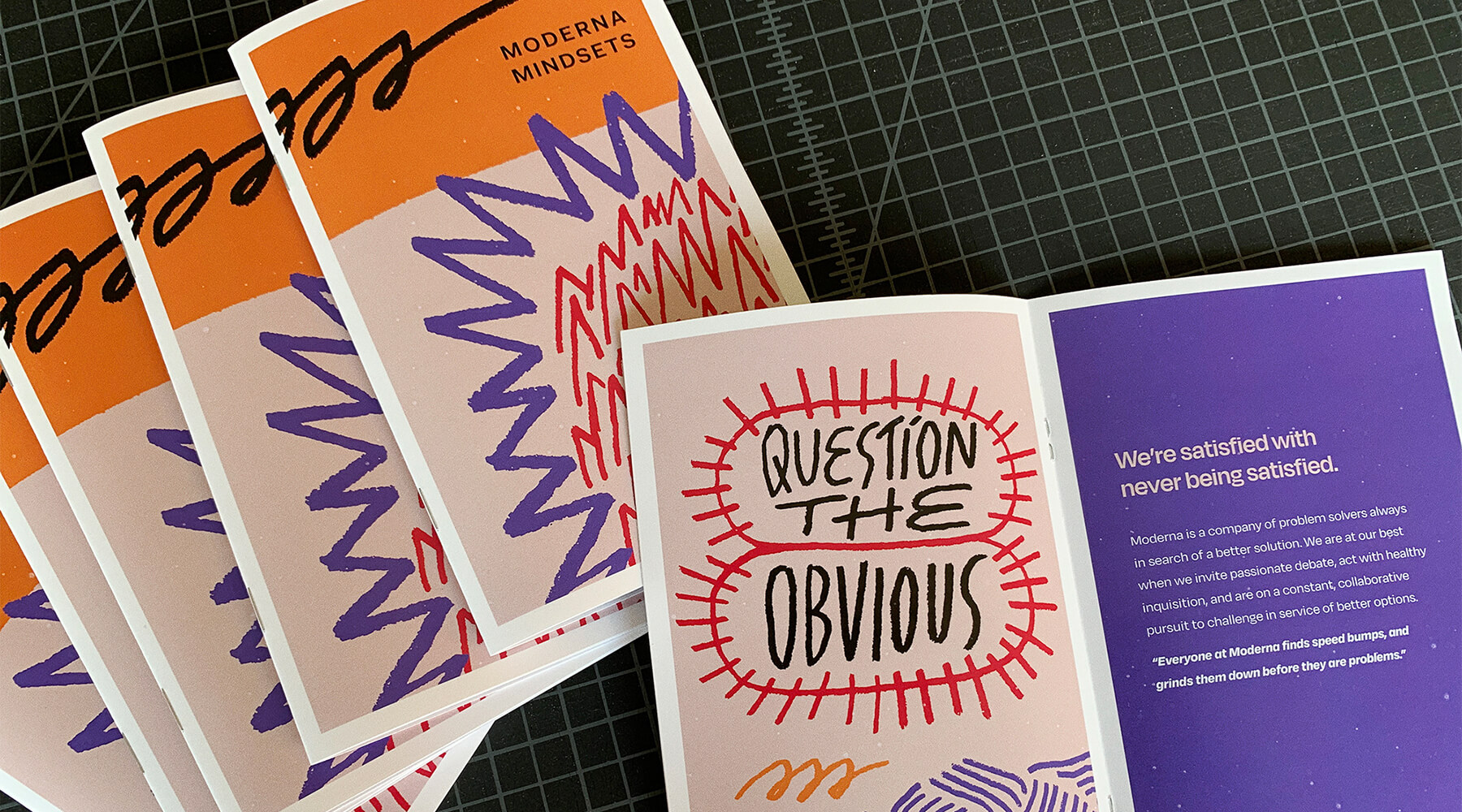
For companies working on solutions as vital as a COVID-19 vaccine, delays and mistakes don’t just mean missing a product launch date—they’re life-or-death, and on a large scale. Moderna had to ensure that its employees knew how to make the right decisions, evaluate risk, and move quickly—even if they came from organizations with more bureaucracy and less risk tolerance. In 2021, IDEO sat down with longtime Moderna veterans to hear stories about moments that exemplify the company's culture, like the day a critical piece of equipment arrived but was too big to fit through the door. Taking it apart would have added days to their timeline. So employees took sledgehammers to a wall instead. Stories like this one fed into the crafting of the list of Mindsets, such as “Act with urgency: Action today compounds the lives saved tomorrow” and “We behave like owners: The solutions we’re building go beyond any job description.”

To gather feedback, the team shared the draft Mindsets with a diverse set of employees—new hires, veterans, folks already closely aligned with the culture, folks for whom it wasn’t the most natural fit, and a plethora of employee resource groups. CEO Stéphane Bancel and the leadership team took crafting and iterating on the Mindsets very seriously, wordsmithing and tweaking them with the team until they were ready to share them officially. Now, new hires learn about the company’s Mindsets in Moderna ONE, an onboarding process that IDEO helped revamp, while existing employees attend a workshop to ensure everyone at the company knows not only what to do but also how to do it effectively. In a matter of weeks, IDEO helped Moderna codify its culture for employees and set the company up for continued success. Moderna continues to embed these Mindsets across the entire employee lifecycle to systematically scale its culture.
For employees new and old, the clarity of the Mindsets has made it easier to understand expectations and to understand the company itself. Long-term veterans responded with comments like, "These really help explain why we're working this way,” while one newbie said, "It feels like a homecoming to hear the culture that we’re trying to bring through.” But more than just solving a cultural issue, the new Mindsets have fulfilled a business imperative: Holding on to the secret sauce that made Moderna successful to begin with, setting the stage for its next five years of breakthroughs.
When the World Health Organization (WHO) declared the COVID-19 health crisis a pandemic in March of 2020, Moderna had fewer than 1,000 employees. Four years later, it’s more than five times the size.
Ranked #1
BioSpace Best Place to Work, large company in 2024
Ranked #6
Boston Consulting Group’s 50 Most Innovative Report in 2023
Ranked #4
Deloitte’s Technology Fast 500 List in 2023
Mental health, co-designed
Kooth partners with young people to create Soluna, a mental health resource for California youth.
Increasingly, digital spaces are proving detrimental to youth mental health. By co-designing with youth, Kooth and IDEO set out to flip the script, creating a positive digital space for young people to safely explore their mental wellbeing.
When Kooth, IDEO, and Blackbird, IDEO’s longtime development partner, first started working on the project, the window of opportunity was narrow, and the stakes were high. The group was up against a nine-week deadline to create a working proof of concept app. Also on the line: a $188 million contract with the Department of Health Care Services (DHCS)—one that would open an entirely new line of business for Kooth.
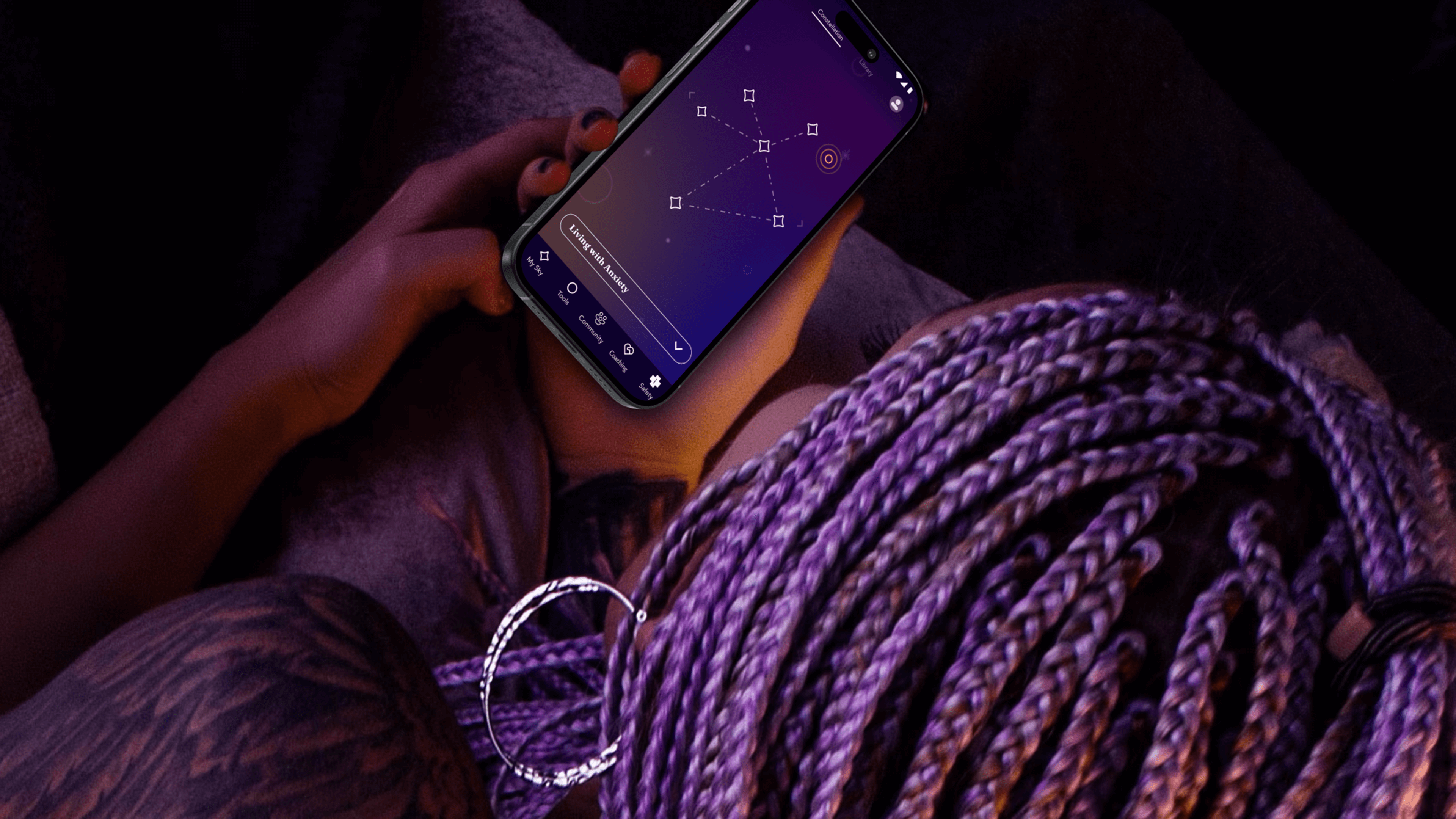
The app needed to do more than demonstrate functionality—it needed to prove its value. To ensure that they were creating an asset that truly fit the needs of young people, the team turned to an initial cohort of 13-25 year-old co-designers who explored early features, created video diaries, and shared their questions about and experiences with mental health. These young people often gravitated toward self-service tools that helped them take action based on their feelings. With their feedback, the team created new expressions of clinically-validated behavioral health tools like journaling, breathwork and white noise—and built novel tools, such as Starboard, an expressive drawing tool and a nod to art therapy.
The team took inspiration from content the co-designers liked to consume, such as story-driven video games that enable freedom of exploration, deepened by a unifying mythology. That led them to a constellation theme, which made the experience more intriguing and playful. The co-designers also recommended a dark color palette, because they preferred exploring the app at night.
With these insights, the team refined the proof of concept, and then conducted a one-week pilot with another 50 young people across California. Their positive feedback gave the State the confidence to invest in a $188 million, four-year contract for Kooth to bring the app to a platform at scale.
Over the next year, the team engaged another 150 young people to help design, shape, and test the app. At the same time, Kooth and IDEO created a clinical oversight group, which included a pediatrician, therapists, and other clinical specialists. This group anchored the platform in the practices of Acceptance and Commitment Therapy (ACT), cultivating psychological flexibility—the mindful acceptance of positive and negative emotions. Young people are invited to complete short reflections and surveys throughout their journey with the app, which includes rigorous, science-backed measurements to assess the therapeutic benefits.
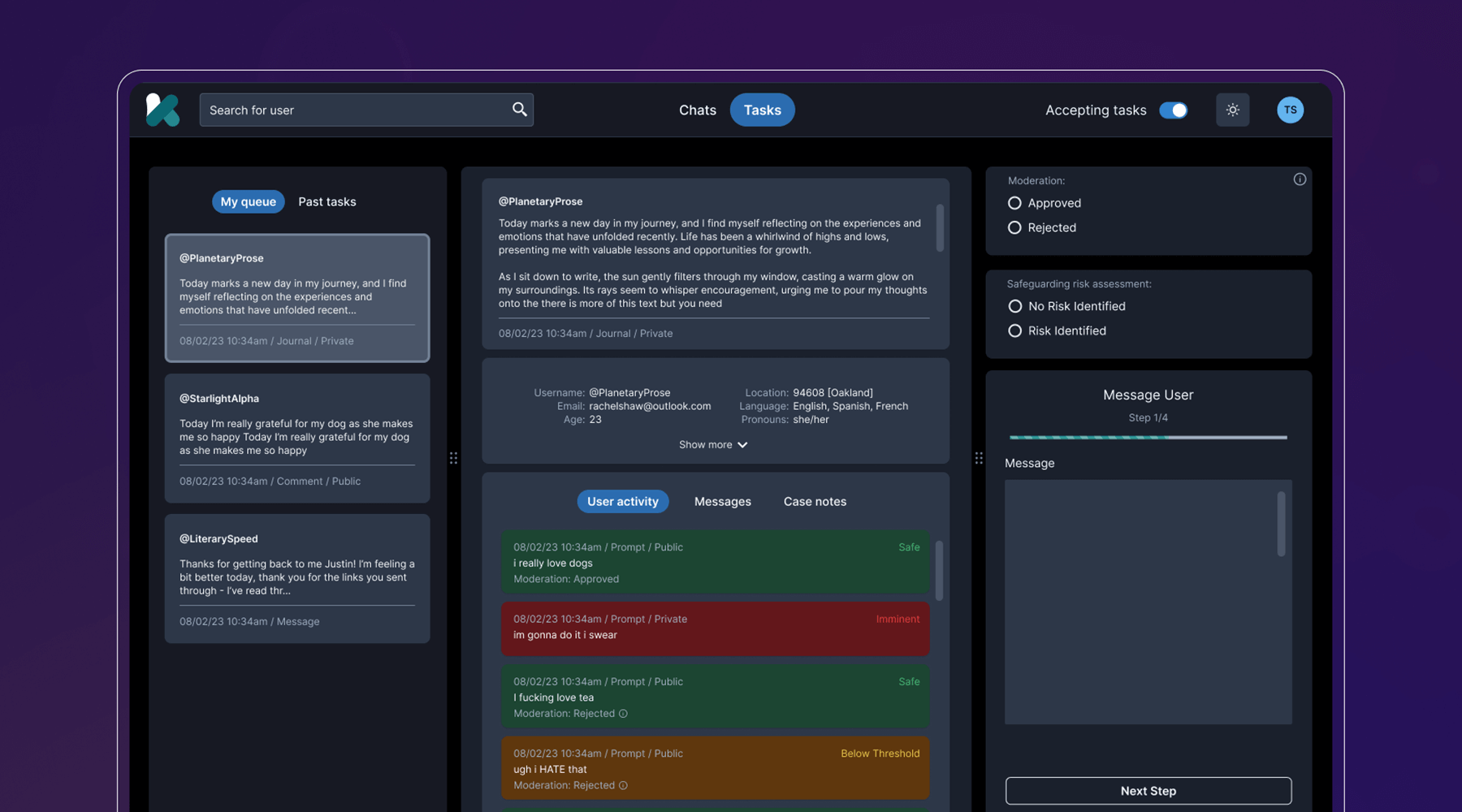
Behind the scenes, the team developed a clinical-facing service and digital platform that empowers Kooth’s peer specialists, social workers, community curators, and clinicians to support the youth experience, all while protecting privacy and confidentiality. They also navigated a complex landscape of state requirements and government legislation, ensuring that the platform could cover topics like substance abuse and gender identity, and that users could access coaching within 24 hours, and choose from a diverse set of experts.
The last step was to select a name that worked across multiple languages, trademarks, and competitor branding, and didn’t come off as a mental health service, something the youth co-designers believed was critical. IDEO and Kooth landed on Soluna, a name that alludes to the app’s presence in both the bright (“sol” for sun) and the dark times (“luna” for moon).
Now, Soluna is available for free to all youth in California, and the state has set ambitious targets for reaching all young people at scale. Soluna is a living platform that will continue to receive product and design updates for years to come, all deeply rooted in youth co-design.
The US Surgeon General named mental health “the defining public health crisis of our time,” and cited social media, online bullying, and the isolation exacerbated by the COVID-19 pandemic as major drivers that have significant negative outcomes for youth.
In California alone, more than 284,000 youth cope with major depression. 66% of kids with depression do not receive treatment. Between 2019-2020, the suicide rate for kids ages 10-18 increased by 20%.
In 2022, California Governor Gavin Newsom’s Master Plan for Kids’ Mental Health set aside $4.6 billion to increase access to mental health and substance abuse support, the largest commitment to youth mental health ever made by a state.
94%
of proof-of-concept app users would recommend the Soluna app to a friend, and believe that engaging with the app would be a positive addition to their daily/weekly routine
6 million
young people in California had access to Soluna at launch in January 2024
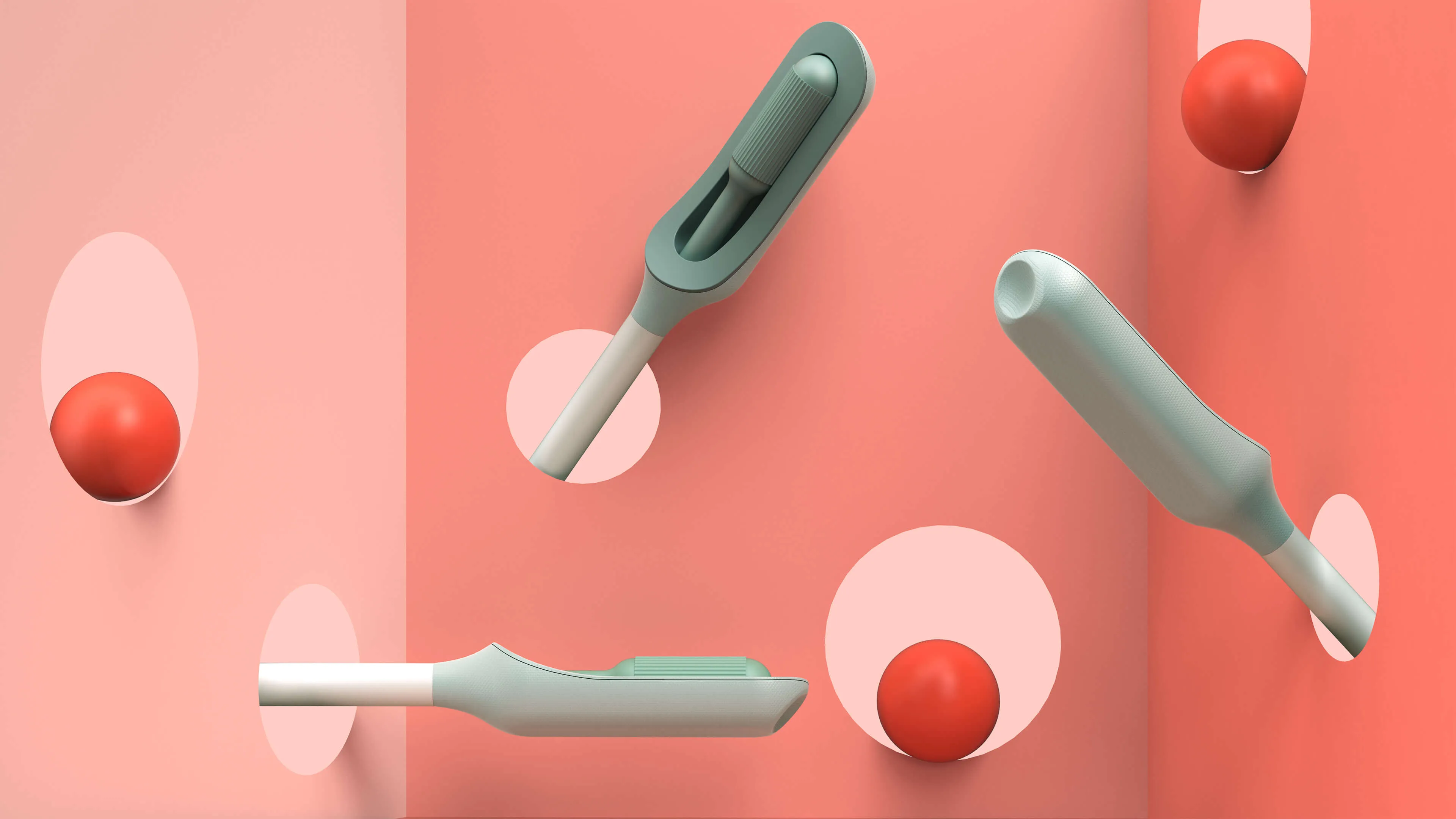
A more comfortable Pap smear
Teal Health creates a system for at-home cervical cancer screening.
Creating a better cervical cancer screening experience is an important mission, but also a challenging one. Not only would Teal have to address the regulations that face healthcare device companies, it would also need to build a comprehensive telehealth platform and a physical product—a wand that could easily collect an adequate cell sample, even in the hands of an untrained person.
The first challenge was to create the wand. The device would need to do a lot: It’s impossible for a person to see their own cervix, so the user would have to be able to find the cervix blind, collect the sample themselves, and remove the wand from their bodies without contaminating it on other parts of their anatomy. Because this is something users are likely to do in their bathrooms, where there is no space to lie down, they would need to be able to use the device while standing—and with one hand. From the beginning, the IDEO team set out to design functional, testable prototypes to make sure the idea was viable, and incorporate diverse voices into the research process, including trans, minority, and disabled women.
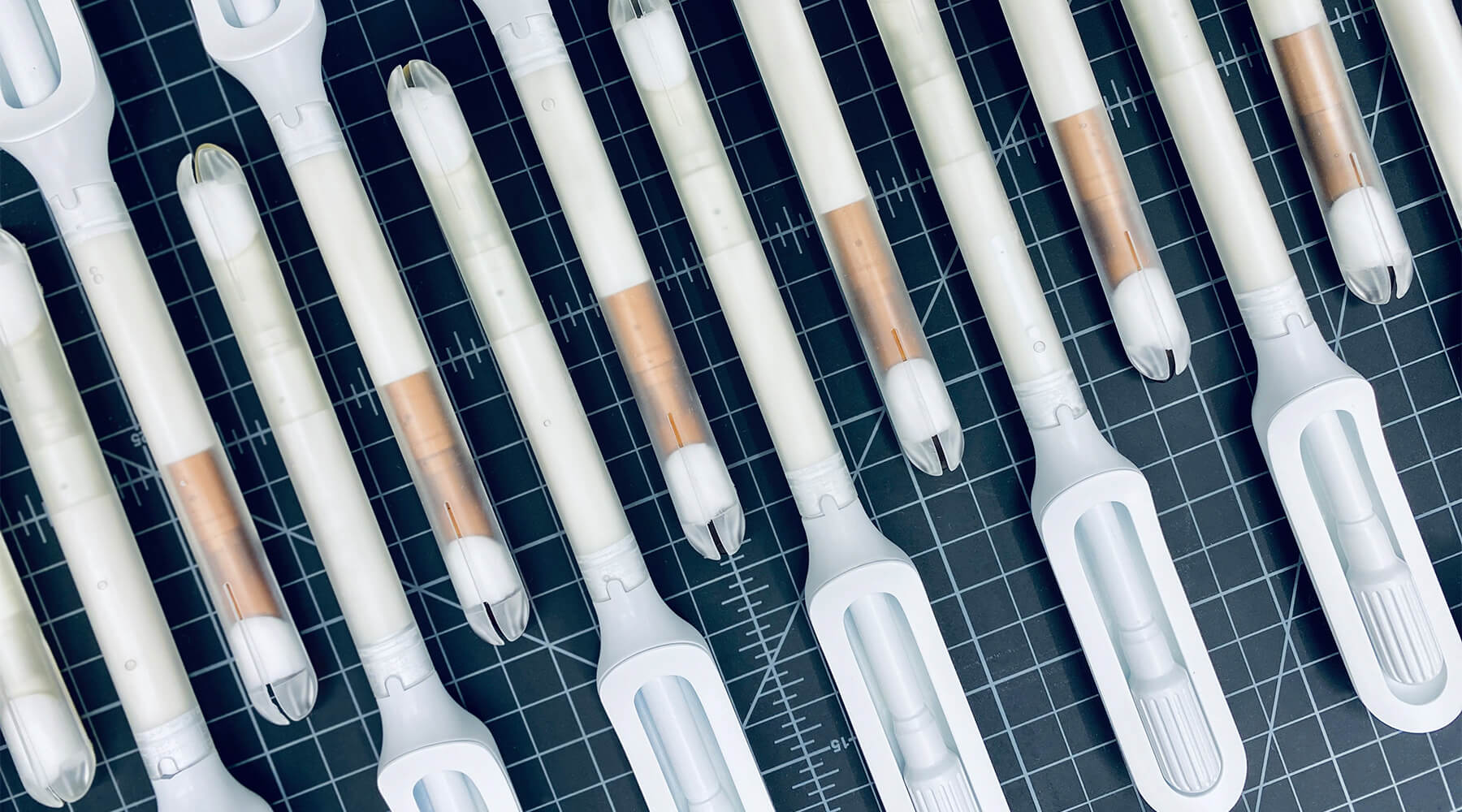
Because the product is meant for people who aren’t medical professionals, the team worked to design something as simple, intuitive, and unintimidating as possible. They used a 3-D printer to create multiples of every prototype, autoclaves to make sure that the designs they were creating were sterile, and leaned into shapes women are already used to, like the cylindrical shape of a tampon. The wand they created has that same basic form, but with a soft sponge that the user can deploy with the turn of a dial to collect the sample, then close to protect it from contamination on the way out of the body.
With working prototypes in hand, Teal set out to test their efficacy. In an initial study with 220 participants varying in age, race, socioeconomic status, and geography, Teal found that not only were participants able to successfully self-collect samples, they also preferred them over the speculum, the device doctors typically use during a screening. Some 92 percent said if they knew the results were equal they would prefer self-collection, while 87 percent reported they would stay current with screening if Teal Wand was an option. Self-collection took the vast majority under two minutes to complete, and 97% of study participants reported it was very easy or easy to use. The Teal Wand recently received a patent for its unique design.
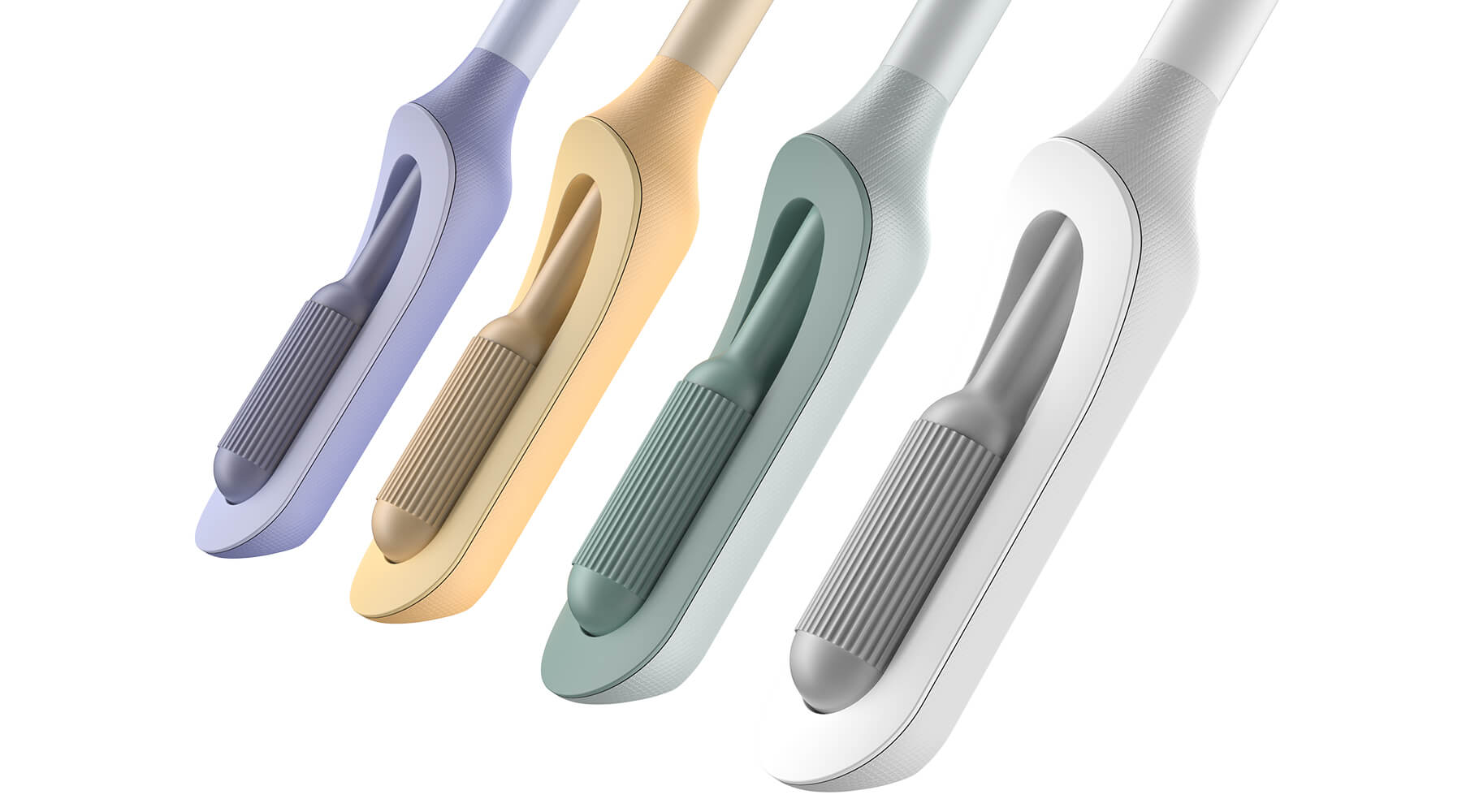
The IDEO team also worked on the packaging and unboxing experience, which plays an important role in supporting the user through the self-screening process. The team built in thoughtful design cues to give users reassurance that they are using the wand correctly, and to provide the same level of confidence they would have in the results of an in-clinic screening.
In January 2023, Teal raised $8.8 million in a seed funding round from Serena Ventures, Emerson Collective, and Metrodora. Later that year, the company launched a nationwide clinical trial with leading health organizations including Johns Hopkins University, Yale University, the University of Colorado, and Washington University, among others. In 2025, the Teal Wand became the first FDA-authorized device for at-home cervical cancer screening, with virtual medical provider support, and became available in all 50 states. Due to soaring consumer demand and increased insurance coverage starting in January 2027, Teal Health secured $22 million in Series A funding to expand access to the Teal Wand. It’s an enormous step toward the company’s North Star: catching cervical cancer earlier and saving lives.
Cervical cancer is nearly 100% preventable when it’s caught early, yet one in four women in the US are not up to date on their screenings.
More than 12,000 people in the US are being diagnosed with cervical cancer every year, and more than 4,000 people die of the disease, which disproportionately impacts Black, Asian, and Hispanic women.
More than half of cervical cancer cases are found in women that are not up-to-date on their screenings.
$22M
raised in a Series A round to expand access to the most accurate FDA-authorized at-home HPV cervical cancer screening
97%
of clinical study participants said the Teal Wand was very easy or easy to use.
87%
of participants said they would be more likely to stay current with screening guidelines if Teal Wand was an option.
94%
of participants said they would choose to collect their own sample from home rather than the current standard of care where a clinician collects it in-office.
Amplifying a movement
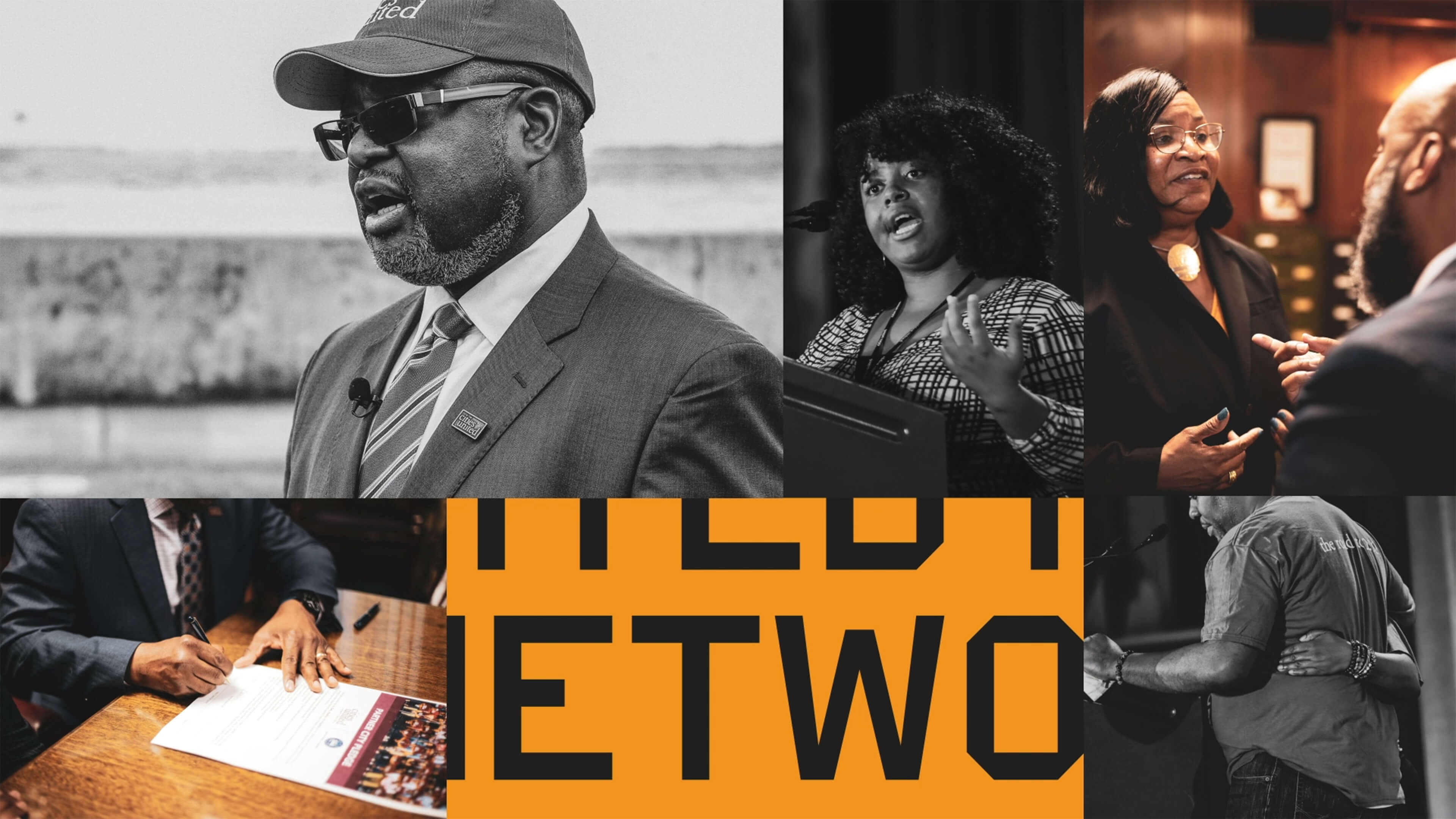
Cities United rebrands to create safe, healthy, hopeful communities for Black men and boys.
Cities United already had a strong foundation with its stated mission, vision, and values. IDEO brought those to life with a new visual and verbal brand identity system that celebrates Cities United’s inclusive approach to building relationships and reimagining public safety.
To help Cities United with its verbal identity, the IDEO team defined the organization's voice, tone, and key messages, making it easier to tell its story more consistently and clearly, a crucial step toward engaging stakeholders.
To define the new visual identity, the team created a new logo, a letter C composed of interwoven shapes that represent the three tenets of their vision—“safe, happy, and hopeful;” a new design language that references city grids; and a typographic system anchored by the typeface VTC DuBois, inspired by W.E.B. DuBois’s own custom lettering and designed by the Black-owned Vocal Type Co. The team also designed a color palette that embodies the textures of city life with hues reminiscent of asphalt, sunrise, and brick.
To amplify the refreshed branding, the team designed a new responsive website, citiesunited.org. The intuitive site shares the organization’s mission, resources, ongoing projects, and partner network, inviting stakeholders to join in their transformative work. IDEO also created a video to humanize Cities United’s mission and showcase its nationwide impact. It underscores the unity, resilience, and hope embodied by the organization through a chorus of voices.
This comprehensive rebranding widens Cities United’s reach and impact, helping the organization share its goal of creating safe, healthy, hopeful communities for young Black men, boys, and their families, and reintroduces the organization to a national audience.
The Cities United work was supported by IDEO’s Racial Justice Impact Fund, part of a commitment IDEO made in 2020 to address systemic racism and advance equity within our own organization, our client work, and beyond.
Cities United is committed to reducing the epidemic of homicides and shootings among young Black men and boys ages 14-to-24 by 50%.
Between 2009 and 2019, the number of Black children who “did not go to school at least one day in the past month because they felt unsafe at school or on their way to or from school” increased by 84%, according to Cities United.
Homicide is the leading cause of death for Black men and boys from birth to age 44, according to the Centers for Disease Control and Prevention.
2023 SF Design Week Award
In recognition of IDEO’s brand work with Citizens United
Why Joy is the Best Protest
Inspiration came from an unlikely place. A defiant nun.
Eltono coincidently was on our inspiration mood board so we knew we must connect. At the same time our studio was revisiting work by an artist-nun named Corita Kent. We found her work and process deeply inspiring to our culture.
There's a backstory worthy of telling here: In 1971, Boston Gas Company commissioned Kent to paint a mural on a gas tank in her new hometown of Boston.
The work, known as Rainbow Swash, is a simple commentary on the nature of painting and minimalist joy, a six-color combover on the bald head of a stout roadside tank.
Kent was an unlikely candidate. For nearly two decades, as a nun in the Sisters of the Immaculate Heart in Los Angeles, she had pushed the edges of acceptability as an artist, teacher, and activist.
Her work, now recognized in the Pop canon alongside Andy Warhol and Roy Lichtenstein, challenged cultural norms by reappropriating common packaging and advertising slogans and setting them alongside passages from the Bible, pop music, and classic literature.
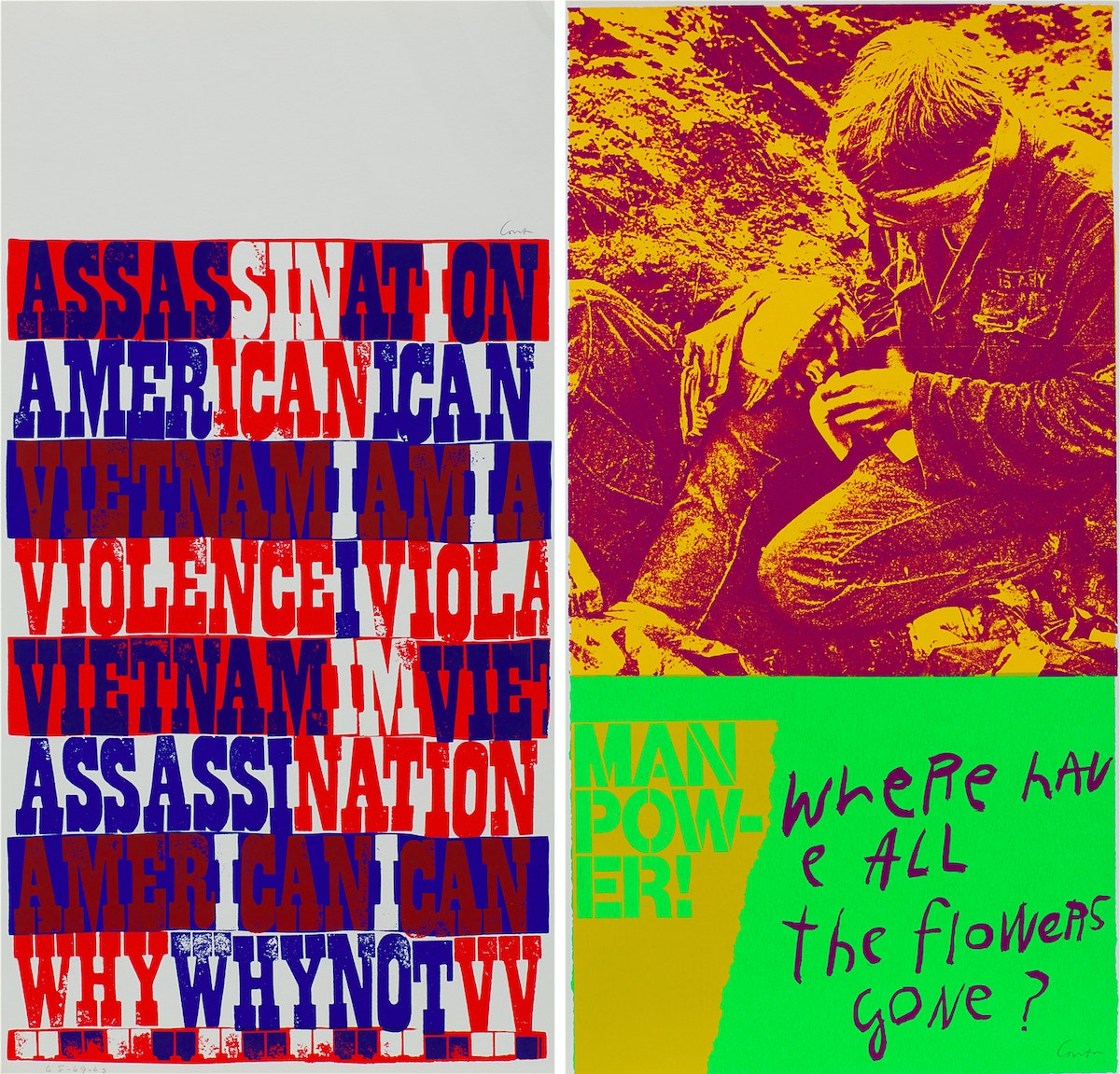
As counterculture gained momentum, and Kent used her art to advocate for justice and peace, her profile grew and her messages sharpened. Eventually her protest was too much for the Church to handle, and they mutually separated, leading Kent to make a move to Boston and continue her art.
But something changed in 1970. While her activism persisted, a new body of work arrived, with simple brushstrokes and appeals to love each other.
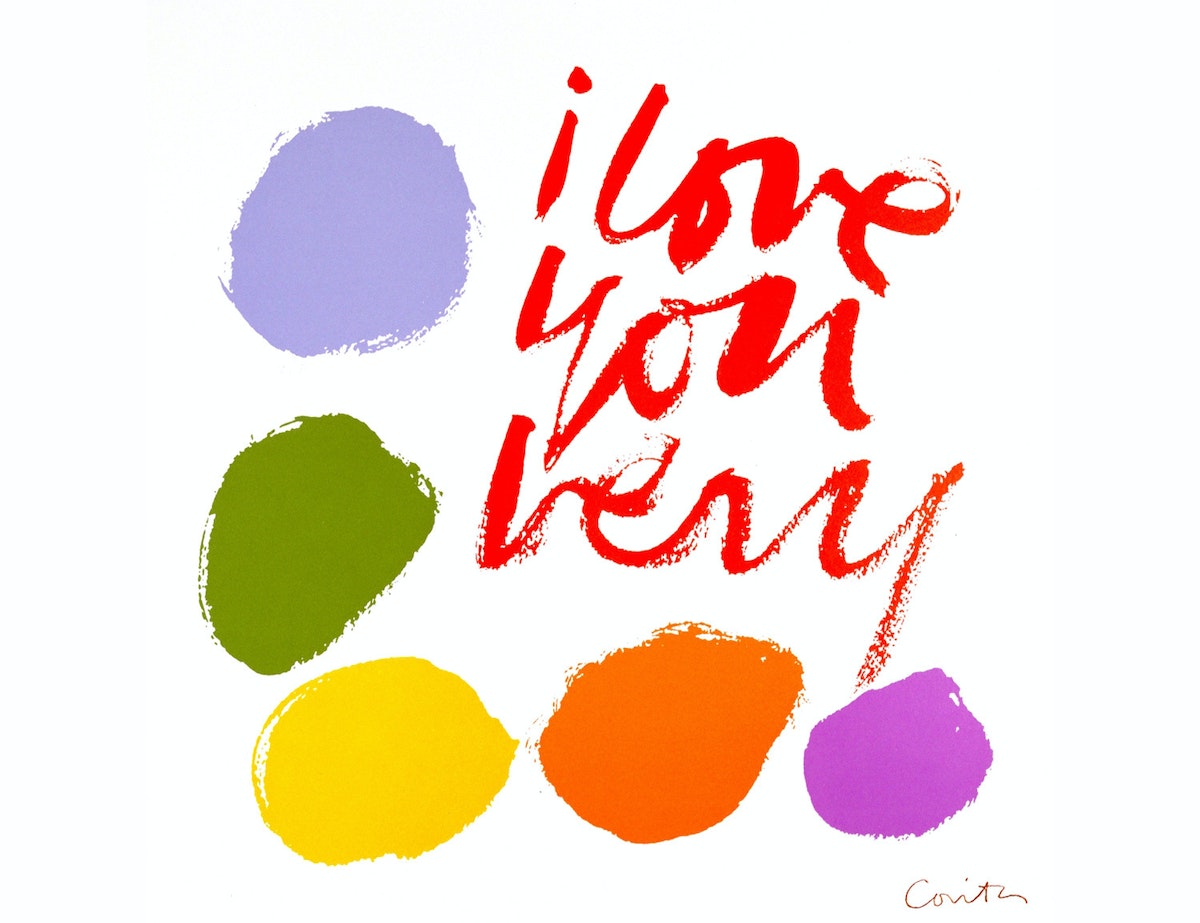
It was this moment that, 15 years later, culminated in her iconic USPS Love stamp, and also led to the commission from the Boston Gas Company.
Today’s headlines are a 1960s deja vu: culture wars, social injustice, sexual harassment, mass shootings, covert ops, media corruption, political failure. It’s easy to draw parallels to Kent’s day, and to find artistic expressions in response (Shepard Fairey comes to mind). But I’ve personally wondered how Kent made the shift to rainbows and love, and I mean that with no irony.
Maybe it comes down to this simple truth: Love wins. While Kent was popular in her time at Immaculate Heart, even landng on the cover of Newsweek, she didn’t achieve true household status until her 1980s USPS Love stamp. It’s the message we all needed, and it’s still the message we want today.
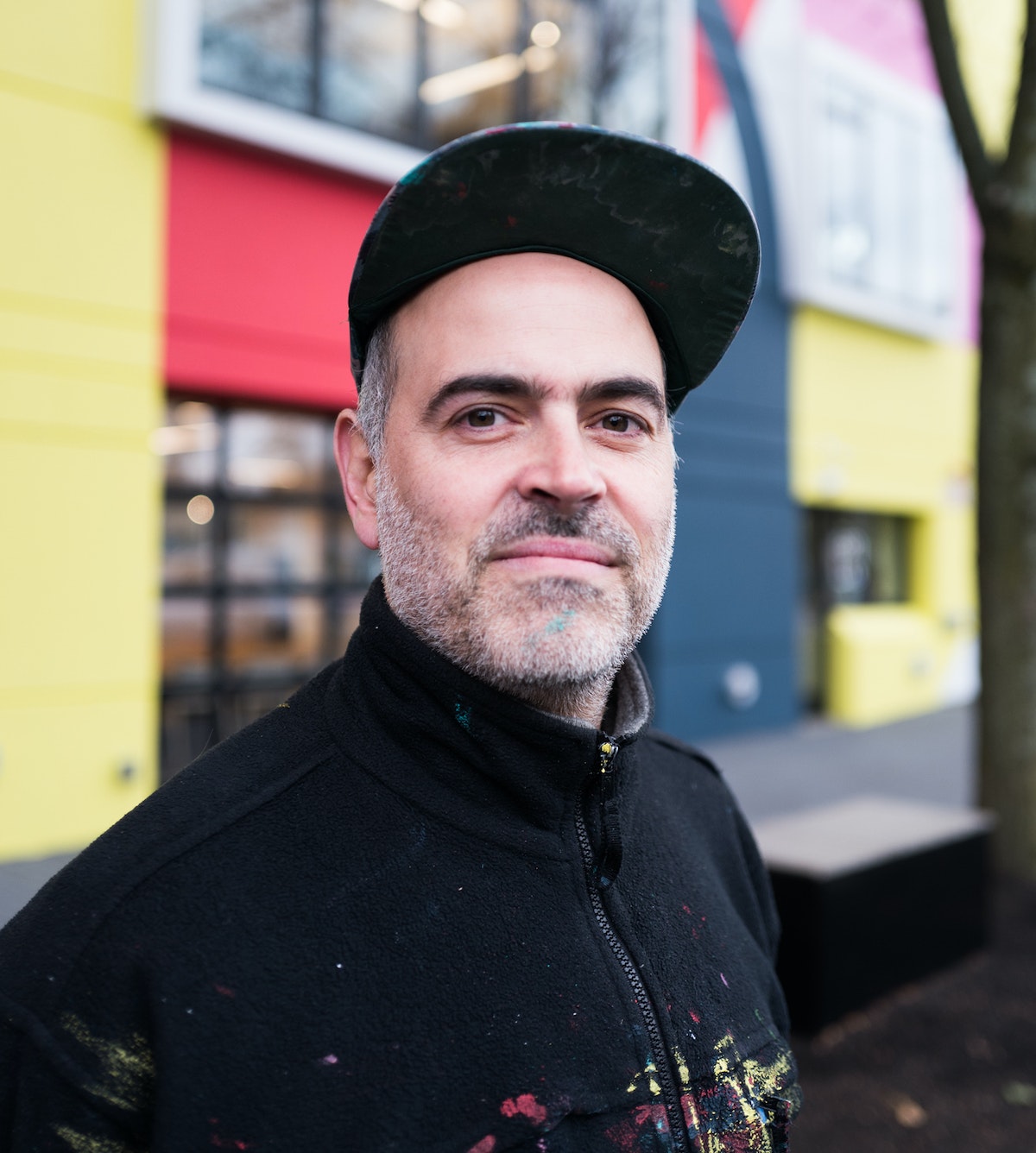
Eltono has done installations in more than 90 cities around the globe; each unique, but connected by a calculated joy. His work is made from randomly placed forms inspired by the architectural elements of the site. Though we had yet to meet, his work felt right—a cosmic alignment of our values. And once we did share ideas, we were stoked, except about one thing—color.
Eltono’s choices were exuberant and bright. Colors inspired by Mediterranean sun, French countrysides, and European sensibilities. They are radical for hidebound New England, an area known for its pilgrim stoicism, and not native to a region that is white and gray for five months of the year. We quietly fretted about what to do, how to discuss the issue with him. Then I was reminded of Kent. Of her joy in the face of adversity—love and rainbows. We didn’t change a thing.
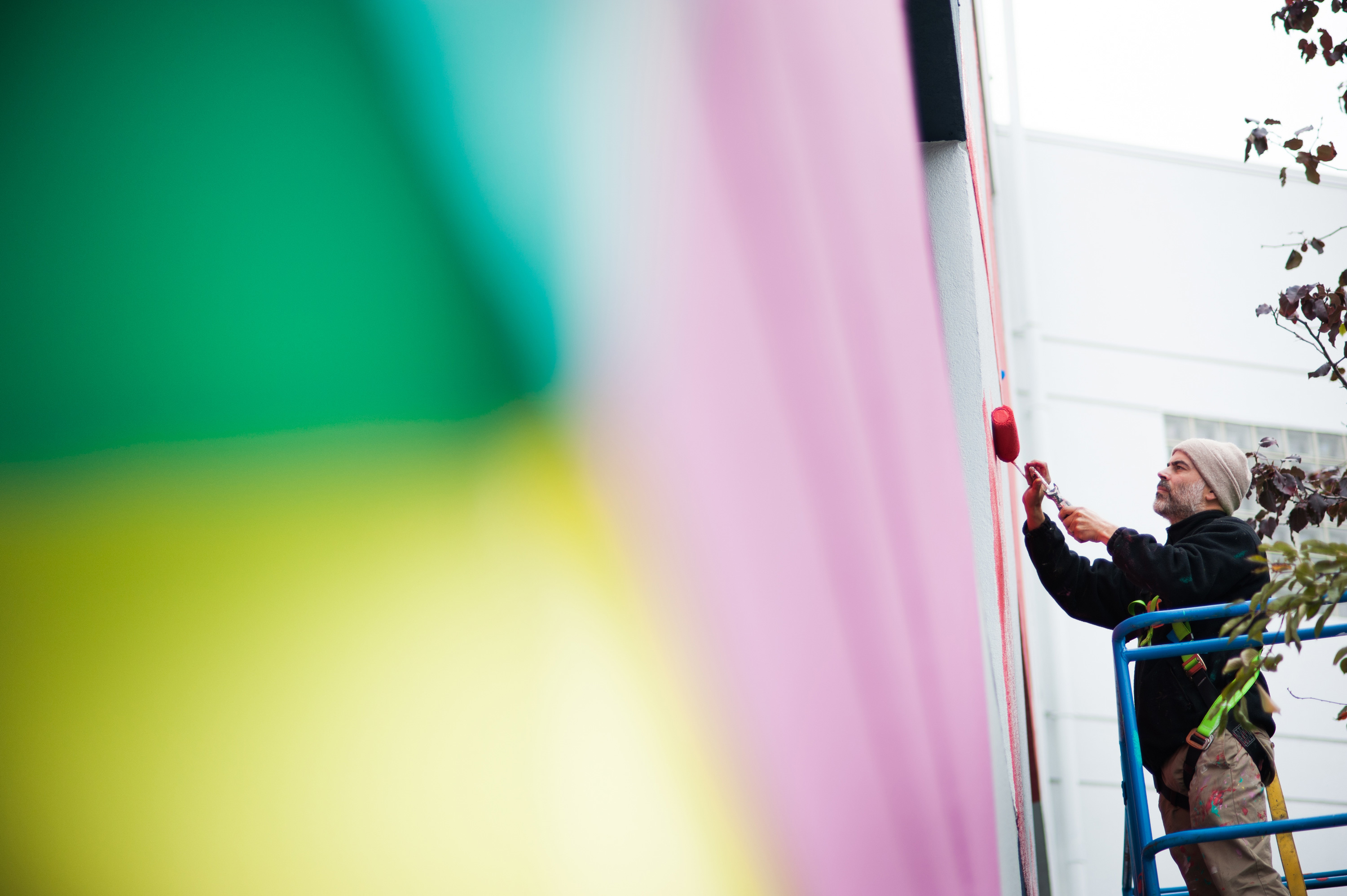
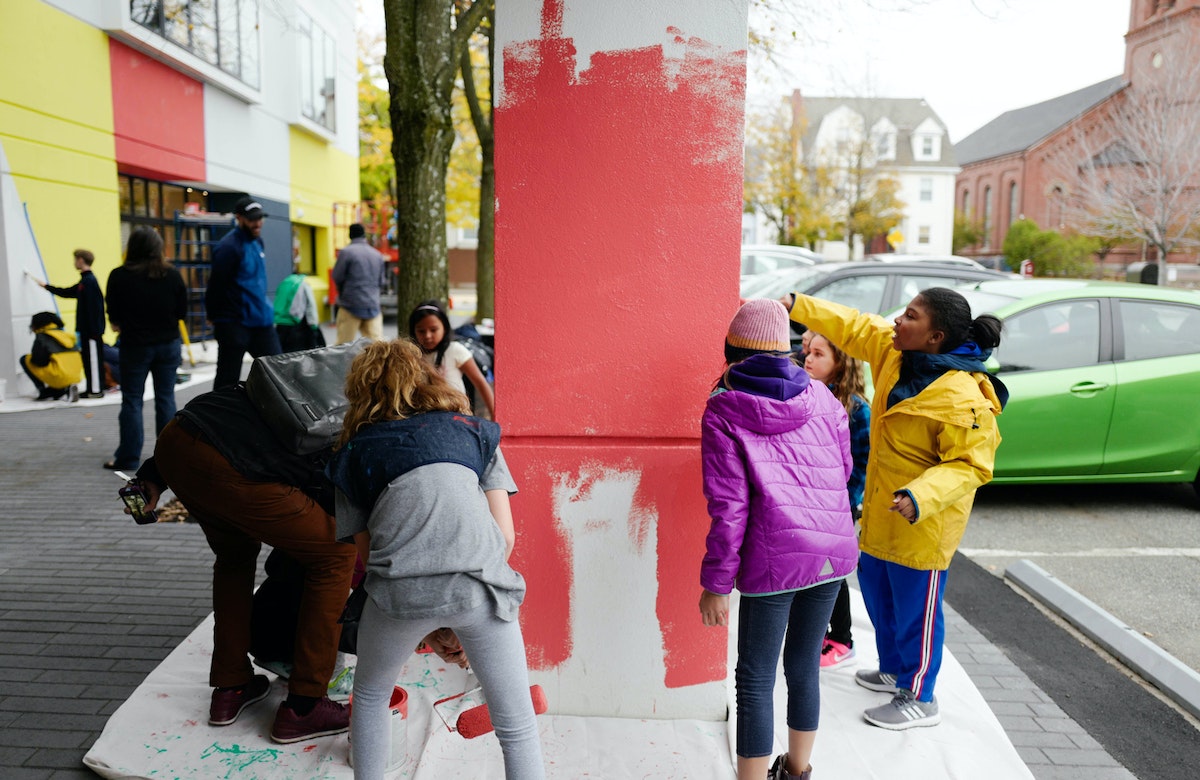
In fact, we wore the colors—in the form of paint splatters on our faces—with pride! Eltono invited help not only from other muralists, but also from IDEO families and neighborhood kids. His colors greet each passerby’s smile with their own. Each defies the gray sky of the coming winter and the equally gray social climate.
When Boston Gas sold to Keyspan in 1992, the original tank was torn down. But, due to its popularity, Kent’s mural was immediately repainted on a accompanying tank.
Eltono’s art continues making the case for defiant joy, standing in solidarity just a few miles from Kent’s Rainbow Swash. In this season of anxiety and division, there is no greater protest than to stand proud and bright with joy and love.
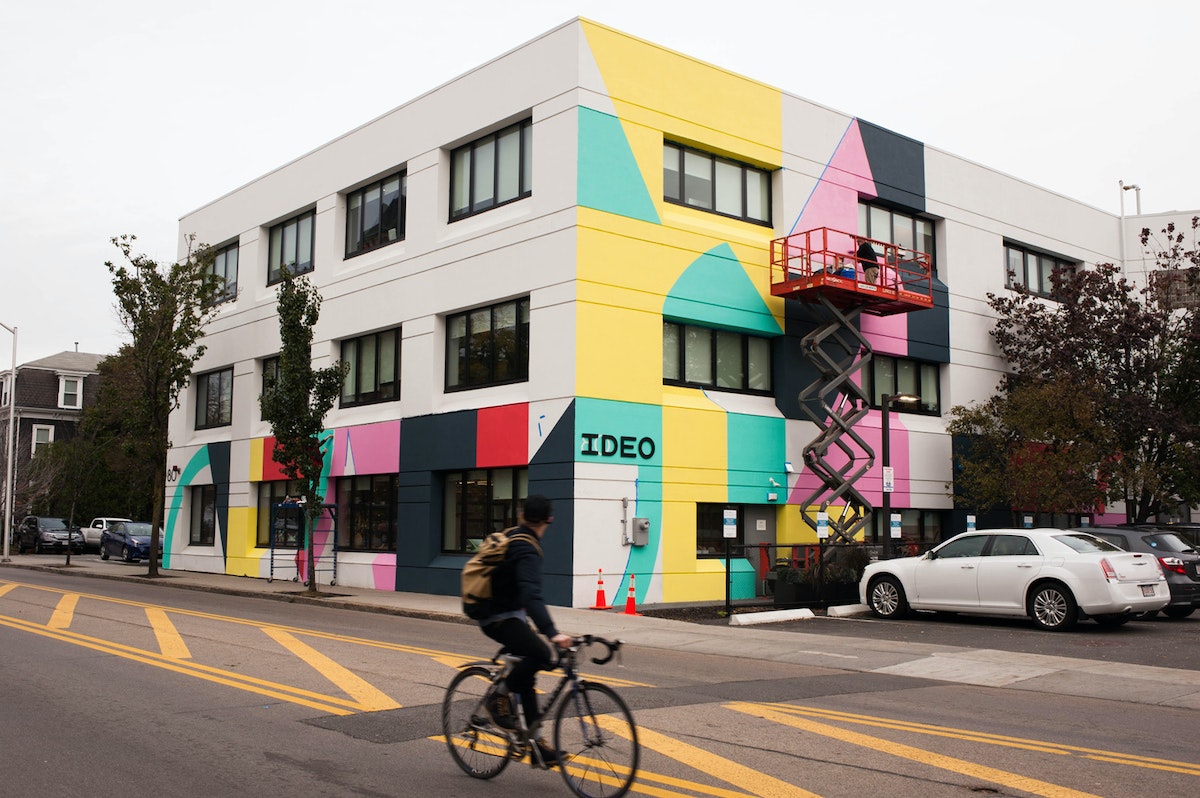
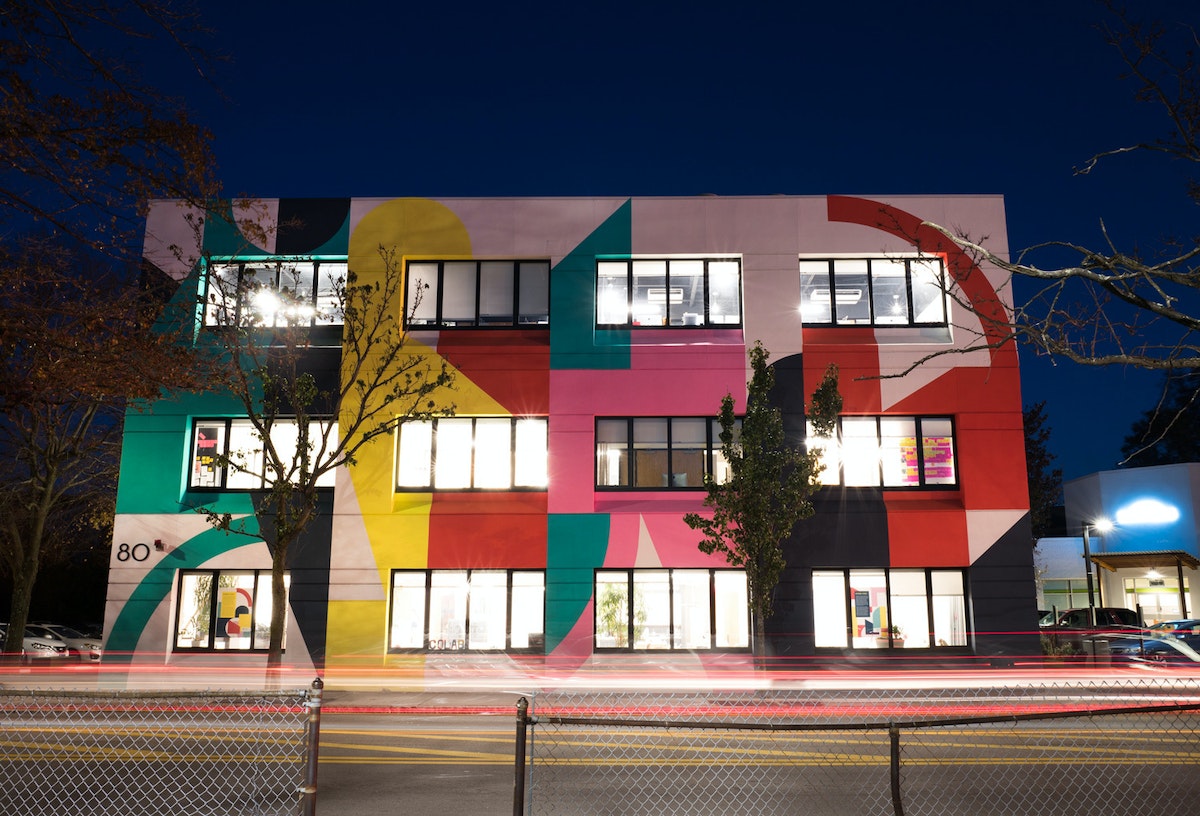
*Deepest gratitude to the many that helped us make this possible: Geoff Hargadon and Gary Strack at Central Walls; Michael Monestine from the Central Square Business Association; Amanda Hill, Pedro Soto and Al Wilson from Beyond Walls; Jason Weeks from the City of Cambridge; our artist assistants Lena McCarthy, Brian Denahy, Laura Menucci, Meghana Srinivasan, and Julia Roth; the many at IDEO that helped coordinate, paint and photograph, especially Christina Abele, Tiffany Knight, and Dirk Ahlgrim; and the architecture and interiors teams at Hacin + Associates.
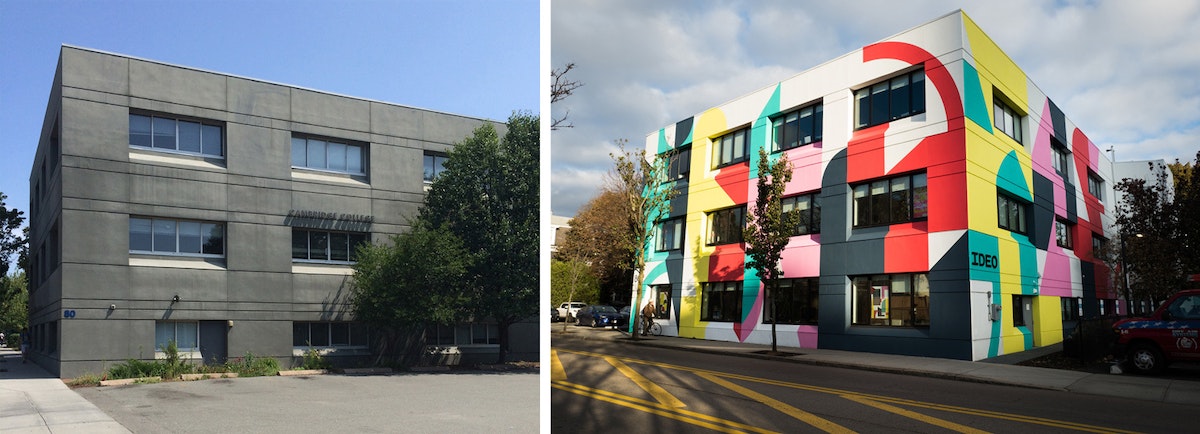
Earlier this year, we moved our Cambridge-based studio into a building in Central Square. We wanted to personalize our new home with some public art, but were uncertain about what final expression it should take, so we got started by slapping on a new coat of paint—transforming it from an oppressive gray brutalism to a welcoming white canvas. Then, a local connection, who shared our desire for more street art in Cambridge, suggested we look up Eltono.
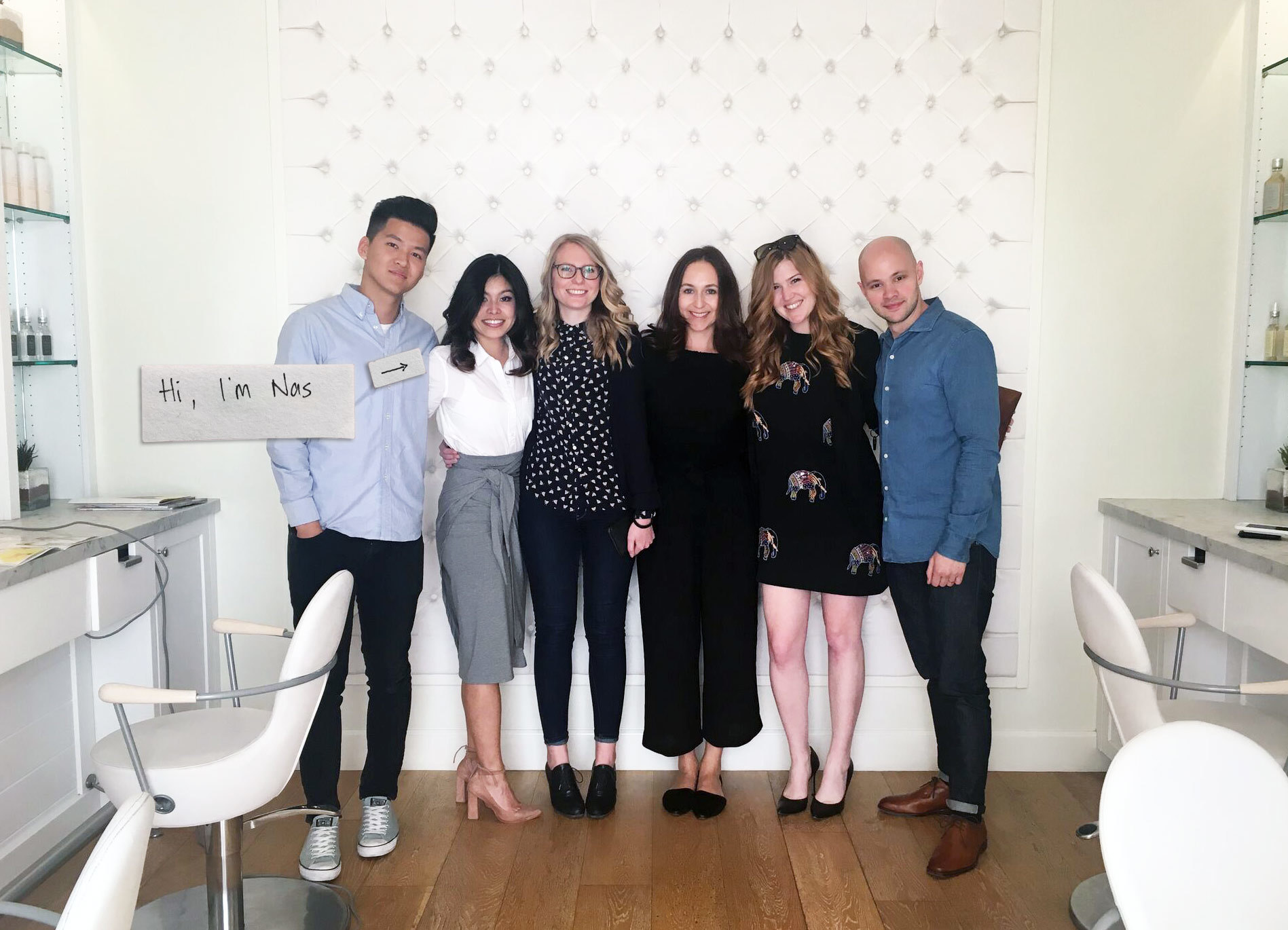
A Day in the Life of an Interaction Designer
No biggie, just creating the experiences of tomorrow
So, in addition to designing the thing, I spend 50 percent of my time crafting the story of the thing—showing people how the interaction will influence new behaviors, new futures, new ways to live. The story has to be good enough for the user to picture the experience for themselves. Here’s a sneak peek at a typical day:
6:00 AM: Warming up at SoulCycle
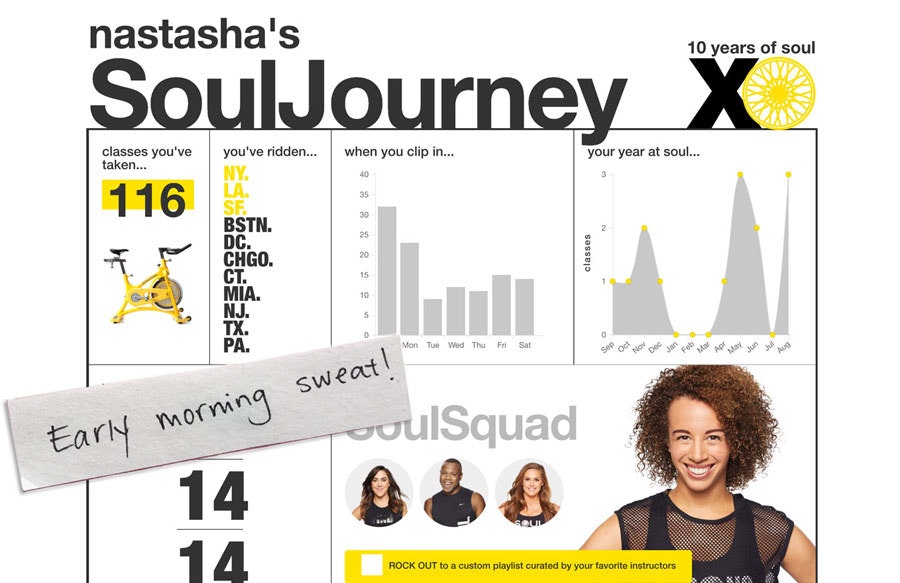
It's not always easy rolling out of bed this early, but sweating my heart out on a stationary bike is my favorite way to start the day. To me, design is like a sport—you have to be intentional about the routines that you do everyday to help you be at your best mentally and physically. Spinning gets my brain revved up for the eight hours of creativity that lie ahead.
9:00 AM: 👋 Project Space!
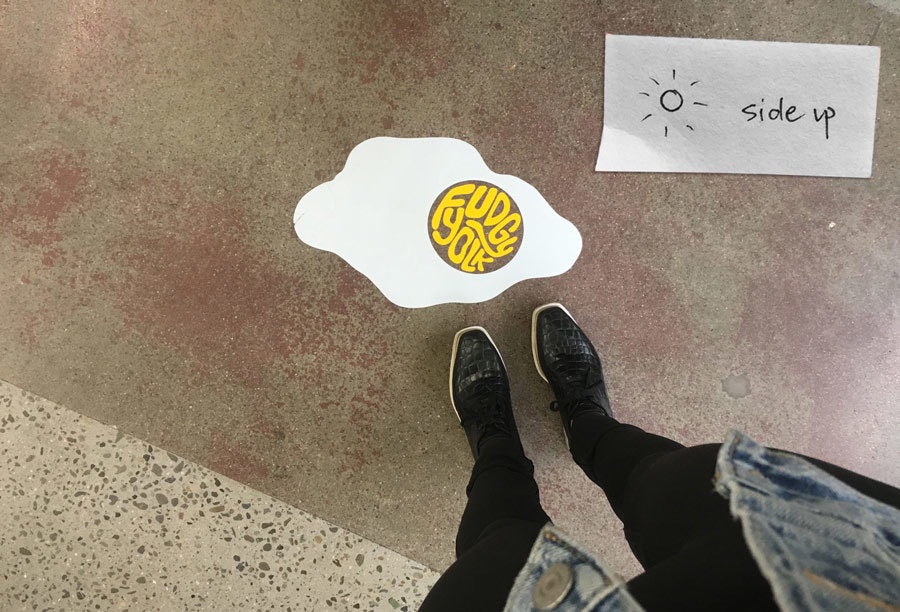
“Fudgyolk” is my project team's code name (we always keep the client confidential), but it is also a fun identity. The name was inspired by a blended sous vide soft poached egg sauce we had at our first team dinner (here)—yum! Shoutout to my talented teammate Brooke Thyng who designed our team identity!
10:00 AM: Post-Synthesis Cleanup
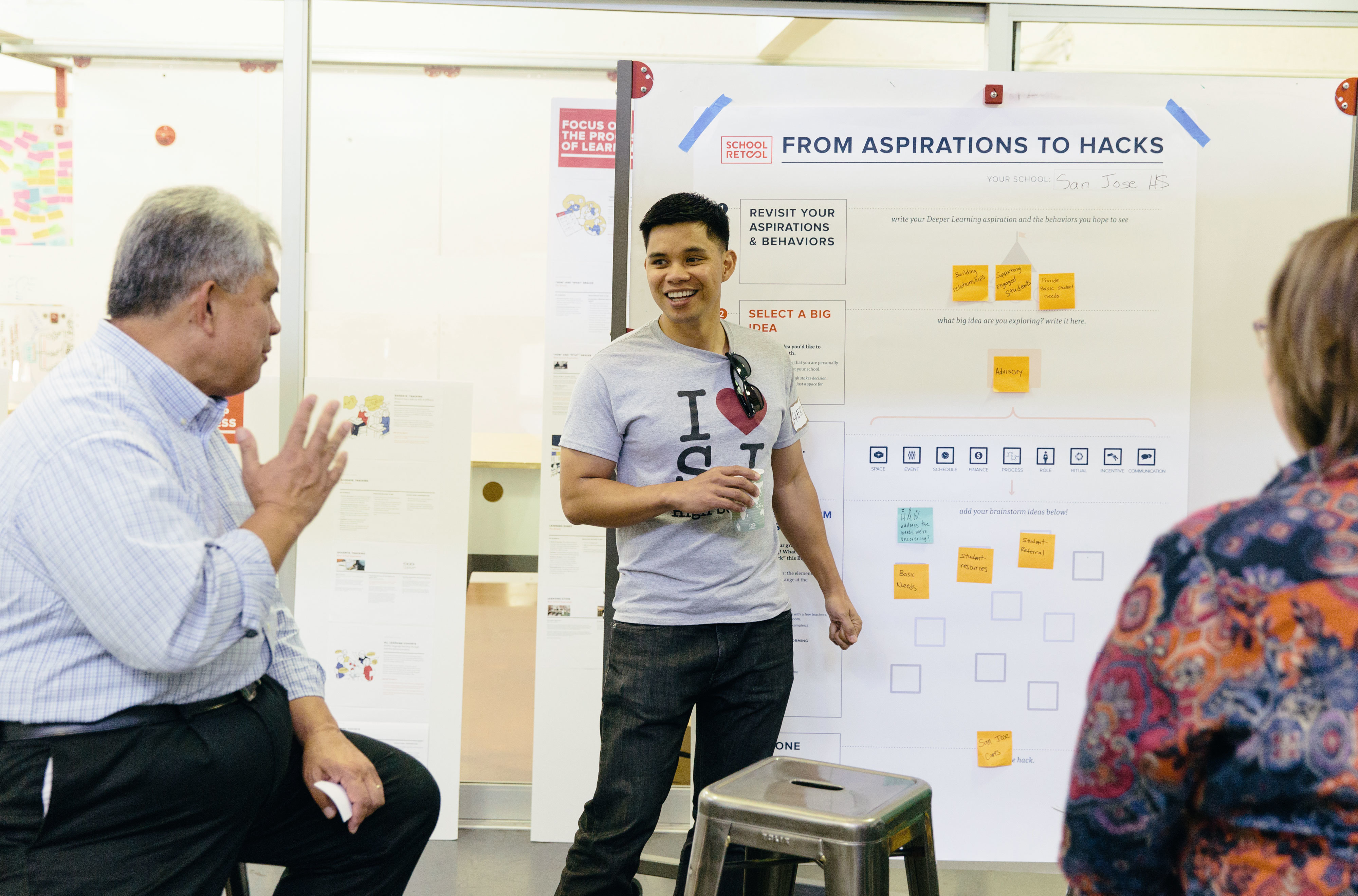
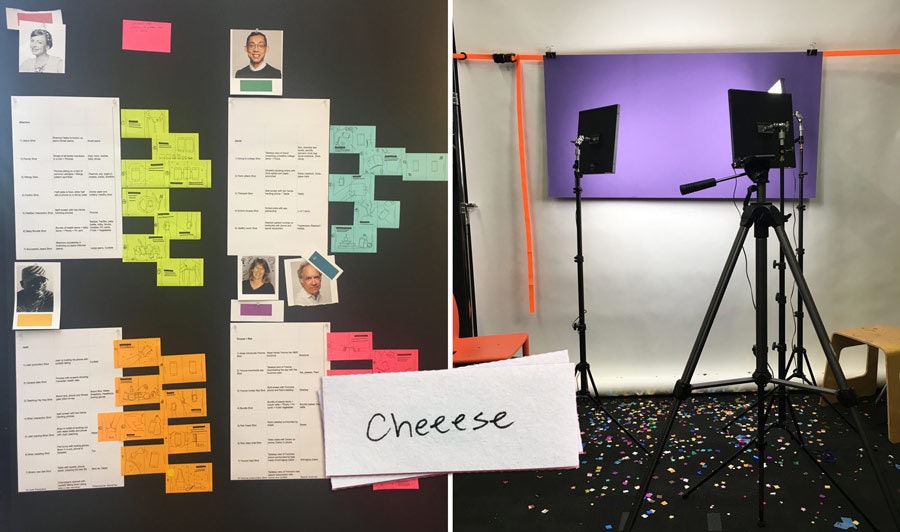
Our project just completed the "synthesis" phase. What does that mean? About a week ago, we were in a room full of Post-Its with 10 more of these boards, moving ideas around, interpreting what they meant, and sharing our initial hypotheses as a team.
Synthesis helps us discover important themes and patterns that point to opportunities for design, and a story to share with our clients about the needs we uncovered. This process typically takes about a week and it's mind-bending work as you try to make sense of lots of data!
To celebrate a successful completion of this phase (and finally clean up our project space) we challenge each other to a race for who can strip their board the fastest. We try to design some fun into everything, even our chores! We're especially excited because post-synthesis we move into pixels—the interaction designers dream world.
11:00 AM: Analogous Inspiration
My team rocks out to our "Hair" after we've all had an indulgent blowout. Though seemingly unrelated to our health and wellness project, Dry Bar's ability to make people feel confident and at their best inspired us to integrate some of that experience into our own project's design solution.
Analogous inspiration is one of my favorite moments in a project. It allows you to design in a less cognitive, more intuitive and experiential way.
12:00 PM: Interaction Design Kraftwerks
Every Friday, the interaction design community gathers over lunch to build on our craft, and inspire one another. We call it Kraftwerks. Today, led by our Design Director, Tobias Toft, we're geeking out on making autonomous toothbrush-headed robots.
Interaction design is a very diverse community made up of visual designers, systems designers, motion designers, and software designers and these craft sessions give us a chance to teach each other new skills and evolve our digital fluency as a community.
1:00 PM: Gathering Inspiration for the Final Experience
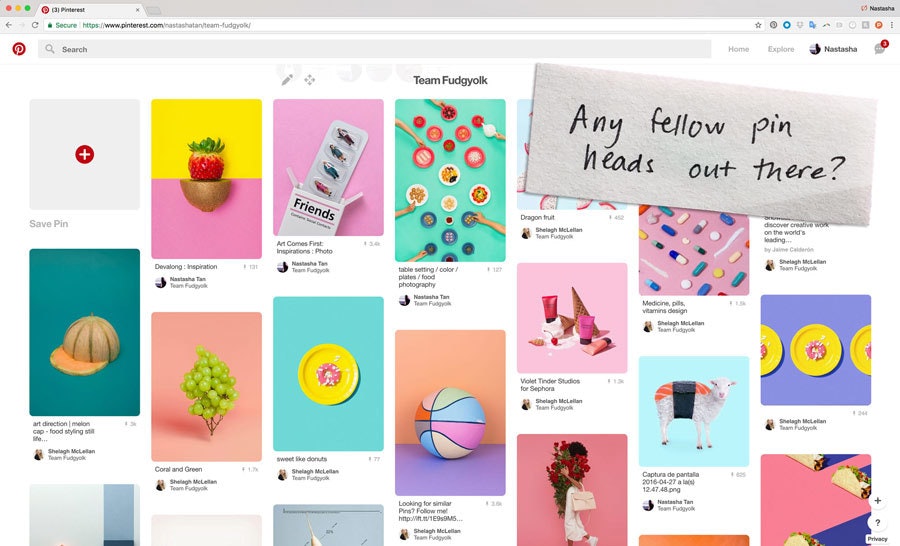
Collaboration is so important across every phase of the design process. I like using Pinterest to engage everyone on the team to collectively gather inspiration and create alignment on a visual direction before we start making.
Here, we're collecting images for an exhibit we plan to build to display the key moments of our final app.
2:00 PM: Designing the Final App and Story
When it's time to design, I use two screens: One running Sketch to design the screens of our app, and one showing a Google Doc that provides a work-in-progress narrative. (Use your imagination—this work is confidential!)
We write user narratives that act as a framework for us to share the signature moments of the app. This produces a to-do list of screens we need to design. When we present the final app to the client, the story makes it feel less like a screen walkthrough and more like a compelling story that portrays how the app benefits the user's life.
3:00 PM: Photoshoot
When we're designing new experiences, stock image/video sites don't cut it, so we create them from scratch. Here's our B-roll where we're planning who will be playing the role of the user in our narrative, and sketches of what the scene will look like. We included confetti in one of our photos ;)
6:00 PM: Caltrain
I catch up on my jamz on my ride home from Palo Alto to San Francisco. Currently streaming SZA's Love Galore.

Finally home and ready for an interaction with my couch. Thanks for spending the day with me!
When people ask me what I do for a living, I say, “I design things that make the invisible, visible.” Sounds super vague. Let me explain: While the role of an interaction designer is usually associated with building apps, websites, and VR environments, my role at IDEO also includes thinking about how to bring digital-physical interactions that have never before existed to life.
5 Design Research Lessons I Learned From My Mom
Hint: Look for the unexpected, in unexpected places.
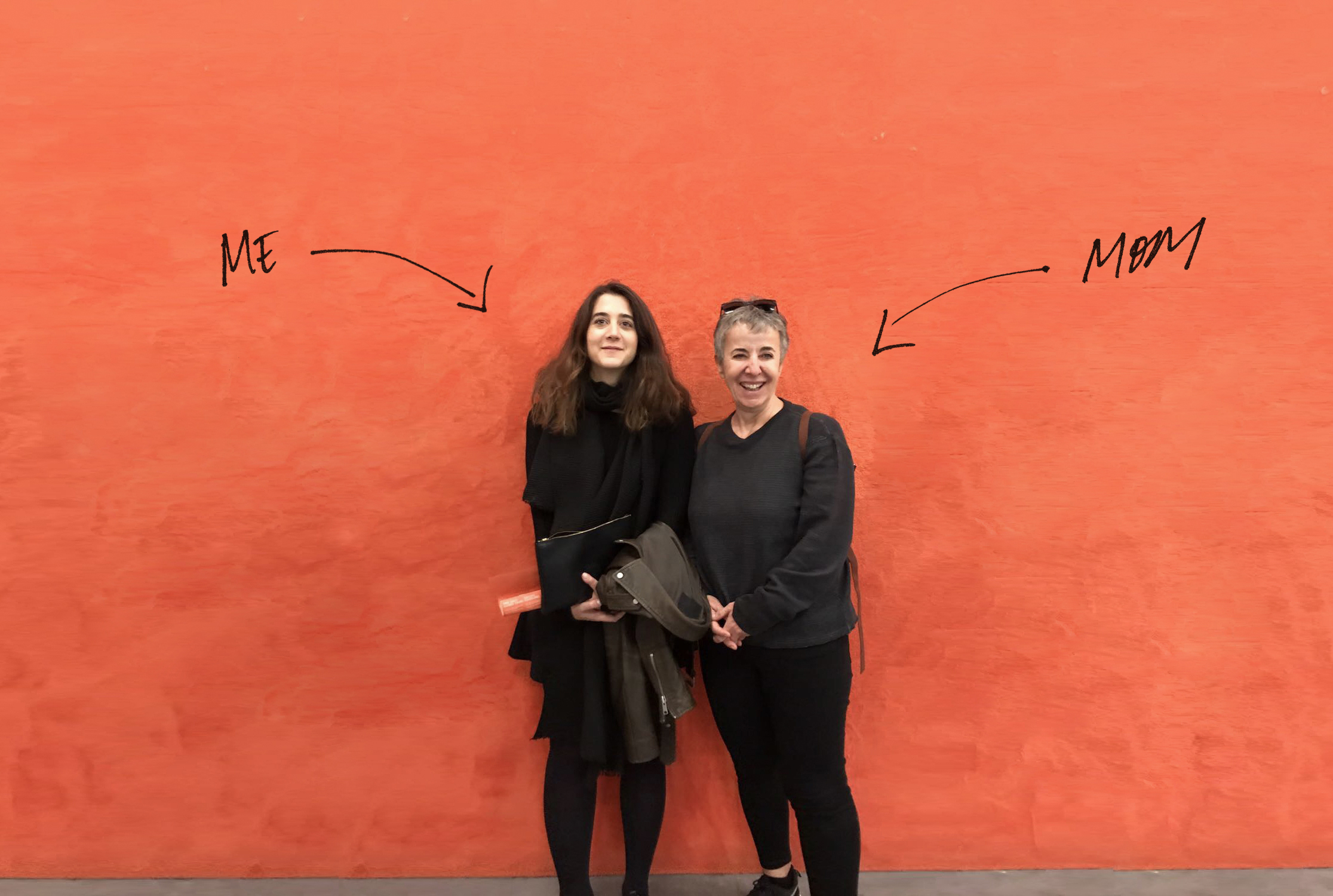
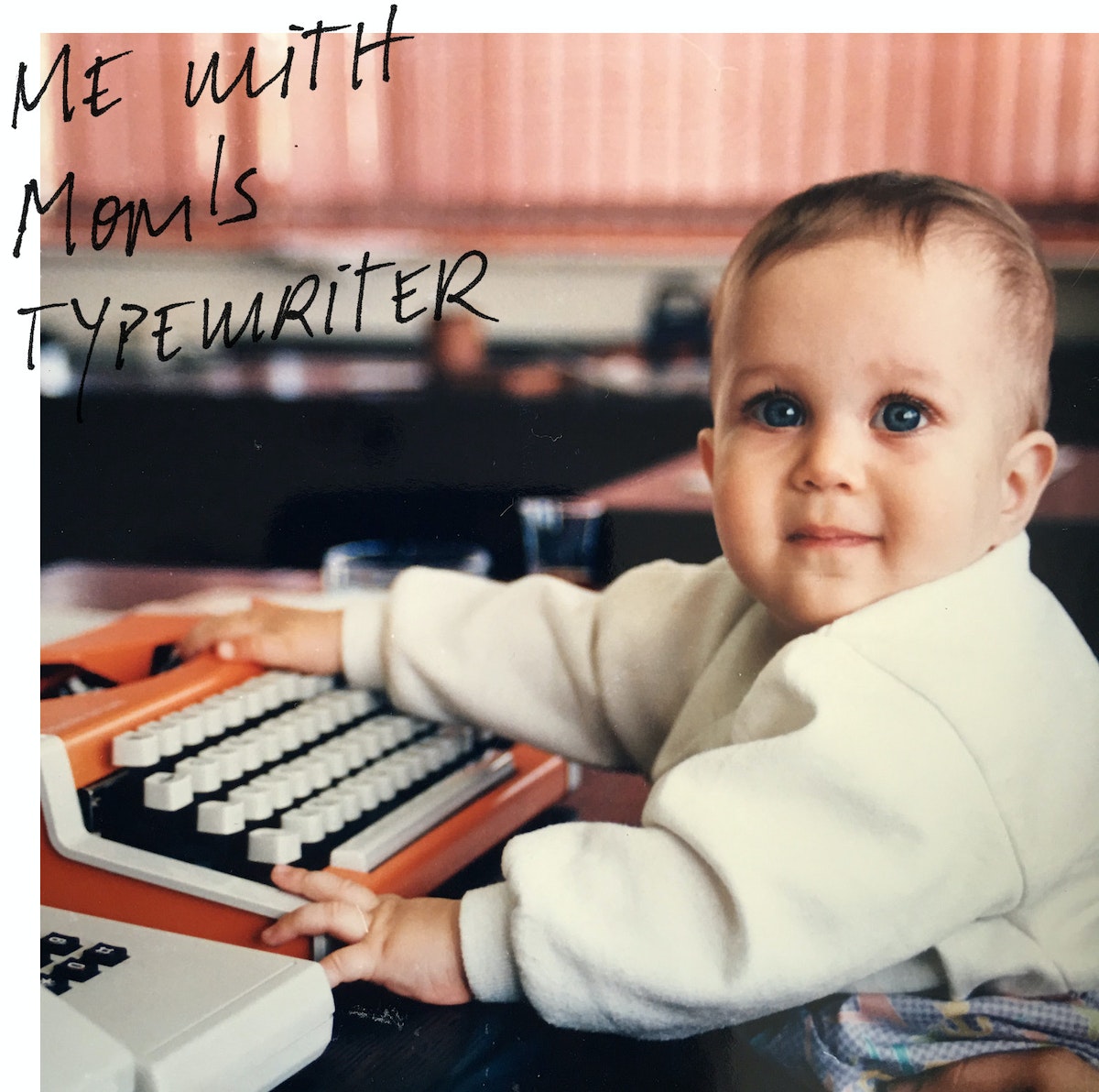
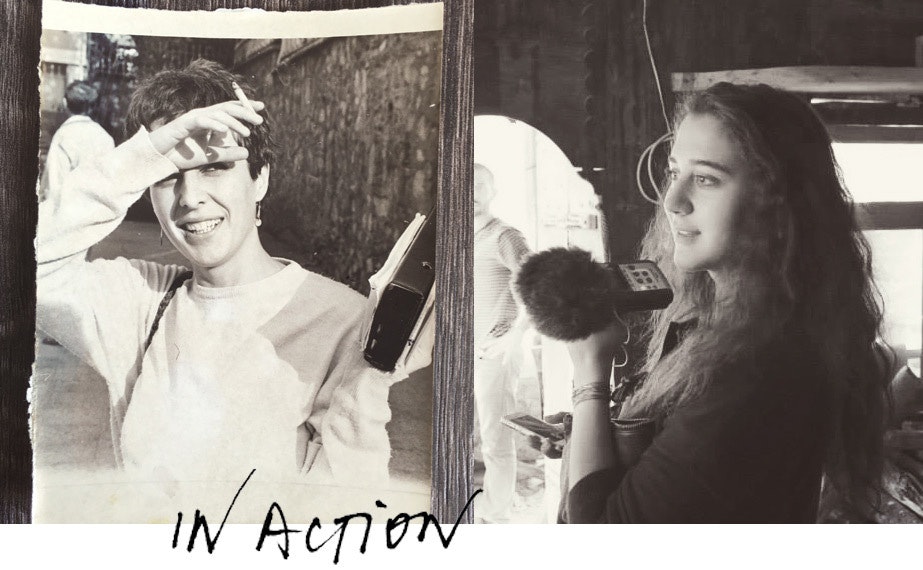
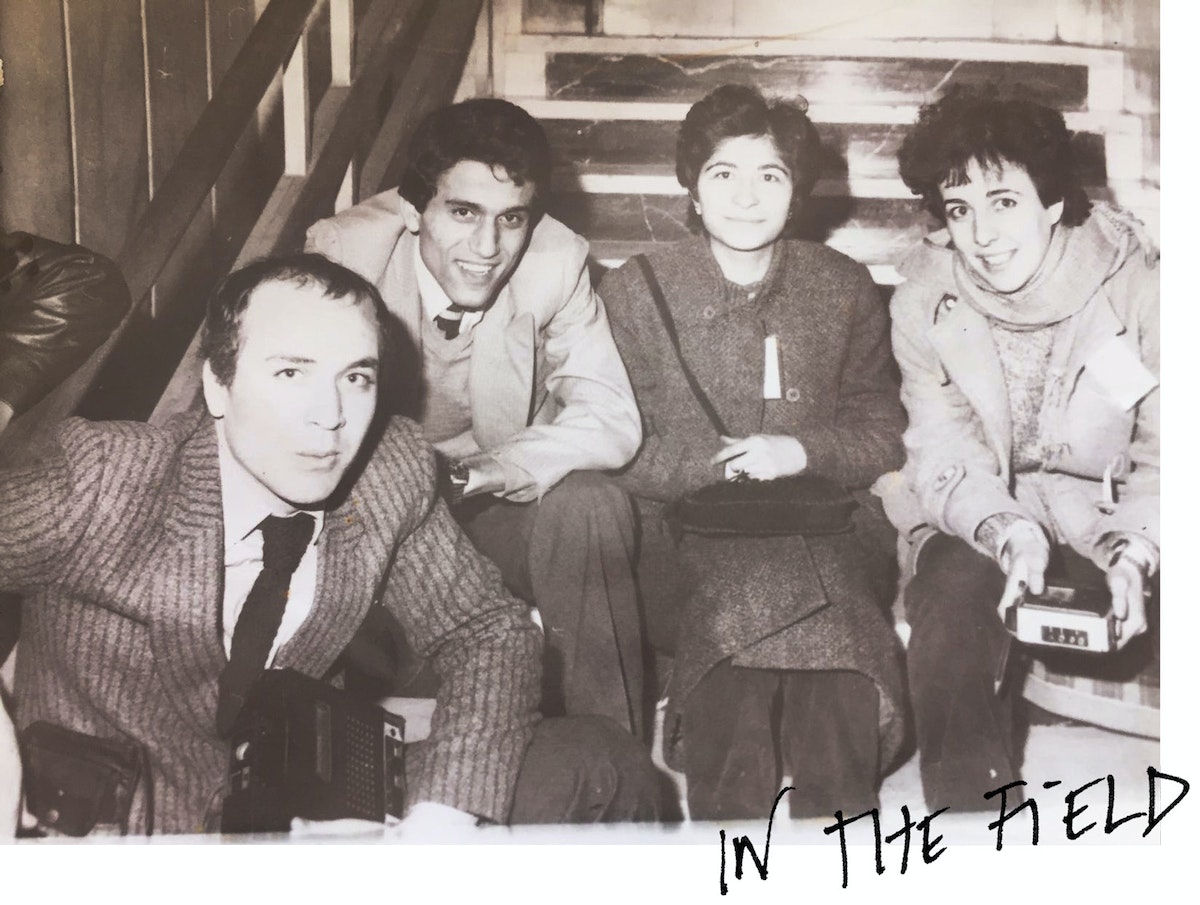
My mom and I have a lot in common. We think problem solving is fun. We love people watching. We both only wear black. But our most striking similarity is that we both ask questions for living. I am a design researcher, focused on helping organizations build innovation capabilities and evolve their culture, and my mom is a political journalist in Turkey. The influence of her profession on my personality has been enormous, and so much of the way that I work comes from watching her. Here are five design lessons she’s taught me.
1. Plan the research through role playing.
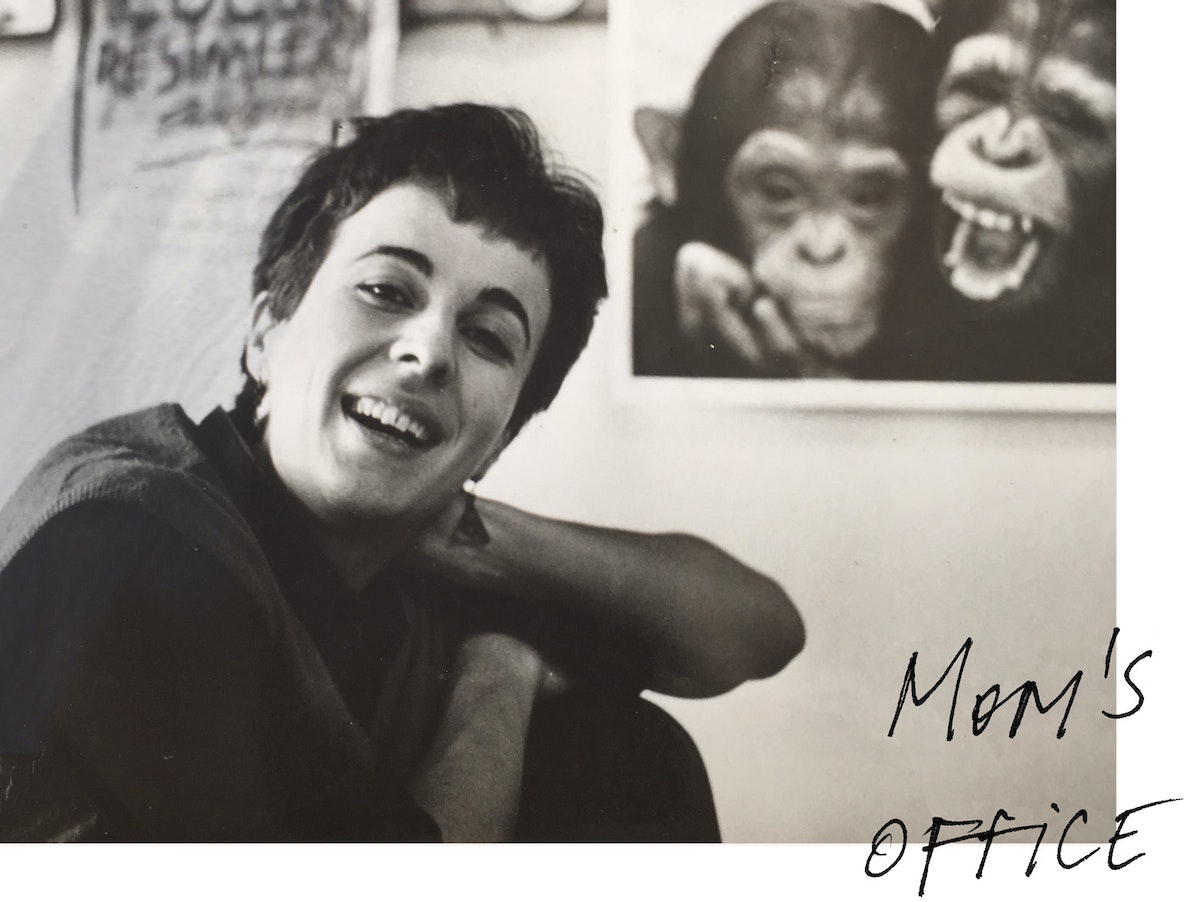
My mom's favorite way of understanding the truth and planning her story is to put herself in others' shoes and go through the experience herself. For instance, when covering a policy change affecting a local community, she wouldn't just interview people from her desk, she would spend days embedded in the neighborhood, waiting in the same lines, sitting in the same overcrowded offices, eating at the same spots. That immersion helped her connect the dots of how the policy was actually playing out on the ground, and allowed her to focus on the details that mattered most to the people living through it.
Walking in someone else's shoes before you even meet them can also inform how you plan your research. On a recent project, we needed to understand what physicians experience when they do rounds in clinical contexts, so we went speed dating. We captured the pain points of quickly talking to a lot of people at once and trying to remember the essence of the conversation. This experience helped us to focus on asking the right questions during our interviews with physicians.
2. Lean-in the right moment.
She was great at tracking the questions politicians refused to answer, keeping a running list of what they sidestepped, deflected, or went silent on. She always said you learn more from what politicians decide not to say than from what they actually do.
As designers, we prioritize empathy in our interviews, but my mom’s approach always inspired me to keep going to discover better insights. Finding eloquent (and ethical) ways of asking more about an uncomfortable topic might require a bit of pre-work—creating the right environment to make a person feel at ease, or sharing a bit about yourself. I once worked on a project about bathroom hygiene— one of the most intimate topics a stranger can talk to you about—and instead of asking people about their own behaviors, I talked to them about their roommates or friends. Turns out, people are way more comfortable talking about someone else's bathroom ritual.
3. If you can’t ask, experiment.
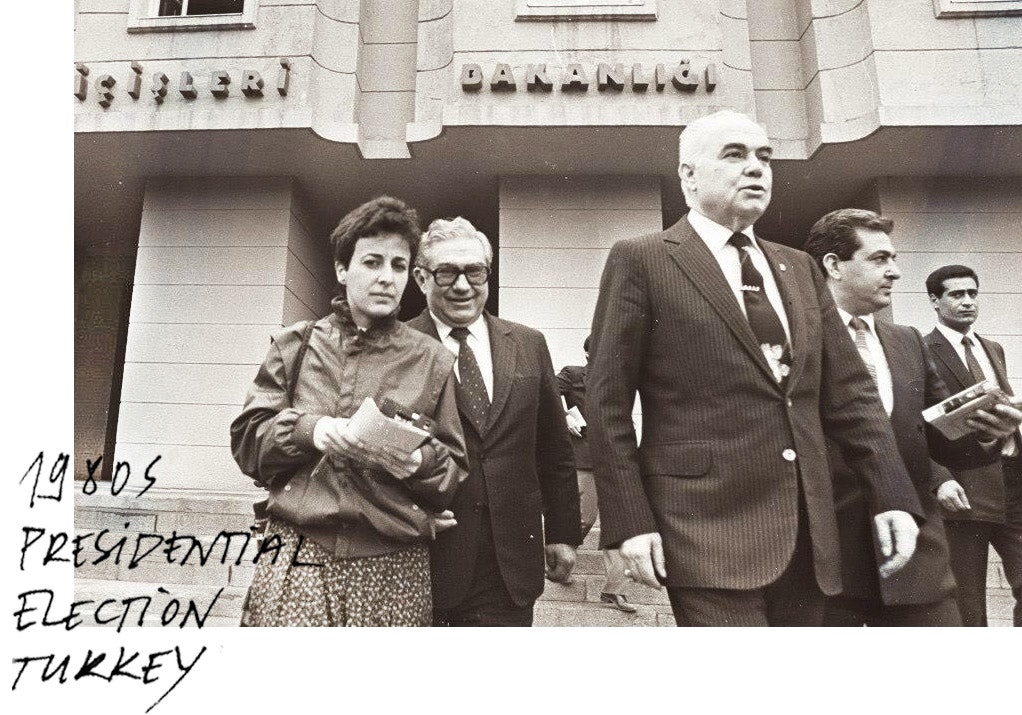
As a journalist in Turkey in the 1980s, my mom covered many presidential elections and other world-changing events. Though occasionally her young age was to her advantage, from time to time, she had to come up with her own hacks to get the information she needed. One of her favorite tricks was to ask herself: how would a completely different journalist cover this story? She'd pick someone with an opposite beat — a sports writer, a foreign correspondent, a food critic — and imagine their approach. Even if she didn't follow their approach, it forced her out of the obvious angle and almost always pointed her toward the story she actually needed to tell.
My colleagues Sean Hewens and Mat Chow did something equally creative. To understand the influential layers in a major international law firm, they created what they call The Blue Hat experiment. They picked a blue hat and brought it to the leaders of the law firm and asked, “What would you do to convince everyone in your organization to wear this blue hat?” Some said a raise. Others said a friendly competition. And some said, get the “cool” lawyers to do it first, then the others will follow. These answers helped the team figure out how influence actually happens at the firm, and shaped how they thought about rolling out a new change initiative.
4. Look outside the mainstream.
My mom would always push me to think in extremes. She always says, “To avoid ready-made answers, don’t talk to expected people. Talk to the extremes. Gather witnesses from all walks of life and listen to stories that others didn’t cover.”
At IDEO one of our biggest source of inspiration in design research is talking to extreme users, or what we sometimes call “super users.” Those who are at the edge of the bell curve of the challenge help us capture workarounds and interesting behaviors. For instance, when we are designing for change inside an organization, we don’t just talk to people in the C-suite; we also focus on people who recently joined or quit the organization, who might have a fresher take or more honest feedback.
5. Don’t just research the people, research the system.
One of the most important parts of being a journalist is understanding the ecosystem you’re reporting in. Otherwise, you can’t make sense of what you find. For my mom, that meant making sure she understood who all the power players were, and how the system worked before she started crafting her stories. This is also true in our design process.
At IDEO, we believe that if you want to create the conditions that change behavior, you have to have a deep understanding of the landscape you are in. When my colleague Divya Viswanathan and her team took on a project to help unify a massive, 20,000-employee generic medicine manufacturer with operations in 27 countries, they didn’t just focus on talking to executives; they talked to everyone. When they chatted with a worker on the shop floor of one of their factories, he read them a poem he had written for the founder of the company. This conversation helped the team realize how much people care about the company’s purpose, and it changed the course and outcome of their project.
When I was a kid, my mom made up what she called “The Journalism Game” to keep me entertained while we were grocery shopping. She would give me a hypothetical scenario and ask me to think like a journalist, to tell her who I would talk to first to create the story.
Why Drawing Matters, Even When Your Hands Shake
How I learned to draw—again
Before that happened, I spent a lot of time doodling my favorite characters—almost exclusively The Looney Tunes. My classmates and teachers liked my sketches. Some kids even paid me for them. I was good at it. But when the tremors started suddenly, after a series of unexplained episodes where I lost consciousness, I couldn’t make my simple lines simple anymore. Coloring was so hard and messy that pencil gray became my favorite color.
I dropped the pencil for more than a decade, did some clay work, played sports, and even started teaching Spanish. But when I got into the design school, I had to face up to challenge again. I ended up learning how to work with other media like 3-D modeling and animation to express my ideas. It was effective, but I still missed using the pen.
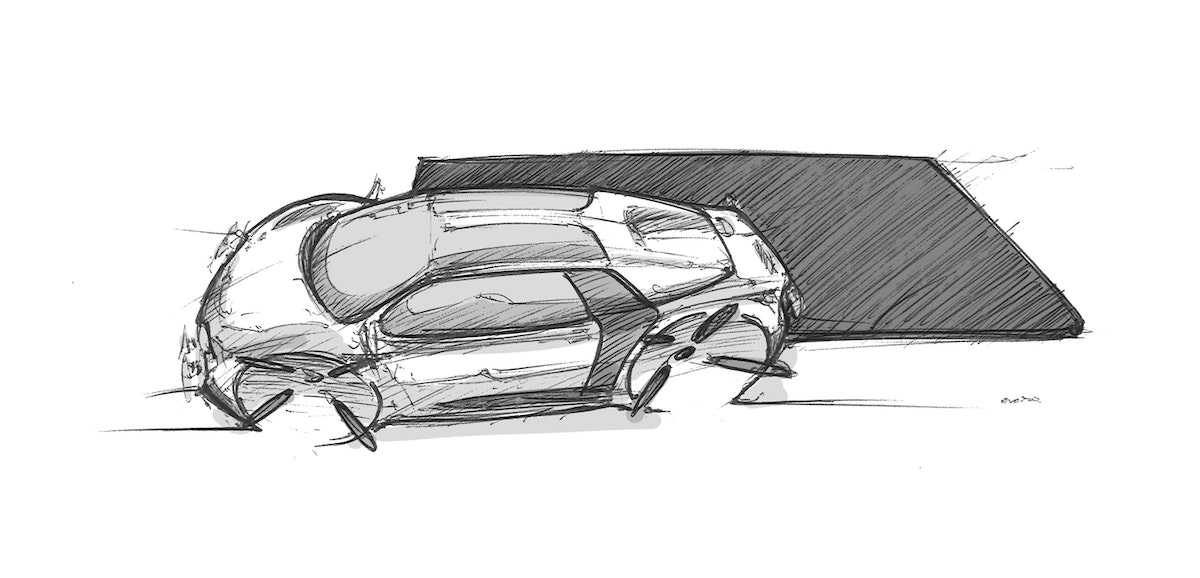
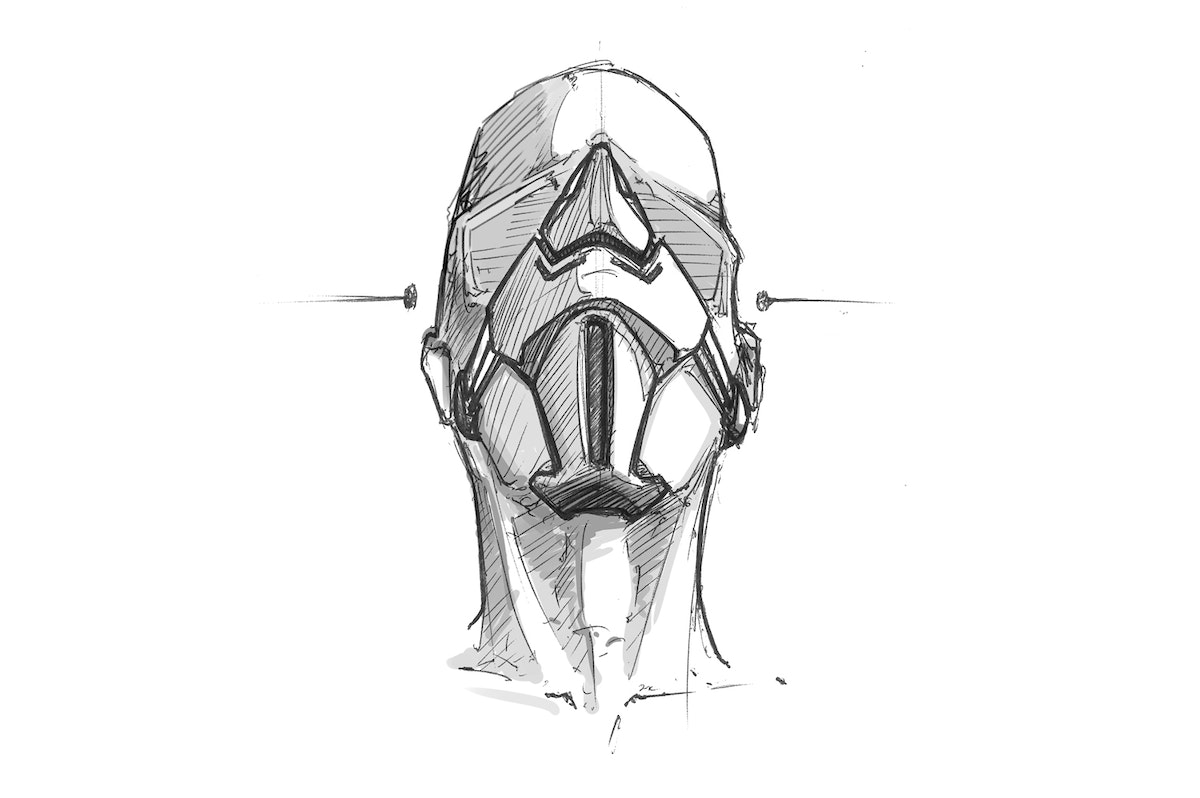
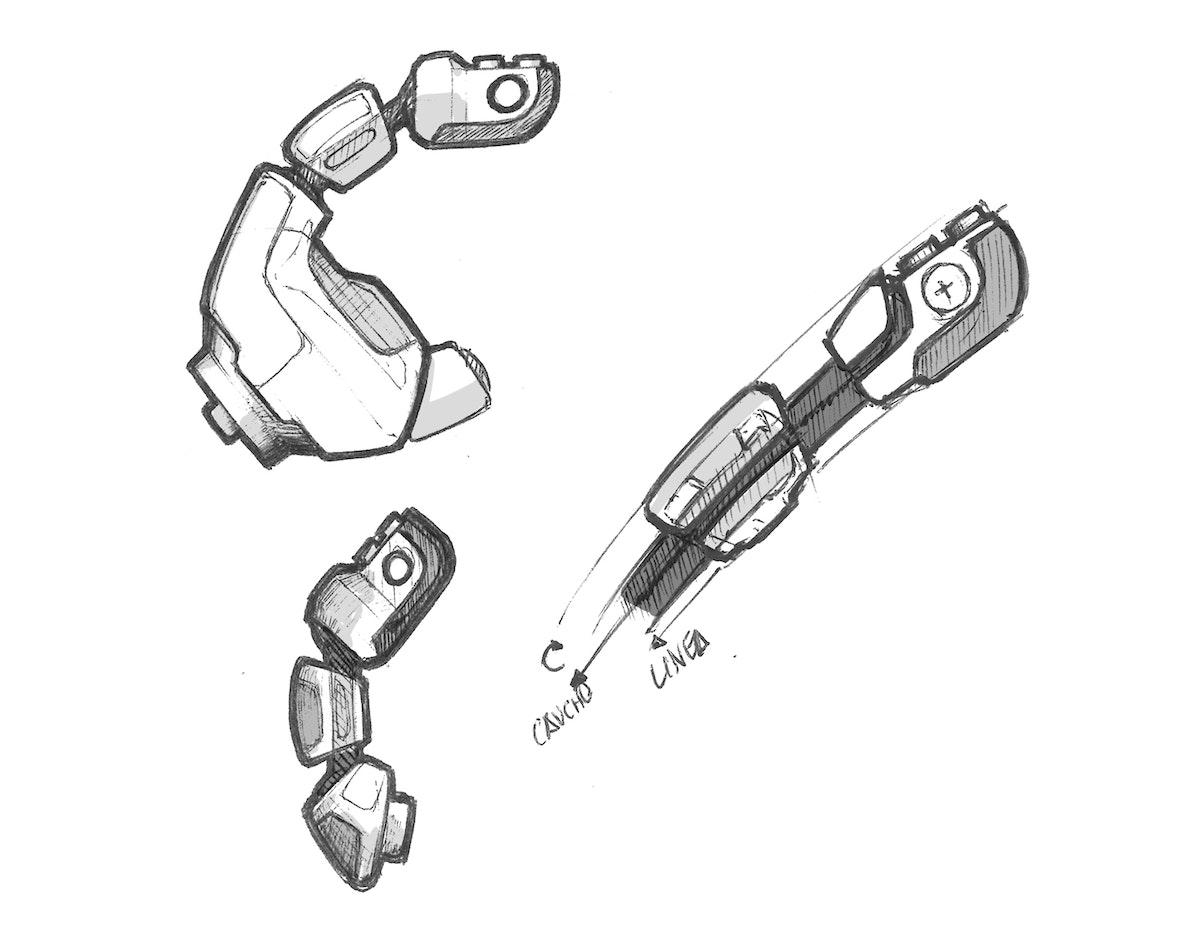
For me, nothing can really replace sketching. I learned during these years that drawing is not just a media; it is a way of thinking. So I embraced the shaking in my hands by thinking of every sketch I was doing as an idea, not a product. Just as every idea can be refined, so can every drawing. That was freeing. It meant that no matter how bad it was, over time, it could become something decent that expressed something. I start with my shaky sketch, and if I like it, I start adding shadows and details that are still shaky, but once it’s finished, it’s a single sketch; it is an idea.
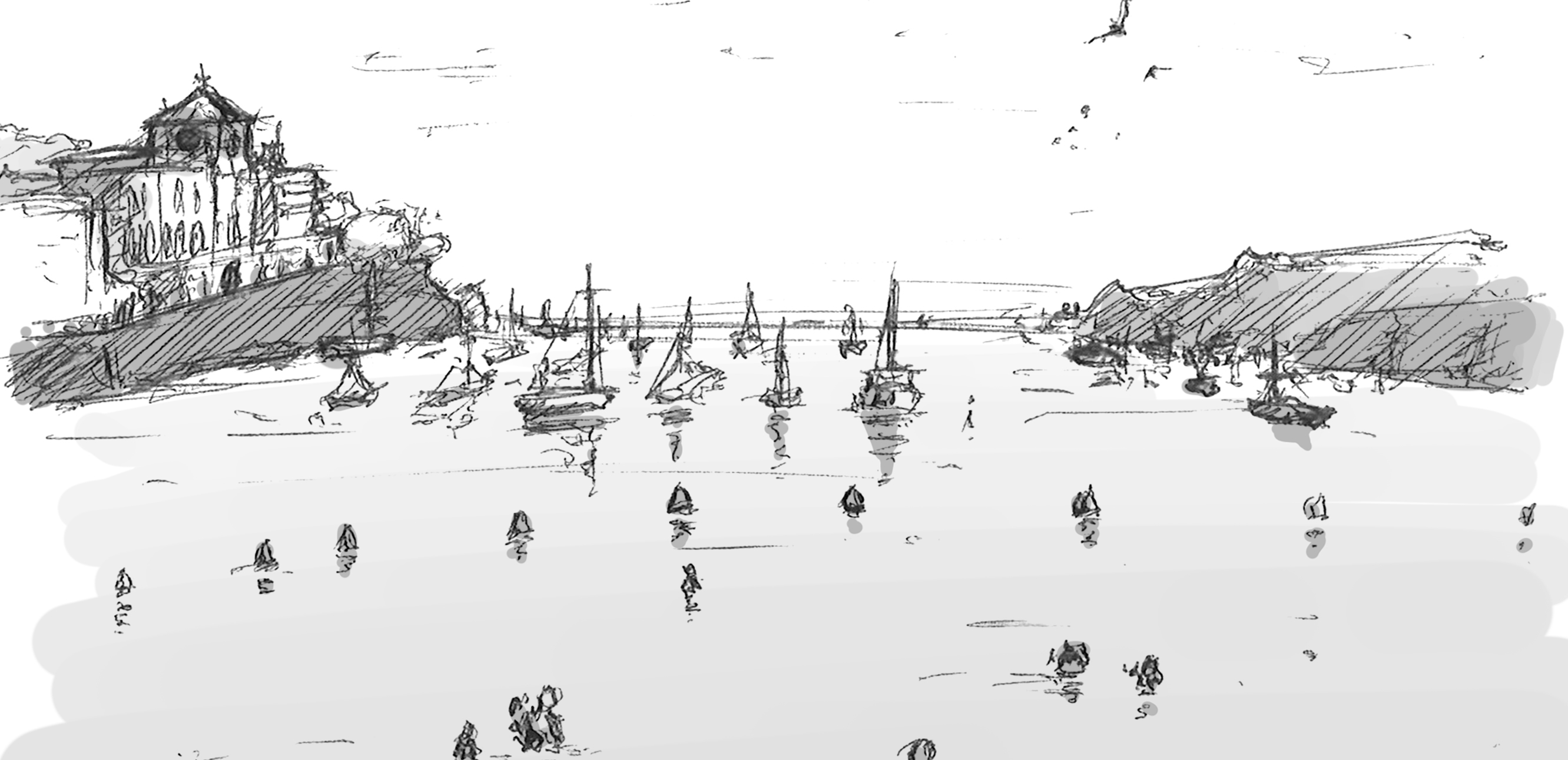
One of the things I like to do when I’m traveling is to take the time to sketch the city I’m in. It’s an exercise for getting my tremor down; it helps me breathe slowly and focus on contemplating the moment, the people, the water, the sky, the birds, the glass. My shaky hands help me to draw silly lines in a fast enough way that I can capture the general picture. Then, it’s just a matter of letting my tremors go free until they become part of the landscape.

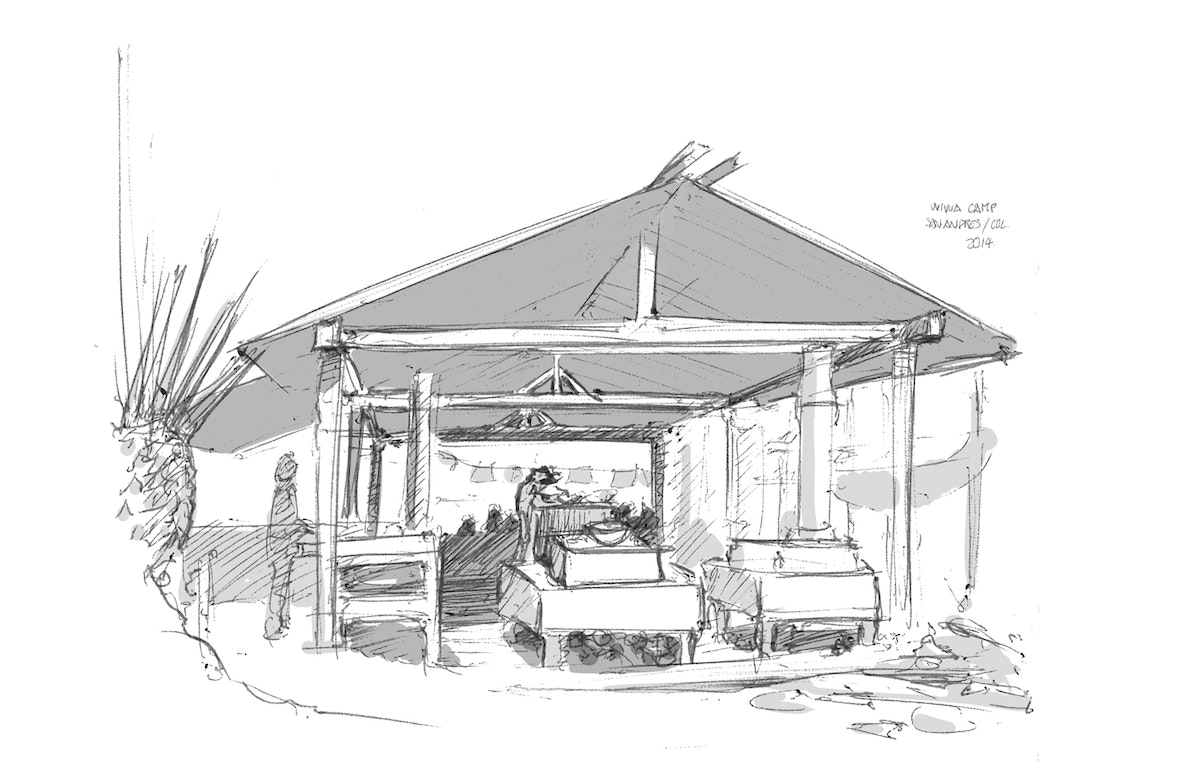
My hands shake. They literally shake. I’ve had a slight tremor since I was 12 years old, and it hasn’t been easy to adjust. For a while it was just too hard, and I stopped drawing altogether.

Lindsey Turner
I’m passionate about building brands, products, and experiences that help organizations show up with meaning and momentum.
I help organizations cut through complexity by shaping how they show up, through brand strategy, identity, and storytelling.
Working at the intersection of brand and business, I bring an editorial eye and a bias toward making—turning ideas into tangible experiences that people can understand, trust, and believe in.
My work spans government, healthcare, financial services, media, and consumer goods, from launching Gen Z-focused ventures to building innovation labs and reimagining legacy brands. I relish moments of ambiguity and enjoy translating across teams, perspectives, and priorities to move ideas forward.
I started my career in editorial and digital design, shaping cross-platform experiences and identity systems in publishing and agency environments. That foundation still shapes how I work today: I’m detail-oriented, collaborative, and overreliant on the Oxford comma. I hold a BFA in Visual Communication from the School of the Art Institute of Chicago.

Rachel Young
My work helps organizations see who their products aren't working for—and build the will and the tools to do something about it
For 25 years, I've asked the same question: Who does this design exclude—and what are we going to do about it?
My work spans human-centered strategy, inclusive design, and qualitative research, with clients ranging from Microsoft, Google, and Verizon to the National Science Foundation, and San Francisco Unified School District.
Before IDEO, I taught elementary school in East Palo Alto and spent a decade doing design work with social service organizations—where I learned firsthand what it costs people when systems are built without them in mind.
I am currently writing User Error, a nonfiction book about digital access and the design decisions behind it. I live in Oakland, California.

Brian Pelsoh
I lead with craft, ensuring our work is creatively excellent: rooted in deep human insight and imagination, while also grounded in the realities of business and technology.
My expertise spans brand, communication, and product design across tech, education, the arts, and social impact.
I believe great work demands both high-level vision and obsessive attention to detail, and only happens through collaboration.
I bring an inclusive, hands-on approach and a deep understanding of business, which enables me to consistently deliver excellence while always asking why.
Before joining IDEO, I worked at the brand firms Pentagram and VSA Partners. I began my career as a designer, leading teams at the School of the Art Institute of Chicago and the Milwaukee Art Museum. I hold an MFA in graphic design from Maryland Institute College of Art and a BFA in communication design from the Milwaukee Institute of Art & Design, and have taught at some of the best design schools in the US.

Tony Wong
I am responsible for IDEO’s long-term success in China and working with clients to use design as a tool to enable growth.
I am responsible for IDEO’s long-term success in China and working with clients to use design as a tool to enable growth. Specifically, I have helped Chinese companies design holistic brand solutions through the development of their products, communication, services, and innovation teams, and I have helped multinationals expand their presence and influence in China.
I advise global leaders on developing China-led innovation and capabilities.
In over 15 years in IDEO Shanghai, I have worked on projects that use design to elevate the quality of the experience of healthcare products and services, streamline processes that increase productivity, create spaces and programs that promote and enable inclusive communities, and build next generation mobility solutions that are planet-positive.
Before joining IDEO, I worked at Philips Electronics and the Electrolux Group in Italy, the Netherlands, and Singapore on a number of breakthrough commercial products. I am a member of the Young President Organization in Shanghai.

How to use AI as an editor, not a writer
Ed White shares how he uses AI as an editor—not a writer—to sharpen storytelling, rehearse ideas, and preserve the productive friction that makes creative work better.
Ed White has a rule he's tested on his own writing: hold yourself as the writer, and let AI be your editor. Ed is a Senior Design Director at IDEO's London studio, where he co-leads the firm's AI portfolio across Europe. Before IDEO, he spent 12 years as a writer and editor at the Financial Times, Wired, and Contagious. So when he talks about when to use AI for storytelling and when not to, it comes from two decades of crafting his storytelling skills.
In this episode, Mina Seetharaman talks with Ed about two specific tools he uses to keep AI in an editor's seat: a "roasting agent" prompted to critique his drafts without any sugarcoating, and a simulated audience he rehearses pitches on before the real thing. They also get into what Ed is hearing from design leaders at Anthropic, Lovable, Shopify, and Google Creative Lab about how creative work is changing, and why he thinks the friction of writing something yourself is worth protecting rather than automating away.

Building a personal AI for the messiness of life: Sida Li
Becca Carroll talks with Cue co-founder Sida Li about designing a personal AI for the messiness of everyday life—not just work. They explore how Sida stays anchored to human needs while navigating fast-changing technology, product tradeoffs, business-model experimentation, and the realities of building an AI company today.
Most AI products today are built for work—a space with clear problems and established systems. One founder noticed a gap: personal life is messier, harder to systematize, and mostly left behind by the AI boom. So she built Cue, a personal AI that lives inside iMessage and group chats, to go where the other tools haven't.
In this episode, Becca Carroll, IDEO's Chief Strategy Officer, talks with Sida Li, co-founder and CEO of Shared Context Lab, about staying anchored to a human need while the technology around her keeps changing shape, why she treats her business model with the same rigor she'd bring to a product, and what it feels like to build a company at this particular, disorienting moment in AI.
The conversation also gets into how Sida makes design decisions: the language Cue uses to describe itself, the tradeoffs behind building inside iMessage instead of a new app, and a real story about a business idea that didn’t pan out.
This is the second in a two-part series profiling founders from IDEO's Startups-in-Residence program. The first conversation is with Johannes Seemann, founder of Sooner, on designing GenAI for the emotional side of money.

Designing GenAI for the emotional side of money: Johannes Seemann
Designing financial tools around the feelings that shape money decisions.
Most personal financial tools are built to run the numbers and optimize towards a budget. While that works for some, most people experience money as a lived relationship that does not neatly fit into a spreadsheet. Johannes Seemann and Becca Carroll discuss why money is emotional before it is mathematical, and what a human-centered approach to building a generative AI financial product looks like in practice.

The curious leader's edge in uncertainty: Scott Shigeoka
How genuine curiosity helps leaders navigate uncertainty with greater confidence.
Mina Seetharaman talks with Scott Shigeoka, author of Seek and Head of Curiosity Cultivation at the Eames Institute, about what distinguishes genuinely curious leadership from performative curiosity, how power dynamics shape curiosity, and why practicing curiosity can restore energy rather than drain it.
Looks like you might be in search of something very specific?
Or reset the filters above and try another angle.
Here’s some random inspiration

Podcasts about creative leadership

Articles about the power of prototyping