Boston's new citizen-centered site
Designing a welcoming, intuitive platform for Bostonians.
More than 7 million people each year came to the Boston.gov site to tap into all sorts of city services: reporting a pothole, learning the assessed value of their property, paying a parking ticket, checking recycling schedules.
Boston wanted to create a beautiful platform that would make the process of finding and navigating information easy and intuitive, one that prioritized the needs of its people.
The Boston.gov site had outgrown its existing structure and needed an overhaul. The user experience was mired by the fact that Boston City Hall has nearly 50 different departments, each with its own microsite, navigation and content standards that feed into a centralized site.
So the City of Boston hired IDEO to design its new digital home, Boston.gov. IDEO designers worked with the major stakeholders—department heads, employees, and Boston residents, with a focus on those in underserved communities and those with varying levels of technical proficiency—to gather insights into what users needed.
The objective was to design something that would simplify how people navigate the site, to make it easier for residents to find answers to common questions, and, in the process, serve as a community facilitator—an up-to-date, reliable resource that makes life in the city more manageable.
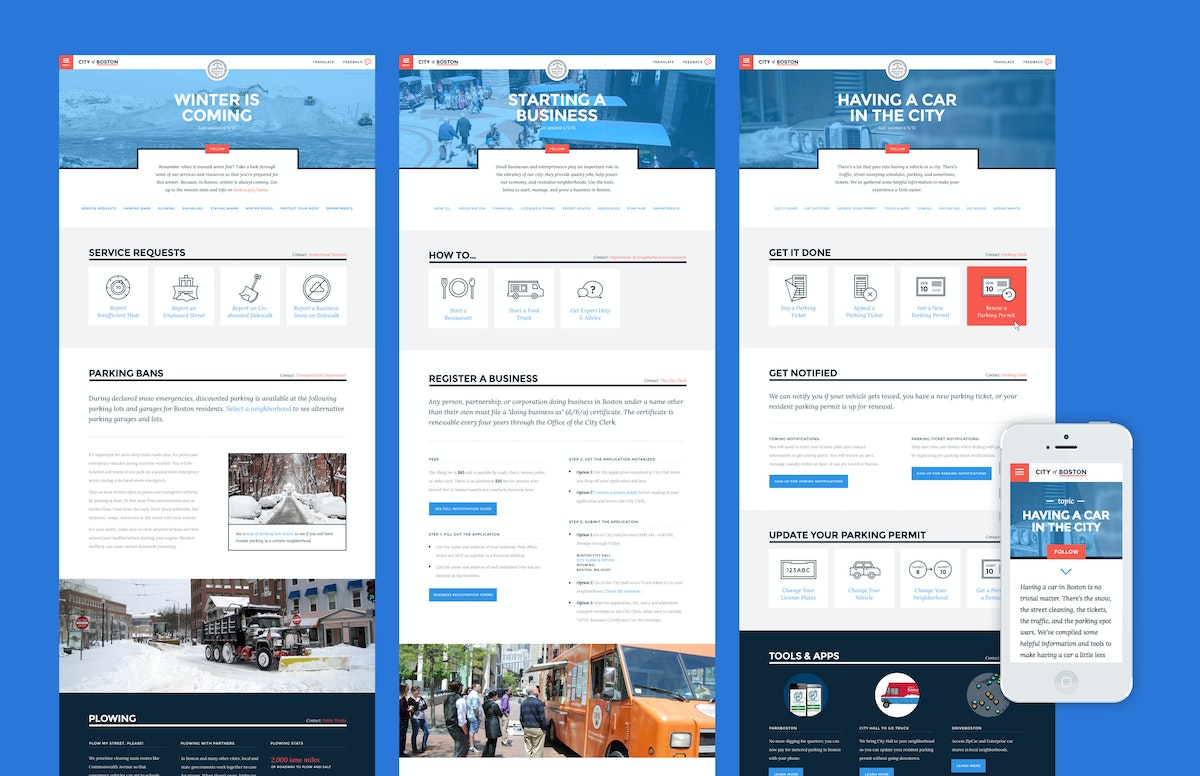
Rather than organize the site by the city’s departments, the design solution was rooted in illuminating relevant content by topics—people’s life moments—many of which overlapped through different branches of government. Owning a car in the city, for example, is closely related to preparing for winter, so bridging those common threads allowed for a more intuitive organizing principle.
In the process of the site redesign, IDEO also helped to create a visual identity system that underscores Boston’s strengths: the city’s confidence, humility, personality, and optimism.
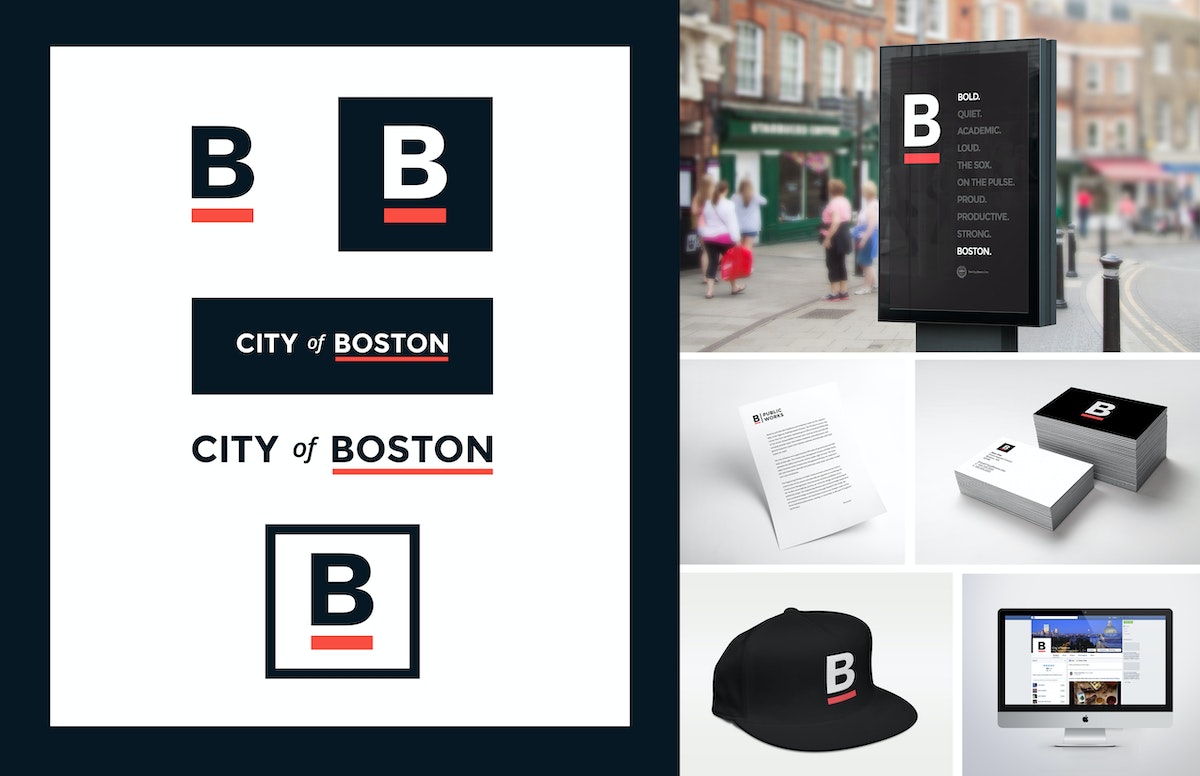
In addition to the web architecture and redesign, IDEO also produced a comprehensive style guide to help maintain design consistency, so departments can add content without compromising the overall integrity of the site, as well as a brand look that the city has decided to adopt across nearly all of its consumer-facing media. Now you’ll see the famous underlined B on T-shirts, banners, and even snow shovels.
Holding true to its mission to include Boston residents and all site users in its design process, the new Boston.gov site was piloted for six months, and the process document on the city’s blog (including the IDEO designed brand guide), before a full launch was rolled out in July 2016.
“The website should act like a helpful human. This is one of the big differences between the old site and the new site,” said Jascha Franklin-Hodge, the city’s chief of information technology in a Boston Globe article. “Oftentimes, when you looked at something on the old site, it would feel like you were interacting with some sort of lawyer-robot that was speaking to you in government-speak, using very formal language. We are trying to move away from that so your experience is akin to a person.”
The City of Boston was in need of a new digital home—one that emphasized a shift to a more welcoming tone and commitment to its citizens.
Growing an American brand in China
How an outdoor retail company found a new audience through digital and physical shops.
In the Western Hemisphere, The North Face brand has long represented an active, sporty lifestyle that’s filled with challenges and adventures. But appreciating “the great outdoors” in China is less about extreme sports and more about connecting with nature in a communal, spiritual way. This research-based insight led the team to identify new opportunities for The North Face to better target its messaging.

Designers found a key opportunity: Encourage Chinese consumers to escape the pressures of hectic city life by enjoying the freedom and renewal that comes with spending time outdoors.
Today, as people find less time to enjoy the benefits that lie just beyond China’s large cities, there’s a tangible desire to return to the outdoors to refresh, reassess, and renew oneself. The North Face aims to help consumers do exactly that.
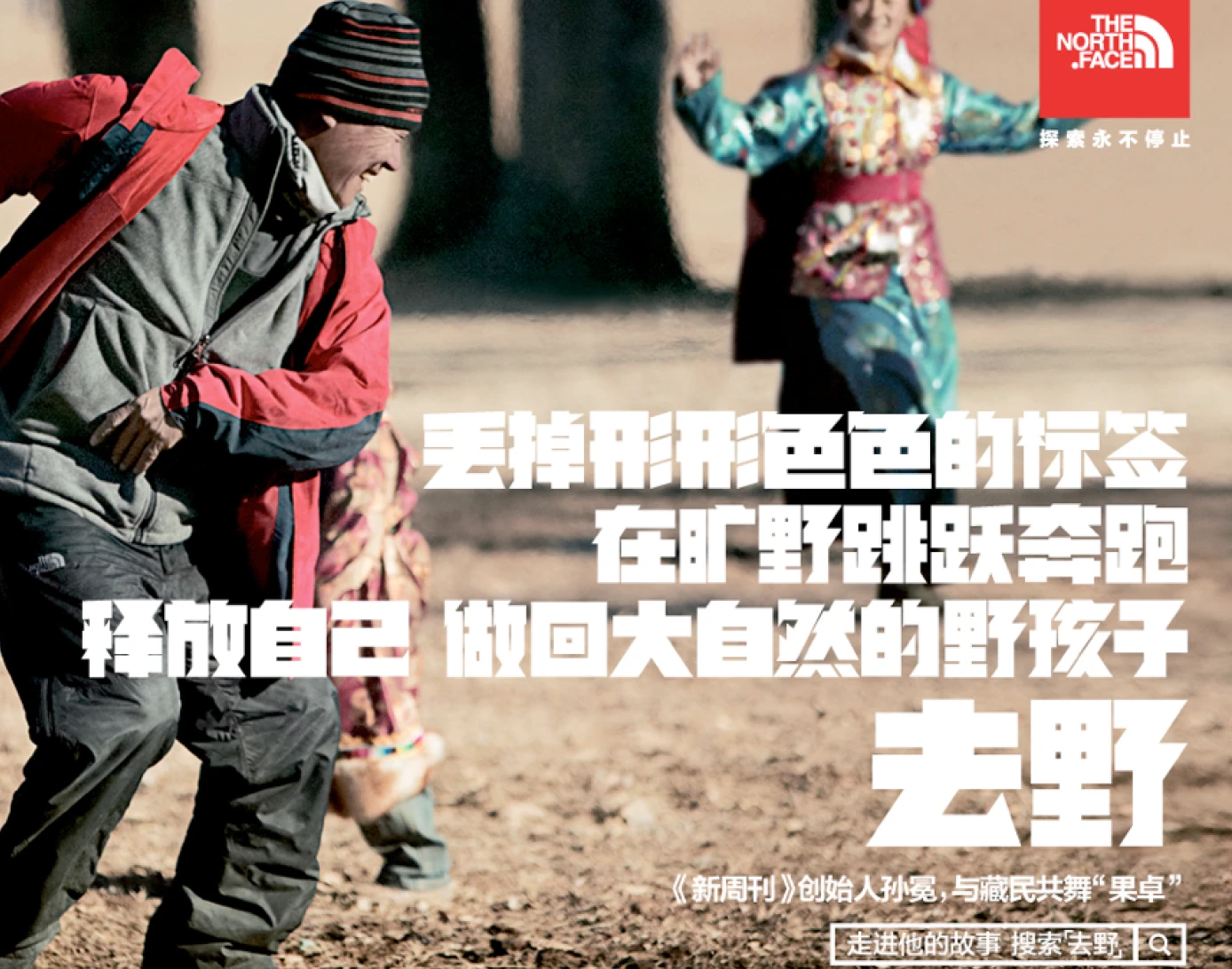
To create a compelling new brand vision for The North Face in China, the team’s design research tapped into Chinese ways of spending time outdoors. IDEO’s insights and creative brief provided the essential brand story for The North Face in China and informed the tagline of the company’s current marketing campaign, “Go Wild” (去野). The North Face brand’s new messaging links “old nature” and “new outdoors” through a combination of digital, retail, and interactive community channels.
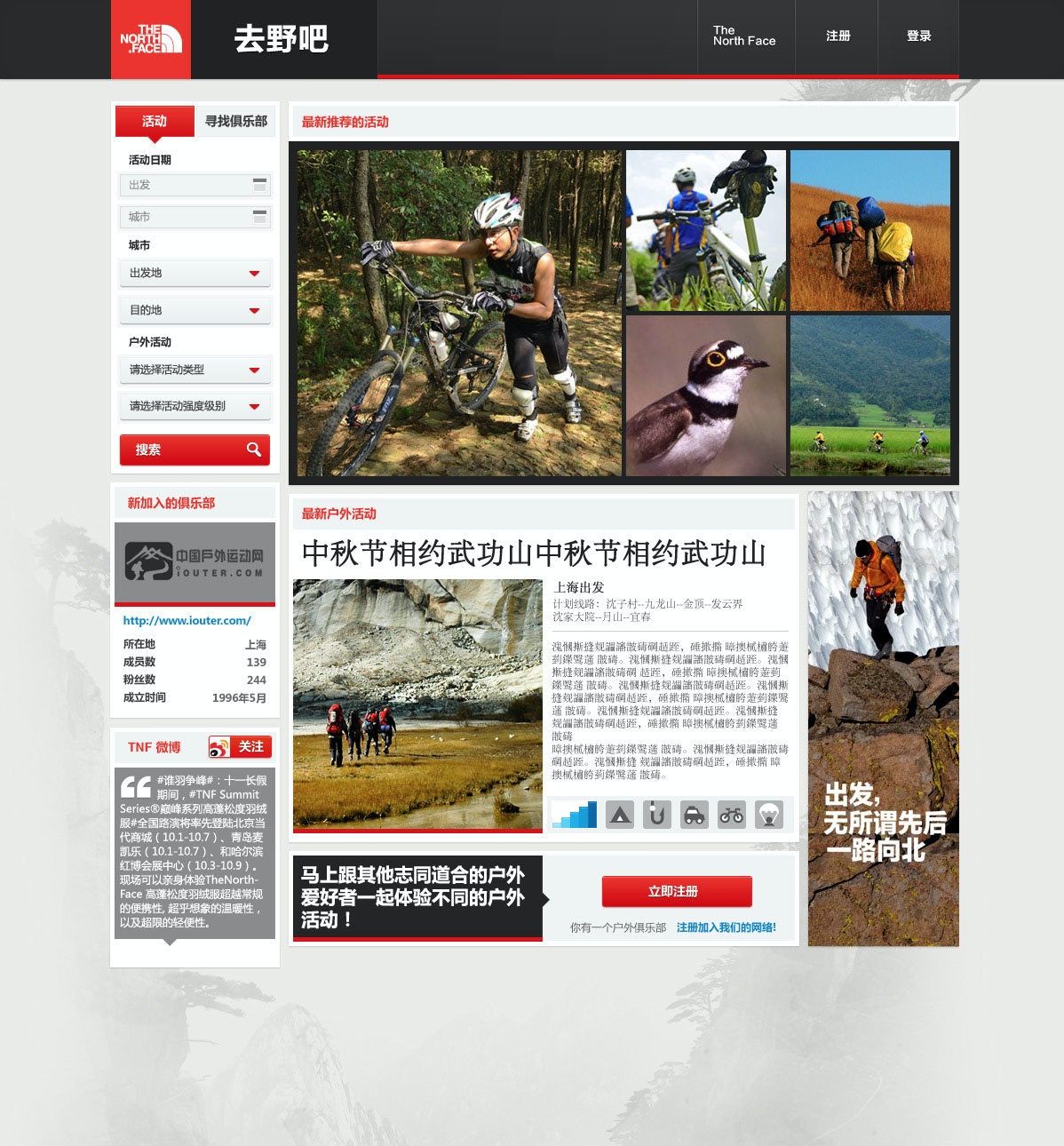
IDEO also collaborated with the company on designs and prototypes for a new digital platform and an updated store-within-a-store merchandising display. The digital community aims to attract newcomers and connect them with more experienced outdoors enthusiasts and clubs. As the platform evolves, it will help aspiring adventurers plan trips, learn skills, and share their experiences through photos.
The retail community space aims to integrate this digital community with in-store shoppers and an effort to turn the “buy-a-product moment” into a “join-the-outdoors moment.” Both will be integrated to provide a holistic brand experience in China centered on nature and community.
In the West, The North Face, with its decades-long history, has long symbolized an adventurous, active lifestyle. In China, however, the outdoor market only began accelerating in the early 21st century.
Success in this growing market depends on building strong and deep connections with Chinese consumers.
20% sales growth in China
from 2012 to 2013—the year the project was completed—propelling the brand from sixth place to a market-leading position

Nearly 40 years of designing pharmaceutical excellence
How a decades-long collaboration with Eli Lilly has transformed patients' lives and health outcomes.
Over the last 36 years, IDEO and Lilly, along with the pharmaceutical giant’s other design, development, and manufacturing partners, have collaborated on more than 250 projects. During this time, Lilly has not only honed its engineering-focused internal device-development team but also transformed into a human-centered organization with extensive, robust in-house innovation capabilities.
Early in the relationship, a team of IDEO designers and Eli Lilly leaders traveled the world to understand how people with diabetes live with the disease. Their findings led to the design of a series of award-winning insulin injection pens like SAVVIO. Portable, aesthetically pleasing, and discreet, the pens are suitable for use in both medical and personal settings. Combined with Lilly’s technical design prowess, this human-centered focus allows the devices to seamlessly integrate into patients’ lives and routines, making a challenging disease like diabetes feel more manageable.
Fast forward to today, Lilly’s innovative, easy-to-use auto-injectors are not only continuing to provide life-saving treatments to people with diabetes but also enabling the adoption of the popular GLP-1 weight-loss drugs Mounjaro and Zepbound, which together accounted for the majority of the company’s annual revenue in 2025. Perhaps most importantly, patients consistently rate the experience of using Lilly’s auto-injectors as relatively pain-free, easy to use, and preferable to competitors’ brands, improving adherence, satisfaction, and health outcomes.
This unwavering focus on driving innovation through a patient-first mindset is evident in some of the most impactful projects Lilly and IDEO collaborated on over the years:
GLP Auto-injectors
Convenient and cutting-edge, the first Trulicity injection device was originally designed to deliver the GLP-1 drug to treat type 2 diabetes. Today, it has been adapted for use with other GLP-1s, Mounjaro and Zepbound, which are increasingly popular weight-loss drugs and are also administered once weekly via fixed-dose injections. A wide base enables the pen to be held securely against the injection site, and the device automatically regulates the dose and needle depth.
Taltz Injectors
For most patients, living with severe plaque psoriasis means being your own medical technician—metering your drug dosage each time, and attaching and removing needles by hand. Taltz provides patients with clear visual and auditory feedback throughout the injection process through simple icons, bright colors, a translucent material, and clicking sounds. The devices are available in both autoinjector and prefilled-syringe formats and are adapted for Emgality, a preventive monthly migraine treatment, and Ebglyss, which helps treat eczema or atopic dermatitis.
HumaPen SAVVIO Injection Pen
Key insights informed the design of SAVVIO, including patients’ preference for insulin pens that look less like medical devices and more like everyday objects you’d find in a backpack or purse. The sleek, colorful device was created to help patients feel comfortable and confident about fitting mealtime injections into their everyday lives.
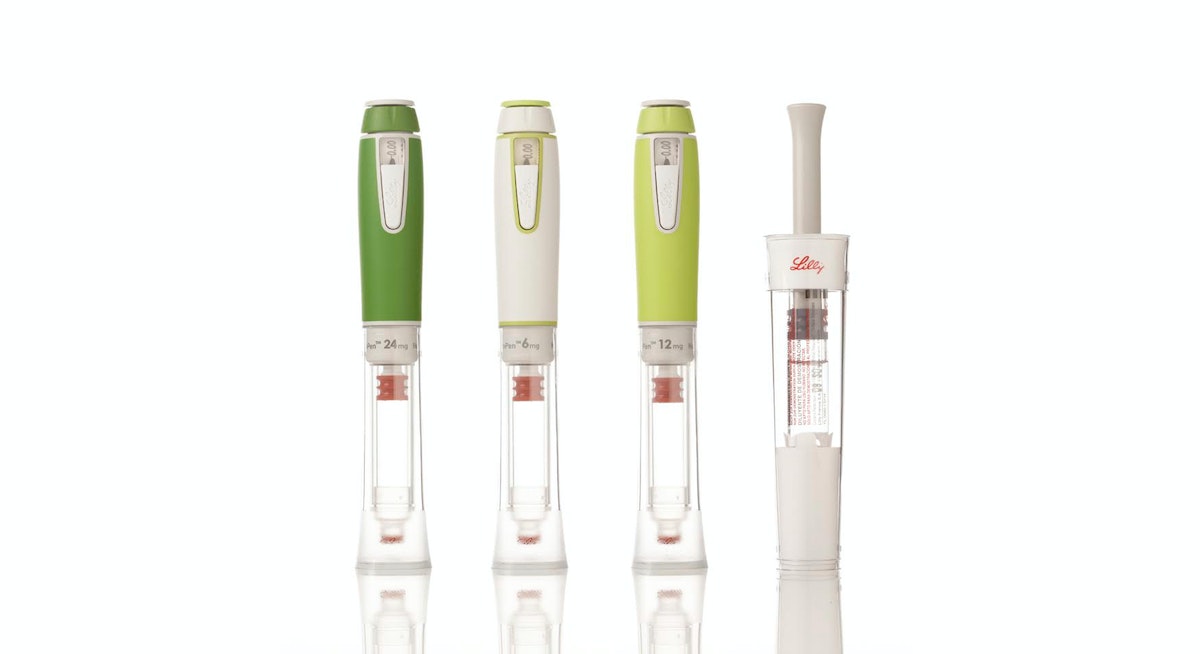
Refillable Human Growth Hormone (HGH) Injector and Reconstitution Device
Designed to be kid-friendly, the Refillable HGH Injector leverages insights into pediatric treatment adherence to create a more integrated, systematic approach to treatment, while the Reconstitution Device makes mixing Lilly’s powder-and-liquid drug easier and less intimidating for parents and healthcare professionals alike.
KwikPen Insulin Pen
KwikPen is a next-generation, prefilled insulin injection pen that builds on the success of two previous designs, reducing its size to 5.7 inches and enhancing ease of use for patients.
HumaPen(R) Luxura™ Insulin Pen
HumaPen Luxura combines several innovations into a robust yet elegant pen that can be carried and used anywhere—an insulin pen solution that improves dosing accuracy, dose setting, and injection force.
In addition to designing products to meet the needs of people with diabetes, IDEO and Lilly have developed innovations in areas of oncology, autoimmunity, and men’s health. The results of this collaboration and expansion have won numerous design awards and produced one of the longest and most fruitful innovation relationships in IDEO’s history.
In the 1990s and early 2000s, Eli Lilly had a number of new, life-changing medications and two big challenges: Most of its drugs were self-injectables, not pills, so patients were hesitant to take them. And its drug-delivery device platform lagged behind its drug pipeline.
99%
of Trulicity users reported the auto-injector was “easy” to “very easy” to use in a JDST study
$36.5B
of Lilly’s $65.2B 2025 revenue came from sales of its auto-injectable GLP-1s, Mounjaro and Zepbound, a 45% increase from 2024
Designing a new women’s healthcare system
Introducing the new Cottage Center for Women’s Health.
Systemic transformation is not new to Cottage Health. Founded in 1888 by 50 forward-thinking women in Santa Barbara who wanted a proper hospital for their growing community, Cottage Health has since expanded to 4 hospitals and is quickly growing its outpatient services as well.
To understand the current Cottage Health experience, IDEO conducted dozens of in-depth interviews with patients, providers, caregivers, and staff. They also ran multi-week diary studies, engaged in inspirational research activities, and held events to hear from local women.
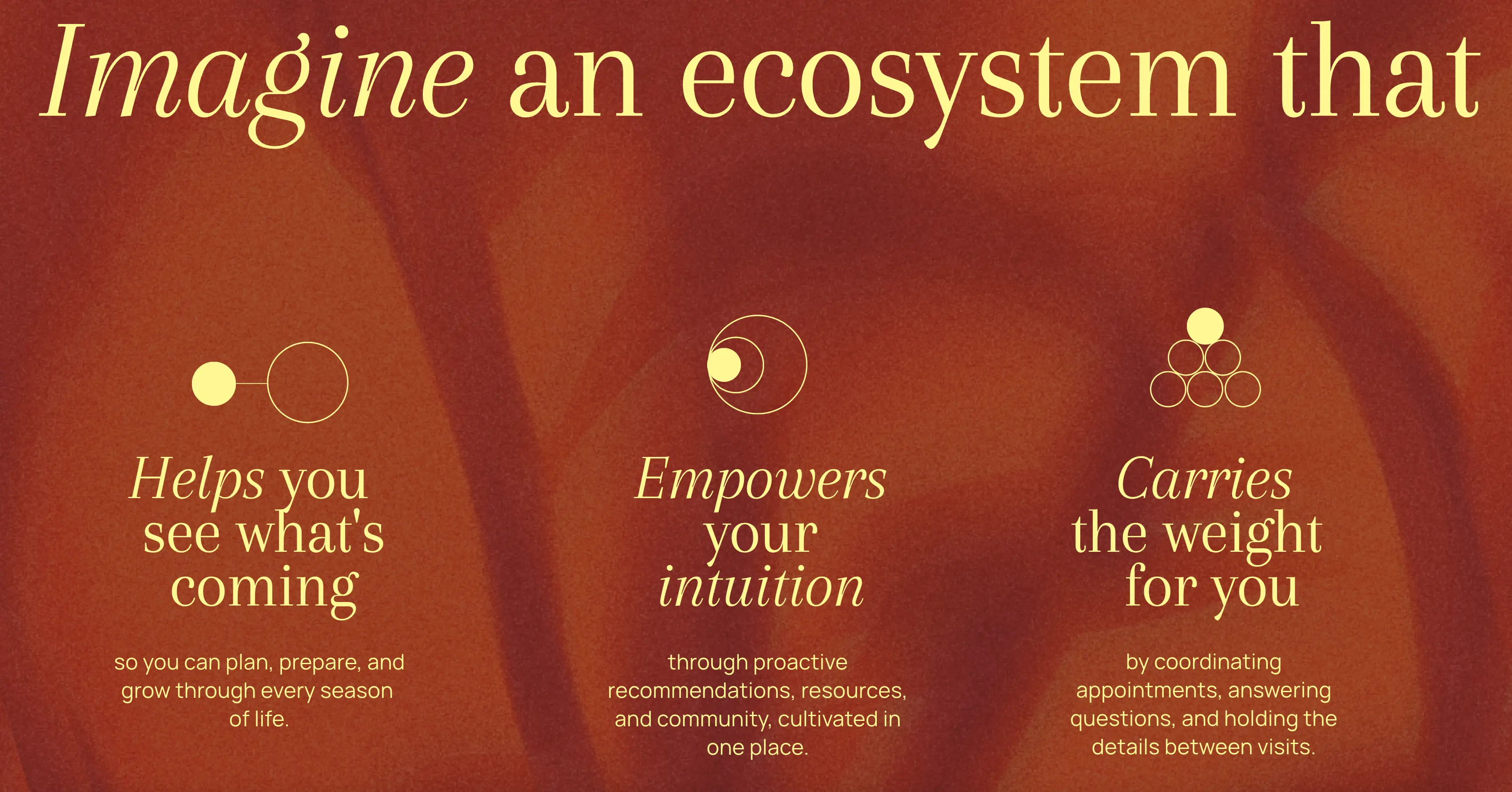
The qualitative research surfaced that women often carry the mental burden of repeatedly remembering, explaining, and advocating for themselves. Women’s pain is often minimized, which causes new providers to inherit mistrust from previous experiences, without having the tools to rebuild it. During significant life transitions, such as pregnancy or menopause, women may receive conflicting advice from health providers and seek additional outside support from informal networks. Access to quality care can sometimes depend on insider knowledge, private resources, or providers willing to go far beyond their job descriptions. And while providers make referrals, women must handle the time-consuming coordination required to make everything work, instead of focusing on healing. The bottom line: what women wanted most was to be seen, heard, believed, and supported in knowing what to do next.
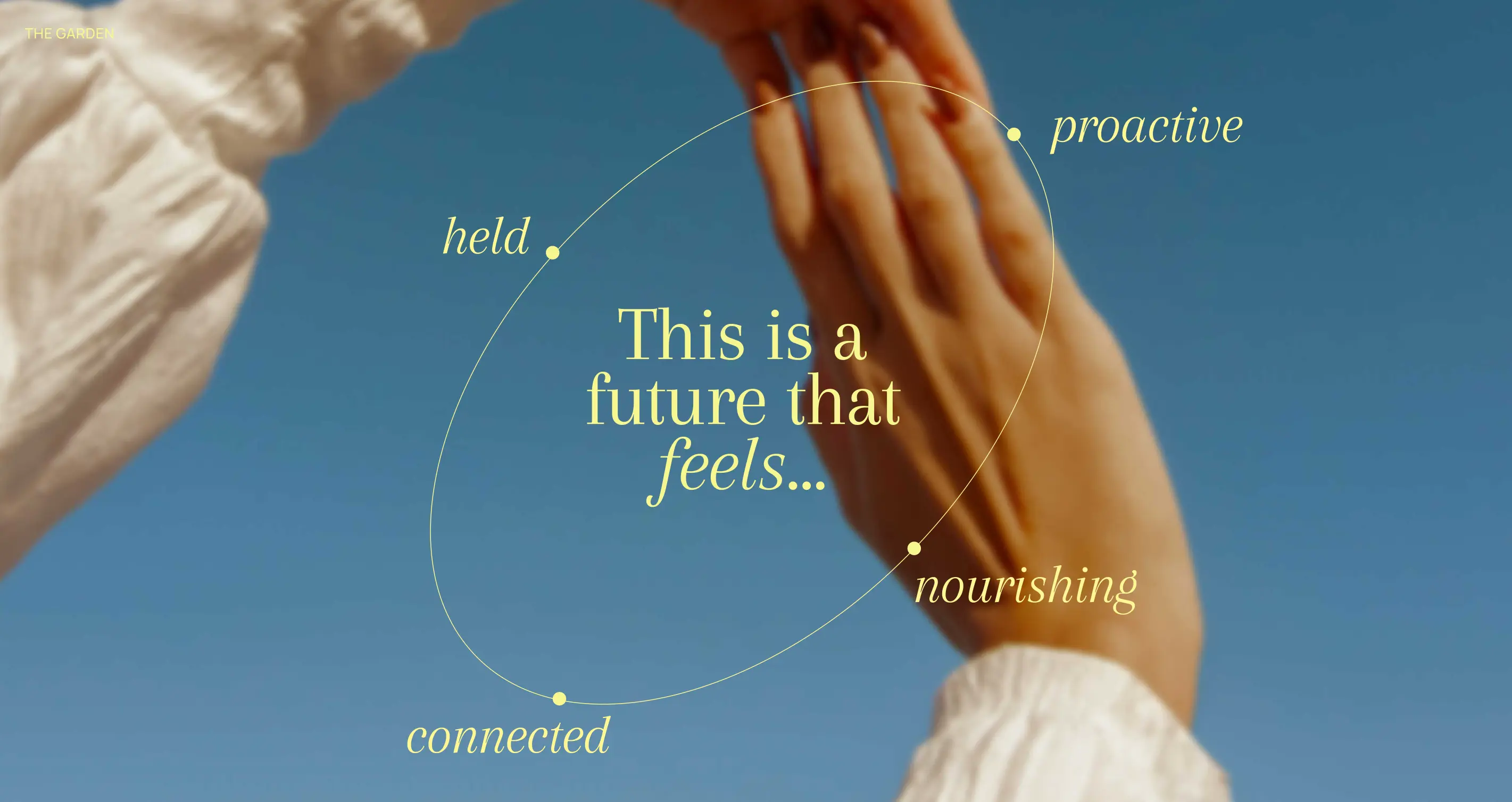
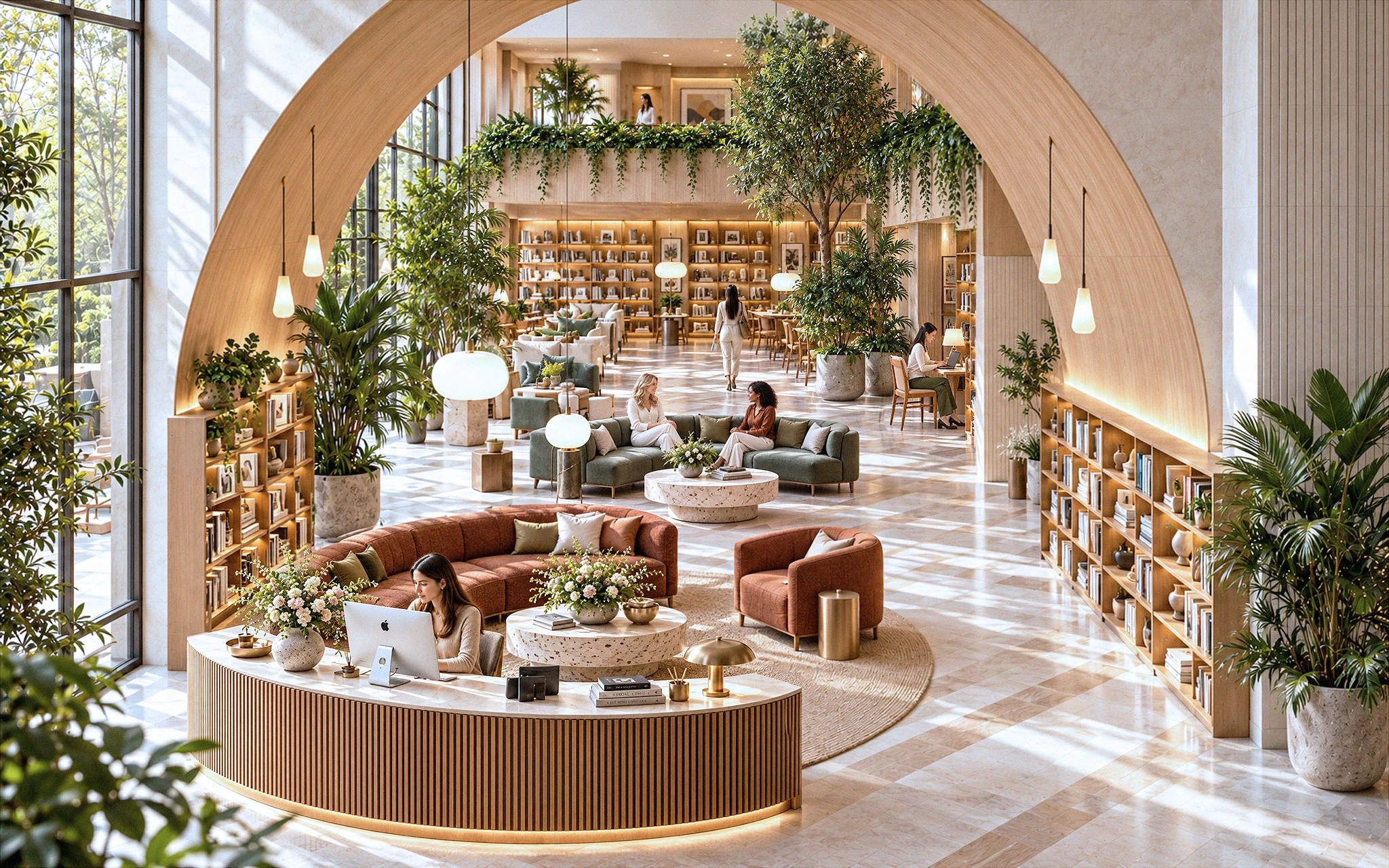
In order to address these challenges, IDEO proposed a new vision for women’s health, alongside design principles and concrete service shifts to guide future decision-making. Every interaction with Cottage Health should build on the information patients have already shared, demonstrating the system is listening. They should also guide women through life transitions by anticipating needs in future life phases, not just what’s happening now. Much like a community gathering, the Cottage Health experience should feel like a village, fostering belonging and shared care through warm, connected, human touchpoints.
Building on these design principles, IDEO developed three exploratory service concepts that represented potential pathways for future development, rather than finalized offerings: True North, Wellness Commons, and Care Circle.
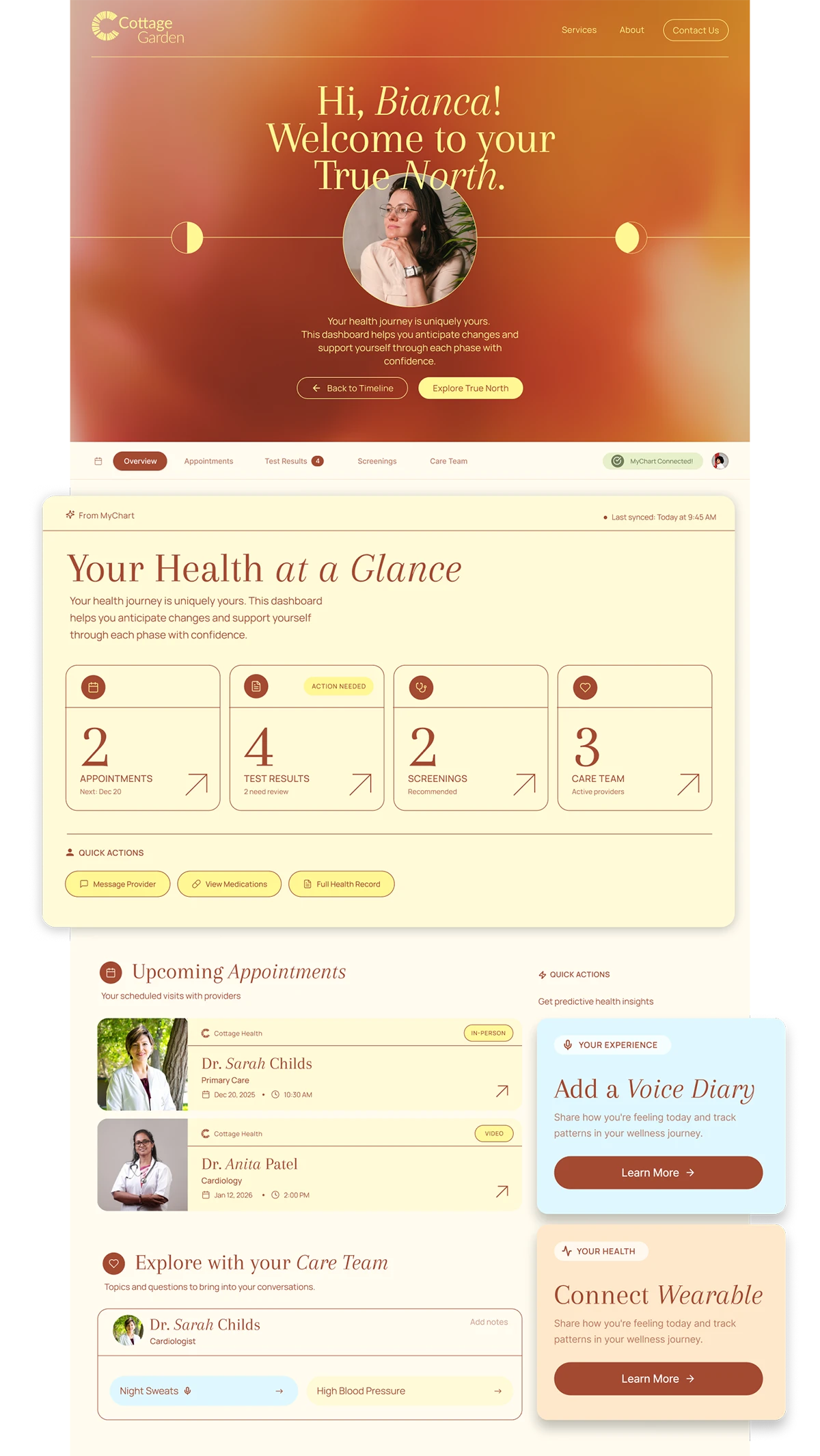
True North is a patient-facing tool that helps women see the long view of their health journey by integrating personal data, health goals, and reflections into a dynamic timeline they can share with their healthcare providers.
Wellness Commons serves as a digital front door, offering curated resources, including community events, discounted wellness programs, fitness classes, and trusted referrals, that help women navigate their well-being with clarity and agency.
Care Circle connects women to an extended support network inside and outside Cottage’s walls, including a hotline, health coaches, peer group support, and nurse navigators who can help patients manage complex care needs.
IDEO also provided Cottage Health with a multi-year roadmap building out the women’s health experience alongside continued pilot and implementation advisory. The roadmap included a comprehensive series of launch-to-learn pilots designed to test assumptions, reduce risks, and learn quickly, with IDEO stewarding the process. These pilots ranged from digital mockups and a curated community referral directory to a support line, a new nurse navigator role, and peer coaching services, among other experiments.
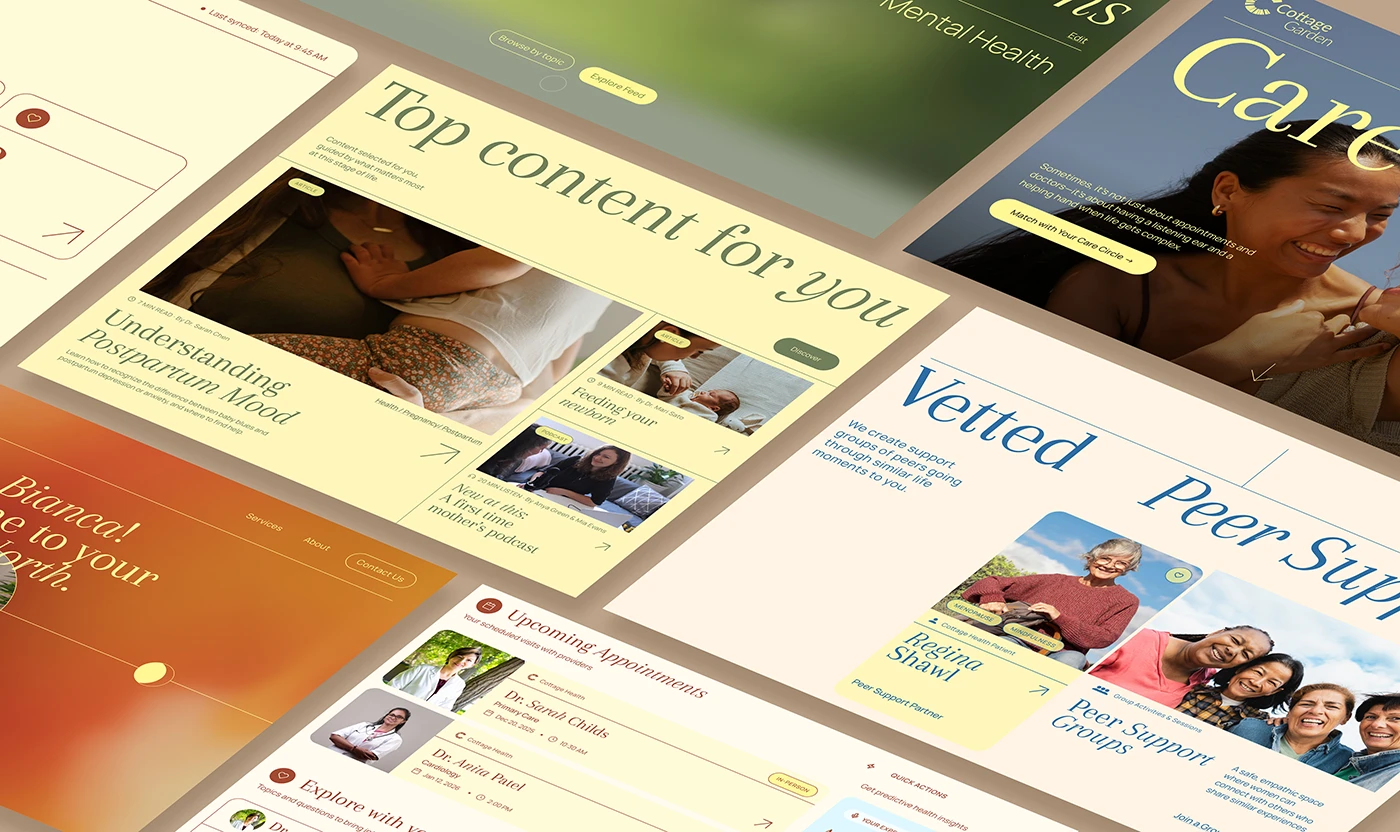
In July 2026, Cottage Health announced it was expanding its focus on women’s health through a new Center for Women’s Health campus in Santa Barbara. Led by Dr. Jane Varner, the Center is projected to open in early 2028. It will encompass women’s health services across the lifespan, from puberty to menopause and beyond, including OB-GYN, pelvic floor health, women’s heart health, a menopause clinic, and a breast care center of excellence. It will also include supportive services, including trained nurse navigators to coordinate patients’ care journeys, giving women a single, trusted entry point for integrated care at every life stage. Cottage Health is also exploring a new digital support system inspired by IDEO’s Wellness Commons concept.
Cottage Health had ambitious goals to expand its women’s health services and needed a partner to help it understand what women truly wanted from their healthcare and bring it to life.
7 months
from end of project to the announced launch of Cottage Center for Women’s Health

Thoughtless Acts: Urban Surfing
Human-centered design requires us to observe human behavior with beginner's eyes, so that we can spot the innate ways people interact with the world around them. We call these intuitive and unconscious reactions Thoughtless Acts, and IDEO designers collect photos of them to inspire their work.

If you think about my hometown of Munich, surfing is probably not the first thing that comes to mind. So what do you do if you love surfing but live deep down in Bavaria? You just have to make it happen. Take a bunch of crazy surf dudes, add the freezing cold "Eisbach"—a small man-made river located at the English Garden in downtown Munich that provides the perfect "standing wave"—and there you go. There is always someone taking a ride—early in the morning, when the city is still asleep and you are on your way to the office, at noon during a quick lunch break, in the afternoon for a sunset session, or even at night or in the snow. (The Eisbach has even lured professional surfers like Kelly Slater, Gabriel Medina, and Mick Fanning.) Hang loose can be found everywhere around the world—you just have be creative.
Human-centered design requires us to observe human behavior with beginner's eyes, so that we can spot the innate ways people interact with the world around them. We call these intuitive and unconscious reactions Thoughtless Acts, and IDEO designers collect photos of them to inspire their work.
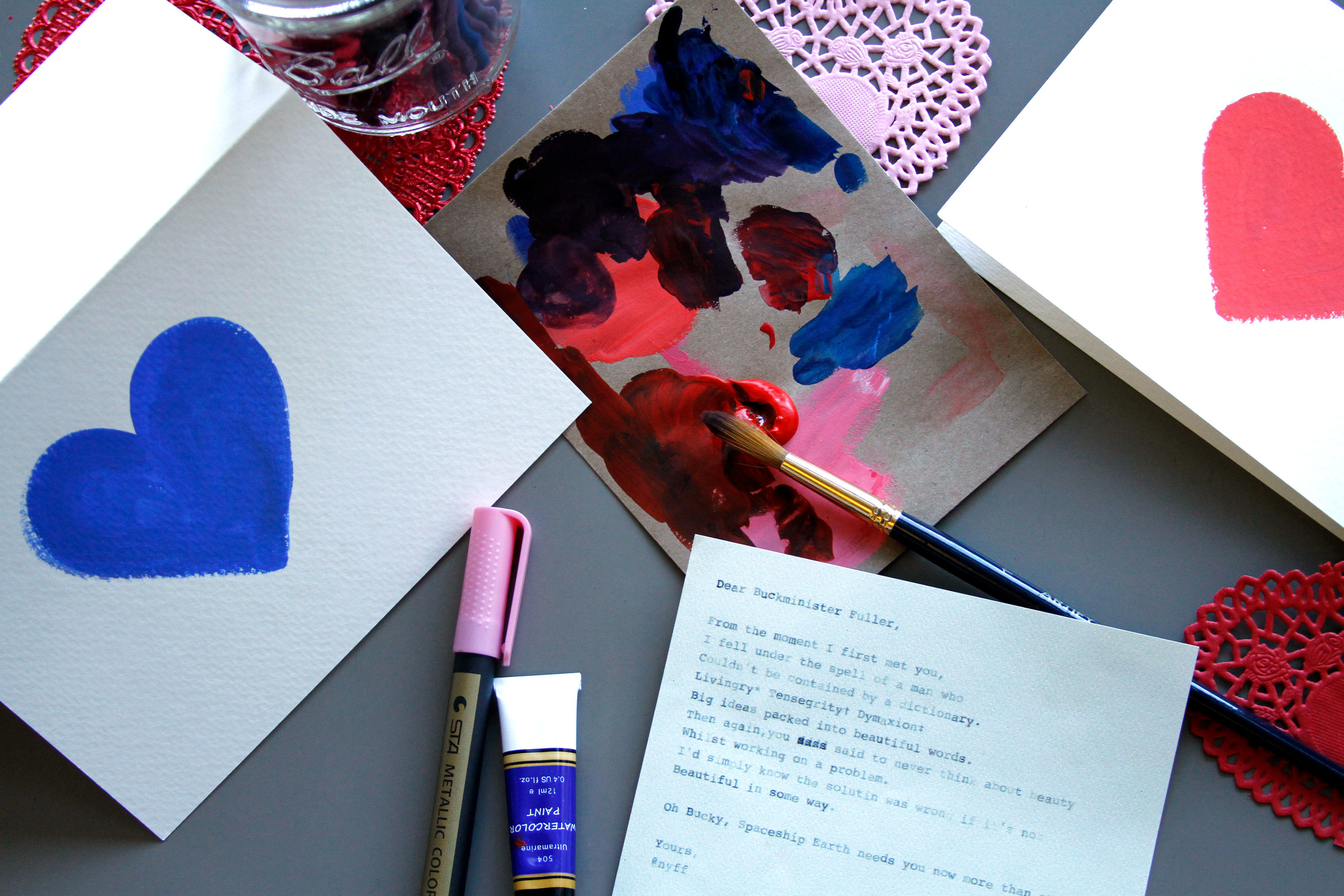
Love Notes to Our Design Heroes
In which we give our hearts away to Maira, Bucky, Syd, Marcel, and more
Dear Maira Kalman,
I have to admit, it was Tibor who brought us together. Him and his flair, and boldness, passion and humor. But you—YOU! You were the words and the drawings and the insights. A creative mess of things I found in contrast to my young orderly graphic design mind, yet loved and admired and wanted every bit of.
In 1999, I saw you at the SFMoMA talking about your beloved husband when Tiborcity was on exhibit. I was sitting next to the person I didn't know would become my own beloved husband. You became part of our lives together—extending to our children. When our 3-year-old daughter recited the full story of Sayonara, Mrs. Kackleman from memory as we flipped through each page, we knew we had done something right.
Yours in missing our beloveds,
Jen Panasik
Portraits in Creativity: Maira Kalman
Dear Buckminster Fuller,
From the moment I first read you, I fell under the spell of a man who couldn’t be contained by a dictionary. Livingry. Tensegrity. Dymaxion. Big ideas packed into beautiful words. Then again, you said to never think about beauty whilst working on a problem. I'd simply know the solution is wrong if its not beautiful in some way.
Oh Bucky, Spaceship Earth needs you now more than ever.
P.S. Can I leave my toothbrush at your geodesic dome?
—Chris Nyffeler
Dear Janet Champ,
I was just a few years out of college when your "If You Let Me Play" Nike campaign came out, and it rocked my world. Here was this gorgeous feminist rallying cry: It wasn't on a flyer at the natural foods store, and it wasn't on a poster at a protest march. It was on national TV, with a big ol' Nike swoosh at the end. I remember thinking, "Whoa. You can have a paying job AND change the world. That's badass." And I promptly became a writer.
With great affection and respect,
Jenn Maer
Dear Syd Mead,
I'm writing to thank your for the countless hours I spent in my youth immersed in the details and possibilities of your future visions. Your inspirational and sometimes cautionary depiction of future artifacts, cities, and cultures inspired me to design optimistically towards a better tomorrow. Thank you for helping enrich and enlarge our dreams of what lies beyond the horizon and for pulling humanity forward.
Best,
Danny Stillion
Visual Futurist: Syd Mead
Dear David Kelley,
You taught me that even the most simple acts can communicate thought, intention, and creativity. Who knew gift wrapping could be an act of self-expression and creativity, or that you could say "no" to someone and still leave them feeling good about the exchange?
You taught me it's all about the nuance, and the details. That with as much care and thought applied to the moments in between, that you can have a lasting impact on someone's day.
In an world of design full of black and grey, you encouraged me to bring the color.
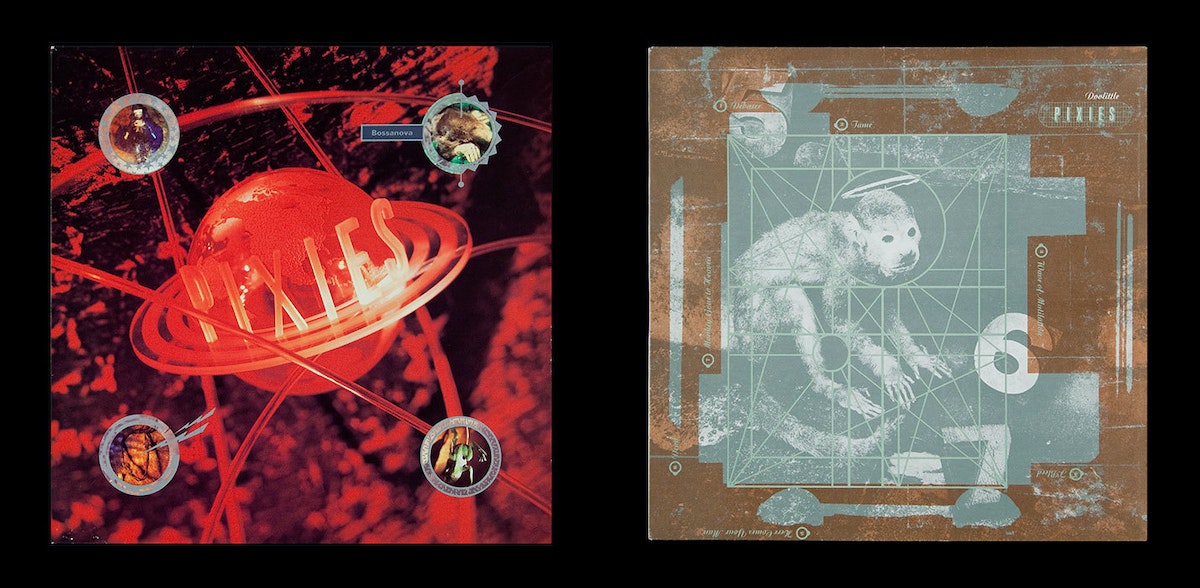
Dear Vaughan Oliver,
I first met you through the Pixies. I don’t know if it was the big hairy back, geometrically augmented monkey, or the bowl of sheep eyes, but you had me hooked. And who uses script type like that!?!! When I first met you, I expected a severe, dark personality in an equally severe, dark dress. But who I met was a clever, happy, normal guy with an incredible eye for the unusual and a penchant for good stories. Because of you, I still own an unusual number of 4AD CDs, whether I like the music or not. And I usually do.
—Michael Hendrix
Dear Aleksandr Rodchenko,
Thank you for teaching me that typography matters. That, with the right size and placement, words on a page can punch you in the face. That might be the most powerful design lesson I ever learned, and something I’ll never be done learning.
Still stunned,
Joe Brown
Dear Jackie and Lloyd,
It was summer of 2007, London Design Week, and my feet were pounding from covering miles and miles of "best of the best design."
Everything is starting to look the same. My eyes glazed over. "Get me out of here!"
On my way to exiting this hell I stumble across a sanctuary. "Take a deep breath..."
Actually, it took my breath away.
Organic sinuous lines, the color so elegant, I still remember that egg-shell blue on the Malvern sofa. But what made the most lasting impression was the two women designers standing before me—as if I was looking at a future self.
Flash forward 11 years, you two continue to inspire me by pushing the craft in furniture design, to bridge the gap between design cultures at We Present, and to help others be successful.
Thank you for showing me the way.
I still dream of an internship, maybe one day...
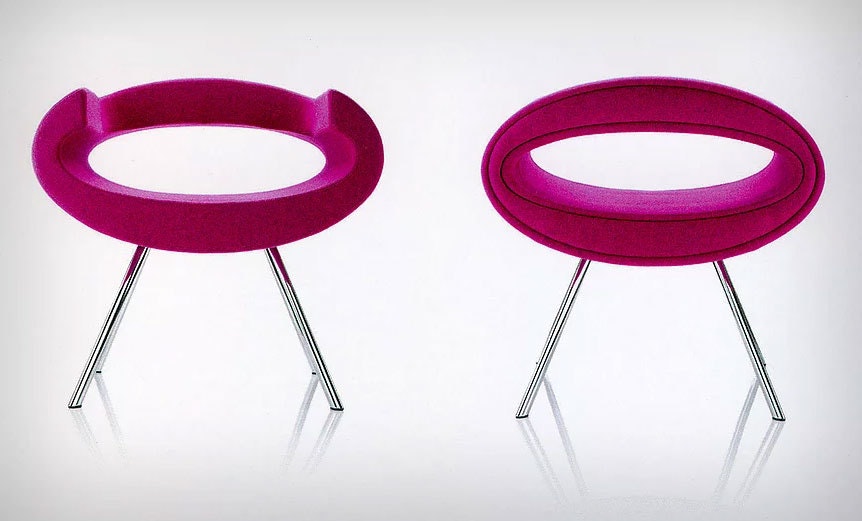
Dear Marcel Wanders,
You were the designer that I literally wanted to be when I was in school. From your early work with Droog to your radical experiments with materials, to the fantastic stories you create through spaces and objects today. Your work couldn't be more different from what I do as a designer—and I relish that you live way out there on the edge of art and design to remind me of the limits of sound strategy and argued rationales, and to remind us all of the importance of beauty and love and intuition. More recently, we've had the chance to meet, work together, and become friends. I am better at what I do by being challenged by what you do.
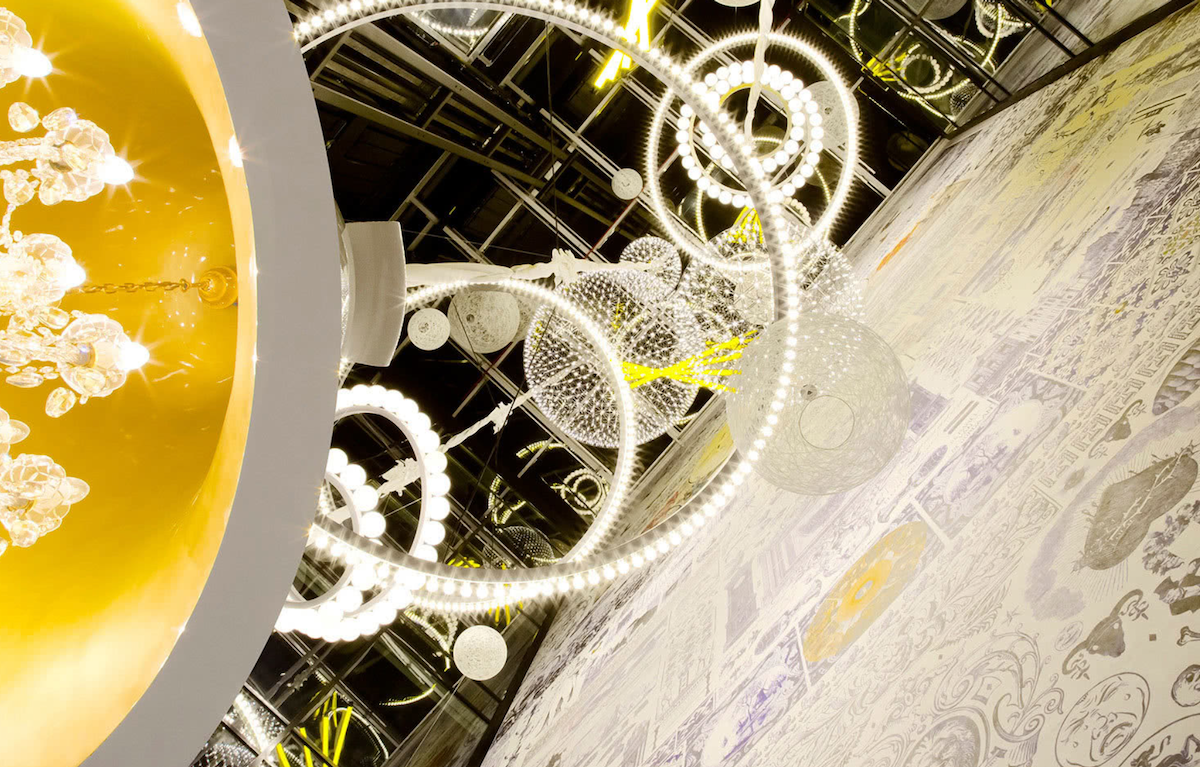
Do you remember when you first fell for design? The moment you discovered someone whose work sang to you, moved you, sent you skipping down a creative path? In these love notes, the bleeding-hearts of IDEO declare their love for the artists, writers, and designers who showed them the way.
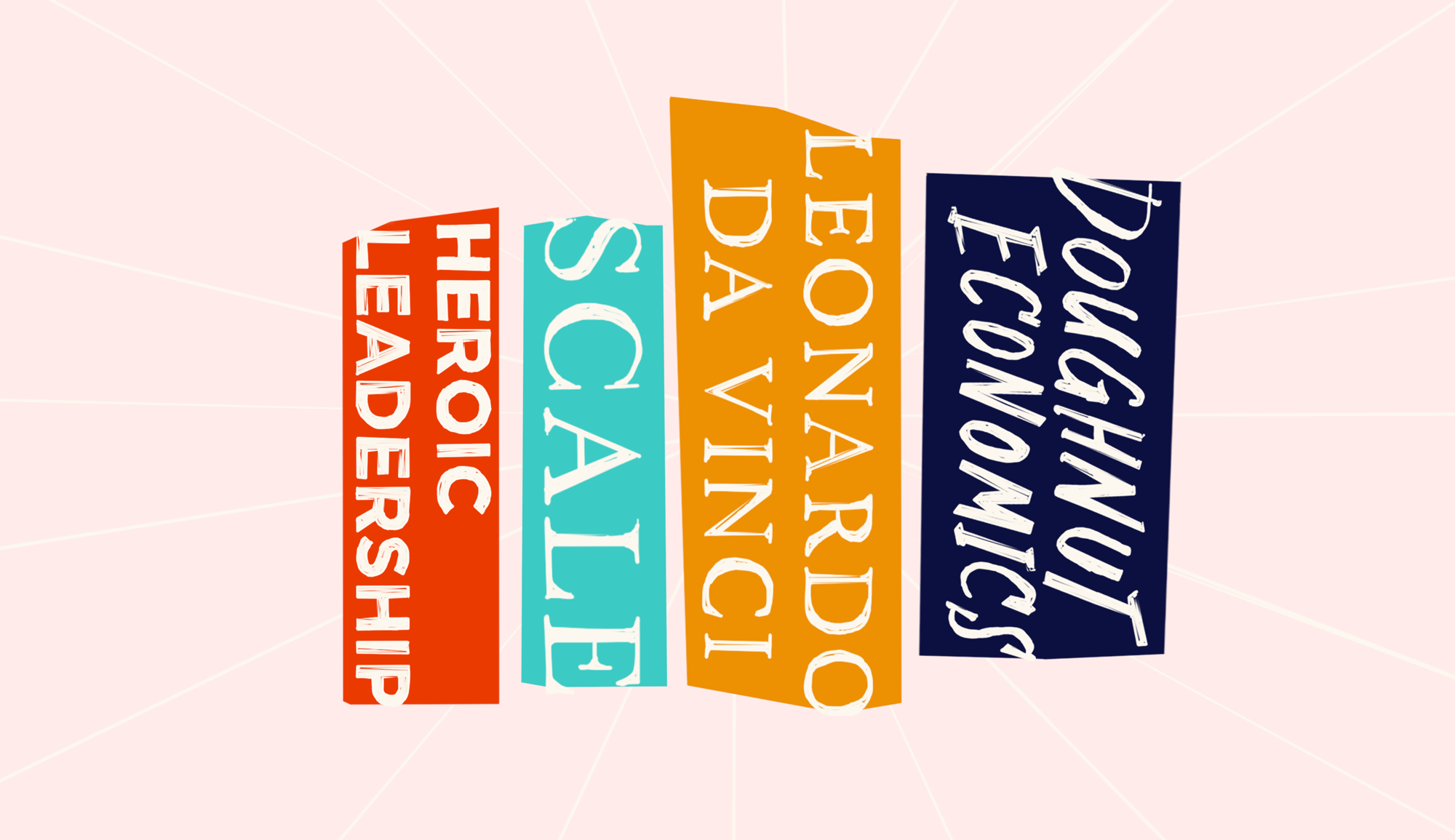
The 4 Books Tim Brown Can’t Put Down
The top four books IDEO CEO Tim Brown read last year
Here are four titles on Tim’s list of highly recommended reading:
1. Leonardo da Vinci by Walter Isaacson
Walter Isaacson, the biographer behind Kissinger and Steve Jobs, turns his attention to the original Renaissance man, whom Brown describes as “perhaps the most curious person who ever lived.” Isaacson draws from 7,200 pages of the artist’s notebooks to trace his journey as inventor, painter, doctor, sculptor, and scientist. Da Vinci was both a procrastinator and a perfectionist, both exuberant and introspective—and his life holds valuable lessons for creatives today. Read the book.
2. Scale: The Universal Laws of Growth, Innovation, Sustainability and the Pace of Life in Organisms, Cities, Economies and Companies by Geoffrey West
Presenting something of a “theory of everything,” West says we can apply the same mathematical principles that govern growth in nature to complex political, corporate, and civic systems. What they all have in common is their response to a rapid increase in size. As cities, companies or human beings grow, they require more resources, which leads to innovations like higher wages and new products, but also negative consequences like waste and overcrowding. As he unpacks the physics of modern systems design, West cautions that growth must be matched by greater sustainability.
3. Heroic Leadership: Best Practices from a 450-Year-Old Company That Changed the World by Chris Lowney
Before he became an investment banker at JP Morgan, Chris Lowney spent seven years as a Jesuit priest. That background in the cloth helped him realize that the issues he faced in nurturing new leaders at JP Morgan were the same ones the Jesuit order had faced over its 450-year history. The Jesuits focus not on what leaders should do, but on who they are. They contend that leadership springs from within and involves a never-ending process of self-examination and learning. The four pillars of leadership that inform the Jesuits’ “corporate culture” are: self-awareness (understanding your strengths, weaknesses, and values), ingenuity (innovating and adapting to a changing world), love (engaging others with a loving attitude), and heroism (energizing yourself and others with heroic ambitions). Can you imagine if every corporate leader embraced these principles? Read the book.
4. Doughnut Economics: Seven Ways to Think Like a 21st-Century Economist by Kate Raworth
Doughnut analogies do a lot to sweeten economics. What, Raworth suggests, if we positioned society within a “doughnut” made of two rings: an inner ring that represents the minimum amount of food, shelter, and other necessities a person needs, and an outer ring that represents the point at which greater consumption begins to damage the Earth beyond repair? That question, along with the author’s case for a more compassionate, sustainable economic model, dovetails with our interest in advancing the circular economy. Tim calls it “a book about economics that makes sense to designers.” Read the book.
Want more? Here are 10 graphic novels we give a thumbs up. And here’s a list of more than 75 books we love, from East of Eden to Exit West.
When he’s not on the road, teaching, or tinkering in his garage, our CEO Tim Brown can often be found immersed in a good book. Histories, biographies, creative nonfiction—for someone who leads a company that approaches problems from multiple angles, it’s often books that have nothing to do with design that offer the most useful insights.
How to Do Design Research When Your User Lives Underwater
4 lessons on designing for large, underwater mammals
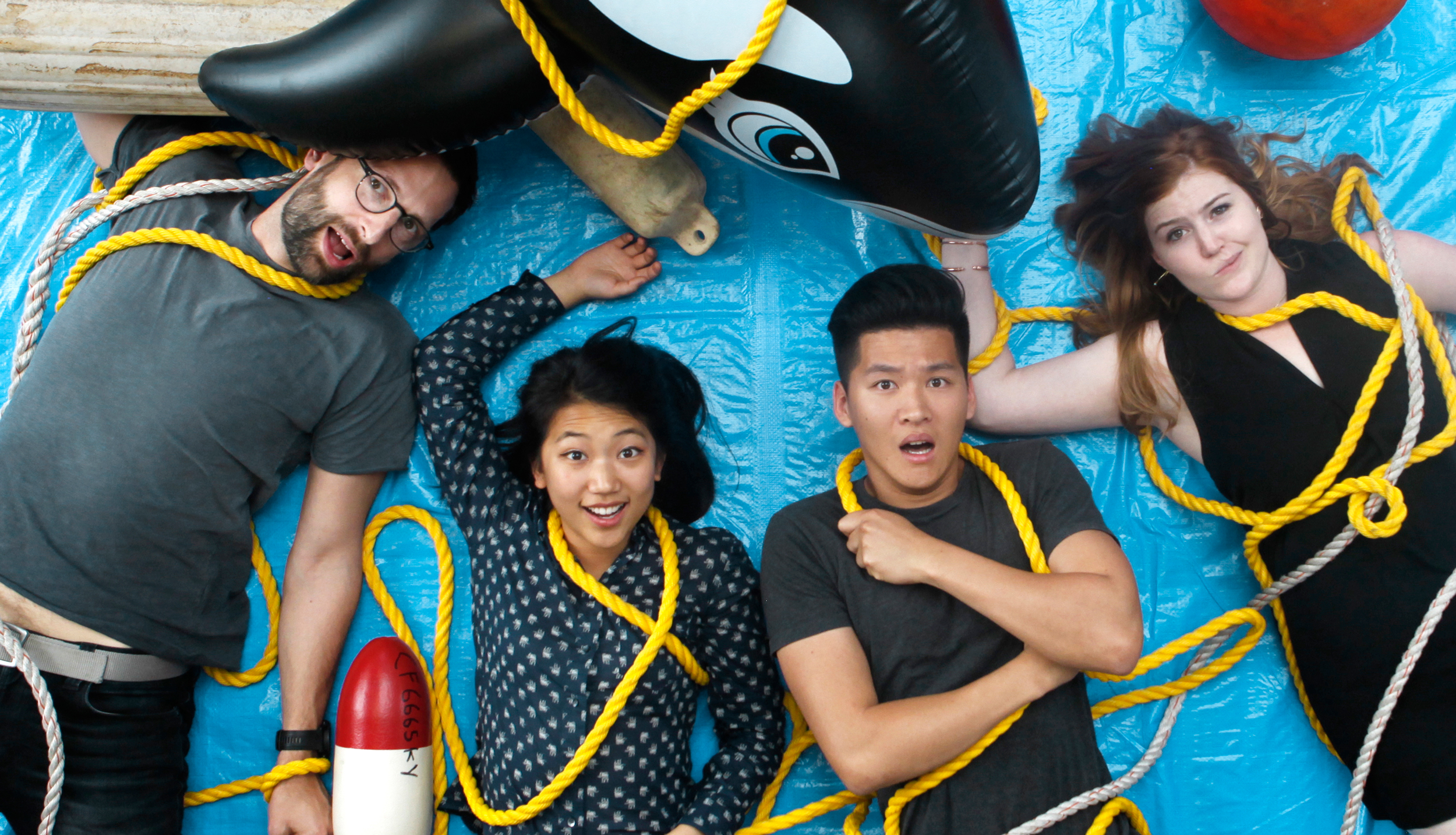
The exercise wrapped up a three-day workshop with The Nature Conservancy, focused on finding new ways to track entangled whales. Whales often get caught in fishing lines, and responders can’t always free them on the first try. The Conservancy was looking for an easier way to find the whales after they swam away, so that they could complete their rescues.
When designers take on a new challenge, we start by talking to people to gain empathy for their needs. But how do you do that when the user is a whale? Along the way, we found a few workarounds.
Here are our top four lessons on designing for non-humans:
1. Understand the entire ecosystem
We were designing for an unusual ecosystem—an underwater one—and we needed to understand it from all angles. So, we took a day-long field trip to Monterey Bay and Moss Landing, where we really focused on getting a sense of the marine environment. We went kayaking among wildlife, visited a whale disentanglement boat and checked out all of its knives, buoys, and equipment, and talked to several locals. We wanted to understand everything we could about a whale’s journey and behaviors—even if we couldn’t talk to the whales themselves.
Tip: When you can’t physically ask users about their environment, you have to get creative to put yourself in their shoes (or fins). Getting a first-hand look at the users’ surroundings helps you gain empathy for them and gets you into the right mindset.

2. Get visual
Knowing that we’d never be able to experience entanglement from a whale’s perspective, we had to find our own scrappy ways to understand how it happens. We watched whale rescue videos, got a collection of whale posters (illustrated by the man who did the special effects for Free Willy), and asked a rescuer to tie string around miniature whale models to help us visualize the entanglement process. We also bought crab fishing gear, rope, buoys, flippers, and lifejackets to decorate our project space. When our clients arrived for the workshop, we set up kiddie pools and inflatable orcas on our patio. This may sound excessive, but it was a really important part of the project; not only did the equipment set the right scene and mood for the workshop, but it also allowed us to quickly and easily test our ideas.
Tip: Keep your designers and clients immersed in the project with visual cues that represent the subject matter. It keeps morale high, and can even help you quickly iterate and test concepts—the kiddie pools at the workshop came in handy when it was time to try out prototypes.
3. Bring all the players to the table from day one
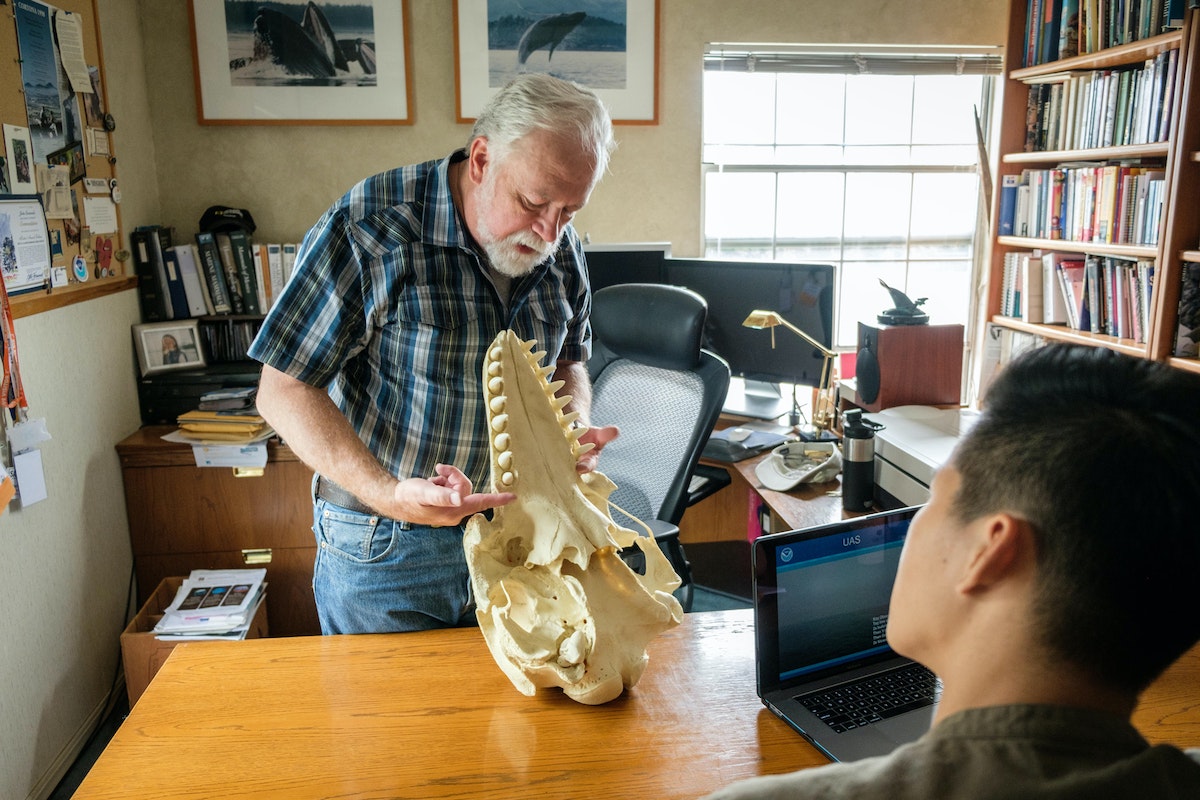
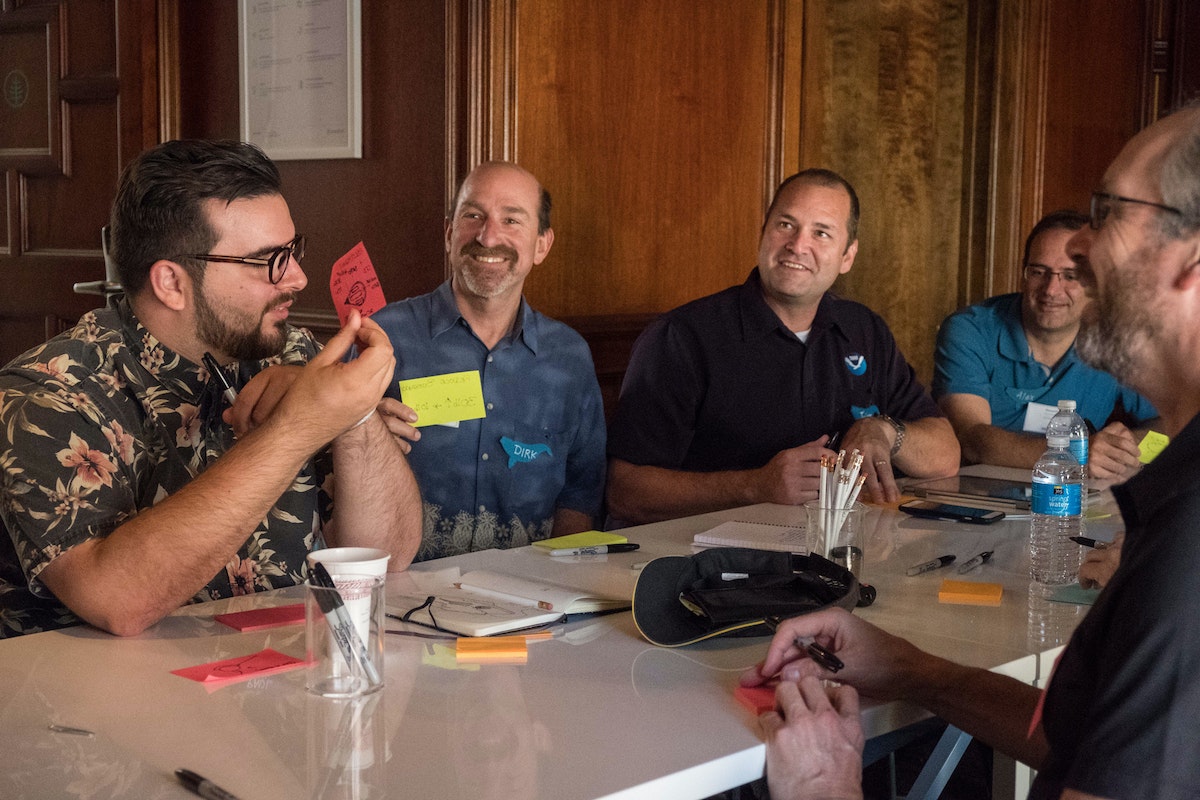
Since we couldn’t talk to any whales during the project, we conducted our design research with the people who knew them best—marine biologists, researchers, fishermen, and rescuers. We also brought in people with backgrounds in design, technology, government, and academia, and collectively discussed the problem and potential solutions. With the help of so many experts, we were able to fill in all of our gaps in knowledge, whether it was about whale anatomy or government funding.
Tip: When you’re designing for animals, you’re also designing for the people that work with those animals (similarly, if you’re designing for kids, you’re also designing for their parents). To make sure your solutions work for them, too, bring a wide range of voices into the room—even if they have to dial in.
4. Test prototypes in context
After brainstorming and sketching out early concepts, we headed to the IDEO Shop to create prototypes for the whale trackers. We couldn’t test the devices in the shallows of the kiddie pool, so we set up a rig in a neighbor’s swimming pool to see how they’d perform above and below water. This context helped us immensely in understanding what improvements could be made and how much each tracking device would burden the whale. We were able to measure how smoothly the devices moved through water (to minimize drag), and how well they stayed afloat. After each trial run, we were able to refine the prototypes on the spot, and continue testing.
Tip: Before you finalize any concepts, create a test environment that’s as close as possible to the user’s environment. This helps you understand how the concepts will work in context, and gives you the ability to record and measure what you've learned.

Next time we have to design for whales, though, we'll probably just channel our inner Dory.
Special thanks to Dali Yu for being a thought partner for this article, Rachel Tobias, Joerg Student, and Brooke Thyng for taking these photos, and the rest of the team for hosting an amazing workshop!
On a Thursday afternoon, I found myself with a team of whale biologists, product designers, mechanical engineers, and public policy directors, all standing by a gigantic pool, throwing handmade contraptions into the water. Above us, aerial drones were flying around capturing the scene. Below us, GoPros on selfie sticks moved back and forth under the water. Typical day in the office.

Lindsey Turner
I’m passionate about building brands, products, and experiences that help organizations show up with meaning and momentum.
I help organizations cut through complexity by shaping how they show up, through brand strategy, identity, and storytelling.
Working at the intersection of brand and business, I bring an editorial eye and a bias toward making—turning ideas into tangible experiences that people can understand, trust, and believe in.
My work spans government, healthcare, financial services, media, and consumer goods, from launching Gen Z-focused ventures to building innovation labs and reimagining legacy brands. I relish moments of ambiguity and enjoy translating across teams, perspectives, and priorities to move ideas forward.
I started my career in editorial and digital design, shaping cross-platform experiences and identity systems in publishing and agency environments. That foundation still shapes how I work today: I’m detail-oriented, collaborative, and overreliant on the Oxford comma. I hold a BFA in Visual Communication from the School of the Art Institute of Chicago.

Rachel Young
My work helps organizations see who their products aren't working for—and build the will and the tools to do something about it
For 25 years, I've asked the same question: Who does this design exclude—and what are we going to do about it?
My work spans human-centered strategy, inclusive design, and qualitative research, with clients ranging from Microsoft, Google, and Verizon to the National Science Foundation, and San Francisco Unified School District.
Before IDEO, I taught elementary school in East Palo Alto and spent a decade doing design work with social service organizations—where I learned firsthand what it costs people when systems are built without them in mind.
I am currently writing User Error, a nonfiction book about digital access and the design decisions behind it. I live in Oakland, California.

Brian Pelsoh
I lead with craft, ensuring our work is creatively excellent: rooted in deep human insight and imagination, while also grounded in the realities of business and technology.
My expertise spans brand, communication, and product design across tech, education, the arts, and social impact.
I believe great work demands both high-level vision and obsessive attention to detail, and only happens through collaboration.
I bring an inclusive, hands-on approach and a deep understanding of business, which enables me to consistently deliver excellence while always asking why.
Before joining IDEO, I worked at the brand firms Pentagram and VSA Partners. I began my career as a designer, leading teams at the School of the Art Institute of Chicago and the Milwaukee Art Museum. I hold an MFA in graphic design from Maryland Institute College of Art and a BFA in communication design from the Milwaukee Institute of Art & Design, and have taught at some of the best design schools in the US.

Tony Wong
I am responsible for IDEO’s long-term success in China and working with clients to use design as a tool to enable growth.
I am responsible for IDEO’s long-term success in China and working with clients to use design as a tool to enable growth. Specifically, I have helped Chinese companies design holistic brand solutions through the development of their products, communication, services, and innovation teams, and I have helped multinationals expand their presence and influence in China.
I advise global leaders on developing China-led innovation and capabilities.
In over 15 years in IDEO Shanghai, I have worked on projects that use design to elevate the quality of the experience of healthcare products and services, streamline processes that increase productivity, create spaces and programs that promote and enable inclusive communities, and build next generation mobility solutions that are planet-positive.
Before joining IDEO, I worked at Philips Electronics and the Electrolux Group in Italy, the Netherlands, and Singapore on a number of breakthrough commercial products. I am a member of the Young President Organization in Shanghai.

How to use AI as an editor, not a writer
Ed White shares how he uses AI as an editor—not a writer—to sharpen storytelling, rehearse ideas, and preserve the productive friction that makes creative work better.
Ed White has a rule he's tested on his own writing: hold yourself as the writer, and let AI be your editor. Ed is a Senior Design Director at IDEO's London studio, where he co-leads the firm's AI portfolio across Europe. Before IDEO, he spent 12 years as a writer and editor at the Financial Times, Wired, and Contagious. So when he talks about when to use AI for storytelling and when not to, it comes from two decades of crafting his storytelling skills.
In this episode, Mina Seetharaman talks with Ed about two specific tools he uses to keep AI in an editor's seat: a "roasting agent" prompted to critique his drafts without any sugarcoating, and a simulated audience he rehearses pitches on before the real thing. They also get into what Ed is hearing from design leaders at Anthropic, Lovable, Shopify, and Google Creative Lab about how creative work is changing, and why he thinks the friction of writing something yourself is worth protecting rather than automating away.

Building a personal AI for the messiness of life: Sida Li
Becca Carroll talks with Cue co-founder Sida Li about designing a personal AI for the messiness of everyday life—not just work. They explore how Sida stays anchored to human needs while navigating fast-changing technology, product tradeoffs, business-model experimentation, and the realities of building an AI company today.
Most AI products today are built for work—a space with clear problems and established systems. One founder noticed a gap: personal life is messier, harder to systematize, and mostly left behind by the AI boom. So she built Cue, a personal AI that lives inside iMessage and group chats, to go where the other tools haven't.
In this episode, Becca Carroll, IDEO's Chief Strategy Officer, talks with Sida Li, co-founder and CEO of Shared Context Lab, about staying anchored to a human need while the technology around her keeps changing shape, why she treats her business model with the same rigor she'd bring to a product, and what it feels like to build a company at this particular, disorienting moment in AI.
The conversation also gets into how Sida makes design decisions: the language Cue uses to describe itself, the tradeoffs behind building inside iMessage instead of a new app, and a real story about a business idea that didn’t pan out.
This is the second in a two-part series profiling founders from IDEO's Startups-in-Residence program. The first conversation is with Johannes Seemann, founder of Sooner, on designing GenAI for the emotional side of money.

Designing GenAI for the emotional side of money: Johannes Seemann
Designing financial tools around the feelings that shape money decisions.
Most personal financial tools are built to run the numbers and optimize towards a budget. While that works for some, most people experience money as a lived relationship that does not neatly fit into a spreadsheet. Johannes Seemann and Becca Carroll discuss why money is emotional before it is mathematical, and what a human-centered approach to building a generative AI financial product looks like in practice.

The curious leader's edge in uncertainty: Scott Shigeoka
How genuine curiosity helps leaders navigate uncertainty with greater confidence.
Mina Seetharaman talks with Scott Shigeoka, author of Seek and Head of Curiosity Cultivation at the Eames Institute, about what distinguishes genuinely curious leadership from performative curiosity, how power dynamics shape curiosity, and why practicing curiosity can restore energy rather than drain it.
Looks like you might be in search of something very specific?
Or reset the filters above and try another angle.
Here’s some random inspiration

Podcasts about creative leadership
Articles about the power of prototyping