Designing a global plan for disaster response
Creating a network that connects veterans across continents.
Team Rubicon, formed in 2010 as a response to the devastating earthquake in Haiti, is made up of former military veterans who swoop into help in times of disaster. The organization started with six vets in the US who were eager to transfer their battlefield readiness in to frontline relief efforts, and has grown to more than 28,000 volunteers across the world.
To explore its growing global effort and to shape the future of the organization’s venture, Team Rubicon approached IDEO for help. After an 11-week collaboration with government, military, and veteran groups, a vision for Team Rubicon Global emerged. Inspired by sources as diverse as TED and The Hell’s Angels, the three-tier model consisted of an anchor network to share best practices across the organization and two supporting platforms designed to help countries with varying capacity and needs.
Team Rubicon Global coordinated its first deployment in April 2015, when a quake struck Nepal, sending US and UK teams to double down on the rescue effort. According to Vince Moffit, Team Rubicon USA Incident Commander, that incident alone validated the network effect of IDEO’s work. “We couldn’t have done this without Team Rubicon UK,” he said.
And for the veterans who are part of Team Rubicon, the shared desire to serve—applying skills ideally suited for disaster response—creates a renewed sense of purpose, community, and leadership that helps reintegration to civilian life.

Designing new products based on cultural beliefs
Helping a Chinese manufacturer become a part of healthy living.
Midea, one of China’s largest appliance manufacturers, wanted to identify growth opportunities in the domestic consumer market, while focusing on people’s cultural beliefs around health and well-being. During the course of the project, IDEO found that Midea could play a key role in building a healthier nation.
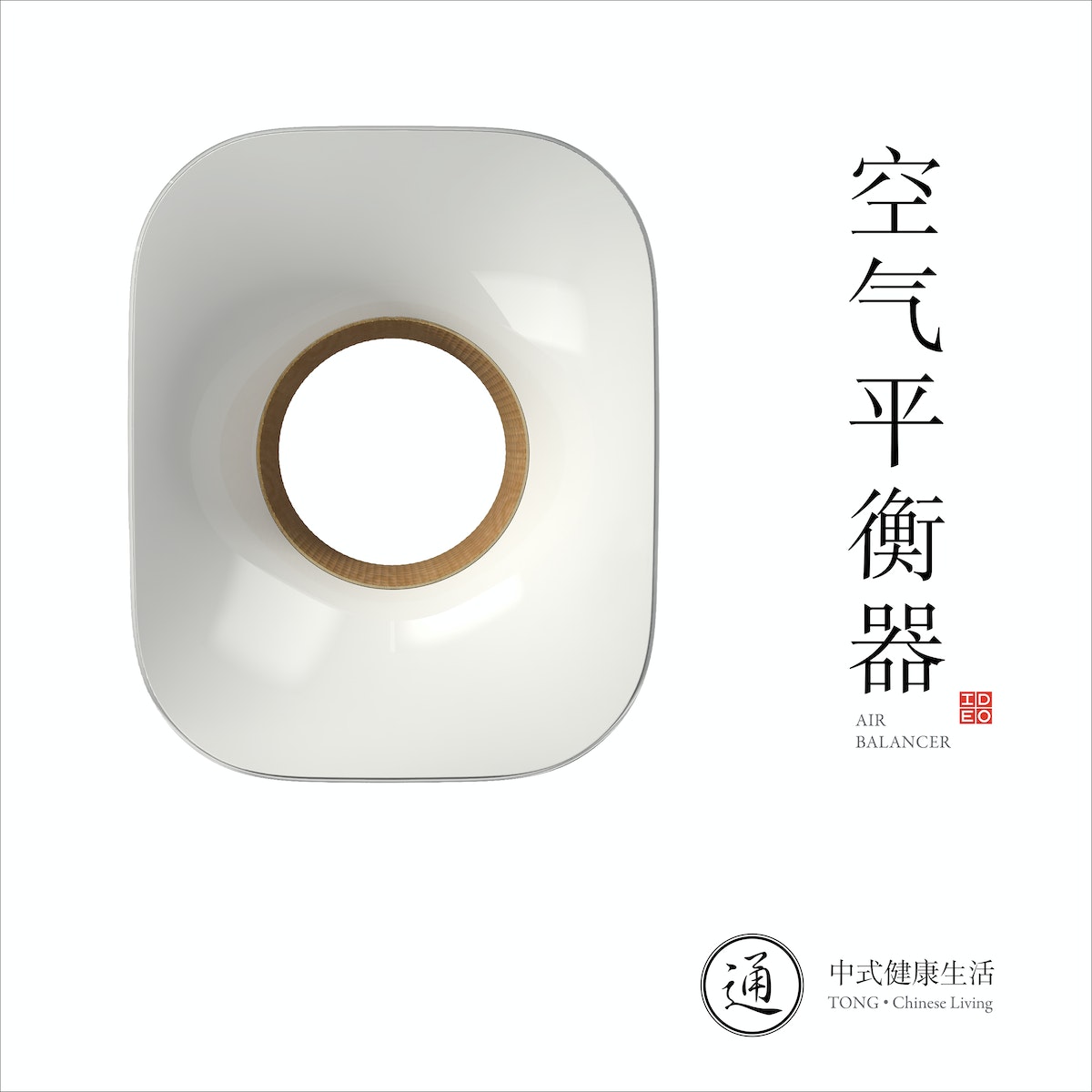
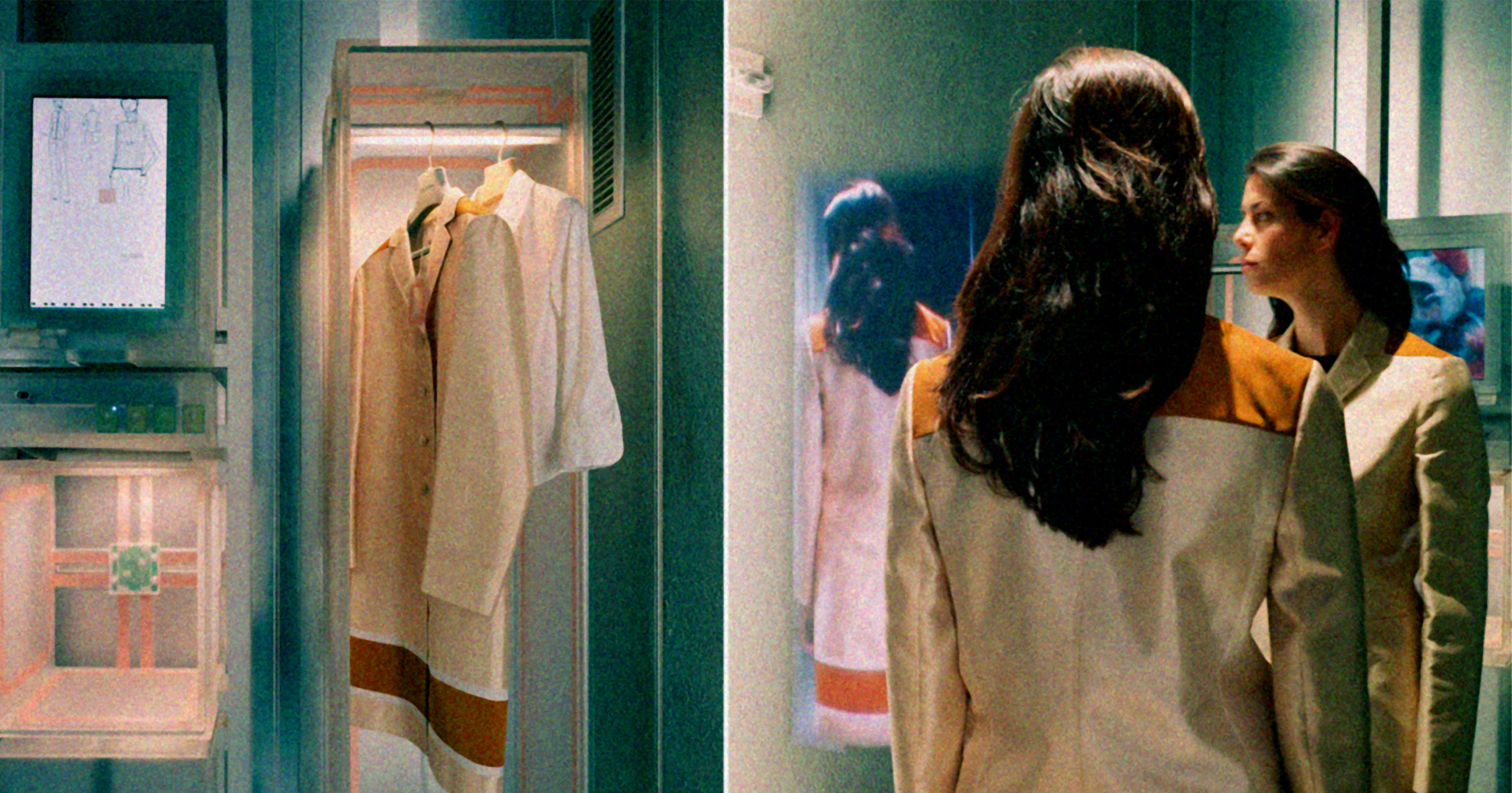
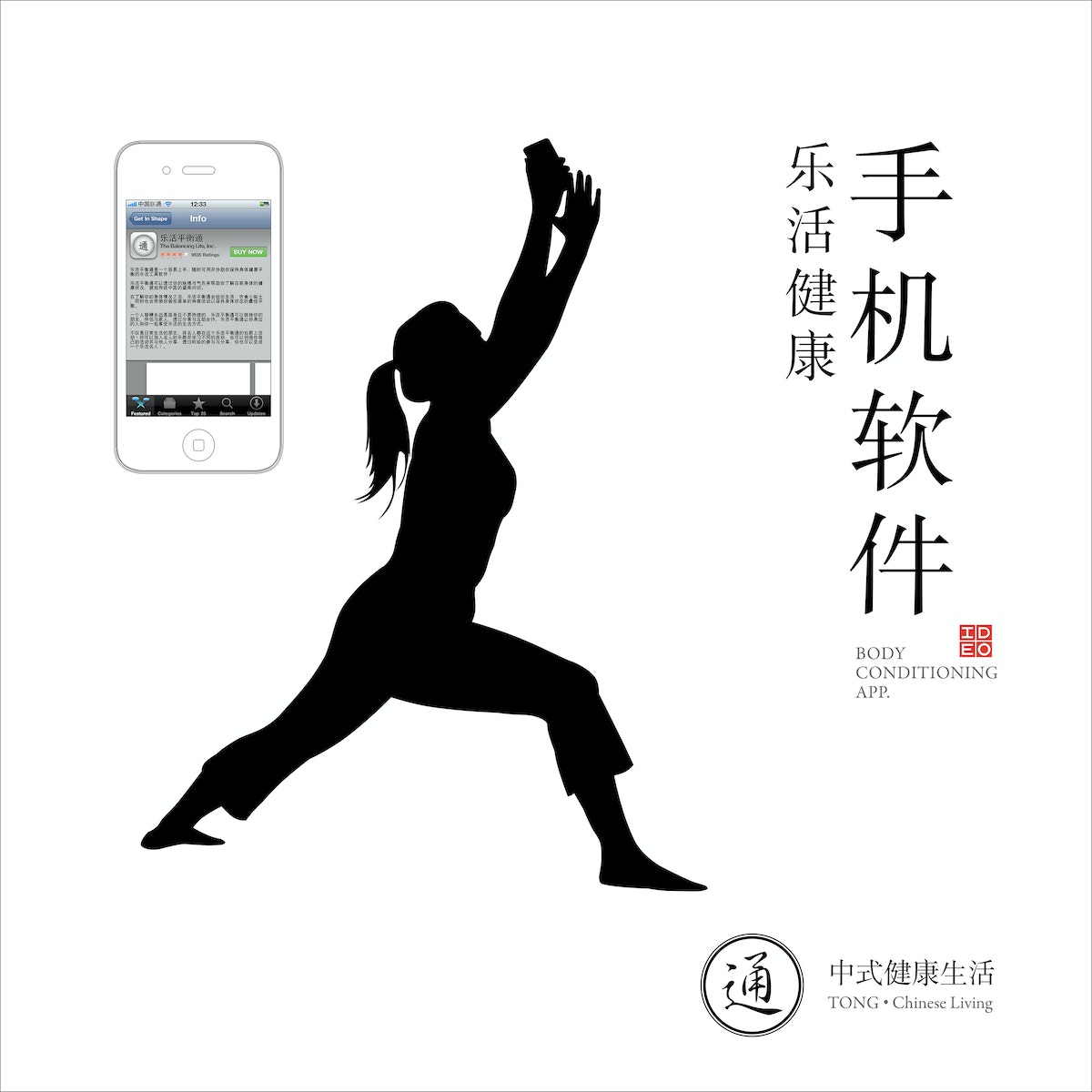
The team set out to design potential future products for Tong (“through, whole, and to understand”) that are built around the basic themes of eating, breathing, and being: an easy-to-use, hassle-free herbal tea dispenser, an air balancer that improves and balances the quality of air in the home, and a body-balancing mobile phone app that encourages users to rebalance their body condition where needed, through movements created with the Chinese philosophies of well-being in mind.
The Tong project was featured extensively in the press, and opened further conversations with Midea about creating new value and extending into new markets.
Customer-friendly utility bills
Improving how low-income customers manage their bills.
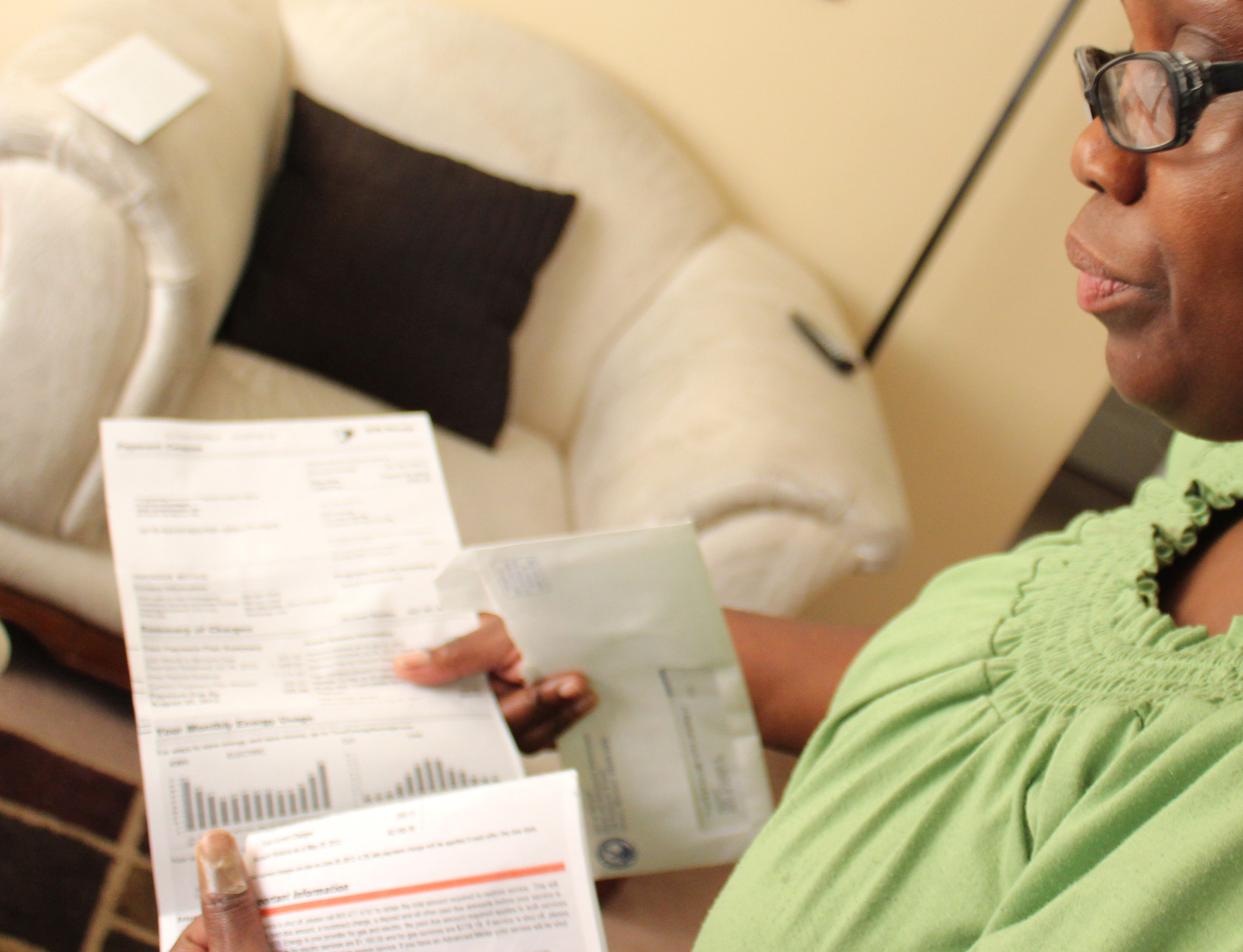
Put food on the table or keep the furnace running on a frigid day? It’s an unfortunate choice many low-income families in Flint, Michigan, face.
To help customers in Flint and other Michigan towns stay on top of their utility bills and better understand the relationship between their energy consumption and the resulting costs, Consumers Energy partnered with IDEO and utility assistance provider The Heat and Warmth Fund (THAW) to create an innovative pilot billing program called Clear Control in late 2013.
The pilot was designed with three major human-centered changes to the traditional utility experience:
- Instead of monthly bills, participants received two bills per month. Shorter billing periods allowed for smaller, more frequent payments, helping customers match available funds with their ability to pay.
- Daily text updates on energy usage and bill amounts kept consumption top of mind.
- Consumers Energy offered personalized, in-home audits to help customers make low-cost, high-impact changes to their energy bills.
A year later, the results of the pilot are energizing. Clear Control participants accumulated no new debt, while the control group owed $300; pilot customers used 20 percent less electricity, reducing their bills by $200 per year; and 95 percent of participants paid their bills in full and on time, compared with 35 percent in the control group. The utility company simultaneously benefited by avoiding arrearages, late-payment fees, and shutoffs. Consumers plans to incorporate Clear Control lessons into its overall energy assistance program design and development moving forward.
"It’s no longer ‘me’ against ‘them’—now it’s ‘us,’" said one Clear Control participant.
Creating the first usable mouse
IDEO designs the original mouse for Apple.
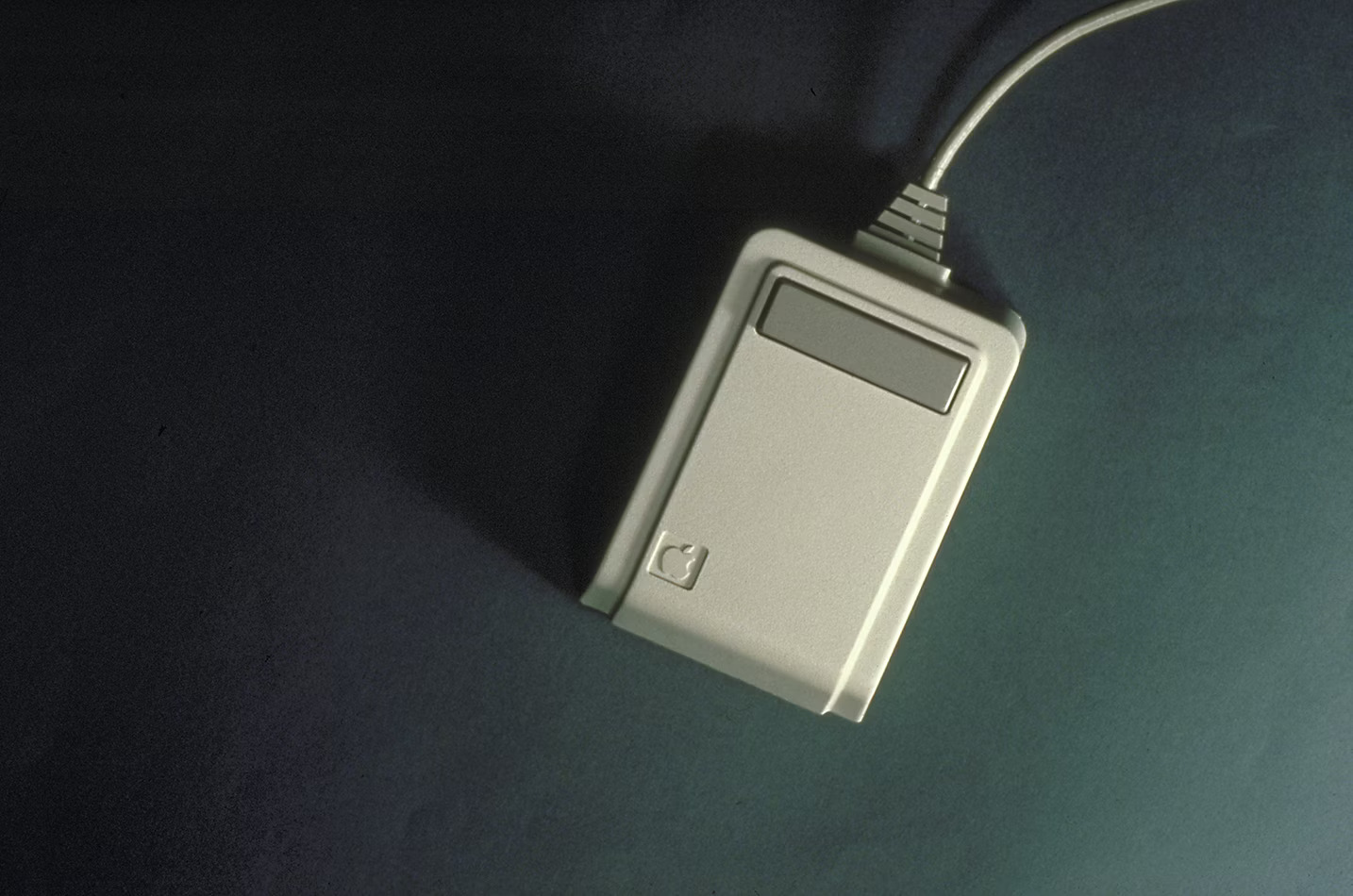
In 1980, Apple asked IDEO to develop a mouse for their radical new computer, the Lisa. Previous attempts at mouse design, by Douglas Englebart and Xerox PARC, yielded results that were too expensive and hard to make. The Apple mouse needed to be more reliable and less than 10 percent of the cost of the earlier versions.
To start, the design team created a cheaper, much-improved mechanism that would operate the mouse, and found that a complex, plastic "ribcage" would hold the pieces together. The team similarly tested and refined the mouse’s other key components, from the audible and tactile click of the button to the rubberized coating on the ball. A record turntable spun for days, logging “mouse miles” to check the reliability of the electromechanical assembly.
The resulting mouse proved mechanically and economically sound and was changed only slightly when adapted for use with the first Macintosh computer. The basic mechanism design is used in virtually all mechanical mouses produced to date.
Design Thinking for Libraries
Design Thinking for Libraries is an approach to improving libraries through creative problem-solving.
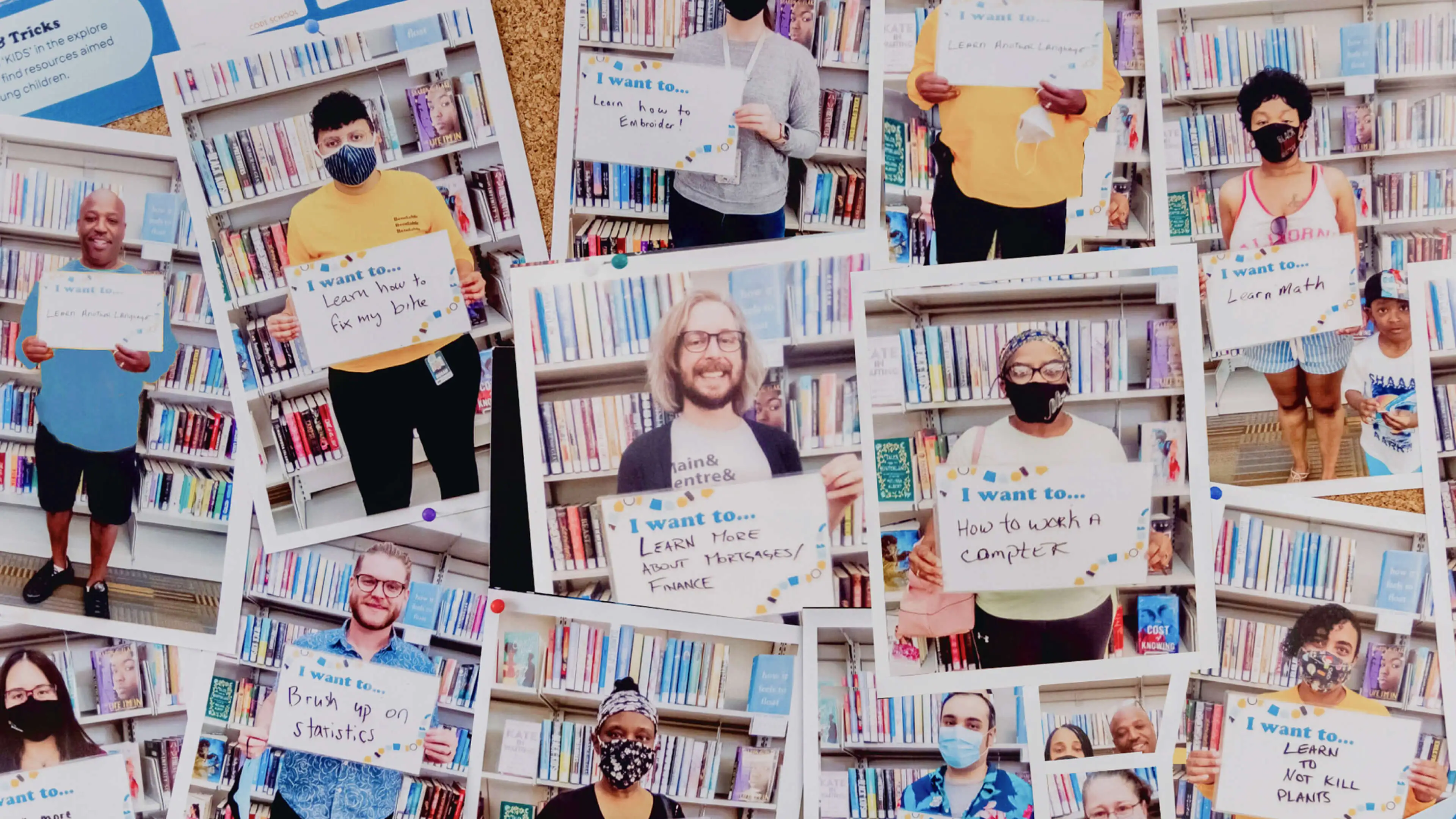
This toolkit guides you through design thinking so you can start coming up with solutions to everyday challenges within the library. Design thinking, or human-centered design, is all about starting with people—the users that visit your library.
IDEO has been using similar methods to envision new products, services, spaces, and experiences that bring them to life. IDEO created this toolkit specifically for the library setting and is looking forward to seeing how you might create impact by seeing your work through a fresh perspective: the design thinking lens!
Learn more here.
Design Thinking for Libraries is an approach to improving libraries through creative problem-solving.
5 Invaluable Work Tips from Introverts
Introverts are the sleeping giants
Apparently I’m not the only one. Aya Jaffar’s exploration, “Introvert at IDEO”, reveals that I am healthier and far less freakish than I ever could have dreamed. As an intern, Aya took on the task of asking her fellow IDEOers how they embrace their introversion in such an extroverted environment.
IDEO is filthy rich with fascinating people. Every week we have stimulating lunch-hour talks and raucous happy hours. Our office is the ultimate embodiment of an extroverted workspace. We think out loud! We brainstorm together! We eat in teams! We have walk and talks, just like in The West Wing!
That’s all well and good for about half the population. But the best work cultures make space for those of us who seek occasional refuge from the chatter.
Here are a few comforting things I learned from Aya’s “Introvert” piece:
There's a spectrum
Carl Jung was a pretty smart fellow. He suggested that everyone falls somewhere on the Introvert <---> Ambivert <---> Extrovert scale, so none of us are purely one thing or another. Big Bird? Michelle Obama? Your bus driver? Probably all extroverts with introverted traits. Just like me.
Introverts recharge with solo time
Introverts aren’t shy! They’re exhausted and they need to step away from others to think things out or recharge. That’s also why they have monstrously large noise-cancelling headphones on. Always.
They've got skillzzzzz
While extroverts’ positive qualities are easy to identify and praise, we should be quick to notice the greatness and strengths of introverts too. They are world-class listeners, thoughtful synthesizers, and often gifted at lifting others up. They also thrive when working independently so they can get just about anything done if you leave them alone for a bit.
Introverts need thoughtful workspaces
While our colorful, collaborative work style might suggest otherwise, our office actually considers introverts more than we know. We have phone booths built for one, the hushed Lighthouse workroom, enclosed project spaces, and breakout couches that allow anyone to focus in a way that works best for them. Plus, IDEO expects us to manage our own space and schedule, allowing us the freedom to work from home on occasion without ever being judged.
So bring on that big dinner! And some wine! And a cheese platter!
You’ll find me in the bathtub, gearing up for tomorrow.
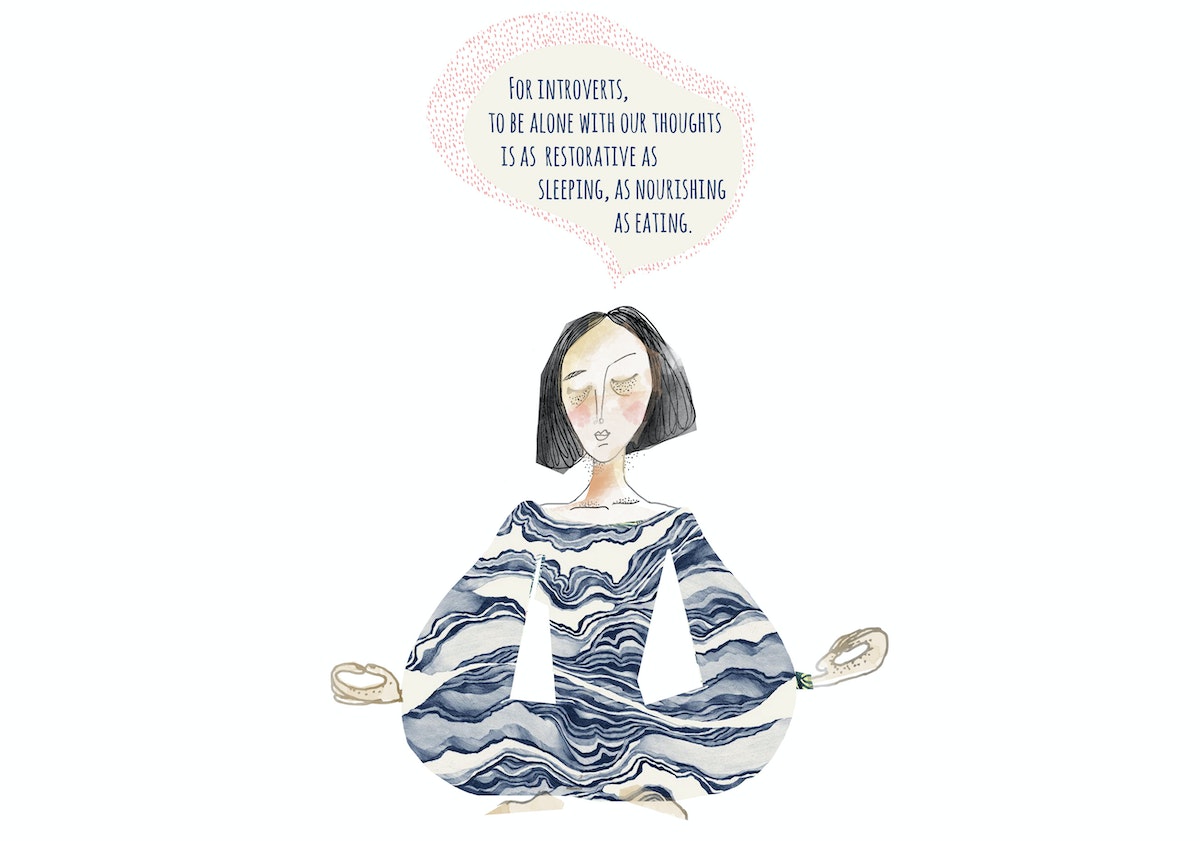
Hi. My name is Tal. I have to go home and hide in a bathtub. That’s not exactly a socially acceptable thing to say at a client dinner, but as an introvert in extrovert’s clothing, the thought has scurried through my head many times.
OpenIDEO: A Platform to Harness Collaboration for Social Good
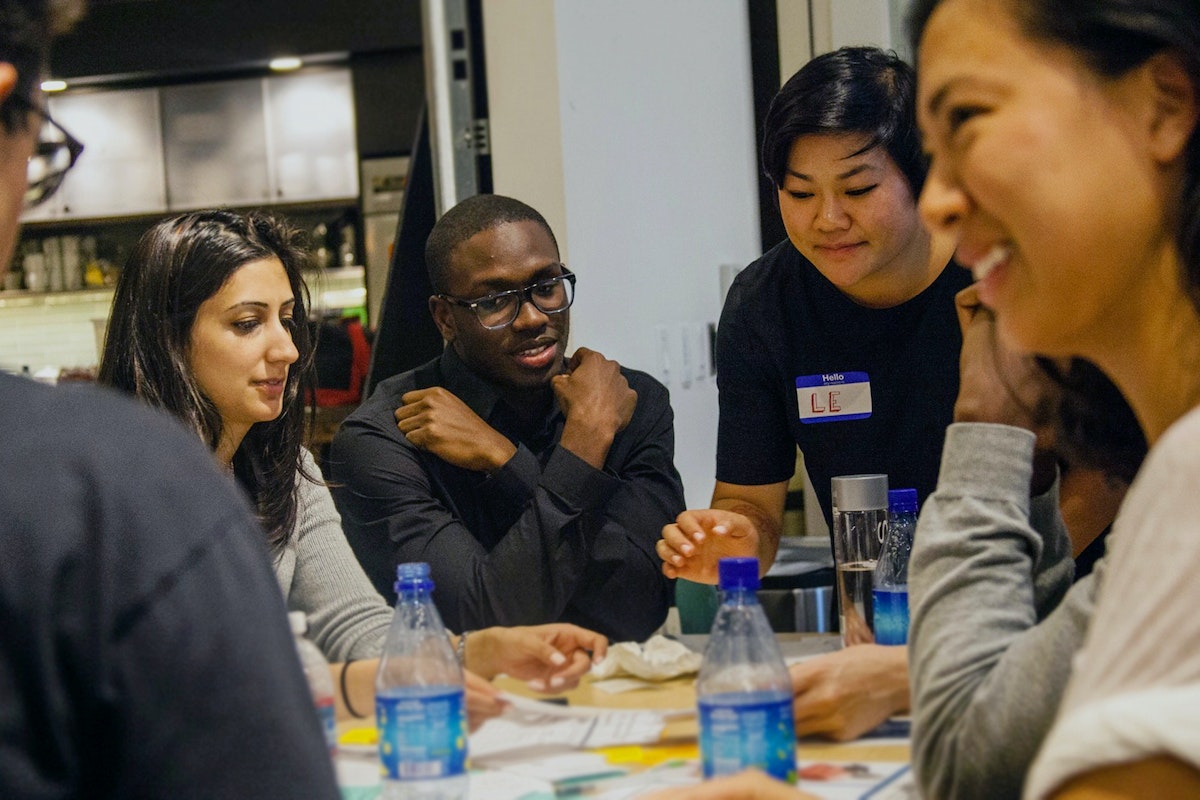
OpenIDEO is an open innovation platform where people from all corners of the world collaboratively tackle some of the toughest global issues through launching Challenges, programs, and other tailored experiences.
OpenIDEO is an open innovation platform where people from all corners of the world collaboratively tackle some of the toughest global issues through launching Challenges, programs, and other tailored experiences.
A Challenge is a three-to-five month collaborative process that focuses attention on the topic and creates a space for community members to contribute and build off each other. This approach is modeled on IDEO's design thinking methodology.
You can learn more about it here.
Active Challenges
The Beyond the Bag Challenge, launched in partnership with Closed Loop Partners and leading retailers, seeks to identify, test, and implement innovative new design solutions that serve the function of today’s single-use plastic retail bag. Winning Ideas are eligible to receive a portion of $1 million in funding, participate in a Circular Accelerator program to receive further assistance in scaling, and access testing and potential piloting opportunities. Find out how you can be involved in the Beyond the Bag Challenge and sign up to receive email updates
‘Agents of Change' Atopic Dermatitis Challenge: Navigating Uncertainty
The ‘Agents of Change' Atopic Dermatitis Challenge: Navigating Uncertainty aims to find creative ways to help people with atopic dermatitis navigate through the ambiguity surrounding the condition with confidence while building awareness and empathy among those around them. Sign up to receive email updates and join the Challenge starting on September 14 to help change the way people think and feel about atopic dermatitis.
The $2M Food System Vision Prize is an invitation for organizations, institutions, companies, governments, universities, and other entities across the globe to develop a concrete and actionable Vision of the food system that they aspire to see in the year 2050. Together, we’re seeking answers to the question How might we envision regenerative and nourishing food futures for 2050? $2M will be distributed to the Top Visionaries, who will be eligible to receive a prize of $200,000 each.
Intrigued? Read about the many ways to be involved in the Food System Vision Prize and sign up to receive email updates.

5 Mindblowing Things We Heard at SXSW
Our pick of the techfest's best panels, people, and provocations
1. "85 percent of cancer can be cured in the next five years."
—Dr. Sanjay Patil
The health care industry missed the PC and internet revolution, but they won't miss the big data and analytics revolution, said Dr. Sanjay Patil, chief medical informaticist at MDLIVE, and John Sculley, a board member. According to the American Medical Association, 75 percent of in-person visits could be handled virtually. But they cautioned that it took 10 years for people to get comfortable with online banking and ATMs. Still, Patil and Sculley believe genomics and precision medicine will trigger massive shifts sooner than we might think, and had some very hopeful predictions. —Betsy Fields Smith, senior design and research lead
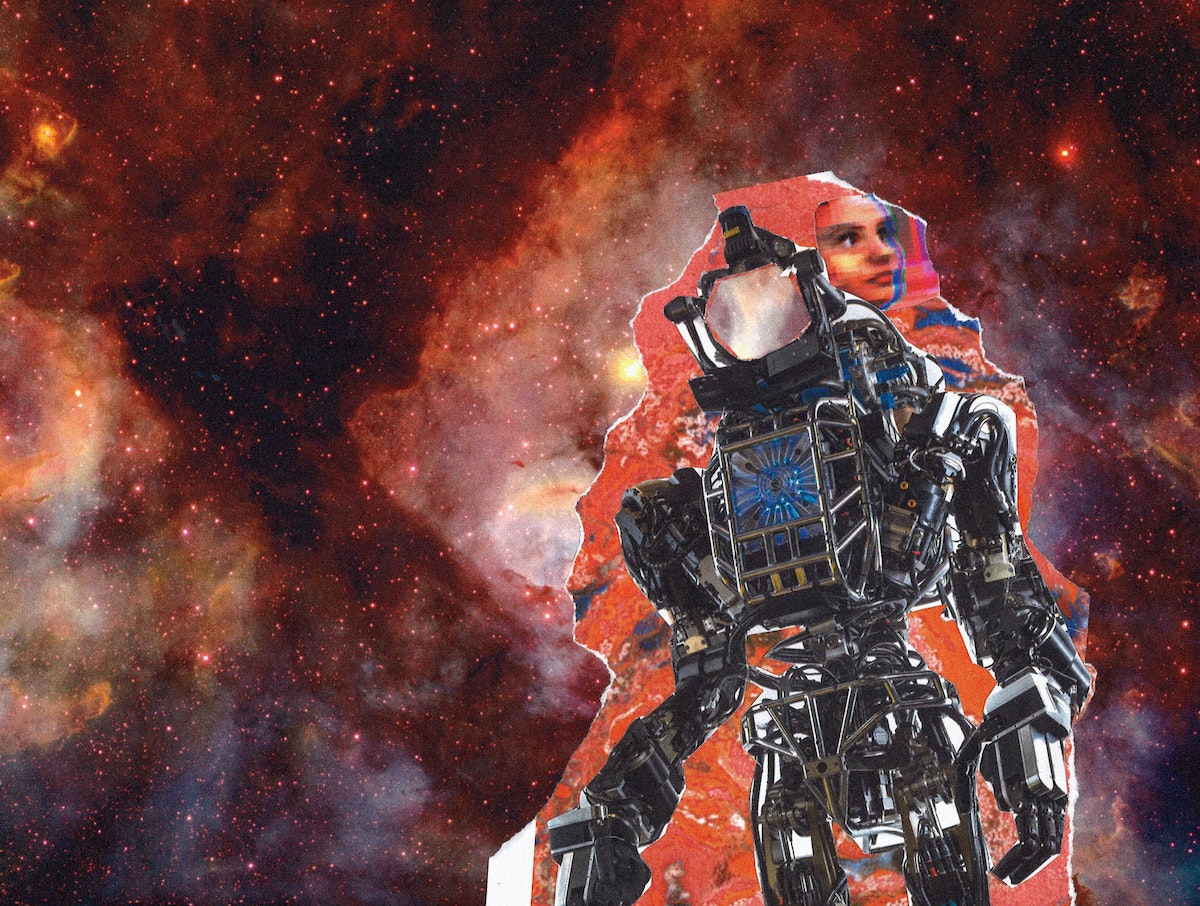
2. Robots would be smarter if we didn't interrupt them.
If we want robots to learn from us, we have to design them with the human capability of expressing their intent and emotion said Panellists Leila Takayama, senior UX researcher, Google[x]; product designer Nuri Kim, Fellow Robots CIO Thavidu Ranatunga, and Stanford Center for Design Research executive director Wendy Ju spoke about
For example, a robot often learns that a door is a door by staring at it for hours on end. If a person walks in front of a robot while it is learning, this can compromise the training session and hours of work. We need to design careful and intuitive indicators as to what state robots are in. If, for example, a robot was learning by staring at a door while scratching its chin or tapping its forehead, it would serve as a reminder to not interrupt their lesson.
This relates to work we are doing with autonomous vehicles. We will need to develop a new vocabulary of mobility through which vehicles and people can communicate. What sort of cues, both subtle and bold, have we come to expect drivers that help you anticipate their behavior? How might we thoughtfully design some of these cues into autonomous vehicles to make the future safer and more intuitive to move through? —Danny Stillion, partner/executive design director

3. The Jetson’s-style kitchen of the future is here.
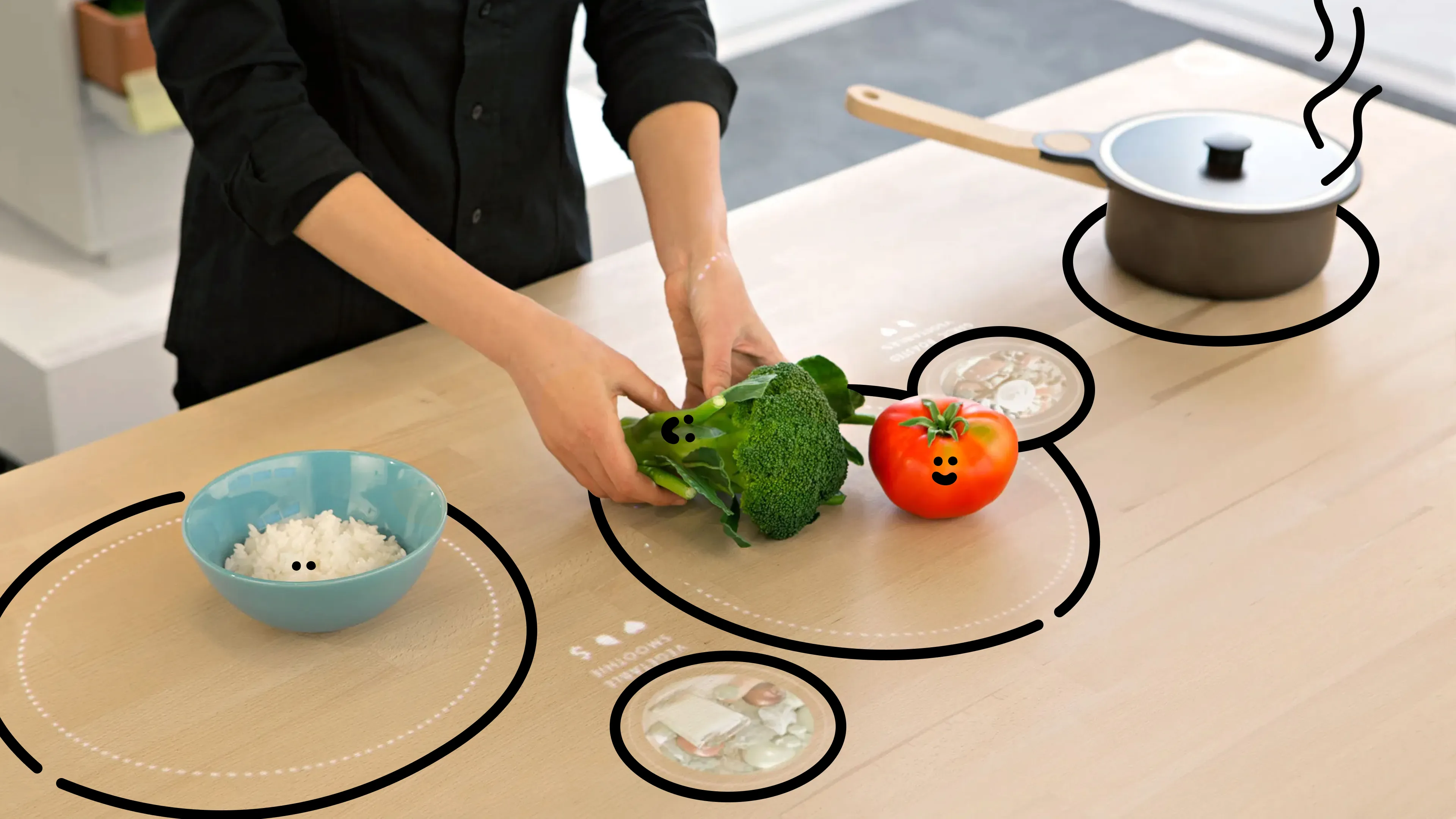
The "kitchen of the future" technology exists and there are businesses being built upon it right now. We heard why in a panel called "From Palate to Plate: Defining a Taste Platform." It was framed as a panel about food data, but spoke more to how we interact with food today and might do so in the future, including replacement cycles for appliances, the lack of a portable “taste profile”, and so forth. We're thinking about these things at IDEO, too. Check out the Concept Kitchen 2025, work we collaborated on with IKEA.
While we've realized much of the Sputnik-era vision of the kitchen of the future, there's a fourth circle—system interconnectivity—that we need to start to consider. —Justin Massa, director of business strategy
4. Data will reform our criminal justice system.
What does the rise of information design for a complex social problem such as criminal justice reform look like? There is a growing movement to use open, public data for political advocacy and reform. And yet, even with a wealth of data, we’re unable to design for more accurate, immediate, and actionable ways of using it.
This panel, made up of experts and innovators using data for policy reform and program development said the most vulnerable in the system—offenders and their families—could benefit from the use of more transparent and actionable data, such as preventing false confessions in interrogation or exonerating prisoners from false convictions with DNA testing. They also spoke about the power of predictive policing in cities, and protecting those who are re-entering civilian life with data privacy so that they can secure a job or a loan. —Yennie Lee, impact manager, IDEO.org

5. Virtual Reality may change your beliefs.
Unsurprisingly, there was a lot of hype around VR at SXSW. But outside of finding a second home outside gaming, the use cases I'm most excited about are empathy building, and overcoming trauma. VR can deliver sophisticated, deep storytelling that stays with you. It puts you very close to being in someone else's shoes.
Planned Parenthood is doing just that, showcasing its seven-minute film "Across The Line", which follows one woman's journey from her car to the abortion clinic as she confronts a sea of pro-life protesters. Some footage is live action, some animated, but the audio is a live recording from outside a clinic in Illinois. It’s upsetting. And it may just change someone's mind on this issue. —Karoline K, communications designer
Huge thanks to Karoline K for the illustrations in this story.
President Obama, the hyperloop, Wired's Kevin Kelly, Microsoft's HoloLens, Twitter's Biz Stone and, wait for it... Pee Wee Herman! Among the thousands of conversations at SXSW, it can be hard to separate the signal from the noise, so we asked IDEO's SXSW speakers to share their greatest hits. What they came back with—robots, genomics, VR, criminal justice, privacy—proves that design is going places it's never gone before.

Lindsey Turner
I’m passionate about building brands, products, and experiences that help organizations show up with meaning and momentum.
I help organizations cut through complexity by shaping how they show up, through brand strategy, identity, and storytelling.
Working at the intersection of brand and business, I bring an editorial eye and a bias toward making—turning ideas into tangible experiences that people can understand, trust, and believe in.
My work spans government, healthcare, financial services, media, and consumer goods, from launching Gen Z-focused ventures to building innovation labs and reimagining legacy brands. I relish moments of ambiguity and enjoy translating across teams, perspectives, and priorities to move ideas forward.
I started my career in editorial and digital design, shaping cross-platform experiences and identity systems in publishing and agency environments. That foundation still shapes how I work today: I’m detail-oriented, collaborative, and overreliant on the Oxford comma. I hold a BFA in Visual Communication from the School of the Art Institute of Chicago.

Rachel Young
My work helps organizations see who their products aren't working for—and build the will and the tools to do something about it
For 25 years, I've asked the same question: Who does this design exclude—and what are we going to do about it?
My work spans human-centered strategy, inclusive design, and qualitative research, with clients ranging from Microsoft, Google, and Verizon to the National Science Foundation, and San Francisco Unified School District.
Before IDEO, I taught elementary school in East Palo Alto and spent a decade doing design work with social service organizations—where I learned firsthand what it costs people when systems are built without them in mind.
I am currently writing User Error, a nonfiction book about digital access and the design decisions behind it. I live in Oakland, California.

Brian Pelsoh
I lead with craft, ensuring our work is creatively excellent: rooted in deep human insight and imagination, while also grounded in the realities of business and technology.
My expertise spans brand, communication, and product design across tech, education, the arts, and social impact.
I believe great work demands both high-level vision and obsessive attention to detail, and only happens through collaboration.
I bring an inclusive, hands-on approach and a deep understanding of business, which enables me to consistently deliver excellence while always asking why.
Before joining IDEO, I worked at the brand firms Pentagram and VSA Partners. I began my career as a designer, leading teams at the School of the Art Institute of Chicago and the Milwaukee Art Museum. I hold an MFA in graphic design from Maryland Institute College of Art and a BFA in communication design from the Milwaukee Institute of Art & Design, and have taught at some of the best design schools in the US.

Tony Wong
I am responsible for IDEO’s long-term success in China and working with clients to use design as a tool to enable growth.
I am responsible for IDEO’s long-term success in China and working with clients to use design as a tool to enable growth. Specifically, I have helped Chinese companies design holistic brand solutions through the development of their products, communication, services, and innovation teams, and I have helped multinationals expand their presence and influence in China.
I advise global leaders on developing China-led innovation and capabilities.
In over 15 years in IDEO Shanghai, I have worked on projects that use design to elevate the quality of the experience of healthcare products and services, streamline processes that increase productivity, create spaces and programs that promote and enable inclusive communities, and build next generation mobility solutions that are planet-positive.
Before joining IDEO, I worked at Philips Electronics and the Electrolux Group in Italy, the Netherlands, and Singapore on a number of breakthrough commercial products. I am a member of the Young President Organization in Shanghai.

How to use AI as an editor, not a writer
Ed White shares how he uses AI as an editor—not a writer—to sharpen storytelling, rehearse ideas, and preserve the productive friction that makes creative work better.
Ed White has a rule he's tested on his own writing: hold yourself as the writer, and let AI be your editor. Ed is a Senior Design Director at IDEO's London studio, where he co-leads the firm's AI portfolio across Europe. Before IDEO, he spent 12 years as a writer and editor at the Financial Times, Wired, and Contagious. So when he talks about when to use AI for storytelling and when not to, it comes from two decades of crafting his storytelling skills.
In this episode, Mina Seetharaman talks with Ed about two specific tools he uses to keep AI in an editor's seat: a "roasting agent" prompted to critique his drafts without any sugarcoating, and a simulated audience he rehearses pitches on before the real thing. They also get into what Ed is hearing from design leaders at Anthropic, Lovable, Shopify, and Google Creative Lab about how creative work is changing, and why he thinks the friction of writing something yourself is worth protecting rather than automating away.

Building a personal AI for the messiness of life: Sida Li
Becca Carroll talks with Cue co-founder Sida Li about designing a personal AI for the messiness of everyday life—not just work. They explore how Sida stays anchored to human needs while navigating fast-changing technology, product tradeoffs, business-model experimentation, and the realities of building an AI company today.
Most AI products today are built for work—a space with clear problems and established systems. One founder noticed a gap: personal life is messier, harder to systematize, and mostly left behind by the AI boom. So she built Cue, a personal AI that lives inside iMessage and group chats, to go where the other tools haven't.
In this episode, Becca Carroll, IDEO's Chief Strategy Officer, talks with Sida Li, co-founder and CEO of Shared Context Lab, about staying anchored to a human need while the technology around her keeps changing shape, why she treats her business model with the same rigor she'd bring to a product, and what it feels like to build a company at this particular, disorienting moment in AI.
The conversation also gets into how Sida makes design decisions: the language Cue uses to describe itself, the tradeoffs behind building inside iMessage instead of a new app, and a real story about a business idea that didn’t pan out.
This is the second in a two-part series profiling founders from IDEO's Startups-in-Residence program. The first conversation is with Johannes Seemann, founder of Sooner, on designing GenAI for the emotional side of money.

Designing GenAI for the emotional side of money: Johannes Seemann
Designing financial tools around the feelings that shape money decisions.
Most personal financial tools are built to run the numbers and optimize towards a budget. While that works for some, most people experience money as a lived relationship that does not neatly fit into a spreadsheet. Johannes Seemann and Becca Carroll discuss why money is emotional before it is mathematical, and what a human-centered approach to building a generative AI financial product looks like in practice.

The curious leader's edge in uncertainty: Scott Shigeoka
How genuine curiosity helps leaders navigate uncertainty with greater confidence.
Mina Seetharaman talks with Scott Shigeoka, author of Seek and Head of Curiosity Cultivation at the Eames Institute, about what distinguishes genuinely curious leadership from performative curiosity, how power dynamics shape curiosity, and why practicing curiosity can restore energy rather than drain it.
Looks like you might be in search of something very specific?
Or reset the filters above and try another angle.
Here’s some random inspiration

Podcasts about creative leadership

Articles about the power of prototyping