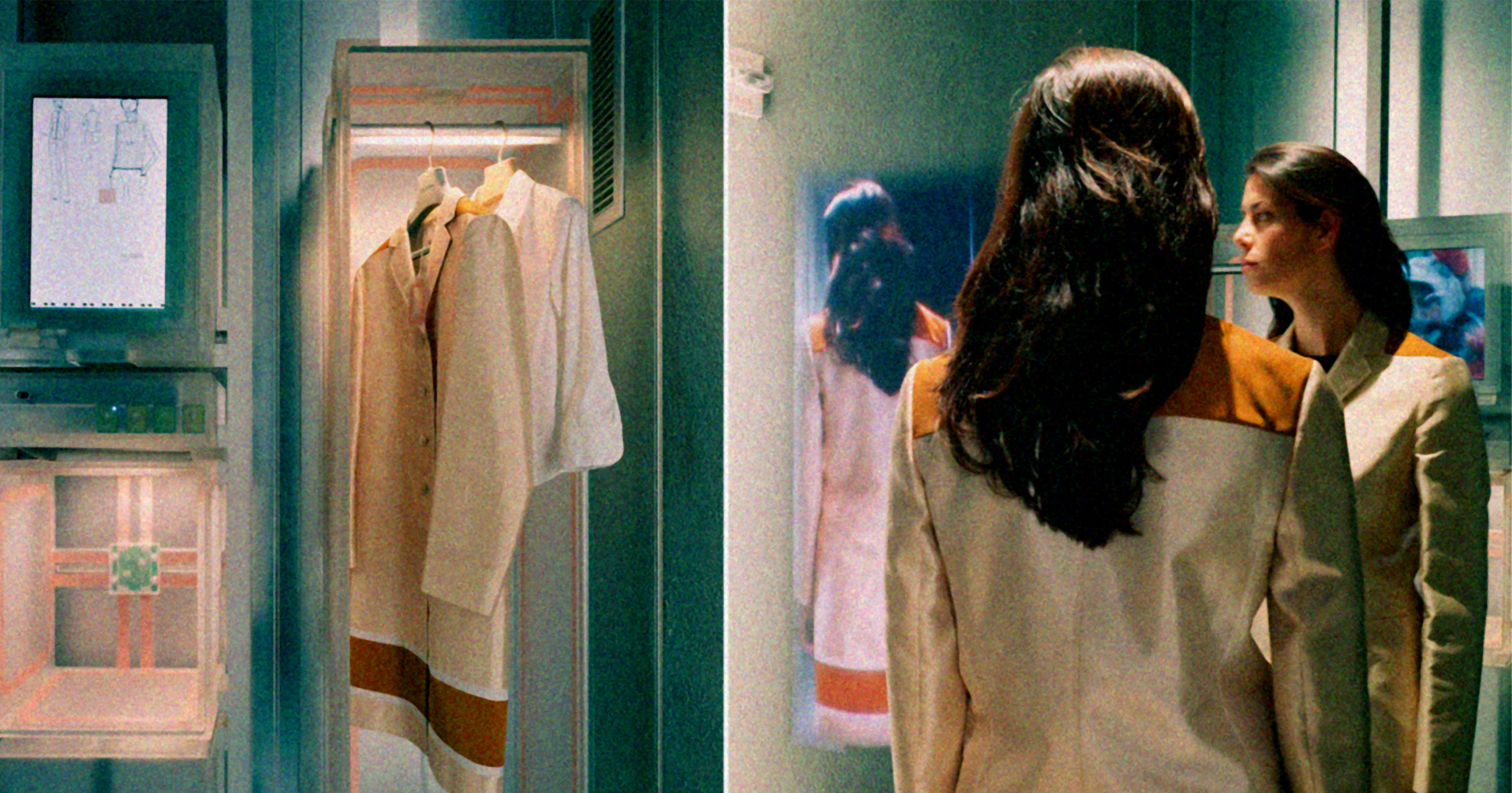

Designing the Levi’s Commuter Trucker Jacket with Jacquard by Google
When Google teamed up with Levi’s to craft a jacket with technology woven in, the company turned to IDEO to help make the experience of wearing the garment feel seamless, intuitive, and familiar.
You’re whizzing along on your bike, en route to a new restaurant for a client meeting. You reach an unfamiliar intersection; which way to go now?
Instead of dismounting and digging for a phone, you brush your hand along your jacket sleeve for directions, then double-tap the denim to re-start your music. Without taking your eyes off the road, you’ve taken care of the problem.
This intuitive interface for connected apparel began with Levi's, makers of durable workwear for 140 years, and Google, creators of forward-looking technology, which joined forces to fashion the first item of clothing with touch-sensitive, copper-core threads woven directly into the fabric. Once it was established that the first connected garment from the partnership would be a jacket within Levi’s Commuter line, with interaction on the sleeve, Google worked with IDEO, leaders in designing for human needs, to develop the gesture language of the jacket and industrial design of the technology within.
This is the first connected garment that helps us break free from devices. It seamlessly incorporates Jacquard by Google technology to perform digital tasks, such as navigation, communication, and music playing with a few swipes or taps on the sleeve.
Jacquard by Google—a platform that makes it possible to integrate touch and gesture interactivity into fabrics using conductive yarn and standard, industrial looms—was inspired by a curious twist of history. The Jacquard loom, invented in France in 1804, used punch cards to automate the process of weaving complex patterns into fabric. In the 1940s and ’50s, engineers employed a similar punch-card technique to program the first computers.

IDEO spent time on the project early on, collaborating with Google engineers and Levi’s clothiers on the jacket’s development, helping craft an experience that would make the intelligent threads intuitive to wearers.
Working alongside Google and Levi’s, IDEO’s work included:
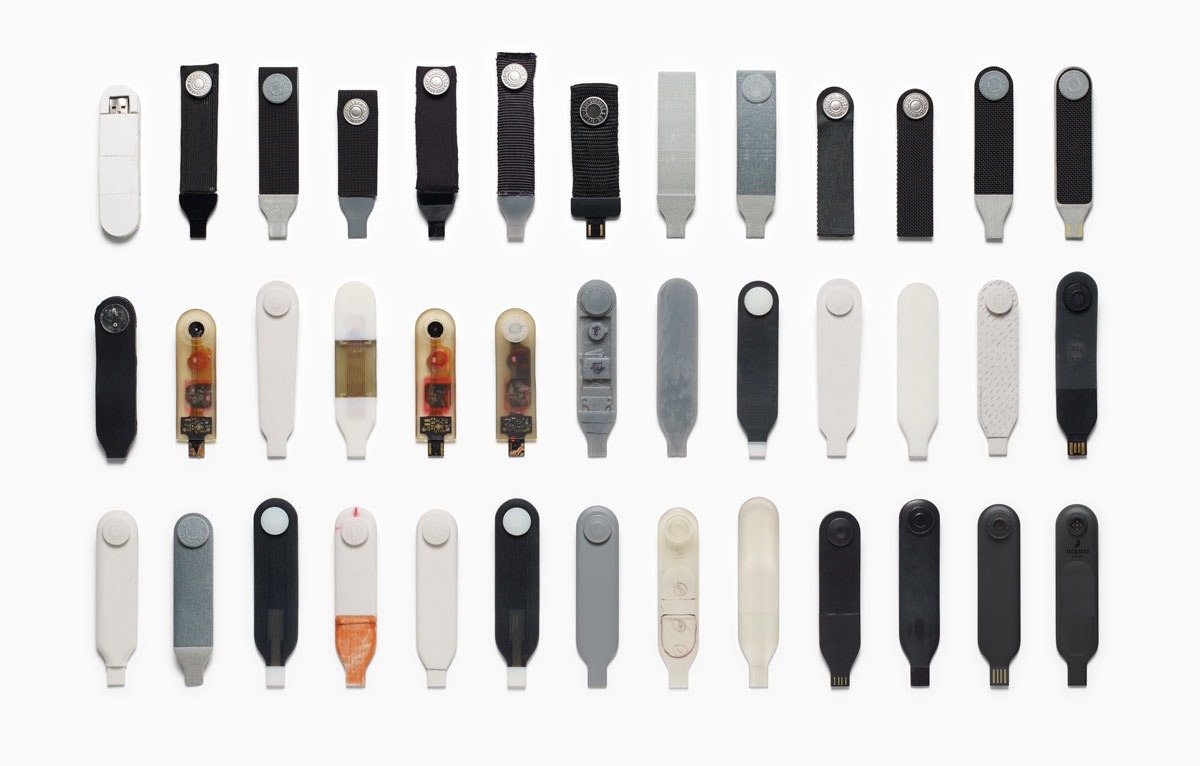
- The industrial design of the electronics integrated into the snap tag and connector (the tag snaps onto the jacket’s cuff and connects to your phone via Bluetooth)
- A vocabulary of gestures on the cuff of the jacket that lets you interact with the jacket’s technology
- Early exploration of the basic design philosophy and conceptual design for the interaction model of a corresponding smartphone app that ties it all together (works with both iOS and Android phones)

The IDEO team’s first task was to validate what commuters of all stripes wanted from the garment, in addition to the work Levi’s did in researching with its consumers. In interviews, group exercises, and wear tests with urban cyclists and other workers on the go, the team learned that cyclists needed a way to stay connected, while still living in the moment. That meant being able to answer calls, hear text messages, get the next direction, and control their music without using a screen.
Levi’s, Google, and IDEO developed a language of movement for Jacquard-enabled fabric that feels familiar and human and builds on the ways people would naturally interact with a garment (a whole-hand brush along the sleeve, as opposed to a one-finger tap on a touch screen, for instance).
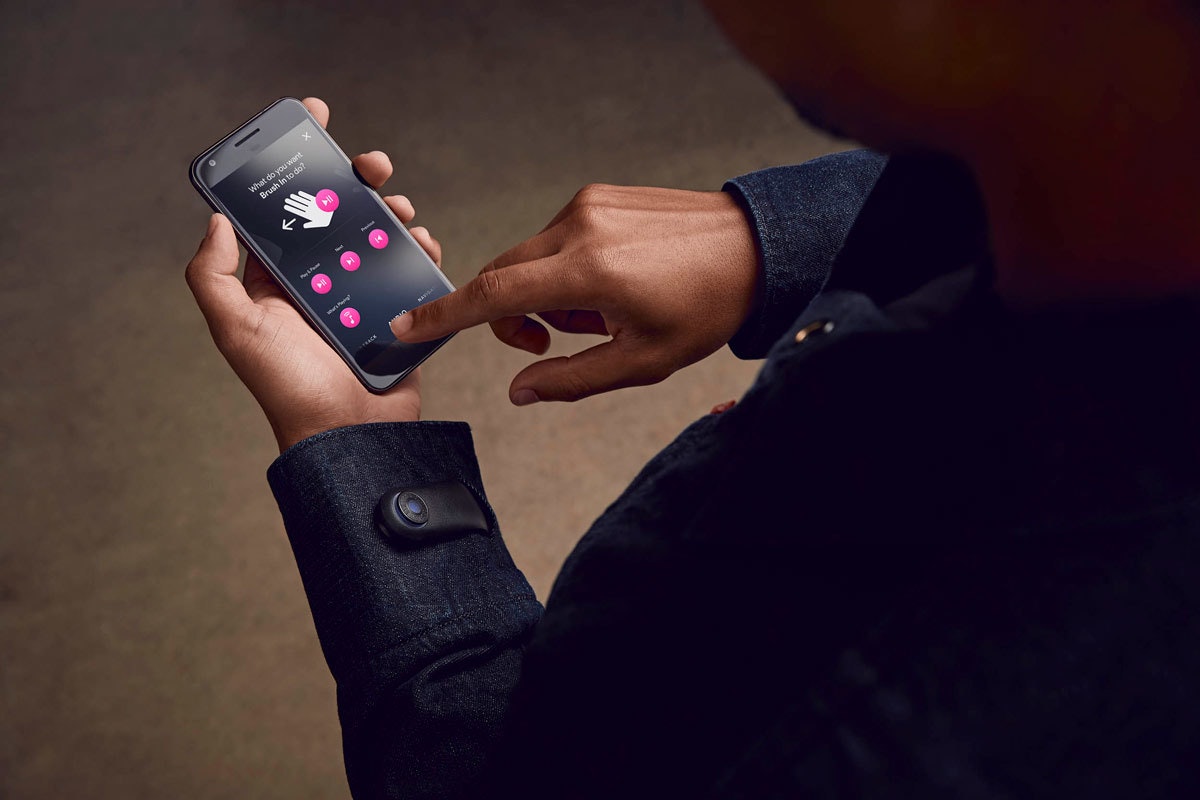
Then came the design and engineering of the snap tag on the jacket’s cuff, which gently notifies you of calls, texts, and other jacket interactions with light and vibration feedback. The flexible, lightweight strap incorporates the look and feel of a Levi’s jean button, while housing advanced electronics that capture touch data. The tag is removable, charges via USB connection, and works in conjunction with a mobile app that lets you configure settings for the garment, set notifications, and customize gestures and interactions.
The Levi’s Commuter Jacket with Jacquard by Google changes the game because it’s simply that—a jacket—with technology that adds new utility and value, allowing us to wear our everyday interactions on our sleeves.
The Levi’s Commuter Trucker Jacket with Jacquard by Google hit stores in October 2017.
IDEO and Google have a long history of collaboration. Learn more about our work on Google Bloks here.

Using data to connect global teams
Helping a multinational company connect staff members across locations and identify new areas for growth.
In 2017, IDEO acquired longtime partner Datascope and integrated the company’s data scientists and engineers. Datascope team members aren’t just passionate data scientists; they’re human-centered designers who happen to work with data, as illustrated by successful collaborations like this one:
If Procter and Gamble (P&G) were a city, it would be the size of Boulder, Colorado. The company employs more than 100,000 people in 70 countries. Its research and development team is made up of more than 20,000 specialists working across locations, languages, and areas of expertise, from cleaning chemicals to paper products to over-the-counter medications.
P&G approached Datascope to help the company connect these researchers to one another and the rest of the organization. In working with P&G leaders, Datascope found that the company needed a better way to access and leverage employee expertise. Managers routinely got requests from researchers looking to work with others in their subject areas, but didn’t know how to identify the right partners or set them up for fruitful collaboration.
Datascope gathered internal data, including unstructured research data on the scientists’ interests and who they partner with most often. The team used that information to develop two new systems that bridge the gap for P&G researchers and managers. The first is an internal search engine that lets managers quickly find and connect the right experts across P&G offices worldwide. The second is a data visualization tool that highlights subject areas ripe for more collaboration among experts and research teams, who may already be asking similar questions. This intelligent tool can surface relevant, timely information managers need to connect their teams.
P&G already had a practice of collecting information for product research, but it wasn’t until Datascope came on the scene that the company took advantage of large, multi-layered data sets and made them more intelligent, so leaders could expand P&G’s expertise through new global partnerships.

Crunching customer data to deliver better smartphones
Helping a big tech firm turn mountains of customer feedback into product improvements in real time.
In 2017, IDEO acquired longtime partner Datascope and integrated the company’s data scientists and engineers. Datascope team members aren’t just passionate data scientists; they’re human-centered designers who happen to work with data, as illustrated by successful collaborations like this one:
The second a smartphone debuts, buyers, bloggers, and journalists begin writing comments and reviews—and users start troubleshooting. Motorola Mobility wanted to tap into this river of data, but didn’t have the right tools to collect and respond to it.
Motorola’s design, engineering, and service teams hoped to identify product problems early, address them quickly through customer support, and ultimately fix them in future releases.
So Datascope built a custom engine that aggregates and analyzes feedback from hundreds of millions of phrases and internet references, drawn from consumer sites, user forums, news coverage, social media feeds, and product reviews. The tool parses key, product-specific information and routes it to the right Motorola teams: hardware, software, connectivity, and interface design, to name a few.
The analytics and visualization engine not only studies product performance in real time, but it also uses algorithms to gauge customers’ emotional reactions: Do they like the phone or hate it? Do they have complaints? Are they recommending it to friends?
Datascope’s tool translates all this data into simplified to-dos that are sent to the correct service and repair staff before user issues can mar a product launch or even the company’s reputation. And as engineers discover more about how a phone performs in the real world, they learn how to avoid making similar mistakes in the future.
The tool proved valuable as soon as it launched in 2012: When Motorola released the RAZR M smartphone, customers had a hard time figuring out how to use wifi and voice features at the same time and lodged complaints online. The engine recognized the pattern of complaints and alerted Motorola's customer support team, which was able to post responses with clear instructions in every relevant forum, turning a potential customer satisfaction problem into a positive interaction.
Motorola continued to use the engine to address issues in later releases of the RAZR M. The advance warning made engineers’ lives easier, while better handsets and software made for a more seamless customer experience. Improvements were also evident in the RAZR M’s well-reviewed next generation, the RAZR MAXX.
Based on the tool’s success, Motorola used it to improve the company’s supply chain and product development process. And beginning in 2014, with the Moto 360 smartwatch, Datascope’s analytics engine has been used to gauge performance and public sentiment not just for new smartphones, but for Motorola Mobility’s entire line of products.
Rethinking baby food packaging
Collaborating with Plum to create a new, wholesome experience for new parents and babies.
For most parents, ensuring their child’s proper nourishment is a top priority. But that’s not always easy, especially for parents on the go. Plum Organics, an organic baby food company, set out to solve that problem by providing families with pureed fruits and veggies in pouches, making it easy for them to feed their babies. Plum approached IDEO for help designing a non-pouch package that could showcase the vibrancy of the ingredients within.
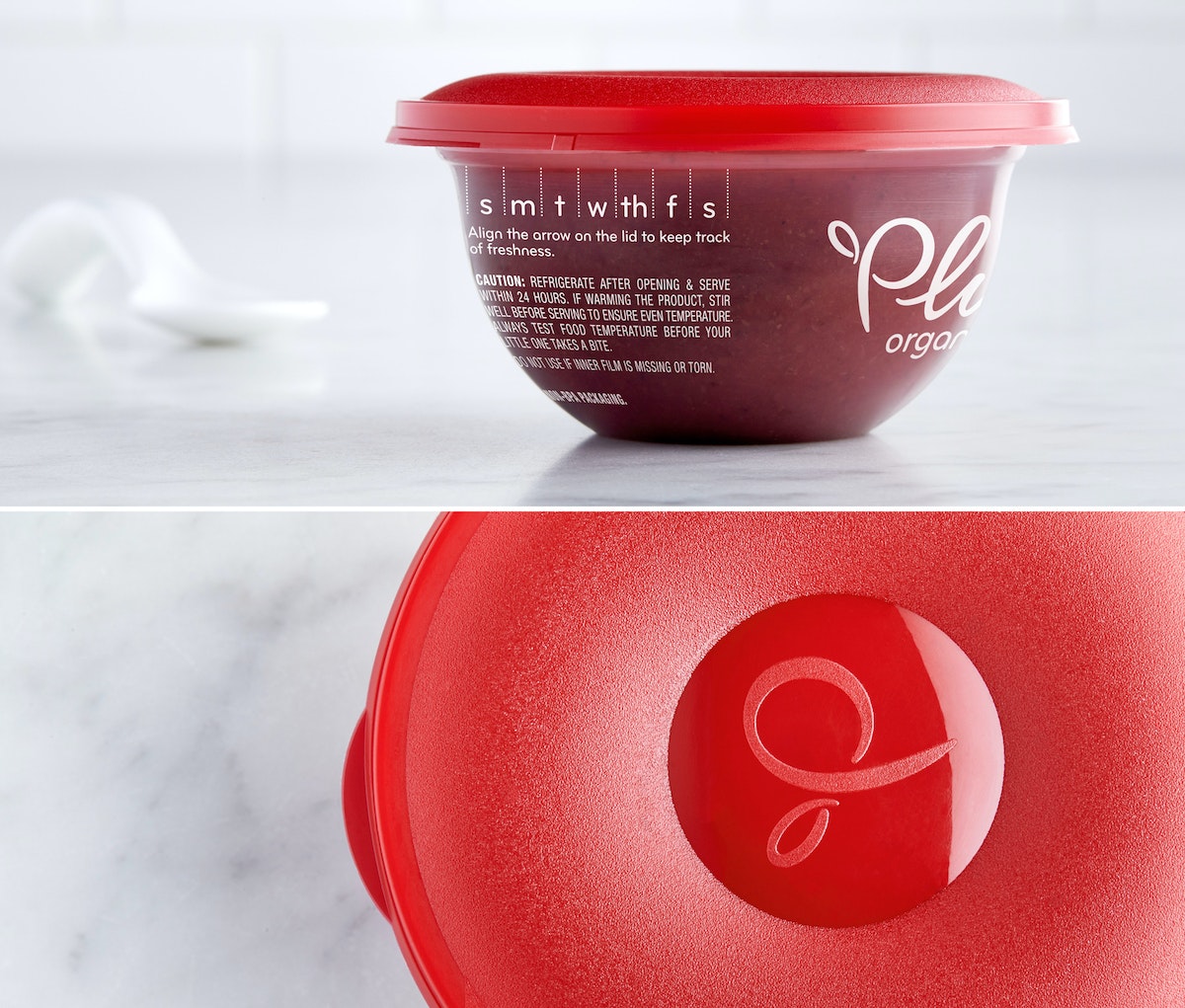
By conducting research and in-person interviews with families, Plum set out to ensure that the new product was both desirable and functional for parents and their babies. By joining families in their homes, IDEO was able to gather essential insights that helped inform prototypes and the final design, like the fact that nothing can replace the feeling of making an intimate connection with a child through spoon feeding; that baby food is often wasted if a parent can’t remember how long a product has been in the fridge; that families struggle with how to spoon-feed their children on the go without making a mess, and that both parents and retailers were concerned that baby food jars don’t stack securely on shelves.
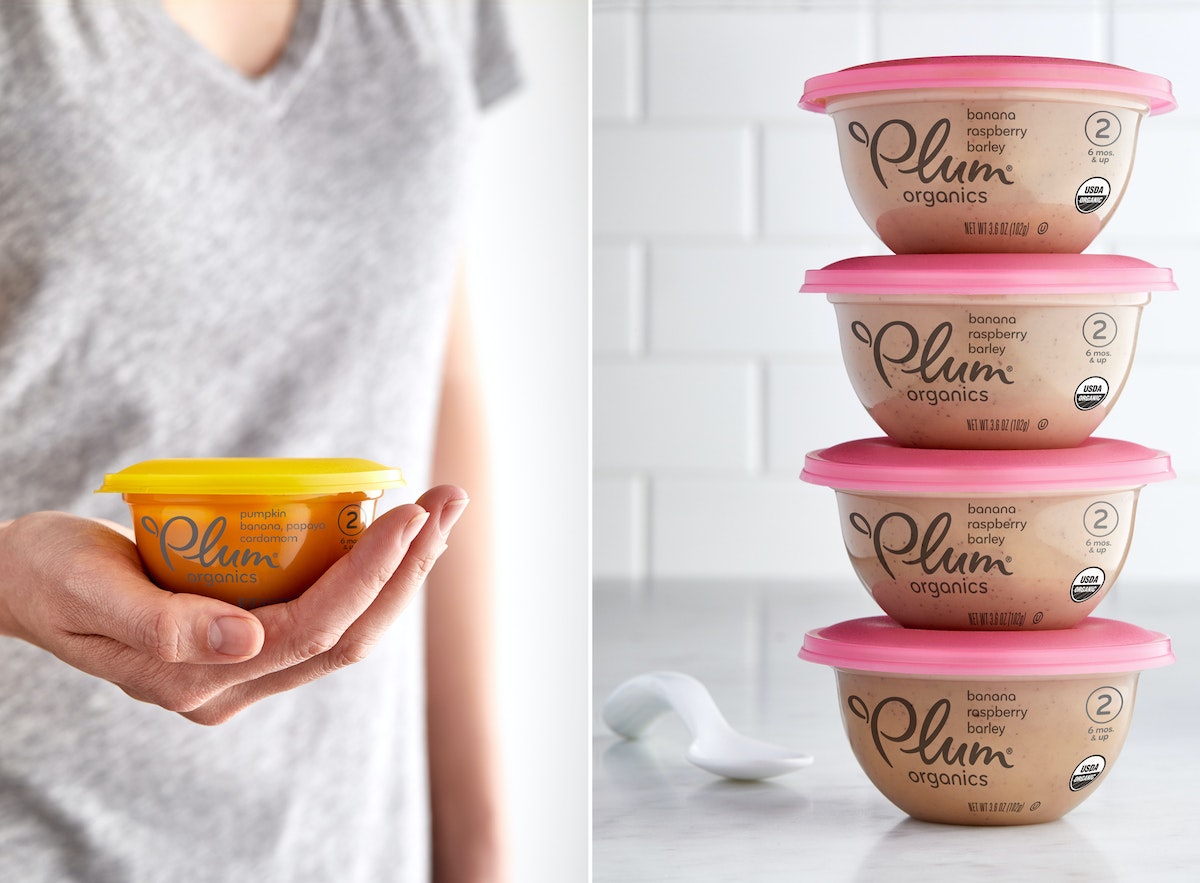
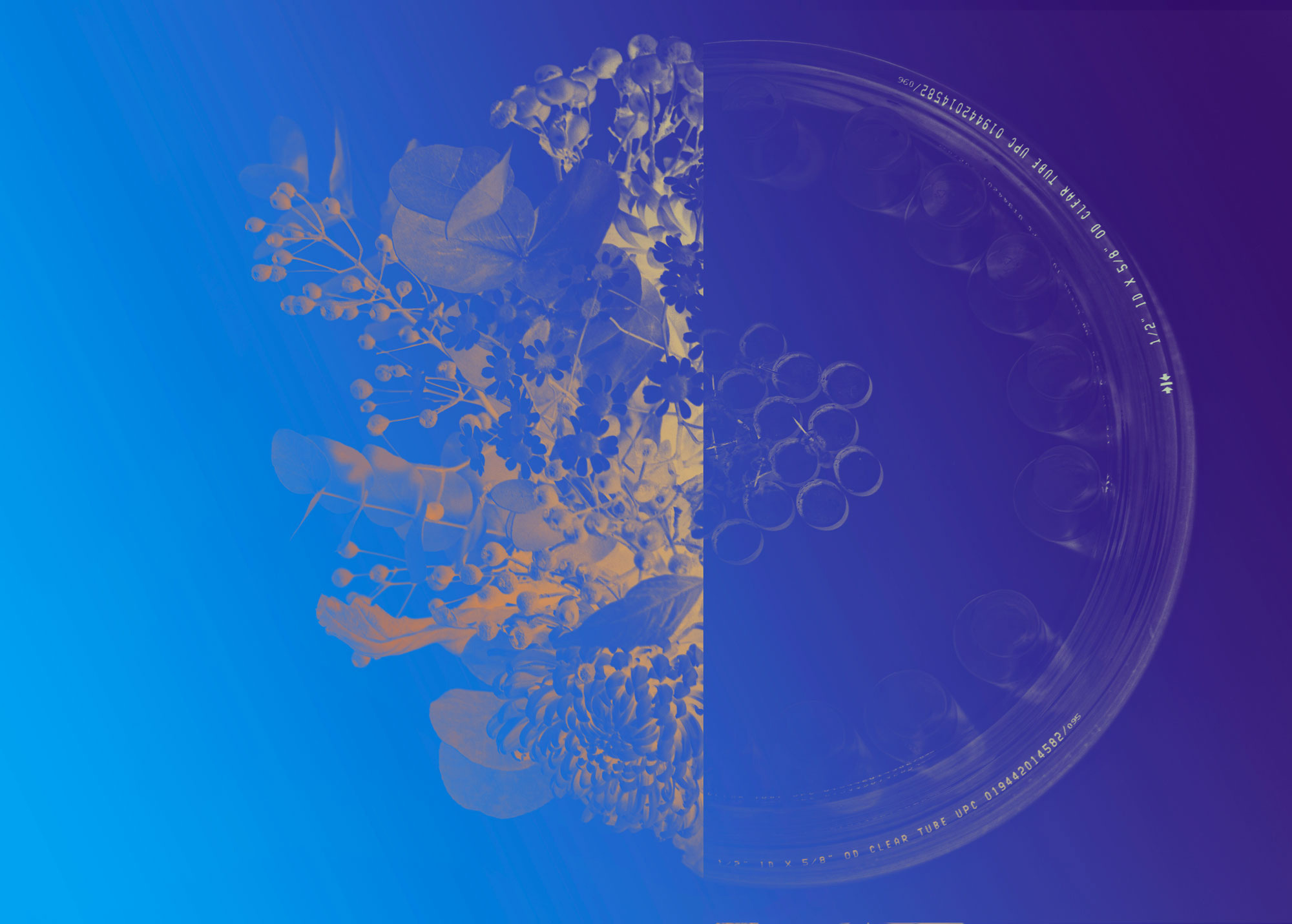
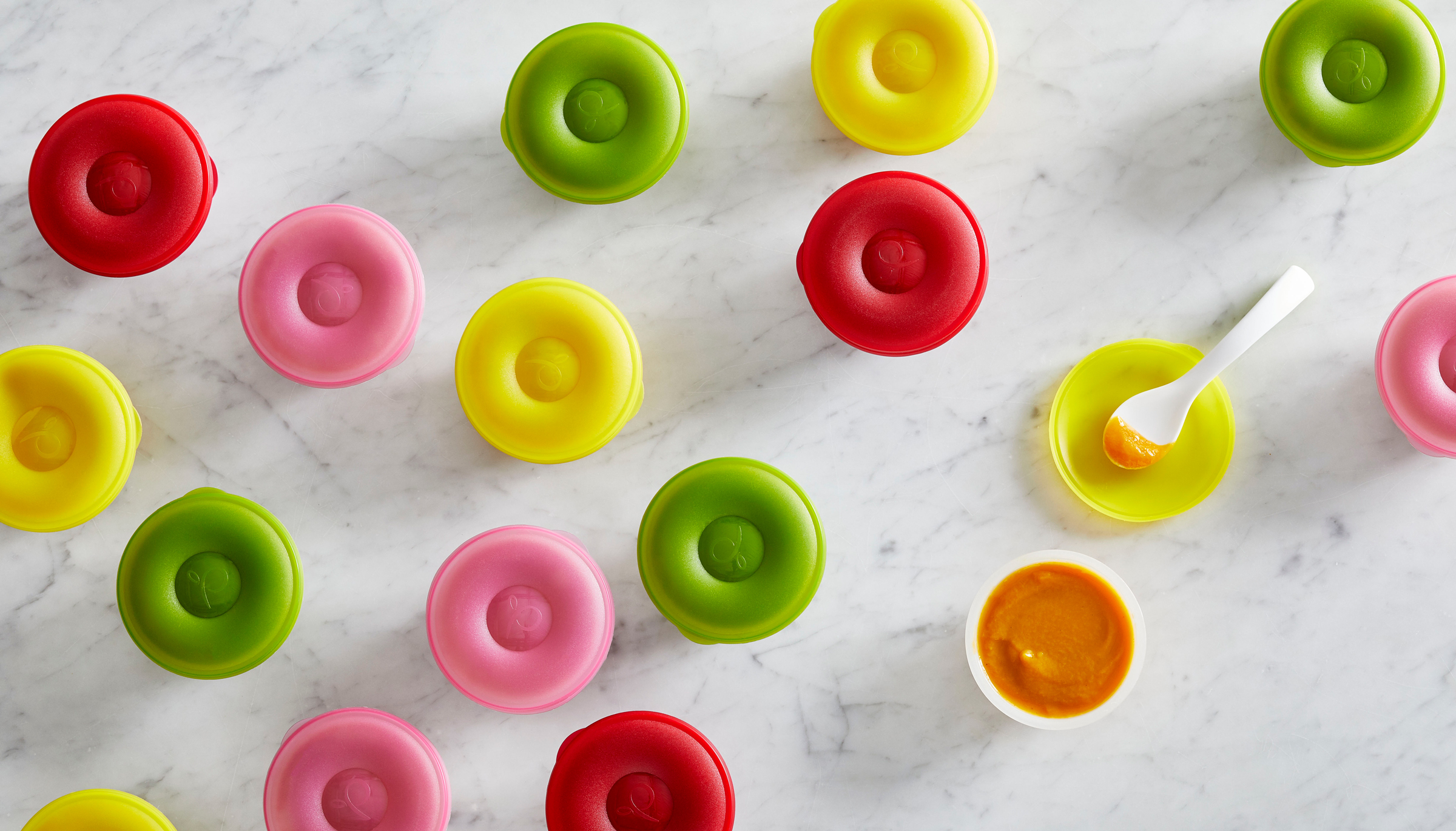
With those insights in mind, the team designed a transparent bowl that allows consumers to see the natural color of Plum’s vibrant, organic food. A resealable lid makes it easy for parents to store food between feedings, and the container includes a feature that allows them to track the day that they opened the pack to ensure that they don’t end up throwing away perfectly good food. Lastly, the new package is easily and safely stackable and includes a divot in the lid for parents to rest a spoon on, making for a much cleaner and more sanitary feeding experience.
Baby Bowls for Plum are now available at retailers nationwide and are a natural evolution for the brand, helping Plum continue to provide high-quality, organic baby food for consumers and their children, even if they’re eating on the go.
Thoughtless acts: Home for Joey
The intuitive ways we adapt and react to things in our environments
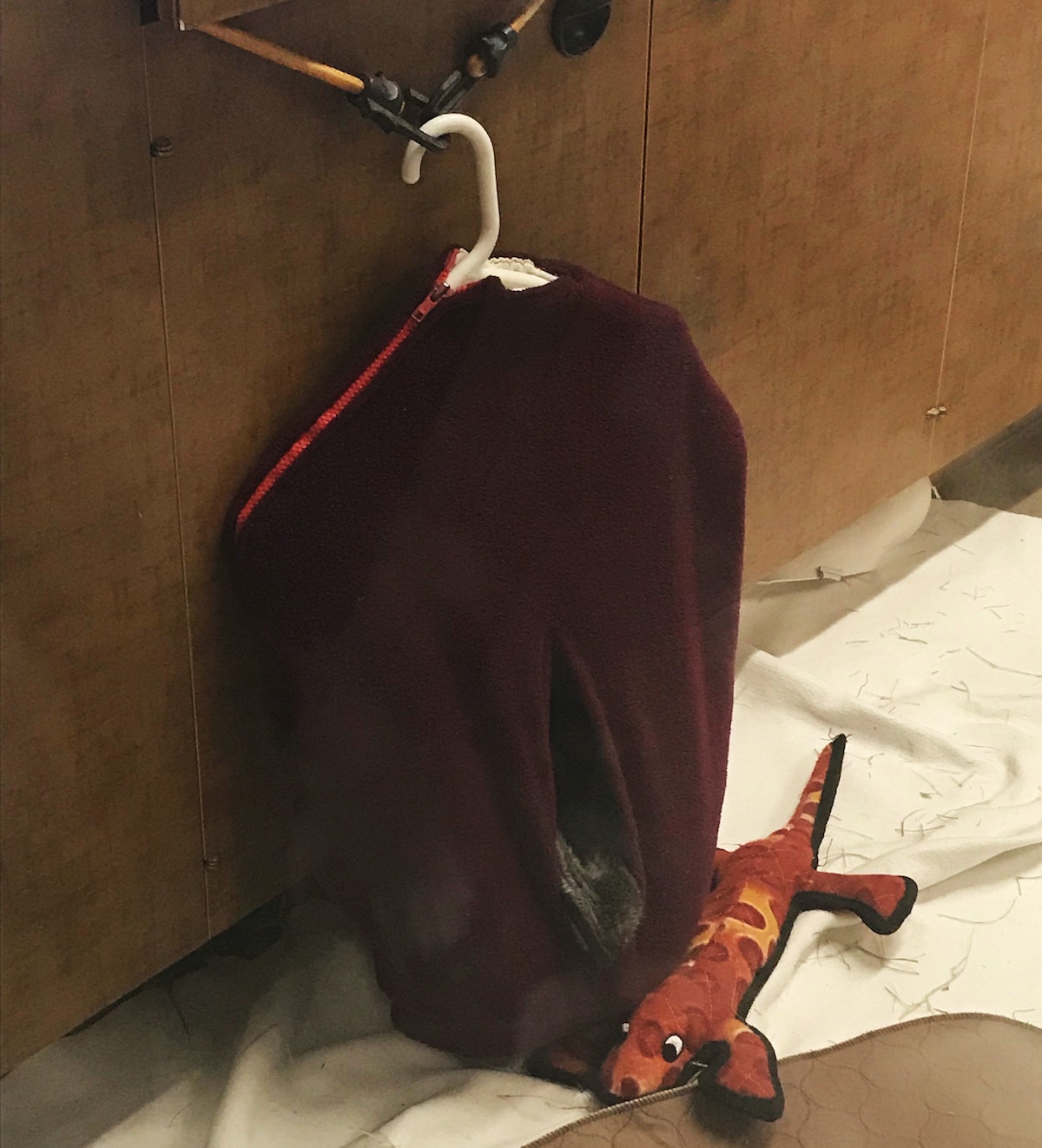
On a recent trip to the San Diego Zoo Safari Park, I spotted a baby kangaroo (or wallaby; it was tough to tell) fast asleep in a unique pouch.
Young marsupials, including kangaroos, wallabies, and koalas, spend the first part of their lives inside their mother’s pouches, but baby joeys raised away from their mothers—babies that are orphaned, for example—need substitutes.
When three wallaby joeys arrived at the Safari Park in April, keepers put them into little cloth sacks. But this joey was lounging inside a woman’s fleece sweater, with the bottom sewn up and the arms tucked in to prevent a sideways escape. Keepers had cut a hole in the front and hung the sweater at just the right height for the joey to hop in and out.
Sweet dreams, little one!
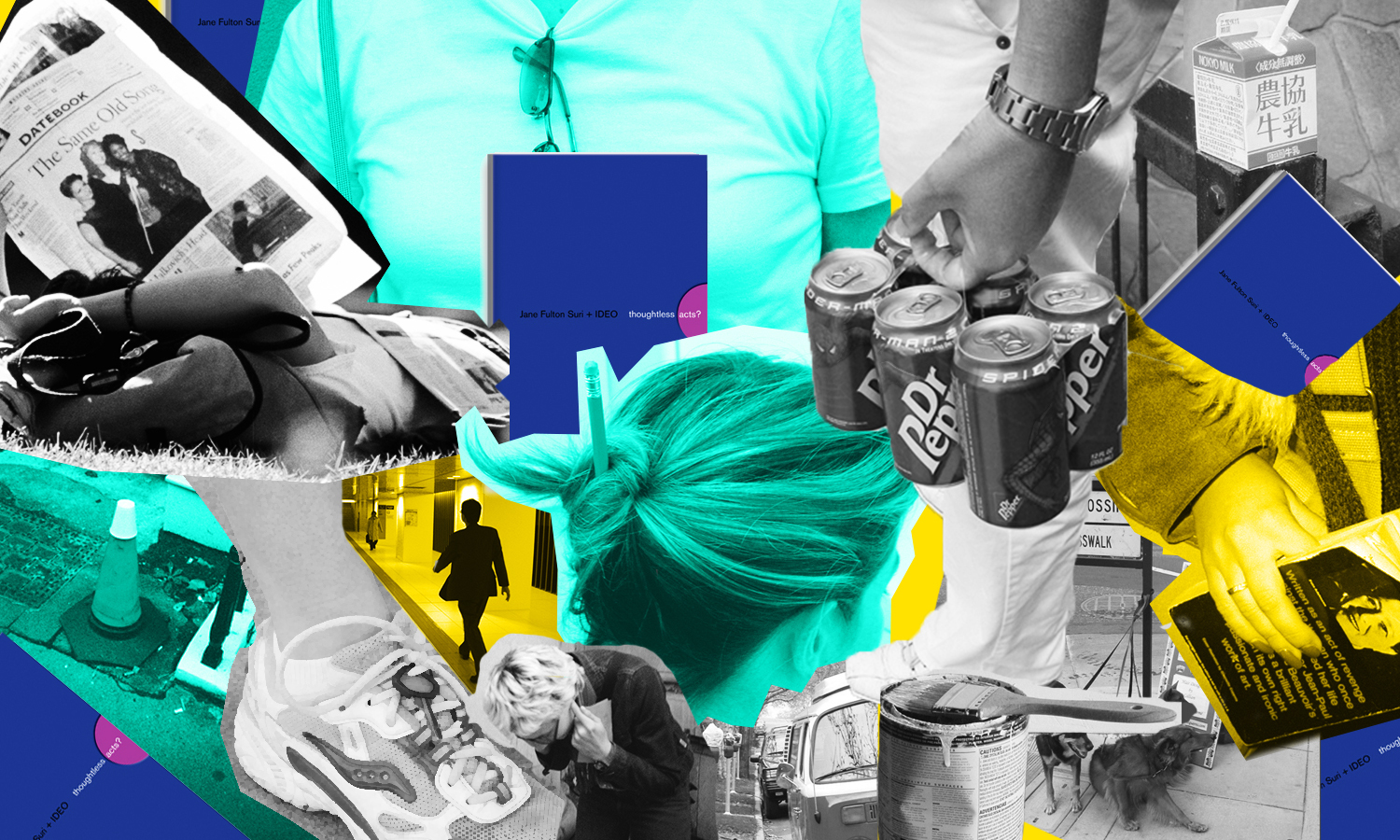
Human-centered design requires us to observe human behavior with beginner's eyes, so that we can spot the innate ways people interact with the world around them. We call these intuitive and unconscious reactions Thoughtless Acts, and IDEO designers collect photos of them to inspire their work.
6 creative crushes whose work will inspire you
Sometimes the best way to get inspired is to steep in other people’s genius for a while
IDEO designers surround themselves with creative people for exactly this reason—when you’re stuck in a rut, sometimes the best way to dig yourself out is to steep in other people’s genius for a while. Here are 6 people whose work inspires our own.

1. If your podcast library is overflowing…
Graphic designer, musician, podcaster: Hrishikesh Hirway is a creative jack of all trades. In this interview, Hrishikesh goes deep on how this versatility helps and hinders his creative process.
READ: Get to Know the Creator of Song Exploder

2. If coding is your form of art…
Matt Fargo is on a quest to make Japanese culture more fun for everyone. Learn how he draws from the coder’s toolkit to build unexpected weirdness into his digital projects.
READ: Code-Based Eye Candy from a Tokyo Renaissance Man
3. If Mother Nature is your muse…
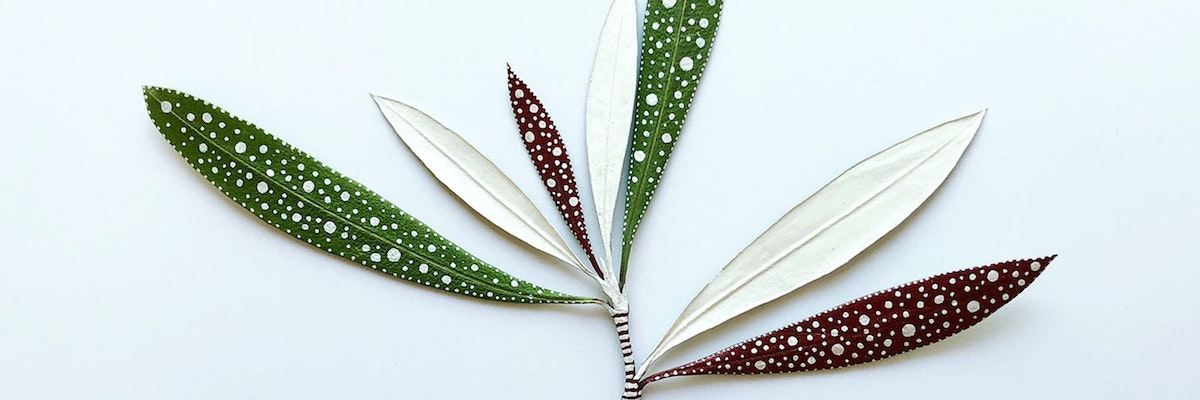
When New Yorker art director Rina Kushnir's not designing layouts, she can be found painting leaves she collects in her Brooklyn neighborhood. Find out how this meticulous project helps her meditate and stay creative.
READ: How an Art Director at the New Yorker Unwinds
4. If you’re an art enthusiast…
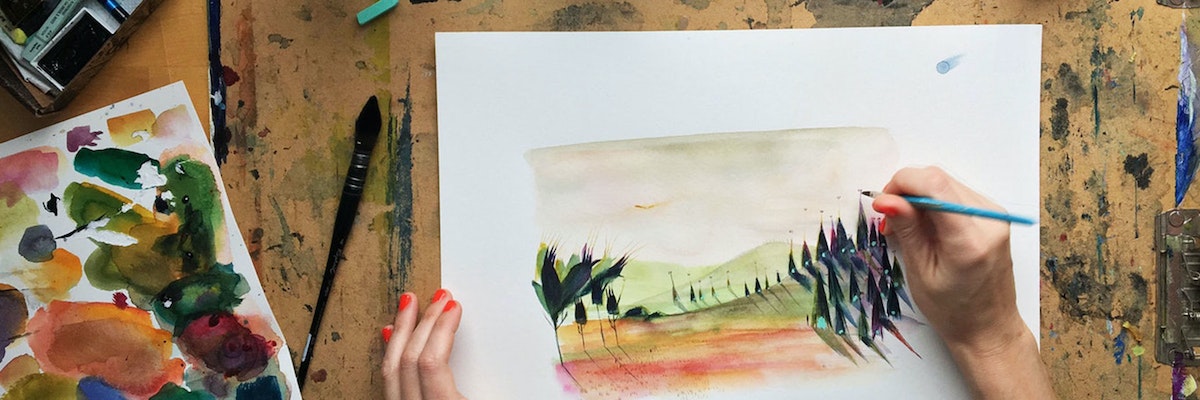
Illustrator Cindy Derby creates imaginary worlds for children’s books, but her unique characters and experimental style capture the imagination of adults just as easily. Get to know Cindy and her made-up worlds in this interview with the artist.
READ: Why This Illustrator Makes Her Own Tools
5. If you’d rather be at a museum right now…
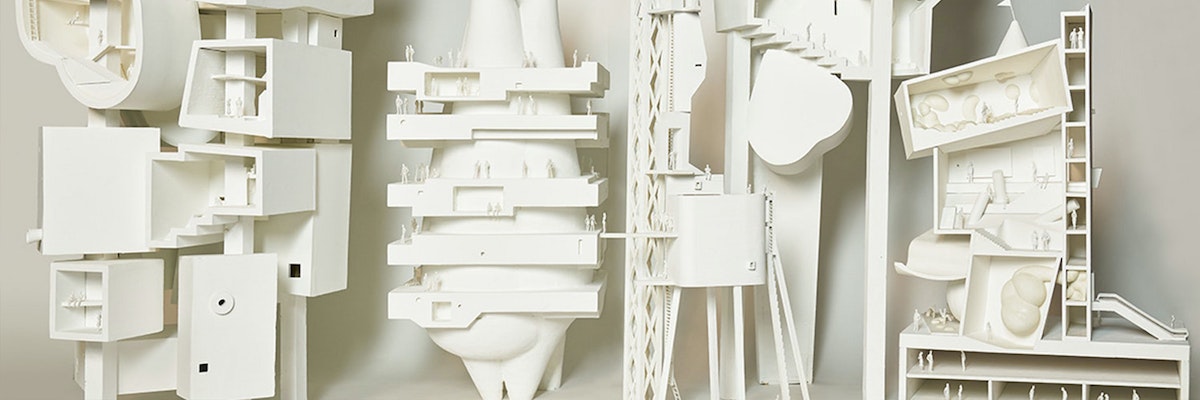
As curator of Architecture + Design for SFMOMA, Jennifer Dunlop Fletcher puts the world of design on display. Find out how she stays inspired by constantly considering the now, questioning the promise of future technology, and looking back on the designs that made history.
READ: Meet the Woman Who Spots Great Design for a Living

6. If you’re a film buff…
Nomadic filmmaker Brandon Li uses film to express the beautiful madness of urban life. See how his creative process adapts to whichever city he’s in.
READ: These Eye-Popping Videos Capture the Madness of Cities
Let’s keep the inspiration flowing! Tell us who’s inspiring you right now using the hashtag #CreativeCrushes on Twitter.
Creativity begets creativity. When you witness or consume brilliant work by someone you admire, it’s almost impossible to resist the urge to dive head-first into your own creative pursuits.
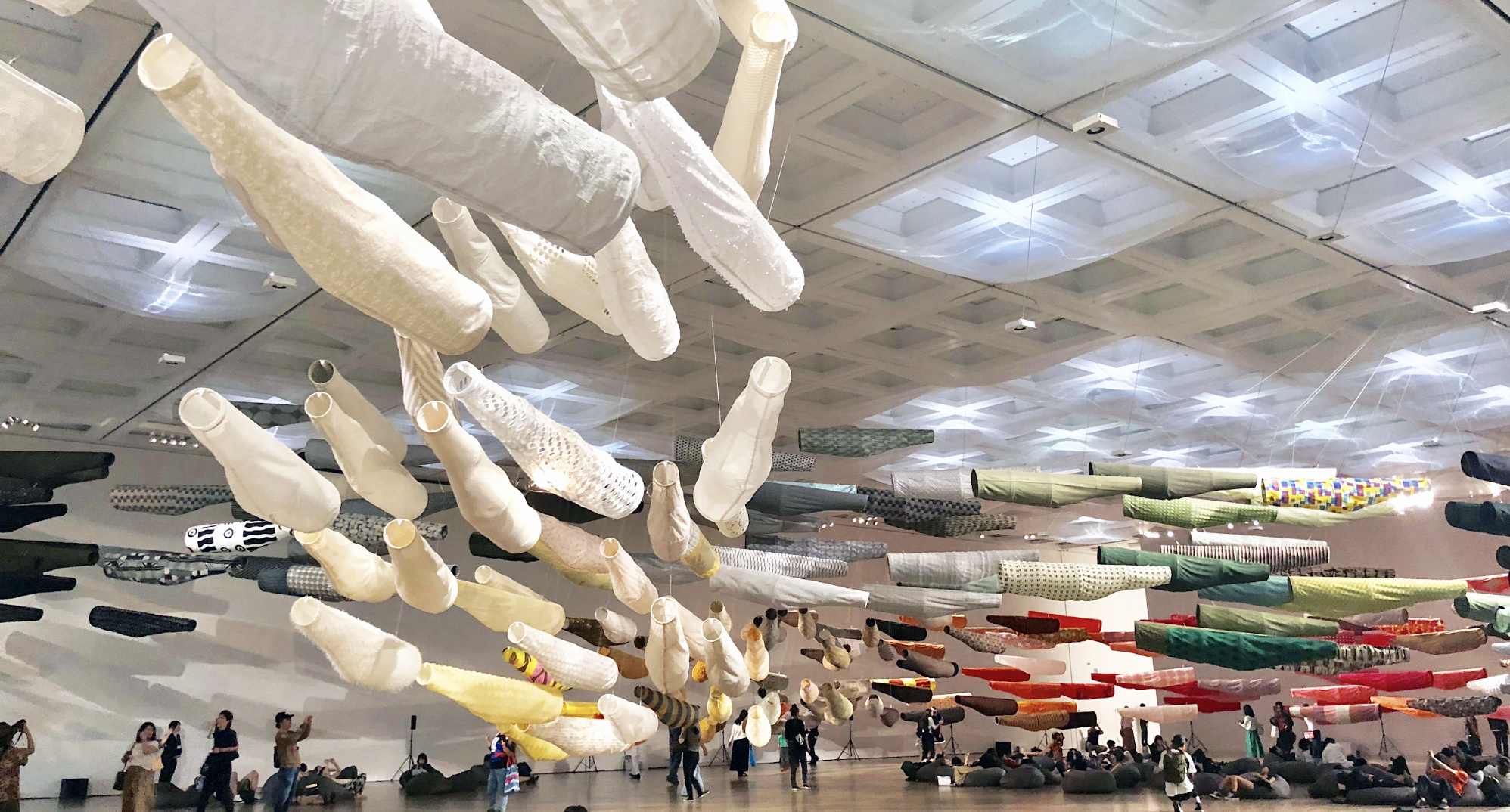
How to turn the familiar Into something new
6 design lessons from a Japanese art exhibition that embraces the art of surprise
Back in May, I saw an exhibition at the National Art Center Tokyo that delivered unexpected brilliance from start to finish. Hearing other visitors remark, “I really wasn’t expecting this!” as they walked through the gallery space, I knew I wasn’t the only one.
How do you go about creating something unexpectedly brilliant? What triggers that kind of experience? Here are some learnings I had from visiting the show:
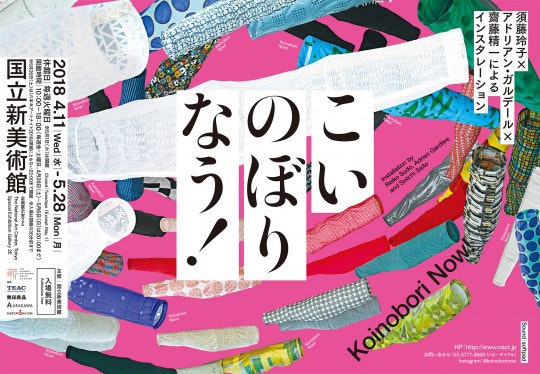
1. Disarm your audience with familiarity
This installation was created between renowned textile designer, Reiko Sudo; exhibition designer, Adrien Gardère; and Seiichi Saito from Rhizomatiks. The creators are famous, but the exhibition title, Koinobori Now!, communicated something common and familiar, with a hint of pop. Koinobori is the Japanese word for the carp streamers that appear as part of Children’s Day celebrations in Japan every spring. Nau is the Twitter-bred Japenglish word used for anything happening ‘now.’ The title Koinobori Now! is so direct it almost sounds like a children’s exhibition; everyone thought they knew what to expect. It was also a rare instance where NACT hosted a show for free, welcoming an exceptionally diverse audience.
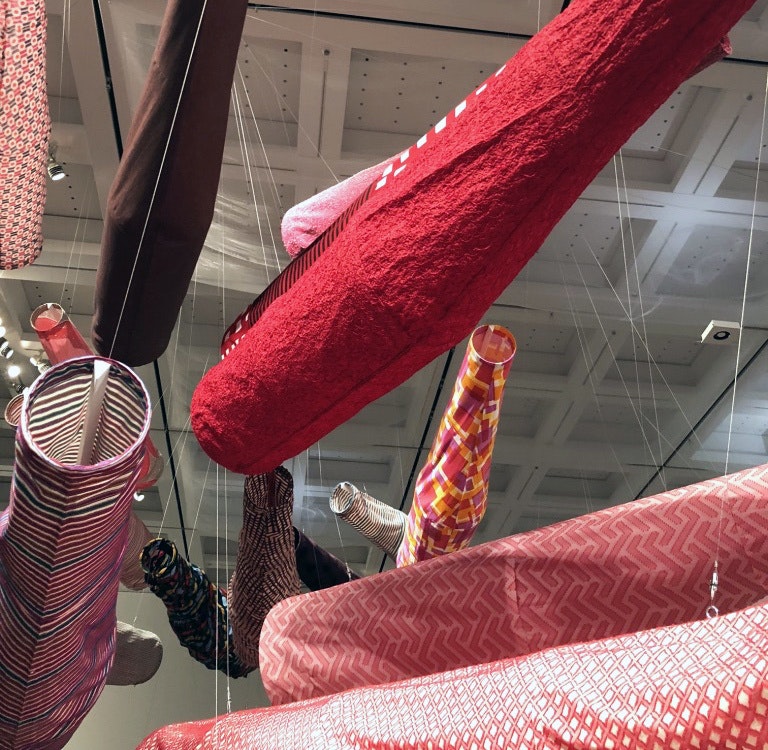
2. Reference conventions with disruptive edge
In reality, the show was much more than just a seasonal parade of modern carp streamers. Rather, the streamers served as inspiration and as a medium for presenting the textiles designed by Sudo and her company, Nuno. Gardère mentioned in an interview that as with any textile exhibition, the challenge was to showcase the works in a way that brought them to life in the absence of the human body. He looked for inspiration in the ways in which textiles lived and breathed in Japanese traditions—on this occasion, carp streamers. But instead of following the structure and styling traditionally used in koinobori, he reinterpreted it to be more structured. From the flat fish shape, he removed the fins, tails, eyes, and scales, and added backbones and rib cages so the carp would hold their shape. The resulting koinobori was something that looked familiar yet novel.
3. Give your audience the freedom to engage
This was the first time that the NACT took down all its partitions to create one large space for the installation. Everything was kept open between the work and audience.
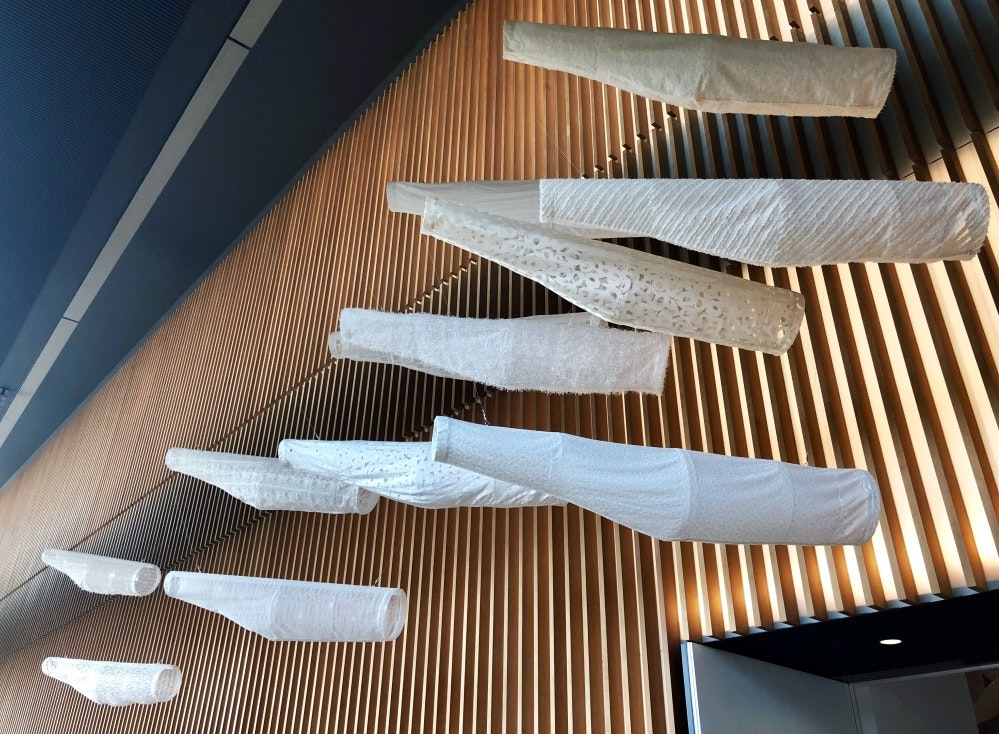
A school of white carp streamers floated by the entrance like phantoms beckoning people into the exhibition. Following them in, the room opened up to reveal over 300 textile carp swimming through the air in a sweeping gradation of colors. The mesmerized audience was free to wander, take photos through the carp streamers, and lay down on Muji bean bags to absorb the show at their own pace.
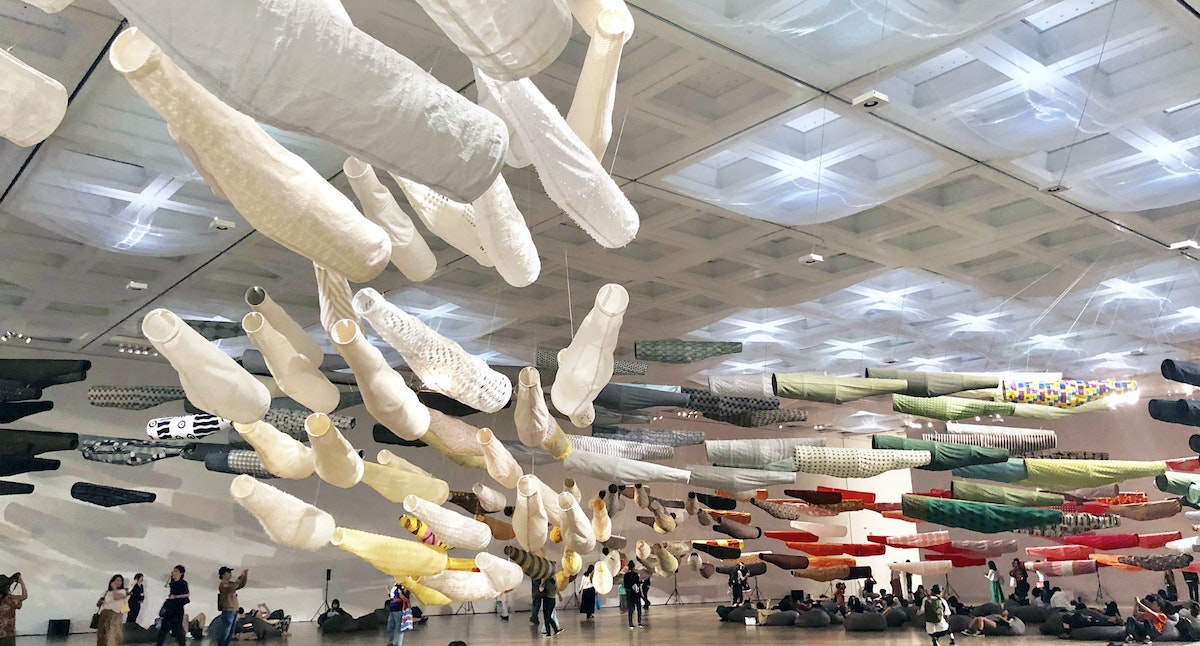
4. Let your theme go beyond objects to permeate the space
A lot of thought also went into the less noticeable parts of the exhibition. Saito from Rhizomatiks contributed to the environmental design by leveraging air flow and light sources. Small fans were set up on the ceiling, with shifting spotlights positioned alongside to create shimmers and ripples on the translucent fabrics The lights also cast shadows of the carp streamers onto the wall and floor.
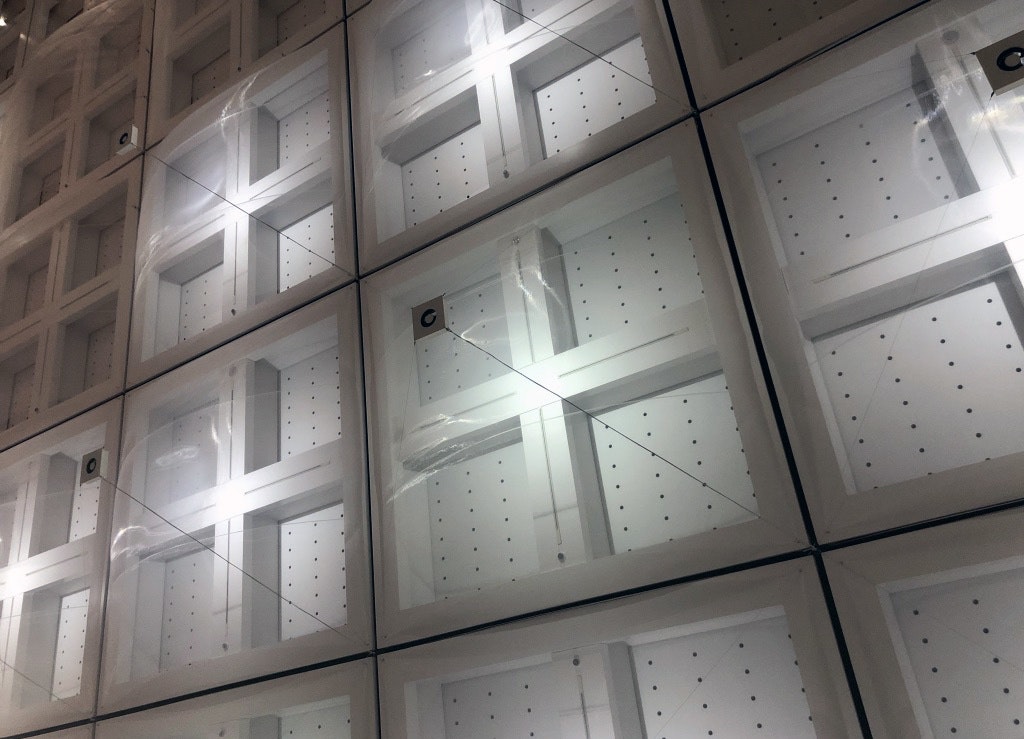
It was a subtle gesture that made the audience register a dynamic flow throughout the room, and gave the carp streamers a current to swim in. Together with the ambient soundscape by Softpad, the exhibit came to life.
5. Interlace sensory experience with informational storytelling to trigger curiosity and imagination
The exhibition could have easily ended here, but a small space at the back revealed the backstory behind the show. Video monitors played interviews of the three main collaborators as well as Nuno’s beautiful production videos. A make-your-own-carp workstation held fragments of patterned paper for people to craft their own streamers. And a long rack of textile samples lined the walls.
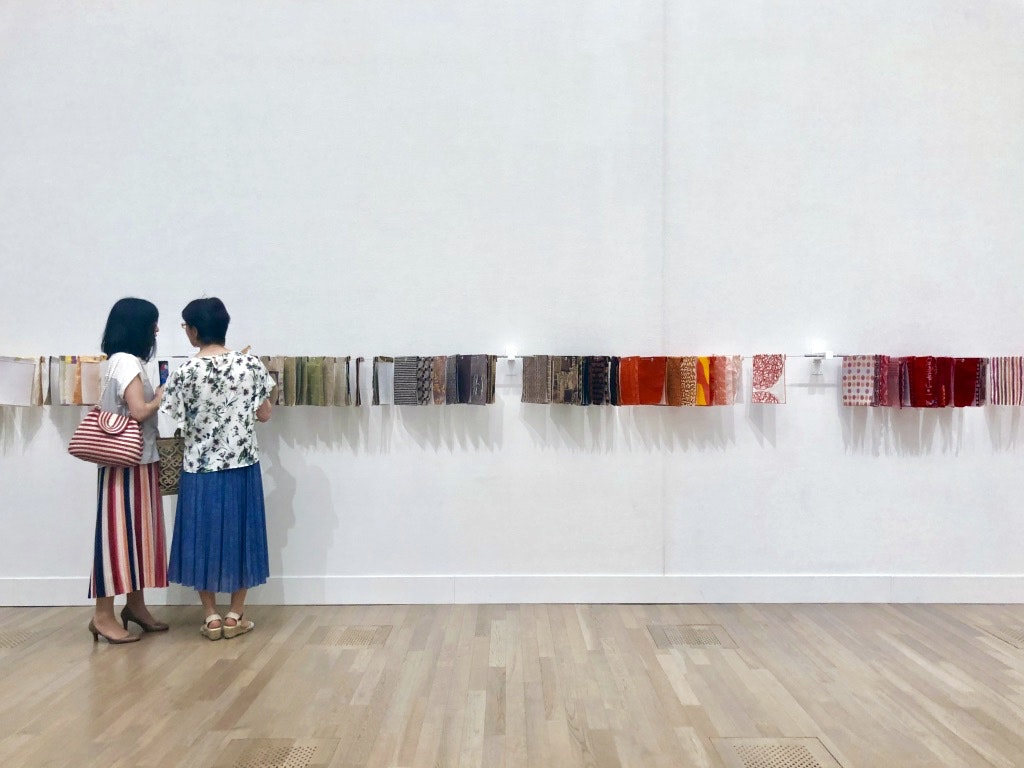
Here, all 300-something textiles designed by Sudo for the installation could be seen up close, touched, and read about in detail. Each textile had a background story. Here were two of my favorites:
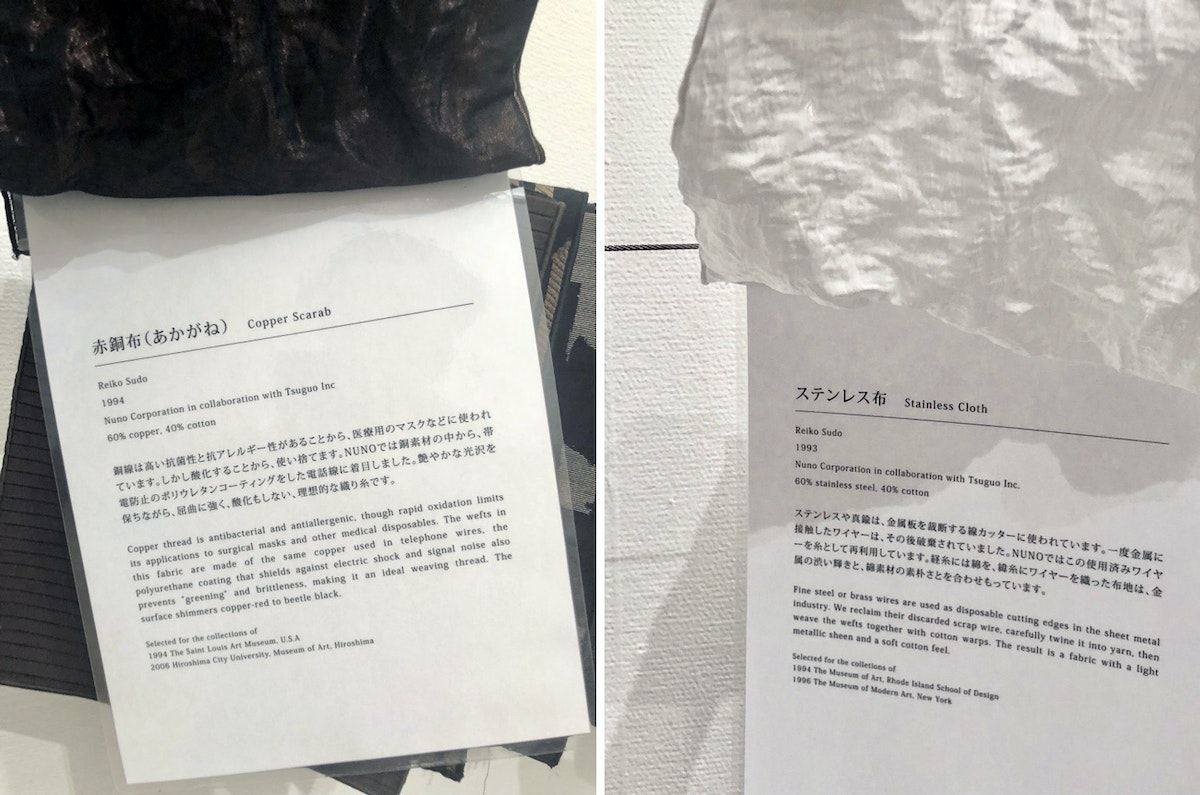
I learned through reading these stories that Sudo is famous for reusing and repurposing unconventional materials to create textiles that challenge the existing conventions.
Once you uncover these stories and return to the larger exhibit space to make an exit, the same installation begins to take on different dimensions.
6. Work in collaboration with others
One final learning from this exhibition—what made it so unexpectedly brilliant—was the way the collaboration between the creators materialized as a sort of alchemy, elevating each individual contribution into a magical whole. Sudo’s textiles, Gardère’s exhibit design, Saito’s space design, and NACT’s curation reacted to and considered one another, orchestrating a holistic experience beyond single objects, addressing themes beyond individual expertise, and creating something relevant and surprising for everyone.
*Exhibition flyer taken from Studio Adrien Gardère. All other photos taken by the author with permission from NACT.
What separates a great cultural experience from a truly memorable one? An element of surprise. Unexpected brilliance sticks in your mind, and the memory becomes something you can return to for inspiration.
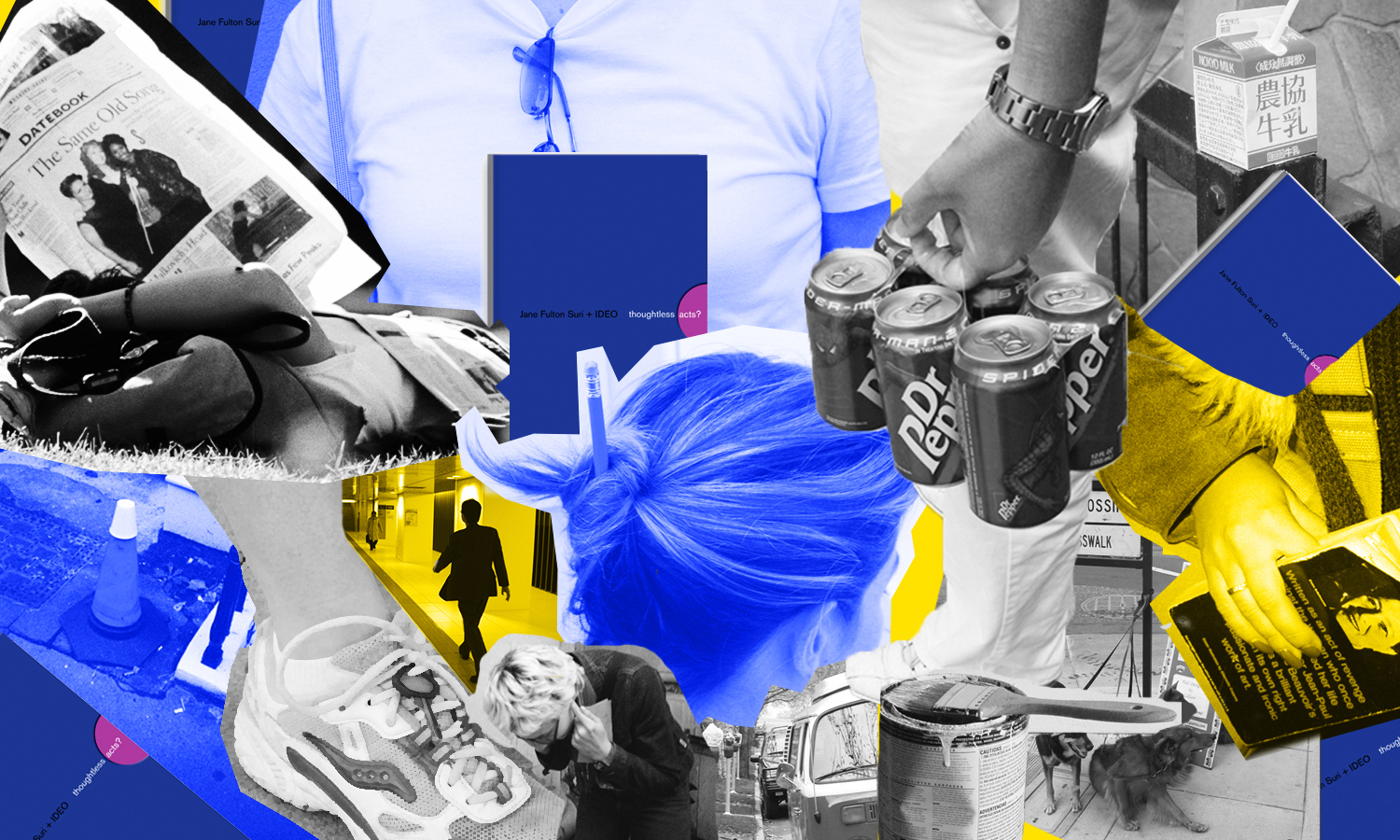
Thoughtless acts: Clean plate club
Thoughtless Acts: Clean Plate Club. The intuitive ways we adapt and react to things in our environments
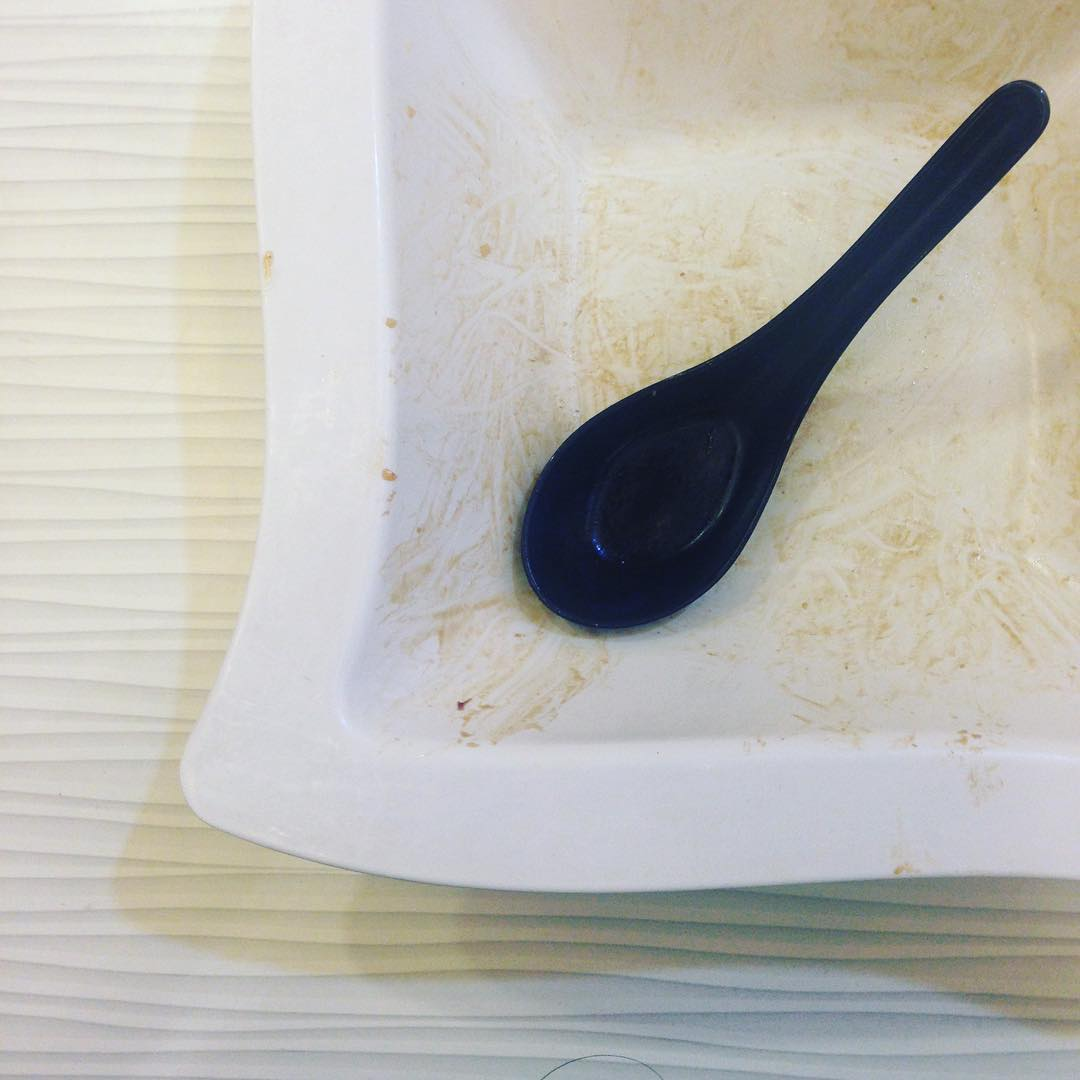
It doesn't look like much, but this spoon/bowl combo was a satisfying dining experience. Not long ago, I visited a college cafeteria that had several different stations, each with a different kind of plastic cutlery. Someone suggested that I use a plastic spoon from one station with a bowl from another, because they had observed over time that the inside radius fillet of this bowl perfectly matched the outside radius curve of the spoon. This way, your spoon always scraped the corner of the bowl clean. They had gone so far as to make sure there was always a supply of spoons at the the other counter, to make sure they could use them with the mis-matching bowl.
Human-centered design requires us to observe human behavior with beginner's eyes, so that we can spot the innate ways people interact with the world around them. We call these intuitive and unconscious reactions Thoughtless Acts, and IDEO designers collect photos of them to inspire their work.

Lindsey Turner
I’m passionate about building brands, products, and experiences that help organizations show up with meaning and momentum.
I help organizations cut through complexity by shaping how they show up, through brand strategy, identity, and storytelling.
Working at the intersection of brand and business, I bring an editorial eye and a bias toward making—turning ideas into tangible experiences that people can understand, trust, and believe in.
My work spans government, healthcare, financial services, media, and consumer goods, from launching Gen Z-focused ventures to building innovation labs and reimagining legacy brands. I relish moments of ambiguity and enjoy translating across teams, perspectives, and priorities to move ideas forward.
I started my career in editorial and digital design, shaping cross-platform experiences and identity systems in publishing and agency environments. That foundation still shapes how I work today: I’m detail-oriented, collaborative, and overreliant on the Oxford comma. I hold a BFA in Visual Communication from the School of the Art Institute of Chicago.

Rachel Young
My work helps organizations see who their products aren't working for—and build the will and the tools to do something about it
For 25 years, I've asked the same question: Who does this design exclude—and what are we going to do about it?
My work spans human-centered strategy, inclusive design, and qualitative research, with clients ranging from Microsoft, Google, and Verizon to the National Science Foundation, and San Francisco Unified School District.
Before IDEO, I taught elementary school in East Palo Alto and spent a decade doing design work with social service organizations—where I learned firsthand what it costs people when systems are built without them in mind.
I am currently writing User Error, a nonfiction book about digital access and the design decisions behind it. I live in Oakland, California.

Brian Pelsoh
I lead with craft, ensuring our work is creatively excellent: rooted in deep human insight and imagination, while also grounded in the realities of business and technology.
My expertise spans brand, communication, and product design across tech, education, the arts, and social impact.
I believe great work demands both high-level vision and obsessive attention to detail, and only happens through collaboration.
I bring an inclusive, hands-on approach and a deep understanding of business, which enables me to consistently deliver excellence while always asking why.
Before joining IDEO, I worked at the brand firms Pentagram and VSA Partners. I began my career as a designer, leading teams at the School of the Art Institute of Chicago and the Milwaukee Art Museum. I hold an MFA in graphic design from Maryland Institute College of Art and a BFA in communication design from the Milwaukee Institute of Art & Design, and have taught at some of the best design schools in the US.

Tony Wong
I am responsible for IDEO’s long-term success in China and working with clients to use design as a tool to enable growth.
I am responsible for IDEO’s long-term success in China and working with clients to use design as a tool to enable growth. Specifically, I have helped Chinese companies design holistic brand solutions through the development of their products, communication, services, and innovation teams, and I have helped multinationals expand their presence and influence in China.
I advise global leaders on developing China-led innovation and capabilities.
In over 15 years in IDEO Shanghai, I have worked on projects that use design to elevate the quality of the experience of healthcare products and services, streamline processes that increase productivity, create spaces and programs that promote and enable inclusive communities, and build next generation mobility solutions that are planet-positive.
Before joining IDEO, I worked at Philips Electronics and the Electrolux Group in Italy, the Netherlands, and Singapore on a number of breakthrough commercial products. I am a member of the Young President Organization in Shanghai.

How to use AI as an editor, not a writer
Ed White shares how he uses AI as an editor—not a writer—to sharpen storytelling, rehearse ideas, and preserve the productive friction that makes creative work better.
Ed White has a rule he's tested on his own writing: hold yourself as the writer, and let AI be your editor. Ed is a Senior Design Director at IDEO's London studio, where he co-leads the firm's AI portfolio across Europe. Before IDEO, he spent 12 years as a writer and editor at the Financial Times, Wired, and Contagious. So when he talks about when to use AI for storytelling and when not to, it comes from two decades of crafting his storytelling skills.
In this episode, Mina Seetharaman talks with Ed about two specific tools he uses to keep AI in an editor's seat: a "roasting agent" prompted to critique his drafts without any sugarcoating, and a simulated audience he rehearses pitches on before the real thing. They also get into what Ed is hearing from design leaders at Anthropic, Lovable, Shopify, and Google Creative Lab about how creative work is changing, and why he thinks the friction of writing something yourself is worth protecting rather than automating away.

Building a personal AI for the messiness of life: Sida Li
Becca Carroll talks with Cue co-founder Sida Li about designing a personal AI for the messiness of everyday life—not just work. They explore how Sida stays anchored to human needs while navigating fast-changing technology, product tradeoffs, business-model experimentation, and the realities of building an AI company today.
Most AI products today are built for work—a space with clear problems and established systems. One founder noticed a gap: personal life is messier, harder to systematize, and mostly left behind by the AI boom. So she built Cue, a personal AI that lives inside iMessage and group chats, to go where the other tools haven't.
In this episode, Becca Carroll, IDEO's Chief Strategy Officer, talks with Sida Li, co-founder and CEO of Shared Context Lab, about staying anchored to a human need while the technology around her keeps changing shape, why she treats her business model with the same rigor she'd bring to a product, and what it feels like to build a company at this particular, disorienting moment in AI.
The conversation also gets into how Sida makes design decisions: the language Cue uses to describe itself, the tradeoffs behind building inside iMessage instead of a new app, and a real story about a business idea that didn’t pan out.
This is the second in a two-part series profiling founders from IDEO's Startups-in-Residence program. The first conversation is with Johannes Seemann, founder of Sooner, on designing GenAI for the emotional side of money.

Designing GenAI for the emotional side of money: Johannes Seemann
Designing financial tools around the feelings that shape money decisions.
Most personal financial tools are built to run the numbers and optimize towards a budget. While that works for some, most people experience money as a lived relationship that does not neatly fit into a spreadsheet. Johannes Seemann and Becca Carroll discuss why money is emotional before it is mathematical, and what a human-centered approach to building a generative AI financial product looks like in practice.

The curious leader's edge in uncertainty: Scott Shigeoka
How genuine curiosity helps leaders navigate uncertainty with greater confidence.
Mina Seetharaman talks with Scott Shigeoka, author of Seek and Head of Curiosity Cultivation at the Eames Institute, about what distinguishes genuinely curious leadership from performative curiosity, how power dynamics shape curiosity, and why practicing curiosity can restore energy rather than drain it.
Looks like you might be in search of something very specific?
Or reset the filters above and try another angle.
Here’s some random inspiration

Podcasts about creative leadership

Articles about the power of prototyping