
.svg)


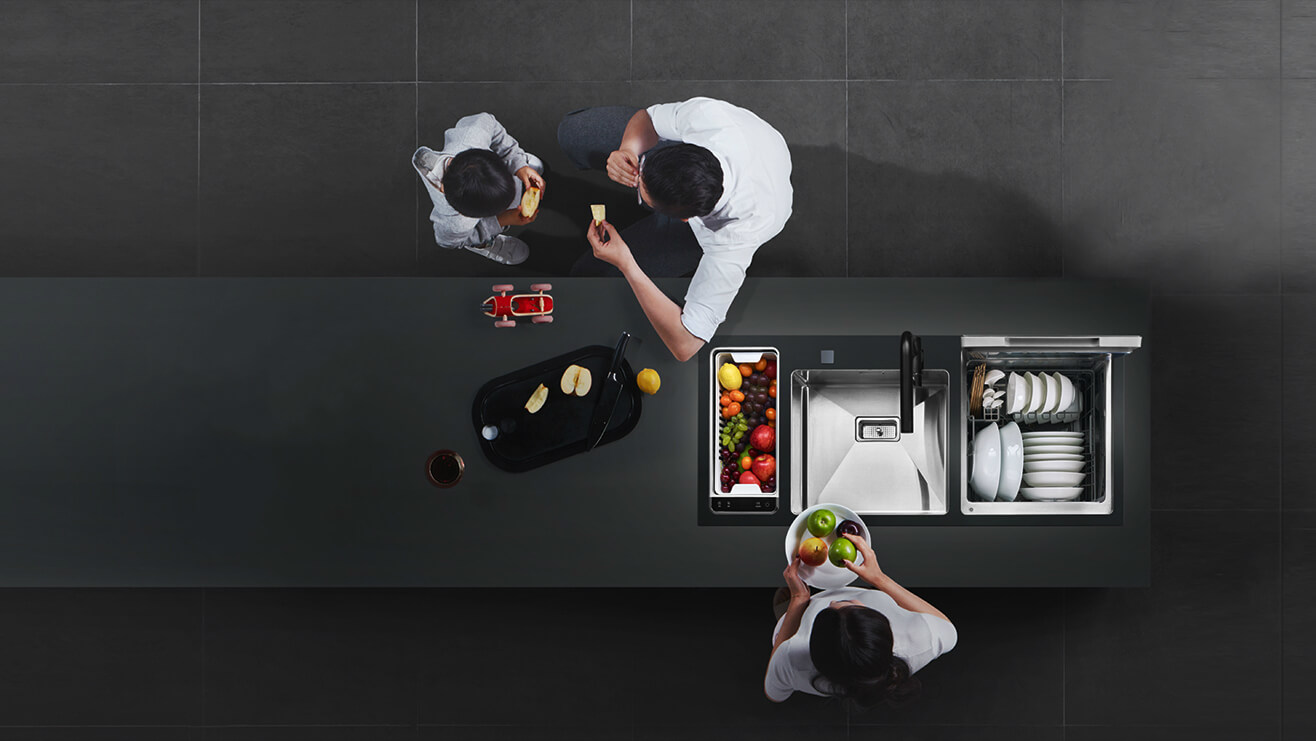

Introducing China’s first sink dishwasher
Fotile, the country’s top kitchen brand, unlocks a new category.
IDEO and Fotile have had a relationship since 2009, working together on projects including a unified design language for product offerings, retail environments, and IoT strategy. For the dishwasher, IDEO and the Fotile research team came together for design research, shadowing Chinese families in different cities as they prepared meals from start to finish. Together they discovered that unlike in Western cooking, where several kinds of cookware are used for different dishes, Chinese cooks tend to use the same cookware to prepare all of their dishes.
That meant that the cookware needed to be cleaned several times during a single meal preparation, rather than once at the end. In this context, the sink serves different purposes over the course of cooking—it’s a place to wash and store prepped ingredients, rinse the cookware, and deep clean the dishes used in food prep and during the meal.
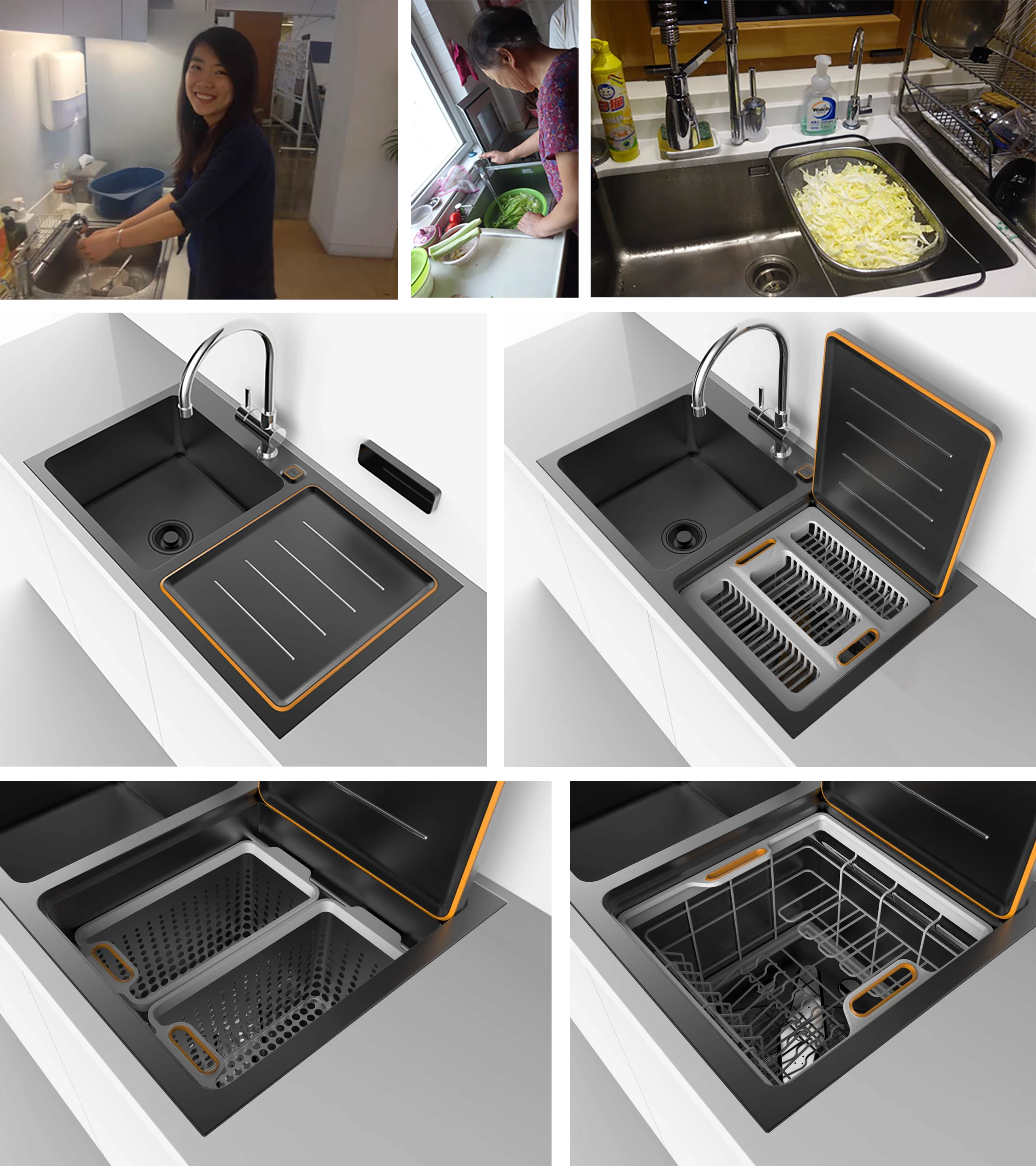
Based on this insight, IDEO made a list of product design recommendations that became Fotile’s Sink Dishwasher—a counter-level, multi-purpose appliance that specifically suits Chinese cooking habits. IDEO’s design guidance gave Fotile the confidence it needed to launch its product into the market, and served as a blueprint for the future iteration of Fotile’s Sink Dishwasher.
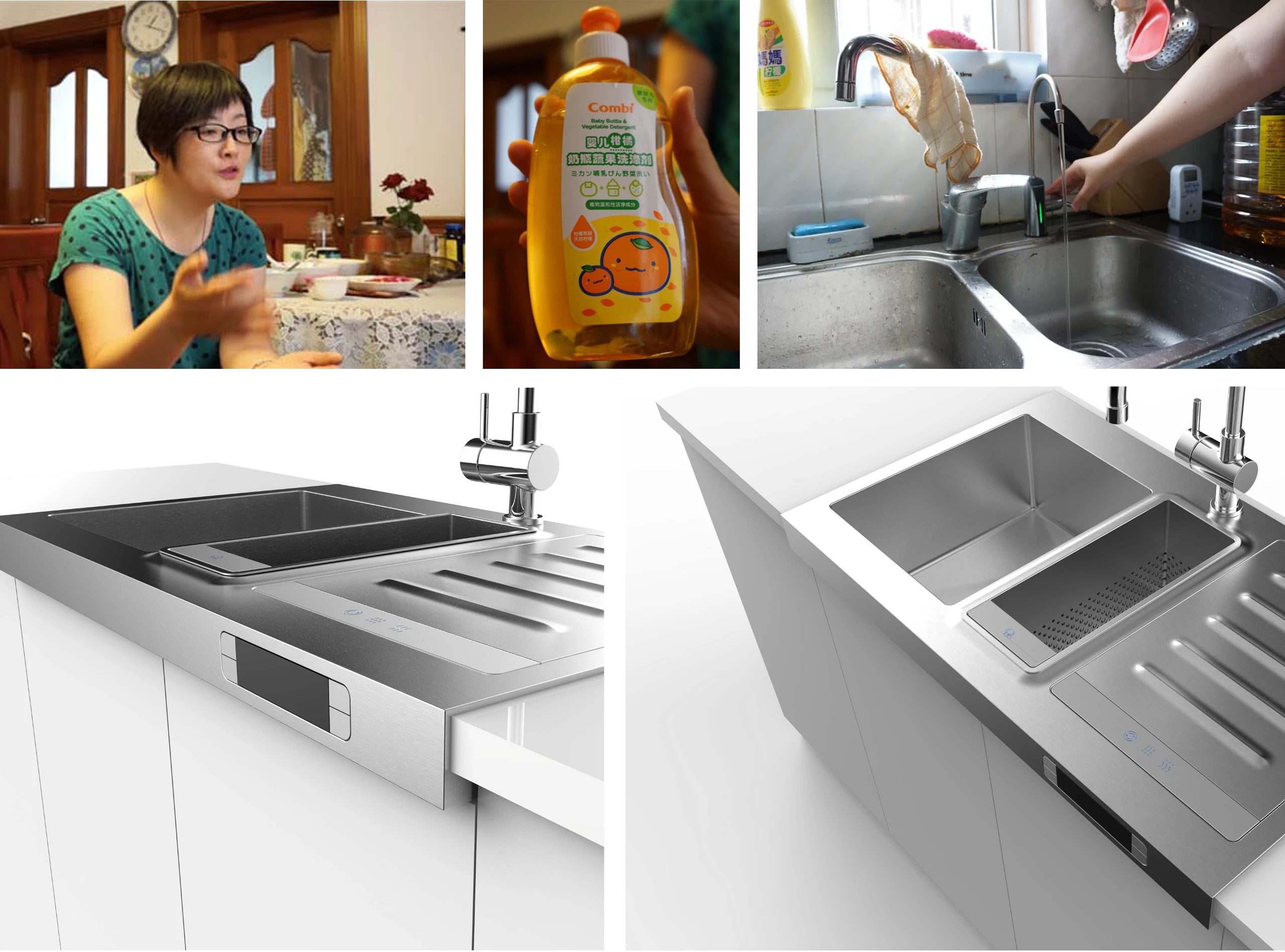
On March 25, 2015, six months after the project ended, Fotile launched the world's first sink dishwasher designed for Chinese families. Eight months later, its market share exceeded 30 percent, setting off a wave of innovation in the Chinese dishwasher category.
In 2016, Fotile introduced a three-slot dishwasher with an added compartment for cleaning fruit and vegetables—a direct response to a research finding that Chinese families are concerned about food safety. When this new model hit the market, Fotile’s dishwasher market share jumped to 41.1%. In China, Fotile is now synonymous with “sink dishwasher,” and the company has a widespread reputation among consumers as a symbol of a safe and healthy Chinese family kitchen.

Since its founding in 1994, Fotile’s Chairman, Mao Zhongqun, has made it his goal to “do nothing but build a high-end Chinese family brand.”
30%
Fotile Sink Dishwasher’s share of the market in China, just eight months after launch
41%
Fotile’s dishwasher market share after it launched a three-slot version in 2016
#1 selling brand
in the mainstream price segment of the Chinese dishwasher market as of August 2023

Growing a brand for modern Chinese parents
China’s BoAo Group expands from an auto industry manufacturer to a lifestyle brand for modern families.
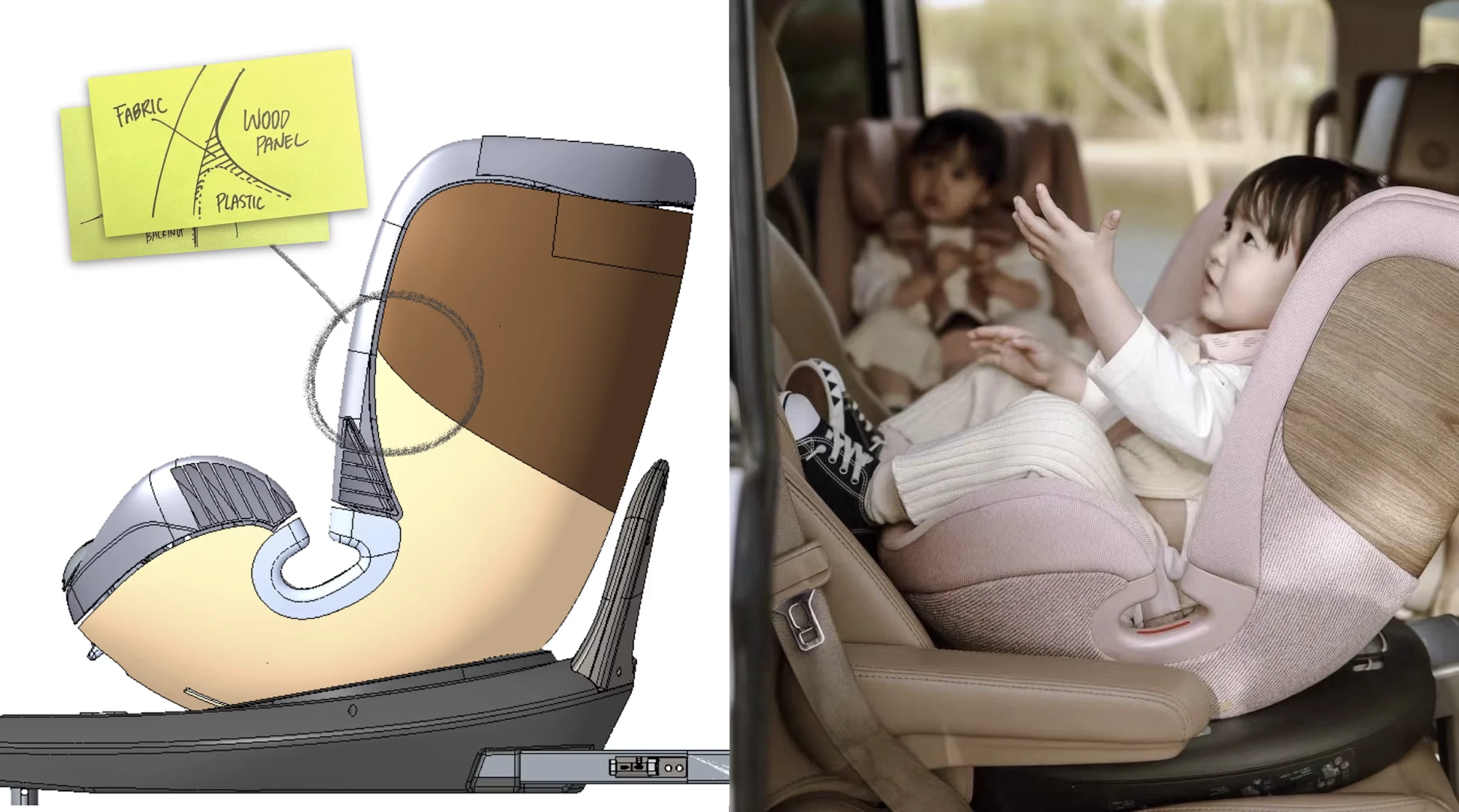
BoAo Group’s idea to design a new baby car seat was fueled by a newly revised minor protection law, which made using child safety seats mandatory beginning June 1st, 2021. As ZUOWE and IDEO looked around China’s emerging car seat market, the team noticed a singular focus on safety and safety features across most international and domestic brands. There was a clear opportunity for a new product that could meaningfully differentiate itself by not only providing safety features but also meeting the needs of modern Chinese parents.
To kick off the project, the IDEO team needed to answer two questions: What matters to the new generation of parents in China? And how will their style and approach to parenting affect their expectations for baby car seats? Taking into account the potentially different consumer needs in different geographies, the IDEO team headed to Shanghai, a city with more than 25 million people, and the city of Taizhou in Zhejiang province, which has a population of 2 million. They conducted in-depth home visits to local families, visited many brick-and-mortar mom-and-baby shops, and interviewed people like specialized nurses, parenting experts, and child psychologists.
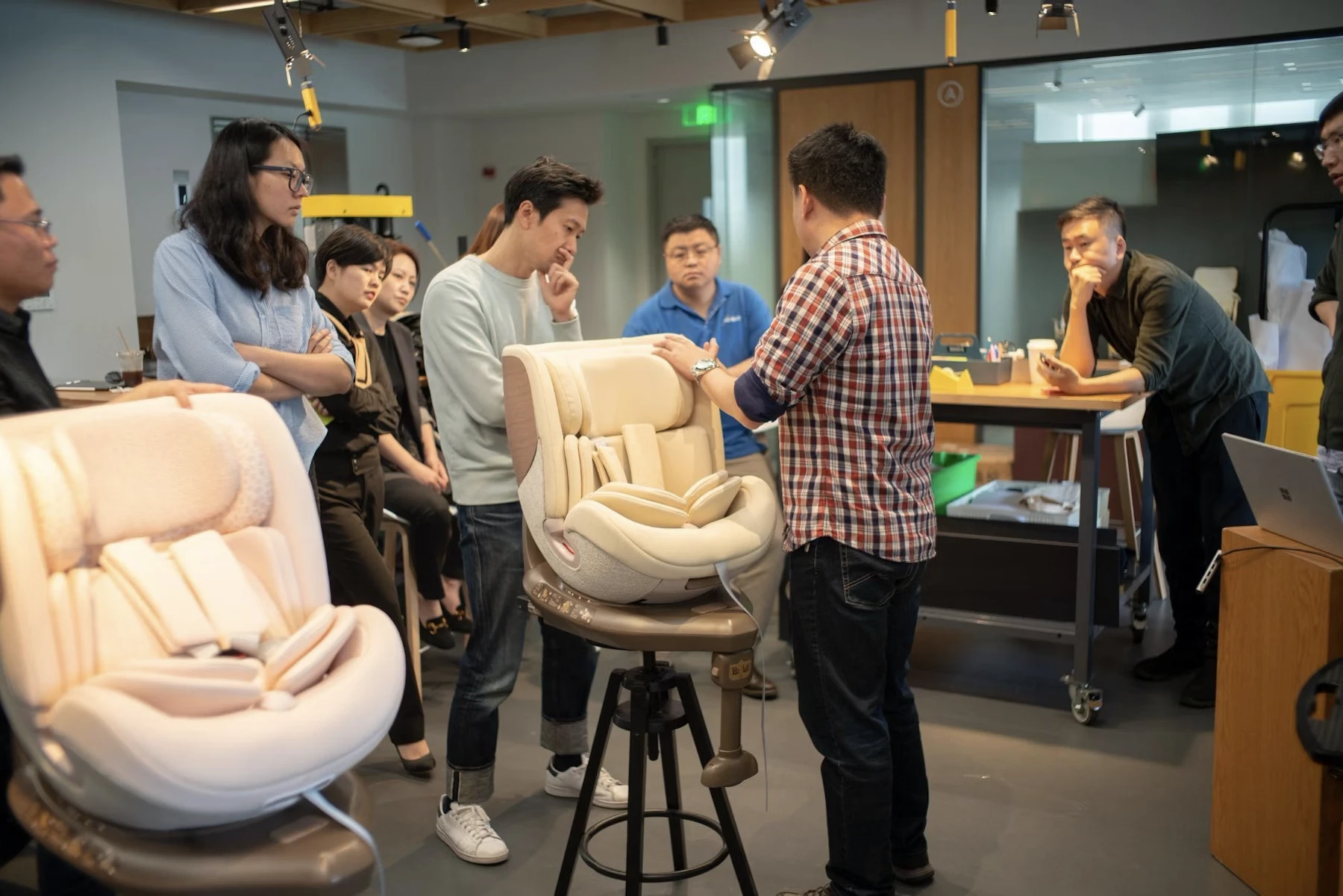
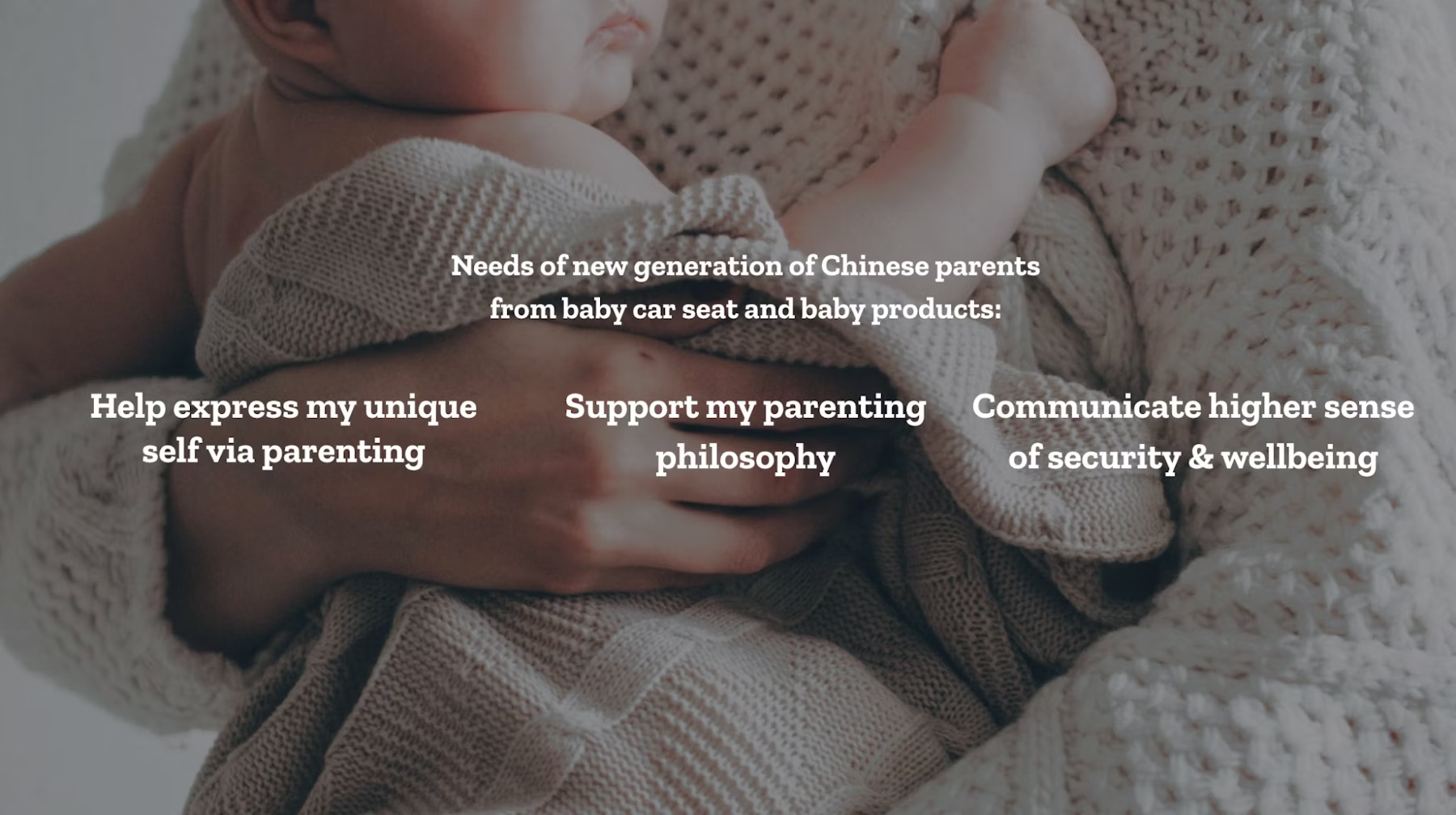
Despite the differences between the two cities, IDEO discovered commonalities during consumer conversations. Young Chinese parents were experiencing a perceived identity gap. As individuals, they felt they had distinct personalities and a clear sense of self. They actively expressed themselves through their clothes and belongings. But when they became parents, this sense of self weakened or disappeared completely. Their identities shifted to being someone’s mom or dad overnight. This new generation was eager to show their unique approach to parenthood as they used to express their sense of self. But many products were designed for children, with little regard for parents.
This core finding helped set the direction for the new baby car seat design and brand Maple&Co. However, there were still two significant challenges to overcome. One, IDEO needed to design a product with stringent technical regulations and standards on a tight timeline—ZUOWE wanted to launch the new car seat at an important industry trade show within the year. And two, the team had to help the organization transform its thinking and ways of working to be more consumer-centric.
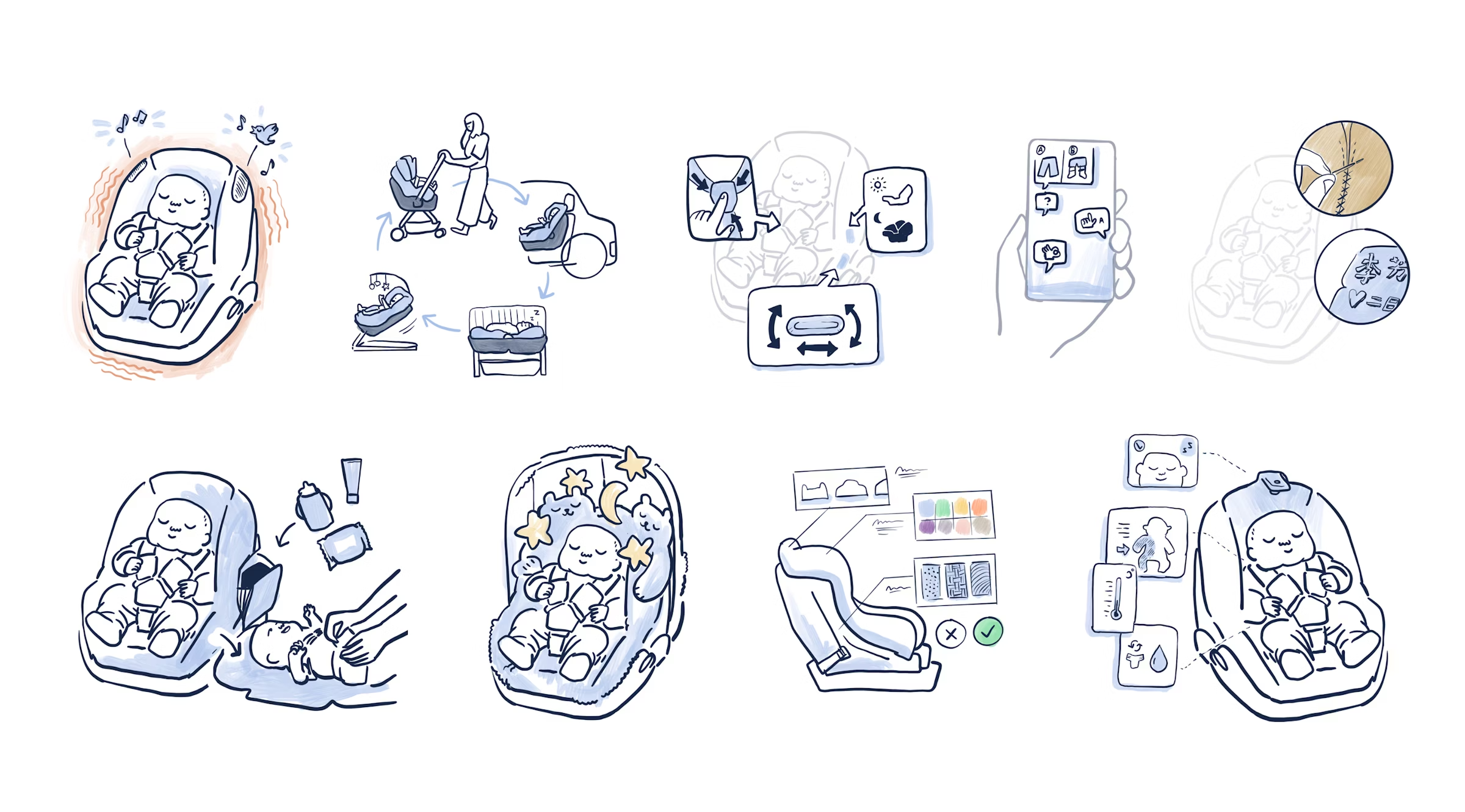
BoAo’s strength lies in its 20 years of experience developing and manufacturing car seats for major domestic and international automotive brands. This gave the company an edge in overcoming technical barriers and driving mass production. But its engineering and manufacturing mindset had become a barrier to transforming into a D2C brand. With such ingrained ways of working, pivoting to a more creative process can be hard.
To address this hurdle, IDEO set up co-creation workshops, bringing together ZUOWE’s newly formed baby car seat team and manufacturing experts from their factories to discuss design direction and details early on. The benefits of the collaboration were clear: It was easy to share feedback in a timely manner and make product design decisions very quickly. When IDEO presented a design that emphasized natural textures during a workshop on brand positioning, a member from Bo Ao’s manufacturing team said, “This feels very different. This could become a major selling point,” and that they had “never seen” anything like it done by other baby car seat brands.
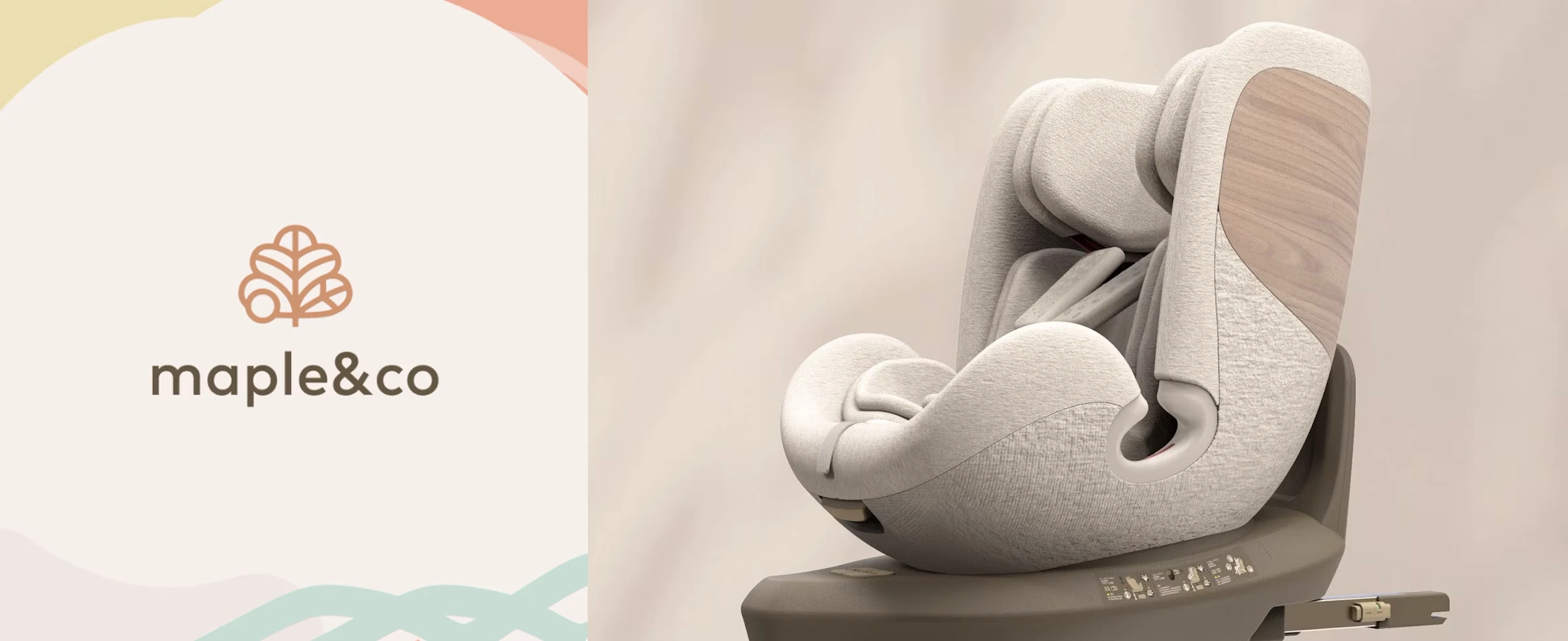
A year after working together, ZUOWE Technology launched Maple&Co and the new Maple baby car seat across its main e-commerce channels. Modern and minimalist in soft natural colors and wooden veneers, Maple appeals to the aesthetics of young parents in China. Despite a series of micro COVID outbreaks in China, within three months, Maple had already achieved better-than-predicted sales and received favorable comments about the look and quality of the car seat from parents. Fast forward two years, additional collaborations with IDEO have enabled the young startup to grow its child travel portfolio from a signature car seat into a more holistic offering that includes highly functional, fashionable, and adaptable car booster seats and strollers that thoughtfully address the needs of modern Chinese families across various life stages at home—and on the go.

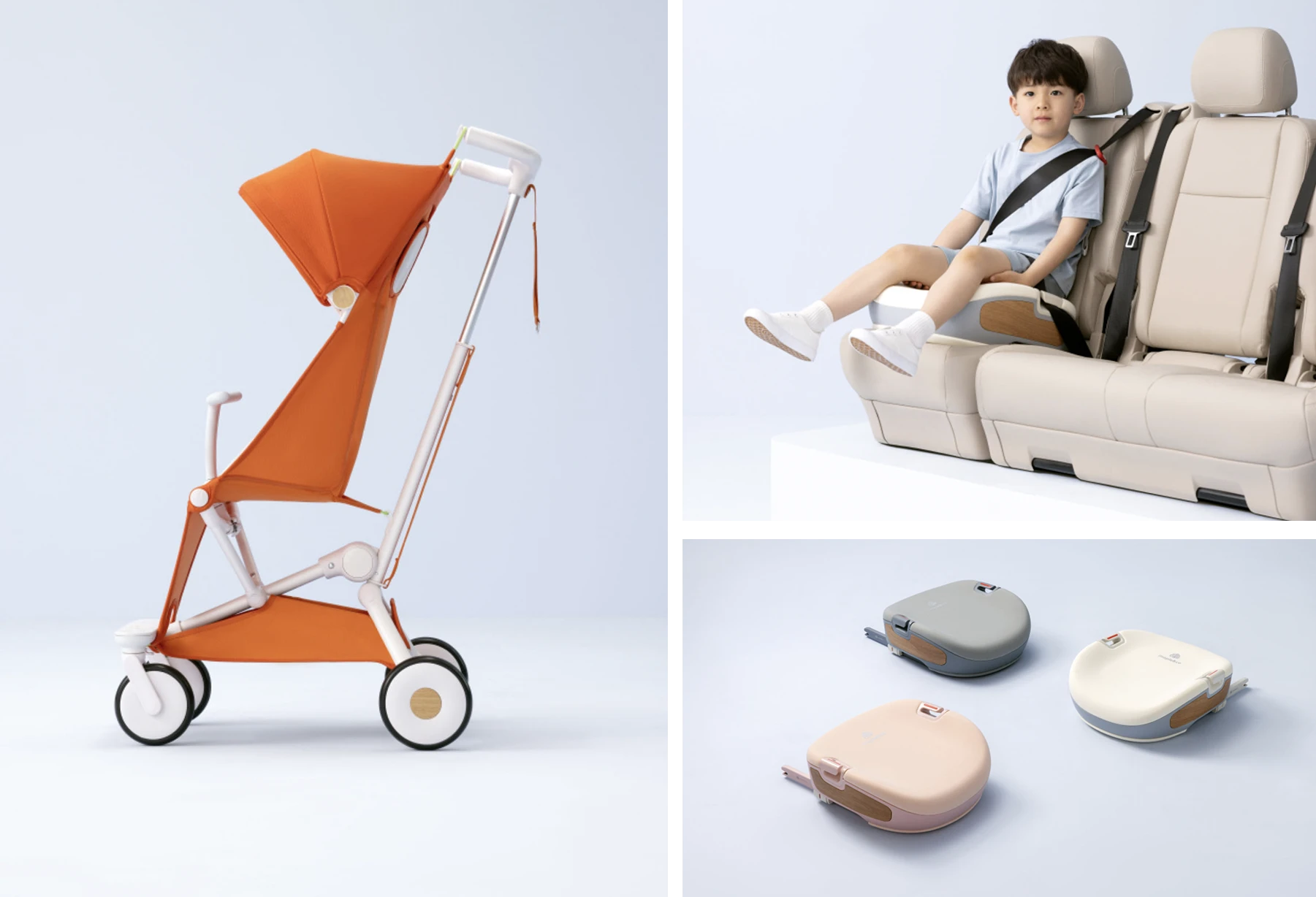
China's minor protection law mandated the use of child safety seats beginning June 1, 2021.
Despite incoming regulations fueling a surge in purchases, car seats on the market rightly prioritized safety but did not consider the emotional needs and lifestyle preferences of a new generation of Chinese parents.
1 year
after the project ended, a new, differentiated baby seat product and brand, Maple&Co, launched
Top 6
during the 2023 “Double 11” shopping festival, Maple&CO secured the 6th spot on Tmall's new brand pre-sale list
How a $4000 vet bill sparked innovation at American Express
American Express and IDEO teamed up to design features that offer Card Members more payment control and flexibility.
“Over a year ago, I had to take my cat to the vet for an unexpected and expensive surgery,” says one Card Member. “To be honest, I still don’t know if I’ve paid the bill off.”
Many crave the flexibility to pay for large purchases over time, but also want to avoid the pitfalls of debt. Others rely on debit or cash for small items—no one wants to accumulate interest on a cup of coffee, lunch with a friend, or box of Kleenex—but then miss out on valuable rewards.
American Express worked with IDEO to help them attract new customers by understanding what financially stable young adults wanted in a credit card. The team began by interviewing more than 120 millennials to understand their payment behaviors around debit and credit, and how they think about borrowing and spending.
One person described the monthly panic of receiving his bill—described as “statement shock”—and his habit of making multiple payments before his billing cycle closed to ease this anxiety. Others were wary of credit because of a large veterinarian bill or financial mistakes made in their 20s, and relied on debit because it felt safer than accruing a balance to pay off. Overall, the team learned that many consumers experience anxiety about paying their bills. And while financial products that offer more flexibility and control have been needed for years, they are especially valuable in times of economic uncertainty like today.
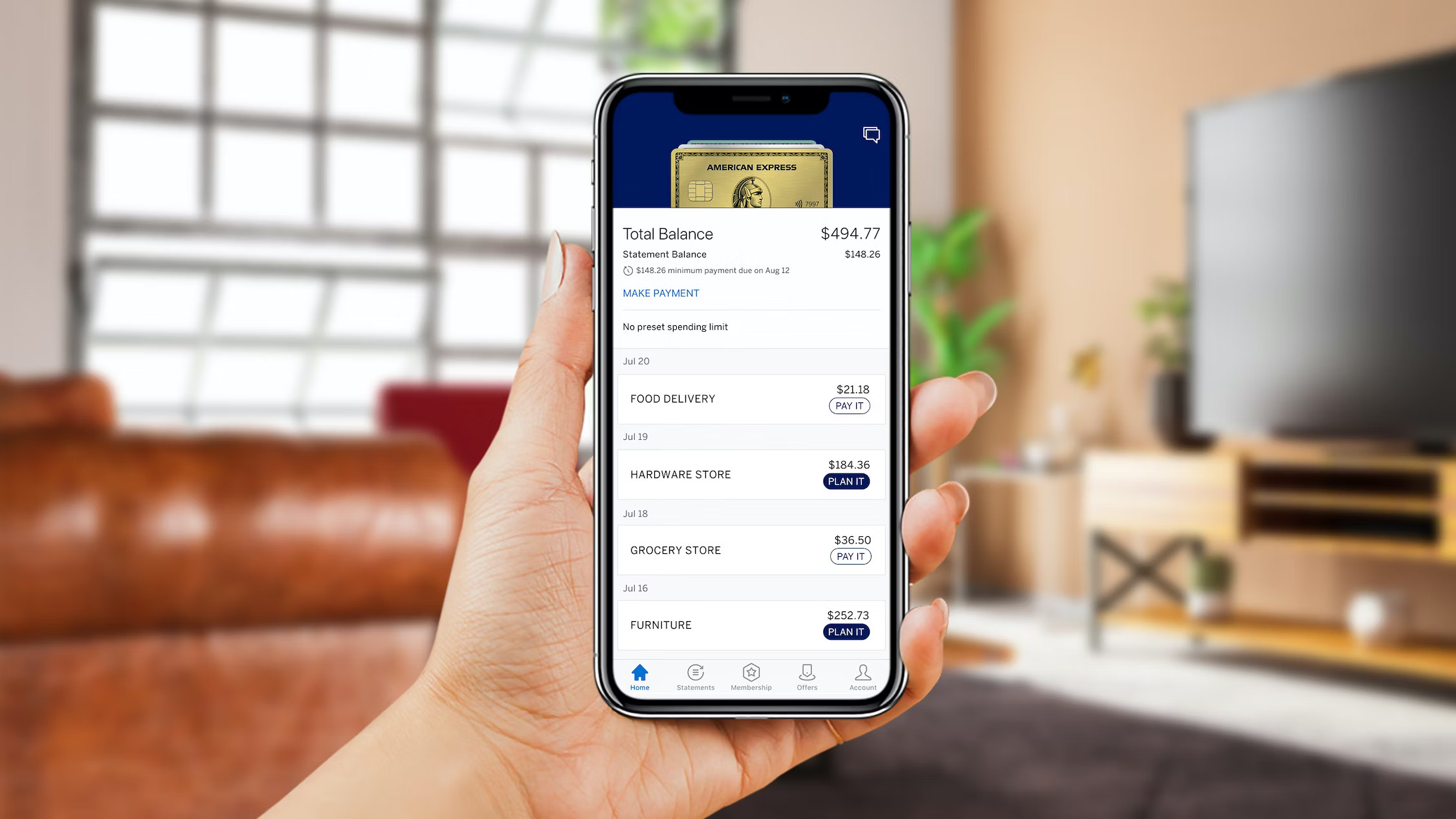
Based on this research, IDEO prototyped, iterated, and refined two concepts, with frequent feedback from users and the client. Called Pay It Plan It, this feature offers financially responsible consumers more transparency, confidence, and control.
Pay It allows Card Members to quickly pay for small purchase amounts under $100 with a few taps in the American Express mobile app. When that purchase shows up on their account, they can choose “Pay It” and still earn rewards on the purchase. This ensures Card Members can take advantage of rewards while lowering their monthly bill by paying for smaller items throughout the month.
With Plan It, Card Members can split up larger purchases of $100 or more—like an emergency trip to the vet or a new sofa—into equal monthly payments, with a fixed fee and no interest. When the purchase appears in their account, they can select “Plan It,” and will be offered up to three monthly payment plans, ranging from three to 24 months. Each plan comes with a fixed monthly fee and no interest. Card Members know exactly how much they have to pay each month, so there are no surprises. And if they pay the purchase off early, they no longer have to pay any future plan fees.
The design of Pay It Plan It did not come without challenges: Bill pay is critical, complex, and highly regulated. Pay It Plan It required a significant internal financial and technical investment, which was achieved after IDEO shared many of the emotional, compelling stories from credit card users with leaders at American Express.
The team worked closely with the American Express regulatory and digital teams to ensure compliance and seamless integration into the mobile app and website’s user experiences and interfaces. To heighten the sense of competence, control, and transparency for users, the designers focused on small interactions like status animations, proactive suggestions, and straightforward language. These interactions help Card Members anticipate upcoming payments and clearly understand Pay It Plan It.
Plan It was designed with transparency, control, and accessibility in mind: The payment plan fee is displayed in dollars to give the customer certainty over their total costs.
Initially, the team set out to create a new credit card with the needs of young adults in mind. But IDEO and American Express realized that Pay It Plan It could be scaled across existing credit card products to ultimately benefit and attract more Card Members. Now, almost all U.S. American Express Consumer Card Members have access to Pay It Plan It through credit cards, co-branded cards, and the well-known Green, Gold, and Platinum Cards. Since launching in 2017, Card Members have created nearly 5 million Plans, totaling nearly $4 billion in purchases, with an average Plan size of $789. Millennial and Generation Z Card Members have created approximately 44 percent of these Plans.
The flexibility and control offered through Pay It Plan have earned American Express positive press, including a call-out in The New York Times for being among solutions that “make it easier for their customers to borrow money, and to manage their monthly cash flow.”
At first glance, design-led innovation may seem difficult to achieve in large, established organizations like American Express, operating in a highly regulated and deeply rational industry. But the IDEO and American Express team successfully found ways to introduce new behaviors like rapid prototyping, cross-discipline collaboration, and leading with emotional customer stories within the existing organizational culture and structure. American Express has since established a permanent Pay It Plan It team dedicated to evolving the feature. Made up of employees across departments, this points to a new and collaborative team structure for the company.
By seeking to understand the human behind the Card Member, American Express has transformed credit and financial services for the better, helping both to be defined by empathy, utility, and transparency.

The bold publishing strategy that turned a traditional newspaper Into a digital leader
How bucking the trend of round-the-clock digital publishing led to an enormous payoff for The Times and The Sunday Times
For more than two centuries, The Times held a strong reputation as a storied British newspaper. Then came the digital deluge. Publication after publication began adopting a relentless online publishing schedule aimed at capturing eyeballs and subscribers, and guarding against waning advertising sales and print readership. But The Times and its sister publication The Sunday Times thought there might be a different way forward.
As Editor John Witherow explains, “the power of an edition” had long endured at The Times, but began to erode amid a round-the-clock breaking news cycle. Witherow didn’t want to do away with editions, but rather to update the model for the digital age. Times owner News UK approached IDEO in 2014 to explore exactly that: what the edition of the future might look like and how its design could drive revenue and subscribers.
IDEO’s research and design phase included interviews with readers, journalists, editors, and marketers at News UK. The team found that people’s reading modes vary—some reflecting new digital behaviors and others adhering more closely to paper-reading styles.
Readers, the team learned, chose The Times for its editorial opinion: a perspective that cuts through the overwhelming flood of information. They viewed the daily Times and weekend Sunday Times as one paper, despite the organizational distinction. And they were proud of their choice, valuing the papers’ consistency, trustworthiness, balance, and authoritativeness. Readers wanted these qualities distilled in a digital edition, whether on a smartphone, tablet, or on the web.
Those insights led to strategic recommendations spanning digital products, editorial, advertising integration, online membership offers, and social sharing. But the boldest among those was a publishing strategy that seemed to run counter to media trends: abandoning a real-time approach in favor of publishing separate digital editions.
The Times in March 2016 introduced an editions-based publishing schedule, with new editions available across all platforms four times each weekday: overnight, 9am, noon and 5pm; the weekend schedule shrank to three editions. A year in, they had broken that schedule fewer than a dozen times—making exceptions for major moments like the terror attack in central London and David Bowie’s death—but even in those cases, The Times refrained from incessant updates, instead resuming its regular pacing.

“The way we’re publishing now, taking our time over news...taking a more considered view of the world, it’s helped us offer something different from everything else,” digital news head Alan Hunter told Digiday in 2018. Readers demonstrated that this different approach was something they’d been wanting.
In the first half of 2016, new paying-subscriber sales were up 200% as compared to the same period in 2015. At the end of June 2016, there were 413,600 subscribers to The Times and The Sunday Times, up 3.4% from a year prior. Of those, 182,500 were digital-only subscriptions—a 6% rise and a notable figure given how much online news can be obtained for free.
Through collaboration with IDEO, News UK's own digital teams capabilities grew, enabling them to implement and evolve their new digital strategy. The capabilities of the newsroom grew, too: “The decision to move to four editions a day has freed up tremendous resources to focus on big stories,” says Emma Tucker, Editor of The Sunday Times—the kind of stories that "supercharge engagement." The approach is working: By August 2019 digital subscriptions had increased 19% year-on-year to 300,000, showing the progress the legacy publisher has made in attracting readers to its online proposition. Total subscribers for the two titles' print and digital products now stand at 539,000, and their websites total five million registered users.
More than 230 years after its first edition was published, the new Times has established solid footing in the digital age and designed its own future—one based not on the habits of its competitors but on its legacy and the reading behaviors of its audience.

Play, experimentation, and the rise of the hybrid creative
How a Google Creative Lab designer uses AI to supercharge her work.
Imagine an engine that generates alternative endings for stories, a 2x2 visual tool for choosing which films to watch, or a digital game of telephone that transforms a poem into something altogether different, like a location on a map. For Khyati Trehan, a Design Lead at Google Creative Lab, these are the weird, improbable, delightful explorations that AI is catalyzing.
Trehan’s lifelong curiosity for making began at Mirambika, a progressive school in New Delhi, the city where she was born and raised. “When you give children complete freedom, they choose to learn,” she says. That love of learning took her from the National Institute of Design to a globetrotting creative career spanning interning at a type foundry, creating AR experiences for Snapchat Spectacles and Instagram, producing 3D editorial illustrations for The New Yorker, The New York Times, and WIRED, working as a communication designer at IDEO’s former Munich studio, and “one crazy Oscars’ project the year of Will Smith and Chris Rock.”
She’s now at Google Creative Lab in New York, working on projects that “humanize complex technology and remind people why they love Google.” She collaborates with a diverse team of designers, writers, and technologists, united by a desire for creative freedom and a novel approach to problem-solving.
I spoke to Trehan recently about how AI enhances her creativity, her evolving mindset as a designer who embraces coding, and the importance of fostering play and experimentation in organizations to promote AI adoption.

Ed White (EW): Do you remember when you first started using AI?
Khyati Trehan (KT): I got early access to DALL-E before it launched in 2021. Ironically, I remember liking the blurry loading states more than the final images. The results never quite stuck because nothing that came from my prompts felt like…me. There wasn’t much control over the output. I was looking for tools that would feed my creative process, and “one-shot AI” didn’t do it for me.
An interest in using LLMs to turn natural language into software code happened more recently. My friend Pedro Sanches, a brilliant creative technologist, designer, and Creative Lab alumnus, came over for tea and shared some sketches he’d made using what he called “coding sans coding.” (This was before “vibe coding” was a term.) I was much more excited by that approach because it felt like something I could incorporate into my practice by building tools to help me explore new places without them feeling completely unfamiliar.
Those early experiments provided initial insights into my personal philosophy on how and when I use AI. My goal has never been to rely on AI to do all the work; instead, it’s about exploring how AI can help me supercharge and advance existing ideas.
EW: How is AI changing your team and Google as an organization?
KT: As the boundaries around our disciplines blur, the number of hybrid creatives is growing. Writers are making films, graphic designers are building writing tools, animators are engaging in creative coding, and developers are designing interfaces. There’s still a distinct difference between the vision and “flavor” of what I might design and develop as a graphic designer and what a creative technologist might create using the new capabilities that AI unlocks for both of us. Our individual experiences, values, core strengths, skills, and knowledge still define what makes us unique, even when we have the same tools at our disposal.

EW: What are the things you and your team are learning, as designers, about using this technology?
KT: I think we’re realizing that regardless of how you look at the creative process, the shape of it remains the same. We still start by playing and experimenting to explore the edges of technology. We engineer every aspect of the applications we create, ensuring that we consider people’s needs. In fact, we now spend even more time and energy focusing on what matters to people and asking ourselves: “When we can make anything, what do we choose to make?”
While engineers are trained to focus on efficiency and optimization—and form the backbone of Google—creatives, when given the opportunity to lead research and gain early insights, instinctively seek out emotion and play. We naturally discover the right metaphors and interfaces that make complex systems clear.
EW: What’s worrying you about AI and design, and why?
KT: With every big shift, it’s wise to be cautiously optimistic. I often reflect on how we studied design in school: manually painting a color wheel and using our judgment to create the right shade of orange that would sit between red and yellow, even when the Blend Tool existed in Illustrator. Putting time and effort into these exercises sharpened our skills and helped us develop a strong foundation, which remains useful regardless of the tools we use. We shouldn’t forget that. You can use AI as a crutch, or you can use it to unlock or supercharge your existing skills, expertise, and ideas. To me, that’s the distinction between an effective use of AI and slop.

EW: What are the really concrete ways AI has changed your craft as a designer at Google?
KT: The tools you use change the way you think. When I was learning 3D modeling and texturing years ago, it quite literally unlocked a new dimension in my graphic design practice. I’d surprise myself with the ideas that came to me and what I was capable of with this new ability.
This holds true for using AI. I’ve added surfaces like Gemini Canvas, AI Studio, and Flow to my toolkit to choreograph Google’s models and APIs. Mindset-wise, it’s made a lot of us hybrids. Now that we can build things, I find that in meetings, designers show more often than they tell.
I still design using traditional tools, except now, once I translate the visual and the flow into a clickable prototype, I can iterate in the same environment, and the work becomes more lived-in.
EW: How has that changed you as a creative, and why?
KT: It’s definitely a leap. It’s like the difference between learning about qualitative interviews versus being in the room yourself. You can understand both objectively, but with the latter, you feel more connected to the learnings. For example, I’ve designed loading states plenty of times, but now that I’m closer to the front end, I’m bringing so much more of my design flavor and delight to them. I feel more comfortable taking risks and taking departures from what’s deemed standard in the space.

EW: What’s an example of that?
KT: I’ve been designing digital experiences for very personal, everyday, specific, and idiosyncratic needs. For example, I got my hands on Ted Chiang’s Exhalation, a collection of short stories, and fell in love with them. I’ve been inventing alternate endings for some of them and extending his beautiful worldbuilding.
This led to the creation of Story Arc Engine, a narrative-building tool that allows users to deconstruct stories using a five-part narrative arc. By tweaking one part of the arc, users can see how a change in the plot affects the rest of the story and generate new narratives based on their own plot ideas.
EW: How else does AI change what you’re designing?
KT: Because I’m now building both the final output and the intermediary tools that help me get there, I share both: the final product and the tool I vibe-coded to create it. This means that others can use the tools I make, often in unexpected ways. For example, someone once used Story Arc Engine to draft their next career move, hiding a sabbatical in the narrative.
EW: What other examples of these types of projects have you been working on?
KT: I’ve recently made several tools for myself. Around the World in Good News is a digital newspaper that explores uplifting historical events and stories of human achievement from across the globe and throughout time. Another project, 2x2 Anything, emerged from my desire to make more informed decisions for movie night. It's a concept-mapping experiment where you define two conceptual axes, set the context, and click anywhere on the coordinate map to generate a fitting concept or summon an existing result. My most recent sketch, Machine Telephone, is a playful game in which you enter an input, pass it sequentially through different media and models, and observe how context shifts, translates, or gets misunderstood over time. For example, you might see a poem translated to a specific location on the map or a song transformed into a spherical material. Now that mediums feel less siloed, and those that remain siloed are easier to learn about, my first instinct is no longer to dismiss an idea just because it initially seems unfeasible.

EW: What advice would you give leaders who want their orgs to use AI effectively?
KT: An urgent tone from execs and leadership, coupled with a top-down mandate and a lack of concrete guidance, isn’t helpful. It only leads to confusion and stress, and, ironically, slows down the actual work
Instead, explicitly give people permission to play. Play is a powerful tool, especially when you’re faced with ambiguity. Give people access to a variety of tools and functions, and offer learning resources. Let people stumble upon new paths, and figure out which tedious parts of their process AI can take off their plates.
EW: How do you think AI will transform your industry over the next five years?
KT: AI is already transforming industries by narrowing the gap between different disciplines. When the mechanics of creation are no longer a bottleneck, and the effort it takes to make things decreases, where does our time and attention go? It comes down to the core of why we create: our taste, the sum total of our experiences, our irrationality, our perspective, and our vision. Maybe we’ll just learn more about what makes us uniquely human along the way.
“Design in the Age of AI” is a series of conversations with designers and makers from across industries and disciplines, building the future with AI, today.
“My goal has never been to rely on AI to do all the work; instead, it’s about exploring how AI can help me supercharge and advance existing ideas."
Rough, rapid, and right in the age of AI
Why the core principles of prototyping still hold true.
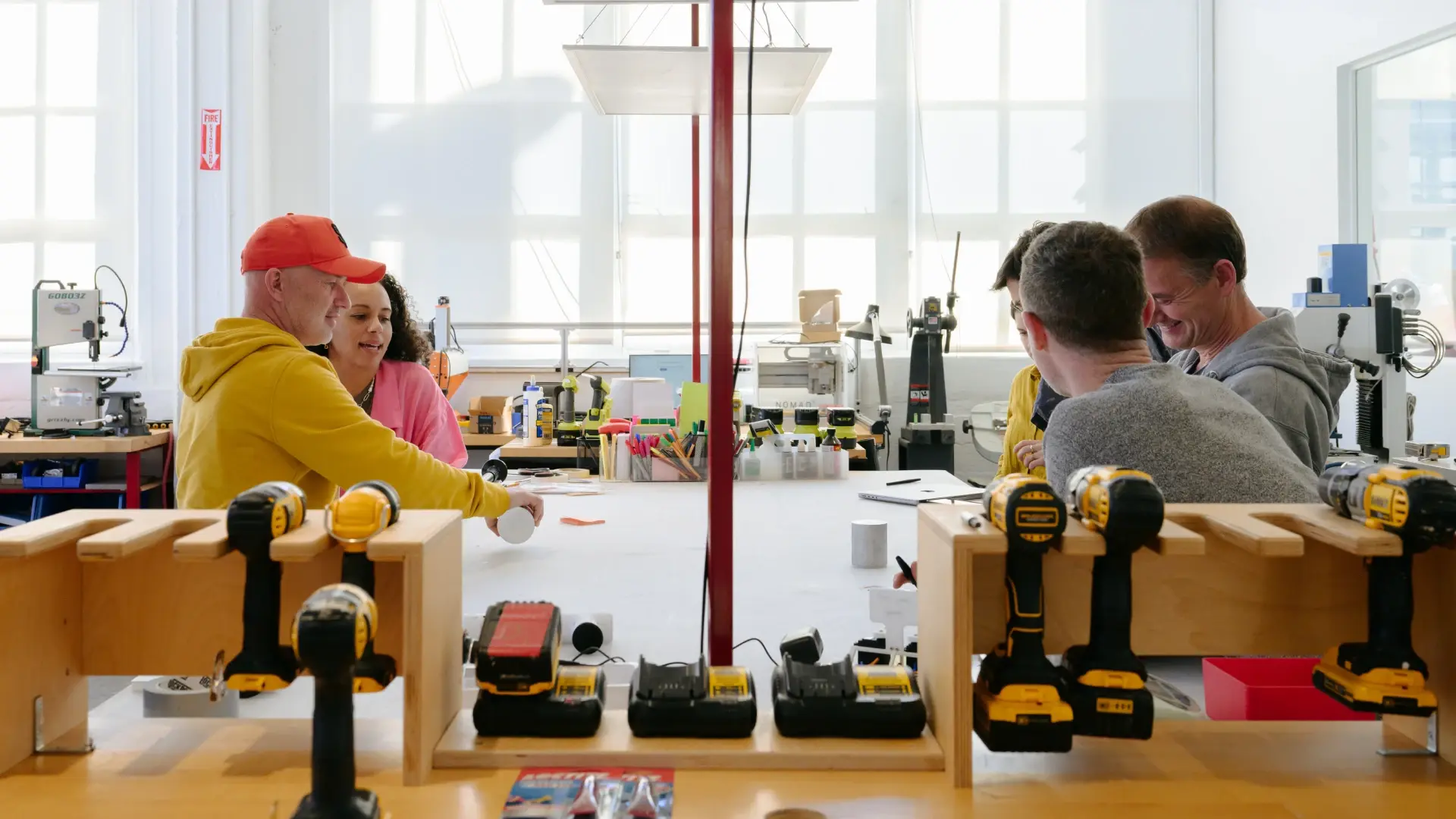
When we prototype, we embrace what we call the three Rs: rough, rapid, and right. We keep prototypes rough, so that the people we design with feel comfortable providing honest feedback. We move rapidly, getting in as many reps as we can to open up creative possibilities, learn from each iteration, and avoid falling in love with the first ideas that pop into our heads. And we work very hard to get it right, creating lo-fi designs that test for just one variable at a time, so that, for example, a beautiful design doesn’t distract from a less-than-ideal experience. As AI makes it easier to generate polished renders with minimal effort, we see more people celebrating the ease and speed of design. But beautiful images aren’t design. In fact, they can seduce us into thinking an idea is fully baked, stopping us from asking the most important questions, the ones that uncover the insights that help us truly meet human needs.
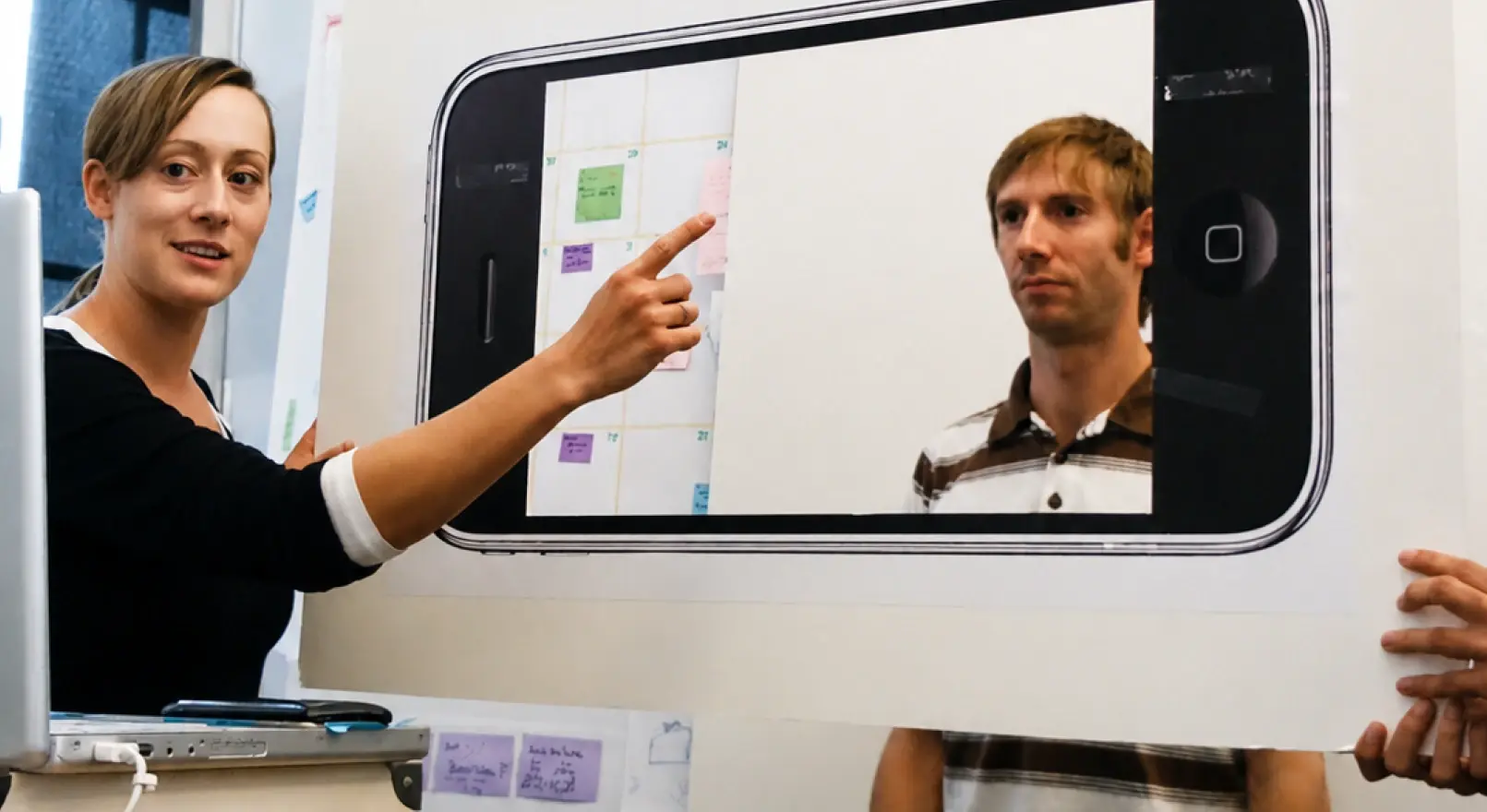
For decades, the three Rs have kept us grounded, reminding us why we prototype and ensuring that we get the most out of the design process. They apply to everything we design—from physical products to AI-enabled systems and digital tools. One of our most memorable prototypes was for a digital product for Sesame Workshop. It involved a simple cardboard cutout of an iPhone and a bit of role-play. One colleague pretended to be a preschooler, standing in front of the board, pointing to elements on the improvised screen. Another stood behind the board, impersonating a furry monster that introduced a new dance move whenever our “preschooler” tapped the invisible screen. It did exactly what a prototype is meant to do: It drew people in, sparked a discussion with our partners at Sesame Workshop, invited valuable feedback, and could be easily adjusted and improved, giving us numerous opportunities to make it into something kids and parents loved. The video we recorded became so popular that professors still show it in design schools today.
As we integrate AI tools into our prototyping process, it’s crucial that we use them thoughtfully and intentionally, so we don’t lose the methods that have enabled us to create category-defining innovations that meet real human needs. We have to maintain the three Rs to expose knowledge gaps, invite real feedback, build belief, and give us confidence that a concept is worth developing and investing in. They help us make space for surprising turns, illuminate opportunities for joy in the design process, and even let us embody and fully engage with our ideas. Here’s a deeper dive into why each R matters, and how to integrate them while embracing AI tools.
Rough: A strategic incompleteness
Early prototypes aren’t finished or even pretty. That’s on purpose—it gives the people we test with permission to dive in and co-create with us. It also keeps us from becoming overly attached to our initial ideas, making it easier to pivot if we see a better way forward.
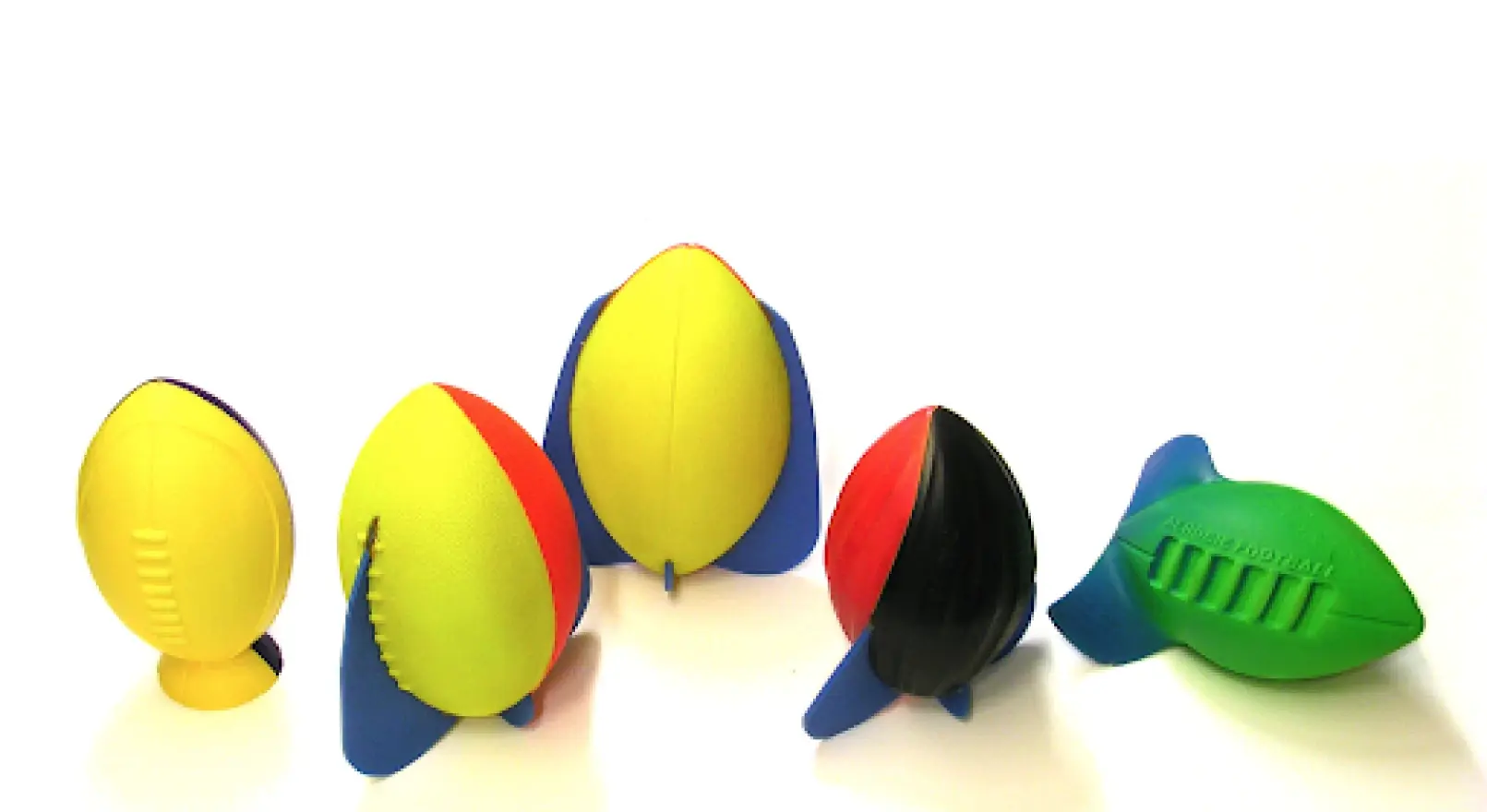
When our toy inventors created the first prototype of the Aerobie Rocket Football, for example, it featured a small pedestal glued to the bottom of a foam football. The goal was to create a football that could stand upright, allowing kids to practice place-kicking without someone holding the ball. The pedestal was clunky and awkward, so we replaced it with fins. Nothing fancy—just four fins cut from a sheet of foam then hot-glued to the ball. It was better, but still incomplete. The next iteration included a ball with two curved parting lines running from the nose to the tail. Taking advantage of this feature, we attached the fins along the ball’s curve, creating a helix. The design compromised stability, and the ball immediately toppled when we tried to stand it up. But when we picked up the ball and threw it, it flew through the air with a perfect spiral. We had accidentally made something better than what we were aiming for—a toy so successful that it’s been selling for decades.
How can you intentionally introduce roughness into your prototypes when your tools automatically default to high fidelity? One approach IDEOers use is to roll them back to earlier versions, such as Midjourney 1.0, where figures are rendered with multiple fingers and other noticeable flaws that indicate a work in progress. You can also ask AI to create sketch-level or monochrome outputs rather than full-color rendered ones, leaving things visibly incomplete, annotate prototypes with open questions, or present multiple competing directions side by side, ensuring that no single option feels like the answer. The goal is to signal to collaborators and users that their input is still welcome and that the design has room to evolve.
Rapid: More cycles, questions, and opportunities to learn
We don’t want to spend too much time on a single round of prototypes. The goal is to iterate as quickly as possible, giving us multiple opportunities to share our ideas with users and to grow and morph our designs into something that resonates functionally and emotionally. By addressing challenges and responding to feedback, we reduce risk and build confidence with each iteration.
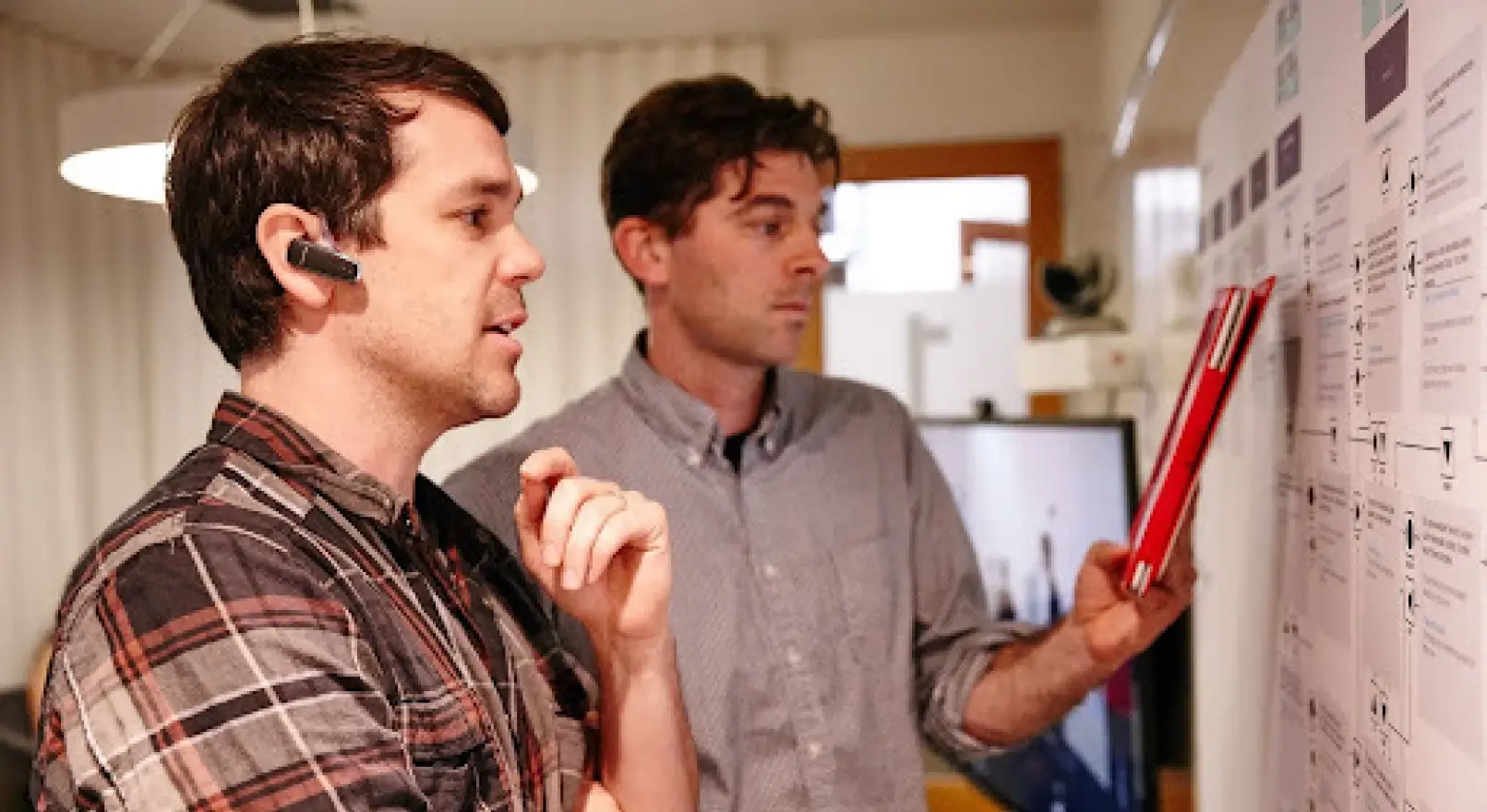
For example, when we prototyped a new voting booth for Los Angeles County, we wanted to incorporate tactile and audio interfaces for individuals with visual impairments. Instead of fully coding the experience and pre-recording audio clips to respond to testers’ actions, we hired a voice actor and improviser. He was hidden in an adjacent room with one of our designers, who had taped a flowchart to the wall. When our “voter” tapped the keypad to navigate the voting process, the designer would point to a phrase on the flowchart, prompting the voice actor/improviser to read it into the microphone. The audio was then relayed to the voter via headphones. Throughout the research session, our designer could make last-minute adjustments and explore different paths on the flowchart, enabling him to quickly test which scenarios provided the best experience for our voters. The flexibility of the prototype—combined with the voice actor’s improvisational skills—allowed us to modify not only the flow of the interaction, but also the wording, pacing, tone of voice, and more, on the fly.
There’s no doubt that AI accelerates output, but that’s only valuable if the time saved goes back into more cycles, more questions, and more variations. How do you make sure AI’s speed translates into more iterations rather than locking in your design too early? Show your prototype to various stakeholders to solicit their feedback. Listen closely and incorporate what you’re hearing. If you’re working on a digital design, for example, and the people you’re testing with don’t like the size or placement of a button, or how an interaction works, consider how you might alter the UI. Does moving the button over a tad solve the problem, or is there something else that isn’t working? With AI, you can make changes and test them almost immediately, even if you don’t have a coding background. However, be sure to keep your updates focused on the feedback you’re hearing rather than on testing a completely new design.
Right: Testing one variable at a time
“Right” means building a prototype early in the process to answer a specific question, rather than showcasing the entire vision. When too many variables are included in one prototype, it can be hard to discern what is working and what is not. Do people love it because the ergonomic shape feels great in their hand or because they like the color or texture you chose? Or do they dislike it because of how it functions mechanically or digitally? Splitting these attributes apart allows you to learn about each element separately before bringing them all together into a cohesive prototype in the later stages of refinement.
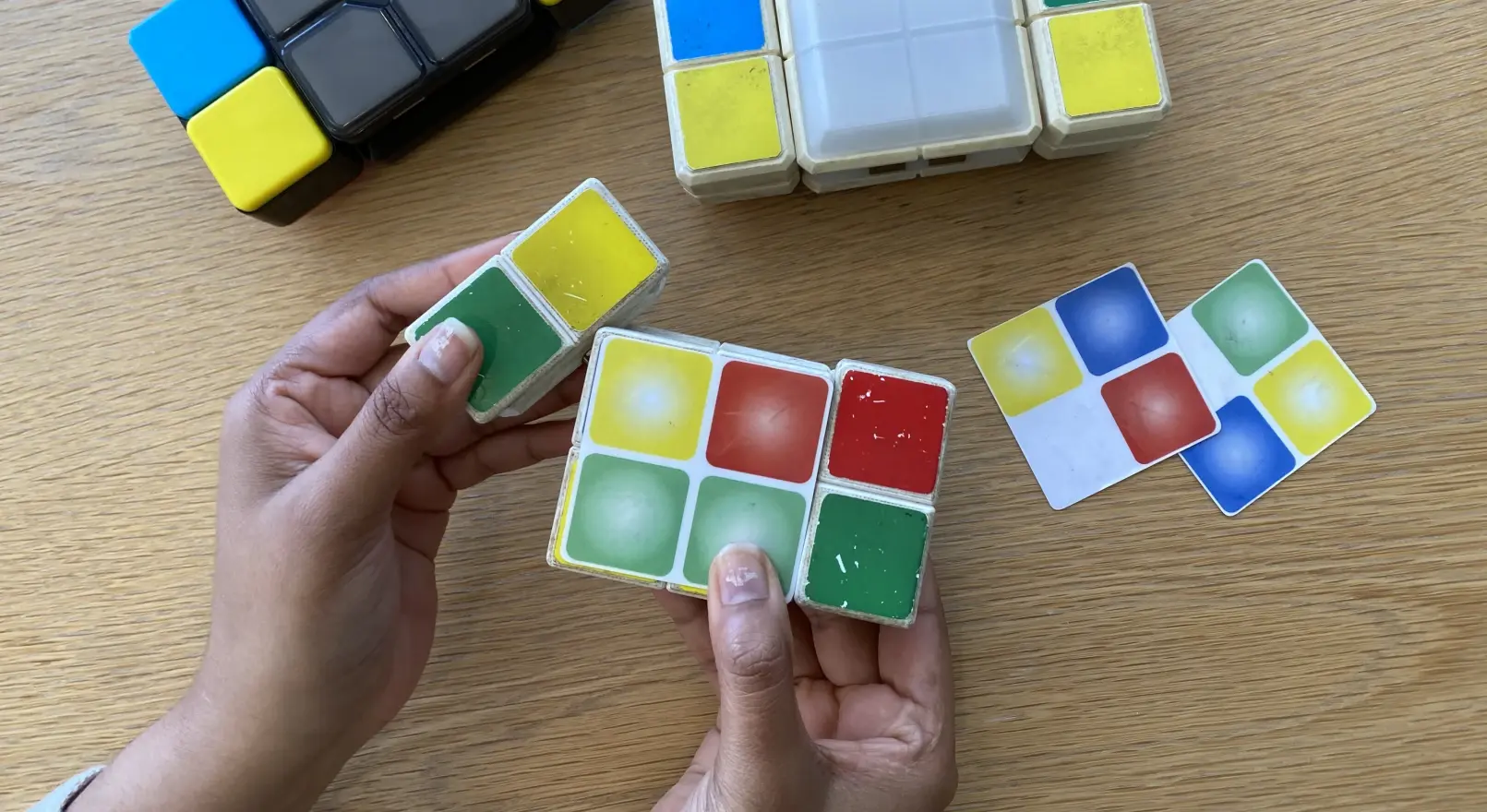
An example of this is Flipslide, an electronic game that we designed and licensed to Moose Games. The toy was inspired by the fidget craze, which includes items like fidget spinners, chew beads, pop-its, and the resurgence of the Rubik’s Cube. Recognizing this trend and wanting to create a challenging gameplay experience without a screen, we came up with a game concept in which pieces flip, slide, and click into place as players manipulate them to match tiles that light up and change color. We built our first prototype to test the movement of our design and understand what it would take to create a mechanical toy with shifting components. The initial model was made of foam core and rubber bands. Next, we wanted to create a fidget toy that felt satisfying to hold and transform, so we made a prototype with more bulk, incorporating machined plastic parts held together with tension springs that provided just the right amount of resistance when moving the pieces around. By refining this model, we created a prototype that felt particularly satisfying to hold and manipulate. It also made a fantastic clicking sound as pieces fell into place.
After we solved the mechanical elements, we moved on to gameplay. We started by taping a stack of 2 x 2-inch laminated color grids onto the front. Each grid had a different color pattern, representing rounds of gameplay. To complete a round, rectangular wings had to be rotated, flipped, and moved into place to match the colors on the grid. Once the colors matched, we’d yell “ding!” and pull off a grid to represent the next round, initiating another flurry of rotating, flipping, and sliding to match the new color scheme. Satisfied that the gameplay felt fulfilling, we added electronics to bring sound effects, music, pacing, and more advanced gameplay into the test. Soon after Flipslide hit the market, we had an award-winning game and fans around the world.
Don’t get caught "boiling the ocean”—using AI to address every question in one prototype. Instead, build discrete prototypes for discrete questions. Before generating anything, ask, “What am I trying to learn? Who needs to weigh in?” AI is exceptional at producing artifacts, but you need to direct it to give you artifacts that teach you something. You want to create prototypes that you can bring into research and put in front of users to understand what resonates with them and why. That’s easier to do when you know what you’re testing for.
Maintaining joy and discovery
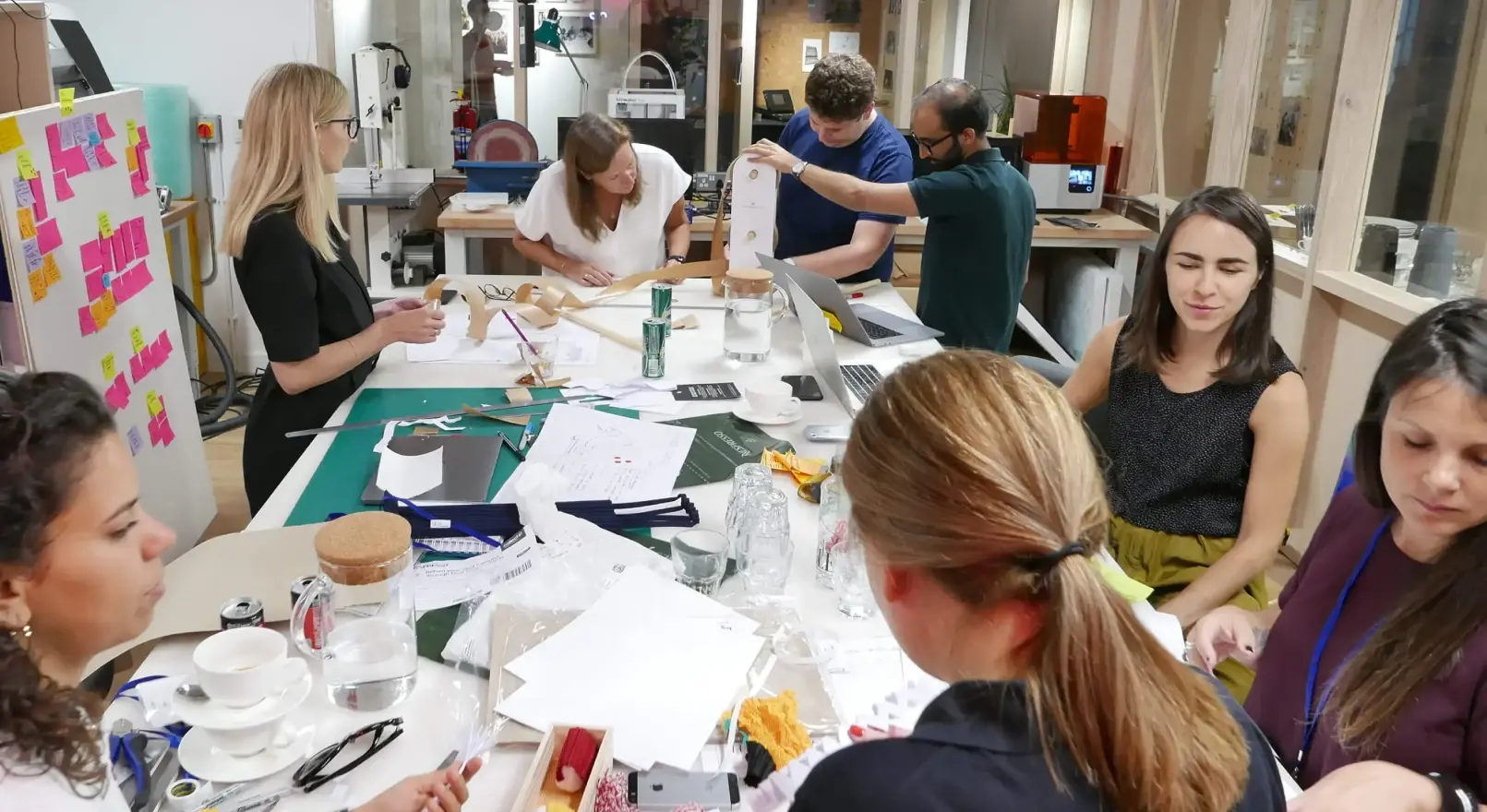
It’s easy to use AI tools to manage a creative process. Some are even designed to do parts of it for us. But as designers, it’s crucial to invest in our own learning by doing. When we get our hands dirty, we learn to recognize what’s right, engage our imaginations and deep thinking, and energize ourselves and our teams. That practice is how we achieve great outcomes, for ourselves and our clients. It’s also how we keep it human—putting ourselves in the shoes of the people who will live with these designs every day and experiencing them ourselves.
There’s no question that AI is a game-changer for designers, and one that we’re happy to embrace. But it’s crucial to use these tools to support the best of design, rather than replacing the methods that have led to some of the world’s most important innovations. Building prototypes that enable you to co-design with users, test assumptions, and iterate with new learning leads to better results. Experiment with different tools, including the latest that AI has to offer. Once you understand each tool’s strengths and limitations, you’ll better understand what combination you need to engage not only others, but also yourself. Because ultimately, prototypes and great design will always need human creativity, imagination, and judgment. And the three Rs are a great way to get there.
“For decades, the three Rs have kept us grounded, reminding us why we prototype and ensuring that we get the most out of the design process.”
Shattering the echo chamber
How human-centered thinking unlocks growth in mature categories.
For leading fast-moving consumer goods (FMCG) companies, one way to escape the echo chamber is to adopt a human-centered approach—to actively listen to consumers and reconnect with the realities of their lives. It’s about more than bringing them in at a certain stage of the project. Their needs have to be considered from the very beginning.
What follows is a story from IDEO Shanghai about what happens when a prominent consumer company returns to its customer-centric roots and discovers new growth in one of its most established categories.
What happens after a company hits the category ceiling?
China’s FMCG sector is known for its intensity. Even the most established companies cannot afford to relax; the competition is genuinely fierce.
In China’s major metropolitan cities and regional hubs, competitors launch new products at a rapid pace, all in pursuit of increasingly diverse consumer needs. Beyond these cities, smaller and lesser-known brands are making moves, constantly experimenting, and fighting hard for consumer attention through social media platforms.
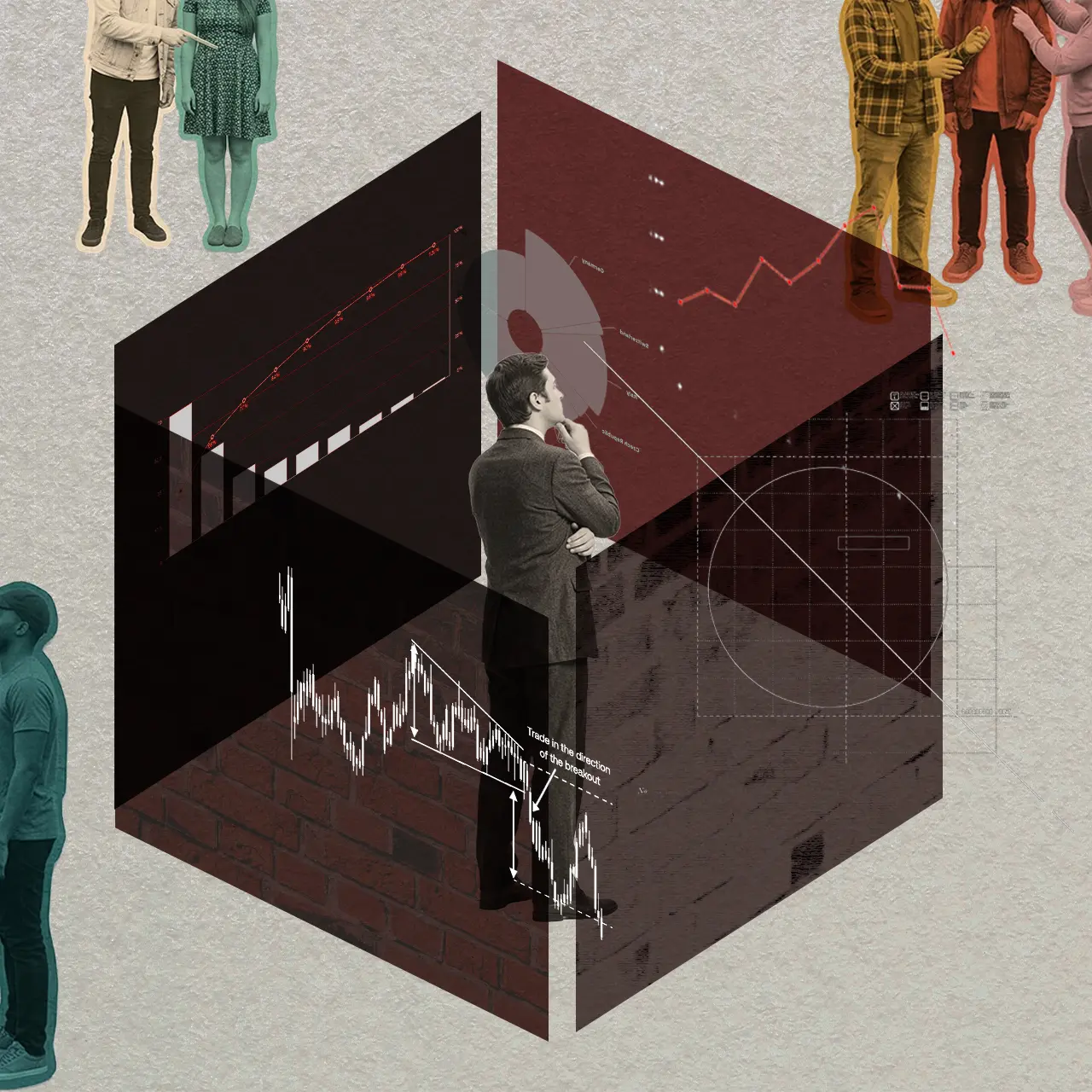
Before coming to IDEO, our client had already made significant investments in consumer research to maintain its competitive edge. After the project started, its leaders showed us an elaborate chart filled with rows of consumer identity tags, behavioral patterns, and usage preferences, all organized by data dimensions and densely packed across different quadrants. Years of accumulated consumer insights had informed their product development and marketing strategies, helping them achieve significant commercial success.
And yet, despite all these efforts, they seemed to have hit a wall. To spur new growth in one of their flagship categories, for example, they had tried various strategies, such as conducting research in smaller cities, launching new products aligned with mass-market trends, and attempting to keep consumers engaged by offering more choices. None of it was enough to break through.
What else could they try? That question prompted the company’s senior leadership to come to IDEO. They were looking for a perspective that differed from their usual approach—one that could reveal new possibilities on top of everything they had built.
A revelation from consumers
Even though the client already had detailed data, we decided to conduct in-depth consumer interviews during our design research phase. Our goal was to start from a more fundamental place—to understand how people lived day to day and the role these products played in their lives.
From the client’s perspective, this seemed like a wasted effort. They struggled to understand why we wouldn’t simply begin with their assumed starting point: “Why do consumers choose our brand, and what do they expect from our flagship category?”
But the way consumers actually choose products revealed the “why” behind that question.
Whether they were “core consumers” who already frequently purchased the brand’s products, or “extreme consumers” whose preferences were well outside the mainstream, the decision-making process for buying these products was the same.
It started with a broad desire, for instance, “I want to try something different.”
From there, their life stage, immediate circumstances, and emotional state shaped that desire into a more specific need: “This is the type of product I’m looking for.”
Only then did consumers consider: “Which brand should I buy?”
In contrast, the client’s original framing—“Why do consumers choose our brand?”—treated the endpoint of the consumer’s decision journey as the starting point.
From a consumer’s perspective, this might seem obvious; it’s something we all do instinctively every time we shop.
But what is intuitive to the consumer is rarely intuitive to the brand.
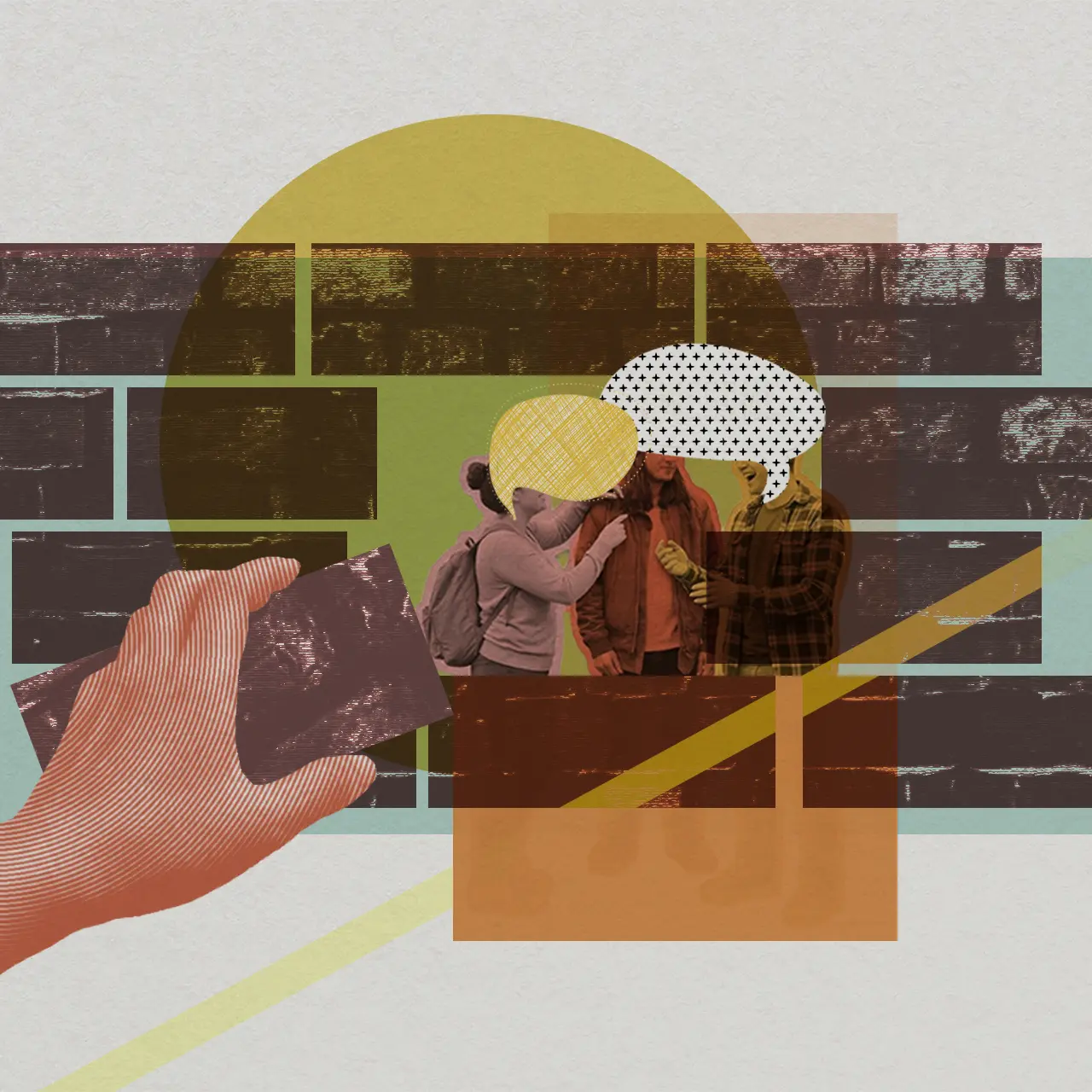
Mapping out a consumer’s actual decision-making process provides significant value for a brand. It establishes a consumer-centered through line that helps leaders navigate innovation in a mature category with greater precision.
Several elements naturally align along this through line: the deeper needs of various consumer types, the moments and motivations that trigger a purchase, the opportunity areas where a mature category can effectively meet specific consumer needs, and the competitive strengths the brand should build on to fulfill those needs. Not only do these components become clearer, but they also create interconnections among them.
The core insights from our design research defined those triggering moments and illustrated the map of how consumers actually make decisions. This clarity, in turn, helped the brand’s leaders determine where to focus their efforts in order to revive a mature category.
Building system-wide alignment from a human-centered insight
We took everything we’d heard from consumers, distilled the decision-making processes behind them, and translated everything into visuals on a series of boards, which we then brought into the client’s meeting room.
Step by step, we walked through the consumer’s chain of logic, highlighting what each need meant for the brand’s approach to category innovation. When we finished, a C-level executive at the company looked at the boards and said, “This is a billion-dollar idea.”
The insight disrupted the default reflex of category leaders, who often claim to prioritize consumer needs while unconsciously starting every decision from their brand’s own business priorities.
At first glance, taking a human-centered route may seem like a detour. In practice, it helps companies avoid the wasted investments that come from acting on incorrect assumptions. A clear understanding of what consumers truly need allows a brand to recognize which of its existing strengths to double down on, and which emerging opportunities are genuinely worth pursuing.
After that meeting, the direction for category innovation quickly took shape. The key insight regarding consumer needs and decision-making became a powerful anchor. The insight unified early-stage product development, mid-to-late-stage packaging design and manufacturing, and the marketing communications that followed the launch.
Beyond charting a new course for the client’s flagship category, the project established a framework for cross-functional teams to build a shared understanding and work toward a common goal.
In the end, the collaboration was successful because everyone involved in the project maintained a primary focus: human-centered thinking.
“The Making of...” is a series of behind-the-scenes articles written by IDEO Shanghai designers about our innovation methods and work with major clients across industries in China.
Success can create its own echo chamber. The more a company achieves, the easier it is to rely on familiar ways of seeing the market—often without even realizing it.
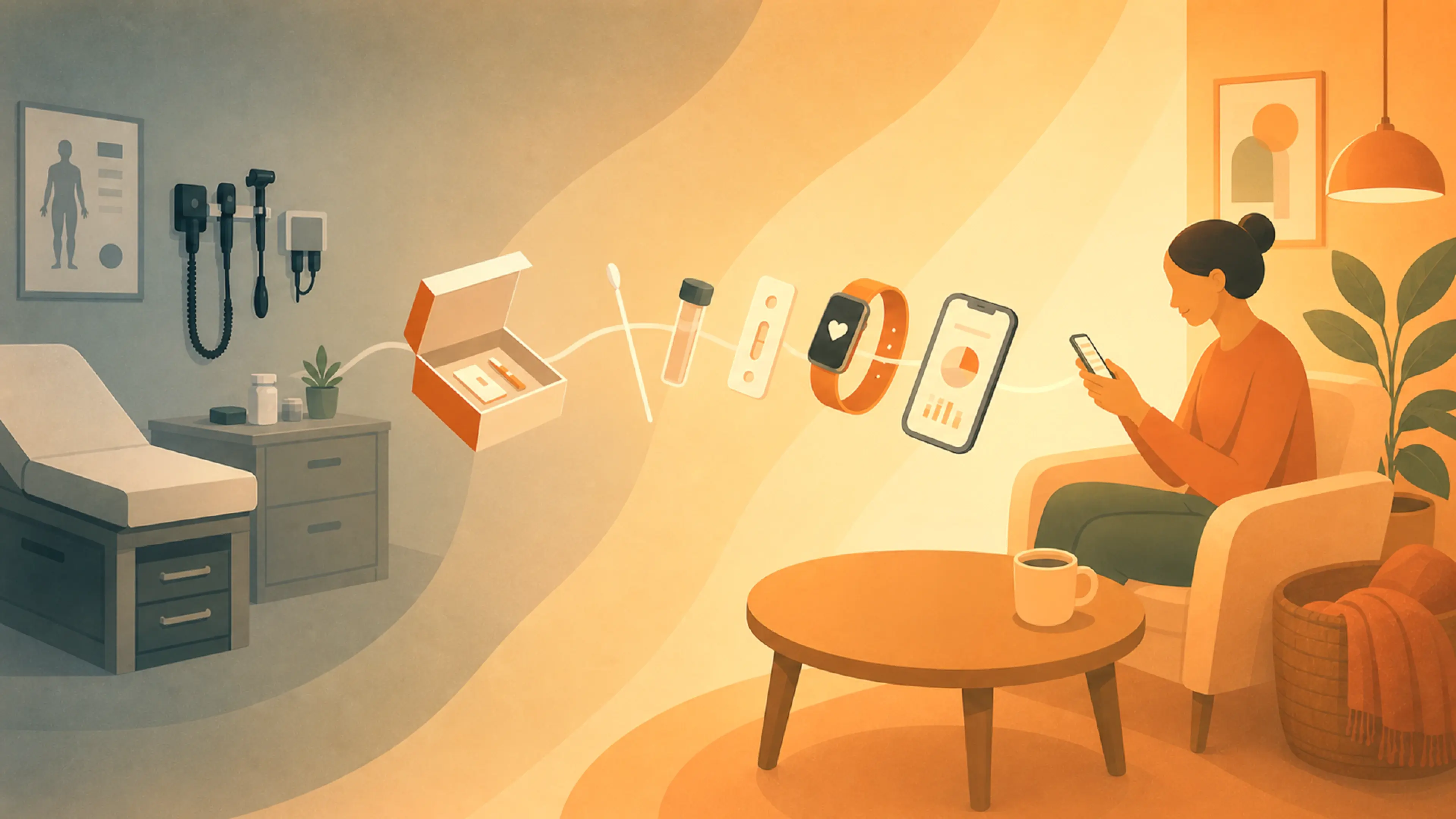
6 ways to improve at-home health monitoring
How to reduce anxiety, build trust, and increase adherence.
Healthcare was once centered on the doctor’s office. Today, it’s moving into the home. Since the pandemic, demand for at-home testing has surged, with 82 percent of older adults saying they’re interested in taking medical tests at home, and many preferring to age in place. From at-home influenza tests and COVID-19 swabs to cervical cancer collection kits and continuous health monitoring, people are taking a more active role in managing their care, with tools that enable both testing and tracking from home.
Designing for this shift means supporting people without medical training—who may struggle to interpret data, who might be nervous about collecting samples, or who might wonder about the efficacy of a test they perform themselves. In my work at IDEO, I’ve identified six principles for creating home-use diagnostics and monitoring tools that are more intuitive, reliable, and easier to use.

1. Design for emotion
Medical tests can evoke powerful feelings: fear of receiving bad news, memories of lost loved ones, or general anxiety. As a designer with a background in social science, I recognize that emotions often drive behavior. Our role as designers is to anticipate these emotional responses and design solutions that support them.
On a cancer screening project, for instance, we found that some users postponed testing not because they didn’t understand how to use the tests, but because they were afraid of the results. To address this, we softened the typography, refined the color palette, and shifted the messaging to focus on taking care of one’s health rather than screening for illness.
On a separate project, we discovered a completely different emotional pain point: clunky health monitors can be perceived as a sign of aging, making people feel self-conscious about wearing them. Which is a fair point. Medical devices often look outdated compared to sleek consumer technology. This disconnect can be emotionally jarring—and socially stigmatizing. To rectify this, we focused on portability and aesthetic improvements. The goal wasn’t to turn a home heart monitor into an iPhone, but to make it feel like a tool for enhancing well-being rather than just surviving an illness.
Time and again, we see that providing patients with a premium-feeling device or thoughtfully designed packaging can transform a medical experience from being a source of embarrassment into a moment that reinforces confidence and self-care.
2. Make use of the unboxing moment
First impressions of medical devices matter. If users can’t immediately see components or have to dig through packaging material, they may assume that the testing process is complicated or time-consuming, too.
During one at-home cancer screening project, we discovered that many people opened the box, took a quick look, and decided to postpone the test because it looked too overwhelming. By redesigning the unboxing experience to make the components and instructions more visible, participants reported feeling more confident and in control.
With some thoughtful changes, the unboxing moment can feel like an act of empowerment. Blank spaces on boxes can be valuable real estate for reassuring messages or simple diagrams, ensuring that essential information isn’t left buried in the instructions.

3. Keep it familiar
At-home screenings are a relatively new concept, and can feel intimidating. People often worry they won’t be able to perform the tests correctly—or worse, that making a mistake could invalidate their results. Thoughtful design can help alleviate these fears by leaning into familiarity and clarity.
When an IDEO team collaborated with Teal Health on an at-home cervical cancer test, they designed the testing wand to resemble a tampon—a form and function that many users were already familiar with and comfortable using.
Similarly, for an at-home stool collection kit for another client, we designed components that mimicked the contours of a toilet bowl, making the overall experience feel more intuitive.
4. Make data relatable
Designing at-home health monitoring systems requires a careful balance between what patients want to know and what healthcare providers need to see. Providing too much information can overwhelm patients, while too little can leave them feeling powerless. To drive adoption and adherence, designers must connect the data to patients’ real needs and challenges, empowering them to navigate their health effectively.
Recently, an IDEO team was designing an implant to monitor organ health. Data from the implant would go directly to the physician for review, but patients also wanted to see the results themselves. In today’s world, where smartwatches can track heart rates and sleep cycles, people expect feedback from health tools. When devices withhold information, it can feel as if they’re keeping secrets. To address this, we recommended a simple, intuitive interface: a stoplight notification system (green = all good, yellow = contact your doctor), along with the option to view a trend graph over time. Patients had the agency they desired, while more complex data remained accessible only to physicians.
In another project focused on at-home bladder monitoring, we discovered that a device that indicates bladder fullness was life-changing for patients who struggled to empty their bladders. People who felt homebound by the fear of embarrassing accidents or infections reported that the device would help them gain the confidence to plan their days and reclaim their lives. Even though the device would require surgery, the possibility of increased freedom was so appealing that patients felt it was worth the risk. The quality-of-life improvements the data enabled—not the monitor itself—motivated them to embrace this new device.

5. Lean into visual instructions
More words don’t always equal more clarity. In fact, overly detailed, multi-page instruction packets can discourage people from engaging and may give the impression that a test is too technical, even if the language is at a fourth-grade reading level.
In one project, we simplified an 11-step test guide into a user-friendly design with three main steps. We reduced the amount of text, emphasized illustrations, and broke down the process into manageable parts to make it feel achievable. This visual-first approach not only made the instructions easier to follow but also reduced user anxiety and improved accessibility for people with reading disabilities and those who speak English as an additional language.
6. Look to family and caregivers
While we typically think of patients as individuals, it’s important to recognize that they exist within complex networks of family, friends, and communities that support and supplement their abilities. When we do research for at-home devices and monitors, patients often request to be interviewed alongside their caregiver, or vice versa. Successful at-home medical monitoring and testing must take into account the motivations and needs of everyone involved in the patient care ecosystem.
Product teams may assume that older patients will not want to use even basic technology. This might not be true, and even when it is, it’s worth remembering that the end user might not always be the patient. At times, a caregiver might be more invested in the outcomes of monitoring or testing than the patient themselves, and could be more open to embracing digital and tech-forward solutions.
It’s this kind of health ecosystem thinking that becomes crucial as at-home testing and tracking grow more prevalent. What we have now may feel revolutionary compared to the pre-pandemic era of mandatory in-person care. Many innovations that once felt like futuristic fantasies—such as headsets that help treat depression and saliva-based hormone tracking to support conception—are now available for home use. Still, the potential that lies before us is far greater.
But only if designers get it right. By keeping human needs—across patient, caregiver, and providers—at the center, we can build more advanced solutions that help people take action on their own health.
Need help designing some at-home experiences of your own? Get in touch.
“Providing patients with a premium-feeling device or thoughtfully designed packaging can transform a medical experience from being a source of embarrassment into a moment that reinforces confidence and self-care."

Lindsey Turner
I’m passionate about building brands, products, and experiences that help organizations show up with meaning and momentum.
I help organizations cut through complexity by shaping how they show up, through brand strategy, identity, and storytelling.
Working at the intersection of brand and business, I bring an editorial eye and a bias toward making—turning ideas into tangible experiences that people can understand, trust, and believe in.
My work spans government, healthcare, financial services, media, and consumer goods, from launching Gen Z-focused ventures to building innovation labs and reimagining legacy brands. I relish moments of ambiguity and enjoy translating across teams, perspectives, and priorities to move ideas forward.
I started my career in editorial and digital design, shaping cross-platform experiences and identity systems in publishing and agency environments. That foundation still shapes how I work today: I’m detail-oriented, collaborative, and overreliant on the Oxford comma. I hold a BFA in Visual Communication from the School of the Art Institute of Chicago.

Rachel Young
My work helps organizations see who their products aren't working for—and build the will and the tools to do something about it
For 25 years, I've asked the same question: Who does this design exclude—and what are we going to do about it?
My work spans human-centered strategy, inclusive design, and qualitative research, with clients ranging from Microsoft, Google, and Verizon to the National Science Foundation, and San Francisco Unified School District.
Before IDEO, I taught elementary school in East Palo Alto and spent a decade doing design work with social service organizations—where I learned firsthand what it costs people when systems are built without them in mind.
I am currently writing User Error, a nonfiction book about digital access and the design decisions behind it. I live in Oakland, California.

Brian Pelsoh
I lead with craft, ensuring our work is creatively excellent: rooted in deep human insight and imagination, while also grounded in the realities of business and technology.
My expertise spans brand, communication, and product design across tech, education, the arts, and social impact.
I believe great work demands both high-level vision and obsessive attention to detail, and only happens through collaboration.
I bring an inclusive, hands-on approach and a deep understanding of business, which enables me to consistently deliver excellence while always asking why.
Before joining IDEO, I worked at the brand firms Pentagram and VSA Partners. I began my career as a designer, leading teams at the School of the Art Institute of Chicago and the Milwaukee Art Museum. I hold an MFA in graphic design from Maryland Institute College of Art and a BFA in communication design from the Milwaukee Institute of Art & Design, and have taught at some of the best design schools in the US.

Tony Wong
I am responsible for IDEO’s long-term success in China and working with clients to use design as a tool to enable growth.
I am responsible for IDEO’s long-term success in China and working with clients to use design as a tool to enable growth. Specifically, I have helped Chinese companies design holistic brand solutions through the development of their products, communication, services, and innovation teams, and I have helped multinationals expand their presence and influence in China.
I advise global leaders on developing China-led innovation and capabilities.
In over 15 years in IDEO Shanghai, I have worked on projects that use design to elevate the quality of the experience of healthcare products and services, streamline processes that increase productivity, create spaces and programs that promote and enable inclusive communities, and build next generation mobility solutions that are planet-positive.
Before joining IDEO, I worked at Philips Electronics and the Electrolux Group in Italy, the Netherlands, and Singapore on a number of breakthrough commercial products. I am a member of the Young President Organization in Shanghai.

How to use AI as an editor, not a writer
Ed White shares how he uses AI as an editor—not a writer—to sharpen storytelling, rehearse ideas, and preserve the productive friction that makes creative work better.
Ed White has a rule he's tested on his own writing: hold yourself as the writer, and let AI be your editor. Ed is a Senior Design Director at IDEO's London studio, where he co-leads the firm's AI portfolio across Europe. Before IDEO, he spent 12 years as a writer and editor at the Financial Times, Wired, and Contagious. So when he talks about when to use AI for storytelling and when not to, it comes from two decades of crafting his storytelling skills.
In this episode, Mina Seetharaman talks with Ed about two specific tools he uses to keep AI in an editor's seat: a "roasting agent" prompted to critique his drafts without any sugarcoating, and a simulated audience he rehearses pitches on before the real thing. They also get into what Ed is hearing from design leaders at Anthropic, Lovable, Shopify, and Google Creative Lab about how creative work is changing, and why he thinks the friction of writing something yourself is worth protecting rather than automating away.

Building a personal AI for the messiness of life: Sida Li
Becca Carroll talks with Cue co-founder Sida Li about designing a personal AI for the messiness of everyday life—not just work. They explore how Sida stays anchored to human needs while navigating fast-changing technology, product tradeoffs, business-model experimentation, and the realities of building an AI company today.
Most AI products today are built for work—a space with clear problems and established systems. One founder noticed a gap: personal life is messier, harder to systematize, and mostly left behind by the AI boom. So she built Cue, a personal AI that lives inside iMessage and group chats, to go where the other tools haven't.
In this episode, Becca Carroll, IDEO's Chief Strategy Officer, talks with Sida Li, co-founder and CEO of Shared Context Lab, about staying anchored to a human need while the technology around her keeps changing shape, why she treats her business model with the same rigor she'd bring to a product, and what it feels like to build a company at this particular, disorienting moment in AI.
The conversation also gets into how Sida makes design decisions: the language Cue uses to describe itself, the tradeoffs behind building inside iMessage instead of a new app, and a real story about a business idea that didn’t pan out.
This is the second in a two-part series profiling founders from IDEO's Startups-in-Residence program. The first conversation is with Johannes Seemann, founder of Sooner, on designing GenAI for the emotional side of money.

Designing GenAI for the emotional side of money: Johannes Seemann
Designing financial tools around the feelings that shape money decisions.
Most personal financial tools are built to run the numbers and optimize towards a budget. While that works for some, most people experience money as a lived relationship that does not neatly fit into a spreadsheet. Johannes Seemann and Becca Carroll discuss why money is emotional before it is mathematical, and what a human-centered approach to building a generative AI financial product looks like in practice.

The curious leader's edge in uncertainty: Scott Shigeoka
How genuine curiosity helps leaders navigate uncertainty with greater confidence.
Mina Seetharaman talks with Scott Shigeoka, author of Seek and Head of Curiosity Cultivation at the Eames Institute, about what distinguishes genuinely curious leadership from performative curiosity, how power dynamics shape curiosity, and why practicing curiosity can restore energy rather than drain it.
Looks like you might be in search of something very specific?
Or reset the filters above and try another angle.
Here’s some random inspiration

Podcasts about creative leadership

Articles about the power of prototyping
