


Home / Design services / Case studies
Planes, supply chains, and automobiles
Vice President of Global EV Programs, Ford Motor Company
Featured work



Helping a tech product find its footing
A wearable device that measures concentration and focus gets a brand reboot.
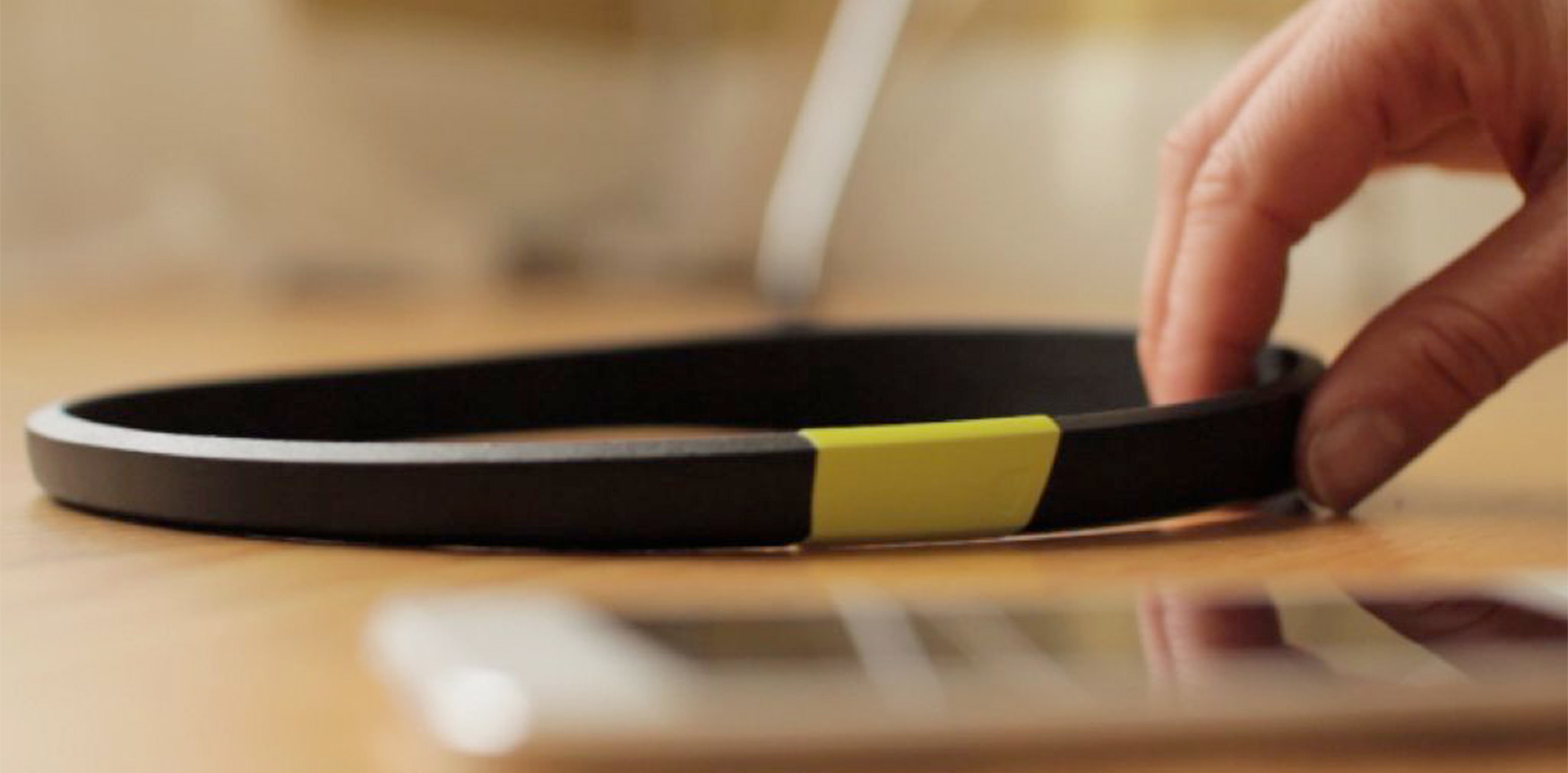
Arye Barnehama and Laura Michelle Berman wanted to take their invention—a headband that measures brain wave activity, focus, and concentration—to the next level. As a part of IDEO’s startup-in-residence program, Barnehama and Berman collaborated with IDEO on the product’s rebranding, hoping to refine and emphasize the product’s promise: When people improve their focus, they feel more mindful, confident, and productive.
With IDEO’s help, the company changed its name from Axio to Melon, delineated their brand, refined its product, developed its user experience, and prepared a Kickstarter campaign that garnered considerable press coverage. The new name, Melon, reflected the friendly, scalable character of the company. The name also suggested the intent of the product—using neuroscience data to inform a personal activity.
To distinguish Melon as a standout in the crowded quantified-self category, IDEO designers made the logo a faceted orb that references the gear-shifting mind, with “Melon” written in a distinctive font born from that same logo. The team went with fruit colors—cantaloupe, honeydew, watermelon—to evoke the sweet, refreshing experience the Melon headband promises.
Together, the Melon and IDEO teams also developed an app that shows increases in concentration after performing certain tasks and features a game in which you “fold” origami through mental focus to hone concentration.
Melon’s new brand strategy and UI set it apart from your typical fitness tracker, engaging the user in an elegant, joyful, and customized experience with every interaction.
Melon: a headband and mobile app to help you measure focus.
Helping young adults make smart money decisions
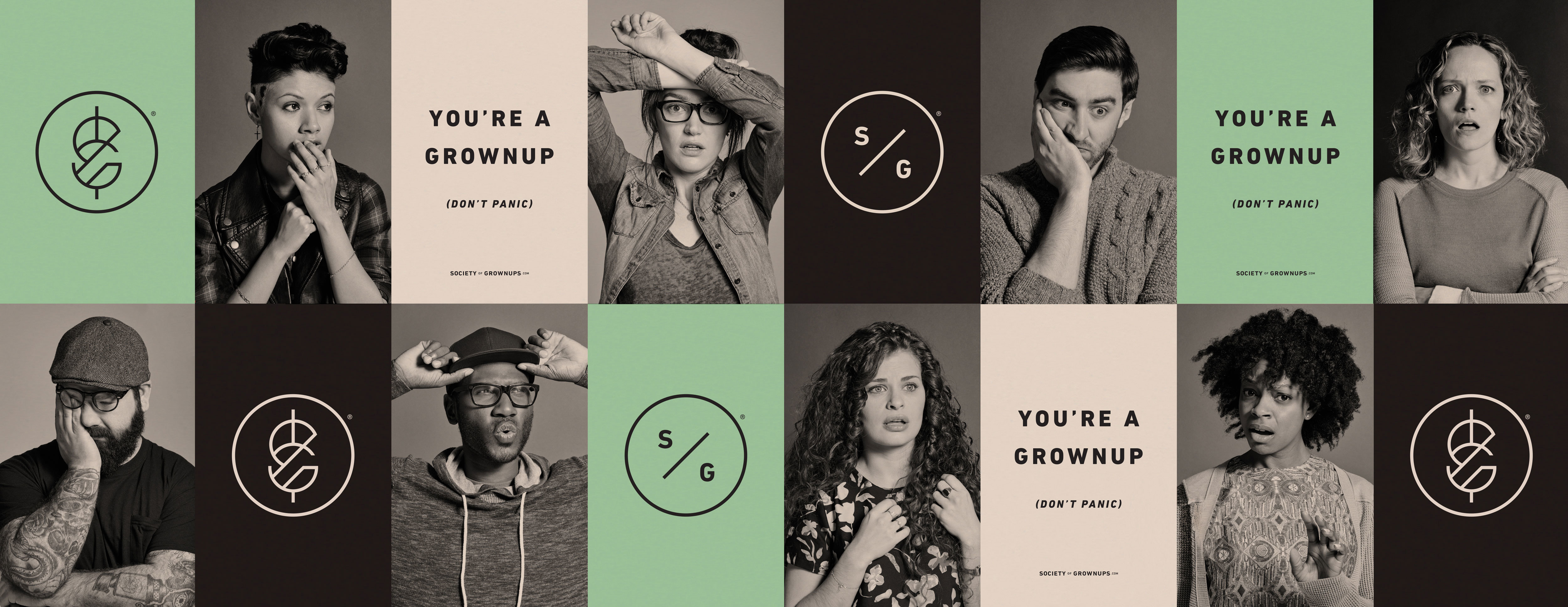
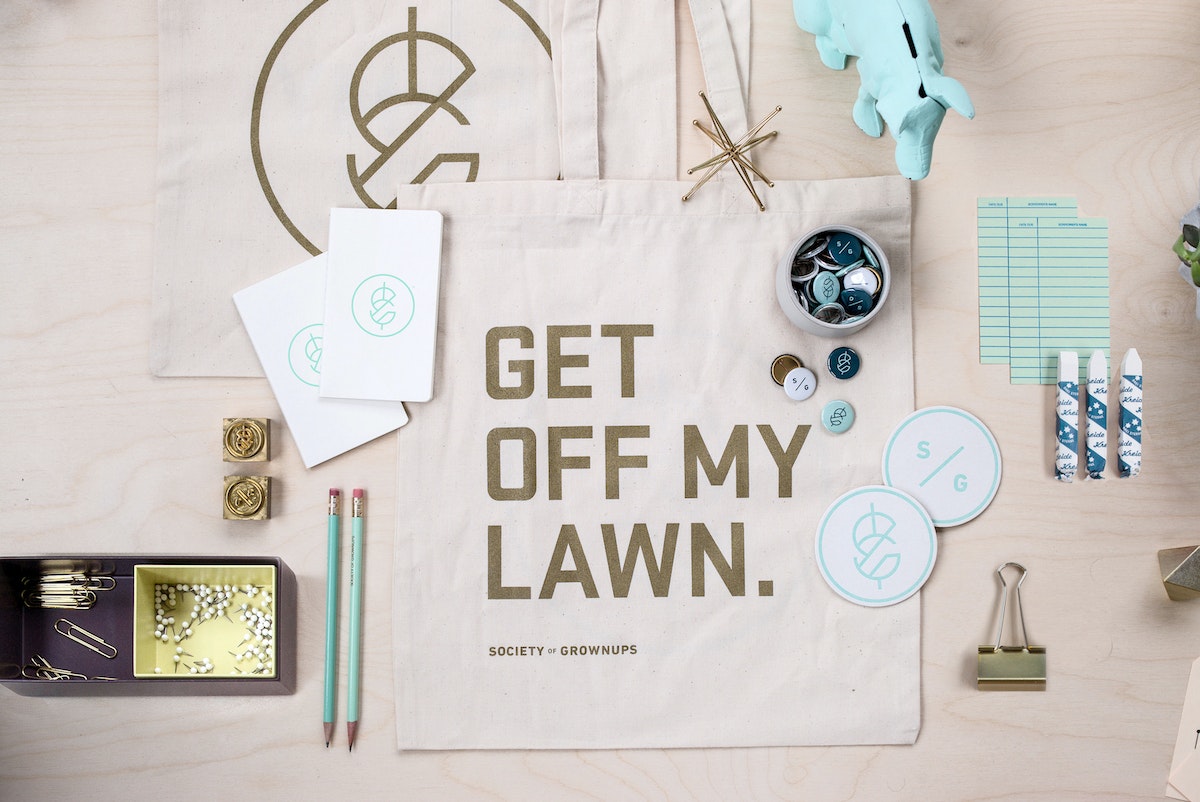
Society of Grownups offers financial advice to those who need it most.
When you’re under 40, buying a life insurance policy may seem about as practical as buying a Humvee. That makes insurance a tough sell for a 165-year-old company like MassMutual. To find a way to become relevant to this generation, MassMutual partnered with IDEO with a mission to get young people interested in their own spending habits.
Over the course of two years, the teams set out to learn about how people across the US spend and save their money, and they uncovered a simple theory: you either have a smart money mindset or you don’t. When it comes to being mature about financial issues—chipping away debt, saving to buy a car—it doesn’t always come naturally. If anything, many feel disconnected from money-related matters, even if it’s in their best interest to know more.
"I hate going to a bank and not really knowing what I am doing when it comes to money," said Simon Bowers, a 31-year-old who works in public relations, featured in an article in Fast Company about the MassMutual-IDEO collaboration. "They don’t seem to take into account that this might be scary for us."
So how to invite this wary demographic to the table? Design an accessible way to meet them wherever they are: online and on their phones. IDEO helped build the new venture from the ground up—designing a brand identity and experience focused on transparency, meeting users where they are, and helping people navigate complicated financial situations so they can live life on their own terms. It’s called Society of Grownups, and you can think of it as a sort of master’s program for adulthood. Each piece of the program builds on a common vision that continues to iterate every day.
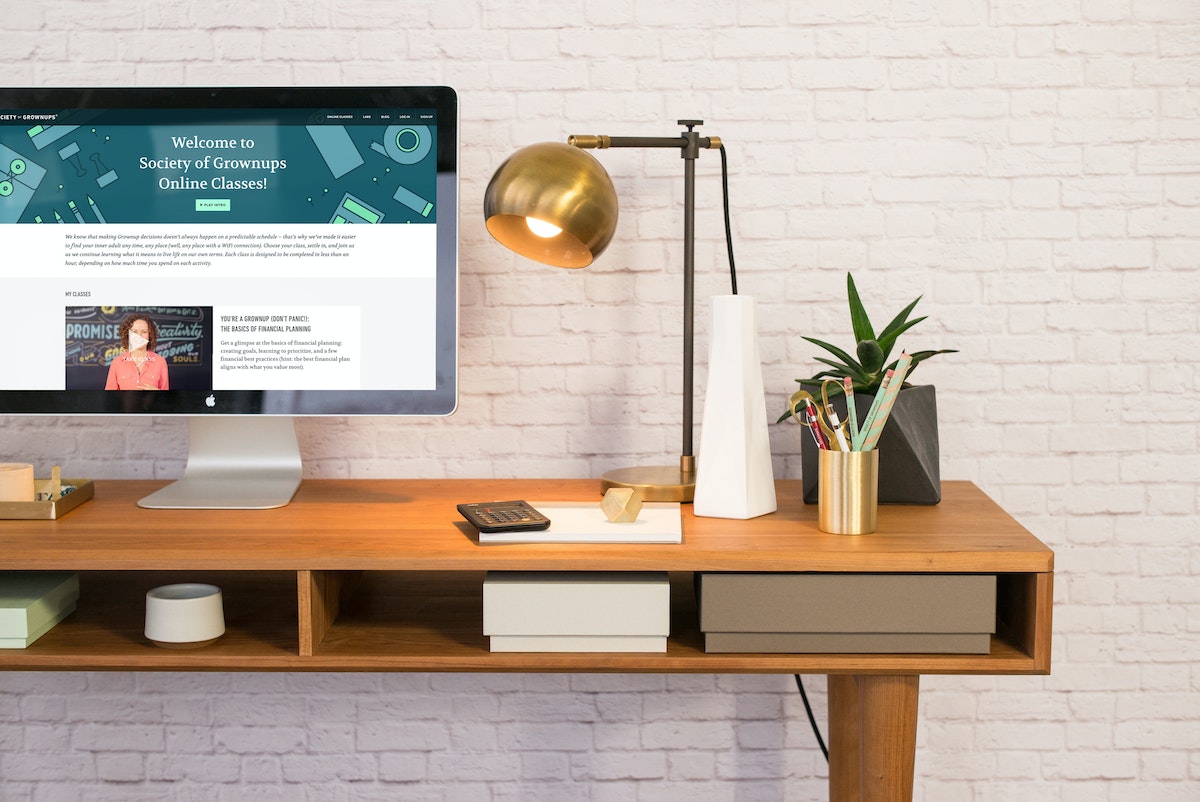
After building and testing full-scale, live prototypes, the brick-and-mortar Boston location opened in 2014 and operated much like a supper club—a warm, inviting space where young people could hang out, feast on delicious meals, attend talks, and learn about things like 401Ks, living on a budget, and how to pick good, cheap wine. After two years of continued prototyping, MassMutual recognized that the digital channel has the most potential to grow and closed the brick-and-mortar location to focus their investment in building out the bespoke online financial tools to reach more people across the nation.

Helping a digital healthcare startup to scale up
A redesign, a rebrand, and a new focus.
From leeches to gene therapy, how we treat sickness has changed beyond recognition over the centuries. But one question asked by ancient healers and modern doctors alike remains the same: “How are you feeling?”
“We’ve had the ‘quantified self’ for a number of years—sensors that measure steps, weight, blood pressure,” said Bruce Hellman, cofounder of UK-based digital health startup uMotif. “But by only focusing on the quantitative, we miss the whole picture of a person.”
Hellman cofounded uMotif in 2012, inspired by the self-awareness he gained when tracking his sleep after his baby was born. uMotif gives people the tools to record and track their mood, sleep, and clinically relevant symptoms like dizziness or breathlessness on their mobile phone app, and share the resulting data with their doctor and care team to better inform appointments, and treatment plans.
Named as one of 50 UK "scale-ups" that could grow to over £100m in revenue by not-for-profit organization Silicon Valley Comes to the UK, uMotif’s software and apps have been deployed in dozens of hospitals, and profiled in The Guardian, The Daily Telegraph, and The London Times. With a view to scaling strategically, Hellman applied to IDEO Europe’s first Startup in Residence, a three-month-long program to accelerate companies through design thinking. “We brought the whole of uMotif to IDEO: product, organization, branding, approach, and business model,” said Hellman. “We were keen to re-consider just about everything.”
During the residency, the uMotif team embedded with IDEO’s London studio to work closely with an eclectic team of interaction, business, and communication designers, and design researchers, to explore every aspect of the business.
The team found that although uMotif’s organic growth had reflected the rapidly expanding digital health market, the offer was somewhat fragmented as a result. In response, uMotif decided to tighten its sales focus from 14 branches of medicine to just two: oncology and cardiology (with mental health as an R&D area).
In-depth interviews with patients, nurses, doctors, and executives revealed a clear opportunity: “simple symptom tracking for people going through an acute or serious period in their health, to activate and extend the patient-care team relationship,” Hellman says. The focus switched from the Quantified Self to the Qualified Self, coined by the team to reference uMotif’s unique approach to measuring how people feel.
Designers set about reconfiguring and prototyping aspects of the brand, product, business, and organizational model for delivery. Whereas the original uMotif product had been designed with a single clinician in mind, the team designed a new dashboard catering for the reality of modern healthcare—multiple caregivers.
Ultimately, uMotif’s offer is not just about helping patients understand their own health; it’s about providing meaningful insights that enable them to have richer conversations with their care teams—allowing them to work together to improve care plans and outcomes.
“We are a much more focused, confident, and clear organization, truly prepared to scale sales, delivery and clinical impact,” says Hellman, referring to the impact of their participation in the Startup in Residence program. Now back in its own headquarters, the team takes with it a toolkit of IDEO systems and processes with which to run their business and to apply to new projects, products, and services.
“Health systems around the world are quickly adopting digital channels,” he said. “We aim to be at the forefront of this inevitable shift, using design thinking to put people at the centre of their care, improving quality of life, treatment outcomes, and healthcare experience.”
WATCH: uMotif: Sam's Story.

Helping kids make healthy choices
Three design concepts that help kids make healthier choices around food and exercise.
IDEO designers wanted to take on a challenge: How might we help kids make better decisions around food and being active?
Designers moved forward with three concepts that addressed this challenge from three completely different directions:
- Top Chops, a hands-on cooking adventure that builds kids’ confidence in the kitchen by working toward becoming a Top Chop “master chef.”
- Daredevils, a wearable device that measures the intensity of energy exerted, but doesn’t prescribe the activity, which kids can use to dare each other to reach activity goals.
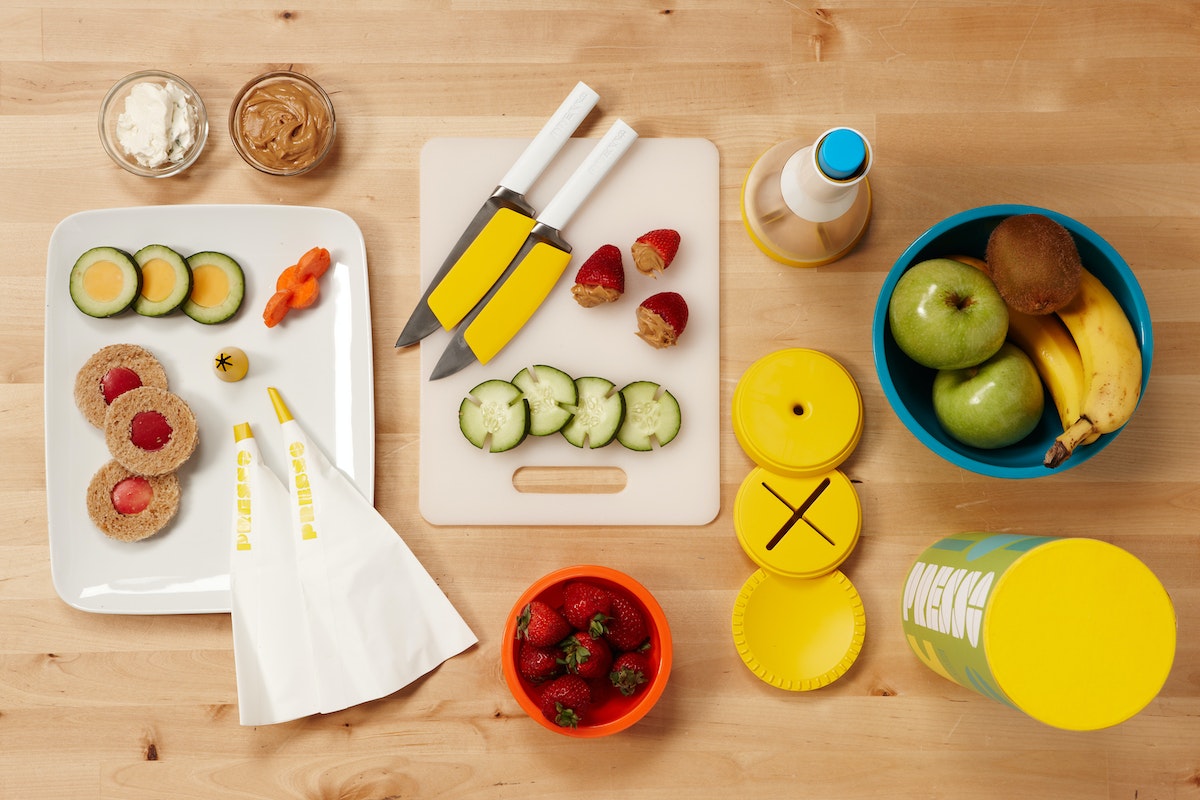
- Presso, a set of child-size kitchen tools that slice and dice fresh food in imaginative ways, making cooking fun and helping kids feel they have a role in making their own healthy food.
The design team behind this work was featured on 60 Minutes, and some of the resulting concepts were featured on CBS This Morning.

Handheld organizer becomes a sleek accessory
Redesigning a utilitarian tool to set it apart from imitators.
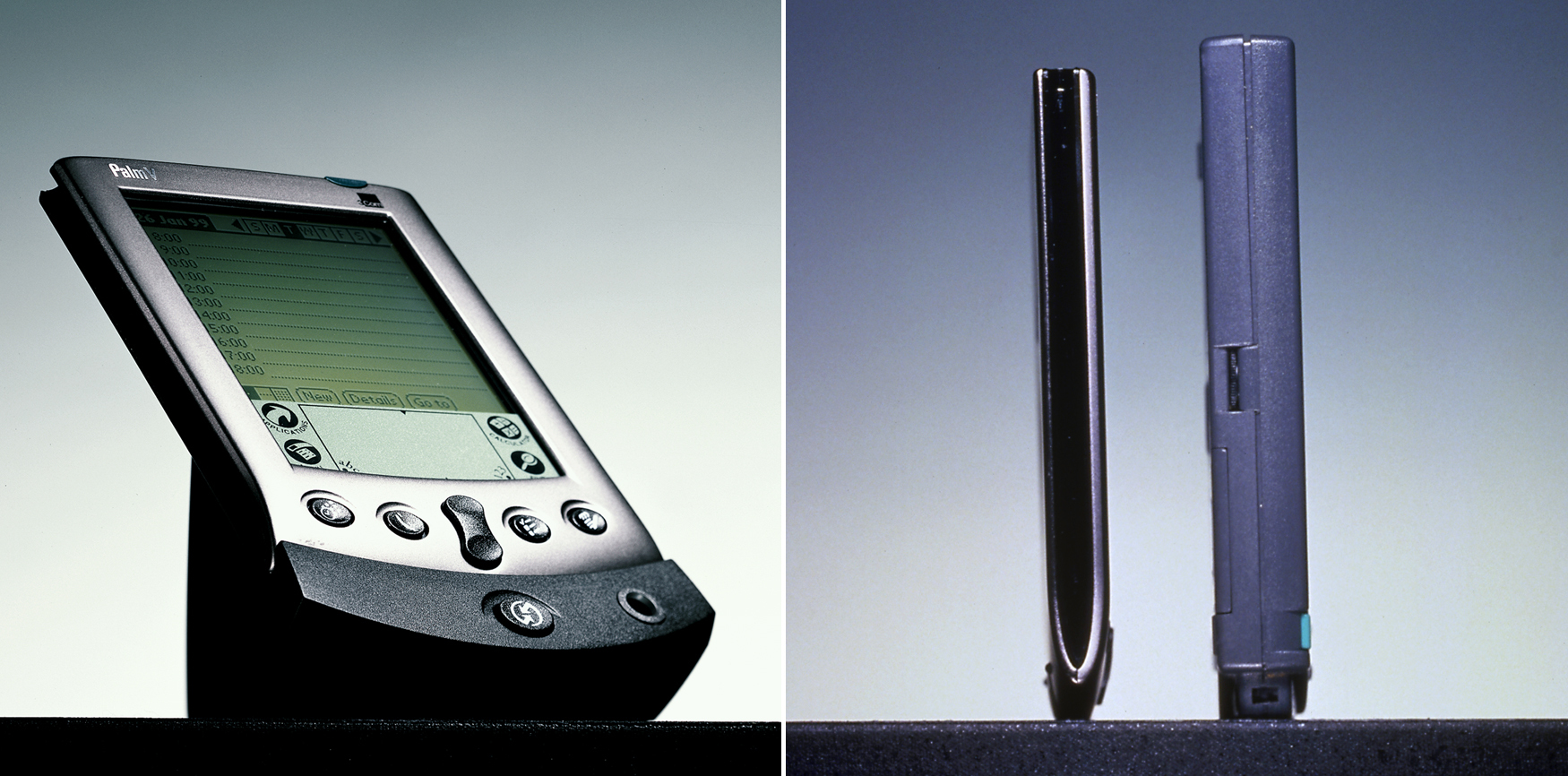
In updating the popular and industry-defining PalmPilot, Palm Computing wanted to reposition the next-generation Palm V as a high-design accessory to set it apart from its many imitators.
Together with IDEO, it crafted a sleek, elegant device, half the thickness of the original in an anodized aluminum housing. Incorporating an internal lithium-ion battery that recharges in the dock, the side rails act as an open architecture to provide attachment for a variety of styluses, cases, and other add-ons.

Giving ed tech entrepreneurs a window into the classroom
Designing tools that students like and teachers need.
The Bill & Melinda Gates Foundation partnered with IDEO to explore how to harness the potential of technology to support teachers in delivering high-quality education at scale.
By talking to the people on the front lines—teachers, students, entrepreneurs, and technologists—IDEO discovered a dual challenge: Teachers need a broader array of quality tools to use in the classroom, and the ed tech entrepreneurs need a window into the classroom to create the most effective technology products.

With this insight in hand, IDEO worked with the Gates Foundation to design, build, and launch Teachers Know Best, a digital platform aimed at connecting those creating new tools and technologies with the people who ultimately use them. Powered by the results of a large-scale survey of 3,000 educators and 1,200 students, the interactive resource acts as the bridge to connect entrepreneurs to classrooms. The site provides invaluable insight to help startups focus, refine, and scale their work, and provides essential information on how schools find and select products to use in the classroom, as well as a forum for teachers and students to rate and respond to more than 500 existing resources.
The resulting platform is a boon for tech entrepreneurs, educators, and students alike—giving entrepreneurs a clearer understanding of what's needed, and giving teachers and students a voice. Teachers Know Best launched in May, 2015 for entrepreneurs and educators at the New School Ventures Fund Summit.

From libraries to learning labs
Librarians use design thinking to create new services for patrons.
What’s the future of libraries? As information goes digital and reading rooms become a thing of the past, what’s the best use and function of libraries going forward?
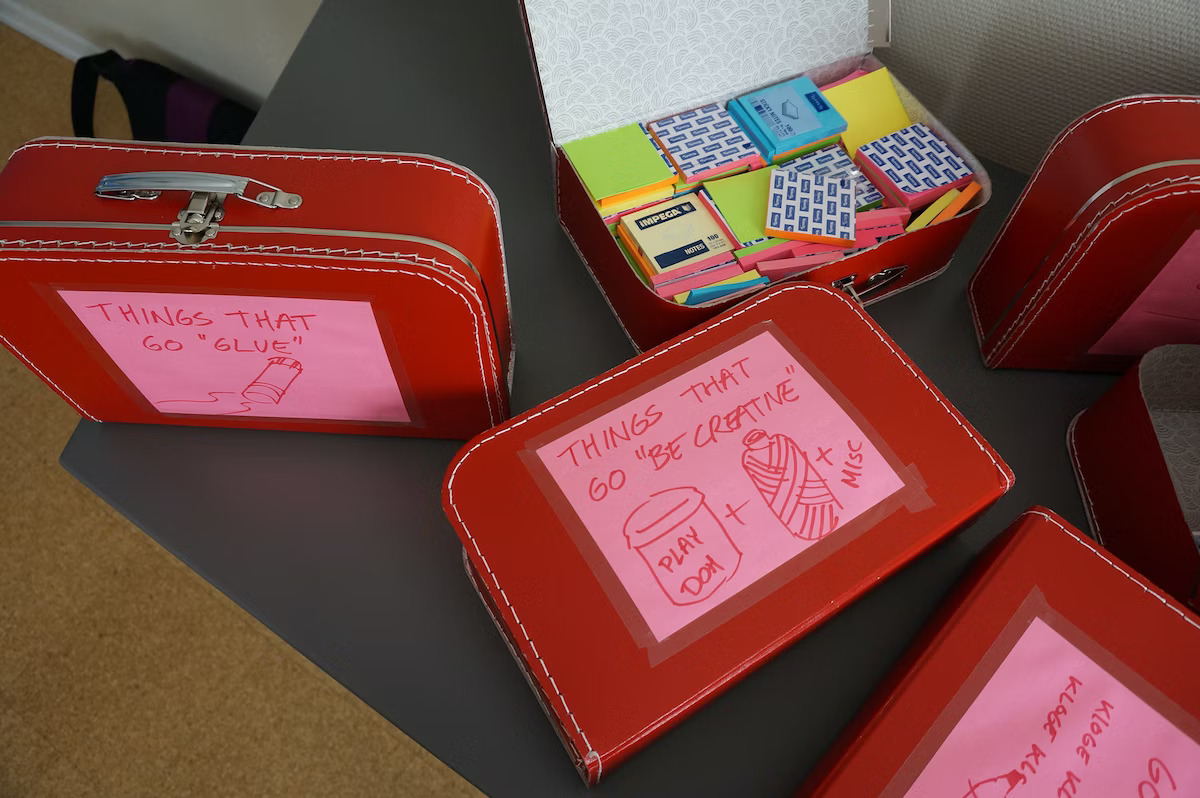
Chicago Public Library and Denmark’s Aarhus Public Libraries, together with IDEO, wanted to find out. With a grant from the Bill & Melinda Gates Foundation, they created the Design Thinking Toolkit for Libraries: reading and workshop materials that can be used by any front-line library staffer to adapt to library users’ changing needs.
Using the Toolkit, library staffers engaged with patrons to test out brave new ideas that change our perception of the typical library: an anything-but-quiet teen expression lab with music- and art-making tools, a “tech spa” for users looking for how-to information, and a series of narrative storytelling workshops for kids that use play as a springboard for learning. In Chicago, these experiments spurred the implementation of a new play space in the children’s library section of the Albany Park branch, and the creation of new roles for librarians that focus specifically on teens’ needs.
You can download the toolkit, and find more resources, at designthinkingforlibraries.com.

Firing up a new pro soccer experience
Defining the Chicago Fire brand in order to win over new fans.
Major League Soccer champions the Chicago Fire wanted to convince new fans to come to its stadium, but knew that competition for fans’ attention—and wallets—in Chicago was fierce. The Fire partnered with IDEO to create memorable marketing campaigns and fan experiences to get more Chicagoans fired up and filling its seats.
Inspired by Section 8 fans and fervent Club supporters, IDEO homed in on six defining brand personality traits: human, gritty, irreverent, indie, Chicago pride, and globally curious, then used them to design game-day experiences to match. In addition, knowing the Fire’s marketing pockets weren’t as deep as its competitors, IDEO zagged and took a different approach to messaging: Eye-catching billboards featured headlines lifted directly from Section 8 fan chants, edgy posters showed soccer players as superheroes, and anything-but-traditional scarves and t-shirts sported bold wording and graphics of players’ faces.